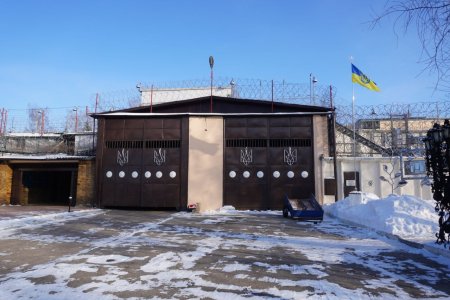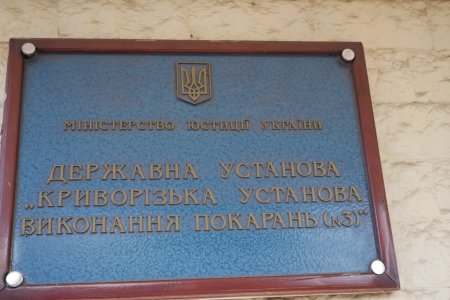
Report on the results of the monitoring visit to Kryvyi Rih Remand Prison No. 3
Several positive practices were identified: repairs to cell and office premises, and the implementation of an integrated security system with video surveillance. At the same time, overcrowding in certain cells, a lack of privacy in sanitary facilities, the long-term de facto solitary confinement of a person with mental disorders without proper documentation, deficiencies in material and domestic provision, and unsanitary conditions were observed.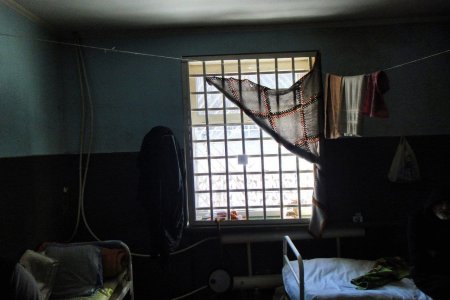
Report on the results of the monitoring visit to the multi-profile hospital of Shepetivka Correctional Colony No. 98
Inadequate documentation of bodily injuries, staff shortages, a lack of telemedical consultations and necessary equipment, as well as violations regarding inclusivity and the provision of rights for persons with disabilities were identified. At the same time, during 2025, a number of repair works were carried out in the medical unit, and the material and technical base of certain premises was partially updated.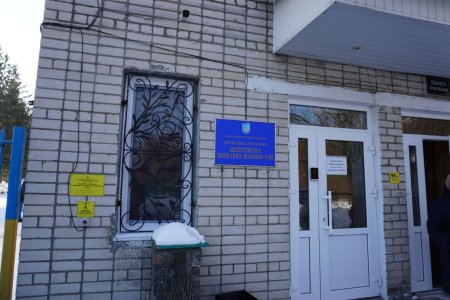
Report on the results of the monitoring visit to Shepetivka Correctional Colony No. 98
Repair works have been carried out in a number of premises at the institution, measures to improve security are being taken, and the institution’s grounds are being landscaped. At the same time, a number of violations were identified in the organisation of laundry and bath services, the use of some prisoners as ‘ward orderlies’, and systemic violations of the convicts’ right to labour and social protection.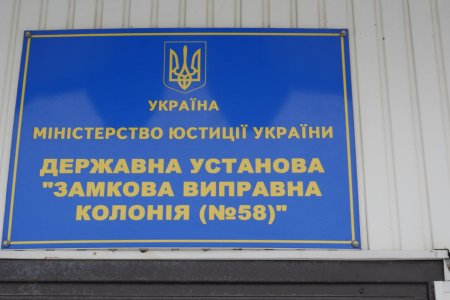
Report on the Results of the Monitoring Visit to Zamkova Penal Colony No. 58
Inadequate conditions of detention were established in the cell-type premises of the maximum-security sector, the disciplinary unit, and solitary confinement cells. Violations were identified regarding the procedure for applying disciplinary sanctions and the inadequate provision of exercise yards. The unsuitable condition of the shelter was recorded separately. In the sphere of labour and social protection, it was established that convict labour was being utilised without proper documentation.
When the system fears the truth: why human rights defenders are followed after monitoring visits
After a visit to Sumy Correctional Colony No. 116, the members of the monitoring group noticed they were being followed. It turned out that the human rights defenders were being trailed by an officer of the prison’s operational department. He was unable to explain his actions.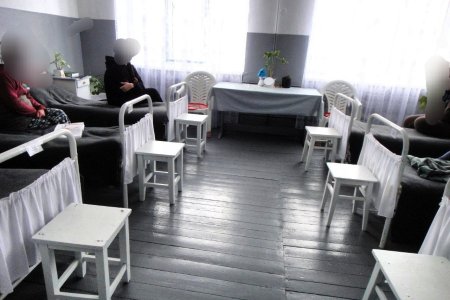
Report on the findings of a monitoring visit to the specialized tuberculosis hospital of the Zbarazh Correctional Colony No. 63
Some positive practices were noted, particularly the implementation of modern information systems. At the same time, the monitoring visit revealed numerous systemic violations in the sphere of medical care and the treatment of prisoners. The most serious violations concern the placement of an individual with mental health disorders in the disciplinary unit (DIZO) without a proper medical assessment or response, the lack of an isolation unit for such patients, the absence of a clinical psychologist, and other violations.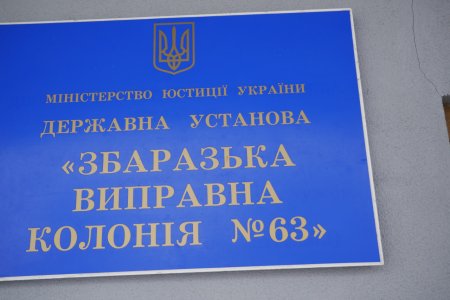
Report on the results of the monitoring visit to Zbarazh Correctional Colony No. 63
Part of the living quarters, study rooms, and individual premises for educational work and household use are in a proper condition. At the same time, unauthorised delegation of supervision functions to prisoners over other individuals and significant deficiencies in the sphere of social-educational and psychological work have been recorded. A separate block of violations concerns the organisation of prisoner labour.
Report on the results of the monitoring visit to the Khmelnytskyi Pre-trial Detention Centre
The administration has taken specific measures to improve conditions of detention, in particular by carrying out repair work in cell facilities and equipping a psycho-emotional relaxation room. At the same time, overcrowding in certain cells, inadequate material, living, and sanitary-hygienic conditions, staff shortages, and other violations were identified.
Report on the results of the monitoring visit to Poltava Correctional Colony No. 64
Alongside certain positive changes in the organisation of the institution's activities, there is a significant number of violations of the rights of convicts and shortcomings in ensuring proper conditions of detention. A separate block of violations concerns the organisation of the convicts’ labour. Numerous violations were also identified in the sphere of medical provision.
Report on the Results of a Monitoring Visit to Pervomaiska Correctional Colony No. 117
A pilot project has been implemented regarding a novel approach to ensuring the supervision of convicted persons based on the principle of service in European countries; renovation work has been carried out. At the same time, the admission of convicted persons to the institution does not fully comply with the requirements of current legislation. On the day of the visit, the administration had created a ‘mock-up’ of a sanitary facility in the shelter, which was not connected to the sewage system.
Report on the results of the monitoring visit to Kachanivska Penal Colony No. 54
Positive developments aimed at improving material and living conditions and implementing modern approaches to resocialisation are observed. At the same time, systemic violations were identified regarding the procedure for the admission and segregation of convicts, the illegal use of medical premises for the initial placement of life-sentenced prisoners, non-compliance with sanitary and hygienic requirements, and other violations.