Report on the results of the monitoring visit to Shepetivka Correctional Colony No. 98
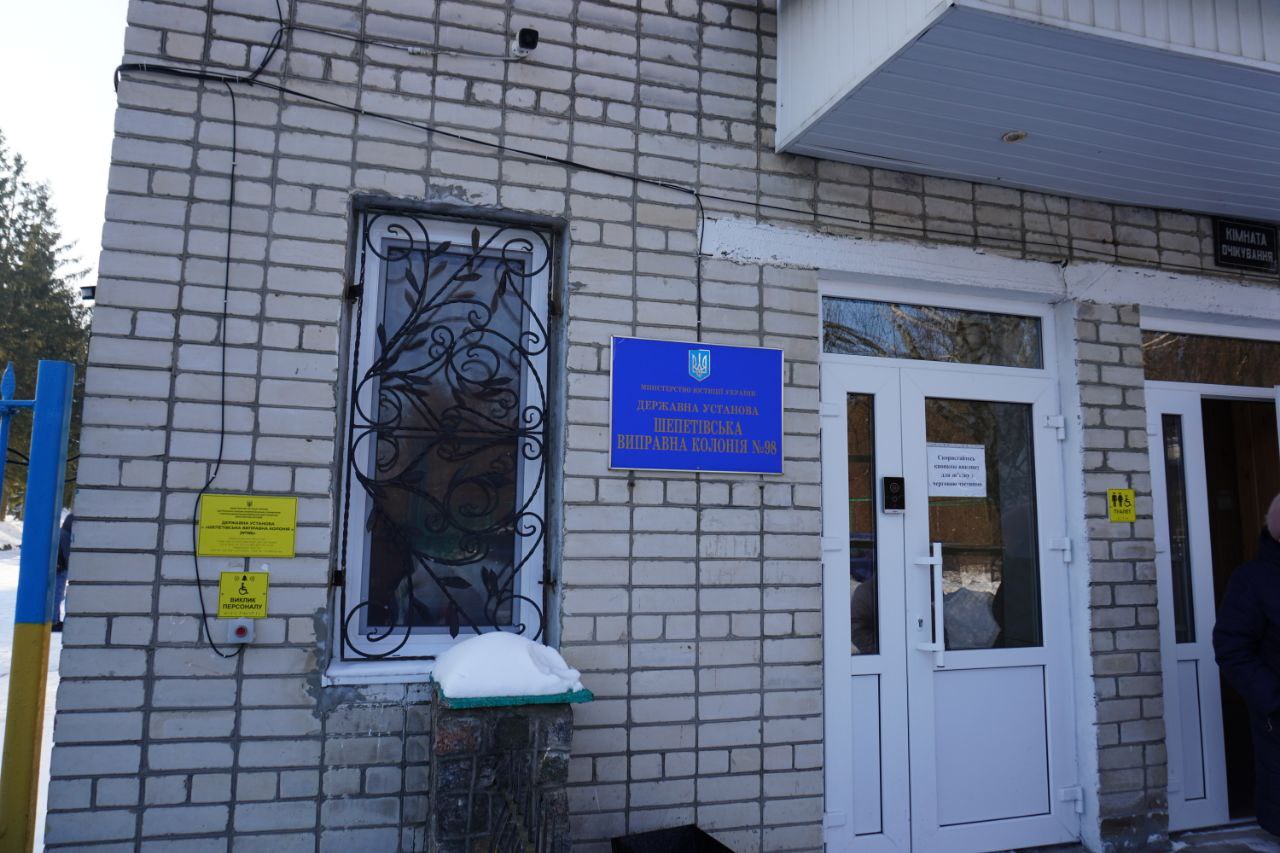
On 20 February 2026, in accordance with the Optional Protocol to the Convention against Torture and Other Cruel, Inhuman or Degrading Treatment or Punishment, taking into account the provisions of the United Nations Standard Minimum Rules for the Treatment of Prisoners (the Nelson Mandela Rules) and the decisions of the European Court of Human Rights, and on the basis of Article 24 of the Criminal Executive Code of Ukraine — ‘Visiting correctional facilities’, a monitoring group from the Kharkiv Human Rights Protection Group and the NGO ‘Protection of Prisoners of Ukraine’ conducted a visit to the state institution ‘Shepetivka Correctional Colony (No. 98)’ (SCC-98, the institution, the facility, the colony).
A routine, scheduled, unannounced visit was carried out; all facilities of the institution were examined. The previous visit took place on 08 November 2024.
During the preparations for the visit, the monitors used materials from complaints filed by convicts and their relatives, materials from previous reports, and reports from monitors of the National Preventive Mechanism under the Ukrainian Parliament Commissioner for Human Rights (NPM).
The visit was conducted within the framework of the project ‘Reducing Prisoners’ Suffering in the Context of the War in Ukraine’, funded by the government of Denmark in partnership with DIGNITY – Danish Institute Against Torture.
The visit was conducted by the following monitors:
- Andriy Didenko – Assistant to People’s Deputy of Ukraine Yaroslav Yurchyshyn, programme coordinator of the Kharkiv Human Rights Protection Group, experienced in monitoring visits since 2014, NPM monitor, member of the NPM advisory council;
- Serhiy Zuikov – Assistant to People’s Deputy of Ukraine Kostyantyn Kasai, member of the public council under the Ministry of Justice of Ukraine, member of the NGO ‘Protection of Prisoners of Ukraine’, NPM monitor, has many years of experience in monitoring visits;
- Oleh Tsvilyi – member of the public council under the Ministry of Justice of Ukraine, head of the NGO ‘Protection of Prisoners of Ukraine’, has extensive experience in monitoring visits, specialises in issues of torture and cruel, inhuman or degrading treatment.
During the monitoring visit, violations of national legal requirements and failure to adhere to international standards in the sphere of the treatment of prisoners were identified, leading to violations of the rights of convicts. In particular, inadequate organisation of the reception of newly arrived convicts, the formal nature of work with them in the Quarantine, Diagnostic and Distribution (QDD) unit, the use of convicts to control other persons, and inadequate material, domestic, and sanitary-hygienic conditions in the QDD, disciplinary cell/cell-type premises, enhanced control unit, laundry and bath complex, and the shelter were established.
Violations of the right to privacy, access to information, adequate nutrition, social and educational work, visits, documentation processing, and safe conditions of stay were also recorded, as well as systemic deficiencies in the organisation of convict labour, remuneration, and the provision of social protection.
The violations identified are not isolated but systemic in nature and indicate a need for a response, bringing detention conditions and official documentation into compliance with legislative requirements, and ensuring the real, rather than formal, observance of convicts’ rights.
At the same time, certain measures are being taken at the institution to improve material and domestic conditions and modernise infrastructure, in particular, repair works are being carried out and technical equipment is being updated.
General Information
SCC-98 is a medium-security correctional institution for men. A multi-profile hospital, No. 98, a branch of the State Institution ‘Centre for Health Protection of the State Criminal Executive Service of Ukraine in Khmelnytskyi Region’, is located on the institution’s premises.
The institution is located at: 60 Taras Shevchenko Street, Klymentovychi village, Shepetivka District, Khmelnytskyi Region.
SCC-98 was established in 1962 during a period of active development of the network of corrective labour institutions in the USSR. Its emergence was driven by a state-wide policy of expanding the penitentiary system, which envisaged the creation of large, specialised institutions for holding convicts while simultaneously involving them in production activities. At the initial stage of its functioning, the institution was formed as a corrective labour colony that combined a residential area for holding convicts with an extensive production infrastructure.
During this period, significant attention was paid to creating production capacities that allowed for the labour of convicts to be utilised in industrial and economic processes. In parallel, auxiliary elements of the system were developed – educational units, in particular, vocational training, as well as general secondary education institutions for convicts. In subsequent decades, the institution expanded both territorially and functionally. A complex structure was formed, including residential sections, a production zone, social and domestic facilities, and medical units. During this period, the colony functioned as part of the centralised penitentiary system of the USSR, subordinate to internal affairs bodies.
After the proclamation of Ukraine’s independence in 1991, the institution was included in the national penitentiary system. In the process of reform, it was placed under the authority of the newly created bodies of the penitentiary system of Ukraine. At the same time, a gradual process occurred of bringing its activities into compliance with national legislation, in particular the Criminal Executive Code of Ukraine, as well as changing approaches to the organisation of the regime, labour, and detention conditions of convicts.
Subsequently, the institution attained the status of a medium-security correctional colony for men who had previously served sentences in places of deprivation of liberty. An important element of its development was the formation of medical infrastructure on the institution’s premises, in particular the creation of a multi-profile hospital that provides medical care to convicts.
Thus, the historical development of SCC-98 reflects the general stages of the evolution of the penitentiary system — from the Soviet model of corrective labour colonies to the modern structure of Ukraine’s correctional institutions.
At the time of the visit, the head of the institution was Colonel of the Internal Service Ihor Mykhalchuk.
The facility consists of a duty unit, a QDD unit (quarantine, diagnostic, and distribution unit), Social-Psychological Service (SPS) units, a kitchen, disciplinary cell (DC), cell-type premises (CTP), enhanced control unit (ECU), remand prison (RP) unit, medical unit, laundry and bath complex, visitation rooms, a shop, a library, a parcel reception room, and administrative offices. The institution has 9 SPS units, a medium-security sector for men who have previously served prison sentences, a sector for holding persons in custody, a QDD unit, and an ECU unit. 2 units are mothballed and require repairs.
According to the institution’s administration, the authorised staff number is 368 positions. The actual number is 276 positions. The overall staff shortfall at the institution is 71 employees.
The planned capacity of the facility is 1043 persons. The actual number of persons held at the institution is 500 convicts. There are 2 psychologists working at SCC-98.
During 2026, 28 persons arrived at the colony, and another 57 persons arrived for treatment at the medical facility. During 2025, 8 persons died; during 2026, 4 persons died.
On the operational-preventive register were: 23 persons prone to suicide; during 2026, 1 suicide act was recorded; 4 persons prone to self-harm; 11 malicious violators of the detention regime. During 2025, 6 persons were released due to serious illnesses.
During 2025–2026, no complaints were recorded from convicts regarding inadequate detention conditions or inadequate provision of medical care. 26 persons have a disability: 1 person has Group I, 8 persons have Group II, and 17 persons have Group III.
Convicts have 357 tablets for personal use, and 22 email addresses have been registered. Over the last six months, 6 acts of prosecutorial response were recorded. During 2025, 8 cases of bodily injuries were recorded during their stay at the facility; during 2026, 1 case of bodily injuries was recorded during their stay at the institution.
The monitoring group interviewed about 260 convicts during visits to production premises, workshops, SPS units, disciplinary units, utility rooms, and during general conversations providing consultations, answering questions, surveying on human rights violations, and engaging in individual communication with persons, including on an anonymous basis.
Positive Experience
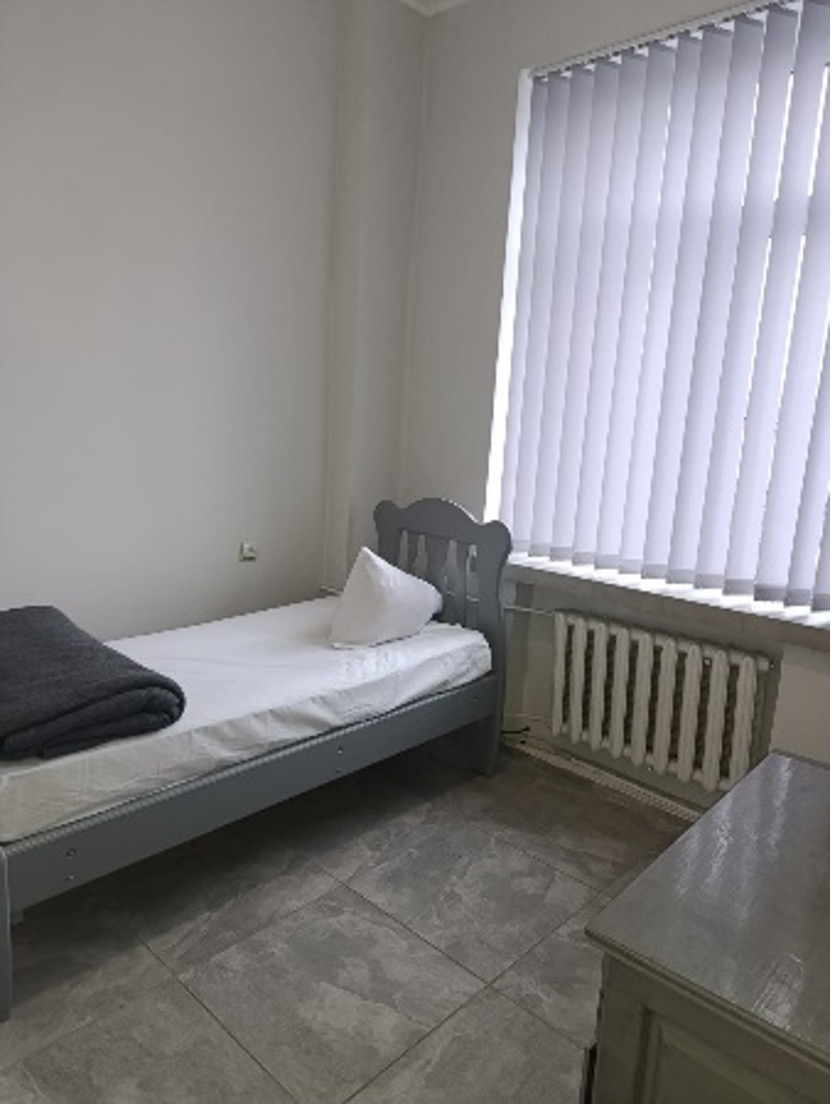
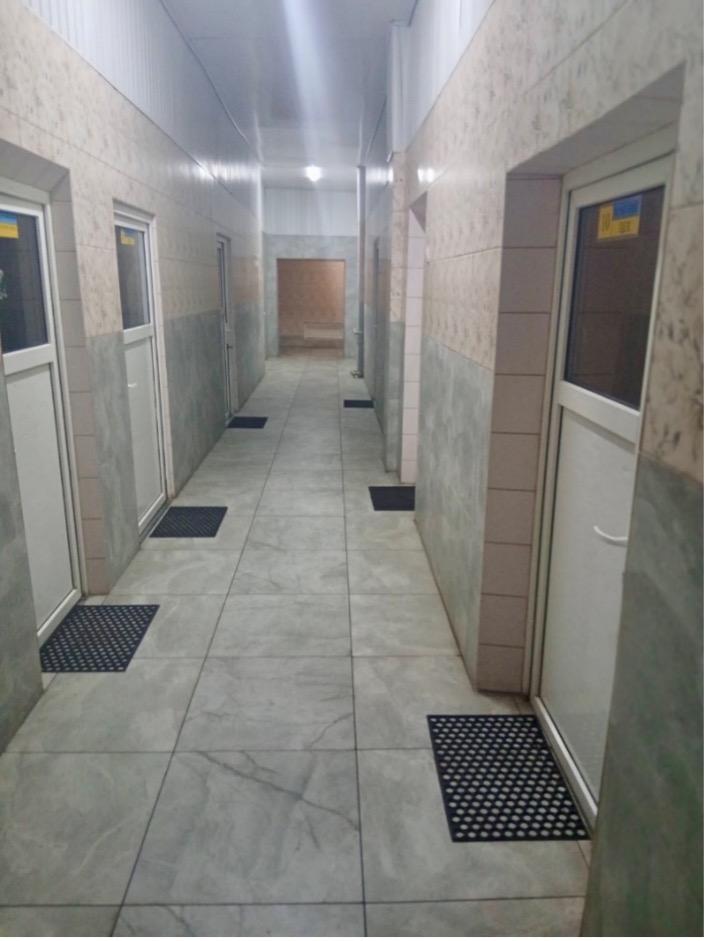
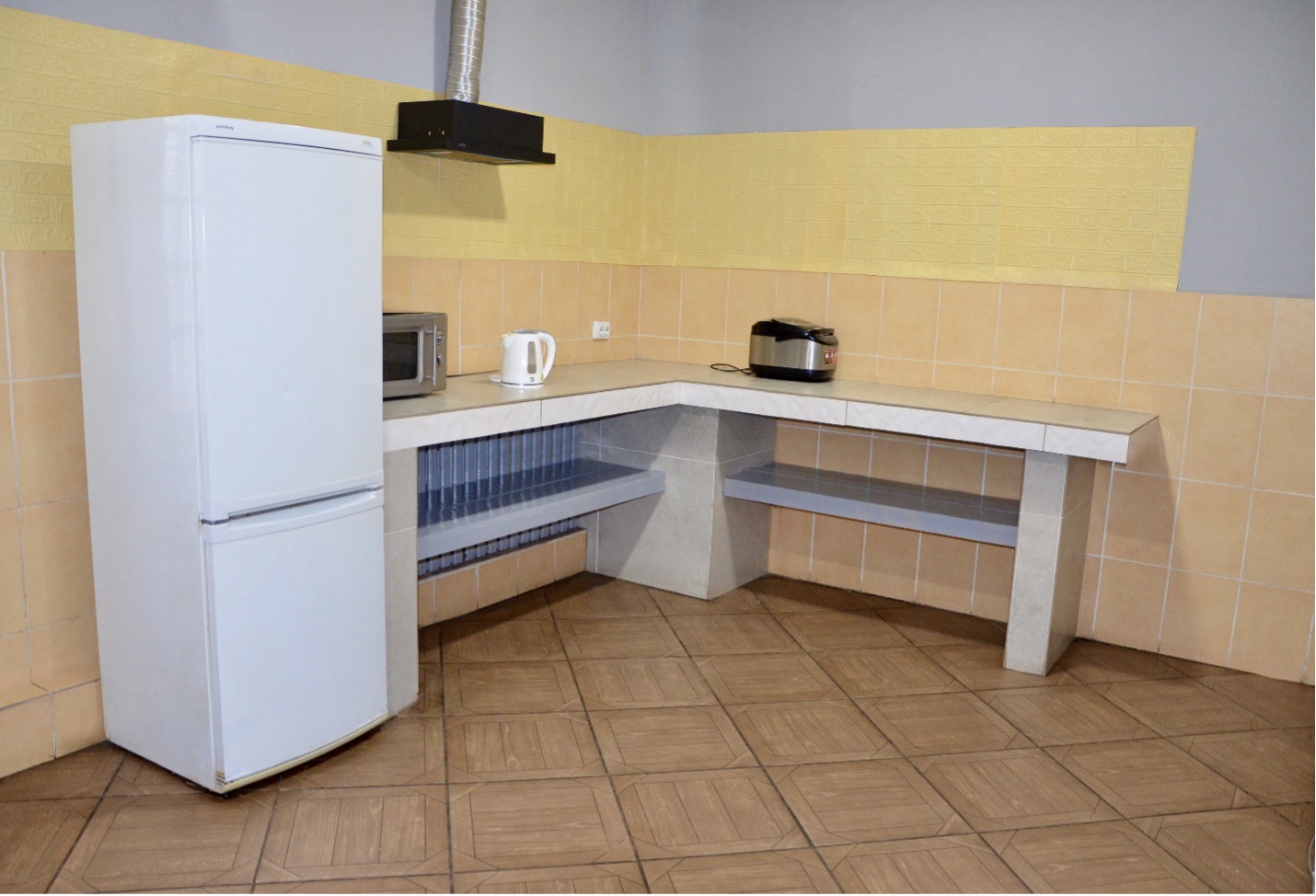
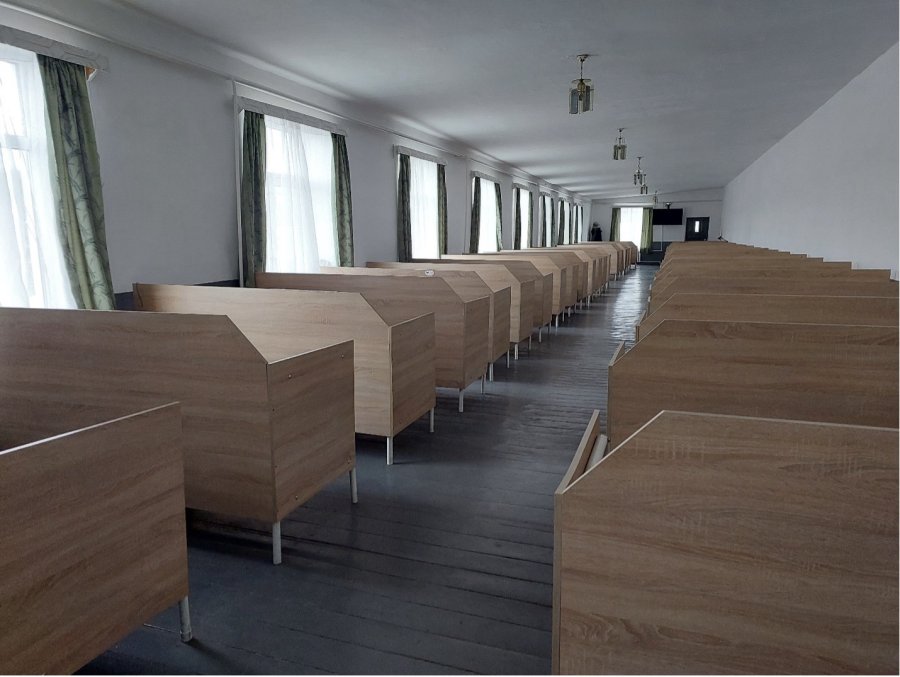
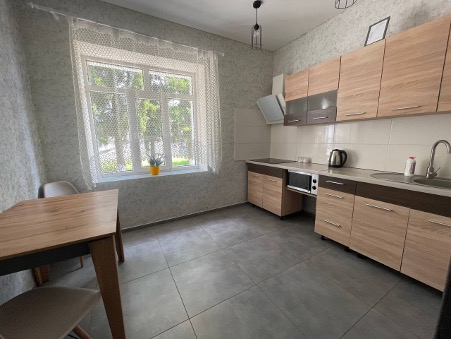
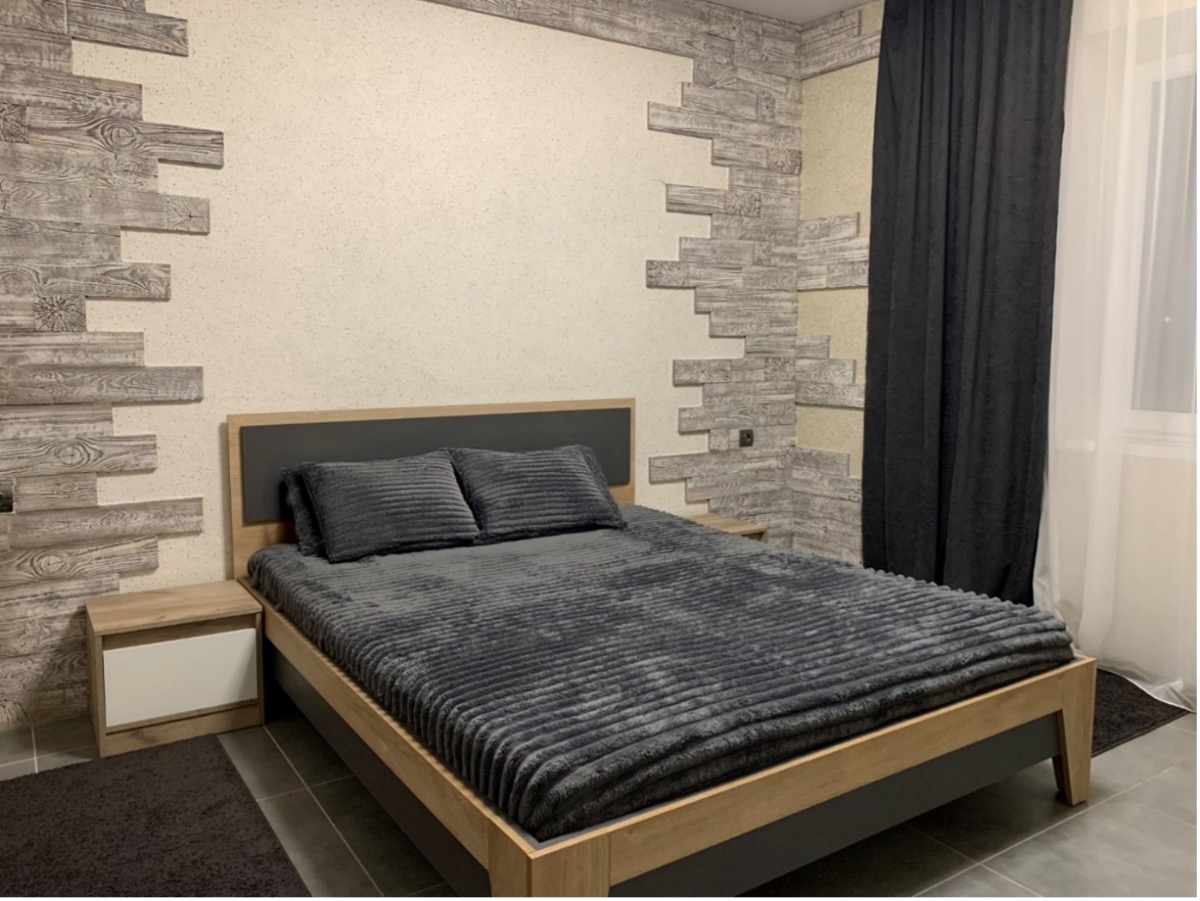
During the analysis of the materials provided, it was established that measures are being taken at the institution aimed at improving material, domestic, and infrastructural conditions. In particular, in 2025, repair works were carried out in a number of premises, including disciplinary cell units, the enhanced control unit, staff recreation rooms, the duty unit, and facilities of the social-psychological service. Separately, the arrangement of convicts’ residential premises taking into account individual space, as well as repairs in visitation rooms, the canteen, the laundry, and auxiliary utility rooms, should be noted.
Measures are being taken at the institution to increase the level of security through the modernisation of engineering and technical means: video surveillance systems, portable video recorders, radio stations, and special means to ensure the safety of staff and facilities have been purchased. The functioning of the production base, in particular the manufacturing of reinforced concrete products and workshop output, creates opportunities for involving convicts in labour and acquiring practical skills. The institution’s grounds are also being landscaped, including the arrangement of zones for convicts, which contributes to improving their detention conditions.
Identified Violations of National and International Law
During the monitoring visit, violations of national legal requirements and failure to adhere to international standards regarding the treatment of prisoners were identified, leading to violations of the rights of convicts:
1. The procedure and conditions for receiving convicts at the institution do not fully comply with the requirements of current Ukrainian legislation and international standards for the treatment of prisoners. In accordance with paragraphs 1 and 2 of Section II of the Regulation on the Quarantine, Diagnostic and Distribution Unit, approved by Order of the Ministry of Justice of Ukraine dated 04.11.2013 No. 2300/5 (hereinafter – Regulation on the QDD unit), a working group is created by order of the head of the institution to organise work with newly arrived convicts, which includes the institution’s deputy heads, heads of structural units, a psychologist, and a medical professional.
For the purpose of planning said work, a programme is drawn up annually for acquainting newly arrived convicts with the order and conditions of serving their sentence, which is approved by the head of the institution. In accordance with paragraph 8 of Section II of the Regulation on the QDD unit, holding convicts in isolation (quarantine), among other things, involves implementing a programme to acquaint convicts with the conditions and order of serving their sentences. However, during confidential communication with convicts and an analysis of official documentation, the monitoring group established that members of the working group do not fully carry out the measures envisaged by said programme.
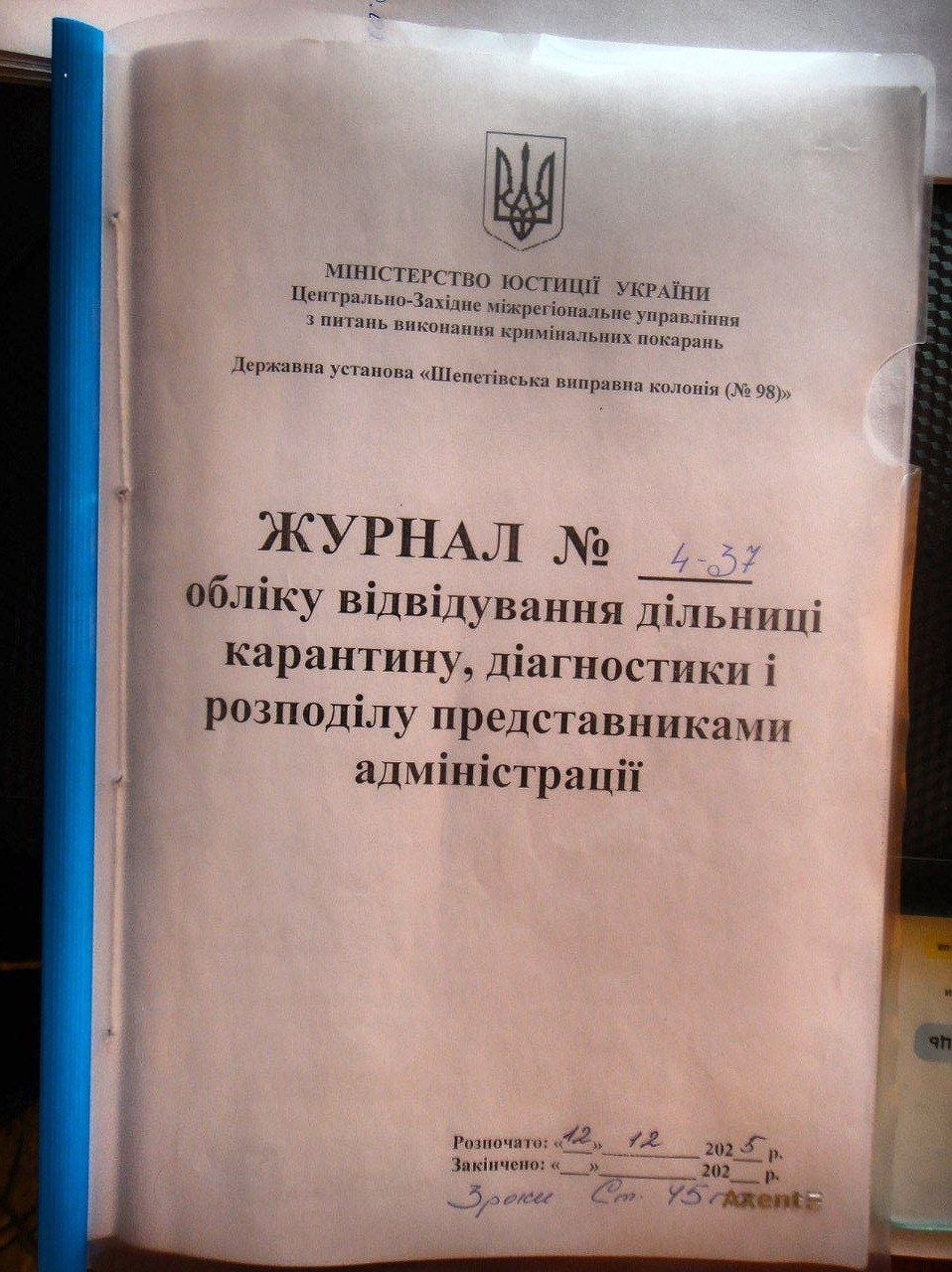
The lack of systemic organisation of work is confirmed, in particular, by entries in the log of QDD unit visits by administration representatives. Thus, as of 20.02.2026, 7 persons were in the unit who had arrived at the institution on 13.02.2026 and 18.02.2026, while the last entry in the log is dated 18.02.2026, which may indicate failure to perform the envisaged measures in the period from 19.02.2026 to 20.02.2026.
Furthermore, during an inspection of the log of QDD unit visits by administration representatives, it was established that certain entries contain incorrect information and, likely, could not have been made by the working group members. Thus, on 18.02.2026, according to an entry made in the log by the acting deputy head of the institution for intendant and communal-domestic provision, I. V. Mykhalchuk, an event was held with newly arrived convicts on the topic of standards and conditions for the provision of clothing and food products.
At the same time, it was established that I. V. Mykhalchuk actually holds the position of first deputy head of the institution — deputy head of the institution for supervision and security, protection, and operational work, and issues of communal-domestic provision do not fall within his area of competence. Furthermore, the log lacks a signature confirming the conduct of said event, which additionally calls into question the veracity of the entry made.
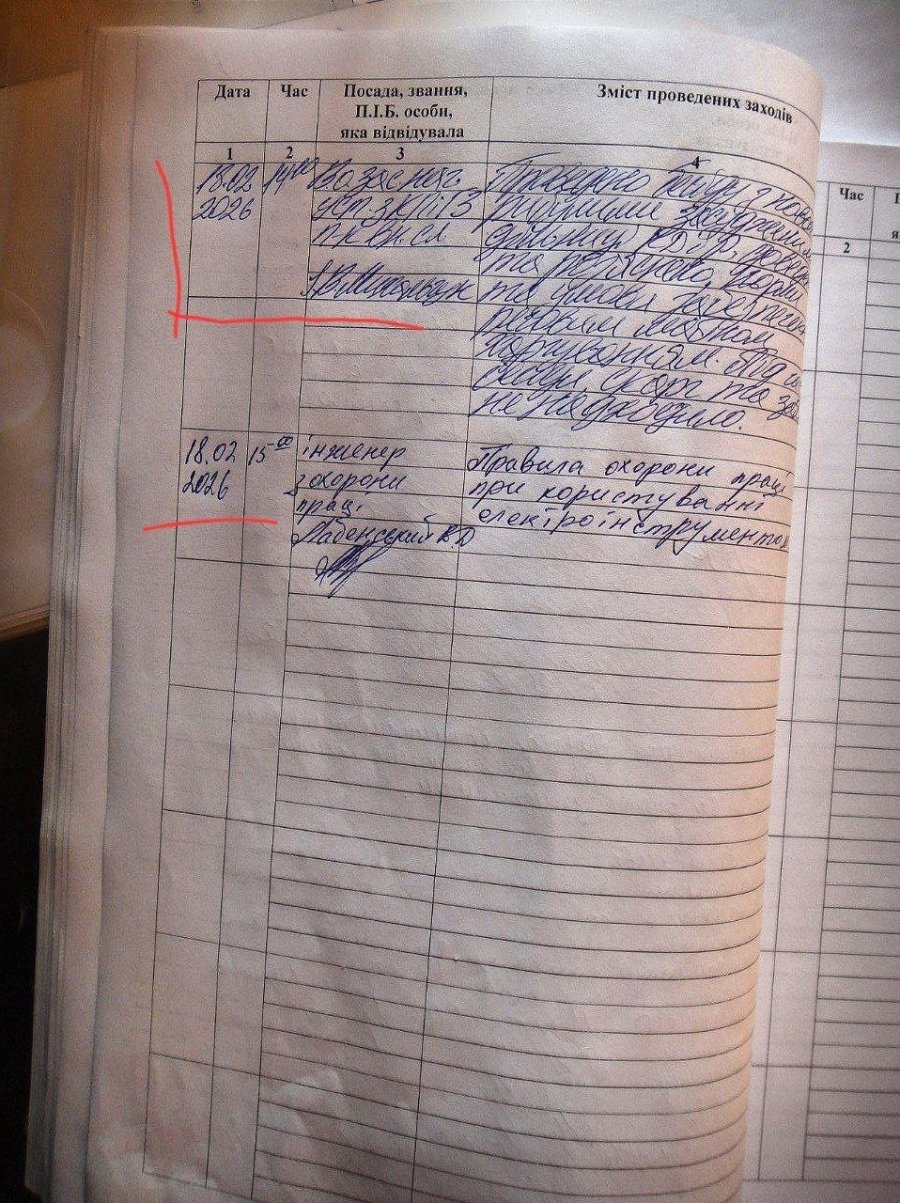
2. During the visit to the QDD unit, the practice of involving certain convicts in performing functions related to maintaining order and controlling the behaviour of other persons was recorded. Effectively, the administration has delegated to the convict ‘ward orderly’ the authority to exercise constant supervision over newly arrived convicts and control their compliance with the daily routine requirements, which is unacceptable.
This contradicts the requirements of paragraph 4 of Section II of the Internal Regulations of Correctional Institutions, approved by Order of the Ministry of Justice of Ukraine dated 28.08.2018 No. 2823/5 (hereinafter – Internal Regulations), as well as paragraph 2 of Section I of the Regulation on the QDD unit. At the same time, in its report following the 2020 visit to Ukraine, the European Committee for the Prevention of Torture or Inhuman or Degrading Treatment or Punishment (hereinafter – the Committee) expressed serious doubts regarding the practice of using certain prisoners as ‘ward orderlies’ who perform control functions over other prisoners in residential premises and in the workplace and report any incidents and regime violations to the staff. Therefore, the Committee noted with concern during this visit that such practice persisted.
Furthermore, unfortunately, despite specific recommendations previously provided by the Committee, the practice of using ‘ward orderlies’ is also officially envisaged by the Internal Regulations of Correctional Institutions. As previously emphasised, the Committee considers that any partial abandonment of responsibility for order and security in prisons, which should be borne by the institution’s correctional officers, is unacceptable.
Such practice exposes weaker prisoners to the risk of cruel, inhuman or degrading treatment and exploitation by other prisoners. The Committee calls on the Ukrainian authorities to take all necessary steps — including legislative ones — to put an end to this practice. No prisoner in any penitentiary institution in the country should have authority over other prisoners (CPT/Inf (2020) 40) paragraph 27).
3. The monitoring group established that the material and domestic provision of the QDD unit does not fully comply with the established regulatory requirements. Thus, in violation of the requirements of the Standards for Provision of Furniture, Inventory, and Household Items for a Medium-Security Correctional Colony, approved by Order of the Ministry of Justice of Ukraine dated 27.07.2012 No. 1118/5 (hereinafter – Standards of Provision), the unit lacks a number of premises, namely: a room for storing the replacement stock of bedding, clothing, and special clothing; a storeroom for the temporary storage of soiled bedding, clothing, and special clothing; a cloakroom; a utility room; a drying room. The sanitary facility is not equipped with a sufficient number of partitions that ensure privacy, which violates Rule 19.3 of the European Prison Rules.
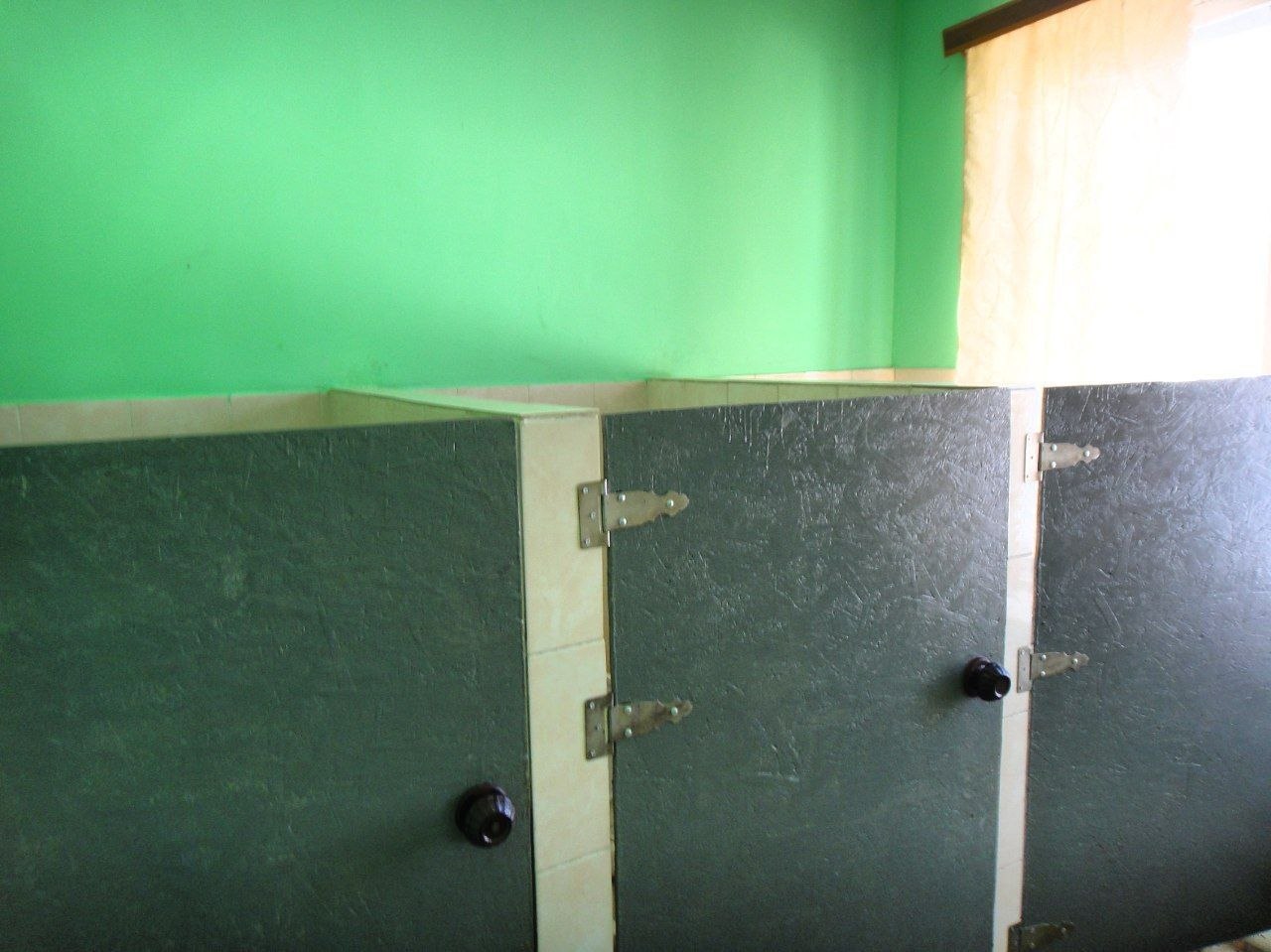
Furthermore, residential premises are not equipped with a sufficient quantity of bedside tables and stools according to the envisaged standards.
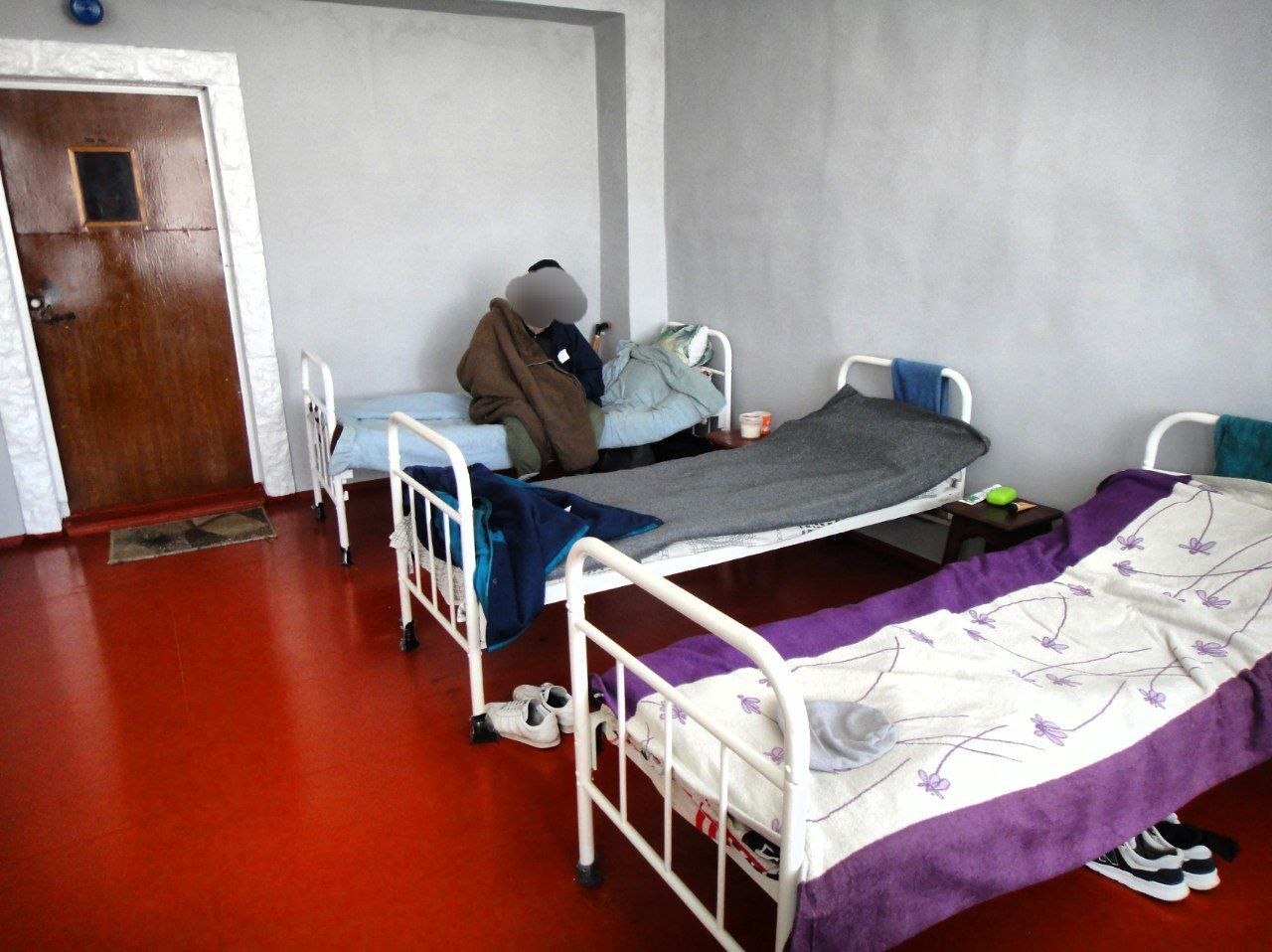
The absence of said premises or their improper arrangement leads to a violation of sanitary-hygienic norms and complicates the maintenance of cleanliness and order in the premises where convicts are held, which, in turn, negatively affects the overall sanitary state of the institution.
4. In the residential premises of the QDD unit, the monitoring group recorded a violation of the temperature regime. Thus, at the time of the inspection, the air temperature in the residential premises was +8–15°C, whereas in accordance with paragraph 1 of Section XXII of the Internal Regulations, in the cold season, the temperature in the residential premises of correctional institutions must be maintained at a level not lower than +18°C.


5. In violation of the requirements of Rule 22.5 of the European Prison Rules, Rule 22.2 of the UN Standard Minimum Rules for the Treatment of Prisoners, and the Standards of Provision, the unit’s residential premises are not provided with drinking water tanks with a capacity of 15 litres with a tap, lid, mug, and basin.
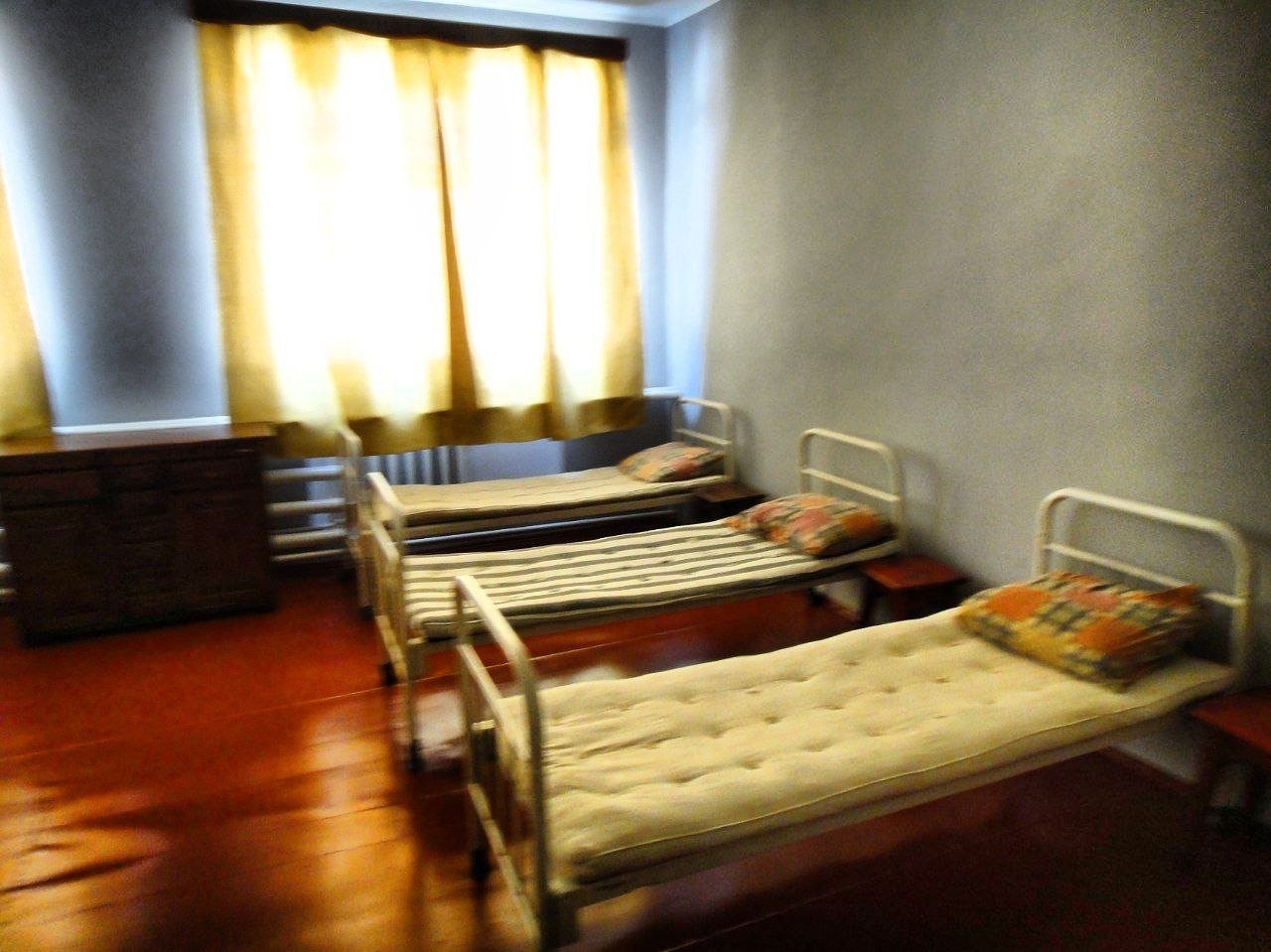
6. The arrangement of the DC premises does not fully comply with the established standards for the treatment of prisoners and does not ensure adequate material, domestic, and sanitary-hygienic conditions, which leads to a violation of the rights of convicts. In the DC cell premises, an adequate level of natural lighting is not ensured, as the windows are equipped with frosted (darkened) glass, which significantly limits the penetration of daylight into the cells. Such conditions negatively affect the psycho-emotional state of convicts and effectively deprive them of visual contact with the outside environment.
This does not comply with the requirements of Rule 18.2 (a) of the European Prison Rules and Rule 14 (a) of the UN Standard Minimum Rules for the Treatment of Prisoners (the Nelson Mandela Rules). In its report following the 2020 visit to Ukraine, the Committee had already drawn attention to said practice and recommended taking measures to review the design of windows in cells in order to ensure prisoners have the opportunity to observe the space outside the cell (CPT/Inf (2020) 40) paragraph 48).
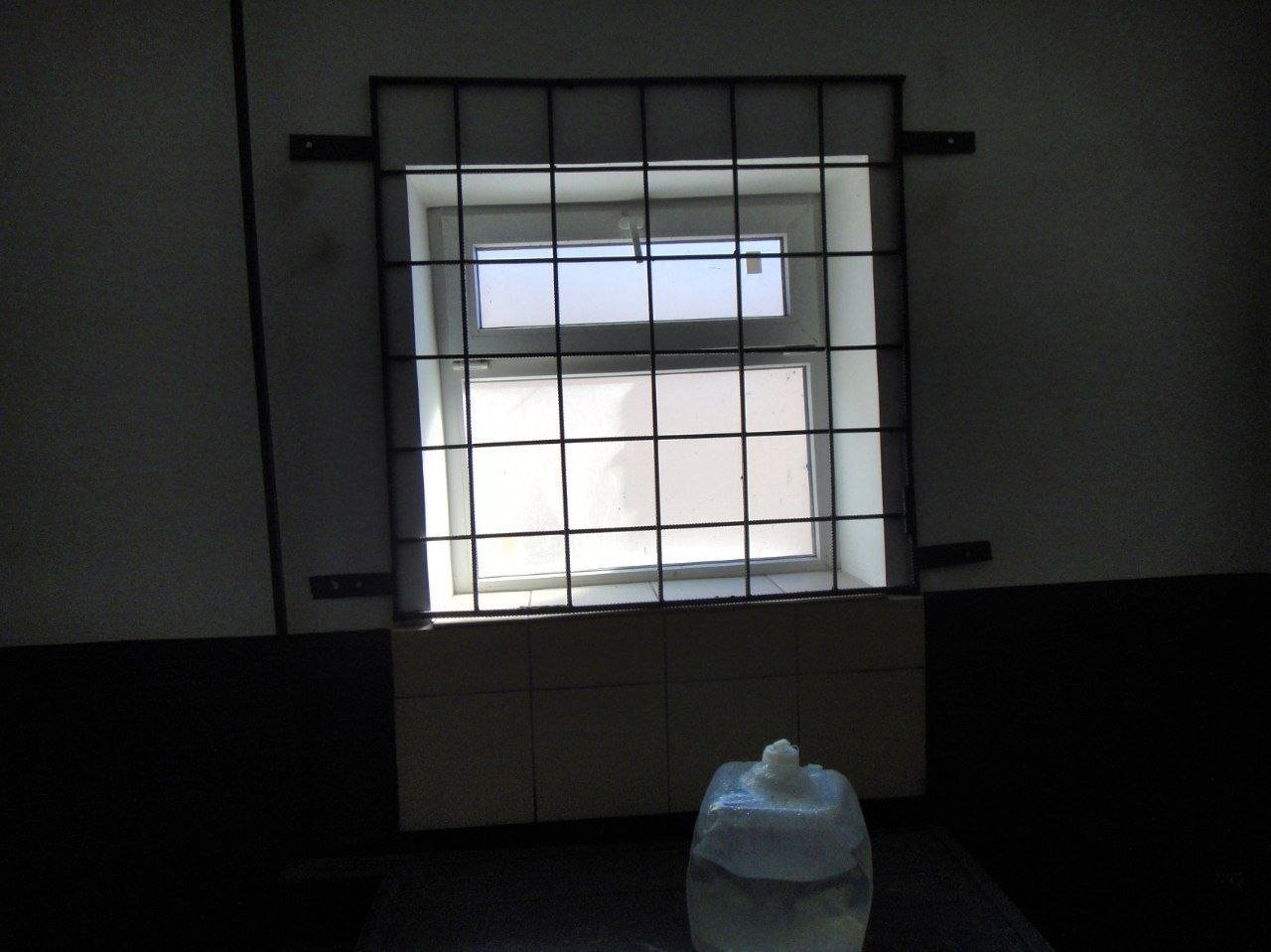
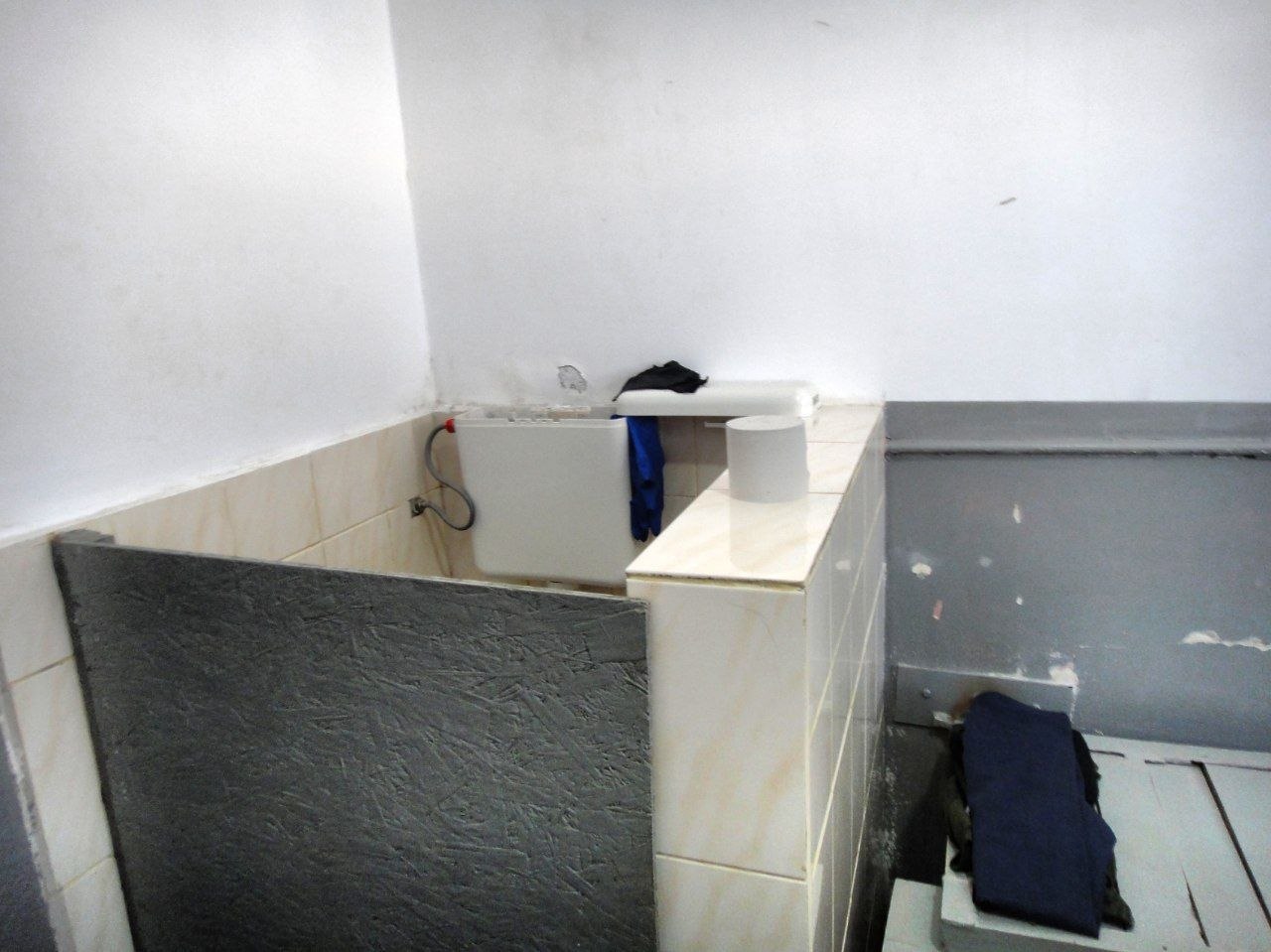
7. Mechanical ventilation does not function in the premises. Sanitary facilities in the DC/CTP cell premises are not equipped with a door and/or sufficient partitions that ensure privacy, which violates Rule 19.3 of the European Prison Rules. At the same time, in the report of the Government of Ukraine following the 2023 visit, the Committee called on the Ukrainian authorities to take necessary measures to improve material conditions of detention, in particular, to keep all places where convicts and persons in custody are placed, including sanitary facilities, in a proper state of repair and hygiene; to carry out regular and frequent disinfestation; to ensure sufficient access to natural light and ventilation in cells; and to fully equip internal sanitary facilities with partitions, i.e., from floor to ceiling (CPT/Inf (2024) 20) paragraph 58).
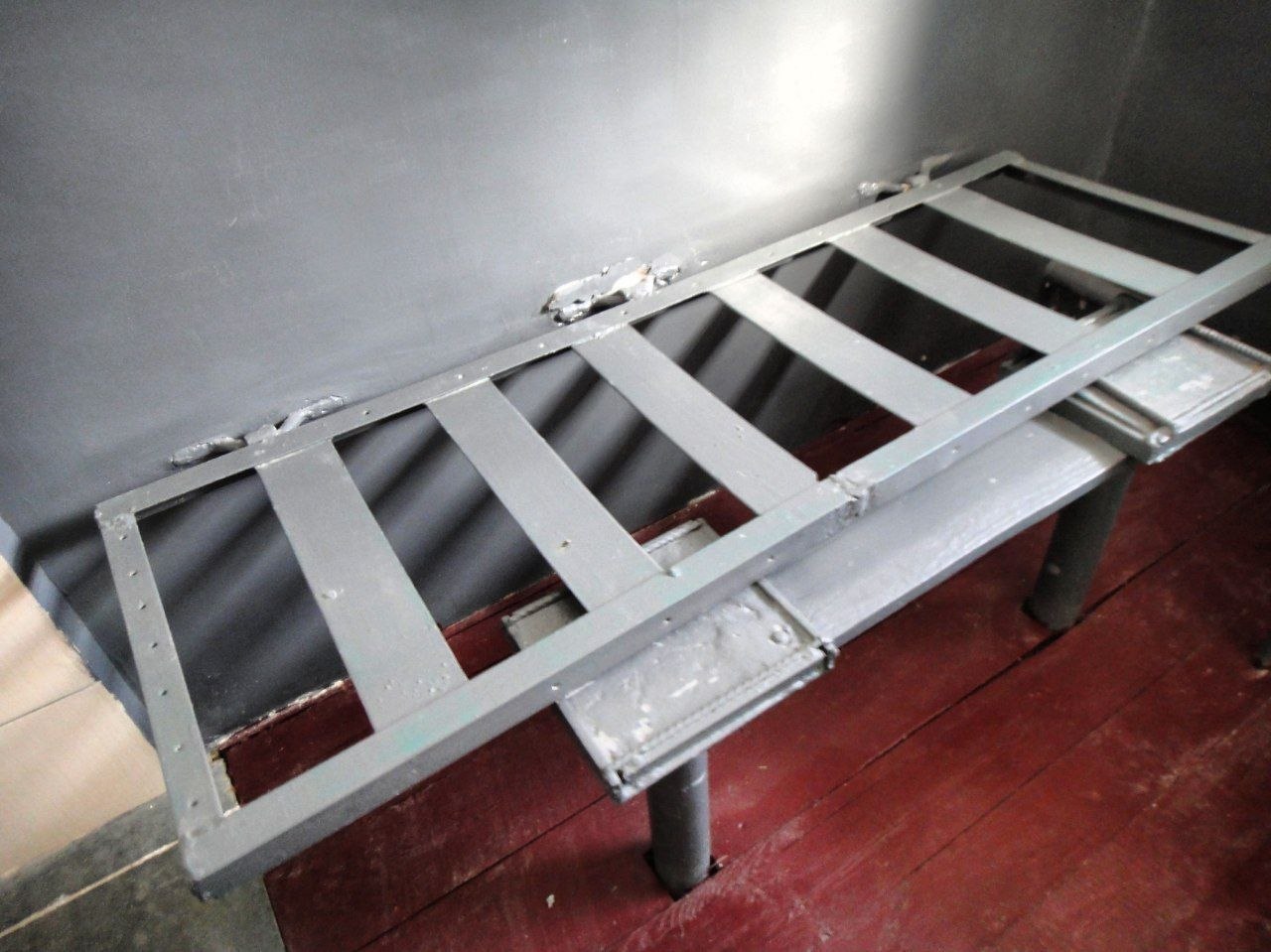
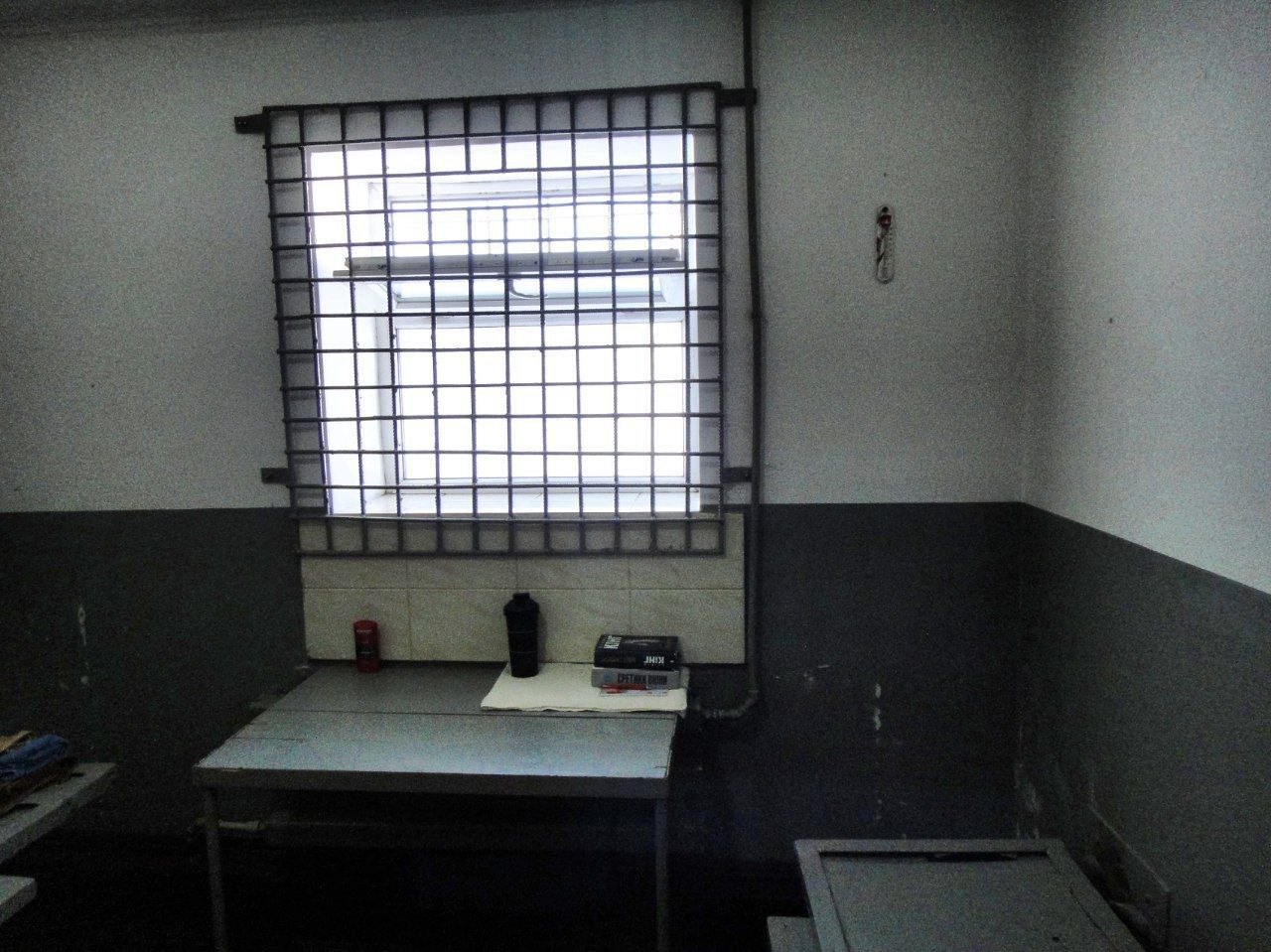
8. Paragraph 1 of Section XXIII of the Internal Regulations defines that supervision over convicts is a system of measures aimed at ensuring the serving and execution of criminal sentences in the form of restraint of liberty, deprivation of liberty, life imprisonment, and arrest through 24-hour and constant control over the behaviour of convicts in their places of residence and work, preventing and stopping wrongful actions on their part, and ensuring compliance with the requirements for the isolation of convicts and the safety of the staff of correctional institutions. Thus, during an inspection of the DC cell premises, installed video surveillance cameras were recorded.
At the same time, in its 2012 report, the Committee criticised excessive interference with privacy through the installation of video cameras in convicts’ residential premises and noted that any decision on the use of video surveillance regarding a specific convict should always be based on an individual assessment of real risks and must be frequently reviewed on a regular basis. Video surveillance is a serious interference with the privacy of prisoners and makes the regime even more repressive, particularly when applied over a long period (CPT/Inf (2013) 23) paragraph 52).
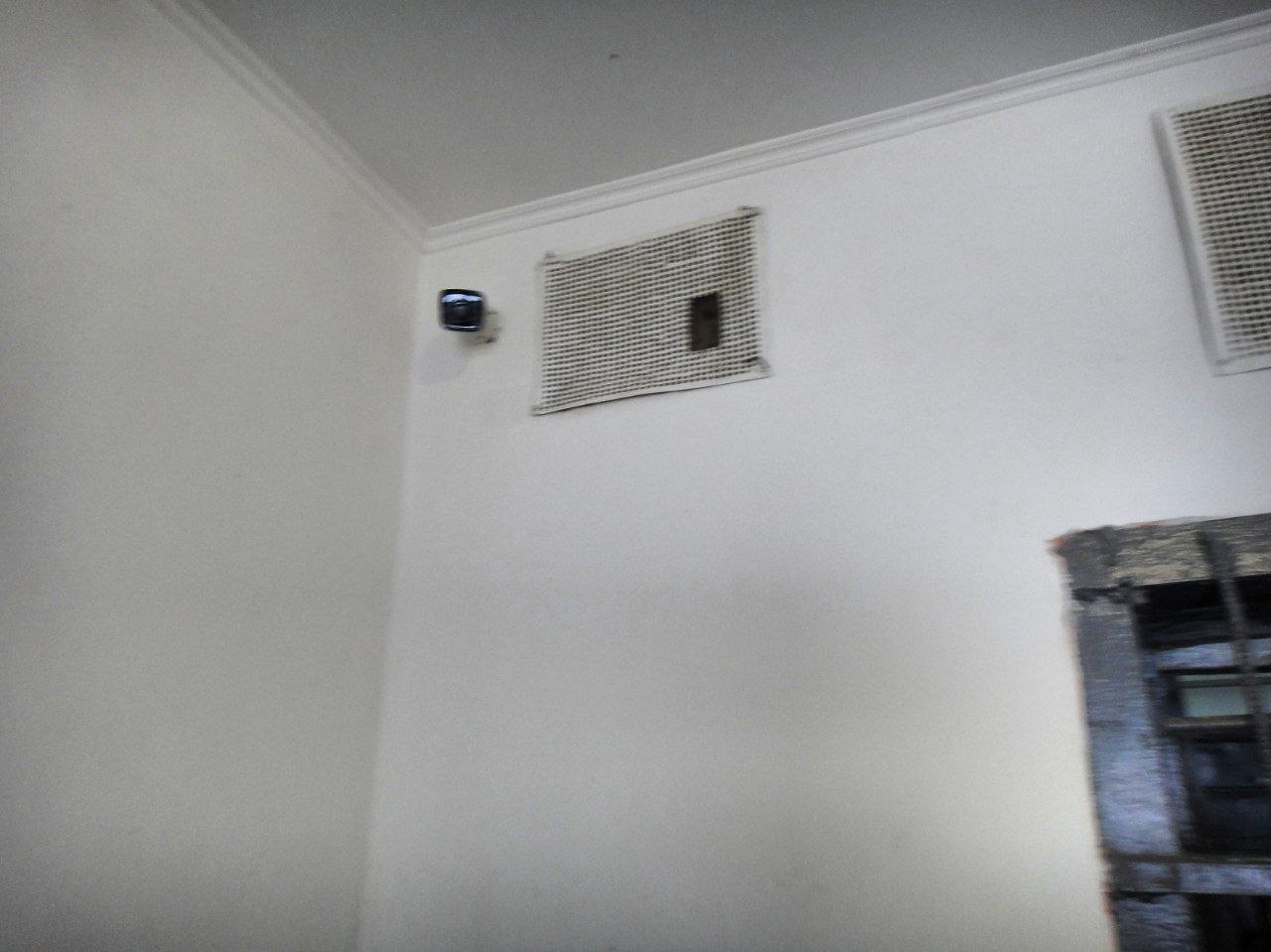
9. Radio broadcast systems are absent in the DC cell premises, which contradicts the requirements of paragraph 3 of Section XX of the Internal Regulations and paragraph 63 of the UN Standard Minimum Rules for the Treatment of Prisoners.
10. During the visit to the DC/CTP, it was established that name cards are placed on the outer doors of cell premises providing information in the form of a brief description of the crimes committed by the persons held in the cells. In its report following the 2020 visit to Ukraine, the Committee noted that this practice should be discontinued, as it serves no reasonable purpose and, in addition to stigmatisation, has the effect of worsening relations between prisoners and prison staff (CPT/Inf (2020) 40) paragraph 52).
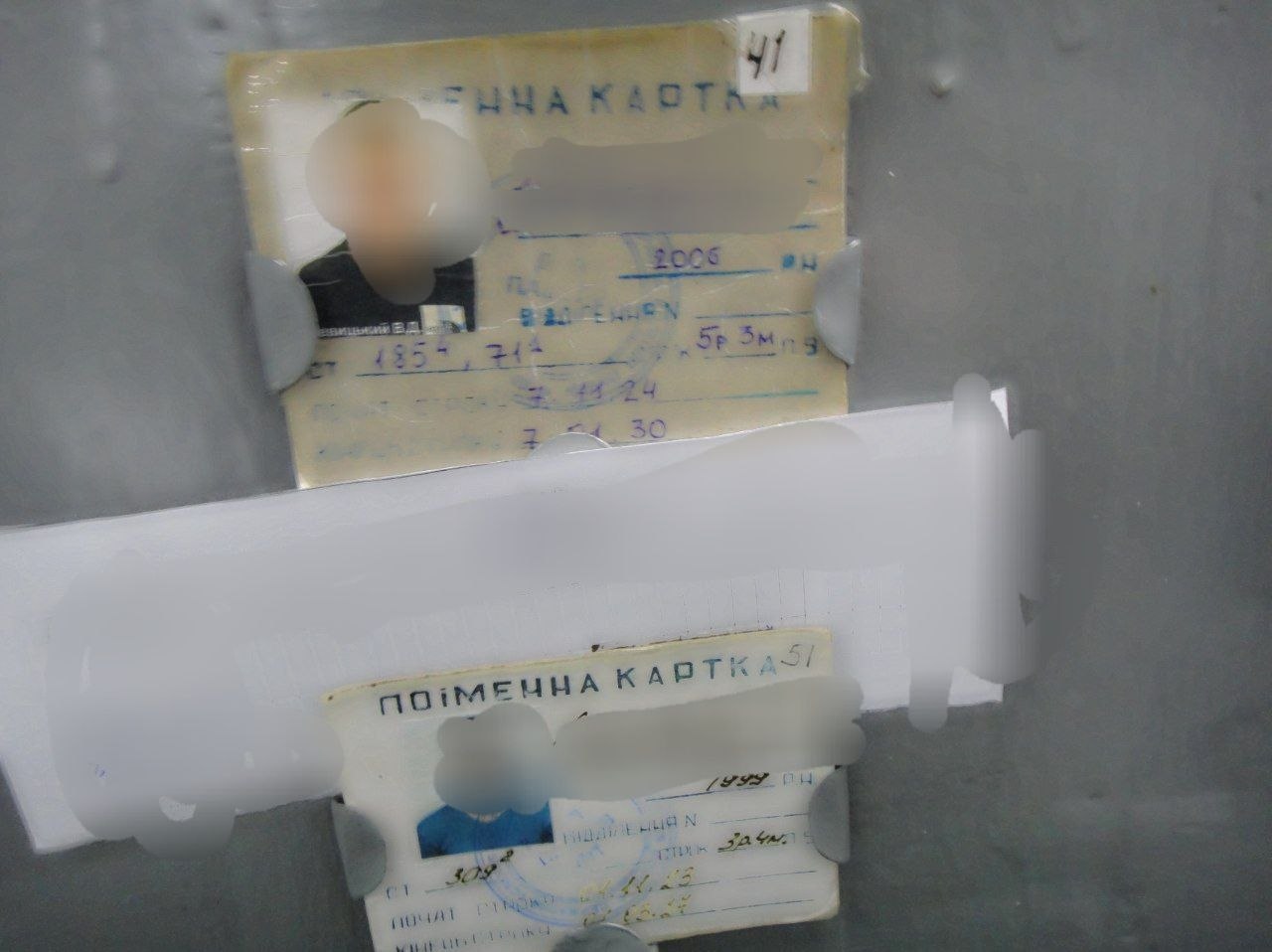
11. During the visit to the DC, it was established that convicts who had been serving a disciplinary penalty for more than three days had not been issued a copy of the decision on the application of a penalty by the institution’s administration, specifying the possibility and procedure for its appeal, which contradicts Article 135 of the Criminal Executive Code of Ukraine. At the same time, in the report of the Government of Ukraine following the 2023 visit, the Committee recommends taking measures in penitentiary institutions of Ukraine to ensure that convicts to whom a disciplinary penalty has been applied systematically receive a copy of the corresponding decision. Furthermore, convicts should be informed of their right to access a lawyer in the context of disciplinary proceedings (CPT/Inf (2024) 20) paragraph 103).
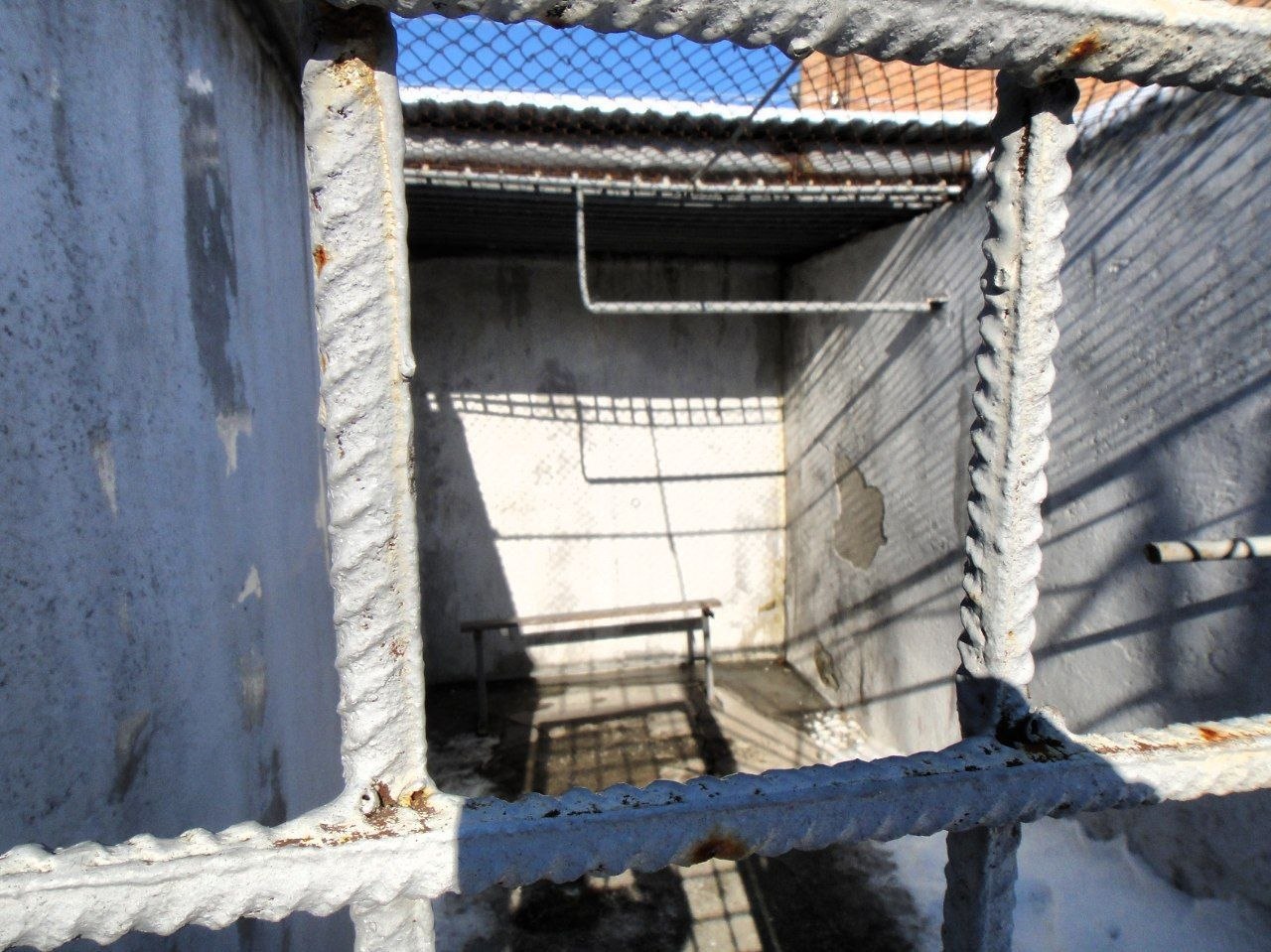
12. The area of certain exercise yards is insufficient for ensuring convicts’ full physical activity. The yards require repair work. At the same time, the Committee has repeatedly recommended reviewing the design and size of exercise yards, ‘from which, at best, a view of the sky is offered’ (paragraphs 122, 127, CPT/Inf (2014) 15).
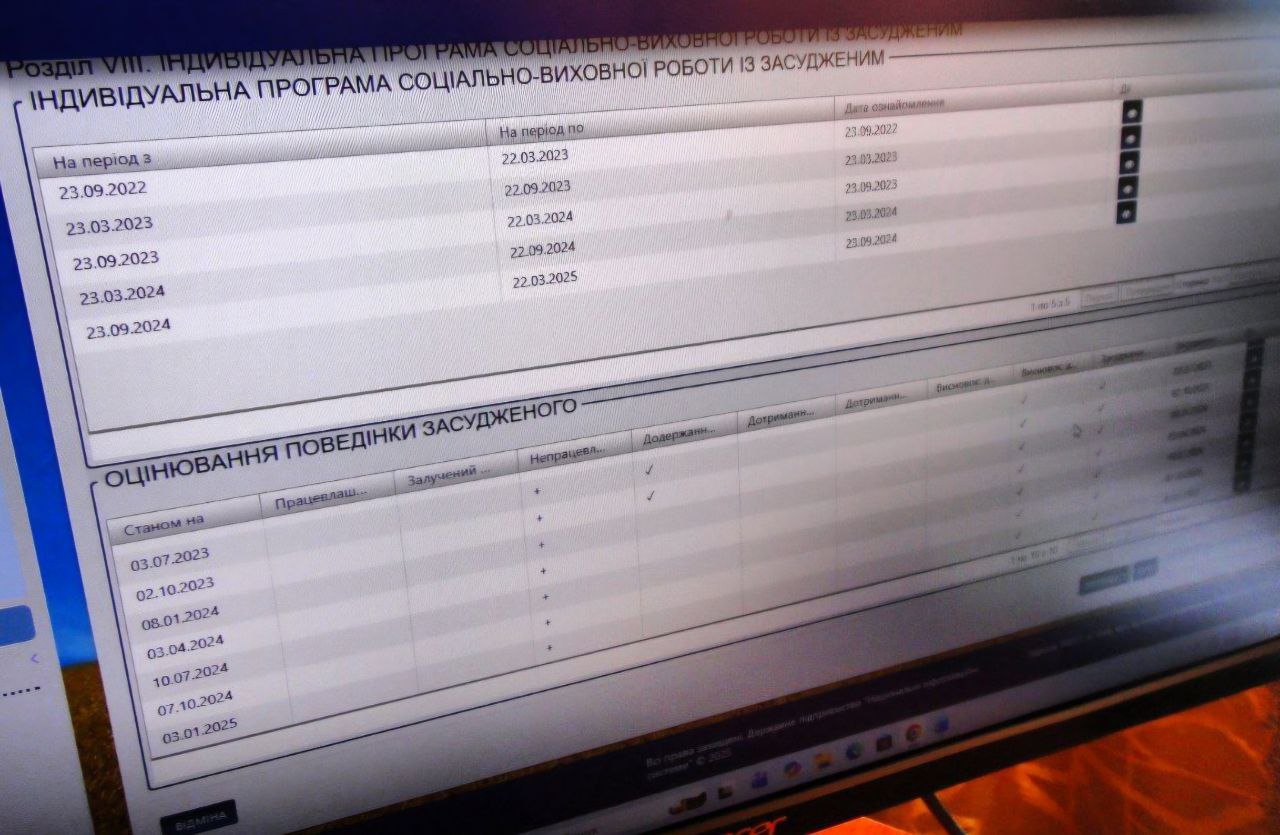
13. The monitoring group established deficiencies in the organisation and implementation of social-educational and psychological work with convicts. Thus, in violation of the requirements of paragraph 9 of Section I of the Regulation on the Social-Psychological Service Unit, approved by Order of the Ministry of Justice of Ukraine dated 04.11.2013 No. 2300/5 (hereinafter – Regulation on the SPS unit), individual programmes of social-educational work with convicts are not reviewed by the head of the social-psychological service (SPS) unit within the established time frame, every six months, and the results of their implementation are not reflected in the corresponding section of the individual work diary.
14. During the visit to the ECU, it was established that visual information is missing in the unit’s premises indicating hotline phone numbers, as well as postal and email addresses of the Ministry of Justice of Ukraine, the European Court of Human Rights, the State Bureau of Investigation, the Office of the Prosecutor General, regional and district prosecutor’s offices, the Department, and the interregional administration. This contradicts paragraph 6 of Section II of the Internal Regulations.
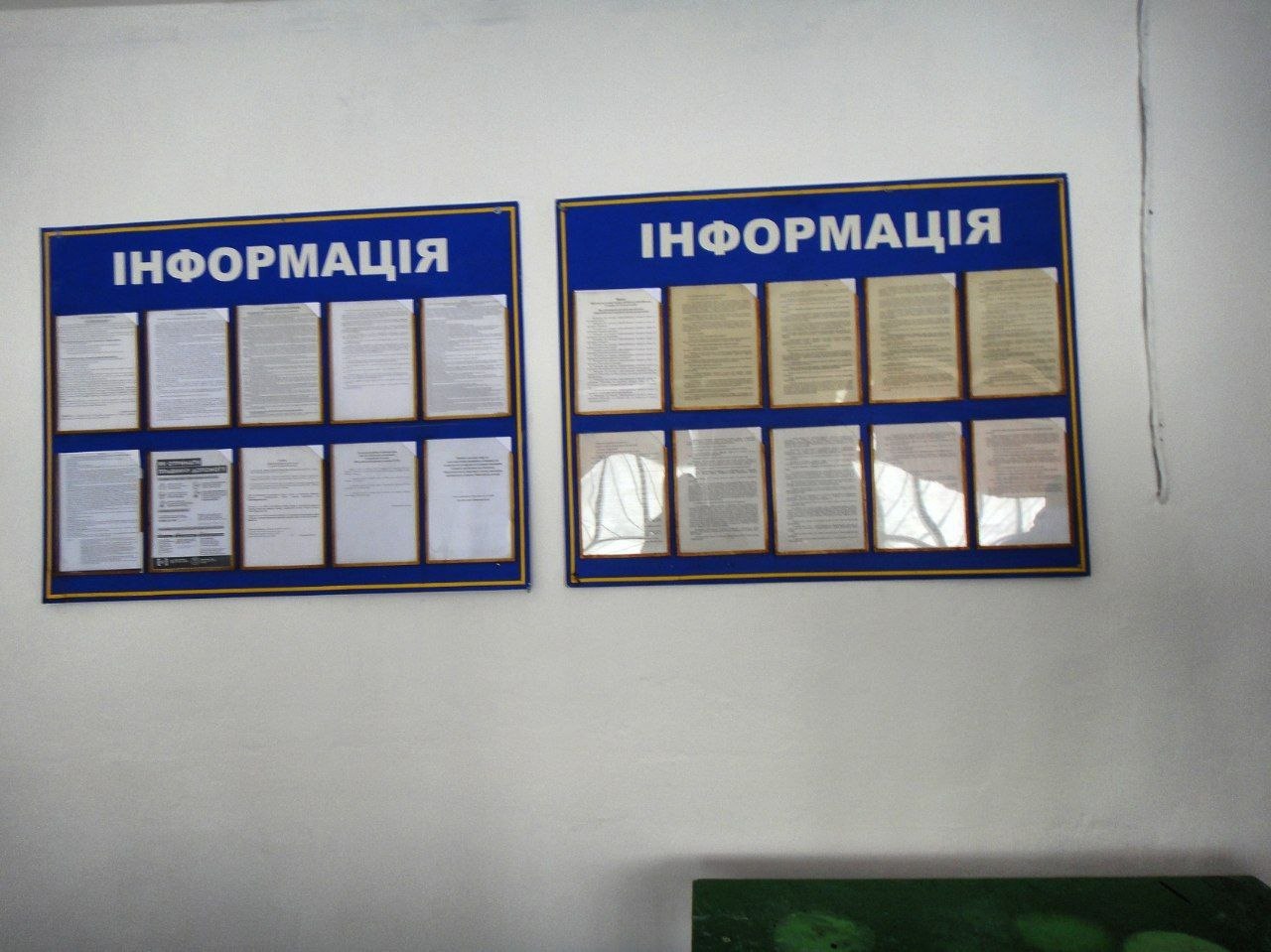
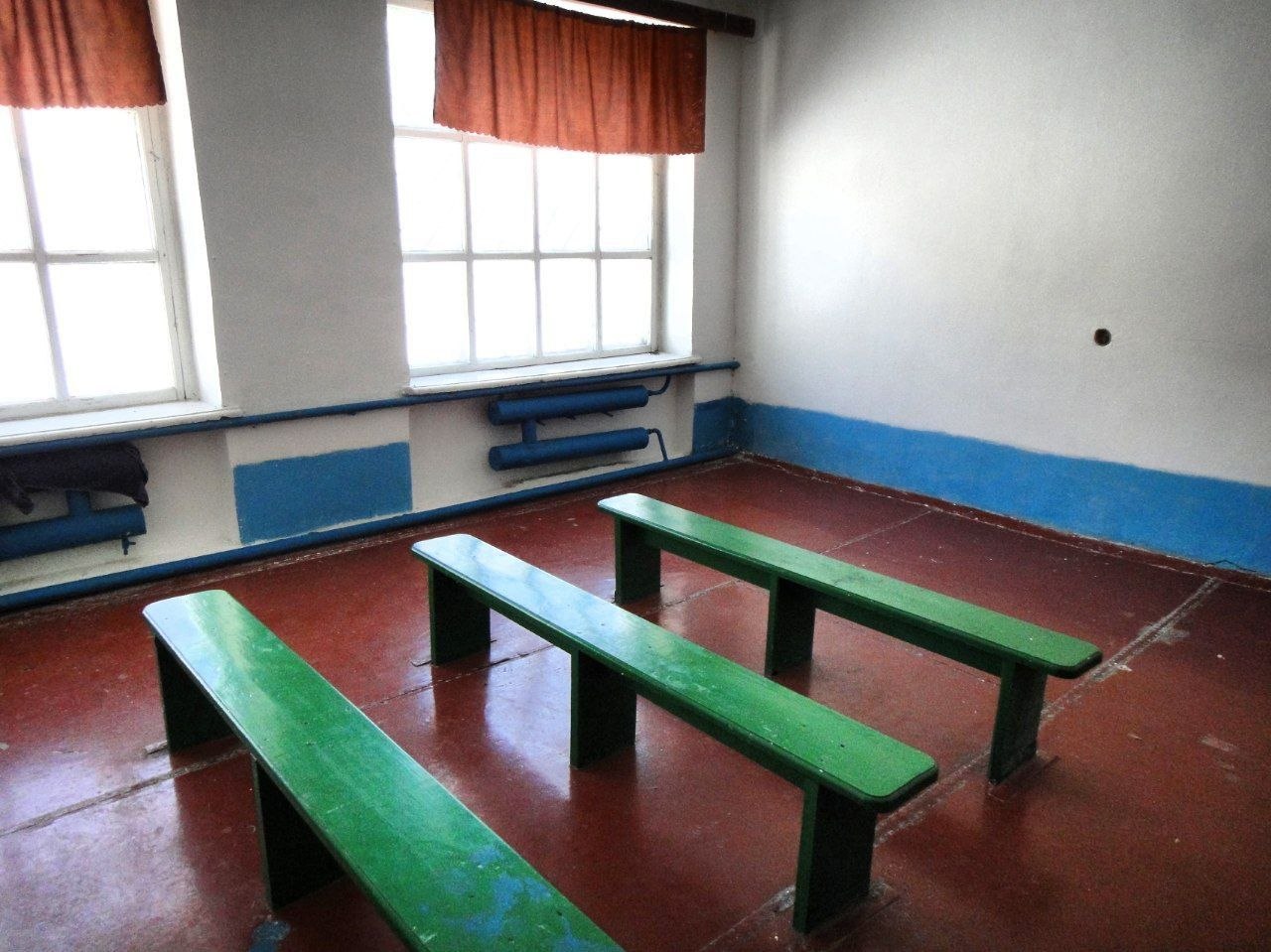
15. In violation of the Standards of Provision, the educational work room of the ECU is not equipped with a bookshelf, a semi-soft chair, a wall-mounted chalkboard, or a television.
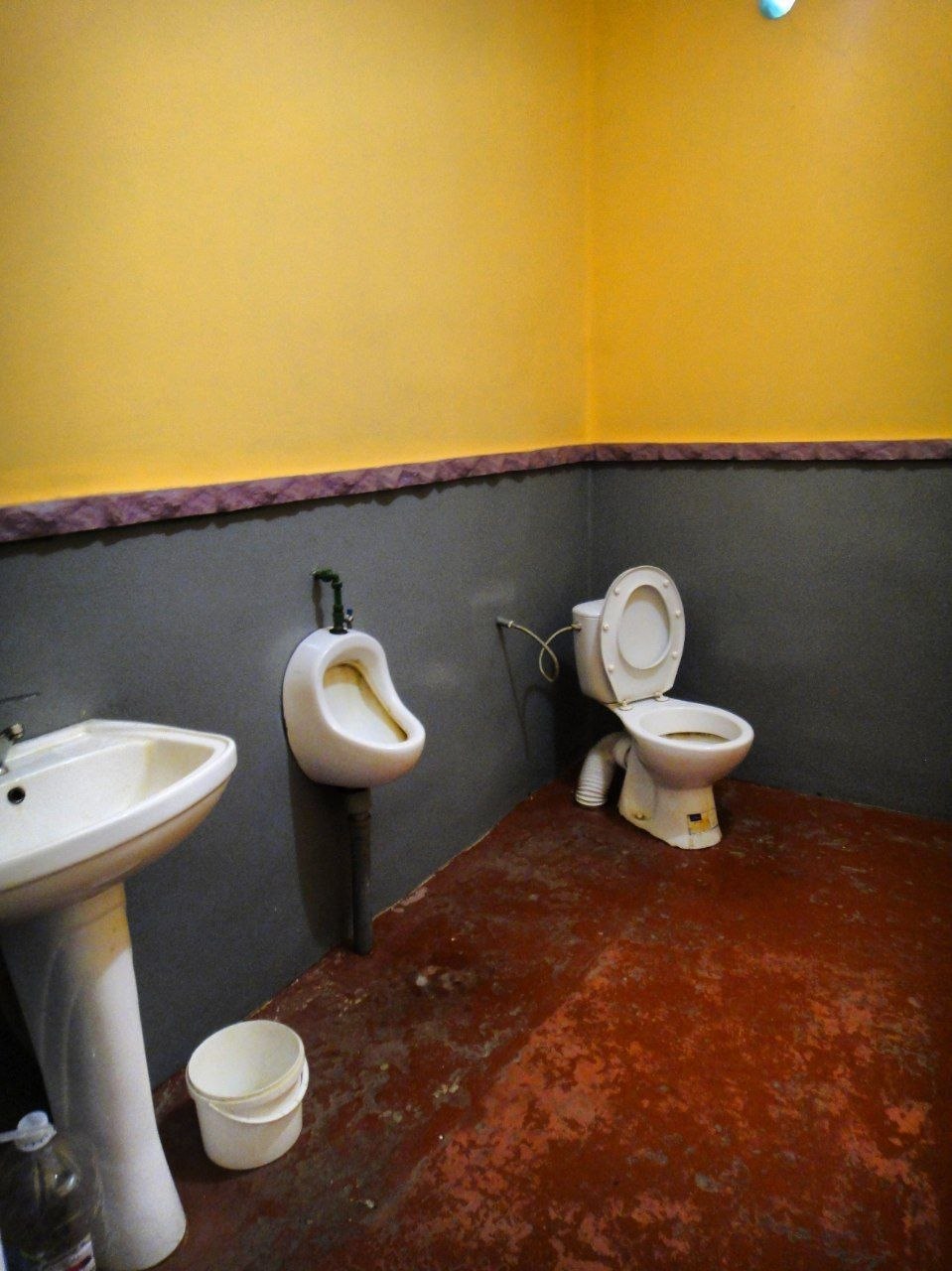
16. The toilet of the ECU is not equipped with partitions and doors that ensure privacy, which violates the requirement of Rule 19.3 of the European Prison Rules.
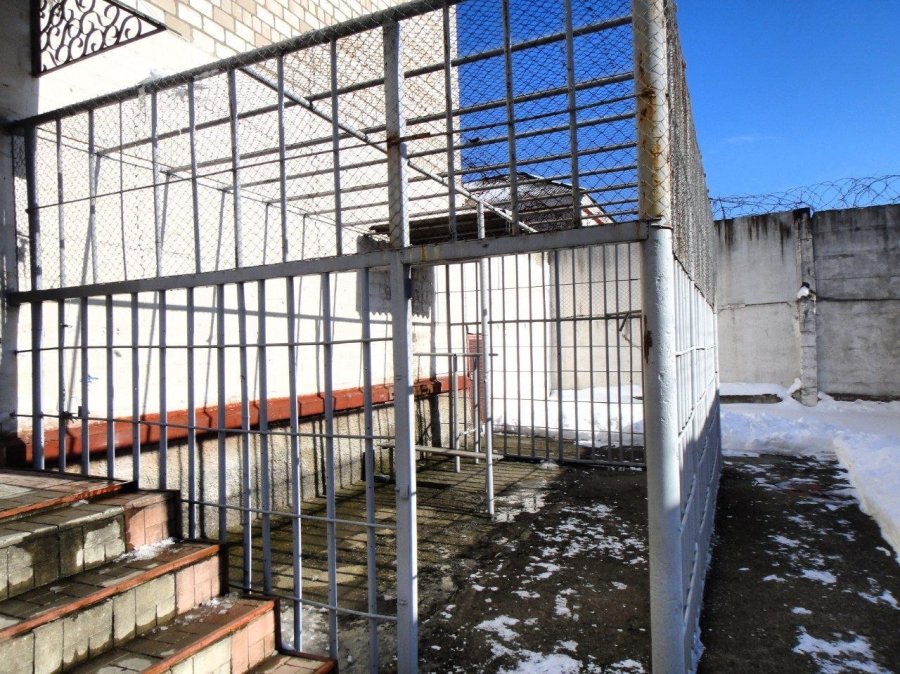
17. The exercise yard of the ECU is not equipped with proper shelter for protection against atmospheric precipitation. At the same time, the Committee, in its second General Report, emphasises that the daily stay of persons in the fresh air should be carried out in an area of sufficient size, and the exercise zones themselves, as far as possible, should be equipped with shelter in case of adverse weather conditions (CPT/Inf (92) 3) paragraph 48).
18. During the visit to the institution, the monitoring group established that underwear, sports shoes, a mirror, a comb, writing paper, envelopes, stamps, devices for consuming tobacco products and inhaling aerosols (vapour) without burning them, as well as chargers for them, the presence of which is envisaged by Appendix 5 to the Internal Regulations, are missing in the institution’s shop.
19. During the visit to the institution’s library, the monitoring group established that, contrary to the requirements of the third paragraph of paragraph 4 of Section XX of the Internal Regulations, the library’s book collection does not include texts of the Criminal Executive Code of Ukraine, the Internal Regulations of Correctional Institutions, the European Prison Rules, the Criminal Procedure Code of Ukraine, or the Criminal Code of Ukraine.
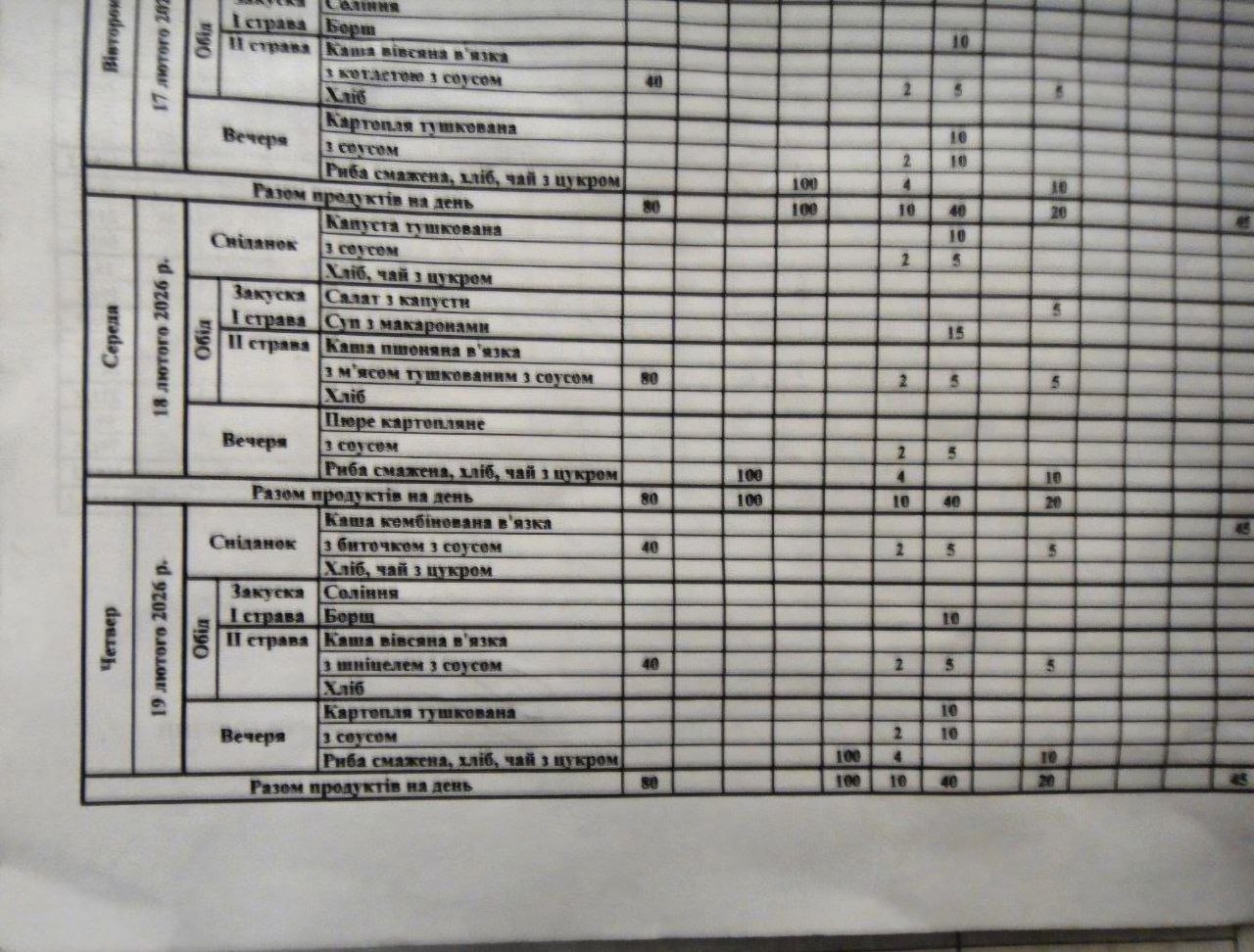
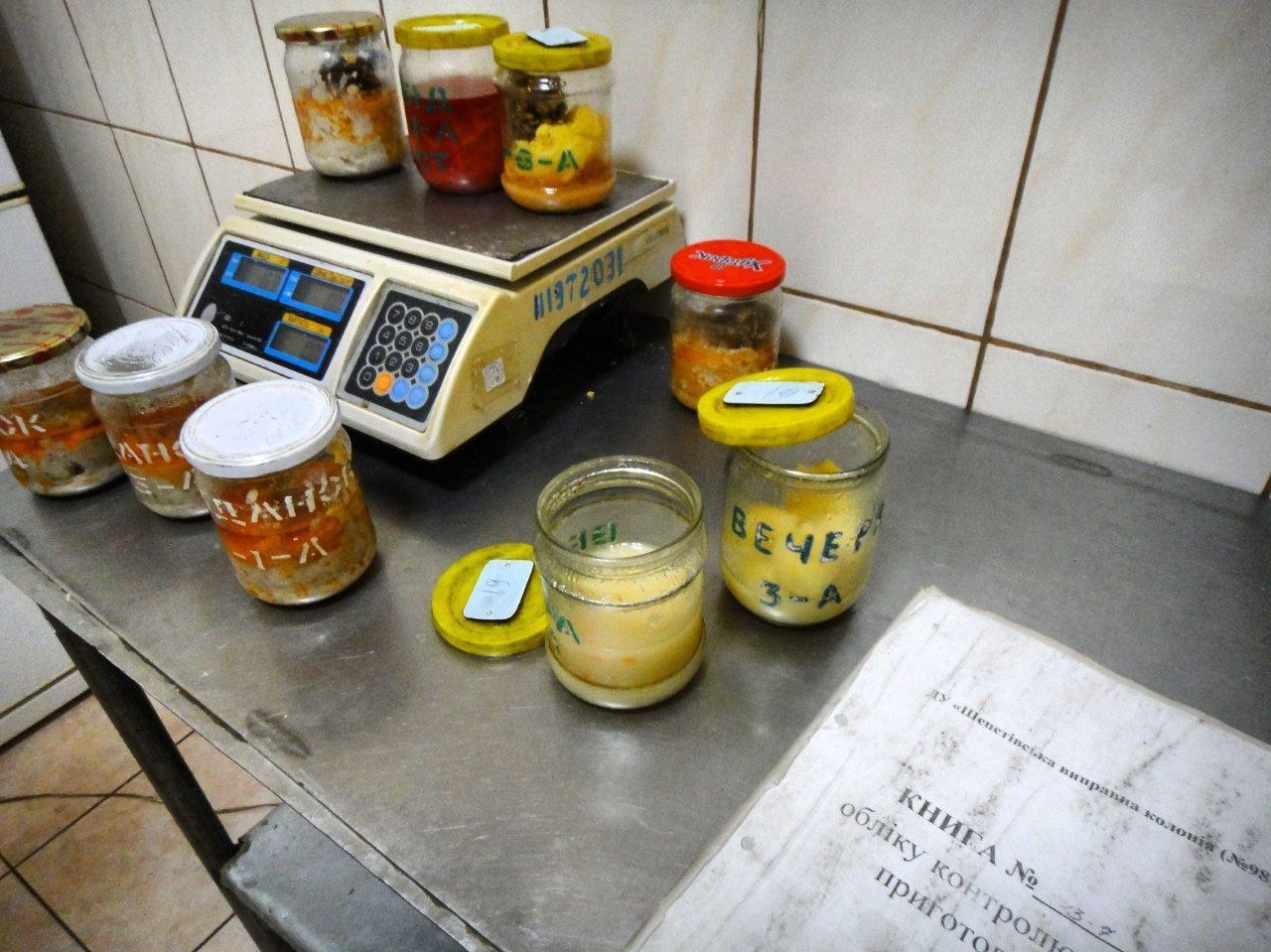
20. According to paragraph 17 of Section V of the Regulations on the Organisation of Food Provision in the State Criminal Executive Service of Ukraine for Peacetime, approved by Order of the Ministry of Justice of Ukraine dated 15.06.2021 No. 2160/5 (hereinafter – Regulations on the Organisation of Food Provision), daily samples of each dish of the ration should remain in the institution’s canteen.
Sampling is carried out by a cook from the pot in the presence of a medical worker of the healthcare facility into clean dishes with a lid (pre-washed and boiled) before food is served. Daily samples are kept in the canteen’s refrigerator at a temperature from +4 to +8°C and must be kept for a day until the end of the similar meal the next day.
At the same time, in violation of said requirements, during an inspection of the canteen’s refrigerator, the monitoring group established the absence of a fried fish sample among the dinner dishes for 19.02.2026.
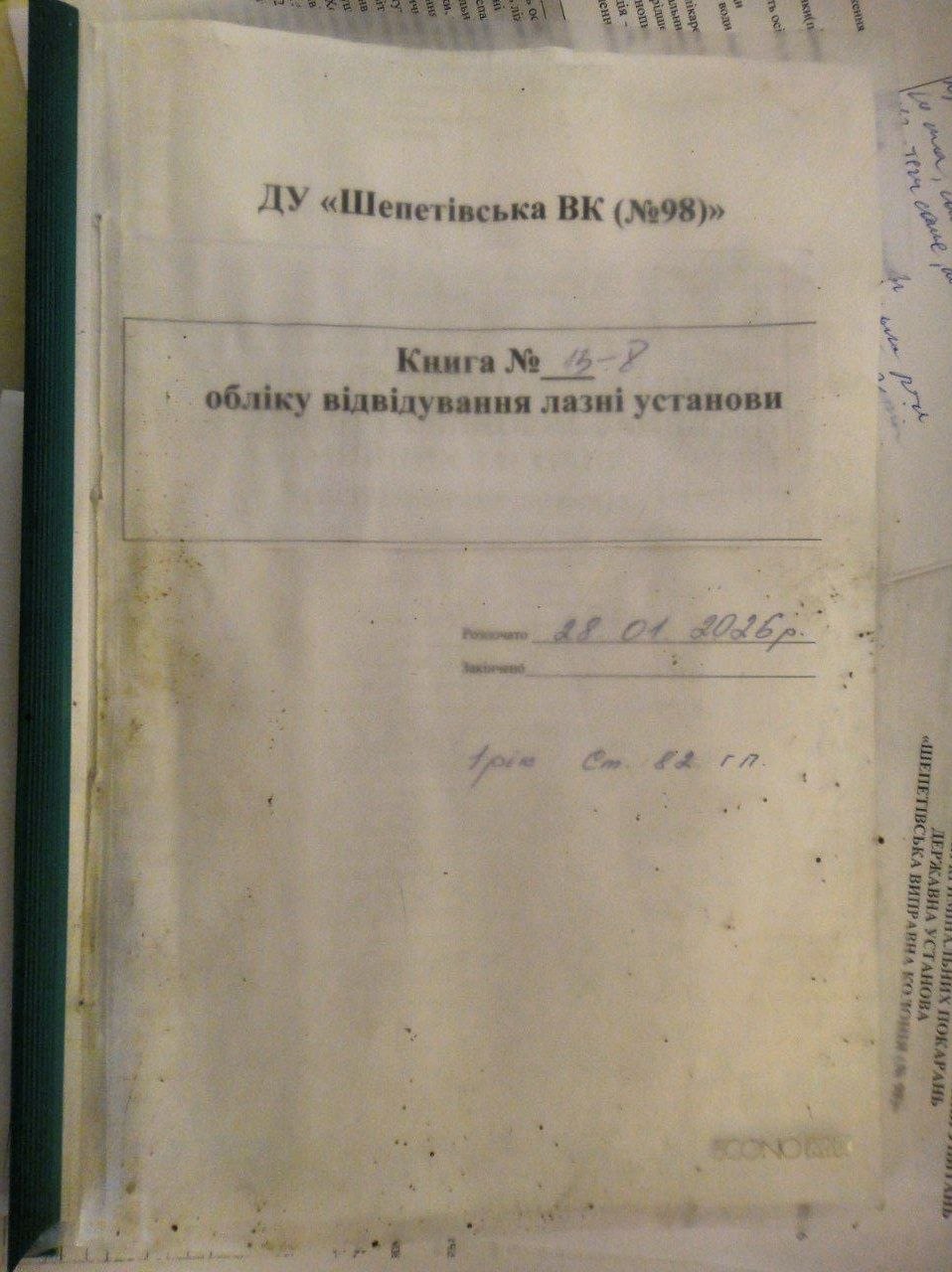
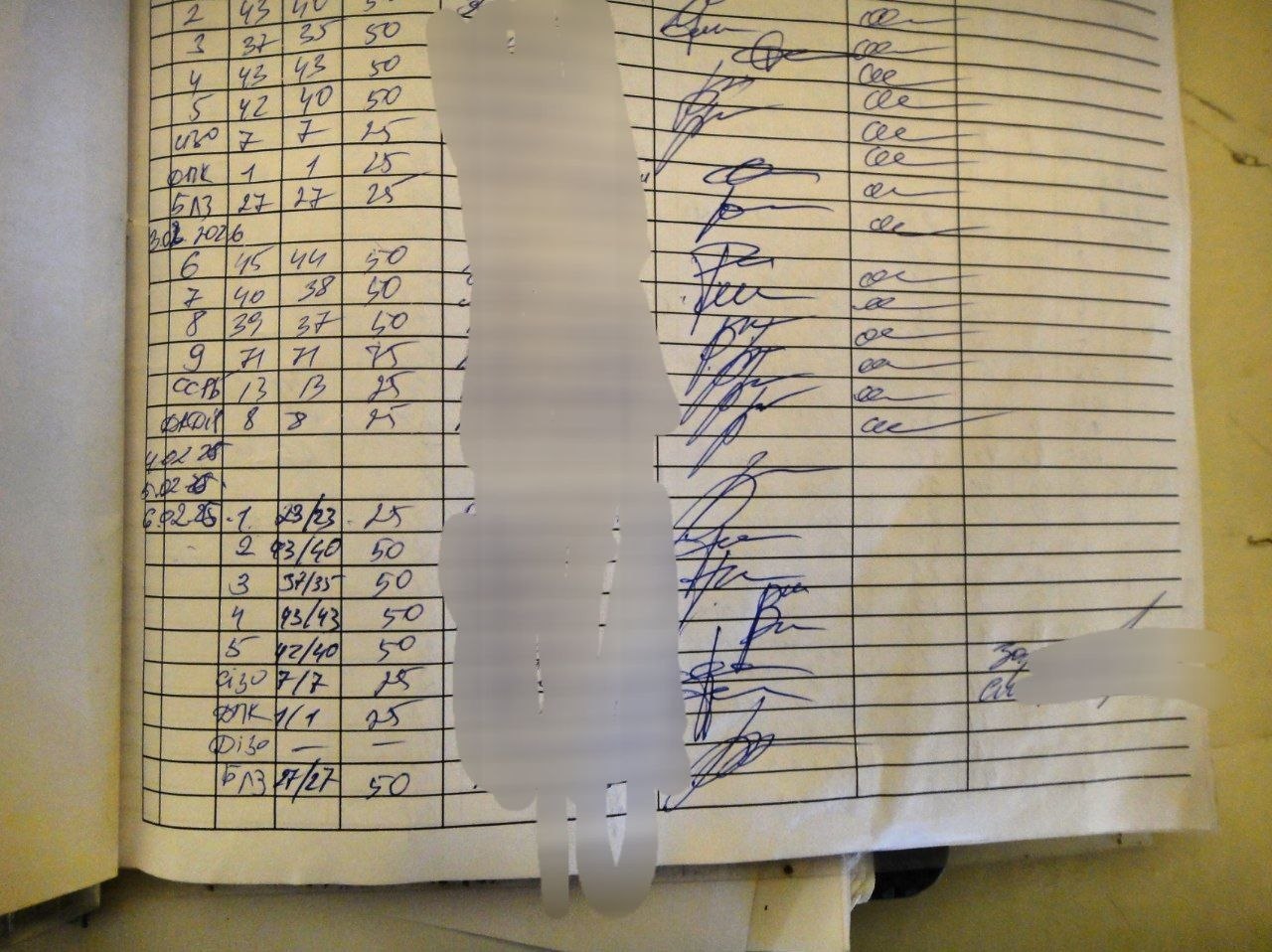
21. The monitoring group established a number of violations in the organisation of laundry and bath services for convicts and prisoners. In violation of the requirements of paragraph 4 of Section XXII of the Internal Regulations and paragraph 3.19 of Section III of the Regulations on the Organisation of Laundry and Bath Services for Persons Held in Correctional Facilities and Remand Prisons, approved by Order of the Ministry of Justice of Ukraine dated 08.06.2021 No. 849/5 (hereinafter – Regulations), compliance with sanitary-hygienic and anti-epidemic requirements is not ensured at the institution. Specifically, sanitary processing of convicts arriving at the institution is not carried out. Thus, on 04.02.2026 and 05.02.2026, convicts arrived at the institution, however, information regarding their washing is missing in the log of bathhouse visits.
22. In violation of paragraph 2.14 of Section II of the Regulations, the forced supply and exhaust ventilation system does not properly function in the laundry and bathhouse premises.
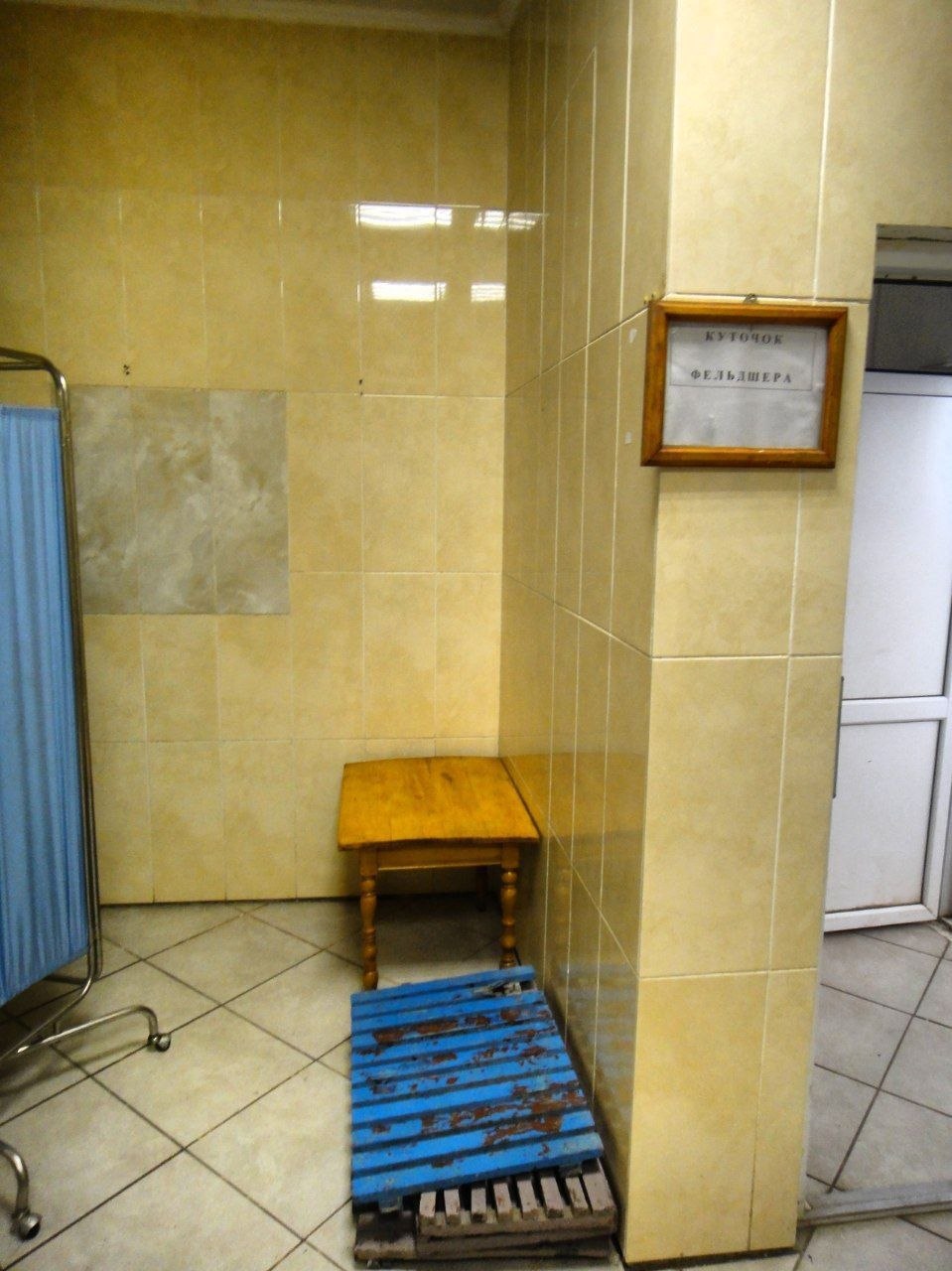
23. Contrary to the requirements of paragraph 3.11 of Section III of the Regulations, the place (corner) for the medical assistant of the medical unit to conduct bodily examinations and provide medical care to convicts (persons held in custody) is not properly equipped; specifically, it is not provided with a table and a chair, which makes it impossible to create proper conditions for conducting medical examinations and organising the provision of primary medical care.
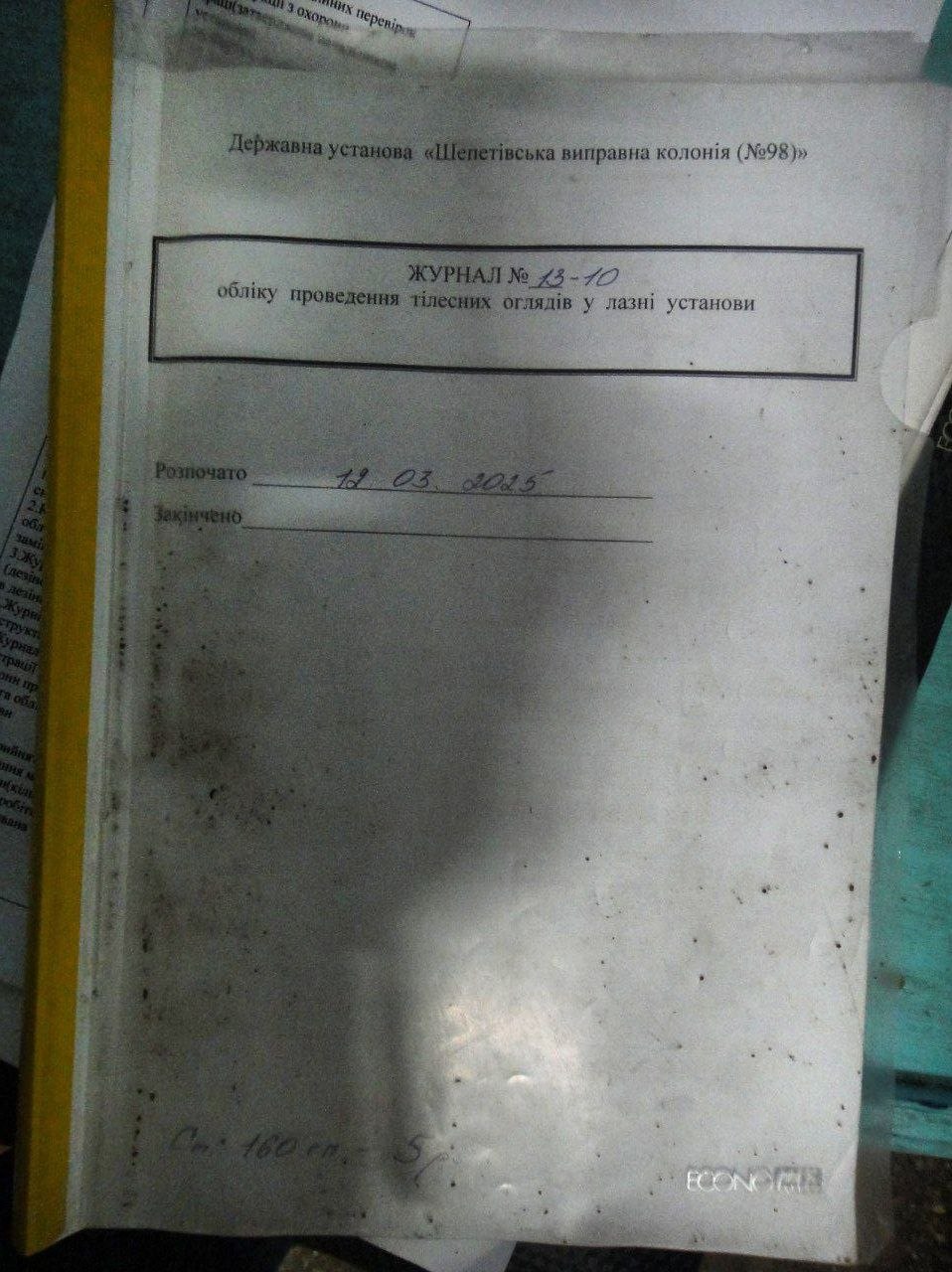
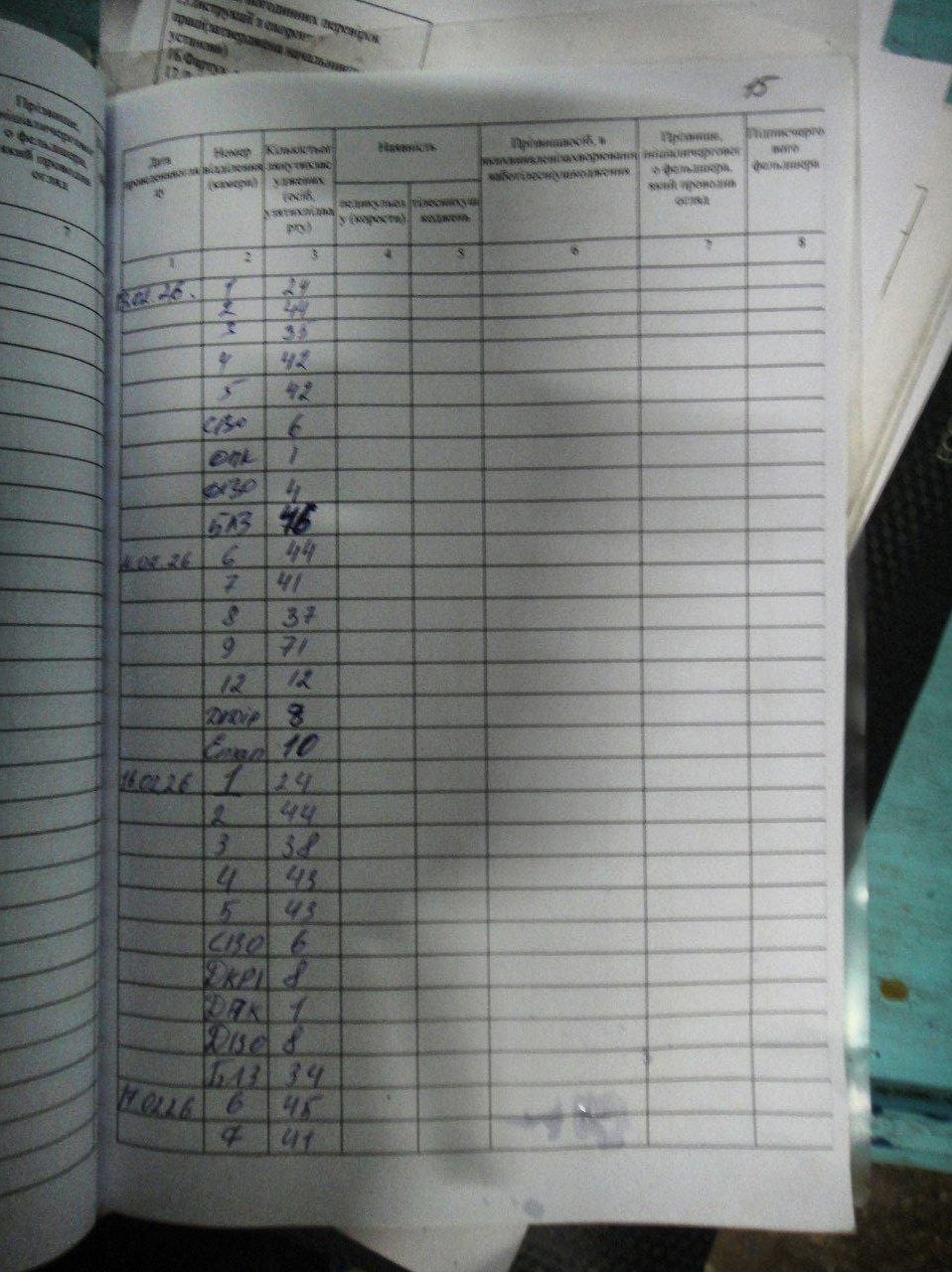
24. Supervision of compliance with the order during the washing of convicts and prisoners in the bathhouse, as well as control over the cleaning and disinfection of premises and the conduct of medical examinations, as provided for by paragraphs 3.10 and 3.11 of the Regulations, is not ensured by the duty medical professional. The log of bodily examinations in the institution’s bathhouse, which is kept in the form according to Appendix 6 to these Regulations, is not properly maintained by the medical unit staff. Specifically, the columns ‘Surname, initials of the duty medical assistant who conducted the examination’ and ‘Signature of the duty medical assistant’ are not filled out, which indicates a formal maintenance of the log.
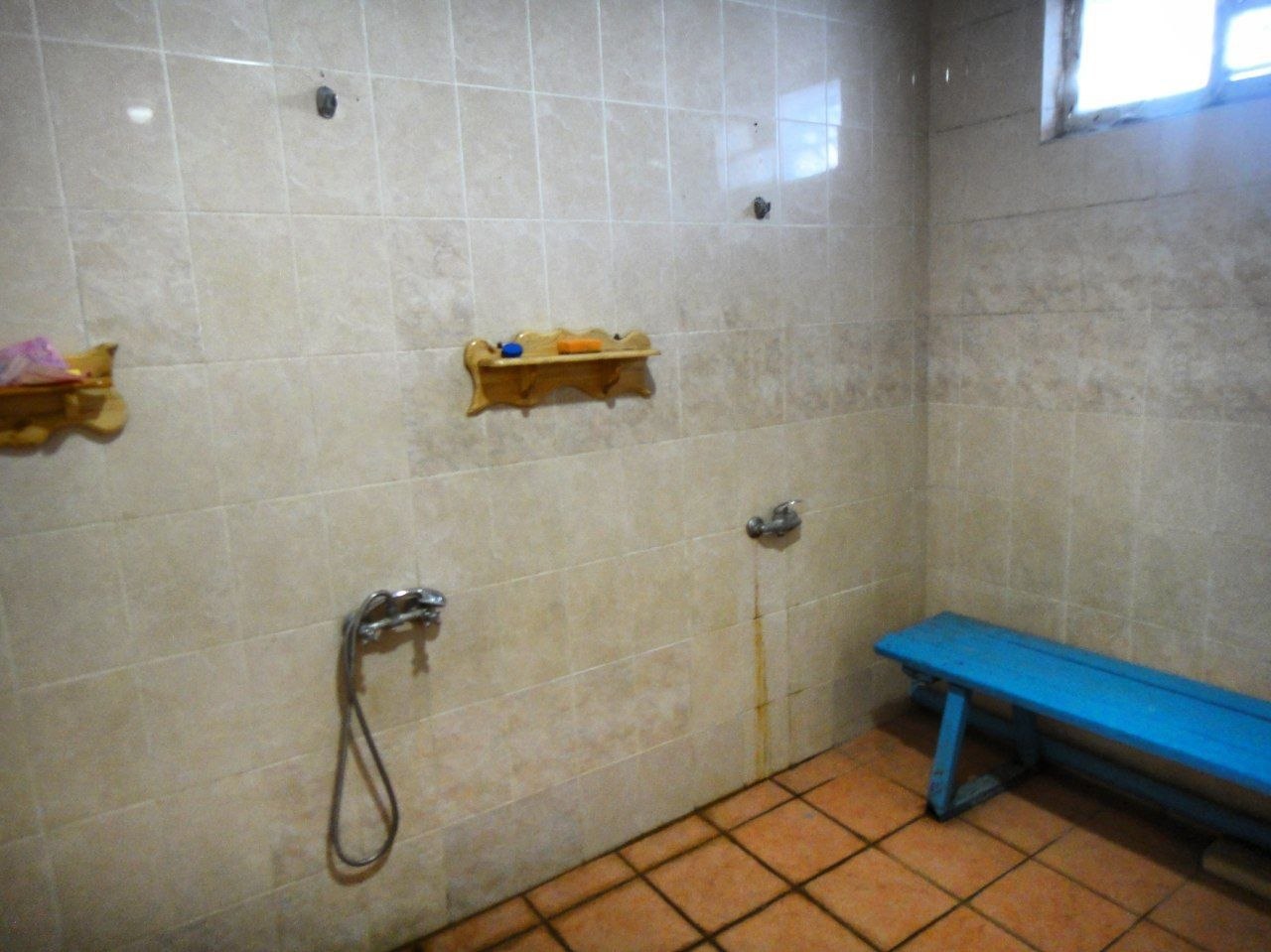
25. In violation of the requirements of Rule 19.3 of the European Prison Rules, in the shower room of the DC, the right to privacy is not ensured due to the lack of curtains on the shower partitions.
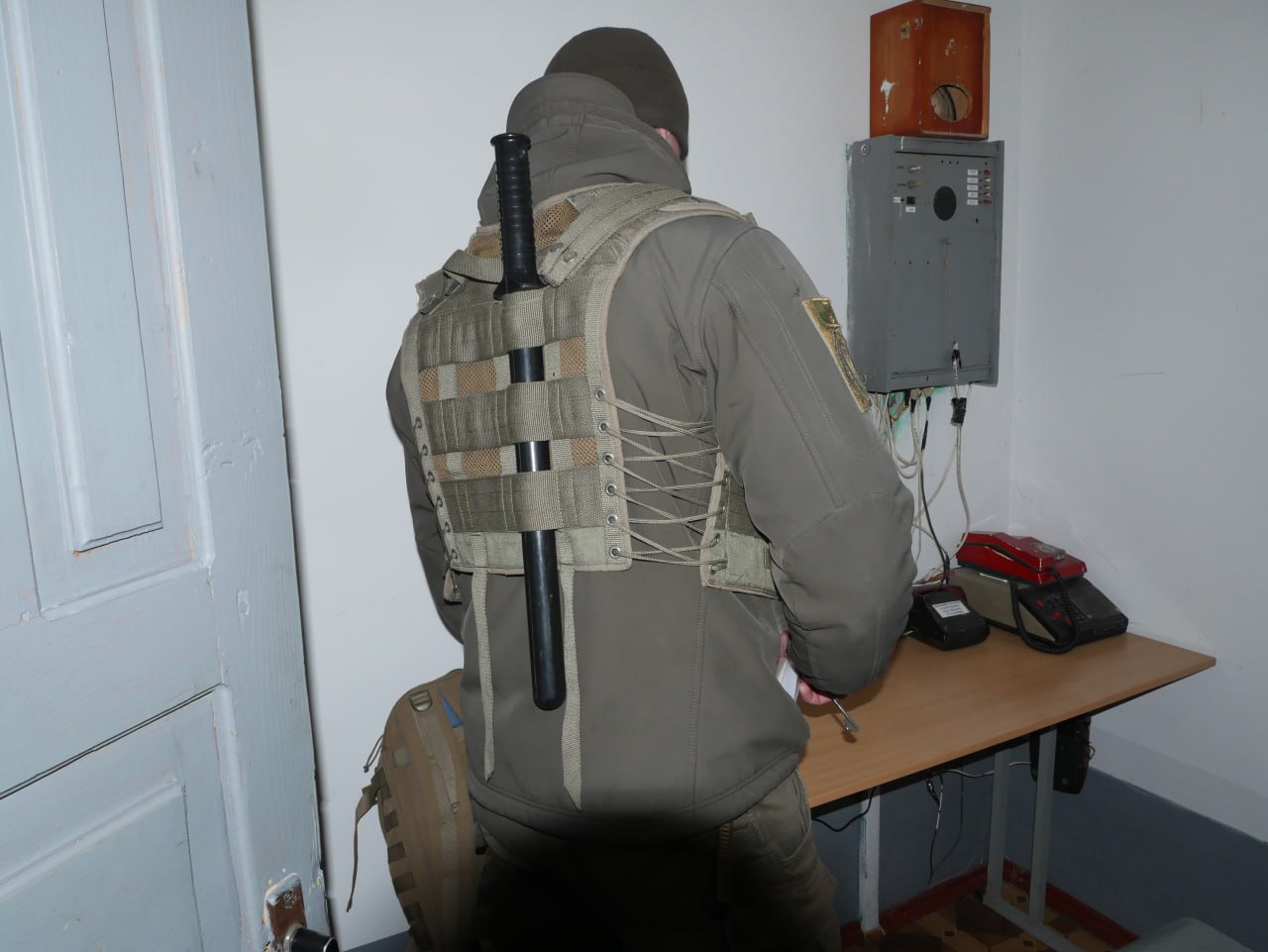
26. During the visit, the monitoring group recorded that the institution’s staff who are in direct contact with convicts openly carry special means, in particular rubber batons. At the same time, according to the eighth paragraph of paragraph 1 of Section XXVI of the Internal Regulations, the carrying of special means by the staff of correctional institutions within the protected territory of the correctional institution must, if possible, be kept as hidden as possible from surroundings.
Meanwhile, the Committee recommends that prison officers working in direct contact with prisoners should not carry special means, in particular rubber batons, handcuffs, and tear gas canisters, openly before prisoners. Such carrying hinders the establishment of normal relations between staff and prisoners (paragraph 85 CPT/Inf (2011) 29, paragraph 23 CPT/Inf (2013) 23, paragraph 166 CPT/Inf (2014) 15).
27. According to the information provided by the administration, for 2025 in SCC-98, 404 short-term visits were granted to convicts, of which 172 took place in a non-contact way – through solid partition glass using an intercom device. At the same time, in the report of the Government of Ukraine following the 2023 visit, the European Committee for the Prevention of Torture emphasises that for all categories of convicts, open visits, for example at a table, should be the rule, and closed ones – the exception, the application of which is allowed only on the basis of substantiated and reasoned decisions after an individual assessment of the potential risk of a specific convict.
In this regard, the Committee calls on the Ukrainian authorities to review the procedure for short-term visits in penitentiary institutions in order to ensure they are conducted, as a rule, in open conditions (CPT/Inf (2024) 20) paragraph 99).
28. In accordance with sub-paragraph 5 of paragraph 2 of Section IV of the Regulation on the differentiated educational impact programme for convicts ‘Preparation for release’, approved by Order of the Ministry of Justice of Ukraine dated 16.05.2016 No. 1418/5, registered with the Ministry of Justice of Ukraine on 17.05.2016 under No. 735/28865, the staff of the institution’s social-psychological service, who directly organise and carry out measures for implementing the ‘Preparation for release’ programme, are obliged to provide convicts with assistance in processing (renewing) a passport of a citizen of Ukraine, the registration number of the taxpayer’s account card (RNTKK), and other personal documents, as well as in processing pensions.
At the same time, 9 convicts require processing of a passport of a citizen of Ukraine, and 4 require obtaining an RNTKK, which indicates insufficiently performed work by the department of social-educational and psychological work regarding ensuring the processing of necessary documents for convicts who do not have them.
29. According to official documentation, the staff shortfall at the institution as of 19.02.2026 is 71 authorised positions. At the same time, in the report of the Government of Ukraine following the 2023 visit, the Committee emphasises that ensuring a positive climate in a penitentiary institution requires the presence of a professional team of staff, who must be present in sufficient numbers at any moment in time in places of detention. An insufficient number of staff can only increase the risk of violence and intimidation between convicts. A shortage of staff on the ‘front line’ also undermines the quality and level of measures offered to convicts and jeopardises the prospect of preparation for release and social rehabilitation.
In this regard, the Committee calls on the Ukrainian authorities to take decisive measures to significantly increase the number of staff in penitentiary institutions in Ukraine, where a low level of staffing is observed, with the aim of strengthening the presence of security and supervision staff inside the institutions. It is also necessary to take measures to put an end to the 24-hour shift for staff on duty (CPT/Inf (2024) 20) paragraph 93).
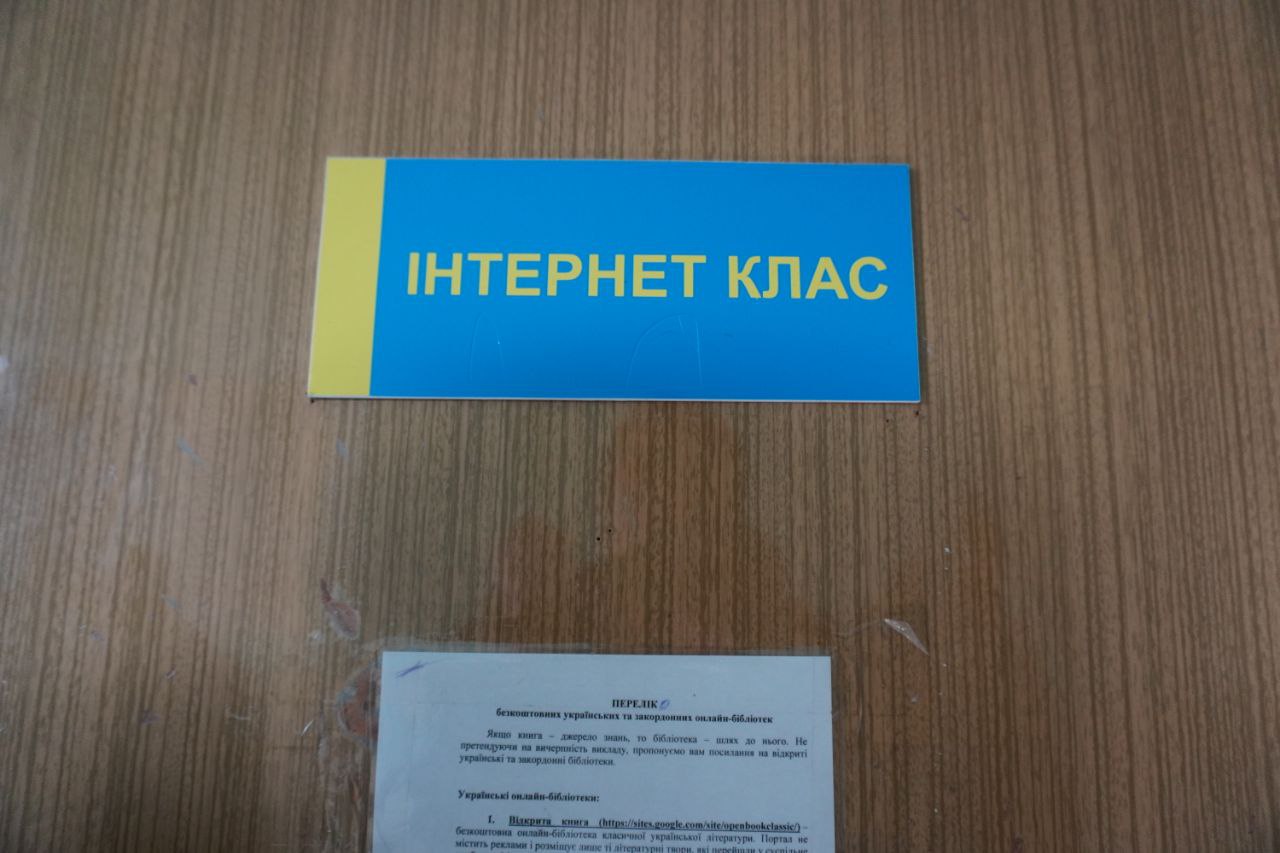
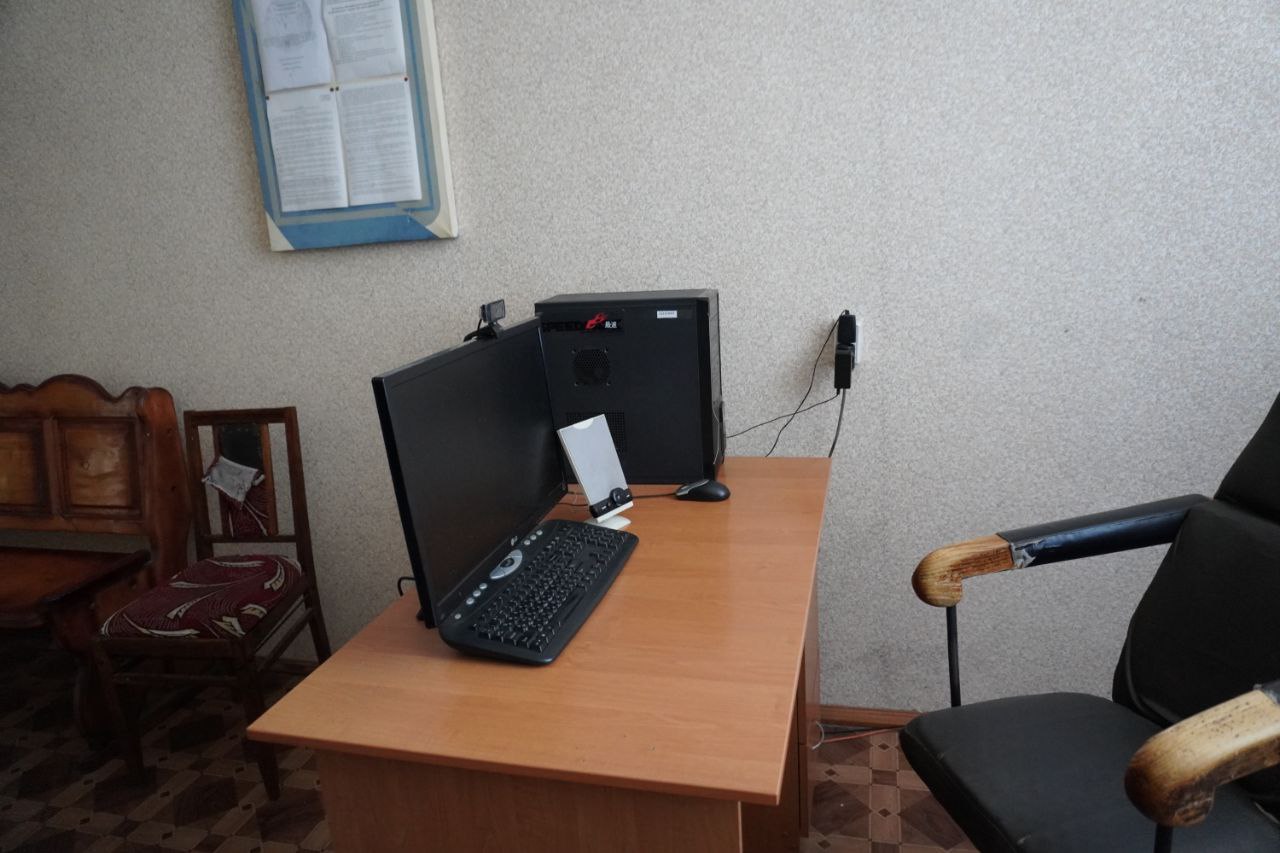
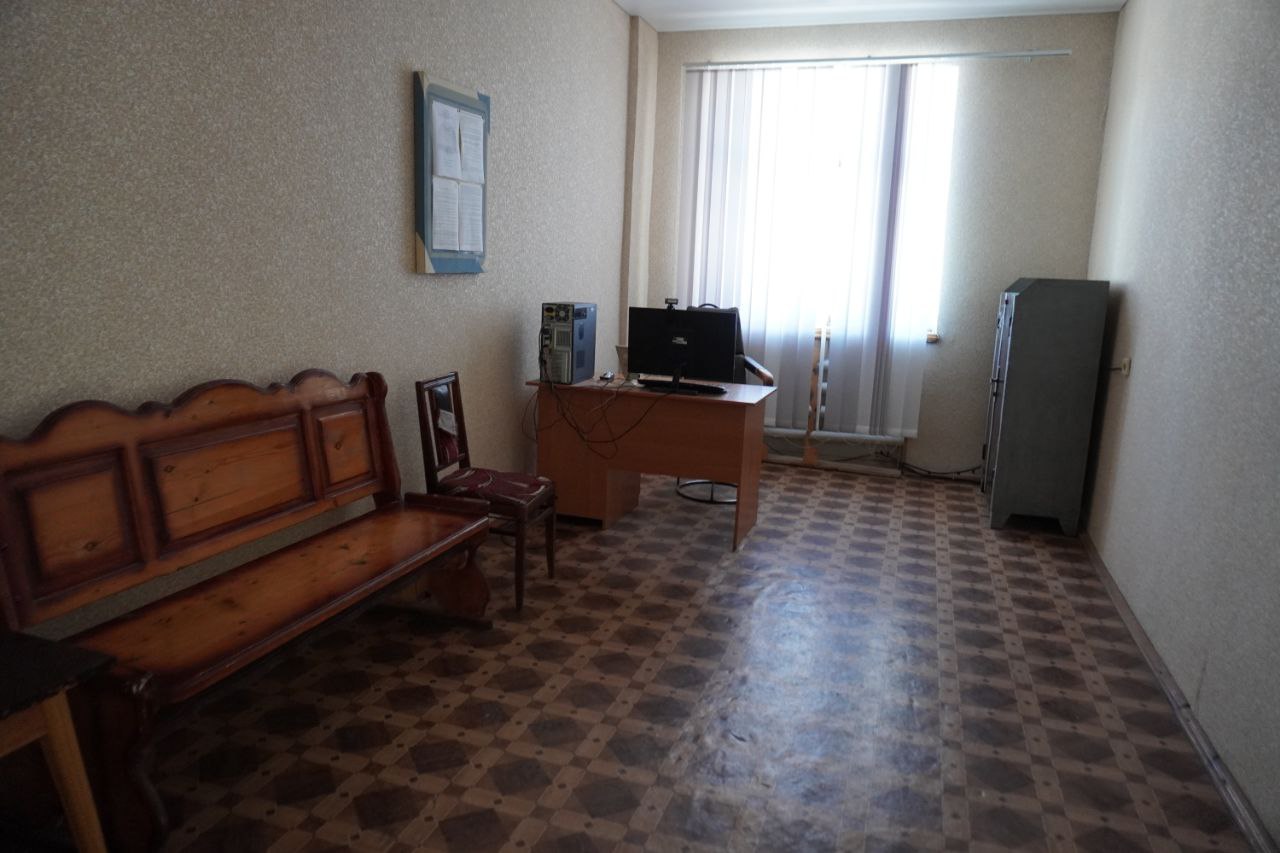
30. During the monitoring visit, it was established that an ‘internet class’ room has been formally equipped at the institution. A visual inspection confirmed the presence of a separate room with a workstation, computer equipment, and basic furniture. At the same time, the actual provision of access for convicts to the internet is extremely limited and does not meet legislative requirements and international standards. Specifically, it was established that there is only one computer functioning for the entire institution intended for convict use.
Such a number of technical means is obviously insufficient given the number of persons held at the institution and effectively makes it impossible to exercise the right to regular access to information, maintain social ties, and prepare procedural documents, appeals to state authorities, courts, or international institutions.
Furthermore, during the inspection, no log of internet usage was provided. The absence of such a log makes it impossible to determine the actual number of persons using access, the duration of sessions, the order of access, and also creates risks of non-transparent or selective provision of access to certain convicts. This also indicates the absence of proper control and accounting by the institution’s administration. The actual conditions of internet access do not allow for ensuring the equality of convicts in the realisation of this right, which may lead to discriminatory practices or dependence of access on informal factors. In the absence of a clearly defined procedure, user schedules, and access accounting, it is impossible to guarantee compliance with the principles of fairness and transparency.
In accordance with the provisions of the Criminal Executive Code of Ukraine, as well as international standards, in particular the European Prison Rules, convicts should have the opportunity to maintain ties with the outside world, receive information, and, if possible, use modern means of communication. Restriction of such access is permitted only for security reasons, but it must be proportionate and cannot negate the essence of the right itself.
The established circumstances testify to a violation of the convicts’ right to access information, as well as improper organisation of the process of using the internet in SCC-98. The presence of only one computer for the entire institution and the absence of internet usage accounting testify to the formal character of ensuring this right. Existing conditions do not allow convicts to exercise their right to access information in full, which requires urgent elimination by increasing the number of technical means, introducing a transparent access system, and proper usage accounting.
31. During the monitoring visit, it was established that the shelter at the institution is in a state that does not ensure proper protection of convicts in the event of emergency situations. The facts identified — the absence of a second evacuation exit, the inadequate technical state of the premises, the absence of sewage, and complicated access to the shelter — testify to violations of a number of national and international norms.
In accordance with Article 3 of the Constitution of Ukraine, a human being, their life and health are recognised as the highest social value, and the state is responsible to the human being for its activity. Inadequate arrangement of a shelter directly contradicts this principle. According to Article 27 of the Constitution of Ukraine, every person has an inalienable right to life, and the state is obliged to protect it. Under conditions of martial law and increased risks of shelling, ensuring effective access to a safe shelter is a component of this duty. Article 28 of the Constitution of Ukraine guarantees the right to respect for human dignity and prohibits cruel, inhuman or degrading treatment and punishment.
Holding people in a room without sanitary conditions, ventilation, and the possibility of safe evacuation may be regarded as degrading. In accordance with Article 8 of the Criminal Executive Code of Ukraine, the state ensures the safety and proper detention conditions for convicts. Article 115 of the Criminal Executive Code of Ukraine establishes that detention conditions must meet sanitary-hygienic requirements and ensure the preservation of convicts’ health. The existing shelter deficiencies do not meet these requirements.
According to Article 4 of the Law of Ukraine ‘On the Legal Regime of Martial Law’ and legislation in the sphere of civil protection, state authorities and institutions are obliged to ensure the protection of the population, including through the proper functioning of protective structures. In accordance with the Civil Protection Code of Ukraine: Article 20 imposes on facility heads the duty of ensuring civil protection, including the readiness of protective structures; Article 32 defines that protective structures must meet safety requirements, be suitable for sheltering people, and be maintained in a state of readiness for use.
According to DBN V.2.2-5:2023 ‘Civil Protection Protective Structures’, shelters must have at least two exits — a main and an emergency one; proper ventilation, lighting, and sanitary-technical conditions must be provided, including toilets or alternative means; access to the shelter must be free and safe at any time. The actual absence of a second exit and sewage is a direct violation of these building norms.
In accordance with the European Prison Rules (rules 18, 19), detention conditions must ensure the safety, health, and human dignity of prisoners. Also, the UN Standard Minimum Rules for the Treatment of Prisoners (the Nelson Mandela Rules) (paragraphs 13, 14) require that premises used by prisoners comply with sanitary and safety standards.
The practice of the European Court of Human Rights, specifically in cases regarding inadequate detention conditions, proceeds from the premise that the state bears full responsibility for the life and safety of persons held under its control. Failure to provide a safe shelter in the face of a real threat may be regarded as a violation of Articles 2 and 3 of the European Convention on Human Rights.
The violations identified testify to the shelter’s non-compliance with the requirements of the Constitution of Ukraine, the Criminal Executive Code of Ukraine, the Civil Protection Code of Ukraine, state building norms, and international human rights standards. Such a state creates a real threat to the life and health of convicts and requires an urgent response and bringing the shelter into compliance with established requirements. 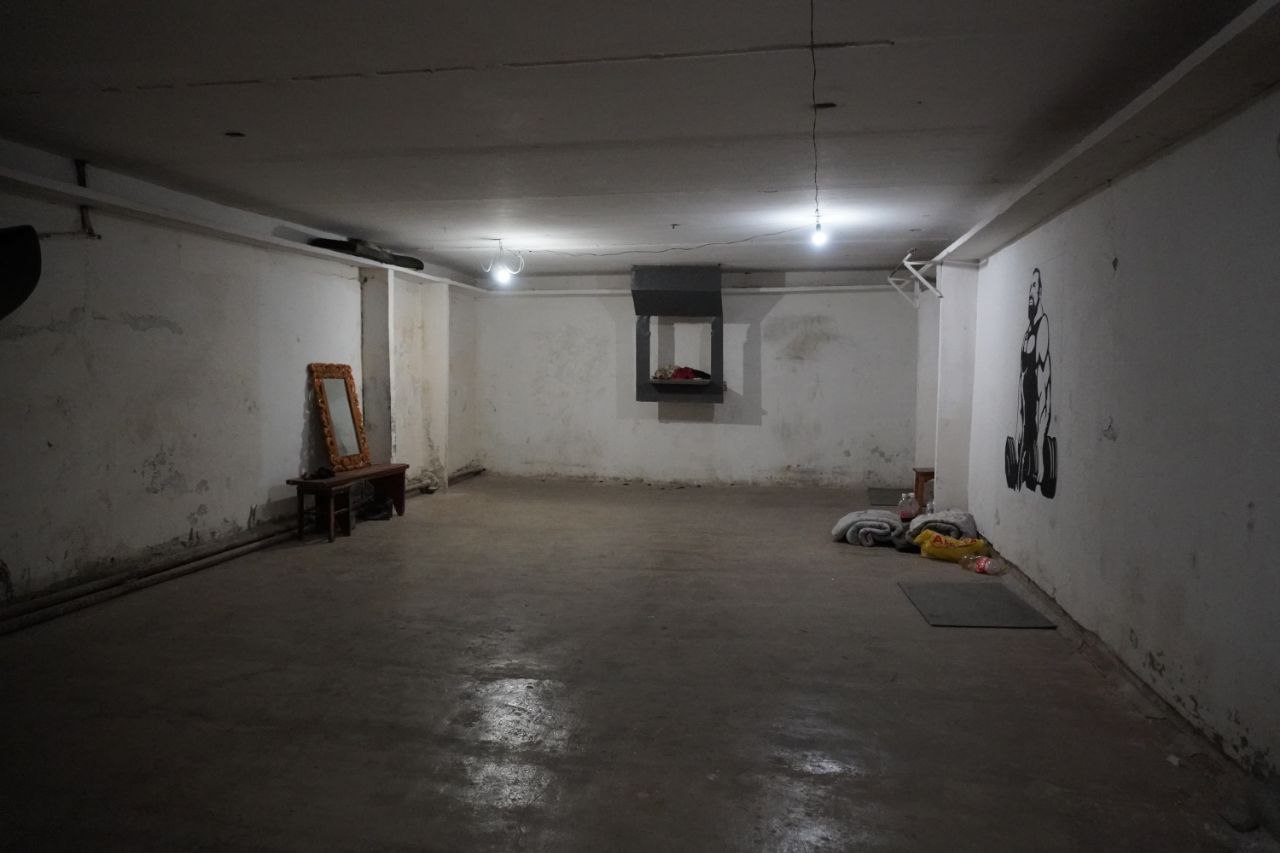
32. During the monitoring visit and analysis of documents provided (orders on sending convicts to work, time sheets, labour logs, payrolls, and documents regarding the accrual and payment of the Unified Social Contribution (USC)), it was established that a systemic organisation of convict labour functions at SCC-98, which encompasses both production activities and work ensuring the institution’s vital functions.
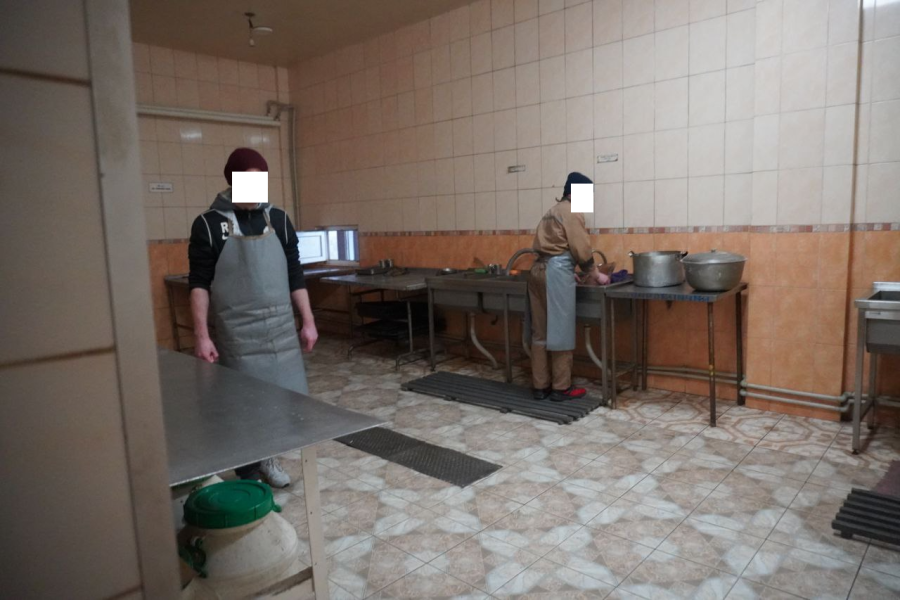
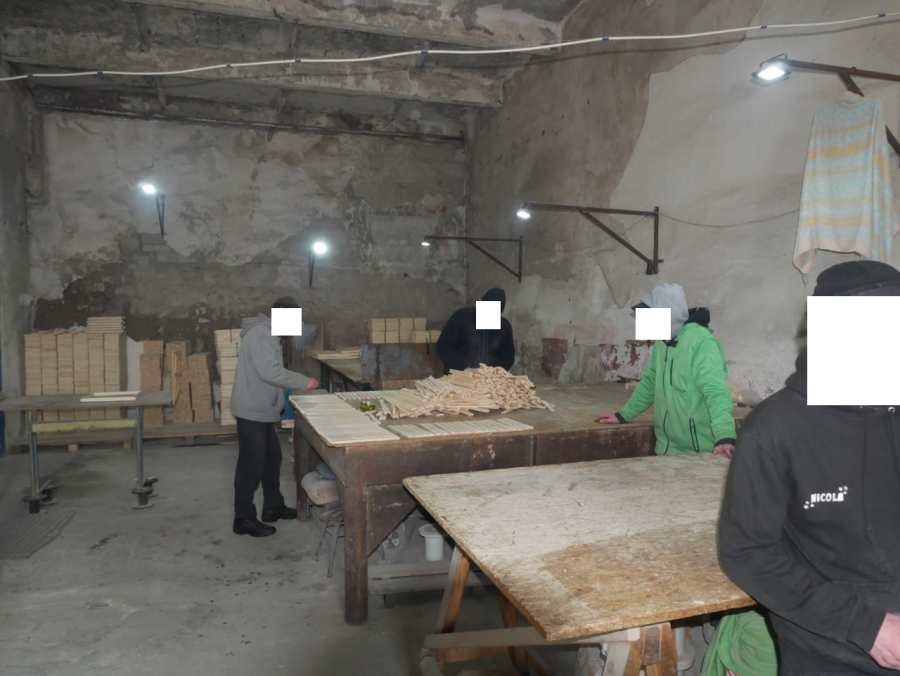
Types of labour applied at the institution include: production activity in workshop No. 1, including sewing production, work in the reinforced concrete products workshop, execution of work under contracts with contractors, as well as work in the boiler room, laundry and bath complex, at the sewage pumping station (SPS), the kitchen, and within the framework of the institution’s economic maintenance. Labour is organised through a system of work orders which determine specific convicts, their brigades, workplace, and shifts, which testifies to the centralised distribution and control of labour by the administration.
An analysis of labour organisation in production shows that convicts are included in the production process as a permanent workforce. In work orders, they are assigned to specific workshops and brigades, work in defined shifts, and their work is reflected in time sheets. Such a nature of labour organisation has characteristics of classic employment relationships: a defined workplace, subordination to internal regulations, control by the administration, and systematic execution of work.
At the same time, in some documents, the use of civil law contracts (CLC) is recorded, which does not correspond to the actual nature of the relationships and creates a risk of depriving convicts of labour guarantees. In time sheets, it was established that a significant number of convicts work throughout the full calendar month, up to 22 working days or more, with working hours of 4, 6, or 8 hours per day. At the same time, there is no unified approach to working time rationing, nor a clear reflection of days off. In individual cases, work is recorded almost continuously throughout the month or with a minimal number of rest days, which testifies to possible violations of the right to weekly rest.
An analysis of labour at vital facilities, specifically in the boiler room, laundry and bath complex, at the SPS, and in the kitchen, shows that convicts perform work necessary for the institution’s functioning. They work according to schedules determined by the administration, including in shift modes, including night time, for example, in the boiler room or at the SPS. In the provided documents, there is no information about remuneration in an increased amount for work at night, on holidays, or weekends, which is a mandatory guarantee in accordance with labour legislation.
Payrolls indicate that wages are accrued to convicts, as well as deductions of taxes (personal income tax, military levy) and other deductions. The total amounts accrued confirm that remuneration is systemic and is reflected in bookkeeping. At the same time, there is no transparent information regarding the provision of the minimum level of remuneration, the ratio of remuneration to the actually worked time, and there are no data on bonuses for overtime, night, or heavy work. Documents regarding the accrual and payment of the USC confirm that deductions are carried out, however, in the provided materials, there is no clear personalised accounting of contributions for each convict. This makes it impossible to verify the completeness of crediting insurance seniority and creates a risk of violating the right to social security, specifically pension provision.
Separately, cases of convicts G., R., Zh., and K. were analysed. All the listed persons figure in work orders, time sheets, and other documents, which confirms their systemic involvement in labour. Convict G. is included in work at workshop No. 1, assigned to a brigade, and works in defined shifts. Taking into account that he works over several months, his activity has characteristics of a permanent labour function. This testifies to the need for full application of labour guarantees to him, including remuneration not lower than the minimum, payment for the actually worked time, and payment of the USC.
Convict R. is also included in the system of production labour, which is confirmed by his participation in work orders and time sheets. His labour is organised by the administration, is systemic, and is subordinate to the production process, which corresponds to the characteristics of employment relationships. At the same time, there is a risk of discrepancy between actual working conditions and their legal formalisation. Convict Zh. works for a long period, about five years, which testifies to the permanence of employment relationships.
Such duration of work requires proper formalisation, regular payment of the USC, and crediting of insurance seniority. The absence of confirmation of the completeness of such deductions may testify to a systemic violation of his social rights. Convict K. is also involved in labour within the framework of an organised production process. His participation in work orders and time sheets confirms his execution of a labour function under the control of the administration, which does not correspond to the nature of civil law relationships.
An analysis of the legal formalisation of labour shows that both employment contracts and CLCs are applied at the institution. At the same time, the factual circumstances, namely the systematic nature of the labour, subordination, schedule, and workplace, testify to the existence of employment relationships. The use of civil law contracts under such conditions is a substitution for employment relationships and leads to the restriction of convicts’ rights, specifically regarding remuneration, rest, social insurance, and labour safety.
Thus, violations of the requirements of Articles 118–122 of the Criminal Executive Code of Ukraine, Articles 21, 24, 43, 95, 106, 107 of the Labour Code of Ukraine, the Law of Ukraine ‘On Remuneration of Labour’, the Law of Ukraine ‘On Collection and Accounting of the Unified Contribution to Compulsory State Social Insurance’, as well as non-compliance with international standards, specifically the UN Standard Minimum Rules for the Treatment of Prisoners (the Nelson Mandela Rules) and the European Prison Rules, were established.
At SCC-98, convict labour has a systemic and organised nature and effectively corresponds to employment relationships, yet is not accompanied by the full provision of labour and social guarantees. Risks of substituting employment relationships with civil law ones, violations of working time and rest regimes, lack of transparency in remuneration matters, and an insufficient level of social insurance provision were identified. This testifies to systemic violations of the convicts’ right to labour and social protection.
Recommendations:
1. Take measures aimed at eliminating identified human rights violations and preventing torture, and other cruel, inhuman, or degrading treatment and punishment in Shepetivka Correctional Colony No. 98, a branch of the State Institution ‘Centre for Health Protection of the State Criminal Executive Service of Ukraine’ in Khmelnytskyi Region.
2. Ensure proper organisation of work with newly arrived convicts in the QDD unit, actual execution of the programme for acquainting them with the order and conditions of serving their sentences, and accurate maintenance of official documentation.
3. Stop the practice of delegating functions of control, supervision, or influence over other convicts to convicts, in particular the practice of using ‘ward orderlies’.
4. Bring material and domestic conditions in the QDD unit, DC/CTP, ECU, laundry and bath complex, residential and auxiliary premises into compliance with national standards and international requirements.
5. Ensure proper lighting, ventilation, temperature regime, privacy in sanitary facilities, access to drinking water, and necessary equipment for residential and cell premises.
6. Ensure the proper state of exercise yards, their sufficient area, the possibility of physical activity, and protection against atmospheric precipitation.
6. Ensure compliance with the rights of convicts during disciplinary proceedings, in particular by handing over copies of decisions on the application of penalties, explaining the procedure for their appeal, and the right to legal assistance.
7. Stop the practice of placing information about convicts’ crimes on cell doors.
8. Review the practice of using video surveillance in cell premises and ensure its use only on the basis of an individual risk assessment.
9. Ensure the proper functioning of the radio broadcast system in cell premises.
10. Provide the institution’s library with basic regulatory legal acts necessary for convicts to protect their rights.
11. Stock the institution’s shop with essential goods in accordance with the requirements of the Internal Regulations of Correctional Institutions.
12. Ensure the proper organisation of catering, including the daily storage of samples of all dishes.
13. Eliminate violations in the organisation of laundry and bath services, ensure the sanitary processing of newly arrived persons, the operation of ventilation, the equipment of the medical professional’s area, and the proper maintenance of bodily examination logs.
14. Ensure proper social-educational and psychological work with convicts, timely review of individual programmes, and recording of the results of their implementation.
15. Post up-to-date information in the ECU and other necessary premises regarding the bodies and institutions to which convicts may address complaints.
16. Ensure proper assistance to convicts in obtaining passports, tax identification numbers (RNOKPP), pensions, and other necessary documents.
17. Review the procedure for conducting short-term visits, ensuring open visits as a general rule, and non-contact visits only as an exception after an individual risk assessment.
18. Ensure the concealed carrying of special means by the institution’s staff and prevent their demonstrative use in daily contact with convicts.
19. Take measures to overcome staff shortages and strengthen the presence of personnel in residential and regime zones.
20. Ensure real access for convicts to the internet by increasing the number of computers, introducing a transparent usage schedule, and maintaining an access log.
21. Bring the institution’s shelter into a proper technical and sanitary state, ensure free access to it, equip a second evacuation exit, sewage, ventilation, lighting, water reserves, and other necessary safety elements.
22. Bring the organisation of convict labour into compliance with the requirements of the Criminal Executive Code of Ukraine, the Labour Code of Ukraine, and legislation on remuneration and social insurance.
23. Stop the use of civil law contracts in cases where employment relationships with convicts actually exist.
24. Ensure proper recording of convicts’ working time, remuneration for labour, payment of the Unified Social Contribution (USC), and the crediting of insurance seniority.