Report on the findings of a monitoring visit to the specialized tuberculosis hospital of the Zbarazh Correctional Colony No. 63
On 18 February 2026, in accordance with the Optional Protocol to the Convention against Torture and Other Cruel, Inhuman or Degrading Treatment or Punishment, taking into account the provisions of the United Nations Standard Minimum Rules for the Treatment of Prisoners (the Mandela Rules) and the rulings of the European Court of Human Rights, and on the basis of Article 24 of the Criminal Executive Code of Ukraine, ‘Visiting places of deprivation of liberty’, a team of monitors from the Kharkiv Human Rights Protection Group and the NGO ‘Protection of Prisoners of Ukraine’ conducted a scheduled visit to the state institution ‘Zbarazh Specialized Tuberculosis Hospital No. 63 — a branch of the state institution “Centre for Health Protection of the State Criminal-Executive Service of Ukraine” in the Chernivtsi, Ivano-Frankivsk, Zakarpattia, and Ternopil regions’ (hereinafter — the Hospital, the institution, the facility).
The visit was a planned, unannounced inspection. The previous visit took place on 17 December 2024.
In preparation for the visit, the monitors used materials from complaints filed by prisoners and their relatives.
The visit was conducted within the framework of the project ‘Reducing the suffering of prisoners in the context of the war in Ukraine’, funded by the government of Denmark in partnership with DIGNITY — Danish Institute Against Torture.
The visit was conducted by the following monitors:
- Andrii Didenko — assistant to the People’s Deputy of Ukraine Yaroslav Yurchyshyn, programme coordinator of the Kharkiv Human Rights Protection Group, experienced in monitoring visits since 2014;
- Serhii Zuikov — assistant to the People’s Deputy of Ukraine Kostiantyn Kasai, member of the public council under the Ministry of Justice of Ukraine, member of the NGO ‘Protection of Prisoners of Ukraine’, possesses many years of experience in monitoring visits;
- Oleh Tsvilyi — member of the public council under the Ministry of Justice of Ukraine, head of the NGO ‘Protection of Prisoners of Ukraine’, has extensive experience in monitoring visits, specialising in issues of torture and cruel, inhuman treatment.
Certain positive practices were observed at the institution, particularly the implementation of modern information systems. The medical staff effectively utilize the ‘Helsi’ medical information system, which operates with the consultative support of a regional specialist. Furthermore, they work with a monitoring system for socially significant diseases (phthisiology, HIV/AIDS, opioid substitution therapy, laboratory module, pharmaceutical management). This indicates a gradual digitalization of medical processes and the presence of basic prerequisites for proper record-keeping and monitoring of the prisoners’ health status.
At the same time, the monitoring visit revealed numerous systemic violations in the sphere of medical care and the treatment of prisoners, which contradict the requirements of national legislation and international standards, in particular the Mandela Rules and the recommendations of the European Committee for the Prevention of Torture. The most serious violations concern the placement of an individual with mental health disorders in the disciplinary unit (DIZO) without a proper medical assessment or response, the absence of an isolation unit for such patients and a clinical psychologist, the failure to observe the principle of informed consent, breaches of medical confidentiality, inadequate treatment conditions (temperature, infection control, access to treatment, particularly for Hepatitis C), as well as the use of prisoners as orderlies in medical units. Furthermore, violations of the rights of persons with disabilities, as well as sanitary, hygienic, fire safety, and privacy requirements were established, which, taken together, indicate inadequate provision of the right to healthcare and a risk of treatment that may be considered as degrading to human dignity.
General Information
The facility is a closed-type institution for the treatment of women suffering from tuberculosis. Women who are ill or suspected of having tuberculosis are transferred to the hospital from various penitentiary institutions across Ukraine.
The head of the Zbarazh Specialized Tuberculosis Hospital No. 63 is I. B. Nytka.
The Zbarazh Specialized Tuberculosis Hospital No. 63 (hereinafter — the Hospital) is designed for 80 beds and comprises the following departments:
- an outpatient clinic, providing medical care to persons serving sentences at the State Institution ‘Zbarazh Correctional Colony (No. 63)’ — with 20 beds;
- a department for patients with drug-susceptible tuberculosis — with 30 beds;
- a department for patients with drug-resistant tuberculosis — with 30 beds;
- a clinical diagnostic laboratory;
- an X-ray room.
The hospital ensures the provision of quality and accessible services for the prevention and diagnosis of HIV infection. During 2025, 580 tests for HIV were conducted (no positive results detected), 450 tests for viral Hepatitis B (of which 4 were positive), and 450 for viral Hepatitis C (of which 27 were positive). During 2025, 16 prisoners received treatment for HCV; at the time of monitoring, the HCV RNA virus was not detected.
In January–February 2026, 117 people were tested for HIV (0 positive), 110 for HCV (3 positive), and 117 for HBV (1 positive). As of 17 February 2026, 7 patients had been laboratory-confirmed with HCV and were being prepared for treatment (with the support of the charitable organization ‘100 Percent LIFE’). Additionally, 5 patients are undergoing further examination and, upon confirmation of HCV, will be able to begin treatment.
On 3 October 2024, in accordance with license No. 942 of 16 July 2024, issued by the Department of State Regulation and Control in the sphere of circulation of narcotic drugs, psychotropic substances, precursors, and countering their illicit trafficking, an Opioid Substitution Therapy (OST) site was opened at the ZSTH No. 63 for drug-dependent patients. As of 17 February 2026, 23 people are receiving such care (16 are receiving oral methadone hydrochloride and 7 are receiving buprenorphine).
The hospital is equipped with the necessary medical equipment and instruments for diagnostic and treatment activities (two X-ray machines, a dental unit, electrocardiographs, a dental X-ray machine, air sterilizers, microscopes, an electrophotocolorimeter, a molecular-genetic complex, bacteriological, hemolytic, and biochemical analysers, an oxygen concentrator, a defibrillator, a Holter monitor, a colposcope, etc.).
In 2025 and January–February 2026, for the purpose of clarifying diagnoses and determining further treatment strategies for patients (consultations with narrow specialists, additional diagnostic methods), 87 patients were referred to Ministry of Health facilities. In addition, in 2025, 75 patients were referred for scheduled inpatient treatment to the healthcare institutions of the Centre for Health Protection of the State Criminal-Executive Service of Ukraine; in January–February 2026, 18 prisoners received such care. In 2025, one prisoner died at the institution.
During 2025 and January–February 2026, materials for one prisoner were submitted to the Medical Advisory Commission, and 1 material was sent to court, resulting in one prisoner being released by court order.
According to information provided by the hospital staff, as of 1 March 2026, the following positions are vacant: infectious disease physician — 0.5 staff unit; phthisiologist (tuberculosis specialist) — 1 staff unit.
Positive experience
Medical staff work within the ‘Helsi’ information system. A leading regional specialist from ‘Helsi’ in Ternopil was engaged to provide consultative assistance regarding the operation of this medical information system, which is currently functioning successfully.
Furthermore, doctors successfully utilize the information system for monitoring socially significant diseases, specifically the modules for: phthisiology, management of HIV/AIDS cases, substitution maintenance therapy, the laboratory module, and pharmaceutical management.
Facts identified during the visit
During the monitoring visit, violations of national legislation and non-compliance with international recommendations in the sphere of the treatment of prisoners were identified, leading to breaches of the rights of the prisoners:
1. During the visit to the institution’s disciplinary isolation unit (hereinafter — DIZO), facts were established that may indicate cruel, inhuman, or degrading treatment and punishment of prisoners.
In accordance with Rule 39.3 of the United Nations Standard Minimum Rules for the Treatment of Prisoners (the Mandela Rules), before imposing disciplinary sanctions, the administration of a penitentiary institution is obliged to determine whether a mental illness or developmental disability of a prisoner could have influenced their behaviour and caused the violation that led to the disciplinary response. The administration of the institution must not apply disciplinary sanctions for behaviour that is a direct consequence of a prisoner’s mental disorder or intellectual disability.
In accordance with Rule 45.2 of the Mandela Rules, the use of solitary confinement is prohibited for prisoners with mental or physical disabilities if such measures could lead to a deterioration of their condition. The use of solitary confinement against women and children is also prohibited, as provided by international UN norms in the sphere of criminal justice.
However, during the visit to the DIZO, it was established that a prisoner was placed in the DIZO from 21 October 2025 to 31 October 2025, where she was held in conditions of complete isolation (alone in a cell) and has diagnosed mental disorders, which created a risk of harm to her mental health. Indeed, during her time in the DIZO, it was established that the prisoner refused to go for walks, maintain personal hygiene (bathing), or eat, which may indicate a deterioration in her mental state and a need for urgent medical, including psychiatric, examination and appropriate care.
Under such circumstances, the medical staff were obliged to ensure a proper assessment of the prisoner’s health status and take timely response measures. At the same time, the lack of proper reaction to these symptoms, in particular the failure to draw up an appropriate medical opinion (recommendation) regarding the impossibility of holding the prisoner in the DIZO and the need for her transfer to the medical unit’s inpatient ward for medical care, indicates a risk of improper performance of duties regarding ensuring the prisoners’ right to healthcare and could have led to a deterioration of her health.
These circumstances, taken together, may be considered indicative of a violation of the right to healthcare, guaranteed by Article 49 of the Constitution of Ukraine, as well as treatment contrary to the requirements of Article 3 of the Convention for the Protection of Human Rights and Fundamental Freedoms.
Furthermore, in accordance with paragraph 43 of the Third General Report of the European Committee for the Prevention of Torture and Inhuman or Degrading Treatment or Punishment (hereinafter — the Committee), a mentally ill prisoner should be held and cared for in a hospital facility with sufficient equipment and appropriately trained staff. Such a facility could be a regular (civilian) psychiatric hospital or a specially equipped psychiatric facility within the penitentiary system.
In accordance with paragraph 44 of the Committee’s Third General Report, the treatment of a mentally unstable and violent patient should be carried out under strict supervision with the provision of care for the patient and, if deemed necessary, the administration of sedatives. (CPT/Inf (93) 12-part).
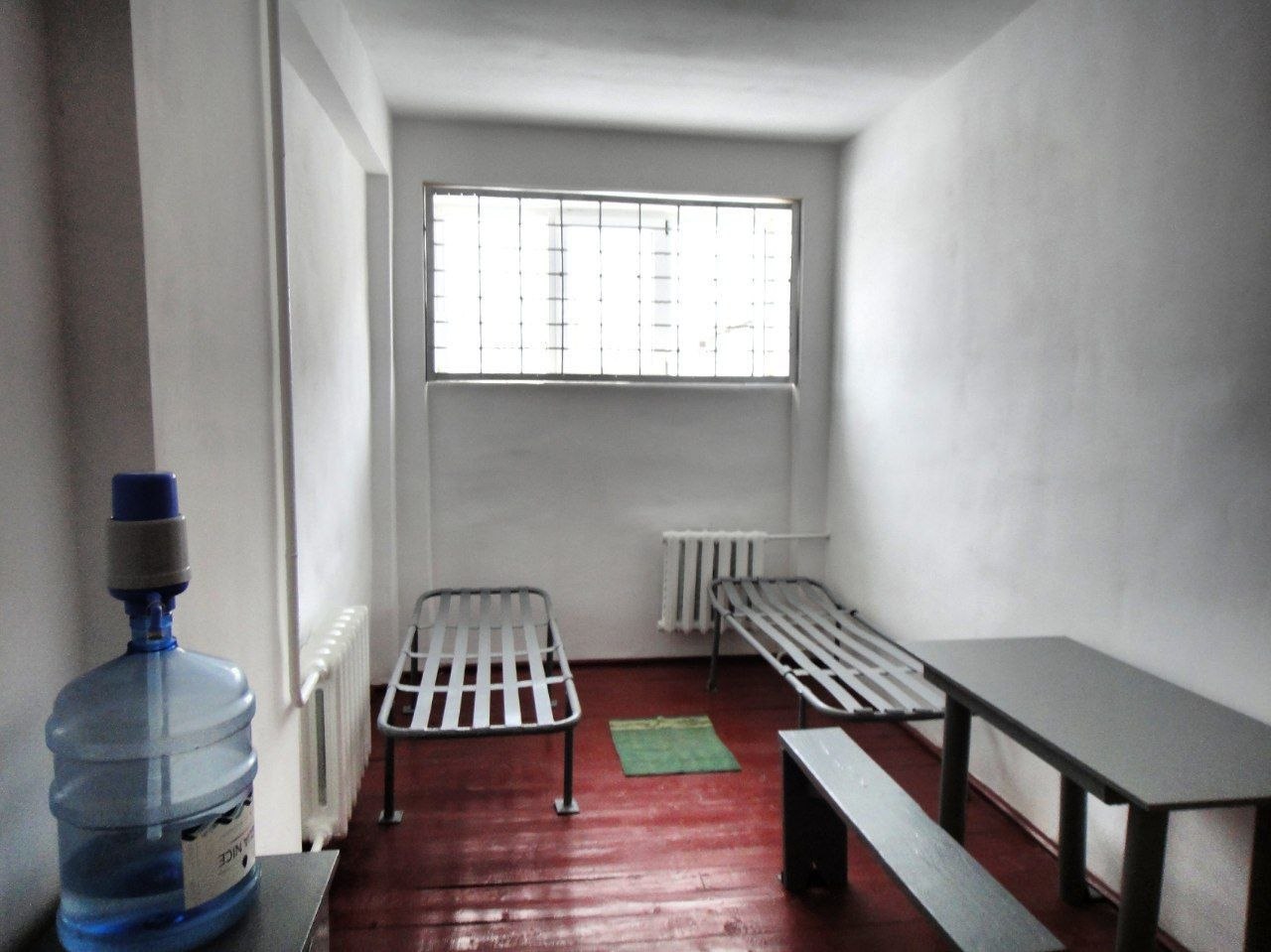
2. In violation of paragraph 8 of Chapter 5 of Section 2 of the Procedure for organising the provision of medical care to persons sentenced to imprisonment, approved by the joint Order of the Ministry of Justice of Ukraine and the Ministry of Health of Ukraine of 15 August 2014 No. 1348/5/572 (hereinafter — the Procedure), the hospital’s inpatient ward lacks an equipped isolation unit for prisoners with mental disorders who pose a danger to others.
3. The hospital staff does not include a clinical psychologist position, which hinders the timely and effective provision of mental healthcare to prisoners. In its report on the 2023 visit to Ukraine, the Committee recommended further strengthening the provision of psychological assistance in institutions, as well as developing the training and role of penitentiary psychologists, especially regarding therapeutic clinical work with prisoners. In this context, efforts must be made to recruit clinically trained psychologists who should be part of the medical team and, in their work, should not combine two different roles, namely risk assessment and therapeutic clinical work (CPT/Inf (2024) 20, paragraph 85).
4. The monitoring group established that the psychiatrist conducts psychiatric examinations of patients without properly formalizing written informed consent. Specifically, contrary to the requirements of the ‘Instruction on filling out primary accounting documentation form No. 003-7/o “Informed consent of a person to undergo a psychiatric examination”’, approved by the Order of the Ministry of Health of Ukraine of 15 September 2016 No. 970, it was determined that in the medical documentation (specifically in the medical record of an outpatient patient, form No. 025/o, and the medical record of an inpatient, form No. 003/o), there is no informed consent signed by the patient for the psychiatric examination.
5. In violation of the requirements of the ‘Norms for the provision of furniture, inventory, and household items for a minimum-security correctional colony with general living conditions’, approved by the Order of the Ministry of Justice of Ukraine of 27 July 2012 No. 1118/5 (hereinafter — the Provision Norms), there is no room in the DIZO premises for the reception of prisoners by the administration and medical staff. Consequently, medical examinations of prisoners are conducted in cell-type premises or in the duty shift room, which indicates that staff members of the institution and other prisoners may obtain confidential information regarding the health status of the prisoners during medical examinations, manipulations, or procedures. This violates the requirements of Article 39/1 of the Law of Ukraine ‘Fundamentals of the legislation of Ukraine on healthcare’ regarding the right of persons to the confidentiality of their health status and paragraph 9 of Section I of the Procedure for organising the provision of medical care to persons sentenced to imprisonment.
6. In violation of the requirements of paragraph 1 of Chapter 5 of Section II of the Procedure, as well as the tenth paragraph of paragraph 2 of Section XVII of the Internal Rules of Procedure of institutions for the execution of sentences, approved by the Order of the Ministry of Justice of Ukraine of 28 August 2018 No. 2823/5 (hereinafter — IRP UIS), prisoners performing the duties of orderlies are present in the hospital’s inpatient ward.
At the same time, the Committee has repeatedly emphasized the inadmissibility of using prisoners as assistants in medical units and as orderlies, recommending that the state discontinue such practice (reports on the results of visits to Ukraine: 2005 — paragraph 132, CPT/Inf (2007) 22; 2013 — paragraph 151, CPT/Inf (2014) 15; 2017 — paragraph 86, CPT/Inf (2018) 41).
7. In violation of the ‘Measures and means for preventing infection during patient care’, approved by the Order of the Ministry of Health of Ukraine of 3 August 2020 No. 1777, only one isolation ward for infectious patients is equipped at the hospital, which makes it impossible to simultaneously house patients with dangerous infectious diseases separately from one another and from other prisoners.
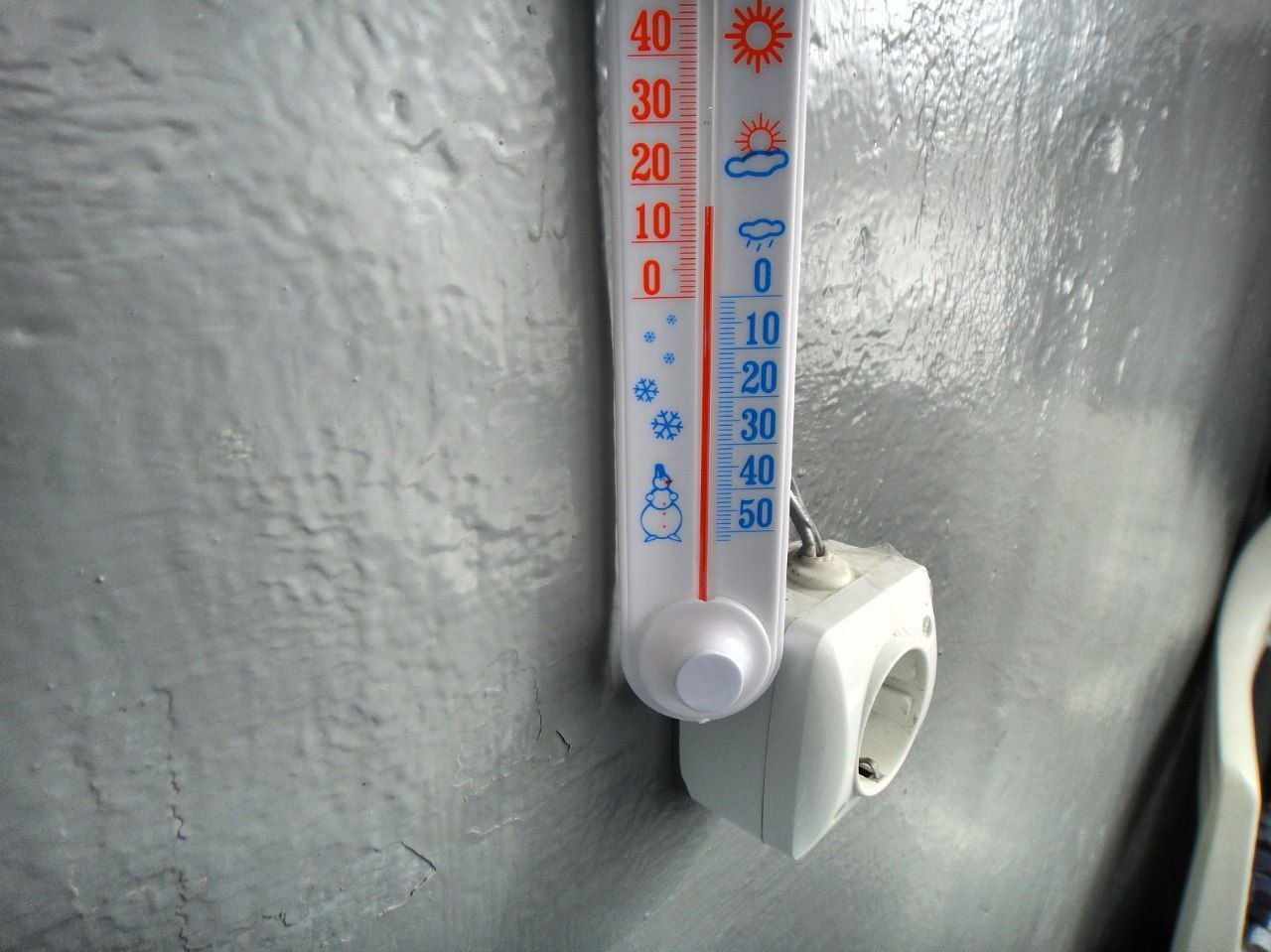
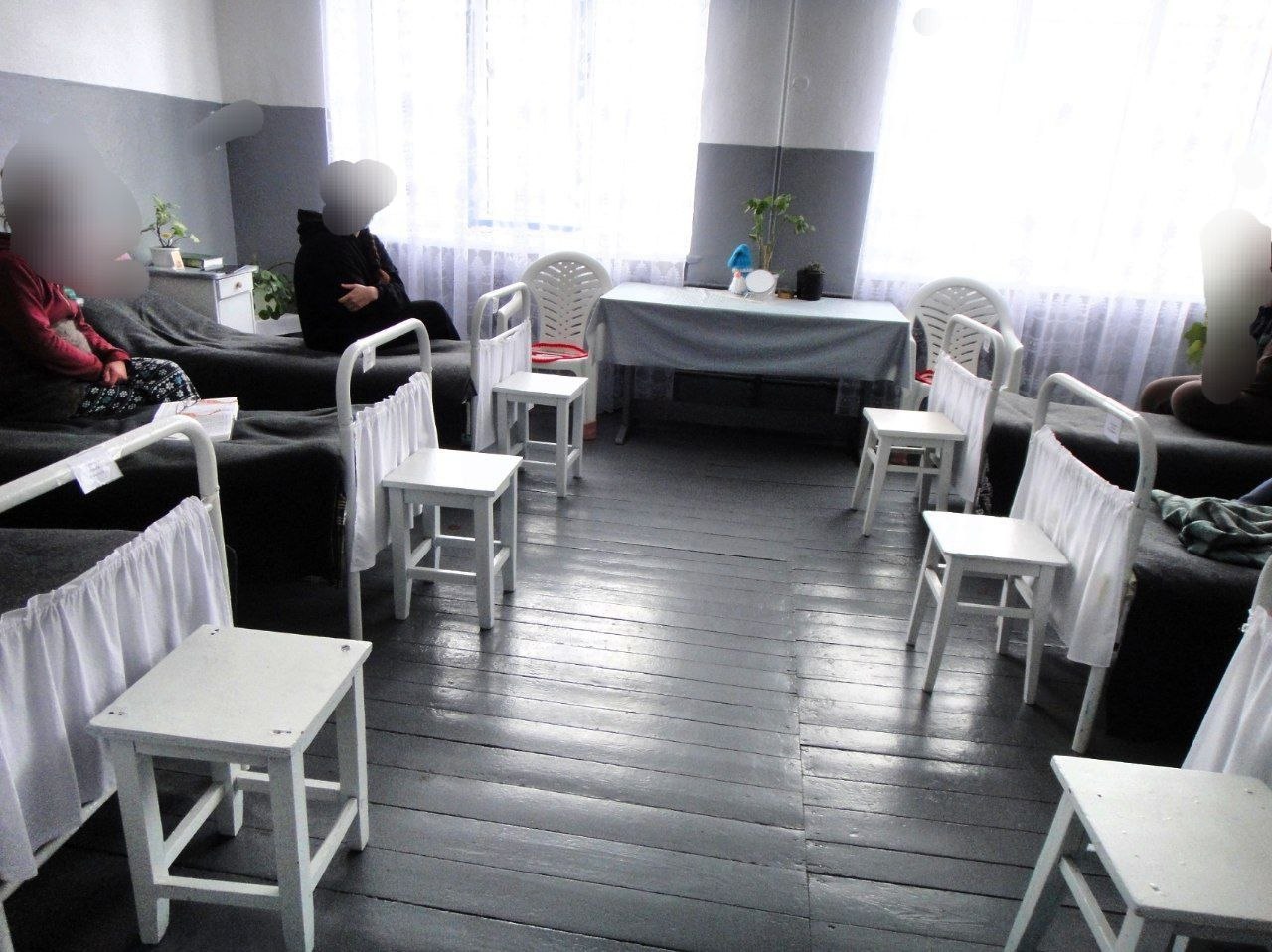
8. In the hospital facility, particularly in the wards and doctors’ offices, the monitoring group recorded violations of the temperature regime. During the inspection, the air temperature in some rooms was +13—16°C, which does not meet the requirements of paragraph 1 of Section XXII of the IRP UIS, according to which, in the cold season, the temperature in the residential premises of institutions for the execution of sentences must be maintained at a level of no less than +18°C.

9. In violation of the ‘Standards of medical care for viral Hepatitis C in adults’, approved by the Order of the Ministry of Health of Ukraine of 23 July 2025 No. 1178, not all persons (5 persons as of 18 February 2026) with suspected viral Hepatitis C undergo the necessary PCR testing. Consequently, they do not receive proper treatment, which may lead to a deterioration of their health and the spread of this infectious disease among prisoners and detainees.
Furthermore, it was established that 7 patients with chronic viral Hepatitis C (hereinafter — HCV) are registered at the hospital. At the same time, the lack of timely treatment increases the risk of disease progression, the development of liver complications, and poses a threat of spreading the infection among other patients, violating the patients’ right to proper medical care.
10. Dispensary supervision is provided for 25 persons with disabilities. Of these: group I — 1 person, group II — 3 persons, group III — 21 persons. At the same time, in violation of the requirements of the Law of Ukraine ‘On the rehabilitation of persons with disabilities in Ukraine’, persons with disabilities do not receive proper diagnostic, treatment, and rehabilitation measures despite the existence of information confirming persistent impairment of bodily functions, caused by diseases and the consequences of injuries, which lead to limitations in normal vital activity.
Thus, during the study of the prisoners’ medical documentation, it was established that for 3 persons with disabilities, an individual rehabilitation programme (hereinafter — IRP) is missing. Furthermore, IRP recommendations are not being implemented, due to which they do not receive proper diagnostic, treatment, and rehabilitation measures despite the existence of information confirming persistent impairment of bodily functions, caused by diseases and the consequences of injuries, which lead to limitations in normal vital activity.
11. In violation of the requirements of the State Building Norms of Ukraine V.2.2-40:2018 ‘Inclusivity of buildings and structures. Basic provisions’, conditions have not been created in the medical unit for accommodating people with disabilities.
12. In violation of paragraph 37 of the Resolution of the Cabinet of Ministers of Ukraine of 2 March 2016 No. 285 ‘On approval of Licensing conditions for carrying out economic activities in medical practice’, the medical unit lacks a conclusion confirming free access to the buildings and premises of the medical facility for persons with limited mobility, the receipt of which is mandatory.
13. In violation of the ‘Procedure for organizing medical care at the primary, secondary (specialized), and tertiary (highly specialized) levels using telemedicine’, approved by the Order of the Ministry of Health of Ukraine of 19 October 2015 No. 681, the staff of the medical unit, due to technical limitations, are unable to submit requests for telemedicine consultations and receive professional assistance for providing medical services to prisoners.
14. In violation of the State Sanitary Norms and Rules ‘Procedure for the management of medical waste, including requirements for human health safety during the generation, collection, storage, transportation, and treatment of such waste’, approved by the Order of the Ministry of Health of Ukraine of 31 October 2024 No. 1827, the branch of the State Institution ‘Centre for Health Protection of the State Criminal-Executive Service of Ukraine’ in the Chernivtsi, Ivano-Frankivsk, Zakarpattia, and Ternopil regions has not concluded an agreement with a specialized institution for the disposal of medical waste. Consequently, proper collection, sorting, and disposal of medical waste has not been organized in the medical unit since the beginning of 2026.
15. In violation of the requirements of the ‘Norms of ownership of bedding, special clothing, and special footwear (inventory property) for prisoners undergoing treatment in medical and prophylactic institutions, facilities with the rights of medical ones, and in medical units at institutions for the execution of sentences and pre-trial detention centres’, approved by the Order of the Ministry of Justice of Ukraine of 20 February 2012 No. 280/5, prisoners do not receive hospital property (hospital suit, robe, and slippers).
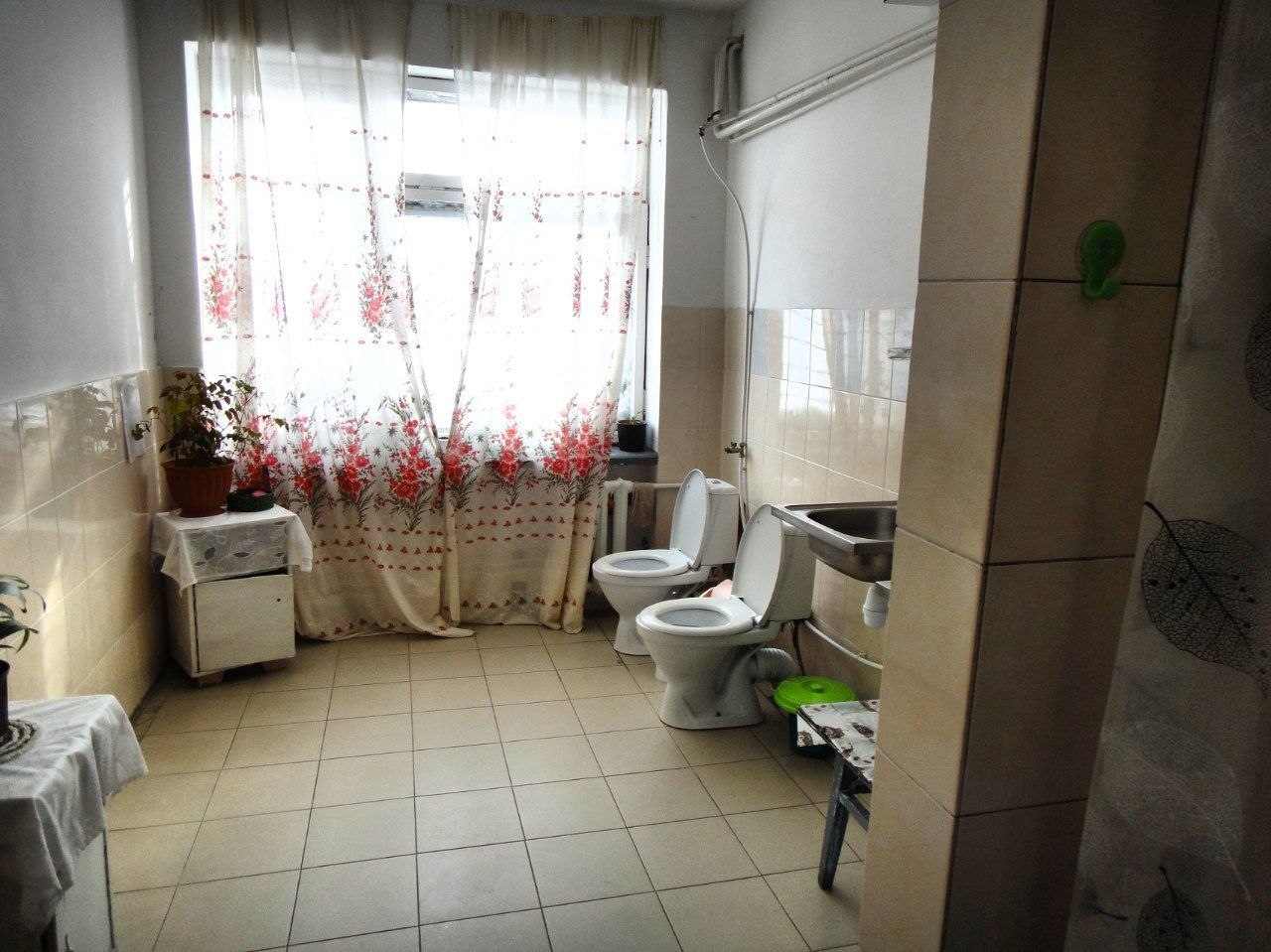
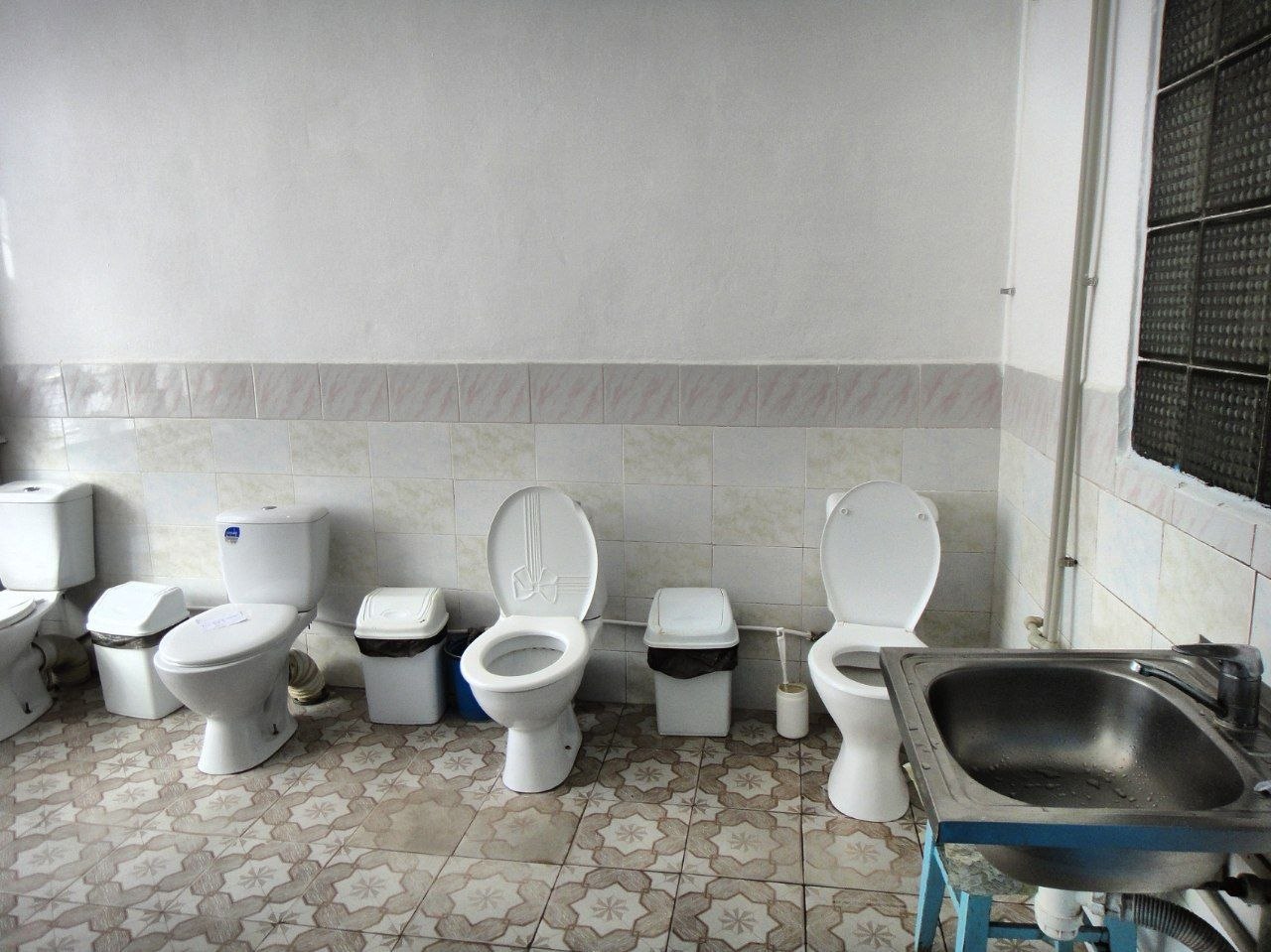
16. In the public restrooms of the hospital departments, the monitoring group established circumstances that may indicate a violation of Article 8 of the Convention for the Protection of Human Rights and Fundamental Freedoms, which guarantees the right to respect for private life. In particular, there are no partitions in the mentioned restrooms, which deprives the prisoners of the ability to ensure an appropriate level of privacy when using them.
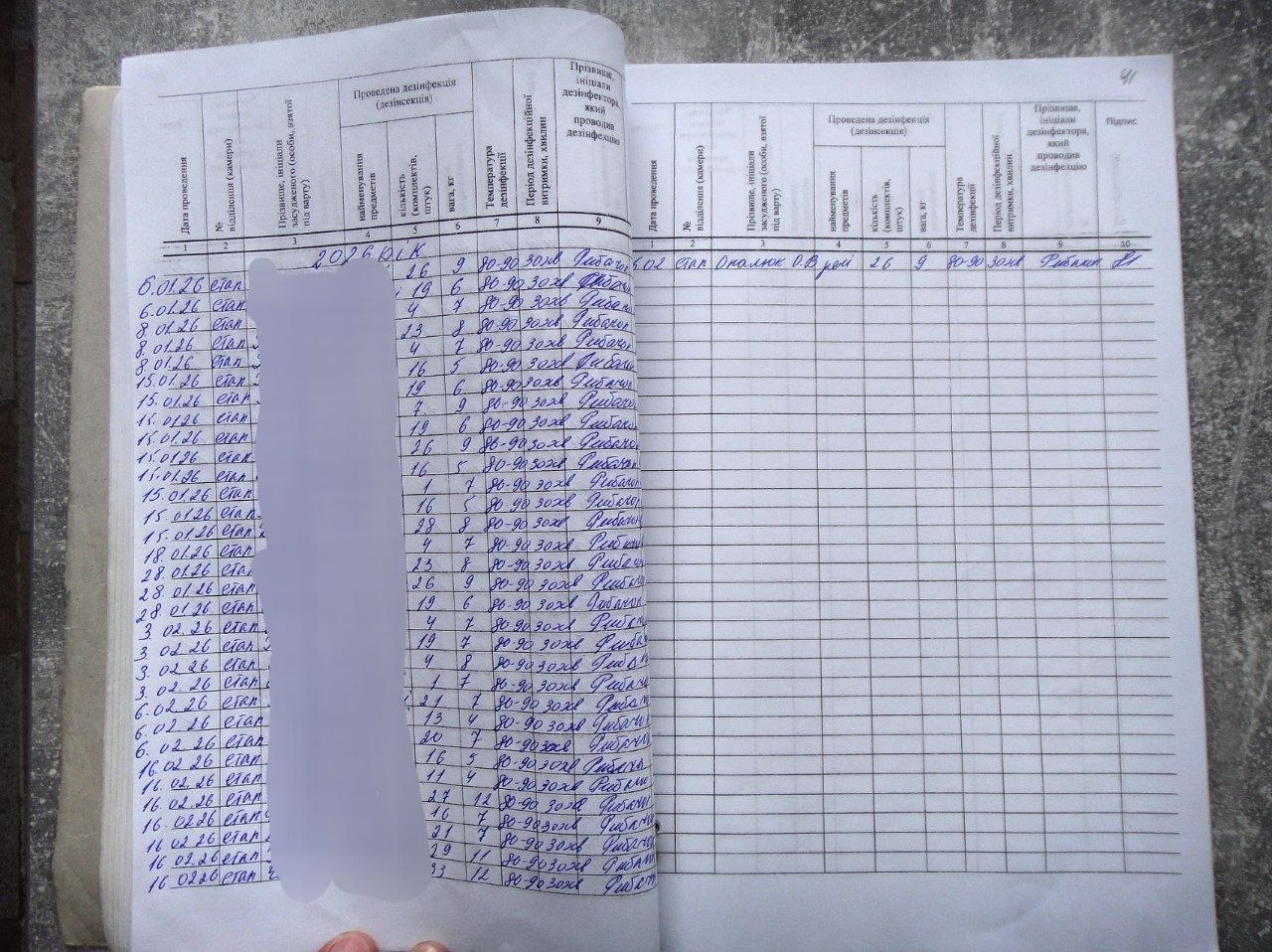
17. The monitoring group established that, in violation of the requirements of paragraph 3.19 of Section III of the ‘Regulation on the organization of bath and laundry services for persons held in institutions for the execution of sentences and pre-trial detention centres’, approved by the Order of the Ministry of Justice of Ukraine of 8 June 2021 No. 849/5 (hereinafter — the Regulation), the sanitary treatment of prisoners is not carried out in full.
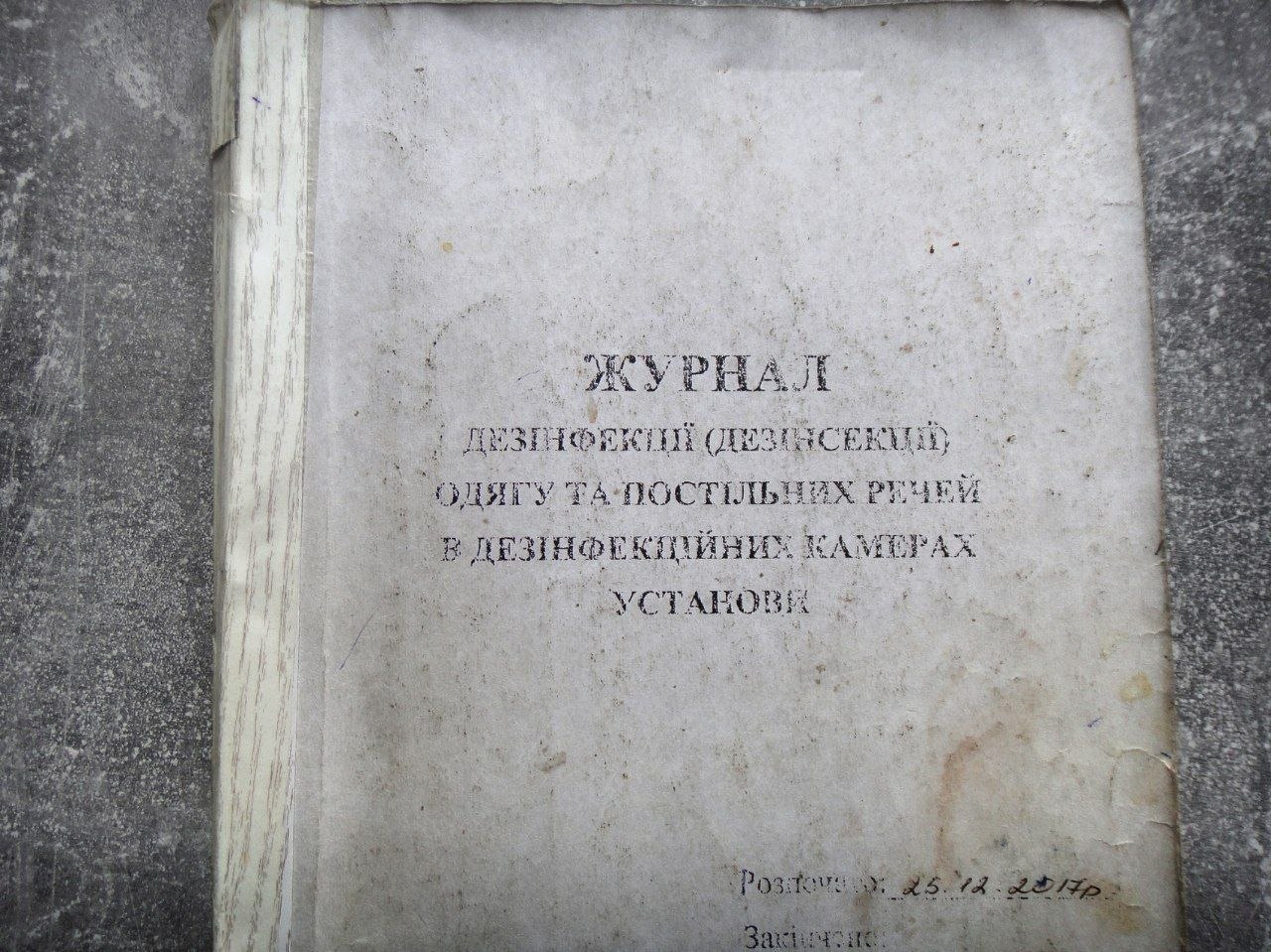
In particular, the disinfection chamber does not conduct monthly planned disinfection (destruction of pathogenic microorganisms) and disinsection (destruction of insects and mites — vectors of infectious diseases) of outer clothing and bedding (pillows, mattresses, blankets). Treatment is applied exclusively to items used in the quarantine, diagnostic, and distribution ward (KDiR) during the reception of persons arriving at the institution, which is confirmed by the corresponding entries in the log of disinfection (disinsection) of clothing and bedding in the disinfection chamber.
18. In violation of the ‘Fire Safety Rules in Ukraine’, approved by the Order of the Ministry of Internal Affairs of Ukraine of 30 December 2014 No. 1417 (hereinafter — the Rules), the hospital premises are not equipped with fire extinguishing and fire alarm systems.
19. According to paragraph 7 of Chapter III of Section II of the Procedure, prisoners working at catering facilities (except for work related to the positions of salespeople, managers of food and clothing warehouses, storekeepers), the processing industry, children’s homes, institutions of general secondary education, professional training units in special educational colonies, medical units (paramedic stations), and hospital facilities of the State Criminal-Executive Service (except for work related to the provision of medical care), laundries, baths, rooms for long-term visits, dormitories, clubs, water supply and sewage facilities, and animal breeding and farming sites, undergo mandatory preliminary and preventive medical examinations in accordance with the Resolution of the Cabinet of Ministers of Ukraine of 23 May 2001 No. 559 ‘On approval of the list of professions, production areas, and organizations whose employees are subject to mandatory preventive medical examinations, the procedure for conducting these examinations, and issuing personal medical records’.
For each prisoner of this category, primary accounting documentation form No. 1-OMK ‘Personal Medical Record’ is opened, approved by the Order of the Ministry of Health of Ukraine of 21 February 2013 No. 150, registered with the Ministry of Justice of Ukraine on 23 April 2013 under No. 662/23194. However, during the check of the personal medical records of prisoners working in the canteen, it was established that these workers had not undergone general examinations by medical specialists (general practitioner, dermatovenereologist, otolaryngologist, dentist, and other specialists (if necessary)), or laboratory and functional examinations according to the ‘List of necessary examinations by medical specialists, types of clinical, laboratory, and other studies required for mandatory medical examinations, and the frequency of their conduct’, approved by the Order of the Ministry of Health of Ukraine of 23 July 2002 No. 280, registered with the Ministry of Justice of Ukraine on 8 September 2002 under No. 639/6927.
Recommendations:
1. Take measures aimed at eliminating the identified human rights violations and preventing torture, other cruel, inhuman, or degrading treatment and punishment at the Zbarazh Specialized Tuberculosis Hospital No. 63 — a branch of the state institution ‘Centre for Health Protection of the State Criminal-Executive Service of Ukraine’ in the Chernivtsi, Ivano-Frankivsk, Zakarpattia, and Ternopil regions.
2. Ensure control over the proper maintenance of medical documentation in accordance with the ‘Procedure for organising the provision of medical care to persons sentenced to imprisonment’, approved by the joint Order of the Ministry of Justice of Ukraine and the Ministry of Health of Ukraine of 15 August 2014 No. 1348/5/572, the ‘Procedure for interaction between healthcare institutions of the State Criminal-Executive Service of Ukraine and healthcare institutions regarding the provision of medical care to persons taken into custody’, approved by the joint Order of the Ministry of Justice of Ukraine and the Ministry of Health of Ukraine of 10 February 2012 No. 239/5/104, and other regulatory legal acts.
3. Provide the hospital staff with medical specialists and medical personnel according to needs.
4. Ensure proper assessment of the health status of prisoners, particularly those suffering from mental illnesses, before placement and during their stay in the DIZO, take timely response measures, and guarantee the proper provision of psychiatric medical care.
5. Ensure the equipping of an isolation unit for persons with mental and behavioural disorders in accordance with the requirements.
6. Ensure that informed consent of patients for examination and treatment is obtained in the established form.
7. Provide a separate room in the DIZO for the reception of prisoners by medical staff for the purpose of conducting a confidential medical examination in accordance with the ‘Provision Norms’ for furniture and inventory and the requirements of Article 39/1 of the Law of Ukraine ‘Fundamentals of the legislation of Ukraine on healthcare’.
8. Terminate the practice of using prisoners as orderlies in the hospital’s inpatient ward, ensuring that supervision, care for patients, and control over compliance with internal rules are carried out exclusively by officials of the institution and medical personnel.
9. Ensure the equipping of the necessary number of isolation wards for infectious patients.
10. Ensure the conduct of individual rehabilitation for persons who require it.
11. Ensure the accessibility of the institution’s buildings in accordance with the State Building Norms of Ukraine V.2.2-40:2018 ‘Inclusivity of buildings and structures. Basic provisions’.
12. Fulfill the requirements of paragraph 37 of the Resolution of the Cabinet of Ministers of Ukraine of 2 March 2016 No. 285 ‘On approval of Licensing conditions for carrying out economic activities in medical practice’.
13. Ensure the proper operation of the telemedicine complex for doctors to submit requests for telemedicine consultations.
14. Provide all persons with suspected HCV with access to PCR testing in the shortest possible time and organize necessary antiviral treatment for persons with a confirmed diagnosis.
15. Provide the medical unit with hospital property (hospital suit, robe, and slippers).
16. Install partitions in the public restrooms of the hospital departments to ensure the prisoners have an appropriate level of privacy.
17. Ensure compliance with the temperature regime in the hospital premises at no less than +18°C.
18. Ensure the conduct of the full scope of sanitary treatment of prisoners, in particular, the monthly planned disinfection and disinsection of all outer clothing and bedding in accordance with paragraph 3.19 of the Regulation No. 849/5.
19. Ensure that all canteen workers possess personal medical records and have undergone the full range of required medical examinations necessary for their admission to work at catering facilities.
20. Eliminate violations of fire safety requirements.