Report on the results of the monitoring visit to the multi-profile hospital of Shepetivka Correctional Colony No. 98
On 21 February 2026, in accordance with the Optional Protocol to the Convention against Torture and Other Cruel, Inhuman or Degrading Treatment or Punishment, taking into account the provisions of the United Nations Standard Minimum Rules for the Treatment of Prisoners (the Nelson Mandela Rules) and the case law of the European Court of Human Rights, and on the basis of Article 24 of the Criminal Executive Code of Ukraine ‘Visiting correctional facilities’, a monitoring group from the Kharkiv Human Rights Protection Group and the NGO ‘Protection of Prisoners of Ukraine’ conducted a visit to the state institution ‘Shepetivka Multi-profile Hospital No. 98’, a branch of the State Institution ‘Centre for Health Protection of the State Criminal Executive Service of Ukraine in Khmelnytskyi Region’. The visit was carried out as a planned, unannounced inspection; all facilities of the institution were examined.
The previous visit took place on 07–08 November 2024.
During the preparations for the visit, the monitors used materials from complaints filed by convicts and their relatives, materials from previous reports, and reports from monitors of the National Preventive Mechanism under the Ukrainian Parliament Commissioner for Human Rights (NPM).
The visit was conducted within the framework of the project ‘Reducing Prisoners’ Suffering in the Context of the War in Ukraine’, funded by the government of Denmark in partnership with DIGNITY – Danish Institute Against Torture.
The visit was conducted by the following monitors:
- Andriy Didenko – Assistant to People’s Deputy of Ukraine Yaroslav Yurchyshyn, programme coordinator of the Kharkiv Human Rights Protection Group, experienced in monitoring visits since 2014, NPM monitor, member of the NPM advisory council;
- Serhiy Zuikov – Assistant to People’s Deputy of Ukraine Kostyantyn Kasai, member of the public council under the Ministry of Justice of Ukraine, member of the NGO ‘Protection of Prisoners of Ukraine’, NPM monitor, has many years of experience in monitoring visits;
- Oleh Tsvilyi – member of the public council under the Ministry of Justice of Ukraine, head of the NGO ‘Protection of Prisoners of Ukraine’, has extensive experience in monitoring visits, specialises in issues of torture and cruel, inhuman treatment.
Based on the results of the monitoring visit to the medical unit of the state institution ‘Shepetivka Correctional Colony (No. 98)’, systemic violations of national legislation and international standards in the sphere of healthcare and the treatment of convicts were identified. In particular, inadequate documentation of bodily injuries, staff shortages (lack of a general practitioner and a clinical psychologist), violations of the procedure for conducting medical examinations and providing psychiatric care, and a lack of informed consent from patients were established.
Violations of inpatient detention conditions were identified: failure to comply with living space standards, the use of bunk beds, inadequate material and technical provision, unsanitary conditions, lack of ventilation, lack of access to drinking water, and lack of privacy. Violations in the organisation of medical care were recorded, including the absence of isolation wards for persons with mental disorders and infectious diseases, improper diagnostics (particularly regarding hepatitis C), the absence of telemedical consultations, lack of necessary equipment, and violations in the sphere of inclusivity and the provision of rights for persons with disabilities. Separately, the use of convicts as ward orderlies in the medical unit was established, along with violations of the rules for recording medical examinations, medical waste disposal, and fire safety, as well as practices indicating the stigmatisation of convicts.
At the same time, positive changes should be noted: during 2025, a number of repair works were carried out in the medical unit, and the material and technical base of certain premises was partially updated.
General Information
At the time of the visit, the acting head of the Shepetivka Multi-profile Hospital No. 98, a branch of the State Institution ‘Centre for Health Protection of the State Criminal Executive Service of Ukraine’ in Khmelnytskyi Region, was O. V. Rohozha.
The Shepetivka Multi-profile Hospital No. 98, a branch of the Centre for Health Protection of the SCES of Ukraine in Khmelnytskyi Region (hereinafter – the Hospital), is designed for 110 beds and includes the following departments:
- therapeutic – 40 beds;
- surgical – 40 beds;
- dermatological – 30 beds (serves dermatological patients from correctional colonies across the whole of Ukraine).
The staffing level for physicians is 63%, and for nursing staff – 100%. The overall staffing level at the hospital is 87%. Vacant positions: clinical psychologist – 0.5 authorised units; general practitioner – 0.5 authorised units; neurologist – 1.0 authorised unit; infectious disease specialist – 1.0 authorised unit; head of the surgical department – 1.0 authorised unit; head of the dermatological department – 1.0 authorised unit; dermatovenerologist – 0.5 authorised units; general practitioner of the outpatient polyclinic department of the hospital (hereinafter – OPD) – 1.0 authorised unit; narcologist – 0.5 authorised units. The total number of vacant physician positions is 6.5 authorised units. The nursing staff is fully staffed. There are 7 vacant positions in total.
Over the 12 months of 2025, the total number of requests for medical services from healthcare institutions of the Ministry of Health of Ukraine (hereinafter – MoH healthcare institutions) was 7 cases, of which 2 convicts underwent diagnostic examinations, and 5 convicts underwent inpatient treatment in MoH healthcare institutions. During the 12 months of 2025, medical staff conducted rapid HIV tests on 862 persons, hepatitis C tests on 325 persons, and hepatitis B tests on 323 persons.
The hospital provides opioid substitution therapy (hereinafter – OST) for patients with drug dependence. 50 persons receive OST.
In 2025, the medical-consultative commission (hereinafter – MCC) worked on the application of Article 84 of the Criminal Code of Ukraine regarding convicts suffering from serious illnesses.
In total, the MCC reviewed 14 cases, resulting in 14 sets of materials being sent to court. Following court proceedings, 6 applications were granted, and 7 cases were refused by the court. The number of convicts released under Article 84 of the Criminal Code of Ukraine is 6. At the same time, it was established that 1 person died during the court proceedings. No cases of death were recorded prior to the submission of materials to the court, nor before the court decision entered into legal force. Since the beginning of the year, 5 convicts have died in the state institution ‘Shepetivka Correctional Colony (No. 98)’.
The hospital conducts medical-consultative commission examinations to refer patients for expert medical-social assessment to determine the degree of temporary and permanent loss of working capacity of convicts at their place of incarceration. The outpatient polyclinic department currently has convicts registered with disability groups: Group I – 1; Group II – 8; Group III – 17.
Positive Experience
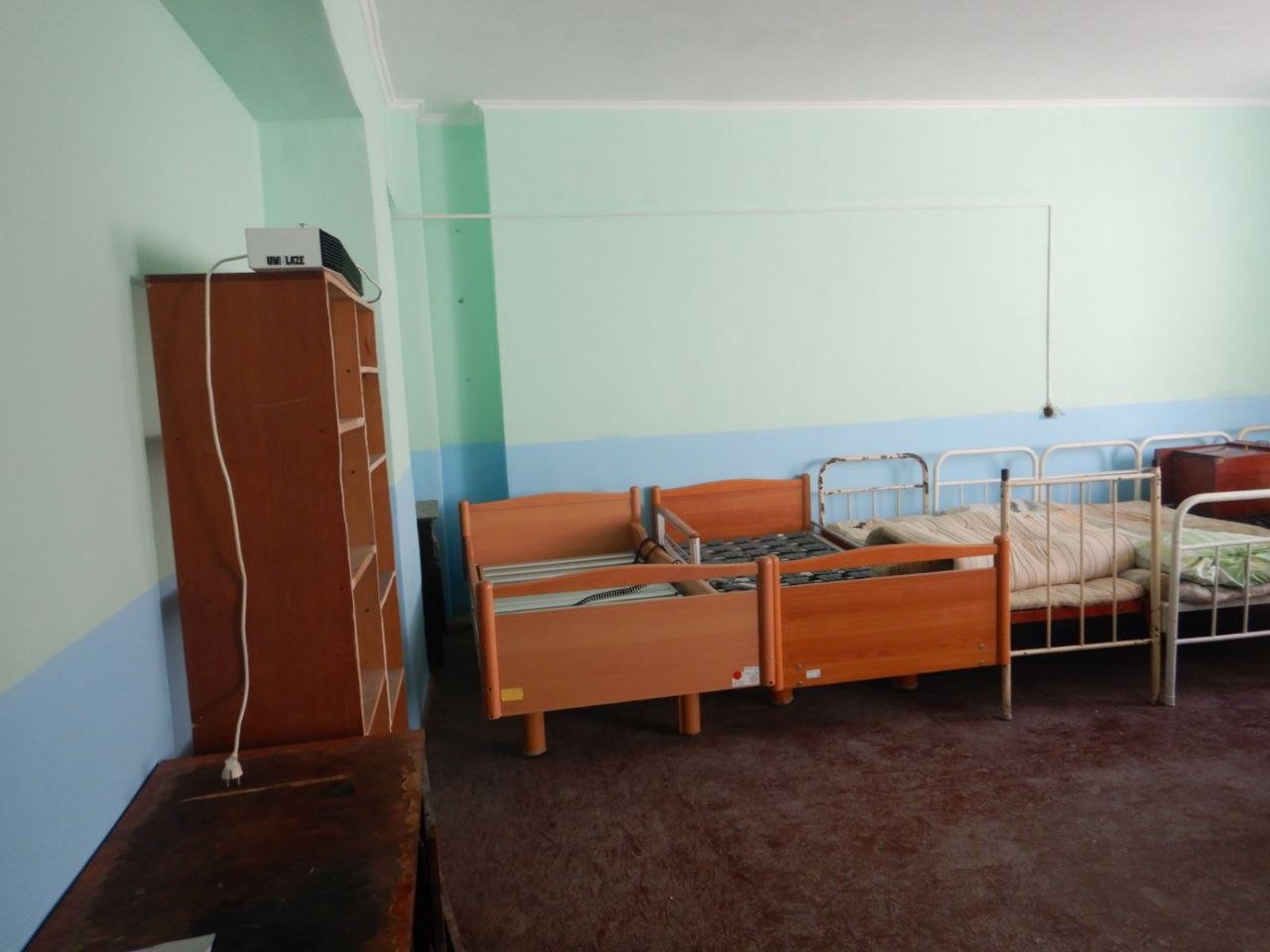
During 2025, routine repairs were carried out in the nursing offices in all departments.
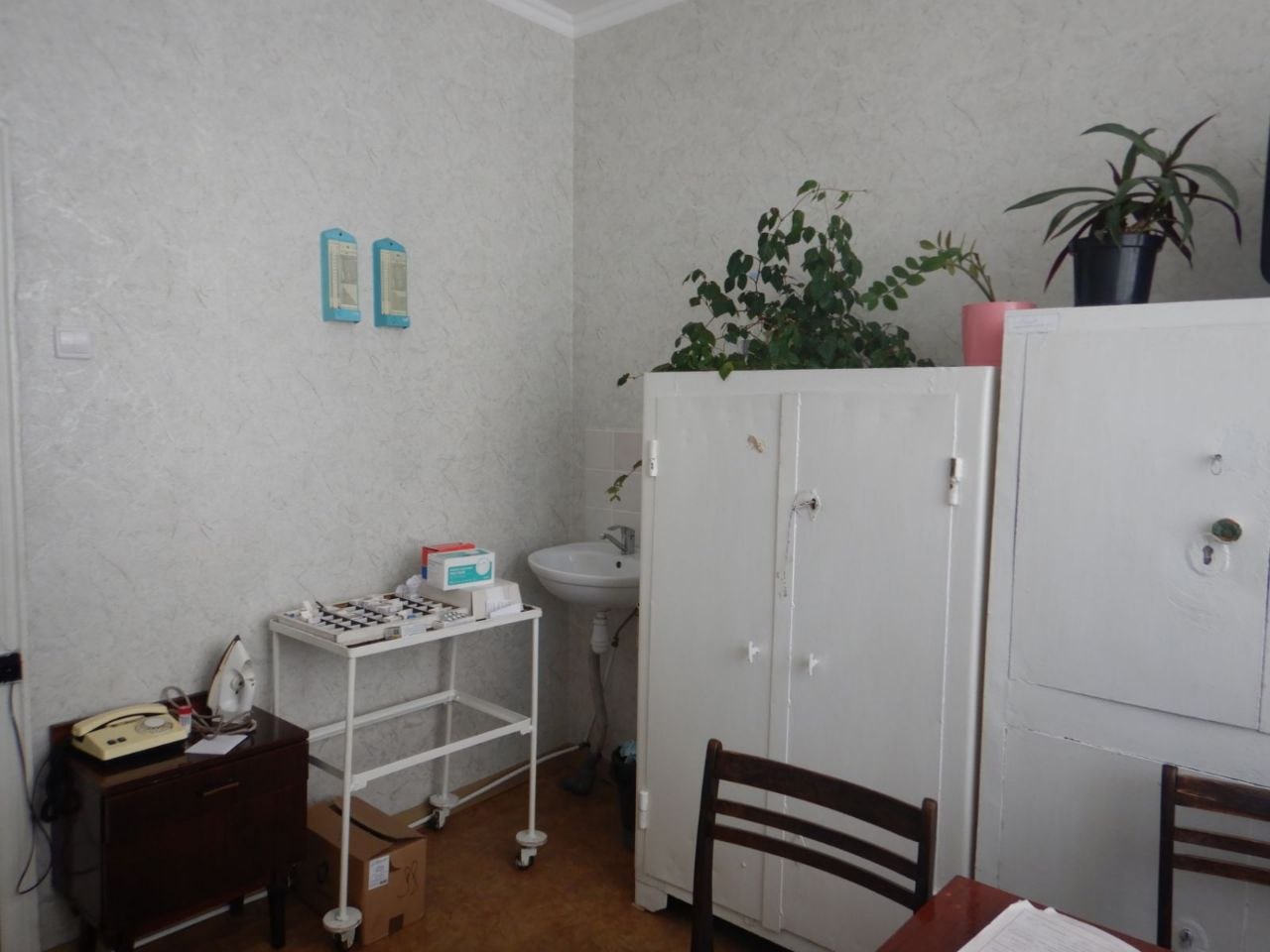

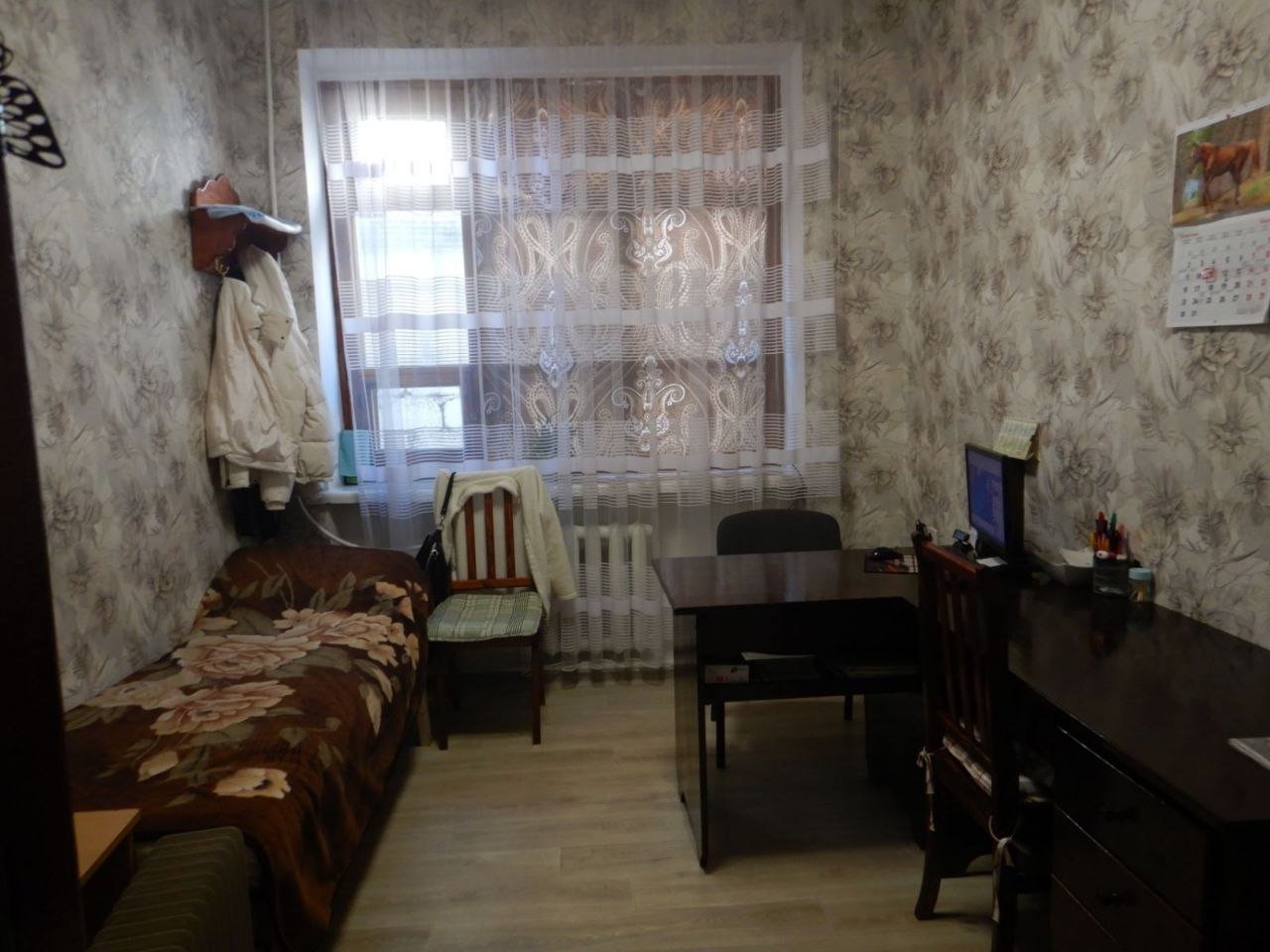
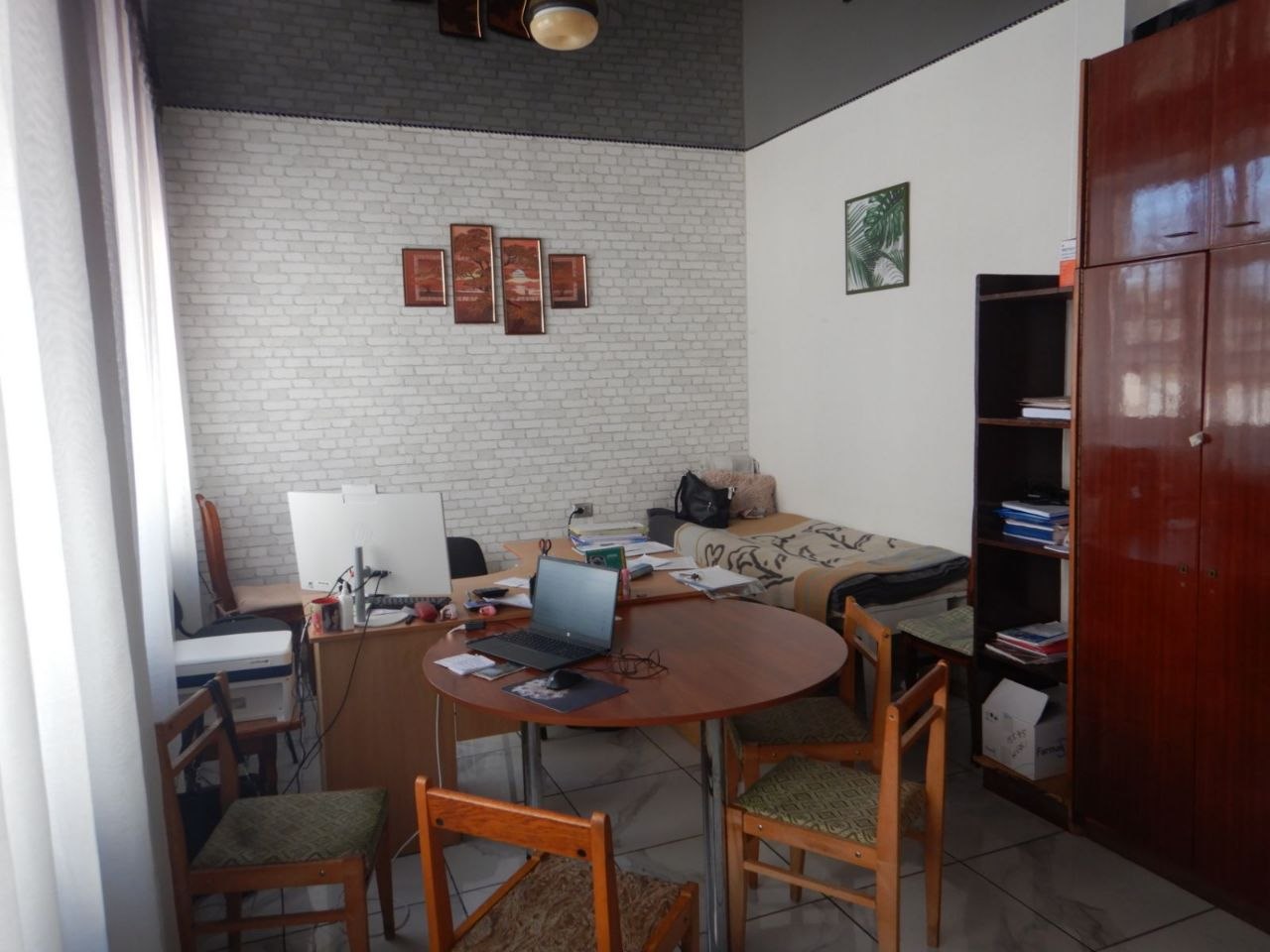
The medical assistant’s office in the OPD of the Shepetivka Multi-profile Hospital No. 98 was renovated.
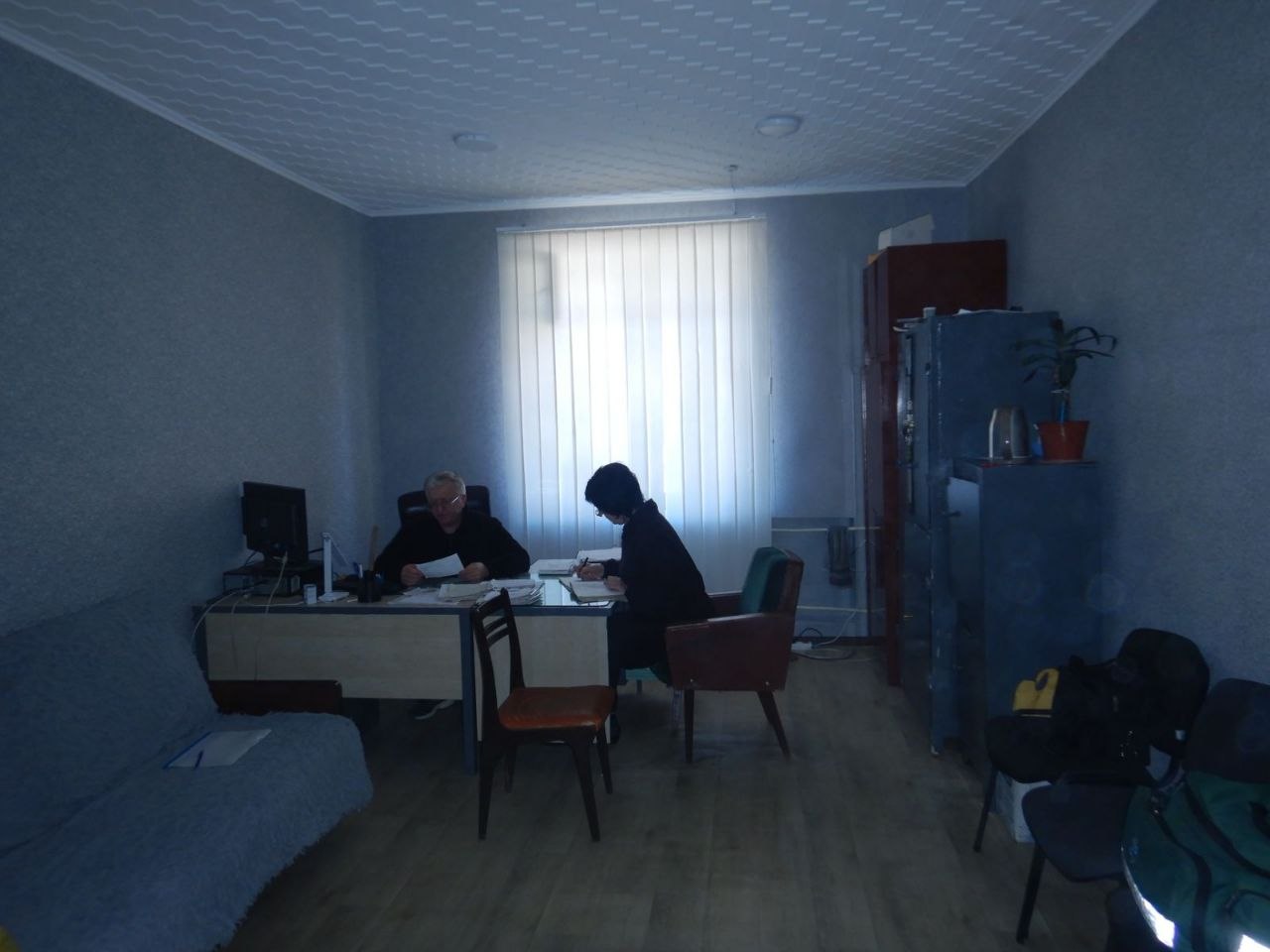
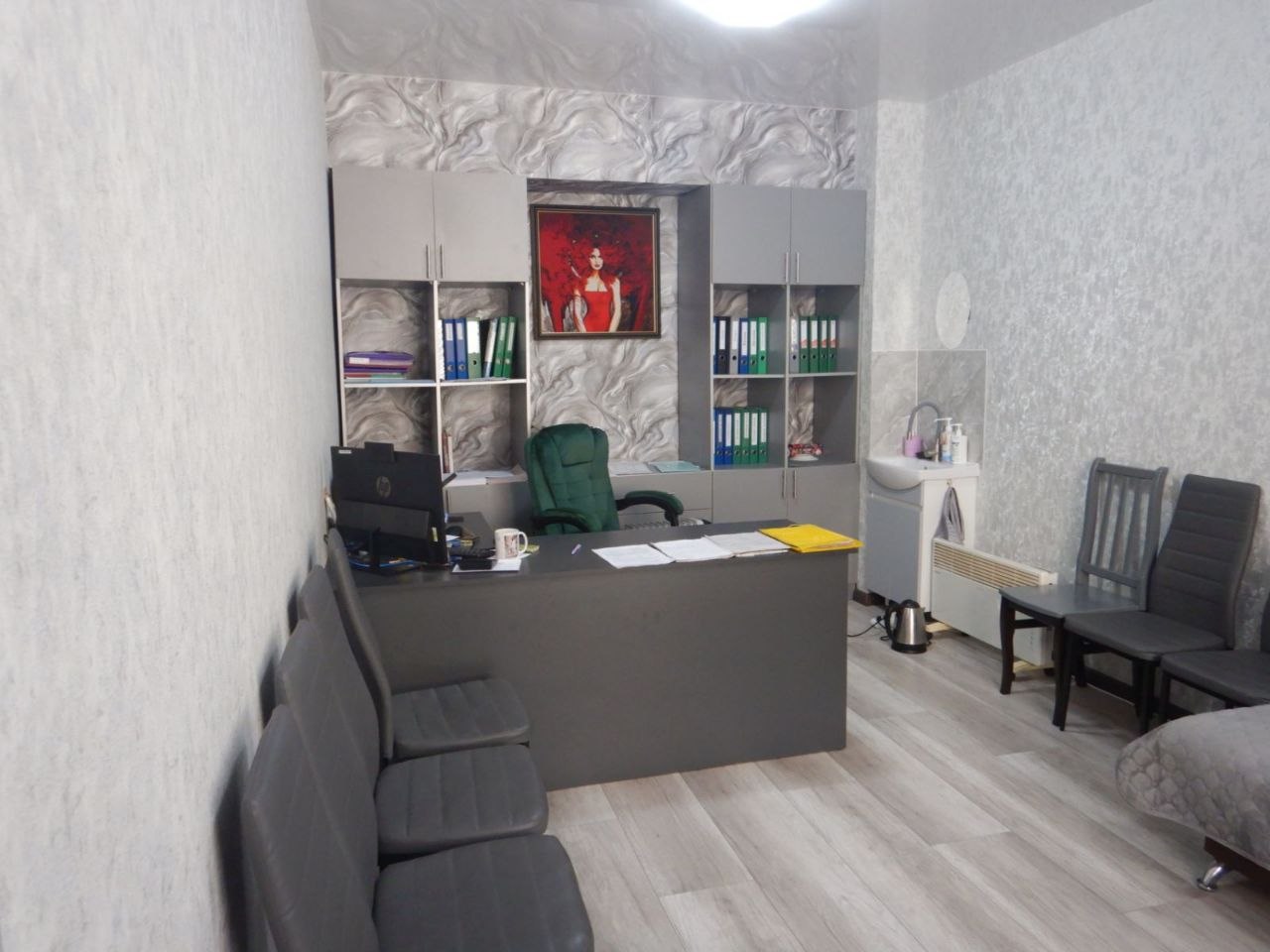
A capital renovation of the hospital head’s office was carried out, including the replacement of the window, floor, and furniture.
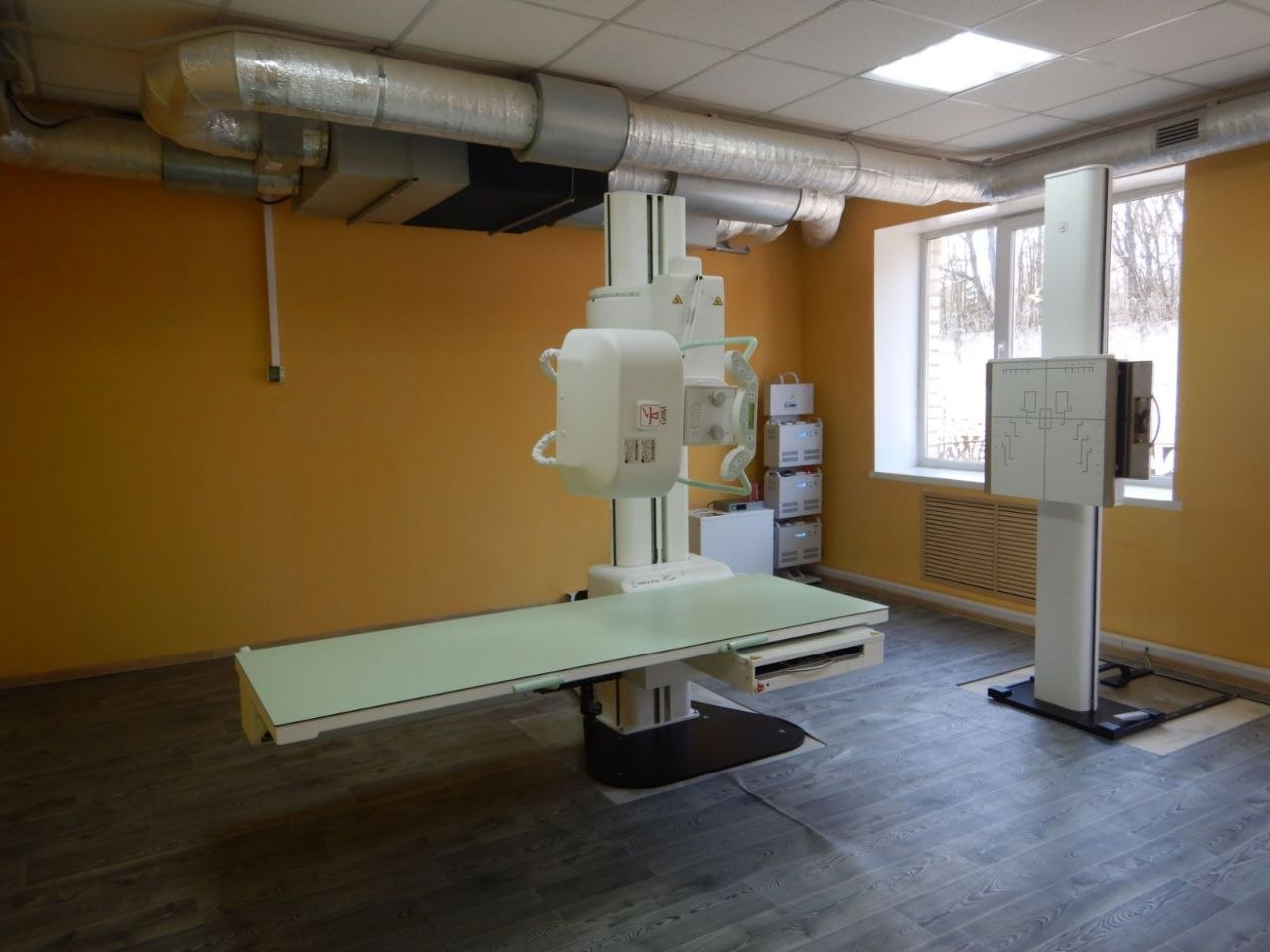
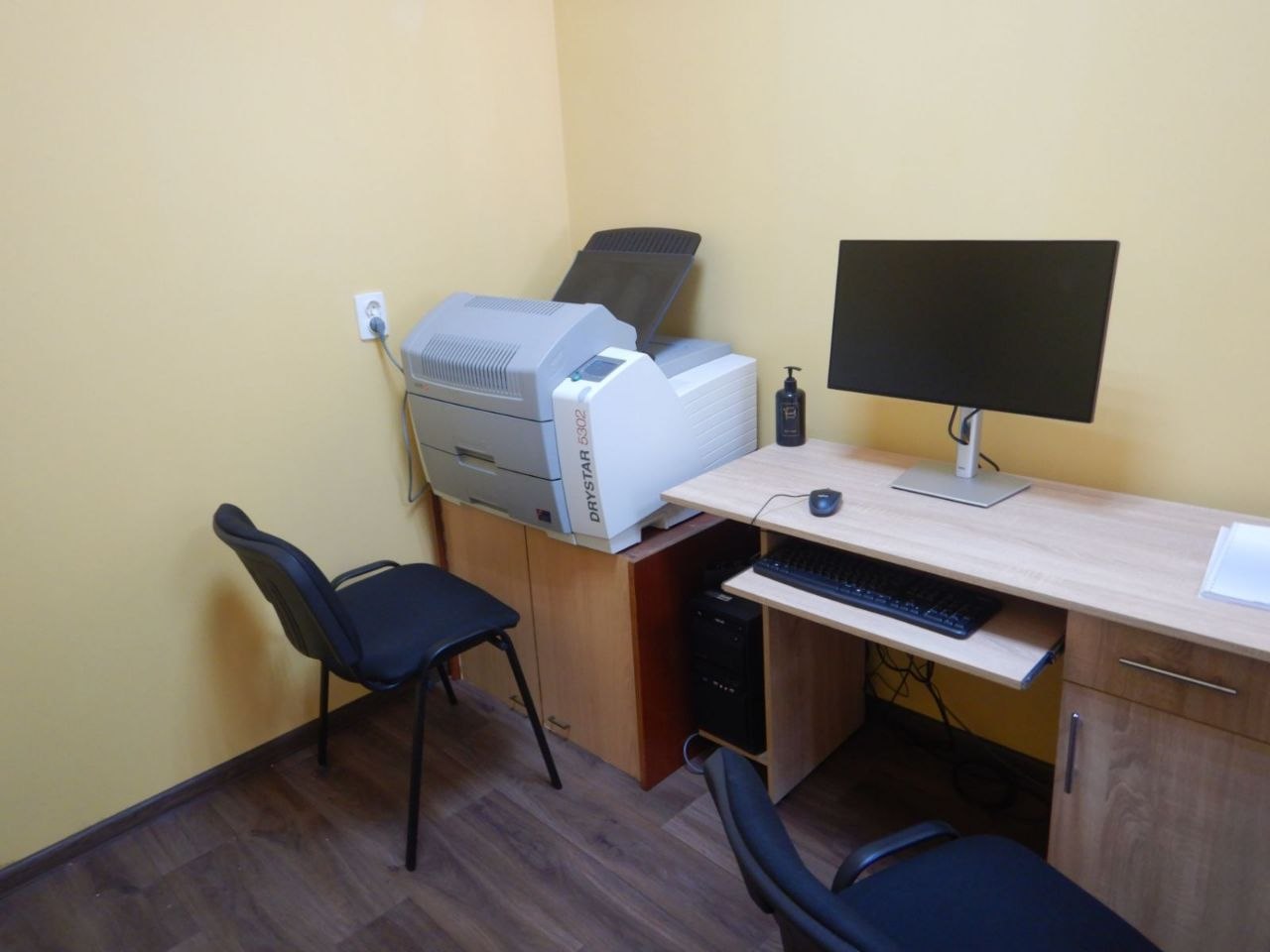
The X-ray room underwent a capital renovation, with the installation of a new X-ray machine, replacement of furniture, and installation of computer equipment.
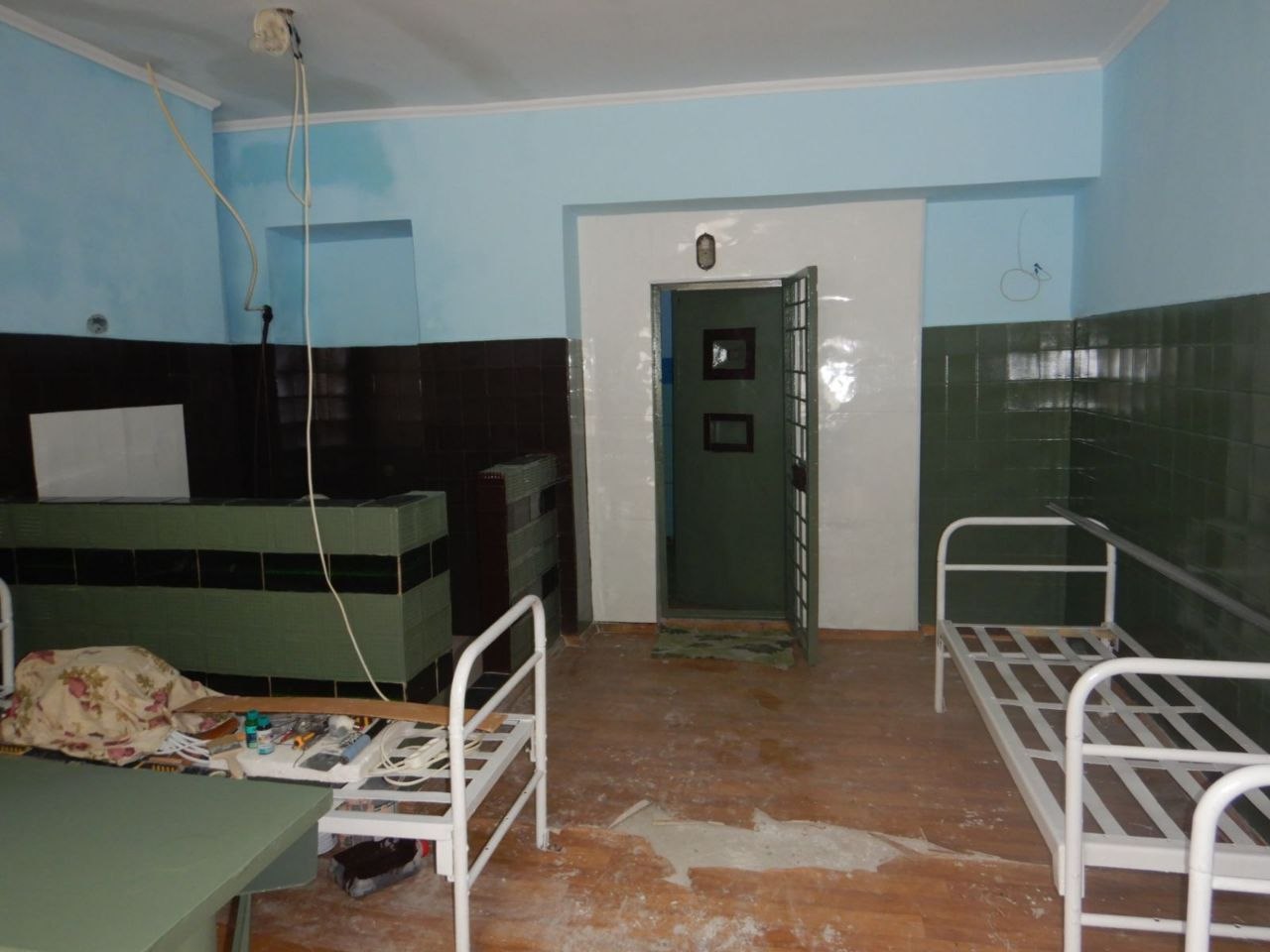
In ward No. 26 for convicts sentenced to life imprisonment, cosmetic repairs were carried out, including the replacement of the window with a plastic one and ensuring proper ventilation of the ward.
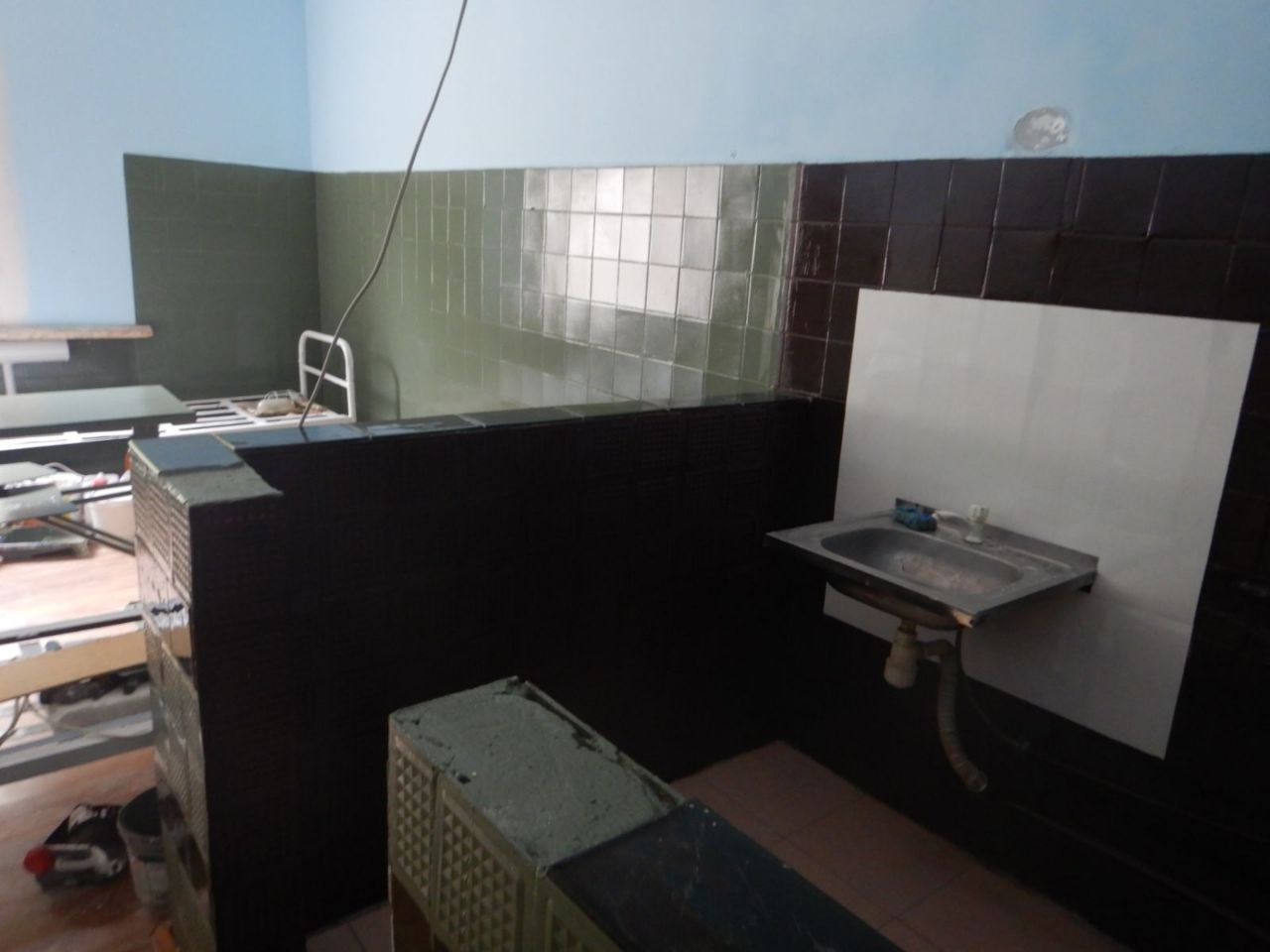
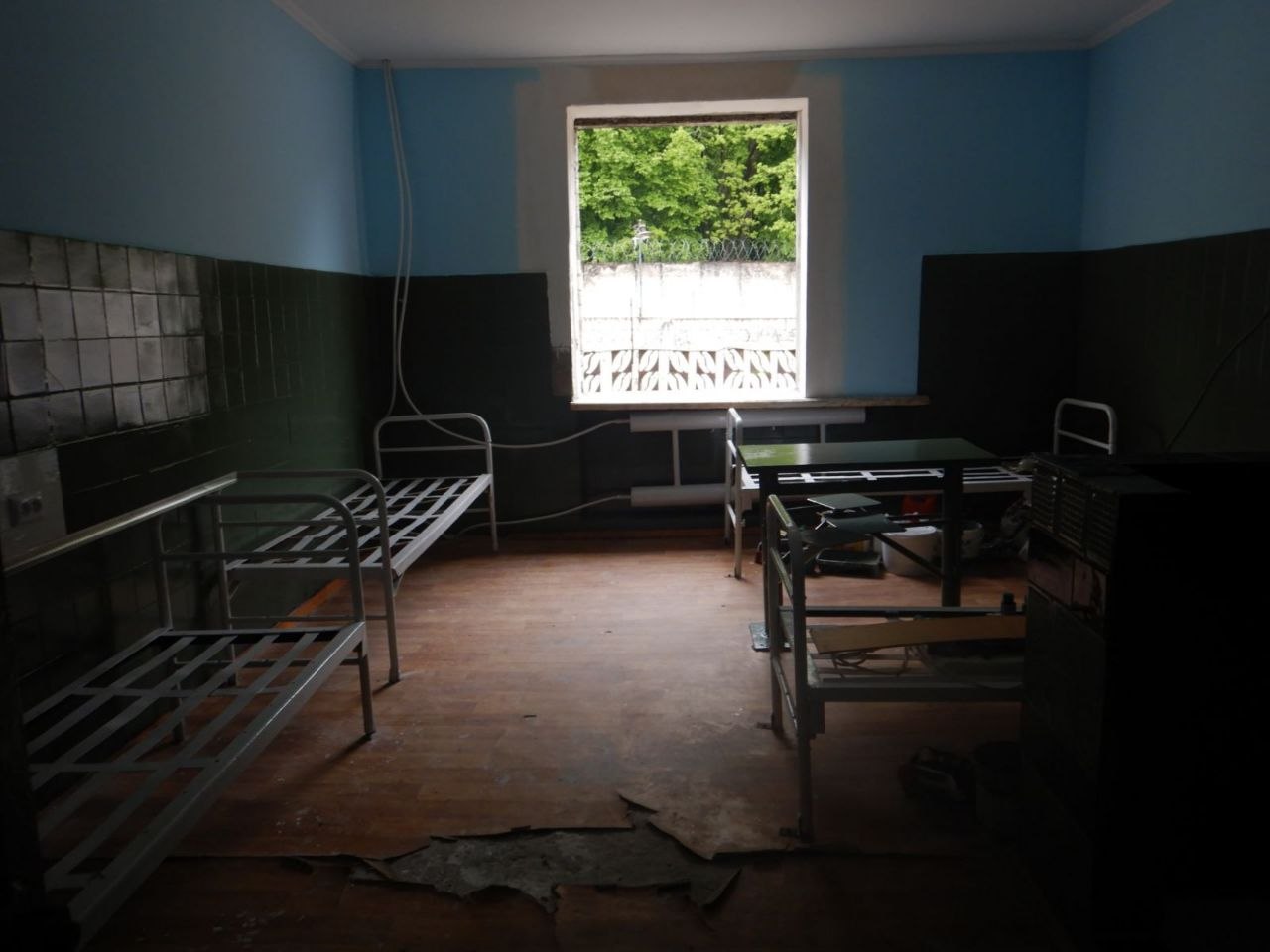
In palliative ward No. 4, cosmetic repairs were carried out, including the replacement of the floor covering with linoleum.
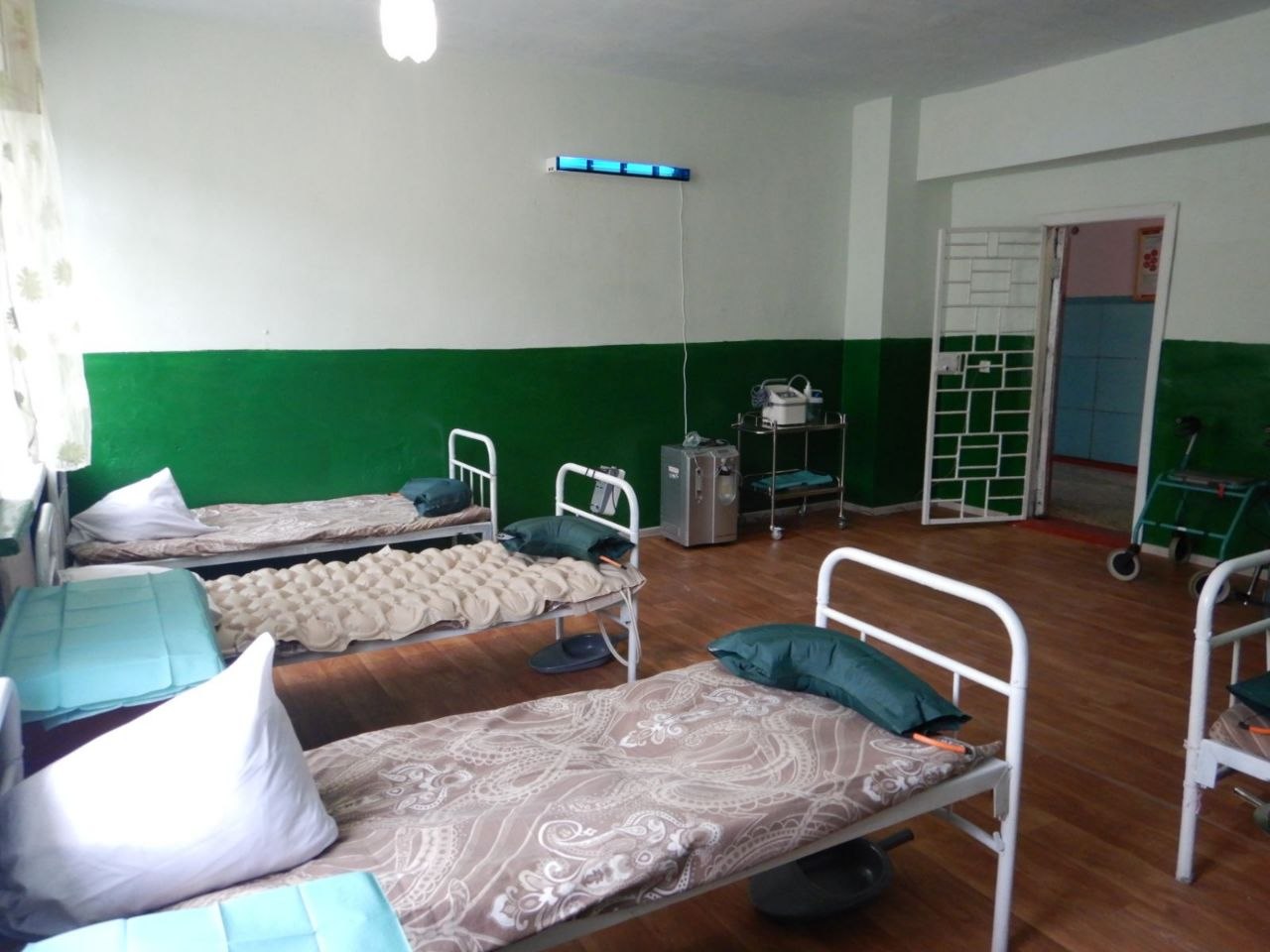
Routine repairs were carried out in wards Nos. 8, 1, 7, 5, 18.
Identified Violations of National and International Law
During the monitoring visit, violations of national legal requirements and failure to adhere to international recommendations regarding the treatment of prisoners were identified, leading to violations of the rights of convicts:
1. During the visit, the monitoring group established that the hospital’s medical staff does not ensure proper recording and documentation of bodily injuries of persons deprived of liberty.
In accordance with paragraph 3 of Chapter 1 of Section II of the Procedure for Organising the Provision of Medical Care to Convicts Sentenced to Imprisonment, approved by the Order of the Ministry of Justice of Ukraine and the Ministry of Health of Ukraine dated 15.08.2014 No. 1348/5/572 (hereinafter – Procedure), in the event of detecting bodily injuries in a convict, the medical worker who discovered such injuries shall draw up a certificate in three copies, in which the following are detailed:
- information (written statement, oral or written explanation of the convict) regarding the circumstances of receiving bodily injuries (date, time, place of receiving, methods of causing injuries, information about the person(s) who, in the convict’s opinion, caused them), as well as other information regarding the receipt of bodily injuries;
- an exhaustive description of medical indicators characterising the state of health of the convict, the nature of the injuries, their size, and location;
- the assumption of the medical worker based on the information provided by the convict and medical indicators, as well as a justification of their correlation.
The form of primary accounting documentation No. 511/o ‘Certificate of recording bodily injuries’, approved by Order of the Ministry of Health of Ukraine dated 14.02.2012 No. 110, registered with the Ministry of Justice of Ukraine on 28.04.2012 under No. 661/20974, and photographs of the convict’s existing bodily injuries must be attached by the medical professional to the certificate. Two copies of the certificate and its annexes shall be attached to the materials of the personal file and the outpatient medical record No. 025/o, and the third copy shall be issued personally to the convict who underwent the examination.
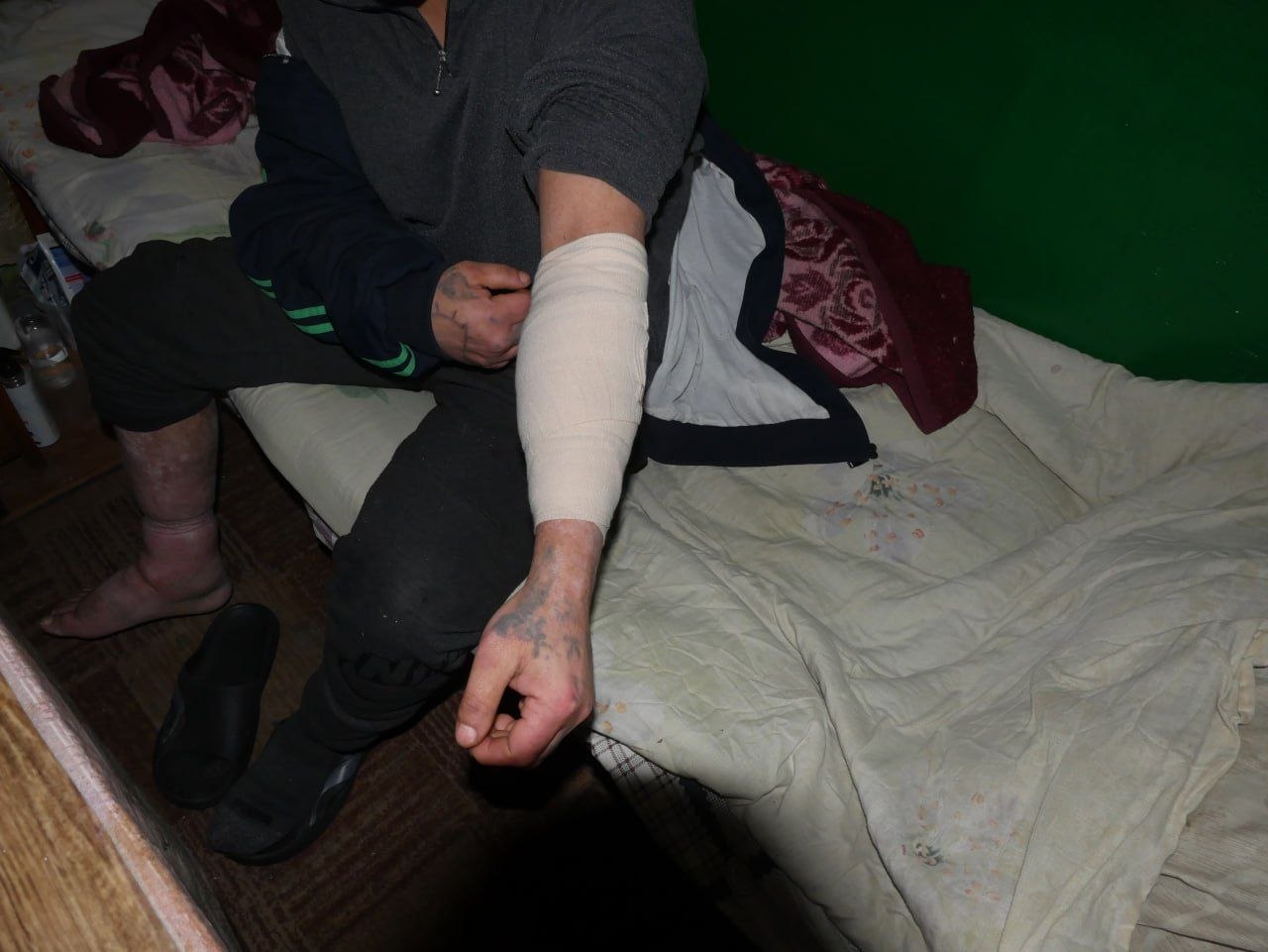
Instead, during the monitoring visit, facts of inadequate recording of bodily injuries were established. Thus, during the monitoring visit, information was received regarding a convict, L., who on 19.02.2026 self-inflicted bodily injuries to his left forearm. Afterwards, he underwent a medical examination and was provided with primary medical care.
At the same time, despite the fact of seeking medical assistance and the presence of bodily injuries, the relevant information was not documented in the established order: the information is missing from the log of recorded bodily injuries and from other medical documentation. Thus, the bodily injuries received on 19.02.2026 were not properly recorded, which testifies to the untimely and improper performance by medical staff of their duties regarding the documentation of such cases.
Such actions (inaction) of medical professionals may indicate improper performance of professional duties regarding the mandatory recording of bodily injuries, create a risk of concealing facts of injury to convicts, and impede the conduct of a timely, complete, and objective check into the circumstances of the event. This leads to a violation of the convicts’ right to proper medical care and proper documentation of bodily injuries, and also complicates the effective investigation of incidents and holding the guilty persons accountable.
Furthermore, during the monitoring visit, cases were established where medical staff, upon detecting and recording bodily injuries, fill out only the form of primary accounting documentation No. 511/o without preparing the certificate in three copies, and photographs of the existing bodily injuries are not attached to the certificates in the outpatient medical records (form No. 025/o).
This indicates a violation of the requirements of paragraph 3 of Chapter 1 of Section II of the Procedure.
The lack of proper recording of bodily injuries does not comply with paragraph 60 of the recommendations of the European Committee for the Prevention of Torture or Inhuman or Degrading Treatment or Punishment (hereinafter – the Committee), according to which medical services in places of detention should contribute to the prevention of violence by systematically recording bodily injuries, as well as, if necessary, by informing the appropriate authorities (CPT/Inf (93) 12).
Moreover, in the report on the results of the 2023 visit to Ukraine, the Committee noted that any traumatic injuries detected during a medical examination must be photographed in detail, and the photographs, together with body charts, must be stored in the individual medical record of the person (CPT/Inf (2024) 20) paragraph 82).
2. According to paragraphs 2 and 3 of Chapter III of Section II of the Procedure, a physician (or general practitioner – family doctor), a psychiatrist, and a dentist must participate in a preventive medical examination.
However, it was established that the position of physician (general practitioner) is vacant in the outpatient polyclinic department of the hospital, which provides medical care to convicts serving their sentences in the state institution ‘Shepetivka Correctional Colony (No. 98)’, which indicates the incompleteness of the initial and preventive medical examinations. Due to this, convicts do not receive proper medical care.
This violates paragraph 38 of the Committee’s recommendations, according to which medical services in places of detention must be able to provide medical care and treatment, as well as an appropriate diet, physiotherapy, rehabilitation, or other necessary care at a level no lower than that in civilian healthcare facilities.
Staffing with physicians, auxiliary medical and technical personnel must also be ensured, as well as the availability of appropriate premises, equipment, and apparatus (CPT/Inf (93) 12-part).
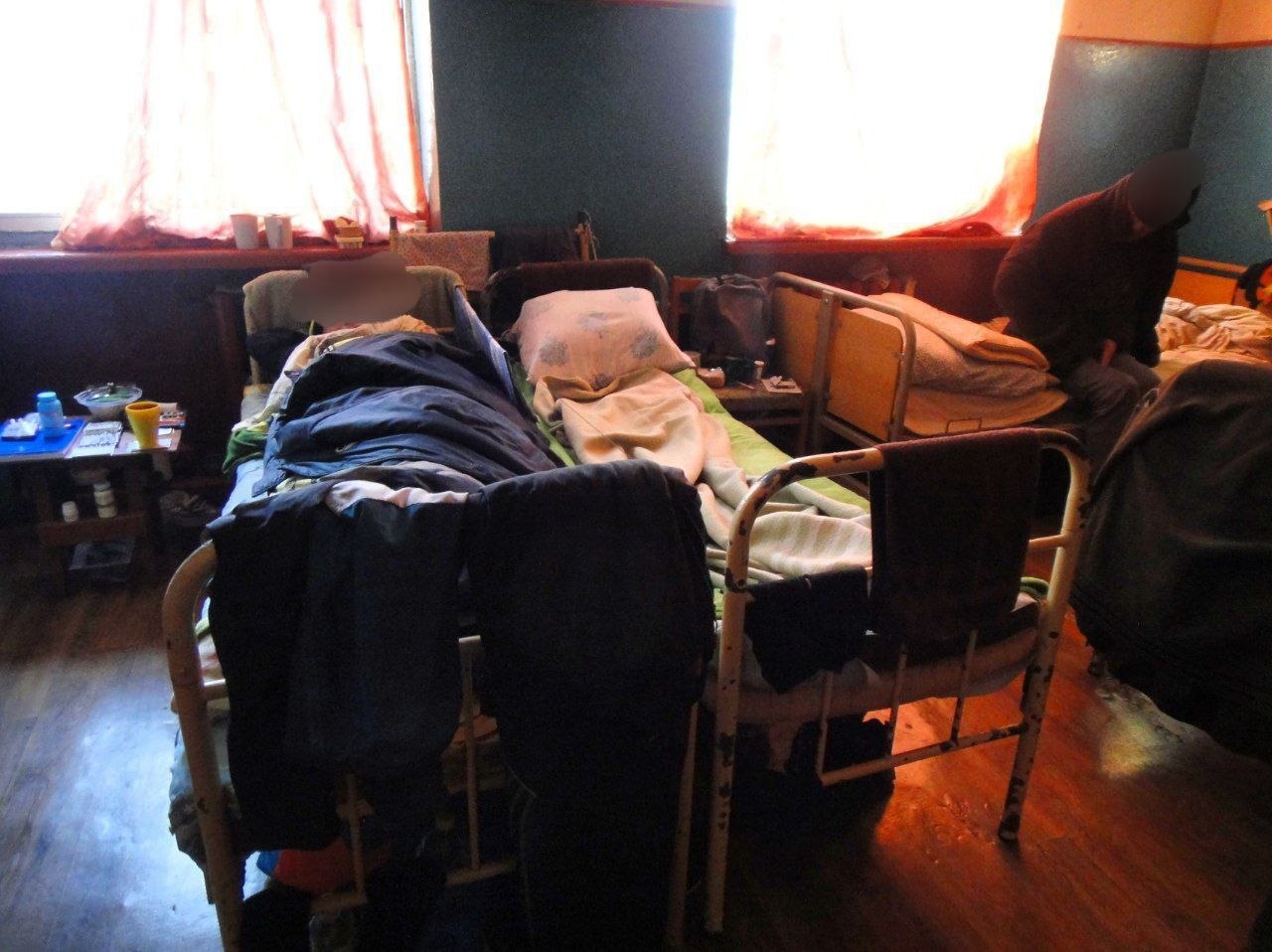
3. During the monitoring visit to the hospital, a number of systemic violations were recorded, including failure to comply with the living space standards established by legislation for holding convicts in the premises of a medical institution, as well as other violations indicating inadequate conditions of detention. Such conditions may be regarded as inhuman or degrading treatment and may lead to new applications against Ukraine to the European Court of Human Rights in connection with a violation of Article 3 of the Convention for the Protection of Human Rights and Fundamental Freedoms.
Specifically, in violation of Part 1 of Article 115 of the Criminal Executive Code of Ukraine (hereinafter – CEC of Ukraine), as well as Rule 13 of the UN Standard Minimum Rules for the Treatment of Prisoners (the Nelson Mandela Rules), it was established that the hospital violates the requirements regarding the living space standard per convict in inpatient treatment conditions (not less than 5 m²).
Thus, in ward No. 5, where 7 patients were held, the area of the premises, according to the certificate of measurement, is 29.17 m². Consequently, the actual area per convict was 4.16 m². A similar violation was established in wards Nos. 4, 9, 12.
Furthermore, it was established that in a number of ward premises, the actual number of sleeping places exceeds the permissible limit, which makes it impossible to comply with the standard provided by legislation – not less than 5 m² per person.
These circumstances create prerequisites for possible abuse by the hospital administration and staff regarding compliance with the area standard per convict in the conditions of a medical institution and do not ensure an adequate level of personal space for persons held there.
At the same time, paragraph 13 of the Seventh General Report of the Committee notes that the problem of overcrowded ward premises leads to unhygienic conditions, a constant lack of privacy, and the overloading of medical services and the institution’s infrastructure, and concludes that the negative impact of overcrowding very often results in inhuman or degrading conditions of prisoner detention (CPT/Inf (97) 10).
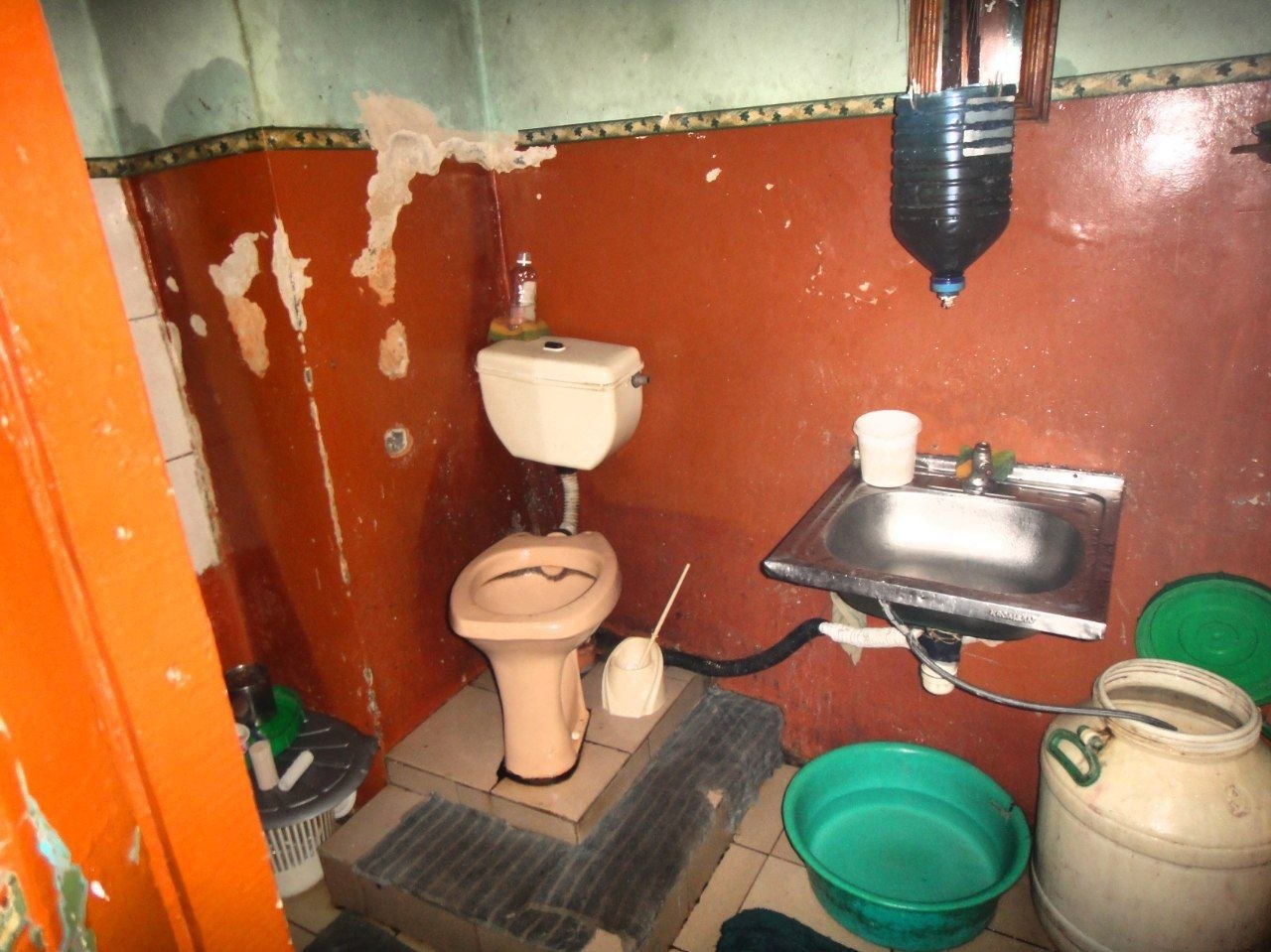
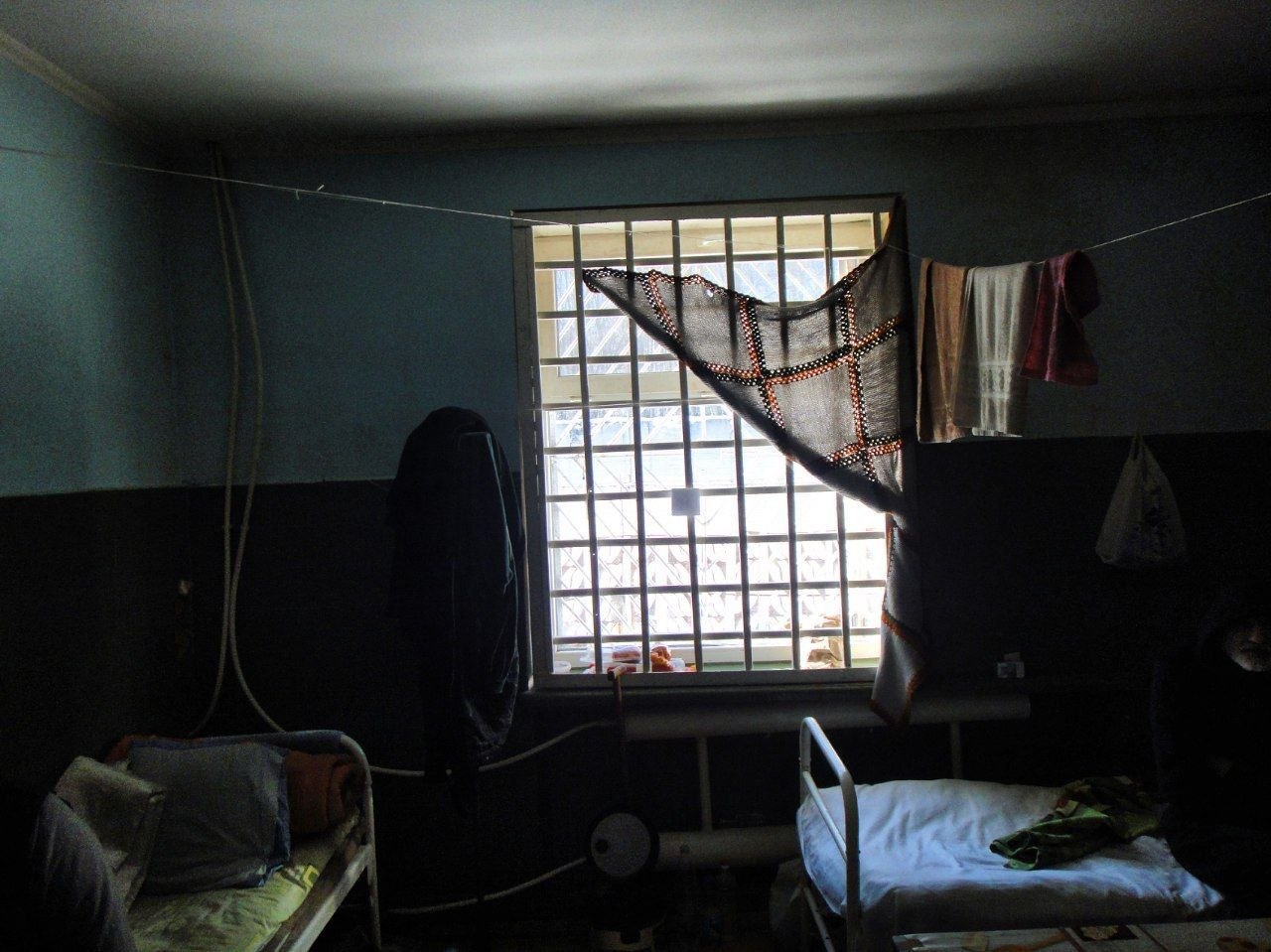
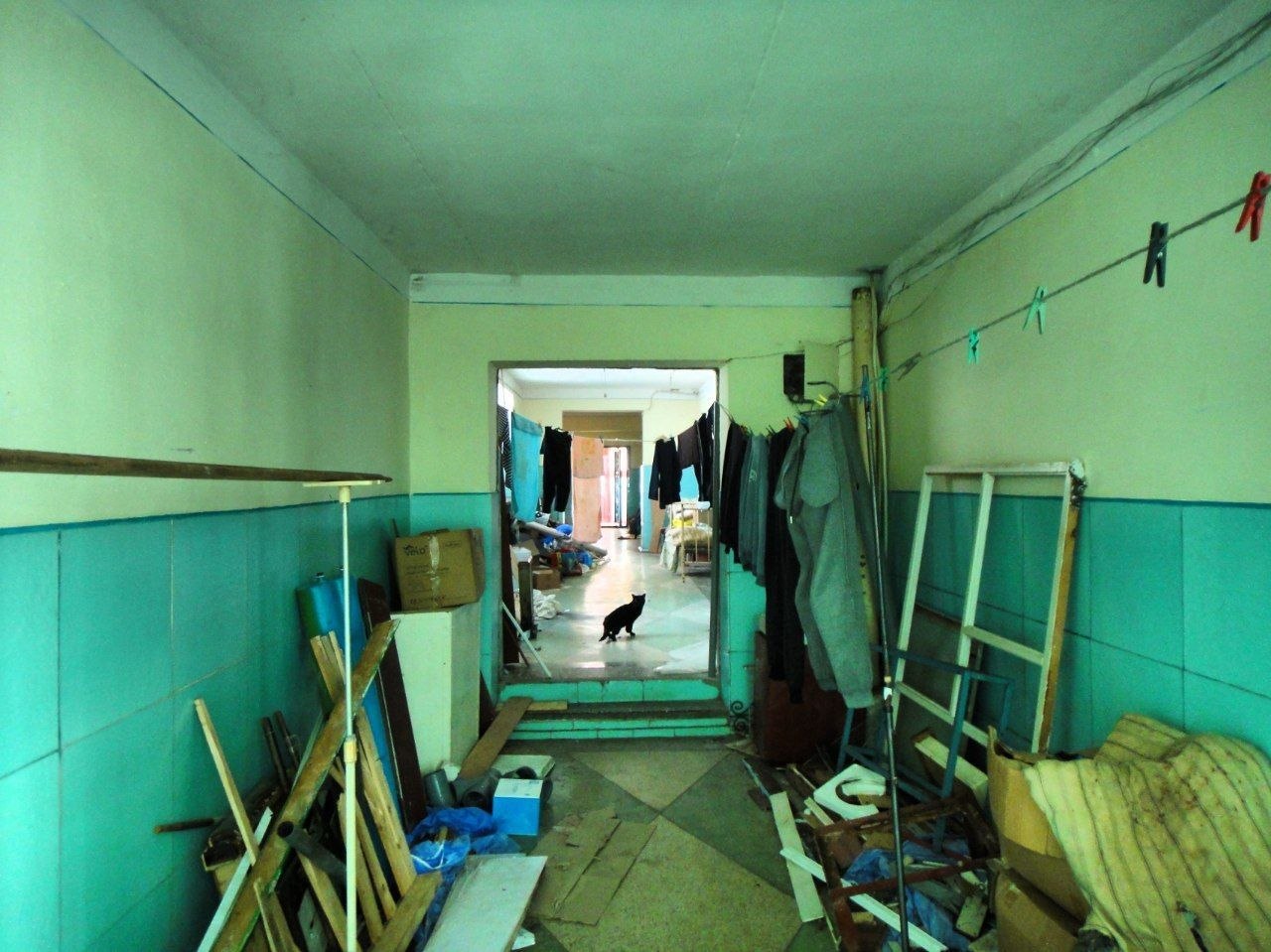
4. The hospital wards do not comply with the requirements of paragraphs 8.3.2.4, 8.3.2.7, and 8.3.5.1 of the State Building Norms of Ukraine V.2.2-10:2022 ‘Healthcare Facilities’. Specifically, insufficient ward area was established, as a result of which certain beds are located right next to each other, as well as the use of bunk beds, which do not ensure the possibility of placing beds with access to them from at least three sides, do not create proper conditions for their use, and may pose a danger of falling during sleep or descent from the upper tier.
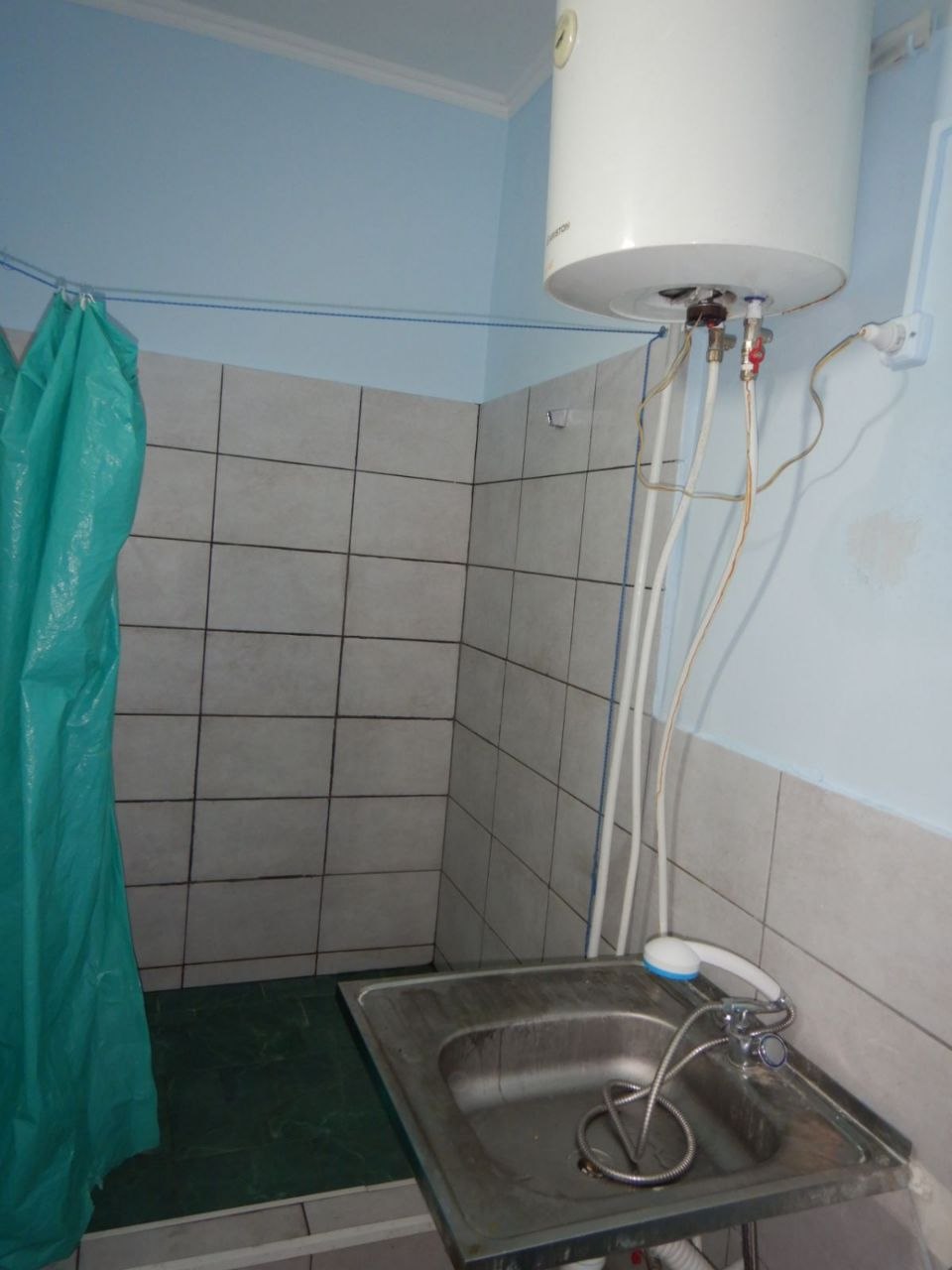
The wards lack furniture for storing patients’ personal belongings, in particular wardrobes for clothes and bedside tables in sufficient quantity. Also, the wards are not equipped with shower cabins.
The premises are not provided with tanks for drinking water, or such tanks are not filled with clean drinking water, due to which convicts are forced to consume water from the centralised water supply, which does not meet the requirements for drinking water.
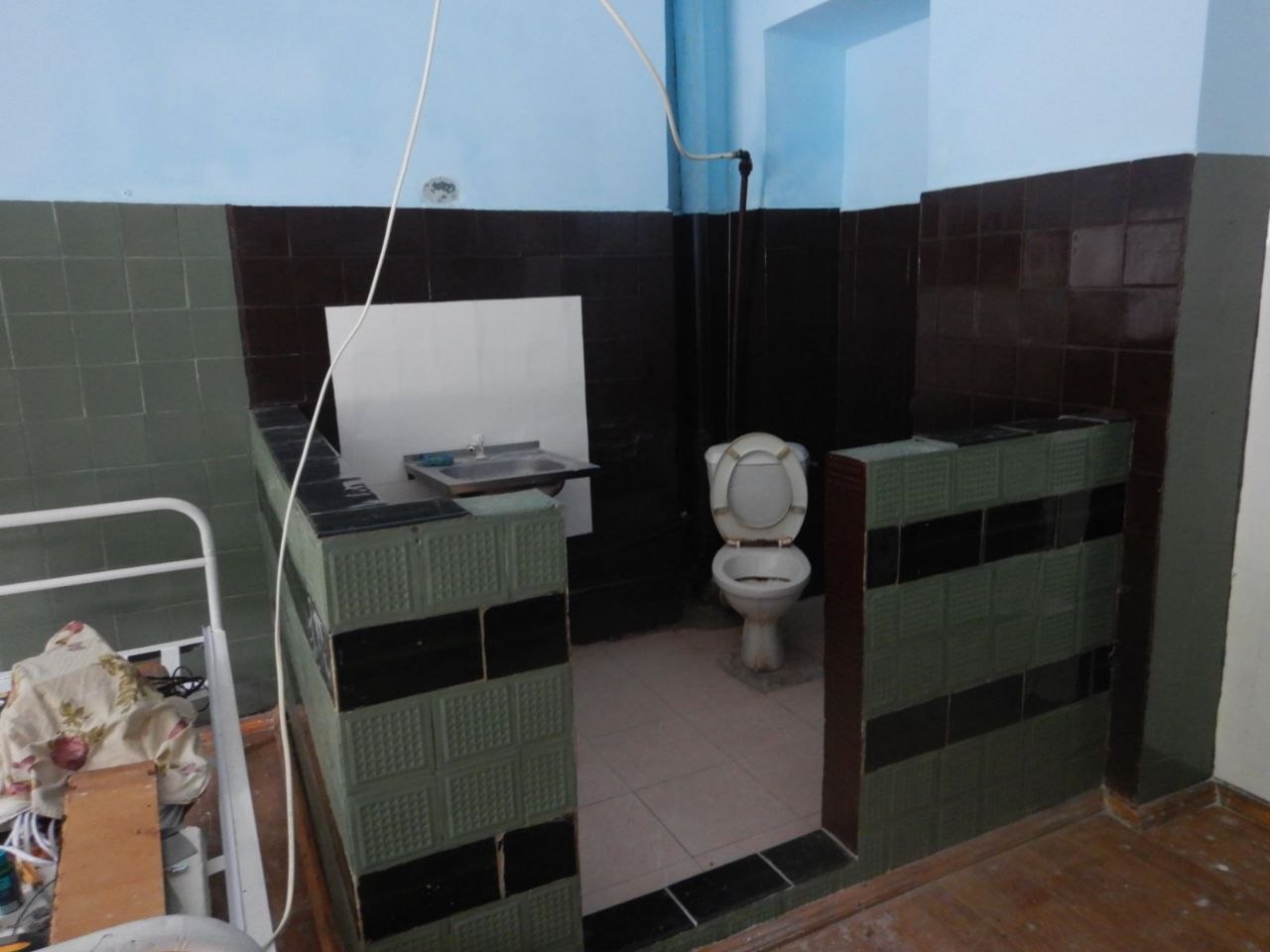
The level of artificial lighting is insufficient for reading without harming eyesight. Mechanical ventilation systems do not function in the premises, and sanitary facilities are not equipped with doors and/or proper partitions (floor to ceiling) that ensure privacy.
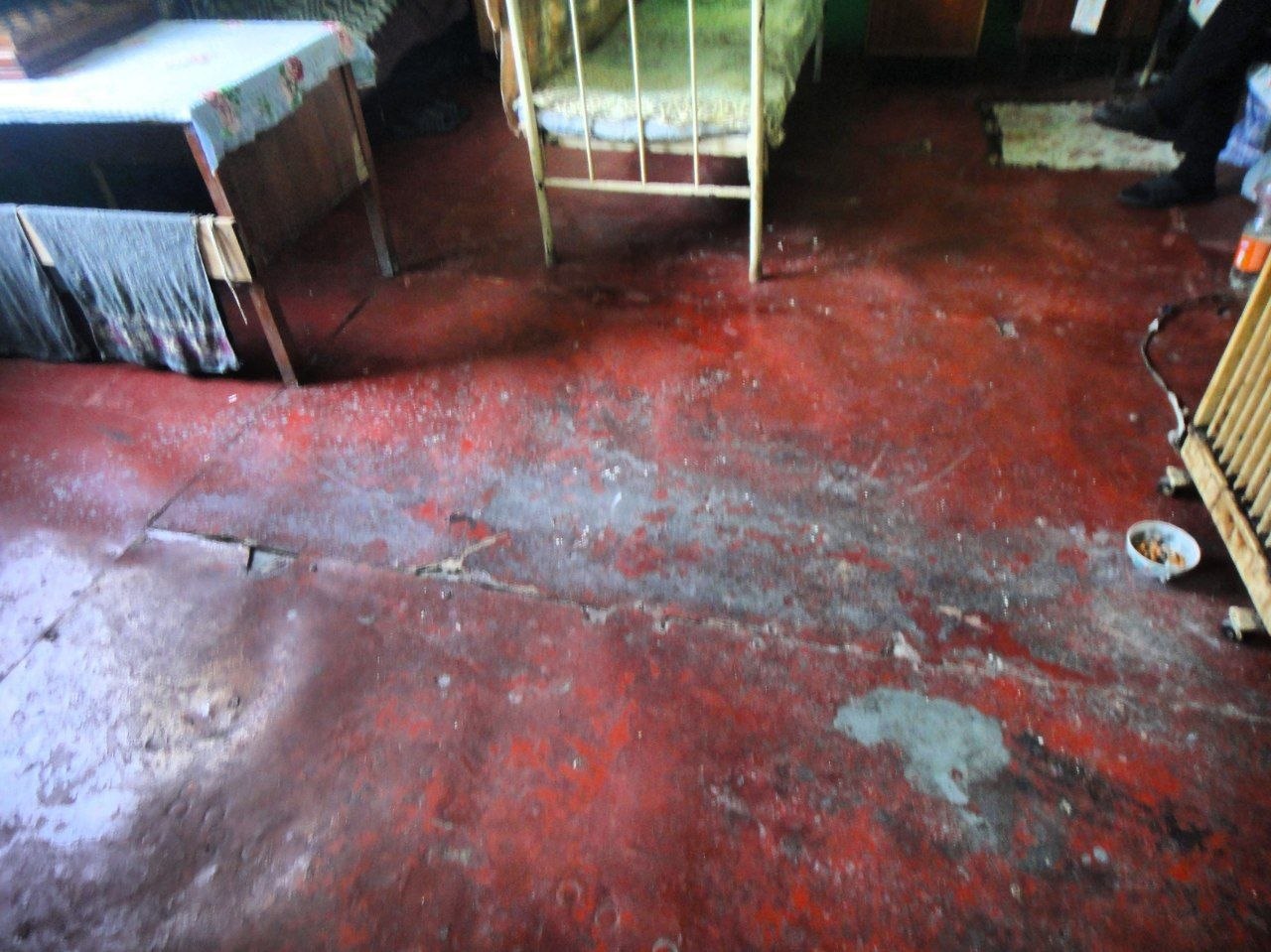
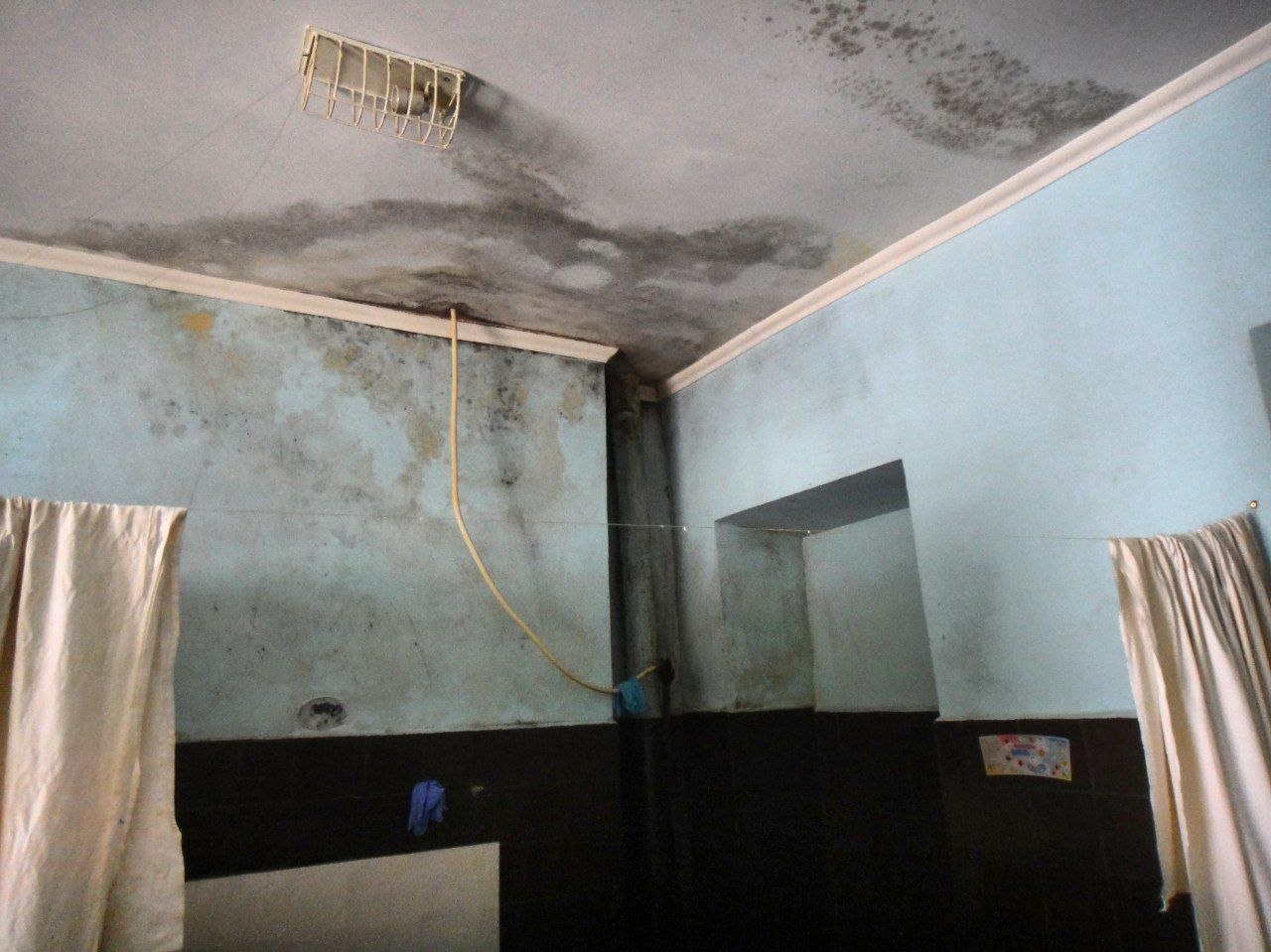
Furthermore, the hospital premises, specifically certain wards and corridors, require repair work. Specifically, in the wards, the replacement of sanitary-technical equipment, electrical grids, and floor coverings is necessary, whereas in the corridors, repair work is needed to restore walls and ceilings.
The presence of a persistent unpleasant odour is recorded, and in certain wards, there are signs of unsanitary conditions. The walls of some corridors are covered in mould due to water leakage. There is significant clutter with personal belongings in the wards and equipment in the hospital corridor. Certain bedding items (pillows, mattresses) require replacement.
Such conditions do not comply with paragraph 53 of the Committee’s recommendations (CPT/Inf (93) 12-part), as well as paragraphs 13, 14 (b), 15, and 22.2 of the UN Standard Minimum Rules for the Treatment of Prisoners (the Nelson Mandela Rules).
5. In violation of the requirements of paragraph 7 of Chapter 2 of Section III of the Procedure, patients are placed in ward-cells not based on an established diagnosis and the medical staff’s decision on referral to a specialised hospital department, but by the decision of the institution’s personnel.
6. The hospital staff lacks a clinical psychologist, which complicates the timely and effective provision of medical care in the sphere of mental health to convicts. In the report on the results of the 2023 visit to Ukraine, the Committee recommends further strengthening the provision of psychological help in institutions, as well as developing the training and role of penitentiary psychologists, especially regarding therapeutic clinical work with convicts. In this context, efforts must be made to recruit clinically trained psychologists, who should be part of the medical team and, in their work, should not combine two different roles, i.e., risk assessment and therapeutic clinical work (CPT/Inf (2024) 20) paragraph 85).
7. In violation of paragraph 8 of Chapter 5 of Section II of the Procedure, there is no equipped isolation ward in the hospital’s inpatient unit for convicts with mental disorders who pose a danger to others.
8. The monitoring group established cases where a psychiatrist conducts psychiatric examinations of patients without proper formalisation of written informed consent. Specifically, contrary to the requirements of the Instructions for completing the form of primary accounting documentation No. 003-7/o ‘Informed consent of a person to undergo a psychiatric examination’, approved by Order of the Ministry of Health of Ukraine dated 15.09.2016 No. 970, it was established that in the medical documentation, particularly in the outpatient medical record form No. 025/o and the inpatient medical record form No. 003/o, there is no informed consent signed by the patient for undergoing a psychiatric examination.
9. In violation of the Measures and means for preventing infection during patient care, approved by Order of the Ministry of Health of Ukraine dated 03.08.2020 No. 1777, only one isolation ward for infectious patients is equipped in the medical unit, which makes it impossible to simultaneously place patients with dangerous infectious diseases separately from each other and from other convicts.
Furthermore, the isolation ward for persons with infectious diseases does not comply with sanitary-hygienic norms and the requirements of State Building Norms V.2.2-10:2022 ‘Healthcare Facilities. Basic Provisions’. Thus, the ward intended for holding such patients is not equipped with a shower cabin, which forces infectious patients to use common sanitary facilities together with other detainees who are undergoing treatment in the inpatient unit of the medical facility.
The lack of proper conditions makes effective isolation of patients impossible, facilitates the spread of infectious diseases, and creates a threat to the health of both convicts and medical staff.
10. In violation of the requirements of paragraph 1 of Chapter 5 of Section II of the Procedure, as well as the tenth paragraph of paragraph 2 of Section XVII of the Internal Regulations of Correctional Facilities, approved by the Order of the Ministry of Justice of Ukraine dated 28.08.2018 No. 2823/5 (hereinafter – Internal Regulations), convicts who perform the functions of ward orderlies are staying in the hospital ward.
At the same time, the Committee has repeatedly emphasised the inadmissibility of using convicts as assistants in medical units and as orderlies, recommending that the state put an end to this practice (reports on the results of visits to Ukraine: 2005 – paragraph 132, CPT/Inf (2007) 22; 2013 – paragraph 151, CPT/Inf (2014) 15; 2017 – paragraph 86, CPT/Inf (2018) 41).
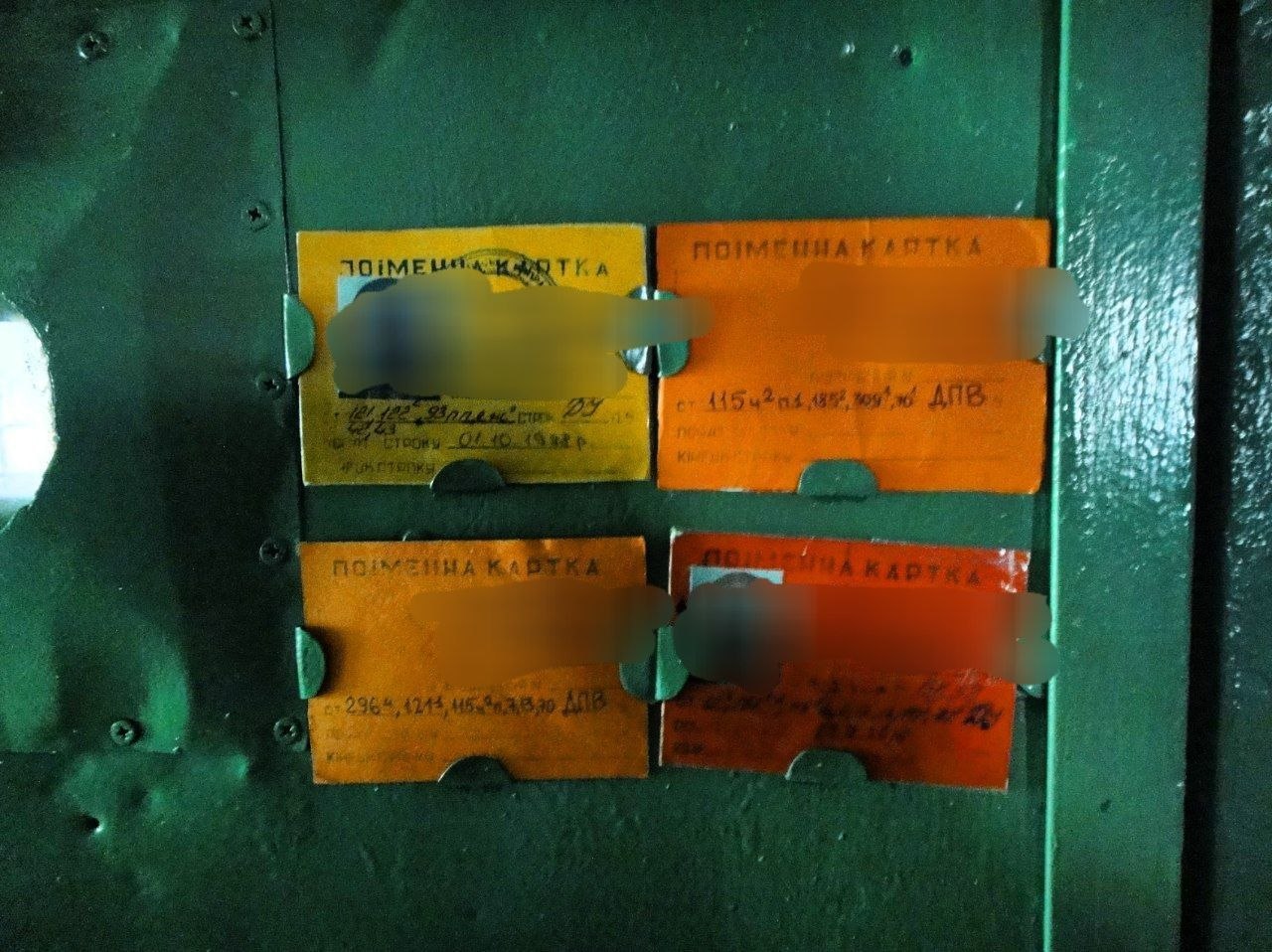
11. During a visit to the wards for the treatment of convicts sentenced to life imprisonment, name cards were found on the outer doors of the cells providing information in the form of a brief description of the crimes committed by the persons undergoing treatment. In its report on the results of the 2020 visit to Ukraine, the Committee noted that this practice should be discontinued, as it serves no reasonable purpose and, in addition to stigmatisation, has the effect of worsening relations between prisoners and prison staff (CPT/Inf (2020) 40) paragraph 52).
12. In violation of the requirements of the Standards of Medical Care for Viral Hepatitis C in Adults, approved by Order of the Ministry of Health of Ukraine dated 23.07.2025 No. 1178, not all persons (13 persons as of 20.02.2026) suspected of having viral hepatitis C undergo the necessary PCR testing, due to which they do not receive proper treatment, which may lead to a deterioration of their health and the spread of said infectious disease among convicts and prisoners.
13. Dispensary supervision is carried out for 26 persons with disabilities. Of these, Group I – 1 person, Group II – 7 persons, Group III – 18 persons. At the same time, in violation of the requirements of the Law of Ukraine ‘On Rehabilitation of Persons with Disabilities in Ukraine’, persons with disabilities do not receive proper diagnostic, therapeutic, and rehabilitation measures, despite information confirming persistent impairment of bodily functions caused by diseases and the consequences of injuries, which lead to restrictions on normal daily activities. Thus, during the examination of the medical documentation of convicts, it was established that 3 persons with disabilities lack an individual rehabilitation programme (hereinafter – IRP). Furthermore, IRP recommendations are not being implemented, due to which these persons do not receive proper diagnostic, therapeutic, and rehabilitation measures.
14. In violation of the requirements of the State Building Norms of Ukraine V.2.2-40:2018 ‘Inclusivity of Buildings and Structures. Basic Provisions’, conditions for holding persons with disabilities have not been created in the medical unit.
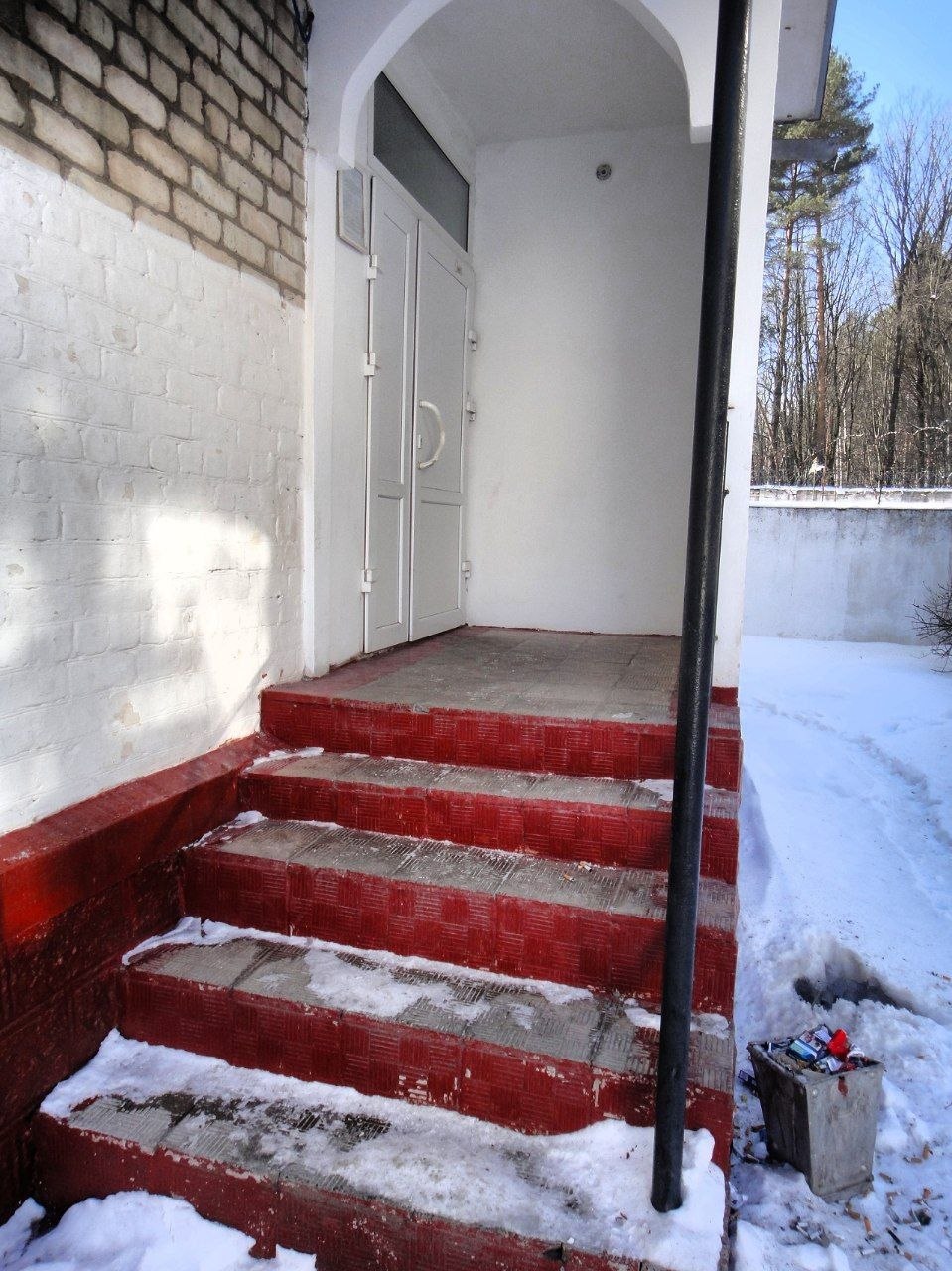
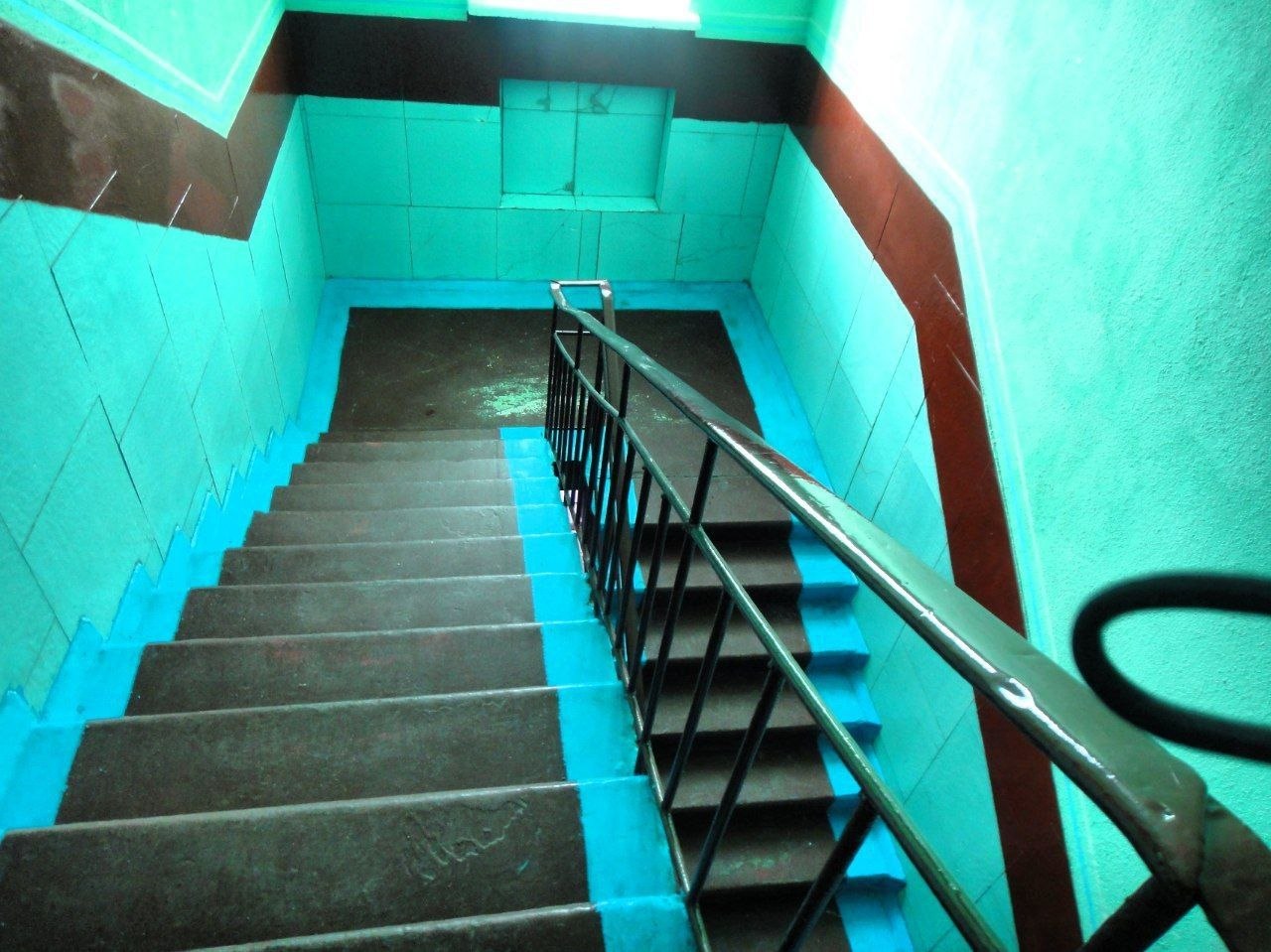
15. In violation of paragraph 37 of the Resolution of the Cabinet of Ministers of Ukraine dated 02.03.2016 No. 285 ‘On Approval of Licensing Conditions for the Conduct of Economic Activity in Medical Practice’, there is no certificate in the medical unit confirming free access to the buildings and premises of the medical facility for persons with limited mobility, the receipt of which is mandatory.
16. In violation of the Procedure for Organising Medical Care at the Primary, Secondary (Specialised), and Tertiary (Highly Specialised) Levels Using Telemedicine, approved by Order of the Ministry of Health of Ukraine dated 19.10.2015 No. 681, the medical unit staff, due to technical limitations, are unable to send requests for telemedical consultations and receive professional assistance for providing medical services to convicts.
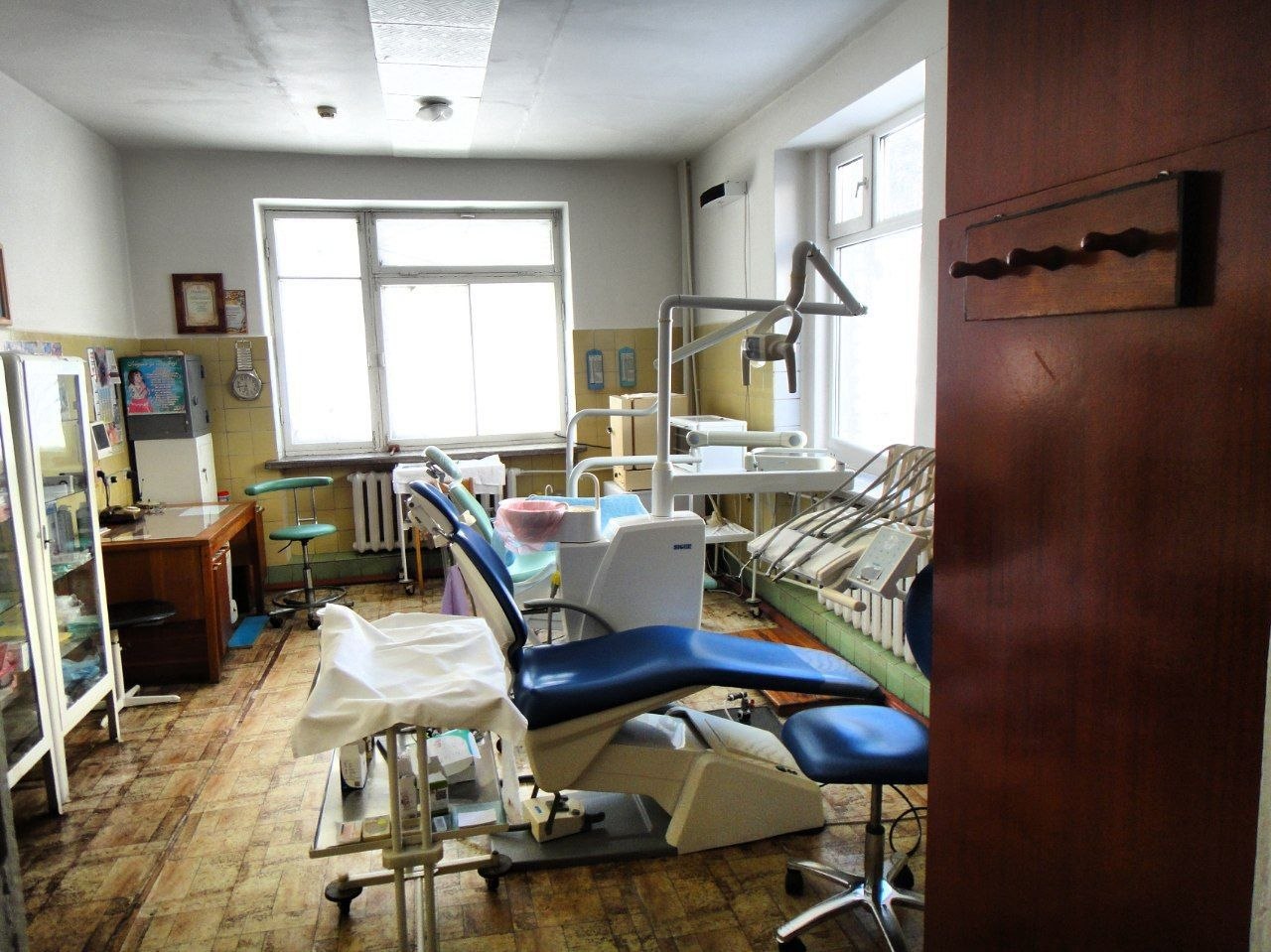
17. In violation of the requirements of the Equipment Table for a single workplace for a dentist and dental technician, approved by Order of the Ministry of Health of Ukraine dated 11.04.2005 No. 158, there is no dental X-ray machine in the medical unit, which makes it impossible to conduct in-depth dental examinations of convicts and does not ensure the timely provision of proper dental care.
18. In violation of the requirements of the Norms of entitlement to bedding, special clothing, and special footwear (inventory property) for convicts undergoing treatment in medical-preventive institutions, institutions with rights of medical facilities, and medical units at correctional facilities and remand prisons, approved by Order of the Ministry of Justice of Ukraine dated 20.02.2012 No. 280/5, convicts do not receive hospital property (hospital suit, robe, and slippers). Convicts stay in the inpatient unit in their everyday clothes, sometimes – with their own bed linen.
19. In violation of the State Sanitary Norms and Rules ‘Procedure for Medical Waste Management, including requirements for human health safety during the formation, collection, storage, transportation, and processing of such waste’, approved by Order of the Ministry of Health of Ukraine dated 31.10.2024 No. 1827, the branch of the SE ‘Centre for Health Protection of the State Criminal Executive Service of Ukraine’ in Khmelnytskyi Region has not concluded agreements with a specialised institution for the disposal of medical waste, due to which proper collection, sorting, and disposal of medical waste have not been organised in the medical unit since the beginning of 2026.
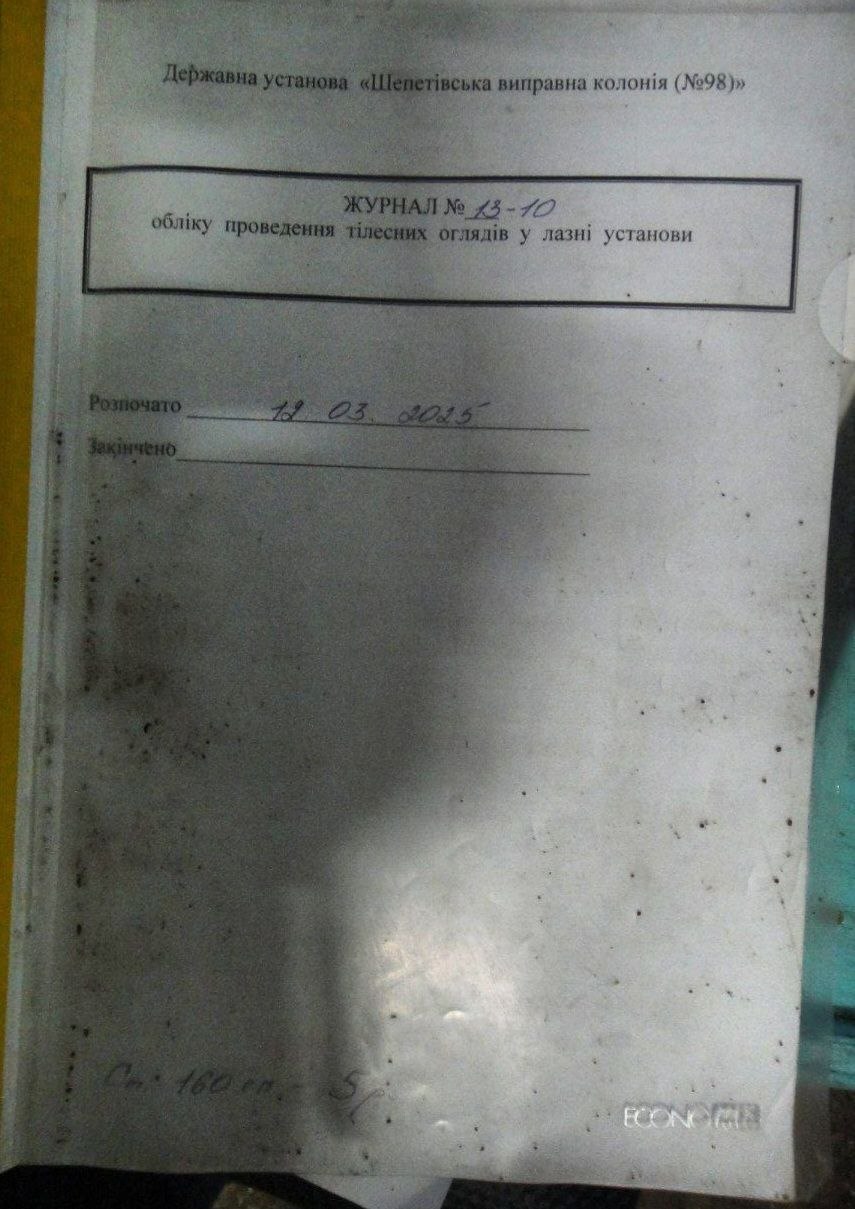
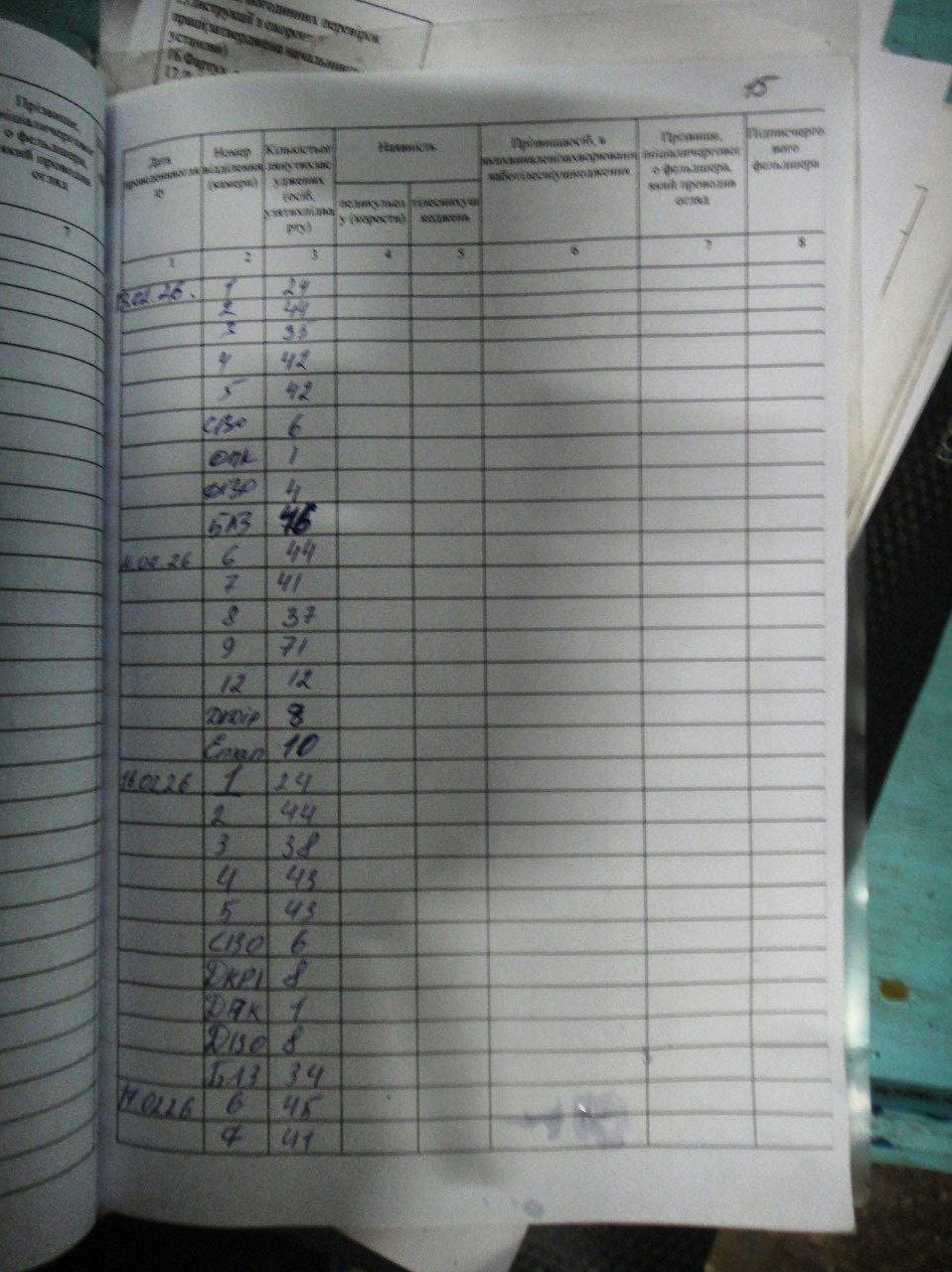
20. Supervision of compliance with the order during the washing of convicts and prisoners in the bathhouse, as well as control over the cleaning and disinfection of premises and the conduct of medical examinations, as provided for by paragraphs 3.10 and 3.11 of the Regulations on the Organisation of Laundry and Bath Services for Persons Held in Correctional Facilities and Remand Prisons, approved by Order of the Ministry of Justice of Ukraine dated 08.06.2021 No. 849/5 (hereinafter – Regulations), is not ensured by the duty medical professional. The log of bodily examinations in the institution’s bathhouse, which is kept in the form according to Appendix 6 to these Regulations, is not properly maintained by the medical unit staff. Specifically, the columns ‘Surname, initials of the duty medical assistant who conducted the examination’ and ‘Signature of the duty medical assistant’ are not filled out, which indicates a formal maintenance of the log.
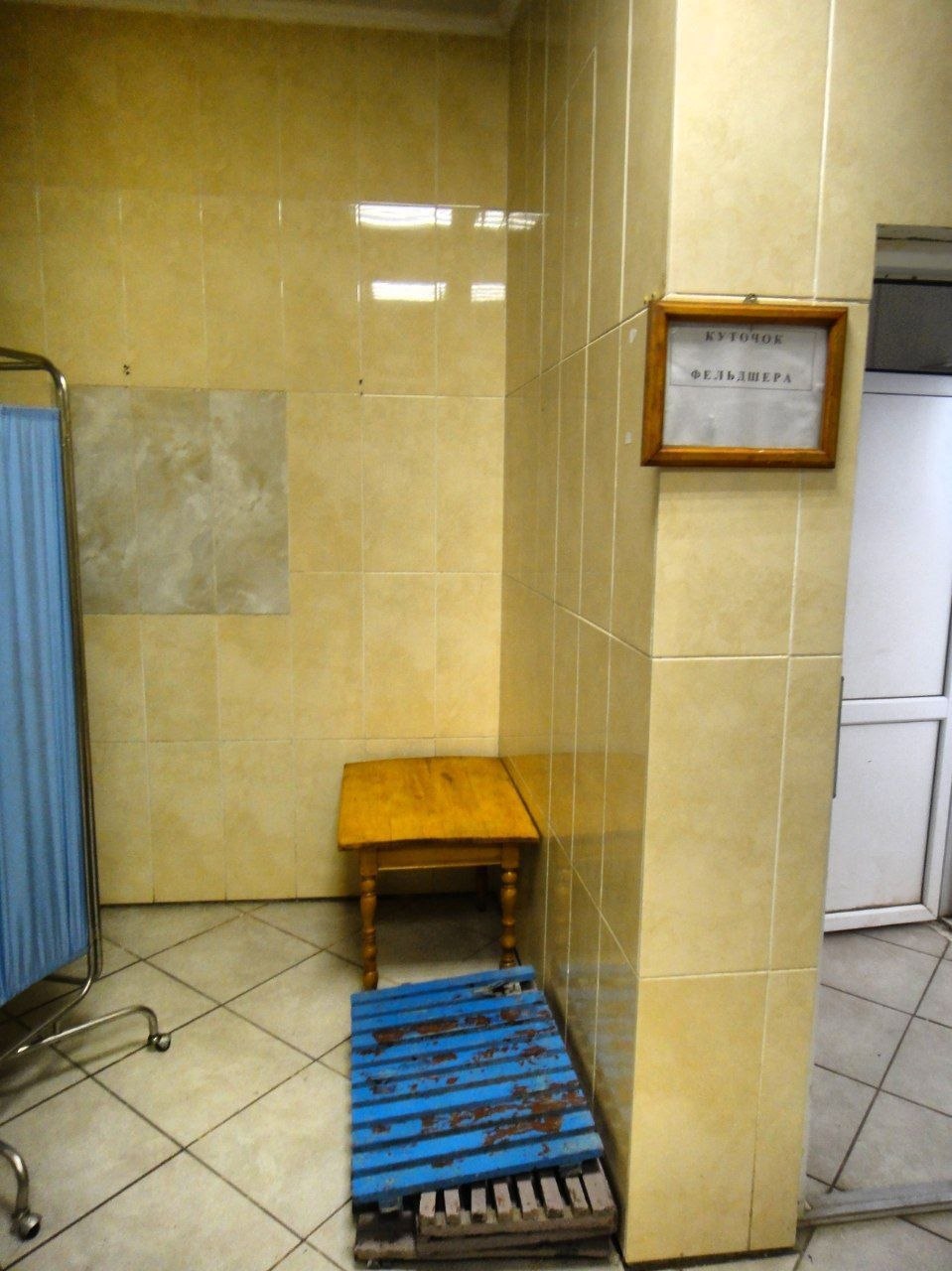
21. Contrary to the requirements of paragraph 3.11 of Section III of the Regulations, the place (corner) for the medical assistant of the medical unit to conduct bodily examinations and provide medical care to convicts (persons held in custody) is not properly equipped; specifically, it is not provided with a table and a chair, which makes it impossible to create proper conditions for conducting medical examinations and organising the provision of primary medical care.
22. In violation of the Fire Safety Rules in Ukraine, approved by Order of the Ministry of Internal Affairs of Ukraine dated 30.12.2014 No. 1417, the medical unit premises are not equipped with fire extinguishing and fire alarm systems (except for the OST cabinet).
Recommendations:
1. Take measures aimed at eliminating identified human rights violations and preventing torture, and other cruel, inhuman, or degrading treatment and punishment in Shepetivka Multi-profile Hospital No. 98, a branch of the State Institution ‘Centre for Health Protection of the State Criminal Executive Service of Ukraine’ in Khmelnytskyi Region.
2. Ensure control over the proper maintenance of medical documentation in accordance with the Procedure for Organising the Provision of Medical Care to Convicts Sentenced to Imprisonment, approved by the joint order of the Ministry of Justice of Ukraine and the Ministry of Health of Ukraine dated 15.08.2014 No. 1348/5/572, the Procedure for Interaction of Healthcare Institutions of the SCES of Ukraine with Healthcare Institutions on Issues of Providing Medical Care to Persons Taken into Custody, approved by the joint order of the Ministry of Justice of Ukraine and the Ministry of Health of Ukraine dated 10.02.2012 No. 239/5/104, and other regulatory legal acts.
3. Ensure the hospital is staffed with specialists and medical personnel according to needs.
4. Ensure timely and proper recording of bodily injuries in convicts and prisoners.
5. Ensure immediate compliance of detention conditions for convicts in the hospital with the requirements of Part 1 of Article 115 of the CEC of Ukraine, the UN Standard Minimum Rules for the Treatment of Prisoners (the Nelson Mandela Rules), and the Committee’s recommendations, specifically by eliminating overcrowding of wards and ensuring a minimum living space of at least 5 m² per person, as well as eliminating other identified violations in order to prevent cruel, inhuman, or degrading treatment and punishment and to prevent violations of Article 3 of the Convention for the Protection of Human Rights and Fundamental Freedoms.
6. Ensure the material and living conditions in the hospital’s wards and premises are brought into compliance with the requirements of DBN V.2.2-10:2022, the UN Standard Minimum Rules for the Treatment of Prisoners (the Nelson Mandela Rules), and the Committee’s recommendations through proper arrangement of sleeping places (ensuring safe access and personal space), furnishing with furniture and sanitary-technical equipment, providing access to safe drinking water, proper lighting, ventilation, and privacy, as well as conducting necessary repair work and eliminating signs of unsanitary conditions.
7. Ensure the placement of sick convicts in wards in accordance with the established diagnosis and the decisions of medical staff, preventing the institution’s personnel from interfering in medical decisions.
8. Ensure the isolation ward for persons with mental and behavioural disorders is equipped in accordance with established requirements.
9. Ensure that informed consent of patients for examination and treatment is obtained in the established form.
10. Stop the practice of using convicts as ward orderlies in the hospital, ensuring that supervision, patient care, and control over compliance with internal regulations are carried out solely by institution officials and medical staff.
11. Ensure the equipment of the necessary number of isolation wards for infectious patients.
12. Ensure the conduct of individual rehabilitation for persons who need it.
13. Ensure the accessibility of the institution’s buildings in accordance with the State Building Norms of Ukraine V.2.2-40:2018 ‘Inclusivity of Buildings and Structures. Basic Provisions’.
14. Fulfil the requirements of paragraph 37 of the Resolution of the Cabinet of Ministers of Ukraine dated 02.03.2016 No. 285 ‘On Approval of Licensing Conditions for the Conduct of Economic Activity in Medical Practice’.
15. Ensure the proper operation of the telemedical complex for doctors to make requests for telemedical consultation.
16. Ensure all persons with suspected HCV have access to PCR testing in the shortest possible time and organise the necessary antiviral treatment for persons with a confirmed diagnosis.
17. Provide the medical unit with hospital property (hospital suit, robe, and slippers).
18. Stop the practice of placing name cards on cell doors indicating information about crimes committed, and bring the personnel information procedure into compliance with legislation requirements and the Committee’s recommendations, excluding any forms of convict stigmatisation.
19. Equip the medical unit with a dental X-ray machine and necessary equipment for conducting full dental examination and treatment.
20. Ensure proper disposal of medicines and medical devices.
21. Ensure strict compliance with the requirements of paragraphs 3.10 and 3.11 of the Regulations by organising proper medical supervision during the washing of convicts, full maintenance of the log of bodily examinations, and proper arrangement of the medical assistant’s place in the bathhouse for conducting examinations and providing primary medical care.
22. Eliminate violations of fire safety requirements.