Report on the Results of the Monitoring Visit to Sumy Correctional Colony No. 116
On 22 April 2026, in accordance with the Optional Protocol to the Convention against Torture and Other Cruel, Inhuman or Degrading Treatment or Punishment, taking into account the provisions of the UN Standard Minimum Rules for the Treatment of Prisoners (the Nelson Mandela Rules) and the case law of the European Court of Human Rights, on the basis of Article 24 of the Criminal Executive Code of Ukraine, ‘Visits to Penal Institutions’, a monitoring group from the Kharkiv Human Rights Protection Group and the NGO ‘Prisoners’ Protection of Ukraine’ visited the state institution ‘Sumy Correctional Colony (No. 116)’ (SVK-116, the institution, the facility, the colony). The visit was routine and unannounced; all facilities of the institution were inspected.
The previous visit took place on 24 July 2025.
During the preparations for the visit, the monitors used materials from appeals by convicts and their relatives, previous reports, as well as reports by monitors of the National Preventive Mechanism (NPM) under the Ukrainian Parliament Commissioner for Human Rights.
The visit was conducted within the framework of the project ‘Reducing the Suffering of Prisoners in the Context of the War in Ukraine’, funded by the Danish Government in partnership with DIGNITY — Danish Institute Against Torture.
The visit was carried out by the following monitors:
- Andriy Didenko — assistant to Yaroslav Yurchyshyn, Member of Parliament of Ukraine, programme coordinator of the Kharkiv Human Rights Protection Group, monitoring experience since 2014, NPM (National Preventive Mechanism) monitor, member of the NPM Advisory Council;
- Serhiy Zuykov — assistant to Kostiantyn Kasai, Member of Parliament of Ukraine, member of the Public Council under the Ministry of Justice of Ukraine, member of the non-governmental organisation ‘Prisoners’ Protection of Ukraine’, NPM monitor, with many years of monitoring experience;
- Oleh Tsvilyi — member of the Public Council under the Ministry of Justice of Ukraine, head of the non-governmental organisation ‘Prisoners’ Protection of Ukraine’, with extensive experience in monitoring visits, specialising in issues of torture and cruel, inhuman treatment.
The monitoring visit to SVK-116 revealed violations of the rights of remand prisoners and convicts related to inadequate material and living conditions, non-compliance with requirements for the equipment of sanitary facilities, ventilation, and the provision of drinking water, shortcomings in the organisation of the quarantine, diagnostics, and allocation section, excessive use of video surveillance, and the practice of stigmatising convicts. Violations were identified in the operation of the DISO/PKT and the enhanced control section, along with shortcomings in the organisation of visits, library services, the operation of the prison shop, and the preparation of convicts for release.
Understaffing was identified in both the institution’s general personnel and the medical unit. In the area of medical care, shortcomings were found in the organisation of inpatient care, the recording of physical injuries, the conduct of initial medical examinations, the provision of assistance to persons with disabilities, ensuring the accessibility of the medical unit for persons with reduced mobility, the provision of psychological support, the treatment of hepatitis C, the use of telemedicine, dental care, and the conduct of preventative medical examinations for convicts working in the kitchen.
Furthermore, shortcomings were identified in the equipment and use of civil defence shelters, along with problems regarding convicts’ access to the internet and email, the blocking of certain human rights resources, and violations of convicts’ rights to work and social protection, related to the maintenance of records, the organisation of production activities, the condition of the production infrastructure, and the implementation of labour and social guarantees.
General Information
SVK-116 is a medium-security penal institution for men sentenced to imprisonment for the first time. The facility is located at: 110 Romenska Street, Sumy, Sumy Oblast, 42343.
At the time of the visit, the head of the institution was Serhiy Yuriyovych Dorodko.
The history of the institution dates back to 1974. Prior to this, the territory where the colony is currently located was a municipal landfill. In 1974, construction began on a medical-labour treatment centre (LTP), which was intended for the compulsory treatment and labour-based rehabilitation of individuals suffering from chronic alcoholism.
Subsequently, as a result of penitentiary system reforms, the facility was repurposed into a penal institution. Since 1999, the state institution ‘Sumy Correctional Colony (No. 116)’ has functioned as an independent legal entity within the system of the State Penitentiary Service of Ukraine. Today, the institution is subordinate to the Ministry of Justice of Ukraine through the interregional department for the execution of criminal punishments. Over the years, production units have operated within the institution, and measures have been implemented for the social adaptation and rehabilitation of convicts.
The facility consists of a duty station, the KDiR department (quarantine, diagnostics, and allocation section), SPS units (social and psychological service), a kitchen, DISO premises (disciplinary isolation cells), PKT (cell-type premises), an enhanced control section (DPK), a medical unit, a bathhouse and laundry facility, visiting rooms, a prison shop, a library, a parcel reception room, and administrative premises.
According to data from the facility’s administration, the authorised staffing level is 223.5 posts, whilst the actual number is 171.5. The total staff shortage across the institution is 52 employees.
The planned capacity of SVK-116 is 745 people. Currently, a total of 116 individuals are held in the institution, including 16 remand prisoners and 100 convicts. There are 4 SPS units operating in the facility. One psychologist is employed. Eighty-four convicts are employed, 68 of whom work in the workshop and 16 in maintenance services.
On the operational-preventative register, there were seven individuals registered as prone to suicide and six prone to self-harm. Throughout 2025–2026, not a single complaint was recorded from convicts regarding inadequate detention conditions or improper medical care. Three individuals have a Group III disability.
Convicts do not possess any tablets for personal use, and not a single email address has been registered. During 2025, five cases of physical injuries were recorded during stays in the institution.
The monitoring group interviewed around 70 convicts during visits to production premises, workshops, SPS units, disciplinary quarters, and utility areas. This was done through general conversations involving the provision of consultations, answering questions, surveys regarding human rights violations, and individual interviews, including some conducted on an anonymous basis.
Identified Violations of National and International Legislation
During the monitoring visit, violations of national legislation and non-compliance with international recommendations regarding the treatment of prisoners were identified, leading to violations of the rights of convicts:
1. Paragraph 59 of the 21st General Report of the European Committee for the Prevention of Torture and Inhuman or Degrading Treatment or Punishment (hereinafter referred to as the Committee) states that any cell measuring less than 6 m² of living space should not be used for detaining prisoners (CPT/Inf (2011) 28). In its report on the 2012 visit to Ukraine, the Committee notes that single cells should have a living space of at least 6 m² (excluding the sanitary annex), and the distance between the walls must be at least 2 metres (CPT/Inf (2013) 23, paragraph 45).
At the same time, the monitoring group established the use of cells Nos. 1, 2, 3, 4, 5, and 6 in the sector for holding persons taken into custody, the area of which — according to the floor area measurement certificate of the structural sections — is less than 6 m², failing to meet the established requirements.
2. The equipment of the specified premises does not ensure adequate detention conditions for persons taken into custody, taking into account their individual needs, which is contrary to international standards on the treatment of prisoners and established requirements. Specifically, due to the limited area of the punishment cells (less than 6 m², excluding the toilet), detainees are unable to move freely within the cell, causing physical discomfort.
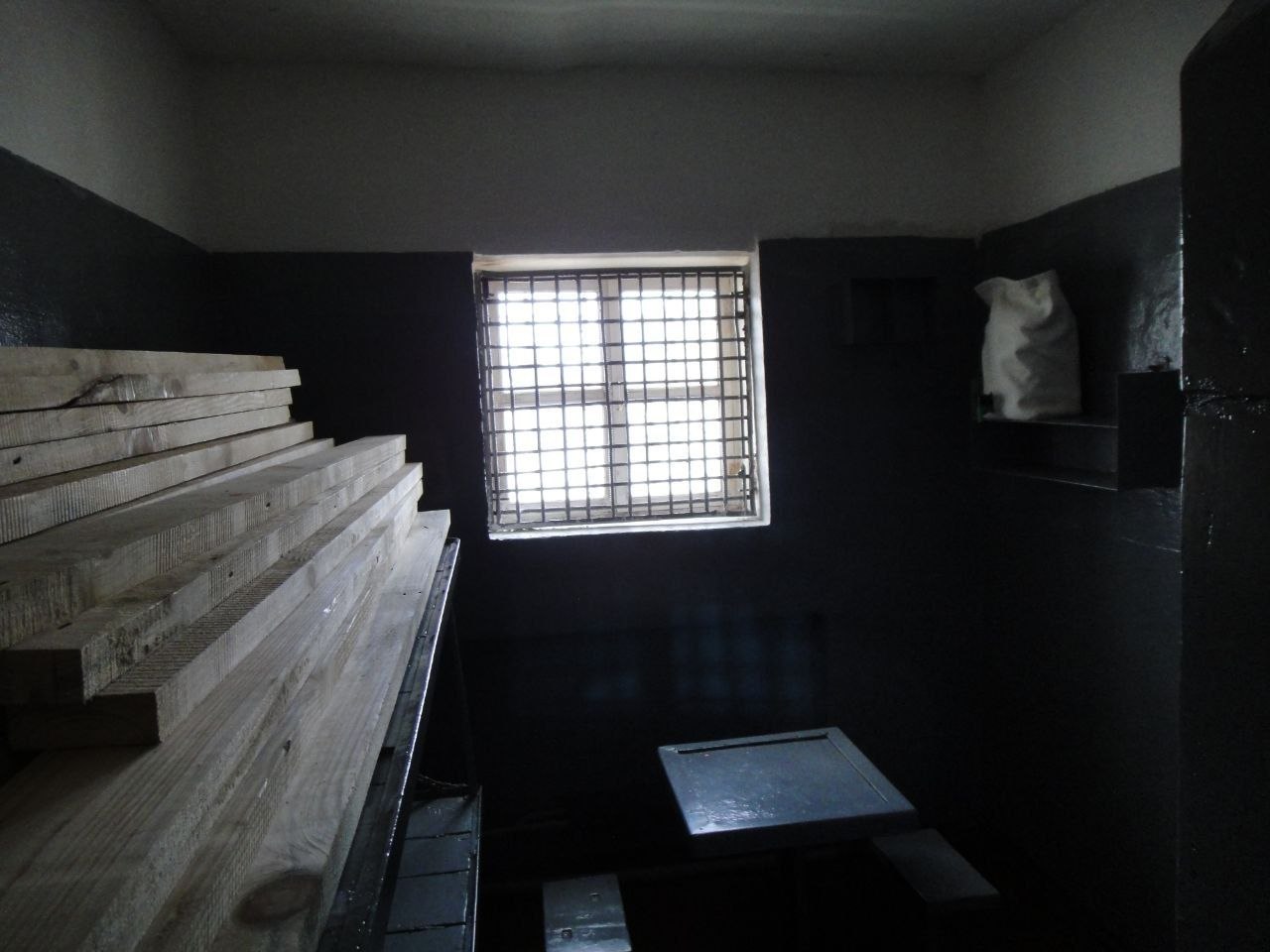
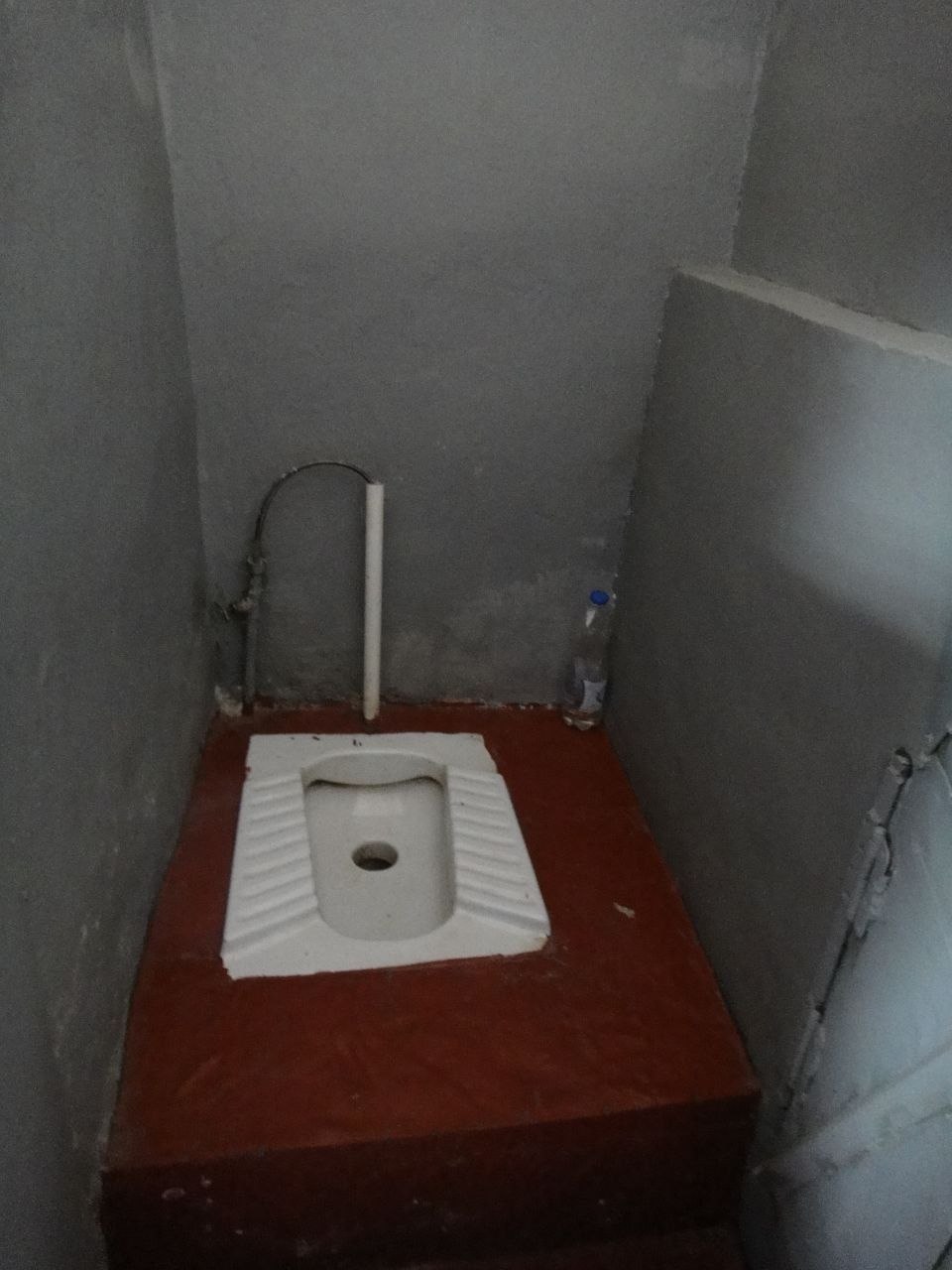
3. Toilets in the cells of the sector for holding persons taken into custody are not equipped with adequate partitions to ensure privacy, violating Rule 19.3 of the European Prison Rules and Rule 15 of the UN Standard Minimum Rules for the Treatment of Prisoners (the Nelson Mandela Rules). The proper functioning of mechanical ventilation is not ensured. Furthermore, in its report to the Ukrainian Government following the 2023 visit, the Committee urged the Ukrainian authorities to take the necessary measures to improve material conditions of detention, in particular: to maintain all accommodation for convicts and remand prisoners, including sanitary facilities, in an adequate state of repair and hygiene; to ensure regular and frequent disinfestation; to ensure sufficient access to natural light and ventilation in cells; and to fully partition internal sanitary annexes (i.e. from floor to ceiling) (CPT/Inf (2024) 20, paragraph 58).
4. In violation of Rule 22.5 of the European Prison Rules, Rule 22.2 of the UN Standard Minimum Rules for the Treatment of Prisoners (the Nelson Mandela Rules), and the Provision Standards, the cells are not provided with a 15-litre drinking water tank equipped with a tap, lid, mug, and basin.
5. During the visit to the cells of the sector for holding persons taken into custody, it was established that the cells lacked displayed information detailing the hotline telephone numbers, as well as the postal and email addresses of the Ministry of Justice of Ukraine, the Ukrainian Parliament Commissioner for Human Rights, the European Court of Human Rights, the State Bureau of Investigation, the Office of the Prosecutor General, the regional and district prosecutor’s offices, the Department, the interregional administration, and the regional centre for free legal aid. This is contrary to Paragraph 6 of Section II of the IRPI and Paragraph 14 of Chapter 2 of Section II of the IRRP.
A similar violation was identified in the cells of the institution’s disciplinary isolation facility (hereinafter referred to as the DISO/PKT).
6. In accordance with Paragraph 1 of Chapter 1 of Section IX of the IRRP, remand prisoners, with their consent and the permission of the investigator or the court conducting the criminal proceedings, may be engaged in labour within the secured territory of the remand prison, in workshops and work cells, provided that the requirements for isolation and separate detention of prisoners, occupational safety regulations, and sanitary and hygiene standards are met. However, the monitoring group established that remand prisoners engaged in work at production zone facilities actually work without the security requirements of isolation and separate detention being met. Specifically, they work in a shared space with convicts and are able to contact them directly.
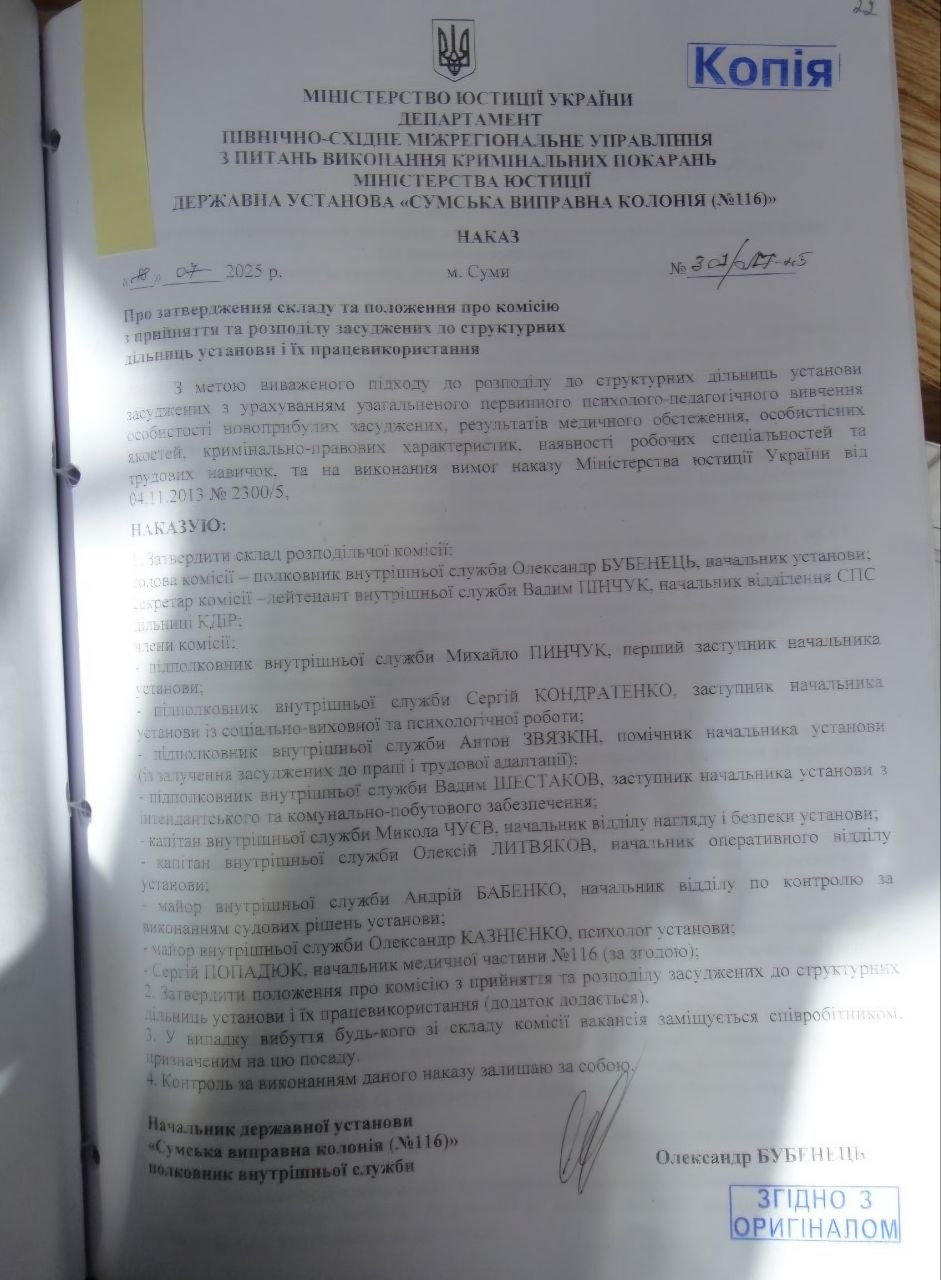
7. The procedure and conditions for admitting convicts to the institution do not fully comply with the requirements of current Ukrainian legislation and international standards on the treatment of prisoners. According to Paragraphs 1 and 2 of Section II of the Regulation on the KDiR Section, in order to organise work with newly arrived convicts, a working group is established by order of the head of the institution, comprising the deputy heads of the institution, heads of structural units, a psychologist, and a medical worker. For the purpose of planning this work, an annual induction programme is drawn up to familiarise newly arrived convicts with the rules and conditions of serving their sentences, which is approved by the head of the institution. According to Paragraph 8 of Section II of the Regulation on the KDiR Section, the detention of convicts in conditions of isolation (quarantine) entails, among other things, the implementation of the programme to familiarise convicts with the conditions and rules of serving their sentences. However, during confidential interviews with convicts and an analysis of official documentation, the monitoring group established that the members of the working group do not fully implement the measures stipulated by the programme.
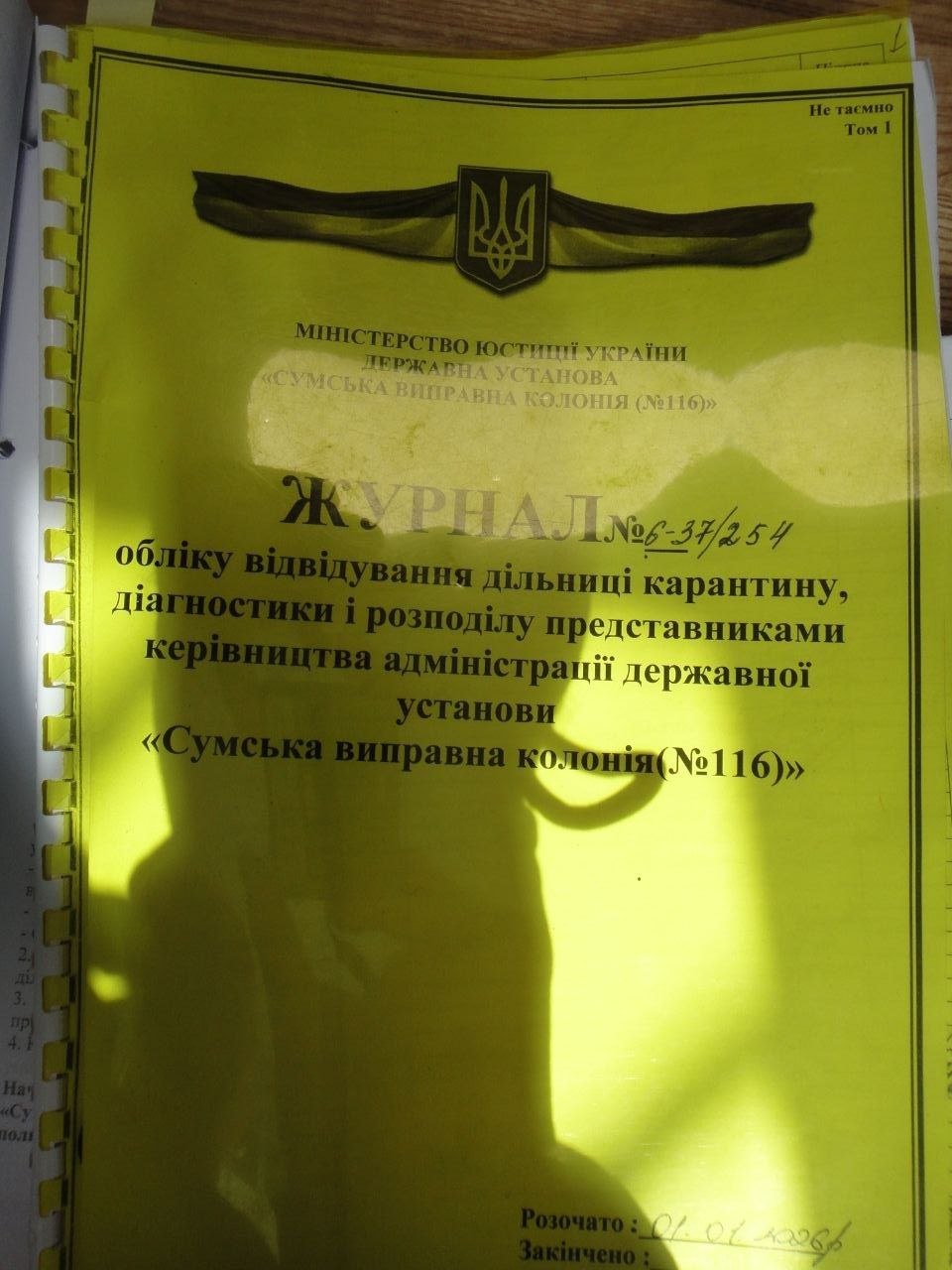
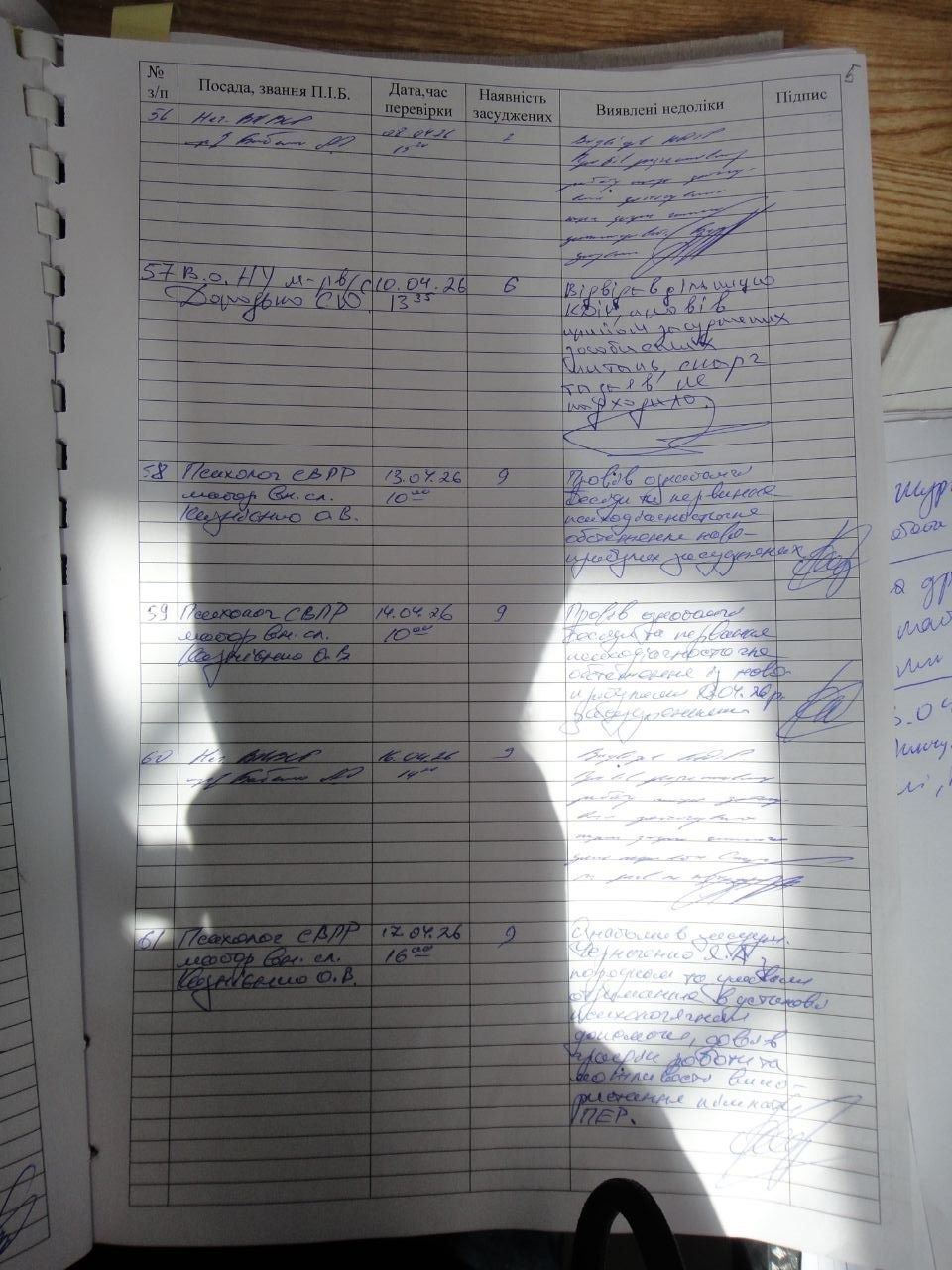
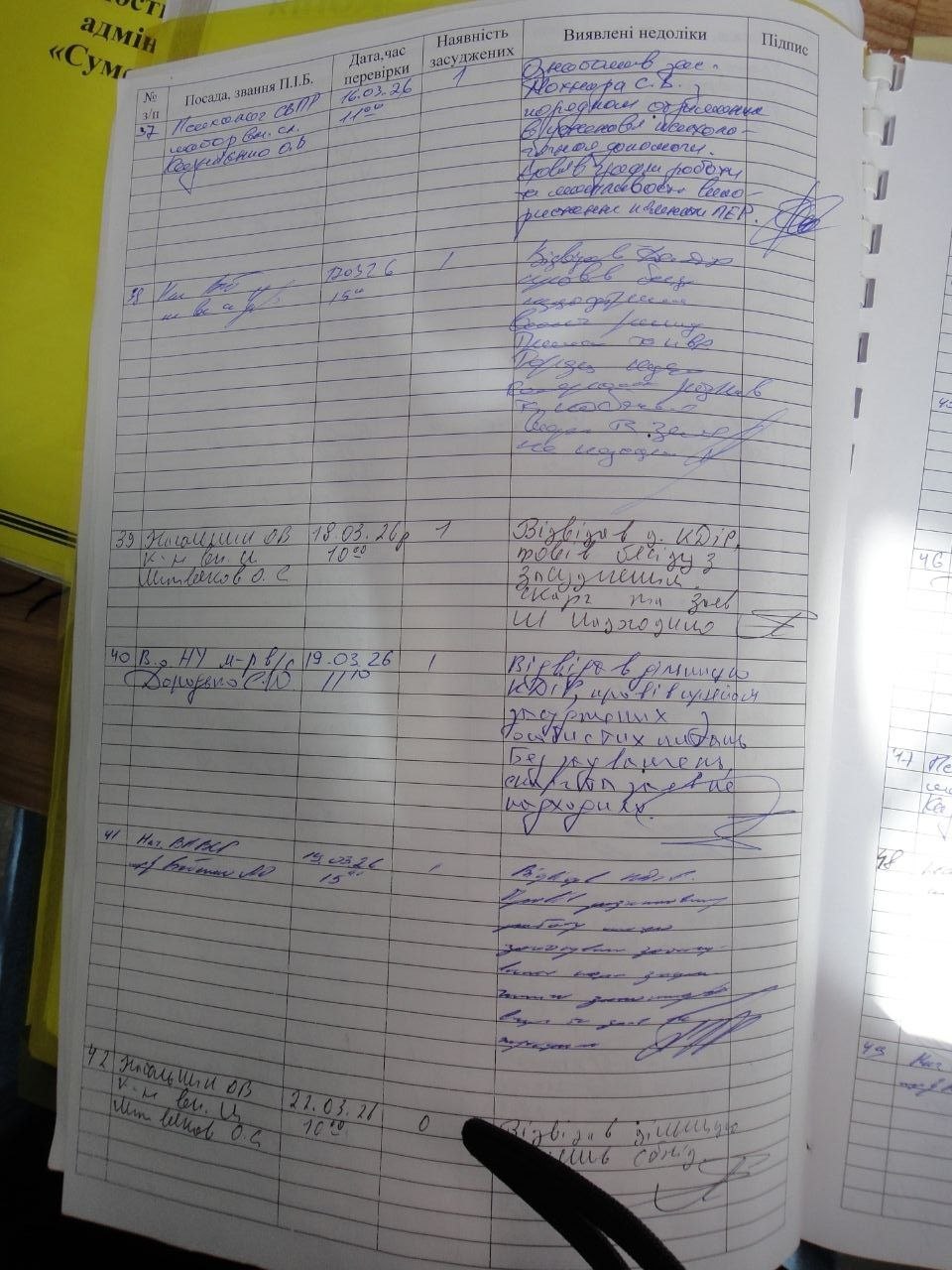
The lack of proper work organisation is evidenced, in particular, by entries in the register of visits to the quarantine, diagnostics, and allocation section (hereinafter referred to as KDiR) by representatives of the institution’s administration. For instance, between 13 April 2026 and 22 April 2026, measures with newly arrived convicts were conducted by only two of the ten members of the working group, which fails to meet the requirements of Paragraph 5 of Section II of the Regulation on the KDiR Section.
Specifically, these measures were conducted by Oleksandr Kazniienko, a psychologist from the social, educational, and psychological work department, and Andriy Babenko, head of the department for monitoring the execution of court decisions.
8. In violation of Paragraph 1 of Section II of the Regulation on the KDiR Section, the working group for working with newly arrived convicts does not include the head of the financial support and accounting department — the chief accountant.
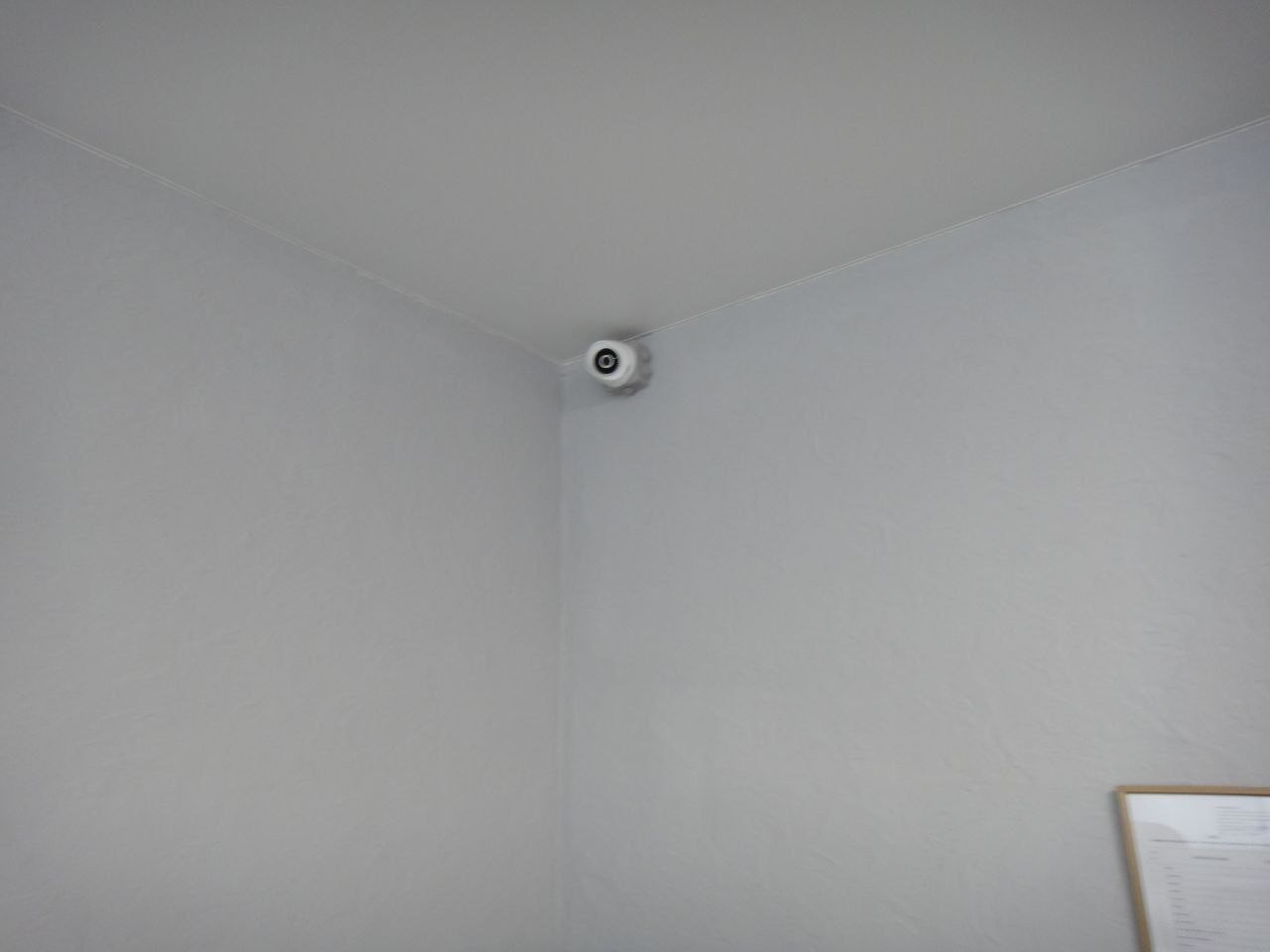
9. Paragraph 1 of Section XXIII of the IRPI defines the supervision of convicts as a system of measures aimed at ensuring the serving and execution of criminal sentences in the form of restriction of liberty, imprisonment, life imprisonment, and arrest, through 24-hour and continuous monitoring of the behaviour of convicts in their places of residence and work, preventing and stopping unlawful actions on their part, and ensuring the isolation of convicts and the safety of the staff of penal institutions. During the inspection of the living quarters of the KDiR section, installed video surveillance cameras were recorded. However, in its report on the 2012 visit to Ukraine, the Committee criticised the excessive invasion of privacy caused by installing video cameras in convicts’ living quarters and noted that any decision to apply video surveillance to a specific convict must always be based on an individual assessment of real risks and must be regularly reviewed. Video surveillance is a serious intrusion into the private lives of prisoners and makes the regime even more repressive, particularly when applied over a long period (CPT/Inf (2013) 23, paragraph 52).
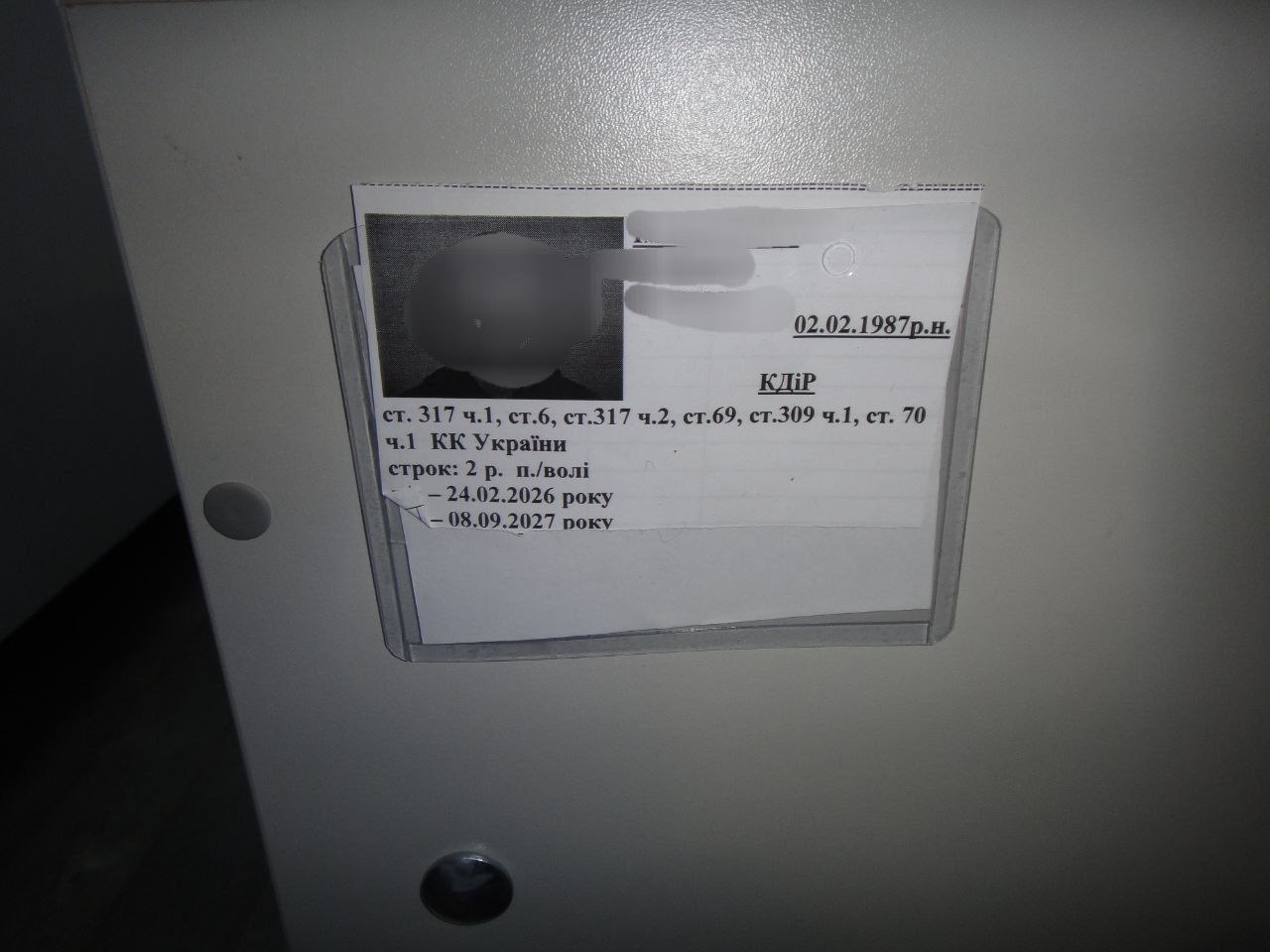
10. During the visit to the KDiR section, nameplates with a brief description of the crimes committed by the individuals occupying the beds were found placed on the convicts’ beds in the dormitory. In its report on the 2020 visit to Ukraine under similar circumstances, the Committee noted that this practice should be discontinued, as it serves no reasonable purpose and, in addition to stigmatisation, has the effect of deteriorating relations between prisoners and prison staff (CPT/Inf (2020) 40, paragraph 52).
11. In violation of Rule 22.5 of the European Prison Rules, Rule 22.2 of the UN Standard Minimum Rules for the Treatment of Prisoners (the Nelson Mandela Rules), and the Provision Standards, the dormitory of the KDiR section is not provided with a 15-litre drinking water tank equipped with a tap, lid, mug, and basin.
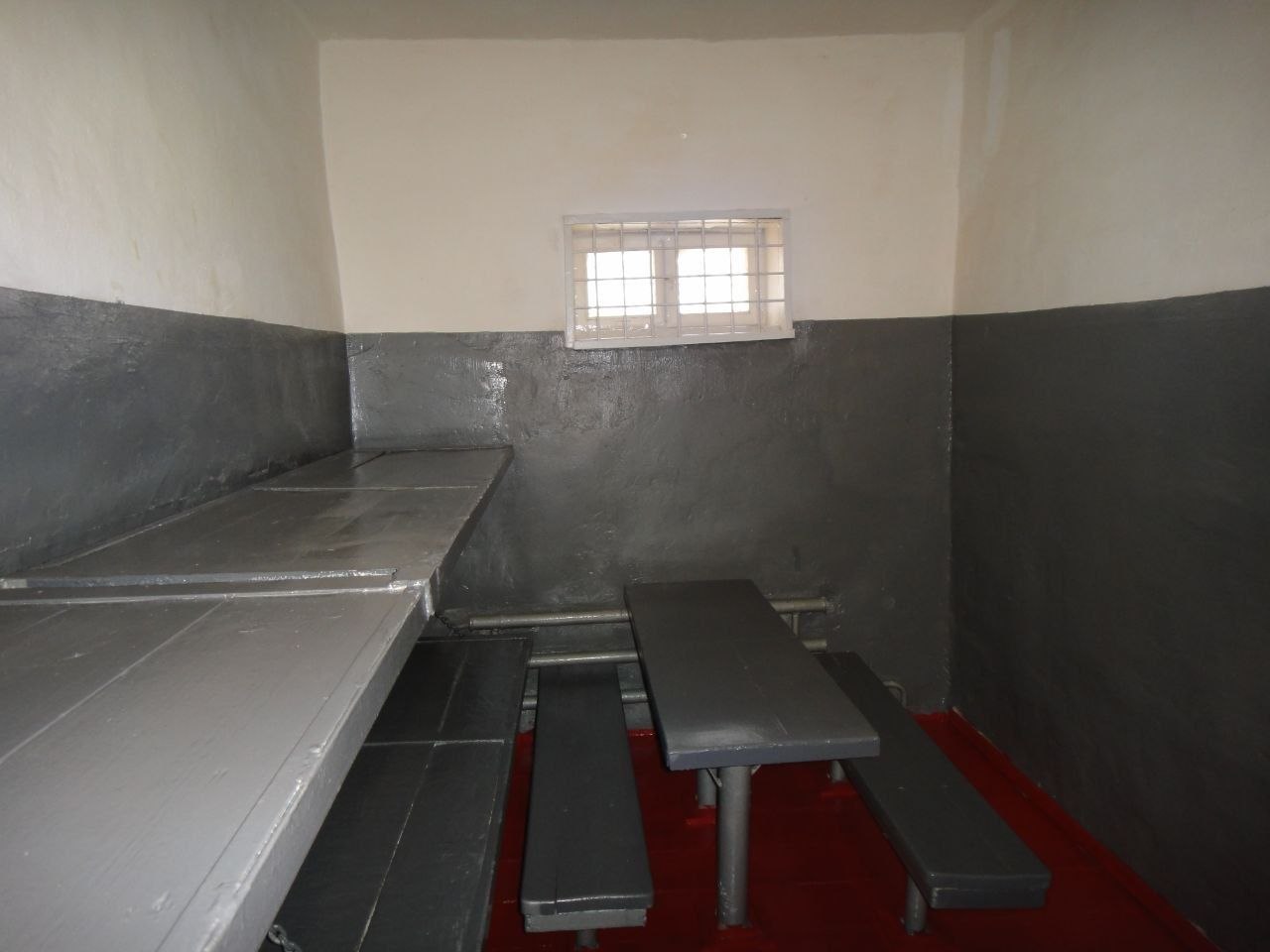
12. The equipment of the institution’s disciplinary isolation facility (hereinafter referred to as the DISO) does not fully comply with established standards for the treatment of prisoners and fails to provide adequate material, living, sanitary, and hygiene conditions, leading to violations of the rights of convicts. In the DISO/PKT cells, an adequate level of natural light is not ensured, as the cell windows are small, located at a significant height, and heavily barred. Consequently, access to natural light is limited and insufficient to ensure normal living conditions. These conditions create additional psychological discomfort for convicts and remand prisoners due to limited visual contact with the outside world.
This is contrary to the requirements of Rule 18.2 (a) of the European Prison Rules and Rule 14 of the UN Standard Minimum Rules for the Treatment of Prisoners (the Nelson Mandela Rules).
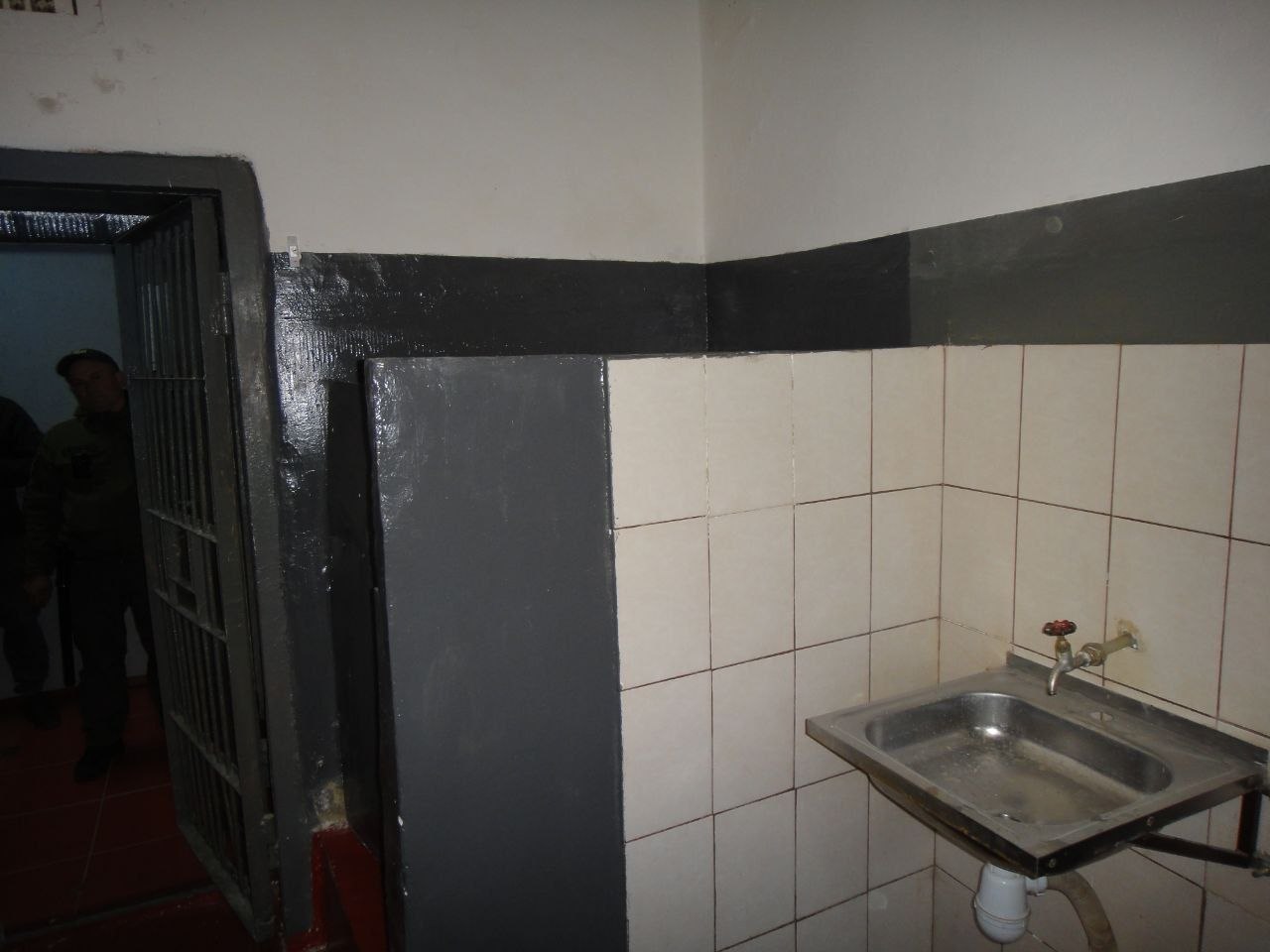
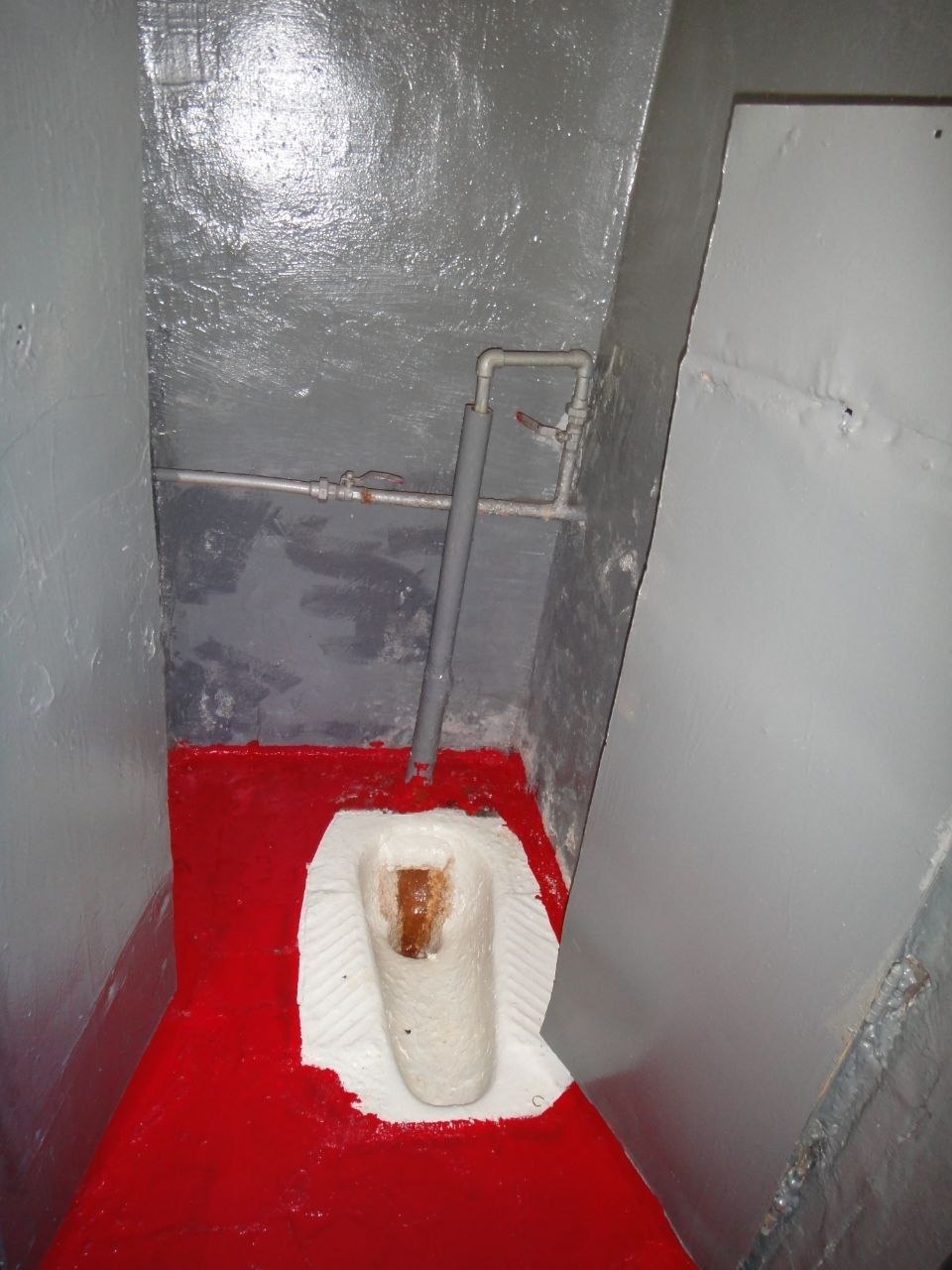
13. Toilets in the DISO/PKT cells are not equipped with adequate partitions to ensure privacy, violating Rule 19.3 of the European Prison Rules.
14. The functioning of mechanical ventilation is not ensured in the DISO/PKT cells, which is contrary to the requirements of Rule 13 of the UN Standard Minimum Rules for the Treatment of Prisoners (the Nelson Mandela Rules).
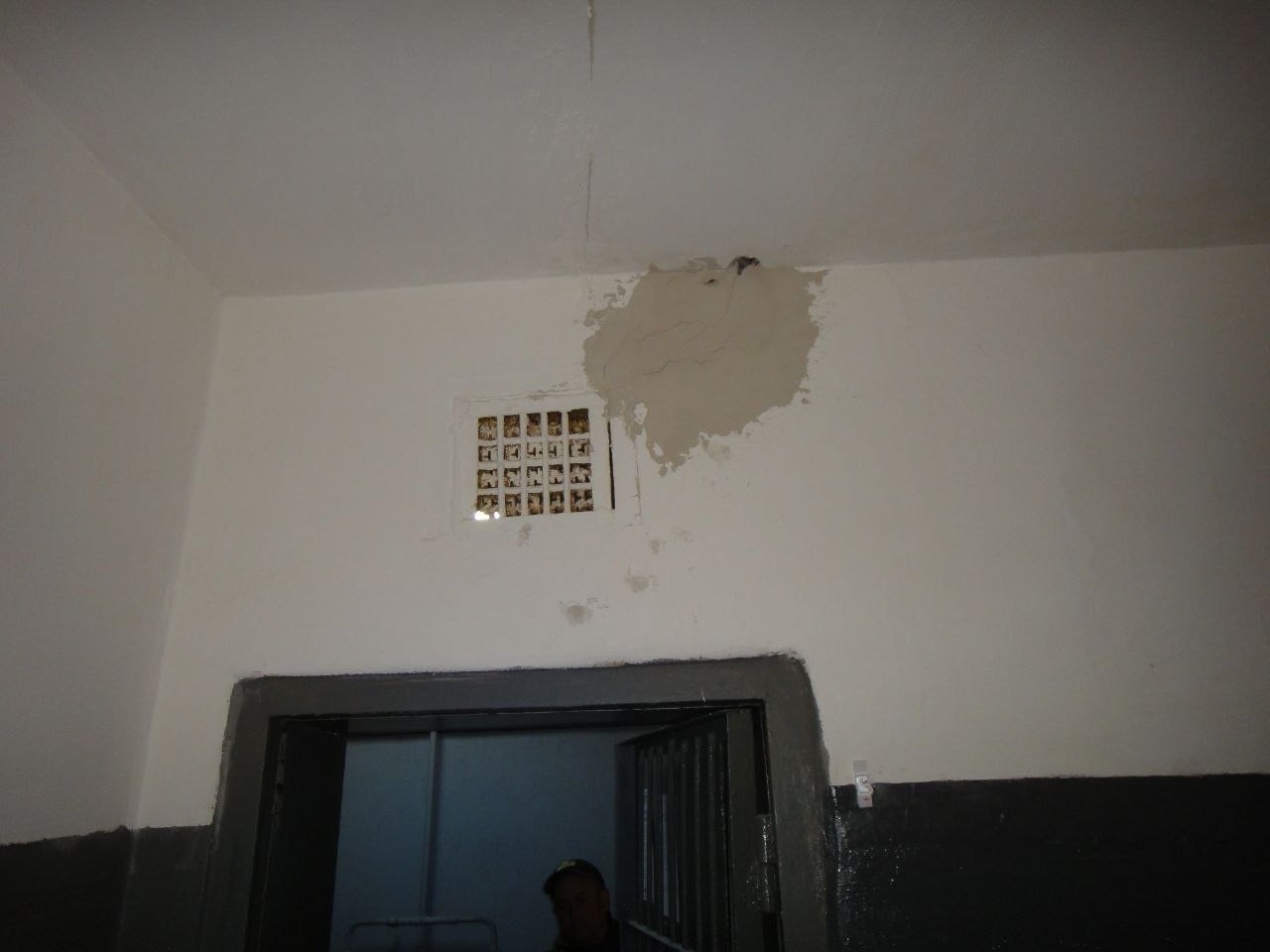
15. In violation of Rule 22.5 of the European Prison Rules, Rule 22.2 of the UN Standard Minimum Rules for the Treatment of Prisoners (the Nelson Mandela Rules), and the Provision Standards, DISO cells Nos. 1 and 3 are not provided with 15-litre drinking water tanks equipped with a tap, lid, mug, and basin.
16. In violation of Paragraph 4 of Section IV of the Procedure for the Use of Technical Surveillance and Control Tools in Correctional and Reformatory Colonies of the State Penitentiary Service of Ukraine, approved by Order No. 2025/5 of the Ministry of Justice of Ukraine dated 26 June 2018 (hereinafter referred to as the Procedure for the Use of Technical Tools), it was established that DISO cell No. 2 is not equipped with a staff call button, which hinders prompt contact between convicts and the facility’s staff.
17. In the DISO/PKT, a radio system is provided only in the general corridor, with convicts unable to turn it on, off, or adjust the volume themselves. Conversely, it does not function in the DISO/PKT cells, which is contrary to the requirements of Paragraph 3 of Section XX of the IRPI and Rule 63 of the UN Standard Minimum Rules for the Treatment of Prisoners (the Nelson Mandela Rules).
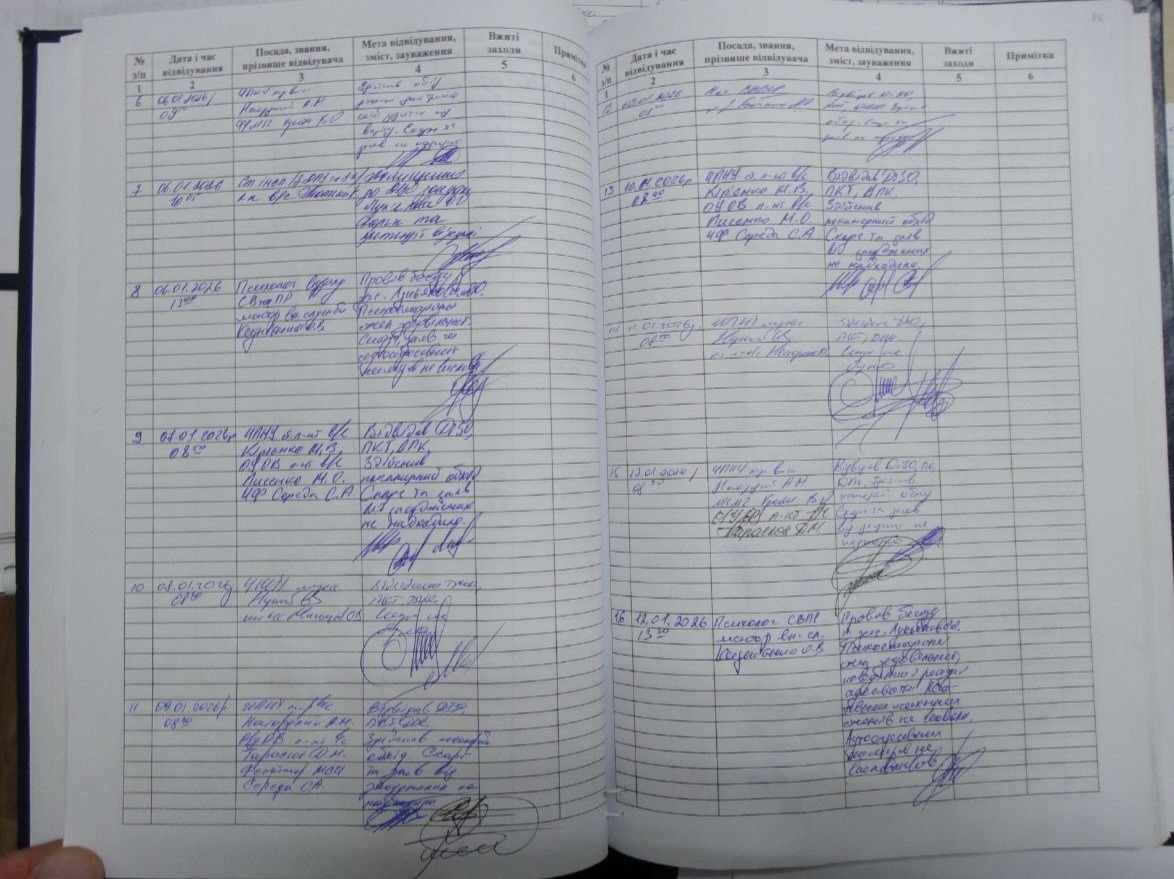
18. According to the twenty-third paragraph of Paragraph 6 of Section XXI of the IRPI, to conduct individual preventative work, the head of the social and psychological service unit must visit the DISO, punishment cells, and PKT (solitary cells) upon a convict’s placement or transfer there, and at least once a week. Following the visits to the DISO, punishment cells, and PKT (solitary cells), they are obliged to make corresponding entries in the register of visits to the disciplinary isolation facility, cell-type premises, solitary cells, and the punishment cell by the administration of the penal institution.
However, during an inspection of the disciplinary isolation facility (DISO) visit register, it was established that entries were missing which, in accordance with current regulatory requirements, should have been made by the head of social and psychological service unit No. 5 during the serving of disciplinary sanctions by convict L. between 6 January 2026 and 13 January 2026, and by convict B. between 5 February 2026 and 14 February 2026. This violation may indicate a failure on the part of the head of social and psychological service unit No. 5 to perform their duties, as well as the improper organisation of social, educational, and psychological work.
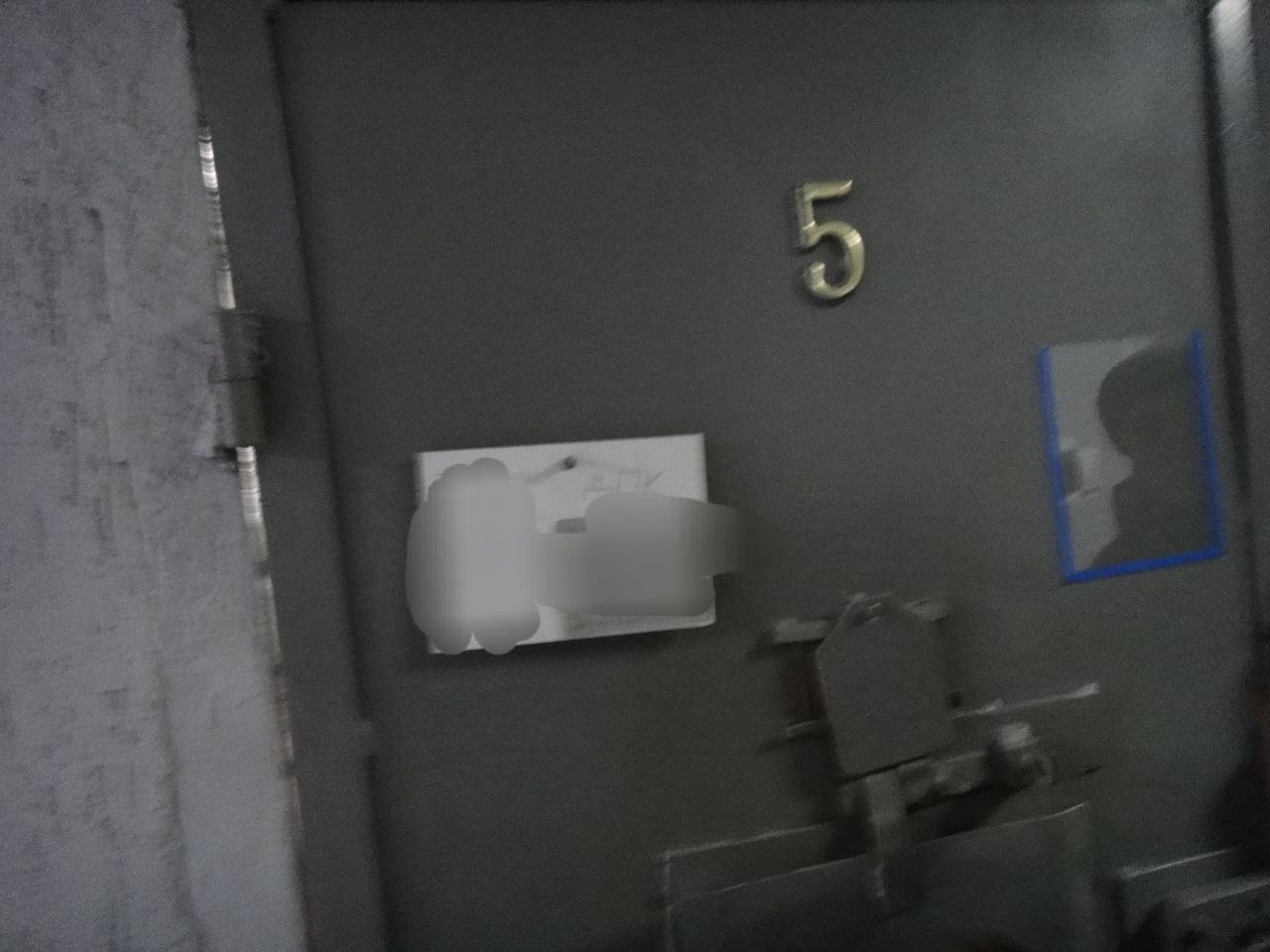
19. During the visit to the enhanced control section (hereinafter referred to as the DPK), it was established that the material and living provisions of the section do not fully meet the established regulatory requirements. In fact, only one cell (No. 5), located in the sector for holding persons taken into custody, is available. This does not comply with the requirements of Section XXXI of the IRPI. Furthermore, in violation of the Provision Standards, a number of rooms are missing, namely: an educational work room; a food storage room; a dining room; a storage room for convicts’ personal belongings; a storage room for the exchange stock of bedding, clothing, and special workwear; a storeroom for the temporary storage of soiled bedding, clothing, and special workwear; a cloakroom; a utility room; and a drying room.
The absence of these rooms or their improper equipment leads to violations of sanitary and hygiene standards, complicates the maintenance of proper sanitary conditions and order in the areas where convicts are held, and negatively affects the overall state of the institution.
20. During the monitoring group’s visit to the institution, it was established that the prison shop lacked underwear, mirrors, envelopes, postage stamps, devices for consuming tobacco products and inhaling aerosols (vapour) without combustion, as well as chargers for them, the availability of which is stipulated by Annex 5 of the IRPI.
21. During the visit to the institution’s library, the monitoring group established that, contrary to the requirements of the third paragraph of Paragraph 4 of Section XX of the IRPI, the library stock is not provided with the texts of the European Prison Rules, the Criminal Procedure Code of Ukraine, and the Criminal Code of Ukraine.
22. During the visit, the monitoring group recorded that facility staff in direct contact with convicts were openly carrying special equipment, specifically rubber batons. However, according to the eighth paragraph of Paragraph 1 of Section XXVI of the IRPI, the carrying of special equipment by staff within the secured territory of a penal institution must, as far as possible, be concealed from others. Furthermore, the Committee recommends that prison officers working in direct contact with prisoners should not carry special equipment (such as rubber batons, handcuffs, and tear gas canisters) openly in front of prisoners, as this hinders the establishment of normal relations between staff and inmates (CPT/Inf (2011) 29, paragraph 85; CPT/Inf (2013) 23, paragraph 23; CPT/Inf (2014) 15, paragraph 166). 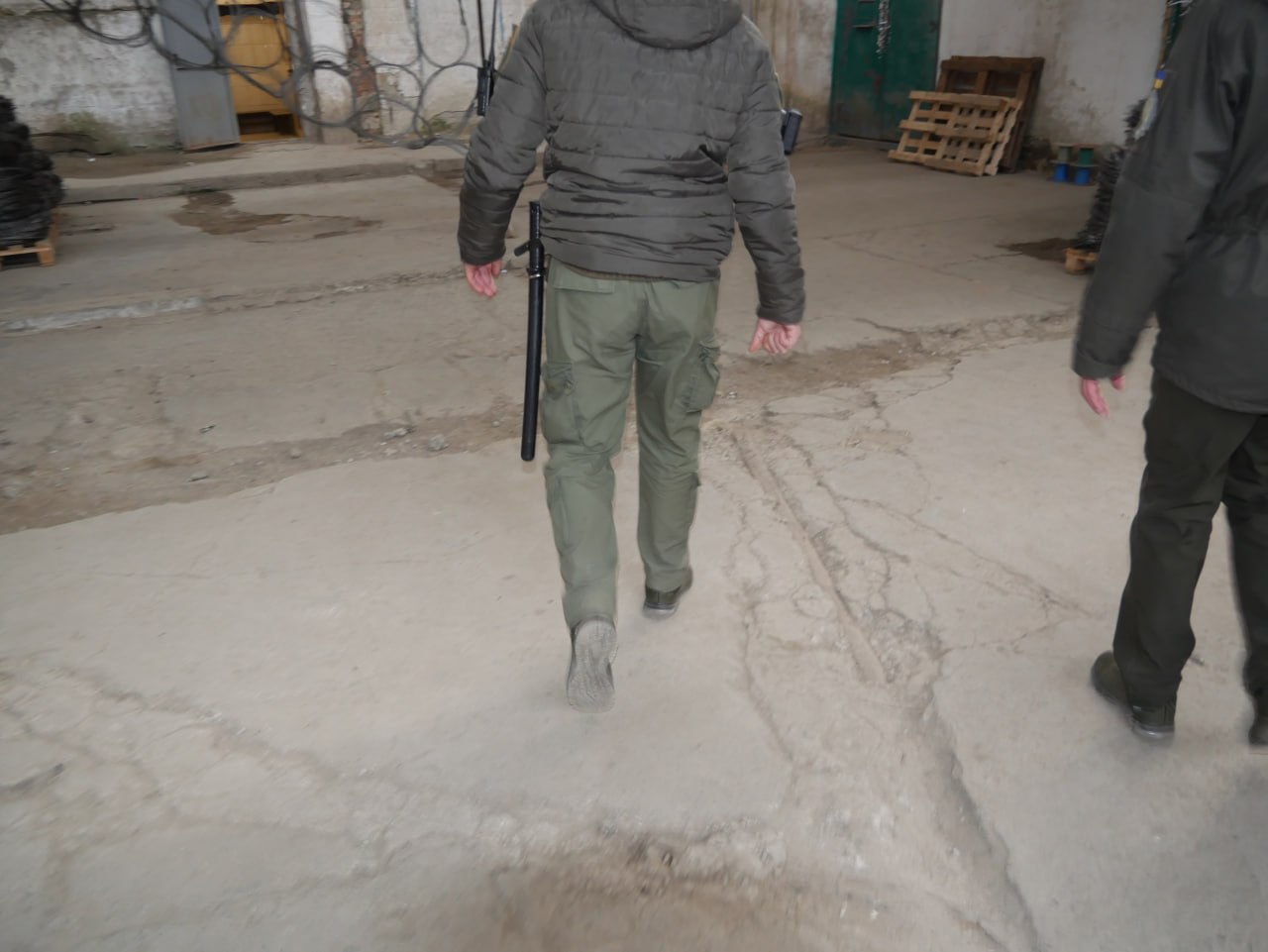
23. According to information provided by the administration, in 2026, convicts in the state institution ‘Sumy Correctional Colony (No. 116)’ were granted 27 short-term visits, 11 of which took place in a non-contact manner — through a solid glass partition using an intercom system. At the same time, in its report to the Ukrainian Government following the 2023 visit, the European Committee for the Prevention of Torture stresses that for all categories of prisoners, open visits (for example, around a table) should be the rule, and closed visits the exception, with the latter allowed only on the basis of well-founded and motivated decisions following an individual assessment of the potential risk posed by a specific prisoner. Consequently, the Committee urges the Ukrainian authorities to review the procedure for short-term visits in penitentiary institutions to ensure they are, as a rule, conducted in open conditions (CPT/Inf (2024) 20, paragraph 99).
24. According to Subparagraph 5 of Paragraph 2 of Section IV of the Regulation on the Programme of Differentiated Educational Impact on Convicts ‘Preparation for Release’, approved by Order No. 1418/5 of the Ministry of Justice of Ukraine dated 16 May 2016 and registered with the Ministry of Justice of Ukraine on 17 May 2016 under No. 735/28865, the staff of the institution’s social and psychological service, who directly organise and implement measures under the ‘Preparation for Release’ programme, are obliged to assist convicts in obtaining (renewing) a passport of a citizen of Ukraine, a taxpayer registration number (RNOKPP), other personal documents, and in applying for pensions. However, two convicts require the issuance of a passport of a citizen of Ukraine, and two require a taxpayer registration number (RNOKPP). This indicates insufficient work by the social, educational, and psychological work department in ensuring that the necessary documents are issued for convicts who lack them.
25. According to official documentation, the staff shortage in the institution as of 22 April 2026 is 52 staff units. At the same time, in its report to the Ukrainian Government following the 2023 visit, the Committee stresses that ensuring a positive climate in a penitentiary institution requires a professional team of staff, who must be present in sufficient numbers at any given time in detention areas. Understaffing can only increase the risk of violence and intimidation among convicts. A shortage of staff on the ‘front line’ also undermines the quality and level of activities offered to convicts and jeopardises the prospect of preparation for release and social rehabilitation. Consequently, the Committee urges the Ukrainian authorities to take decisive measures to increase substantially the number of staff in Ukrainian penitentiary institutions experiencing low staffing levels, in order to strengthen the presence of security and surveillance staff inside the facilities. Measures must also be taken to put an end to the 24-hour shifts of staff on duty (CPT/Inf (2024) 20, paragraph 93).
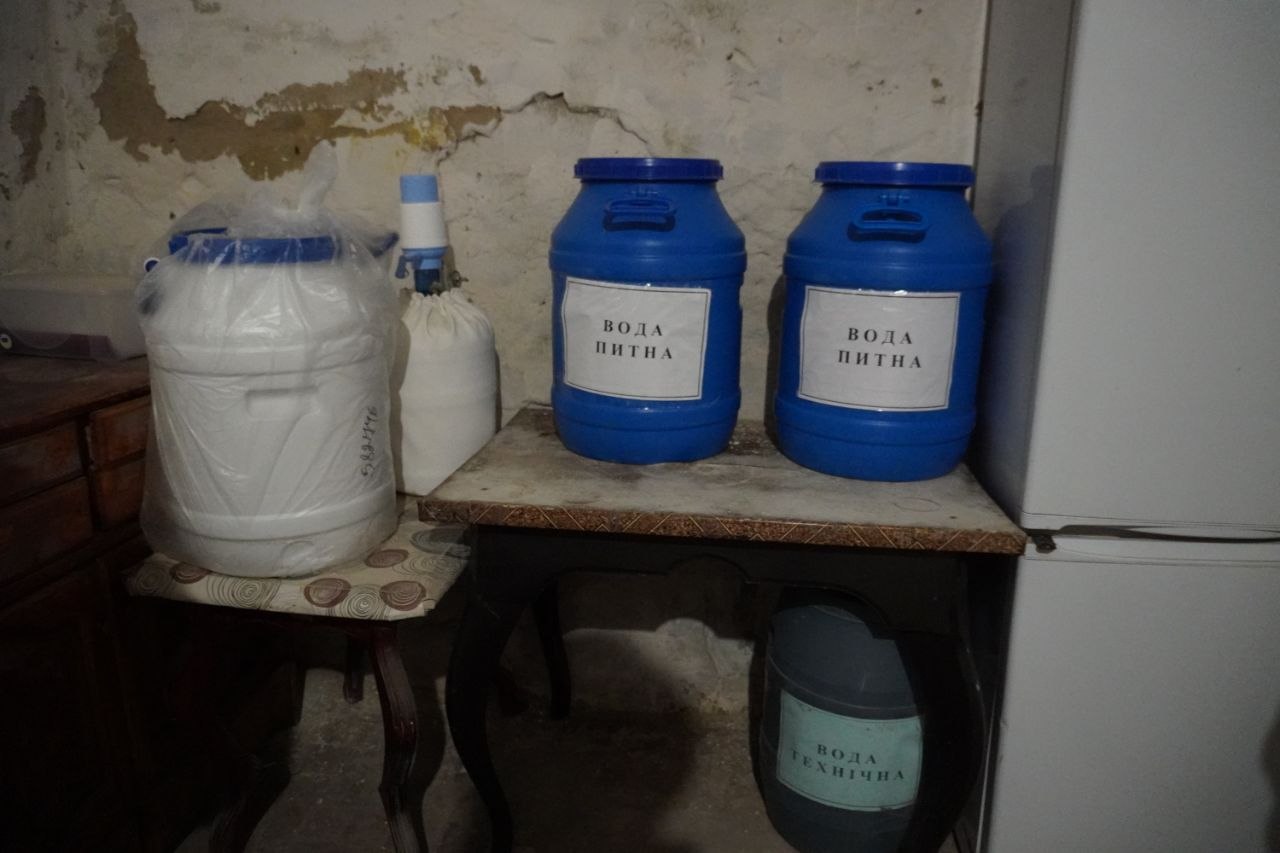
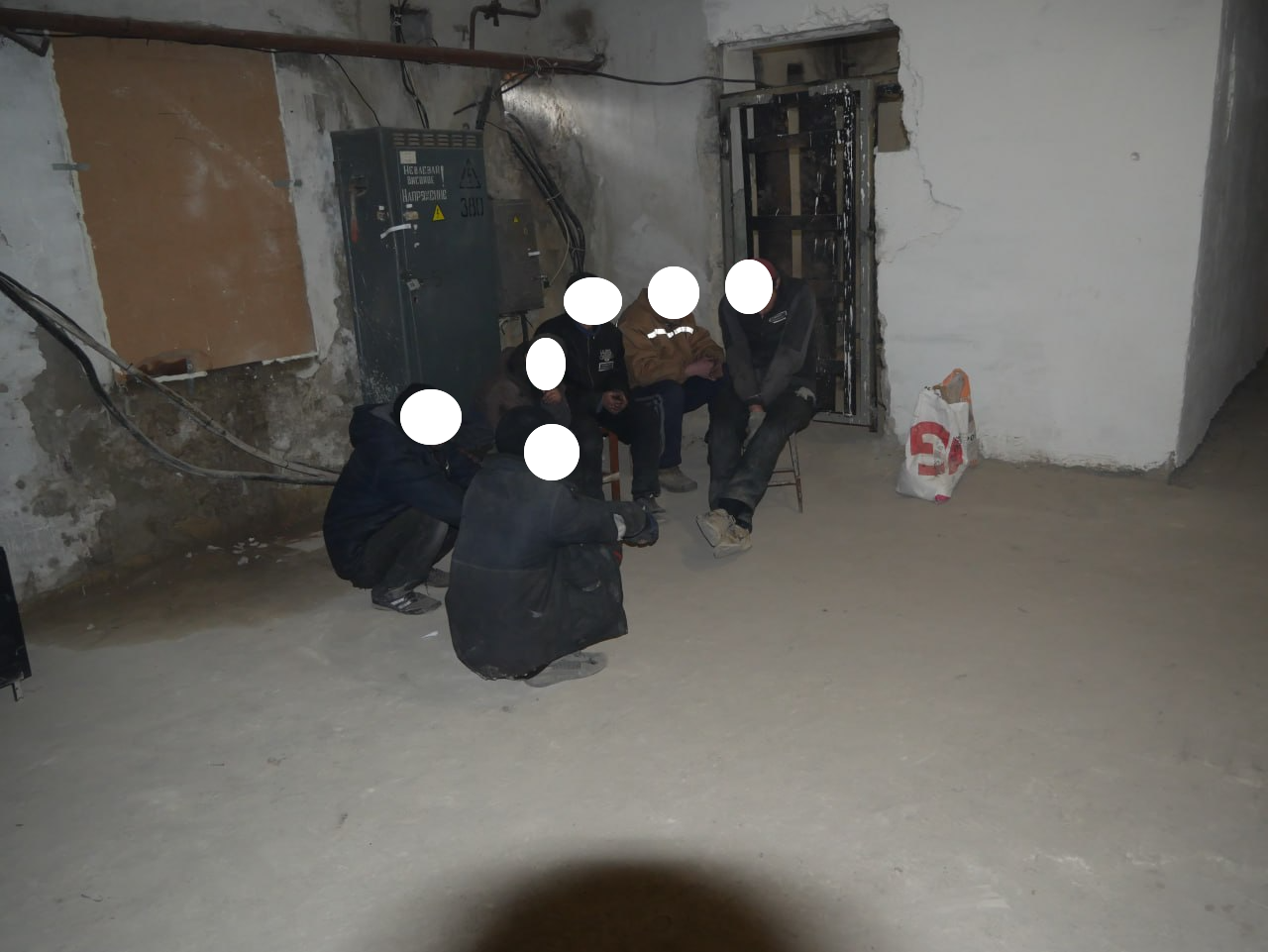
26. During the monitoring visit, the condition of the protective structures used to shelter convicts and staff when an ‘Air Raid’ alert is announced was examined. It was established that the institution uses two shelters located in the basements of SPS No. 4 and SPS No. 5. Shelter No. 1 is located in the basement of SPS No. 4. During the inspection, it was established that the premises are in an unsatisfactory technical condition and require major repairs. The walls and ceiling show numerous signs of deterioration, the utility networks are in a poor state, and individual structural elements show signs of structural instability, making it difficult to ensure the safe accommodation of people. The absence of a second emergency exit was established, making the timely evacuation of people impossible if the main entrance is destroyed or in the event of a fire. Furthermore, the shelter lacks a ventilation system, which poses risks to the lives and health of individuals in the event of a prolonged stay by a significant number of people. There is also no sewerage system in the premises. Despite the availability of drinking water stocks and some rest areas, the overall condition of the shelter does not meet modern requirements for the equipment of civil defence protective structures.
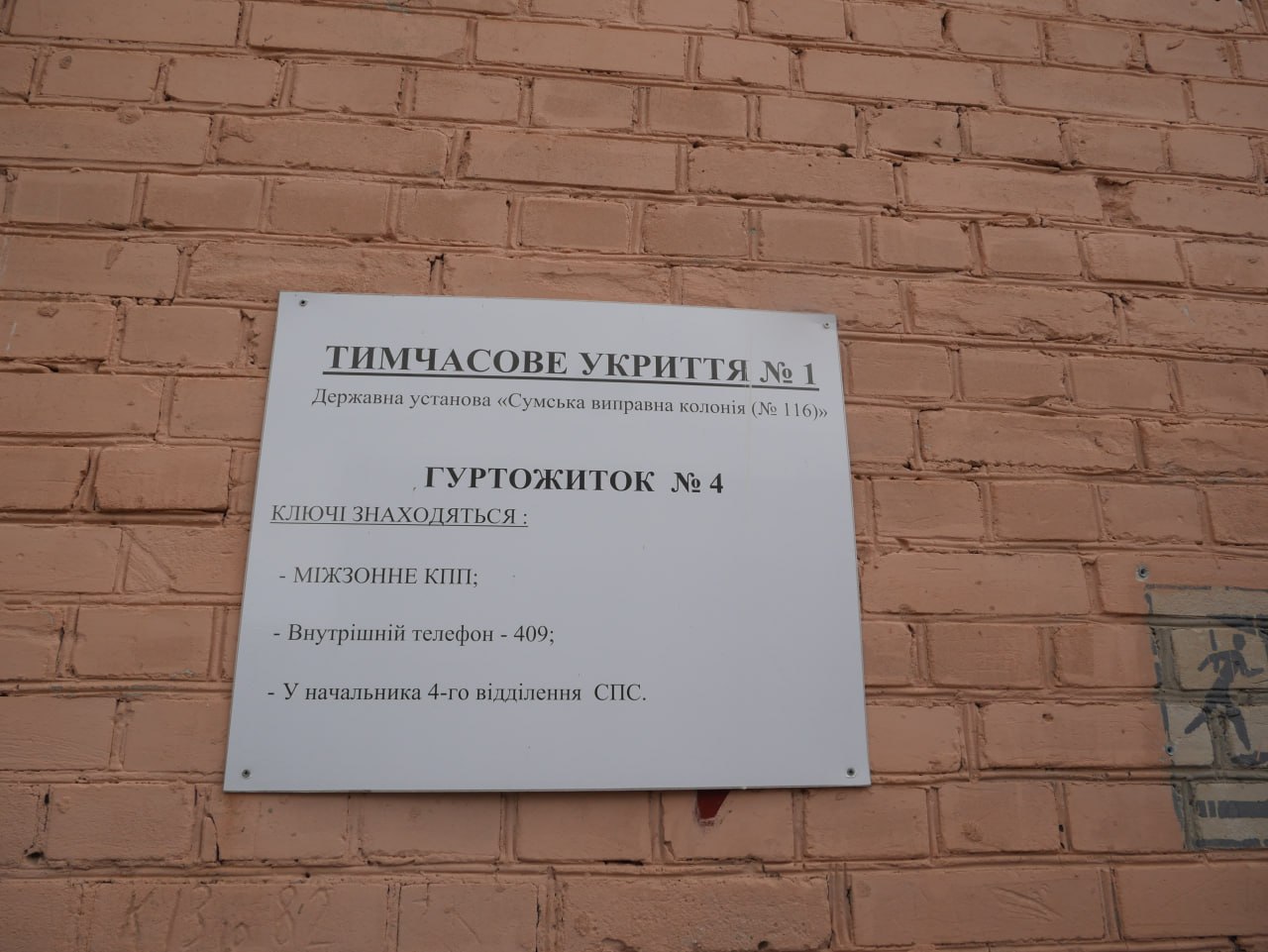
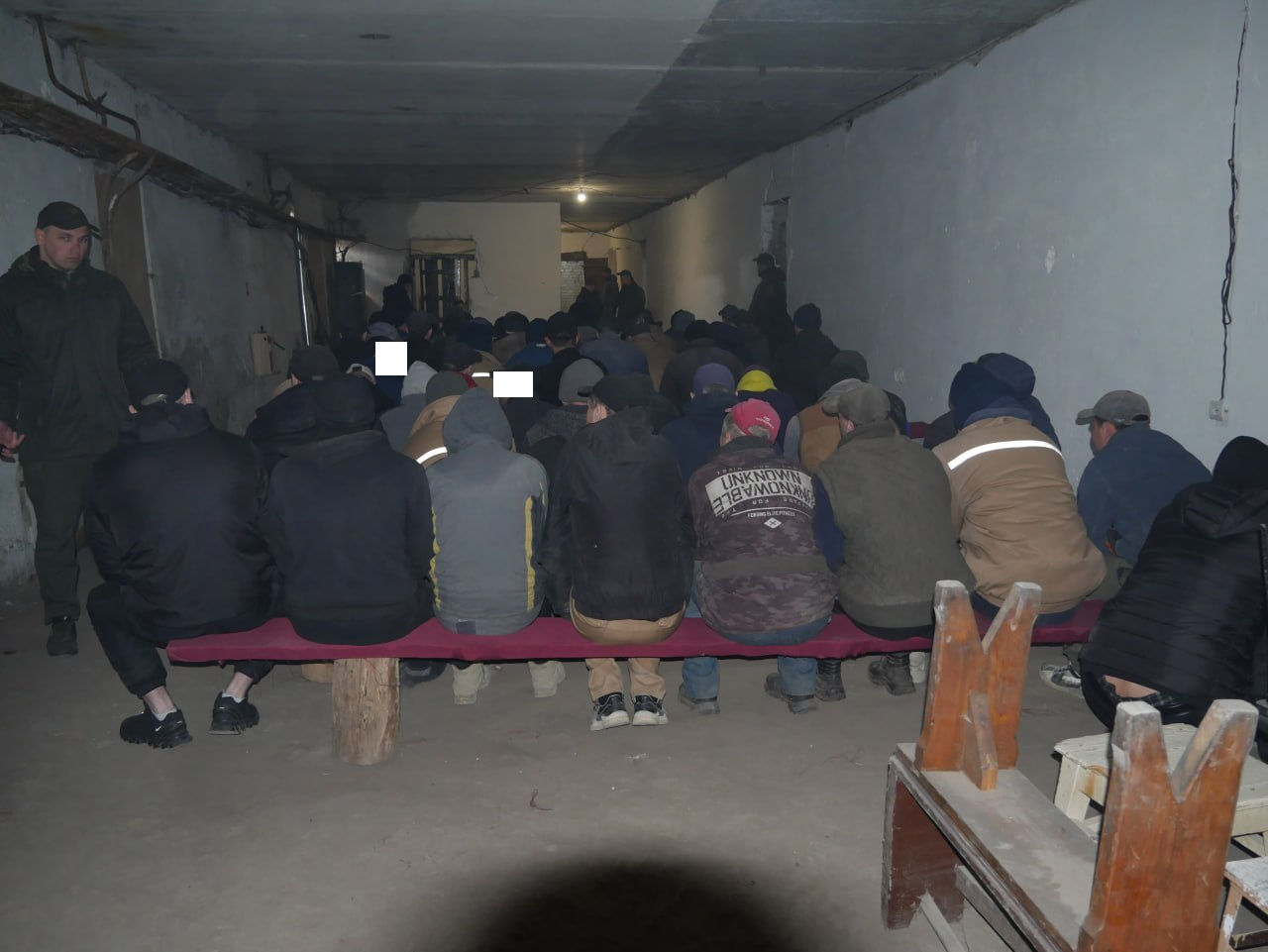
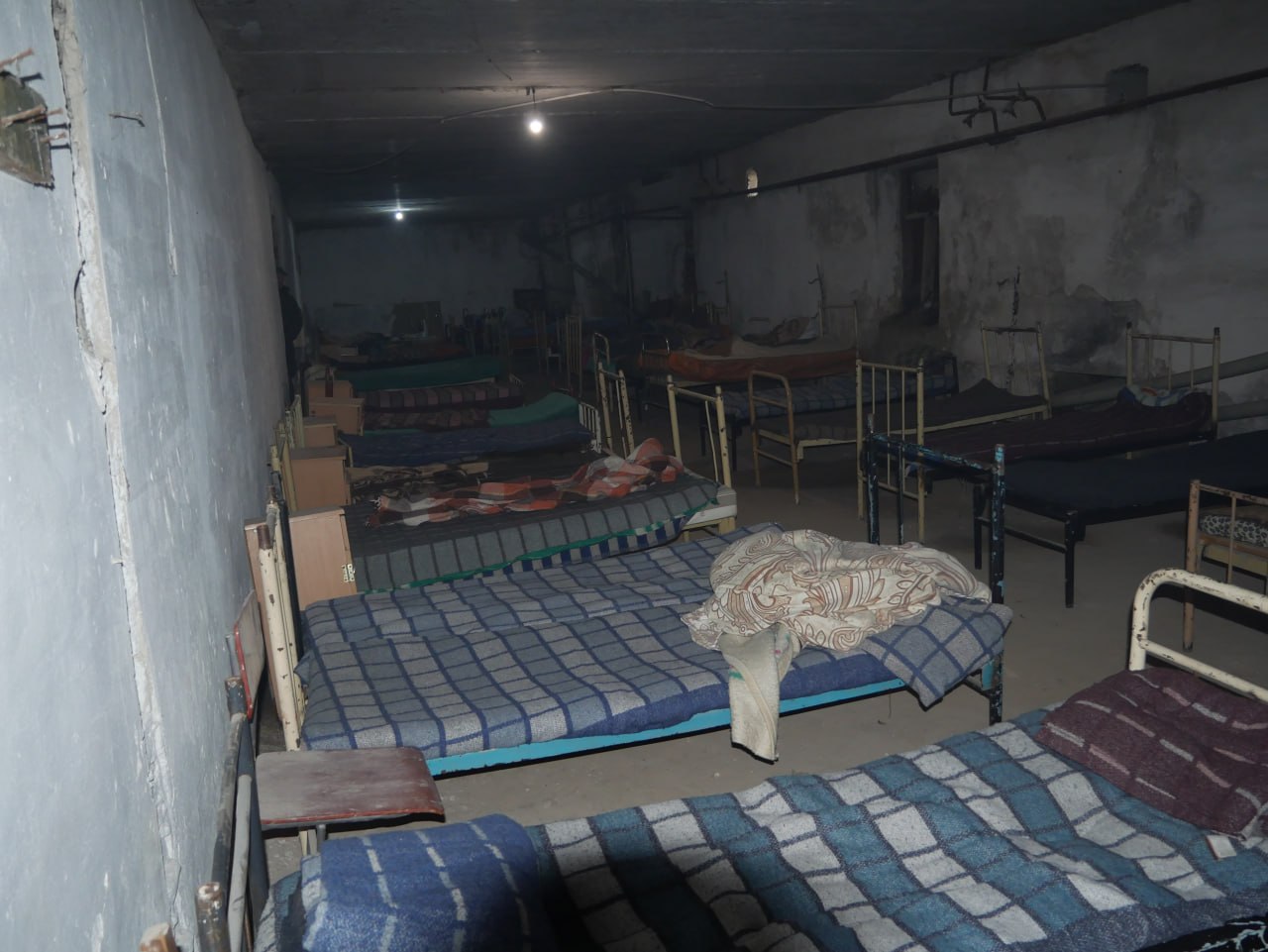
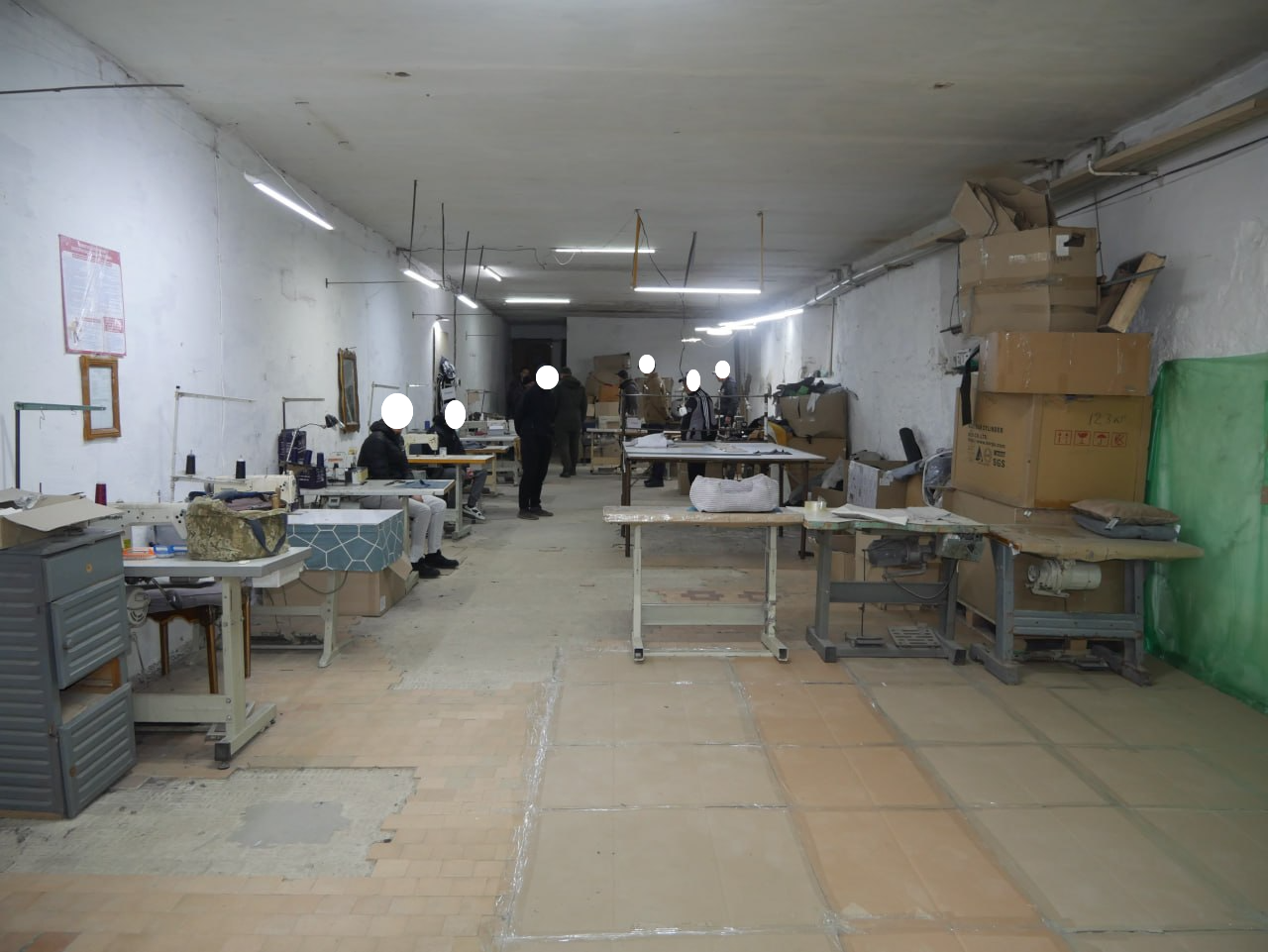
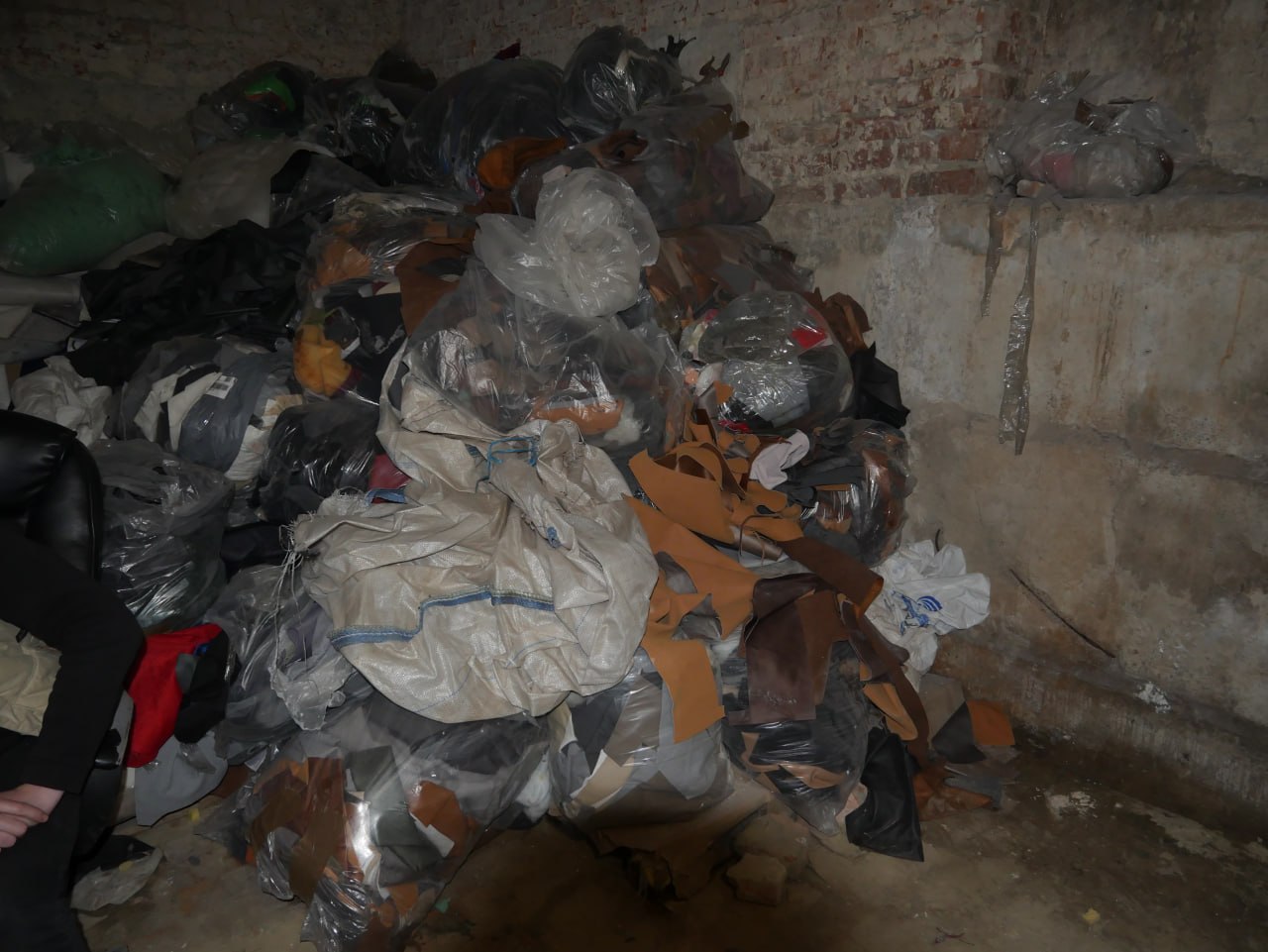
Shelter No. 2 is located in the basement of SPS No. 5. It was established that in this room, the practice of using part of the space as a production workshop for pillow production continues. At the time of the visit, nine convicts were working in the room. The production facilities are effectively combined with the shelter, which contradicts the primary purpose of the protective structure and may create additional risks for the safety of convicts if a significant number of people need to seek shelter simultaneously.
The monitoring group established that convict B. has been performing this work for about six months. An analysis of the documentation provided indicates that information regarding B.’s employment, the accrual and payment of his wages, and the payment of the single contribution for compulsory state social insurance is absent from the materials provided to the monitoring group. Under such circumstances, the prolonged and systematic nature of his work, combined with the lack of confirmation of official employment and social insurance, provides reasonable grounds to believe that the convict’s right to work and social protection is not being fully realised.
In the absence of proper formalisation of employment relations or non-payment of the single contribution to the compulsory state social insurance, the period of actual work of B. will not be credited to the insurance record, which may subsequently have a negative impact on the realisation of his right to pension provision and other social insurance guarantees provided for by Article 122 of the Criminal Executive Code of Ukraine.
At the same time, there is a sewerage system in the SPS No. 5 shelter, which partially ensures the possibility of a prolonged stay of people in the premises. However, the use of the protective facility for manufacturing activities, the storage of raw materials and finished products, as well as the presence of a significant amount of extraneous objects, negatively affect the ability to promptly accommodate people and create additional risks in the event of an emergency.
Thus, the monitoring results indicate that the existing shelters do not fully comply with the requirements for ensuring the safety of convicts under martial law. Of particular concern are the lack of a second emergency exit, the absence of ventilation and sewerage in the SPS No. 4 shelter, the unsatisfactory technical condition of the premises, signs of structural instability, as well as the use of the SPS No. 5 shelter for purposes other than those intended, by housing a manufacturing workshop and storing materials and products.
These circumstances indicate non-compliance with the requirements of Article 3 of the Convention for the Protection of Human Rights and Fundamental Freedoms, Articles 8 and 10 of the Criminal Executive Code of Ukraine, Rule 1 of the United Nations Standard Minimum Rules for the Treatment of Prisoners (the Nelson Mandela Rules), Rule 18.1 of the European Prison Rules, as well as the requirements of the Civil Protection Code of Ukraine and the Requirements for the Maintenance and Operation of Civil Protection Protective Structures, approved by Order No. 579 of the Ministry of Internal Affairs of Ukraine dated 9 July 2018, which provide for ensuring the proper technical condition of protective structures, the availability of evacuation routes, and the creation of safe conditions for people.
27. During the monitoring visit, the state of ensuring the right of convicts to access information and communication via the Internet was examined. It was established that a separate room, designated as an ‘Internet class’ and equipped with computer hardware, operates in the institution. However, the actual functioning of this mechanism raises reasonable doubts. During the inspection, it was established that the convicts are not provided with tablet computers. Furthermore, there is virtually no practice of convicts using email in the institution.
The monitoring group was provided with Logbook No. 6-15 for recording the provision of access to the global Internet to convicts, and Logbook No. 6-18 for registering the logins and passwords of convicts’ email accounts, both initiated on 1 January 2026. At the same time, it was established that these logbooks do not contain a single entry, which indicates that the convicts do not actually use the opportunity to access the Internet and email correspondence, or that the respective mechanism is purely formal in nature.

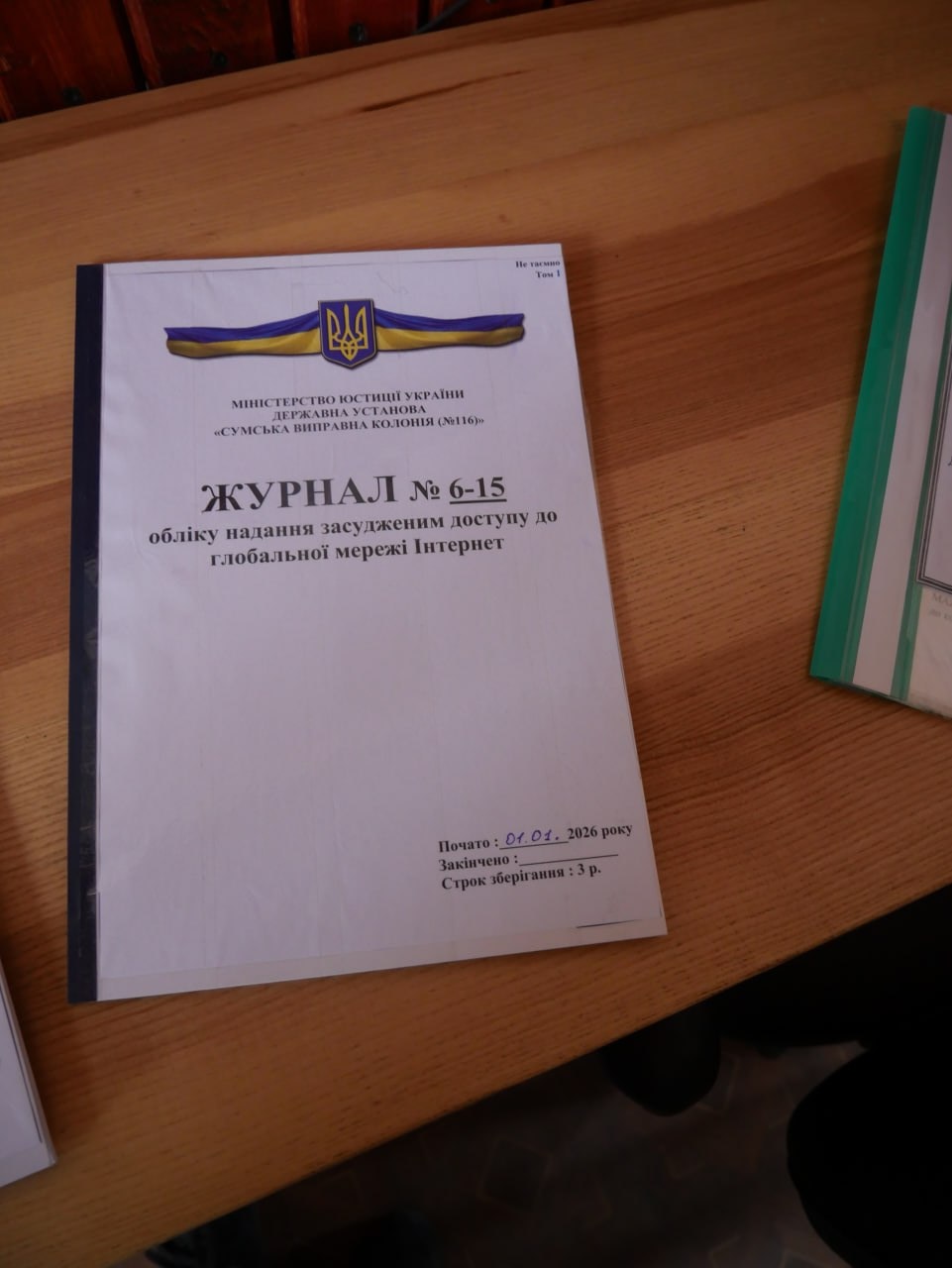

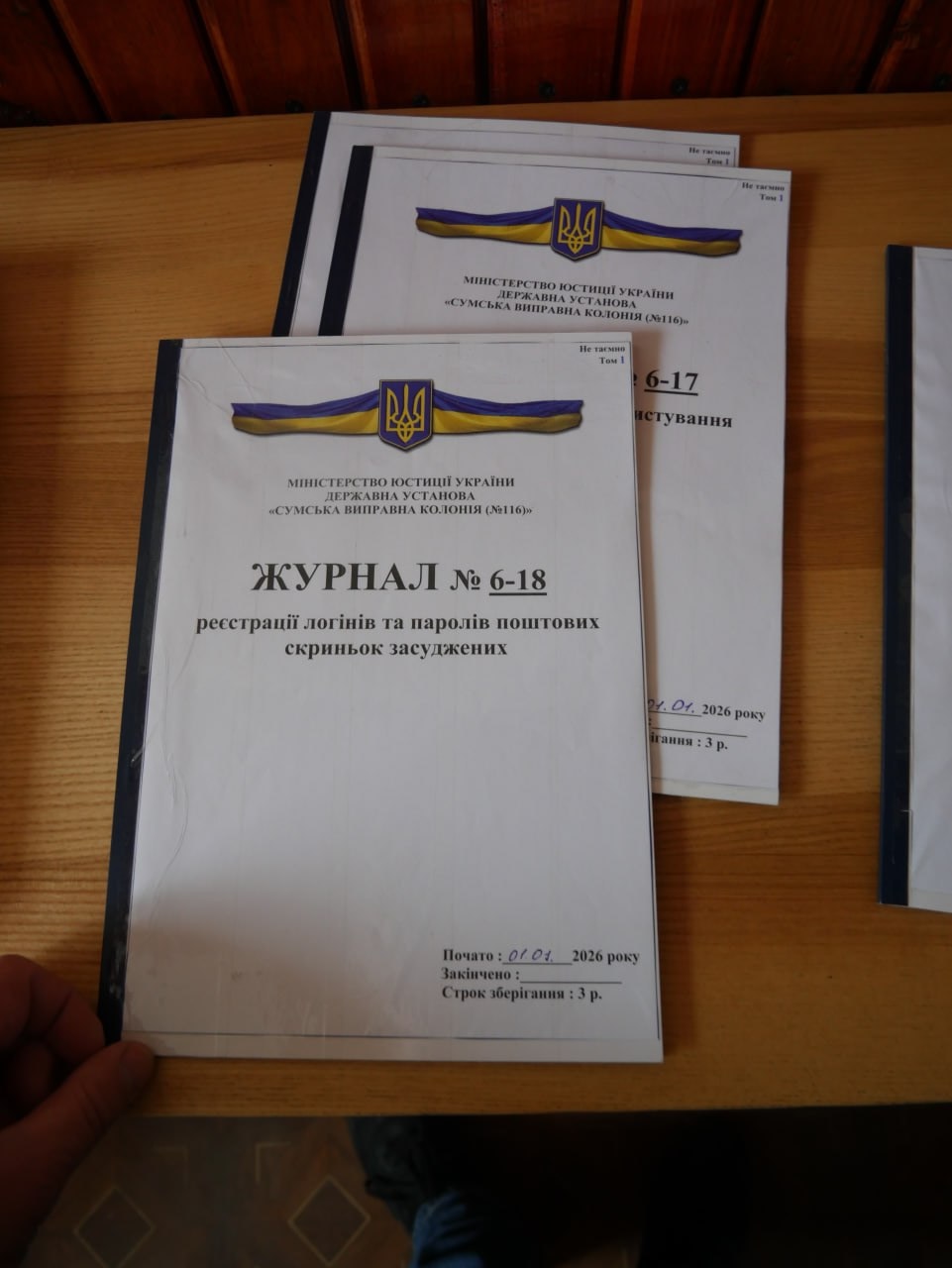
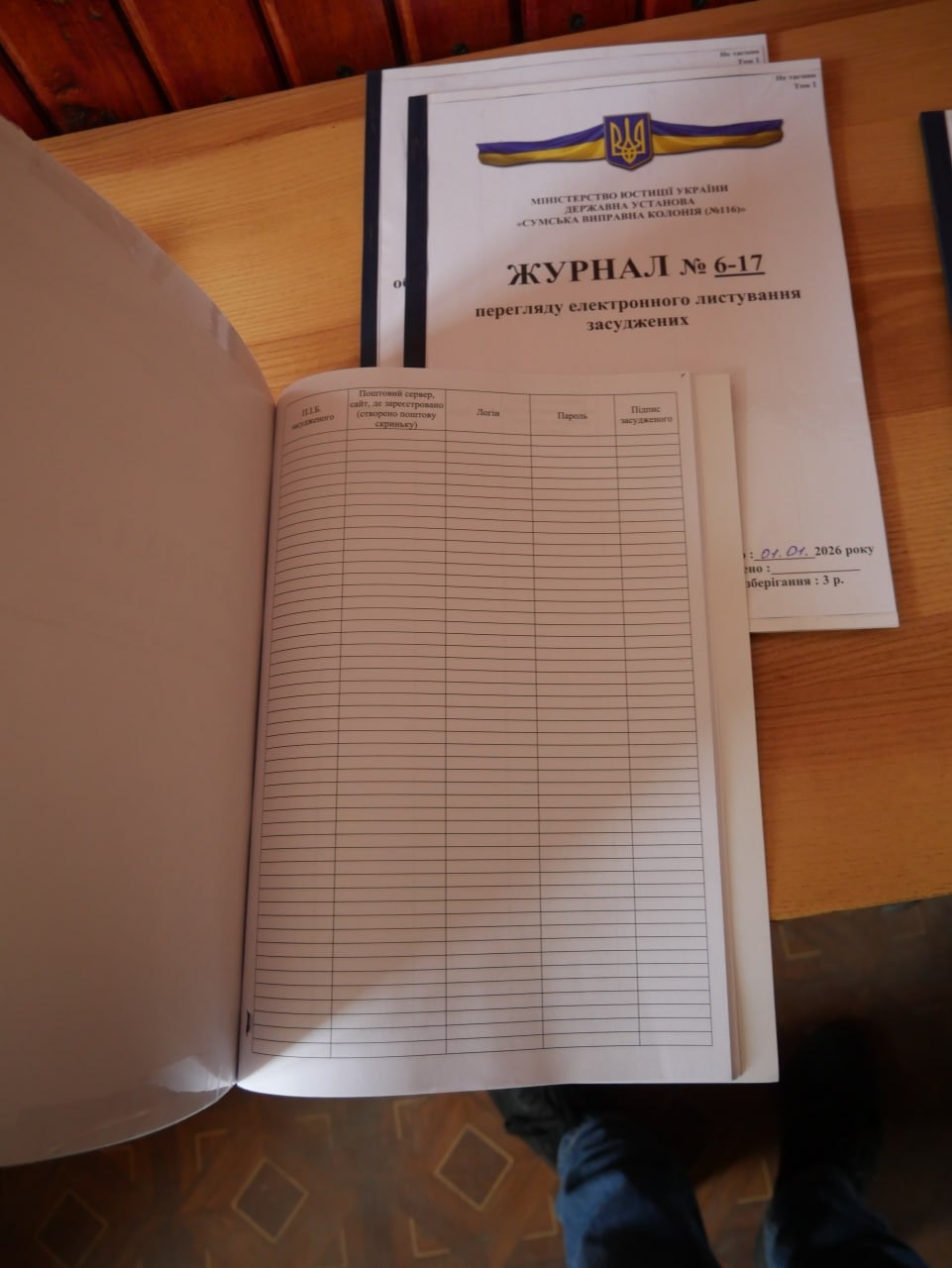
During the direct inspection of the computer hardware in the Internet class, the monitoring group established that it was impossible to access certain information resources. In particular, there are technical restrictions on access to the official website of the Kharkiv Human Rights Protection Group, as well as the website of the public organisation ‘Protection of Prisoners of Ukraine’. Thus, the convicts are deprived of the opportunity to receive information about the activities of human rights organisations, familiarise themselves with human rights protection materials, the case law of national courts and the European Court of Human Rights, and receive informational support regarding mechanisms for protecting their rights.
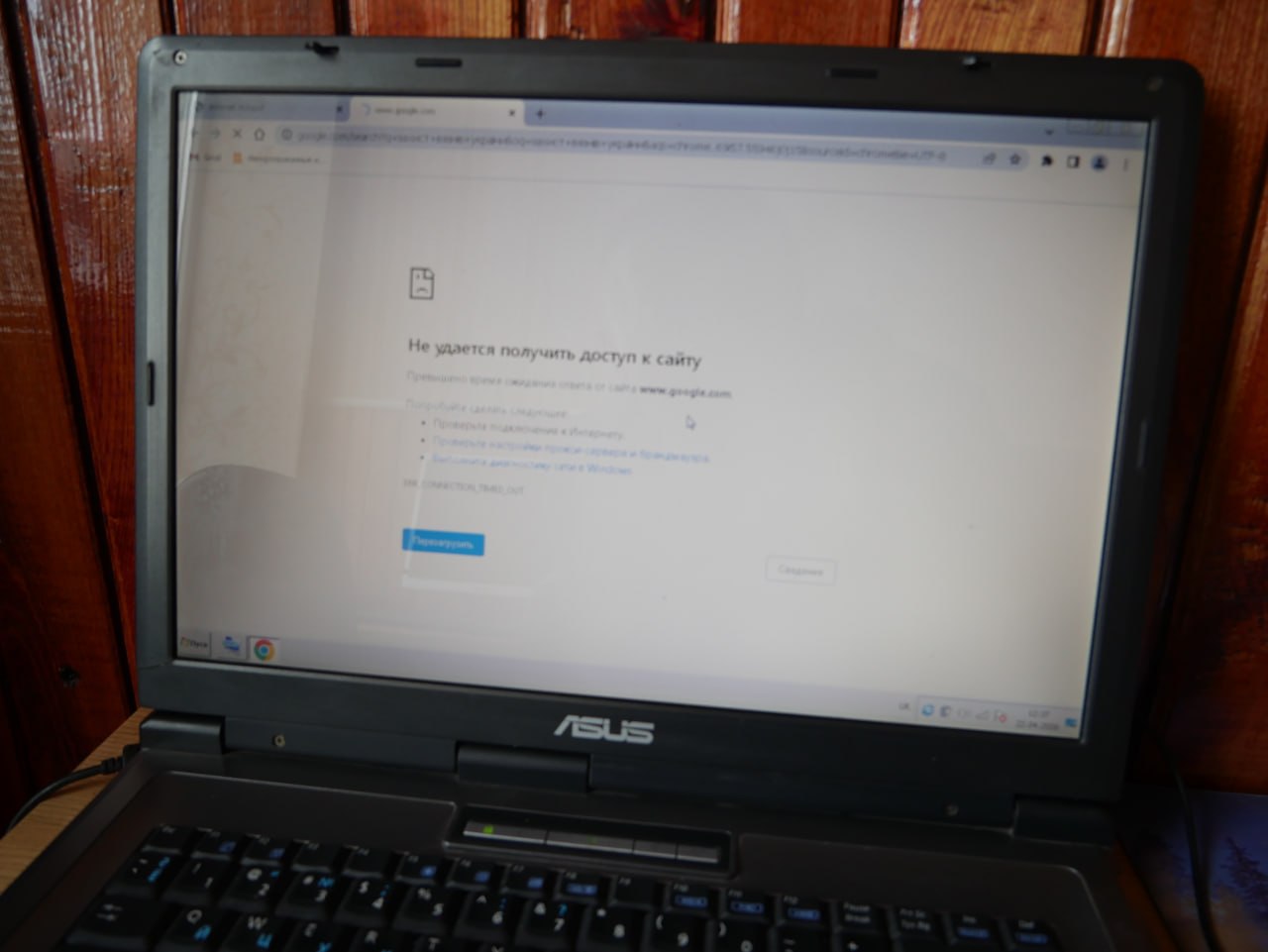
The established circumstances may indicate the creation of unreasonable restrictions on access to information and the formal nature of the realisation of the convicts’ right to use the Internet. The absence of any entries in the logbooks over a long period of time calls into question the effectiveness of the created mechanism and highlights the need to verify the actual availability of the relevant service to the convicts.
These circumstances do not fully comply with the requirements of Articles 8 and 107 of the Criminal Executive Code of Ukraine, which provide for the right of convicts to receive information and use the global Internet, Paragraphs 110 and 111 of the Internal Rules of Correctional Institutions, approved by Order No. 2823/5 of the Ministry of Justice of Ukraine dated 28 August 2018, as well as Rule 24.10 of the European Prison Rules, according to which prisoners must be provided with the opportunity to maintain contact with the outside world and access to communication media to an extent compatible with security requirements.
The actual lack of use of email correspondence and access to the Internet, as well as the blocking of certain human rights resources, indicate the need to take measures to ensure real, rather than formal, access of convicts to information technologies and modern means of communication.
28. During the monitoring visit to SVK-116, the organisation of convicts’ labour, the condition of the production infrastructure, working conditions, social protection issues, as well as the primary documentation relating to the involvement of convicts in paid labour were examined. The monitoring group studied employment contracts, timesheets, registers of receipt of convicts by production staff, registers of hourly checks on convicts at workplaces, documents on the activities of production workshops, shift brigades, counterparty facilities, and the medical examination register of the kitchen block staff.
It was established that several areas of production activity operate in the institution, within which convicts are involved in paid labour. In particular, convicts work in production workshops, as part of shift brigades, are involved in the manufacture of wire products, perform work at the facilities of counterparties, and also ensure the operation of the kitchen block and other life support facilities of the institution. The presence of timesheets and other primary documentation indicates the continuous and systematic nature of the production activity.
The examination of the timesheets revealed that the majority of convicts work a full working month, with working hours amounting to approximately 167 hours. At the same time, some convicts have fewer hours worked, which indicates uneven involvement in work. The manufacturing process is of a continuous nature and involves the existence of separate production brigades whose activities are carried out on a regular basis. Certain convicts are engaged in work at the premises of sole proprietor T., as evidenced by the available timesheets and employment contracts. At the same time, the nature of the work performed, its consistency and systematic character indicate the need to provide such persons with all the labour and social guarantees provided for by the legislation of Ukraine.
During the study of the register of receipt of convicts by production staff, it was established that 55 convicts are registered in the production workshops. At the same time, according to the work orders, the number of convicts to be deployed for work is higher and amounts to 58 people. Thus, there are discrepancies between various primary accounting documents regarding the actual number of convicts involved in labour, which indicates improper record-keeping and makes it impossible to reliably determine the actual number of working individuals.
Furthermore, the analysis of the registers of hourly checks on convicts at their workplaces revealed signs of formal maintenance. For instance, the register of hourly checks for 21 April 2026 contains an entry on a check of convicts at their workplaces conducted at 19:00. At the same time, according to the register of receipt of convicts by production staff on the same day, the convicts were dismissed from work at 16:30. Under such circumstances, conducting a check at workplaces at 19:00 is impossible, which indicates that inaccurate information was entered into the register or that it was maintained purely formally without the relevant checks actually being carried out.
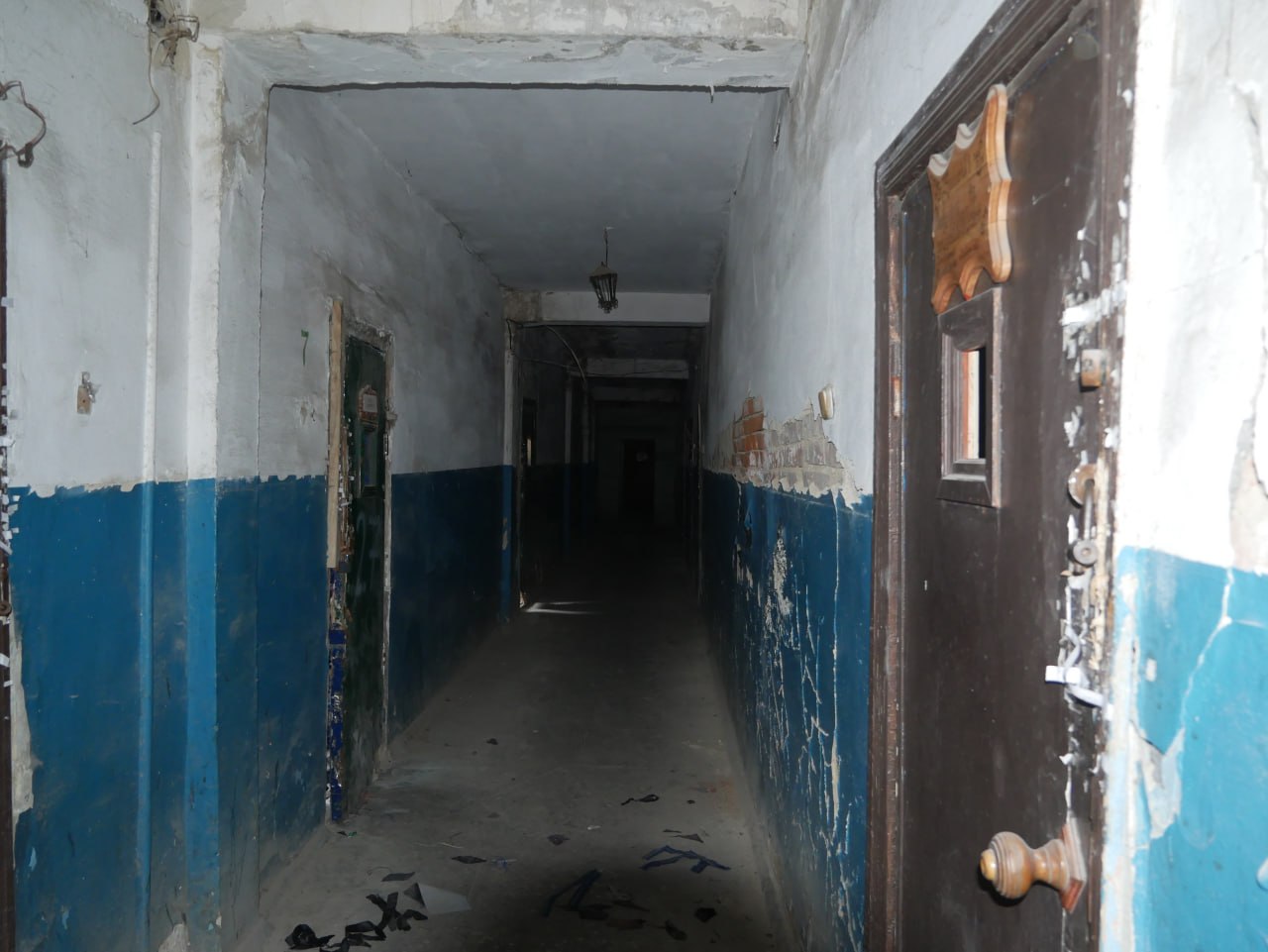
During the inspection of the production premises and the premises of the vocational school, it was established that they are in an unsatisfactory technical condition, are obsolete and physically deteriorated, and require repair. The condition of some premises does not meet modern requirements for the organisation of the production process and vocational training, which negatively affects both the working conditions of convicts and the possibilities for their proper resocialisation and vocational training.
Particular attention was paid to the organisation of labour in the kitchen block. According to the medical examination register of the kitchen block service staff, it was established that a certain number of convicts undergo a daily medical examination before being admitted to work. Convicts N., I., S. and others systematically appear in the register. It was established that convict I. has been working as a cook for about two years. The prolonged performance of the same functional duties, daily medical control, and the continuous nature of work indicate the existence of stable employment relations, which necessitates the provision of all guarantees associated with the right to work and social protection.
An analysis of the content of the employment contracts showed that they are predominantly of a standard nature and virtually duplicate the provisions of the current legislation. At the same time, the terms of remuneration, the procedure for calculating wages, the mechanism for calculating and paying the single contribution to the compulsory state social insurance, social insurance guarantees, working hours and rest periods, as well as other essential terms of employment, are insufficiently specified. The concluded contracts do not always allow for a clear establishment of the scope of rights and guarantees granted to working convicts.
The issue of ensuring the right to social protection is of particular importance. In accordance with Article 122 of the Criminal Executive Code of Ukraine, working convicts are subject to compulsory state social insurance. The implementation of this right is directly linked to the payment of the single contribution to the compulsory state social insurance and the inclusion of working periods in the insurance record. In the event that the accrued single contribution to the compulsory state social insurance does not secure the minimum insurance contribution, the relevant periods of work may not be credited to the insurance record in full, which will subsequently have a negative impact on the implementation of the convicts’ right to pension provision.
Thus, the monitoring results indicate that SVK-116 has a well-developed system of manufacturing activity and systematic involvement of convicts in labour. At the same time, a number of problematic issues have been identified, related to the maintenance of primary documentation, discrepancies between various accounting documents, signs of formal maintenance of control registers, the unsatisfactory state of the production infrastructure, and the insufficient specification of labour guarantees in the contracts. Such circumstances create risks of violating the convicts’ right to proper and safe working conditions, fair remuneration, social insurance, and an adequate level of social protection.
These circumstances indicate non-compliance with the requirements of Articles 8, 107, 118, 119, and 122 of the Criminal Executive Code of Ukraine, Articles 21, 48, 94, 141, and 153 of the Labour Code of Ukraine, the Law of Ukraine ‘On Occupational Safety’, the Law of Ukraine ‘On Compulsory State Pension Insurance’, the Law of Ukraine ‘On the Collection and Accounting of the Single Contribution to the Compulsory State Social Insurance’, as well as the provisions of the UN Standard Minimum Rules for the Treatment of Prisoners (the Nelson Mandela Rules) and the European Prison Rules, according to which the labour of convicts must be carried out in conditions as close as possible to the working conditions in society, and must ensure a real, rather than declarative, right to work and social protection.
Medical Unit No. 116 of the Branch of the State Institution ‘Centre for Healthcare of the State Criminal-Executive Service of Ukraine’ in Sumy Oblast
The Head of Medical Unit No. 116 of the Branch of the State Institution ‘Centre for Healthcare of the State Criminal-Executive Service of Ukraine’ in Sumy Oblast is Serhiy Petrovych Popadyuk.
At the time of the visit, the position of clinical psychologist was vacant (0.5 of a staff position).
During the monitoring visit, the monitoring group reviewed the medical documentation, inspected the premises of the medical unit, and conducted individual interviews (surveys) with the convicts. As a result, deficiencies in the organisation of medical care were identified, leading to the violation of the rights of these individuals:
1. Due to renovation work in the medical unit, as of the day of the monitoring visit, inpatient medical care is not being provided to convicts; only outpatient care is provided, which contradicts the requirements of Chapter 5 of Section II of the Procedure for organising the provision of medical care to convicts sentenced to imprisonment, approved by the Joint Order of the Ministry of Justice of Ukraine and the Ministry of Health of Ukraine No. 1348/5/572 dated 15 August 2014 (hereinafter referred to as the Procedure).
2. During the visit, the monitoring group established that the medical staff fail to ensure the proper recording and documentation of bodily injuries of persons deprived of their liberty.
According to Paragraph 3 of Chapter 1 of Section II of the Procedure, in the event of detecting bodily injuries on a convict, the medical worker who detected such injuries shall compile a certificate in three copies, detailing the following:
- information (written statement, oral or written explanation of the convict concerning the circumstances under which the bodily injuries were sustained (date, time, place of occurrence, methods of inflicting the injuries, information about the person(s) who, in the convict’s opinion, inflicted them), as well as other information regarding the receipt of bodily injuries);
- a comprehensive description of medical indicators characterising the convict’s health condition, the nature of the injuries, their size and location;
- the assumption of the medical worker in light of the information provided by the convict and medical indicators, as well as the justification of their correlation.
To the certificate, the medical worker attaches the primary accounting document Form No. 511/o ‘Certificate of Recording of Bodily Injuries’, approved by Order of the Ministry of Health of Ukraine No. 110 dated 14 February 2012, registered with the Ministry of Justice of Ukraine on 28 April 2012 under No. 661/20974, and photographs of the convict’s existing bodily injuries. Two copies of the certificate and its annexes are attached to the personal file and Outpatient Medical Record No. 025/o, and the third copy is handed personally to the convict who underwent the examination.
Instead, as established during the monitoring visit, in cases of detecting bodily injuries, the medical staff actually only complete the primary accounting document Form No. 511/o, without compiling a certificate in three copies and without performing the full set of actions required by the Procedure. This indicates a systemic violation of the requirements of Paragraph 3 of Chapter 1 of Section II of the Procedure and the improper organisation of the medical recording of bodily injuries.
The lack of proper recording of bodily injuries is inconsistent with Paragraph 60 of the recommendations of the European Committee for the Prevention of Torture and Inhuman or Degrading Treatment or Punishment (hereinafter referred to as the Committee), according to which medical services in places of deprivation of liberty should contribute to the prevention of violence through the systematic registration of bodily injuries and, if necessary, the informing of competent authorities (CPT/Inf (93) 12).
3. According to Paragraphs 1 and 2 of Chapter 2 of Section II of the Procedure, newly arrived persons must undergo a full initial medical examination within 14 days, in particular by a general practitioner, a psychiatrist, and a dentist (dental practitioner). However, during the review of the medical documentation (Outpatient Medical Records, Form No. 025/o) of newly arrived persons at the institution, it was established that specialist doctors failed to record the results of the relevant examinations, which may indicate that the initial medical examination was not carried out in full.
4. Dispensary supervision is carried out for 3 persons with disabilities, all 3 of whom belong to Group III. However, in violation of the requirements of the Law of Ukraine ‘On the Rehabilitation of Persons with Disabilities in Ukraine’, persons with disabilities do not receive proper diagnostic, treatment, and rehabilitation measures, despite the presence of data confirming a permanent impairment of body functions caused by diseases or the consequences of injuries that lead to limitations in normal daily activities.
Thus, during the study of the medical documentation of the convicts, it was established that 1 person with a disability lacks an individualised rehabilitation programme (hereinafter referred to as the IRP). Furthermore, the recommendations of the IRP are not being implemented, as a result of which they do not receive proper diagnostic, treatment, and rehabilitation measures, despite the presence of data confirming a permanent impairment of body functions caused by diseases and the consequences of injuries that lead to limitations in normal daily activities.
5. In violation of the requirements of the State Building Codes of Ukraine DBN V.2.2-40:2018 ‘Inclusiveness of Buildings and Structures. Basic Provisions’, the medical unit does not provide suitable conditions for holding persons with disabilities.
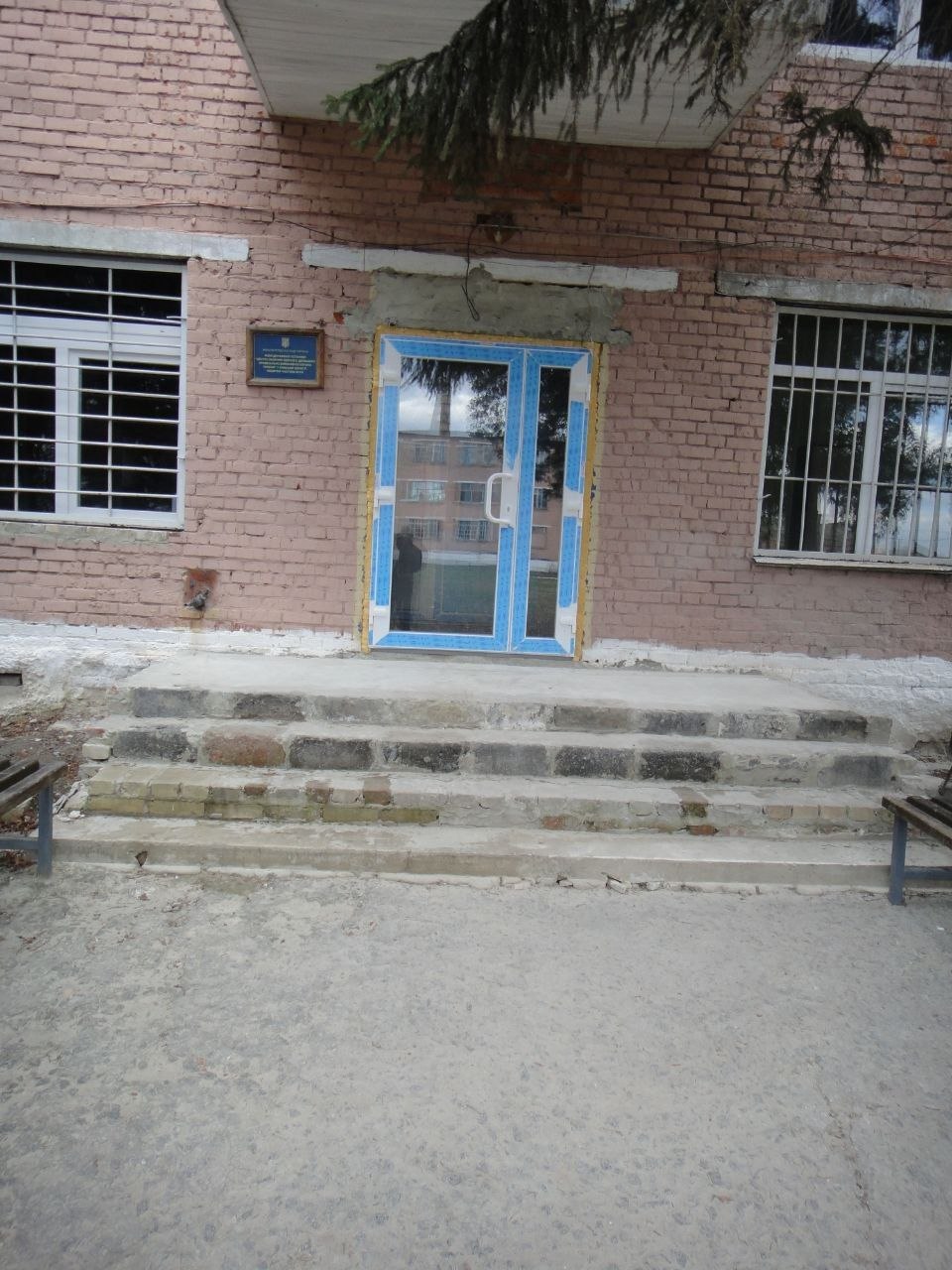
6. In violation of Paragraph 37 of Resolution of the Cabinet of Ministers of Ukraine No. 285 dated 2 March 2016 ‘On Approval of Licensing Conditions for Conducting Economic Activity in Medical Practice’, the medical unit lacks a report confirming free access to the buildings and premises of the medical facility for persons with reduced mobility, the obtaining of which is mandatory.
7. In the staff establishment of the medical unit, the post of clinical psychologist is vacant, which complicates the timely and effective provision of mental healthcare to the convicts. In its report on the visit to Ukraine in 2023, the Committee recommends further strengthening the provision of psychological assistance in institutions, as well as developing the training and role of prison psychologists, especially in terms of therapeutic clinical work with convicts. In this context, efforts must be made to recruit clinically trained psychologists, who should be part of the medical team and, in their work, should not combine two distinct roles, namely risk assessment and therapeutic clinical work (CPT/Inf (2024) 20, paragraph 85).
8. In violation of the requirements of the Standards of Medical Care for Hepatitis C (HCV) in Adults, approved by Order of the Ministry of Health of Ukraine No. 1178 dated 23 July 2025, not all persons (21 persons as of 22 April 2026) suspected of having viral hepatitis C undergo PCR testing, due to which they do not receive the necessary treatment, which may lead to a deterioration of their health condition and the spread of this infectious disease among convicts and detained persons.
9. In violation of the Procedure for organising medical care at the primary, secondary (specialised), and tertiary (highly specialised) levels using telemedicine, approved by Order of the Ministry of Health of Ukraine No. 681 dated 19 October 2015, the medical unit staff, due to technical limitations, are deprived of the opportunity to send requests for telemedicine consultations and receive professional assistance for the provision of medical services to convicts.
10. In violation of the requirements of the Equipment List for a Single Dental Practitioner and Dental Technician Workplace, approved by Order of the Ministry of Health of Ukraine No. 158 dated 11 April 2005, the medical unit lacks a dental X-ray machine, which makes it impossible to conduct comprehensive dental examinations of convicts and fails to ensure the timely provision of proper dental care.
According to information provided by the medical unit staff, among the available types of dental care, tooth extraction prevails, while dental filling is performed extremely rarely, which significantly limits the convicts’ right to receive proper dental care.
11. In accordance with Paragraph 7 of Chapter III of Section II of the Procedure, convicts who work at catering facilities (excluding work related to the positions of shop assistants, heads of food and clothing warehouses, storekeepers), in the processing industry, in children’s homes, institutions of general secondary education, vocational training units in special reformatory colonies, medical units (feldsher points) and hospital facilities of the State Criminal-Executive Service (excluding work related to the provision of medical care), laundries, bathhouses, long-term visit rooms, dormitories, clubs, water supply and sewage facilities, and animal breeding and raising sectors, shall undergo mandatory preliminary and preventive medical examinations in accordance with Resolution of the Cabinet of Ministers of Ukraine No. 559 dated 23 May 2001 ‘On Approval of the List of Professions, Industries, and Organisations Whose Employees Are Subject to Mandatory Preventive Medical Examinations, the Procedure for Conducting These Examinations, and Issuing Personal Medical Books’.
For each convict of the specified category, the primary accounting document Form No. 1-OMK ‘Personal Medical Book’ is opened, approved by Order of the Ministry of Health of Ukraine No. 150 dated 21 February 2013, registered with the Ministry of Justice of Ukraine on 23 April 2013 under No. 662/23194.
At the same time, during the inspection of the personal medical books of convicts working in the canteen, it was established that these workers had not been examined by a dermatovenereologist and an otorhinolaryngologist, which violates the requirements of Paragraph 6 of the Rules for Conducting Mandatory Preventive Medical Examinations of Employees of Certain Professions, Industries, and Organisations Whose Activities Are Related to Public Services and May Lead to the Spread of Infectious Diseases, approved by Order of the Ministry of Health of Ukraine No. 280 dated 23 July 2002 (as amended by Order of the Ministry of Health of Ukraine No. 150 dated 21 February 2013). 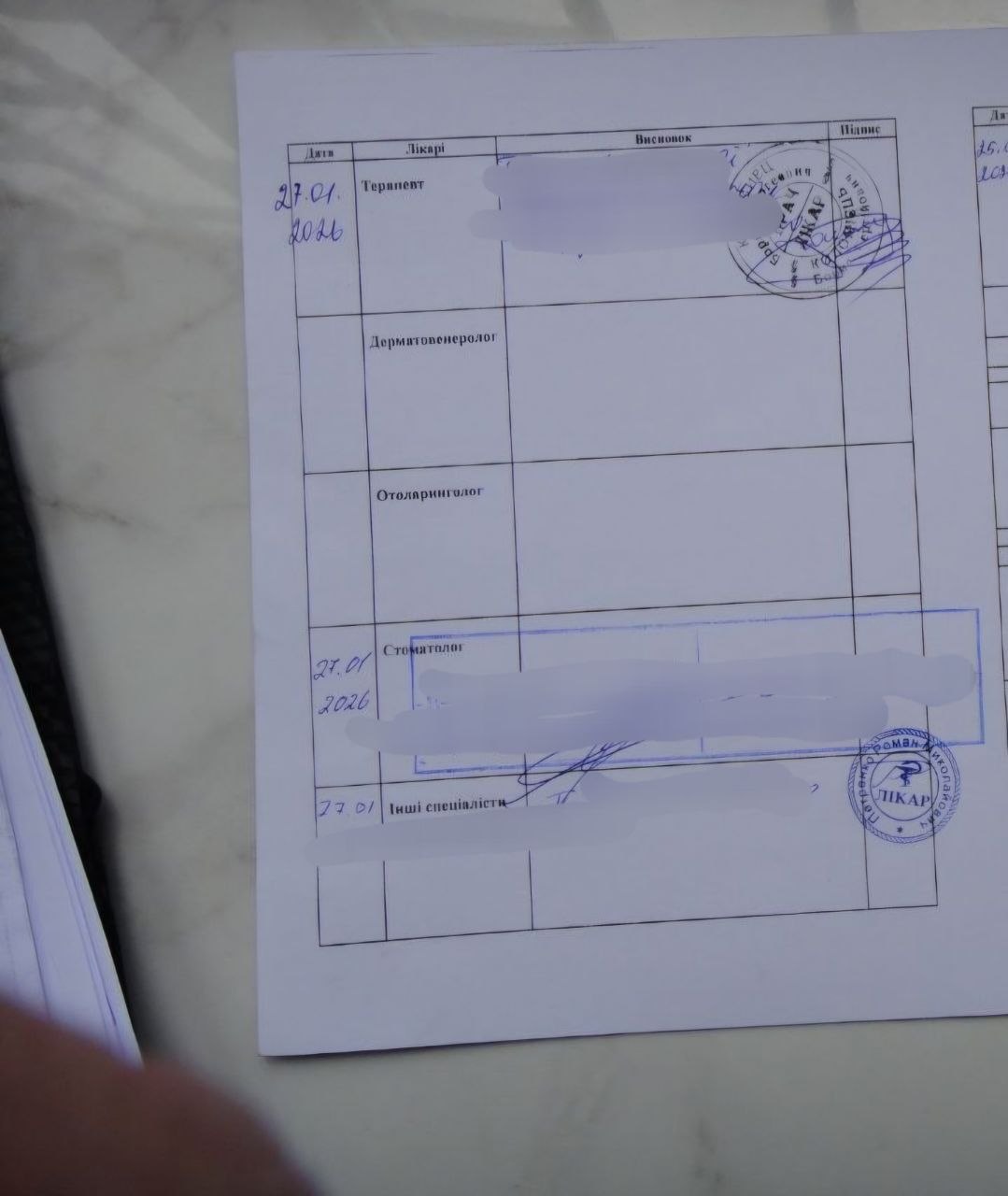
Recommendations:
1. Take measures to bring the conditions of detention of persons held in custody into compliance with national and international standards, including ensuring the regulatory floor space of cells, proper sanitary and hygienic conditions, ventilation, and access to drinking water.
2. Ensure compliance with the requirements for the placement of information materials in cells and disciplinary isolation cells (DIZO) / cell-type premises (PKT), indicating the contacts of state authorities, law enforcement agencies, the Commissioner for Human Rights of the Verkhovna Rada of Ukraine, and the free legal aid system.
3. Ensure compliance with the regime requirements of isolation and separate detention of persons held in custody when they are involved in work.
4. Bring the organisation of work of the quarantine, diagnostics, and distribution section into compliance with the requirements of the legislation and ensure the participation of all members of the working group in the work with newly arrived convicts.
5. Review the practice of using video surveillance in the living quarters of the quarantine, diagnostics, and distribution (KDiR) section, and cease the practice of placing information on the convicts’ beds regarding the crimes they committed.
6. Ensure the proper level of lighting, ventilation, radio broadcast system, and material and living conditions in the DIZO/PKT premises, as well as equip all cell premises with staff call buttons.
7. Ensure proper maintenance of documentation and the provision of social, educational, and psychological work with convicts held in DIZO/PKT.
8. Bring the material and living conditions of the enhanced control section into compliance with the requirements of regulatory acts.
9. Ensure the institution’s shop is stocked with goods provided for by the Internal Rules of Correctional Institutions, and the library with the necessary regulatory acts and international documents.
10. Ensure compliance with the requirements for the concealed carrying of special means by staff in direct contact with convicts.
11. Review the procedure for conducting short-term visits and ensure that visits are predominantly conducted in open conditions.
12. Intensify work on issuing Ukrainian citizen passports, tax identification numbers, and other documents to convicts necessary for preparation for release.
13. Take measures to eliminate staff shortages and ensure adequate staffing of the institution.
14. Conduct a major overhaul of the SPS No. 4 shelter, equip it with a second emergency exit, ventilation, and sewage systems, and bring the technical condition of the protective structure into compliance with civil protection requirements.
15. Cease using the SPS No. 5 shelter for purposes other than those intended, clearing it of manufacturing facilities, raw materials, and finished products.
16. Verify compliance with the labour and social rights of convicts involved in work in the SPS No. 5 shelter, including the formalisation of employment relations, the calculation of wages, and the payment of the single contribution to the compulsory state social insurance.
17. Ensure real access of convicts to the Internet and email correspondence, eliminate signs of the formal functioning of the Internet class, and lift unreasonable restrictions on access to the information resources of human rights organisations.
18. Conduct a verification of the actual availability of Internet and email services to the convicts.
19. Eliminate discrepancies in the primary documentation on the accounting of convicts’ labour, and ensure the proper maintenance of control registers and timesheets.
20. Bring the production premises and the premises of the vocational school into proper technical condition.
21. Ensure proper specification of labour guarantees in contracts with convicts and compliance with legislative requirements on remuneration, social insurance, and the crediting of the insurance record.
22. Take measures to ensure the realisation of the convicts’ right to proper and safe working conditions, fair remuneration, and social protection.
23. Take measures aimed at eliminating the identified human rights violations and preventing torture, other cruel, inhuman, or degrading treatment or punishment in Medical Unit No. 116 of the Branch of the State Institution ‘Centre for Healthcare of the State Criminal-Executive Service of Ukraine’ in Sumy Oblast.
24. Ensure that the medical unit is staffed with specialist doctors in accordance with requirements.
25. Ensure the provision of inpatient medical care to convicts in full, in accordance with the requirements of Chapter 5 of Section II of the Procedure, taking into account the need for continuous access to medical care even during renovation work.
26. Ensure control over the proper maintenance of medical documentation in accordance with the Procedure for organising the provision of medical care to convicts sentenced to imprisonment, approved by the Joint Order of the Ministry of Justice of Ukraine and the Ministry of Health of Ukraine No. 1348/5/572 dated 15 August 2014, and other regulatory acts.
27. Fulfill the requirements of Paragraph 37 of Resolution of the Cabinet of Ministers of Ukraine No. 285 dated 2 March 2016 ‘On Approval of Licensing Conditions for Conducting Economic Activity in Medical Practice’.
28. Ensure that all persons suspected of having HCV have access to PCR testing in the shortest possible time and organise the necessary antiviral treatment for persons with a confirmed diagnosis.
29. Ensure the timely and proper recording of bodily injuries in convicts.
30. Ensure the conduct of a proper initial medical examination.
31. Ensure that all canteen workers have personal medical books and the full range of prescribed medical examinations required for their admission to work at catering facilities.
32. Ensure the implementation of individualised rehabilitation of persons in need.
33. Ensure the accessibility of the institution’s buildings in accordance with the State Building Codes of Ukraine DBN V.2.2-40:2018 ‘Inclusiveness of Buildings and Structures. Basic Provisions’.
34. Ensure the proper operation of the telemedicine system to enable doctors to make requests for telemedicine consultations.
35. Provide the medical unit with a dental X-ray machine and the necessary equipment to conduct full dental examinations and treatment.