Report on the Results of the Monitoring Visit to Sumy Correctional Colony No. 116
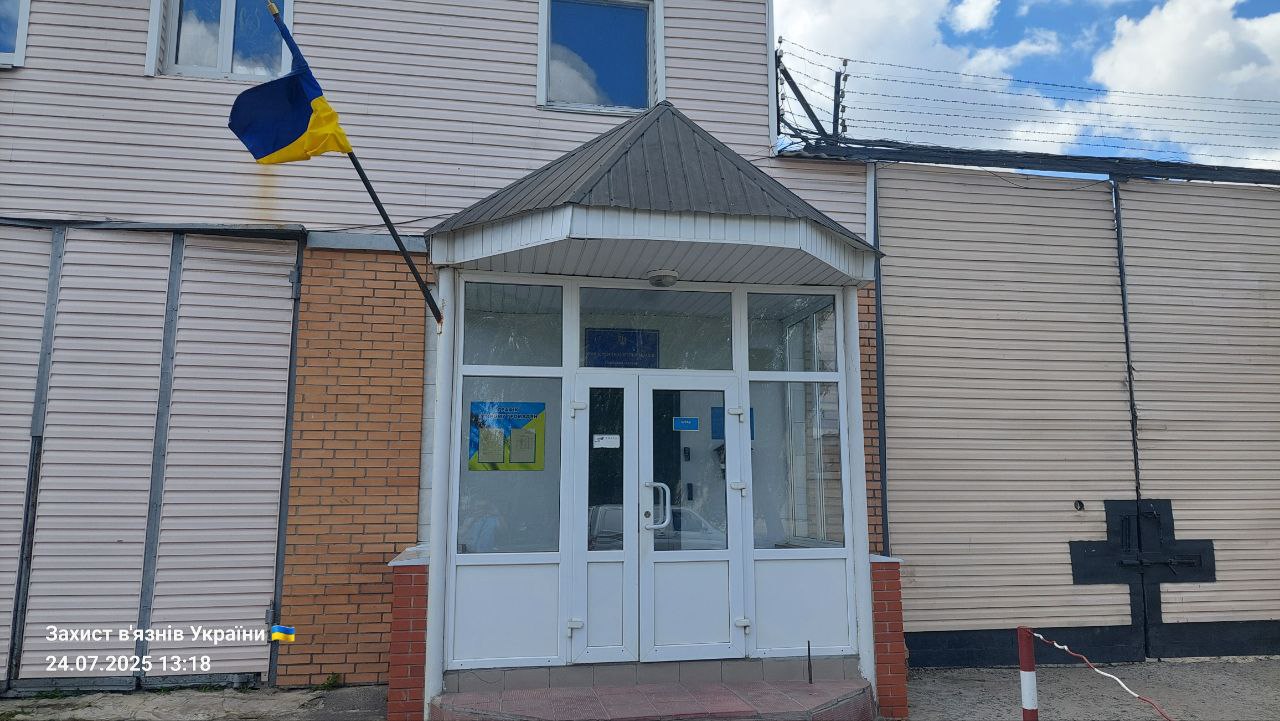
On 24 July 2025, in accordance with the Optional Protocol to the Convention against Torture and Other Cruel, Inhuman or Degrading Treatment or Punishment, and taking into account the provisions of the Standard Minimum Rules for the Treatment of Prisoners and the rulings of the European Court of Human Rights, on the basis of Article 24 of the Criminal Executive Code of Ukraine—"Visiting penal institutions"—a monitoring group from the Kharkiv Human Rights Protection Group and the NGO "Protection of Prisoners of Ukraine" conducted a follow-up visit to the state institution "Sumy Correctional Colony (No. 116)" (SCC-116, the institution, the facility).
The previous visit took place on 10 October 2023.
A planned, unannounced visit was conducted, during which all areas of the facility were examined. In preparation for the visit, the monitors used materials from complaints filed by prisoners/convicts and their relatives, materials from previous reports, and the report of the monitors of the National Preventive Mechanism under the Commissioner for Human Rights of the Verkhovna Rada of Ukraine (NPM). The visit was carried out within the framework of the project "Reducing Prisoners' Suffering in the Context of the War in Ukraine," funded by the government of Denmark in partnership with DIGNITY — The Danish Institute Against Torture.
The visit was conducted by the following monitors:
- Andrii Didenko — Assistant to People's Deputy of Ukraine Yaroslav Yurchyshyn, programme coordinator of the Kharkiv Human Rights Protection Group, NPM monitor, member of the NPM advisory council; has experience in monitoring visits since 2014;
- Serhii Zuikov — Assistant to People's Deputy of Ukraine Kostiantyn Kasai, member of the public council under the Ministry of Justice of Ukraine, member of the NGO "Protection of Prisoners of Ukraine," NPM monitor; has many years of experience in monitoring visits;
- Oleh Tsvilyi — Member of the public council under the Ministry of Justice of Ukraine, head of the NGO "Protection of Prisoners of Ukraine"; has significant experience in monitoring visits, specialising in issues of torture, cruel and inhuman treatment.
Based on the results of the monitoring visit to Sumy Correctional Colony No. 116, numerous violations of national legislation and international standards in the field of prisoner treatment were established, which lead to the restriction of their rights and create risks of cruel, inhuman, or degrading treatment.
Among the findings are: holding individuals in cells that do not meet the minimum living space standards; excessive working hours and the use of convict labour without proper registration and social guarantees, as well as de facto signs of forced labour; failure to comply with sanitary and hygienic requirements in the Quarantine, Diagnostics and Distribution (QDD) ward and the disciplinary isolation ward; a lack of privacy in sanitary facilities; and inadequate lighting and ventilation conditions.
Violations were identified in the organisation of catering, laundry services, and medical care, including incomplete medical examinations, improper documentation of bodily injuries, and the lack of appropriate equipment.
The state of the basement premises, which the administration identifies as shelters, is of particular concern: one is used as a workshop, and the other lacks a second exit, ventilation, and a formal handover certificate, all of which contradicts the legislation of Ukraine and international safety standards.
A low level of personnel staffing and the open carrying of special equipment were also recorded, which creates additional tension in the relations between staff and convicts. The combination of these violations indicates systemic problems in the organisation of the regime, labour, medical support, and the observance of basic human rights at SCC-116.
General Information
SCC-116 is a medium-security penal institution for the detention of men sentenced to imprisonment for the first time.
The facility is located at: 110 Romenska Street, Sumy, Sumy Region, 42343.
SCC-116, as a state penal institution, was registered on 29 November 1999. Until 1974, a city landfill was located on the site, after which construction of a medical-labour dispensary (LTP) began.
At the time of the visit, the head of the institution is Colonel of the Internal Service Oleksandr Serhiiovych Bubenets.
The structure of the facility includes: the duty unit; the QDD ward (quarantine, diagnostics, and distribution); Social and Psychological Service (SPS) units; the catering unit; the Disciplinary Isolation Ward (DIW); chamber-type premises (CTP); a high-security unit; a pre-trial detention unit; the medical unit; the laundry and bathhouse complex; visitation rooms; a shop; a library; a room for receiving parcels; and administrative premises.
According to the administration, the authorised staff count is 223.5 positions, with 173 positions actually filled, indicating a total shortfall of 50.5 employees. The planned capacity of the facility is 745 people, while there are currently 97 convicts and 21 detainees in the institution. The facility operates five social and psychological service units, and one psychologist is employed.
During 2025, 76 people arrived at the institution. In 2024, five deaths were recorded. Six people were on the operational-preventive register as prone to suicide; in 2024, one completed suicide was documented; nine people were categorised as prone to self-harm. During 2024–2025, no complaints regarding improper detention conditions or the denial of medical care were received. Two individuals have Group III disabilities.
Convicts have no tablets in their personal possession, and only one email address is registered. In total, eight cases of rejected persons were recorded.
In 2024, five cases of bodily injury during detention were registered, and in the current year — four.
The monitoring group interviewed approximately 51 convicts during the visit to workshops, social and psychological service units, disciplinary and utility rooms, in the format of general conversations providing advice and answering questions, as well as to ascertain facts of possible human rights violations, including individual interviews conducted in private.
Preliminary Remarks and Remedied Violations
In previous reports by the monitoring group, key remarks concerned basic guarantees of the rights of convicts: in particular, ending the practice of banning the use of tablets, ensuring access to information about the right to appeal to the Commissioner for Human Rights of the Verkhovna Rada of Ukraine, and guarantees for challenging the actions or inaction of staff, including cases of inadequate medical care.
These requirements were intended to lay the foundation for compliance with basic legal standards regarding communication, access to legal aid, and medical services. Some remarks were partially addressed by the administration; however, overall, they revealed a need for significantly broader systemic changes.
Current remarks indicate a substantial expansion of the spectrum of problems: from material and household conditions (cells less than 6 m², lack of bathroom partitions, lighting, ventilation, shelters) to labour organisation issues (the inadmissibility of fictitious fixed-term contracts, the requirement for accounting and payment for actual employment, compliance with occupational safety standards) and healthcare (full-fledged inpatient care, documentation of bodily injuries, HCV testing, medical unit equipment).
Requirements regarding the regime have also been updated (separation of detainees and convicts, control over the work of the QDD, the prohibition of the discriminatory practice of "crime description cards"), as well as safety (fire protection systems, proper functioning of shelters). This shows that the issues have shifted from individual legal restrictions to a comprehensive identification of systemic violations, covering almost every area of the institution's activities, requiring a holistic approach and systemic reform.
Positive Experience
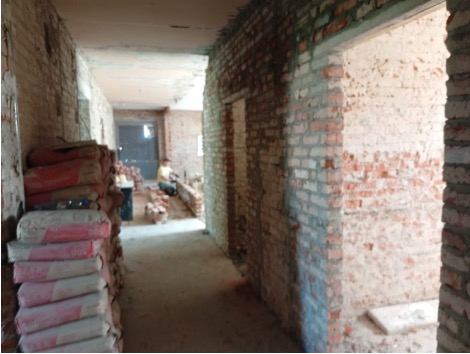
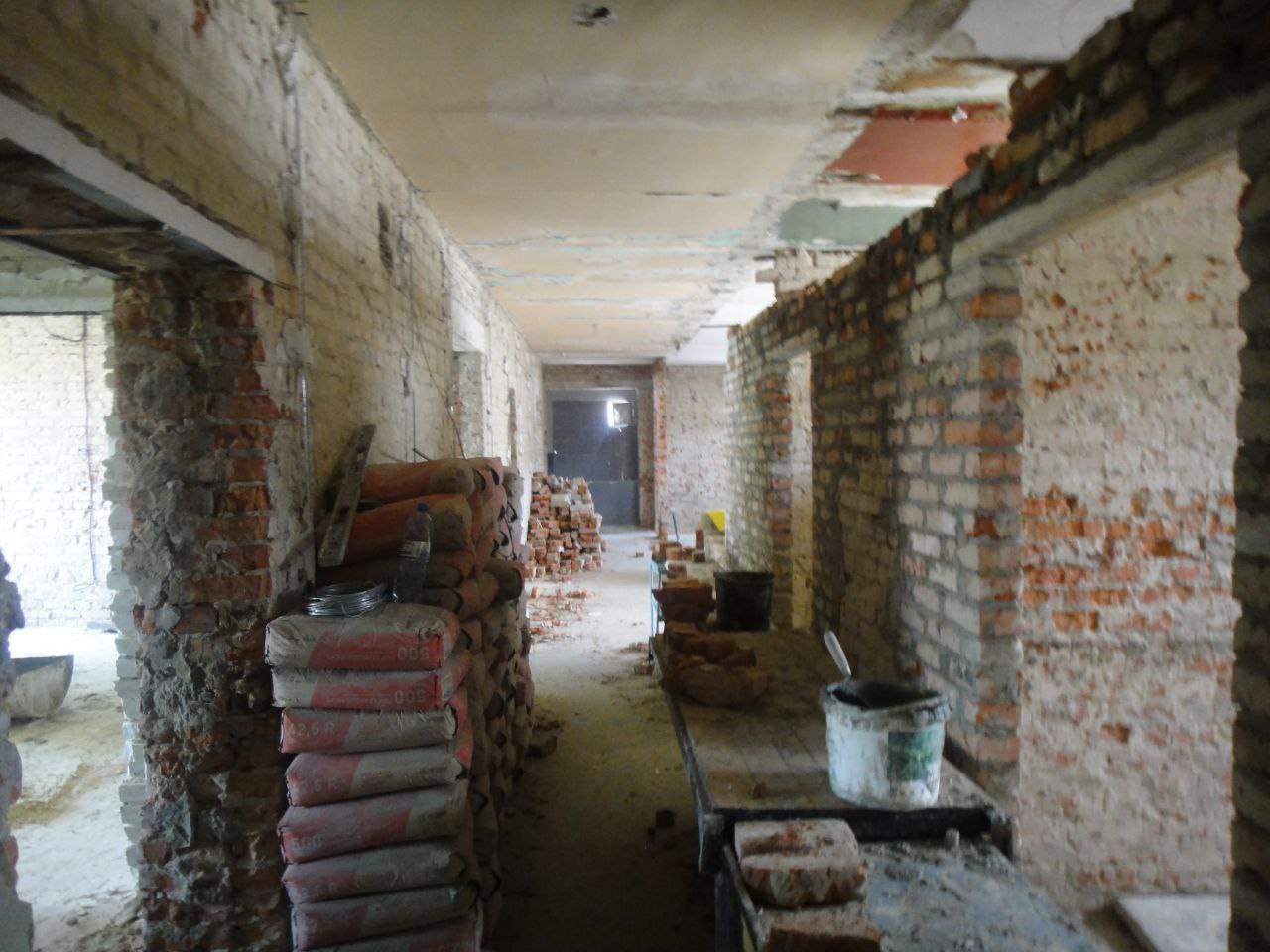
The administration of SCC-116, as part of implementing the terms of the Strategy for Reforming the Penitentiary System for the period up to 2026, is carrying out measures to improve the conditions of detention for convicts, in particular, by carrying out renovation work on the QDD unit, the school, the vocational school, the canteen, the SPS units, and the psychological relief room.
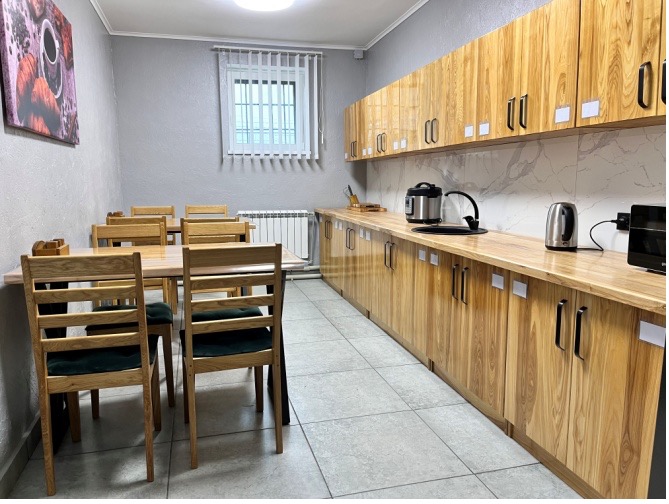
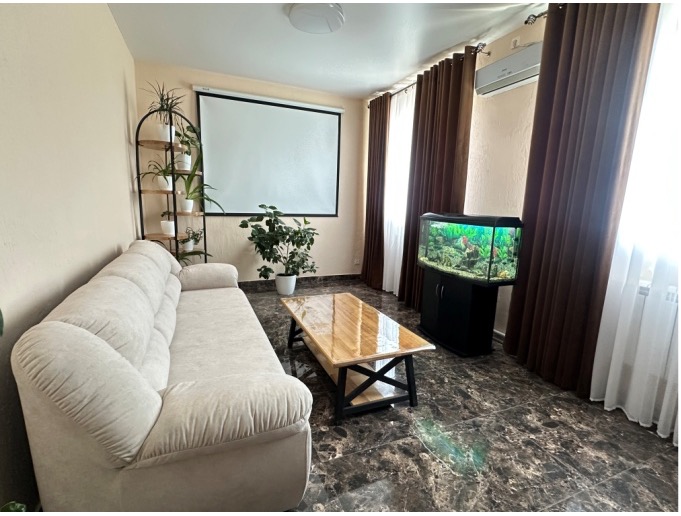
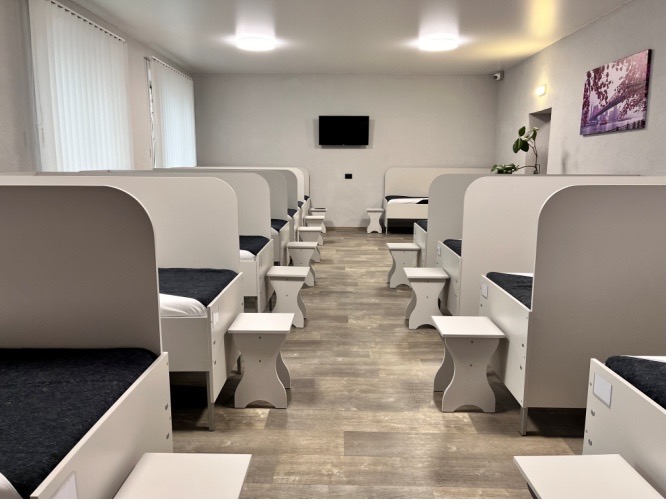
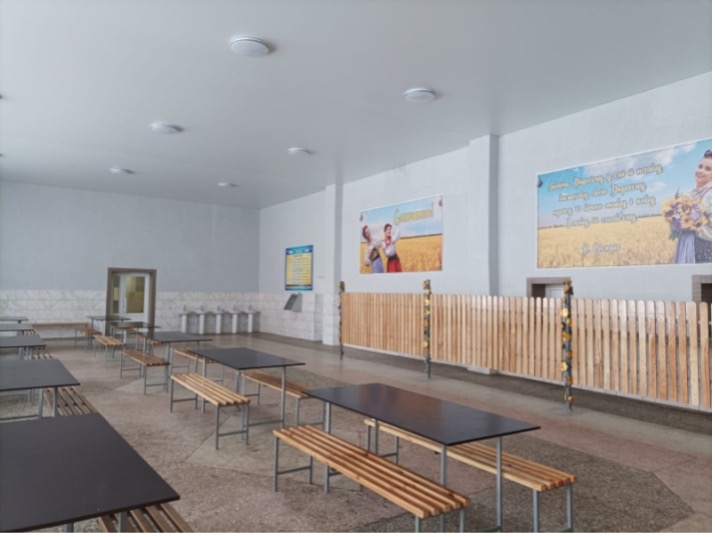
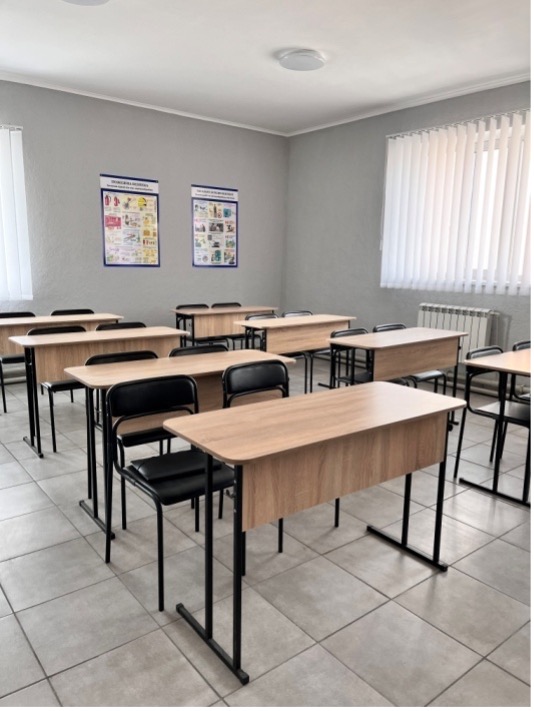
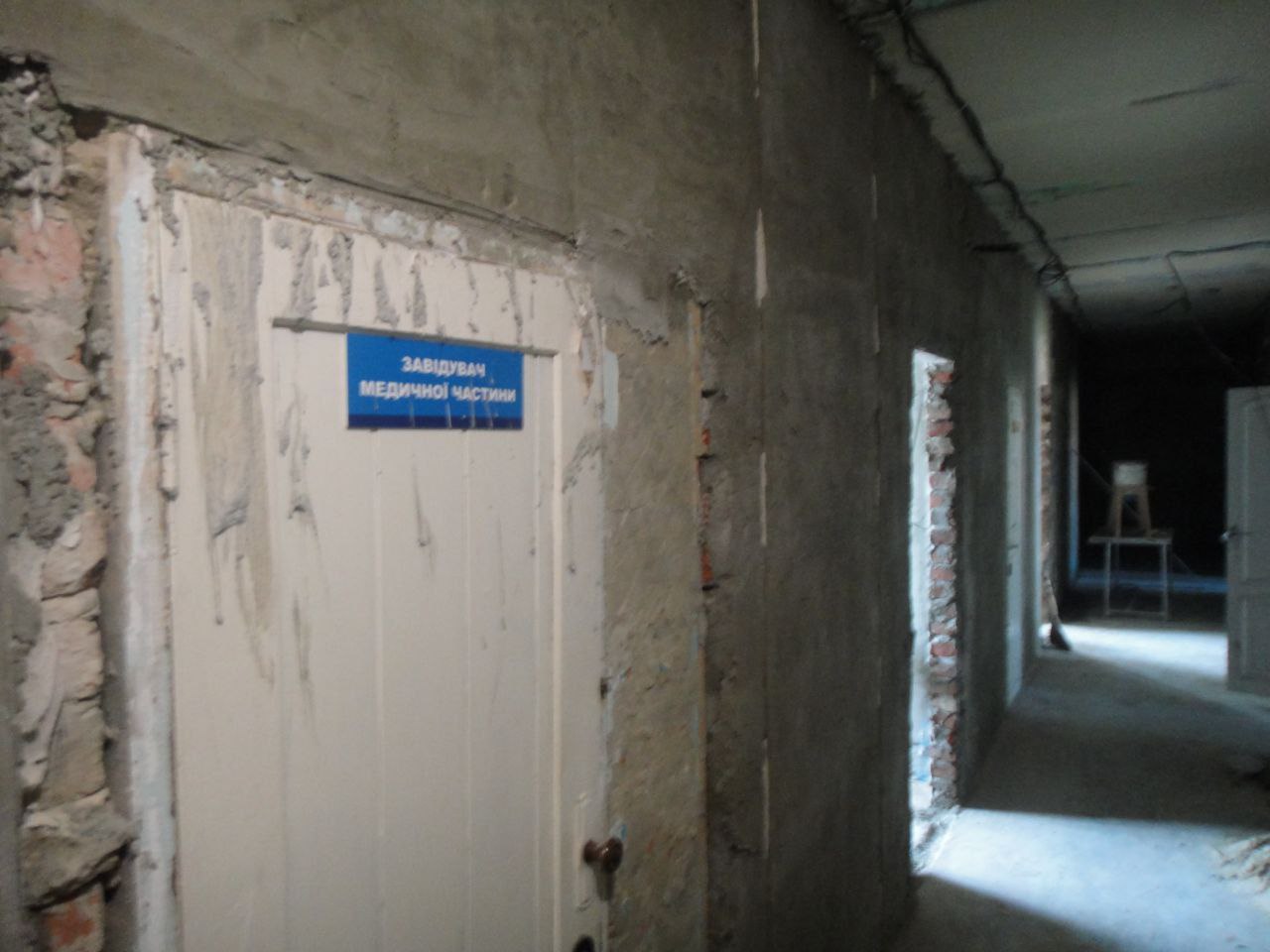
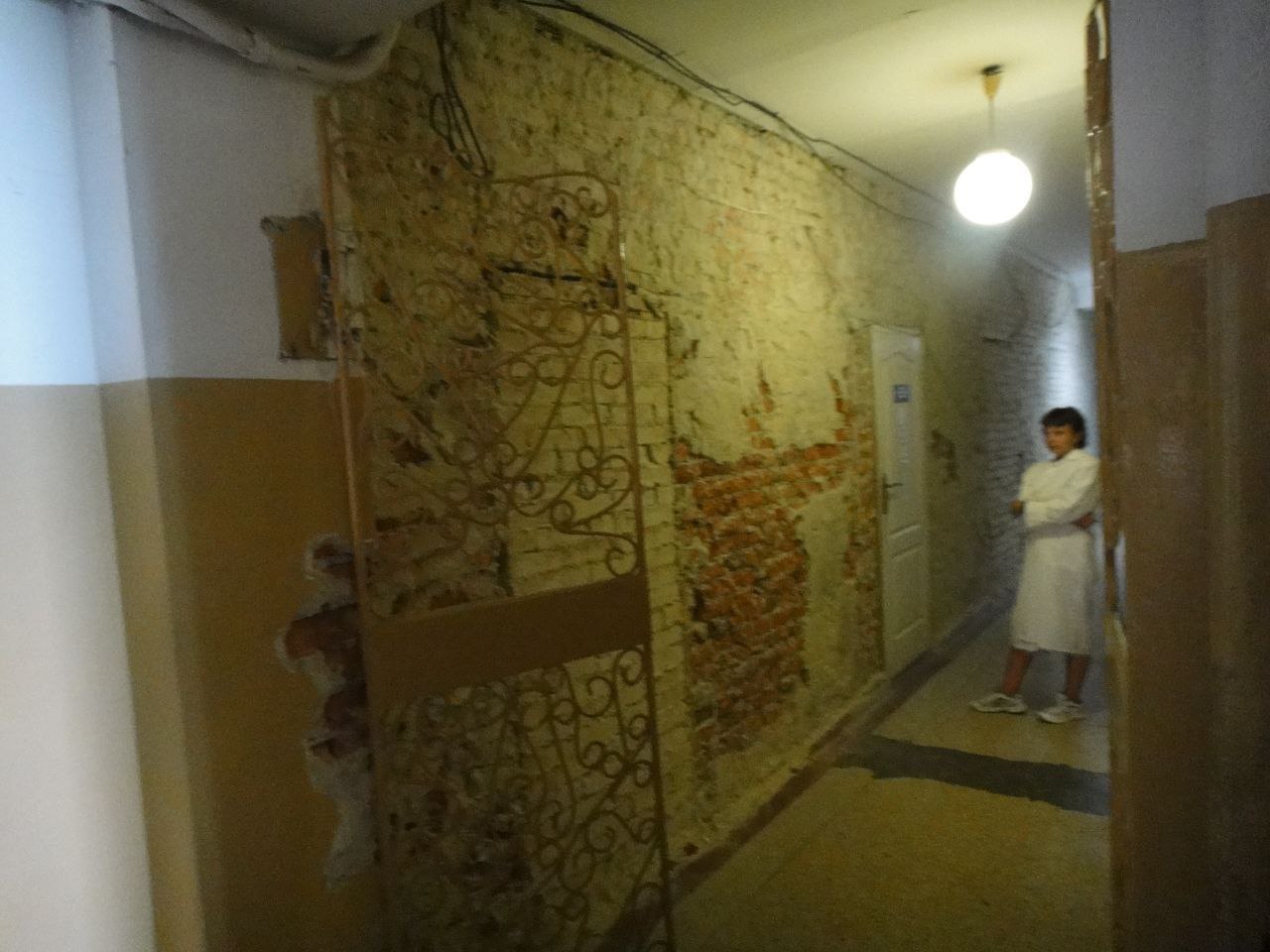
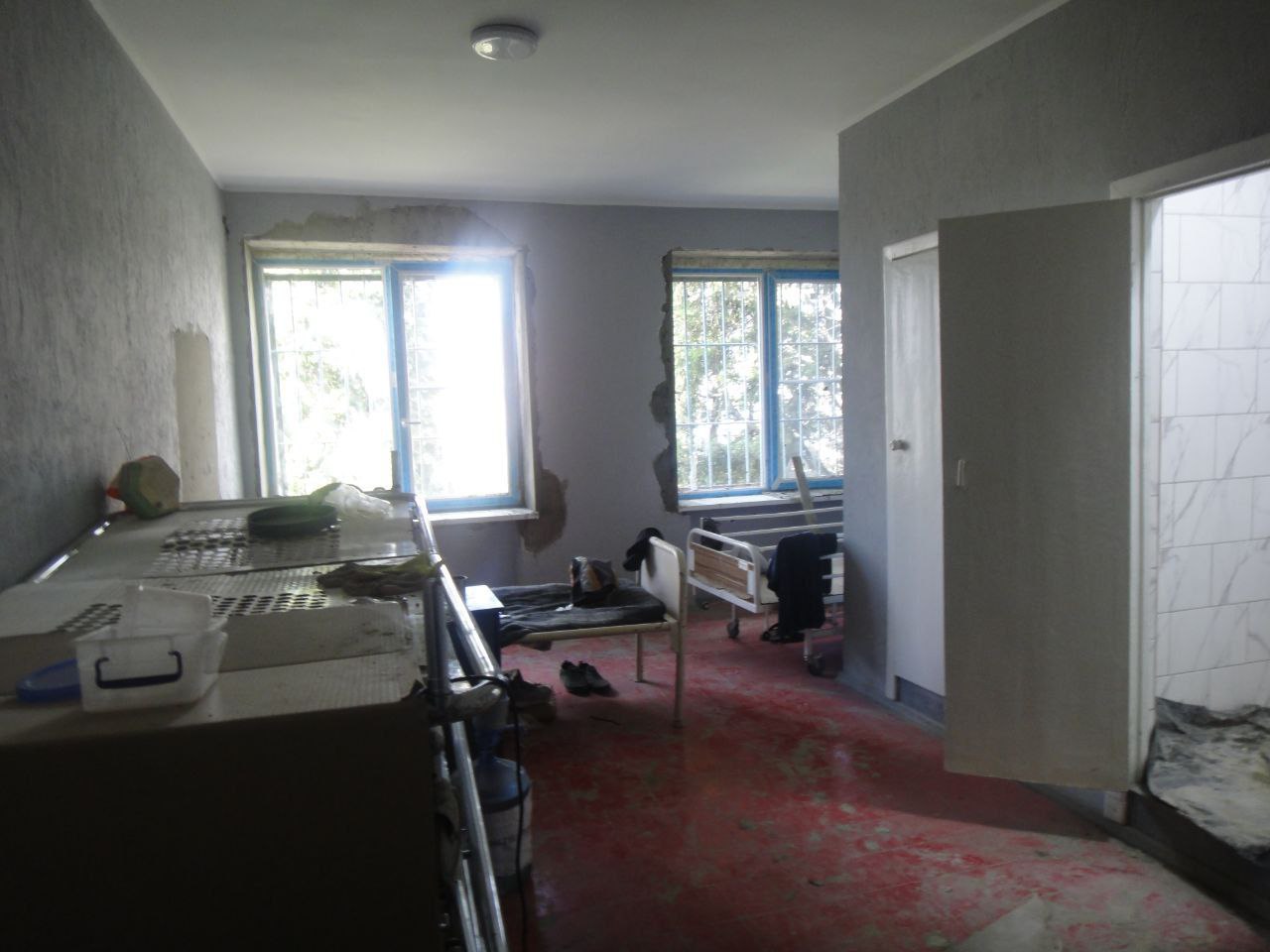
Renovation work on the high-security unit and the medical unit is currently underway.
During the monitoring visit, violations of national legislation requirements and failure to comply with international recommendations in the field of prisoner treatment were identified, which lead to violations of the rights of convicts:
1. Paragraph 59 of the 21st General Report of the European Committee for the Prevention of Torture and Inhuman or Degrading Treatment or Punishment (hereinafter — the Committee) states that any cell with a surface area of less than 6 m² should no longer be used to hold prisoners (CPT/Inf (2011) 28).
In the Report to the Government of Ukraine following the 2012 visit to Ukraine, the Committee emphasised that any single cells must have a living space of at least 6 m² (excluding the built-in toilet), and the distance between the walls of the cell must be at least 2 m (CPT/Inf (2013) 23, paragraph 45).
At the same time, the monitoring group established the use of cell premises Nos. 1, 2, 3, 4, 5, and 6 in the sector for the detention of persons in custody, which, according to the area measurement report of the structural units, do not meet these requirements.
2. In accordance with paragraph 16 of the Law of Ukraine "On Pre-trial Detention," persons in custody may be engaged in labour only within the territory of the place of pre-trial detention, with their consent and with the permission of the investigator or the court conducting the criminal proceedings.
However, the monitoring group established that detainees engaged in work at facilities in the production zone actually work without ensuring regime requirements for isolation and separate detention. In particular, they perform work in a shared space with convicts and may have direct contact with them, which contradicts the requirements of paragraph 1, chapter 1, section IX of the Internal Rules of Pre-trial Detention Centres of the State Penitentiary Service of Ukraine, approved by the order of the Ministry of Justice of Ukraine dated 14.06.2019, No. 1769/5.
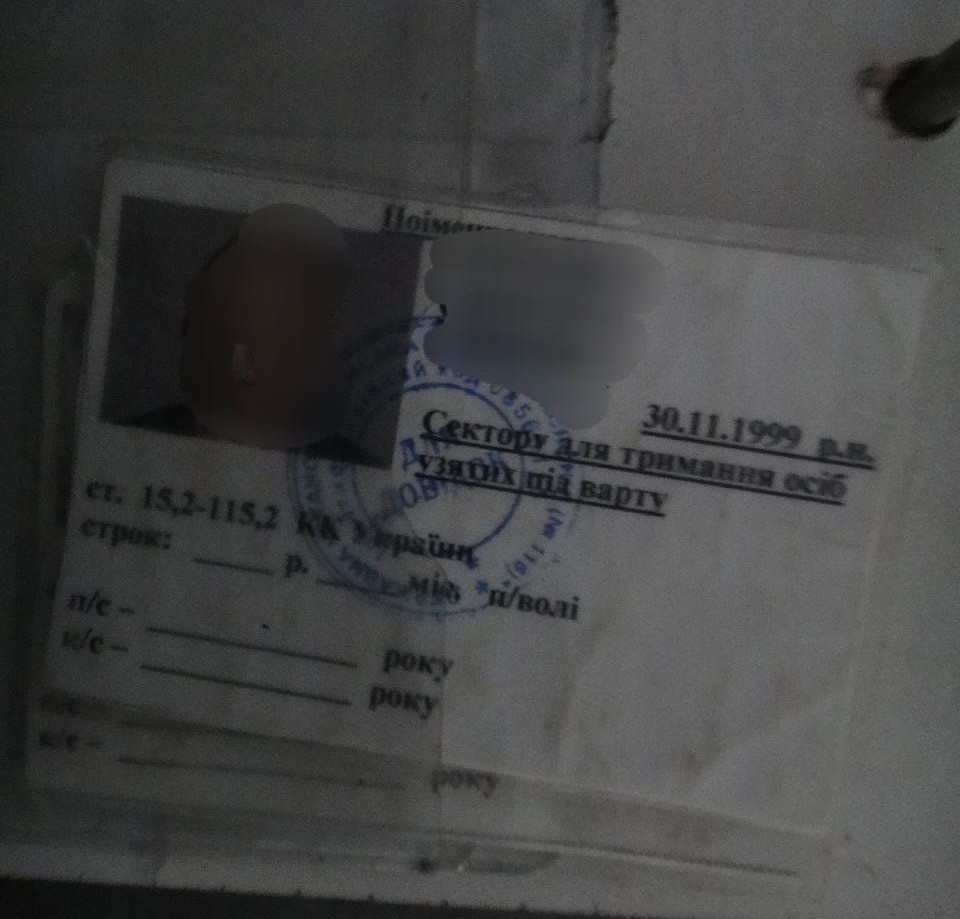
3. During a visit to the sector for detaining persons in custody, the placement of personal cards with information including a brief description of the crimes committed by those held there was recorded on the outer doors of the cells.
In its report following the 2020 visit to Ukraine, the Committee emphasised that this practice must be stopped, as it serves no reasonable purpose and, in addition to stigmatisation, negatively affects the relationship between prisoners and facility staff (CPT/Inf (2020) 40, paragraph 52).
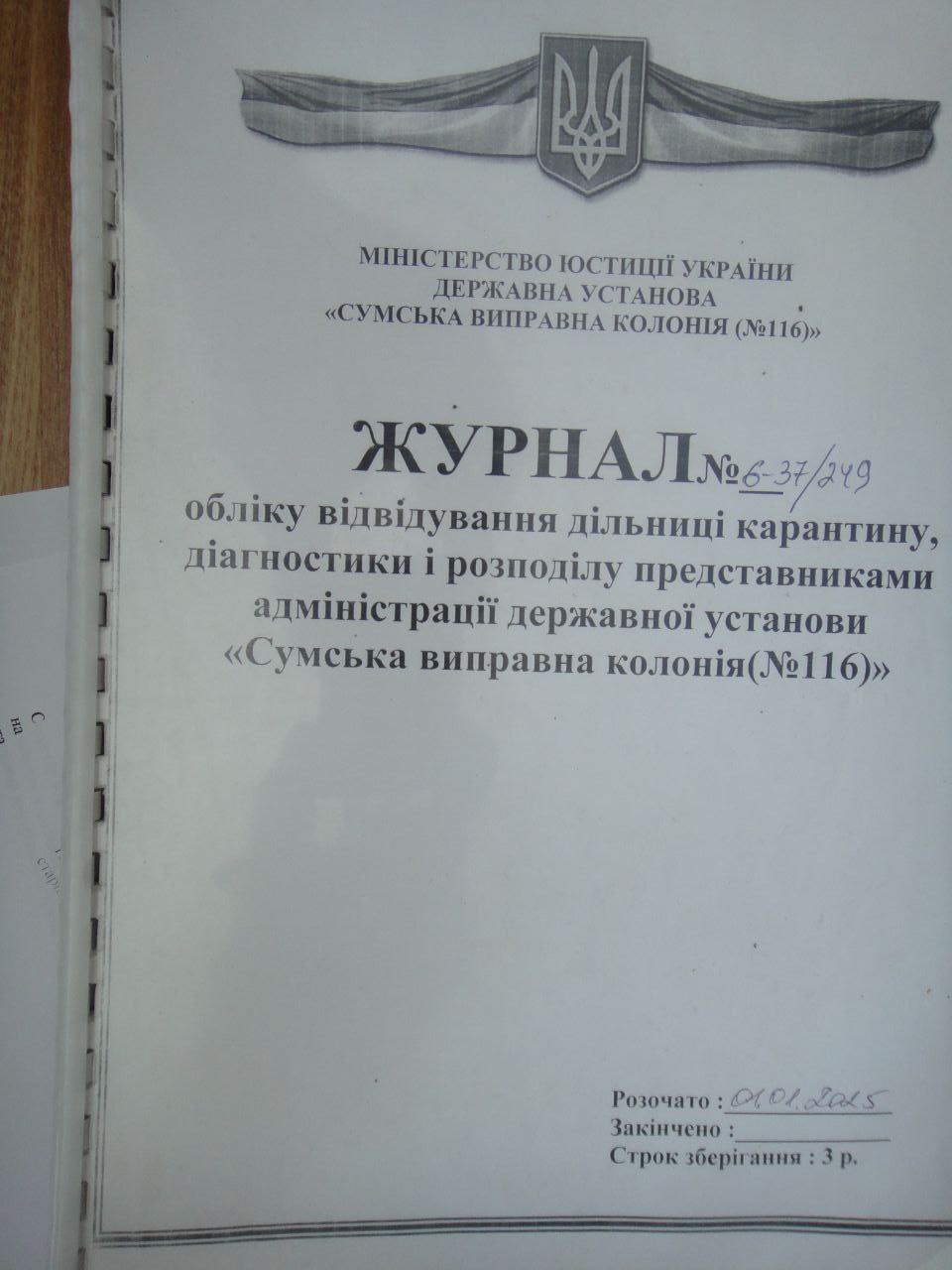
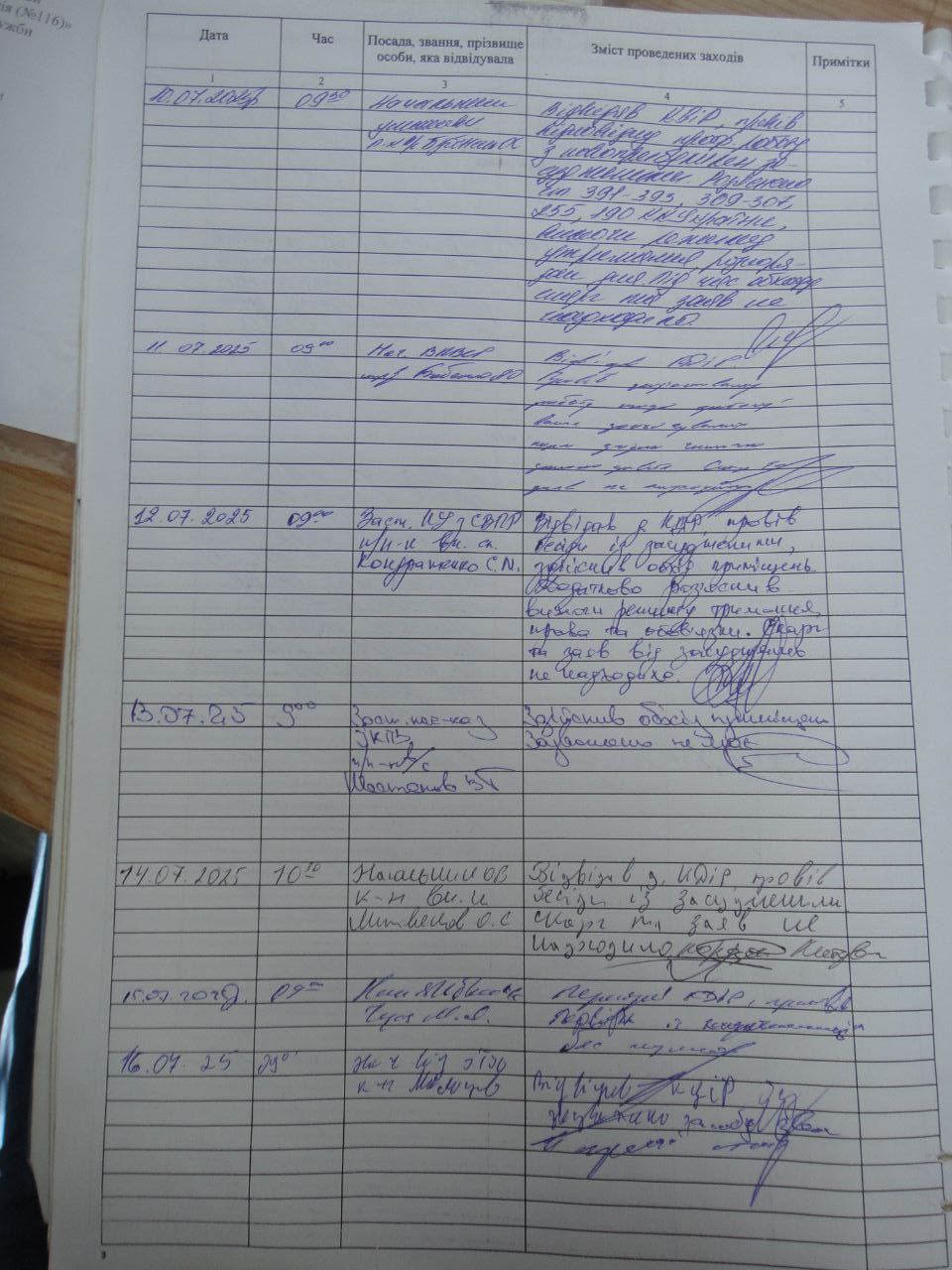
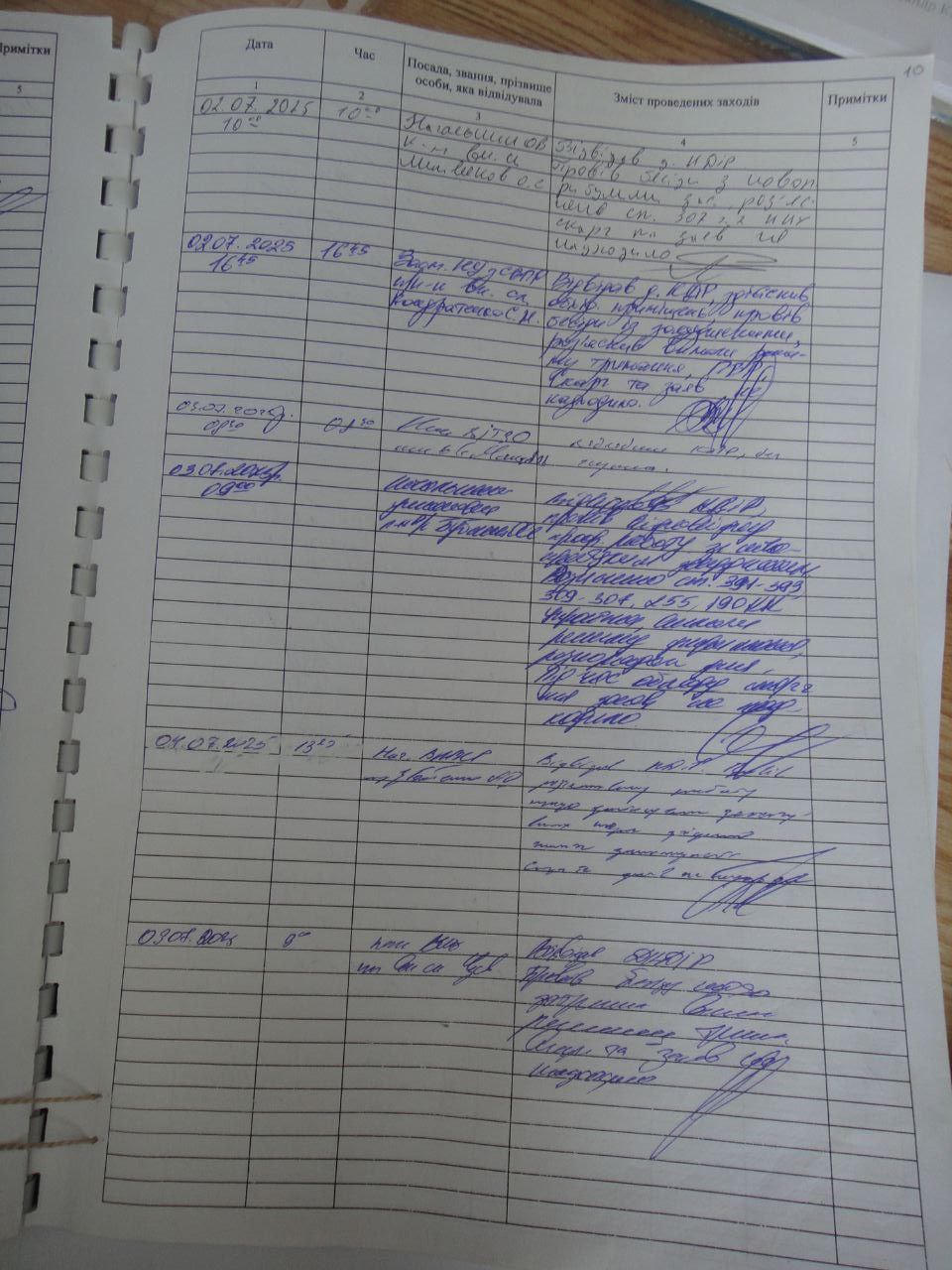
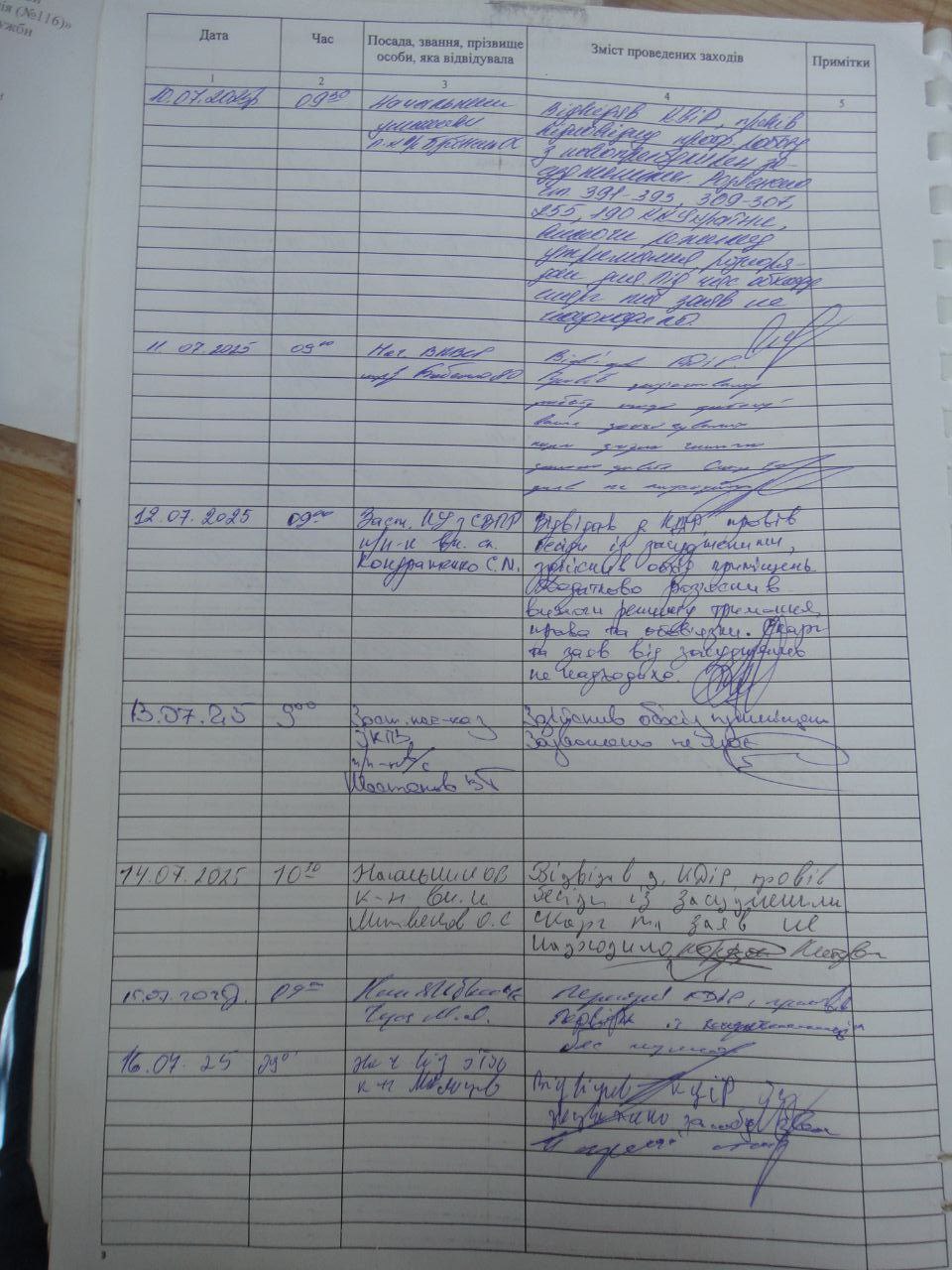
4. In accordance with paragraph 5 of section II of the Regulations on the QDD, it is provided that the planning of induction programme measures for newly arrived convicts must be carried out in such a way that each member of the working group visits the QDD unit at least once a week. However, during the analysis of the visitor log for the quarantine, diagnostics, and distribution unit by administrative representatives (hereinafter — QDD unit visitor log), it was established that the psychologist and the medical worker who are members of the working group do not visit the unit with the required regularity, thereby violating the requirements of the Regulations regarding work with newly arrived convicts.
Thus, the organisation of work with newly arrived convicts, including the implementation of induction programme measures in the QDD unit by working group members, is not being carried out in full.
5. Paragraph 1 of section XXIII of the Internal Rules of Penal Institutions, approved by the Ministry of Justice order dated 28.08.2018, No. 2823/5, registered with the Ministry of Justice of Ukraine on 05.09.2018 under No. 1010/32462 (hereinafter — IRPI), defines that supervision of convicts is a system of measures aimed at ensuring the serving and execution of criminal punishments in the form of restriction and deprivation of liberty, life imprisonment, and arrest through round-the-clock and constant control over the behaviour of convicts in their places of residence and work, preventing and stopping illegal actions on their part, and ensuring the requirements of prisoner isolation and the safety of penal institution personnel.
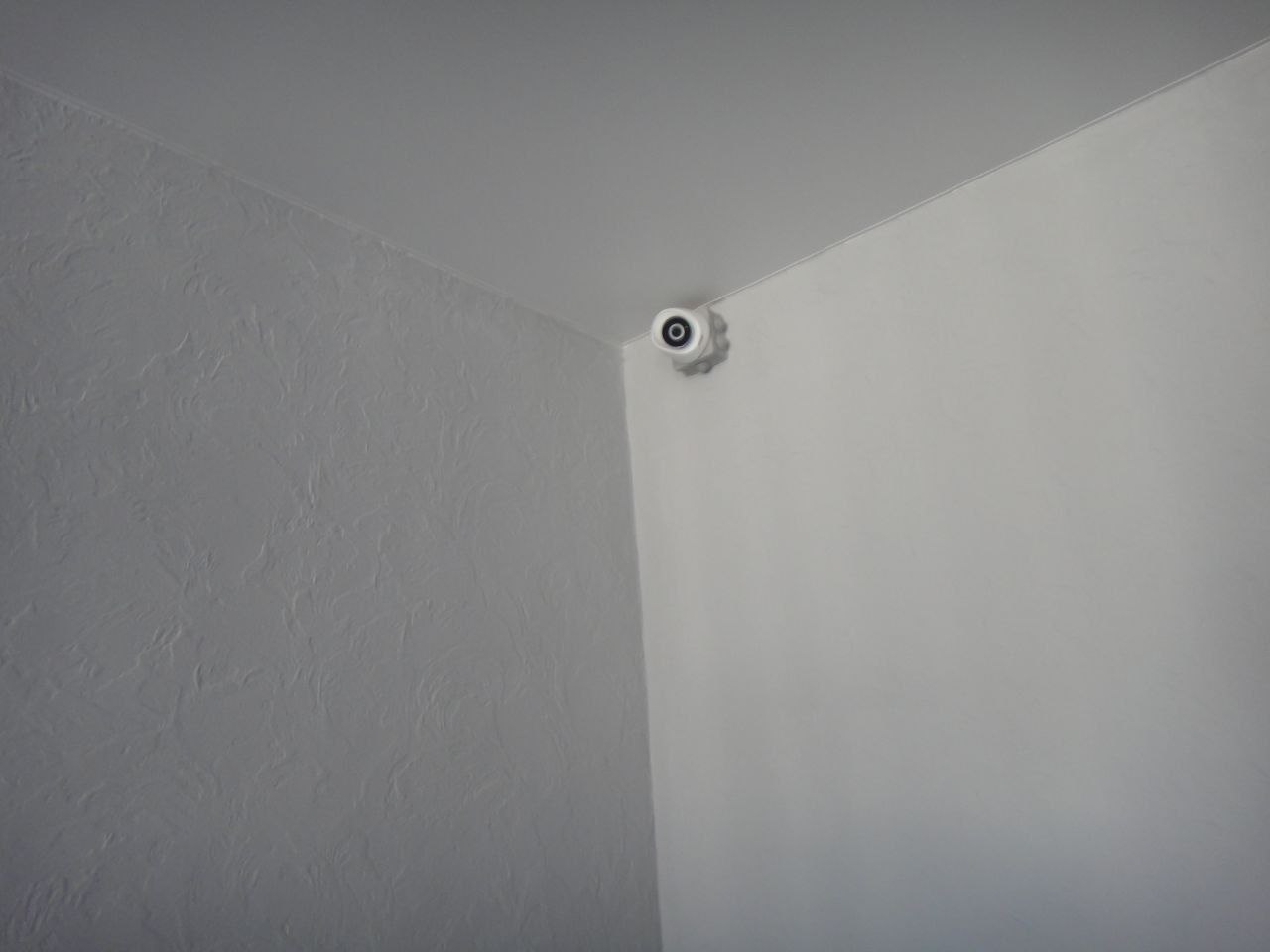
Thus, during an inspection of the QDD residential premises, a surveillance camera was found installed. However, in its 2012 report, the Committee criticised excessive interference with privacy through the installation of video cameras in convicts' residential premises: "The CPT accepts that video surveillance in cells can be a useful safeguard in specific cases, for example, where an individual is considered to be of concern regarding the risk of self-harm or suicide, or if there are concrete suspicions that a prisoner is carrying out activities in the cell that may jeopardise security.
However, any decision to use video surveillance on a specific convict must always be based on an individual assessment of real risks and must be reviewed regularly. Video surveillance is a serious interference with the private life of prisoners and makes the regime even more repressive, especially when applied over long periods" (CPT/Inf (2013) 23, paragraph 52).
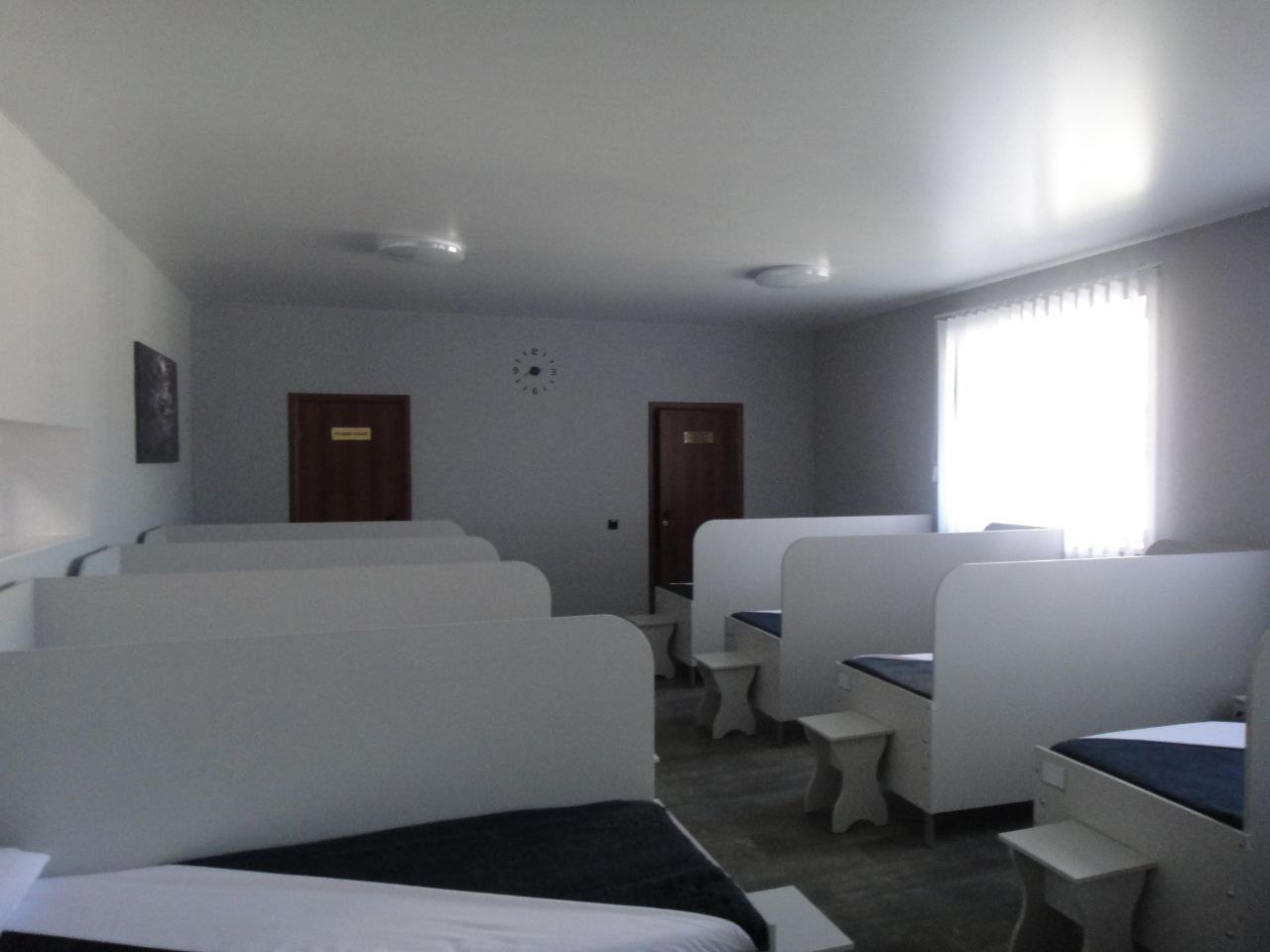
6. In violation of the requirements of the Standards for Provision of Furniture, Inventory, and Household Items for a Medium-Security Correctional Colony, approved by the Ministry of Justice order dated 27.07.2012, No. 1118/5 (hereinafter — Provision Standards), a number of premises are missing in the QDD unit, namely: a room for storing exchange bedding, clothing, and workwear; a storeroom for temporary storage of soiled bedding, clothing, and workwear; a utility room; and a drying room.
The absence of these premises or their improper arrangement leads to a violation of sanitary and hygienic standards. Thus, the improper organisation of personal item storage complicates the maintenance of cleanliness and order in the premises where convicts are held, which worsens the overall sanitary situation in the institution.
7. The equipment of the disciplinary isolation ward premises (hereinafter — DIW) does not meet the standards for the treatment of prisoners and the conditions of their detention according to their needs. Thus, the sanitary facilities in the DIW/CTP cell premises (Nos. 3, 4, etc.) are not equipped with sufficient partitions to ensure privacy, which violates rule 19.3 of the European Prison Rules.
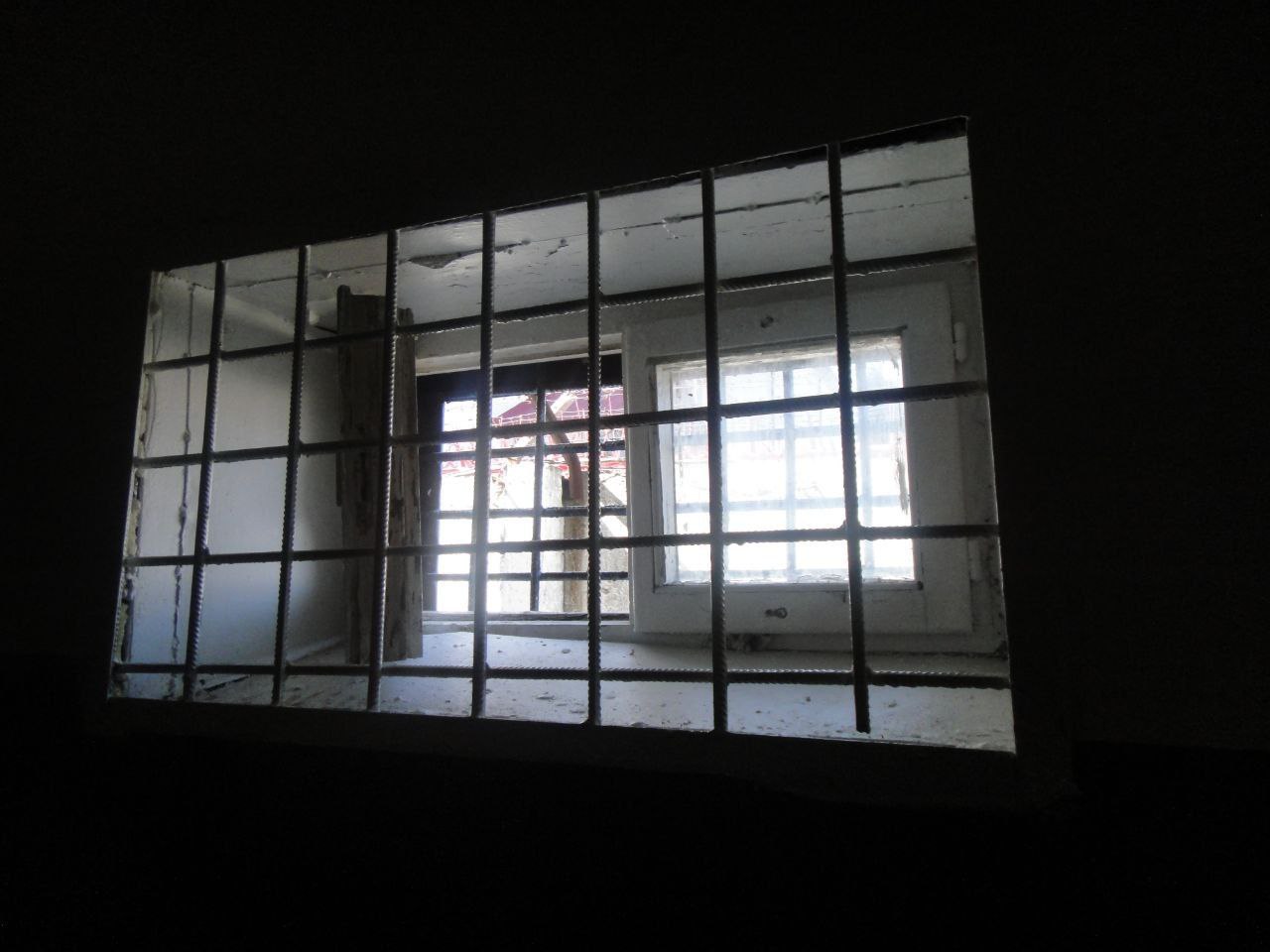
Due to the small size of the windows, sufficient natural lighting is not ensured in the DIW cell premises, which does not comply with rule 18.2a of the European Prison Rules and rule 14 of the UN Standard Minimum Rules for the Treatment of Prisoners (the Nelson Mandela Rules). At the same time, in the Report to the Government of Ukraine following the 2023 visit, the Committee urged the Ukrainian authorities to take the necessary measures to improve material conditions of detention, in particular, to maintain all places where convicts and persons in custody are housed, including sanitary facilities, in a proper state of repair and hygiene, to carry out regular and frequent disinsection, to ensure sufficient access to natural light and ventilation in cells, and to fully equip internal sanitary facilities with partitions (i.e., from floor to ceiling) (CPT/Inf (2024) 20, paragraph 58).
8. There is no radio connection in the DIW cell premises, which contradicts the requirements of paragraph 3 of section XX of the IRPI and paragraph 63 of the UN Standard Minimum Rules for the Treatment of Prisoners.
9. A high-security unit (hereinafter — HSU) is not operational in the institution. At the same time, the HSU is a structural unit of a medium-security correctional colony, and the procedure for holding convicts in such a unit is provided for by Article 97 of the Criminal Executive Code of Ukraine (hereinafter — CEC of Ukraine) and other regulatory legal acts.
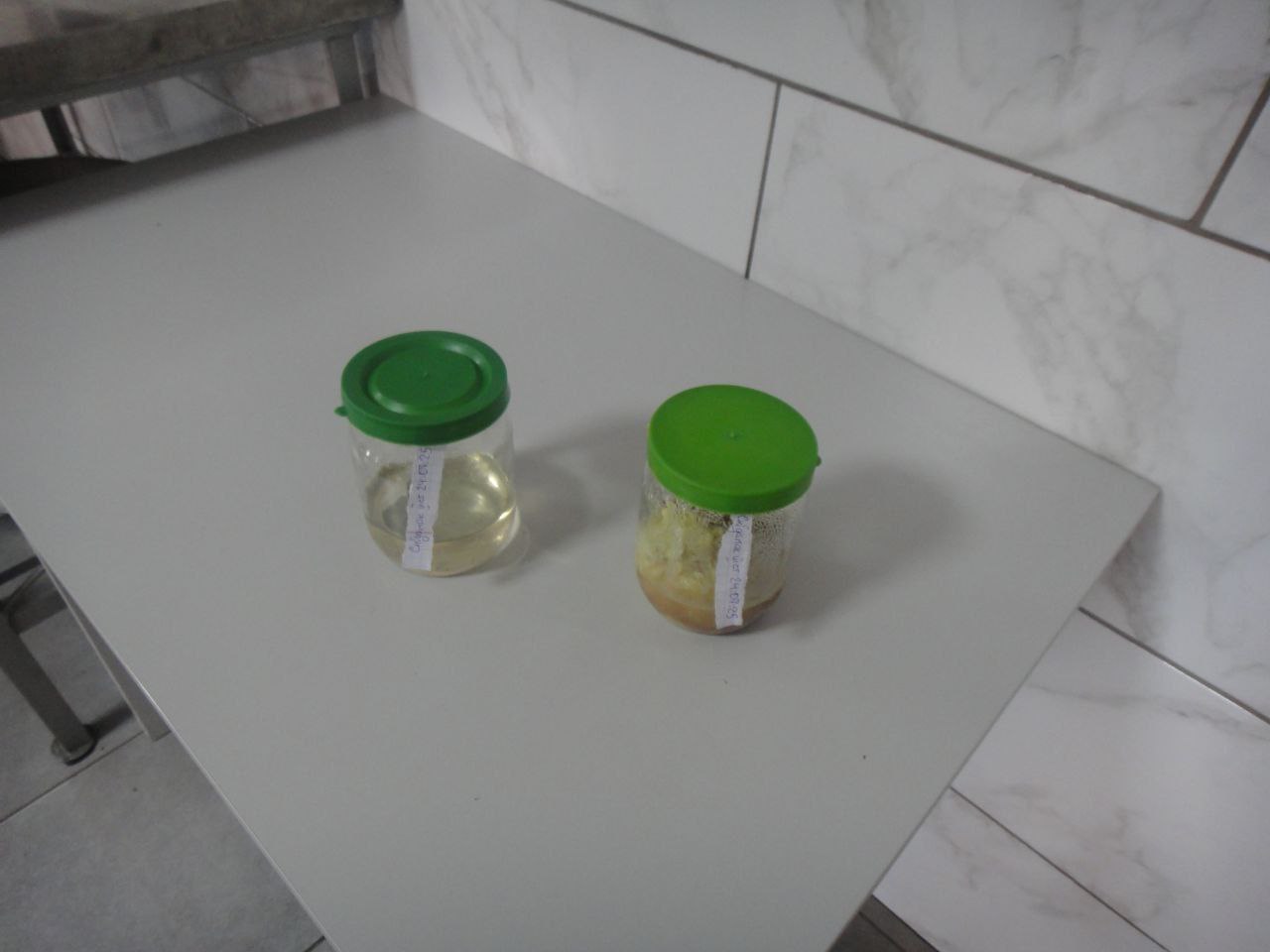
10. According to paragraph 17 of section V of the Regulations on the Organisation of Food Supply in the State Penitentiary Service of Ukraine in Peacetime, approved by the Ministry of Justice order dated 15.06.2021, No. 2160/5 (hereinafter — Food Supply Regulations), daily samples of each dish in the ration must be kept in the institution's canteen. Samples are taken by the cook from the pot in the presence of a medical professional from the healthcare facility, using clean containers with lids (pre-washed and boiled) before the food is distributed. Daily samples are stored in the canteen refrigerator at a temperature of +4 to +8 °C. Samples of dishes from each meal are stored for 24 hours until the end of the equivalent meal the following day. However, in violation of this, the monitoring group, during the inspection of the canteen refrigerator, established the absence of evening meal samples.
11. In violation of the requirements of paragraph 14 of section V of the Food Supply Regulations, food for detainees and convicts is delivered from the institution's canteen in metal pots and plastic buckets, rather than in marked thermoses, as required by the established standards. According to staff, the reason is that there is only one thermos available.
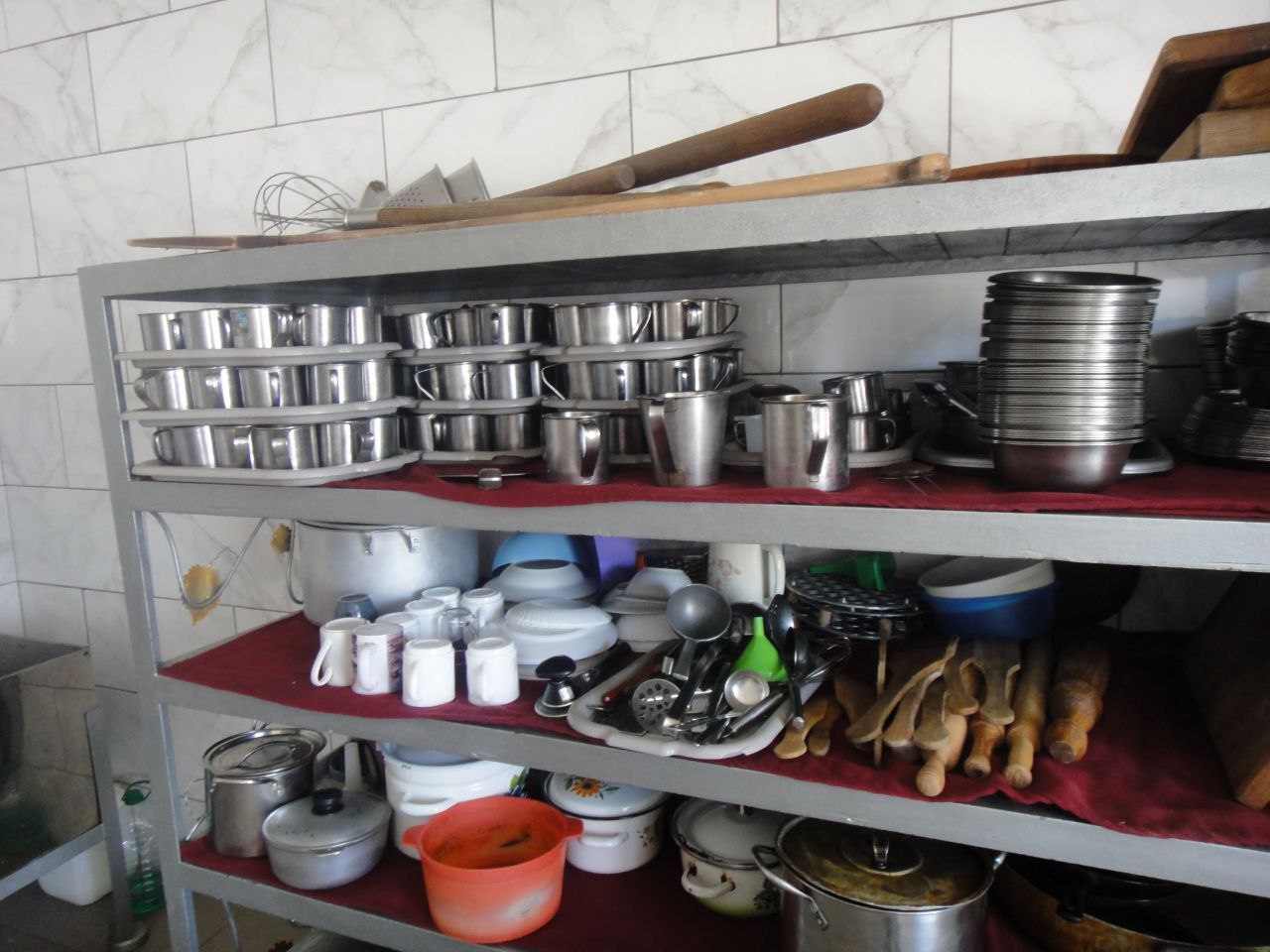
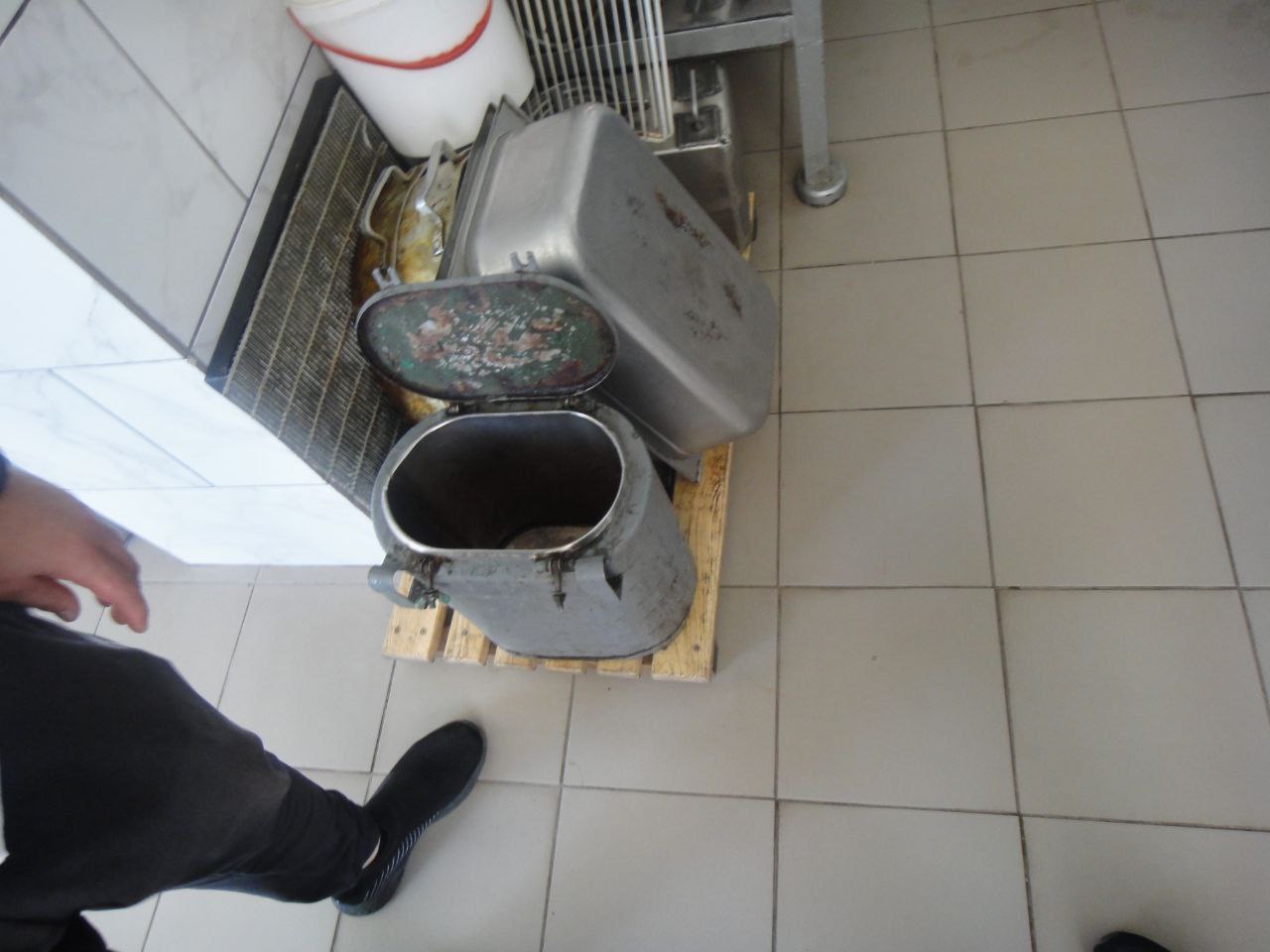
12. The monitoring group identified a number of violations in the organisation of laundry and bathhouse services for convicts and persons in custody. According to paragraph 3.19.1 of section III of the Regulations on the Organisation of Laundry and Bathhouse Services for Persons Held in Penal Institutions and Pre-trial Detention Centres, approved by the Ministry of Justice order dated 08.06.2021, No. 849/5 (hereinafter — Regulations), sanitary treatment includes washing in the bathhouse using soap and a washcloth, mandatory changing of underwear and bed linen, as well as disinfection (destruction of pathogenic microorganisms) and disinsection (destruction of insects and mites — vectors of infectious diseases) of personal clothing and bedding (pillows, mattresses, blankets) in a disinfection chamber. However, as a result of the monitoring visit, it was established that the disinfection chamber in the institution is not functional.
13. In violation of paragraph 2.14 of section II of the Regulations, the institution does not provide hairdressing services to convicts and detainees.
14. In violation of the requirements of rule 19.3 of the European Prison Rules, the right to privacy is not respected in the bathhouse premises due to the absence of curtains on shower partitions.
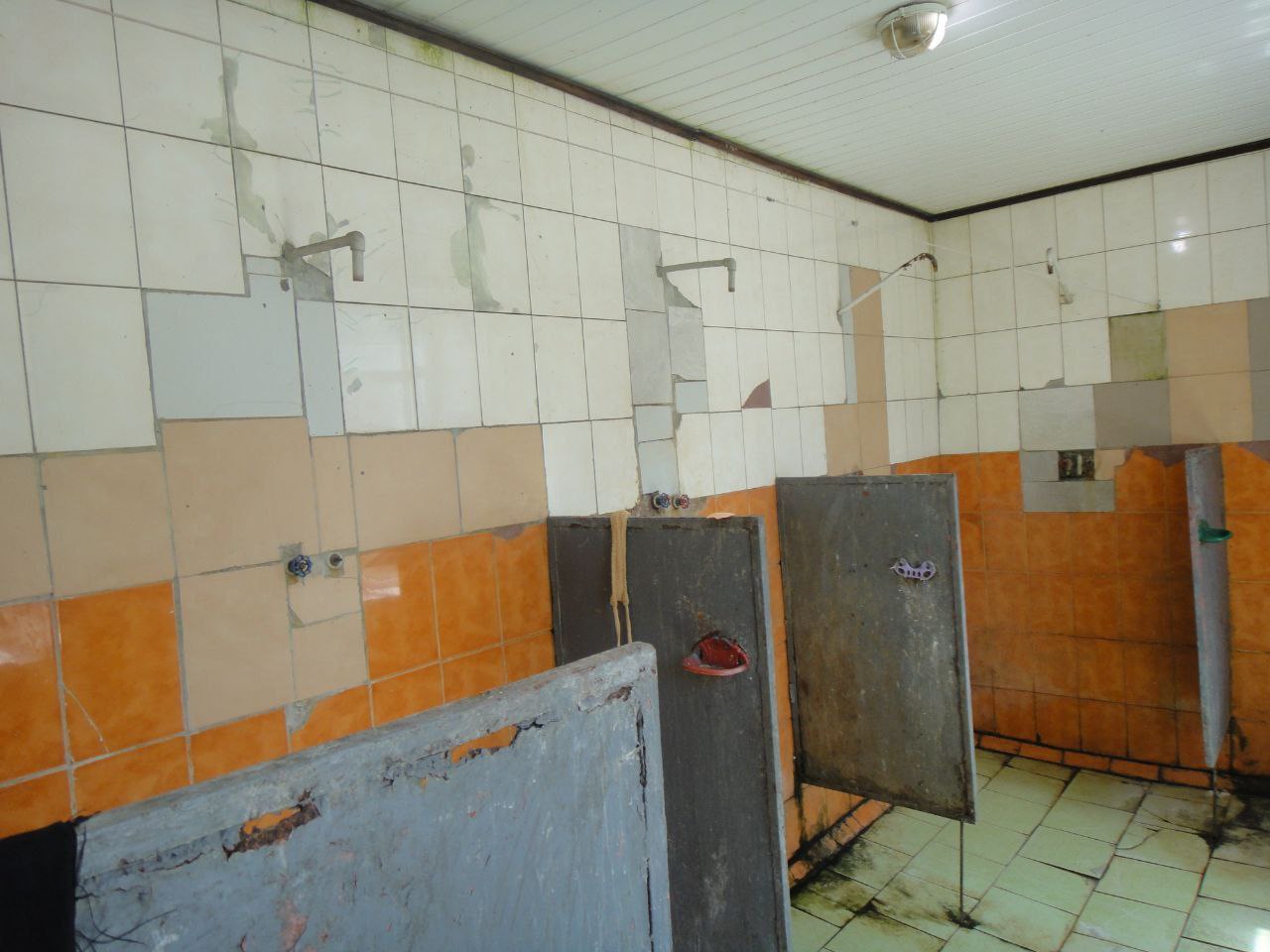
15. In violation of paragraph 2.6.2 of section II of the Regulations, shower heads are not equipped with taps for hot and cold water, due to which convicts are unable to regulate the water temperature while showering.
16. Since the beginning of 2025, convicts have been granted 54 long-term and 88 short-term visits (51 in open conditions and 37 in closed conditions). At the same time, in the Report to the Government of Ukraine following the 2023 visit, the Committee emphasised that open visits (e.g., at a table) should be the rule for all categories of convicts, and closed visits the exception, based on justified and reasoned decisions taken after an individual assessment of the potential risk posed by a specific convict. The Committee calls on the Ukrainian authorities to review the procedure for conducting short-term visits in penitentiary institutions of Ukraine so as to ensure that they are, as a rule, conducted in open conditions (CPT/Inf (2024) 20, paragraph 99).
17. The facility administration has not fully ensured the convicts' right to access the Internet, and the procedure for granting such access only partially complies with the established requirements. In particular, on the premises of the QDD and the social and psychological service ward, there are no conditions for convicts to exercise their right to Internet access, provided for by part seven of Article 110 of the Criminal Executive Code of Ukraine, via tablets. A Wi-Fi access point has not been installed on the premises of the QDD and the social and psychological service ward.
18. During the visit, the monitoring group recorded that facility staff who have direct contact with convicts openly carry special equipment, including rubber batons. However, according to the eighth paragraph of paragraph 1 of section XXVI of the IRPI, the carrying of special equipment by personnel of penal institutions within the protected territory of the penal institution should be as hidden from the environment as possible.
At the same time, the Committee recommends that penitentiary staff working in direct contact with prisoners should not carry special equipment (such as rubber batons, handcuffs, and tear gas canisters) openly in front of prisoners. Such carrying prevents the establishment of normal relationships between staff and prisoners (CPT/Inf (2011) 29, paragraph 85; CPT/Inf (2013) 23, paragraph 23; CPT/Inf (2014) 15, paragraph 166).
19. According to official documentation, the staff shortfall in the institution as of 24.07.2025 is 50 staff positions (22.6%). At the same time, in the Report to the Government of Ukraine following the 2023 visit, the Committee emphasised that ensuring a positive climate in a penitentiary institution requires the presence of a professional team of staff who must be present in sufficient numbers at any given time in the places of detention.
An insufficient number of staff can only increase the risk of violence and intimidation between convicts. The shortage of frontline staff also undermines the quality and standard of measures offered to convicts, and jeopardises the prospect of preparation for release and social rehabilitation. In this regard, the Committee calls on the Ukrainian authorities to take decisive measures to substantially increase the number of staff in penitentiary institutions of Ukraine where a low level of staffing is observed, with the aim of strengthening the presence of security and supervision service personnel inside the institutions. Measures must also be taken to put an end to 24-hour shifts for personnel on duty (CPT/Inf (2024) 20, paragraph 93).
20. During the analysis of provided documents and materials related to the organisation of convict labour at SCC-116, as well as communication with convicts engaged in work, a number of systemic violations of labour rights and social guarantees were established. The check covered work in production workshops, the catering unit, and on utility maintenance.
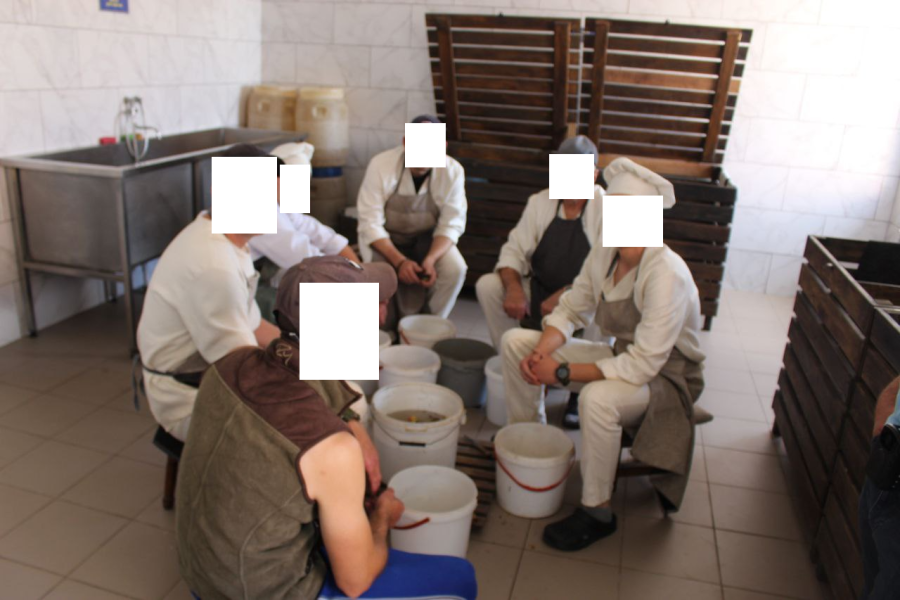

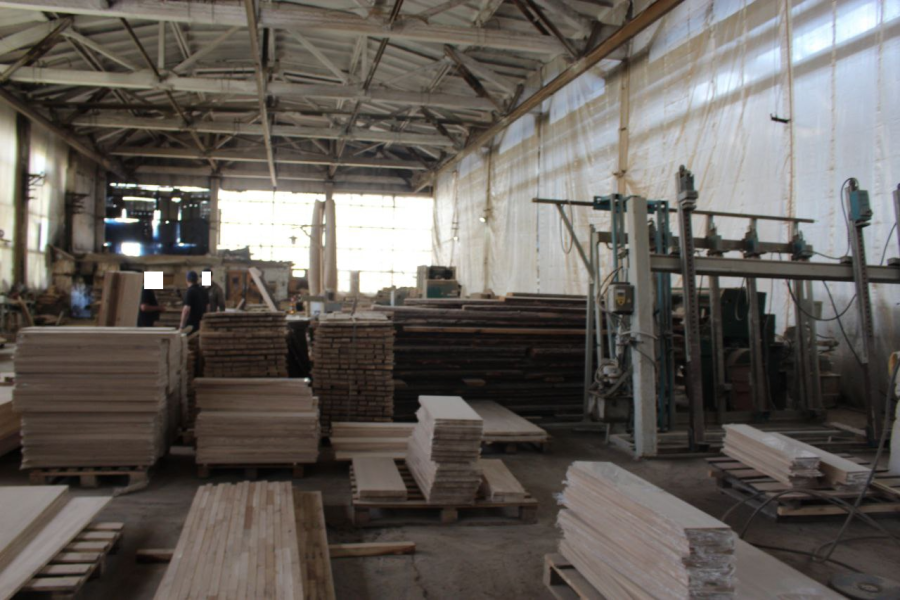
Particular attention was paid to the existence and content of work orders, lists of workers, logs, and wage calculations. In accordance with order No. 28/1 of 02.06.2025, the conclusion of fixed-term labour contracts with convicts is provided for. However, the practice of applying such contracts does not provide proper protection of the right to work and the social guarantees ensured by the Constitution of Ukraine, the Labour Code, and the Criminal Executive Code of Ukraine. Some convicts (Ch., U., I., L.) work permanently in the catering unit, yet their employment is limited to being included in the utility service lists.
The lack of proper formalisation of full labour relations deprives them of the right to social insurance, paid leave, work seniority, and other social and labour guarantees. A number of violations regarding persons working in production workshops were also recorded. According to the hourly inspection log for 22–23 July 2025, convicts from brigades Nos. 21, 31, 41, and 51 worked from 7:45 to 19:00–19:10, i.e., more than 11 hours per day. This exceeds the maximum duration of the working day defined by Article 50 of the Labour Code (8 hours).
In the catering unit, the hourly inspection log is not kept at all, which makes it impossible to determine the time actually worked and creates conditions for hidden exploitation. Production workshops have only an introductory training log, but there are no logs for periodic and targeted training, as required by labour safety regulations. In the catering unit, the labour safety training log is missing. In the log for issuing sharp/cutting items, the names of persons to whom they are issued are written in pencil and later erased, which is a direct violation of safety requirements and creates a threat to the life and health of both convicts and staff.
For June 2025, in the wage calculation statements, it was recorded that for most convicts in the production workshops, it amounts to approximately 5900 UAH regardless of seniority or the volume of time worked (for example: P., Ch., B., T.). This indicates the fictitious nature of the calculations and a violation of the principle of payment proportional to the time actually worked. Catering unit staff — convicts Ch., L., U. — actually work daily and without days off, yet their work is not reflected in the wage calculation statements, which is a gross violation of Article 43 of the Constitution of Ukraine and Article 1 of ILO Convention No. 95 "On the Protection of Wages."
Also, there is no data on bonuses for work at night, on holidays, and on weekends, although such work is actually performed (night cook — convict L.). No data on the accrual and transfer of the Single Social Contribution (SSC) for each working convict were recorded. This means depriving them of the right to accrue seniority, pension provision, sick leave, and other guarantees. Convicts are effectively deprived of the right to leave, sick leave, or compensation for unused days, which contradicts Article 118 of the CEC of Ukraine and Article 2-1 of the Labour Code.
The labour of convicts in the catering unit is used as a form of unpaid utility service, which does not meet the requirements of Article 43 of the Constitution of Ukraine and Article 118 of the CEC of Ukraine. There are signs of forced labour: lack of choice, absence of contracts, overtime work without pay. The Constitution of Ukraine (Article 43) guarantees the right to work, which includes timely and fair payment. The Labour Code of Ukraine (Articles 50, 94, 115, 116) provides standards for working hours, payment for work proportional to the time worked, and guarantees of payment. The CEC of Ukraine (Articles 118, 119) extends labour rights to convicts, with the exception of restrictions defined by law. ILO Convention No. 29 "On Forced Labour" prohibits the use of labour without pay or without compliance with minimum guarantees. ILO Convention No. 95 "On the Protection of Wages" establishes that wages must be paid fairly and on time, and workers cannot be deprived of minimum social guarantees.
The identified facts indicate systemic and gross violations of the labour rights of convicts at SCC-116. The organisation of labour is of a formal nature, wages are accrued symbolically or selectively, and social guarantees are non-existent.
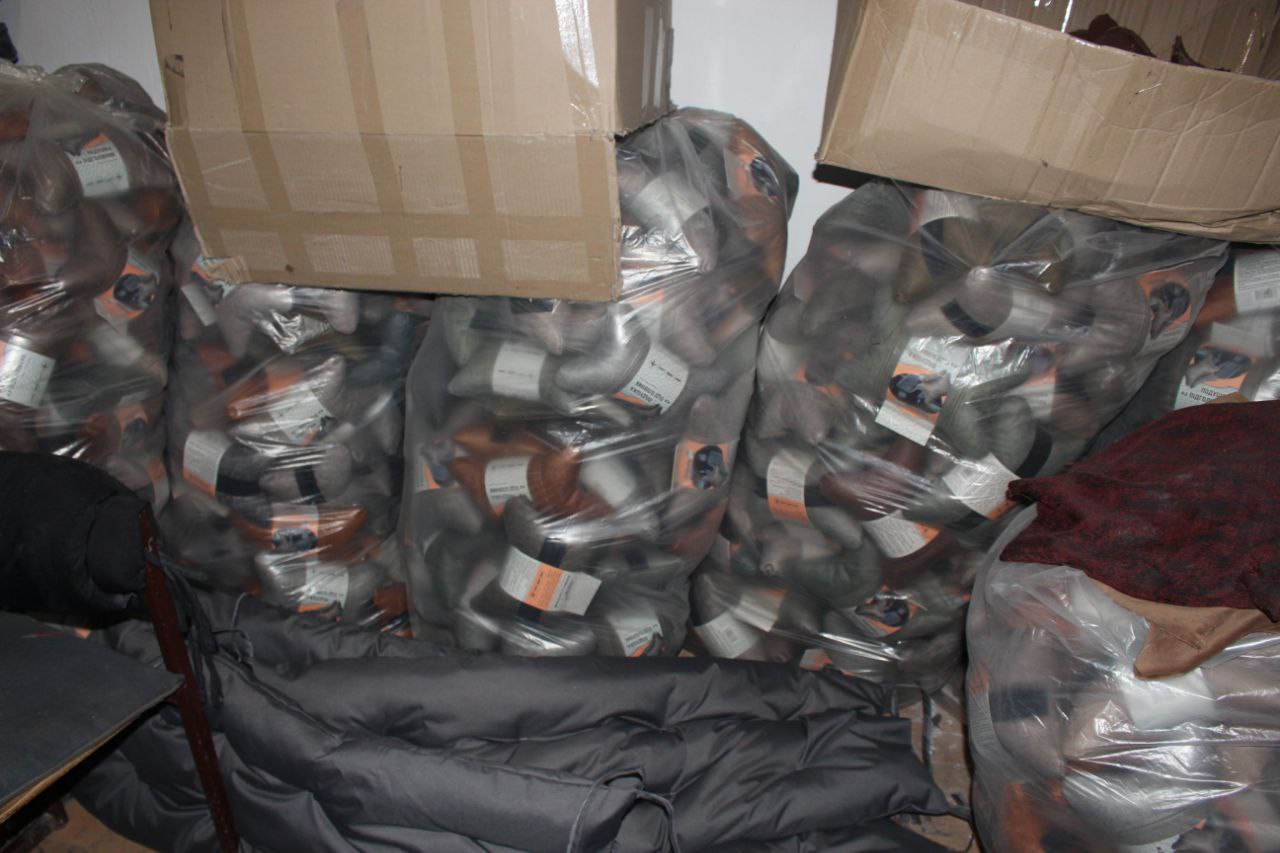
21. There are two basement premises in the institution, which the administration identifies as shelters. However, their actual condition does not meet the basic requirements of civil protection safety. "Shelter No. 2" is not being used for its intended purpose — a sewing workshop is equipped inside it. This indicates the lack of real possibilities for its use for its direct purpose during an air raid or an emergency situation.
"Shelter No. 1" has significant flaws: the premises are not equipped with a second evacuation exit, are not provided with proper ventilation, and there is no handover certificate for its operation as a protective structure.
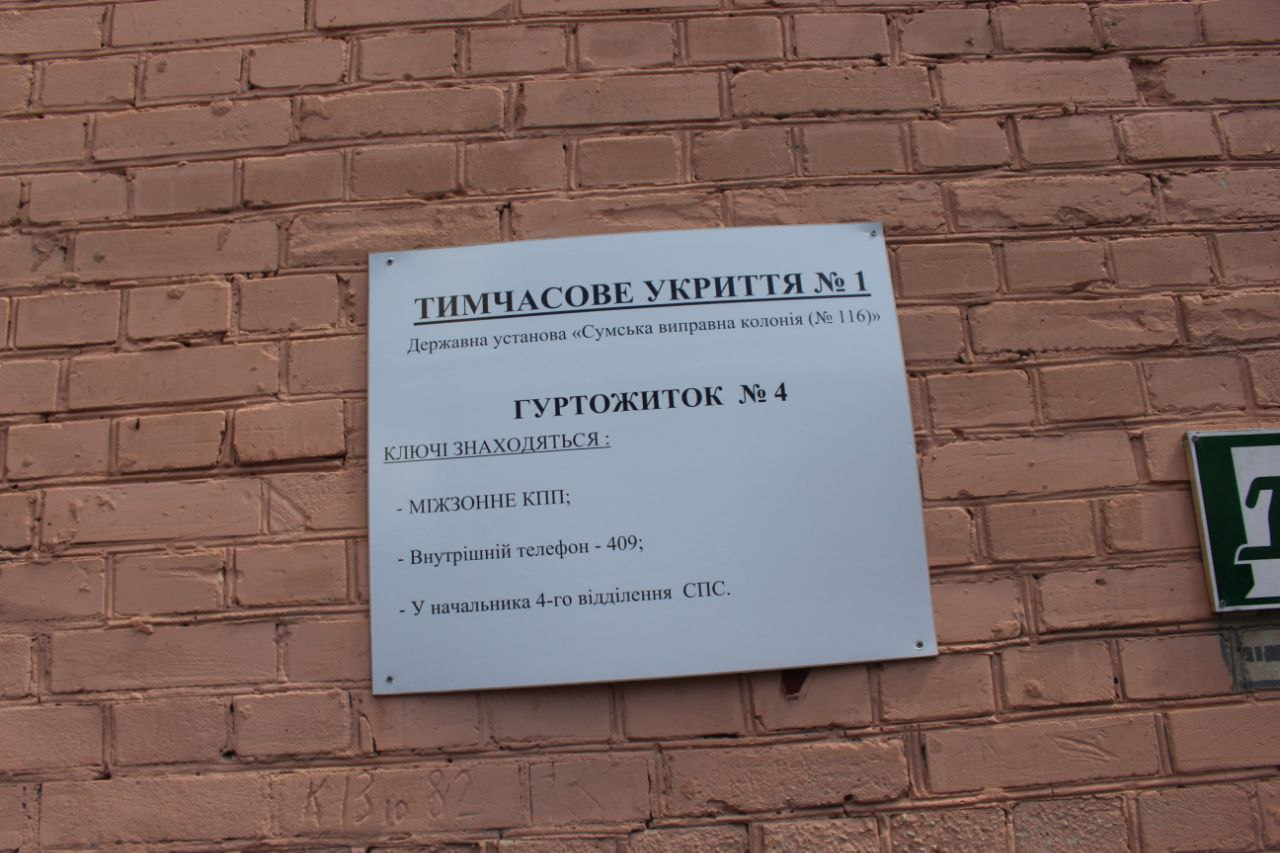
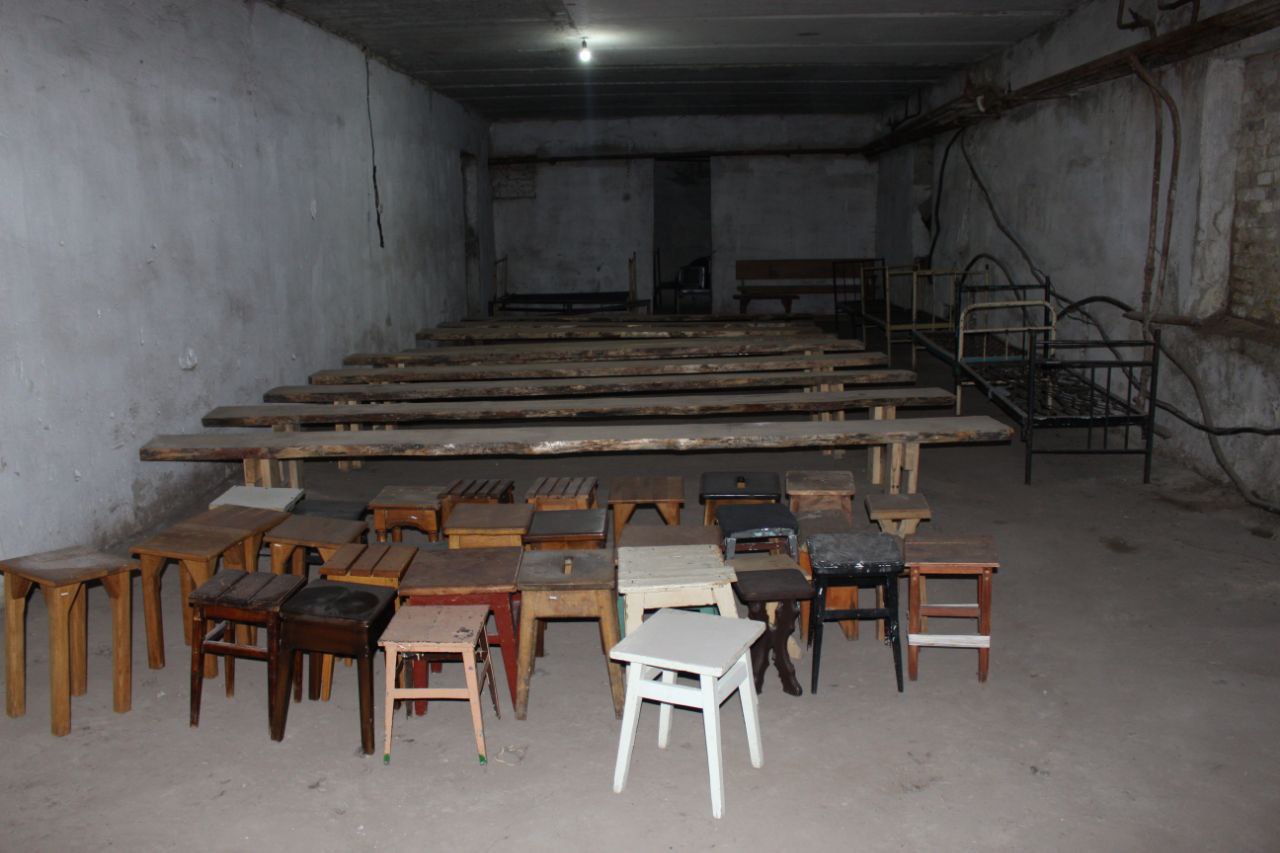
This creates serious risks to the life and health of persons located in the facility in the event of a need for urgent shelter. The state of these premises contradicts: Article 3 of the Constitution of Ukraine, which defines human life and safety as the highest social value; Article 32 of the Civil Protection Code of Ukraine (the duty to provide the population with protective structures); DBN V.2.2-5:2023 "Civil Protection Protective Structures" (requirements regarding the presence of ventilation, a second evacuation exit, and proper arrangement); paragraph 2 of the Procedure for Creating, Maintaining the Fund of Civil Protection Protective Structures and Keeping Records of It, approved by Cabinet of Ministers resolution dated 10.03.2017, No. 138 (prohibition of using shelters for non-intended purposes); and the principles of the European Prison Rules (rule 18.1), which provide for ensuring the safety of persons deprived of liberty during emergency situations.
Thus, the existing premises cannot be considered full-fledged protective structures, which is a violation of national legislation and international standards in the field of the right to life and safety.
Medical Unit No. 116 of the Branch of the State Institution "Centre for Healthcare of the State Penitentiary Service of Ukraine in Sumy Region"
Head of Medical Unit No. 116 of the branch of the State Institution "Centre for Healthcare of the State Penitentiary Service of Ukraine in Sumy Region" — Popadiuk Serhii Petrovych.
During the monitoring visit, violations of national legislation requirements and failure to comply with international recommendations in the field of prisoner treatment were identified, which lead to a violation of the rights of convicts:
1. In connection with renovation work in the medical unit, as of the day of the monitoring visit, inpatient medical care is not provided to convicts; only outpatient care is provided, which contradicts the requirements of chapter 5, section II of the Procedure for Organizing the Provision of Medical Care to Convicts to Deprivation of Liberty, approved by the order of the Ministry of Justice of Ukraine and the Ministry of Health of Ukraine dated 15.08.2014, No. 1348/5/572 (hereinafter — Procedure).
2. In accordance with paragraphs 1, 2 of chapter 2, section II of the Procedure, newly arrived persons must undergo a full primary medical examination within 14 days, in particular by a general practitioner, a psychiatrist, and a dentist. At the same time, during the study of medical documentation (outpatient medical records, form No. 025/o) of newly arrived persons at the institution, it was established that records are entered exclusively by a general practitioner, which indicates that the primary medical examination is not being conducted in full.
3. In violation of the requirements of paragraph 3 of chapter 1, section II of the Procedure and the Instruction on filling out primary accounting document form No. 511/o "Certificate on the Documentation of Bodily Injuries," medical personnel do not properly draw up the relevant certificates. In particular, in most cases, point 8 of the form, which provides for specifying the circumstances of sustaining bodily injuries, is filled out formally, without detail, for example: "hit head on door due to own carelessness."
This makes it impossible to identify the actual circumstances of the incident. The lack of full documentation of the circumstances of injury and improper recording of bodily injuries does not comply with paragraph 60 of the Committee's recommendations (CPT/Inf (93) 12-part), where it is stated that medical services in places of detention can contribute to preventing violence against persons held in custody by systematically recording bodily injuries, as well as, if necessary, by informing the relevant authorities.
4. In violation of the requirements of the State Building Norms of Ukraine V.2.2-17:2006 "Buildings and Structures. Accessibility of Buildings and Structures for Persons with Reduced Mobility," conditions for holding people with disabilities have not been created in the medical unit.
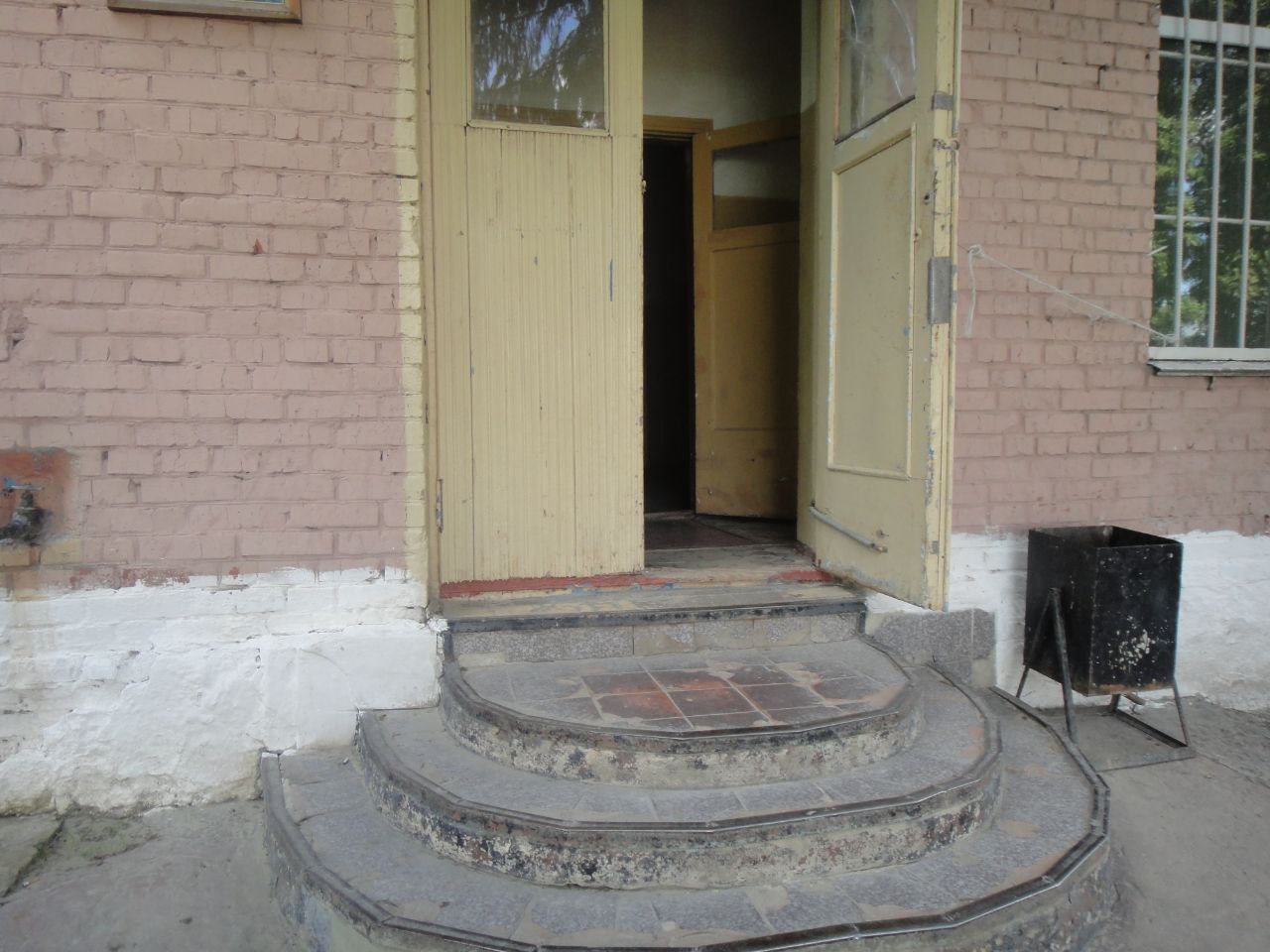
5. In violation of paragraph 37 of the Cabinet of Ministers of Ukraine Resolution dated 02.03.2016, No. 285 "On Approval of Licensing Conditions for Carrying Out Economic Activities in Medical Practice," there is no conclusion in the medical unit confirming free access to the buildings and premises of the medical facility for persons with reduced mobility, the receipt of which is mandatory.
6. In violation of the requirements of the Standards of Medical Care for HCV in Adults, approved by the Ministry of Health of Ukraine order dated 15.01.2021, No. 51, not all persons with suspected viral hepatitis C undergo PCR testing (10 people as of 24.07.2025), due to which they do not receive the necessary treatment, which may lead to a deterioration of their health and the spread of the aforementioned infectious disease among the convict population.
7. In violation of the Procedure for organising medical care at the primary, secondary (specialised), and tertiary (highly specialised) levels using telemedicine, approved by the Ministry of Health of Ukraine order dated 19.10.2015, No. 681, medical unit personnel, due to technical limitations, are deprived of the opportunity to send requests for telemedicine consultations and receive professional assistance to provide medical services to convicts.
8. In violation of the requirements of the Table of Equipment for One Workstation of a Dentist and Dental Technician, approved by the Ministry of Health of Ukraine order dated 11.04.2005, No. 158, there is no dental X-ray machine in the medical unit, which makes it impossible to conduct in-depth dental examinations of convicts and does not ensure the timely provision of proper dental care.
It was also established that the dental office is not provided with the necessary filling materials. According to information provided by medical unit staff, among the available types of dental care, tooth extraction prevails, while fillings are performed extremely rarely, which significantly limits the convicts' right to receive proper dental care.
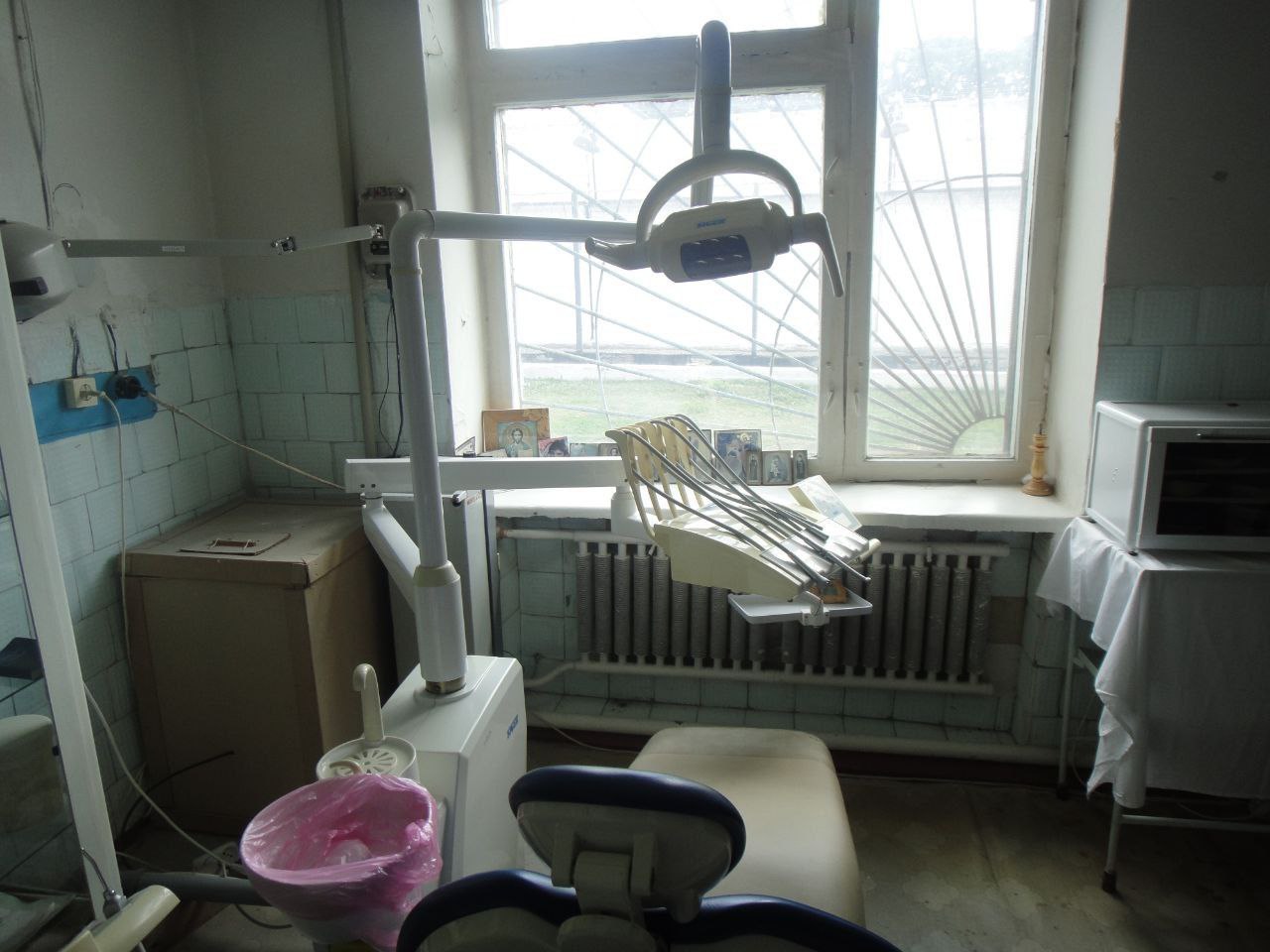
9. There is no hot water supply in the doctors' offices, and the workstations of medical staff do not meet the requirements of current legislation and violate Article 19 of the Law of Ukraine "Fundamentals of the Legislation of Ukraine on Healthcare" and Article 13 of the Law of Ukraine "On Occupational Safety."
10. In accordance with paragraph 7 of chapter III, section II of the Procedure, convicts working in catering facilities are subject to mandatory preliminary and periodic preventive medical examinations in accordance with the Cabinet of Ministers of Ukraine resolution dated 23.05.2001, No. 559 "On Approval of the List of Professions, Productions, and Organisations whose Employees are Subject to Mandatory Preventive Medical Examinations, the Procedure for Conducting These Examinations and Issuing Personal Medical Records."
For each convict of this category, primary accounting document form No. 1-OMK "Personal Medical Record" is opened, approved by the Ministry of Health of Ukraine order dated 21.02.2013, No. 150, registered with the Ministry of Justice of Ukraine on 23.04.2013 under No. 662/23194. However, the monitoring group recorded the absence of examination results in the medical documentation of catering unit employees (including laboratory, clinical, and other studies), which are necessary for admission to work in catering facilities.
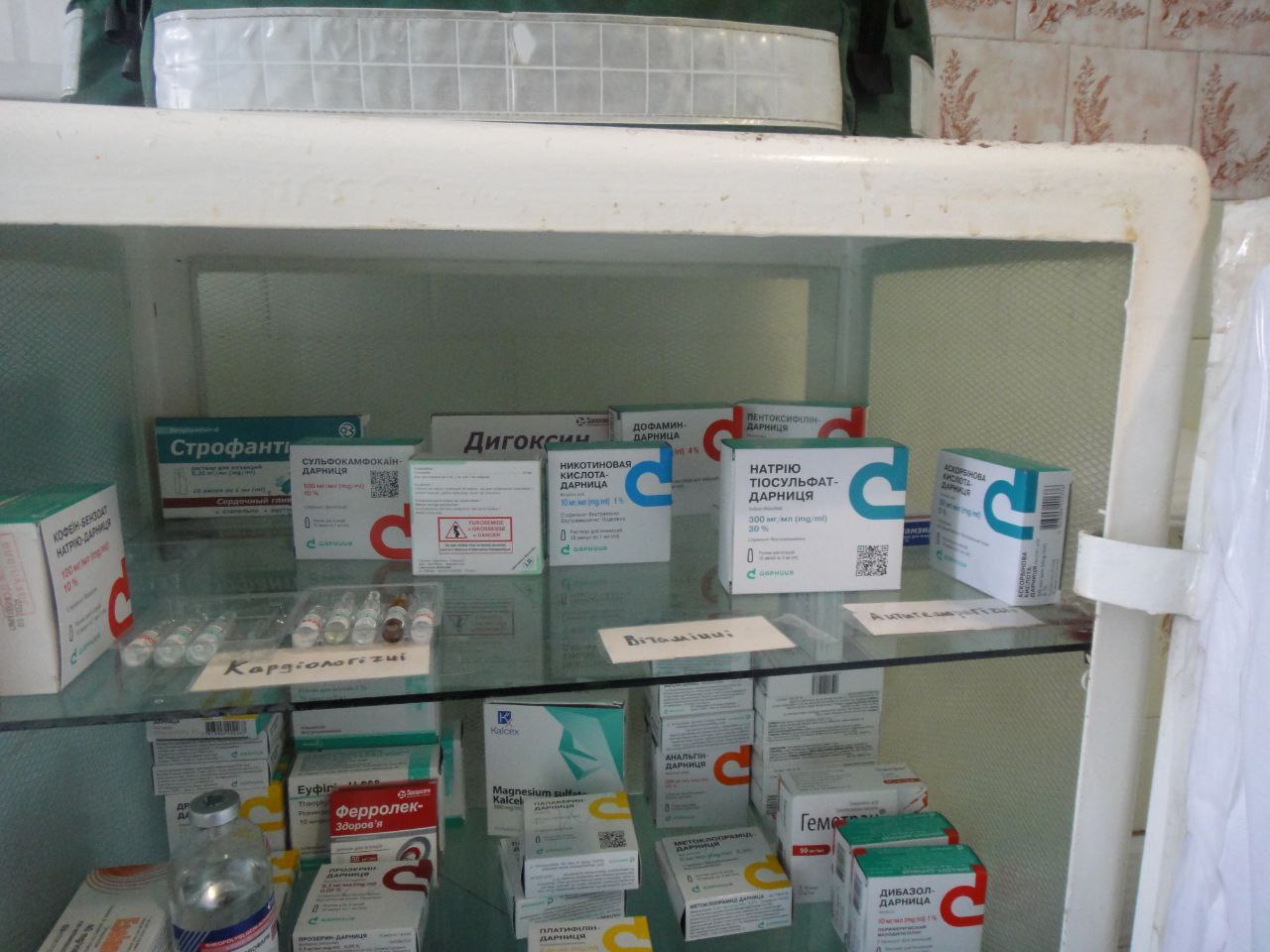
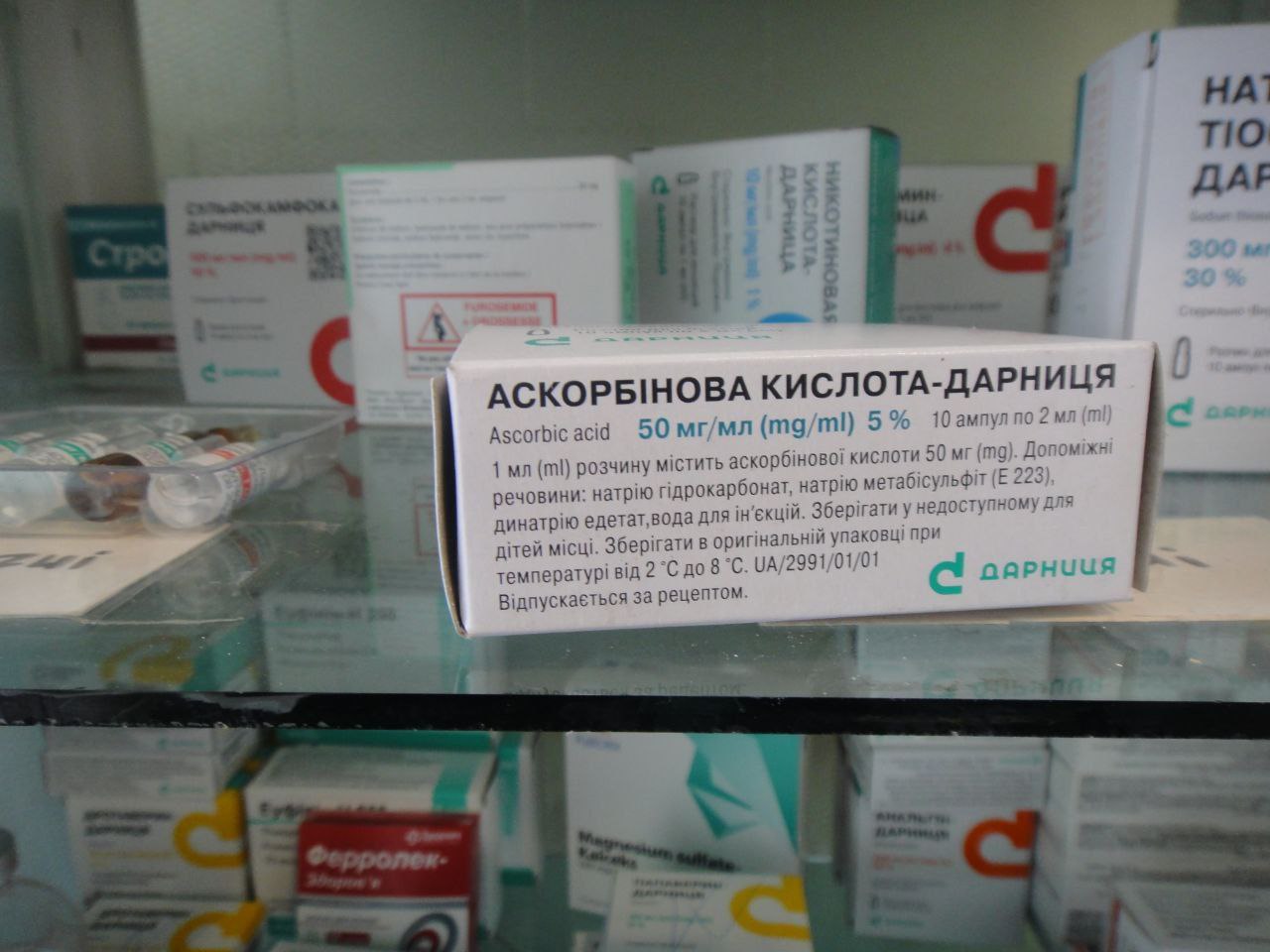
11. In violation of the requirements of the Ministry of Health of Ukraine order dated 16.12.2003, No. 584 "On Approval of the Rules for Storage and Quality Control of Medicinal Products in Treatment and Preventive Institutions," medicines are stored without regard to the temperature regimes specified by the manufacturers. Thus, in the medication storage room, a medicinal product "Ascorbic Acid" was recorded, the storage conditions of which do not allow for temperatures exceeding +8 °C.
12. In violation of the requirements of paragraph 2.23 of chapter 2 of the State Sanitary Rules and Norms "Hygienic Requirements for the Arrangement and Operation of X-ray Rooms and Conducting X-ray Procedures," approved by the Ministry of Health of Ukraine order dated 04.06.2007, No. 294, registered with the Ministry of Justice of Ukraine on 07.11.2007 under No. 1256/14523, foreign equipment not intended for use in this room was found in the procedure room.
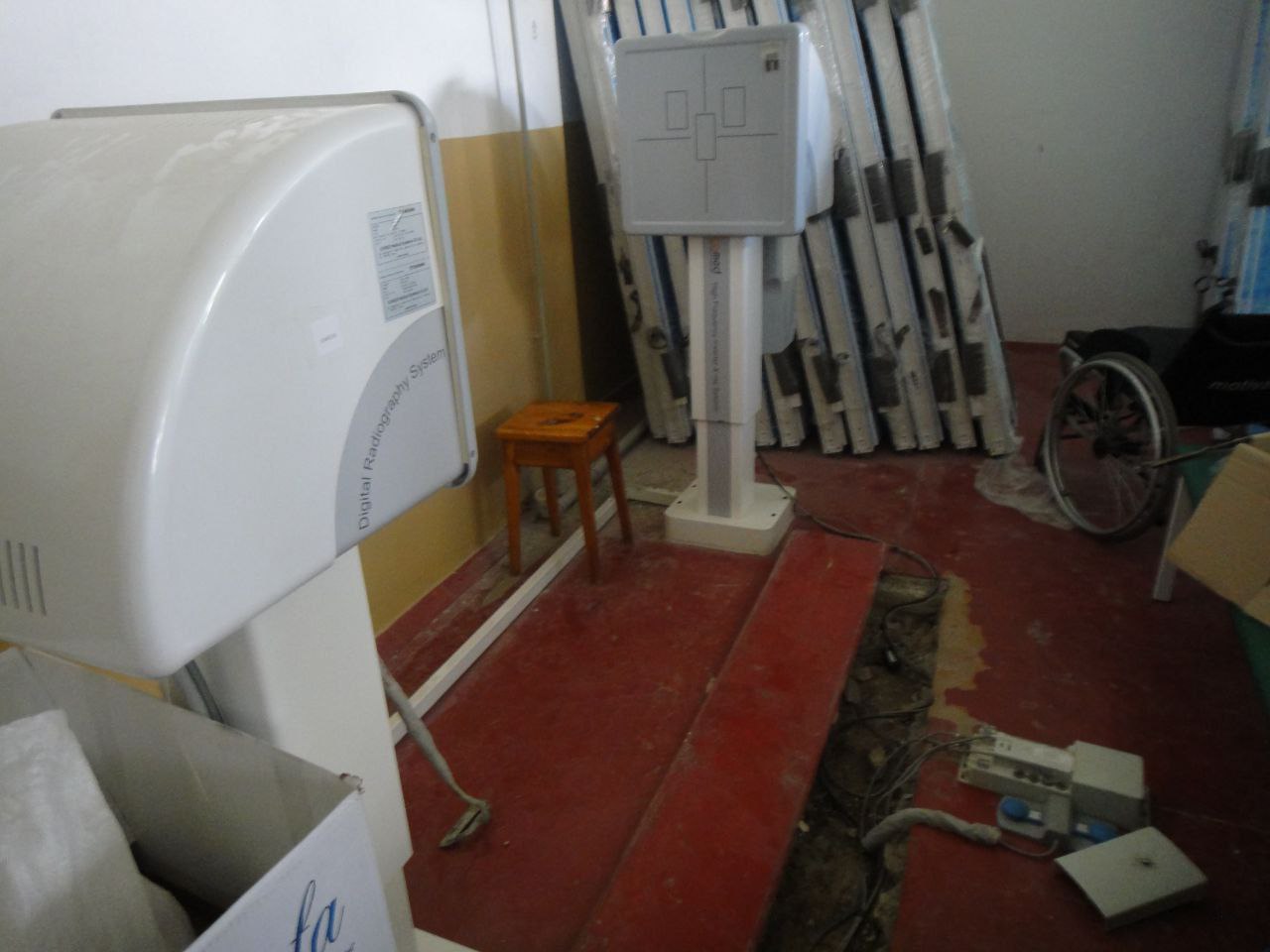
13. In violation of the Fire Safety Rules in Ukraine, approved by the Ministry of Internal Affairs of Ukraine order dated 30.12.2014, No. 1417, the medical unit premises are not equipped with fire extinguishing and fire alarm systems (except for the OST office).
Recommendations
1. Decommission cells with an area of less than 6 m² or change their purpose, redistributing persons who may be held in them to premises that meet CPT standards, and ensuring a normative distance between walls of at least 2 m or, if impossible, carry out remodeling or limit occupancy.
2. Stop the joint work of detainees and convicts; organise separate movement routes and work zones for detainees only with the permission of the investigator/court (paragraph 16 of the Law of Ukraine "On Pre-trial Detention") and in accordance with section IX of the IRPI (Ministry of Justice of Ukraine order dated 26.12.2014, No. 1769/5).
3. Stop the practice of posting personal cards with a "brief crime description" on cell doors.
4. Ensure that the QDD unit is visited by each member of the working group at least once a week; maintain a visitor log with signatures and notes on measures taken.
5. Dismantle or disconnect stationary cameras in residential premises, except for individually justified cases (suicide risk/self-harm), with regular review of decisions; formalise individual justifications and deadlines.
6. Supplement the QDD with premises: exchange fund room, soiled linen and workwear storage room, utility room, drying room.
7. Equip sanitary facilities with full partitions (from floor to ceiling).
8. Ensure sufficient natural lighting and ventilation in residential premises.
9. Install radio connections in the DIW.
10. Create or restore the operation of the HSU.
11. Organise the collection and storage of daily samples of all meals.
12. Organise food delivery in marked thermoses; stop the use of pots and buckets; purchase the necessary quantity of thermoses.
13. Restore the operation of the disinfection chamber; ensure a cycle of disinfection and disinsection of bedding and clothing.
14. Ensure the provision of hairdressing services for all categories.
15. Install curtains on shower partitions and mixing taps for hot and cold water.
16. Review the practice of short-term visits: open type — as the rule, closed — as an exception after an individual risk assessment.
17. Deploy Wi-Fi coverage in the QDD and the social and psychological service ward; ensure access via tablets.
18. Ensure the hidden carrying of special equipment by personnel in contact with convicts.
19. Stop using fixed-term labour contracts "for show"; conclude full labour contracts or agreements ensuring social guarantees; remove the practice of "utility service lists" as a substitute for labour relations (Article 43 of the Constitution of Ukraine; Articles 118, 119 of the CEC of Ukraine; Articles 50, 94, 115, 116 of the Labour Code of Ukraine; ILO Conventions Nos. 29, 95).
20. Adhere to working time norms, account for actual employment (keep hourly inspection logs in all units, including the catering unit).
21. Ensure payment proportional to time worked, accrual of SSC for each working person; reflect bonuses for night shifts, holidays, and weekends (Articles 94, 115, 116 of the Labour Code of Ukraine; ILO Convention No. 95).
22. Guarantee leave, sick leave, seniority (Articles 118, 119 of the CEC of Ukraine; Labour Code of Ukraine); stop the use of unpaid utility service as a substitute for labour.
23. Restore the full cycle of labour safety training (introductory, primary, periodic, and targeted) in production and the catering unit.
24. Organise the accounting and issuance of sharp/cutting items: keep ink records, appoint responsible persons, carry out shift-by-shift reconciliations; prohibit pencil records.
25. Stop using "Shelter No. 2" as a sewing workshop; vacate the premises and bring it into compliance with the requirements of DBN V.2.2-5:2023.
26. For "Shelter No. 1": equip a second evacuation exit, ventilation, emergency lighting, water supplies; obtain a handover certificate for the protective structure; enter data into the protective structure fund (Article 32 of the Civil Protection Code of Ukraine; Cabinet of Ministers resolution dated 10.03.2017, No. 138; Article 3 of the Constitution of Ukraine; European Prison Rules, rule 18.1).
27. Take measures aimed at eliminating identified human rights violations and preventing torture, other cruel, inhuman, or degrading treatment or punishment in Medical Unit No. 116 of the branch of the State Institution "Centre for Healthcare of the State Penitentiary Service of Ukraine in Sumy Region."
28. Ensure the provision of inpatient medical care to convicts in full, in accordance with the requirements of chapter 5, section II of the Procedure, taking into account the need for continuous access to medical care even during renovation work.
29. Ensure control over the proper maintenance of medical documentation in accordance with the Procedure for Organizing the Provision of Medical Care to Convicts to Deprivation of Liberty, approved by the joint order of the Ministry of Justice of Ukraine and the Ministry of Health of Ukraine dated 15.08.2014, No. 1348/5/572, and other regulatory legal acts.
30. Fulfil the requirements of paragraph 37 of the Cabinet of Ministers of Ukraine Resolution dated 02.03.2016, No. 285 "On Approval of Licensing Conditions for Carrying Out Economic Activities in Medical Practice."
31. Ensure all persons with suspected HCV have access to PCR testing in the shortest possible time and organise necessary antiviral treatment for persons with a confirmed diagnosis.
32. Ensure timely and proper documentation of bodily injuries in convicts.
33. Ensure the accessibility of the institution's buildings in accordance with DBN V.2.2-17:2006 "Buildings and Structures. Accessibility of Buildings and Structures for Persons with Reduced Mobility."
34. Ensure the conduct of proper primary medical examinations.
35. Provide the medical unit with necessary diagnostic equipment, including a dental X-ray machine.
36. Bring the working conditions of medical personnel into compliance with the requirements of legislation in the field of healthcare and occupational safety.
37. Ensure proper medical examinations for persons working with food products.
38. Ensure proper conditions for the storage of medicinal products.
39. Remove foreign equipment from the procedure room to bring it into compliance with the requirements of the State Sanitary Rules and Norms, approved by the Ministry of Health of Ukraine order dated 04.06.2007, No. 294.
40. Equip a fire protection system in accordance with established requirements.