Report on the results of the monitoring visit to the State Institution “Sumy Correctional Colony No. 116”
General information
State Institution “Sumy Correctional Colony (No. 116)”, a maximum-security penal institution for the detention of men sentenced to imprisonment. The planned capacity of the institution is more than 1,000 people; at the time of the visit, 394 prisoners were being held in the institution, of whom only 26 work in production.
Members of the monitoring group entered the institution without obstruction; about 10 escorts were assigned for accompaniment, unlike other institutions where the group was accompanied by no more than six. In addition, institution staff hindered communication with prisoners and did not provide the opportunity to speak at all without the presence of the administration.
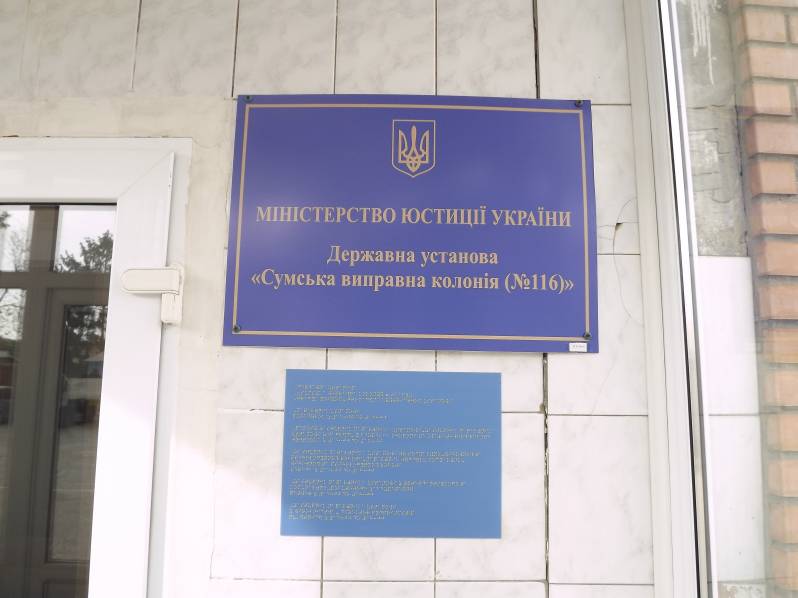
As a positive aspect, we note the access of citizens to the administrative building of the institution: the name of the institution is duplicated in Braille, and the entrance is equipped with a ramp for people with disabilities.
Production
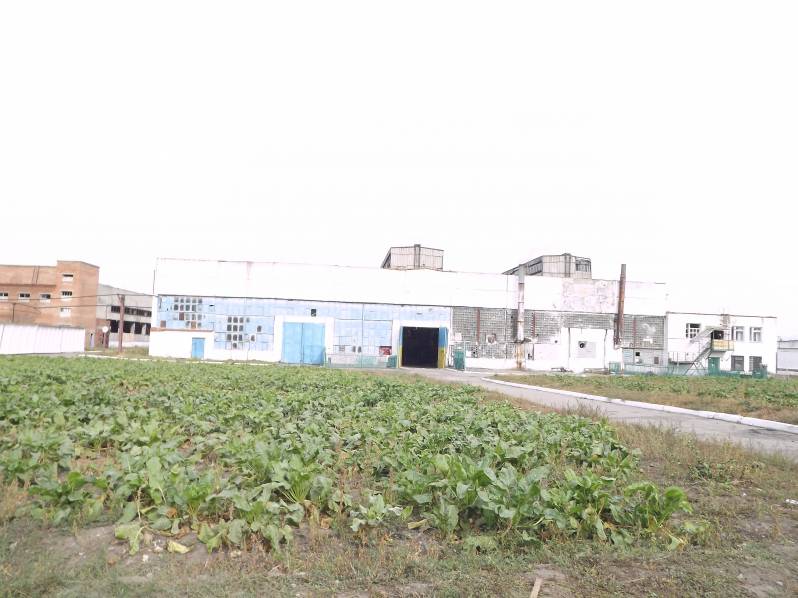
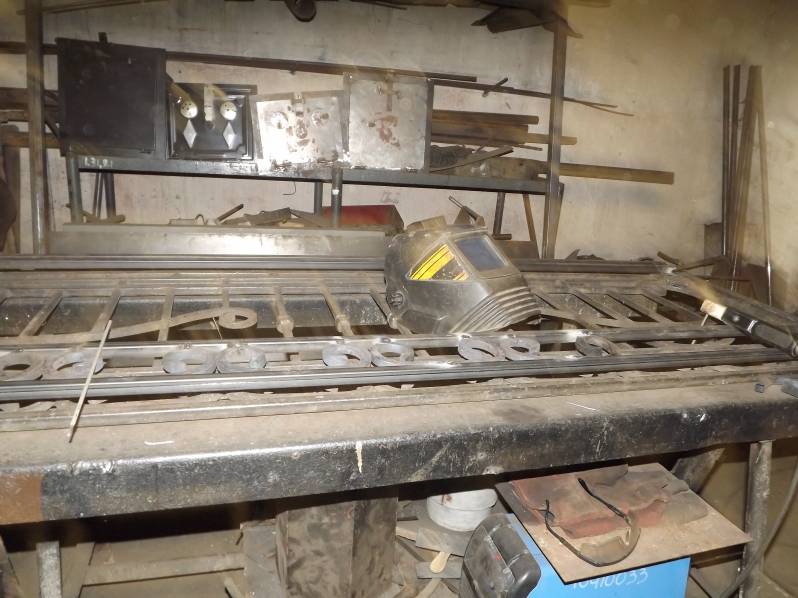
First of all, members of the monitoring group visited the production facility, which specialises in woodworking and metalworking. In addition, in one of the rooms, prisoners were sorting waste.
Monitors note that the majority of prisoners worked without special clothing or special equipment, although protective gear was nevertheless available.
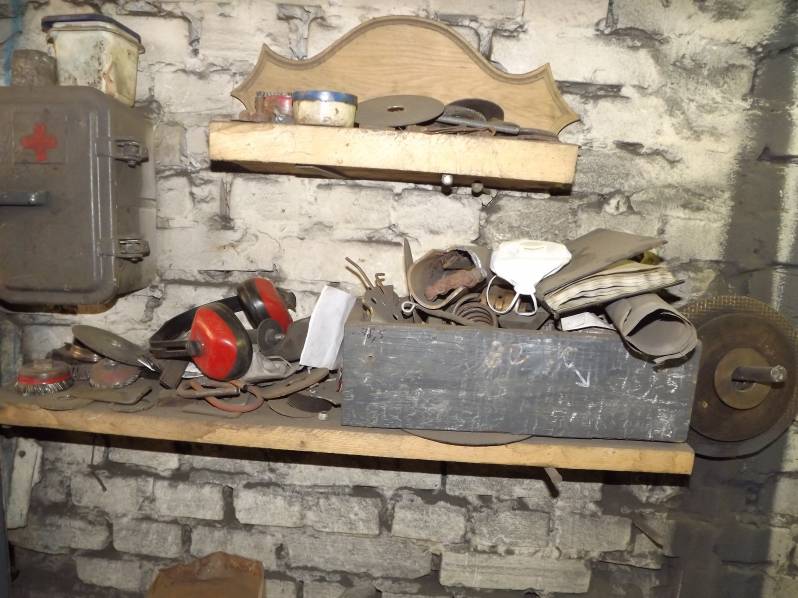
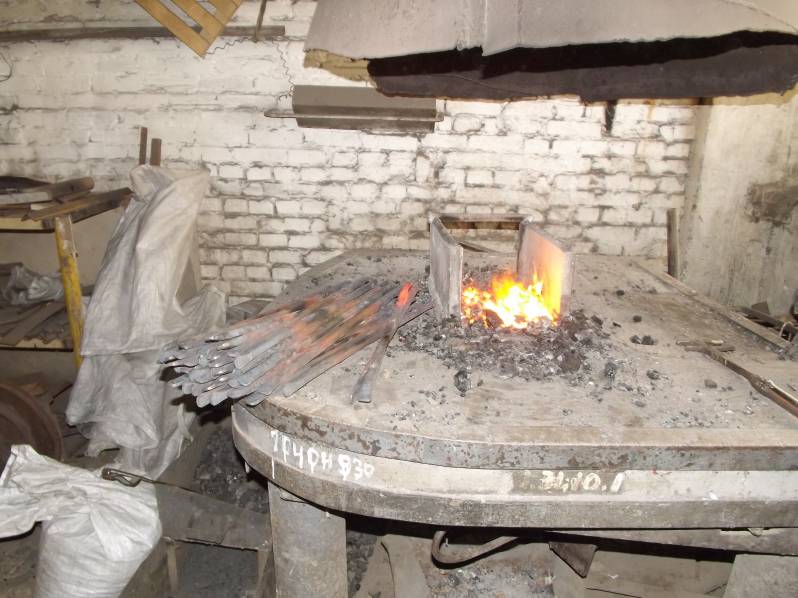
Regarding special clothing, the institution administration assured that all prisoners are allocated special clothing, although some prisoners denied the availability of such clothing. A prisoner working in forging reported that uniforms are issued, but they quickly burn, which speaks to their quality and unsuitability for work with high temperatures.
The enterprise produces goods both for sale and “for internal use” for the internal refurbishment of the institution (beds, wooden gazebos, etc.).
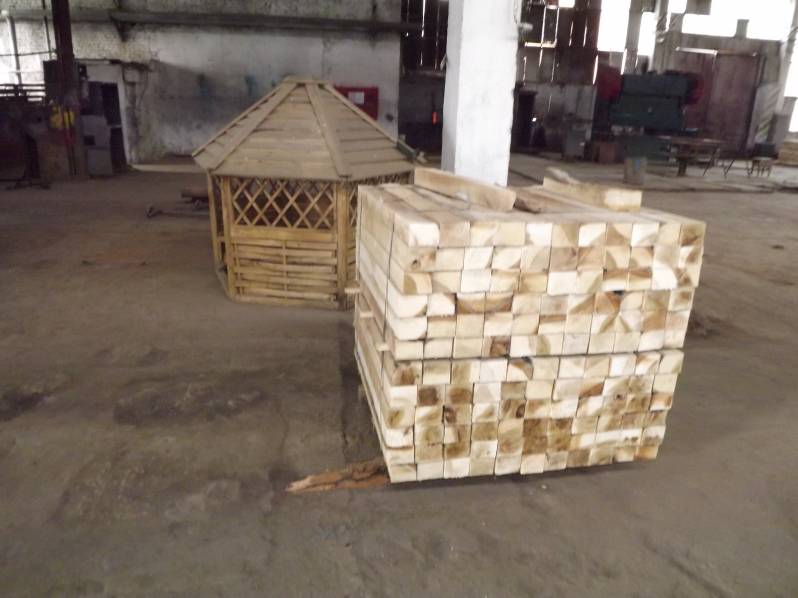
Production occupies two large workshops; several buildings are empty and are in a semi-dilapidated state. Repairs are being carried out in the working premises.
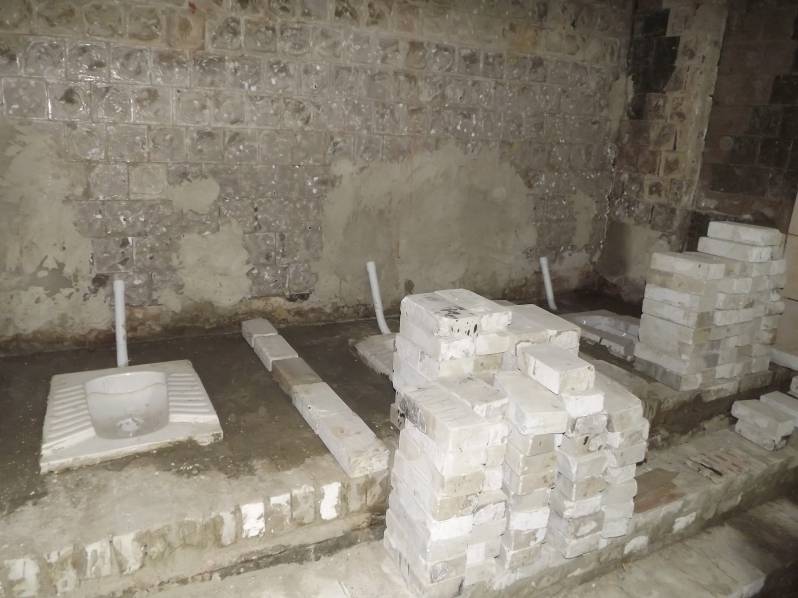
There is no access to drinking water in the production area, nor is there a toilet. Prisoners use the toilet located in the boiler room or in the vocational school building.
Prisoners work an 8-hour workday, for which they receive 200–700 hryvnias ‘in hand’.
Vocational school
On the second floor of one of the production buildings is the vocational school. Prisoners who successfully complete the training are issued a state-recognised diploma from the Sumy Training Center No. 116. Training takes place in 6 specialisations: locksmith-repairer, electric/gas welder, wood-processing machine operator, painter, general-purpose machine operator, and electrician for the repair and maintenance of electrical equipment. 12 people study in each group.
Subsidiary farm
On the territory of the institution, there is a small subsidiary farm where they raise pigs. Prisoners work on the farm on a voluntary basis, i.e., free of charge.
Food unit
Monitors also visited the canteen and kitchen of the institution. Every day, 270 loaves of bread weighing 900 grams each are baked for the colony. In the bakery, one of the prisoners was working in special clothing (white gown and trousers); another prisoner had only trousers and his own non-specialised T-shirt.
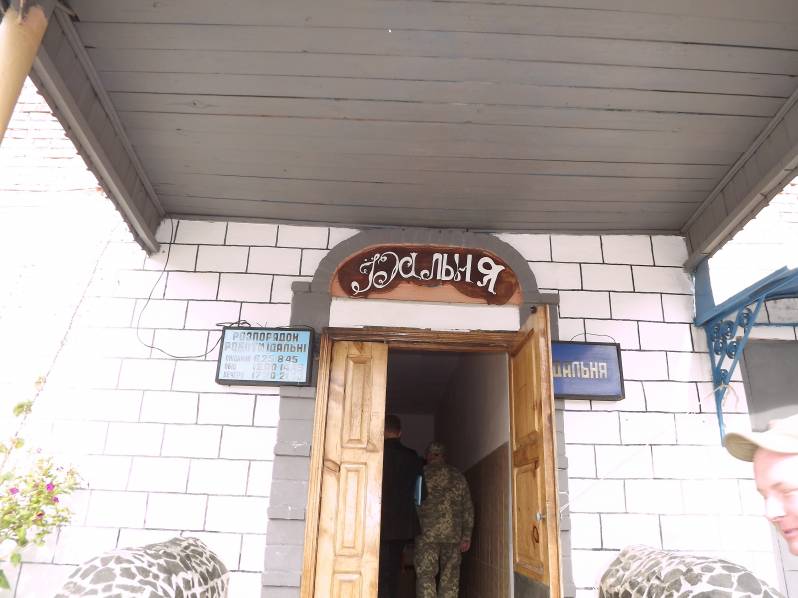
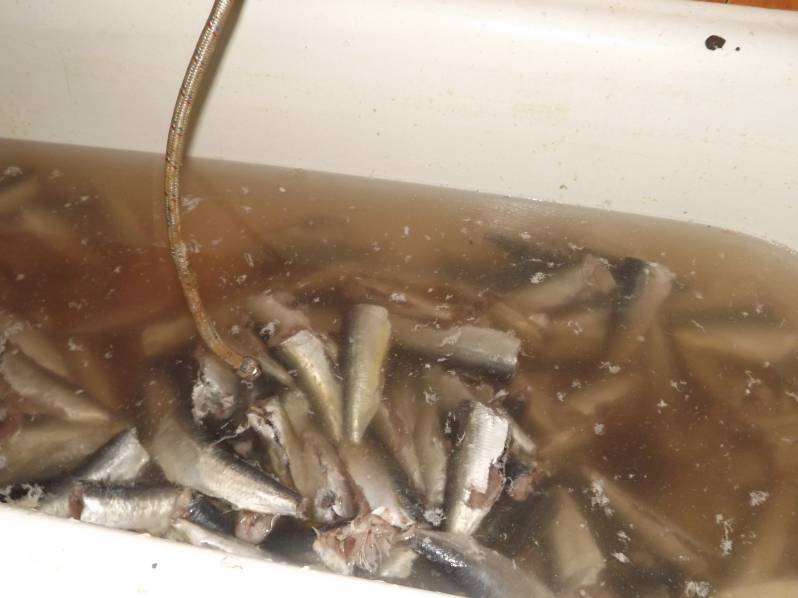
The kitchen is typical for penal institutions and is sufficiently clean. For lunch, they were preparing rassolnik, corn porridge, and the meat was already almost ready. The porridge and meat were unsalted, had a pleasant smell, and the standard taste for these dishes. For dinner, sardinella was defrosting. The prisoners themselves did not complain about the taste or quality of the food.
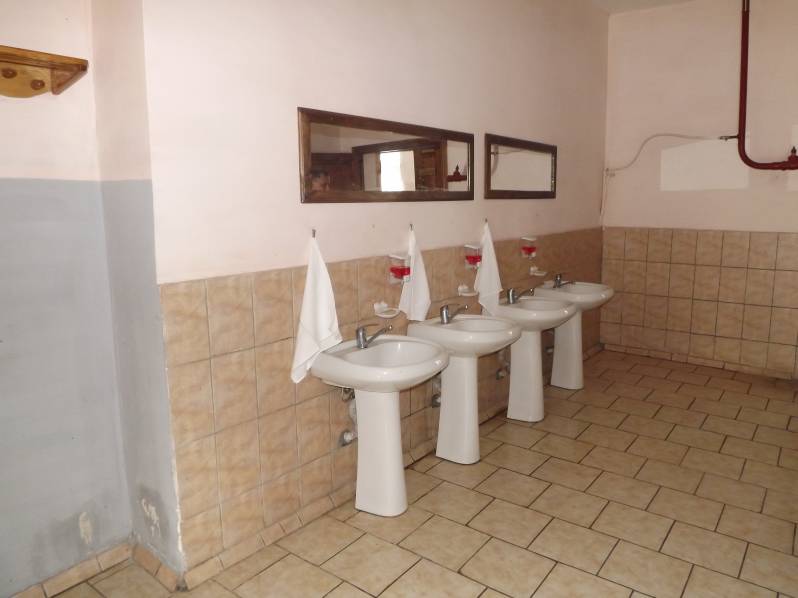
Among the positive aspects is the presence of soap and towels near the washbasins.
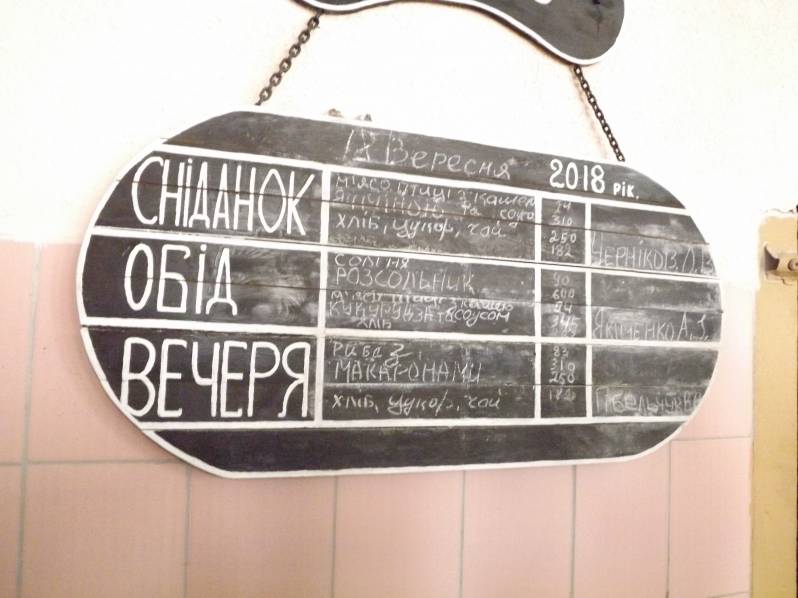
The menu is non-standard—written in chalk on a blackboard.
All sanitary books are expired; a medical check-up should have been passed in March 2018, but the last check-up date is in 2017. They justify the lack of a medical check-up by the absence of doctors. Not all sanitary books are properly processed; some lack photographs of the prisoners.
Shop
The shop operates according to a schedule. It looks like a small village cafe where prisoners can sit at tables. In the shop, they can buy not only food but also bed linen, sheets, underwear, socks, and towels.
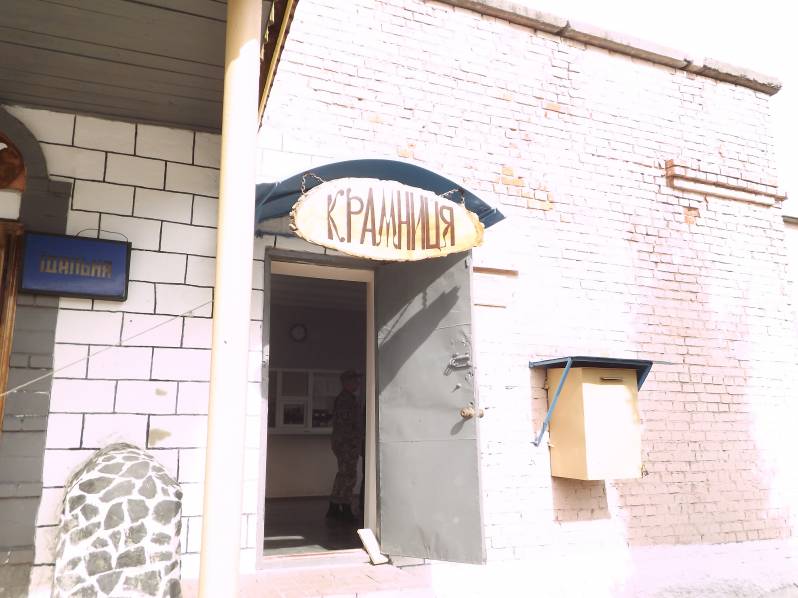
Prices are at market level. If necessary, prisoners have the opportunity to order additional items.
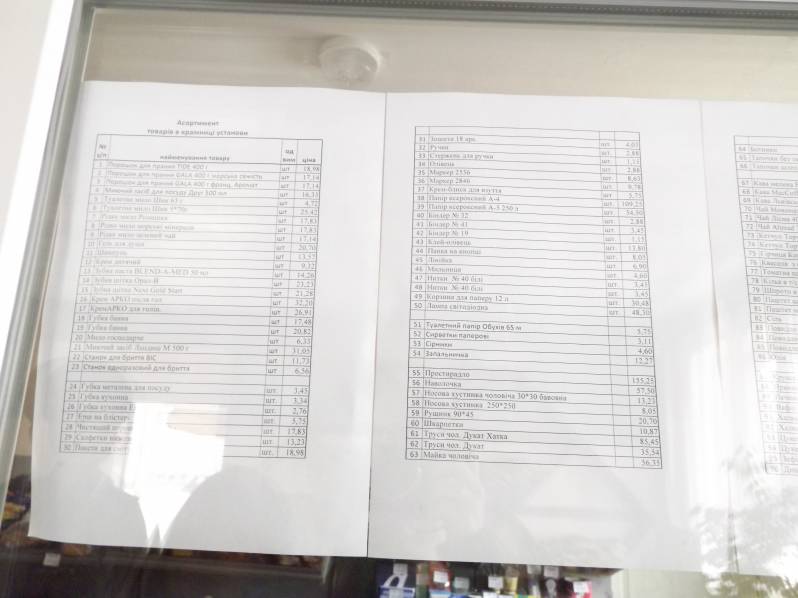
The assortment is not very wide, but there is everything necessary.
Religion
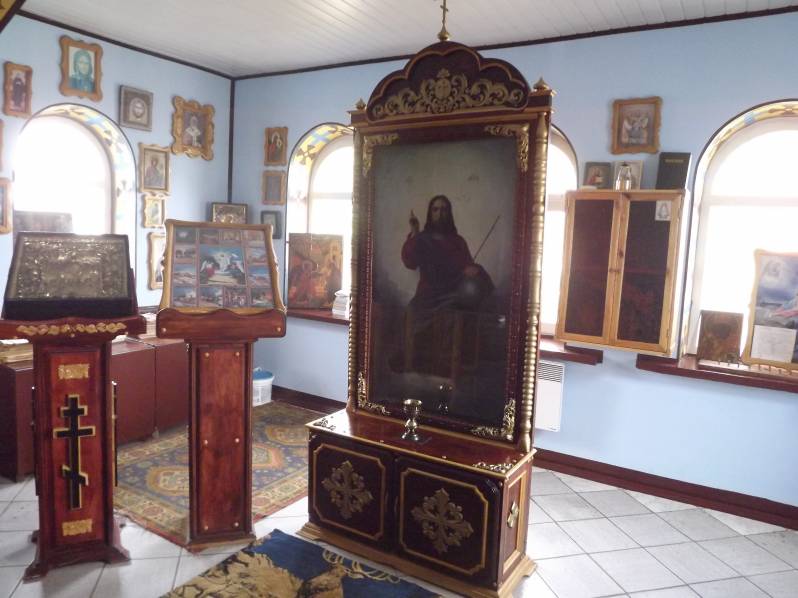
The pride of the institution is the temple. About 10 prisoners visit it daily, but services are held on major religious holidays.
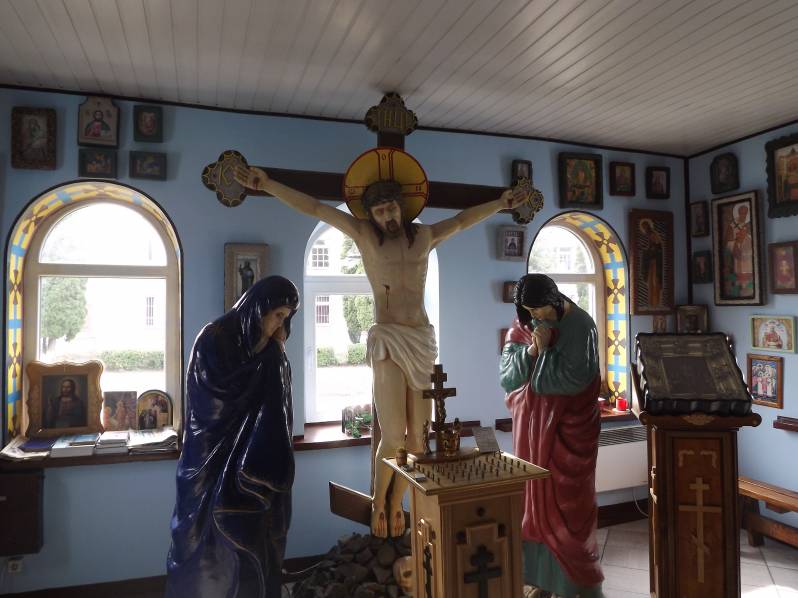
A feature of the temple is the presence of a myrrh-streaming icon, which was gifted by the grandmother of a former prisoner back in the nineties. During the revolution, they tried to destroy the icon, but the person who struck it with the back of an axe died from the ricochet.
Bath-laundry complex
The bathhouse is clean. It smells of bleach. There are partitions, curtains, hot and cold water. Rubber mats are available.
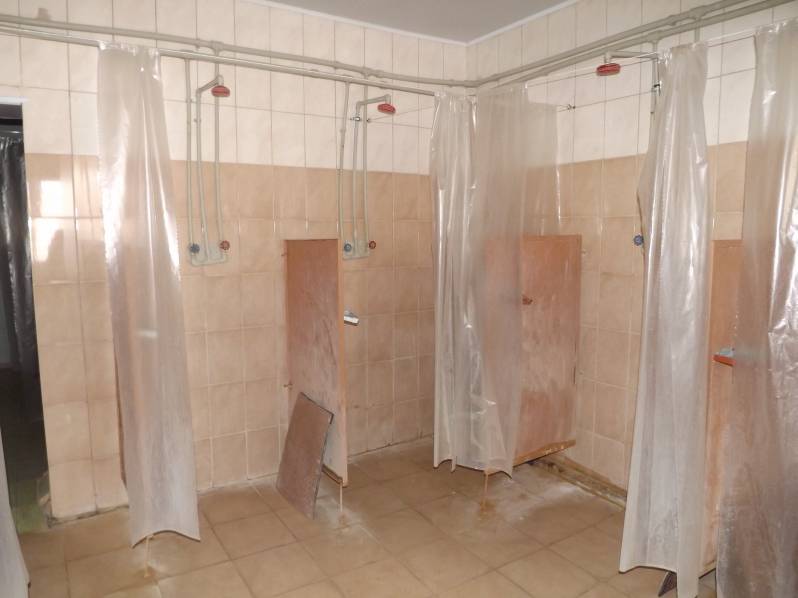
In the laundry, one of the prisoners works as a hairdresser. He receives a salary of 200–300 hryvnias for this.
Medical unit
The medical unit is in a state of reformation. Unfortunately, there are no doctors. Only a medical assistant and a dentist working half-time work in the medical unit.
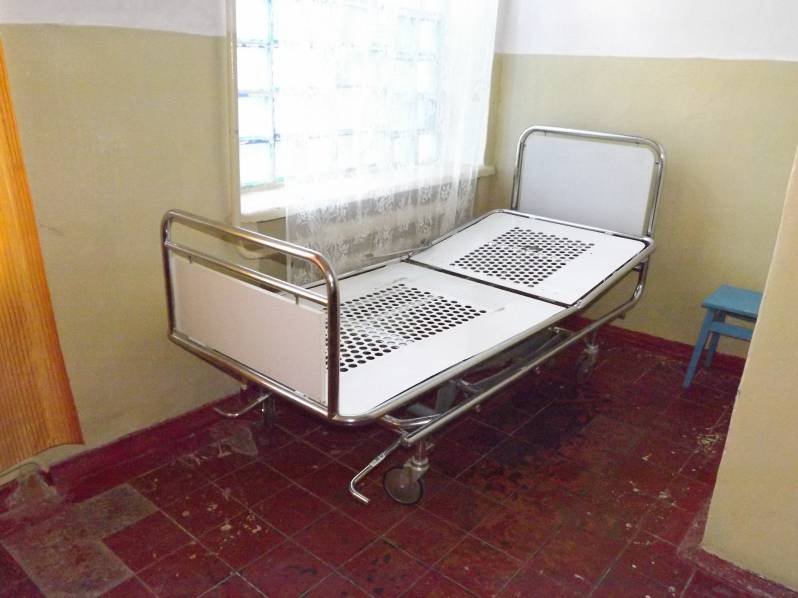
At the time of the visit, there were no inpatient patients in the medical unit.
Monitors inspected the inpatient conditions, which require repairs and replacement of plumbing.
Living zone
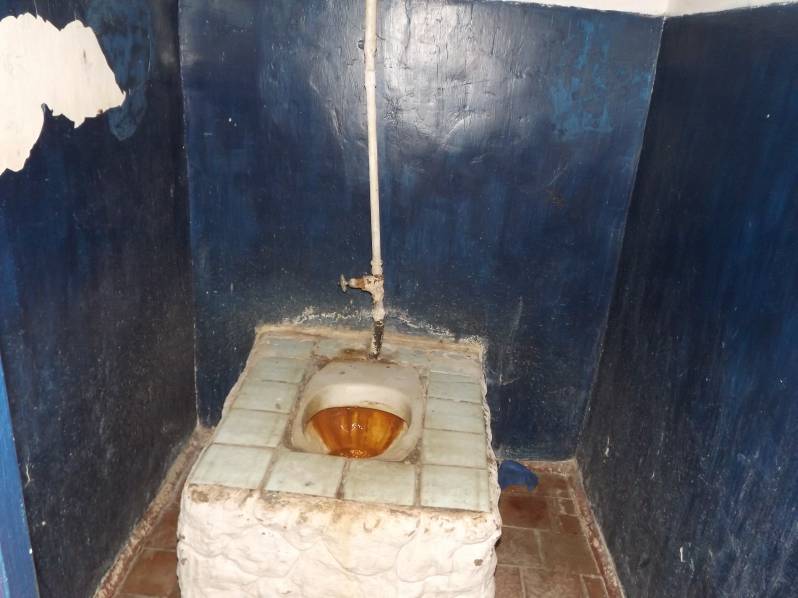
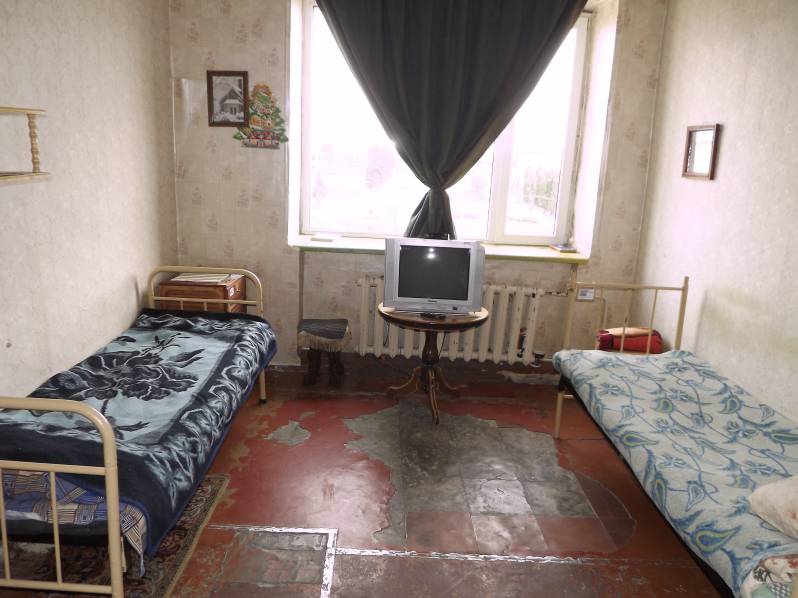
The premises of the living zone require repair, although there is no overcrowding, bunk beds are absent, and no more than six beds are located in each room.
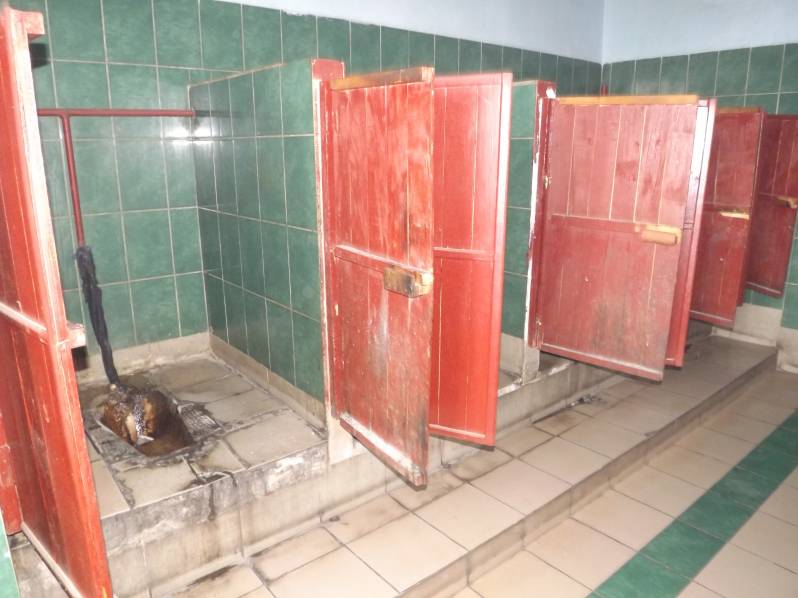
Toilets are separated by partitions and doors, but the plumbing itself is old and requires replacement.
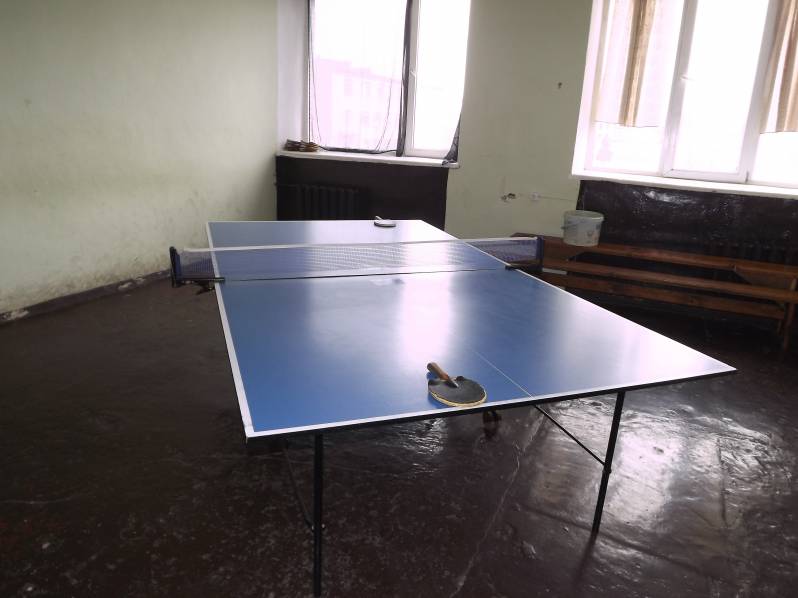
On the territory of the yard, there is a sports ground; in the room, there is a ping-pong table, and tournaments are held between detachments and staff.
DIZO/PKT
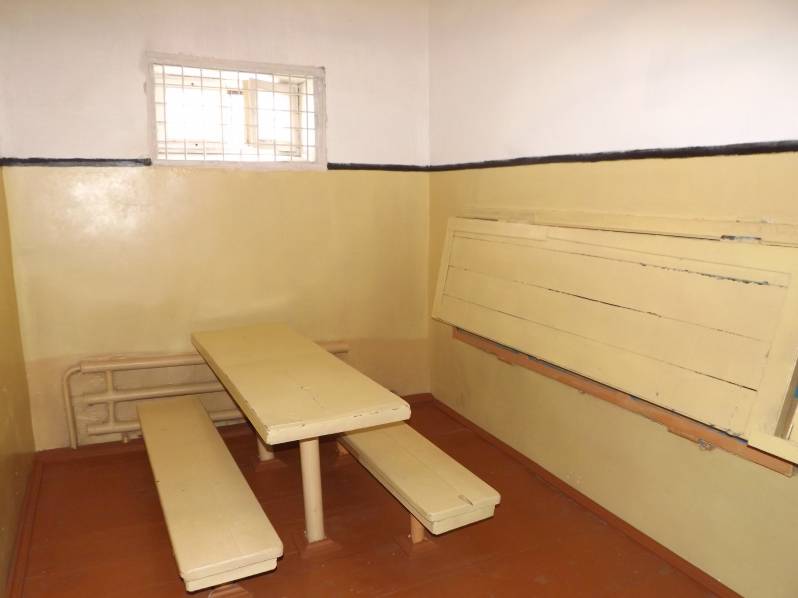
At the time of the visit, there was not a single prisoner in the DIZO or PKT. The cells themselves are standard; the plumbing is not new but is tidy.
Visitation room
Recently, the penitentiary system has been reformed, and the introduction of new Internal Regulations has been announced, which provide for short-term visits without separating glass, which they are trying to implement at the Sumy Correctional Colony. The institution has started providing short-term visits in an internet classroom, where prisoners have the opportunity to talk face-to-face, as well as drink coffee together with their relatives.
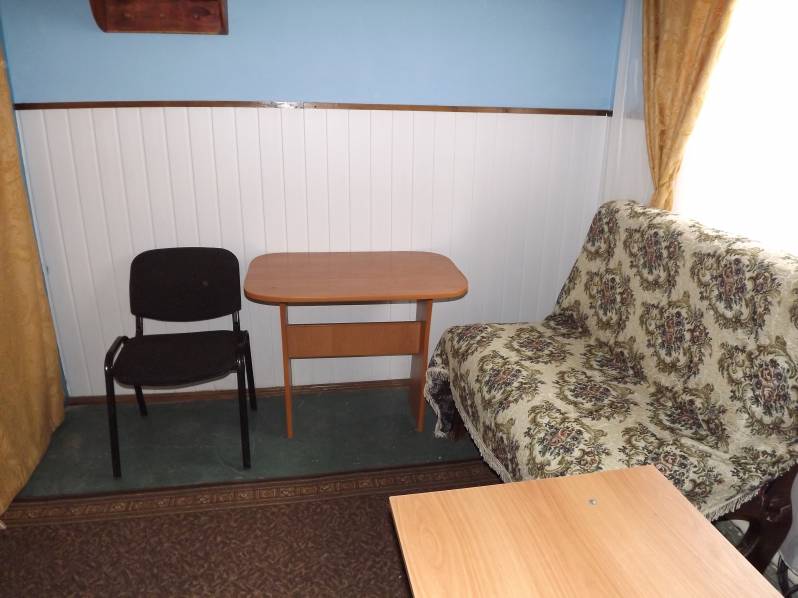
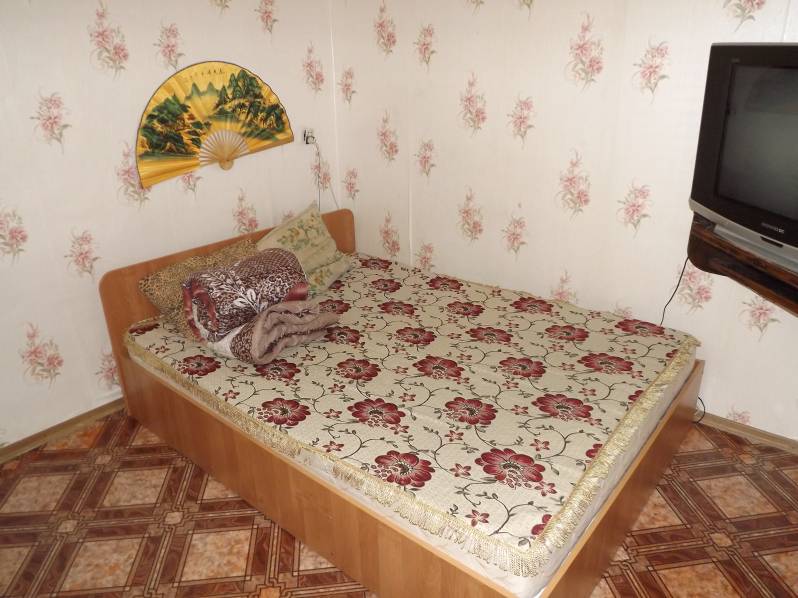
Rooms for long-term visits look like hotel rooms. There are suites of different levels of comfort, from standard to luxury. All rooms are equipped with all necessary appliances and plumbing.