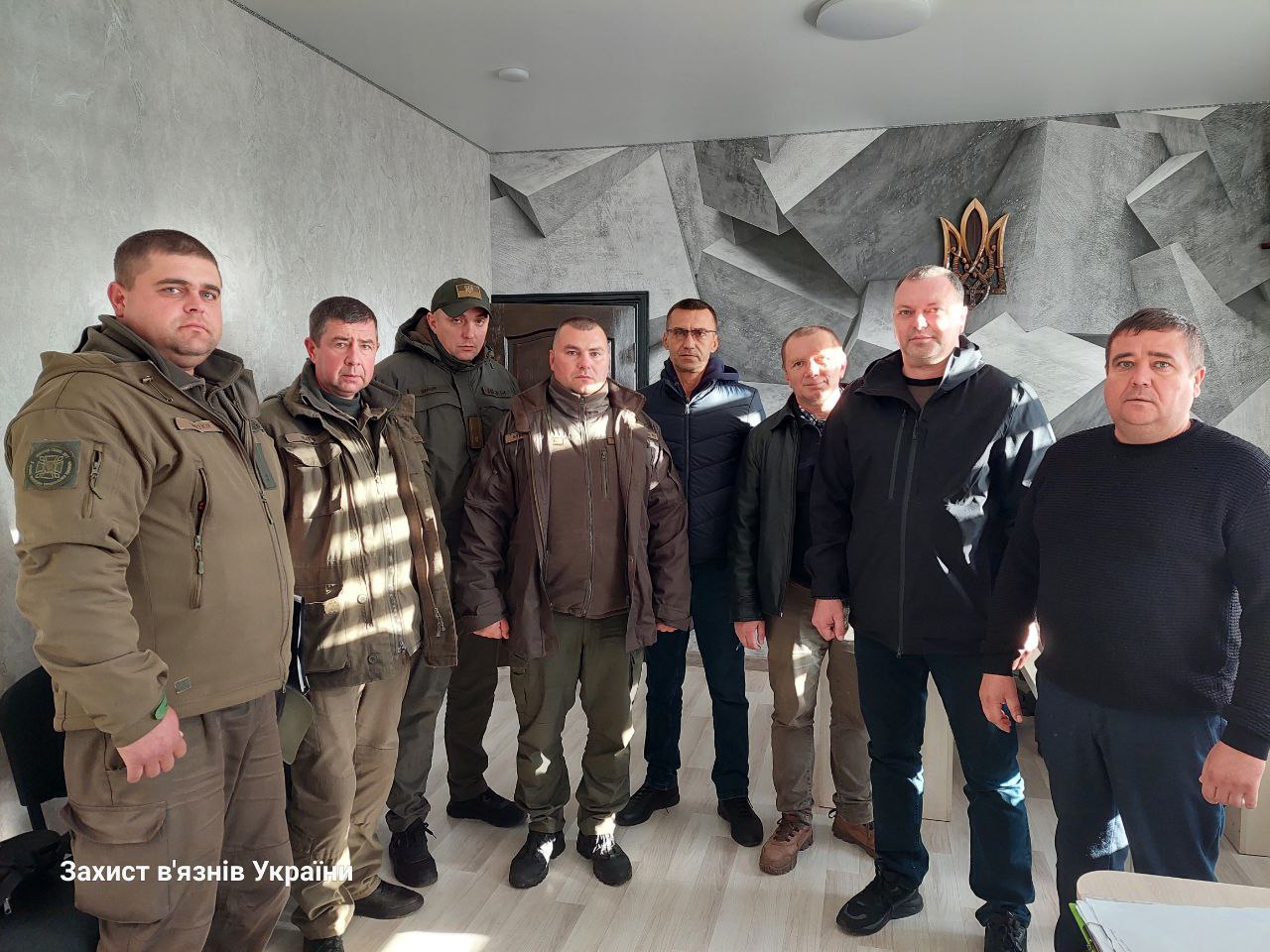
Report on the Results of the Monitoring Visit to Sumy Correctional Colony No. 116
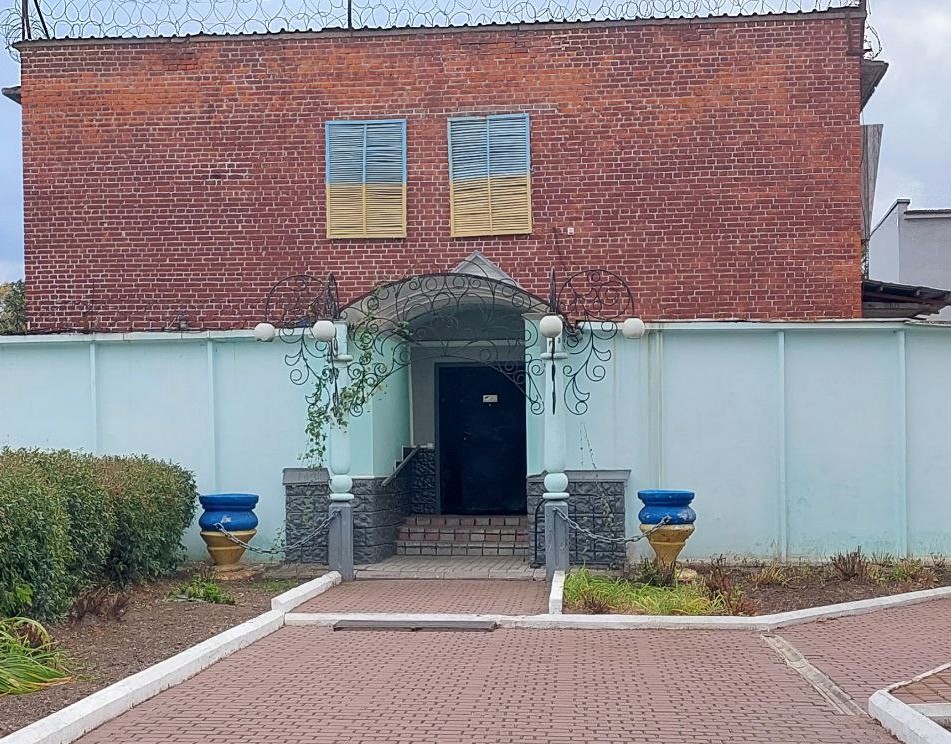
Historical Background
Until 1974, the site of the colony was a landfill. Construction of the Labour Therapy Centre began in 1974. In 1978, the premises of the vocational school, the second dormitory, the club-canteen, the bathhouse, the laundry, the warehouses, and the garages were put into operation. Construction of the third dormitory and the production building was initiated. In 1980, the construction of the Labour Therapy Centre was completed. In the same year, the first products were manufactured. The mechanical and casting workshops of the industrial zone were put into operation. In 1981, a vegetable storehouse with a capacity of 250 tonnes was commissioned, the auxiliary farm premises were built, and the construction of a greenhouse was started. The general-regime institution began its activities on 30 November 1992. According to the order of the State Department for the Execution of Criminal Sentences dated 11.09.2000 No. 185, the general-regime colony No. 116 was re-profiled into a reinforced-regime correctional labour colony.
During the visit, the monitoring group examined the documentation regarding the colony’s operations, medical records, and inspected the production, utility, and residential premises, as well as the medical unit, to ensure their compliance with the requirements of Ukrainian legislation and international standards.
The monitors visited the production facilities, disciplinary cells (DIZO), the disciplinary ward (DPK), the detention ward, residential premises, the bath and laundry complex, the canteen, the medical unit, and the visitation rooms. The head of the institution is Colonel of the Internal Service Oleksandr Serhiyovych Bubenets.
General Section
Today, it is a medium-security colony for the detention of men convicted for the first time. The institution is located at 110 Romenska Street, Sumy. According to the institution’s management, at the time of the monitoring visit, there were 340 convicts held in the facility, housed in four Social and Psychological Service (SPS) units.
According to the management, 181 convicts arrived at the institution during the current year. In 2022, three convicts died in the institution; in 2023, one convict died. There are two psychologists working in the institution. There are 42 employed persons, 42 of whom are engaged under civil law contracts. The average monthly salary is 2,946.03 hryvnias. Seven convicts were held in the disciplinary cell (DIZO) for disciplinary penalties, and one was in the disciplinary ward (DPK). There were 22 people in the detention ward. In the medical unit, there were three people; nine were registered with HIV/AIDS, five were prone to suicide, seven were prone to self-harm, three were prone to escape, 50 were persistent violators of the detention regime, and two people were registered with disabilities.
During 2022 and 2023, not a single complaint was received from the convicts regarding inadequate detention conditions or inadequate medical care. During 2022, 29 people were released on parole, and 16 people were released in 2023. In 2022, four calls to the ambulance service were recorded; in 2023, three calls. During 2022, six cases of bodily injuries while in the institution were recorded; in 2023, seven cases. There are nine convicts in the institution who are rejected by the general population. The convicts have no tablets in their own possession. During 2022, there were two long-term visitations, and 53 in 2023. Short-term visitations in 2023: 123 through glass, and 140 contact visits. There were 4,360 telephone calls made. The institution has a staff shortage of 45 employees. According to a certificate issued by the head of the human resources department, 20 employees were held disciplinarily liable for admitted shortcomings and omissions in their work during July–October 2023.
The monitors noted that the convicts in the institution are intimidated. Not a single convict agreed to make contact; not one agreed to communicate on the condition of anonymity. The convicts in the institution do not have a single tablet, and one email address is registered.
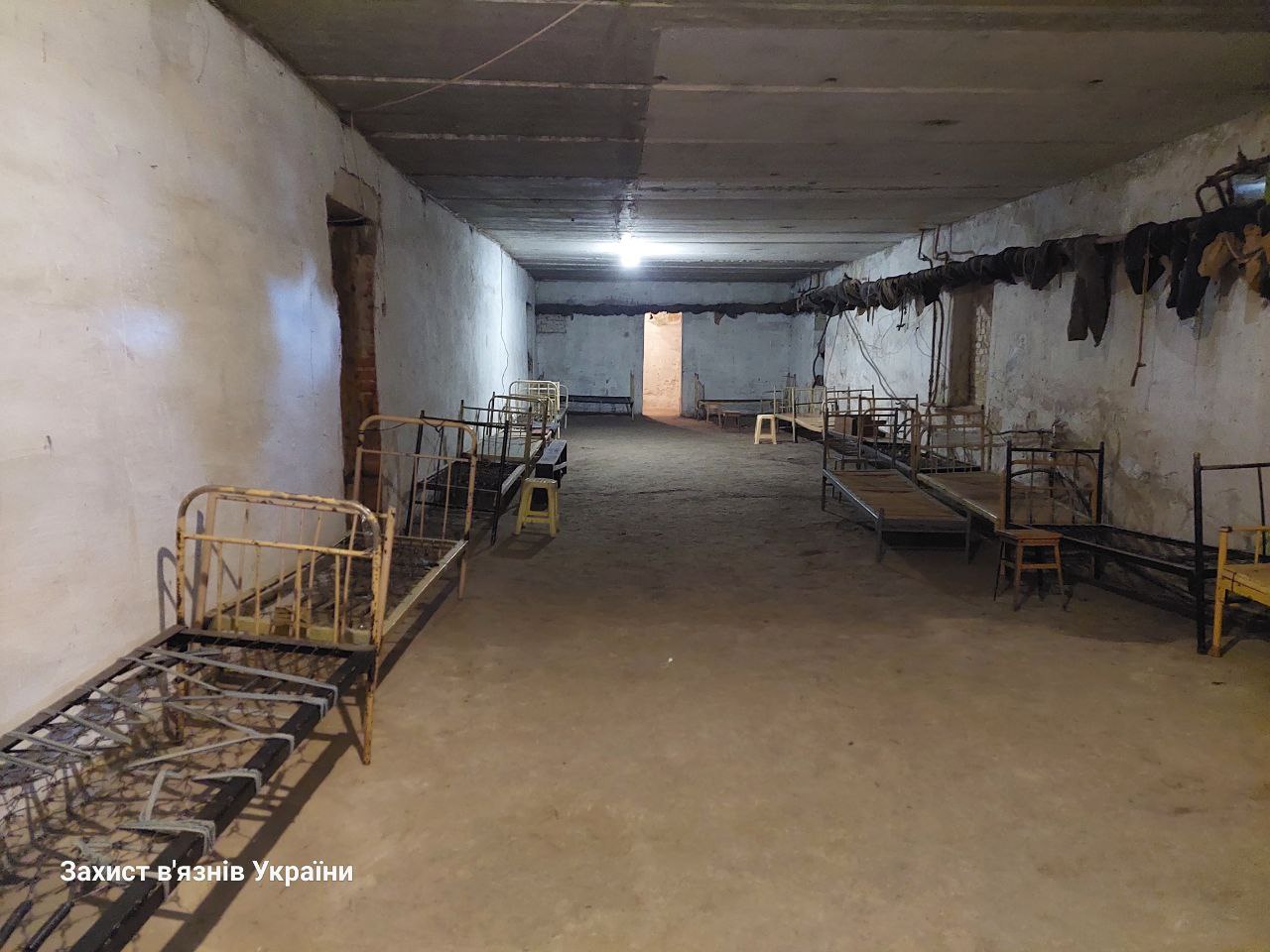
During air-raid alerts, all convicts are forcibly driven into the so-called “shelter”, which is not adapted for human occupancy.
Obstruction of Monitors’ Activities
During the visit, the first deputy head of the institution, who is responsible for oversight and the regime, Mykhailo Mykhailovych Pinchuk, attempted to obstruct the work of the assistants to the People’s Deputies. Specifically, he demanded additional permits for the visit without prior notice, which is not provided for by current law or any other normative legal act. We remind you that Article 24 of the Criminal-Executive Code of Ukraine regulates the rights of assistants to People’s Deputies: “Assistants to People’s Deputies have the right to visit correctional institutions without a special permit (accreditation) at any time without hindrance to carry out control and conduct inspections (if desired, accompanied by up to three medical professionals for medical examination of convicts and up to two representatives of mass media).” They certify their authority with the relevant document issued by the Secretariat of the Verkhovna Rada of Ukraine. No additional permits are required in this context.
Medical Unit No. 116 of the Branch of the State Institution “Health Care Centre of the State Criminal-Executive Service of Ukraine” in the Sumy Region
As of the day of the visit, the position of head of the medical unit is vacant. During the visit, the monitoring group studied medical documentation and inspected the doctors’ offices, the X-ray room, wards, and other premises of the medical unit for their compliance with the requirements of Ukrainian legislation and international standards.
According to information provided by the medical unit staff, the following doctor positions are filled: therapist — 1 position; dentist — 0.5 position; psychiatrist — 0.5 position; phthisiatrist (TB specialist) — 0.5 position; radiologist — 0.5 position. The positions of head of the medical unit-doctor (1 position) and infectious disease specialist (0.5 position) remain vacant.
Dispansery monitoring is carried out for: HIV-infected persons — nine people (nine are receiving ART); tuberculosis (cat. 5.1) — 10 people; persons with mental disorders — 40 people. There are six SPS units in the colony.
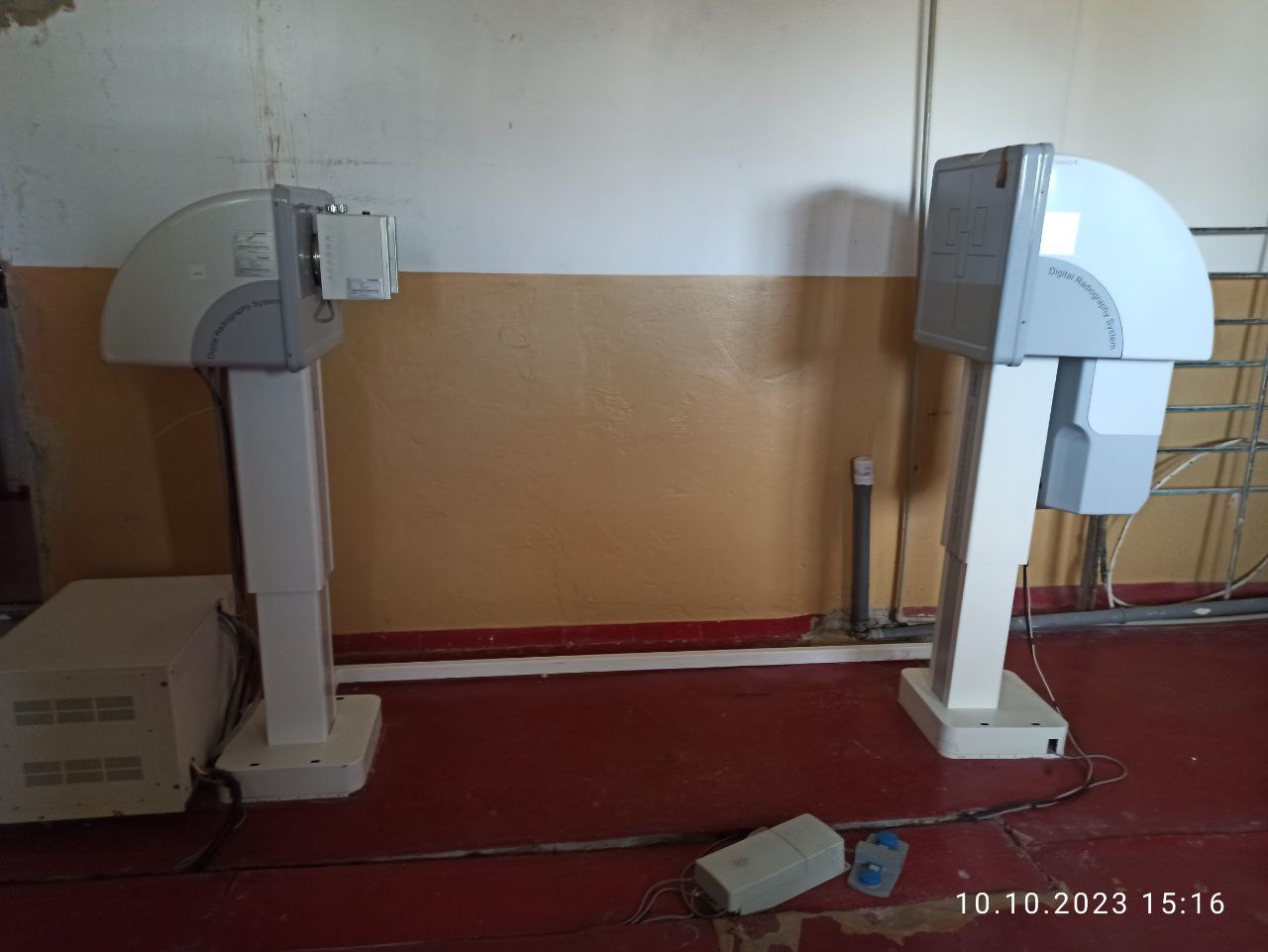
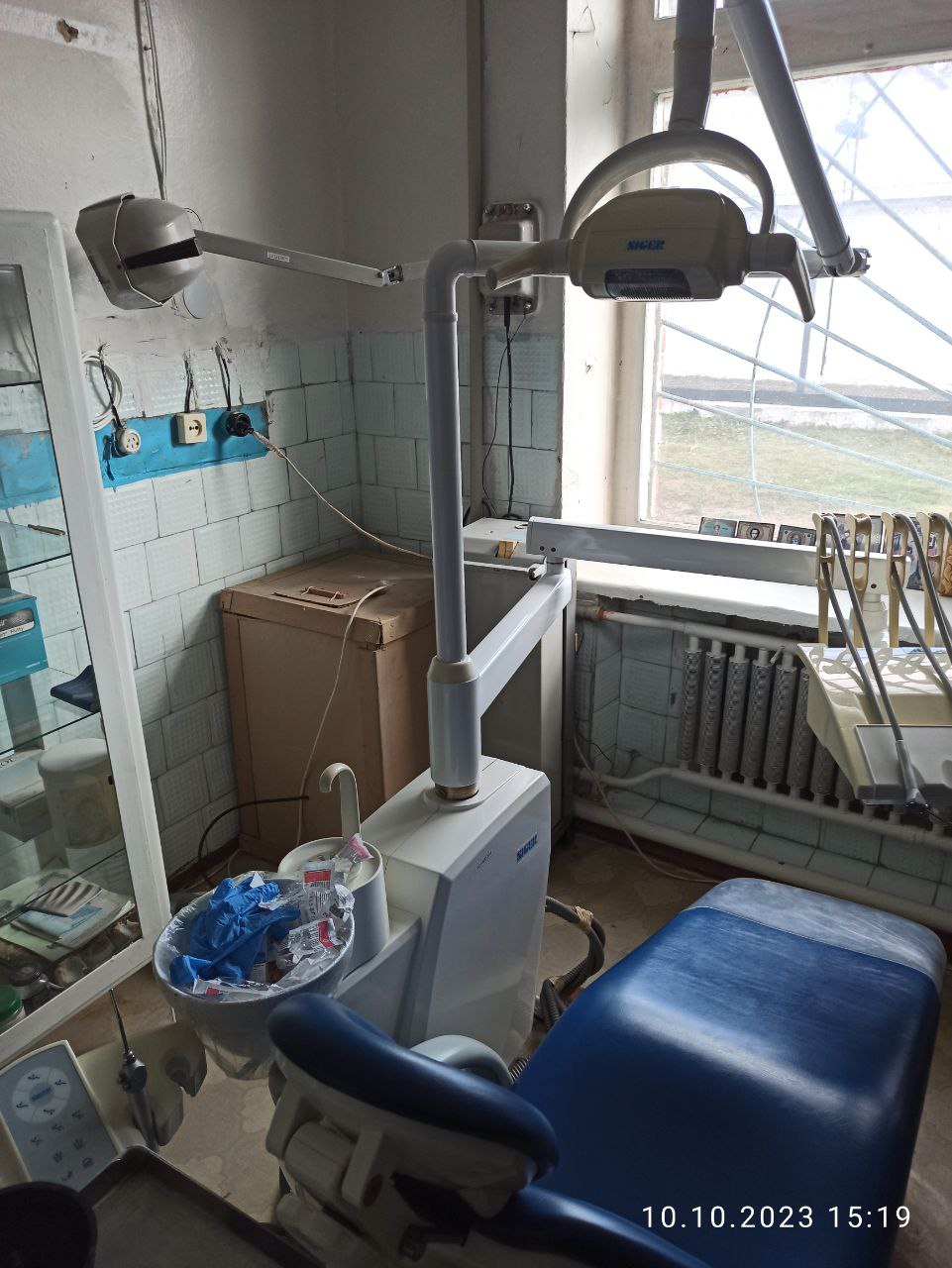
During the monitoring visit, shortcomings were identified in the work of Medical Unit No. 116, which lead to violations of the rights of convicts in Sumy Correctional Colony No. 116, in particular:
1. Violation of the rights of convicts and detainees when providing medical care
Due to the lack of declarations concluded by convicts with a primary healthcare physician, they are unable to receive the necessary medical services at the expense of the National Health Service of Ukraine (NHSU), which leads to a violation of the requirements of paragraphs 4 and 5 of Article 4 of the Law of Ukraine “Fundamentals of Ukrainian Legislation on Healthcare”.
2. Violation of the rights of persons with disabilities (Article 9 of the UN Convention on the Rights of Persons with Disabilities)
Dispansery monitoring is carried out for 11 persons with disabilities. Of these, 1 is in disability group II, and 3 are in disability group III. During the study of the convicts’ medical documentation, it was established that these persons with disabilities lack an Individual Rehabilitation Programme (IRP). Furthermore, the monitoring group established that the recommendations of the IRP are not being fulfilled, as a result of which the prisoners do not receive appropriate diagnostic, treatment, and rehabilitation measures, despite evidence confirming persistent impairment of bodily functions caused by diseases and the consequences of injuries that cause limitations in normal daily life. The institution has not created conditions for the detention of people with disabilities (there are no ramps, handrails, etc.).
3. Violation of the rights of persons suffering from viral hepatitis C
Since the beginning of 2023, the medical unit has conducted 46 examinations of individuals for the presence of viral hepatitis C (hereinafter — VHC) using rapid tests, of which five individuals were found to have a suspected illness. Persons with suspected viral hepatitis C do not undergo PCR testing; consequently, they do not receive necessary treatment, which may lead to a deterioration in their health and the spread of this infectious disease among convicts and detainees. Furthermore, the monitors established that the medical unit does not conduct testing for the presence of antibodies to the hepatitis C virus and the hepatitis B virus antigen due to the lack of rapid tests.
4. Violation of the rights of convicts to medical care, violations during preventive medical examinations and medical check-ups
4.1 Staff of the medical unit do not maintain a logbook for the admission, discharge, and refusal of hospitalization of convicts.
4.2 The absence of informed voluntary consent for diagnostics and treatment, signed by the patient, was established in the inpatient medical records No. 003/o.
4.3 In the medical unit, “Control cards for dispansery monitoring of an HIV-infected person” No. 030-5/o have not been created.
4.4 During the study of medical documentation, it was established that in the outpatient medical records 025/o, there are no reports or photographs of existing bodily injuries. Furthermore, medical staff do not compile “Cards for primary fixation of external injuries”.
4.5 The monitoring group recorded the absence of personal medical books for the convicts.
5. Failure to observe infection control and epidemiological surveillance and violation of the rights of persons to psychiatric care
There are no functioning infectious disease or psychiatric isolation units in the inpatient facility.
6. Lack of equipment, medical products, and medicines in the medical unit
6.1 The medical unit lacks a dental X-ray machine, which makes it impossible to conduct in-depth dental examinations of convicts and does not ensure the timely provision of appropriate dental care.
6.2 During the check of the defibrillator’s functionality, it was established that the expiration date of the electrodes had passed.
6.3 Furthermore, the monitors established that convicts do not undergo preventive medical examinations using the IDIS telemedicine complex because it is not working for technical reasons.
6.4 The pharmacy is not supplied with medical products and medicines.
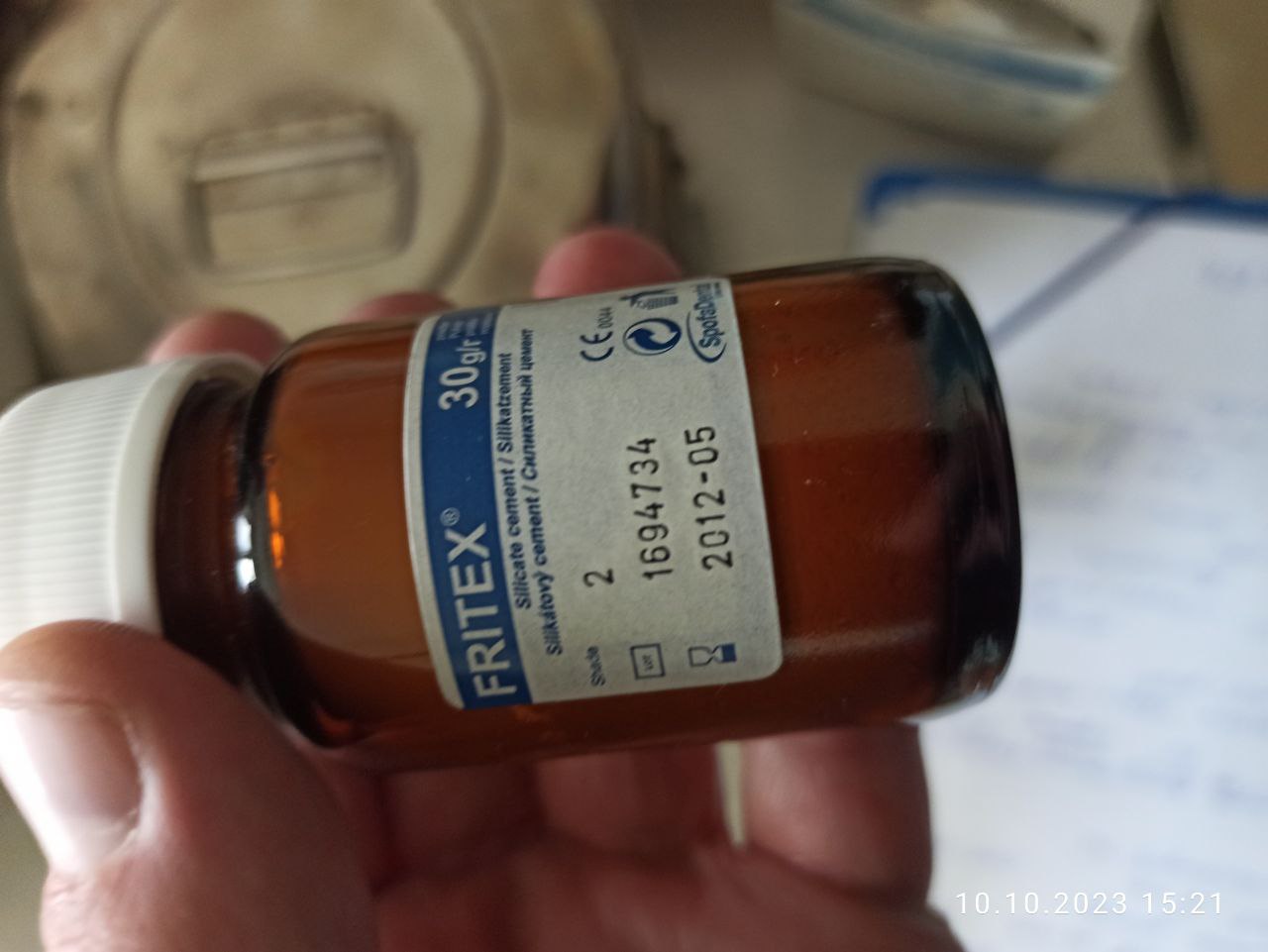
6.5 During the inspection of the medical unit’s dental office, expired medicines were discovered.

7. Violation of the right of detainees and convicts to proper sanitary and hygienic conditions in a healthcare facility
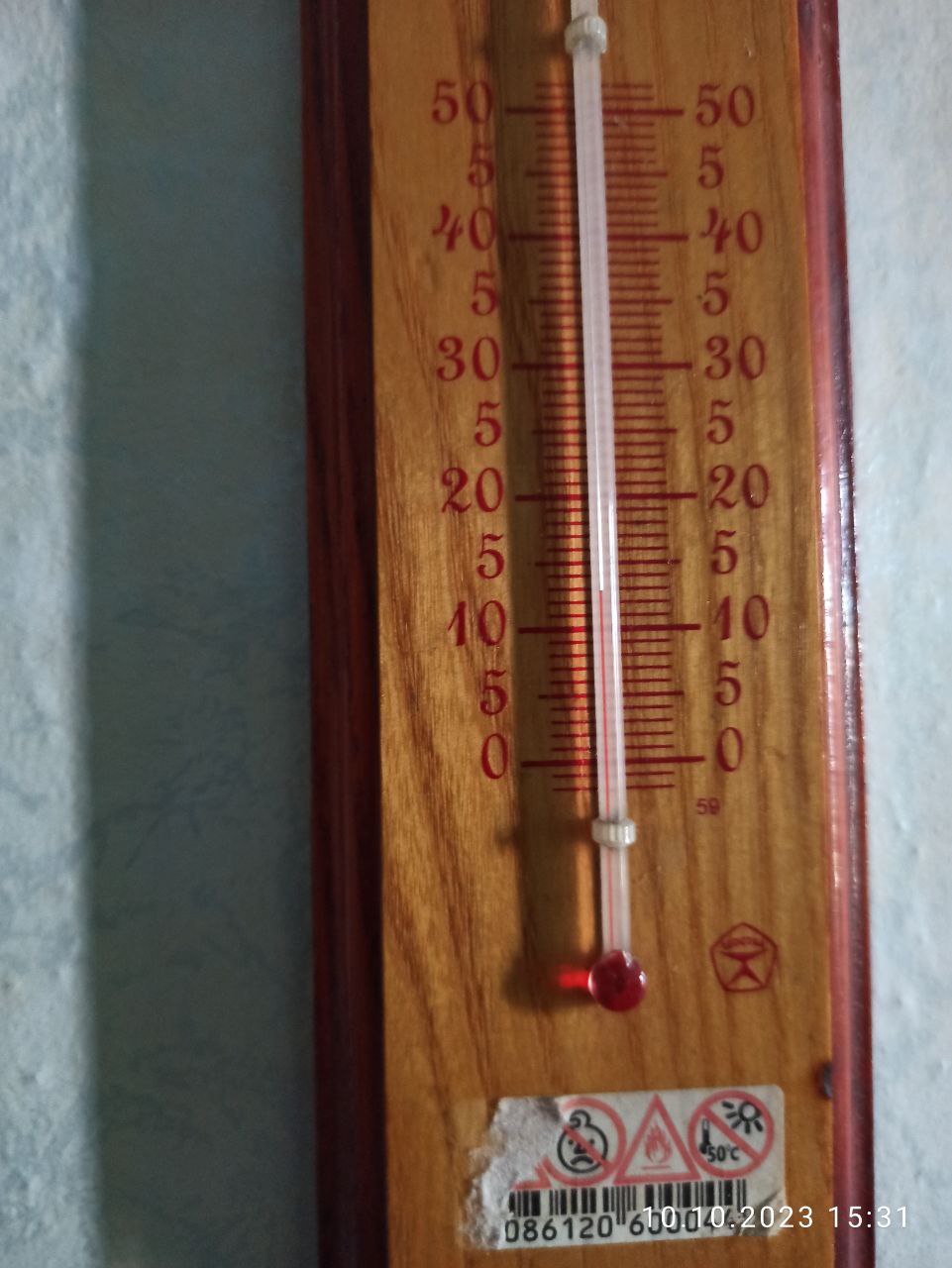
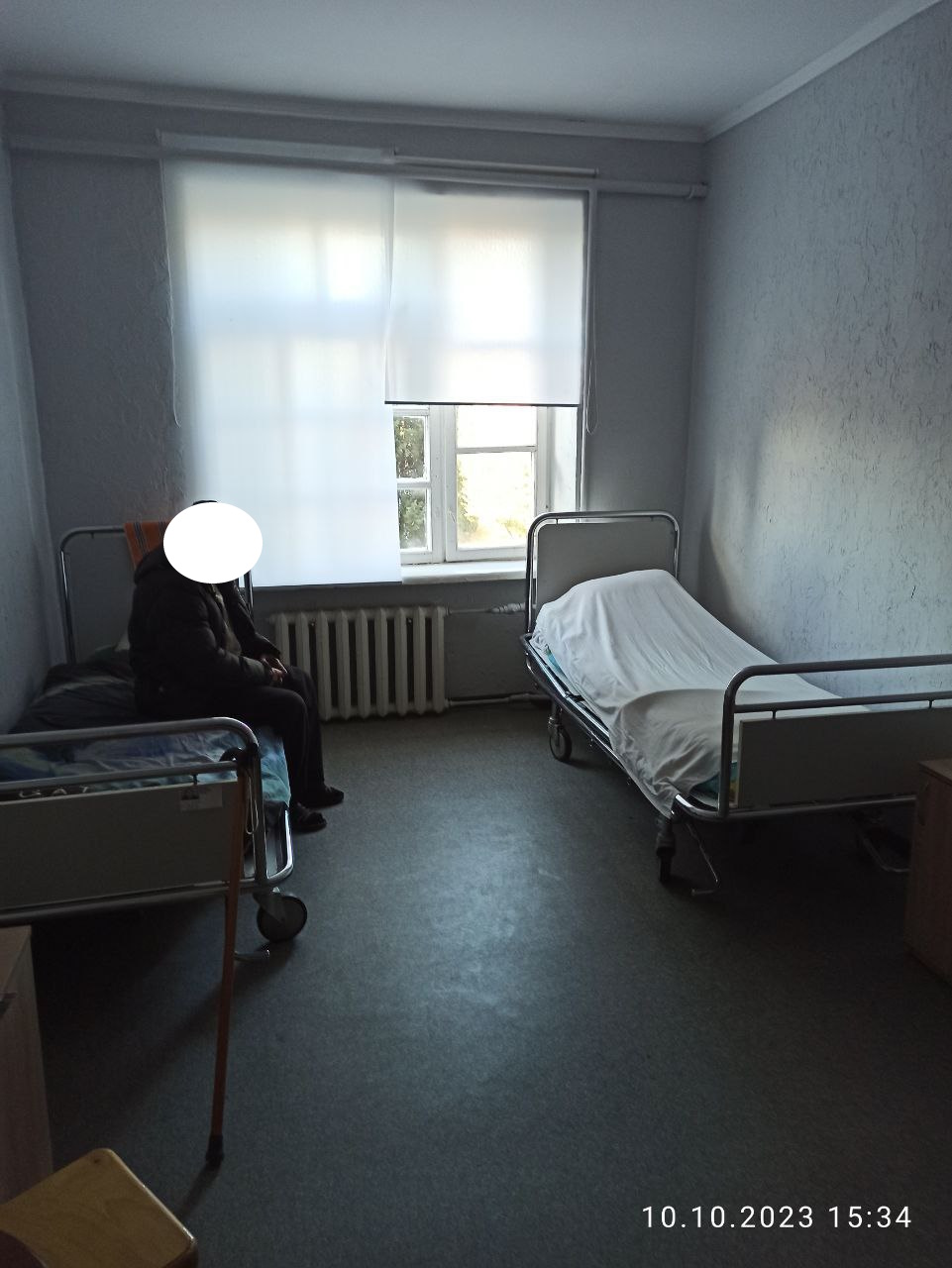
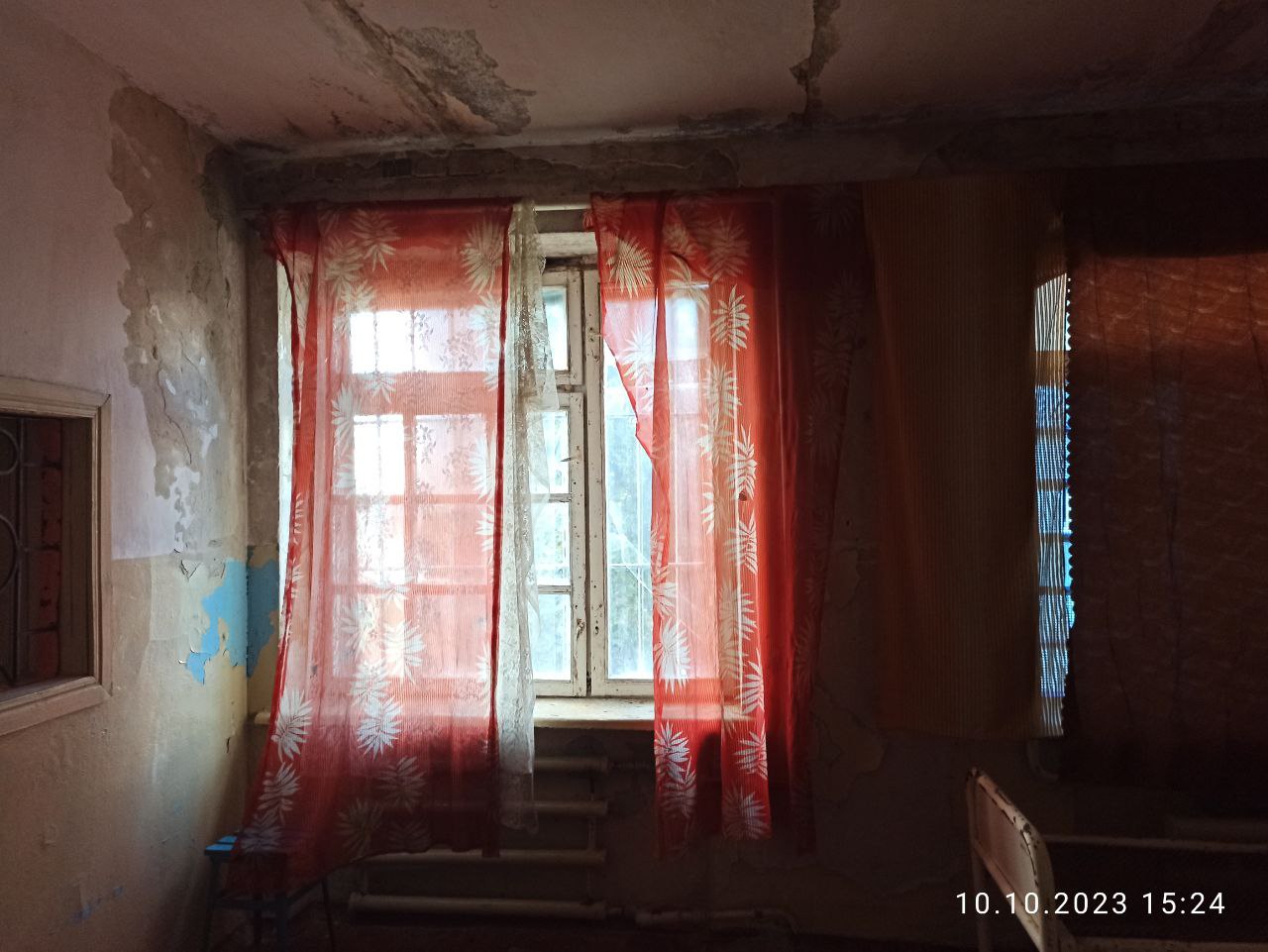
7.1 The wards of the medical unit require repair work: the ceiling, floor, and bathroom need repairs; mattresses and bedding are damp, dirty, and require replacement. The walls have peeling paint in places, broken ceramic tiles, and old damaged linoleum on the floor, which complicates the disinfection of these premises. Also, the requirements for the temperature regime are not being met (the temperature in the premises is 11–13°C; convicts remain in their outerwear).
7.2 Convicts do not receive hospital property (hospital suit, robe, and shoes). Convicts remain in the inpatient ward in their everyday clothes, sometimes with their own bed linen.
8. Violation of fire safety rules
The premises of the medical unit are not equipped with fire extinguishing or fire alarm systems. Furthermore, the doctors’ office and the X-ray room are not equipped with fire extinguishers.
Production
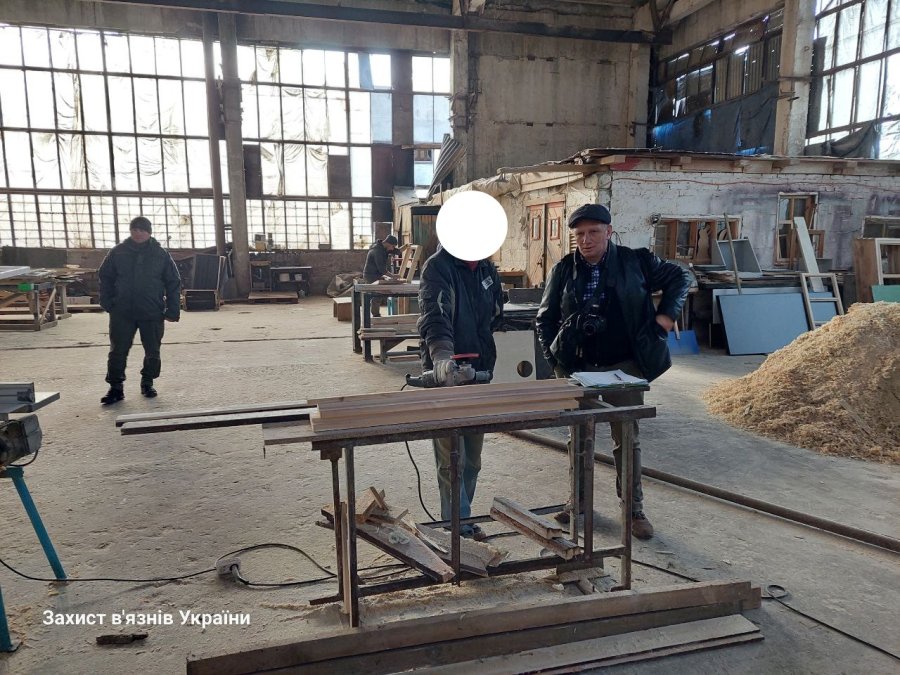
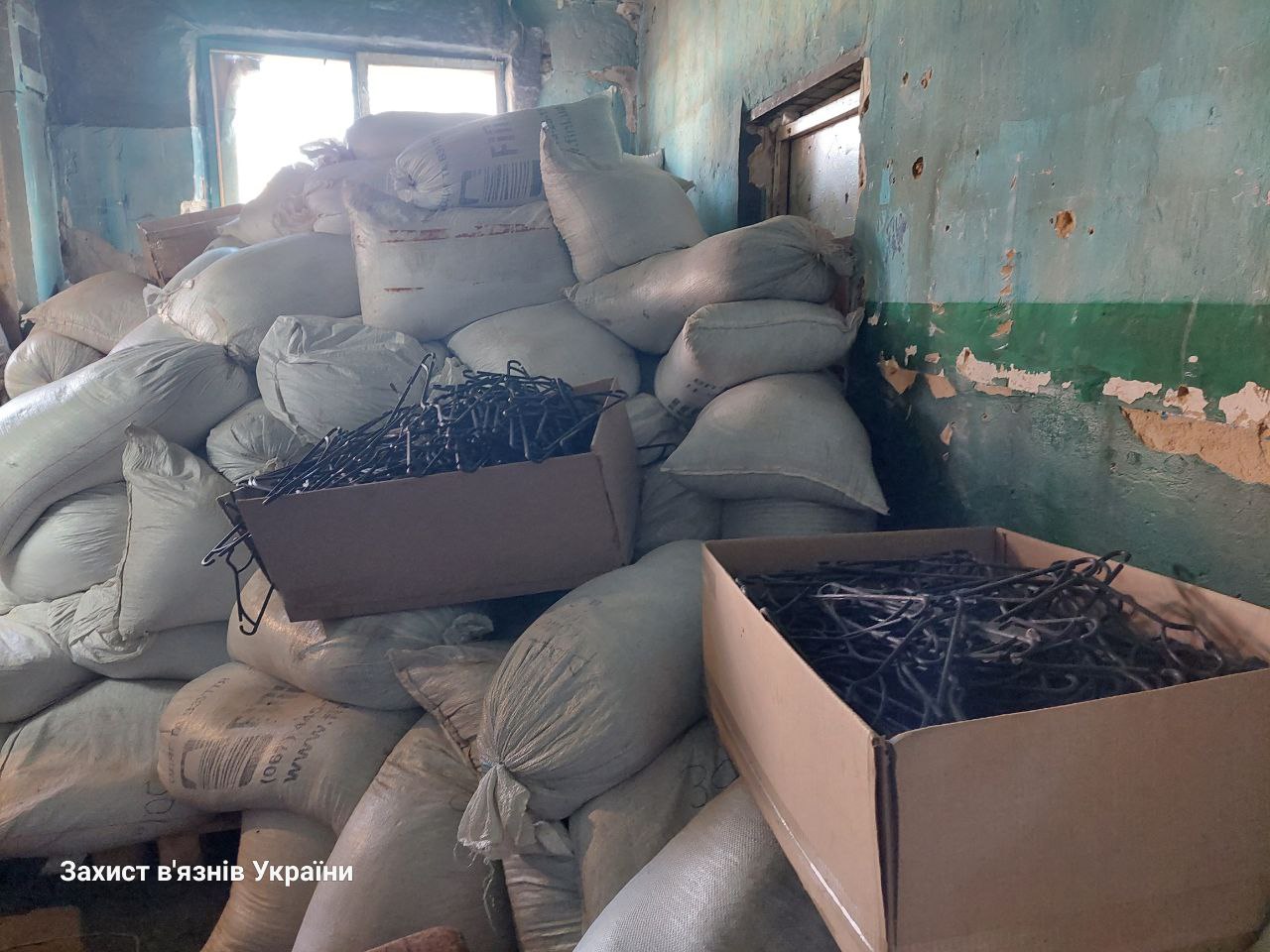
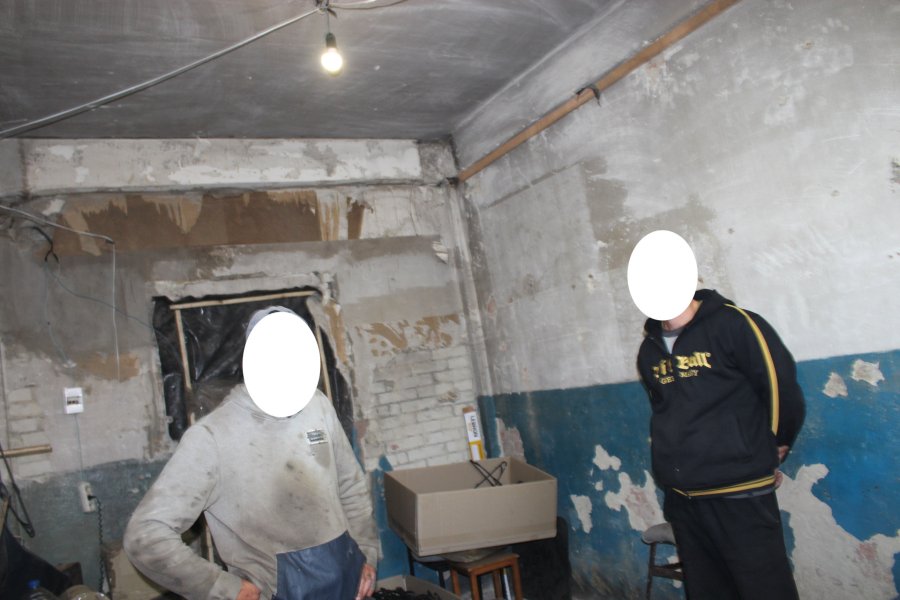
50–60 convicts work per shift in production. The production workshops are in a neglected state.
Convict P. assembles pallets; according to the convict, he earns 300 hryvnias per month. Convict M. manufactures doors in the woodworking shop; according to the convict, he earns 700 hryvnias per month. Convict R. works in polishing; according to the convict, he earns 600 hryvnias per month.
The workshop for manufacturing clothes hangers is in a dreadful, unsanitary state, cluttered with bags. The interviewed convicts do not remember how long they have been working in this workshop or how much they earn, and they do not provide truthful information.
Residential Zone
The monitors approached the Social and Psychological Service (SPS) sector, where the convicts were lined up in columns. Not a single convict agreed to communicate.
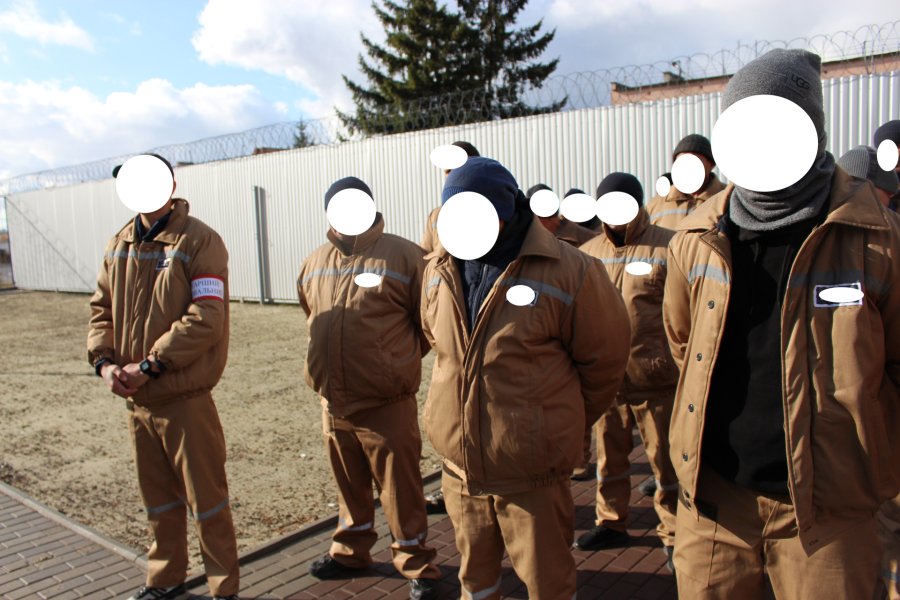
The premises are renovated; there are multicookers, electric kettles, and a room for eating. In the residential premises, there are beds with personal space. Discipline is monitored by an orderly with an armband.
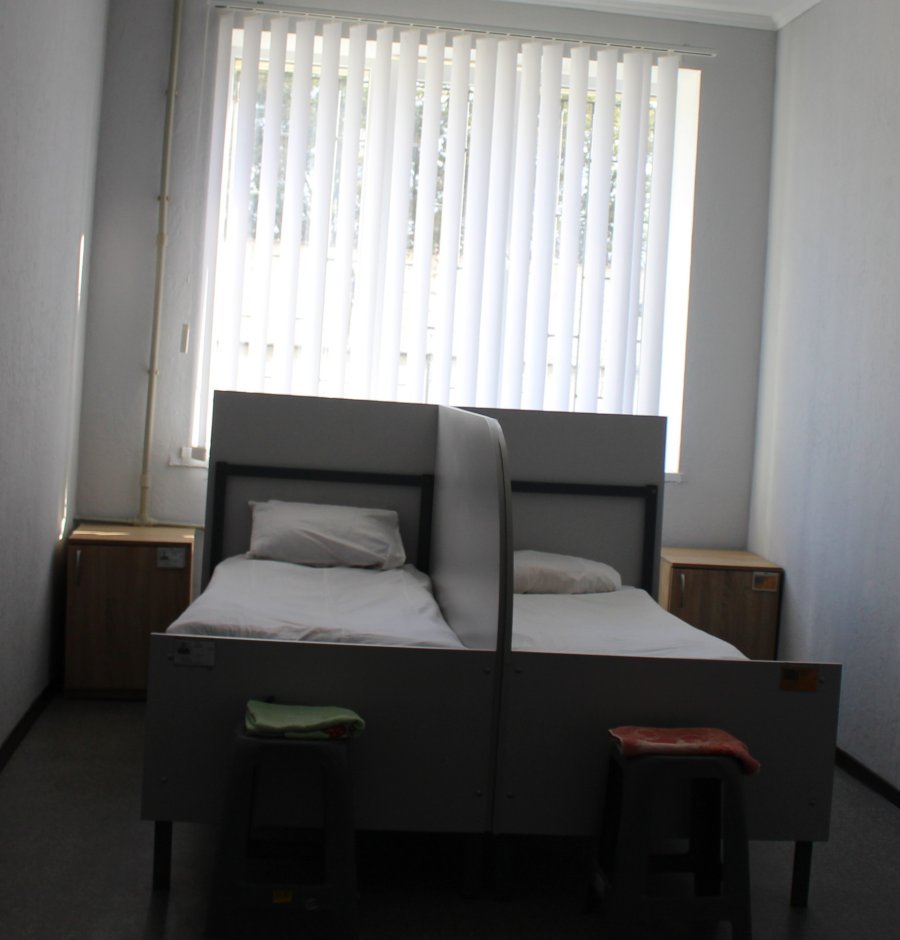
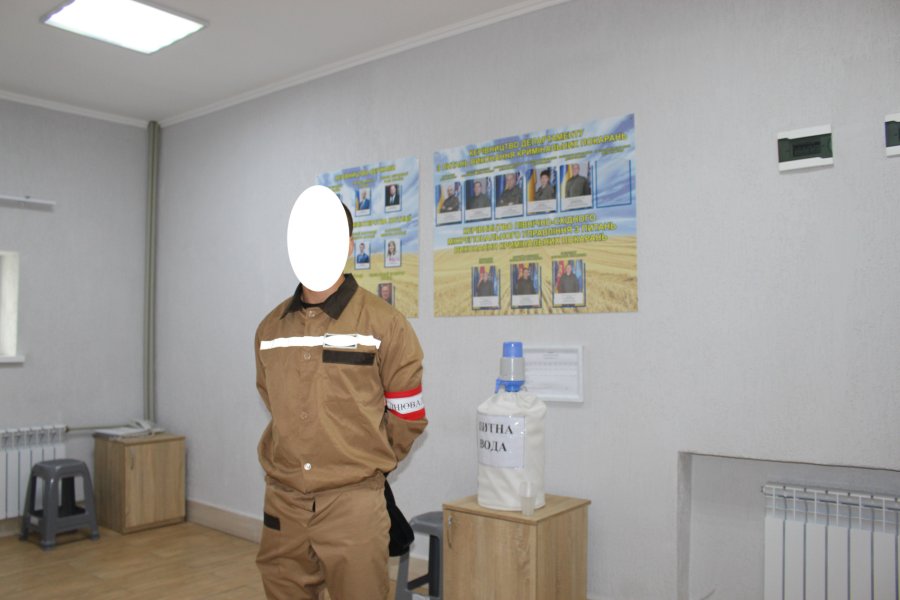
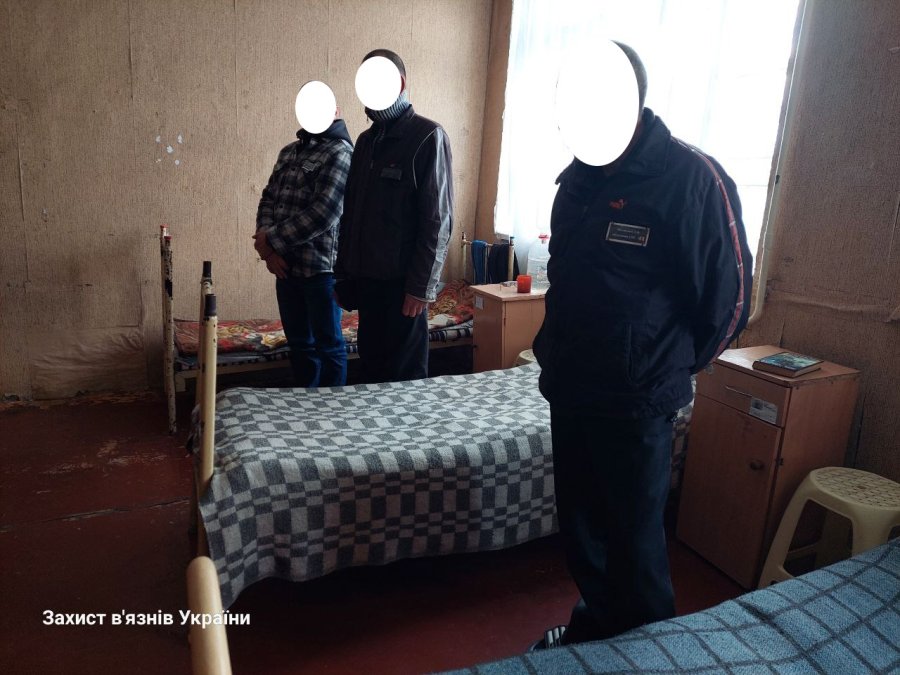
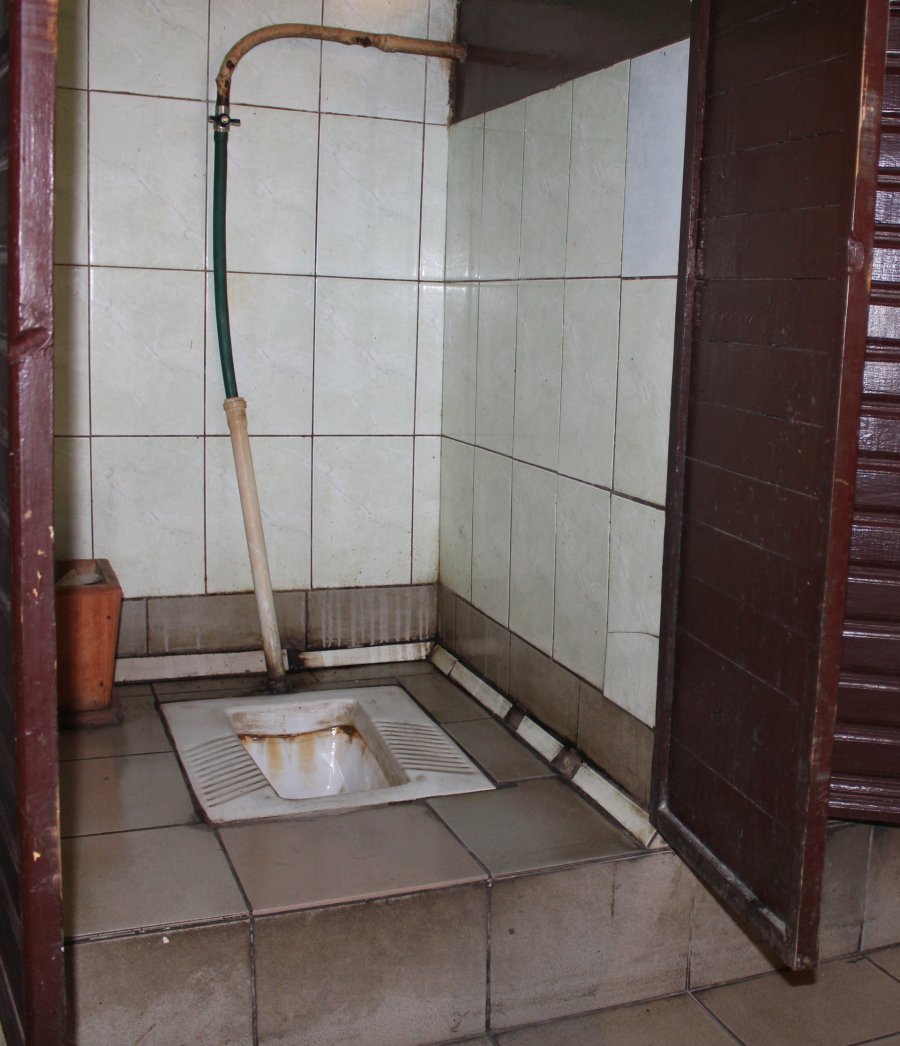
In the SPS sectors, the premises are arranged in compartments, and some are of the barrack type; there is a room for storing food and a sanitary room.
DIZO/DPK
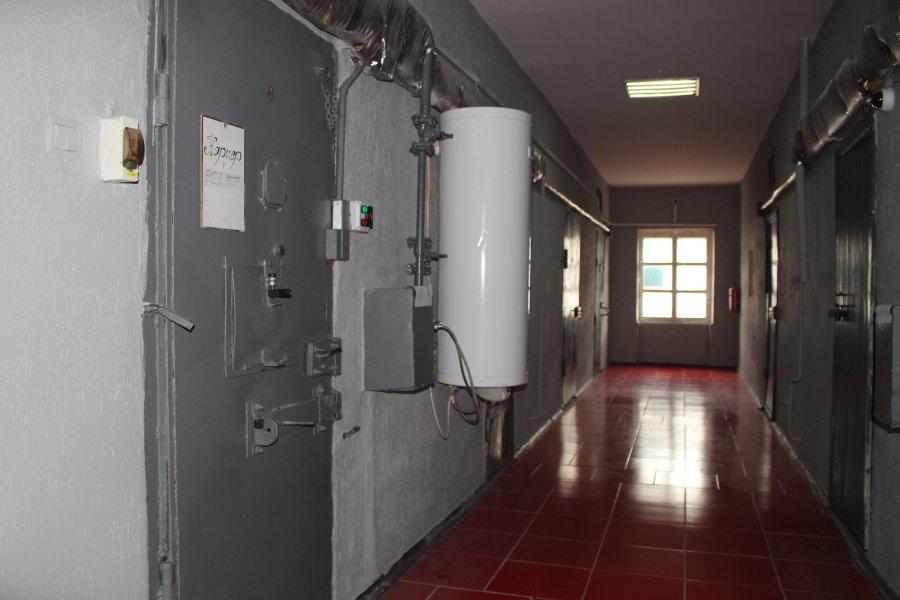
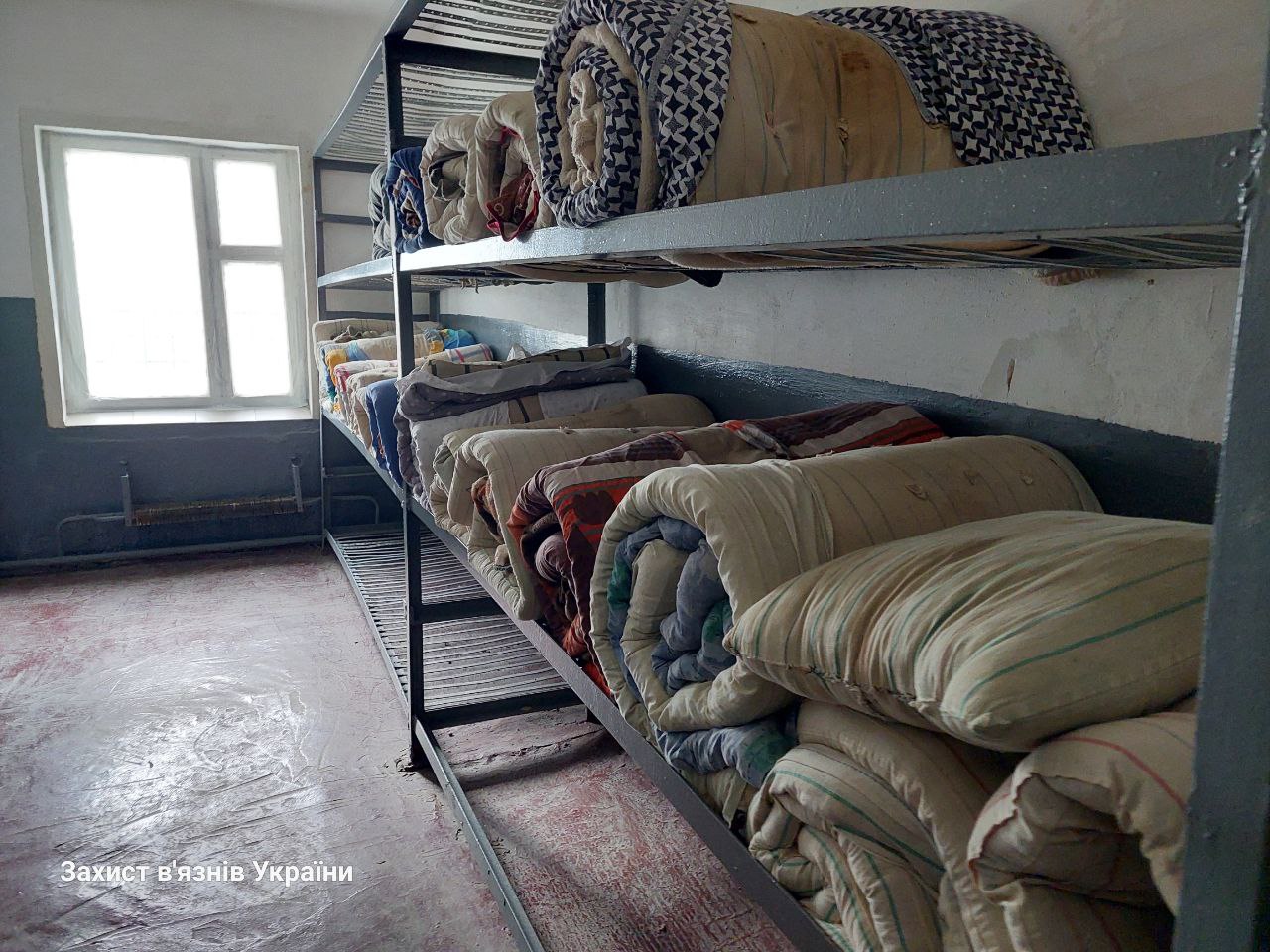
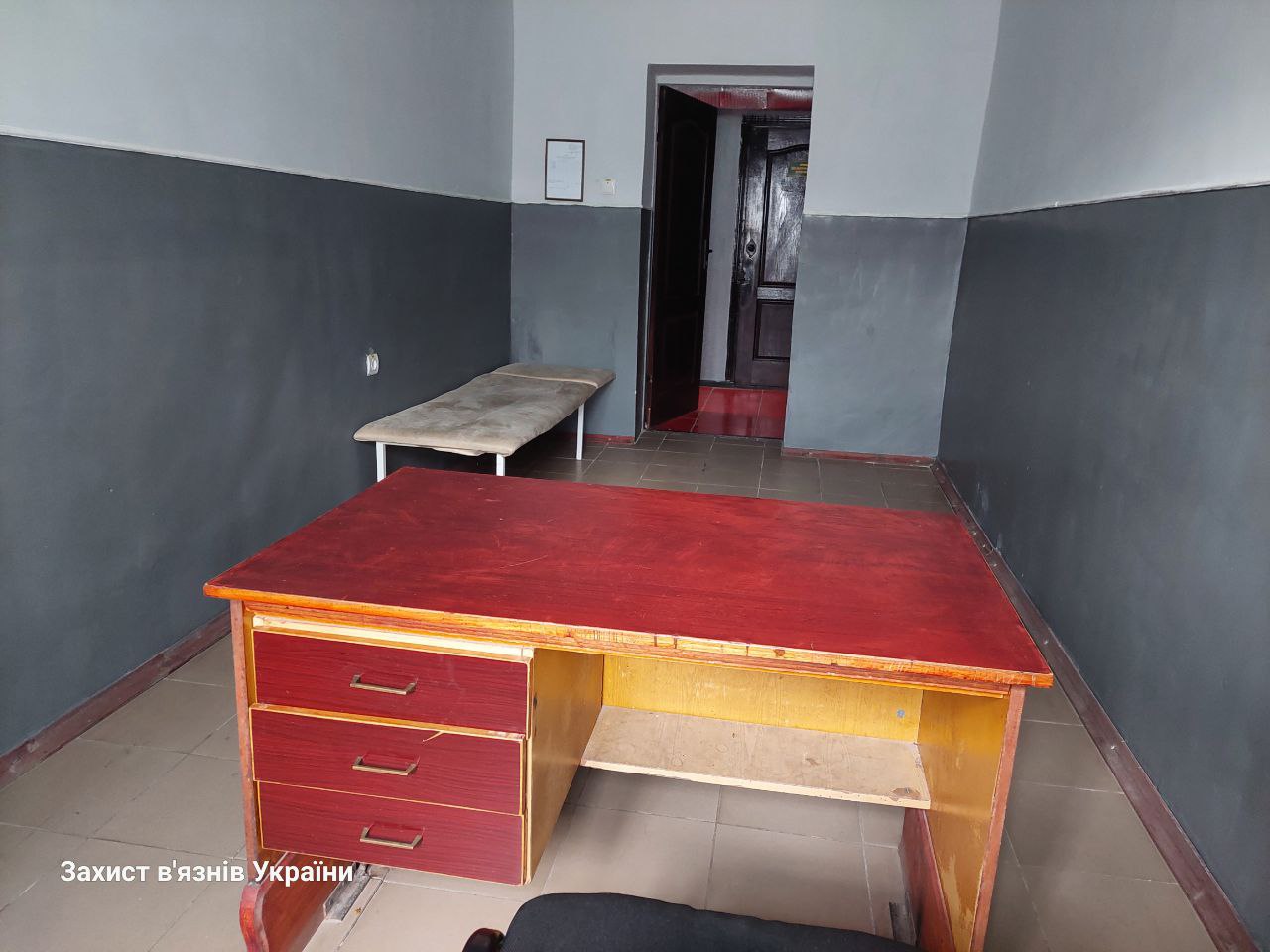
There is no special office for examinations by a paramedic (doctor). There is a couch in the office used by staff to receive convicts. There is no washbasin in the office.
In the DIZO, convicts are searched about ten times a day. The administration prohibited the monitors from communicating with those disciplined on the condition of anonymity in the DIZO cell, citing security measures, despite the fact that after the entrance door is opened, the convict is searched once again.
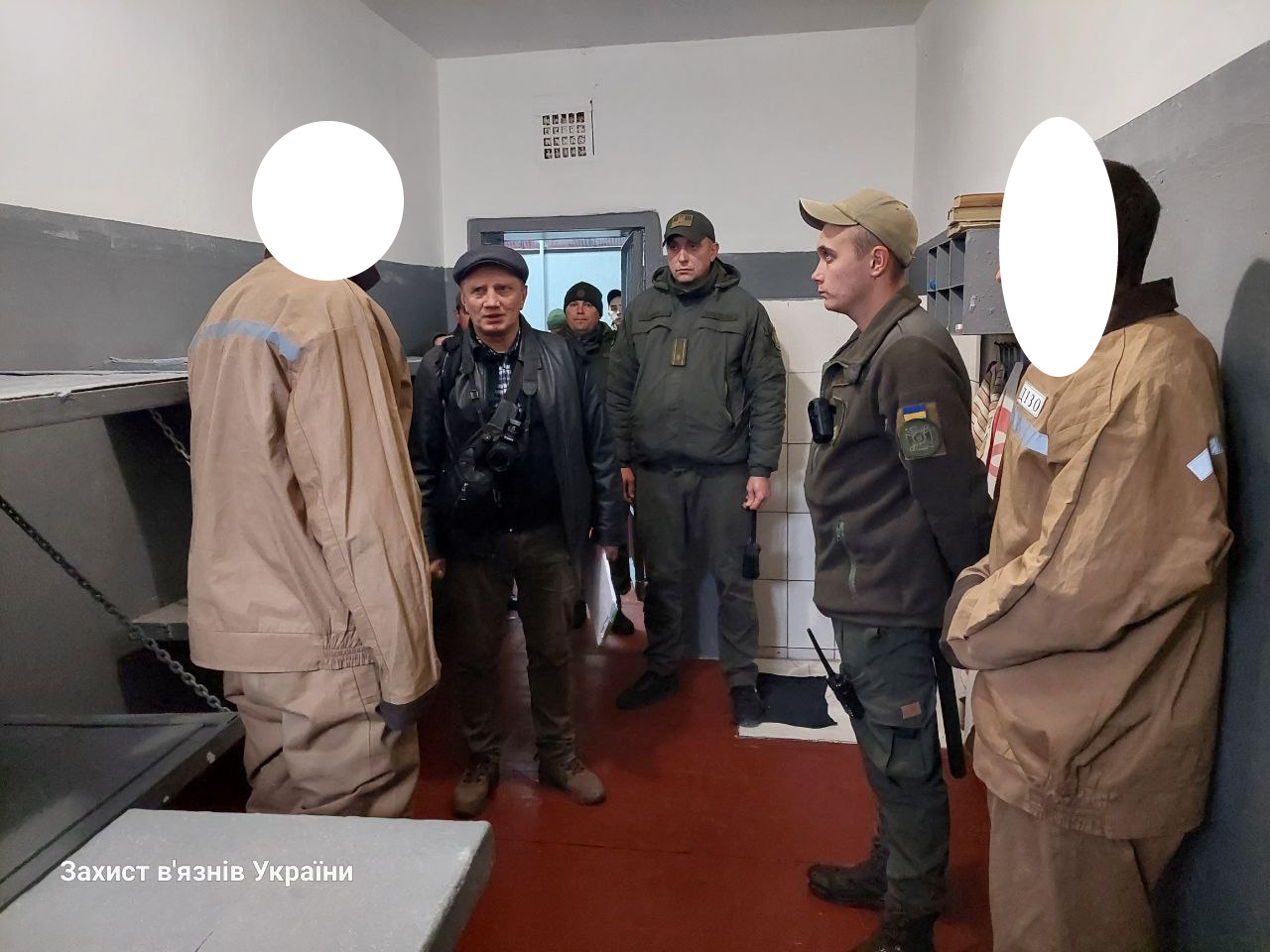
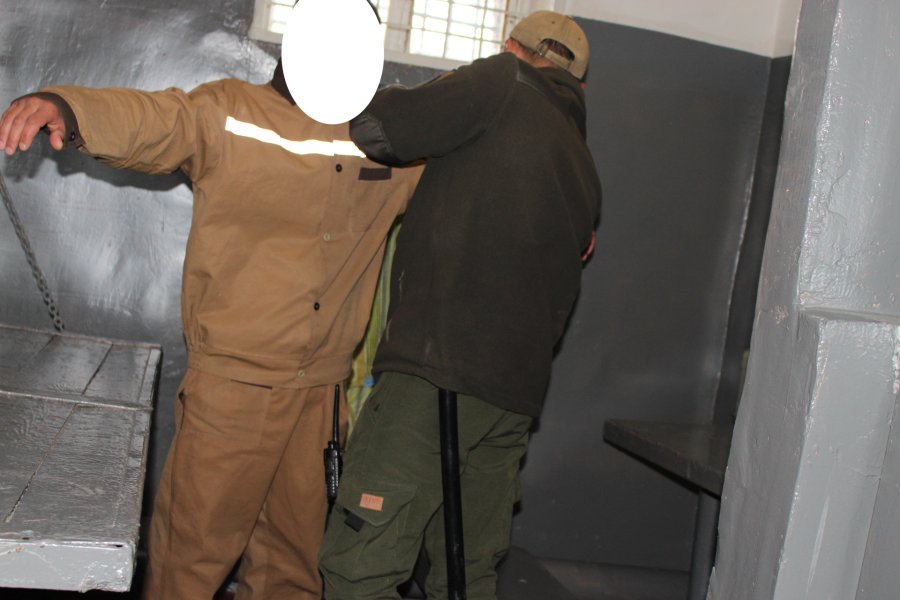
There is no refrigerator in the dining area in the DPK. It was possible to speak confidentially with a convict in the exercise yard.
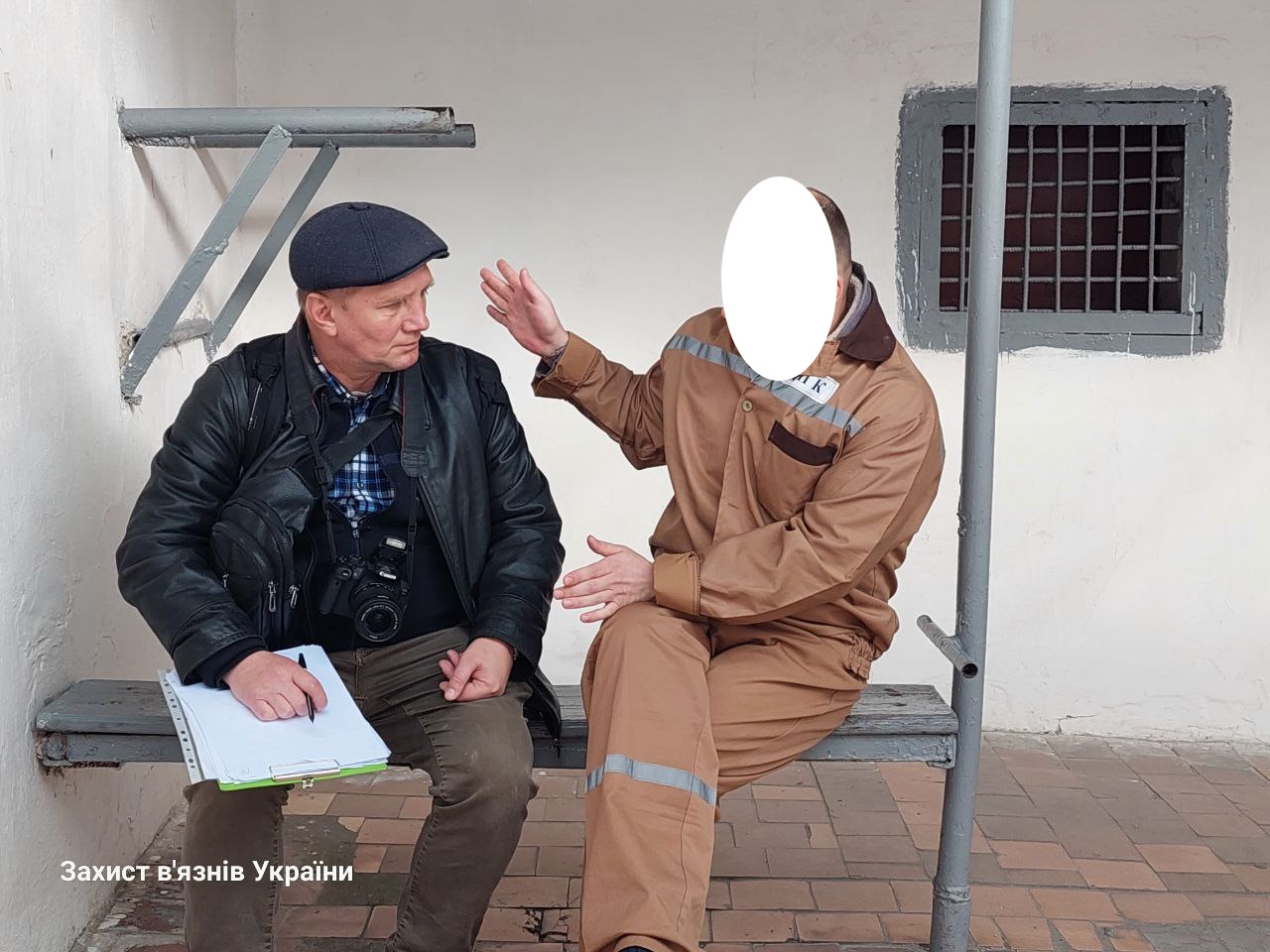
Bath and Laundry Complex
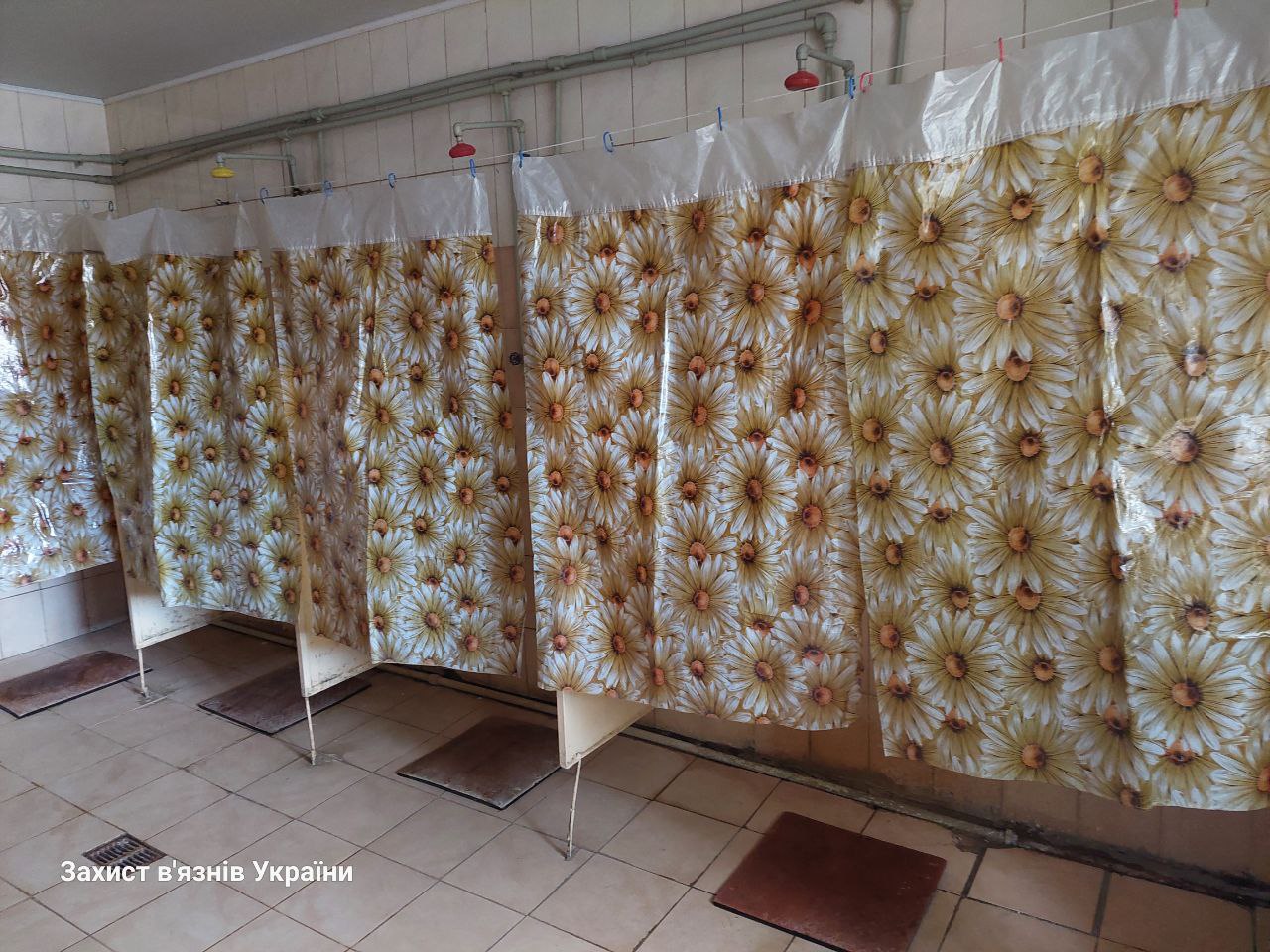
The shower cabins are partitioned, and curtains are provided, which ensures the right to privacy.
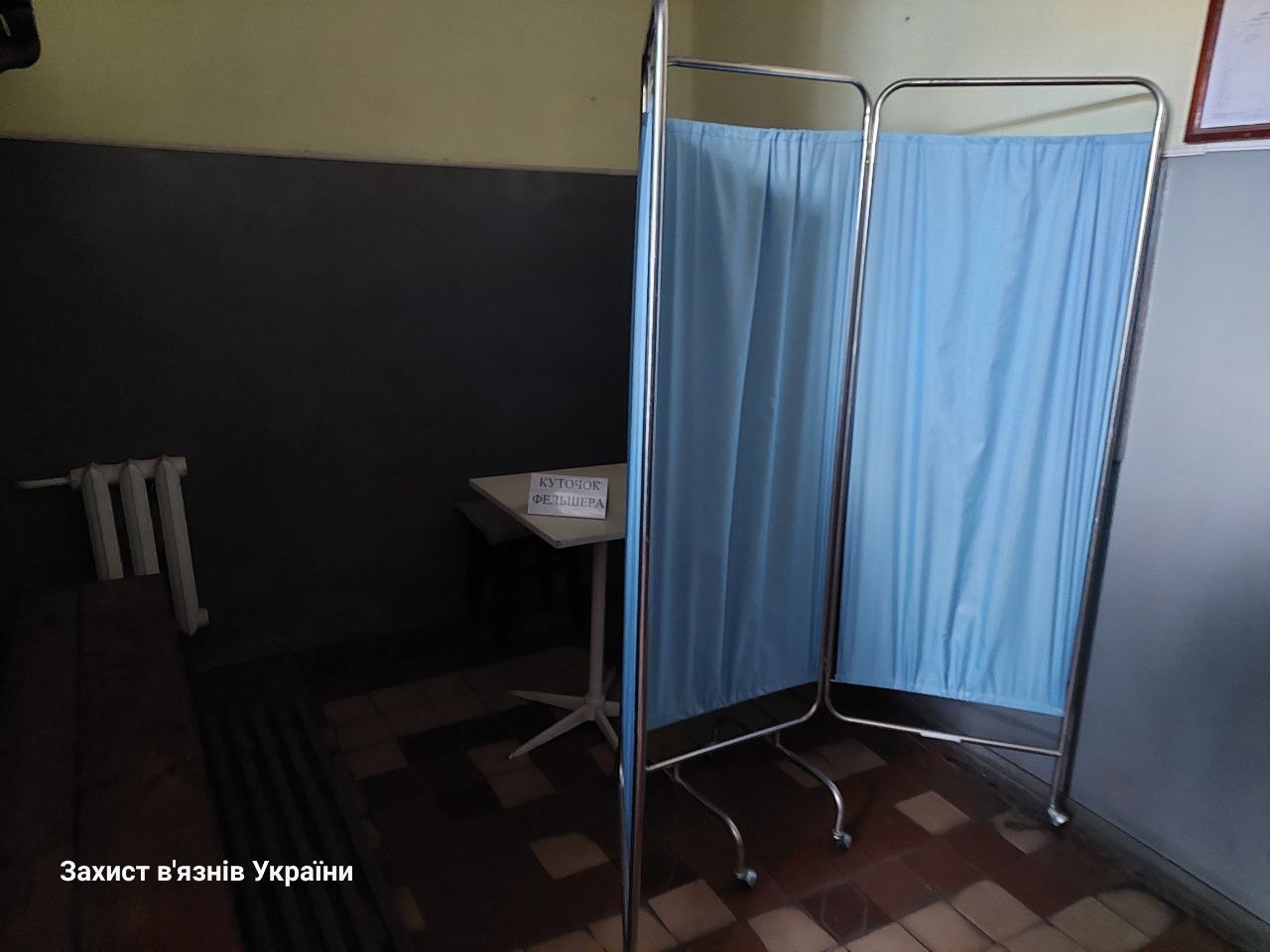
There is a paramedic’s corner, a disinfection chamber, and washing machines.
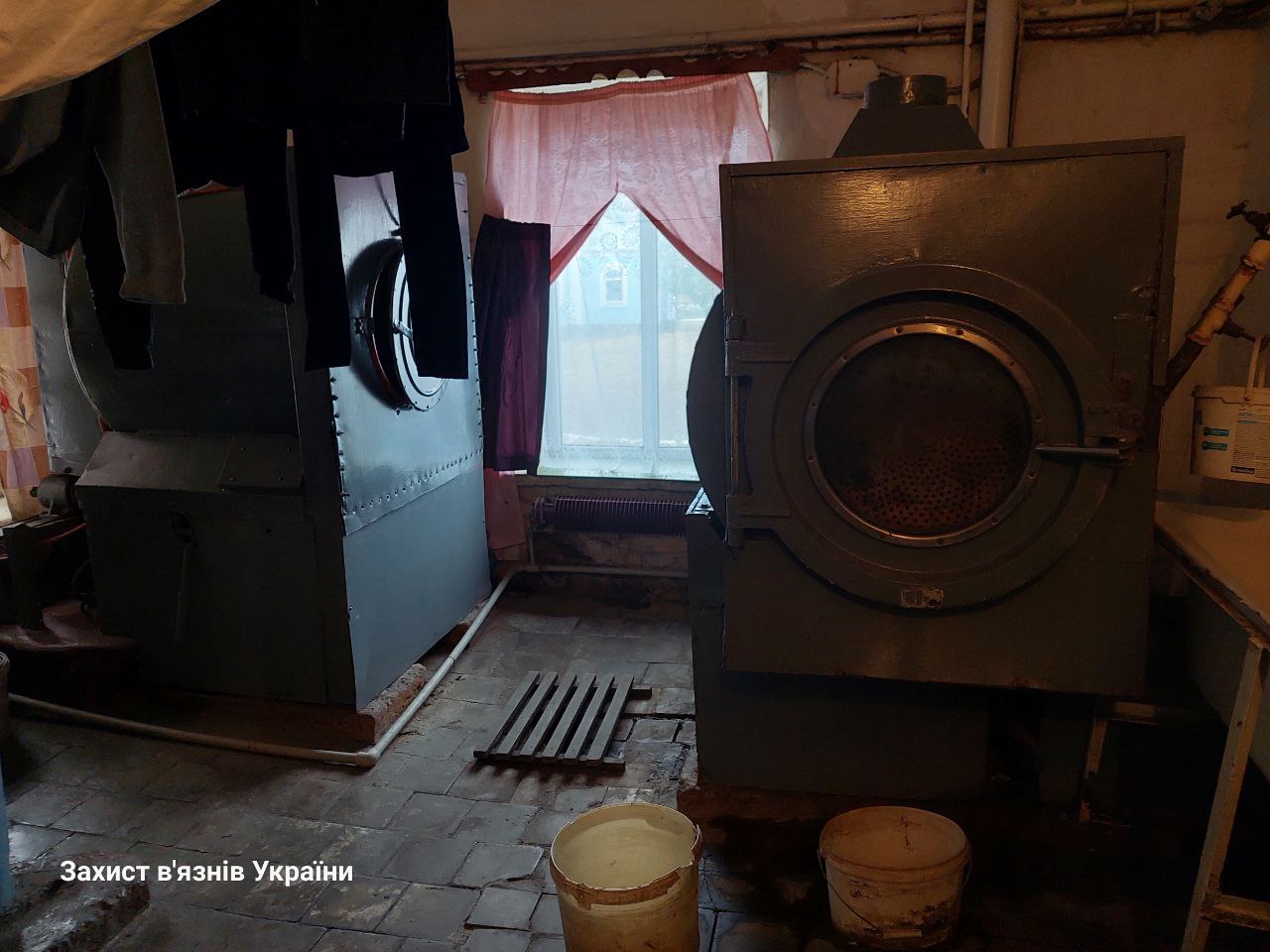
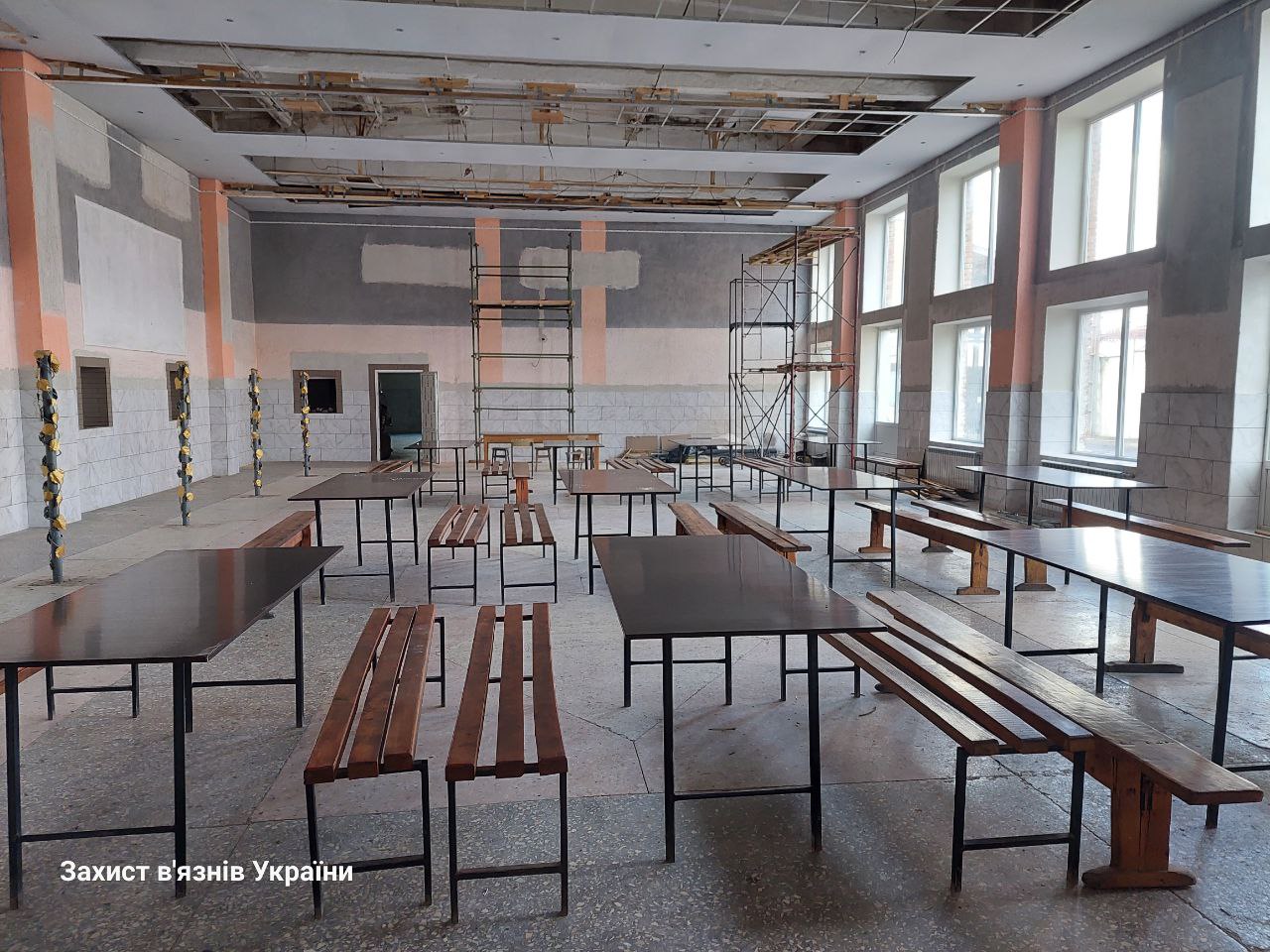
Canteen
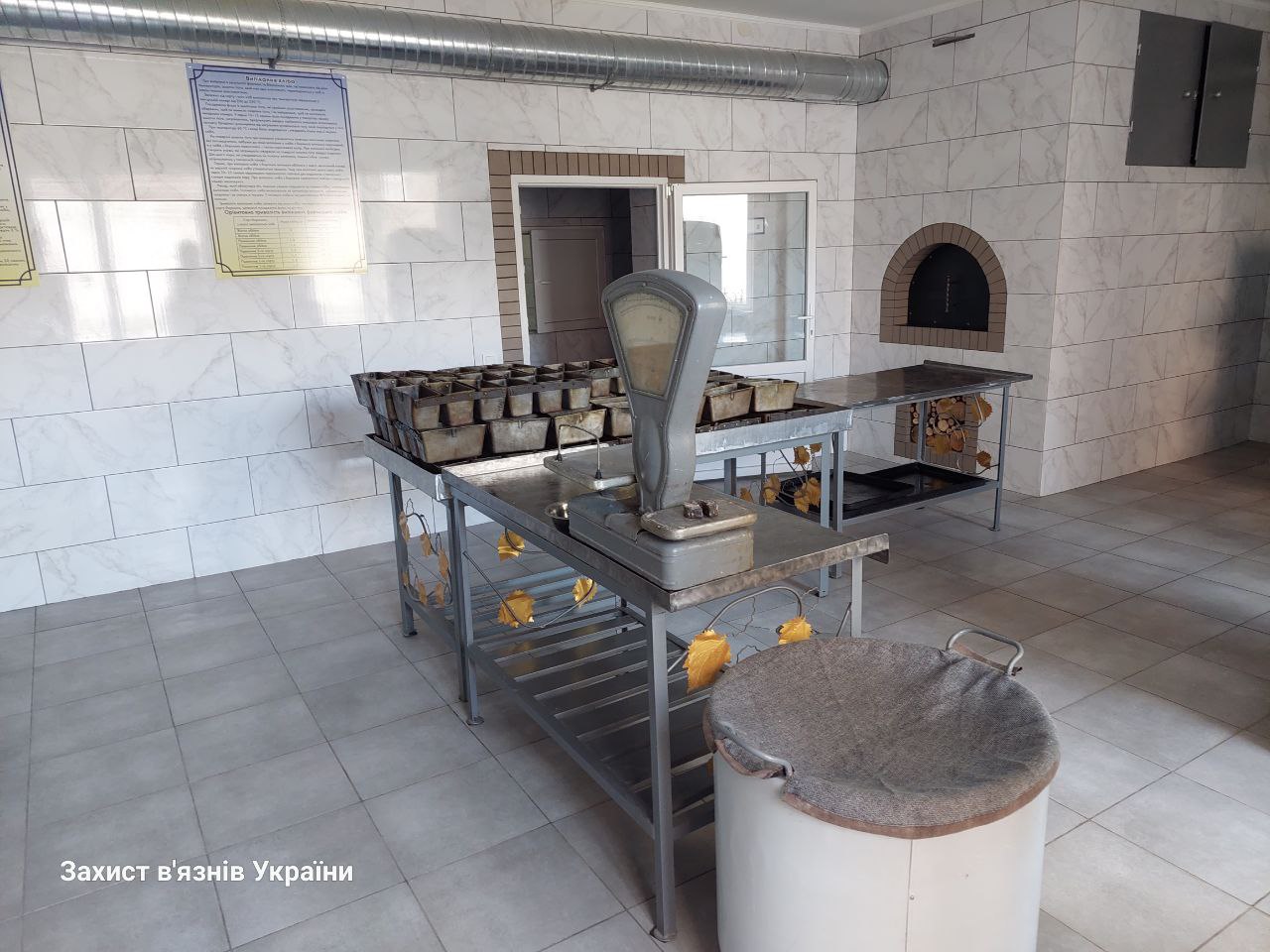
The canteen premises are renovated and look tidy. The food for the convicts is prepared by civilian workers.
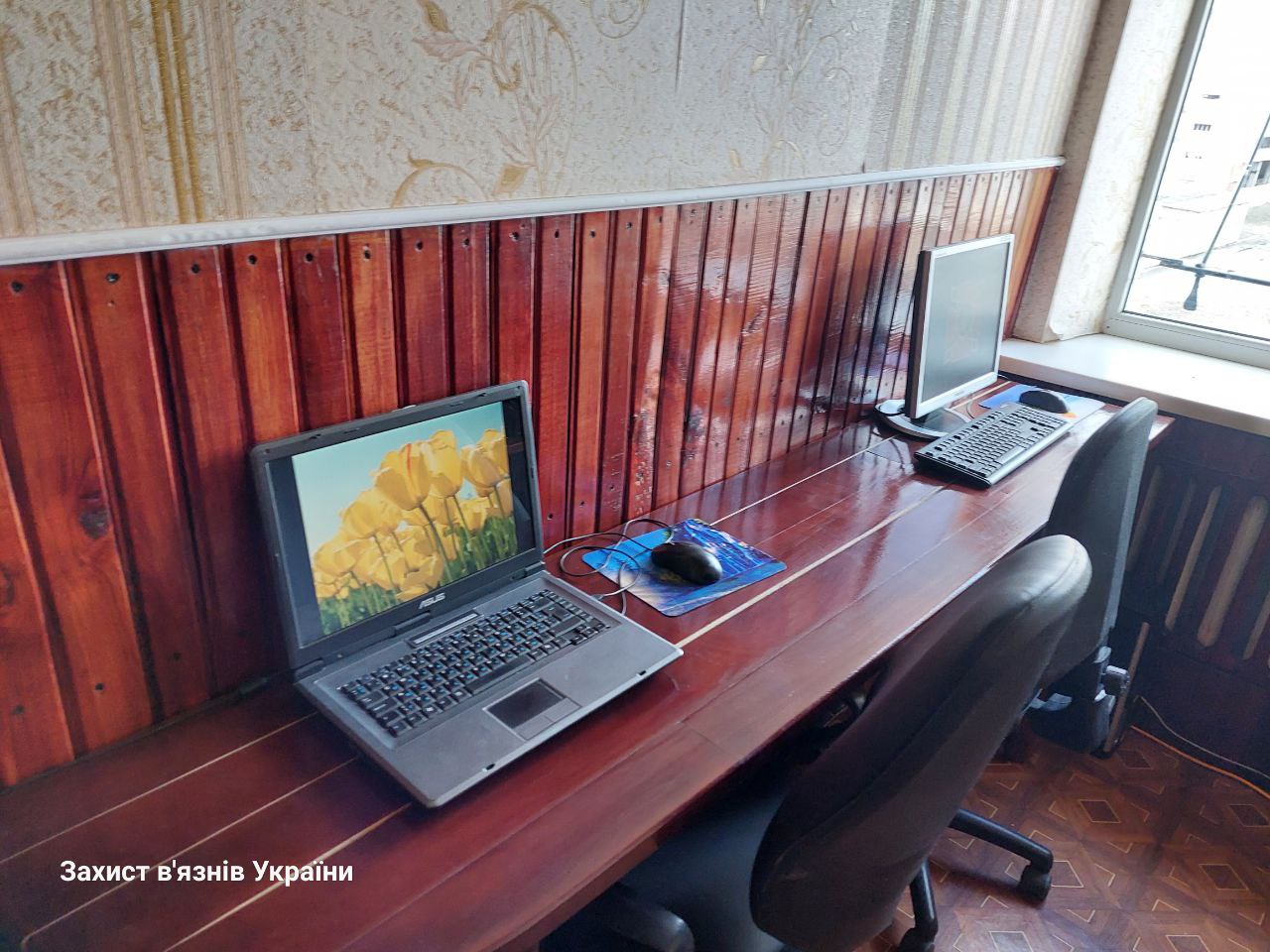
Internet Classroom
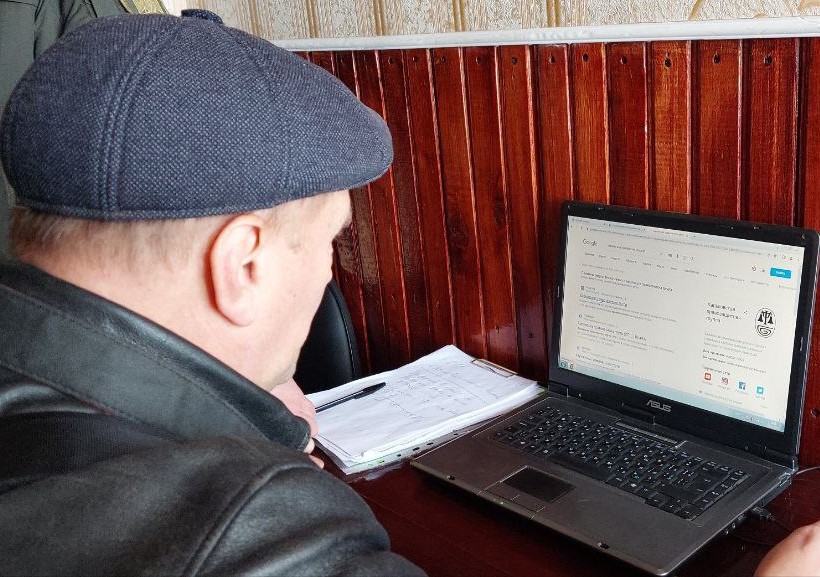
In the Internet classroom, there are three laptops and two tablets. According to the logbook entries, it is known that the Internet classroom is not in demand by the convicts. One convict has an email address. There is access to the websites of the KHPG and the Ukrainian Parliament Commissioner for Human Rights.
Bomb Shelter
The premises used as a shelter during an air-raid alert are not adapted for human occupancy.
Recommendations:
- Cease the practice of prohibiting the use of tablets;
- Facilitate the informing of convicts about their rights to appeal to the Commissioner for Human Rights;
- Ensure the right of convicts to appeal against the actions/inactions of staff, as well as against inadequate provision of medical care.
A preventive monitoring visit to Sumy Correctional Colony No. 116
was carried out by the Kharkiv Human Rights Protection Group together with the NGO “Protection of Prisoners of Ukraine”. The monitoring group consisted of assistant to the People’s Deputy of Ukraine Kostiantyn Kasai, member of the Public Council under the Ministry of Justice of Ukraine Serhiy Zuykov, member of the Public Council under the Ministry of Justice Oleh Tsvilyi, assistant to the People’s Deputy of Ukraine Yaroslav Yurchyshyn, and KHPG programme coordinator Andriy Didenko. The purpose of the visit: analysis of the observance of human rights in places of detention during the war. The visit was carried out within the framework of the project “Reducing the Suffering of Prisoners in the Context of the War in Ukraine”, funded by the Government of Denmark in partnership with DIGNITY — The Danish Institute Against Torture.
Date of visit: 10 October 2023