Report on the Results of the Monitoring Visit to the Temnivka Multi-Profile Hospital No. 100
On 21 April 2026, in accordance with the Optional Protocol to the Convention against Torture and Other Cruel, Inhuman or Degrading Treatment or Punishment, taking into account the provisions of the United Nations Standard Minimum Rules for the Treatment of Prisoners (the Nelson Mandela Rules) and the case law of the European Court of Human Rights, and pursuant to Article 24 of the Criminal Executive Code of Ukraine ‘On Visiting Correctional Institutions’, a group of monitors from the Kharkiv Human Rights Protection Group and the NGO ‘Protection of Prisoners of Ukraine’ conducted a follow-up visit to the Temnivka Multi-profile Hospital No. 100 of the branch of the State Institution ‘Healthcare Centre of the State Penitentiary Service of Ukraine’ in the Kharkiv and Luhansk Regions (hereinafter referred to as the hospital, the institution, or the facility).
The visit was carried out as a scheduled, unannounced inspection. The previous visit took place on 4 July 2024.
In preparation for the visit, the monitors used materials from appeals by prisoners, convicts, and their relatives, previous reports, as well as the report of the National Preventive Mechanism (NPM) under the Ukrainian Parliament Commissioner for Human Rights.
The visit was conducted as part of the project ‘Reducing the Suffering of Prisoners in the Context of the War in Ukraine’, funded by the Danish Government in partnership with DIGNITY — Danish Institute Against Torture.
The visit was carried out by the following monitors:
- Andriy Didenko — assistant to the People’s Deputy of Ukraine Yaroslav Yurchyshyn, programme co-ordinator of the Kharkiv Human Rights Protection Group, with experience in monitoring visits since 2014;
- Serhiy Zuykov — assistant to the People’s Deputy of Ukraine Kostiantyn Kasai, member of the Public Council under the Ministry of Justice of Ukraine, member of the public organisation ‘Protection of Prisoners of Ukraine’, with many years of experience in monitoring visits;
- Oleh Tsvilyi — member of the Public Council under the Ministry of Justice of Ukraine, head of the public organisation ‘Protection of Prisoners of Ukraine’, with extensive experience in monitoring visits, specialising in issues of torture and cruel or inhuman treatment.
During the monitoring visit, numerous violations of the right of convicts and persons in custody to healthcare and proper medical assistance were identified. In particular, facts were established of inadequate recording and documentation of bodily injuries, the absence of opioid substitution therapy for individuals with opioid dependence, violations of the procedure for accommodating patients in the inpatient department, a failure to staff the medical unit with a clinical psychologist, and sub-standard conditions of detention for individuals with mental disorders.
The monitoring group established the absence of a palliative care unit despite the availability of palliative care beds, inadequate organisation of the isolation of infectious patients, the practice of entering information on committed criminal offences into medical records, insufficient natural light in some wards, violations of the right to privacy in sanitary facilities and wards, as well as complaints regarding the functioning of radio outlets, which negatively affect treatment conditions.
Violations were identified in the diagnosis and treatment of hepatitis C virus, as well as improper safeguarding of the rights of persons with disabilities, non-compliance with certain individual rehabilitation programmes, failure to meet accessibility requirements for persons with reduced mobility, and the lack of necessary documentation regarding barrier-free access to the medical facility.
In addition, the monitoring group established the inability to conduct telemedicine consultations, inadequate equipment in the dental surgery, a lack of necessary hospital property for inpatient patients, temperature violations in certain rooms, deficiencies in medical supervision of persons employed in the catering unit, as well as numerous violations of fire safety regulations.
Furthermore, violations of the right to privacy when using the shower facilities, alongside other shortcomings in the material and living conditions of the hospital’s inpatient departments, were documented.
General Information
The head of the Temnivka Multi-profile Hospital No. 100 of the branch of the State Institution ‘Healthcare Centre of the State Penitentiary Service of Ukraine’ in the Kharkiv and Luhansk Regions (hereinafter referred to as the hospital) is Olena Yelizieva.
The hospital comprises a therapeutic department, a surgical department, a neurological department, an outpatient department (hereinafter referred to as the OPD), and a clinical diagnostic laboratory.
According to a certificate provided by the hospital management, at the time of the visit, 50.25 posts were filled, including: doctors — 19 posts; nursing and mid-level medical staff — 25.75 posts; junior medical staff — 4 posts (including 1 disinfector post); pharmacist assistant — 1 post; and head of the pharmacy — 0.5 posts.
There remain 6.5 vacant posts, including: doctors — 1 post (specifically, 0.5 of a radiologist post and 0.5 of a general practitioner/therapist post in the outpatient and preventive department); nursing and mid-level medical staff — 3.75 posts (specifically, 0.75 of a scrub nurse post, 2.5 of a paramedic post in the outpatient and preventive department, and 0.5 of a nurse post in the outpatient and preventive department); pharmacist — 0.75 posts; head of the pharmacy — 0.5 posts; clinical pharmacist — 0.25 posts; and clinical psychologist — 0.25 posts.
During the current period, a total of 10 meetings of the Medical Consultative Commission (MCC) were held, and 10 ill convicts were reviewed. All 10 cases concerned the presence of illnesses specified in the List of Diseases that serve as a basis for submitting materials to court regarding the release of convicts from further serving of sentences. Two individuals were released from serving sentences, compared to three in 2024; the court rejected release for six individuals, compared to two in 2024.
During the 12 months of 2025, six ill convicts died in the hospital, compared to four in 2024. Of these, two individuals died in territorial healthcare facilities, compared to one in 2024.
During the 12 months of 2025, 68 referrals to territorial healthcare facilities were made for consultations, examinations, and inpatient treatment of patients. By departments: the therapeutic department — 13 referrals, the surgical department — 13 referrals, the neurological department — 7 referrals, and the OPD — 35 referrals.
During the 12 months of 2025, doctors of the outpatient and preventive department saw a total of 2,980 convicts. During the current period, preventive examinations covered 568 individuals, of whom 228 required and received outpatient care, and 41 received inpatient care. Consultation appointments for convicts were conducted as follows: neurologist — 117 individuals, surgeon — 96 individuals, dermatologist — 159 individuals, ophthalmologist — 59 individuals, and ENT specialist — 38 individuals. Target oncological screening during the 12 months of the current year covered 568 convicts.
On the day of the visit, 21 individuals were undergoing inpatient treatment in the hospital's inpatient department.
Identified Violations of National and International Legislation
During the monitoring visit, the monitoring group reviewed medical records, inspected the premises of the hospital, and conducted individual interviews (surveys) with convicts and remanded individuals, as a result of which shortcomings in the organisation of medical care leading to violations of the rights of these individuals were established.
1. During the visit, the monitoring group established that the medical staff of the hospital fail to ensure the proper recording and documentation of bodily injuries of persons deprived of their liberty.
According to paragraph 3 of Chapter 1 of Section II of the Procedure for Organising the Provision of Medical Care to Prisoners Sentenced to Deprivation of Liberty, approved by Order No. 1348/5/572 of the Ministry of Justice of Ukraine and the Ministry of Health of Ukraine dated 15 August 2014 (hereinafter referred to as the Procedure), in the event of detecting bodily injuries on a convict, the medical professional who identified such injuries shall draw up a certificate in triplicate, which details:
- information (the convict’s written statement, oral or written explanation concerning the circumstances under which the bodily injuries were sustained (date, time, location, methods of infliction, information about the person(s) who, in the convict’s opinion, inflicted them), as well as other information regarding the acquisition of bodily injuries);
- a comprehensive description of medical indicators characterising the convict’s health status, the nature of the injuries, their size and location;
- the medical professional’s assessment in light of the information provided by the convict and medical indicators, alongside a justification of their correlation.
The medical professional shall attach to the certificate the primary record form No. 511/o ‘Certificate of Recording Bodily Injuries’, approved by Order No. 110 of the Ministry of Health of Ukraine dated 14 February 2012, registered with the Ministry of Justice of Ukraine on 28 April 2012 under No. 661/20974, and photographs of the convict’s existing bodily injuries. Two copies of the certificate and its attachments are appended to the personal file and the outpatient medical record No. 025/o, while the third copy is handed personally to the examined convict.
Instead, during the monitoring visit, instances of improper recording of bodily injuries were established.
Specifically, during the monitoring visit, information was obtained from convict T., who had injured his left leg in the industrial zone, resulting in a bodily injury. Following this, he underwent a medical examination and was hospitalised. During the visit, a healing abrasion was observed on his left shin, which physically corresponded to an injury sustained approximately one week prior.
However, despite the request for medical assistance and the presence of bodily injuries, the relevant information was not documented in the prescribed manner: the records were missing from the register of detected bodily injuries and other medical documentation. Consequently, the sustained injuries were not properly recorded, pointing to a failure by medical staff to document such cases in a timely and appropriate manner.
Such actions (or omissions) on the part of medical professionals may indicate a failure to perform professional duties regarding the mandatory recording of bodily injuries. This creates a risk of concealing facts of injuries to convicts and hinders a timely, full, and objective investigation of the circumstances. This leads to a violation of the convicts’ right to proper medical care and proper documentation of physical injuries, while also complicating effective investigation of incidents and the prosecution of those responsible.
In addition, as established during the monitoring visit, when bodily injuries are detected, medical staff in fact only complete the primary record form No. 511/o, without drawing up the certificate in triplicate or carrying out the full range of actions prescribed by the Procedure. This points to a systemic violation of the requirements of paragraph 3 of Chapter 1 of Section II of the Procedure and to the improper organisation of the medical recording of bodily injuries.
The absence of proper recording of bodily injuries does not comply with paragraph 60 of the recommendations of the European Committee for the Prevention of Torture and Inhuman or Degrading Treatment or Punishment (hereinafter referred to as the Committee), according to which medical services in places of deprivation of liberty should contribute to the prevention of violence through the systematic registration of bodily injuries and, where appropriate, informing the competent authorities (CPT/Inf (93) 12).
2. The hospital has not organised the provision of opioid substitution therapy (hereinafter referred to as OST) for individuals with mental and behavioural disorders due to opioid use, in accordance with the Procedure for Conducting Opioid Substitution Therapy for Individuals with Mental and Behavioural Disorders Due to Opioid Use, approved by Order No. 200 of the Ministry of Health of Ukraine dated 27 March 2012.
Drug-dependent individuals are not provided with social and psychological support, cognitive behavioural therapy (CBT), relapse prevention, motivational interviewing, self-help groups, etc.
Consequently, these individuals are deprived of the opportunity to receive OST, which violates their right to choose treatment methods in accordance with Article 38 of the Law of Ukraine ‘Fundamentals of the Legislation of Ukraine on Healthcare’.
At the same time, the Committee notes in its report on the 2023 visit to Ukraine that admission to a penitentiary institution is an opportunity to address a drug-related problem, and it is therefore important that appropriate assistance be offered to all concerned, meaning that appropriate healthcare must be available in all institutions. The assistance offered to such individuals should be diverse; substitution therapy programmes for drug-dependent persons should be combined with genuine psychosocial and educational programmes for individuals with opioid dependence who are unable to stop using drugs. Furthermore, access to OST programmes in institutions should be easily accessible, and they should also be managed by prison doctors who have received specialised training in drug use issues (CPT/Inf (2024) 20, paragraph 86).
3. In violation of the requirements of paragraph 7 of Chapter 2 of Section III of the Procedure, patients are accommodated in ward-cells not on the basis of a diagnosed condition and the medical staff’s decision to refer them to a specialised department of the hospital, but by decision of the institution’s staff.
4. The post of clinical psychologist is vacant on the hospital staff, which hinders the timely and effective provision of mental health care to convicts. In its report on the 2023 visit to Ukraine, the Committee recommends further strengthening the provision of psychological care in institutions, as well as developing the training and role of prison psychologists, especially regarding therapeutic clinical work with convicts. In this context, efforts must be made to recruit clinically trained psychologists, who should be part of the medical team and should not combine two different roles in their work, namely risk assessment and therapeutic clinical work (CPT/Inf (2024) 20, paragraph 85).
5. In violation of paragraph 9 of the Rules for the Use of Physical Restraint and/or Isolation in the Provision of Psychiatric Care to Persons Suffering from Mental Disorders, approved by Order No. 240 of the Ministry of Health of Ukraine dated 24 March 2016, registered with the Ministry of Justice of Ukraine on 15 April 2016 under No. 570/28700, and paragraph 8.3.4 of the State Building Codes of Ukraine DBN B.2.2-10:2022 ‘Healthcare Facilities’, the isolation ward for persons with mental disorders does not meet the established requirements.
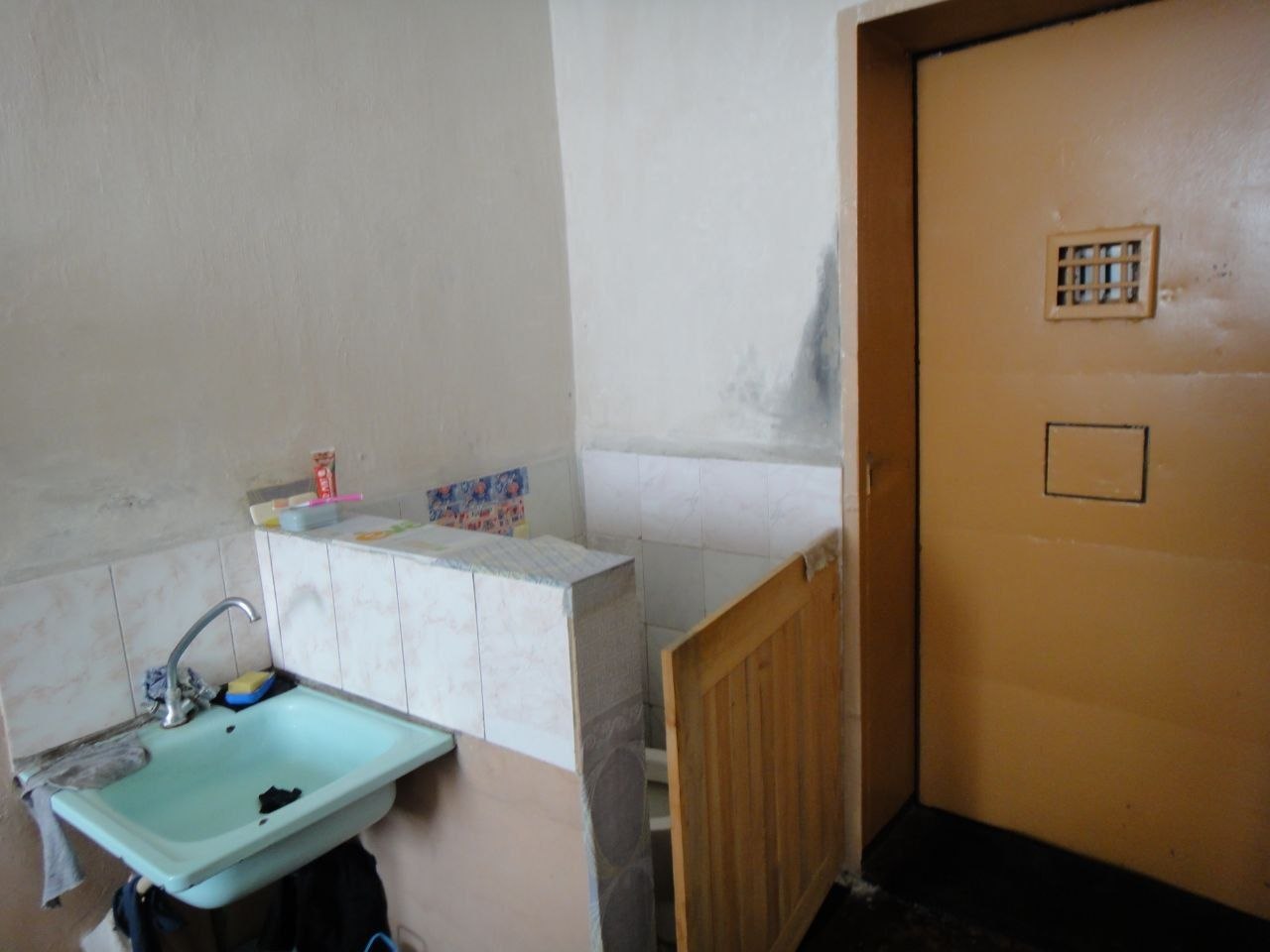
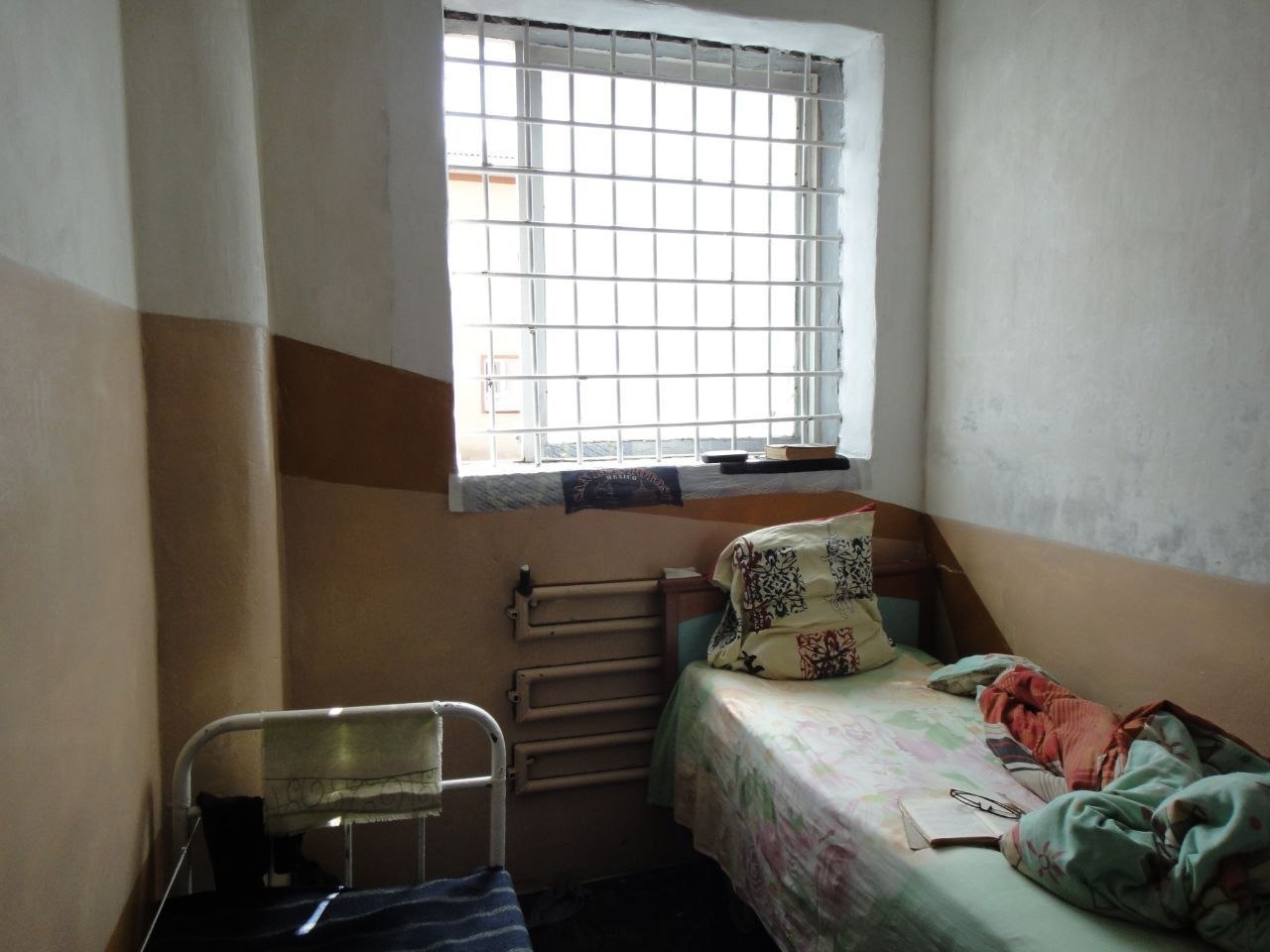
The room is designed to accommodate more than one person (for two people), which contradicts the principles of isolation. An insufficient level of natural light was recorded in the ward-cell. The window in the cell is fitted with frosted glass.
The furniture has sharp corners, posing a potential danger to patients. The toilet/sanitary facility is not equipped with adequate partitions, making privacy impossible. There is no tank of boiled drinking water.
6. The hospital’s structure provides for five beds for the treatment of palliative patients. However, the hospital lacks a palliative care unit to provide inpatient palliative care, which does not comply with the requirements of paragraph 4 of Section IV of the Procedure for the Provision of Palliative Care, approved by Order No. 1308 of the Ministry of Health of Ukraine dated 4 June 2020.
7. In violation of the Measures and Means for Preventing Infection During Patient Care, approved by Order No. 1777 of the Ministry of Health of Ukraine dated 3 August 2020, the hospital has only one isolation ward for infectious patients, making it impossible to simultaneously isolate patients with dangerous infectious diseases from each other and other convicts.
Furthermore, the isolation ward for individuals with infectious diseases does not meet the sanitary and hygienic standards and requirements of the State Building Codes DBN B.2.2-10:2022 ‘Healthcare Facilities. General Provisions’. Specifically, the ward designated for such patients is not properly equipped with a shower cabin, forcing infectious patients to use shared sanitary facilities alongside other inpatients undergoing treatment in the medical unit’s inpatient ward.
The lack of adequate conditions makes effective isolation of patients impossible, facilitates the spread of infectious diseases, and poses a threat to the health of both convicts and medical staff.
8. During the visit, it was established that in the primary record form No. 003/o ‘Inpatient Medical Record’, approved by Order No. 110 of the Ministry of Health of Ukraine dated 14 February 2012, medical staff enter information regarding a brief description of the criminal offences committed by convicts (indicating the articles under which they were sentenced), which is not provided for by any regulatory act.
This practice has no legal basis, does not pursue any legitimate purpose in the area of medical care, and leads to the stigmatisation of patients. Moreover, recording such information negatively impacts the relationship of trust between the patient and the medical professional, which is a necessary prerequisite for the proper provision of healthcare.
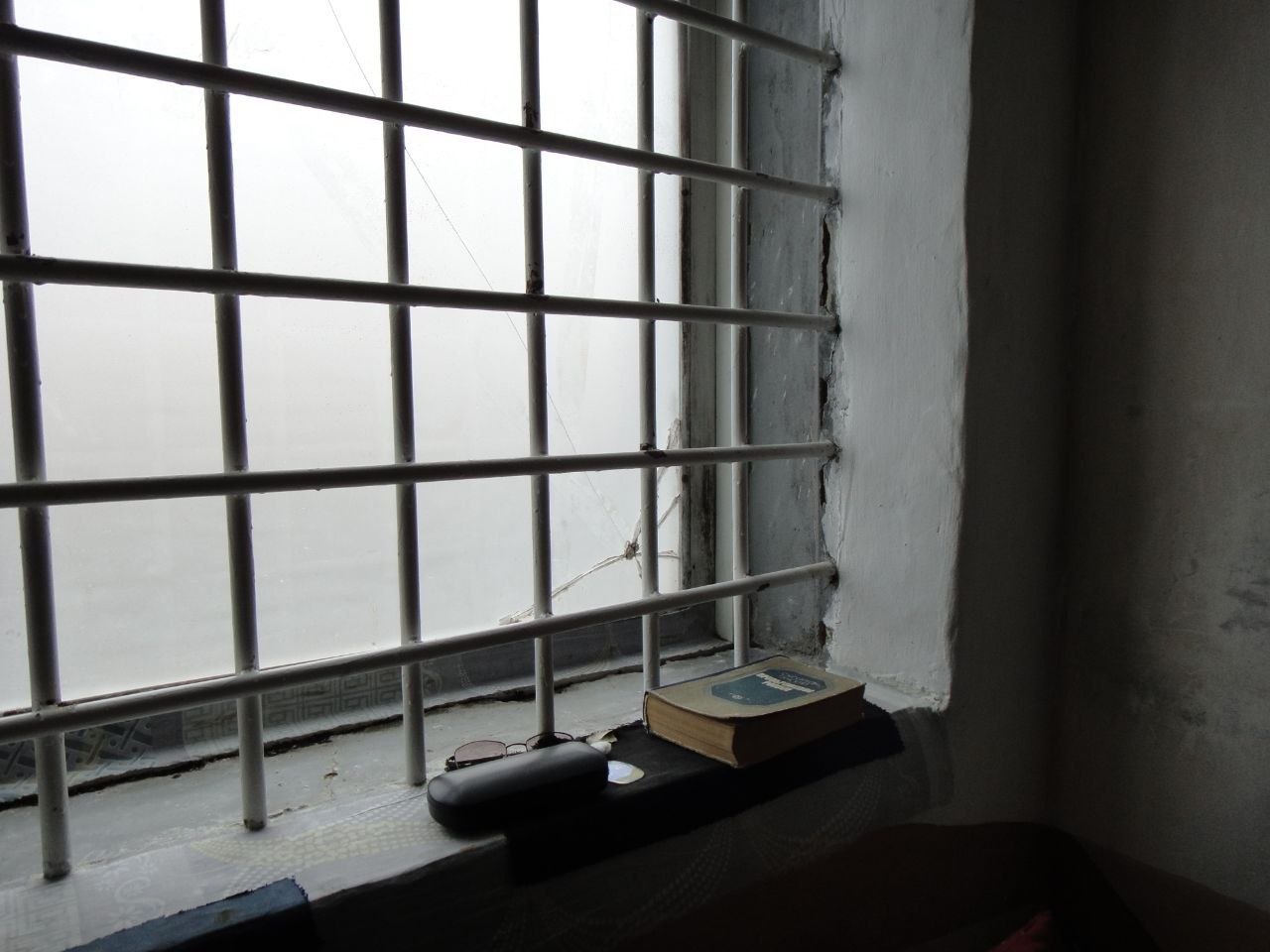
9. In some of the hospital’s ward-cells, the monitors documented windows fitted with frosted glass, which does not provide a sufficient level of natural light. In its report on the 2020 visit to Ukraine, the Committee had already drawn attention to this and recommended taking measures to review the design of windows in cells to allow prisoners to see outside (CPT/Inf (2020) 40, paragraph 48).
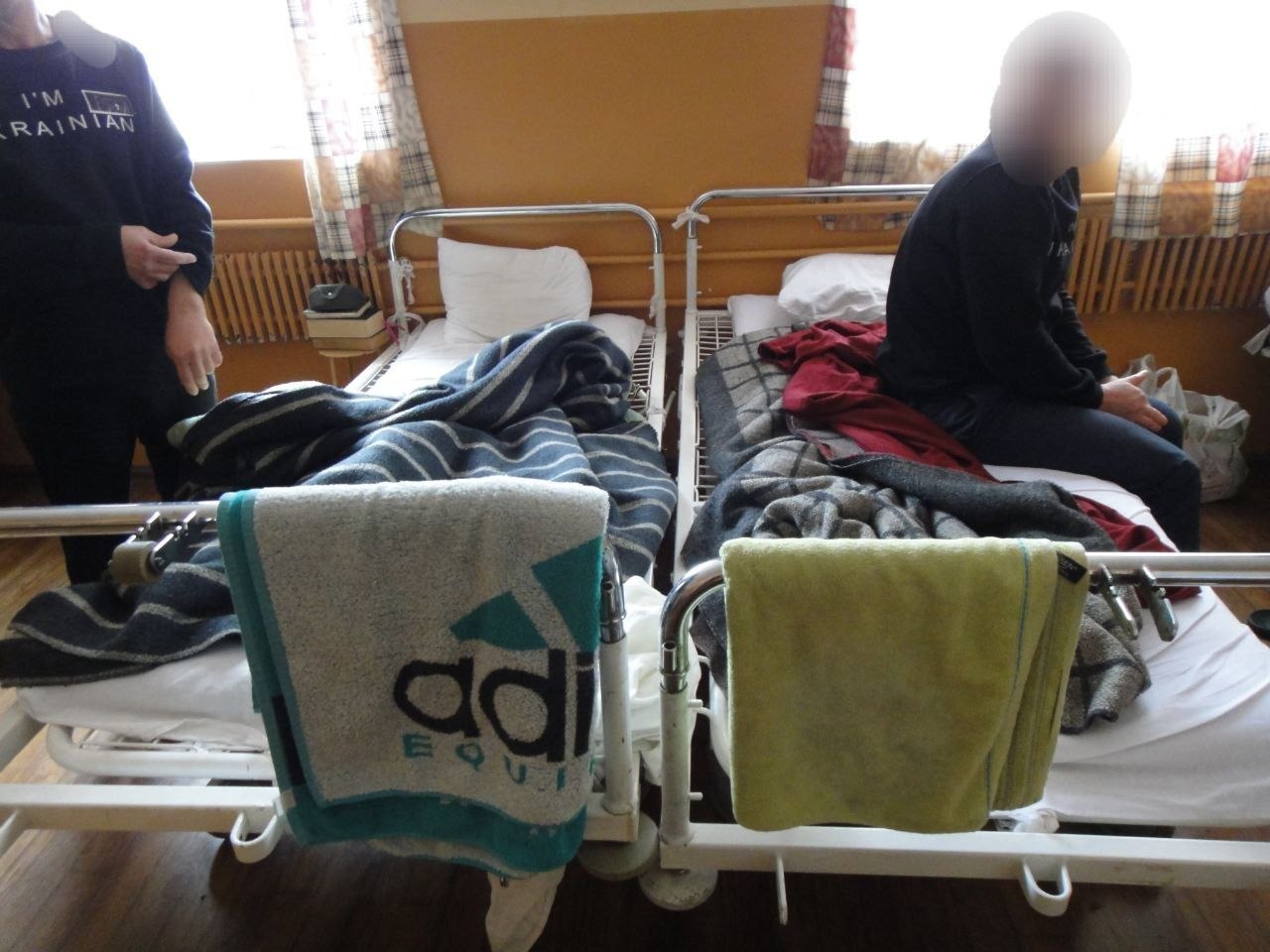
10. In ward-cell No. 123, the beds are placed close together, which fails to provide the convicts with personal space and contradicts the requirements of the State Building Codes of Ukraine DBN B.2.2-10:2022 ‘Healthcare Facilities’.
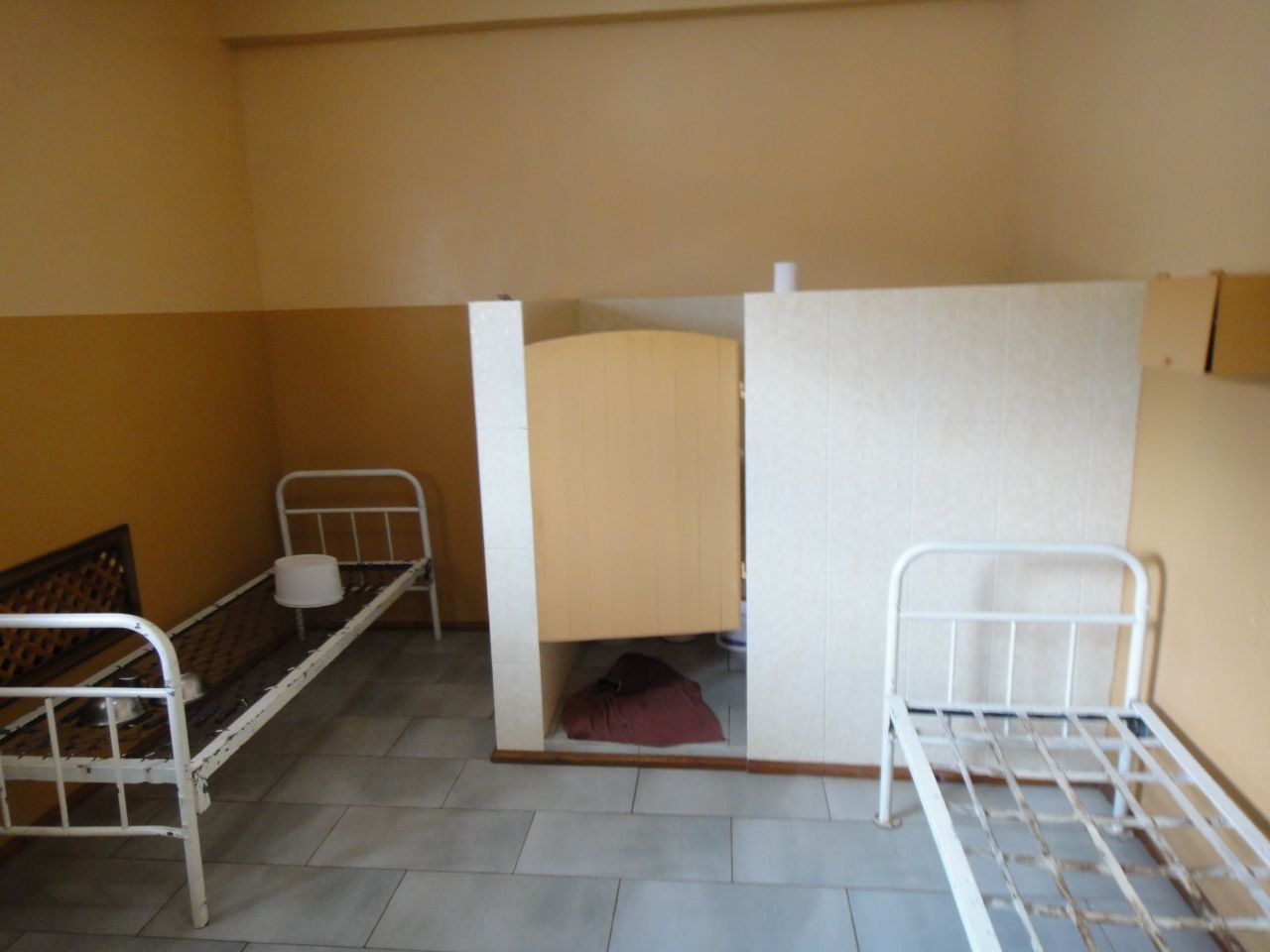
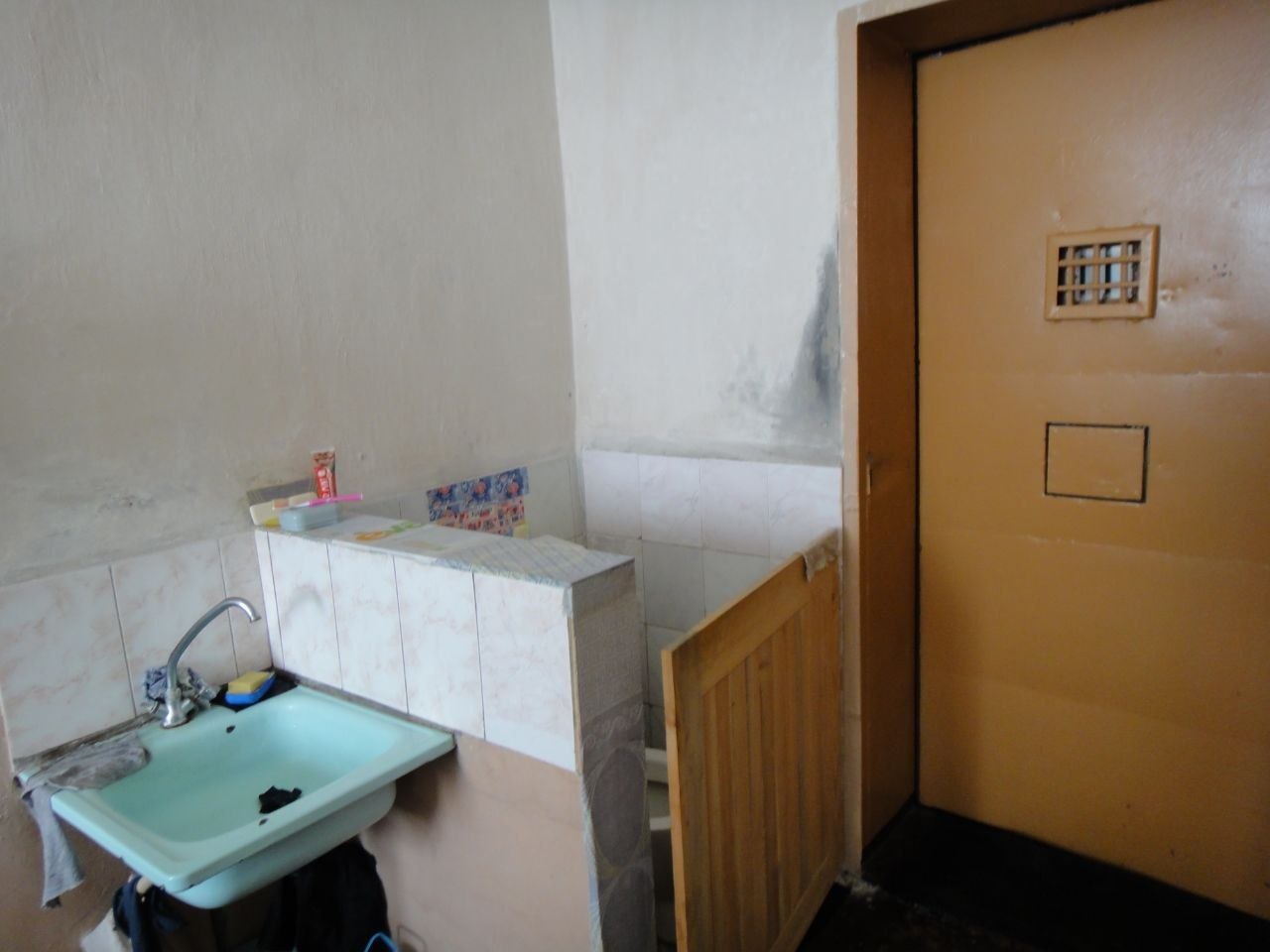
11. In the majority of the hospital’s ward-cells, the monitoring group identified circumstances that may point to a violation of Article 8 of the Convention for the Protection of Human Rights and Fundamental Freedoms, which guarantees the right to respect for private life. In particular, there are no adequate partitions in the toilets, which deprives convicts of the opportunity to ensure an appropriate level of privacy during their use.
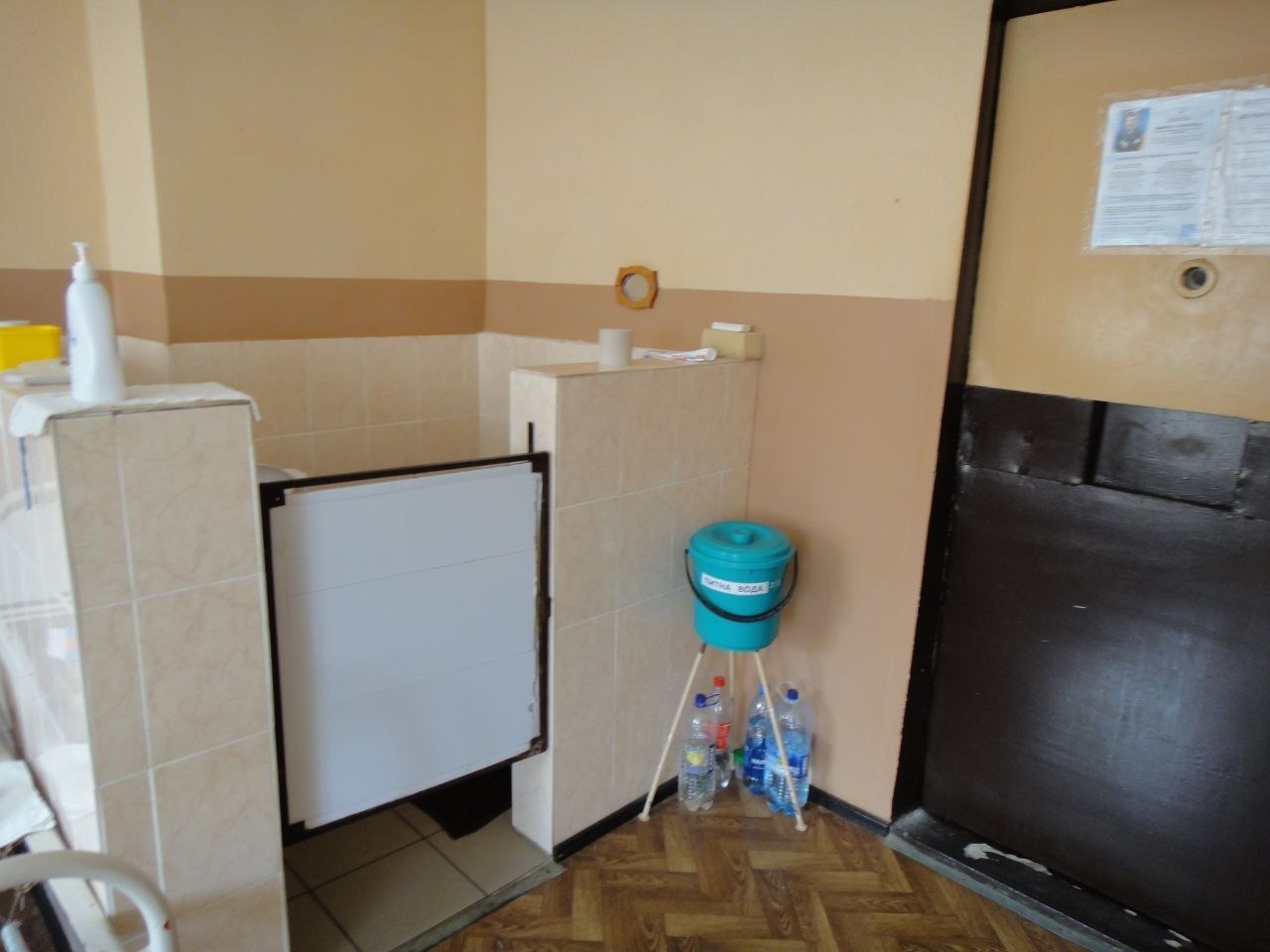
12. During the visit, complaints were received from convicts regarding the operation of radio outlets installed in most of the hospital’s ward-cells. These operate from wake-up time to lights-out, without the possibility of being switched off or having their volume adjusted independently. In the context of inpatient treatment, this can negatively affect patients’ rest, their psycho-emotional state, and the recovery process.
13. In violation of the requirements of the Standards of Medical Care for Hepatitis C Virus in Adults, approved by Order No. 1178 of the Ministry of Health of Ukraine dated 23 July 2025, not all individuals (five people as of 21 April 2026) suspected of having hepatitis C virus undergo the necessary PCR testing. Consequently, they do not receive proper treatment, which may lead to a deterioration in their health status and the spread of this infectious disease among convicts and remanded prisoners.
14. Clinical supervision is carried out for 25 individuals with disabilities: seven with Group II disabilities, and 18 with Group III disabilities. However, in violation of the requirements of the Law of Ukraine ‘On the Rehabilitation of Persons with Disabilities in Ukraine’, persons with disabilities do not receive proper diagnostic, therapeutic, and rehabilitative measures despite records confirming permanent functional impairment caused by illnesses or the consequences of injuries, which restrict normal life activities.
Specifically, during the examination of convicts’ medical records, it was established that three individuals with disabilities lacked an individual rehabilitation programme (hereinafter referred to as the IRP). Furthermore, the recommendations of existing IRPs are not implemented; consequently, these individuals do not receive proper diagnostic, therapeutic, and rehabilitative measures despite records confirming permanent functional impairment caused by illnesses and the consequences of injuries, which restrict normal life activities.
15. In violation of the requirements of the State Building Codes of Ukraine DBN B.2.2-40:2018 ‘Inclusiveness of Buildings and Structures. General Provisions’, no conditions have been established in the hospital for the accommodation of people with disabilities.
16. In violation of paragraph 37 of Resolution No. 285 of the Cabinet of Ministers of Ukraine dated 2 March 2016 ‘On Approval of the Licensing Conditions for Conducting Medical Practice’, the hospital lacks a certificate confirming free access to the buildings and premises of the medical facility for people with reduced mobility, the acquisition of which is mandatory.
17. In violation of the Procedure for Organising Medical Care at the Primary, Secondary (Specialised) and Tertiary (Highly Specialised) Levels Using Telemedicine, approved by Order No. 681 of the Ministry of Health of Ukraine dated 19 October 2015, the hospital staff, due to technical constraints, are unable to send requests for telemedicine consultations and obtain professional assistance to provide medical services to convicts.
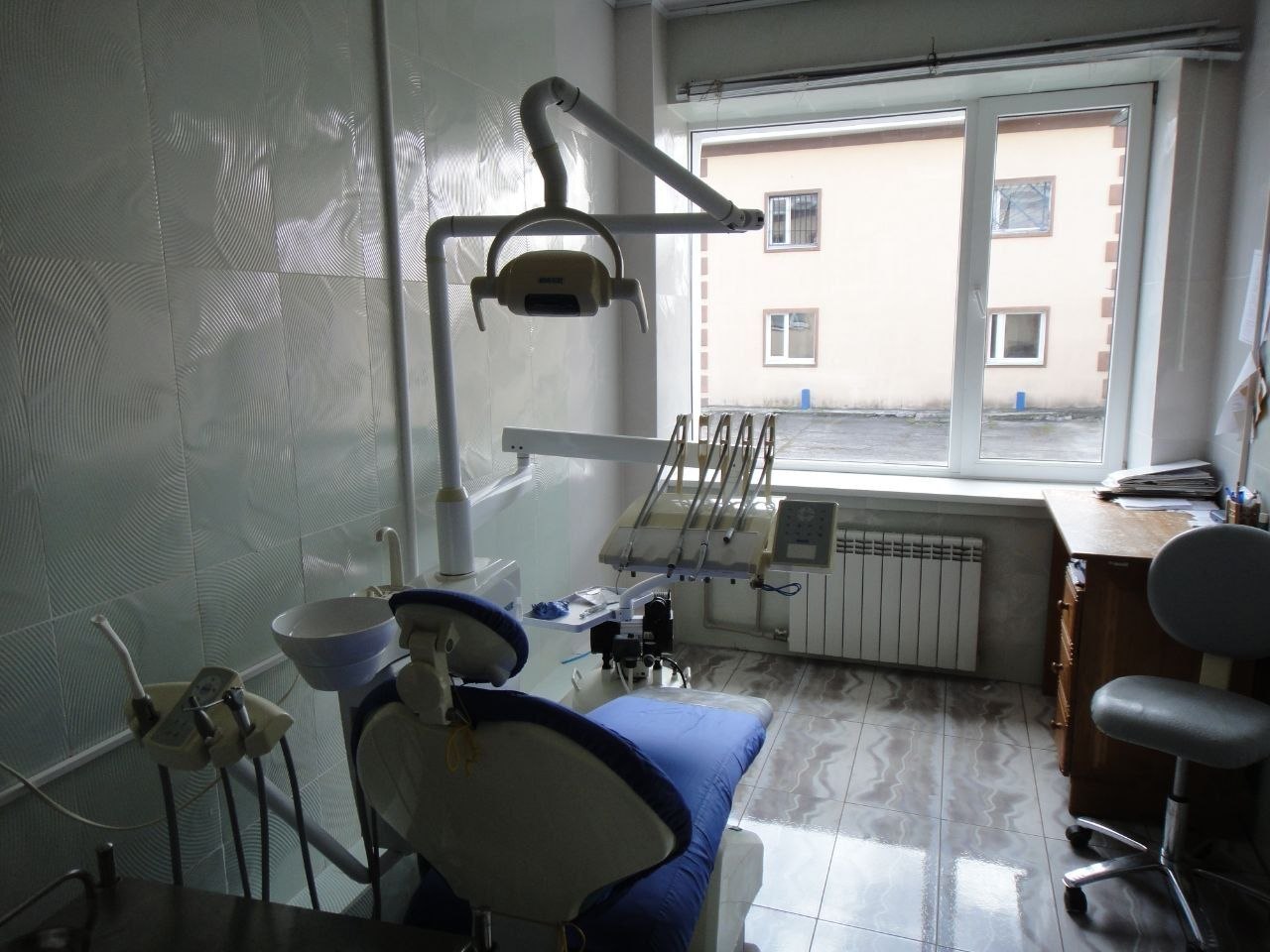
18. In violation of the requirements of the List of Equipment for the Workplace of a Dentist and a Dental Technician, approved by Order No. 158 of the Ministry of Health of Ukraine dated 11 April 2005, the hospital lacks a dental X-ray machine, which makes a comprehensive dental examination of convicts impossible and fails to ensure the timely provision of proper dental care.
In addition, there is no hot water supply in the dentist’s surgery, which fails to meet the requirements of the legislation in force and violates Article 19 of the Law of Ukraine ‘Fundamentals of the Legislation of Ukraine on Healthcare’ and Article 13 of the Law of Ukraine ‘On Occupational Safety’.
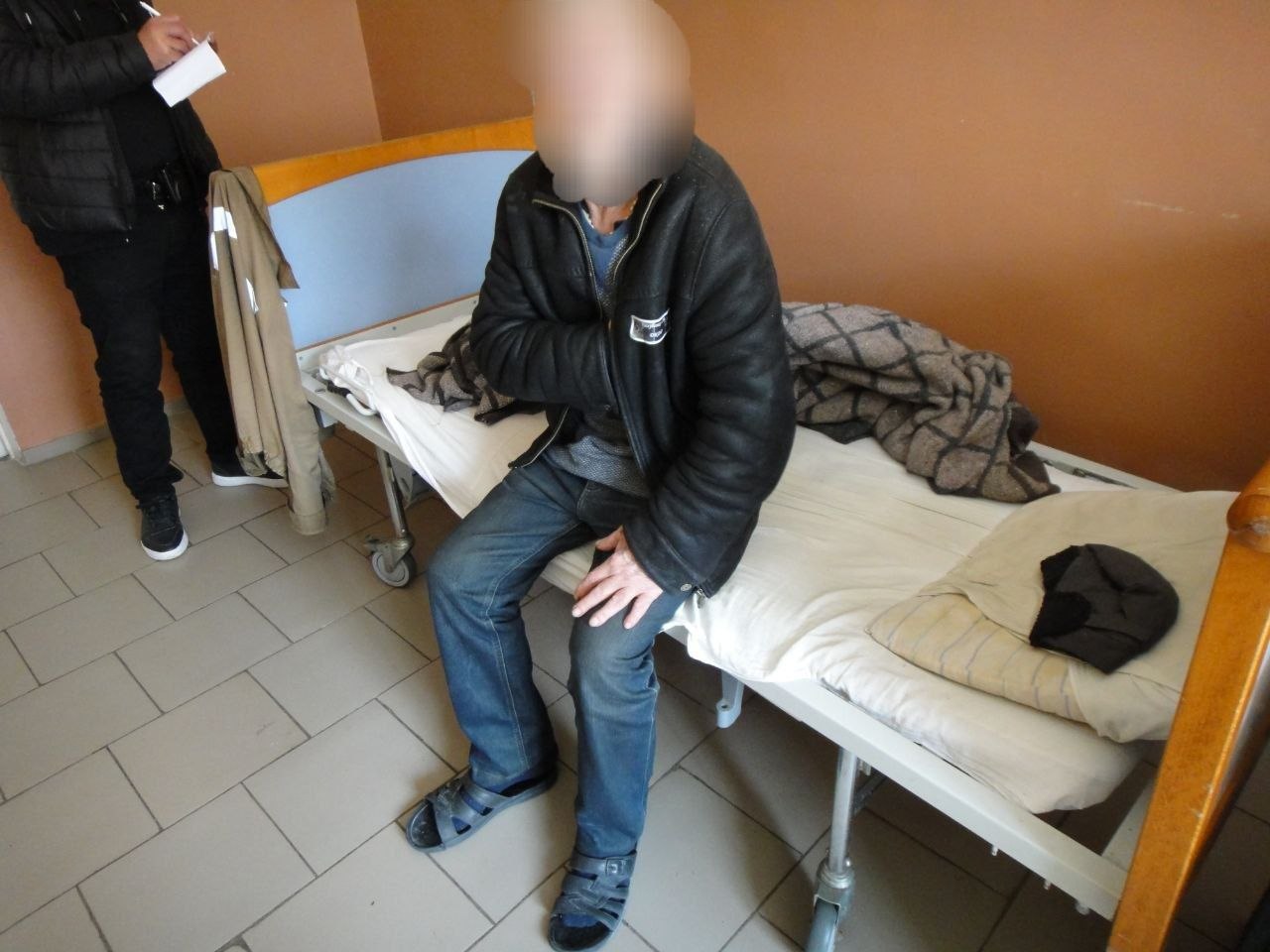
19. In violation of the requirements of the Standards for the Provision of Bedding, Special Clothing, and Special Footwear (Inventory Property) for Convicts Undergoing Treatment in Treatment-and-Preventive Facilities, Facilities Operating as Treatment-and-Preventive, and Medical Units of Correctional Institutions and Remand Prisons, approved by Order No. 280/5 of the Ministry of Justice of Ukraine dated 20 February 2012, convicts do not receive hospital property (hospital suit, gown, and slippers). Convicts remain in the inpatient department in everyday clothing, sometimes using their own bed linen.
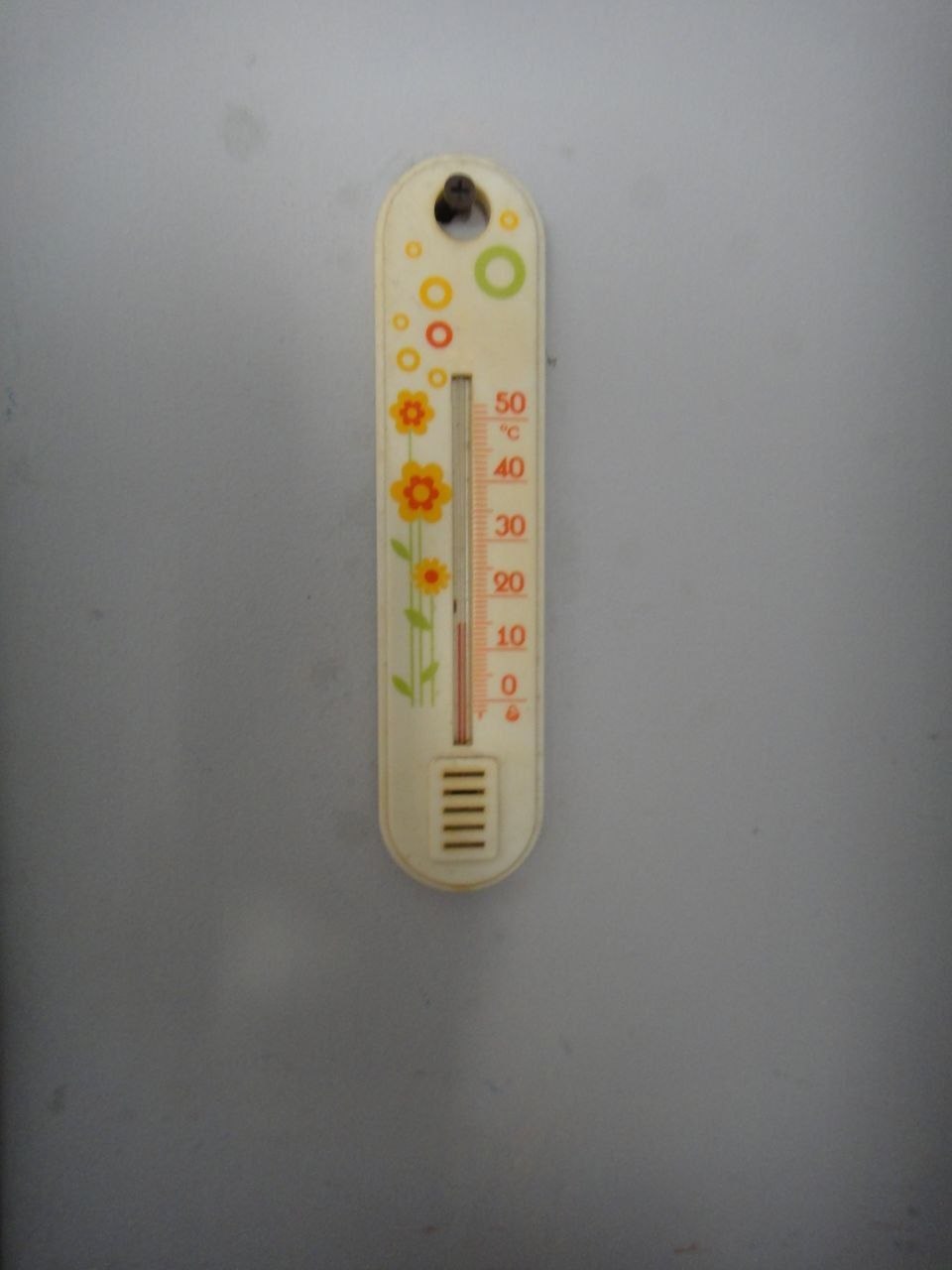
20. In several wards of the hospital, including wards and doctors’ consulting rooms, the monitoring group documented violations of the temperature regime. Thus, at the time of the inspection, the air temperature in some rooms was 15–16°C, which does not comply with the requirements of Section VI of the State Sanitary Norms and Rules, approved by Order No. 259 of the Ministry of Health of Ukraine dated 2 April 2013.
21. In violation of paragraph 7 of Chapter III of Section II of the Procedure, the monitoring group documented the absence of a personal medical record book for a catering employee (convicted baker Sh.) and the results of medical examinations conducted by specialists, including laboratory, clinical, and other tests required for clearance to work in food-catering facilities.
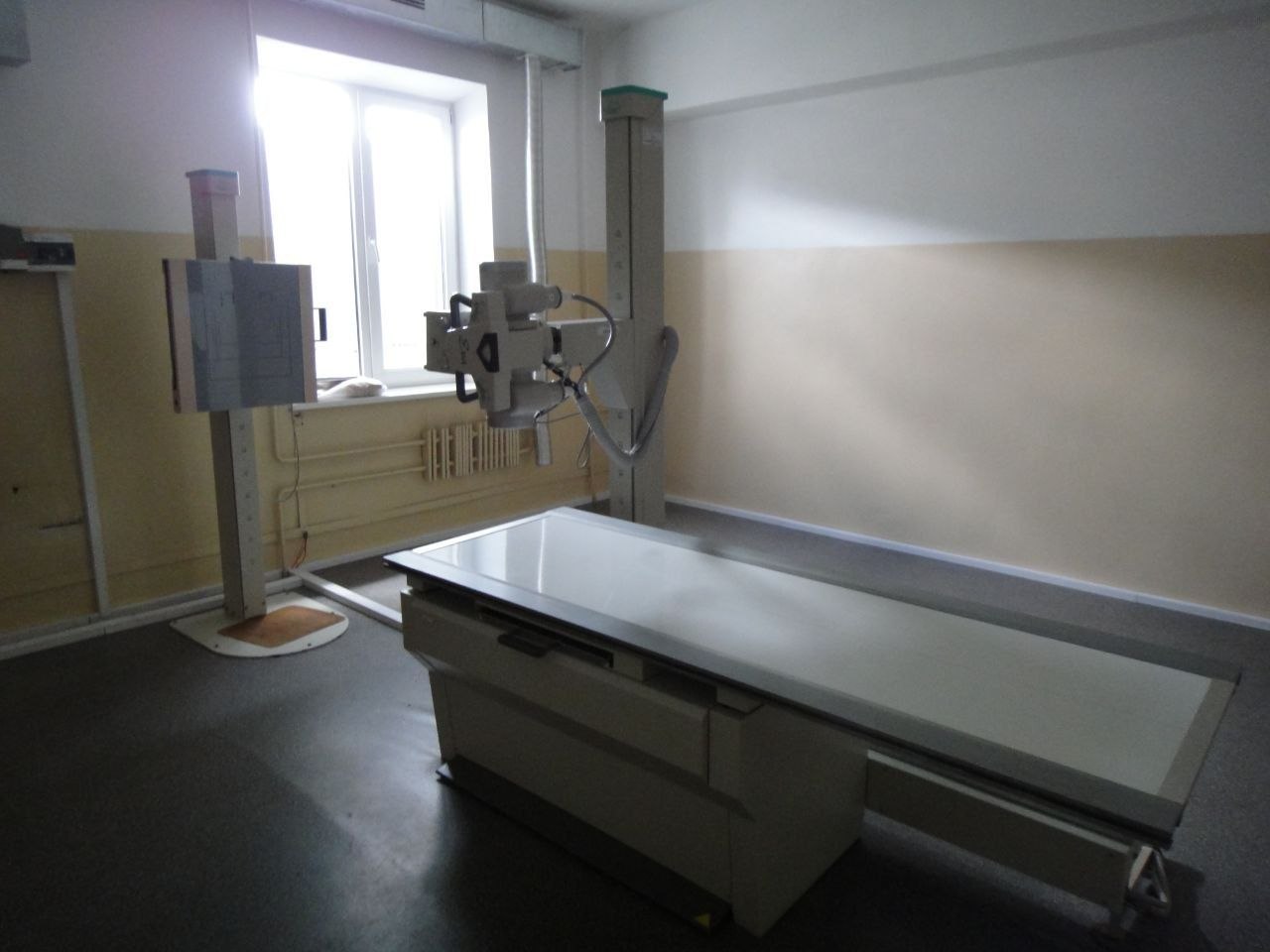
22. The doctors’ consulting rooms and the X-ray room are not equipped with fire extinguishers, which violates the requirements of paragraph 3.6 of Chapter 3 of Section V of the Regulations and paragraph 10.18 of Chapter 10 of the State Sanitary Rules and Standards ‘Hygienic Requirements for the Design and Operation of X-ray Rooms and Conducting Radiological Procedures’, approved by Order No. 294 of the Ministry of Health of Ukraine dated 4 June 2007, registered with the Ministry of Justice of Ukraine on 7 November 2007 under No. 1256/14523.
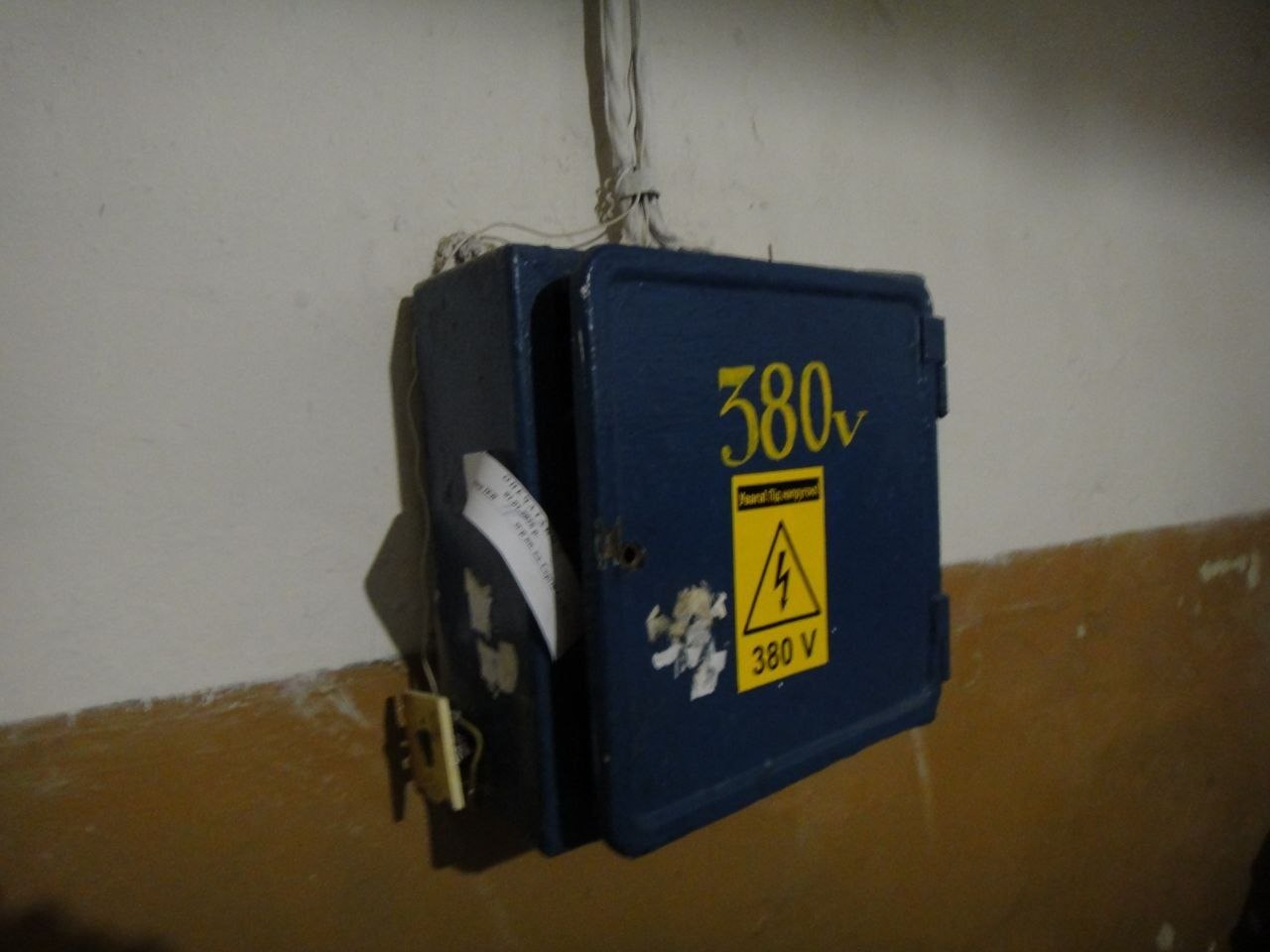
23. In violation of the requirements of subparagraph 2.12 of paragraph 2 of Section III of the Fire Safety Regulations in Ukraine, approved by Order No. 1417 of the Ministry of Internal Affairs of Ukraine dated 30 December 2014, the door to the electrical switchboard room in the hospital was left unlocked.
24. In violation of the Fire Safety Regulations, the hospital premises are not equipped with fire extinguishing and fire alarm systems.
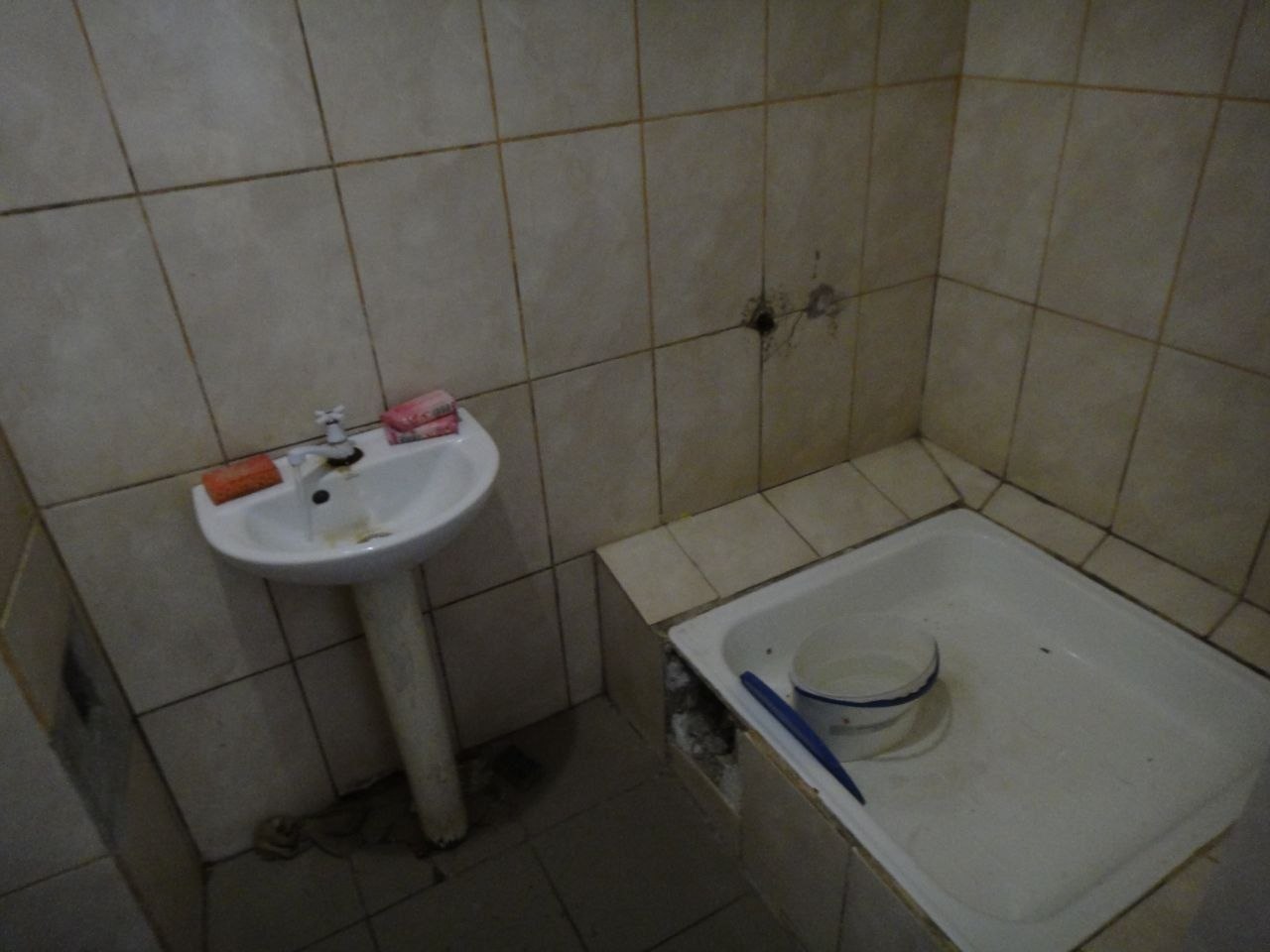
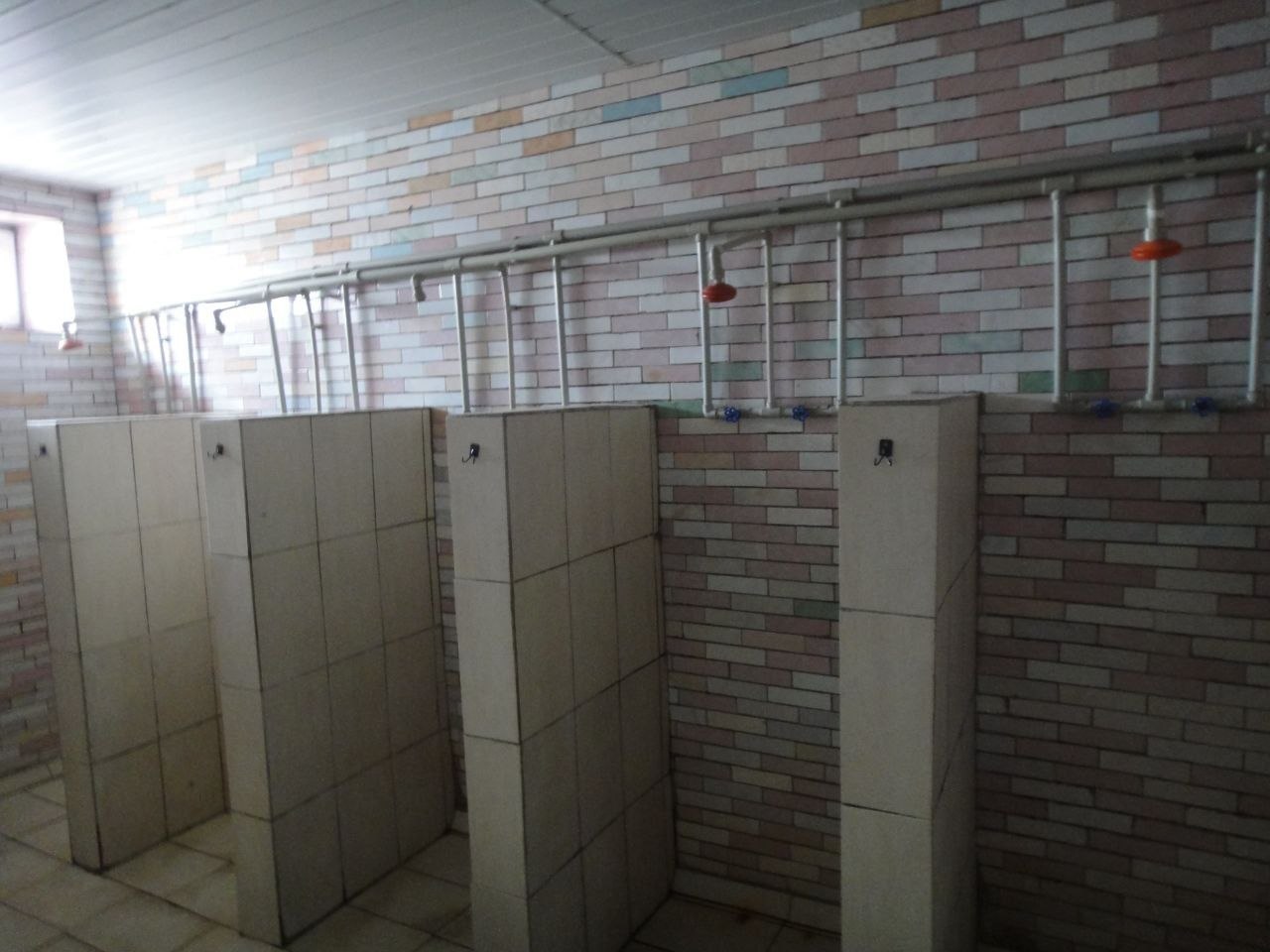
25. In violation of Rule 19.3 of the European Prison Rules, the right to privacy in the hospital shower room is not ensured due to the absence of curtains on the shower partitions.
Recommendations:
1. Take measures aimed at addressing the identified violations of human rights and preventing torture and other cruel, inhuman, or degrading treatment or punishment at the Temnivka Multi-profile Hospital No. 100 of the branch of the State Institution ‘Healthcare Centre of the State Penitentiary Service of Ukraine’ in the Kharkiv and Luhansk Regions.
2. Ensure supervision over the proper maintenance of medical records in accordance with the Procedure for Organising the Provision of Medical Care to Prisoners Sentenced to Deprivation of Liberty, approved by Joint Order No. 1348/5/572 of the Ministry of Justice of Ukraine and the Ministry of Health of Ukraine dated 15 August 2014, the Procedure for Interaction of Healthcare Facilities of the SPS of Ukraine with Healthcare Facilities on the Provision of Medical Care to Persons in Custody, approved by Joint Order No. 239/5/104 of the Ministry of Justice of Ukraine and the Ministry of Health of Ukraine dated 10 February 2012, and other regulatory acts.
3. Ensure that the hospital is fully staffed with specialist doctors and medical personnel in accordance with needs.
4. Ensure timely and proper recording of bodily injuries on convicts and remanded persons.
5. Ensure access to opioid substitution therapy based on a diagnosis of mental and behavioural disorders due to opioid use.
6. Ensure that ill convicts are accommodated in wards in accordance with their diagnosis and the medical staff’s decisions, preventing any interference by the institution’s staff in clinical decisions.
7. Ensure that the isolation ward for persons with mental and behavioural disorders is equipped in accordance with requirements.
8. Ensure the establishment and functioning of a palliative care unit within the hospital in accordance with the requirements of paragraph 4 of Section IV of the Procedure for the Provision of Palliative Care, approved by Order No. 1308 of the Ministry of Health of Ukraine dated 4 June 2020, as well as equipping it with the necessary medical equipment, medicines, and trained personnel for inpatient palliative care.
9. Ensure the provision of an adequate number of isolation wards for infectious patients.
10. Ensure that the primary record form No. 003/o ‘Inpatient Medical Record’ is completed in accordance with the Instructions, to prevent patient stigmatisation and avoid undermining the relationship of trust between the patient and the medical professional.
11. Ensure a proper level of natural light in ward-cells, specifically by replacing obscured windows with those that allow daylight and visual contact with the outside environment.
12. Install floor-to-ceiling partitions in the hospital’s toilets to ensure an appropriate level of privacy for convicts.
13. Provide all individuals suspected of HCV with access to PCR testing as soon as possible, and organise the necessary antiviral treatment for those with a confirmed diagnosis.
14. Ensure individual rehabilitation is conducted for those who require it.
15. Ensure the accessibility of the institution’s buildings in accordance with the State Building Codes of Ukraine DBN B.2.2-40:2018 ‘Inclusiveness of Buildings and Structures. General Provisions’.
16. Comply with the requirements of paragraph 37 of Resolution No. 285 of the Cabinet of Ministers of Ukraine dated 2 March 2016 ‘On Approval of the Licensing Conditions for Conducting Medical Practice’.
17. Ensure that the volume of radio outlets in the hospital’s ward-cells can be adjusted and/or switched off, taking into account the inpatient treatment schedule, in order to ensure proper resting conditions for patients and support their recovery.
18. Provide the hospital with hospital property (hospital suit, gown, and slippers).
19. Provide the hospital with a dental X-ray machine and the necessary equipment to conduct comprehensive dental examination and treatment.
20. Bring the working conditions of medical personnel into compliance with the requirements of healthcare and occupational safety legislation.
21. Ensure the proper operation of the telemedicine suite so that doctors can make requests for telemedicine consultation.
22. Ensure compliance with the temperature regime in the hospital premises, maintaining it at no lower than +18°C.
23. Ensure that all catering workers possess personal medical record books and undergo the full range of medical examinations prescribed by the Procedure, required for clearance to work in food-catering facilities.
24. Remedy the violations of fire safety regulations.