Report on the results of a monitoring visit to Temnivska Penal Colony No. 100
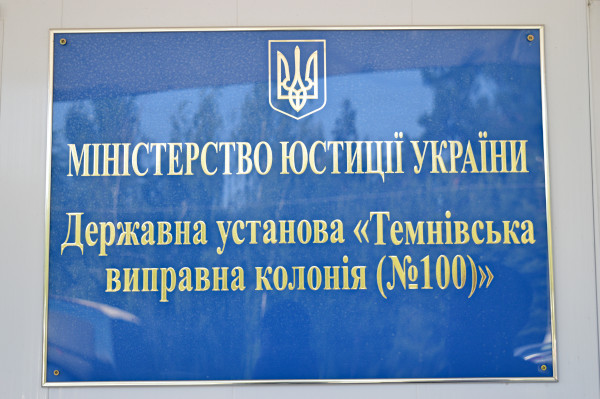
On 29 May 2019, representatives of the Kharkiv Human Rights Protection Group carried out a monitoring visit to the State Institution ‘Temnivska Penal Colony (No. 100)’. The colony is located in a picturesque area on the border of the Kharkiv and Zmiiv districts, not far from the Udy River, surrounded on all sides by coniferous forest. The monitoring group, consisting of Volodymyr Hlushchenko and Pavlo Shvab, arrived at the institution at 10 a.m. However, they were unable to enter the guarded territory immediately; the institution’s door jammed for some reason, and the electronics failed, as explained by a representative of the administration. Around 11 a.m., the door was repaired, and the monitors were able to get inside the institution. Temnivska Penal Colony is a medium-security penal institution (for holding men sentenced to imprisonment for a fixed term who have previously served a sentence of imprisonment). Today, 960 convicts are serving their sentences in the institution. In the maximum-security sector, there are 60 convicts serving life imprisonment.
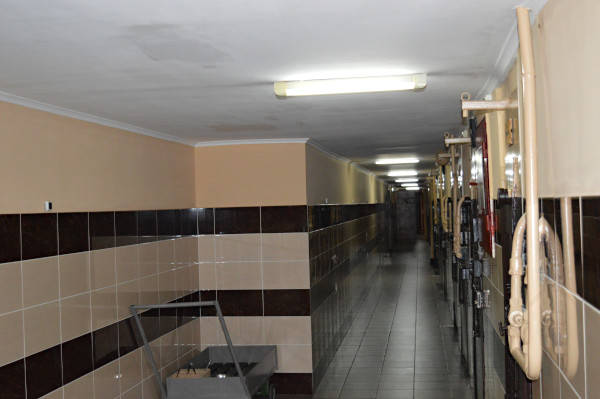
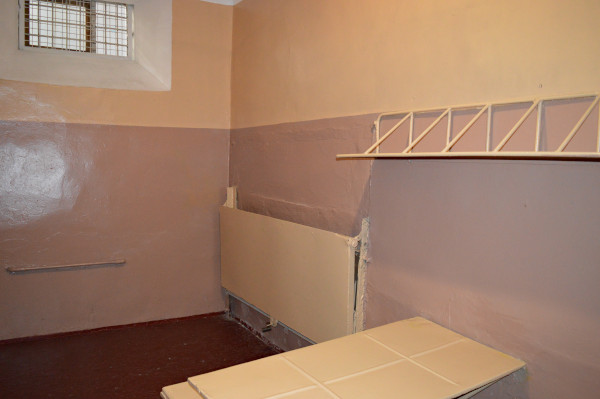
Initially, the monitors visited the DIZO and PKT sectors, in which there were two convicts. The sector has drinking water, a bathroom, fairly wide windows, the cells are bright, forced ventilation is working, and it is not stuffy. The corridors are renovated and covered with modern tiles. No complaints were received from the convicts being held. According to the administration, disciplinary penalties in the form of placement in the DIZO are extremely rarely applied; this is rather an exception to the rules.
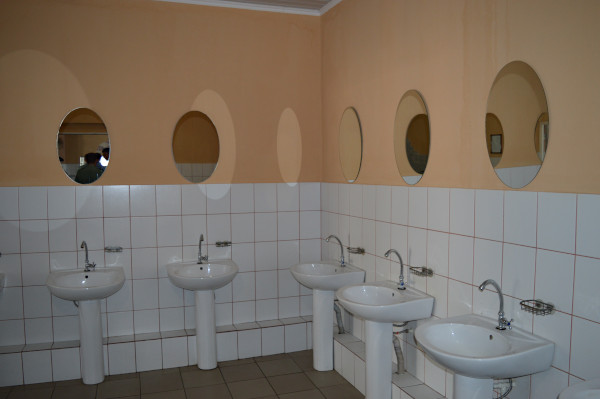
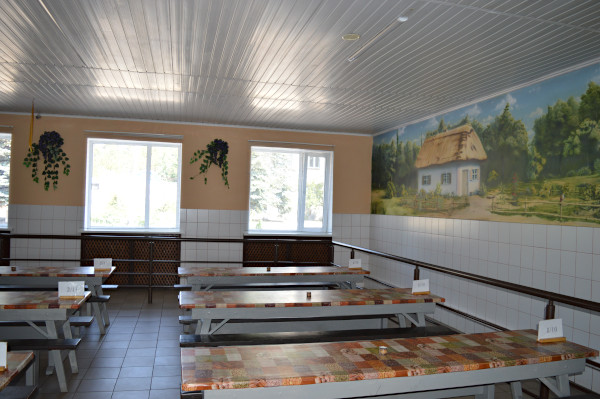
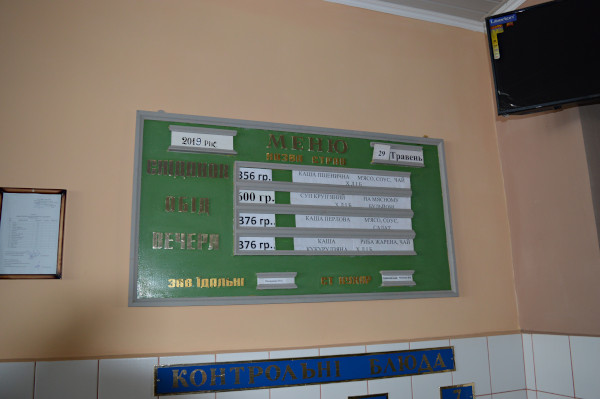
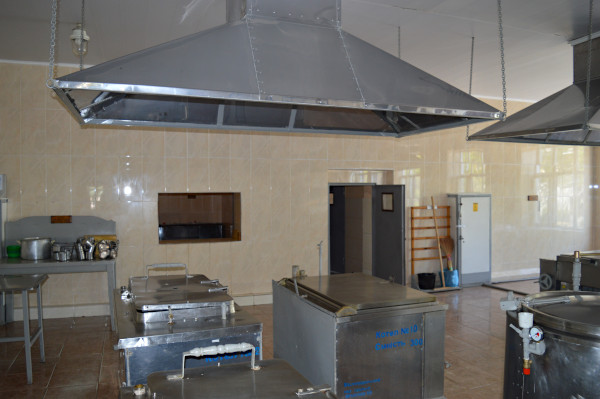
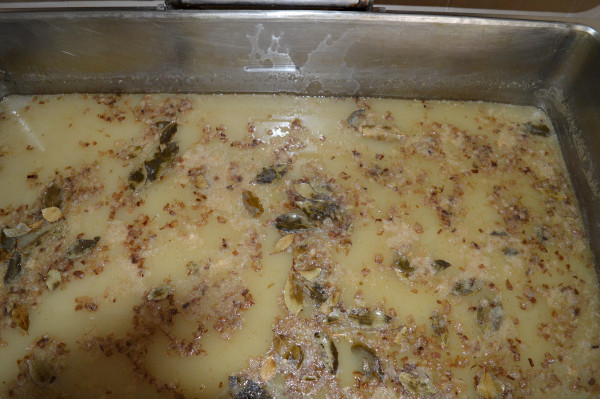
Next, they visited the canteen, in which the fresh smell of freshly prepared food could be felt. No foreign odours were felt. It was sterile and clean everywhere; all taps were working, and none were leaking. At the time of the visit, there was no soap in the soap dishes or towels for drying hands, but the administration assured that soap is placed directly before meals because the convicts supposedly steal it. They also visited the bakery, which was clean and had the smell of freshly baked bread. The canteen staff were dressed in clean white coats, and all kitchen workers had medical books.

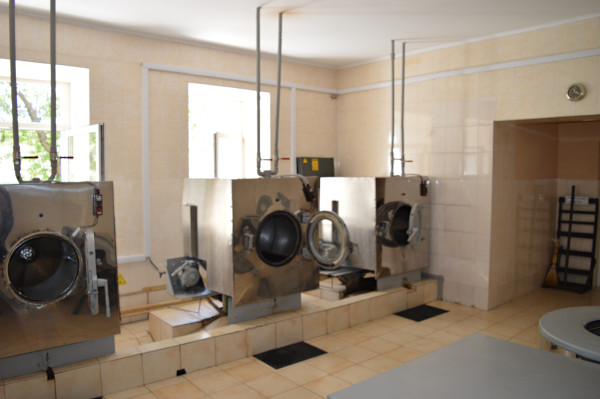
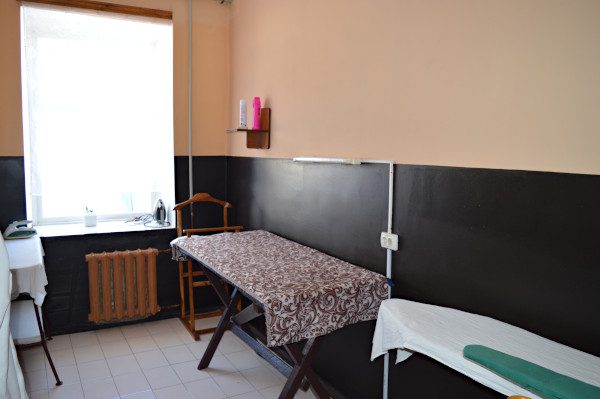
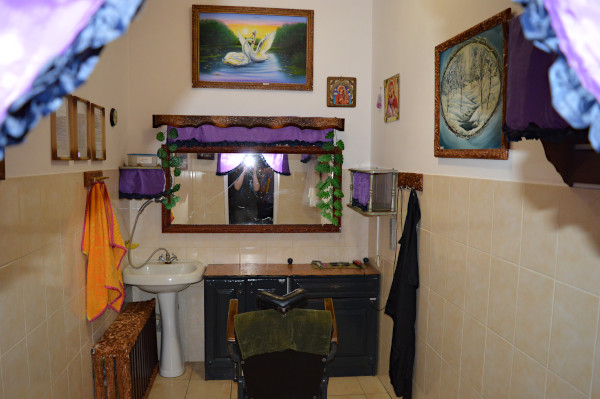
After inspecting the canteen, the monitoring group visited the bath and laundry complex. The shower cubicles are separated, and each has a curtain that closes. At the time of the visit, there was a smell of steam, which indicates that the convicts had taken a shower shortly before. There is renovation everywhere, and there is a hairdresser’s room and equipment. The washing machines are in working order and are sufficient in number to service the convicts. The washed laundry was drying in the yard of the complex under the sun. Representatives of the administration explained that for hot water, they use boilers located on the roof that heat water thanks to solar energy; there really is hot water in the tap.
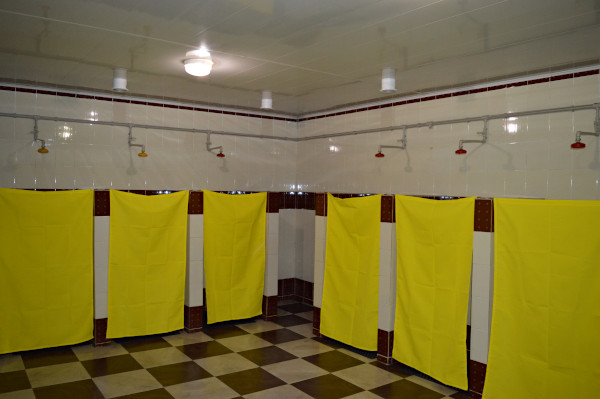
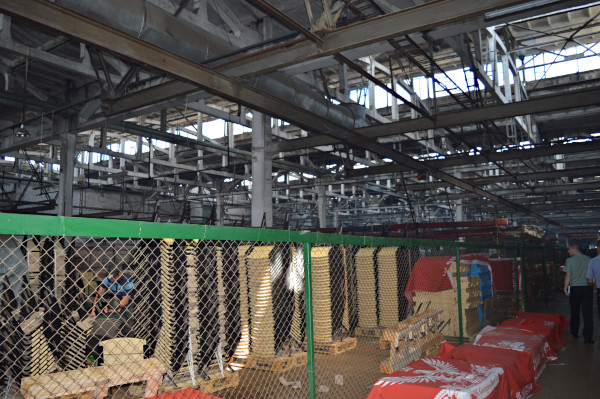
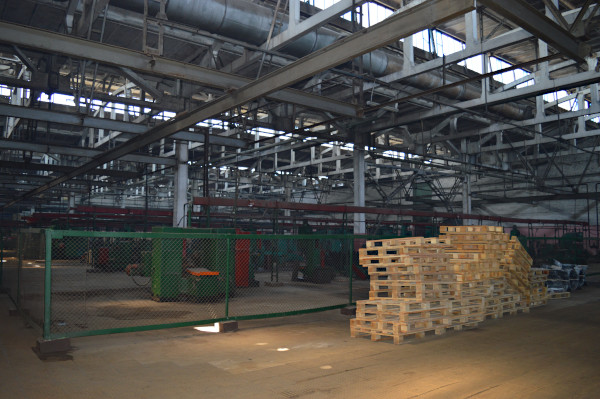
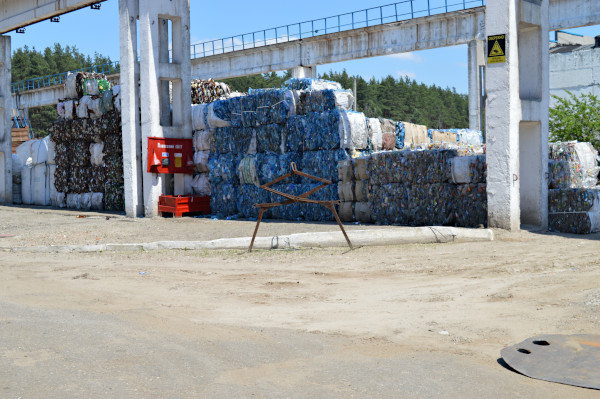
The industrial zone was visited. Representatives of the administration reported that 450 convicts work there. The colony’s enterprise was created for the manufacture of parts and components for T-150 tractors in cooperation with the Kharkiv Tractor Plant. Currently, they receive orders from the plant, manufacture scales for trucks, cables, tents, chairs, and tables for a beer company, and have their own foundry and plastic recycling. The majority of the convicts worked without special clothing. However, at the exit from the industrial zone, there is a large number of shower cubicles, which are also equipped with partitions and curtains, and there are specially equipped cabinets for changing clothes. Upon leaving the industrial zone, the convicts remove their work clothes, take a shower, and change into clean clothes. There is also a canteen in the industrial zone. Food is brought in thermoses from the main kitchen. In conversations, workers in the production area reported that they receive their salaries on time into their personal accounts; no complaints were received. One convict reported that for May, taking into account all deductions, he received 1800 UAH.
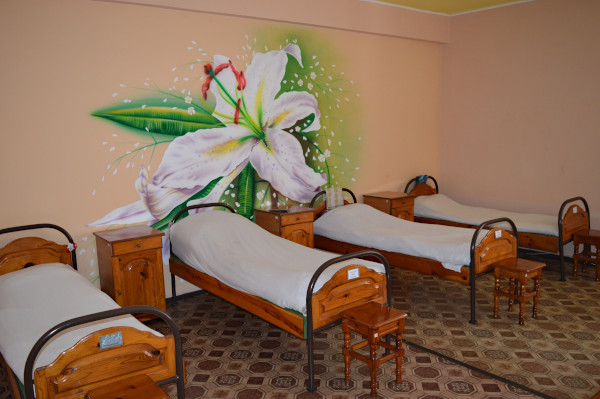
The monitors also visited the living premises. The premises are clean and all are renovated; they look different depending on the time of the renovation. Renovations carried out this year, thanks to new building materials, naturally look better. The beds are all single-tier, and mattresses and bedding are in good condition. In the rooms for eating, there are personal lockers where food products are stored; refrigerators are also filled with products. There are microwave ovens and boiled drinking water—both at the entrance to the living sector and in the kitchen.

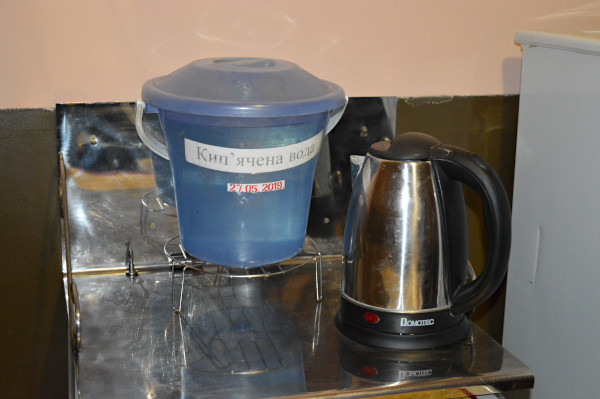
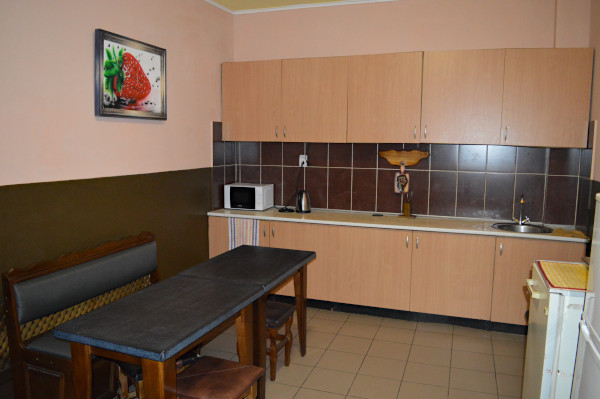
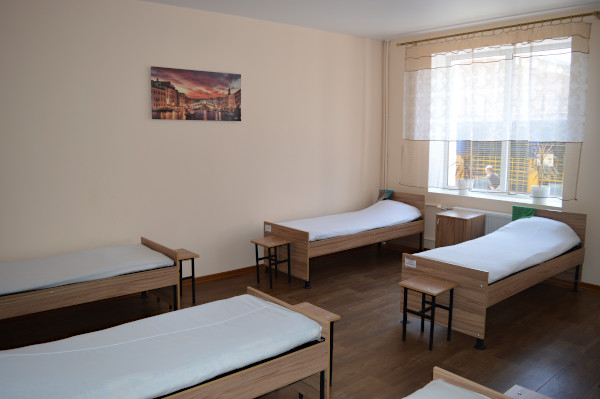
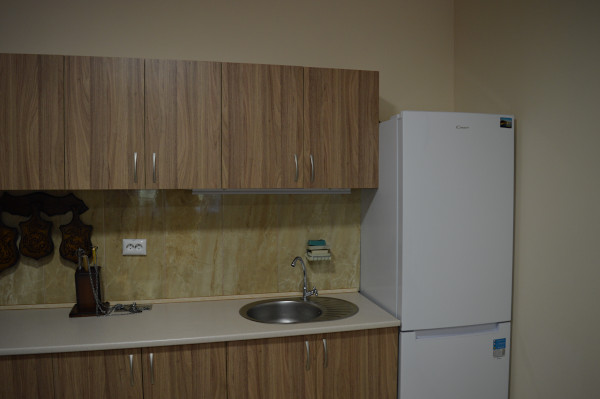
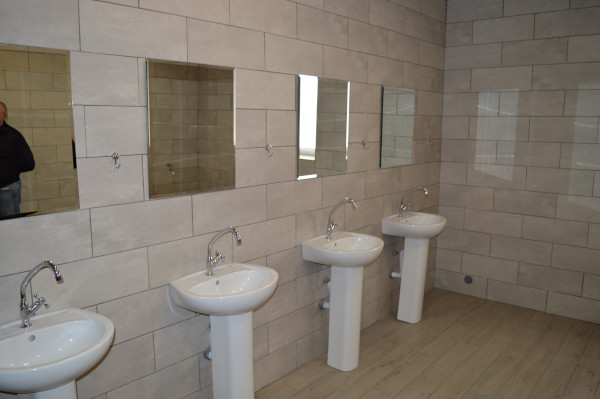
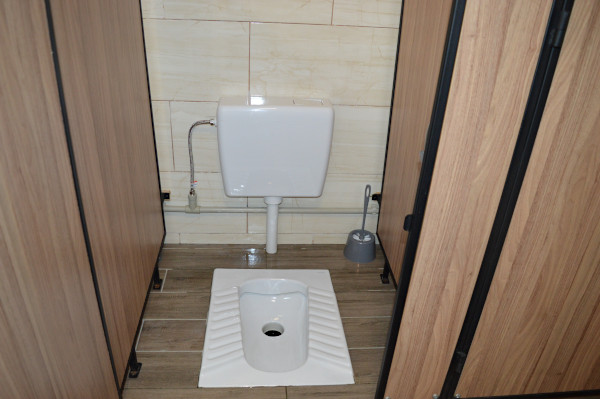
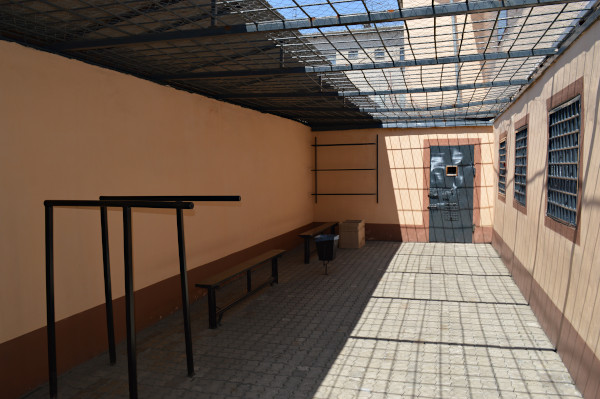
Next, the maximum-security sector was visited. ‘Lifers’ are held in cells of two or three people. They also work in their cells; some have sewing machines. There is drinking water and a bathroom. Cells for three convicts are equipped with shower cubicles. In connection with changes to the Penal Code, a building for ‘lifers’ has been renovated in the institution. A cell has been equipped in which ten convicts serving life imprisonment who have set out on the ‘path of correction’ are held. The renovation is fresh, the cell is clean and tidy, and there is a spacious exercise yard and a room for long-term visits. Bathrooms and shower cubicles are covered with modern tiles.
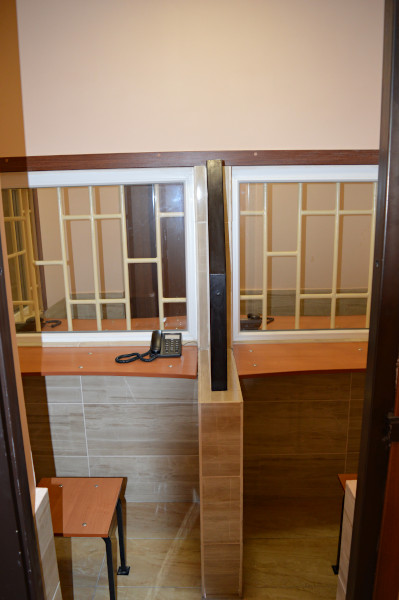
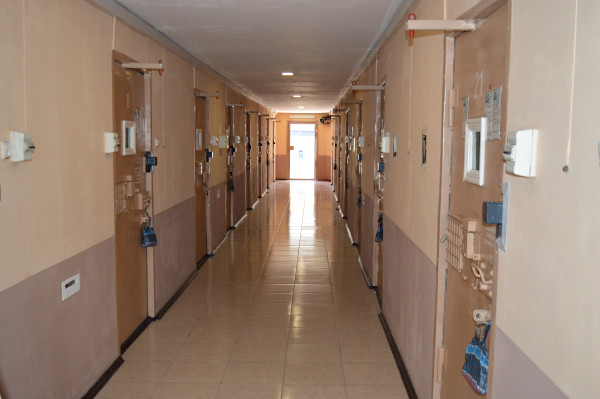
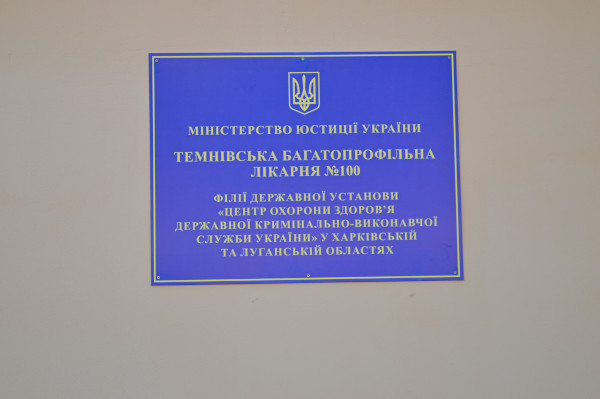
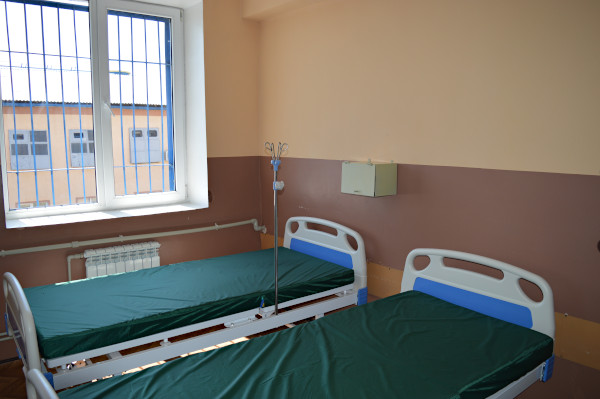
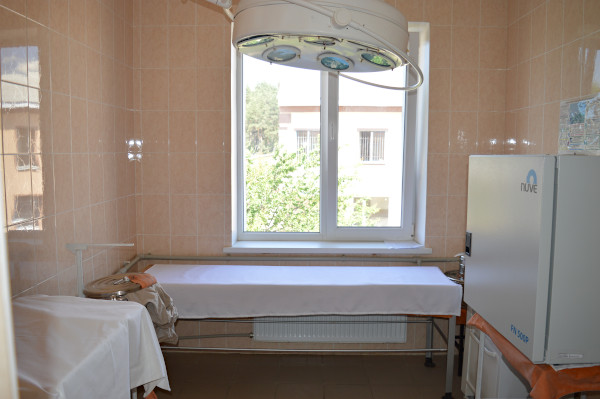
The monitoring group also visited the Temnivska Multi-profile Hospital No. 100, which is located on the territory of the institution. In the medical institution, which is designed for 150 people, three departments are operating: surgical, therapeutic, and neurological. At the time of the visit, there were 42 people receiving inpatient treatment. Persons receiving treatment in the medical facility did not complain about the treatment or living conditions. Renovations in the medical facility were carried out last year. New medical equipment was received this year, namely: a heating cabinet and wheelchairs. Wards mostly contain two to three people. The wards are spacious and light, with modern medical beds. Regarding staffing, since last year, two 0.5-rate staff positions for a urologist and a gynaecologist, respectively, were introduced. There is also a vacancy for a doctor in the ultrasound department.


EU Project ‘Fight against torture, ill-treatment and impunity in Ukraine’