Monitoring visit to the inter-regional hospital at Temnivska Correctional Colony No. 100
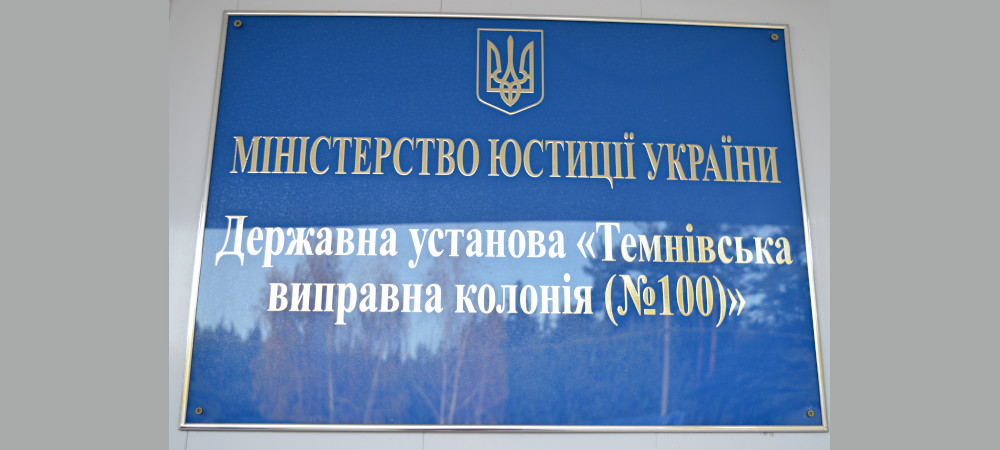
On 2 November 2019, a monitoring group from the Kharkiv Human Rights Group, consisting of Volodymyr Hlushchenko, Hanna Ovdiienko, and Tamila Bespala, arrived at Temnivska Correctional Colony No. 100. The purpose of the visit was to inspect the inter-regional hospital for convicts located at the institution.
The monitors were met by representatives of the institution who did not hinder the visit and escorted them to the inter-regional hospital, where they met with the head of the hospital, Olena Mykhailivna Yelisieieva. According to her, the institution is adequately provided with medical specialists: according to the staffing schedule, only a sonographer and one surgeon are missing. The supply of medical preparations is also at a sufficient level. Regarding equipment, the institution has an X-ray machine and an ultrasound scanner.
During the visit, the monitors spoke with convicts who were undergoing treatment at the inter-regional hospital. In general, they did not complain about the quality of medical care. In the women’s ward, the monitors met a patient suffering from uterine cancer. She had recently arrived at the institution and, according to hospital staff, requires additional examination. Such further examination must be carried out using computed tomography. However, while it is possible to organise a CT scan, the procurement of the contrast agent required for it is not provided for by law. Finding resources to purchase such a substance falls on the shoulders of the medical unit staff; sometimes they even buy it at their own expense.
The KHRG monitors decided to help find the medication. A post was published on the organisation’s social media page. In response to the appeal for help with the purchase of the medication, the non-governmental organisation ‘Comprehensive Psychological Help’ responded and purchased 150 ml of the drug ‘Ultravist-350’ in active cooperation with the head of the inter-regional hospital, O. M. Yelisieieva.
We should also note that the conditions of detention in the hospital are at a good level. The convicts are housed in wards for 2–8 people, and there is no overcrowding in the rooms. However, the wards are locked, so the convicts cannot leave them on their own. In our opinion, such measures are unnecessary, as the hospital is essentially a cellular system of detention, whereas convicts should be held in medium-security conditions, with the ability to move freely around the residential sector.
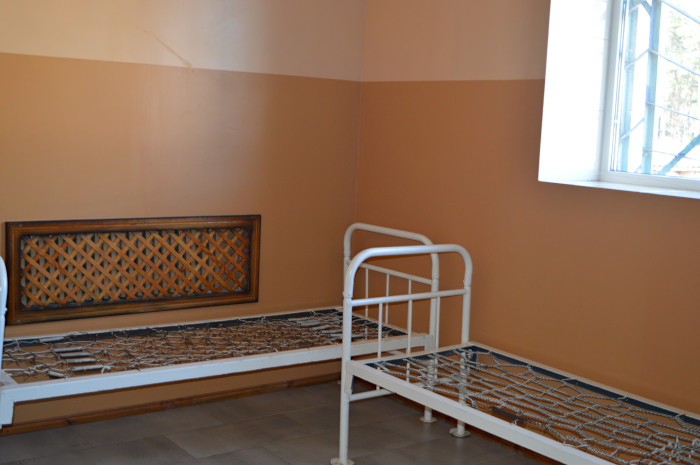
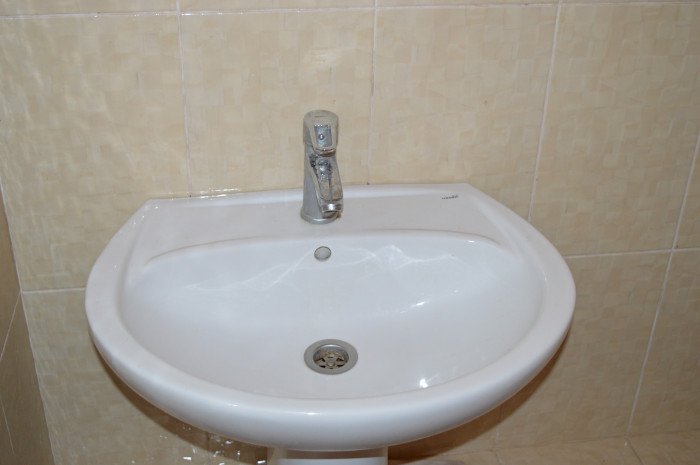
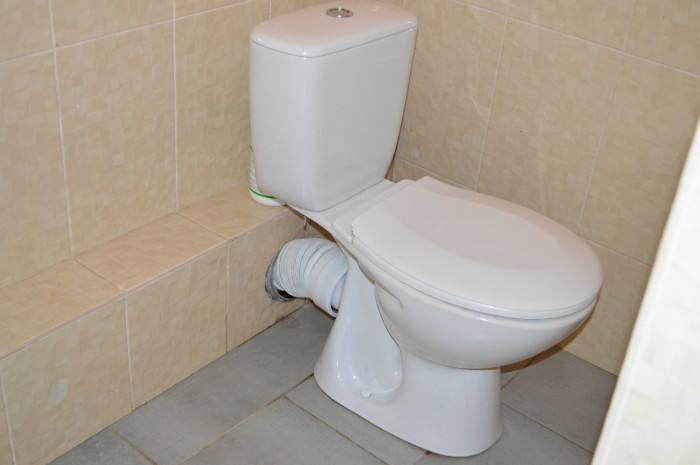
Most of the wards have been cosmetically renovated, and each has a separate bathroom with a toilet and a washbasin. All wards have water supply. The windows are made of PVC. The rooms are warm, and there is no mould on the walls. The beds in the wards are old but functional and tidy. In one of the cells, the convicts were lying on mattresses that were not covered with bed linen, but according to the administration and the convicts themselves, the bedding had been taken for washing and they were promised it would be returned in the evening.
The lack of equipment in the neurology department of the institution is also noteworthy. There is no specialised equipment for conducting brain studies, in particular for performing an electroencephalogram. Therefore, quality diagnostics of neurological diseases within the institution is impossible. However, if necessary, convicts are taken to other specialised healthcare facilities.
The surgical department of the institution does not have the capacity to perform surgical interventions.
EU project ‘Fight against torture, ill-treatment and impunity in Ukraine’