‘Slavery in the 21st Century’ — a report on a visit to Temnivska Corrective Colony No. 100
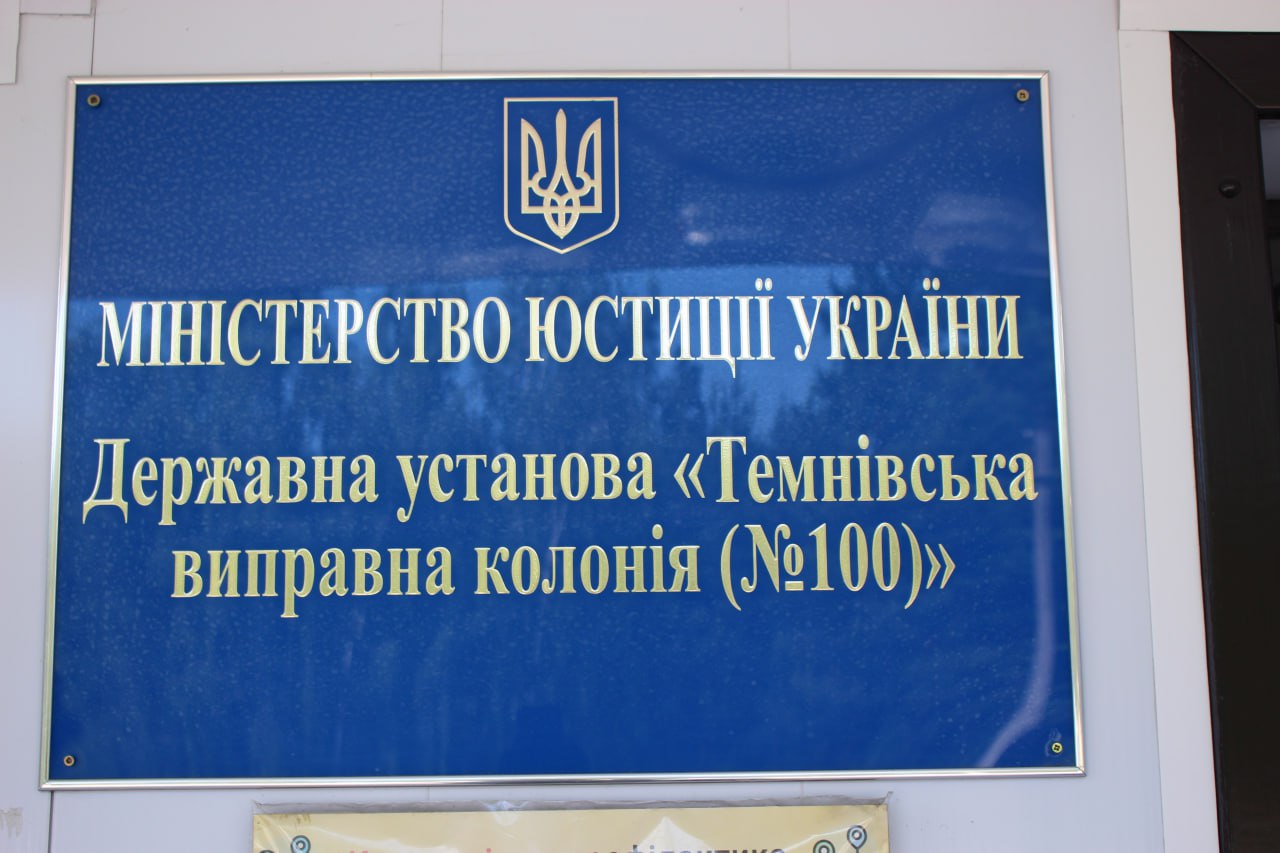
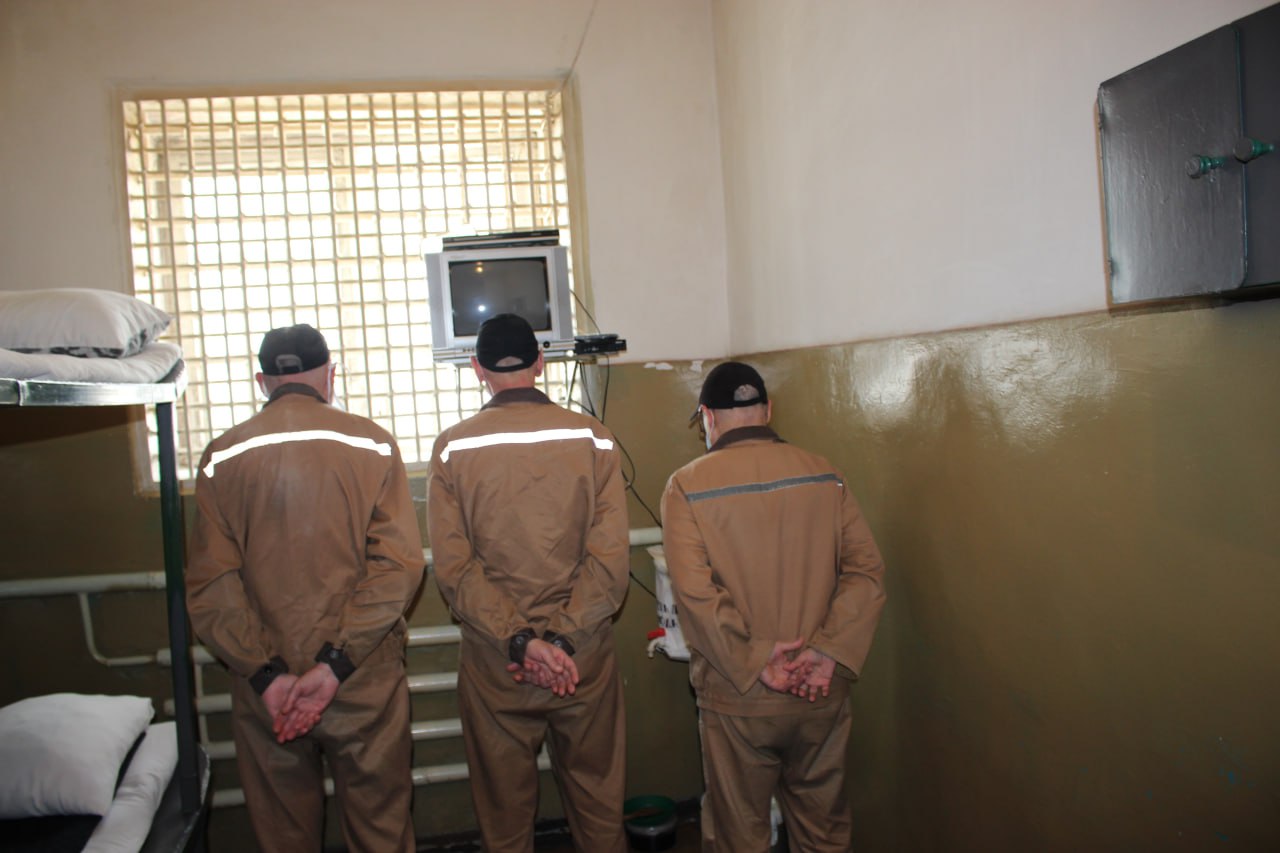
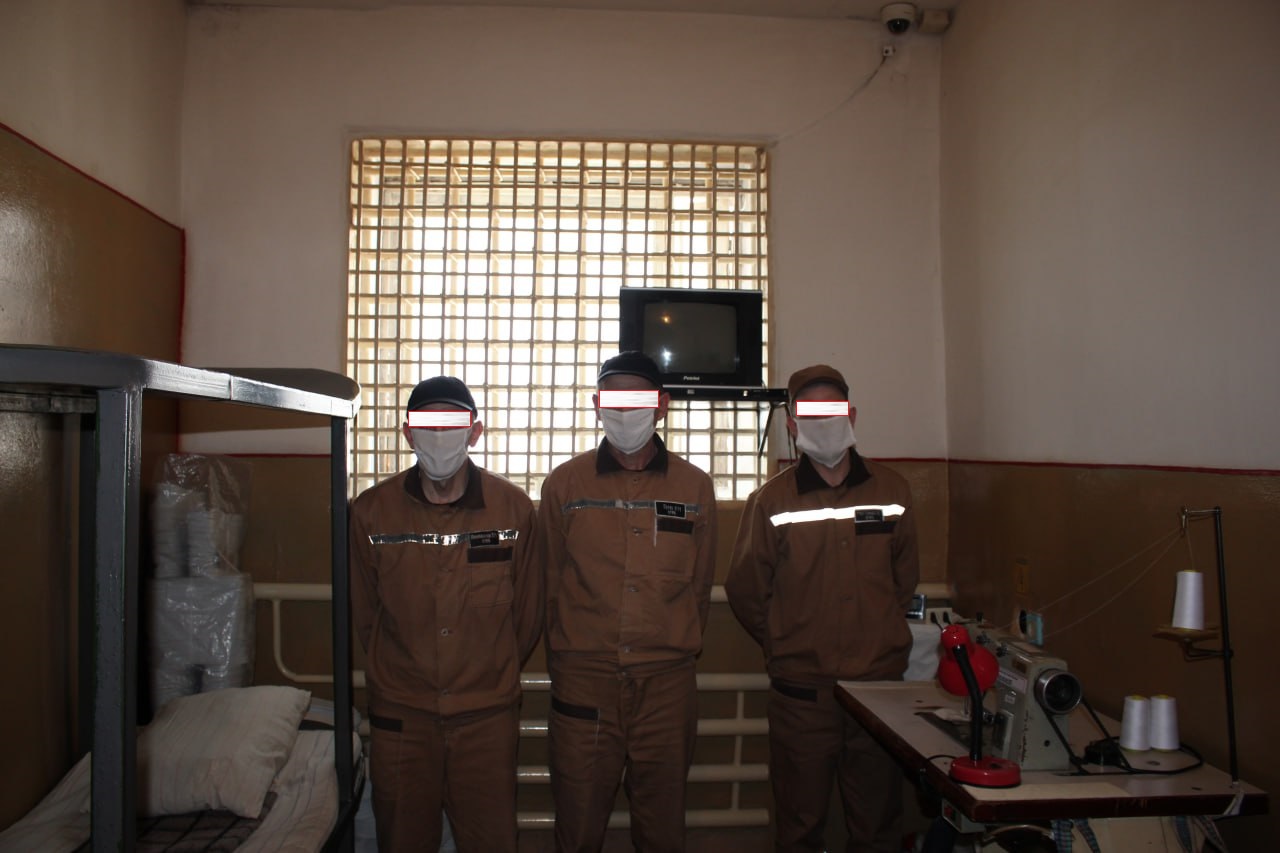
An atmosphere of fear prevails in the institution. The prisoners interviewed categorically refused to report human rights violations, with some emphasizing that “you arrive and leave, but we have to live here.” Prisoners serving life sentences, as well as those serving disciplinary penalties in the DIZ/PKT (Disciplinary Isolation Ward / Cell-Type Unit), are not permitted to sit on their own beds during the day and cannot sit with their eyes closed. Prisoners serving life sentences who are in the maximum-security sector must put on masks when cell doors are opened, remaining in total isolation, whereas members of the administration, who are potential carriers of infection, do not wear masks.
Such practices are unlawful and discriminatory towards those serving life sentences. They have no meaning, humiliate human dignity, and in no way contribute to the resocialisation of prisoners, which is one of the stated functions of the penal system.
We request the Office of the Prosecutor General, the State Bureau of Investigation, the Ukrainian Parliament Commissioner for Human Rights, representatives of the European Committee for the Prevention of Torture, and other competent authorities to pay attention to the facts of systemic human rights violations at Correction Colony No. 100.
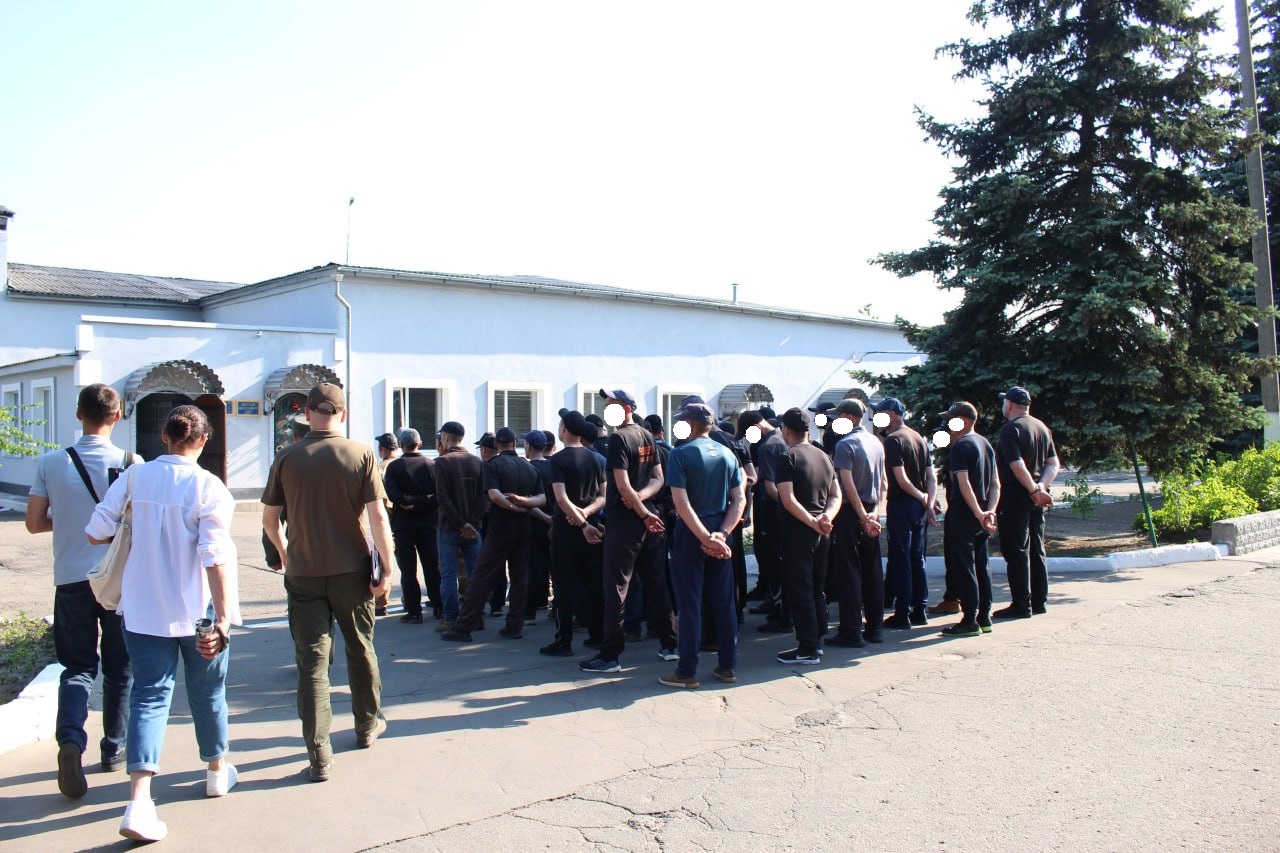
The head of the colony is Colonel of the Internal Service, Oleh Valentynovych Naidyonov. The monitors gained unimpeded access to the institution’s premises and had the opportunity to visit any part of the facility, collect information, verify it, and access relevant documents. Journals, medical documentation, records concerning disciplinary penalties, and other materials relating to the institution’s functioning were inspected. We spoke with prisoners and staff, including under conditions of anonymity.
General information
According to information received from the institution’s management, 759 people were held in Temnivska Colony on the day of the visit, with a planned capacity of 1,145 beds. The institution’s official staffing level is 276, with an actual count of 231 employees. Over the current year, 134 people have arrived at the institution. There are 11 Social-Psychological Service (SPS) units operating on the colony grounds; there are no mothballed units. So far this year, 17 people have been released on parole. 120 convicts are employed under employment contracts. The average monthly wage is 2,319.93 hryvnias. 13 people have been released from the institution due to serious illness. 11 ambulance calls have been recorded this year.
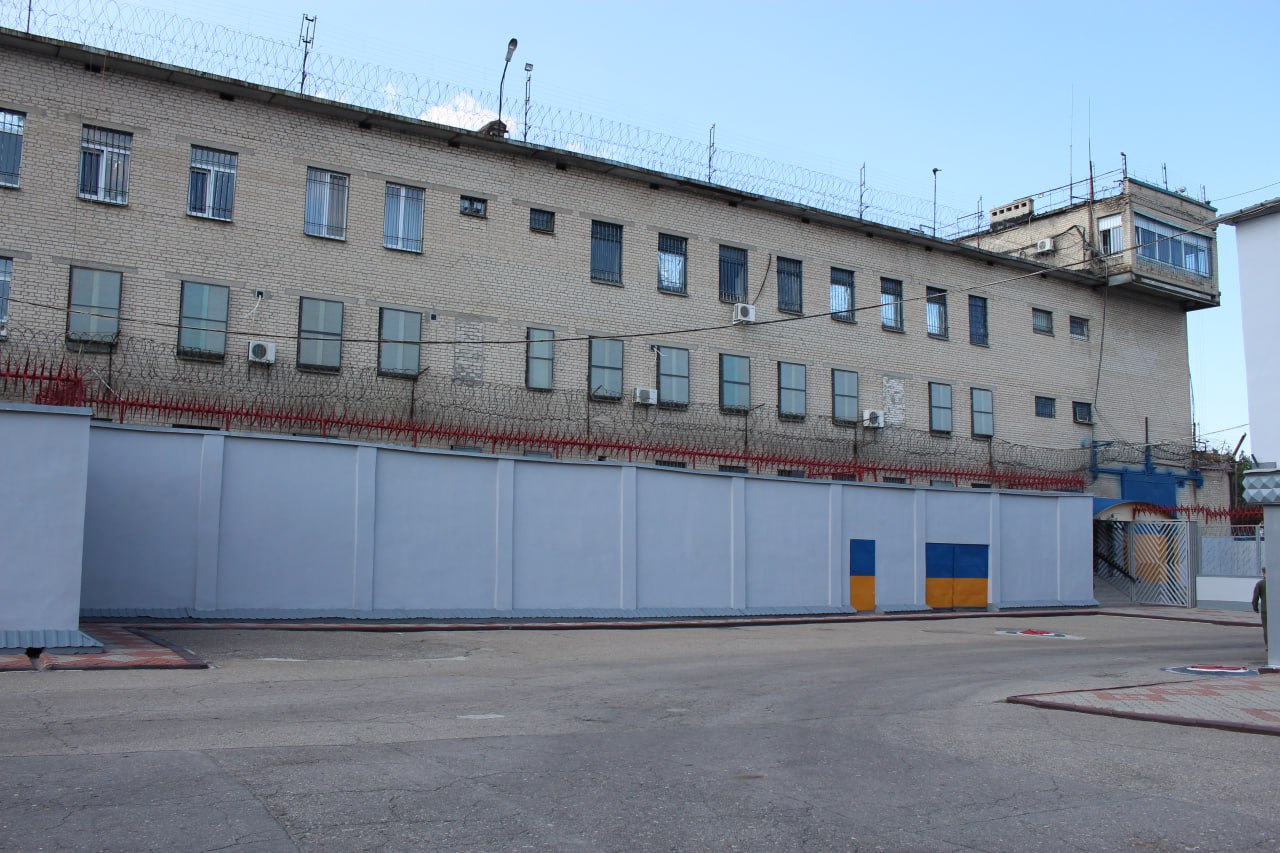
Throughout 2022–2023, no cases of bodily injuries were recorded while in the institution. This year, 13 long-term visits and 53 short-term visits have taken place. There is only 1 psychologist for 759 prisoners in the institution. 17 people are registered as prone to self-harm, 21 people as prone to suicide, and 4 people as prone to escape.
For the period of 2022/2023, not a single complaint was received from convicts by the facility’s management or any other government authority regarding inadequate conditions of detention or inadequate provision of medical care.
The very fact that there are no complaints may indicate obstacles created by the administration during the sending of correspondence, or a lack of awareness among convicts regarding their rights (specifically the right to complain), or perhaps the convicts do not see the point in filing complaints, or they are intimidated and afraid to do so.
Among the interviewed convicts, none use internet services, and the monitors did not notice a single tablet in the institution. 11 people have an officially registered email address. In the SPS units, there are no explanations from the Department of Execution of Criminal Punishments regarding the realisation of the convicts' right to contact the outside world via the internet.
DIZ / PKT
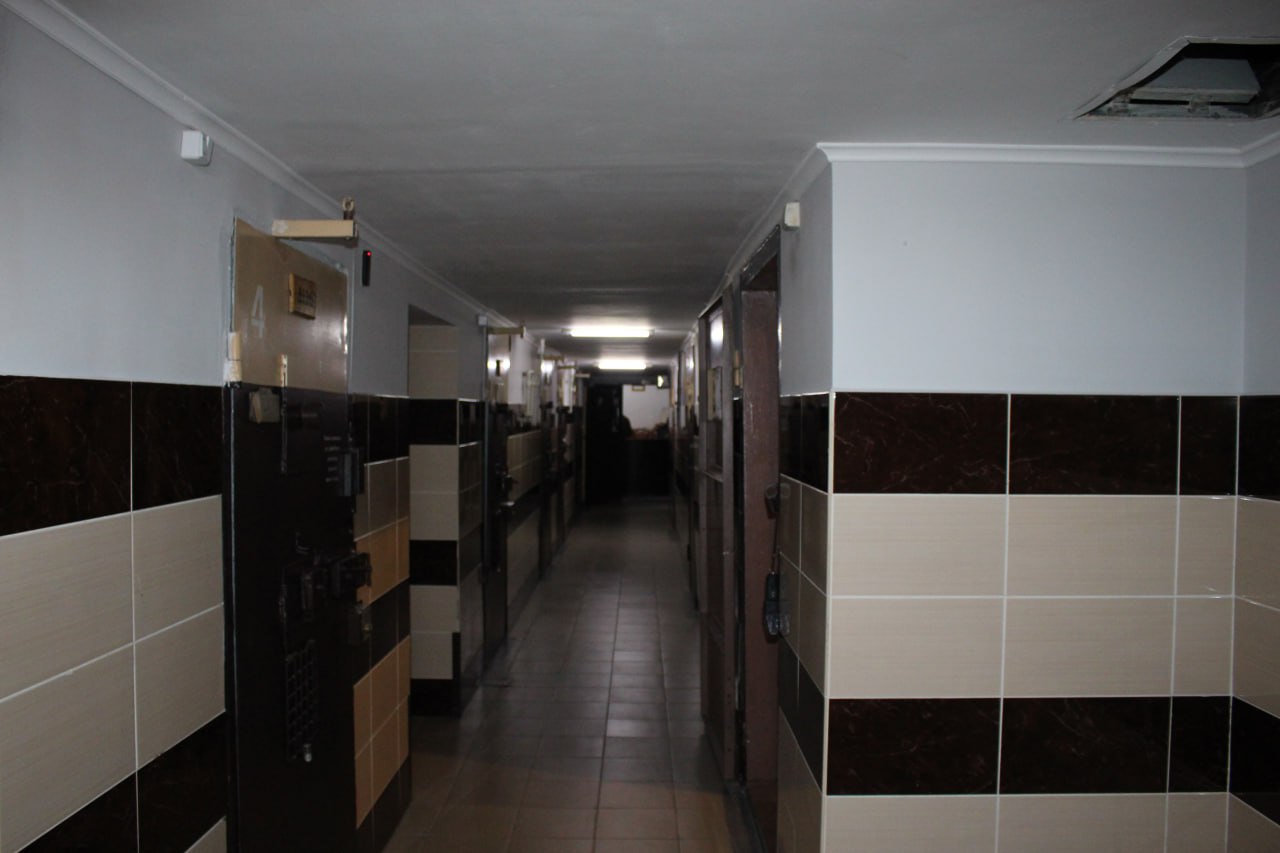
In the DIZ/PKT, music was playing very loudly, which, according to the administration, is switched on in the morning after the ‘rise’ signal and continues until ‘lights out’. The daily schedule sets ‘rise’ at 05:00. The beds in the cells are not locked, but according to the convicts, one cannot sit on the beds during the day. The folding beds are made of solid iron, have a strange construction, and are very heavy. It requires considerable strength to fold/unfold such a bed. Most of the beds are broken.
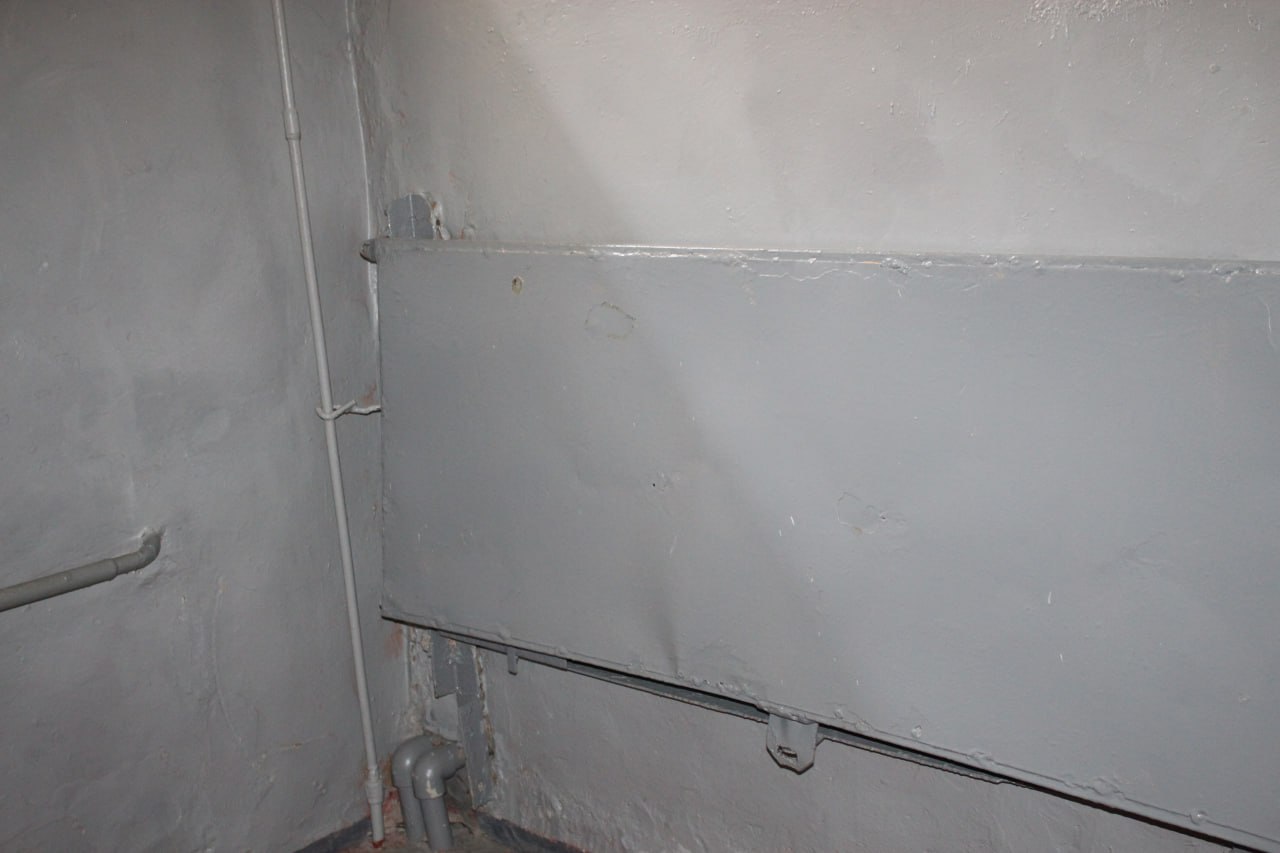
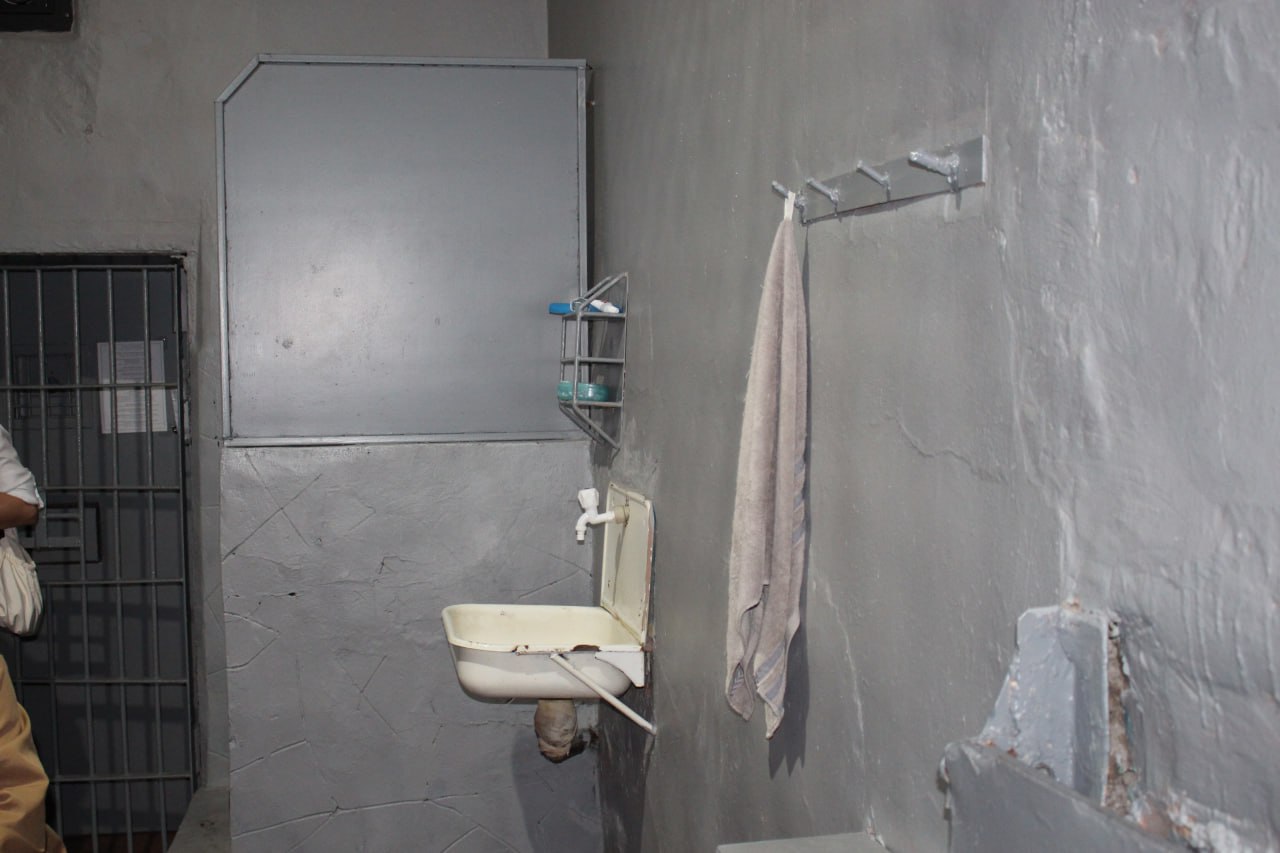
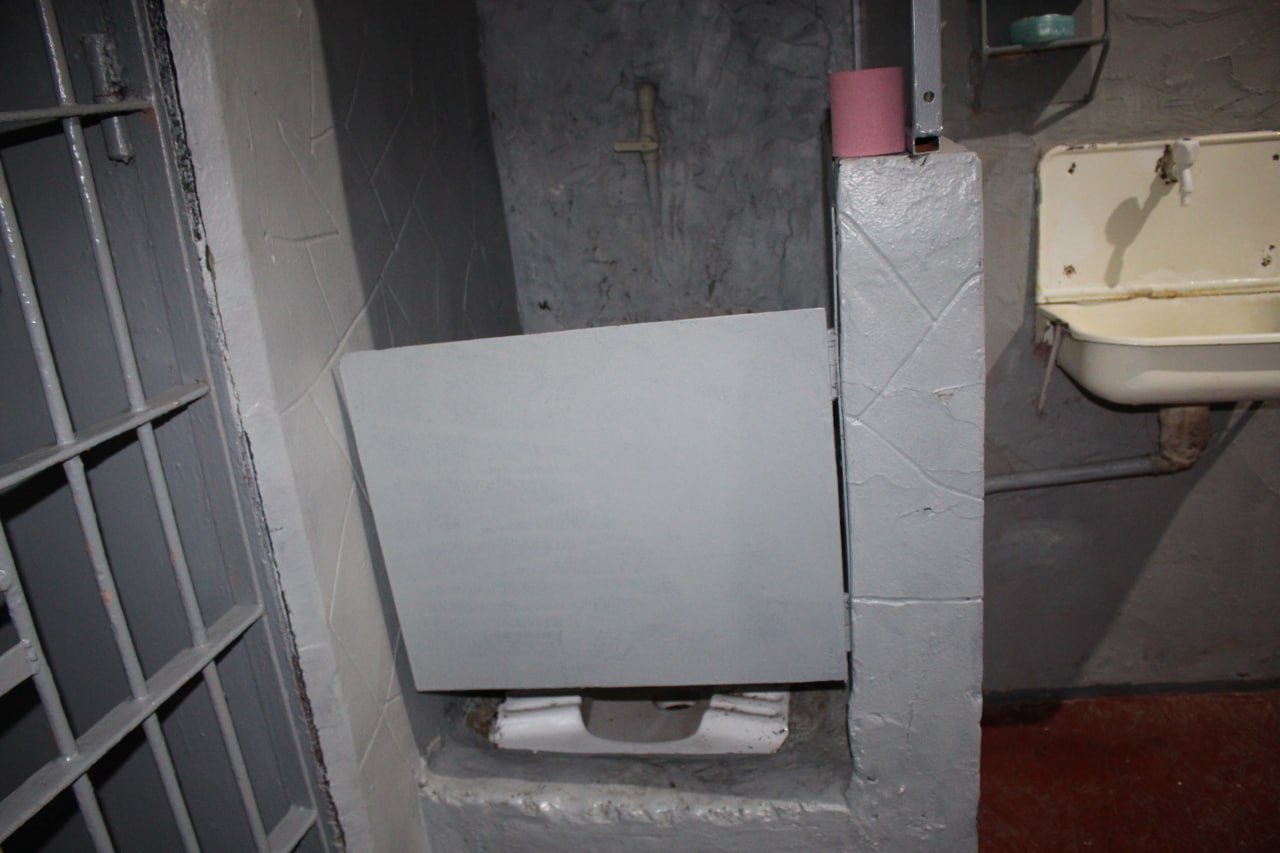
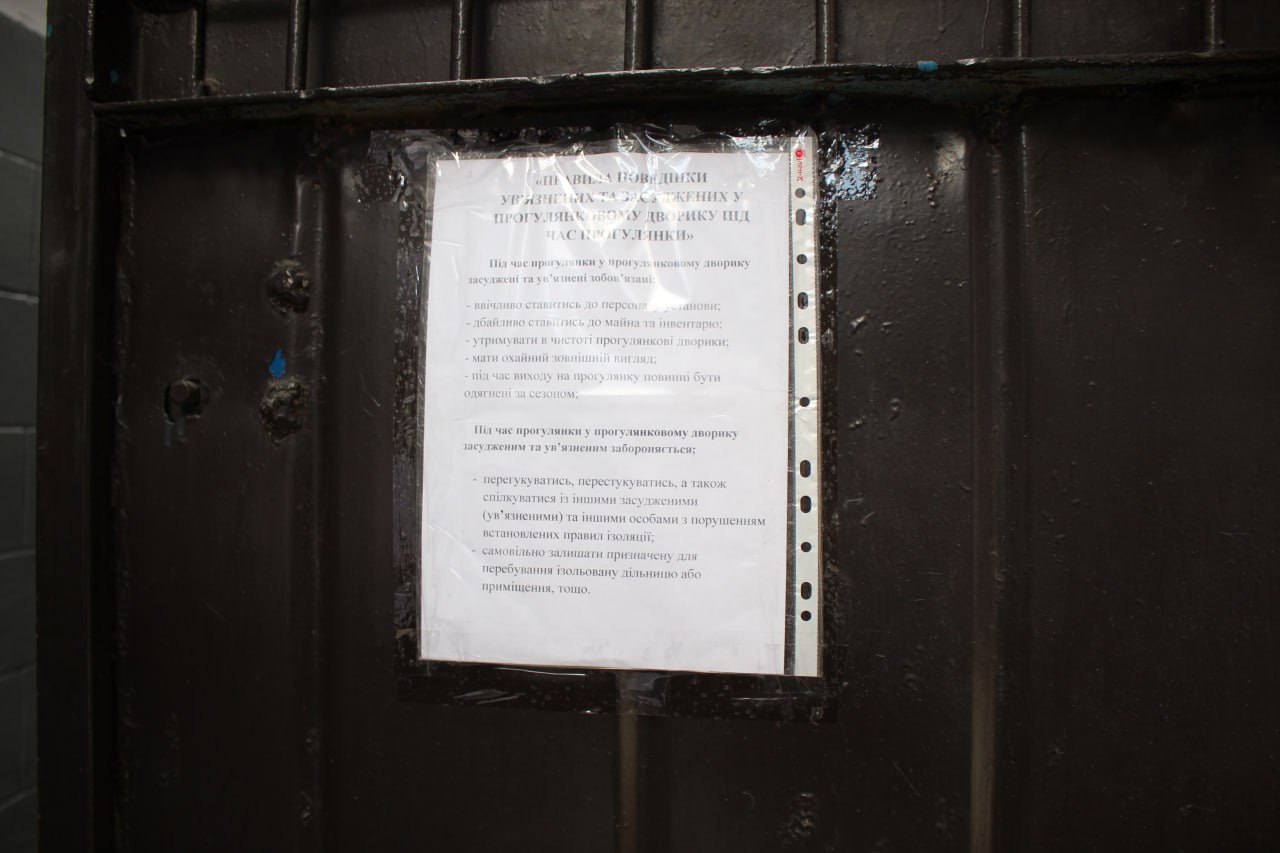
Convicts who sit on benches with their eyes closed may be punished. As for the fact that convicts can complain about the actions (or inaction) of the administration, the prisoners are afraid to even think about it. Convict Kh. noted: “You will leave, but we have to remain here.”
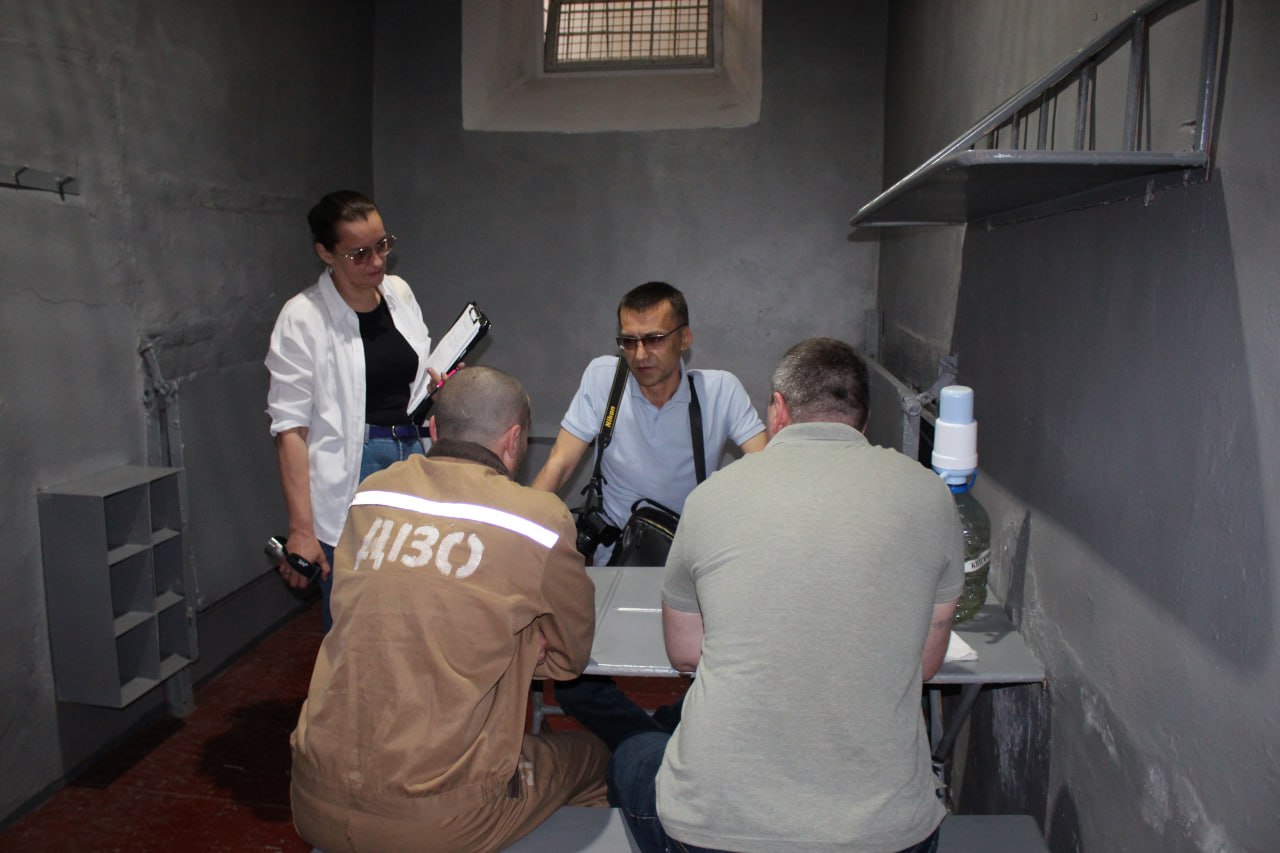
There were no drinking water containers in some cells, and there were cells where there was not even a mug for drinking water. At the time of the visit, 10 people were held in the DIZ and 2 in the PKT. All convicts were held in solitary confinement. We believe that such a practice of solitary confinement is an element of psychological pressure and intimidation of convicts.
None of the convicts had a lawyer present during the consideration of the disciplinary offence by the institution’s commission. All convicts held in the DIZ, according to the disciplinary penalty materials, had an identical, ‘carbon-copy’ description of the disciplinary offence: “Violation of the requirements of the detention regime, consisting of tactless attitude towards another convict, use of jargon and obscene words; by their actions, convict P. creates a threat to the maintenance of order in the institution and the serving of sentences for other convicts.” In other words, all 10 convicts in the DIZ were serving their penalties for ‘tactless behaviour’.
During personal conversations with the convicts, it was clarified that almost all of them are workers in the kitchen block. Convict A. is serving a penalty of three months in the PKT. The cell contains no belongings, except for one book. For three months, the convict has been effectively without personal belongings and basic necessities. The convicts in the DIZ/PKT said that during the day they are subjected to searches at least eight times: handing over the mattress in the morning — search, returning to the cell — search, going for a walk — search, returning from a walk — search, morning and evening inspection — search, leaving the cell to get the mattress — search, returning with the mattress — search.
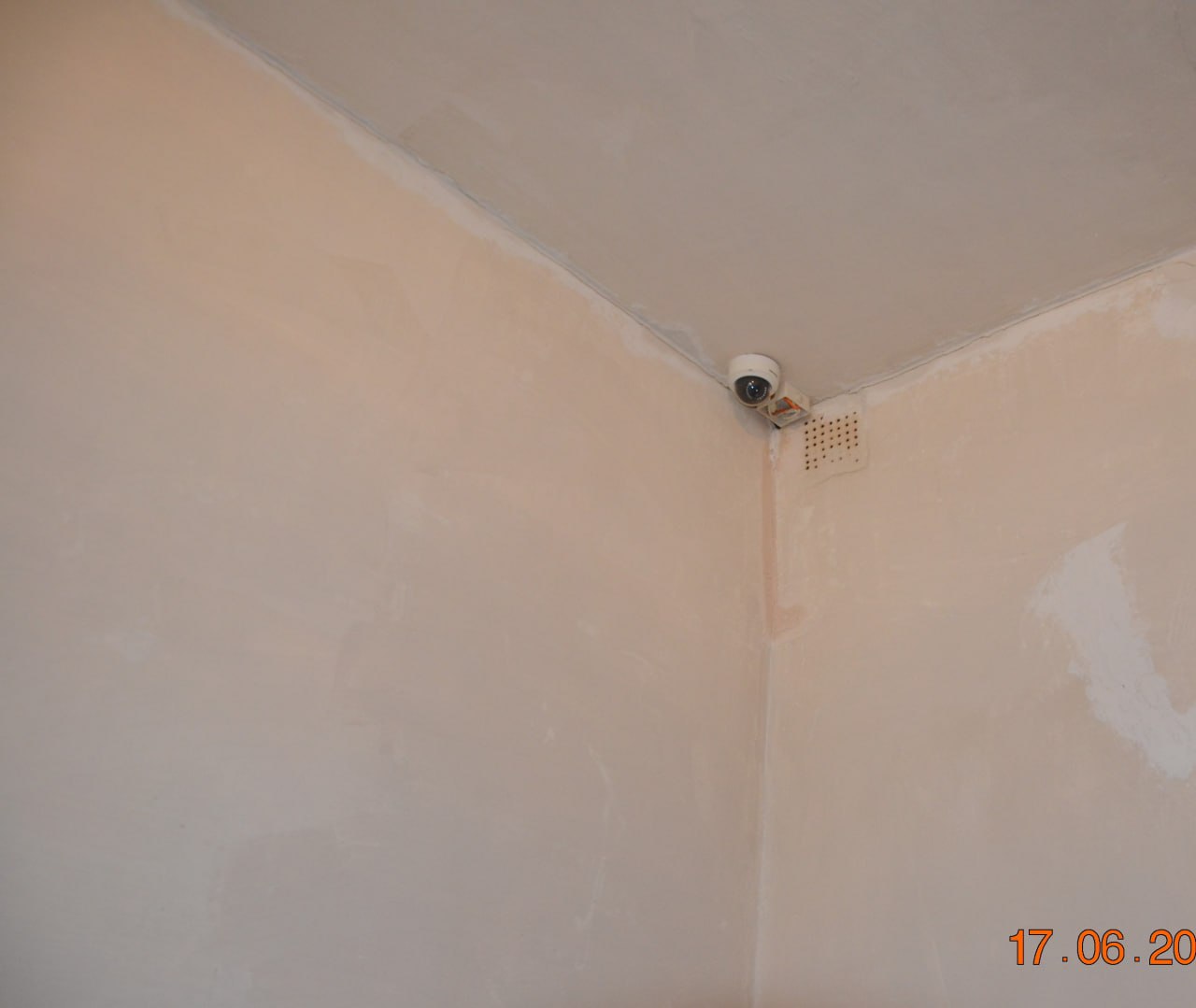
Some cells are equipped with video surveillance cameras. The question arises: why search a person eight times a day when they are constantly under surveillance via a camera? Such measures are a remnant of the punitive system of the past and are intended solely for humiliation.
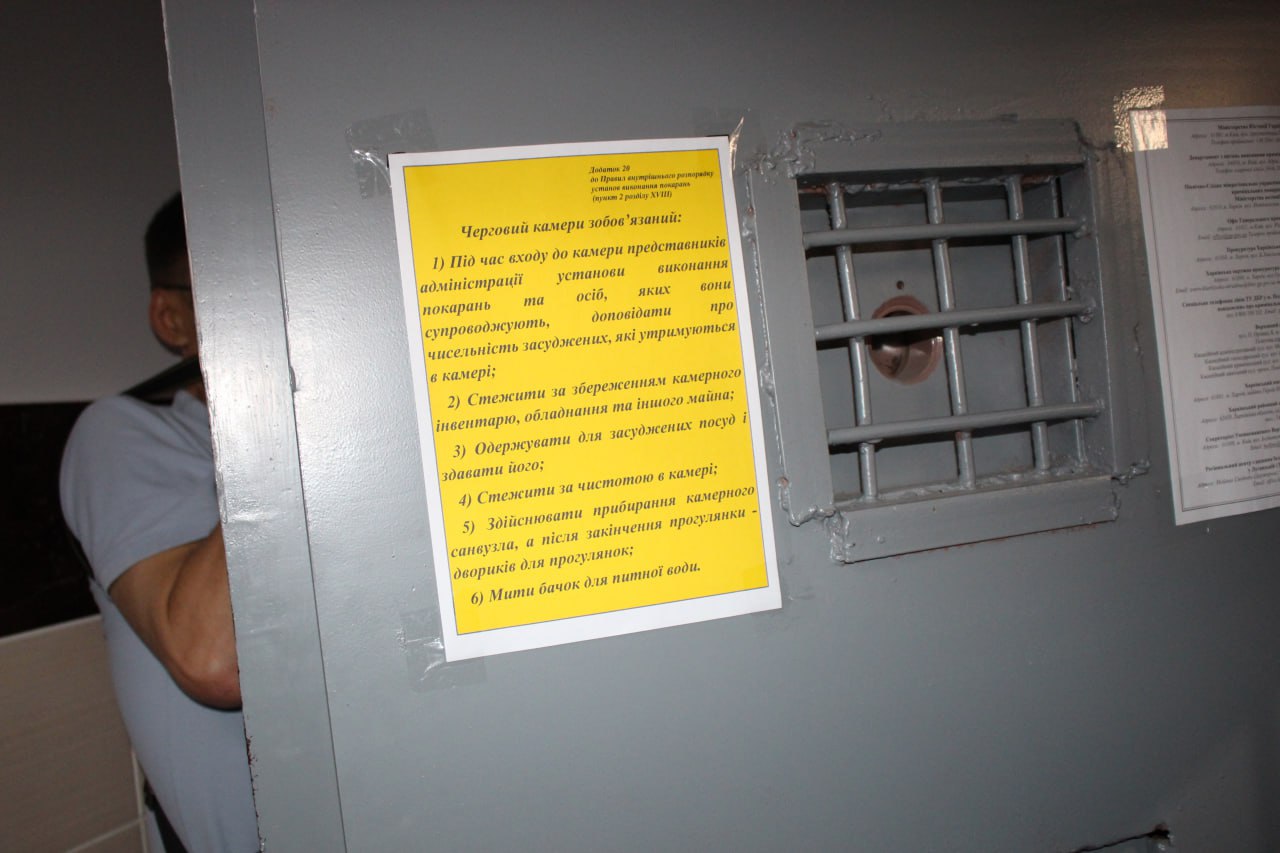
On the door of every cell, there is a list of government bodies (prosecutor's office, judicial authorities, ombudsman, and others) with addresses and telephone numbers that can be contacted in case of human rights violations. However, none of the interviewed convicts had ever used the indicated telephone numbers and addresses.
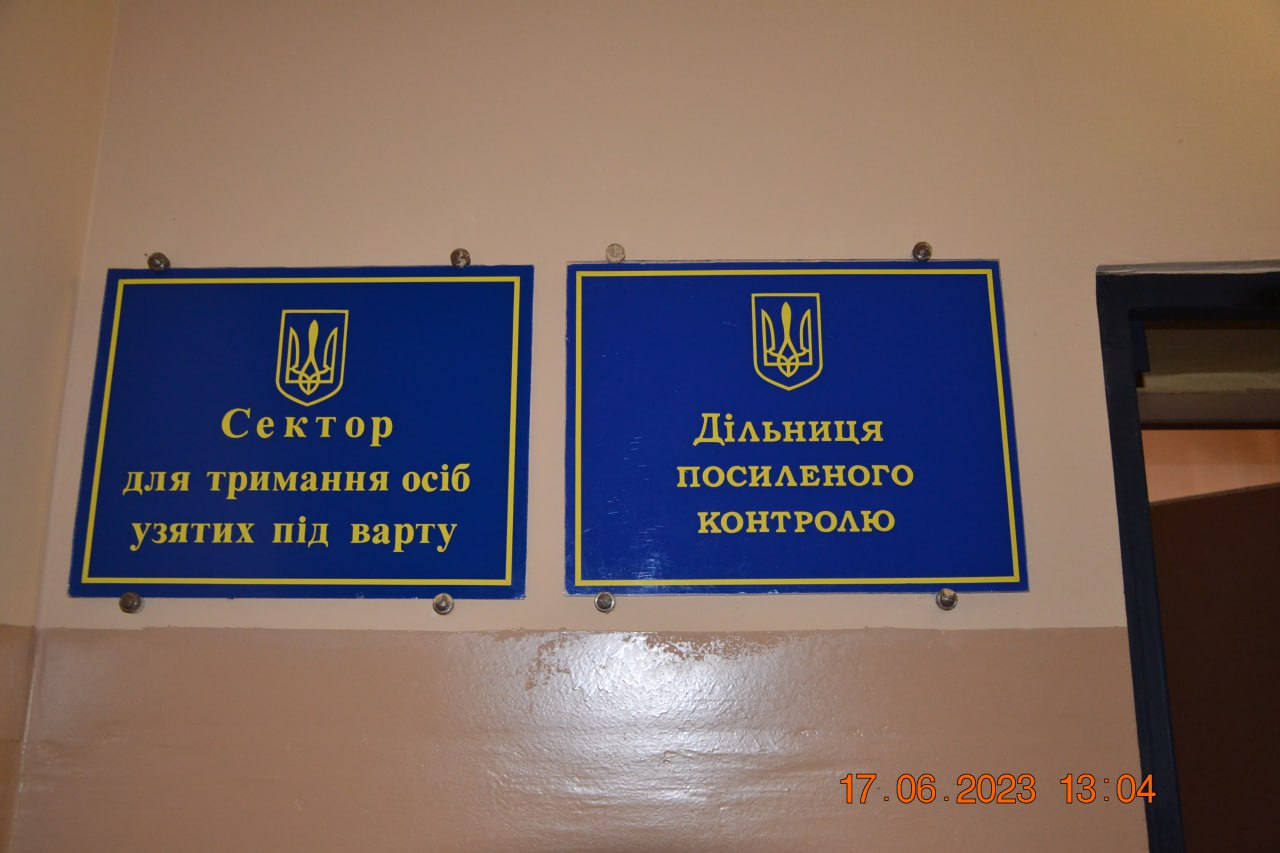
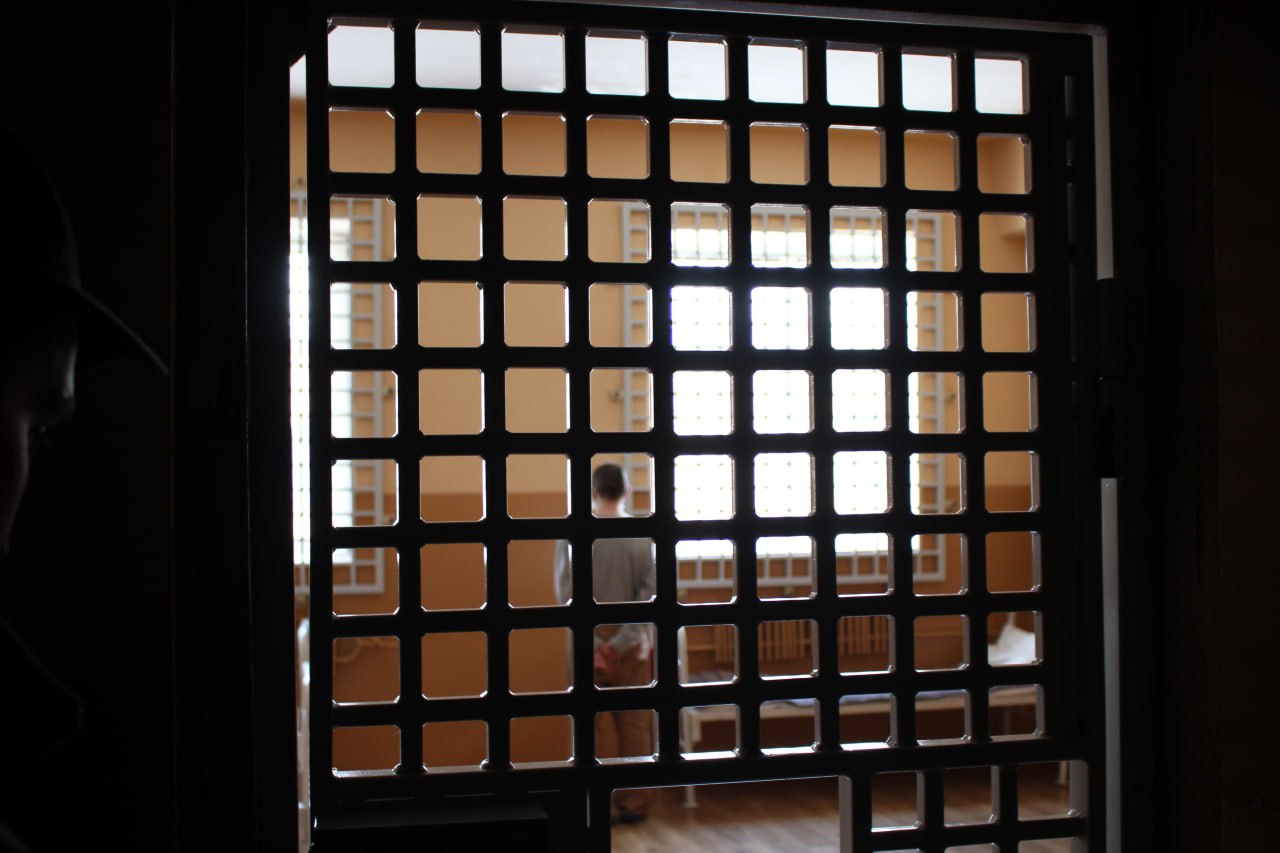
The pre-trial detention and prison ward (SIZO and DPK) is located on the premises of the multidisciplinary hospital. 8 people were held in the SIZO section and 1 person in the DPK.
Kitchen block
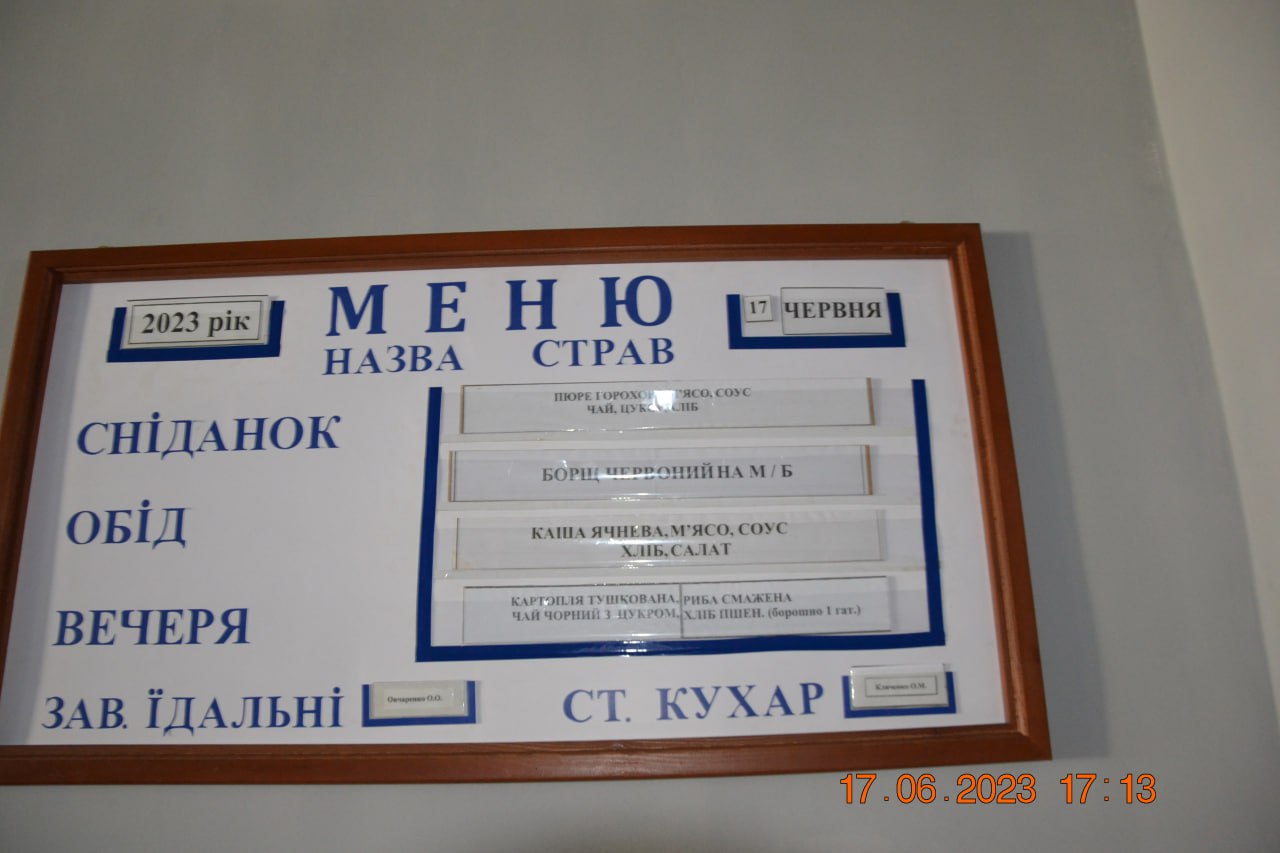
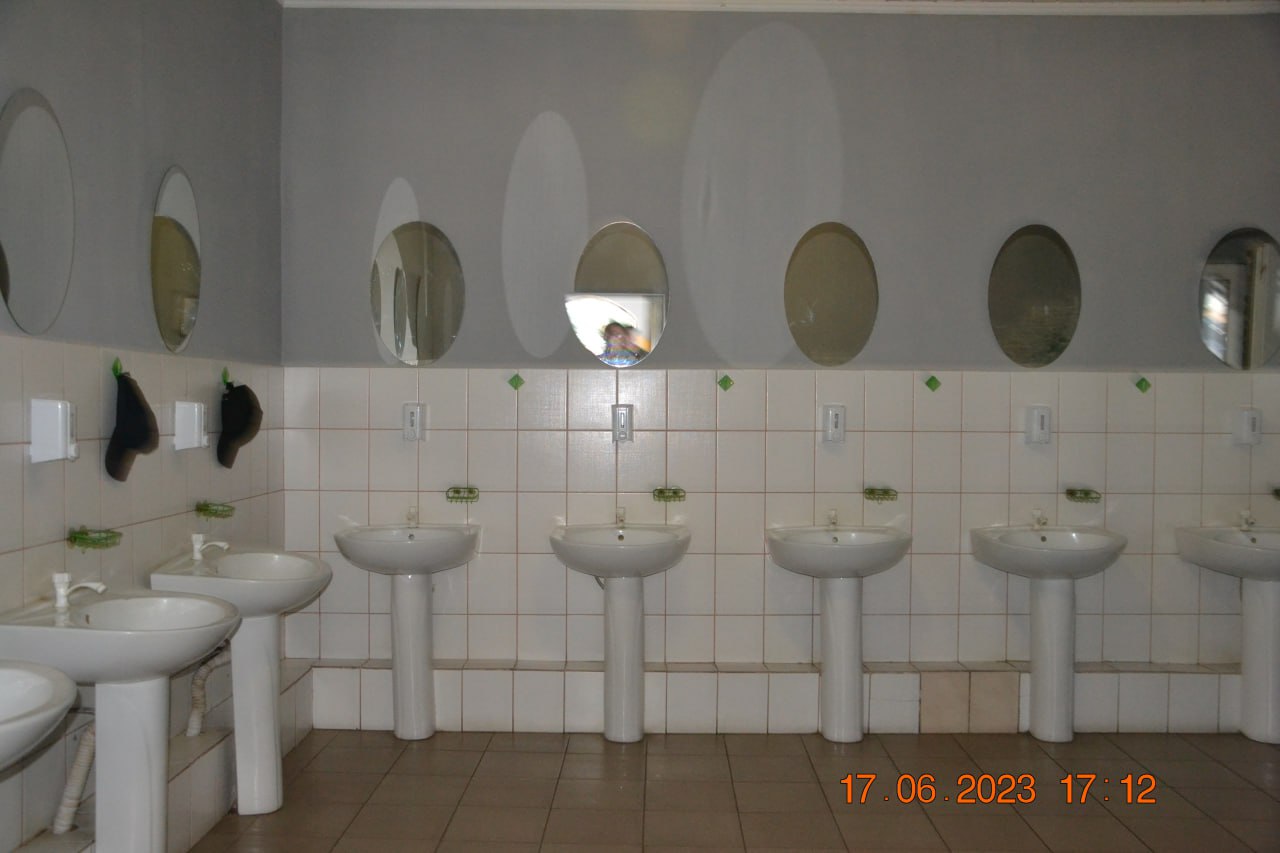
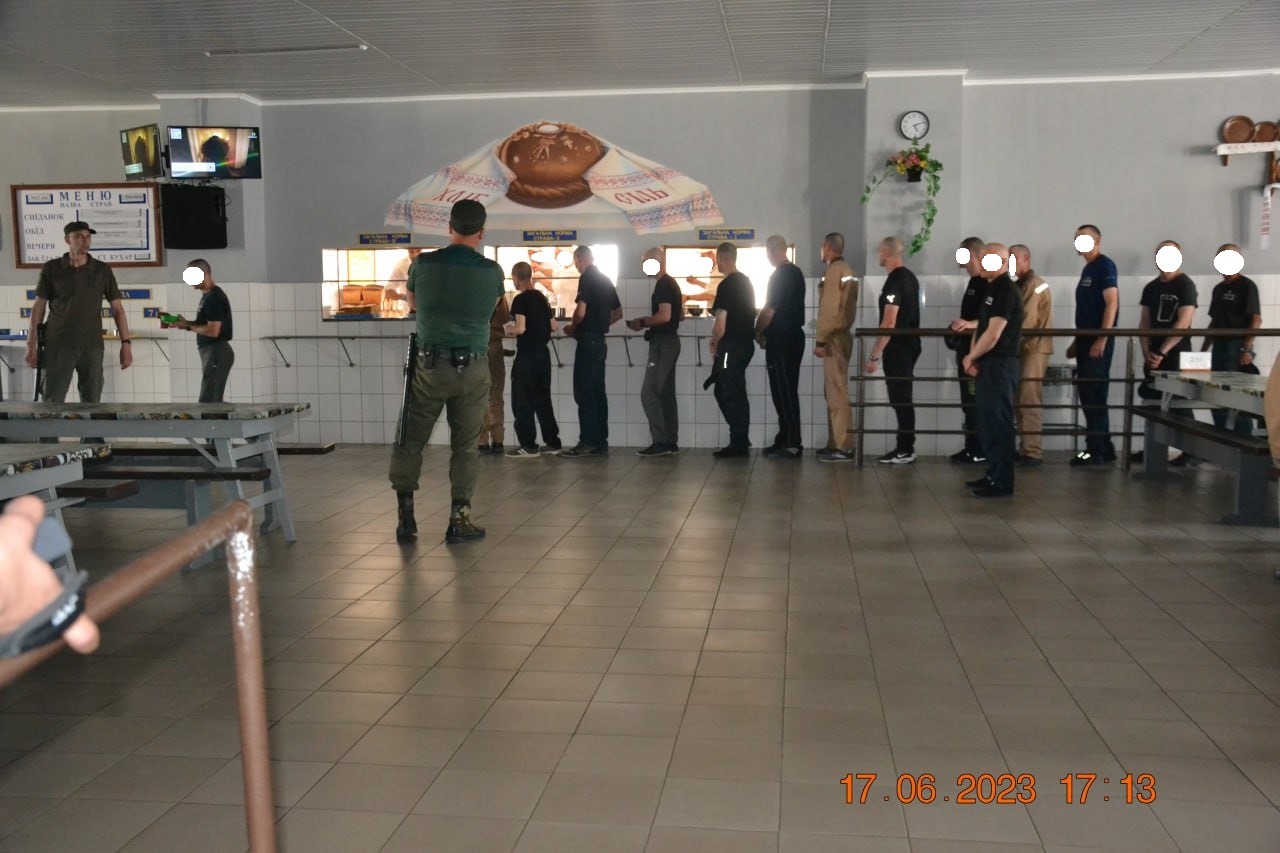
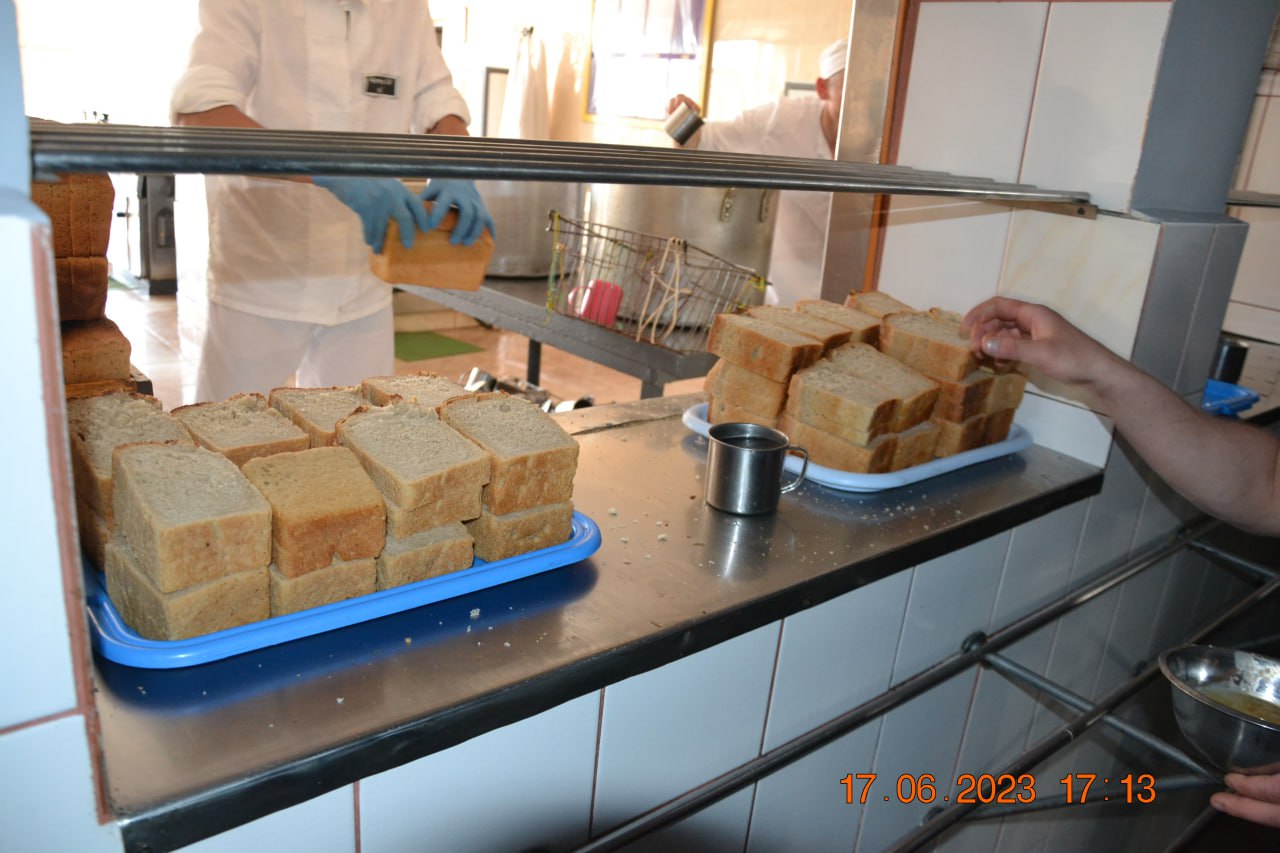
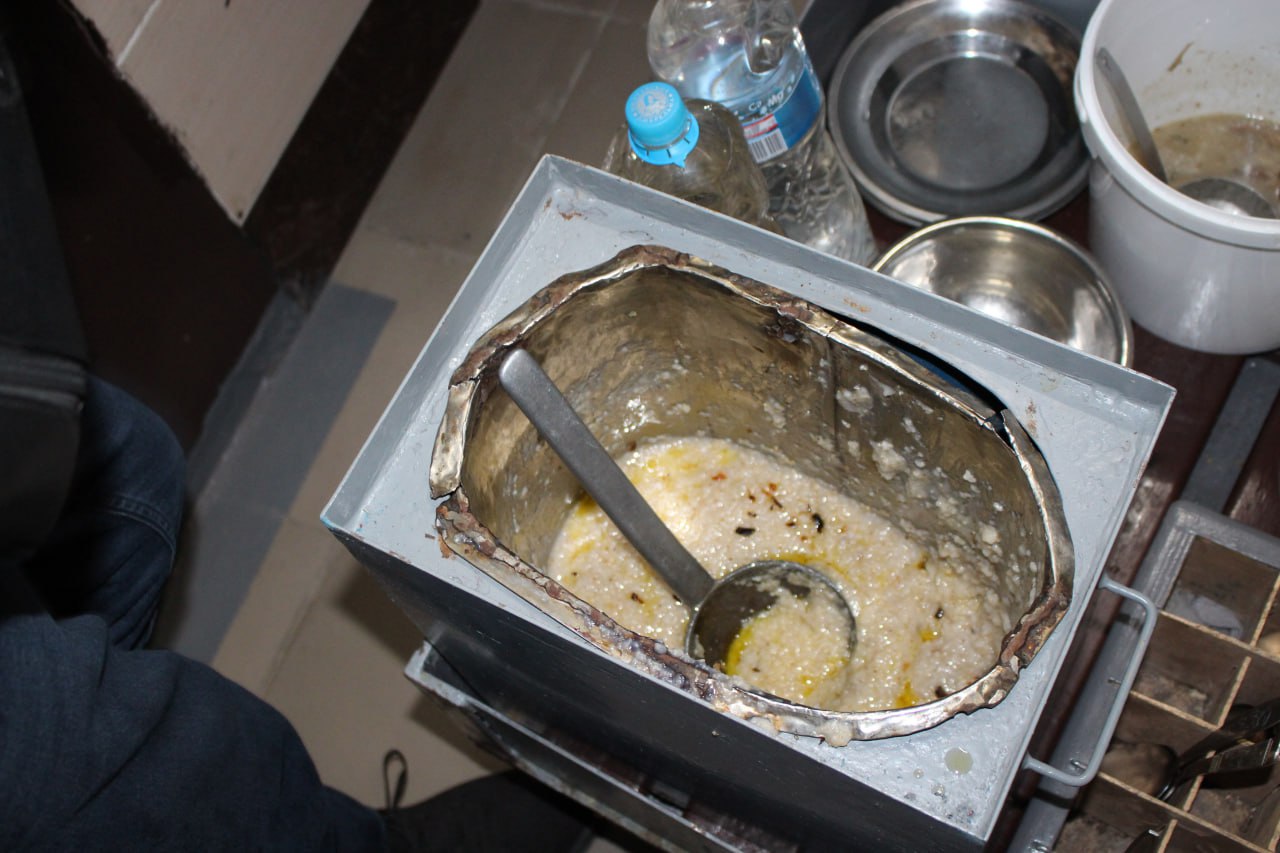
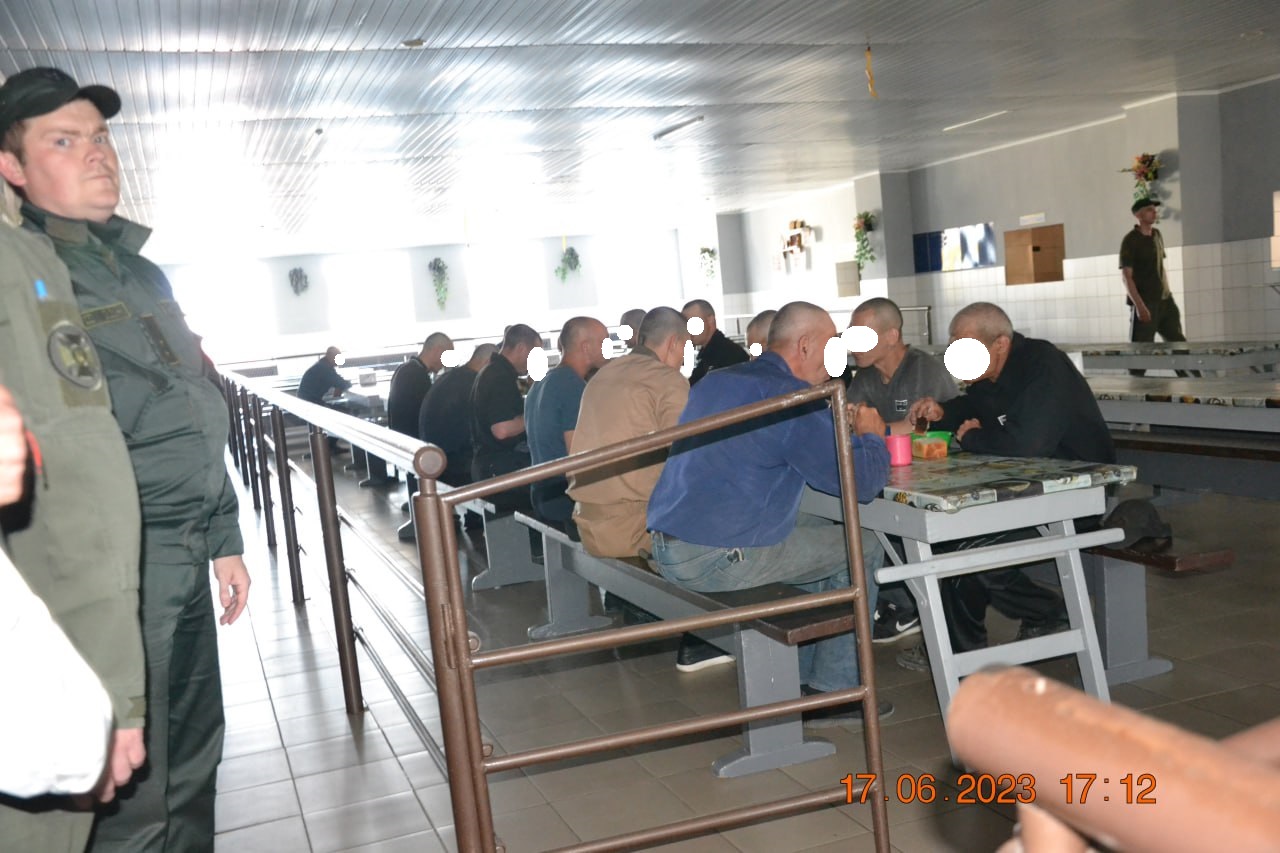
The interviewed individuals in the kitchen block work twelve hours a day without days off. Convict Kh. reported that he has been working in the canteen as a cook for six months. He starts work at 5 a.m. and works until 8 p.m. every day, without days off or holidays. When the monitors requested to be taken to the kitchen, the management suggested providing the monitors with health books and emphasized that they could take the monitors to the kitchen “only as an exception.” In none of the penitentiary institutions visited previously were such demands made. The management of TVK-100 did not explain exactly what kind of health books were meant, or by whom they should be certified.
Production
According to information provided upon request, 120 convicts are employed under employment contracts. The average monthly wage is 2,319.93 hryvnias. However, among the interviewed convicts who work in various production facilities, the average wage is 300–400 hryvnias.
Convict V., who works in garment production, reported that his average monthly wage is approximately 300 hryvnias. Convict T., who works in bicycle manufacturing, reported that the average monthly wage reaches 300–400 hryvnias.
Since the visit took place on a Saturday, the monitors did not have the opportunity to investigate in more detail the working conditions, the social protection conditions of the convicts who work, pension provision conditions, or to review production documentation.
The practice of using influence on the behaviour of convicts by other convicts continues in the institution.
Communication with the outside world: “Well, they don’t want to have tablets”
Convicts complained that during the period of military aggression and the occupation of Ukrainian territory, they lost contact with their relatives. The only possibility to restore communication is through messenger apps. The administration does not provide this opportunity and does not facilitate the search for relatives. In the institution, where over 700 convicts are held, there is one tablet in the possession of a convict serving a life sentence. Convicts do not have internet access, and they have not even heard of the concept of an ‘electronic complaint’.
In the SPS unit, the monitors did not see any explanation regarding the possibility of having tablets. Therefore, during the visit, the monitors had to explain the convicts’ rights to them themselves. When asked by the administration why there is not a single tablet for such a large number of people in the institution, they replied: “Well, they don’t want to have tablets.”
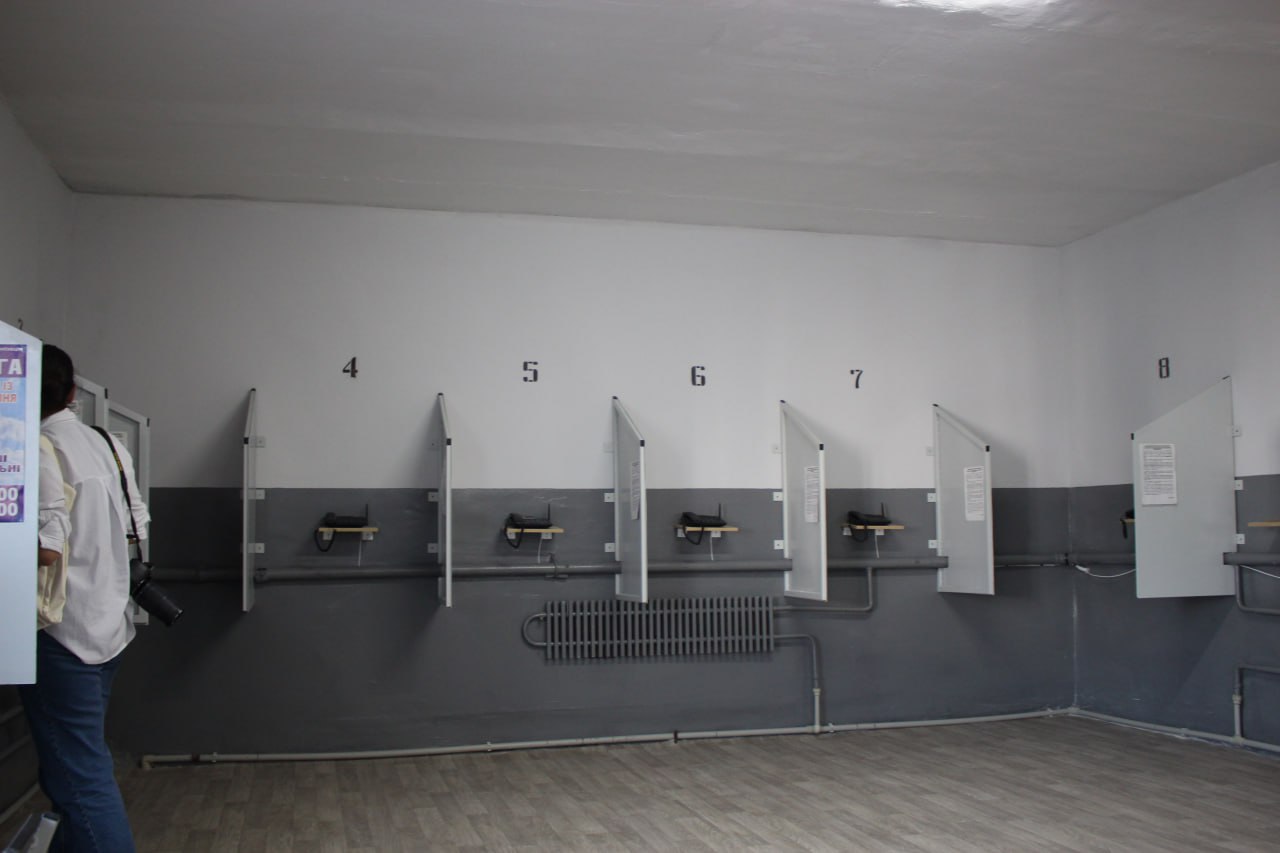
After the visit, relatives of convict Kh. approached the monitors and reported the following: this convict was transferred to TVK No. 100 from another institution and, having been here for two months, has not made contact. Relatives began to worry because in the other institution there was no such long absence of communication: the convict could communicate with them via a tablet purchased for him, which is not prohibited by law. After arriving at Temnivska Colony, the tablet was confiscated from him.
Maximum-security sector
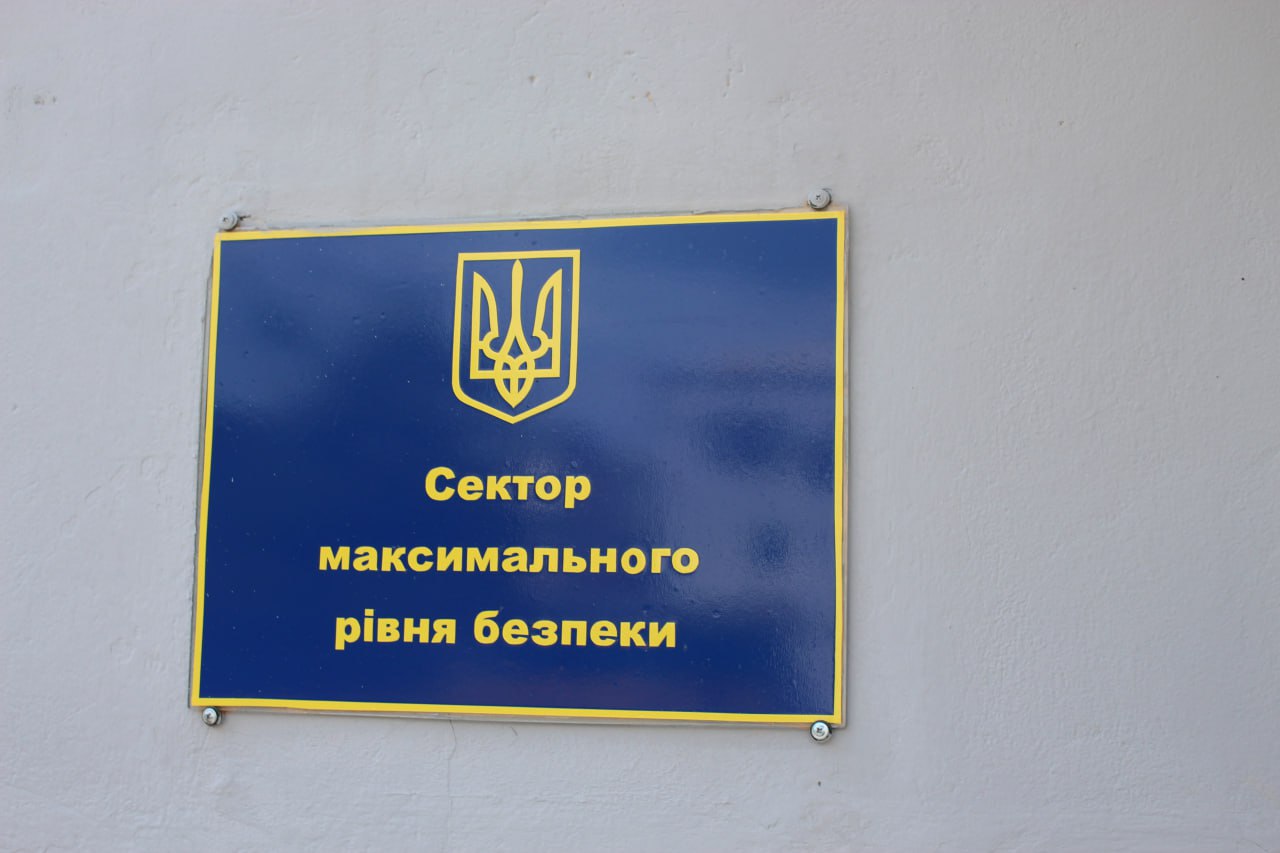
Convicts serving life sentences are held in the maximum-security sector. The convicts are in their cells 23 hours a day, two or three to a cell. Some convicts work directly in their cells: they glue cardboard products and cut out insoles.
As soon as the monitors approached the cell and greeted the convicts through the closed door, the convicts would immediately jump up, stop working if they were working, put on their headwear and masks, and turn to face the wall, putting their hands behind their backs. Then one of the convicts, likely the duty inmate in the cell, would begin to recite a report quickly, stating his surname, first name, patronymic, articles of conviction, and sentence length.
This was repeated in every cell, and if the cell door was not opened, the convicts continued to stand facing the wall. In one of the cells, the monitors noticed that the convicts continued standing in this manner for twenty minutes. When the cell door is opened, the convicts are obliged to put a mask on their face. This requirement is completely absurd for people who have been in isolation around the clock for many years. Colony staff, meanwhile, do not use masks.
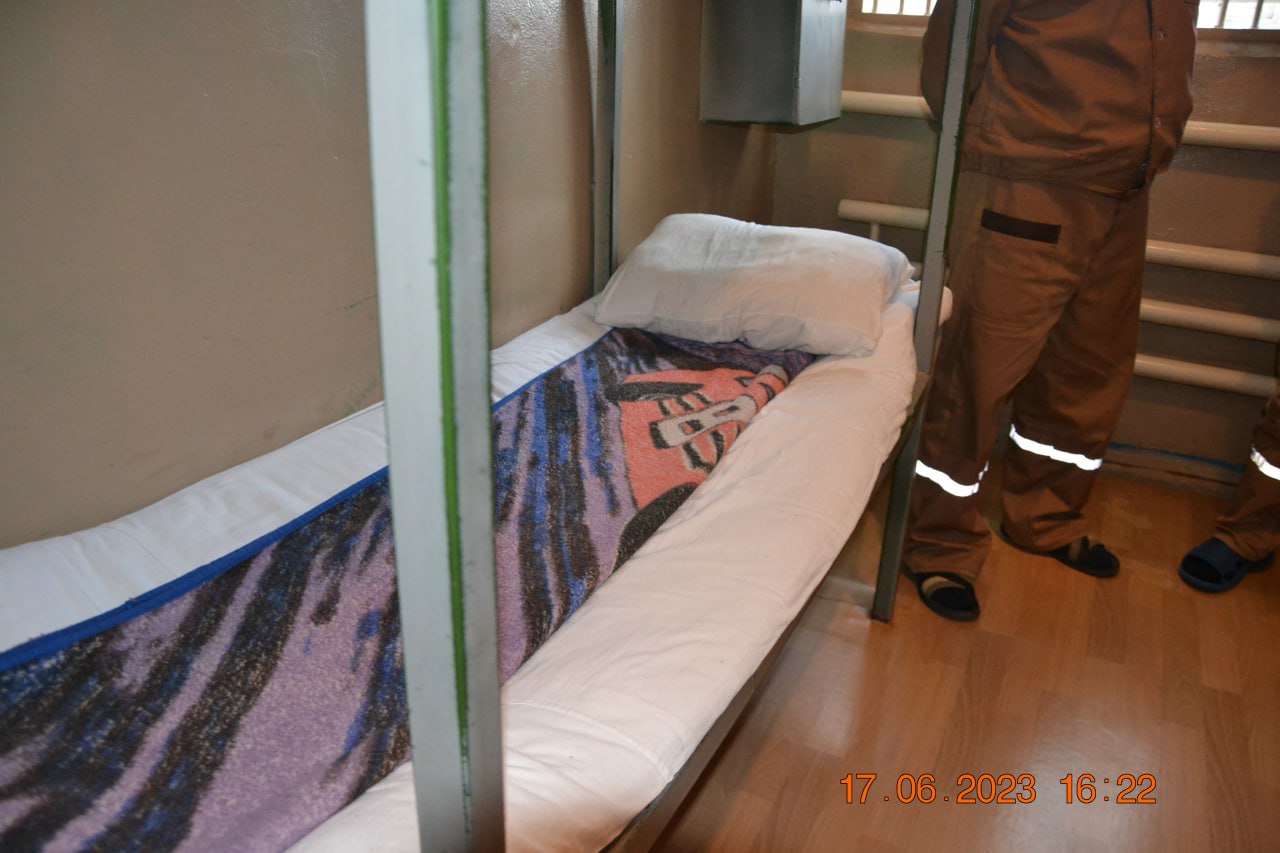
The beds in the cells are made up in a ‘little envelope’ style, and convicts are forbidden from sitting on their own beds during the day. Convicts spend 23 hours a day in the cell and are forced to sit on metal chairs. The institution’s staff explained that life-sentenced convicts have a daily schedule in their cells. And according to this schedule, ‘more loyal detention conditions’ are provided for them. During the day, convicts can sit on their own beds not for two hours, as provided by the schedule in ‘free time’, but for a whole three hours.
The purpose of the prohibition on sitting on the bed is unclear. Such measures have little to do with cultivating law-abiding behaviour. In the monitors’ opinion, these are anti-human Soviet practices that need to be abandoned.
We publicly call on the leadership of the State Penitentiary Service to condemn such ‘upbringing’ methods and to facilitate compliance by the TVK-100 management with European democratic values, based on respect for human rights, humane treatment, mercy, and humanity.
Residential premises
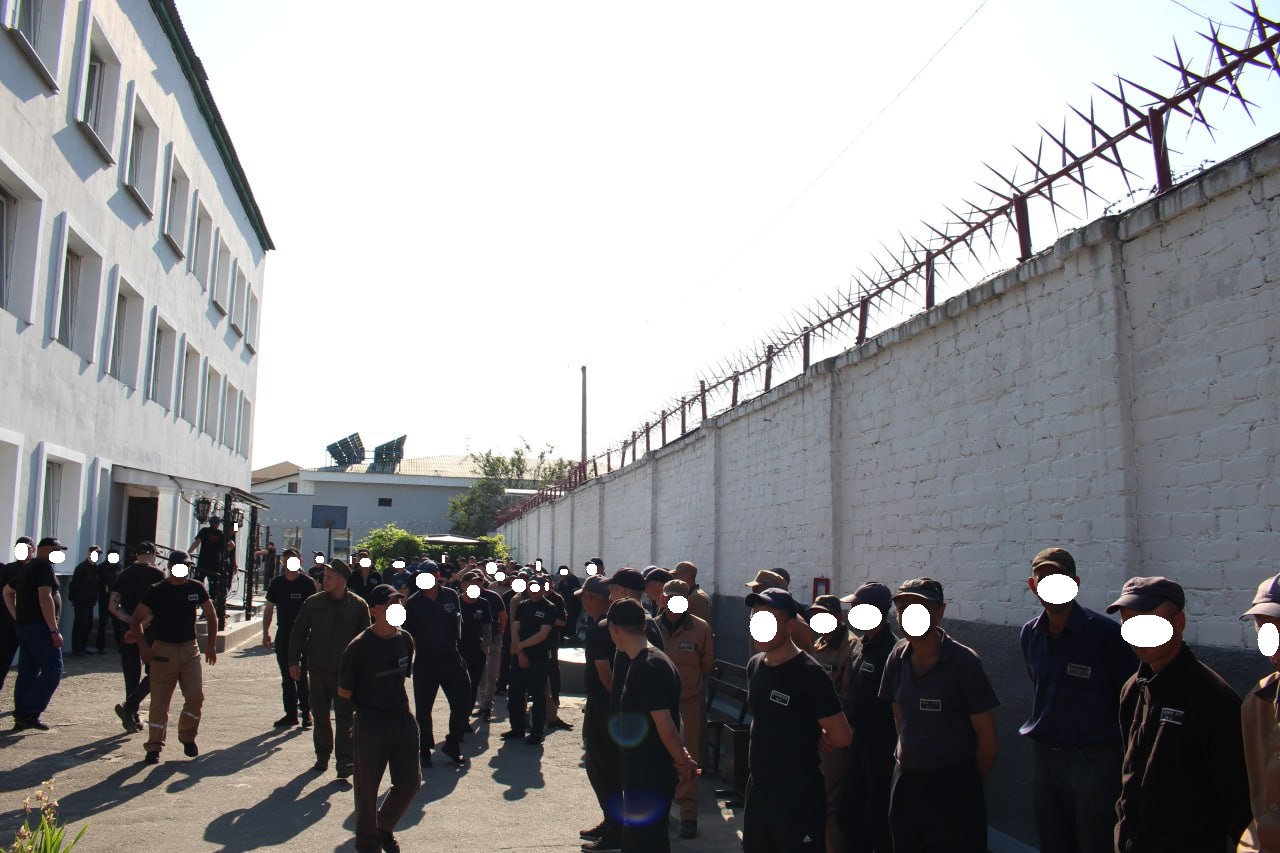
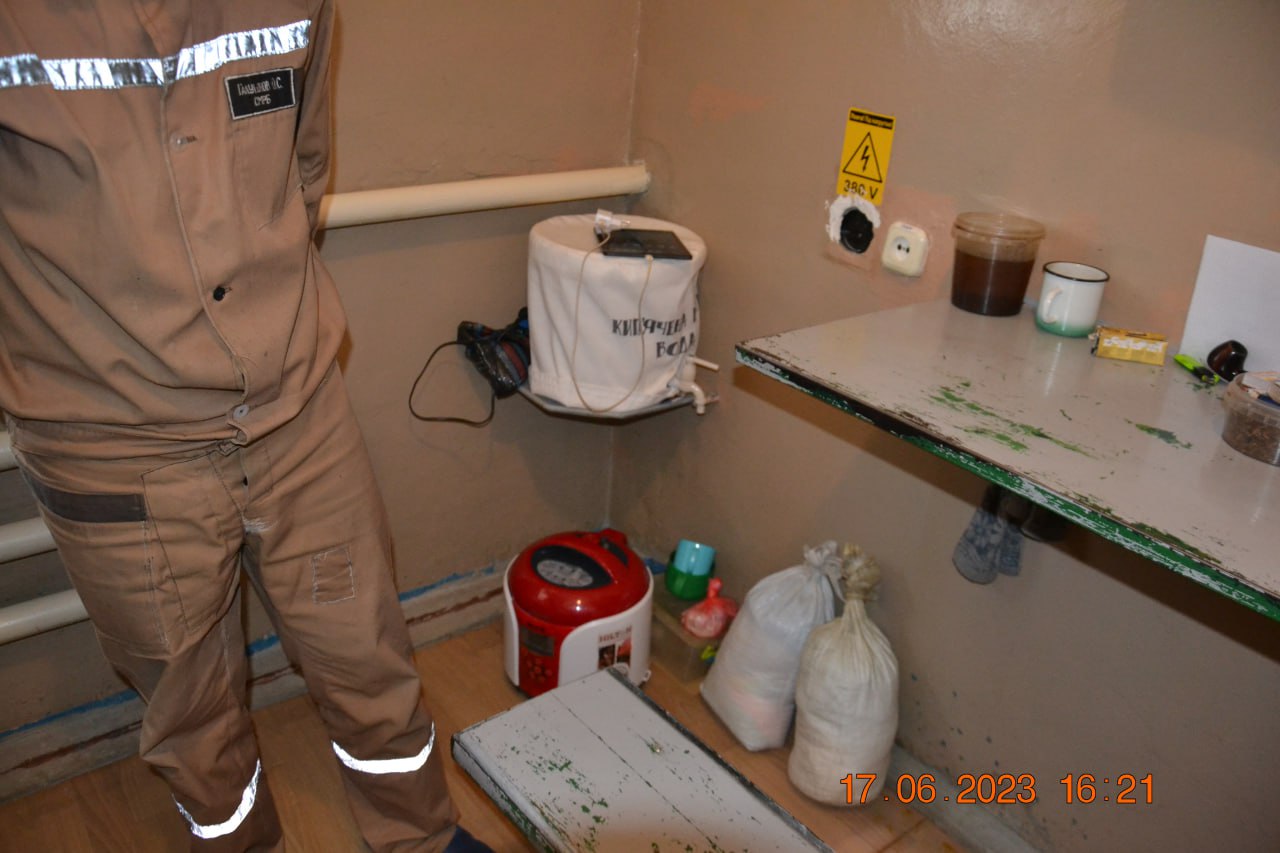
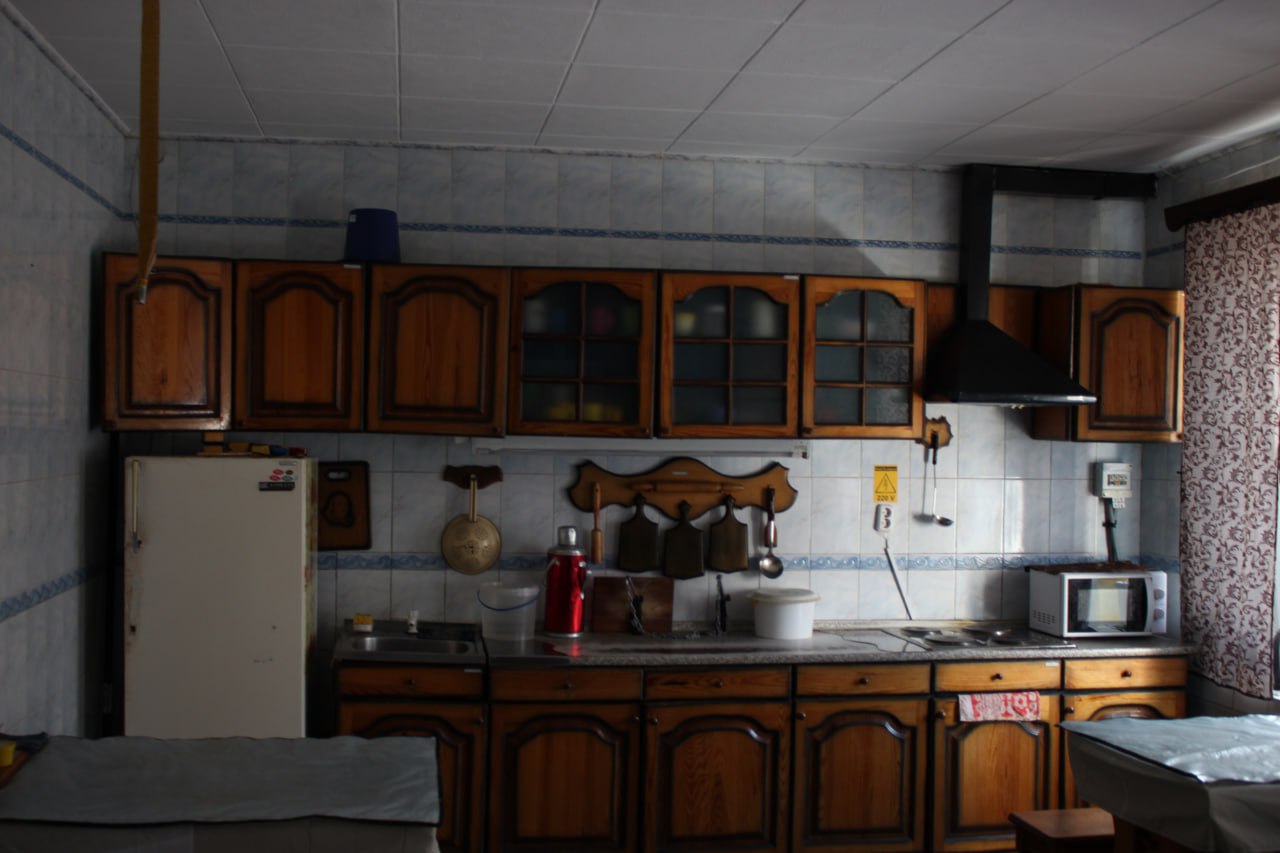
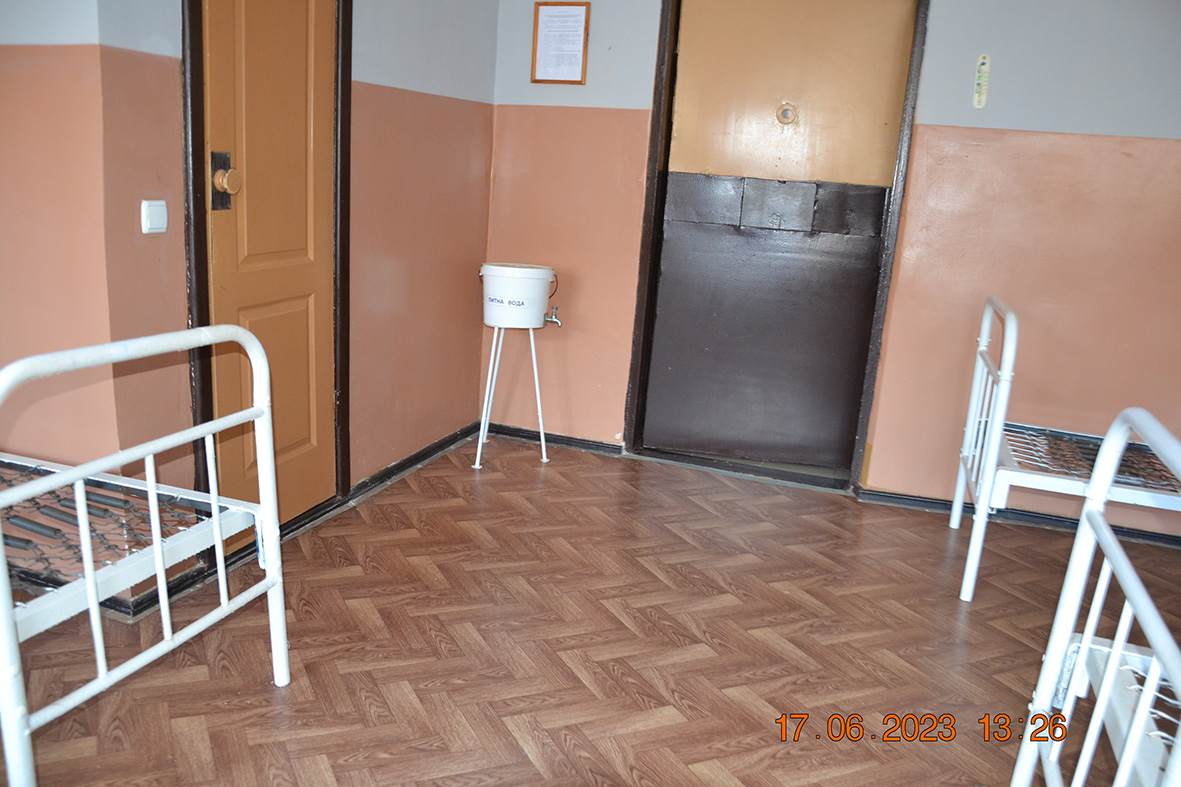
The residential premises are clean, and all of them are partially or completely renovated. All beds are single-level. All beds are made up with white sheets; sitting on the beds during the day is prohibited. Food is stored in dining rooms, where there are refrigerators, microwaves, and boiled drinking water. There is soap in the handwashing basins, though some sinks have not been replaced and are of an old design. The toilets, which are located in the residential premises, are closed. Convicts are forced to go to the toilet outside.
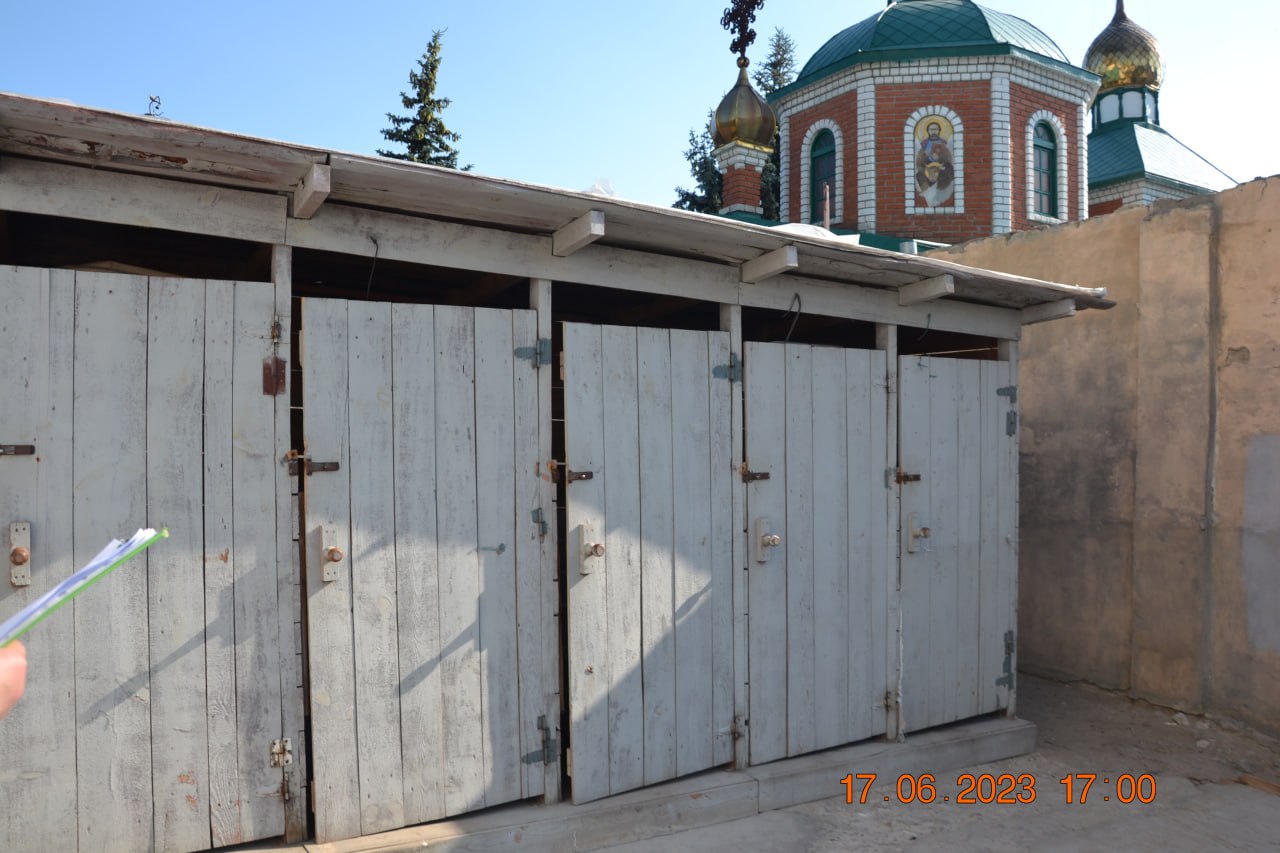
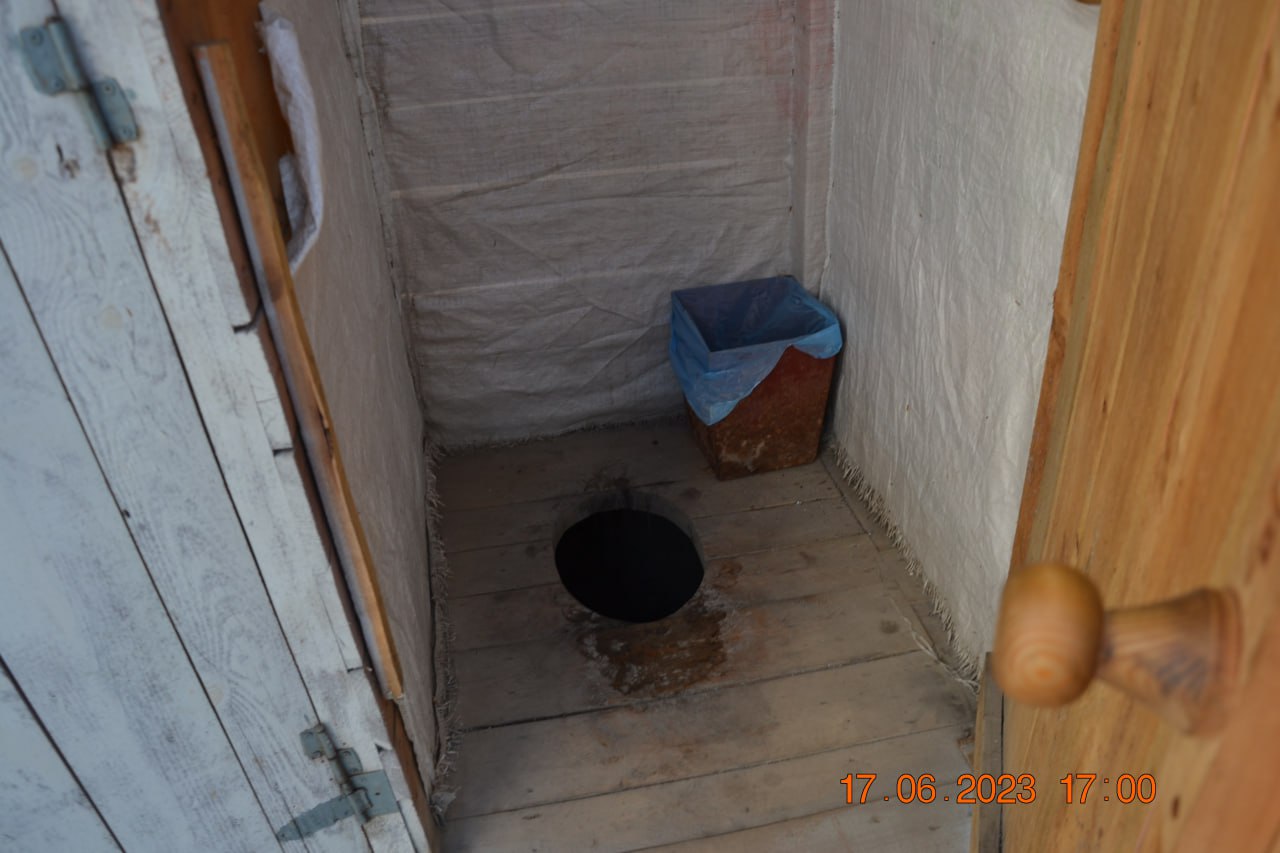
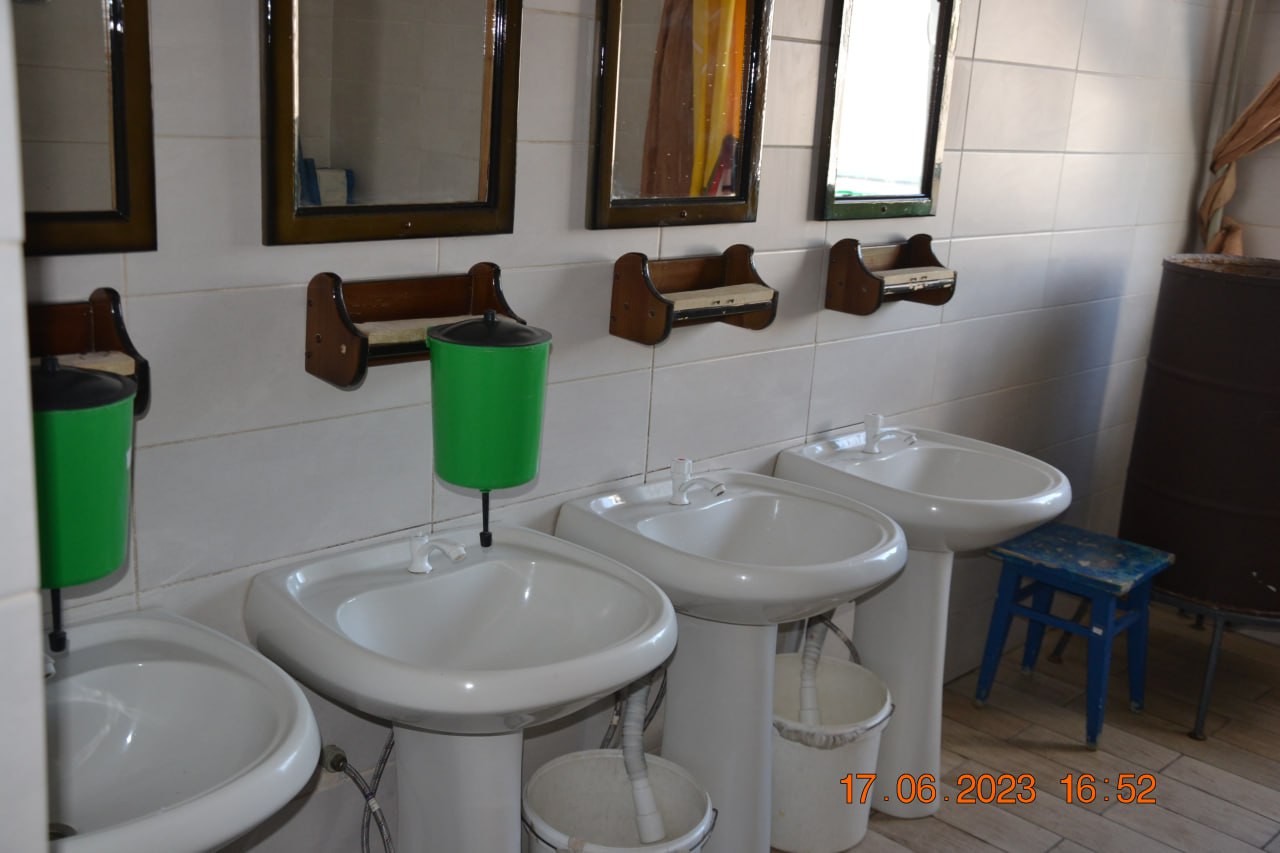
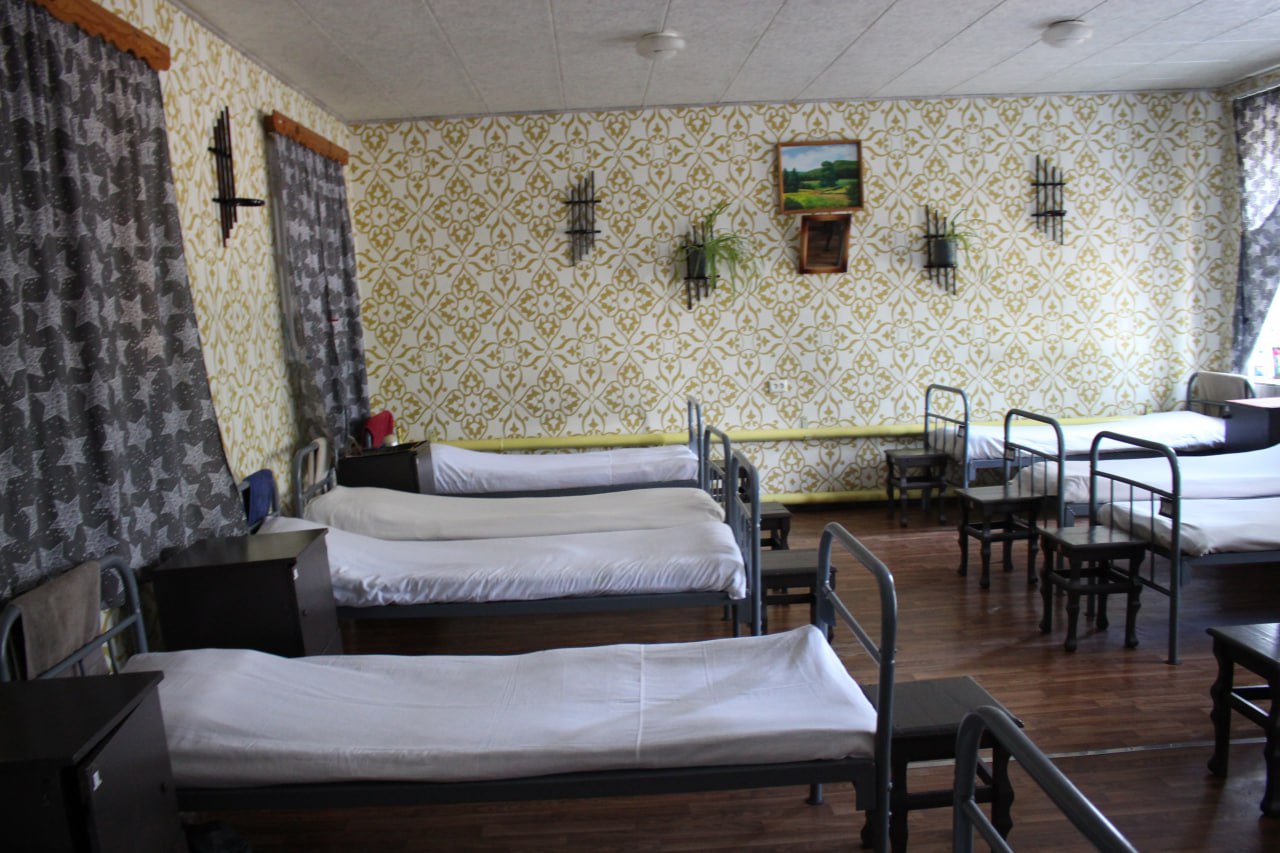
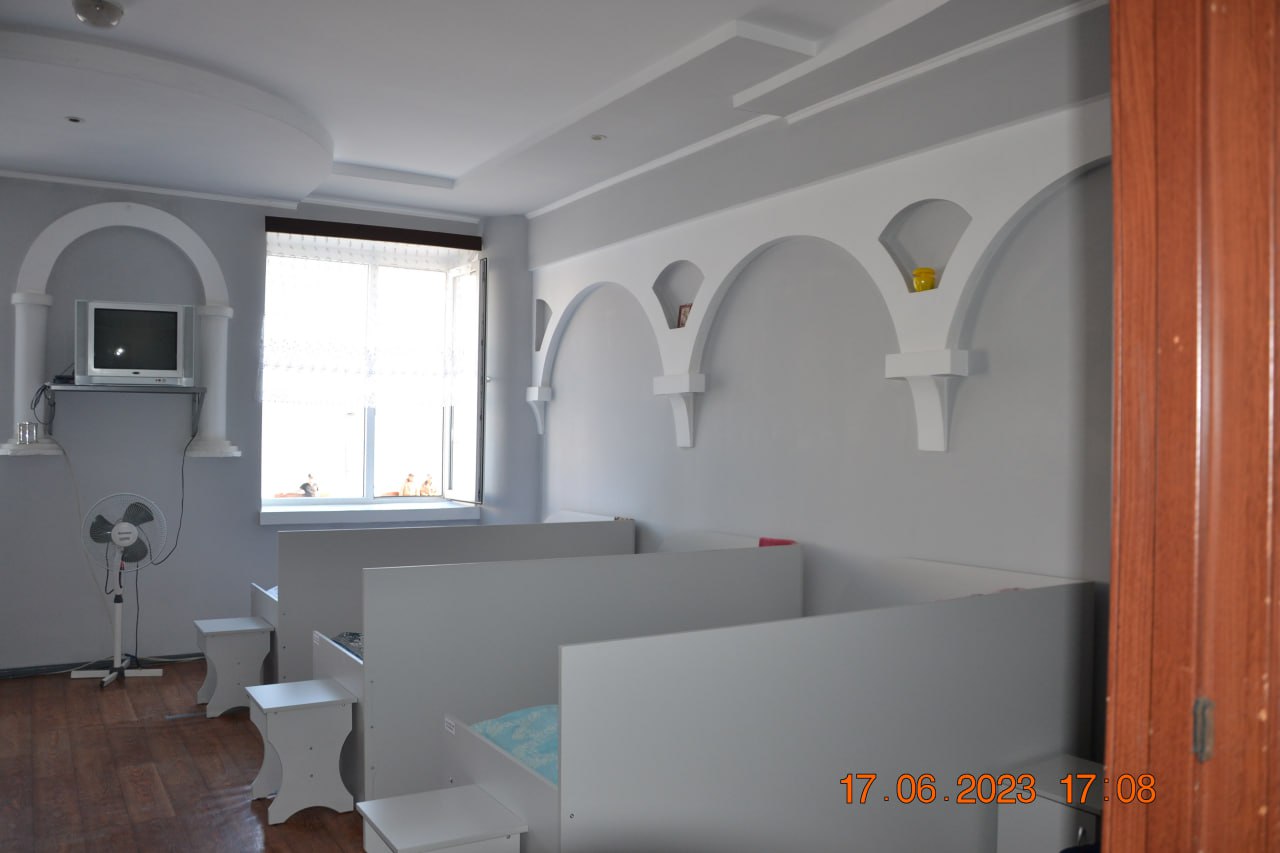
The colony administration moved the toilets outside after the deputy head and the head of the department were notified of suspicion regarding environmental pollution with sewage. According to the investigation, domestic sewage and industrial wastewater were discharged without filtration or treatment along the coastal protection strip and entered the Udy River, causing damage of nearly half a million hryvnias.
Basements
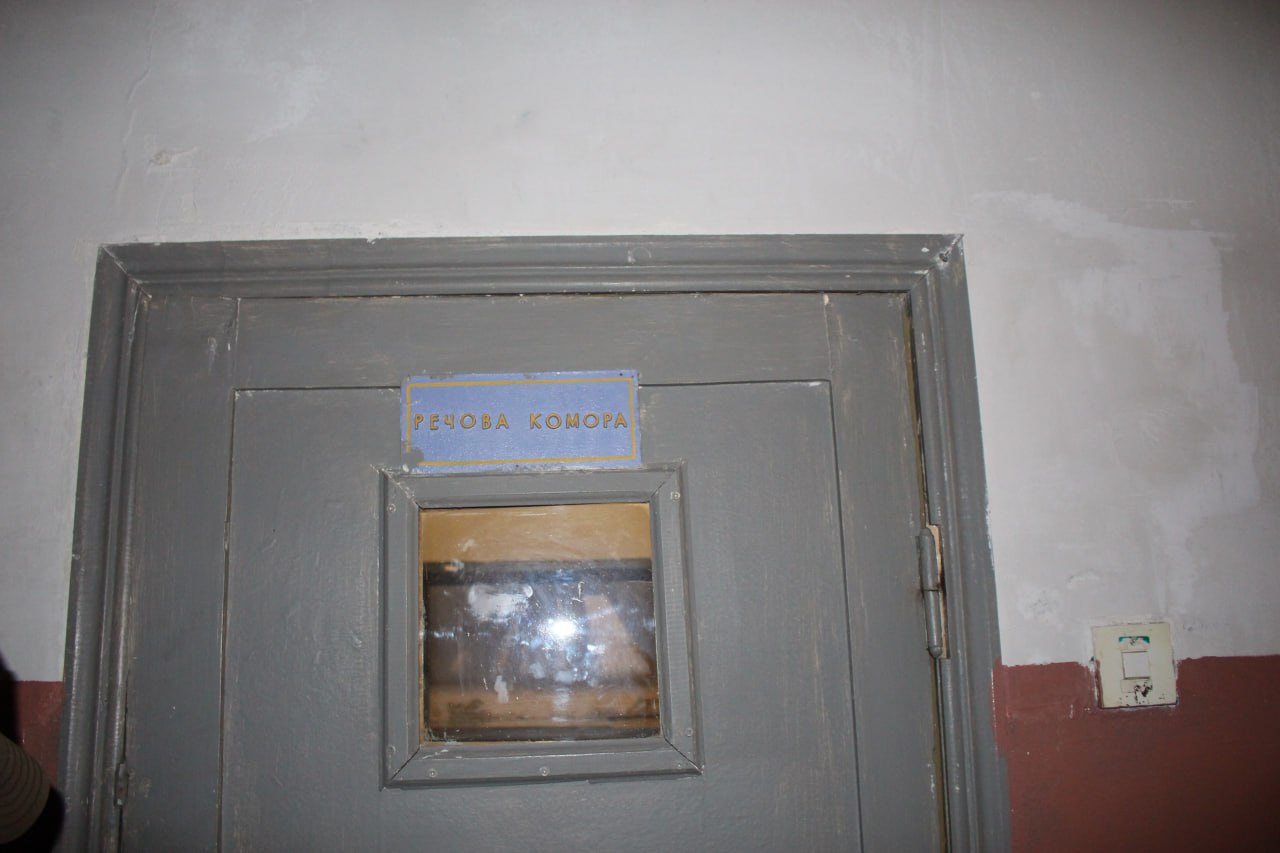
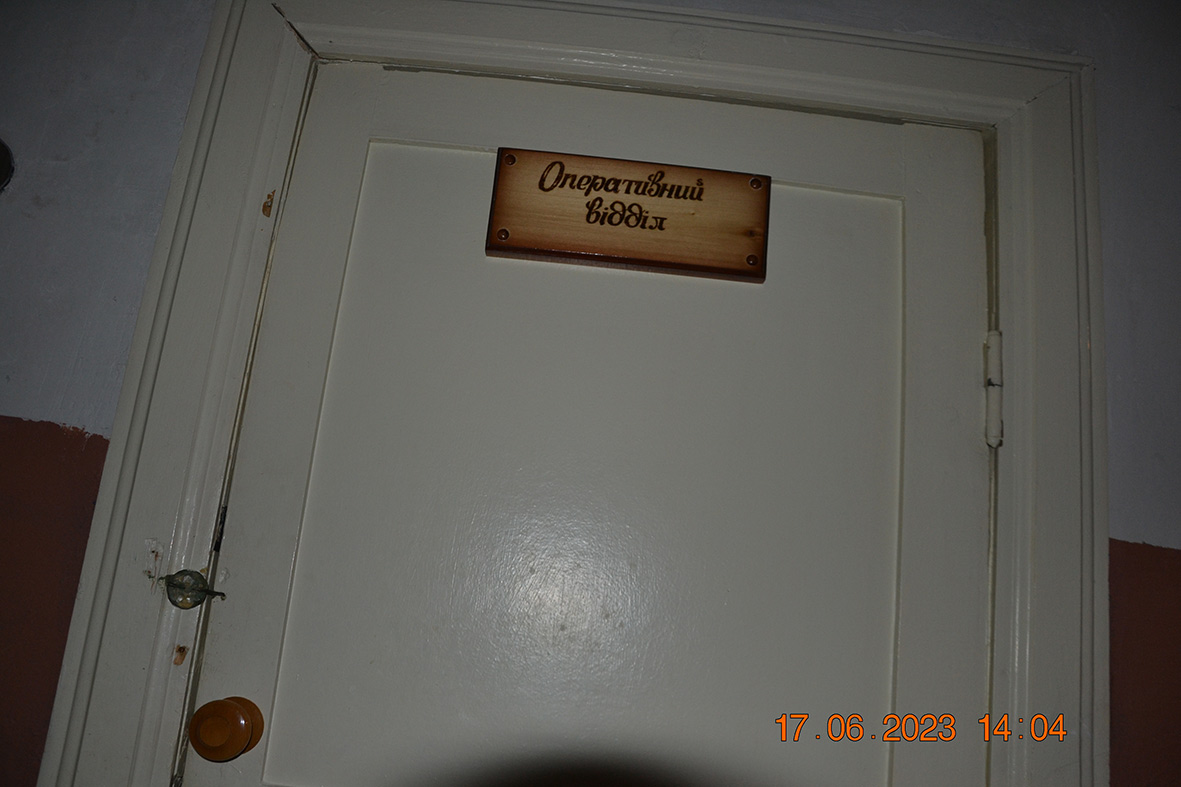
According to the administration, the basement premises are used as a shelter in case an air raid alert is announced, but the convicts refuted this. The mentioned premises are used as a collection unit during the reception and departure of ‘stages’ (transfers) and for illegal methods of influence on convicts.
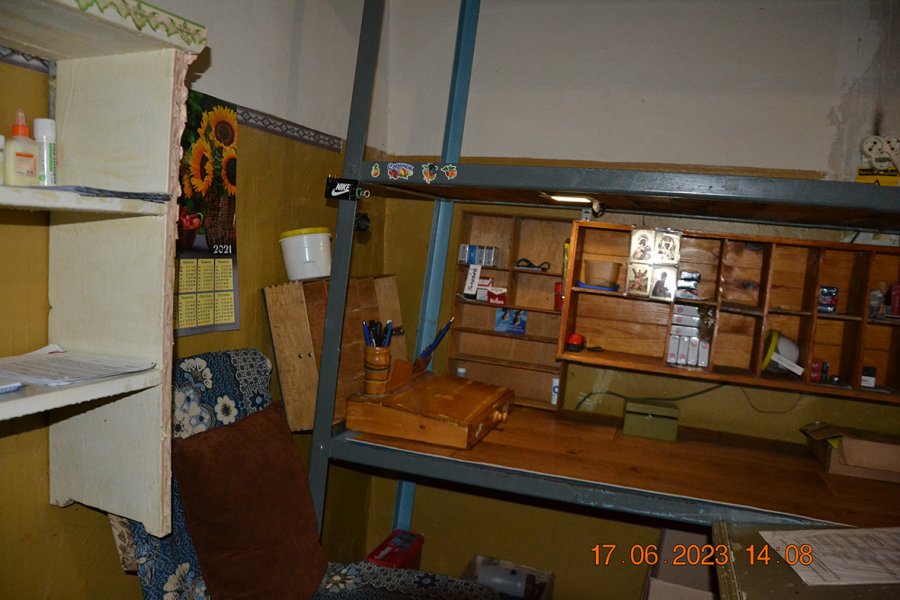
It is worth noting that the basements are not equipped with video surveillance cameras. In one of the basement rooms, an operative’s office is set up; another room nearby is used as a warehouse for confiscated items.
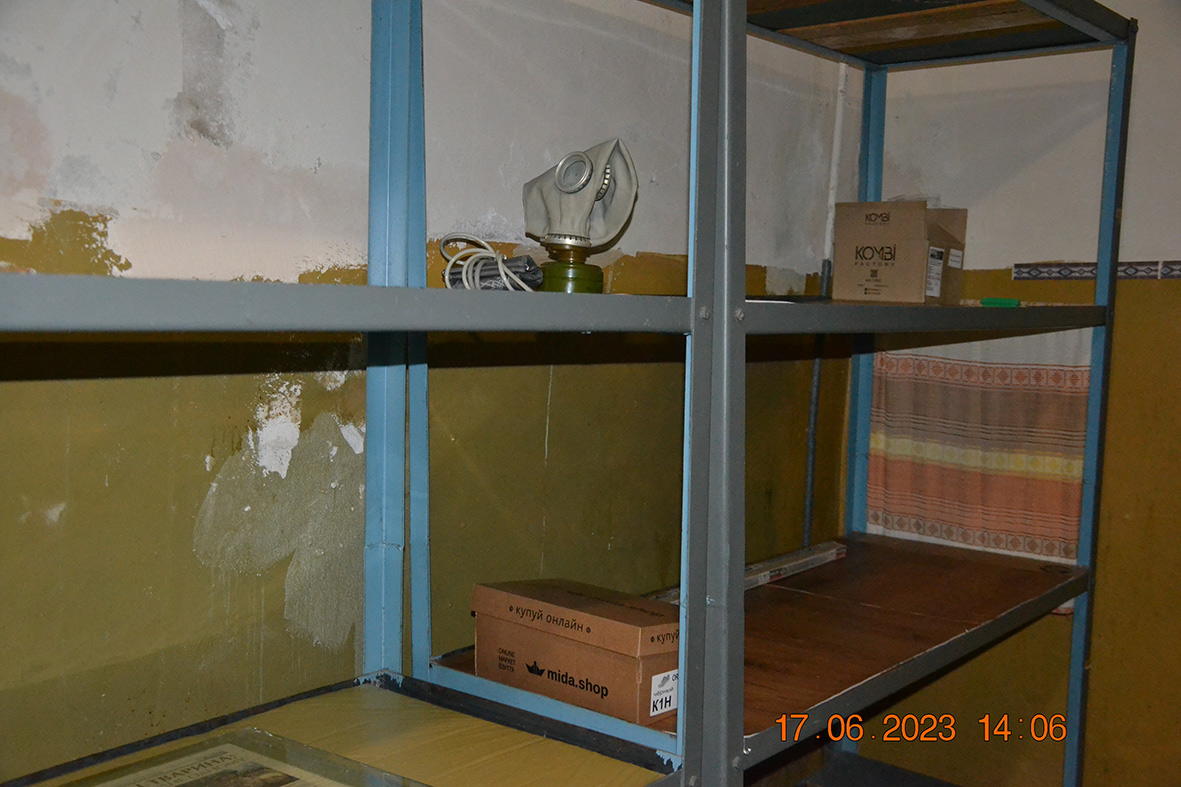
The monitors found a gas mask. The administration representatives could not explain for what purposes this single gas mask is used, indicating that it is a paramedic’s room, although no signs of medical equipment or supplies for examination and treatment were found. Cigarettes, an ashtray, books, and magazines were stored in the room. According to the convicts, this is the room of the orderly. There are many closed rooms in the basement which, according to the administration’s explanation, are not used at all.
Temnivska Multidisciplinary Hospital No. 100
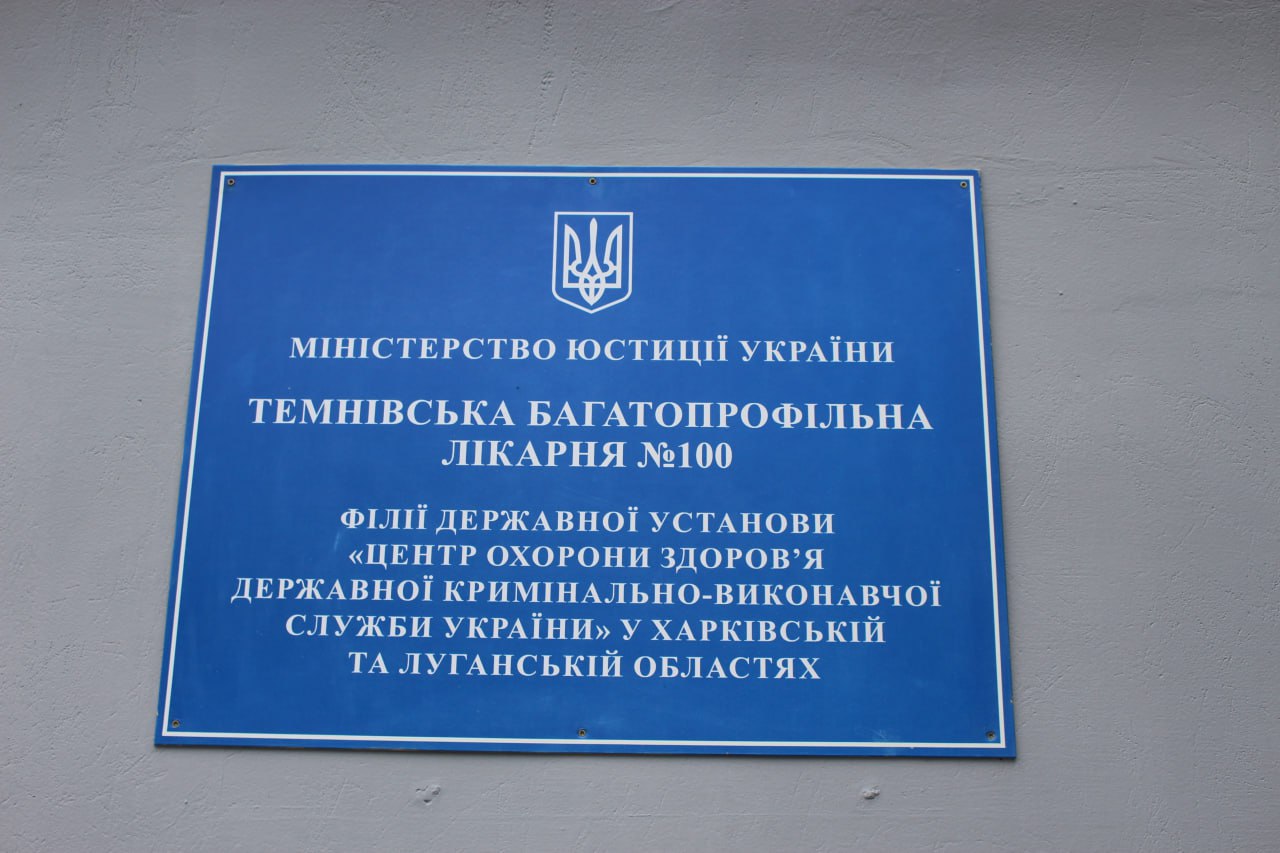
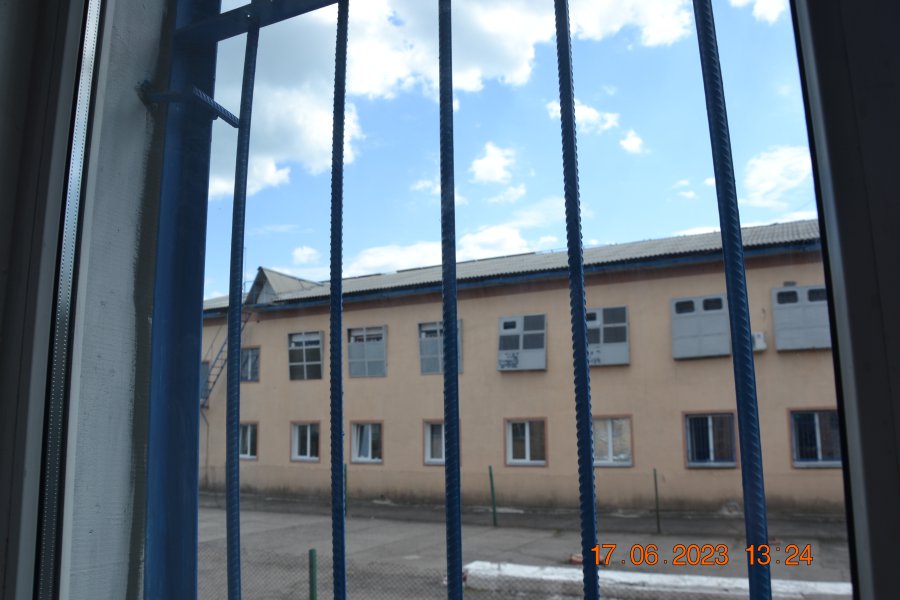
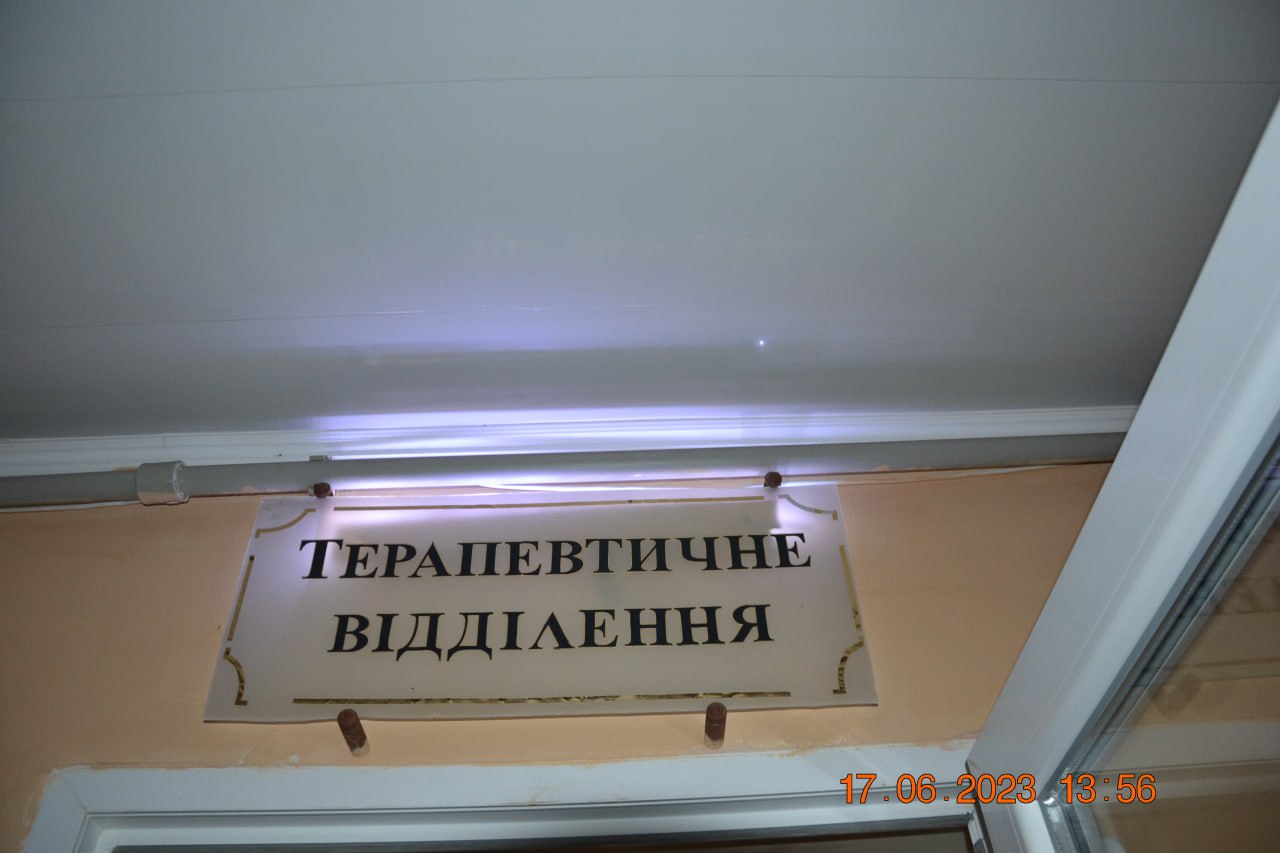
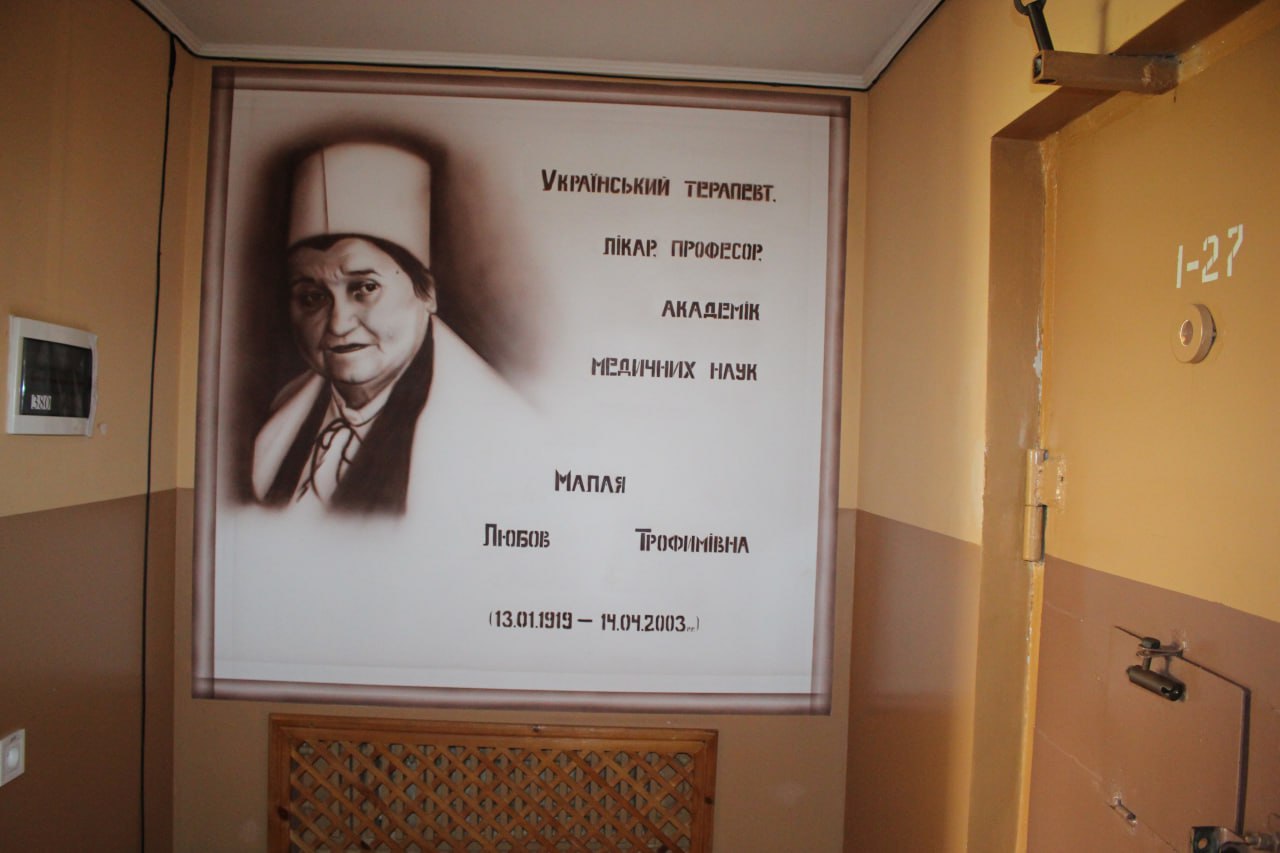
The head of the Temnivska Multidisciplinary Hospital is Olena Mykhailivna Yelizeva. The hospital is designed for 120 beds and consists of 4 departments: therapeutic — 50 beds, surgical — 40 beds, neurological — 30 beds, and an outpatient-prophylactic department (medical unit), which provides medical assistance to the convicts of the neighbouring correctional colony.
On the day of the visit, 61 people were undergoing treatment in the hospital: 20 people in the therapeutic department, 25 in the surgical, and 16 in the neurological. Since the beginning of 2023, as of June 1, 731 sick convicts have been treated in the hospital. Over the 5 months of 2023, 7 people died. The hospital’s staffing table provides for 57 positions, of which: 21 doctors, 30 middle-level medical staff positions, and 3 junior medical staff positions, two pharmacists, and one assistant pharmacist.
As of 01.06.2023, 54 positions were filled, of which: 21 doctors, 28.5 middle-level medical staff, and 2.5 junior medical staff. Vacant positions: doctors — 1 position (0.5 position of infectious disease doctor and 0.5 position of functional diagnostics doctor). Middle-level medical staff — 2.0 (1.0 nurse, 0.5 paramedic-laboratory technician, 0.5 nurse of the physiotherapy room), assistant pharmacist (1.0 position), and 0.5 position of junior nurse.
During the current year, only 14 meetings of the Medical Consultative Commission (MCC) were held, and 14 cases of sick convicts were reviewed, 11 of which concerned the existence of a disease defined by the List of diseases that are grounds for submitting materials to the court for the release of convicts from further serving their sentences due to serious illness. 11 people were released from serving their sentences. Dispensary observation is carried out for: 72 HIV-infected people (of whom 64 are receiving ART); 32 people with tuberculosis (cat. 5.1); 31 people with mental disorders; 25 people with disabilities. Of these: group II — 4 people; group III — 21 people.
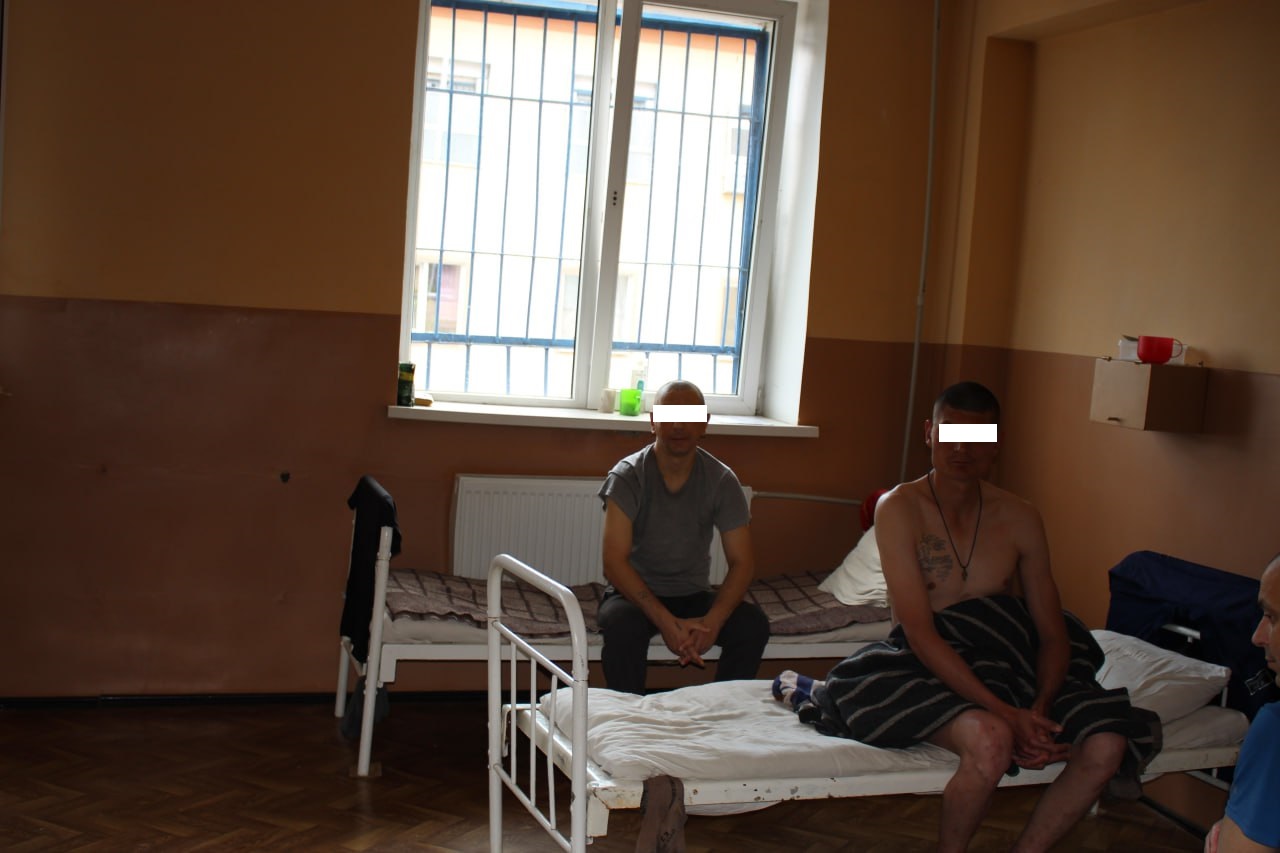
Convict Sh. was undergoing treatment and claimed that he was being held illegally, as his sentence had not entered into legal force. Convict V. was in a hospital cell-ward, whereas before his illness, convict V. was in the DSR (sector of social rehabilitation) and had the possibility of free movement. Having ended up in the cell-ward, his rights are significantly restricted, as he is held in a cell and deprived of the right to free movement.
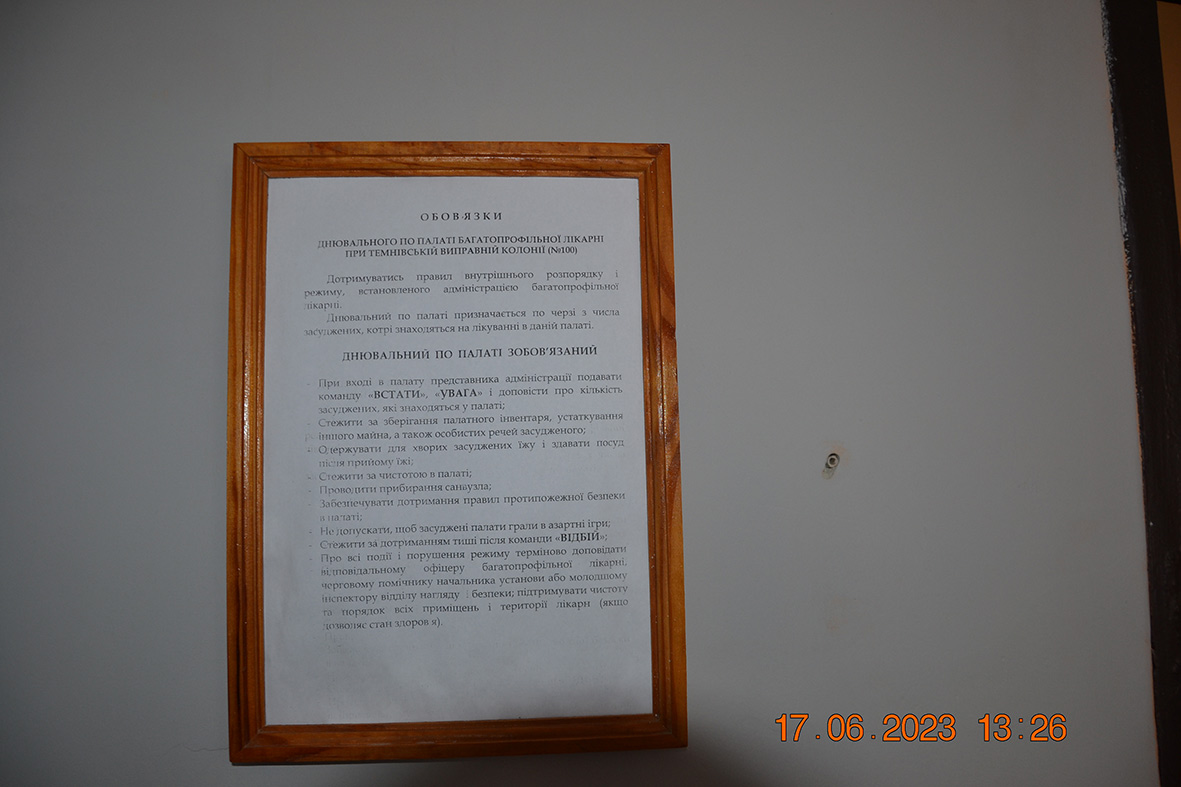
In every cell-ward, there is an orderly among the patients. When representatives of the administration enter the cell-ward, all sick convicts must stand up. In every patient cell-ward, the ‘Duties of the orderly in the ward of the Temnivska Corrective Colony No. 100 Hospital’ are posted. The convicts, who act as assistants to the administration, are not registered in any way, which is unlawful. We remind that the Internal Regulations (PVR) or any other regulatory legal acts do not provide for the functioning of orderlies among convicts in a medical facility.
During the monitoring visit, violations of the requirements of national legislation and non-compliance with international recommendations in the sphere of prisoner treatment were detected, leading to violations of the rights of convicts and detainees.
1. Violation of the right to release due to health conditions: convicts are dying due to the slowness of the system
Officials of Temnivska Multidisciplinary Hospital No. 100 do not conduct medical examinations of convicts in a timely manner and do not draw up conclusions. Without such conclusions, convicts cannot petition for release due to health conditions, even if they need it.
Thus, on 16.12.2022, convict H. arrived at Temnivska Multidisciplinary Hospital No. 100 from Oleksiivska Corrective Colony with a diagnosis of cirrhosis of the liver of mixed genesis and HIV infection in the IV clinical stage. The special medical commission of the hospital reviewed the materials concerning this convict on 30.12.2023. The date of submission to the court was 06.01.2023.
Already on 07.01.2023, convict H. died in the medical facility, without waiting for the court hearing, which had been scheduled for 09.02.2023.
On 30.01.2023, patient Sh., born in 1962, was admitted to the Temnivska Multidisciplinary Hospital. Here is his full diagnosis: “Chronic kidney disease stage IV; pyelonephritis combined with nephrosclerosis; ischaemic heart disease; cardiosclerosis; hypertensive disease stage III; heart failure stage I; community-acquired bilateral pneumonia; respiratory failure stage I; chronic hepatitis; discirculatory encephalopathy stage II with vestibulo-atactic liquor-hypertensive syndromes, pronounced cognitive impairments, psycho-organic syndrome; residual effects of a previously suffered stroke (01.01.2021) and other diseases.”
The medical commission reviewed the materials concerning this convict on 03.02.2023, and on 06.02.2023, convict Sh. died in the hospital.
On 09.05.2023, convict L., born in 1985, was admitted to the therapeutic department of Hospital No. 100 from Kharkiv Colony No. 43 with a diagnosis of “HIV infection, chronic hepatitis of mixed genesis (toxic, associated with hepatitis B and C viruses) with cytolysis syndrome, secondary liver damage, chronic pancreatitis, chronic bilateral pyelonephritis, oncological disease of unspecified localisation, and other diseases.” The convict died on 14.05.2023. Cause of death: acute cardiopulmonary failure, cirrhosis of the liver.
Thus, during the 5 months of 2023, 7 sick convicts died in Temnivska Multidisciplinary Hospital No. 100, 5 of whom were serving sentences in the neighbouring correctional colony. During 2022, 6 people died in this hospital.
Numerous violations regarding the provision of adequate medical care in Ukrainian prisons are being considered by the European Court (e.g., ‘Zayarnyuk v. Ukraine’, ‘Ladan and Gultyayev v. Ukraine’). The ECHR emphasizes that medicine for prisoners must be the same as that which government bodies have undertaken to provide for the entire population.
2. Non-provision of primary, secondary, and tertiary care
Due to the lack of signed declarations with a family doctor by the convicts, they do not have the opportunity to receive necessary medical services funded by the National Health Service of Ukraine (NHSU), which leads to a violation of the requirements of paragraphs 4 and 5 of Article 4 of the Law of Ukraine ‘Fundamentals of the Legislation of Ukraine on Healthcare’.
3. Violation of the rights of persons with disabilities: “traumatology on the second floor”
During the study of the medical documentation of convicts, it was established that not all persons with disabilities have individual rehabilitation programmes. Furthermore, the recommendations of these programmes are not taken into account, as a result of which persons with disabilities do not receive proper diagnostics.
The institution has not created conditions for the detention of persons with disabilities; the surgical department ward is located on the second floor. Due to the lack of a lift and internal ramps, access to these premises is complicated for people recovering from surgery or persons with disabilities. This is a violation of State Building Standards.
In total, there are 25 persons with disabilities in the institution: group II — 4 people; group III — 21 people.
4. Violation of the rights of patients with viral hepatitis C
As of 01.06.2023, 101 examinations for the presence of viral hepatitis C (hereinafter — VHC) were conducted in the hospital using rapid tests, 62 of which resulted in a suspected diagnosis. A VHC diagnosis was confirmed in 41 people, 17 of whom are receiving treatment.
In violation of the requirements of the Standards of Medical Care for VHC in adults, not all persons with suspected viral hepatitis C undergo PCR testing, due to which they do not receive necessary treatment, which may lead to the deterioration of their health and the spread of the mentioned infectious disease among convicts and detainees.
5. Violation of the right to information about health status, treatment methods, and improper record-keeping
Medical files
Medical files have not been opened for all patients undergoing inpatient treatment in the hospital.
In particular, during the inspection, it was revealed that convict Z., convict V., and convict P. were hospitalised on 07.06.2023 in the surgical and neurological departments. However, medical staff could not demonstrate the availability of their medical files. The monitoring group managed to find out that these patients were placed in the DIZ ward on the same day — 16.06.2023. During the conversation, the convicts demonstratively agreed with the decision to be placed in the DIZ, expressed sincere remorse, and noted the “highly professional work of the institution’s staff.” There were no complaints regarding their health condition or the overly severe punishment for committing a minor offence.
The monitors noticed clear insincerity and an atmosphere of fear among the convicts during the conversation. Particular attention was drawn to convict V., born in 1998, who, as it turned out, before being placed in the DIZ, had been re-admitted to the surgical department with a diagnosis of “chronic combined haemorrhoids” due to improper compliance with the post-operative regime and failure to follow the doctor’s recommendations. As the convict himself explained, he could not simply wait to fully recover and was forced to go to work, which includes heavy physical labour.
It was also established that the inpatient medical files lacked informed consent for conducting diagnostics and treatment. This may indicate a lack of voluntary consent from patients for the application of diagnostic, preventive, and treatment methods towards them, and is a violation of Article 43 of the Law of Ukraine ‘Fundamentals of the Legislation of Ukraine on Healthcare’.
Sick convicts are placed in ward-cells not on the basis of an established diagnosis and the decision of medical staff regarding referral to a specialized hospital department, but by the decision of the institution’s personnel.
Not a single entry in the register of bodily injuries
According to the register of bodily injuries, there is not a single entry in the institution for 2022 and 2023. Such a low level of recording injuries, considering the actual number of convicts, indicates that convicts simply do not go to the doctor when they sustain bodily injuries, and medical staff approach the documentation formally.
At the same time, during the study of medical documentation, it was established that certificates and photographs of existing bodily injuries are kept separately from the files in the register of bodily injuries, which is a violation.
Also, the hospital has not organized the provision of opioid substitution therapy (hereinafter — OST) for persons with mental and behavioural disorders resulting from opioid use. Drug-addicted persons are not provided with socio-psychological support, cognitive-behavioural therapy (CBT), relapse prevention, motivational interviews, self-help groups, etc., which is also a violation of legislation.
6. Lack of equipment, medical products, and medicinal preparations in the medical unit
The hospital lacks a dental X-ray machine, which makes it impossible to conduct an in-depth dental examination of convicts and does not ensure the timely provision of proper dental care.
During the inspection of the medical unit’s dental office, expired medicinal preparations were found.
During the verification of the defibrillator’s functioning, the absence of electrodes was established.
7. Violation of the right to proper sanitary and hygienic conditions
In violation of the requirements, convicts do not receive hospital property (hospital suit, bathrobe, and slippers). Convicts remain in the inpatient facility in everyday clothes, sometimes with their own bed linen.
8. Violation of the convicts’ right to psychiatric assistance
Dispensary observation is carried out for 31 persons with mental disorders. At the same time, in violation of clause 8 of part 5 of chapter 2 of the Procedure for organizing the provision of medical assistance to persons sentenced to imprisonment, approved by the joint order of the Ministry of Justice of Ukraine and the Ministry of Health of Ukraine of 15.08.2014 No. 1348/5/572 — there is no isolation ward in the inpatient facility for persons with mental disorders for convicts who pose a danger to those around them.
9. Violation of fire safety rules
The premises of the medical unit are not equipped with fire extinguishing and fire alarm systems.
The rooms of the doctor’s office and the X-ray room are not provided with fire extinguishers, which is a violation of requirements and may pose a threat to the life and health of patients.
10. Improper storage of medicines received from relatives
In the outpatient-prophylactic department, there is a cabinet for storing medicines from relatives. At the same time, medical documentation (medical card No. 025/o or No. 003/o) lacks applications from relatives of convicts or other persons regarding the transfer of medicines and medical products, which violates clause 22 of section I of the General Provisions of the Procedure for organizing the provision of medical assistance to persons sentenced to imprisonment, which states that for the transfer of medicinal products, medical devices, technical and other rehabilitation means, the convict’s relatives or other persons submit an application according to the form defined in Annex 1 to the inpatient medical card No. 003/o. After receiving the transfer, the convict becomes acquainted with the list of medicinal products, medical devices, technical and other rehabilitation means that were transferred for his treatment, for which he puts a signature in the application of this Procedure, which is attached to the outpatient medical card No. 025/o.
11. Violation of the right to respect for human dignity
Contrary to the requirements of clause 1 of section IV of the Internal Regulations of penitentiary institutions, approved by the order of the Ministry of Justice of Ukraine of 28.08.2018 No. 2823/5, the institution’s administration addresses the majority of convicts dismissively and informally.
Conclusions and recommendations
- Stop creating an atmosphere of fear and humiliation in the institution;
- Stop the practice of holding in DIZ/PKT/DPK in solitary confinement;
- Stop the practice of forbidding sitting on beds in the cell and punishing for closed eyes;
- Change the daily schedule for ‘rise’ in the DIZ/PKT from 05:00 to 06:00.
- Stop the practice of prohibiting the possession of personal belongings and basic necessities in the DIZ/PKT;
- Reduce the number of searches in DIZ/PKT cells;
- Stop the practice of forbidding sitting on beds in residential premises;
- Stop the practice of healthy convicts (orderlies) permanently living in the hospital;
- Stop the practice of forcing convicts in maximum-security cells to wear masks;
- Stop the practice of staff using obscene language and other humiliating words towards convicts;
- Stop the practice of granting authority to some convicts to influence other convicts, liquidate the unofficial (SPP — order section).
- Stop the practice of prohibiting the use of tablet computers and accessories for them for personal use;
- Stop the practice of using sick convicts as orderlies in the ward;
- Stop the practice of having patients in the hospital stand up and line up when doors are opened;
- Stop the practice of prohibiting the free movement of patients in the hospital, taking into account the specifics of convict categories;
- Assist convicts in restoring family ties lost due to the war.
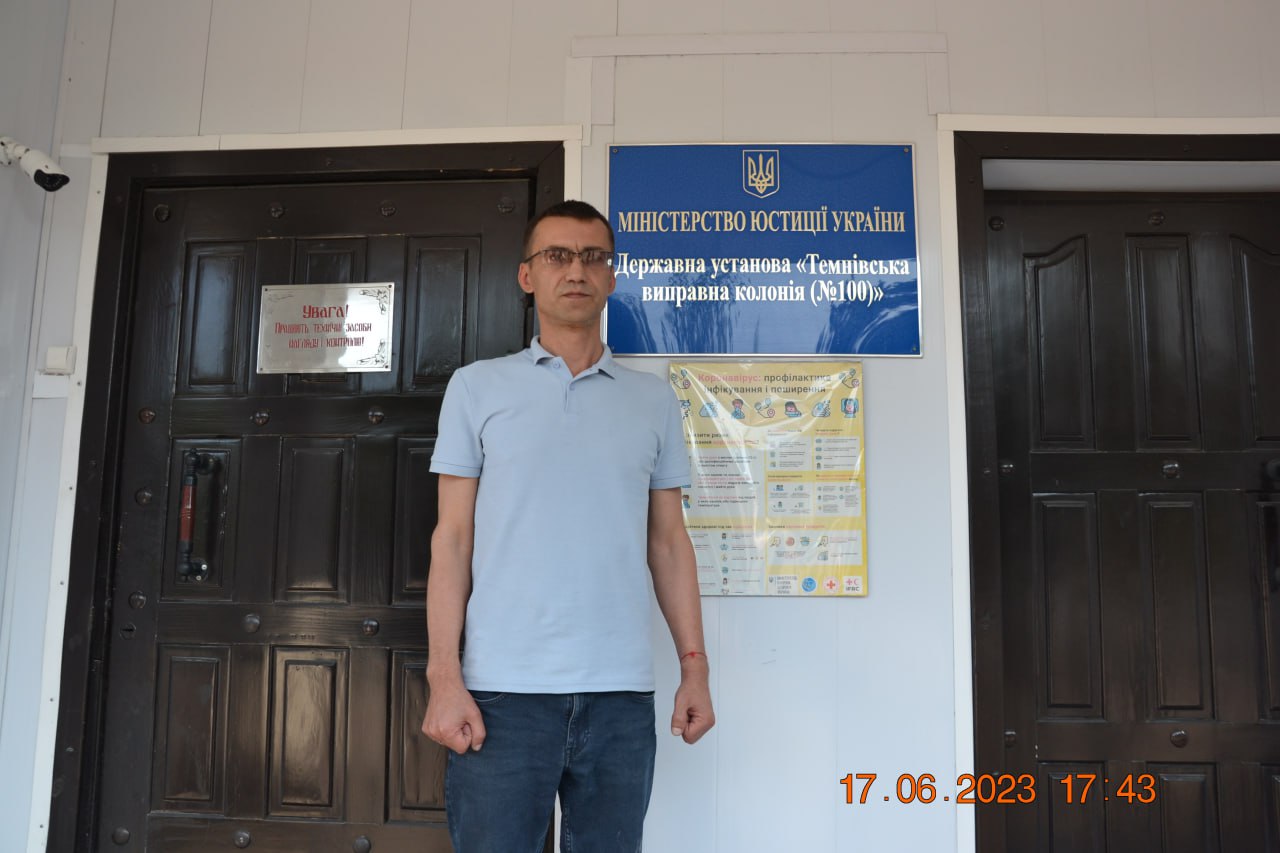
The monitoring was carried out by a group consisting of an assistant to the People’s Deputy of Ukraine Kostiantyn Kasai, members of the Public Council under the Ministry of Justice of Ukraine Serhii Zuikov, Hanna Skrypka, and Oleh Tsvilyi, as well as an assistant to the People’s Deputy of Ukraine Yaroslav Yurchyshyn, and coordinator of Kharkiv Human Rights Protection Group (KHPG) programmes Andrii Didenko. The visit took place within the framework of the project ‘Reducing the suffering of prisoners in the context of the war in Ukraine’, funded by the government of Denmark in partnership with DIGNITY — Danish Institute Against Torture. The purpose of the visit: analysis of the observance of human rights in places of deprivation of liberty during the war. Date of visit: 17.06.2023.