Report on the monitoring visit to the State Institution ‘Temnivska Penal Colony No. 100’
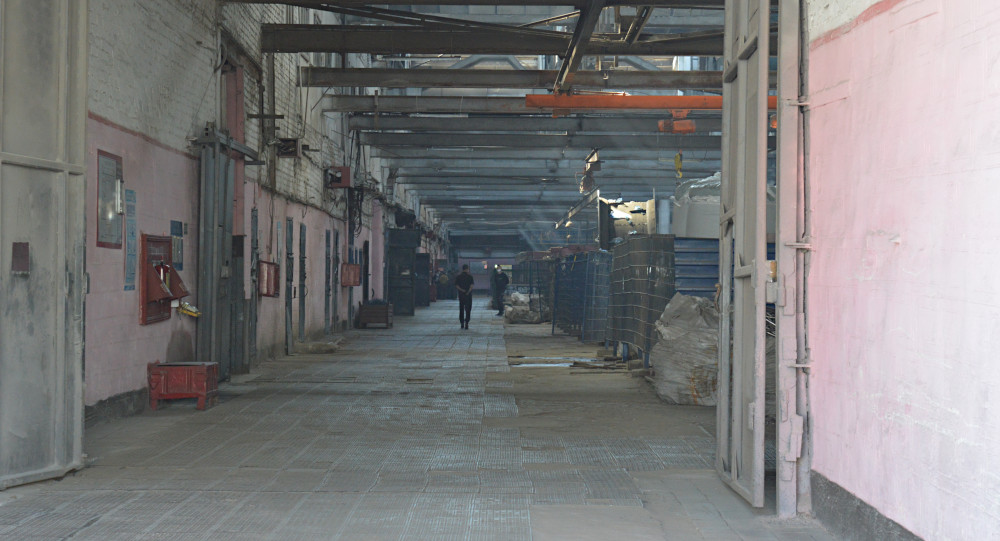
On 26 August 2020, representatives of the Kharkiv Human Rights Protection Group—Assistant to a People's Deputy of Ukraine Volodymyr Hlushchenko and lawyer and journalist Pavlo Shvab—carried out a monitoring visit to the State Institution ‘Temnivska Penal Colony No. 100’.
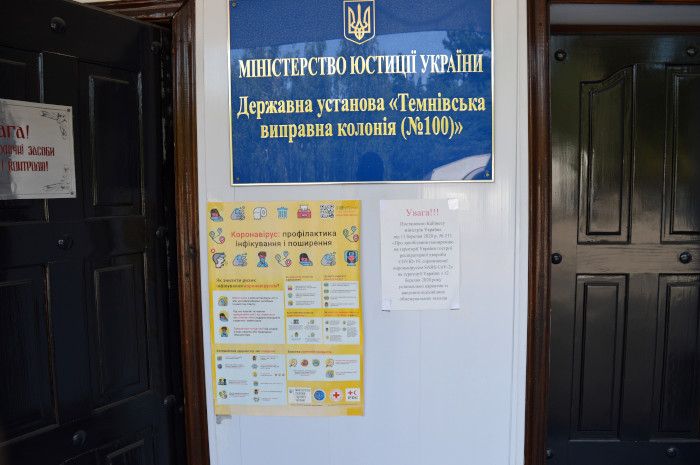
The colony is situated on the border of the Kharkiv and Zmiiv districts in a picturesque location, amidst a pine forest. The monitors arrived at the colony at twelve o'clock and gained access to the secure area quite quickly. At the entrance to the checkpoint, there were notices and explanatory information regarding safety measures, countering the spread of, and preventing COVID-19. All Government recommendations concerning quarantine measures were observed when passing through the checkpoint: the monitors' body temperatures were checked, and they were offered protective masks and hand sanitiser.
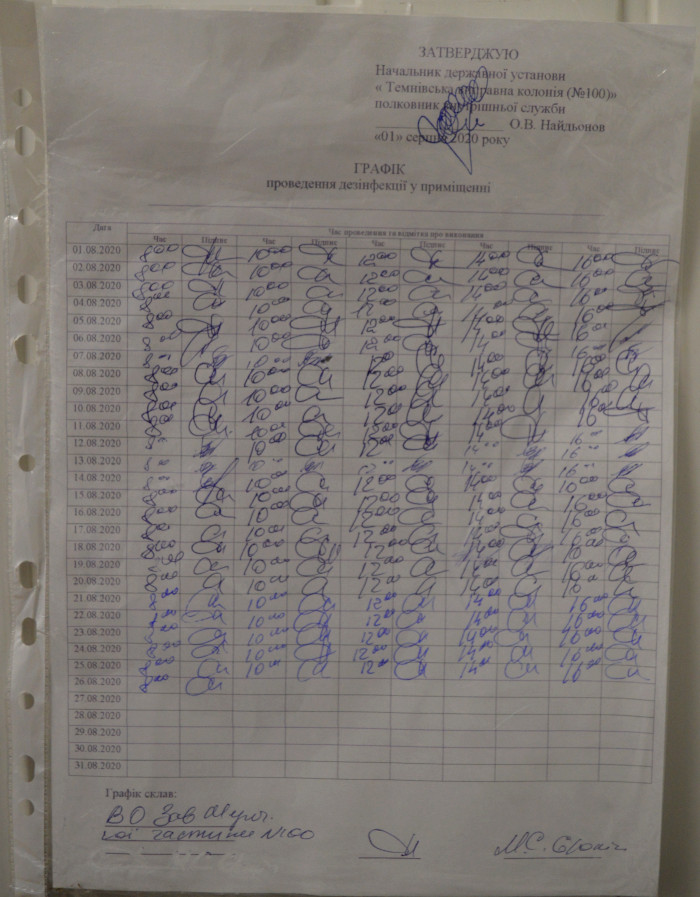
The State Institution ‘Temnivska Penal Colony No. 100’ is a medium-security penal institution (for the detention of men sentenced to a fixed term of imprisonment who have previously served a term of imprisonment). Currently, 871 convicted persons are serving their sentences at the institution. In the maximum-security sector, there are 55 convicts sentenced to life imprisonment. All administration representatives and individuals serving sentences were wearing protective masks. Disinfection of the premises is being carried out.
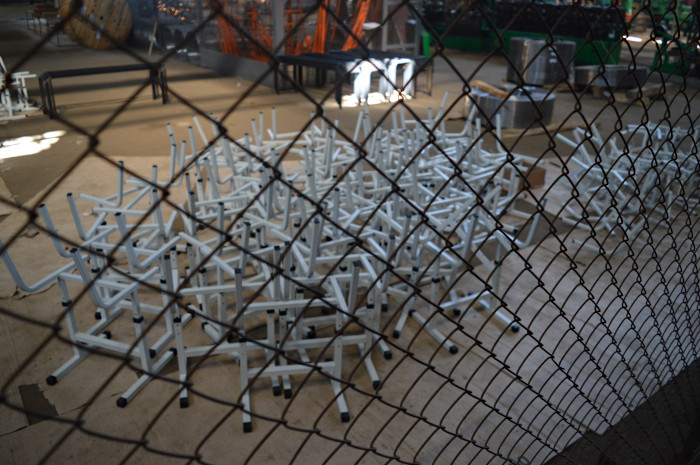
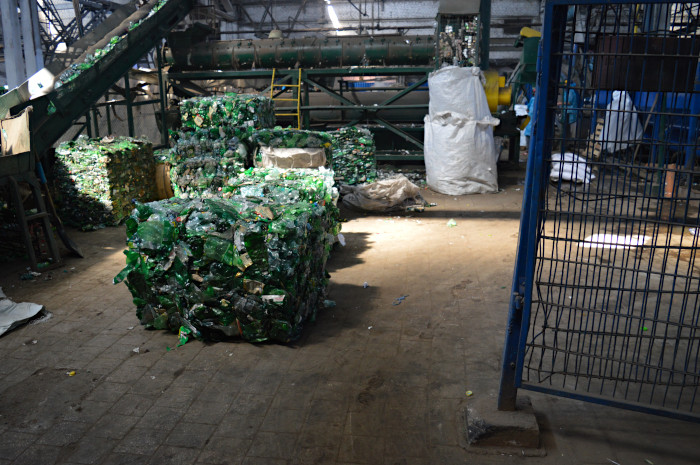
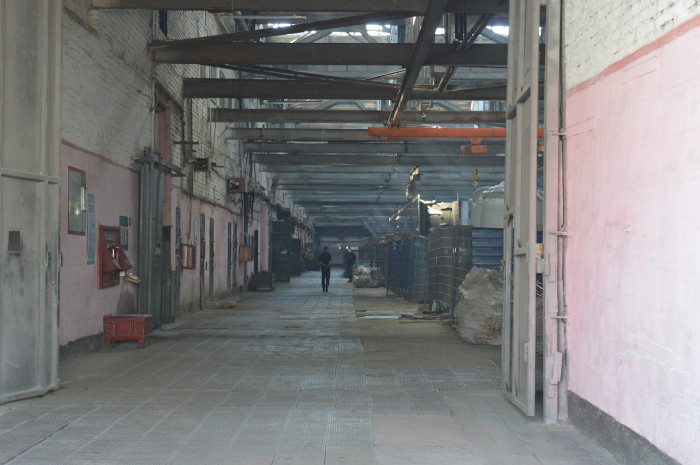
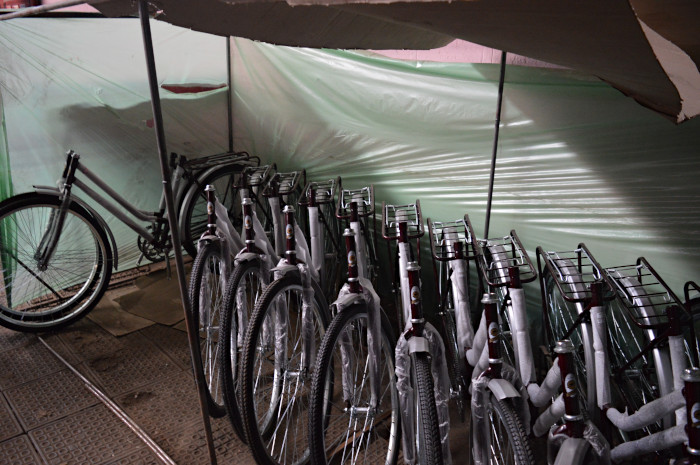
Initially, the monitors visited the production workshops located on the territory of the colony. According to the administration, 332 people work in production. As previously reported, the colony's enterprise was established to manufacture parts and components for T-150 tractors in cooperation with the Kharkiv Tractor Plant. Other work is also performed, such as welding frames for ‘Minsk’ and ‘Ukraine’ bicycles, as well as school desks and chairs. In addition, there is a separate workshop for sorting and recycling plastic at the production facility.
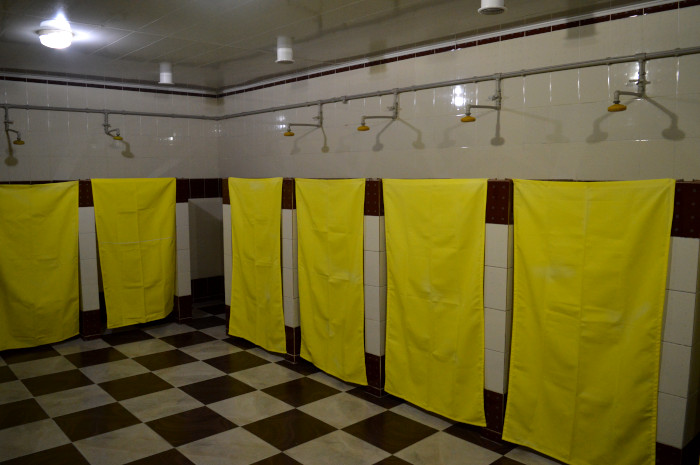
At the exit from the industrial zone, there is a large number of shower cubicles equipped with partitions and curtains, and there are specially fitted lockers for changing clothes. After work, the convicts take off their work clothes, take a shower, and change into clean clothing. There is also a separate canteen in the production area. Food is brought in thermal containers from the main kitchen. In conversation, production workers reported that they receive their wages on time into their personal accounts; no complaints were received.
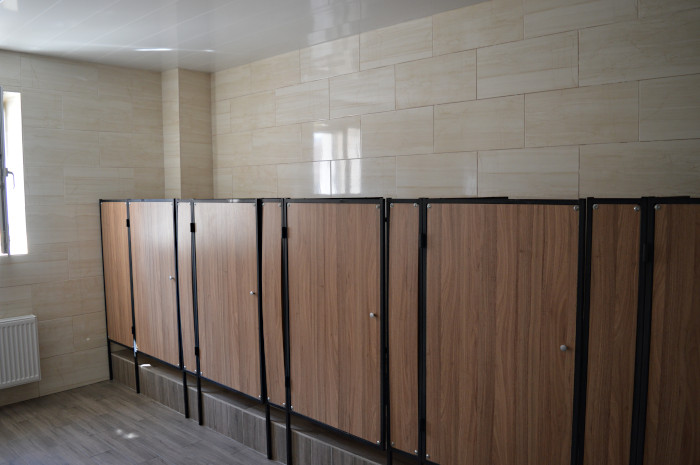
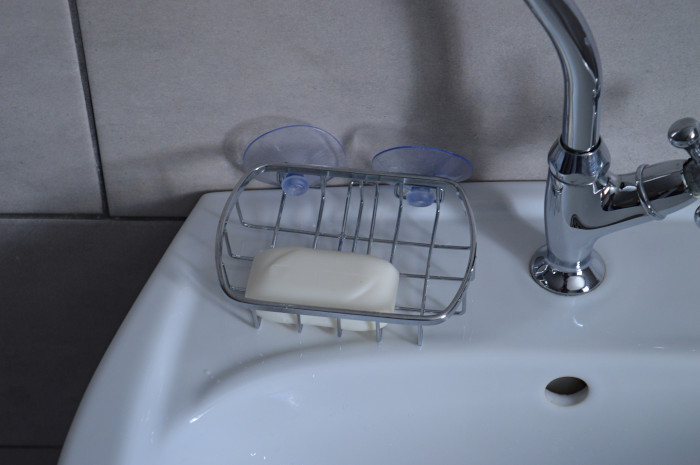
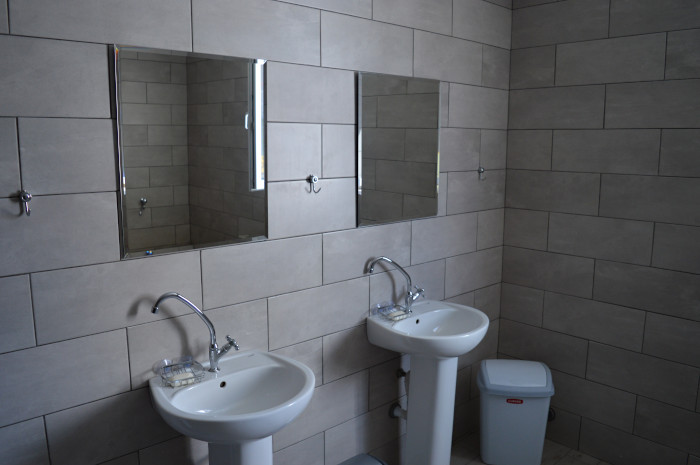
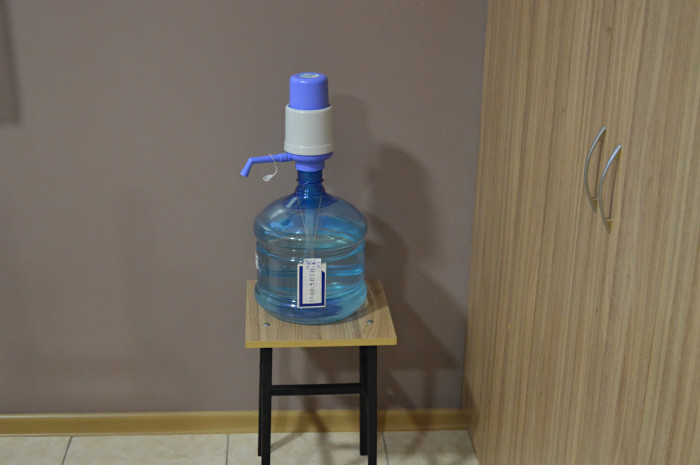
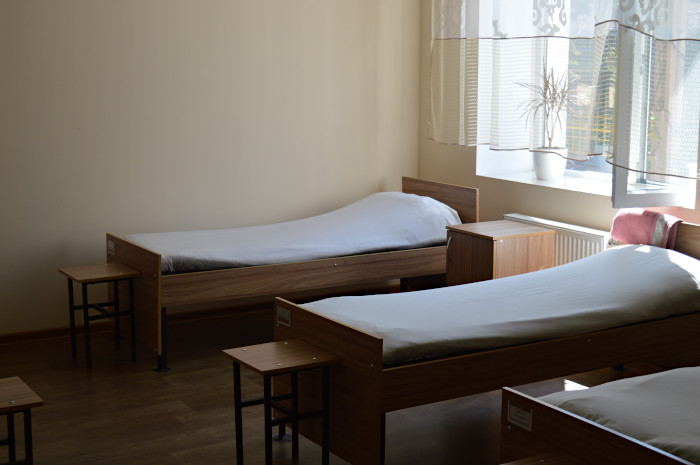
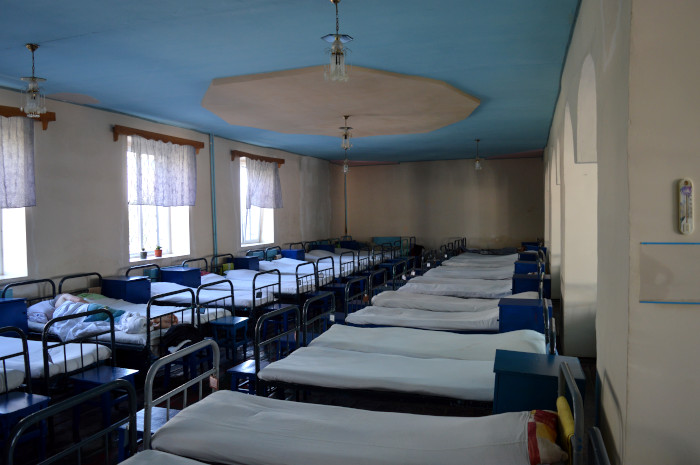
The residential premises were also visited. The rooms are clean and all have been renovated, though they look different depending on the date of the renovation. All beds are single-tier, and the mattresses and bed linen are in good condition. In the dining rooms, there are personal lockers for storing food, and the refrigerators are also well-stocked. There are microwave ovens and boiled drinking water available—both at the entrance to the residential sector and in the kitchen. The toilets are renovated and have separate partitions and doors; there is no unpleasant odour. There is soap in the hand-washing sinks, but it looks as if it has not been used.
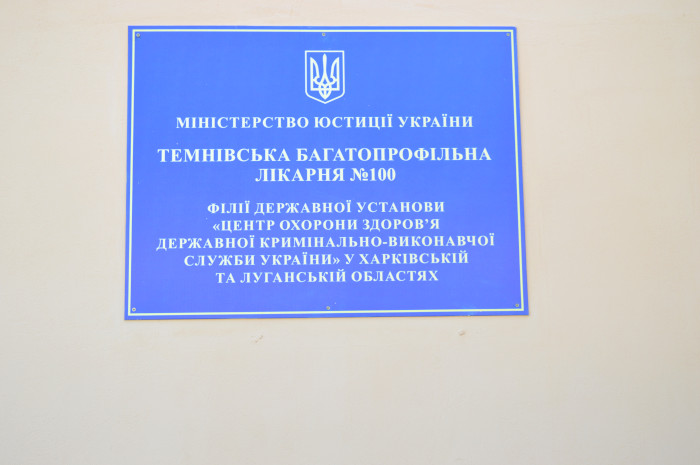
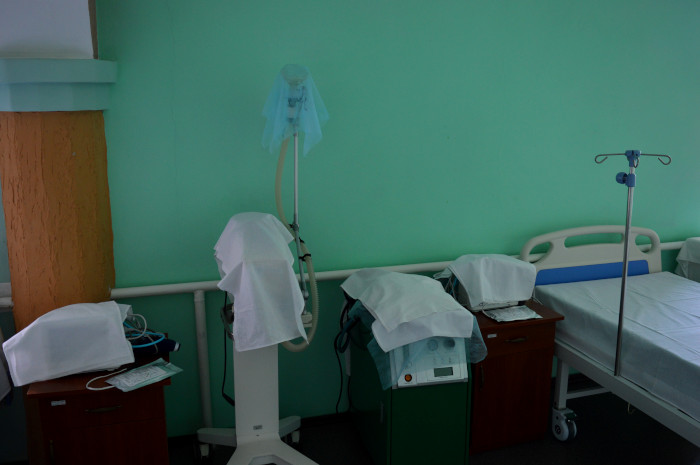
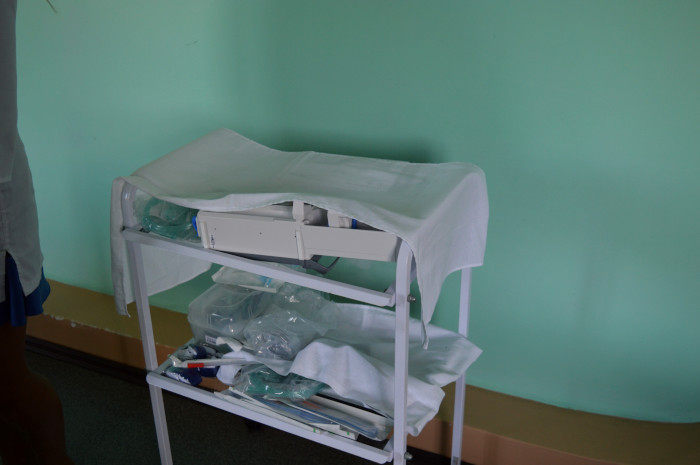
The monitors visited the Temnivska Multidisciplinary Hospital No. 100, which is located on the colony's grounds. The medical facility, designed for 150 people, operates three departments: surgical, therapeutic, and neurological. At the time of the visit, 41 people were undergoing inpatient treatment. Individuals receiving treatment at the medical facility did not complain about the quality of care or the living conditions. Renovations in the medical facility were carried out last year. New medical equipment has been received this year and last. Furthermore, a ward for persons diagnosed with the COVID-19 coronavirus infection was organised in the therapeutic department this year. The ward is designed for 3 people and is equipped with a ventilator, cardiographs, and disinfectant supplies.
Next, the monitors visited the canteen, where the fresh smell of freshly prepared food was noticeable, and food was being distributed. No extraneous odours were detected. Everything is clean, and all taps are working properly. At the time of the visit, there was no soap in the soap dishes and no towels for drying hands; however, the administration assured that soap is placed out immediately before meal times, although it was lunchtime at that moment. The canteen staff were dressed in clean white coats, wearing masks and gloves, and all kitchen staff held medical health books.
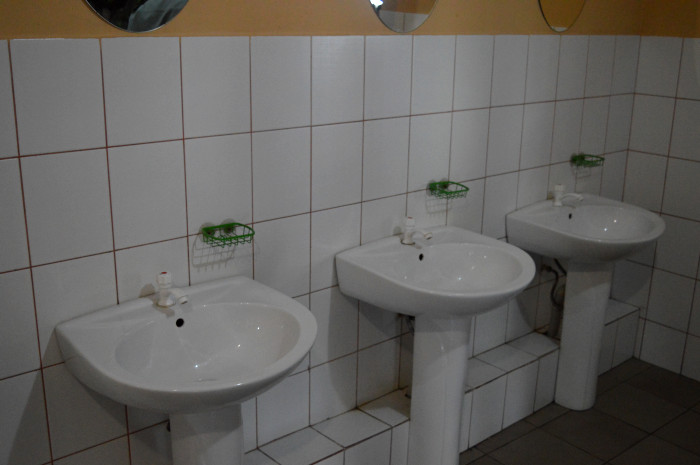
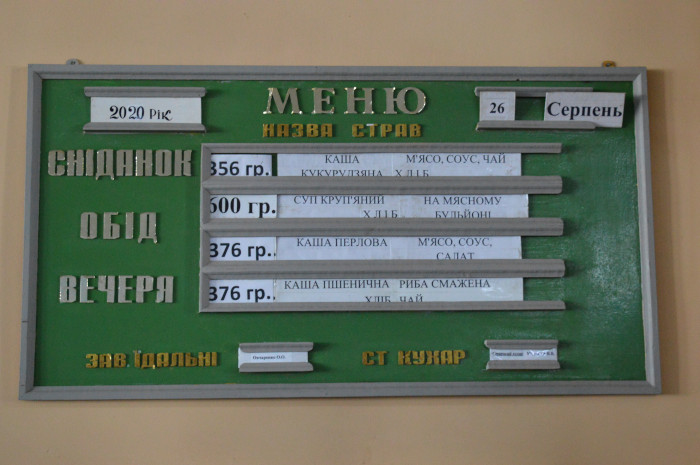
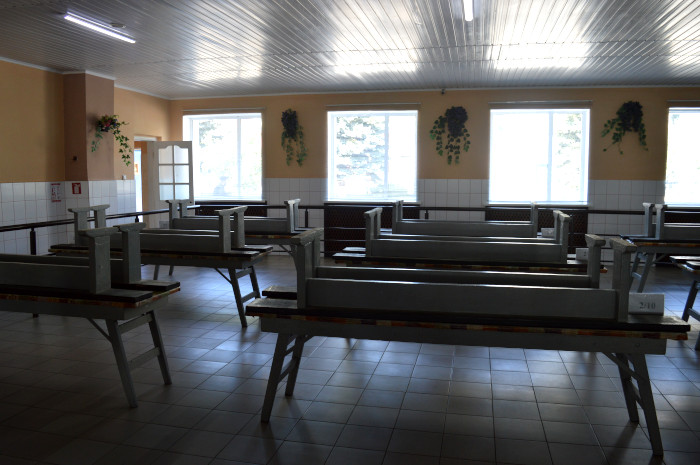
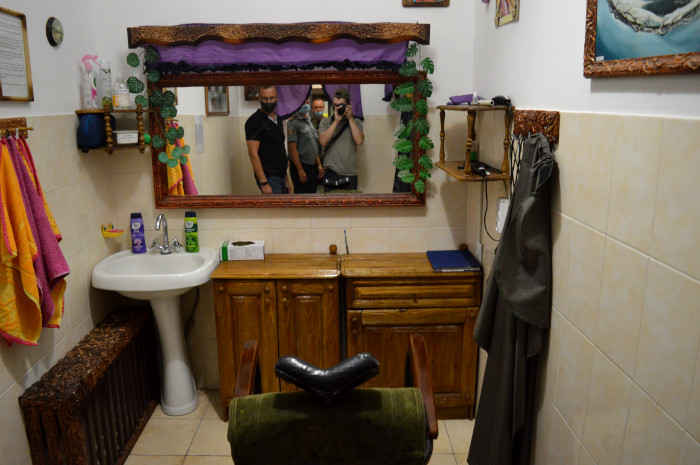
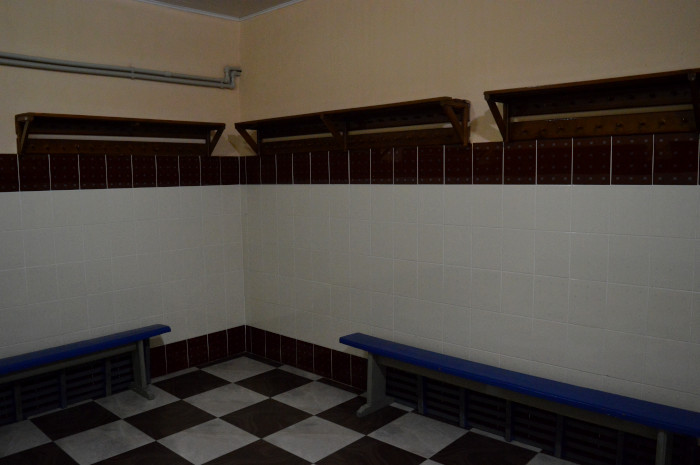
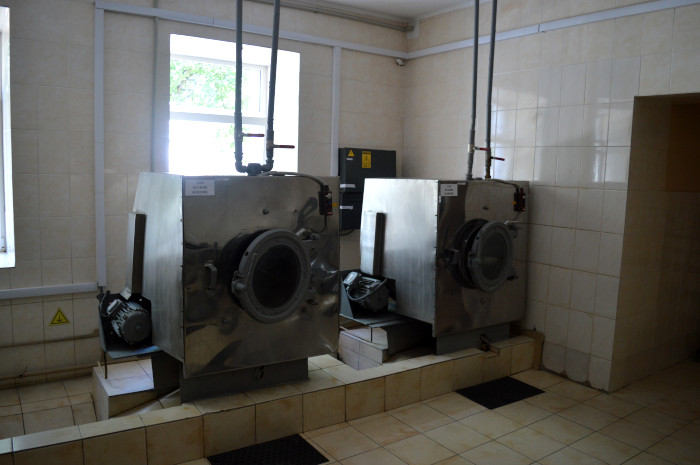
The monitors also visited the bath and laundry complex. The shower cubicles are separate, and each has a curtain that closes. Everything is renovated; there is a hairdressing room and equipment. The washing machines date from 1983 and are in working order, with a quantity sufficient to serve the convicts. The washed laundry was drying outside in the yard of the complex under the sun. Administration representatives explained that they use boilers located on the roof, which heat water using solar energy, and there is indeed hot water in the taps.
EU project ‘Resisting torture, ill-treatment and impunity in Ukraine’