Report on the Results of the Monitoring Visit to Shepetivka Correctional Colony No. 98 and Multi-profile Hospital No. 98 of the Healthcare Centre of the State Criminal-Executive Service of Ukraine
On 15 May 2023, a monitoring group consisting of an assistant to a People's Deputy of Ukraine, Kostiantyn Kasai, a member of the Public Council under the Ministry of Justice of Ukraine Serhiy Zuikov; an assistant to a People's Deputy of Ukraine, Yaroslav Yurchyshyn, a coordinator of HPG programs Andriy Didenko; members of the Public Council under the Ministry of Justice of Ukraine, the Head of the NGO “Defence of Prisoners of Ukraine” Oleh Tsvilyi, and the Director of the Charitable Foundation “Social and Legal Development” Hanna Skrypka; together with the editor of the information agency of the NGO “Alliance of Ukrainian Unity”, an expert of the working group of international partners of Ukraine on prison reform Hugo de Suremain, carried out a preventive monitoring visit to the State Institution “Shepetivka Correctional Colony No. 98” and Multi-profile Hospital No. 98 of the Healthcare Centre of the State Criminal-Executive Service of Ukraine.
The visit was carried out within the framework of the project “Reducing the Suffering of Prisoners in the Context of the War in Ukraine”, funded by the government of Denmark in partnership with DIGNITY — The Danish Institute Against Torture. The purpose of the visit was to analyse the observance of human rights in places of deprivation of liberty during the war.
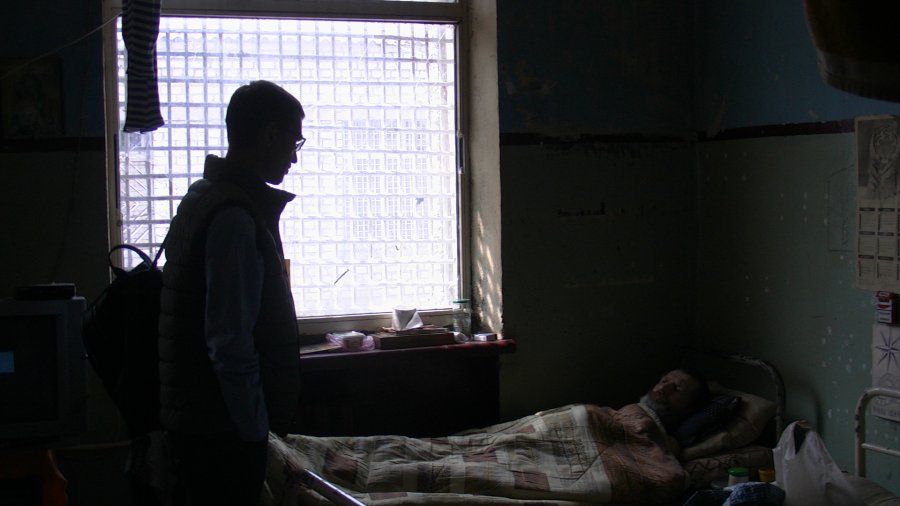
The monitors had the opportunity to visit any premises of the institution without hindrance, to contact prisoners, including confidentially, to collect information, verify it, and have access to relevant documents. Logs, medical documentation, materials related to employment and the accrual of wages to convicts, documentation regarding disciplinary penalties, and other materials relating to the functioning of the institution were examined.
General Information
On the day of the visit, the institution had a staff shortage of 83 employees. There are approximately 2 convicts (prisoners) per staff member. The staff shortage may affect the quality of security services, resocialisation and social adaptation measures, and may lead to an excessive workload for staff members. The management is recommended to take certain measures to encourage and stimulate staff recruitment to ensure adequate staffing levels. The institution is designed for 1,043 beds.
There are 4 Social and Psychological Service (SPS) units operating on the premises. During the current year, 54 people have been released on parole. During conversations with convicts, complaints were received regarding the inability to exercise this right. It appeared that the convicts were not informed about their rights and the ways to exercise them. Convict P. reported that he was denied parole, although he had one year left until the end of his sentence, he had no penalties, and he conscientiously fulfilled the requirements of the detention regime. The practice of applying parole must be accessible and aimed at encouraging convicts to follow law-abiding behaviour.
According to the management, 113 convicts are employed in the institution, of which 42 are under employment contracts and 71 are under civil law contracts. The average monthly earnings of convicts are 4,451.79 hryvnias under an employment contract and 1,589 hryvnias under a civil law contract.
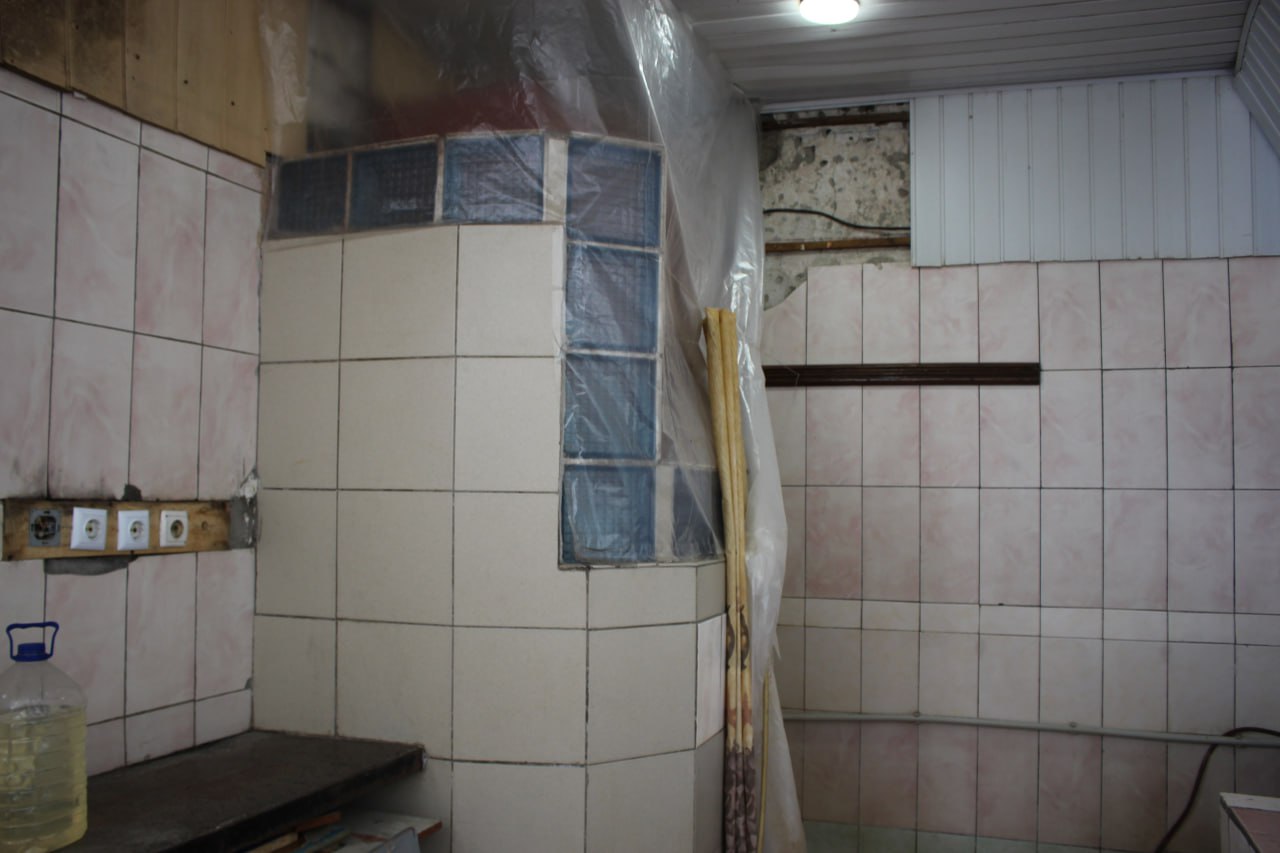
The institution has a shop, but at the time of the visit, it was operating remotely due to repair work in the premises. Measures should be taken to complete the repair work as quickly as possible and restore the normal functioning of the shop.
For the period 2022-2023, no complaints were received from convicts by the management of the institution or any other authorities regarding inappropriate conditions of detention or improper provision of medical care. The very fact of the absence of complaints about the actions/inaction of the administration, or the improper provision of medical care, may indicate obstacles on the part of the administration during the sending of correspondence, or a lack of awareness among convicts about their rights, including the right to appeal human rights violations to competent bodies, or that the convicts do not see the point in submitting such complaints.
The interviewed convicts are not informed about the possibility of using free legal aid from a lawyer in case of violation of their rights. The convicts are not informed that correspondence with the Commissioner for Human Rights of the Verkhovna Rada is not subject to inspection, and that a call to the Commissioner's hotline has the status of an appeal, and the convict receives a written response to such a call. During the visit, monitors did not see information about their rights and methods of exercising them in places accessible to convicts, namely: information regarding the hotline of the Commissioner for Human Rights of the Verkhovna Rada, phone numbers, addresses, contact information of human rights organisations, the prosecutor's office, etc., as well as explanatory information on how convicts can exercise the protection of their rights, including through lawyers from the Free Legal Aid Centre with contacts and details.
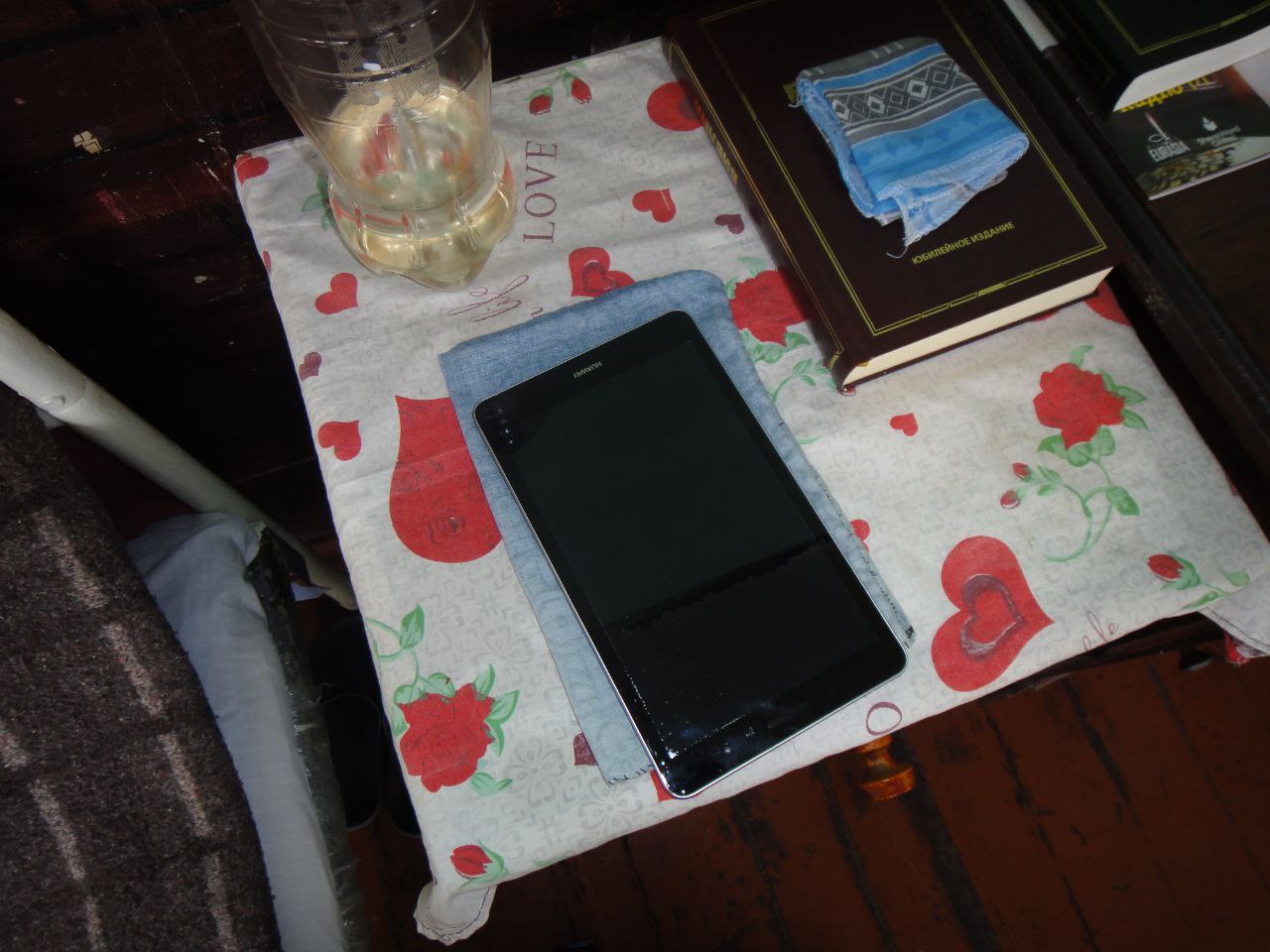
According to the administration, 77 convicts use tablet computers, which they own. However, there is no internet connection in the units where the convicts live, which complicates the use of the tablets. The interviewed convicts are not informed about the possibility of creating email addresses, in particular, for correspondence with state authorities and other institutions. For example, convict P., who demonstrated his own tablet, reported that he did not have information about the possibility of appealing to the Ministry of Justice of Ukraine with a complaint, nor did he know that he could file an electronic complaint to the prosecutor's office or appeal to human rights organisations. Such a practice limits the possibilities of communication with the outside world, the ability to protect their rights and legitimate interests, as well as the receipt of information by convicts and the possibility for convicts to learn and develop spiritually.
Safety During the War
In order to assess safety during martial law, monitors paid attention to the practice of the institution's management in responding to the announcement of an “Air Raid Alert” and shelling. According to the institution's staff, the convicts have been explained how they should behave in such situations. However, it was revealed that the convicts do not go down to the shelter during an air raid alert.
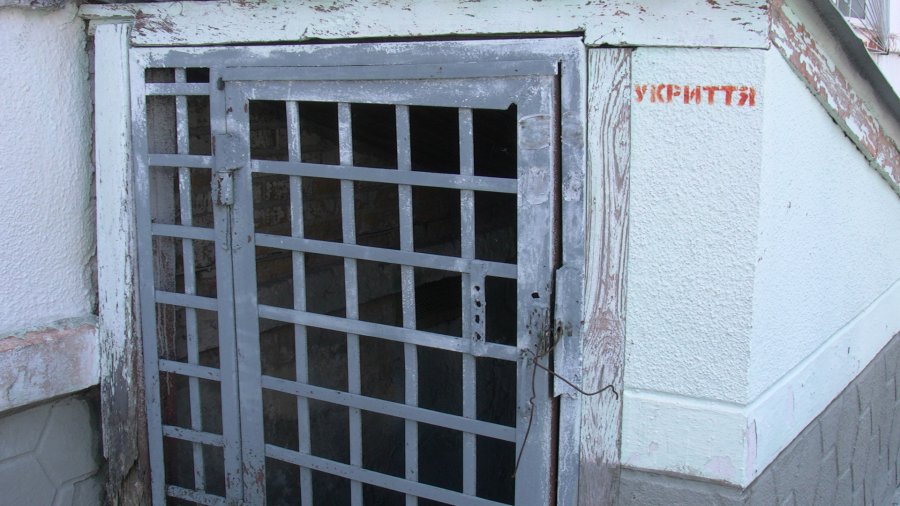
During the inspection of the shelters located in the basement premises of the SPS units, shortcomings and the improper condition of the bomb shelters were identified. In particular, these premises are not provided with places for sitting or lying down, there are no containers with drinking water, which are necessary during sheltering, and there is insufficient lighting, firefighting equipment, and a medical first aid kit. There are also no communication and alert devices, which are important for rapid response and coordination of actions in the event of emergencies.
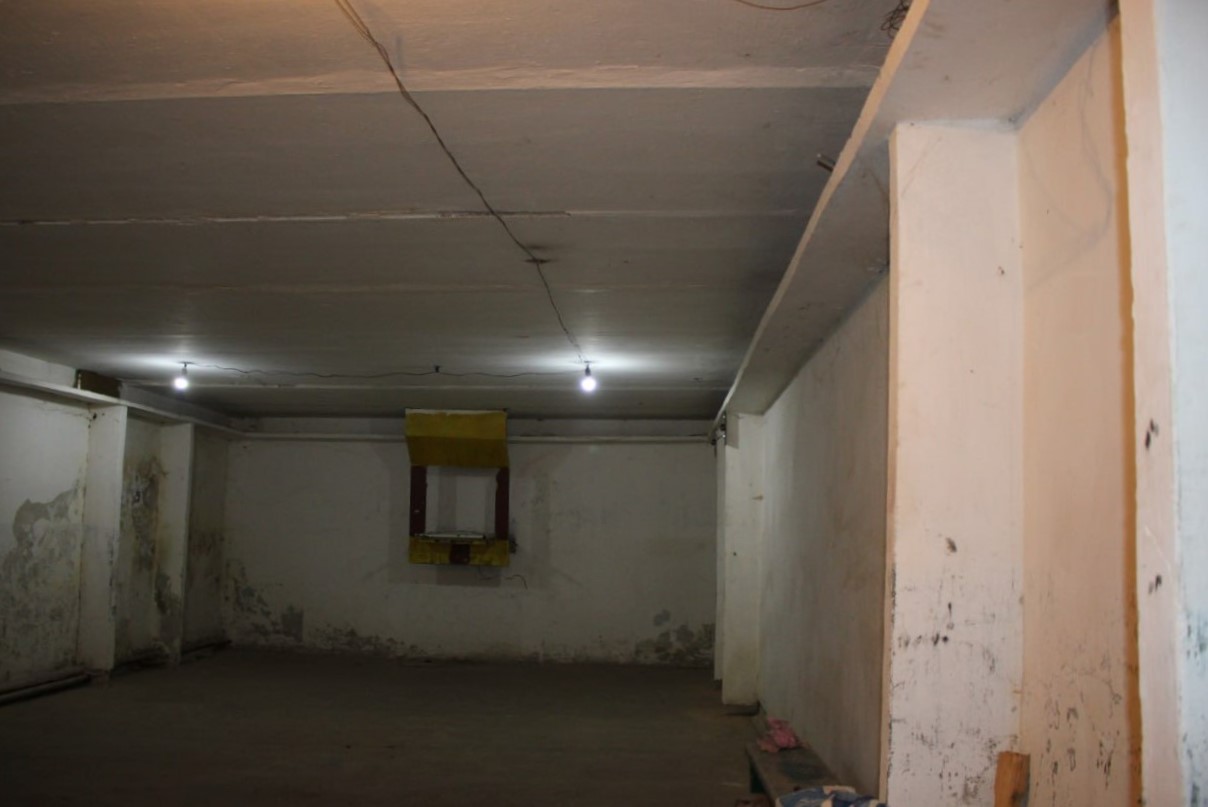
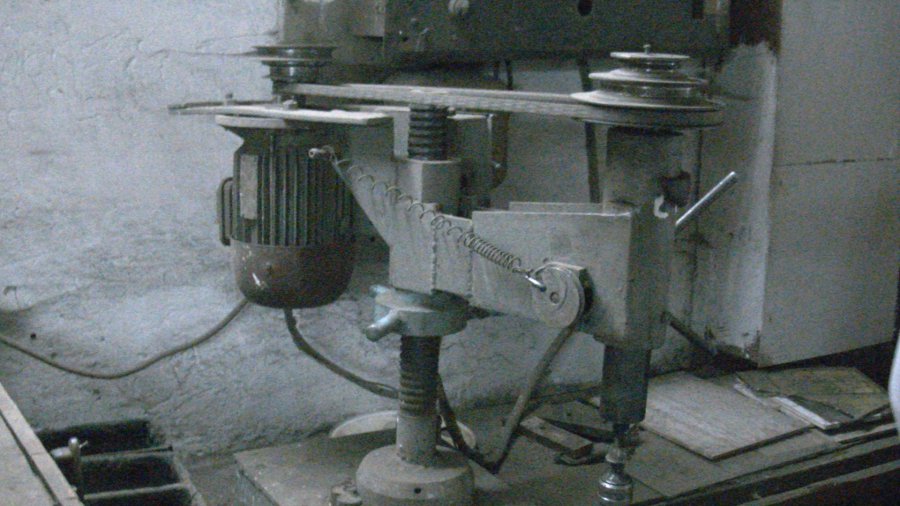
During the inspection of the shelter in the basement of the canteen, a working workshop was discovered, where a convict was working, who is employed in the canteen/kitchen as a duty orderly. In this “workshop” premise, there are obvious safety violations, as the floor of the bomb shelter is flooded with water, which could create a danger in the event of the use of electrical appliances.
Shepetivka Multi-profile Hospital No. 98 of the branch of the State Institution “Healthcare Centre of the State Criminal-Executive Service of Ukraine in Khmelnytskyi Oblast”
Outpatient Clinic of Shepetivka Multi-profile Hospital No. 98 of the branch of the State Institution “Healthcare Centre of the State Criminal-Executive Service of Ukraine” in Khmelnytskyi Oblast
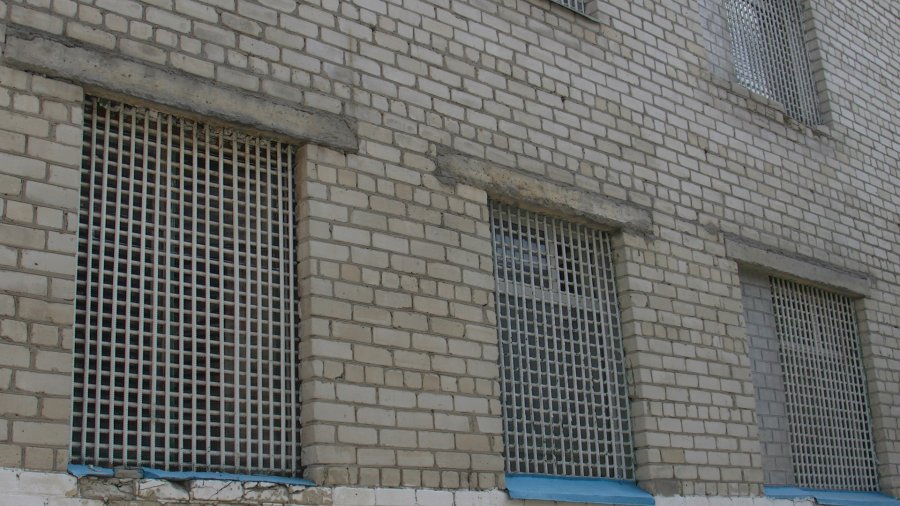
The Head of Shepetivka Multi-profile Hospital No. 98 of the branch of the State Institution “Healthcare Centre of the State Criminal-Executive Service of Ukraine” in Khmelnytskyi Oblast is Serhiy Oleksandrovych Malatsion.
Shepetivka Multi-profile Hospital No. 98 of the branch of the Healthcare Centre of the State Criminal-Executive Service of Ukraine in Khmelnytskyi Oblast (hereinafter — the hospital) is designed for 110 beds, and consists of 4 departments: therapeutic — 40 beds, surgical — 40 beds, dermatological — 30 beds, and the outpatient clinic of Shepetivka Multi-profile Hospital No. 98 of the branch of the State Institution “Healthcare Centre of the State Criminal-Executive Service of Ukraine” in Khmelnytskyi Oblast (hereinafter — the medical unit), headed by Oleksii Mykolaiovych Nyzhnyi.
On the day of the visit, 69 people were undergoing treatment in the hospital: 23 people in the therapeutic department, 24 in the surgical department, and 22 in the dermatological department. Since the beginning of 2023, 318 patients have been treated at Shepetivka Multi-profile Hospital No. 98. The hospital mortality rate is 2.3 (3 patients died). No cases of active tuberculosis were detected at the State Institution “Shepetivka Correctional Colony (No. 98)” and Shepetivka Multi-profile Hospital No. 98. Since the beginning of the year, 2 cases of patients with contagious tuberculosis have been detected in the hospital, who were in the infectious disease isolation ward on the day of the visit.
In the hospital, according to the staffing table, out of 44.5 planned positions, the following remain vacant: statistician doctor — 0.5 positions; surgeon — 0.5 positions; dermatovenereologist — 1 position; anaesthetist nurse — 0.5 positions; inpatient nurse — 1 position. In the outpatient clinic (medical unit), according to the staffing table, out of 10.5 planned positions, the following remain vacant: therapist — 1 position; narcologist — 0.5 positions; dentistry nurse — 0.5 positions.
During the monitoring visit, the following violations of national legislation requirements and non-compliance with international recommendations in the field of treatment of prisoners were identified, which lead to violations of the rights of convicts and detainees.
Violation of the rights of convicts and detainees to receive primary, secondary, and tertiary medical care
In accordance with the requirements of paragraph 7, part 1 of the Resolution of the Cabinet of Ministers of Ukraine dated 27 December 2022 No. 1464 “Some issues of implementing the programme of state guarantees of medical care for the population in 2023”, the National Health Service of Ukraine (NHSU) pays for medical services provided based on paper referrals for patients held in correctional institutions or pre-trial detention centres of the State Criminal-Executive Service until the health institutions of the State Criminal-Executive Service ensure the technical possibility to issue electronic referrals. However, due to the lack of concluded declarations with a primary care physician by the convicts, they do not have the opportunity to receive the necessary medical services at the expense of the NHSU, which leads to a violation of the requirements of paragraphs 4 and 5 of Article 4 of the Law of Ukraine “Fundamentals of Ukrainian Legislation on Healthcare”.
Violation of the procedure for releasing convicts from further serving their sentence in accordance with Article 84 of the Criminal Code of Ukraine
In the current year of 2023, 3 people were released from the institution due to illness on the basis of Article 84 of the Criminal Code of Ukraine; in 2022 — 3 people.
In the course of the monitoring, human rights violations were identified in the work of Shepetivka Multi-profile Hospital No. 98 of the branch of the State Institution “Healthcare Centre of the State Criminal-Executive Service of Ukraine” in Khmelnytskyi Oblast and the Medical Advisory Commission (MAC). Namely, officials do not conduct medical examinations of convicts in a timely manner and do not draw up the conclusions necessary for submitting materials to the court regarding the release of convicts from further serving their sentence in accordance with Article 84 of the Criminal Code of Ukraine.
A specific example of such a violation is the situation that occurred on 25 January 2023, when convict P., who suffered from cirrhosis of the liver in the decompensation stage, was transferred to Shepetivka Multi-profile Hospital No. 98 from the state institution “Raikivetska Correctional Colony (No. 78)”. The materials regarding this convict, in order to resolve the issue of his release on the basis of Article 84 of the Criminal Code of Ukraine, were considered by a special medical commission of the hospital only on 30 March 2023. However, unfortunately, convict P. died on the same day.
It is worth citing a few more cases concerning convicts who arrived at Shepetivka Multi-profile Hospital No. 98 from other correctional institutions.
On 27 December 2022, convict Sh. arrived at the hospital from the state institution “Kropyvnytskyi Correctional Colony (No. 6)” with a diagnosis of progressive liver cirrhosis in the decompensation stage and other diseases. The materials regarding this convict were considered by the MAC on 23 January 2023, but, unfortunately, on 25 January 2023, convict Sh. died in the hospital.
Also, on 13 December 2022, convict O. was delivered to the hospital from the state institution “Voznesensk Correctional Colony (No. 72)” with a diagnosis of a stage IV malignant neoplasm. The materials regarding him were considered by a special medical commission of the hospital on 25 and 26 January 2023, and on 30 January 2023, the Shepetivka City-District Court of Khmelnytskyi Oblast made a decision to release O. from further serving the sentence in accordance with Article 84 of the Criminal Code of Ukraine. However, on 5 February 2023, convict O. died in the hospital.
These examples indicate that, despite the findings of the MAC regarding the possible release of convicts on the basis of serious illnesses, the process of making decisions and submitting materials to the court is often delayed. The process of release for health reasons in order to save lives and release patients should take place quickly. Such a practice violates the right to life, to proper treatment, and can lead to serious consequences, including death in the hospital. Such delays may be the result of insufficient coordination between correctional institutions and medical facilities, as well as insufficient attention to the importance of the issue and the rapid (prompt) consideration of convicts' cases, especially those requiring urgent medical assistance.
Considering these examples and the practice of violations by Ukraine, it is important to pay attention to the need to improve procedures and ensure rapid consideration of the cases of convicts who require urgent medical assistance. Proper coordination between institutions and systematic monitoring of the health status of convicts are key aspects that will help prevent such violations and ensure the proper protection of the rights of convicts.
In accordance with the practice of the European Court, motions for release due to health conditions must be considered promptly (Contrada v. Italy (No. 2), no. 66655/13 §85, Aharon Schwarz v. Romania 28304/02, Reshetnyak v. Russia §60), taking into account the assistance actually provided to the detainee, and not that which is theoretically available to him (Cara-Damiani v. Italy, 2447/05).
This example illustrates the need to improve the decision-making process regarding the release of convicts on the basis of serious illnesses, and also testifies to the importance of ensuring a quick and effective judicial consideration of cases concerning medical issues in the context of the execution of a sentence.
Violation of the rights of persons with viral hepatitis C
During 2023, 106 people were tested for viral hepatitis C using rapid tests in the medical unit, of which 15 people were suspected of having the disease. In violation of the requirements of the Standards of Medical Care for HCV in adults, approved by the order of the Ministry of Health of Ukraine dated 15.01.2021 No. 51, persons with suspected viral hepatitis C do not undergo PCR testing, due to which they do not receive the necessary treatment, which may lead to a deterioration of their health and the spread of the specified infectious disease among convicts and detainees.
Violation of the rights of persons with disabilities (Article 9 of the UN Convention on the Rights of Persons with Disabilities)
Dispensary supervision is carried out for 30 people who have a disability. Of these, 5 people are of Group II; 25 people are of Group III. At the same time, in violation of the requirements of the Law of Ukraine “On the Rehabilitation of Persons with Disabilities in Ukraine”, persons with disabilities do not receive proper diagnostic, treatment, and rehabilitation measures in the presence of information confirming a persistent impairment of bodily functions, caused by diseases or consequences of injuries, which cause restrictions on normal vital activity. During the study of the medical documentation of the convicts, it was established that two people with disabilities lacked individual rehabilitation programmes for such persons, and in most cases, the recommendations of individual rehabilitation programmes are not fulfilled, due to which they do not receive proper diagnostic, treatment, and rehabilitation measures in the presence of information confirming a persistent impairment of bodily functions, caused by diseases and consequences of injuries, which cause restrictions on normal vital activity.
Furthermore, in violation of the requirements of the State Building Norms of Ukraine V.2.2-17:2006 “Buildings and structures. Accessibility of buildings and structures for low-mobility groups of the population”, conditions for accommodating people with disabilities have not been created in the institution (there are no ramps, handrails, etc.).
Failure to observe infection control and epidemiological surveillance
In violation of the Measures and Means for Preventing Infection when Providing Patient Care, approved by the order of the Ministry of Health of Ukraine dated 03.08.2020 No. 1777, only one isolation ward for infectious patients is equipped in the medical unit, which makes it impossible to simultaneously place patients with dangerous infectious diseases separately from each other and from other convicts. Detainees in the hospital are not fully provided with personal protective equipment, namely: strict control is not exercised over compliance with the mask regime on the territory of the hospital among prisoners, and daily temperature screening of convicts is not carried out.
Violation of the convicts' right to psychiatric care
Dispensary supervision in the outpatient clinic of Shepetivka Multi-profile Hospital No. 98 of the branch of the State Institution “Healthcare Centre of the State Criminal-Executive Service of Ukraine” in Khmelnytskyi Oblast is carried out for 45 people with mental disorders. At the same time, in violation of paragraph 8, part 5, chapter 2 of the Procedure for organising the provision of medical care to convicts sentenced to imprisonment, approved by the joint order of the Ministry of Justice of Ukraine and the Ministry of Health of Ukraine dated 15.08.2014 No. 1348/5/572, there is no isolation ward in the inpatient facility for persons with mental disorders, intended for convicts who pose a danger to others.
Violation of the convicts' right to proper sanitary and hygienic conditions of stay in a healthcare facility
There are 3 departments in Shepetivka Multi-profile Hospital No. 98 for the examination and treatment of convicts and detainees who require an inpatient regime. At the same time, in violation of the requirements of paragraph 7, chapter 2 of Section III of the Procedure for organising the provision of medical care to convicts sentenced to imprisonment, approved by the joint order of the Ministry of Justice of Ukraine and the Ministry of Health of Ukraine dated 15.08.2014 No. 1348/5/572 (hereinafter — the Procedure), sick convicts are placed in ward-cells not on the basis of an established diagnosis and the decision of medical personnel about referral to a specialized department of the hospital, but by the decision of the institution's personnel.
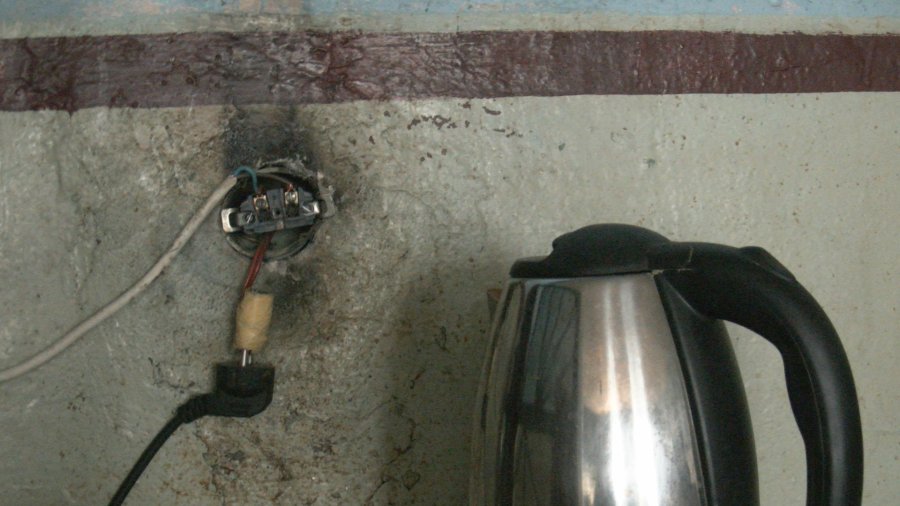
In accordance with paragraph 5.8 of the Lease Agreement No. 2107 for individually determined (immovable) property belonging to state ownership, dated 13 June 2019, the duty of the lessee (the branch of the State Institution “Healthcare Centre of the State Criminal-Executive Service of Ukraine” in Khmelnytskyi Oblast) is, in particular, the timely carrying out, at its own expense, of current repairs of the leased property. However, the branch of the State Institution “Healthcare Centre of the State Criminal-Executive Service of Ukraine” in Khmelnytskyi Oblast is not taking sufficient measures to actually implement the specified clause, as some ward-cells are in an improper condition. In the wards, there are problems with repairs, dilapidated walls, and damaged furniture. Some wards have bunk beds, which can create inconvenience for patients and limit access to the upper bed. In addition, there is a problem with electrical safety in the wards, in particular, exposed sockets. A particular problem is the placement of the toilet in the wards for patients. In order to reach the toilet, patients need to overcome a few steps, and the toilet bowl itself is located at the level of the washbasin. This creates significant difficulties for patients, particularly those with limited physical capabilities, and complicates the process of using the toilet. According to the testimonies of patients, which were confirmed, they cannot take a shower and are forced to wash in the washbasin adjacent to the toilet.
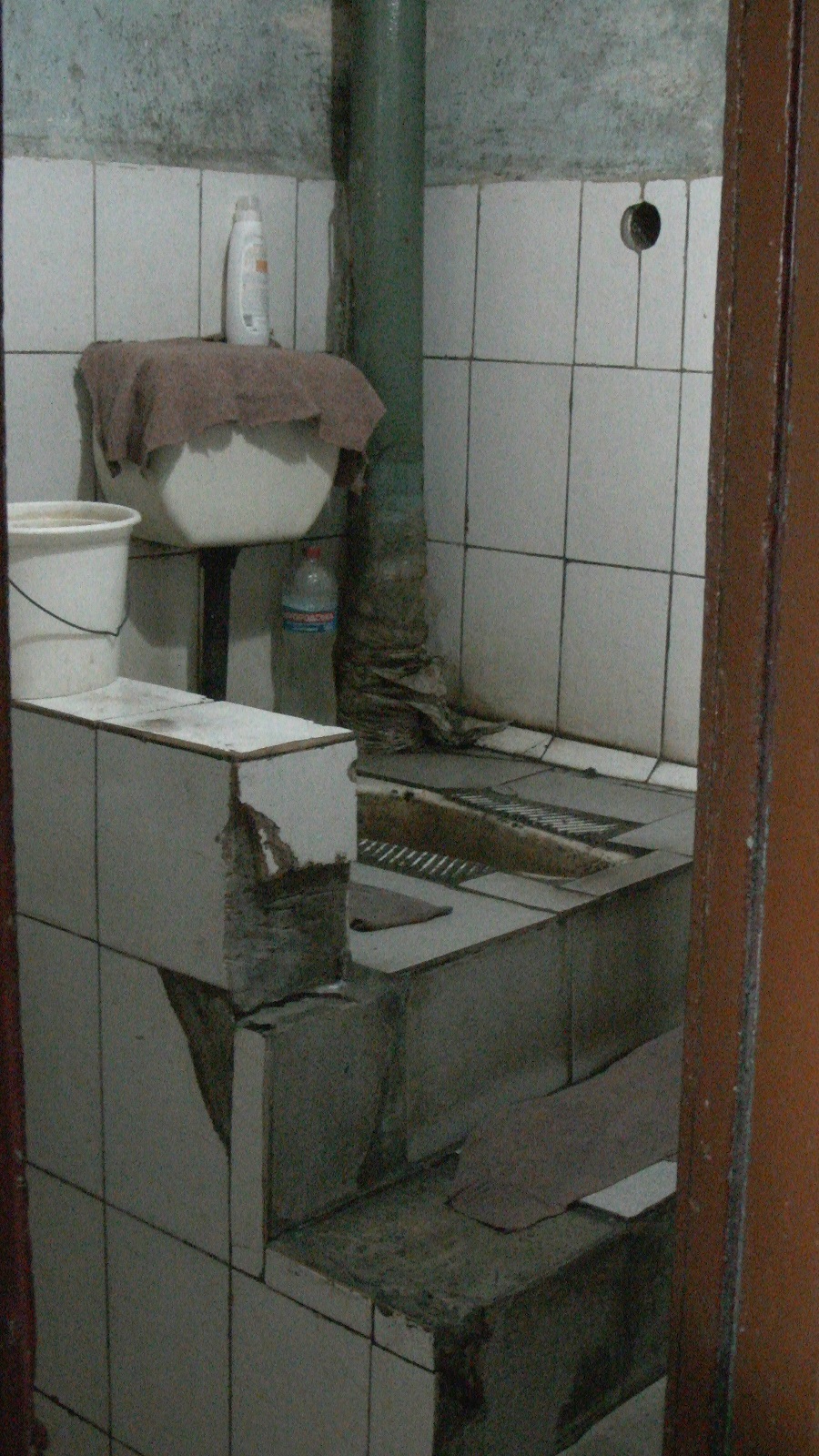
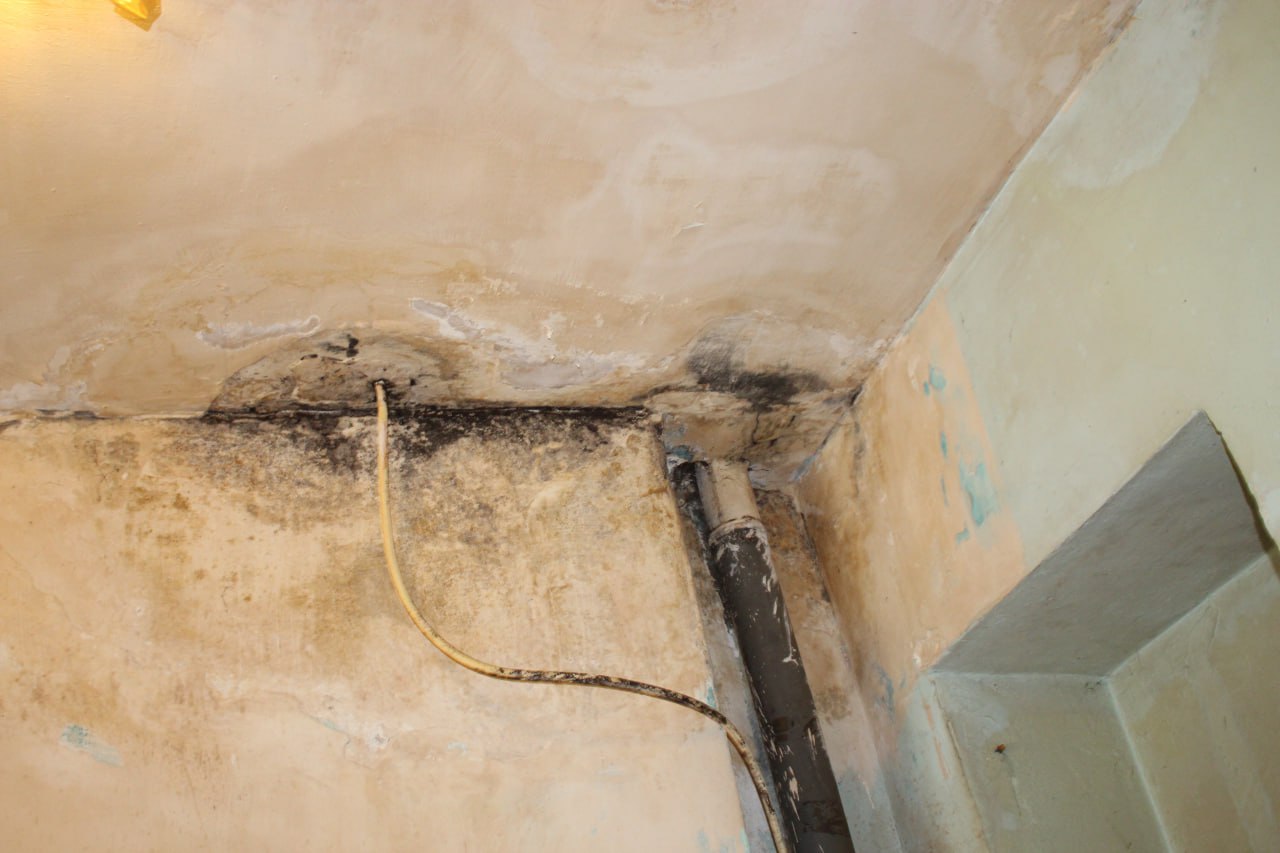
Some wards and the corridor of the hospital's inpatient facility require repair work. Their condition does not meet the requirements of Article 22 of the Law of Ukraine “On Ensuring Sanitary and Epidemic Welfare of the Population”.
In violation of the requirements of the Standards of entitlement to bedding, special clothing, and special footwear (inventory property) for convicts undergoing treatment in medical and preventive institutions, institutions with the rights of medical facilities, and medical units at correctional institutions and pre-trial detention centres, approved by the order of the Ministry of Justice of Ukraine dated 20.02.2012 No. 280/5, convicts do not receive hospital property (a suit, dressing gown, and hospital shoes). Convicts stay in the inpatient facility in their everyday clothes, with their own bed linen.
In violation of the “State sanitary and anti-epidemic rules and norms regarding the handling of medical waste”, approved by the order of the Ministry of Health of Ukraine dated 08.06.2015 No. 325, the branch of the State Institution “Healthcare Centre of the State Criminal-Executive Service of Ukraine” in Khmelnytskyi Oblast has not concluded an agreement with a specialised institution for the disposal of medical waste, due to which proper collection, sorting, and disposal of medical waste has not been organised in the hospital since the beginning of 2023.
In violation of the Fire Safety Rules in Ukraine, approved by the order of the Ministry of Internal Affairs of Ukraine No. 1417 dated 30.12.2014, the hospital premises are not equipped with fire extinguishing and fire alarm systems, and there are damaged sockets and exposed electrical wires in some premises. The above does not ensure safe conditions for patients in the inpatient facility and may pose a threat to their life and health.
In violation of the requirements of the State Building Norms of Ukraine V.2.2-10:2022 “Buildings and structures” and social distancing measures under quarantine restrictions, as well as the right of convicts to personal space, the area of the ward in the premises where convicts are located, in particular in the department wards, is not calculated for the placement of a bed with the possibility of approaching it from three sides. The beds are placed close to each other without observing bed rest requirements. These facts also indicate a violation of the right to privacy.
Improper storage of medicines received from relatives
In the therapeutic department, there is no separate cabinet for storing medicines from relatives. In addition, in the medical documentation (medical card No. 025/o or No. 003/o), there are no applications from the relatives of the convicts or other persons regarding the transfer of medicines or medical devices, which violates paragraph 23 of section I of the General Provisions of the Procedure for organising the provision of medical care to convicts sentenced to imprisonment, which states that medicinal products and medical devices received from the relatives of convicts or other persons are stored in the healthcare facilities of the State Criminal-Executive Service in separate cabinets and are kept on record, which is reflected in the card for recording medicinal products, medical devices, technical and other rehabilitation aids received from the relatives of convicts and other persons, according to the form defined in Annex 2 to this Procedure, where the convict signs after the completion of the course of treatment.
Improper status of recording cases of bodily injuries in convicts
According to the register of bodily injuries, 3 cases of discovered bodily injuries were recorded in the institution for 2022, and 1 case for 2023. Such a low level of recording injuries, considering the actual number of convicts, indicates the absence of applications from convicts to the outpatient clinic of Shepetivka Multi-profile Hospital No. 98 after receiving bodily injuries and a formal approach to the recording of bodily injuries by medical staff during medical examinations of convicts. At the same time, during the study of the medical documentation, it was established that in the outpatient medical cards No. 025/o, there are no certificates and photographs of existing bodily injuries, as provided for in paragraph 3, chapter 1, section II of the joint Order of the Ministry of Justice of Ukraine and the Ministry of Health of Ukraine No. 1348/5/572 dated 15.08.2014 “On approval of the Procedure for organising the provision of medical care to convicts sentenced to imprisonment”.
Violation of the right of prisoners to information about their health status, treatment methods, and the confidentiality of their health status
During the study of the medical documentation, the monitors established that in violation of Art. 43 of the Law of Ukraine “Fundamentals of Ukrainian Legislation on Healthcare”, some convicts did not give their consent to doctors for diagnosis and treatment. Specifically, there are no signed forms of primary registration documentation No. 003-6/o “Informed voluntary consent of the patient to the conduct of diagnostics, treatment, and the conduct of an operation and anaesthesia, and to the presence or participation of educational process participants”, approved by the order of the Ministry of Health of Ukraine No. 110 dated 14.02.2012.
Violation of the rights of convicts to primary and secondary medical care, violations during preventive medical examinations and medical check-ups
According to paragraph 1, section I of the Regulations on the quarantine, diagnostic, and distribution unit for convicts, approved by the order of the Ministry of Justice of Ukraine No. 2300/5 dated 04.11.2013, a quarantine, diagnostic, and distribution unit (hereinafter — the KDiR unit) is created in a correctional or educational colony for the purpose of primary psychological and pedagogical study of the personality of newly arrived convicts, and their full medical examination for the detection of infectious, somatic, and mental diseases.
At the same time, in the absence of a therapist in the outpatient clinic of Shepetivka Multi-profile Hospital No. 98 of the branch of the State Institution “Healthcare Centre of the State Criminal-Executive Service of Ukraine” in Khmelnytskyi Oblast (medical unit) due to the fact that this position is vacant, in violation of paragraph 2, chapter II, section II of the Procedure, newly arrived convicts do not undergo a full medical examination.
According to paragraph 2, paragraph 3, chapter III, section II of the “Procedure for organising the provision of medical care to convicts sentenced to imprisonment”, a therapist (or general practitioner — family doctor), a psychiatrist, and a dentist must participate in the preventive medical examination. The absence of a therapist in the outpatient clinic due to the position being vacant indicates that the primary and preventive medical examination is incomplete.
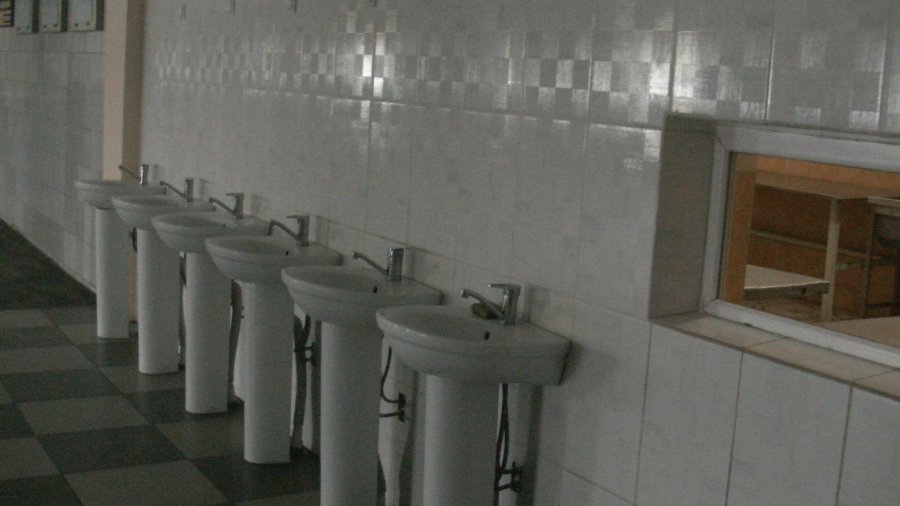
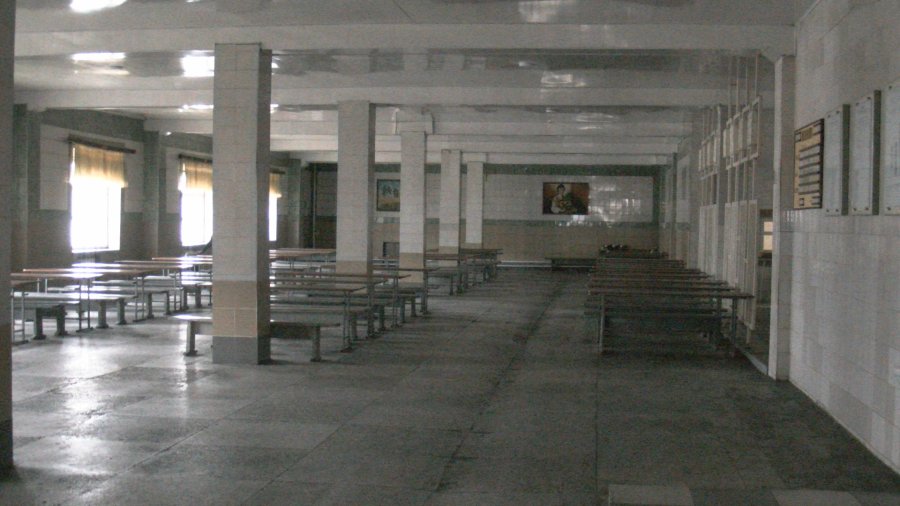
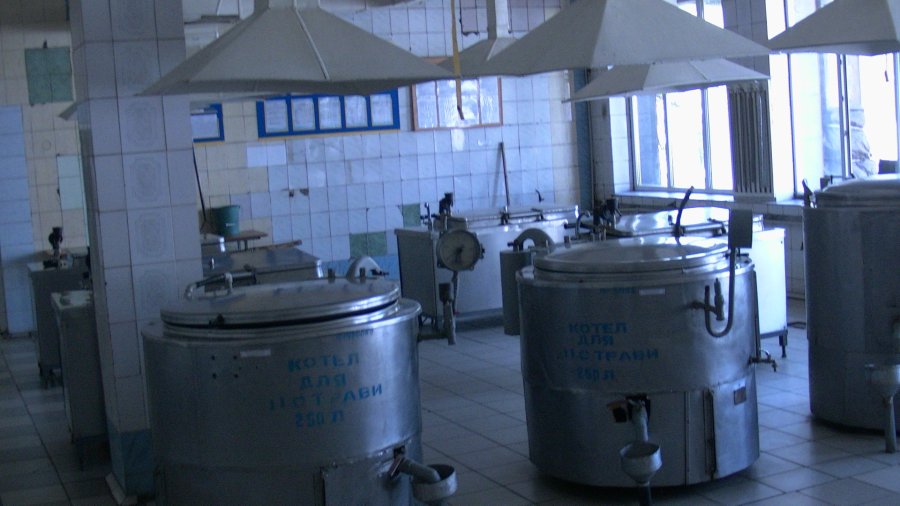
According to paragraph 7, chapter III, section II of the Procedure, convicts who work at catering facilities (except for work related to the positions of sellers, managers of food and clothing warehouses, storekeepers) and the processing industry, in children's homes, general secondary education institutions, vocational training units in special educational colonies, medical units (feldsher posts), and hospital institutions of the State Criminal-Executive Service (except for work related to the provision of medical care), laundries, baths, rooms for long visits, dormitories, clubs, at water supply and sewage facilities, and sites for breeding and raising animals, undergo mandatory preliminary and preventive medical examinations in accordance with the Resolution of the Cabinet of Ministers of Ukraine No. 559 dated 23.05.2001 “On approval of the list of professions, production facilities, and organisations whose employees are subject to mandatory preventive medical examinations, the procedure for conducting these examinations and issuing personal medical books”. For each convict of the specified category, a primary accounting document form No. 1-OMK “Personal Medical Book”, approved by the order of the Ministry of Health of Ukraine No. 150 dated 21.02.2013, registered with the Ministry of Justice of Ukraine on 23 April 2013 under No. 662/23194, is created. The monitoring group established the absence of personal medical books for several convicts who work in the canteen, in violation of paragraph 12 of the Procedure for conducting mandatory preventive medical examinations and issuing personal medical books. Also, the monitoring group recorded the absence of the results of examinations conducted by medical specialists (including the results of laboratory, clinical, and other studies), which are mandatorily entered into the personal medical book, for the convicts at the State Institution “Shepetivka Correctional Colony (No. 98)”.
DIZO/PKT (Disciplinary Isolation Ward/Cell-type Facility)
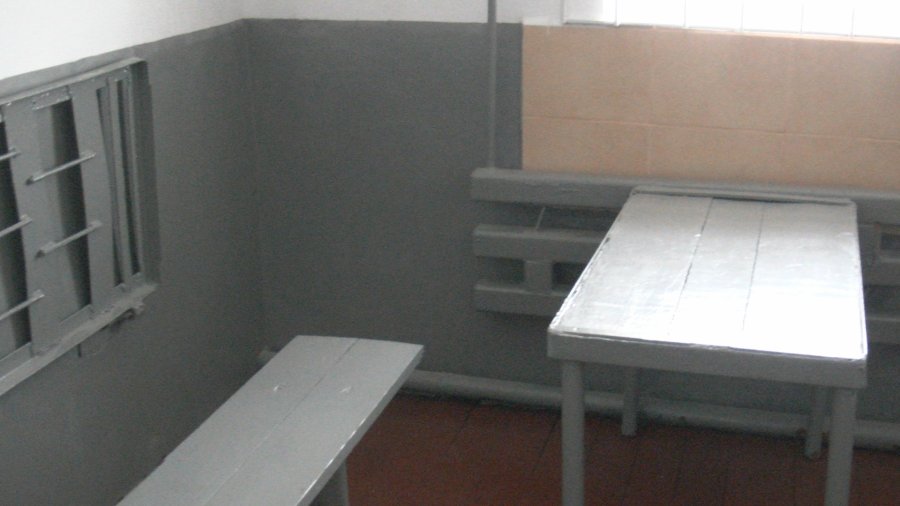
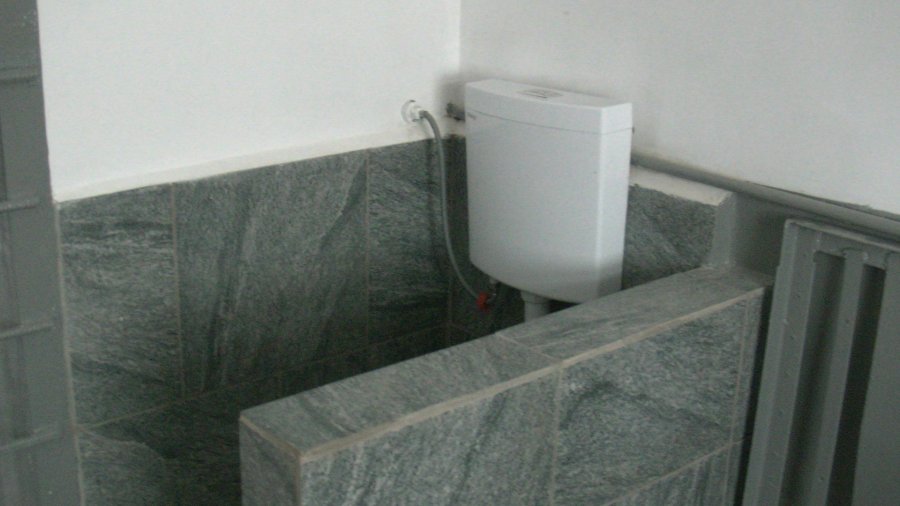
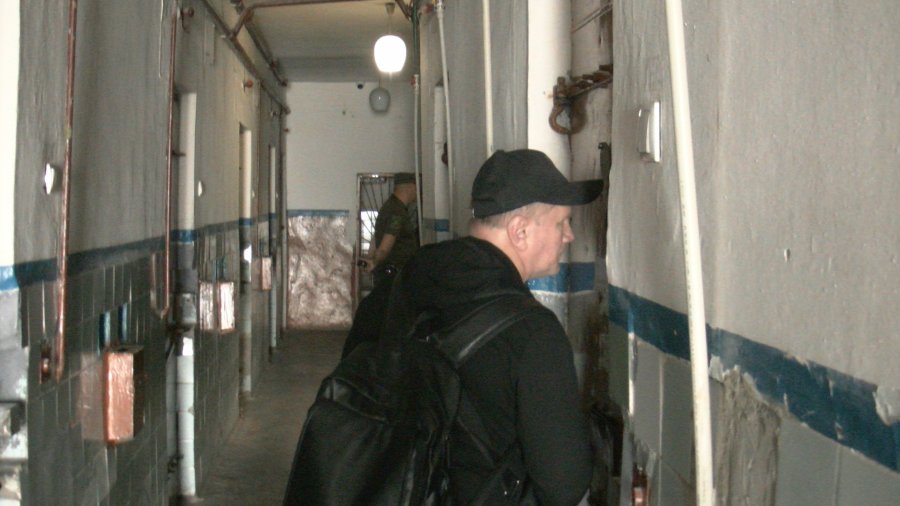
In the course of the inspection of the DIZO premises, cells, other premises, and exercise yards were examined. Repair work is taking place on the territory of the DIZO unit. Some cells are renovated; in some premises, repairs are ongoing. The management of the institution reported that the PKT and DPK units are not used due to lack of need.
Convicts are given the opportunity to open windows themselves for ventilation. There are also bottles of drinking water in the cells, but the interviewed convicts reported that the water in the bottles is filled from the tap in the cell. The square footage of the premises complies with the standards per convict.
At the time of the visit, there were 3 people in the DIZO. Convict Kh. was disciplined with 14 days of confinement. In accordance with the order of placement in the DIZO, a mobile phone was confiscated from him; convict Ya. was punished with 14 days for tactless behaviour, and convict S. was subjected to disciplinary punishment for 10 days for tactless behaviour. It is worth noting that a lawyer was never present at the meeting of the disciplinary commission. The convict's communication with a lawyer and the ensuring of his right to legal representation are important aspects of ensuring a fair disciplinary punishment process for convicts.
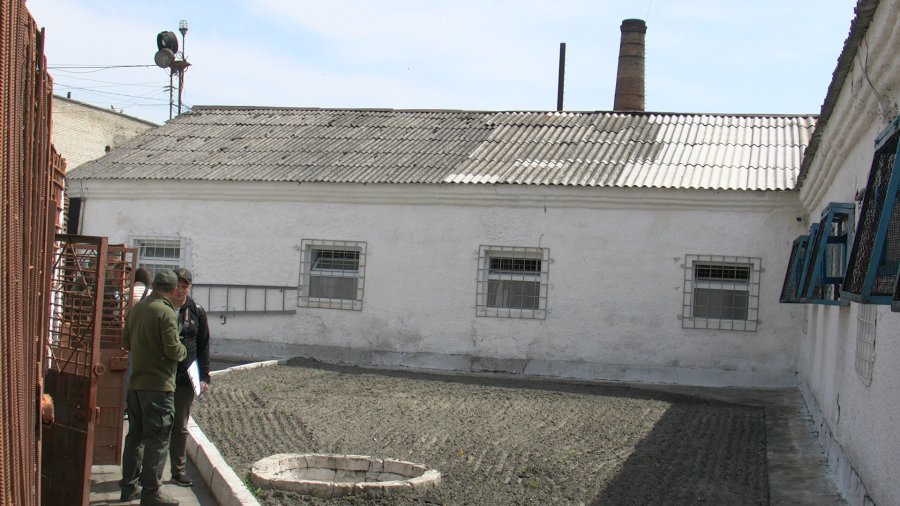

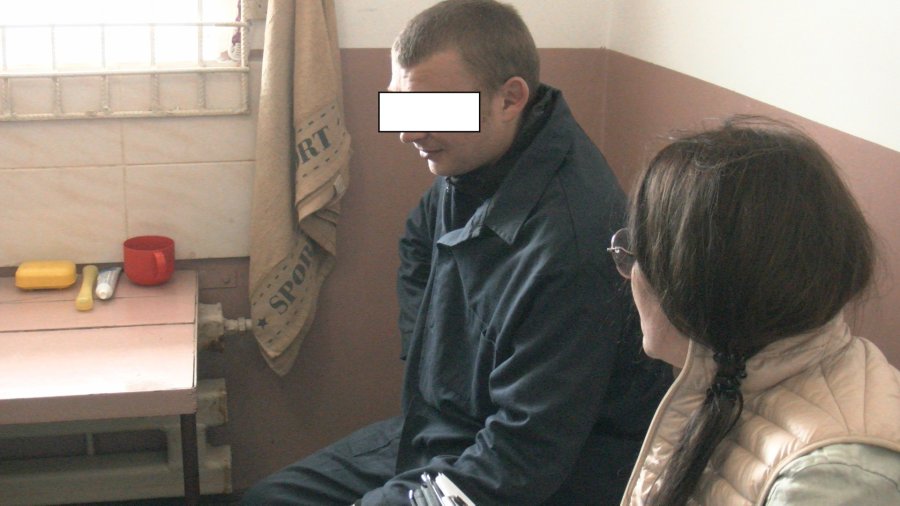
All convicts were informed about the reasons for the punishment. It is worth noting that none of the convicts challenged the disciplinary sanction, which may indicate a lack of awareness among convicts about their rights, and accordingly, a lack of legal knowledge, experience in challenging sanctions, seeking help from a lawyer, as well as an awareness of the effectiveness of legal protection.
Monitors interviewed the convicts. They also familiarised themselves with the materials of disciplinary proceedings during the current year. Since the beginning of 2023, 39 convicts have been placed in the DIZO.
The most common disciplinary sanctions can be highlighted. On 07.01.2023, convict T. was placed in the DIZO for 14 days because 5 litres of a fermenting substance were found in his personal belongings. Convict M. resisted during a search and behaved tactlessly towards the administration representatives; on 06.01.2023, he was placed in the DIZO for 14 days; no prohibited items were found during the search. On 26.01.2023, convict S. was placed in the DIZO for 14 days for a violation of the dress code, namely the absence of a name tag. On 22.01.2023, convict G. was placed in the DIZO for a period of 14 days for a confiscated mobile phone. Convict M. was placed in the DIZO for 7 days on 28.01.2023 for tactless behaviour. Convict B. was summoned by the duty officer for the unit to be acquainted with a report for an offence he committed, but did not appear when summoned, thereby setting a negative example for other convicts; for the offence, he was placed in the DIZO for 5 days on 27.02.2023. Convict P. received 14 days of DIZO on 28.02.2023 for 25 litres of a fermenting substance confiscated from him. On 28.02.2023, convict U. received 14 days of DIZO because he was in violation of the dress code during a roll call in the SPS unit. On 02.03.2023, convict K. was disciplined with 10 days of DIZO because applications allowing access to the social networks Facebook and WhatsApp were found on his personal tablet during an inspection. Convict N. was punished on 07.03.2023 for 14 days for an attempted violation of the local regime. Convict V. received 14 days for absence at a roll call and tactless behaviour.
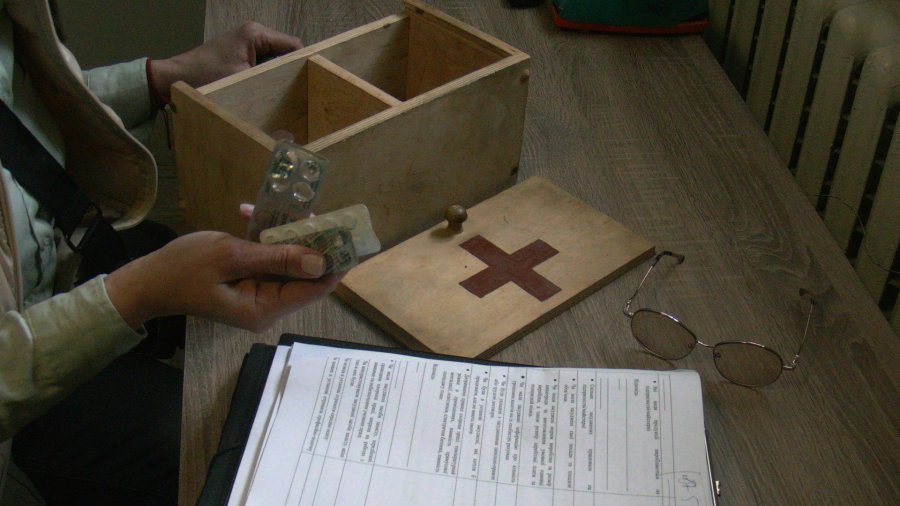
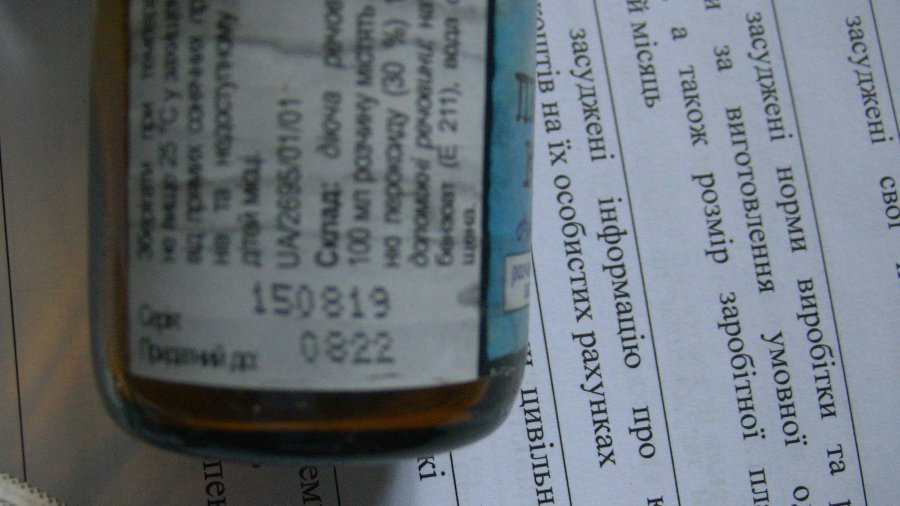
Upon examining the contents of the first aid kit in the DIZO premises, expired medicines were found (“Ceftriaxone”, “Nifedipine”, “Nitroglycerin”, and others), which violates the requirements of paragraph 5, section I of the Rules for storage and quality control of medicinal products in medical and preventive institutions, approved by the order of the Ministry of Health of Ukraine dated 16.12.2003 No. 584.


Industrial Zone
Right to Work and Social Protection
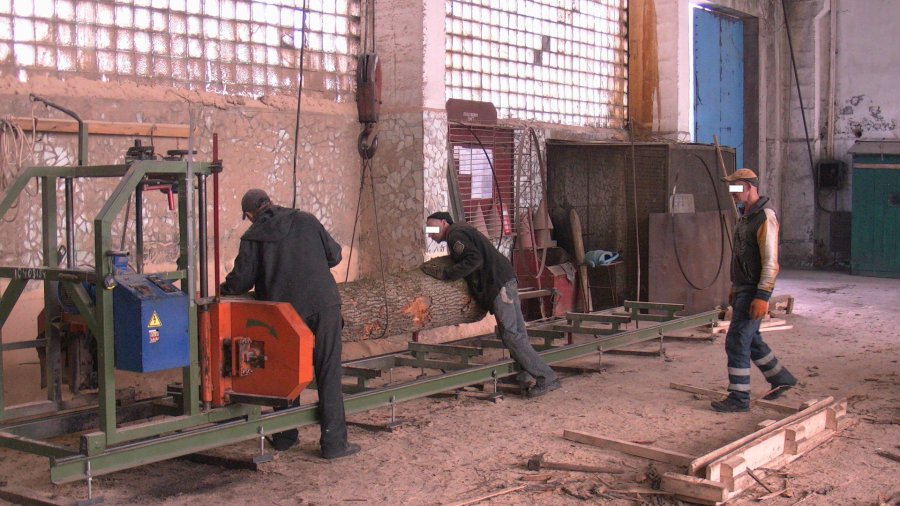
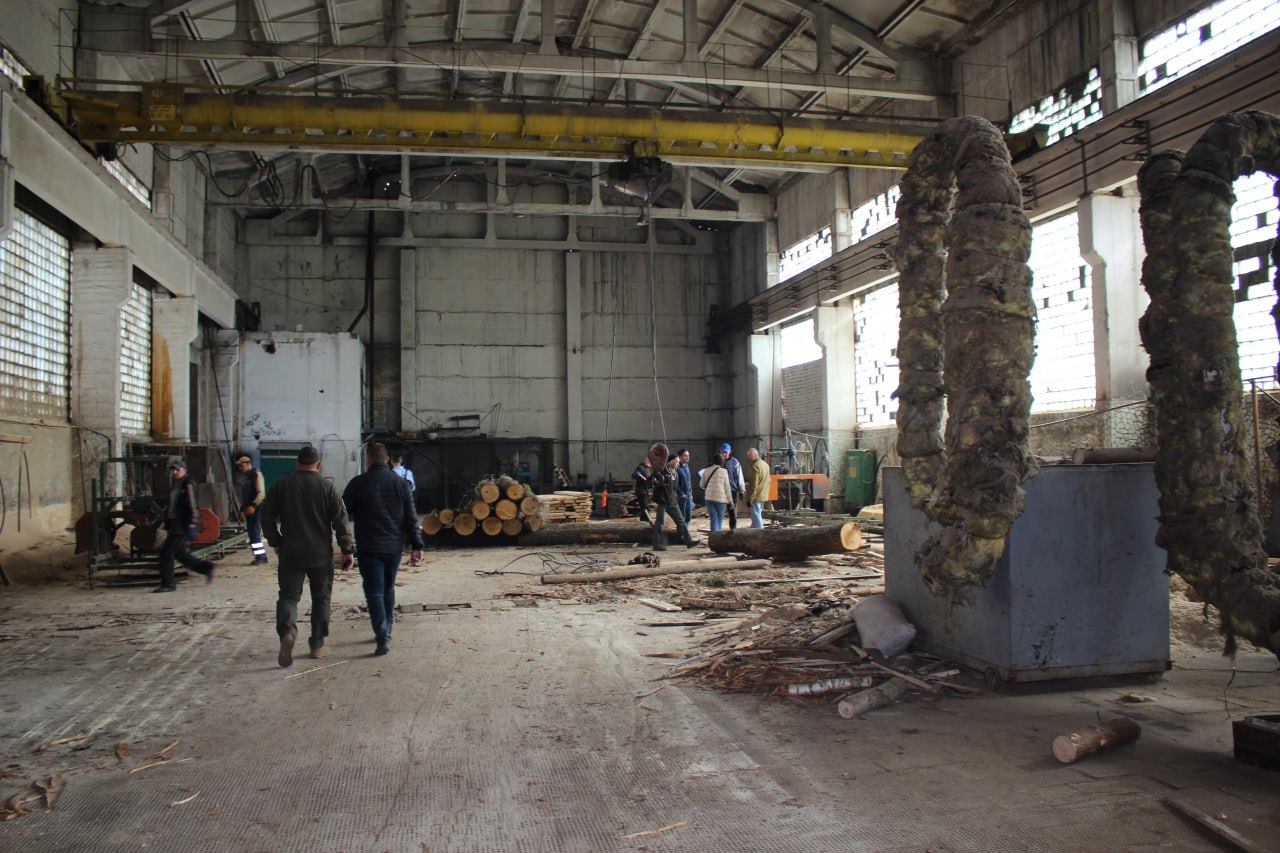
The production zone of the institution has a vast territory. There are mothballed production facilities — a quarry and production workshops. The industrial zone is divided into two parts — production and workshops. 16 convicts work under employment contracts, of which 6 people have 50% of a position and 10 people have 25% of a position. All others have signed civil law contracts.
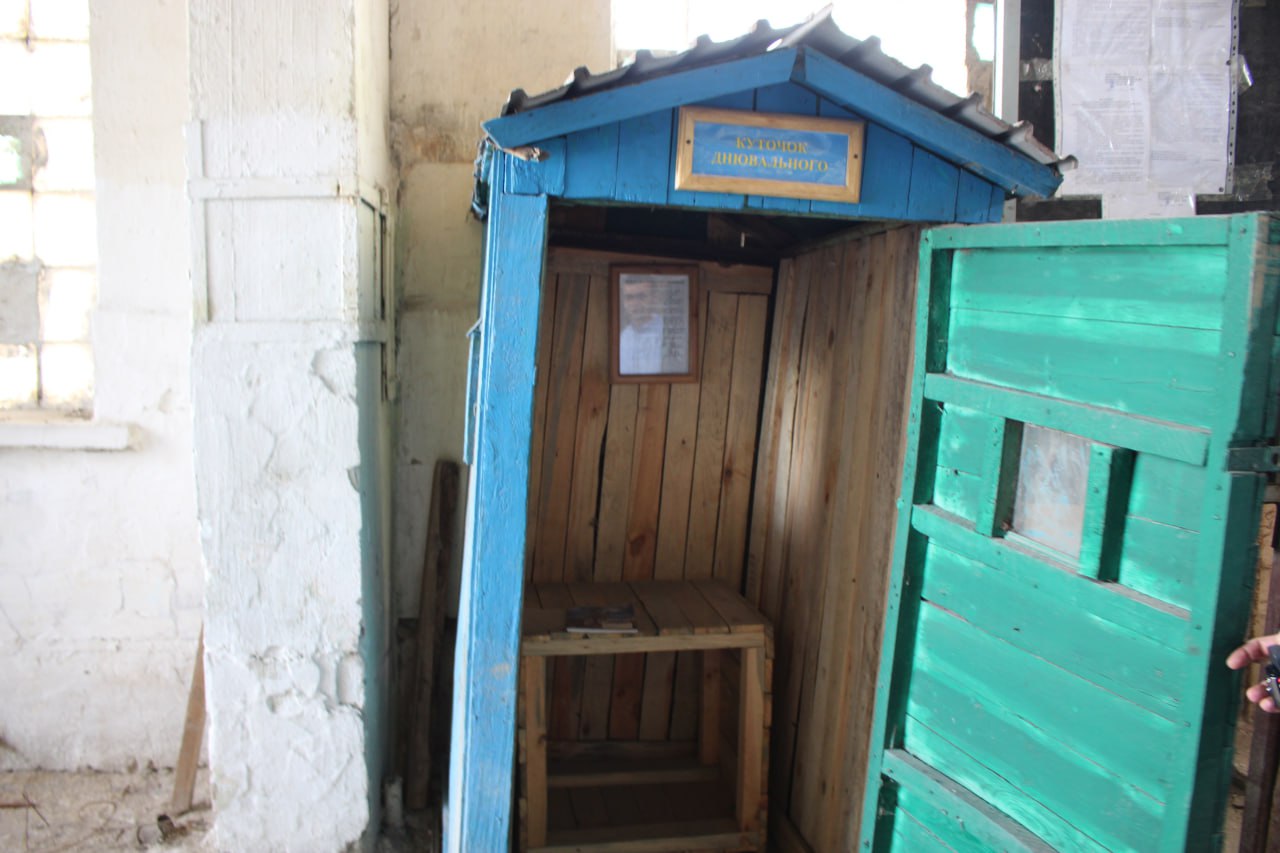
3 workshops for the manufacturing of concrete structures and woodworking are in use. On the day of the visit, 30 people were working in production. One workshop is under reconstruction and is being prepared for operation. However, there was a log in the duty orderly's corner with entries indicating that convicts are working in the workshop. That is, the administration of the institution may have provided inaccurate information.
The interviewed convicts M., P., K., K., V., K., R., S., I., K., O. reported that they work under civil law contracts, some for several months, and some convicts for a year or more. Convict O. reported that he has been working in production for nine years. Convicts who work under civil law contracts have production tasks, and acts of work performed are drawn up. The amount of remuneration is provided for by the contract.
The woodworking workshop, according to the management, only recently started operating, about a month ago. Convicts who were evacuated from dangerous areas where military actions are taking place are also involved in the work in this workshop. The log of hourly checks of the presence of convicts at the workplace is checked every two hours, for which there are entries in the logs.
Having familiarised themselves with the acts of work performed by convicts working under civil law contracts, one can conclude that the form of labour relations itself does not ensure the social and labour rights of the convicts, nor the right to pension provision. Some convicts have been working for several years not within the framework of employment contracts, which provide for social guarantees and the protection of labour and pension rights, but within the framework of civil law contracts. And those convicts who are employed within the framework of employment contracts are employed for 50% of a position, 25% of a position. Some convicts who work under civil law contracts according to the acts of work performed received such low remuneration that it can be considered that they worked for free. Namely: convict G. received 208 hryvnias; convict M. — 208 hryvnias; convict K. — 80 hryvnias. Convicts in production are not provided with special clothing and are dressed in their own clothes.
Living Quarters
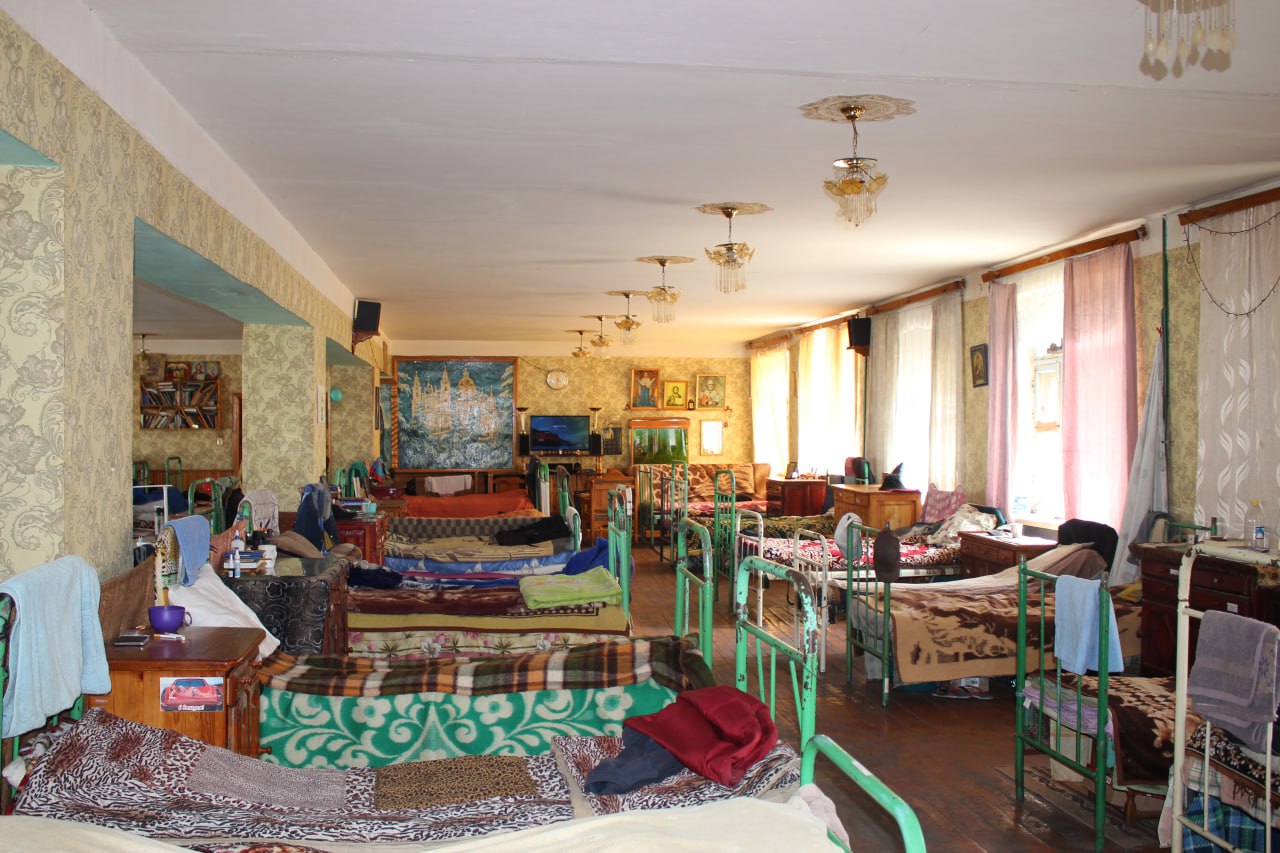
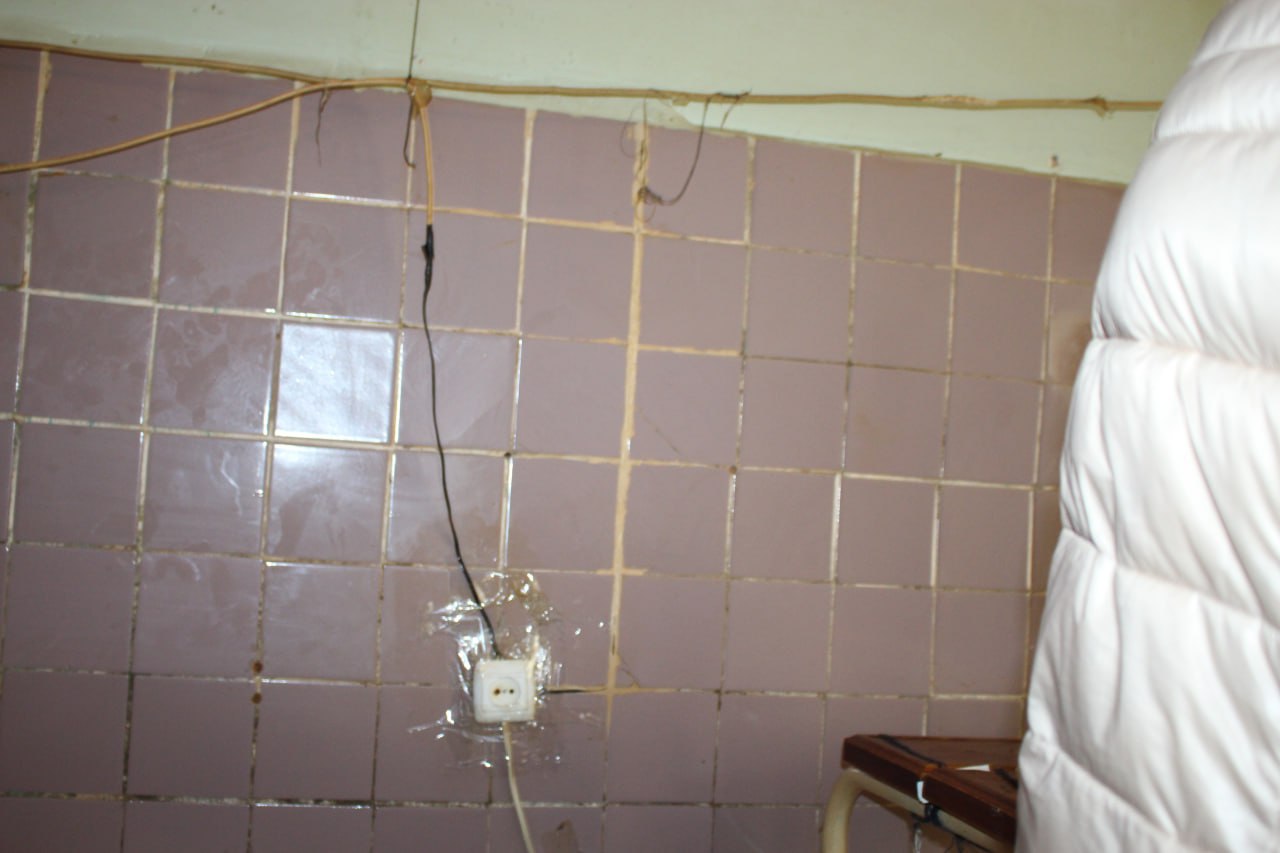
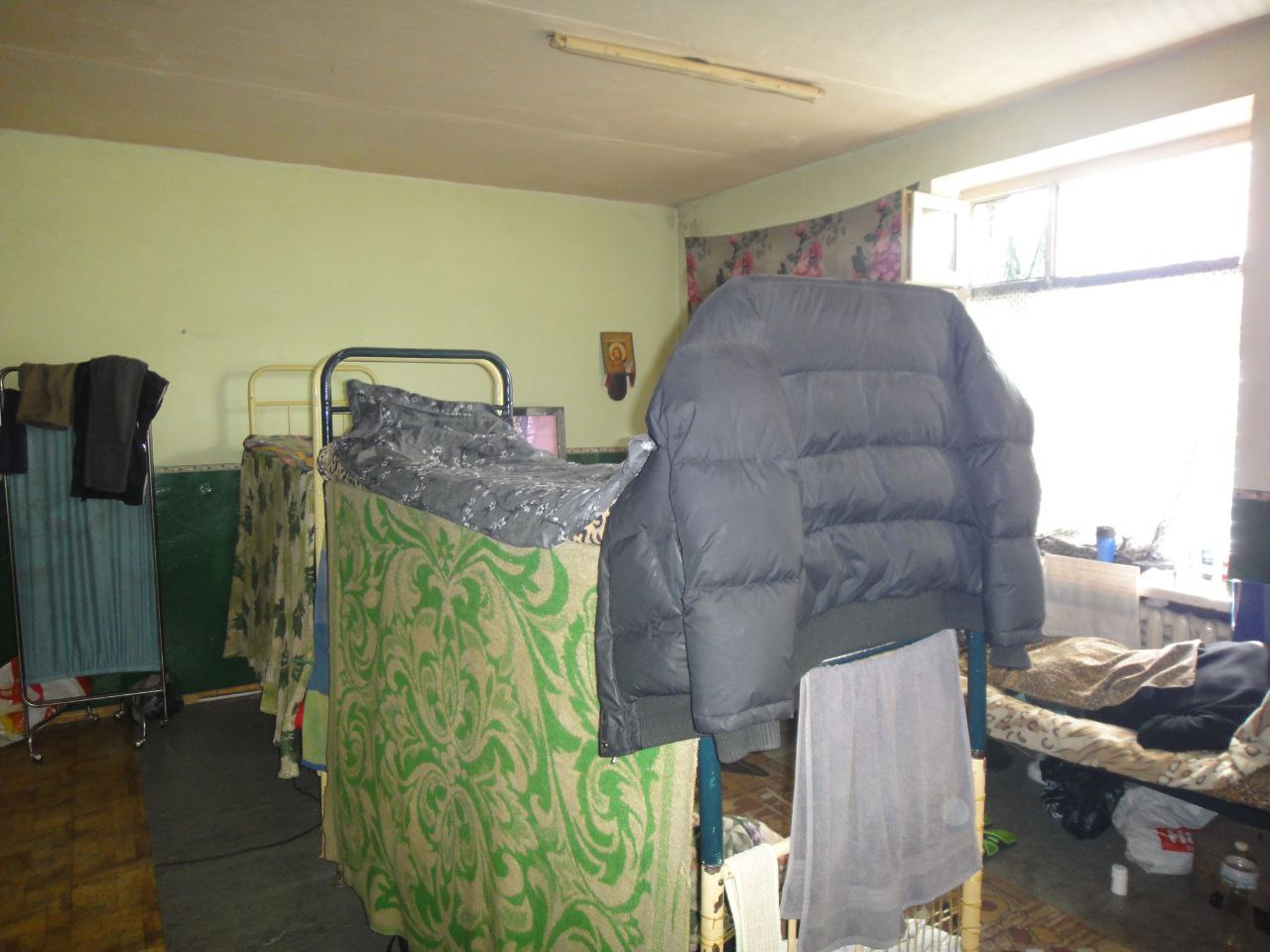
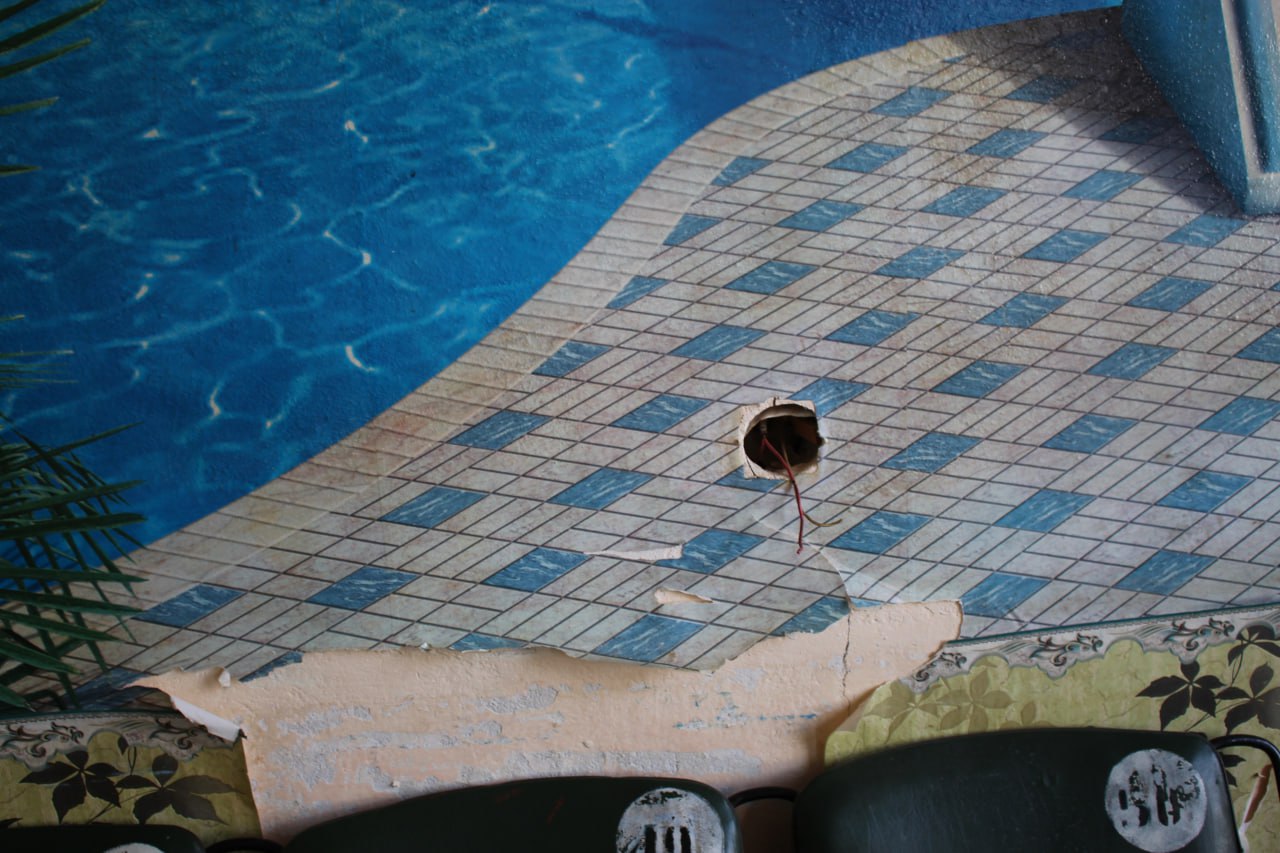
Monitoring of the living quarters showed that the institution has residential premises of the barrack (barracks) type. Some of these premises are in a state of repair, while others require repair work. In some premises, there are bunk beds, which violates the right of convicts to privacy and proper living conditions. Exposed electrical wires create a danger to the life and health of convicts and staff, in violation of fire safety.
Canteen
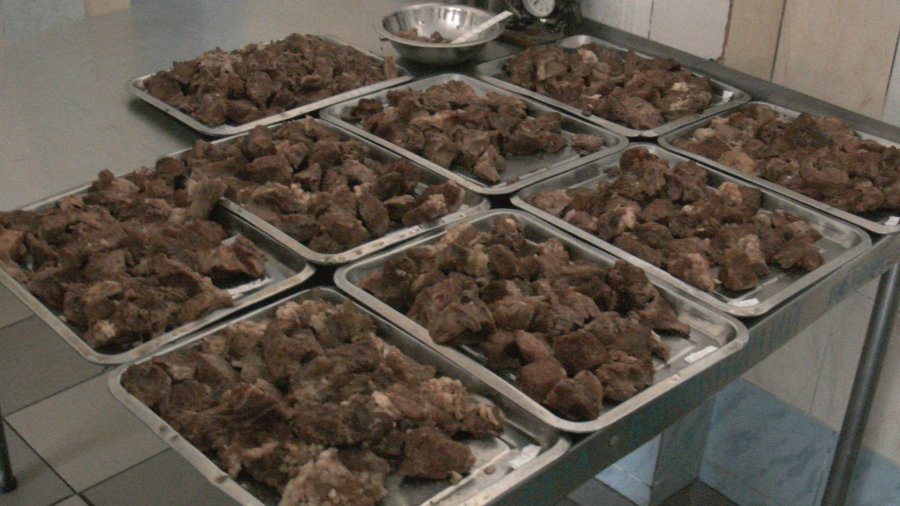
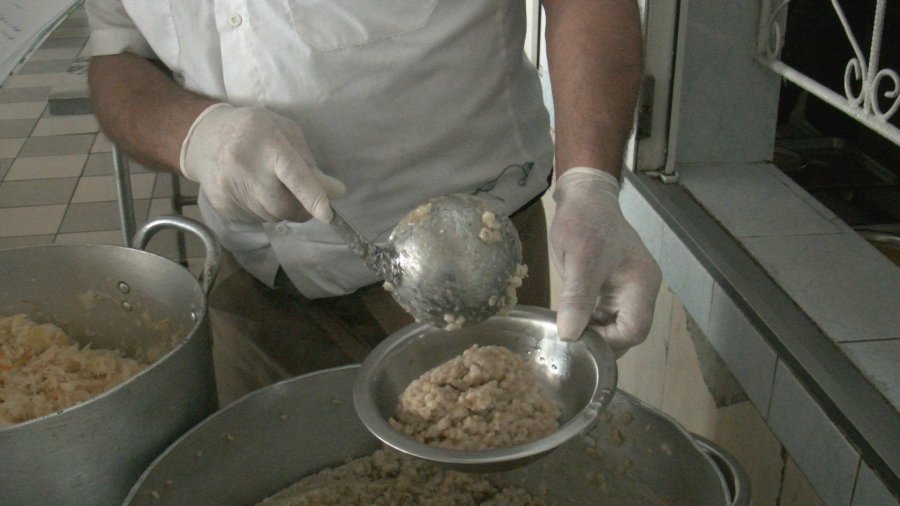
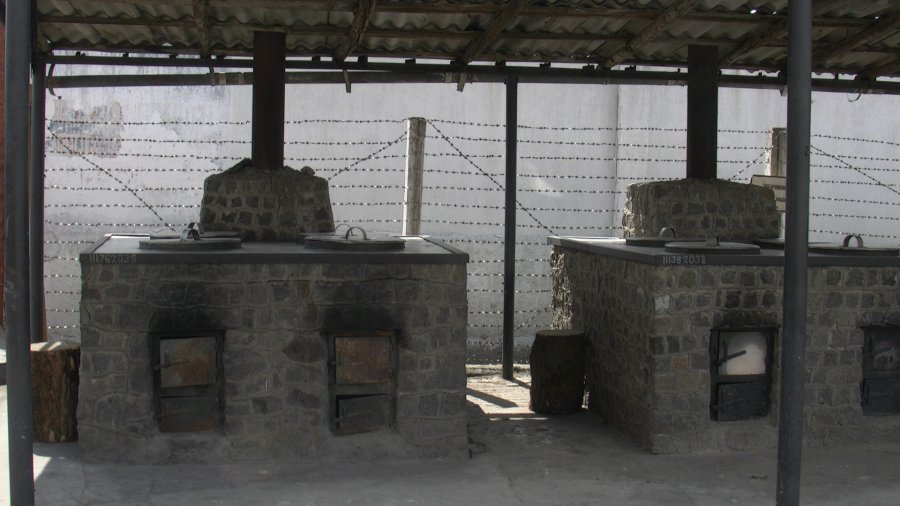
Visiting Rooms
The inspected rooms for long visits and short-term visits through glass were examined.
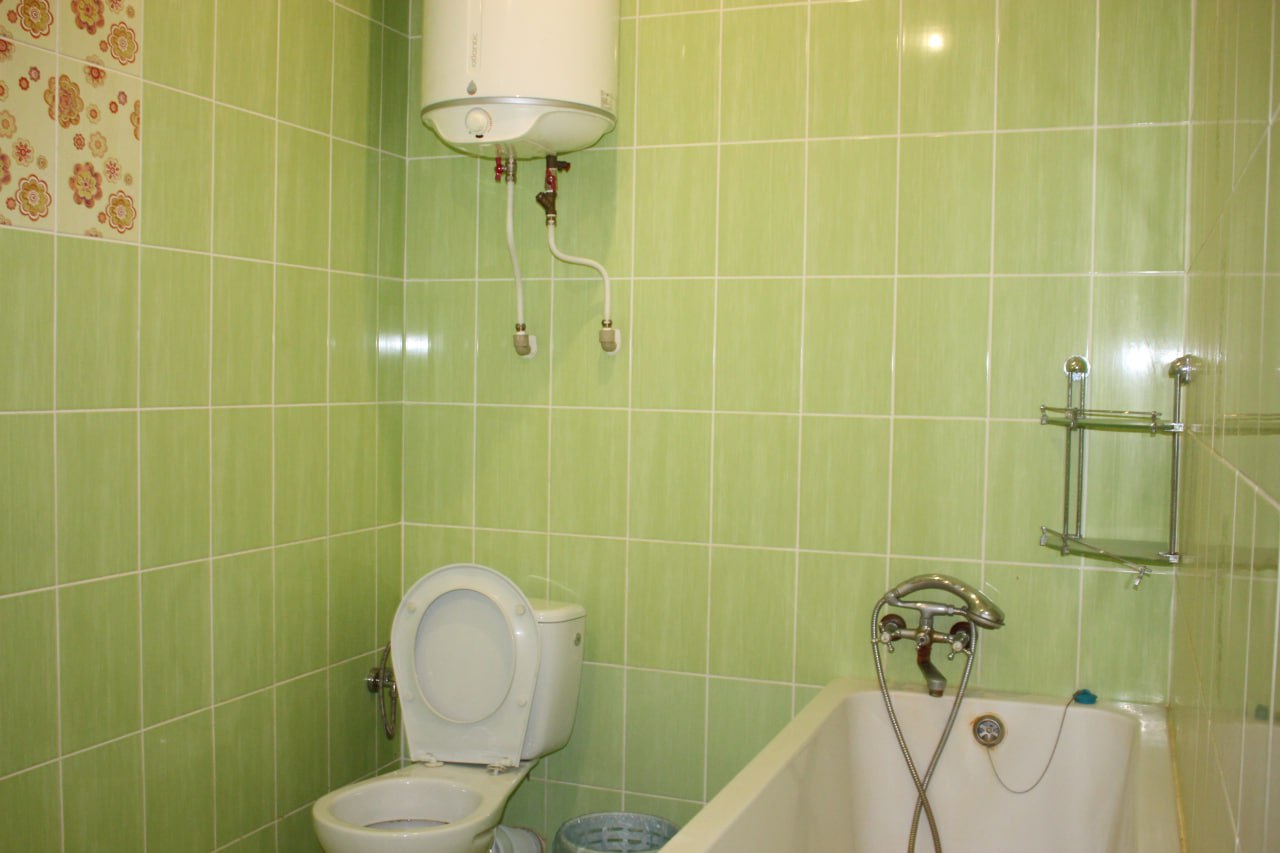
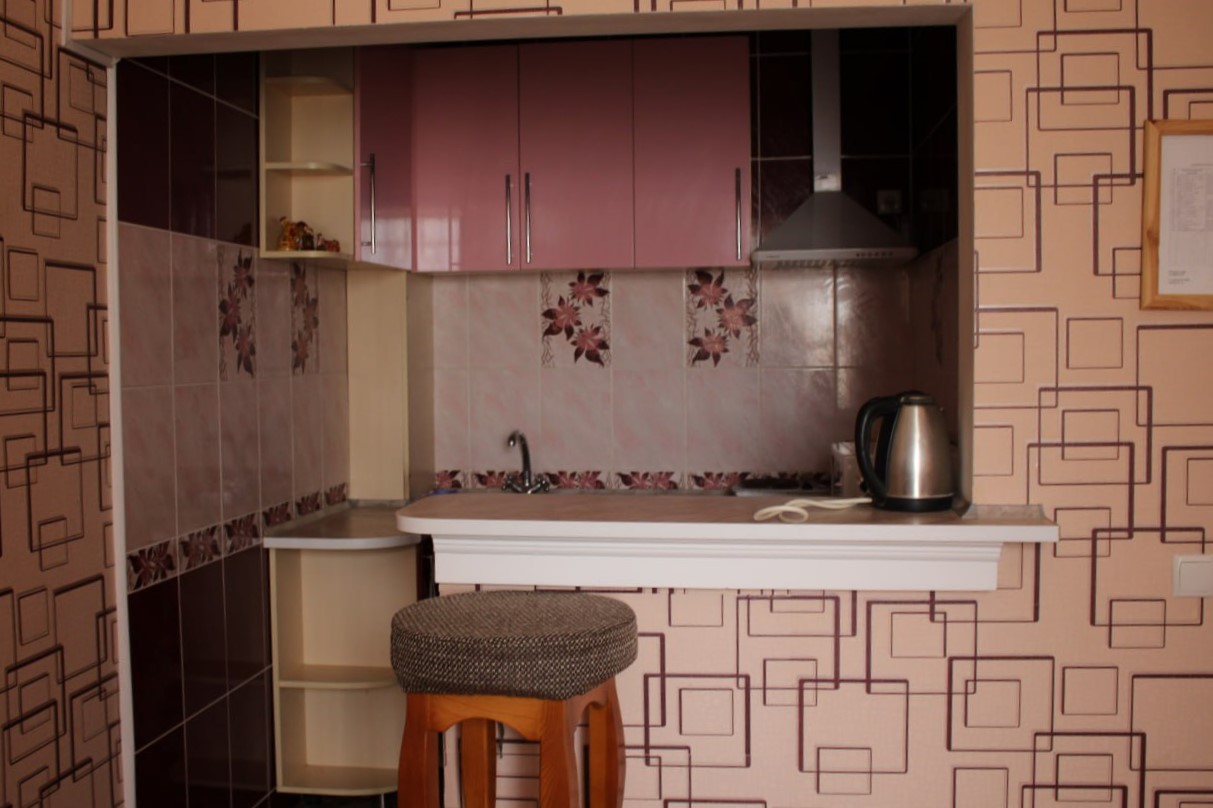
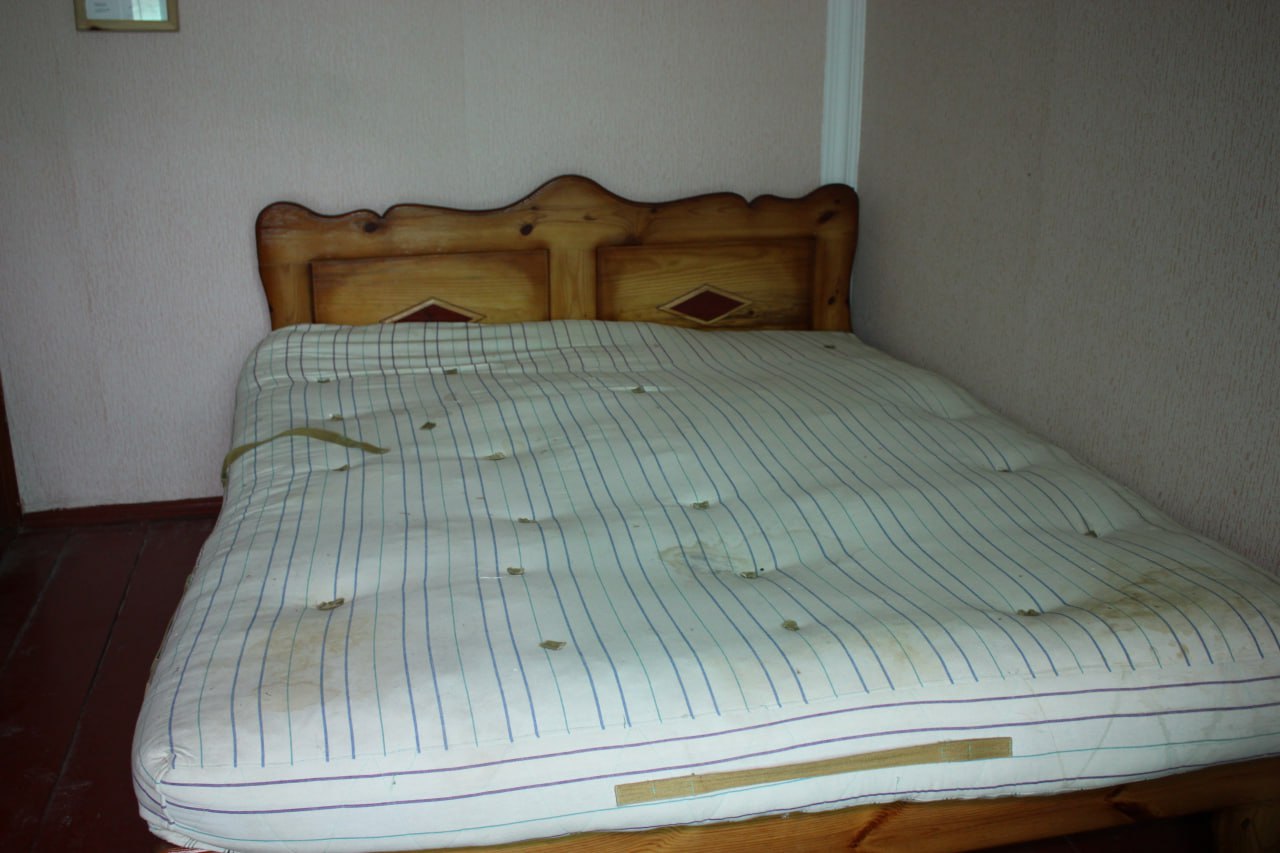
Also, the institution has a renovated room for short-term contact visits.
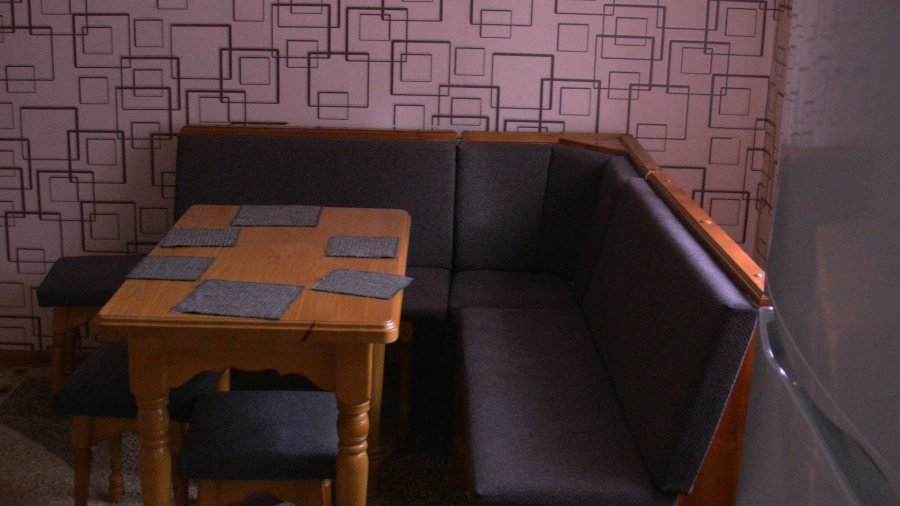
At the same time, the administration representative reported that contact visits take place at the request of the convicts and their relatives. Priority is given to relatives with young children. However, a convict with his family and a young child was at a short-term visit through glass. Representatives of the administration could not explain why this particular family was not given the opportunity to use the contact visiting room, but they promised that upon the end of the visit, the convict would be given the opportunity to hug his relatives.