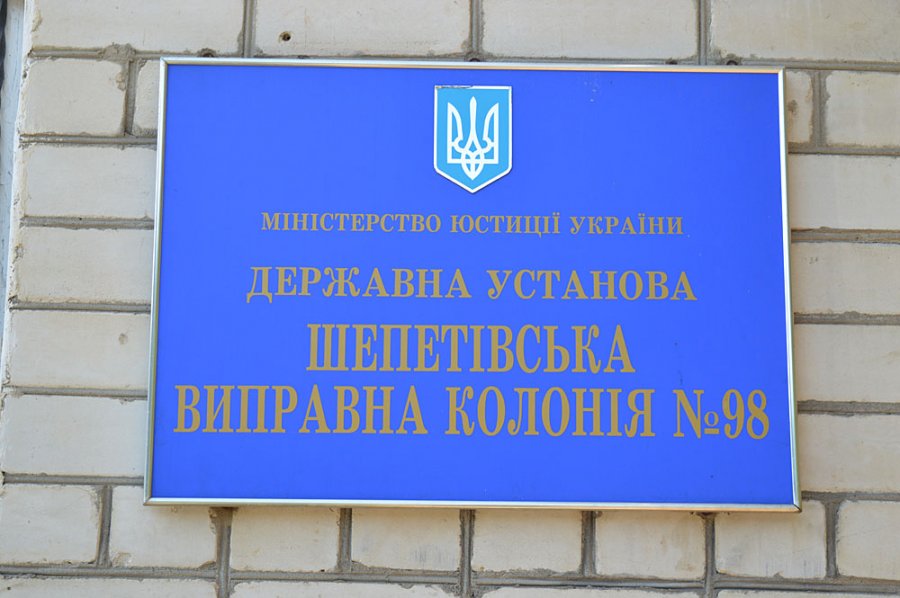
Monitoring Visit to the State Institution "Shepetivka Penal Colony No. 98"
1. General Information
On 22 July 2021, a monitoring group consisting of Maksym Revyakin, an assistant-consultant to a People's Deputy of Ukraine, and two journalists – Hanna Ovdiienko and Pavlo Shvab – visited the State Institution "Shepetivka Penal Colony No. 98". It is a medium-security colony for men serving their first prison sentence. At the time of the visit, there were 401 inmates in the colony. The planned capacity is 1,043 inmates. The institution is located in the village of Klymentovychi, Shepetivka District, Khmelnytskyi Region. It is the largest colony in Ukraine by area, covering 72 hectares. A quarry is located on the colony's territory, which has not been operational since 2016 due to a lack of a licence. Only recently was it restored. The colony has been in operation since 1962.
Four individuals were released on parole from the institution this year. Inmates complained that the local court systematically does not support the colony's motions for parole.
The institution's administration performed temperature screenings on the monitors, but the monitors did not notice any protective barriers or disinfectants at the checkpoint. The monitoring group was allowed onto the institution's premises without obstruction.
2. Canteen
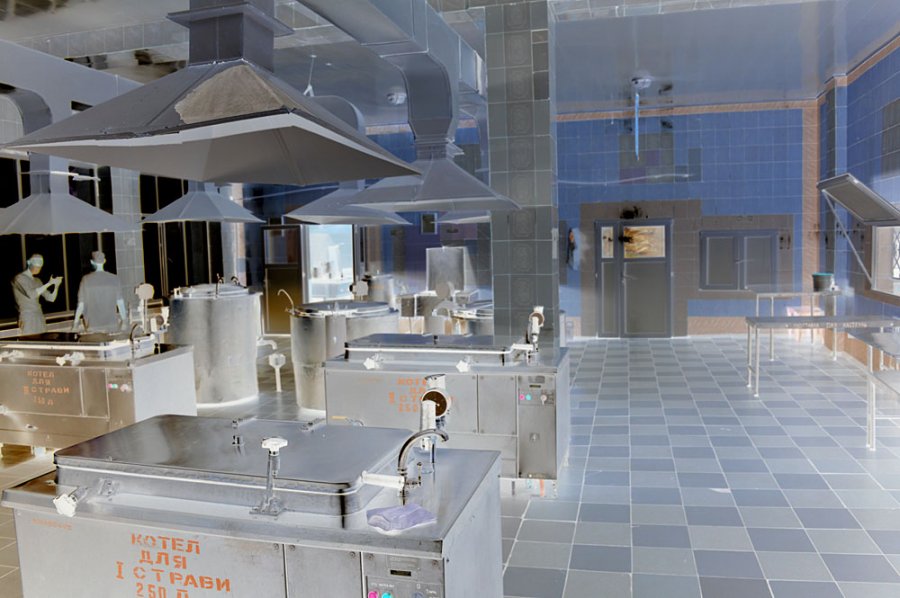
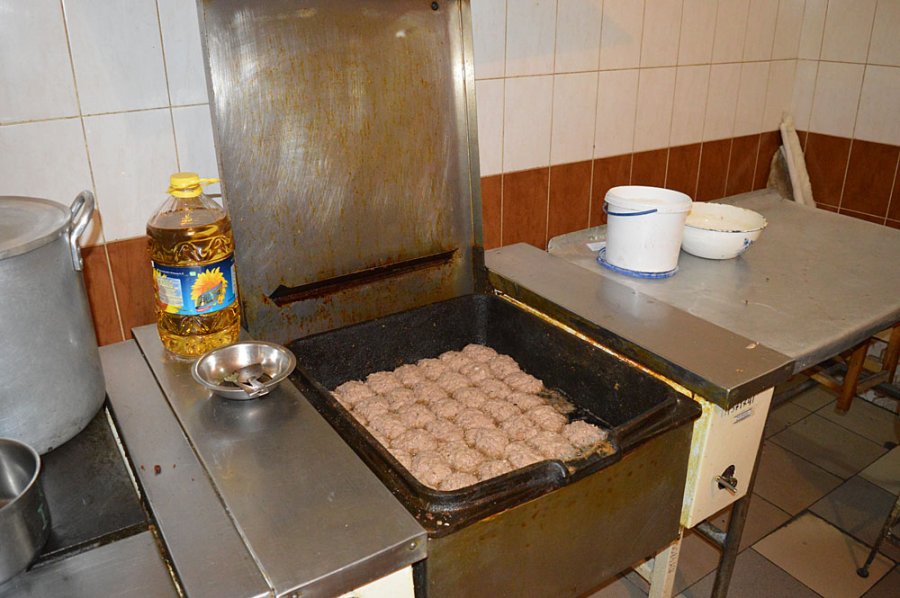
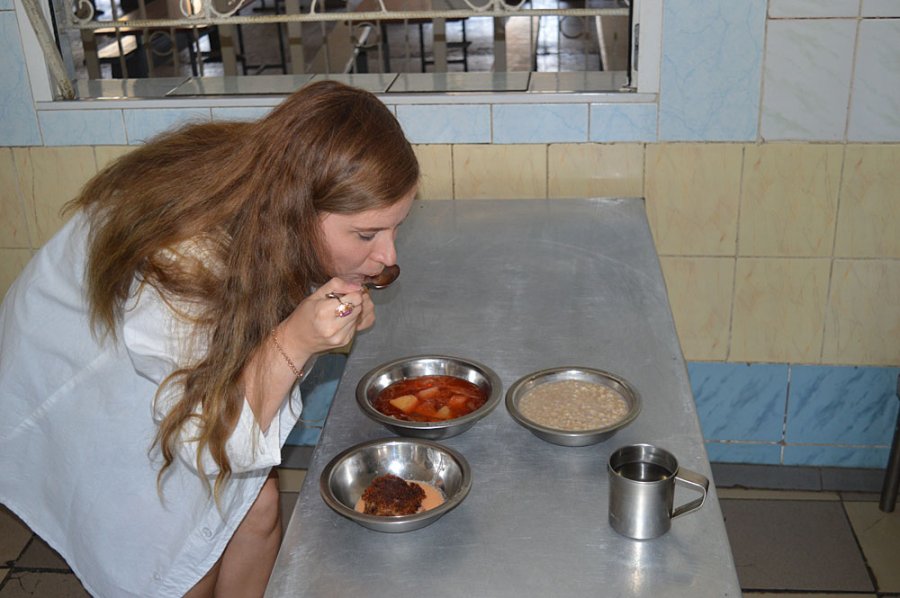
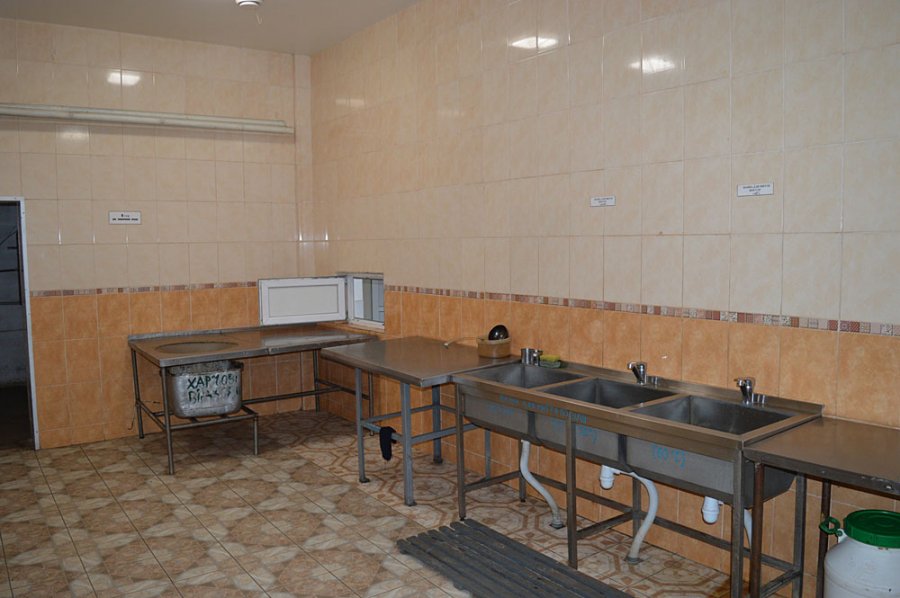
First, the monitors headed to visit the institution's canteen and kitchen. Repair work was taking place in the vegetable processing unit and was nearly complete. Lunch was being prepared in the kitchen, and it smelled pleasantly of fried cutlets. The electric stoves in the kitchen have been replaced. The monitors tasted the lunch. The taste was satisfactory. The dishwashing room has been renovated, and the sinks for washing dishes have been replaced.
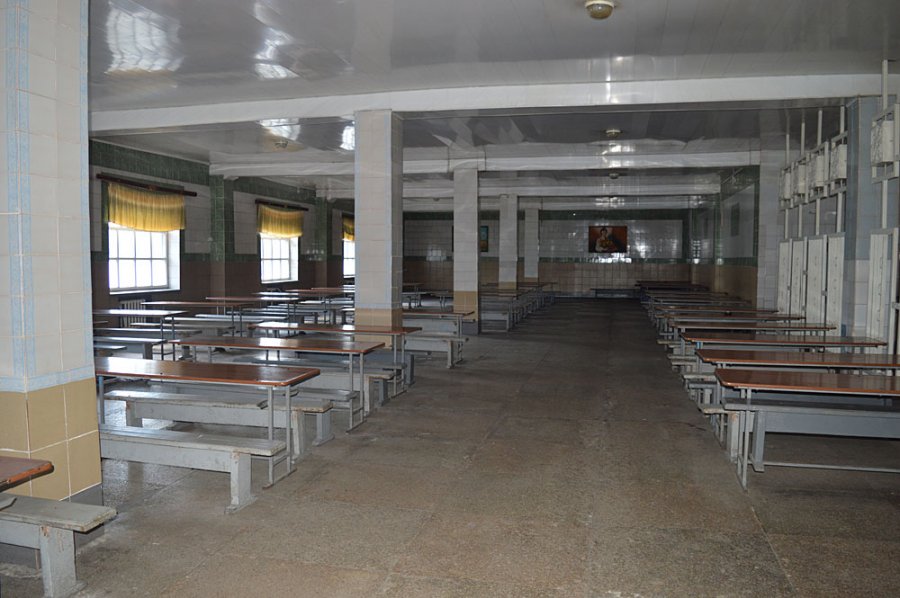
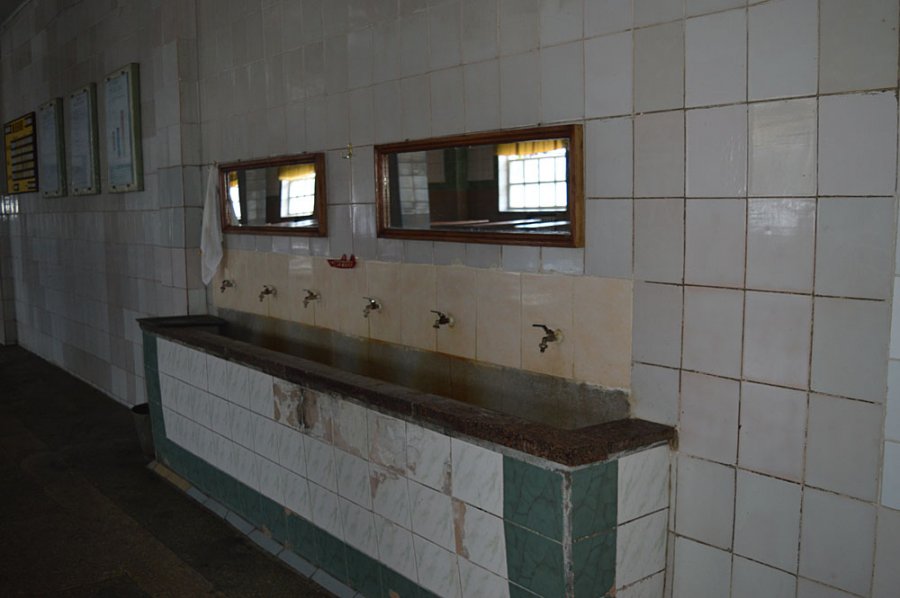
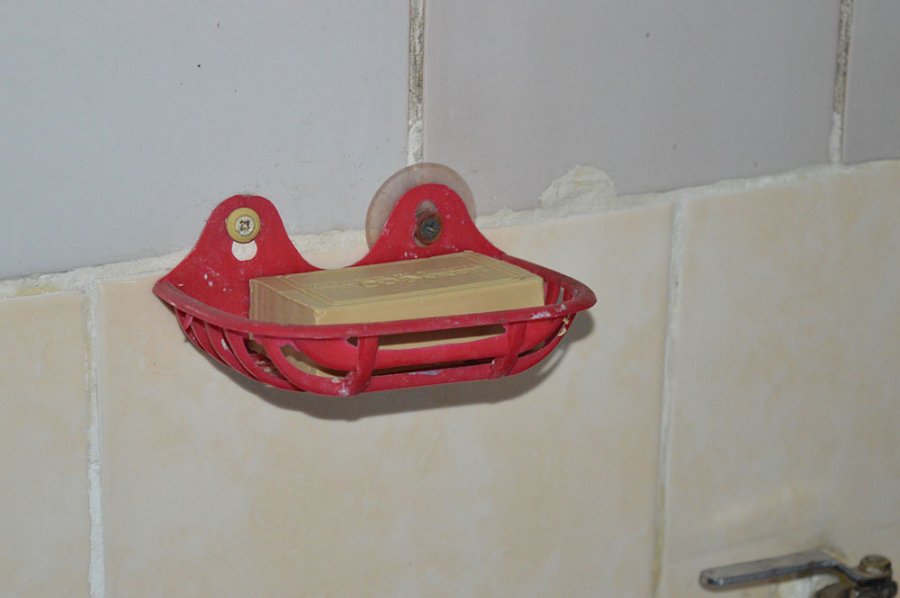
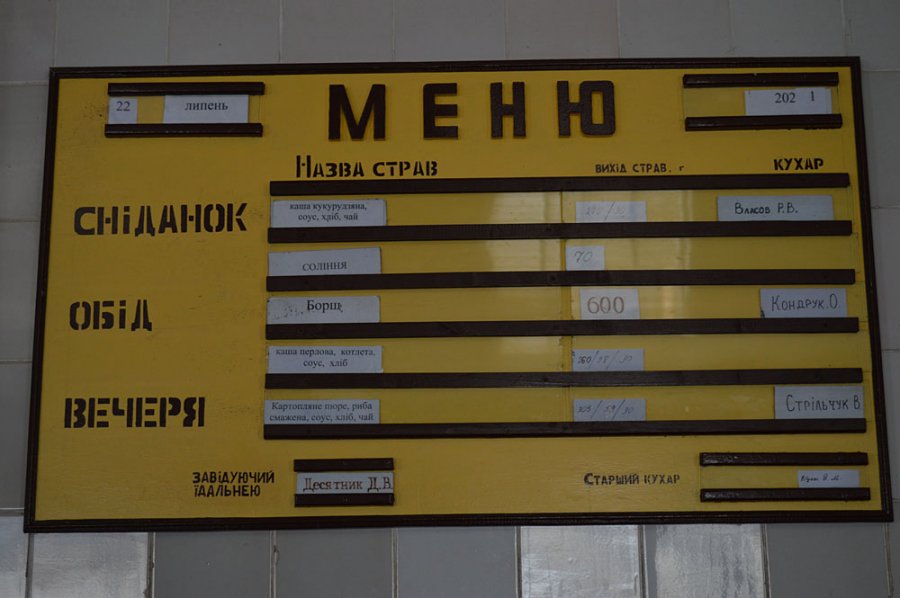
The dining hall is spacious and can accommodate a large number of people. Hand basins are located at the entrance, with towels and soap that appeared as if they had never been used. There is an information menu board in the hall.
3. Bath and Laundry Complex
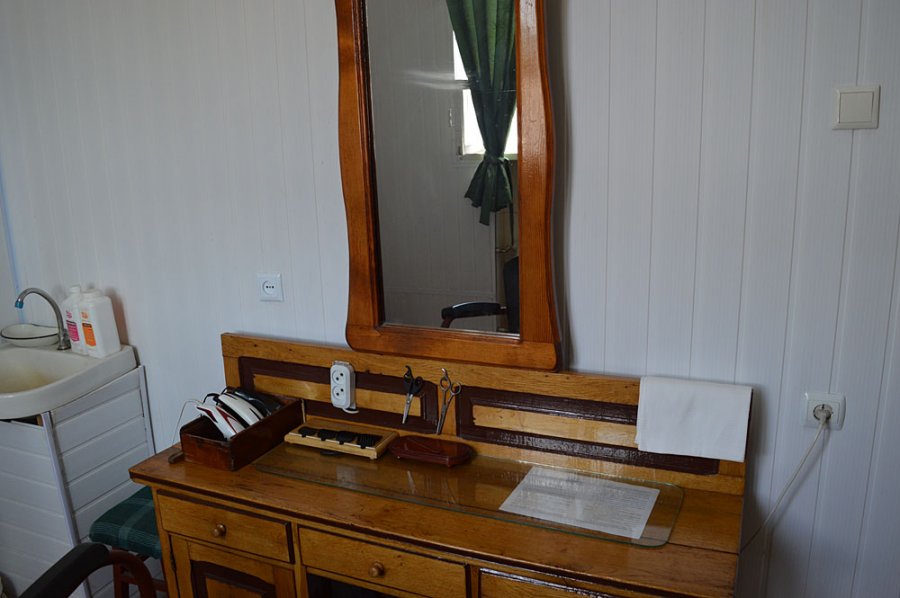
The bath and laundry complex includes a barbershop. The barber, who is an inmate, works under an employment contract.
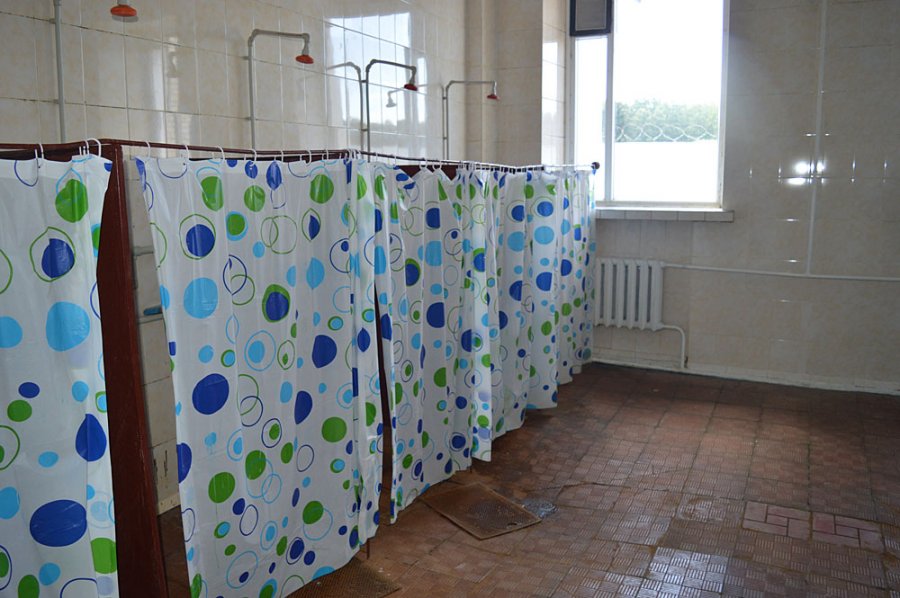
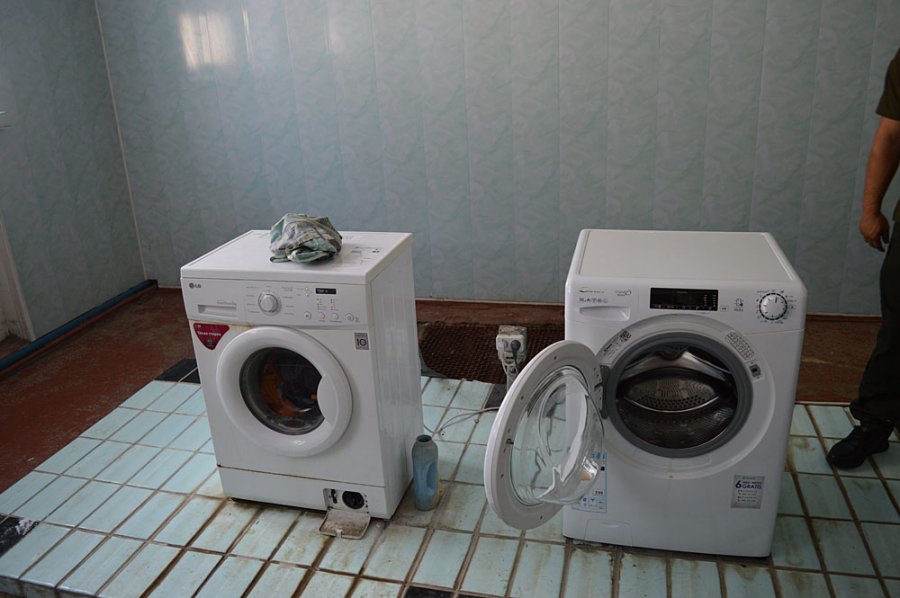
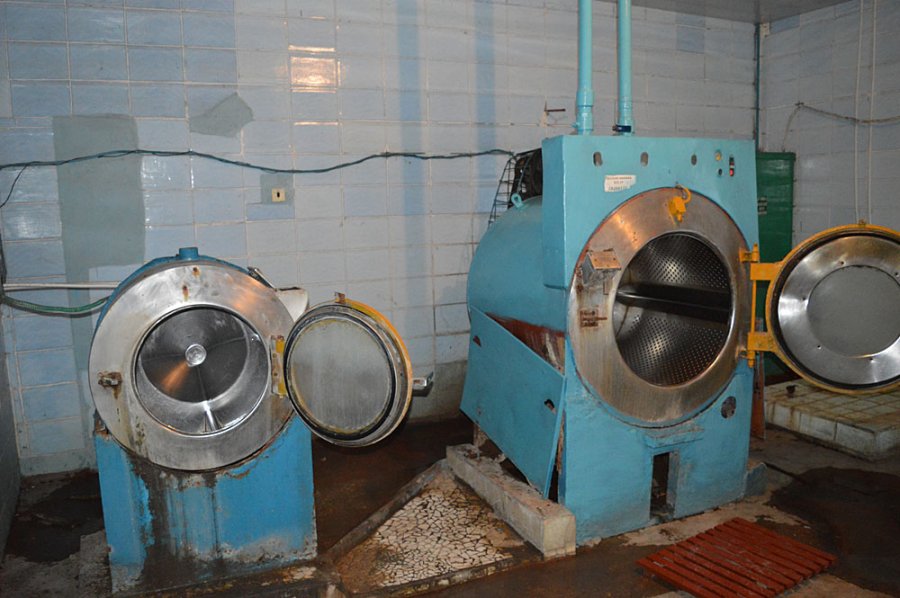
The shower stalls are separated by high partitions and have curtains and rubber mats. The laundry has both new and old washing machines which, according to the administration, are coping with the laundry load.
4. Medical Unit
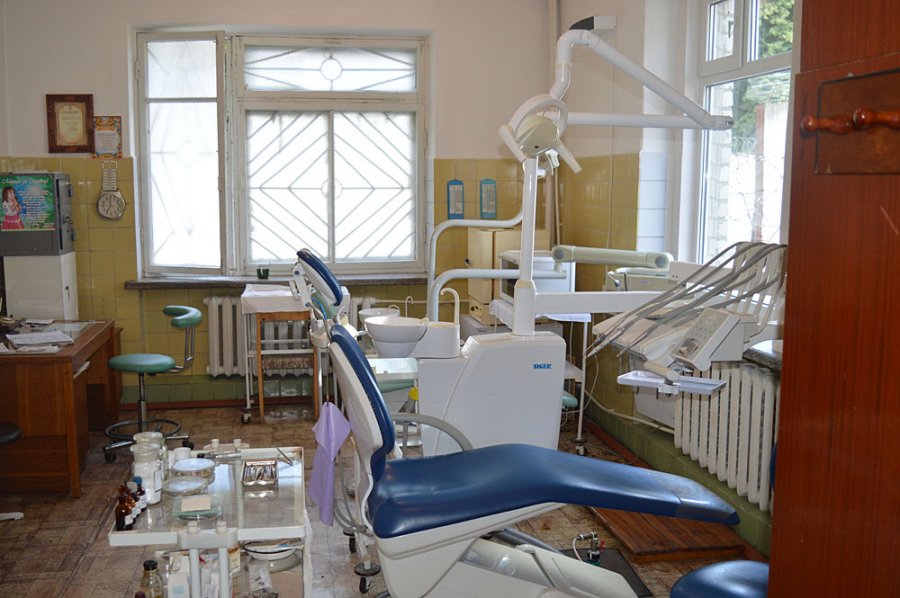
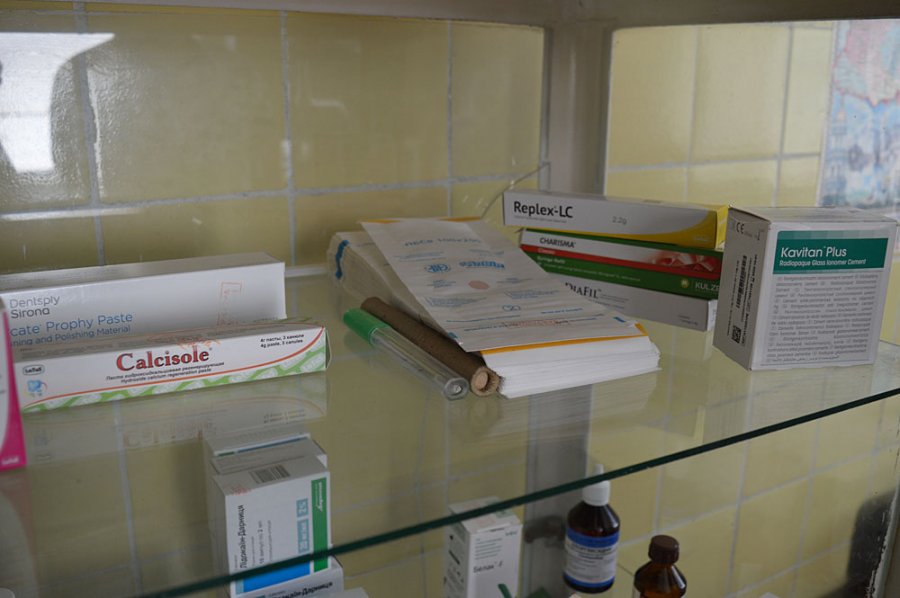
The medical unit has a dental office equipped with filling material. The dentist works full-time and sees an average of five patients per day. The head of the medical unit assured the monitors that there is a sufficient supply of medicines. Rapid tests for HIV and coronavirus are also available. Since the beginning of the year, two cases have been recorded in the register of bodily injuries, which is extremely low for an institution where over 400 inmates are serving sentences. This suggests that the register is being maintained improperly or that the procedure for examining inmates for bodily injuries is poorly organised.
At the time of the visit, 12 inmates were undergoing outpatient treatment. According to the staffing schedule, nine people work in the medical unit. One inmate has died in the medical unit this year. The cause of death was heart failure. Two cases of inmate injury were recorded during the year – the injuries were sustained in daily life. One case of tuberculosis has been recorded this year. There are 11 inmates in the institution suffering from hepatitis C and 7 inmates living with HIV. According to the head of the medical unit, there are no registered cases of coronavirus among the inmates. Since the start of the coronavirus pandemic, 18 administrative staff members have fallen ill. To date, all staff members who wished to be vaccinated have received the jab.
5. Interregional Hospital
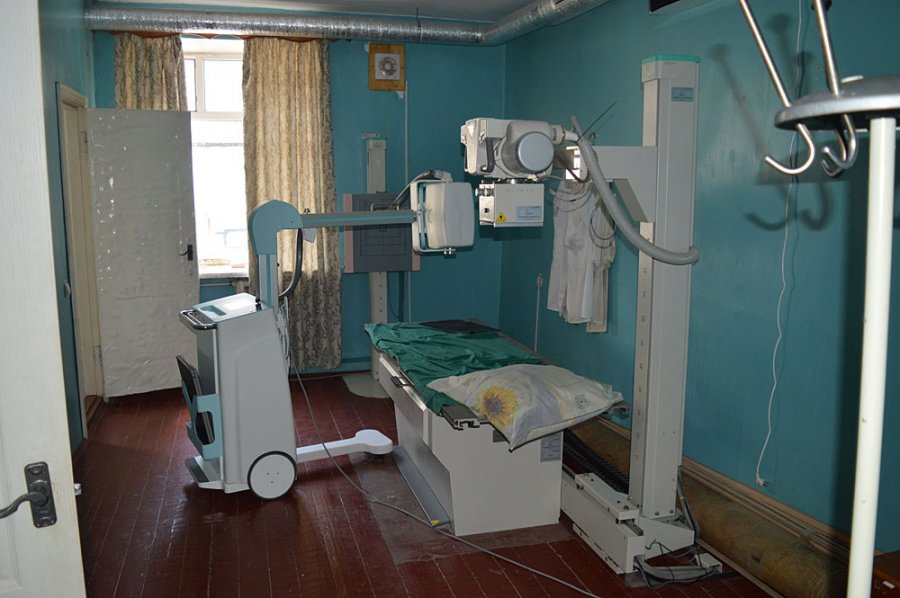
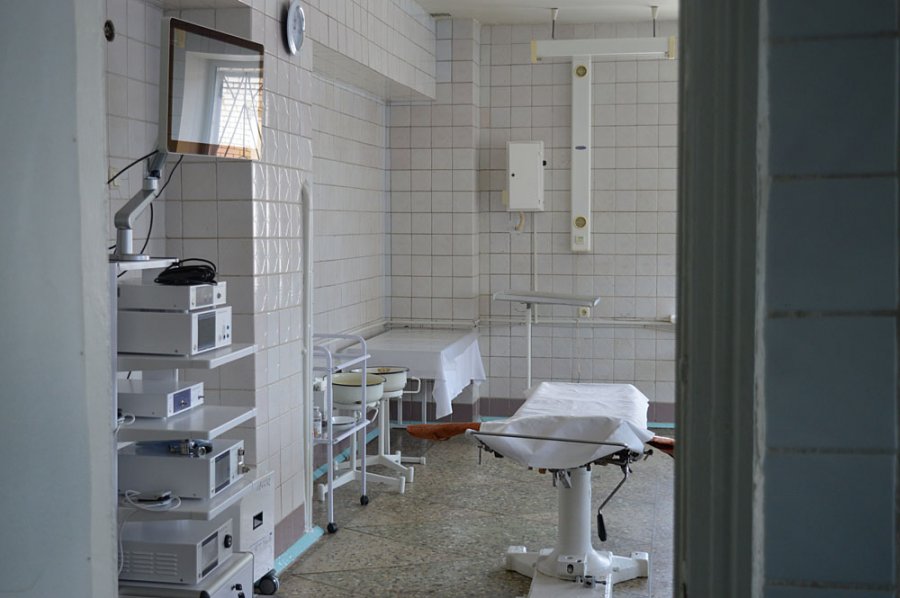
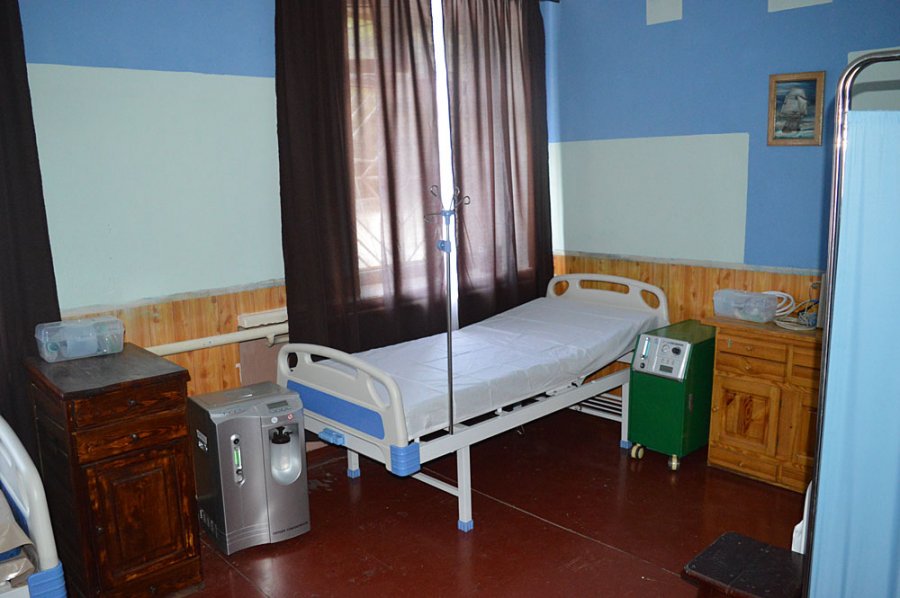
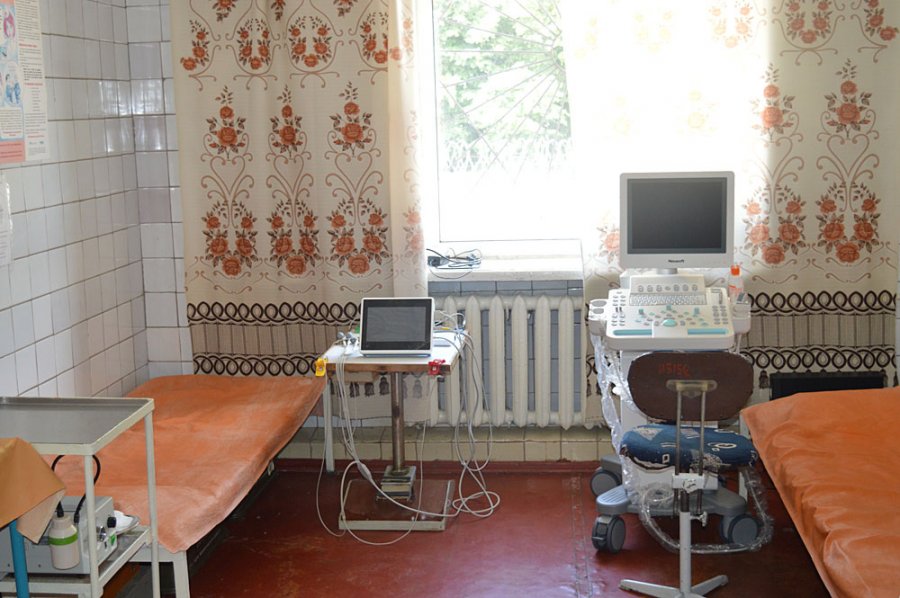
An interregional hospital operates at the institution, designed for 100 beds, 40 of which were occupied at the time of the visit. The hospital consists of three departments: therapeutic, surgical, and dermatological. The surgical department is equipped with an operating theatre. The hospital has a licence for medical practice and the use of narcotic substances. However, inmates claimed that operations have not been performed for several months.
In the multidisciplinary hospital, there are cells for inmates serving life sentences. These cells are in a dilapidated state. There is mould on the walls, and the sanitary facility requires a major overhaul. However, the colony administration explained that it does not have the authority to carry out repairs in the hospital, as this would be a misappropriation of funds, and the Centre for Health Care did not allocate money for repairs in 2021.
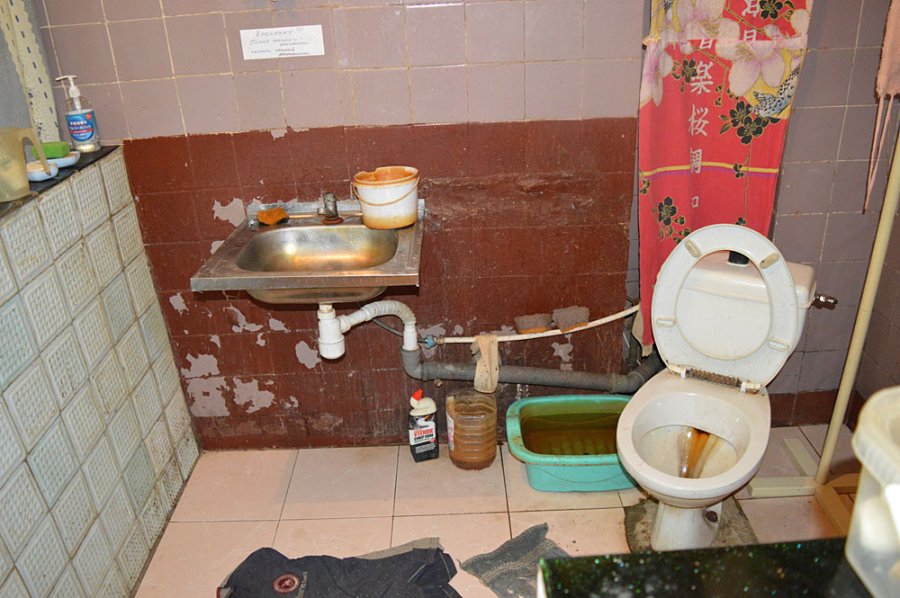
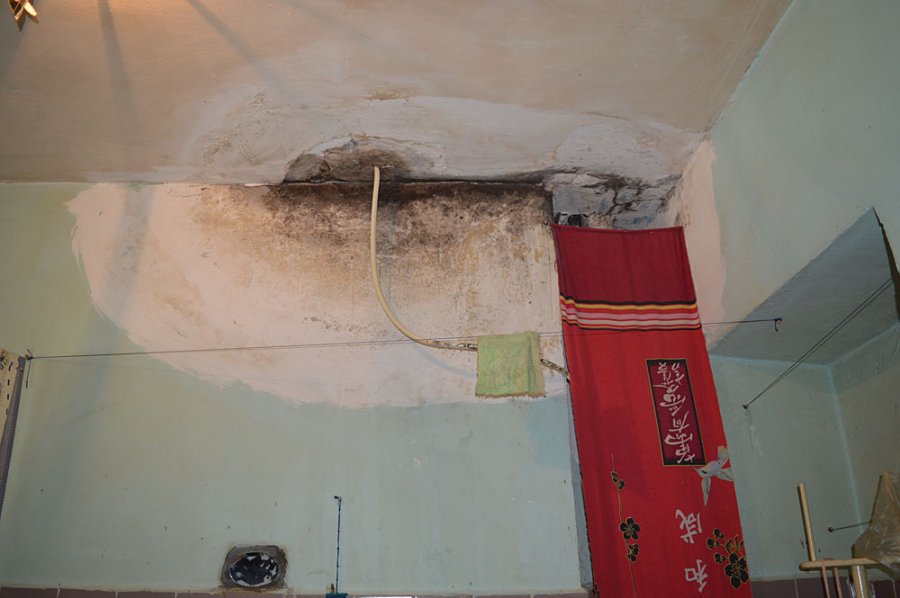
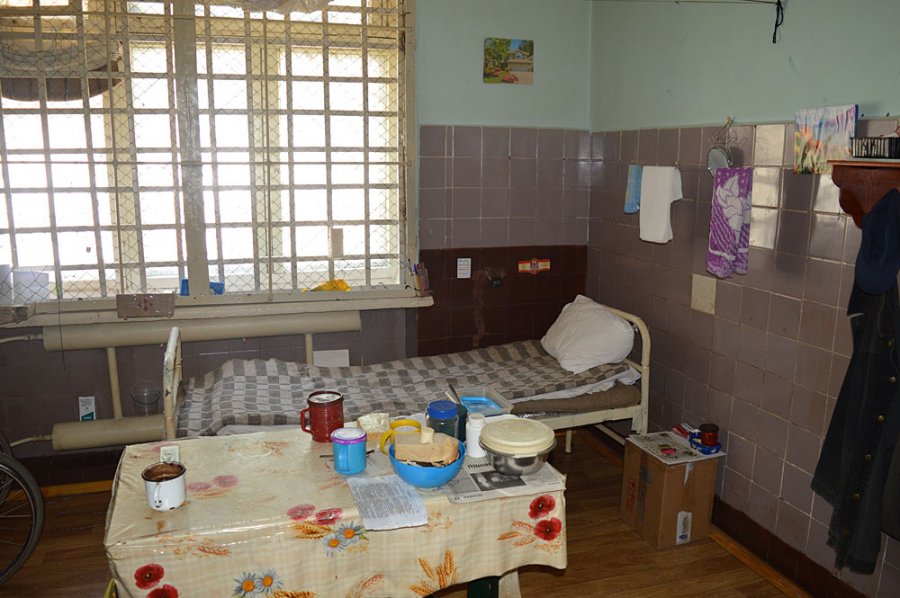
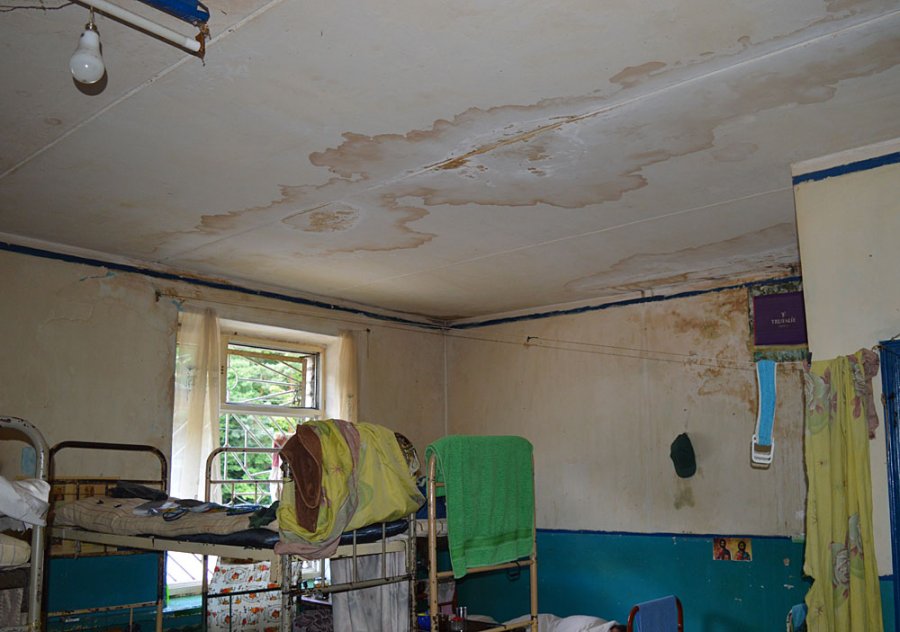
Other wards are also in a dilapidated state. Traces of past flooding and mould are visible on the ceilings and walls. The bedding is old and dirty. The sanitary facilities are neglected and in need of repair.
In the interregional hospital, separate wards have been organised in case of infectious diseases among inmates, equipped with a mechanical ventilator and an oxygen concentrator.
The head of the medical unit assured the monitors that the hospital is fully provided with all necessary medicines. However, during conversations with inmates undergoing inpatient treatment, the vast majority of them reported that they are provided only with the simplest symptomatic medicines (No-Spa, Analgin, ibuprofen, etc.), and some even mentioned a lack of these medicines for short periods. Some inmates noted that treatment in the medical units of standard institutions is better than in the specialised hospital.
The monitors also spoke with an inmate who requires the assistance of a urological surgeon. However, after the closure of the Bucha Penal Colony, there are no longer any specialised facilities with a urological department in the State Penitentiary Service system, so there is no one to perform the necessary surgical intervention on the inmate in penitentiary hospitals, and the specialised hospital, as it seemed to the monitors, has no desire to cooperate with civilian hospitals. In addition, another inmate complained that he was supposed to be taken to the Lviv Multidisciplinary Hospital for diagnostics, but for unknown reasons, the latter has been refusing to accept him for such diagnostics for four months. There are no other penitentiary hospitals that could perform such diagnostics.
Inmates complained about the lack of prompt transfer from the institution after the completion of their treatment.
6. Residential Units
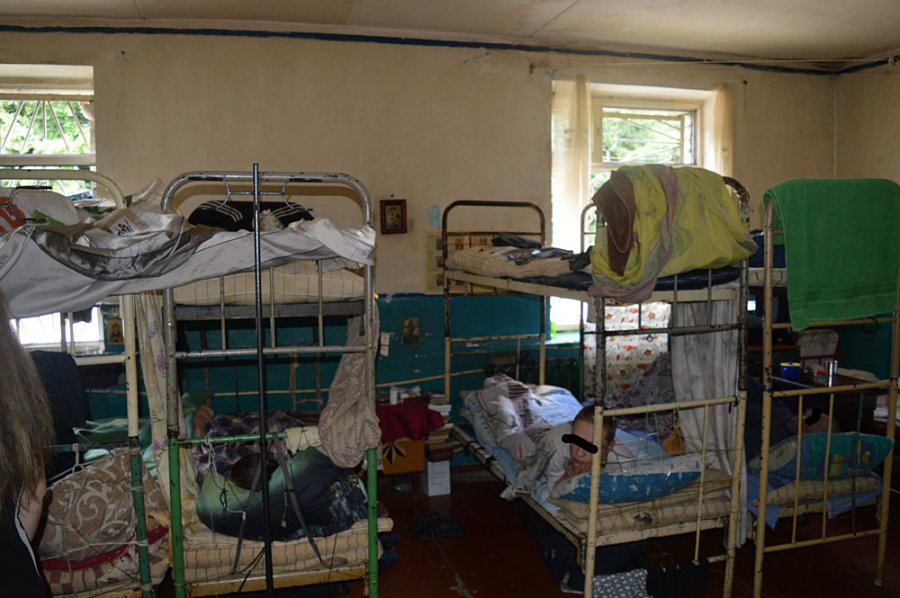
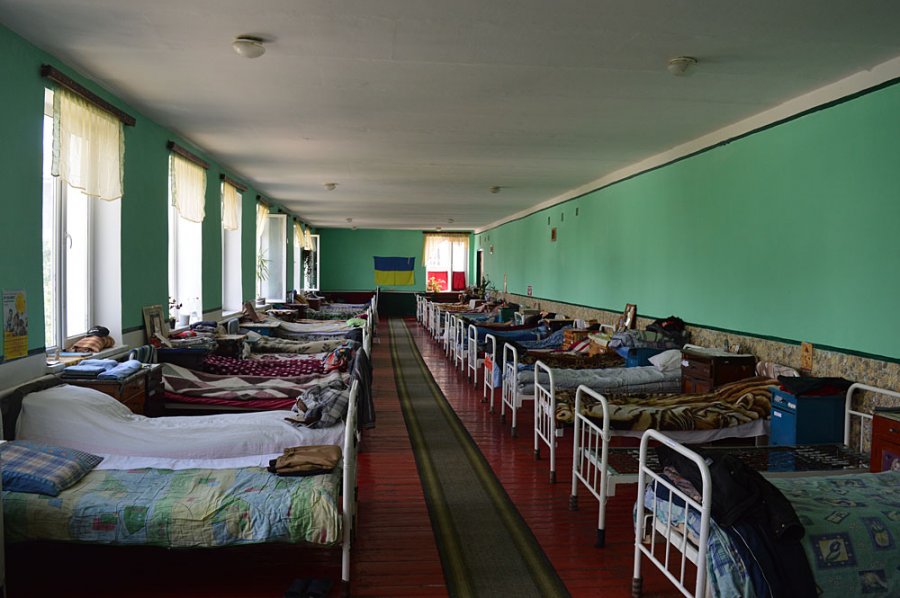
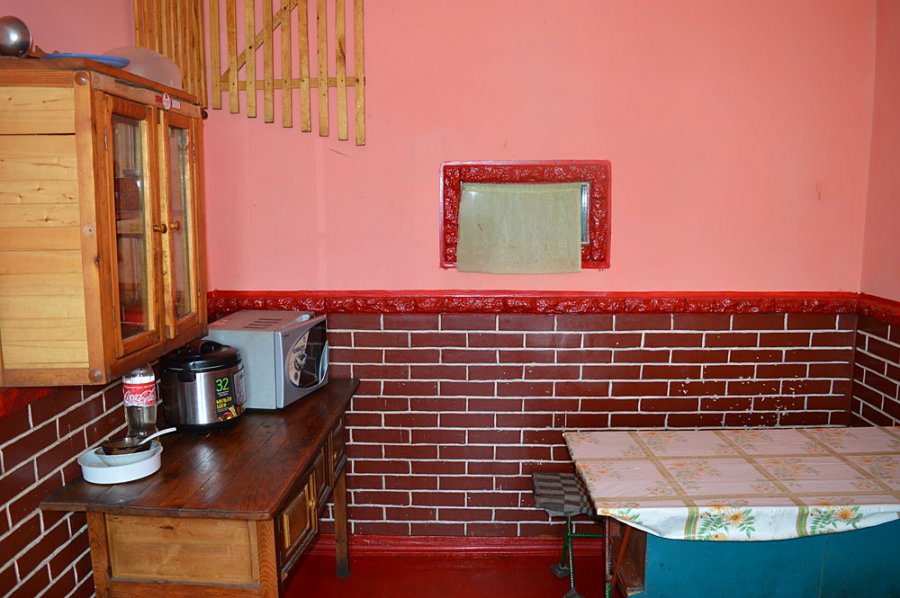
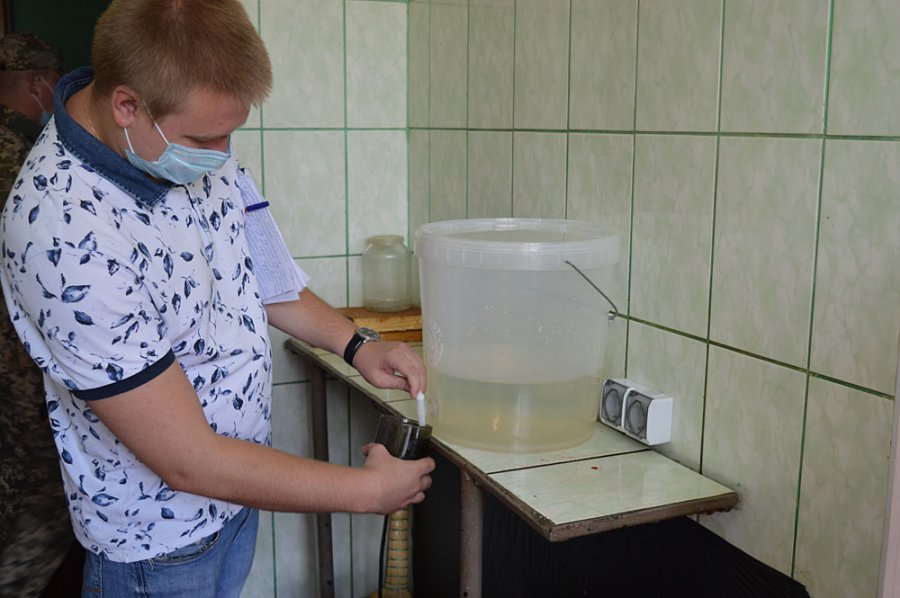
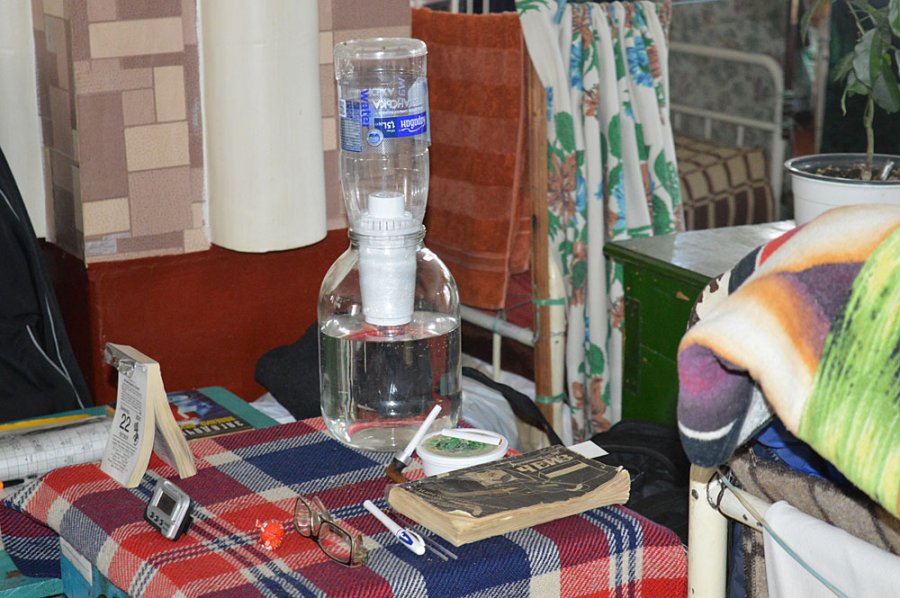
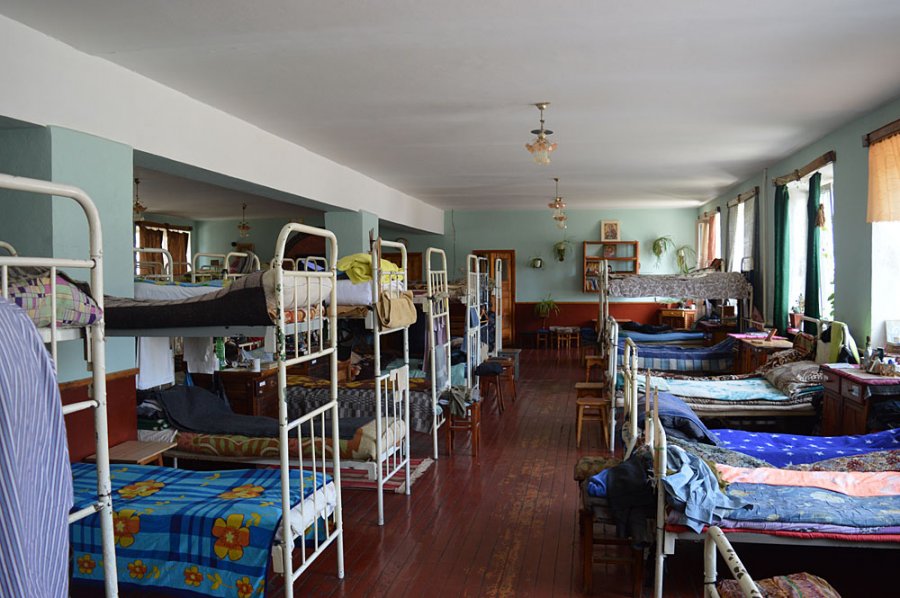
There are nine operating units in the institution, with three units mothballed which, according to the administration, are maintained in a proper condition and ready to receive new inmates. All nine units are of the barracks type, meaning each unit has only one large sleeping room. Only in one unit did the monitors notice a recently completed cosmetic renovation. The dining rooms in this unit have a refrigerator, a microwave, and a multicooker. The monitors checked the quality of the drinking water, which visually appeared cloudy and yellowish. The inmates and the administration assured them that this was because the containers were old and scratched, which made it look that way. After this, the monitors decided to taste the water. After drinking it, there was an aftertaste atypical for drinking water. Later, the monitors discovered a homemade water filter, which confirms the need for additional purification of what the administration calls "drinking water."
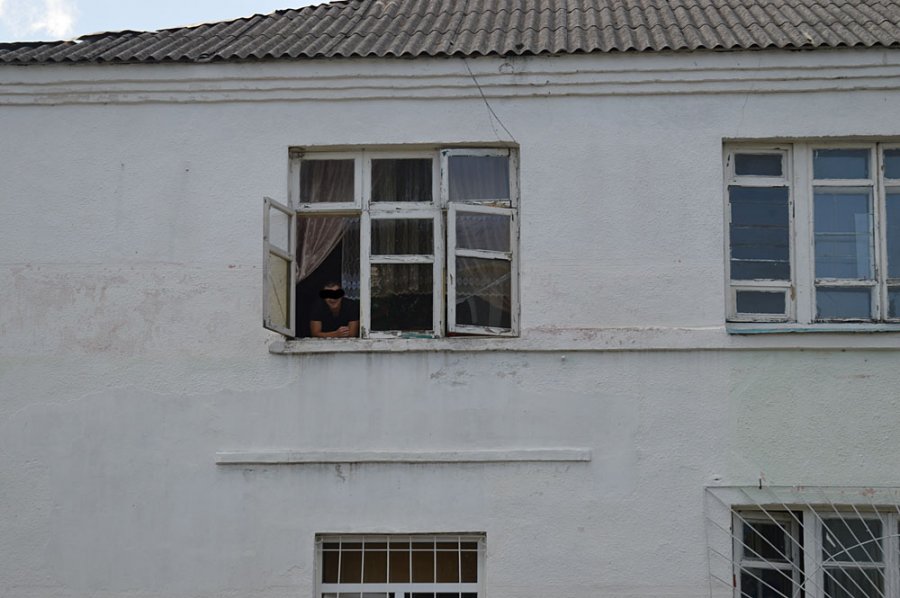
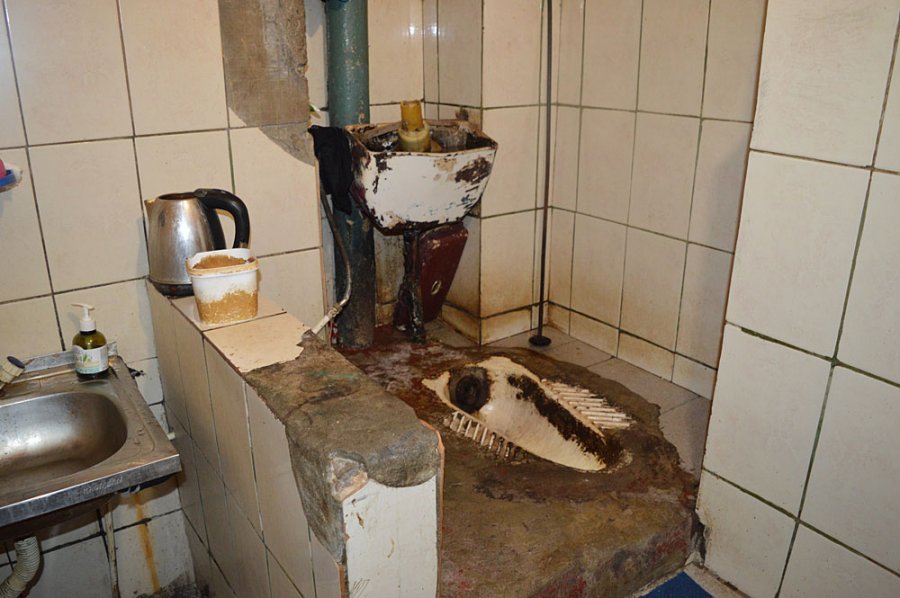
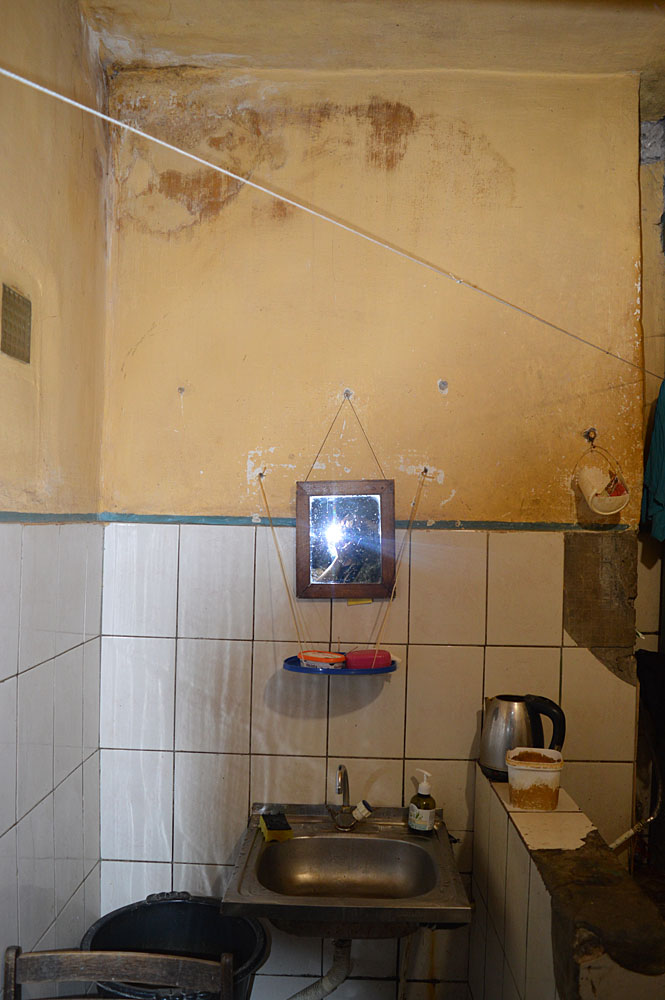
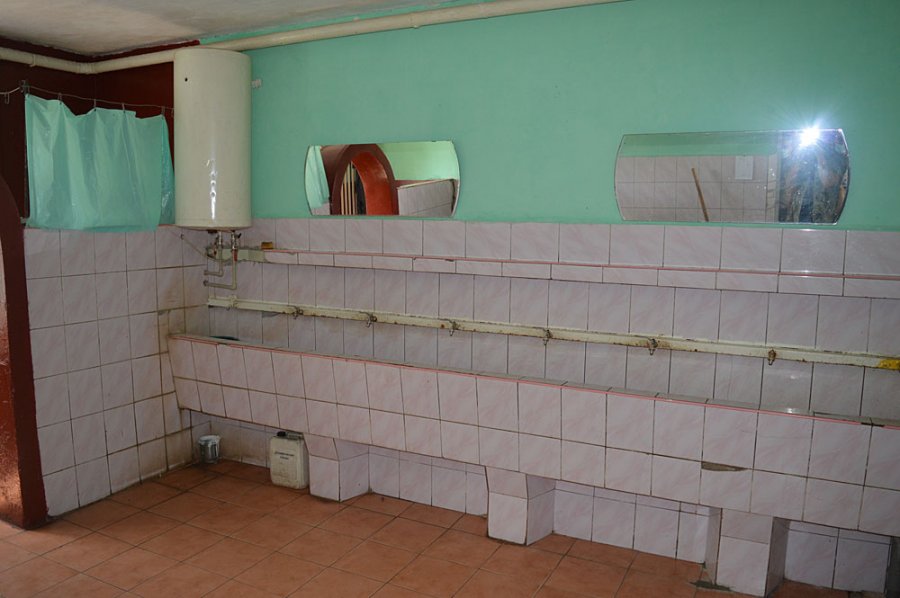
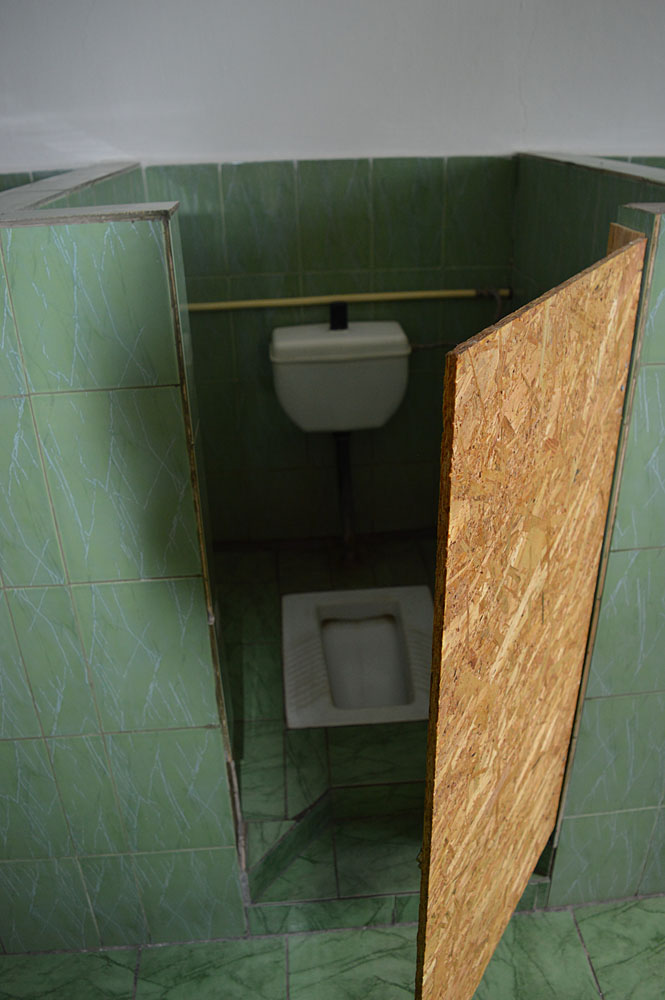
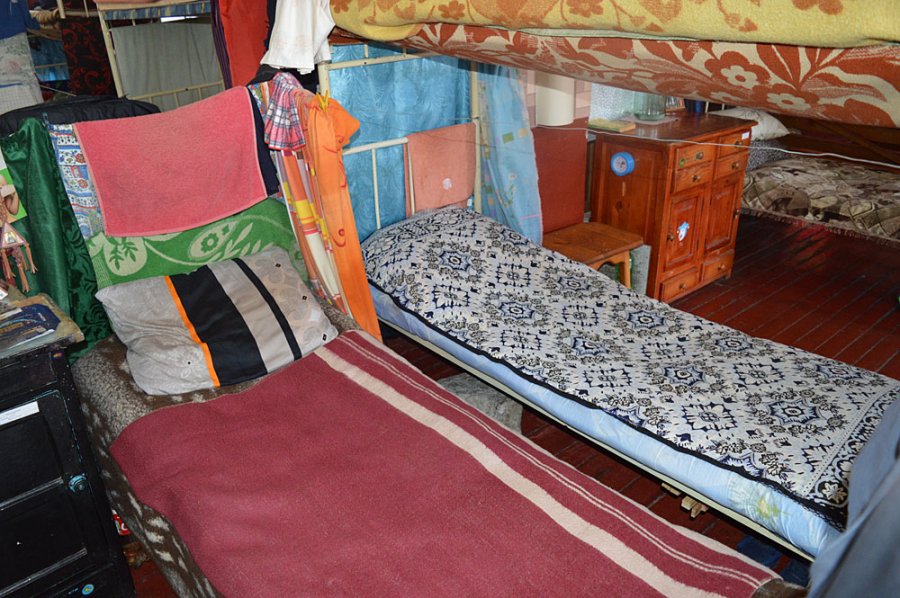
The sanitary facility contains a hand-washing system. The inmates installed the shower themselves. The toilet had a specific unpleasant smell of sewage. The toilets are separated by low partitions and doors. In the living quarters visited by the monitors, there were no disinfection schedules. In other living quarters, bunk beds are installed, which is not recommended by the European Prison Rules. The beds are placed close together, so the inmates are forced to make improvised dividers themselves, which serve as screens stretched over metal wires. This resembles double beds and definitely violates the inmates' right to privacy.
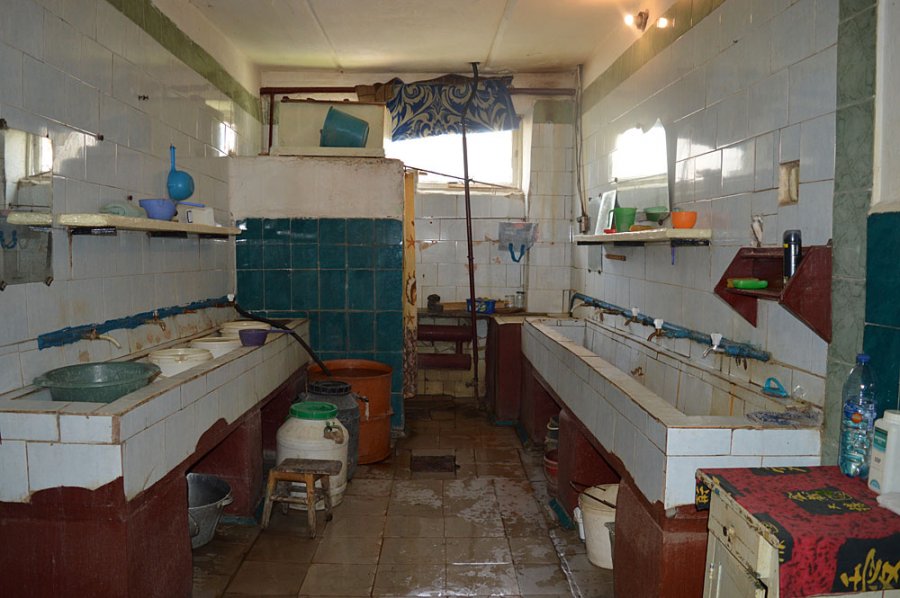
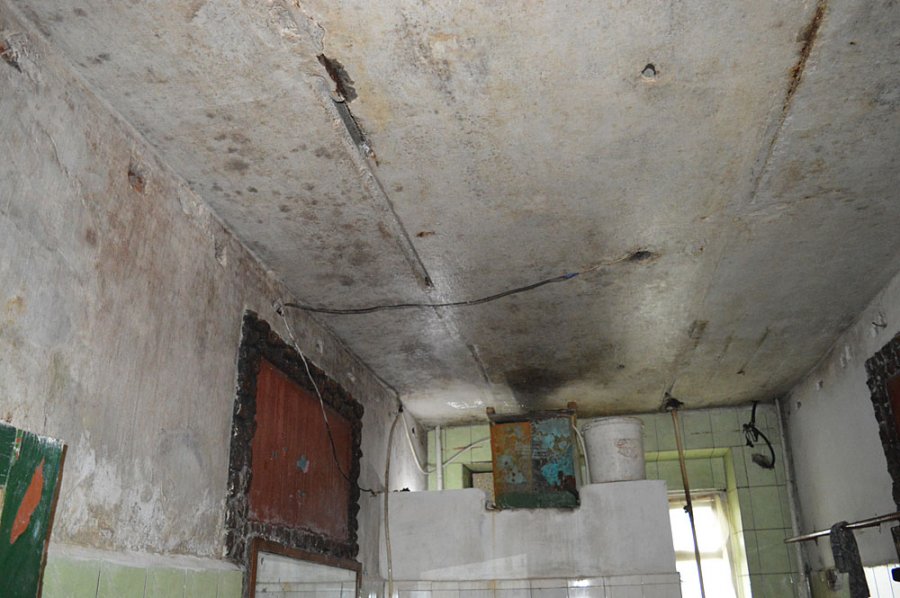
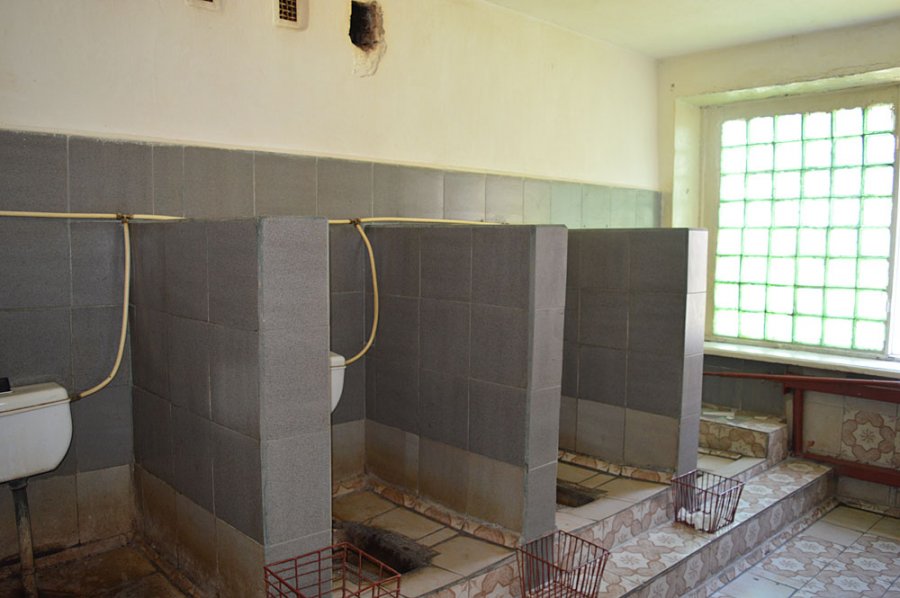
The sanitary facilities are in a dilapidated state. The hand-washing system is outdated and damaged. The toilets are separated by low partitions, and furthermore, there are no doors, which completely violates all rules of privacy. The ceiling in the sanitary facility leaks, which is why it is covered in mould and fungus.
7. Production
Sixty people work in production. They all work in one shift.
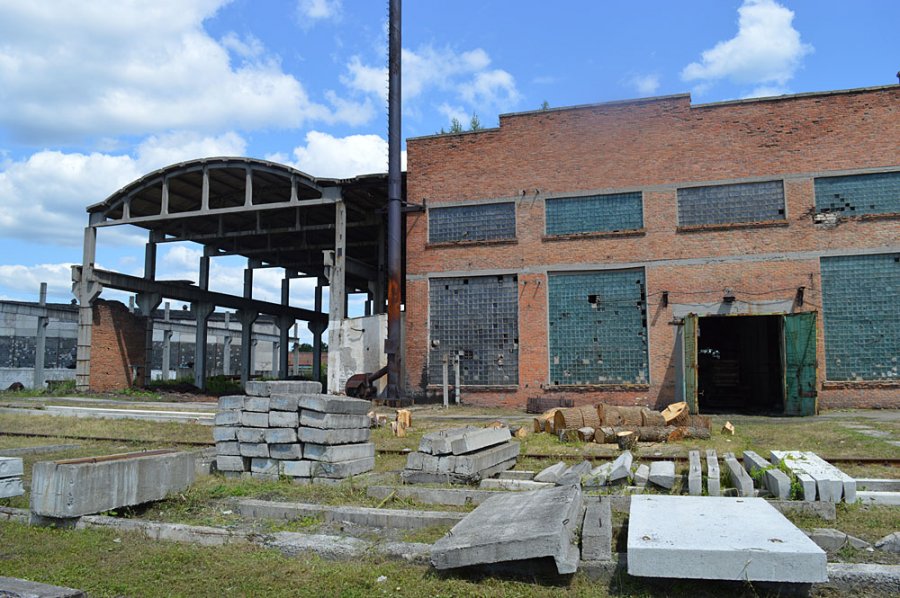
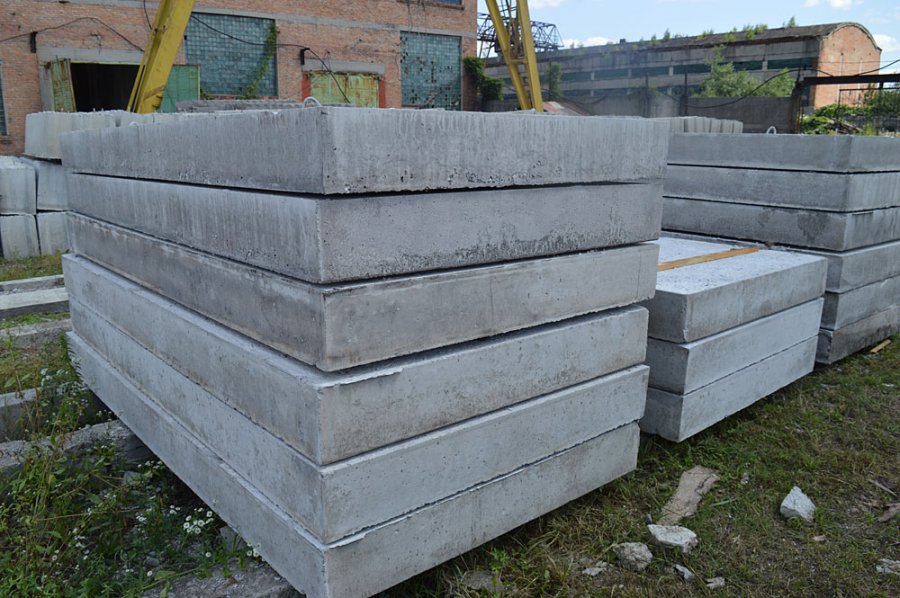
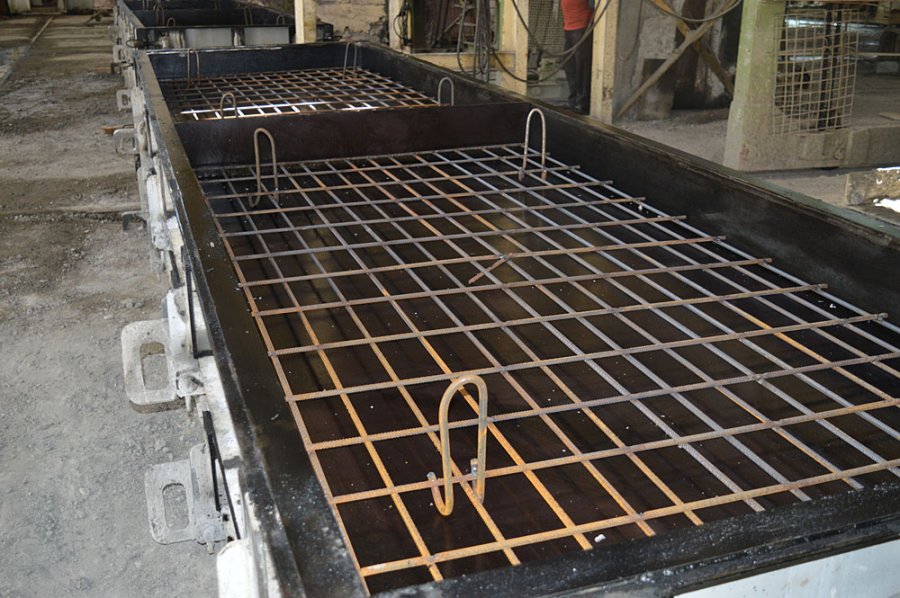
Production in the colony consists of the manufacture of reinforced concrete structures, specifically plates, which, surprisingly, were ordered by the state. The head of production reported that this is due to the fact that their facility is located closest to the military base where they will be installed. The monitors note that this is a unique case where the state has provided such a large order to a penitentiary institution, which will allow it to replenish its special fund with an amount of money that will enable it to maintain the conditions of detention at a decent level, given the total underfunding from the state budget. We note that the conditions of detention would improve significantly if penitentiary institutions received such state orders more often. This would allow the institutions to operate at the expense of their own special fund with minimal involvement of state budget funds.
8. Right to Religion
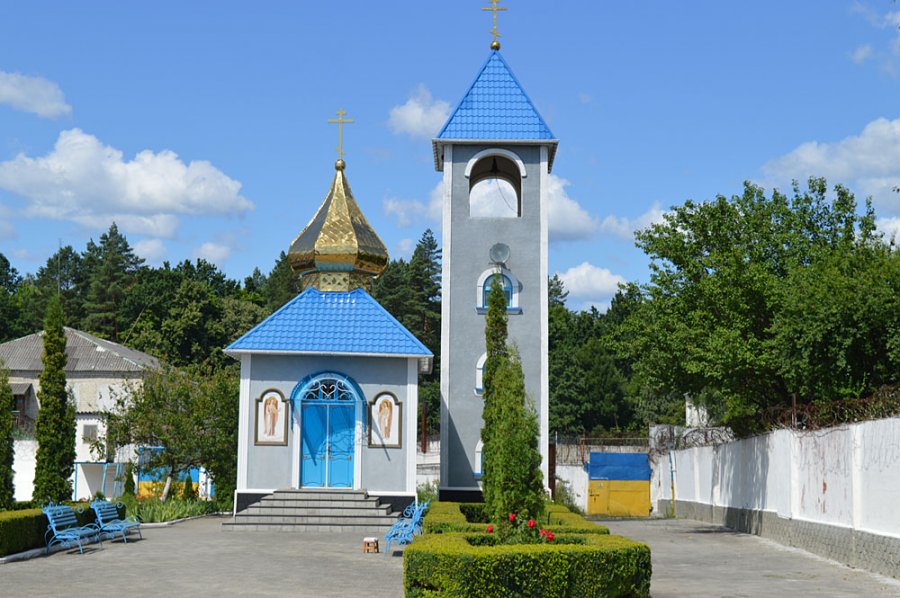
According to the administration, the majority of inmates profess Christianity. During the quarantine, representatives of religious organisations visit the institution. Special meals in accordance with the religious beliefs of inmates, as provided by the European Prison Rules, are absent in the institution. There is an Orthodox church on the territory of the institution.