Report on the results of the monitoring visit to Dnipro Prison #4
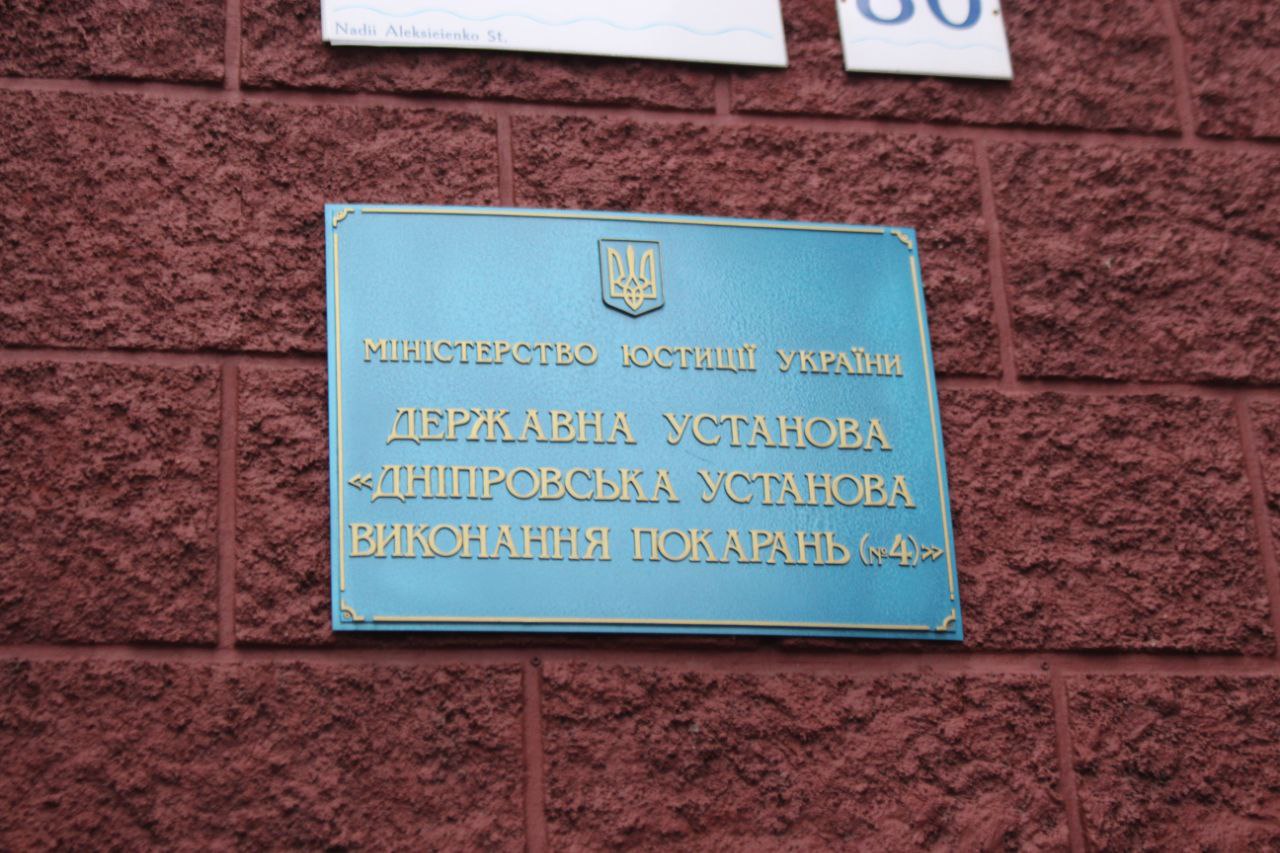
On 19 December 2025, in accordance with the Optional Protocol to the Convention against Torture and Other Cruel, Inhuman or Degrading Treatment or Punishment, taking into account the provisions of the UN Standard Minimum Rules for the Treatment of Prisoners and the case law of the European Court of Human Rights, and based on Article 24 of the Criminal Executive Code of Ukraine (‘Visiting penal institutions’), a group of monitors from the Kharkiv Human Rights Protection Group and the non-governmental organisation ‘Protection of Prisoners of Ukraine’ carried out a visit to the state institution ‘Dnipro Prison #4’ (hereinafter referred to as the institution or the establishment).
This was a routine planned visit carried out without prior notice. The previous visit took place on 26 December 2024, during which all the facility’s premises were examined.
While preparing for the visit, the monitors used materials from the complaints of prisoners/convicts and their relatives, materials from previous visits, as well as reports from monitors of the National Preventive Mechanism under the Ukrainian Parliament Commissioner for Human Rights (NPM).
The visit was conducted as part of the project ‘Reducing the suffering of prisoners in the context of the war in Ukraine’, funded by the government of Denmark in partnership with DIGNITY — Danish Institute Against Torture.
The visit was conducted by the following monitors:
- Andrii Didenko — Assistant to the People's Deputy of Ukraine Yaroslav Yurchyshyn, programme coordinator of the Kharkiv Human Rights Protection Group, NPM monitor, member of the NPM coordination council, with monitoring experience since 2014;
- Serhii Zuikov — Assistant to the People's Deputy of Ukraine Kostiantyn Kasai, member of the public council under the Ministry of Justice of Ukraine, NPM monitor, member of the non-governmental organisation ‘Protection of Prisoners of Ukraine’, with many years of experience in monitoring visits;
- Oleh Tsvilyi — member of the public council under the Ministry of Justice of Ukraine, head of the non-governmental organisation ‘Protection of Prisoners of Ukraine’, with significant experience in monitoring visits, specialising in issues of preventing torture, cruel and inhuman treatment.
During the monitoring visit to Dnipro Prison #4, it was established that the institution has a sprawling infrastructure and provides basic life support organisation, taking into account the separate holding of different categories of prisoners and convicts.
At the same time, the institution’s buildings and premises largely retain the characteristics of outdated penitentiary infrastructure, which, combined with chronic overcrowding of cells, insufficient material and living conditions, and worn-out utility networks, creates systemic risks of human rights violations. The identified problems relate to living space, sanitary and hygienic conditions, access to natural light and ventilation, the organisation of laundry and bathing services, conditions in the holding unit and the disciplinary cell, as well as the assurance of privacy and safety for persons held in custody.
A separate set of violations is related to labour organisation, disciplinary practices, the arrangement of visits, personnel shortages, and the functionality of the shelter. An analysis of the primary documentation indicates discrepancies between the actual involvement of persons in labour and the documentary recording and payment, the absence of transparent timekeeping, the use of civil law contracts under conditions characteristic of employment relationships, as well as non-compliance with sanitary requirements in the kitchen facility.
The combination of identified facts is systemic in nature and indicates that the conditions of detention, the organisation of labour, and internal procedures do not comply with the requirements of Ukraine’s national legislation and international standards, in particular the European Prison Rules and the UN Standard Minimum Rules for the Treatment of Prisoners.
General information
The institution functions as a pre-trial detention centre. The facility holds persons accused of committing criminal offences for whom a preventive measure in the form of detention has been chosen by a court decision.
The facility is located at the following address: 80 Nadii Alekseienko Street, Dnipro, Dnipropetrovsk region, Ukraine, 49006.
The head of the institution is Colonel of the Internal Service Oleksii Oleksandrovych Stepaniuk.
Dnipro Prison #4 is one of the oldest penitentiary institutions in the city of Dnipro and the region. Its history dates back to 1826, when the Yekaterynenskyi prison castle was built in the city of Katerynoslav. The complex consisted of a main three-storey building and two wings and was designed to hold about 200 people. From the initial stage of operation, the institution’s structure included a church, a prison hospital, workshops, solitary confinement cells, laundry facilities, and utility rooms, as well as staff housing.
By the end of the 19th century, the number of persons held in the institution significantly exceeded its design capacity. In 1898, due to the constant increase in the number of prisoners, construction of a new prison began on the outskirts of the city of Katerynoslav, between the then-named Nadezhdinska and Rybna streets. Construction was completed in 1912, and as early as 1914, the number of persons held in the institution exceeded the design capacity.
In the 1920s, the problem of overcrowding became systemic: according to official data, the prison, designed for fewer than a thousand people, held up to 1,800. Consequently, new buildings were constructed, and the territory of the institution was expanded. During the Second World War, the institution was evacuated, and its territory was used by the occupying authorities to hold a large number of prisoners of war.
In the post-war period, the infrastructure underwent significant changes: administrative buildings were reconstructed, a utility yard and production workshops were created, and the security system was re-equipped. Subsequently, the institution functioned as a pre-trial detention centre, and with Ukraine’s independence, it was integrated into the national system of penitentiary agencies and institutions. Today, Dnipro Prison #4 continues to perform the functions of holding persons in custody and providing specialised medical care within the penitentiary system of Ukraine.
The facility consists of a duty unit, a holding unit, a kitchen facility, cells for holding male, female, and juvenile pre-trial detainees, a maximum-security sector for holding those sentenced to life imprisonment, transit cells, a utility service section, disciplinary cells, a medical unit, a laundry and bathhouse, visitation rooms, a shop, a library, a room for receiving parcels, and administrative premises.
According to the institution’s administration, the authorised staff number is 428 positions. The actual number is 354 positions. The total staff shortage for the institution is 74 employees. The planned capacity of the facility is 2,196 persons. There are 557 cell premises, of which 382 are in use, 165 are mothballed, and 10 are undergoing repairs.
In the active cell premises, 1,657 persons are held, of whom 787 are pre-trial detainees, 830 are convicts, and 40 are prisoners of war. One psychologist works at the institution. During 2025, 5,456 persons arrived at the facility. In 2024, 11 people died, and in 2025, 10 people died. 95 people are employed.
Registered in the institution for operational preventive monitoring were: 19 persons prone to suicide, 27 persons prone to self-harm, 4 persons prone to escape, and 0 malicious violators of the detention regime.
During 2024, no complaints regarding inadequate detention conditions were recorded, and 3 complaints were registered regarding inadequate provision of medical care; during 2025, no complaints regarding inadequate detention conditions were recorded, and 14 complaints were registered regarding inadequate provision of medical care.
Convicts have 55 tablets for their personal use. The number of registered e-mail addresses is information not provided. The total number of persons denied access is 0.
During 2024, 394 cases of bodily injuries were recorded, of which 320 occurred upon arrival and 74 during their stay at the institution; in 2025, 532 cases of bodily injuries were recorded, of which 470 occurred upon arrival and 62 during their stay at the institution.
The group of monitors interviewed about 470 persons among the pre-trial detainees and convicts during visits to cells and general conversations, providing consultations, answering questions, and surveying regarding possible human rights violations, as well as individual communication with convicts, including on the condition of anonymity.
It is worth noting that the institution’s administration reacts adequately to complaints from prisoners and convicts regarding the actions or inaction of staff. The administration also does not conceal cases of human rights violations, which can be regarded as a sign of openness and transparency, as well as proper and timely response.
Positive experience
The institution has formed a multifunctional infrastructure that ensures the separate holding of different categories of persons and basic life support. Convicts assigned to utility service are housed in a separate dormitory with rooms for social and educational work, study, and sports. The holding of persons sentenced to life imprisonment, juvenile prisoners, and women, including pregnant women and women with children under the age of three, is organised separately.
The medical unit is located in a separate building section, which allows for medical supervision without involving other residential zones. The creation of an internal isolated post with open space for persons held in custody, as well as work to set up a medium-security sector, indicate a desire to differentiate conditions of detention according to the status and category of persons.
The institution maintains an extensive system of utility and household support. A kitchen, bakery, boiler room, food and clothing warehouses, garages, and a subsidiary farm operate on the premises, ensuring the autonomy of basic processes. For working with visitors and relatives, rooms for receiving parcels and transmissions, premises for short-term and long-term visits, as well as separate premises for staff training and sports have been set up.
The administrative building centralises management, official, and auxiliary functions, including the duty unit and the library. Security objects are organised separately, including a garage for a fire engine and a kennel for service dogs.
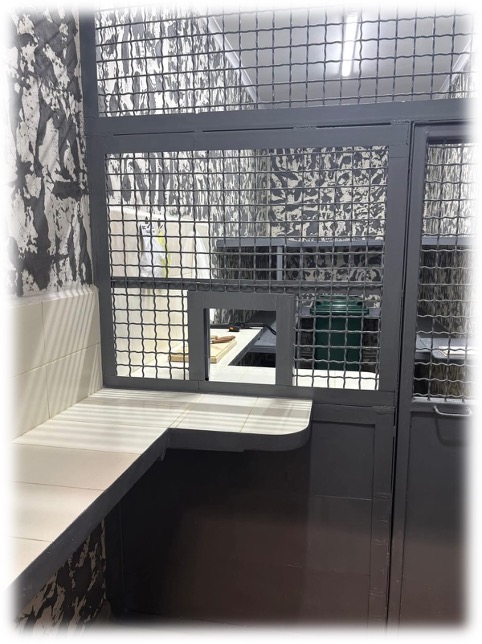
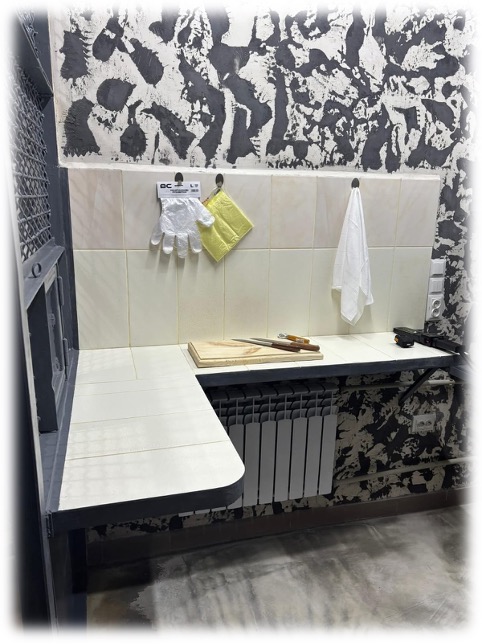
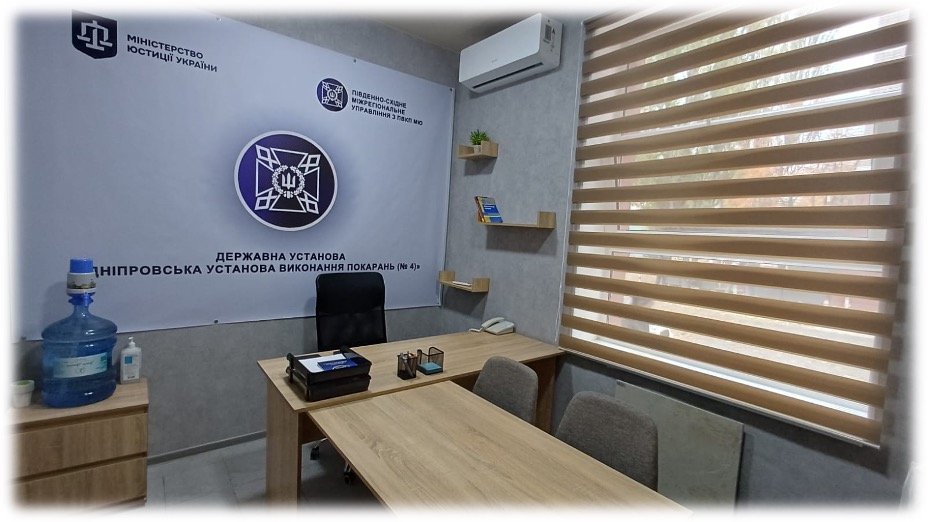
Over the recent period, the institution has carried out a range of works to update and modernise internal premises and engineering infrastructure. Transition corridors between building sections have been restored and organised, and repair works have been carried out to replace floors, update lighting, and install modern locks and access systems.
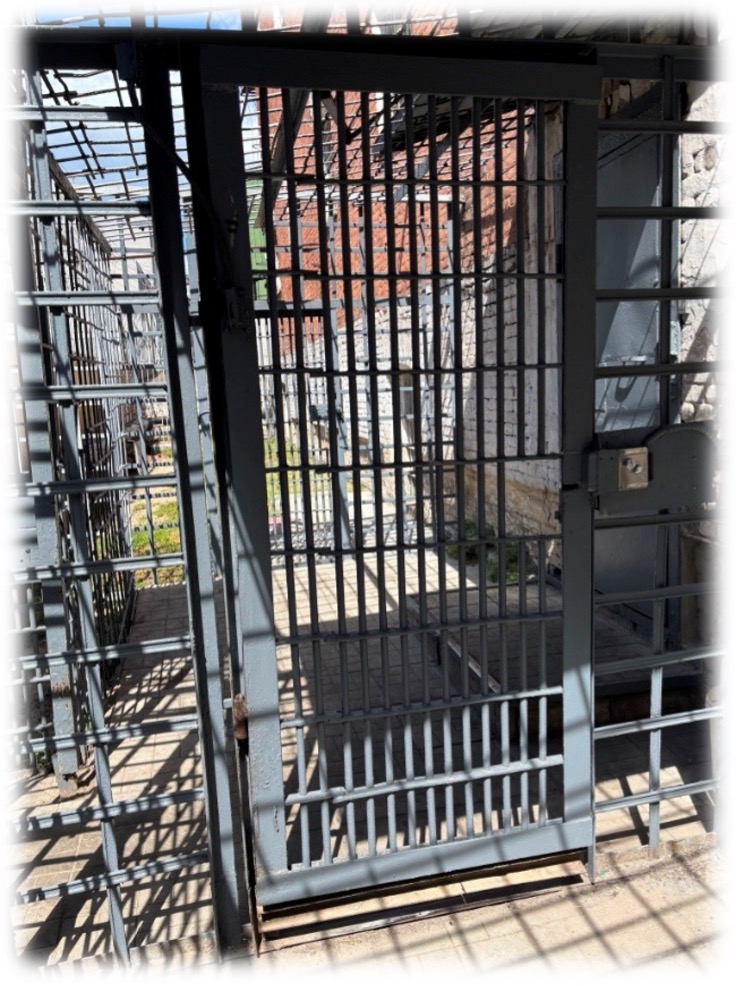
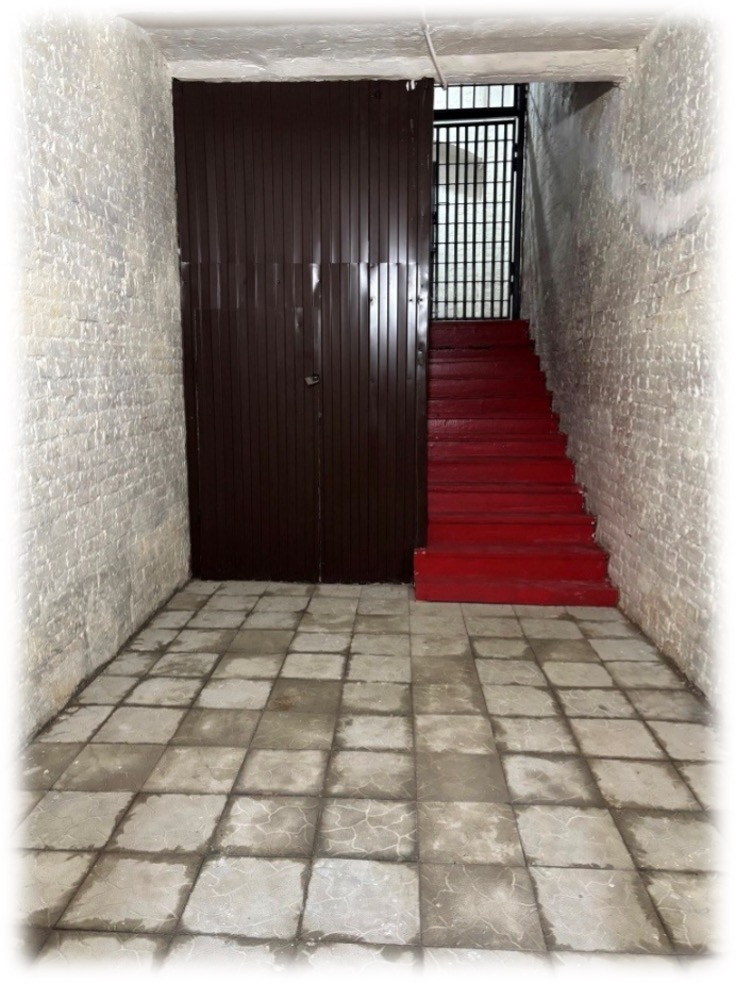
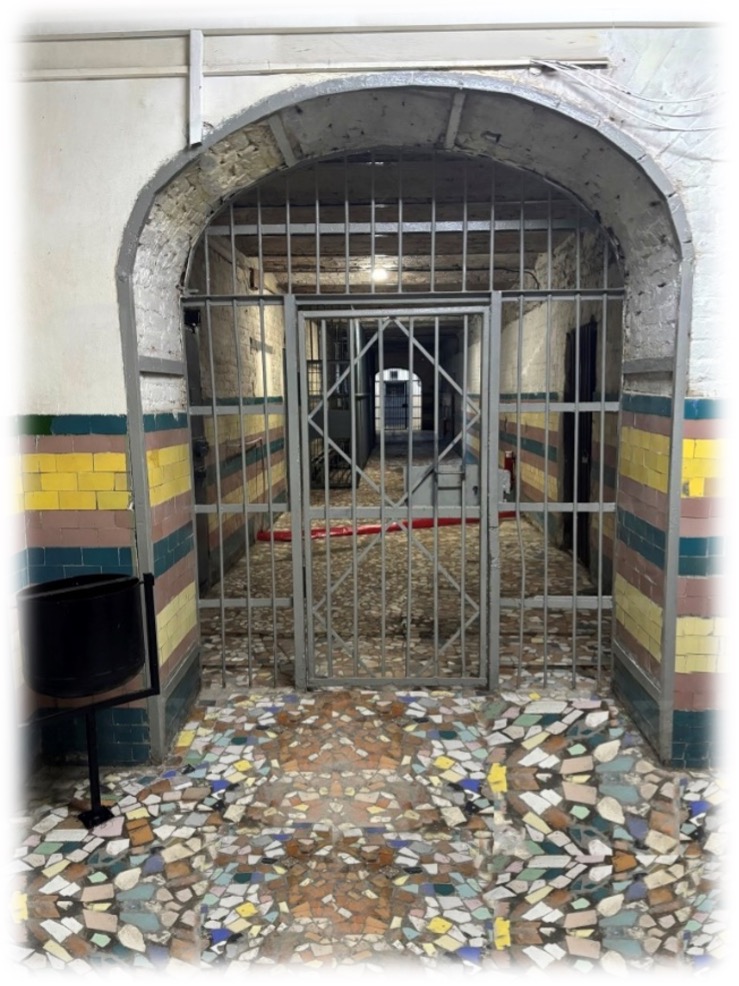
The room for issuing parcels has been re-equipped, rooms for providing paid voice electronic communication services and internet access have been created, and a room for receiving citizens has been set up.
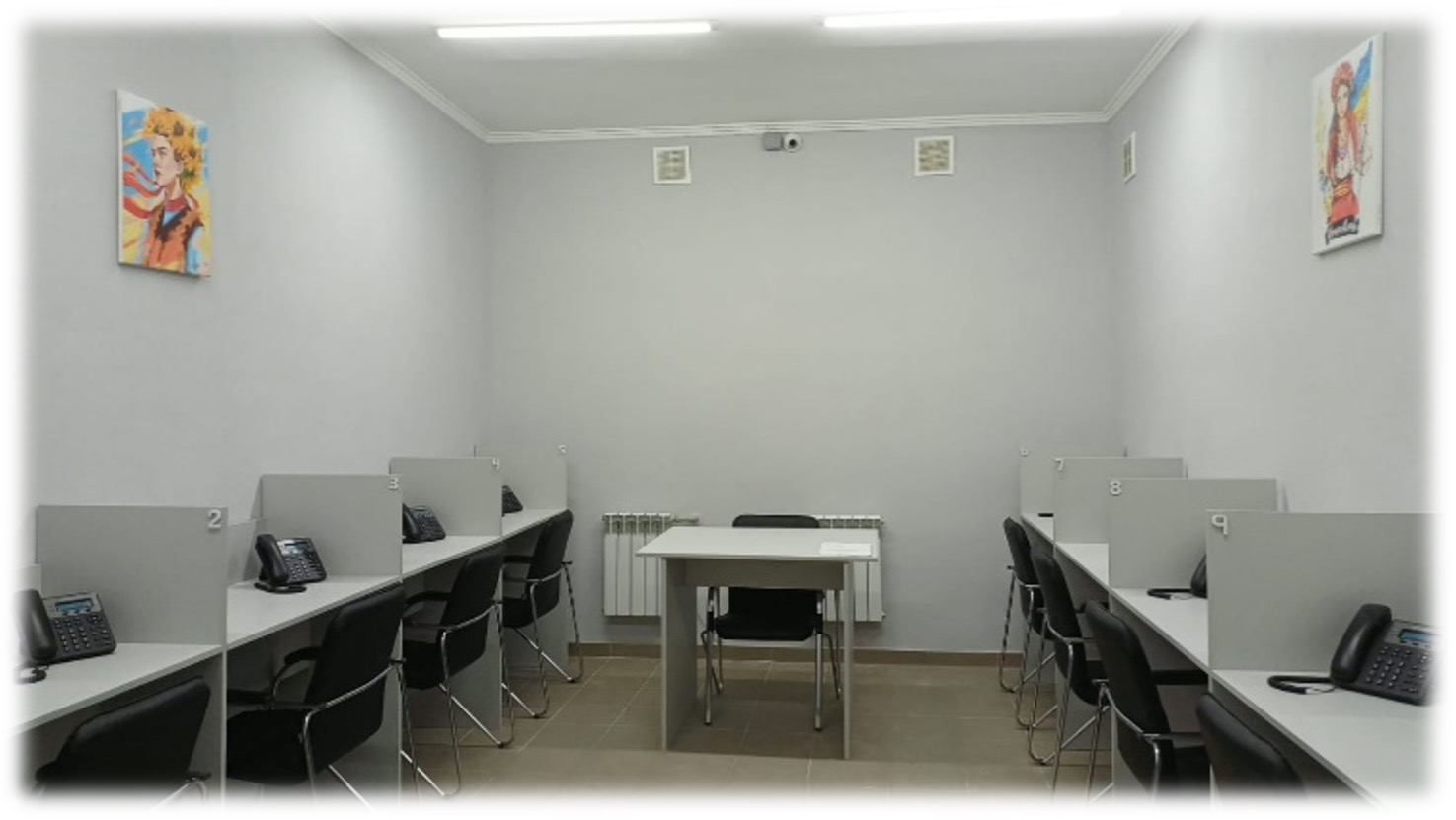
Work has also been carried out to set up separate high-comfort cells, including for women and mothers with children.
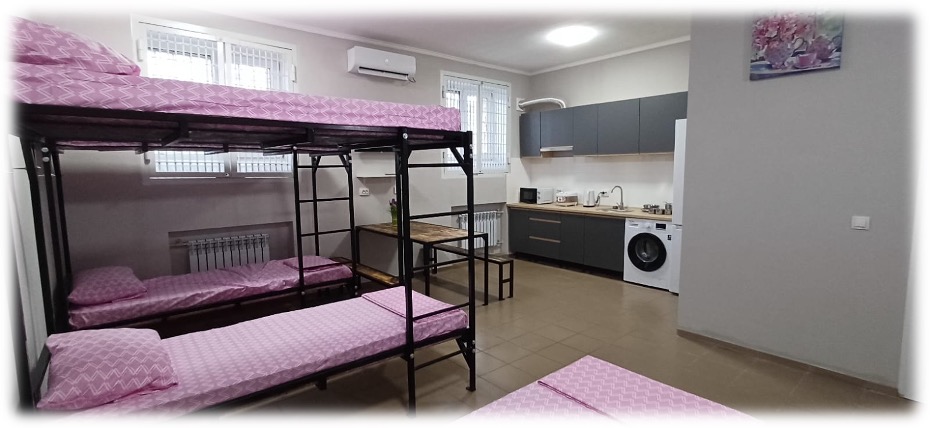
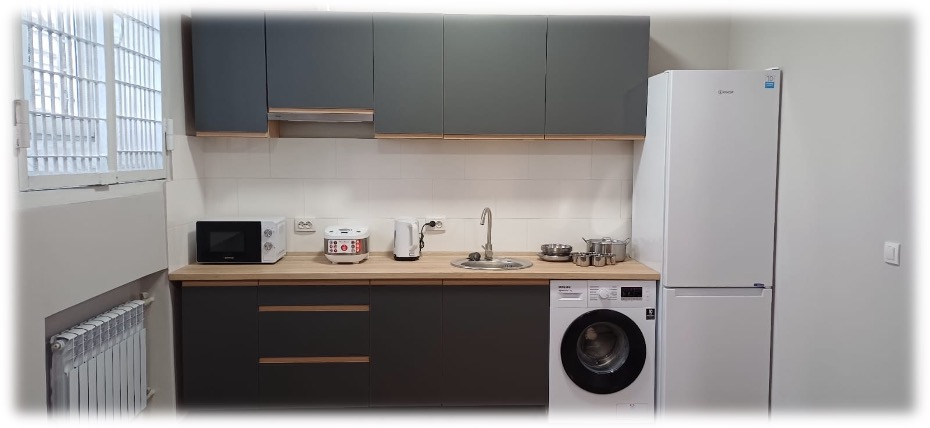
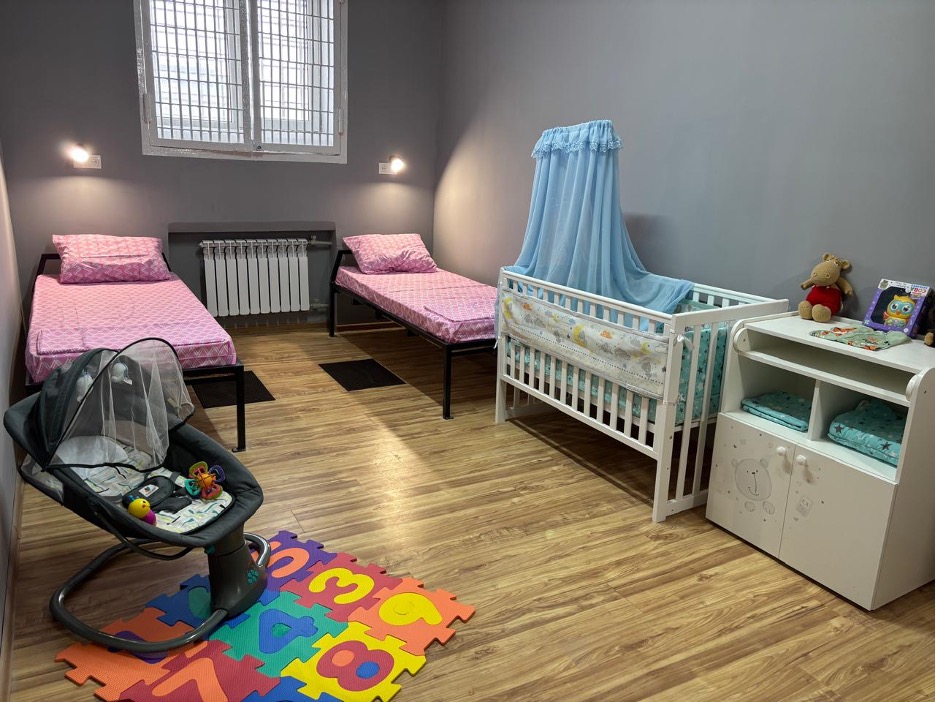
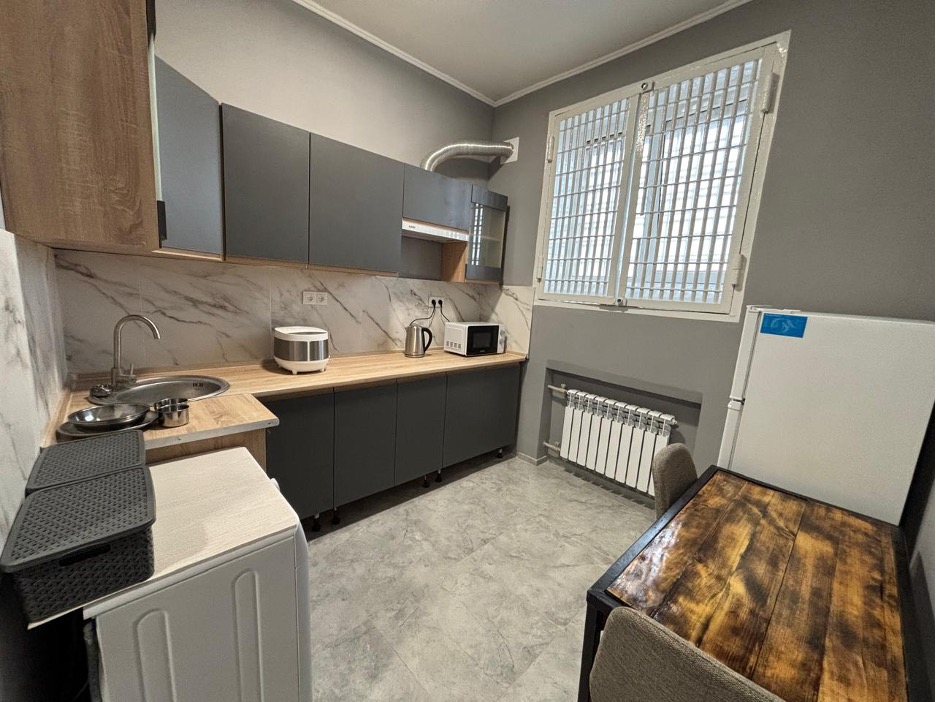
The sum of these measures indicates the systemic work of the administration to maintain the functionality of the institution and gradually update material and living conditions.
Violations of national and international legislation identified
During the monitoring visit, violations of the requirements of national legislation and non-compliance with international recommendations in the field of prisoner treatment were identified, leading to violations of the rights of prisoners and convicts.
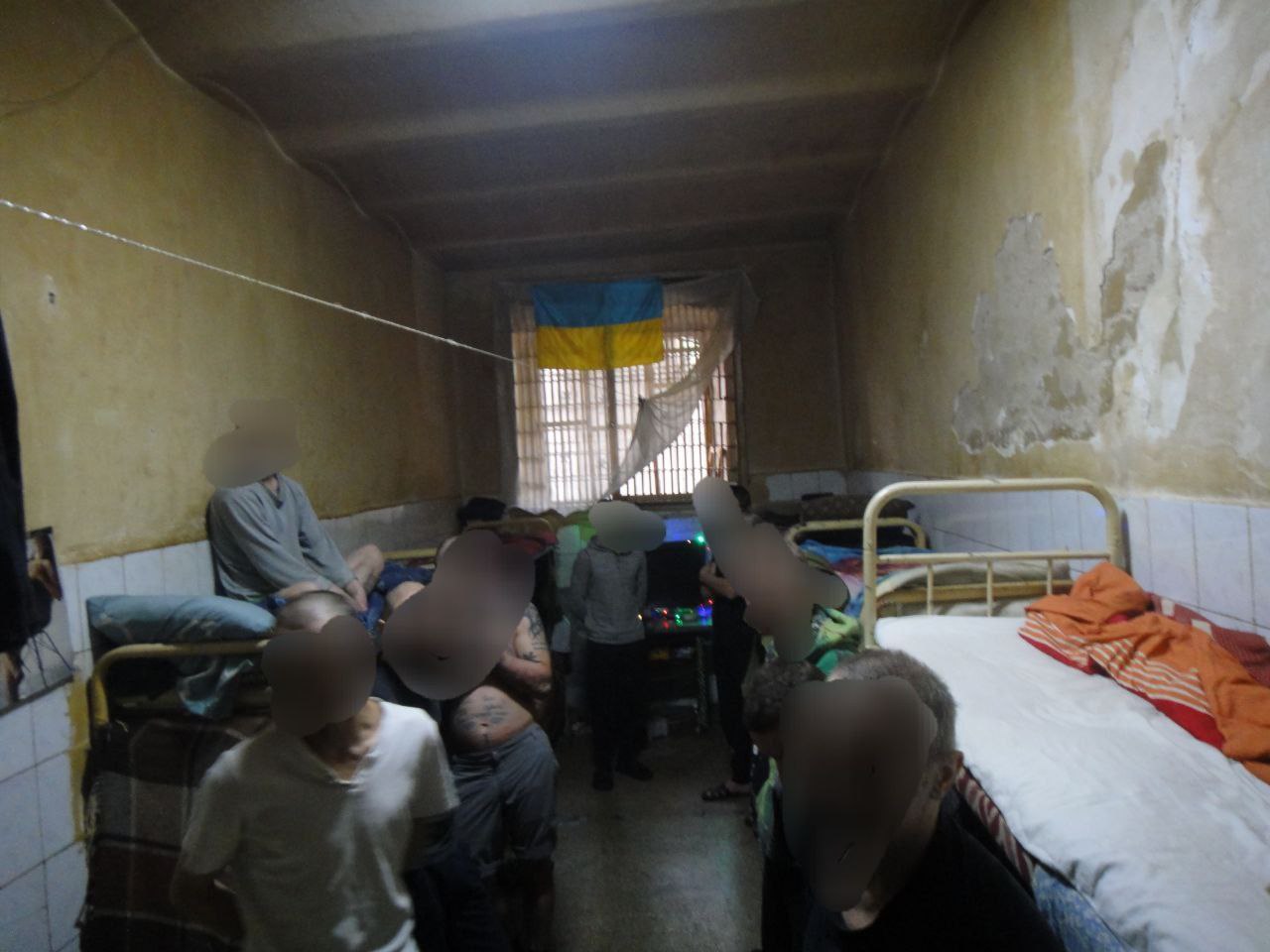
1. During the monitoring visit to the institution, a number of systemic violations were recorded, in particular, non-compliance with the living space standards established by legislation for holding persons taken into custody in cell premises, as well as other violations that indicate inadequate conditions of detention. Such conditions can be regarded as cruel, inhuman or degrading treatment and may lead to the filing of new applications against Ukraine to the European Court of Human Rights in connection with violations of Article 3 of the Convention for the Protection of Human Rights and Fundamental Freedoms.
Thus, in violation of Article 11 of the Law of Ukraine ‘On Preliminary Detention’ and Rule 13 of the UN Standard Minimum Rules for the Treatment of Prisoners (the Mandela Rules), there were 25 people in cell #306, whereas, according to the act of measuring the area of the institution’s structural sections, it is designed to hold only 22 people (the area of the room according to the act is 56.1 m²). Thus, the actual area per prisoner was 2.24 m², which does not meet the minimum standard of 2.5 m² established for persons taken into custody. Similar violations were identified in cells #408, #917, #941, etc.
Furthermore, in violation of the requirements of Part 1 of Article 115 of the Criminal Executive Code of Ukraine and Rule 13 of the UN Standard Minimum Rules for the Treatment of Prisoners, it was established that in cell #209, where transit convicts were held, there were 8 people. At the same time, according to the act of measuring the area of the institution’s structural sections, the area of the specified cell is 24.7 m². Thus, the actual area per convict was 3.08 m², which does not meet the minimum living space standard of 4 m² established for holding convicts. Similar violations were identified in cells #207, #208, #212, etc.
Paragraph 13 of the 7th General Report of the European Committee for the Prevention of Torture and Inhuman or Degrading Treatment or Punishment (hereinafter — the Committee) states that the problem of overcrowding in cell premises leads to unhygienic conditions, a constant lack of privacy, and the overloading of medical services and the institution’s infrastructure, and concludes that the negative impact of overcrowding very often results in inhuman or degrading conditions of detention for prisoners (CPT/Inf (97) 10).
In addition, the Committee, in its report on the results of the visit to Ukraine in 2023, once again calls on the Ukrainian authorities to take measures, in accordance with the Committee’s long-standing recommendation, to review the current legal norms regarding living space for persons taken into custody, in order to guarantee at least 4 m² per person in multi-occupancy cells (excluding the area occupied by sanitary facilities) (CPT/Inf (2024) 20, paragraph 38).
2. In violation of Article 8 of the Law of Ukraine ‘On Preliminary Detention’ and paragraph 17.2 of the European Prison Rules, the monitors established instances of non-compliance with the requirements regarding the separate holding of prisoners.
Thus, during a random check, it was established that in cells #202, #203, #208, #209, persons who had previously served sentences in places of deprivation of liberty were held together with a person or persons being held criminally liable for the first time.
Furthermore, cases were recorded of holding persons accused or suspected of committing serious crimes involving violence or those that caused bodily injury or death to the victim, as well as particularly serious crimes, together with other persons in custody. In particular, in cell #17, a person being held criminally liable for committing a crime provided for by Part 1 of Article 115 of the Criminal Code of Ukraine was held together with a person being held criminally liable for committing a crime provided for by Part 3 of Article 309 of the Criminal Code of Ukraine.
In the room for the temporary stay of persons taken into custody in the holding unit, a female person being held criminally liable for committing a crime provided for by Part 2 of Article 111 of the Criminal Code of Ukraine was held together with a person being held criminally liable for committing a crime provided for by Part 1 of Article 115 of the Criminal Code of Ukraine, as well as with a person being held criminally liable for committing a crime provided for by Part 2 of Article 289 of the Criminal Code of Ukraine.
This indicates systemic non-compliance by the institution’s administration and staff with the requirements regarding proper control over the placement of prisoners; it does not correspond to the principles of dynamic security, creates increased risks to their personal safety, and contradicts the requirements of national legislation and international standards.
3. During a random check of cells #207, #208, #209, #210, #211, #212 of the regime building #1 of the institution, it was established that these premises do not meet the requirements of Part 1 of Article 11 of the Law of Ukraine ‘On Preliminary Detention’, the first paragraph of paragraph 1 of Chapter 4 of Section IX of the Internal Regulations of Pre-trial Detention Centres of the State Criminal-Executive Service of Ukraine, approved by Order of the Ministry of Justice of Ukraine dated 14.06.2019 #1769/5 (hereinafter — PVR SIZO), as well as Rules 13, 14, 15, 17, and 21 of the UN Standard Minimum Rules for the Treatment of Prisoners (the Mandela Rules).
Such conditions can be regarded as cruel, inhuman or degrading treatment and may lead to the filing of new applications against Ukraine to the European Court of Human Rights in connection with violations of Article 3 of the Convention for the Protection of Human Rights and Fundamental Freedoms.
Thus, the monitoring group established that prisoners and convicts are not provided with adequate material and living conditions that meet sanitation and hygiene requirements. The cell premises require a major overhaul with the replacement of sanitary and technical equipment and the electrical network. There is an unpleasant smell and unsanitary conditions in the rooms; excessive dampness and mould are observed on the ceilings and walls of some cells due to water leakage, which has led to significant damage to the wall and ceiling coverings. Cluttering of the cells with personal belongings was recorded, and the bedding and mattresses need replacement.
Violations of Article 8 of the Convention for the Protection of Human Rights and Fundamental Freedoms, which guarantees the right to respect for private life, were also established in the cells. In particular, the sanitary facilities in some cells are not equipped with sufficient partitions or doors to ensure privacy, which violates Rule 19.3 of the European Prison Rules. During the inspection of cell #208, the monitoring group recorded that the sanitary facility in the cell was not equipped with a proper water flushing system.
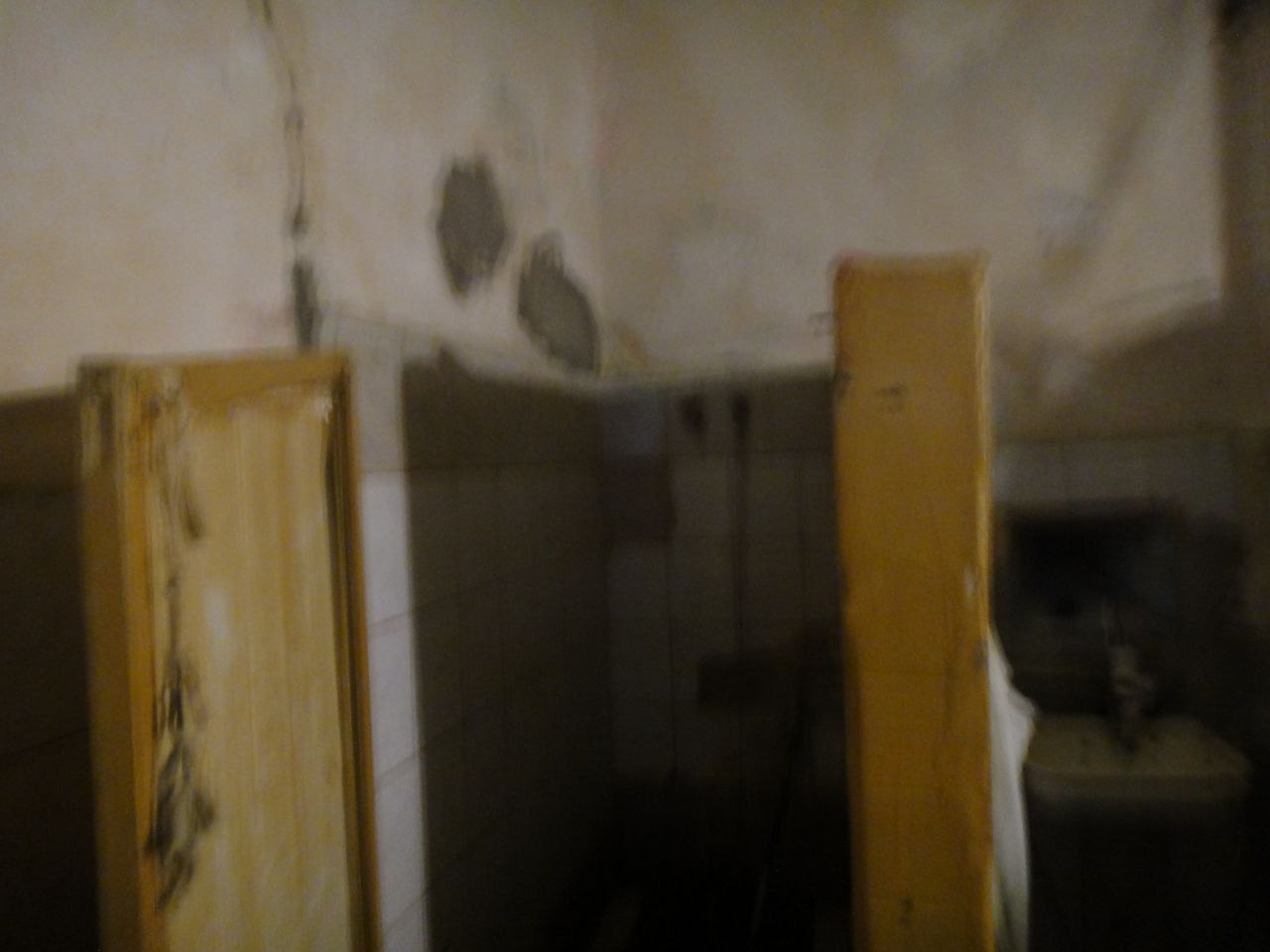
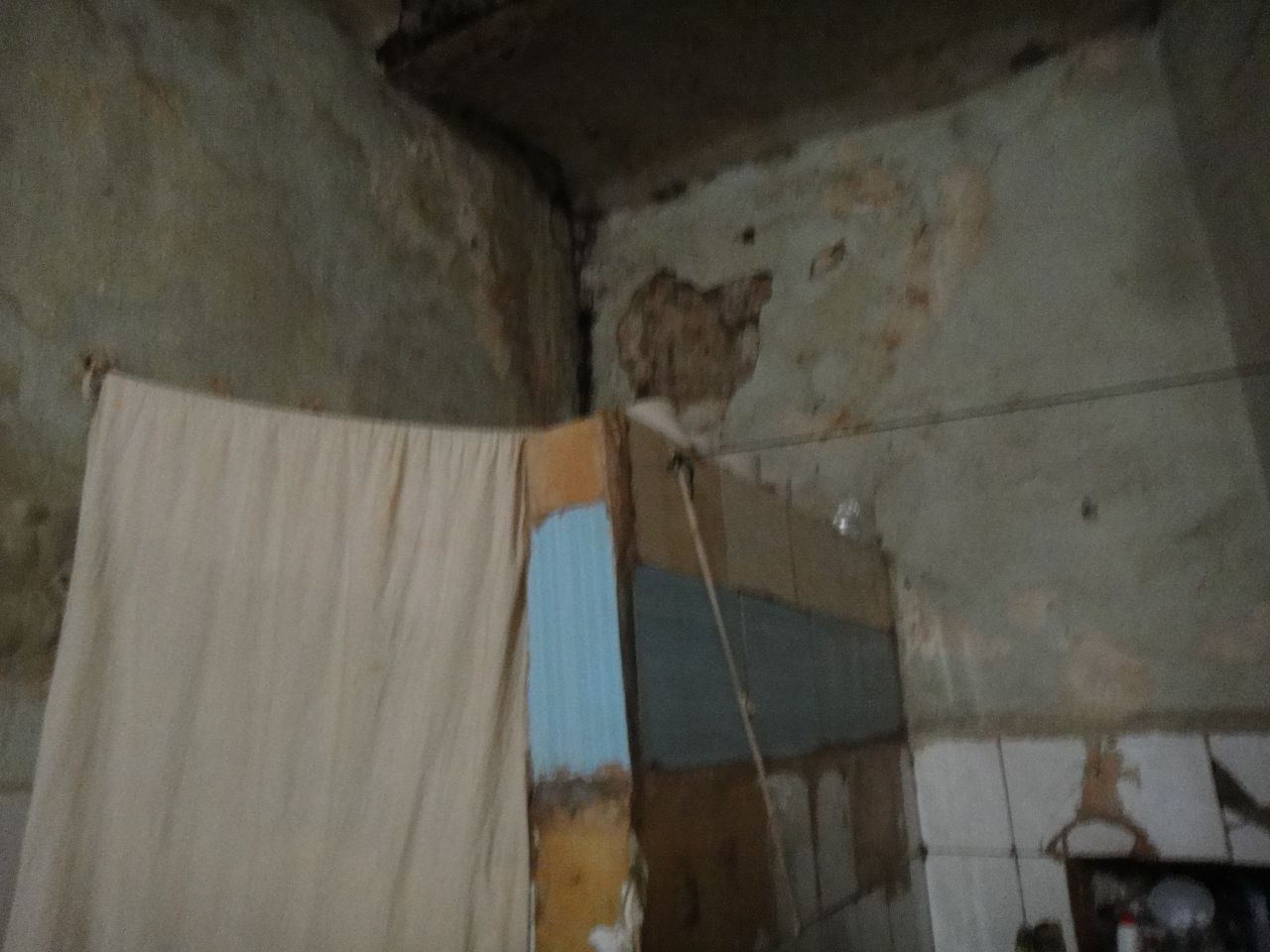
Due to excessive window grilles in the cells, an adequate level of natural light is not provided.
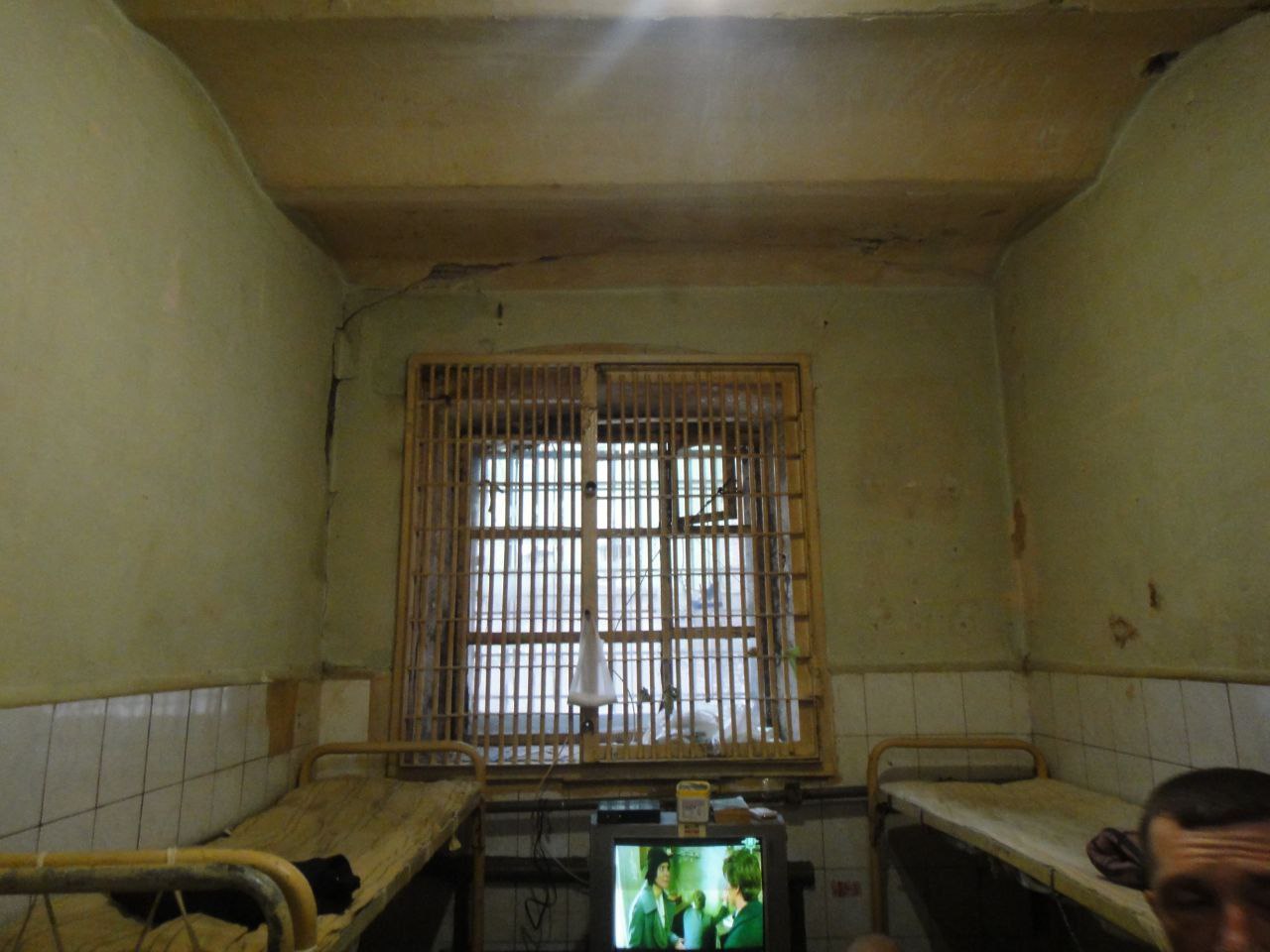
The supply and exhaust ventilation does not function in the premises. Disinsection measures taken by the institution’s administration are insufficient. Prisoners complained about the presence of bedbugs and cockroaches in the cells. Furthermore, the radio system in the cells is not functioning, which contradicts the requirements of paragraph 2 of Chapter 3 of Section VIII of the PVR SIZO.
At the same time, in the report on the results of the visit to Ukraine in 2023, the Committee called on the Ukrainian authorities to take the necessary measures to improve material conditions of detention, in particular, to maintain all places of placement of convicts and persons taken into custody, including sanitary premises, in a proper state of repair and hygiene, to ensure regular and frequent disinsection, sufficient access to natural light and ventilation in the cells, and to fully equip internal sanitary facilities with partitions (i.e., from floor to ceiling) (CPT/Inf (2024) 20, paragraph 58).
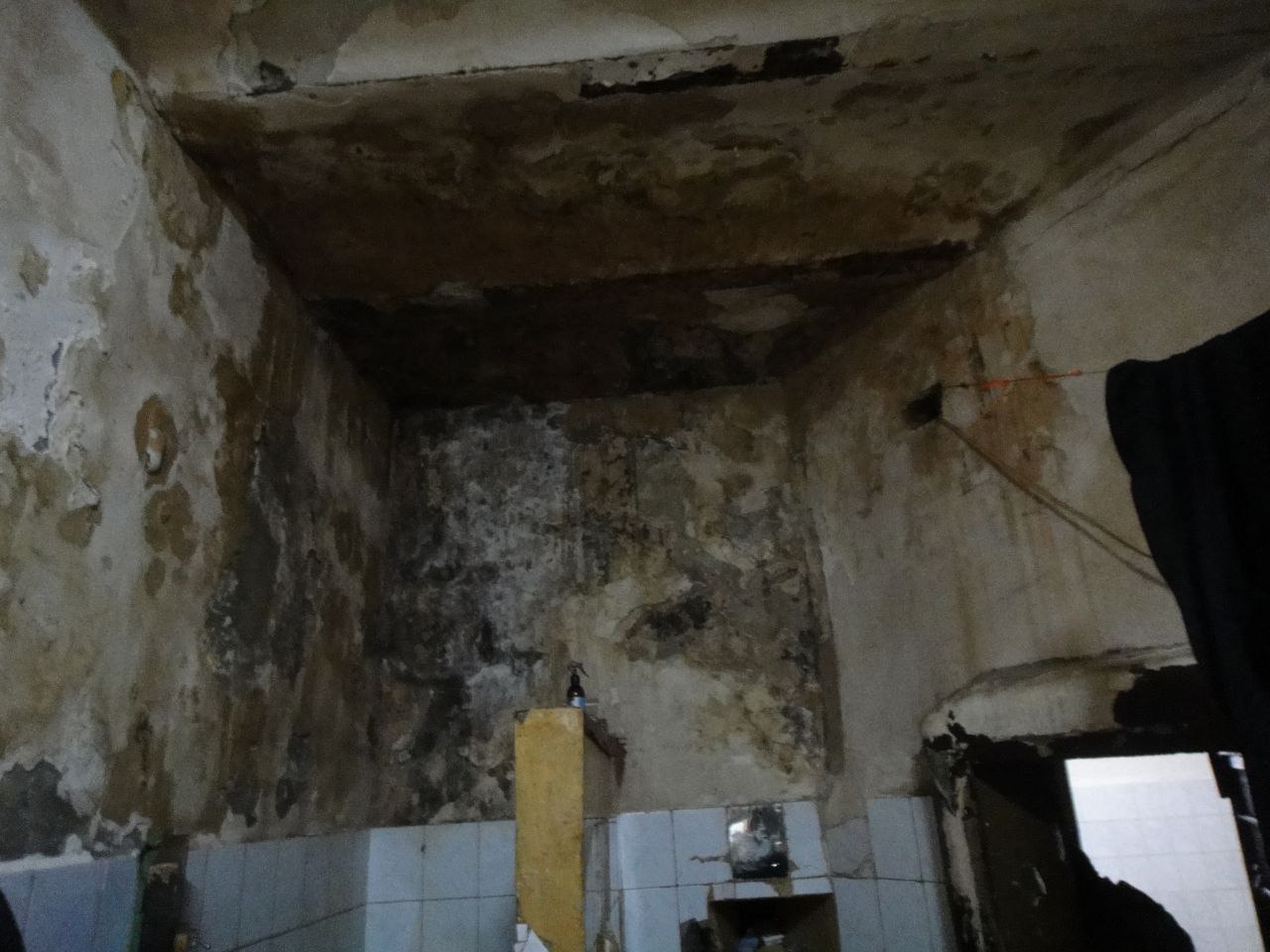
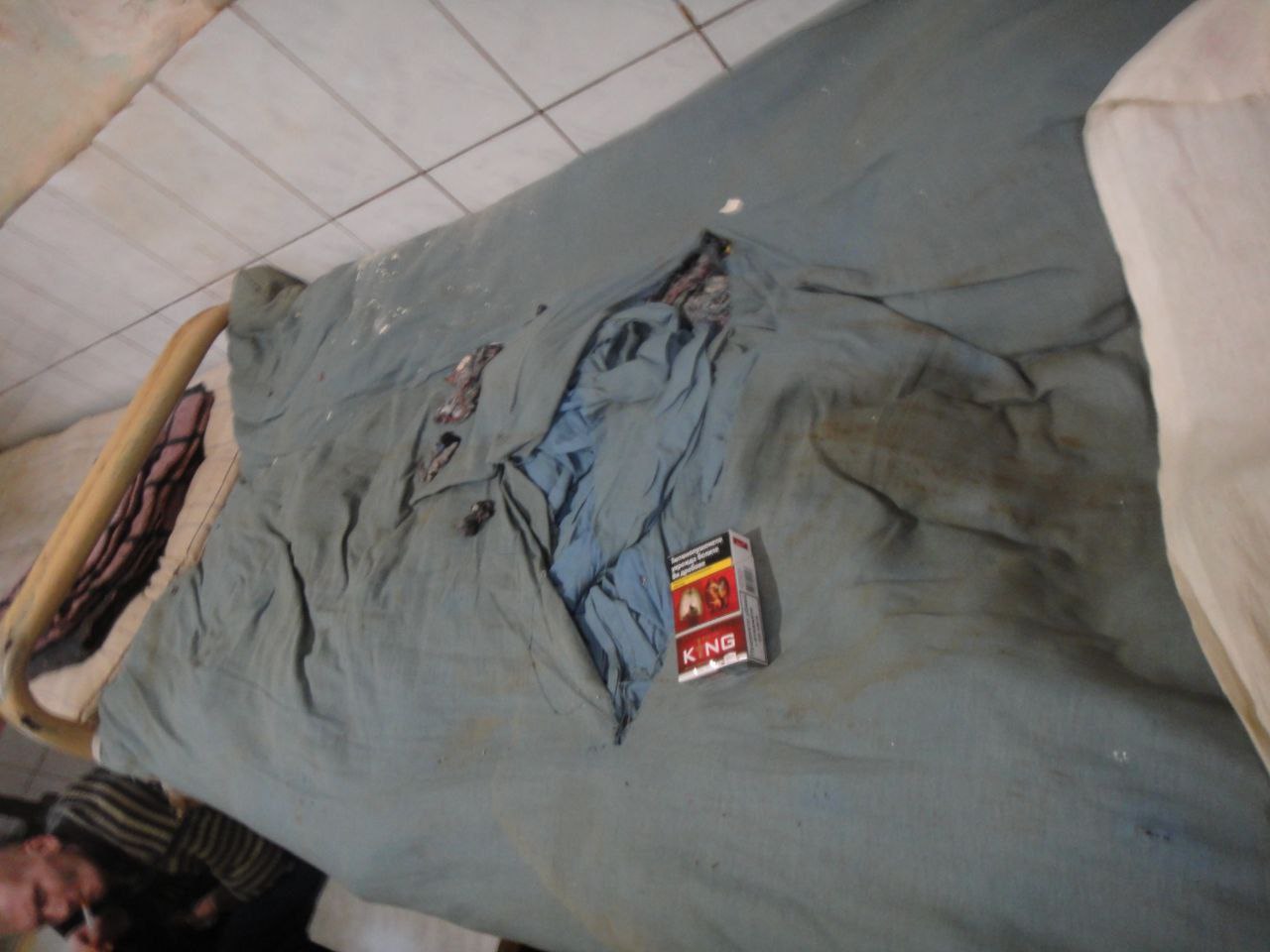
4. During the visit to the premises of the holding unit, it was established that their arrangement does not fully comply with the requirements of the Standards for Provision with Furniture, Inventory, and Household Items of a Pre-trial Detention Centre, approved by Order of the Ministry of Justice of Ukraine dated 27.07.2012 #1118/5 (hereinafter — Provision Standards), as well as Rules 14 and 22.2 of the UN Standard Minimum Rules for the Treatment of Prisoners (the Mandela Rules).
Thus, in the holding unit, the following premises are missing: a room for the regime and security department; rooms for storing the exchange fund of bedding and clothing; a storeroom for the temporary storage of dirty bedding and clothing; a barbershop; quarantine cells; cells for the sick (isolation cell). The absence of a quarantine cell and a cell for the sick (isolation cell) in the holding unit creates conditions for the spread of infectious diseases among new arrivals, increases the risk of epidemiological outbreaks, and complicates the timely detection and isolation of the sick, which may pose a threat to both the detainees and the institution’s staff.
Natural light does not reach the premises for the temporary stay of persons taken into custody #6, #7, #8, #9 of the holding unit due to the absence of windows, which may create additional psychological pressure on prisoners due to the lack of any, even visual, contact with the outside world.
Contrary to the requirements of Rule 22.5 of the European Prison Rules and the Provision Standards, the specified premises are not equipped with drinking water tanks, due to which prisoners are forced to use technical water from the central water supply.
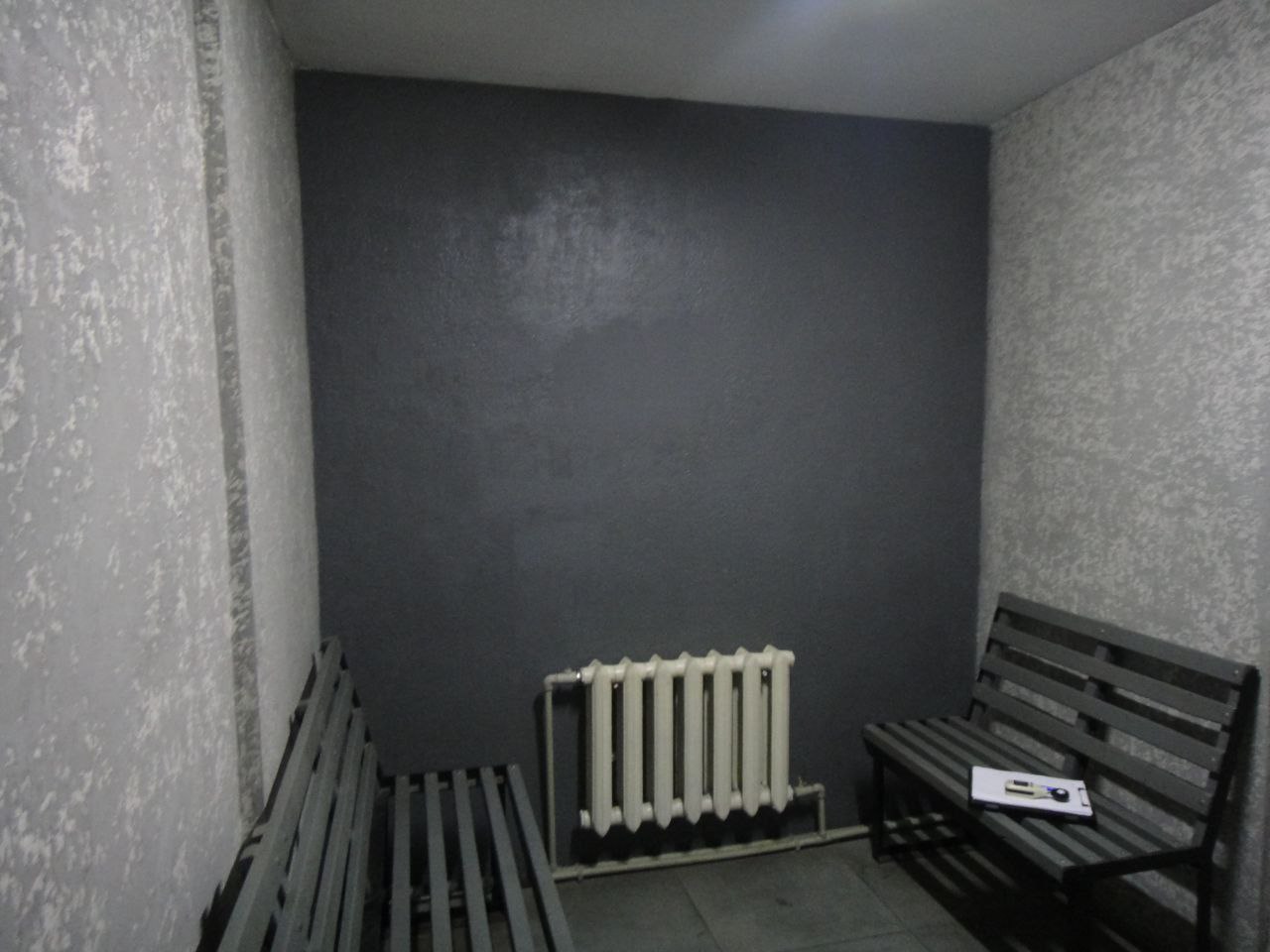
At the same time, the Committee, in its 11th General Report, notes that security measures should never involve depriving prisoners of natural light and fresh air, to which every prisoner has a right. Furthermore, the absence of sunlight and fresh air creates conditions favourable for the spread of diseases, in particular tuberculosis (paragraph 30, CPT/Inf (2001) 16).
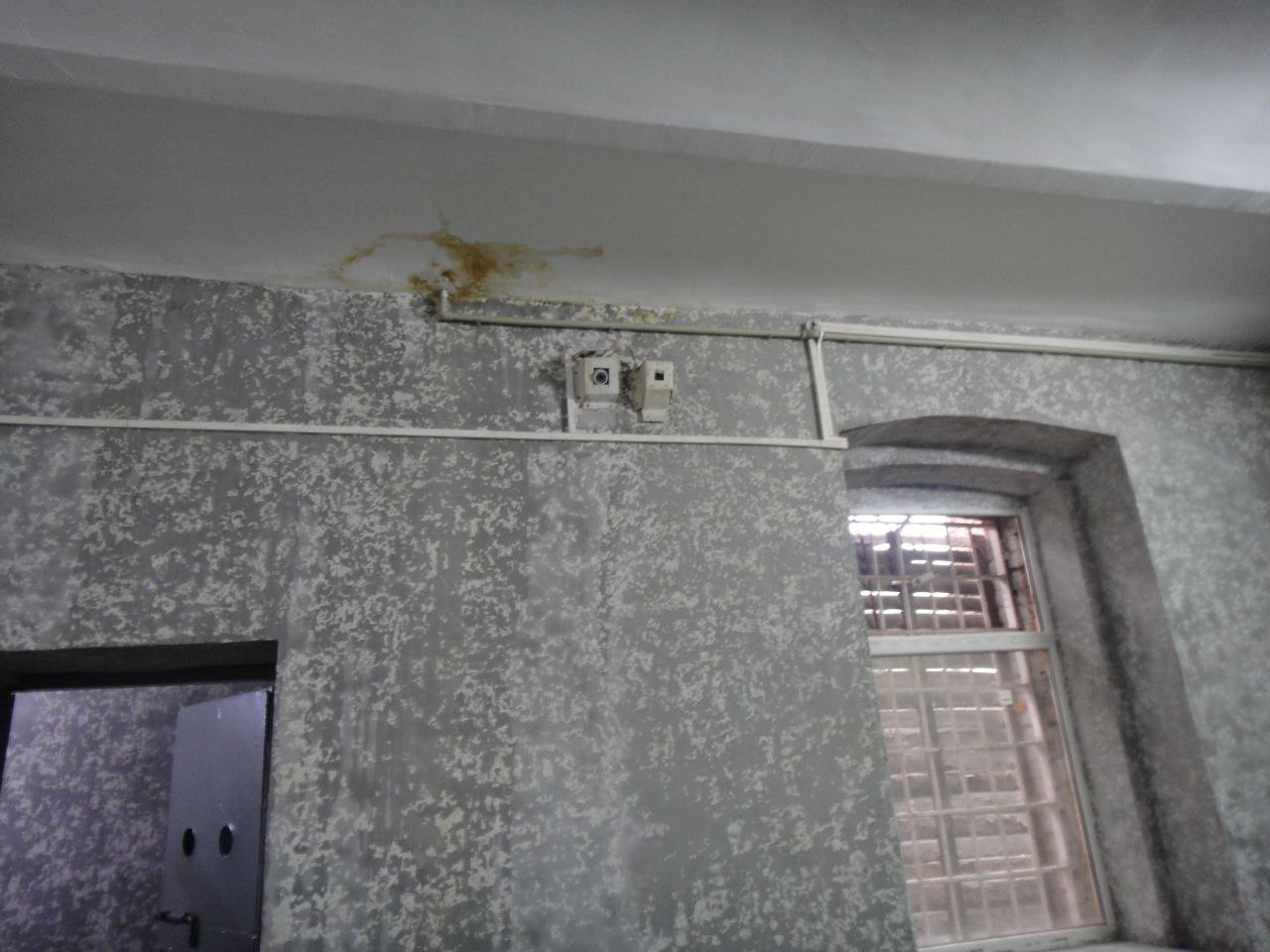
5. In the search room of the holding unit, the monitoring group recorded an installed video surveillance camera. At the same time, according to paragraph 8 of Section VII of the Procedure for the Use of Technical Supervision and Control Means in Correctional and Educational Colonies of the State Criminal-Executive Service of Ukraine, approved by Order of the Ministry of Justice of Ukraine dated 26.06.2018 #2025/5 (hereinafter — Procedure for the Use of Technical Supervision and Control Means), it is prohibited to use video cameras and portable video recorders in premises (cells) where medical examinations (checks) of convicts are conducted, personal strip searches, as well as in medical unit wards.
6. During a visit to the social and psychological service (hereinafter — SPS) unit for convicts left for utility service work, it was established that in the sleeping area, identification cards were placed on the convicts’ beds, providing information with a brief description of the crimes committed by the persons occupying these beds. In its report on the results of the visit to Ukraine in 2020, under similar circumstances, the Committee noted that this practice should be stopped, as it serves no reasonable purpose and, besides stigmatisation, has the effect of damaging relationships between prisoners and prison staff (CPT/Inf (2020) 40, paragraph 52). 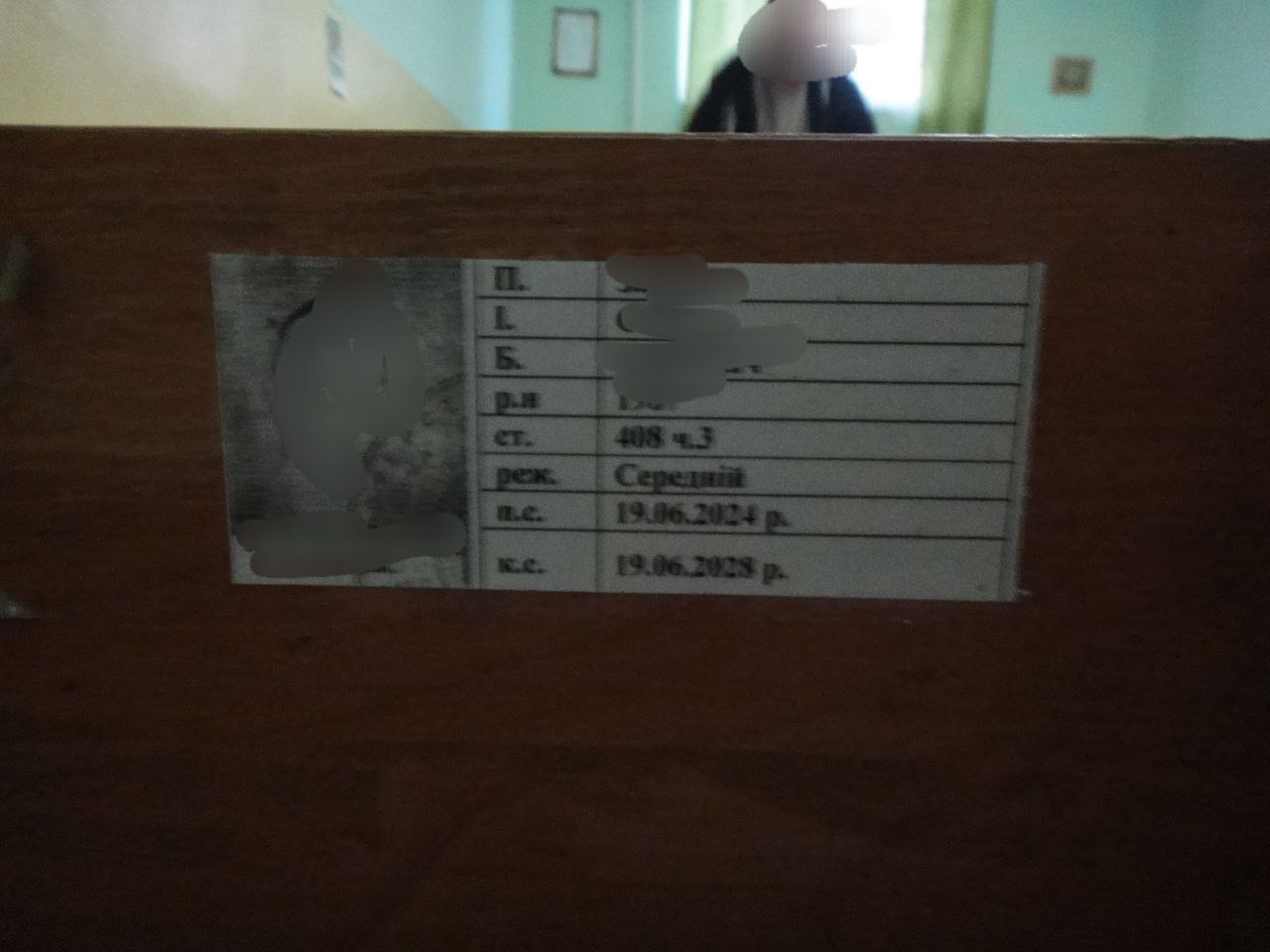
7. During a visit to the institution’s disciplinary isolation unit, the disciplinary cell (DIZO/Cell), it was established that the prisoner Sh., who was serving a disciplinary penalty and was placed in the disciplinary cell on 16.12.2025, had not been issued a copy of the decision on the imposition of the penalty with an indication of the possibility and procedure for its appeal by the institution’s administration as of 19.12.2025, which contradicts paragraph 7 of Chapter 6 of Section VIII of the PVR SIZO. At the same time, in the report to the Government of Ukraine following the 2023 visit, the Committee recommends taking measures in Ukrainian penitentiary institutions to ensure that convicts to whom a disciplinary penalty has been applied systematically receive a copy of the relevant decision. Furthermore, convicts should be informed of their right to access a lawyer in the context of disciplinary proceedings (CPT/Inf (2024) 20, paragraph 103).
8. The monitoring group established that a psychological profile was not attached by the institution’s psychologist to the case file on placing prisoners in the disciplinary cell, which indicates that no corresponding psychological assessment of such persons was conducted. This is a violation of the requirements of paragraph 5 of Section V of the Typical Job Duties of a Psychologist of a Penal Institution and Pre-trial Detention Centre, approved by Order of the Ministry of Justice of Ukraine dated 04.11.2013 #2300/5, which provides for the psychologist’s duty to participate in the consideration of materials regarding the placement of convicts in a disciplinary isolation unit and to provide appropriate conclusions.
9. During the visit to the disciplinary cells, it was established that, in violation of paragraph 4 of Section IV of the Procedure for the Use of Technical Supervision and Control Means, they are not equipped with staff call buttons, which complicates the operative contact of convicts with the institution’s staff. In the cell premises, there is an inadequate level of natural light. The toilets are not equipped with doors and sufficient partitions that guarantee the possibility of privacy, which is a violation of Rule 19.3 of the European Prison Rules.
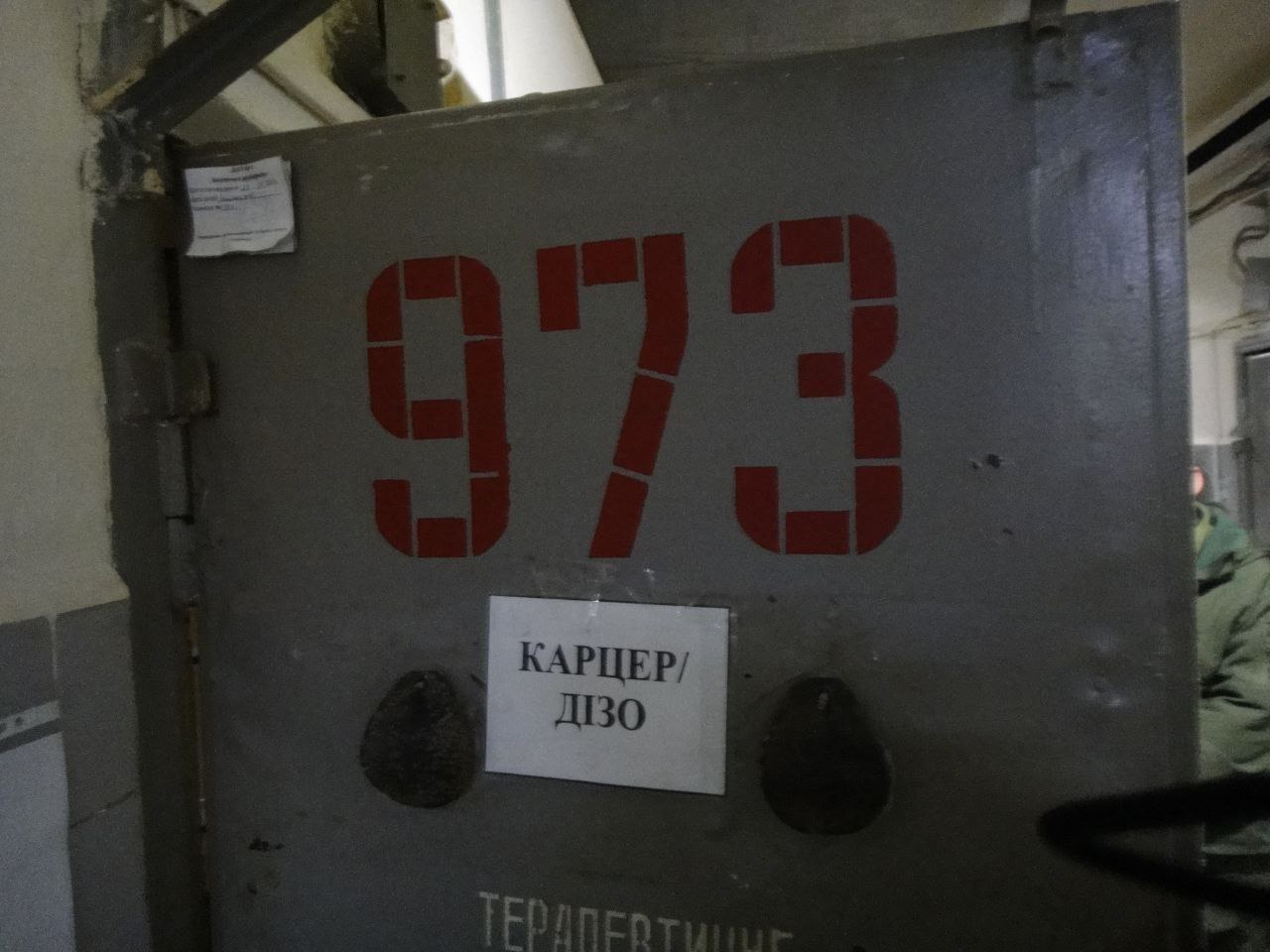
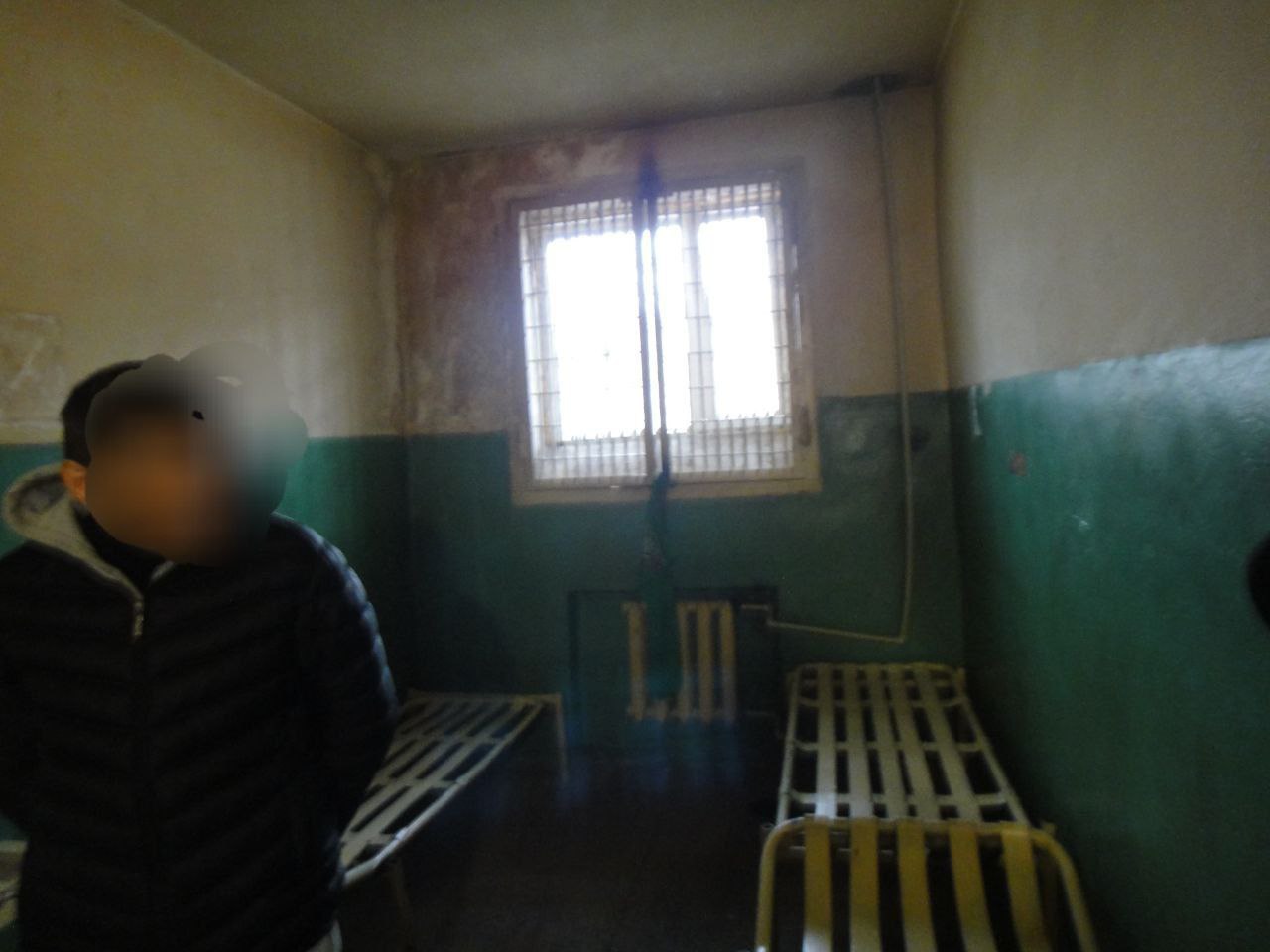
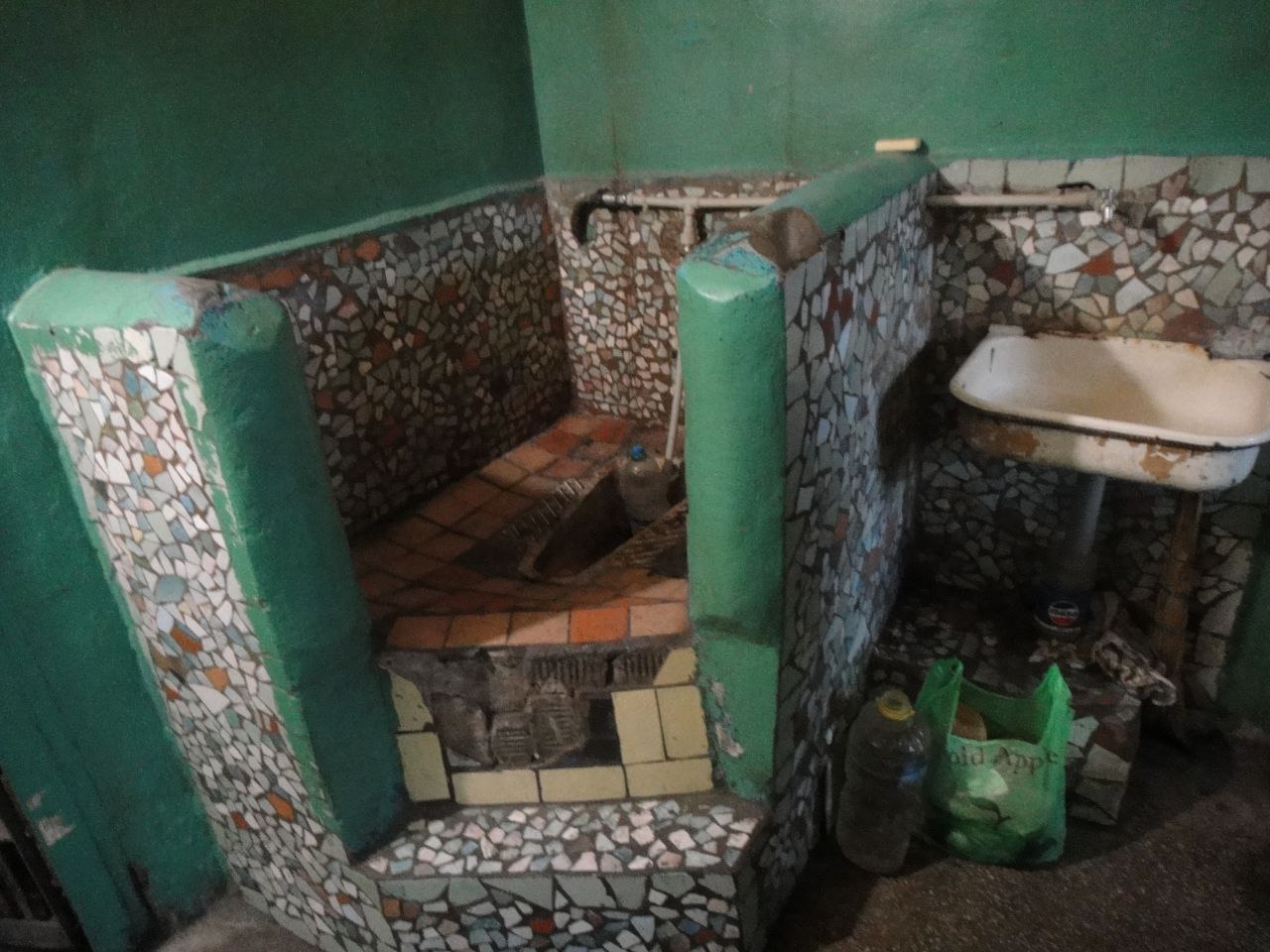
10. Canopies that completely block access to natural light have been installed in the exercise yards, which leads to keeping people in constant darkness or semi-darkness. At the same time, the Committee has repeatedly recommended reviewing the design and size of exercise yards, ‘which at best offer a view of the sky’ (paragraph 122, paragraph 127 (CPT/Inf (2014) 15)).
11. The monitoring group established that the institution’s shop lacks tobacco products, underwear, and roll-on deodorant, the availability of which is provided for by Appendix 5 to the Internal Regulations of Penal Institutions, approved by Order of the Ministry of Justice of Ukraine dated 28.08.2018 #2823/5.
12. According to paragraph 17 of Section V of the Regulations on the Organisation of Food Provision in the State Criminal-Executive Service of Ukraine during peacetime, approved by Order of the Ministry of Justice of Ukraine dated 15.06.2021 #2160/5 (hereinafter — Regulations on the Organisation of Food Provision), daily samples of each meal of the ration must remain in the institution’s canteen. Sampling is carried out by the cook from the pot in the presence of a medical worker of the healthcare facility into a clean container with a lid (previously washed and boiled) before the food is issued. Daily samples are stored in the canteen refrigerator at a temperature from +4°C to +8°C and must be kept for 24 hours until the end of the same meal the next day. However, in violation of these requirements, during the inspection of the canteen refrigerator, the monitoring group established the absence of dinner samples for 18.12.2025, as well as breakfast and lunch for 19.12.2025, according to standards #8B, #8V, #3A, #9A, #4A.
13. According to paragraph 7 of Section III of the Regulations on the Organisation of Food Provision, when moving persons provided with food in institutions, such persons are issued a set of dry products, in particular to convicts and prisoners who are moved from one pre-trial detention centre to another, from a pre-trial detention centre to a place of serving a sentence, from one place of serving a sentence to another, as well as to persons released from serving a sentence who are heading to their place of residence, and in cases where the preparation of hot food is impossible.
In accordance with paragraph 6 of Chapter 4 of Section IV of the PVR SIZO, pre-trial detainees and convicts must receive a food ration before being sent to participate in criminal proceedings outside the SIZO. However, based on the results of the analysis of official documentation and interviews with prisoners, the monitoring group established that in most cases, the issuance of food rations to persons departing from the institution is not actually carried out.
14. During the visit to the institution’s library, the monitoring group established that, contrary to the requirements of paragraph 3 of Chapter 4 of Section VIII of the PVR SIZO, the library’s book fund is not provided with texts of the UN Standard Minimum Rules for the Treatment of Prisoners (the Mandela Rules), the European Prison Rules, or the Internal Regulations of Pre-trial Detention Centres.
15. The monitoring group established a number of violations in the organisation of laundry and bathing services for convicts and pre-trial detainees. In accordance with paragraph 3.19.1 of Section III of the Regulations on the Organisation of Laundry and Bathing Services for Persons Held in Penal Institutions and Pre-trial Detention Centres, approved by Order of the Ministry of Justice of Ukraine dated 08.06.2021 #849/5 (hereinafter — Regulations), sanitary treatment involves washing convicts (persons taken into custody) in a bathhouse using soap and a washcloth, the mandatory replacement of bedding and underwear, as well as disinfection (destruction of pathogenic microorganisms) and disinsection (destruction of insects and ticks that are vectors of infectious diseases) of personal clothing and bedding (pillows, mattresses, blankets) in a disinfection chamber.
However, as established by the monitoring group, the disinfection chamber in the institution is not working, which makes proper sanitary treatment of bedding and clothing impossible, increases the risk of the spread of infectious diseases among convicts and staff, and contradicts established sanitary and hygienic standards.
During communication with persons taken into custody and convicts, the monitoring group established that female persons taken into custody have the opportunity to take a shower only once a week. This violates the requirements of Rule 19.4 of the European Prison Rules and paragraph 3.2 of the Regulations on the Organisation of Laundry and Bathing Services.
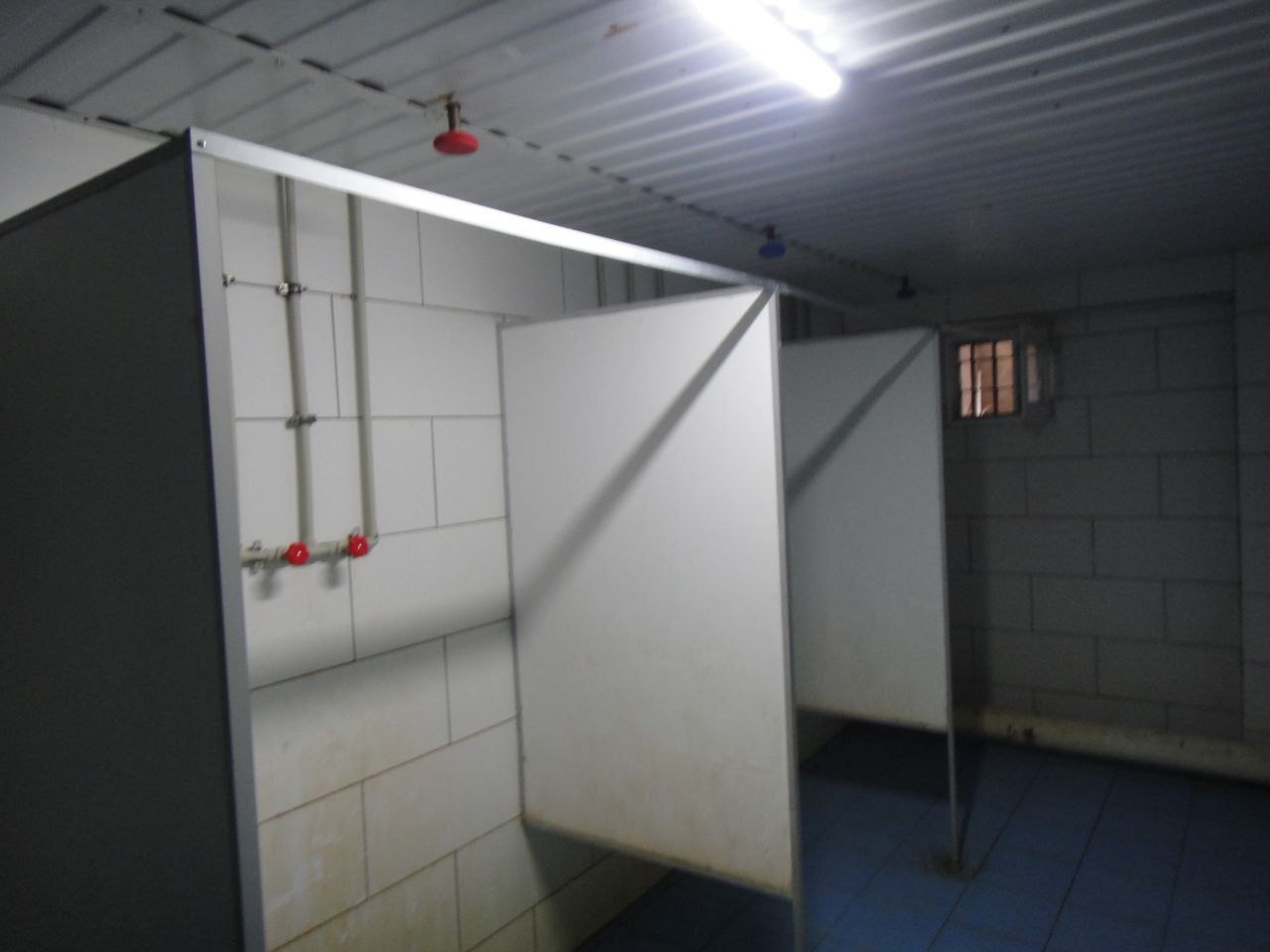
The monitoring group also established that in the bathhouse and laundry, the mechanical supply and exhaust ventilation system needs repair and/or proper maintenance, as it does not actually ensure the necessary air exchange, which does not meet the requirements of paragraph 2.11 of Section II of the Regulations on the Organisation of Laundry and Bathing Services. In violation of paragraph 2.14 of Section II of the Regulations on the Organisation of Laundry and Bathing Services, the institution does not provide hairdressing services to convicts and prisoners. In violation of the requirements of Rule 19.3 of the European Prison Rules, the right to privacy is not ensured in the shower room due to the absence of curtains on the shower partitions.
16. During the visit, the monitoring group recorded that the institution’s staff who are in direct contact with convicts openly carry special means, in particular rubber batons. At the same time, according to the eighth paragraph of paragraph 8 of Chapter 1 of Section V of the PVR SIZO, the carrying of special means by SIZO personnel within the protected territory of the SIZO should be, if possible, as concealed from those around as possible.
At the same time, the Committee recommends that penitentiary staff working in direct contact with prisoners should not carry special means (such as rubber batons, handcuffs, and canisters equipped with tear gas) openly in front of prisoners, as such carrying hinders the establishment of normal relationships between staff and prisoners (paragraph 85 (CPT/Inf (2011) 29), paragraph 23 (CPT/Inf (2013) 23), paragraph 166 (CPT/Inf (2014) 15)).
17. According to information provided by the administration, since the beginning of 2025 (as of 19.12.2025), 753 short-term visits were granted to prisoners and convicts at Dnipro Prison #4, of which 712 took place in a contactless manner — through a solid partition glass using an intercom device.
At the same time, in the report to the Government of Ukraine following the 2023 visit, the European Committee for the Prevention of Torture emphasises that for all categories of convicts, open visits (e.g., at a table) should be the rule, and closed ones — the exception, the application of which is allowed only on the basis of reasoned and justified decisions after an individual assessment of the potential risk of a specific convict. In this regard, the Committee calls on the Ukrainian authorities to review the procedure for conducting short-term visits in penitentiary institutions with the aim of ensuring they are conducted, as a rule, in open conditions (CPT/Inf (2024) 20, paragraph 99).
18. According to official documentation, the staff shortage in the institution as of 19.12.2025 amounts to 74 authorised units. At the same time, in the report to the Government of Ukraine following the 2023 visit, the Committee emphasises that ensuring a positive climate in a penitentiary institution requires the presence of a professional team of staff, who must be present in sufficient numbers at any moment in time in places of detention. An insufficient number of staff can only increase the risk of violence and intimidation among convicts.
The shortage of front-line staff also undermines the quality and level of measures offered to convicts and jeopardises the prospect of preparation for release and social rehabilitation. In this regard, the Committee calls on the Ukrainian authorities to take decisive measures to significantly increase the number of staff in Ukrainian penitentiary institutions where a low level of staffing is observed, with the aim of strengthening the presence of security and supervision staff inside the institutions. Measures must also be taken to end the 24-hour shifts of staff on duty (CPT/Inf (2024) 20, paragraph 93).
19. During the monitoring visit, an inspection of the shelter, designated by the institution’s administration as a place for persons to stay in case of an air raid, was carried out. The shelter is located in the basement. As a result of the inspection, the presence of two exits was established, which formally meets the requirements regarding the possibility of evacuation. There are also ventilation elements in the room that ensure minimal air exchange.
At the same time, the shelter is not equipped with a sewage system. There are no sanitary facilities in the room. According to the institution’s administration representatives, tender procedures are currently underway for the purchase of portable toilets for placement in the shelter. In fact, at the time of the inspection, the sanitary and hygienic needs of persons who might be in the shelter for a long time were not provided for. Such a state does not meet the requirements regarding the minimum conditions for people staying in protective structures, in particular in the case of prolonged air raids.
Flooding of the basement was recorded separately. There are traces of moisture and water on the floor, which indicates the periodic or constant penetration of groundwater or sewage. Flooding, combined with the lack of sewage and proper drainage, creates risks of unsanitary conditions, deterioration of the sanitary-epidemiological state, and a danger to the health of persons who may be in the shelter.
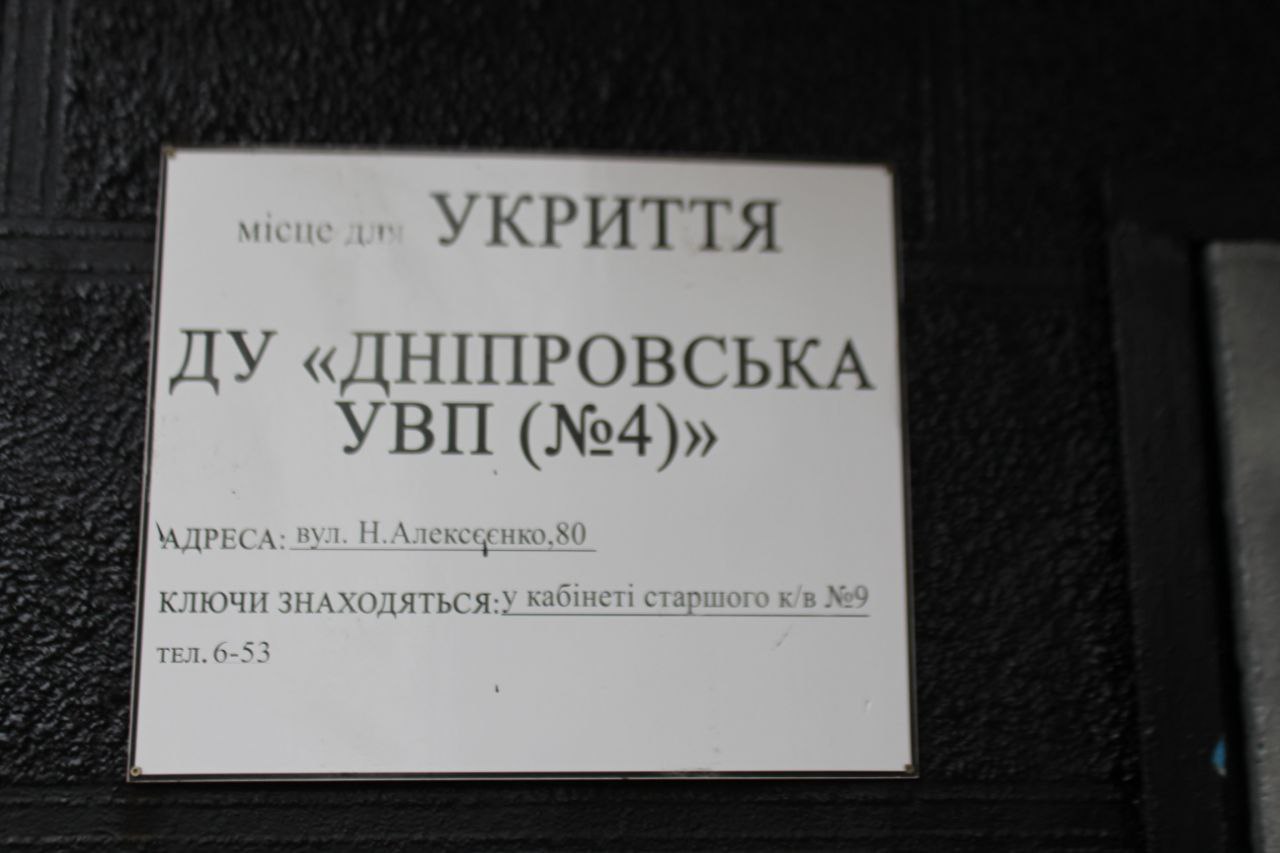
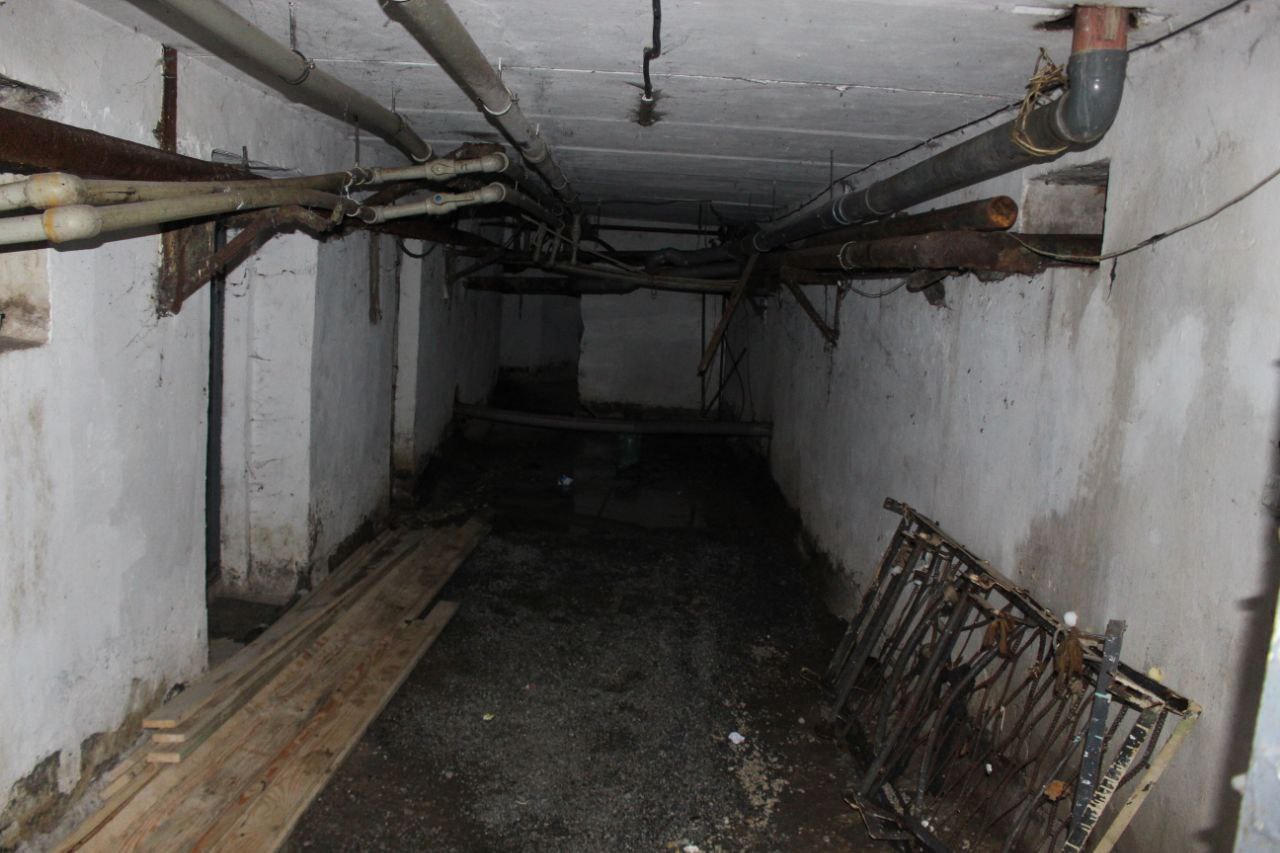
Given the established circumstances, the shelter at Dnipro Prison #4, in its current state, does not provide proper conditions for the safe and dignified stay of convicts and prisoners in the event of prolonged use. The identified shortcomings contradict the requirements of Article 8 of the Criminal Executive Code of Ukraine regarding ensuring respect for human dignity, as well as general standards of civil protection of the population and the approaches enshrined in the European Prison Rules, according to which the conditions of stay for persons deprived of liberty must be safe, sanitarily acceptable, and such that do not pose a threat to life and health.
20. During the monitoring visit to Dnipro Prison #4, a comprehensive study of the organisation of labour and social protection of convicts and persons taken into custody was carried out. The analysis was conducted on the basis of work orders for taking persons to work, logs of issued work tools, records of salary (monetary remuneration) accrual and payment, samples of labour and civil law contracts, as well as explanations from interviewed persons.
In the institution, convicts and prisoners are involved in work in the kitchen facility, in production premises for manufacturing wire products, as well as in utility service work. These works are of a constant, daily nature and are directly aimed at ensuring the institution’s life support. According to the administration’s information, at the time of the visit, 95 persons were involved in work, of whom 47 worked under labour contracts, and 48 — under civil law contracts; 8 persons worked in the kitchen facility.
At the same time, it was established that there is no nominal timekeeping in the institution. The hourly check logs do not contain names and reflect only the total number of persons in the workshops during the check, and therefore cannot confirm the actual involvement of specific persons in work or the duration of their working day. Passes for leaving cells or other documents that would record the start and end time of work for specific persons are not maintained by the administration and were not provided. Under such conditions, verifying compliance with working time norms, rest time, and overtime accounting is impossible.
Logs of issued work tools indicate daily issuance of inventory to individual convicts who work in the kitchen facility, without breaks for weekends and holidays, which confirms the continuous nature of the work and the absence of guaranteed weekly rest.
As a result of interviewing convicts and examining documentation, it was established that convicts M. and Z. are involved in work in the kitchen facility as kitchen workers, which is confirmed by work orders and records of accrual and payment of monetary remuneration. At the same time, the absence of nominal timekeeping makes it impossible to establish the actual number of hours worked and to verify compliance of the payment amount with minimum state guarantees in remuneration.
Regarding convict T., it was established that according to existing financial documents, remuneration was accrued and paid to him. At the same time, from the words of the interviewed persons M., Z., and T., it was clarified that they actually perform the functions of a cook and work in the vegetable workshop from 06:00 to 20:00 daily, without days off. Such a regime has signs of a full working day with a significant excess of the normal duration of working time. Documents that would allow comparing this actual regime with the payment amount and verifying payment for overtime hours were not provided by the administration.
Convict Sh. is classified as utility service. His involvement in work and payment of remuneration are documented, including by a civil law contract. At the same time, the nature of the work he performs is constant, is carried out in subordination to the internal regime of the institution, and is aimed at ensuring its functioning. The combination of these signs indicates the existence of labour, not civil law, relations, regardless of the formal registration.
As for convicts U., A., as well as L., L., and M., it was established that their involvement in work in the kitchen facility is confirmed by work orders, records of issued work tools, and the explanations of the interviewed persons themselves. At the same time, in the provided records of salary accrual and payment, there is no data regarding the payment for their labour, which indicates the use of the labour of these persons without proper documentary confirmation of its payment.
An analysis of salary accrual records shows that in cases where payments were made, personal income tax and the military levy were withheld. At the same time, documents confirming the accrual and payment of the single social contribution by the employer for persons involved in labour were not provided by the administration. The absence of such documents makes it impossible to verify the formation of insurance experience and the assurance of the right to mandatory state social insurance.
In addition, the administration did not provide logs of medical examinations or clearance for work for kitchen facility employees, which is a mandatory element of sanitary and medical control. It was also established that convicts and persons taken into custody are involved in work in adjacent premises with the possibility of crossing paths, which does not meet the requirements regarding the separate holding of different categories of persons.
The combination of established facts indicates systemic violations of the right to work and social protection at the state institution ‘Dnipro Prison #4’. The use of civil law contracts under conditions characteristic of labour relations was identified; the absence of nominal timekeeping; the impossibility of verifying compliance with minimum state guarantees in remuneration; the actual involvement in labour without documentary confirmation of its payment; the absence of supporting documents regarding the accrual and payment of the single social contribution; and non-compliance with sanitary and regime requirements. Such practice does not comply with the requirements of the Labour Code of Ukraine, legislation on mandatory state social insurance, the Criminal Executive Code of Ukraine, and international standards for the treatment of persons deprived of liberty.
Recommendations:
1. Ensure compliance with the minimum living space standards established by legislation for persons taken into custody and convicts by reviewing the placement of the cell fund, preventing overcrowding of cells, and implementing organisational solutions aimed at reducing the number of people in premises where the actual area per person does not meet the requirements of national legislation and international standards.
2. Take measures to ensure compliance with the principle of separate holding of prisoners depending on their procedural status, the presence of previous convictions, and the nature and severity of the alleged crimes by strengthening control over the placement of persons in cells and regularly reviewing placement lists.
3. Ensure that material and living conditions in the cells are brought into compliance with the requirements of the Law of Ukraine ‘On Preliminary Detention’, the Internal Regulations of Pre-trial Detention Centres, and international standards by carrying out major and current repairs, eliminating dampness and mould, replacing sanitary and technical equipment, electrical networks, mattresses, and bedding, as well as restoring proper ventilation and natural light.
4. Ensure that sanitary facilities in the cells are set up in a way that guarantees the right to privacy, in particular by installing full-fledged partitions or doors, as well as by restoring functioning water flushing systems.
5. Take comprehensive measures for the proper organisation of disinsection and disinfection of the cells and auxiliary zones, ensuring the regularity of such measures and recording their implementation in the relevant documentation.
6. Ensure the functioning of the radio system in the cells in accordance with the requirements of the Internal Regulations of Pre-trial Detention Centres.
7. Bring the arrangement and functioning of the holding unit into compliance with the Provision Standards, in particular by creating quarantine cells, cells for the sick, premises for storing the exchange fund of bedding and clothing, a barbershop, and other premises provided for by the regulations.
8. Ensure access to natural light and drinking water in the premises for the temporary stay of persons taken into custody by implementing appropriate engineering solutions and installing drinking water tanks.
9. Eliminate the practice of using video surveillance in premises where personal strip searches or other procedures requiring the assurance of privacy are conducted, bringing the use of technical supervision means into compliance with the requirements of current legislation.
10. Stop the practice of placing identification cards with a brief description of crimes on the beds of convicts in sleeping areas and ensure compliance with the principles of non-discrimination, respect for dignity, and prevention of stigmatisation.
11. Ensure compliance with disciplinary proceedings, in particular the timely delivery to persons of copies of decisions on the application of disciplinary penalties with an explanation of the procedure for their appeal and the right to legal assistance.
12. Ensure the mandatory participation of a psychologist in the consideration of materials regarding the placement of persons in a disciplinary isolation unit and the attachment of relevant psychological profiles and conclusions to the case file.
13. Equip the disciplinary cells with staff call buttons, ensure an adequate level of natural light, and arrange sanitary facilities in compliance with privacy requirements.
14. Review the design of exercise yards with the aim of ensuring access to natural light and fresh air in accordance with the recommendations of the European Committee for the Prevention of Torture.
15. Ensure that the institution’s shop has the entire list of goods provided for by the Internal Regulations of Penal Institutions, in particular, essential items.
16. Ensure strict compliance with the requirements for the selection, storage, and recording of daily meal samples in the institution’s canteen, as well as proper medical control over the food process.
17. Ensure the mandatory and systematic issuance of food rations to persons departing from the institution or being moved, in accordance with the requirements of current legislation.
18. Ensure the presence and availability in the institution’s library of texts of basic international and national normative acts in the field of the rights of persons deprived of liberty, in particular the UN Standard Minimum Rules for the Treatment of Prisoners (the Mandela Rules) and the European Prison Rules.
19. Take measures to restore the operation of the disinfection chamber, the proper organisation of laundry and bathing services, ensuring regular access to a shower, privacy during water procedures, the functioning of ventilation, and the provision of hairdressing services.
20. Ensure that staff who are in direct contact with prisoners and convicts do not carry special means openly, except in cases of justified necessity, with the aim of forming a safe and non-violent environment.
21. Review the practice of organising short-term visits with the aim of ensuring they are conducted, as a rule, in open conditions, and use the contactless method only based on the results of an individual risk assessment.
22. Take systemic measures to staff the institution to the authorised number, in particular by ending the practice of long shifts and strengthening the presence of staff directly in residential zones.
23. Bring the institution’s shelter into compliance with the minimum safety and sanitary-hygienic conditions by setting up a drainage system, installing sanitary facilities, eliminating flooding, and ensuring safe conditions for people to stay in the event of prolonged use of the shelter.
24. Ensure transparent timekeeping for persons involved in work, compliance with working time norms, days off, and proper remuneration, as well as documentary confirmation of social guarantees in accordance with the requirements of Ukrainian legislation and international standards.