Report on the results of the monitoring visit to the Dnipro Penitentiary Institution No. 4
On 26 December 2024, in accordance with the Optional Protocol to the Convention against Torture and other Cruel, Inhuman or Degrading Treatment or Punishment, taking into account the provisions of the Minimum Standard Rules for the Treatment of Prisoners and the decisions of the European Court of Human Rights, and pursuant to Article 24 of the Criminal Executive Code of Ukraine — “Visiting Penal Institutions”, a group of monitors from the Kharkiv Human Rights Protection Group and the NGO “Protection of Prisoners of Ukraine” carried out a visit to the state institution “Dnipro Penitentiary Institution No. 4” (hereinafter, DPI-4, the institution, the facility). A planned repeat visit was conducted without prior notice.
During the preparations for the visit, the monitors used materials from the appeals of prisoners/convicted persons and their relatives, materials from the previous visit which took place on 6 December 2023, and the report of the monitors of the National Preventive Mechanism under the Commissioner for Human Rights of the Verkhovna Rada of Ukraine (NPM).
The visit was conducted within the framework of the project “Reducing the suffering of prisoners in the context of the war in Ukraine”, funded by the Government of Denmark in partnership with DIGNITY — Danish Institute Against Torture.
The visit was carried out by the following monitors:
- Andrii Didenko — assistant to the People's Deputy of Ukraine Yaroslav Yurchyshyn, programme coordinator of the Kharkiv Human Rights Protection Group, experienced in monitoring visits since 2014;
- Serhii Zuikov — assistant to the People's Deputy of Ukraine Kostiantyn Kasai, member of the public council under the Ministry of Justice of Ukraine, member of the public organisation “Protection of Prisoners of Ukraine”, has many years of experience in monitoring visits;
- Oleh Tsvilyi — member of the public council under the Ministry of Justice of Ukraine, head of the public organisation “Protection of Prisoners of Ukraine”, has extensive experience in monitoring visits, specialises in issues of torture, and cruel or inhuman treatment.
General Information
The institution functions as a pre-trial detention centre. The facility holds persons accused of committing criminal offences for whom a preventive measure of detention has been selected by a court decision, as well as those convicted by courts whose sentences have not yet entered into legal force. The DPI-4 operates a maximum-security sector for holding life-sentenced prisoners.
The institution is located at the following address: 80 Nadiia Alekseienko Street, 49000, Dnipro, Dnipropetrovsk region.
The head of the facility is Colonel of the Internal Service Ihor Anatoliiovych Biletskyi.
The institution consists of a duty unit, an admission ward, a food supply unit, cells for male, female, and juvenile pre-trial detainees, a maximum-security sector for holding life-sentenced prisoners, transit cells, a facility maintenance unit, disciplinary cells (punishment cells), a medical unit, a bath and laundry complex, visitation rooms, a shop, a library, a package reception room, and administrative premises.
According to the institution's administration, the established staff capacity consists of 548 positions. The actual number is 373 positions. The total staff shortage for the institution is 175 employees. There are 3 psychologists working at the institution.
The institution has a capacity of 1,714 places. During 2024, 5,657 people arrived at DPI-4. There are 1,408 prisoners/convicted persons held at the facility. DPI-4 has 388 active cells, 165 are mothballed, and 4 cells are under repair.
In 2023, 18 people died; in 2024, 11. 44 people are employed, 44 of whom are under employment contracts.
As for operational and preventive registration at the institution, there were: 22 individuals prone to suicide (2 suicides committed in 2024), 35 individuals prone to self-harm, 5 prone to escape, and 6 prone to attack.
In 2023–2024, not a single complaint was received from prisoners and convicted persons regarding inadequate conditions of detention or inadequate medical care.
The convicted persons have 32 tablets with internet access for their own use.
During 2023, 259 cases of bodily injuries were recorded: 173 upon arrival and 86 cases during their stay at the institution. During 2024, 320 cases occurred upon arrival and 74 during their stay at the institution.
The monitoring group interviewed about 345 prisoners and convicted persons. It is worth noting that the administration does not hide the shortcomings of the institution; the facility's management facilitated the monitoring visit in every way, which can be considered a sign of openness and transparency, as well as proper and adequate response to human rights violations.
Facts discovered during the visit
In the course of the monitoring visit, violations of national legislation requirements and non-compliance with international recommendations in the field of prisoner treatment were identified, which lead to violations of the rights of prisoners and convicted persons.
1. In violation of paragraph 2 of Article 11 of the Law of Ukraine “On Pre-Trial Detention” and paragraph 10 of the Minimum Standard Rules for the Treatment of Prisoners, the area per person held in custody in certain cell blocks is less than 2.5 m². Thus, during a selective check, it was established that in cell No. 413, where 23 male prisoners were held, the area of the cell according to the living space measurement report is 56 m². Consequently, the actual area per person held in custody was 2.43 m². Similar violations were found in cell blocks Nos. 416 and 423.
Part 1 of Article 115 of the Criminal Executive Code of Ukraine (hereinafter — CEC) provides that the standard of living space for one convicted person cannot be less than 4 m². At the same time, it was established that in cell No. 210, where 6 convicted persons were held, the area of the cell according to the living space measurement report is 21.5 m². Consequently, the actual area per convicted person was 3.58 m². A similar violation was found in cell No. 205.
Furthermore, in violation of paragraph 1 of Chapter 2 of Section III of the Internal Regulations of Pre-Trial Detention Centres of the State Criminal Executive Service of Ukraine, approved by the Order of the Ministry of Justice of Ukraine dated 14.06.2019 No. 1769/5 (hereinafter — Internal Regulations of the SIZO), it was established that in a number of cell blocks, the actual number of sleeping places exceeds the permissible amount to ensure the legally required area per person.
Thus, in cell No. 212, which, according to the living space measurement report, is designed for 5 places based on the standard of 2.5 m² per person, there are 9 beds. A similar violation was found in cell blocks Nos. 211, 210, 208, 413, 416, and 423. This violation creates conditions for potential abuses by the administration and institution staff regarding compliance with the living space standard per person and does not ensure proper personal space for the persons held in the cell blocks.
In paragraph 13 of the 7th General Report of the European Committee for the Prevention of Torture and Inhuman or Degrading Treatment or Punishment (hereinafter — the Committee), it is noted that the problem of overcrowded cell blocks leads to unhygienic conditions, a constant lack of privacy, and the overloading of medical services and institution infrastructure. The Committee concludes that quite often, the negative impact of overcrowding has resulted in inhuman or degrading conditions of detention for prisoners (CPT/Inf (97) 10).
In addition, in its report following the 2023 visit to Ukraine, the Committee once again calls on the Ukrainian authorities to take measures, in accordance with the Committee's long-standing recommendation, to review existing legal standards regarding living space for persons held in custody to guarantee at least 4 m² per person in multi-person cells (excluding the area occupied by toilets in cells). (CPT/Inf (2024) 20) paragraph 38).
2. In violation of Article 8 of the Law of Ukraine “On Pre-Trial Detention” and paragraph 17.2 of the European Prison Rules (hereinafter — EPR), the monitors established cases of violation of the requirements regarding the separate detention of prisoners. Thus, during a selective check, the monitoring group established that in cell blocks Nos. 200, 201, 413, 414, 415, and 421, persons who had previously served sentences in places of deprivation of liberty were held together with a person/persons being held criminally liable for the first time. This indicates a systemic failure by the institution's administration to comply with requirements to ensure proper control over the placement of prisoners, does not comply with the principles of dynamic security, and leads to a violation of the prisoners’ rights to personal safety, which contradicts national legislation and international standards, in particular, Article 3 of the Convention for the Protection of Human Rights and Fundamental Freedoms.
3. The procedure for receiving prisoners and convicted persons into the institution does not fully comply with the requirements of Chapter 2 of Section II of the Internal Regulations of the SIZO. Thus, during the visit to the admission ward premises, it was established that the medical examination of new arrivals was conducted under conditions that do not ensure privacy and confidentiality, specifically in the room for the temporary stay of persons held in custody and in the presence of institution staff.
This indicates that institution staff and other persons among the prisoners and convicted persons obtain confidential information regarding the health status of these individuals during the medical examination. This violates the requirements of paragraph 7 of Chapter 2 of Section X of the Internal Regulations of the SIZO, Article 39-1 of the Law of Ukraine “Fundamentals of Legislation of Ukraine on Healthcare” regarding the right of individuals to the confidentiality of their health status, and paragraph 9 of Section I of the “Procedure for organizing the provision of medical care to persons sentenced to imprisonment”, approved by the joint order of the Ministry of Justice of Ukraine and the Ministry of Health of Ukraine dated 15.08.2014 No. 1348/5/572.
4. In accordance with the requirements of paragraph 10 of Chapter 2 of Section II of the Internal Regulations of the SIZO, during the period of registration of accounting documents, prisoners and convicted persons are placed in the admission ward premises for a period of no more than two hours in compliance with isolation requirements. The time of placing persons in the admission ward premises and the time of their transfer to cells must be recorded in the duty log of the admission ward.
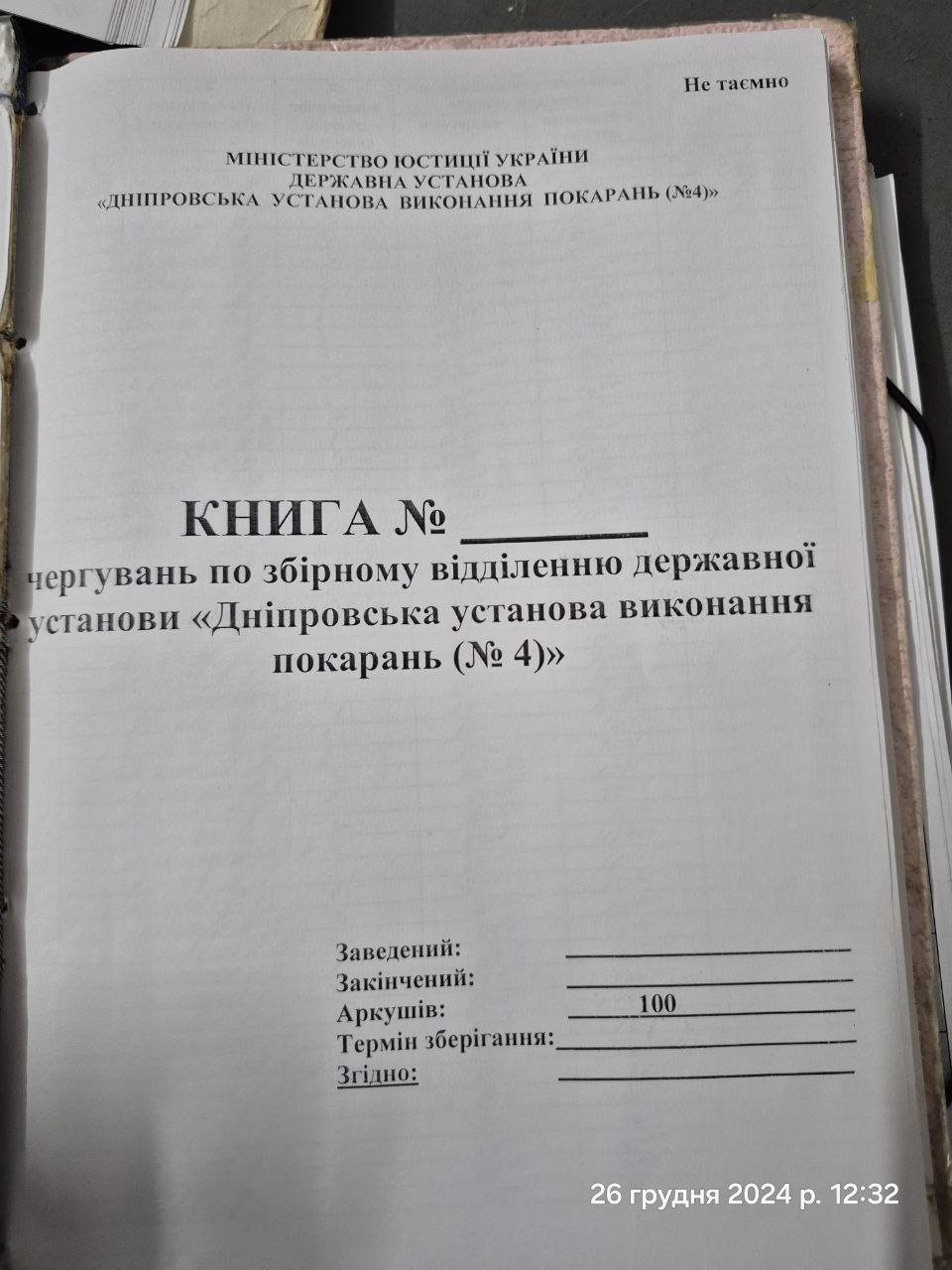
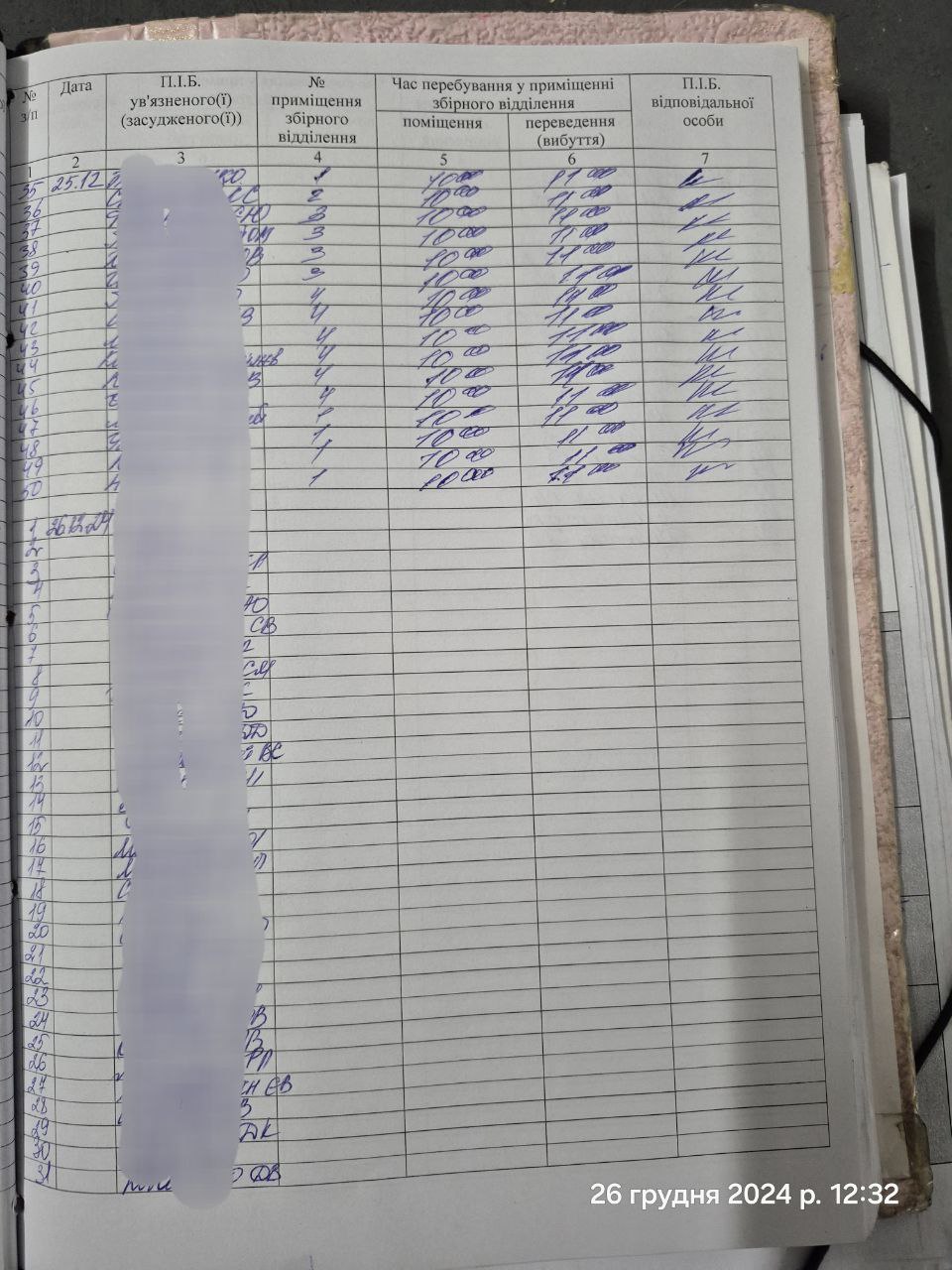
However, during the check, gross violations of these requirements were established. In particular, the maintenance of the admission ward duty log is carried out formally: the time of placement and transfer (departure) of prisoners and convicted persons is not entered in a timely manner, and control over compliance with the terms of stay in the admission ward premises is not exercised.
Thus, on 26.12.2024 at 12:30, the monitoring group recorded the presence of two prisoners in the admission ward. One of them reported that he had been there for over three hours, which exceeds the established time limit. At the same time, in the admission ward duty log, the monitoring group established the absence of records regarding the time of placement and transfer (departure) of 31 prisoners and convicted persons mentioned in the log as of 12:32 on the same day.
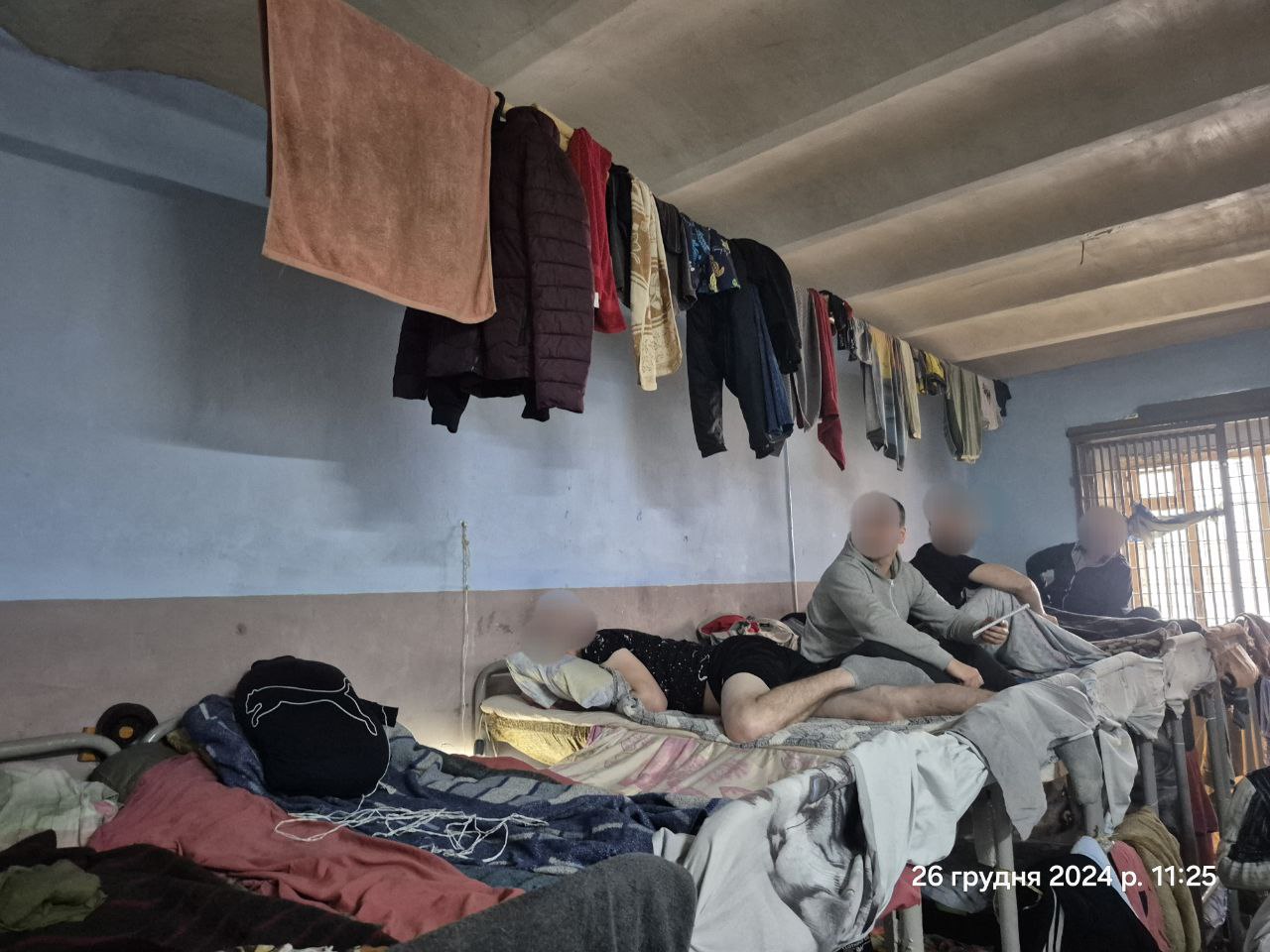
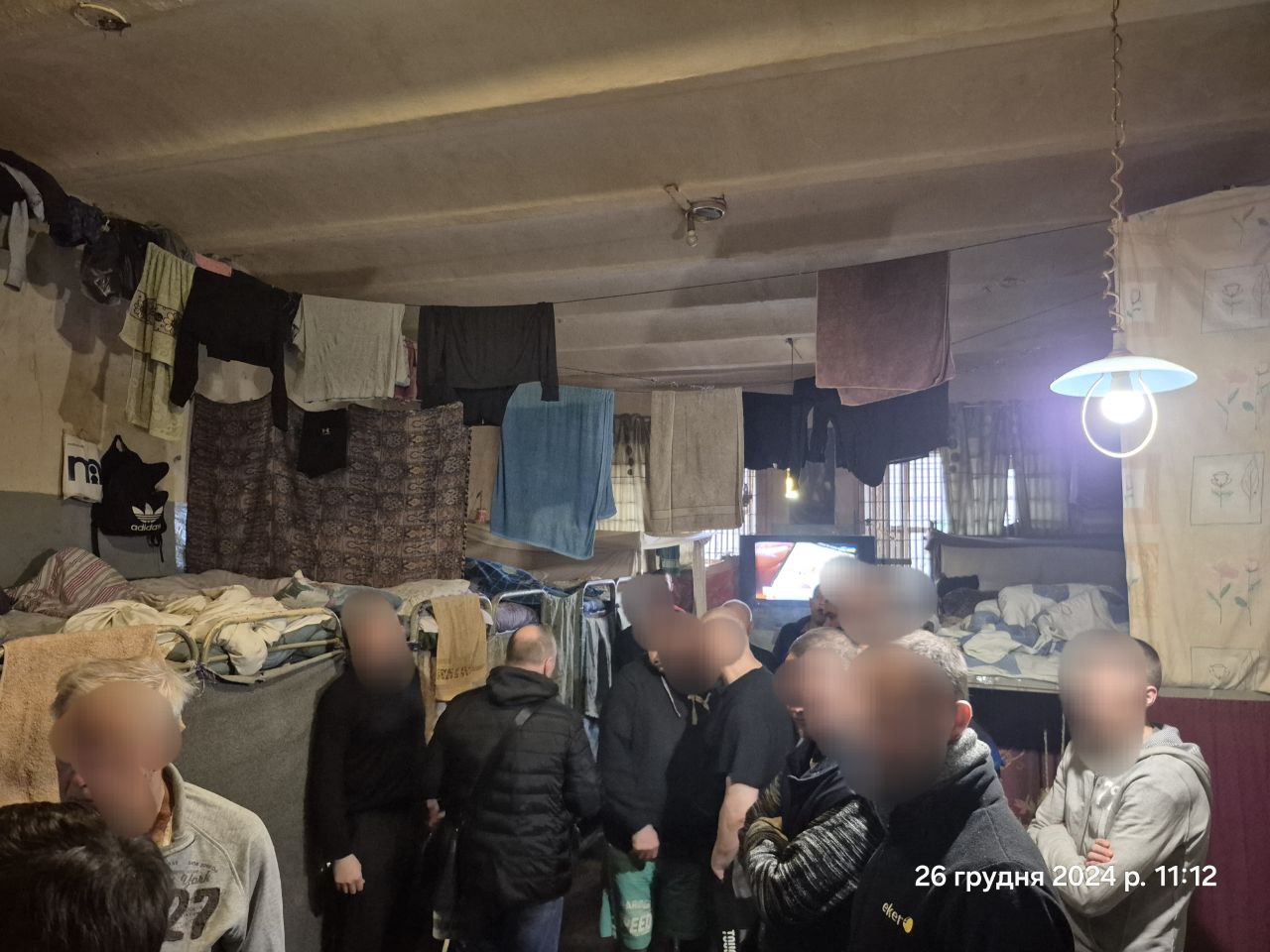
5. In the cell blocks, violations of Article 8 of the Convention for the Protection of Human Rights and Fundamental Freedoms, which guarantees the right to respect for private life, were identified. Thus, in violation of rule 18.1 of the European Prison Rules, beds in some cell blocks are located close to each other, which does not provide prisoners with personal space (cells Nos. 414, 416, 413, etc.).
The sanitary facilities in some cells do not contain sufficient partitions or doors that allow for privacy, which violates the requirement of rule 19.3 of the European Prison Rules (cells Nos. 206, 211, 210, 416, 414, 413, etc.).
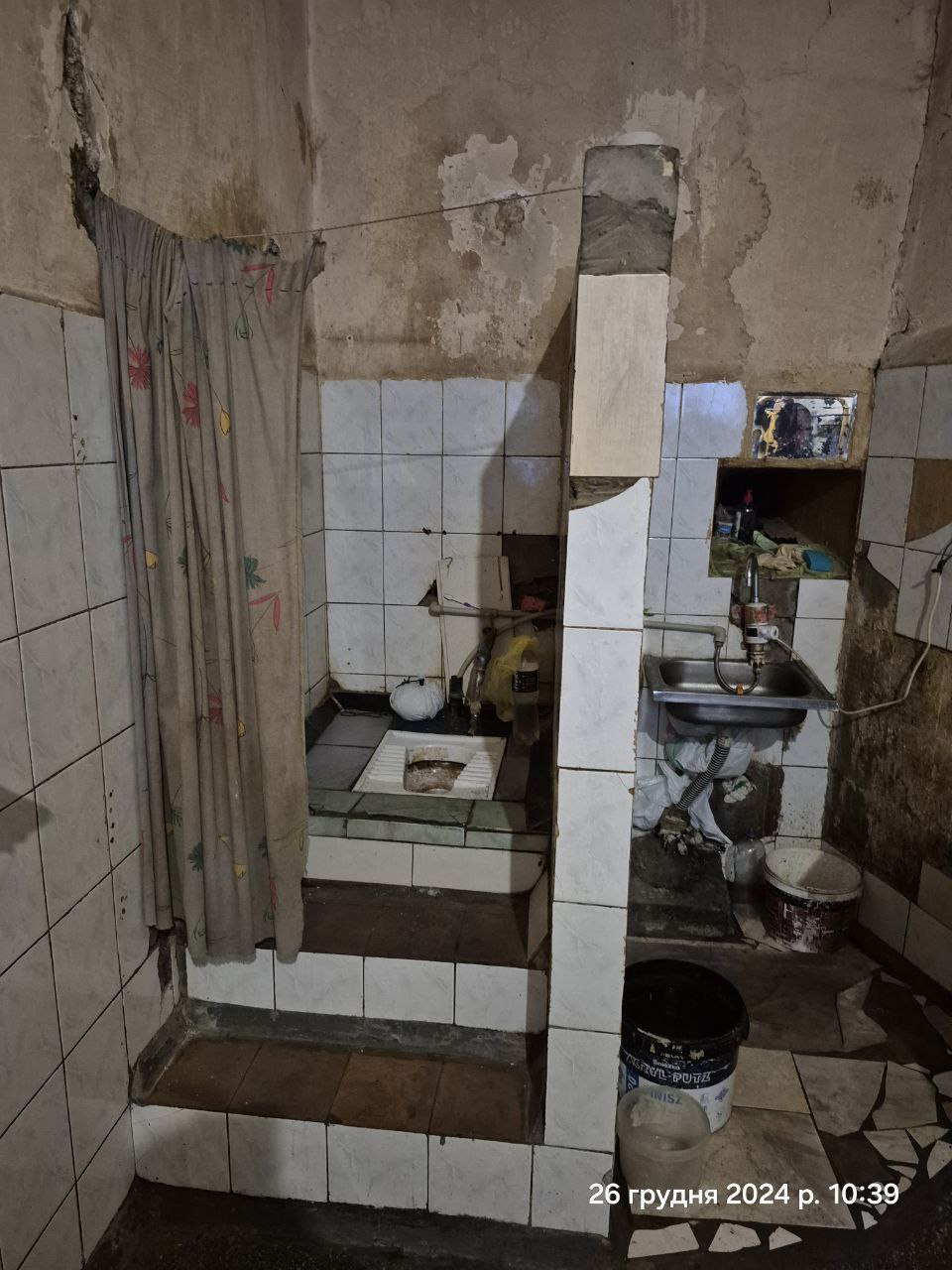
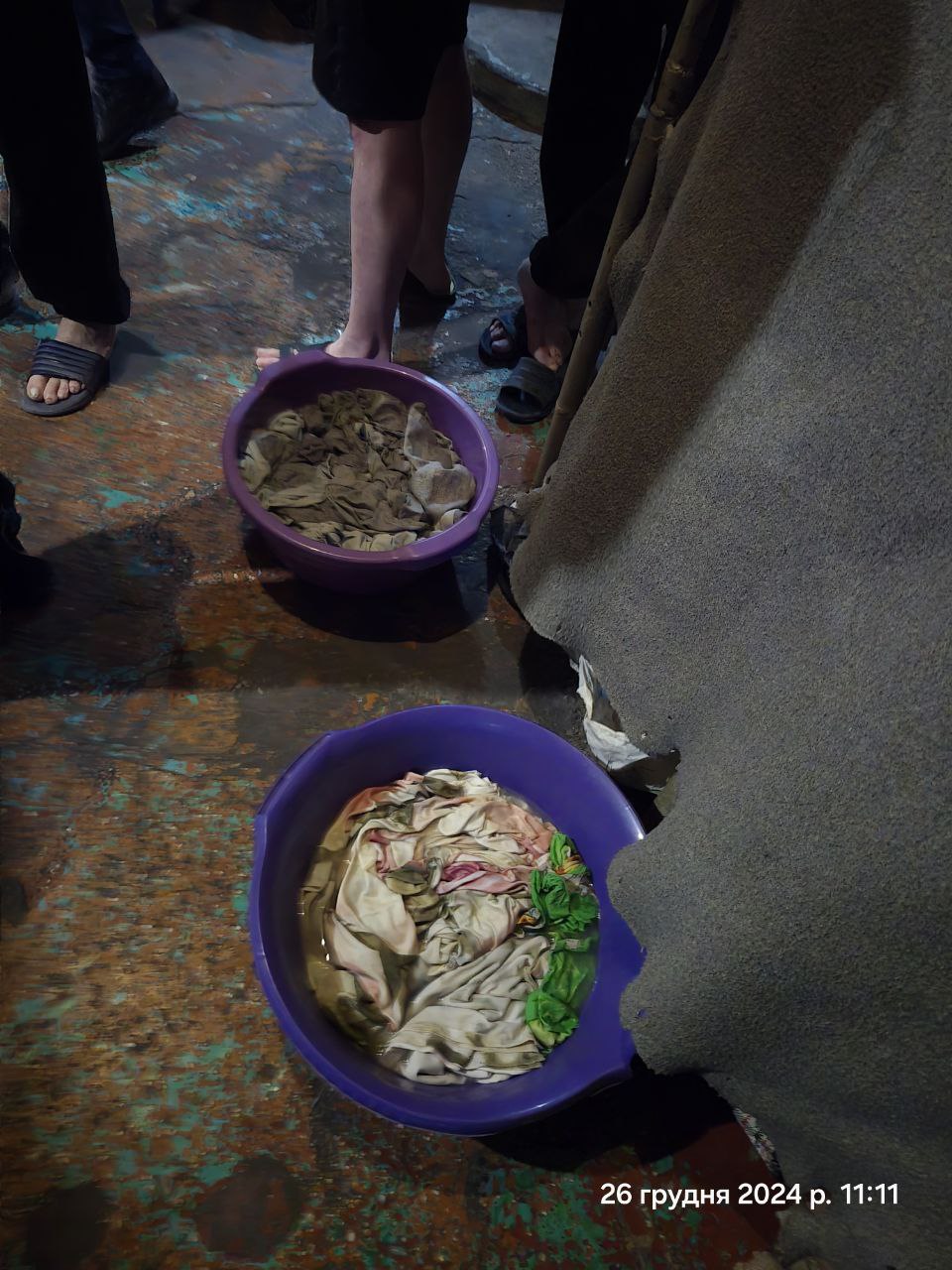
In the cell blocks, prisoners wash and dry their clothes, which indicates the improper organisation of the provision of bath and laundry services in the institution.
There is an unpleasant odour, unsanitary conditions, excessive dampness on the ceilings of some cell blocks, ceilings and walls covered in mould from water leaks, significant clutter with personal belongings, and bedding and mattresses that need replacing.
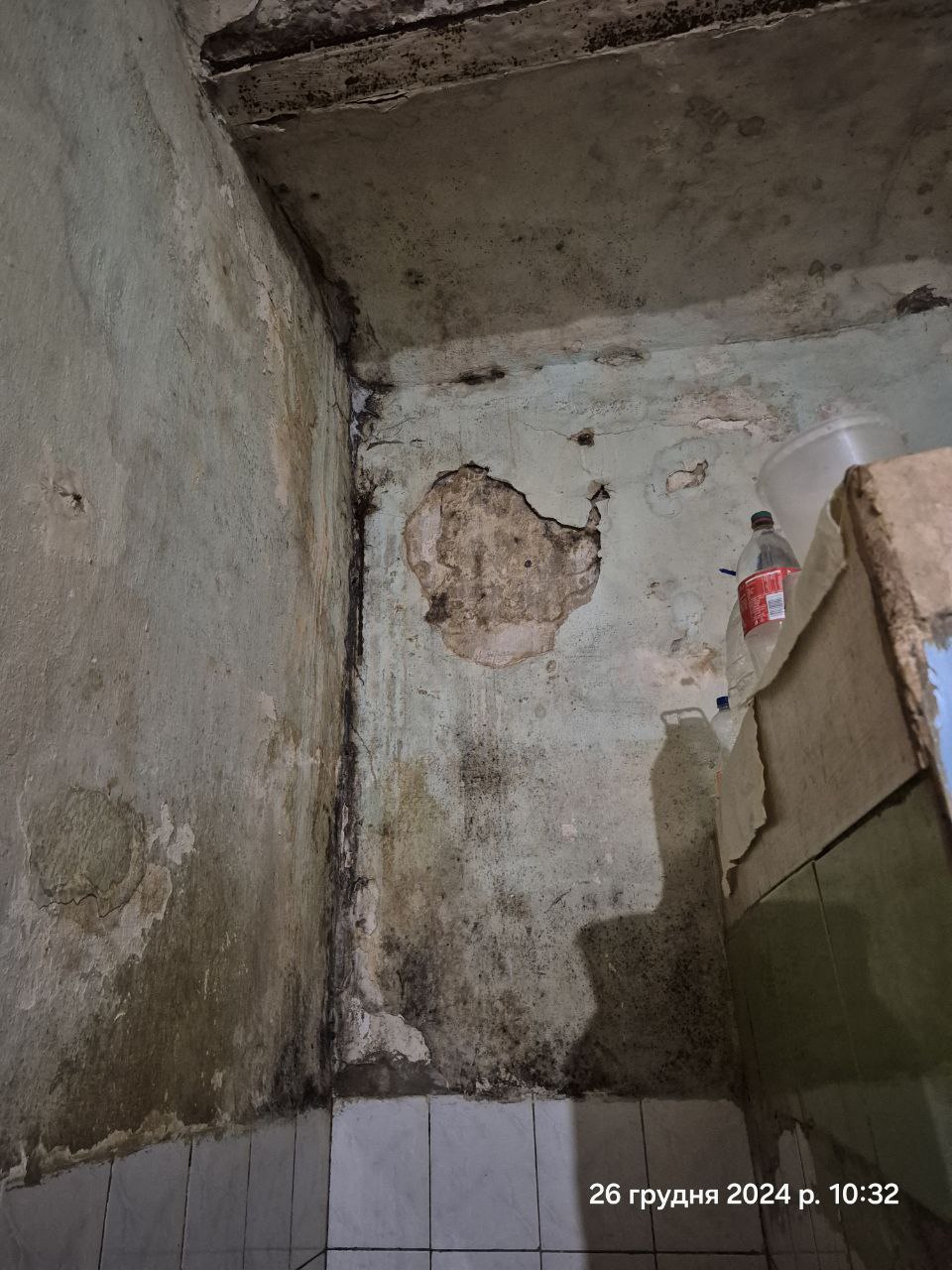
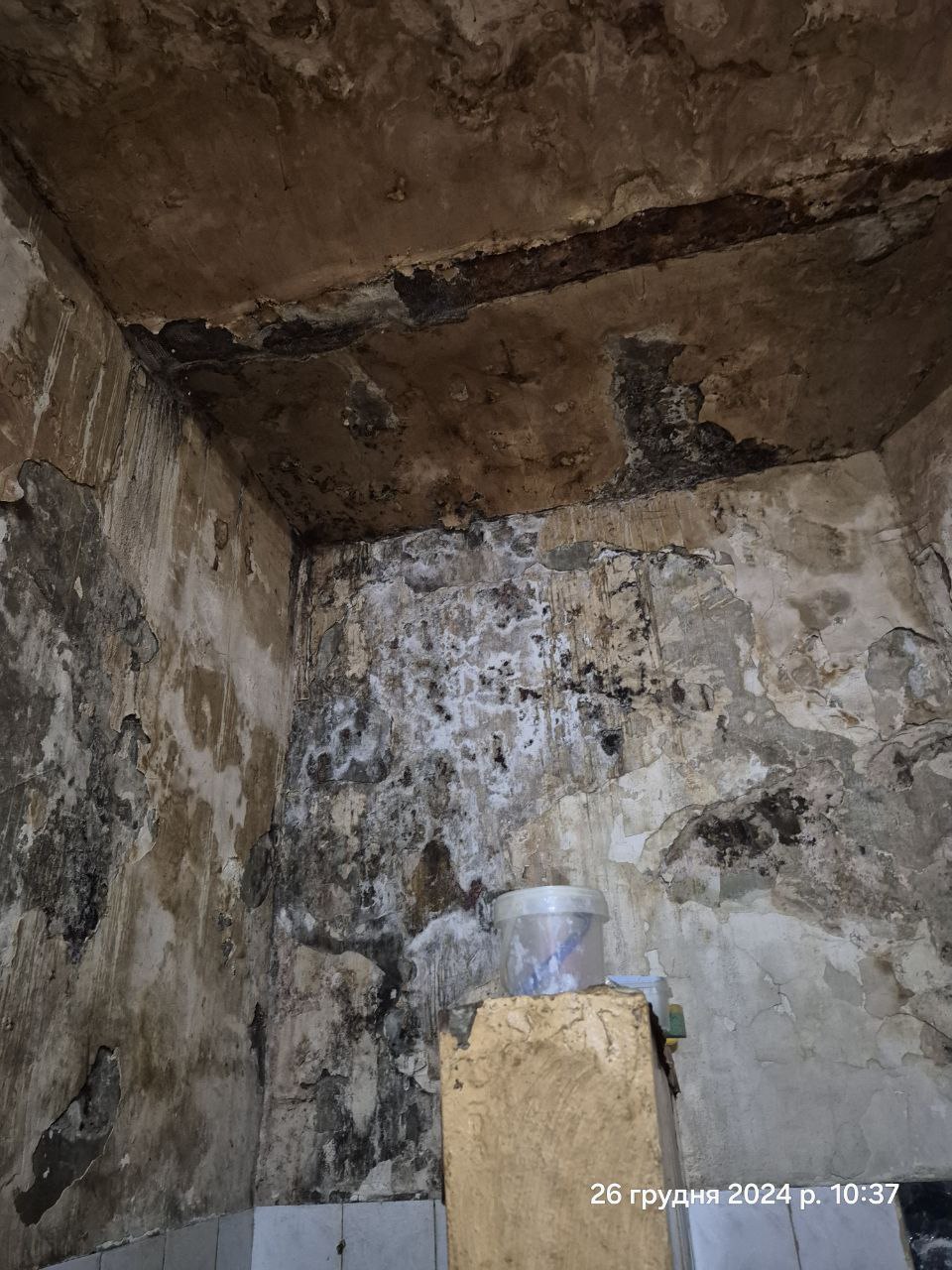
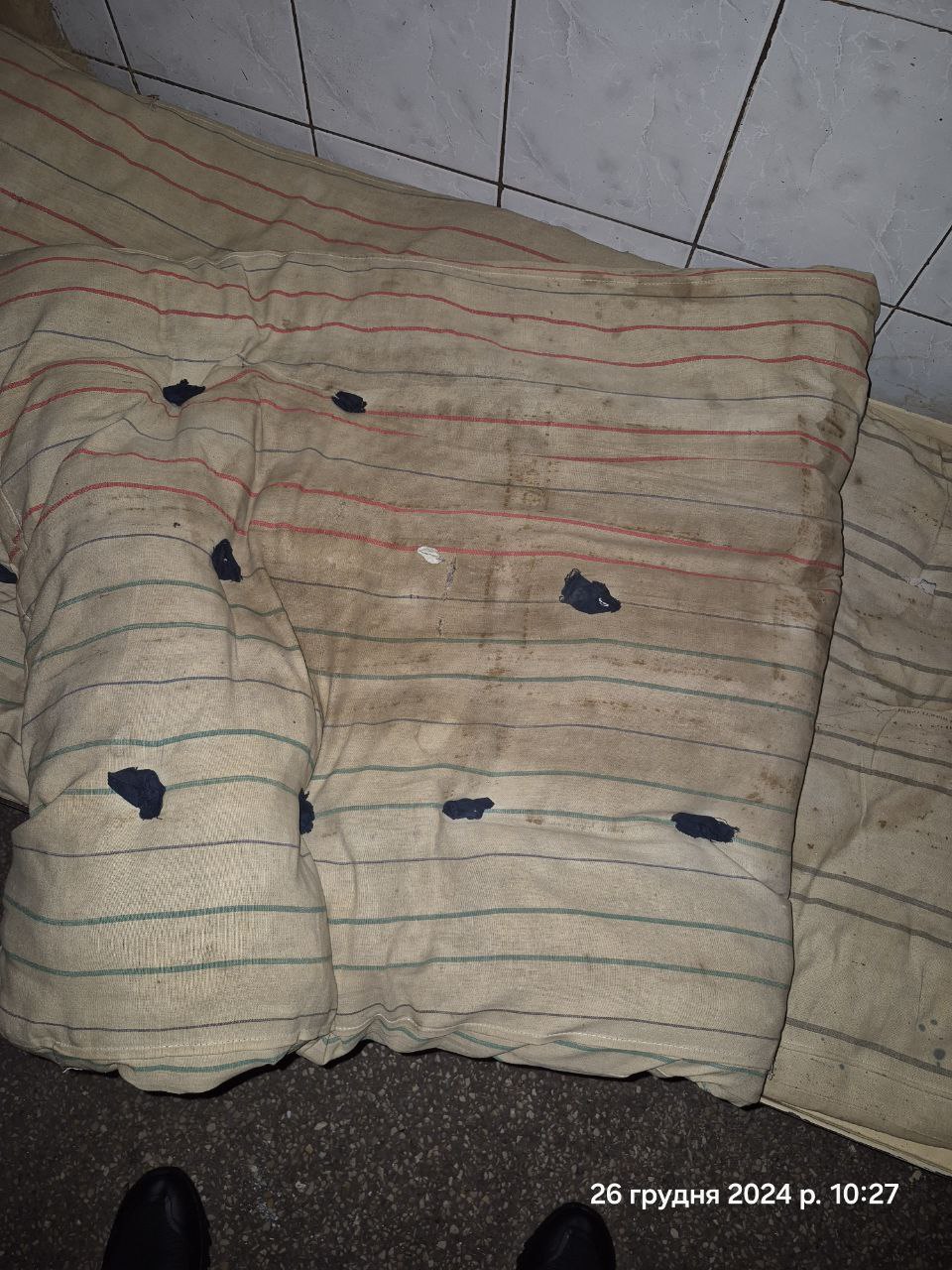
The disinsection measures taken by the institution's administration are insufficient; in certain cell blocks, monitors recorded the presence of cockroaches. Most cell blocks are not provided with an adequate level of natural light and ventilation. This indicates a violation of the prisoners’ rights to humane treatment and respect for their human dignity, according to part three of Article 1 of the Law of Ukraine “On Pre-Trial Detention” and rules 13, 14, and 15 of the UN Minimum Standard Rules for the Treatment of Prisoners (Mandela Rules).
At the same time, in the report of the Government of Ukraine following the 2023 visit, the Committee called on the Ukrainian authorities to take the necessary measures to improve the material conditions of detention, in particular, to reduce cell occupancy so that at least 4 m² of living space per held person is provided (excluding the area occupied by in-cell toilets); to keep all premises for the placement of convicted and held persons, including sanitary facilities, in a proper state of repair and hygiene, and to carry out disinsection regularly and frequently; to ensure adequate access to natural light and ventilation in cells, and to fully equip internal sanitary facilities with partitions (i.e., from floor to ceiling). (CPT/Inf (2024) 20) paragraph 58).
6. During the visit to the maximum-security sector, it was found that name cards providing a short description of crimes committed by the persons located in the cells were placed near the outer doors of the cells for life-sentenced prisoners. In its report on the results of the visit to Ukraine in 2020, the Committee noted that this practice should be stopped, as it serves no reasonable purpose and, in addition to stigmatisation, has the effect of damaging the relationship between prisoners and prison staff. (CPT/Inf (2020) 40) paragraph 52).
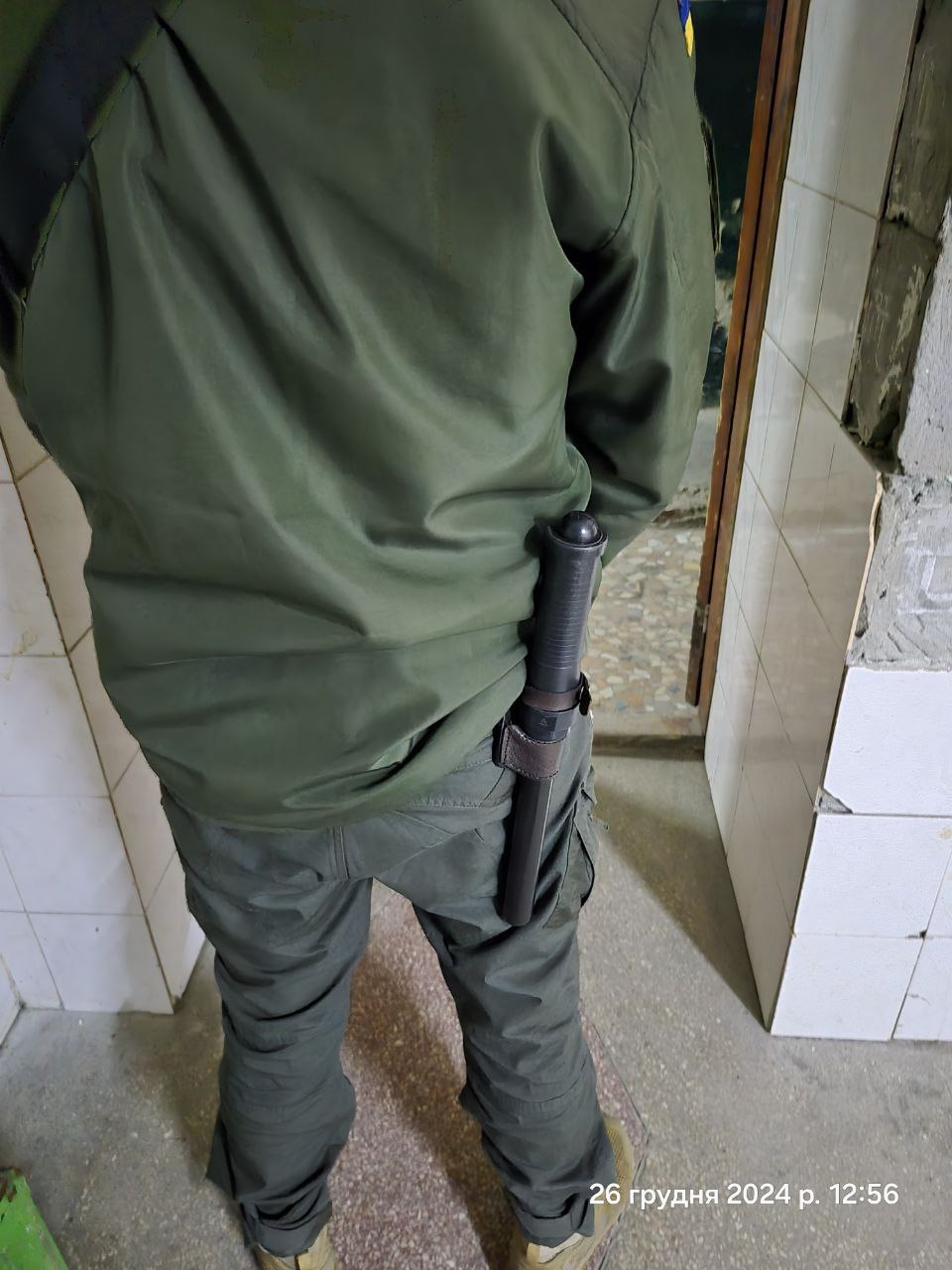
7. During the visit, the monitoring group recorded that staff of the institution who have direct contact with convicted persons openly carry special equipment, in particular, rubber batons. At the same time, according to the eighth paragraph of paragraph 8 of Chapter 1 of Section V of the Internal Regulations of the SIZO, the carrying of special equipment by SIZO staff within the protected territory of the SIZO should be, if possible, as hidden as possible from those around them. Simultaneously, the Committee recommends that penitentiary staff working in direct contact with prisoners should not carry special equipment (such as rubber batons, handcuffs, and tear gas canisters) openly before prisoners. Such carrying prevents the establishment of normal relations between staff and prisoners (par. 85 (CPT/Inf (2011) 29); par. 23 (CPT/Inf (2013) 23); par. 166 (CPT/Inf (2014) 15)).
8. According to official documentation, as of 26.12.2024, the total staff shortage at the institution was 175 positions (31.9%) of the established staff capacity. At the same time, in the report of the Government of Ukraine following the 2023 visit, the Committee emphasises that ensuring a positive climate in a penitentiary institution requires the presence of a professional team of staff, who must be present in sufficient numbers at all times in places of detention.
An insufficient number of staff can only increase the risk of violence and intimidation between convicted persons. A shortage of front-line staff also undermines the quality and level of measures offered to convicted persons and jeopardises the prospect of preparation for release and social rehabilitation. Therefore, the Committee calls on the Ukrainian authorities to take decisive measures to significantly increase the number of staff in penitentiary institutions of Ukraine, where a low level of staffing is observed, with the aim of strengthening the presence of security and supervision service staff inside the institutions. It is also necessary to take measures to put an end to 24-hour shifts for staff on duty. (CPT/Inf (2024) 20) paragraph 93).
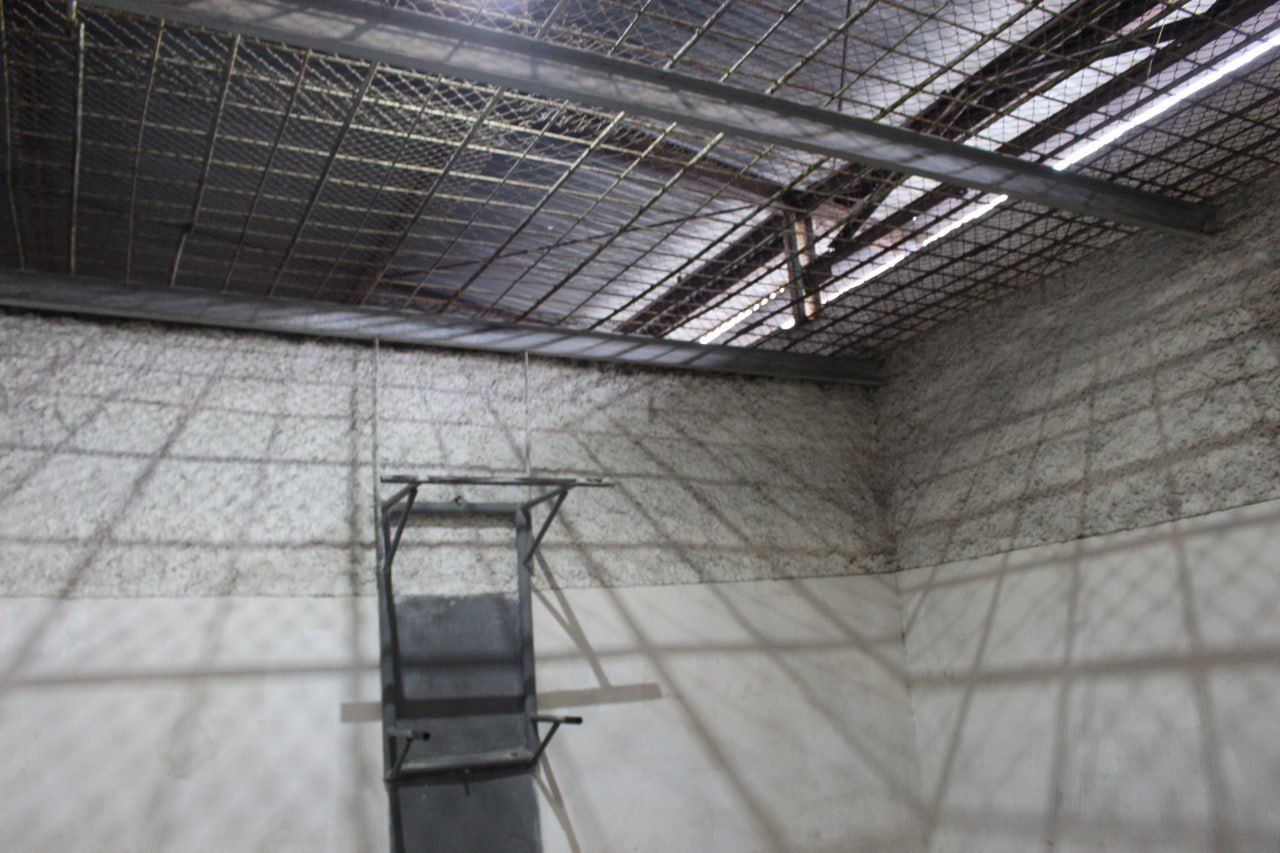
9. Canopies have been installed in the exercise yards which completely block access to natural light, leading to people being held in constant darkness or semi-darkness. At the same time, the Committee has repeatedly recommended reviewing the design and size of exercise yards “from which, at best, there is a view of the sky”. (paragraph 122, paragraph 127 (CPT/Inf (2014) 15)).
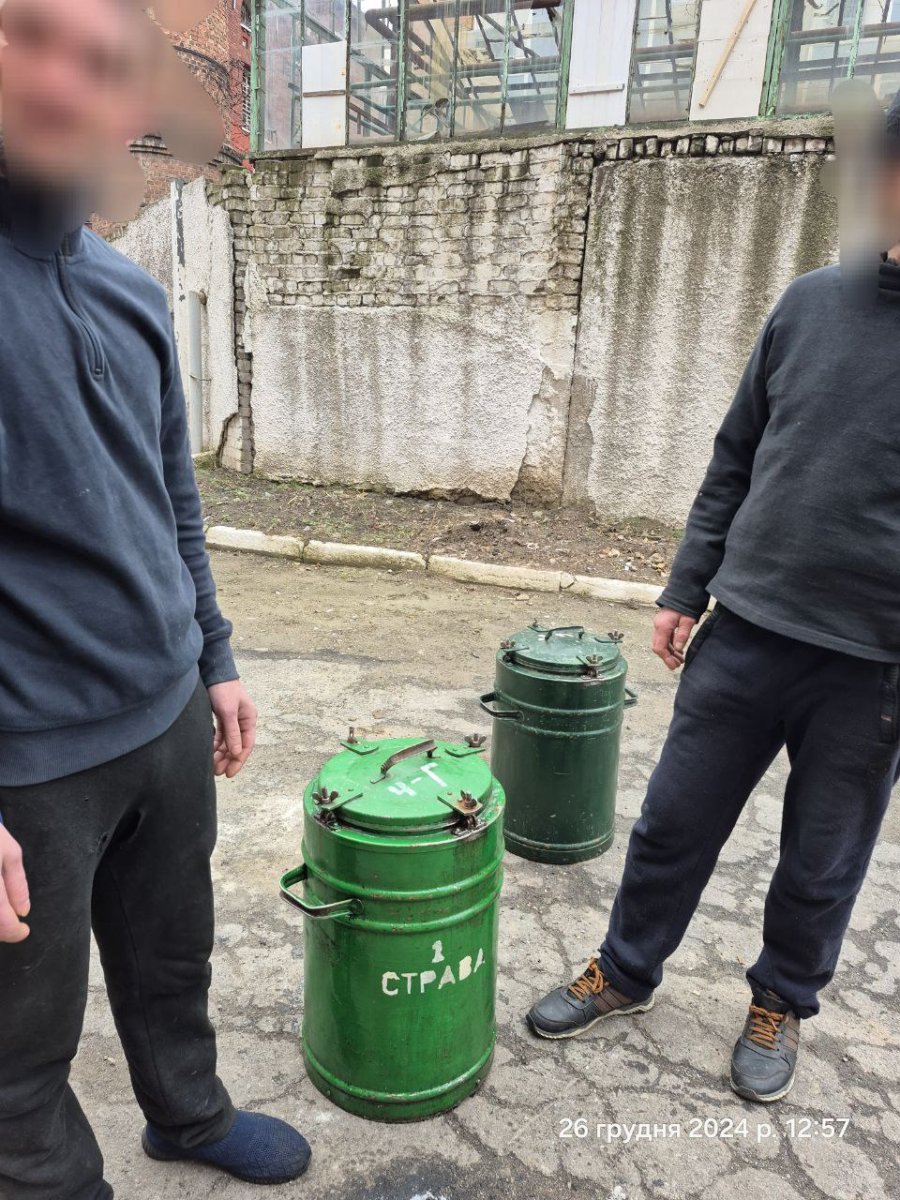
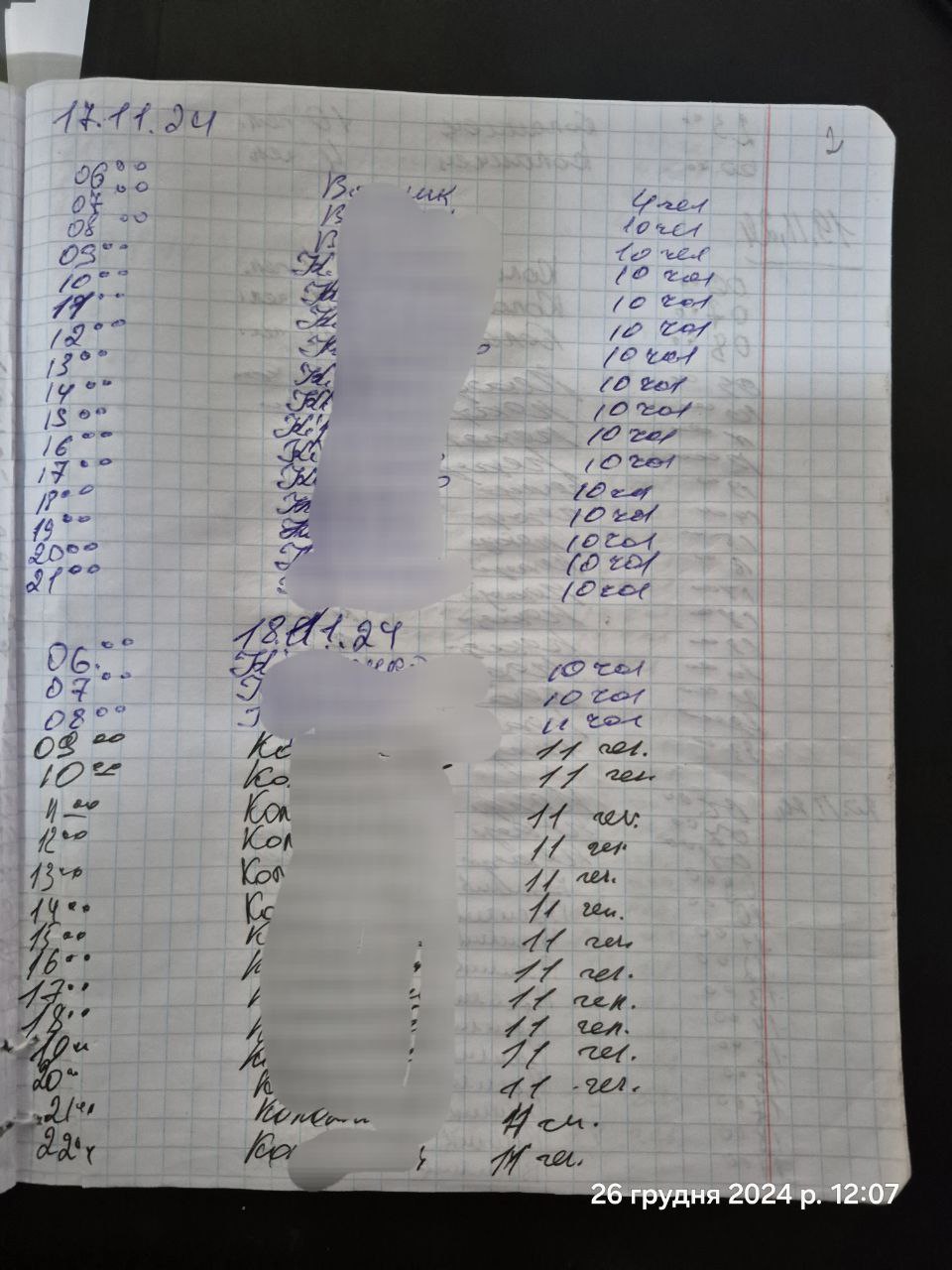
10. In violation of Article 119 of the CEC of Ukraine, Article 52 of the Labour Code of Ukraine, and the Instruction on working conditions and wages for persons sentenced to restriction of liberty or imprisonment, approved by the Order of the Ministry of Justice of Ukraine dated 07.03.2013 No. 396/5, the monitoring group, during the analysis of documentation and in the course of confidential communication, established that the working day duration for convicted persons engaged in facility maintenance in the canteen, who have an employment contract for 1 full-time position, is longer than 8 hours and reaches 12–13 hours per day, that is, over 40 hours per week, and the working week is six, and in individual cases seven, days.
Furthermore, prisoners are also engaged in work in the food supply unit and the bath and laundry complex for a full working day, which lasts 8 hours. At the same time, engaging prisoners in the specified work without payment for their labour contradicts the requirements of paragraph 1 and paragraph 6 of Chapter 1 of Section IX of the Internal Regulations of the SIZO and the requirements of the second part of Article 16 of the Law of Ukraine “On Pre-Trial Detention”, which states that “Persons held in custody may be engaged without payment for their labour only in work related to the creation of proper sanitary and living conditions and the improvement of the place of pre-trial detention. Such persons are engaged in such work in turns, during time free from investigative actions, and for no more than two hours per day”.
11. The monitoring group identified a number of violations in the organisation of bath and laundry services for convicted persons and prisoners. Thus, during communication with persons held in custody and convicted persons, the monitoring group established that female persons held in custody have the opportunity to take a shower only once a week. This violates the requirements of rule 19.4 of the European Prison Rules and paragraph 3.2 of the Regulation on the organisation of bath and laundry services for persons held in penal institutions and pre-trial detention centres, approved by the Order of the Ministry of Justice of Ukraine No. 849/5 dated 08.06.2021 (hereinafter — the Regulation).
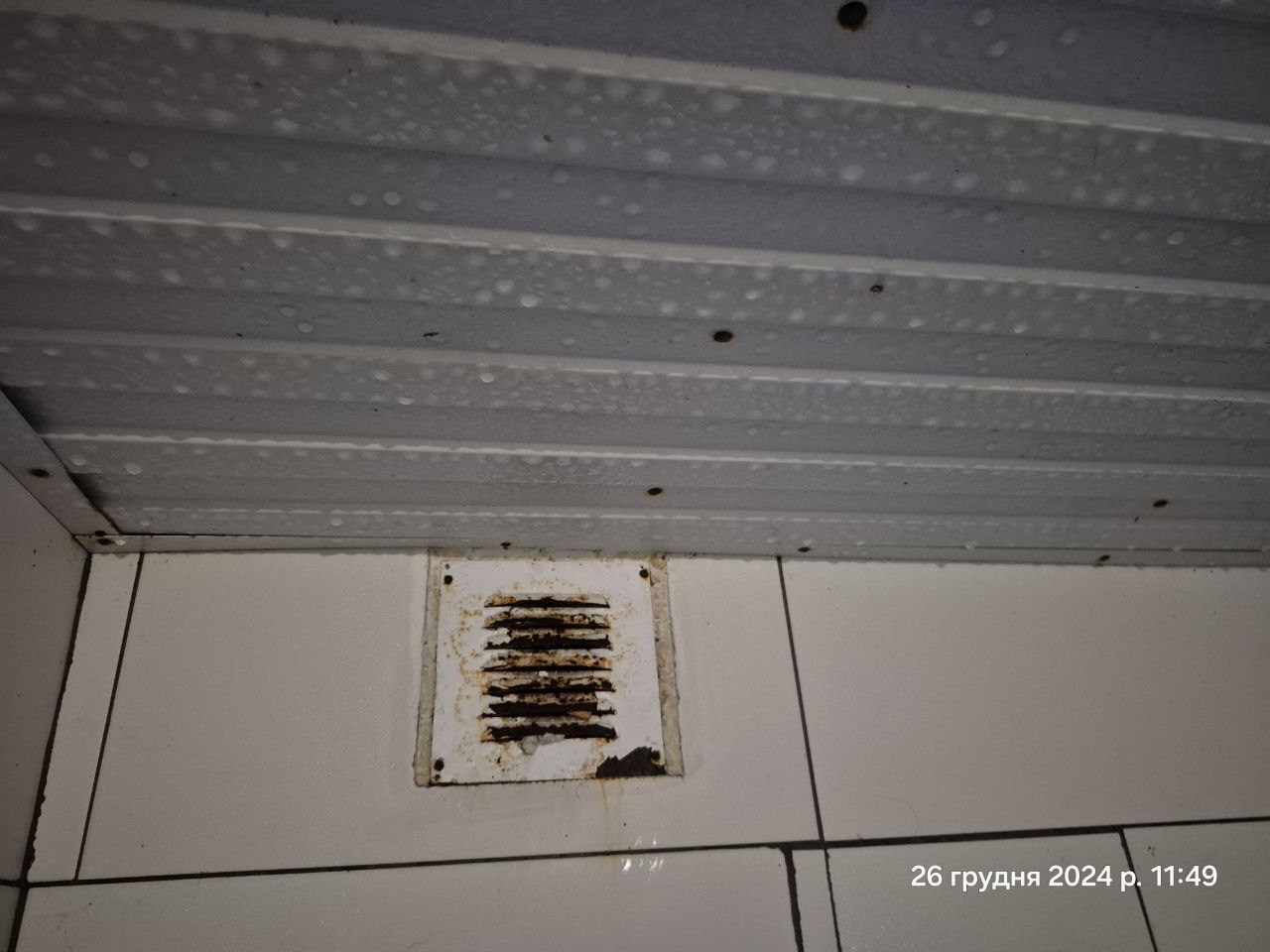
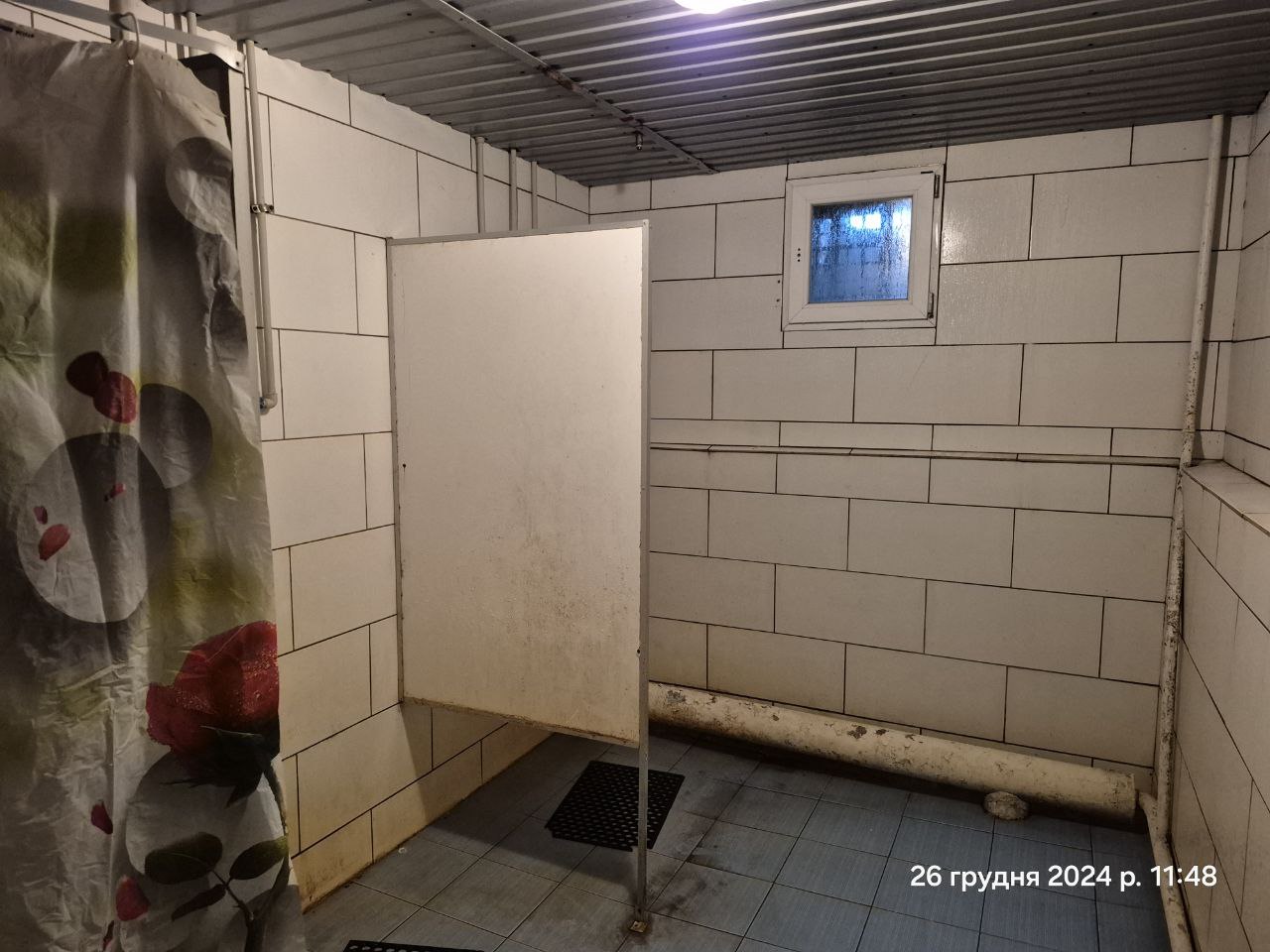
In violation of the requirements of paragraph 2.11 of Section II of the Regulation, the forced supply and exhaust ventilation system in the bathhouse premises does not function properly and requires repair. The monitoring group established that the sanitary processing of prisoners and convicted persons, which should be carried out monthly as a planned measure, as well as during the reception of new arrivals, is not being carried out properly.
According to the entries in the disinfection (disinsection) log, such measures are carried out exclusively by the departments of the Dnipro Multidisciplinary Hospital No. 4, which contradicts the requirements of paragraph 3.19 of Section III of the Regulation and paragraph 11 of Chapter 2 of Section II of the Internal Regulations of the SIZO, which provide for disinfection and disinsection of personal clothing and bedding of convicted persons and persons held in custody in disinfection chambers.
In violation of the Provision Standards, there is no wall-mounted hanger for 10–25 hooks in the undressing room. Instead, convicted persons and prisoners are forced to use a board with nails driven into it, fixed to the wall. In violation of the requirements of rule 19.3 of the European Prison Rules, the right to privacy is not respected in the bathhouse premises due to the lack of curtains on the shower partitions.
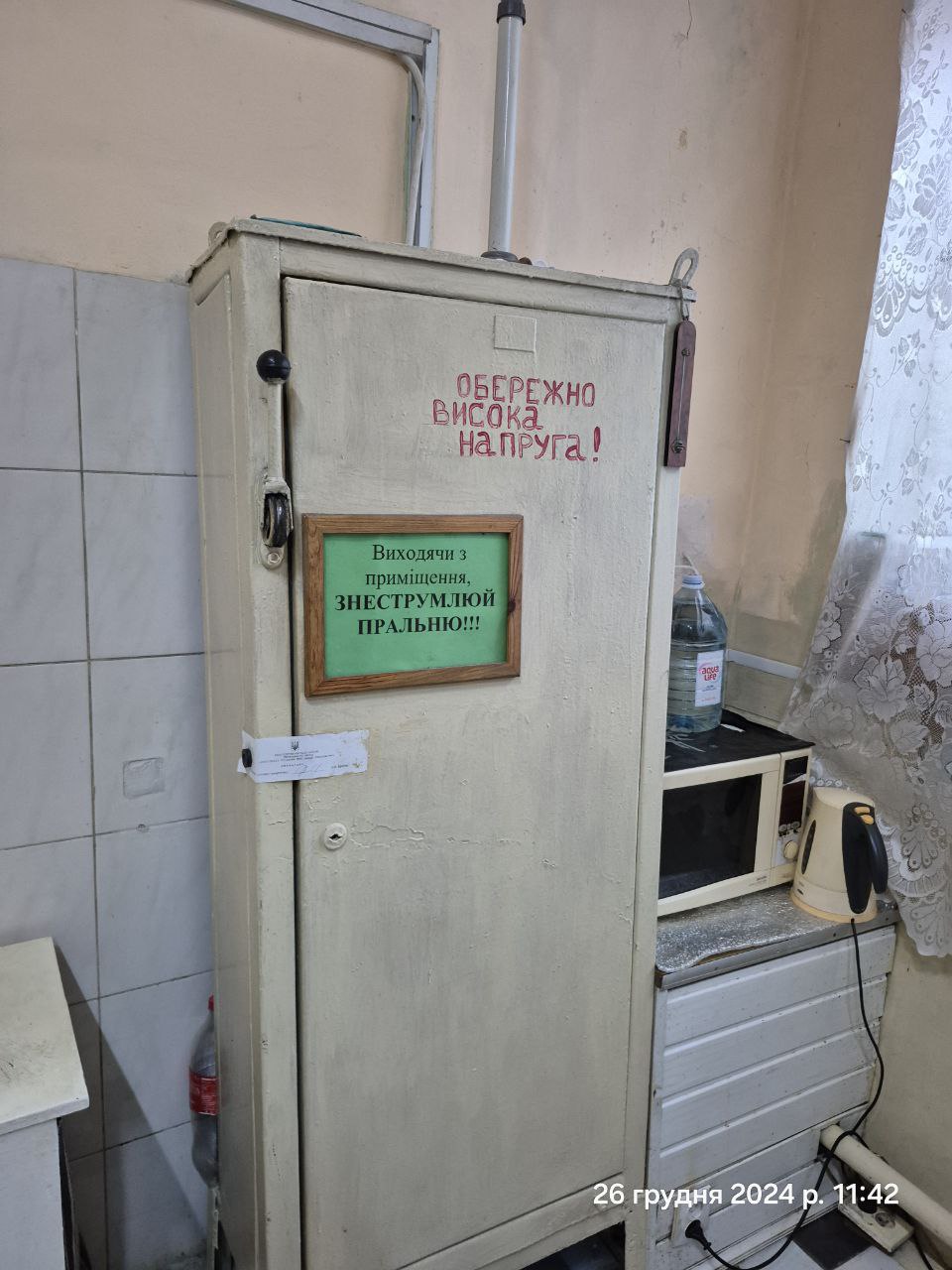
Furthermore, on the territory of the bath and laundry complex, in the laundry, the requirements of the Fire Safety Rules in Ukraine, approved by the Order of the Ministry of Internal Affairs of Ukraine dated 30.12.2014 No. 1417, registered with the Ministry of Justice of Ukraine on 05.03.2015 under No. 252/26697 (hereinafter — Fire Safety Rules), are grossly violated, in particular, by the open doors of the electrical panel, which could lead to electric shock to prisoners or DPI staff and other negative consequences.
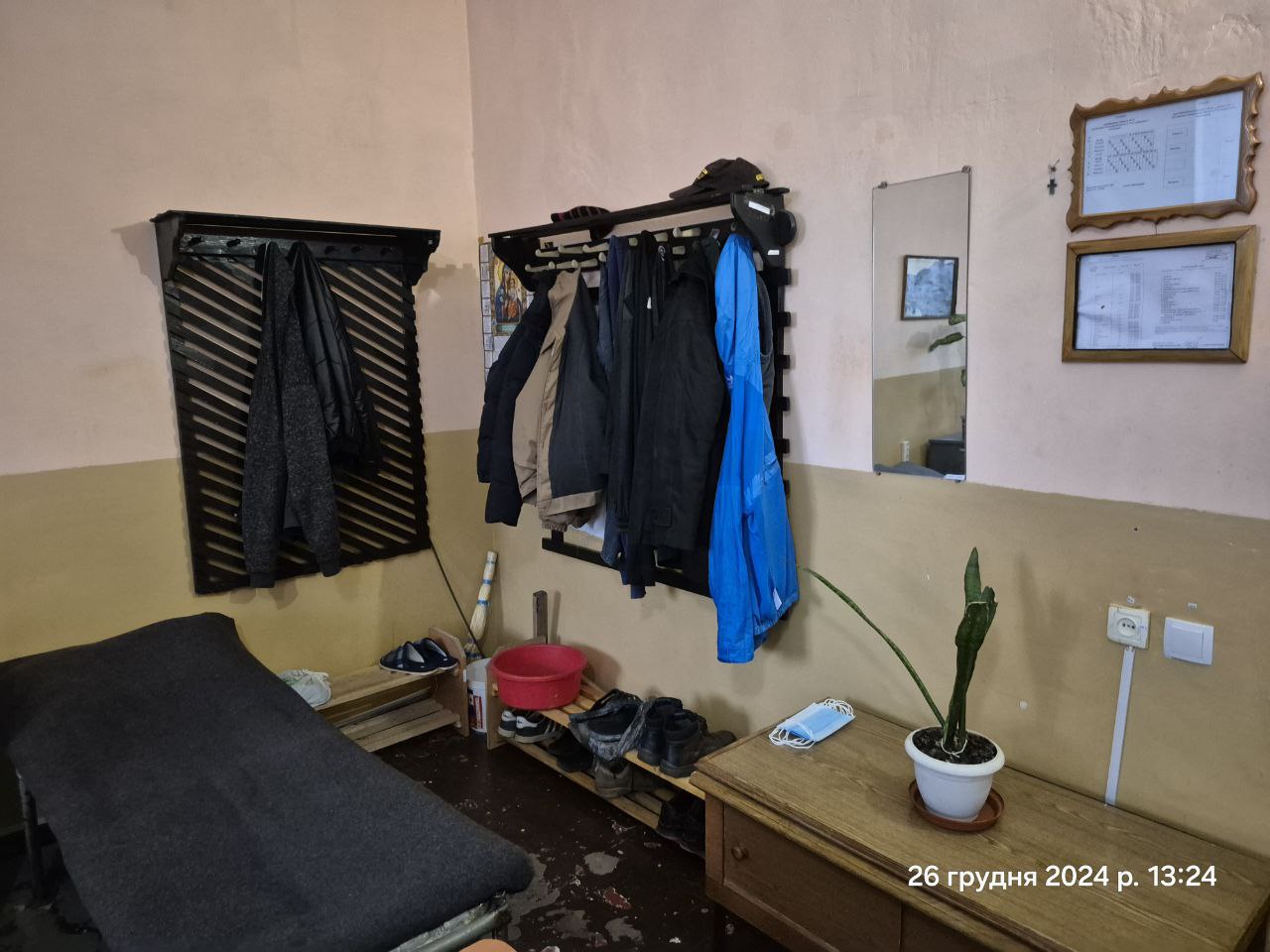
12. The premises of the unit for convicted persons left for work in facility maintenance do not fully comply with the requirements of the Provision Standards. In particular, there is no room for storing the exchange fund of bedding, clothing, and specialised clothing, no cloakroom, no utility room, and no drying room. Due to the improper organisation of the storage of personal belongings of convicted persons, outerwear and footwear are stored directly in the sleeping quarters, which violates established sanitary-hygienic and household requirements.
13. According to paragraph 10 of Chapter 2 of Section IX of the Internal Regulations of the SIZO, those left in the SIZO for work in facility maintenance are subject to a mandatory preventive medical examination in accordance with the requirements of the Resolution of the Cabinet of Ministers of Ukraine dated 23 May 2001 No. 559 “On approval of the list of professions, productions, and organisations whose employees are subject to mandatory preventive medical examinations, the procedure for conducting these examinations and issuing personal medical books”. For every convicted person of this category, a primary accounting document form No. 1-OMK “Personal Medical Book” is created, approved by the Order of the Ministry of Health of Ukraine dated 21 February 2013 No. 150, registered in the Ministry of Justice of Ukraine on 23 April 2013 under No. 662/23194.
At the same time, the monitoring group recorded the absence of personal medical books for some canteen workers and the absence of results of examinations in the medical documentation conducted by medical specialists (including laboratory, clinical, and other studies), which are necessary for admission to work at food service facilities.
Recommendations:
1. Ensure compliance with minimum living space standards per prisoner — 2.5 m², and per convicted person — 4 m²;
2. Ensure the separate detention of prisoners, in accordance with the Law on Pre-Trial Detention;
3. Ensure proper reception of new arrivals with appropriate recording and examination by a doctor;
4. Ensure compliance with proper sanitary and hygienic standards, as well as access to natural light and drinking water;
5. Stop the practice of placing name cards on cell doors with the personal data of convicted persons;
6. Stop the practice of staff openly carrying security equipment;
7. Equip exercise yards with sufficient access to natural light.