Report on the findings of a monitoring visit to Penal Institution No. 4
On 14 February 2019, a group of monitors consisting of Dmytro Reva, Maryna Davydova, and Volodymyr Pletenko paid an unannounced monitoring visit to the Dnipro Penal Institution No. 4.
The main focus of this facility is the holding of persons in custody in the remand prison. In addition, the facility has a floor for holding persons serving life sentences, as well as a regional hospital.
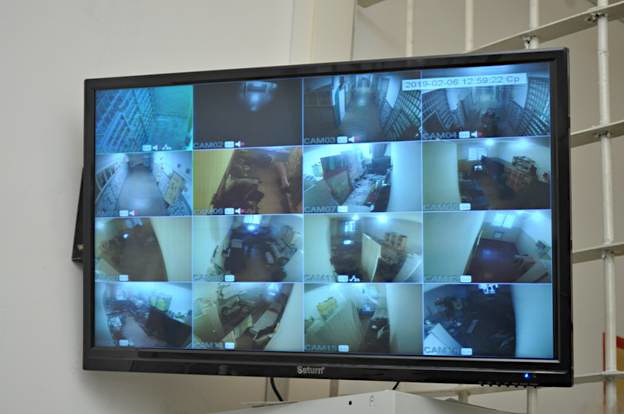
The monitors first visited the high-security sector, where inmates sentenced to life imprisonment are held. The premises are old and in need of repair; moisture is noticeable in the air, but the temperature was within normal limits. In general, there are two people per cell; one person was placed by the administration in a separate cell for solitary living for security reasons. The condition of the cells varies significantly, likely based on the financial capacity of the prisoners and their relatives. There are clean cells with a partition near the bathroom, a modern television, photo wallpaper, and curtains on the windows. In others, there is dirt and a noticeable smell of faeces. A monitor connected to surveillance cameras, which capture everything happening on the floor, is located in the duty officer's room. The prisoners are informed about the video recording and have provided written consent.
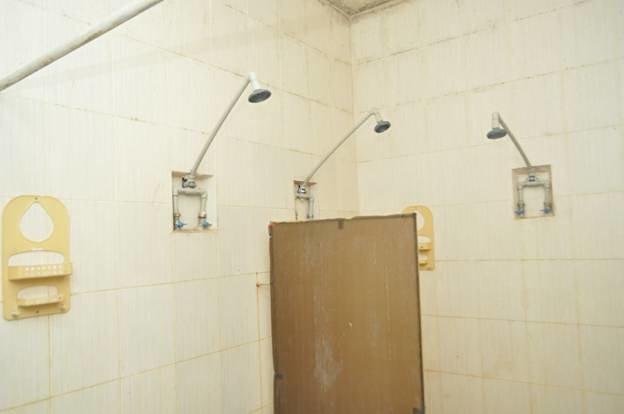
There is a bathhouse with hot water on the floor, and prisoners are taken to wash according to an established schedule. There is also a walking regime; no complaints were received regarding its violation. In total, the monitors received two requests from inmates held at Penal Institution No. 4, but they concern unresolved legal issues. There were no complaints regarding the conditions of detention, medical treatment, temperature and lighting regime, access to medicine, and food.
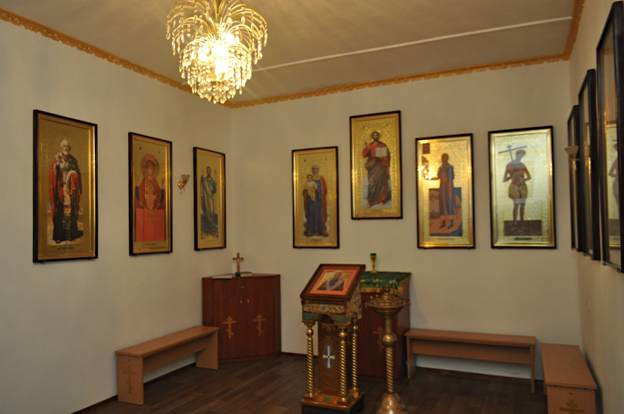
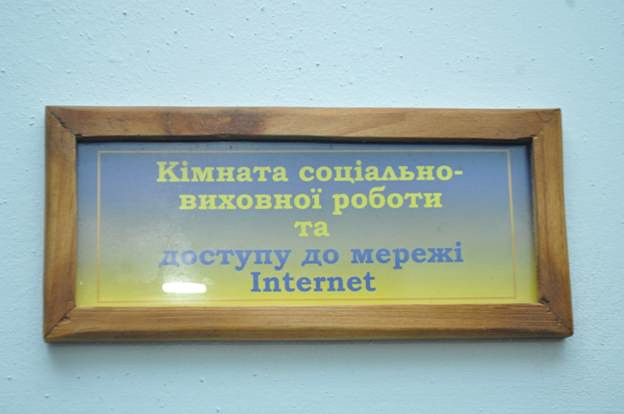
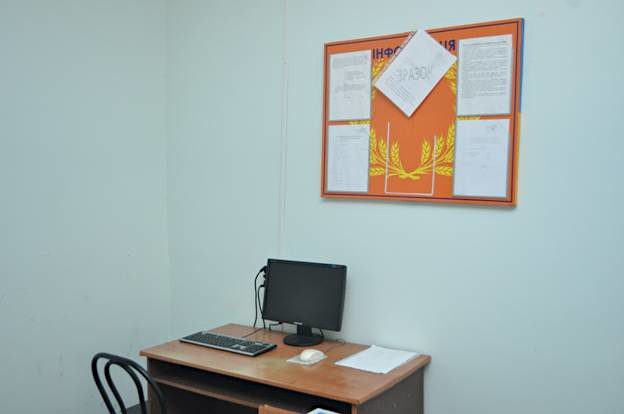
There is a chapel on the floor, which all individuals who wish to do so have access to according to a schedule. A priest arrives once a week to hold a service. There is a room for using communication services and a computer with internet access.
According to the administration, there are plans to equip a sewing workshop in one of the rooms. Some inmates express a desire to work and earn money, but due to the specifics of the institution and the category of prisoners held there, the existence of a full-fledged industrial zone is currently impossible.
Medical Unit
The monitors spoke with the head of the medical unit at Penal Institution No. 4. Due to the specifics of the facility, the task of the doctors is to admit the person, examine them for physical injuries, ensure proper detention, and prepare them for transfer to the place of serving the sentence. According to the head, the facility is fully provided with medicines, including antiretroviral therapy (ART). During transfer, the inmate is given a month’s supply of ART to ensure uninterrupted therapy. Individuals requiring complex treatment or examination are transported under escort to city hospitals, where they receive all necessary assistance. The medical staff and administration, as far as possible, engage in dialogue with the individuals in the facility; they can choose a clinic at their own discretion, provided that it accepts individuals who are being moved around the city under escort.
Visiting Rooms
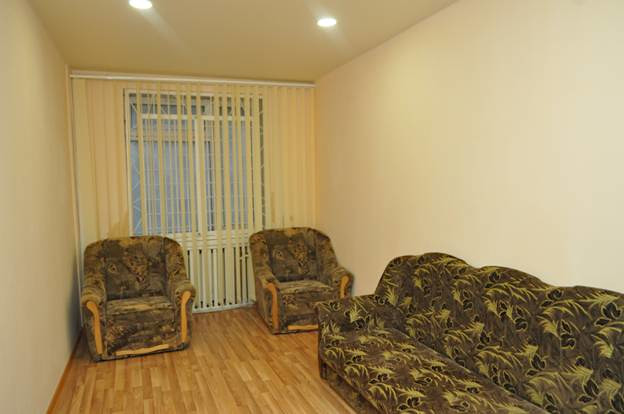
These are clean, with fresh repairs, but old furniture. According to the administration, they are in demand. Also, unlike other institutions, the room for non-contact visits is not equipped with a partition inside behind which an officer sits, but has transparent glass doors through which one can observe the course of the visit. In the opinion of the administration, such an innovation adds comfort and psychological ease during non-contact visits.
The administration did not provide statistical data regarding the individuals in the institution, neither during the visit nor upon written request. Currently, experts from the NGO “HPG ‘SICH’” have drafted a complaint to the Human Rights Ombudsman.
EU Project “Fight against torture, ill-treatment and impunity in Ukraine”