Monitoring visit to State Institution "Dnipro Penal Institution No. 4"
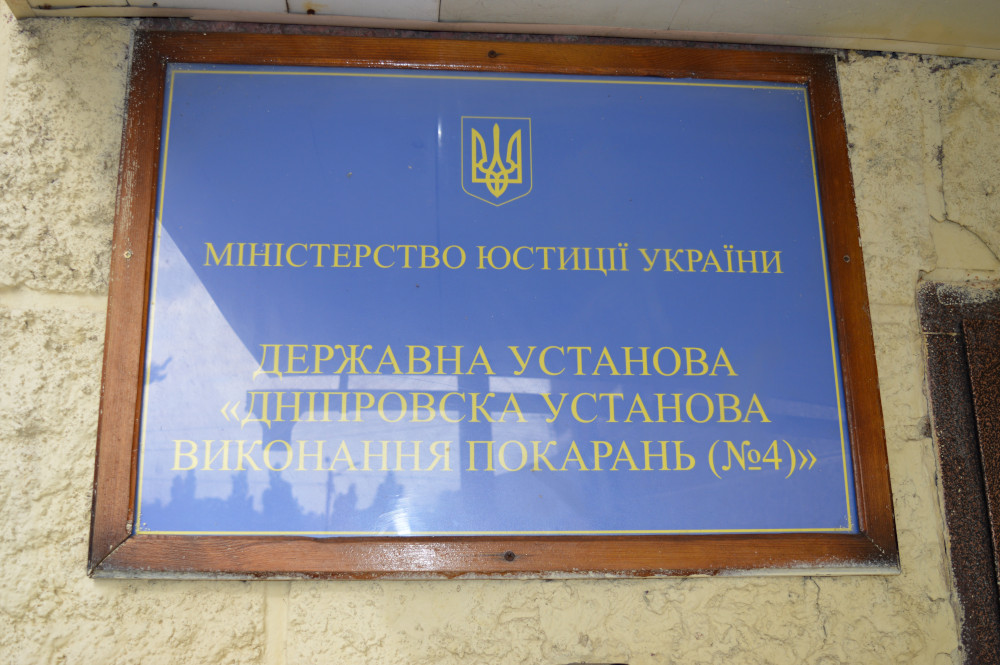
On 29 September 2020, a monitoring group from the Kharkiv Human Rights Protection Group (KHPG), consisting of an assistant to a People's Deputy of Ukraine, Maksym Revyakin, and two journalists – Hanna Ovdiienko and Pavlo Shvab – arrived at the State Institution "Dnipro Penal Institution No. 4". The purpose of the visit was to monitor the conditions of detention and treatment in the inter-regional hospital located at the institution.
At the checkpoint, the monitors met the chief physician of the institution. However, during the visit to the inter-regional hospital, the monitors were informed that the chief physician had been absent for a long time and it was unknown when she would return.
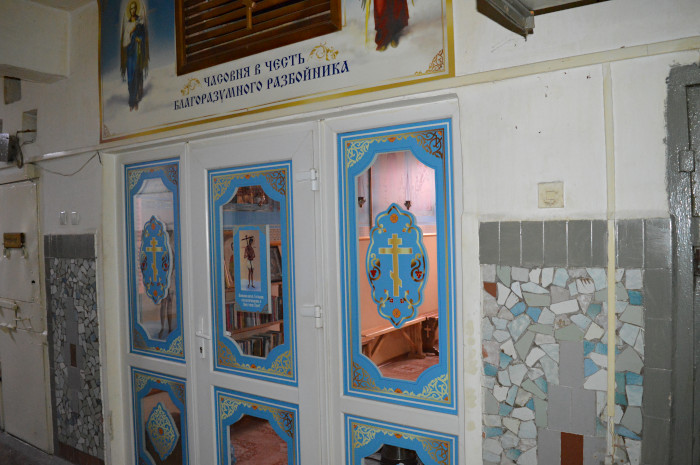
The inter-regional hospital consists of two departments – therapeutic and surgical. It is located in a separate four-storey building. Convicts are housed in two- and four-person cells and cannot move freely between departments. The detention regime in the hospital is similar in conditions to the detention regime in a pre-trial detention centre (SIZO). Each cell has a toilet, separated by a low partition from the general part of the cell. There is also a washbasin with cold water. Convicts have access to tanks of drinking water. The state of repair is satisfactory. The windows in the cells have opaque glass; the windows do not open, and daylight and sunlight almost do not enter the cells. The cell premises are stuffy and dark. On each floor, a small chapel dedicated to the Penitent Thief has been set up for religious services.
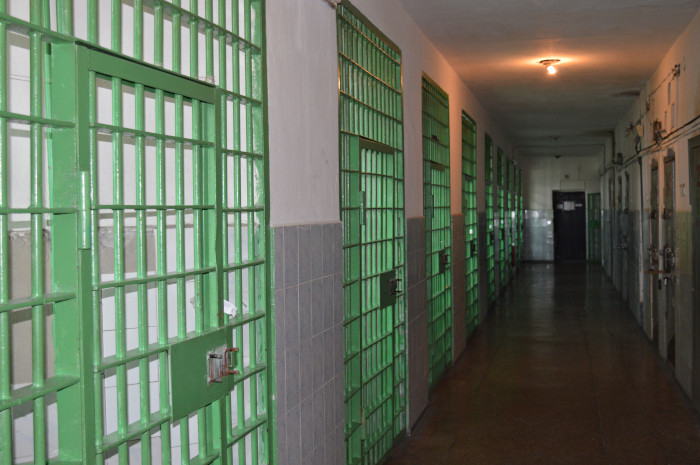
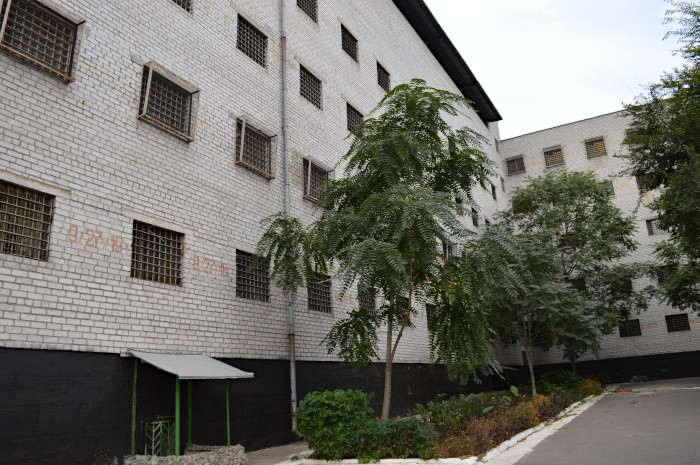
At the time of the visit, 78 convicts were in the hospital. The interviewed convicts did not express complaints about the quality of treatment. Instead, they informed the monitors about a new hepatitis treatment programme that is being implemented in the institution.
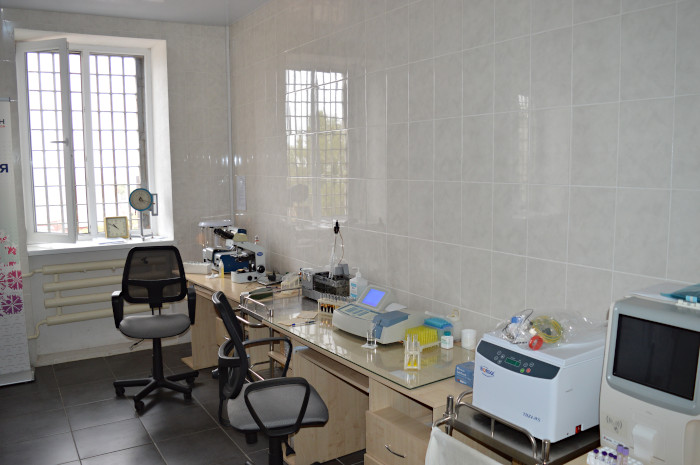
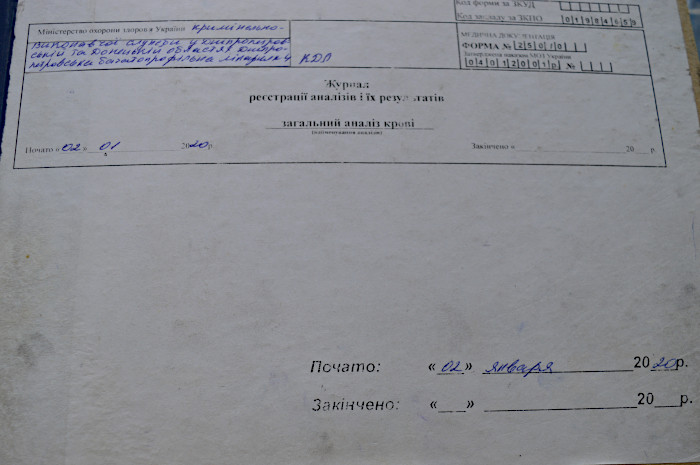
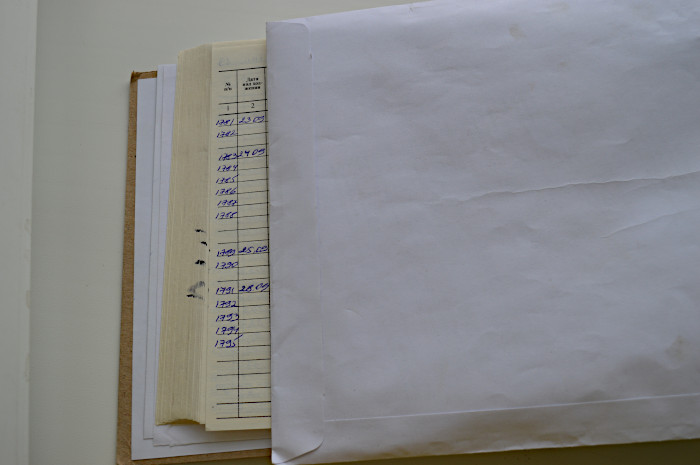
The hospital is equipped with new medical technology. Specifically, this year, the laboratory was renovated, and the latest equipment for conducting analyses was installed, which allows for a complete blood count, urinalysis, and other tests. Testing of convicts is being actively conducted on this machine. Since the beginning of the year, 1,795 tests have been conducted.
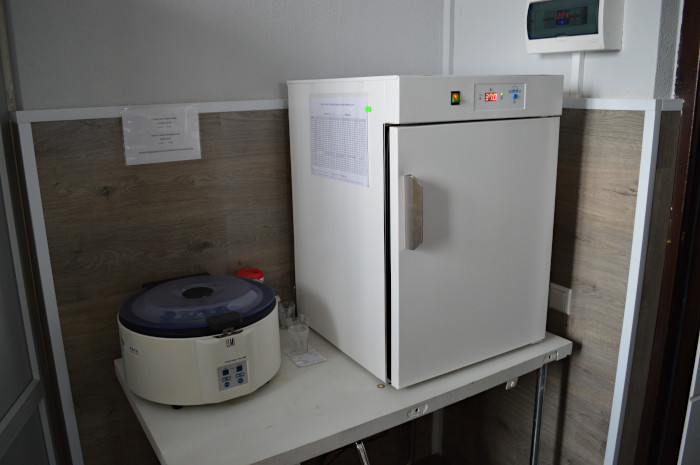
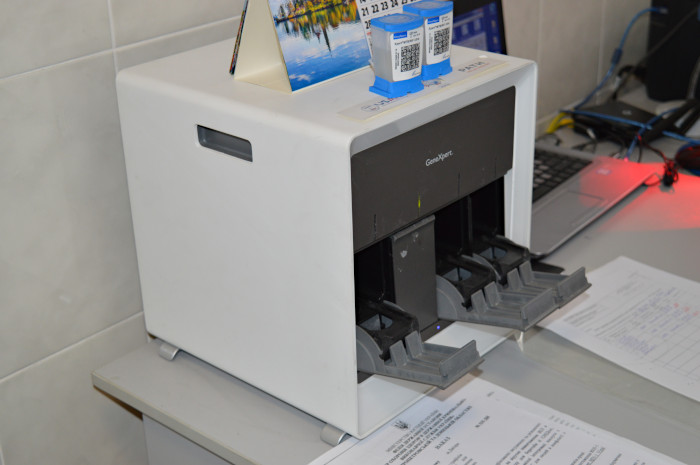
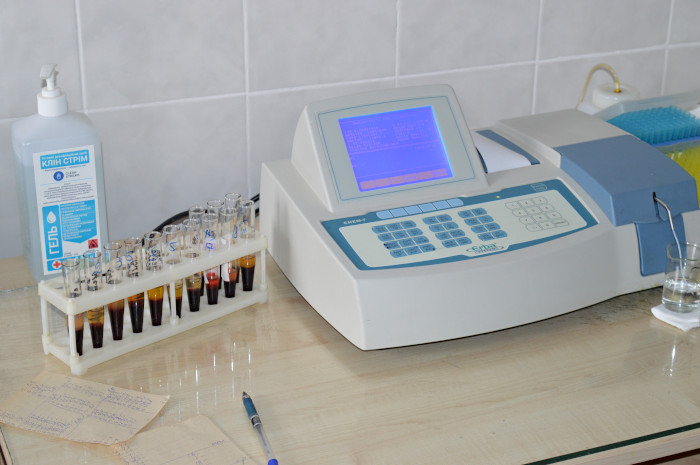
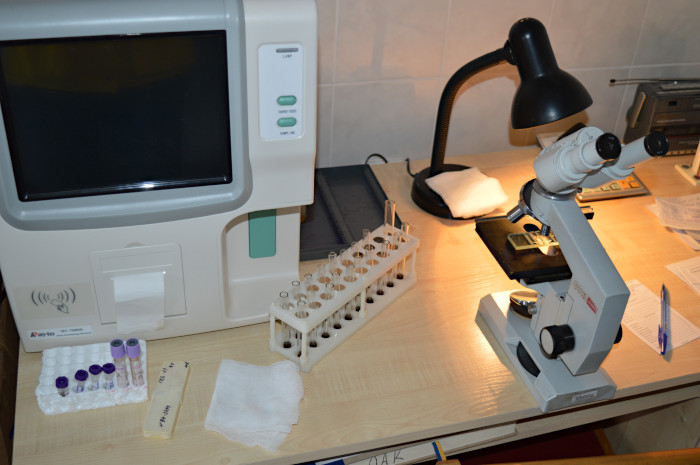
The institution also has a modern Italian X-ray machine. The institution has an operating room with four beds. In January 2020, the institution received a licence to perform surgeries; however, it still does not have permission to use narcotic painkillers. Therefore, surgeries are not being performed, and the operating room has been repurposed into an isolation ward. Only primitive surgeries are conducted.
The institution has four mechanical ventilators, as well as a specialist for patient intubation. The institution is provided with personal protective equipment, and thorough screening of all staff is conducted daily. According to the chief, all staff members who have a temperature above 37 degrees or have suspicious symptoms are not admitted to the institution. The procurement of personal protective equipment was carried out at the expense of charitable, religious, and public organisations. Masks are provided to convicts in case of contact with third parties or when travelling to court. There are no PCR tests in the institution.
At the end of the visit, a representative of the medical unit, who did not introduce himself, began an argument with the monitors. He noted that the monitors were grossly violating legislation, and especially legislation on the personal data of employees of the Healthcare Centre of the State Penal Service (DKVS), namely their medical unit. He mentioned the monitors' visit last year, when the monitors video-recorded the failure to provide medical documentation, which they had the right to obtain, and later posted this video on the Internet. Also, the employee noted that human rights defenders and lawyers only hinder the work of doctors; however, when asked why they do not respond to lawyers' requests, the representative avoided answering and shifted responsibility to the branch of the Healthcare Centre of the State Penal Service. When asked why they conduct medical commissions for terminally ill convicts who have grounds to be released from serving their sentences due to health conditions for more than half a year, and who sometimes do not live to see the commission, the doctor blamed imperfect legislation, which he claimed doctors should not be expected to know or implement.
See also: And how many deaths are already on your conscience? (+VIDEO) (report on the previous visit to State Institution "Dnipro Penal Institution No. 4")
EU Project "Resisting Torture, Cruel Treatment and Impunity in Ukraine"