Report on the Results of a Monitoring Visit to Dnipro Prison No. 4
Historical Background
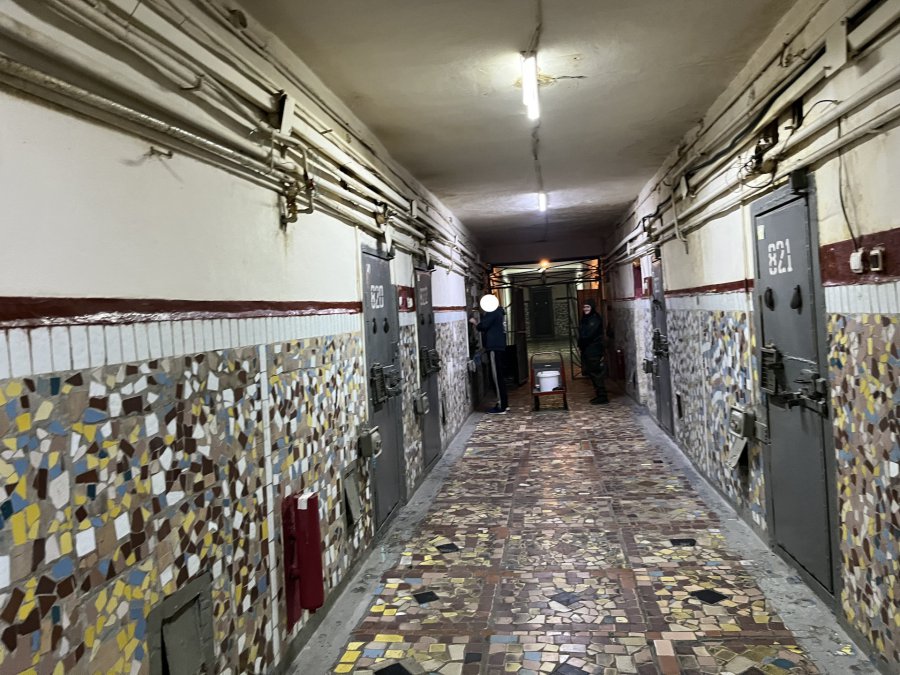
The first mention of a prison in Katerynoslav (now Dnipro) appeared in 1826. It was then called the Katerynian Prison Castle, and it consisted of a main three-storey building and two wings. The prison was designed for 200 people; the main building housed a church, and separate rooms were allocated for a workshop and a prison hospital. The two-storey wing was allocated for staff accommodation, while the one-storey wing was used for solitary confinement cells, a laundry, and other utility services. Later, in March 1890, the Katerynoslav Provincial Prison Inspectorate was created under the general presence of the provincial government. The Inspectorate was responsible for the direct management of the province’s prisons; it was also involved in the construction of prisons and pre-trial detention centres, the organisation of penal labour, and the transfer of prisoners. In 1898, it became necessary to build a new prison, as the number of detainees had reached 512.
Before the start of the Second World War, due to a significant surplus of the prisoner quota, new blocks were built. By that time, the prison had three block divisions. During the Second World War, more than 20,000 prisoners of war were held in the facility. Due to the constant exceeding of the quota, it became necessary to expand the cell space. When the number of prisoners grew to 12,000, several new buildings were erected. In the early 1990s, in accordance with a resolution of the Cabinet of Ministers of Ukraine, the construction of a new detention block with a capacity of 500 places was started (June 1993 – November 1998). Today, Dnipro Prison No. 4 is one of the largest remand centres in Ukraine. Approximately 5,000–10,000 people pass through the Dnipro Remand Centre annually.
General Information
The state institution ‘Dnipro Prison No. 4’ is a closed-type facility that carries out law enforcement and custodial functions. The remand centre holds individuals against whom a court has chosen detention as a pre-trial measure, those to whom a temporary or extradition arrest has been applied, and convicted persons whose sentences have not yet entered into legal force and for whom detention was chosen as a pre-trial measure. There are also transit cells and a maximum-security unit for holding life-sentenced prisoners. The facility also houses convicted persons sentenced to imprisonment who have been retained for maintenance duties.
According to the facility’s management, at the time of the monitoring visit, 1,579 people were held in the institution, accommodated in 388 cells. During the current year, 5,723 people have arrived at the facility. Two psychologists are employed on staff. Forty-seven people are employed in maintenance work. There was no one in the punishment cell. The administration’s attitude towards the inmates is humane. In 2022, there was one suicide incident. Thirty-three people are registered as prone to suicide, 30 as prone to self-harm, and four as prone to escape. In 2022, four people were released due to health conditions; in 2023, two people were released. Throughout 2022 and 2023, no complaints were registered regarding inappropriate conditions of detention or inadequate medical care.
In 2022, 581 people were released, including 13 on parole, and five had their detention regime changed to a more lenient one. In 2023, 600 people were released, including six on parole, and two had their detention regime changed to a more lenient one. Throughout 2022, 221 cases of bodily injuries were recorded upon arrival at the facility, and 87 cases occurred during detention. In 2023, 241 cases were recorded upon arrival at the facility, and 68 cases occurred during detention. Thirty-three convicted persons have tablets for their own use. During 2022, there were 16 long-term visits, and in 2023, there were 36. Short-term visits through glass: 58 in 2022 and 330 in 2023. Contact short-term visits are not practised in the facility. In the current year, 10,460 telephone calls were made. The facility has a staff shortage of 155 employees.
On the eve of the visit, a request for public information was sent to the facility’s management asking for the number of appeals from convicted persons sent to the Parliamentary Commissioner for Human Rights, to the prosecutor’s office in sealed form, to other government bodies, and to human rights organisations, as well as the number of responses to these appeals. The responses received indicate that there are no obstacles in the facility to sending and receiving correspondence, including in sealed form. In 2022, 18 appeals were sent by inmates to the Parliamentary Commissioner for Human Rights in sealed form; in the current year, seven appeals were sent. During 2022, 57 responses were received from the Human Rights Commissioner, and in 2023, 13 responses were received. The prosecutor’s office was contacted 302 times during 2022 and 42 times in the current year. Responses from the prosecutor’s office were received: 299 letters in 2022 and 67 letters in 2023. To other state bodies, 4,052 appeals were sent in 2022, and 773 appeals in 2023. To human rights defenders, 125 appeals were sent in 2022, and 30 appeals in 2023.
During the visit, the monitoring group examined the documentation regarding the facility’s operations and inspected the assembly unit posts, cells for holding remand prisoners and convicted persons, life-sentenced prisoners, cells for holding women and minors, utility rooms, and exercise yards to check their compliance with the requirements of Ukrainian legislation and international standards. The head of the institution is Colonel of the Internal Service, Viktor Viktorovych Yermachenko. The monitors were accompanied by representatives of the staff from the regime and security department, as well as the social, educational, and psychological work department.
Regarding humanitarian needs, the institution is in need of new tableware.
Conditions of Detention
The facility is experiencing a high level of overcrowding, which the administration does not control. It is necessary to take measures to systematically inform the prosecutor’s office and judicial authorities about the occupancy status of the facility in order to comply with Ukraine’s international obligations and ensure decent working conditions for the staff. Local judicial authorities must be clearly aware of the need to apply measures and sanctions not involving imprisonment and to adapt sentencing terms, taking into account prison conditions.
Given the flow of convicted persons into the prison, the rate of granting parole is extremely low. The administration should inform the judicial authorities about the current situation and pursue an active policy aimed at encouraging courts to grant parole.
Furthermore, with the support of the ICRC, a certain amount of work has been carried out. Such repair work should be welcomed, and the Ministry of Justice must ensure its intensification using its own funds or support from international donors. Repair work must immediately include the dismantling of the system of double window grilles in the cells.
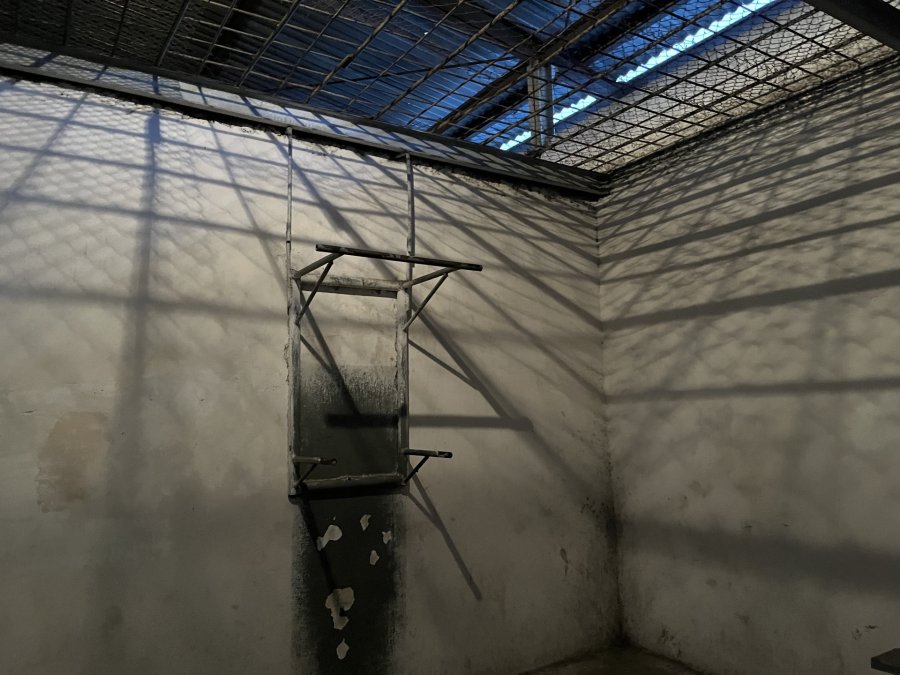
A remark must be made regarding the detention regime for life-sentenced prisoners, which is not specific to this facility but is linked to systemic problems in Ukraine, identified almost twenty-five years ago by the CPT and still not rectified. As a rule, life-sentenced prisoners spend 23 hours a day in their cells, two or three to a cell. They are not offered any meaningful activity outside the cell. They face a daily life devoid of meaning. The detention regime is all the more destructive because exercise takes place in small yards covered with metal sheets that completely block the sky, meaning there is neither a view nor access to natural light. Given the configuration of the cells and the grilles that obscure the exterior, the prisoners are practically deprived of access to natural light. Such a regime can only lead to the deterioration of people’s cognitive and even physical functions. By virtue of its severity, this regime is in itself inhumane and a clear violation of Article 3 of the European Convention on Human Rights. Furthermore, it is categorically impossible for convicted persons living in such conditions to provide evidence of social rehabilitation to meet the criteria established by law for replacing life imprisonment with a fixed term and for accessing parole. Constant video surveillance is conducted in the prisoners’ cells—a practice long prohibited by European law.
Investigative Rooms
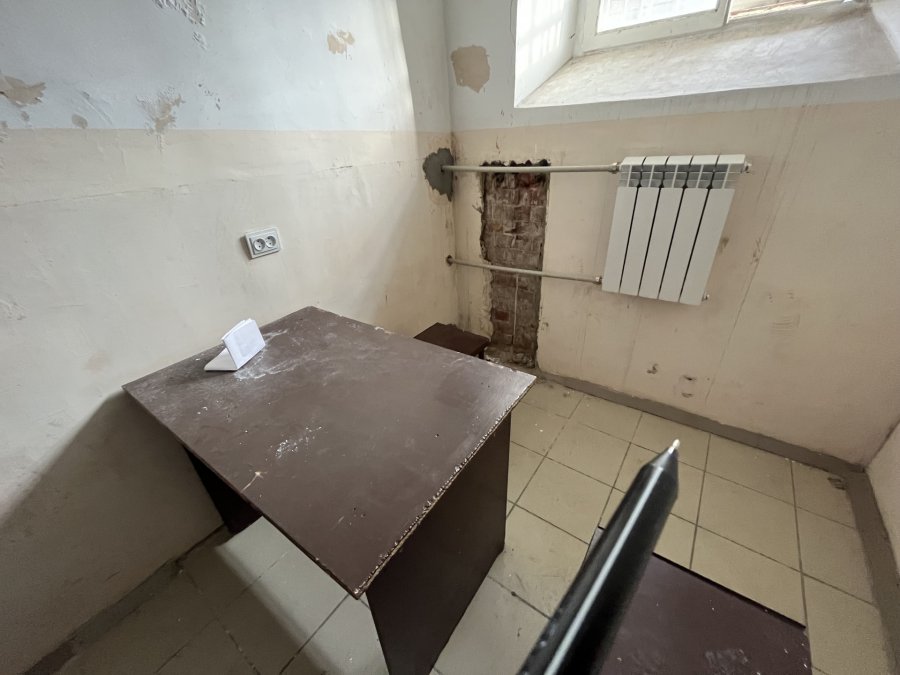
The investigative rooms lack a panic button.
Cells
Some cells have been renovated. Some cells are overcrowded. There are also many cells that require major repairs. There is fungus on the walls, high humidity, plaster has crumbled, and there are exposed electrical wires, which poses a danger to life and health and also violates fire safety regulations. However, it is worth noting that since the last visit, a large number of cells have been renovated.
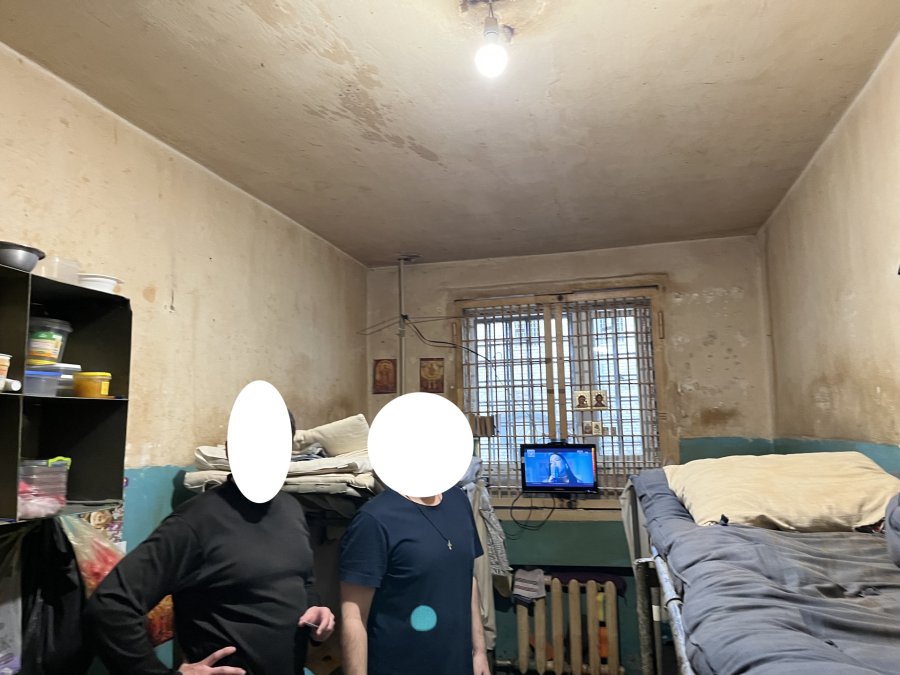
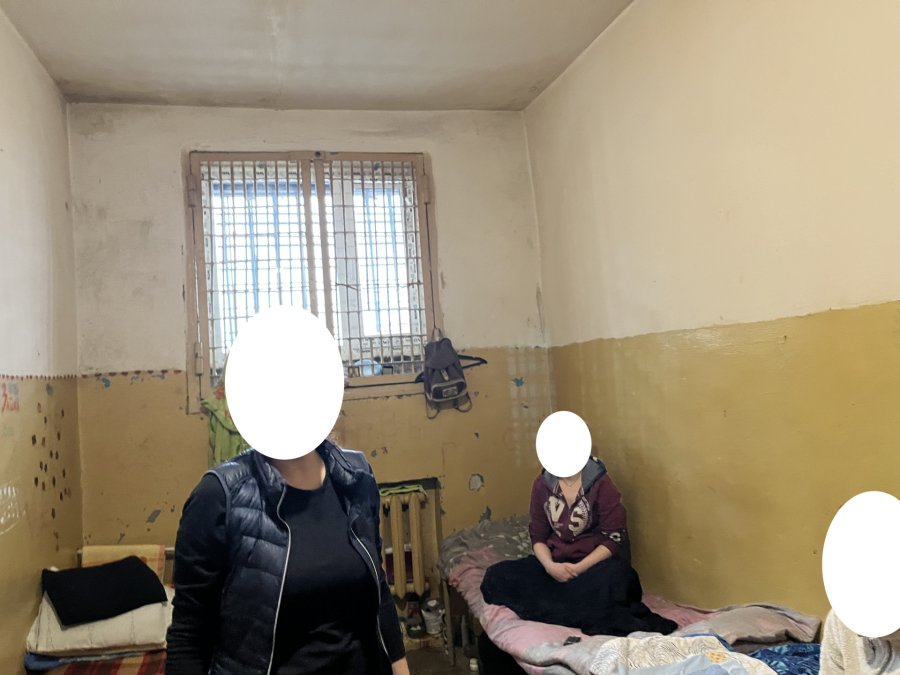
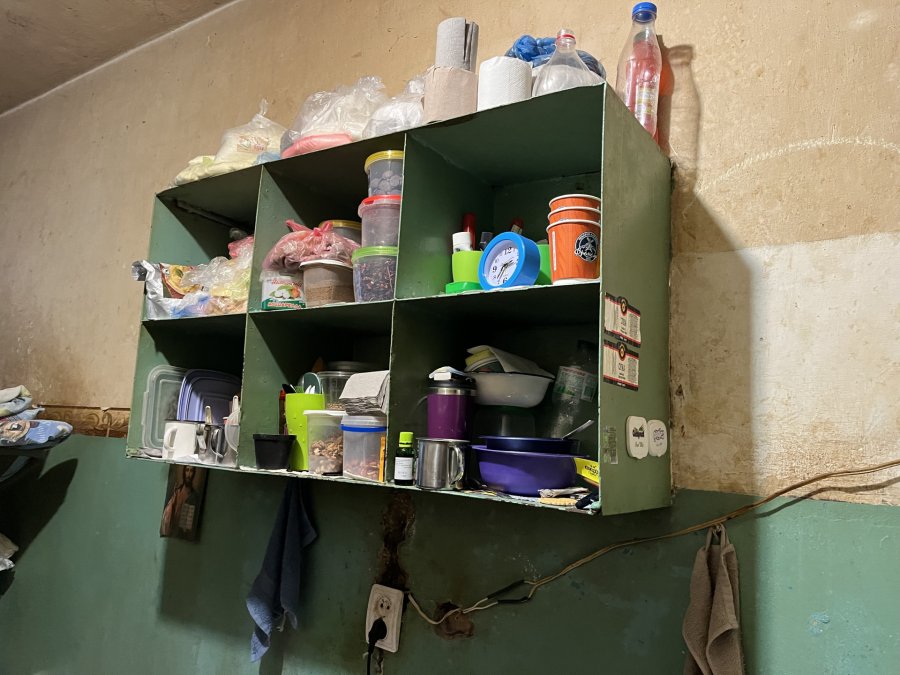
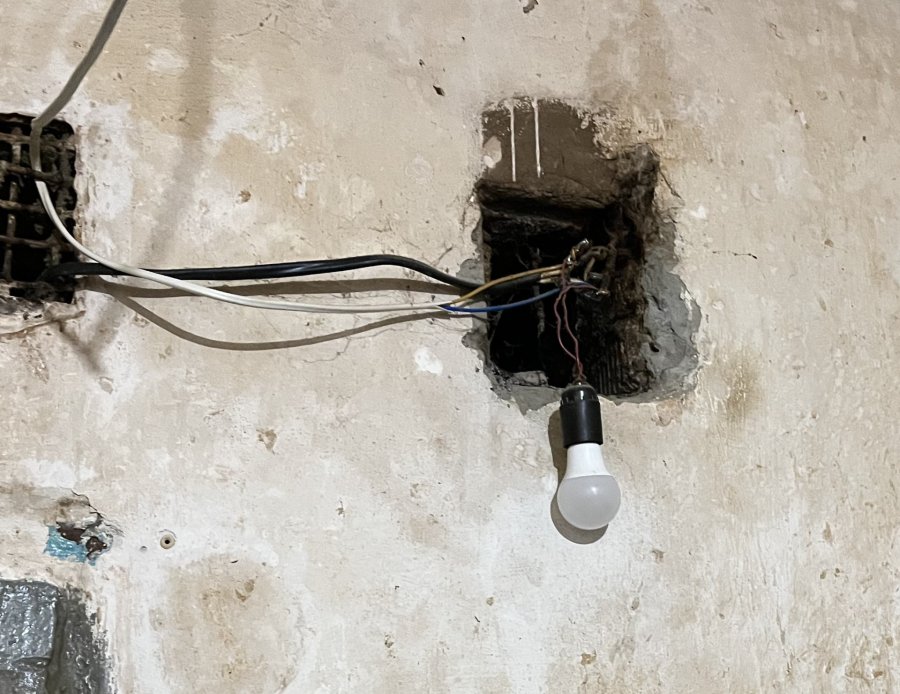
In cell No. 945 for holding life-sentenced prisoners (transit cell), the bathroom needs repairs. The light intensity in cell 28 is 1 LX. In cell No. 1084 for life-sentenced prisoners, there is a lack of room lighting.
In the cells for holding male remand prisoners, mass complaints were recorded regarding the impossibility of opening a personal account to which relatives can send money to buy items in the shop.
Prisoner P. has been held for six months. He has no contact with his relatives, does not know what has happened to them, and telephone calls are impossible, nor can he send a letter. The man does not know where his relatives, who are from the Donetsk region, are located.
Prisoner T. complains that he cannot receive funds from his relatives to buy items in the shop. He has been in custody for over a year.
Prisoner K. has been in custody for 10 months. He does not know about the existence of the shop and does not have a personal account. According to the prisoner, relatives could send him money, but he does not know how to do it.
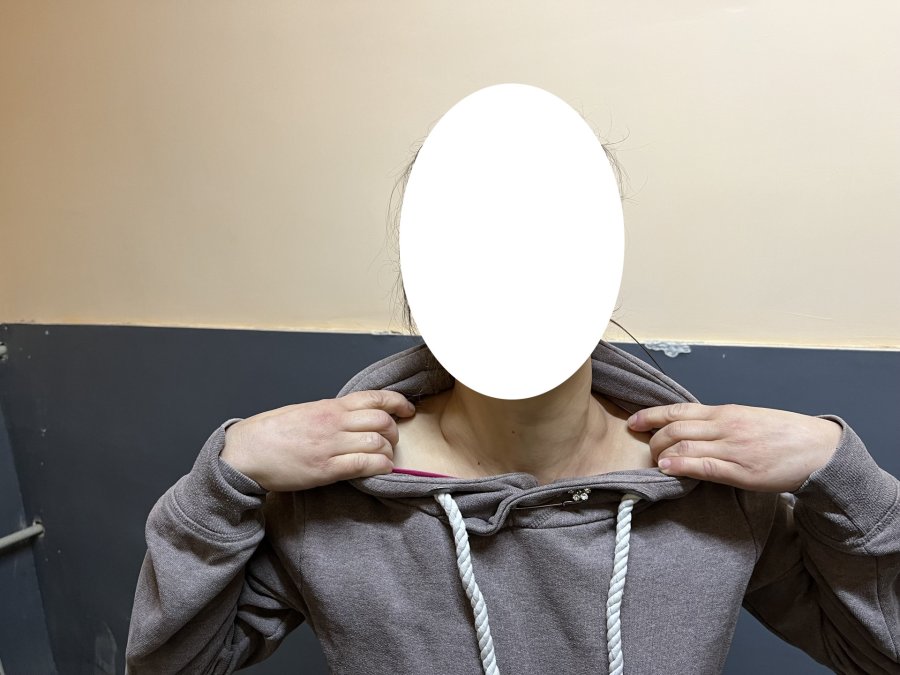
Prisoner I. applied regarding the deterioration of her health and requested legal assistance.
Life-Sentenced Prisoners
The convicted persons have their own tablets with internet access.
The exercise yards are equipped with sports equipment.
Minors
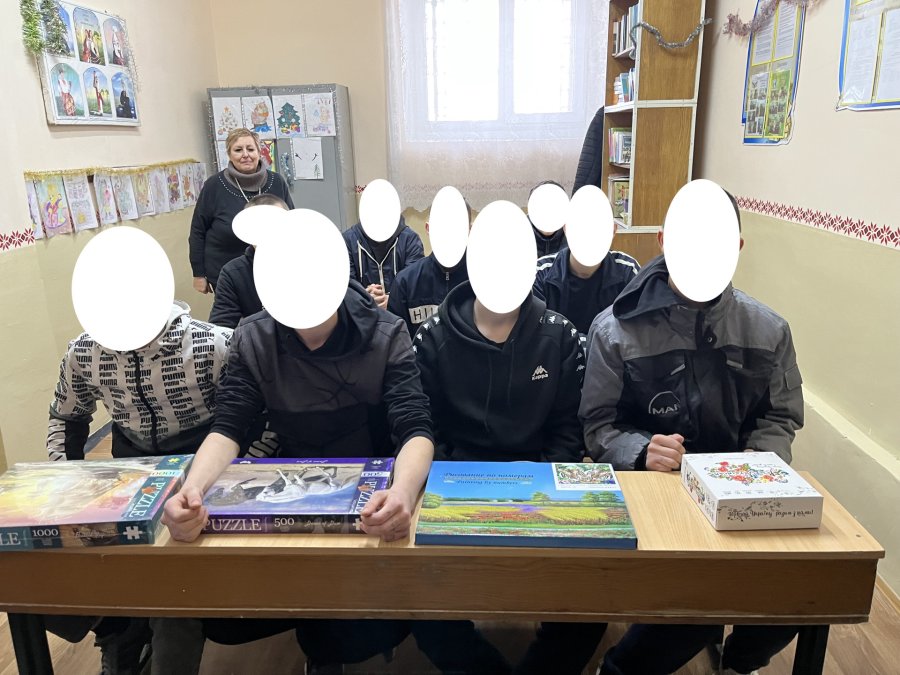
There are 11 minors under investigation: 10 boys and one girl.
Maintenance Staff
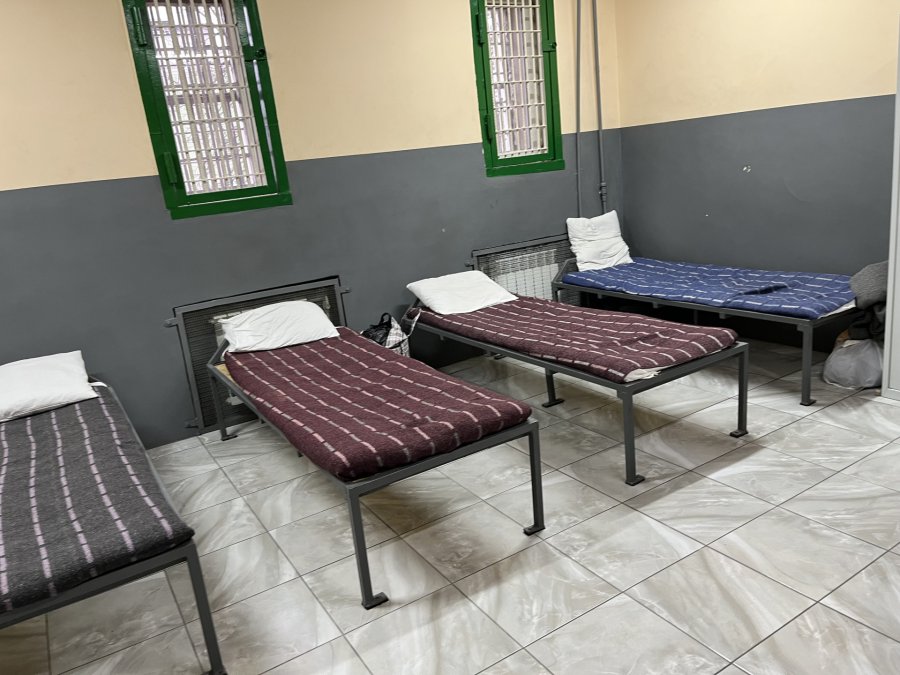
There are 47 convicted persons living in the maintenance staff quarters.
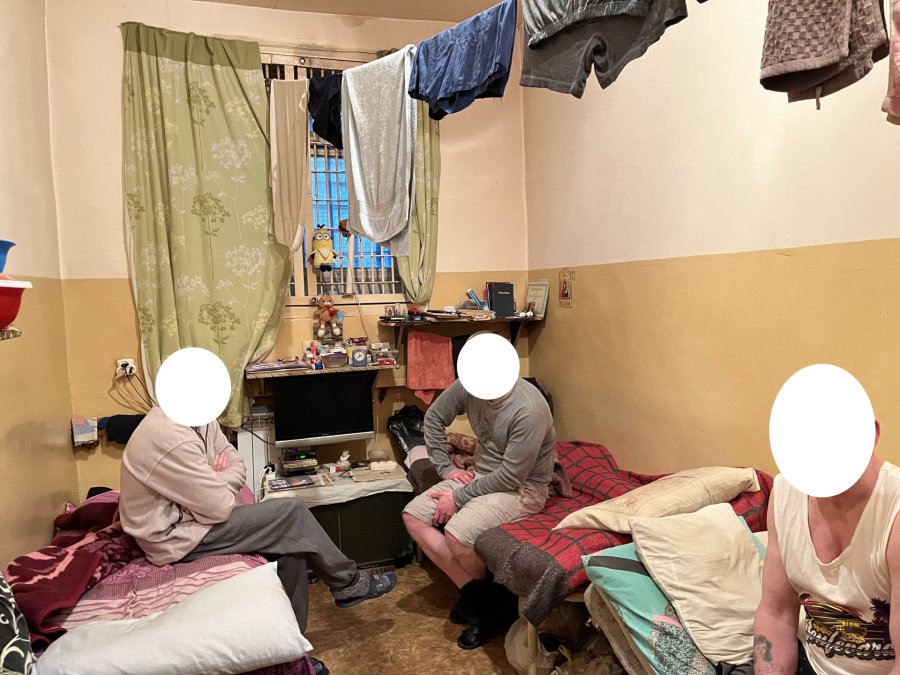
Living quarters for four people.
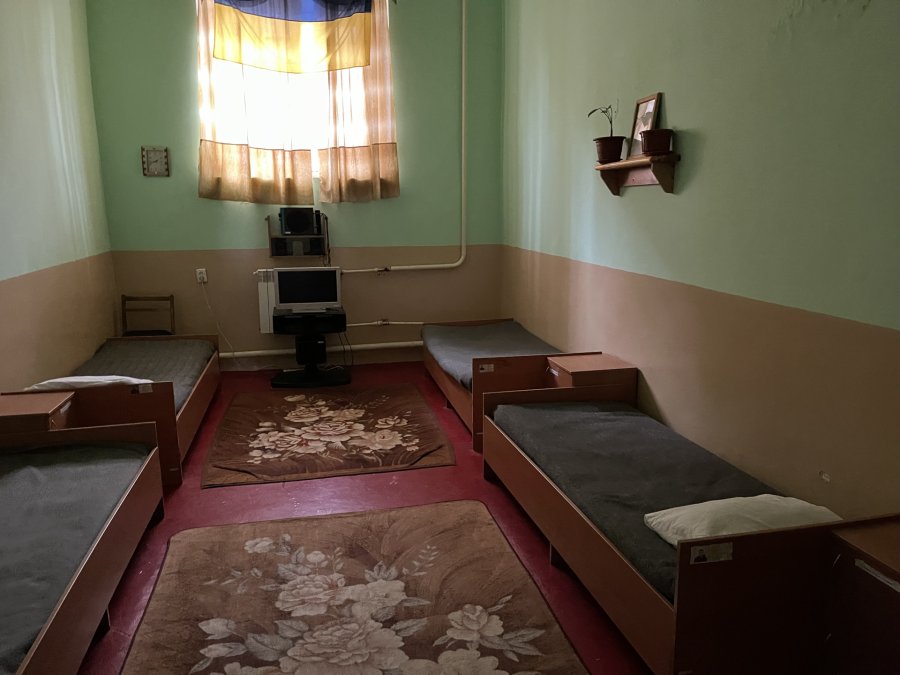
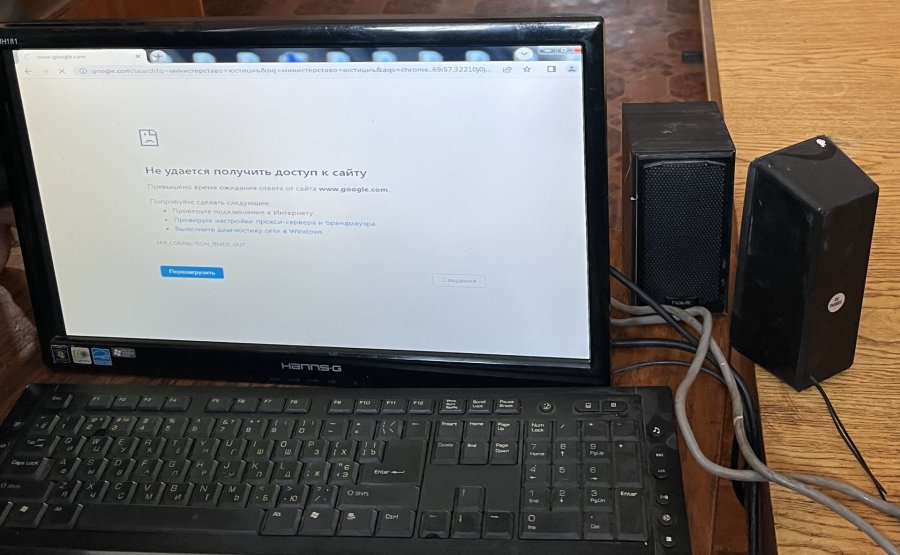
Some convicted persons have their own tablets. However, they do not receive the tablets into their own hands. The tablets are stored in a safe and are issued for use within the framework of the daily routine. There is a computer in the internet room. The internet is not connected.
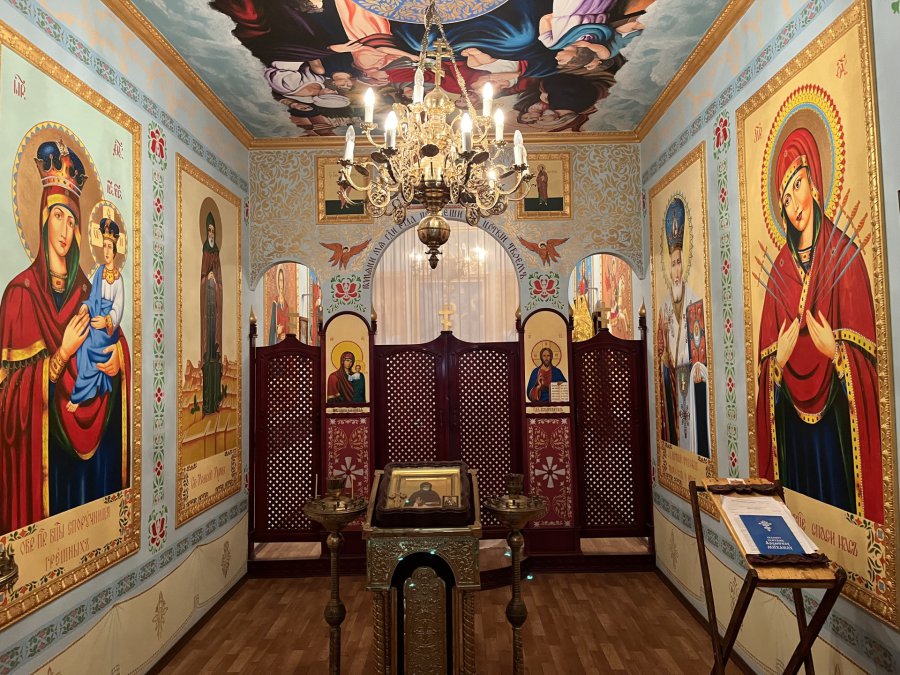
An Orthodox church operates on the premises of the institution.
Canteen
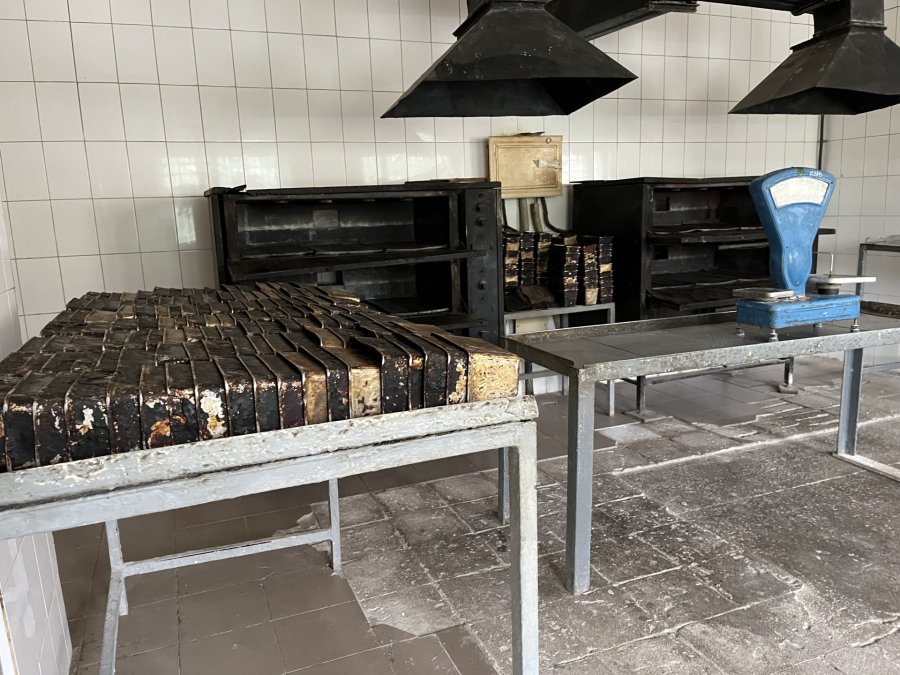
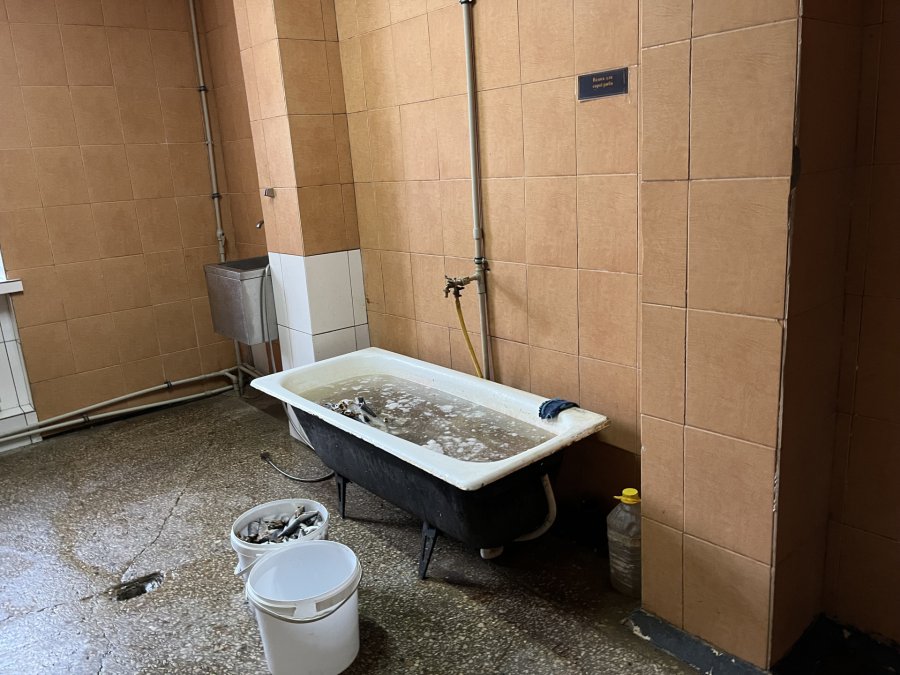
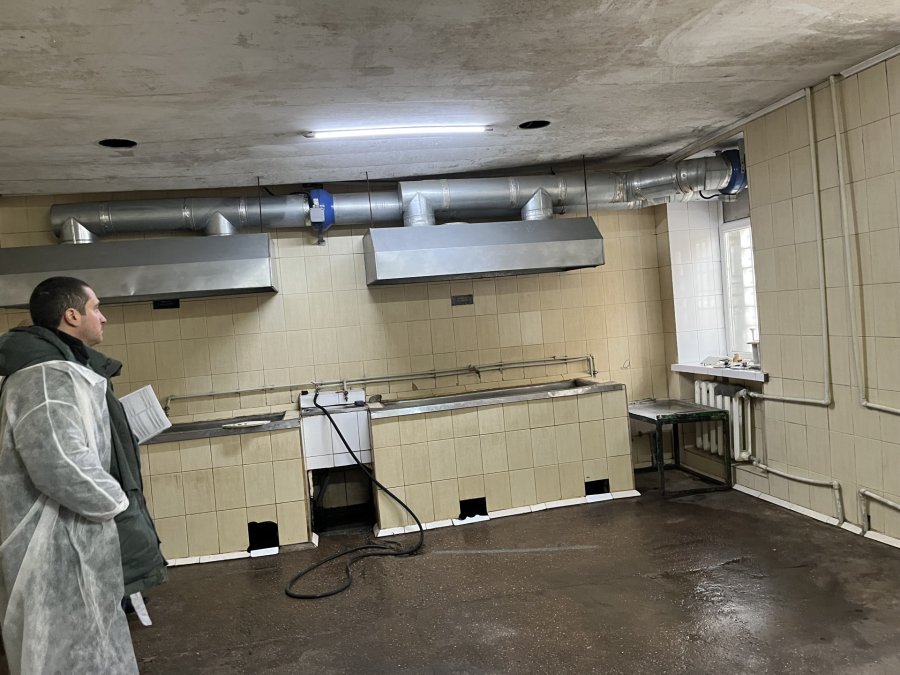
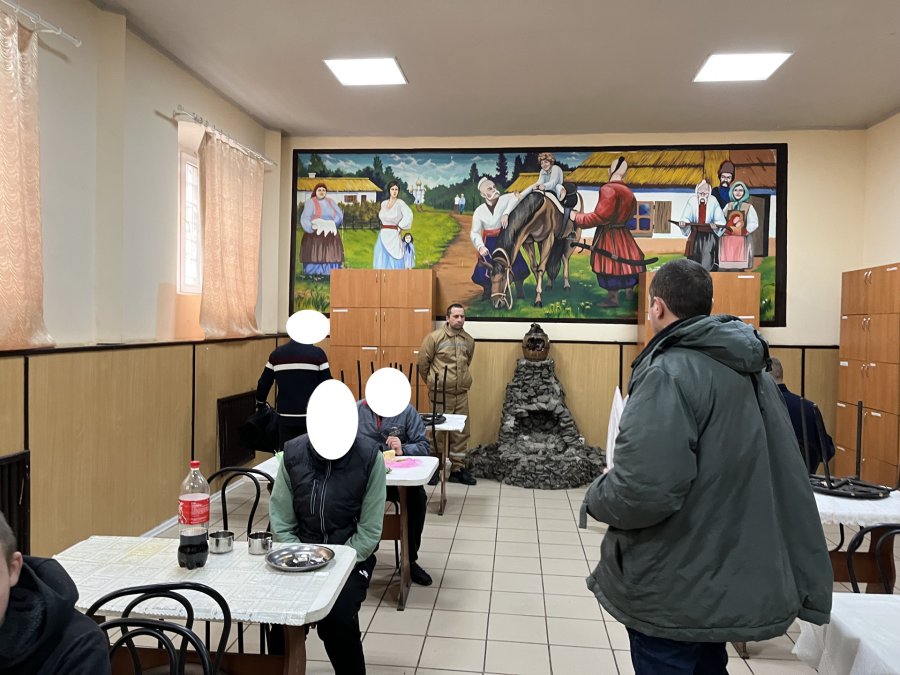
Twelve convicted persons work in the canteen. According to the canteen manager, in addition to the convicted persons, remand prisoners also work in the canteen: for two hours a day, without pay.
Prisoner G. has been distributing food in the cells for six months. He is not a convicted person and works (according to the administration) voluntarily. However, Mr G. works a full working day, is not on the maintenance staff payroll, and does not receive a salary. Furthermore, he does not have a medical card for canteen staff and has not undergone the appropriate examinations. At the same time, he is in constant contact with other prisoners and has direct contact with food, as he works on food distribution.
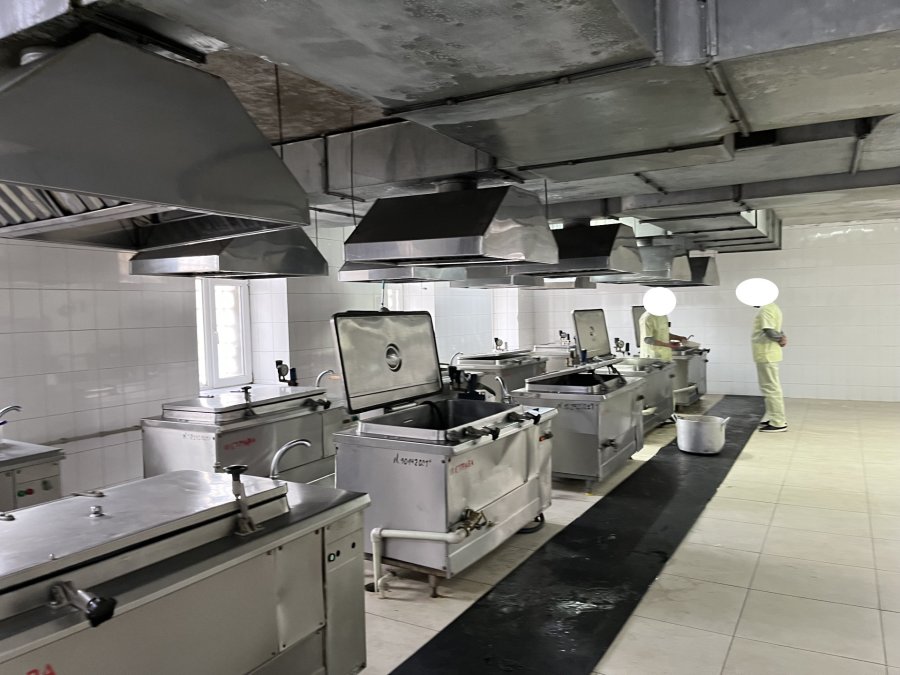
There are 10 boilers in the cooking area for preparing food.
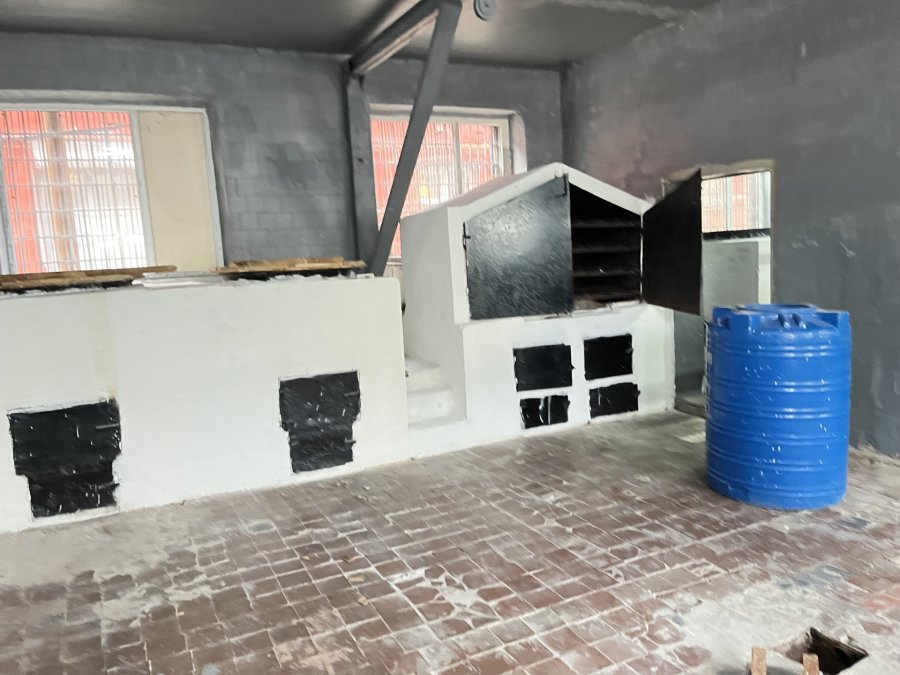
In the event of a power outage, there are alternative resources for food preparation.
There is a reserve of drinking water.
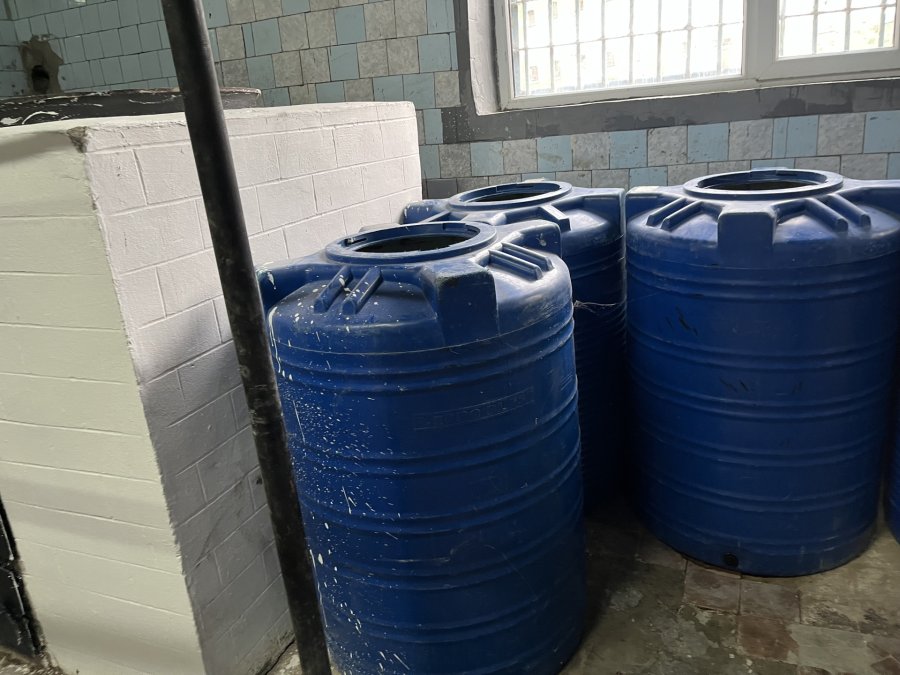
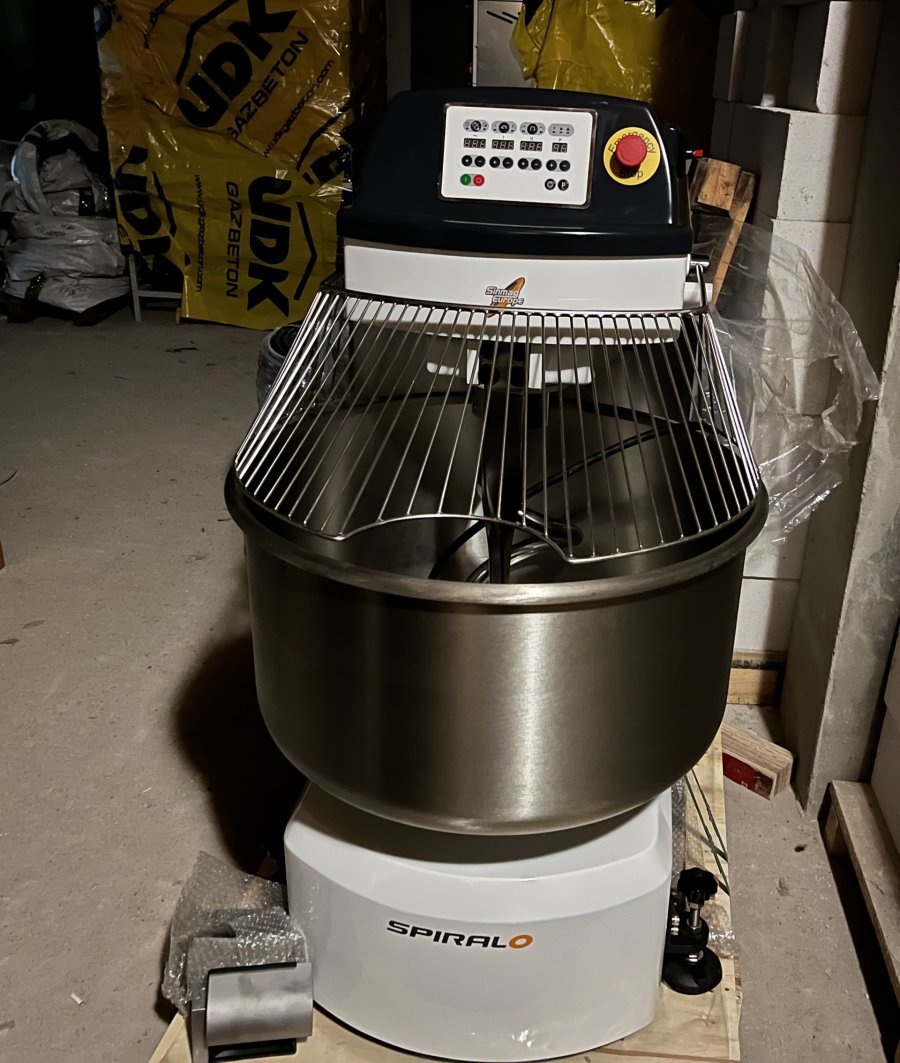
New equipment is being purchased for the canteen.
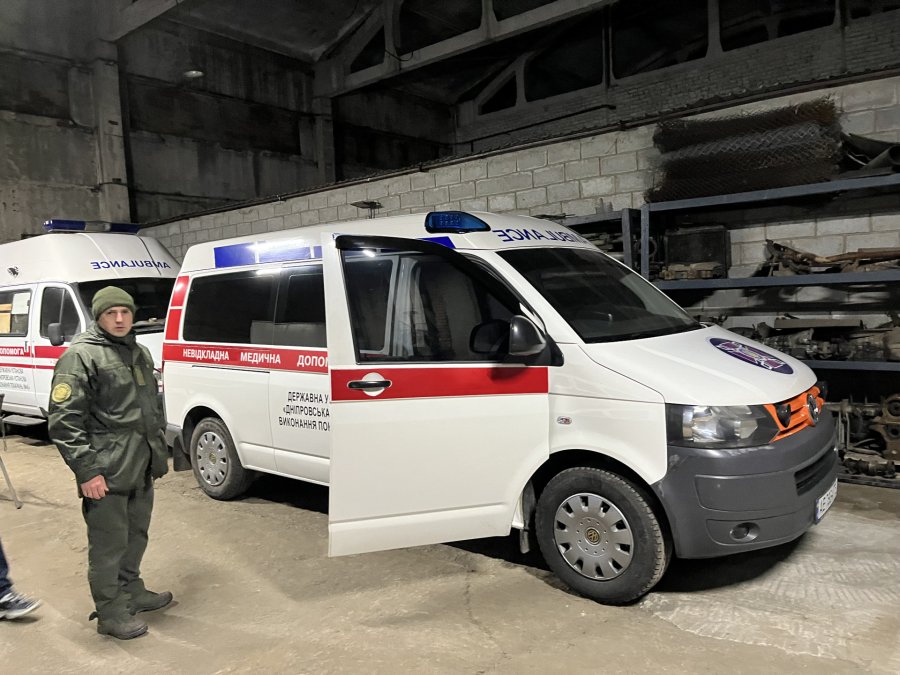
Since the previous visit, living quarters in the facility have been renovated. The institution also purchased two ambulances for transporting prisoners to medical facilities.
Recommendations:
- Perform repairs in the cells;
- Ensure fire safety equipment is in place;
- Cease the practice of involving remand prisoners in full-time labour;
- Allow convicted persons retained for maintenance work to have their own tablets with them;
- Ensure that remand prisoners and convicted persons have the possibility of having personal accounts and receiving funds into these accounts from relatives;
- Ensure the operation of the shop;
- Ensure proper lighting in the cells;
- Facilitate communication with relatives for individuals held in the facility for long periods;
- Put an end to the segregation of life-sentenced prisoners from the rest of the prison population;
- Organise access to social and educational activities and work for life-sentenced prisoners in conditions that allow them to prepare for release;
- Immediately cease the use of video surveillance in the cells.
The routine preventive monitoring visit to Dnipro Prison No. 4 was carried out by the Kharkiv Human Rights Protection Group (KHPG), the EPLN, and the ‘Prisoner Protection of Ukraine’ State Institution. The monitoring group consisted of an assistant to the People’s Deputy of Ukraine Konstantin Kasay, members of the Public Council under the Ministry of Justice of Ukraine Serhiy Zuikov, an assistant to the People’s Deputy of Ukraine Yaroslav Yurchyshyn, KHPG programme coordinator Andrii Didenko, and an expert from the working group of international partners of Ukraine on prison reform, Hugues de Suremain. The purpose of the visit was to analyse compliance with human rights in places of detention during the war. The visit was carried out within the framework of the project ‘Reducing the Suffering of Prisoners in the Context of the War in Ukraine’, funded by the Government of Denmark in partnership with DIGNITY — Danish Institute Against Torture.
Date of the visit: 6 December 2023
The previous visit was carried out on 18.12.2022
Editor: Emilia Prytkina