Report on the Results of the Monitoring Visit to the Dnipro Correctional Colony No. 89
On 18 December 2025, in accordance with the Optional Protocol to the Convention against Torture and Other Cruel, Inhuman or Degrading Treatment or Punishment, taking into account the provisions of the Standard Minimum Rules for the Treatment of Prisoners and the decisions of the European Court of Human Rights, and based on Article 24 of the Criminal Executive Code of Ukraine — “Visits to Penal Institutions,” a group of monitors from the Kharkiv Human Rights Protection Group and the NGO “Protection of Prisoners of Ukraine” conducted a visit to the state institution “Dnipro Correctional Colony (No. 89)” (DCC-89, the institution, the facility, the colony).
A routine, unannounced monitoring visit was conducted, and all areas of the institution were examined. The previous visit took place on 27 December 2024.
During preparation for the visit, the monitors used materials from appeals submitted by prisoners and their relatives, materials from previous reports, and reports by monitors from the National Preventive Mechanism under the Commissioner for Human Rights of the Verkhovna Rada of Ukraine (NPM).
The visit was conducted within the framework of the project “Reducing Prisoner Suffering in the Context of the War in Ukraine,” funded by the Danish government in partnership with DIGNITY (Danish Institute Against Torture).
The visit was carried out by the following monitors:
- Andrii Didenko — Assistant to a People’s Deputy of Ukraine, Yaroslav Yurchyshyn; Programme Coordinator at the Kharkiv Human Rights Protection Group; has experience in monitoring visits since 2014; NPM monitor (National Preventive Mechanism); member of the NPM Advisory Council;
- Serhii Zuikov — Assistant to a People’s Deputy of Ukraine, Kostiantyn Kasai; member of the Public Council under the Ministry of Justice of Ukraine; member of the non-governmental organisation “Protection of Prisoners of Ukraine”; NPM monitor; has many years of experience in monitoring visits;
- Oleh Tsvilyi — member of the Public Council under the Ministry of Justice of Ukraine; head of the non-governmental organisation “Protection of Prisoners of Ukraine”; has extensive experience in monitoring visits; specialises in issues of torture and cruel, inhuman, or degrading treatment.
At DCC-89, the administration is taking certain measures aimed at improving material and living conditions and the organisation of the institution’s operations in accordance with national legislation, international standards, and the Strategy for Reforming the Penitentiary System until 2026. In particular, repair work has been carried out in the club, QDPU premises, and certain SPS (Social-Psychological Service) units; privacy in living quarters has been partially ensured; conditions in the canteen have been improved; bath and laundry services have been organised; and opportunities have been created to involve prisoners in work in production and utility areas.
At the same time, the monitoring visit revealed systemic violations of prisoners’ rights, particularly in the spheres of living conditions, safety, the realisation of the right to work, and social protection. Overcrowding in certain premises, a lack of privacy, violations of health and safety requirements, problems in the QDPU and DIU/CTP, and the absence of accessible shelters for prisoners were recorded.
Prisoners’ labour is formalised through civil-law contracts contrary to the actual employment nature of the work; transparency of working conditions and remuneration is not ensured; systematic engagement in work without proper documentation and payment is permitted; and the practice of reflecting and paying the Unified Social Contribution (USC) creates risks for inadequate social protection. Together, these circumstances indicate the need for comprehensive changes to ensure decent living conditions, safety, the actual right to work, and the fulfilment of Ukraine’s international obligations.
General Information
DCC-89 is a medium-security correctional colony for holding men who have previously served prison sentences.
The institution is located at the following address: 1 Danyla Halytskoho Street, Dnipro, Dnipropetrovsk Region, Ukraine, 49102.
DCC-89 has functioned as a state institution within the criminal executive system of Ukraine since 12 March 1999, when it was registered as a legal entity in the penitentiary service sector. The colony is an integral part of the state criminal-executive system of Ukraine, is funded by the state budget, and carries out tasks related to the isolation, supervision, and resocialisation of prisoners, as well as involving them in labour in accordance with the law.
Throughout its period of operation, the institution has undergone organisational changes related to the reform of the criminal-executive system of Ukraine, as well as changes in subordination and management, which are reflected in state registers and open sources.
At the time of the visit, the head of the institution is Mykola Volodymyrovych Bakumenko.
The facility consists of a duty unit, a QDPU unit (Quarantine, Diagnostic, and Placement Unit), SPS units (Social-Psychological Service), a canteen, DIU premises (Disciplinary Isolation Unit), CTP (Chamber-Type Premises), ESU (Enhanced Supervision Unit), a pre-trial detention unit (SIZO), a medical unit, a bath and laundry complex, visitation rooms, a shop, a library, a room for receiving parcels, and administrative premises.
Located on the territory of the institution is the Dnipropetrovsk Specialised Tuberculosis Hospital No. 89, a branch of the State Institution “Health Care Centre of the State Criminal-Executive Service of Ukraine” in the Dnipropetrovsk and Donetsk regions.
According to the institution’s administration, the authorised staff size is 365.5 positions, with 236 filled. The total staff shortage in the institution is 130 employees.
The planned capacity of the facility is 993 persons. The actual number of persons held in the institution is 524 prisoners. There are 5 active SPS units functioning at DCC-89. Two psychologists work at the facility.
In 2025, 432 persons arrived at the colony. In 2024, 22 persons died; in 2025, 12 persons died.
The operational and preventive records included: 29 persons prone to suicide, 16 persons prone to self-harm, 0 persons prone to escape, and 1 persistent violator of the detention regime.
In 2024, no complaints regarding inadequate conditions of detention or inadequate medical care were recorded; in 2025, 1 complaint was recorded.
Thirty persons have disabilities, including 5 persons with Group II and 12 persons with Group III disabilities.
Prisoners possess 185 tablets for personal use, and 171 email addresses have been registered.
In 2024, 21 cases of bodily injury during detention in the institution were recorded; in 2025, there were also 21 cases of bodily injury.
The monitoring group interviewed approximately 360 prisoners during visits to production facilities, workshops, SPS units, the SMS (Sector of Maximum Security), and disciplinary and utility premises, as well as during general conversations involving the provision of advice, answering questions, polling regarding possible human rights violations, and individual communication with persons, including on an anonymous basis.
Positive Experience
At DCC-89, organisational and practical measures are being taken aimed at increasing the efficiency of the institution’s operations and bringing its functioning into compliance with the requirements of national legislation and international legal acts regulating the activities of penitentiary institutions, as well as the recommendations of the Penitentiary Inspectorate and the provisions of the Strategy for Reforming the Penitentiary System of Ukraine for the period until 2026, approved by Order of the Cabinet of Ministers of Ukraine No. 1153-r dated 16 December 2022.
The QDPU unit premises have been separated from the institution’s medical unit to ensure proper conditions for the detention and accommodation of newly arrived prisoners and to increase the efficiency of supervision organisation. Within the framework of this project, significant repair work was carried out to improve the technical condition of the premises and create appropriate conditions for newly arrived prisoners.
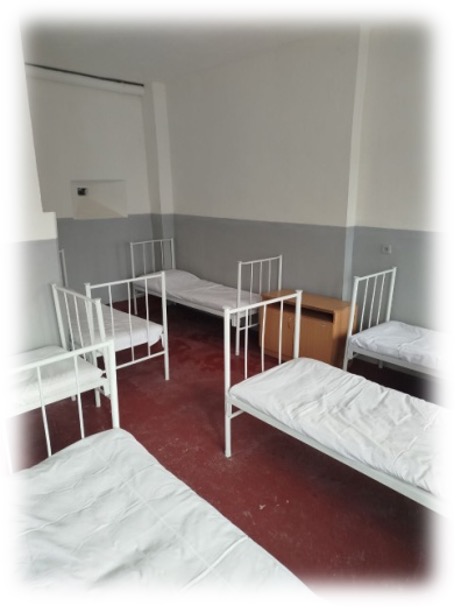
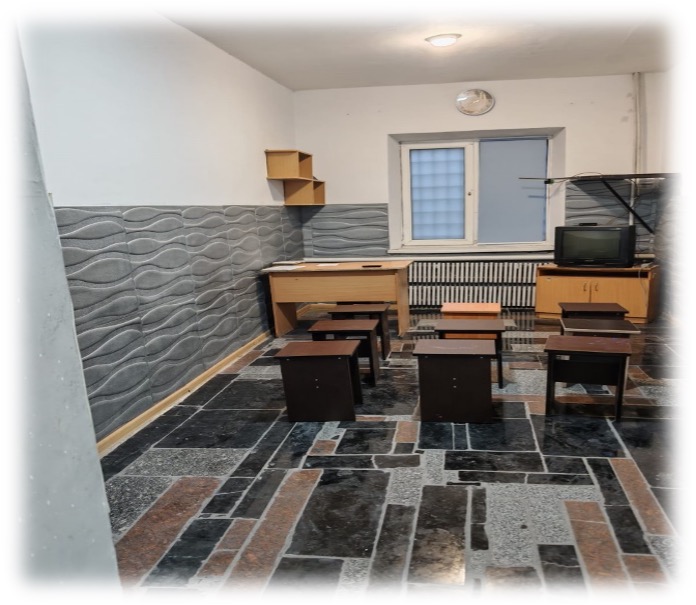
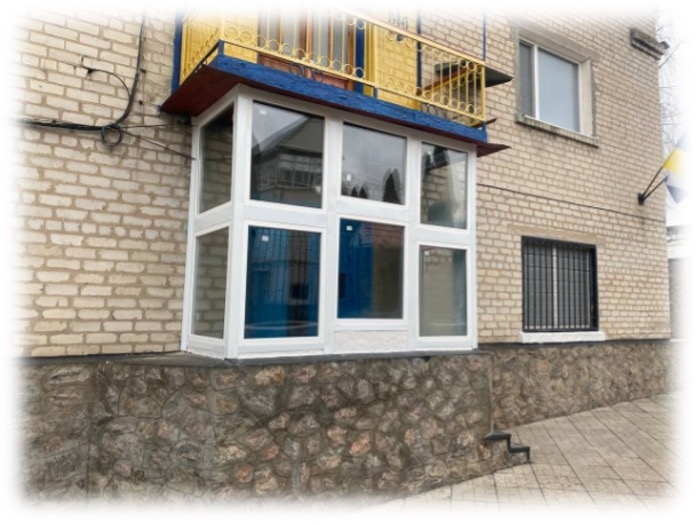
In order to ensure the prisoners’ right to privacy, partition walls were installed in SPS unit No. 4. Such an arrangement provides a sufficient level of individual space, which is important for the psycho-emotional state and social adaptation of prisoners; it also complies with health and hygiene requirements and allows for the rational organisation of living quarters.
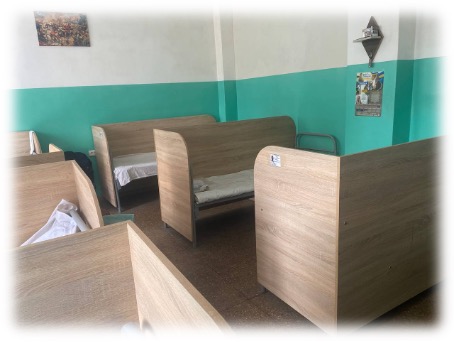
In addition, capital repairs were carried out in sanitary facilities, and repair work is ongoing in the SPS units.
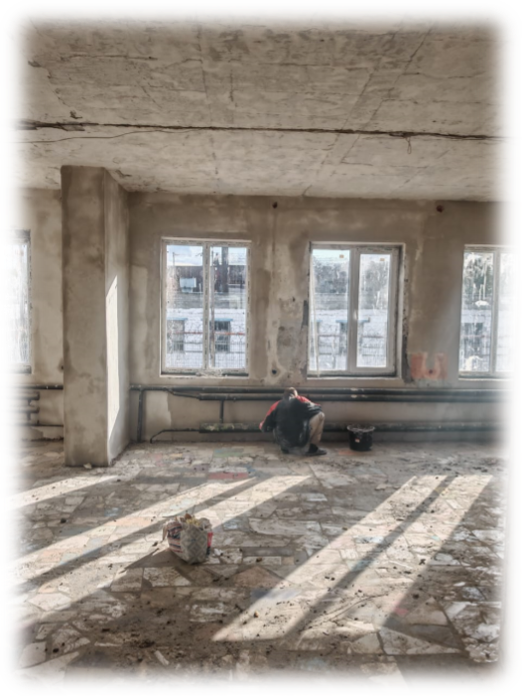
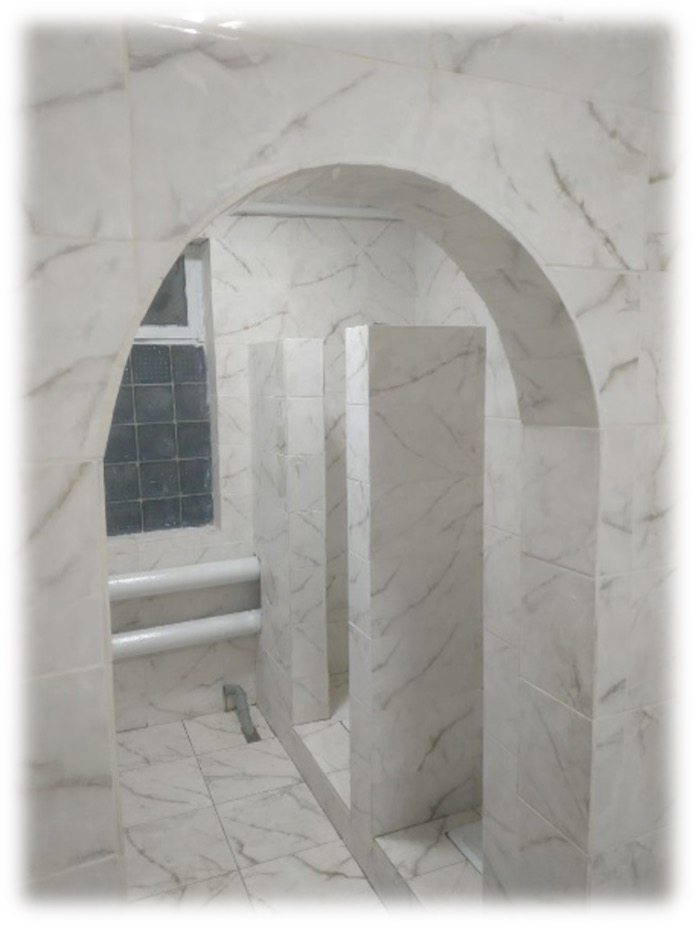
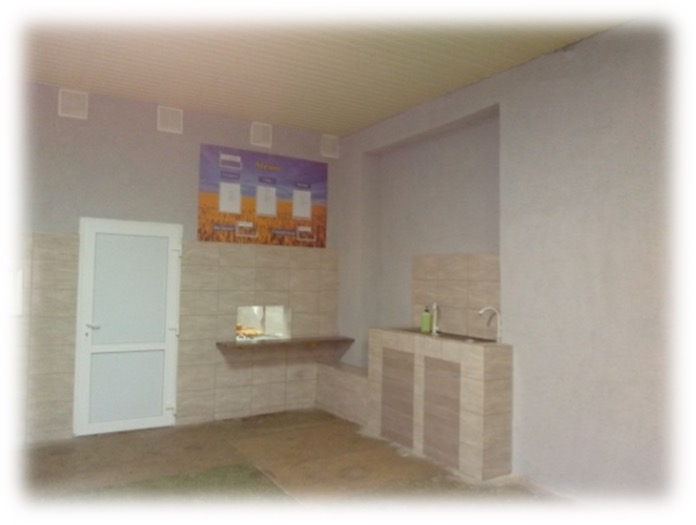
In the institution’s canteen, the dining hall was renovated to improve health and hygiene conditions and create a more comfortable space. In particular, the walls were levelled using plaster compounds, window units were replaced, and the areas for food distribution and dishwashing were reconstructed with the installation of special equipment. The walls were tiled to ensure durability and ease of cleaning, new pipelines and mixers were installed, and a water supply optimisation system was implemented, along with new sanitary appliances, including four washbasins with mixers.
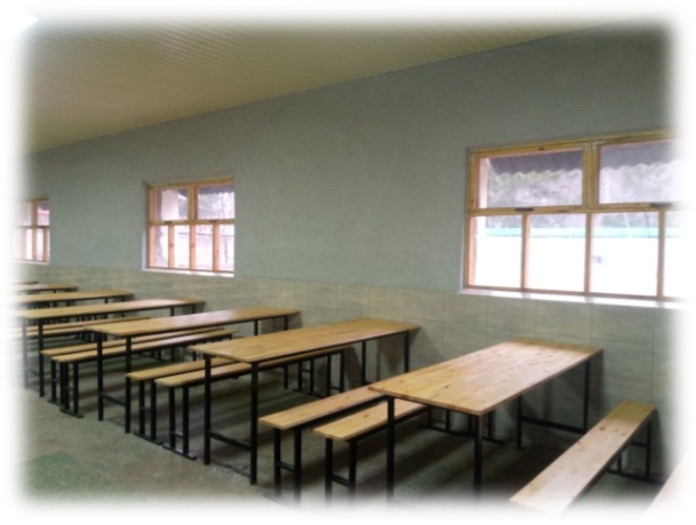
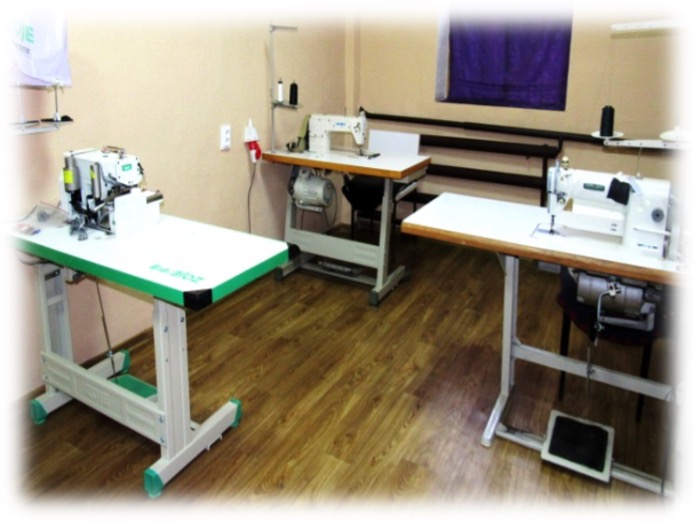
On the territory of the sewing workshop, conditions have been created for the employment of prisoners, which facilitates their social adaptation and the acquisition of professional skills. The premises meet safety and functionality requirements, which allows for the effective organisation of the production process.
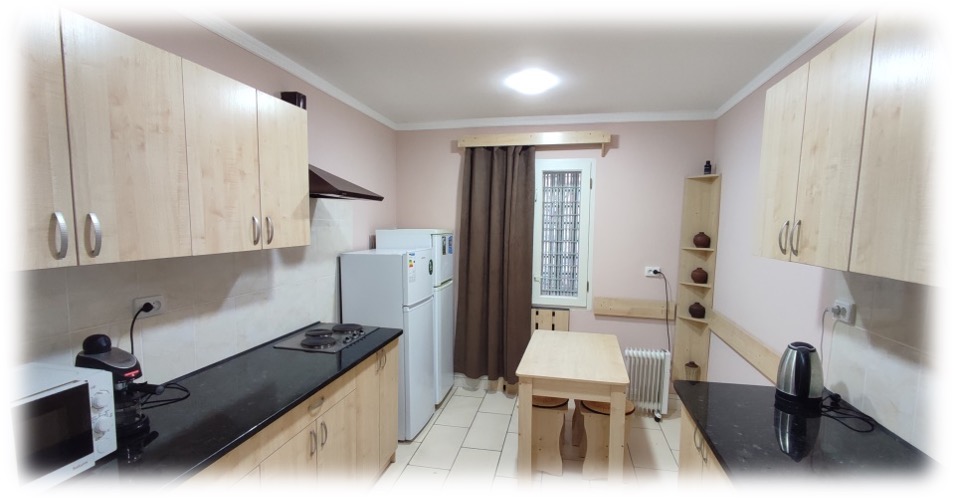
A long-term visitation room was furnished in the SMS (Sector of Maximum Security).
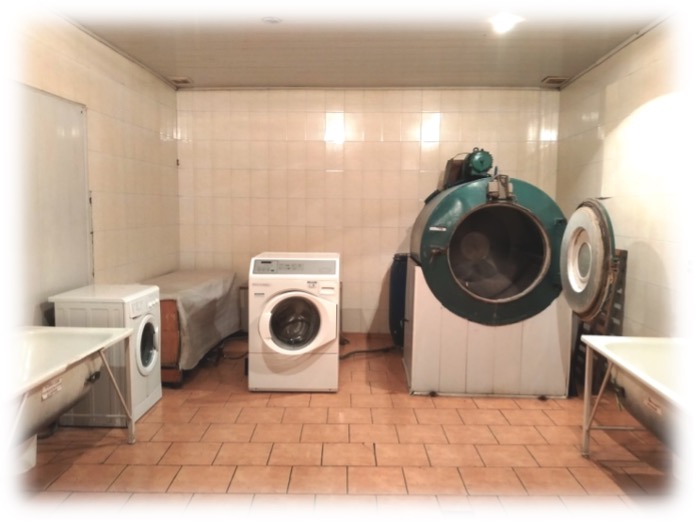
Utility and domestic support for prisoners in the institution is organised in accordance with the requirements of Article 115 of the Criminal Executive Code of Ukraine and the Regulation on the Organisation of Bath and Laundry Services for Persons Held in Penal Institutions and Pre-trial Detention Centres, approved by Order of the Ministry of Justice of Ukraine No. 849/5 dated 8 June 2012.
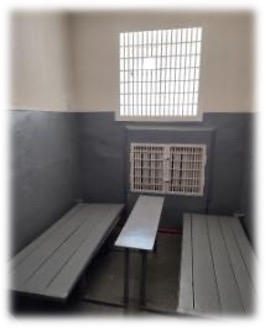
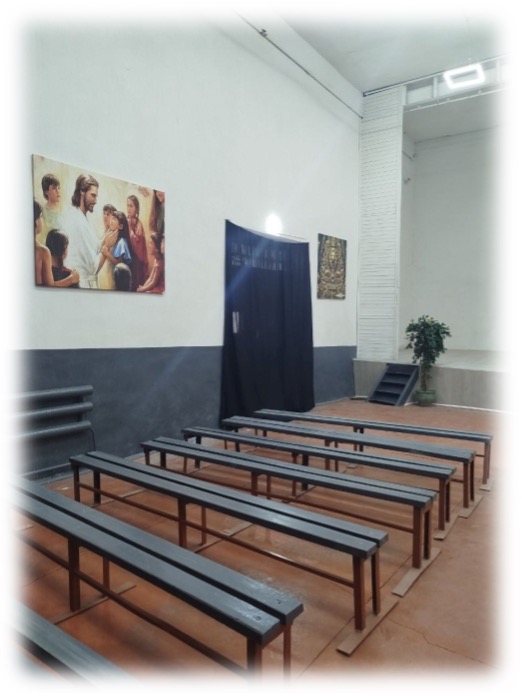
Also, repair work was carried out in the DIU/CTP cells, and the club premises were furnished.
Identified Violations of National and International Law
In the course of the monitoring visit, violations of national legislation and non-compliance with international recommendations in the sphere of prisoner treatment were identified, which leads to the infringement of prisoners' rights:
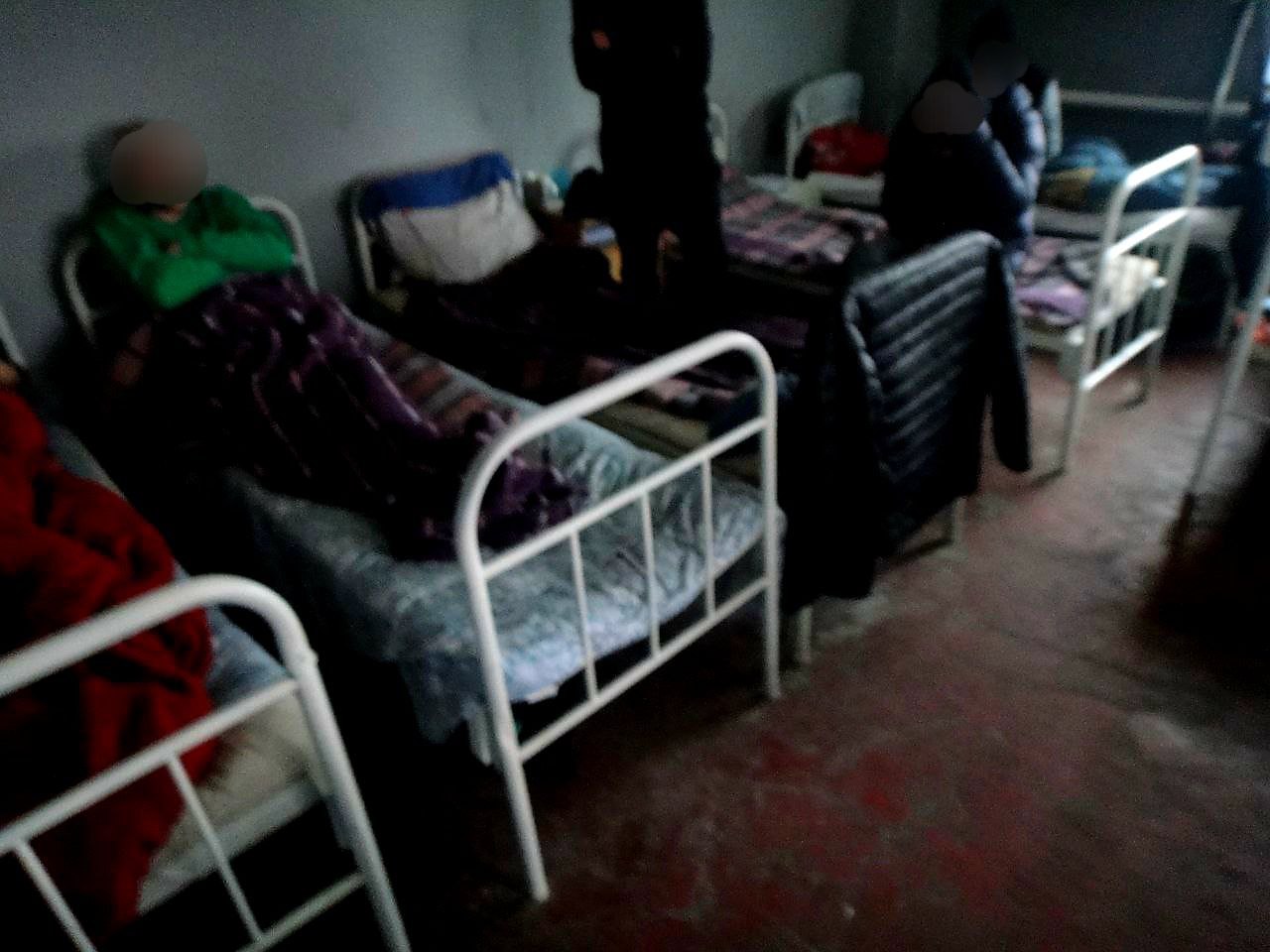
1. The procedure and conditions for receiving prisoners into the institution do not fully comply with the requirements of current Ukrainian legislation and international standards for the treatment of prisoners. In violation of Part 1 of Article 115 of the Criminal Executive Code of Ukraine (hereinafter — CEC of Ukraine) and Rule 13 of the UN Standard Minimum Rules for the Treatment of Prisoners, it was established that in certain living quarters of the Quarantine, Diagnostic, and Placement Unit (hereinafter — QDPU) and the Social-Psychological Service (hereinafter — SPS) units, the standard of living space per prisoner is less than 4 m².
For example, in living quarters No. 1 of the QDPU unit, where 11 beds were placed and 11 prisoners were staying, the area of the room according to the area measurement report of the structural units is 33.7 m². Thus, the actual area per prisoner was 3.06 m². Similar violations were established in living quarters No. 3 of SPS unit No. 1 and living quarters No. 11 of SPS unit No. 4.
At the same time, Paragraph 13 of the 7th General Report of the European Committee for the Prevention of Torture and Inhuman or Degrading Treatment or Punishment states that the problem of overcrowded cell-type premises leads to unhygienic conditions, a constant lack of privacy, and the overloading of medical services and the institution's infrastructure; it concludes that the negative impact of overcrowding often results in inhuman or degrading conditions of prisoner detention (CPT/Inf (97) 10).
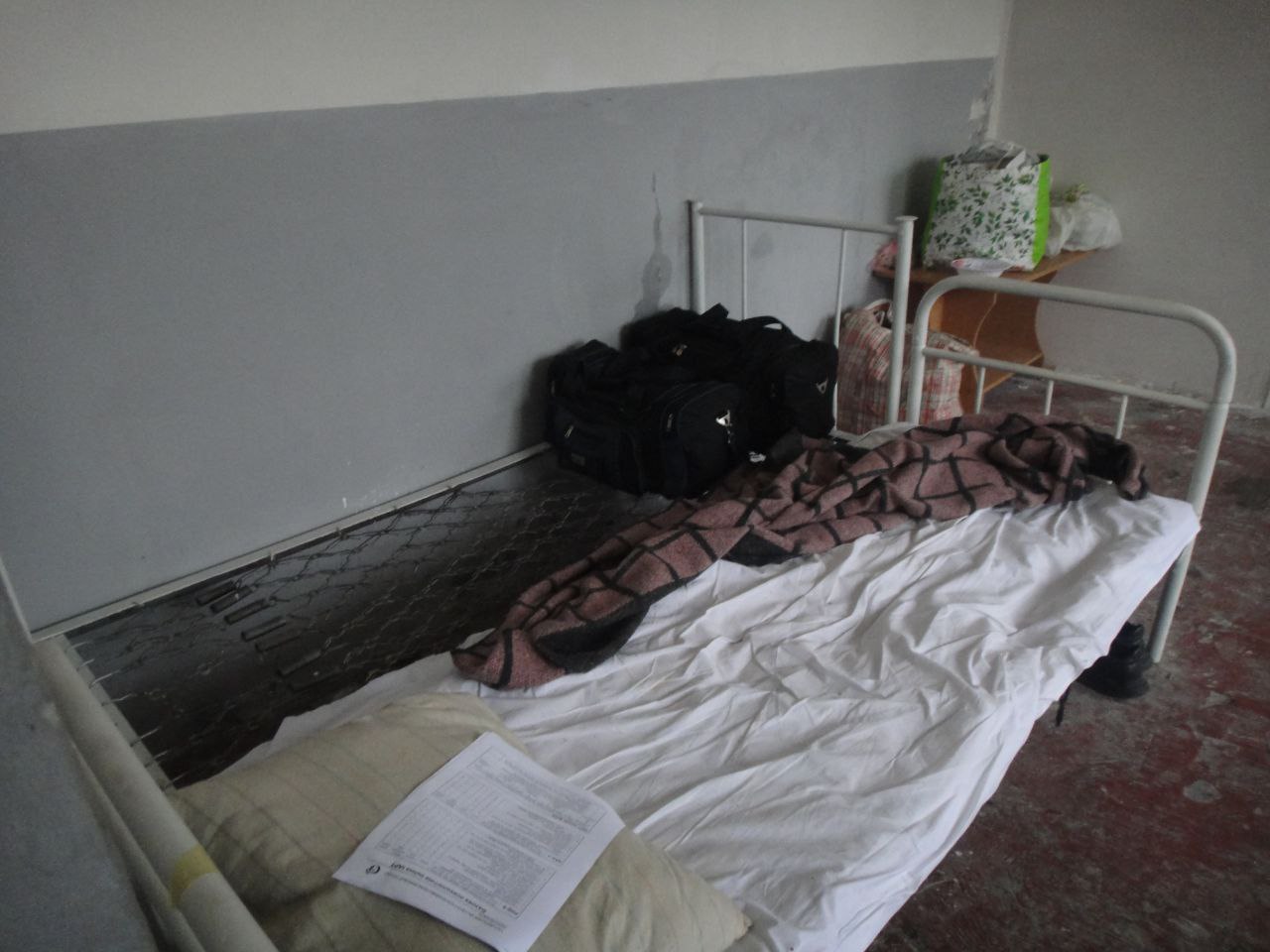
2. During the visit to the QDPU unit’s living quarters, it was established that the conditions of detention do not comply with the requirements of Part 1 of Article 115 of the CEC of Ukraine and Paragraph 1 of Section XXII of the Internal Regulations of Penal Institutions, approved by Order of the Ministry of Justice of Ukraine No. 2823/5 dated 28 August 2018 (hereinafter — IRIPI).
In particular, violations of Article 8 of the Convention for the Protection of Human Rights and Fundamental Freedoms, which guarantees the right to respect for private life, were detected in the living quarters. In violation of Rule 18.1 of the European Prison Rules, the beds in the sleeping quarters are placed right next to each other, which makes it impossible to provide prisoners with personal space.
3. Contrary to the requirements of Rule 22.5 of the European Prison Rules, Rule 22.2 of the UN Standard Minimum Rules for the Treatment of Prisoners, and the Norms for Provision of Furniture, Inventory, and Household Items for a Medium-Security Correctional Colony, approved by Order of the Ministry of Justice of Ukraine No. 1118/5 dated 27 July 2012, the living quarters are not equipped with drinking water tanks.
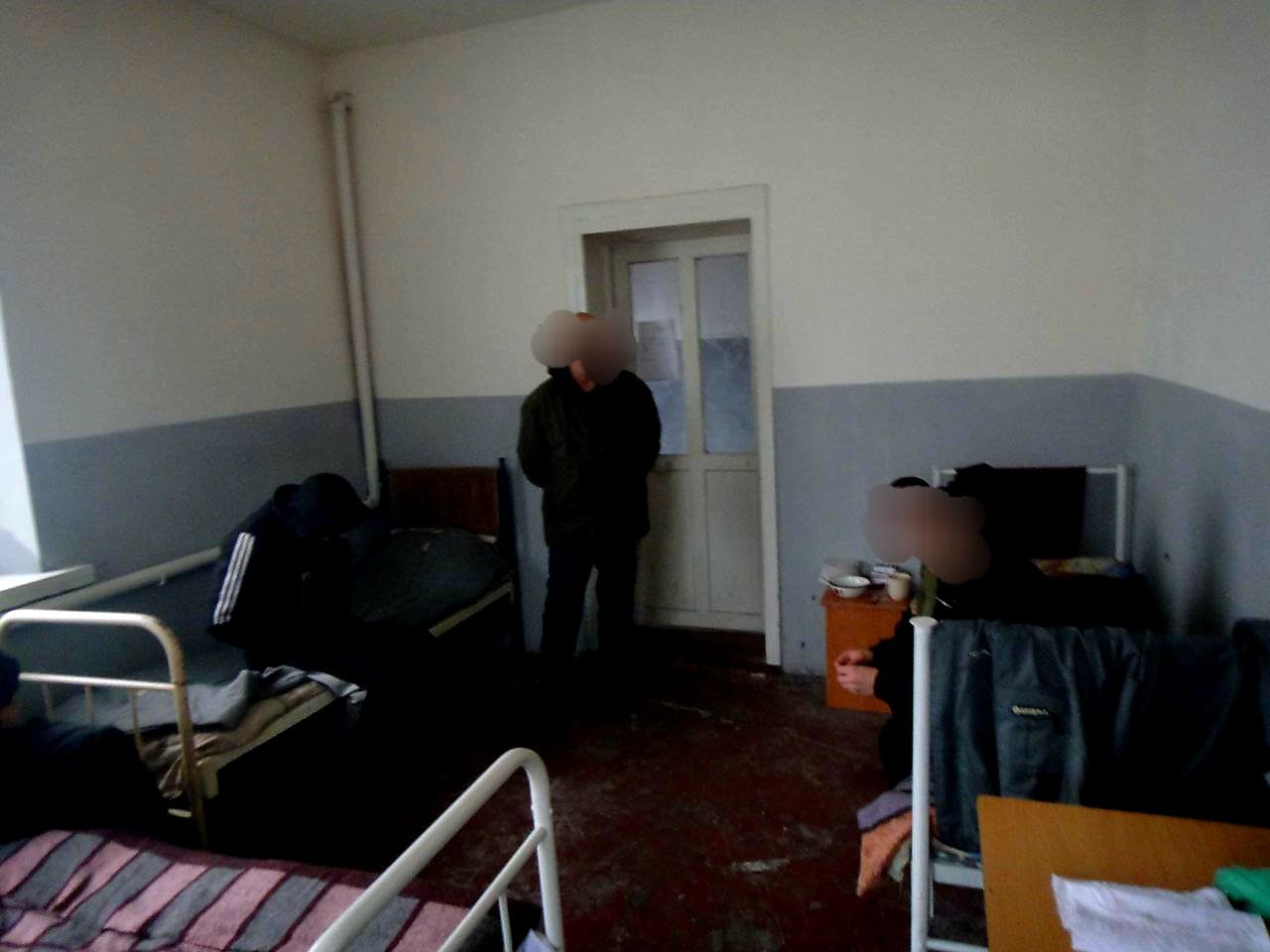
4. In violation of the Provision Norms, the living quarters are not sufficiently equipped with bedside tables and stools in accordance with the prescribed standards.
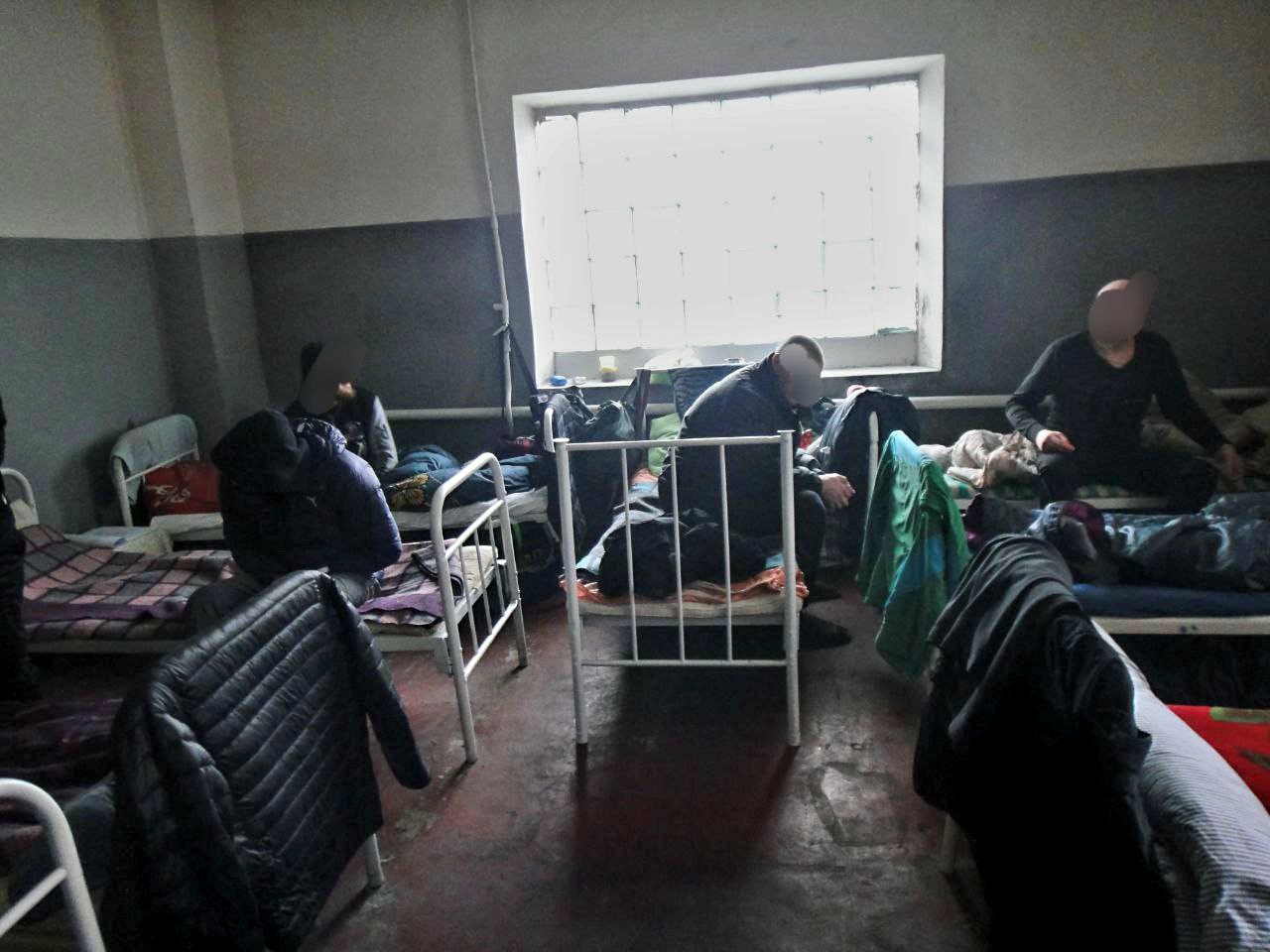
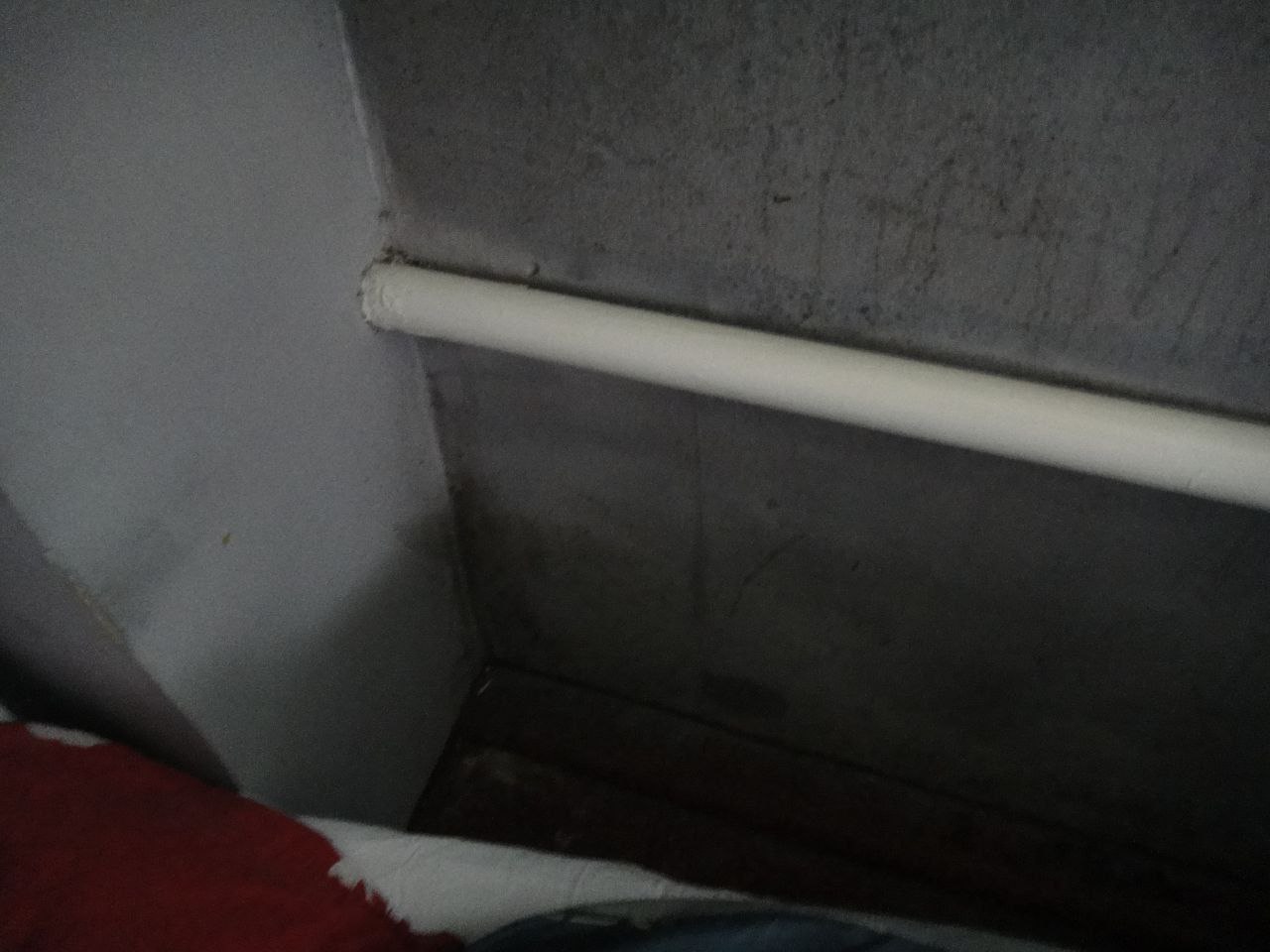
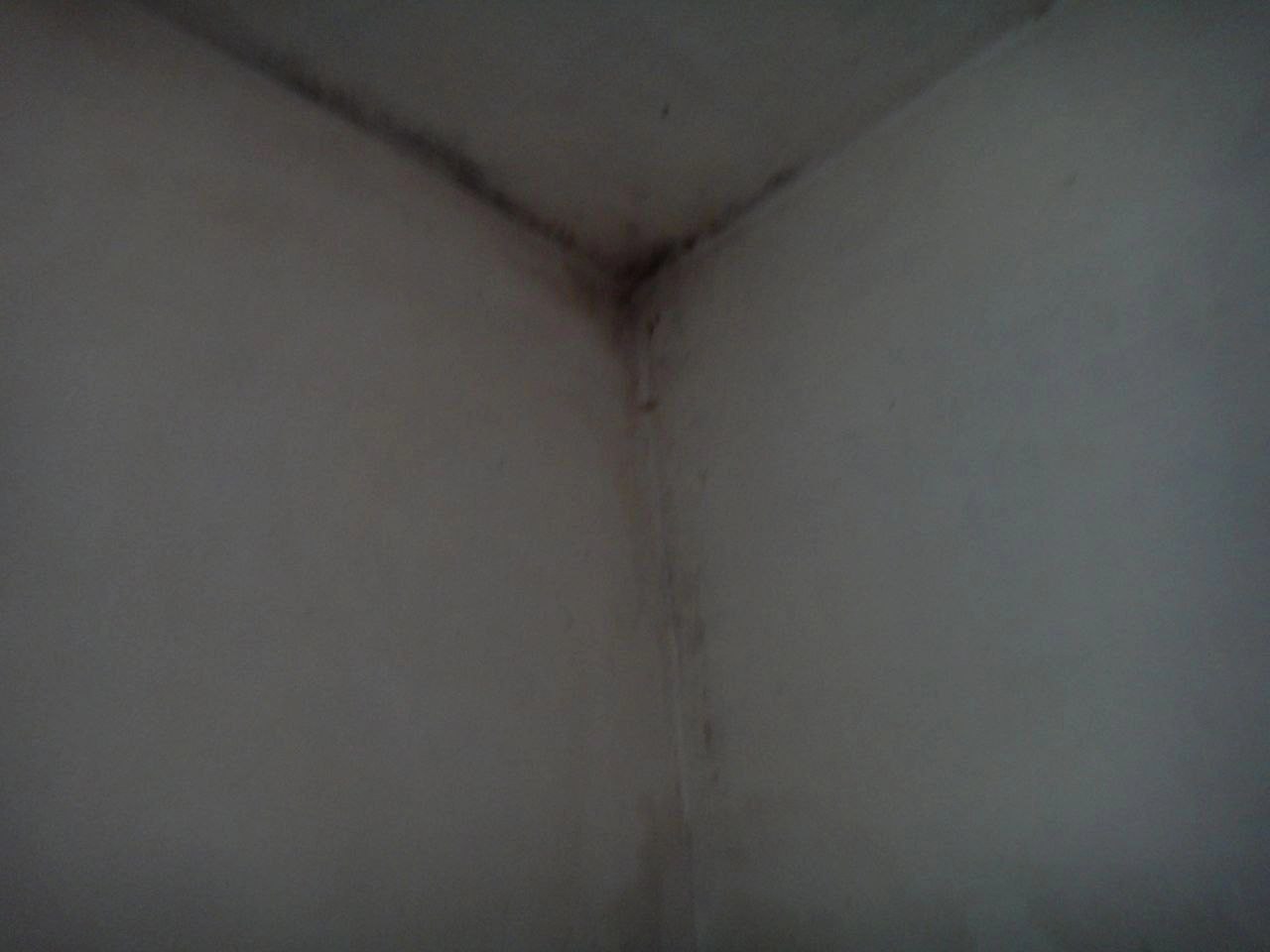
5. Certain premises of the unit, particularly the floor in the living quarters, are in an unsatisfactory technical condition and require repair. Significant dampness of the floor and walls was recorded. This condition creates significant health risks for detained persons, particularly due to prolonged stays in a damp environment, the likely formation of mould, and an increased risk of respiratory, skin, and infectious diseases.
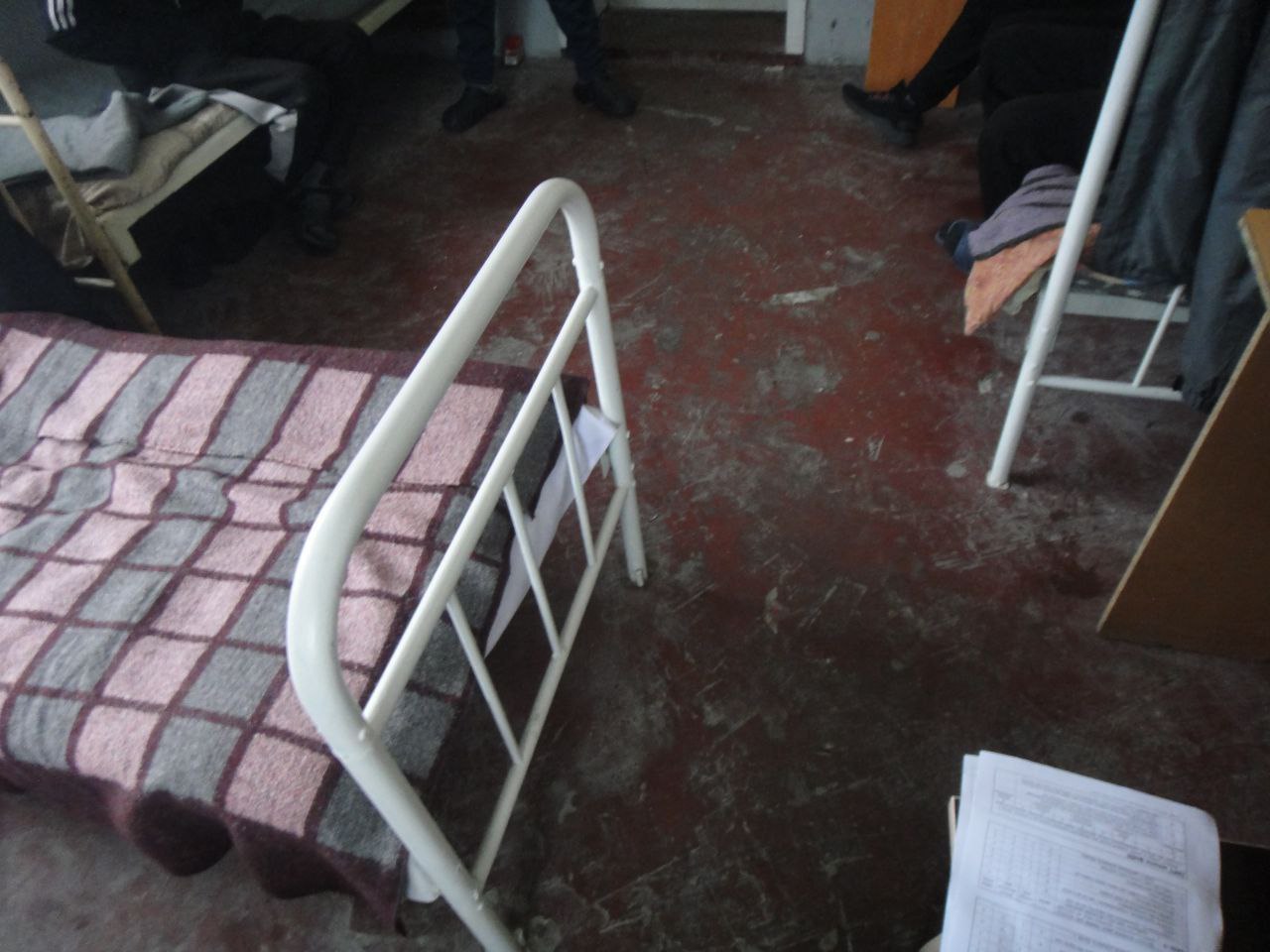
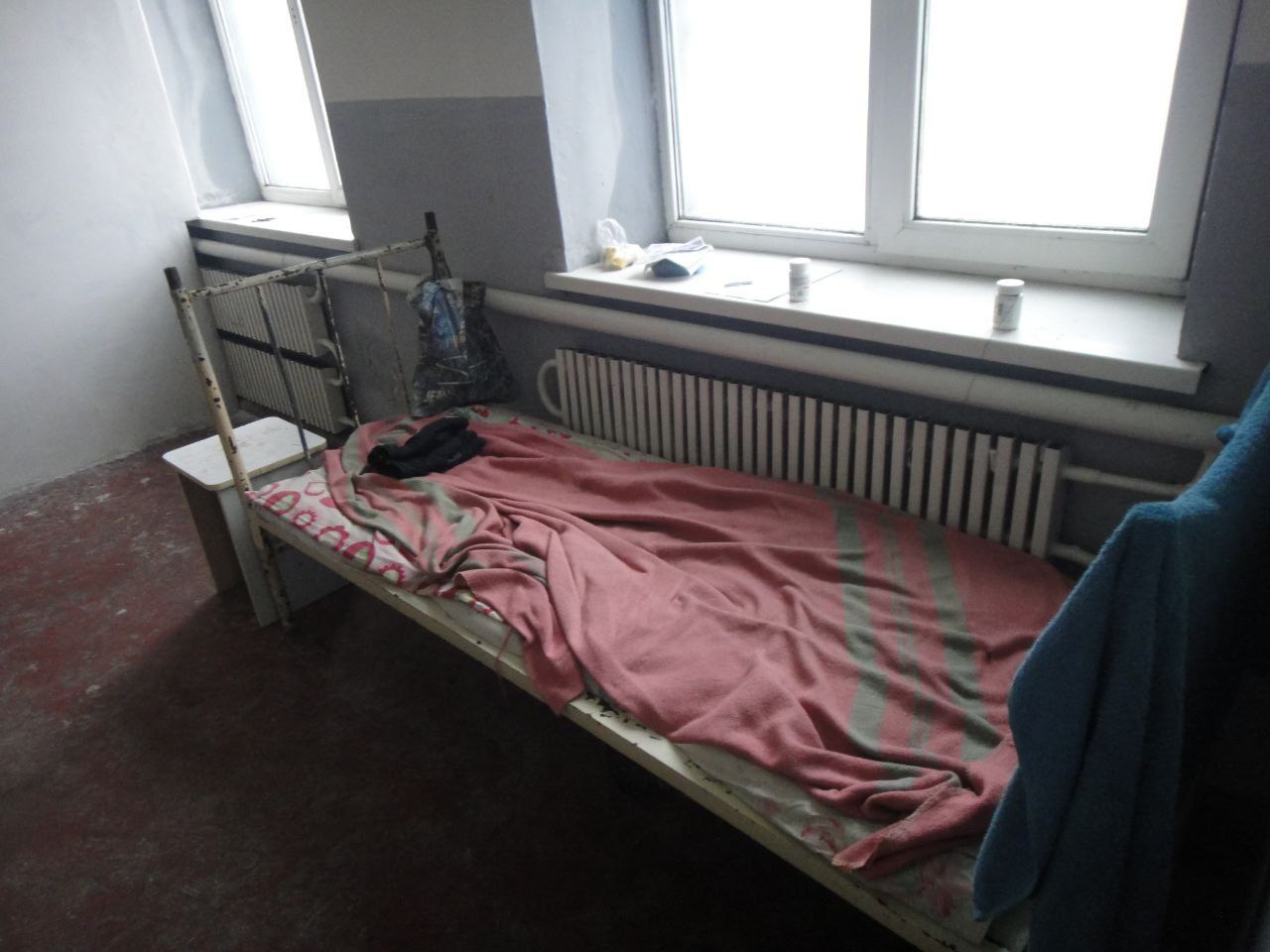
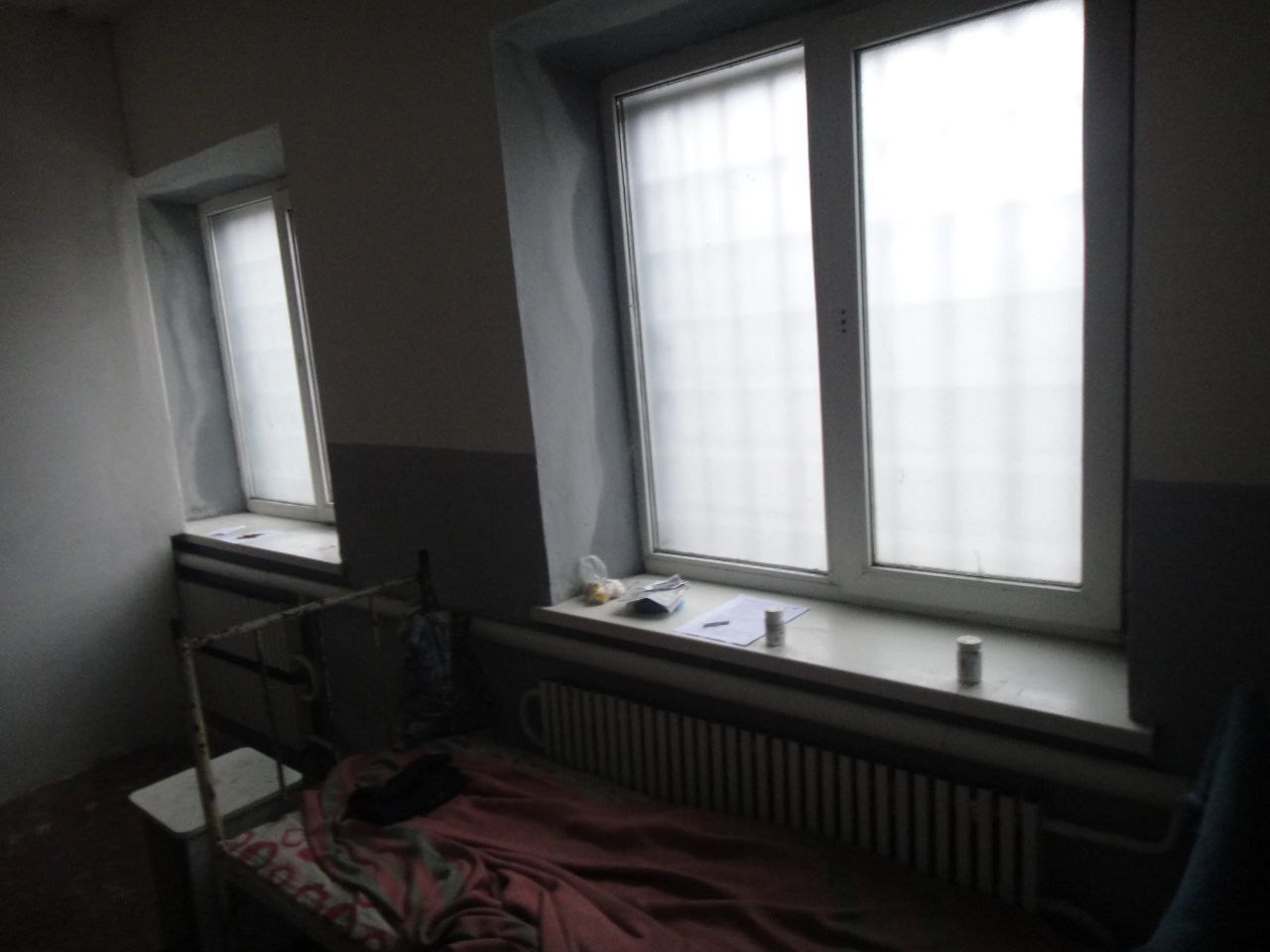
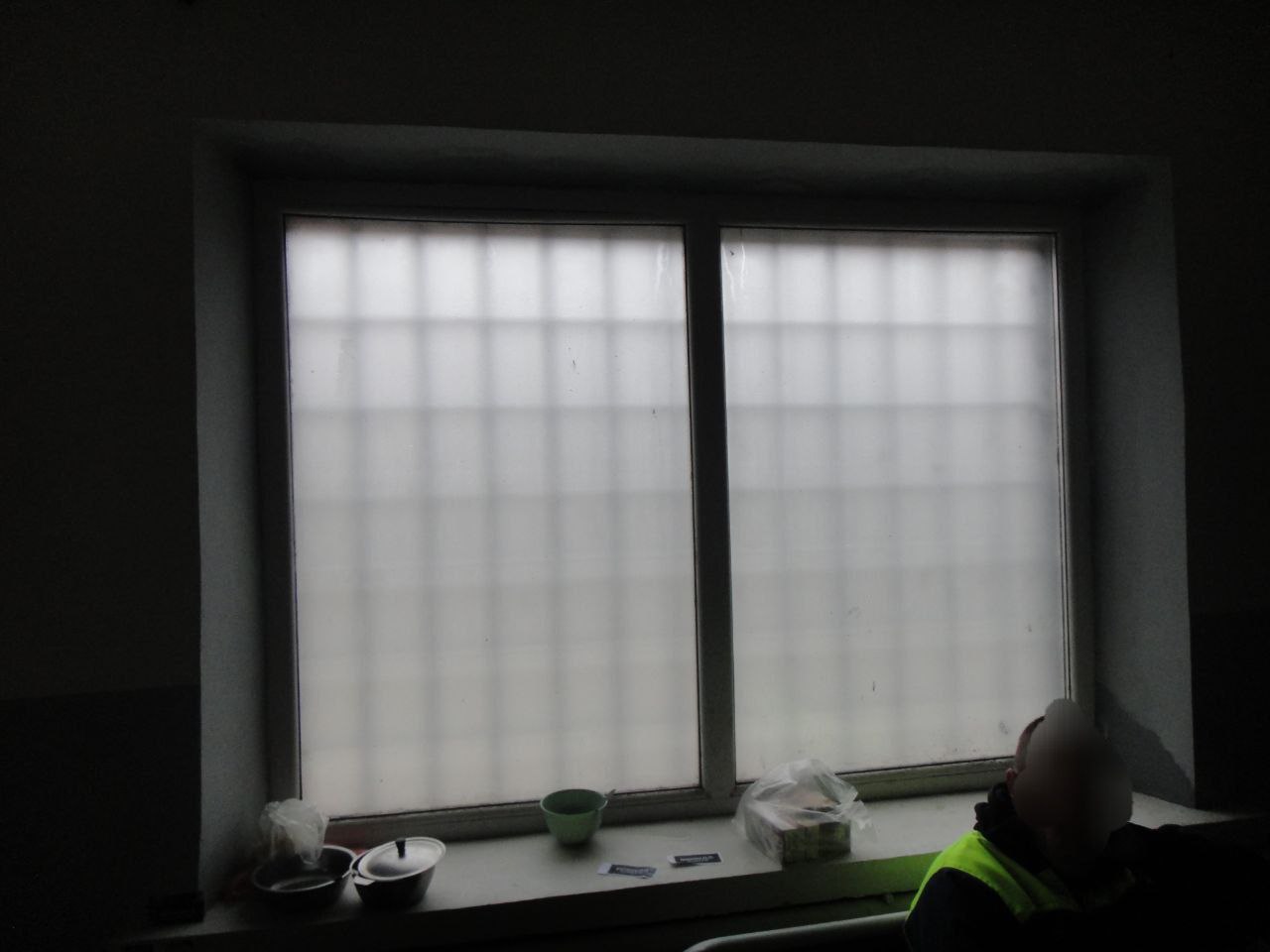
6. In the living quarters of the QDPU unit, the monitoring group established the presence of windows fitted with frosted glass, due to which natural light practically does not penetrate the room. This does not comply with Rules 13 and 14(a) of the UN Standard Minimum Rules for the Treatment of Prisoners. In the report on the results of the visit to Ukraine in 2020, the Committee drew attention to this and recommended taking measures to review the design of windows in cells in order to ensure the possibility of seeing the space outside the cell (CPT/Inf (2020) 40, paragraph 48).
7. In violation of the requirements of the Provision Norms, the unit lacks separate rooms, namely: a room for storing food products; a room for storing a stock of bedding, clothing, and special gear; a storeroom for the temporary storage of dirty bedding, clothing, and special gear; a cloakroom; a utility room; and a drying room. The absence of these rooms or their improper furnishing creates conditions that do not meet household standards, makes it impossible to properly observe health and hygiene requirements, and complicates the maintenance of cleanliness and order in places where prisoners reside.
8. During the visit to the Quarantine, Diagnostic, and Placement Unit, violations of the requirements of Article 95 of the Criminal Executive Code of Ukraine and Paragraph 3 of Section I of the Regulation on the Quarantine, Diagnostic, and Placement Unit, approved by Order of the Ministry of Justice of Ukraine No. 2300/5 dated 4 November 2013 and registered with the Ministry of Justice of Ukraine on 4 November 2013 under No. 1864/24396 (hereinafter — Regulation on the QDPU unit), were established.
Thus, on 10 December 2025, 23 prisoners arrived at the institution from the SI “Synelnykove Correctional Colony (No. 94).” In accordance with the requirements of current legislation, newly arrived prisoners placed in the QDPU unit must undergo a full medical examination within 14 days for the purpose of detecting infectious, somatic, and mental diseases, as well as an initial psychological and pedagogical assessment and other studies. Thus, the distribution of these persons among the institution’s units could have taken place no earlier than 25 December 2025, i.e., after the completion of the established 14-day period.
However, according to Protocols Nos. 52 and 53 of the institution’s commission meetings on prisoner distribution, the distribution among the Social-Psychological Service units was carried out as early as 15 December 2025 and 16 December 2025. This indicates that the decision on the distribution of the 23 newly arrived prisoners among the SPS units was made before the expiration of the 14-day period of stay in the QDPU unit provided for by law, which is a violation of the established order and at the same time casts doubt on the completeness of the measures conducted with them, including the measures provided for by the programme for familiarising newly arrived prisoners with the order and conditions of serving sentences.
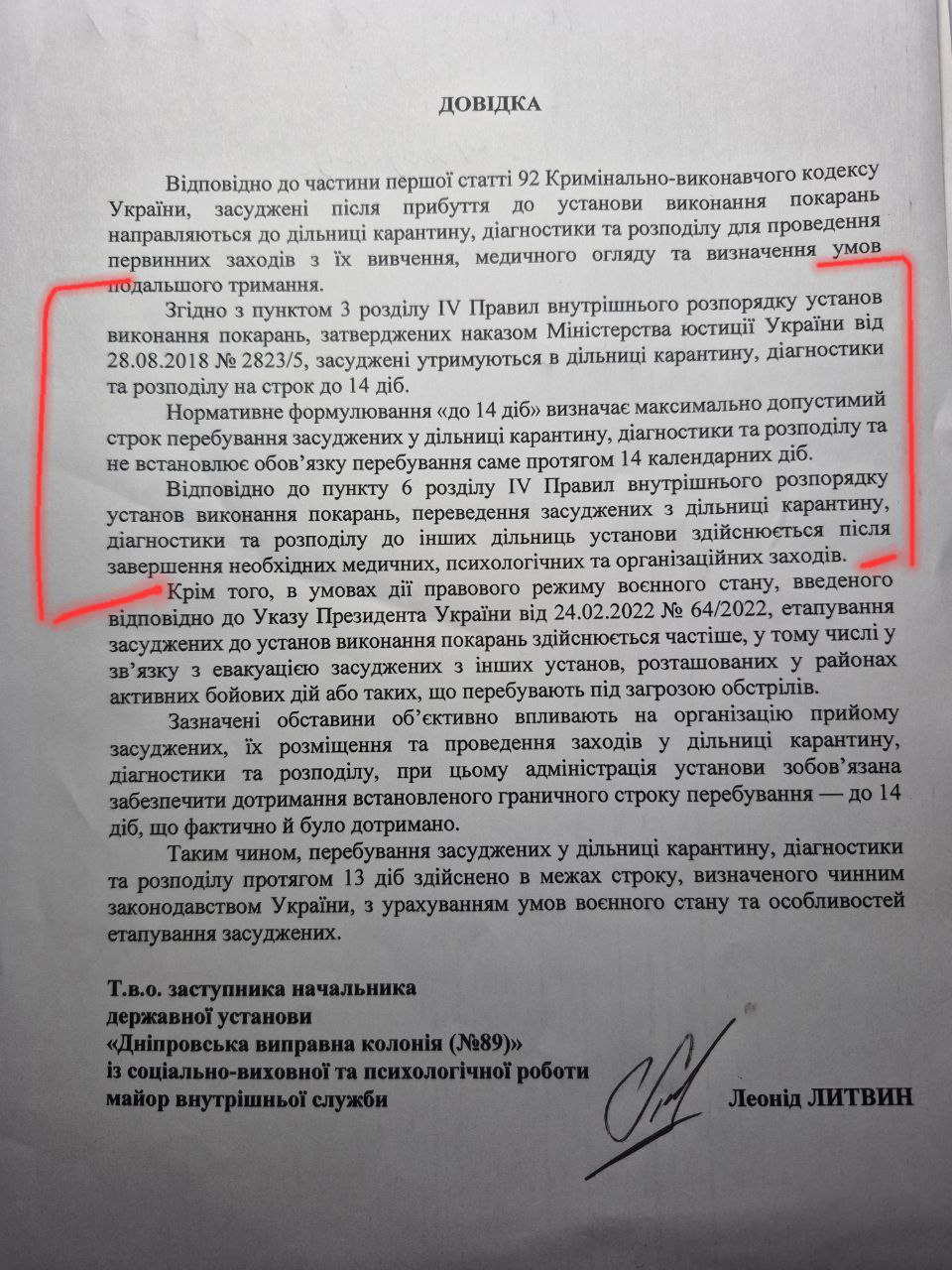
At the same time, the staff of the Social-Educational and Psychological Work Department provided the monitoring group with a certificate containing an explanation regarding the allegedly lawful failure to observe the 14-day period for newly arrived prisoners in the Quarantine, Diagnostic, and Placement Unit. As a normative justification, the certificate cites Paragraph 3 of Section IV of the Internal Regulations of Penal Institutions, approved by Order of the Ministry of Justice of Ukraine No. 2823/5 dated 28 August 2018, according to which prisoners are held in the Quarantine, Diagnostic, and Placement Unit for a period of up to 14 days.
At the same time, Section IV of the Internal Regulations of Penal Institutions regulates the relationships between the personnel of penal institutions and prisoners and other persons, and it does not contain a Paragraph 3 that would define the procedure or terms for prisoners' stay in the Quarantine, Diagnostic, and Placement Unit. Thus, the normative justification provided in the certificate is incorrect.
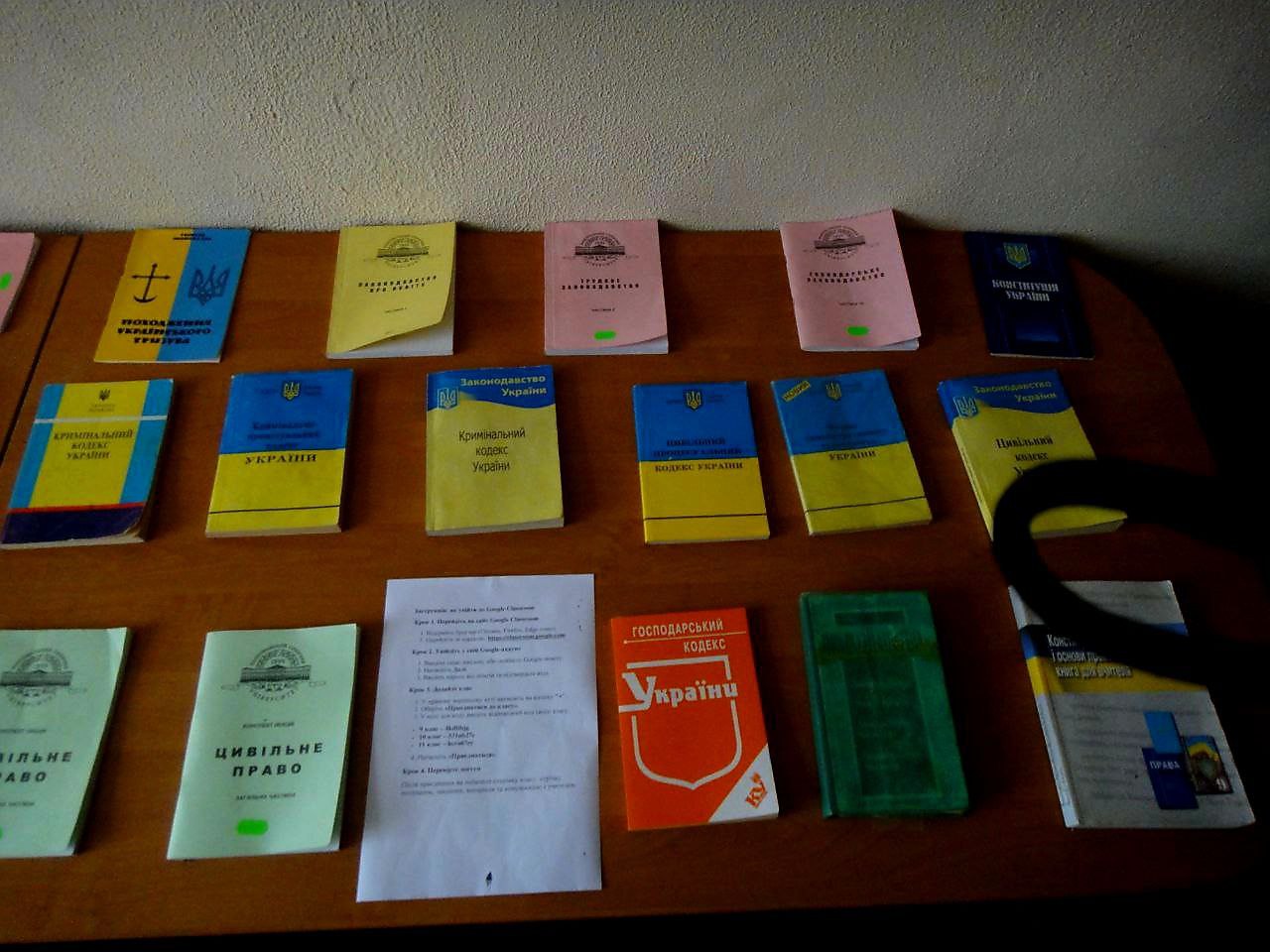
Furthermore, during the visit to the institution’s library, the monitoring group established that, contrary to the requirements of the third paragraph of Paragraph 4 of Section XX of the Internal Regulations of Penal Institutions, the library’s collection is not provided with copies of the Criminal Executive Code of Ukraine, the UN Standard Minimum Rules for the Treatment of Prisoners, or the Internal Regulations of Penal Institutions. Under such circumstances, the absence of these normative legal acts in the institution’s library and the arbitrary interpretation of their provisions by staff create risks of incorrect application of the norms of current legislation.
9. In accordance with Paragraphs 1 and 2 of Section II of the Regulation on the Quarantine, Diagnostic, and Placement Unit (QDPU), for the organisation of work with newly arrived prisoners, the head of the institution issues an order to create a working group, which includes deputy heads of the institution, heads of structural units, a psychologist, and a medical worker. In order to plan this work, a programme for familiarising newly arrived prisoners with the order and conditions of serving sentences (hereinafter — the Programme) is drawn up annually and approved by the head of the institution.
At the same time, the monitoring group established that the members of the working group do not fully carry out the measures provided for by the mentioned Programme with respect to newly arrived prisoners who are held in the sector of maximum security for men sentenced to life imprisonment (hereinafter — the SMS). Furthermore, during confidential communication with other categories of prisoners (men sentenced to imprisonment for a fixed term who have previously served prison sentences) and an analysis of official documentation, it was established that members of the working group also do not fully carry out the measures provided for by the Programme.
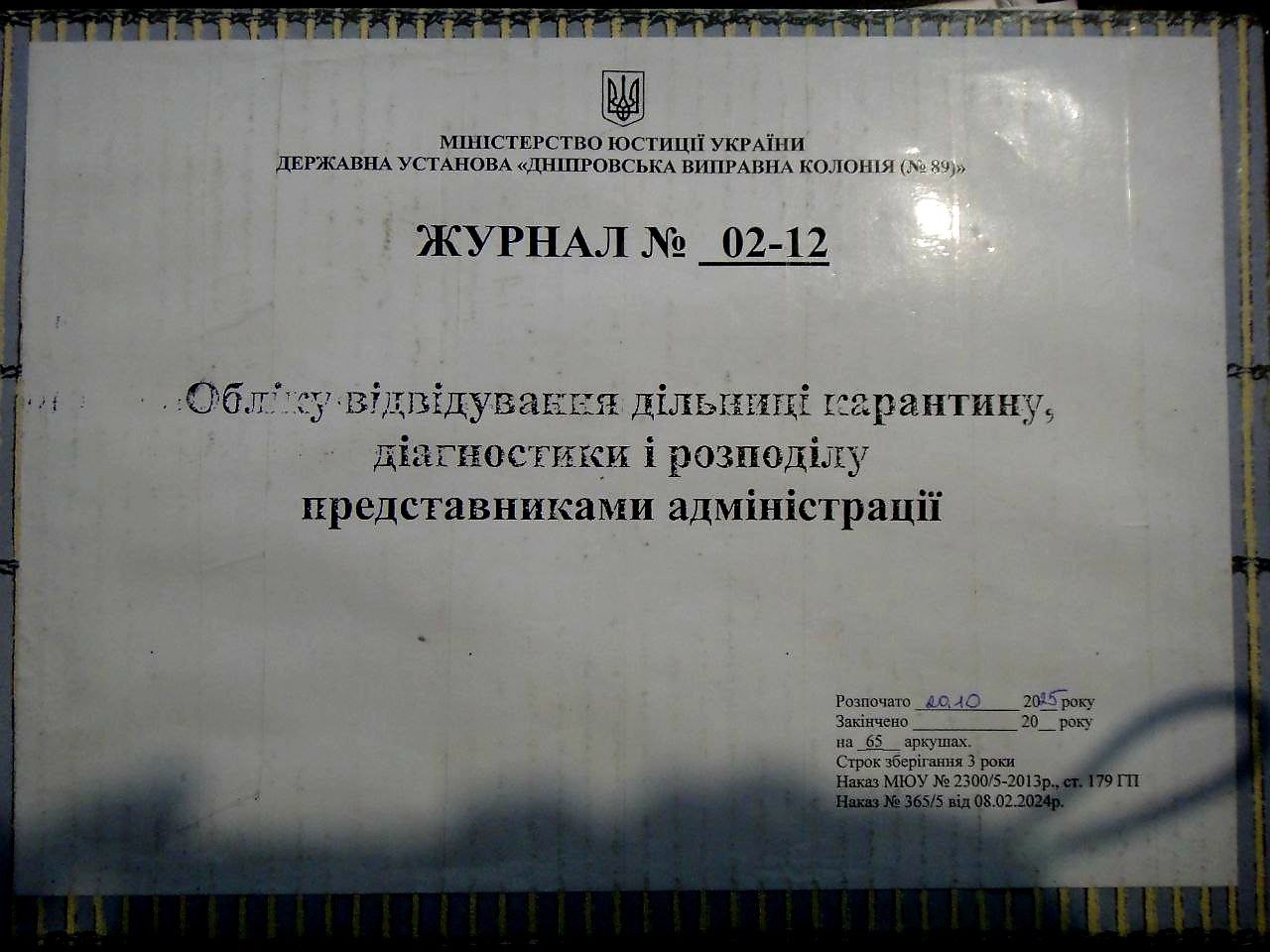
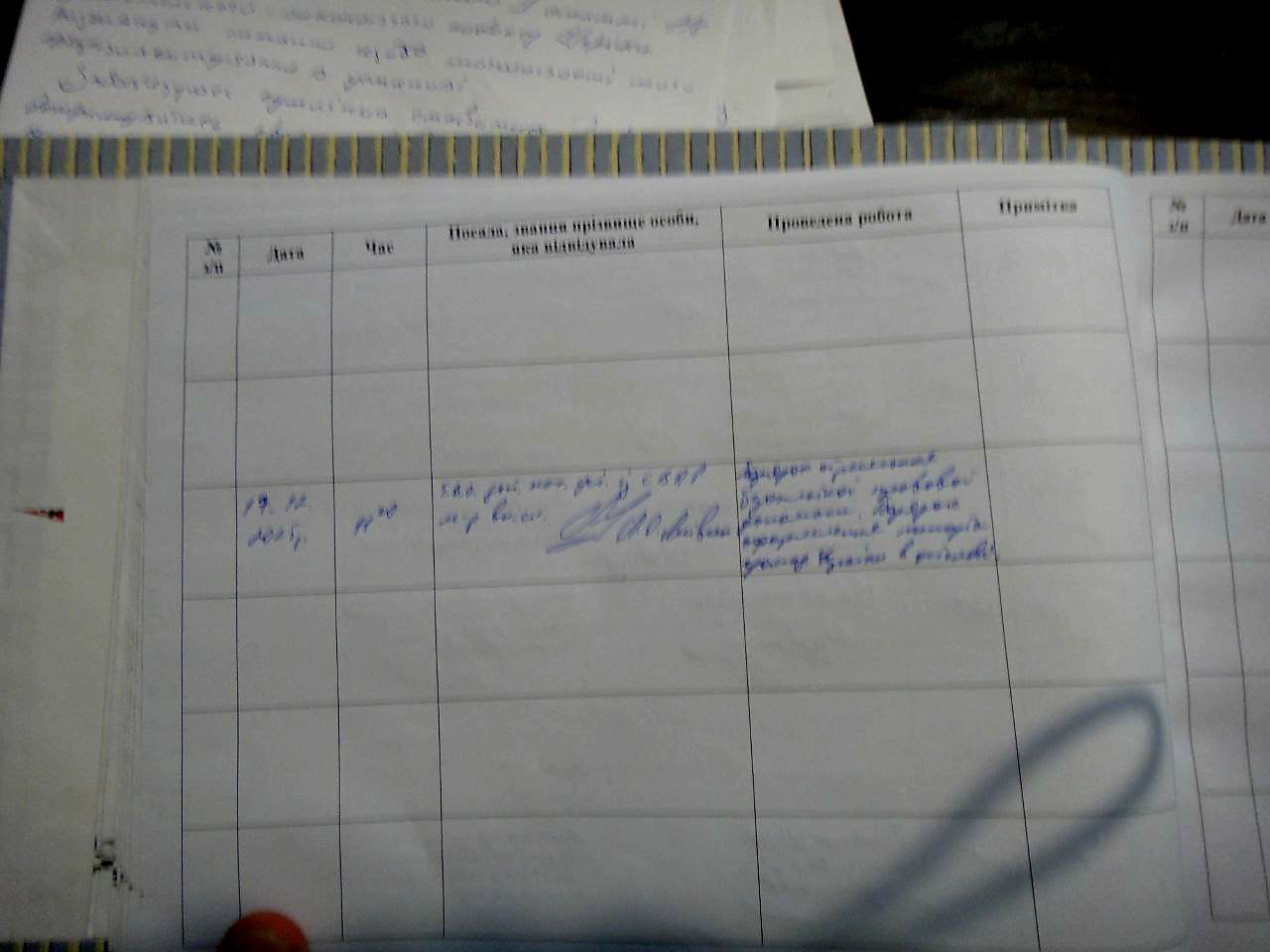
The lack of systemic organisation of work is confirmed by the corresponding entries in the logbook of visits to the QDPU unit by the administration. Thus, according to the Logbook of Visits to the QDPU unit by the institution’s administration and the duty shift, in the period from 13 December 2025 to 15 December 2025, 18 newly arrived prisoners were in the QDPU unit; however, in this period, the measures provided for by the Programme were not actually carried out, which was also confirmed by the prisoners during confidential communication.
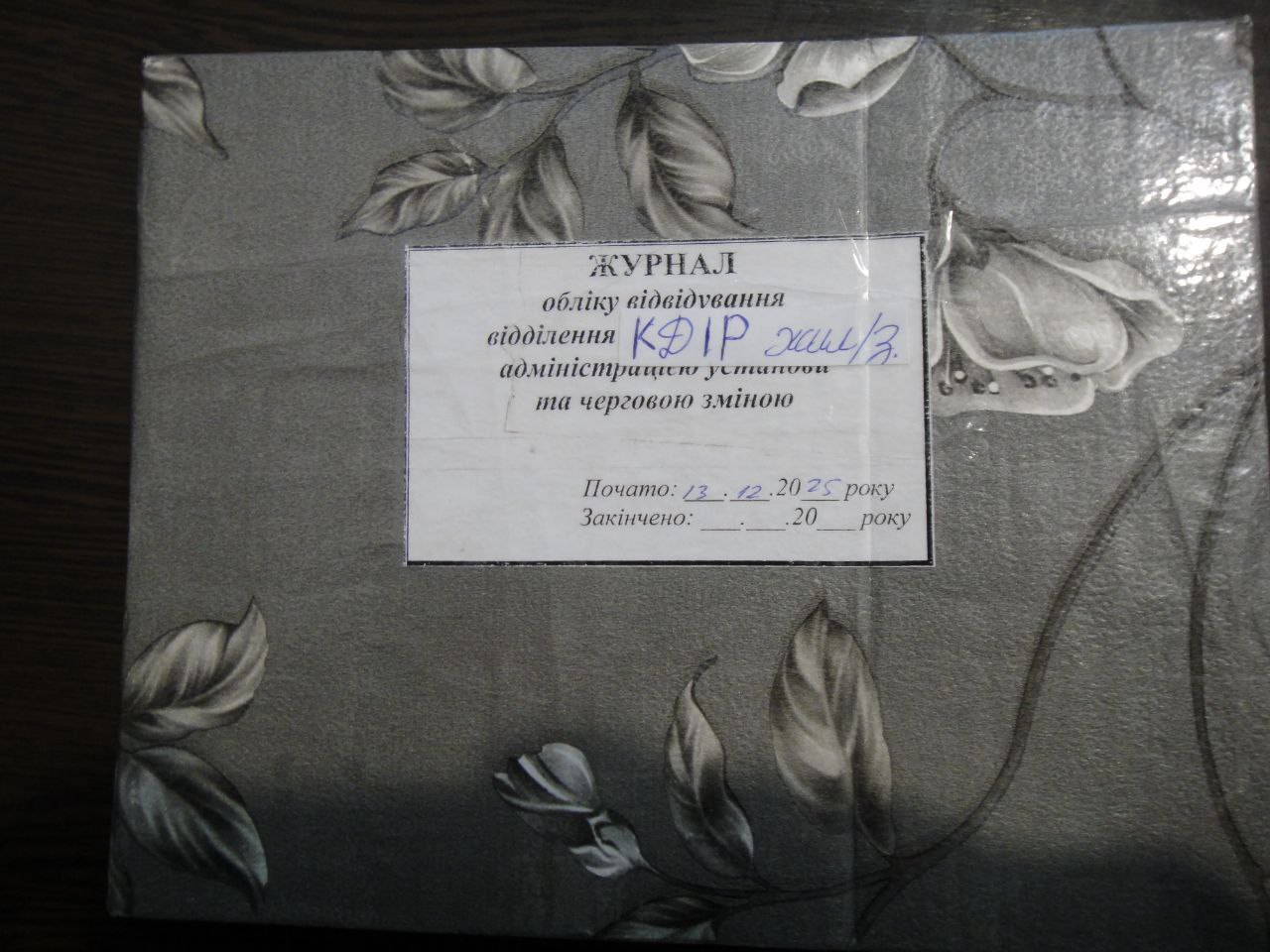
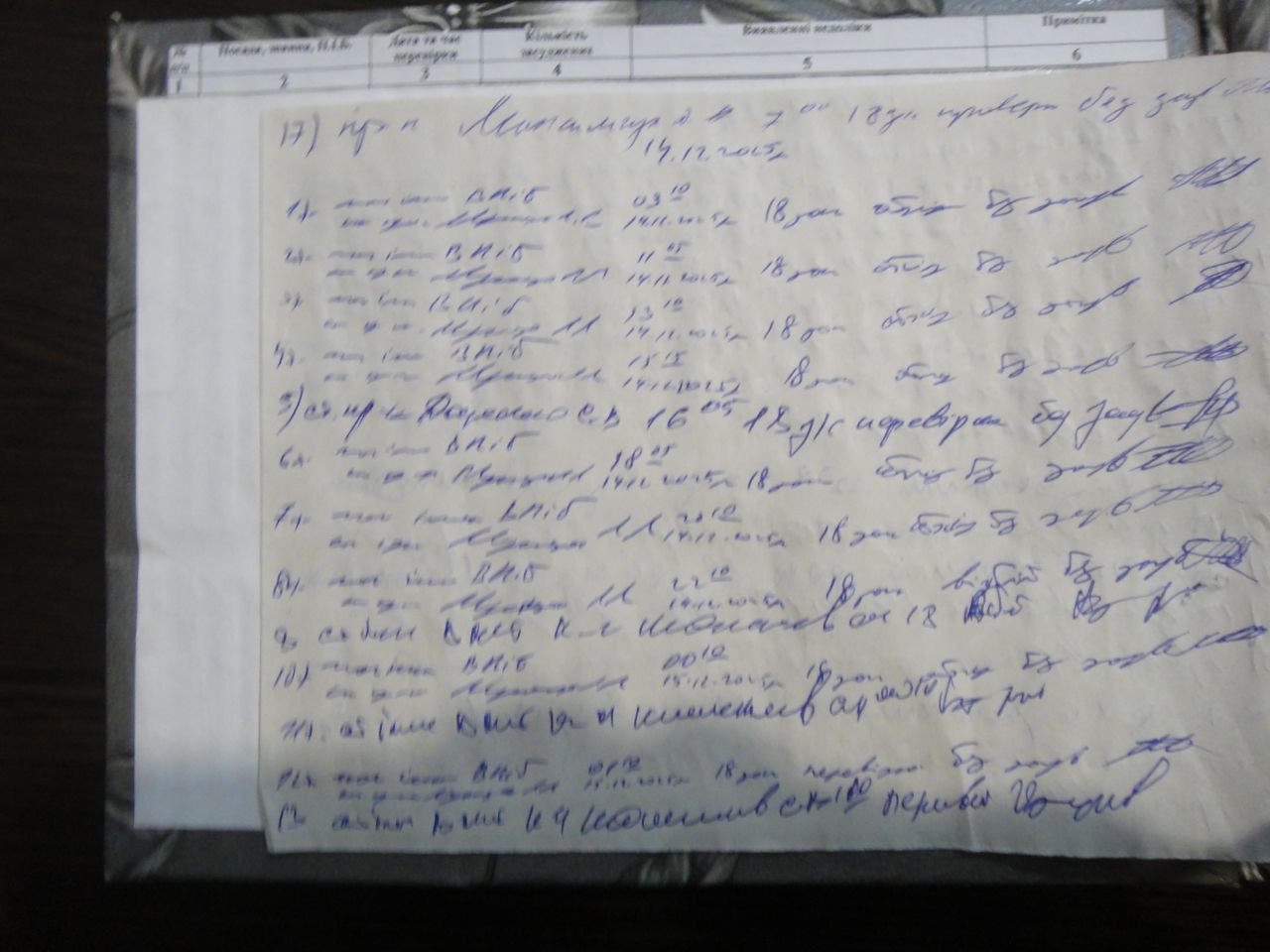
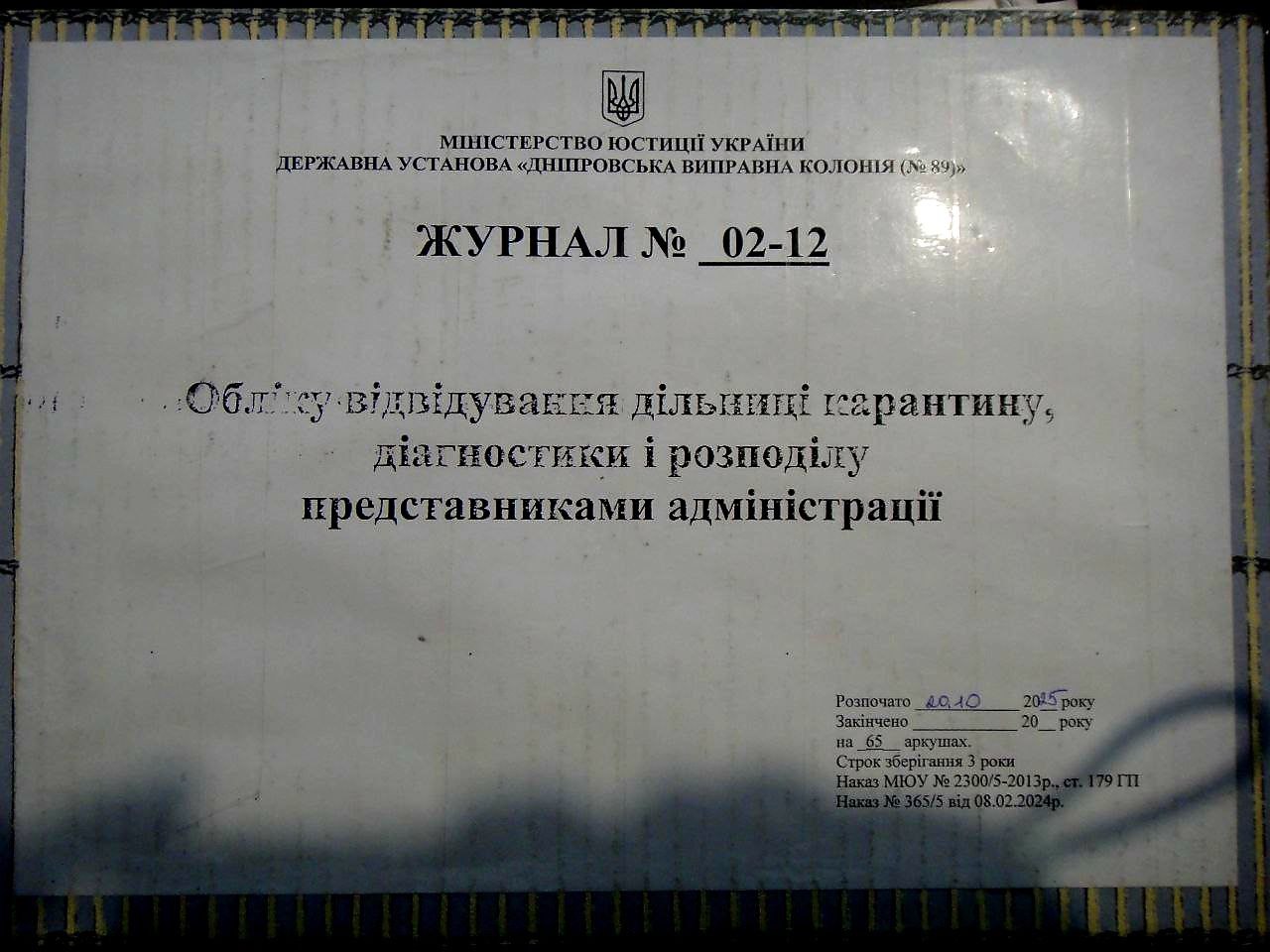
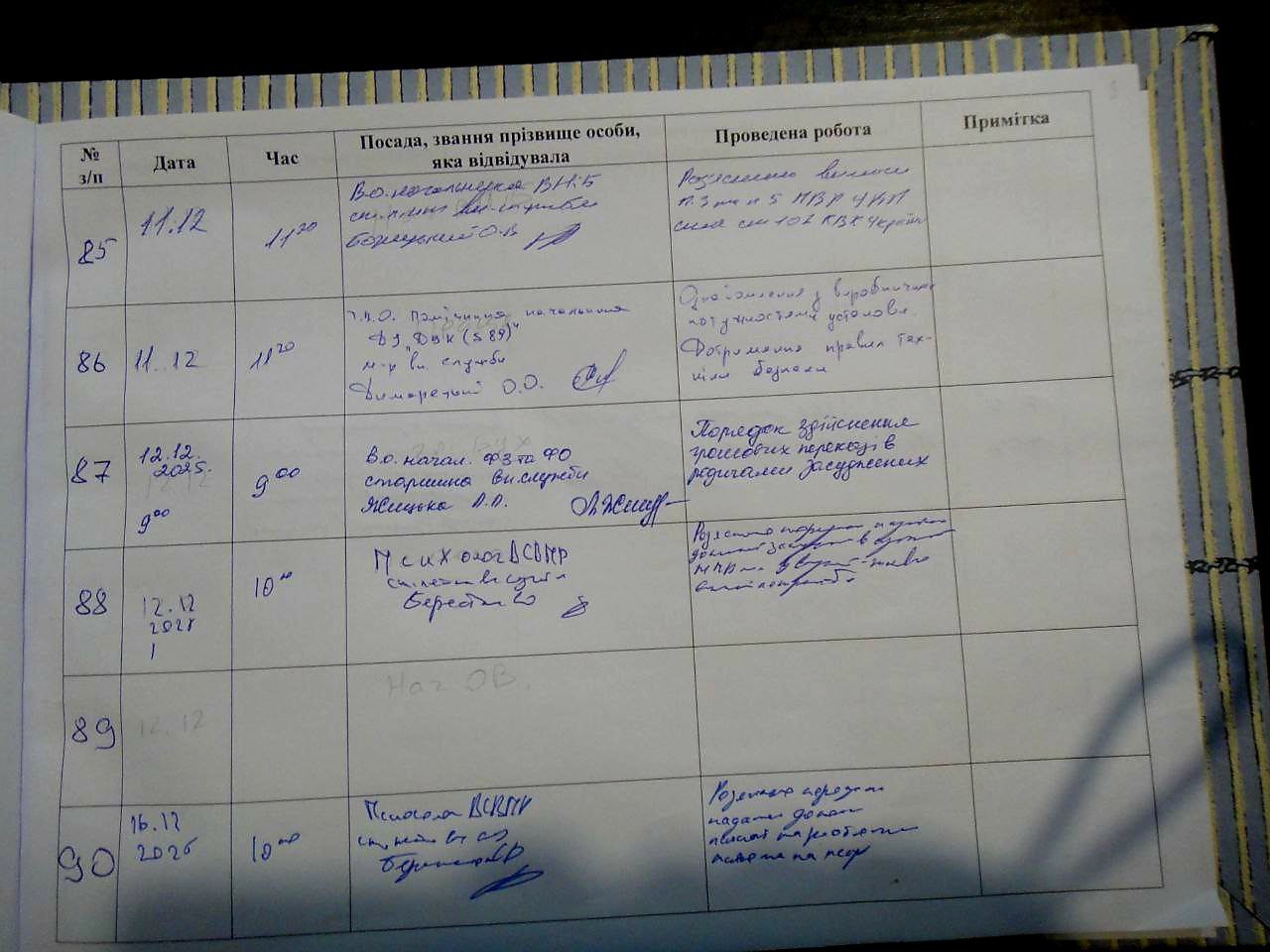
At the same time, during the inspection of the logbook of visits to the QDPU unit by the administration, it was established that significant gaps (blank lines between entries) are left between individual entries, which creates the possibility of further entering information about the conduct of measures retroactively and testifies to the formal nature of maintaining the mentioned logbook.
10. The state of the furnishing of the institution’s disciplinary isolation unit (hereinafter — DIU/CTP) does not fully comply with the established standards for the treatment of prisoners and does not ensure proper detention conditions, taking into account their individual needs. In the Report of the Government of Ukraine on the results of the visit to Ukraine in 2012, the Committee notes that any solitary confinement cells must have a living area of not less than 6 m² (excluding the integrated sanitary unit), and the distance between the walls of the cell must be at least 2 m (CPT/Inf (2013) 23, paragraph 45).
At the same time, the monitoring group established the use of cell premises for the detention of prisoners that do not comply with the mentioned recommendations. In particular, in DIU cell premises Nos. 24, 25, 26, as well as SMS No. 20, the distance between opposite walls is less than 2 m. Due to the lack of free space in the mentioned DIU premises, there are no benches or tables, which deprives prisoners serving disciplinary penalties of the possibility of eating meals in proper conditions, reading, writing, etc.
Furthermore, the monitoring group established the use of cell premises No. 16 of the SMS, the area of which, according to the area measurement report of the structural units, is less than 5.4 m², which also does not comply with the mentioned requirements.
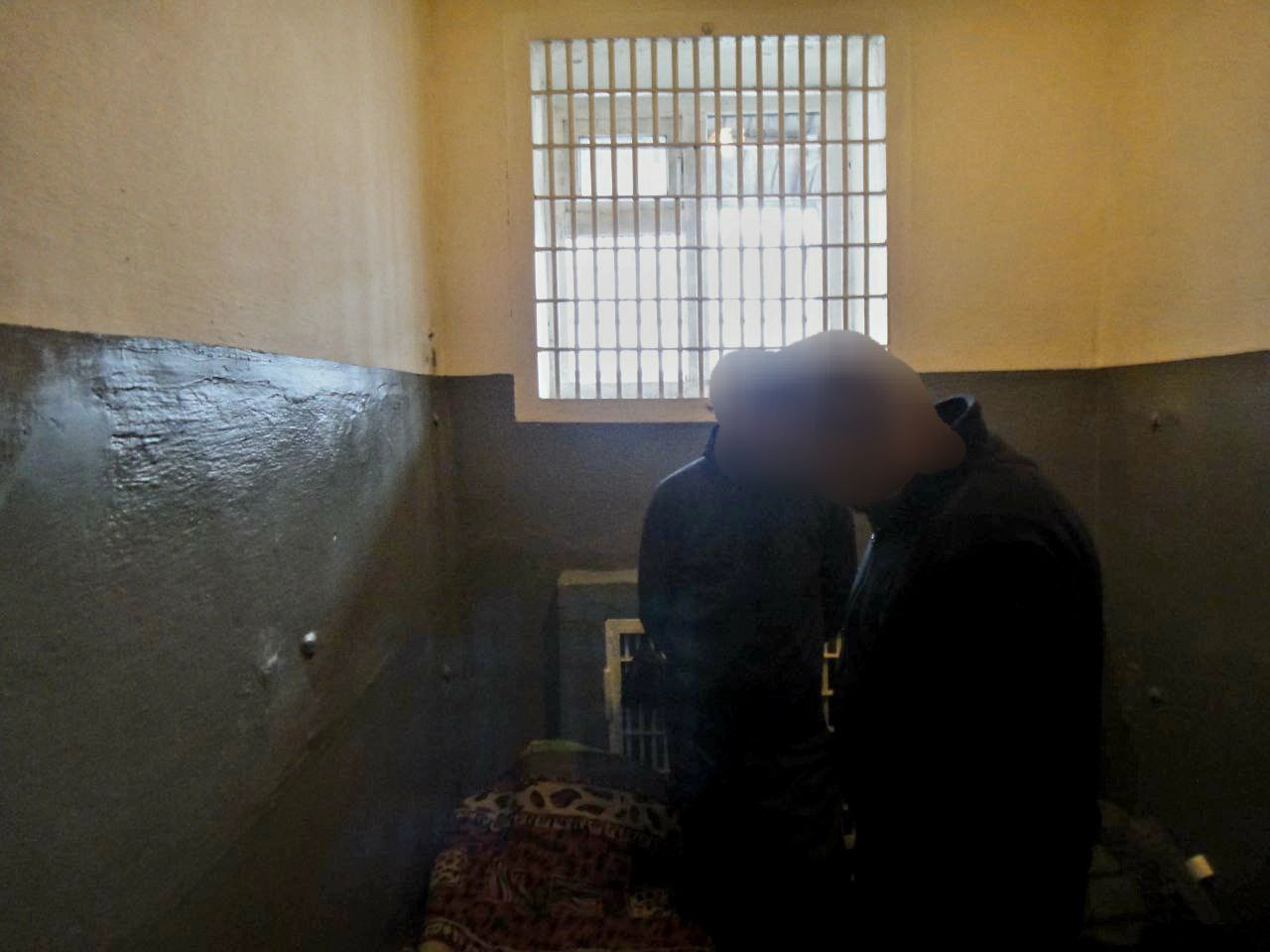
11. Due to the excessive barring of windows in the DIU cell premises, a sufficient level of natural lighting is not ensured, which does not comply with the requirements of Rules 13 and 14(a) of the UN Standard Minimum Rules for the Treatment of Prisoners.
12. In violation of the requirements of Rule 22.5 of the European Prison Rules, certain cell premises are not equipped with drinking water tanks.
13. Certain cell premises require repair work, in particular the replacement of sanitary and technical equipment. Furthermore, the bathrooms in certain cell premises are not equipped with doors and sufficient partitions that ensure the possibility of privacy, which violates the requirements of Rule 19.3 of the European Prison Rules.
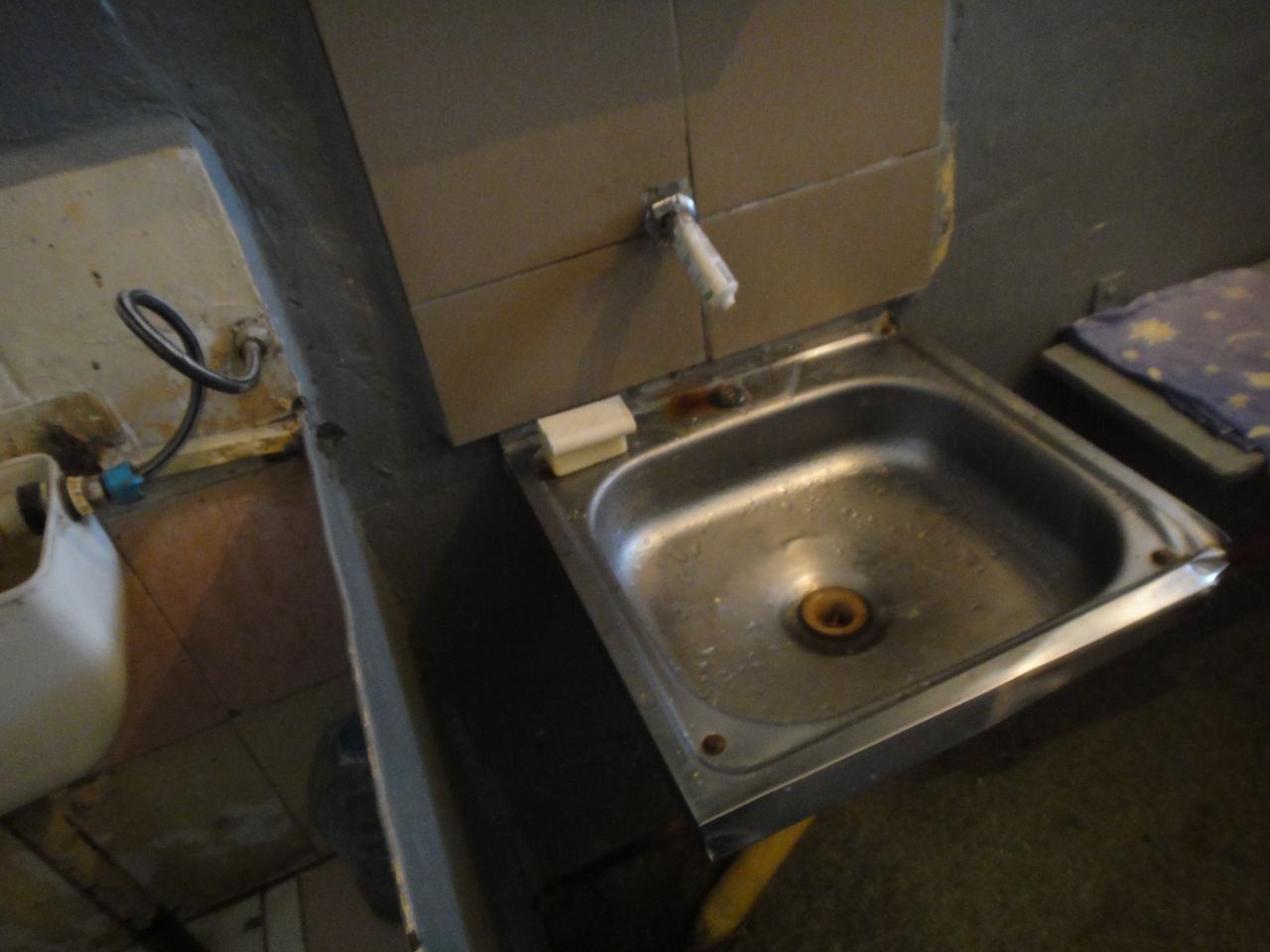
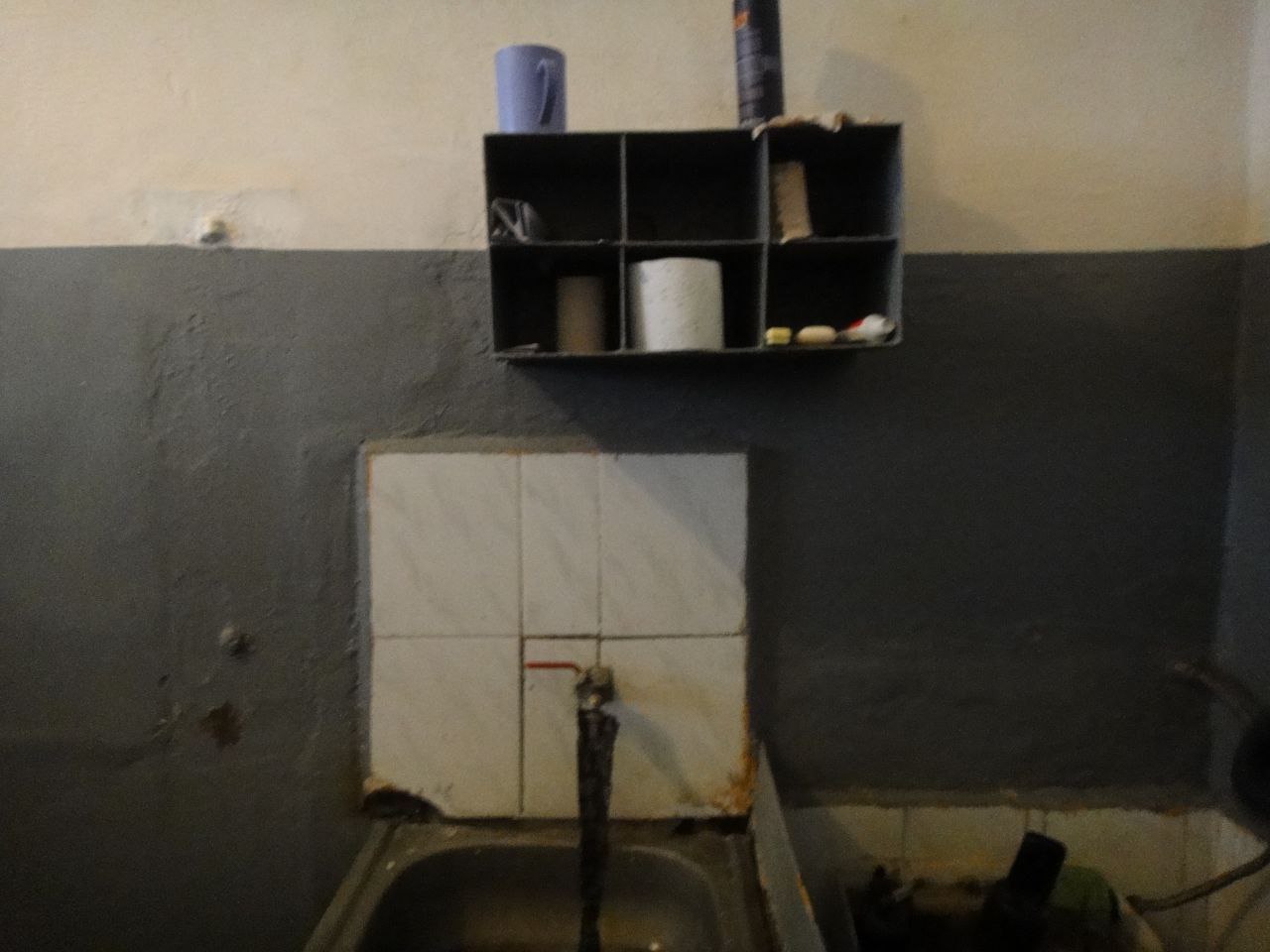
14. The supply and exhaust ventilation in the premises is not working.
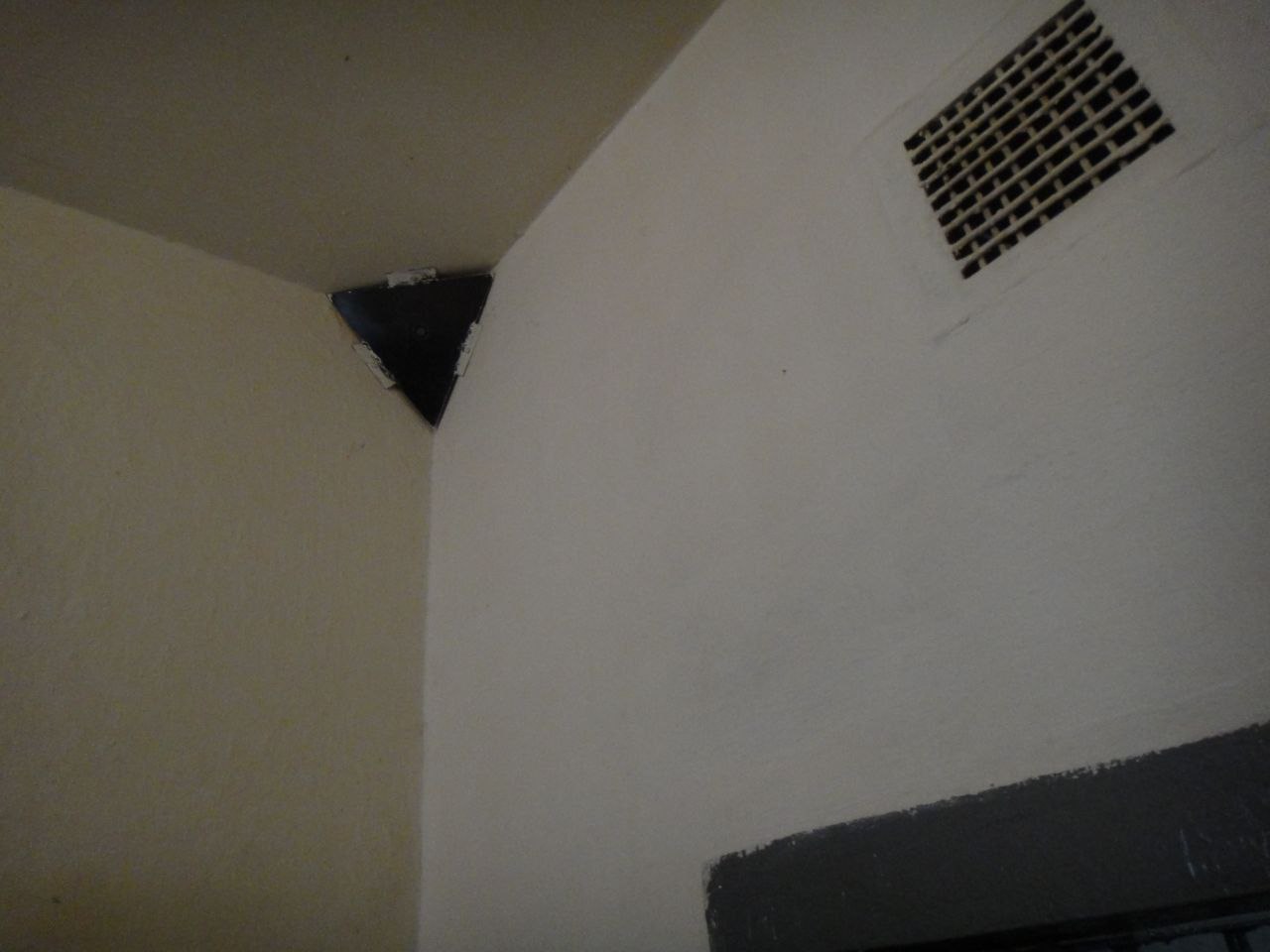
15. In the DIU cell premises, the monitoring group recorded violations of the temperature regime. At the time of the inspection, the air temperature in the premises was +16°C, whereas, in accordance with Paragraph 1 of Section XXII of the Internal Regulations of Penal Institutions, during the cold season, the temperature in living quarters must be maintained at a level no lower than +18°C.
Thus, the DIU/CTP premises do not comply with the requirements of Part 1 of Article 115 of the CEC of Ukraine, as well as Rules 13, 14, 15, and 22.2 of the UN Standard Minimum Rules for the Treatment of Prisoners (the Mandela Rules). These circumstances, taken together, may be regarded as degrading to human dignity and contrary to Article 3 of the Convention for the Protection of Human Rights and Fundamental Freedoms.
At the same time, in the Report of the Government of Ukraine on the results of the visit in 2023, the Committee called upon the Ukrainian authorities to take the necessary measures to improve material conditions of detention, in particular to ensure that all places of accommodation for prisoners and detainees, including sanitary facilities, are kept in a proper state of repair and hygiene; that disinfestation is carried out regularly and frequently; that there is sufficient access to natural light and ventilation in the cells; and that internal sanitary facilities are fully equipped with floor-to-ceiling partitions (CPT/Inf (2024) 20, paragraph 58).
16. In violation of the requirements of the Provision Norms, the DIU/CTP lacks separate rooms, namely: a room for receiving prisoners by the administration and medical staff, a room for storing prisoners’ personal belongings, a room for undressing and dressing, and a barbershop. The absence of these rooms or their improper furnishing leads to a violation of health and hygiene standards.
Thus, the improper organisation of the storage of personal belongings complicates the maintenance of cleanliness and order in the premises where prisoners are held, which worsens the overall sanitary situation in the institution. The absence of a separate room in the DIU/CTP for the reception of prisoners by medical staff, as a result of which medical examinations are conducted in the duty shift room or directly in the cell premises, creates a risk of access by institution staff and other persons among the prisoners to confidential information about the state of the prisoners’ health during examinations, medical manipulations, or procedures.
This violates the requirements of Article 39-1 of the Law of Ukraine “Fundamentals of Legislation of Ukraine on Health Care” regarding an individual’s right to confidentiality of their state of health and Paragraph 9 of Section I of the Procedure for Organising the Provision of Medical Assistance to Prisoners, approved by Joint Order of the Ministry of Justice of Ukraine and the Ministry of Health of Ukraine No. 1348/5/572 dated 15 August 2014 (hereinafter — the Procedure).
17. Paragraph 1 of Section XXIII of the Internal Regulations of Penal Institutions defines that supervision of prisoners is a system of measures aimed at ensuring the serving and execution of criminal sentences in the form of restriction of liberty, imprisonment, life imprisonment, and arrest through 24-hour and constant monitoring of prisoners’ behaviour in places of their residence and work, preventing and stopping illegal actions on their part, and ensuring the requirements of prisoner isolation and the safety of penal institution personnel. During the inspection of the DIU cell premises, a surveillance camera was recorded.
At the same time, in the report on the results of the visit to Ukraine in 2012, the Committee critically assessed the practice of excessive interference in the private life of prisoners through the installation of video cameras in living quarters. In particular, it was noted that any decision regarding the use of video surveillance in relation to a specific prisoner must be based on an individual assessment of real risks and be subject to regular review. The Committee emphasised that video surveillance constitutes a serious interference in the private life of prisoners and makes the detention regime even more repressive, especially in the case of its prolonged use (CPT/Inf (2013) 23, paragraph 52).
18. During the visit to the DIU/CTP, it was established that prisoners serving disciplinary penalties were not issued a copy of the decision on the application of the penalty to them, with an indication of the possibility and procedure for appealing it, which contradicts Article 135 of the Criminal Executive Code of Ukraine.
At the same time, in the Report of the Government of Ukraine on the results of the visit in 2023, the Committee recommends taking measures in Ukrainian penitentiary institutions to ensure that prisoners to whom a disciplinary penalty has been applied systematically receive a copy of the corresponding decision. Furthermore, prisoners should be informed of their right to access a lawyer in the context of disciplinary proceedings (CPT/Inf (2024) 20, paragraph 103).
19. The monitoring group established cases where a psychological profile was not attached to the case materials regarding the placement of prisoners in the disciplinary isolation unit by the institution’s psychologist, which indicates that no corresponding psychological assessment of such persons was conducted. This is a violation of the requirements of Paragraph 5 of Section V of the Typical Job Descriptions of a Psychologist of a Penal Institution and Pre-trial Detention Centre, approved by Order of the Ministry of Justice of Ukraine No. 2300/5 dated 4 November 2013, which provides for the psychologist’s duty to participate in the consideration of materials regarding the placement of prisoners in the disciplinary isolation unit and to provide corresponding conclusions.
20. In the sector of maximum security (SMS), there is no educational work room, no QDPU unit cell, and no doctor’s office for outpatient reception of patients, which contradicts the requirements of the Provision Norms and creates obstacles to the provision of timely medical assistance to persons held there. Furthermore, in the mentioned sector, there is no room for performing religious rites, which is a violation of the requirements of Paragraph 8 of Section XX of the IRIPI and the Provision Norms.
21. Certain exercise yards do not have sufficient shelter from atmospheric precipitation. At the same time, the Committee has repeatedly recommended reviewing the design and size of exercise yards, “which in the best case offer a view of the sky” (paragraphs 122, 127, CPT/Inf (2014) 15).
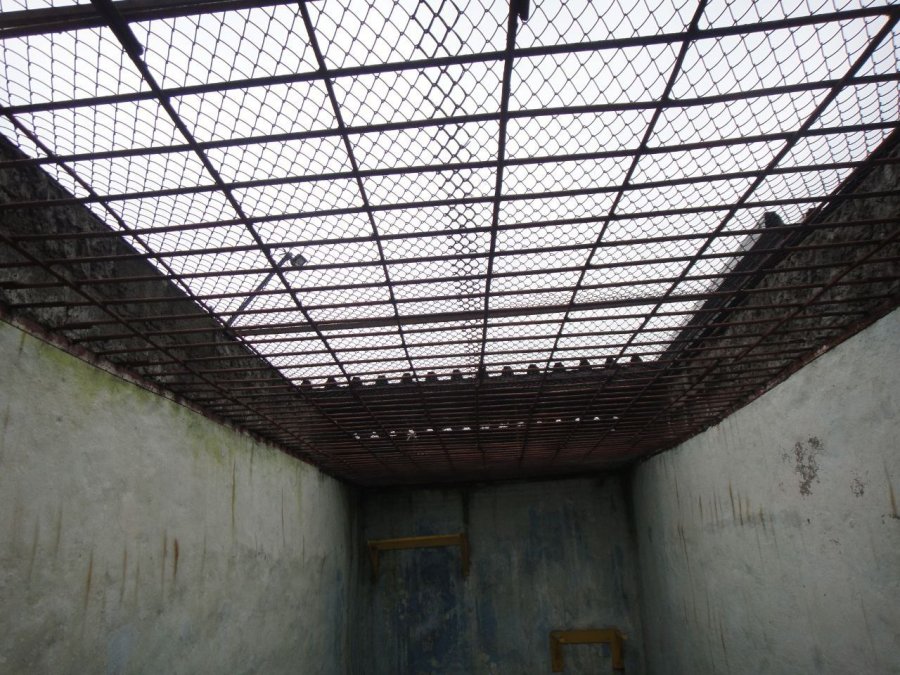
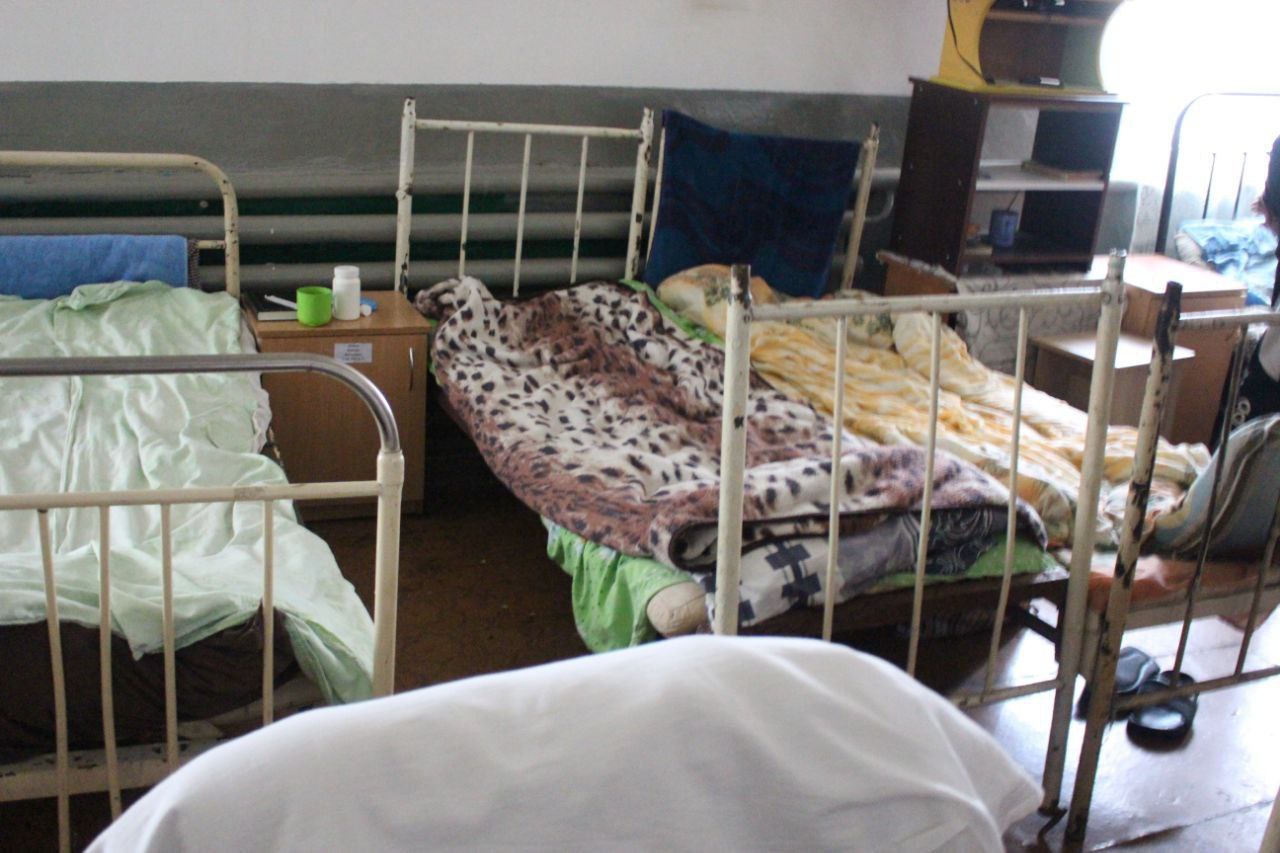
22. In certain living quarters of SPS unit No. 1, a violation of Article 8 of the Convention for the Protection of Human Rights and Fundamental Freedoms, which guarantees the right to respect for private life, was detected. In violation of Rule 18.1 of the European Prison Rules, the beds in the sleeping quarters are placed right next to each other, which makes it impossible to provide prisoners with personal space.
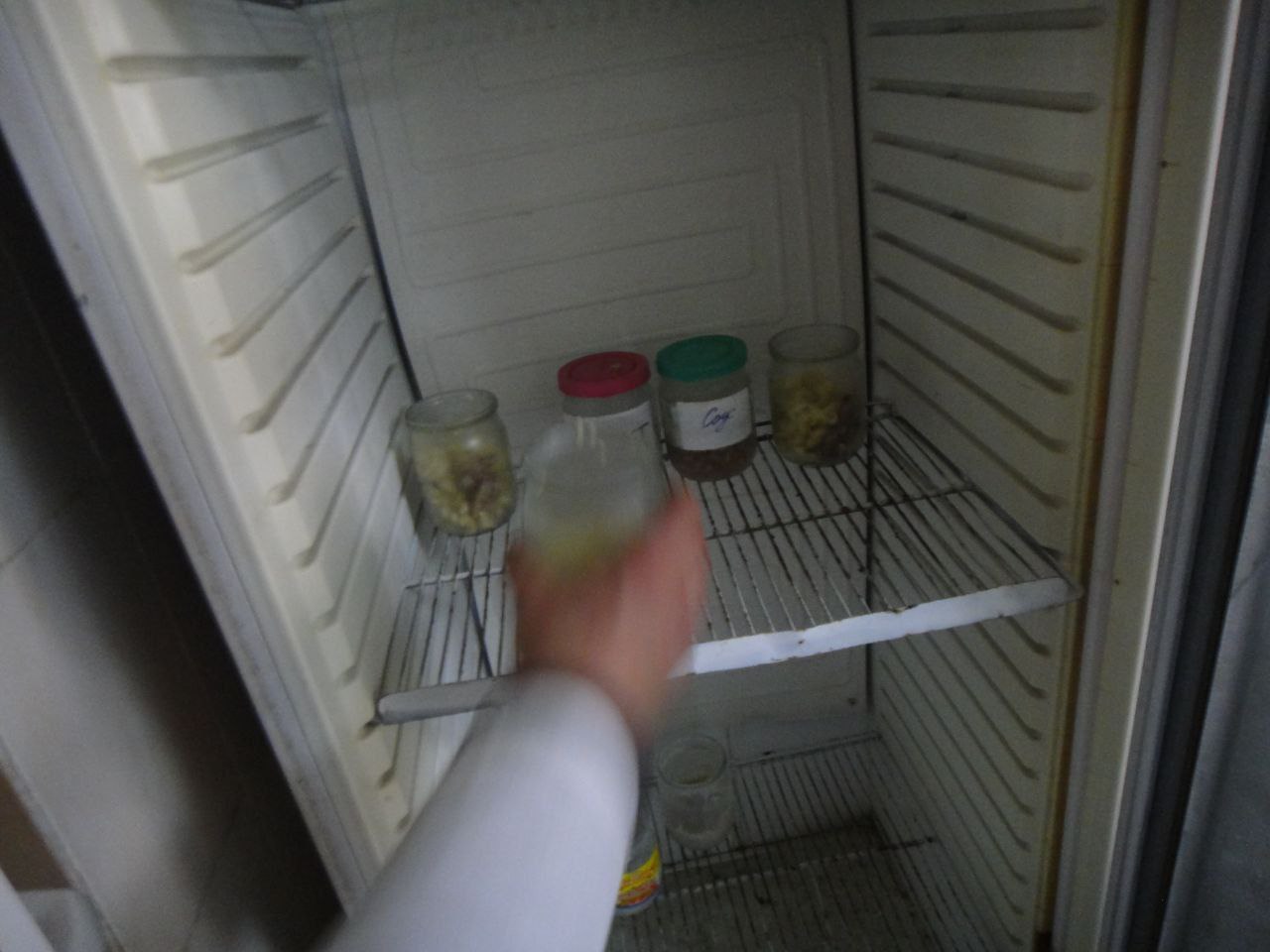
23. According to Paragraph 17 of Section V of the Regulation on the Organisation of Food Supply in the State Criminal-Executive Service of Ukraine in Peacetime, approved by Order of the Ministry of Justice of Ukraine No. 2160/5 dated 15 June 2021 (hereinafter — Regulation on the Organisation of Food Supply), daily samples of each dish of the ration must remain in the institution’s canteen. The sampling is carried out by the cook from the cauldron in the presence of a medical worker of the health care facility into a clean container with a lid (previously washed and boiled) before the food is distributed. Daily samples are stored in the canteen’s refrigerator at a temperature from +4 to +8°C and must be kept for 24 hours until the end of the similar meal on the next day.
At the same time, in violation of the mentioned requirements, during the inspection of the canteen’s refrigerator, the monitoring group established the absence of samples of breakfast dishes under norms 1A, 8B, 4A, 7A for 18 December 2025, as well as the absence of samples of lunch and dinner dishes under norms 8B, 4A, 7A for 17 December 2025.
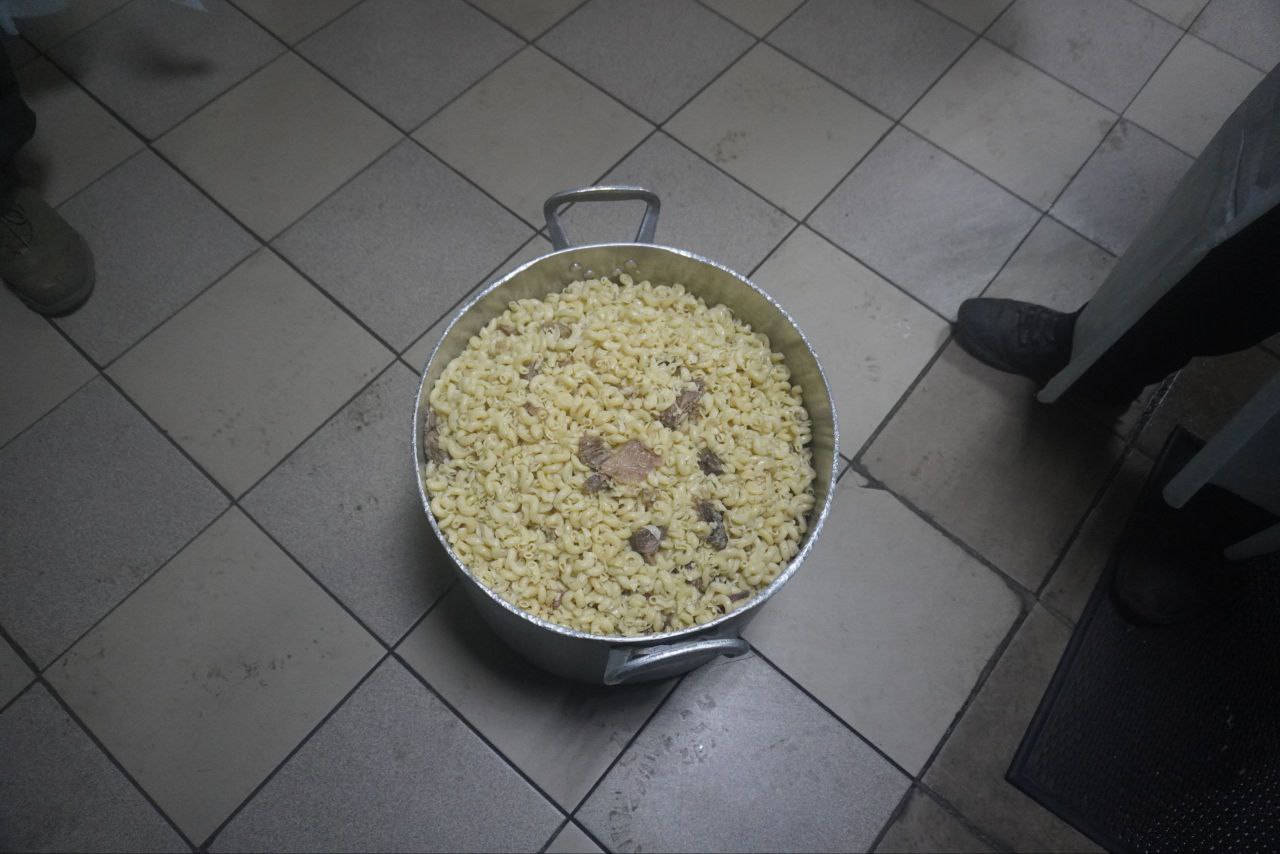
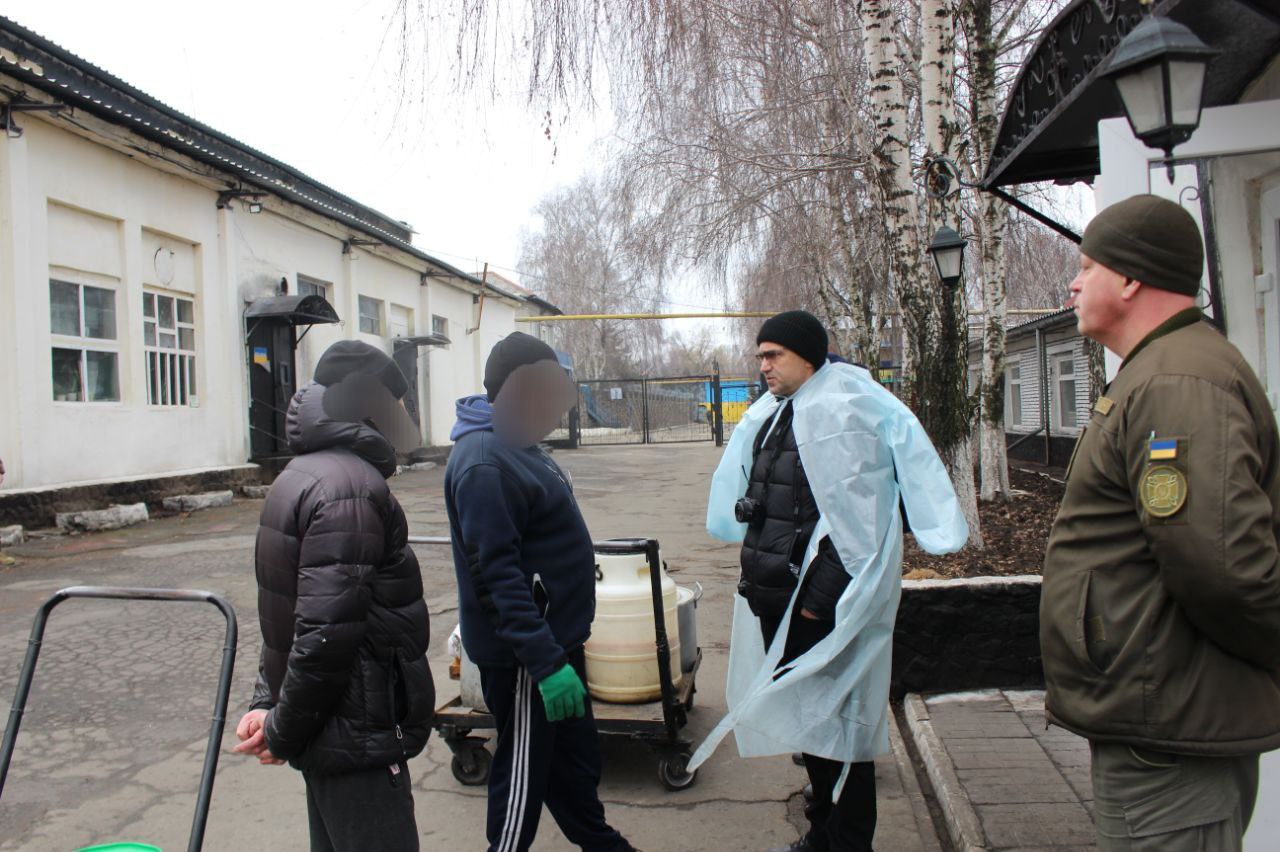
24. In violation of the requirements of Paragraph 14 of Section V of the Regulation on the Organisation of Food Supply, food for detainees and prisoners is delivered from the institution’s canteen in metal pots and plastic containers, rather than in marked thermoses.
25. During the visit to the institution, the monitoring group established that the institution’s shop lacks tobacco products, underwear, and writing paper, the availability of which is provided for by Appendix 5 to the IRIPI.
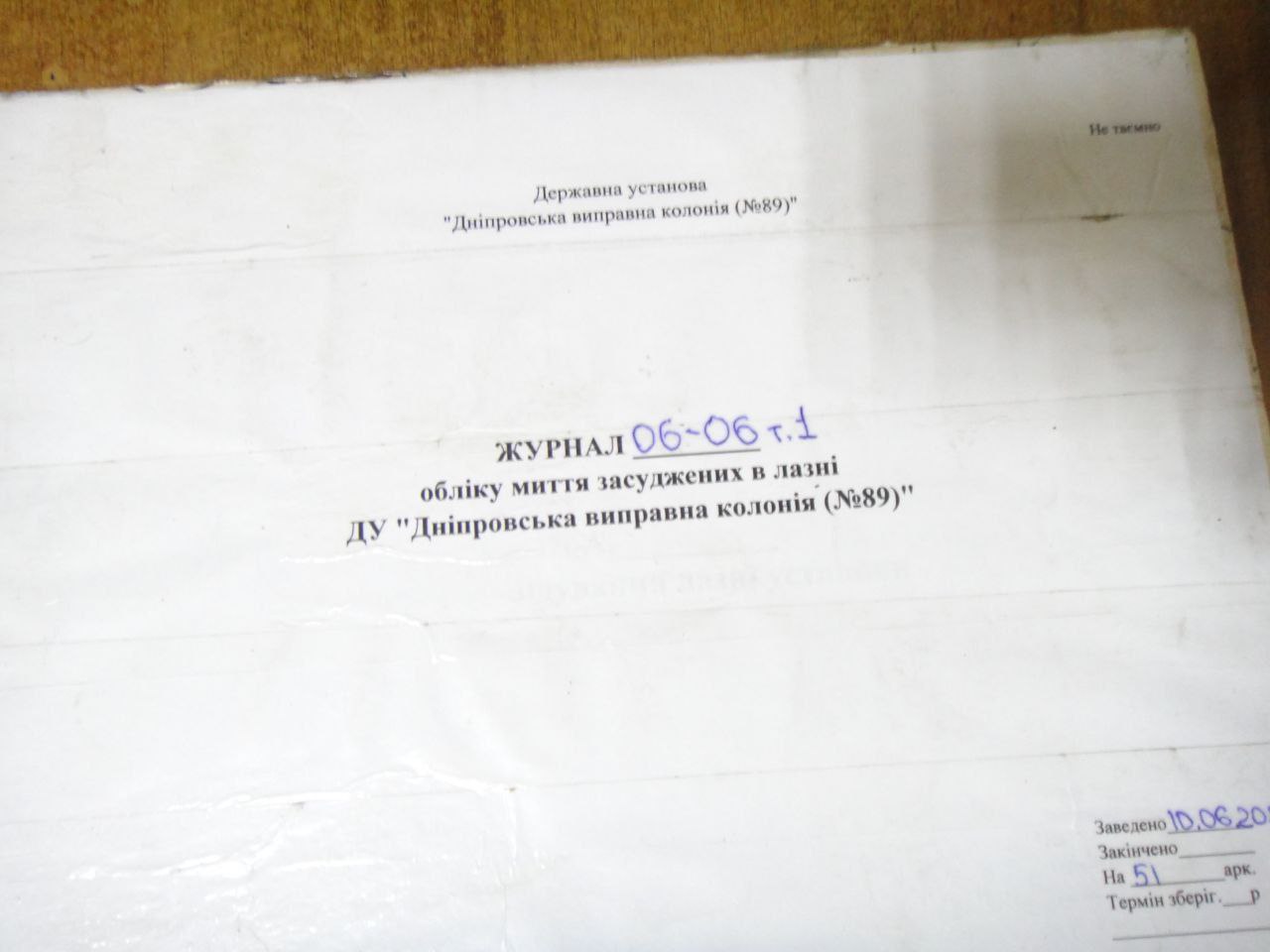
26. The monitoring group established a number of violations in the organisation of bath and laundry services for prisoners and detainees. Thus, in violation of the requirements of Paragraph 4 of Section XXII of the Internal Regulations of Penal Institutions and Paragraph 3.19 of Section III of the Regulation on the Organisation of Bath and Laundry Services for Persons Held in Penal Institutions and Pre-trial Detention Centres, approved by Order of the Ministry of Justice of Ukraine No. 849/5 dated 8 June 2021 (hereinafter — the Regulation), the fulfilment of health, hygiene, and anti-epidemic requirements is not properly ensured.
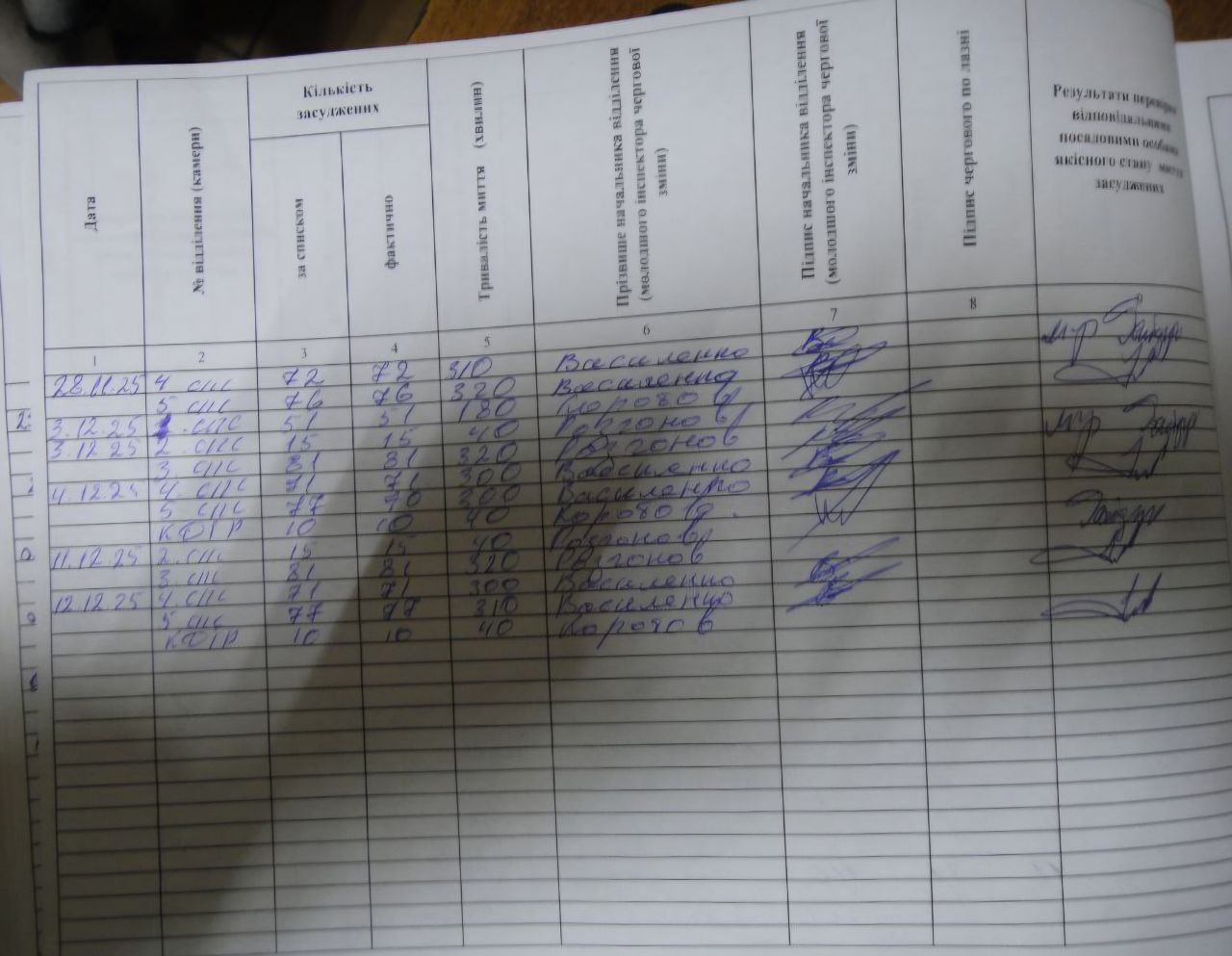
In particular, sanitary processing of prisoners arriving at the institution is not carried out. During the inspection of the institution’s bathhouse visit logbook, it was established that for prisoners who arrived at the institution on 10 December 2025 (23 persons) and 16 December 2025 (11 persons), sanitary processing was not conducted.
In violation of Paragraph 2.11 of Section II of the Regulation, the forced supply and exhaust ventilation system in the laundry room is not working. In violation of the requirements of Appendix 3 to the Regulation, the laundry lacks rooms for mending and storing clean linen, as well as staff rooms for laundry personnel.
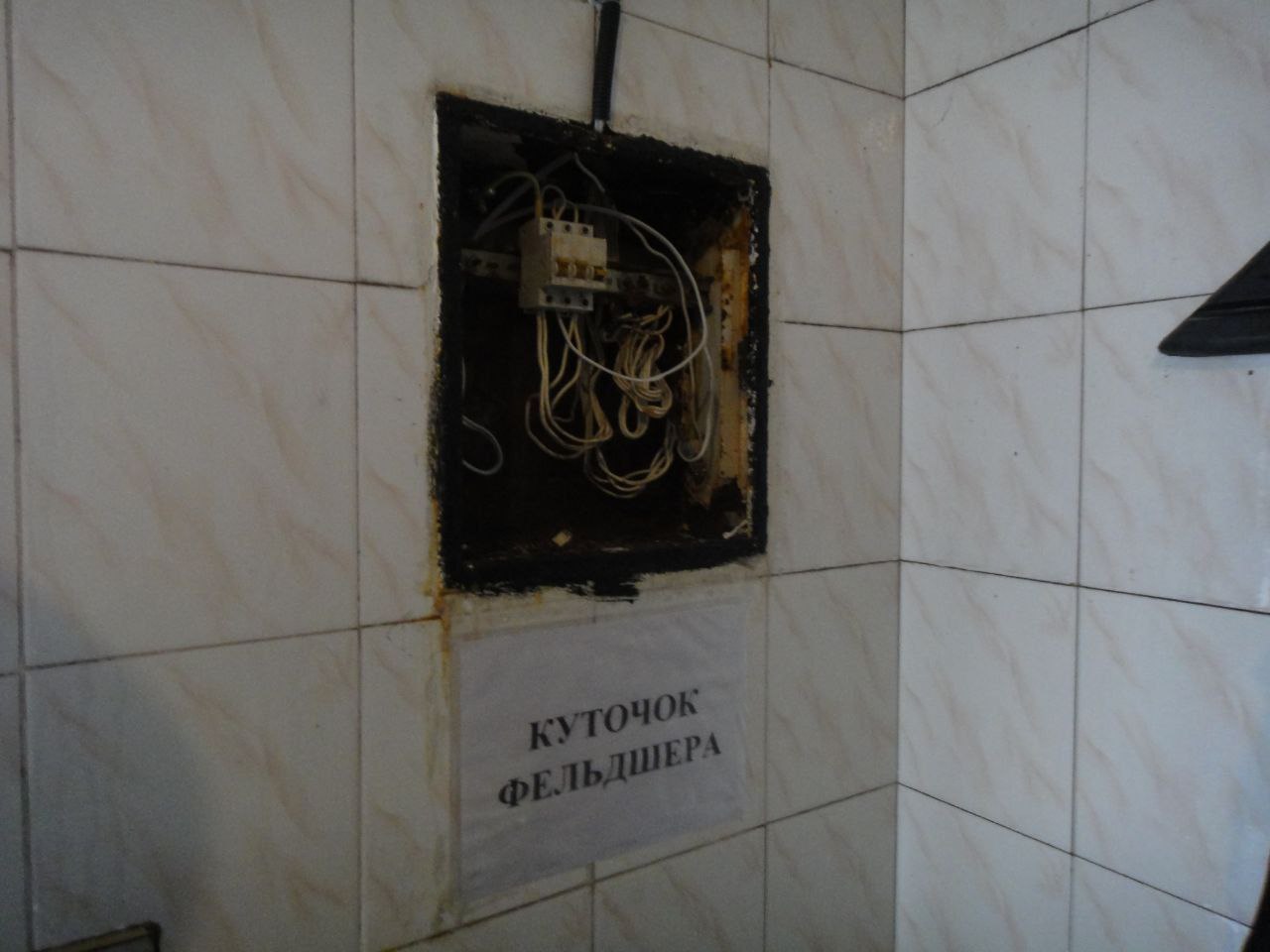
In the bathhouse premises, a violation of the requirements of the Fire Safety Rules in Ukraine, approved by Order of the Ministry of Internal Affairs of Ukraine No. 1417 dated 30 December 2014 and registered with the Ministry of Justice of Ukraine on 5 March 2015 under No. 252/26697 (hereinafter — Fire Safety Rules), was permitted. In particular, the doors of the electrical switchboard room remain open, which creates a real threat of electric shock to prisoners and institution personnel, and also increases the risk of man-made emergencies.
Furthermore, in the laundry drying room, there is a gross violation of the requirements of the Fire Safety Rules. The mentioned room is not connected to the central heating system, and the temperature is maintained through the operation of a homemade heating device placed directly under the drying laundry. This method of heating is dangerous, creates an increased risk of fire, and may lead to grave consequences, including a threat to the life and health of persons located in the institution.
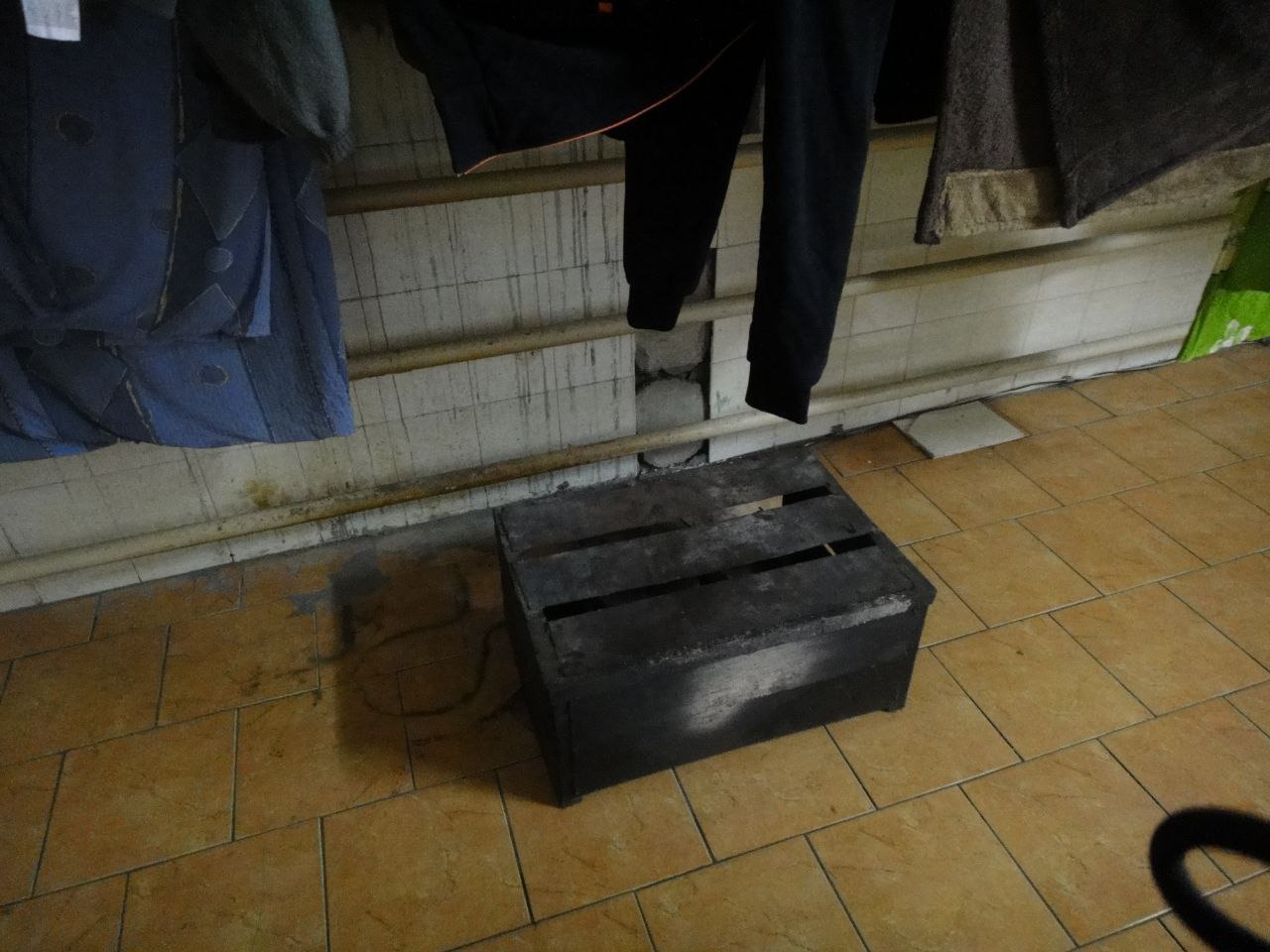
27. During the visit, the monitoring group recorded that institution personnel who are in direct contact with prisoners openly wear special equipment, in particular rubber batons. At the same time, according to the eighth paragraph of Paragraph 1 of Section XXVI of the Internal Regulations of Penal Institutions, the wearing of special equipment by penal institution personnel within the guarded territory must, if possible, be maximally hidden from the environment.
At the same time, the Committee recommends that penitentiary staff working in direct contact with prisoners should not wear special equipment (including rubber batons, handcuffs, and canisters equipped with tear gas) openly in front of prisoners, as such wearing hinders the establishment of normal relations between staff and prisoners (CPT/Inf (2011) 29, paragraph 85; CPT/Inf (2013) 23, paragraph 23; CPT/Inf (2014) 15, paragraph 166).
28. According to the information provided by the administration, since the beginning of 2025 (as of 18 December 2025), 395 short-term visits were granted to prisoners at the State Institution “Dnipro Correctional Colony (No. 89),” of which 377 took place in a contactless manner — through a solid partition glass using an intercom device.
At the same time, in the Report of the Government of Ukraine on the results of the visit in 2023, the Committee emphasises that for all categories of prisoners, open visits (for example, at a table) should be the rule, and closed visits — the exception, the application of which is permitted only on the basis of substantiated and motivated decisions after an individual assessment of the potential risk of a specific prisoner. In this regard, the Committee calls upon the Ukrainian authorities to review the procedure for conducting short-term visits in penitentiary institutions with the aim of ensuring their conduct, as a rule, in open conditions (CPT/Inf (2024) 20, paragraph 99).
29. In accordance with Subparagraph 5 of Paragraph 2 of Section IV of the Regulation on the Programme of Differentiated Educational Influence on Prisoners “Preparation for Release,” approved by Order of the Ministry of Justice of Ukraine No. 1418/5 dated 16 May 2016 and registered with the Ministry of Justice of Ukraine on 17 May 2016 under No. 735/28865, the staff of the institution’s Social-Psychological Service who directly organise and carry out measures for the implementation of the “Preparation for Release” programme are obliged to provide assistance to prisoners in the registration (renewal) of a passport of a citizen of Ukraine, a registration number of the taxpayer’s account card (RNTKK), and other personal documents, as well as in the processing of pensions.
At the same time, 12 prisoners require the preparation of a passport of a citizen of Ukraine, and 135 require the acquisition of an RNTKK, which indicates an insufficient volume of work by the Social-Educational and Psychological Work Department regarding the ensuring of the preparation of necessary documents for prisoners who do not possess them.
30. According to official documentation, the staff shortage in the institution as of 18 December 2025 is 130 authorised units. At the same time, in the Report of the Government of Ukraine on the results of the visit in 2023, the Committee emphasises that ensuring a positive climate in a penitentiary institution requires the presence of a professional team of personnel, which must be present in sufficient numbers at any moment in time in places of detention. An insufficient number of staff increases the risk of violence and intimidation between prisoners. The shortage of personnel on the front line also undermines the quality and level of measures offered to prisoners and jeopardises the prospect of preparation for release and social rehabilitation.
In this regard, the Committee calls upon the Ukrainian authorities to take decisive measures to significantly increase the number of personnel in Ukrainian penitentiary institutions where a low level of staffing is observed, with the aim of strengthening the presence of security and supervision service personnel inside the institutions, as well as to take measures to end the practice of 24-hour shifts for personnel on duty (CPT/Inf (2024) 20, paragraph 93).
31. During the monitoring visit, the state of ensuring the right of prisoners and personnel to the protection of life and safety under the conditions of a military threat was examined, in particular the existence and accessibility of civil protection shelters. The institution has a shelter; however, it is located outside the guarded zone and is actually used for prisoners who are in the Social Rehabilitation Unit (SRU), as well as for staff.
Prisoners who are held in the living zone and work in the industrial zone do not have real access to the shelter. Given the regime restrictions and the distance of the protective structure, their evacuation to the existing shelter during an air raid alert is practically impossible within a safe timeframe. Thus, the vast majority of the institution’s prisoners are effectively deprived of the possibility of using a civil protection shelter.
In the absence of alternative protected premises within the living and industrial zones, prisoners are forced to remain in ordinary buildings not designed for protection against the consequences of armed strikes, which creates a real threat to their life and health. Such a situation contradicts the state’s duty to ensure the safety of persons deprived of their liberty who are under its full control.
In accordance with national legislation in the sphere of civil protection and requirements for the fund of protective structures, bodies and institutions are obliged to organise the sheltering of people in protective structures or dual-purpose premises during military threats. Regarding prisoners, these guarantees are reinforced by their vulnerable position and the impossibility of independently choosing a safe place to be. From the point of view of criminal-executive legislation, the institution’s administration is obliged to ensure safe conditions of detention for prisoners and the protection of their life and health.
The failure to provide real access to a shelter for persons held at DCC-89 indicates a failure to fulfil this duty regarding safety measures in the conditions of armed aggression. In the context of international standards for the treatment of prisoners, the state bears increased responsibility for the life and health of persons deprived of their liberty. Conditions of detention that expose them to an increased risk during military actions without ensuring adequate protection measures may be regarded as failing to meet the requirements of humane treatment and respect for human dignity.
In general, the absence of an accessible shelter for prisoners at DCC-89 is a systemic problem of security organisation in the institution and requires urgent resolution through the furnishing of protective structures or dual-purpose premises directly within the living and industrial zones, taking into account the number of persons located there.
32. During the monitoring visit to DCC-89, an analysis was conducted of the organisation of prisoners’ labour, the terms of its formalisation, the procedure for calculating and paying remuneration, as well as the observance of social protection guarantees. The study is based on the examination of employment contracts, service contracts, work acceptance certificates, statements on remuneration calculation, lists of prisoners involved in work, materials regarding utility services, as well as logbooks reflecting actual employment at specific facilities, in particular the canteen.
It was established that prisoners’ labour is used in production units and workshops (manufacturing and assembling wire products, work in workshops), in utility services (canteen, bathhouse, repair of special clothing, auxiliary work), as well as in auxiliary work on the territory of the industrial zone. According to the administration’s information, the total number of “employed” prisoners is 154 persons, of whom 30 are formalised under employment contracts and 124 under civil-law contracts. Such a structure indicates the dominance of civil-law contracts in spheres where the actual nature of the work has the hallmarks of an employment relationship.

The provided employment contracts are formal in nature, contain general provisions about a 40-hour working week, a probationary period, and a reference to the order of the Ministry of Justice of Ukraine regarding the payment of prisoners’ labour, but they do not contain sufficient specification of essential terms, in particular the actual work schedule, days off, the specific rate of payment according to tariff or grade, supplements, and working conditions at the workplace. At the same time, it was established that prisoners are not issued copies of the employment contracts, which effectively deprives them of the possibility of knowing and proving their labour rights.
Service contracts and corresponding work acceptance certificates indicate that prisoners are involved in the manufacturing of specific products at a set price per unit. At the same time, an analysis of the content of these legal relationships shows that the work is performed on the institution’s territory using the customer’s materials, within an organised production process, and under the administration’s control. Such features correspond more to employment relationships defined by Article 21 of the Labour Code of Ukraine than to the independent activity of a contractor. A high share of civil-law contracts in this sphere creates a risk of substituting employment relationships with the aim of reducing guarantees of remuneration and social insurance.
An analysis of information about the calculation of remuneration, using the example of specific prisoners employed in production, confirms the systemic nature of their work and the structure of calculations. Thus, regarding prisoner B., a calculation of 5,865.00 UAH was recorded, of which, after deductions, 3,069.85 UAH was credited to the personal account; the “USC deduction” in the amount of 1,290.30 UAH was reflected separately. Regarding prisoner D., upon a calculation of 5,865.00 UAH, 2,932.50 UAH was credited to the personal account, while the USC in the amount of 1,290.30 UAH was also indicated. Regarding prisoner T., upon a calculation of 6,120.00 UAH, 3,266.20 UAH was credited to the personal account, and the USC was 1,346.40 UAH. These examples show that prisoners perform regular work with a significant volume of accruals, which by their nature are remuneration for labour, not a one-time reward for a separate service.
At the same time, the reflection of the USC as a “deduction” in the amount of 22% of the accrued amount raises serious legal objections, since, in accordance with the legislation, the single social contribution is paid by the employer at the expense of their own funds, not through deduction from the employee’s salary. This method of documentation creates a risk of shifting the duty of paying the contribution onto the prisoners and undermines the guarantees of their social insurance. Additionally, compliance with requirements regarding the minimum insurance contribution in cases of full employment, when the amount of accruals is lower than the minimum wage, requires verification.
Regarding prisoner Sh., who has worked in production for a long time, documents confirm his involvement in labour; however, in the provided package, there is no employment contract or information about the calculation and payment of remuneration specifically in his name. Similarly, regarding prisoner Z., who performs cleaning work in the industrial zone, there is data about actual involvement in work, but there are no documents confirming official employment, calculation of salary, and payment of contributions. In these cases, there is actual performance of work in the interests of the institution without proper documentary confirmation of the assurance of the right to remuneration and social protection.
In the canteen, a particularly problematic situation was established. Certificates regarding utility services confirm the existence of cook positions with a rate of 1; however, regarding prisoners V., T., and K., the provided materials lack documents that would simultaneously confirm the formalisation of employment relations, specific calculations, and payment of the USC. According to the tool issuance logbooks and the food quality control book, the prisoners systematically perform work on food preparation, and work without days off was recorded. Additionally, it was established that the canteen staff examination logbook by a doctor is not maintained, which violates requirements regarding safe working conditions and sanitary control.
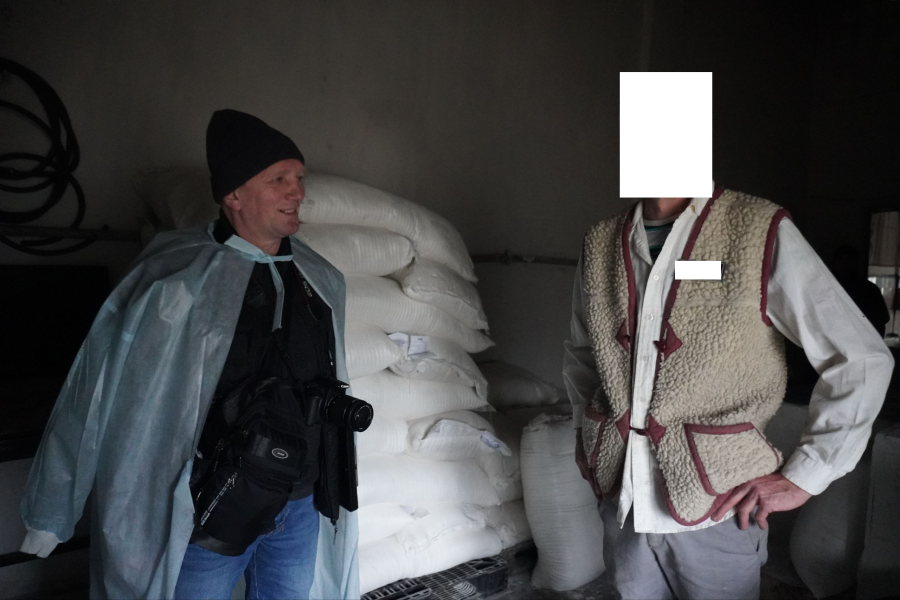
Separately, the systematic involvement of a portion of the prisoners in work in the kitchen under the guise of two hours of work on the improvement of the colony in accordance with Part 5 of Article 118 of the CEC of Ukraine was recorded, but effectively over the course of a full working day and without remuneration for labour. Such a practice does not meet the criteria for improvement work in the order of rotation and takes on the features of forced unpaid labour, which contradicts national legislation and international standards regarding the labour of prisoners.
Taken together, the established facts testify to systemic risks of violating prisoners’ right to work and social protection, in particular through the substitution of employment relationships with civil-law ones, a non-transparent system of deductions, a dubious practice of reflecting and, likely, paying the USC, the failure to issue copies of employment contracts, violations of the working time and rest regime, the failure to observe health and safety requirements and sanitary control in the canteen, as well as the use of unpaid labour outside the limits defined by law.
These circumstances indicate a failure to comply with the requirements of the Criminal Executive Code of Ukraine, the Labour Code of Ukraine, the Laws of Ukraine “On Remuneration of Labour” and “On the Collection and Accounting of the Unified Contribution for Compulsory State Social Insurance,” as well as international standards, in particular the European Prison Rules and the UN Standard Minimum Rules for the Treatment of Prisoners, which require that prisoners’ labour should not be of an exploitative nature and should be accompanied by proper guarantees of remuneration, safety, and social protection.
Recommendations:
1. Ensure compliance with the minimum living space standard of at least 4 m² per prisoner in the Quarantine, Diagnostic, and Placement Unit and the Social-Psychological Service units by redistributing prisoners, reducing occupancy levels, or phasing out overcrowded rooms until the violations are eliminated, in accordance with Article 115 of the Criminal Executive Code of Ukraine and international standards.
2. Bring the detention conditions in living quarters into compliance with the requirements of the Criminal Executive Code of Ukraine, the Internal Regulations of Penal Institutions, and the European Prison Rules; in particular, ensure sufficient distance between beds, an appropriate level of privacy, natural lighting, ventilation, and temperature control, as well as eliminate dampness and technical defects in the premises.
3. Equip all living and cell-type premises with drinking water tanks, the necessary number of bedside tables, stools, and other inventory in accordance with the Provision Norms.
4. Ensure the availability and proper furnishing of all auxiliary rooms provided for by the Provision Norms in living units and in the DIU/CTP, including rooms for the storage of food products, clean and dirty laundry, prisoners’ personal belongings, cloakrooms, drying rooms, utility rooms, as well as rooms for medical examinations, in compliance with confidentiality requirements.
5. Ensure strict compliance with the established 14-day period for newly arrived prisoners to stay in the Quarantine, Diagnostic, and Placement Unit, the completeness of medical, psychological, and other assessments prior to making decisions on their distribution, and bring the activities of the distribution commission into compliance with Article 95 of the Criminal Executive Code of Ukraine and the Regulation on the QDPU unit.
6. Ensure the actual implementation of the programme for familiarising newly arrived prisoners with the order and conditions of serving sentences, as well as the proper maintenance of QDPU unit visit logbooks without omissions or the possibility of entering records retroactively.
7. Bring detention conditions in the DIU/CTP into compliance with national and international standards, particularly regarding minimum cell area, natural lighting levels, ventilation, temperature control, furnishing with furniture and sanitary partitions, and carry out necessary repairs.
8. Review the practice of using video surveillance in cell-type premises, taking into account the requirements of the right to privacy, ensure an individual risk assessment is conducted, and regularly review the appropriateness of using such a measure.
9. Ensure the unconditional handing over to prisoners of copies of decisions on the application of disciplinary penalties, with an explanation of the procedure for appealing them and the right to legal assistance, as well as the mandatory participation of a psychologist providing written conclusions.
10. Eliminate violations in the organisation of food supply, ensure the daily collection and proper storage of daily food samples, the delivery of food in marked thermoses, and the availability of all mandatory goods in the institution’s shop as provided for by regulatory acts.
11. Bring the organisation of bath and laundry services into compliance with health, hygiene, anti-epidemic, and fire safety requirements; ensure regular sanitary processing of newly arrived prisoners, the proper functioning of ventilation, the use of safe heating systems, and the elimination of fire-hazardous practices.
12. Ensure compliance with requirements regarding the concealed carrying of special equipment by personnel who have direct contact with prisoners, with the aim of reducing tension and fulfilling international recommendations.
13. Review the procedure for organising short-term visits with the aim of ensuring their conduct, as a rule, in open conditions, and restrict the use of contactless visits to exceptional, duly motivated cases.
14. Strengthen the work of the Social-Psychological Service regarding assistance in processing passports of citizens of Ukraine, registration numbers of taxpayer account cards, and other documents necessary for the realisation of social rights and preparation for release.
15. Take measures to staff the institution to the regulatory level, ensure sufficient presence of employees in living zones, and end the practice of excessively long shifts.
16. Ensure real access for all prisoners to civil protection shelters by furnishing shelters or dual-purpose premises directly within the institution’s living and industrial zones.
17. Bring the organisation of prisoners’ labour into compliance with the requirements of the Criminal Executive Code of Ukraine, the Labour Code of Ukraine, and international standards; cease the substitution of employment relationships with civil-law contracts in cases of actual employment.
18. Ensure proper written formalisation of employment relationships, the issuance of copies of employment contracts to prisoners, and a clear definition of working conditions, working time and rest periods, remuneration, and occupational health and safety measures.
19. Eliminate the practice of involving prisoners in full-time work without remuneration under the guise of short-term assistance, particularly in the canteen, and ensure remuneration for work actually performed in accordance with the law.
20. Ensure the correct calculation and payment of the Unified Social Contribution (USC) exclusively at the employer’s expense, verify compliance with requirements regarding the minimum insurance contribution, and guarantee real social protection for prisoners.