Report on the findings of the monitoring visit to Dnipro Correctional Colony No. 89
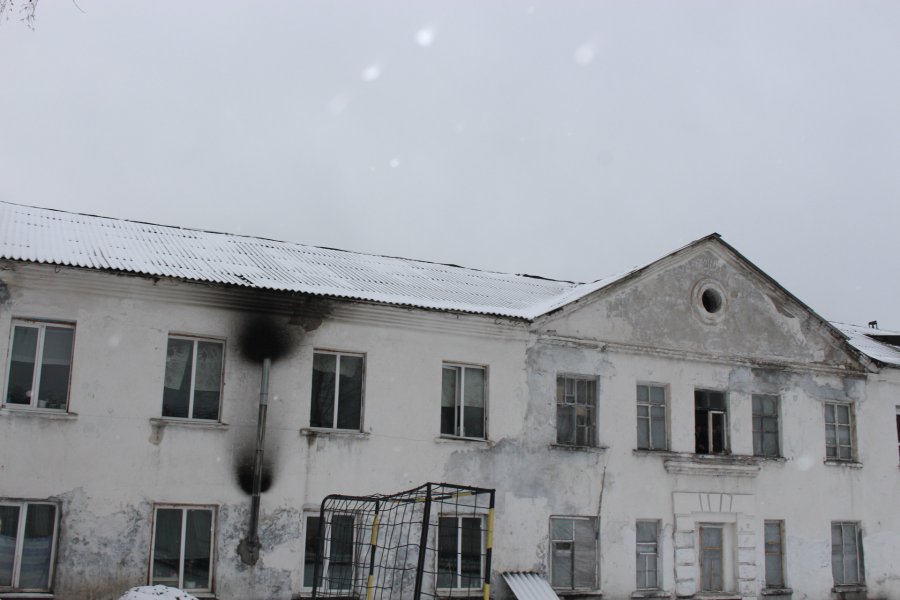
General Information
According to official data provided by the head of the institution, the staff establishment consists of 365 posts, with 260 currently filled. Over the current year, 646 people have arrived at the institution. At the time of the visit, seven inmates and 609 convicted persons were being held in the institution. In 2022, 22 convicted persons died, and in 2023, 21. 67 people are employed: 30 under an employment contract and 37 under a civil law contract. The average monthly earnings under an employment contract are 5,989 hryvnias, and 1,689 hryvnias under a civil law contract. There are 133 people registered with HIV/AIDS, 49 are prone to suicide, 13 to self-harm, and three are escape risks. In 2022, there was one suicide case, and one in 2023.
In 2022, two people were released due to serious illness, and in 2023, four. 17 people have been released on parole this year. In 2022, 22 people died, and 21 in 2023. This year, five cases of bodily injury during their stay in the institution have been recorded. 152 people have tablets for their own use. In 2022, there were 30 long-term visits and 134 short-term visits through glass; in 2023, there were 97 long-term visits and 220 short-term visits through glass. In-person short-term visits are not practised at the institution. The institution employs one psychologist. The staff shortage is 105 employees. During 2023, 13,422 telephone calls were made.
Ahead of the visit, a request for public information was sent to the institution’s management with questions regarding the number of complaints from convicted persons submitted to the Parliamentary Commissioner for Human Rights, the prosecutor’s office in sealed form, other government bodies, and human rights organisations, as well as the number of responses to these complaints. During 2022, three complaints were sent by inmates to the Parliamentary Commissioner for Human Rights in sealed form, and this year there have been two such complaints. There were eight responses from the Human Rights Commissioner in 2022 and five in 2023. The prosecutor’s office was contacted 17 times during 2022 and four times this year. 46 letters were received from the prosecutor’s office in 2022 and 18 in 2023. 110 complaints were sent to other state bodies in 2022, and 48 in 2023. 74 complaints were sent to human rights defenders in 2022, and 81 in 2023.
During the visit, the monitoring group examined the documentation regarding the daily life of the colony and inspected the service, residential, and production premises, the arrest house, and others for their compliance with the requirements of Ukrainian legislation and international standards. The Head of the Institution is Colonel of the Internal Service Yuriy Melnyk. The monitoring group was accompanied by: the Head of Supervision and Security, Lieutenant Colonel of the Internal Service Yevhen Barannyk, and the Deputy Head for Social and Educational Work, Lieutenant Colonel of the Internal Service Mykola Kataikov.
Residential Premises
The residential and utility premises are largely outdated and in need of repair. However, repair works are being carried out. There are premises with personal space.
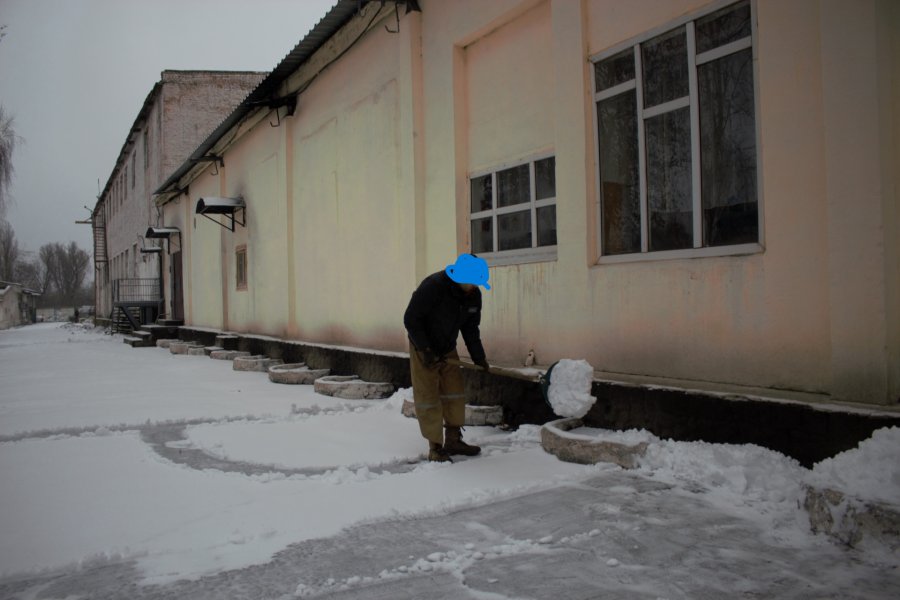
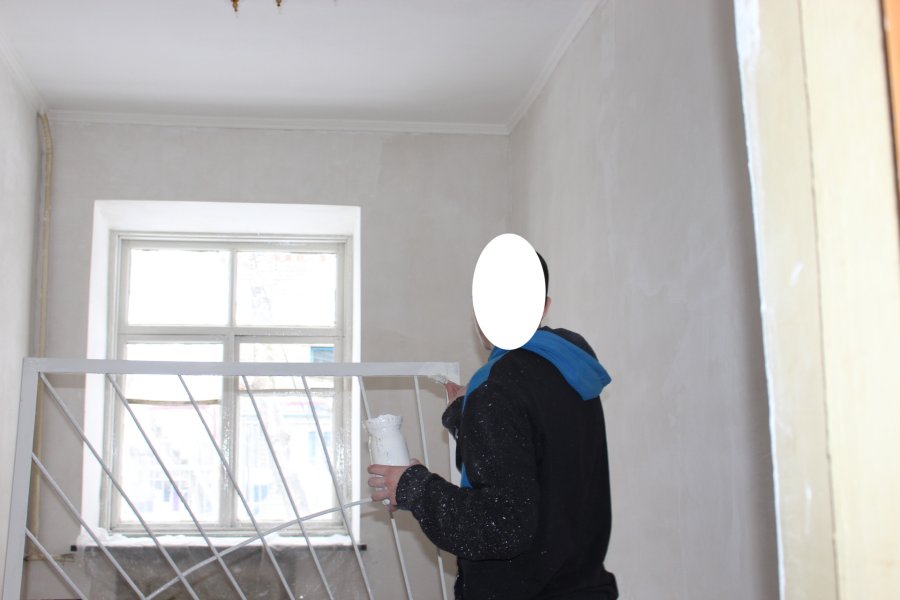
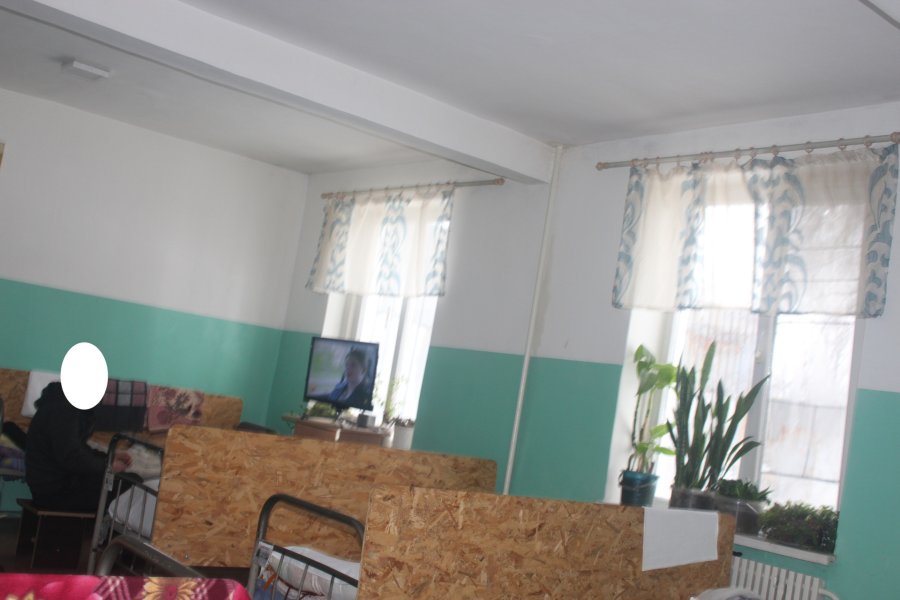
Inmate T. complained about inadequate living conditions — two toilets for 50 people, the electricity is switched off every day, and there is no internet.
Inmate P. reported that he has a tablet, but no internet access. He has to go to a special class where there is Wi-Fi. Part seven of Article 110 of the Penal Executive Code of Ukraine regulates the procedure for using the internet for convicted persons. In the context of this norm, it is stated that “convicted persons are granted the right to use the internet under the administration’s supervision”. However, this does not mean that an administration representative must watch the convicted person directly. Sufficient technical capabilities exist to monitor which sites convicted persons visit, what correspondence they send, and to which addresses. For this purpose, there are logs of email addresses and technical capabilities for monitoring the use of content, including technical restrictions on the use of internet resources not specified in the list of relevant sites. At the same time, this same seventh part of Article 110 states that “use of the global internet network is carried out during the day in time free from work and outside the time provided for eating and sleeping”. Convicted persons who do not work in production for certain reasons can use the internet service at their own expense during the day. For this, a router for distributing the internet must be installed in residential premises.
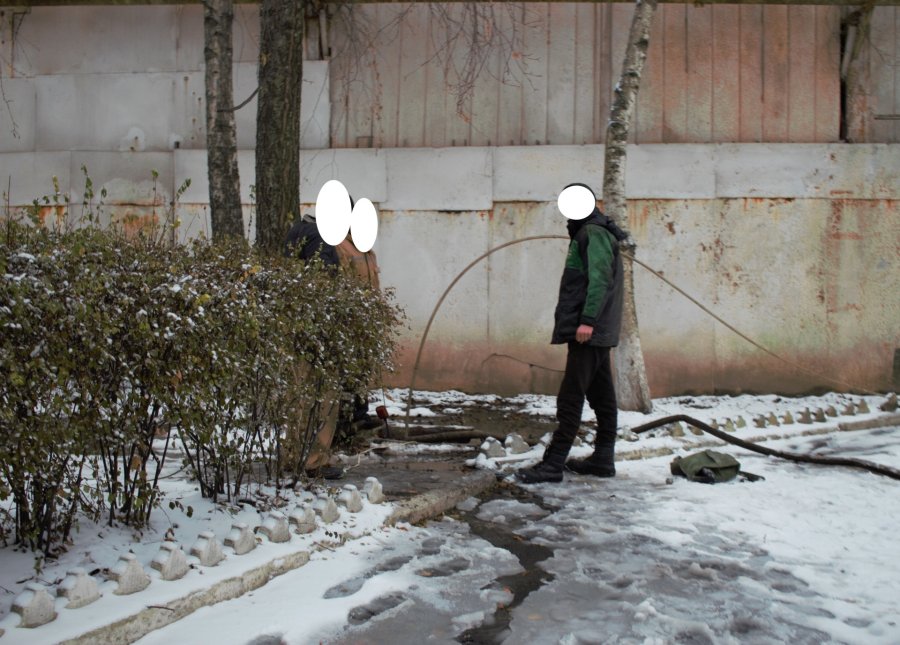
The institution’s sewerage system is outdated, and accidents occur frequently.
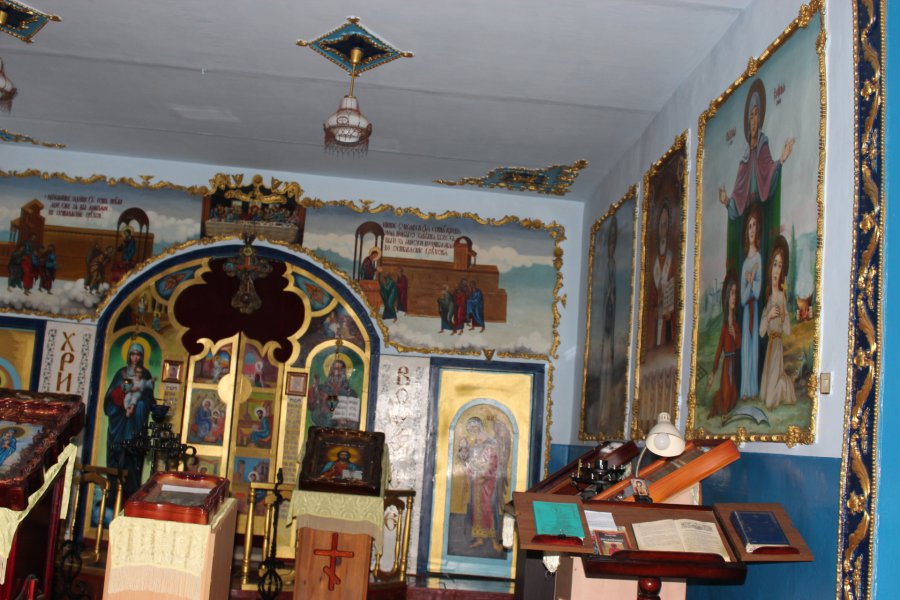
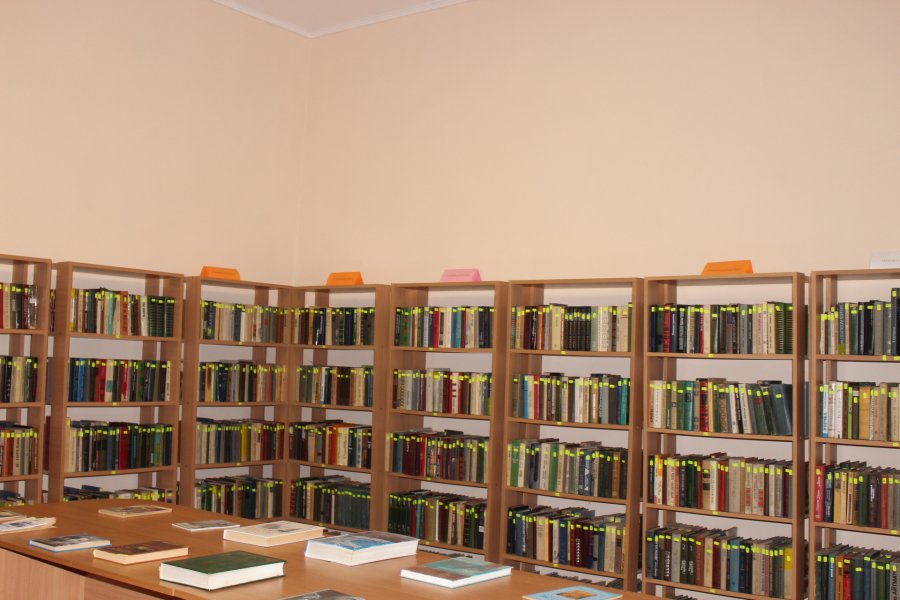
There is a church and a library on the institution’s premises.
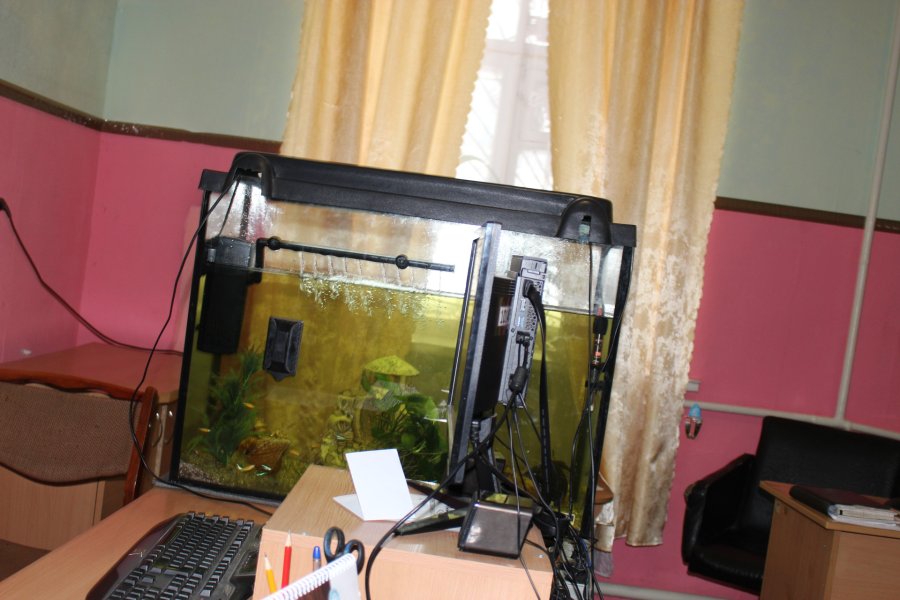
In the room presented as the internet room, representatives of the administration were working at the laptops.
Bath and Laundry Complex
The bathhouse facilities are separate for tuberculosis patients who are treated at the multidisciplinary hospital No. 89, and separate for the inmates of the DCC-89. This also applies to the washing halls and the rooms for washing laundry. Three washing machines are sufficient to service the needs of the institution.
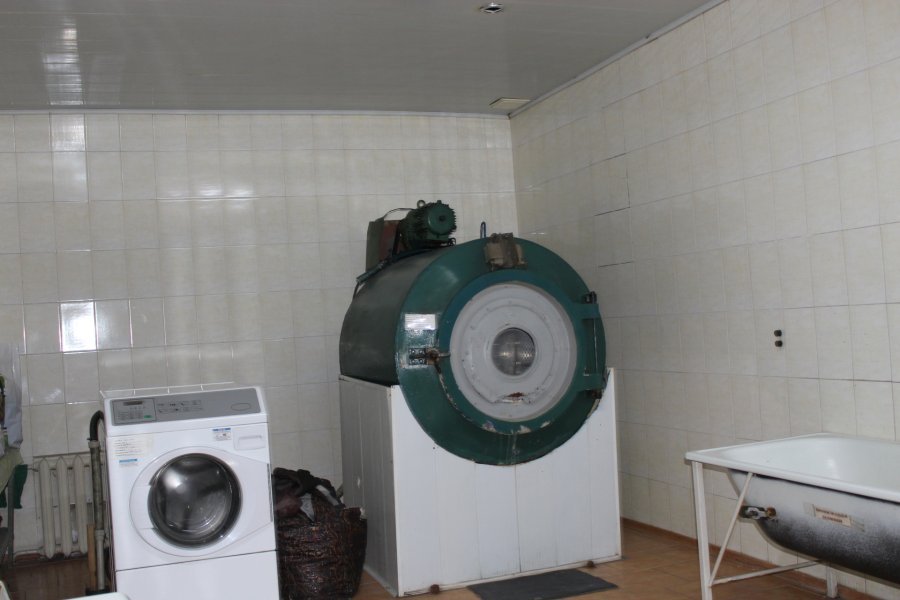
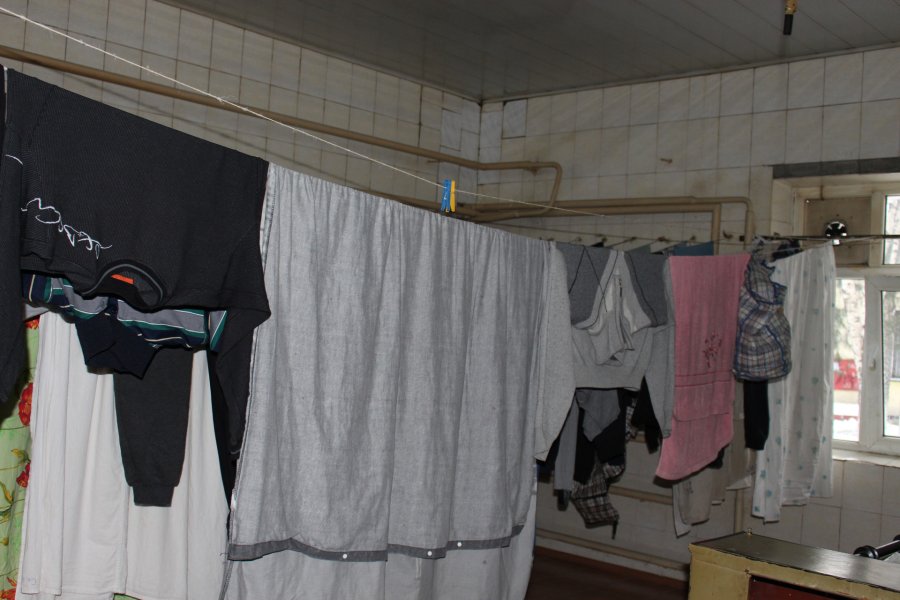
In the bathhouse, the cabins are fenced off and there are rubber mats.
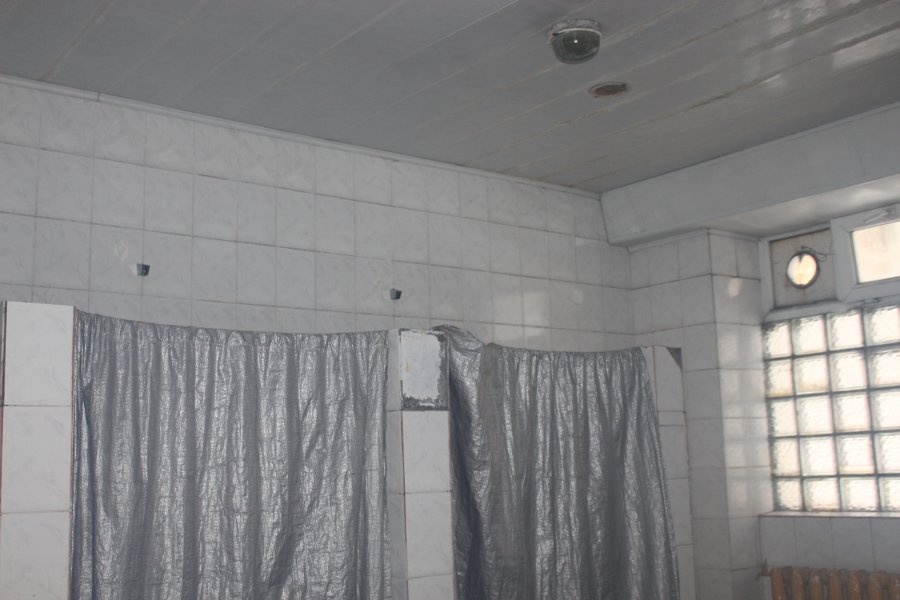
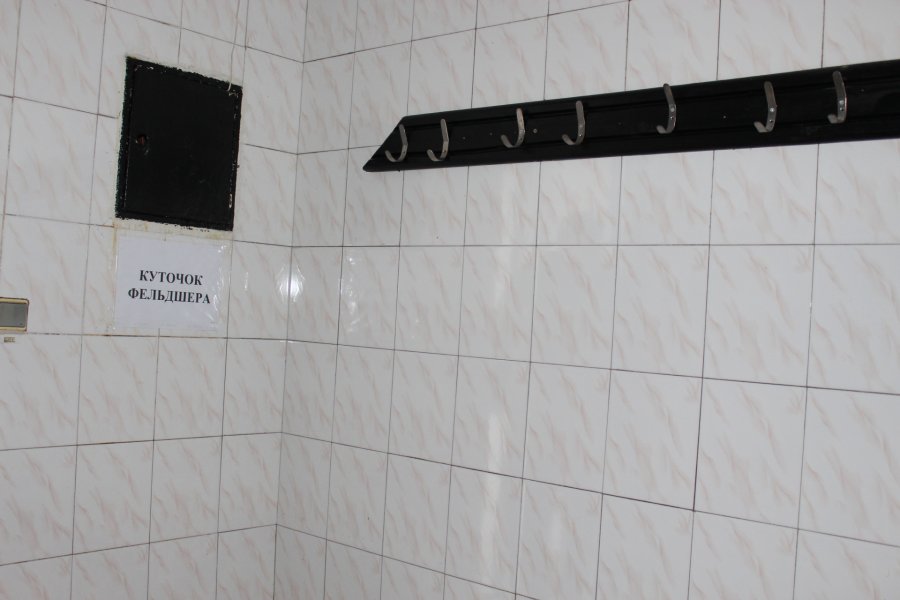
The paramedic’s corner is not fenced off, neither in the bathhouse for tuberculosis patients nor in the DCC-89.
DIZO/PKT
During the inspection of the DIZO section, monitors established that when a convicted person is placed in a disciplinary isolation ward, it is standard practice to attach a medical certificate to the file, which contains information about the state of health, diagnosis, and, according to the conclusion of which, the convicted person may be held in the DIZO, PKT, or solitary confinement cell due to their state of health. The revealed facts indicate that the institution’s staff possess confidential information regarding the health status of the convicted persons who are in the DIZO section. This violates the requirements of Article 39-1 of the Law of Ukraine “Fundamentals of Legislation of Ukraine on Health Care” regarding the right of persons to confidentiality of their health status. Furthermore, the European Committee for the Prevention of Torture or Inhuman or Degrading Treatment or Punishment has repeatedly recommended that doctors should not certify that the health of convicted persons permits their placement in DIZO/PKT. Medical workers who work in penal institutions are the personal doctors of the prisoners, which ensures a positive relationship between doctor and patient. The aforementioned undermines positive relations between convicted persons and doctors. In addition, it contradicts clause 43.3 of the European Prison Rules.
Maximum Security Sector
Those sentenced to life imprisonment are placed in cells of two or three.
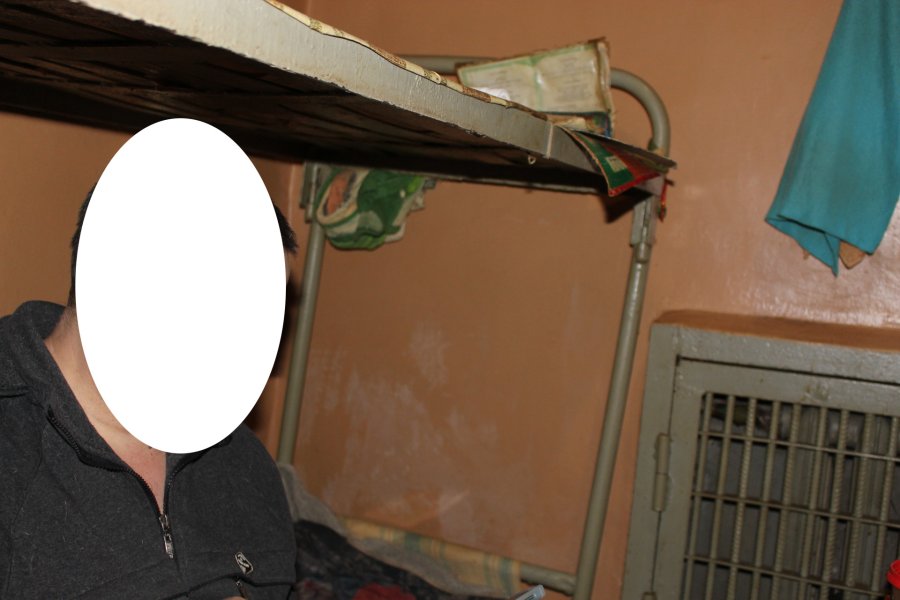
Life-sentenced prisoners have their own tablets with internet connection.
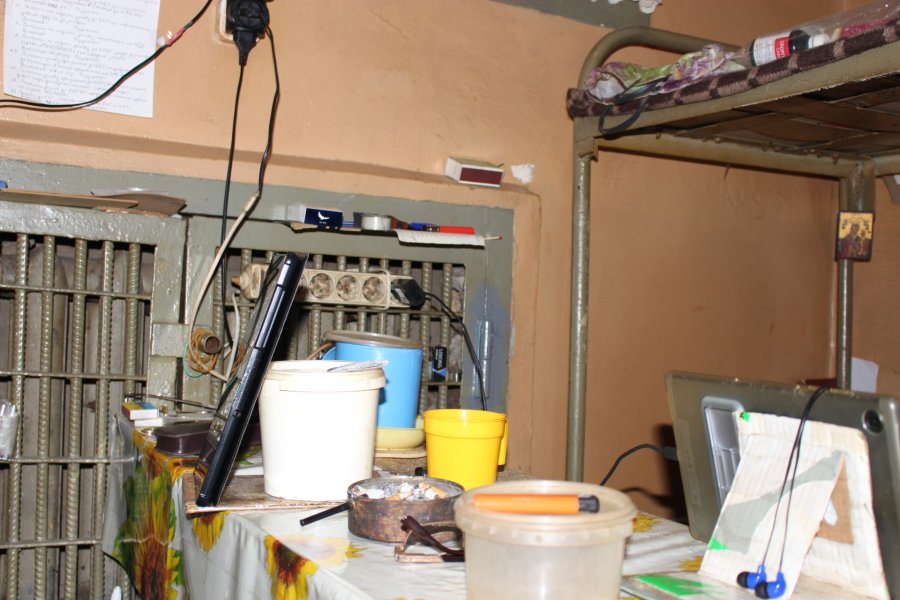
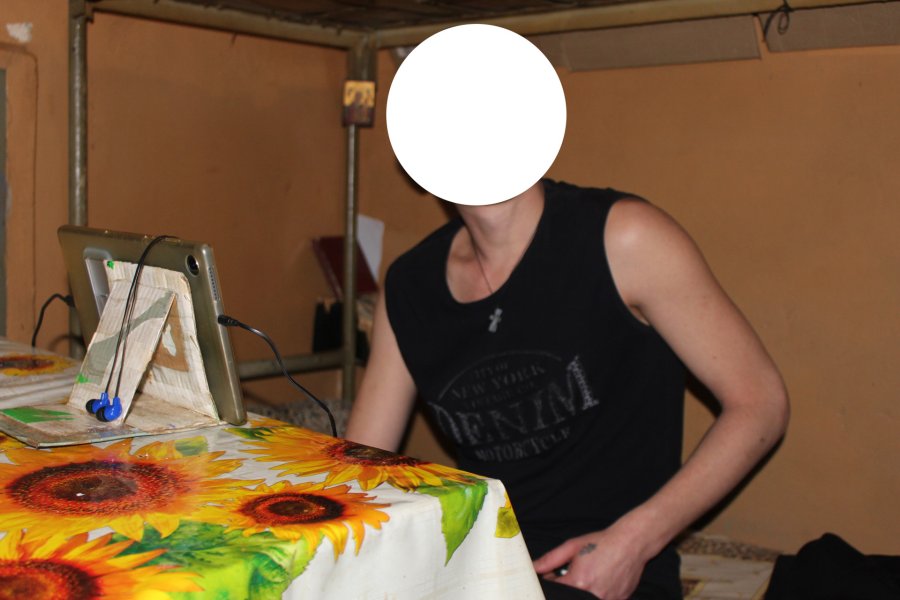
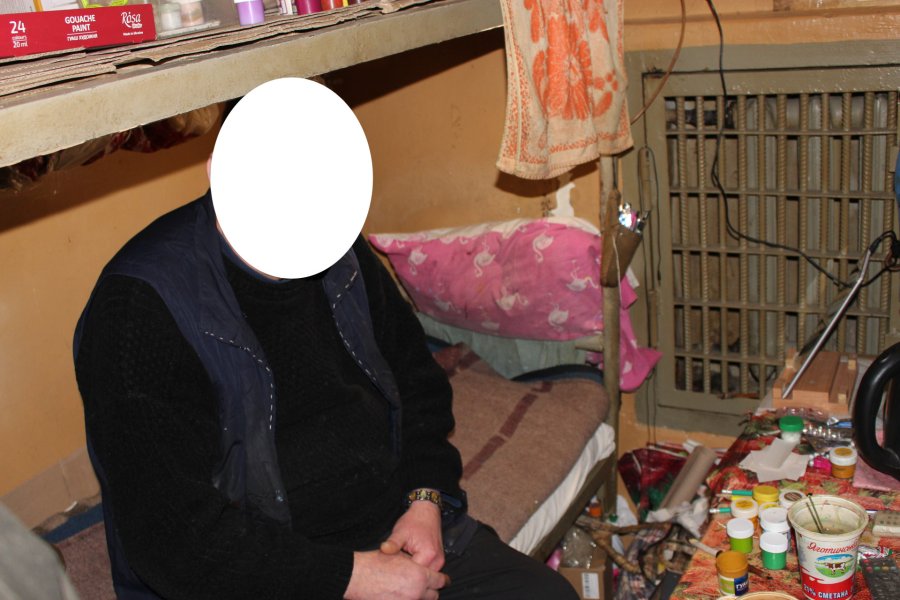
Life-sentenced prisoners are not provided with work. Some of them realise their talents in the cell.

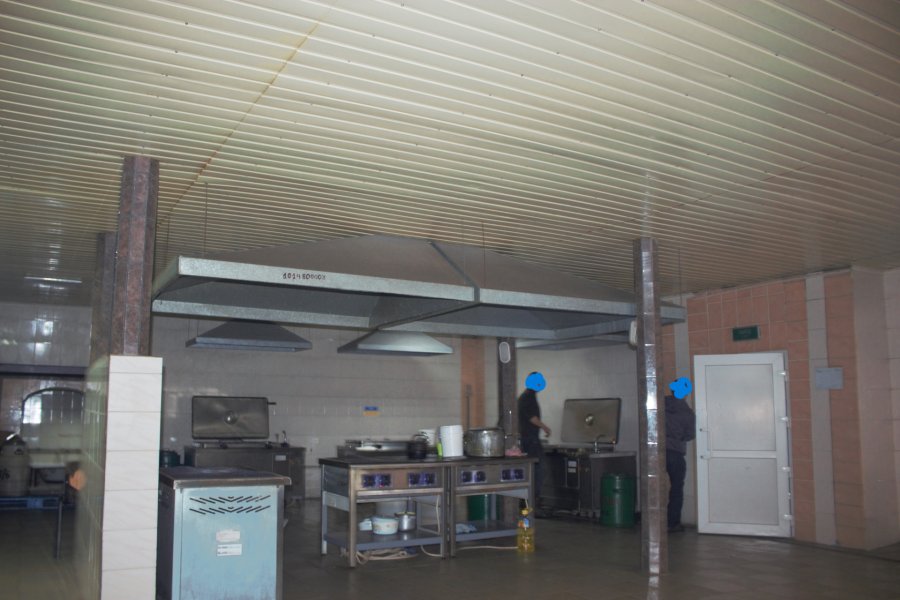
Canteen
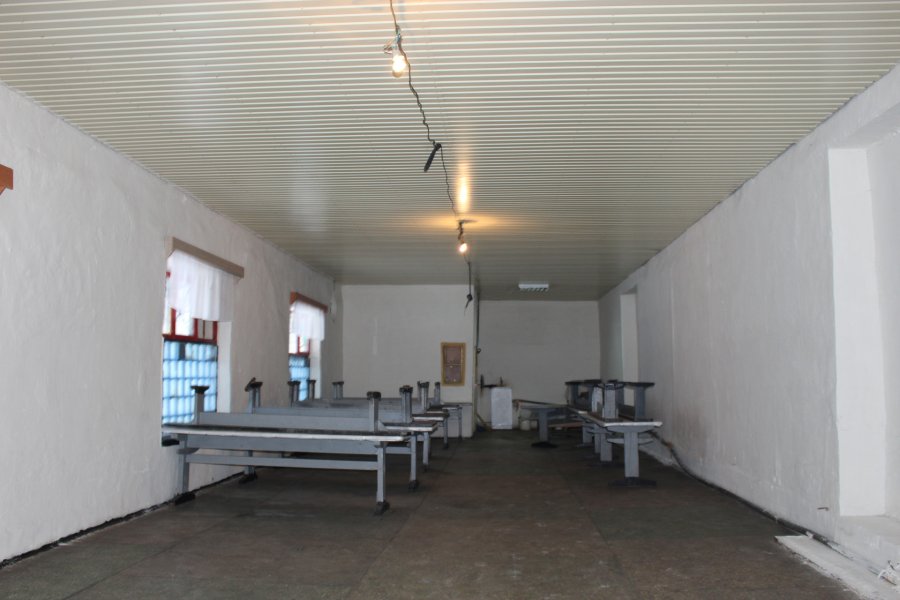
In the canteen, the main dining hall is under repair, so a smaller spare one is being used temporarily. There is no washbasin or towels in the hall.
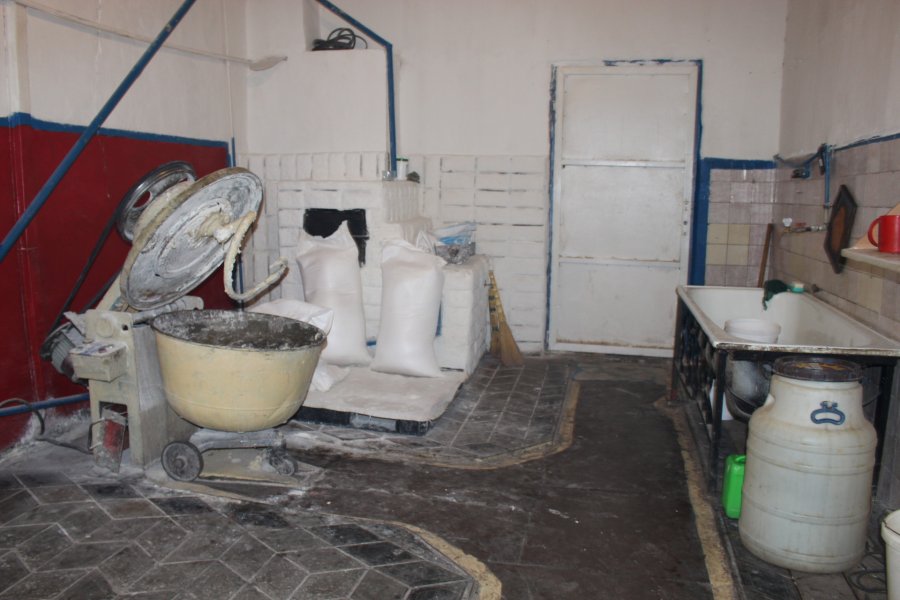
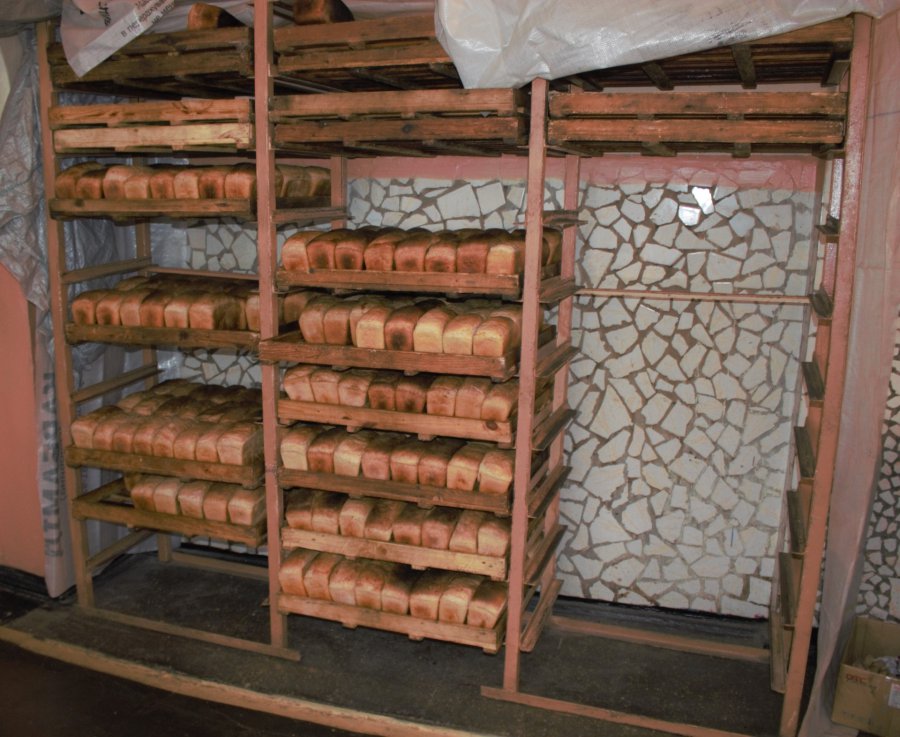
The institution bakes its own bread.
Production
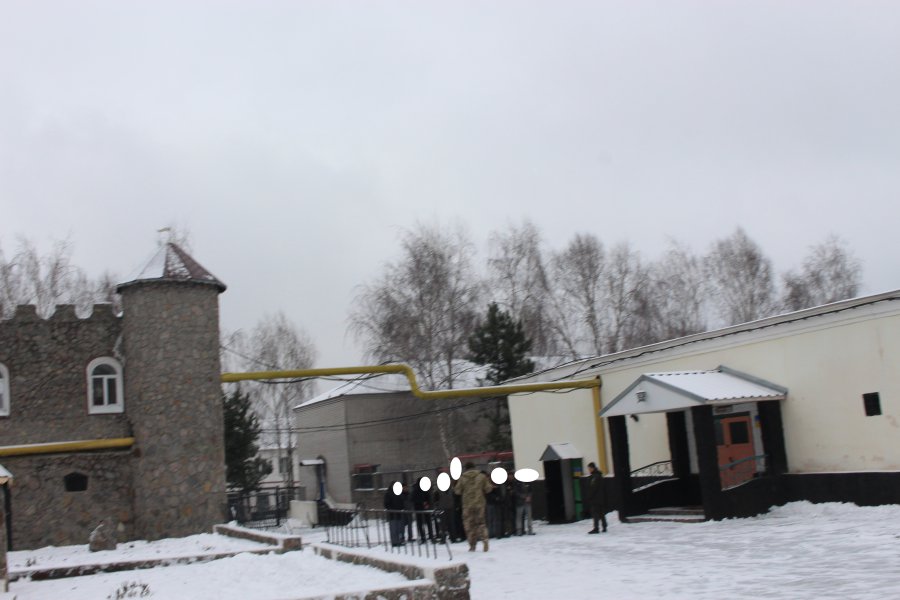
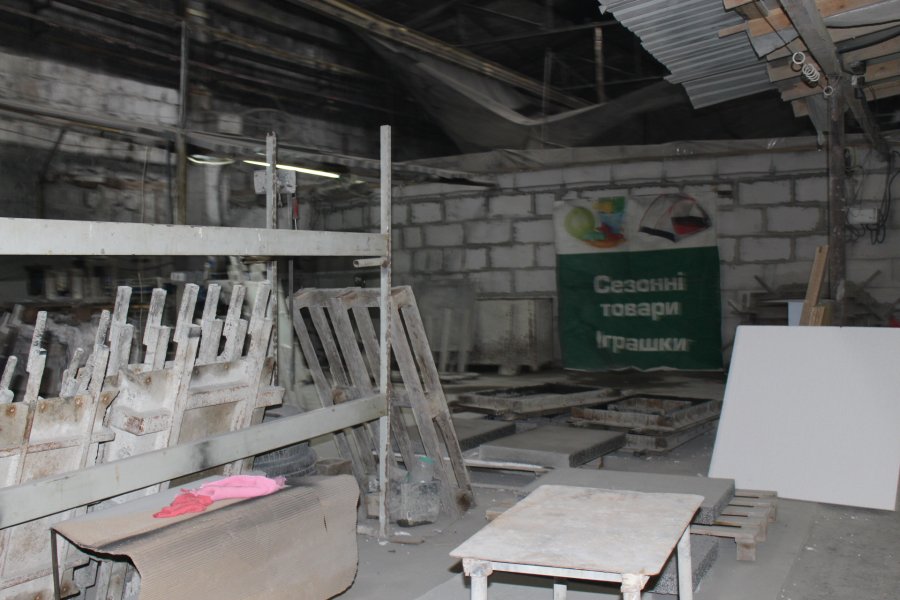
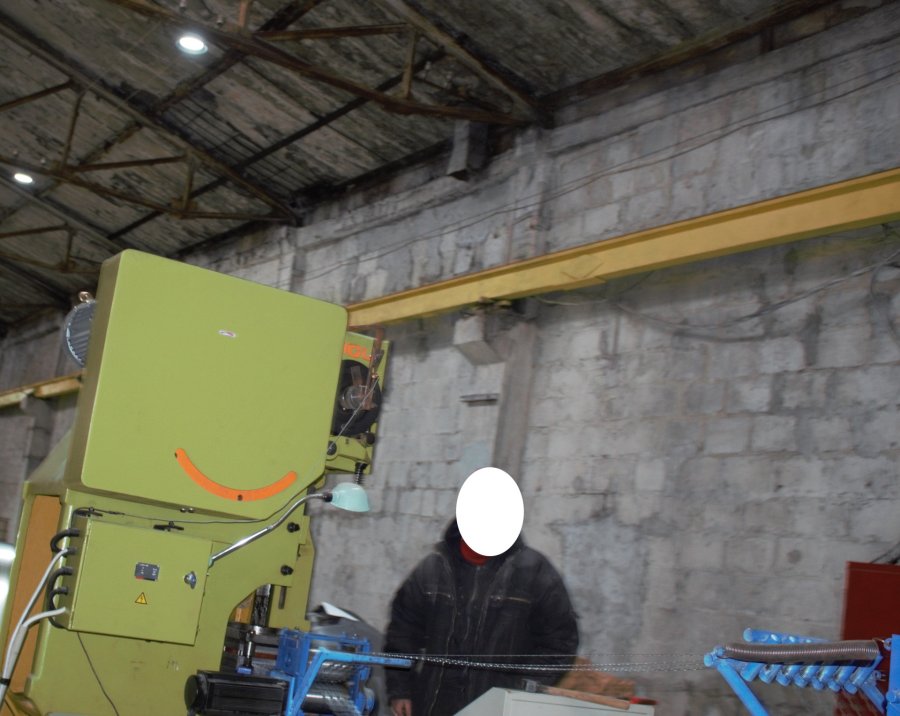
The main areas of work in the institution are metalworking and woodworking.
Connection with the Outside World
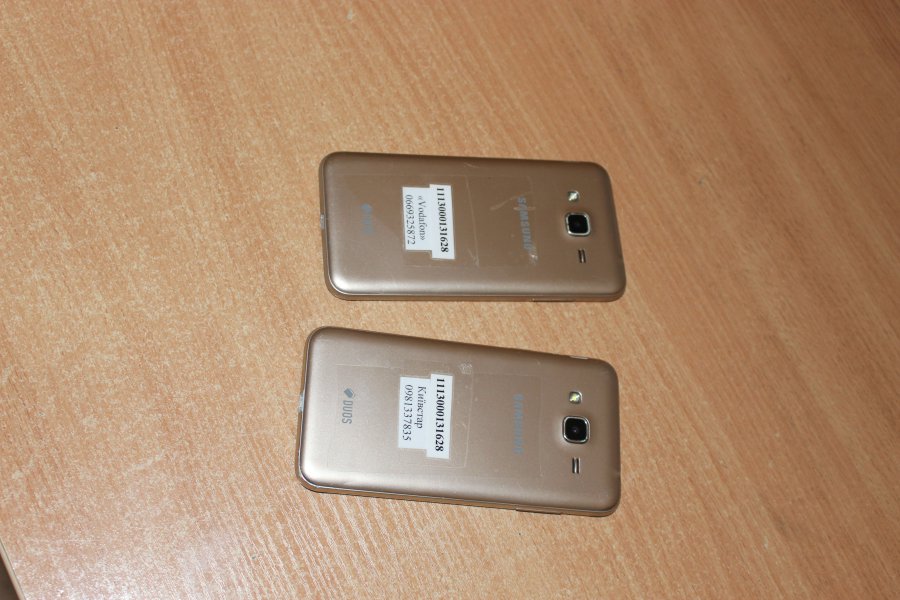
The needs for communication with relatives in the institution are met by two mobile phones, which are kept in the duty unit. Convicted persons can write an application and use them.
Observations and recommendations:
- Ensure a fenced-off paramedic’s corner in the bathhouse.
- Ensure proper sanitary and hygienic conditions in residential premises.
- Ensure free access for convicted persons to the internet by installing routers in residential premises.
- Ensure free access for convicted persons to the internet room.
- Ensure the presence of a washbasin, soap, and towels in the dining area.
- Stop the practice of attaching a medical certificate regarding a convicted person’s diagnosis when they are placed in a DIZO/PKT.
- Increase the number of mobile phones for calls by convicted persons.
The scheduled preventive monitoring visit to Dnipro Correctional Colony No. 89 was carried out by the Kharkiv Human Rights Protection Group, the EPLN, and the State Institution “Protection of Prisoners of Ukraine”. The monitoring group consisted of an assistant to a People’s Deputy of Ukraine, Kostiantyn Kasai; members of the Public Council under the Ministry of Justice of Ukraine, Serhiy Zuikov; an assistant to a People’s Deputy of Ukraine, Yaroslav Yurchyshyn; the coordinator of HHRG programmes, Andriy Didenko; and an expert from the working group of international partners of Ukraine on prison reform, Hugo de Suremain. The purpose of the visit: analysis of the observance of human rights in places of detention during the war. The visit was carried out within the framework of the project “Reducing the Suffering of Prisoners in the Context of the War in Ukraine”, funded by the government of Denmark in partnership with DIGNITY — the Danish Institute Against Torture.
Date of visit: 8 December 2023
Editor: Emilia Prytkina