Report on the results of a monitoring visit to Vinnytsia Correctional Facility No. 1
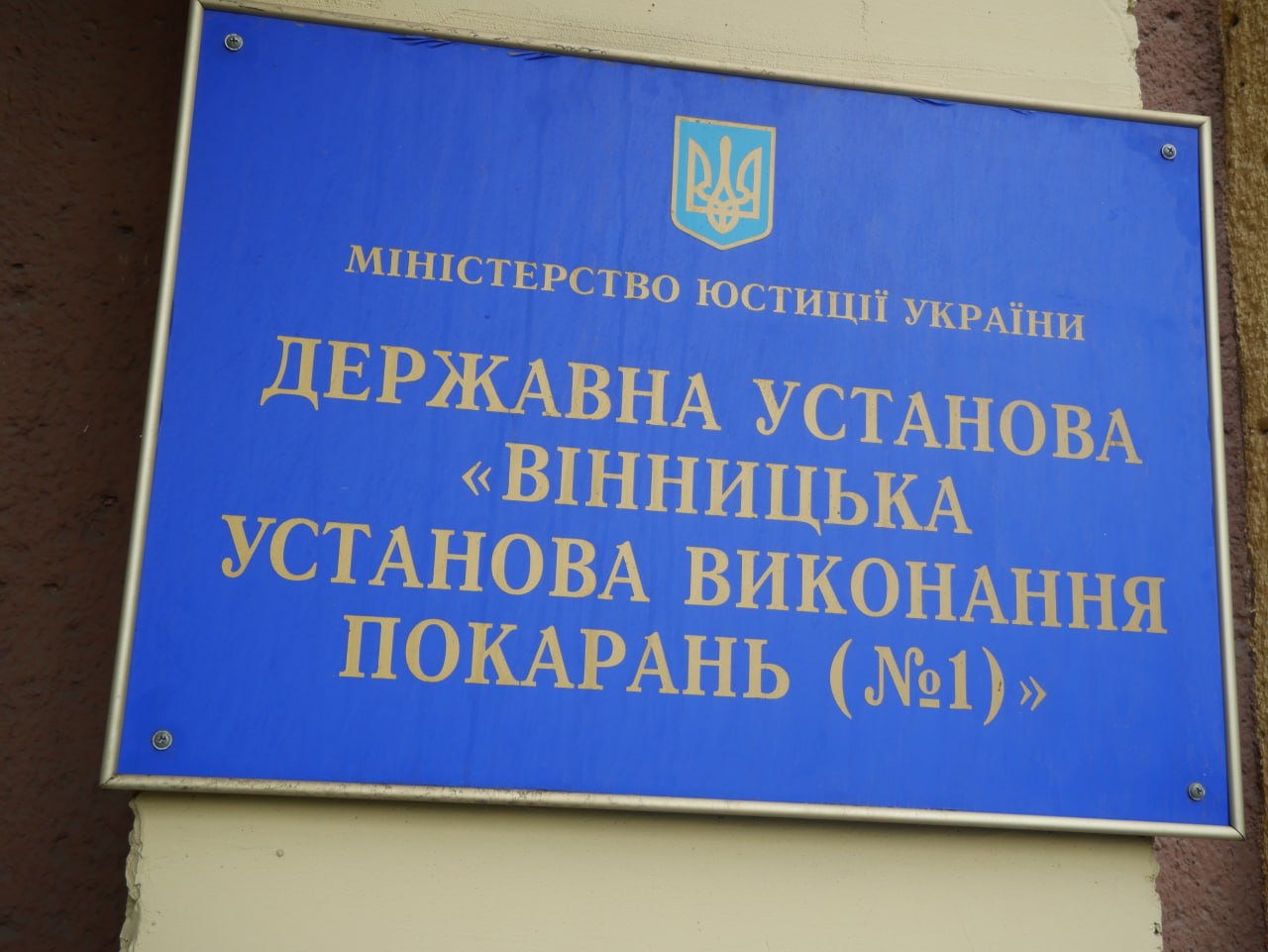
On 8 June 2026, in accordance with the Optional Protocol to the Convention against Torture and Other Cruel, Inhuman or Degrading Treatment or Punishment, taking into account the provisions of the UN Standard Minimum Rules for the Treatment of Prisoners (the Mandela Rules) and the case law of the European Court of Human Rights, and pursuant to Article 24 of the Criminal Executive Code of Ukraine, “Visiting Correctional Facilities”, a group of monitors from the Kharkiv Human Rights Protection Group and the NGO “Protection of Prisoners of Ukraine” conducted a visit to the state institution “Vinnytsia Correctional Facility (No. 1)” (VCF-1, the institution, the facility).
The visit was carried out as a planned, unannounced inspection; the previous visit took place on 28 August 2024.
All facilities of the institution were inspected. During the preparation for the visit, the monitors used materials from complaints by prisoners, convicted persons and their relatives, materials from previous visits, as well as the report of the monitors of the National Preventive Mechanism under the Commissioner for Human Rights of the Verkhovna Rada of Ukraine (NPM).
The visit was conducted within the framework of the project “Reducing prisoner suffering in the context of the war in Ukraine”, funded by the government of Denmark in partnership with DIGNITY — Danish Institute Against Torture.
The visit was conducted by the following monitors:
- Andrii Didenko — Assistant to the People's Deputy of Ukraine Yaroslav Yurchyshyn, programme coordinator of the Kharkiv Human Rights Protection Group, NPM monitor, member of the NPM coordination council, with experience in monitoring visits since 2014;
- Serhii Zuikov — Assistant to the People's Deputy of Ukraine Kostiantyn Kasai, member of the public council under the Ministry of Justice of Ukraine, NPM monitor, member of the NGO “Protection of Prisoners of Ukraine”, with many years of experience in monitoring visits;
- Oleh Tsvilyi — member of the public council under the Ministry of Justice of Ukraine, head of the NGO “Protection of Prisoners of Ukraine”, has extensive experience in monitoring visits, specialises in issues of torture, cruel, inhuman or degrading treatment.
During the monitoring visit, violations of the right to adequate conditions of detention were identified, in particular, non-compliance with living space standards, the use of cells with insufficient area and width, the poor state of sanitary facilities, insufficient natural lighting and improper ventilation, violations of the requirements for separate detention, and shortcomings in the reception unit and the maximum-security sector. Violations were also recorded in the areas of laundry and bathing provision, organisation of labour and social protection, medical care, conduct of visitations, staffing, and civil protection, in particular the lack of adequate shelter for prisoners, convicted persons, and staff.
General information
The state institution “Vinnytsia Correctional Facility (No. 1)” (hereinafter — VCF-1) serves as both a remand prison and a correctional facility. The institution holds persons against whom the court has chosen a preventive measure in the form of detention in custody, persons sentenced to imprisonment, including life imprisonment, as well as persons held in transit cells.
The facility is located at the address: 2 Bratslavska St., Vinnytsia, Vinnytsia region.
The head of the institution at the time of the monitoring visit was Colonel of the Internal Service Anatolii Anatoliiovych Dudoladov.
VCF-1 is one of the oldest penitentiary institutions in Ukraine, with a history dating back to the 18th century. For a long time, it has been used as a place of pre-trial detention and the serving of sentences. After the declaration of independence of Ukraine, the institution continued to function as part of the State Criminal Executive Service of Ukraine. At the same time, a significant part of its engineering infrastructure, layout solutions, and cell blocks were built decades ago, which necessitates their constant modernisation and the bringing of detention conditions into compliance with the requirements of national legislation and international standards for the treatment of persons deprived of their liberty.
The institution includes a duty unit, a reception unit, cell blocks for holding detainees and convicted persons, including those sentenced to life imprisonment, transit cells, a household service area, disciplinary cells, a medical unit, a laundry and bath complex, a food unit, visitation rooms, a parcel reception room, a shop, a library, and administrative and utility premises.
According to the information from the institution’s administration, the authorised staff number is 379 positions, the actual number is 312, and the staff shortage is 67 positions. Psychological support is provided by four psychologists, three of whom work in the department of social-educational and psychological work, and one in the personnel department.
The planned capacity of the institution is 1,236 places. On the day of the visit, the institution held 805 persons, of whom 489 were detainees, 316 were convicted persons, and 1 was an extradited person. For their accommodation, 104 cell premises of the institution, 142 cell premises of the sector for those sentenced to life imprisonment, one transit room, two cells for prisoners of war, and six premises of the household service area are used. During 2026, 3,093 persons arrived at the institution.
Fifty-four convicted persons and 4 detainees are employed in the institution. Five people were undergoing treatment in the medical unit during the visit. Thirty-one people were registered at the dispensary with HIV infection. Eighteen people were on operational-preventive records as prone to suicide (5 detainees and 13 convicted persons), 19 people prone to self-harm (10 detainees and 9 convicted persons), and 7 people prone to escape. There were no persons on the register as malicious violators of the established order of serving a sentence at the time of the visit. Convicted persons have 297 tablets in their own use. In 2024, 156 cases of bodily injuries were registered in the institution (116 upon arrival and 40 during their stay in the institution), and in 2025, there were 127 cases (103 upon arrival and 24 during their stay). At the same time, no cases of the use of special means against detainees or convicted persons have been recorded in the current year.
During the visit, the monitoring group visited all the main facilities of the institution, conducted confidential interviews with detainees and convicted persons, examined documentation related to human rights compliance, and provided individual consultations to persons who requested them. Some complaints were accepted in conditions of confidentiality.
Based on the communication with the persons held in the institution and the analysis of the provided documentation, the monitoring group was able to assess the state of provision of fundamental rights of detainees and convicted persons and the practice of the administration's response to their complaints. The group of monitors surveyed about 400 detainees and convicted persons.
It is worth noting that the administration of the facility responds appropriately to complaints from detainees and convicted persons regarding the actions or inactions of the staff. Also, the administration does not hide the shortcomings in the institution, which can be considered signs of openness and transparency, and proper and adequate response to human rights violations.
Positive experience
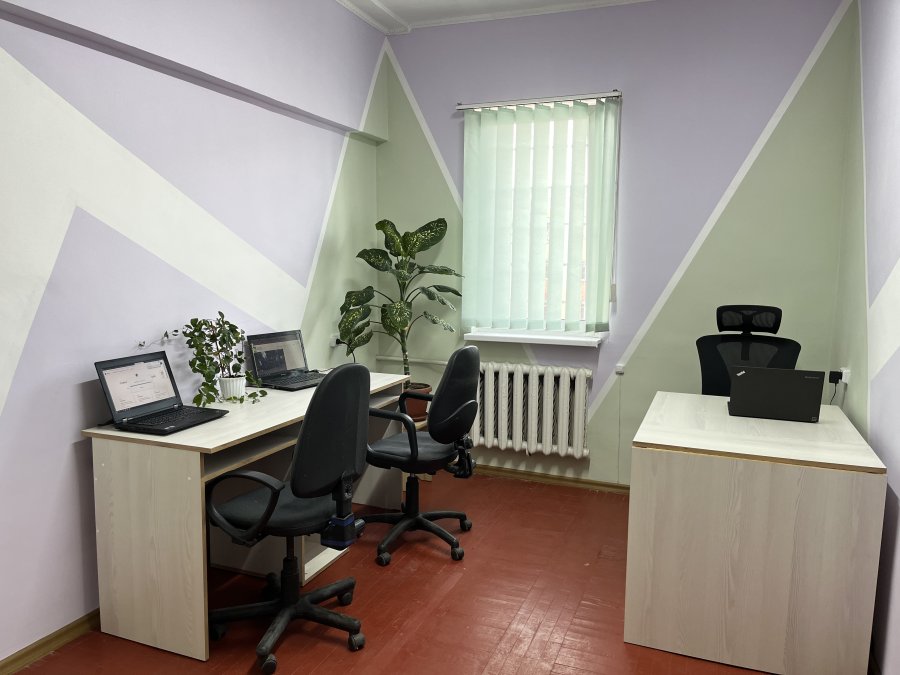
During the monitoring visit, the group noted a number of positive practices aimed at improving the conditions of detention for detainees and convicted persons, as well as creating proper conditions for the work of the institution’s staff. The administration of the institution has equipped a modern facility for the work of psychologists and the conduct of individual consultations, psychocorrectional work, and other activities of a social-educational and psychological nature. The office is equipped with modern furniture and computer equipment, has adequate natural lighting, and creates comfortable conditions for conducting confidential work with persons held in the institution.
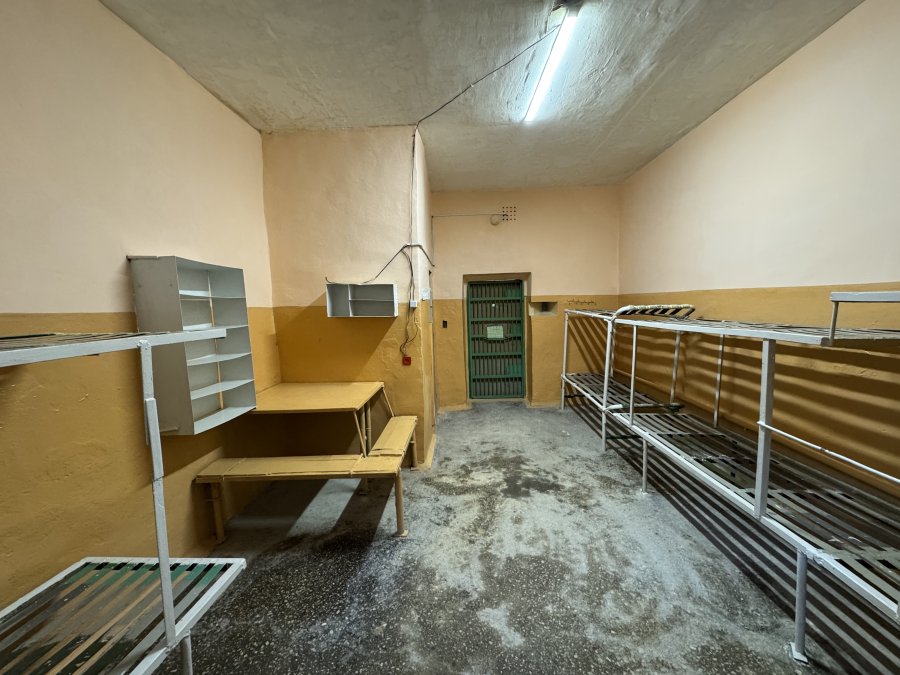
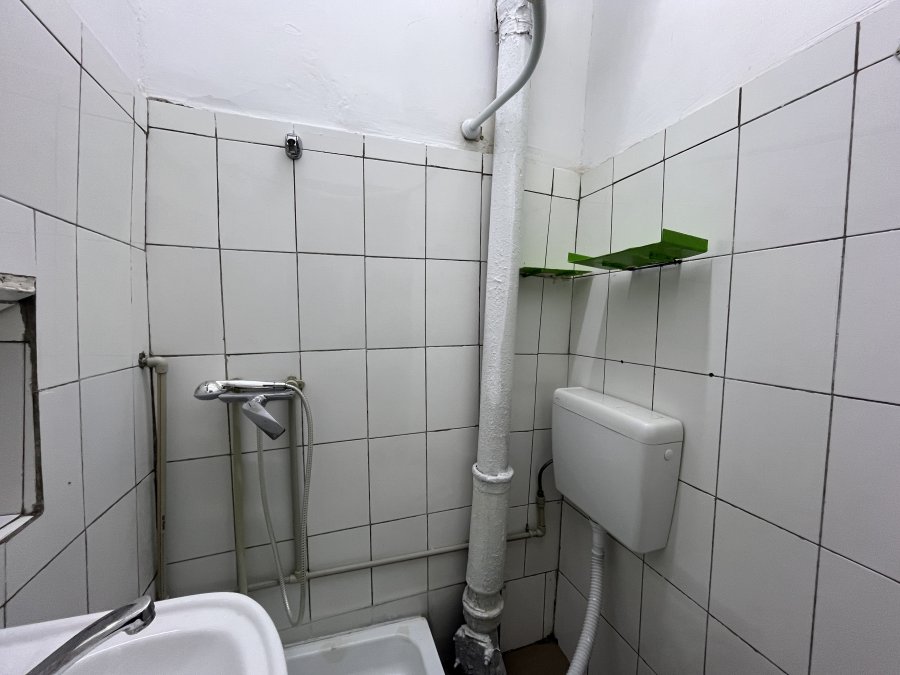
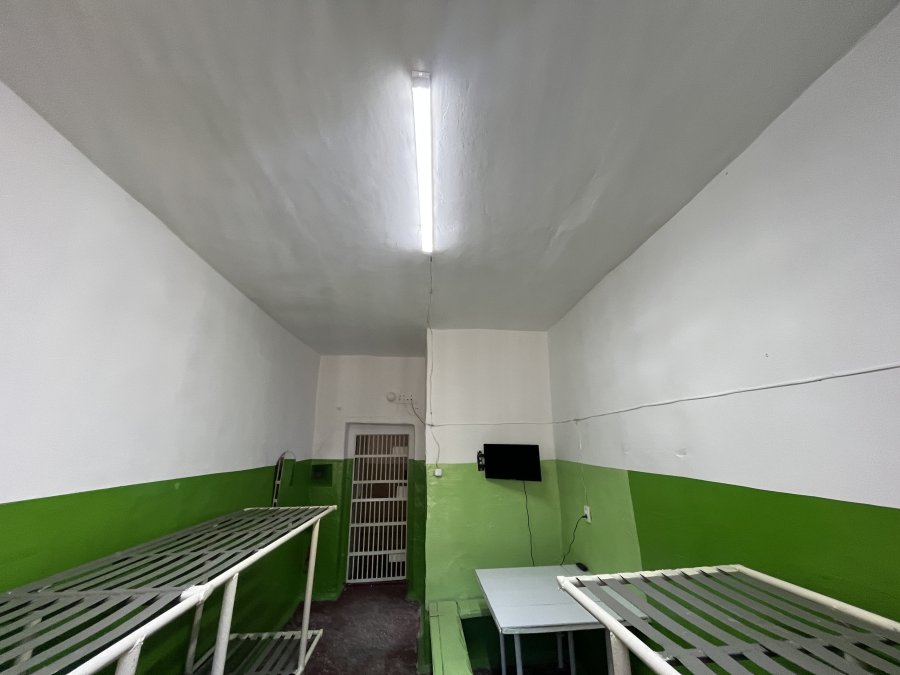
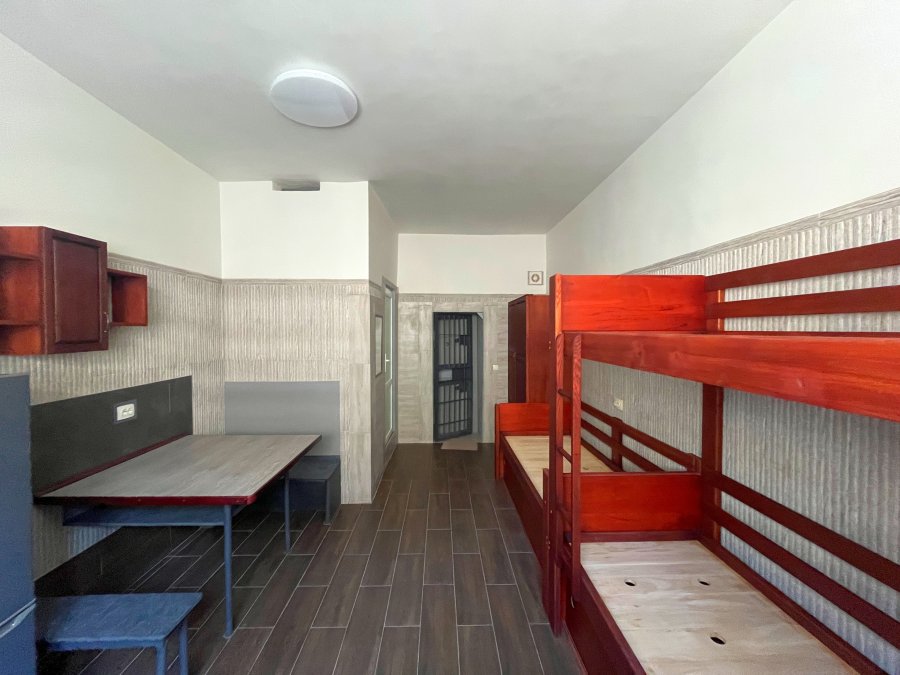
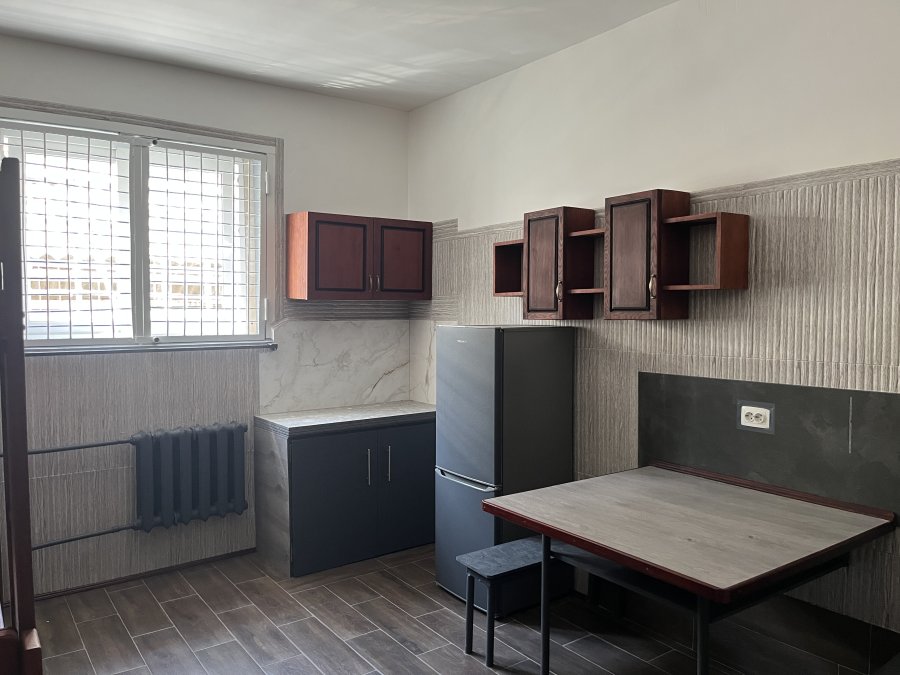
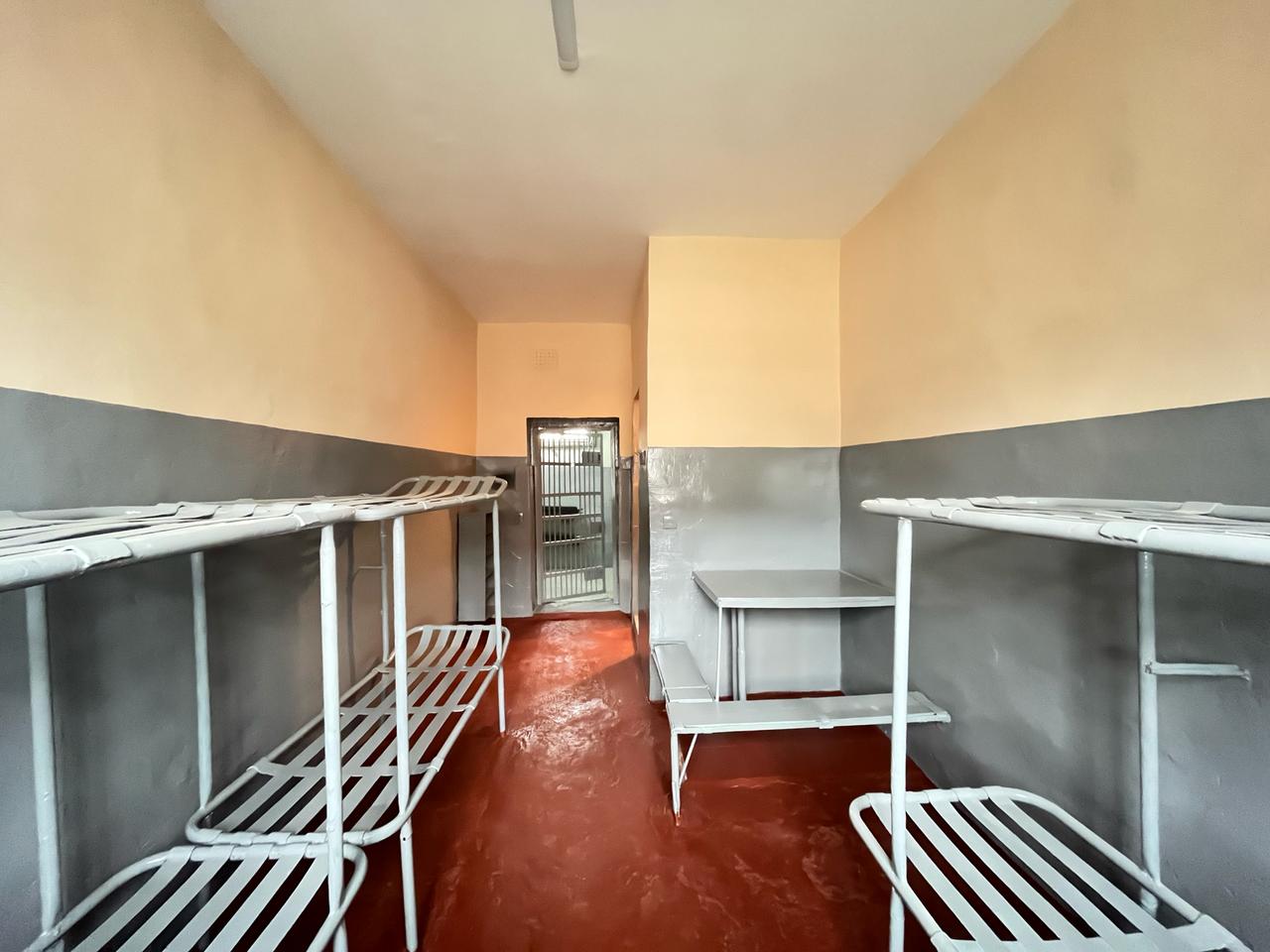
The capital renovation of selected cells in the maximum-security sector for persons sentenced to life imprisonment deserves a positive assessment. The renovated cell premises feature modern finishing, separate sanitary facilities and showers, new furniture, and are equipped with places for storing personal items, refrigerators, kitchen furniture, and dining areas. The created living conditions exceed the minimum requirements of national legislation and differ significantly from the conditions in most cells of a similar purpose in other correctional institutions.
The monitoring group also established that the administration continues the step-by-step renovation of the institution's cell stock. After renovation, part of the cells meets proper sanitary and hygienic requirements: wall and floor finishing has been completed, modern sanitary facilities have been installed, furniture has been replaced, and proper sanitary conditions of the premises have been ensured. A positive practice is the creation of specially equipped cells for persons with disabilities and other low-mobility groups. Such premises are equipped taking into account the needs of the specified category of persons and have improved sanitary and living conditions.
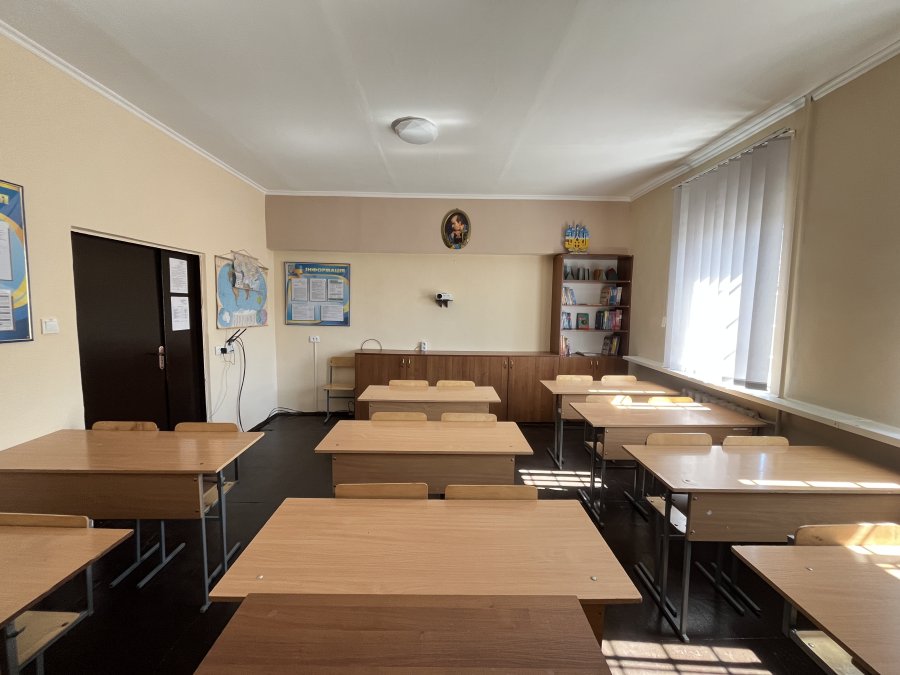
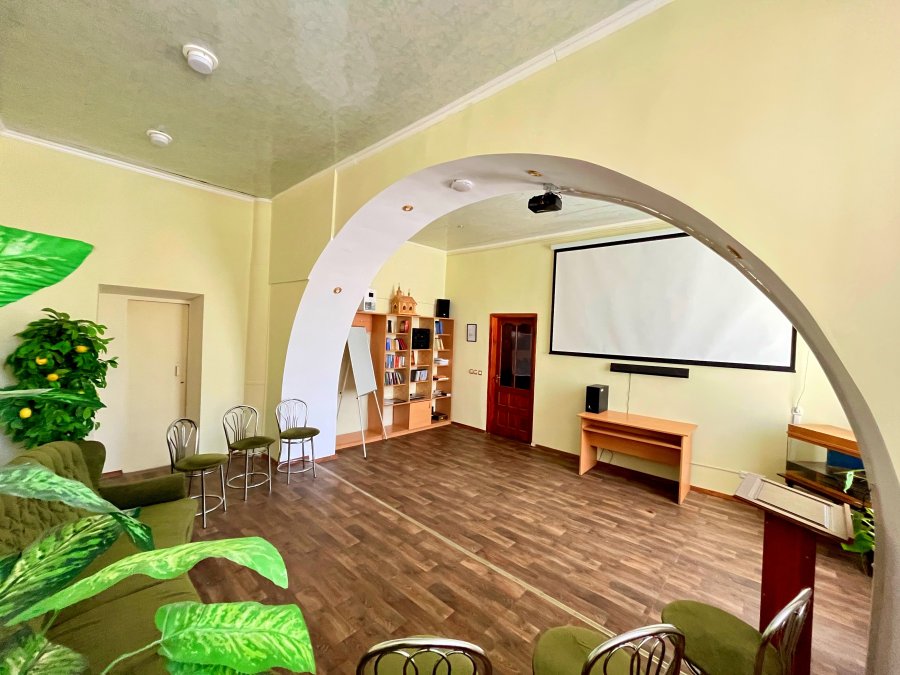
During the visit to the institution, the monitors also familiarised themselves with the work of the study room and the premises for conducting cultural-educational and awareness-raising events. The premises are equipped with furniture, multimedia equipment, a screen for demonstrating educational materials, bookshelves, and other means necessary for organising the educational process, social-educational work, and leisure for persons held in the institution.
In general, the monitoring group positively assesses the administration’s efforts towards the gradual renovation of the material and technical base, the improvement of detention conditions for detainees and convicted persons, the development of educational and social-educational infrastructure, and the creation of proper conditions for staff work. Such measures contribute to the humanisation of the execution of criminal sentences and bringing the institution’s activities closer to European standards of treatment for persons deprived of their liberty.
Identified violations of national and international law
During the monitoring visit, violations of the requirements of national legislation and non-compliance with international recommendations in the field of prisoner treatment were identified, which lead to violations of the rights of detainees and convicted persons:
1. During the monitoring visit to the institution, a number of systemic violations were recorded, including non-compliance with the living space standards established by law, provided for holding persons taken into custody in cell premises, as well as other violations indicating inadequate conditions of detention for detainees. Such conditions may be regarded as cruel, inhuman or degrading treatment and may lead to the submission of new applications against Ukraine to the European Court of Human Rights on the basis of a violation of Article 3 of the Convention for the Protection of Human Rights and Fundamental Freedoms.
Thus, in violation of Article 11 of the Law of Ukraine “On Pre-trial Detention” and Rule 13 of the UN Standard Minimum Rules for the Treatment of Prisoners (the Mandela Rules), cell No. 14 held 4 persons, while according to the act of measuring the area of the premises of the institution’s structural sections, it is designed for holding 3 persons (the area of the premise according to the act is 8.4 m²). Thus, the actual area per detainee was only 2.1 m², which does not meet the minimum standard of 2.5 m² defined for persons taken into custody.
In addition, in violation of Clause 1, Chapter 2, Section III of the Internal Regulations of Remand Prisons of the State Criminal Executive Service of Ukraine, approved by the order of the Ministry of Justice of Ukraine dated 14 June 2019, No. 1769/5 (hereinafter — IRR RP), it was established that in cell premises the actual number of sleeping places exceeds the permissible number to ensure the space standard per person provided by law. In particular, violations were recorded in cells Nos. 12, 14, etc.
The stated violation creates conditions for possible abuse by the administration and staff of the institution in the context of compliance with the living space standard per person and does not ensure proper personal space for persons held in cell premises.
In Clause 13 of the Seventh General Report of the European Committee for the Prevention of Torture and Inhuman or Degrading Treatment or Punishment (hereinafter — the Committee), it is stated that the problem of overcrowding in cell premises leads to unhygienic conditions, a constant lack of privacy, and overloading of medical services and the institution's infrastructure. The Committee concludes that quite often the negative impact of overcrowding has resulted in inhuman or degrading conditions of detention for prisoners (CPT/Inf (97) 10).
In addition, the Committee, in the report following the 2023 visit to Ukraine, once again calls on the Ukrainian authorities to take measures to review existing legal standards regarding living space for persons taken into custody, in order to guarantee at least 4 m² per person in cells for multiple persons, excluding the area occupied by toilets in the cells (CPT/Inf (2024) 20, Clause 38).
2. In Clause 59 of the 21st General Report of the Committee, it is stated that any cell with an area of less than 6 m² should not be used for holding prisoners (CPT/Inf (2011) 28). In the report following the 2012 visit to Ukraine, the Committee notes that single cells must have a living space of at least 6 m², excluding the sanitary facility, and the distance between the walls must be at least 2 metres (CPT/Inf (2013) 23, Clause 45).
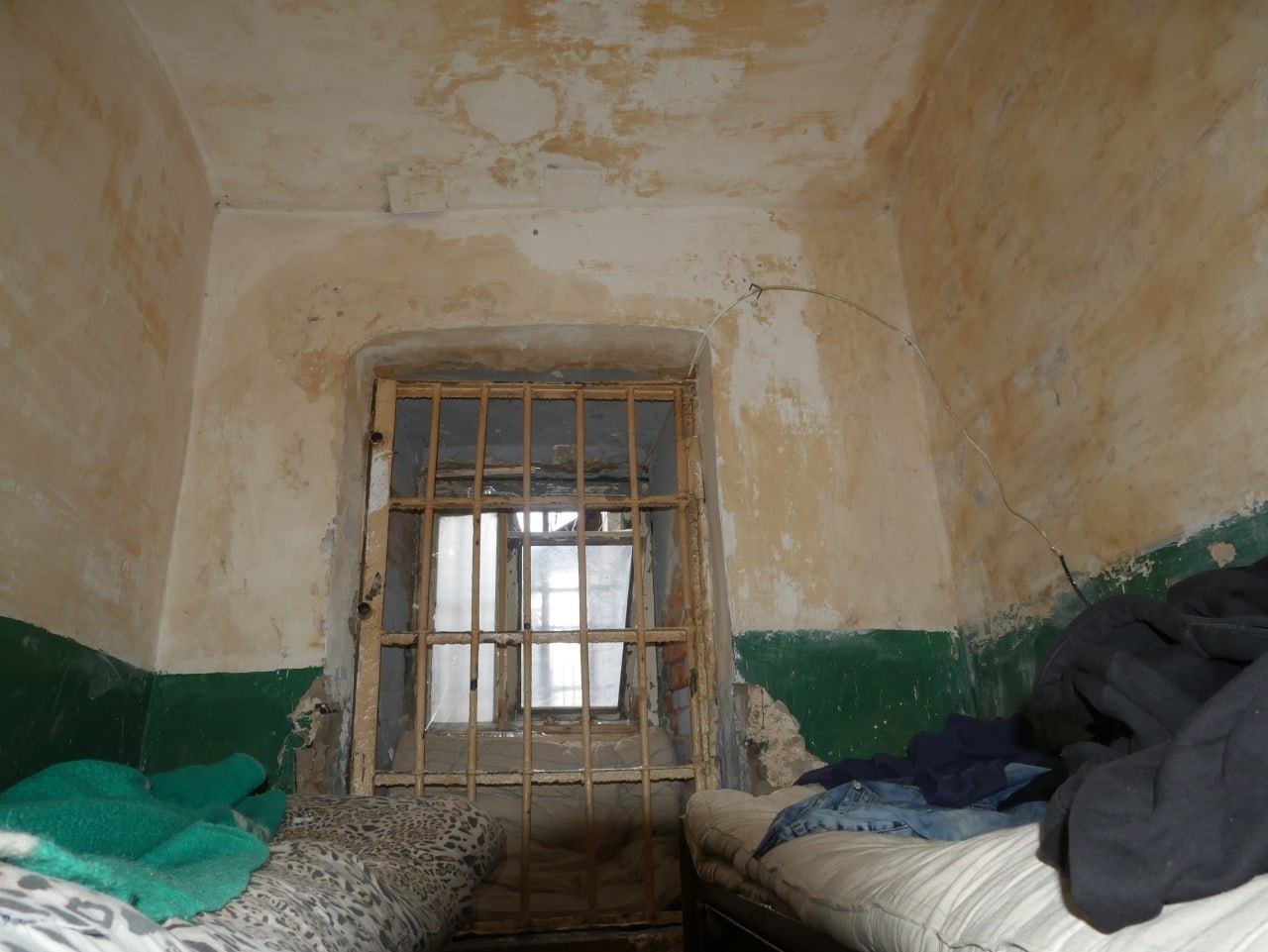
At the same time, the monitoring group established the use of cell premises Nos. 20, 21, and 22, the area of which, according to the act of measuring the area of the structural sections' premises, is less than 6 m². During the measurements of cell premises Nos. 10, 11, 14, 15, 20, 21, 22, 23, and 25, it was established that the distance between the walls is less than 2 metres, which does not meet the established requirements.
3. The layout of the mentioned cell premises does not ensure adequate conditions of detention for persons taken into custody and convicted persons, taking into account their individual needs, which does not meet international standards for the treatment of prisoners and established requirements.
Thus, due to the limited area of the cell premises — less than 6 m² excluding the sanitary facility, and also considering that the distance between the walls is less than 2 metres, detainees do not have the opportunity to move freely within the cell, which causes physical discomfort. Cell No. 10 deserves special attention, where the distance between opposite walls is only 1.33 metres, which further limits the possibility of a person's free movement.
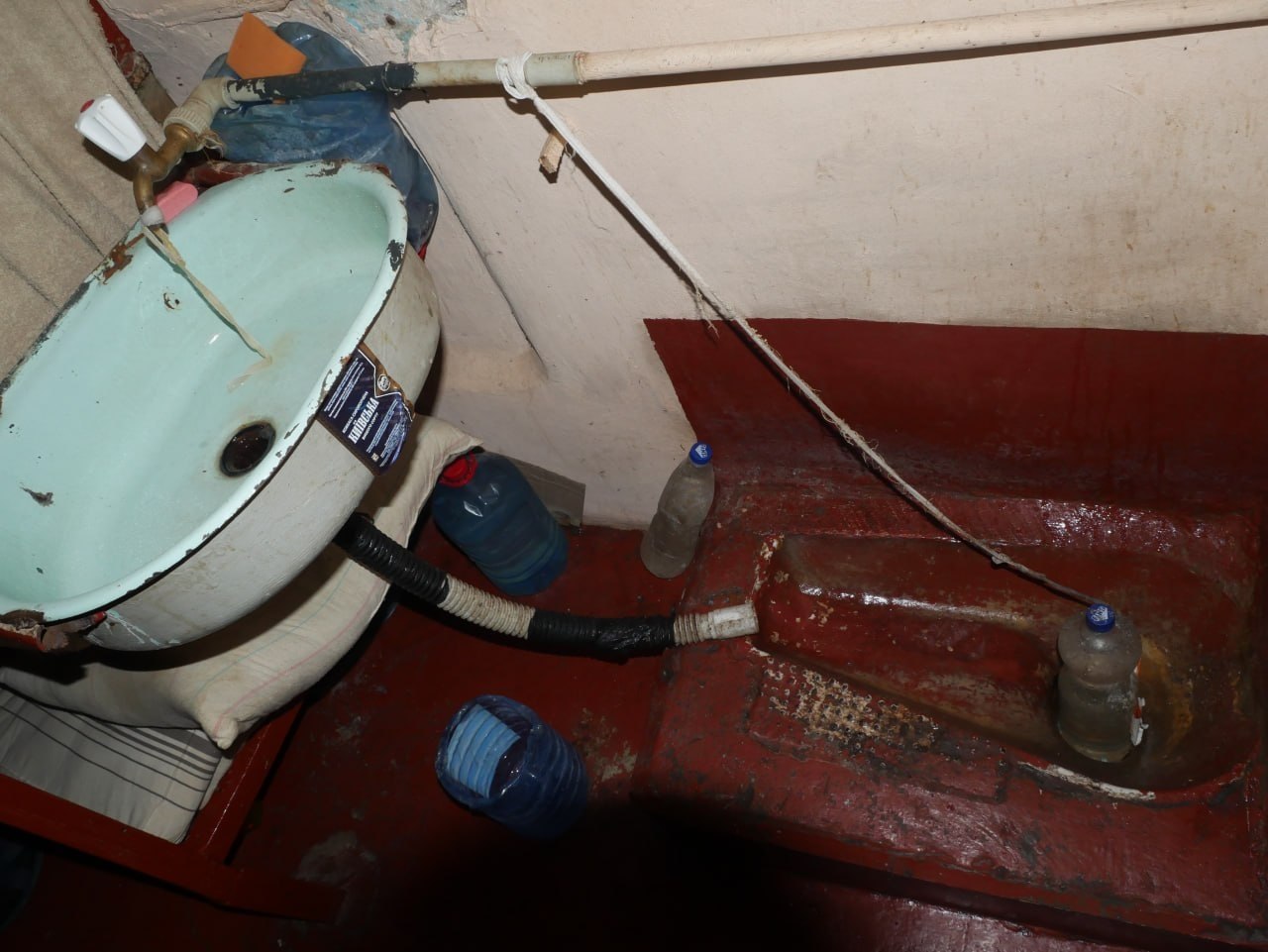
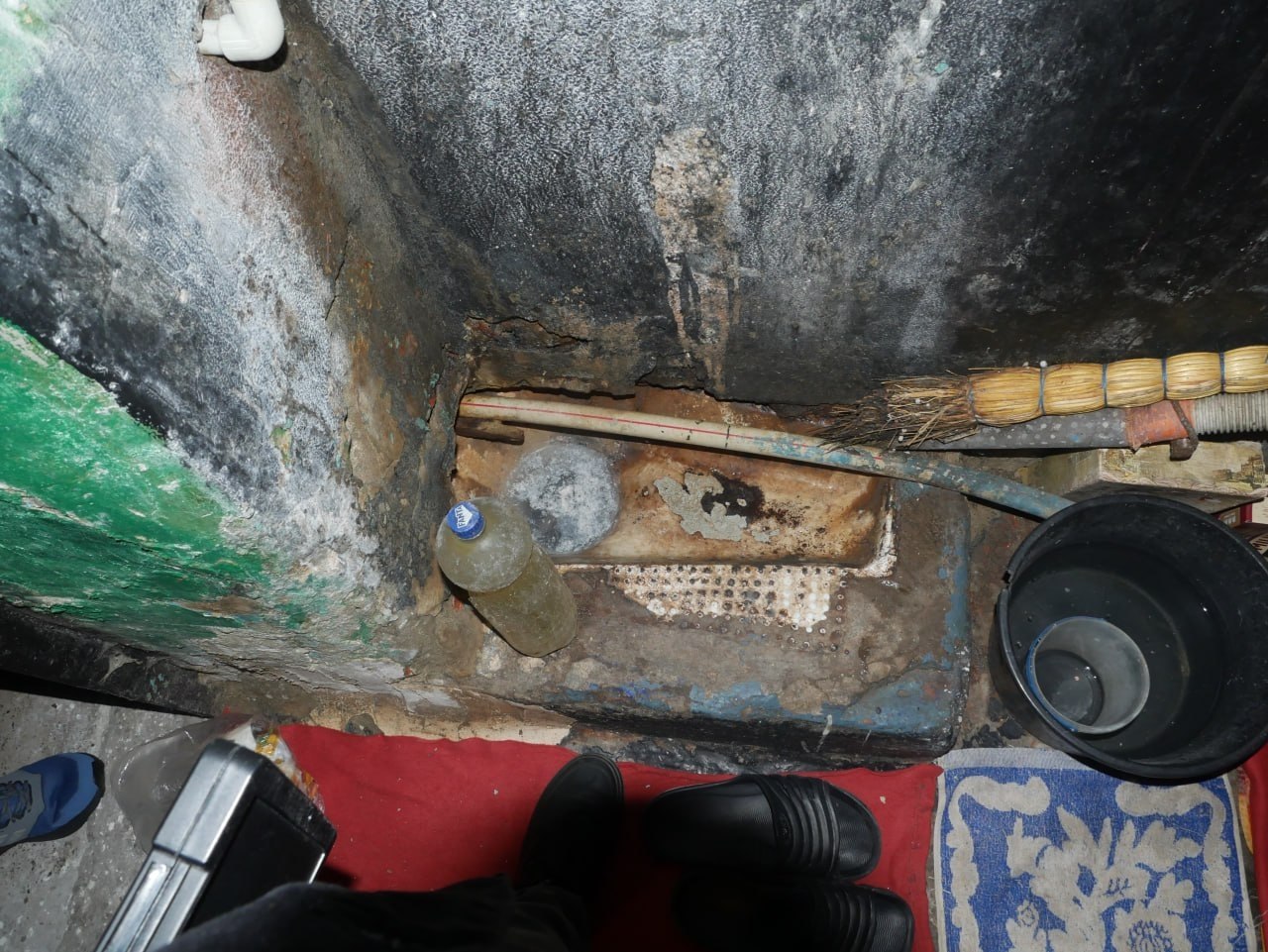
4. Sanitary facilities in the specified cell premises are in an unsatisfactory state, do not meet sanitary and hygienic requirements, and require capital repairs with the replacement of sanitary equipment. In some sanitary facilities, toilets and a proper water flushing system are missing, as well as doors and sufficient partitions that would ensure the possibility of privacy while using them.
The layout of the sanitary facility of cell No. 10 deserves special attention. In addition to the unsatisfactory sanitary and technical condition, the structural placement of the sanitary facility does not ensure the possibility of its safe and convenient use. There is practically no free space in front of the toilet for placing legs, which significantly complicates its use, forces the person to remain in an unnatural position, and does not meet the requirements of respect for human dignity.
Such conditions do not meet basic hygienic requirements and contradict Rule 19.3 of the European Prison Rules and Rule 15 of the UN Standard Minimum Rules for the Treatment of Prisoners (the Mandela Rules).
At the same time, in the report of the Government of Ukraine following the 2023 visit, the Committee called on the Ukrainian authorities to take necessary measures to improve the material conditions of detention, in particular: to maintain all places of accommodation for convicted persons and persons taken into custody, including sanitary premises, in a proper state of repair and hygiene; to ensure regular and frequent disinsection; to ensure sufficient access to natural light and ventilation in the cells; to fully equip internal sanitary facilities with partitions, i.e., from floor to ceiling (CPT/Inf (2024) 20, Clause 58).
5. In the specified premises, an adequate level of natural lighting is not provided, since the cell windows are located at a significant height, are small in size, and have excessive grilles, as a result of which natural light practically does not penetrate into the premises. This does not meet the requirements of Rule 18.2 (a) of the European Prison Rules and Rule 14 of the UN Standard Minimum Rules for the Treatment of Prisoners (the Mandela Rules).
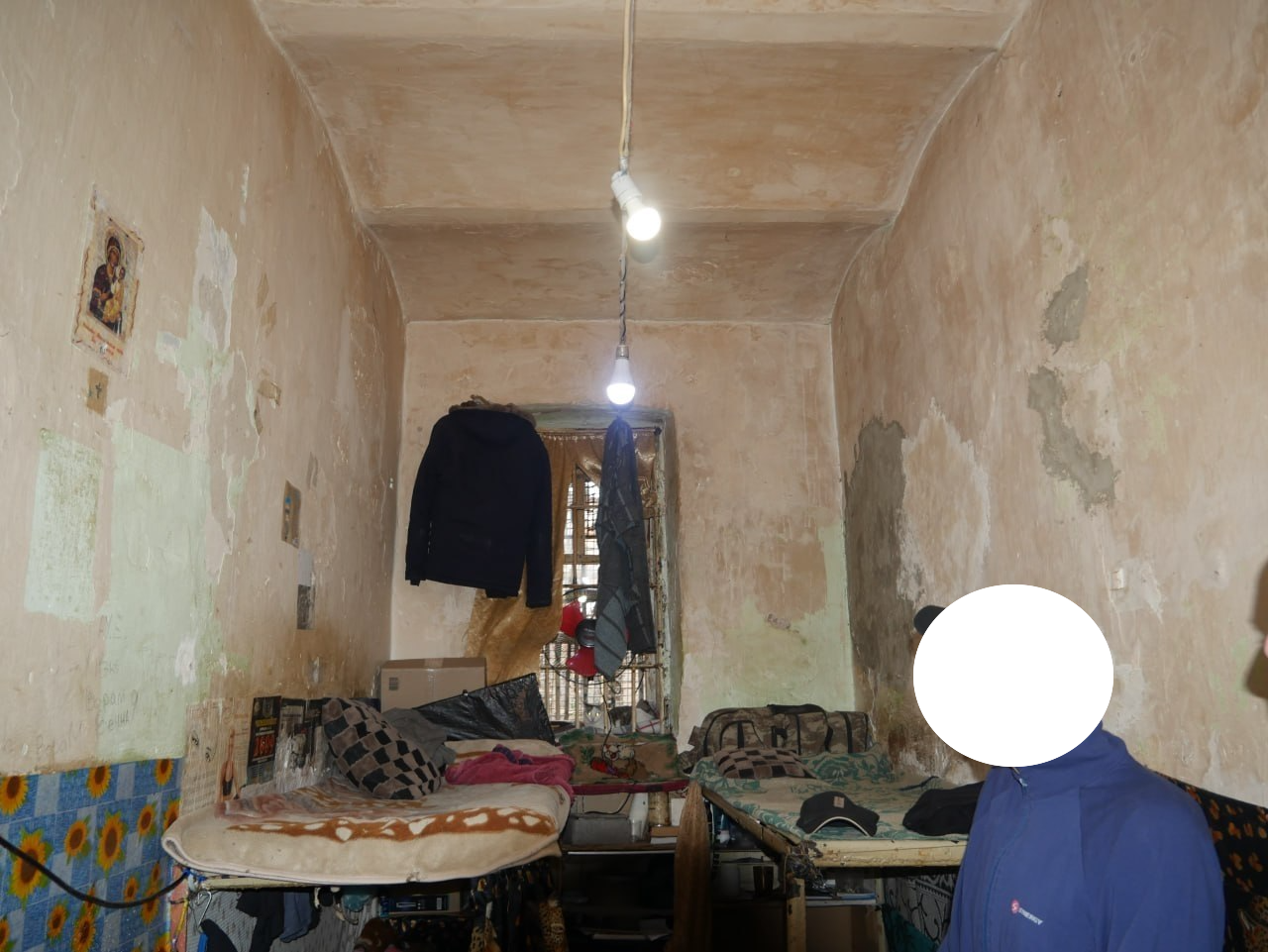
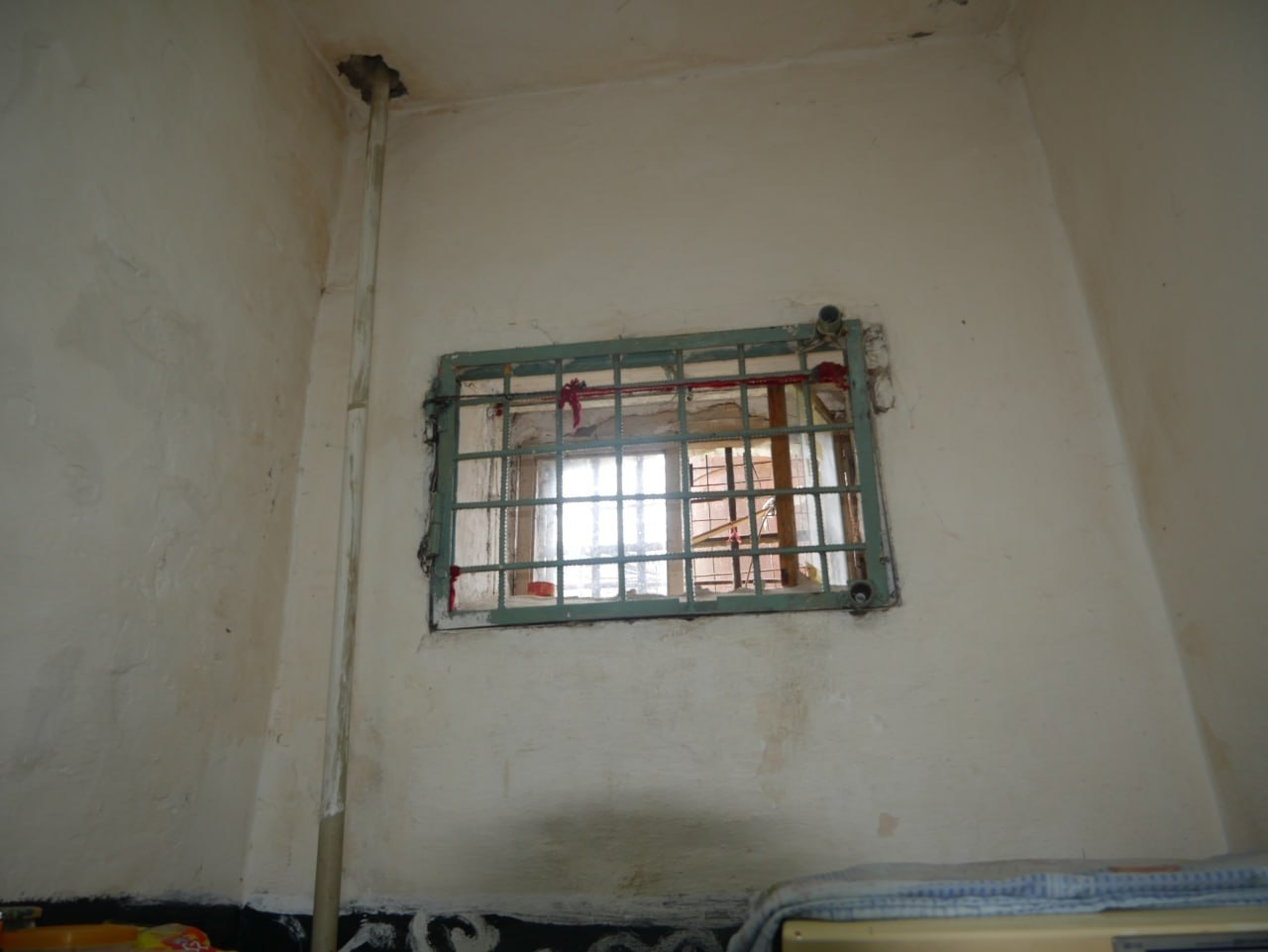
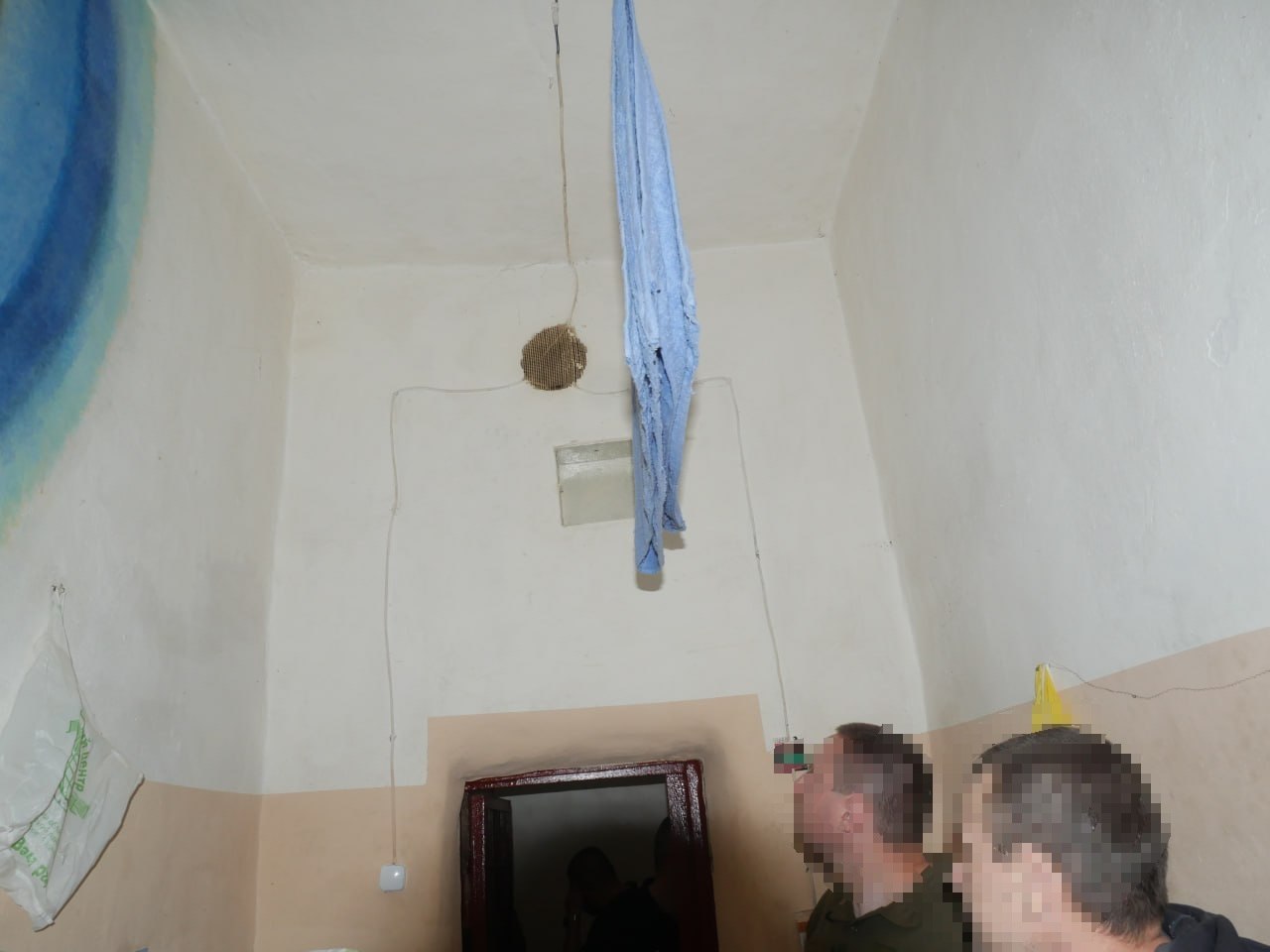
6. In the specified cell premises, the operation of mechanical ventilation is not ensured, which does not meet the requirements of Rule 13 of the UN Standard Minimum Rules for the Treatment of Prisoners (the Mandela Rules).
At the same time, in the report of the Government of Ukraine following the 2023 visit, the Committee called on the Ukrainian authorities to take necessary measures to improve the material conditions of detention, in particular: to reduce cell occupancy in such a way that each person taken into custody has at least 4 m² of living space, excluding the area occupied by internal cell toilets; to maintain all places of accommodation for convicted persons and persons taken into custody, including sanitary premises, in a proper state of repair and hygiene; to ensure regular and frequent disinsection; to ensure sufficient access to natural light and ventilation in the cells; to fully equip internal sanitary facilities with partitions, i.e., from floor to ceiling (CPT/Inf (2024) 20, Clause 58).
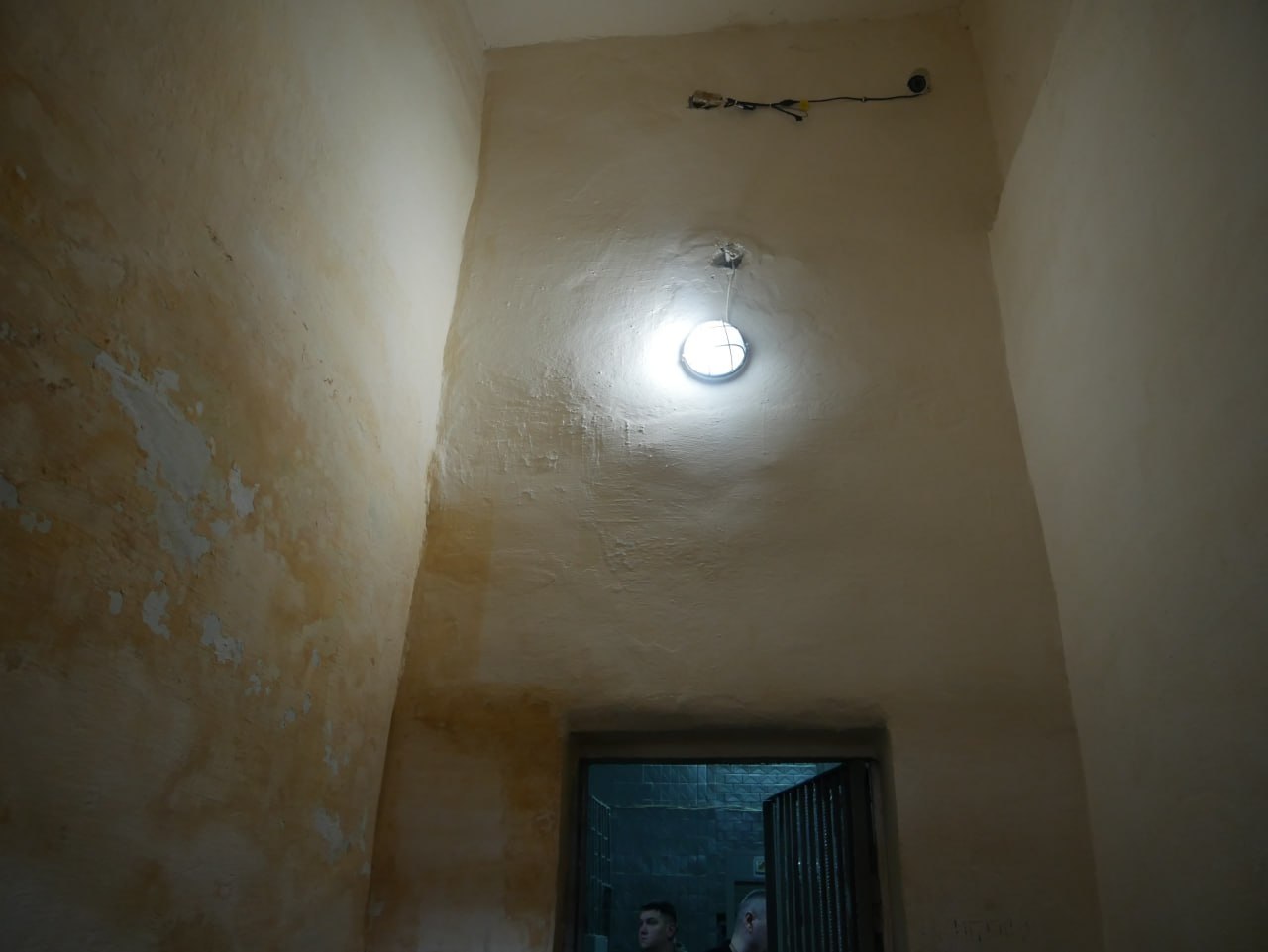
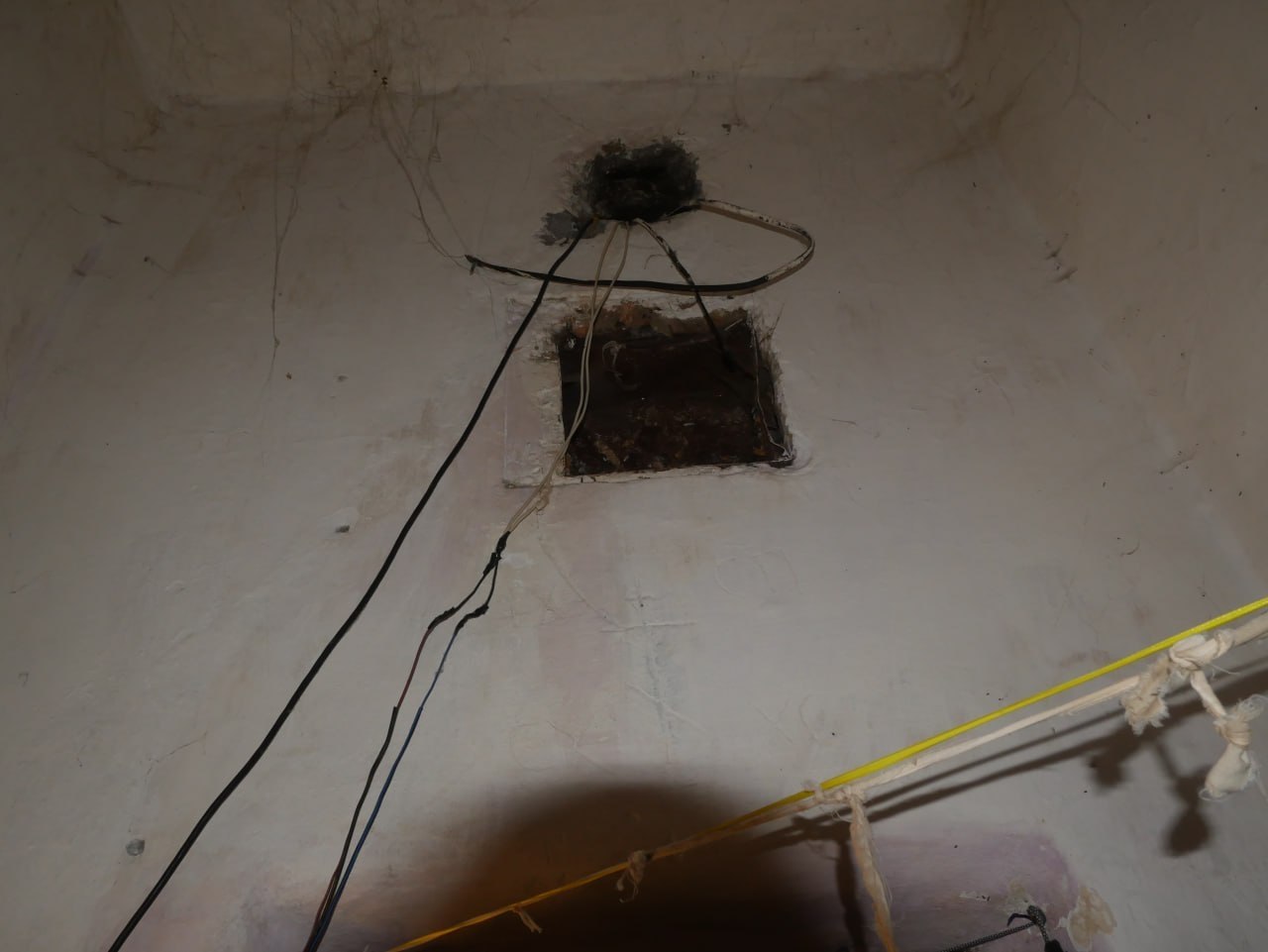
7. In violation of Article 8 of the Law of Ukraine “On Pre-trial Detention” and Clause 17.2 of the European Prison Rules, the monitors established cases of violation of the requirements regarding the separate detention of prisoners. Thus, during a selective check, a fact was established of holding persons accused or suspected of committing crimes against the foundations of national security together with other persons who are in custody. In particular, in cell No. 47, a person prosecuted for committing a crime provided for in Part 2 of Article 113 of the Criminal Code of Ukraine was held together with a person prosecuted for committing a crime provided for in Part 4 of Article 185 of the Criminal Code of Ukraine.
Similar violations were established in cell premises Nos. 4, 5, 6, 43, and 68. The stated facts indicate the failure of the institution's administration to ensure proper control over the placement of prisoners, do not meet the principles of dynamic security, and lead to the violation of prisoners' rights to personal safety, which contradicts national legislation and international standards, in particular Article 3 of the Convention for the Protection of Human Rights and Fundamental Freedoms.
8. During the visit to the reception unit premises, it was established that their outfitting does not fully meet the requirements of the Standards for Provision of Furniture, Equipment and Household Items for Remand Prisons, approved by the order of the Ministry of Justice of Ukraine dated 27 July 2012, No. 1118/5 (hereinafter — Provision Standards), as well as Rules 13, 14, 15, 17 and 22.2 of the UN Standard Minimum Rules for the Treatment of Prisoners (the Mandela Rules), which may indicate a violation of prisoners' rights to humane treatment and respect for human dignity, guaranteed by the third part of Article 1 of the Law of Ukraine “On Pre-trial Detention”.
In particular, it was established that in two of the four premises for the temporary stay of persons taken into custody in the reception unit, there is no natural lighting due to the absence of windows, which creates additional psychological pressure due to the lack of visual contact with the external environment.
Mechanical ventilation does not work in the premises.
Contrary to the requirements of Rule 22.5 of the European Prison Rules and the Provision Standards, the cell premises are not equipped with tanks for drinking water. Due to the lack of water supply and sewage systems, the premises are not equipped with a sanitary facility and a washbasin, which makes it impossible to maintain proper sanitary and hygienic conditions.
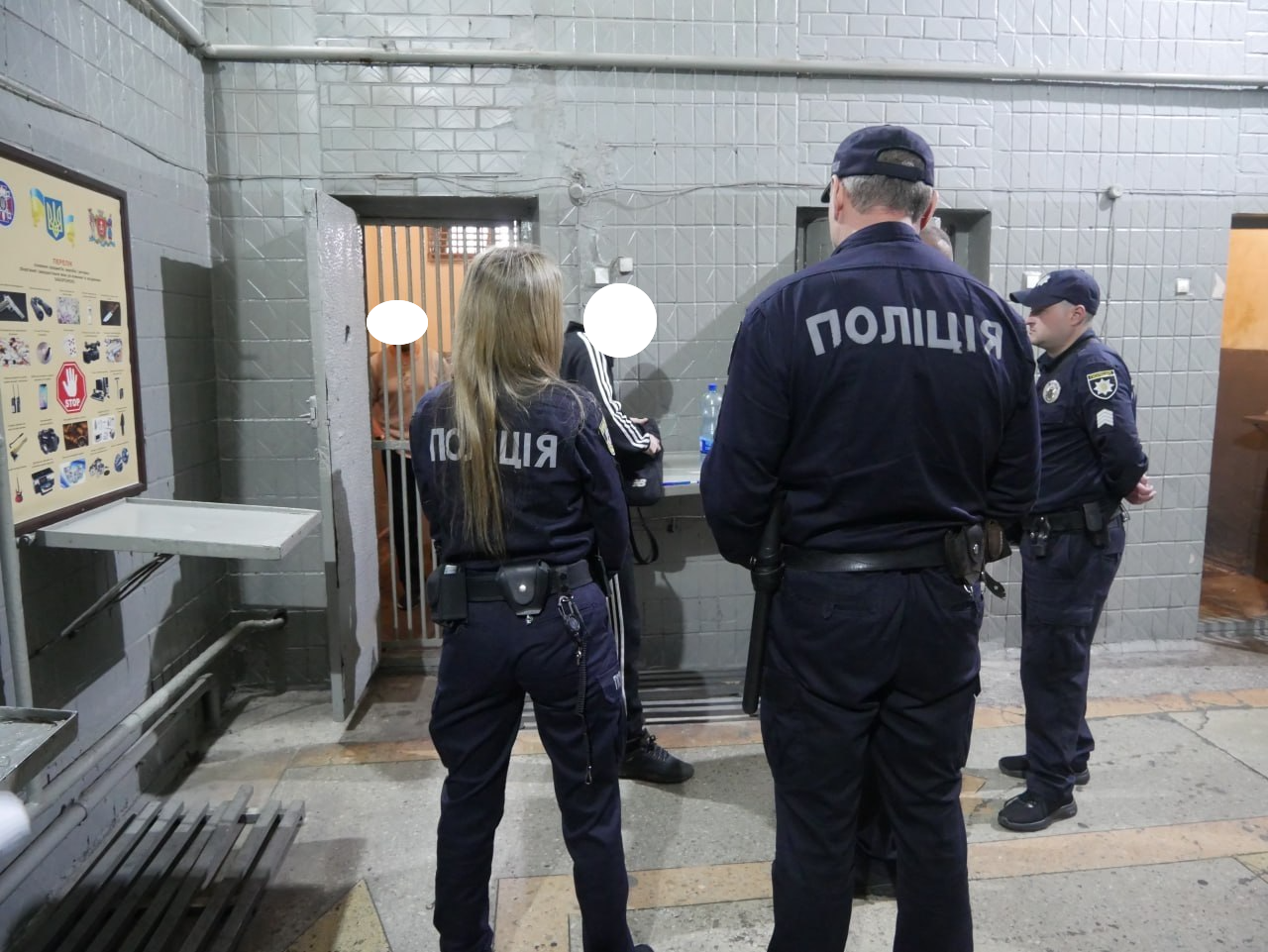
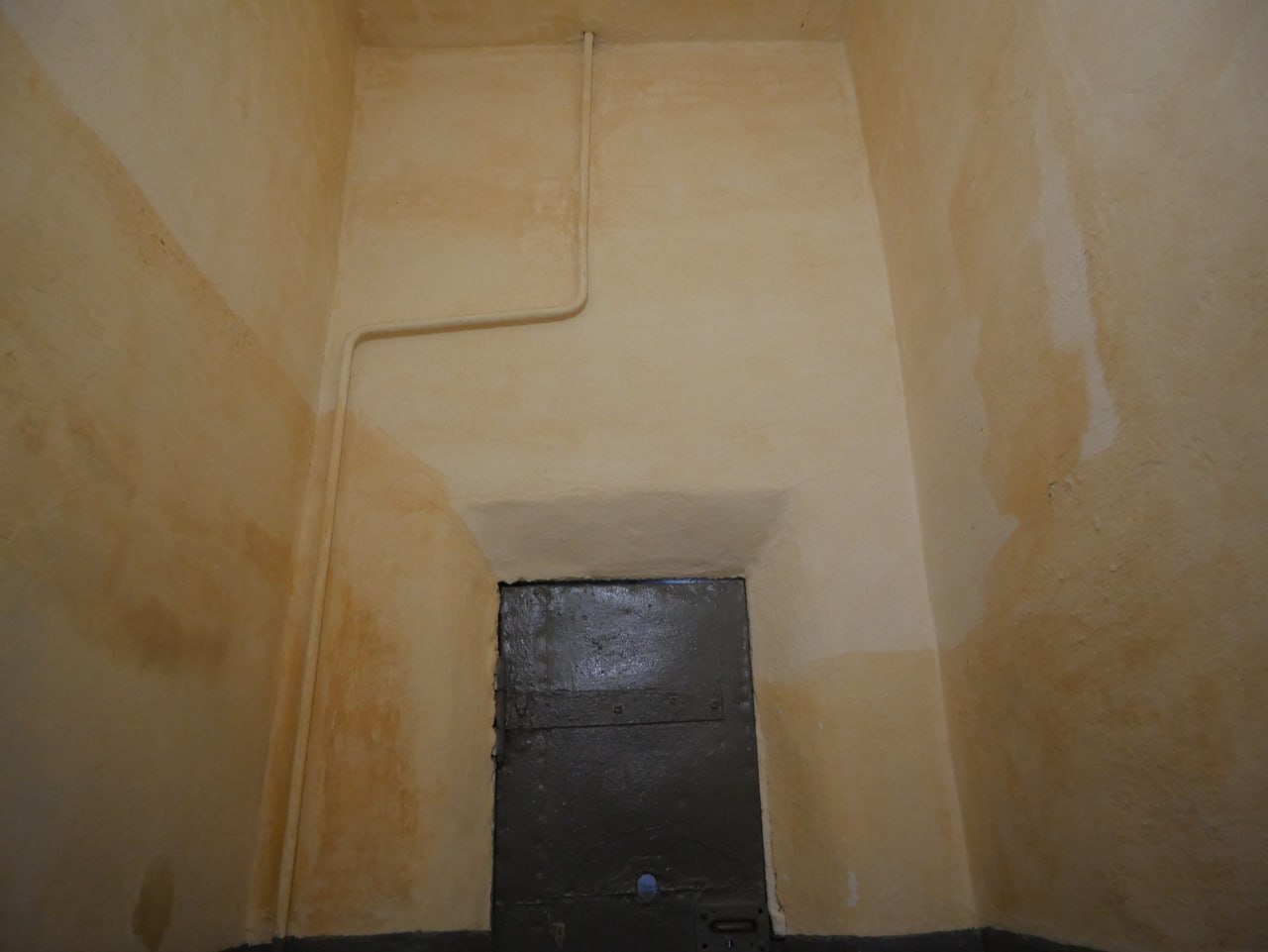
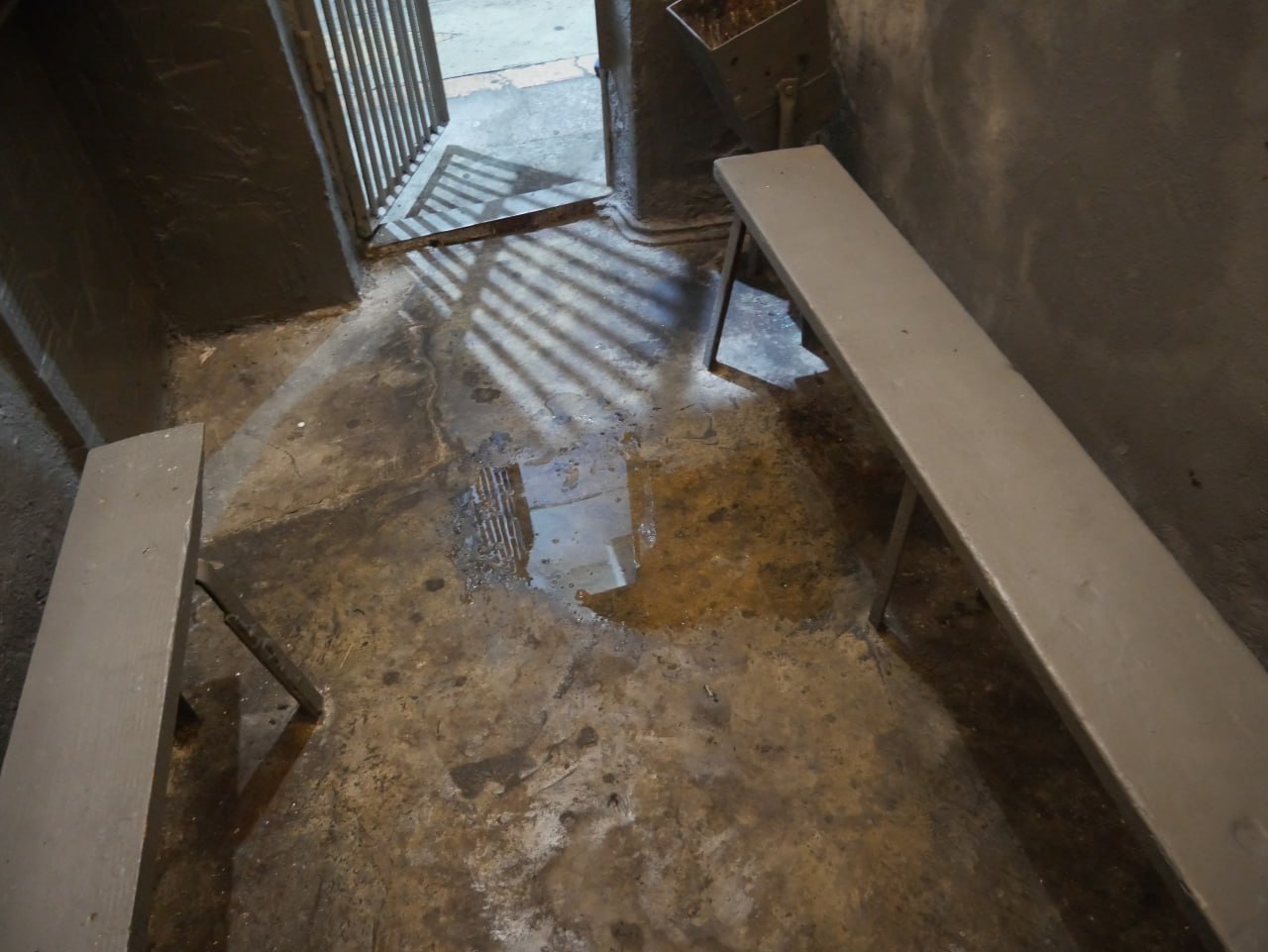
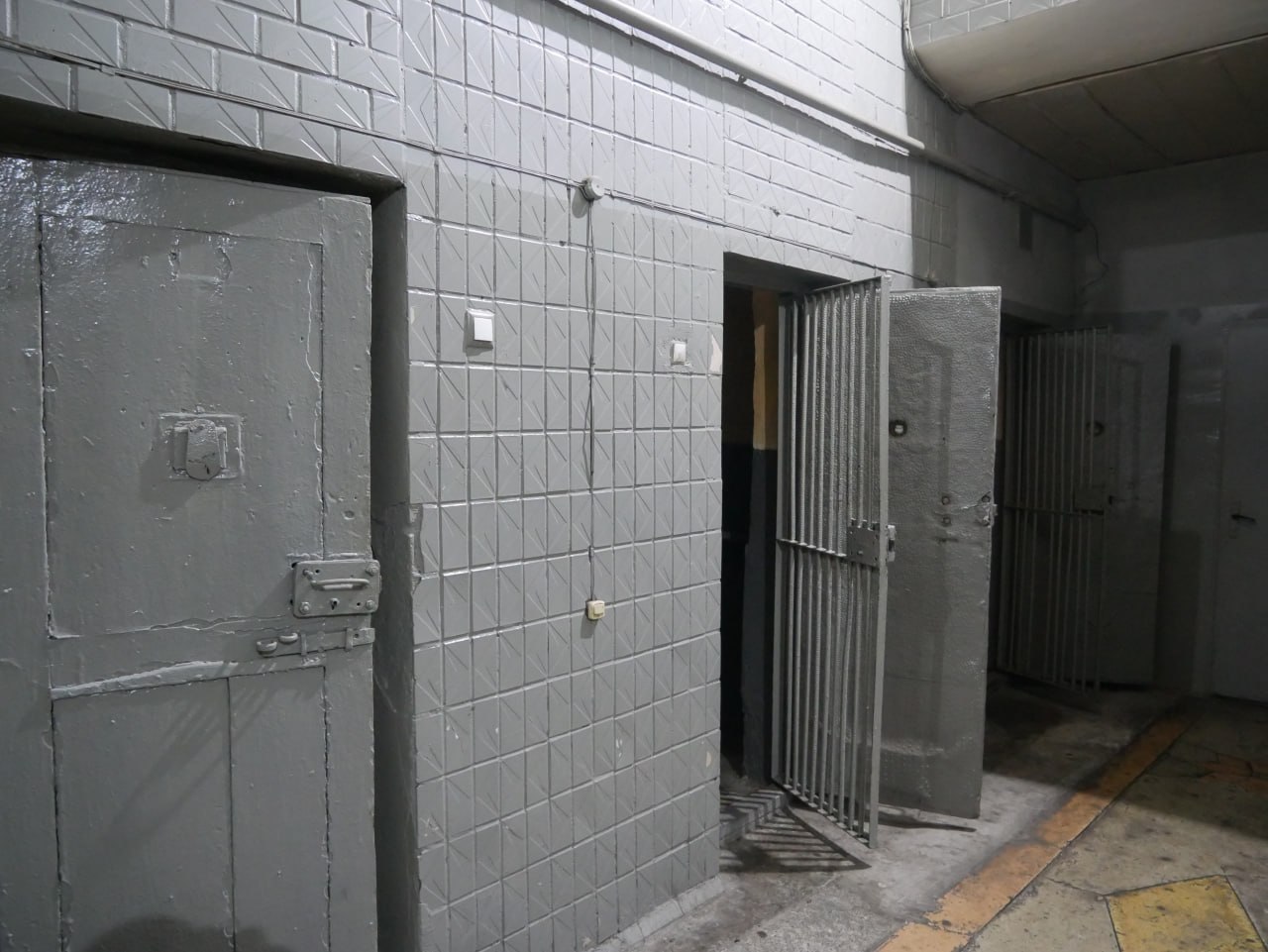
9. In violation of the requirements of the Provision Standards, the following premises are missing in the reception unit: a search room; a room for storing the exchange fund of bedding and personal belongings; a storeroom for the temporary storage of dirty bedding and personal belongings; a barbershop; a shower room; a quarantine cell; a cell for the sick (isolation cell). In turn, the absence of a quarantine cell and a cell for the sick (isolation cell) in the institution's reception unit creates conditions for the spread of infectious diseases among newly arrived persons, increases the risk of epidemiological outbreaks, and complicates the timely detection and isolation of the sick, which can pose a threat both to persons held in the institution and to the institution's staff.
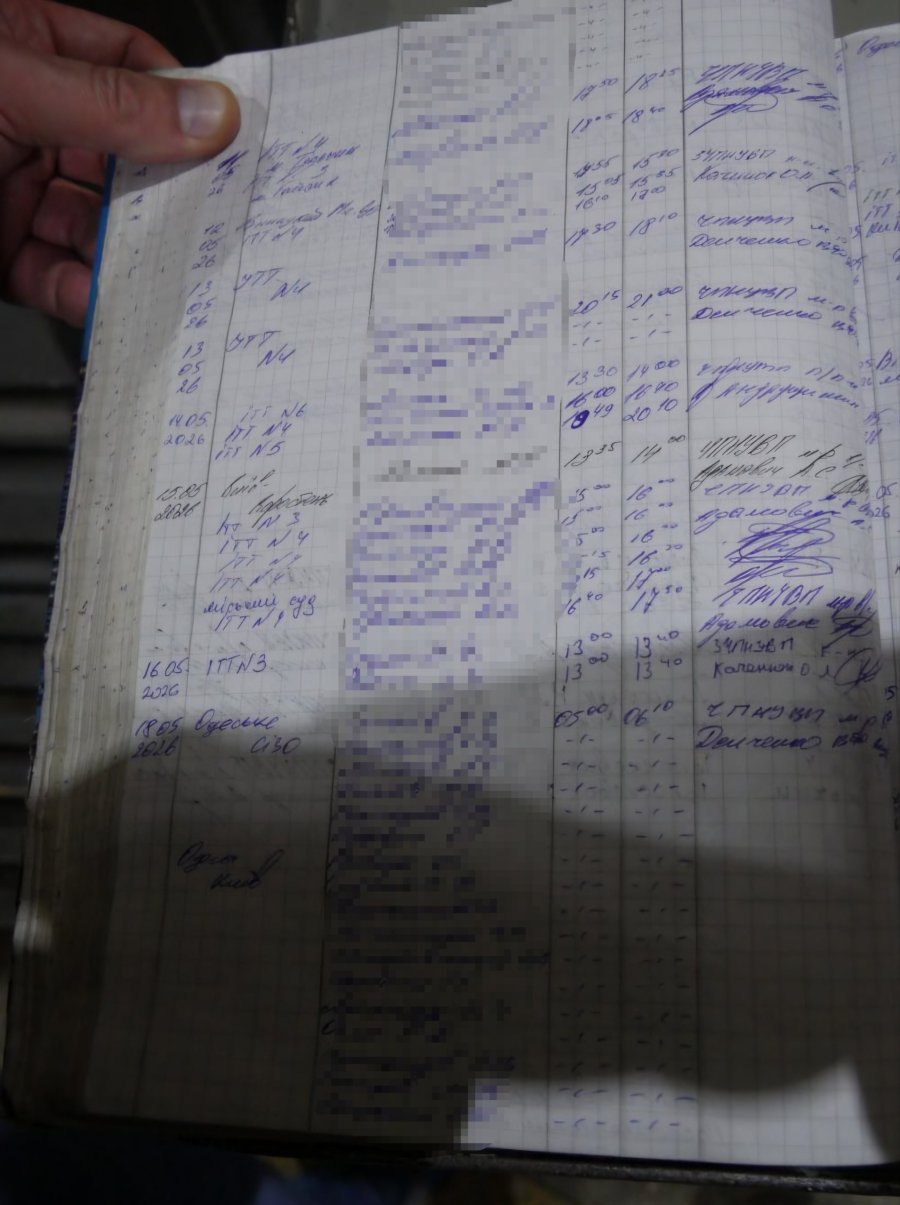
10. The monitoring group established the absence of numbering for the premises for the temporary stay of persons taken into custody in the reception unit. In this regard, during the placement of detainees and convicted persons in the specified premises, the institution's staff does not carry out proper recording in the duty log of the reception unit. The stated violation creates conditions for possible abuse by the administration and staff of the institution, in particular in the context of compliance with the established living space standards per person, and also creates prerequisites for violating the requirements of Article 8 of the Law of Ukraine “On Pre-trial Detention” and Clause 17.2 of the European Prison Rules in the context of requirements for the separate detention of prisoners.

11. Clause 4, Chapter 2, Section III of the IRR RP provides for the use of audiovisual, electronic, and other technical means in order to ensure security, prevent escapes, the commission of criminal offences, and violations of the established order of detention.
During the inspection of individual cell premises of the institution, the monitoring group recorded the installation of video surveillance cameras.
At the same time, in the Committee’s report for 2012, it is stated that video surveillance in living quarters constitutes a significant interference with the privacy of prisoners and makes the conditions of detention more repressive, especially in the case of its prolonged use (CPT/Inf (2013) 23, Clause 52).
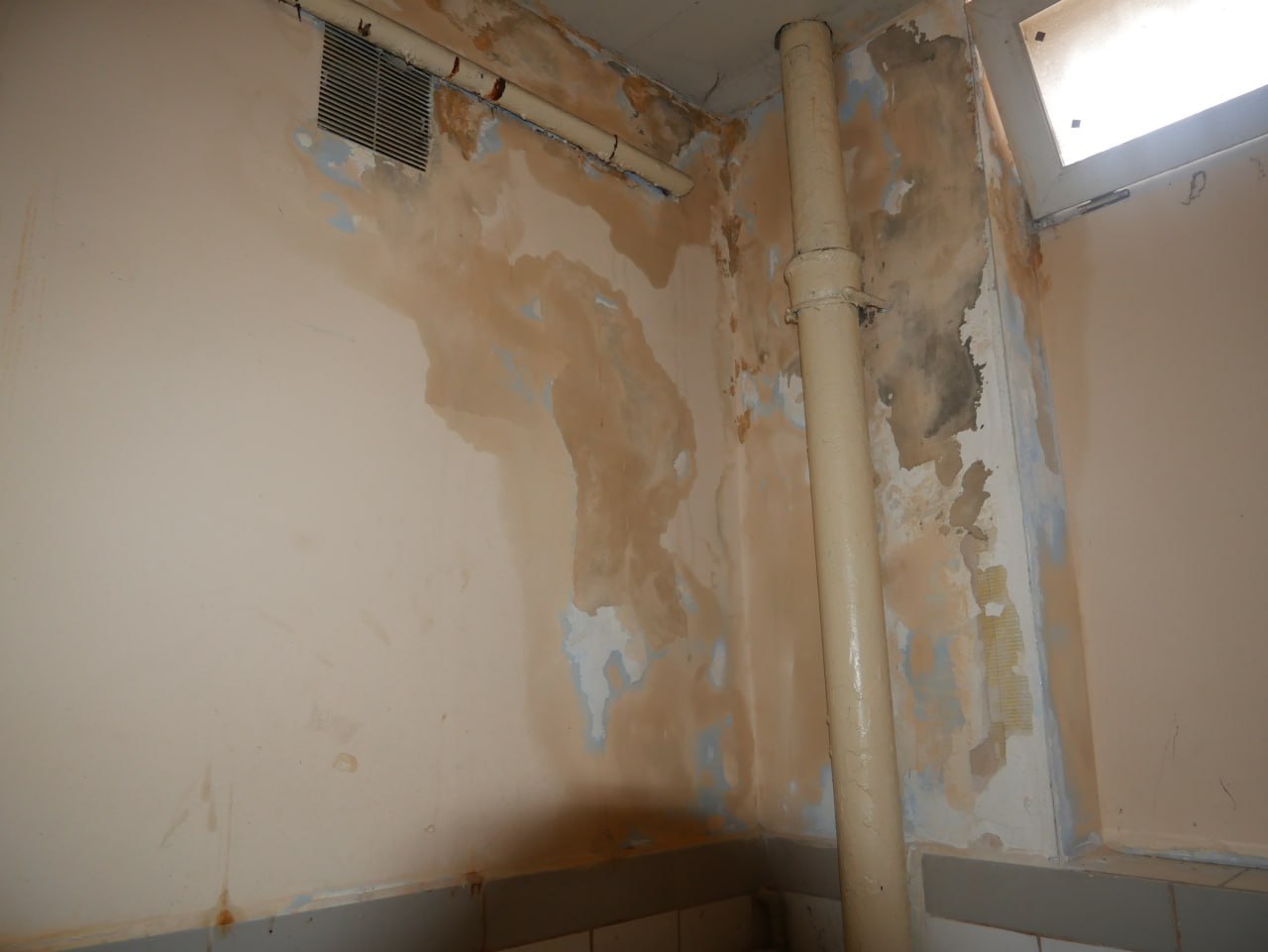
12. Contrary to the requirements of Article 11 of the Law of Ukraine “On Pre-trial Detention” and Clause 1, Chapter 4, Section IX of the IRR RP, detainees are not fully provided with proper material and living conditions that meet the rules of sanitation and hygiene.
Individual cells require renovation with the replacement of sanitary equipment and electrical wiring. On the walls of individual cells, there is excessive dampness and mould as a result of water leakage.
In the cell premises, detainees are forced to wash and dry clothes, which indicates an inadequate organisation of laundry and bathing provision.
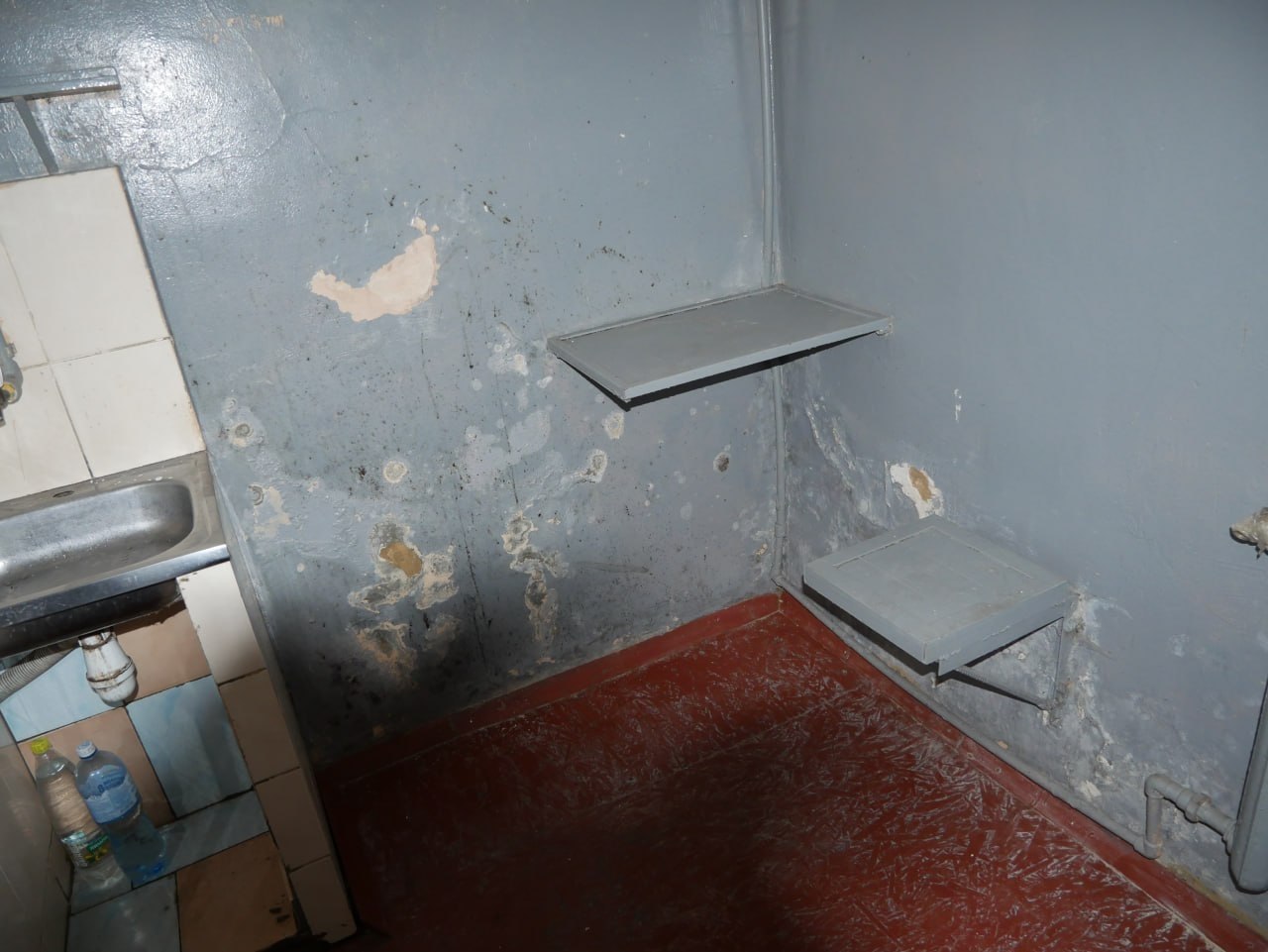
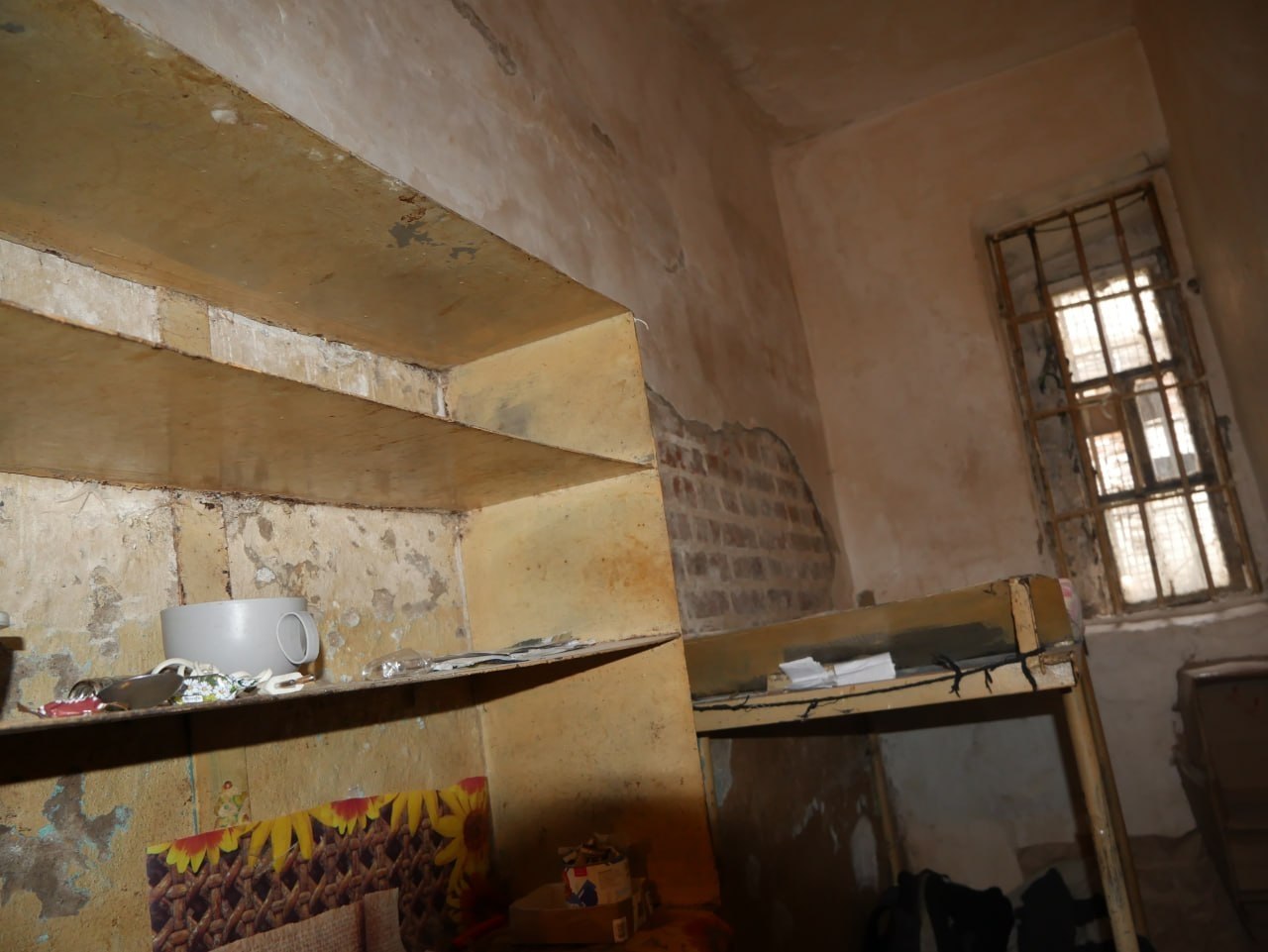

13. During the visit to the maximum-security sector of the institution (hereinafter — MSS), near the external doors of the cells for holding those sentenced to life imprisonment, it was established that name cards with a brief description of the crimes committed by the persons staying in the cells were posted. In its report following the visit to Ukraine in 2020, the Committee noted that such a practice should be discontinued, as it serves no reasonable purpose and, in addition to stigmatisation, has the effect of worsening relations between prisoners and prison staff (CPT/Inf (2020) 40, Clause 52).
14. During the visit to the disciplinary cell premises, it was established that there was no visual information indicating the telephone numbers of “hotlines”, as well as postal and e-mail addresses of the Ministry of Justice of Ukraine, the Commissioner for Human Rights of the Verkhovna Rada of Ukraine, the European Court of Human Rights, the State Bureau of Investigation, the Office of the Prosecutor General, regional and district prosecutors' offices, the interregional department, the Department, the Commission for Consideration of Complaints on Inadequate Detention Conditions in Pre-trial Detention Centres and Correctional Institutions, as well as the regional centre for the provision of free legal aid.
The stated fact contradicts the requirements of Clause 14, Chapter 2, Section II of the IRR RP.
15. The outfitting of individual MSS cell premises does not ensure proper conditions of detention for convicted persons taking into account their individual needs, which does not meet international standards for the treatment of prisoners and established requirements.
Thus, in cell No. 186 of the MSS, a sufficient level of natural lighting is not provided, since the windows are equipped with frosted (darkened) glass, which significantly limits the penetration of daylight into the cells. Such conditions negatively affect the psycho-emotional state of the convicted persons and effectively deprive them of visual contact with the external environment.
This does not meet the requirements of Rule 18.2 (a) of the European Prison Rules and Rule 14 (a) of the UN Standard Minimum Rules for the Treatment of Prisoners (the Mandela Rules).
In its report following the visit to Ukraine in 2020, the Committee already drew attention to this and recommended taking measures to review the design of the windows in the cells so that prisoners could see what is located outside the cell (CPT/Inf (2020) 40, Clause 48). 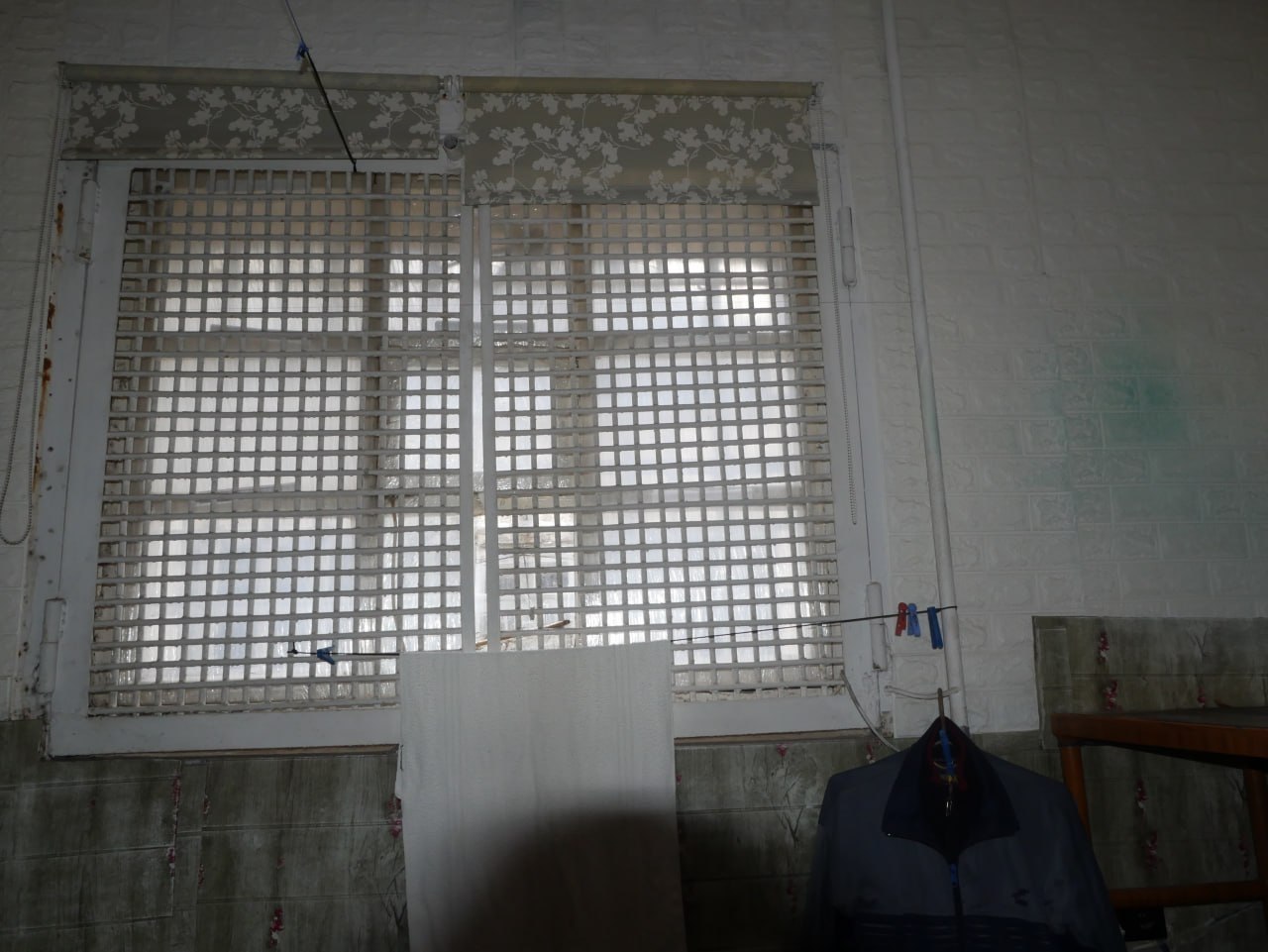
16. During the visit to the institution, the monitoring group established that the institution's shop lacks socks, slippers, mirrors, envelopes, stamps, devices for consuming tobacco products and inhaling aerosols (vapour) without combustion, as well as chargers for them, the presence of which is provided for in Annex 5 to the Internal Regulations of Correctional Institutions, approved by the order of the Ministry of Justice of Ukraine dated 28 August 2018, No. 2823/5 (hereinafter — IRCI).
17. The monitoring group established a number of violations in the organisation of laundry and bathing services for convicted persons and persons taken into custody.
In accordance with Clause 3.19.1, Section III of the Regulations on the organisation of laundry and bathing services for persons held in correctional institutions and remand prisons, approved by the order of the Ministry of Justice of Ukraine dated 8 June 2021, No. 849/5 (hereinafter — Regulations), sanitary treatment includes washing convicted persons and persons taken into custody in a bathhouse using soap and a washcloth, mandatory replacement of bedding and underwear, as well as disinfection (destruction of pathogenic microorganisms) and disinsection (destruction of insects and ticks that are carriers of infectious diseases) of personal clothing and bedding (pillows, mattresses, blankets) in a disinfection chamber.
However, the monitoring group established that the disinfection chamber in the institution is not actually functioning, which makes it impossible to carry out proper sanitary treatment of bedding and clothing, creates an increased risk of spreading infectious diseases among convicted persons, persons taken into custody, and staff, and indicates a violation of established sanitary and hygienic standards.
18. In violation of Clause 2.14, Section II of the Regulations on the organisation of laundry and bathing services, the institution has failed to ensure the provision of hairdressing services to convicted persons and detainees.
19. The monitoring group established that convicted persons and persons taken into custody have the opportunity to visit the bathhouse only once a week. The stated fact violates the requirements of Rule 19.4 of the European Prison Rules and Clause 3.1 of the Regulations on the organisation of laundry and bathing services. 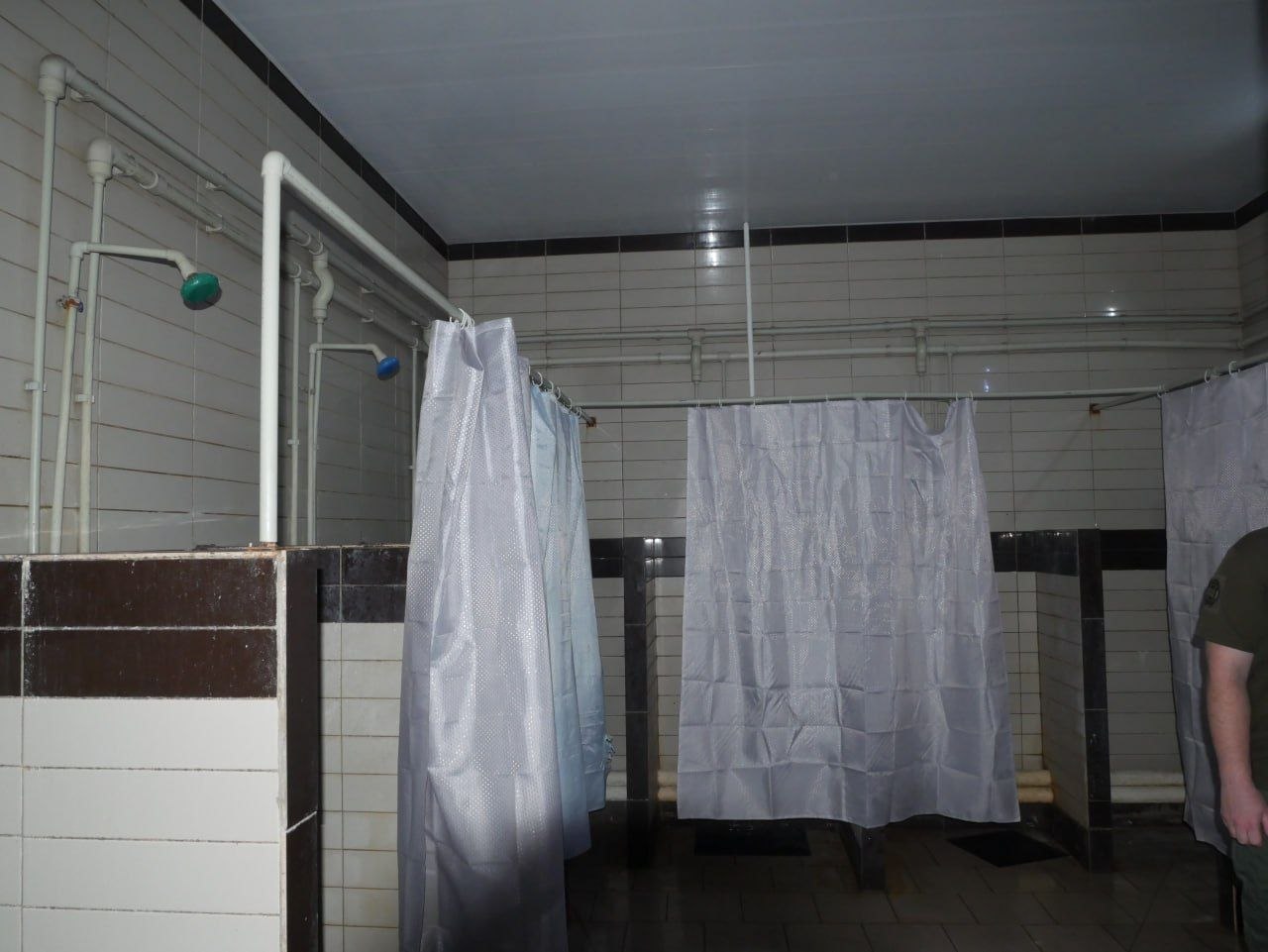
20. In violation of the requirements of Annex 3 to the Regulations on the organisation of laundry and bathing services, the laundry lacks a toilet, a shower room for employees, and a staff room for the laundry.
21. In violation of Clause 2.11, Section II of the Regulations, the forced supply-and-exhaust ventilation system does not work in the laundry room.
22. During the visit, the monitoring group recorded that the institution's staff who are in direct contact with convicted persons openly carry special means, including rubber batons. At the same time, according to the eighth paragraph of Clause 8, Chapter 1, Section V of the IRR RP, the carrying of special means by remand prison staff within the protected territory of the remand prison must be as concealed as possible from the surroundings. Furthermore, the Committee recommends that penitentiary officers working in direct contact with prisoners should not carry special means such as rubber batons, handcuffs, and tear gas canisters openly in front of prisoners. Such carrying prevents the establishment of normal relations between staff and prisoners (Clause 85 (CPT/Inf (2011) 29); Clause 23 (CPT/Inf (2013) 23); Clause 166 (CPT/Inf (2014) 15).
23. According to the information provided by the institution's administration, during 2025, in the state institution “Vinnytsia Correctional Facility (No. 1)”, 411 short-term visitations of detainees and convicted persons with close relatives and other persons were held. All visitations took place in a non-contact manner — through solid separation glass using an intercom device.
At the same time, in the report of the Government of Ukraine following the 2023 visit, the European Committee for the Prevention of Torture emphasises that for all categories of convicted persons, open visitations, for example at a table, should be the rule, and closed ones — the exception, the application of which is allowed only on the basis of justified and motivated decisions after an individual assessment of the potential risk of a specific convicted person. In this regard, the Committee calls on the Ukrainian authorities to review the procedure for conducting short-term visitations in penitentiary institutions in order to ensure they are conducted, as a rule, under open conditions (CPT/Inf (2024) 20, Clause 99).
24. According to the official documentation, the staff shortage in the institution as of 8 June 2026 is 67 authorised units. At the same time, in the report of the Government of Ukraine following the 2023 visit, the Committee emphasises that ensuring a positive climate in a penitentiary institution requires a professional team of staff, who must be present in sufficient numbers at any moment in the places of detention. An insufficient number of staff can only increase the risk of violence and intimidation between prisoners. A lack of “front-line” staff also undermines the quality and level of measures offered to prisoners, and puts at risk the prospect of preparation for release and social rehabilitation. In this regard, the Committee calls on the Ukrainian authorities to take decisive measures to substantially increase the number of staff in penitentiary institutions in Ukraine, where a low level of staffing is observed, with the aim of strengthening the presence of security and supervision staff inside the institutions. Measures must also be taken to put an end to 24-hour shifts for staff on duty (CPT/Inf (2024) 20, Clause 93).
25. During the monitoring visit, the monitoring group checked the status of ensuring the right of persons staying in the institution to protect their lives under martial law and the readiness of civil protection facilities for their intended use.
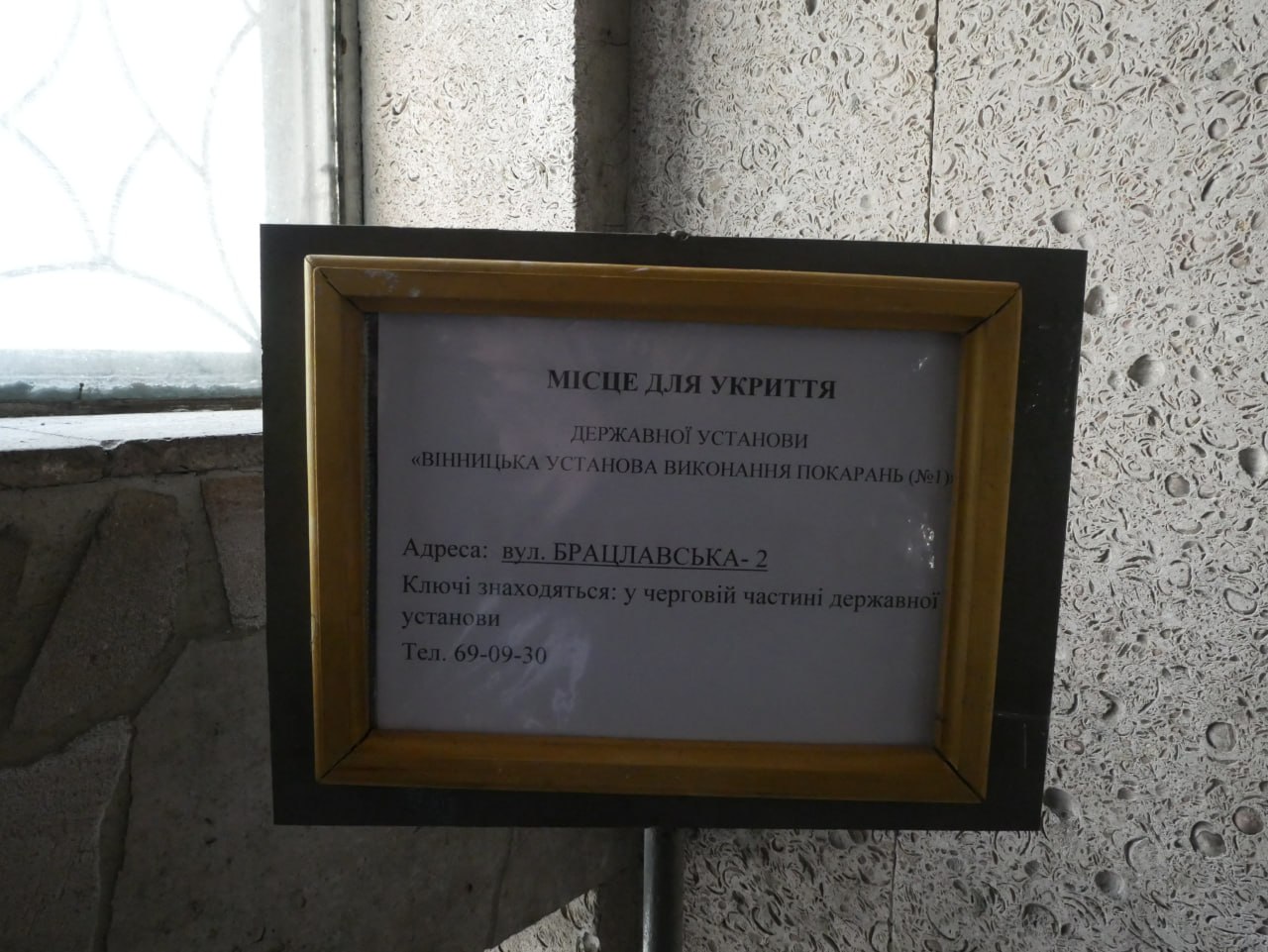
It was established that on the territory of VCF-1, a simplest shelter has been designated, which is located in the basement of the administrative building and is used exclusively for the institution's staff. At the same time, persons held in the institution do not have access to this shelter.
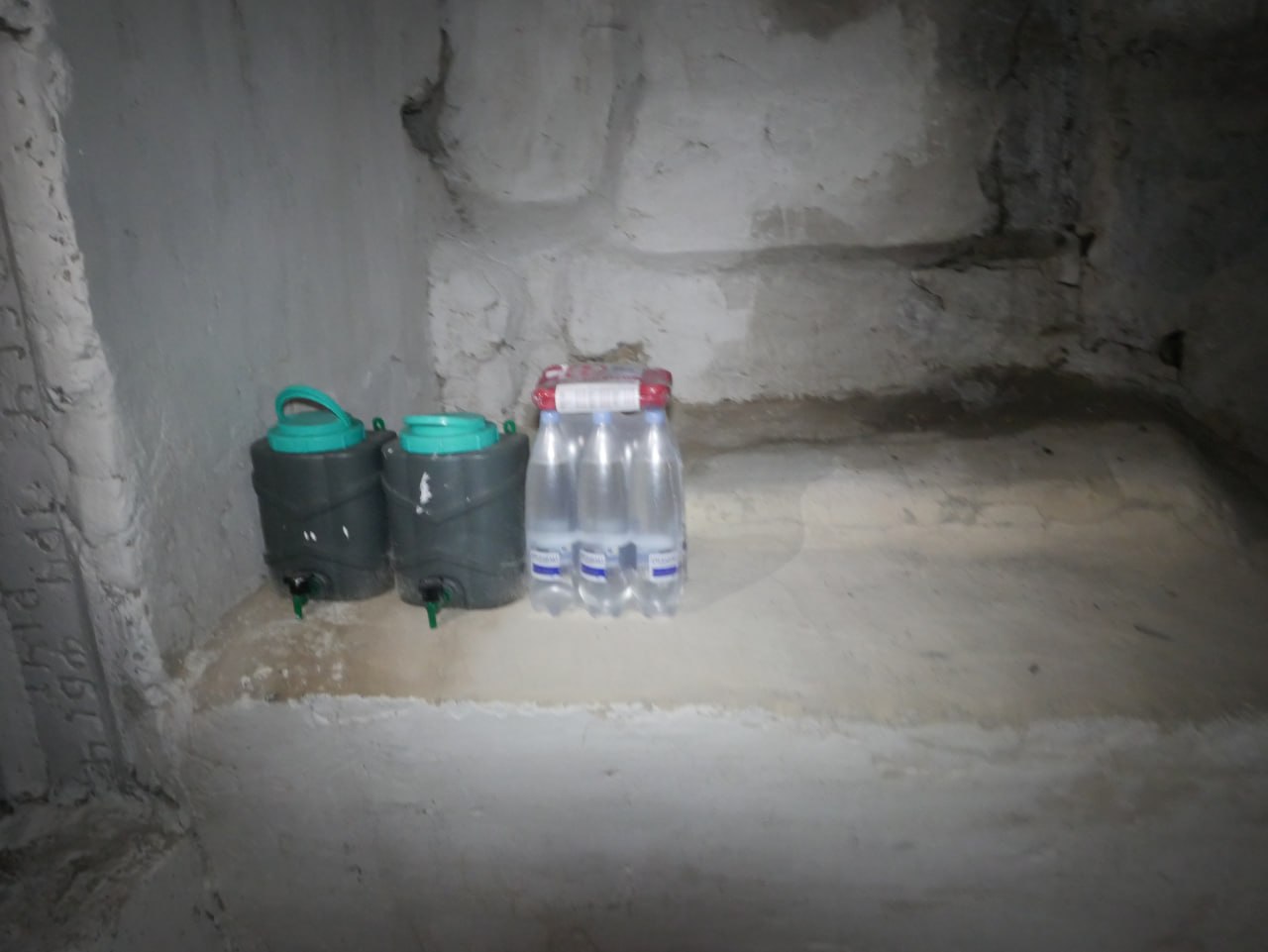
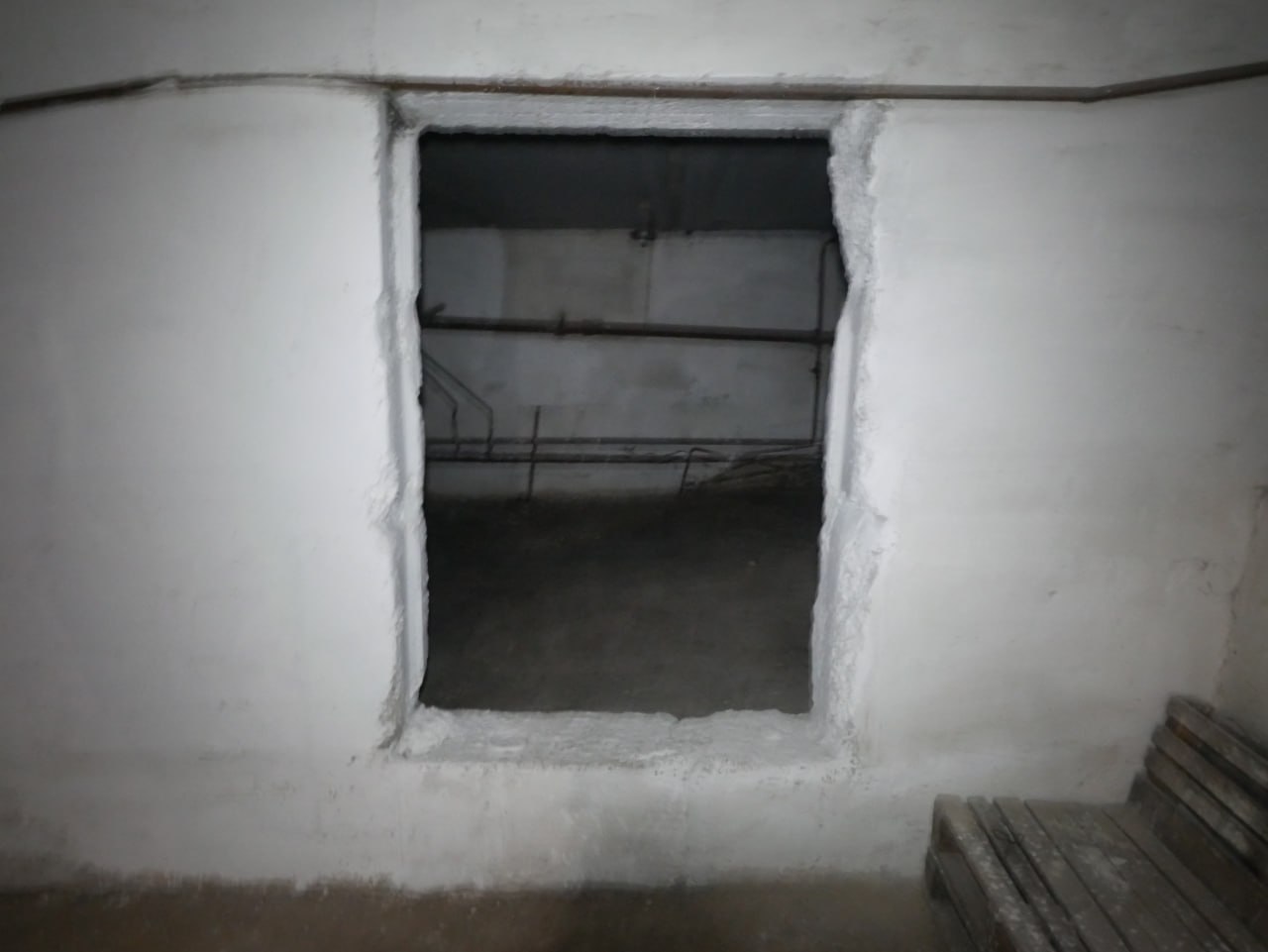
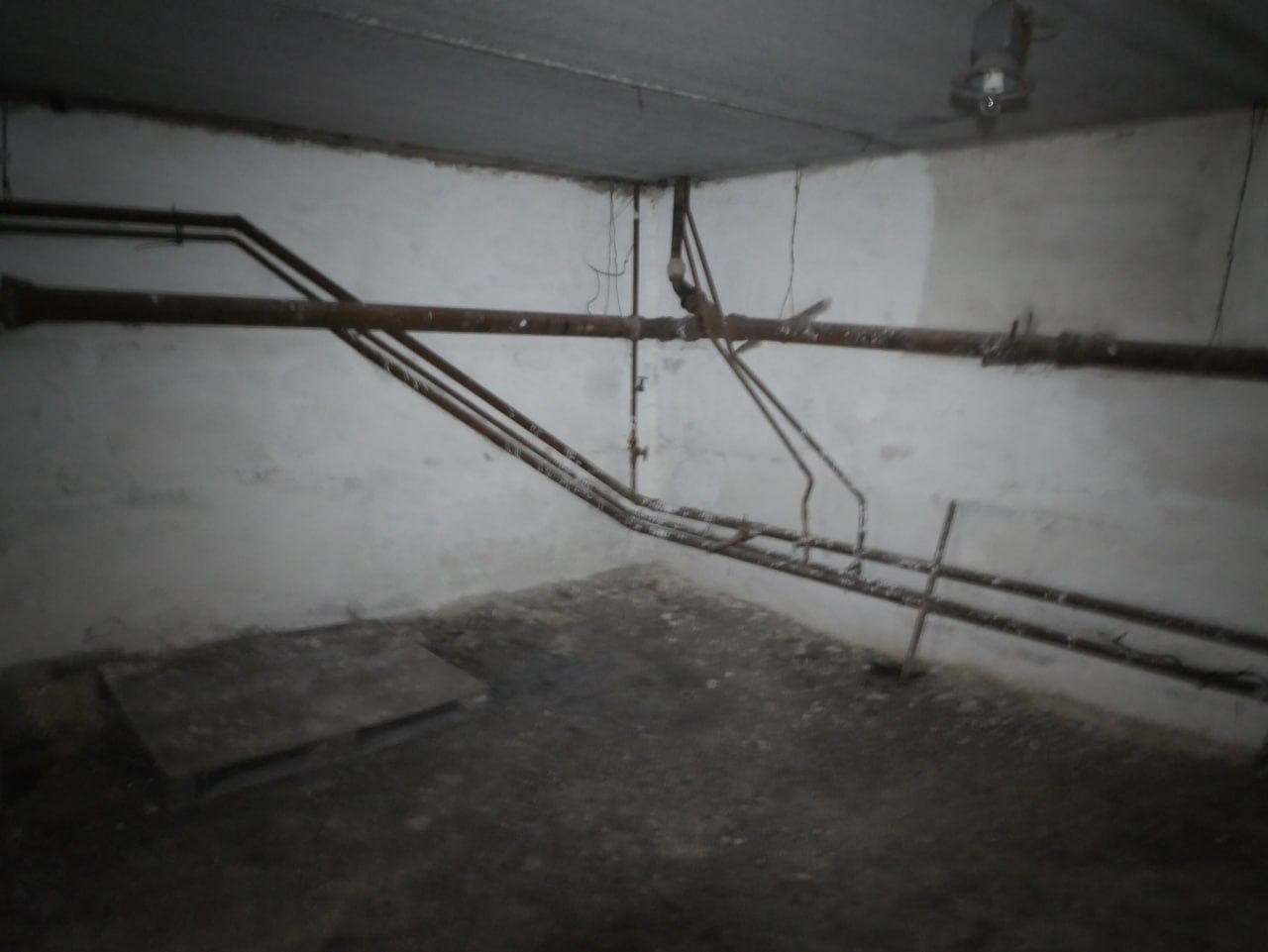
During the inspection of the shelter, it was established that it does not meet the minimum safety requirements. In particular, the premises have only one entrance, the second emergency evacuation exit is missing, which in the event of the destruction or blockage of the main entrance would make it impossible to safely evacuate the persons inside. In addition, the shelter is not equipped with a ventilation system, which does not ensure the necessary air exchange during prolonged stay of people, and also lacks sewage and sanitary facilities. The presence of a small supply of drinking water does not compensate for the lack of basic engineering systems necessary for the functioning of the shelter during prolonged air raids.
The monitoring group draws attention to the fact that under conditions of systematic missile and drone attacks, the state has a positive obligation to ensure an adequate level of protection for the lives of all persons under its control, including persons deprived of their liberty. Using the shelter exclusively for staff in the absence of adequate protective premises for detainees and convicted persons does not comply with this obligation. In accordance with Article 27 of the Constitution of Ukraine, Article 2 of the Convention for the Protection of Human Rights and Fundamental Freedoms, Articles 2, 20 and 32 of the Civil Protection Code of Ukraine, as well as the Requirements for maintenance and operation of civil protection shelters, approved by the order of the Ministry of Internal Affairs of Ukraine dated 9 July 2018, No. 579, protective structures must ensure the safe stay of people, in particular by being equipped with the necessary engineering systems and evacuation routes.
Thus, the absence of a second evacuation exit, ventilation system, and sewage in the simplest shelter indicates its non-compliance with the requirements of legislation in the field of civil protection. In addition, the absence of adequate shelter for persons held in the institution creates a real risk of violating their right to life and safety under martial law and requires elimination.

26. During the monitoring visit, the monitoring group checked compliance with the right to work and social protection of persons held in VCF-1. For this purpose, confidential communication was conducted with convicted persons and detainees who perform work at the food unit, and the relevant documentation was examined, namely: employment contracts, civil law contracts, work time sheets, statements of wage and reward accrual, statements of payment of the single contribution to compulsory state social insurance, medical examination logs for food unit employees, a log of the issuance of sharp-cutting items, a food quality control log, and other documentation.
It was established that both convicted persons, whose work is formalised by employment contracts, and persons taken into custody are involved in ensuring the operation of the food unit. However, the latter perform separate production operations without formalising employment relations and without payment for their labour.
According to the documents provided by the administration, convicted persons are employed in household services as cooks, bakers, canteen workers, kitchen workers, a carpenter, a plumber, cleaners, general labourers, and other workers. Fixed-term employment contracts have been concluded with the specified persons, they are accrued wages, and payment of the single contribution to compulsory state social insurance is carried out, which ensures their acquisition of insurance seniority and the realisation of their right to social protection.
At the same time, during the tour of the food unit and confidential communication with persons held in the institution, it was established that the accused, who are not in employment relations with the institution and do not receive any reward for the work performed, are also involved in work such as cleaning vegetables, working at the vegetable cutter, and other technological processes. 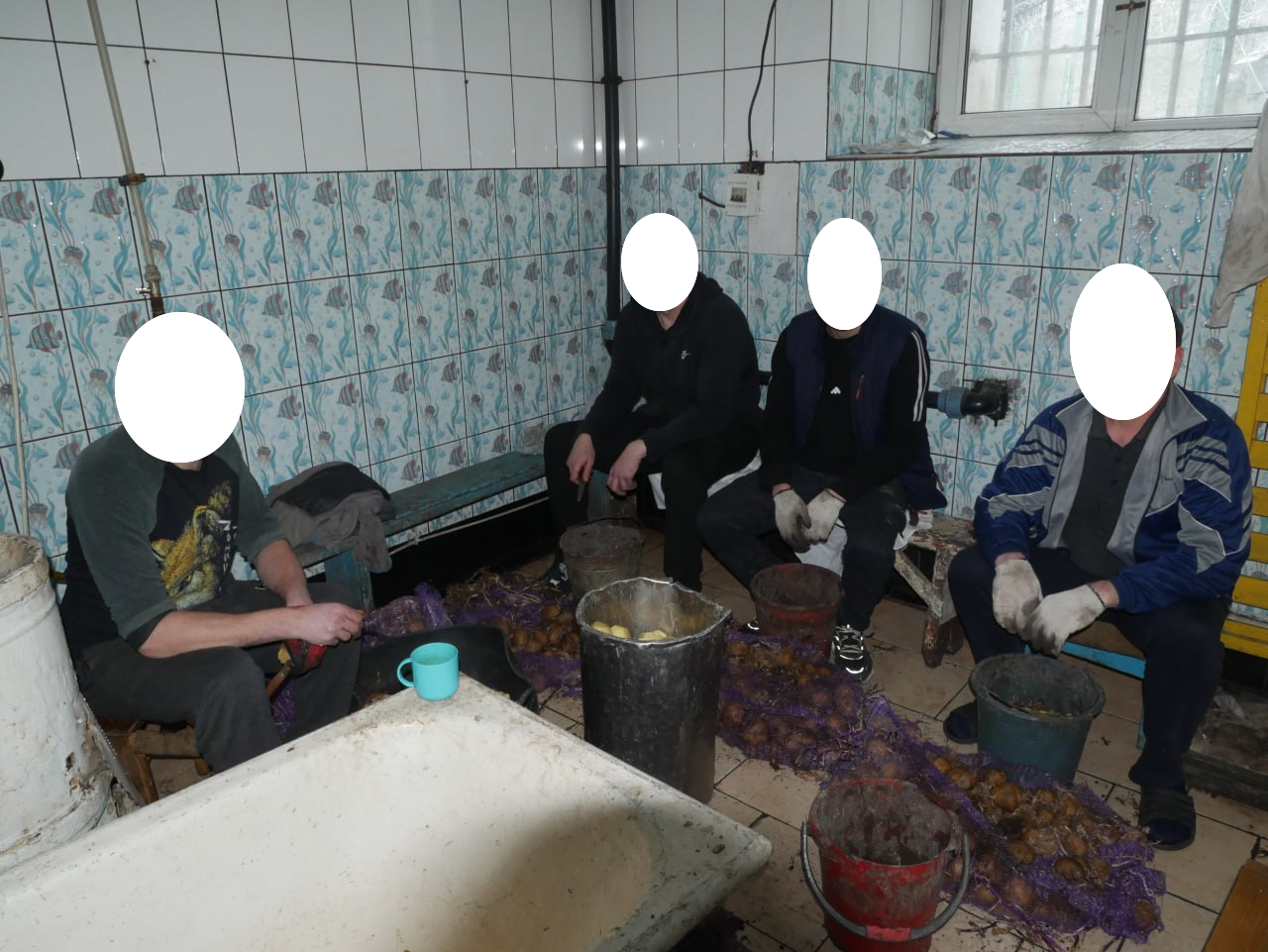
Thus, the accused S., N., and R. reported that they perform work on cleaning vegetables and working at the vegetable cutter for approximately two hours daily. According to them, such work is carried out without formalising employment relations and without any payment.
The monitoring group draws attention to the fact that cleaning vegetables, preparing food products for cooking, working at a vegetable cutter, washing vegetables, and other similar work are a component of the production process of the food unit and directly ensure the preparation of food for all persons held in the institution. Such work cannot be considered as improvement work for the institution, since it is not related to maintaining the proper sanitary state of the territory or premises, but is a permanent production activity that must be performed within the framework of properly formalised employment relations with compliance with the guarantees of wage payment and social insurance.
The organisation of the work of household services deserves special attention. In particular, the convicted person K. has been working in household services for over a year, which indicates the permanent nature of his employment function. Similarly, the convicted person N. works as a canteen worker; his labour is formalised by a relevant employment contract, wages are accrued for him, and the single contribution to compulsory state social insurance is paid. At the same time, an analysis of work time sheets and statements on wage accruals indicates the almost continuous involvement of individual food unit workers in work throughout the calendar month, which requires additional assessment regarding compliance with the requirements of legislation on the duration of working hours and rest time.
During the analysis of the medical examination log for food unit employees, it was established that the doctor conducts examinations of the same ten food unit workers daily, including weekends. At the same time, it was established that the lists of persons subject to examination are filled out in advance for several days, which calls into question the actual conduct of daily pre-shift medical examinations. In addition, the accused who actually work on cleaning vegetables and are in direct contact with food products are absent from the specified log and do not undergo medical examination, despite performing work related to food preparation.
During the inspection of the log of the issuance of sharp-cutting items, it was established that the document is maintained formally. It lacks information on the time of issuance and the time of return of the knives, which makes it impossible to establish the actual duration of their use and to properly control their circulation. In addition, the log does not contain information about all persons who actually work with knives. Thus, during the visit, the monitoring group established that the accused N. was cleaning potatoes with a knife, however, his surname is absent from the log of issuance of sharp-cutting items. This indicates inadequate control over the use of potentially dangerous objects in a regime institution.
The analysis of the food quality control log also shows that individual convicted persons, in particular V., F., and G., actually participate in food preparation daily, without weekends.
It is also impossible to determine the duration of working hours for detainees working in the institution, as the documents provided by the administration do not allow for reliably establishing the duration of their working hours, and the institution does not maintain a record of taking detainees out of cells for work. The absence of coupons or any other form of documenting the exit makes it impossible to check the actual duration of work of each person and compare it with the work time sheets, which creates a risk of concealing overtime work or using the labour of persons without proper formalisation.
Thus, the monitoring group established signs of systemic shortcomings in the organisation of labour for persons performing work at the food unit. In particular, individual accused persons are involved in performing production work without formalising employment relations, without pay, and without paying the single contribution to compulsory state social insurance, which deprives them of the right to remuneration for labour, insurance seniority, and other guarantees of social protection. At the same time, the administration has not ensured proper accounting of actually worked time, individual logs of medical control and issuance of sharp-cutting items are maintained formally, and the production work of the food unit is actually replaced by work on the improvement of the institution.
The stated circumstances indicate the need to bring the organisation of labour in the institution into compliance with the requirements of Article 43 of the Constitution of Ukraine, Article 16 of the Law of Ukraine “On Pre-trial Detention”, Articles 60, 118, 120 of the Criminal Executive Code of Ukraine, the Labour Code of Ukraine, the Law of Ukraine “On Compulsory State Social Insurance”, as well as the UN Standard Minimum Rules for the Treatment of Prisoners (the Mandela Rules) and the European Prison Rules, which require that any work of persons deprived of liberty be legal, safe, properly paid, and ensure social guarantees. In the opinion of the monitoring group, the institution’s administration must stop the practice of involving detainees in the performance of production work at the food unit without proper legal formalisation, ensure accounting of actually worked time, proper medical control of all persons who work with food products, and also bring the order of documenting the use of sharp-cutting items into compliance with the requirements of safety and internal regulatory acts.
Vinnytsia City Medical Unit No. 1 of the branch of the state institution “Centre for Healthcare of the State Criminal Executive Service of Ukraine” in Vinnytsia region
Head of the Vinnytsia City Medical Unit No. 1 of the branch of the state institution “Centre for Healthcare of the State Criminal Executive Service of Ukraine” in Vinnytsia region — Olena Volodymyrivna Verzun.
In the medical unit’s staff as of 8 June 2026, the following positions remain vacant: clinical psychologist — 0.5 authorised unit; obstetrician-gynecologist — 0.5 authorised unit.
During the monitoring visit, the monitoring group carried out a study of medical documentation, an inspection of the premises of the medical unit, and conducted individual interviews (surveys) with convicted persons and persons taken into custody, as a result of which shortcomings in the organisation of medical care were established, which lead to the violation of the rights of the specified persons.
1. During the visit, the monitoring group established that the medical staff does not ensure proper fixation and documentation of bodily injuries of persons deprived of liberty.
In accordance with Clause 2.11, Section II of the Procedure for the interaction of healthcare institutions of the SCES of Ukraine with healthcare institutions regarding the provision of medical assistance to persons taken into custody, approved by the joint order of the Ministry of Justice of Ukraine and the Ministry of Health of Ukraine dated 10 February 2012, No. 239/5/104 (hereinafter — Procedure), in case of detecting bodily injuries in a person taken into custody, the medical worker who detected such injuries draws up a certificate in three copies, in which the following are detailed:
- information (written application, oral or written explanation of the person taken into custody regarding the circumstances of receiving bodily injuries (date, time, place of receiving, methods of causing injuries, information about the person (persons) who, in the opinion of the person taken into custody, caused them), as well as other information regarding receiving bodily injuries);
- an exhaustive description of medical indicators that characterise the state of health of the person taken into custody, the nature of the injuries, their size and location;
- the assumption of the medical worker based on the information provided by the person taken into custody and medical indicators, as well as the justification of their correlation.
Attached to the certificate by the medical worker is the primary accounting documentation form No. 511/o “Certificate on the fixation of bodily injuries”, approved by the order of the Ministry of Health of Ukraine dated 14 February 2012, No. 110, registered with the Ministry of Justice of Ukraine on 28 April 2012 under No. 661/20974, and photographs of existing bodily injuries of the person taken into custody. Two copies of the certificate and its attachments are added to the materials of the personal file and the outpatient patient's medical card No. 025/o, the third copy is issued personally to the person who underwent the examination.
Instead, the monitoring group established cases where, during the detection of bodily injuries, the medical staff only fills out primary accounting documentation form No. 511/o without drawing up a certificate in three copies and without carrying out the full complex of actions provided for by the Procedure. This indicates a violation of the requirements of Clause 2.11, Section II of the Procedure and inadequate organisation of medical fixation of bodily injuries.
At the same time, the absence of proper fixation of bodily injuries does not meet Clause 60 of the Committee's recommendations, where it is stated that medical services in places of deprivation of liberty can contribute to the prevention of violence against persons held in custody through systematic registration of bodily injuries, as well as, if necessary, through informing the relevant authorities (CPT/Inf (93) 12).
2. During the analysis of medical documentation, it was established that persons who are receiving outpatient treatment from a psychiatrist have not signed the primary accounting documentation form No. 003-8/o “Informed consent of the person for outpatient psychiatric assistance”. The absence of signed consent makes it impossible to properly confirm the voluntariness of patients receiving psychiatric assistance and the application to them of relevant methods of diagnosis, prevention, and treatment, which indicates a violation of the requirements of the Law of Ukraine “On Psychiatric Assistance”, instructions for filling out primary accounting documentation forms, approved by the order of the Ministry of Health of Ukraine dated 15 September 2016, No. 970, and Rule 32 (b) of the UN Standard Minimum Rules for the Treatment of Prisoners (the Mandela Rules).
3. The clinical psychologist position is vacant in the medical unit, which complicates the timely and effective provision of mental healthcare to convicted persons. In the report following the 2023 visit to Ukraine, the Committee recommended further strengthening the provision of psychological assistance in institutions, as well as developing the training and role of penitentiary psychologists, especially in the part of therapeutic clinical work with convicted persons. In this context, efforts must be made to recruit clinically trained psychologists who must be part of the medical team and in their work should not combine two different roles, i.e., risk assessment and therapeutic clinical work (CPT/Inf (2024) 20, Clause 85).
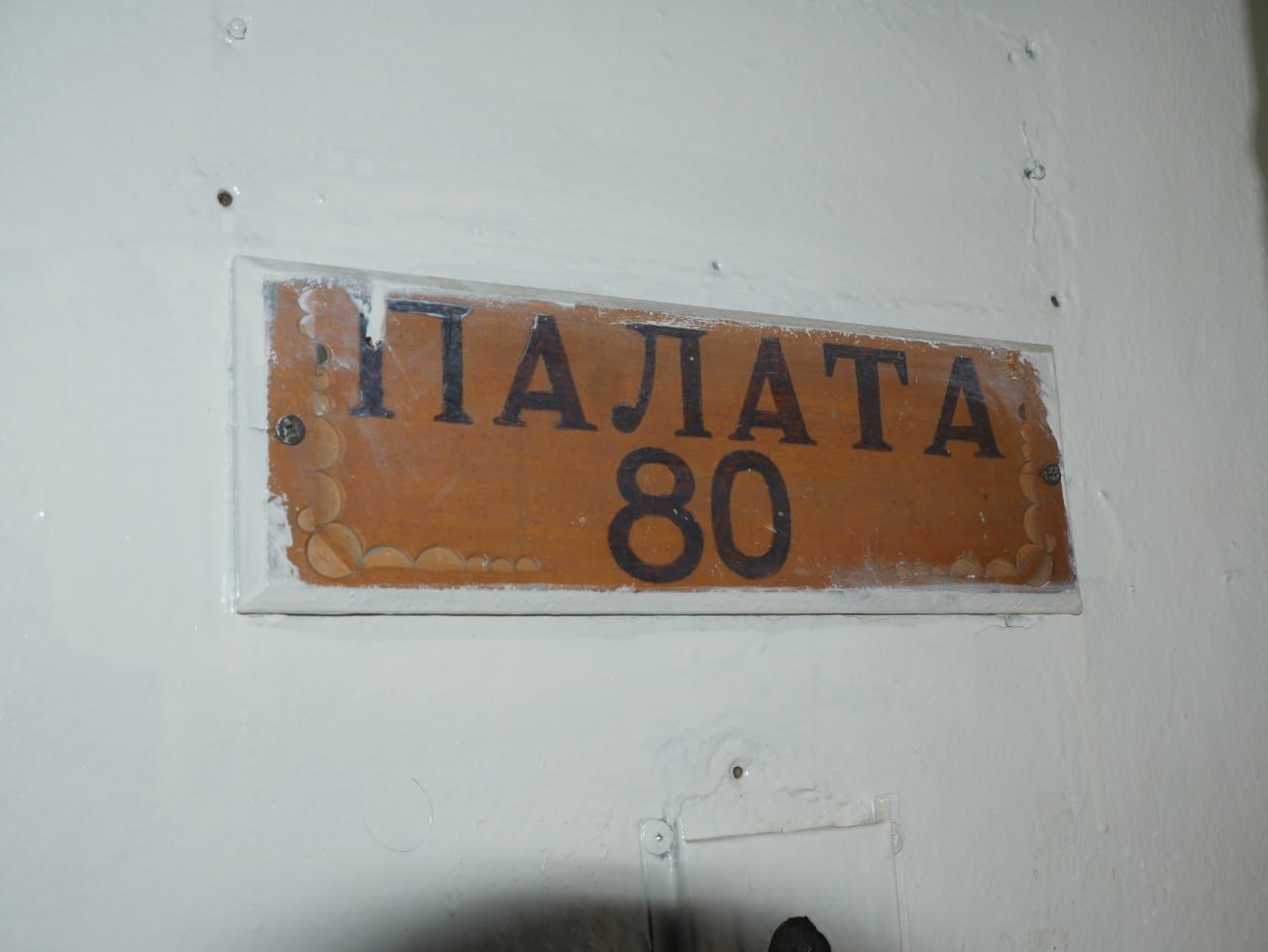
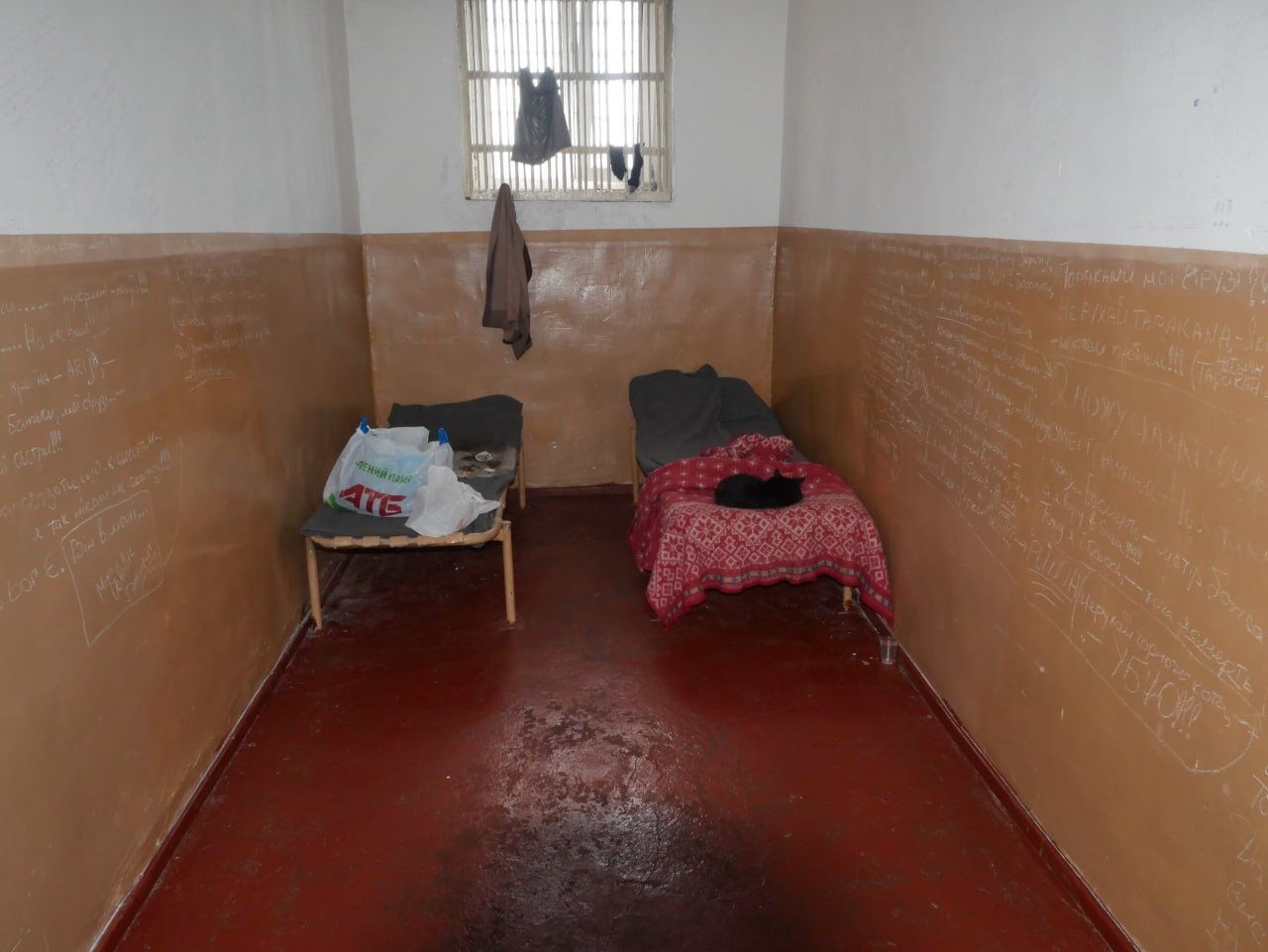
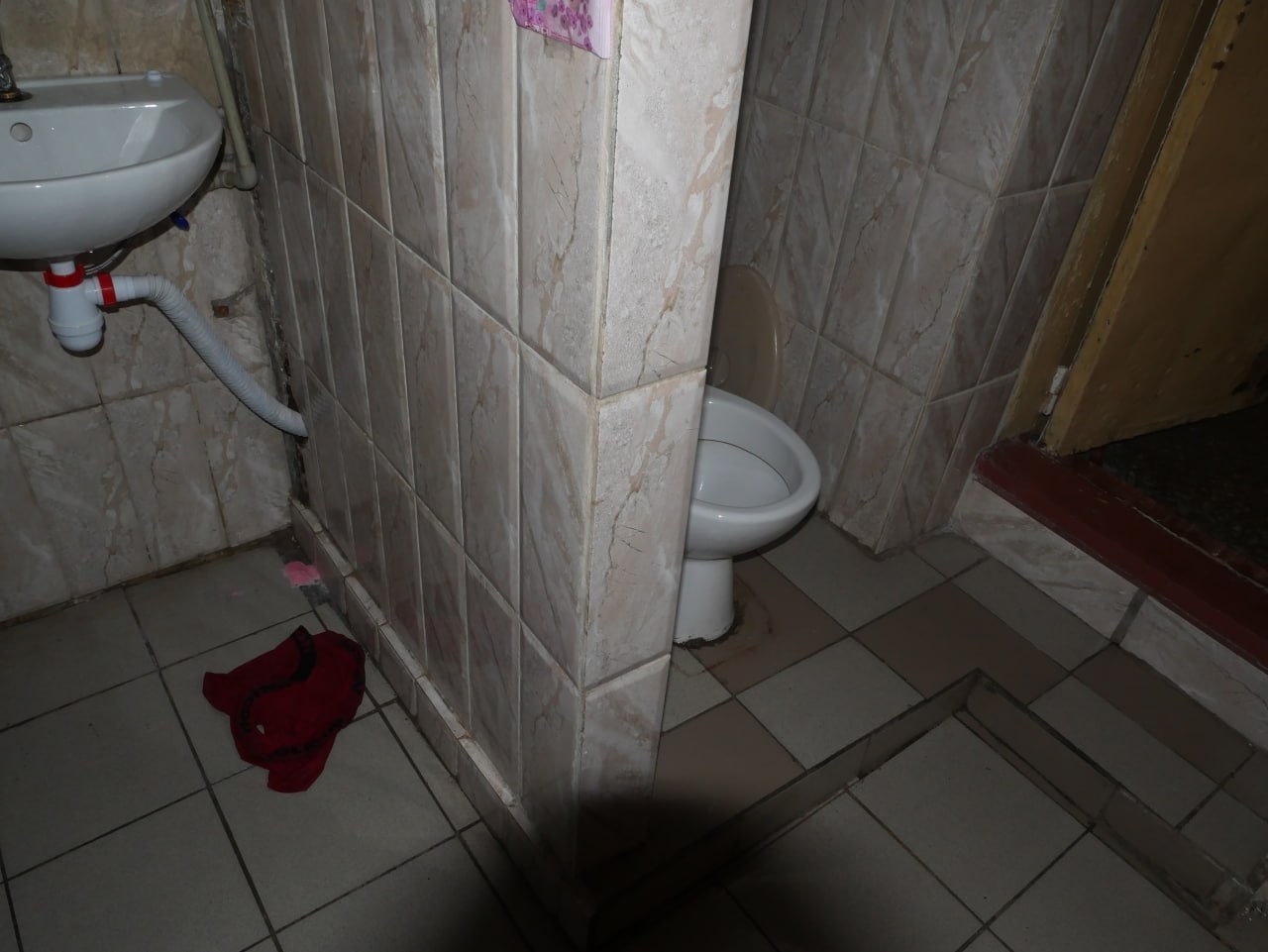
4. In violation of Clause 9 of the Rules for the use of physical restriction and (or) isolation in the provision of psychiatric assistance to persons suffering from mental disorders, approved by the order of the Ministry of Health of Ukraine dated 24 March 2016, No. 240, registered with the Ministry of Justice of Ukraine on 15 April 2016 under No. 570/28700, and Clause 8.3.4 of the State Building Norms of Ukraine V.2.2-10:2022 “Healthcare institutions”, the isolation ward for persons with mental disorders does not meet the established requirements. The premises (ward No. 80) is designed for the stay of more than one person (for 2 persons), which contradicts the principles of isolation. Excessive grilles on the window do not ensure a sufficient level of natural lighting. The premises are not equipped with a mechanical ventilation system.
The sanitary facility is not equipped with sufficient partitions and doors, which does not ensure privacy while using it. Also, there is no canister of boiled drinking water in the ward.
5. Dispensary supervision is carried out for 19 persons who have disabilities. Of them, group I — 4 persons, group II — 4 persons, group III — 11 persons. At the same time, in violation of the requirements of the Law of Ukraine “On Rehabilitation of Persons with Disabilities in Ukraine”, persons with disabilities do not receive proper diagnostic, treatment, and rehabilitation measures in the presence of information confirming persistent impairment of body functions, caused by diseases, consequences of injuries, which cause limitation of normal vital activity. Thus, during the study of the medical documentation of convicted persons, it was established that a person who has a disability lacks an individual rehabilitation programme (hereinafter — IRP). In addition, IRP recommendations are not fulfilled, in connection with which the person does not receive proper diagnostic, treatment, and rehabilitation measures in the presence of information confirming persistent impairment of body functions, caused by diseases and consequences of injuries, which cause limitation of normal vital activity.
6. In violation of the requirements of the State Building Norms of Ukraine V.2.2-40:2018 “Inclusivity of buildings and structures. Basic provisions”, conditions for holding people with disabilities have not been created in the medical unit.
7. In violation of Clause 37 of the Resolution of the Cabinet of Ministers of Ukraine dated 2 March 2016, No. 285 “On approval of Licensing conditions for carrying out economic activities in medical practice”, there is no conclusion in the medical unit confirming free access to the buildings and premises of the medical institution for low-mobility groups, the receipt of which is mandatory.
8. In violation of the Procedure for organising medical assistance at the primary, secondary (specialised) and tertiary (highly specialised) levels using telemedicine, approved by the order of the Ministry of Health of Ukraine dated 19 October 2015, No. 681, the personnel of the medical unit, due to technical limitations, are deprived of the possibility to send requests for telemedicine consultations and receive professional assistance for providing medical services to convicted persons.
9. In violation of the requirements of the Standards of medical care for viral hepatitis C in adults, approved by the order of the Ministry of Health of Ukraine dated 23 July 2025, No. 1178, not all persons with suspected viral hepatitis C undergo the necessary PCR testing, in connection with which they do not receive proper treatment, which can lead to a deterioration in their state of health and the spread of the specified infectious disease among convicted persons and detainees.
10. During the visit, it was established that in primary accounting documentation form No. 025/o “Outpatient patient's medical card”, the medical staff enters information regarding a brief description of the criminal offences committed by convicted persons with an indication of the articles under which they were convicted, which is not provided for by any regulatory legal act.
The stated practice has no legal justification, does not pursue a legitimate purpose in the field of providing medical assistance, and leads to the stigmatisation of patients. In addition, the entry of such information negatively affects the trusting relationship between the patient and the medical worker, which is a necessary prerequisite for the proper provision of medical assistance.
11. In violation of the Fire Safety Rules in Ukraine, approved by the order of the Ministry of Internal Affairs of Ukraine dated 30 December 2014, No. 1417, the medical unit premises are not equipped with fire extinguishing and fire alarm systems, except for the OST cabinet.
Recommendations
1. Ensure compliance with the living space standards established by legislation and international standards, conditions of detention, and material and living provision for persons held in the institution.
2. Discontinue the use of cell premises that do not meet the minimum requirements regarding area and width, and bring their outfitting into compliance with the requirements of national legislation and international standards.
3. Ensure proper sanitary and hygienic state of cell premises, natural lighting, ventilation, privacy while using sanitary facilities, and carry out necessary renovation work.
4. Ensure compliance with the requirements regarding the separate detention of prisoners in accordance with legal requirements.
5. Bring the conditions of detention and material and living provision in the reception unit into compliance with established requirements by providing it with necessary premises, equipment, and proper recording of persons.
6. Review the practice of using video surveillance in living cell premises taking into account the prisoners' right to privacy.
7. Eliminate violations in the maximum-security sector, in particular, discontinue the practice of posting information that stigmatises convicted persons and ensure a proper level of natural lighting in the cells.
8. Ensure proper functioning of the laundry and bathing service system, including the operation of the disinfection chamber, ventilation, provision of hairdressing services, and compliance with the established frequency of washing.
9. Ensure compliance with the requirements regarding staff carrying special means during direct contact with detainees and convicted persons.
10. Ensure the possibility of conducting short-term visitations under open conditions, unless otherwise specified by the results of an individual risk assessment.
11. Take measures to staff the institution up to the authorised strength.
12. Ensure an adequate level of civil protection for persons held in the institution and bring the shelter into compliance with legislative requirements.
13. Eliminate violations of labour and social protection legislation by ensuring proper formalisation of employment relations, payment for labour, accounting of working time, conduct of medical examinations, and proper control over the use of the labour of persons held in the institution.
14. Take measures aimed at eliminating identified human rights violations and preventing torture, cruel, inhuman or degrading treatment and punishment in the Vinnytsia City Medical Unit No. 1 of the branch of the state institution “Centre for Healthcare of the State Criminal Executive Service of Ukraine” in Vinnytsia region.
15. Ensure control over the proper maintenance of medical documentation in accordance with the Procedure for the interaction of healthcare institutions of the SCES of Ukraine with healthcare institutions regarding the provision of medical assistance to persons taken into custody, approved by the joint order of the Ministry of Justice of Ukraine and the Ministry of Health of Ukraine dated 10 February 2012, No. 239/5/104, the Procedure for organising the provision of medical assistance to persons sentenced to imprisonment, approved by the joint order of the Ministry of Justice of Ukraine and the Ministry of Health of Ukraine dated 15 August 2014, No. 1348/5/572, and other regulatory legal acts.
16. Provide the medical facility staff with medical specialists according to needs.
17. Ensure timely and proper fixation of bodily injuries in convicted persons and detainees.
18. Ensure mandatory signing by patients of form No. 003-8/o to confirm the voluntariness of psychiatric assistance.
19. Ensure the equipping of the isolation ward for persons with mental and behavioural disorders in accordance with requirements.
20. Ensure the conduct of individual rehabilitation for persons who need it.
21. Ensure the accessibility of the institution's buildings in accordance with the State Building Norms of Ukraine V.2.2-40:2018 “Inclusivity of buildings and structures. Basic provisions”.
22. Ensure proper operation of the telemedicine complex for doctors to send requests for telemedicine consultation.
23. Fulfil the requirements of Clause 37 of the Resolution of the Cabinet of Ministers of Ukraine dated 2 March 2016, No. 285 “On approval of Licensing conditions for carrying out economic activities in medical practice”.
24. Provide all persons with suspected HCV with access to PCR testing in the shortest possible time and organise the necessary antiviral treatment for persons with a confirmed diagnosis.
25. Discontinue the practice of entering information into primary accounting documentation form No. 025/o “Outpatient patient's medical card” regarding the criminal offences committed by convicted persons, as it is not provided for by the requirements of regulatory legal acts, is not related to the provision of medical assistance, and leads to the stigmatisation of patients.
26. Eliminate violations of fire safety requirements.