Monitoring visit to the State Institution ‘Vinnytsia Institution for the Execution of Punishments (No. 1)’
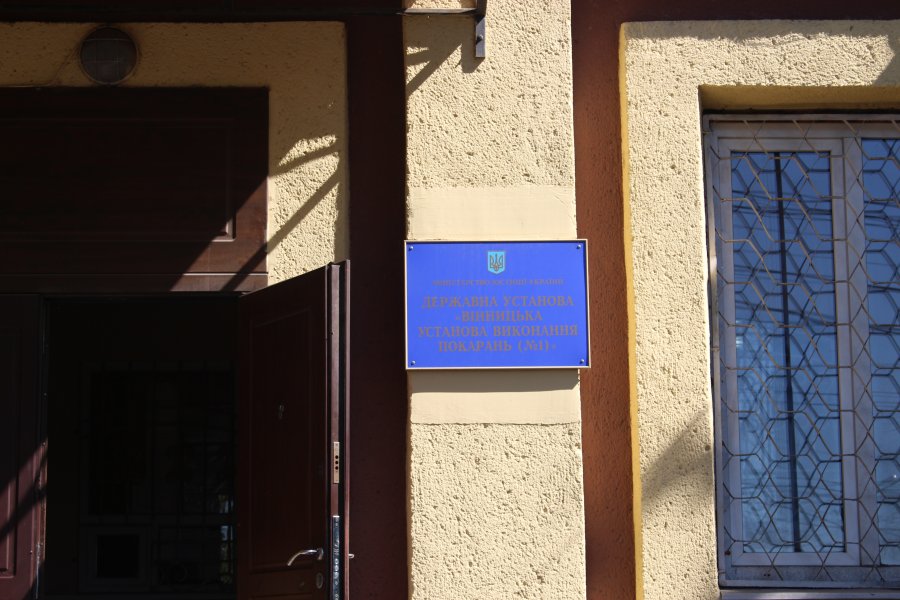
On 26 July 2022, a monitoring group, consisting of the assistant to the People's Deputy of Ukraine Kostyantyn Kasai, member of the Public Council under the Ministry of Justice of Ukraine Serhii Zuikov, assistant to the People's Deputy of Ukraine Yaroslav Yurchyshyn, KHPG program coordinator Andrii Didenko, as well as a journalist from the ‘Poryad z vamy’ news agency Oleksa Yaroslavtsev, carried out a scheduled visit to the state institution ‘Vinnytsia Institution for the Execution of Punishments (No. 1)’.
The previous visit of KHPG monitors is available via this link.
The main objectives of the monitoring visit were to analyse the facility's operations during the war and to determine the humanitarian needs of the institution.
The monitors had the opportunity to visit any premises, communicate with prisoners, including under conditions of anonymity, collect information, verify it, and obtain access to relevant documents.
The head of the institution is Colonel of the Internal Service Anatolii Anatoliiovych Dudoladov. The monitors were accompanied by the deputy head of the institution for social, educational, and psychological work, Lieutenant Colonel of the Internal Service Ihor Oleksiiovych Kotsiak.
GENERAL INFORMATION
The Vinnytsia Institution for the Execution of Punishments No. 1 functions as a pre-trial detention centre; however, it also has a separate block for holding prisoners sentenced to life imprisonment. In comparison to other facilities, this institution holds the largest number of life-sentenced prisoners.
The ratio of remand prisoners, convicted persons, and staff is 1 staff member per 4 prisoners. Among the staff, there are 36 civilian employees.
Three psychologists work with remand prisoners and convicts; one psychologist works with the facility's staff.
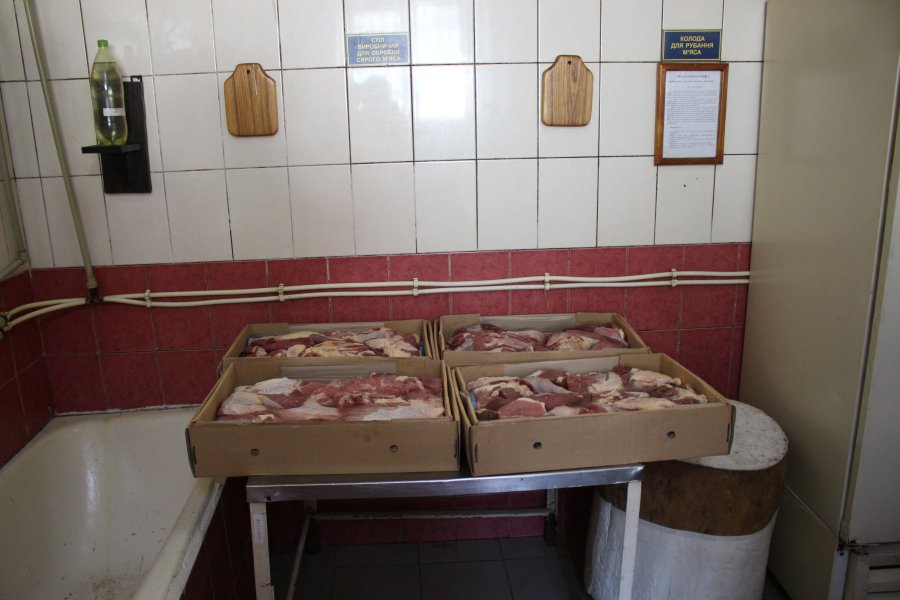
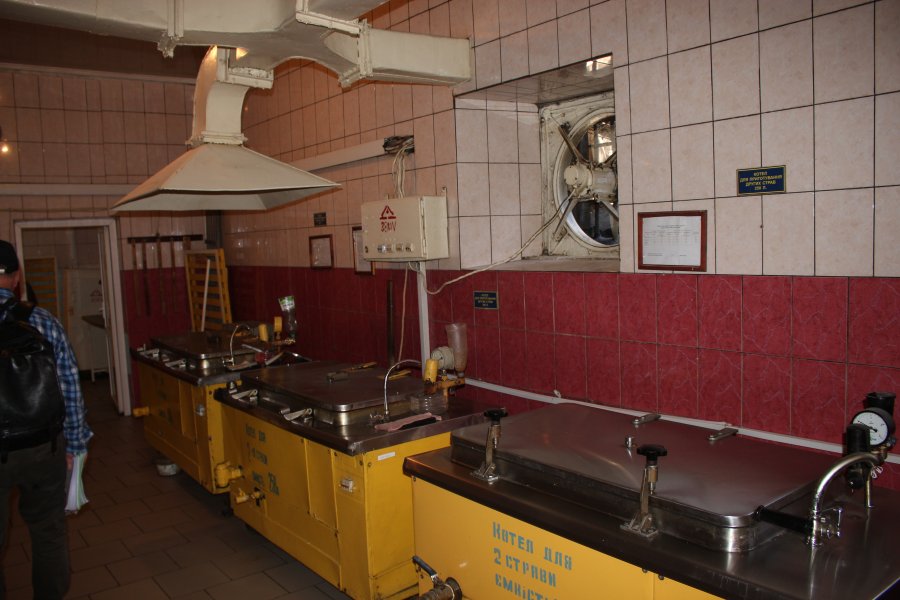
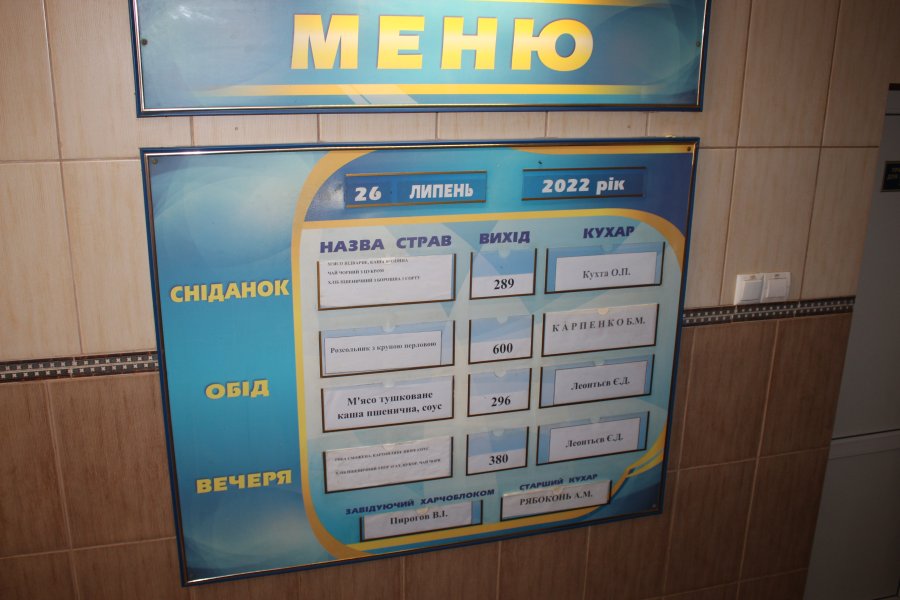
The average daily cost of food per prisoner is 44.29 UAH. Expenditure on utility and household maintenance is 28.17 UAH.
During the current year, 566 prisoners have arrived at the institution.
In 2021, 7 prisoners died in the institution's medical facility; in the current year, 4 have died.
68 prisoners are employed under labour contracts. According to the administration, the average monthly salary is 2,632.40 UAH. There is a shop operating in the institution.
There are 351 prisoners sentenced to life imprisonment in the institution.
There are 13 prisoners currently undergoing treatment in the medical facility of the Centre for Health Care of the State Penitentiary Service, located on the premises of the institution. 33 individuals are registered as HIV/AIDS positive.
35 prisoners are prone to suicide. In total, 2 suicides occurred in the institution in 2021.
21 individuals are prone to self-harm. 12 individuals are prone to escape. There are no people registered as malicious violators of the detention regime.
No one has been released from the institution due to severe illness during 2021–2022. In 2021, 11 complaints regarding improper conditions of detention and 9 complaints regarding improper provision of medical care were recorded. During 2022, there were 6 complaints regarding improper conditions of detention and 4 regarding improper provision of medical care.
14 individuals have a disability, of which 2 are of the first group, 3 of the second, and 9 of the third group.
In 2021, 13 people were released on parole; in 2022, 8 people. In 2021, there were 181 emergency ambulance calls, while for the 2022 period, there were 63 such calls.
In 2021, one case of bodily injury sustained while in the institution was recorded; in 2022, none. No special means were used this year.
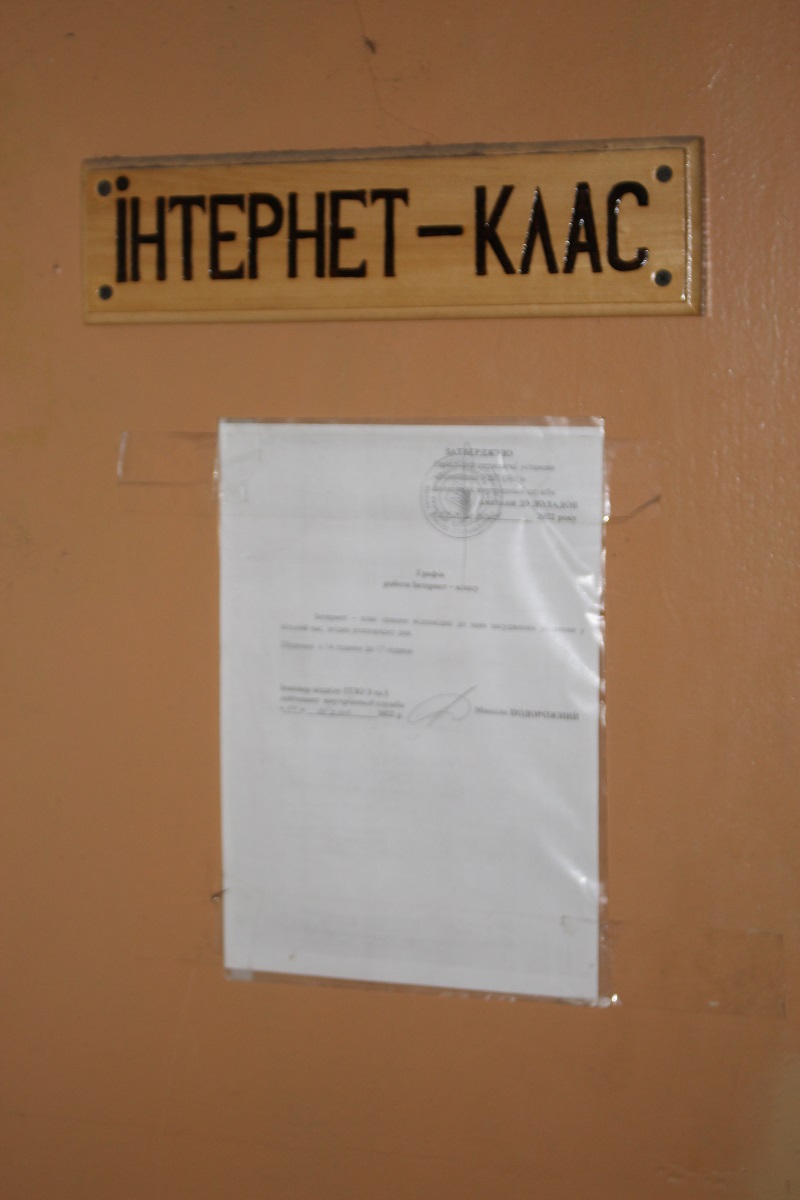
The institution has an educational classroom equipped with a workstation featuring one personal computer and a monitor, which are used for group sessions. In the internet classroom, the cost of using the internet is 51.40 UAH per hour. Access to the network via Wi-Fi costs 76.80 UAH per month.
In 2021, 13 individuals took advantage of the opportunity to access the internet by signing the relevant agreement and purchasing a tablet. In 2022, 6 individuals entered into such an agreement.
In 2021, there were 28 long-term visits, while for the 2022 period, there were 15. There were 174 short-term visits in 2021 and 34 in 2022.
Since the beginning of the year, 938 people have been tested for SARS-CoV (IgG, IgM), 22 have recovered from the illness, and 92 remand prisoners and 138 convicts have been vaccinated.
According to the administration, 21 people have submitted applications for release to serve in the Armed Forces of Ukraine; the institution's management supported 4 of these petitions, but no one has been released for service in the Armed Forces of Ukraine.
The monitors entered the territory of the institution without hindrance.
There is no bomb shelter in the institution, and basement premises are not used for protection in case of an air raid because all prisoners are kept in cells, and it is simply unrealistic to evacuate everyone from all cells to the basement premises. All convicted persons and prisoners are instructed that they must not stand near windows during an air raid. In the event of an air raid, the staff descend to the basement premises.
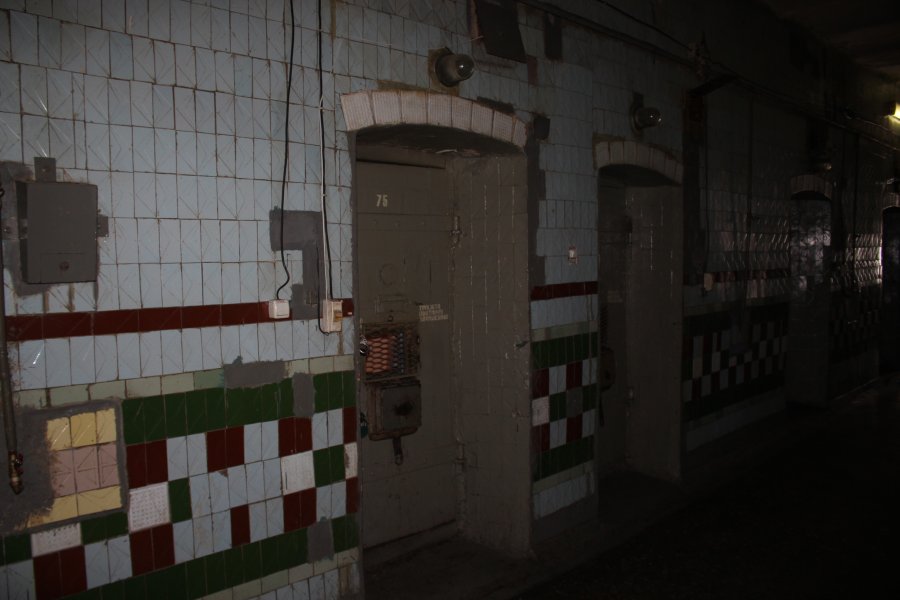
HISTORICAL BACKGROUND
The history of the state institution ‘Vinnytsia Institution for the Execution of Punishments (No. 1)’ began in 1822, when the provincial magistrate of Podillia Governorate sent an order to the Vinnytsia city magistrate regarding the establishment of a prison in the city, and on 15 May 1824, the Vinnytsia city magistrate approved this decision. Judging by this, 15 May 1824 can be considered the official date of the founding of the Vinnytsia prison.
If one looks at the city map of that period, one can notice that the prison occupied a territory that is now divided between two institutions: Vinnytsia Correctional Colony No. 86 and Vinnytsia Institution for the Execution of Punishments No. 1.
Apart from the fact that the prison occupied a significant territory of urban land, it was engaged in active socio-economic activity. Throughout its existence, the prison actively participated in the life of the city. Various works were carried out within the city itself. These works were mainly related to the cleaning of streets and squares, and prisoners were also involved in loading operations. Workers were noted in a special register. Naturally, prisoners worked under the supervision of a convoy. The work was well paid for by the city authorities, and the money was transferred to the account of each prisoner who participated in these works.
To assist in the activities of prisons, ‘Prison Trustee Committees’ were created, whose duties included full control over the activities of prisons, as well as assistance in economic matters.
The prison earned its own funds for the maintenance of the prisoners. The guards' salaries were paid by the city treasury chamber. At that time, prisoners of various categories were held in the prison: debtors, thieves, murderers, political prisoners, and women, but different cells existed for different categories. A murderer could never be placed in a cell with a political prisoner, nor a debtor in a cell with thieves.
At the beginning of the twentieth century, in 1907, general regime building No. 1 was constructed; in 1911, small regime building No. 2 was built, and a year later, the administrative building was constructed. Regime building No. 3 was rebuilt in 1913. It was only in the 70s to 90s that the prison territory was supplemented with administrative buildings No. 2 and No. 3, and regime buildings No. 4 and No. 5.
Until November 1999, the institution was named IV301/176 of the Ministry of Internal Affairs of Ukraine in Vinnytsia Oblast. According to the order of the State Department of Ukraine for the Execution of Punishments No. 165 dated 26.11.1999, the institution IV301/176 of the Ministry of Internal Affairs of Ukraine in Vinnytsia Oblast was renamed into Vinnytsia Prison No. 1 of the Department of the State Department of Ukraine for the Execution of Punishments in Vinnytsia Oblast.
In accordance with the order of the State Department of Ukraine for the Execution of Punishments No. 235 dated 29 November 2002, Article 5 of the Correctional Labour Code of Ukraine, and the Law of Ukraine ‘On Amendments to the Criminal Procedure and Correctional Labour Codes of Ukraine’, an isolated section for holding persons sentenced to life imprisonment with a planned capacity of 400 people was created at the Vinnytsia Institution for the Execution of Punishments of the State Department of Ukraine for the Execution of Punishments in Vinnytsia Oblast (No. 1).
In accordance with the Resolution of the Cabinet of Ministers of Ukraine No. 986 dated 20.06.2002 and by the order of the Department No. 183 dated 05.09.2002, the reconstruction of regime buildings No. 2 and 4 was started to hold persons sentenced to life imprisonment. For the implementation of this work, the necessary amount of funds was allocated, and 158 cells were equipped. According to the order of the State Department of Ukraine for the Execution of Punishments No. 163 dated 28.08.2004, Vinnytsia Prison No. 1 was renamed into the Vinnytsia Institution for the Execution of Punishments (No. 1) of the Department of the State Department of Ukraine for the Execution of Punishments in Vinnytsia Oblast.
By the order of the State Department of Ukraine for the Execution of Punishments No. 185 dated 09.07.2008, the institution was renamed into the Vinnytsia Institution for the Execution of Punishments of the Department of the State Department of Ukraine for the Execution of Punishments in Vinnytsia Oblast (No. 1) with a staff capacity of 390 people.
By the order of the State Penitentiary Service of Ukraine No. 480 dated 01.11.2011, the institution was renamed into the Vinnytsia Institution for the Execution of Punishments of the Department of the State Penitentiary Service of Ukraine in Vinnytsia Oblast (No. 1). By the order of the Ministry of Justice of Ukraine No. 3679/122/5 dated 15.12.2016, the institution was renamed into the State Institution ‘Vinnytsia Institution for the Execution of Punishments (No. 1)’.
MEDICAL SECTION
Vinnytsia City Medical Unit No. 1 is a healthcare facility which, in accordance with Art. 116 of the Criminal Executive Code of Ukraine, exercises control over the health status of convicted persons and persons taken into custody by conducting medical check-ups, examinations, dispensary monitoring, and providing primary medical care, emergency medical care, and outpatient and inpatient medical care.
The head of Vinnytsia City Medical Unit No. 1 is Ihor Hrabik.
According to the staffing table, 17 positions are provided for in the medical unit of the institution, including 7 physician positions, 8 positions for nursing staff, 1 pharmacist position, and 1 junior medical nurse position. The vacancies are: 1 position of dentist; 0.5 position of general practitioner/family doctor, and 0.25 position of infectious disease specialist. Qualifications: 5 doctors have the highest category, 2 have the first, and 0 have no category. Nursing staff: 4 people have the highest category, 2 have the first category, 1 has the second category, and 0 have no category. Job descriptions have been developed and approved for all medical unit staff.
On the day of the visit, 13 people were in the inpatient unit, 10 of whom were suffering from active tuberculosis.
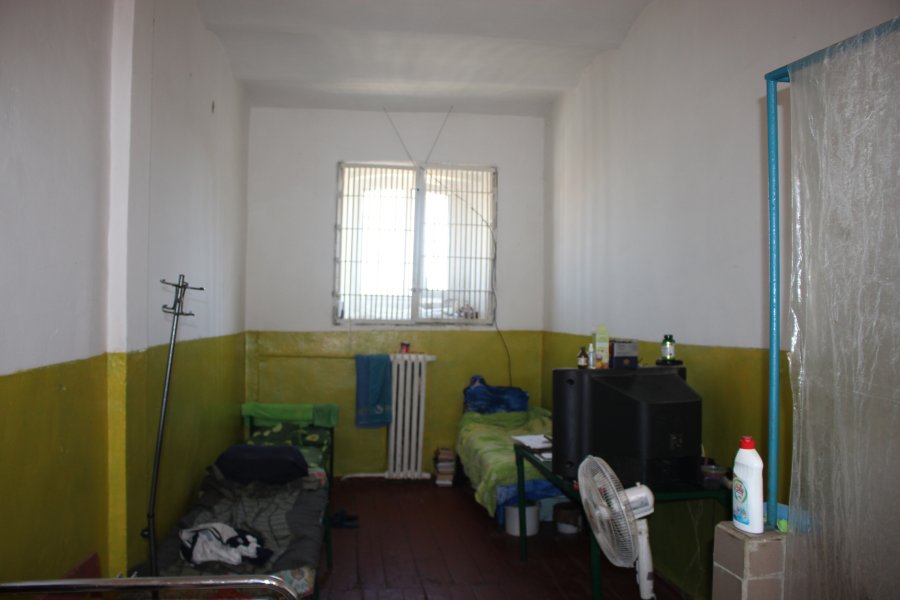
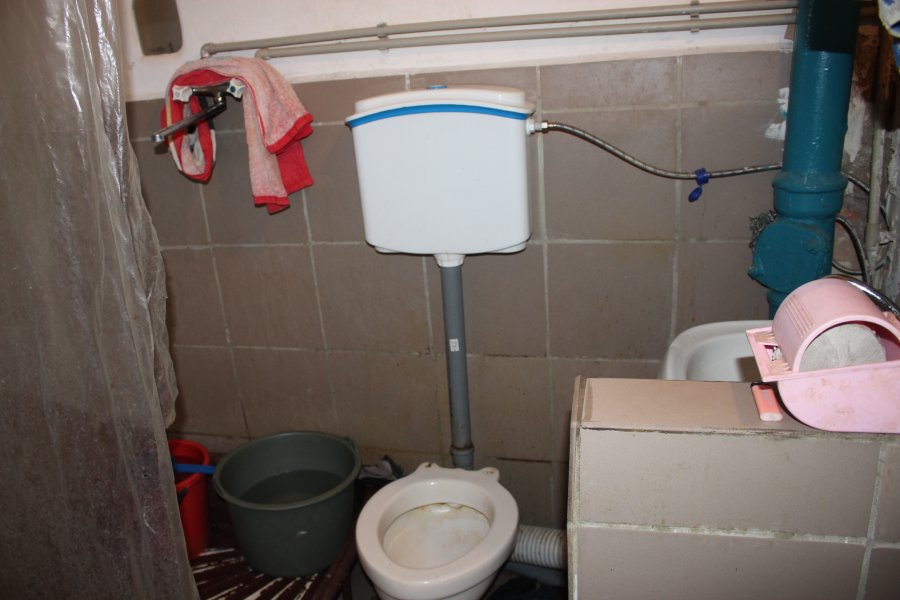
A preventive medical check-up was conducted for 778 prisoners and 523 convicted persons. At the same time, deficiencies in the work of the medical unit were identified, which lead to a violation of the prisoners' right to healthcare and proper medical care. In particular, the initial and preventive check-up is not conducted in full due to the lack of a psychiatrist and a gynaecologist on the medical unit staff, which makes it impossible to conduct timely examinations of women taken into custody. Furthermore, the position of dentist has remained vacant for more than 4 months.
Understaffing of medical personnel negatively affects the quality of medical care provided. During the current year, 13 people have died in the institution, including 2 remand prisoners, 7 persons sentenced to life imprisonment, and 4 persons in a Ministry of Health facility.
During the visit, the monitoring group inspected the medical unit's premises without hindrance, familiarised themselves with the conditions for the provision of medical care to prisoners, and had access to medical documentation.
The medical unit provides 24-hour duty for medical staff to provide emergency medical care and ensure prisoners (convicted persons) have access to medicinal products.
According to the logbook, 113 cases of bodily injury have been recorded this year. Upon review of the medical documentation, it was established that the outpatient medical records 025/o lack photographs of the existing bodily injuries, as required by Clause 3, Section 1, Chapter II of the Joint Order of the Ministry of Justice of Ukraine and the Ministry of Health of Ukraine dated 15.08.2014 No. 1348/5/572 ‘On Approval of the Procedure for Organizing the Provision of Medical Care to Persons Sentenced to Imprisonment’.
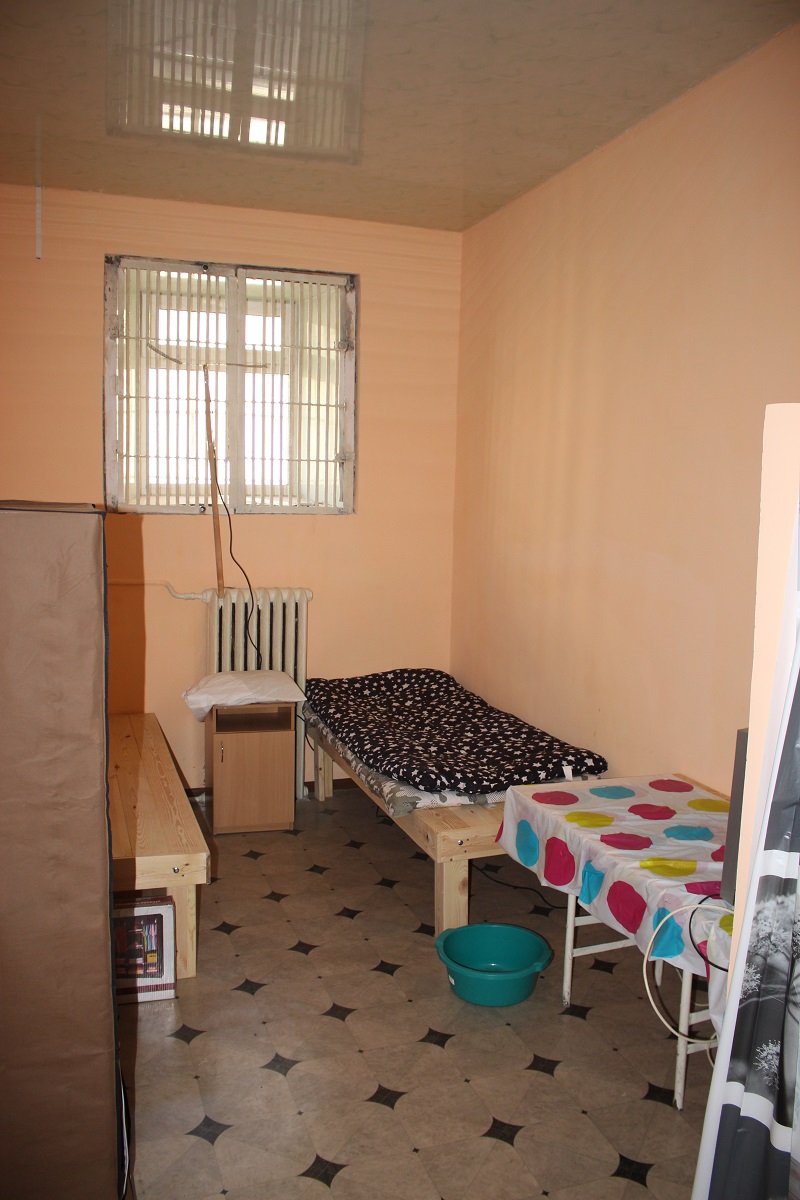
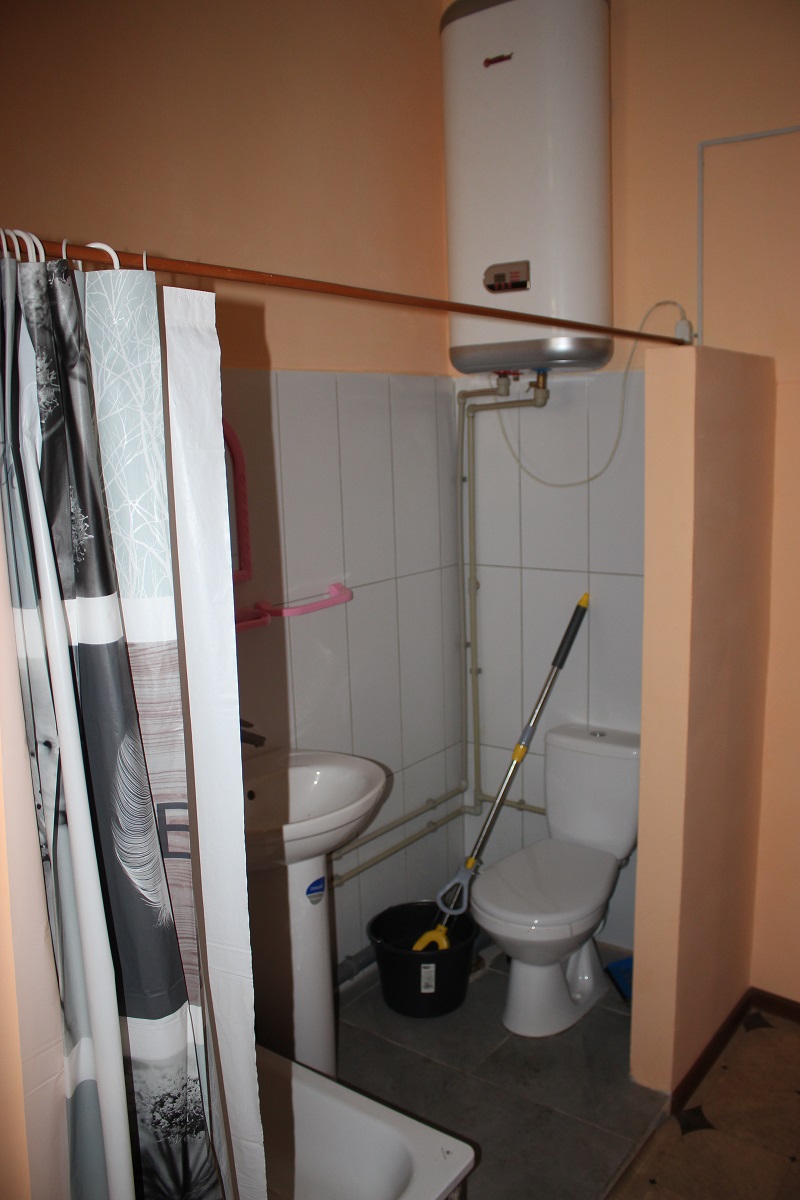
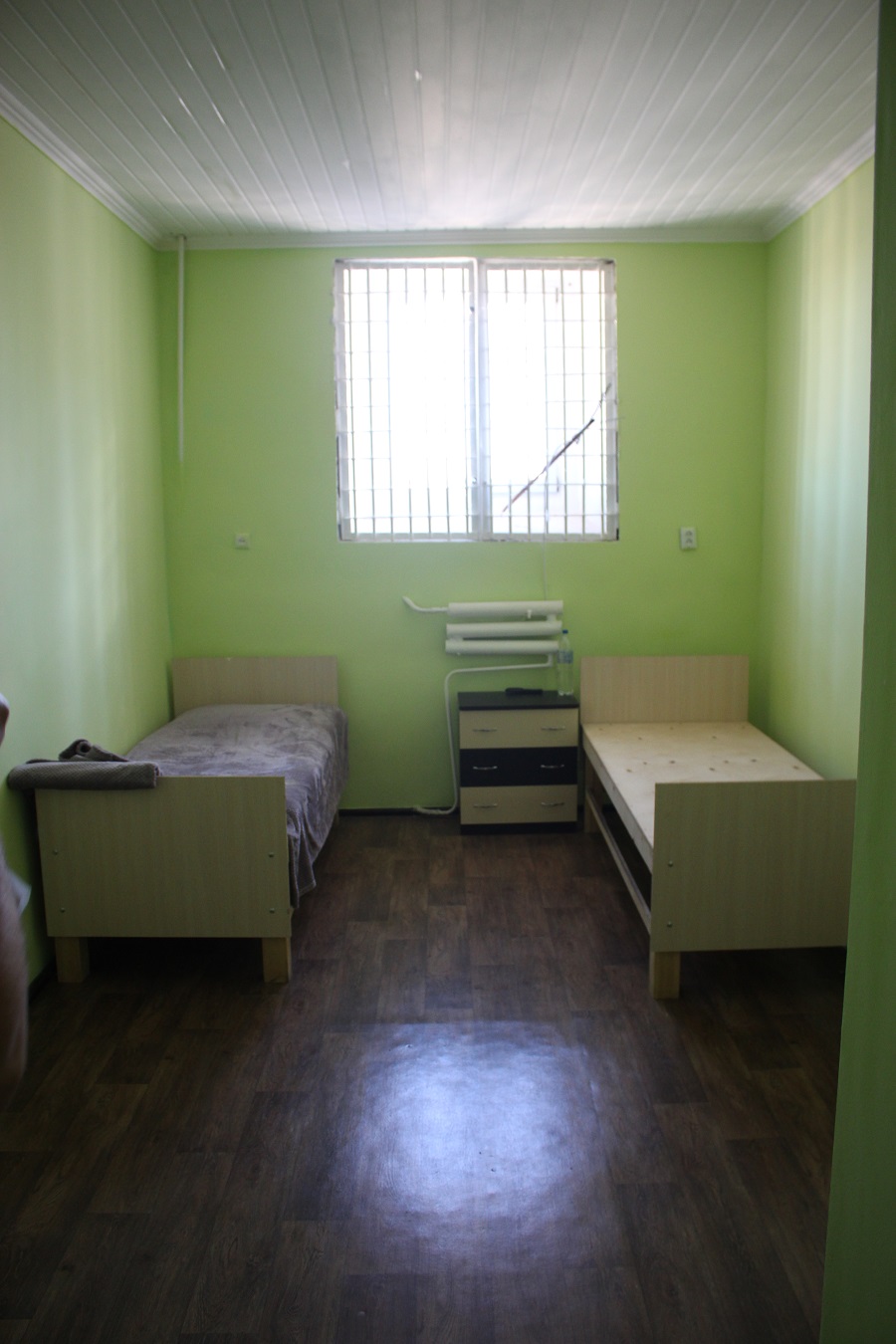
The inpatient facility of the medical unit contains: 6 wards (one of which is undergoing renovation) for somatic patients, designed for 15 beds; 6 wards (one of which is also undergoing renovation) with 14 beds for patients with infectious diseases transmitted by airborne droplets.
Wards for somatic patients:

Wards for patients with infectious diseases transmitted by airborne droplets:
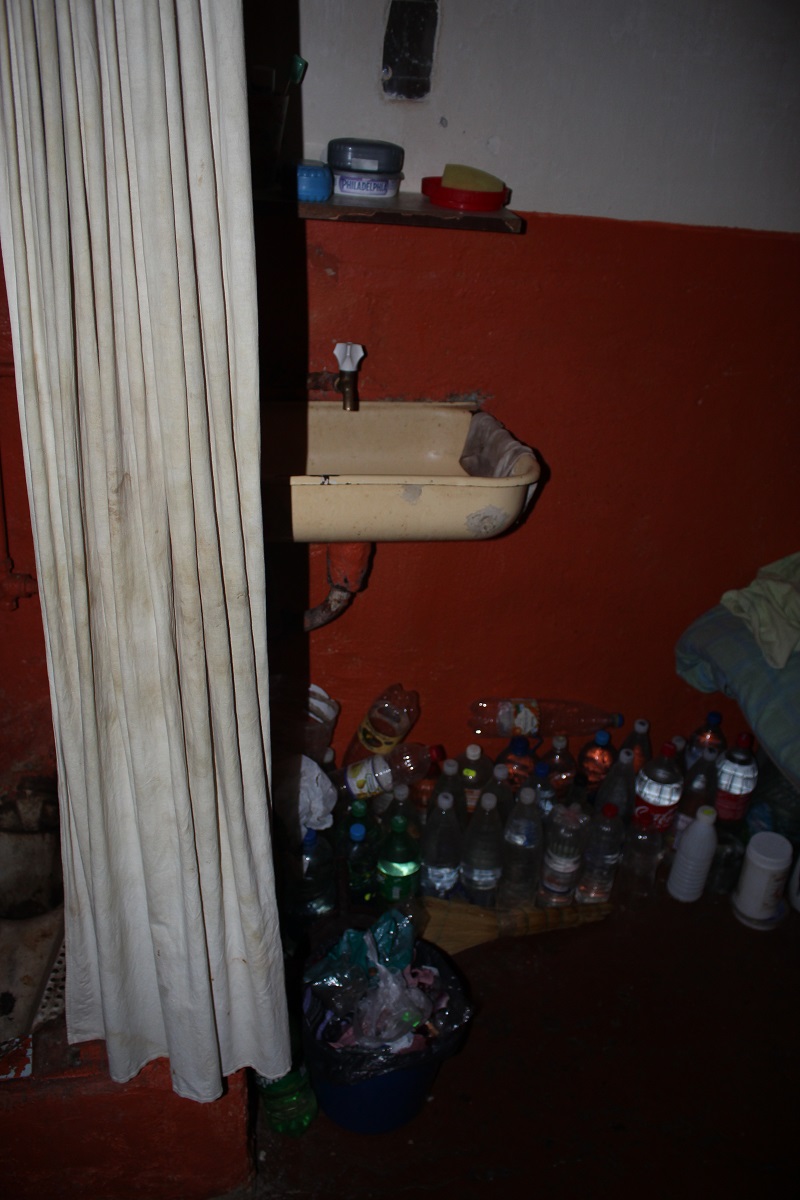
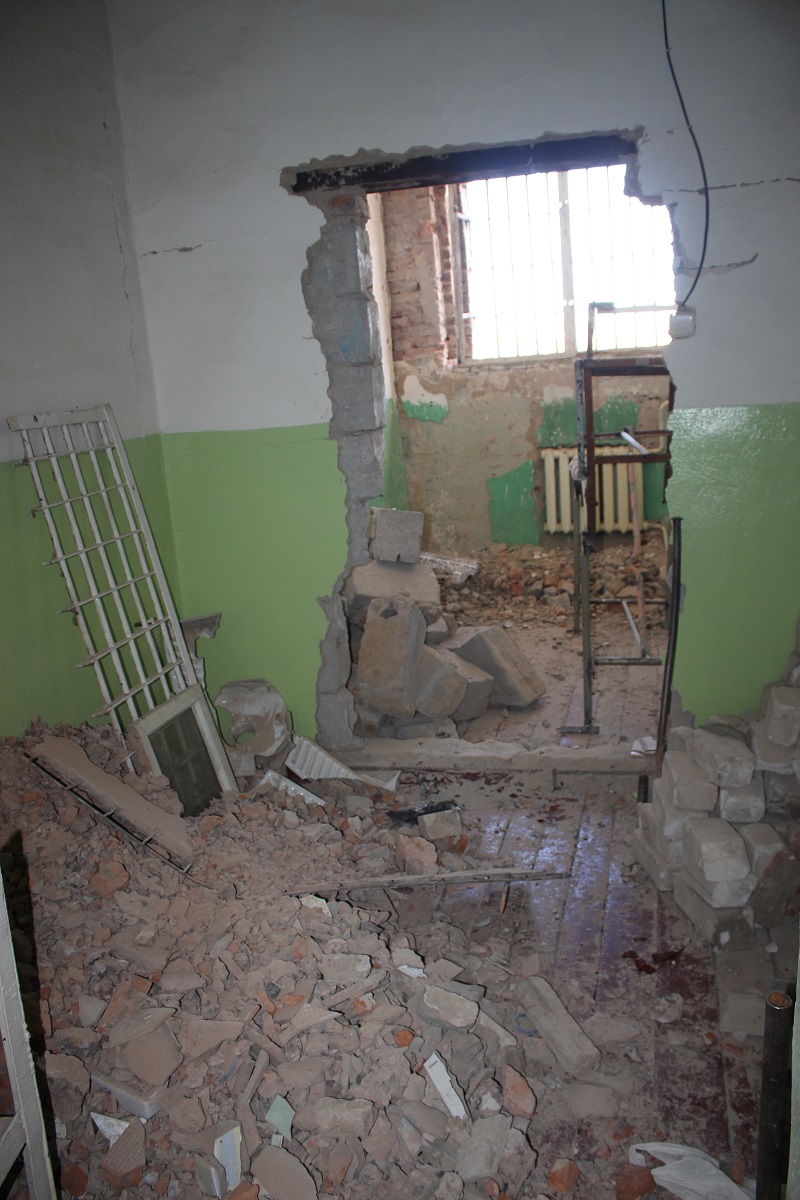
One of the wards undergoing renovation:
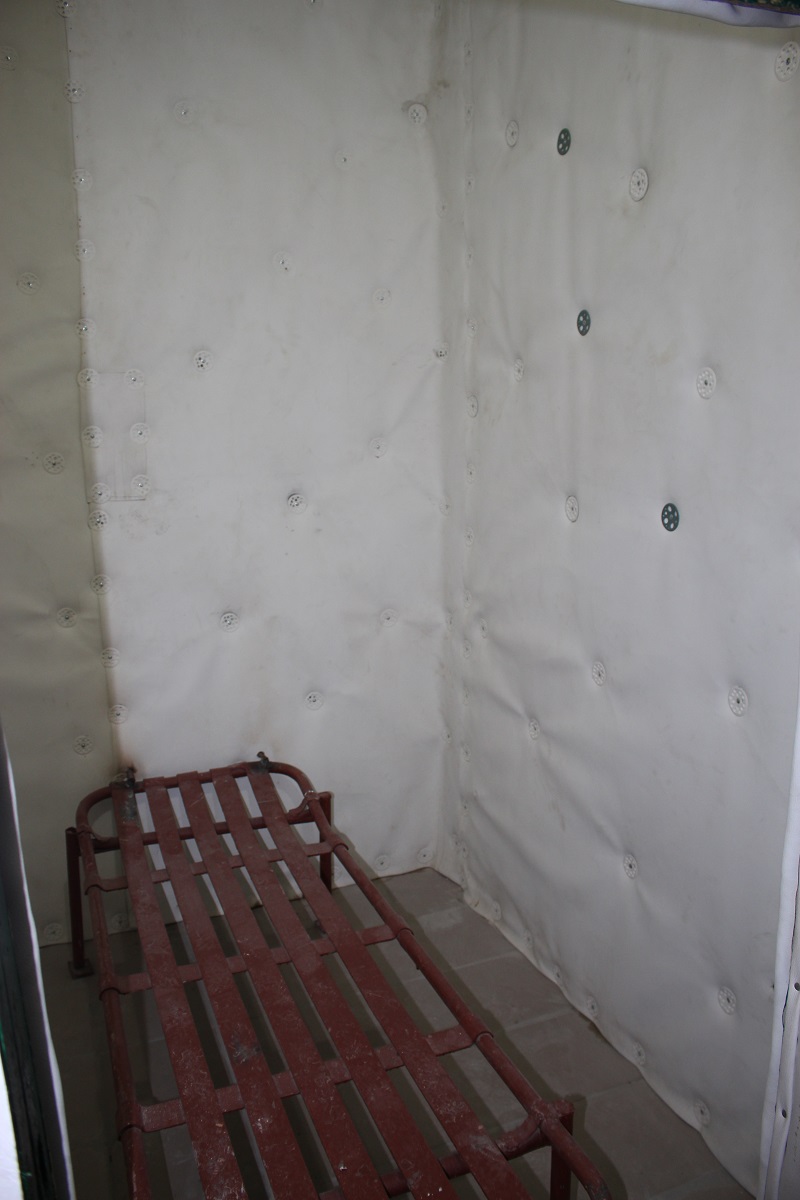
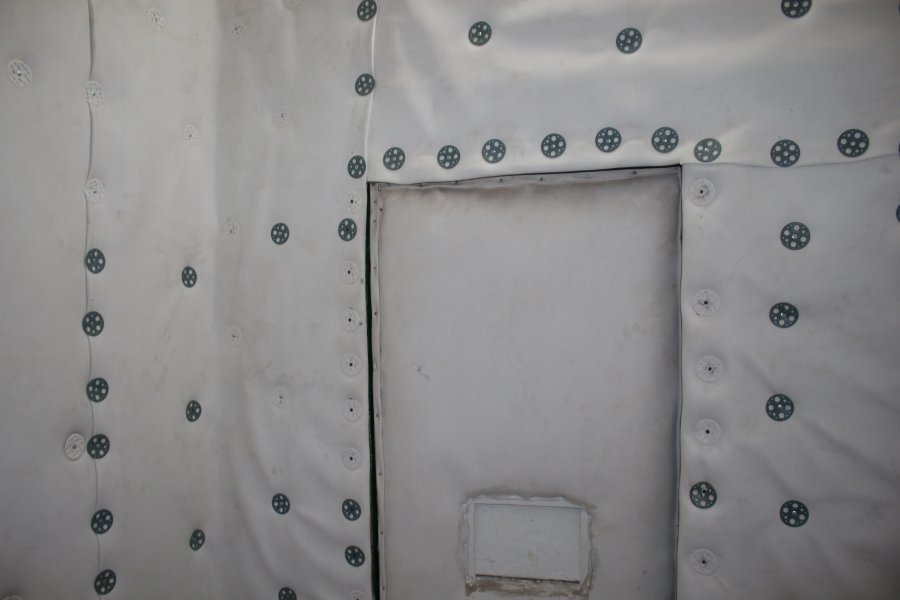
There is an isolation ward available for persons with mental disorders.
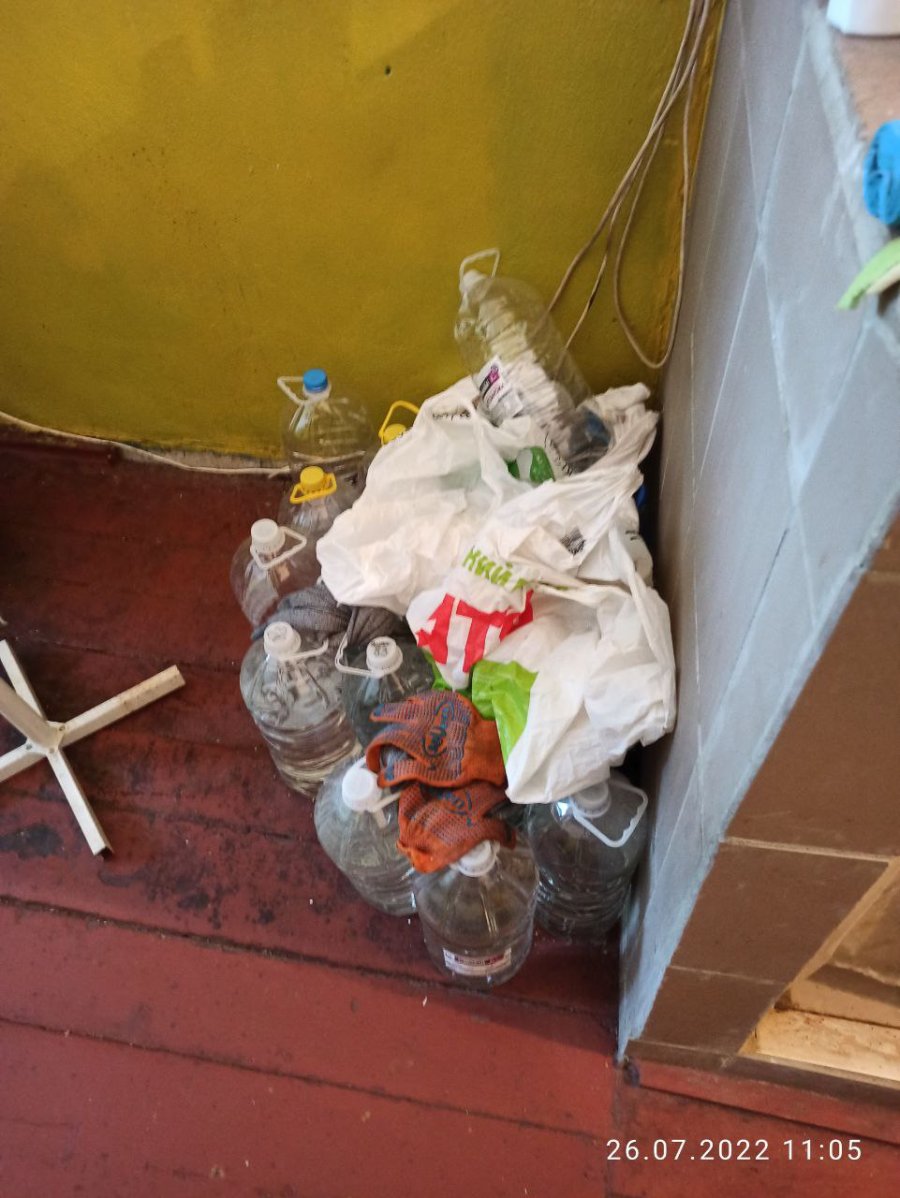
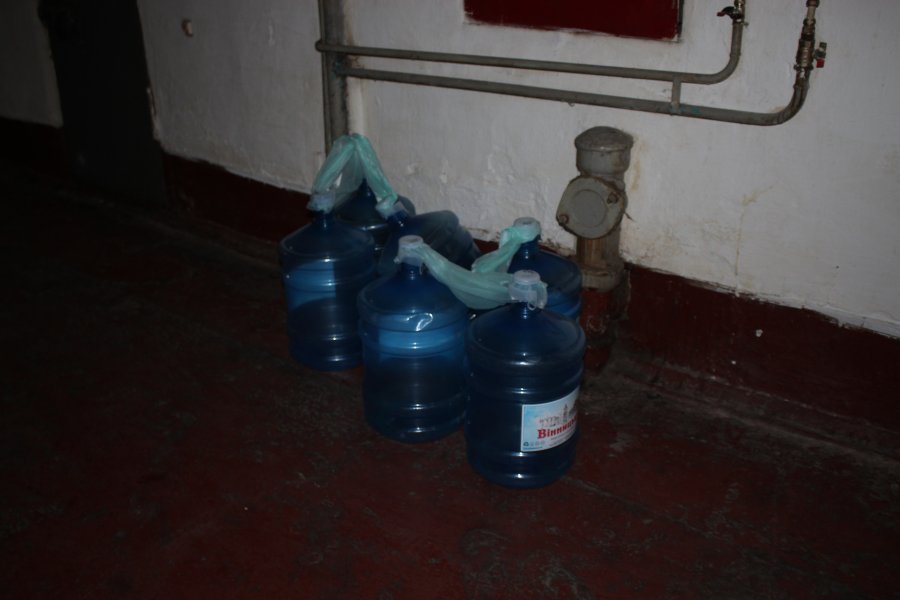
At the same time, the monitors recorded violations regarding equality and respect for dignity in the institution. In particular, convicted persons who are undergoing treatment and are in infectious isolation units for tuberculosis patients are forced to be held in inappropriate conditions: the ward premises require renovation and are not equipped with tanks for boiled drinking water, which forces the prisoners to make water reserves. In some wards, there is no possibility to open a window for ventilation, window frames are broken, and the bathrooms and sewage system are in need of repair and replacement of sanitary equipment.
There are 34 HIV-infected persons registered (33 are receiving ART). In the current year, 33 immunological examinations (CD-4) and 33 virological examinations (viral load) have been conducted. Since the beginning of the year, 1,220 people have been screened using rapid HIV tests, of whom 4 are newly diagnosed. Substitution maintenance therapy (SMT) is absent.
It should also be noted that, due to the fact that the position of psychiatrist is not provided for in the staffing table, psychiatric care in the medical facility is not provided properly. Specifically, a psychiatrist visits the institution only upon request to the branch of the Centre for Health Care of the State Penitentiary Service. At the same time, there are 48 people with mental disorders registered. Consequently, the long-term absence of such a doctor in the medical unit continues to indicate the failure to provide quality medical care during the prisoners' initial medical examination and the lack of medical supervision for various mental illnesses during their detention in Vinnytsia Institution for the Execution of Punishments No. 1, which creates a dangerous environment among the convicted persons and endangers the facility's staff.
46 prisoners, according to them, have declarations concluded with family doctors while at liberty.
There are no conditions for holding persons with disabilities; in particular, there are no ramps, handrails, or other equipment.
The general bathhouse is not equipped with a room for a medical professional, which is necessary for conducting examinations of convicts; that is, the medical examination is conducted in the presence of other convicts. The shower cubicles are not equipped with curtains, which does not allow prisoners to exercise their right to privacy during hygiene procedures.

REMAND PRISONERS' CELLS
Remand prisoners are held in small cells.
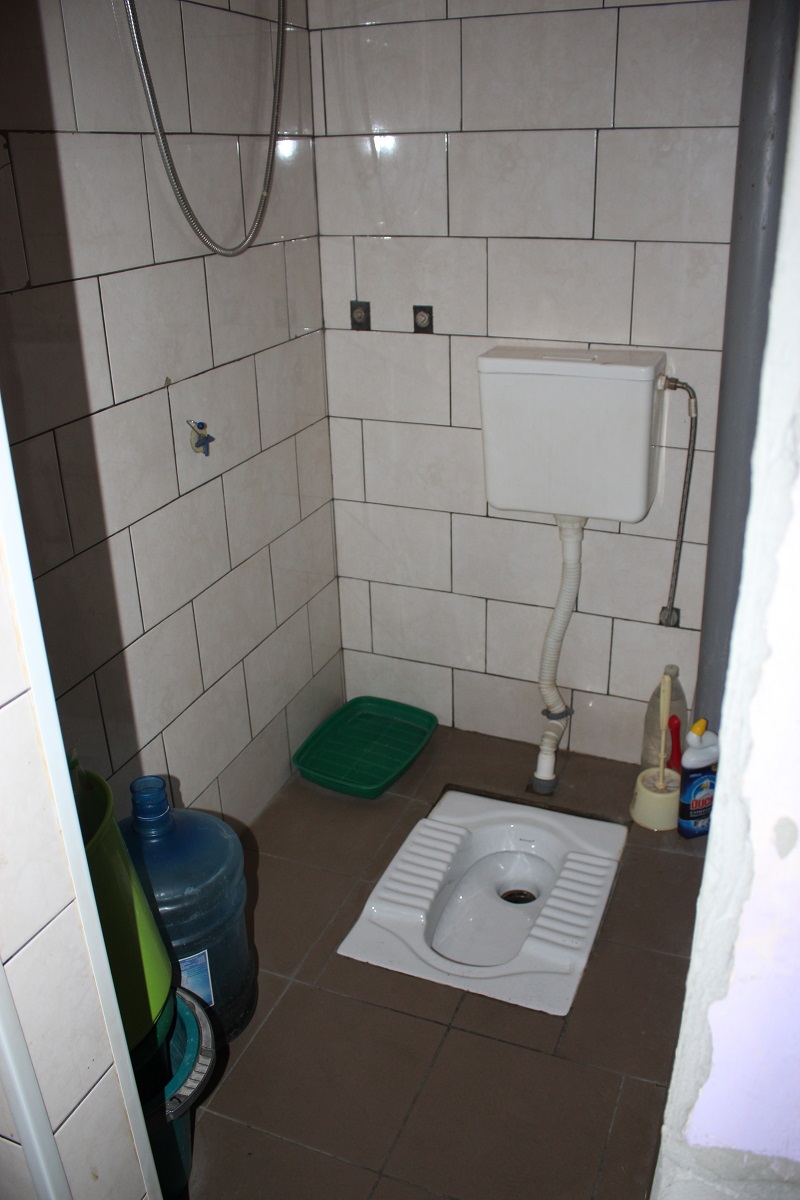
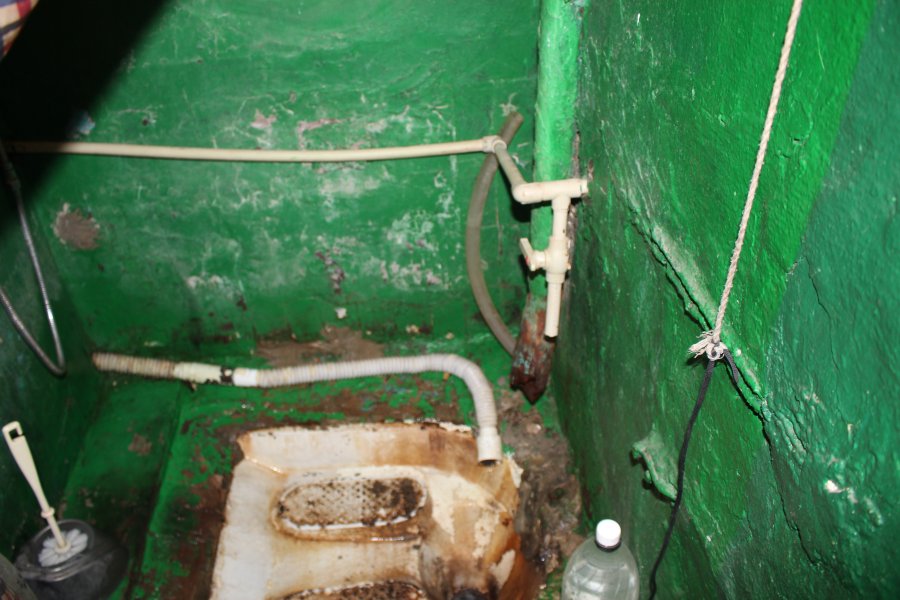
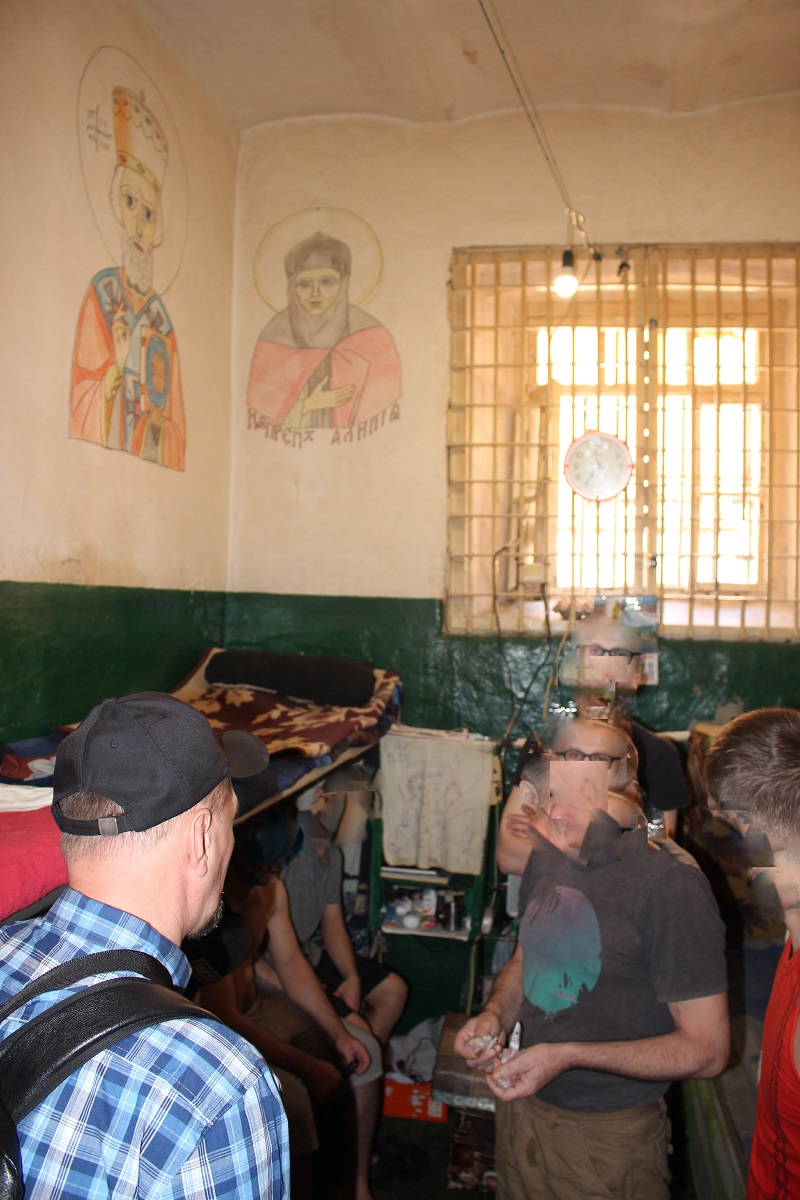
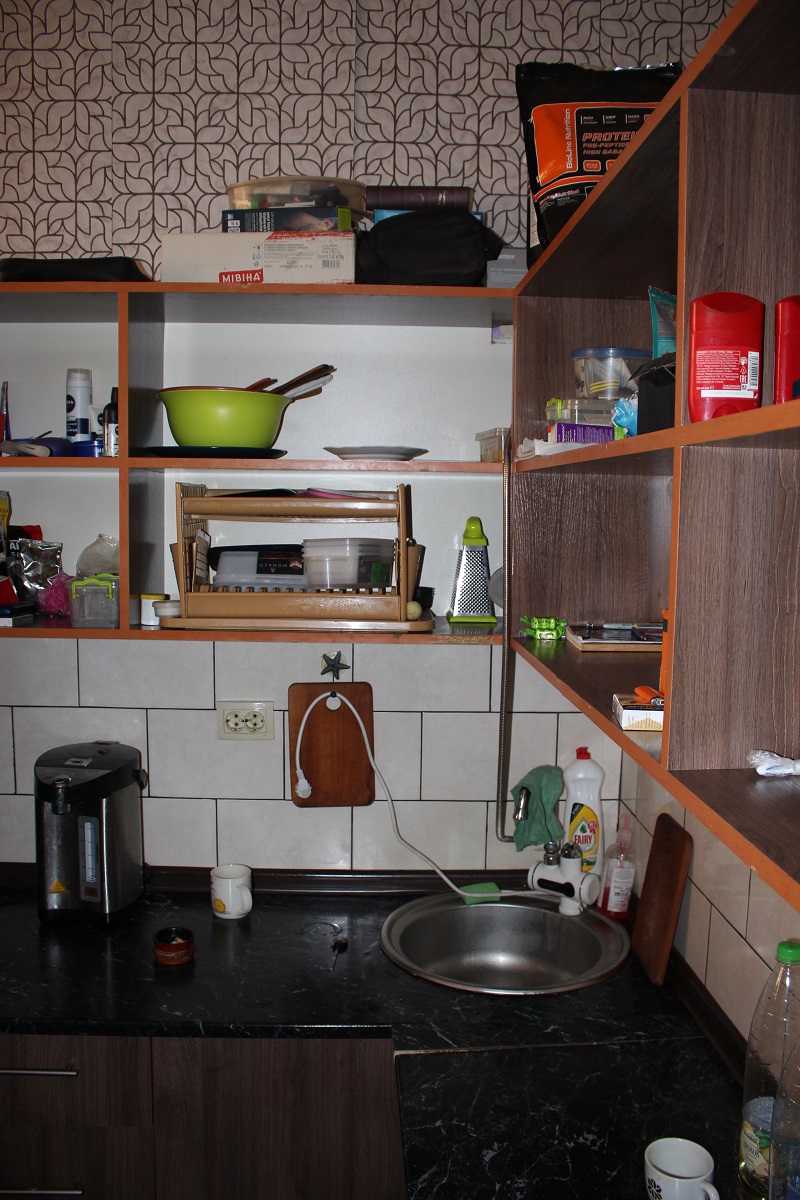
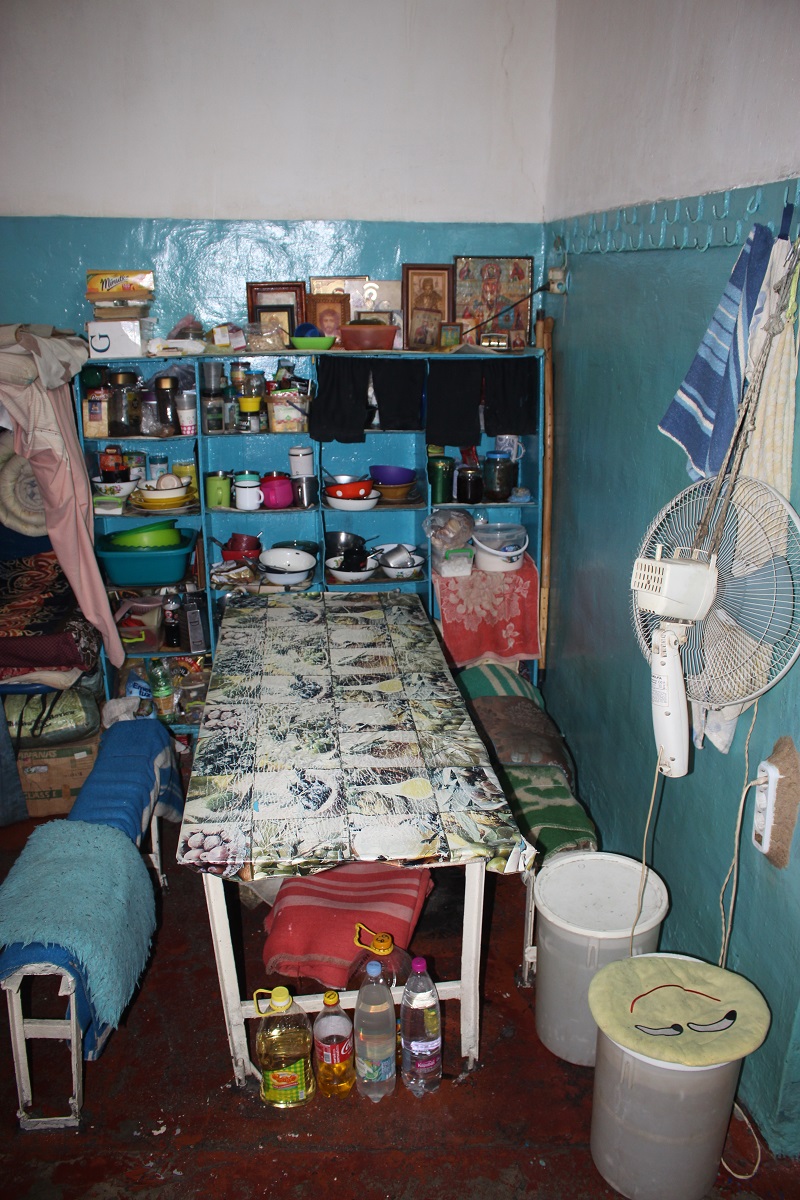

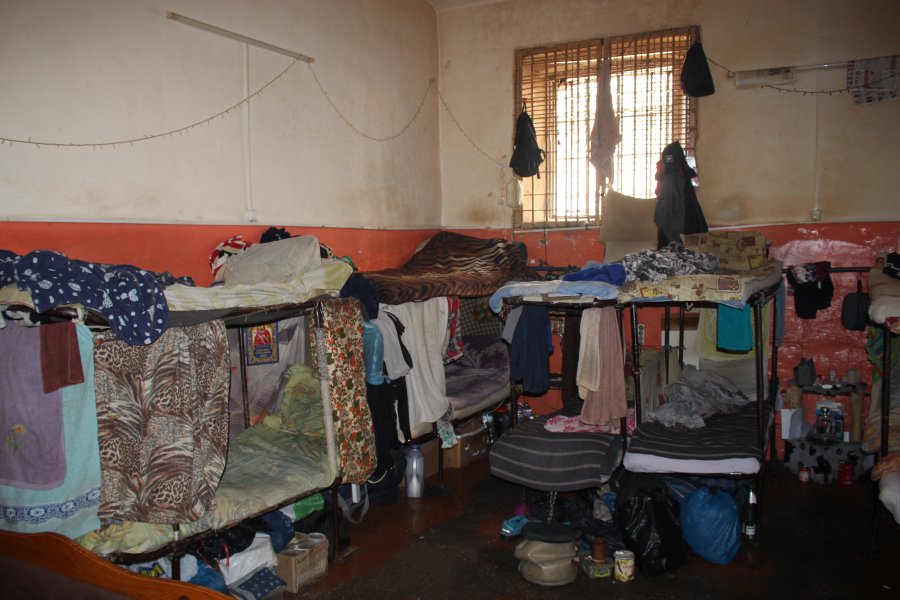
In some cells, drinking water is purchased by the prisoners' relatives. Others use tap water for drinking.
Prisoner Sh. complained that they have been unable to repair his dentures in the medical unit for four months; he cannot eat, and it is even difficult for him to speak. His relatives are ready to pay for the manufacture of the dentures. The head of the medical unit reported that he is aware of this prisoner, but there is no dentist on staff at the moment, so the institution invites a private dentist. Due to the workload and specific working conditions, invited dentists do not last more than three months. According to the head of the medical unit, the convict is on the waiting list for medical assistance. The dental office is properly equipped, and all necessary equipment is available; the only thing missing is a doctor.
According to the institution's management, due to the large number of prisoners, it is not always possible to comply with the provisions of Article 8 of the Law ‘On Pre-trial Detention’, namely, the separate holding of previously convicted persons, those accused of serious crimes, etc.
LIFE-SENTENCED PRISONERS
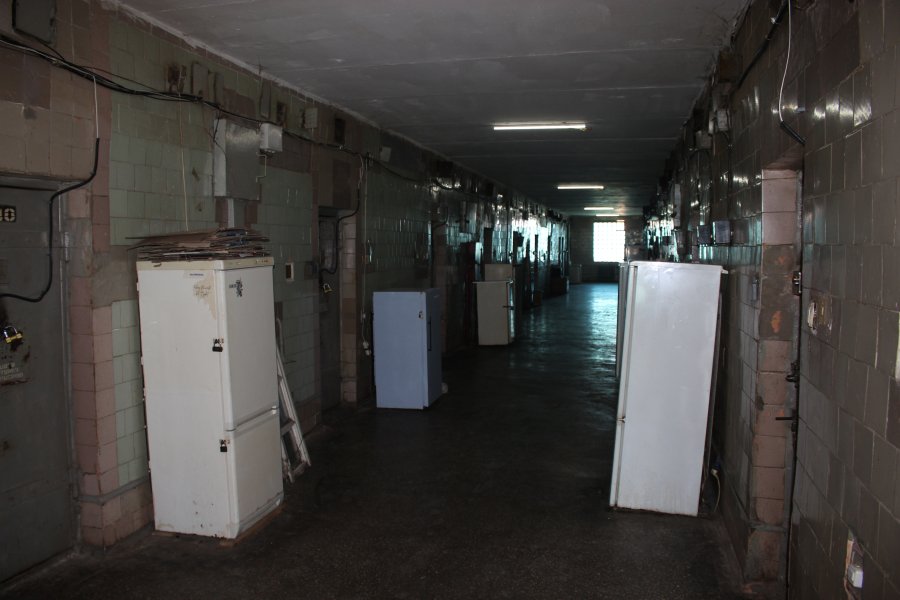
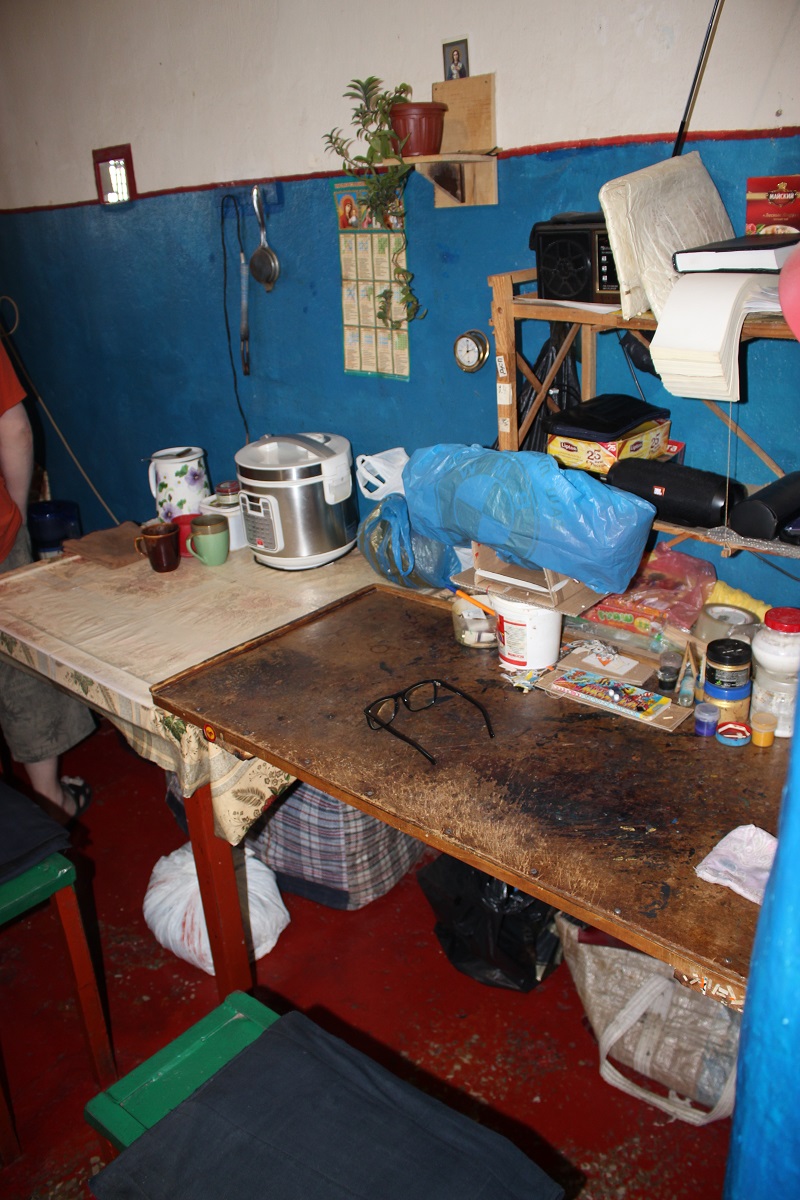
A separate five-storey building has been constructed to hold life-sentenced prisoners. There is a problem regarding the number of convicts who are to be held according to the standard of 4 square metres of living space per person. Specifically, the institution has 151 cells for holding life-sentenced prisoners. The premises were rebuilt in 2002 and are not designed to modern standards.

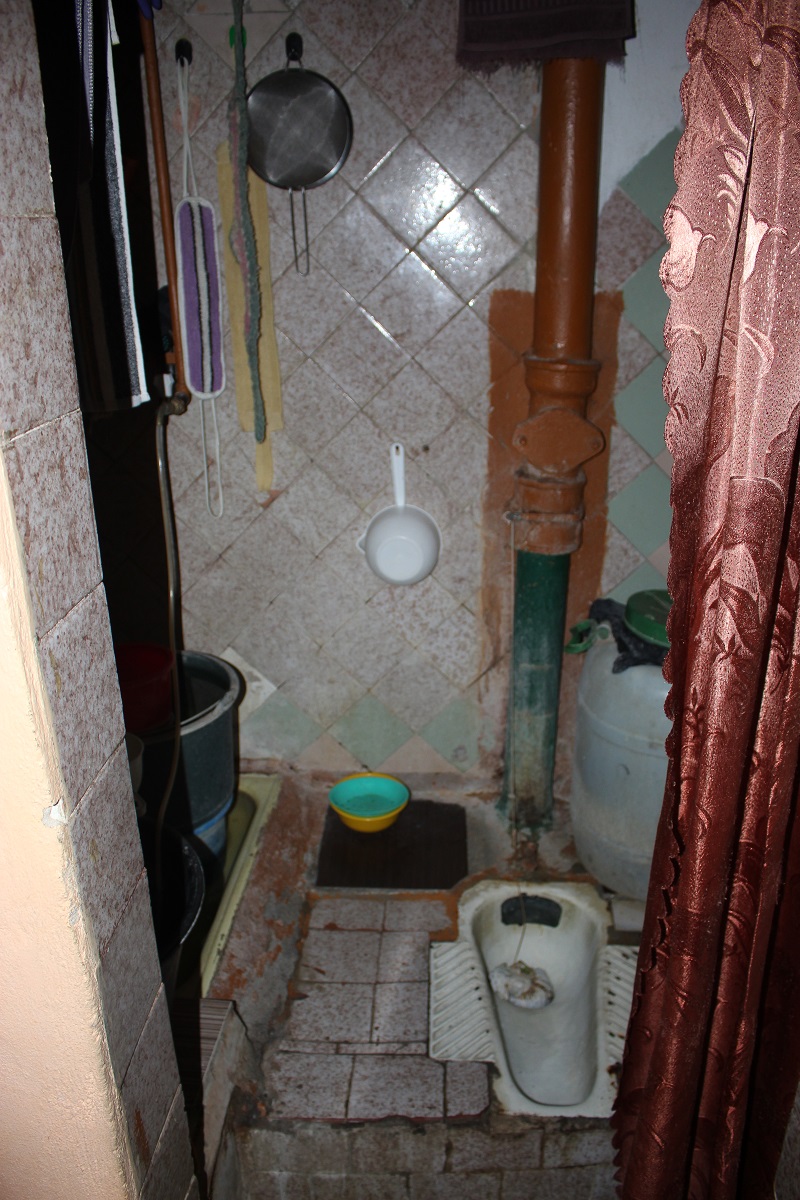
Convict Z., who lived in Kharkiv, submitted a complaint regarding the lack of a procedure for reviewing sentences for life-sentenced prisoners.
Convict P., transferred from Bakhmut, has been unable to receive social benefits for three months. He is a pensioner and is in need of humanitarian assistance.
Multi-occupancy cell for holding 8 people:
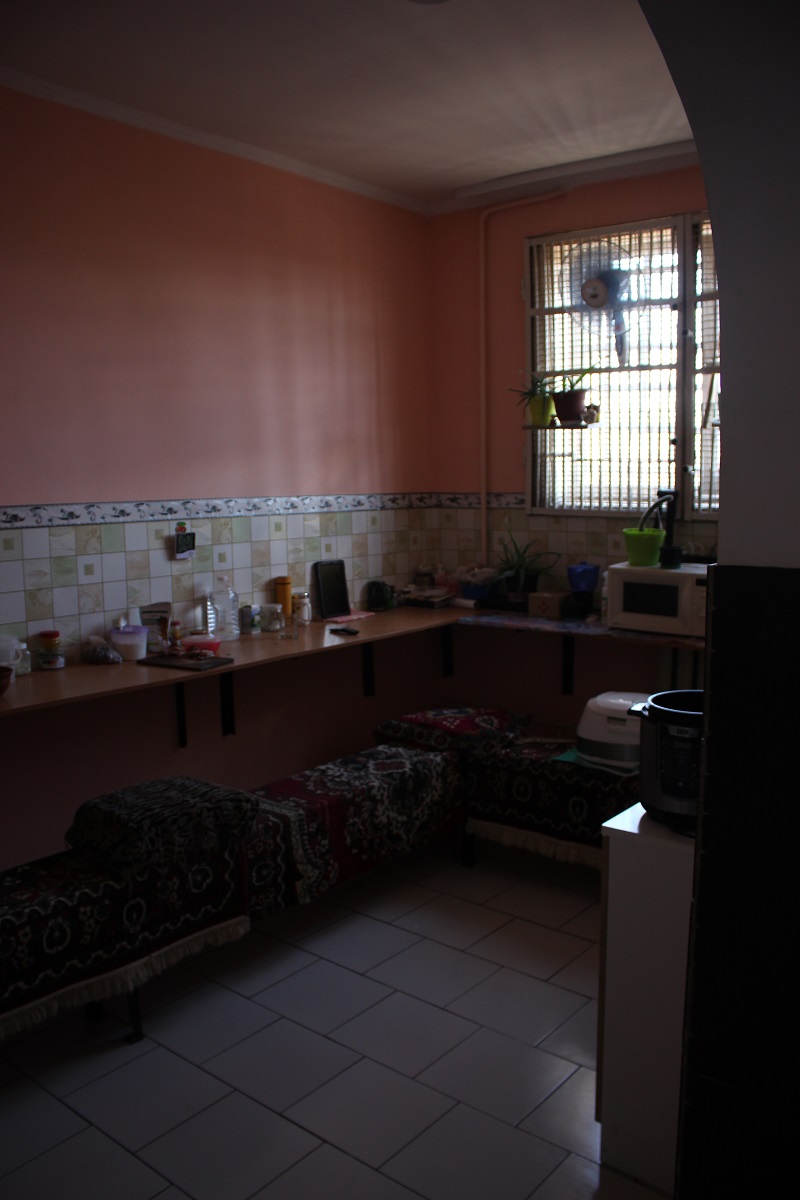
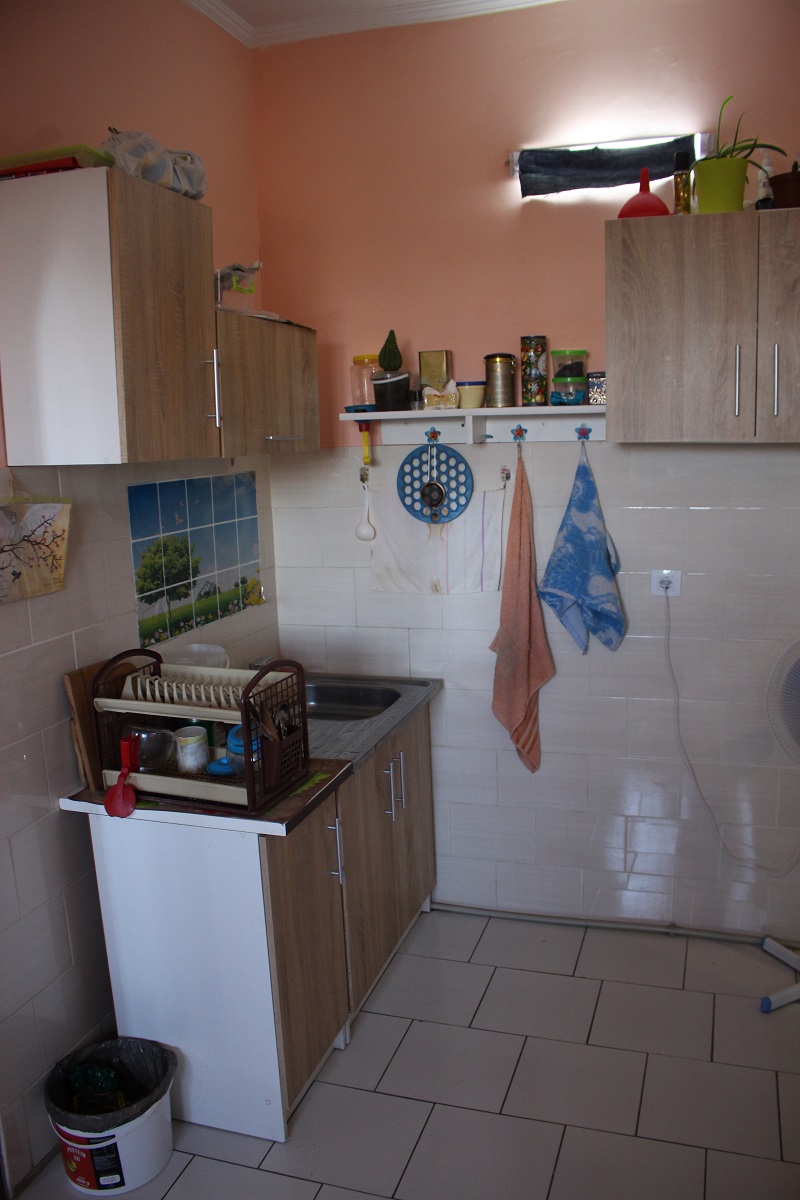
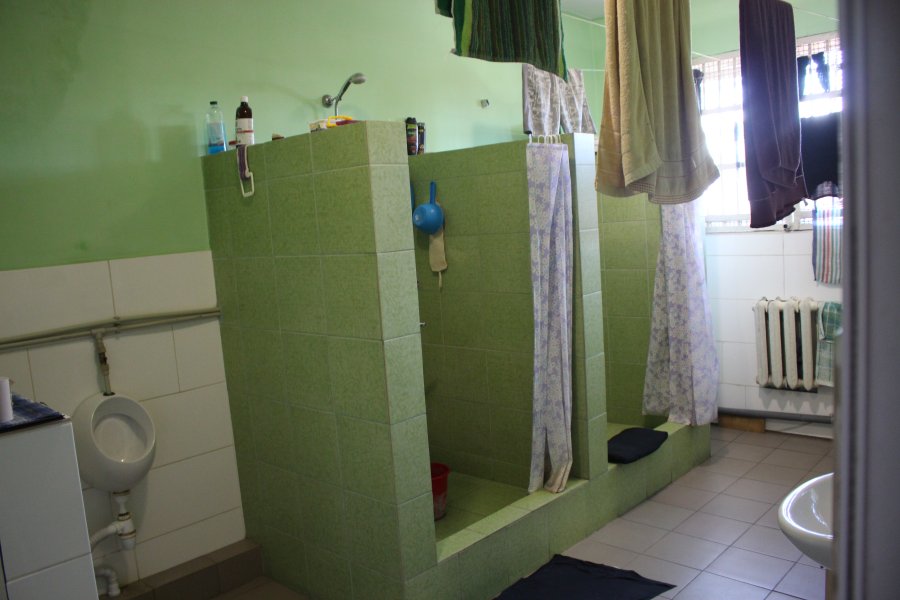
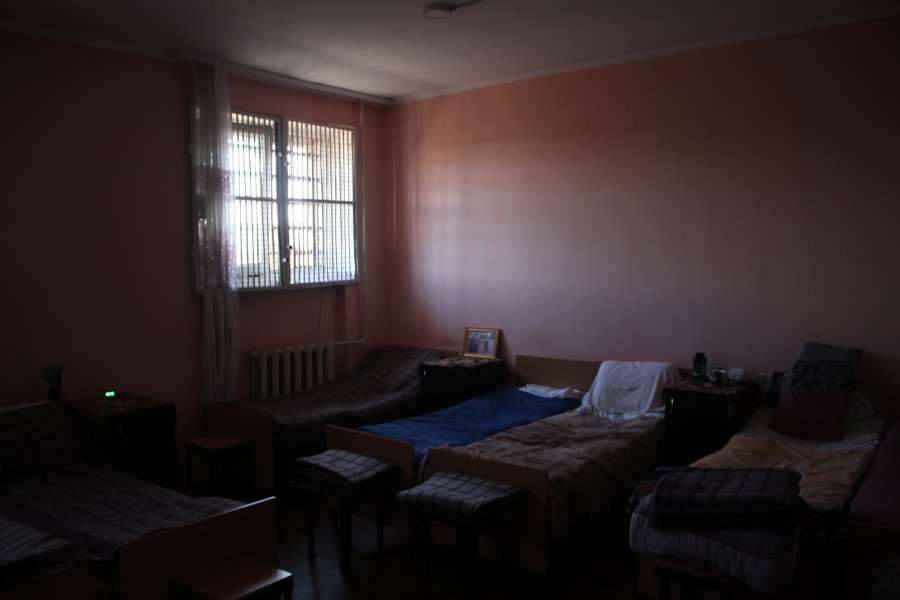
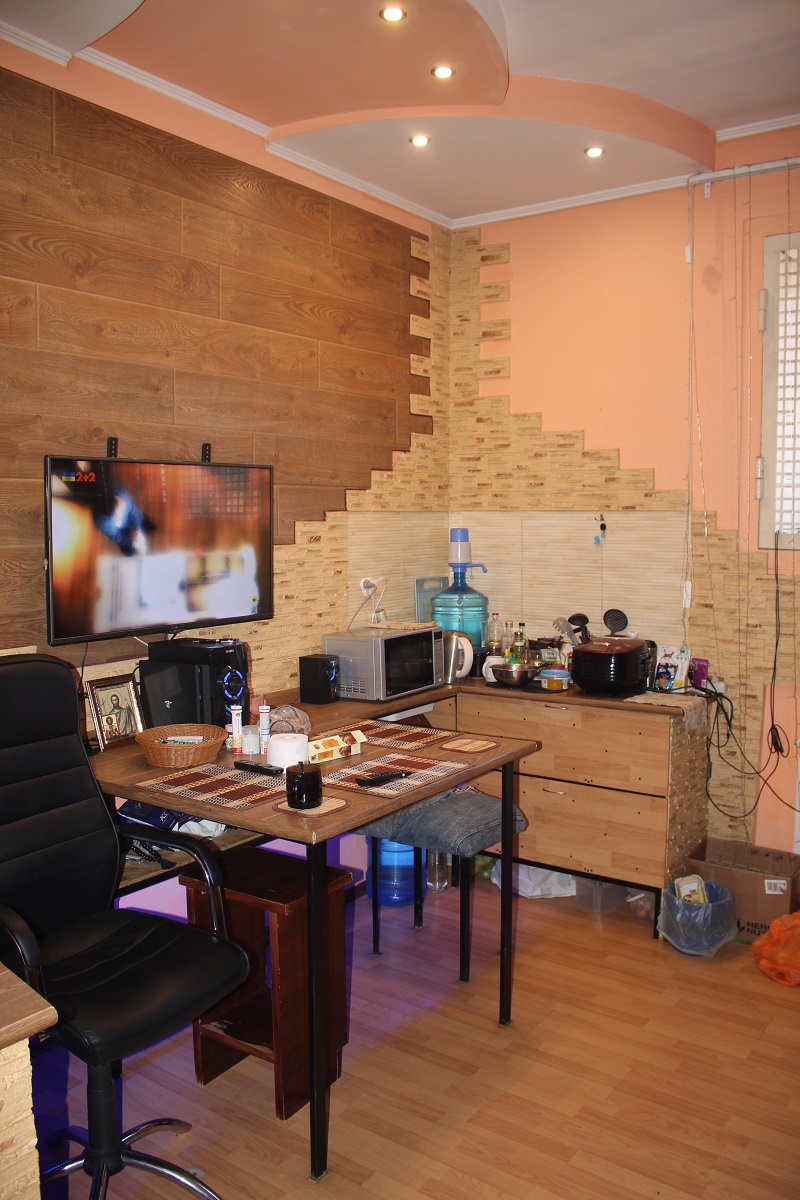
Convict T. has repeatedly submitted complaints about the administration's actions. He filed a complaint stating that his cheese was illegally seized during the receipt of a parcel on 07.07.2022. The administration demonstrated to the monitors a video of the parcel being handed over to convict T. and explained that an internal investigation had been conducted regarding this matter. In T.'s statement, it is noted that he did not receive the parcel, although it is visible in the video that the parcel was received. At the same time, some substance (according to the administration – honey) spilled during transport due to improper packaging by the sender. Convict T. also complained that the laundry facility has not been working for six months, and clothes have to be dried directly in the cell. The convicts from the maintenance staff reported that they had approached convict T.'s cell for laundry, but he allegedly refused to hand over items for washing. Convict T. also noted that the prosecutor's office had cancelled the penalties imposed on him. The administration explains that the penalties were cancelled because T.'s lawyer did not appear during the imposition of the disciplinary penalty. The convict complained that he was illegally placed on the register as prone to escape. This registration entails being moved in handcuffs to walks and visits. According to the convict, appeals for the cancellation of such restrictions are not considered by the administration.
Convict A. submitted a complaint that a decision of the ECHR regarding his innocence had been adopted, and the Court recognised a violation of Article 6 of the Convention (right to a fair trial), but the execution of the sentence continues in national courts.
Many convicts complain that national legislation does not provide for the possibility of reviewing judicial decisions for life-sentenced prisoners regarding the legality and fairness of the decision, and also that the quasi-pilot judgment ‘Petukhov v. Ukraine (No. 2)’ is not being implemented.
TRANSIT CELLS
Since the beginning of the year, the load on the institution has increased by almost 50 percent due to interruptions in prisoner transfers related to military operations.
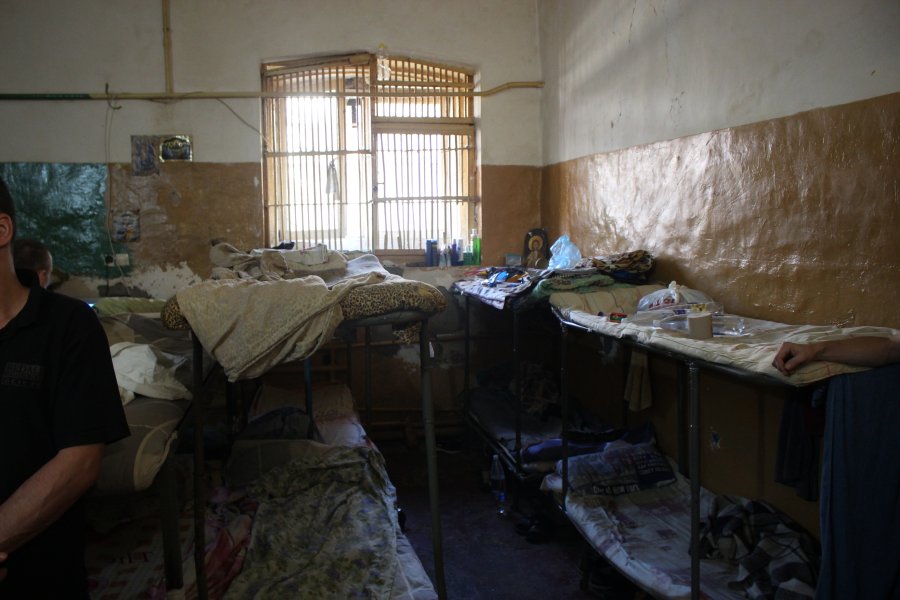
PAID CELL
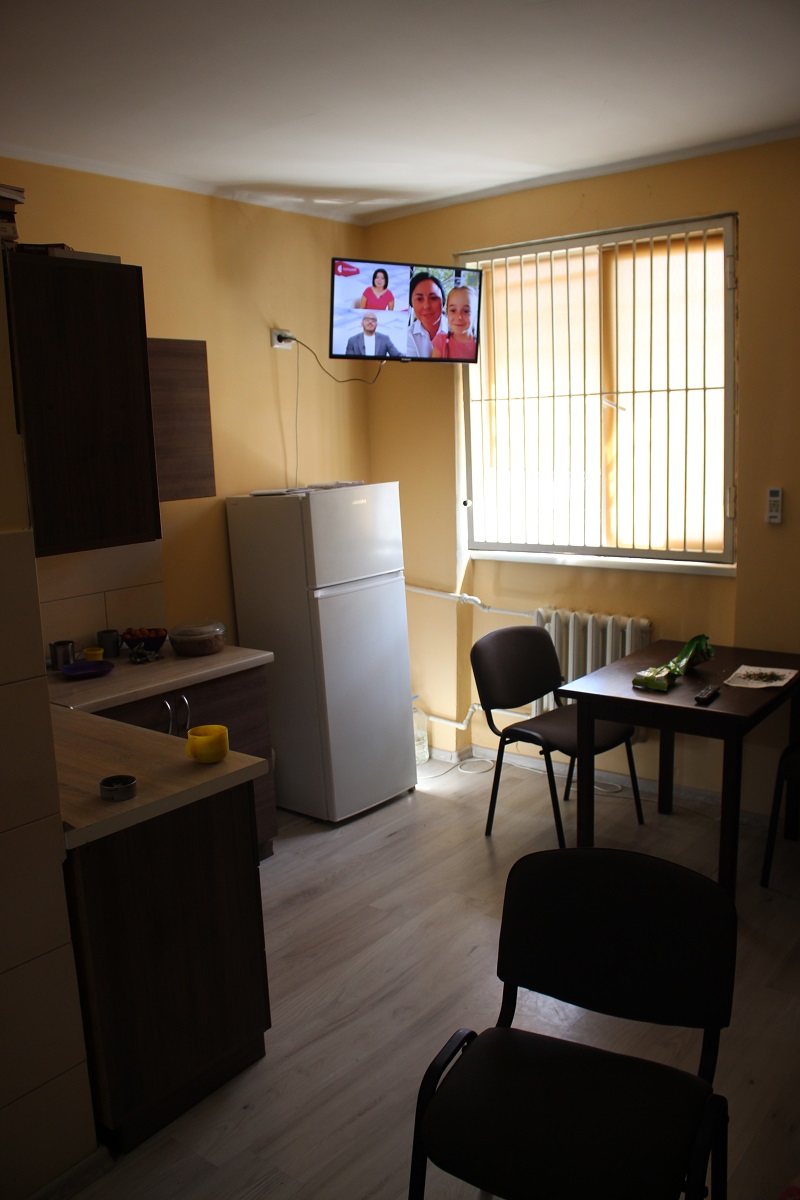
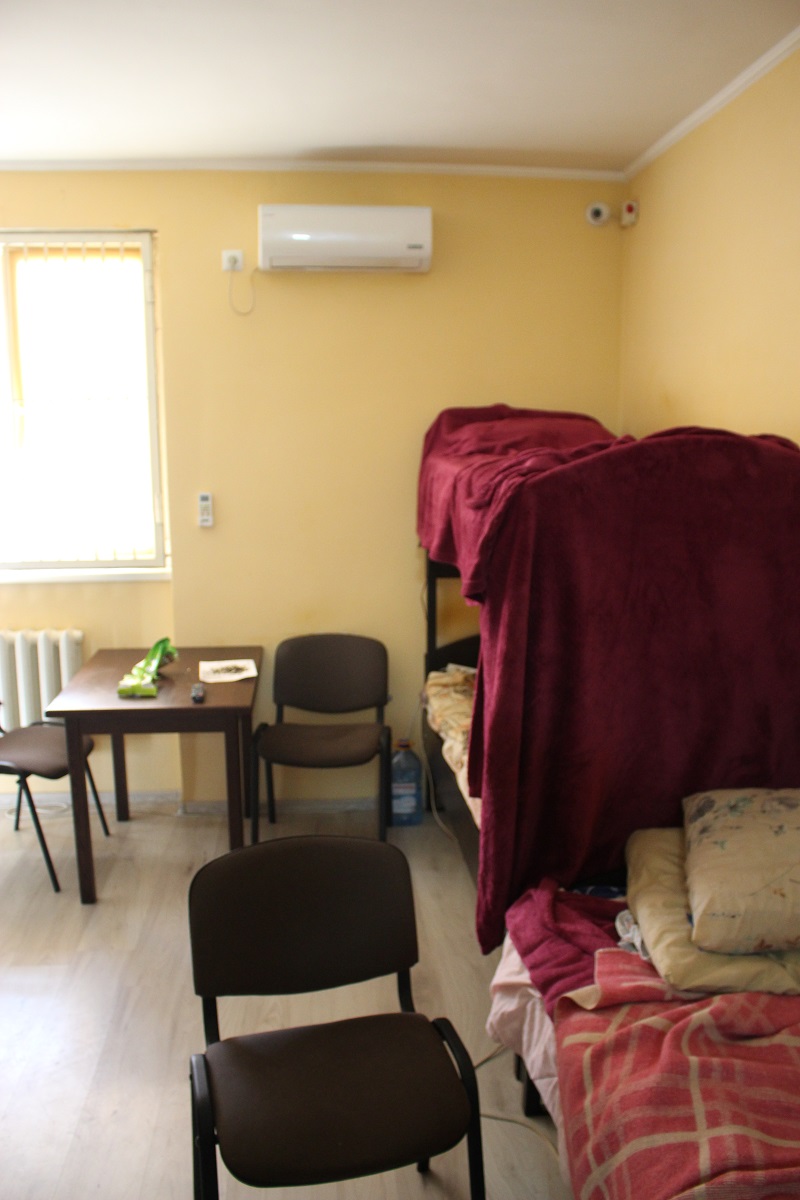
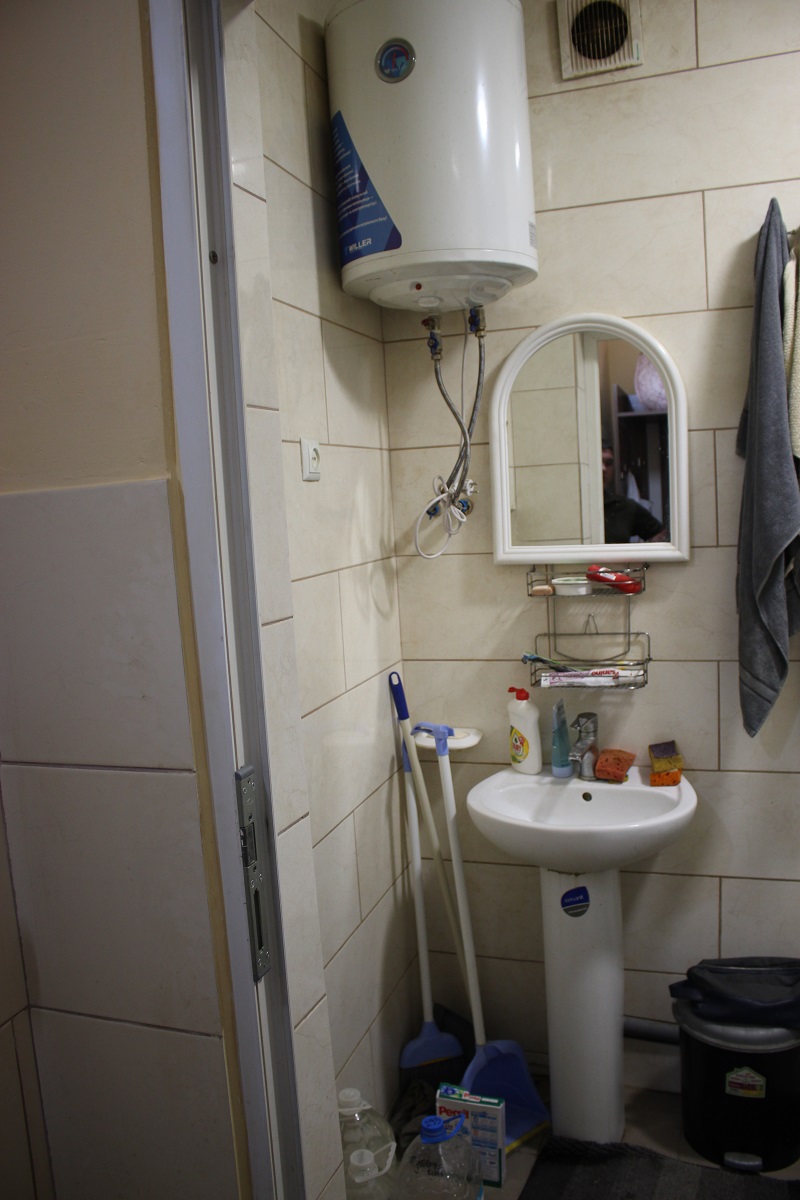
CELLS FOR HOLDING MINORS

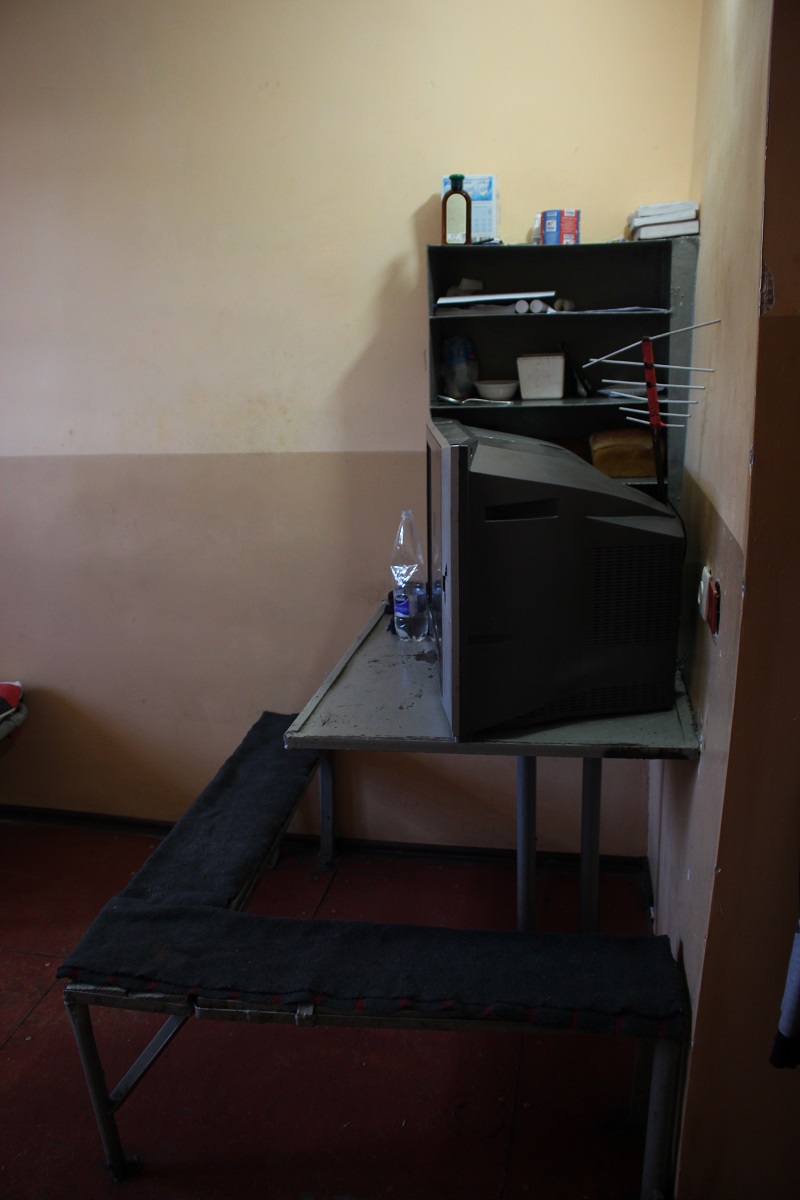
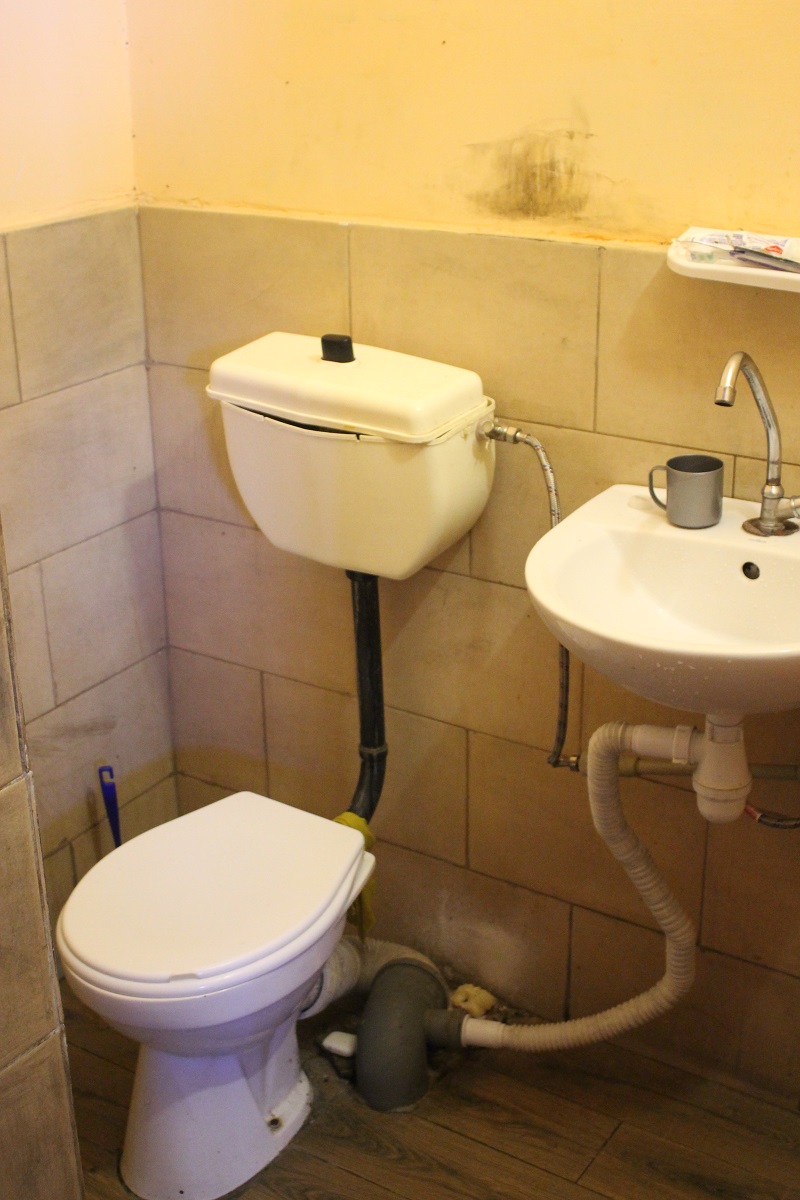
Two convicted minors arrived from juvenile colonies; they have been presented with new charges.
There was a minor girl in the cell.
INTERNET CLASSROOM
The institution has a developed Wi-Fi network with internet access; prisoners have 112 tablets on hand, so the internet classroom is not very popular.
WORK CELLS
There are a total of 5 work cells. Bags for animal feed are produced.
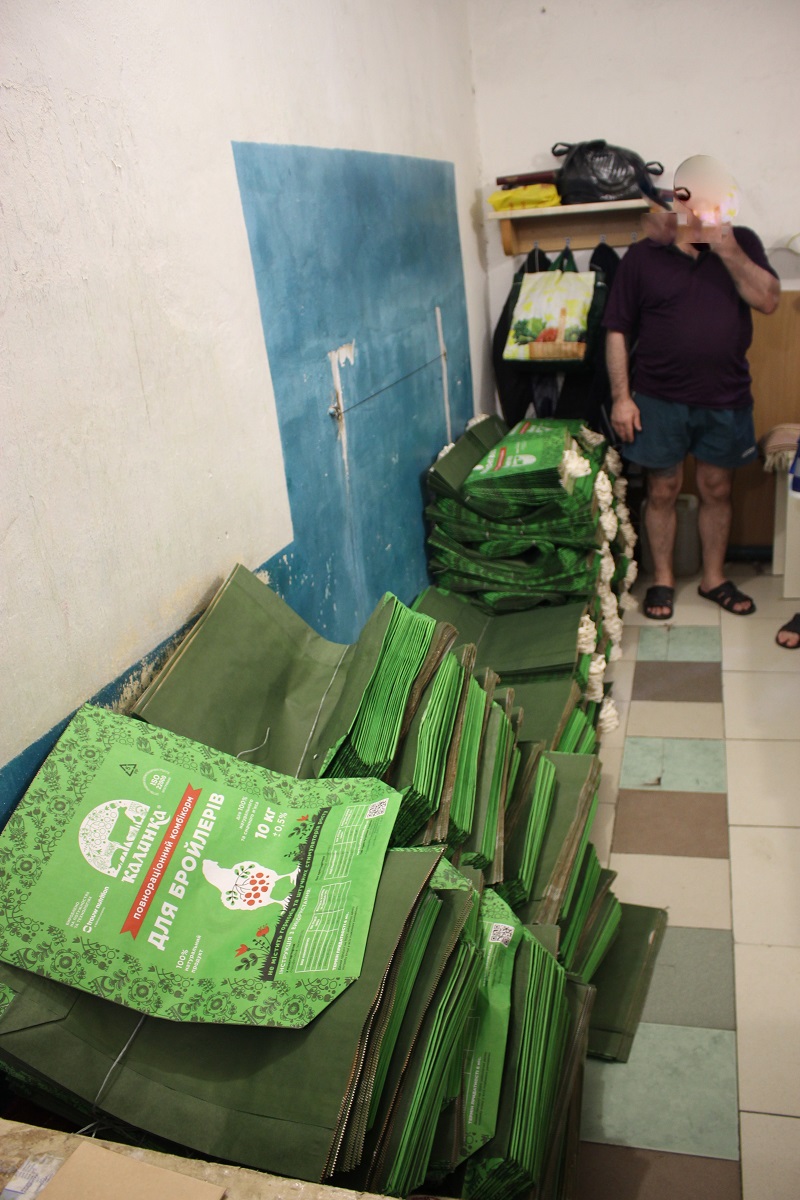
Earnings depend on output. The convicts noted that with diligent work, it is possible to earn 2,000 UAH with all deductions.
If convicts are eligible for transfer to open-type premises, they are transferred to another institution. Three convicts have already been transferred to Ladyzhyn Correctional Colony No. 39.
PUNISHMENT CELL
There is no one in the punishment cell. In the institution, the punishment cell is used only in exceptional cases.
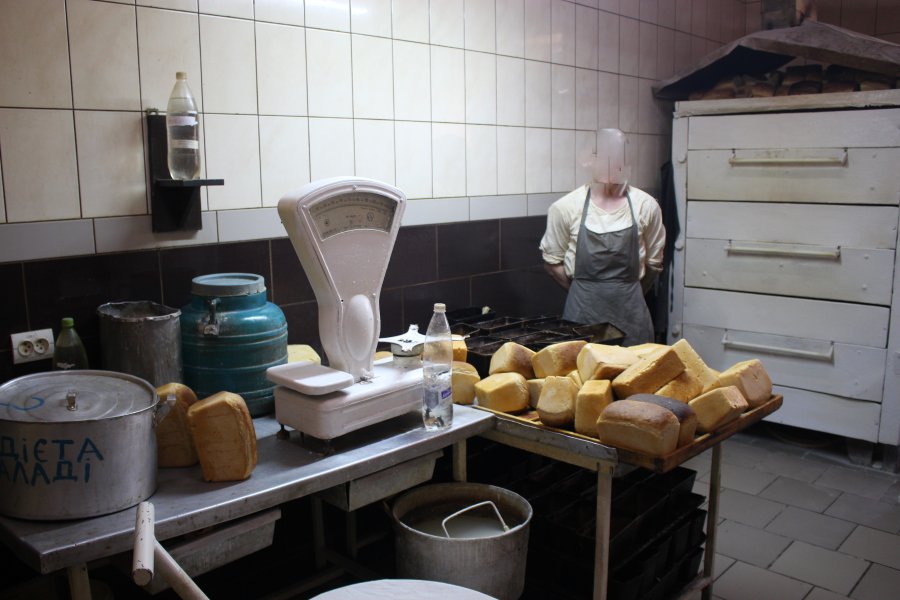
CATERING UNIT
MAINTENANCE STAFF
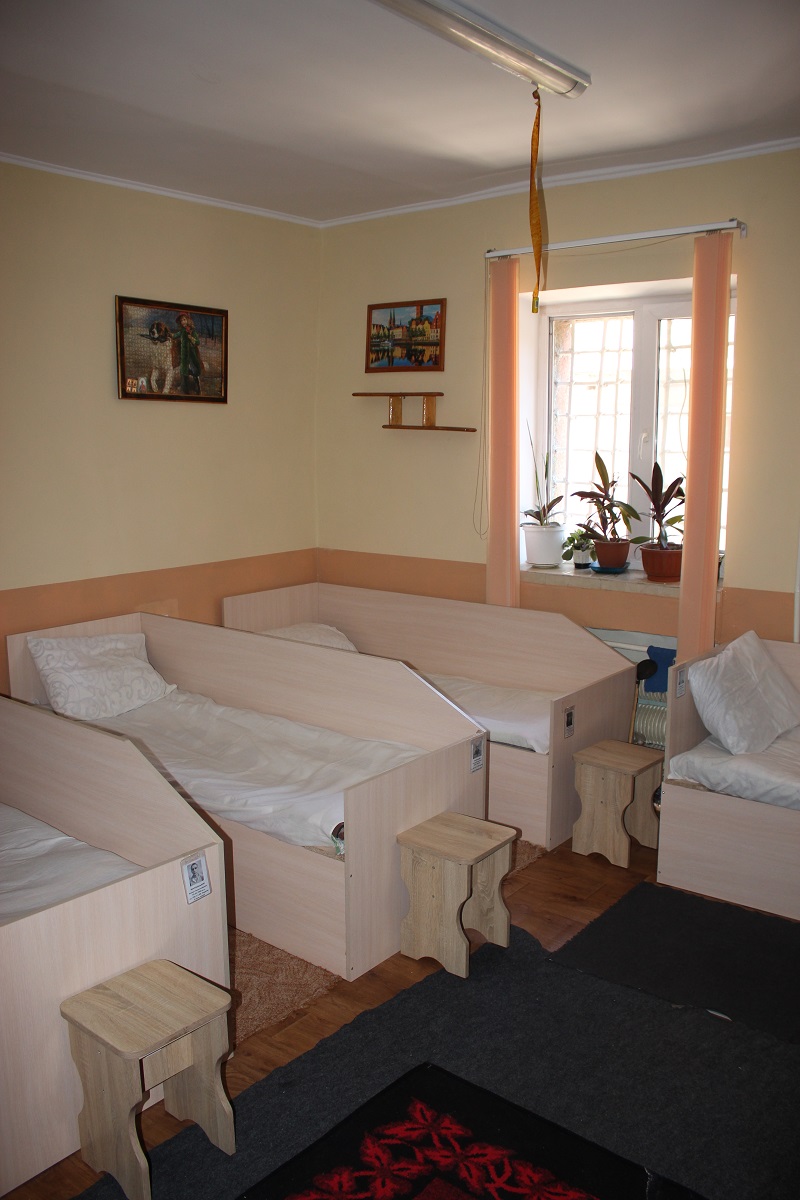
29 people work in the facility's maintenance. All have civil law contracts with the institution and receive a salary. They live in a separate block.
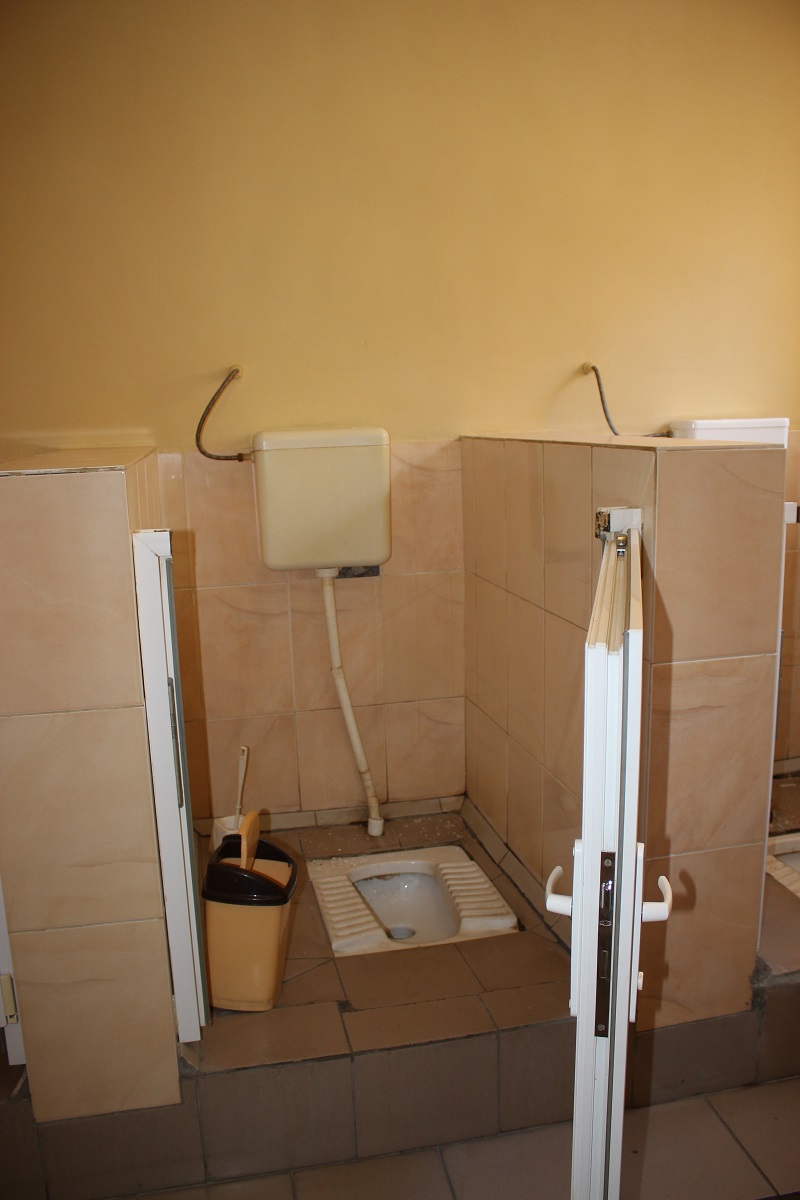
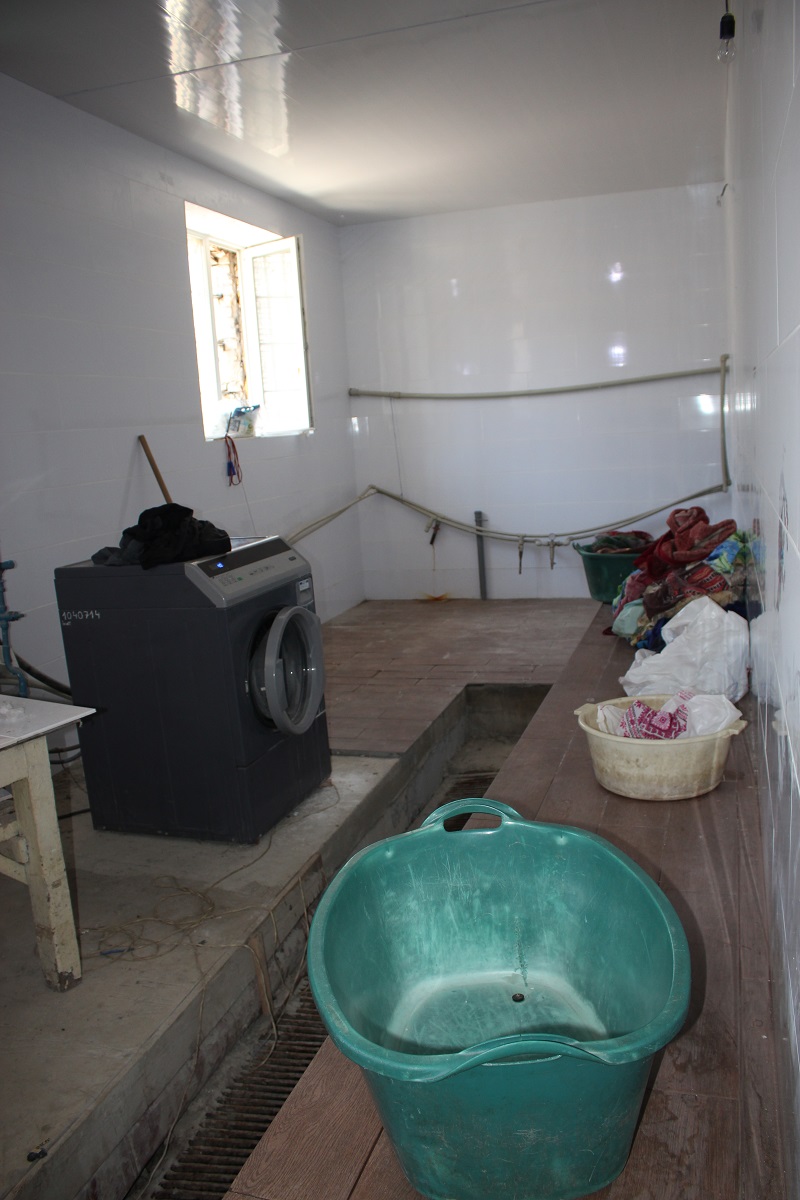
Laundry:
HUMANITARIAN NEEDS
The institution has humanitarian needs: a diesel generator with a capacity of 10 kW, industrial electric stove, tableware for the canteen, namely: 10-litre aluminium pots – 3 units, 20-litre aluminium pots – 3 units, 30-litre aluminium pots – 3 units, 50-litre aluminium pot – 1 unit, 6-litre food thermos – 2 units, 12-litre food thermos – 2 units, 24-litre food thermos – 5 units, 36-litre food thermos – 5 units.