Monitoring visit to Vinnytsia Prison No. 1
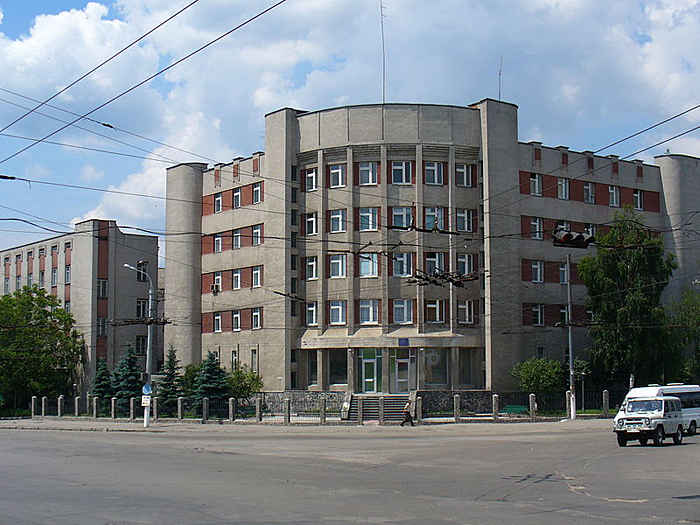
General information
On 6 July 2021, a monitoring group from the Kharkiv Human Rights Protection Group (KHPG), consisting of Serhiy Zuykov, a member of the Public Council under the Ministry of Justice, and Andriy Didenko, a journalist for the ‘Human Rights’ bulletin of the KHPG, conducted an unannounced visit to Vinnytsia Prison No. 1.
The monitors entered the facility without delay after undergoing temperature screening. The visit began in the office of the facility’s head, Anatoliy Anatoliyovych Dudoladov.
The monitoring group was accompanied by the head of the regime and security department, Captain S. P. Kovalekskyi, and the deputy head of the social-psychological service, Major S. V. Tarasyuk.
The administration staff consists of 67 middle and senior officers and 177 junior officers.
• The total number of prisoners in the facility is 1,091, of whom 723 are remand prisoners and 338 are sentenced to life imprisonment. The calculated capacity for sleeping places is 1,236.
• 29 individuals sentenced to fixed-term imprisonment have been retained to work in the remand prison.
• There were 2 people in the disciplinary cells.
• There were 14 people receiving inpatient treatment in the medical unit.
• 40 people are diagnosed with HIV/AIDS.
• 29 people are considered prone to suicide.
During 2020–2021, there were 33 ambulance calls, 25 recorded cases of physical injury, 4 cases of the use of special equipment, and 9 deaths. 20 people were held in temporary (transit) cells.
During the pandemic, 2 prisoners and 22 staff members contracted COVID-19.
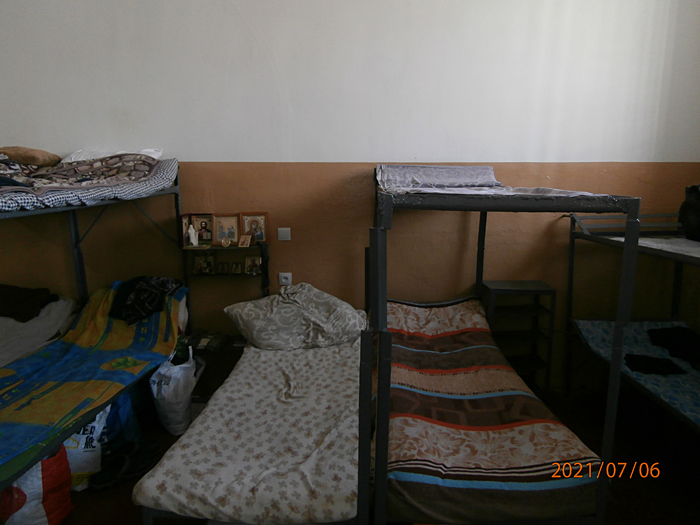
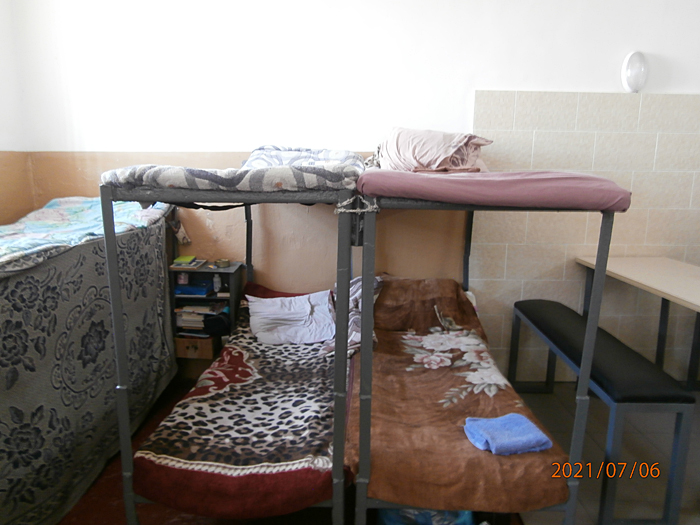
The monitoring group visited the blocks for life-sentenced prisoners, the medical unit, the temporary (transit) holding cells, the remand cells, and the disciplinary detention cells.
Historical background
15 May 1822 can be considered the official date of the introduction of a prison in Vinnytsia. From this time began the long and complex path of the Vinnytsia Prison.
In the early 20th century, the main building (1907), the small building (1911), the administrative building (1912), and the large building (1913) were constructed. In the 1970s–1990s, an administrative building, a special building, and a high-security building were added.
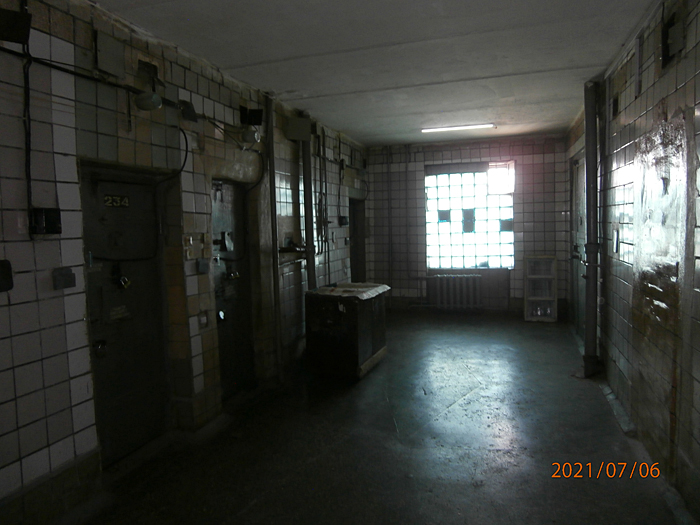
In accordance with order No. 235 of the State Department of Ukraine for the Execution of Criminal Punishments (SDUECP) dated 29 November 2002, an isolated section for holding individuals sentenced to life imprisonment with a planned capacity of 400 people was created in the Vinnytsia region. In accordance with the resolution of the Cabinet of Ministers of Ukraine No. 986 dated 20 June 2002 and order of the SDUECP No. 183 dated 5 September 2002, the reconstruction of high-security buildings for holding life-sentenced individuals was initiated and completed in September 2002.
Until November 1999, the institution was called the institution of the Ministry of Internal Affairs of Ukraine in the Vinnytsia region. From November 1999, it was known as the Vinnytsia Prison of the SDUECP, and from January 2004, as the Vinnytsia Prison of the SDUECP administration in the Vinnytsia region.
Life imprisonment
Life imprisonment is the most severe form of criminal punishment in Ukraine, having replaced the death penalty. It is imposed only in exceptional cases, primarily for the murder of two or more persons with particular cruelty. After the abolition of the death penalty in 1999, courts passed up to 100 life sentences annually. Over time, this figure has decreased almost tenfold.
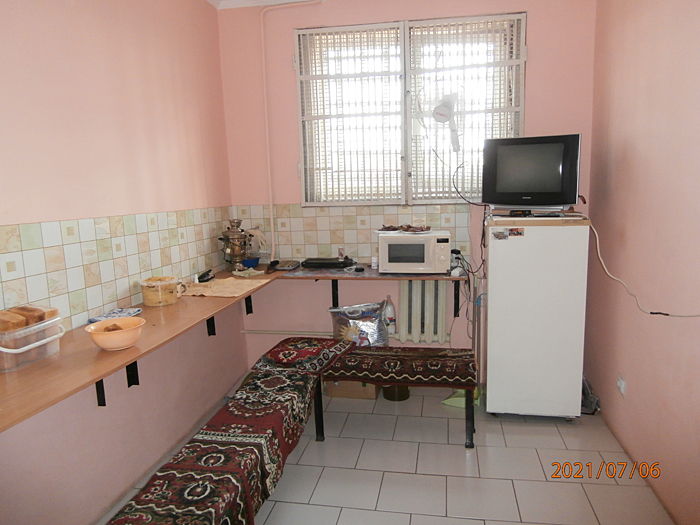
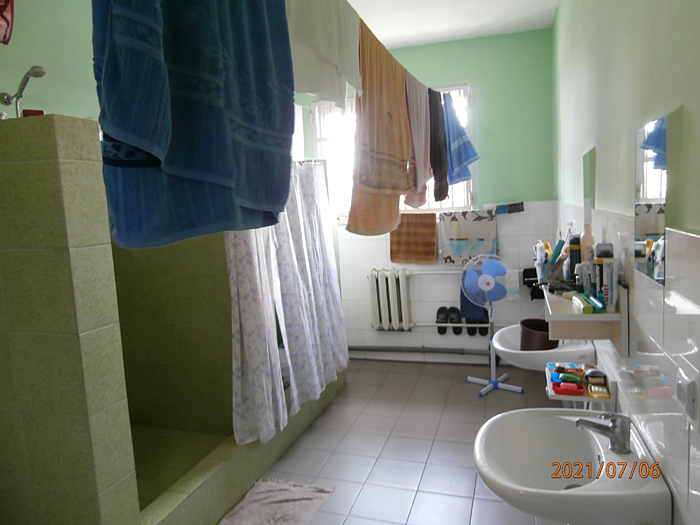
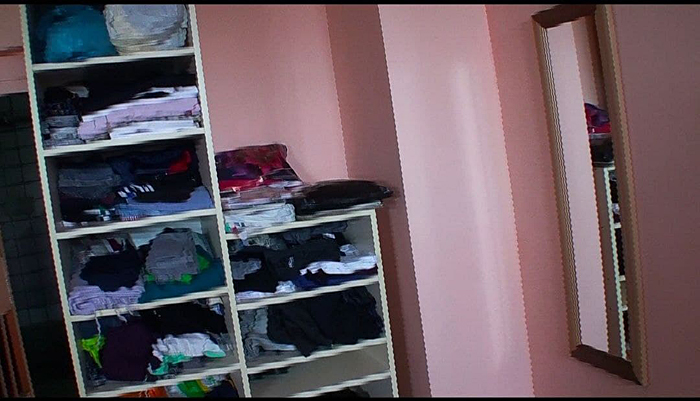
Life-sentenced prisoners are held in small cells, and after serving five years, they may be transferred to multi-occupancy cells with improved living conditions.
Without the prospect of sentence review and release
In our country, for eleven years, there has been no legal procedure for reviewing court decisions that raise reasonable doubt regarding their fairness. Given the near-zero percentage of acquittals, it can be assumed that a large number of people are serving the most severe punishment—life imprisonment—based on such court decisions.
Stories of arbitrarily sentenced individuals serving life imprisonment with no chance of rescue are available on our website: The Fight for Life § Arbitrarily sentenced to life imprisonment in Ukraine (khpg.org).
Volodymyr Panasenko
Volodymyr Panasenko is one of the prisoners whom the KHPG has been defending for many years and is a vivid example of how, despite obvious arguments and evidence of innocence, a person can be held in captivity for many years without any chance of reviewing an unfair court decision.
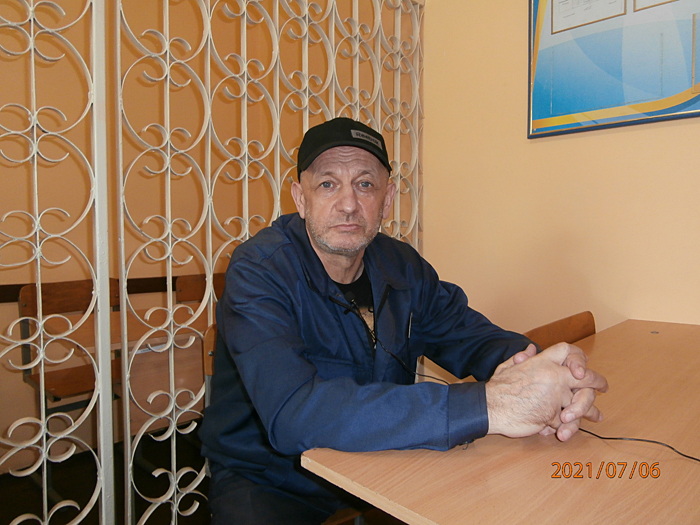
The Ukrainian Parliament Commissioner for Human Rights, Nina Karpachova, twice called on parliamentarians from the podium of the Verkhovna Rada to take action to rectify the critical situation in the country, where, despite obvious facts of a person’s innocence, the legislation does not provide for a procedure to review the sentence.
We have also presented a documentary film that tells the story of Volodymyr Panasenko:
[]
The Ukrainian Helsinki Human Rights Union and the KHPG have publicly appealed to the President and people's deputies regarding the release of Volodymyr Panasenko.
More about this case is on our website.
Ivan Pokotylo
Ivan Pokotylo, a former successful businessman, was sentenced to death and is now serving a life sentence. Ivan Pavlovych was accused of ordering the murder of five people, as well as providing weapons to those who committed this crime. The prisoner claims that he did not do this, and that the investigation and the court committed a crime against him by accusing him and sentencing him to death without evidence of guilt.
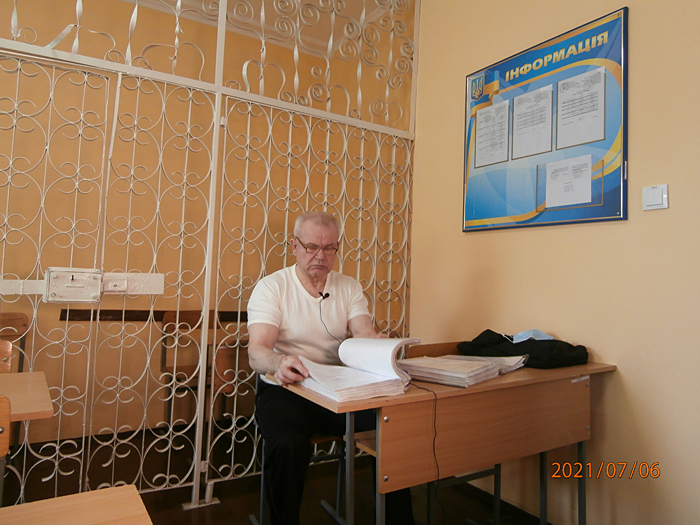
For many years, Ivan Pokotylo has been trying to achieve a review of his criminal sentence by prosecuting the individuals who tortured him and fabricated the case materials. During the hearing of the case in court, the prosecution concealed an entire volume of the case file containing evidence of the defendant’s non-involvement.
For many years, the prisoner and his lawyers have been trying to achieve justice. More about this case is on our website.
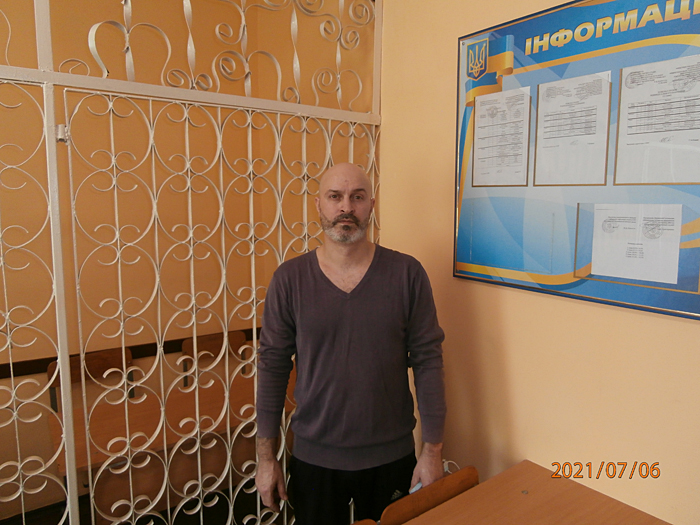
Oleksandr Tokarev
Oleksandr Tokarev has been in captivity for over twenty years and explains that the case materials are not as straightforward as they seem, and that the life sentence does not correspond to the actual circumstances of the event.
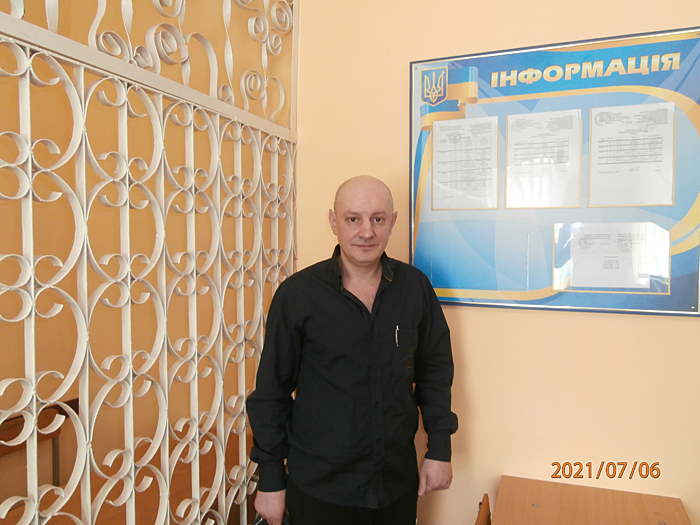
Eduard Nikolov
Sentenced to execution. He spoke about the specifics of the application of life imprisonment and the systemic violations that preceded the introduction of life imprisonment as a replacement for the death penalty. At a time when the death penalty was no longer being applied, but life imprisonment had not yet been codified by law, the maximum term of imprisonment was 15 years. A number of prisoners had their death sentences commuted to 15 years of imprisonment.
Ihor Trubitsyn
Ihor Trubitsyn was sentenced to execution and has been serving a life sentence for 27 years. Despite this, he has dedicated many years to publishing the Christian interdenominational newspaper ‘Uznyk’ (The Prisoner), which is printed in Russian and Ukrainian and distributed in places of detention around the world. Trubitsyn is the editor-in-chief of this newspaper.
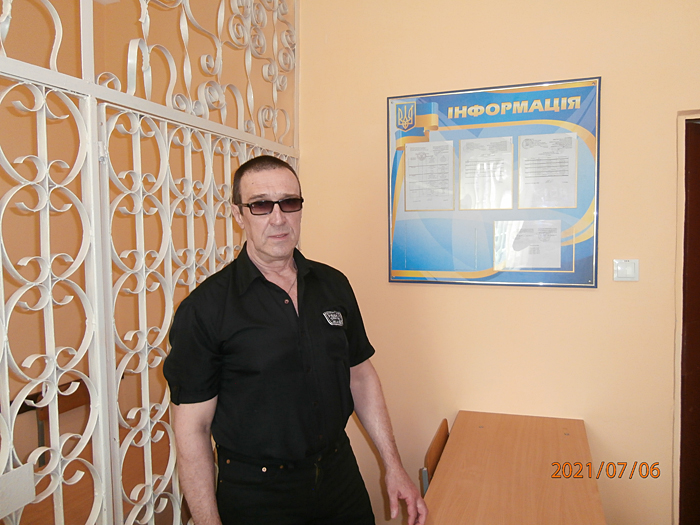
Ihor Trubitsyn has appealed to the President (different Presidents) five times with a petition for a pardon. The colony administration also supports him, and most recently, the Ukrainian Parliament Commissioner for Human Rights, Lyudmyla Denisova, and two people’s deputies petitioned for Trubitsyn’s release. The Pardon Commission under the President of Ukraine made a decision to pardon Trubitsyn, but the President did not sign the pardon decree.
On the newspaper’s page, Ihor Trubitsyn appealed to the guarantor of the Constitution with an article titled ‘First they pardoned me, and then they changed their minds’.
Medical unit
The acting head of the medical unit, Ihor Volodymyrovych Hrabik, reported 2 cases of COVID-19 and noted that about 300 rapid tests have been performed.
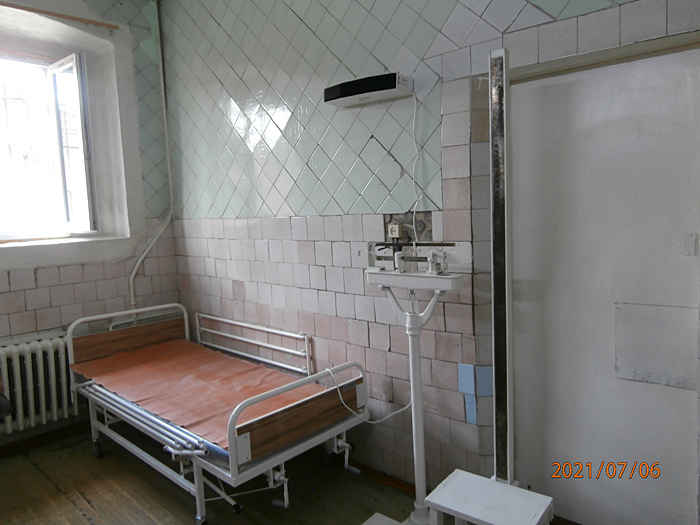
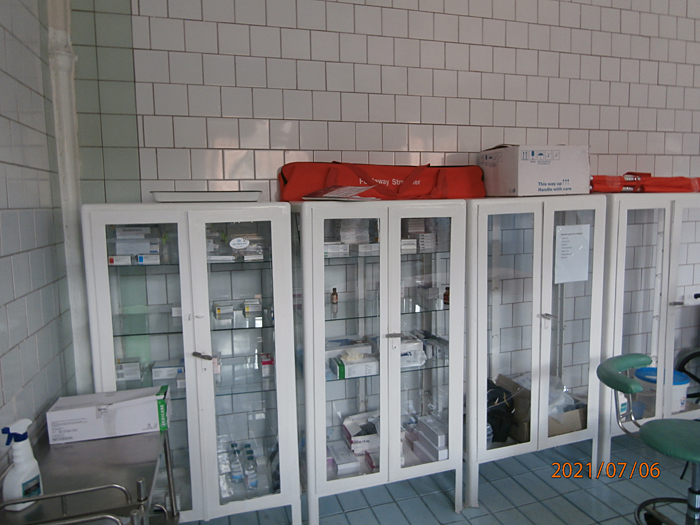
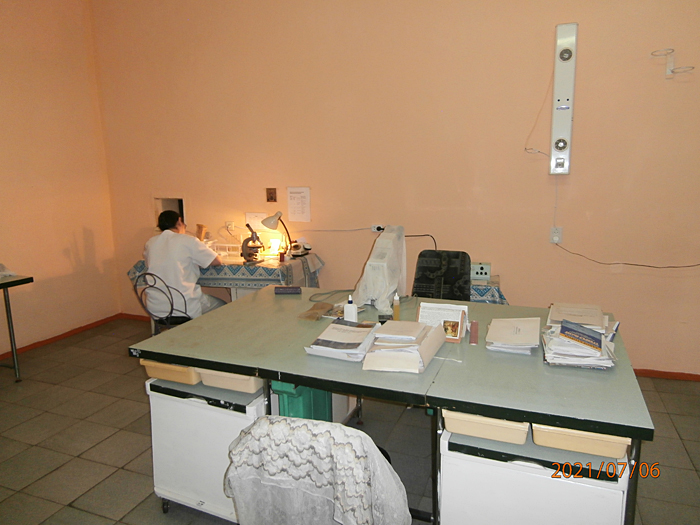
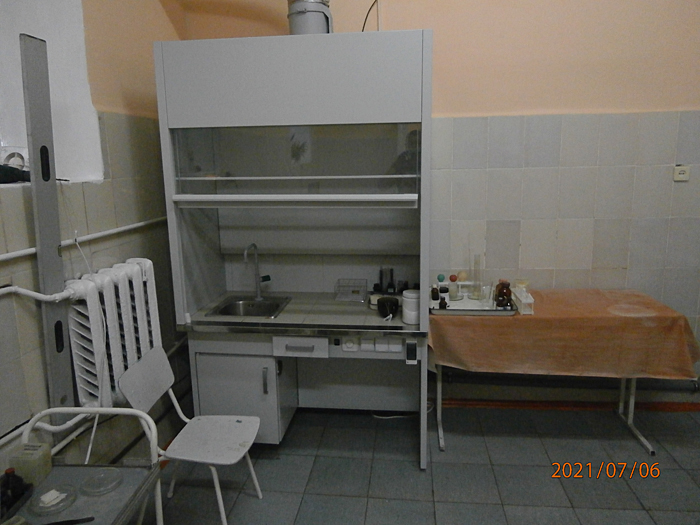
• Staffing shortages: head of the medical unit, infectious disease specialist.
• On staff: phthisiatrician, radiologist, dentist, venereologist.
• Fully provided with medical supplies for emergency care, as well as disinfectants.
• Out of 40 people with HIV/AIDS, 38 are receiving antiretroviral therapy.
• Out of 29 people with hepatitis, 14 have received therapy, while others are waiting for supplies.
• 4 people with active tuberculosis are provided with the necessary medication.
• All prisoners undergo IDIS testing.
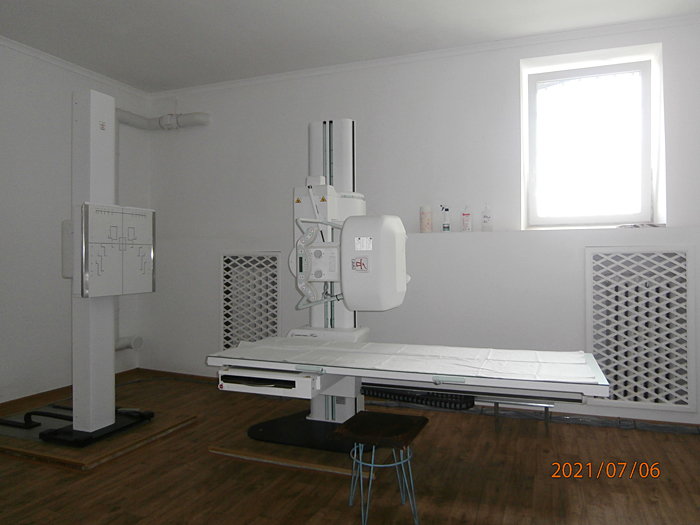
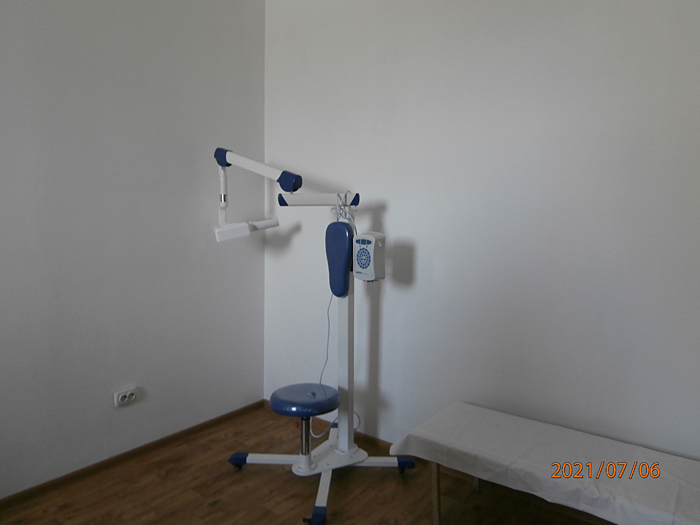
• The medical unit has a state-of-the-art X-ray machine.
Medical record-keeping is inadequate; reports on bodily injuries and photos are not attached to the patient’s file.
Transit cells
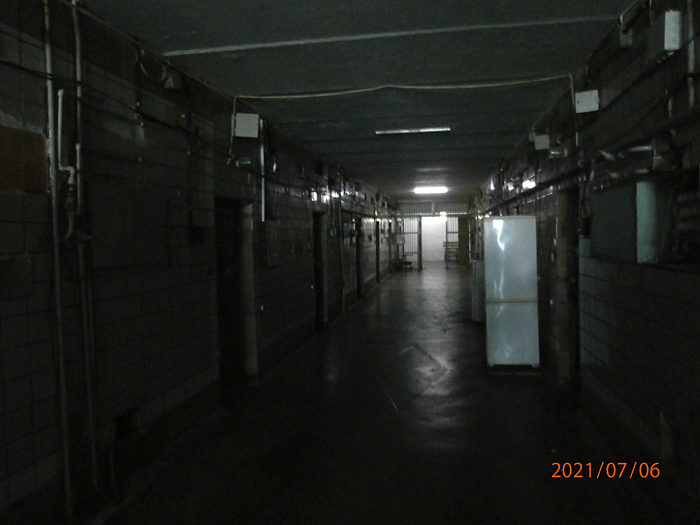
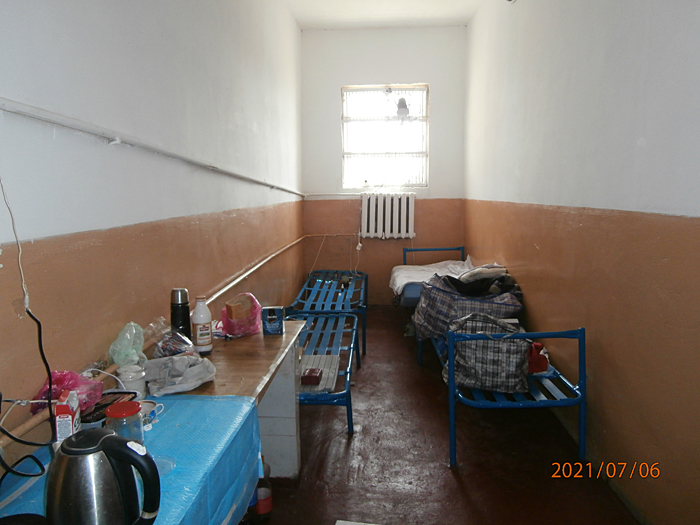
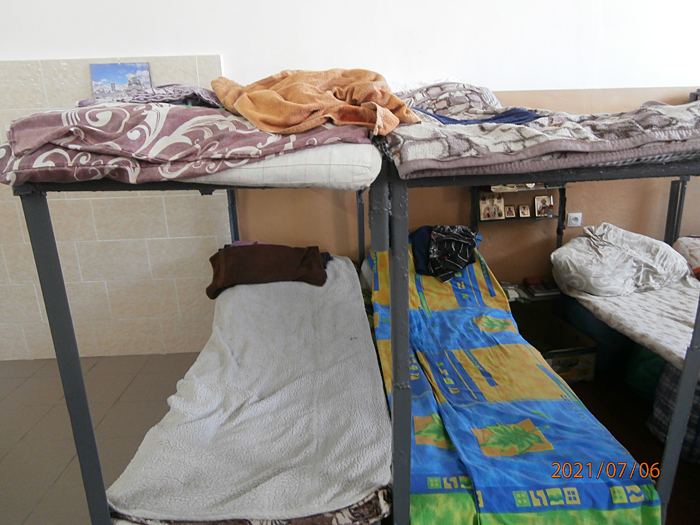
Overcrowding, insufficient lighting, no access to drinking water. Beds are pressed tightly together.
Cells for remand prisoners
Two cells were inspected; one showed high overcrowding, poor lighting, no drinking water, and neglected mattresses.
Disciplinary punishment cell
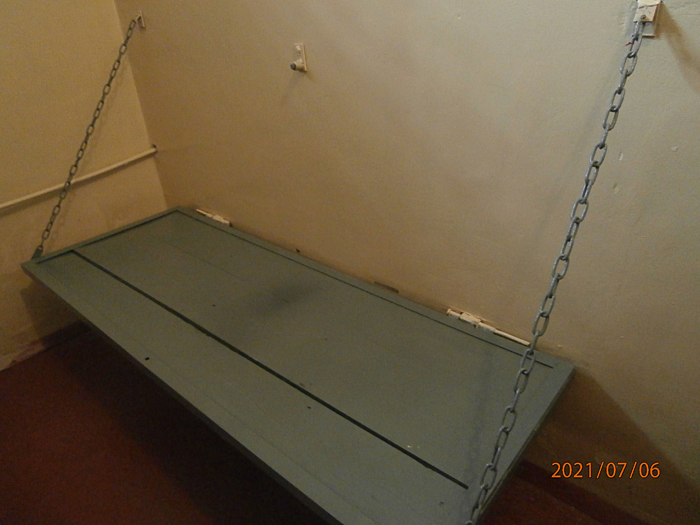
The bed is not closed during the daytime.
Observations and suggestions
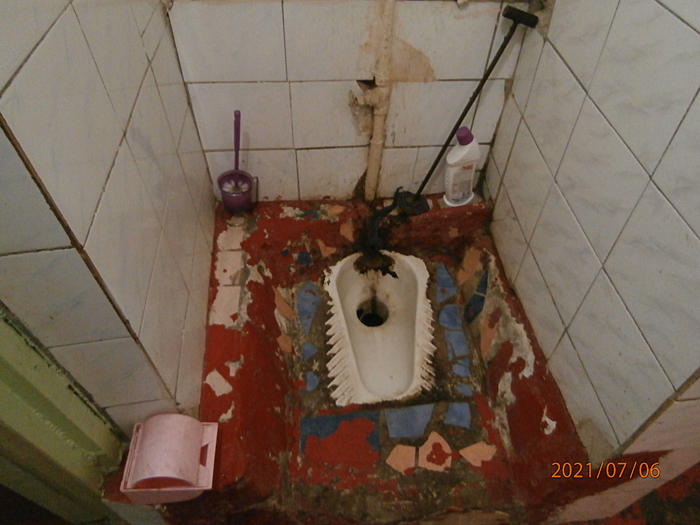
• The institution is in a dilapidated state, and most of the premises require major repairs. It is hoped that the Ministry of Justice will allocate sufficient funds for the repair of the premises.
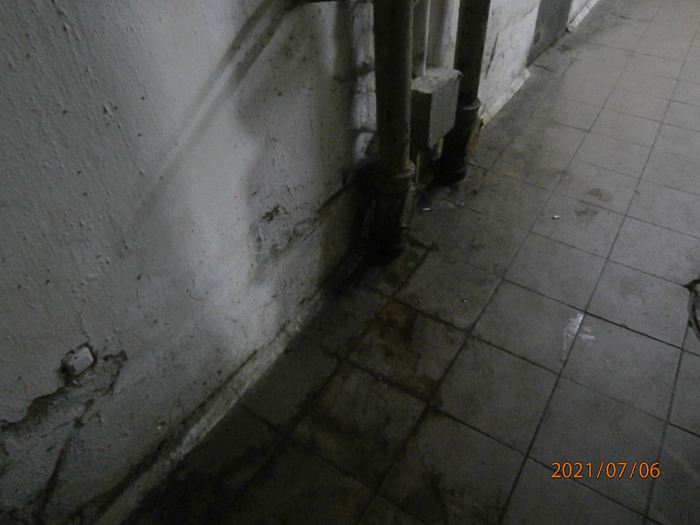
• Some rooms require additional lighting.
• Not all prisoner accommodation areas have access to drinking water.
• Many premises have damaged sewage systems.
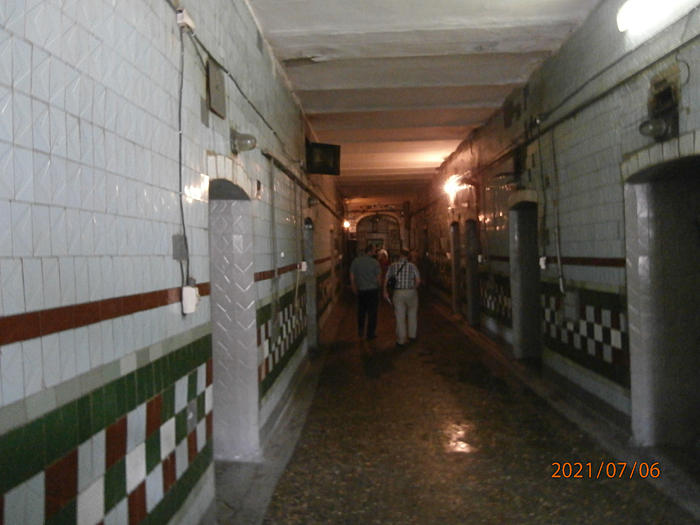
• The institution is the largest in Ukraine by the number of life-sentenced prisoners while also serving as a remand prison. More than a thousand prisoners are held there, and the number of personnel relative to this figure is very small. We believe that the number of personnel should be increased.