Report on the Monitoring Visit to Horodyshche Correctional Colony No. 96
On 14 August 2026, in accordance with the Optional Protocol to the Convention against Torture and Other Cruel, Inhuman or Degrading Treatment or Punishment, taking into account the provisions of the United Nations Standard Minimum Rules for the Treatment of Prisoners (the Nelson Mandela Rules) and the case law of the European Court of Human Rights, and on the basis of Article 24 of the Criminal Enforcement Code of Ukraine, ‘Visits to Penal Institutions’, a group of monitors from the Kharkiv Human Rights Protection Group and the NGO ‘Protection for Prisoners of Ukraine’ visited the State Institution ‘Horodyshche Correctional Colony (No. 96)’ (hereinafter, HCC-96, the institution, the establishment, the colony).
This was a regular scheduled unannounced visit, and all of the institution's facilities were examined. The previous visit took place on 19 December 2024.
In preparing for the visit, the monitors used complaints from convicts and their relatives, the findings of previous reports, and reports by monitors of the National Preventive Mechanism under the Ukrainian Parliament Commissioner for Human Rights (NPM).
The visit was carried out within the framework of the project ‘Seeking Justice for Survivors’, funded by the Ministry of Foreign Affairs of Denmark with the support of the Danish Institute Against Torture – DIGNITY.
The visit was carried out by the following monitors:
- Andrii Didenko — assistant to Yaroslav Yurchyshyn, Member of Parliament of Ukraine; programme coordinator at the Kharkiv Human Rights Protection Group; experienced in monitoring visits since 2014; NPM (National Preventive Mechanism) monitor; member of the NPM Advisory Council;
- Serhii Zuikov — assistant to Kostiantyn Kasai, Member of Parliament of Ukraine; member of the Public Council under the Ministry of Justice of Ukraine; member of the NGO ‘Protection for Prisoners of Ukraine’; NPM monitor; has many years of experience in monitoring visits;
- Artemii Shumnyi — journalist with the news agency ‘Захист в’язнів України / PROTECTION FOR PRISONERS OF UKRAINE’; lawyer at the Kharkiv Human Rights Protection Group; NPM monitor.
During the monitoring visit to HCC-96, a number of systemic shortcomings in ensuring the rights of convicts were identified. The main problems concern the organisation of work with newly arrived convicts in the QDAU, the material and living conditions in the DIU/CTP and the MSS, the provision of privacy, access to drinking water and information on mechanisms for the protection of rights, the organisation of bathing and laundry services, food provision and staffing levels. Significant shortcomings were found in the condition of the premises designated as shelters for convicts during air-raid alerts.
Particular attention was paid to the right to work and to social protection. Inconsistencies were found in certain primary labour records, as were risks that the civil-law form of engagement does not correspond to the actual nature of the employment, reports of certain convicts working systematically without adequate rest, and the impossibility, in all the cases examined, of tracing the full link between the work actually performed, remuneration, payment of the SSC and the accrual of insurance service. An examination of the ‘KASANDRA’ subsystem showed that some convicts were insufficiently informed about and involved in risk assessment and the drawing up of individual social and educational work programmes.
In the medical unit, shortcomings were identified in the keeping of medical records, the obtaining of informed consent to psychiatric examination, access to opioid substitution therapy, infection control, meeting the needs of persons with disabilities, telemedicine, the storage of medicines and the conduct of mandatory medical examinations of convicts working in the catering unit. In addition, the library is not fully stocked with the legal materials required by the IRPI, and the range of goods in the shop remains limited.
At the same time, the institution's good practices were noted in the areas of physical activity, engagement with the local community and commemoration of staff members who were killed defending Ukraine, as well as the renovated premises for convicts.
General Information
The State Institution ‘Horodyshche Correctional Colony (No. 96)’ is located in the village of Horodyshche, Rivne District, Rivne Oblast, and is a maximum-security penal institution. The institution has a maximum security sector (MSS), in which prisoners sentenced to life imprisonment are held.
The history of the institution dates back to 1951, when the premises of a former sugar refinery, which had operated on the site from 1905 to 1937, were handed over for the establishment of a penal institution with a capacity of 1,500 persons. The institution was subsequently expanded, residential, industrial and utility buildings were constructed, and its purpose and type of regime were changed. At various points in its history it held, among others, persons convicted of collaborating with the occupying authorities, former auxiliary policemen, members of the OUN and the UPA, and Orthodox and Catholic clergy.
At the time of the monitoring visit, the head of HCC-96 was Yurii Anatoliiovych Panasiuk.
On the day of the visit, the institution held 307 convicts against a planned capacity of 602 persons, amounting to approximately 51% of the total number of places.
The institution comprises administrative buildings, residential and industrial zones, a social and psychological service (SPS) unit, the maximum security sector (MSS), in which prisoners sentenced to life imprisonment are held, a disciplinary isolation unit (DIU), cell-type premises (CTP), a quarantine, diagnostics and allocation unit (QDAU), a canteen, a bathing and laundry complex, a medical unit, premises for short-term and long-term visits, a shop, a club, a library, and sports and storage facilities.
The authorised staff establishment was 234.5 full-time positions, while the actual number of staff was 218; the staff shortfall was 16.5 full-time positions. The institution employed three psychologists.
In 2026, 113 convicts arrived at the institution. According to information provided by the administration, the number of convicts in employment was 135, engaged in work in production, in workshops and on maintenance work. Sixteen convicts were employed under employment contracts and 94 under civil-law contracts. Twenty-nine persons were on preventive registers as prone to suicide, 19 as prone to self-mutilation and 4 as prone to escape. Thirty convicts were classified as persistent violators of the established procedure for serving sentences. One suicide was recorded at the institution in 2026. According to the administration, the institution held 25 convicts with disabilities. In 2026, 48 persons were released from the institution. No cases of parole under Article 81 of the Criminal Code of Ukraine or of replacement of the unserved part of a sentence with a more lenient one under Article 82 of the Criminal Code of Ukraine were reported. An ambulance was called 22 times in 2026. A total of 192 convicts have tablets for their personal use, and 26 convicts' email addresses have been registered. Over the past six months, the institution's administration has received 10 prosecutorial response acts.
During the monitoring visit, the institution's grounds and its residential, cell, communal and industrial premises were inspected, and the documentation and other materials provided by the administration were examined. Around 150 convicts were interviewed in the course of consultations and direct conversations, including on condition of anonymity.
Good Practice
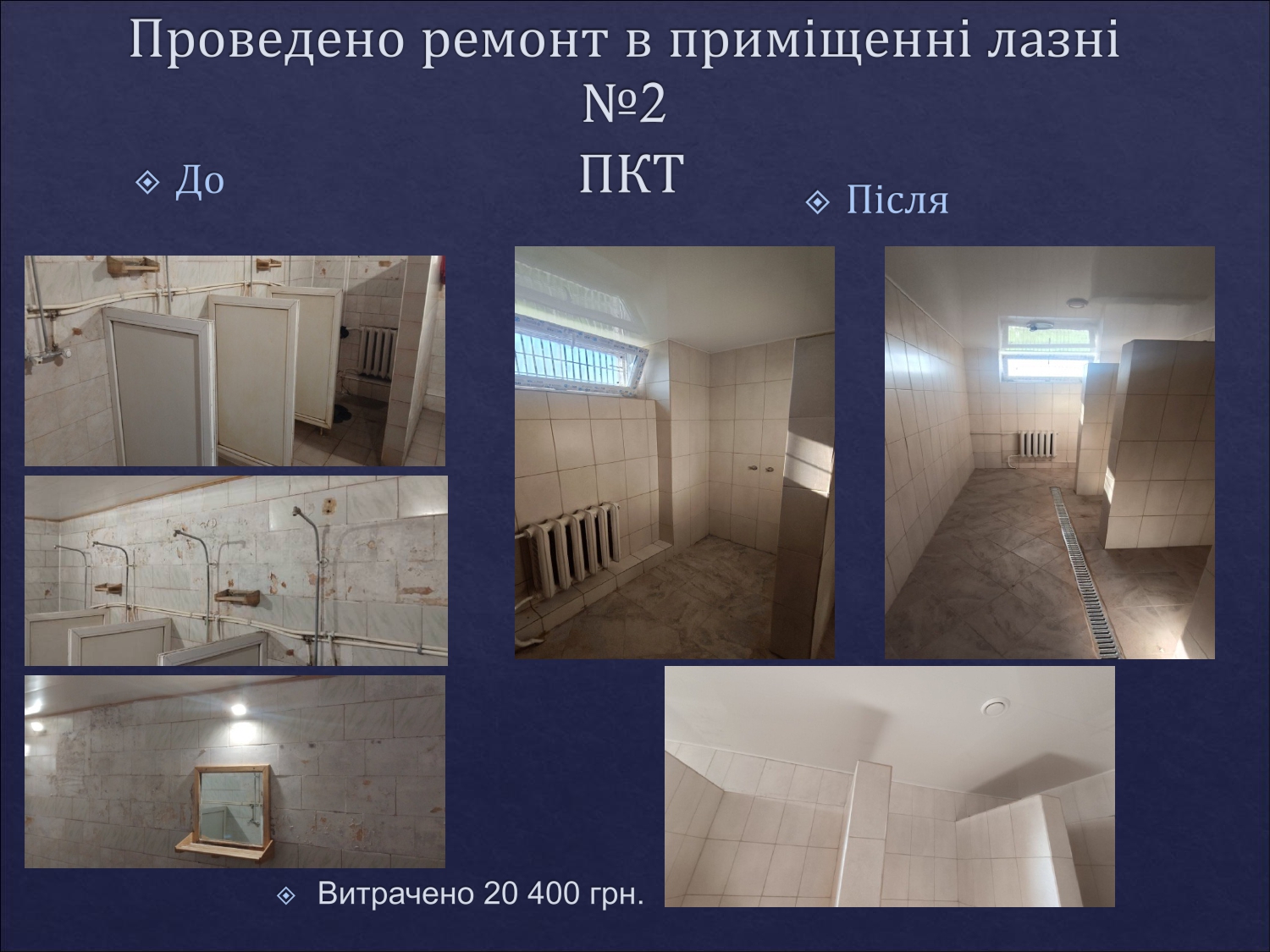
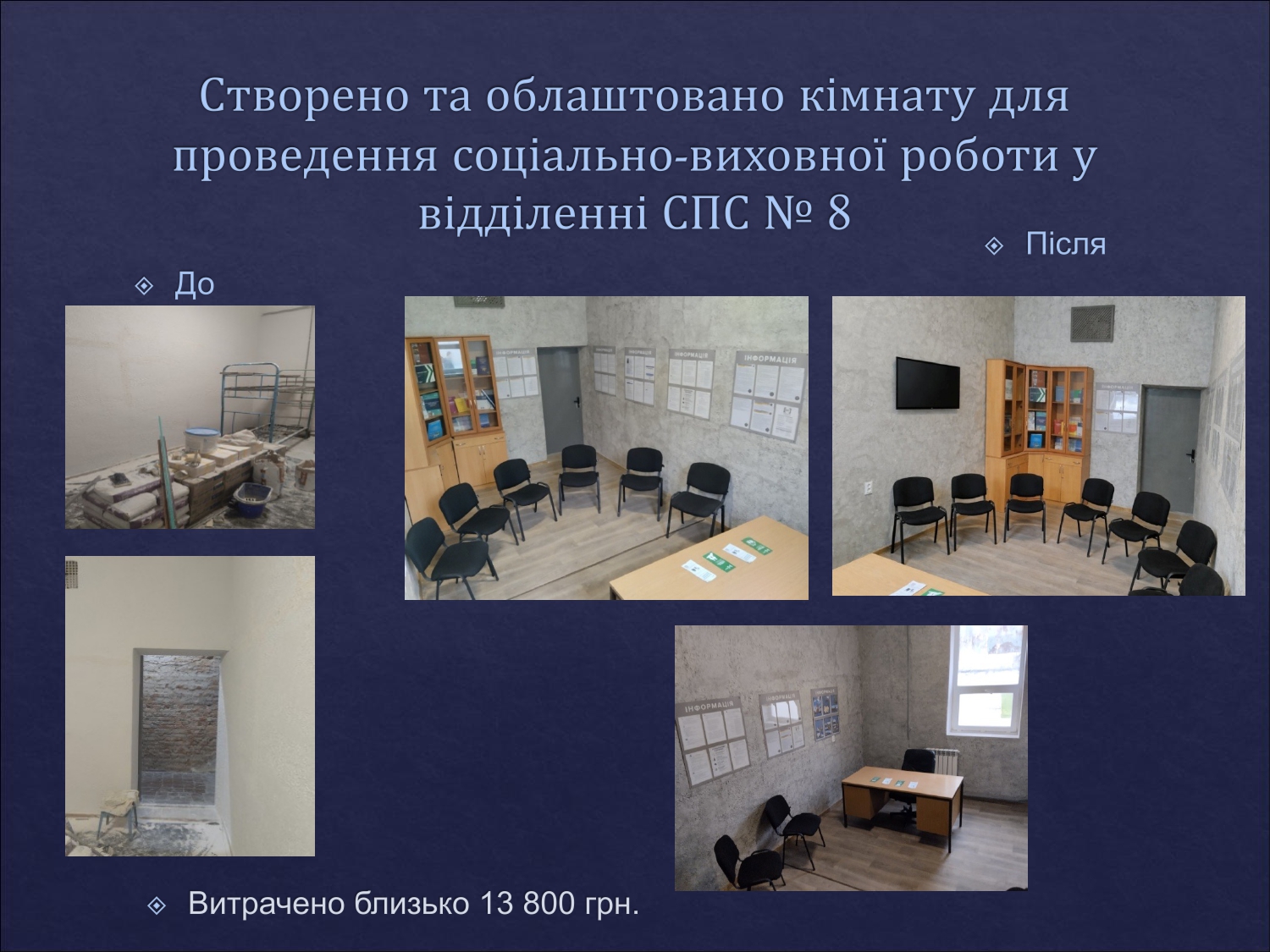
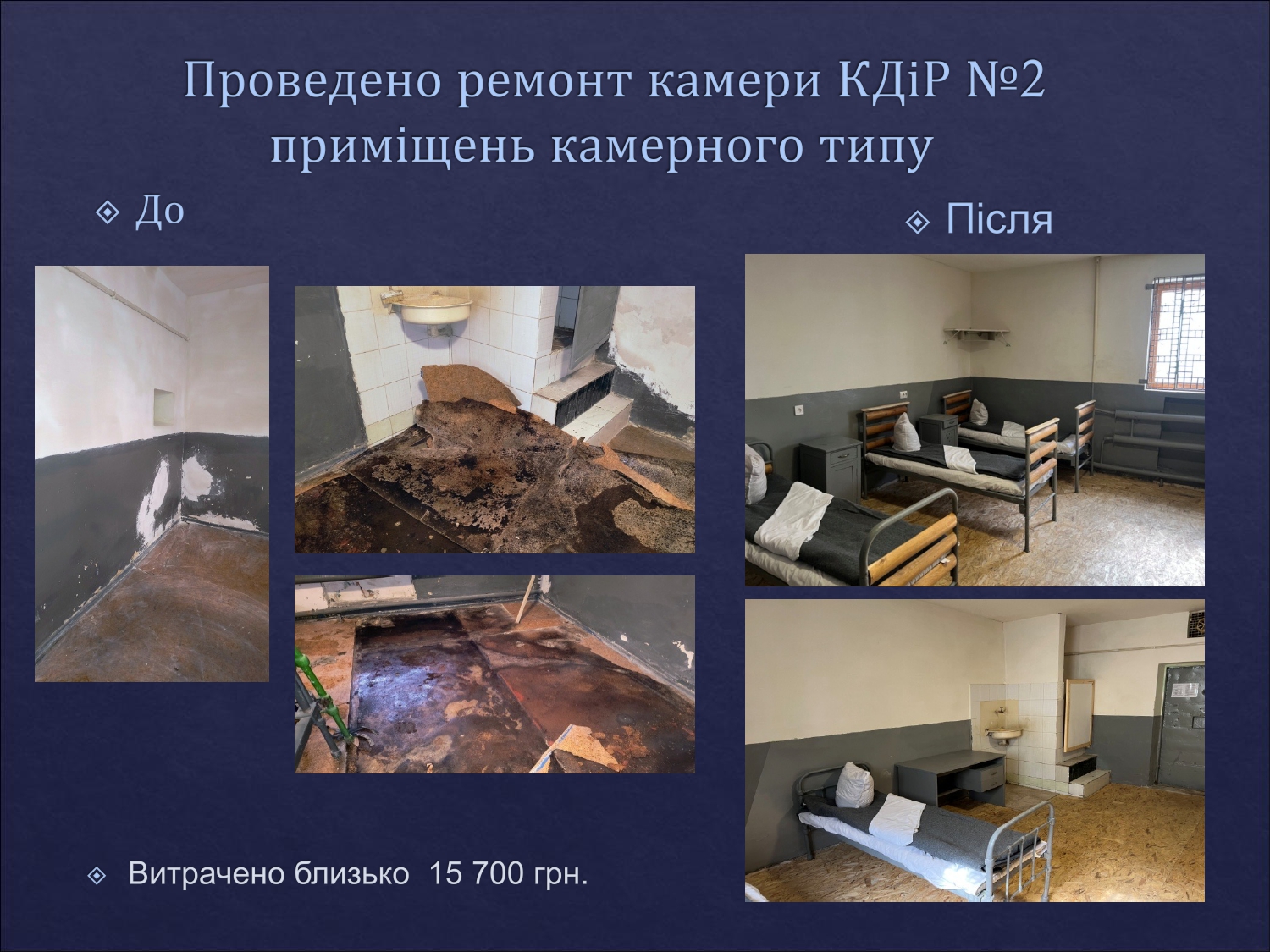
During the monitoring visit, a number of good practices were noted aimed at maintaining a healthy social and psychological climate in the institution, developing physical culture, preserving the memory of fallen defenders of Ukraine and engaging with the local community. Renovation work has been carried out in certain residential and communal premises for convicts.
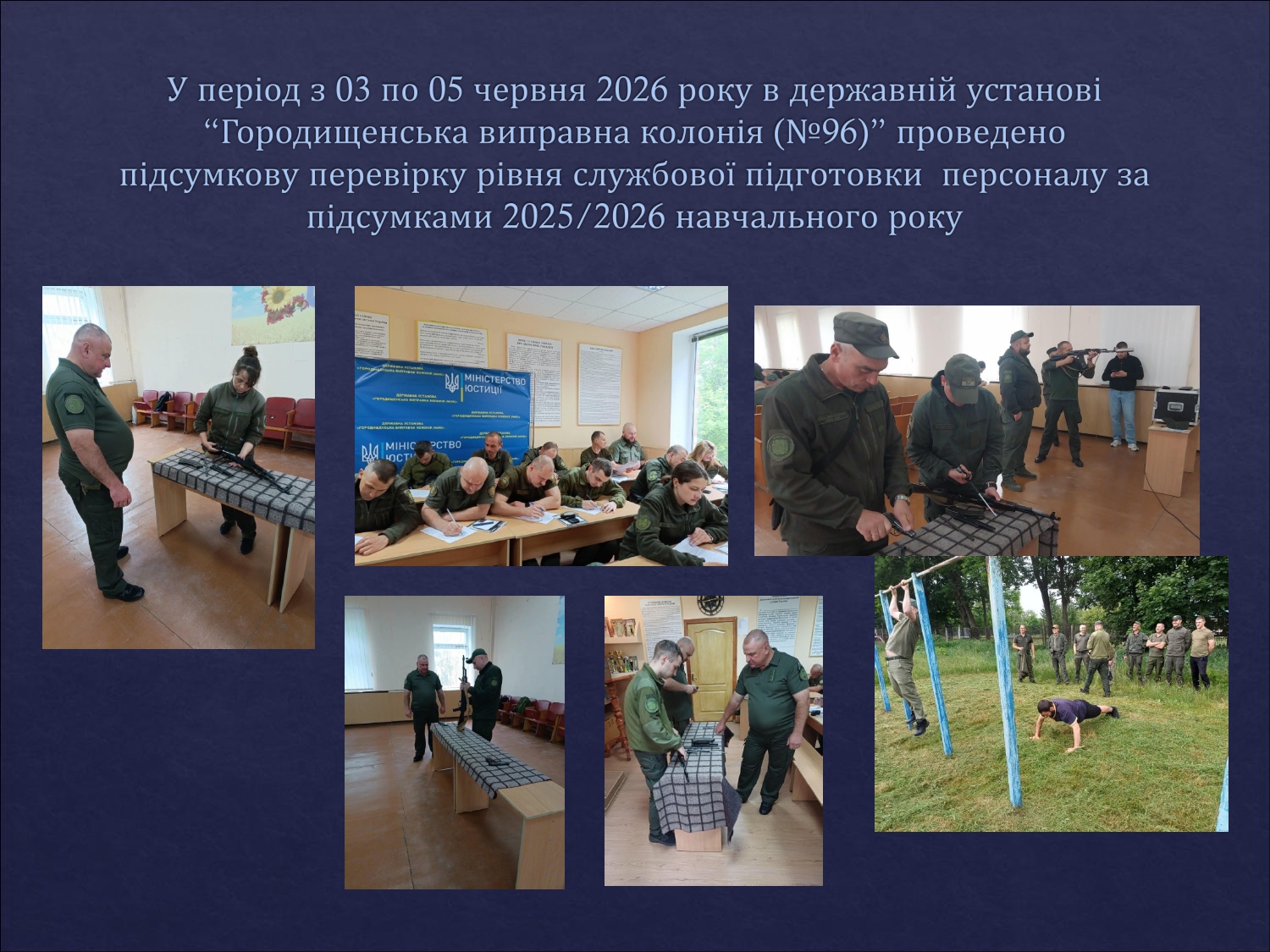
The support for sporting activity and teamwork is viewed positively. In particular, on 2 July 2026 representatives of the institution took part in the first stage of a five-a-side football tournament.
The institution's participation in events commemorating service personnel who were killed defending Ukraine deserves attention. On 24 August 2026, the institution's staff took part in a ceremony honouring the memory of the fallen Heroes of Ukraine. Special mention should be made of the creation, within the institution itself, of a Memorial — a Wall of Remembrance for staff members of Horodyshche Correctional Colony No. 96 who gave their lives defending Ukraine.
These practices are positive in terms of improving living conditions for convicts, as well as maintaining the staff's corporate culture, physical activity, engagement with the local community and fostering a culture of remembrance of the institution's staff who were killed defending Ukraine.
Identified Violations of National and International Law
During the monitoring visit, violations of national legislation and non-compliance with international recommendations on the treatment of prisoners were identified, resulting in violations of the rights of convicts:
1. The procedure and conditions for the admission of convicts to the institution do not fully comply with the requirements of the current legislation of Ukraine and international standards for the treatment of prisoners.
Under paragraphs 1 and 2 of Section II of the Regulations on the Quarantine, Diagnostics and Allocation Unit, approved by Order of the Ministry of Justice of Ukraine No. 2300/5 of 4 November 2013 (hereinafter, the QDAU Regulations), a working group is to be established by order of the head of the institution to organise work with newly arrived convicts, comprising the deputy heads of the institution, the heads of structural units, a psychologist and a medical worker.
In order to plan this work, a programme familiarising newly arrived convicts with the procedure and conditions for serving their sentences is drawn up annually and approved by the head of the institution.
Under paragraph 8 of Section II of the QDAU Regulations, holding convicts in conditions of isolation (quarantine) involves, among other things, implementing the programme familiarising convicts with the conditions and procedure for serving their sentences.
Under paragraph 5 of Section II of the QDAU Regulations, the activities of the familiarisation programme for newly arrived convicts are to be planned in such a way that each member of the working group visits the QDAU at least once a week.
However, through confidential conversations with convicts and an analysis of official documentation, the monitoring group established that the activities provided for in the familiarisation programme for newly arrived convicts are systematically not carried out.
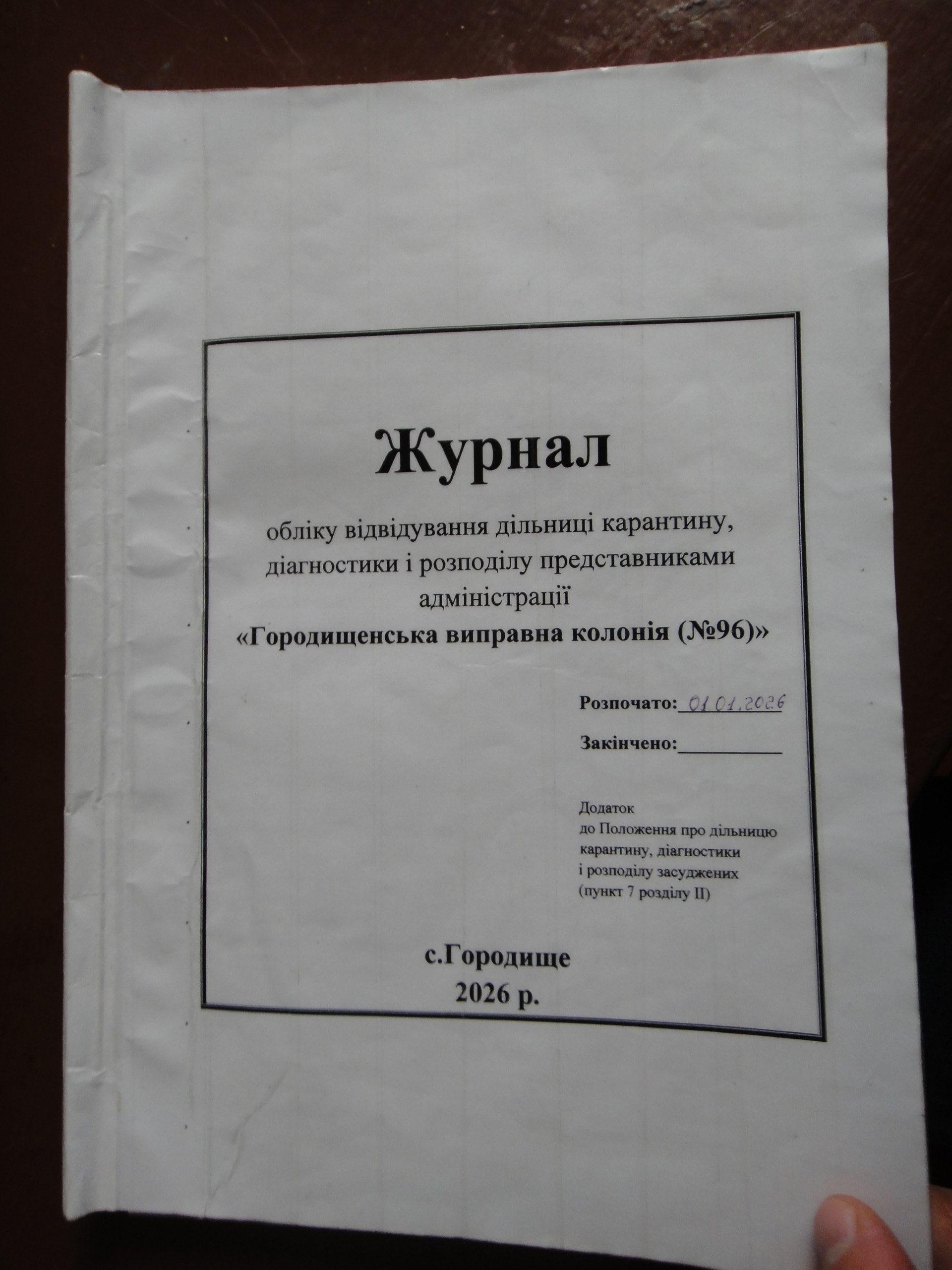
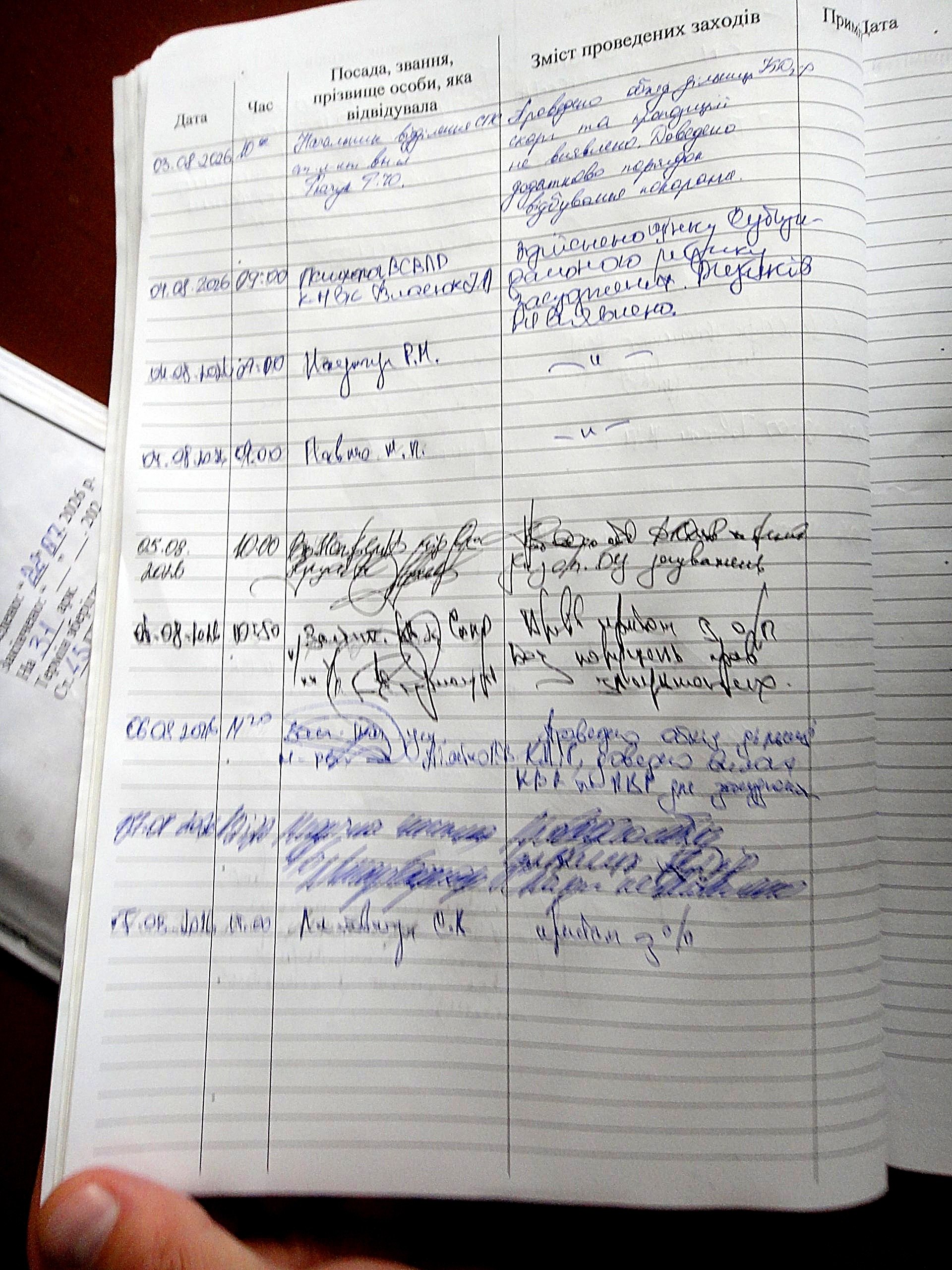
The lack of proper organisation of this work is confirmed, in particular, by the entries in the log of visits to the QDAU by representatives of the administration.
Thus, as of 14 August 2026, there were 4 newly arrived convicts in the QDAU, 1 of whom had arrived at the institution on 10 August 2026 and 3 on 12 August 2026. According to the entries in the log of visits to the QDAU by representatives of the administration, not a single activity provided for by the familiarisation programme had been held during these convicts' stay in the unit. Moreover, the last entry in the log of visits to the QDAU by representatives of the administration was dated 7 August 2026.
The circumstances established may therefore indicate improper compliance with the requirements for organising and conducting the activities of the familiarisation programme for newly arrived convicts, as well as a failure to observe the established frequency of work by members of the working group with newly arrived convicts.
2. In breach of paragraph 1 of Section II of the QDAU Regulations, the working group for work with newly arrived convicts does not include the head of the financial support and accounting department — the chief accountant.
3. In breach of paragraph 2 of Section I of the QDAU Regulations, the exercise yards of the QDAU and the medical unit are located next to each other, and their entrances are arranged at a common entrance to the building. This does not ensure proper separation and creates conditions for uncontrolled communication between convicts. In particular, during exercise, newly arrived convicts are able to come into contact with convicts receiving inpatient treatment or visiting the medical unit.
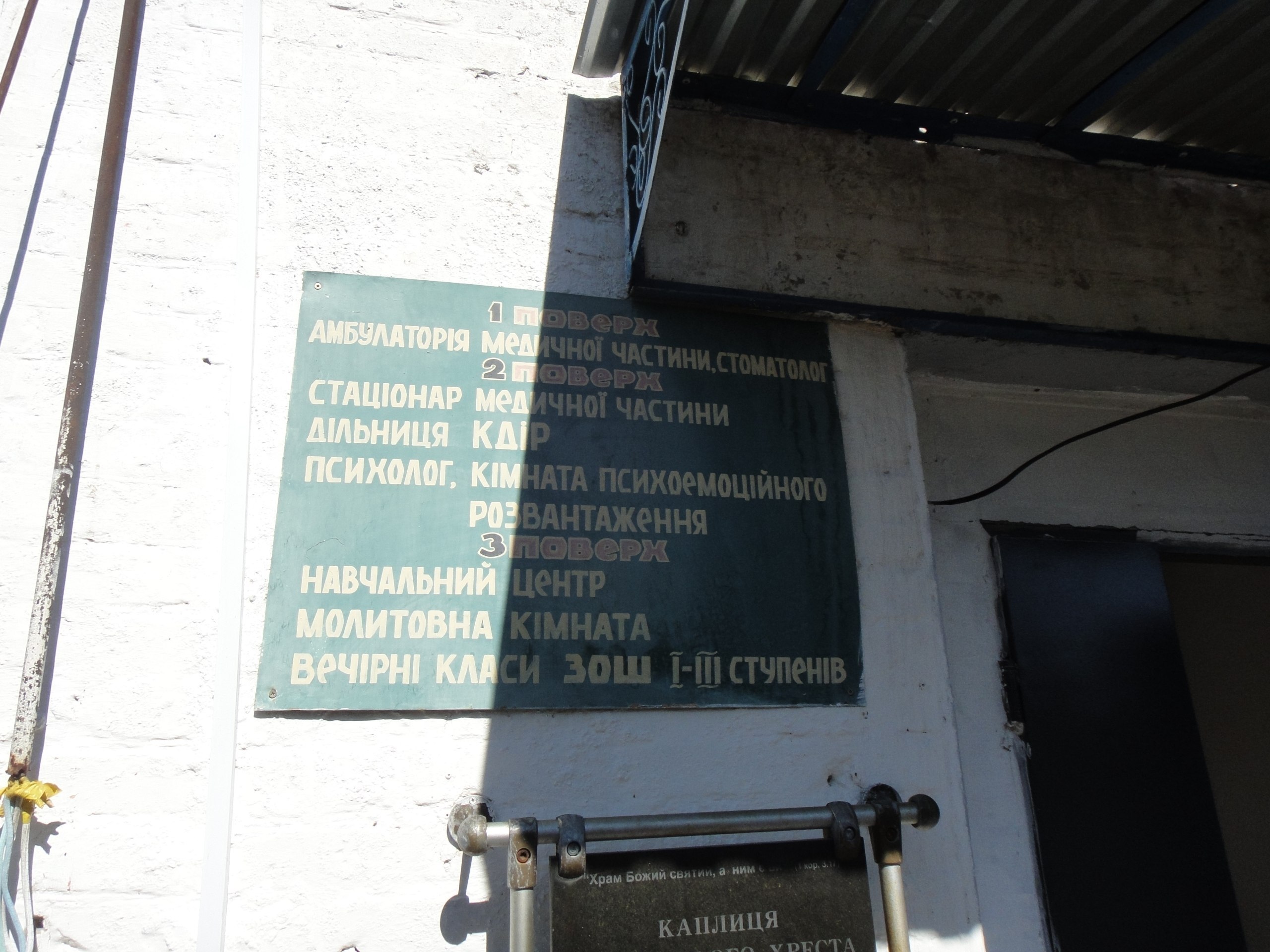
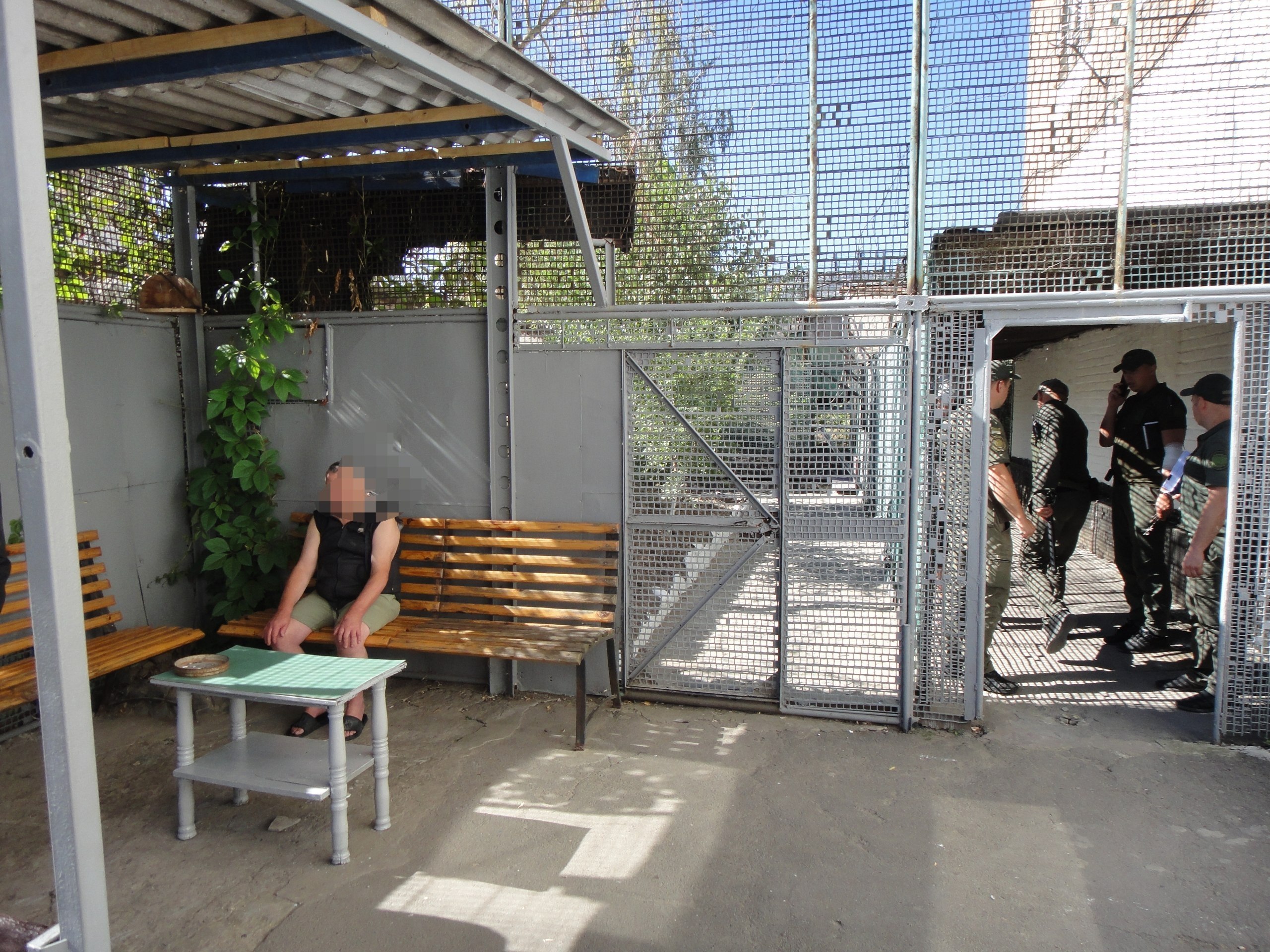
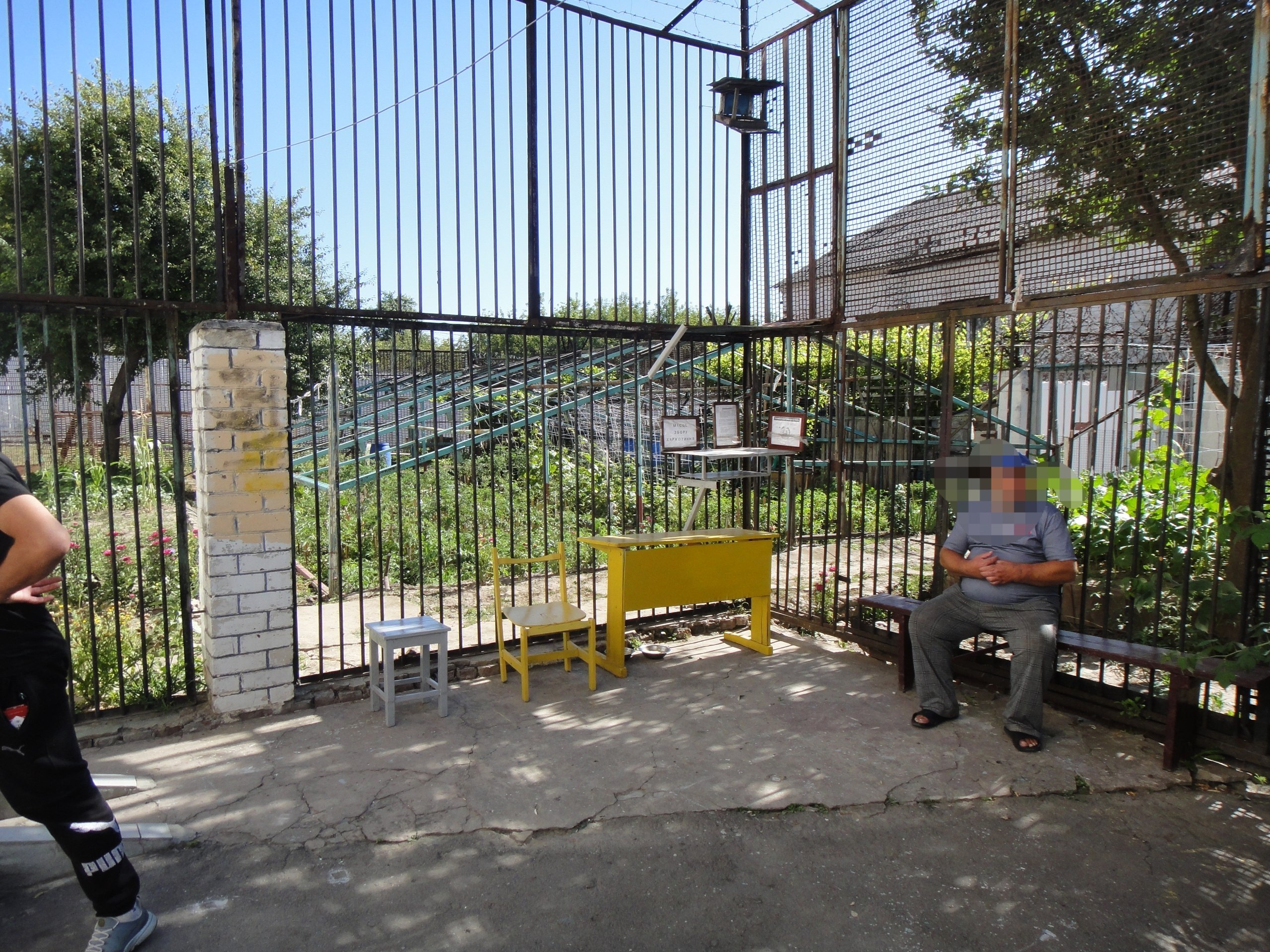
4. The monitoring group established that the material and living provision of the QDAU does not fully meet the established regulatory requirements. Thus, in breach of the Standards for the Provision of Furniture, Equipment and Household Items to a Maximum-Security Correctional Colony, approved by Order of the Ministry of Justice of Ukraine No. 1118/5 of 27 July 2012 (hereinafter, the Provision Standards), the unit lacks a number of rooms, namely: a room for storing convicts' personal belongings; a room for storing the exchange stock of bedding, clothing and workwear; a storeroom for the temporary storage of dirty bedding, clothing and workwear; a cloakroom; a utility room; and a drying room.
The absence of these rooms and their inadequate fitting-out fail to ensure proper material, living, sanitary and hygienic conditions of detention, make it difficult to maintain proper sanitation and order, and have a negative impact on the adaptation of newly arrived convicts to the conditions of serving their sentences.
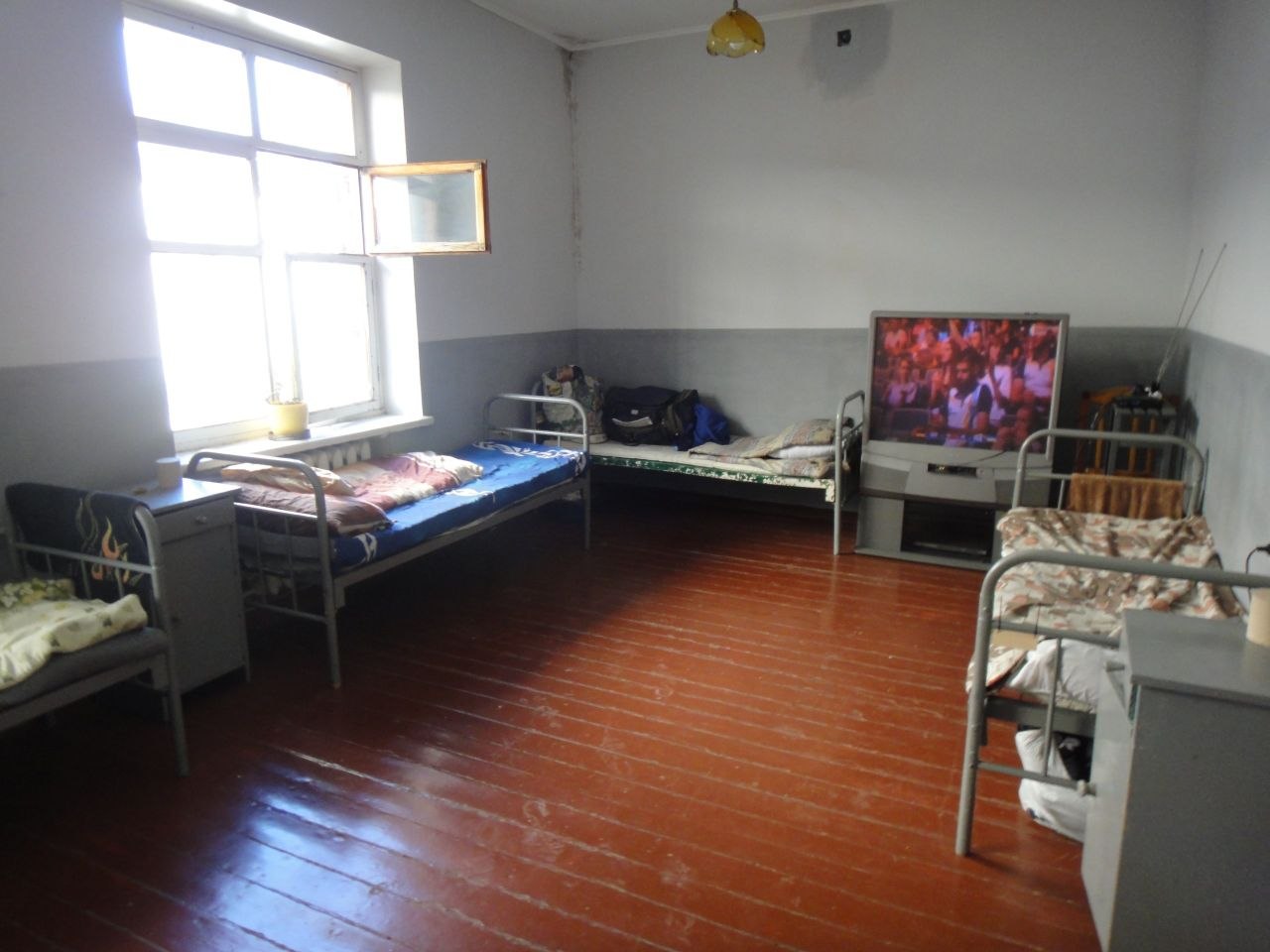
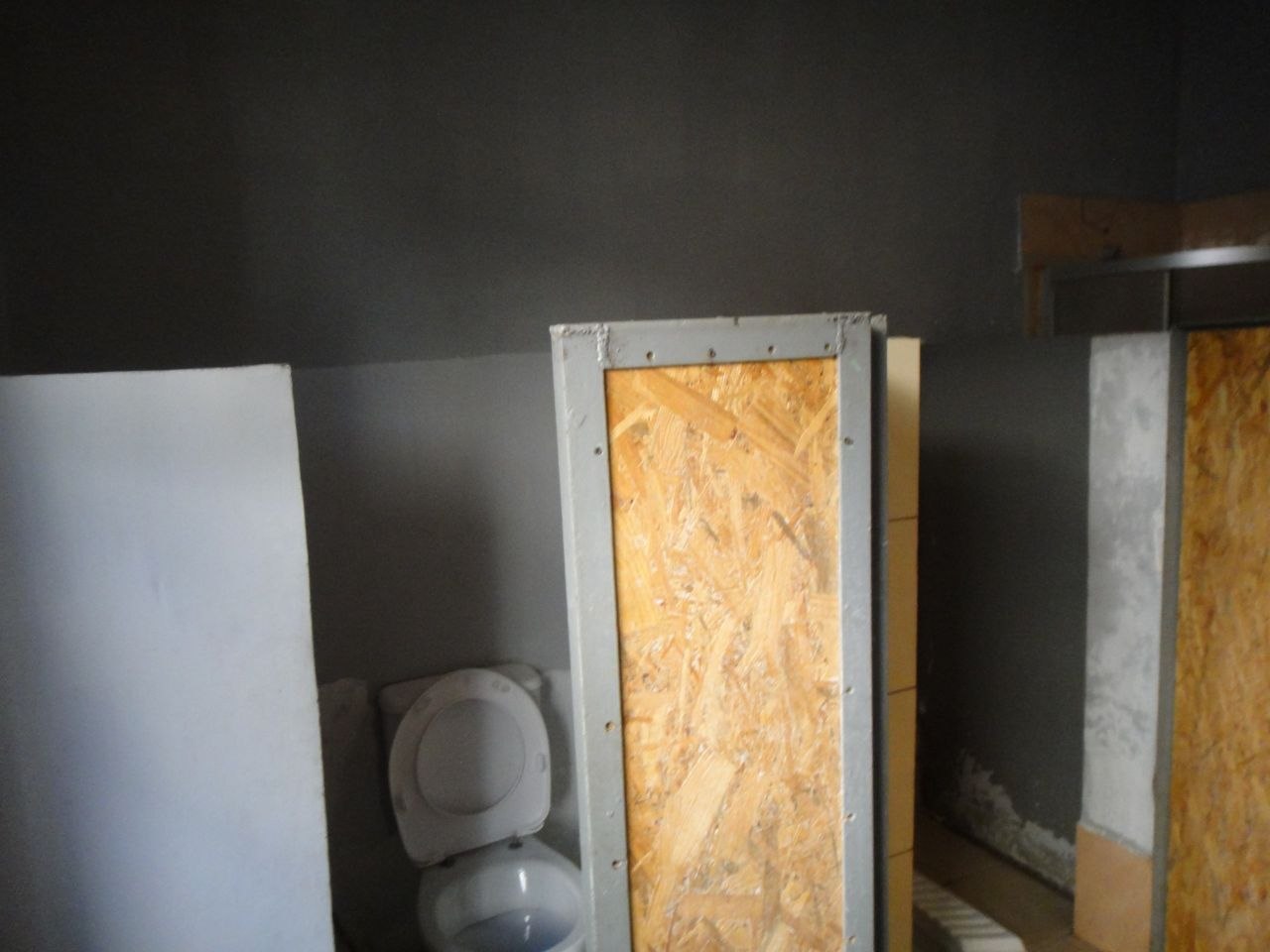
5. The toilet in the QDAU is not fitted with adequate partitions to provide privacy, in breach of Rule 19.3 of the European Prison Rules and Rule 15 of the United Nations Standard Minimum Rules for the Treatment of Prisoners (the Nelson Mandela Rules).
6. Paragraph 1 of Section XXIII of the Internal Regulations of Penal Institutions, approved by Order of the Ministry of Justice of Ukraine No. 2823/5 of 28 August 2018 (hereinafter, the IRPI), defines supervision of convicts as a system of measures aimed at ensuring the serving and enforcement of criminal sentences in the form of restriction and deprivation of liberty, life imprisonment and arrest by means of round-the-clock and constant monitoring of convicts' behaviour in their places of residence and work, prevention and suppression of unlawful acts on their part, ensuring the requirements for the isolation of convicts and the safety of penal institution staff.
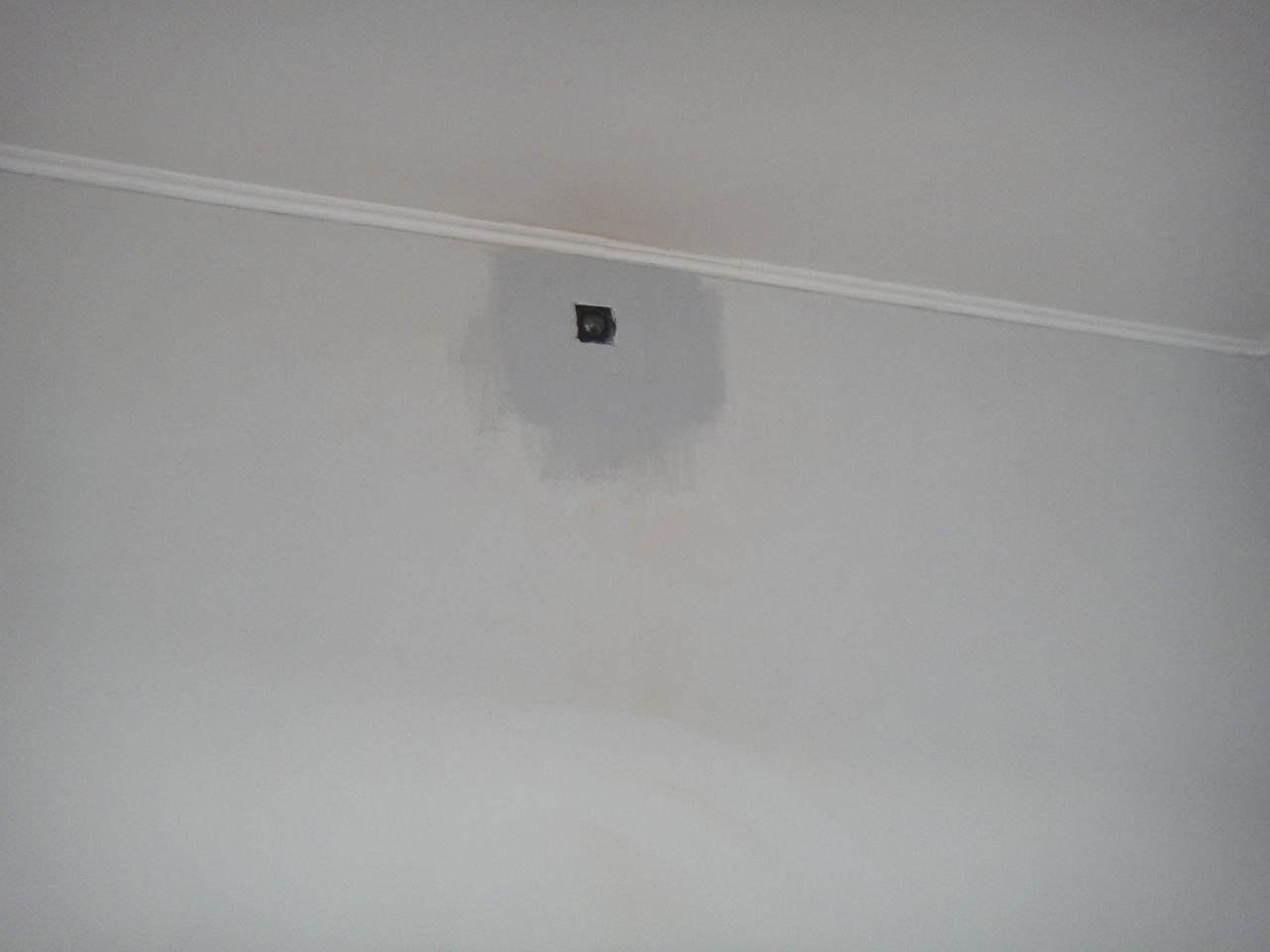
During the inspection of the residential premises of the QDAU, CCTV cameras were found to be installed. However, in its 2012 report the Committee criticised excessive intrusion into privacy through the installation of video cameras in convicts' living quarters and stated that any decision to apply video surveillance to a particular convict should always be based on an individual assessment of the actual risks and should be reviewed frequently on a regular basis. Video surveillance constitutes a serious intrusion into the private life of prisoners and makes the regime even more oppressive, particularly when applied over a long period (CPT/Inf (2013) 23, paragraph 52).
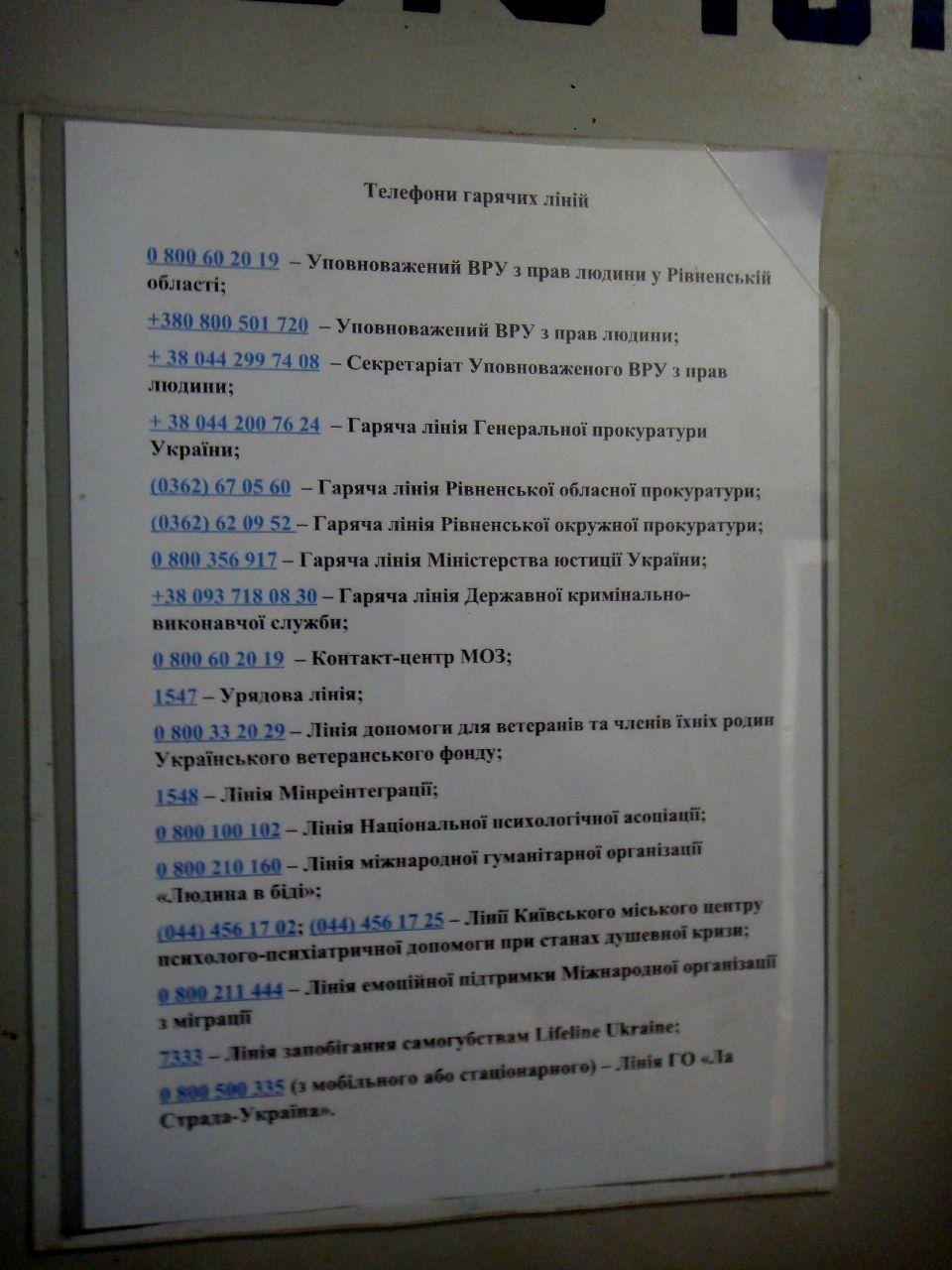
7. During the visit to the QDAU, it was found that there was no displayed information giving the hotline telephone number or the postal and email addresses of the State Bureau of Investigation, the European Court of Human Rights and the regional centre for the provision of free legal aid. In addition, postal and email addresses were missing in cases where hotline telephone numbers were given.
This is contrary to the requirements of paragraph 6 of Section II of the IRPI.
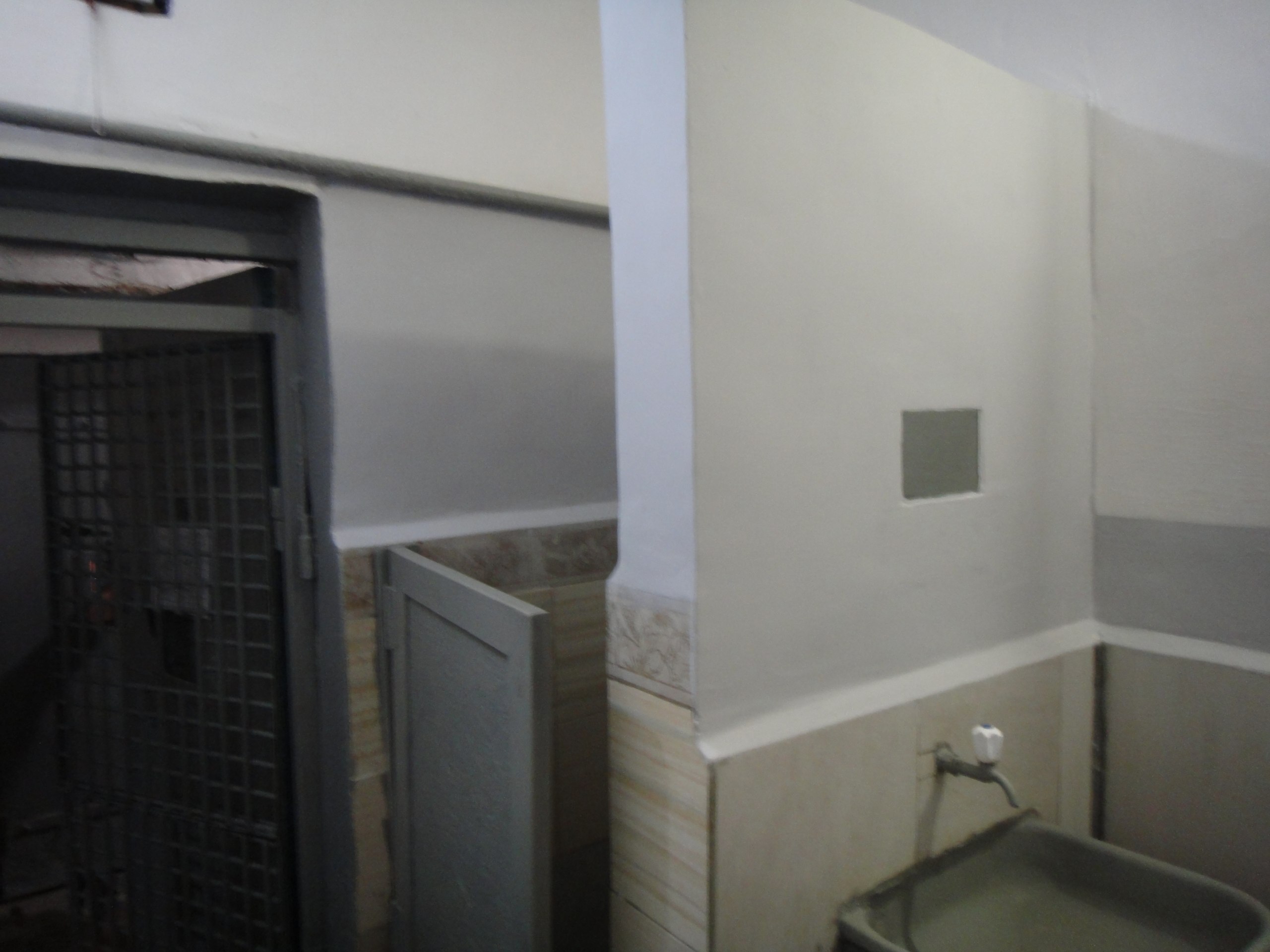
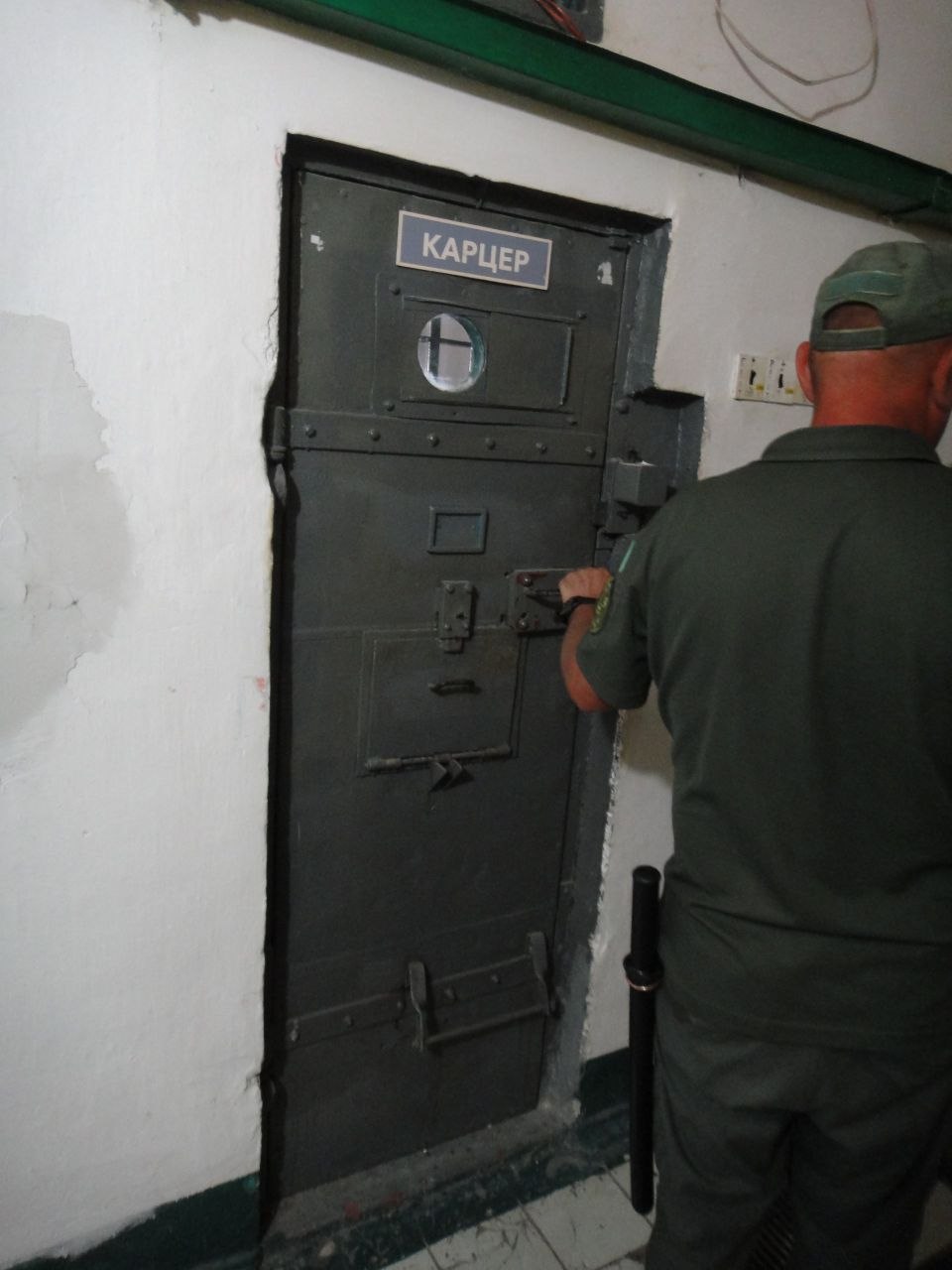
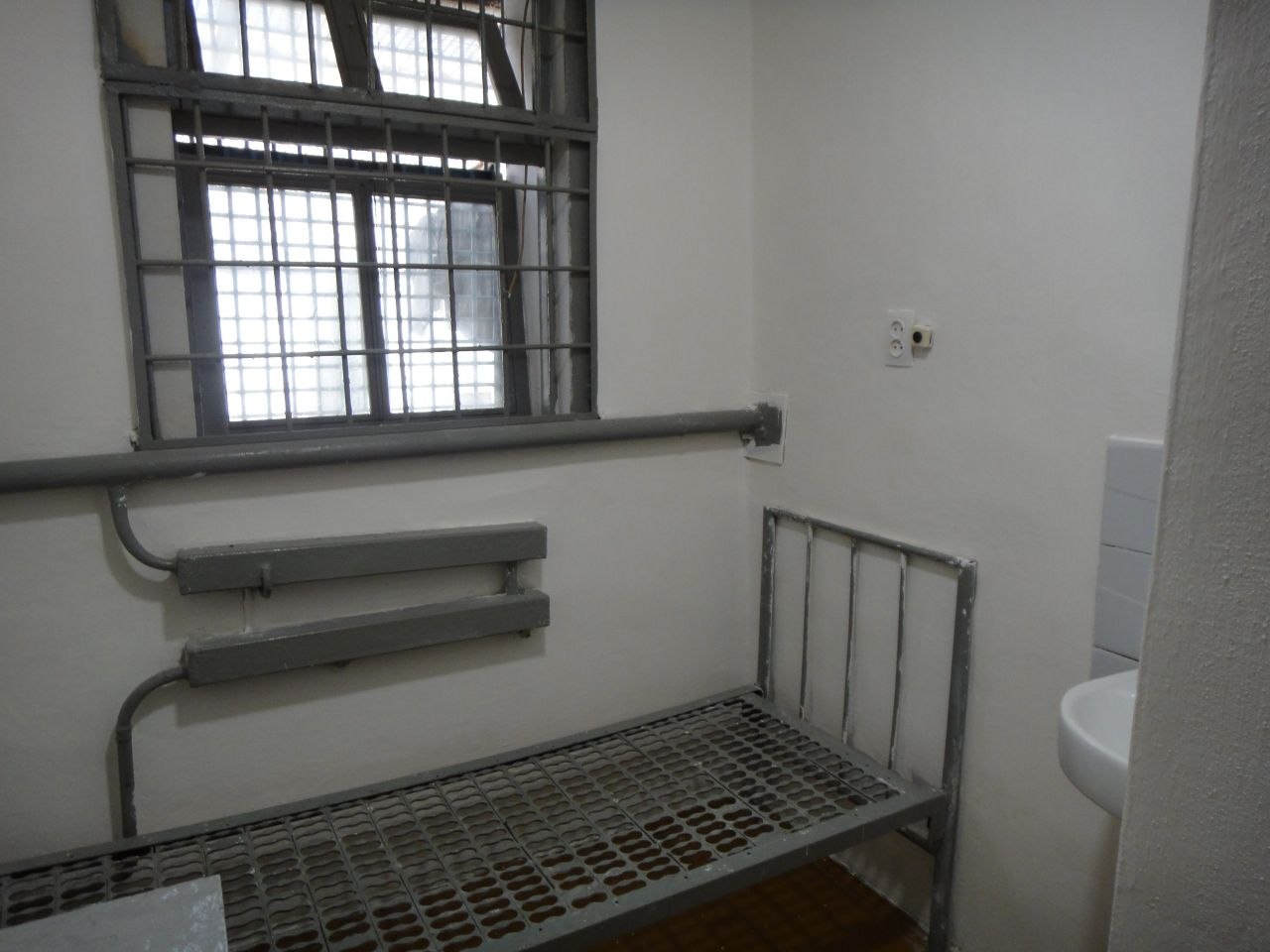
8. The fitting-out of the premises of the institution's disciplinary isolation unit (hereinafter, the DIU/CTP) does not fully comply with the established standards for the treatment of prisoners and does not ensure adequate material, living, sanitary and hygienic conditions, resulting in violations of the rights of convicts.
The toilets in certain DIU cells are not fitted with adequate partitions to provide privacy when using the sanitary facilities, which does not comply with Rule 19.3 of the European Prison Rules and Rule 15 of the United Nations Standard Minimum Rules for the Treatment of Prisoners (the Nelson Mandela Rules).
A similar violation was found in certain cells of the institution's maximum security sector (hereinafter, the MSS).
Moreover, in its report on the 2023 visit to Ukraine, the European Committee for the Prevention of Torture and Inhuman or Degrading Treatment or Punishment (hereinafter, the Committee) called on the Ukrainian authorities to take the necessary measures to improve material conditions of detention, in particular by keeping all accommodation for convicted and remand prisoners, including sanitary facilities, in a good state of repair and hygiene; carrying out disinfestation regularly and frequently; ensuring adequate access to natural light and ventilation in cells; and fully partitioning in-cell sanitary facilities (i.e. from floor to ceiling) (CPT/Inf (2024) 20, paragraph 58).
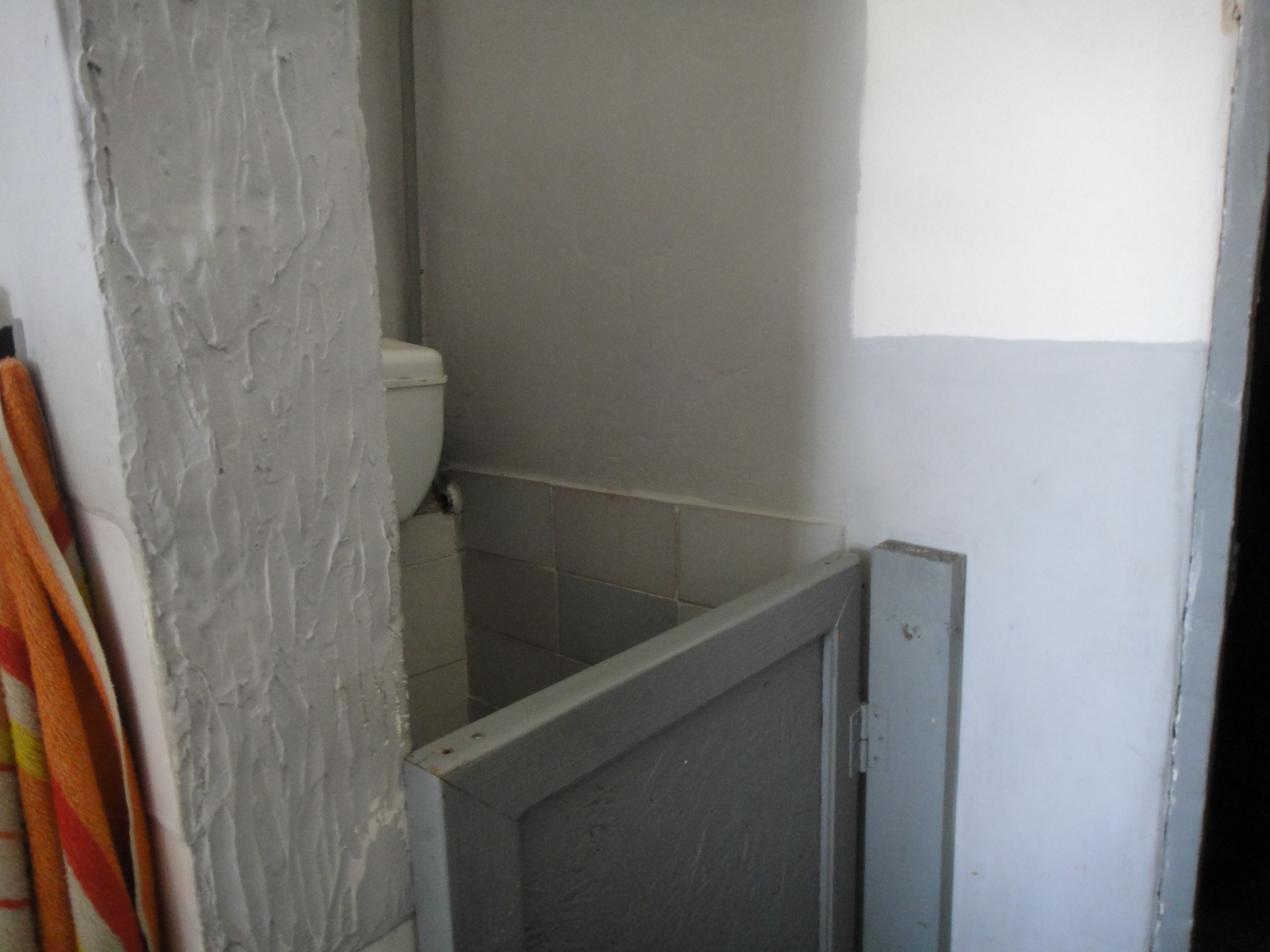
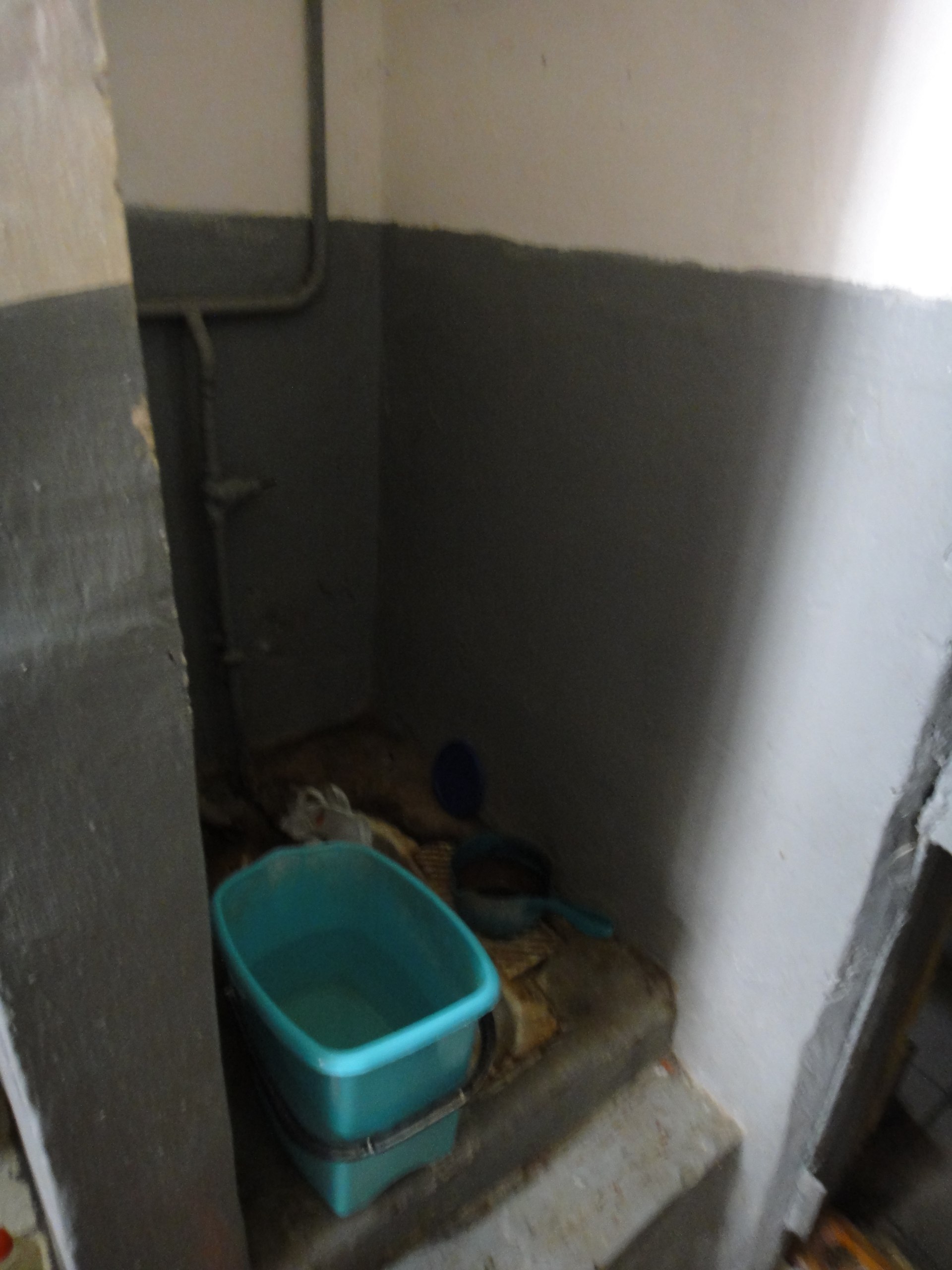
9. In breach of Rule 22.5 of the European Prison Rules and Rule 22.2 of the United Nations Standard Minimum Rules for the Treatment of Prisoners (the Nelson Mandela Rules), certain DIU/CTP cells have no drinking-water tanks, as a result of which convicts are forced to drink non-potable water from the mains supply.
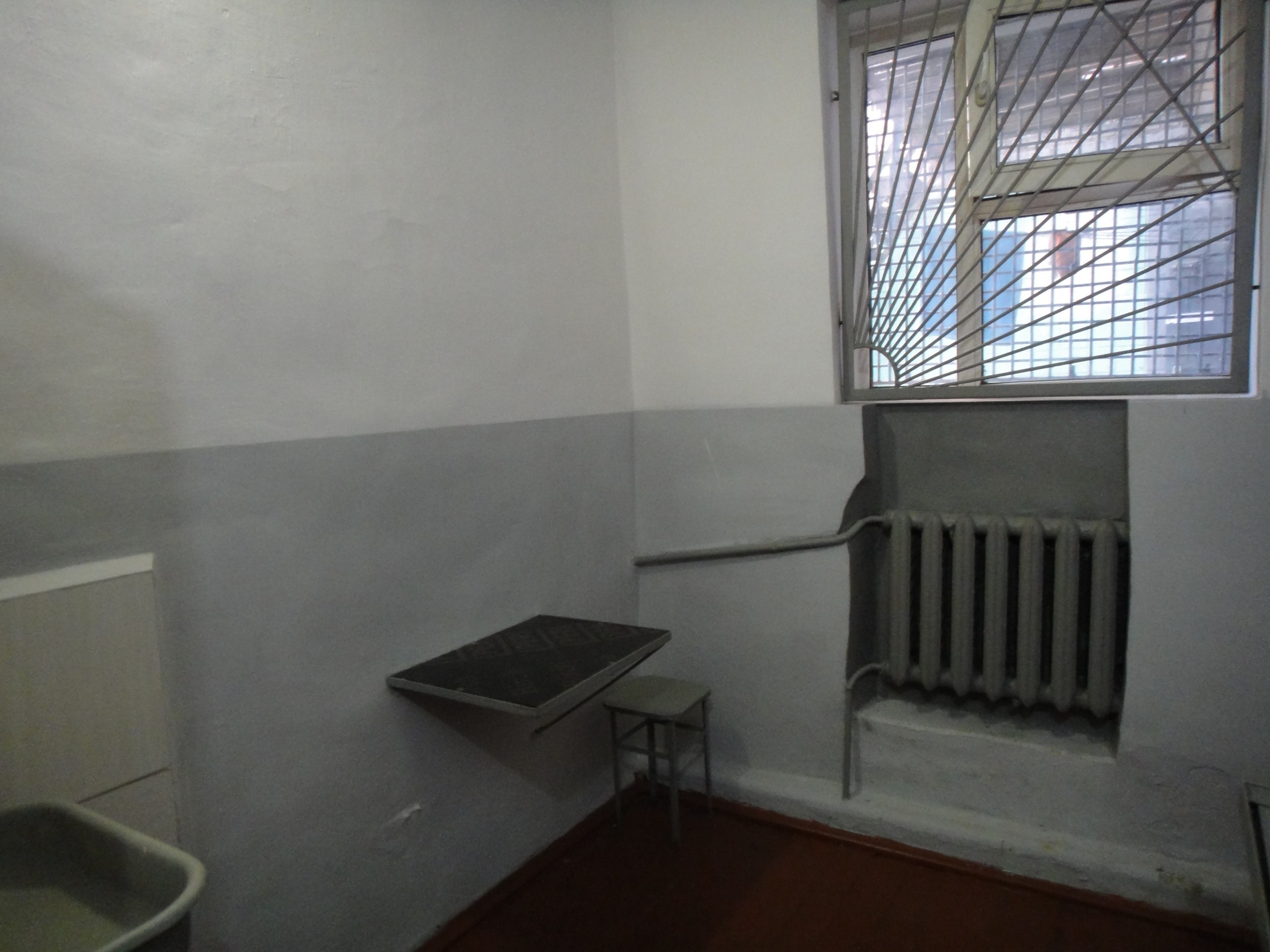
10. In the DIU/CTP, radio broadcasting is provided only in the common corridor, and convicts are unable to switch it on or off or adjust the volume themselves. It does not work in the DIU/CTP cells, which is contrary to the requirements of paragraph 3 of Section XX of the IRPI and paragraph 63 of the United Nations Standard Minimum Rules for the Treatment of Prisoners (the Nelson Mandela Rules).
11. During the visit to the DIU/CTP cells, it was found that there was no displayed information giving the hotline telephone numbers or the postal and email addresses of the Ministry of Justice of Ukraine, the Ukrainian Parliament Commissioner for Human Rights, the European Court of Human Rights, the State Bureau of Investigation, the Office of the Prosecutor General, the regional and district prosecutor's offices, the Department, the interregional directorate or the regional centre for the provision of free legal aid. This is contrary to paragraph 6 of Section II of the IRPI.
12. Under the twenty-third subparagraph of paragraph 6 of Section XXI of the IRPI, in order to carry out individual preventive work, the head of the social and psychological service unit visits the DIU, punishment cells and CTP (solitary cells) upon a convict's placement/transfer and at least once a week. Following visits to the DIU, punishment cells and CTP (solitary cells), he or she is required to make the relevant entries in the log of visits by the penal institution administration to the disciplinary isolation unit, cell-type premises, solitary cells and punishment cell.
However, an inspection of the log of visits to the DIU/CTP by representatives of the penal institution administration revealed no entries recording visits by the head of social and psychological service unit No. 4 to convict S., who was placed in the DIU on 29 July 2026 for 7 days.
In addition, the log of visits to the DIU/CTP by representatives of the administration contained no entries recording visits by the head of the QDAU to convict B., who was placed in the DIU on 3 August 2026 for 14 days, during the period from 3 August 2026 to 9 August 2026.
This may indicate a failure by the heads of the social and psychological service unit and the QDAU to fulfil their established duty to carry out individual preventive work with a convict placed in the DIU, as well as improper organisation of social, educational and psychological work.
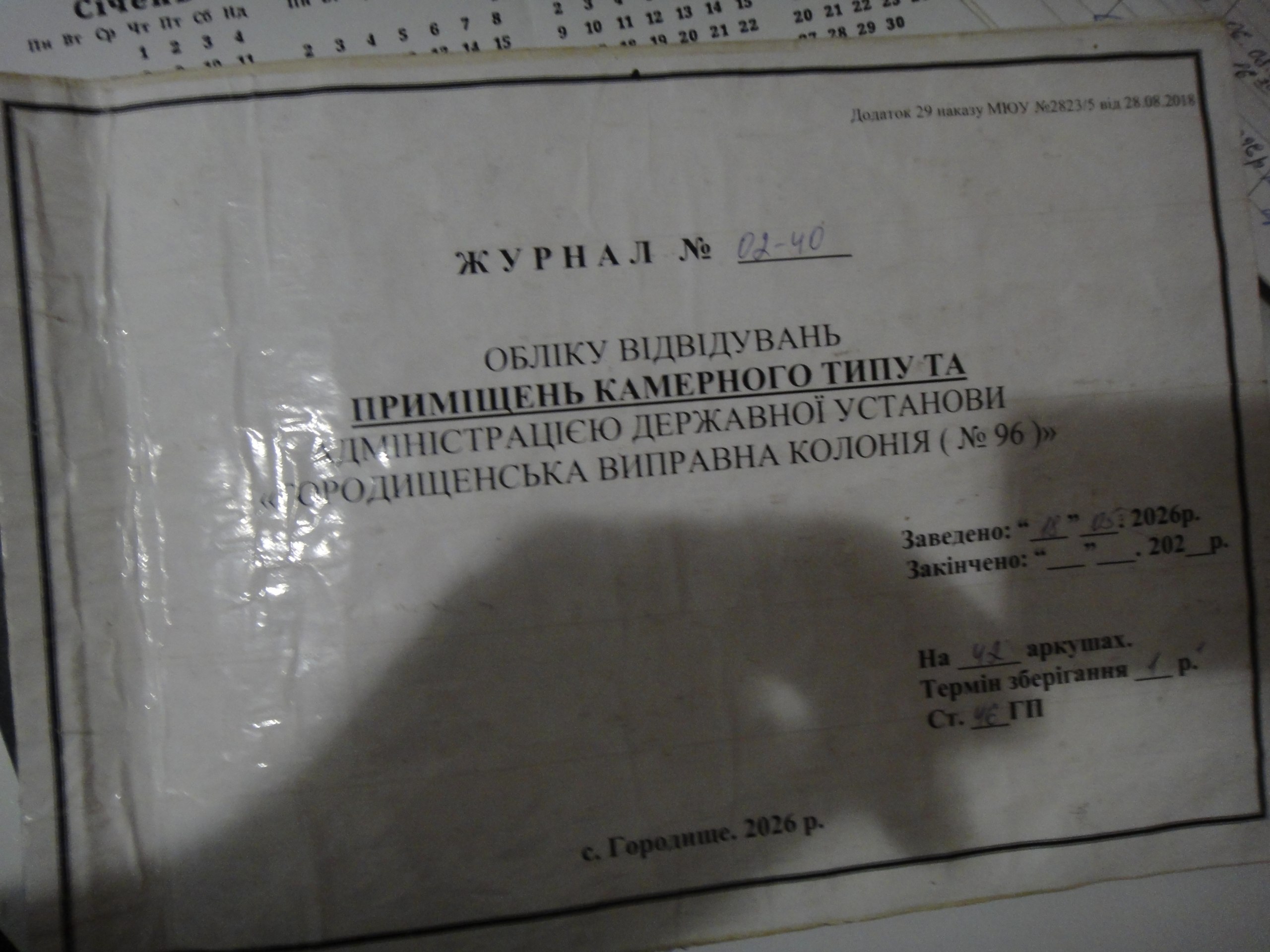
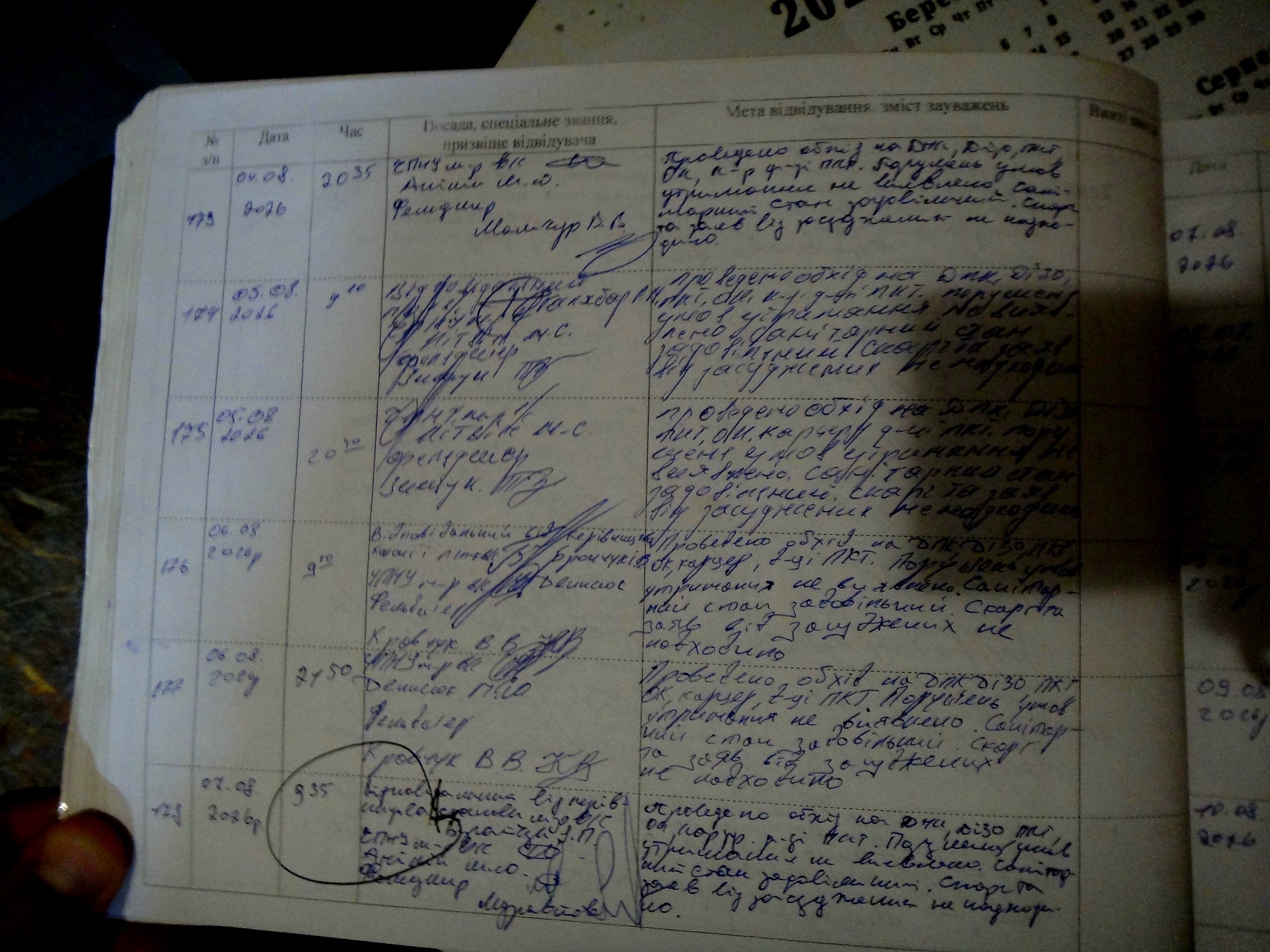
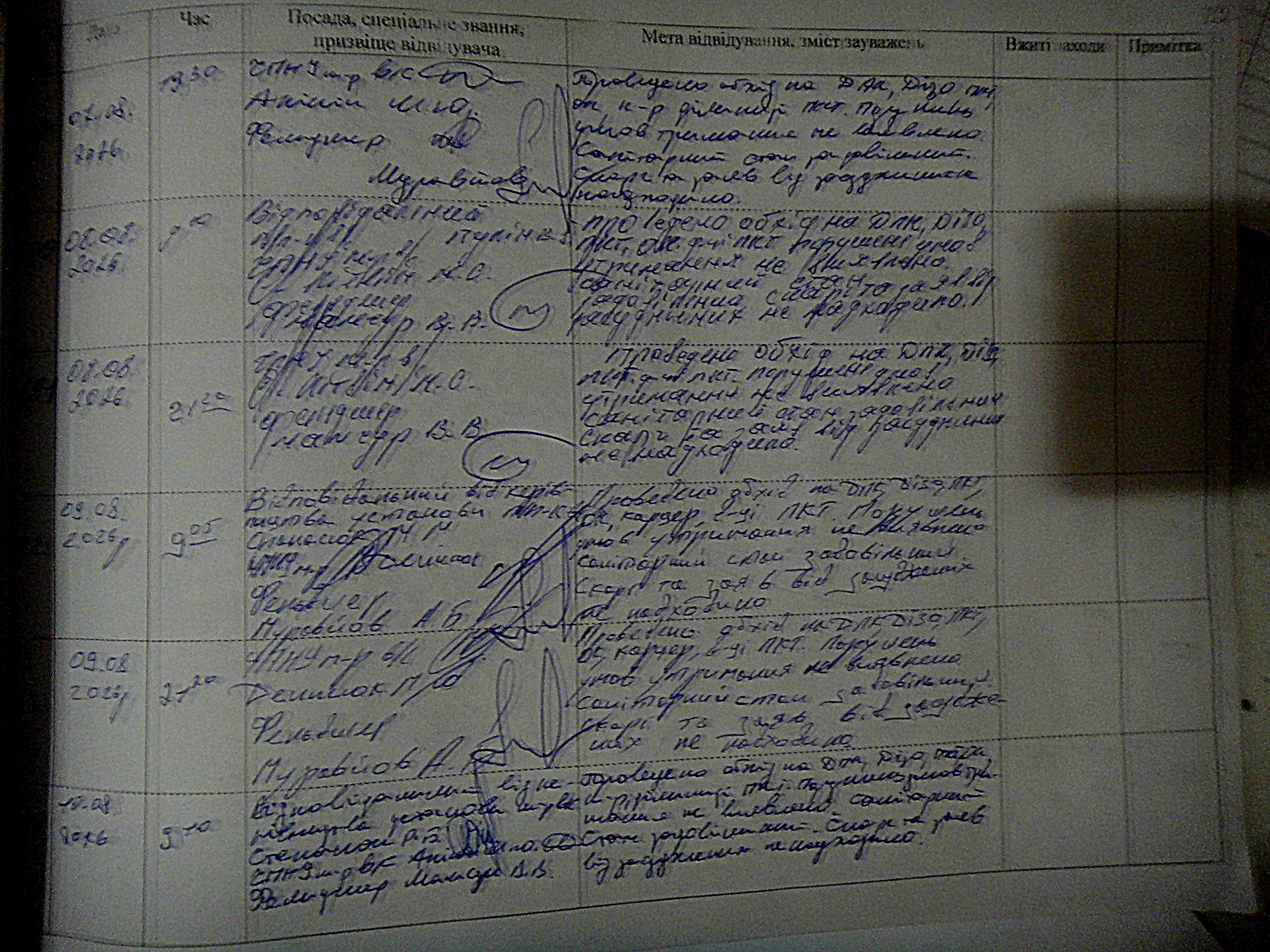
13. During the visit to the DIU/CTP and an analysis of official documentation, the monitoring group established that the psychologist does not visit convicts serving disciplinary sanctions in the DIU, in particular during the period from 3 August 2026 to 9 August 2026, at least once a week as required by the twenty-sixth subparagraph of paragraph 6 of Section XXI of the IRPI.
This is confirmed by the absence of the relevant entries in the log of visits to the DIU/CTP by representatives of the penal institution administration.
14. During the visit to the DIU/CTP, it was found that the institution's administration had not issued convicts serving disciplinary sanctions with a copy of the decision imposing the sanction, setting out the possibility of and procedure for appealing against it, which is contrary to Article 135 of the Criminal Enforcement Code of Ukraine.
At the same time, in its report on the 2023 visit to Ukraine, the Committee recommends that measures be taken in Ukrainian penitentiary establishments to ensure that convicts on whom a disciplinary sanction has been imposed systematically receive a copy of the relevant decision. Furthermore, convicts should be informed of their right of access to a lawyer in the context of disciplinary proceedings (CPT/Inf (2024) 20, paragraph 103).
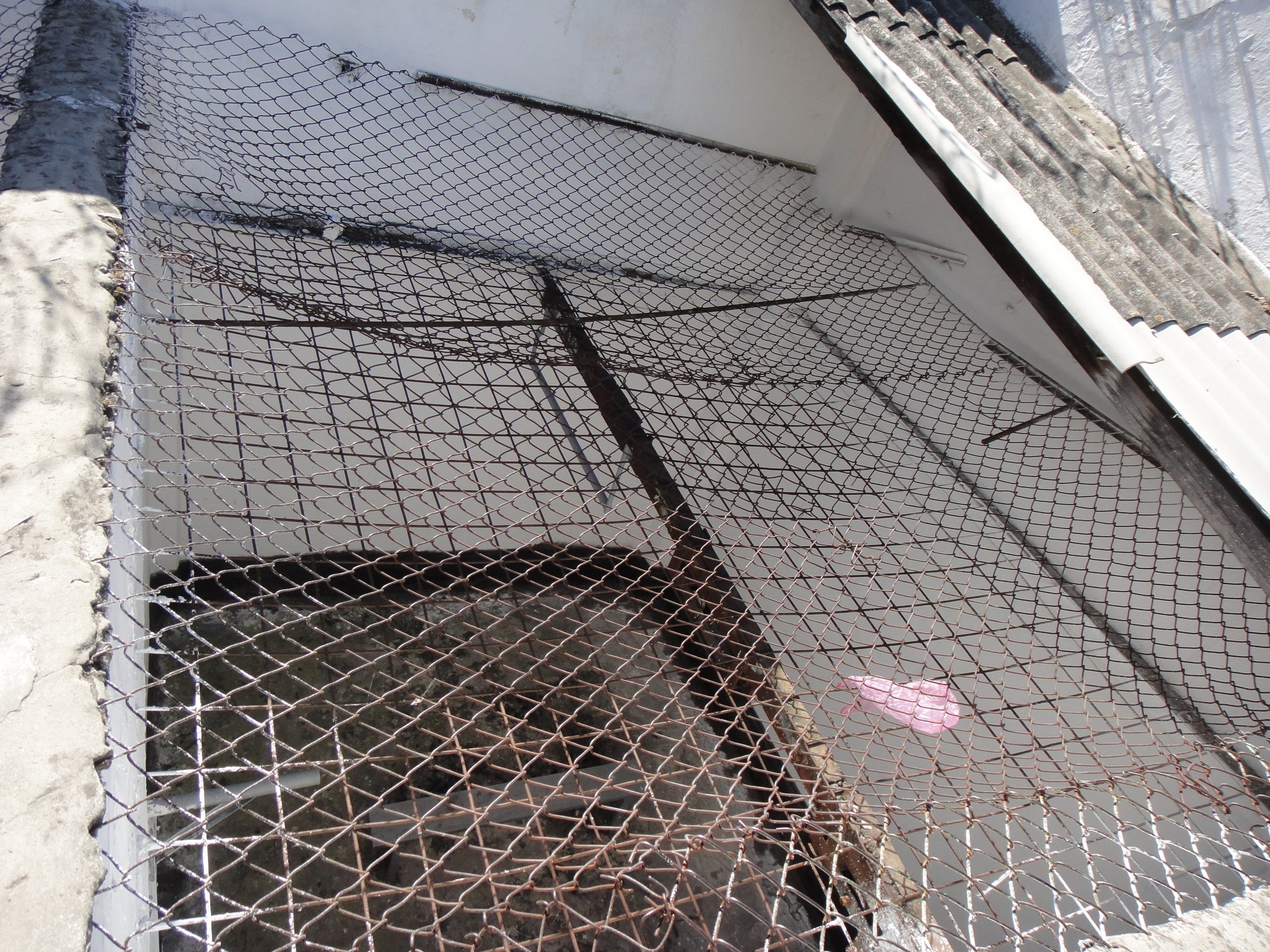
15. Some exercise yards are too small to allow convicts to engage in meaningful physical activity. Moreover, they are covered with bars or metal mesh, which creates psychological pressure and restricts the sense of space. The Committee has repeatedly recommended that the design and size of exercise yards, ‘from which, at best, only the sky can be seen’, be reviewed (CPT/Inf (2014) 15, paragraphs 122, 127).
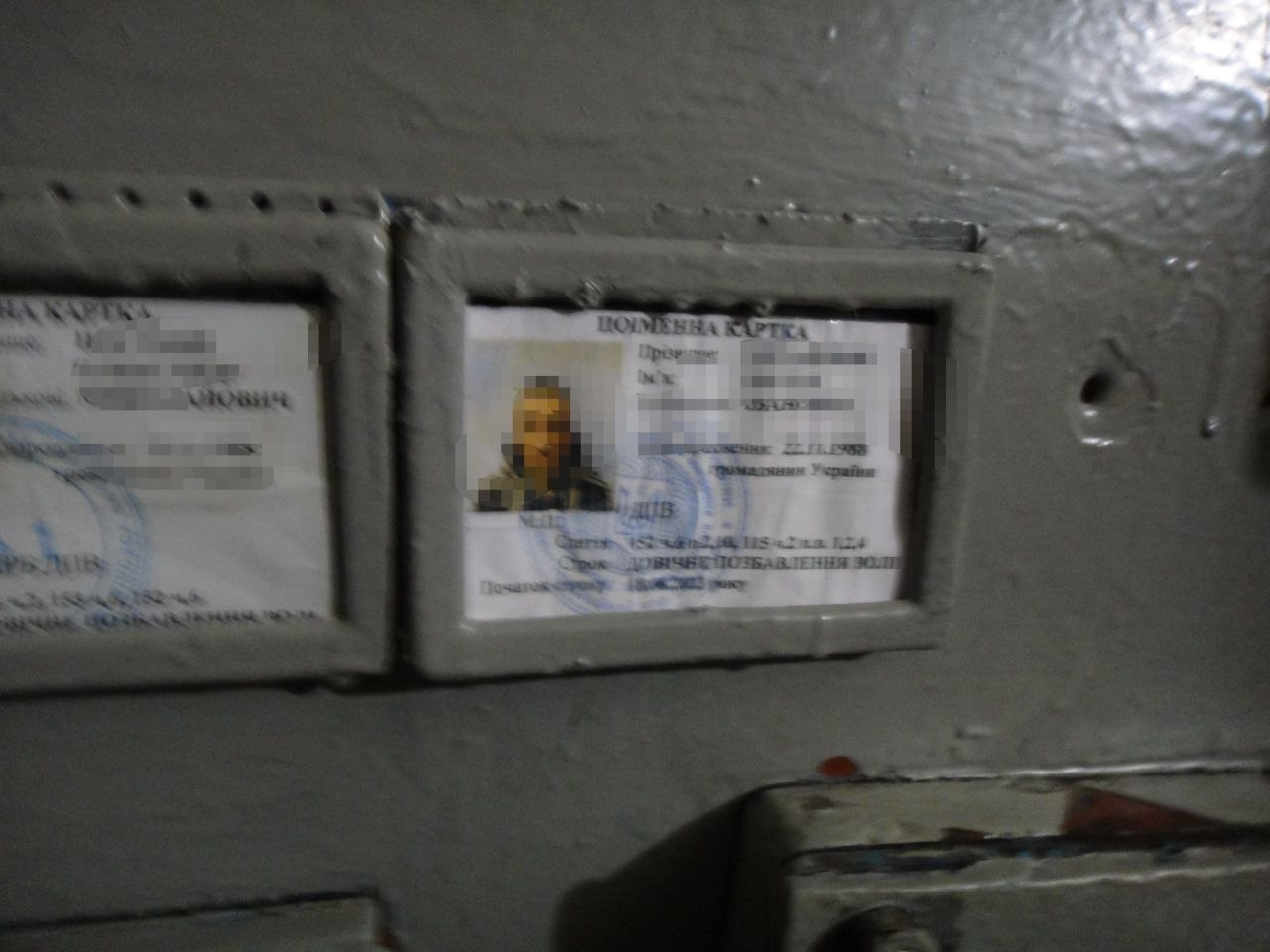
16. During the visit to the MSS, name cards with a brief description of the crimes committed by the persons held in the cells were found to be displayed on the outer doors of the cells holding prisoners sentenced to life imprisonment. In its report on the 2020 visit to Ukraine, the Committee stated that this practice should be discontinued, as it serves no reasonable purpose and, in addition to stigmatisation, leads to a deterioration in relations between prisoners and staff (CPT/Inf (2020) 40, paragraph 52).
17. Paragraph 59 of the 21st General Report of the European Committee for the Prevention of Torture and Inhuman or Degrading Treatment or Punishment (hereinafter, the Committee) states that any cell measuring less than 6 m² should not be used to accommodate prisoners (CPT/Inf (2011) 28).
In its report on the 2012 visit to Ukraine, the Committee states that single cells should have a living space of at least 6 m² (excluding the sanitary annexe), with at least 2 metres between the walls (CPT/Inf (2013) 23, paragraph 45).
However, the monitoring group found that an MSS cell was in use whose area, according to the certificate of measurement of the premises of the structural units, is less than 6 m², which does not meet the established requirements.
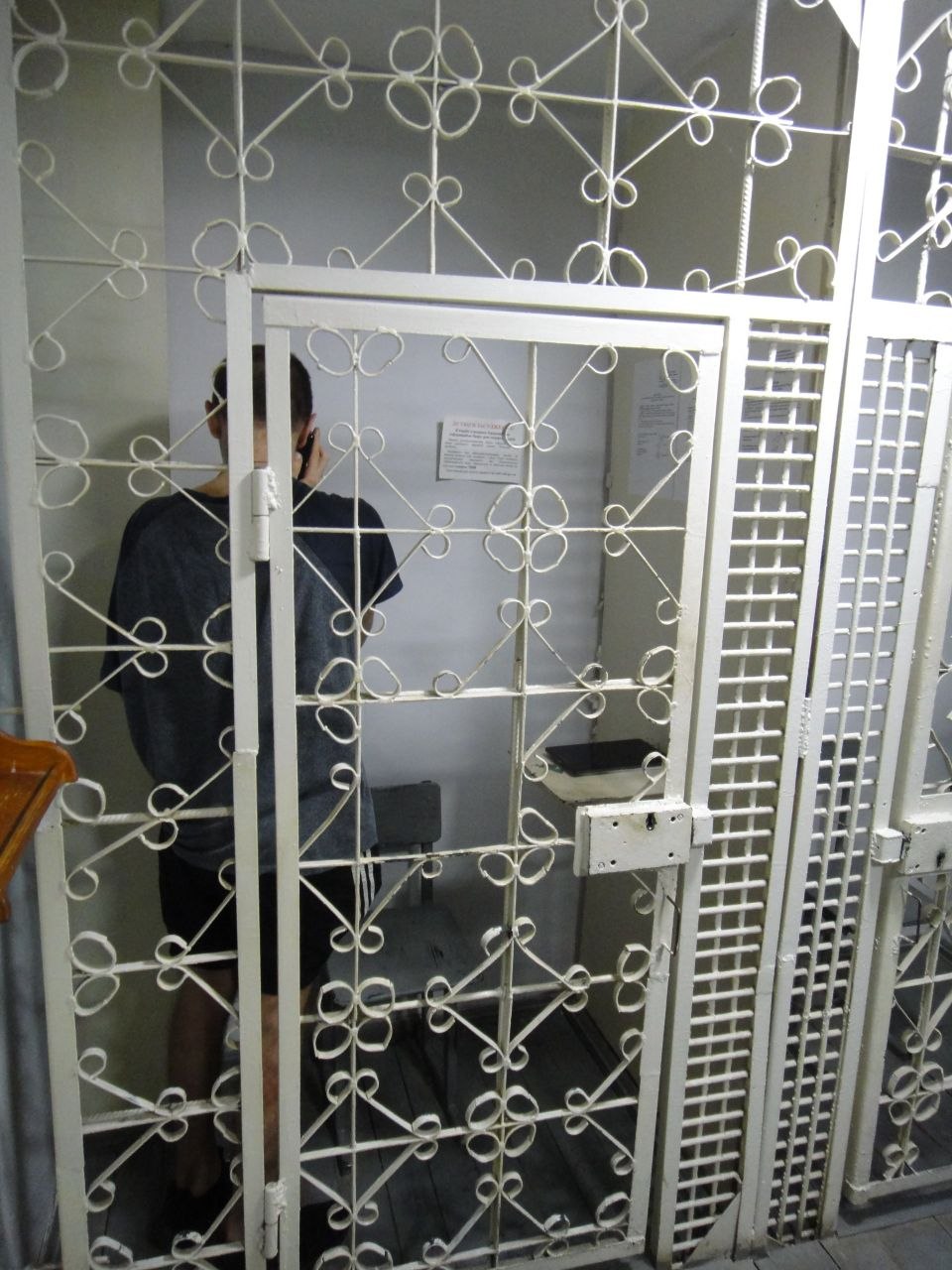
18. During the visit to the institution, the monitoring group found a metal cage in the MSS telephone room, which is used to confine prisoners sentenced to life imprisonment while they make telephone calls. This practice does not comply with modern standards for the treatment of convicts and may be degrading.
In its reports, the Committee has repeatedly expressed concern about the use of metal cages to hold convicts, in particular during meetings with lawyers or other defence representatives, stressing that such a practice is unacceptable as it may amount to cruel, inhuman or degrading treatment or punishment. The Committee has called on the Ukrainian authorities to review the relevant provisions and put an end to this practice (CPT/Inf (2007) 22, paragraph 114; CPT/Inf (2013) 23, paragraph 51).
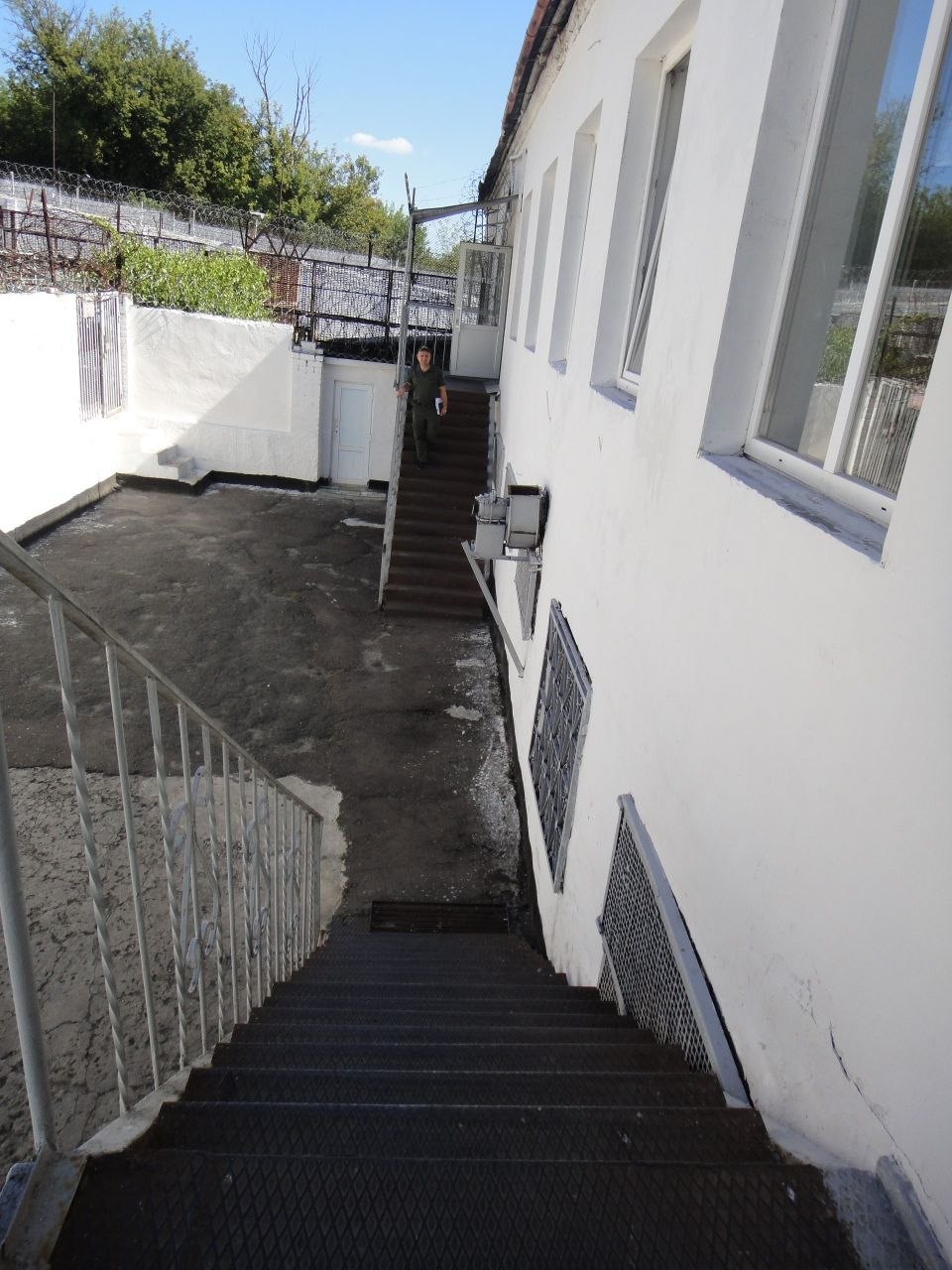
19. The institution's administration has not taken sufficient measures to ensure barrier-free access for persons with disabilities and other groups with limited mobility to the institution's buildings and premises, which does not comply with the requirements of State Building Standards of Ukraine V.2.2-40:2018 ‘Inclusiveness of Buildings and Structures. Basic Provisions’.
In particular, the stairs leading to the first floor of the building, where the canteen's dining hall is located, do not allow for safe and unobstructed use by persons with disabilities, particularly persons with musculoskeletal impairments.
The stairs are long and steep, and at the time of the monitoring group's visit no accessible alternative route to these premises had been provided.
This situation creates physical barriers and unequal access for persons with disabilities and other groups with limited mobility, and needs to be remedied by providing an accessible route to the premises or another safe and accessible means of access in accordance with the requirements of the law.
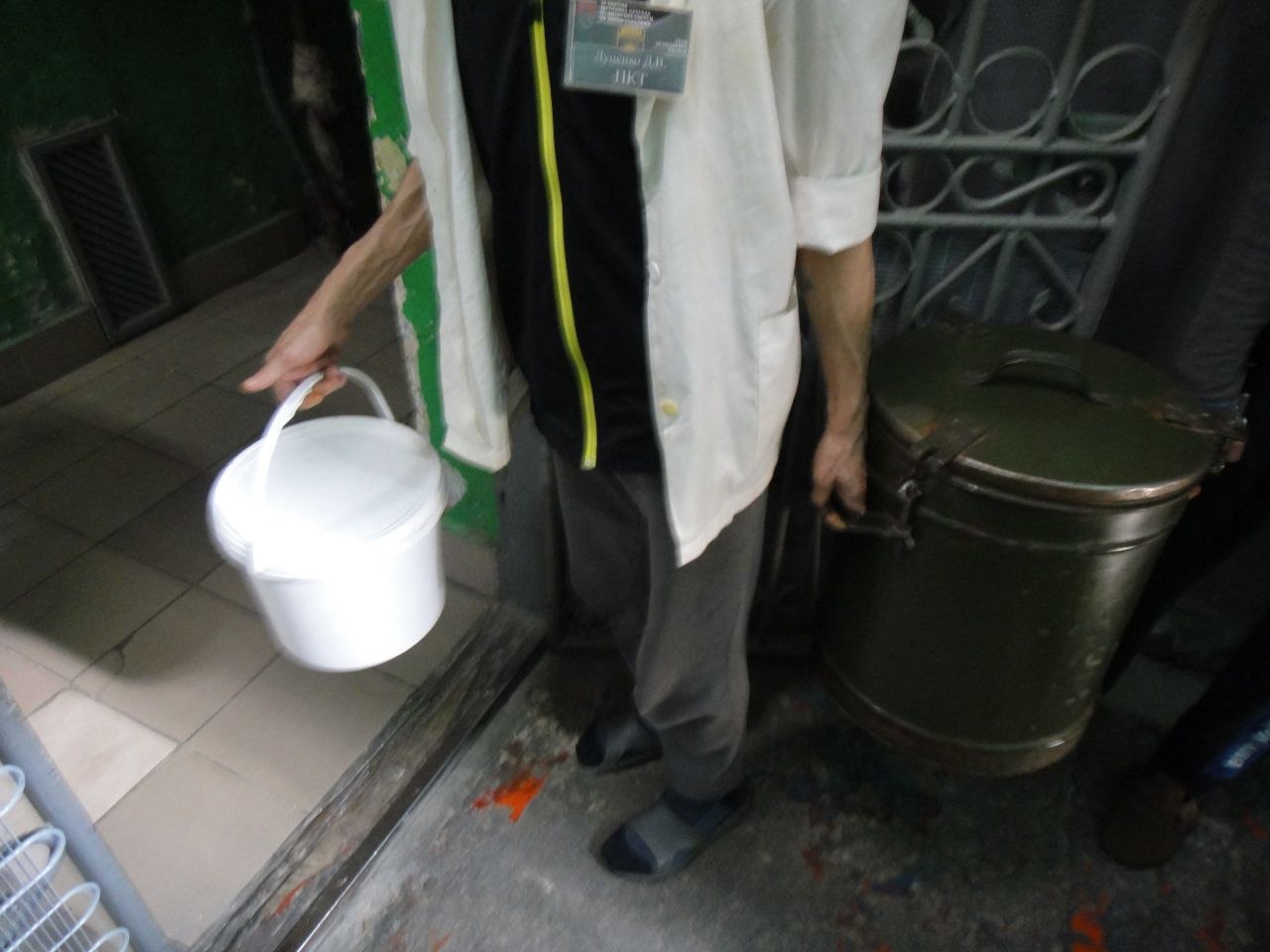
20. In breach of paragraph 14 of Section V of the Regulations on the Organisation of Food Provision in the State Criminal Enforcement Service of Ukraine in Peacetime, approved by Order of the Ministry of Justice of Ukraine No. 2160/5 of 15 June 2021 (hereinafter, the Food Provision Regulations), food is delivered to convicts from the institution's canteen in plastic buckets rather than in labelled thermal containers.
21. In breach of the Provision Standards, the institution's canteen has no cloakroom, as a result of which convicts are forced to eat in their outdoor clothing.
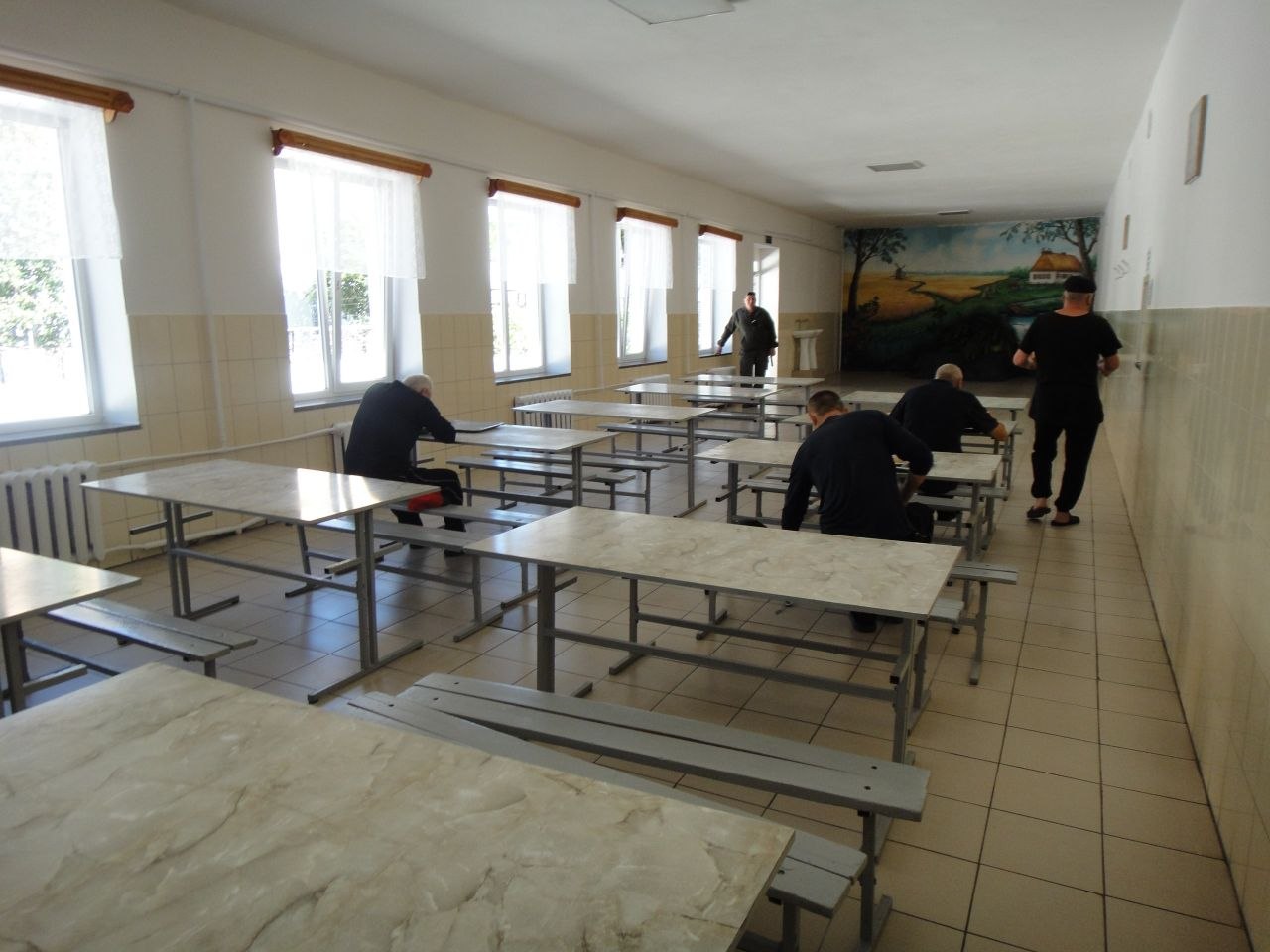
22. The monitoring group identified a number of violations in the organisation of bathing and laundry services for convicts and detainees.
Thus, during the visit it was established that convicts are able to use the bathhouse only once a week. This does not comply with Rule 19.4 of the European Prison Rules, under which prisoners must be able to have a shower, daily if possible but at least twice a week, or with paragraph 3.1 of Section III of the Regulations on the Organisation of Bathing and Laundry Services for Persons Held in Penal Institutions and Pre-Trial Detention Centres, approved by Order of the Ministry of Justice of Ukraine No. 849/5 of 8 June 2012 and registered with the Ministry of Justice of Ukraine on 13 June 2012 under No. 947/21259 (hereinafter, the Bathing and Laundry Regulations), which provides for convicts (detainees) to bathe in the bathhouse at least twice a week.
23. In breach of paragraph 2.14 of Section II of the Bathing and Laundry Regulations, the institution does not provide hairdressing services to convicts.
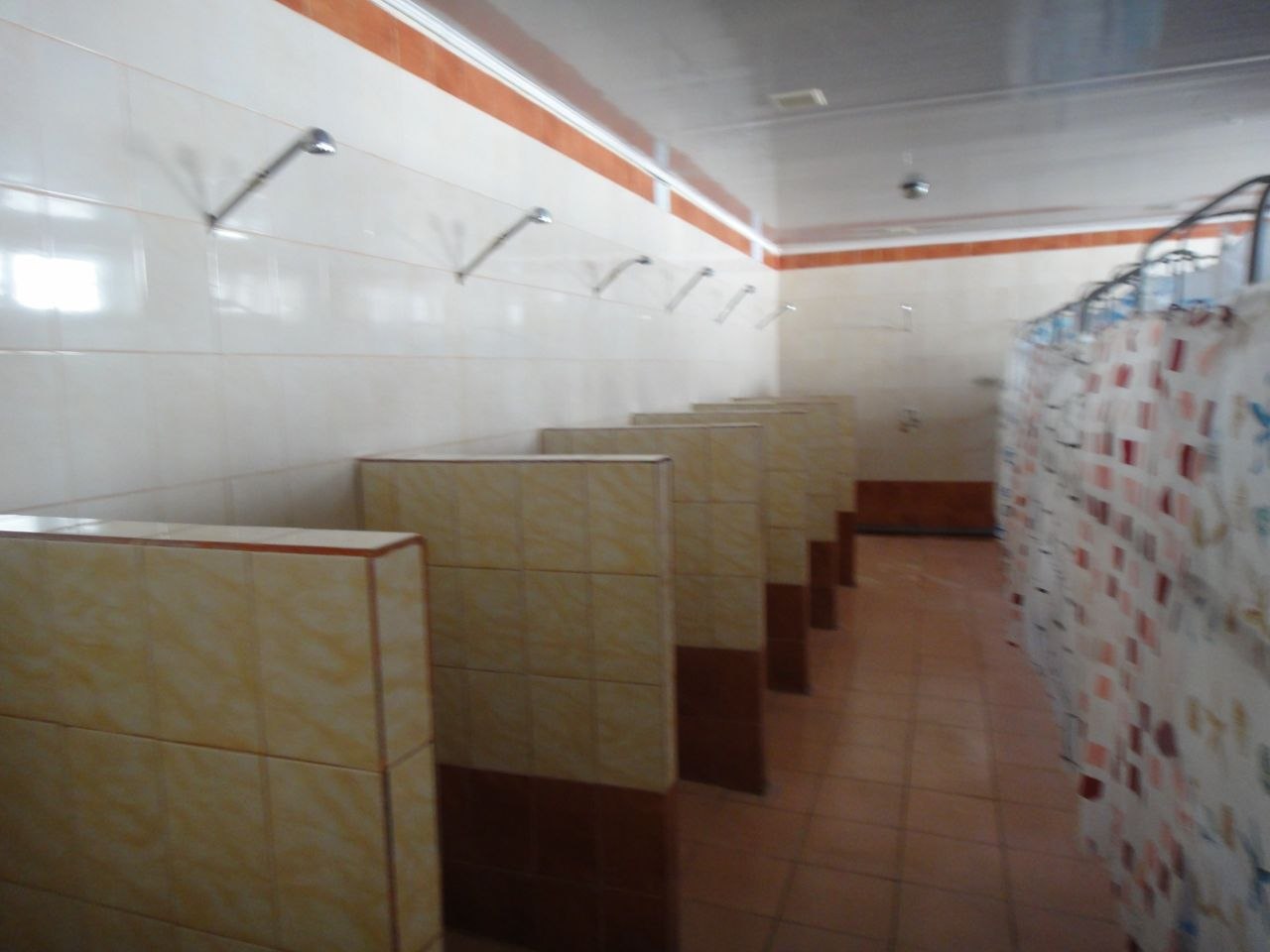
24. In breach of Rule 19.3 of the European Prison Rules, the right to privacy is not ensured in the shower room owing to the absence of curtains on the shower partitions.
25. In breach of paragraph 2.11 of Section II of the Bathing and Laundry Regulations, the mechanical supply and exhaust ventilation system in the laundry is not working properly.
26. In breach of the requirements of Annex 3 to the Bathing and Laundry Regulations, the laundry has no toilet, no shower for staff and no staff room.
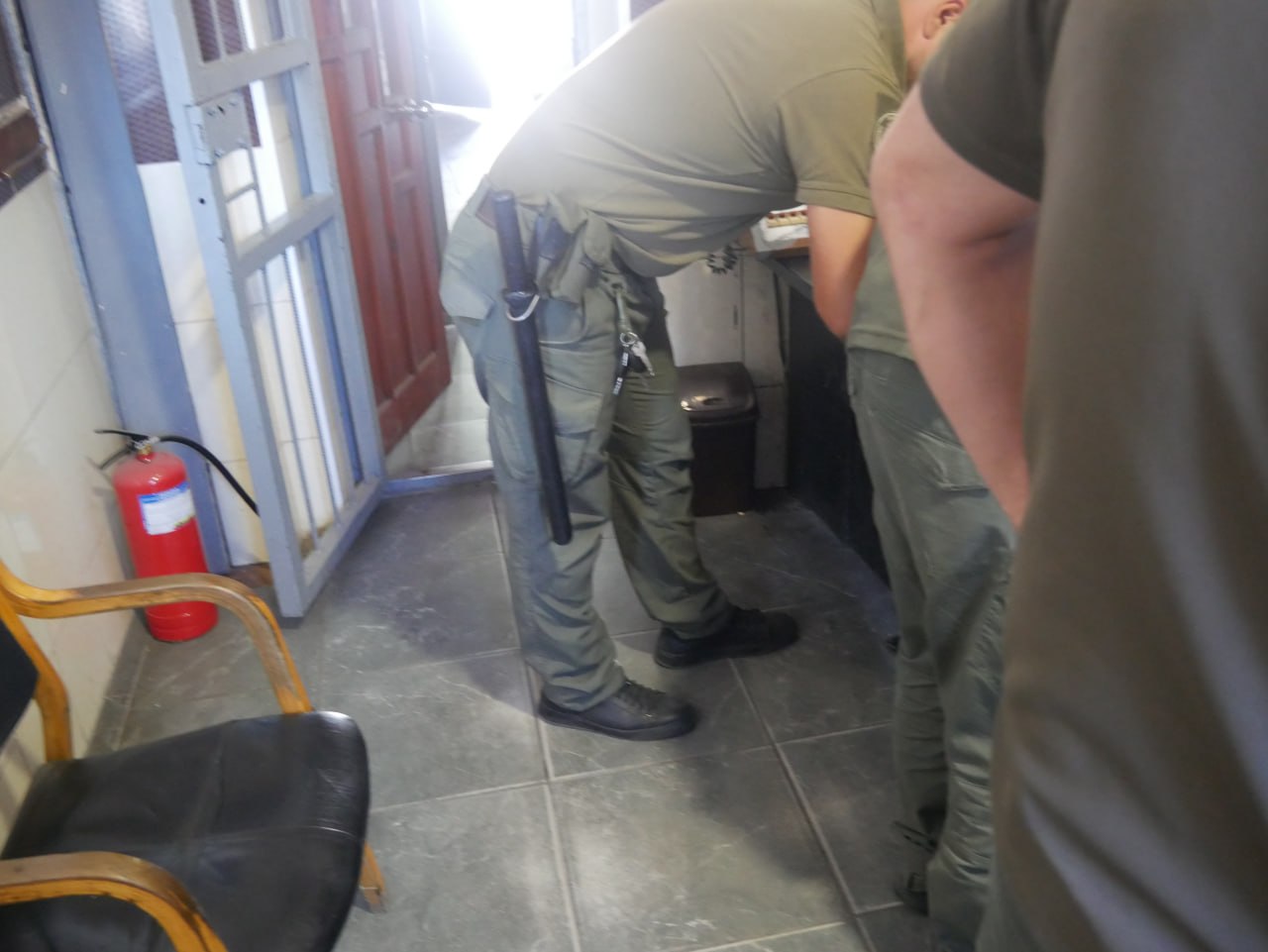
27. During the visit, the monitoring group observed that institution staff in direct contact with convicts openly carry special equipment, in particular rubber truncheons. However, under the eighth subparagraph of paragraph 1 of Section XXVI of the IRPI, special equipment carried by penal institution staff within the guarded grounds of a penal institution should, where possible, be concealed from view as far as possible.
At the same time, the Committee recommends that prison staff working in direct contact with prisoners should not openly carry special equipment such as rubber truncheons, handcuffs and tear-gas canisters in the presence of prisoners. Carrying such items openly is not conducive to fostering normal relations between staff and prisoners (CPT/Inf (2011) 29, paragraph 85; CPT/Inf (2013) 23, paragraph 23; CPT/Inf (2014) 15, paragraph 166).
28. Under subparagraph 5 of paragraph 2 of Section IV of the Regulations on the Programme of Differentiated Educational Influence on Convicts ‘Preparation for Release’, approved by Order of the Ministry of Justice of Ukraine No. 1418/5 of 16 May 2016 and registered with the Ministry of Justice of Ukraine on 17 May 2016 under No. 735/28865, the staff of the institution's social and psychological service who directly organise and carry out activities under the ‘Preparation for Release’ programme are required to assist convicts in obtaining (renewing) a passport of a citizen of Ukraine, a taxpayer registration number (RNTRC) and other personal documents, as well as in arranging pensions.
However, 10 convicts need to obtain a passport of a citizen of Ukraine and 13 need to obtain an RNTRC, which indicates insufficient work by the department of social, educational and psychological work to ensure that convicts who lack the necessary documents obtain them.
29. According to official documentation, the institution's staff shortfall as of 14 August 2026 is 16.5 full-time positions. At the same time, in its report to the Government of Ukraine on the 2023 visit, the Committee stresses that ensuring a positive climate in a penitentiary establishment requires a professional team of staff, who must be present in adequate numbers at any given time in detention areas. Inadequate staffing levels can only increase the risk of violence and intimidation between convicts. A shortage of front-line staff also undermines the quality and level of activities offered to convicts and jeopardises the prospects of preparation for release and social rehabilitation.
In this regard, the Committee calls on the Ukrainian authorities to take decisive steps to increase staffing levels substantially in Ukrainian penitentiary establishments where staffing levels are low, with a view to strengthening the presence of custodial and supervisory staff within establishments. Steps should also be taken to put an end to 24-hour shifts for staff on duty (CPT/Inf (2024) 20, paragraph 93).
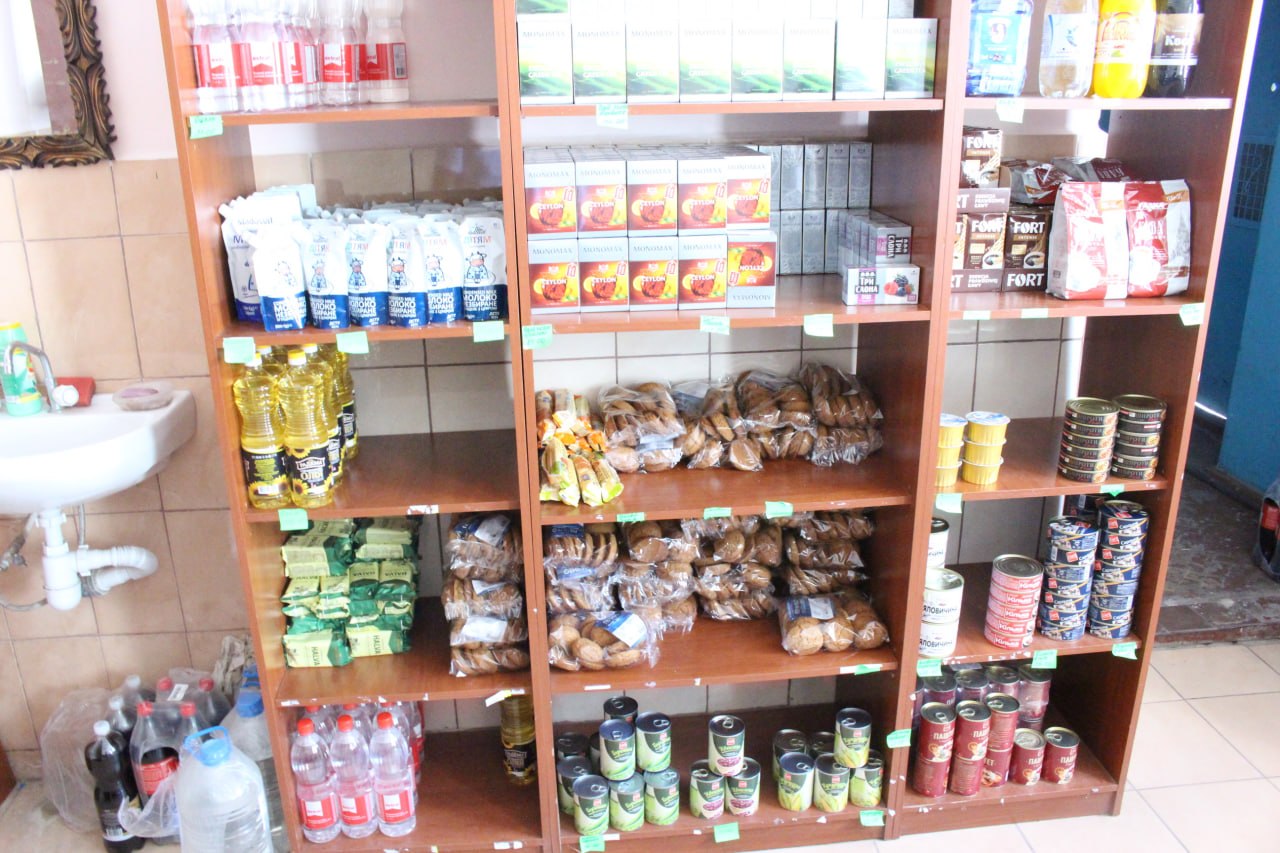
30. During the monitoring visit, the range of foodstuffs, basic necessities and personal hygiene products available to convicts in the institution's shop was examined. The check was carried out with reference to the list of goods that convicts are permitted to purchase under Section I of Annex 5 to the Internal Regulations of Penal Institutions.
It was found that the range of foodstuffs is limited. Fresh vegetables and fruit, dried fruit, nuts, cheese, eggs, milk, dairy and fermented milk products, bread and bakery products are not on sale.
The range of basic necessities and personal hygiene products is somewhat wider. On sale are soap, toothpaste or tooth powder, toothbrushes, shampoo, combs, shaving products and gel, aftershave, alcohol-free deodorants, toilet paper and other permitted sanitary and hygiene products, socks, underwear, slippers, matches, disposable lighters and some writing materials. However, handkerchiefs, thread, sports shoes, envelopes, postage stamps and postcards are not available.
Thus, although the shop makes it possible to purchase basic foodstuffs and a considerable proportion of personal hygiene products, the actual range does not cover a significant proportion of the goods that the IRPI permits convicts to purchase.
31. During the monitoring visit, the extent to which the institution's library is stocked with the legislative acts and international documents to which convicts must have access under the Internal Regulations of Penal Institutions and the annex to the IRPI, which sets out the list of the main legislative acts and documents that must be available to convicts, was examined.
The library stock was found to be incomplete as regards such materials. In particular, the Code of Administrative Procedure of Ukraine, the Laws of Ukraine ‘On Free Legal Aid’, ‘On Access to Public Information’, ‘On the Ukrainian Parliament Commissioner for Human Rights’ and ‘On the State Criminal Enforcement Service of Ukraine’, as well as legislative acts on the procedure for providing medical care to convicts, were missing.
Nor was access provided to the European Convention for the Prevention of Torture and Inhuman or Degrading Treatment or Punishment, or to accessible materials and standards of the European Committee for the Prevention of Torture (CPT).
Thus, the library stock needs to be supplemented in accordance with the list set out in the annex to the IRPI, while ensuring that the versions of legislative acts are up to date and that convicts have genuine access to these materials.
32. During the monitoring visit, the institution's use of the ‘KASANDRA’ subsystem of the Unified Register of Convicts and Detainees (URCD) was examined separately, in particular the procedure for assessing the risk of reoffending, the extent to which convicts are informed about the purpose and results of such assessment, their participation in the relevant procedure, and the use of the assessment results in individual social and educational work with persons sentenced to life imprisonment. To this end, documentation was examined and a separate survey of institution staff and convicts was conducted.
The staff survey showed that the ‘KASANDRA’ subsystem is in fact used in the institution. Staff generally understand the purpose of risk assessment, the sources of information used in conducting it, the frequency of assessment and the subsequent use of the results obtained. The responses also indicate that staff have undergone the relevant training. However, the results of the survey of convicts show a significant gap between the actual conduct of assessments and the understanding of this procedure by the persons it directly concerns.
Some of the convicts surveyed were unable to explain clearly what the ‘KASANDRA’ subsystem is, what the purpose of risk assessment is and what practical significance its results have. Some respondents knew that they had been assessed or could name the risk level assigned to them, but lacked sufficient information about the criteria used to determine it and the sources of information used in the assessment.
The procedure for informing convicts of the assessment results requires particular attention. The survey recorded responses indicating that convicts had not received a proper explanation of the procedure and did not know the procedure for reviewing the full assessment or the possibilities for challenging its results. One respondent stated that he had raised objections during the assessment but did not know whether they had been reflected in its results. Other responses also indicate an insufficient understanding of the possibility of commenting on the information used in the assessment and of the procedure for taking such comments into account.
Convicts' participation in drawing up the individual social and educational work programme was examined separately. The responses received indicate that some respondents were not involved in drawing it up, do not have a copy of the programme or lack sufficient information about its content. In such circumstances, there is a risk that the convict will perceive the individual programme not as a clear plan of work on identified needs and risk factors, but mainly as an internal document of the institution. This reduces the practical value of individual planning for the process of correction and resocialisation.
Thus, the monitoring visit did not establish any grounds for asserting that the institution does not use the ‘KASANDRA’ subsystem or does not carry out risk assessments. The main problem identified is the insufficient transparency of the relevant procedure for the convicts themselves and their insufficient level of involvement. The survey results indicate that some convicts lack a comprehensive understanding of the purpose of the assessment, the criteria for determining the risk level, the sources of information used, the procedure for reviewing the results, the possibility of raising and recording objections, and the link between the risk assessment and the individual social and educational work programme and the subsequent assessment of the degree of correction.
Given the significance of the assessment results for further work with the convict, it would be advisable to ensure not only the technical conduct of the assessment in the ‘KASANDRA’ subsystem, but also the convict's genuine participation in this process: a clear explanation of the purpose of the assessment and its results, the opportunity to provide and clarify information about himself, to comment on the information taken into account in the assessment, and proper notification of the subsequent use of the results obtained. A similar approach should be applied in drawing up and implementing the individual social and educational work programme, so that it is individual and practical rather than purely formal in nature.
31. During the monitoring visit, particular attention was paid to the condition of the premises designated as shelters for convicts during air-raid alerts and other dangers associated with hostilities. The institution has designated two premises as shelters for convicts, for which the relevant readiness assessment certificates are available. One of them is located in the institution's industrial zone and is intended for the majority of convicts; the other is a basic shelter for convicts held in the maximum security sector (MSS).
The actual condition of the shelter in the industrial zone does not provide adequate conditions for people to remain in it for a prolonged period. A direct inspection revealed flooding in part of the premises: there is water and damp on the floor, the walls show signs of prolonged dampness, and some structures and metal elements show signs of corrosion. The general sanitary and technical condition of the premises is unsatisfactory and indicates the need for repair and restoration work.
This shelter has a second exit but lacks an adequate ventilation system. The sewerage system is effectively out of service and not connected, although, according to the information obtained, it was previously in use. The water containers present are in an unsanitary condition and cannot in themselves be regarded as an adequate supply of drinking water. The combination of the circumstances established — flooding, the lack of ventilation and functioning drainage, and the unsatisfactory condition of the interior — significantly limits the possibility of a large number of convicts remaining safely in the shelter for a prolonged period.
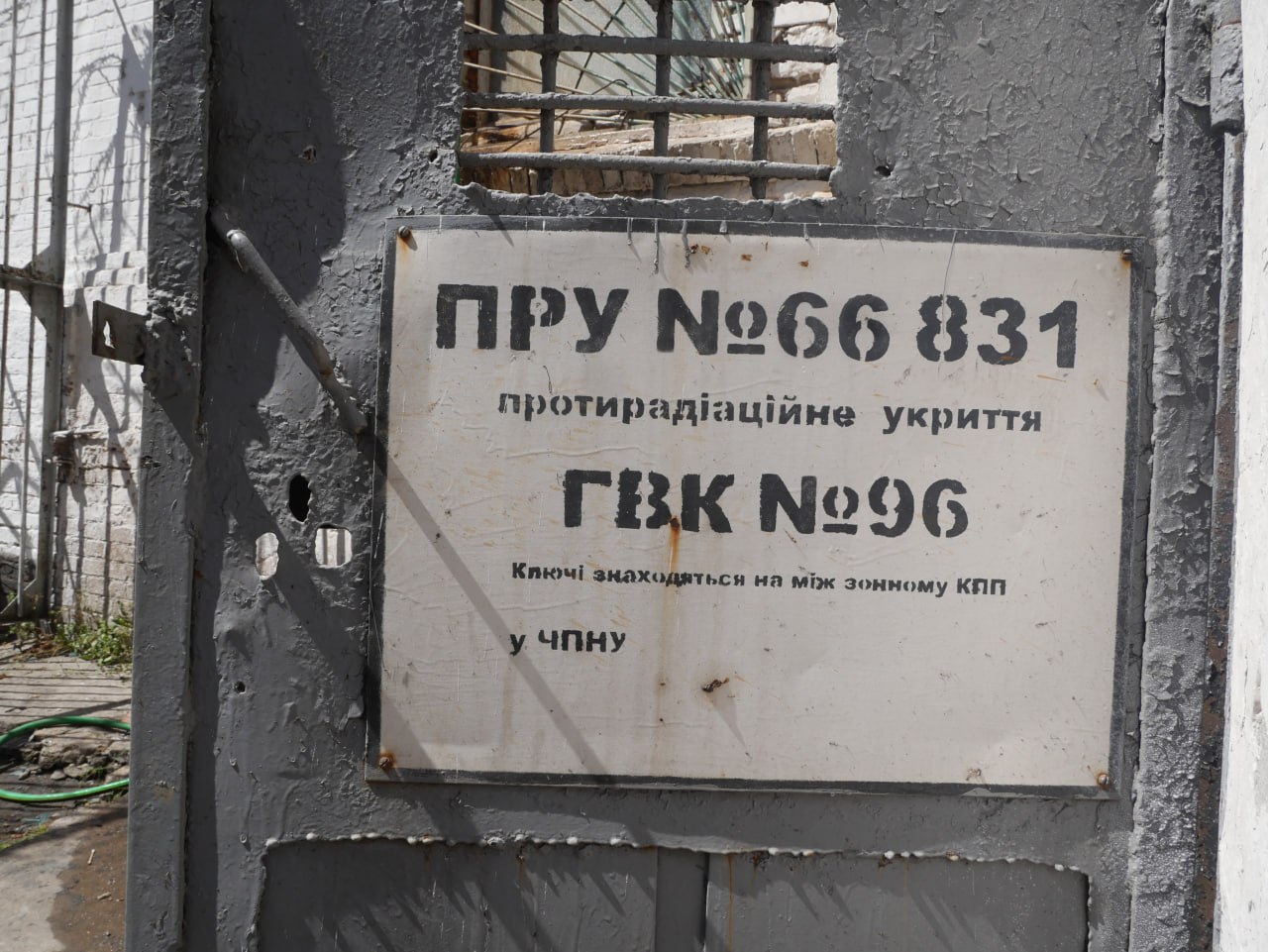
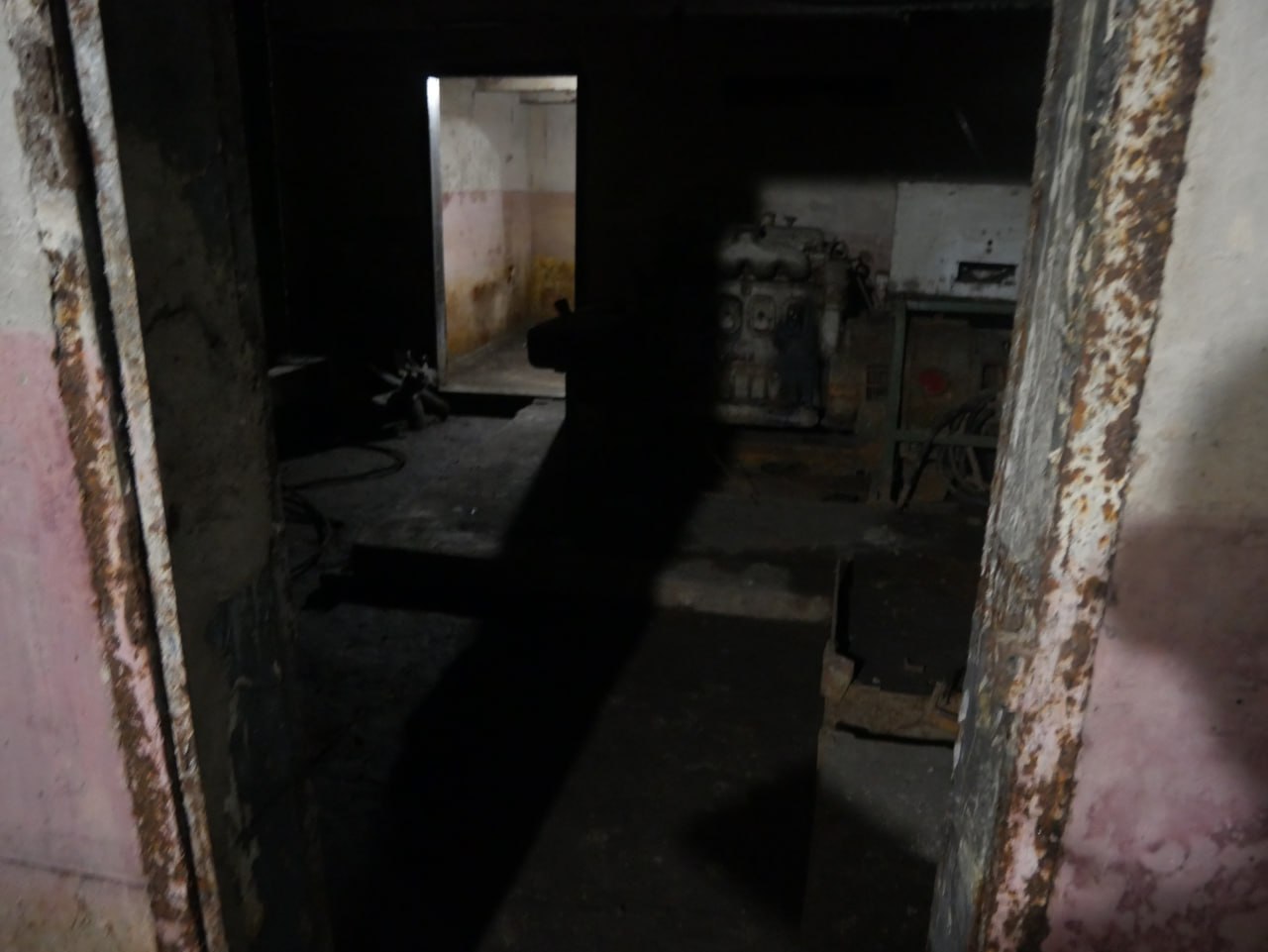
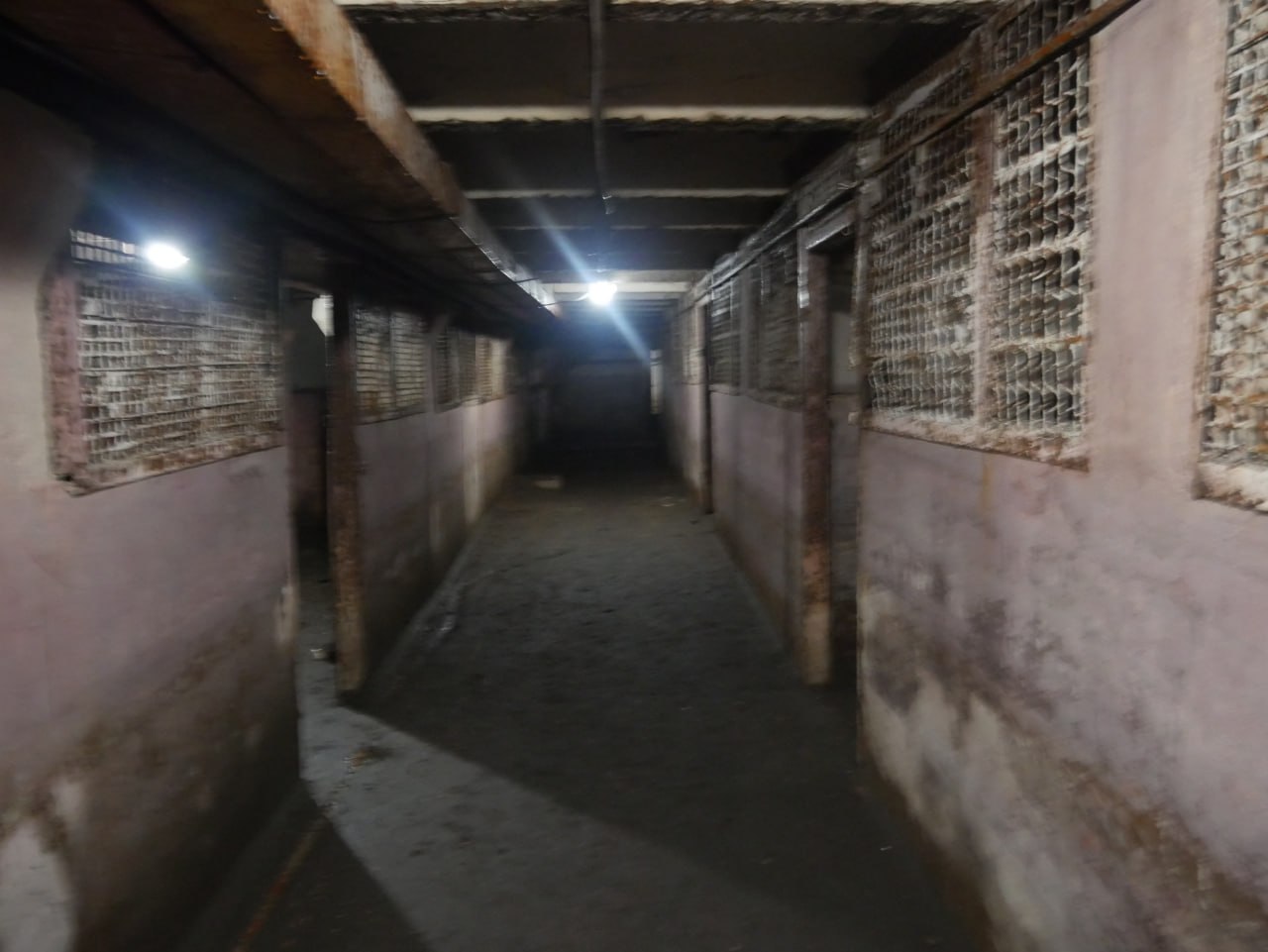
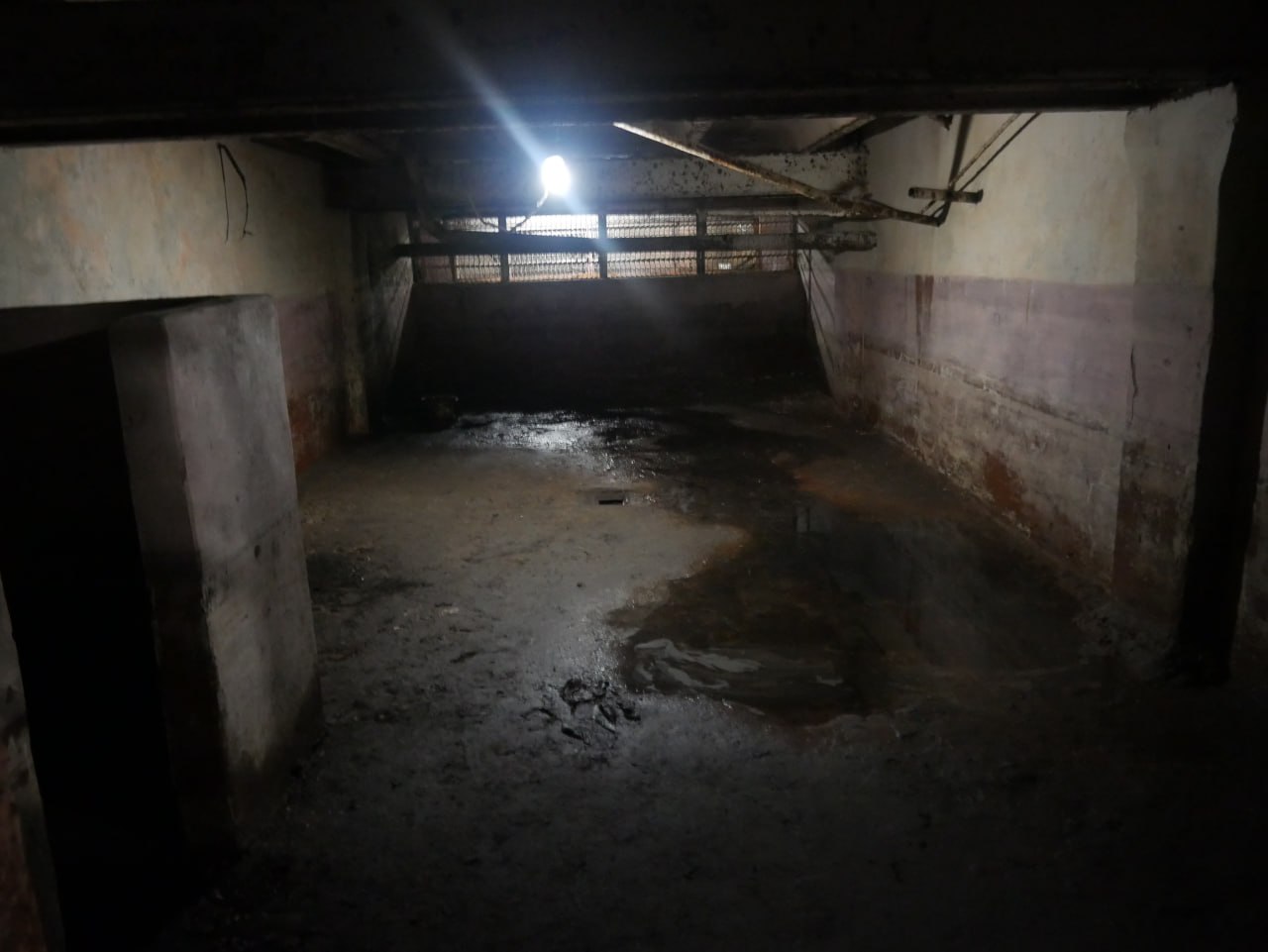
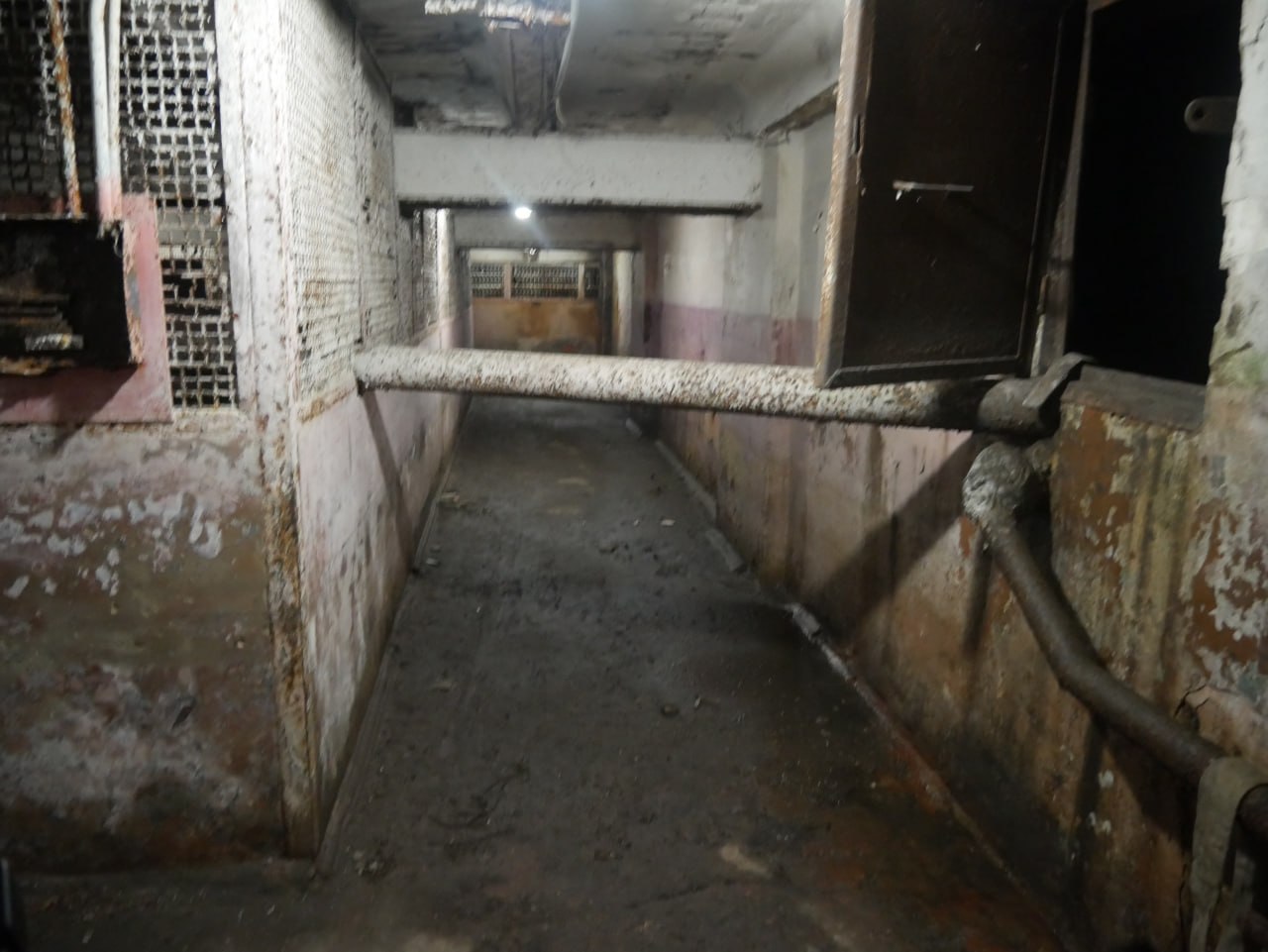
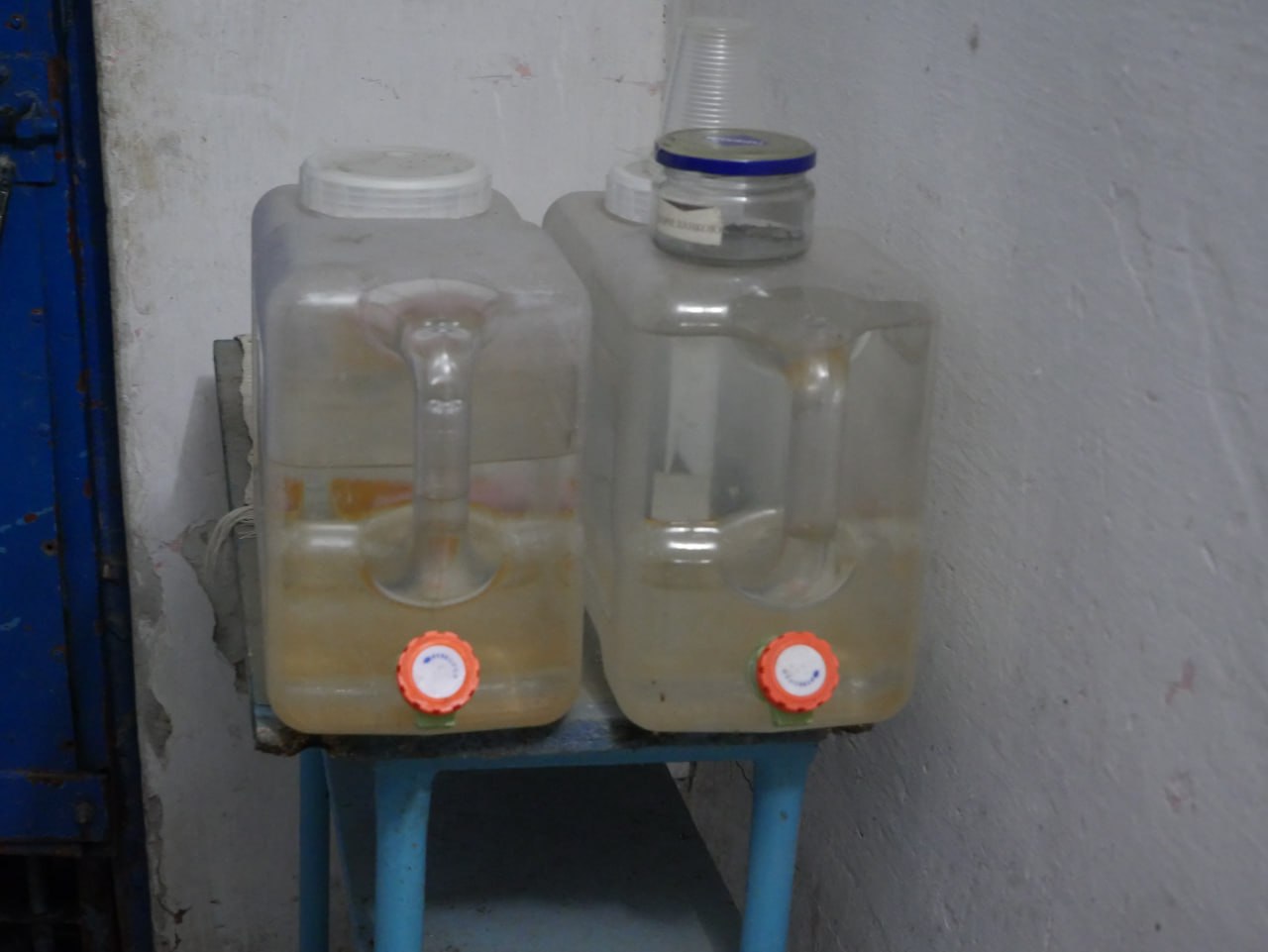
The basic shelter in the MSS was inspected separately. It has been fitted out with regard to the need for convicts to be held in isolation, but the premises have no second (emergency) exit and are not equipped with ventilation. Given the specific nature of the MSS, these shortcomings are of particular significance: convicts cannot leave the sector on their own or choose another safe place during an air-raid alert, and their protection therefore depends entirely on the institution administration's organisation of safety measures.
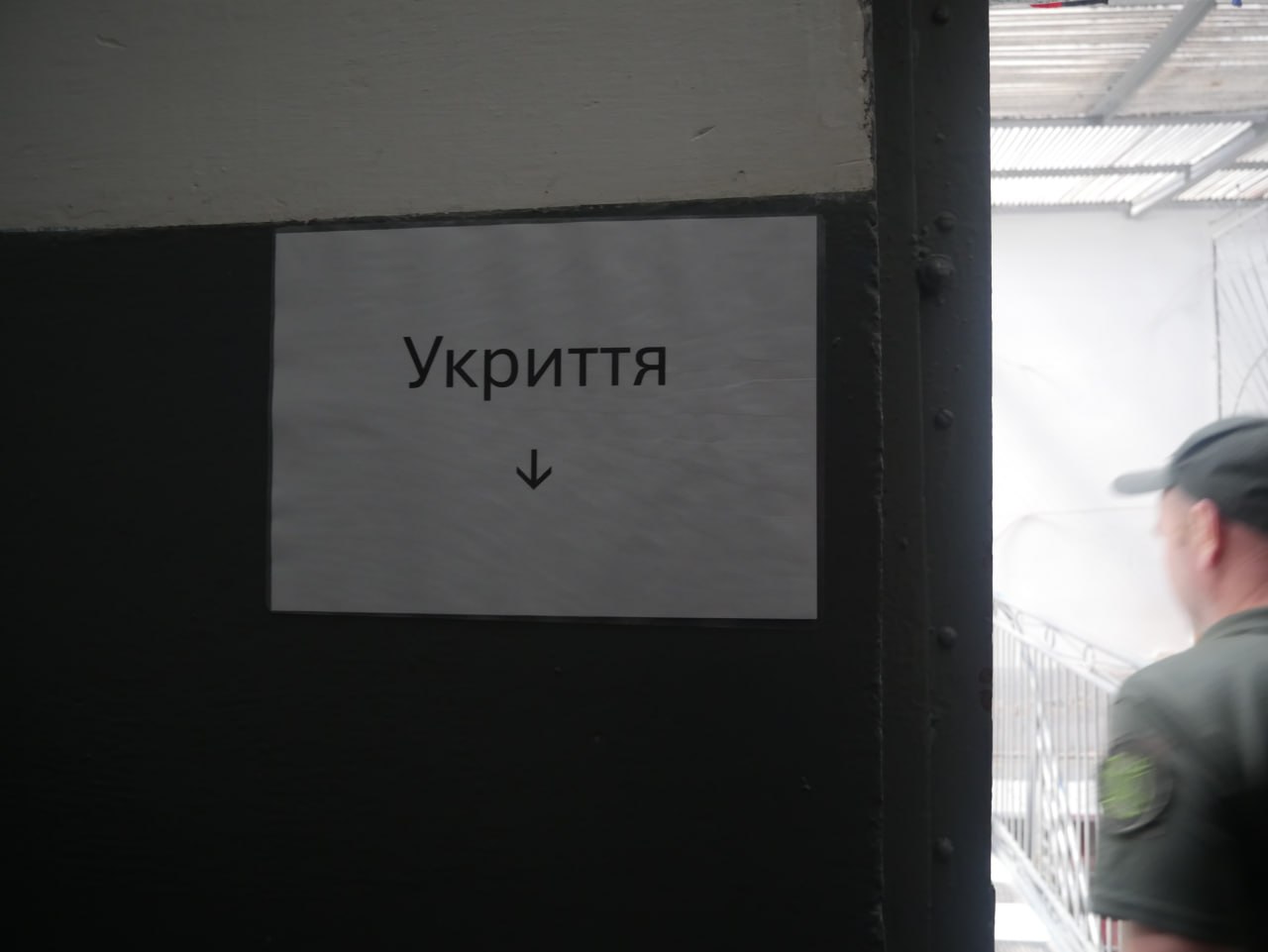
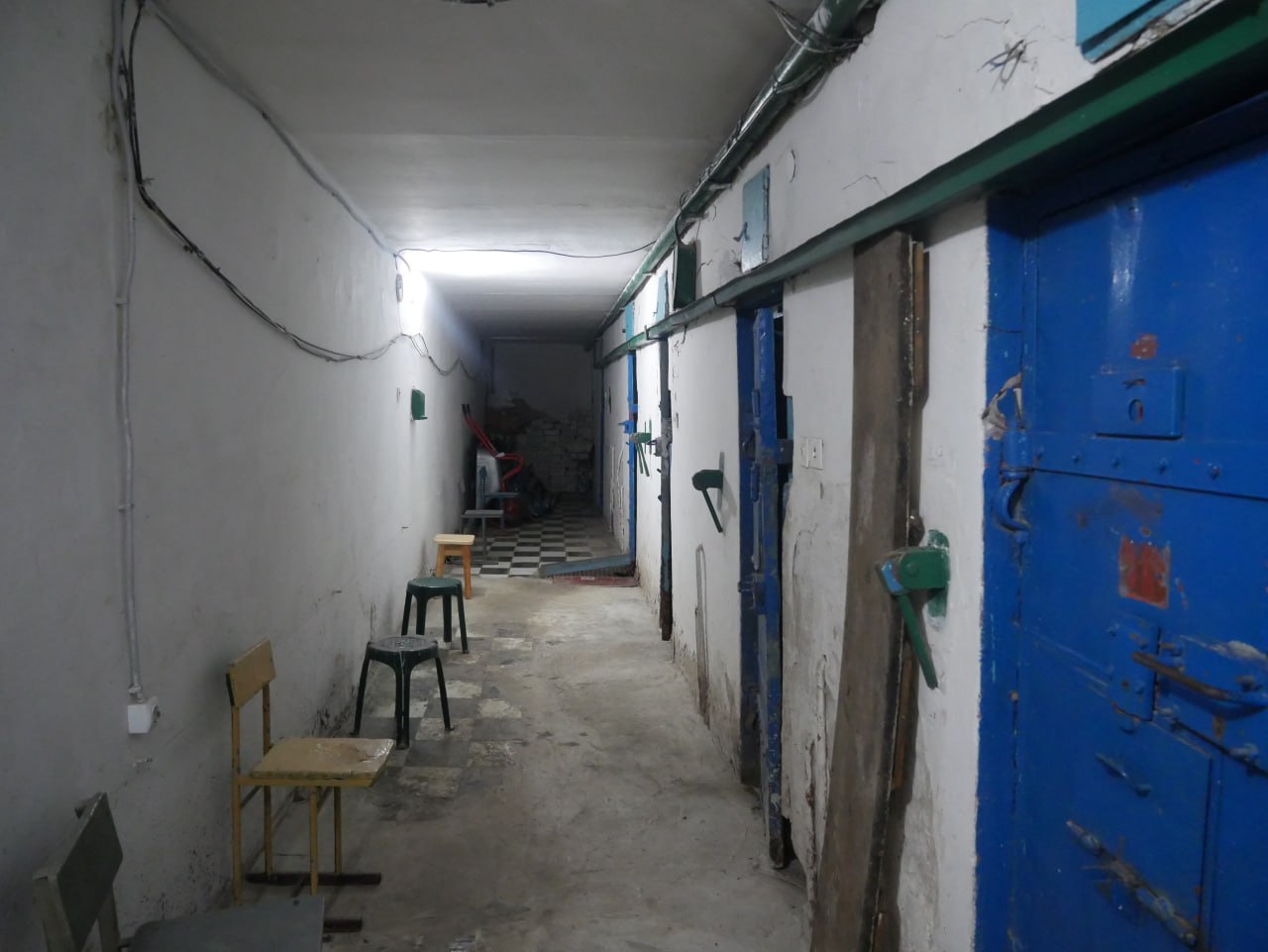
The circumstances established are inconsistent with the very function of a basic shelter as defined by Article 32 of the Civil Protection Code of Ukraine: such premises must provide conditions for the temporary stay of people, including for at least 48 hours, in order to protect them from hazardous factors. The law classifies basic shelters as means of collective protection and as part of the stock of civil protection facilities.
Thus, the mere existence in the institution of two designated shelter locations and the relevant certificates does not demonstrate that the safety of convicts is adequately ensured. The actual condition of the premises inspected revealed significant shortcomings: the shelter in the industrial zone is subject to flooding, requires repair and lacks adequate ventilation and functioning sewerage; the basic shelter in the MSS has no second exit and no ventilation. In such conditions, the possibility of convicts remaining safely in them for a prolonged period during an air-raid alert is substantially limited, and both premises need to be brought into a condition that genuinely enables them to fulfil their purpose — protecting people's lives and health in the event of wartime danger.
34. During the monitoring visit, one of the priority areas of examination was respect for convicts' right to work and to social protection. The monitoring group examined lists of working convicts, employment and fixed-term employment contracts, civil-law contracts (CLCs), timesheets, work assignment orders, the staffing schedule for the maintenance crew, documents on remuneration and insurance service, as well as logs and other primary documentation of the production sites and the catering unit. The documentary information was compared with the actual employment of convicts as established through direct inspection of workplaces and confidential conversations.
According to information provided by the administration, 135 convicts are engaged in work at the institution — in production, in workshops and on maintenance work. The staffing schedule for the maintenance crew for 2026 provides for 12 full-time positions with a monthly payroll of UAH 103,764. In particular, it provides for the positions of cooks, a baker, kitchen workers, cleaners and other maintenance workers.
The documentation examined showed that the institution simultaneously uses employment contracts, fixed-term employment contracts and civil-law contracts. In the list provided of convicts engaged in work in the institution's workshop, those for whom a CLC is given as the basis of engagement predominate, while an employment contract is indicated for only a few individuals. Such an employment structure does not in itself indicate a violation, since Article 118(1) of the Criminal Enforcement Code of Ukraine permits convicts to work on the basis of either an employment contract or a civil-law contract. However, the legal form of engagement must correspond to the actual substance of the legal relationship.
The employment and fixed-term employment contracts examined specify the place and nature of work, working hours, terms and amount of remuneration, the rights and obligations of the parties, and occupational safety and social insurance matters. CLCs, by contrast, provide for the performance of a specific task and the delivery of an agreed result. The monitoring established that some convicts engaged under civil-law contracts are in fact integrated into a systematically organised production process: they are brought out to work in accordance with work assignment orders, assigned to specific workshops and workplaces, work set shifts, and their presence at production sites is monitored by staff.
In such circumstances, for each convict engaged under a CLC, the subject matter of the contract needs to be compared with the work actually performed. Prolonged, systematic performance of a single work function at a designated workplace, under a set schedule and subject to organisational control, may indicate the existence of an employment relationship. In such cases, the use of a CLC instead of an employment contract creates a risk that an employment relationship that actually exists is not properly formalised and, consequently, that the worker is not afforded the full range of employment guarantees provided for by the Labour Code of Ukraine. However, a definitive conclusion as to the legal nature of specific relationships requires an assessment of the terms of each contract and the actual circumstances of its performance.
Thus, according to information obtained during the monitoring, convict L. arrived at the institution about two months ago and has been working for about one month. K. and T. also reported having worked for about one month. These individuals can be traced in the documentation on bringing convicts out to work. This provides grounds for assessing their employment in conjunction with the type of contract concluded, the timesheets, the days and hours actually worked and the remuneration accrued. However, the documents provided did not make it possible to trace, for each of these individuals, the full personalised chain of ‘time actually worked — remuneration accrued — deductions — amount credited — SSC — insurance service’. In such circumstances, proper payment for the work they actually performed has not been fully documented.
The circumstances of the engagement in work of convict P., who in practice performs cleaning work, including in SPS No. 8, require particular attention. During the monitoring, information was obtained that he may be performing this work without proper pay. Cleaning premises is by its nature a regularly performed function, so in P.'s case his actual employment needs to be compared with the legal basis of his engagement, timesheets, work assignment orders and documents on the accrual of remuneration. The body of documentation provided did not make it possible to confirm proper payment for the work he actually performs, and the information obtained provides reasonable grounds for checking compliance with Article 118 of the CEC of Ukraine and remuneration legislation.
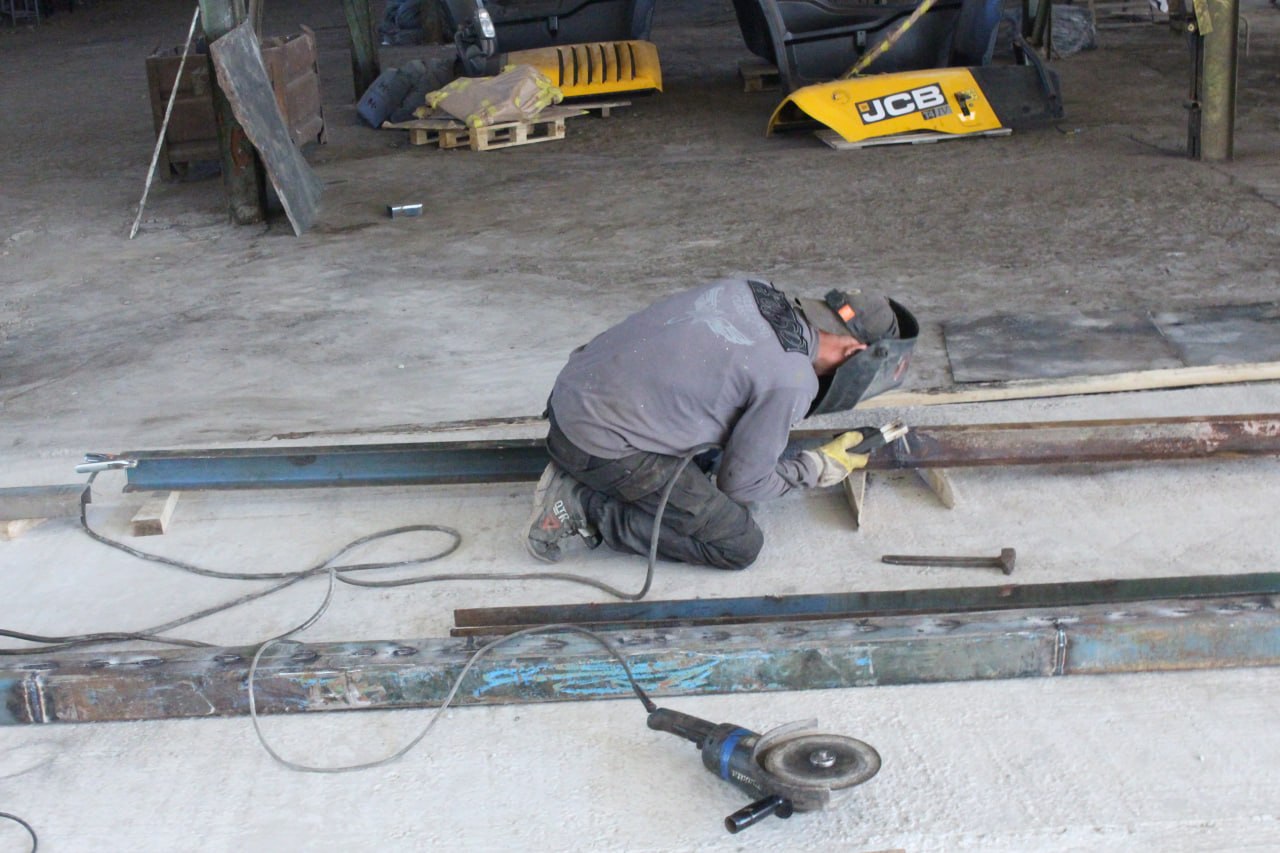
With regard to convict G., information was obtained that he has been working as a welder for about a year and a half, and at the RVT site for less than one month. However, a comparison of the primary documentation revealed cases in which the place of work stated in the work assignment order did not match the place of work recorded in the shift task log. Such discrepancies make it impossible to reliably establish the actual workplace, the nature of the work performed and its conformity with the terms of the contract. For a worker who has been performing skilled welding work for a long time, this is also relevant to determining rates, the volume of work performed and the correctness of the remuneration accrued.
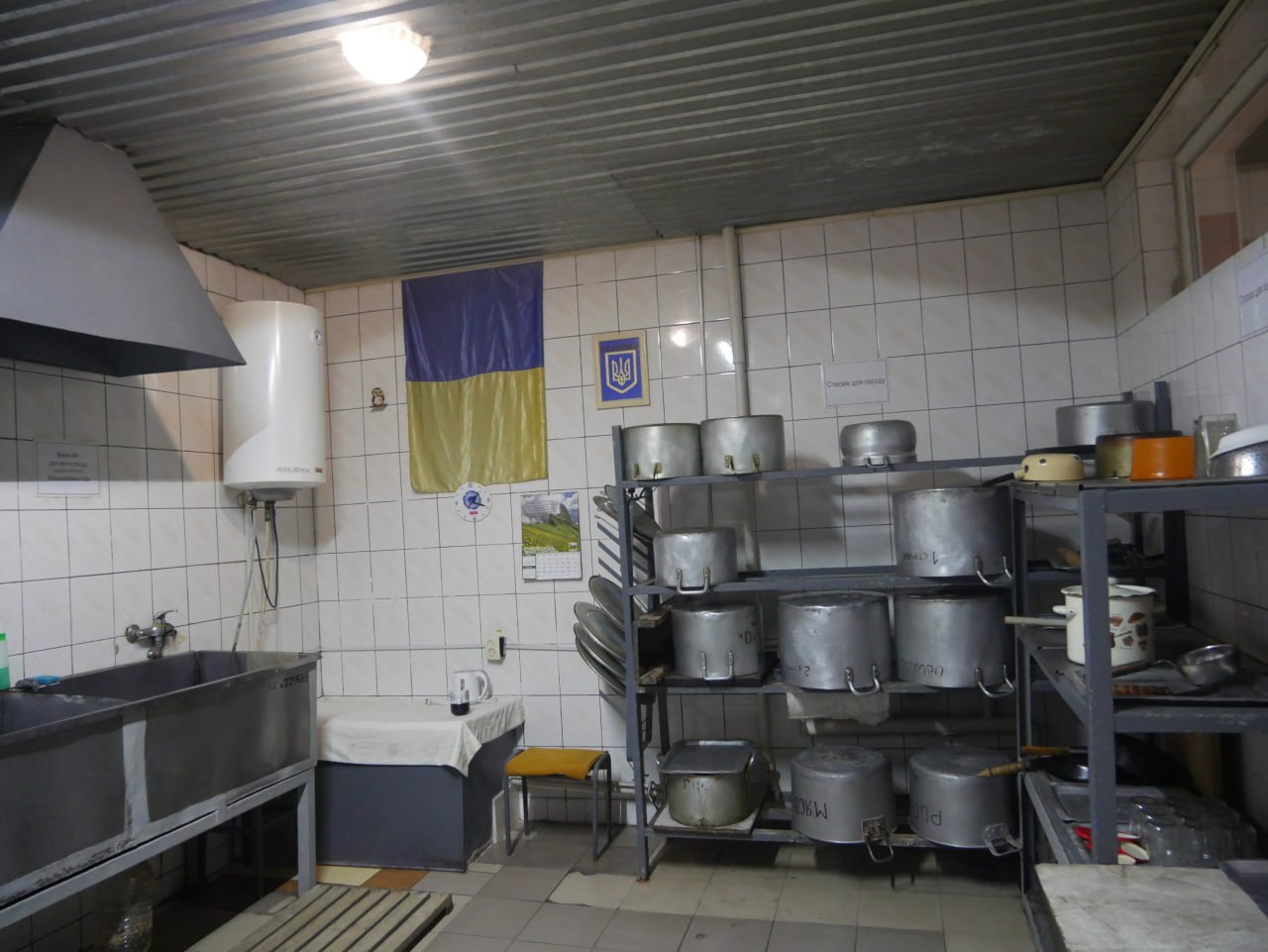
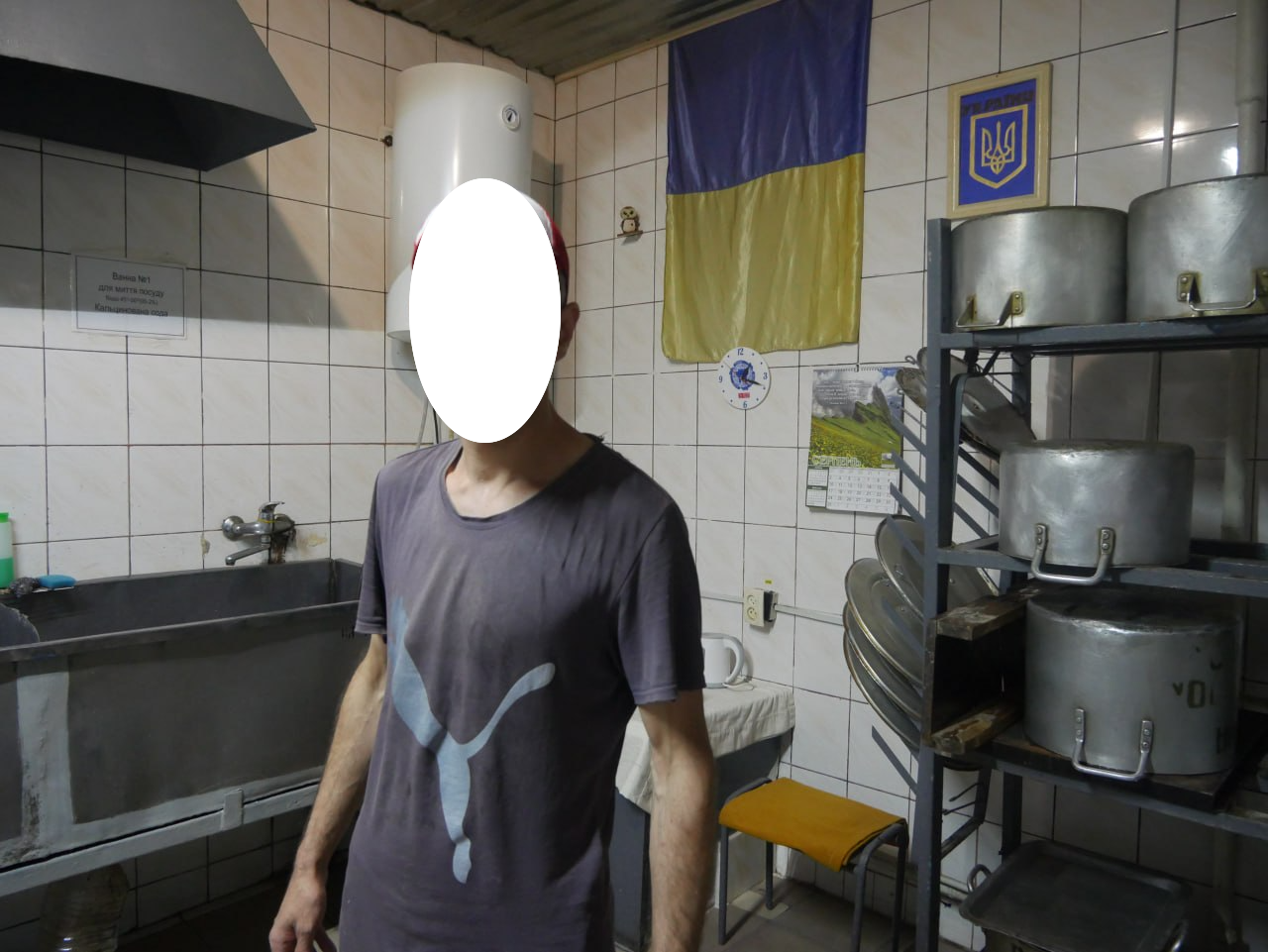
The most significant issues were identified in examining the organisation of work in the catering unit. Convict D. stated in a confidential conversation that he has been working in the kitchen for about three and a half years and in practice works without days off. According to the food preparation quality log, convicts Z. and K. are systematically recorded as the persons preparing food, including at weekends. In K.'s case, the regularity of his work can also be traced through the knife issue log, according to which he receives a knife to perform his work virtually every day. In addition, the medical examination log contains records of daily examinations of 11 persons engaged in work in the catering unit.
Thus, the systematic nature of work in the catering unit is confirmed by several independent types of primary documentation. The circumstances established must be assessed in the context of the statutory requirements on working hours and weekly rest. As a general rule, under Article 50 of the Labour Code of Ukraine, normal working hours must not exceed 40 hours per week; Articles 67–70 of the Labour Code of Ukraine govern the granting of days off and uninterrupted weekly rest. At continuously operating facilities, days off may be granted on other days in accordance with a shift schedule, so the mere fact of working on a Saturday or Sunday does not in itself prove a violation. However, documented daily work by an individual over a long period without being granted another day of weekly rest is inconsistent with the established employment guarantees.
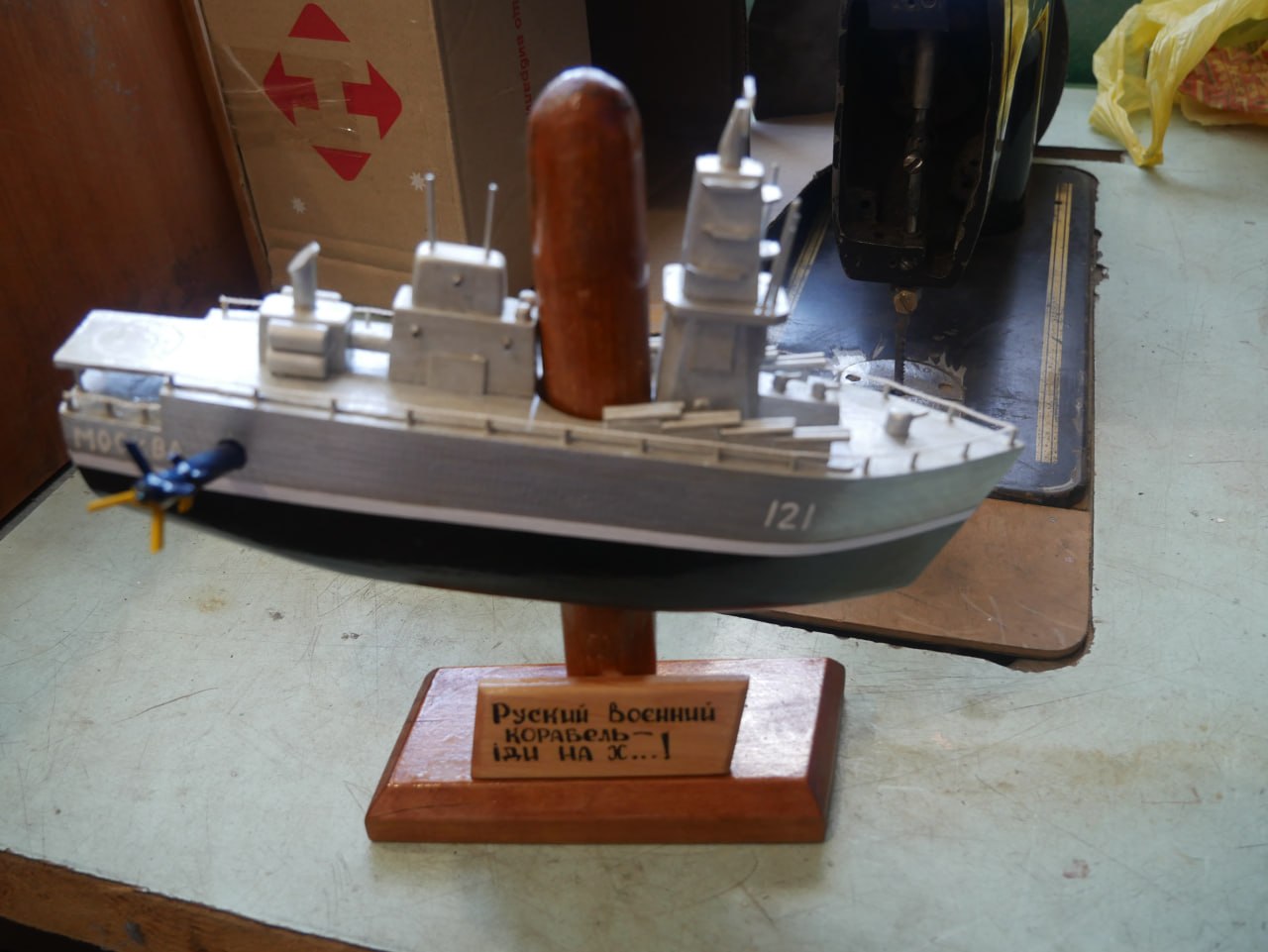
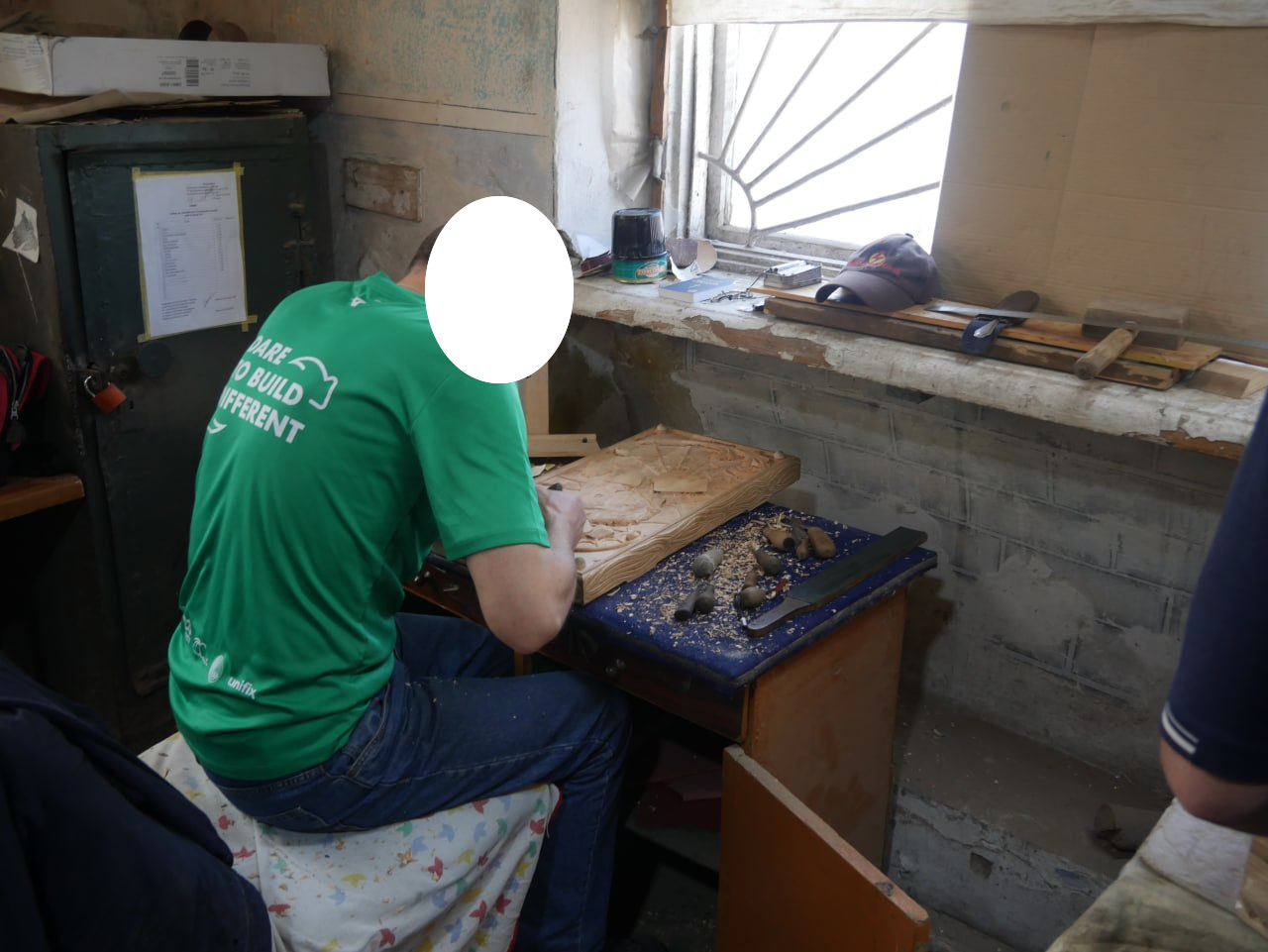
The information concerning Sh. requires a separate personalised examination. On the basis of the documents provided, it was not possible to establish a sufficiently complete and unambiguous chain regarding the type of his contract, the actual duration of his work, the amount of remuneration accrued and the payment of the SSC. Shortcomings in primary records were also identified at the souvenir workshop. According to the hourly checks log, on 11 August 2026 work continued until 21:00. However, the tool register does not record the time of return of tools or the corresponding signatures. During the direct inspection, five backgammon sets were actually being worked on, whereas the log recorded four; the log assigning workers to workplaces listed six persons, although seven were actually working. Together with the discrepancies regarding the place of work in the work assignment orders and the shift task log, this indicates insufficient consistency in the primary documentation. Such shortcomings have a direct bearing on employment rights, since accurate records of the work actually performed are a prerequisite for correctly determining remuneration, especially where piece rates are applied.
The monitoring also examined the issue of the accrual of insurance service for convicts. The law links insurance service to the payment of insurance contributions. If the contributions paid for a given month are less than the minimum insurance contribution, only the corresponding fraction of the month may be counted towards insurance service. Therefore, a low documented income combined with actual systematic employment has a long-term consequence for the convict: incomplete accrual of insurance service and, consequently, of his future pension entitlements.
Law of Ukraine No. 2464-VI governs the calculation and payment of the SSC and the keeping of personalised records of insured persons. Social insurance is relevant both to workers under employment contracts and to persons receiving remuneration for work performed under civil-law contracts. Consequently, an assessment of respect for a convict's right to social protection cannot be confined to the mere fact that a contract has been concluded or that a certain amount of remuneration has been accrued. It must be established whether the declared income corresponds to the actual duration and volume of work, whether the SSC has been properly paid and what insurance service has actually been accrued.
During the monitoring, in respect of L., K., P., T., S., G., D., Z., K. and Sh., the documentation provided did not in every case make it possible to establish simultaneously, for the relevant period, the legal basis of engagement in work, the actual workplace, the number of days and hours worked, the volume of work performed, the amount of remuneration accrued, the deductions made, the amount actually credited to the personal account, the amount of the SSC and the insurance service accrued. It is precisely the impossibility of such an end-to-end personalised comparison that is one of the significant findings of the examination.
Thus, the monitoring showed that the institution has a system for documenting convicts' work, but at the same time revealed a number of circumstances that create risks of violations of their employment and social rights. These include the possible use of certain CLCs for relationships which, in their actual substance, bear the hallmarks of employment; inconsistencies in the information on the place and duration of work across different types of primary documentation; insufficiently reliable records of the number of workers and the volume of work performed; reports of prolonged systematic work by certain convicts without adequate weekly rest; and the impossibility, for each convict examined, of tracing the relationship between the work actually performed, the remuneration accrued, the SSC paid and the insurance service accrued.
The circumstances identified relate to compliance with Article 118 of the CEC of Ukraine; the provisions of the Labour Code of Ukraine on the proper formalisation of employment relationships, working hours and their recording, weekly rest, and night work and overtime and their remuneration; the special Instruction on Working Conditions and Wages of Convicts; and, as regards social protection, the legislation on the single contribution and compulsory state social and pension insurance. Proper assurance of convicts' right to work therefore requires not merely the formal existence of a contract, but the keeping of consistent personalised records that make it possible to establish reliably, for each working person, where, on what legal basis and for how long he worked and what work he performed, what remuneration he received for it, what SSC was paid and what insurance service was accrued as a result.

Medical Unit No. 96 of the Branch of the State Institution ‘Health Care Centre of the State Criminal Enforcement Service of Ukraine’ in Volyn and Rivne Oblasts
The head of Medical Unit No. 96 of the Branch of the State Institution ‘Health Care Centre of the State Criminal Enforcement Service of Ukraine’ in Volyn and Rivne Oblasts (hereinafter, the medical unit) is Yurii Sviatoslavovych Kozhan.
At the time of the visit, the post of paramedic (1 full-time position) was vacant.
During the monitoring visit, the monitoring group examined medical documentation, inspected the premises of the medical unit and held individual interviews with convicts, as a result of which shortcomings in the organisation of medical care were identified that result in violations of these persons' rights:
1. During the visit, the monitoring group established that, for two patients receiving inpatient treatment in the medical unit, primary accounting documentation form No. 003/o ‘Inpatient Medical Record’, approved by Order of the Ministry of Health of Ukraine No. 110 of 14 February 2012, had not been opened. All data on treatment and diagnostics in the inpatient ward, including the results of the convict's examinations and the prescription sheet, must be entered in this form. This violates the requirements of paragraph 5 of Chapter 5 of Section II of the Procedure for Organising the Provision of Medical Care to Persons Sentenced to Imprisonment, approved by Order of the Ministry of Justice of Ukraine and the Ministry of Health of Ukraine No. 1348/5/572 of 15 August 2014 (hereinafter, the Procedure).
2. The monitoring group identified cases where medical staff did not attach a copy of the certificate recording bodily injuries, together with its annexes, to primary accounting documentation form No. 025/o ‘Outpatient Medical Record’, but kept it separately. This violates the requirements of the fourth subparagraph of paragraph 3 of Chapter 1 of Section II of the Procedure.
The failure to record bodily injuries properly does not comply with paragraph 60 of the Committee's recommendations, according to which health-care services in places of deprivation of liberty should contribute to the prevention of violence through the systematic recording of injuries and, where necessary, the provision of information to the relevant authorities (CPT/Inf (93) 12).
3. The monitoring group identified cases where the psychiatrist conducts psychiatric examinations of patients without properly obtaining written informed consent. In particular, contrary to the requirements of the Instruction on Completing Primary Accounting Documentation Form No. 003-7/o ‘Informed Consent of a Person to Psychiatric Examination’, approved by Order of the Ministry of Health of Ukraine No. 970 of 15 September 2016, it was found that the medical documentation, in particular outpatient medical record form No. 025/o, did not contain informed consent to psychiatric examination signed by the patient.
4. The medical unit has not organised opioid substitution therapy (hereinafter, OST) for persons with mental and behavioural disorders due to the use of opioids in accordance with the Procedure for Conducting Opioid Substitution Therapy for Persons with Mental and Behavioural Disorders due to the Use of Opioids, approved by Order of the Ministry of Health of Ukraine No. 200 of 27 March 2012.
Drug-dependent persons are not provided with social and psychological support, cognitive behavioural therapy (CBT), relapse prevention, motivational interviewing, mutual support groups and the like.
Consequently, these persons are deprived of the opportunity to receive OST, which violates their right to choose methods of treatment under Article 38 of the Law of Ukraine ‘Fundamentals of the Legislation of Ukraine on Health Care’.
At the same time, in its report on the 2023 visit to Ukraine, the Committee states that entering a penitentiary establishment is an opportunity to address a drug-related problem, and it is therefore important that appropriate assistance be offered to all persons concerned; consequently, appropriate medical care must be available in all establishments. The assistance offered to such persons should be varied; substitution programmes for drug-dependent persons should be combined with genuine psychosocial and educational programmes for opioid-dependent persons who are unable to stop using drugs. In addition, OST programmes in establishments should be readily accessible and should also be managed by prison doctors, who should receive specific training in drug-related matters (CPT/Inf (2024) 20, paragraph 86).
5. In breach of paragraph 8 of Chapter 5 of Section II of the Procedure, the inpatient ward of the medical unit has no properly equipped isolation room for convicts with mental disorders who pose a danger to others.
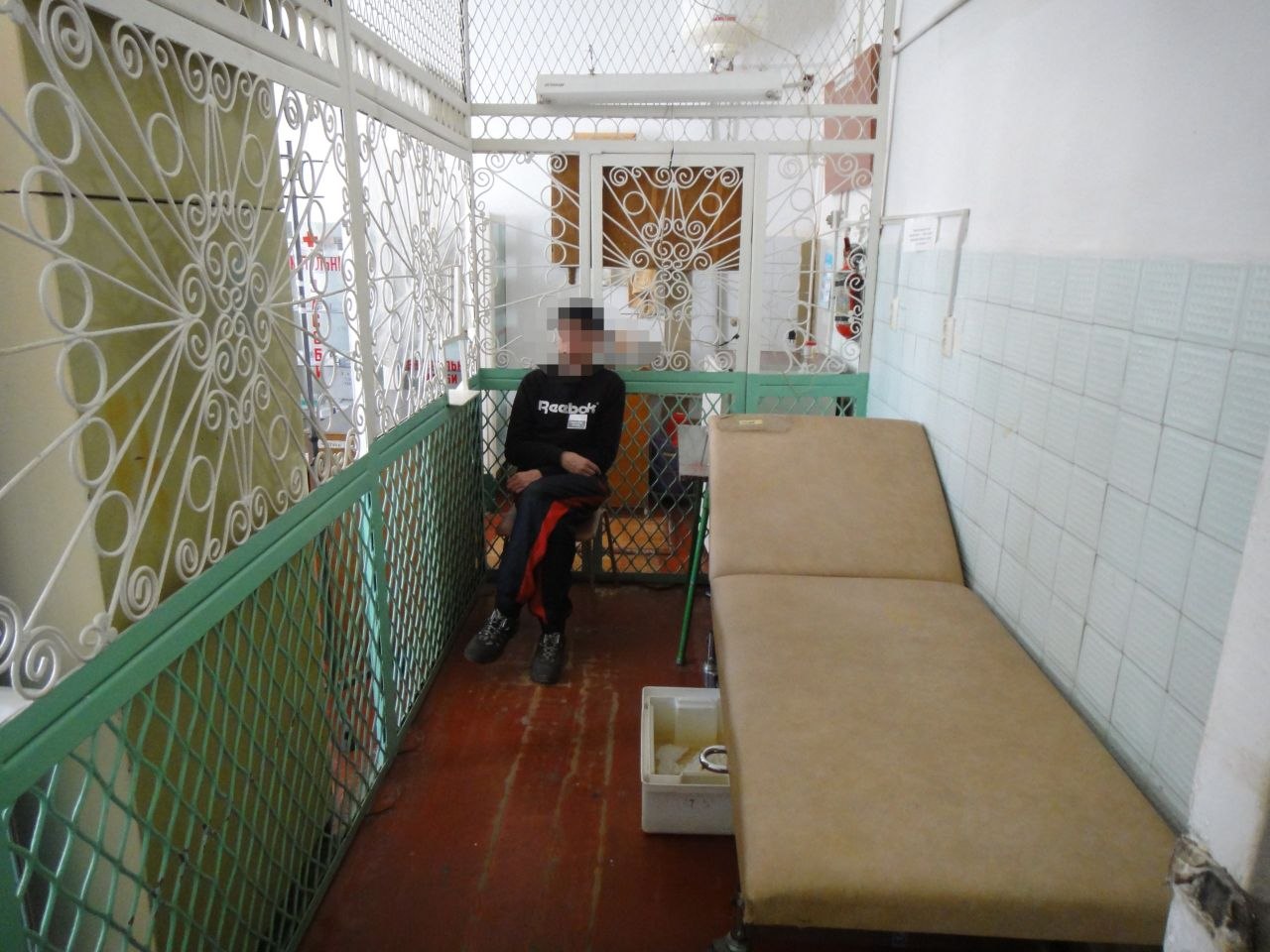
6. During the visit to the institution's medical unit, the monitoring group found a metal cage in the treatment room, which is used to ensure the safety of medical staff when working with convicts and detainees.
It should be noted that in its report on the 2020 visit to Ukraine, the Committee expressed concern about the practice of installing cages or metal enclosures in medical rooms, in which prisoners were usually held during medical consultations or procedures, including injections. The Committee stressed that, although additional security measures may be justified in isolated cases, the systematic practice of placing prisoners in cages while they receive medical care is a gross affront to human dignity, hinders the development of a relationship of trust between patient and doctor and may undermine the objectivity of medical findings. The Committee strongly recommends that the Ukrainian authorities immediately dismantle cages and barred structures in the medical units of establishments and put a complete end to this practice in all penal institutions (CPT/Inf (2020) 40, paragraph 60).
7. In breach of the Measures and Means for the Prevention of Infection in Patient Care, approved by Order of the Ministry of Health of Ukraine No. 1777 of 3 August 2020, the medical unit has only one isolation room for infectious patients, which makes it impossible to accommodate patients with dangerous infectious diseases separately from one another and from other convicts at the same time.
Furthermore, the isolation room for persons with infectious diseases does not comply with sanitary and hygiene standards or the requirements of State Building Standards V.2.2-10:2022 ‘Health Care Facilities. Basic Provisions’. Thus, the ward intended for such patients is not equipped with a shower cubicle, which forces infectious patients to use shared sanitary facilities together with other persons receiving treatment in the inpatient ward of the medical unit.
The lack of adequate conditions makes effective isolation of patients impossible, facilitates the spread of infectious diseases and poses a threat to the health of both convicts and medical staff.
8. In breach of the Standards of Medical Care for Viral Hepatitis C in Adults, approved by Order of the Ministry of Health of Ukraine No. 1178 of 23 July 2025, not all persons suspected of having viral hepatitis C (10 persons as of 14 August 2026) undergo PCR testing, as a result of which the diagnosis is not confirmed in good time and the necessary antiviral therapy is not prescribed. Such circumstances may lead to a deterioration in patients' health and contribute to the spread of infection among convicts and detainees.
9. Twenty-four persons with disabilities are under regular medical supervision. Of these, 1 person has a Group I disability, 4 persons have a Group II disability and 19 persons have a Group III disability.
However, in breach of the requirements of the Law of Ukraine ‘On the Rehabilitation of Persons with Disabilities in Ukraine’, persons with disabilities do not receive appropriate diagnostic, therapeutic and rehabilitation measures despite the existence of information confirming a persistent impairment of bodily functions caused by illness or the consequences of injuries resulting in limitations on normal daily life.
An examination of convicts' medical records revealed that 5 persons with disabilities do not have an individual rehabilitation programme (hereinafter, IRP). Moreover, the recommendations of the IRPs are not being implemented, as a result of which these persons do not receive appropriate diagnostic, therapeutic and rehabilitation measures despite the existence of information confirming a persistent impairment of bodily functions caused by illness and the consequences of injuries resulting in limitations on normal daily life.
10. In breach of the requirements of State Building Standards of Ukraine V.2.2-40:2018 ‘Inclusiveness of Buildings and Structures. Basic Provisions’, adequate conditions for accommodating persons with disabilities have not been created in the medical unit.
11. In breach of paragraph 37 of Resolution of the Cabinet of Ministers of Ukraine No. 285 of 2 March 2016 ‘On Approval of the Licensing Conditions for Conducting Business Activities in Medical Practice’, the medical unit does not have the mandatory certificate confirming free access to the buildings and premises of the medical facility for groups with limited mobility.
12. In breach of the Procedure for Organising Medical Care at the Primary, Secondary (Specialised) and Tertiary (Highly Specialised) Levels Using Telemedicine, approved by Order of the Ministry of Health of Ukraine No. 681 of 19 October 2015, the medical unit staff, owing to technical limitations, are unable to send requests for telemedicine consultations and obtain specialist assistance in providing medical services to convicts.
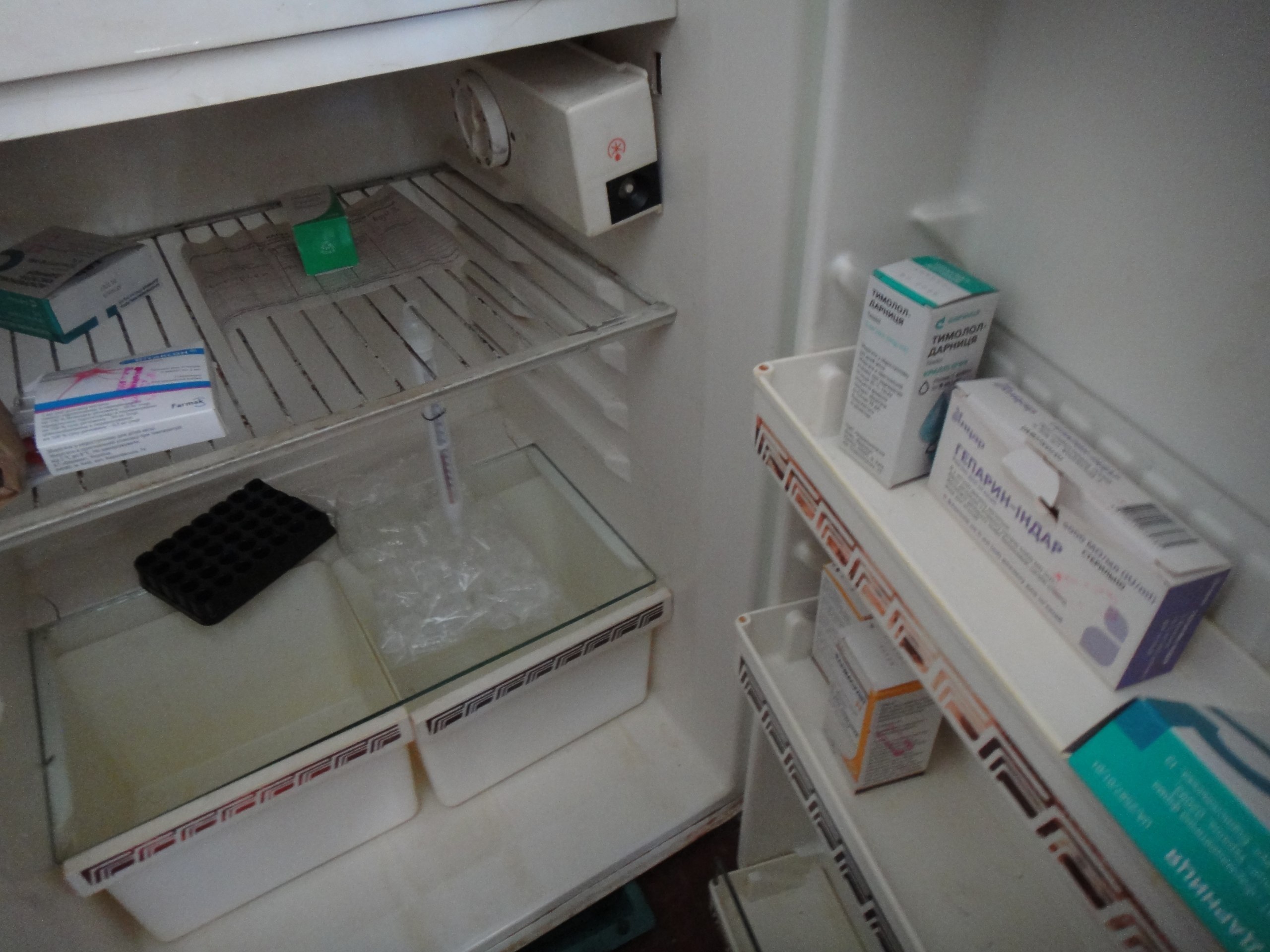
13. In breach of the requirements of Order of the Ministry of Health of Ukraine No. 584 of 16 December 2003 ‘On Approval of the Rules for the Storage and Quality Control of Medicines in Medical and Preventive Institutions’, medicines are stored without regard to the temperature conditions specified by the manufacturers.
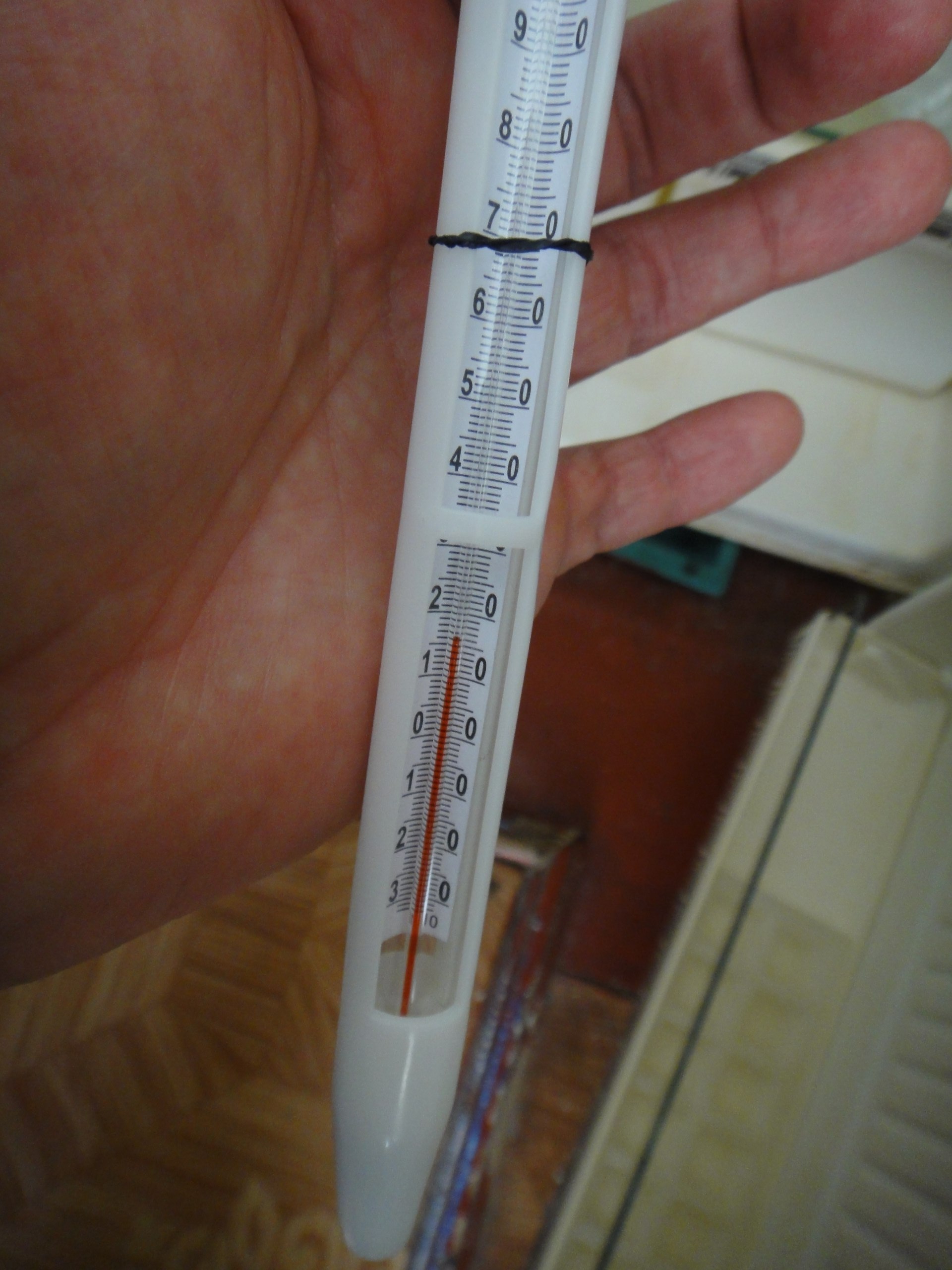
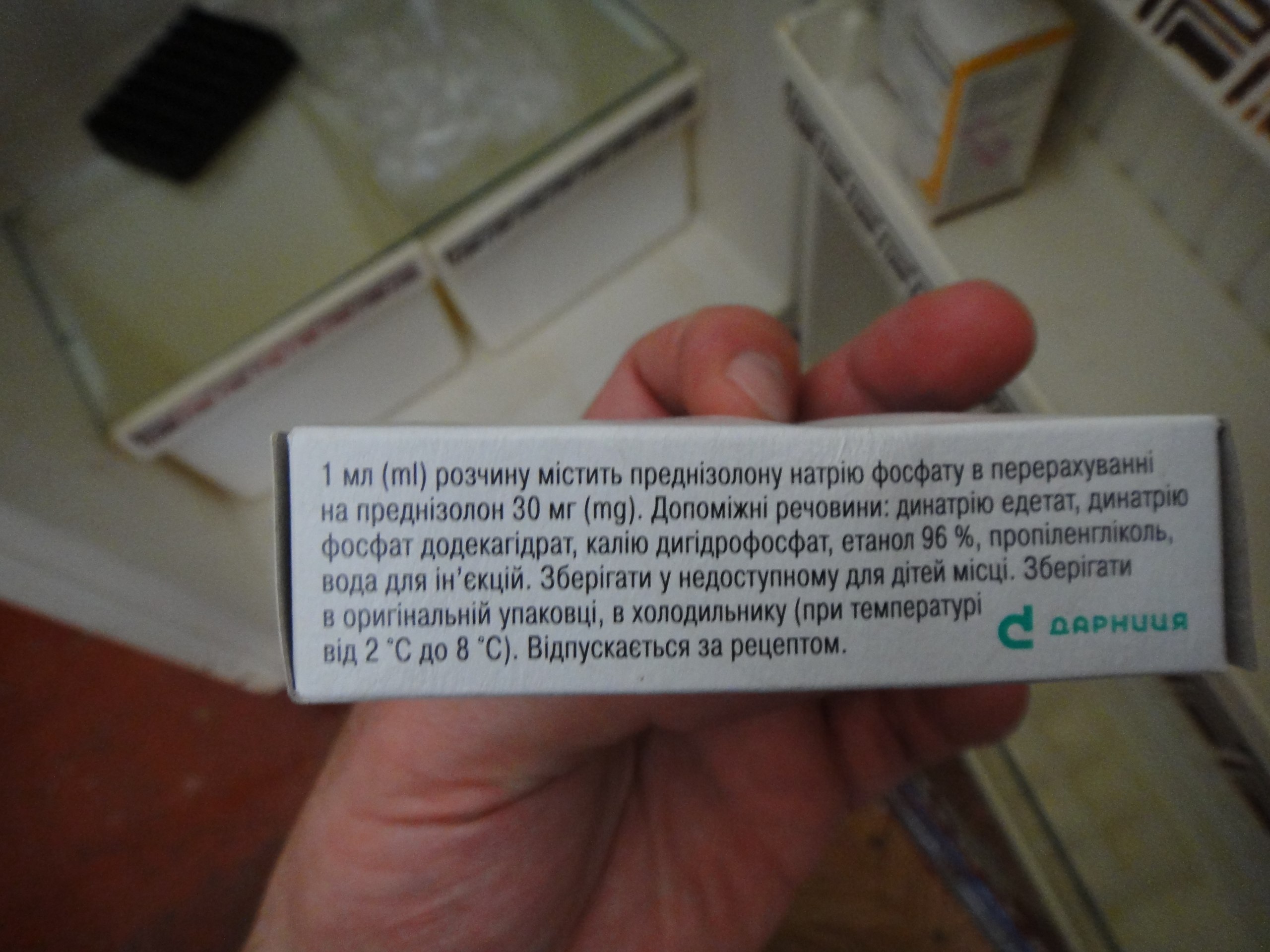
Thus, in the medicine storage room, the medicines Prednisolone, Ascorbic Acid and Vitaxon were found in the refrigerator; according to the manufacturers' instructions, these must be stored at a temperature not exceeding +8°C. However, the temperature in the refrigerator, according to the thermometer reading, reached +16°C.
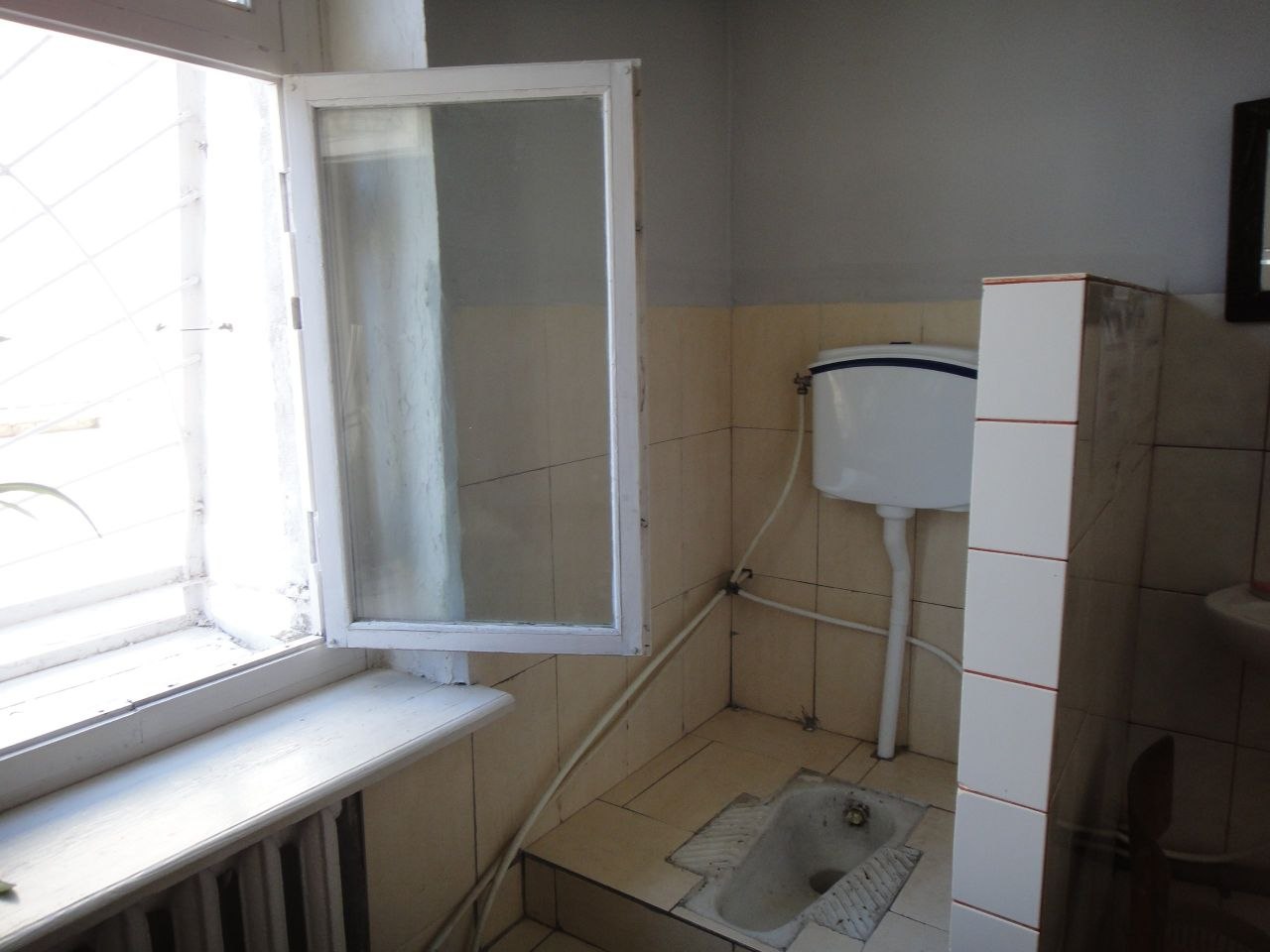
14. In breach of Rule 19.3 of the European Prison Rules, the toilet in the isolation room for infectious patients is not fitted with a door, as a result of which convicts' right to privacy is not ensured.
15. In breach of the Standard Allowance of Bedding, Special Clothing and Special Footwear (Inventory Property) for Convicts Receiving Treatment in Medical and Preventive Institutions, Institutions with the Status of Medical Institutions and Medical Units at Penal Institutions and Pre-Trial Detention Centres, approved by Order of the Ministry of Justice of Ukraine No. 280/5 of 20 February 2012, convicts are not issued with hospital items (a hospital suit, gown and slippers). Convicts stay in the inpatient ward in their everyday clothing, sometimes with their own bed linen.
16. Under paragraph 7 of Chapter III of Section II of the Procedure, convicts working at catering facilities (except for work involving the posts of shop assistants, managers of food and clothing stores, and storekeepers), in the processing industry, in children's homes, general secondary education institutions, vocational training units in special juvenile correctional colonies, medical units (paramedic stations) and medical institutions of the SCES (except for work involving the provision of medical care), laundries, bathhouses, rooms for long-term visits, dormitories, clubs, water supply and sewerage facilities, and animal breeding and rearing sites undergo mandatory preliminary and preventive medical examinations in accordance with Resolution of the Cabinet of Ministers of Ukraine No. 559 of 23 May 2001 ‘On Approval of the List of Professions, Industries and Organisations Whose Employees Are Subject to Mandatory Preventive Medical Examinations, the Procedure for Conducting These Examinations and Issuing Personal Medical Books’.
For each convict in this category, primary accounting documentation form No. 1-OMK ‘Personal Medical Book’ is opened, approved by Order of the Ministry of Health of Ukraine No. 150 of 21 February 2013, registered with the Ministry of Justice of Ukraine on 23 April 2013 under No. 662/23194.
However, an inspection of the personal medical books of convicts working in the canteen revealed that these workers had not been examined by a general practitioner or an otolaryngologist, which violates the requirements of paragraph 6 of the Rules for Conducting Mandatory Preventive Medical Examinations of Workers in Certain Professions, Industries and Organisations Whose Activities Involve Serving the Public and May Lead to the Spread of Infectious Diseases, approved by Order of the Ministry of Health of Ukraine No. 280 of 23 July 2002 (as amended by Order of the Ministry of Health of Ukraine No. 150 of 21 February 2013). 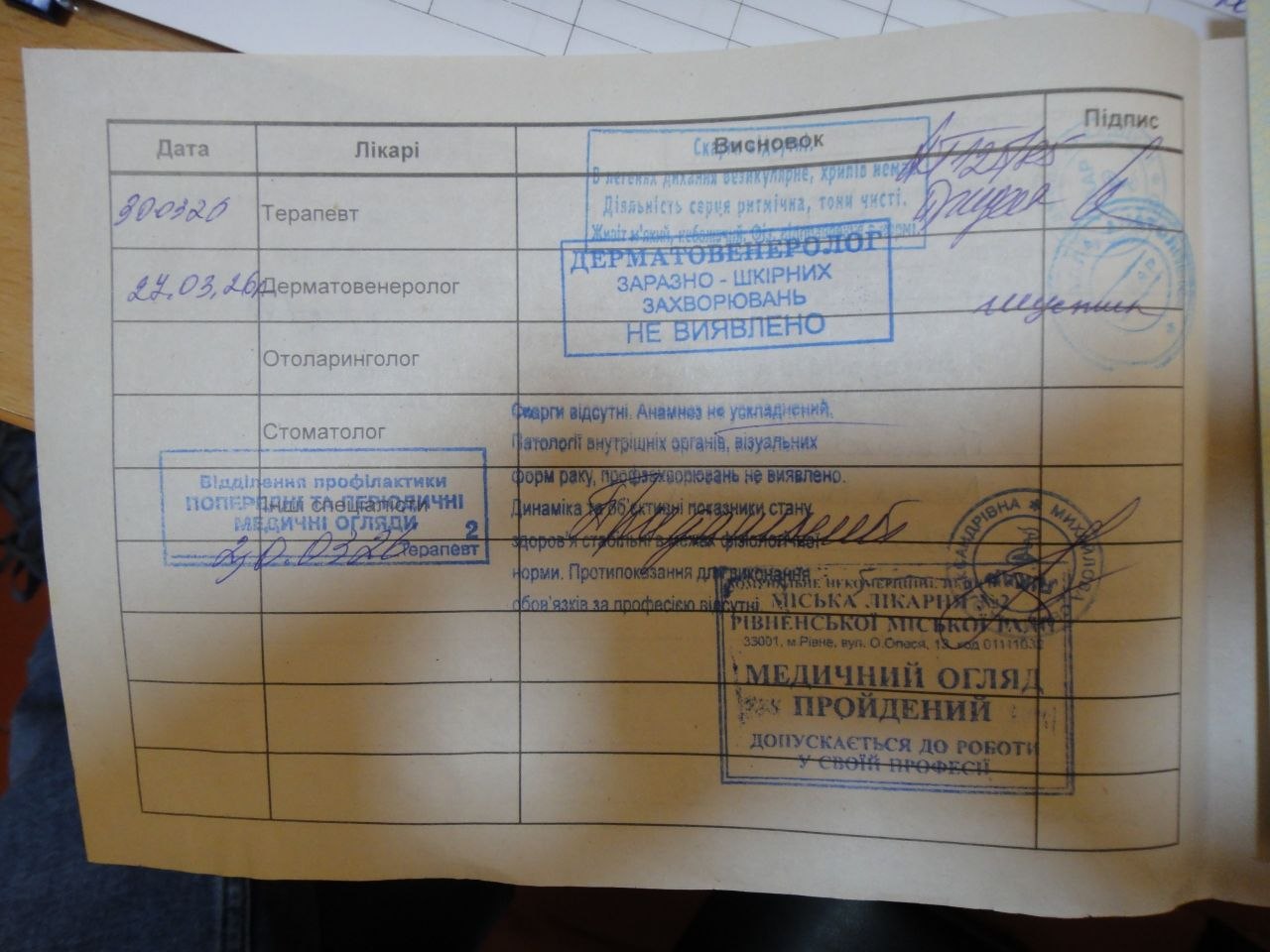
17. In breach of the Fire Safety Rules, the premises of the medical unit are not equipped with fire extinguishing or fire alarm systems.
Recommendations
1. Ensure the proper functioning of the QDAU: bring the composition of the working group into line with the established requirements; ensure the implementation of the familiarisation programme for newly arrived convicts and the established frequency of visits by members of the working group; eliminate the possibility of uncontrolled contact between newly arrived convicts and other categories of convicts; provide the unit with the necessary premises and ensure privacy in the toilets.
2. Review the practice of video surveillance in the QDAU living quarters, taking into account necessity, proportionality and individual risk assessment, and ensure that the information required by the IRPI on bodies and mechanisms for the protection of convicts' rights is displayed.
3. Bring the conditions of detention in the DIU/CTP and the MSS into line with the established requirements: ensure privacy in toilets, constant access to drinking water, working radio outlets in cells and the display of the necessary legal and contact information. Ensure that the prescribed visits to convicts by SPS staff and the psychologist are carried out and properly documented, and that convicts are handed copies of decisions imposing disciplinary sanctions together with an explanation of the procedure for appealing against them.
4. Review the layout of the exercise yards so as to provide sufficient space for physical activity; discontinue the practice of displaying information about the crimes committed by convicts on the doors of MSS cells; refrain from using cells measuring less than 6 m², excluding the sanitary annexe, to accommodate a single person; and discontinue the use of the metal cage during telephone calls made by prisoners sentenced to life imprisonment.
5. Ensure barrier-free access for persons with disabilities and other persons with limited mobility to the institution's premises, in particular to the dining hall, by providing an accessible and safe route.
6. Remedy the shortcomings in food provision and bathing and laundry services: deliver food in the designated labelled containers, provide a cloakroom at the canteen, enable convicts to bathe at least twice a week, provide hairdressing services and ensure privacy when using the showers; restore the proper operation of the laundry ventilation and equip the ancillary premises required by the regulations.
7. Ensure that staff in direct contact with convicts carry special equipment as discreetly as possible, and step up efforts to obtain passports, RNTRCs and other necessary documents for convicts. Take organisational measures to reduce the existing staff shortfall.
8. Expand the range of goods in the shop, taking into account the list of permitted goods and the actual needs of convicts, above all foodstuffs to diversify their diet, and supplement the library stock with the up-to-date versions of the legislative acts and international documents required by the IRPI.
9. Improve the practice of using the ‘KASANDRA’ subsystem by ensuring genuine involvement of convicts in the risk assessment procedure: a clear explanation of its purpose and results, the opportunity to clarify information and make comments, and proper involvement of convicts in drawing up and implementing individual social and educational work programmes.
10. Bring the premises designated as shelters for convicts into a condition that genuinely protects their lives and health during air-raid alerts: eliminate flooding and the effects of damp, carry out the necessary repairs, and ensure adequate ventilation, drainage, a supply of drinking water and other conditions necessary for people to remain there for a prolonged period; in respect of the MSS shelter, resolve the issue of a safe emergency exit and ventilation.
11. Ensure that the legal form of convicts' engagement in work corresponds to the actual nature of the work performed, and carry out a personalised comparison of the terms of CLCs with the actual employment of persons who systematically perform work functions at designated workplaces and under a set work schedule.
12. Ensure complete and consistent personalised records of convicts' work, making it possible to establish, for each working person, the legal basis of engagement, the actual place of work, the days and hours worked, the volume of work performed, the remuneration accrued, the deductions and the amounts actually credited, the SSC paid and the insurance service accrued. Eliminate discrepancies between work assignment orders, timesheets, handover logs, and records of workers, tools and work performed.
13. Ensure compliance with the established working hours and the right to weekly rest. In particular, ensure proper documentation, recording and payment of the work actually performed by convicts in whose cases the monitoring established discrepancies between the reported or actual employment and the documentation provided, as well as proper calculation and payment of the SSC with the corresponding accrual of insurance service.
14. Take measures to remedy the identified human rights violations and to prevent torture and cruel, inhuman or degrading treatment or punishment in Medical Unit No. 96 of the Branch of the State Institution ‘Health Care Centre of the State Criminal Enforcement Service of Ukraine’ in Volyn and Rivne Oblasts.
15. Ensure oversight of the proper keeping of medical documentation in accordance with the Procedure for Organising the Provision of Medical Care to Persons Sentenced to Imprisonment, approved by Joint Order of the Ministry of Justice of Ukraine and the Ministry of Health of Ukraine No. 1348/5/572 of 15 August 2014, and other legislative acts.
16. Ensure that the medical unit is staffed with medical personnel in line with its needs.
17. Ensure that form No. 003/o ‘Inpatient Medical Record’ is kept for all patients receiving inpatient treatment, in accordance with the requirements of the Procedure.
18. Ensure the timely and proper recording of bodily injuries sustained by convicts and detainees.
19. Ensure that an isolation room for persons with mental and behavioural disorders is equipped in accordance with the established requirements.
20. Ensure access to opioid substitution therapy on the basis of a diagnosis of mental and behavioural disorders due to the use of opioids.
21. Ensure that patients' informed consent to examination and treatment is obtained in the prescribed form.
22. Ensure that isolation rooms for persons with infectious diseases are fitted out in the medical unit in accordance with the statutory requirements.
23. Ensure individual rehabilitation for persons who need it.
24. Ensure the accessibility of the institution's buildings in accordance with State Building Standards of Ukraine V.2.2-40:2018 ‘Inclusiveness of Buildings and Structures. Basic Provisions’.
25. Ensure the proper operation of the telemedicine system so that doctors can request telemedicine consultations.
26. Comply with the requirements of paragraph 37 of Resolution of the Cabinet of Ministers of Ukraine No. 285 of 2 March 2016 ‘On Approval of the Licensing Conditions for Conducting Business Activities in Medical Practice’.
27. Provide all persons suspected of having HCV with access to PCR testing as soon as possible and arrange the necessary antiviral treatment for persons with a confirmed diagnosis.
28. Provide the medical unit with hospital items (hospital suits, gowns and slippers).
29. Dismantle the metal cage in the institution's medical unit and bring the conditions of detention into line with the recommendations of the European Committee for the Prevention of Torture, ensuring that prisoners are treated with dignity.
30. Take measures to ensure the proper storage of medicines.
31. Ensure that all canteen workers have personal medical books and have undergone the full range of prescribed medical examinations required for their admission to work at catering facilities.
32. Remedy the breaches of fire safety requirements.