Report on the Results of a Monitoring Visit to Horodyshche Correctional Colony No. 96
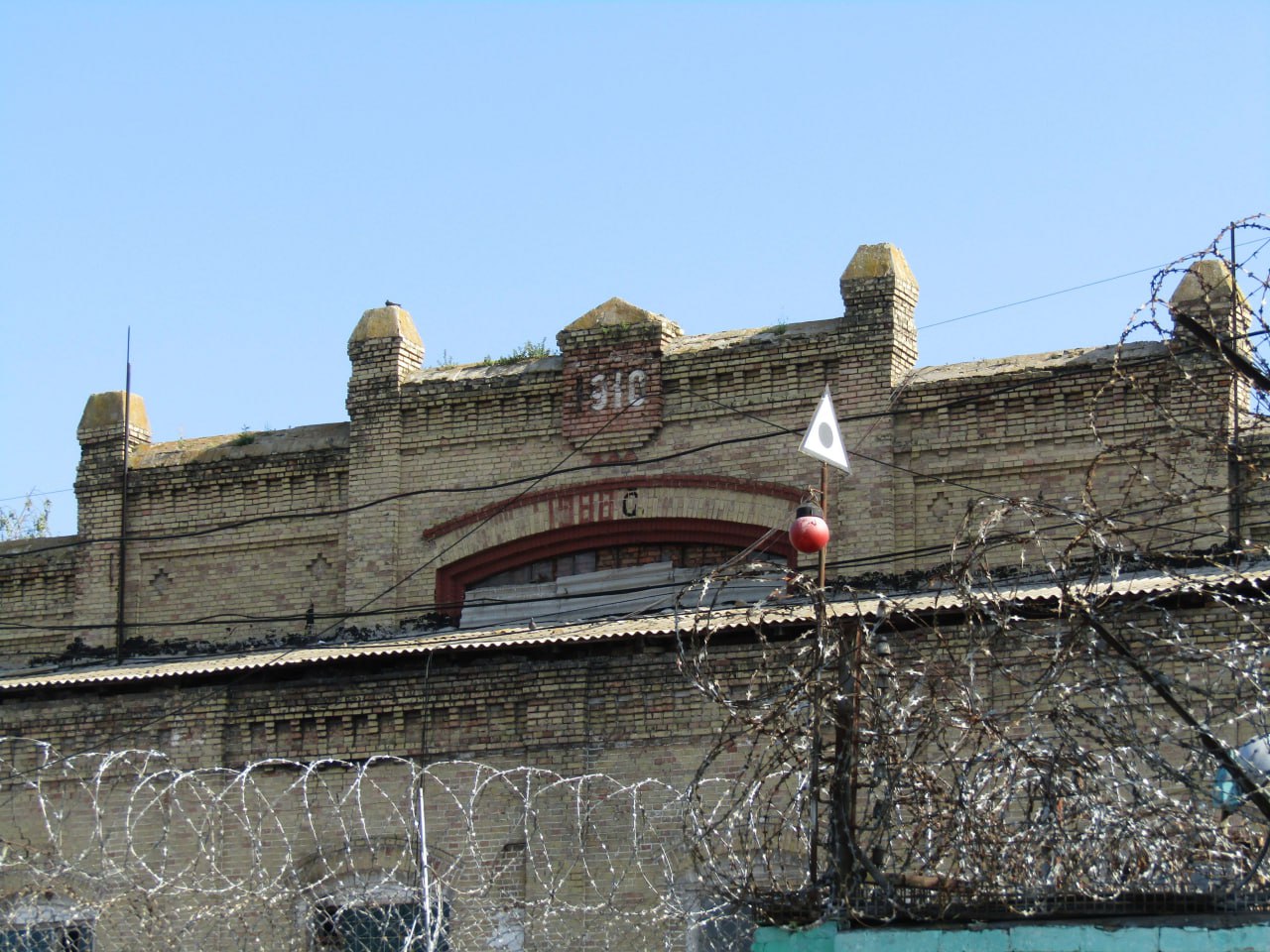
Horodyshche Correctional Colony No. 96 is a maximum-security penitentiary institution for the detention of men convicted of grave and especially grave crimes. The institution operates a section for holding prisoners sentenced to life imprisonment.
From 1905 to 1937, a sugar refinery was located on the site of the colony. In 1951, the premises of the former refinery were handed over for the creation of a restricted facility — an institution for the disabled with a capacity of 1,500 males.
Subsequently, residential buildings and industrial/utility premises were constructed at the institution, artesian wells were drilled, a security zone was set up, and other essential utilities were built. The colony was developed and expanded to meet the needs of the punitive system of the authorities. The special contingent held there consisted of former village heads, accomplices of the German occupation regime, former policemen, soldiers, members of the OUN and UPA, and clergy of Orthodox and Catholic churches. Throughout its existence, the colony has changed its regime types several times: initially, it was general, in the early 60s it became strict, later enhanced, until 1972 it was general again, and then special.
During the visit, the monitoring group examined documentation concerning the colony’s operations, medical records, and inspected production, utility, and residential premises, as well as the medical unit, to assess their compliance with the requirements of Ukrainian legislation and international standards. The monitors visited production facilities and workshops, disciplinary isolation cells (DIZO), residential premises, the bath and laundry complex, the kitchen, the medical unit, visiting rooms, the maximum-security section, and the detention house. The monitors were accompanied by the First Deputy Head of the institution, Serhiy Vasylovych Babak, and the Deputy Head of the institution, Yuriy Oleksiyovych Hordiyenko. The Head of the institution is Yuriy Anatoliyovych Tkachuk.
General Part
According to the institution’s management, at the time of the monitoring visit, 339 prisoners were being held in the institution, accommodated in eight housing sections. In the additional maximum-security sector for the detention of those sentenced to life imprisonment, 30 life-sentenced prisoners are held. During the current year, 109 prisoners have arrived at the institution. In 2022, three people died in the institution, and in 2023, two people. Two psychologists work at the institution. 65 people are employed, four of whom are on employment contracts and 32 on civil law contracts. Two prisoners were held in the disciplinary isolation cell (punishment cell), one in a solitary cell, and three in the disciplinary dormitory section (DPK). Two people were in the medical unit; 16 were on the HIV/AIDS register, 21 were prone to suicide, 25 to self-harm, 13 to escape, and 21 were malicious violators of the detention regime. One person was released this year due to a serious illness. One person is registered with a Group I disability, four with a Group II disability, and thirteen with a Group III disability. During 2022, 31 people were released; in 2023, 28 people. Not a single prisoner was released on parole or transferred to a more lenient regime during 2022 and 2023. There are 33 prisoners in the institution who are completely ostracised.
This year, five cases of the use of special means were documented, specifically: bending the arms behind the back and the use of handcuffs. 124 prisoners have tablets with internet access for personal use. In 2022, 76 long-term visits took place; in 2023, 101. Short-term visits: in 2022 through glass — 42, contact visits — 0; in 2023 through glass — 31, contact visits — 95.
According to the administration, the average monthly earnings of prisoners employed under employment contracts amount to 4,307.15 hryvnias, and 388.39 hryvnias for those on civil law contracts. The administration also provided documentation concerning production, as well as the results of sanitary and microbiological testing of drinking water.
Monitors from the Kharkiv Human Rights Protection Group conducted research on the sending and receiving of correspondence in this colony. During 2022, 10 appeals were sent to the Ukrainian Parliament Commissioner for Human Rights in sealed form, and 3 in 2023. Received: 14 letters in 2022, and 6 in 2023. Sent to the prosecutor’s office: 11 appeals in 2022, and 3 in 2023. Received: 11 letters in 2022, and 5 this year. 101 appeals were sent to other government bodies in 2022, and 44 in 2023. No letters were sent to human rights organisations during 2022 and 2023. According to the administration, the institution needs funds for building materials, household appliances, cleaning supplies, etc.
Medical Unit No. 96 of the Branch of the State Institution “Centre for Health Care of the State Criminal Enforcement Service of Ukraine” in the Volyn and Rivne Regions
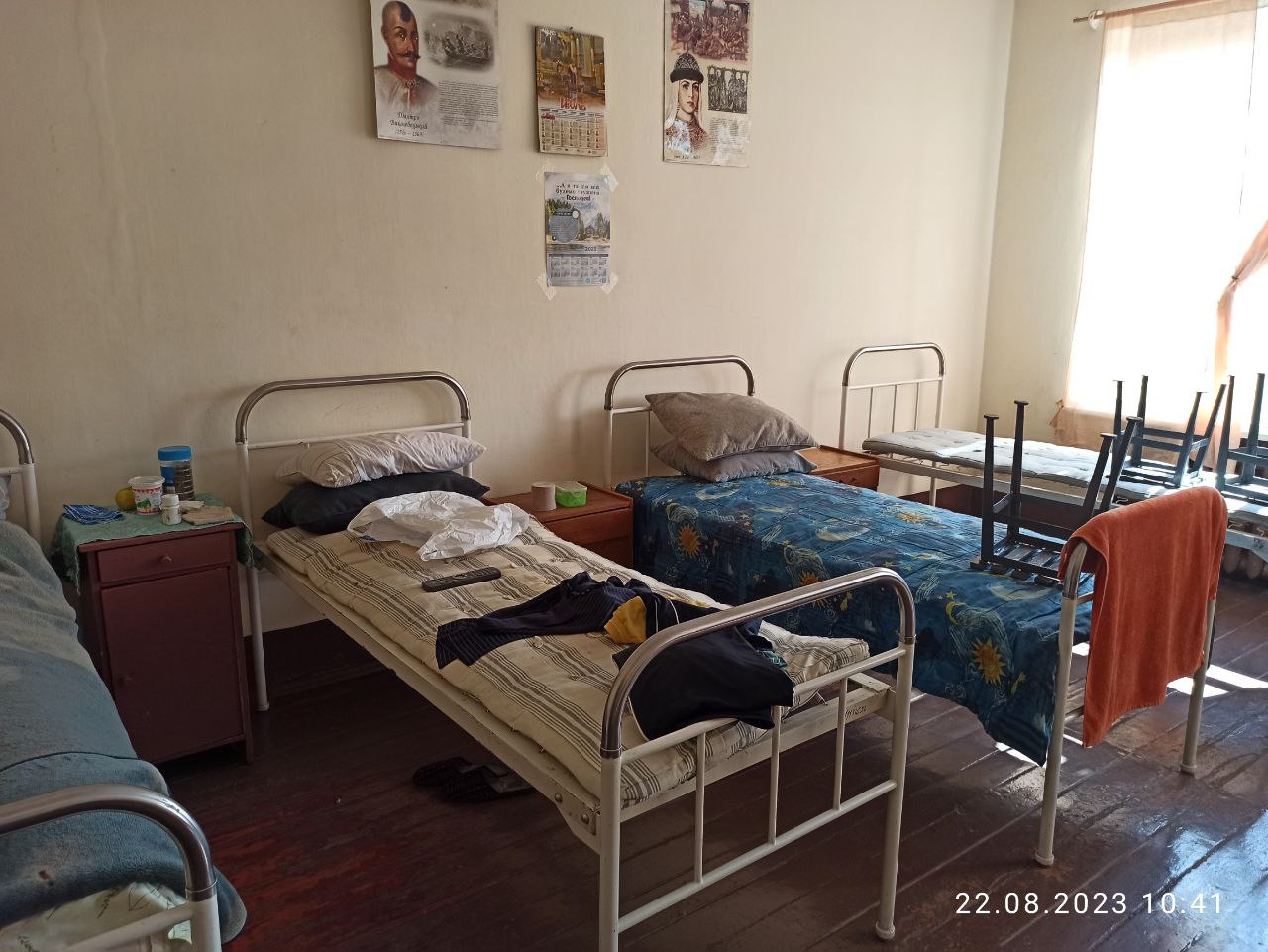
The Head of the medical unit is Ya. M. Bodnar. During the visit, the monitoring group studied medical documentation and inspected doctors’ offices, the X-ray room, wards, and other premises of the medical unit for their compliance with the requirements of Ukrainian legislation and international standards.
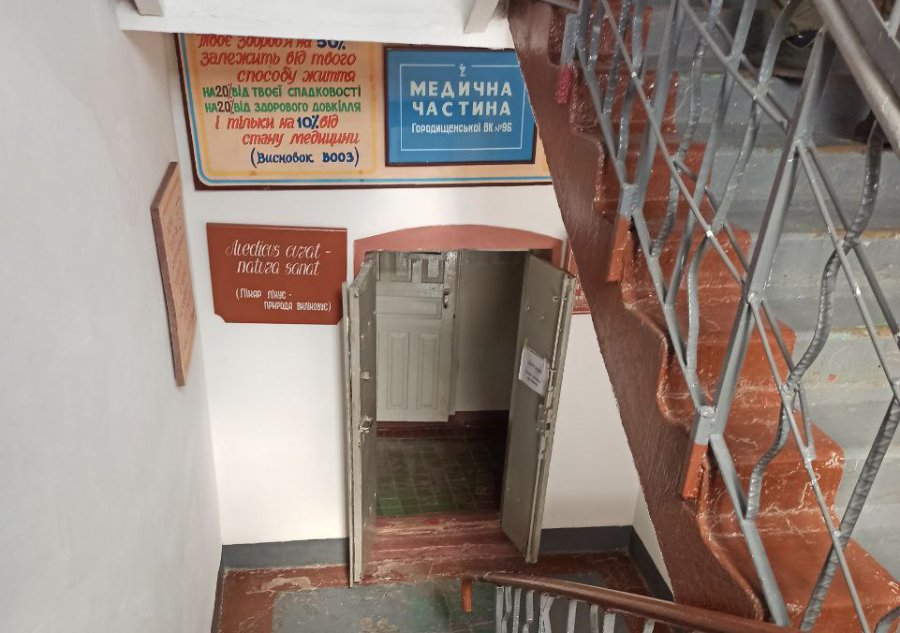
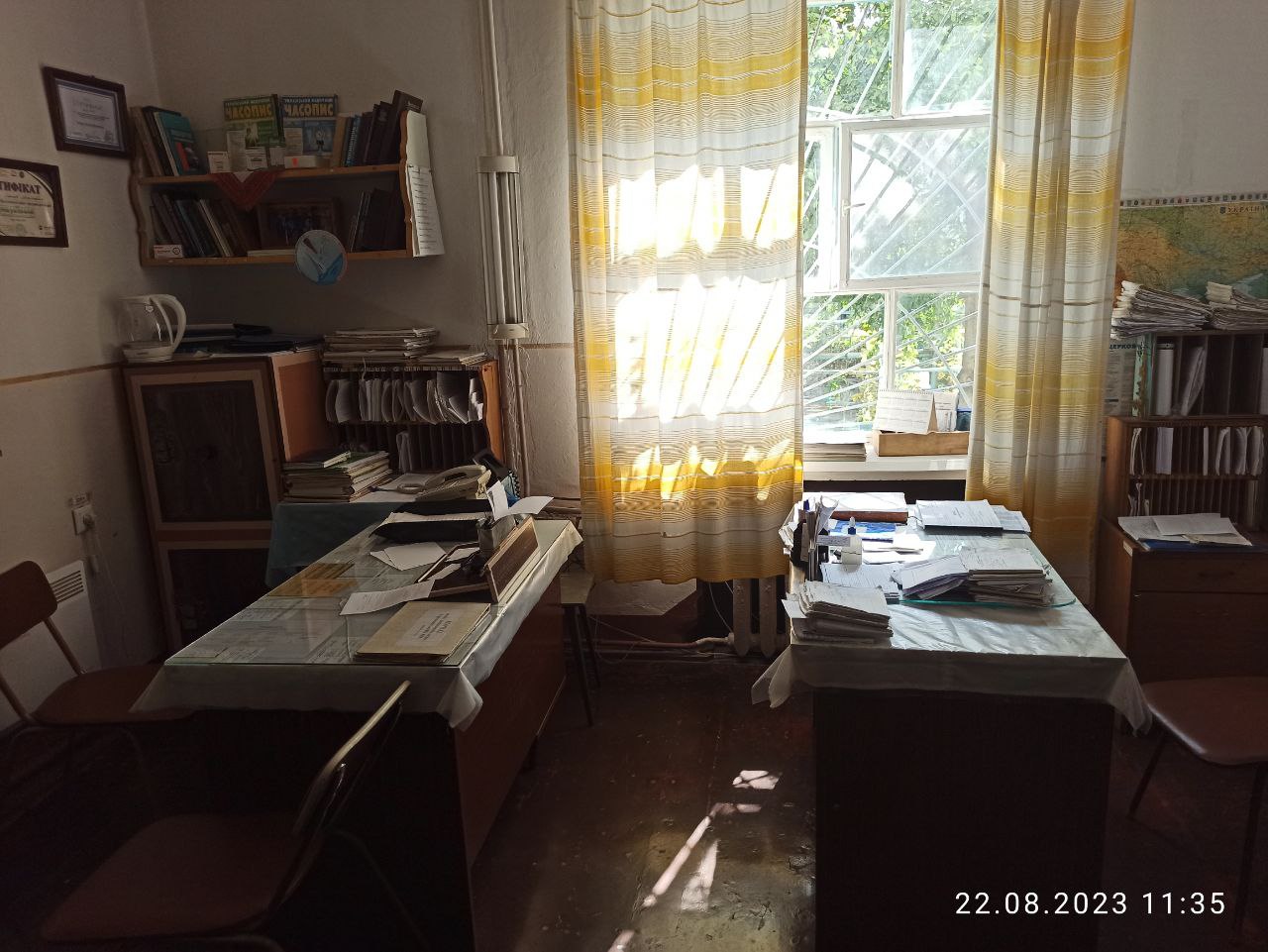
According to information provided by the medical unit staff, the following positions are filled: Head of the medical unit/physician — 1 position; therapist — 0.25 position; psychiatrist — 0.5 position; dentist — 0.5 position; radiologist — 0.5 position. However, the staffing schedule was not provided to the monitoring group for review, with the explanation that this document was unavailable.
Patients treated this year: inpatient — 53 people; outpatient — 202 people. Dispensary monitoring is carried out for: HIV-infected individuals — 16 people (15 of whom are receiving ART); tuberculosis (cat. 5.1) — 13 people; those with mental disorders — 5 people. At the time of the visit, two people were undergoing inpatient treatment.
During the monitoring visit, deficiencies were identified in the work of Medical Unit No. 96, which lead to violations of the rights of prisoners in Horodyshche Correctional Colony No. 96, in particular:
1. Violation of the rights of convicted and detained persons in the provision of medical care
Due to the lack of declarations concluded by prisoners with a primary care physician, they are unable to receive the necessary medical services funded by the National Health Service of Ukraine (NHSU), which leads to a violation of the requirements of paragraphs 4 and 5 of Article 4 of the Law of Ukraine “Fundamentals of Ukrainian Legislation on Healthcare”.
2. Violation of the rights of persons with disabilities (Article 9 of the UN Convention on the Rights of Persons with Disabilities)
Dispensary monitoring is provided for 18 persons with disabilities. Of these, 1 person has a Group I disability; 4 have a Group II disability; and 13 have a Group III disability. During the study of the medical records of the prisoners, it was established that one person with a disability lacked an individual rehabilitation programme (IRP). Moreover, the monitoring group established that some IRP recommendations are not being implemented, due to which prisoners do not receive proper diagnostic, treatment, and rehabilitation measures. Conditions for housing persons with disabilities have not been created in the institution, and the inpatient ward is located on the second floor (no ramps, handrails, etc.).
3. Violation of the rights of persons with viral hepatitis C
Since the beginning of 2023, 188 examinations for viral hepatitis C (VHC) have been conducted in the medical unit using rapid tests, with 50 persons showing suspected infection. Persons suspected of having viral hepatitis C do not undergo PCR testing, due to which they do not receive the necessary treatment, which may lead to the deterioration of their health and the spread of this infectious disease among prisoners.
4. Violation of the rights of convicted and detained persons to information about their health status, methods of treatment, and improper record-keeping
4.1 It was established that informed voluntary consent for diagnostics and treatment was absent from the No. 003/o medical charts of inpatient patients.
4.2 The medical unit has not organised opioid substitution therapy (OST) for persons with mental and behavioural disorders resulting from opioid use. Drug-dependent persons are not provided with social-psychological support, cognitive-behavioural therapy (CBT), relapse prevention, motivational interviewing, mutual aid groups, etc.
4.3 The medical unit does not maintain the “Control Card for Monitoring HIV-Infected Persons”, form No. 030-5/o.
4.4 Monitors established the absence of a logbook recording cases of bodily injuries among prisoners in the medical unit. Furthermore, during the study of the documentation, monitors established that the number of the medical card of prisoner P. was missing, which should correspond to the serial registration number of the patient indicated in the “Logbook for recording facts of detected bodily injuries among prisoners at Horodyshche Correctional Colony No. 96”.
5. Violation of the rights of convicted and detained persons during preventive medical examinations
There is no logbook for recording the results of preventive medical examinations, which indicates that preventive check-ups are not being conducted properly.
In addition, the monitoring group recorded the absence of personal medical books for two prisoners working in the canteen.
6. Lack of medical equipment, medical devices, and medicines in the medical unit
6.1 The medical unit lacks a dental X-ray machine, which makes it impossible to conduct in-depth dental examinations of prisoners and does not ensure the timely provision of proper dental care.
6.2 During the check of the defibrillator’s functionality, it was established that the electrodes were missing.
7. Violation of fire safety rules
The premises of the medical unit are not equipped with fire suppression or fire alarm systems. Furthermore, the doctors’ office and the X-ray room are not equipped with fire extinguishers. This does not ensure safe conditions for patients in an inpatient setting and may pose a threat to their life and health.
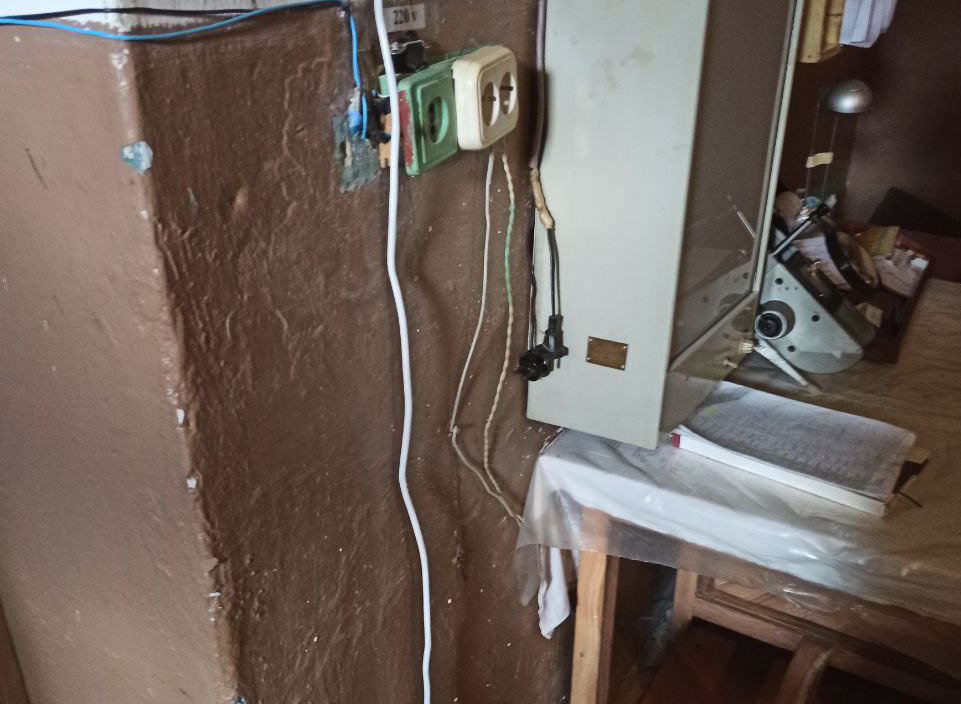
Production
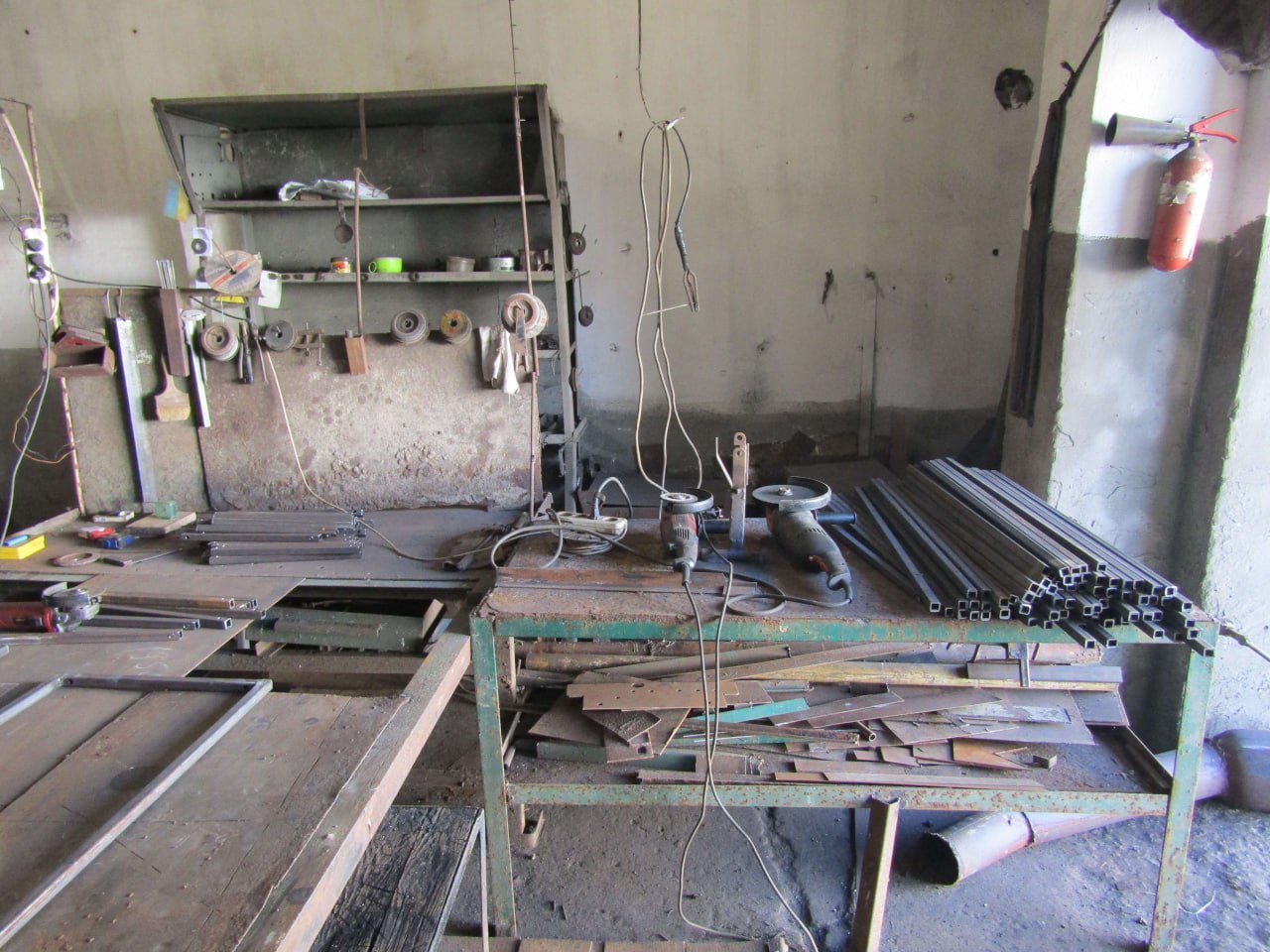
The institution does not have developed production or state orders. In Repair and Mechanical Section No. 2, various metal products are manufactured on order. The prisoners lack protective clothing and safety equipment.
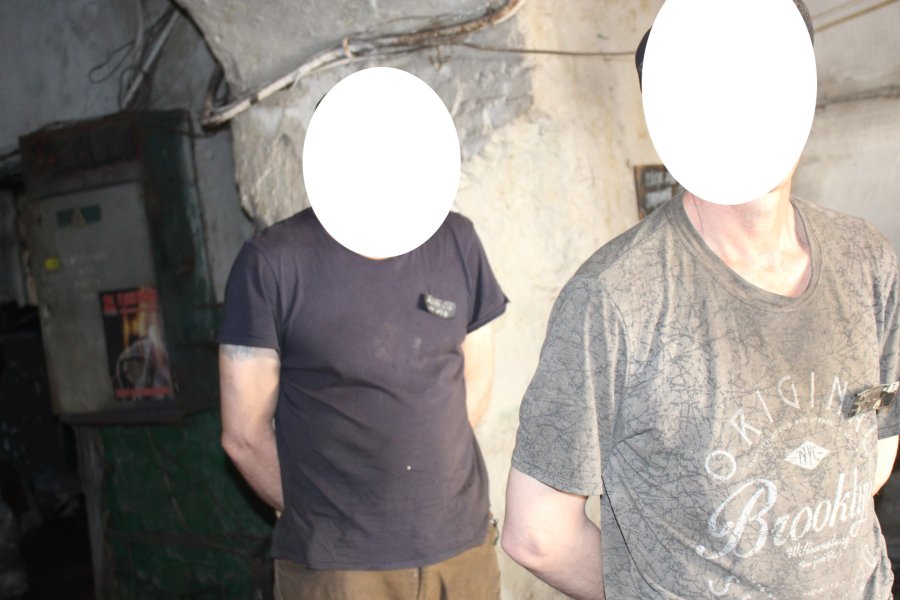
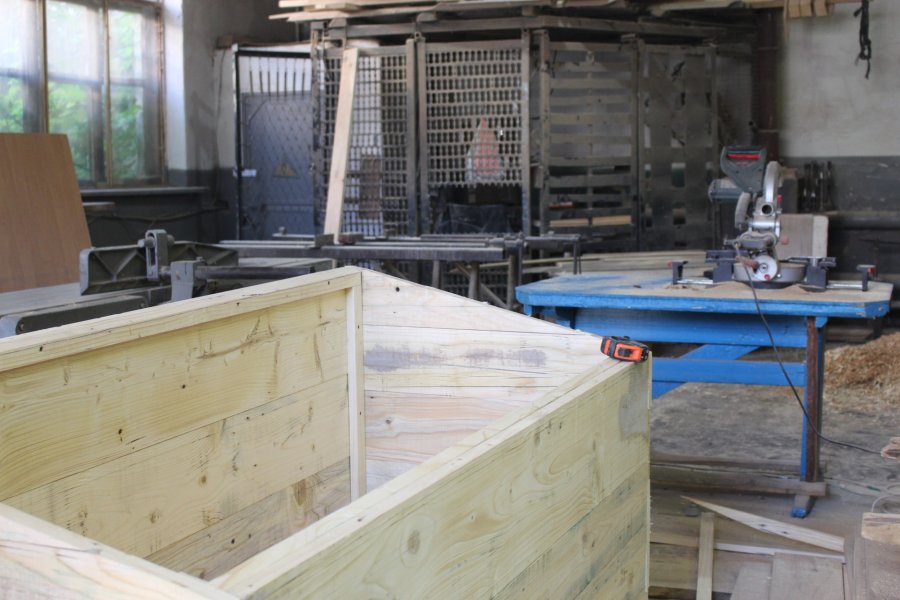
Wooden products are manufactured in the carpentry workshop.
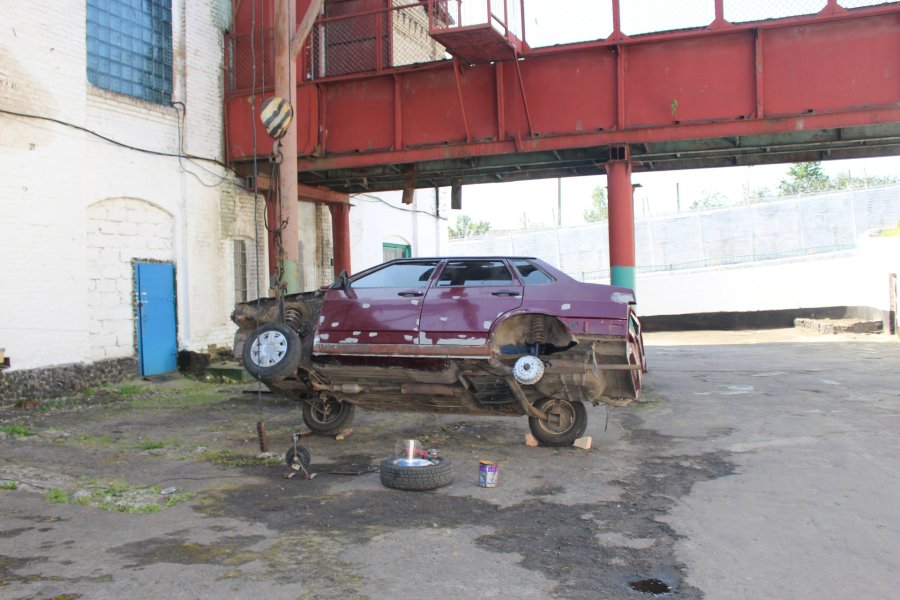
Automobile repair workshop.
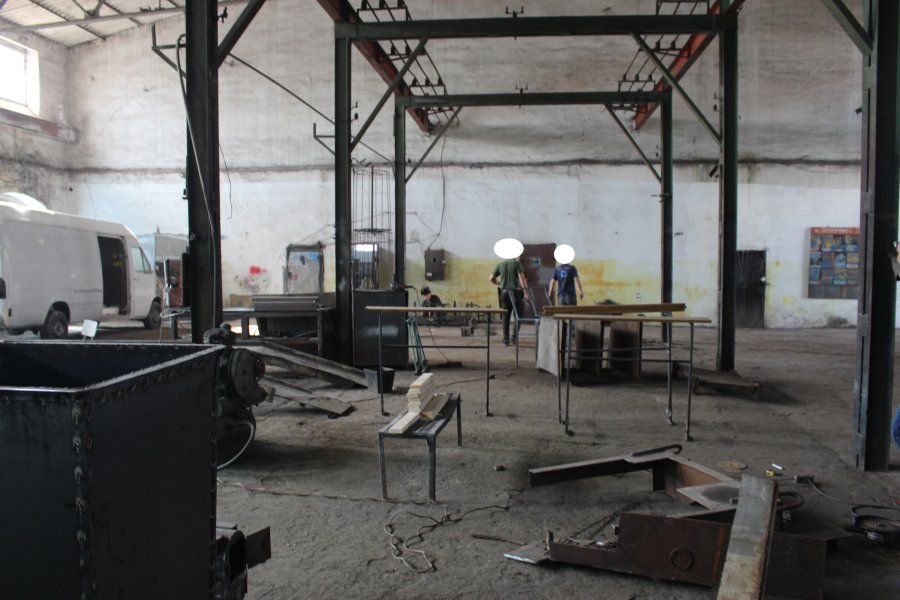
Large Workshop No. 1, where there is almost no production.
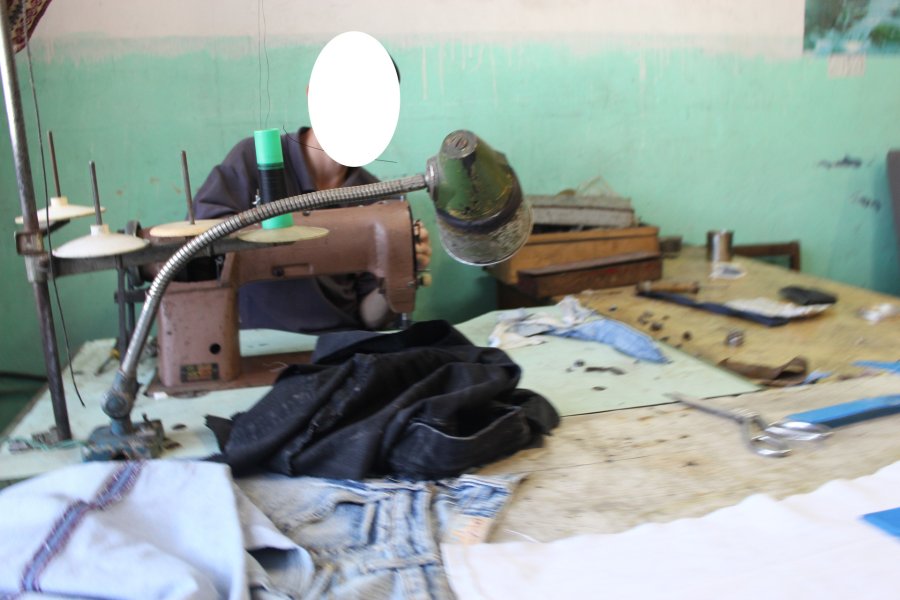
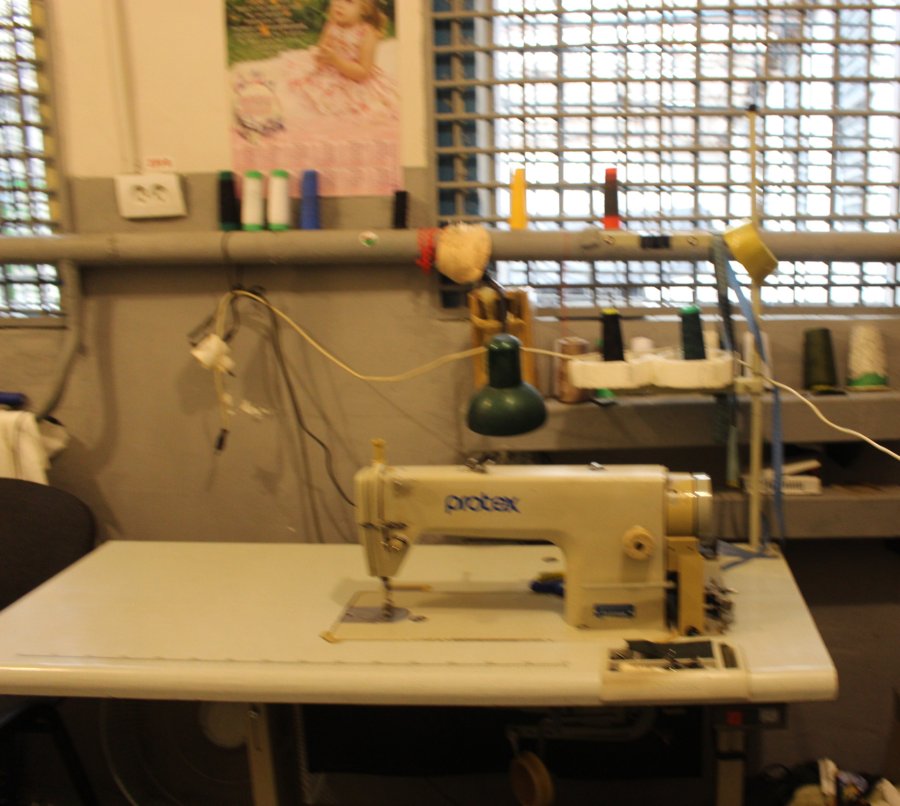
About seven prisoners work in the sewing workshop.
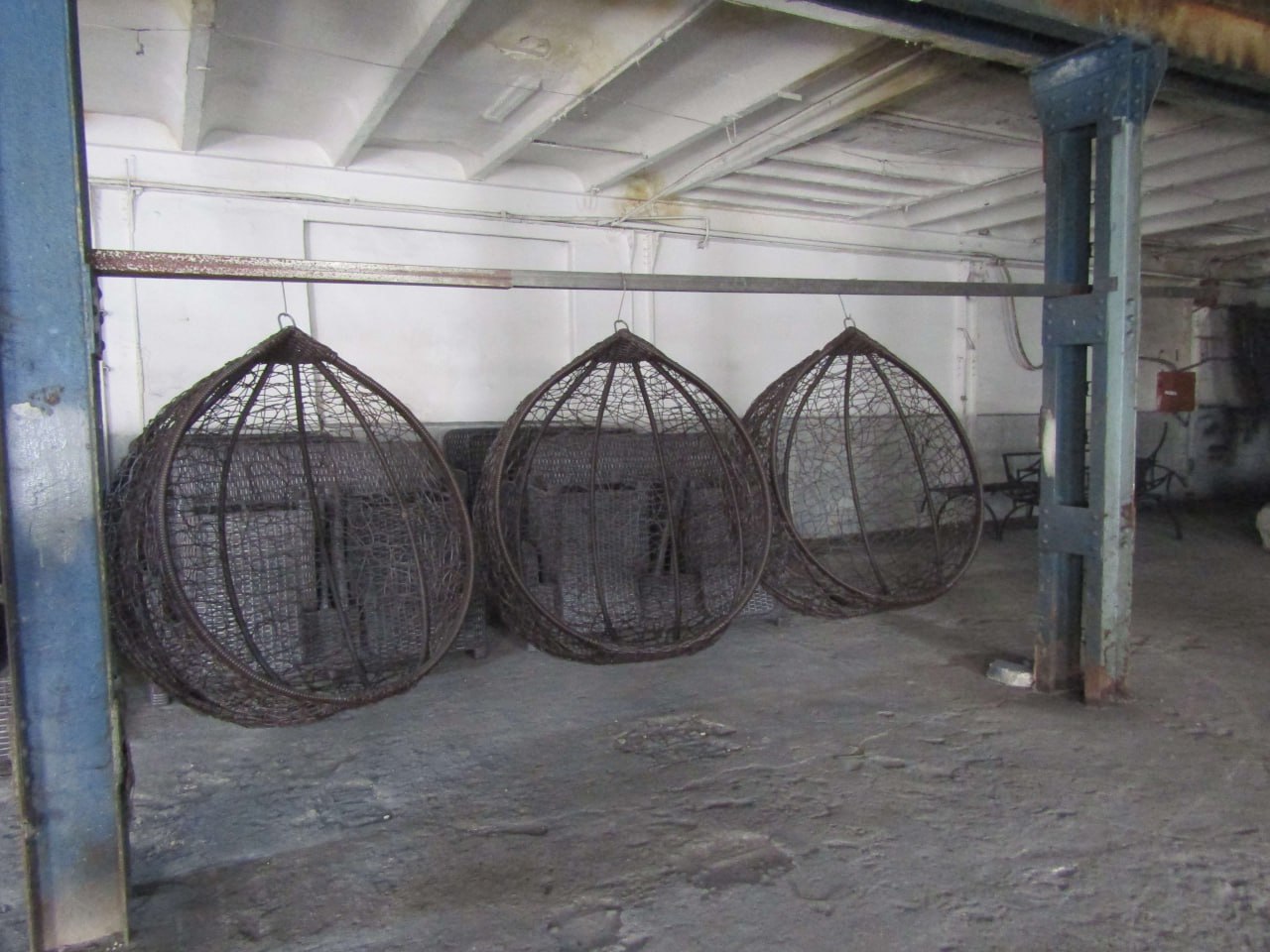
Also, various products are manufactured at the so-called “Amelia” production facility.
Vocational School
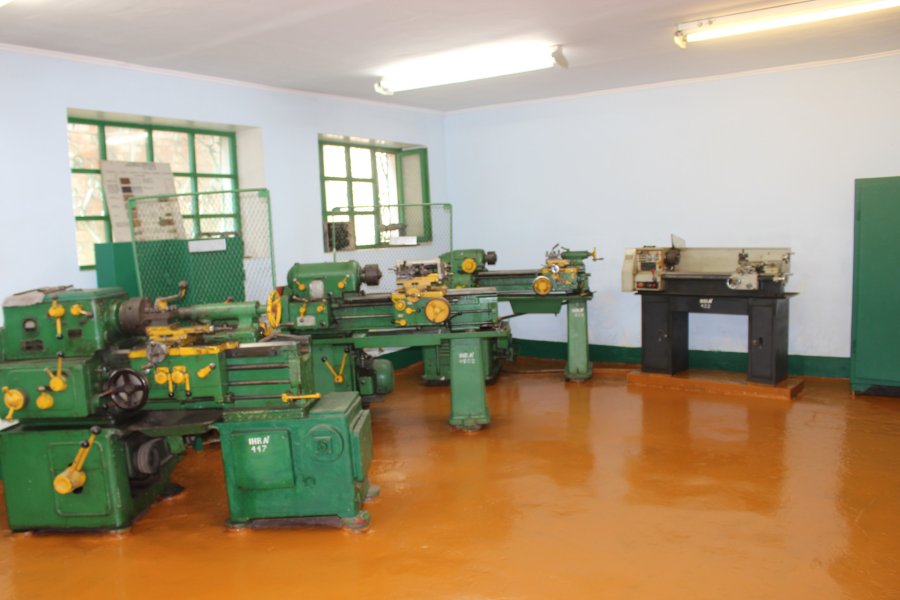
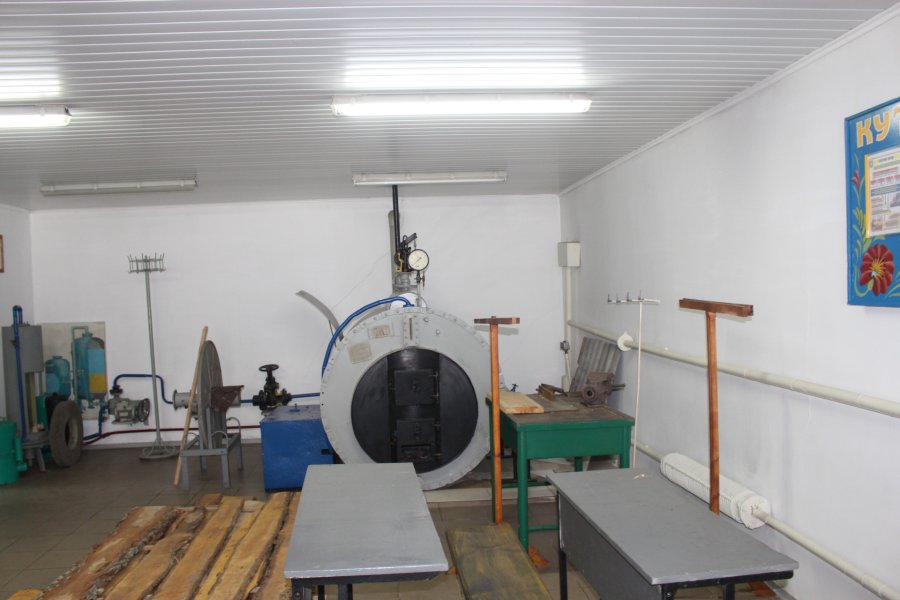
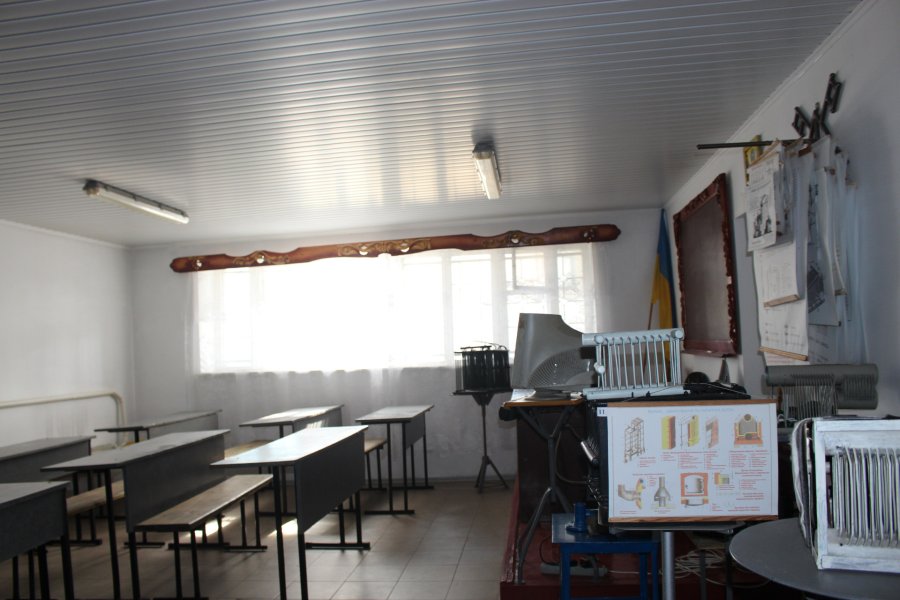
Preparations for the new academic year are underway at the vocational school. About 30 prisoners will be able to receive diplomas as turners, electricians, stokers, general-purpose machine operators, or crane operators after training and practical classes. Among the training aids are a working model of an operating crane, lathes, and a milling machine. There are classrooms with practical tools. Online training for cooks takes place in a special classroom.
Kitchen
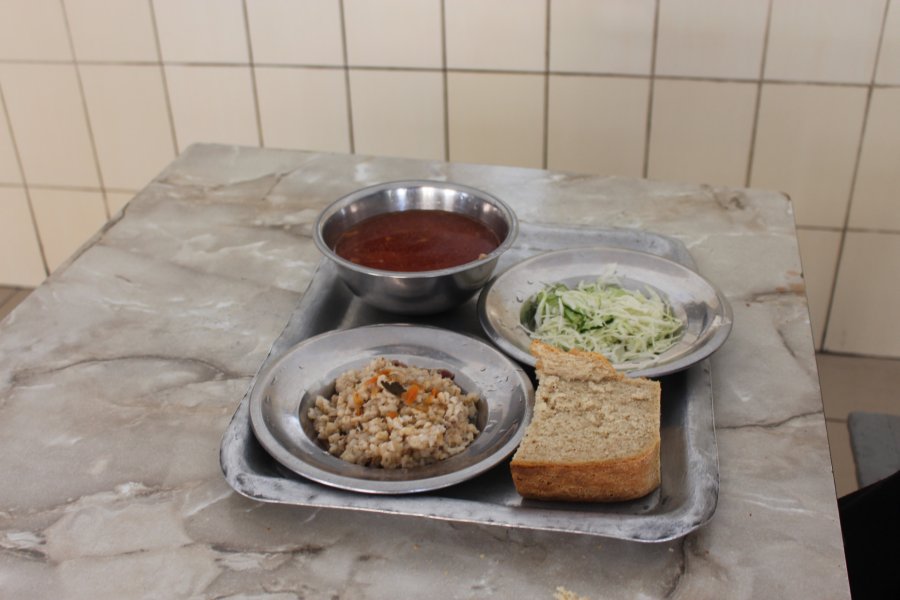
Four boilers are used for cooking. There is a spacious dining hall; hot water, soap, and towels are available in the washroom.
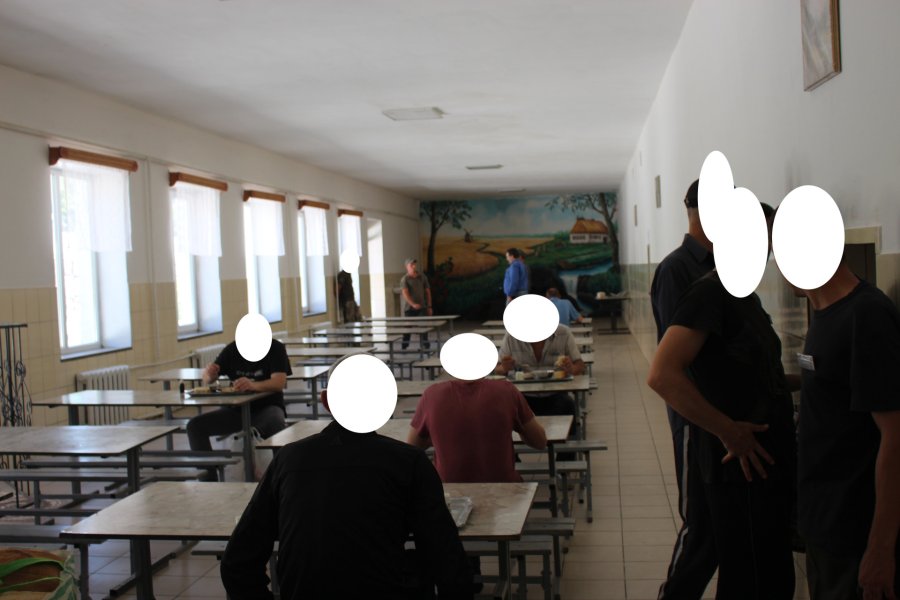
Lunch portion.
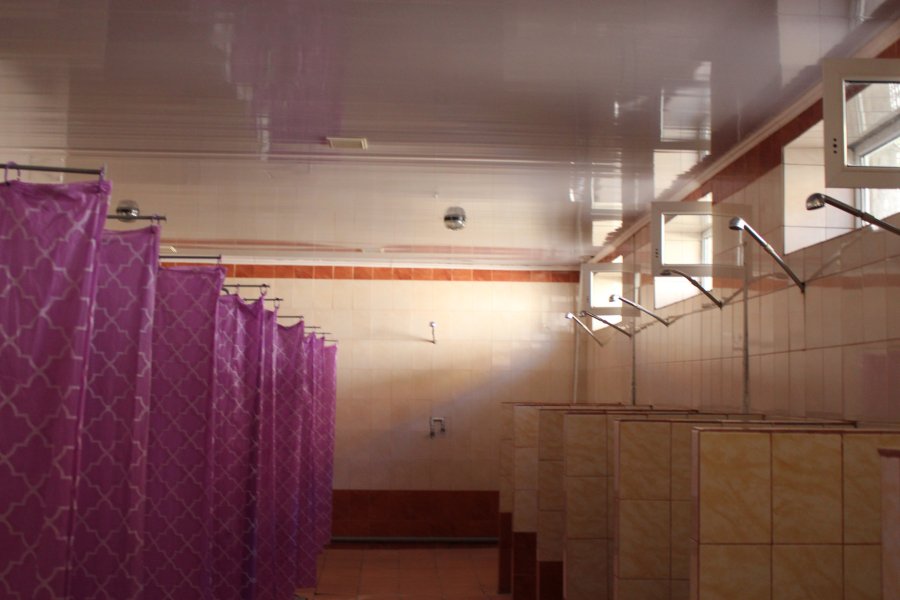
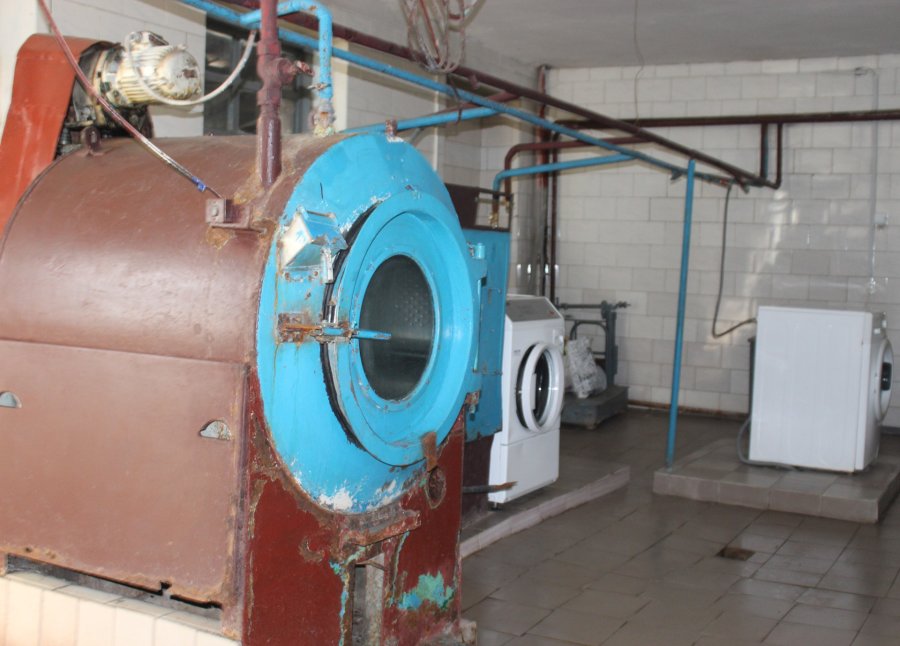
Bath and Laundry Complex
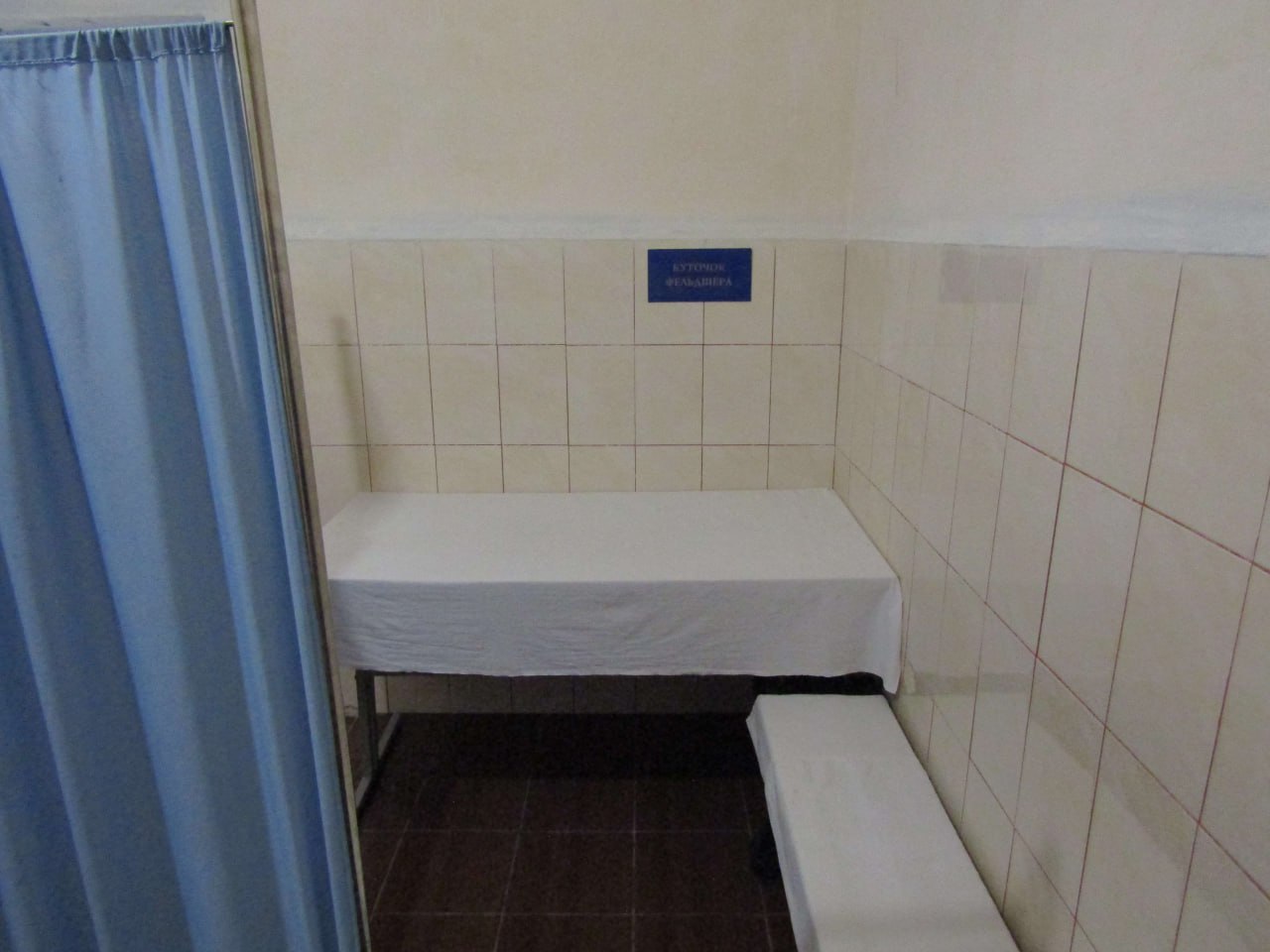
Fenced-off paramedic’s corner.
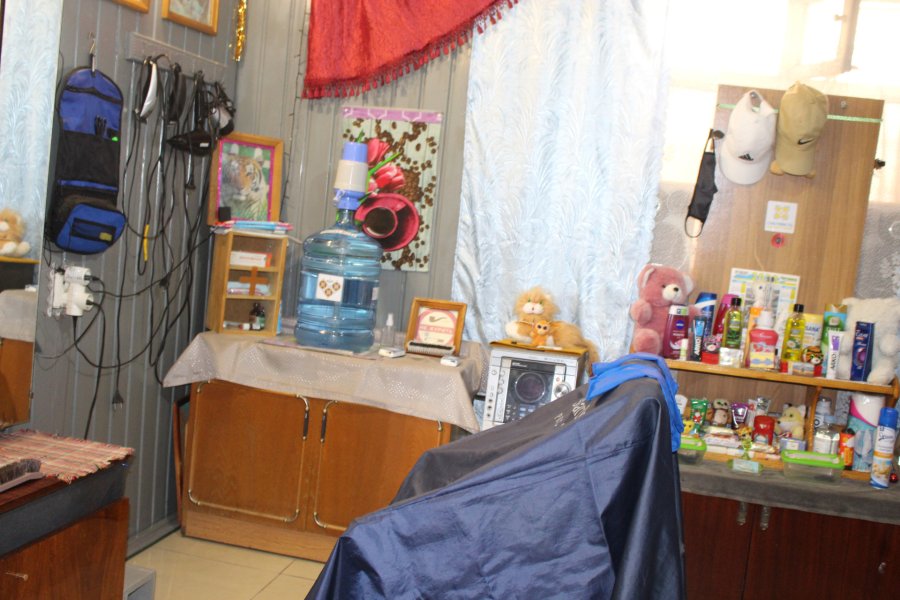
Barbershop.
Washing machines.
Disciplinary Premises
Prisoner B. has been placed in a solitary cell for one month by court order. His lawyer filed an appeal while violating the appeal deadlines; accordingly, the court of appeal rejected the appeal. Prisoner G. is serving a penalty of two months and 27 days by court decision. The prisoner complains about the poor quality of drinking water and that he does not have the opportunity to make telephone calls. Prisoner R. is serving 14 days in the punishment cell for a conflict situation; he has no intention of challenging the penalty. Prisoner I. is serving 14 days in the punishment cell for making home-brewed mash.
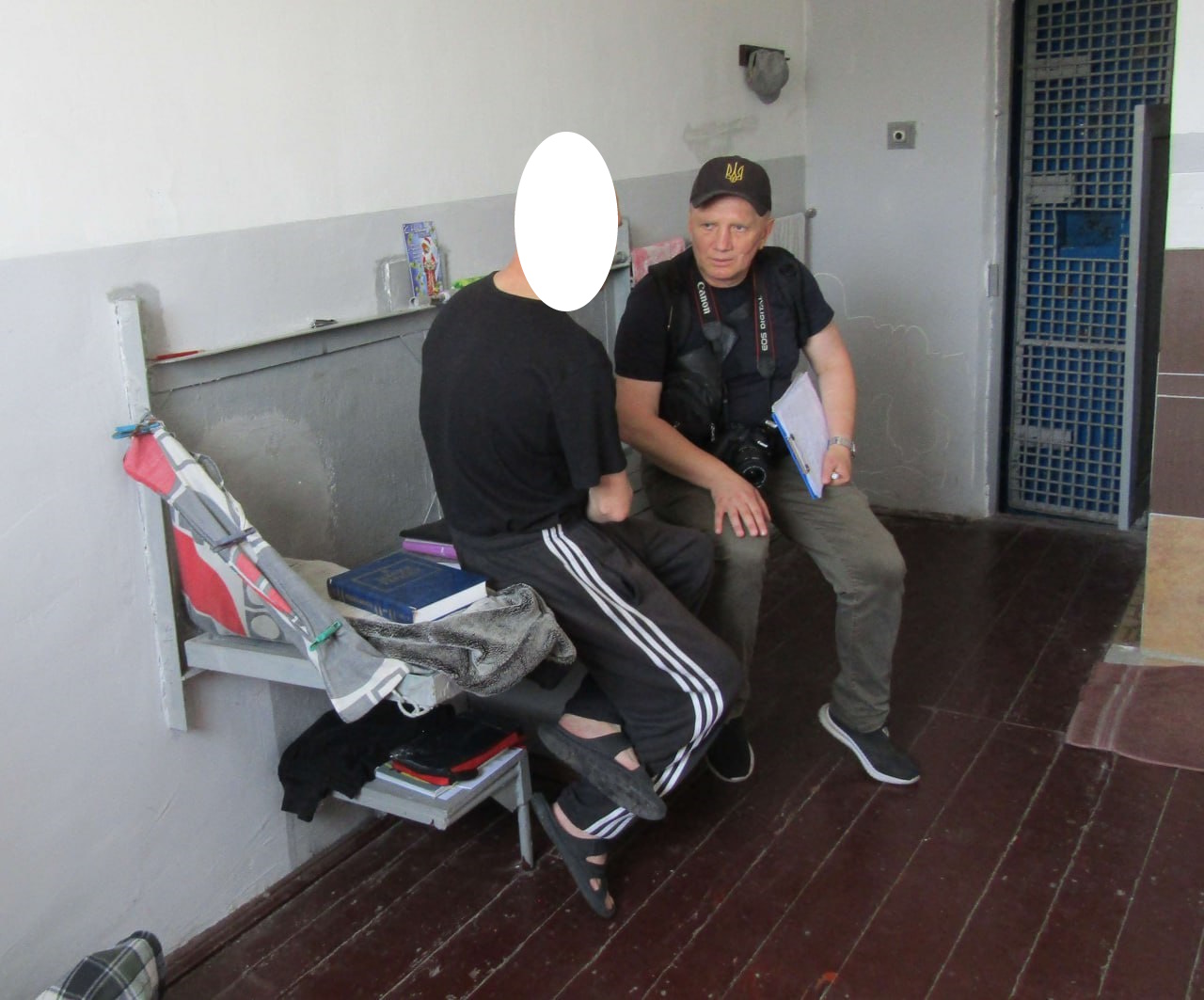
Sector for Life-Sentenced Prisoners
At the time of the visit, 30 people were in the sector for life-sentenced prisoners. The cells are identical in size. Preventive registration is applied to 10 people. Four people are prone to assault, one to escape, two to suicide, one to self-harm, and two to the use and distribution of narcotic and intoxicating substances.
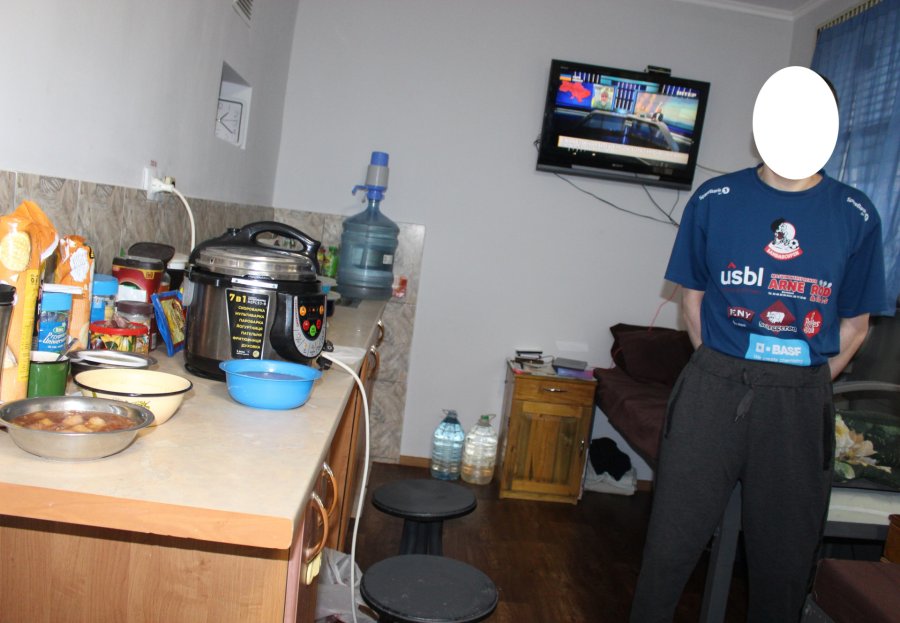
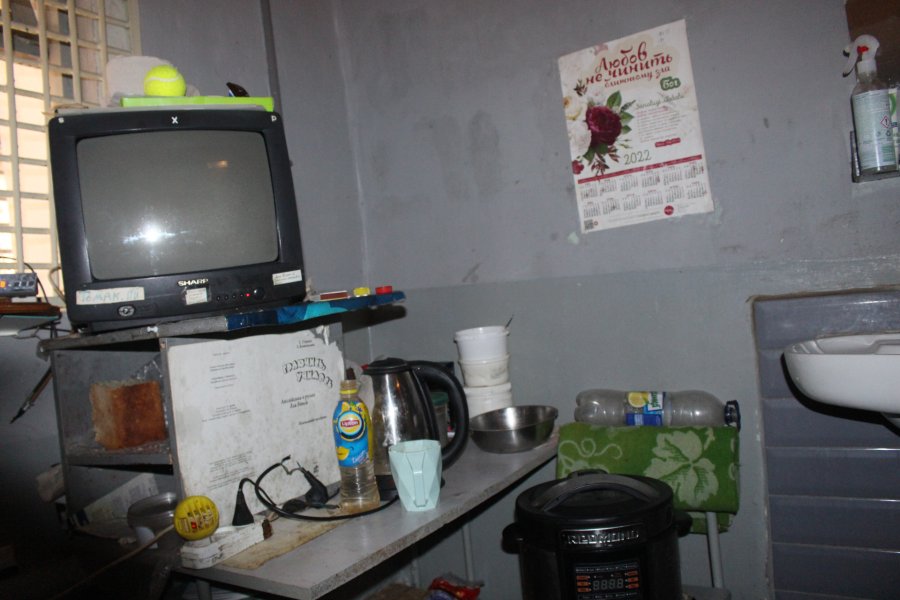
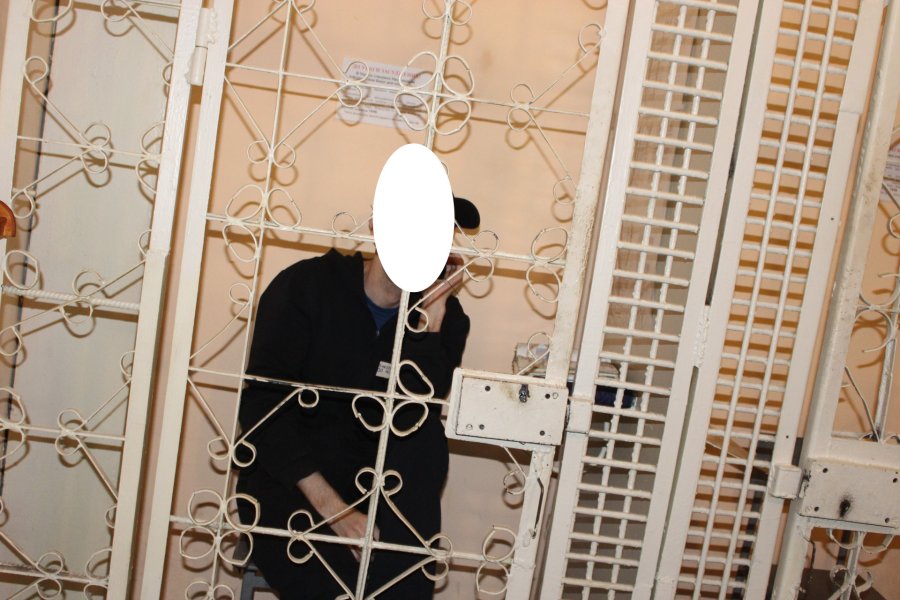
Telephone conversations take place in a special room.
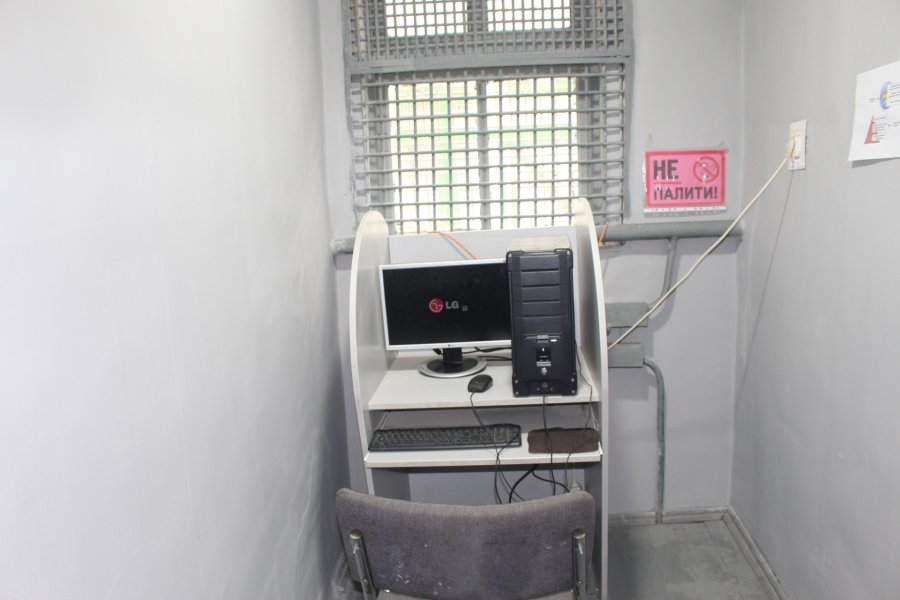
There is also a room available for internet use.
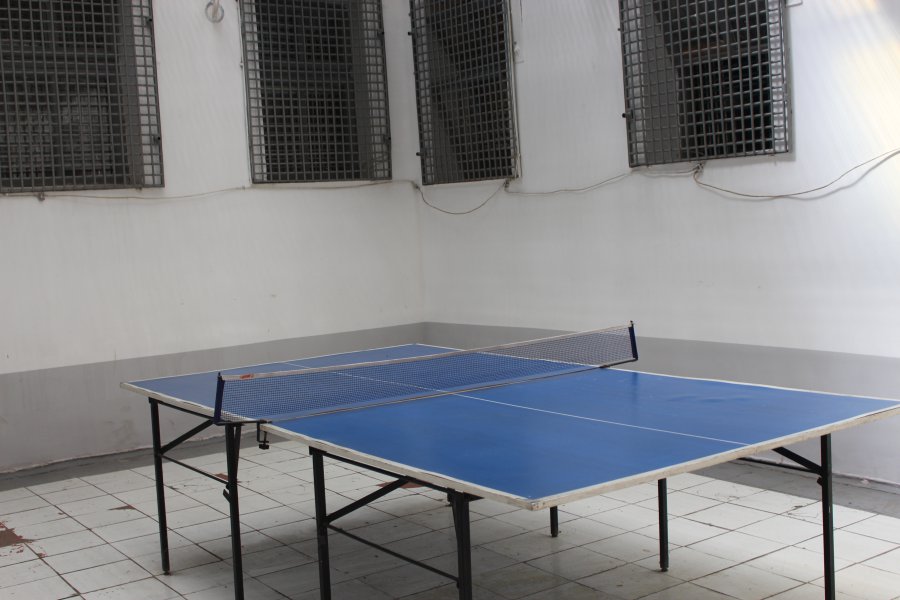
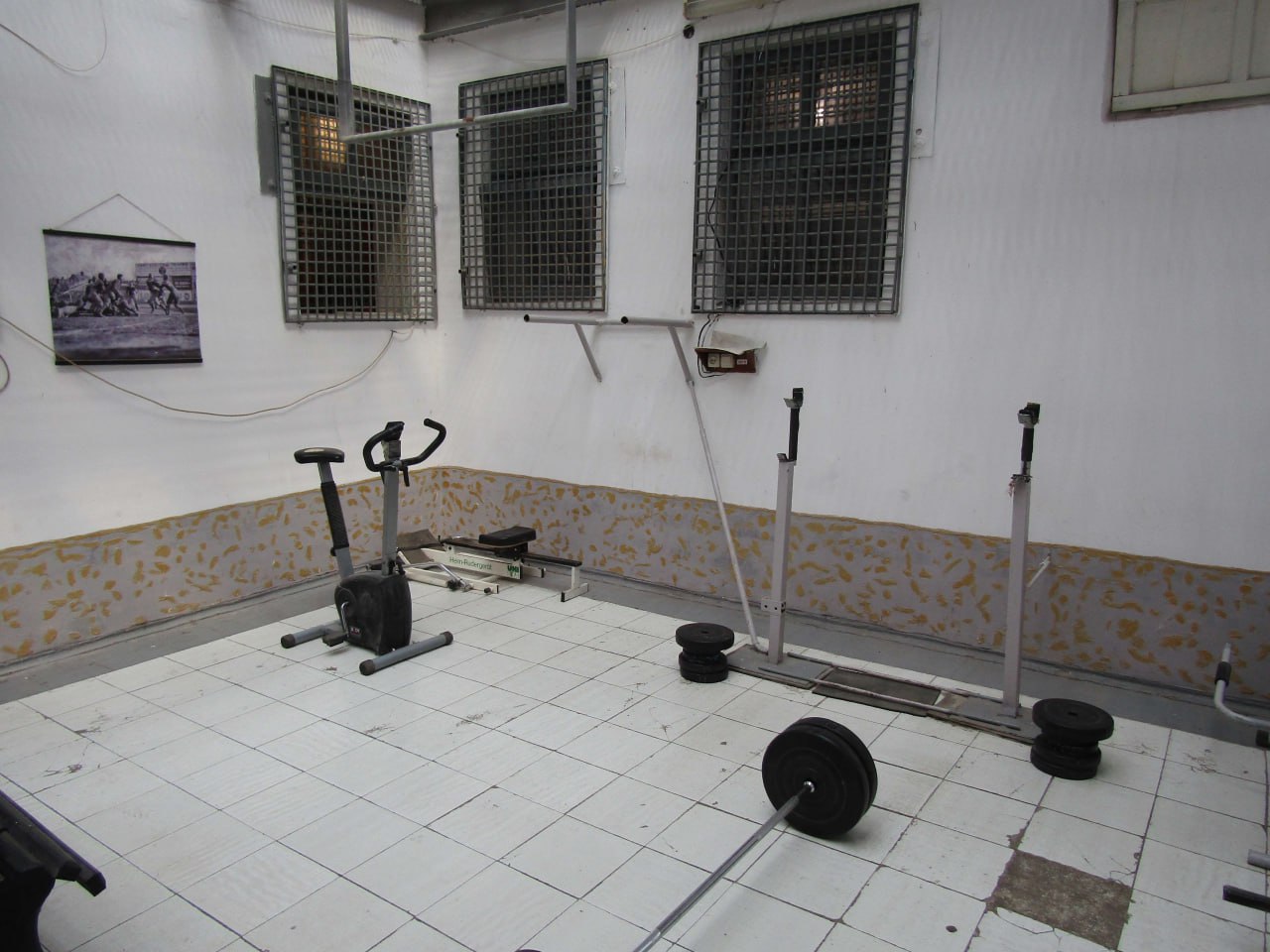
Prisoners can play tennis and use exercise machines.
A sewing workshop is located in the sector. Two life-sentenced prisoners work here.
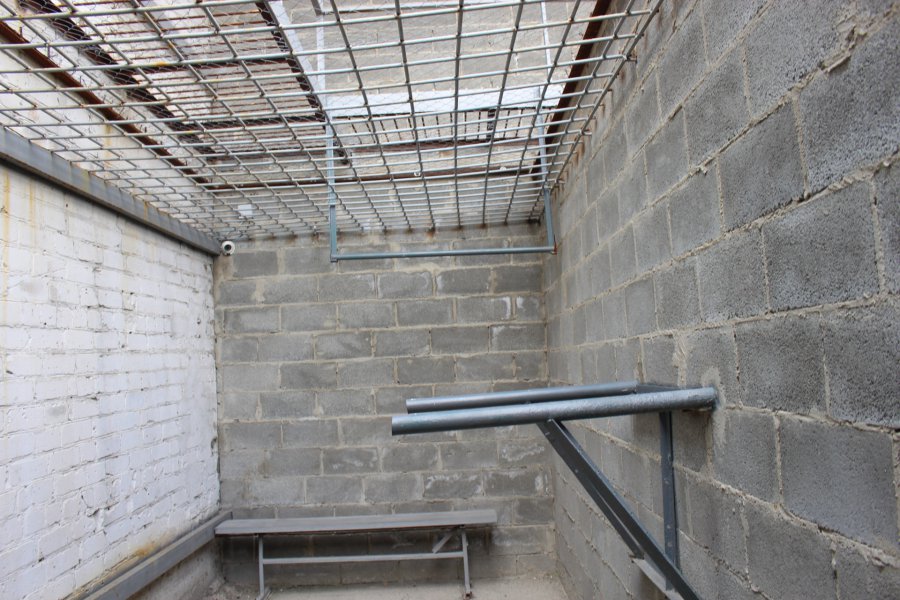
There are exercise yards, each with sports equipment.
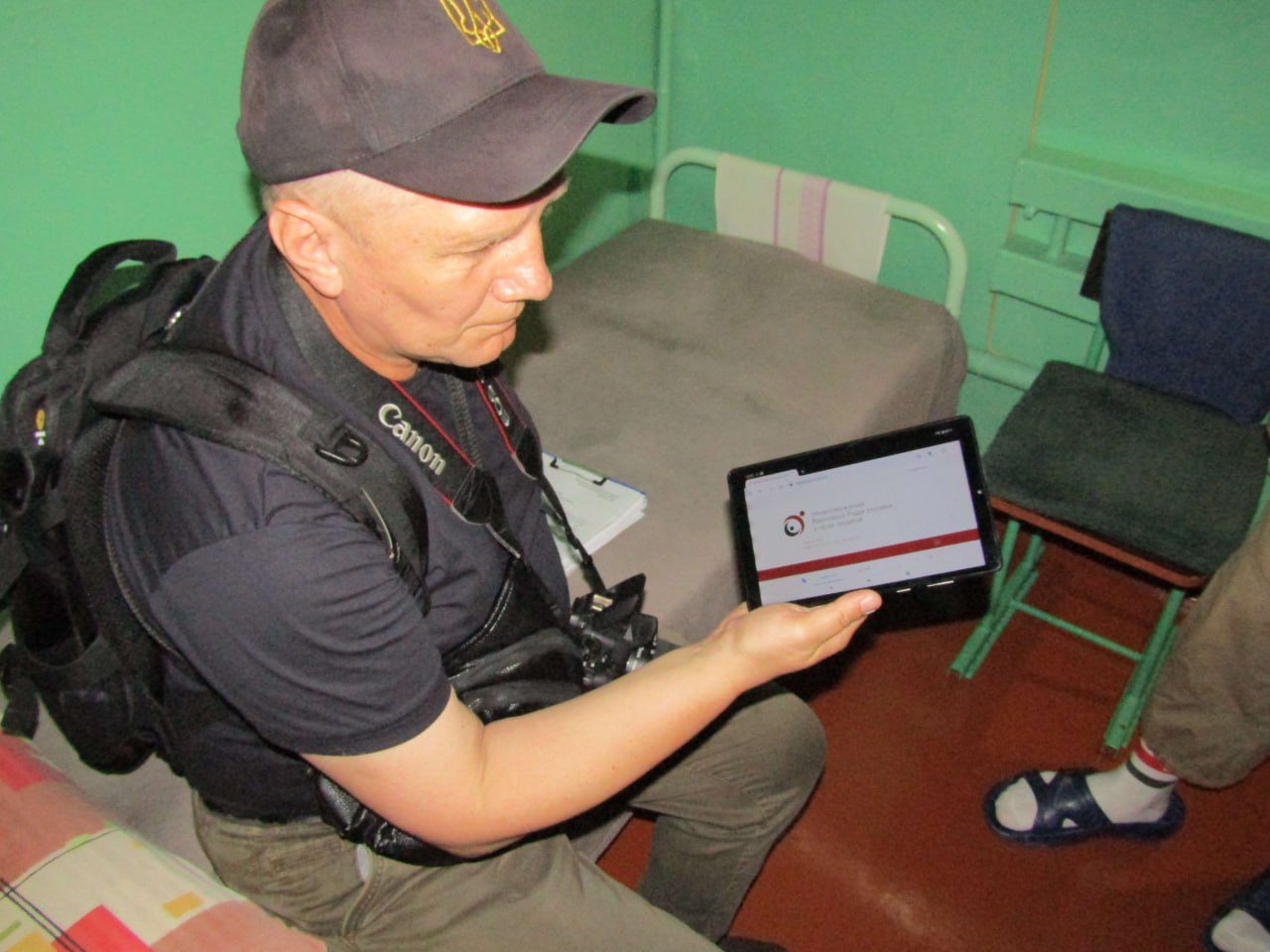
Life-sentenced prisoners have the right to keep a tablet with internet access for personal use. The monitors checked the possibility of writing appeals to the hotline of the Ukrainian Parliament Commissioner for Human Rights.
In Cell No. 3, the monitors recorded an incident of inappropriate behaviour by life-sentenced prisoner M. His behaviour clearly indicated a mental disorder. Representatives of the administration reported that prisoner M. suffers from mental illness.
We appeal to the leadership of the Ministry of Justice and the Health Care Centre of the State Criminal Enforcement Service to pay attention to the problem of housing mentally ill prisoners in penitentiary institutions. We request that the issue of examining individuals suspected of having mental illnesses be resolved. This especially applies to those sentenced to life imprisonment. We have counted no fewer than ten such individuals suspected of having mental illnesses in various penitentiary institutions. These individuals pose a danger to both prisoners and the staff of the penitentiary institutions.
Residential Premises
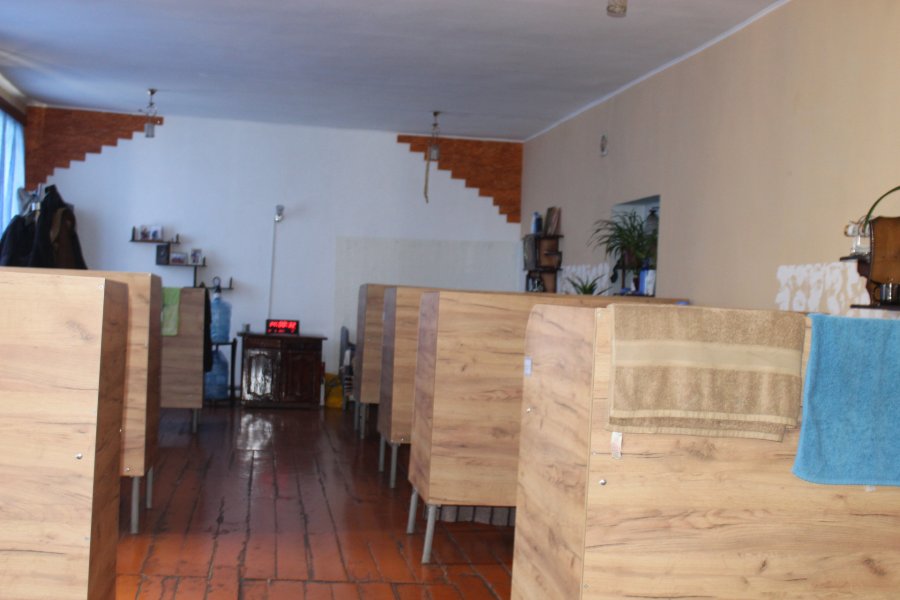
Barracks-type premises. Beds are single-tier, some are placed close together, violating the right to privacy.
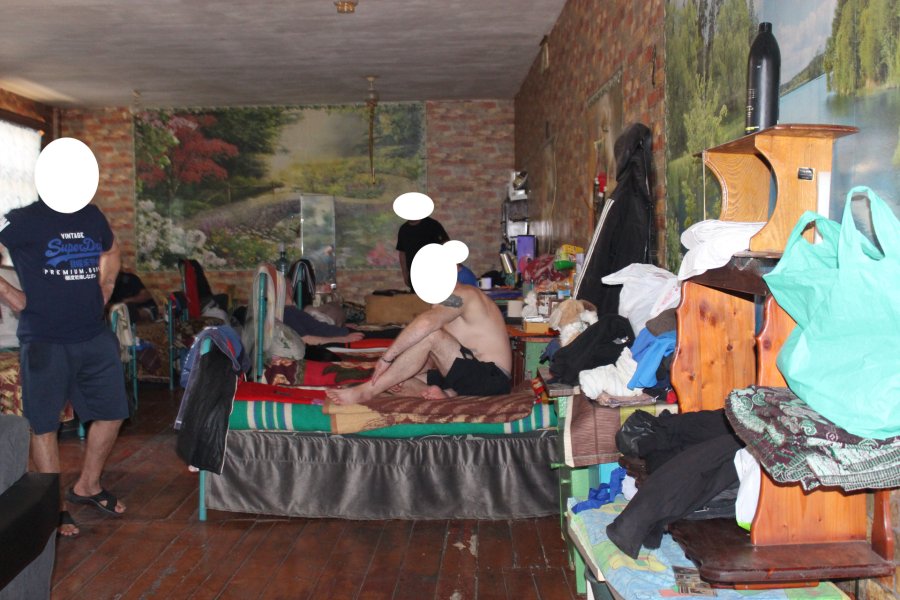
Repair work is underway in some places. Some premises have already been renovated, taking into account personal space for prisoners.
Visiting Rooms
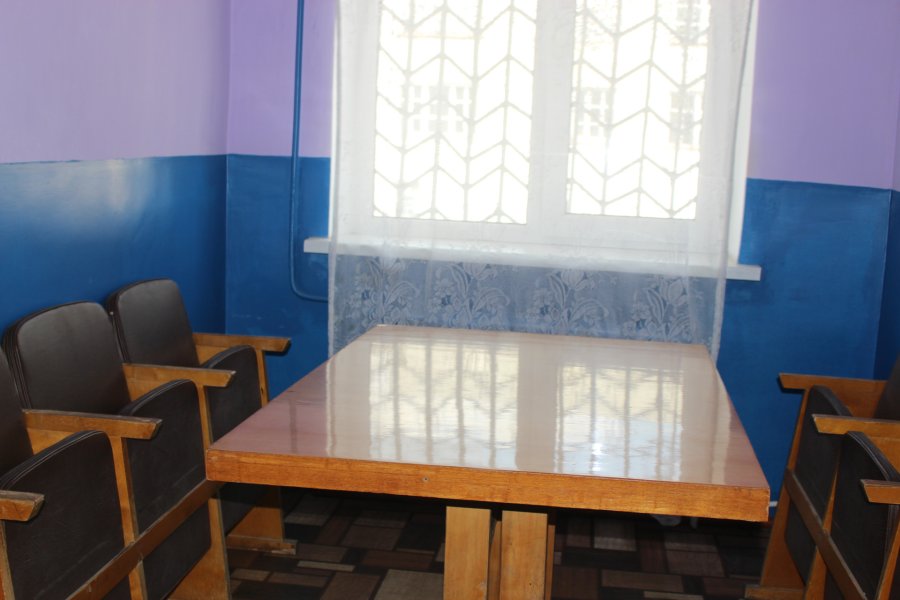
Short-term visiting rooms are through glass. There are also rooms for short-term contact visits. According to the administration, the number of contact visits has increased significantly this year.
Long-term Visiting Rooms
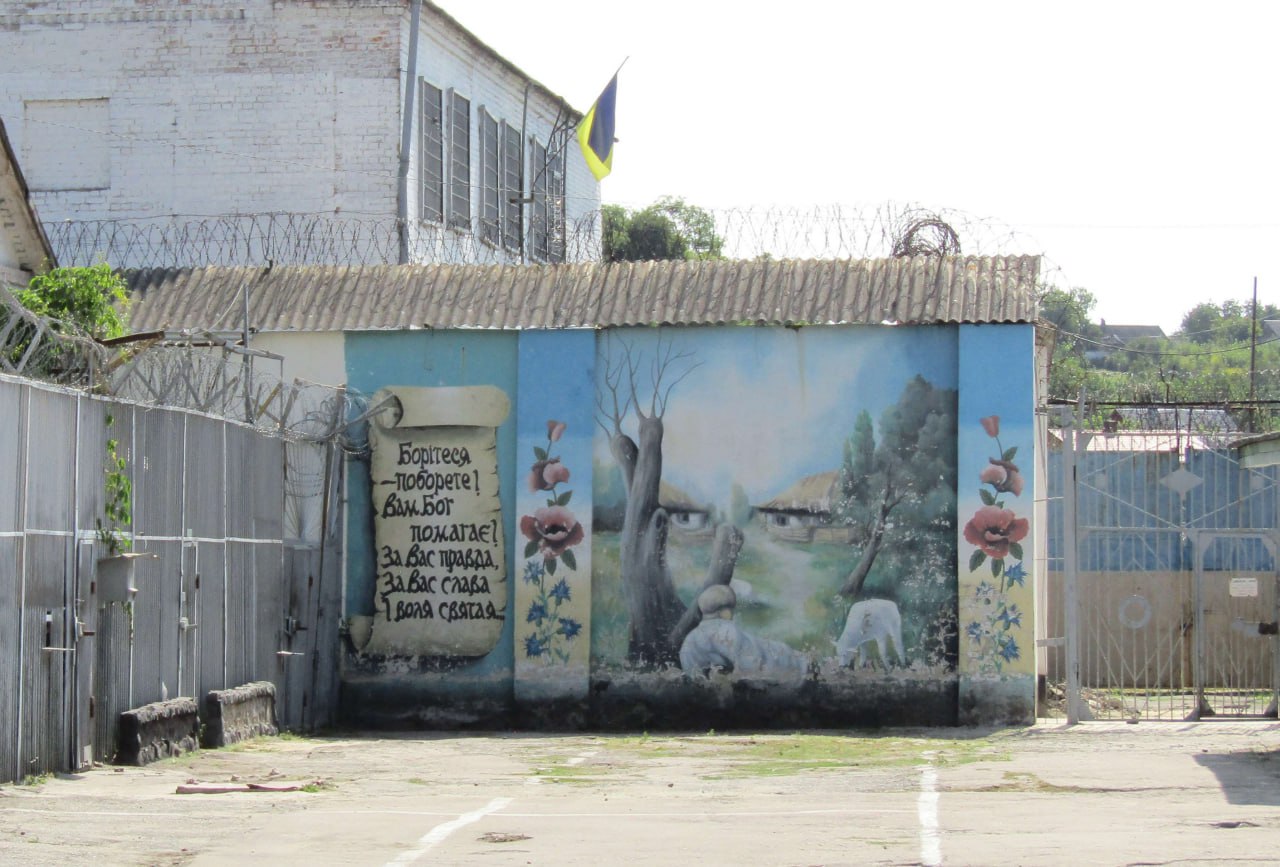
The preventive monitoring visit to Katerynivka Correctional Colony No. 96 was carried out by the Kharkiv Human Rights Protection Group. The monitoring group consisted of Konstiantyn Kasai, assistant to a People’s Deputy of Ukraine; members of the Public Council under the Ministry of Justice of Ukraine Serhiy Zuykov; assistant to a People’s Deputy of Ukraine Yaroslav Yurchyshyn; coordinator of KHPG programmes Andriy Didenko, as well as a journalist of the “Poriad z vamy” [Close to You] Information Agency, Oleksa Yaroslavtsev. The purpose of the visit was to analyse compliance with human rights in places of detention during the war. The visit was carried out within the framework of the project “Reducing the Suffering of Prisoners in the Context of the War in Ukraine”, funded by the government of Denmark in partnership with DIGNITY — The Danish Institute Against Torture.
Date of visit: 22 August 2023
UPD. Staff members of the NGO “Kharkiv Human Rights Protection Group” extend their sincere condolences to the family and colleagues of the First Deputy Head of the institution, Lieutenant Colonel of the Internal Service Serhiy Vasylovych Babak, on the occasion of his untimely death. May the fond memory of Serhiy Vasylovych remain forever in the hearts of his loved ones, and may God grant him eternal life and peace.