Monitoring visit to the State Institution “Horodyshche Penal Colony (No. 96)”
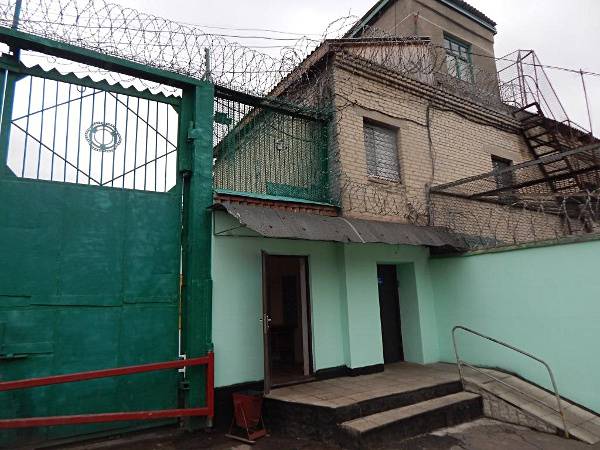
A monitoring group consisting of Oleksandr Pavlichenko, Hennadii Tokarev, and Vasyl Melnychuk visited the Horodyshche Penal Colony No. 96 on 25 September 2017, where 367 people are serving sentences, including 32 sentenced to life imprisonment.
DIZO, PKT
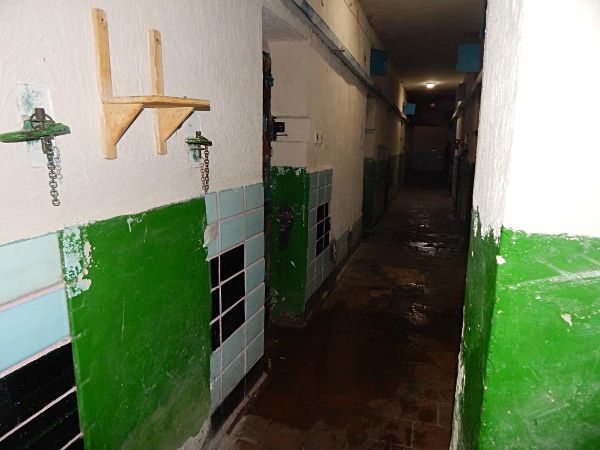
The disciplinary isolation (DIZO) and cell-type room (PKT) sections are located in a semi-basement room, where humidity is quite high, the temperature is low, and natural lighting is lacking. Both the building where these two sections are located and the equipment in the cells and corridor are outdated and require repair and renewal, which is being partially carried out by the institution's administration (in one of the two cells where inmates were staying, metal-plastic windows have already been installed in the DIZO, but not in the second; the toilet is a hole in the floor, which in one of the cells had been covered with a bag of water to prevent the smell from entering the cell), but not in full due to a lack of funding. At the time of the DIZO visit, there were two people in the isolation cell who had been subject to disciplinary penalties for a term of 14 and 10 days, respectively.
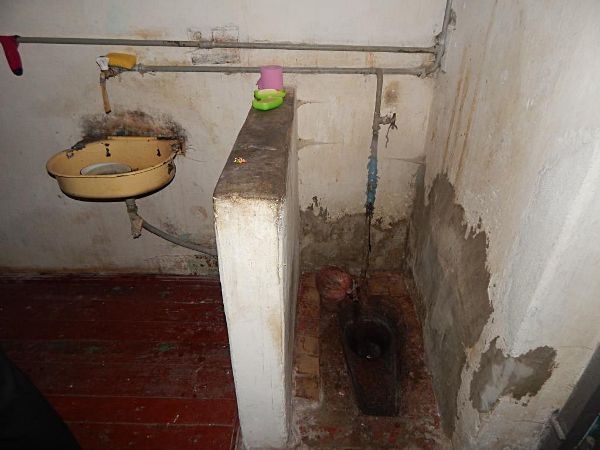
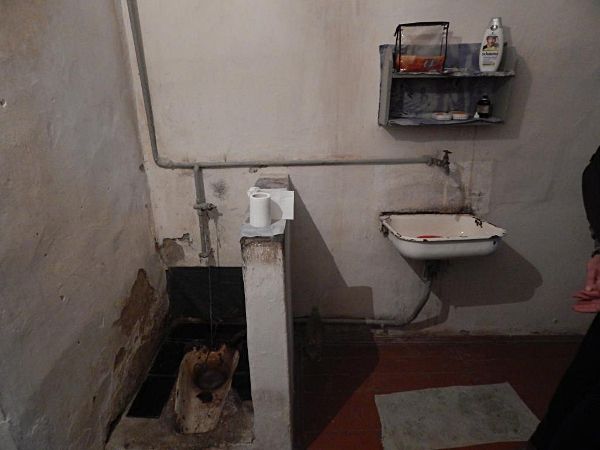
Given that the colony has a sufficient number of premises for housing inmates where physical detention conditions are much more suitable, the institution’s administration should consider the issue of transferring individuals serving disciplinary penalties to other, better-adapted premises, as placing individuals there and holding them for a fairly long term (up to 14 days) seems like a punishment through placement in improper physical conditions (poor light, high humidity, low temperature). Correspondingly, it is also necessary to simultaneously improve such improper working conditions for the colony staff who supervise the individuals held in the DIZO.
The hour-long walk for those serving sentences in the DIZO starts at 5:30 (30 minutes after the 5:00 wake-up), which is also not entirely normal, as there is not enough sunlight at this time, the air temperature is low, and such a walk has certain signs of abuse. It is recommended to move the walk time to a more appropriate hour (from 09:00, for example).
The exercise yards are equipped with proper covering in case of inclement weather, have sufficient lighting, and possess equipment for active physical exercise in accordance with Article 151-1 of the Criminal Executive Code of Ukraine.
Maximum Security Section (MRB)
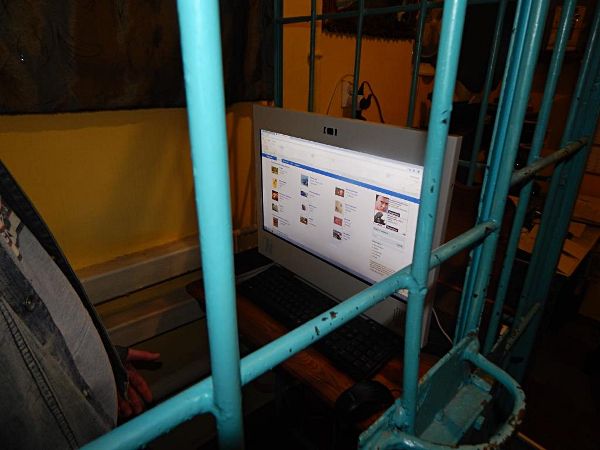
Those sentenced to life imprisonment serve their sentences in the MRB section. On the day of the visit, there were 32 such people in the colony.
Inmates are housed in this section two to three per cell, but there is a possibility of housing an inmate in a solitary cell (one of the inmates expressed a request to be transferred to a solitary cell, and such a request was granted).
At the time of the monitors' visit to the section, two inmates were in the meeting room talking on the phone; for this, a mobile phone handset with a SIM card purchased by the colony is used. All expenses for the time spent communicating are covered by the inmate, who must have the funds for this, which are sent from outside the colony, as those sentenced to life imprisonment in this colony do not work and do not have the opportunity to earn money independently. Another inmate was using the Internet—since April 2017, inmates have had the opportunity to correspond via an email account using the Internet, and this inmate was online, communicating via email.
The log of telephone negotiations for those sentenced to life imprisonment is kept in detail and carefully; it indicates the phone numbers to which inmates make calls and the duration of the calls. Every day, out of 32 lifers, on average 13–15 people use telephone communication. In total, 50–60 people from among the inmates use telephone communication per day.
It is worth considering the possibility of involving those sentenced to life imprisonment in work; such a practice exists in colonies No. 70 (Berdychiv) and 8 (Zhytomyr).
Medical Unit
The colony has a medical unit with an infirmary where inmates can undergo a course of necessary treatment. The colony's laboratory performs general blood and urine tests and sputum culture, and tuberculosis prevention is properly carried out. The colony has one stationary X-ray machine and one mobile unit based on a vehicle, which is also used for disease prevention in other penitentiary institutions of the region. A dental office functions, and besides this, there is a positive practice where inmates are transported under escort to civilian hospitals to ensure necessary treatment.
The head of the medical unit noted that the medical staff is two-thirds full—about 30% of the positions are vacant; it is not easy to find qualified workers under the offered conditions (salary, conditions of work with inmates), and penitentiary medicine is not attractive for attracting new qualified personnel.
Both the institution's administration representatives and the head of the medical unit expressed the view that medical care should be provided by civilian doctors from outside the penitentiary system, and the medical service should be removed from the subordination of the penitentiary service.
Resocialization Sections
The monitors visited the fourth block in the resocialization section, where inmates are housed in a “cubicle system”—premises designed for a small number of inmates—5–7 people per room. Repairs were underway in part of the premises, and we include photos of the rooms that have already been renovated or where repairs are being completed.
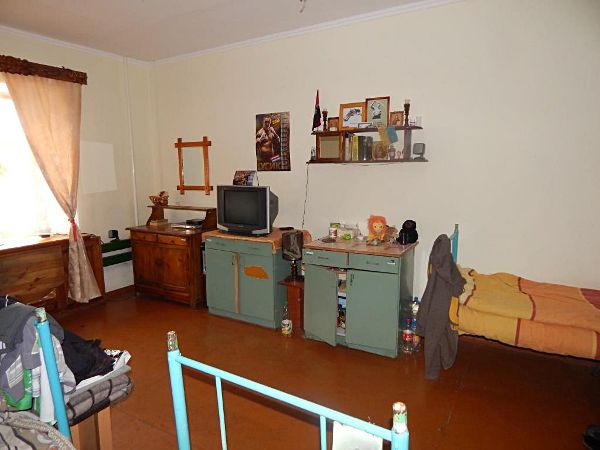
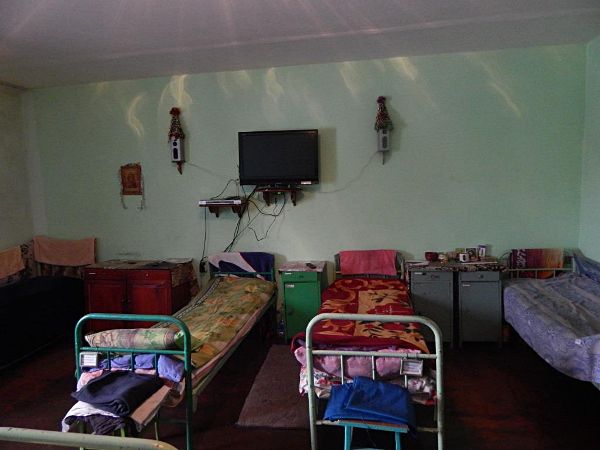
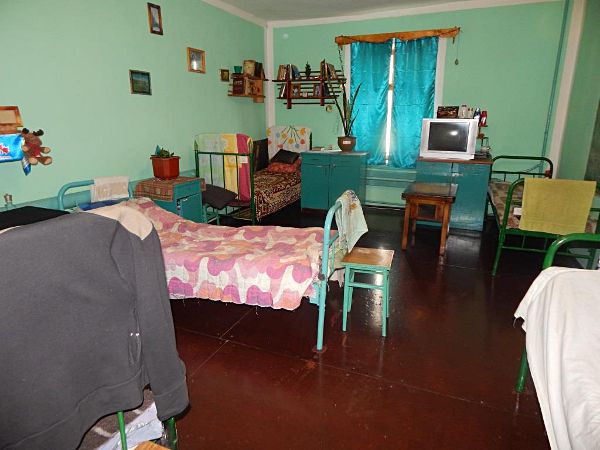
In other blocks, inmates live both in cubicle-type premises and in barracks-type premises, where up to 30–40 people are in one room, however, the administration plans to gradually carry out re-planning and repairs in all premises and house all inmates in rooms with a small number of people. There is no budget funding for such re-planning and repairs; the purchase of building materials is carried out using extra-budgetary funds, although these works should be provided with budget funding.
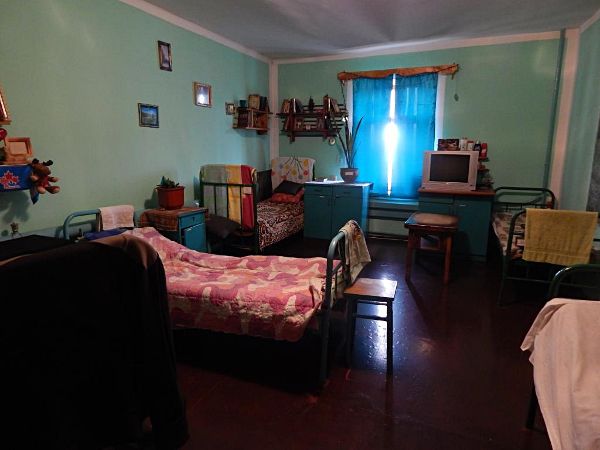
Repair work is being carried out in one of the resocialization sections; it was noted that it is possible that inmates from the Sokal Penal Colony (No. 47), which is to be disbanded, will be transferred to this colony.
Solar panels have been installed on the colony's territory, providing hot water to the food preparation premises.
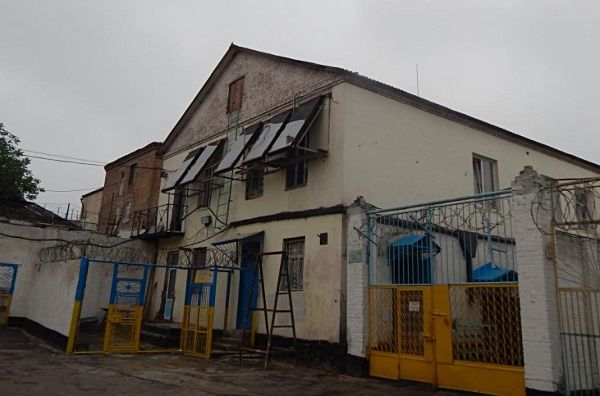
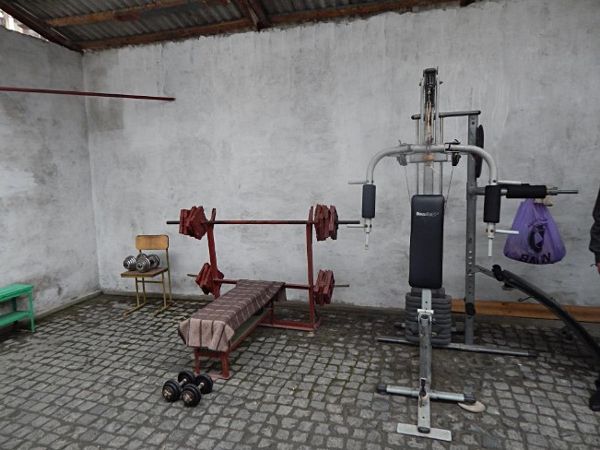
A sports ground has been set up.
Vocational Technical College, Training Centre at GVK-96
A training centre is located on the territory of the colony, where inmates receive work specialties. In total, one can master one or several of 6 specialties in the colony. It is worth noting the very good material base, which helps in forming practical skills during the training of inmates (there are separate classrooms, in which an active model of a tower manipulator crane functions, a training classroom with a solid-fuel heating boiler, and workshop classrooms with lathes, milling machines, and drilling machines in good working condition for working with metal).
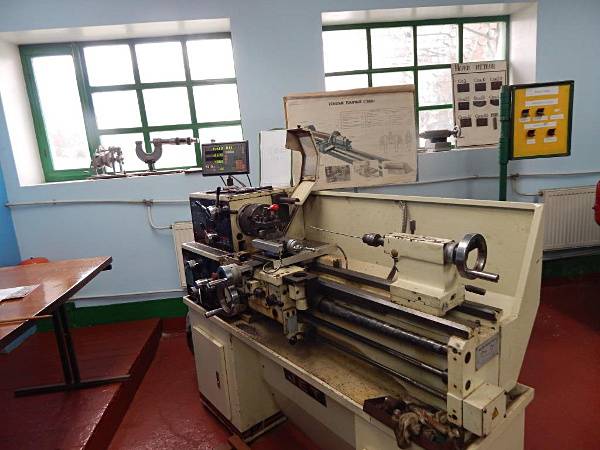
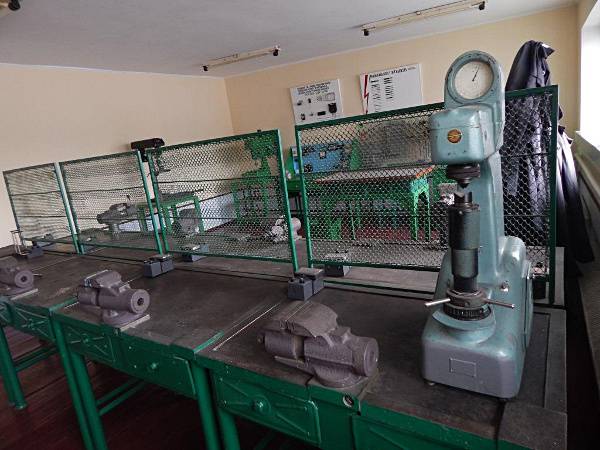
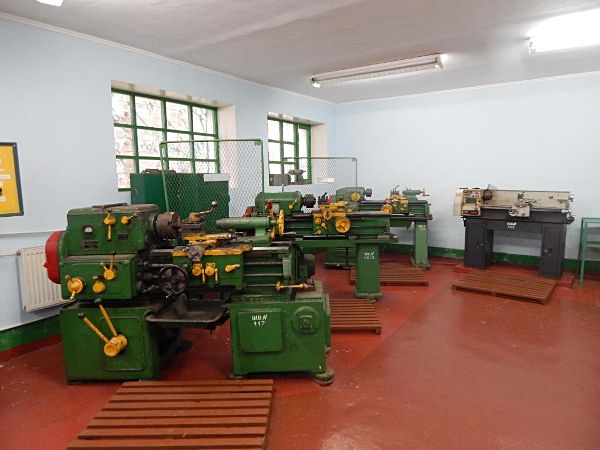
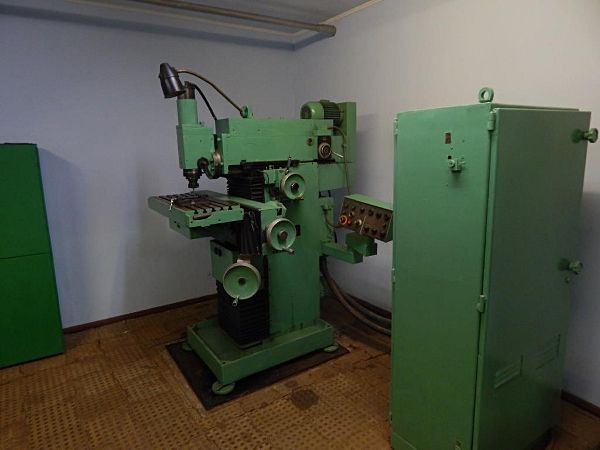
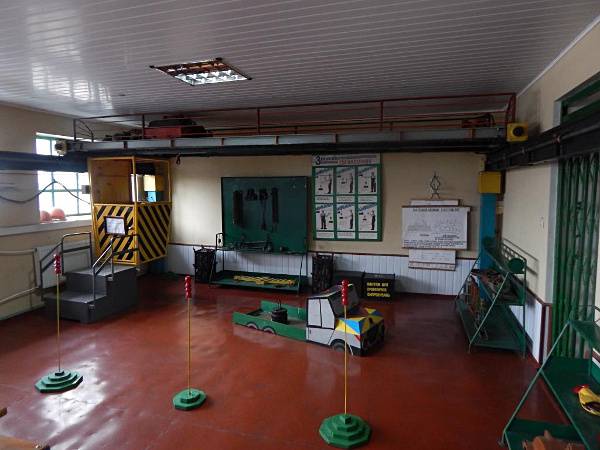
Professional and experienced teachers allow for the conclusion that there are proper conditions for obtaining useful professional skills, thanks to which one can find a job after release. The only unsatisfactory aspect is the lack of own production in the colony where such skills could be used in sufficient volume (the exception is sewing production, which is also quite limited and with rather poor production capacities).
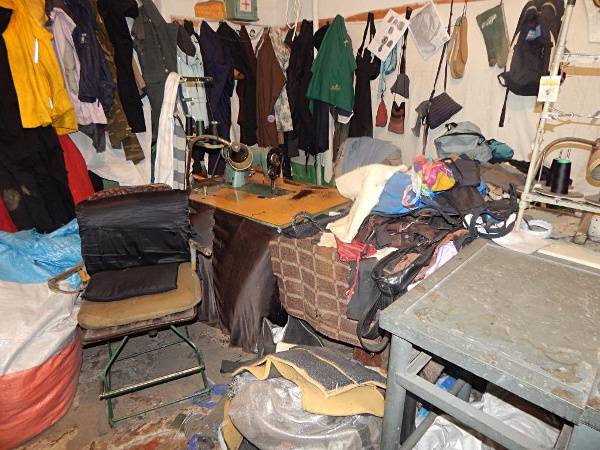
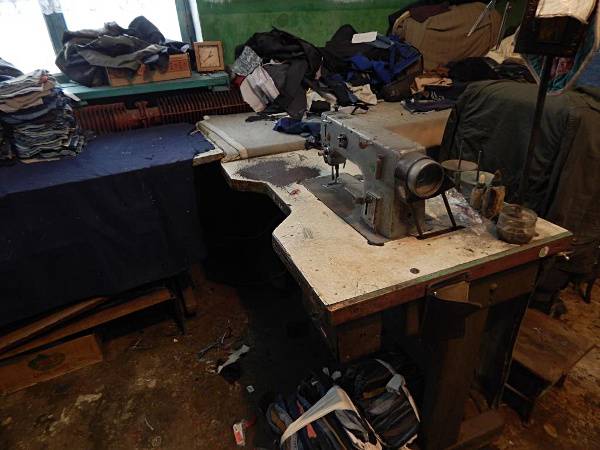
In the photo—a fragment of the workstations in the sewing workshop.
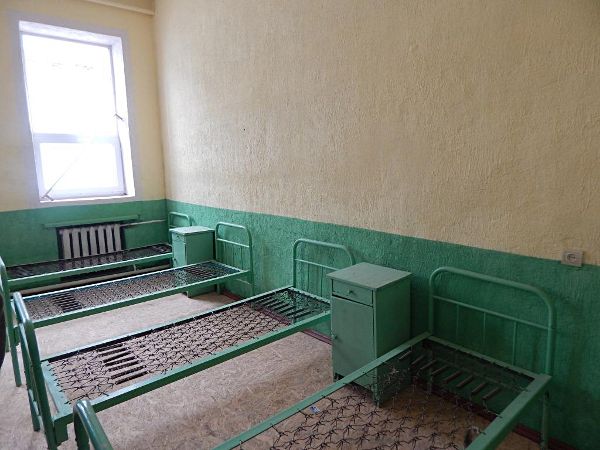
Long-term Meeting Rooms
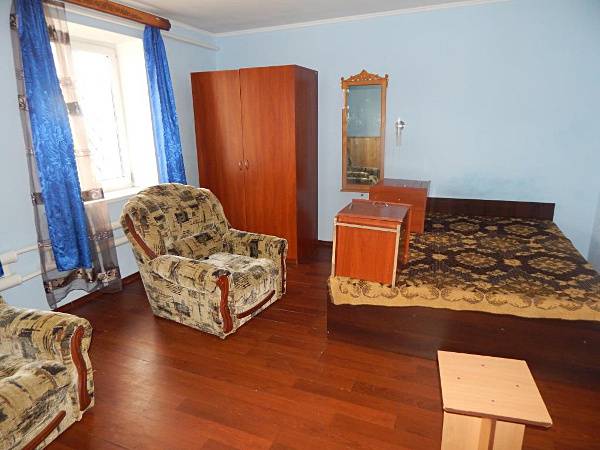
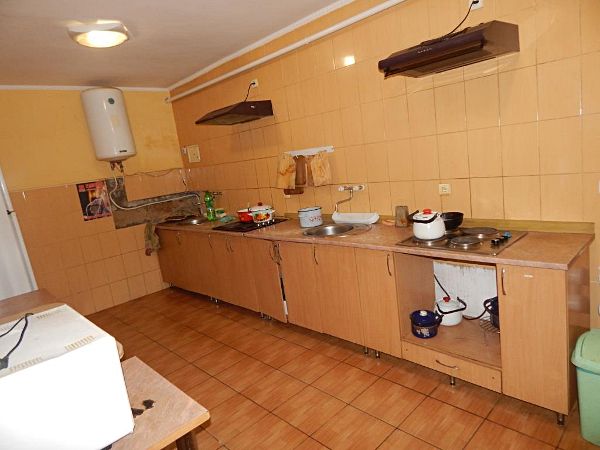
The colony has a designated building with rooms for long-term meetings between inmates and their family members. There is a separate room equipped for meetings of individuals sentenced to life imprisonment. The cost of staying in a meeting room depends on whether these rooms are standard or improved, as well as on the time of year (the cost increases during the heating season). In a standard room (in the photo), staying costs 511 UAH for three days for two people.