Report on the Results of a Monitoring Visit to Korosten Correctional Colony No. 71
On 17 July 2026, in accordance with the Optional Protocol to the Convention against Torture and Other Cruel, Inhuman or Degrading Treatment or Punishment, taking into account the provisions of the United Nations Standard Minimum Rules for the Treatment of Prisoners (the Nelson Mandela Rules) and the case law of the European Court of Human Rights, and on the basis of Article 24 of the Criminal Executive Code of Ukraine (“Visits to penal institutions”), a group of monitors from the Kharkiv Human Rights Protection Group and the NGO “Protection for Prisoners of Ukraine” conducted a visit to the State Institution “Korosten Correctional Colony (No. 71)” (hereinafter — KCC-71, the institution, the establishment, the colony). The visit was carried out as a scheduled one, without prior notice. All facilities of the institution were inspected.
The previous visit took place on 11 November 2025.
In preparing for the visit, the monitors made use of materials from appeals lodged by convicted persons and their relatives, materials from previous reports, and reports by monitors of the National Preventive Mechanism under the Ukrainian Parliament Commissioner for Human Rights (NPM).
The visit was conducted within the framework of the project “Seeking Justice for Survivors”, funded by the Ministry of Foreign Affairs of Denmark with the support of the Danish Institute Against Torture, DIGNITY.
The visit was carried out by the following monitors:
- Andriy Didenko — assistant to Yaroslav Yurchyshyn, Member of Parliament of Ukraine, programme coordinator of the Kharkiv Human Rights Protection Group, with experience of monitoring visits since 2014, an NPM (National Preventive Mechanism) monitor and a member of the NPM advisory council;
- Serhiy Zuykov — assistant to Kostyantyn Kasai, Member of Parliament of Ukraine, member of the public council under the Ministry of Justice of Ukraine, member of the civil society organisation “Protection for Prisoners of Ukraine”, NPM monitor, with many years of experience of monitoring visits;
- Artemiy Shumnyi — journalist with the news agency “Zakhyst Vyazniv Ukrayiny / PROTECTION FOR PRISONERS OF UKRAINE”, lawyer with the Kharkiv Human Rights Protection Group, NPM monitor.
During the monitoring visit to KCC-71, positive changes were recorded with regard to the improvement of material and living conditions, in particular the carrying out of repair works in the residential, sanitary and other premises of the institution. At the same time, a number of systemic problems were identified in the provision of proper conditions of detention, the organisation of disciplinary practice, medical provision, and the realisation of convicted persons’ rights to work, rest, social protection and the maintenance of contact with the outside world.
Particular concern is raised by the inadequate conditions in the quarantine, diagnostics and distribution unit and in the disciplinary isolation cells and cell-type premises, by insufficient natural lighting and ventilation, by the lack of adequate privacy in sanitary facilities and showers, by shortcomings in medical supervision of persons held in disciplinary premises, and by individual violations in the organisation of bathing and laundry services. A substantial shortfall in staffing was also established. Despite the existence of an equipped internet class and the possibility of video communication, not a single instance of their use by convicted persons was recorded over the past month.
Particular attention was paid to the organisation of convicted persons’ labour. Analysis of the documentation and the results of confidential interviews indicate the persistence of the practice of the prolonged use of civil-law contracts in cases where the actual employment bears the hallmarks of an employment relationship. Cases were identified of extremely low payments for systematic work, which also affects the amount of the single social contribution and the accrual of insurance record; at the catering unit, there were indications of prolonged daily work without proper weekly rest. Similar problems were recorded during the previous monitoring visit, which indicates their persistent nature.
In the sphere of medical provision, the following were established: the absence of opioid substitution therapy, staffing shortages, problems with the diagnosis and treatment of viral hepatitis C, improper implementation of individual rehabilitation programmes for persons with disabilities, the inaccessibility of premises for persons with reduced mobility, the absence of any possibility of conducting telemedicine consultations, and other shortcomings which restrict convicted persons’ access to timely and proper medical care.
General information
KCC-71 is a medium-security penal institution for holding men who have previously served sentences in places of deprivation of liberty.
The institution is located at 4 Bilokorovytske Highway, Korosten, Zhytomyr region, 11500, Ukraine.
KCC-71 is one of the penal institutions created in the post-war period as part of the formation of the Soviet system of corrective labour establishments. The institution was founded in 1947, and the colony’s main facilities were built and commissioned in the 1950s. Subsequently, the colony operated amid the transformation of the penitentiary system — from the Soviet corrective labour model to the modern system of execution of criminal punishments in Ukraine.
At the time of the monitoring visit, the head of the institution was Colonel of the Internal Service Oleksandr Oleksandrovych Nikitchuk.
The establishment consists of a duty unit, a quarantine, diagnostics and distribution unit (QDD), units of the social and psychological service (SPS), a catering unit, disciplinary isolation cells (DIC), cell-type premises (CTP), an enhanced control unit (ECU), a pre-trial detention sector, a medical unit, a bathing and laundry facility, visiting rooms, a shop, a library, premises for the receipt of parcels, and administrative premises.
As at the day of the visit, the authorised staffing level of the institution stood at 243.5 posts, while the actual number of staff was 221. The staffing shortfall therefore amounted to 22.5 posts. The institution employed one psychologist.
The designed capacity of the institution is 964 persons. On the day of the monitoring visit, 477 convicted persons were held at KCC-71, that is, the actual occupancy stood at approximately half of the establishment’s designated capacity. The institution operates 12 SPS units, with a further SPS unit undergoing repairs.
During 2026, 141 convicted persons arrived at the institution. According to statistical data provided by the administration, 4 convicted persons died at the institution during 2025, and, as at the day of the visit, 4 persons had died in 2026. A total of 34 persons were registered as being at risk of suicide, 17 persons as being prone to self-harm and 3 persons as being at risk of escape. No cases of suicide were recorded during 2025; however, one case of suicide occurred in 2026.
Twenty-one convicted persons had a disability: there were no persons with a Group I disability, 2 persons had a Group II disability and 19 had a Group III disability. According to the administration, one complaint concerning inadequate conditions of detention or the improper provision of medical care was recorded in 2025; no such complaints were recorded in 2026. During 2025, 32 cases of bodily injuries among convicted persons were recorded: 2 upon arrival at the institution and 30 during their stay at the establishment. In 2026, as at 17 July 2026, 12 such cases were recorded: 1 upon arrival and 11 during the stay at the institution. Convicted persons had 168 tablet computers in their personal possession, 61 persons had registered email addresses, and 28 persons had the status of being “generally rejected”.
Over the past six months, the prosecution authorities have issued 12 acts of prosecutorial response. According to the administration, one set of criminal proceedings under Article 391 of the Criminal Code of Ukraine was recorded in 2025, and one set of proceedings under the same Article in 2026.
Compared with the data from the previous monitoring visit of 11 November 2025, the number of convicted persons has fallen from 534 to 477, while the actual number of staff has risen from 208.5 to 221, and the staffing shortfall has decreased from 37 to 22.5 posts. At the same time, the number of psychologists has fallen from two to one which, given the presence of 477 convicted persons and 31 persons registered as being at risk of suicide, merits separate attention when assessing the organisation of psychological support at the institution.
Positive experience
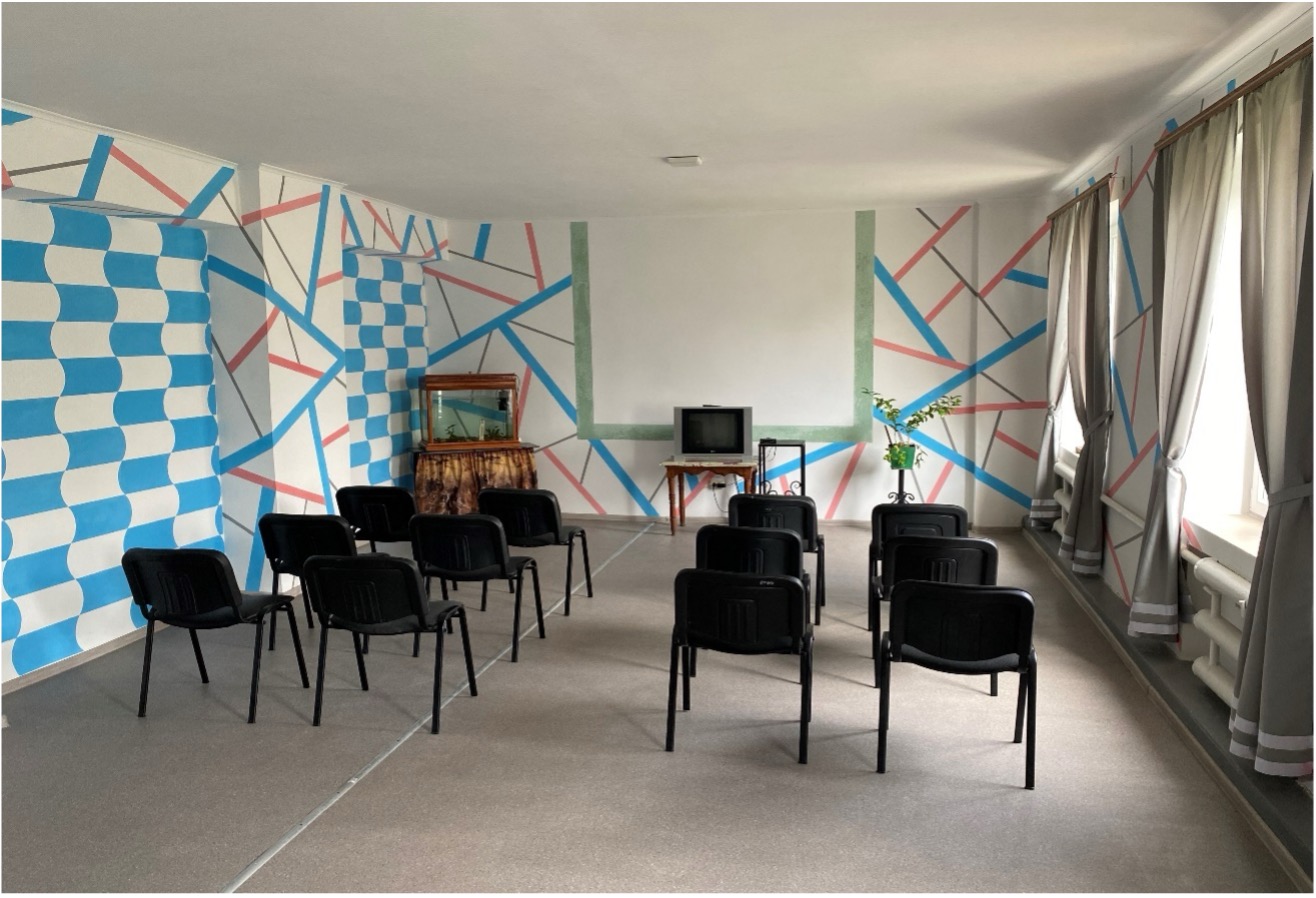
The monitoring group notes with approval the work carried out at KCC-71 aimed at improving the material and living conditions in which convicted persons are held and at gradually bringing the institution’s residential and ancillary premises into line with the established standards.
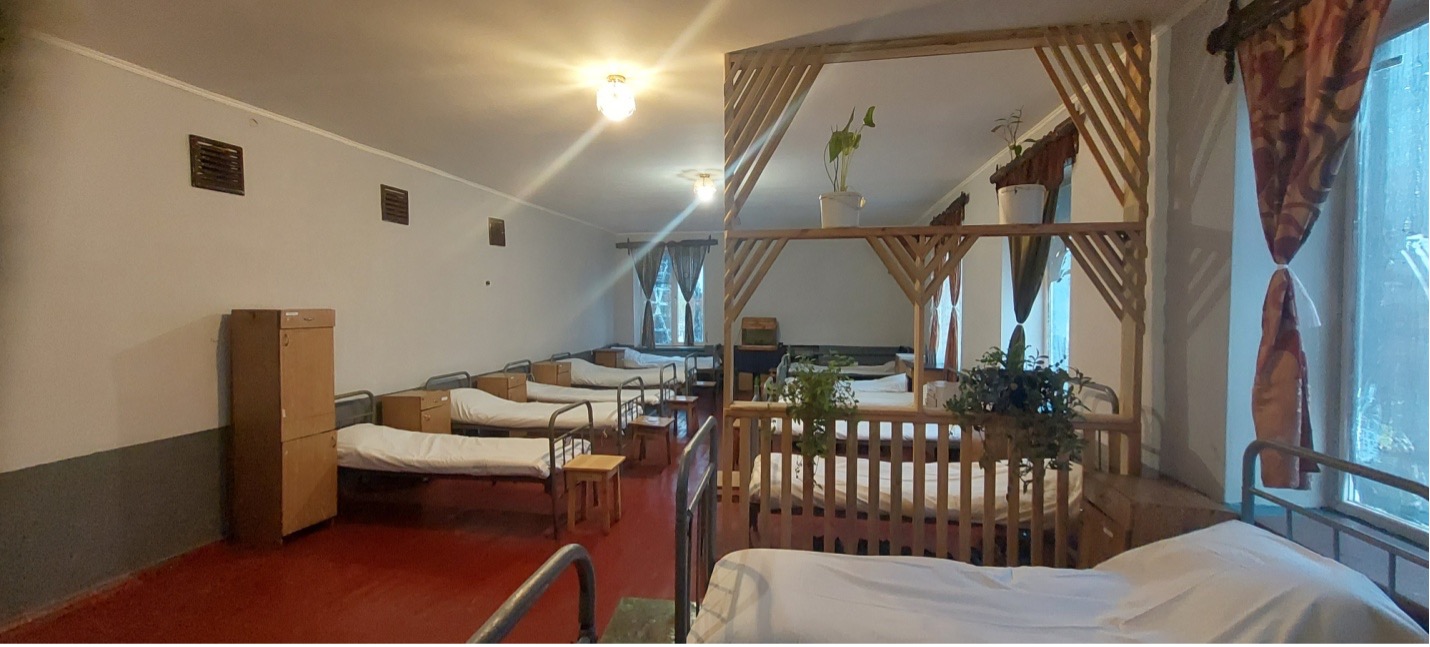
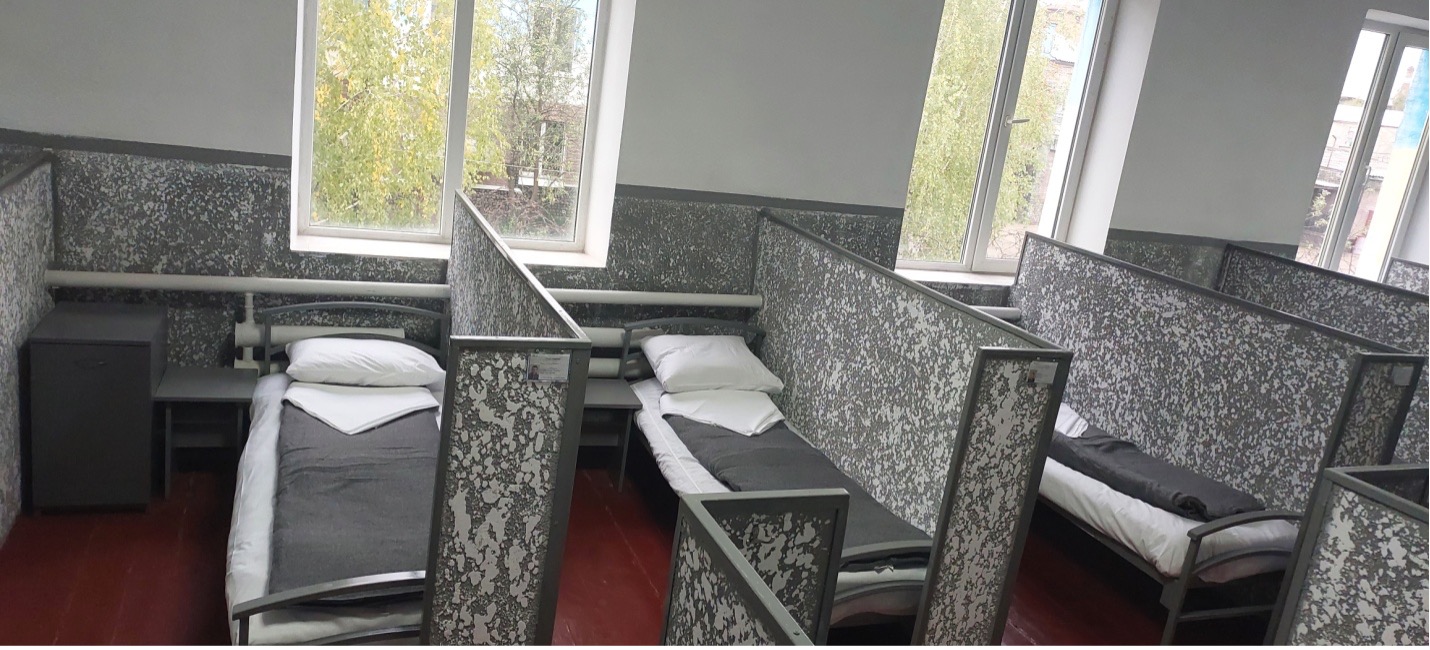
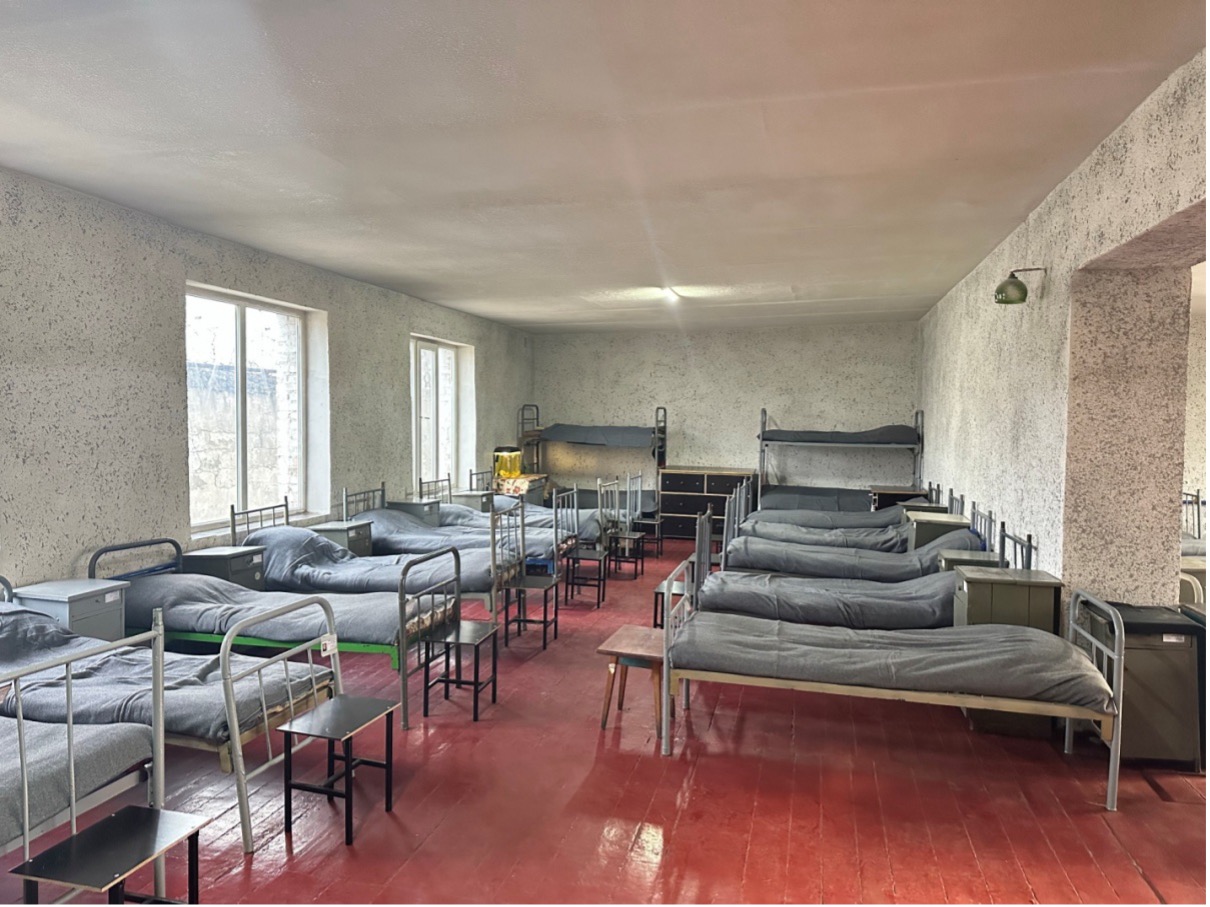
According to information provided by the administration, 252 places have been arranged at the institution where the standard of no less than 4 m² of living space per person is ensured. Particular mention should be made of the repair works carried out in the dormitory of the SPS unit, which has 37 sleeping places. In fitting out the premises, attention was paid to creating individual space for convicted persons, which is important from the standpoint of ensuring privacy and humanising the conditions in which sentences are served.
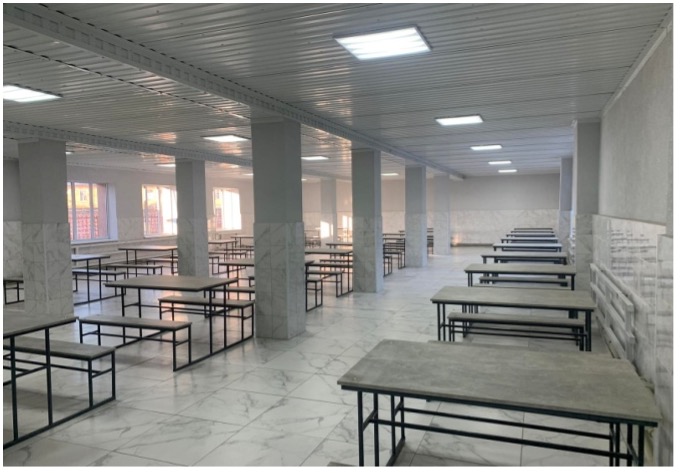
Also positive are the major refurbishment of the lavatory and washroom in the SPS unit, the routine repair of the cells in the cell-type premises, and the major refurbishment of the canteen. The renovation of sanitary premises and communal areas is directly relevant to ensuring proper conditions of detention, complying with sanitary and hygiene requirements, and preserving the human dignity of convicted persons.
In addition, the room for receiving and issuing parcels has been renovated, which improves the conditions in which the relevant procedure is organised, both for convicted persons and for their relatives and other visitors to the institution.
Overall, the works carried out testify to the consistent renovation of individual infrastructure facilities at the institution and may be regarded as good practice, provided that this approach is subsequently extended to all residential, sanitary and other premises used by convicted persons.
Violations of national and international law identified
During the monitoring visit, violations of the requirements of national legislation and failures to comply with international recommendations in the field of the treatment of prisoners were identified, which lead to violations of the rights of convicted persons:
1. The procedure and conditions for admitting convicted persons to the institution do not fully comply with the requirements of the current legislation of Ukraine and with international standards for the treatment of prisoners.
During the visit to the quarantine, diagnostics and distribution unit (hereinafter — the QDD unit), information was obtained about the involvement of a newly arrived convicted person, who had arrived at the institution on 3 July 2026, in carrying out work at the institution’s vehicle workshop for a week, purportedly in the manner provided for by part five of Article 118 of the Criminal Executive Code of Ukraine.
At the same time, the duration and volume of the work performed did not in fact differ from the working arrangements of employees who perform analogous work and receive wages for it.
These circumstances may indicate the use of a convicted person’s labour without the conclusion of an employment or civil-law contract and without proper remuneration, which bears the hallmarks of a violation of the requirements of part one of Article 118 and part one of Article 120 of the Criminal Executive Code of Ukraine.
Moreover, the performance of the said work entailed the convicted person’s presence in the production zone and his contact with other convicted persons, which may run counter to the requirements of paragraph 2 of Section I of the Regulation on the QDD unit, approved by Order of the Ministry of Justice of Ukraine No. 2300/5 of 4 November 2013, registered with the Ministry of Justice of Ukraine under No. 1864/24396 (hereinafter — the Regulation on the QDD unit), which provides for newly arrived convicted persons to be held in isolation in order to preclude their uncontrolled communication with other convicted persons.
2. The State Institution “Korosten Correctional Colony (No. 71)” is a medium-security penal institution for holding men who have previously served sentences of deprivation of liberty.
Pursuant to Order of the Ministry of Justice of Ukraine No. 1466/5 of 27 May 2025, a medium-security sector for men sentenced to deprivation of liberty for the first time has been established at the State Institution KCC-71.
In order to create conditions for holding different categories of convicted persons separately, the administration of the institution has organised the operation of a separate QDD unit for men sentenced to deprivation of liberty for the first time, with a capacity of 6 newly arrived persons.
At the same time, during the visit to the said QDD unit it was established that the material and living provision of the unit does not fully comply with the established regulatory requirements. Thus, in breach of the requirements of the Standards for the Provision of Furniture, Equipment and Household Items for a Medium-Security Correctional Colony, approved by Order of the Ministry of Justice of Ukraine No. 1118/5 of 27 July 2012 (hereinafter — the Provision Standards), the unit lacks a number of premises, namely: a corridor; a room for educational work; a room for storing foodstuffs; a room for taking meals; a room for storing convicted persons’ personal belongings; a room for storing the exchange stock of bedding, clothing and work wear; a storeroom for the temporary storage of soiled bedding, clothing and work wear; a cloakroom; a utility room; and a drying room.
It was also established that the washroom is not equipped in accordance with the requirements of the Provision Standards, in particular with a shower cubicle fitted with a mixer tap and a shower head on a flexible hose, as a result of which proper conditions for maintaining convicted persons’ personal hygiene are not ensured.
The absence of the said premises and their inadequate fitting out fail to ensure proper material, living and sanitary conditions of detention, hamper the maintenance of proper sanitary conditions and order, and have an adverse effect on the process of newly arrived convicted persons adapting to the conditions in which they will serve their sentences.
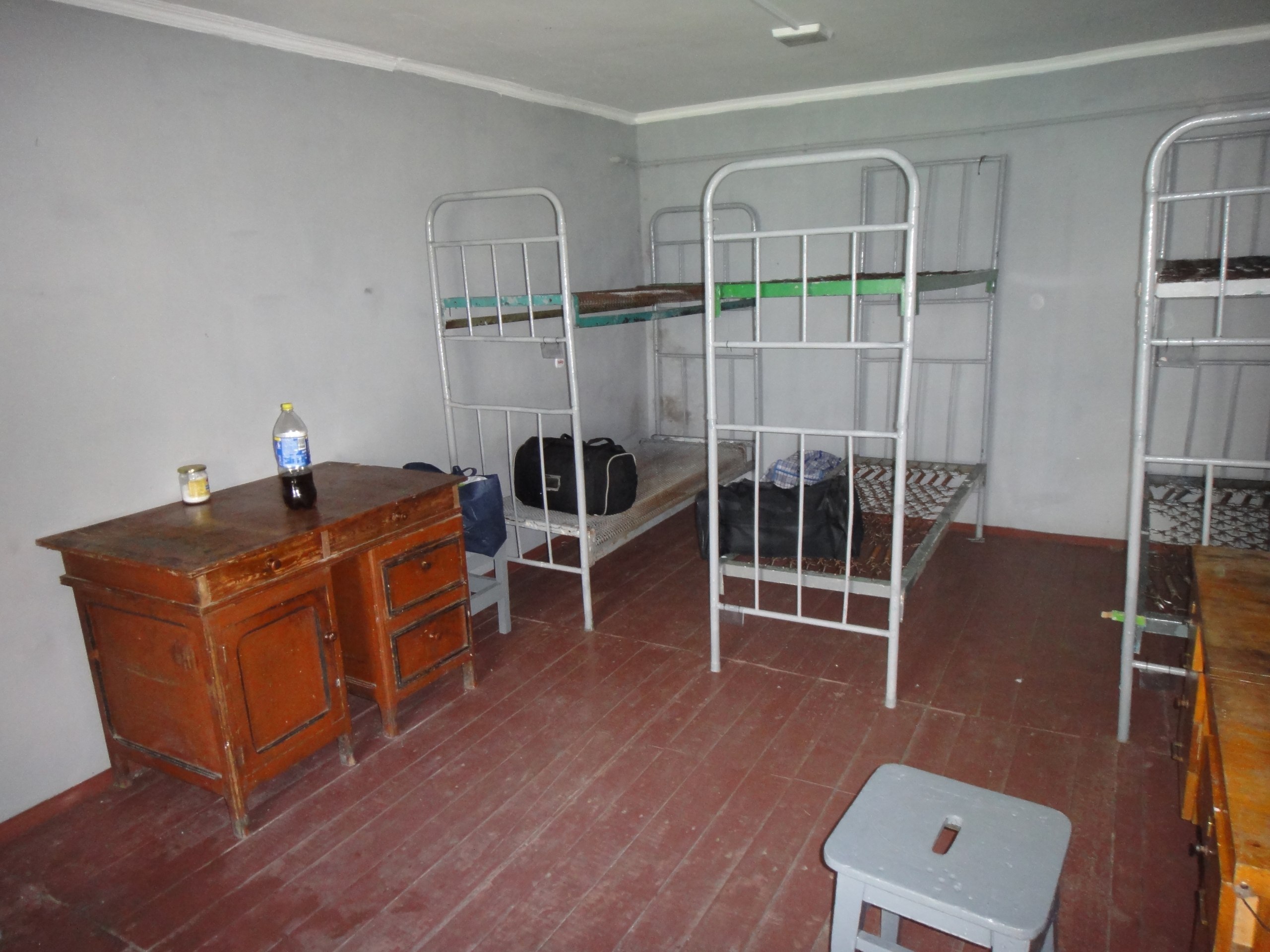
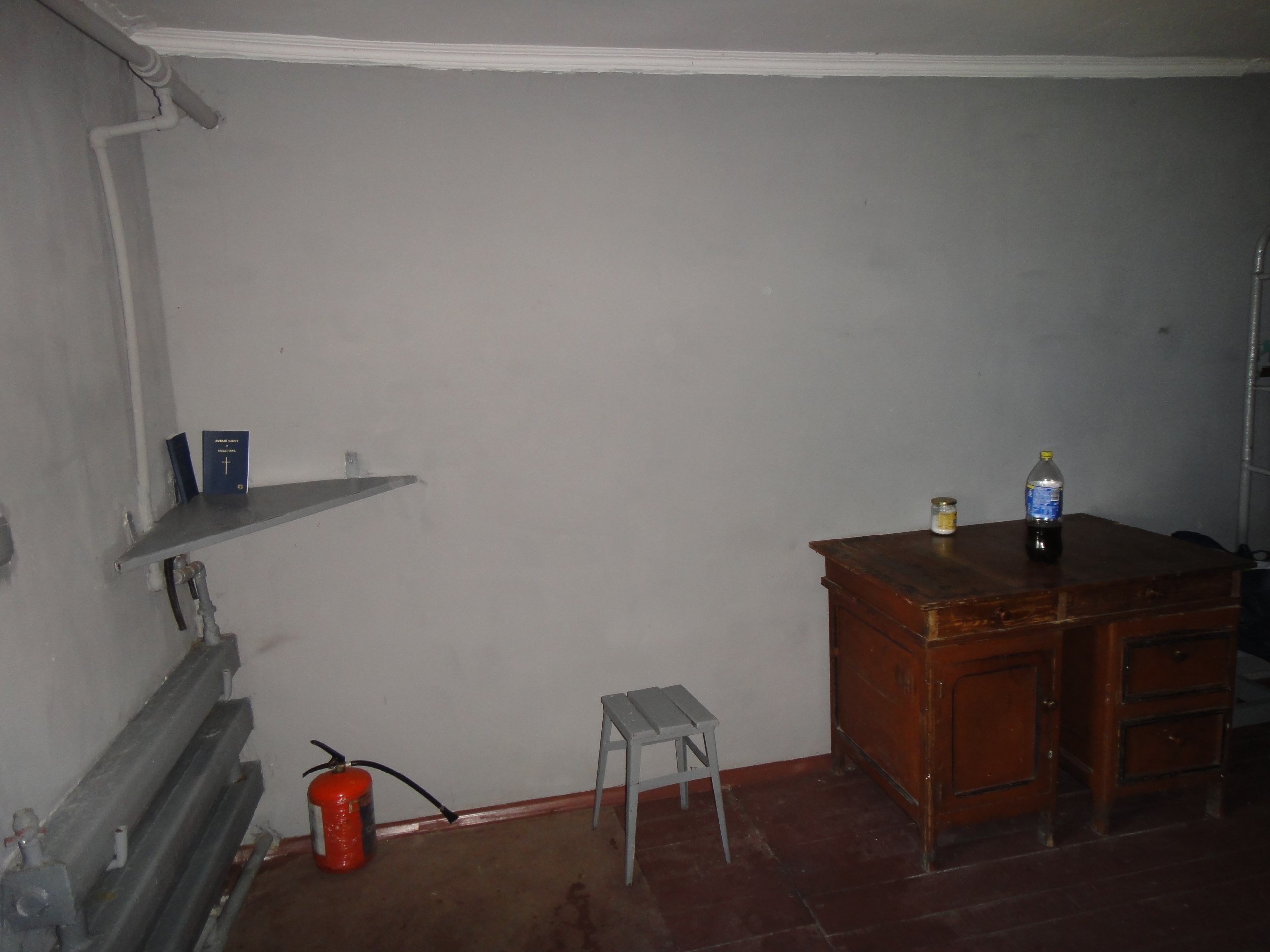
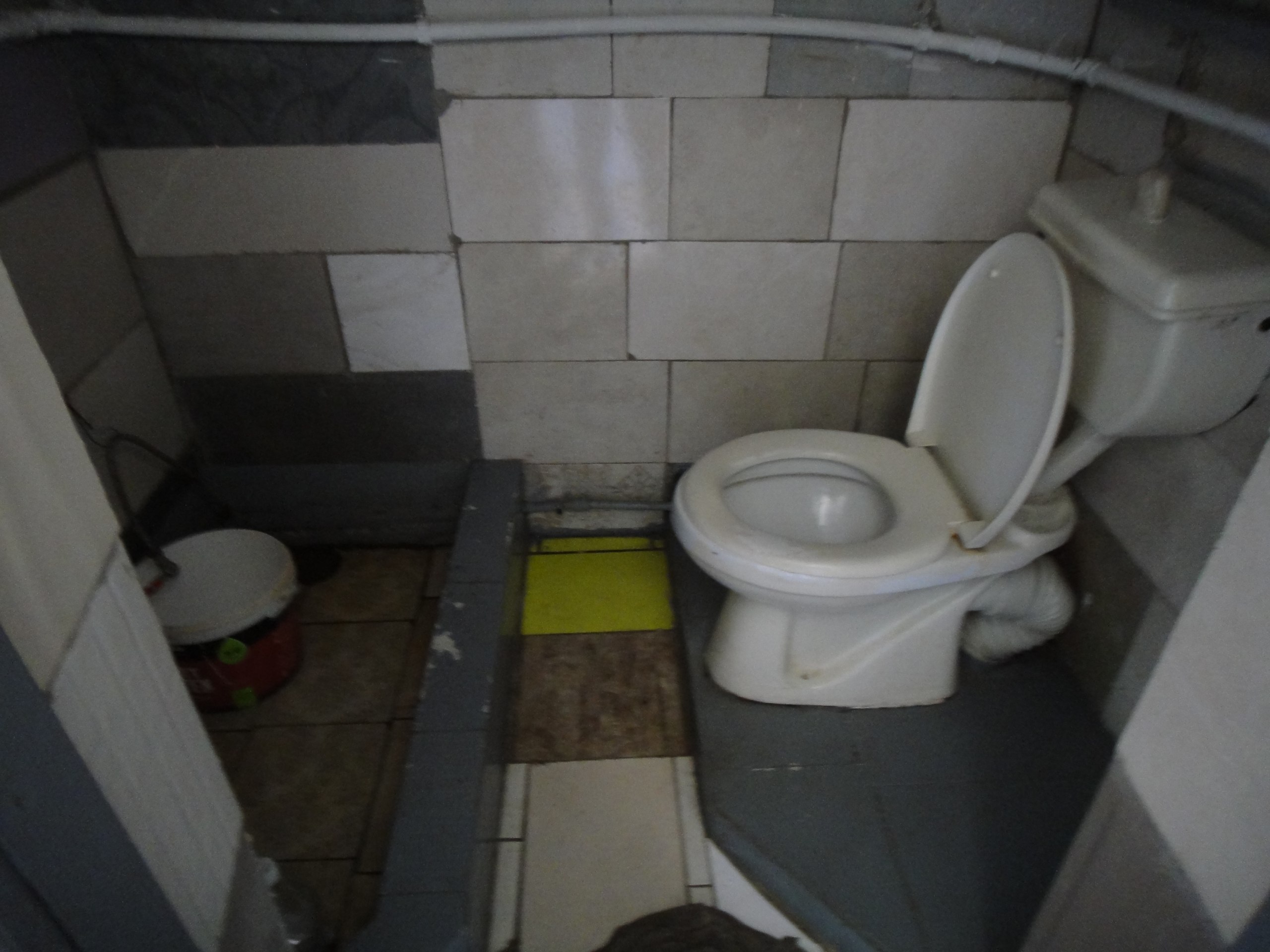
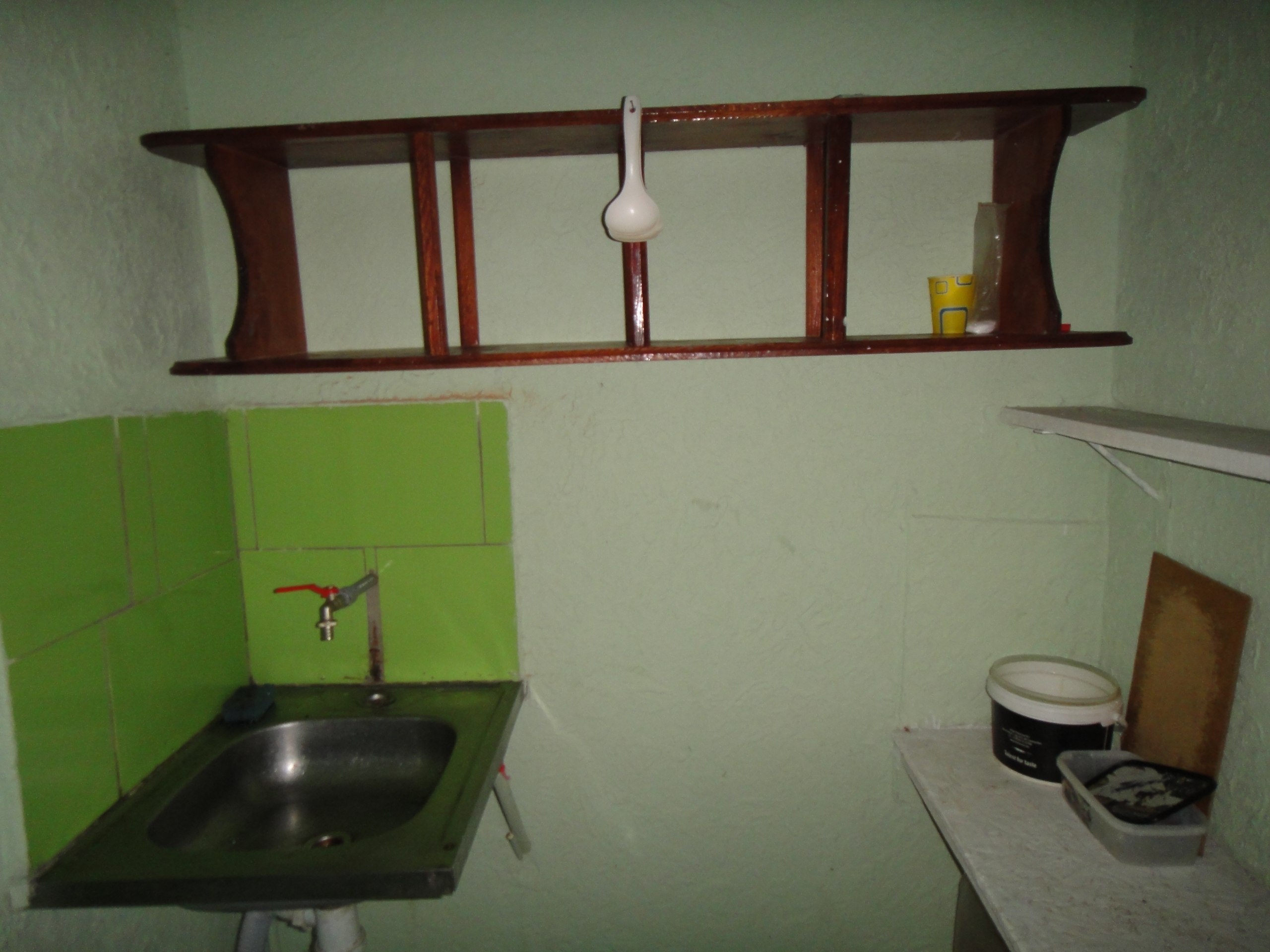
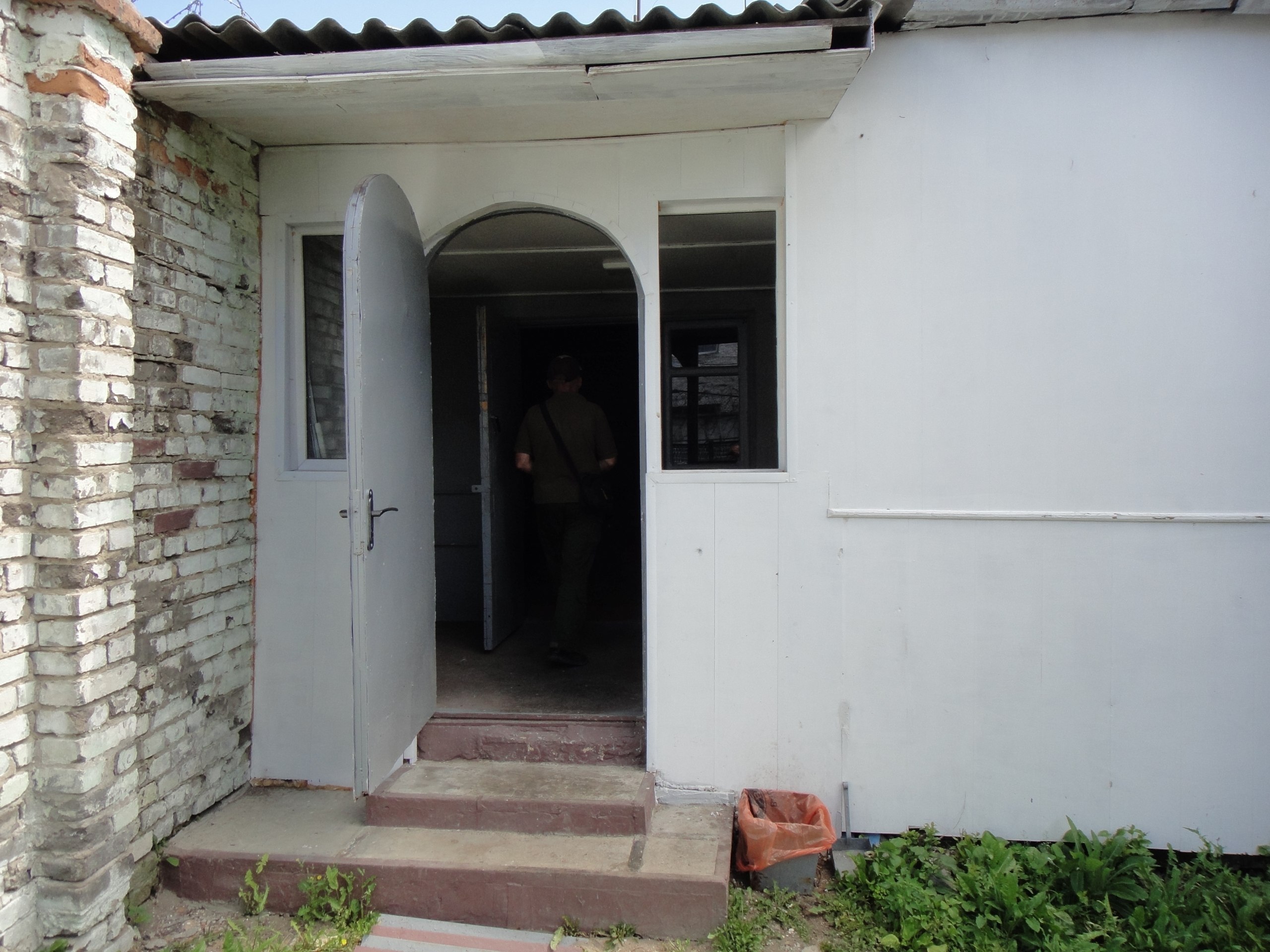
3. An adequate level of natural lighting is not ensured in the residential premises of the QDD unit, since the premises have no windows and natural light enters only through a window located next to the entrance door, as a result of which it barely reaches the living quarters. These conditions may create additional psychological discomfort for convicted persons owing to the absence of visual contact with the outside environment.
This does not comply with the requirements of Rule 18.2 (a) of the European Prison Rules and Rule 14 of the United Nations Standard Minimum Rules for the Treatment of Prisoners (the Nelson Mandela Rules).
4. During the visit to the QDD unit, it was established that the unit’s premises display no visual information setting out the telephone numbers of “hotlines”, or the postal and email addresses of the Ministry of Justice of Ukraine, the Ukrainian Parliament Commissioner for Human Rights, the European Court of Human Rights, the State Bureau of Investigation, the Office of the Prosecutor General, the regional and district prosecutor’s offices, the Department, the interregional directorate, the regional centre for the provision of free legal aid, and the Commission for the Consideration of Complaints about Inadequate Conditions of Detention in Pre-Trial Detention Facilities and Penal Institutions. This runs counter to paragraph 6 of Section II of the Internal Rules of Penal Institutions.
5. The state of the fitting out of the institution’s disciplinary isolation premises (hereinafter — DIC/CTP) does not fully comply with the established standards for the treatment of prisoners and does not ensure proper conditions of detention for convicted persons in the light of their needs. Thus, in breach of the requirements of the Provision Standards, the DIC/CTP lacks a number of necessary premises, in particular: rooms for the reception of convicted persons by the administration and by medical staff; a storeroom for the temporary storage of soiled bedding, clothing and work wear; and a barber’s room. The absence of such premises or their inadequate fitting out results in a breach of sanitary and hygiene standards.
Owing to the absence in the DIC/CTP of a room for the reception of convicted persons by medical staff, medical examinations of convicted persons are conducted in inappropriate conditions, which creates a risk that confidential information about the state of health of individuals may be disclosed to staff of the institution and to other convicted persons during examinations, procedures or interventions. This breaches the requirements of Article 39-1 of the Law of Ukraine “Fundamentals of the Legislation of Ukraine on Health Care” concerning the right of individuals to confidentiality regarding their state of health, as well as paragraph 9 of Section I of the Procedure for Organising the Provision of Medical Care to Persons Sentenced to Deprivation of Liberty, approved by joint Order of the Ministry of Justice of Ukraine and the Ministry of Health of Ukraine No. 1348/5/572 of 15 August 2014.
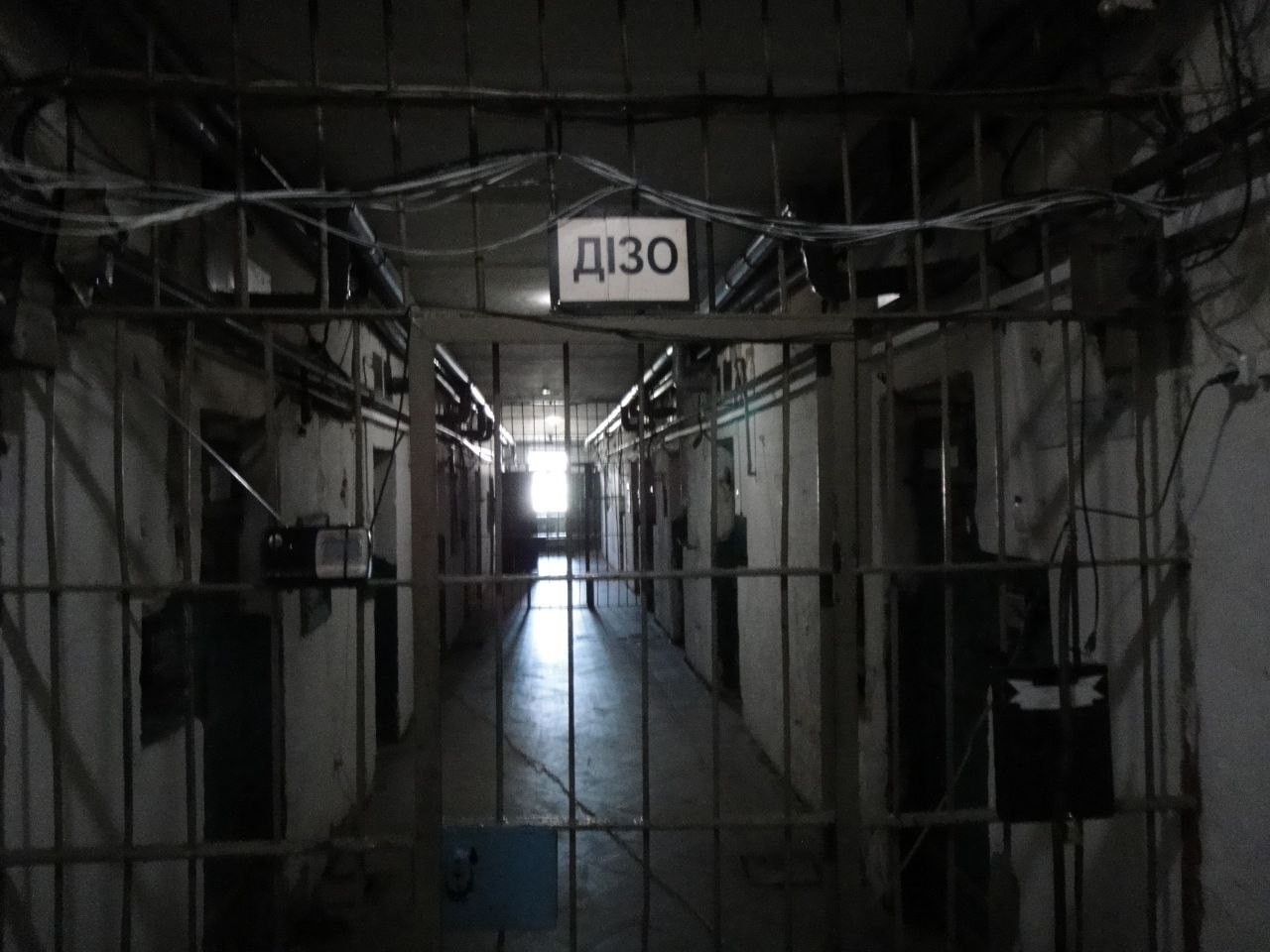
6. An adequate level of natural lighting is not ensured in the cells of the DIC/CTP, since the cell windows are small, positioned at a considerable height and excessively barred, as a result of which access to natural light is limited and insufficient to ensure normal conditions of stay. These conditions create additional psychological discomfort for convicted and remand prisoners owing to their limited visual contact with the outside environment.
An analogous violation was established in the cell of the sector for holding persons taken into custody.
This does not comply with the requirements of Rule 18.2 (a) of the European Prison Rules and Rule 14 of the United Nations Standard Minimum Rules for the Treatment of Prisoners (the Nelson Mandela Rules).
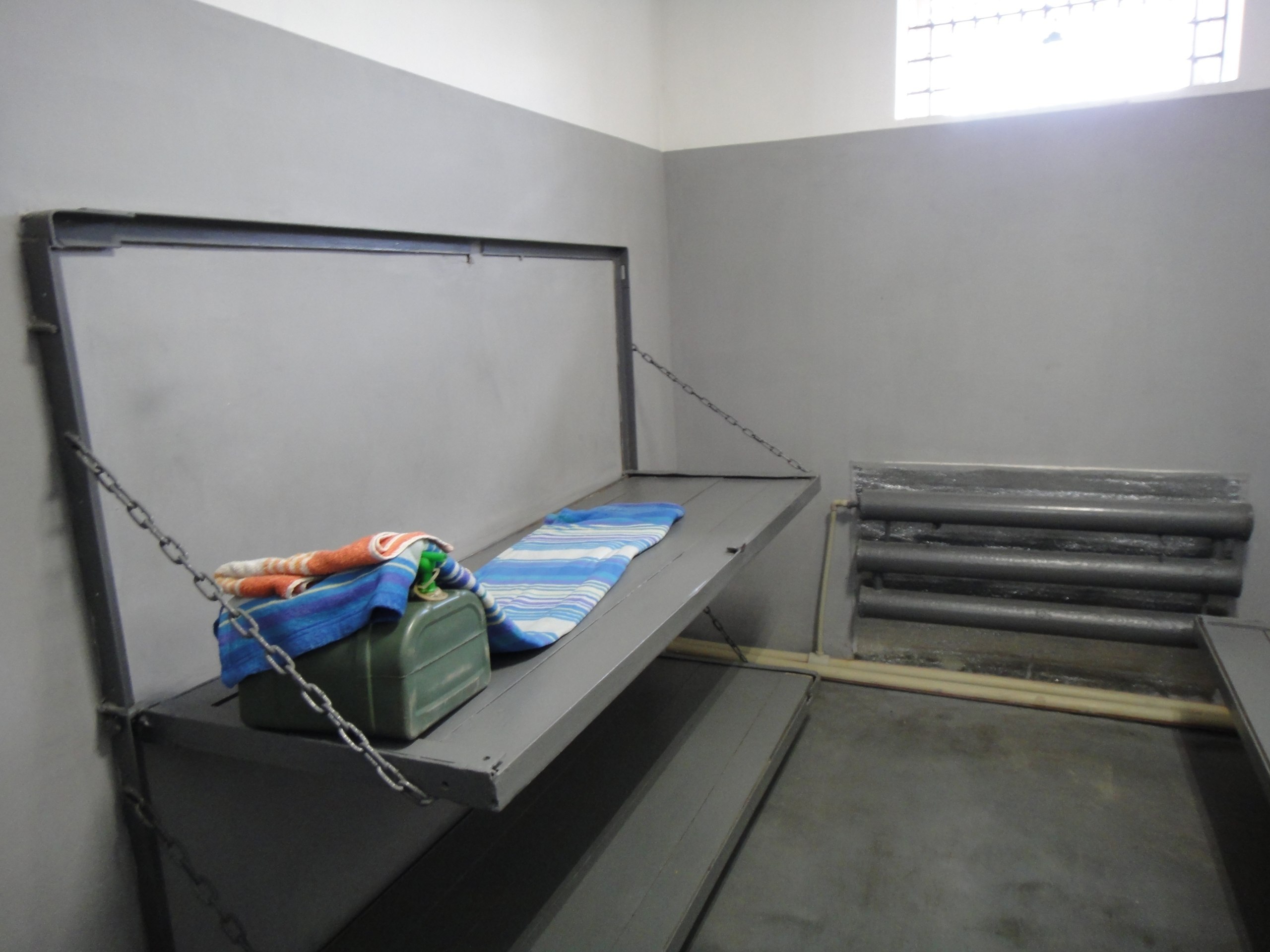
7. Mechanical ventilation is not in operation in the cells of the DIC/CTP, which does not comply with the requirements of Rule 13 of the United Nations Standard Minimum Rules for the Treatment of Prisoners (the Nelson Mandela Rules).
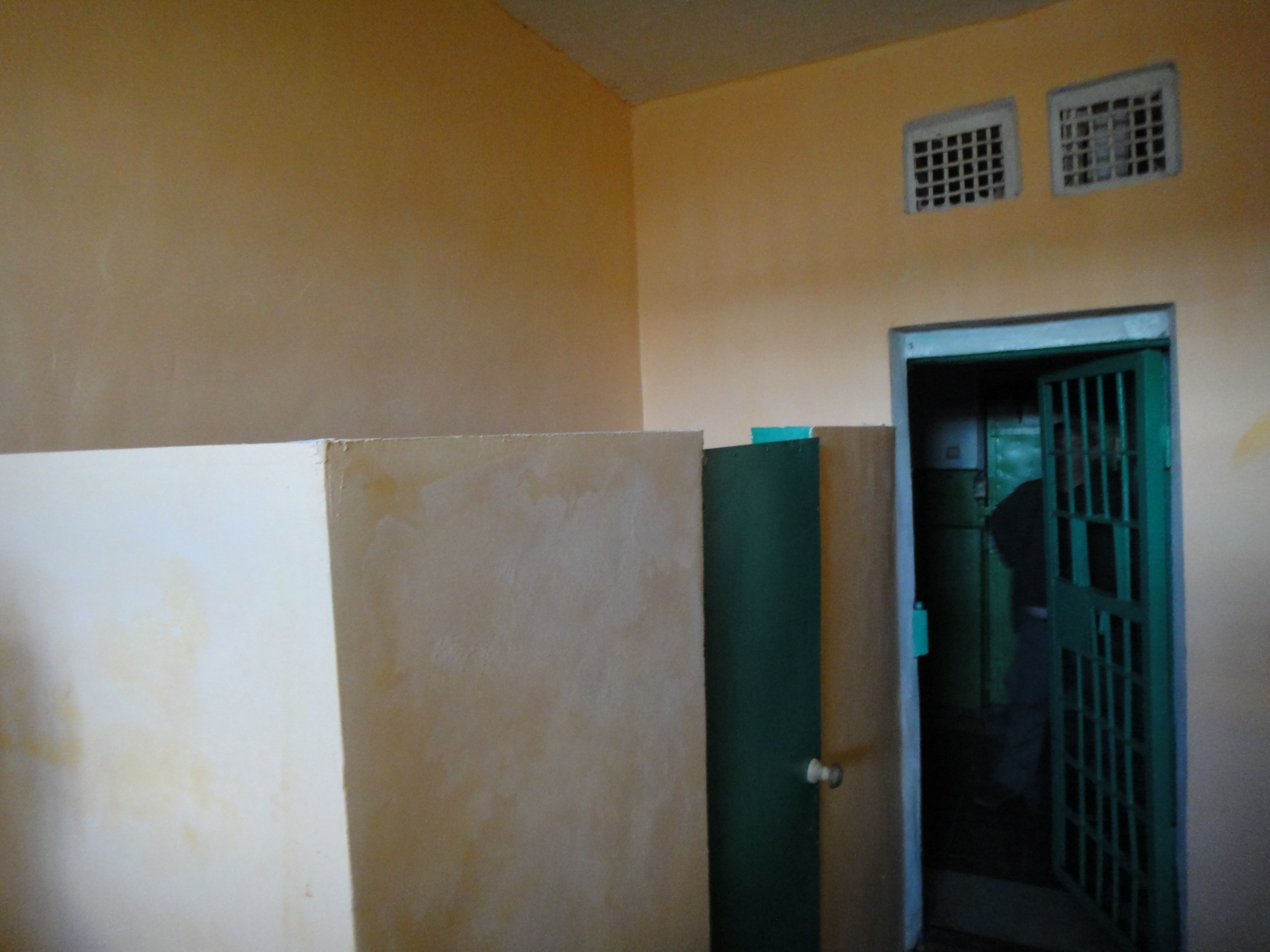
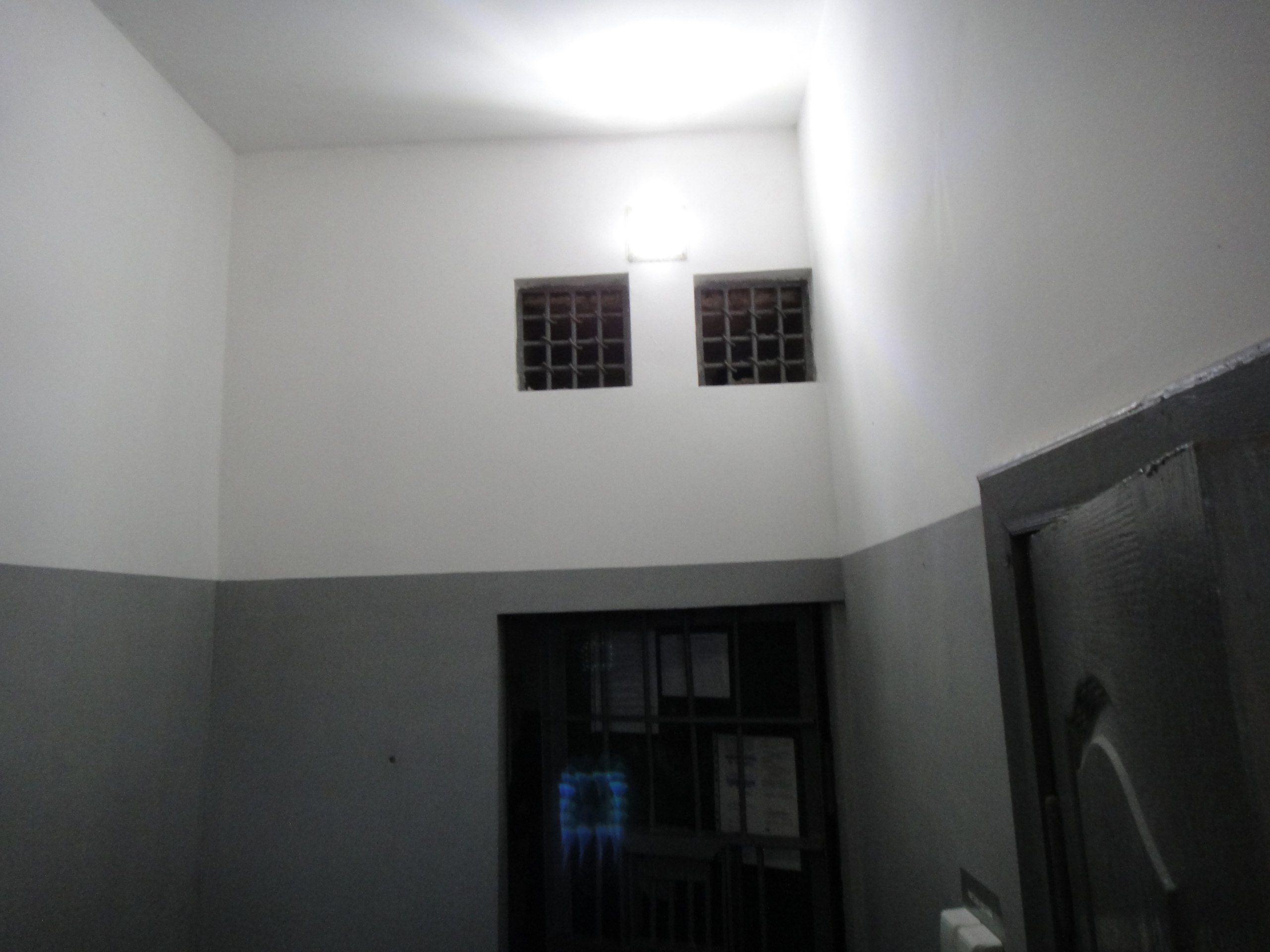
8. The sanitary facilities in the cells of the DIC/CTP, in the residential premises of the enhanced control unit (hereinafter — the ECU) and in the cell of the sector for holding persons taken into custody are not fitted with sufficient partitions to allow privacy, which constitutes a violation of Rule 19.3 of the European Prison Rules and Rule 15 of the United Nations Standard Minimum Rules for the Treatment of Prisoners (the Nelson Mandela Rules).
Moreover, in its report to the Government of Ukraine following its 2023 visit, the Committee called on the Ukrainian authorities to take the necessary measures to improve the material conditions of detention, in particular to keep all accommodation for convicted and remand prisoners, including sanitary facilities, in a proper state of repair and hygiene; to carry out disinfestation regularly and frequently; to ensure adequate access to natural light and ventilation in cells; and to fit in-cell sanitary facilities with full partitions (that is, from floor to ceiling) (CPT/Inf (2024) 20, paragraph 58).
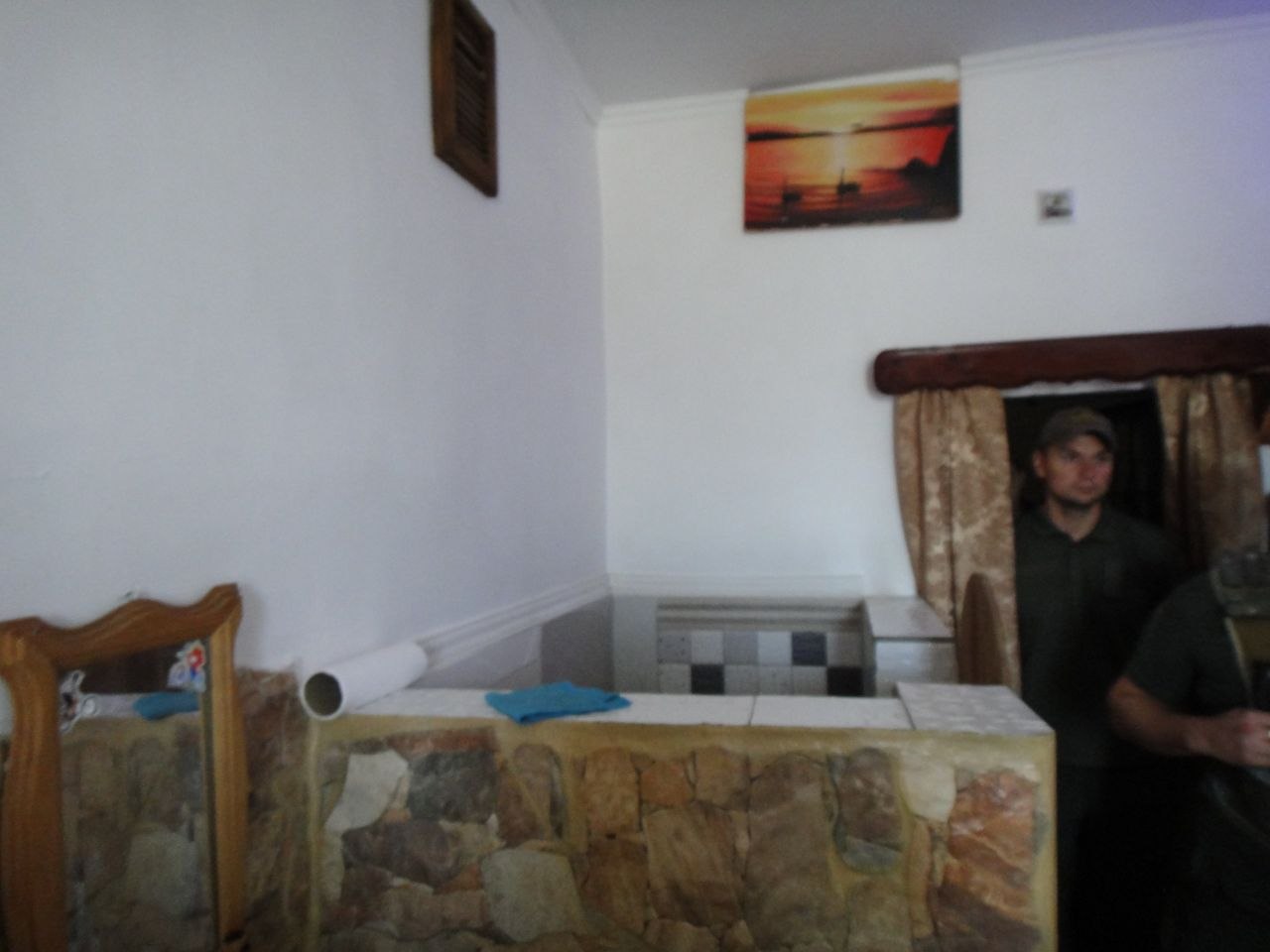
9. In the DIC/CTP, radio broadcasting is provided only in the general corridor, and convicted persons are unable to switch it on or off or adjust the volume themselves. In the cells of the DIC/CTP, by contrast, it does not function at all, which runs counter to the requirements of paragraph 3 of Section XX of the Internal Rules of Penal Institutions and paragraph 63 of the United Nations Standard Minimum Rules for the Treatment of Prisoners (the Nelson Mandela Rules).
10. During the visit to the DIC/CTP and the analysis of official documentation, the monitoring group established that the psychologist does not visit convicted persons serving disciplinary penalties in the disciplinary isolation cells, as provided for by the twenty-sixth subparagraph of paragraph 6 of Section XXI of the Internal Rules of Penal Institutions, namely at least once a week.
This is confirmed by the absence of the corresponding entries in the register of visits by representatives of the penal institution’s administration to the disciplinary isolation cells and cell-type premises.
11. Pursuant to the twenty-third subparagraph of paragraph 6 of Section XXI of the Internal Rules of Penal Institutions, in order to provide medical care the head of the medical unit (the duty doctor) is to visit the disciplinary isolation cells, punishment cells and cell-type premises (single cells) daily and, where necessary, to receive convicted persons. Following such visits to the disciplinary isolation cells, punishment cells and cell-type premises (single cells), he or she is obliged to make the corresponding entries in the register of visits by the penal institution’s administration to the disciplinary isolation cells, cell-type premises, single cells and punishment cells.
However, an inspection of the said register revealed the absence of the relevant entries by a medical officer for the period from 11 to 14 July 2026, despite the fact that convicted persons were serving disciplinary penalties in the disciplinary isolation cells during that period.
This violation may indicate that the medical officer is in fact failing to discharge the duty to visit the disciplinary isolation cells daily, and also that there is no proper medical supervision of the state of health of convicted persons held in disciplinary premises.
12. During the visit to the DIC/CTP, it was established that the administration of the institution had not issued to convicted persons serving disciplinary penalties copies of the decisions imposing those penalties, setting out the possibility of appealing against them and the procedure for doing so, which runs counter to Article 135 of the Criminal Executive Code of Ukraine. At the same time, in its report to the Government of Ukraine following its 2023 visit, the Committee recommends that steps be taken in Ukraine’s penitentiary establishments to ensure that convicted persons on whom a disciplinary penalty has been imposed systematically receive a copy of the relevant decision. Furthermore, convicted persons should be informed of their right of access to a lawyer in the context of disciplinary proceedings (CPT/Inf (2024) 20, paragraph 103).
13. The area of some exercise yards is insufficient to allow for meaningful physical activity by convicted persons. Moreover, the exercise yards are fitted with canopies which almost entirely block access to natural light, resulting in persons being held in semi-darkness. The Committee has repeatedly recommended that the design and size of exercise yards be reviewed, since at best they offer no more than a view of the sky (paragraphs 122 and 127, CPT/Inf (2014) 15).
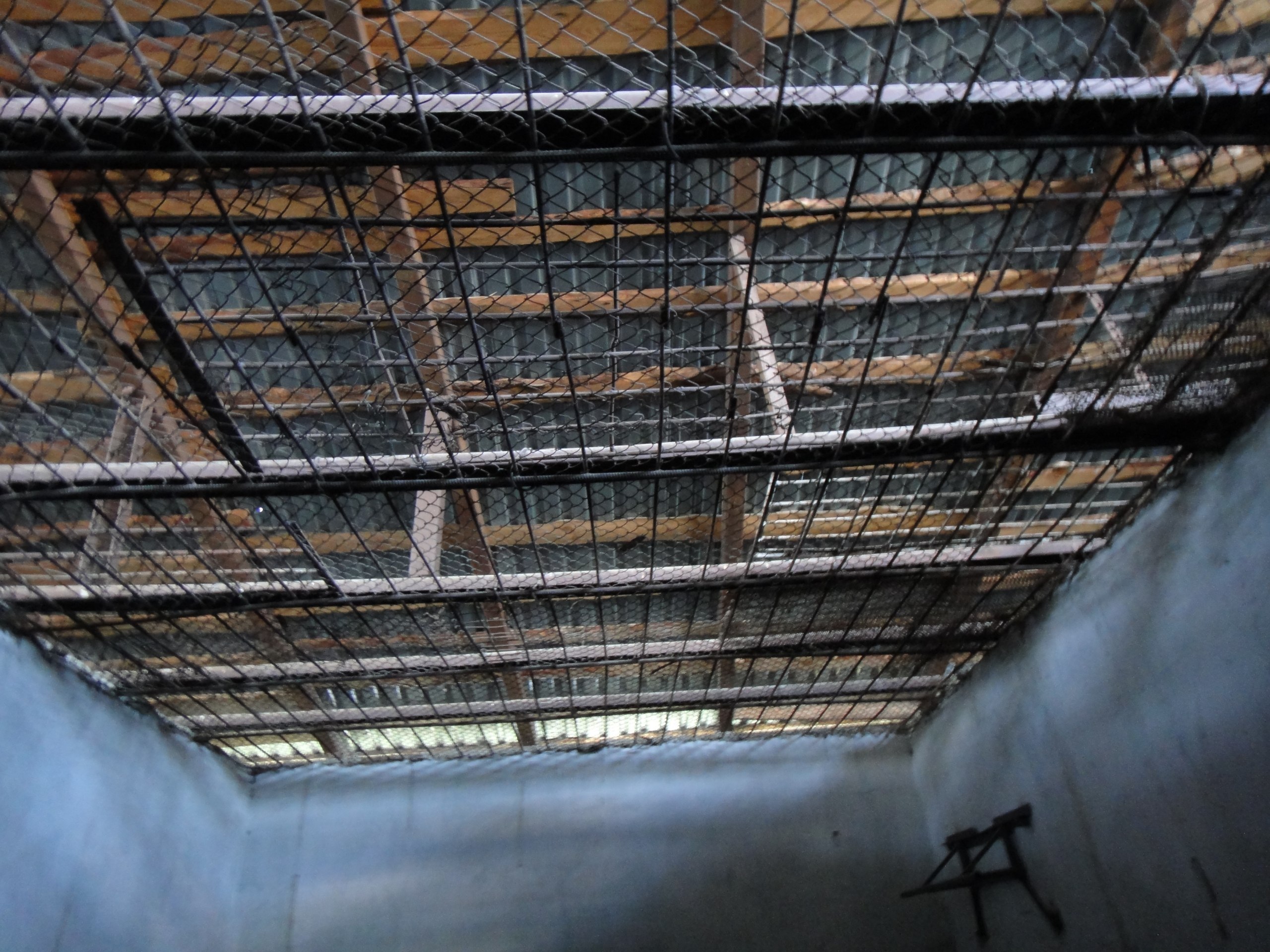
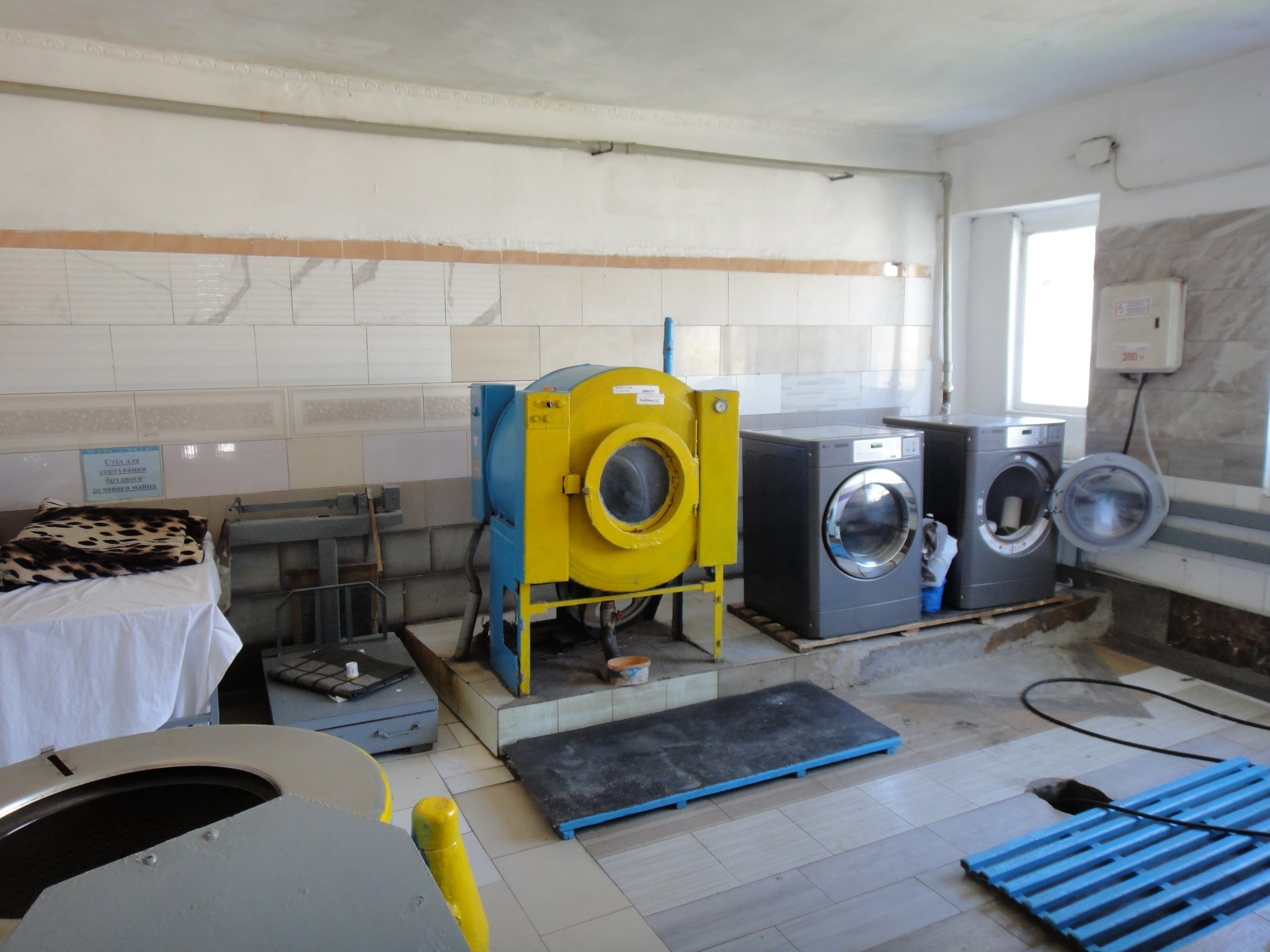
14. The monitoring group established a number of violations in the organisation of bathing and laundry services for convicted and remand prisoners.
In breach of paragraph 2.11 of Section II of the Regulation on the Organisation of Bathing and Laundry Services for Persons Held in Penal Institutions and Pre-Trial Detention Facilities, approved by Order of the Ministry of Justice of Ukraine No. 849/5 of 8 June 2021 (hereinafter — the Regulation), the forced supply and exhaust ventilation system in the bathhouse and laundry premises is not functioning properly.
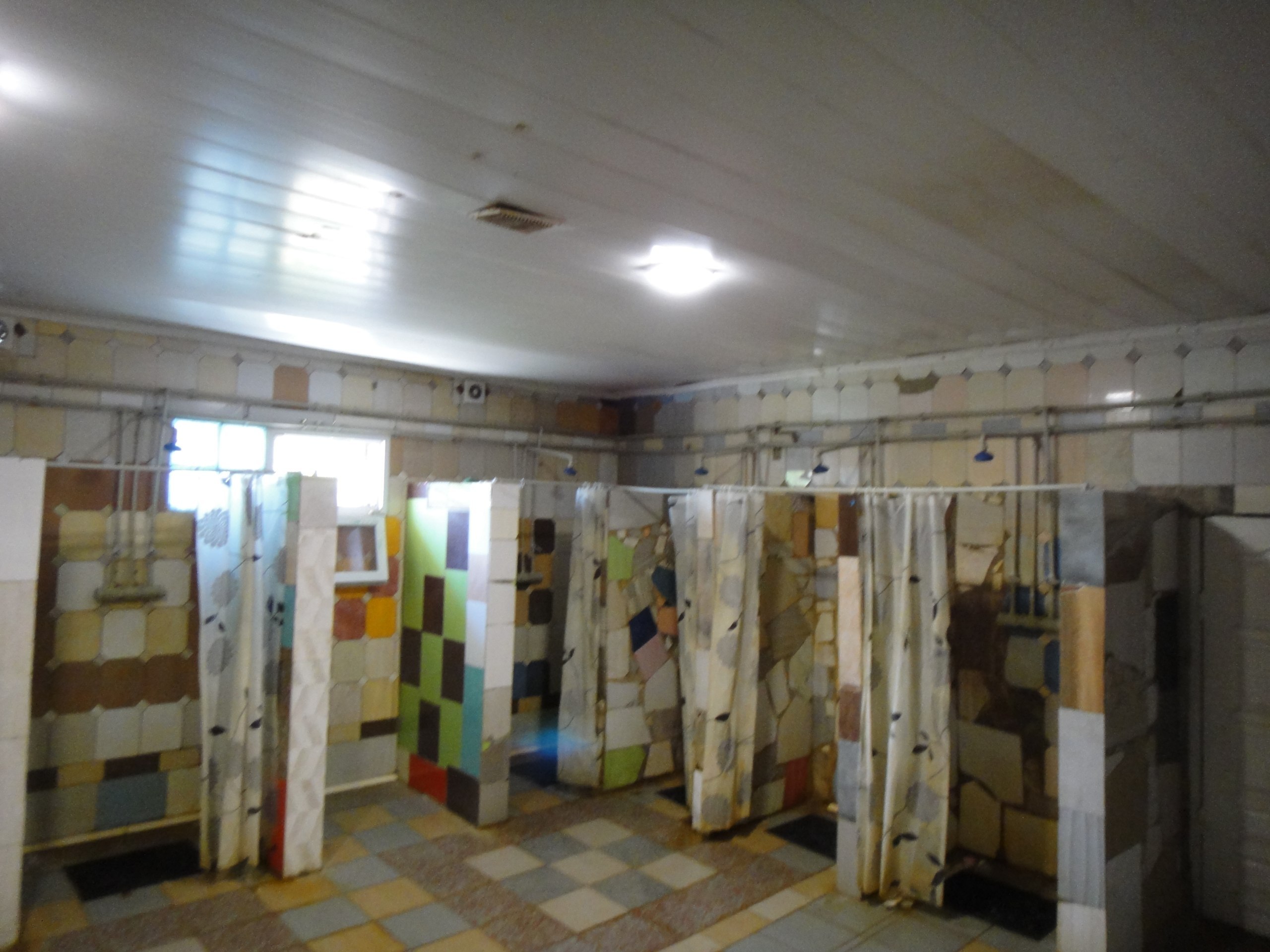
15. In breach of the requirements of Rule 19.3 of the European Prison Rules, the right to privacy is not ensured in the bathhouse and in the shower room of the disciplinary isolation block, owing to the absence of curtains on the shower partitions.
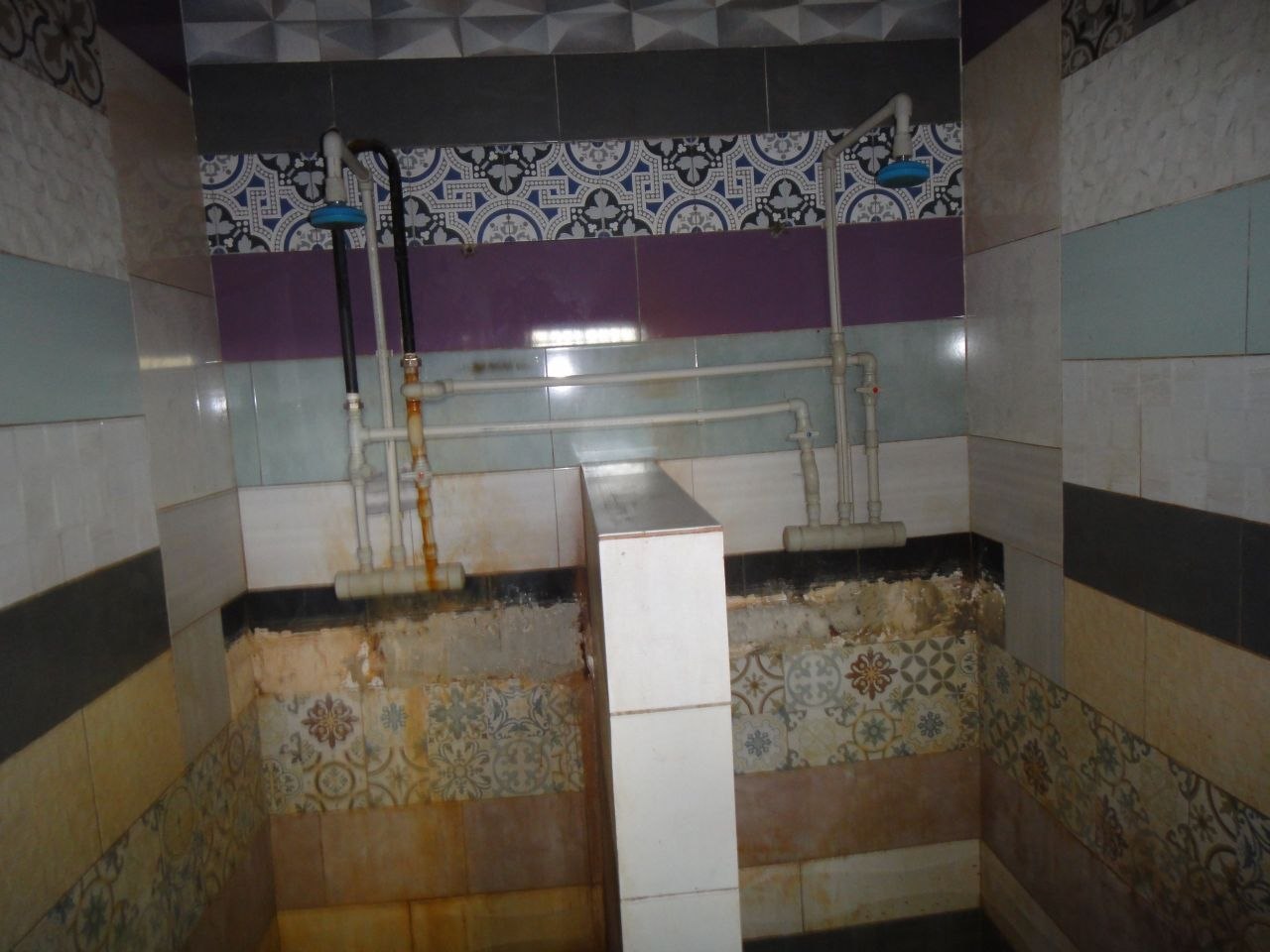
16. In breach of the requirements of Annex 3 to the Regulation on the Organisation of Bathing and Laundry Services, there is no lavatory for staff in the laundry.
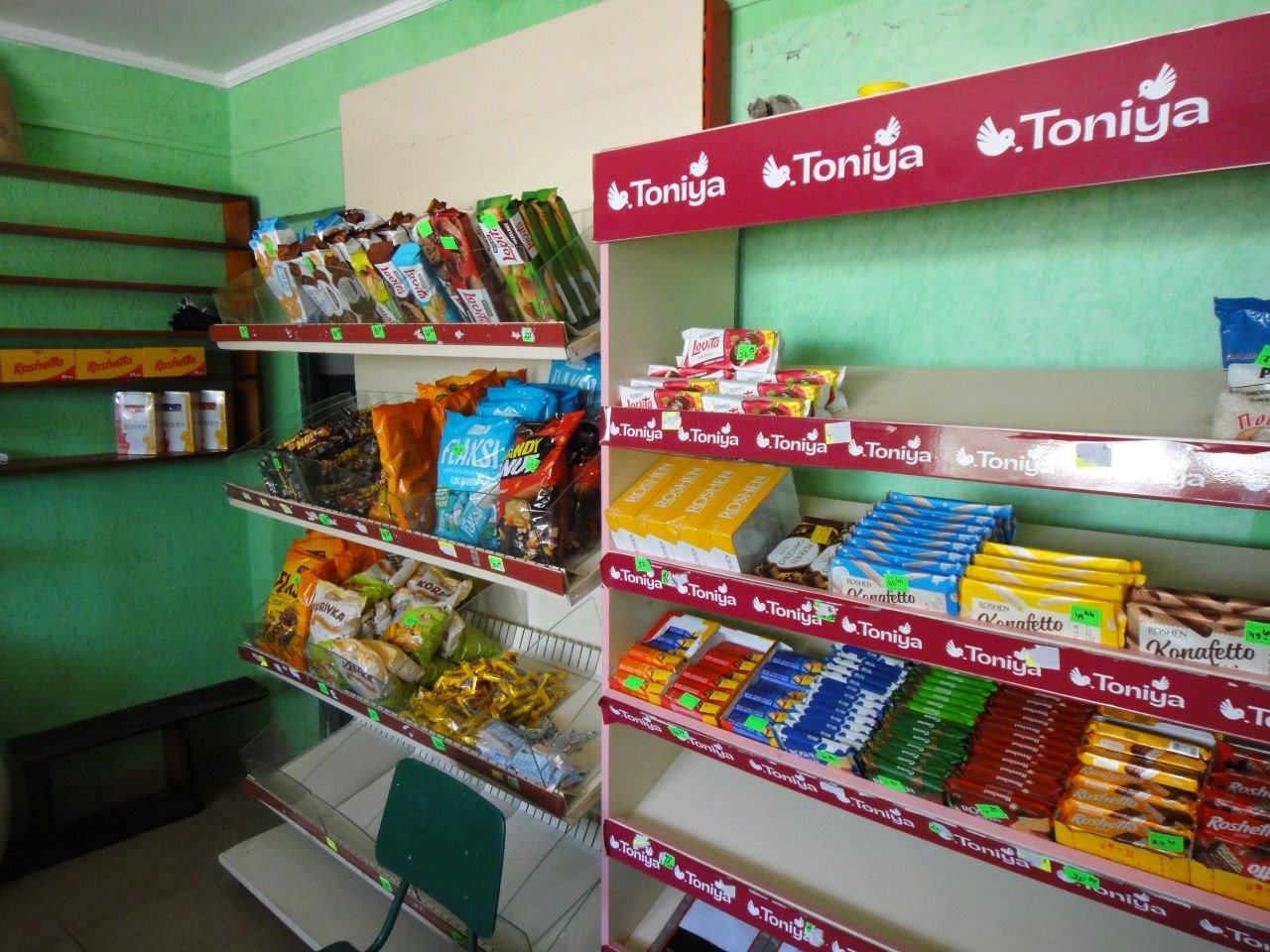
17. During the visit to the institution, the monitoring group established that the institution’s shop had no slippers, mirrors, toothpaste, notebooks, envelopes, stamps, tobacco products, devices for the consumption of tobacco products and the inhalation of aerosols (vapour) without combustion, or chargers for such devices, all of which are provided for by Annex 5 to the Internal Rules of Penal Institutions.
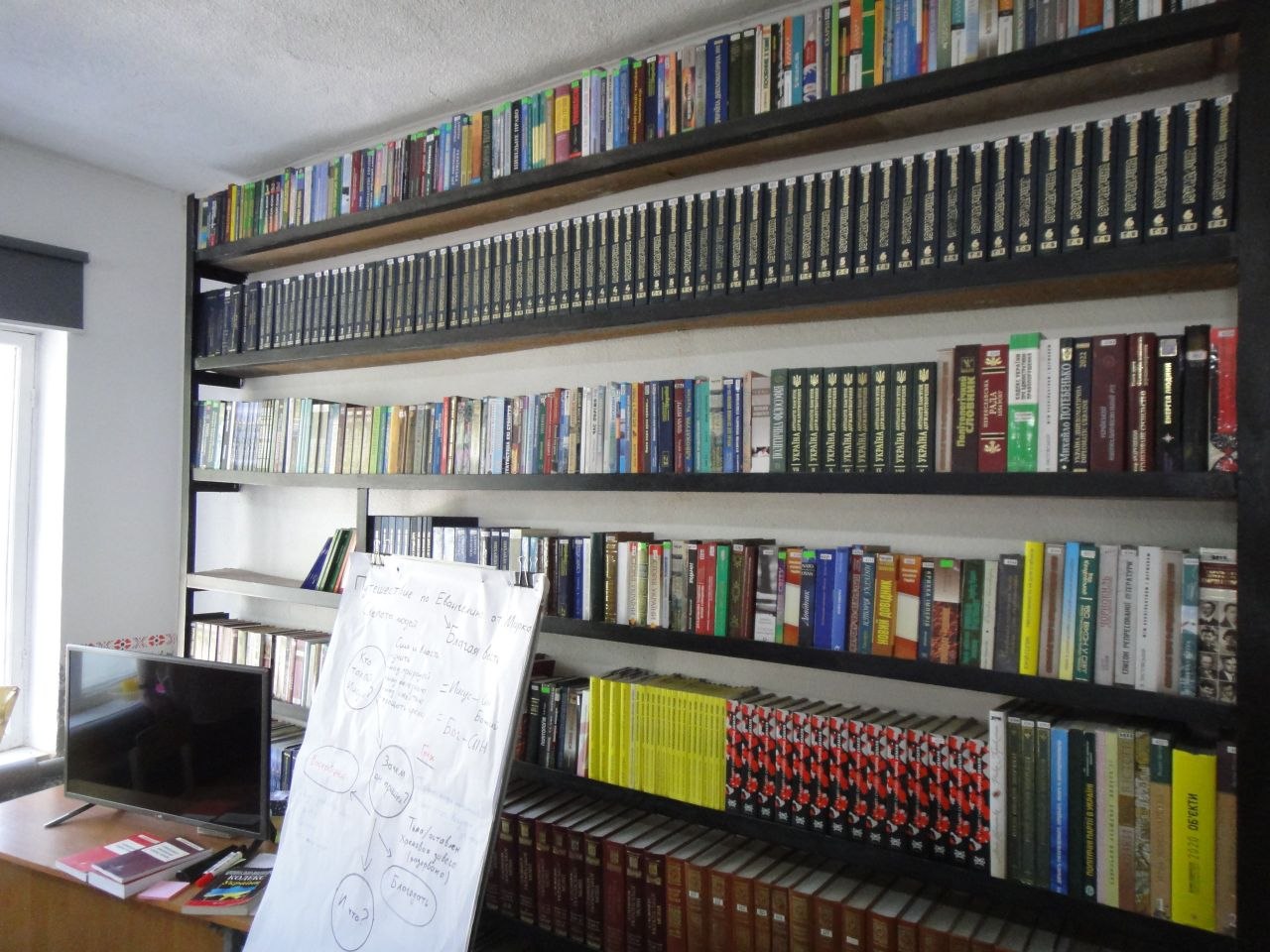
18. During the visit to the institution’s library, the monitoring group established that, contrary to the requirements of the third subparagraph of paragraph 4 of Section XX of the Internal Rules of Penal Institutions, the library’s book stock does not include copies of the Internal Rules of Pre-Trial Detention Facilities.
19. During the visit, the monitoring group recorded that staff of the institution who are in direct contact with convicted persons openly carry special means, in particular rubber truncheons. However, pursuant to the eighth subparagraph of paragraph 1 of Section XXVI of the Internal Rules of Penal Institutions, the carrying of special means by staff of penal institutions within the guarded territory of a penal institution must, as far as possible, be kept out of sight of those around them. The Committee, for its part, recommends that penitentiary staff working in direct contact with prisoners should not openly carry special means (such as rubber truncheons, handcuffs and tear-gas canisters) in front of prisoners. Such carrying is an obstacle to the establishment of normal relations between staff and prisoners (CPT/Inf (2011) 29, paragraph 85; CPT/Inf (2013) 23, paragraph 23; CPT/Inf (2014) 15, paragraph 166).
20. According to information provided by the administration, since the beginning of 2026 (as at 17 July 2026) convicted persons at the State Institution “Korosten Correctional Colony (No. 71)” have been granted 101 short-term visits, 28 of which took place on a closed basis — through a solid glass partition using an intercom.
At the same time, in its report to the Government of Ukraine following its 2023 visit, the European Committee for the Prevention of Torture emphasises that, for all categories of convicted persons, open visits (for example, across a table) should be the rule and closed visits the exception, permitted only on the basis of substantiated and reasoned decisions following an individual assessment of the potential risk posed by the particular convicted person. In this connection, the Committee calls on the Ukrainian authorities to review the arrangements for short-term visits in penitentiary establishments with a view to ensuring that they are conducted, as a rule, under open conditions (CPT/Inf (2024) 20, paragraph 99).
21. According to official documentation, the institution’s staffing shortfall as at 17 July 2026 amounted to 22.5 posts. At the same time, in its report to the Government of Ukraine following its 2023 visit, the Committee emphasises that securing a positive climate in a penitentiary establishment requires a professional team of staff who must be present in sufficient numbers at all times in detention areas. Insufficient staff numbers can only increase the risk of violence and intimidation between prisoners. A shortage of front-line staff also undermines the quality and level of the activities offered to prisoners and jeopardises the prospects of preparation for release and social rehabilitation. In this connection, the Committee calls on the Ukrainian authorities to take resolute measures to increase substantially the number of staff in those penitentiary establishments in Ukraine where staffing levels are low, with a view to reinforcing the presence of custodial and supervisory staff inside the establishments. Measures should also be taken to put an end to the 24-hour shifts worked by staff on duty (CPT/Inf (2024) 20, paragraph 93).
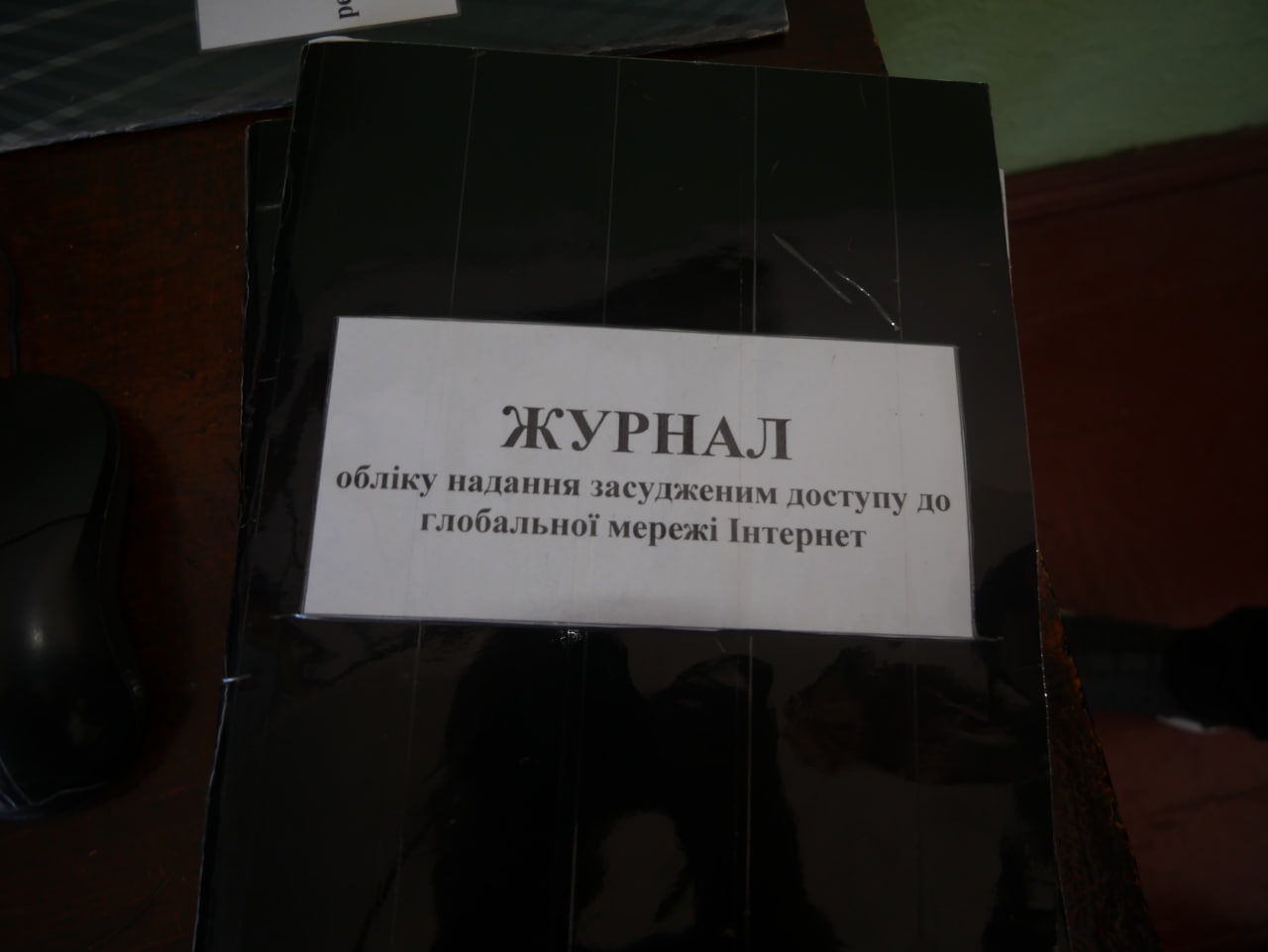
22. The institution has a separate internet class equipped with computer hardware and operating to a set timetable. According to the information displayed, access to the internet class is provided during several time slots throughout the day. The administration also keeps separate registers recording the provision of access to the internet for convicted persons and the conduct of video communication over the internet.
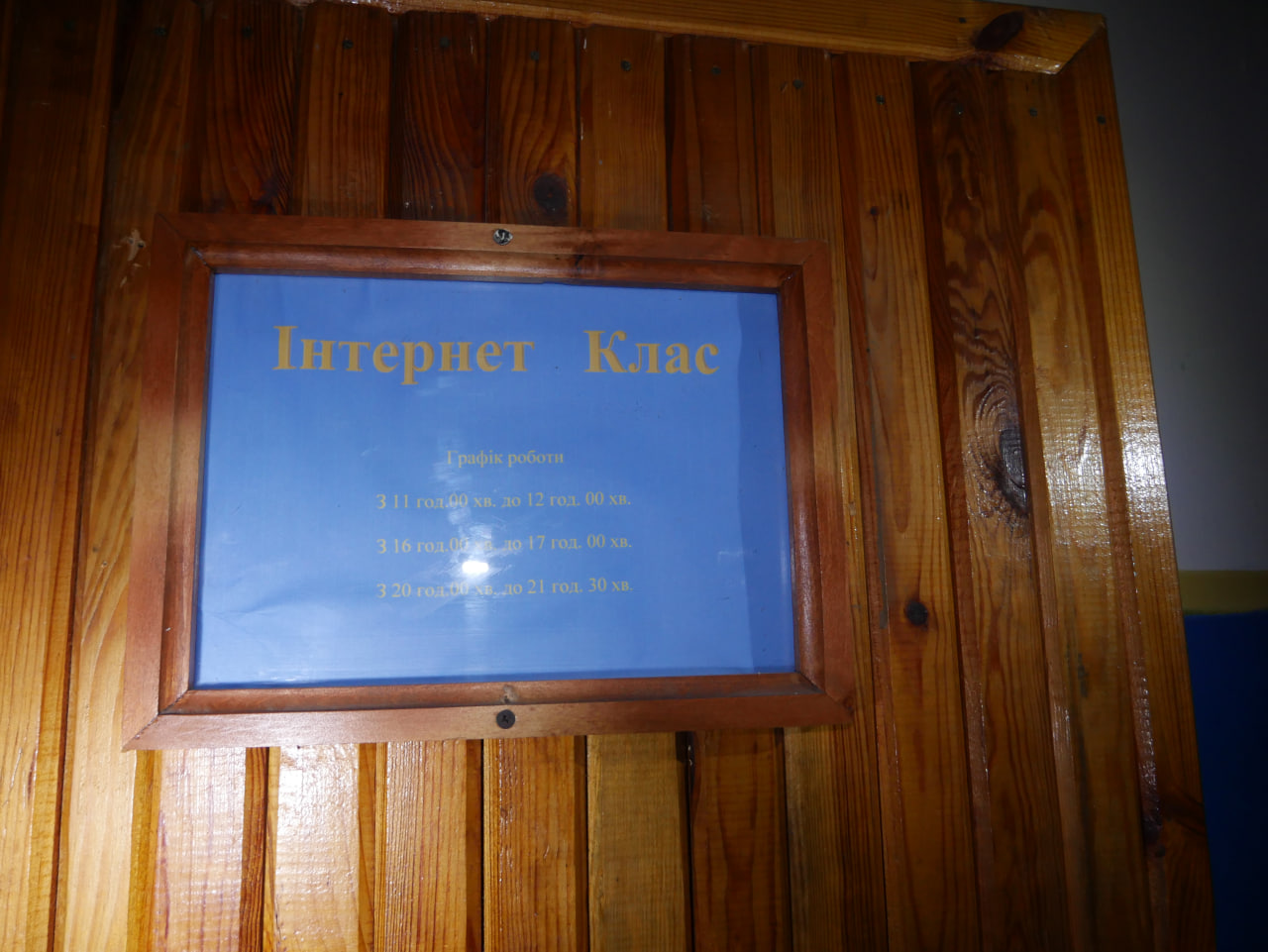
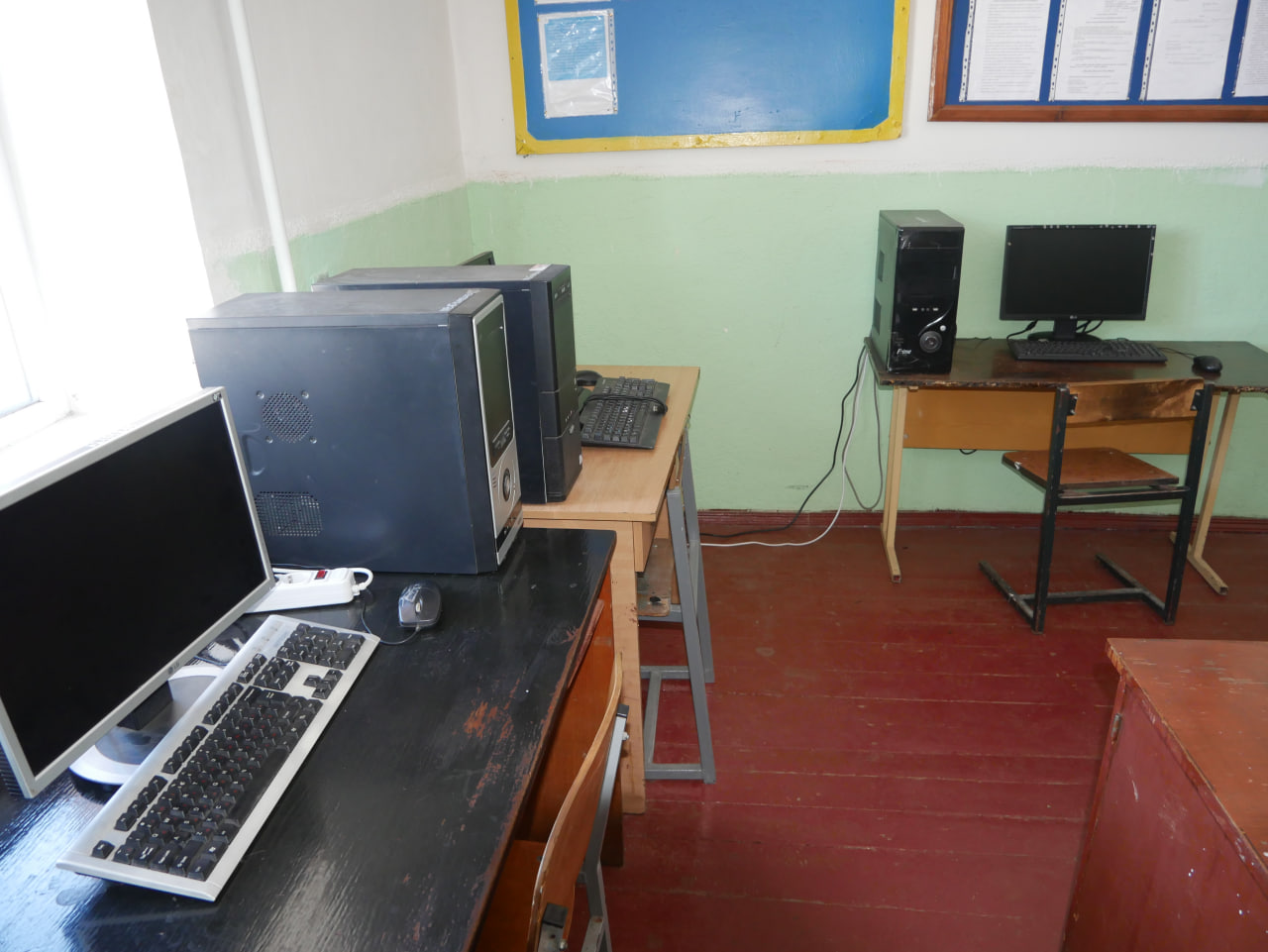
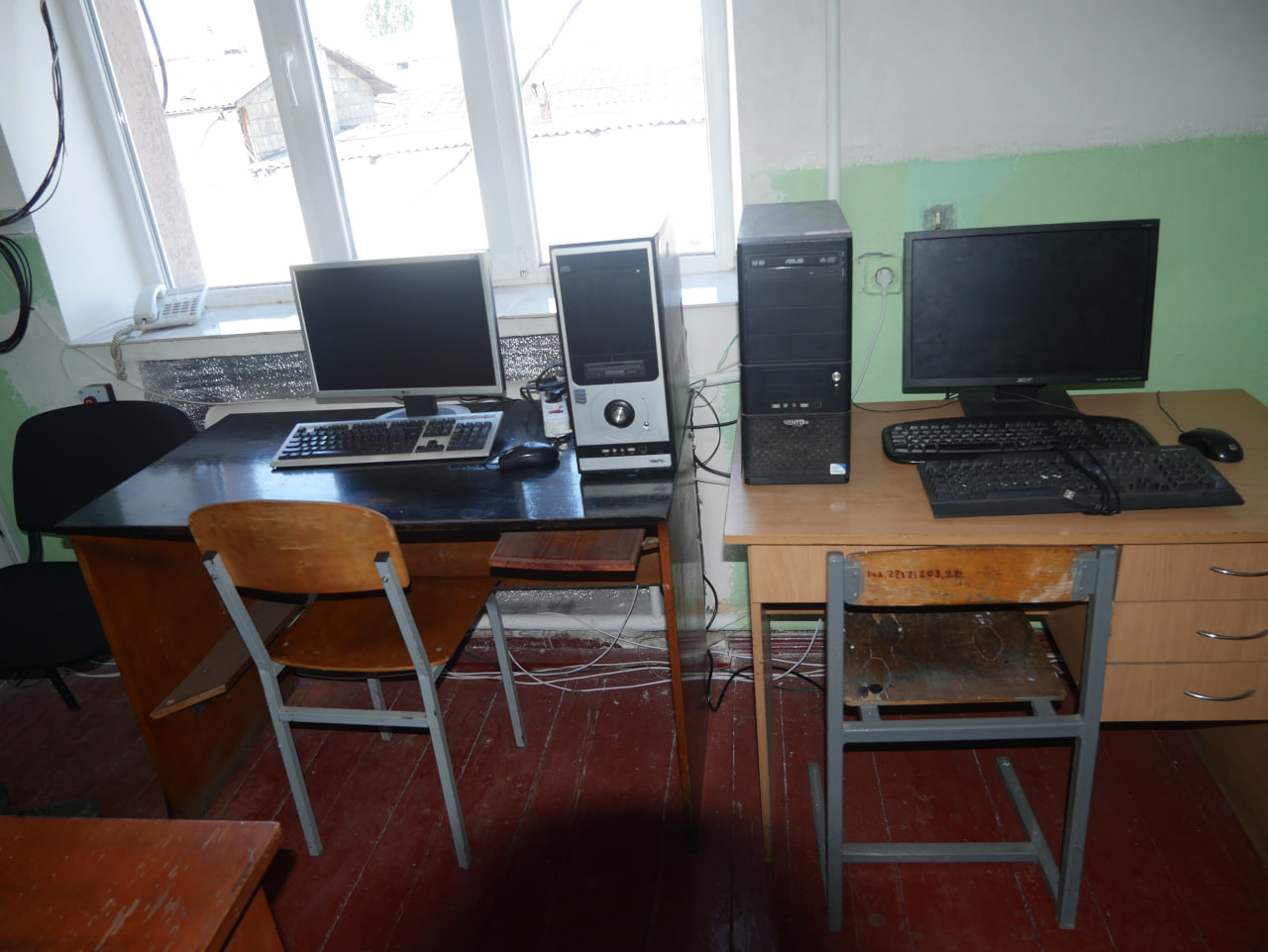
However, an examination of the said registers showed that, during the month preceding the monitoring visit, not a single instance of the use of the internet class by convicted persons was recorded. Likewise, the register recording video communication over the internet by convicted persons contains no entries concerning video calls made during that period.
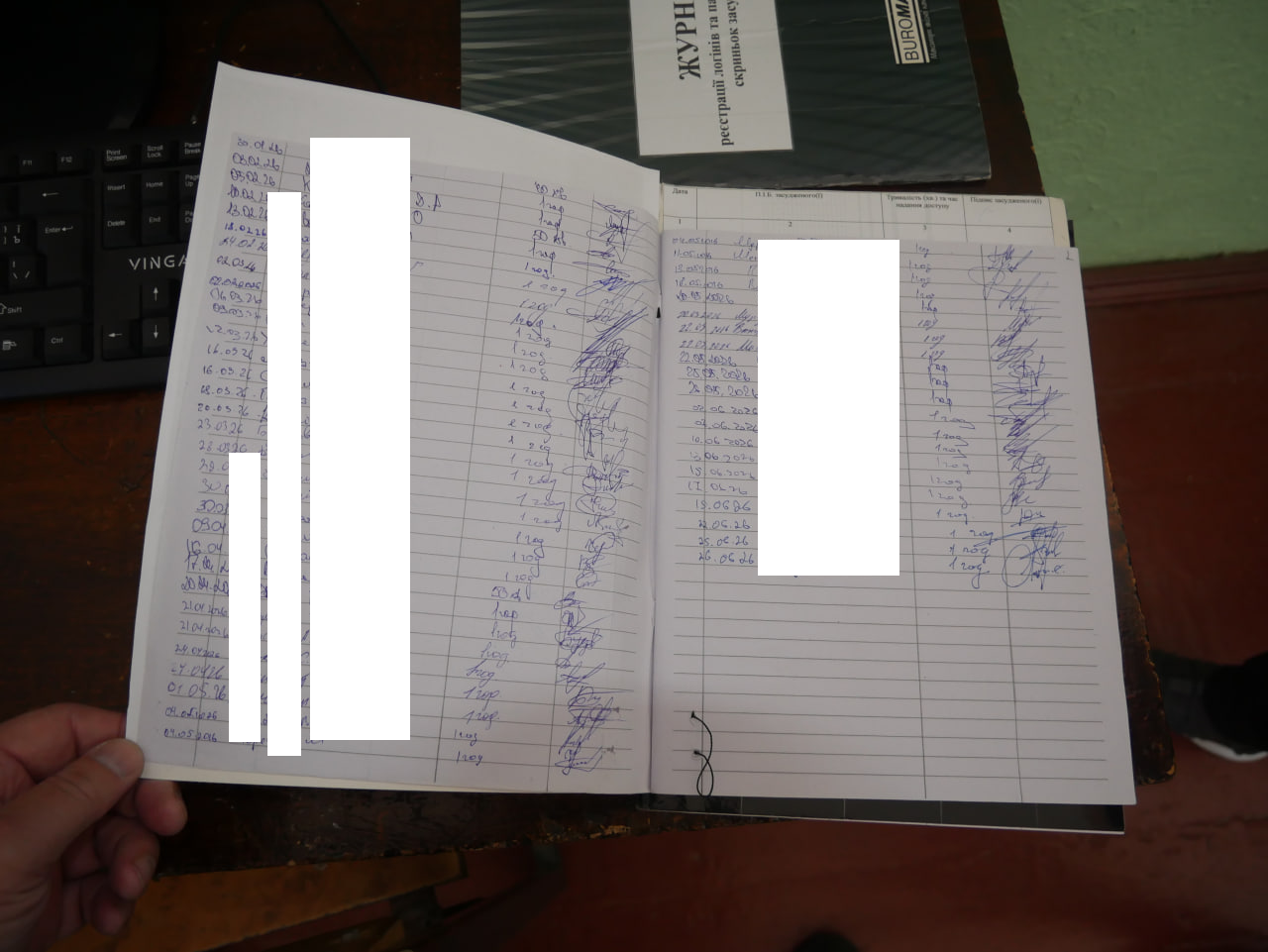
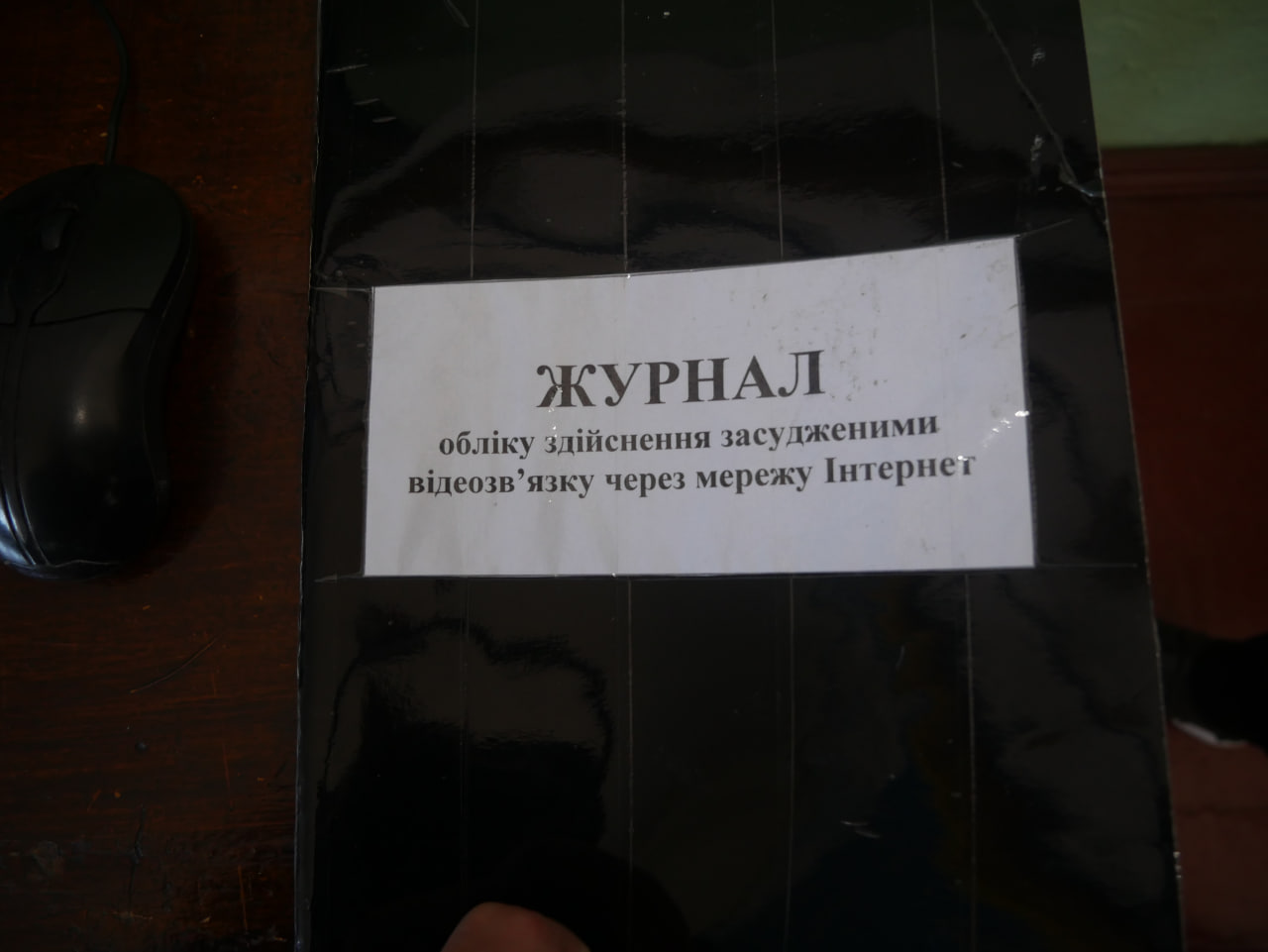

Thus, despite the existence at the institution of specially equipped premises, computer hardware, an approved timetable and the corresponding record-keeping forms, convicted persons made no actual use of these facilities during the period examined.
Given the total number of convicted persons at the institution — 477 — the complete absence over the course of a month of any use of either internet access in the internet class or video communication requires separate attention. This situation may indicate not only the absence of requests from convicted persons, but also insufficient awareness of the relevant opportunities, or organisational or practical obstacles to accessing them. The mere existence of an internet class and the corresponding documentation is not in itself a sufficient indicator that this right is being secured if the infrastructure created is not in fact being used.
The administration of the institution should therefore ascertain the reasons why convicted persons are not using the internet class and video communication, ensure that convicted persons are properly informed of the procedure and conditions for their use, and remove any organisational obstacles that may exist. The effectiveness of the provision of such an opportunity should be assessed primarily by its real accessibility to convicted persons, and not merely by the formal presence of equipment, timetables and registers.
23. During the monitoring visit, particular attention was paid to the organisation of convicted persons’ labour, the legal grounds for engaging them in work, the actual duration of working time, remuneration, the payment of the single social contribution to the compulsory state social insurance scheme, and the provision of work-related social guarantees.
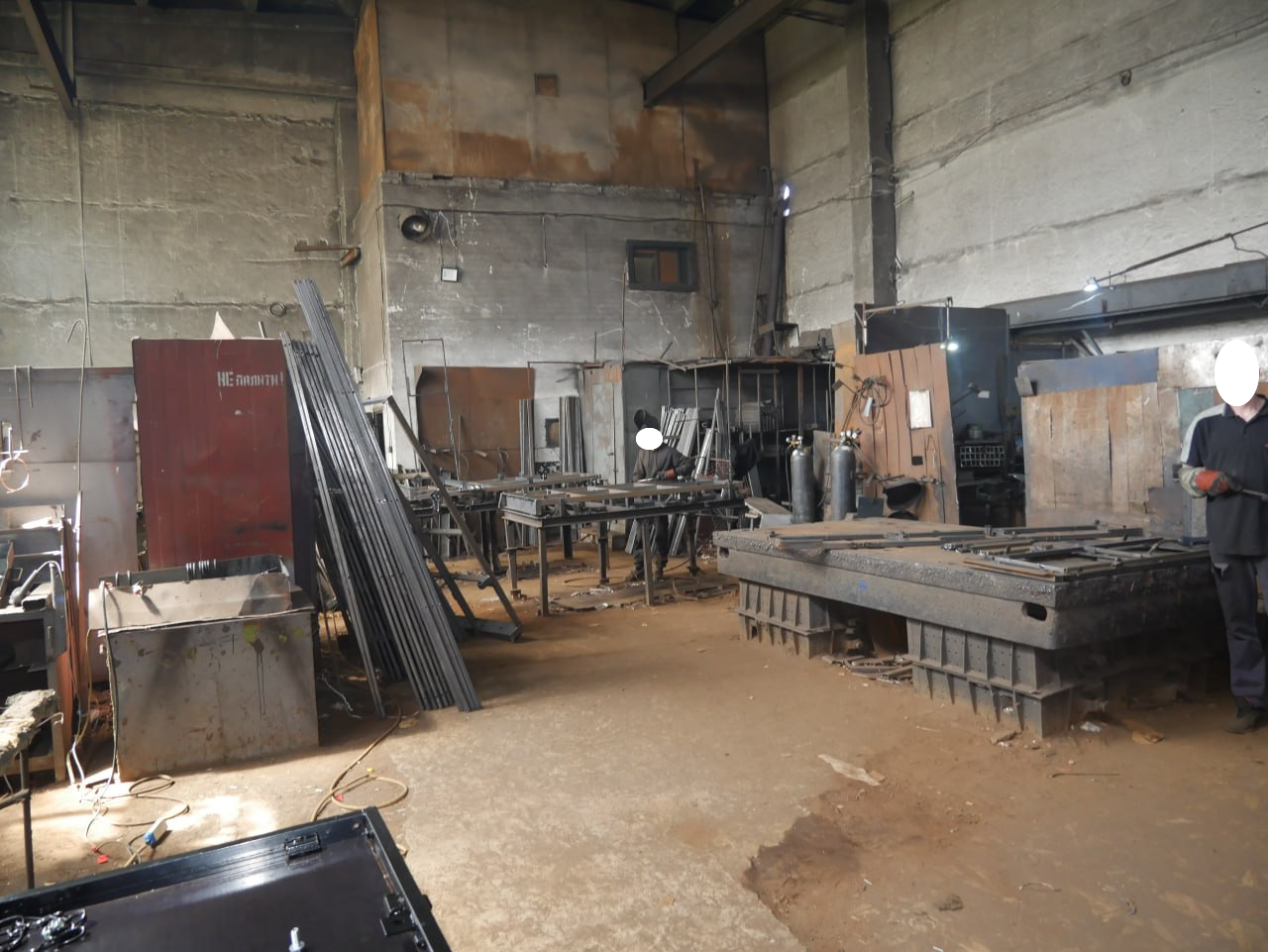
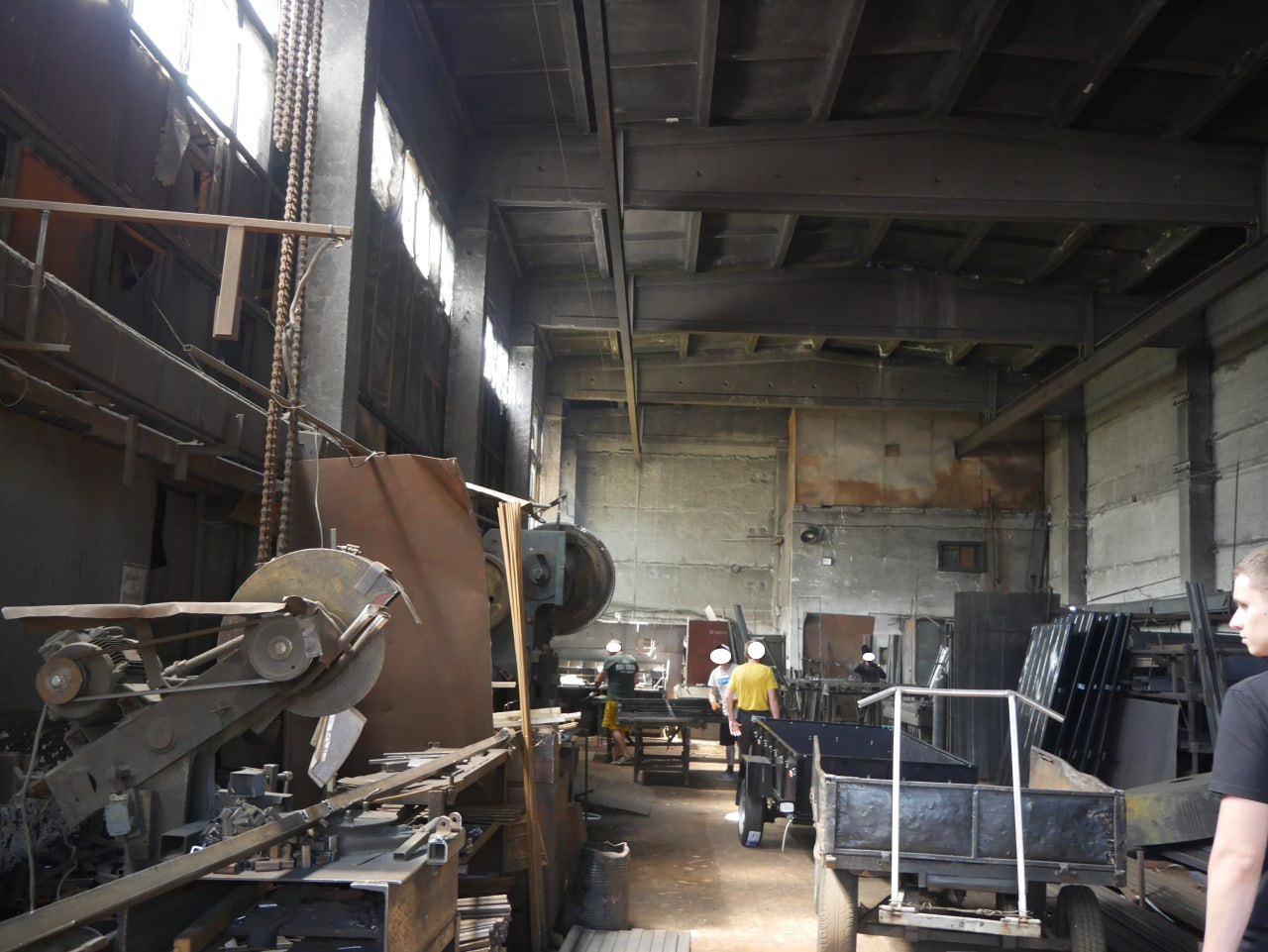
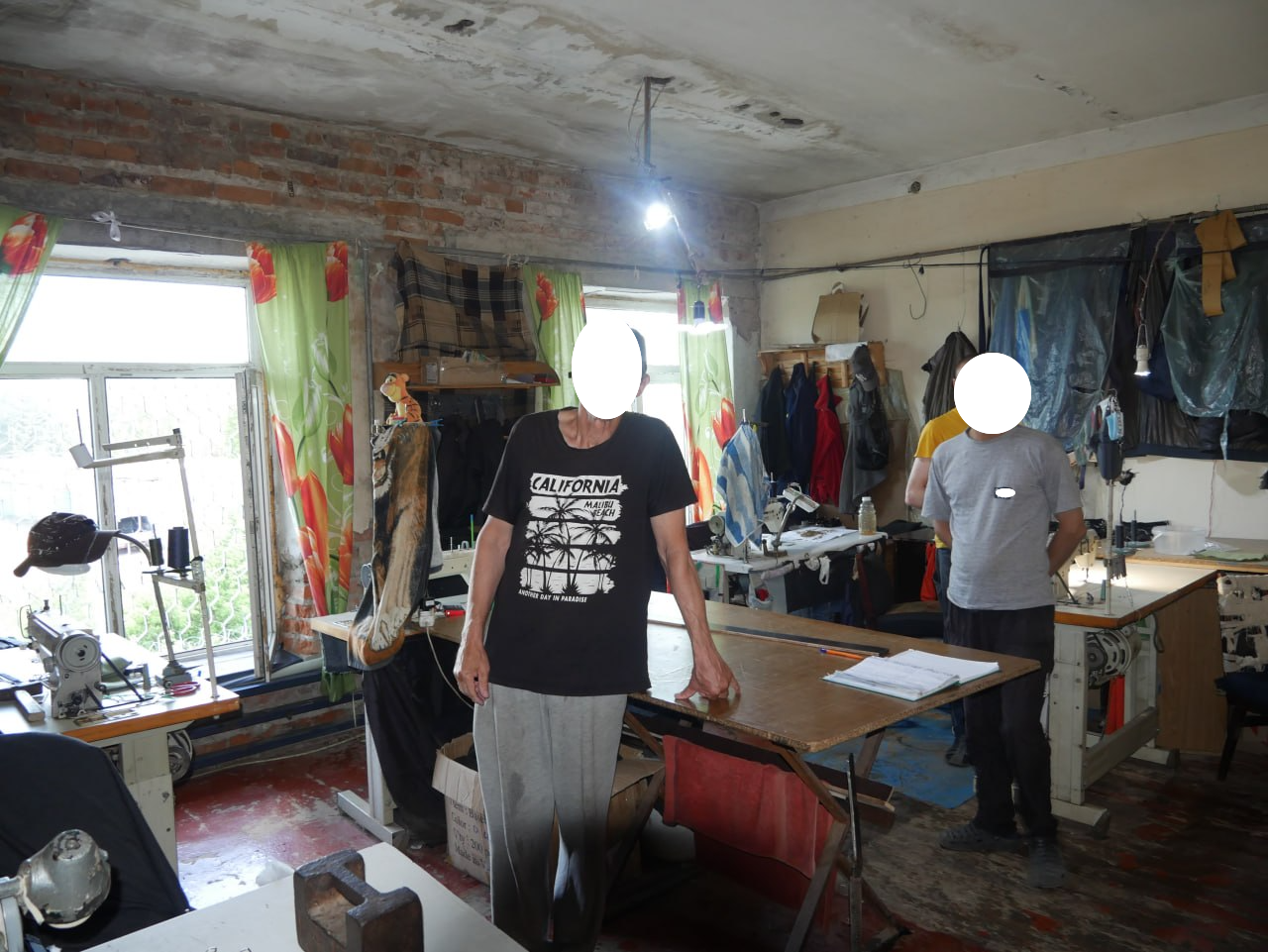
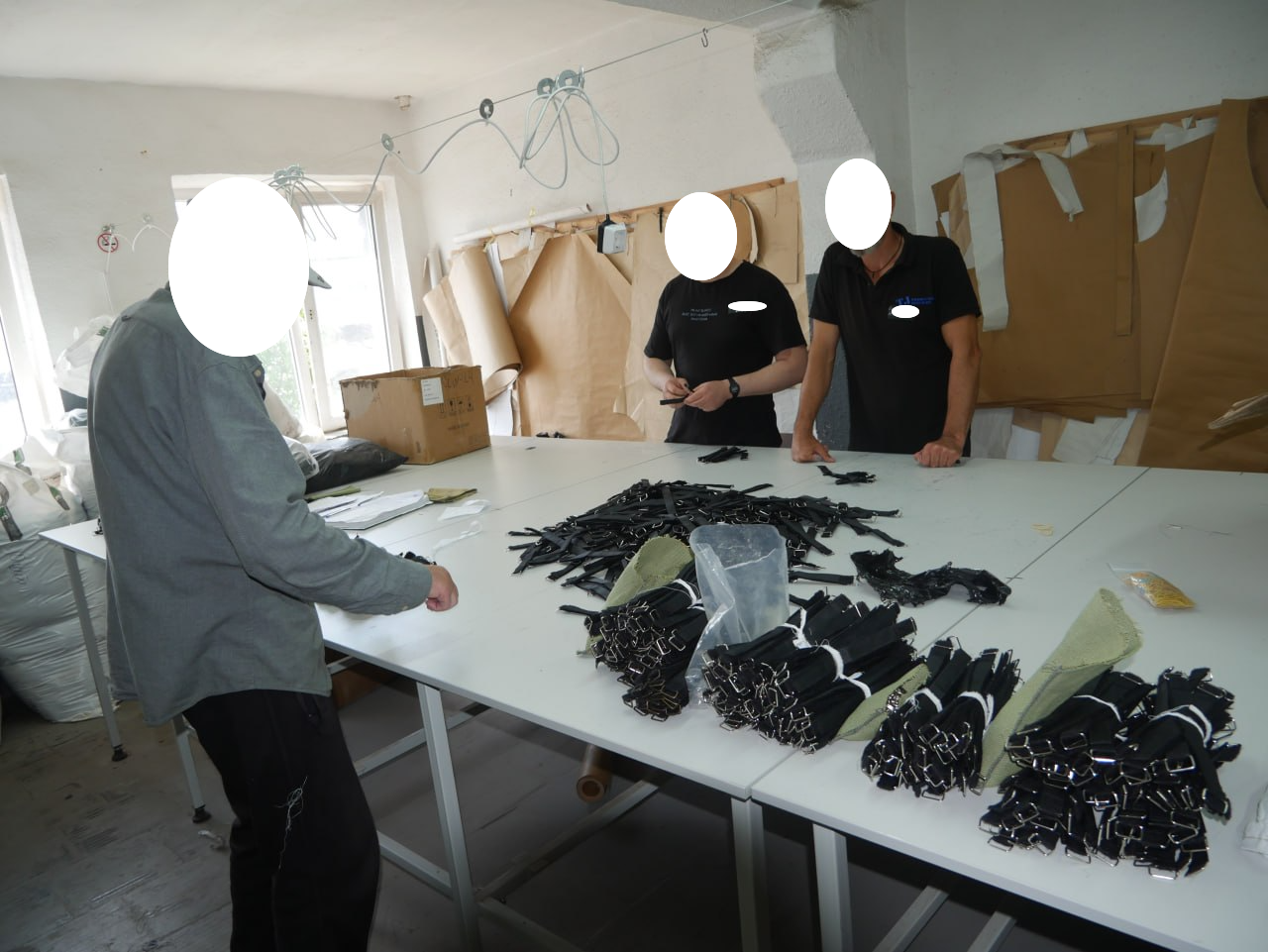
Analysis of the documentation provided by the administration, combined with a direct inspection of the production facilities and confidential interviews with convicted persons, indicates the operation at the institution of an extensive system for the use of labour, encompassing the production units of a branch of the state enterprise, the institution’s workshops, and facilities providing domestic services.
On the day of the visit, the following were working at the production units: 6 convicted persons at the TsPP, 13 at the RBD, 2 at the transport workshop, 12 at the procurement unit, 9 at the workshop, 27 at the sewing unit, 13 at the assembly unit, 12 at the mechanical unit, 1 at the tool unit, 16 at the trailer manufacturing unit, and 6 at the boiler house. Thus, at these production facilities alone, at least 117 convicted persons were actually engaged on the day of the monitoring visit.
The monitoring group was provided with the following documents for examination: contracts on the engagement of convicted persons in paid work, civil-law contracts (hereinafter — CLCs), work assignment sheets for taking convicted persons out to work, registers of the handover and receipt of convicted persons by production staff, registers of medical examinations, registers recording the issue of tools and equipment, statements of earnings accrued and deductions made, documents concerning the calculation of the single social contribution, and the payment instruction for its remittance.
The CLCs examined formally provide for the performance of a specifically defined volume of work for a set remuneration, with the results being recorded in corresponding acts. An analogous civil-law model is applied to some of the convicted persons engaged in the domestic servicing of the institution.
At the same time, the actual organisation of the work of a significant proportion of the convicted persons interviewed does not correspond to the model characteristic of civil-law relations, in which the decisive factors are the performance of a specific task and the achievement of the result stipulated in the contract, with the contractor independently organising the process of carrying out the work.
During confidential interviews, it was established that convicted person Ya. has been working for approximately two years and T. for about one year. At the wire products unit, M. has been working for about a year, H. for six months, L. for two months, H. for five months, H. for eight months, S. for five months, M. for seven months, K. for six months, and S. for approximately two years.
In work involving the processing of wire, T., N. and Ya., convicted persons of SPS unit No. 3, reported working for approximately five months, and M. for about two months. K. has been carrying out painting work for about two years, while S., by his own account, has been working for around five years.
These circumstances indicate that the work of these persons is of a settled rather than an episodic nature. What is involved is the systematic performance, over months and years, of uniform production functions at defined workstations within an organised production process. Convicted persons are included in work assignment sheets, taken out to specific production units, use the equipment and tools of the institution or the enterprise, and their work forms part of the overall production cycle.
These features are of substantial importance in determining the legal nature of the relations concerned. A civil-law contract primarily governs the obtaining of a particular work result, whereas an employment relationship is characterised by the systematic performance of a defined labour function within a work process organised by the employer.
Accordingly, the prolonged re-conclusion of CLCs with persons who perform one and the same production function for months or years does not in itself alter the actual substance of the legal relations concerned. Where a convicted person is in fact integrated into the production process, works at a defined workstation, performs a permanent function and is subject to the work organisation of the enterprise or the institution, such relations bear the hallmarks of an employment relationship and must be assessed precisely in the light of their actual substance.
A similar problem was identified during the previous monitoring visit to KCC-71 on 11 November 2025. At that time, analysis of the CLCs likewise showed that convicted persons in fact worked to a schedule set by the administration, were subject to production and regime supervision, performed work as part of the production process and used the institution’s equipment. Notwithstanding this, the visit of 17 July 2026 again revealed circumstances indicating that an analogous practice persists.
The results of a name-by-name comparison of convicted persons’ actual employment with the documents on their remuneration for June 2026 merit separate attention.
Thus, Ya., who reported working for approximately two years, was credited with UAH 2,800 for June, of which UAH 1,400 was transferred to his personal account, while the single social contribution was assessed at UAH 616. M., who has been working for about a year, was credited with UAH 720 for the month in question, of which UAH 360 was transferred to his personal account, with a single social contribution of UAH 158.40. H., who has been working for about six months, was credited with UAH 1,160, of which UAH 580 was transferred to his personal account, with a single social contribution of UAH 255.20. L., who reported working for two months, was credited with UAH 510, of which UAH 255 was transferred to his personal account, with a single social contribution of UAH 112.20.
Particularly telling are the figures relating to M., who, according to the information obtained, has been working for about seven months. For June he was credited with just UAH 184, of which UAH 92 was transferred to his personal account, with a single social contribution of UAH 40.48. K., who has been working for about six months, was credited with UAH 1,600, of which UAH 800 was transferred to his personal account, with a single social contribution of UAH 352. S., who reported working for approximately two years, was credited with UAH 4,000, of which UAH 2,000 was transferred to his personal account, with a single social contribution of UAH 880. T., who has been working for about five months, was credited with UAH 1,400 for June, of which UAH 700 was transferred to his personal account, with a single social contribution of UAH 308. N. and Ya., who also reported working for approximately five months, were each credited with UAH 700, of which UAH 350 each was transferred to their personal accounts, with a single social contribution of UAH 154 each. M., who has been working for about two months, was credited with UAH 2,500, of which UAH 1,250 was transferred to his personal account, with a single social contribution of UAH 550.
Separate attention is drawn to the figures relating to S., who, by his own account, has been working for about five years. For June he was credited with UAH 874, of which UAH 437 was transferred to his personal account, with a single social contribution of UAH 192.28.
As regards T., H., H. and K., who during the visit reported working systematically over a lengthy period, the corresponding payments under the surnames and initials in question were not identified in the statements for June 2026 examined by the monitoring group. This does not provide sufficient grounds to assert that no payment was made at all, but it does call for a separate comparison of the contracts, the acts of work performed, the work assignment sheets, the primary documentation on the actual performance of work, and the personalised single social contribution reporting.
The figures cited cannot be assessed solely by reference to the absolute amount of remuneration paid. In the case of genuine civil-law relations, remuneration depends on the specific volume and result of the work performed. It is precisely for that reason, however, that it is critically important to establish whether the civil-law model as formalised corresponds to the actual nature of the employment.
If a convicted person systematically performs one and the same labour function within a defined production process for months or years, monthly payments of UAH 184, UAH 510, UAH 700, UAH 720 or UAH 874 cannot be assessed in isolation from the actual number of hours worked and the volume of work performed. In such circumstances, the sums concerned must be compared against the acts of work performed, the work assignment sheets, the records of actual attendance at work and other primary documentation.
Pursuant to Article 120 of the Criminal Executive Code of Ukraine, the labour of persons sentenced to deprivation of liberty is to be remunerated in accordance with its quantity and quality. It is therefore incumbent on the administration and the enterprise to maintain a proper system of primary records enabling the link to be traced between the work actually performed by a particular individual and the amount of remuneration credited to that person.
The analysis carried out also revealed a distinct problem in the sphere of convicted persons’ social protection. In the individual cases examined, the single social contribution was arithmetically assessed at a rate of 22% of the corresponding income: from M.’s UAH 184 — UAH 40.48; from L.’s UAH 510 — UAH 112.20; from N.’s and Ya.’s UAH 700 — UAH 154 each; from M.’s UAH 720 — UAH 158.40; and from S.’s UAH 874 — UAH 192.28.
The problem thus lies not merely in the fact that the single social contribution is assessed, but above all in the size of the base on which it is calculated. Extremely low income figures result in a correspondingly low insurance contribution, which may have a direct bearing on the insurance record accrued by the convicted person.
In such circumstances, the formal existence of a single social contribution is not tantamount to the provision of full social insurance. For a convicted person who in fact works systematically over months or years, what matters in principle is not merely the fact that a certain contribution has been remitted, but what insurance record is actually accrued as a result of that work.
The payment instruction concerning the remittance of the single social contribution for June 2026 that was provided to the monitoring group confirms that the corresponding aggregate payment was made. However, the aggregate amount of the payment does not in itself make it possible to establish the completeness of the personalised records for each individual convicted person. A proper assessment of social protection requires the individual assessments to be compared against personalised reporting and data on insurance record.
A separate set of violations and risks was established during the inspection of the organisation of convicted persons’ labour at the catering unit.
Convicted person B., who works washing dishes, told the monitoring group that he works daily from approximately 07:00 to 20:00 with no days off. Also engaged in work at the catering unit are I. and S., who serve food, while P. performs the duties of bread-cutter.
In contrast to the previous visit, when it was established that the institution had no proper register of medical examinations of catering unit workers, such records were being kept at the time of the visit on 17 July 2026. At the same time, analysis of the registers revealed another substantial problem: the entries show that convicted persons systematically perform the relevant functions on various calendar days, including at weekends. The documentation records their undergoing medical examinations and their receipt of knives and other equipment. During the previous visit, the systematic work of catering unit convicted persons from morning until evening and without days off was likewise identified as a problematic practice.
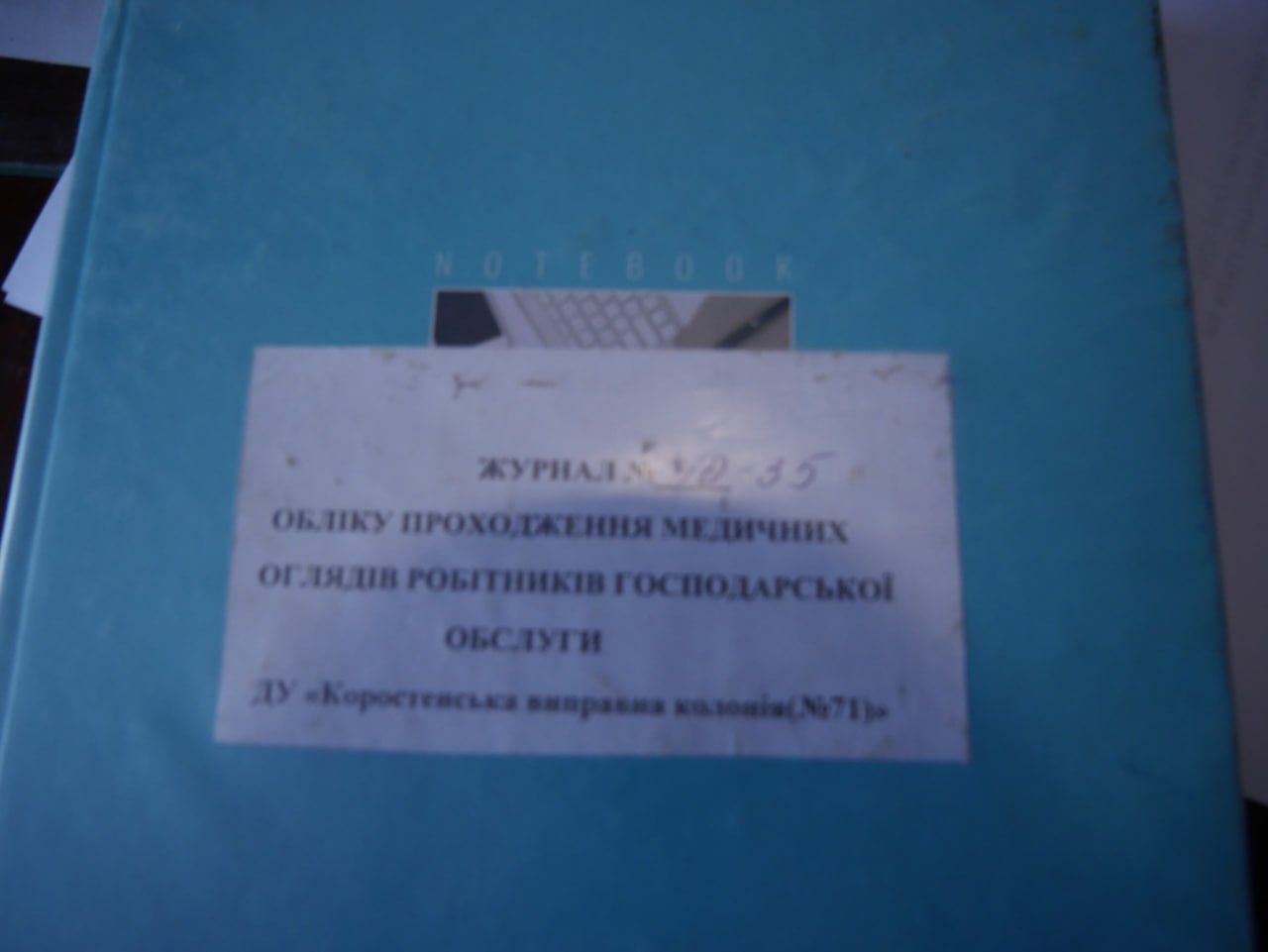
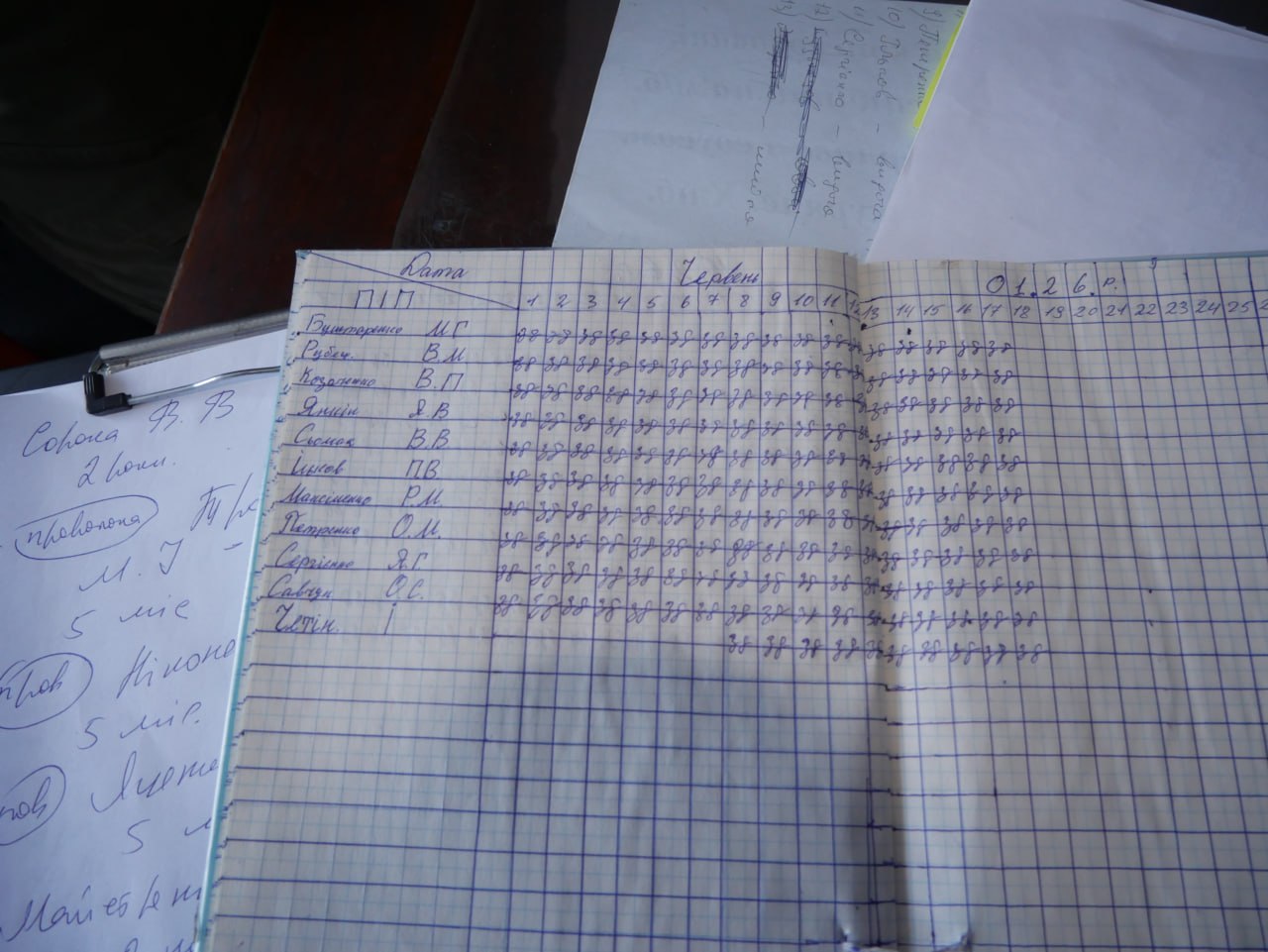

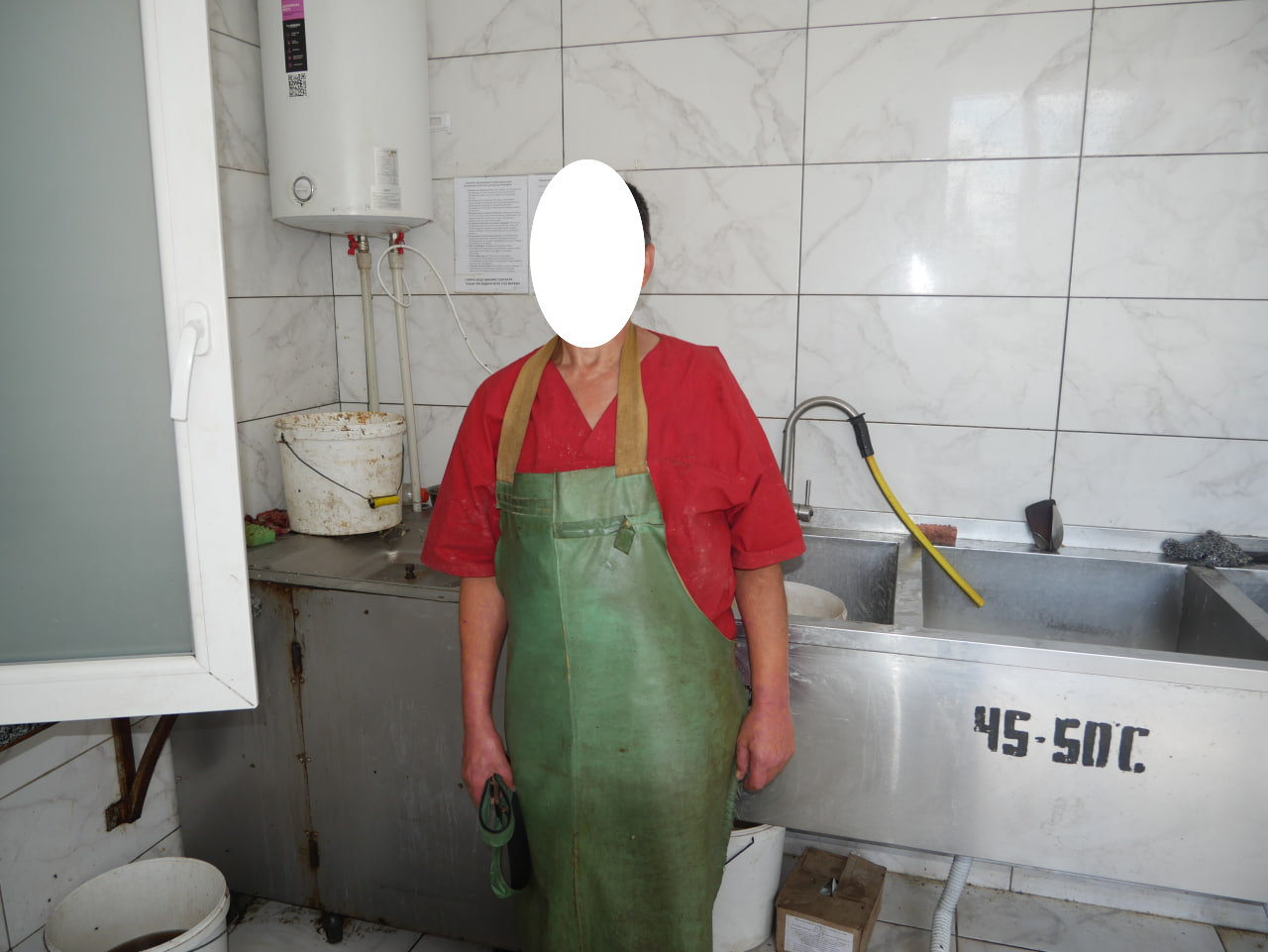
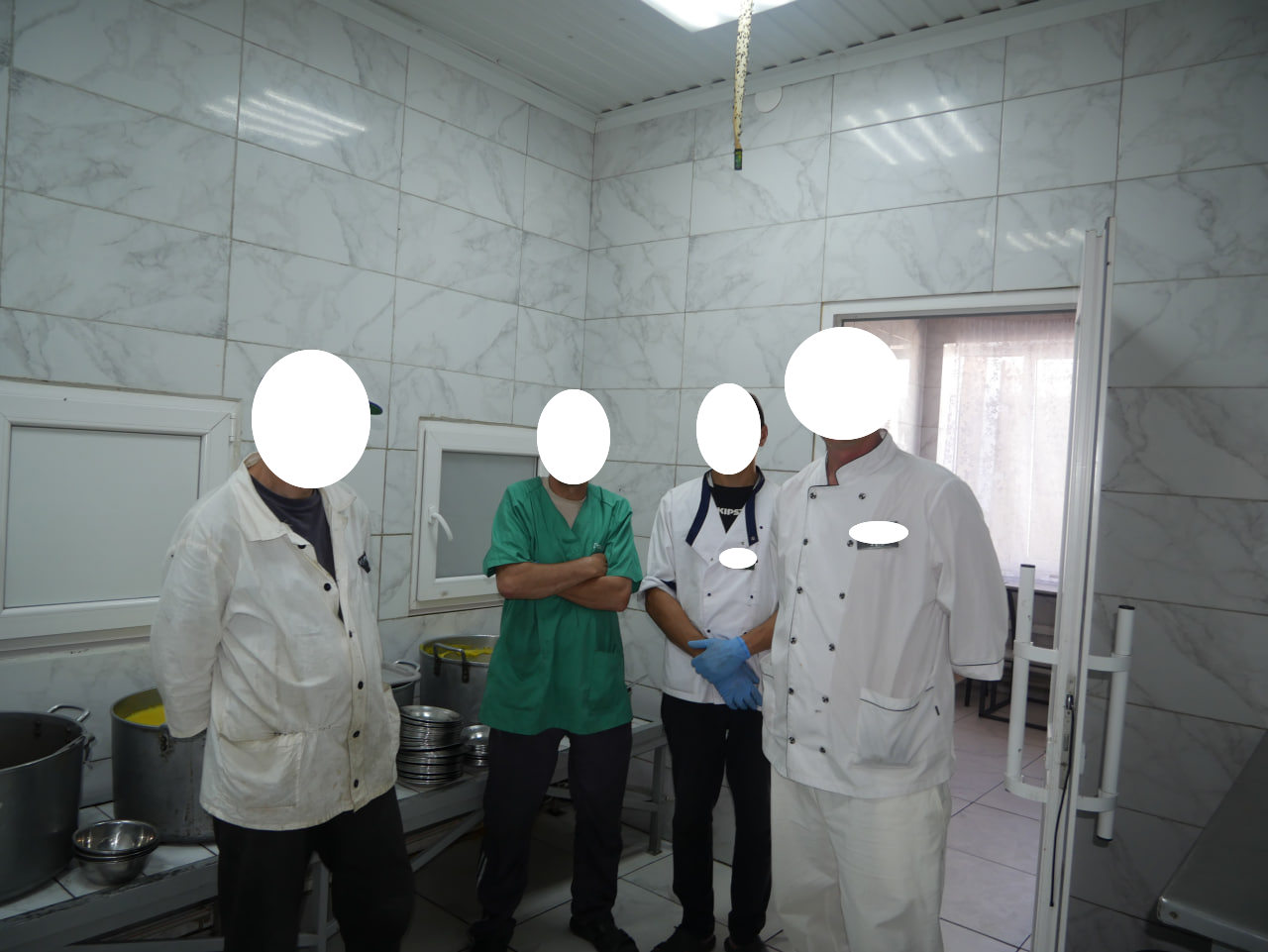
Thus, B.’s account of what is in effect daily work is not an isolated oral statement. It corresponds with primary documentation maintained independently across different areas of the catering unit’s activity. It is precisely the totality of these documents that carries particular evidential weight. If a specific individual undergoes a medical examination before starting work on a given calendar day, receives production equipment and at the same time appears in the catering unit’s documentation as performing the relevant function, this is an objective indicator that he was in fact engaged in work on that day.
In this context, the relationship between B.’s actual employment and the remuneration of his labour requires particular attention. For June he was credited with UAH 3,000, of which UAH 1,500 was transferred to his personal account, with a single social contribution of UAH 660. If the entries in the registers confirm that he performed work systematically throughout the month, that sum must be compared against the hours actually worked and the volume of work performed.
Furthermore, systematic engagement in work without weekly rest is contrary to the very nature of the right to rest and to the statutory rules on the organisation of convicted persons’ working time. Pursuant to Article 119 of the Criminal Executive Code of Ukraine, convicted persons are released from work on days off and on public and non-working holidays, and, where an aggregated system of recording working time is applied, its total duration over the accounting period must not exceed the established norm.
Work from 07:00 to 20:00 daily without days off, if confirmed by primary documents, cannot therefore be regarded as an ordinary civil-law model for the performance of a discrete commission. Such an organisation of work has the character of a permanent labour function, entails a defined regime and actual subordination to the organisation of labour, which further confirms the presence of the hallmarks of an employment relationship.
The examination also established improper maintenance of the register recording the issue of knives: it states the date and the person receiving the equipment concerned, but does not record the time of issue. Such a method of record-keeping does not ensure proper traceability of the use of sharp equipment and makes it impossible to establish the exact period during which it remained in the possession of a particular convicted person. In the setting of a penal institution, this shortcoming is significant for monitoring actual working time.
The results of the monitoring visit, taken together with the analysis of the documentation provided, indicate that the problems in the realisation of convicted persons’ rights to work and to social protection are not isolated but systemic in nature.
First and foremost, the discrepancy persists between the civil-law form formally chosen and the actual nature of the work performed by some convicted persons. The performance by the same individuals, over many months and many years, of permanent production functions, their inclusion in an organised production process, their work at defined units and to what is in fact an established regime, all indicate the presence of the hallmarks of an employment relationship.
At the same time, a name-by-name comparison of actual employment with the sums credited revealed cases of extremely low remuneration for persons who report working systematically. Without a proper documentary correlation between the actual volume of work performed and the amount credited, compliance with the requirements of Article 120 of the Criminal Executive Code of Ukraine concerning remuneration in accordance with the quantity and quality of labour cannot be regarded as established.
A low assessment base simultaneously has direct consequences for the social protection of convicted persons, since even the formally correct application of the single social contribution rate does not guarantee the accrual of a full insurance record where income is minimal.
The organisation of labour at the catering unit remains particularly problematic. The documented, traceable regularity with which convicted persons are engaged in work, including at weekends, combined with reports of lengthy daily employment and comparatively low payments, provides reasonable grounds for concluding that the actual nature of such work does not correspond to the civil-law form in which it is formalised, and that there is a risk of violation of the rights to adequate rest and to fair remuneration.
It is also telling that analogous problems concerning the use of CLCs, the duration of working time, work without days off and the discrepancy between actual employment and the form of its legal formalisation were already recorded during the previous monitoring visit to KCC-71. The persistence of such practices at the time of the repeat visit indicates the absence of a proper systemic response to the problems previously identified.
In these circumstances, what is required is not a formal increase in the number of contracts concluded, but the alignment of the legal formalisation of labour with its actual nature, the maintenance of reliable name-by-name records of working time and work performed, a transparent mechanism for determining remuneration, the proper payment and personalised recording of the single social contribution, guaranteed rest time and other labour and social guarantees.
The labour of convicted persons must serve not only a production or economic function, but must also be one of the means of resocialisation and preparation for life after release. The use of labour in conditions where actual employment is masked by civil-law constructions, and where prolonged systematic work does not secure proper remuneration, rest and full social insurance, is contrary to that purpose and turns labour from an instrument of social integration into a source of risk of violation of convicted persons’ fundamental labour and socio-economic rights.
Medical Unit No. 71 of the branch of the State Institution “Health Care Centre of the State Criminal Executive Service of Ukraine” in Zhytomyr Region
The head of Medical Unit No. 71 of the branch of the State Institution “Health Care Centre of the State Criminal Executive Service of Ukraine” in Zhytomyr region (hereinafter — the medical unit) is Mykola Mykolayovych Bahynskyi.
At the time of the visit, the following posts were unfilled: general practitioner — 0.5 of a post; clinical psychologist — 1 post; and paramedic — 2 posts.
During the monitoring visit, the monitoring group examined medical documentation, inspected the premises of the medical unit and conducted individual interviews (surveys) with convicted persons, as a result of which shortcomings were established in the organisation of medical provision which lead to violations of the rights of those persons:
1. The medical unit has not organised opioid substitution therapy (hereinafter — OST) for persons with mental and behavioural disorders resulting from the use of opioids, in accordance with the Procedure for Conducting Substitution Maintenance Therapy for Persons with Mental and Behavioural Disorders Resulting from the Use of Opioids, approved by Order of the Ministry of Health of Ukraine No. 200 of 27 March 2012.
Persons with drug dependence are not provided with social and psychological support, cognitive behavioural therapy (CBT), relapse prevention, motivational interviewing, mutual support groups or similar services.
Thus, the said persons are deprived of the opportunity to receive OST, which violates their right to choose methods of treatment in accordance with Article 38 of the Law of Ukraine “Fundamentals of the Legislation of Ukraine on Health Care”.
At the same time, in its report following the 2023 visit to Ukraine, the Committee notes that entry into a penitentiary establishment is an opportunity to address a drug-related problem, and it is therefore important that appropriate assistance be offered to all interested persons, meaning that suitable medical care should be available in all establishments. The assistance offered to such persons should be varied; substitution therapy programmes for drug-dependent persons should be combined with genuine psychosocial and educational programmes for opioid-dependent persons who are unable to stop using drugs. Furthermore, access to OST programmes in establishments should be readily available, and they should also be managed by prison doctors, who should receive specialist training in drug-related matters (CPT/Inf (2024) 20, paragraph 86).
2. In breach of paragraph 8 of Chapter 5 of Section II of the Procedure, the in-patient facility of the medical unit has no properly equipped isolation room for persons with mental disorders — convicted persons who pose a danger to those around them.
3. The post of clinical psychologist on the medical unit’s staff is vacant, which hampers the timely and effective provision of mental health care to convicted persons. In its report following the 2023 visit to Ukraine, the Committee recommends that the provision of psychological care in establishments be further strengthened, and that the training and role of prison psychologists be developed, particularly as regards therapeutic clinical work with convicted persons. In this context, efforts should be made to recruit clinically trained psychologists, who should form part of the medical team and should not combine two distinct roles in their work, namely risk assessment and therapeutic clinical work (CPT/Inf (2024) 20, paragraph 85).
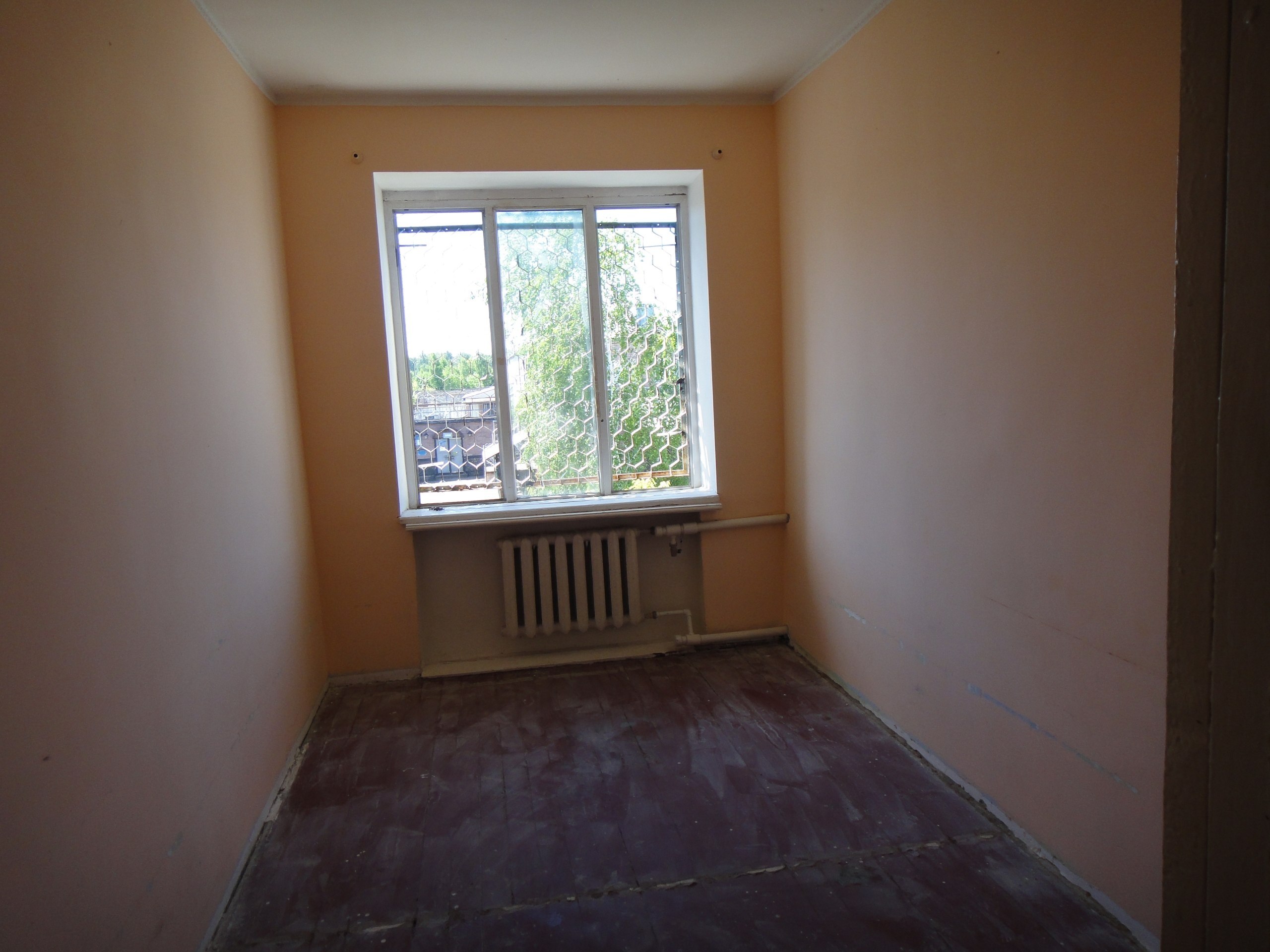
4. During the monitoring visit, it was established that the infectious diseases isolation room of the medical unit’s in-patient facility is not in operation owing to ongoing repair works, which makes it impossible to isolate patients with infectious diseases properly and creates a risk of such diseases spreading. This does not comply with the requirements of paragraph 8 of Chapter 5 of Section II of the Procedure.
5. In breach of the requirements of the Standards of Medical Care for Viral Hepatitis C in Adults, approved by Order of the Ministry of Health of Ukraine No. 1178 of 23 July 2025, not all persons suspected of having viral hepatitis C (as at 17 July 2026 — 25 persons) undergo PCR testing, as a result of which the diagnosis is not confirmed in good time and the necessary antiviral therapy is not prescribed. Such circumstances may lead to a deterioration in patients’ health and contribute to the spread of infection among convicted and remand prisoners.
In addition, the monitoring group established that two patients with chronic viral hepatitis C who require antiviral therapy are under dispensary observation at the medical unit. However, as at the day of the visit, the relevant medicines were not available in the medical unit’s pharmacy. The absence of timely treatment increases the risk of the disease progressing and of severe liver damage developing, and creates a threat of viral hepatitis C spreading among other patients, which violates convicted persons’ right to receive proper medical care.
6. Dispensary observation is carried out in respect of 21 persons with disabilities. Of these, there are no persons with a Group I disability, 2 persons have a Group II disability and 19 have a Group III disability. At the same time, in breach of the requirements of the Law of Ukraine “On the Rehabilitation of Persons with Disabilities in Ukraine”, persons with disabilities do not receive proper diagnostic, treatment and rehabilitation measures where there is information confirming a persistent impairment of bodily functions caused by illness or the consequences of injury which restricts normal life activity. Thus, an examination of convicted persons’ medical documentation established that one person with a disability has no individual rehabilitation programme (hereinafter — IRP). Moreover, the recommendations of the IRP are not being implemented, as a result of which that person does not receive proper diagnostic, treatment and rehabilitation measures where there is information confirming a persistent impairment of bodily functions caused by illness or the consequences of injury which restricts normal life activity.
7. In breach of the requirements of State Building Standards of Ukraine V.2.2-40:2018 “Inclusiveness of Buildings and Structures. Basic Provisions”, no conditions have been created at the medical unit for holding persons with disabilities.
8. In breach of paragraph 37 of Resolution of the Cabinet of Ministers of Ukraine No. 285 of 2 March 2016 “On Approval of the Licensing Conditions for Conducting Business Activity in Medical Practice”, the medical unit has no certificate confirming free access to the buildings and premises of the medical establishment for persons with reduced mobility, which it is obliged to obtain.
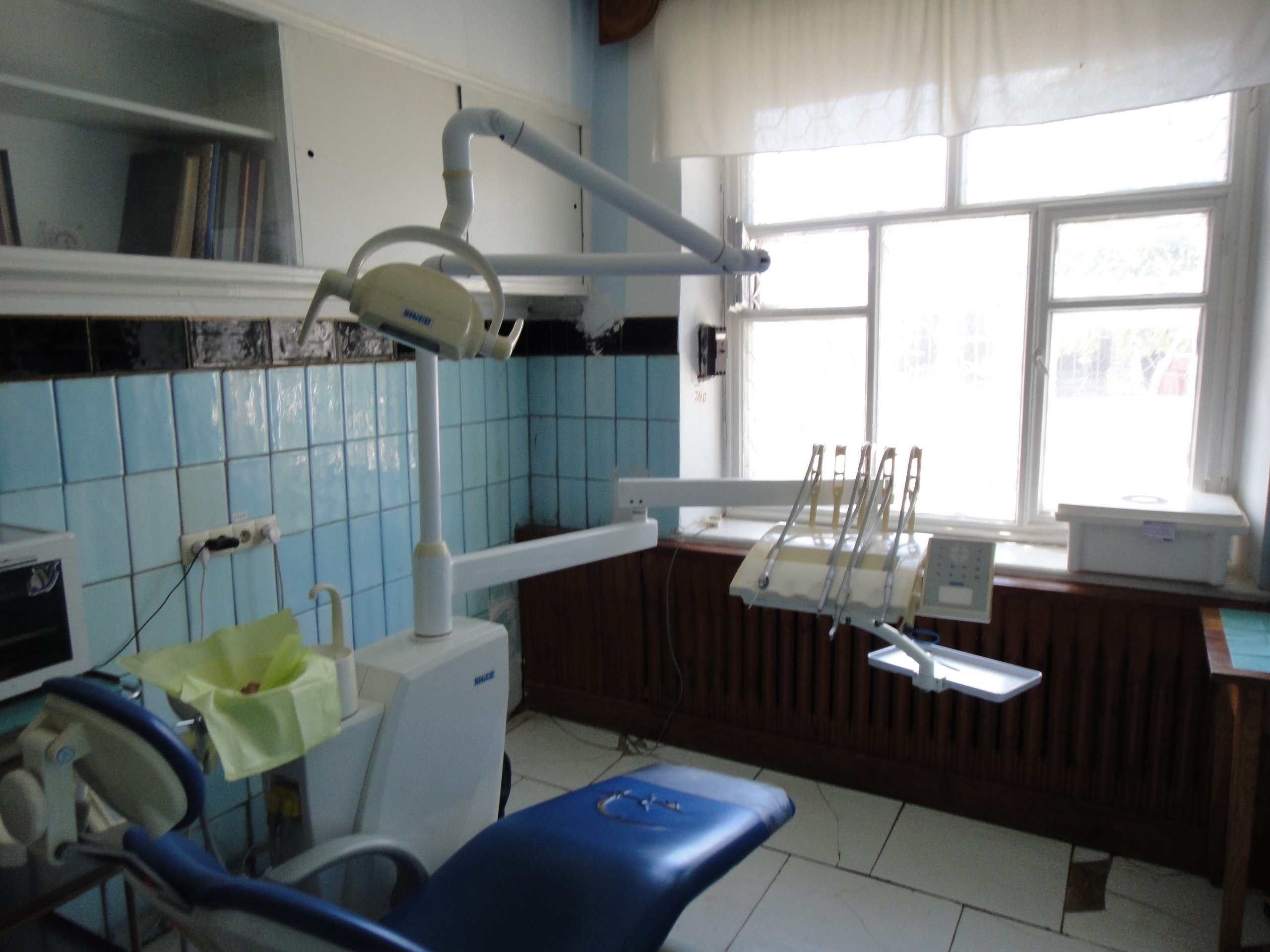
9. In breach of the requirements of the Schedule of Equipment for a Single Workstation of a Dentist and a Dental Technician, approved by Order of the Ministry of Health of Ukraine No. 158 of 11 April 2005, the medical unit has no dental X-ray apparatus, which makes it impossible to conduct in-depth dental examinations of convicted persons and fails to ensure the timely provision of proper dental care.
10. In breach of the Procedure for Organising Medical Care at the Primary, Secondary (Specialised) and Tertiary (Highly Specialised) Levels Using Telemedicine, approved by Order of the Ministry of Health of Ukraine No. 681 of 19 October 2015, the staff of the medical unit are, owing to technical limitations, unable to submit requests for telemedicine consultations and to obtain specialist assistance in providing medical services to convicted persons.
11. Pursuant to paragraph 7 of Chapter 3 of Section II of the Procedure, convicted persons who work at catering facilities (other than work associated with the posts of shop assistant, manager of food and clothing stores, or storekeeper), in the processing industry, in children’s homes, general secondary education establishments, vocational training units in special educational colonies, medical units (paramedic stations) and hospital establishments of the State Criminal Executive Service (other than work associated with the provision of medical care), laundries, bathhouses, rooms for long-term visits, dormitories, clubs, water supply and sewerage facilities, and animal breeding and rearing units, undergo compulsory preliminary and preventive medical examinations in accordance with Resolution of the Cabinet of Ministers of Ukraine No. 559 of 23 May 2001 “On Approval of the List of Occupations, Industries and Organisations Whose Employees Are Subject to Compulsory Preventive Medical Examinations, the Procedure for Conducting Such Examinations and Issuing Personal Medical Records”. For each convicted person in the said category, primary record-keeping form No. 1-OMK “Personal Medical Record” is opened, as approved by Order of the Ministry of Health of Ukraine No. 150 of 21 February 2013, registered with the Ministry of Justice of Ukraine on 23 April 2013 under No. 662/23194.
However, an inspection of the personal medical records of convicted persons working in the canteen established that the said workers had not been examined by a dermatovenereologist or an otolaryngologist, which breaches the requirements of paragraph 6 of the Rules for Conducting Compulsory Preventive Medical Examinations of Employees of Certain Occupations, Industries and Organisations Whose Activity Involves Serving the Public and May Lead to the Spread of Infectious Diseases, approved by Order of the Ministry of Health of Ukraine No. 280 of 23 July 2002 (as amended by Order of the Ministry of Health of Ukraine No. 150 of 21 February 2013).
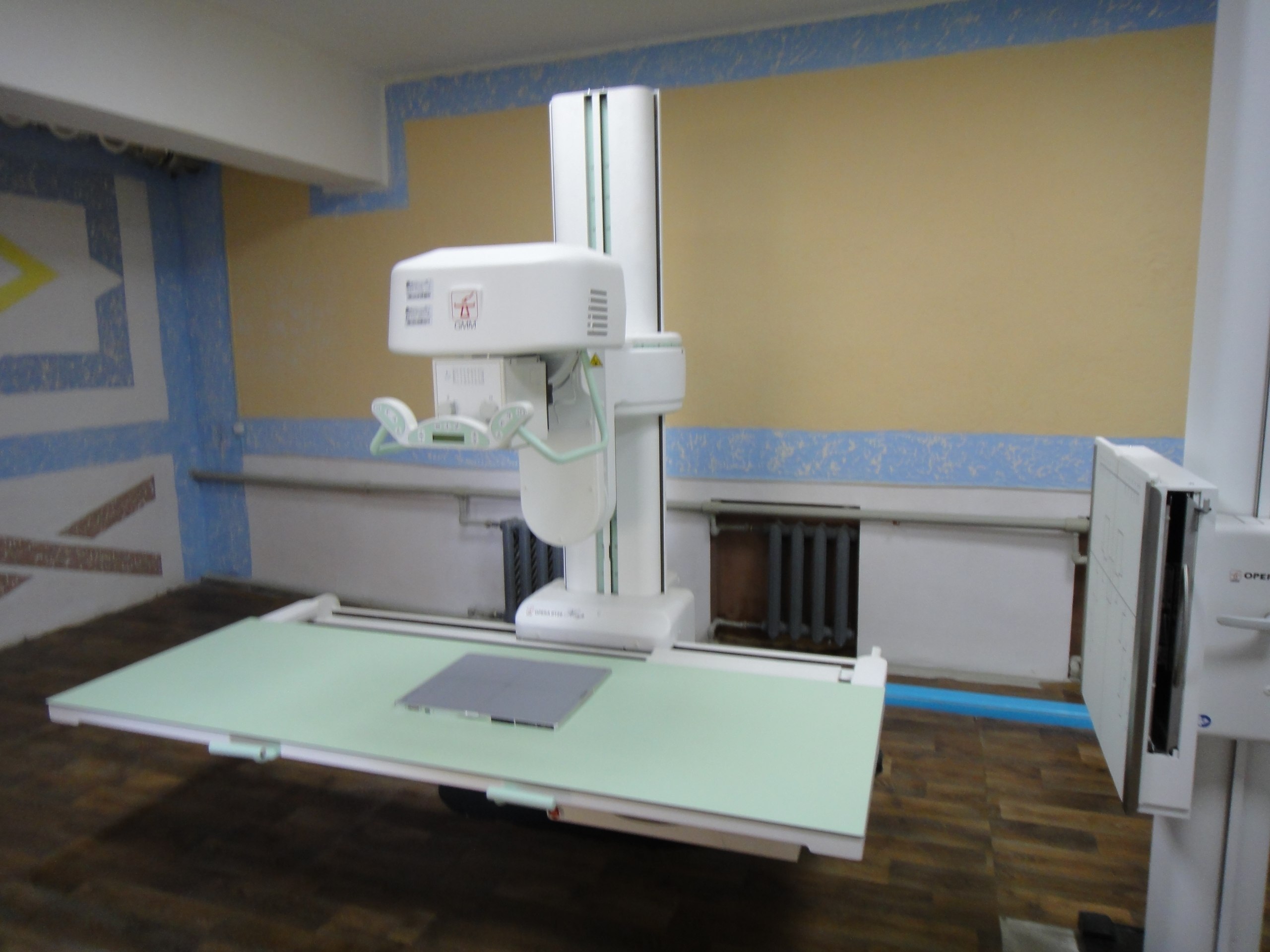
12. The premises of the doctors’ consulting room and the X-ray room are not equipped with fire extinguishers, which breaches the requirements of paragraph 3.6 of Chapter 3 of Section V of the Rules and paragraph 10.18 of Chapter 10 of the State Sanitary Rules and Standards “Hygiene Requirements for the Arrangement and Operation of X-Ray Rooms and the Conduct of Radiological Procedures”, approved by Order of the Ministry of Health of Ukraine No. 294 of 4 June 2007, registered with the Ministry of Justice of Ukraine on 7 November 2007 under No. 1256/14523.
13. In breach of the Fire Safety Rules in Ukraine, approved by Order of the Ministry of Internal Affairs of Ukraine No. 1417 of 30 December 2014 (hereinafter — the Rules), the premises of the medical unit are not fitted with fire extinguishing or fire alarm systems.
Recommendations
1. Ensure compliance with the established procedure governing the stay of newly arrived convicted persons in the QDD unit, including the requirements as to their being held in isolation; do not permit such persons to be engaged in fact in systematic production work without proper legal formalisation and remuneration.
2. Bring the material and living arrangements of the QDD unit into line with the established Provision Standards, providing for the necessary residential, domestic, sanitary and ancillary premises and the proper fitting out of the washroom.
3. Ensure adequate access to natural light in the residential premises of the QDD unit, the cells of the DIC/CTP and the sector for holding persons taken into custody, and ensure the proper functioning of mechanical ventilation in the cells.
4. Display in the QDD unit the information provided for by the Internal Rules of Penal Institutions on the means of applying to state bodies, the Ukrainian Parliament Commissioner for Human Rights, the prosecution authorities, the free legal aid system, the European Court of Human Rights and other designated bodies and institutions.
5. Bring the arrangement of the DIC/CTP into line with regulatory requirements, including by providing the necessary premises for the reception of convicted persons by the administration and by medical staff, and conduct medical examinations in conditions that guarantee the confidentiality of information about state of health.
6. Fit the sanitary facilities in the DIC/CTP, the ECU and the sector for holding persons taken into custody with partitions ensuring an adequate level of privacy; ensure privacy also when the shower facilities are used.
7. Restore the proper functioning of radio broadcasting in the cells of the DIC/CTP, ensuring that convicted persons are able to use it as provided for.
8. Ensure that the psychologist visits persons serving disciplinary penalties in the disciplinary isolation cells at the established intervals and that such visits are properly documented.
9. Ensure daily visits to the DIC/CTP by a medical officer and the mandatory entry of the corresponding information in the register.
10. Ensure that every convicted person on whom a disciplinary penalty is imposed is served with a copy of the relevant decision, together with an explanation of the procedure for appealing against it and of the right to legal assistance.
11. Review the arrangement of the exercise yards with a view to ensuring sufficient space for physical activity and adequate access to natural light.
12. Ensure the proper functioning of the forced supply and exhaust ventilation in the bathing and laundry complex, ensure privacy when the showers are used, and provide a lavatory for laundry staff.
13. Ensure that the institution’s shop is permanently stocked with the goods provided for by Annex 5 to the Internal Rules of Penal Institutions, and that the library stock includes the materials required by regulatory acts, in particular copies of the Internal Rules of Pre-Trial Detention Facilities.
14. Ensure that staff comply with the requirements as to carrying special means as discreetly as possible when in direct contact with convicted persons.
15. Ensure that short-term visits are conducted, as a rule, under open conditions; apply the closed format only by way of exception, on the basis of an individual risk assessment and a duly reasoned decision.
16. Take measures to reduce the existing staffing shortfall and to ensure a sufficient presence of staff in the areas where convicted persons are held.
17. Ascertain the reasons why convicted persons are not in fact using the internet class and video communication, ensure that they are properly informed of the procedure for using these facilities, and remove any organisational or practical obstacles to access.
18. Conduct a comprehensive review of the legal grounds for engaging convicted persons in work and cease the use of civil-law contracts in cases where the actual nature of the employment bears the hallmarks of an employment relationship — the systematic performance of a permanent labour function, work at a defined workstation and inclusion in an organised production process.
19. Ensure reliable name-by-name records of the time actually worked and the volume of work performed by each convicted person, and the possibility of comparing these data with the amount of remuneration credited.
20. Verify the justification for the remuneration credited to convicted persons in whose cases prolonged systematic employment and low payment amounts have been established, comparing the contracts, the acts of work performed, the work assignment sheets, the records of actual attendance at work and the payment statements.
21. Separately verify the legal grounds, actual employment, remuneration and single social contribution assessments in respect of convicted persons who reported working systematically but whose corresponding payments were not identified in the statements for June 2026 examined.
22. Ensure the proper assessment, payment and personalised recording of the single social contribution in respect of every working convicted person, and verify what insurance record is in fact accrued as a result of such employment.
23. Bring the organisation of convicted persons’ labour at the catering unit into line with the requirements as to the duration of working time and rest time; do not permit systematic daily work without weekly rest, and ensure that remuneration corresponds to the actual volume and duration of the work performed.
24. Ensure the proper maintenance of the registers recording the issue and return of knives and other sharp equipment, stating not only the date, the time of return and the person who received the item, but also the time of issue.
25. Take systemic measures to eliminate the labour-related violations repeatedly identified during monitoring visits, and ensure that convicted persons’ labour fulfils a resocialisation function and is accompanied by proper remuneration, guaranteed rest time and full social insurance.
26. Take measures aimed at eliminating the identified human rights violations and at preventing torture and cruel, inhuman or degrading treatment or punishment at Medical Unit No. 71 of the branch of the State Institution “Health Care Centre of the State Criminal Executive Service of Ukraine” in Zhytomyr region.
27. Staff the medical unit with medical specialists in accordance with needs.
28. Ensure supervision of the proper maintenance of medical documentation in accordance with the Procedure for Organising the Provision of Medical Care to Persons Sentenced to Deprivation of Liberty, approved by joint Order of the Ministry of Justice of Ukraine and the Ministry of Health of Ukraine No. 1348/5/572 of 15 August 2014, and other regulatory acts.
29. Ensure the possibility of receiving opioid substitution therapy on the basis of a diagnosis of mental and behavioural disorders resulting from the use of opioids.
30. Ensure that the infectious diseases isolation rooms and the isolation room for persons with mental and behavioural disorders are equipped in accordance with the requirements.
31. Comply with the requirements of paragraph 37 of Resolution of the Cabinet of Ministers of Ukraine No. 285 of 2 March 2016 “On Approval of the Licensing Conditions for Conducting Business Activity in Medical Practice”.
32. Ensure the proper operation of the telemedicine facility so that doctors can submit requests for telemedicine consultations.
33. Provide all persons suspected of having viral hepatitis C with access to PCR testing at the earliest opportunity and arrange the necessary antiviral treatment for those with a confirmed diagnosis.
34. Ensure that individual rehabilitation is provided to those who require it.
35. Provide the medical unit with a dental X-ray apparatus and the equipment necessary for conducting full dental examinations and treatment.
36. Ensure the accessibility of the institution’s buildings in accordance with State Building Standards of Ukraine V.2.2-40:2018 “Inclusiveness of Buildings and Structures. Basic Provisions”.
37. Ensure that all canteen workers have personal medical records and undergo the full range of prescribed medical examinations required for their admission to work at catering facilities.
38. Ensure that fire extinguishers are available in the doctors’ consulting rooms and the X-ray room and that the requirements concerning the placement of extraneous objects are observed.
39. Eliminate the breaches of fire safety requirements.