Monitoring visit to the State Institution 'Korosten Penal Colony (No. 71)'
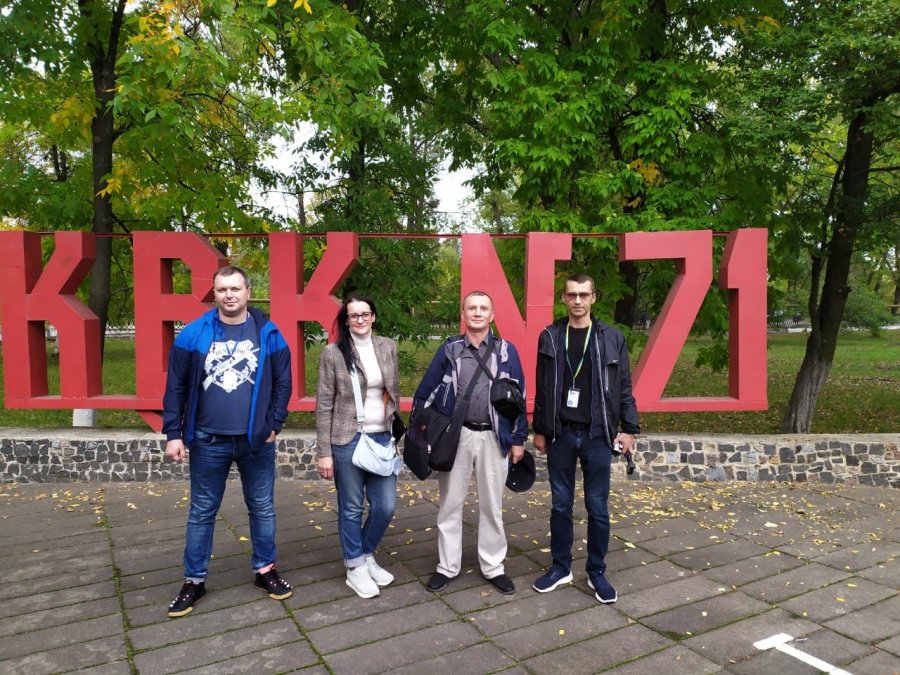
On 17 September 2021, a monitoring group consisting of members of the Public Council under the Ministry of Justice of Ukraine, Hanna Skrypka and Serhiy Zuikov, as well as Andriy Didenko, a journalist for the 'Human Rights' bulletin of the Kharkiv Human Rights Protection Group and expert for the Committee on the Penitentiary System and Probation, and Oleh Tsvilyi, Chairman of the Board of the NGO 'Alliance of Ukrainian Unity' and journalist for the All-Ukrainian national socio-political, informational, and legal publication 'Legal Ukraine', paid a follow-up visit to the State Institution 'Korosten Penal Colony (No. 71)'. (Report on the previous visit).
One of the objectives of the monitoring visit was to compare the performance ratings of penal colonies and pre-trial detention centres announced by the Ministry of Justice.
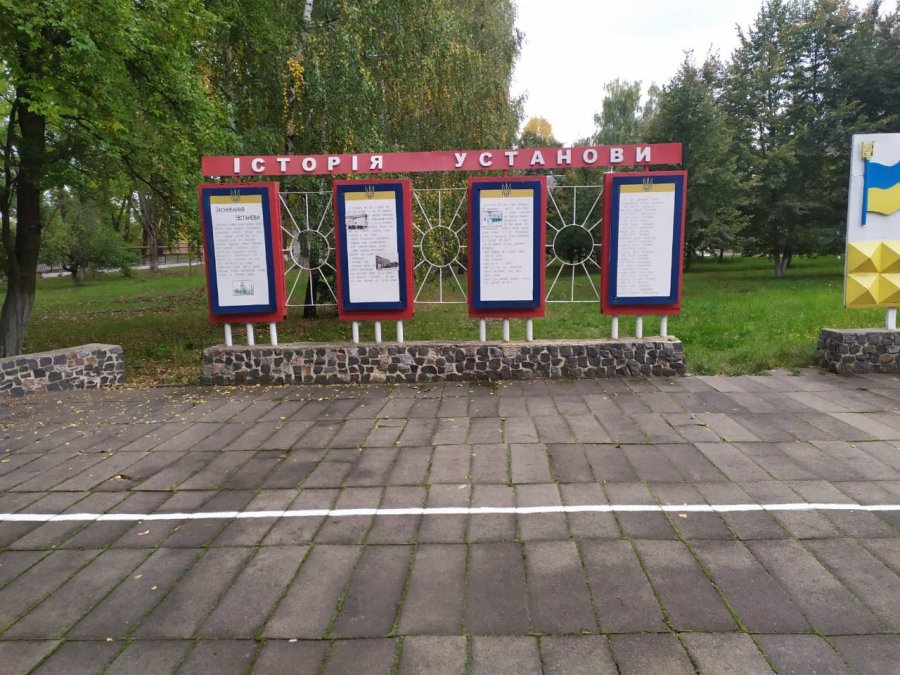
This institution is located in the city of Korosten and is a medium-security penal colony for men who have previously served sentences involving deprivation of liberty. A pre-trial detention unit is located on the premises of the institution. The facility was founded in 1947, and its construction was completed in 1956.
General information
The planned capacity of the colony is 964 people. At the time of the visit, there were 713 convicted persons in the colony.
In 2020, there were 681 people serving sentences in the colony; thus, compared to 2021, the number of convicted persons increased by nearly 32 individuals.
The head of the institution is Colonel of the Internal Service Oleksandr Oleksandrovych Nikitchuk.
There were 21 people in the disciplinary isolation ward (DIZO), 4 in the chamber-type premises (PKT), and 1 in the pre-trial detention unit.
There are 81 people registered with HIV/AIDS (80 are receiving antiretroviral therapy), 0 are prone to suicide, 29 are prone to self-harm, and 117 are classified as malicious violators of the detention regime. An ambulance was called 5 times in 2021 (the same as in 2020). According to the log for 2021, 17 people sustained bodily injuries (the same as in 2020). Special means were used once in 2021 (compared to 3 times in 2020).
Total number of convicted persons who died (in the medical unit of the institution/healthcare facilities of the Ministry of Health):
In 2019 – 3/1
In 2020 – 3/2
In 2021 – 2/2
The number of appeals (complaints) from convicted persons has decreased compared to the previous year; according to data provided to the monitors by the colony, there were 3,182 appeals in 2020, and 874 appeals during the first nine months of 2021.
Total number of convicted persons released in 2021/2020: paroled in 2021 – 51 people (in 2020 – 108 people); under Article 82 of the Criminal Code of Ukraine in 2021 – 3 people (in 2020 – 3 people). The number of criminal proceedings under Article 255 of the Criminal Code of Ukraine is 2.
The number of criminal proceedings under Article 391 of the Criminal Code of Ukraine in 2021 was 2, and in 2020 it was 4. The number of people serving sentences under Article 391 of the Criminal Code of Ukraine is 5.
In 2021, 12 convicted persons were transferred to other colonies (in 2020 – 18 people), 11 of whom were transferred under Article 82 of the Criminal Code of Ukraine (sentence mitigation) (in 2020 – 15 people).
The total number of convicted persons working under an employment contract is 127 people, which is about 15% of the total number.
No obstacles were created by the management of the institution. The monitors had the opportunity to visit any premises or section of the institution and to communicate with convicted persons on the condition of anonymity.
Accompanied by the First Deputy Head for Social and Educational Work and the Head of the Operational Unit, the monitors visited the living quarters, the medical unit, the DIZO and PKT cells, the bathhouse, and the canteen.
DIZO/PKT and the pre-trial detention unit
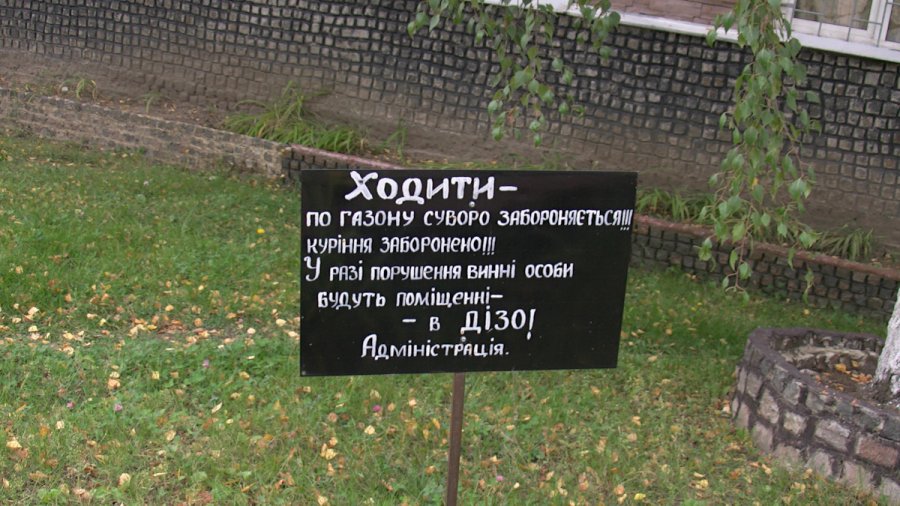
On the day of the visit, there were 21 people in the disciplinary isolation ward and 4 people in the chamber-type premises. We recall that in 2020, 701 people were placed in the DIZO, which is the highest number of convicted persons placed in the DIZO compared to other penal institutions.
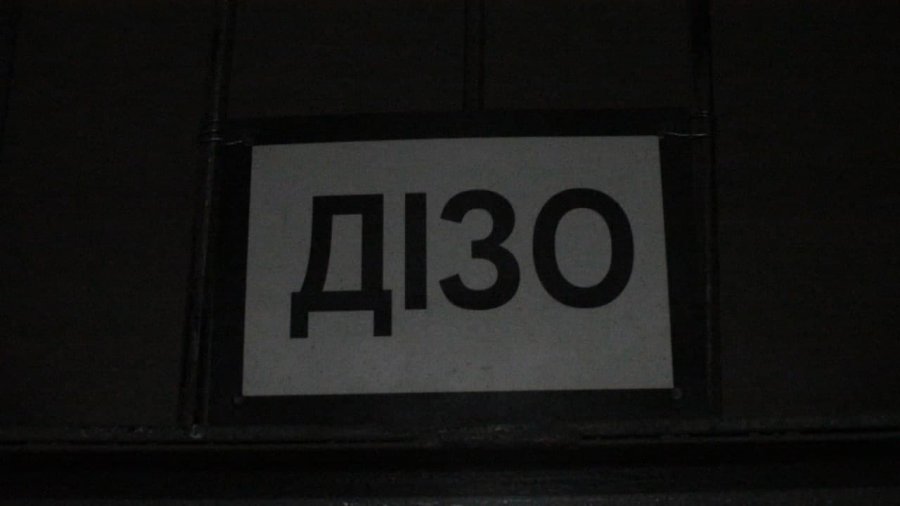
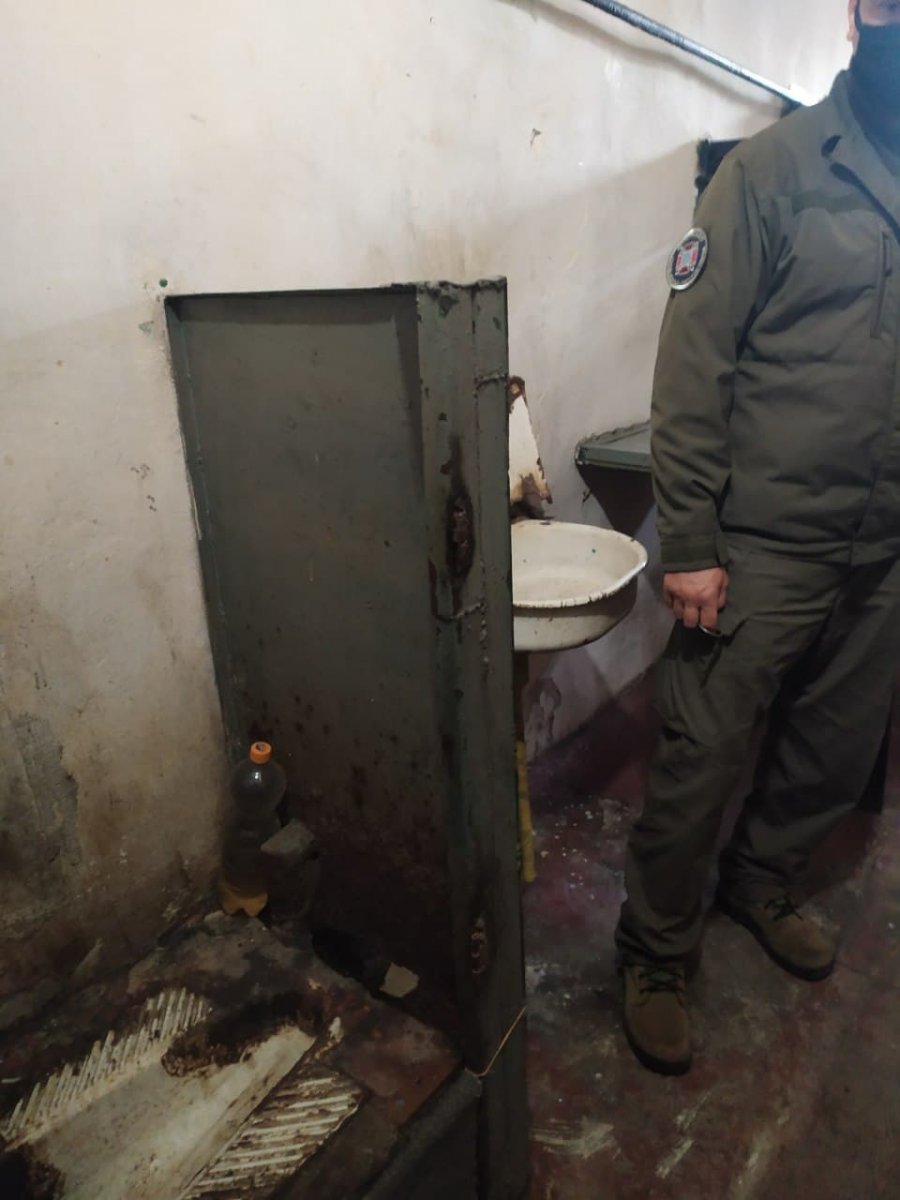
Capital repairs are being carried out in the DIZO and PKT premises. Some cells have already been renovated, while others, which are in need of repair, suffer from dampness, insufficient sunlight, increased humidity on the walls and ceiling, and the toilets are in an emergency condition and separated only by a low partition wall.
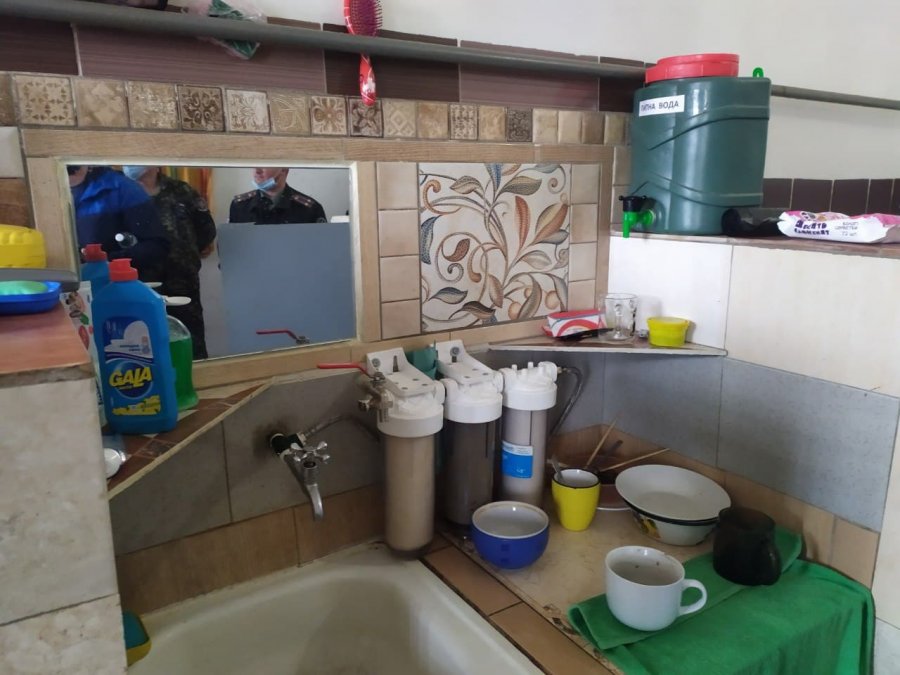
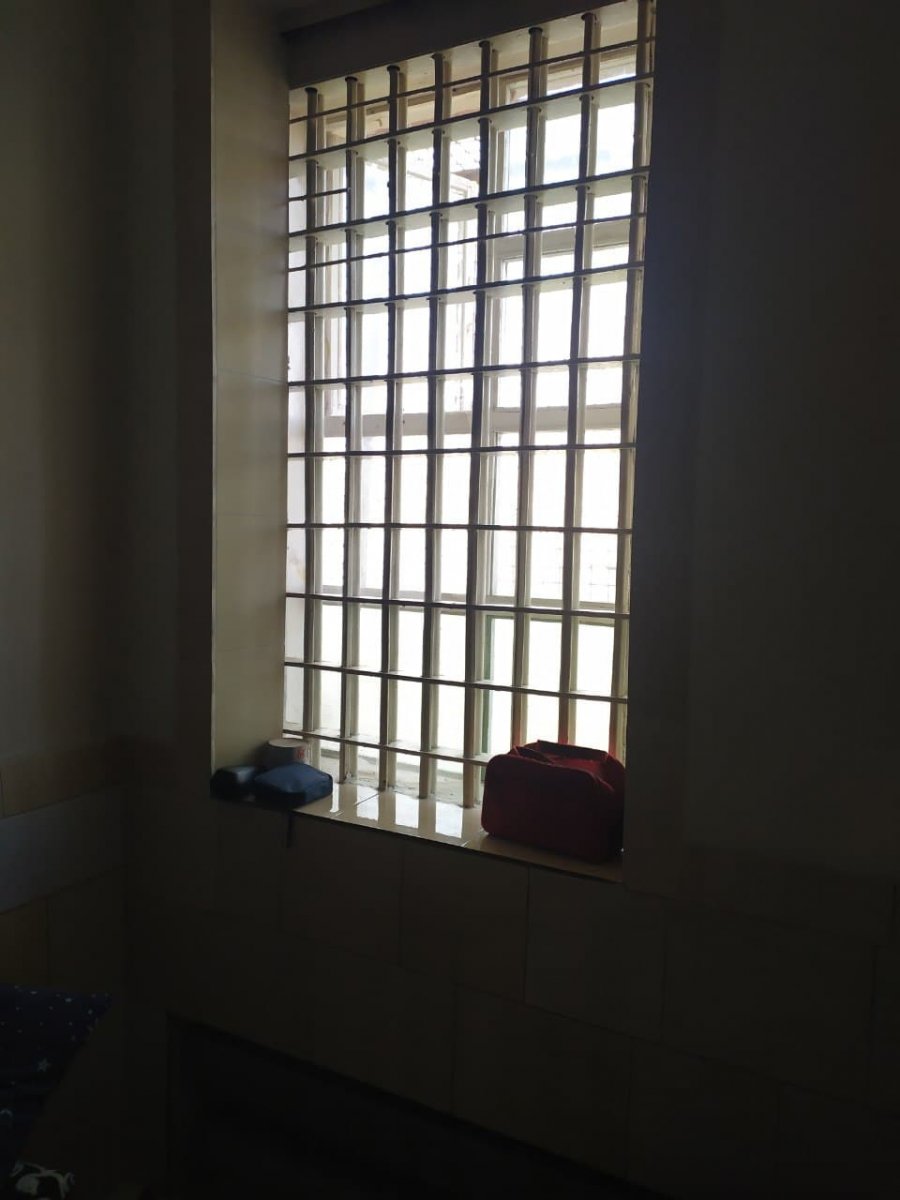
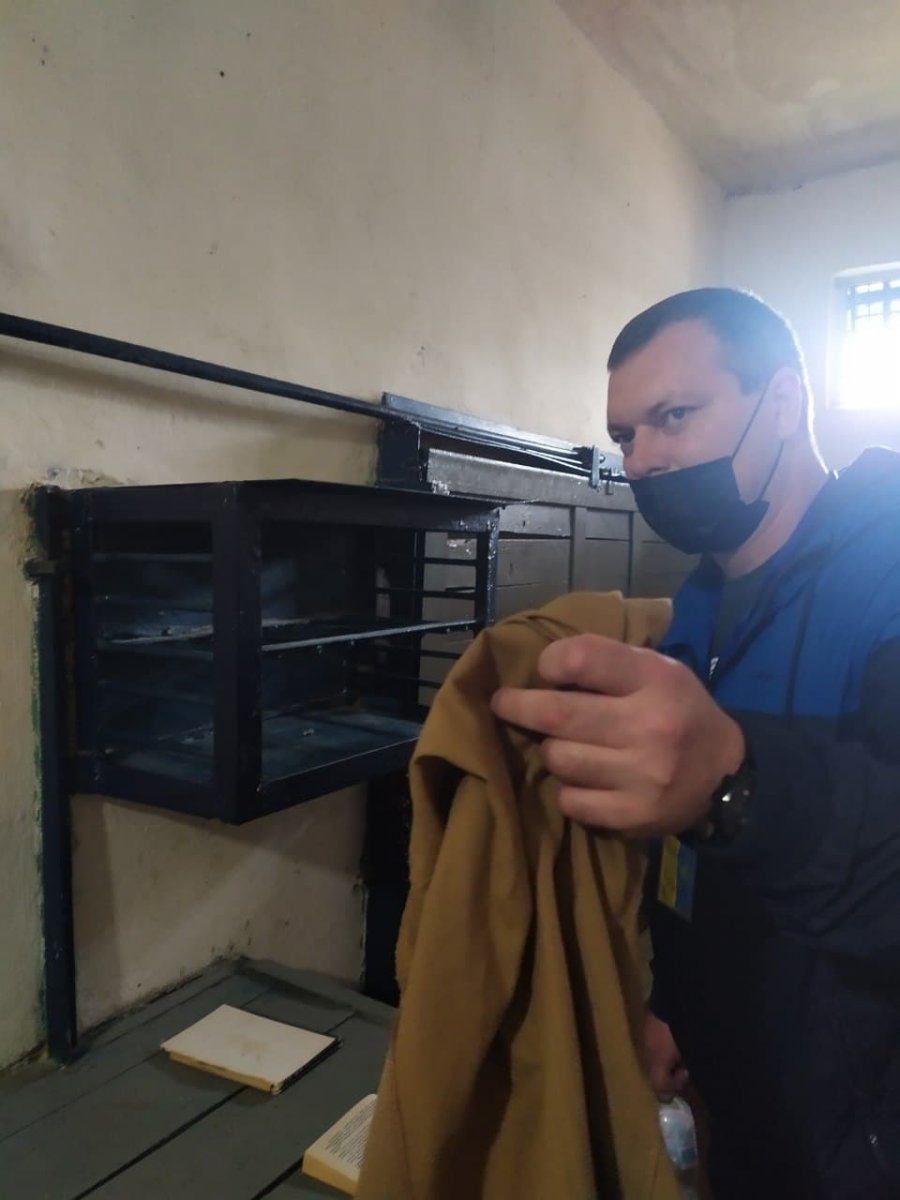
In all DIZO cells, the beds were locked; however, some convicted persons responded that they themselves had asked the management to lock the beds because there was not enough space to move around.
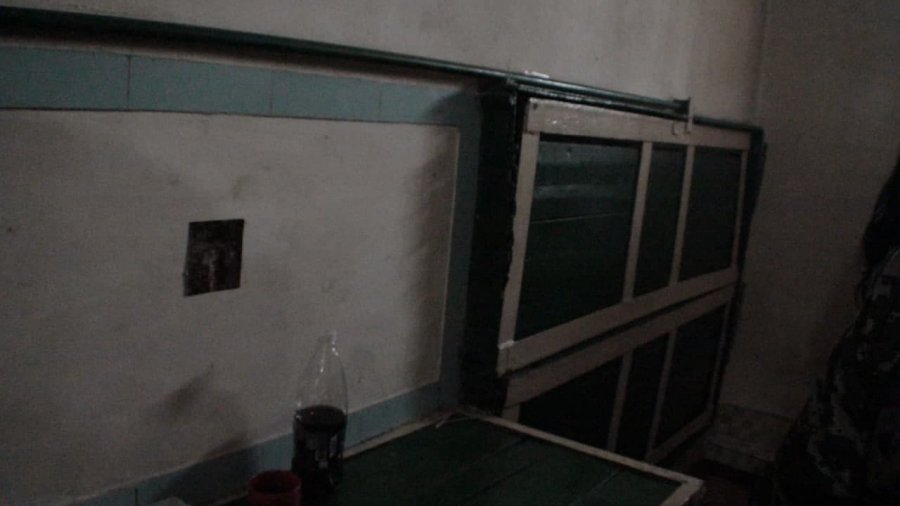
Monitors were able to communicate freely and privately with the convicted persons held in the DIZO/PKT.
Prisoner G. was serving a 5-day penalty in the punishment cell for cutting his arm and abdomen. He explained that he had been held alone in the pre-trial detention unit for 2 years, was under pressure, and could no longer endure being in such a state. The prisoner gave his consent for the processing and dissemination of his personal data. After reviewing the personal file, it turned out that prisoner G., in accordance with the decision of the allocation commission of 6 December 2019, was transferred from the State Institution 'Zhytomyr Penal Colony (No. 8)' to the State Institution 'Korosten Penal Colony (No. 71)'; however, the reasons for transferring the prisoner from the Zhytomyr pre-trial detention centre to the State Institution 'Korosten Penal Colony (No. 71)' were not specified.
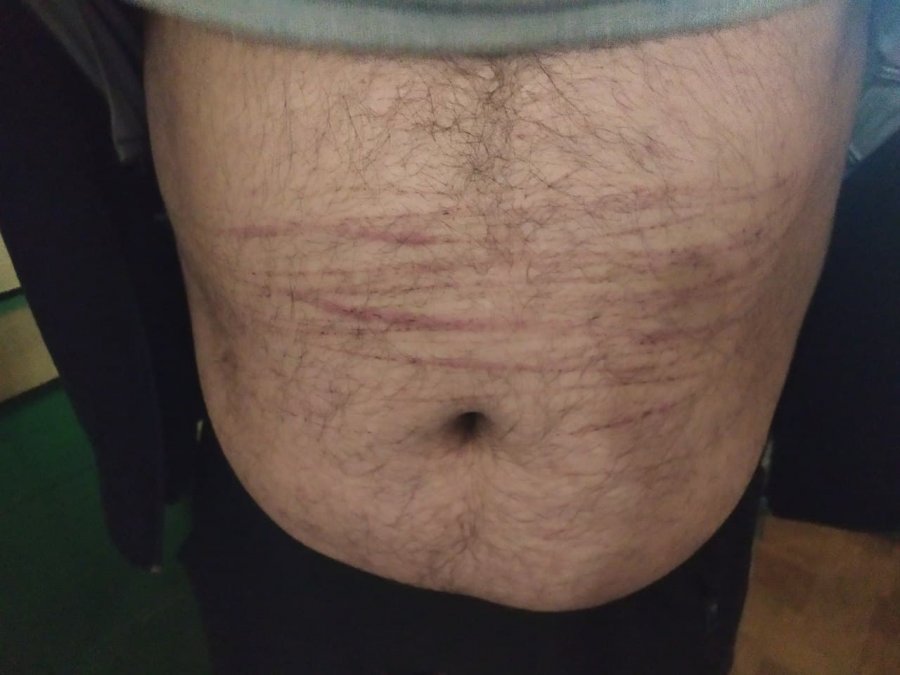
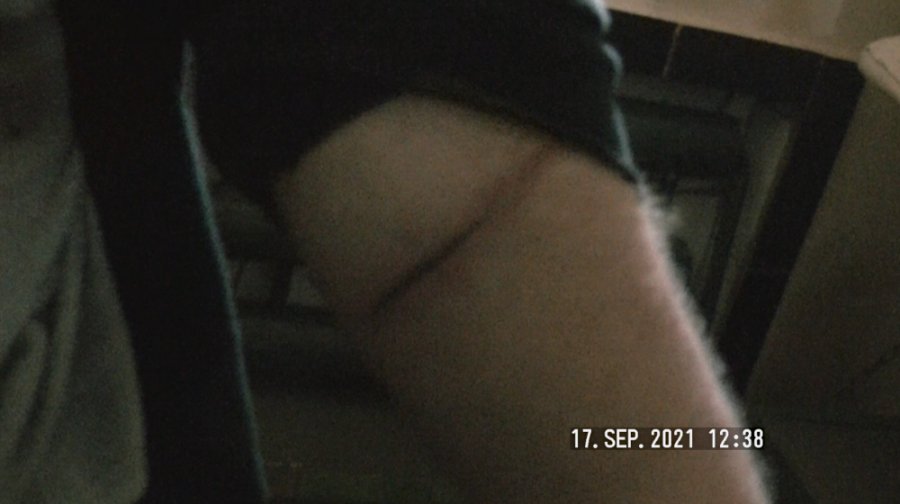
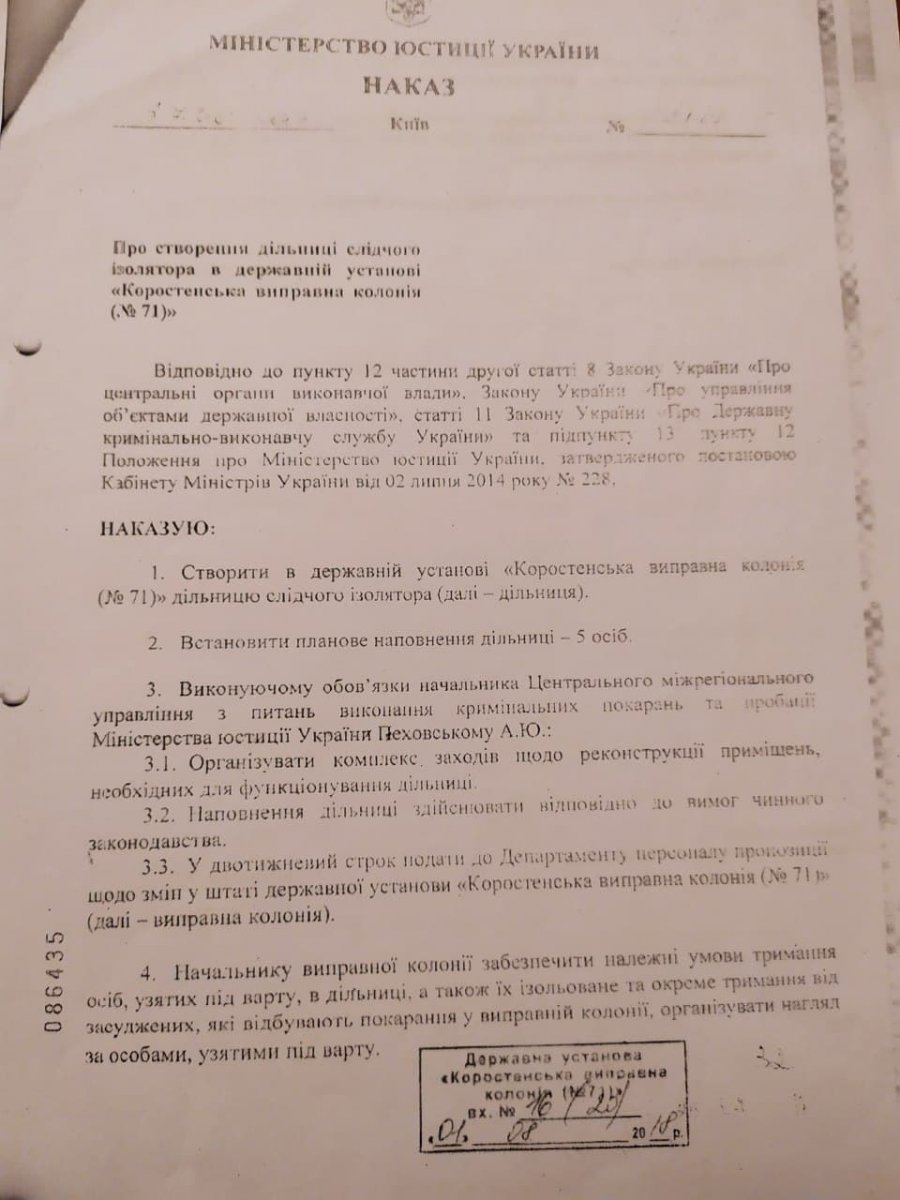
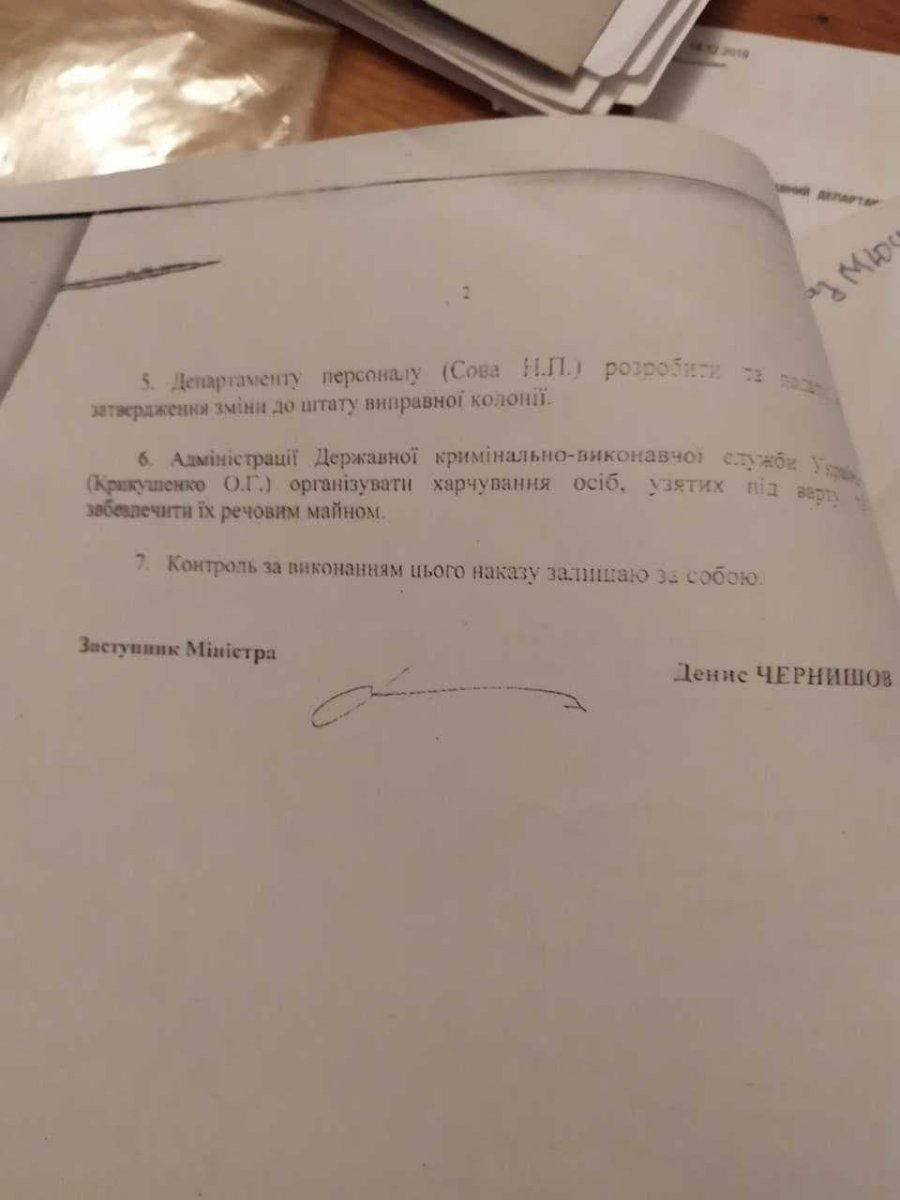
The pre-trial detention unit at the State Institution 'Korosten Penal Colony (No. 71)' was established in accordance with an order dated 1 August 2018 with a planned capacity of 5 people. Since then, only prisoner G. has been held there. Therefore, it is logical to assume that the pre-trial detention unit was created with bias solely for one prisoner, G. Moreover, this practice deprives a pre-trial detainee of the opportunity to use the paid cell service in the pre-trial detention centre, which is discriminatory.
We have already pointed out in our reports the shameful practice of using pre-trial detention units in penal institutions, as such a practice was historically introduced to relieve pre-trial detention centres due to overcrowding, yet it is potentially being used to pressure defendants.
We recall that according to Article 8 of the Law of Ukraine 'On Pre-trial Detention', 'persons taken into custody shall be held in small or general cells. In exceptional cases, for the purpose of maintaining the secrecy of pre-trial investigation, protecting prisoners from possible attacks on their lives or preventing them from committing a new criminal offence, or if there are medical grounds for doing so, by an appropriate decision of the person or body conducting the criminal proceedings or the head of the pre-trial detention institution, sanctioned by the prosecutor, they may be held in solitary cells'.
At the same time, the materials of the prisoner's personal file lack any decision by the person or body conducting the criminal proceedings or the head of the pre-trial detention institution, sanctioned by the prosecutor, regarding the prisoner's placement in a solitary cell. That is, the colony management is forced to violate the law due to the absence of other detainees in the pre-trial detention unit.
Furthermore, according to the colony administration, because the prisoner has been in a solitary cell for a long time, he has recently been behaving in an agitated and inappropriate manner.
Residential area
The living quarters have undergone current cosmetic repairs, which are carried out at the expense of the institution's special fund. All residential units are of the barracks type.
The standard space per convicted person – 4 square metres – is being observed. There is sufficient sunlight in the living rooms.
The dining rooms are equipped with refrigerators, electric kettles, and in some units, multicookers are available. Almost all units are equipped with drinking water containers.
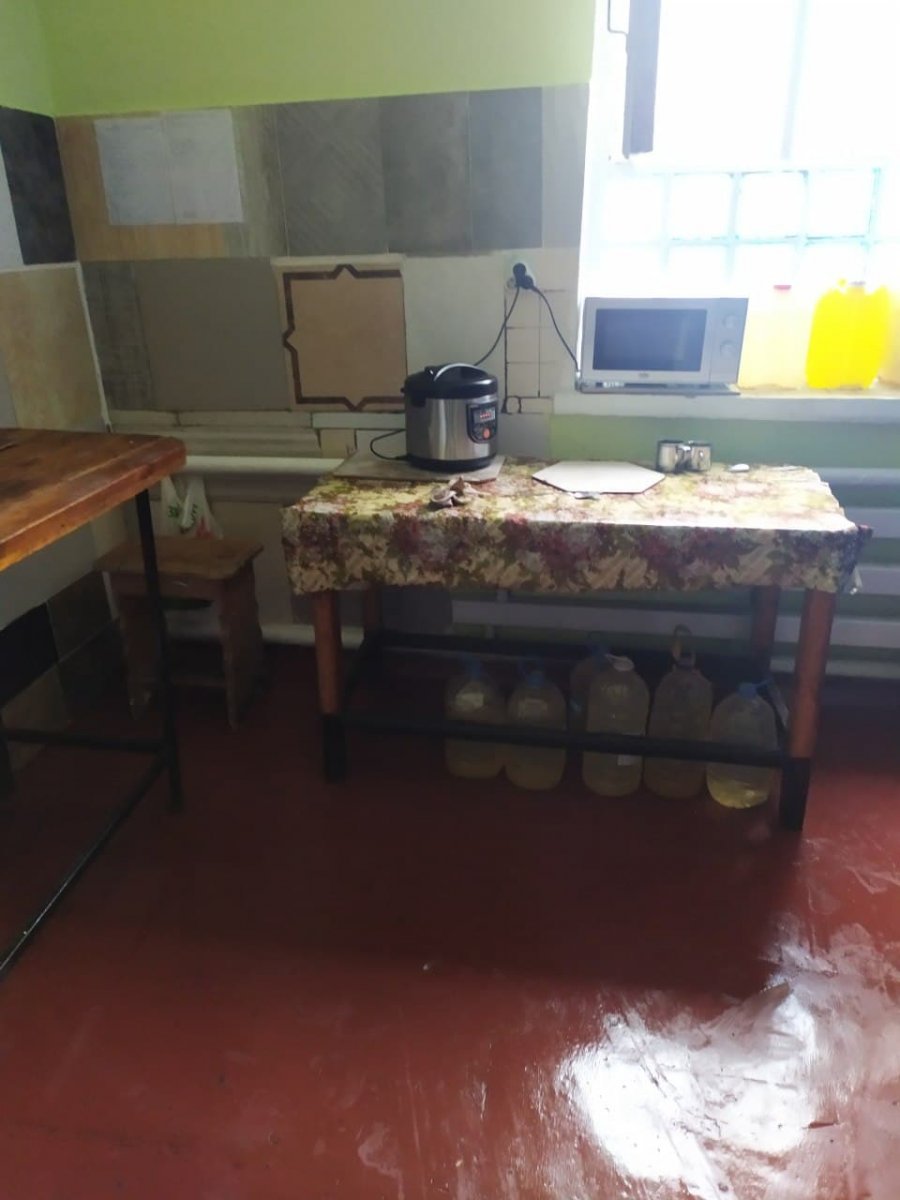
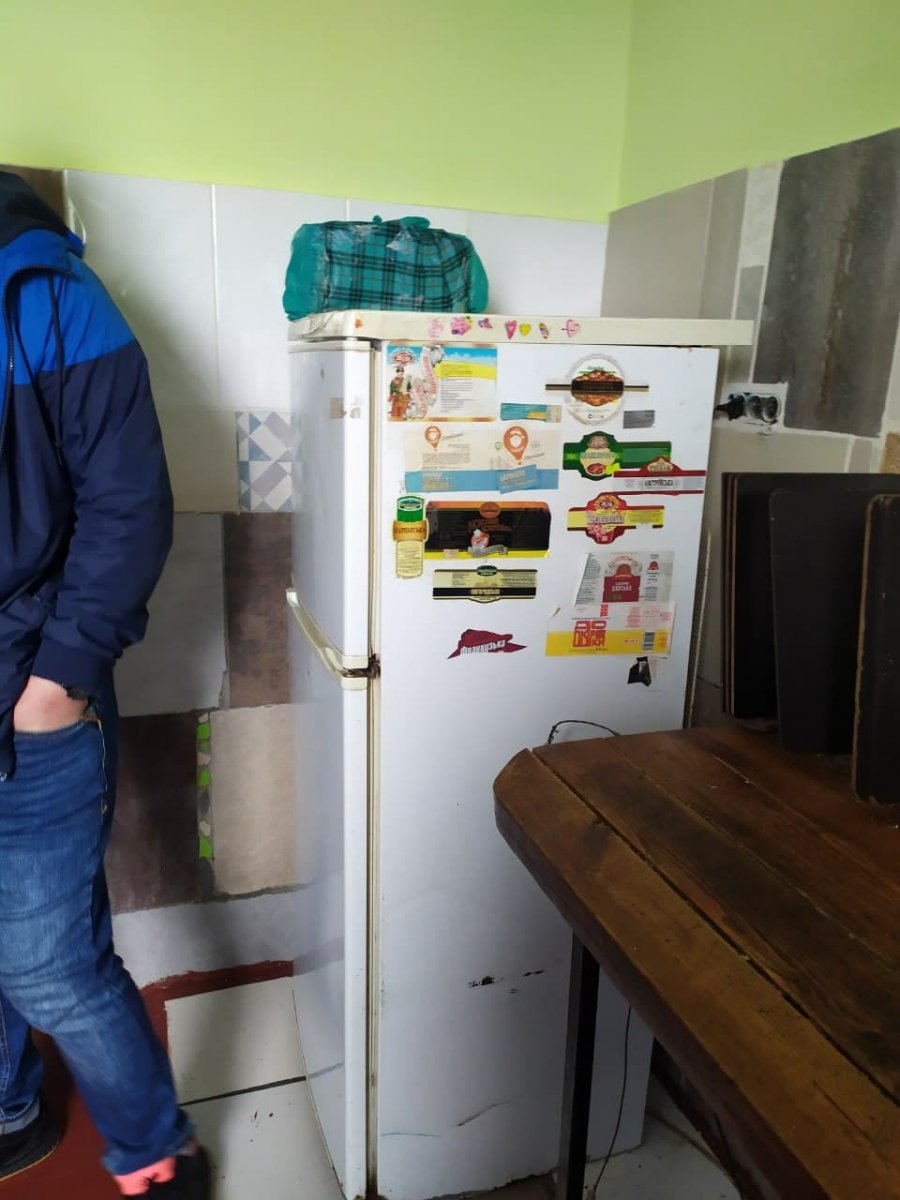
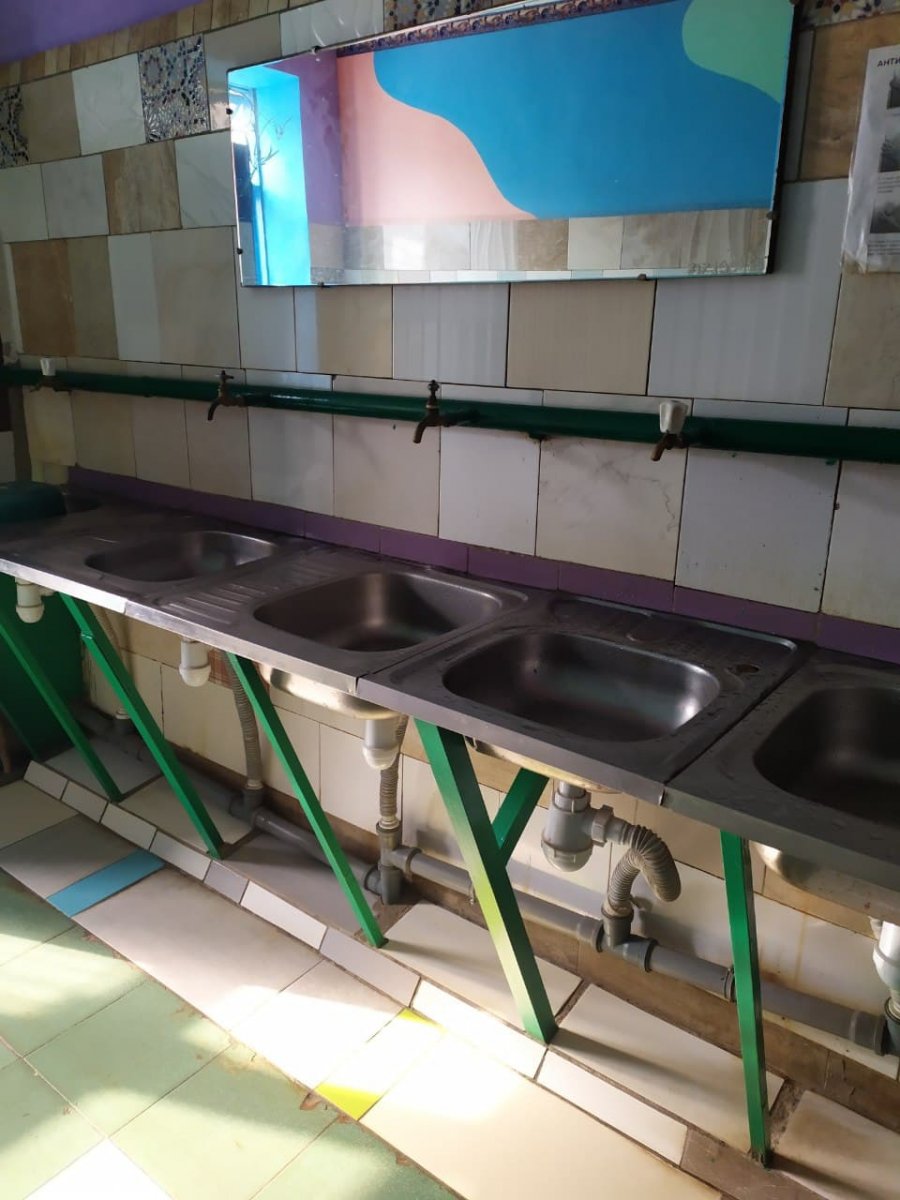
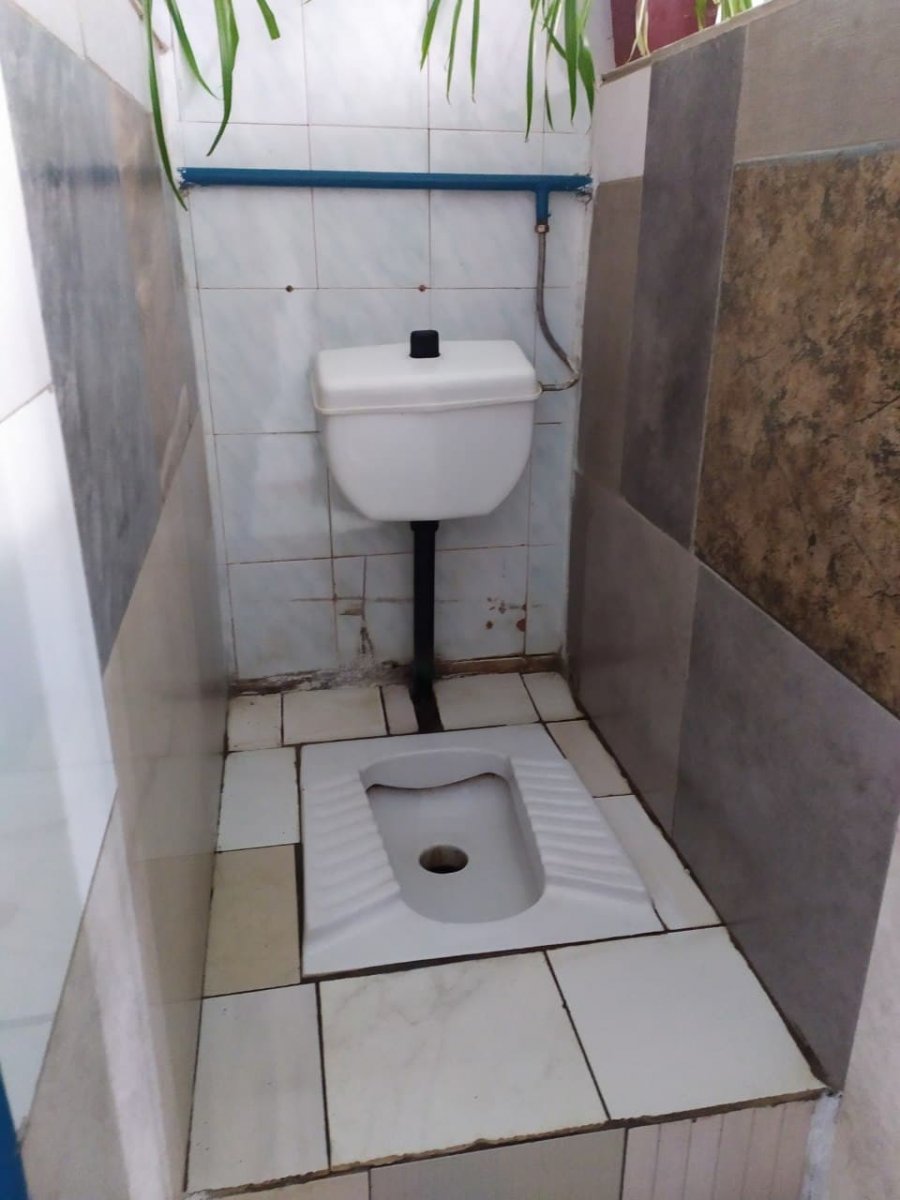
The washbasins and toilets are in satisfactory condition.
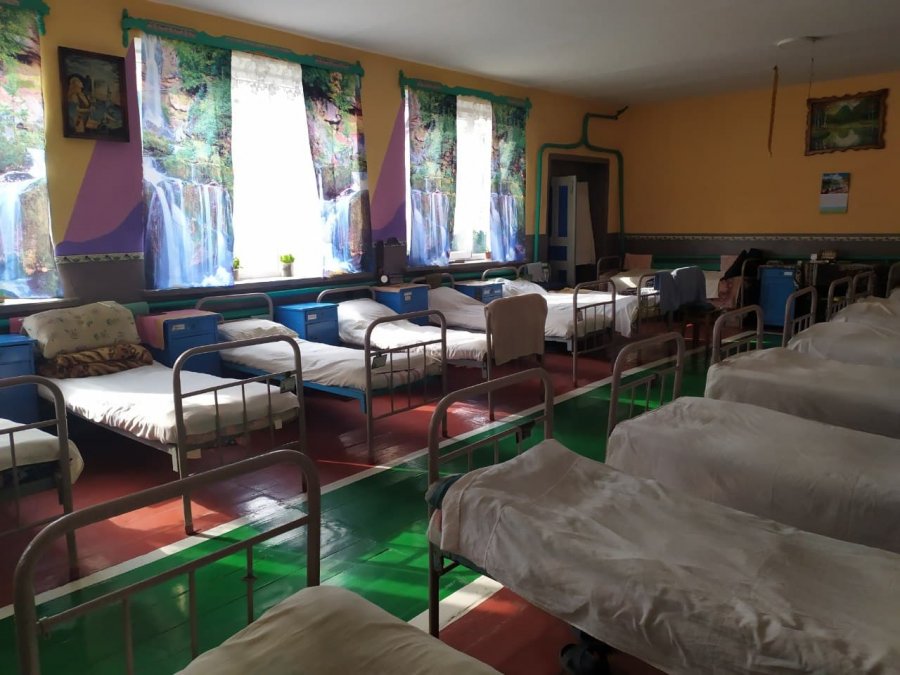
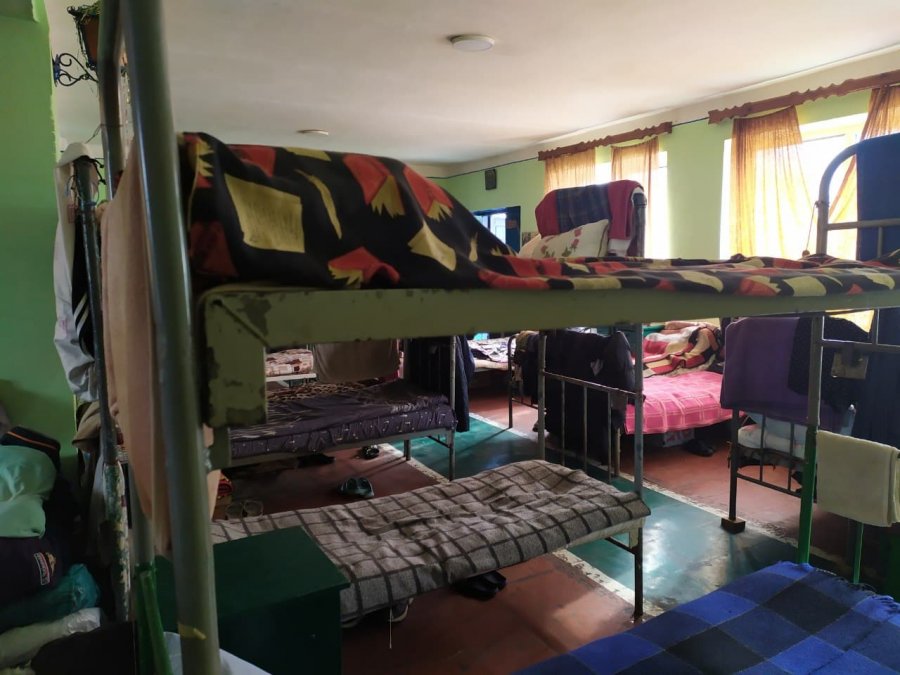
In most dormitories, single-tier beds are installed; however, in one unit, the monitors observed double-tier beds. Some beds are placed tightly together without partitions, which violates the right to privacy.
Canteen and kitchen
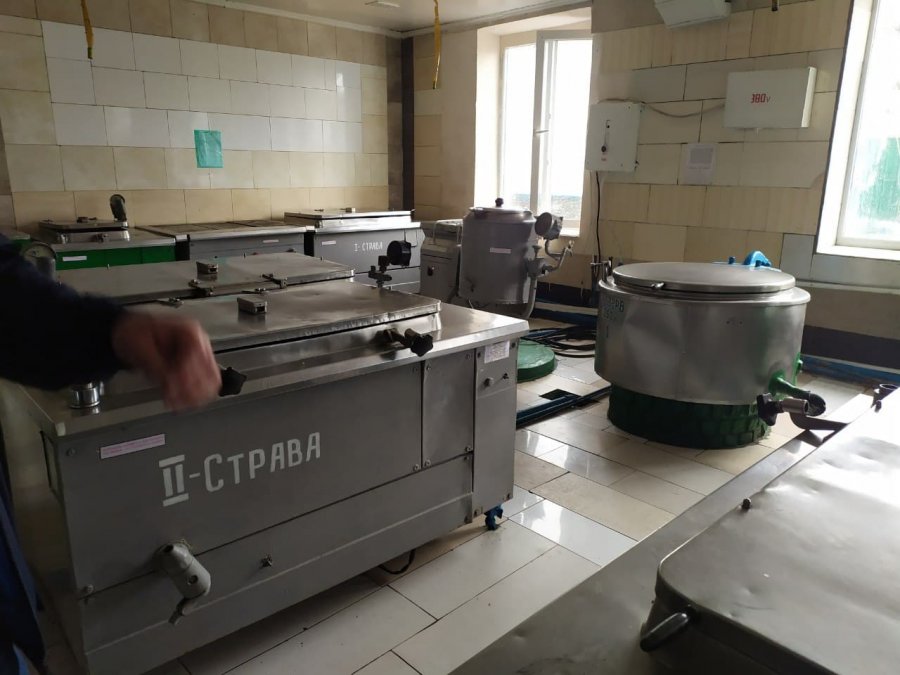
The kitchen is clean, and the kitchen equipment is old but functional. Meat and fish are stored separately in refrigerators (unlike what the monitors observed during the previous visit). Repair work is underway in some rooms of the kitchen.
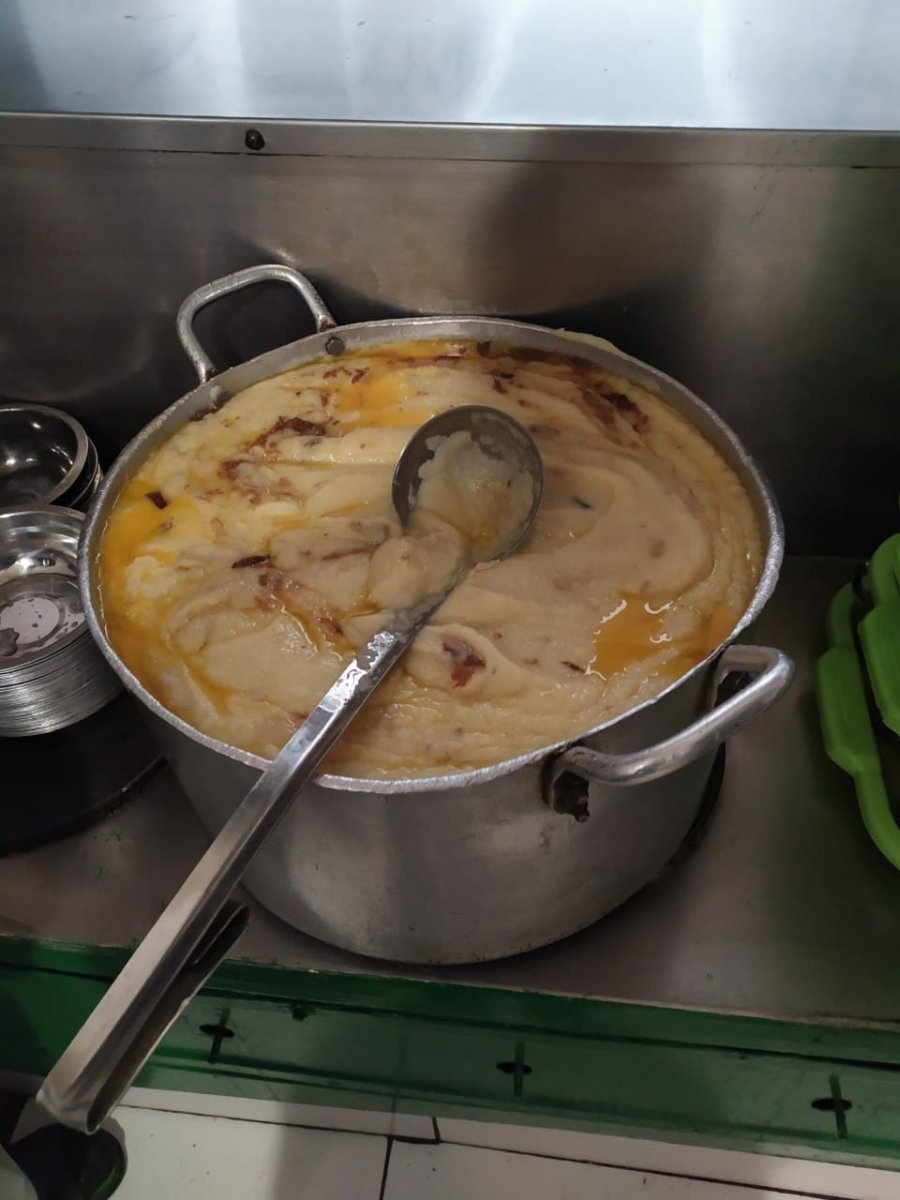
The food looks tasty. The smell of the food is pleasant.
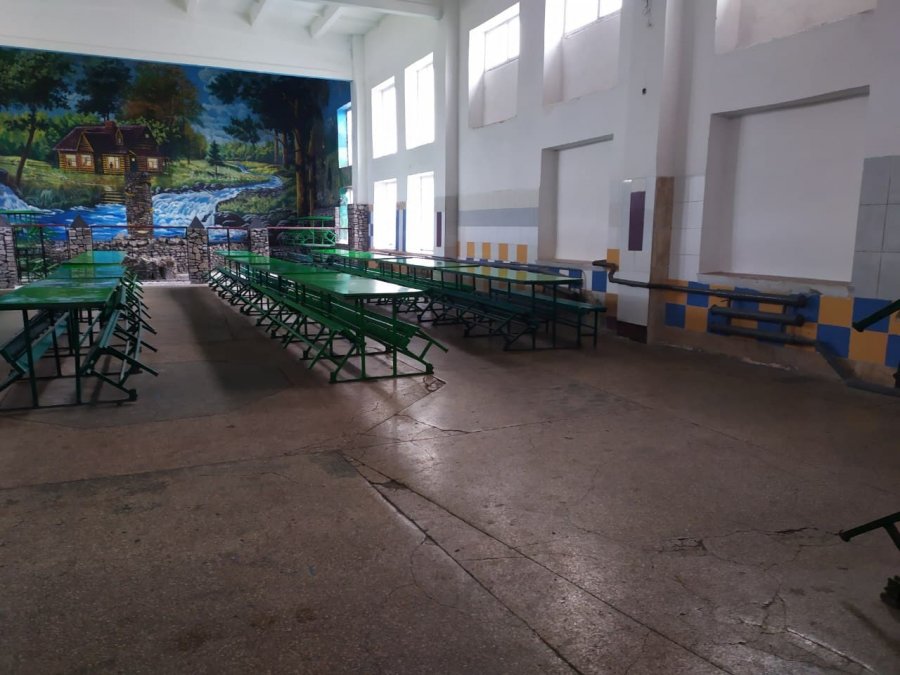
The canteen area is very spacious.
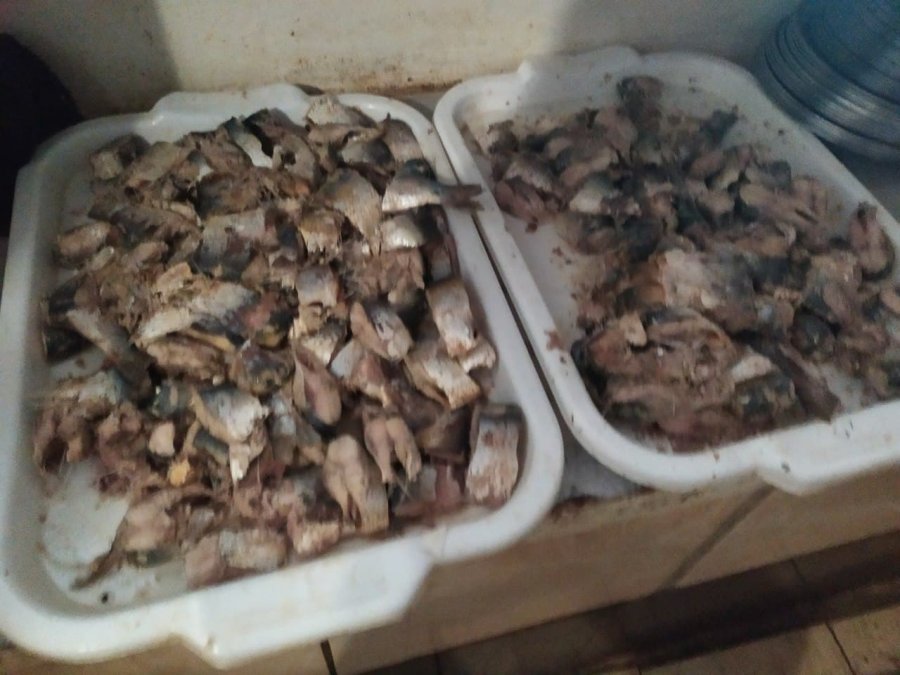
The colony produces canned food for the winter.

Medical unit
The medical unit has an infectious disease isolation ward and a separate room for isolating persons suspected of having COVID-19, with a capacity of 40 beds.
As of the day of the visit, there were no convicted persons with signs of acute respiratory infection, including suspected COVID-19.
In the medical unit, monitors saw more than 10 convicted persons queuing for medicine and procedures. There are 5 people receiving inpatient treatment at the medical facility.
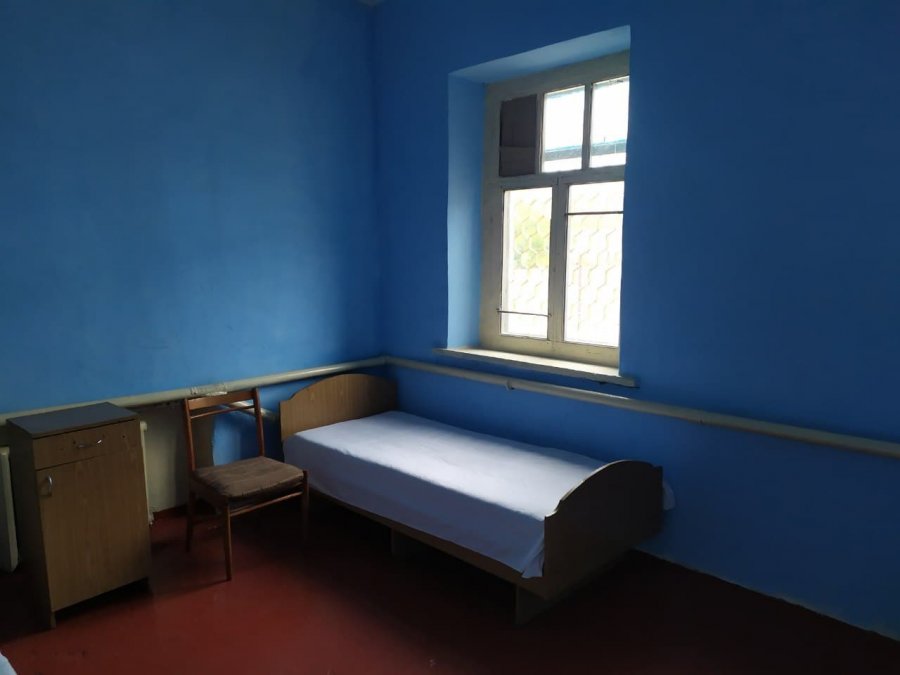
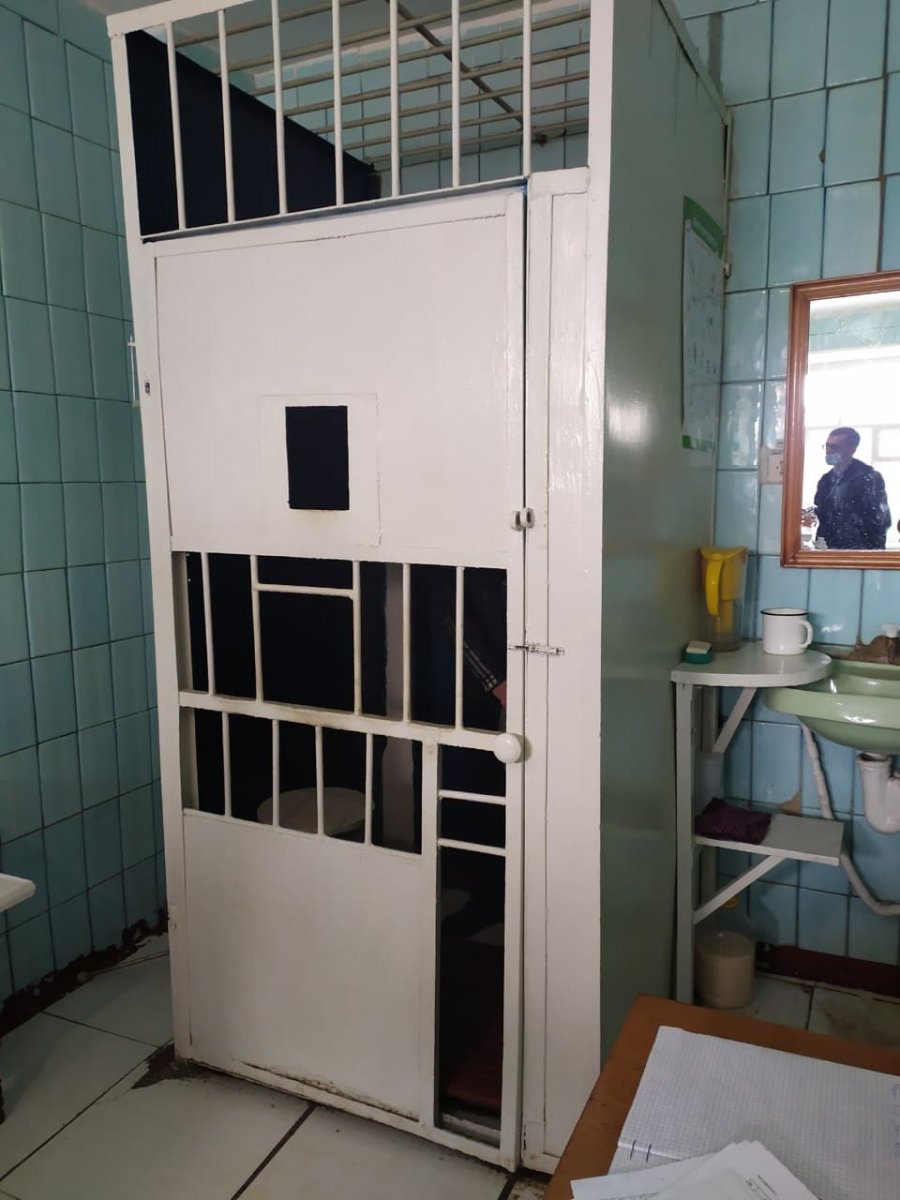
According to the head of the medical unit, Mykola Mykolayovych Bahynskyi, the institution is fully supplied with medicines.
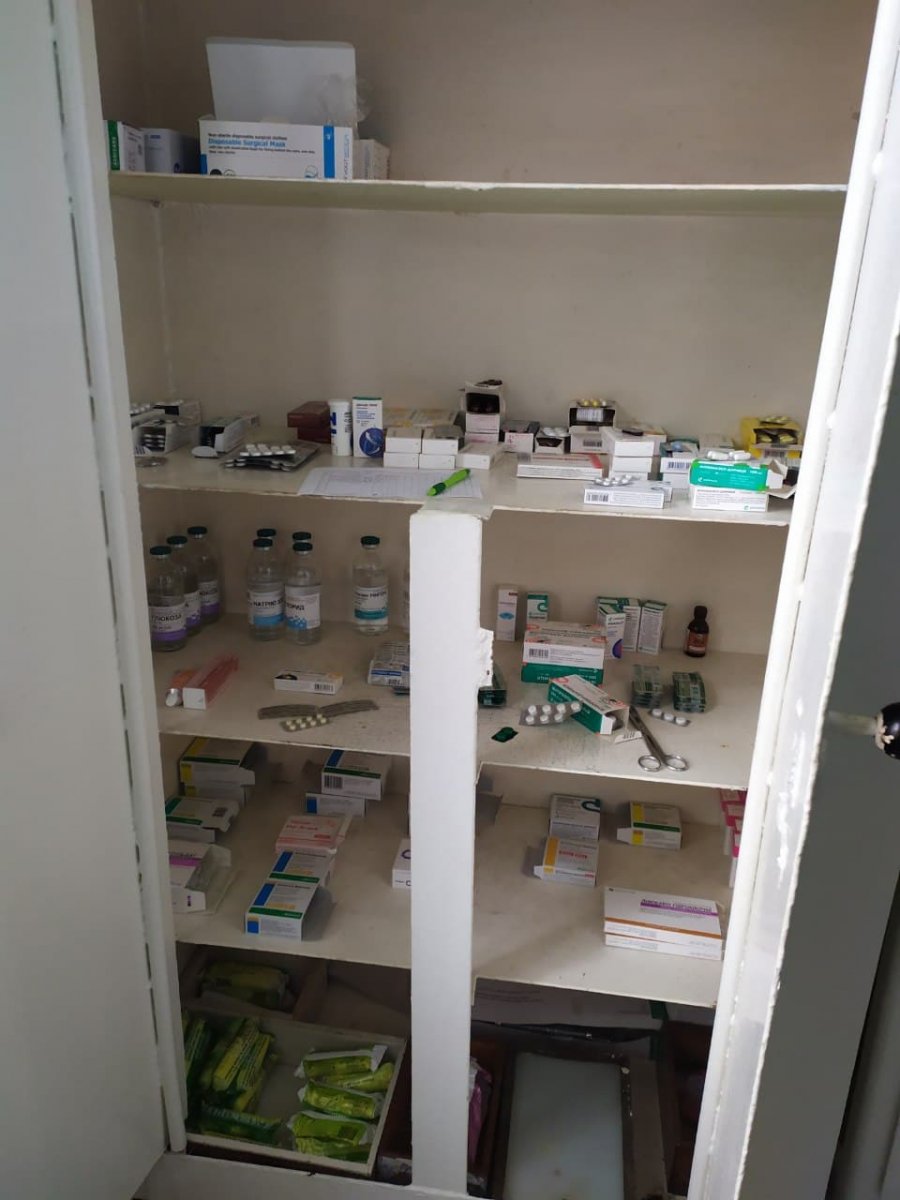
During the current year, 17 cases of bodily injuries were recorded in the institution, which were noted in the relevant logbook. At the same time, there was no record regarding the prisoner who was held in the pre-trial detention unit (whom we mentioned above).
Ambulatory patient medical records (form 025/o) contain certificates regarding such injuries, but lack annexes in the form of photographs of the bodily injuries, as provided for in clause 3 of section 1, chapter II of the joint Order of the Ministry of Justice of Ukraine and the Ministry of Health of Ukraine of 15 August 2014, No. 1348/5/572, 'On approval of the Procedure for organizing the provision of medical care to persons sentenced to deprivation of liberty'.
As the head of the medical unit explained, photographs of bodily injuries are not included due to the lack of technical equipment (camera, tablet, etc.). The medical unit is also not provided with a direct telephone connection.
An ambulance was called 5 times in 2021 (the same as in 2020).
Two convicted persons died in the institution during the year.
No convicted person was released from serving the remainder of their sentence due to a serious illness.
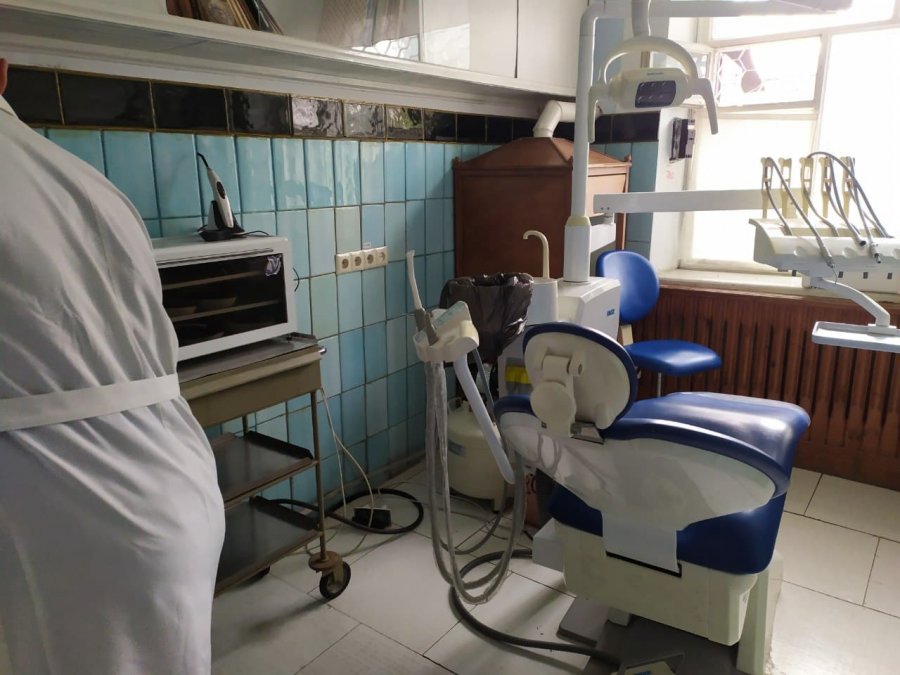
The medical unit also has a dental office equipped with medical supplies and supplied with filling materials.
Internet, long-term visits
The colony is equipped with 1 workstation with Internet access.
Throughout the year, none of the convicted persons purchased a tablet.
The rooms for long-term visits are in proper condition; repair work is being carried out in some rooms.
In 2020, 11 long-term visits and 43 short-term visits were held at the institution.
Other
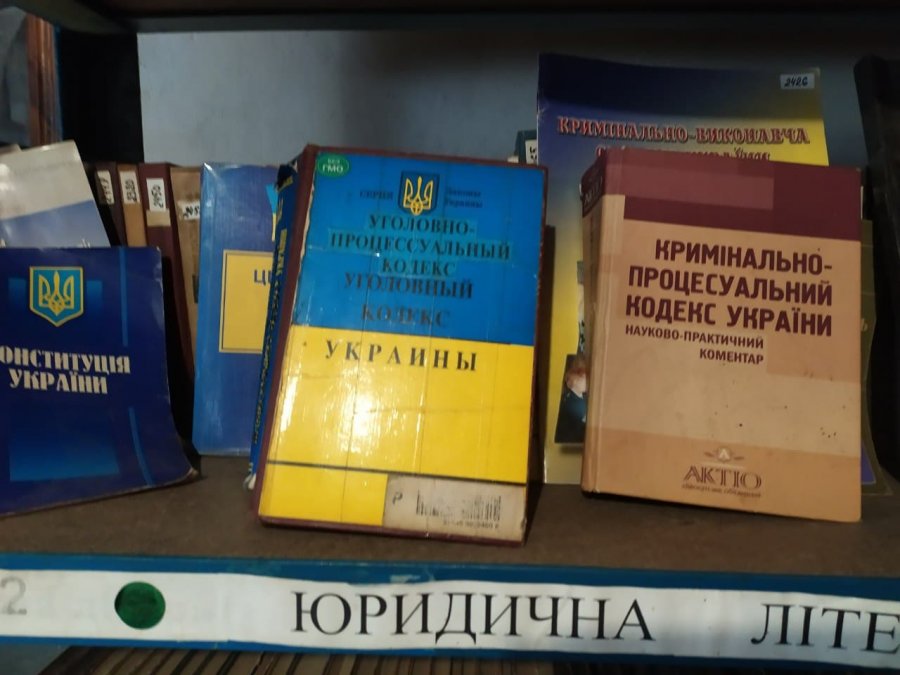
The library for convicted persons is in satisfactory condition. The library lacks current normative legal acts, for example, the Internal Regulations of penal institutions, the Criminal Executive Code, the Criminal Procedure Code, etc.
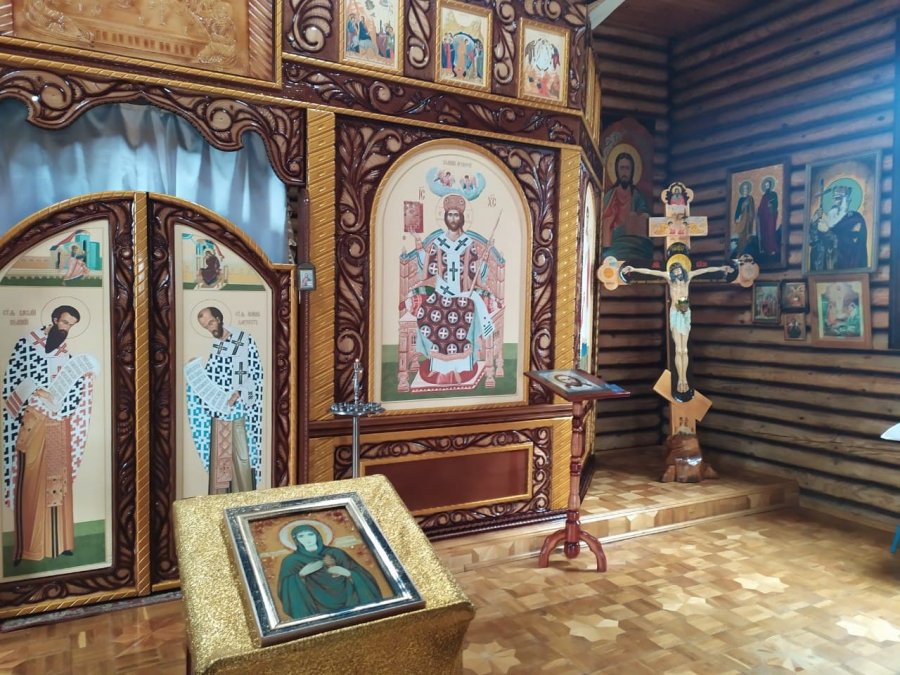
An Orthodox church has been built and is operating on the territory of the institution, where regular services are held.