Monitoring Visit to the State Institution "Korosten Penal Colony No. 71"
1. General Information
On 25 July 2021, a monitoring group consisting of Maksym Revyakin, an assistant-consultant to a People's Deputy of Ukraine, and two journalists, Hanna Ovdiienko and Pavlo Shvab, visited the State Institution "Korosten Penal Colony No. 71". This is a medium-security institution for men sentenced for the second time to imprisonment. At the time of the visit, 741 inmates were serving sentences in the institution. There are 13 operating residential units in the institution; there are no mothballed units. During the current year, 32 people were released on parole from the institution. The institution was founded in 1947, and its construction was completed in 1956.
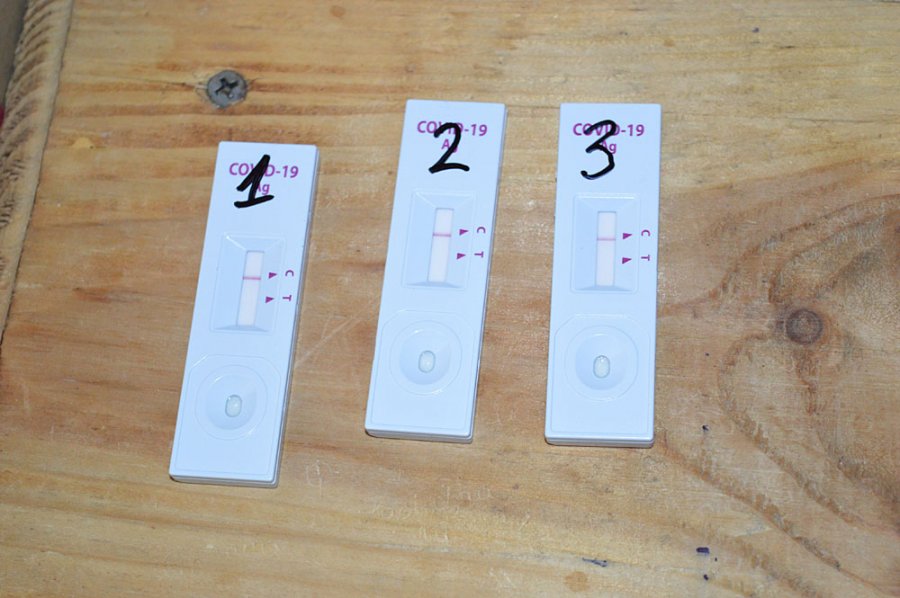
Before entering the institution, the monitors underwent a temperature screening and rapid testing for coronavirus. According to the first deputy head of the institution, such rapid testing is conducted for each shift and for all visitors to the colony. The monitors positively note such a means of anti-epidemic protection, which they saw for the first time in colonies. In particular, in the opinion of the monitors, thanks to such an attitude towards quarantine measures, not a single inmate has contracted coronavirus in the colony since the beginning of the pandemic.
2. Residential Units
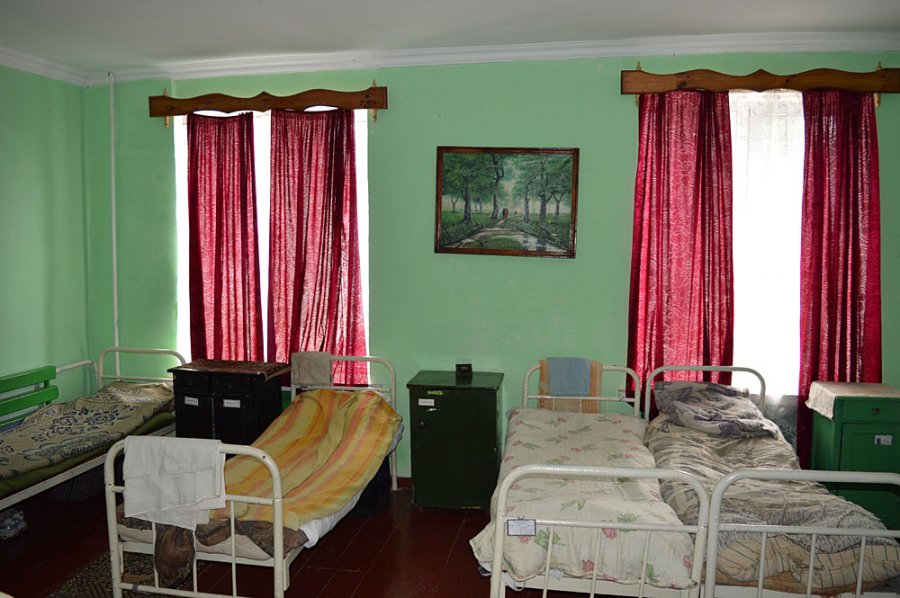
All residential units are of the barrack type. Current cosmetic repairs have been carried out in all of them. Some units clearly require capital repairs, however, budget appropriations for such repairs are not allocated. Current cosmetic repairs are carried out at the expense of the institution's special fund.
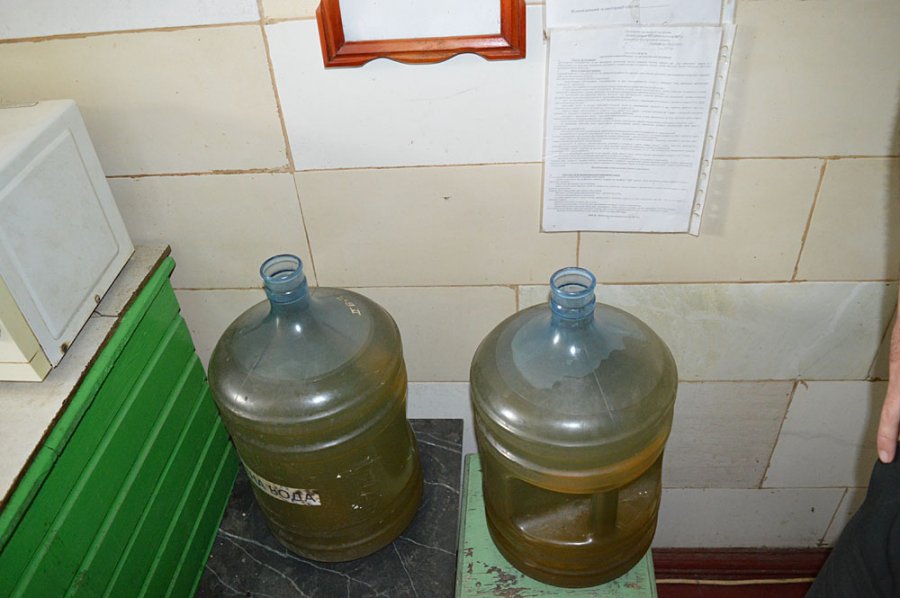
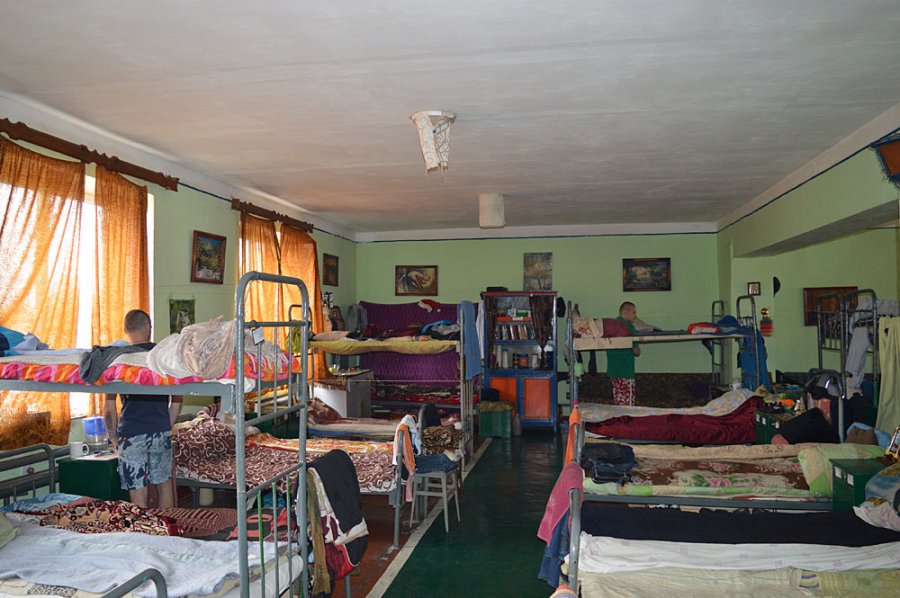
Single-tier beds are installed in most bedrooms, however, in one unit, the monitors saw bunk beds, which does not comply with the European Prison Rules and leads to additional discomfort for the inmates. The floor area standard per inmate is observed in all units. There is enough sunlight in the rooms. There is boiled water in the dining rooms, which, however, is stored in dirty bottles. However, the water has no foreign smell or taste.
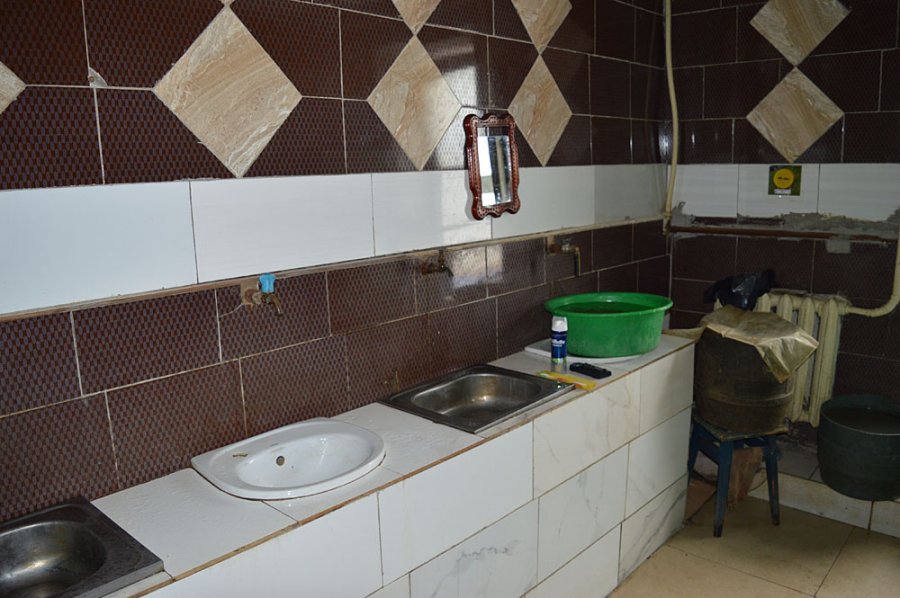
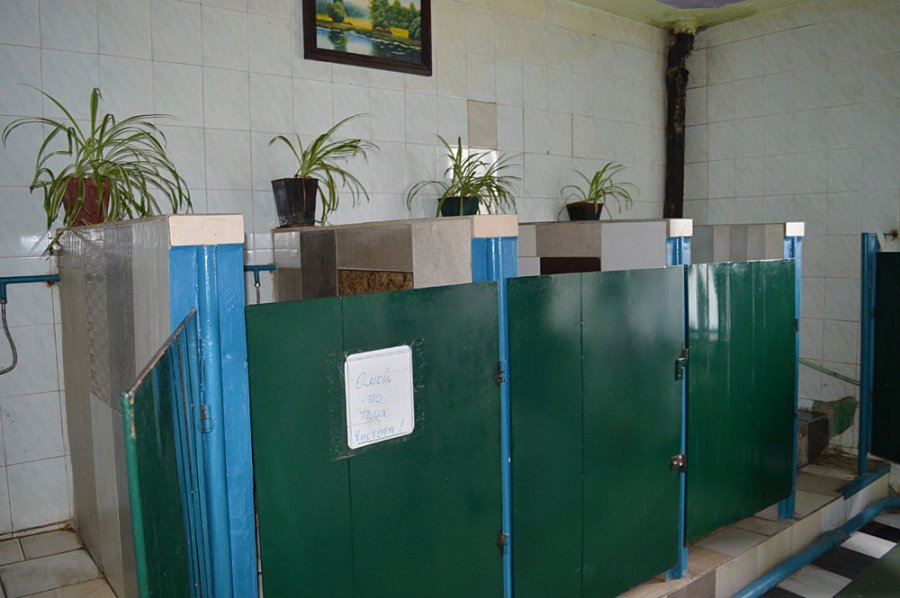
Outdated sanitary equipment and a hand-washing system are installed in the sanitary facilities. These rooms clearly require repair, however, the monitors positively note the observance of the right to privacy of the inmates: the toilet stalls are separated from each other by high partitions and high doors.
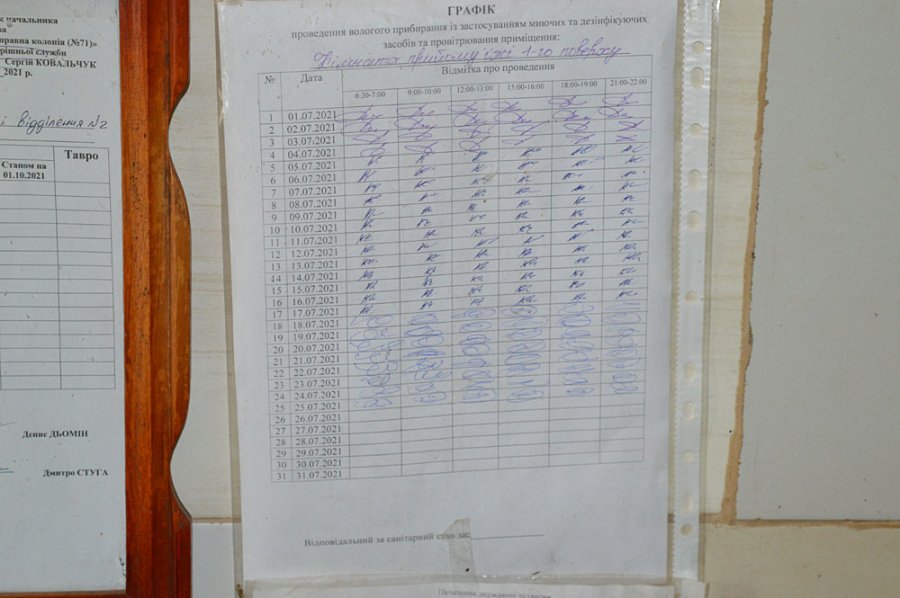
There are disinfection schedules for residential premises and disinfection agents available in the residential units.
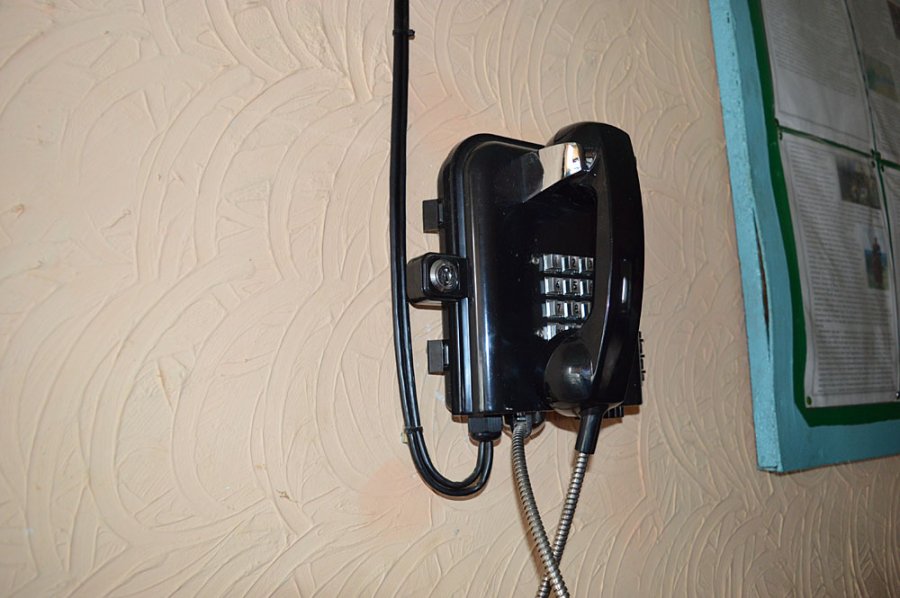
Payphones are installed in the units. The price of one minute is approximately one hryvnia, which is clearly too expensive for inmates, most of whom are in a difficult financial situation. According to the administration, inmates still use the payphone, which leads to thoughts about the difficulty of access to a mobile phone.
3. Bath and Laundry Complex
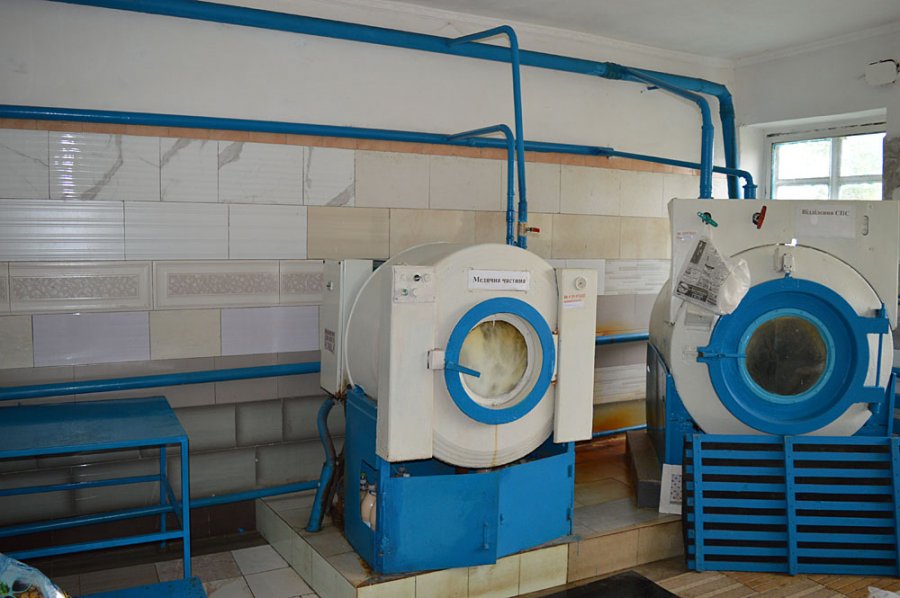
Outdated but functional machines are installed in the laundry. According to the administration, their capacity is sufficient for servicing the institution. The room for drying clothes is also quite spacious.
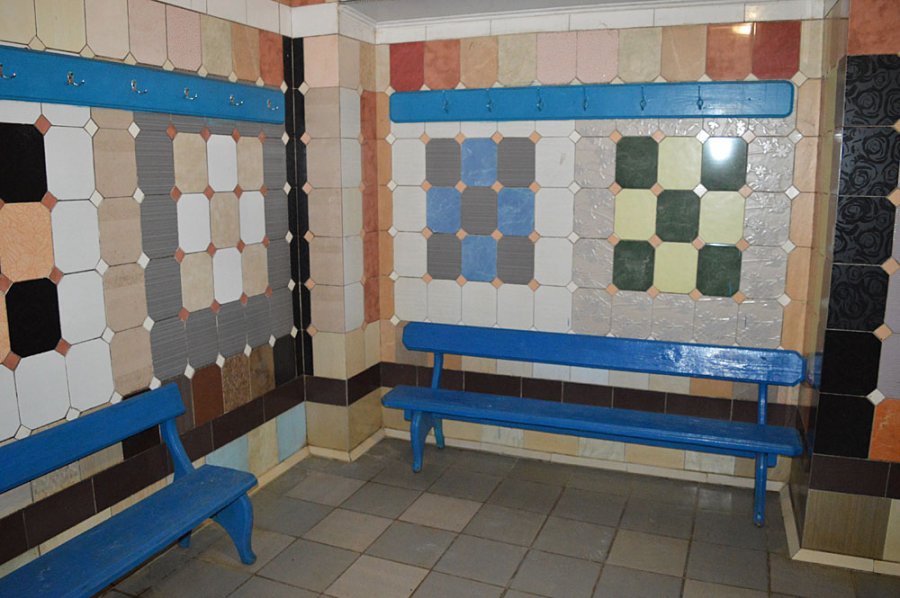
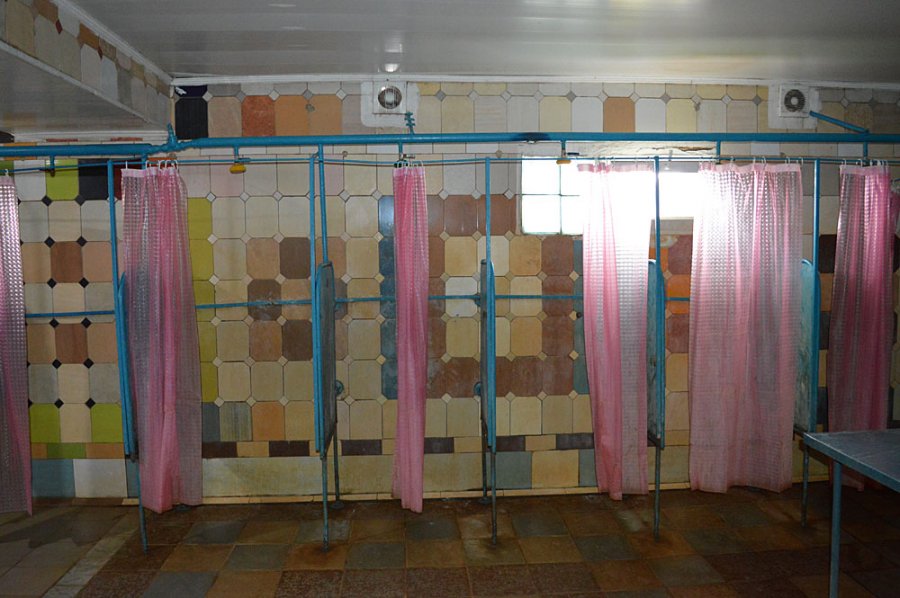
In the changing room of the bathhouse, there is a paramedic's corner, which is not separated from the changing room itself by anything. In this regard, inmates are forced to undergo an examination for bodily injuries in the presence of other inmates, which violates the right to privacy. The shower stalls are separated by partitions; there are curtains and mats. The premises themselves are in a satisfactory condition.
4. Kitchen and Canteen
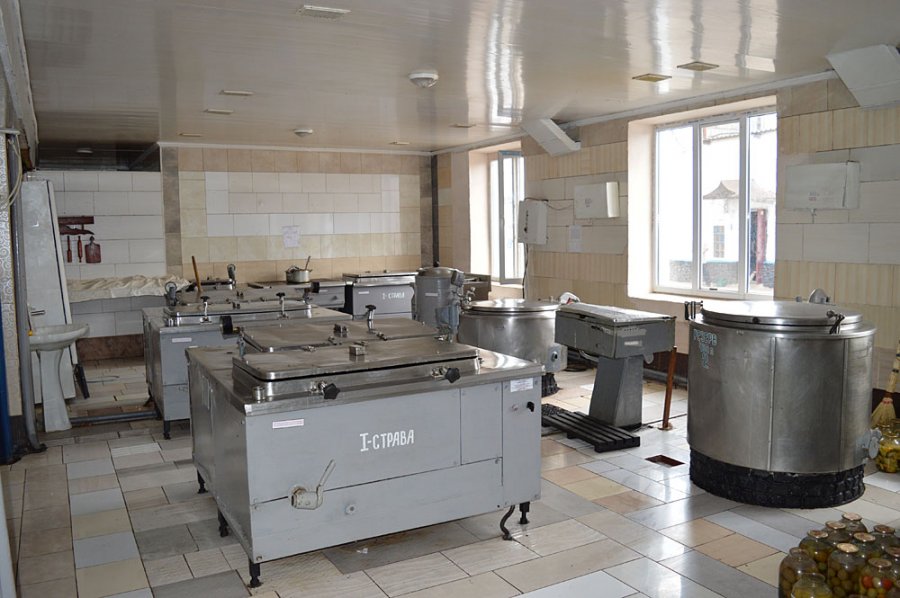
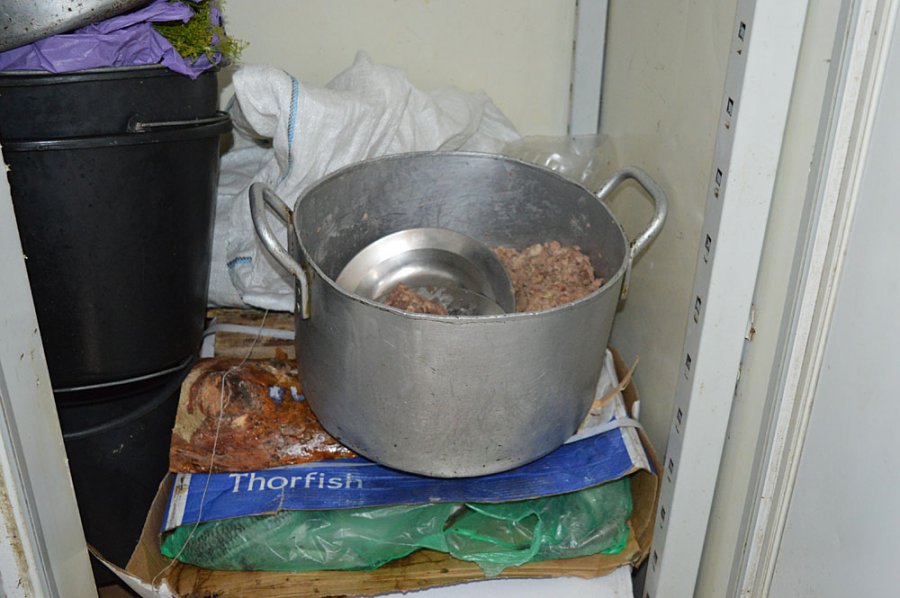
The kitchen is quite clean, and functional kitchen equipment is installed. Meat is stored together with fish in the refrigerators of the meat processing unit, which is a violation of the rules for food storage. However, according to the institution's administration, this is related to the repair in the fish processing unit and is a forced temporary measure. Also, products for dietary nutrition are stored in another refrigerator. Only two inmates receive dietary nutrition.
Capital repair work is being carried out in the institution to expand the kitchen at the expense of the canteen area.
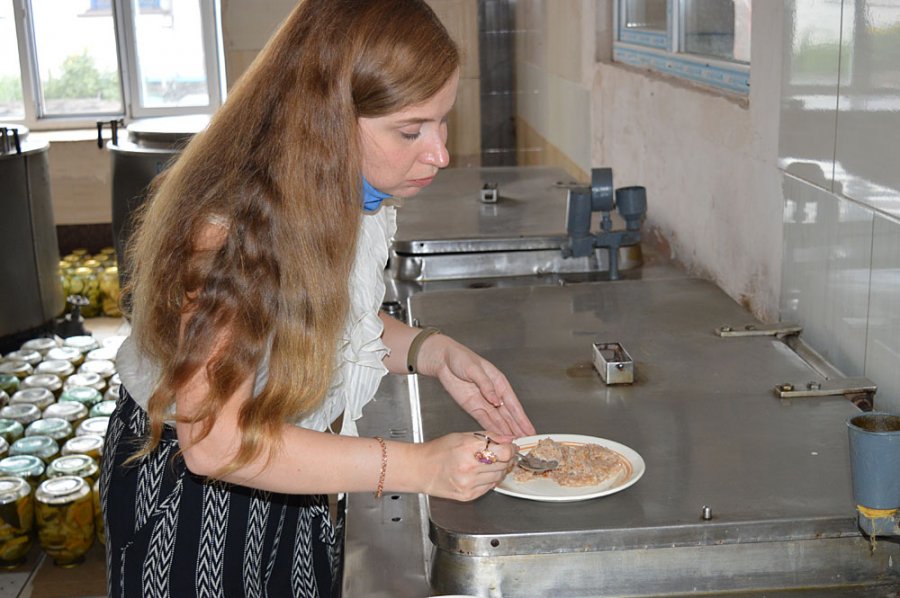
The monitors tasted the ready-made lunch prepared for the inmates. The organoleptic qualities of the lunch were satisfactory, although the first course seemed too salty to the monitors. The administration explained that such an amount of salt is added at the request of the inmates. The inmates did not complain about the nutrition in the institution.
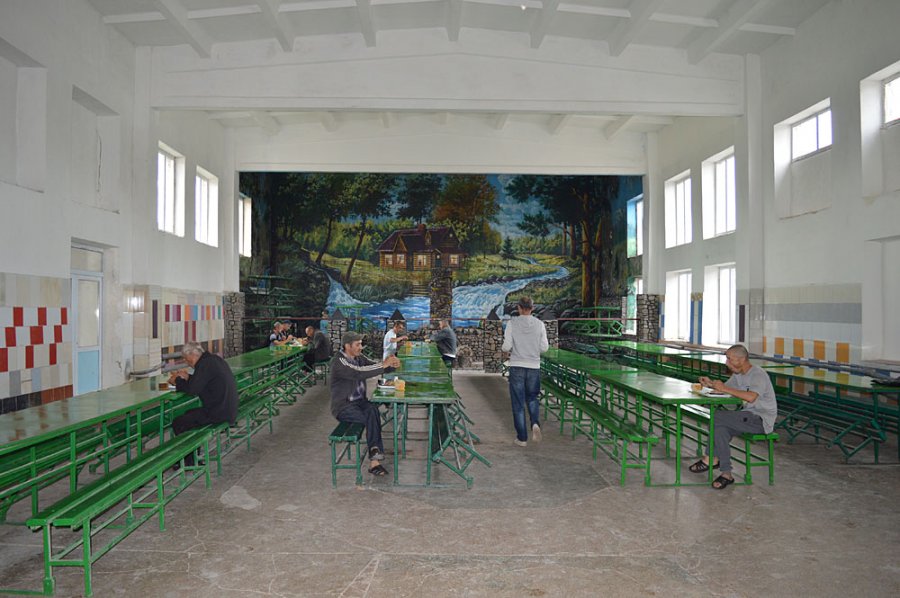
The canteen premises are very spacious, even considering that part of the premises, as mentioned earlier, has almost been converted into a kitchen. There is an information menu in the canteen, which corresponds to the menu-schedule of products for the relevant day.
Washbasins are installed at the entrance to the canteen. There are containers for liquid soap, however, the soap itself is missing. There are no towels.
5. Disciplinary Isolation Ward (Chamber-Type Premises)
At the time of the visit, 16 people were in the disciplinary isolation ward. During the current year, disciplinary sanctions were applied 343 times, and detention in chamber-type premises was applied 13 times. Compared with other colonies of the same security level, the number of disciplinary sanctions applied in the form of placement in a disciplinary isolation ward is too high.
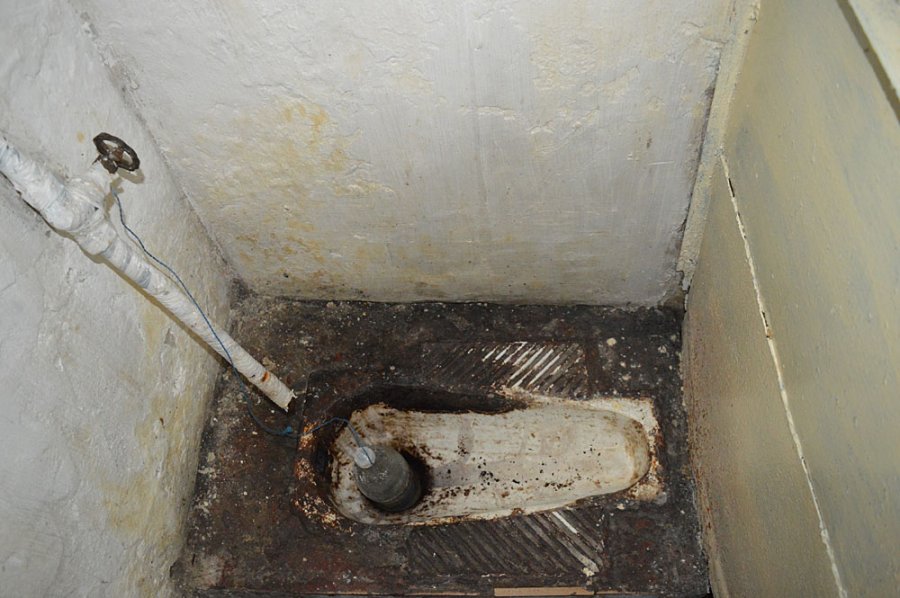
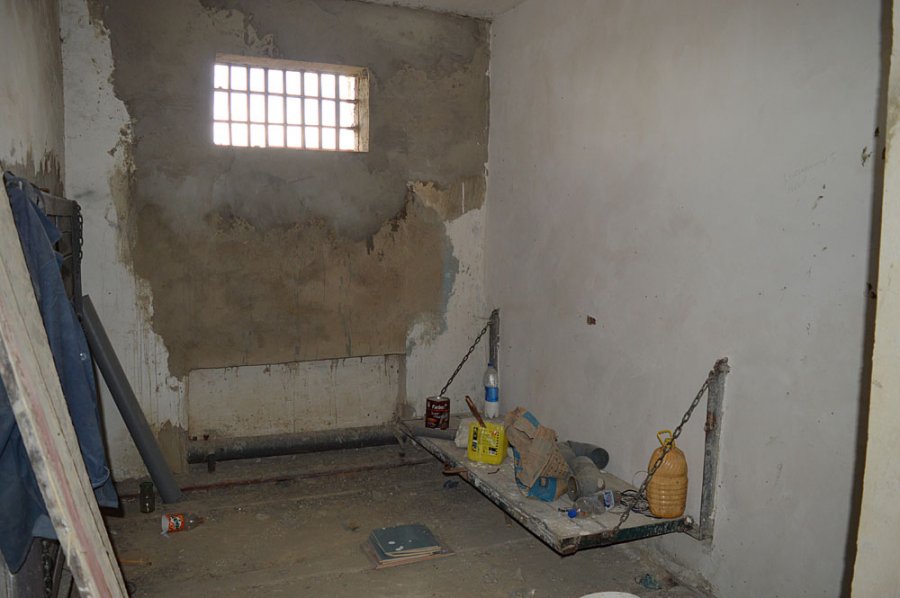
The inmates in the disciplinary isolation ward did not complain about the groundlessness of the application of disciplinary sanctions. Capital repairs were carried out in some of the cells, while the other part is in an emergency state. Thus, in the unrenovated cells, there is insufficient sunlight, no forced ventilation, no possibility to independently regulate the supply of fresh air (open the windows), and the material-domestic condition of the walls and ceiling of the premises is inadequate. In the unrenovated cells, dampness and stuffiness are felt. The sanitary facility is also in an emergency state and is separated by a low partition. Almost no sunlight enters the exercise yards. The exercise yards are equipped with sports equipment.
6. Medical Unit
During the visit, two people were undergoing treatment in the inpatient ward of the medical unit. The medical unit is satisfactorily supplied with medicinal products. However, from time to time, medics still encounter a lack of the simplest medicinal products. Thus, at the time of the visit, Citramon was missing. Therefore, the relatives of inmates are forced to pass on such medicines. Anti-epidemiological protection equipment and rapid tests are available.
7. Production
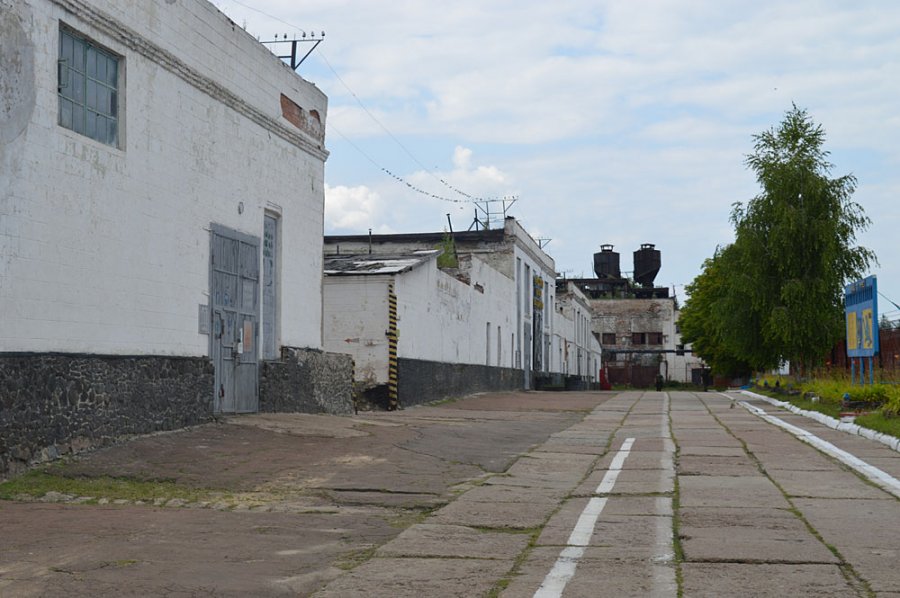
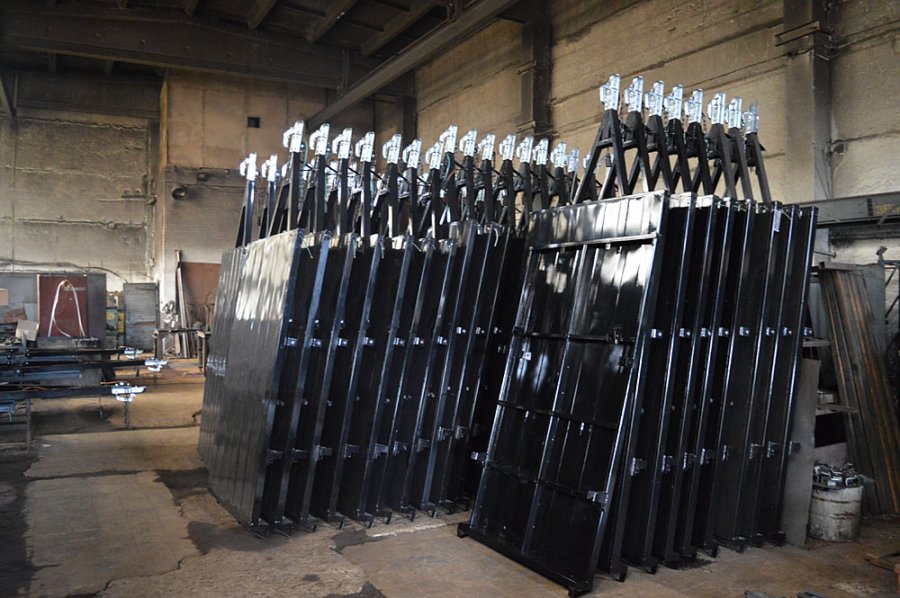
Production occupies a significant area. Most of the units and buildings are currently not used. Over 200 inmates work in production. The enterprise manufactures trailers, pallets, and other metal structures.
8. Religion
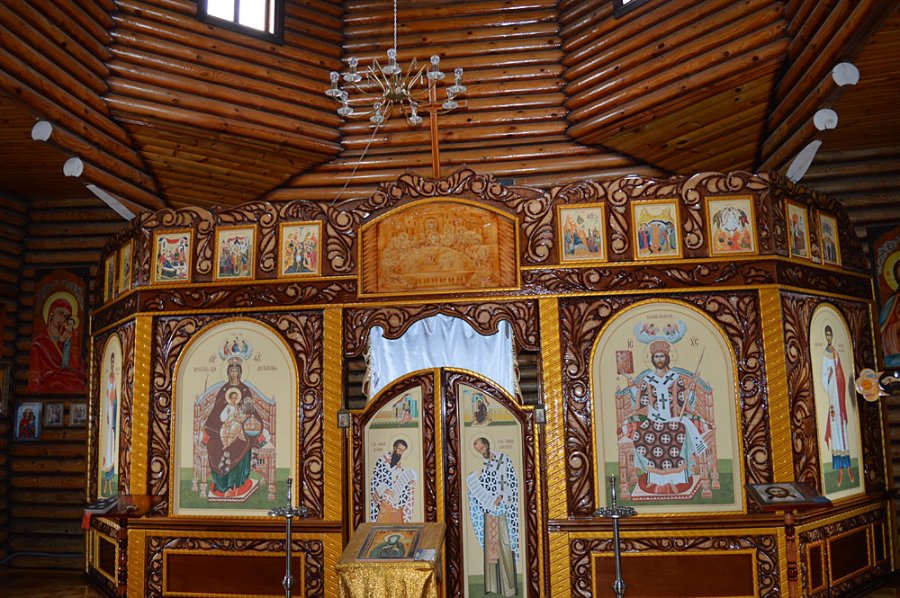
There is an Orthodox church in the institution, built at state expense. Everyone, except for one inmate, professes Christianity. One inmate is a Muslim.