Report on the Results of a Monitoring Visit to Berdychiv Correctional Colony No. 70
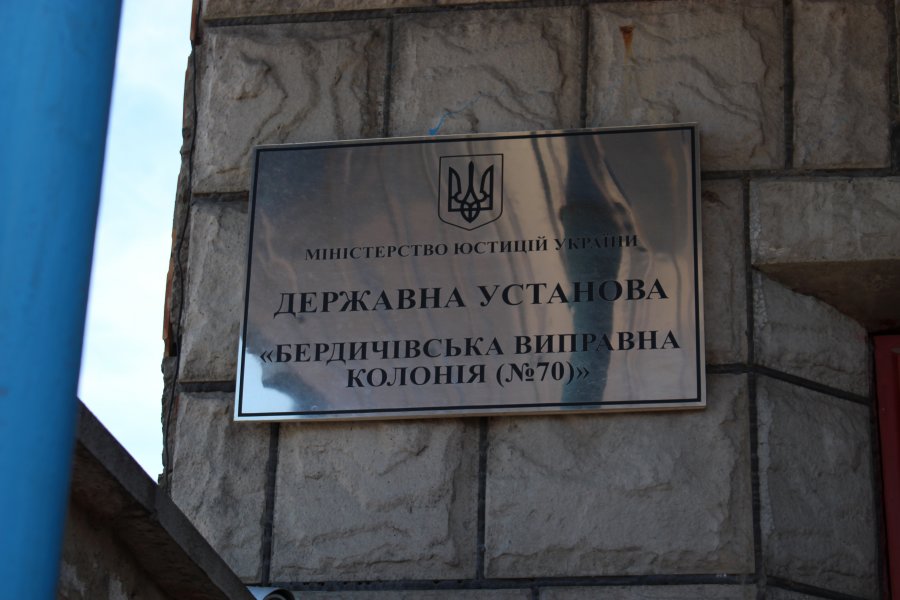
On 13 July 2026, pursuant to the Optional Protocol to the Convention against Torture and Other Cruel, Inhuman or Degrading Treatment or Punishment, taking into account the provisions of the United Nations Standard Minimum Rules for the Treatment of Prisoners (the Mandela Rules) and the case law of the European Court of Human Rights, and on the basis of Article 24 of the Criminal Executive Code of Ukraine, ‘Visits to Penal Institutions’, a monitoring group from the Kharkiv Human Rights Protection Group and the NGO ‘Protection for Prisoners of Ukraine’ paid a visit to the state institution ‘Berdychiv Correctional Colony (No. 70)’ (hereinafter referred to as BCC-70, the institution, facility, or colony).
This was a routine unannounced scheduled visit, during which all facilities of the institution were inspected. The previous visit took place on 25 December 2025.
In preparing for the visit, the monitors drew upon appeals from convicts and their relatives, previous monitoring reports, and reports by monitors of the National Preventive Mechanism under the Ukrainian Parliament Commissioner for Human Rights (NPM).
The visit was carried out within the framework of the project ‘Seeking Justice for Survivors’, funded by the Ministry of Foreign Affairs of Denmark with the support of the DIGNITY Danish Institute Against Torture.
The visit was conducted by the following monitors:
- Andriy Didenko — assistant to People’s Deputy of Ukraine Yaroslav Yurchyshyn, programme coordinator at the Kharkiv Human Rights Protection Group, monitoring experience since 2014, NPM (National Preventive Mechanism) monitor, and member of the NPM Advisory Council;
- Serhiy Zuikov — assistant to People’s Deputy of Ukraine Kostiantyn Kasai, member of the Public Council under the Ministry of Justice of Ukraine, member of the public organisation ‘Protection for Prisoners of Ukraine’, NPM monitor, with extensive experience in monitoring visits;
- Artemiy Shumnyi — journalist at the ‘PROTECTION FOR PRISONERS OF UKRAINE’ news agency, lawyer at the Kharkiv Human Rights Protection Group, NPM monitor.
Following the monitoring visit to BCC-70, several positive developments were noted regarding material and living conditions and the implementation of previous recommendations, including the renovation of cells and living quarters, the refurbishment of the library, the implementation of a correctional programme for life-sentenced prisoners, and the upgrading of certain security systems. At the same time, the monitoring group identified a significant number of shortcomings in ensuring proper detention conditions, organising the work of the QDD (Quarantine, Diagnostics, and Distribution) and DIU/CTP (Disciplinary Isolation Unit / Cell-Type Premises) units, upholding privacy, maintaining sanitary and hygienic standards, fulfilling the right to visits, providing access to information and the internet, as well as noting a substantial staff shortage.
Certain systemic problems were identified in relation to prisoner labour and medical care. The work performed by a significant number of convicts exhibits features of permanent employment relationships, despite being arranged primarily through civil law contracts; instances were uncovered of work without rest days, discrepancies between documented and actually performed tasks, and potential involvement in labour without proper formal registration. In the medical unit, shortcomings were identified in record-keeping, provision of treatment for hepatitis C, organisation of opioid substitution therapy, rehabilitation of persons with disabilities, infection control, privacy safeguards, and proper material and technical conditions for healthcare delivery.
General Information
BCC-70 is a maximum-security penal institution for housing men convicted of intentional especially grave crimes. The institution is located at: 1 Nyzhiretska Street, Berdychiv, Zhytomyr Oblast, 13300, Ukraine.
BCC-70 is one of the oldest penitentiary institutions in Zhytomyr Oblast. Detention facilities have operated on the territory of the modern colony since the early 20th century. Over various periods, prison and transit facilities functioned here, used by state authorities to hold prisoners under the penal system of the time. During the Soviet period, the facility’s functional purpose was altered several times in accordance with the all-Union penal system, and following the declaration of Ukraine’s independence, it was integrated into the national penitentiary system. The institution was registered as a distinct legal entity in 2000 and is subordinate to the governing bodies of the State Criminal Executive Service of Ukraine.
The facility provides separate units for holding convicts under various regime conditions, including a sector for housing life-sentenced prisoners. The institution’s structure includes a duty unit, a quarantine, diagnostics, and distribution (QDD) unit, socio-psychological service (SPS) units, a catering facility (kitchen), a disciplinary isolation unit (DIU), cell-type premises (CTP), an enhanced control unit (ECU), a pre-trial detention unit (SIZO), a sector for life-sentenced prisoners, a medical unit, a laundry and bath house complex, visiting rooms, a shop, a library, a parcel reception area, and administrative premises.
At the time of the monitoring visit, the institution was headed by Oleksandr Pavlovych Dorobaliuk.
According to data provided by the administration, the budgeted staff complement is 230.5 posts, whilst the actual strength is 193.5 posts, representing a staff shortage of 37 posts. The institution employs 3 psychologists. The designed capacity of the facility is 407 persons. At the time of the monitoring visit, 313 individuals were held in the institution, comprising 3 remand prisoners and 310 convicts. Among the convicts, 52 individuals were serving life sentences.
During 2026, 79 convicts arrived at the facility. According to the administration, a total of 26 convicts are employed, all engaged on the basis of civil law contracts. In 2025, no deaths were recorded among convicts in the institution. During 2026, up to the time of the monitoring visit, 3 deaths occurred. On operational preventive registers, 14 individuals were listed as prone to suicide, 26 as prone to self-harm, 4 as flight risks, and 19 classified as persistent violators of the established sentence execution rules. No suicides were recorded in 2025 or during 2026 up to the time of the visit. Throughout 2025, no prisoners were released due to severe illness, and no such cases occurred in 2026 up to the time of the monitoring visit.
According to the administration, no formal complaints from convicts regarding improper detention conditions or inadequate medical care were registered during 2025 or in 2026 up to the time of the visit.
Ten convicts have registered disabilities: 1 person with Group I disability, 3 with Group II, and 6 with Group III. During 2025, 5 instances of physical injuries among convicts were recorded, 1 of which occurred upon arrival and 4 during their stay in the facility. In 2026, up to the time of the visit, 3 cases of physical injury were recorded, all of which occurred during detention within the facility; no injuries were detected upon arrival. Furthermore, 9 emergency medical services calls were recorded in 2026, compared to none in 2025.
Convicts have 197 tablets in their personal use. A total of 56 convict email addresses are registered at the institution.
The total number of convicts belonging to the so-called ‘ostracised’ category is 37.
During the monitoring visit, the team spoke with approximately 180 convicts in residential, disciplinary, industrial, and other areas of the institution. Interviews were conducted both through general discussions—providing advice and answering queries—and via individual talks with specific prisoners, including on a confidential basis, to identify potential human rights violations and assess actual conditions of detention.
Positive Practice
During the monitoring visit, several positive changes aimed at improving detention conditions and implementing previous recommendations were noted.
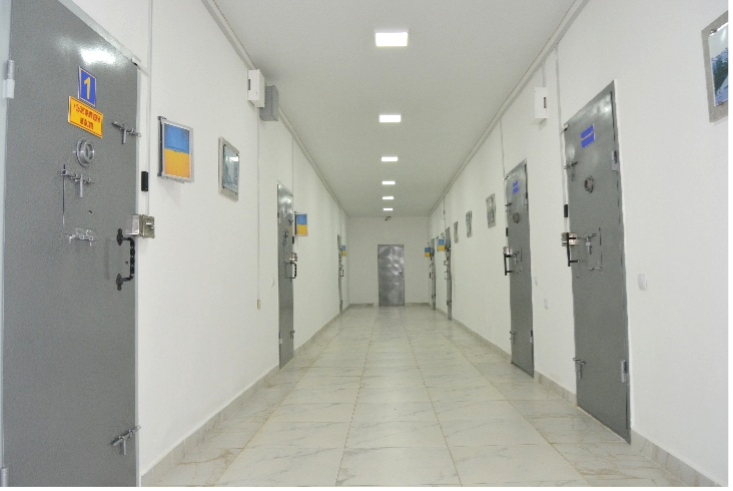
In the maximum-security sector for life-sentenced men, as of 14 April 2026, 5 multi-occupancy cells with 40 sleeping berths and 2 work cells had been renovated. In compliance with previous recommendations, grilles were removed in the room used for personal interviews with life prisoners. Metal tableware and insulated food containers were also purchased for delivering and distributing food to convicts held in the cells of the ECU, the life sentence sector, the DIU, and punishment cells. In the SPS unit, the dining room was renovated: plumbing and electrical equipment were replaced, and flooring, furniture, and household appliances were updated.
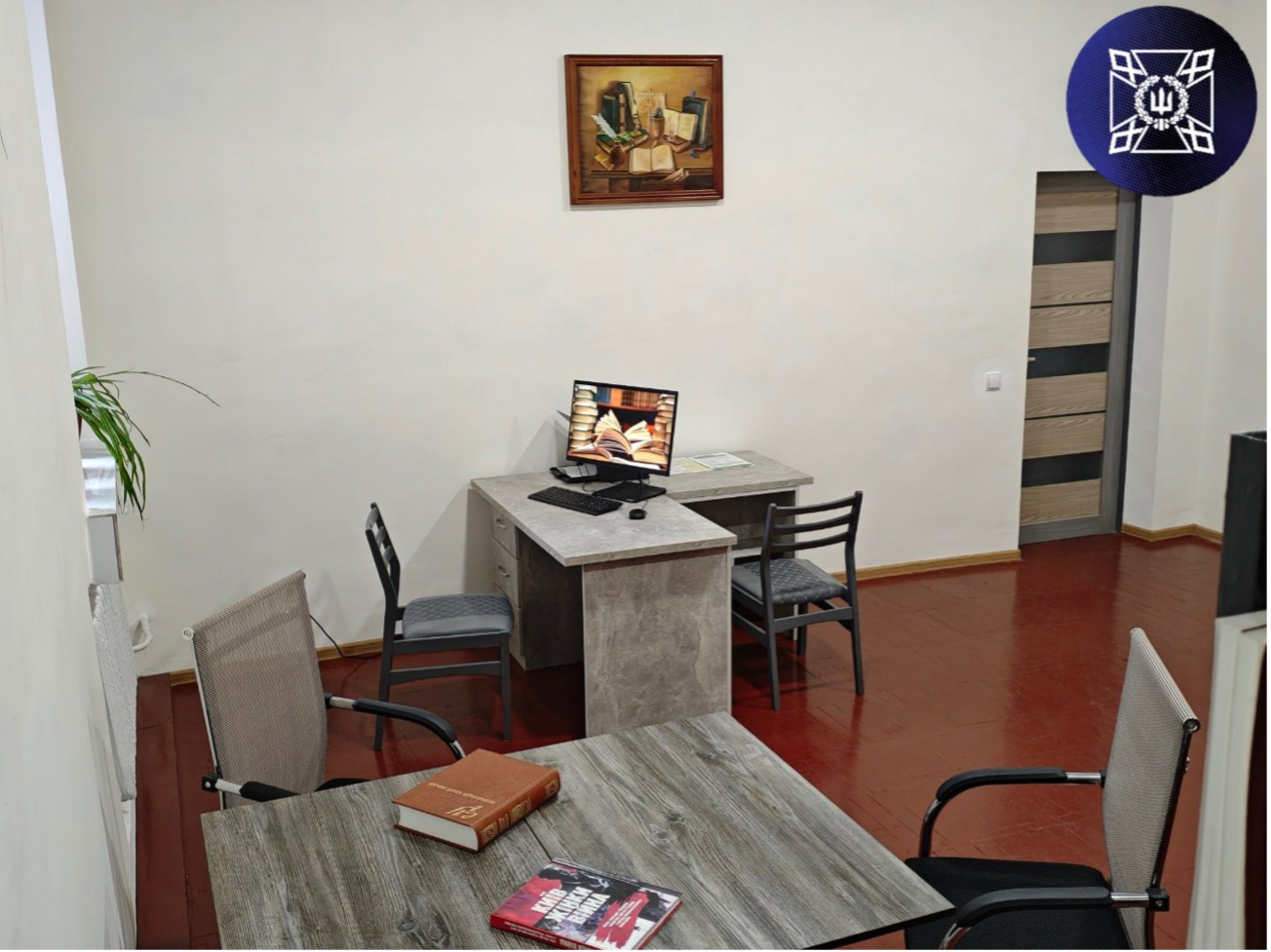
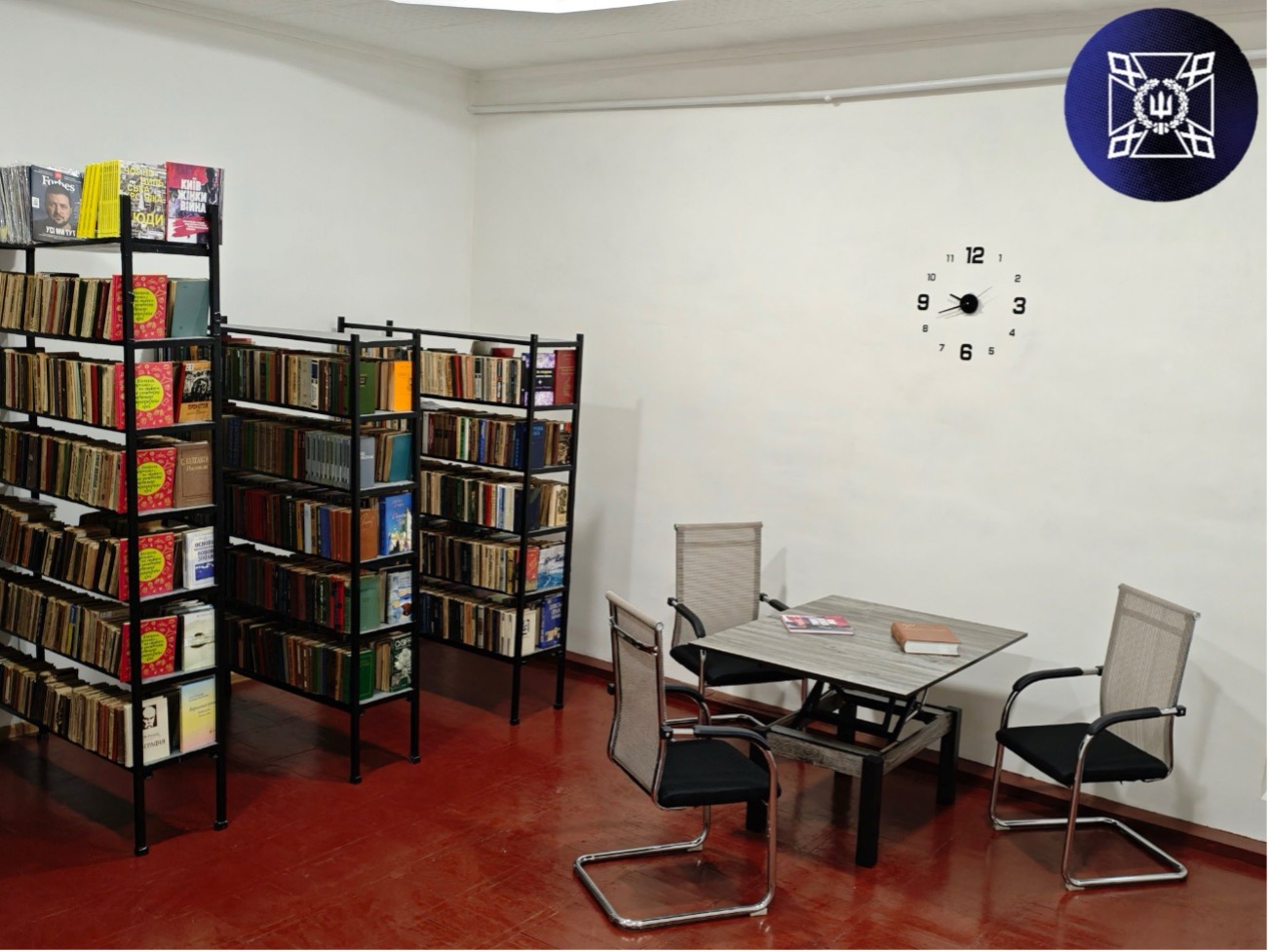
In 2025, the institution implemented a socio-cultural project entitled ‘Book Space of Hope’. The library premises were renovated, a reading area and a librarian’s workstation were set up, furniture was replaced, and thematic literary collections were arranged. Through cooperation with the Yaroslav the Wise National Library of Ukraine, the library collection was replenished with more than 1,028 volumes.
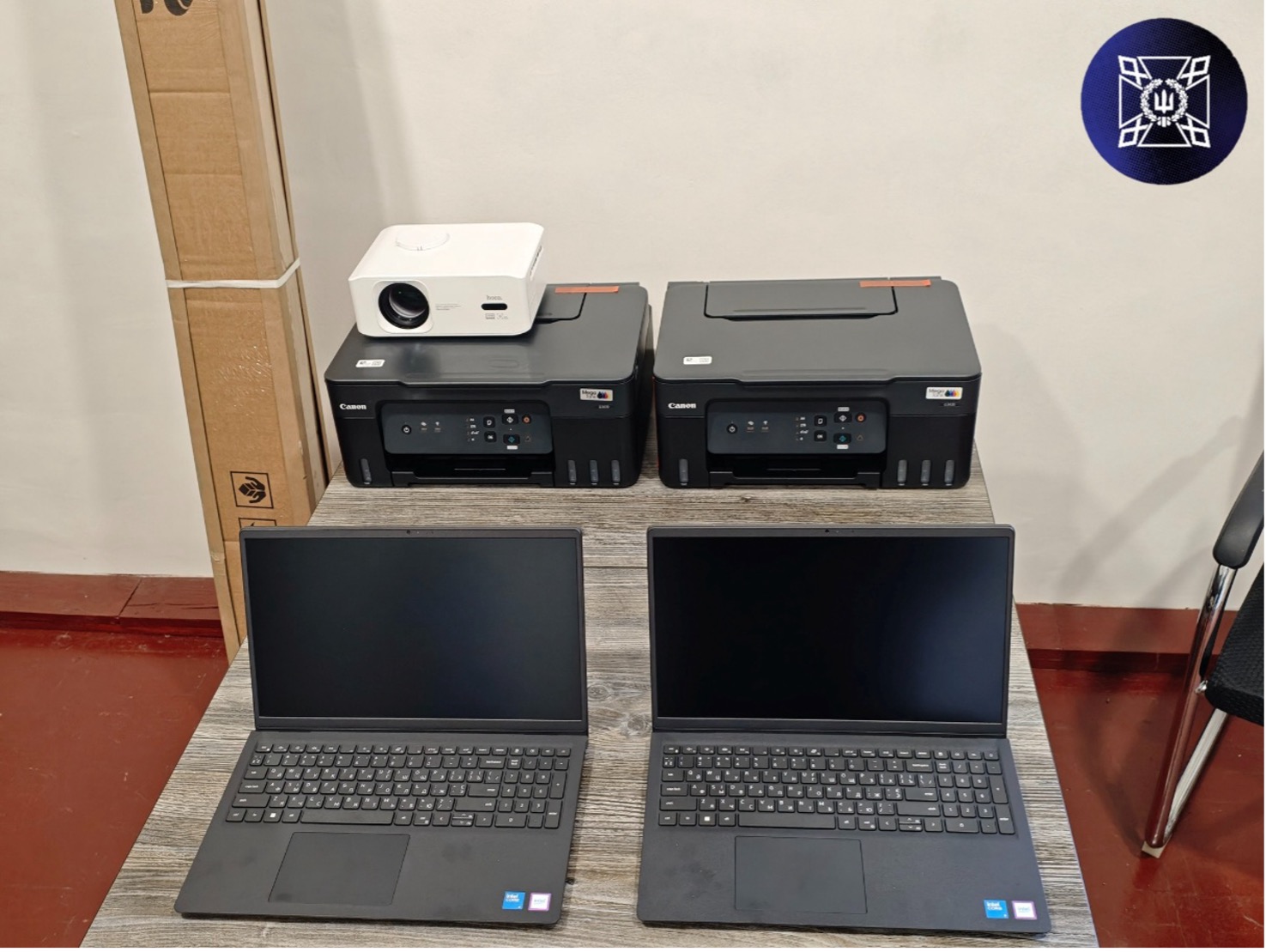
Under the Council of Europe project DECOPRIS, the institution participated in 2025 in piloting a correctional programme for life-sentenced individuals entitled ‘Path to Hope’. Modern technical equipment was provided to conduct training and correctional activities. The institution’s material and technical infrastructure was also upgraded: the outdated ‘NICH-12’ perimeter security system was replaced with an integrated SATEL INTEGRA system, IP telephony was introduced, the perimeter CCTV system was modernized, and specialized maintenance equipment was acquired. Personnel were equipped with portable two-way radios.
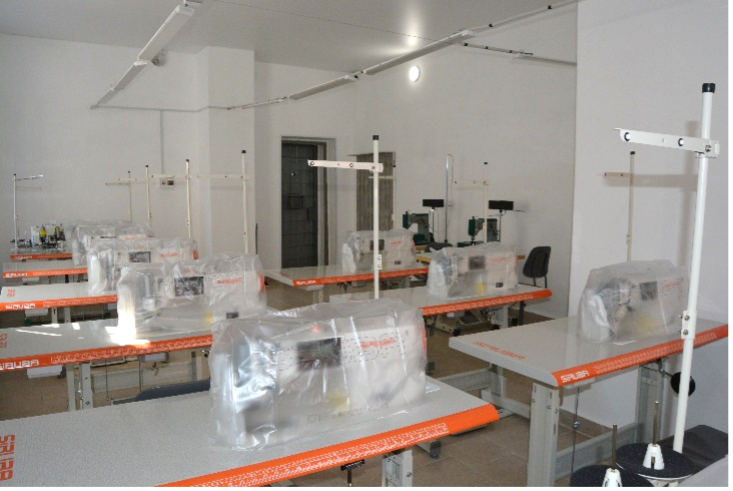
Renovations carried out in administrative and staff offices, socio-educational and psychological work areas, the duty unit, staff training classroom, and guard quarters were also noted.

Identified Violations of Domestic and International Law
During the monitoring visit, violations of domestic legal requirements and failure to observe international recommendations on the treatment of prisoners were identified, resulting in infringements of convicts’ rights:
1. In breach of Part 1, Article 115 of the Criminal Executive Code of Ukraine (hereinafter — CEC of Ukraine) and Rule 13 of the United Nations Standard Minimum Rules for the Treatment of Prisoners (the Mandela Rules), it was established that in certain living quarters of the facility’s socio-psychological service (hereinafter — SPS) units, the floor space per convict is less than 4 m².
Specifically, in living room No. 3 of SPS Unit No. 1, which contains 12 beds, 11 convicts were accommodated at the time of the visit. The room’s area, according to the living space measurement certificate, is 32.9 m², yielding an actual floor space of 2.99 m² per convict. In living room No. 8 of SPS Unit No. 1, equipped with 6 beds, 6 convicts were housed at the time of the visit. The room measures 18.6 m², resulting in an actual floor space of 3.1 m² per convict.
At the same time, Paragraph 13 of the 7th General Report of the European Committee for the Prevention of Torture and Inhuman or Degrading Treatment or Punishment (hereinafter — the Committee) notes that overcrowded cells lead to unhygienic conditions, a constant lack of privacy, and overload on medical services and facility infrastructure. The Committee concludes that all too often the adverse effects of overcrowding result in inhuman or degrading conditions of detention (CPT/Inf (97) 10).
2. The procedures and conditions for admitting convicts to the institution do not fully comply with current Ukrainian legislation or international standards on the treatment of prisoners.
During the visit to the quarantine, diagnostics, and distribution (hereinafter — QDD) unit, the practice of assigning certain convicts to duties involving order maintenance and monitoring the behaviour of other prisoners was recorded. In practice, the administration delegated supervisory authority over newly arrived convicts and enforcement of the daily schedule to two convicts (‘orderlies’), which is unacceptable.
This violates paragraph 3, point 4, Section II of the House Rules of Penal Institutions, approved by Ministry of Justice Order No. 2823/5 of 28 August 2018 (hereinafter — House Rules), as well as point 2, Section I of the Regulations on the QDD Unit, approved by Ministry of Justice Order No. 2300/5 of 4 November 2013 (hereinafter — Regulations on the QDD Unit).
Furthermore, in its report on the 2020 visit to Ukraine, the Committee expressed serious misgivings regarding the practice of using certain prisoners as ‘orderlies’ who perform supervisory roles over other prisoners in living areas and production facilities, reporting incidents and regime violations to staff. Moreover, despite specific recommendations previously made by the Committee, the use of ‘orderlies’ remains formally provided for in the House Rules of Penal Institutions. As previously emphasized, the Committee considers any partial relinquishment of custodial responsibility for order and security to be unacceptable. Such a practice exposes weaker prisoners to ill-treatment and exploitation by fellow inmates. The Committee urges the Ukrainian authorities to take all necessary steps—including legislative measures—to put an end to this practice. No prisoner in any penal facility in the country should be placed in a position of authority over other prisoners (CPT/Inf (2020) 40, paragraph 27).
3. During the visit to the QDD unit, breaches of Article 95 of the Criminal Executive Code of Ukraine and point 3, Section I of the Regulations on the QDD Unit were discovered.
Specifically, three convicts arrived at the facility on 3 July 2026, and another convict arrived on 7 July 2026.
Under legal requirements, newly arrived convicts must remain in the QDD unit for 14 days, during which a comprehensive medical examination is conducted to detect infectious, somatic, and psychiatric conditions, alongside initial psychological, pedagogical, and general assessment. Consequently, the reassignment of convicts who arrived on 3 July 2026 should not have taken place before 17 July 2026, and for the convict who arrived on 7 July 2026, not before 21 July 2026.
However, during the monitoring visit on 13 July 2026, only three newly arrived convicts were present in the QDD unit. According to the convicts held in the QDD unit, one of the newly arrived individuals had been absent from the unit since 12 July 2026 and had presumably been prematurely transferred to a socio-psychological service (SPS) unit, indicating a breach of the mandatory period of stay in the QDD unit. Staff members subsequently returned the convict to the QDD unit, but were unable to explain the reasons for his premature transfer or his whereabouts for approximately 24 hours.
4. The monitoring group established that the material and living equipment of the QDD unit does not fully comply with statutory requirements.
In violation of the Standards for Provision of Furniture, Inventory, and Household Items for Maximum Security Correctional Colonies, approved by Ministry of Justice Order No. 1118/5 of 27 July 2012 (hereinafter — Provision Standards), the unit lacks several required facilities, namely: an educational work room, a food storage room, a room for storing replacement bedding, clothing, and workwear, a store room for temporary storage of soiled bedding, clothing, and workwear, a cloakroom, a utility room, and a drying room.
The absence of these facilities leads to sanitary and hygienic infringements and complicates the maintenance of proper cleanliness and order in detention areas, which adversely affects the overall sanitary condition of the facility.
5. In breach of Rule 22.5 of the European Prison Rules, Rule 22.2 of the United Nations Standard Minimum Rules for the Treatment of Prisoners (the Mandela Rules), and the Provision Standards, the residential unit of the QDD is not equipped with a 15-litre drinking water tank fitted with a tap, lid, mug, and basin.
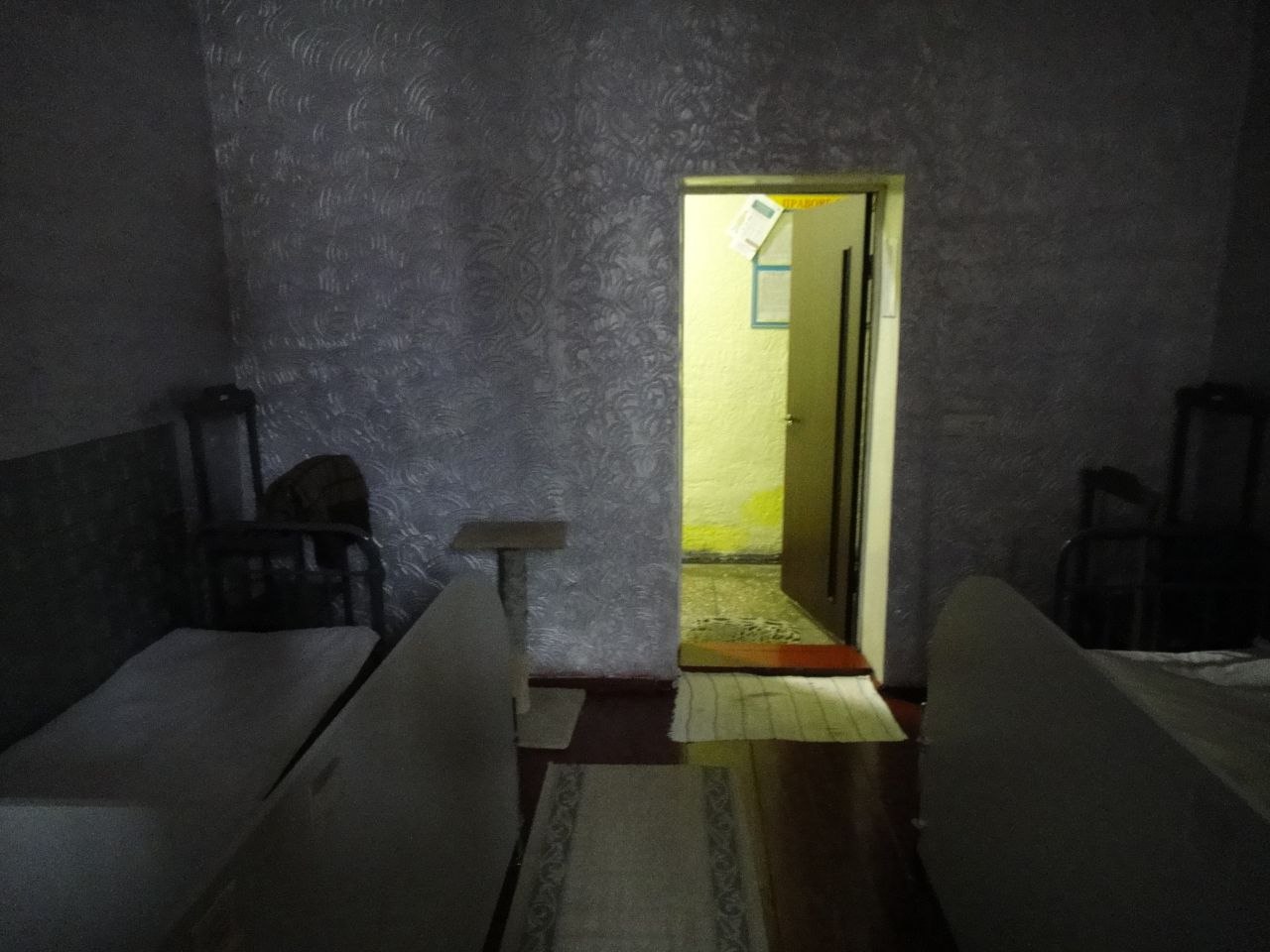
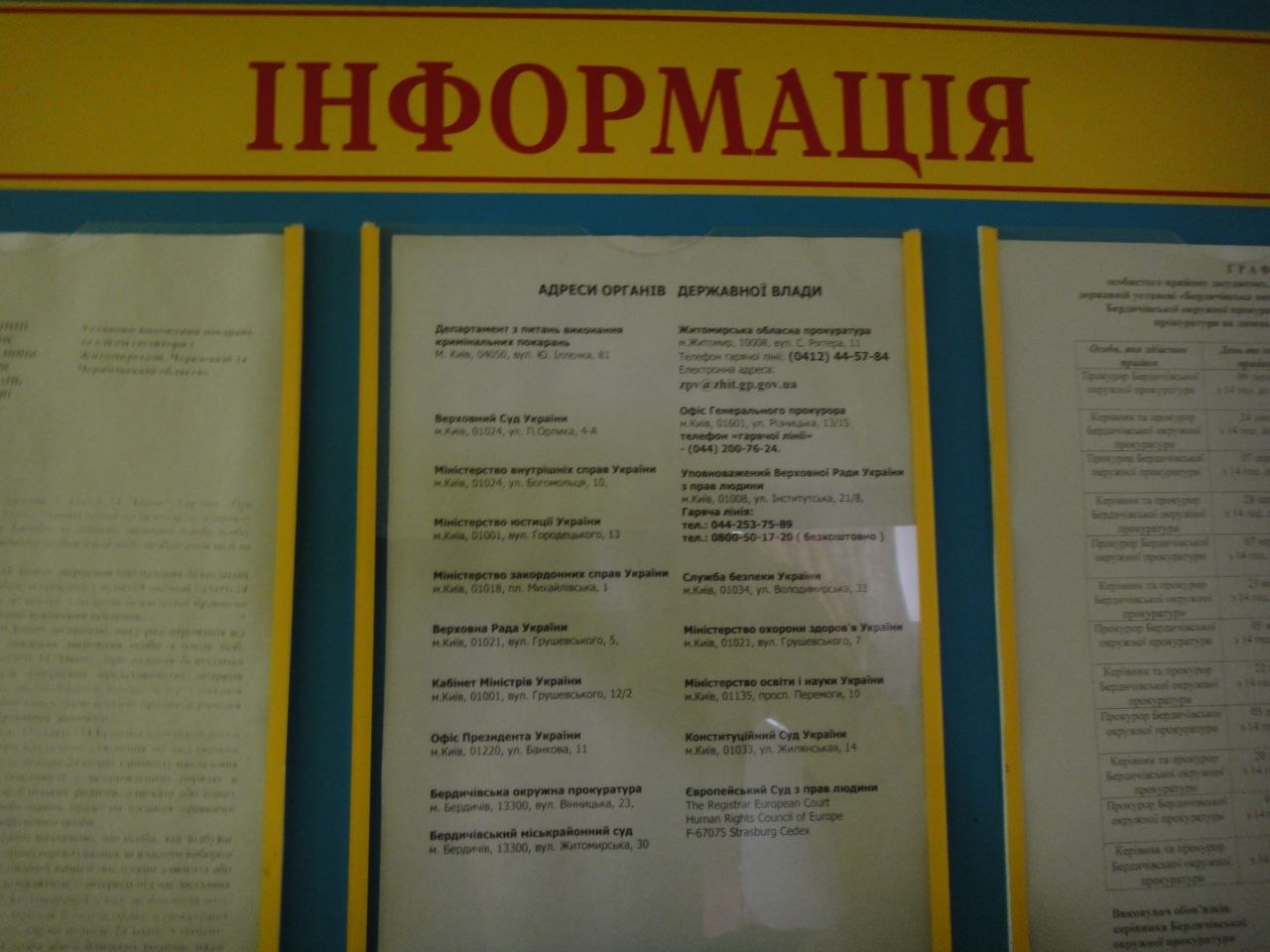
6. During the inspection of the QDD unit, it was established that visible information displaying the helpline number, postal address, and email address of the State Bureau of Investigation was absent, in violation of point 6, Section II of the House Rules.
7. Point 1, Section XXIII of the House Rules defines prisoner surveillance as a system of measures designed to ensure the execution of criminal sentences involving restriction of liberty, imprisonment, life imprisonment, and arrest through continuous, round-the-clock monitoring of convicts’ conduct in living and working areas, prevention and suppression of unlawful acts on their part, and enforcement of isolation requirements and staff safety.
During the inspection of living quarters in the QDD unit, installed CCTV cameras were recorded. However, in its 2012 report, the Committee criticized intrusive surveillance caused by installing video cameras in prisoner living quarters, noting that any decision to subject a prisoner to video surveillance should always be based on an individual risk assessment and be regularly reviewed. CCTV surveillance constitutes a serious intrusion into prisoners’ private lives and renders the regime even more oppressive, particularly when applied over extended periods (CPT/Inf (2013) 23, paragraph 52).
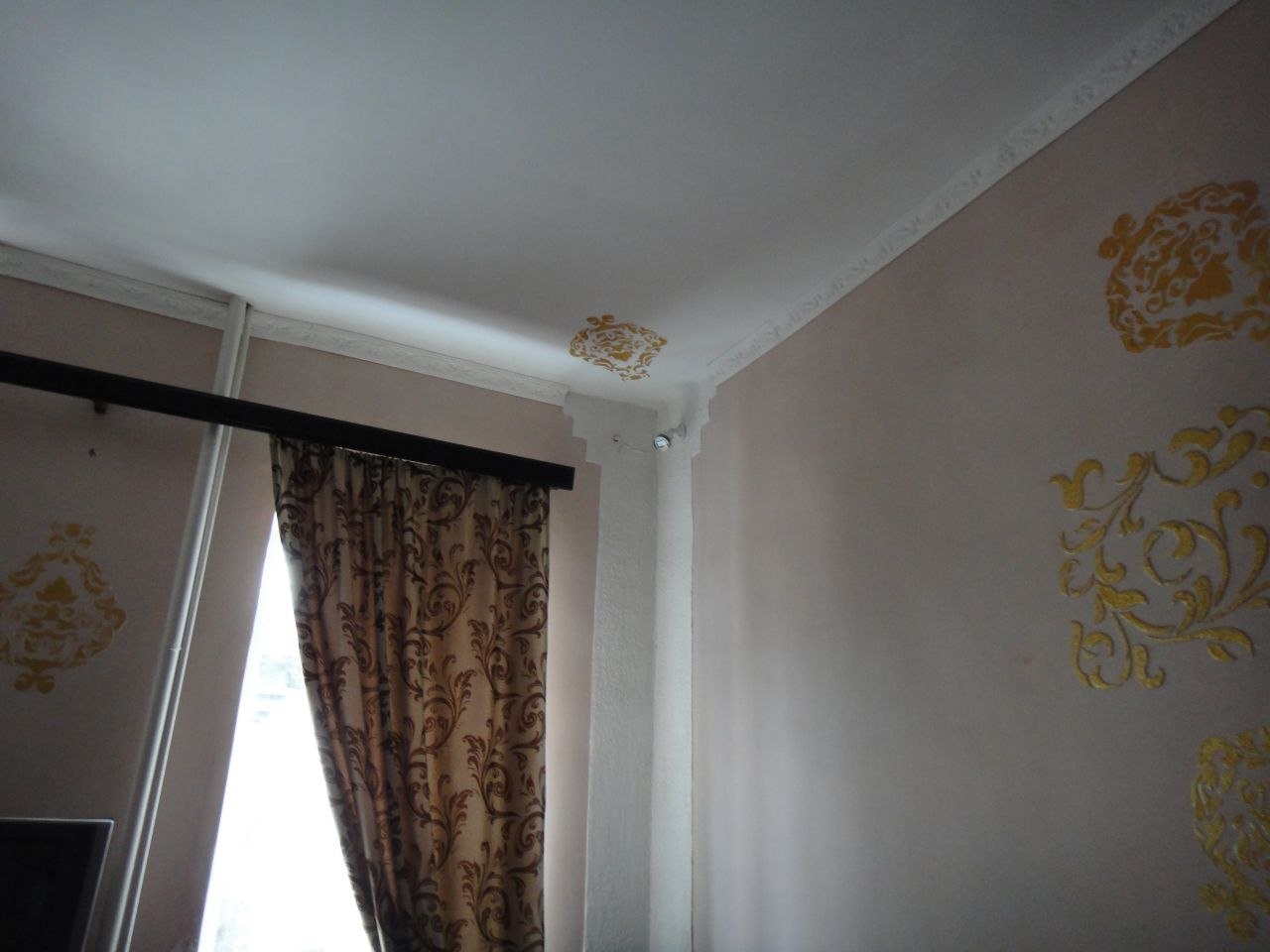
8. The layout and equipping of DIU/CTP premises do not fully conform to established standards for the treatment of prisoners and fail to provide adequate material, living, and hygienic conditions, resulting in violations of convicts’ rights.
Specifically, in violation of the Provision Standards, the DIU/CTP facility lacks several required spaces, including: reception rooms for prisoner interviews with management and medical staff; a storage room for replacement bedding, clothing, and workwear; a store room for temporary storage of soiled bedding, clothing, and workwear; a barber’s shop; and rooms for food distribution, food storage, and dishwashing.
The absence or improper fitting out of these rooms leads to breaches of sanitary and hygienic standards.
Due to the lack of a medical consultation room in the DIU/CTP facility, medical examinations are conducted in improper conditions, creating a risk that confidential health information may be disclosed to prison staff or other convicts during consultations, examinations, or medical procedures. This violates Article 39-1 of the Law of Ukraine ‘Fundamentals of Ukrainian Legislation on Healthcare’ concerning the right to medical confidentiality, as well as point 9, Section I of the Procedure for the Provision of Medical Care to Sentenced Prisoners, approved by Joint Order of the Ministry of Justice and Ministry of Health No. 1348/5/572 of 15 August 2014.
9. In the cells of the DIU/CTP and the remand detention sector, mechanical ventilation is inoperative, which fails to satisfy Rule 13 of the United Nations Standard Minimum Rules for the Treatment of Prisoners (the Mandela Rules).
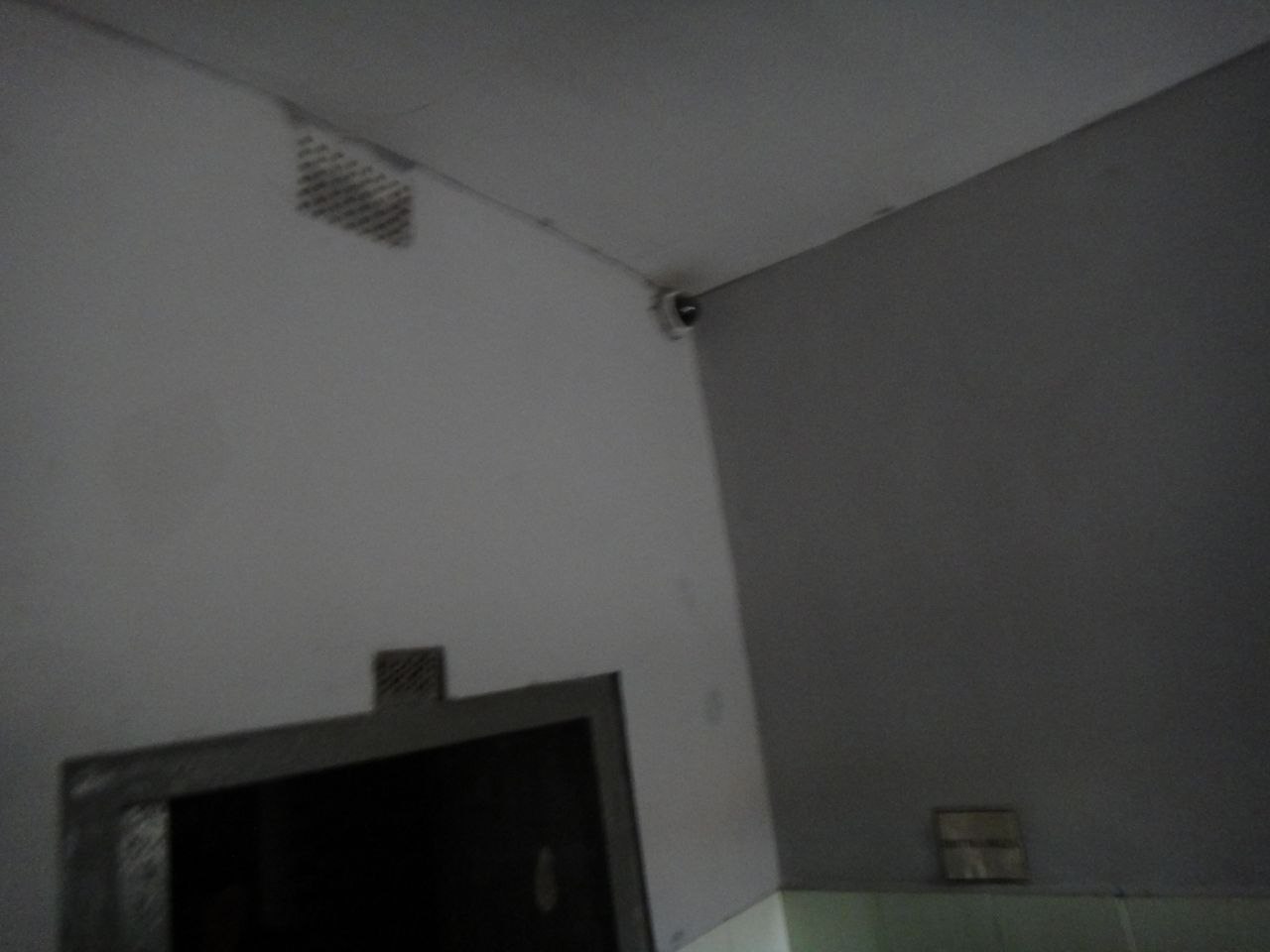
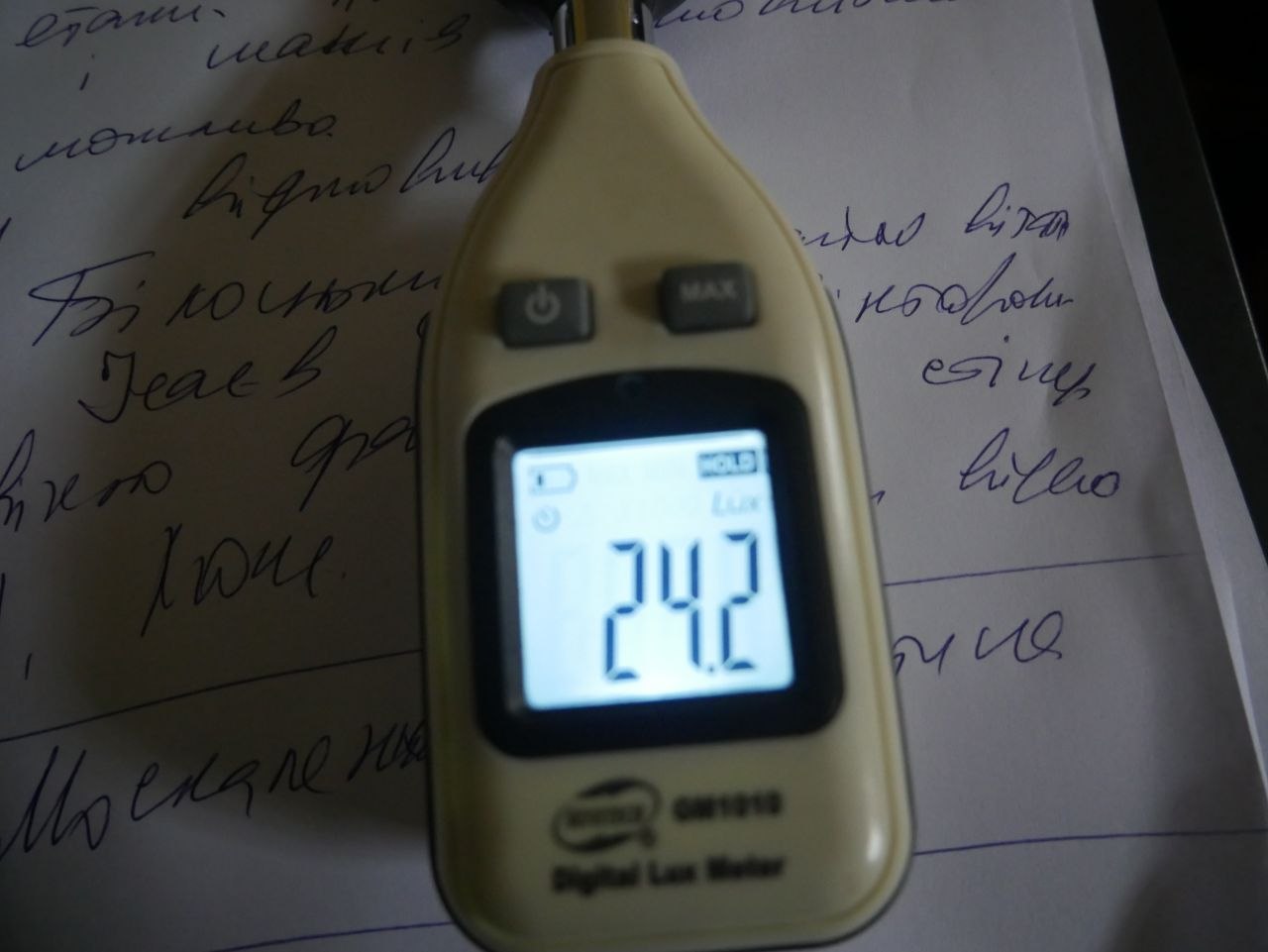
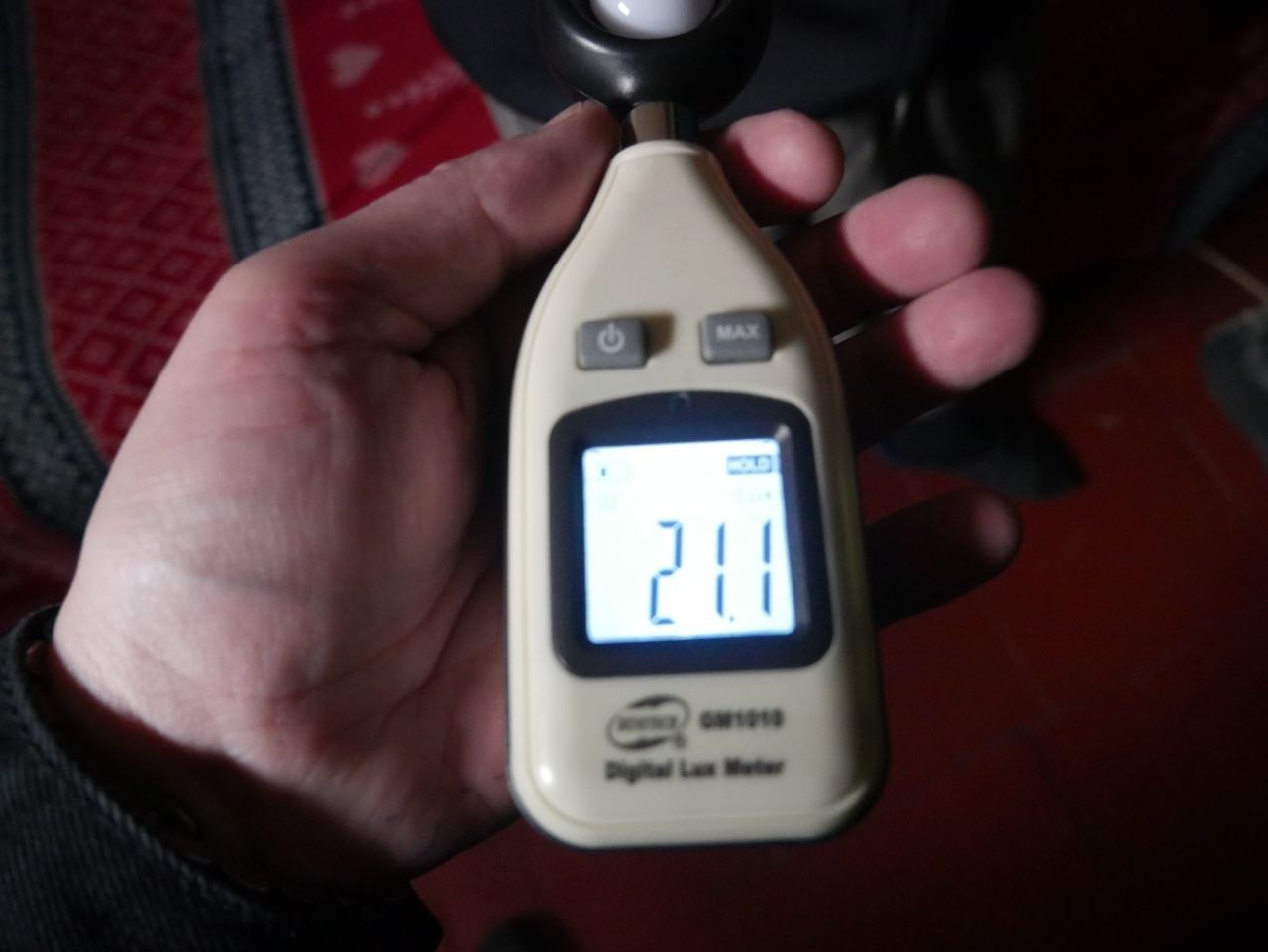
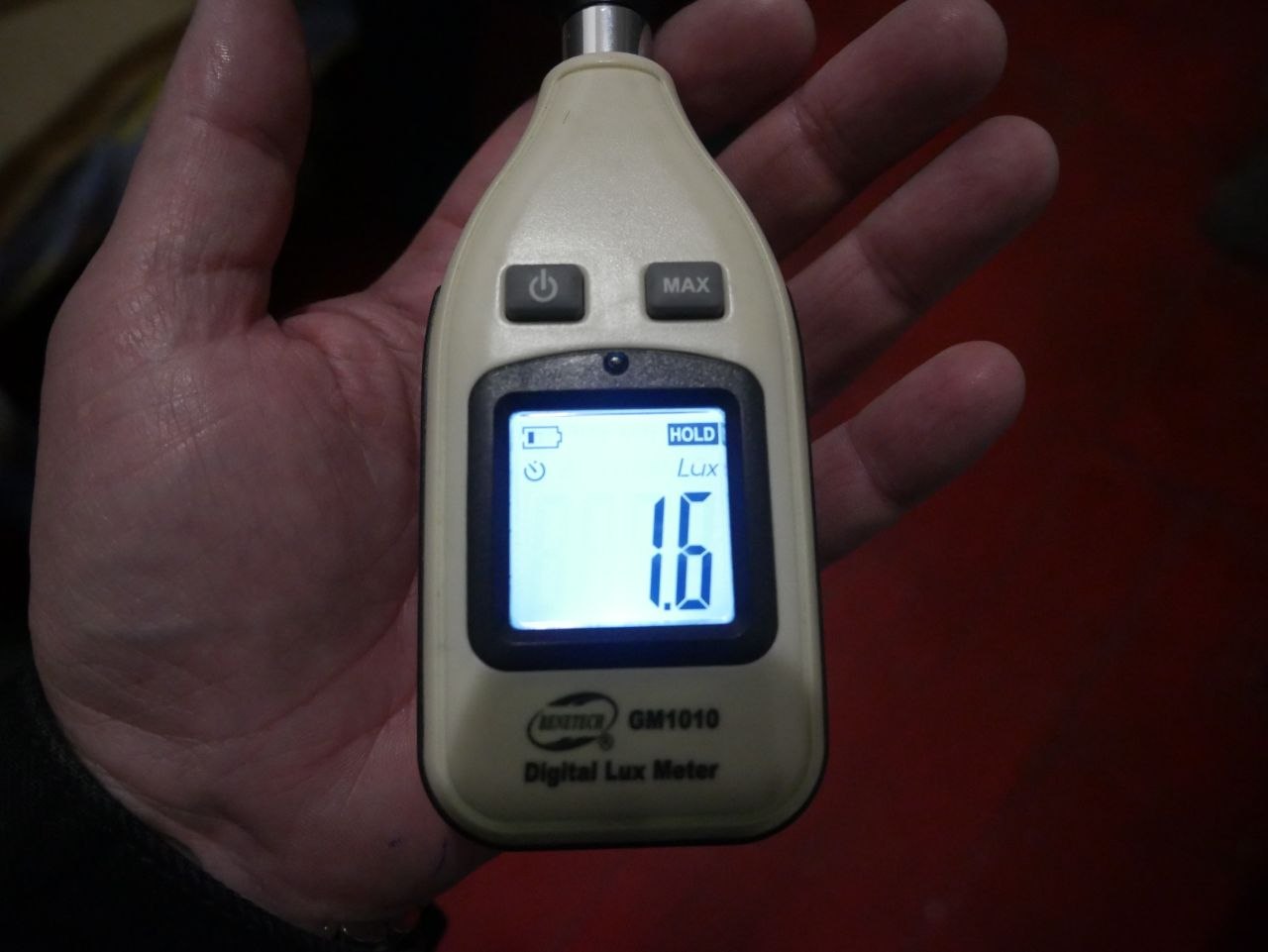
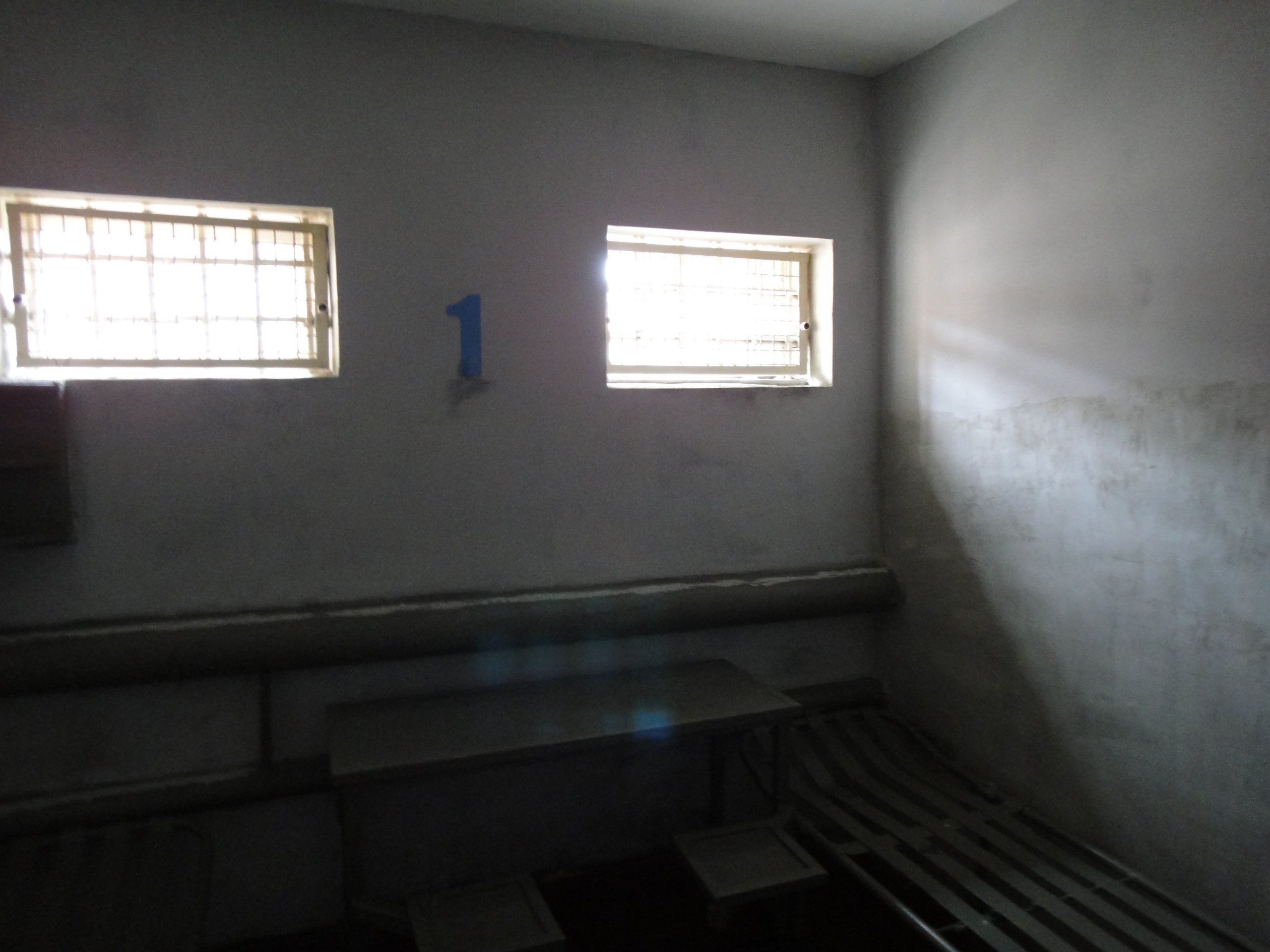
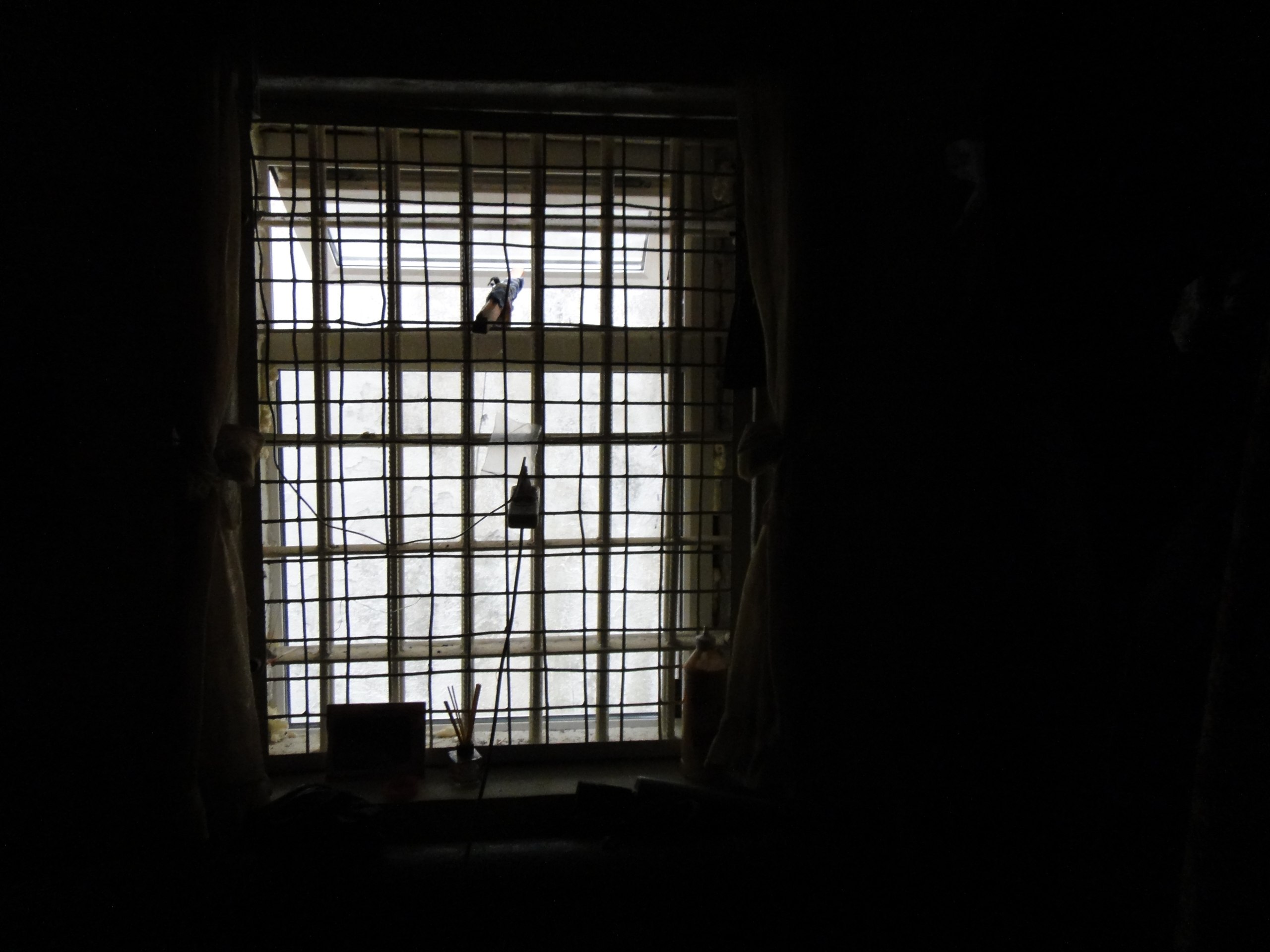
10. In the cells of the DIU/CTP and the remand detention sector, adequate levels of natural and artificial lighting are not provided. The cell windows are situated high up, are small in size, and are fitted with dense metal grilles, significantly restricting the entry of natural light and obstructing visual contact with the outside world.
During the monitoring visit, light levels in selected cells were measured using a lux meter. The readings obtained were 1.6 lx, 21.1 lx, and 24.2 lx, demonstrating an extremely deficient level of illumination. These figures are several times lower—and in one cell almost one hundred times lower—than the statutory requirement of 150 lx set out in DBN V.2.5-28:2018 ‘Natural and Artificial Lighting’ for residential premises.
Prolonged detention under conditions of insufficient natural and artificial light can harm health, particularly eyesight, and imposes an added psychological burden due to the lack of daylight and restricted visual contact with the outside environment.
These conditions conflict with Rule 18.2 (a) of the European Prison Rules, which mandates that in all buildings where prisoners live, work, or gather, windows must be large enough to enable reading or working by natural light under normal conditions, as well as Rule 14 of the United Nations Standard Minimum Rules for the Treatment of Prisoners (the Mandela Rules), which mandates sufficient natural and artificial lighting in accommodation and work areas for prisoners.
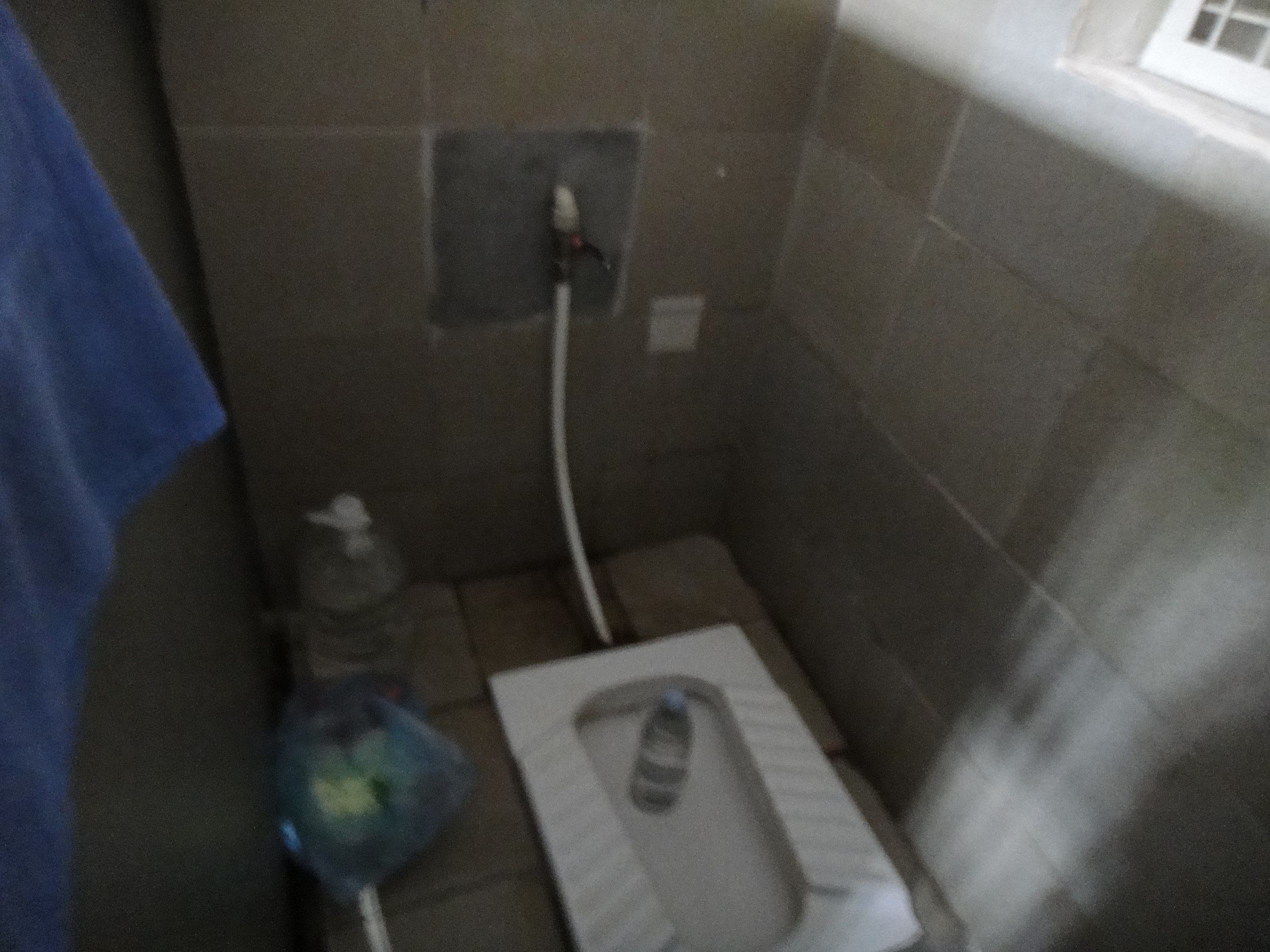
11. The sanitary facilities in DIU/CTP cells are not equipped with adequate partitions to ensure privacy, violating Rule 19.3 of the European Prison Rules and Rule 15 of the United Nations Standard Minimum Rules for the Treatment of Prisoners (the Mandela Rules).
A similar violation was identified in the cells of the remand detention sector.
Moreover, in its report to the Ukrainian Government following its 2023 visit, the Committee urged the Ukrainian authorities to take necessary measures to improve physical conditions of detention, ensuring that all prisoner accommodation, including sanitary facilities, is kept in a good state of repair and hygiene, that pest control is carried out regularly and frequently, that adequate natural light and ventilation are provided in cells, and that internal sanitary facilities are fully partitioned off (i.e. floor-to-ceiling) (CPT/Inf (2024) 20, paragraph 58).
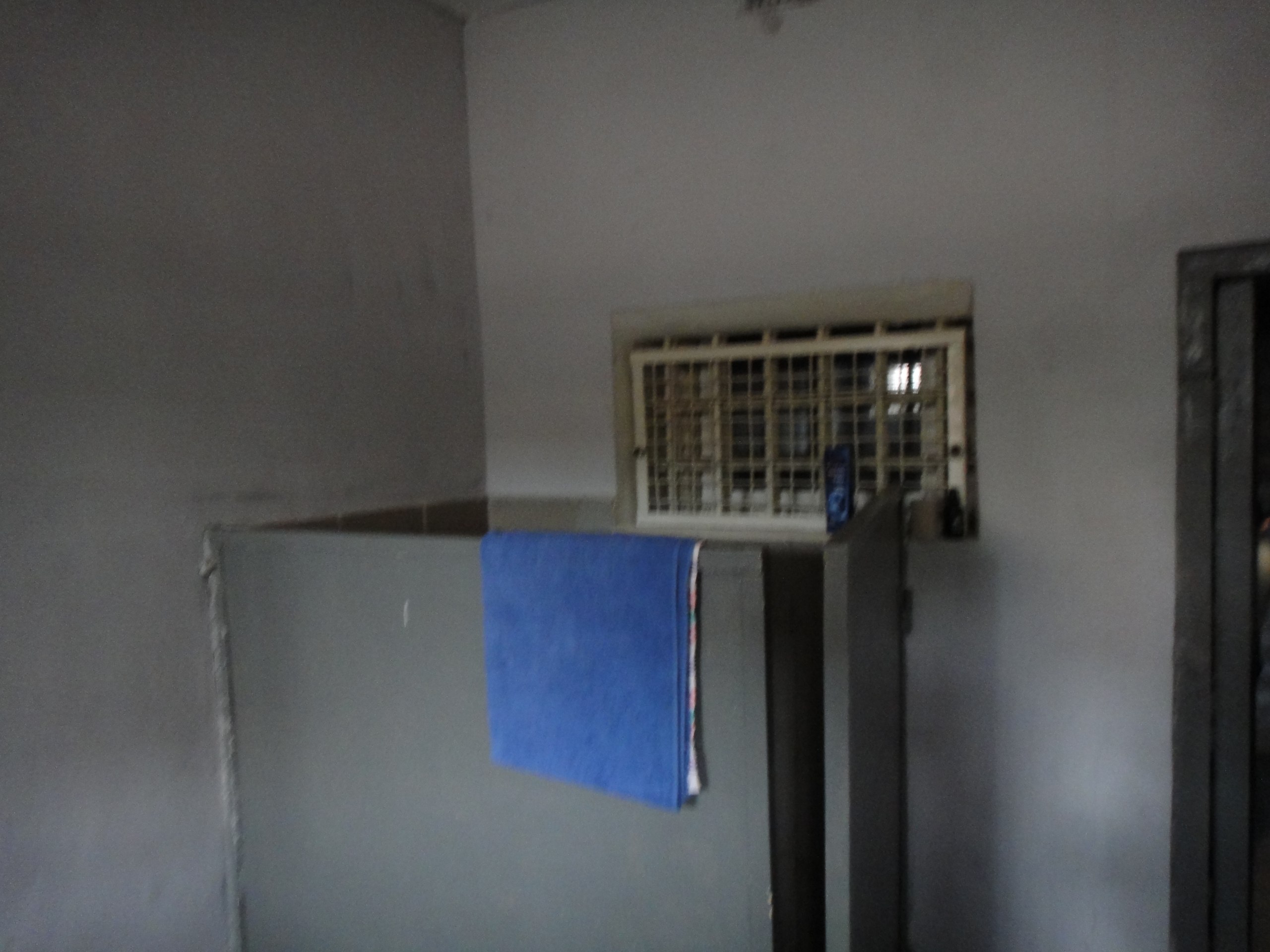
12. In violation of point 4, Section IV of the Procedure for the Use of Technical Means of Surveillance and Control in Correctional and Educational Colonies of the State Criminal Executive Service of Ukraine, approved by Ministry of Justice Order No. 2025/5 of 26 June 2018 (hereinafter — Technical Means Usage Procedure), certain DIU/CTP cells are not equipped with staff call buttons, hindering prompt communication between convicts and facility personnel.
13. During the visit to the DIU/CTP, it was found that convicts serving disciplinary penalties had not been provided by the administration with copies of the disciplinary decisions stating the possibility and procedure for appeal, contrary to Article 135 of the Criminal Executive Code of Ukraine.
Furthermore, in its report to the Ukrainian Government following its 2023 visit, the Committee recommended taking steps across Ukrainian penal institutions to ensure that prisoners subjected to disciplinary sanctions systematically receive a copy of the decision. Additionally, prisoners should be informed of their right to access a lawyer in the context of disciplinary proceedings (CPT/Inf (2024) 20, paragraph 103).
14. Pursuant to paragraph 23, point 6, Section XXI of the House Rules, to carry out individual preventive work, the head of the socio-psychological service unit must visit the DIU, punishment cells, and CTP (solitary cells) upon a convict’s placement/transfer and at least once a week thereafter. Following visits to the DIU, punishment cells, or CTP (solitary cells), he is obliged to make appropriate entries in the inspection register for visits to the disciplinary isolation unit, cell-type premises, solitary cells, and punishment cells by facility management.
However, an inspection of the DIU visit register revealed the absence of entries that should have been made by the head of SPS Unit No. 2 during the period convict S. served a disciplinary sanction between 19 June 2026 and 26 June 2026.
This omission indicates a failure by the head of SPS Unit No. 2 to perform his duties and points to improper organization of socio-educational and psychological work.
15. During the inspection of residential areas in the ECU and cell areas in the remand detention sector, it was found that displayed information detailing helpline numbers, postal addresses, and email addresses was missing for the Ministry of Justice of Ukraine, the Ukrainian Parliament Commissioner for Human Rights, the European Court of Human Rights, the State Bureau of Investigation, the Prosecutor General’s Office, regional and district prosecutor’s offices, the Department, the interregional directorate, and the regional free legal aid centre. This violates point 6, Section II of the House Rules.
16. During the visit to the maximum-security sector (hereinafter — MSS), name cards displaying brief descriptions of the crimes committed by occupants were found posted outside cell doors housing life prisoners. In its report on the 2020 visit to Ukraine, the Committee stated that this practice should be discontinued, as it serves no legitimate purpose and, apart from stigmatizing prisoners, negatively affects relations between inmates and staff (CPT/Inf (2020) 40, paragraph 52).

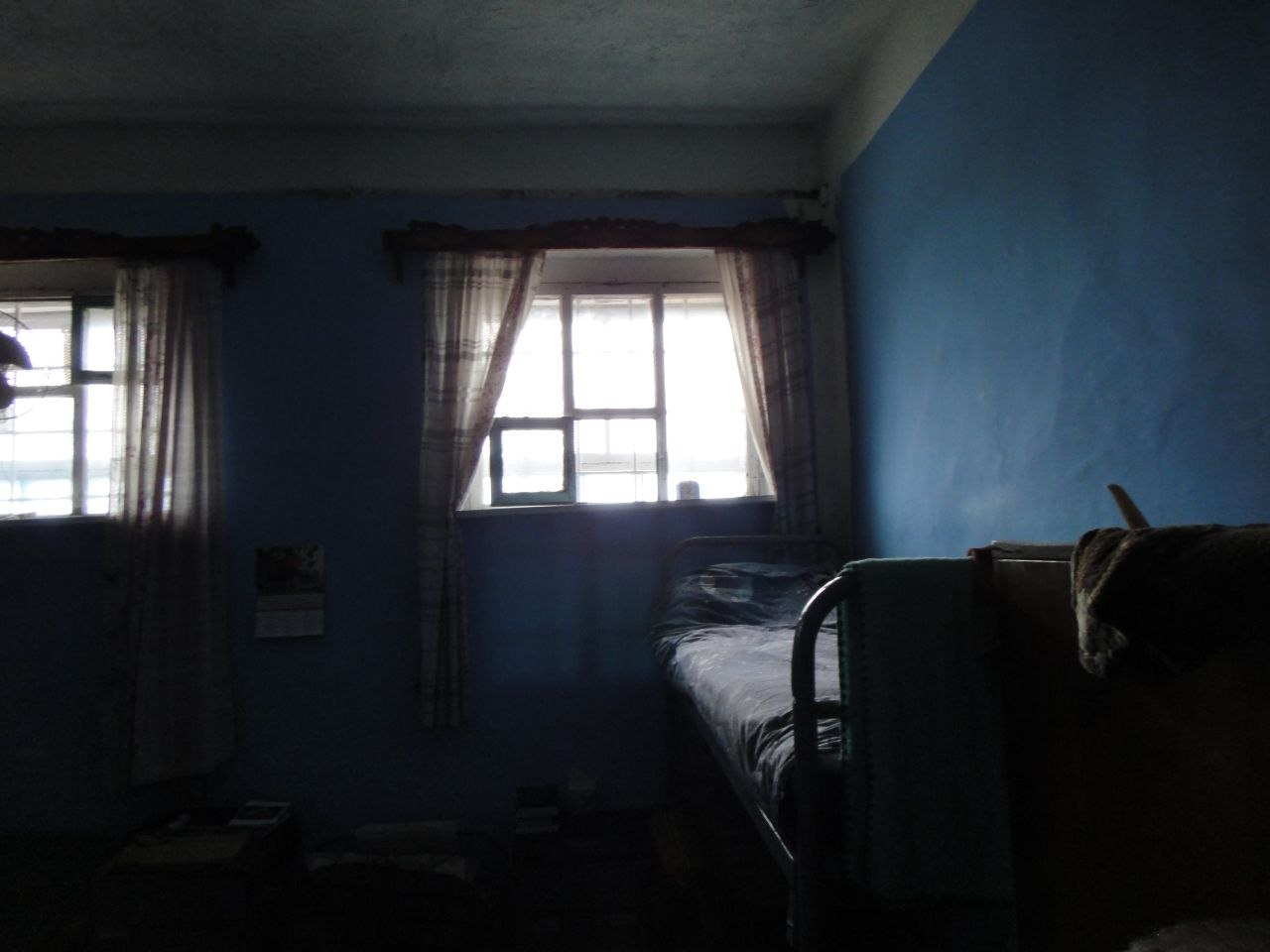
17. In living room No. 1 of SPS Unit No. 1, the monitoring group established that windows were fitted with glass blocks, as a result of which natural light barely penetrates the room and prisoners cannot see outside. In its report on its 2020 visit to Ukraine, the European Committee for the Prevention of Torture (CPT) drew attention to a similar issue and recommended reviewing window design in detention areas to ensure that persons deprived of liberty can see outside (CPT/Inf (2020) 40, paragraph 48).
18. The monitoring group recorded several violations in the organization of laundry and bathing services for convicts and remand prisoners.
In accordance with point 3.19.1, Section III of the Regulations on the Organisation of Bath and Laundry Services for Persons Held in Penal Institutions and Pre-Trial Detention Centres, approved by Ministry of Justice Order No. 849/5 of 8 June 2021 (hereinafter — Bath and Laundry Regulations), sanitary treatment includes washing convicts (remand prisoners) in a bathhouse using soap and sponges, mandatory replacement of bed linen and underwear, as well as disinfection (destruction of pathogenic microorganisms) and disinfestation (eradication of insects and ticks carrying infectious diseases) of personal clothing and bedding (pillows, mattresses, blankets) in a disinfection chamber.
However, the monitoring group established that the facility’s disinfection chamber has been out of order for a long time, rendering proper sanitary processing of bedding and clothing impossible, increasing the risk of infectious diseases spreading among prisoners and staff, and violating statutory hygiene standards.
19. In breach of point 4, Section XXII of the House Rules and point 3.19, Section III of the Bath and Laundry Regulations, compliance with sanitary, hygienic, and anti-epidemic requirements is not ensured within the facility.
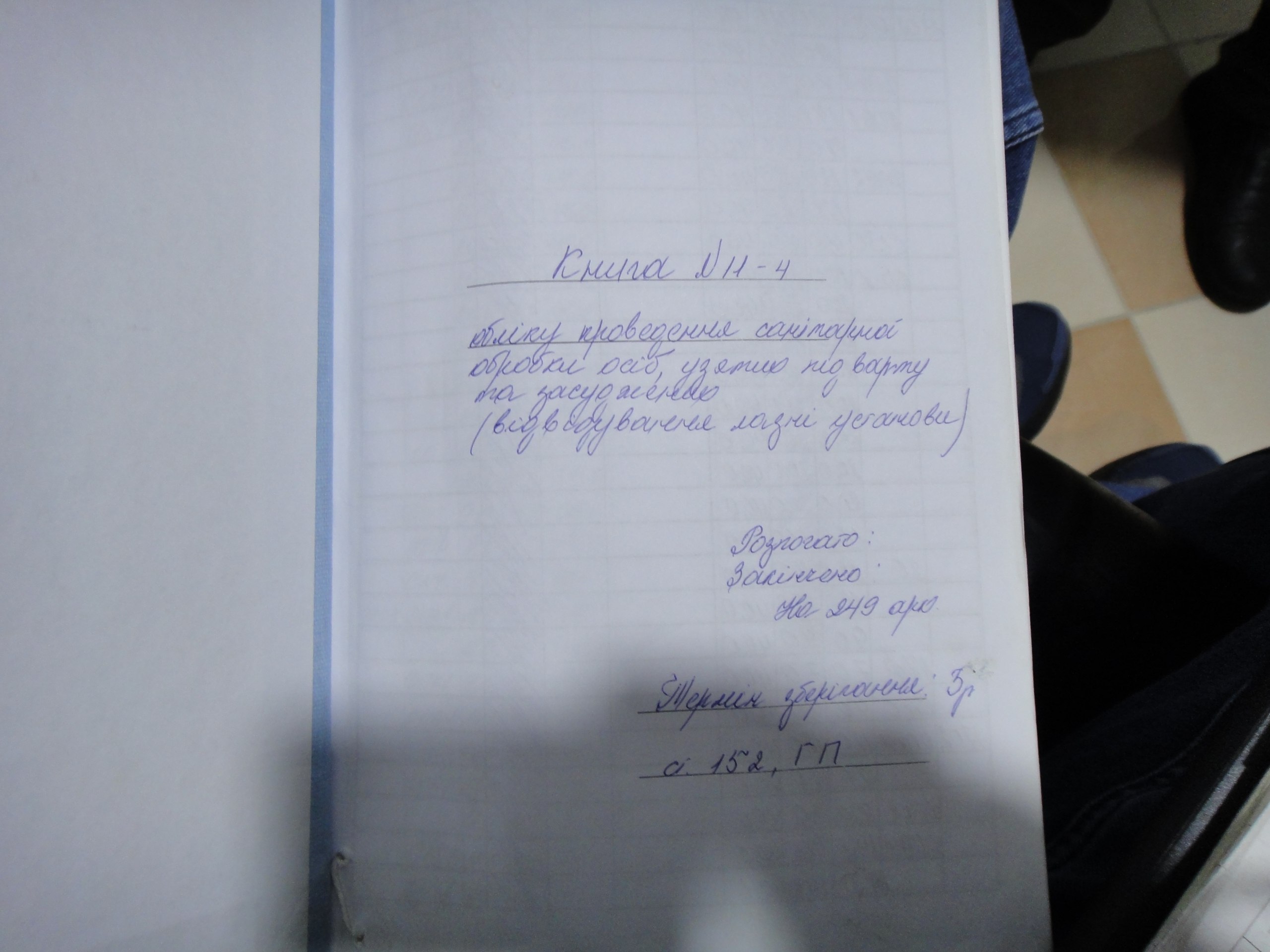
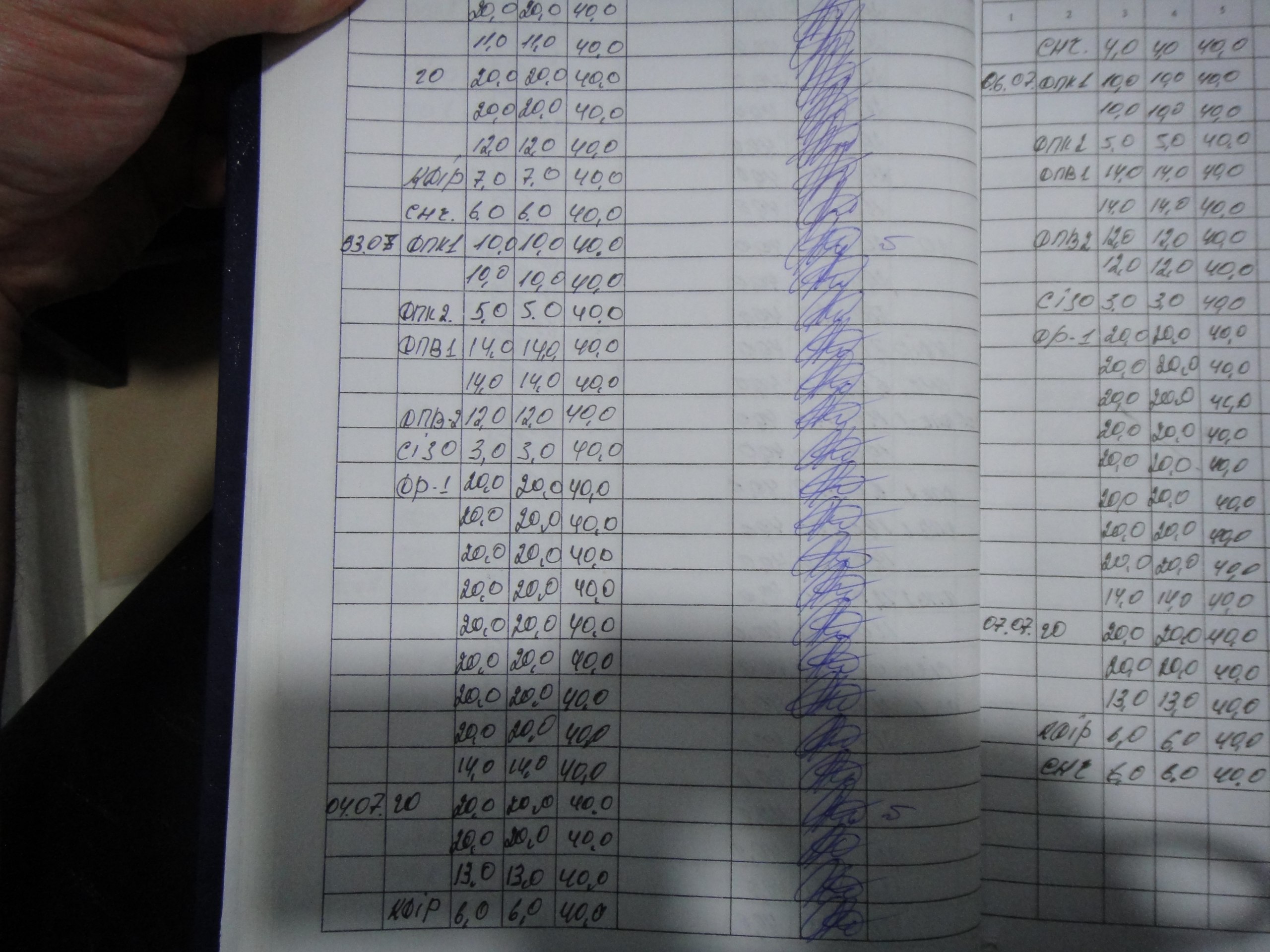
Specifically, sanitary treatment for newly arriving convicts is not carried out. For instance, convicts arrived at the facility on 3 July 2026, yet no entries regarding their bathing were made in the bathhouse attendance register.
20. In violation of point 2.14, Section II of the Bath and Laundry Regulations, barber services are not provided to convicts and remand prisoners.
21. In breach of point 2.11, Section II of the Bath and Laundry Regulations, the mechanical supply and exhaust ventilation system in the bathhouse and laundry premises is non-operational.
22. In violation of Rule 19.3 of the European Prison Rules, the right to privacy in the bathhouse and DIU shower area is not respected due to the absence of curtains on shower cubicle partitions.
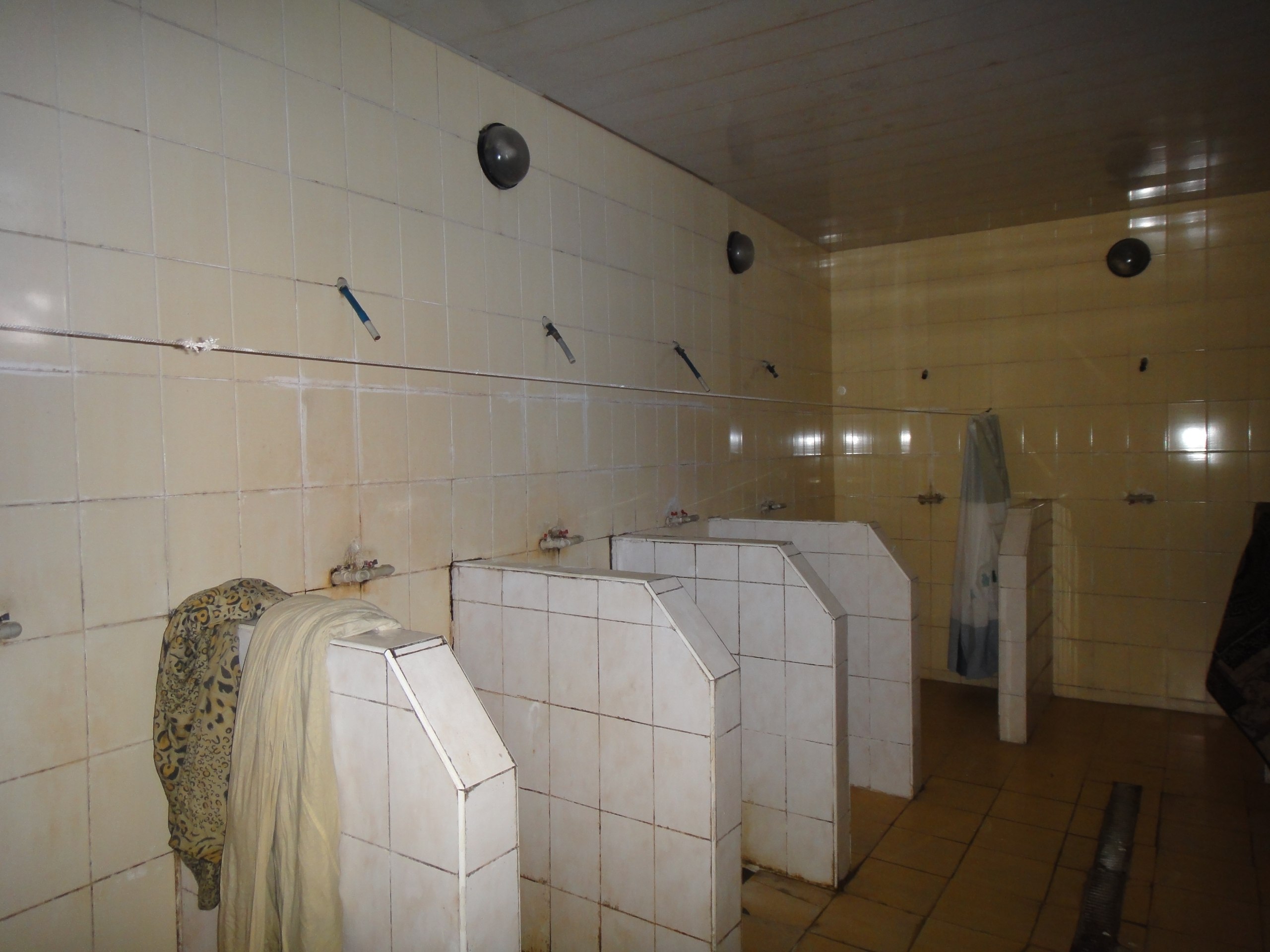
23. In breach of Appendix 3 to the Bath and Laundry Regulations, there is no toilet or shower facility for workers in the laundry.
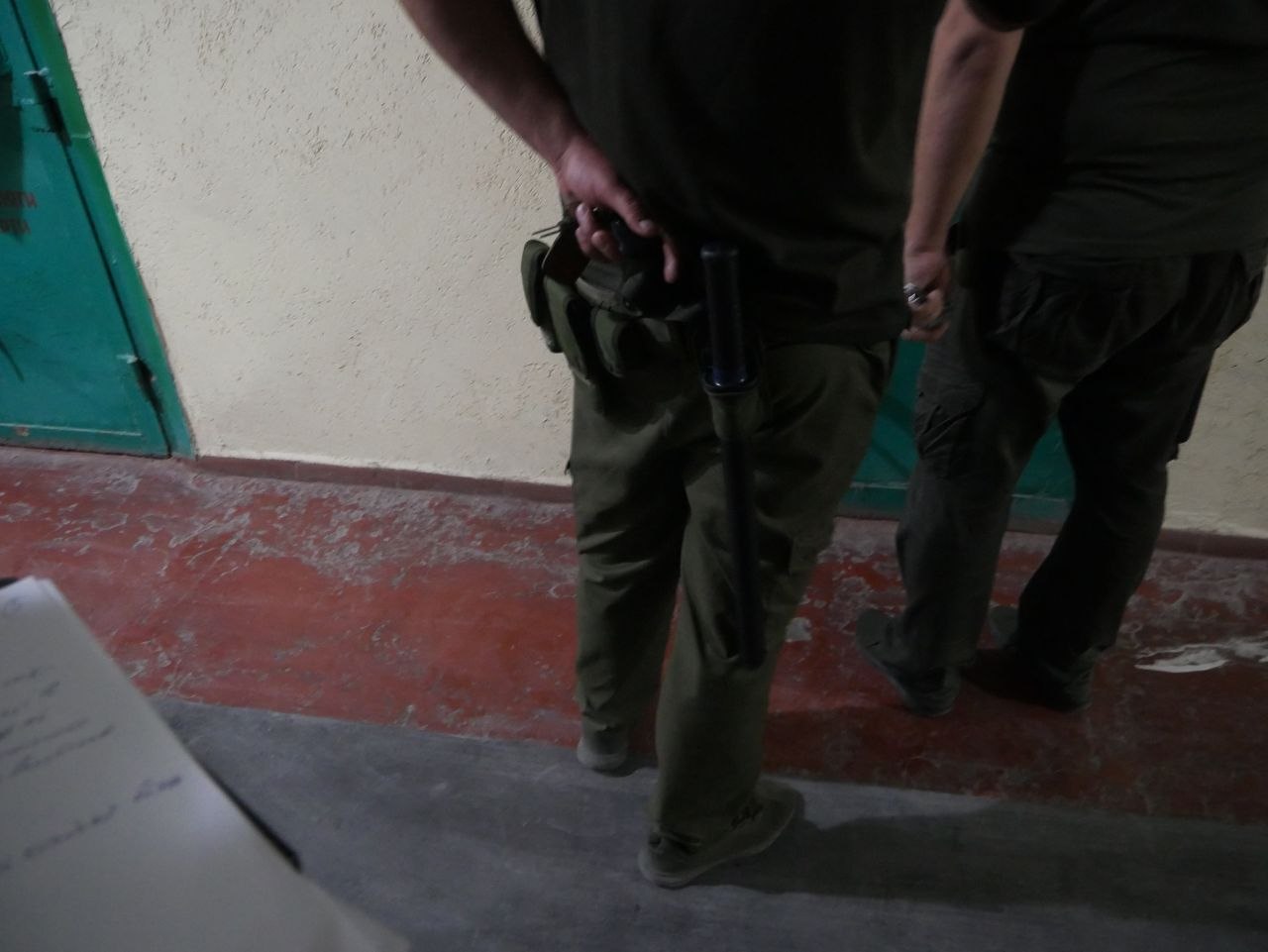
24. During the visit, the monitoring group noted that prison personnel in direct contact with convicts openly carry special equipment, specifically rubber truncheons.
Meanwhile, pursuant to paragraph 8, point 1, Section XXVI of the House Rules, special equipment carried by prison staff within protected prison grounds should, as far as possible, be concealed. Furthermore, the Committee recommends that prison staff working in direct contact with prisoners should not carry special equipment (such as rubber truncheons, handcuffs, and tear gas canisters) openly before inmates. Such open carriage hinders the establishment of normal relations between staff and prisoners (CPT/Inf (2011) 29, paragraph 85; CPT/Inf (2013) 23, paragraph 23; CPT/Inf (2014) 15, paragraph 166).
25. According to sub-point 5, point 2, Section IV of the Regulations on the Differentiated Educational Impact Programme for Convicts ‘Preparation for Release’, approved by Ministry of Justice Order No. 1418/5 of 16 May 2016 and registered with the Ministry of Justice on 17 May 2016 under No. 735/28865, staff of the socio-psychological service directly organizing and implementing ‘Preparation for Release’ activities are required to assist convicts in obtaining (renewing) Ukrainian citizen passports, taxpayer registration numbers (RNOKPP), other identity documents, and pension applications.
However, 13 convicts currently require Ukrainian passports, indicating inadequate effort by the socio-educational and psychological work department to assist prisoners who lack essential documentation.
26. According to administrative records, from the beginning of 2026 up to 13 July 2026, 47 short-term visits were granted to convicts at BCC-70, of which 27 took place without physical contact—separated by a glass partition and using an intercom.
At the same time, in its report to the Ukrainian Government following its 2023 visit, the European Committee for the Prevention of Torture stresses that open visits (e.g. seated across a table) should be the rule for all prisoner categories, and closed visits the exception, justified only on the basis of reasoned individual risk assessments. The Committee therefore urges Ukrainian authorities to review short-term visit procedures in penal institutions to ensure they are conducted, as a rule, under open conditions (CPT/Inf (2024) 20, paragraph 99).
27. According to official records, the staff shortage at the facility stood at 37 posts as of 13 July 2026. In its report to the Ukrainian Government following the 2023 visit, the Committee emphasizes that maintaining a positive climate in a penal institution requires a professional staff team present in sufficient numbers at all times in detention areas. Staff shortages increase the risk of inter-prisoner violence and intimidation. Shortages of front-line staff also undermine the quality and scope of activities offered to prisoners, jeopardizing prospects for preparation for release and social rehabilitation.
Accordingly, the Committee calls on Ukrainian authorities to take decisive steps to substantially increase staffing levels in penal institutions suffering from shortages, thereby strengthening the presence of custodial and supervisory staff inside facilities. Measures must also be taken to discontinue 24-hour shifts for duty personnel (CPT/Inf (2024) 20, paragraph 93).
28. During the monitoring visit, the provision of internet access for life-sentenced prisoners was examined. A dedicated space for internet access has been set up at the facility, equipped with only a single personal computer.
A direct check of computer functionality in the MSS revealed severe restrictions on access to information resources. Specifically, access was unavailable to the websites of the Kharkiv Human Rights Protection Group, the official website of the Ukrainian Parliament Commissioner for Human Rights, and the public prosecutor’s office website. Attempts to access these resources failed, with the screen displaying a message indicating that access to the website could not be obtained and that the connection or resource access was restricted.
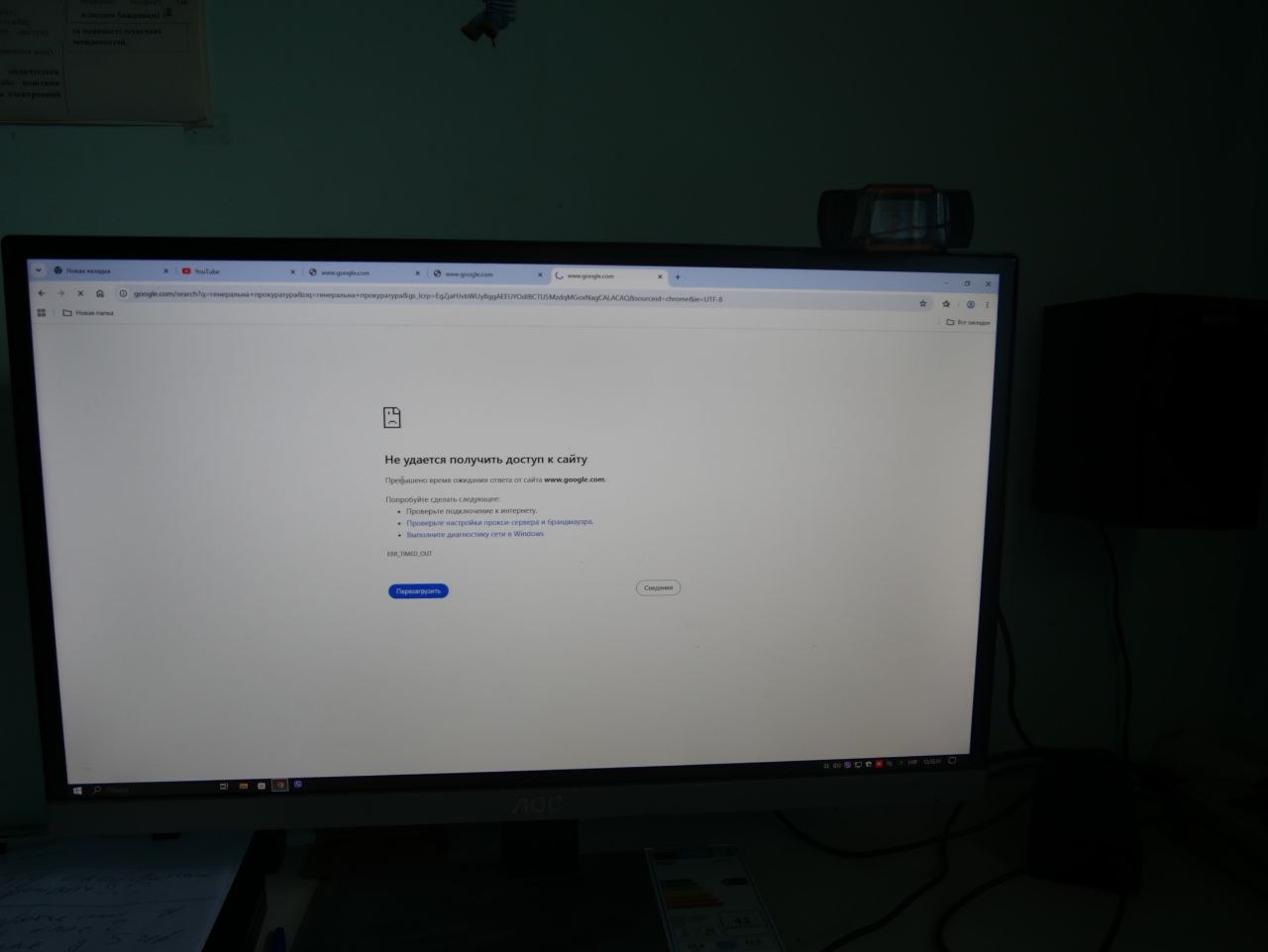
Consequently, convicts are effectively deprived of the ability to obtain information from official websites of the Parliament Commissioner for Human Rights and prosecutor’s offices via the workstation provided by the facility, or to access human rights organisation portals. This restriction is particularly critical given that these resources enable convicts to learn about human rights protection mechanisms and procedures for contacting state bodies and human rights organisations.
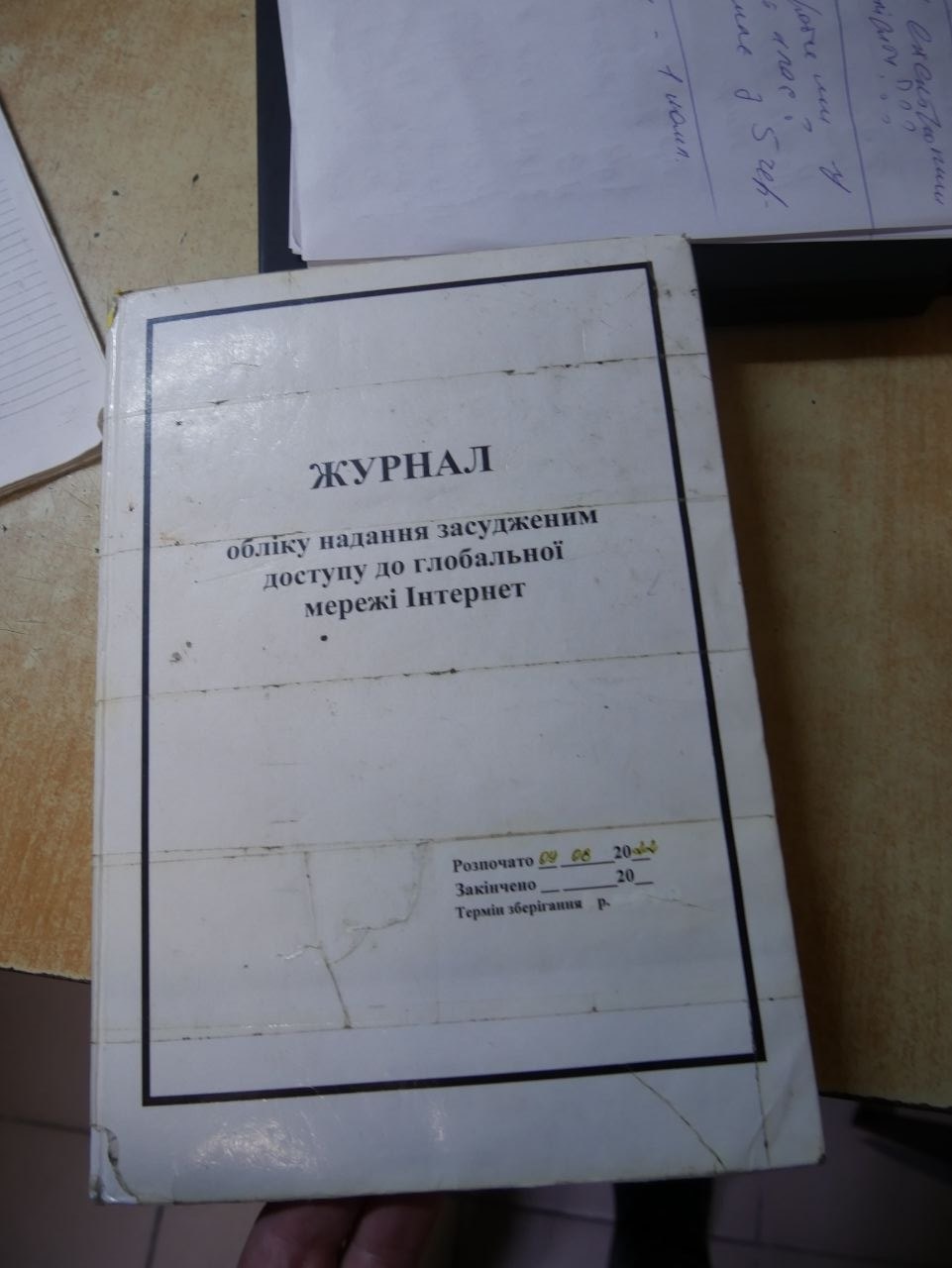
The monitoring group also inspected the ‘Register of Provision of Access to the Global Internet for Convicts’. It was found that the last entry regarding actual internet usage was dated 9 July 2026, more than four days prior to the monitoring visit. An analysis of the register entries indicates that only three convicts actually make use of the internet. Combined with the provision of only a single computer station, this demonstrates extremely limited practical realization of convicts’ entitlement to internet access.
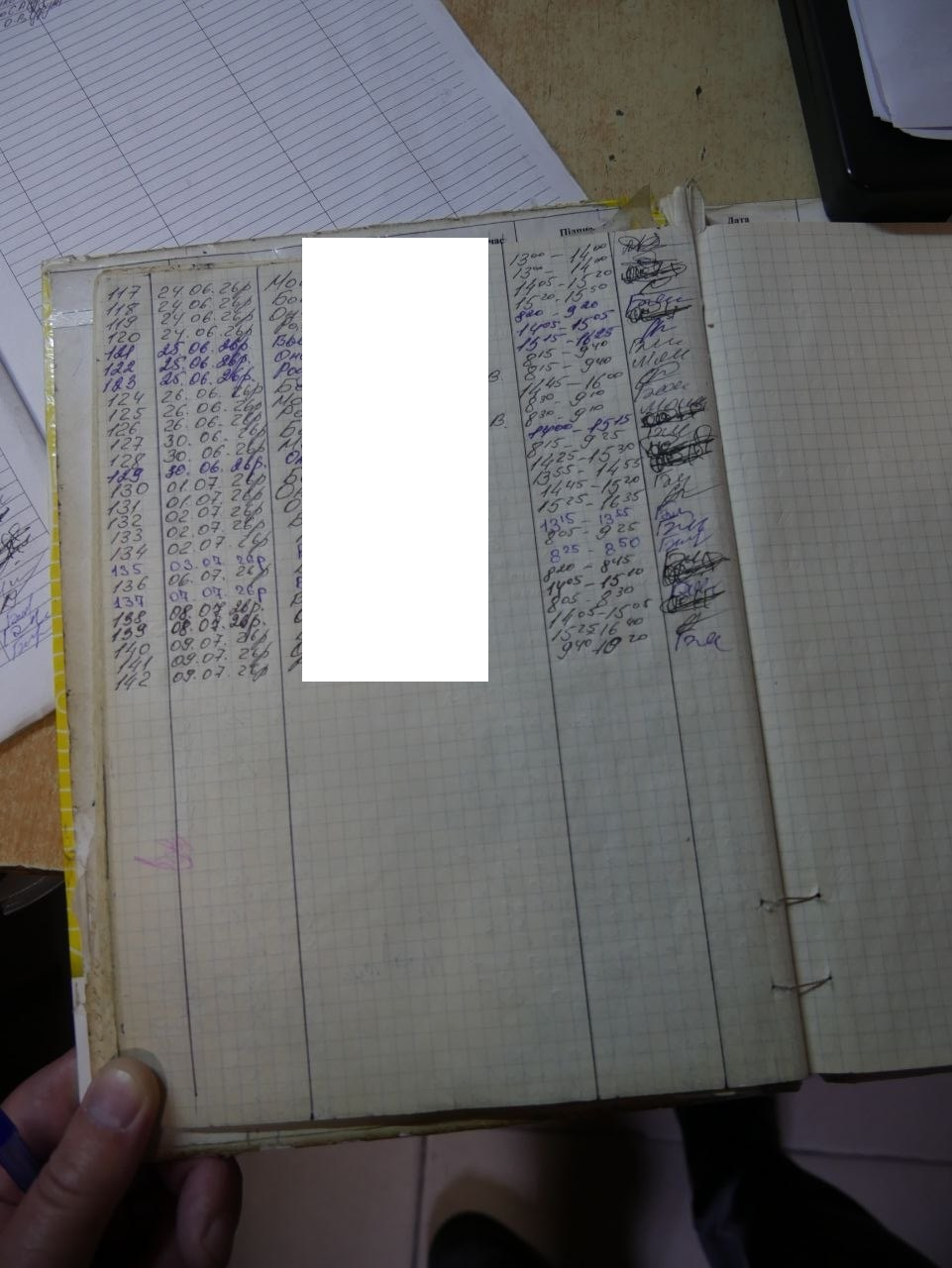
Pursuant to Part 7, Article 110 of the Criminal Executive Code of Ukraine, convicts are granted the right to use the global internet under the supervision of the prison administration. Statutory oversight of internet usage should ensure compliance with legal restrictions, but must not render access to official state information portals or resources essential for exercising and protecting rights effectively impossible.
The blocking of access to the official website of the Ukrainian Parliament Commissioner for Human Rights is of particular concern, given that the Ombudsman exercises parliamentary control over constitutional human rights and freedoms, including those of detained persons. Unjustified restrictions on prosecutor’s office and human rights organisation websites similarly impede convicts from obtaining legal information and learning how to protect their rights.
Thus, the formal presence of a single internet-connected computer does not in itself secure the proper realization of convicts’ right to internet access. The circumstances identified during the visit—the existence of only one workstation, blocked access to the Ombudsman’s website, prosecutor’s offices, and the Kharkiv Human Rights Protection Group, no recorded internet activity after 9 July 2026, and actual usage restricted to just three convicts—demonstrate a severe limitation on the practical availability of this service.
The facility administration must ensure genuine rather than formal internet access for convicts, investigate the reasons for blocking socially significant and official information resources, ensure unimpeded access to at least the websites of the Parliament Commissioner for Human Rights, prosecutor’s offices, and human rights organisations, and implement proper record-keeping of actual internet usage by convicts.
29. During the monitoring visit, the situation regarding convicts’ right to work and adherence to their labour and social rights was examined. The organization of convict labour, the nature of work actually performed, grounds and procedures for assignment to work, working hours, civil contracts provided by the administration, work assignment sheets, hand-over logs between convicts and production staff, contractor payroll statements, and documents concerning Single Social Contribution (SSC) contributions were reviewed.
At the time of the monitoring visit, 26 convicts were employed in production units, while a further 9 carried out maintenance work for the facility. It was established that convict labour is primarily formalized by the administration using civil work contracts. In particular, there is no staffing schedule for convicts working in the kitchen, as their labour is likewise arranged under civil law contracts.
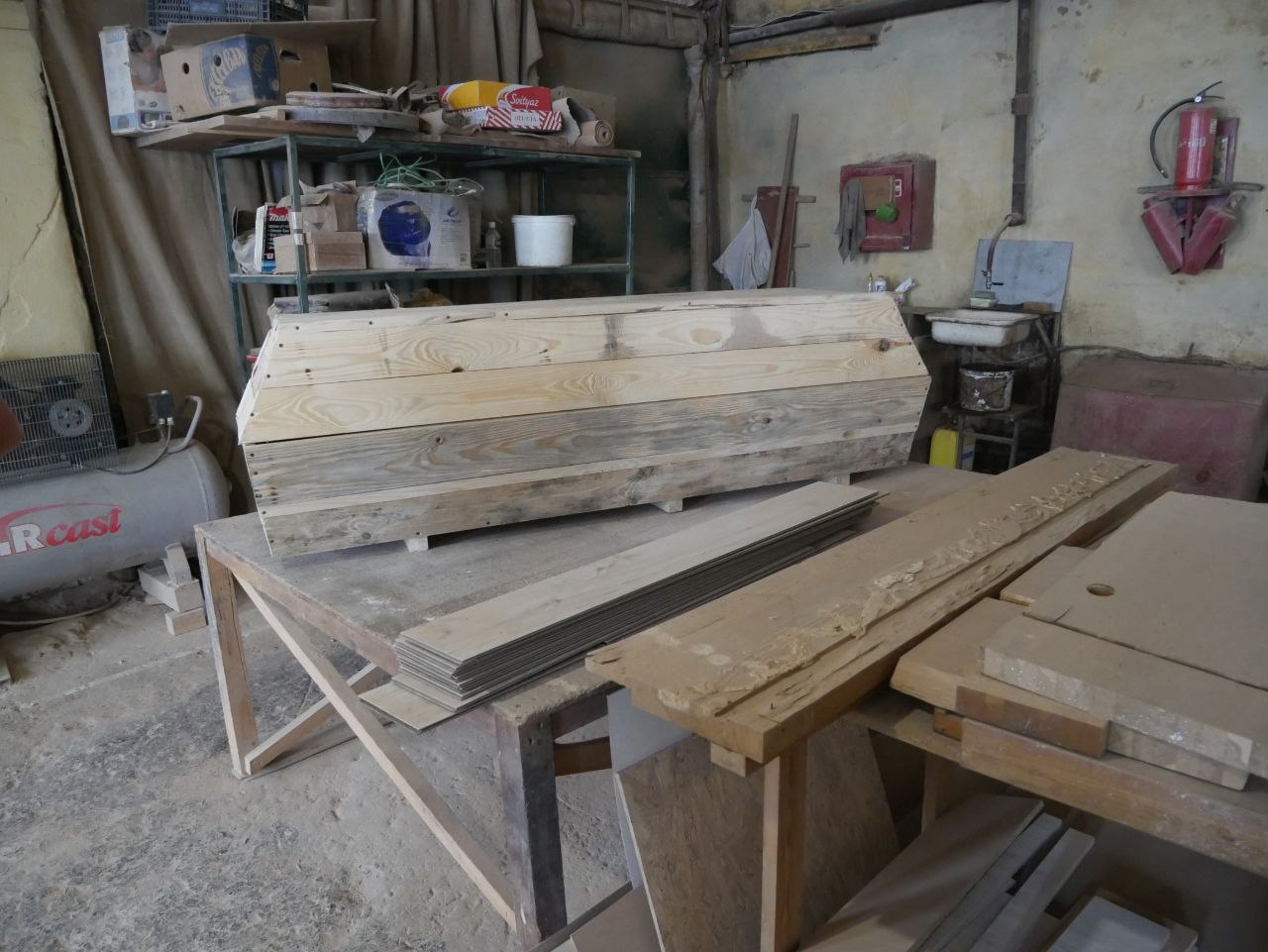
On-site activities include woodworking and joinery, concrete products manufacturing, sewing production, an auto repair workshop, a boiler room, a bakery, a kitchen, a fur farm, and a craft workshop. During the visit to the joinery shop, the monitoring team recorded the manufacture of beehives, wooden outdoor toilets, and other items. A completed coffin was also discovered on the workshop premises during the visit.
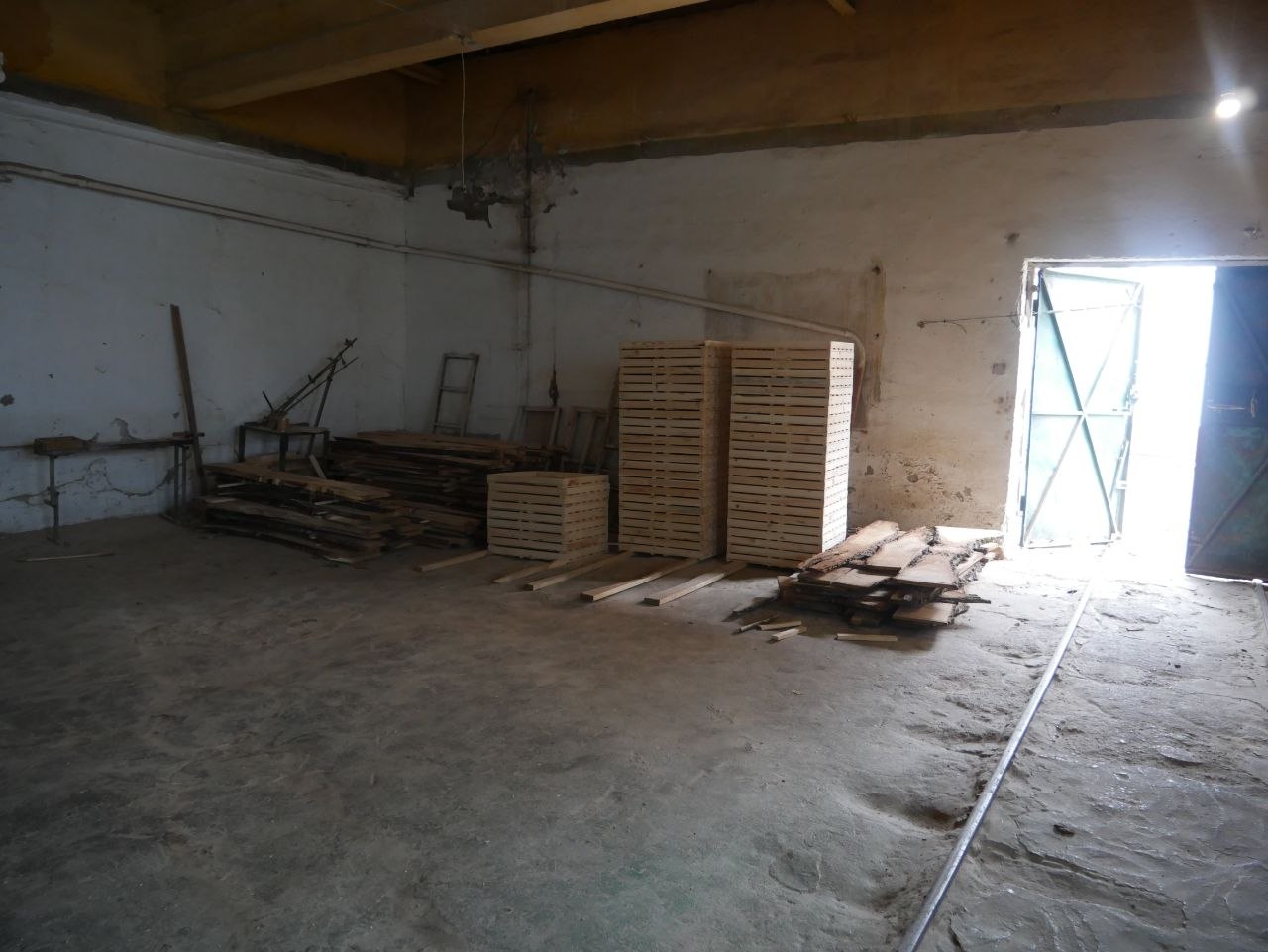
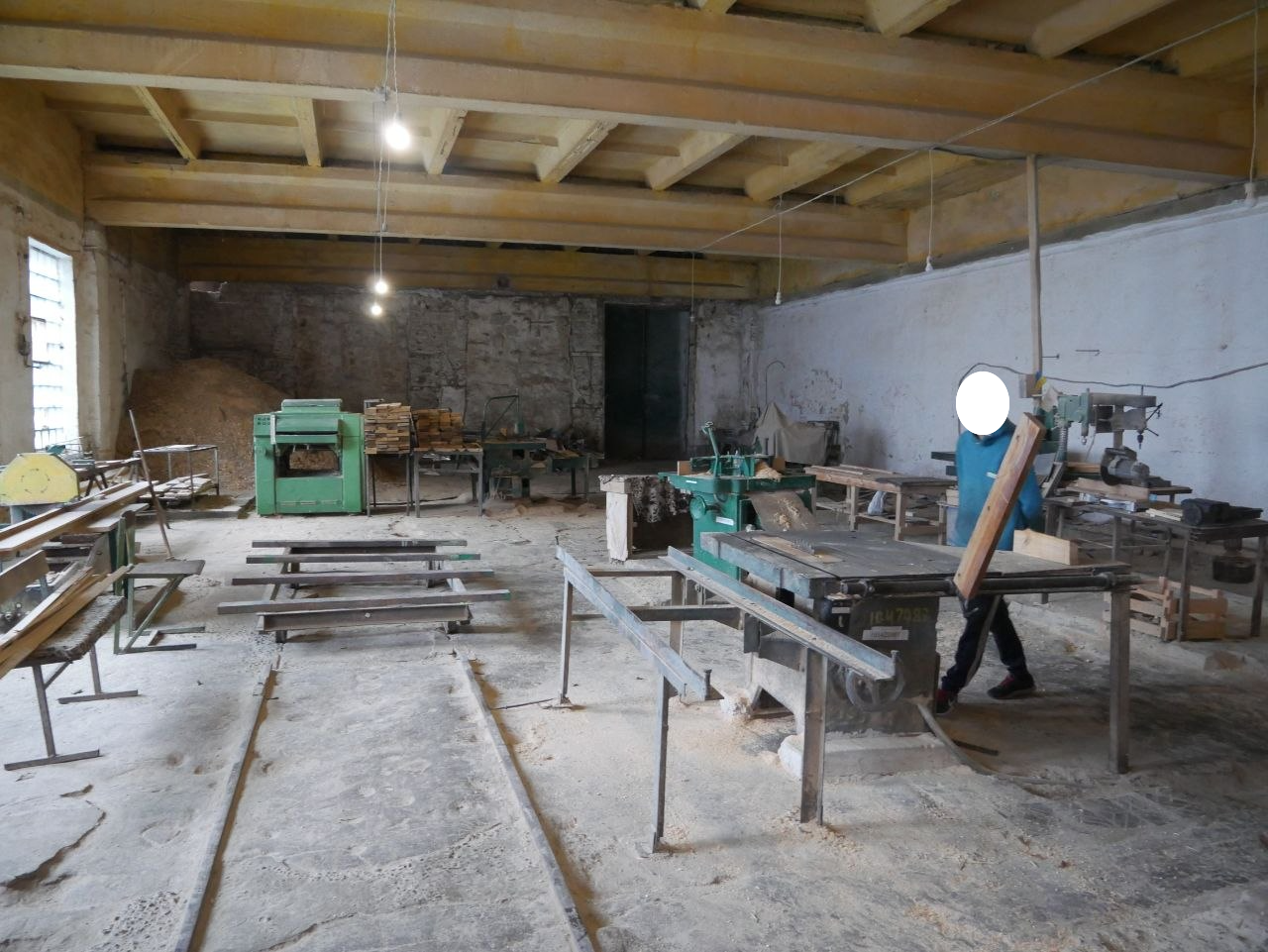
When comparing tasks actually performed by convicts with administrative records, significant discrepancies emerged. Specifically, convict K. was listed on the work assignment sheet for 13–19 July 2026 as a boiler room worker (Sector No. 6, first shift). However, during the monitoring visit, he was observed carrying out welding work. Consequently, the documented workplace and nature of duties did not match the work actually being performed at the time of inspection.
In the joinery shop, convict K. was working; according to information gathered during the visit, he has been performing these tasks for approximately two years. The duration and systematic nature of such uniform work are material factors when assessing whether the actual legal relationship aligns with the civil contract form used by the administration to frame convict labour.
The circumstances surrounding the operation of the fur farm warrant special attention. During the visit, convict K. was interviewed at this site and stated that he had been working at the fur farm for about five years, working daily without rest days. Subsequent cross-referencing of this information against records supplied by the administration revealed that no individual with this full name appeared on contractor payroll statements or SSC contribution records for June 2026. Nor was there any mention of his assignment to the fur farm in the work sheets reviewed. Taken together, these circumstances indicate systematic employment without proper formal registration, requiring a separate investigation into the legal grounds for his work, remuneration, and SSC payment during his actual period of employment.
Violations of working hours and rest periods were also identified in the kitchen. Convict Zh., according to information gathered during the visit, is tasked with preparing breakfast daily without rest days. Such work clearly pertains not to the delivery of a one-off, specific task, but to sustaining the routine daily operations of the facility.
In the bakery, convict N. is employed. Existing documentation and the practical setup of the bakery must also be evaluated in light of working hours, given that bread-making for facility needs represents a regular manufacturing process involving the systematic execution of a uniform job function.
In addition, under one of the civil contracts examined, convict O. was engaged to peel vegetables from 1 April 2026 to 30 July 2026. Despite the contract defining a specific volume and cost of work, the task essentially constitutes essential daily kitchen maintenance performed according to a schedule set by the administration, under supervision, and using facility property, premises, and resources.
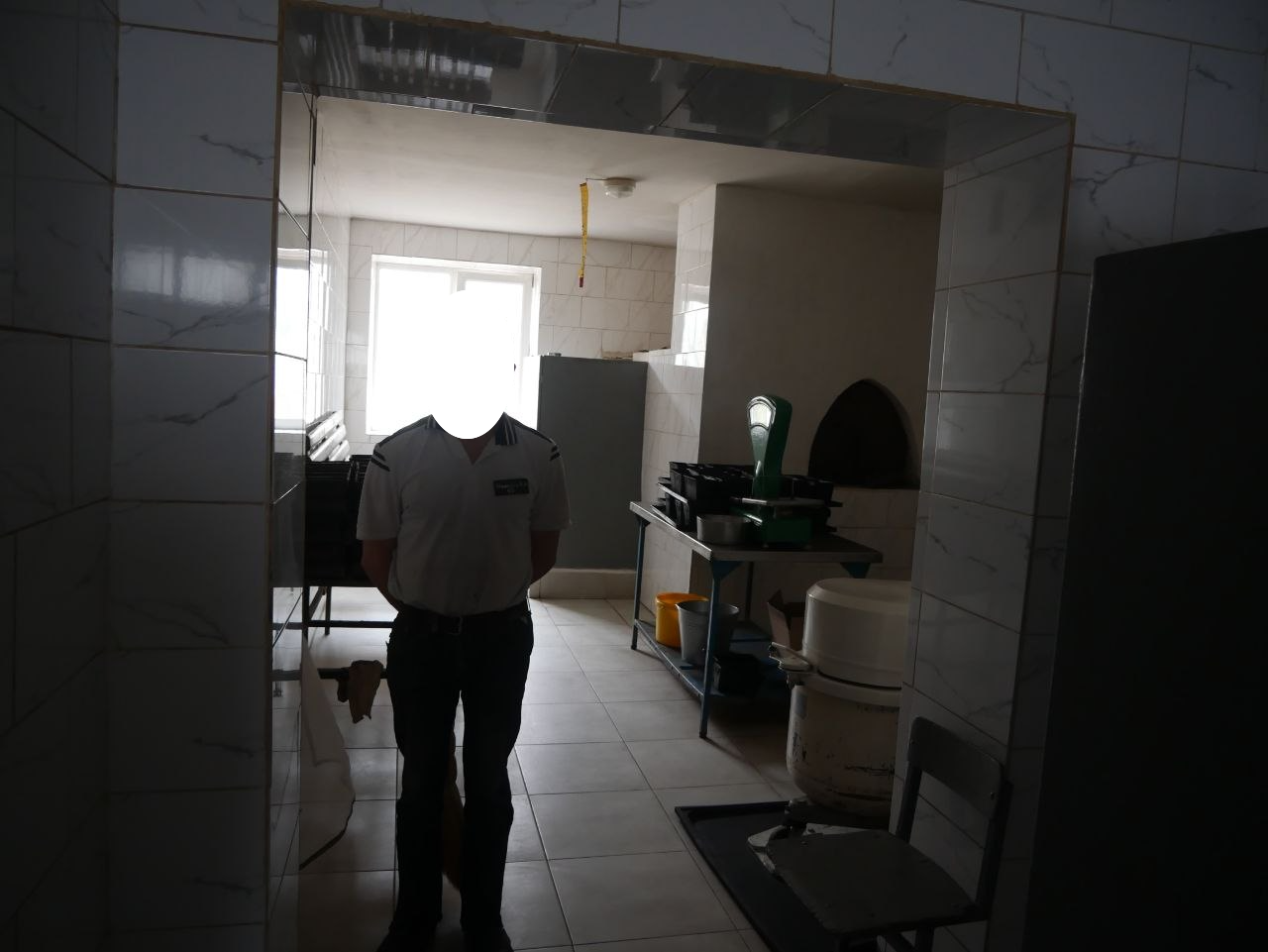
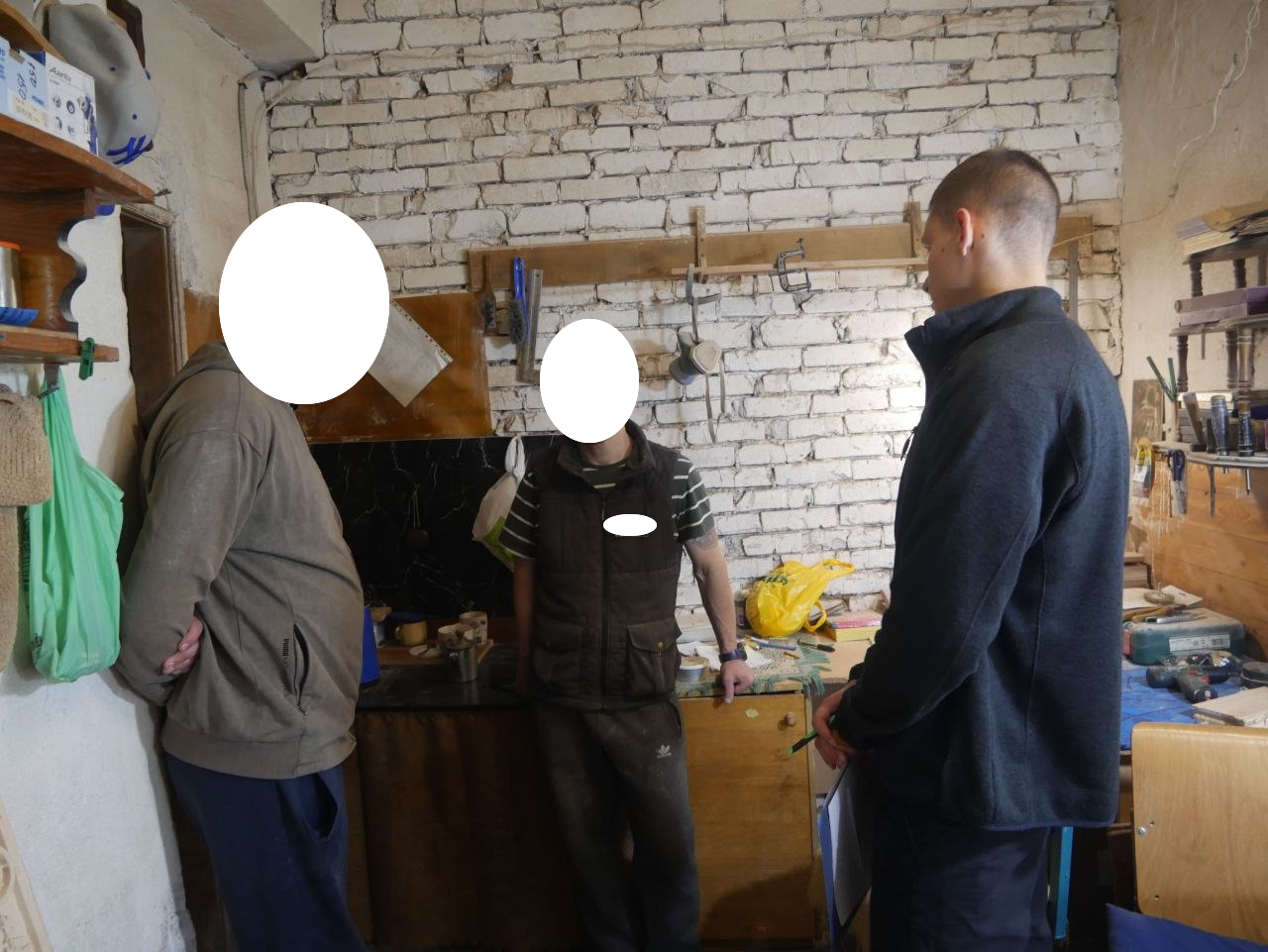
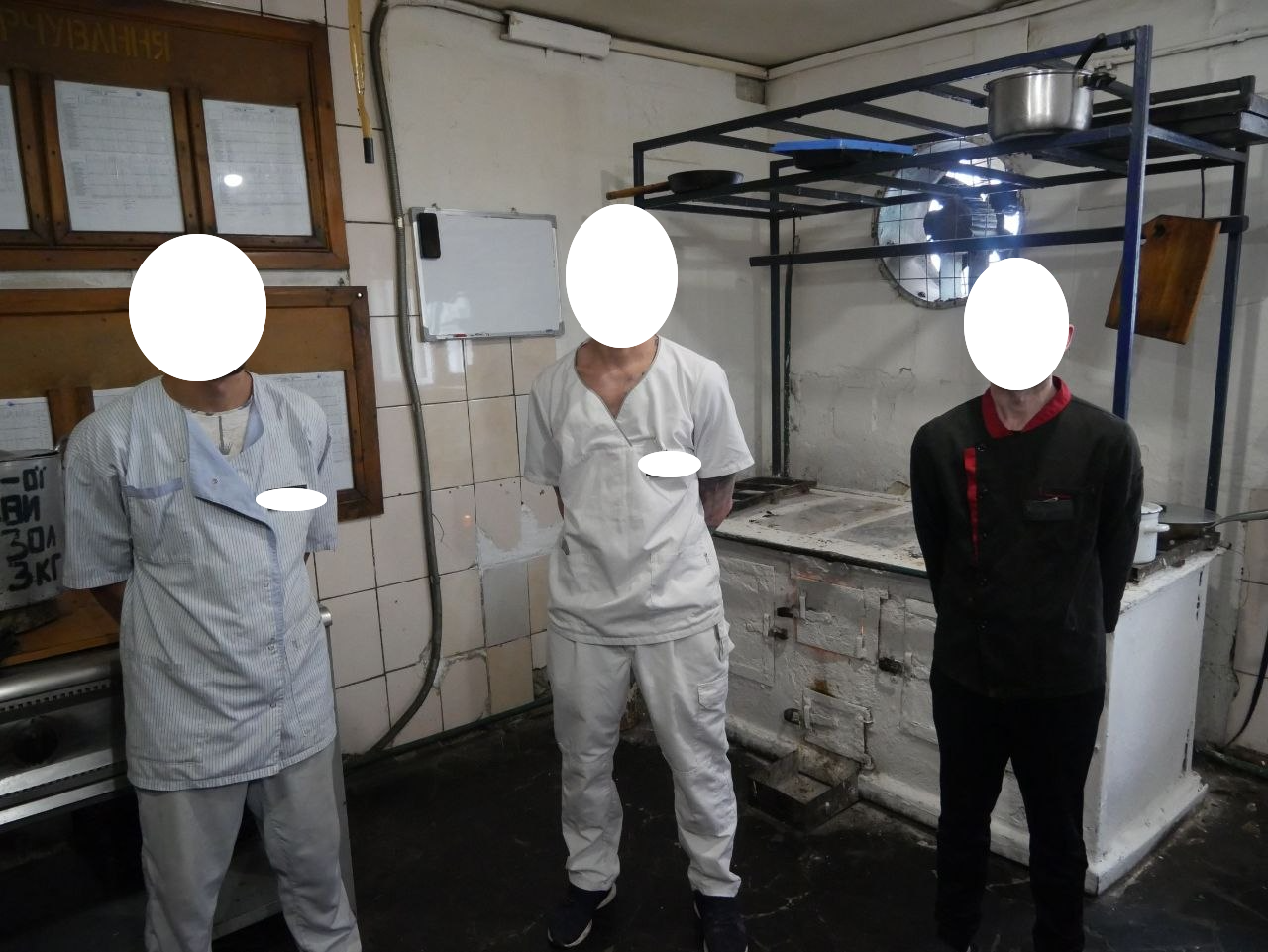

An examination of hand-over logs between convicts and production staff confirmed that work is organized around shifts and schedules prescribed by the administration. Most convicts work a six-day week, typically from 08:00 to 17:00. However, instances of work without days off and assignments to night shifts were recorded. The setting of start and finish times, shifts, and workplaces by the administration, alongside attendance tracking, further demonstrates an organized employment process.
Remuneration and social insurance were also examined. Contractor payroll statements provided by the administration revealed significant variations in remuneration awarded to individual convicts. However, the mere entry of payments under civil contracts in documentation does not negate the need to assess the true nature of the legal relationship. What is decisive is not the label given to the contract, but the nature of the work, how it is organized, its regularity, compliance with a prescribed schedule, and the execution of a specific job function.
Comparing payment records with SSC documentation showed that SSC contributions are accrued for individuals listed by the administration as contractors under civil agreements. Nevertheless, the existence of an individual who, according to information obtained during the visit, has worked at the fur farm for roughly five years without appearing on payroll statements or SSC records for the period audited highlights the need to verify whether all working convicts are recorded. Under such circumstances, SSC records alone cannot be taken as sufficient proof that all persons engaged in facility production or maintenance are properly registered.
Under Article 118 of the Criminal Executive Code of Ukraine, prisoners have the right to work in areas and jobs designated by the colony administration, with their labour regulated by employment legislation subject to the features set out in the CEC of Ukraine. Part 1, Article 119 of the CEC of Ukraine specifies that for persons serving prison sentences, the working week may not exceed statutory working time limits established by labour law, with start and finish times set by the colony administration. Under Article 50 of the Labour Code of Ukraine, normal working hours may not exceed 40 hours per week. Legislation also guarantees continuous weekly rest periods, regulates night work and weekend work, and mandates appropriate compensation. Consequently, reports from convicts regarding long-term, systematic work without rest days, alongside documented night shifts, require assessment in terms of compliance with statutory working hour and rest guarantees.
An analysis of civil contracts, work sheets, hand-over logs, payroll statements, SSC documents, direct observations, and conversations with convicts (including anonymous interviews) demonstrates that a substantial portion of this work is permanent and systematic. Convicts carry out tasks assigned by the administration over extended periods, work at designated workstations following set shifts, remain under official supervision, and utilize facility premises, equipment, tools, raw materials, and other production means.
In essence, under civil law, a contract for services is directed towards delivering a specific, individually defined result, whereas an employment relationship involves the systematic performance of a job function subject to the employer’s workplace rules and schedules. The circumstances established during the visit—long-term employment of the same individuals at specific workstations, administration-defined schedules and shifts, attendance logs, daily execution of uniform tasks, night work, and work without days off—exhibit the defining characteristics of an employment relationship.
Particularly illustrative in this context are the multi-year employment of a convict at the fur farm, the two-year work of K. in the joinery shop, the daily preparation of breakfast by Zh., the continuous work of N. in the bakery, as well as the discrepancy between K.’s documented workplace in the boiler room and his actual performance of welding work.
Thus, the practice established at BCC-70 of formalizing what is effectively permanent convict labour primarily through civil law contracts bears the hallmarks of a systemic pattern. Civil law forms are utilized not merely for discrete jobs with a defined deliverable, but to sustain the institution’s routine manufacturing and maintenance operations—specifically the kitchen, bakery, boiler room, production workshops, and other facilities.
Applying civil law contracts where the characteristics of an employment relationship exist in practice creates a risk of depriving convicts of statutory employment guarantees, particularly regarding working hours, weekly rest, night and weekend work, proper timekeeping, remuneration, and social insurance. The identified case of a convict’s actual multi-year employment at the fur farm—for whom no records of formalization, remuneration, or SSC contributions were found in the documents examined—warrants a specific response. This necessitates an audit by the administration and competent supervisory bodies into the actual employment of convicts, the legal grounds for their engagement in labour, the conformity of civil law contracts with the true nature of tasks performed, compliance with working and rest schedules, and the completeness of remuneration accrual and SSC payments for every working convict.
Medical Unit No. 70 of the Branch of the State Institution ‘Healthcare Centre of the State Criminal Executive Service of Ukraine’ in Zhytomyr Oblast
Head of Medical Unit No. 70 of the branch of the State Institution ‘Healthcare Centre of the State Criminal Executive Service of Ukraine’ in Zhytomyr Oblast (hereinafter — Medical Unit) — V. S. Balitskyi.
At the time of the visit, there were no vacant staff posts in the Medical Unit.
During the monitoring visit, the team examined medical documentation, inspected the Medical Unit premises, and conducted individual interviews with convicts, establishing shortcomings in the organisation of healthcare delivery that lead to violations of the rights of the individuals concerned:
1. During the visit, the monitoring group established that primary record form No. 003/o, ‘Inpatient Medical Record’, approved by Ministry of Health Order No. 110 of 14 February 2012, had not been opened for one patient undergoing inpatient treatment at the Medical Unit. All data concerning inpatient treatment and diagnostics, including examination results and prescription sheets, must be recorded in this form. This omission violates point 5, Chapter 5, Section II of the Procedure for the Provision of Medical Care to Sentenced Prisoners, approved by Joint Order of the Ministry of Justice and Ministry of Health No. 1348/5/572 of 15 August 2014 (hereinafter — Healthcare Procedure).
2. In breach of the Instructions for Completing Primary Record Form No. 003-6/o, ‘Informed Voluntary Consent of the Patient to Diagnostics, Treatment, Operations, Anaesthesia, and the Presence or Participation of Educational Process Participants’, approved by Ministry of Health Order No. 110 of 14 February 2012, signed informed consent for diagnostics and treatment was missing from the records of patients in the Medical Unit inpatient department. This indicates the absence of voluntary consent for diagnostic, preventive, and therapeutic procedures, violating Article 43 of the Law of Ukraine ‘Fundamentals of Ukrainian Legislation on Healthcare’ and paragraph 47 of the Committee’s recommendations (CPT/Inf (93) 12-part).
3. The Medical Unit has failed to organise opioid substitution therapy (hereinafter — OST) for persons with mental and behavioural disorders due to opioid use in accordance with the Procedure for Conducting Substitution Maintenance Therapy for Persons with Mental and Behavioural Disorders Due to Opioid Use, approved by Ministry of Health Order No. 200 of 27 March 2012.
Drug-dependent individuals are not provided with socio-psychological support, cognitive behavioural therapy (CBT), relapse prevention, motivational interviewing, or self-help groups.
Consequently, these individuals are deprived of the opportunity to receive OST, violating their right to choose treatment methods under Article 38 of the Law of Ukraine ‘Fundamentals of Ukrainian Legislation on Healthcare’.
Furthermore, in its report following its 2023 visit to Ukraine, the Committee noted that admission to a penal institution presents an opportunity to address drug-related problems; it is therefore crucial that appropriate assistance is offered to all interested persons and that suitable healthcare is available across all facilities. Help offered to such individuals should be varied; substitution programmes for drug-dependent persons should be combined with genuine psychosocial and educational support for opioid-dependent individuals who are unable to stop using drugs. Moreover, access to OST programmes within facilities should be easily available, and they should also be managed by prison doctors who have undergone specialized training in drug-related issues (CPT/Inf (2024) 20, paragraph 86).
4. In breach of point 8, Chapter 5, Section II of the Healthcare Procedure, the inpatient department of the Medical Unit lacks an equipped isolation room for individuals with mental disorders who pose a danger to others.
5. In violation of the Standards of Medical Care for Viral Hepatitis C in Adults, approved by Ministry of Health Order No. 1178 of 23 July 2025, not all individuals suspected of having viral hepatitis C (3 persons as of 13 July 2026) undergo PCR testing, preventing timely diagnostic confirmation and the prescription of necessary antiviral therapy. Such circumstances may exacerbate patients’ health conditions and facilitate the spread of infection among convicts and remand prisoners.
In addition, the monitoring group established that three patients with chronic viral hepatitis C requiring antiviral therapy were registered for dispensary observation at the Medical Unit. However, as of the date of the visit, the required medications were absent from the Medical Unit pharmacy. The lack of timely treatment heightens the risk of disease progression and severe liver damage, while posing a risk of transmitting hepatitis C to other patients, infringing prisoners’ rights to proper healthcare.
6. Ten individuals with disabilities are under dispensary supervision (Group I — 1 person, Group II — 3 persons, Group III — 6 persons). However, in breach of the Law of Ukraine ‘On Rehabilitation of Persons with Disabilities in Ukraine’, individuals with disabilities do not receive proper diagnostic, therapeutic, or rehabilitative care despite documentation confirming persistent bodily dysfunction caused by illness or trauma resulting in life activity limitations.
Specifically, an examination of convicts’ medical records revealed that 8 individuals with disabilities lacked Individual Rehabilitation Programmes (hereinafter — IRPs). Moreover, IRP recommendations are not being implemented, leaving these individuals without appropriate diagnostic, medical, and rehabilitative care despite confirmed long-term health impairments and functional limitations.
7. In violation of Ukrainian State Building Norms DBN V.2.2-40:2018 ‘Inclusivity of Buildings and Structures. Main Provisions’, the Medical Unit has failed to create suitable conditions for accommodating persons with disabilities.
8. In breach of point 37 of Cabinet of Ministers Resolution No. 285 of 2 March 2016 ‘On Approval of Licensing Conditions for Medical Practice’, the Medical Unit lacks a mandatory accessibility report confirming unimpeded access to facility buildings and premises for mobility-impaired persons.
9. In violation of the Entitlement Standards for Bedding, Special Clothing, and Footwear for Convicts Undergoing Treatment in Healthcare Facilities and Medical Units of Penal Institutions and Pre-Trial Detention Centres, approved by Ministry of Justice Order No. 280/5 of 20 February 2012, convicts are not issued hospital clothing (hospital suit, gown, and slippers) upon admission.
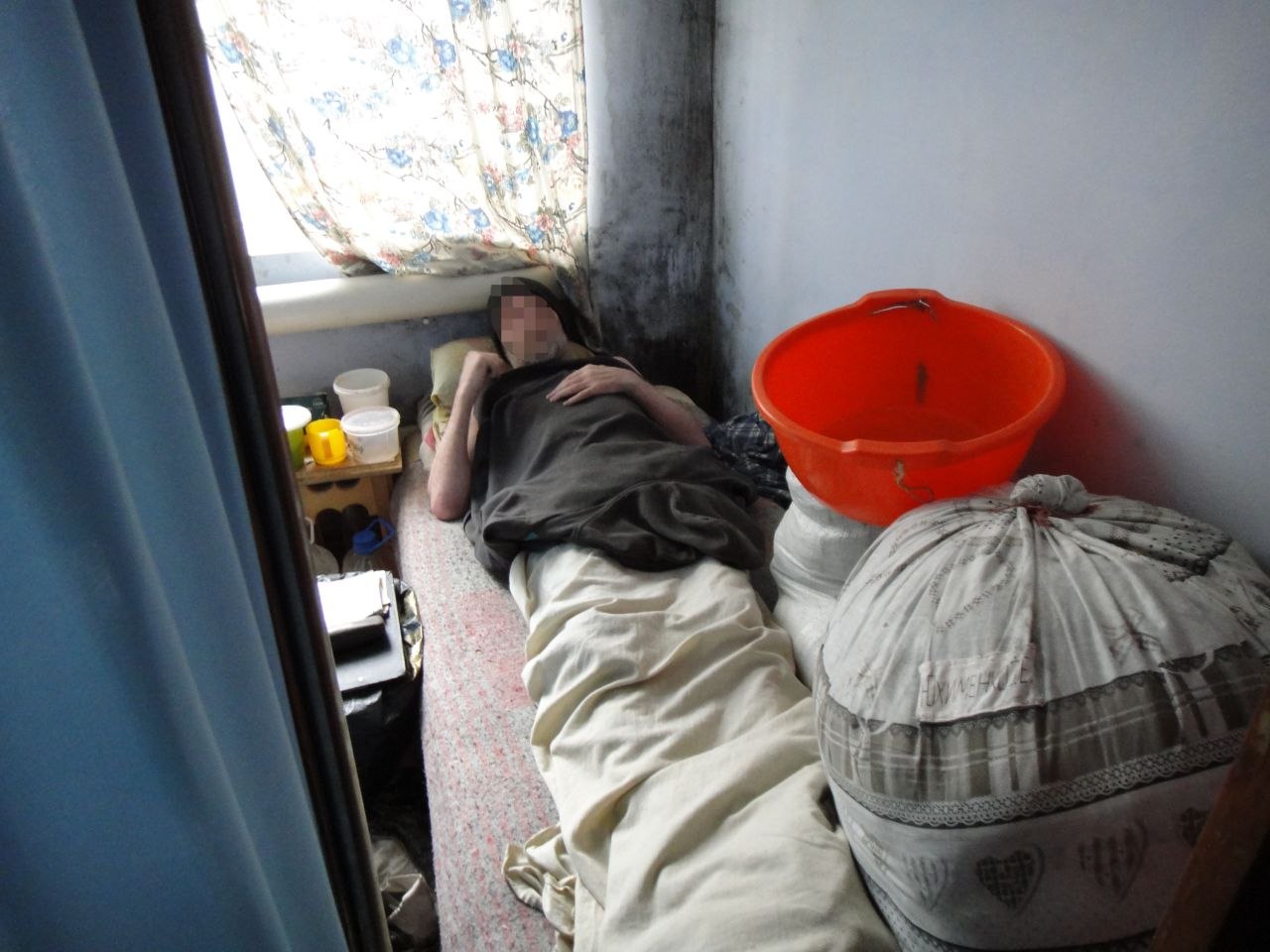
10. In violation of Part 1, Article 115 of the Criminal Executive Code of Ukraine, certain hospital ward premises, notably the isolation room for intestinal infection patients, are in an unsatisfactory state of repair and require renovation. Mold growth caused by water leaks was observed on the walls during the visit. These defects pose health risks to patients, as prolonged exposure to dampness and mold can adversely affect the respiratory system, skin, and overall health.
11. In violation of the Equipment Standards for a Dentist and Dental Technician Workstation, approved by Ministry of Health Order No. 158 of 11 April 2005, the Medical Unit lacks a dental X-ray machine, rendering comprehensive dental examinations impossible and preventing the timely provision of proper dental care.
12. In breach of the Procedure for the Organisation of Primary, Secondary (Specialized), and Tertiary (Highly Specialized) Medical Care Using Telemedicine, approved by Ministry of Health Order No. 681 of 19 October 2015, Medical Unit staff are unable, due to technical constraints, to submit requests for telemedicine consultations or receive expert advice for treating convicts.
13. In violation of Rule 19.3 of the European Prison Rules, sanitary facilities in the somatic ward and infectious isolation ward are not fitted with doors, failing to respect convicts’ right to privacy.
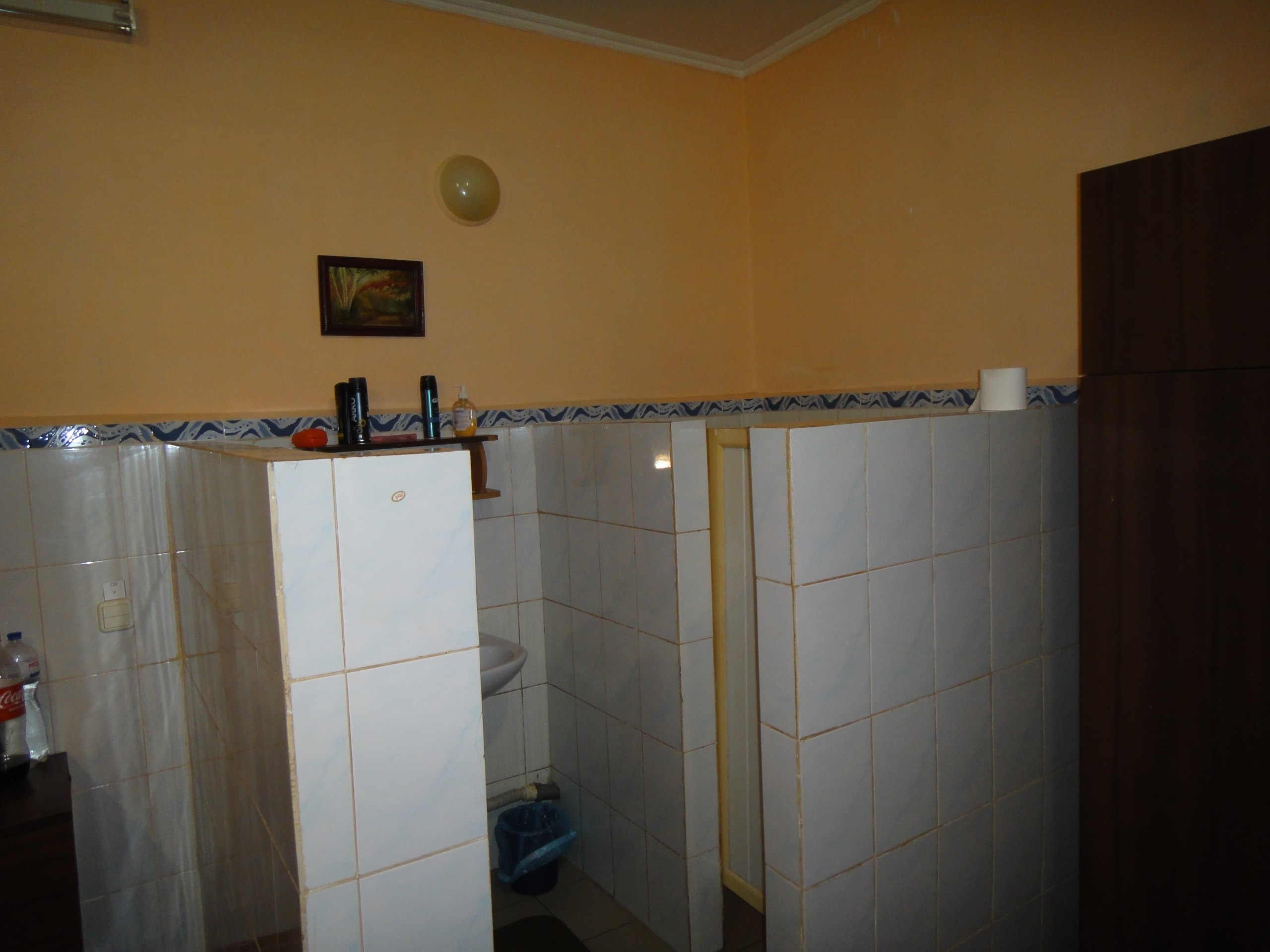
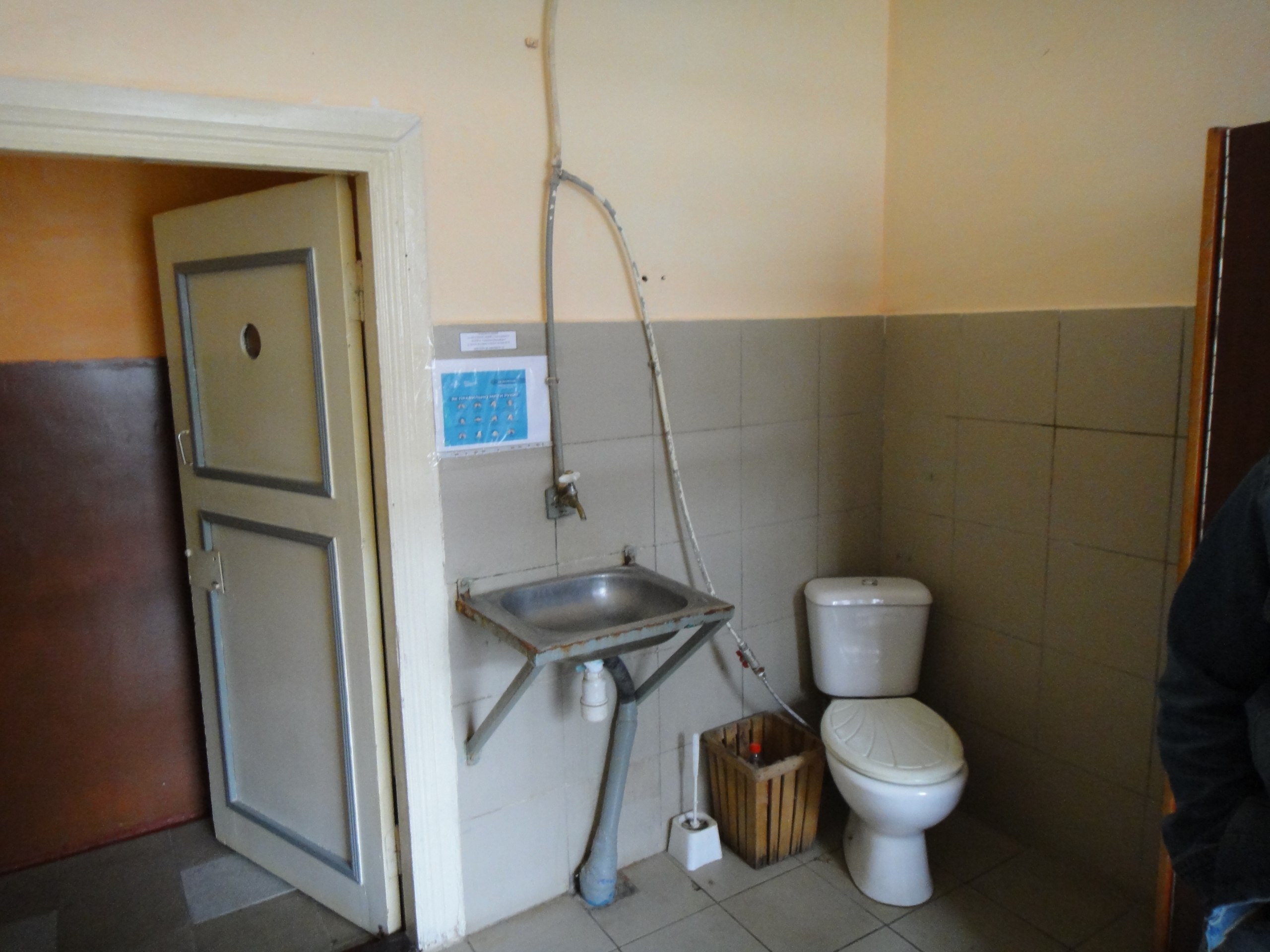
14. Two isolation rooms for infectious patients are established in the Medical Unit inpatient department. However, these premises fail to meet sanitary-hygienic standards and DBN V.2.2-10:2022 ‘Healthcare Facilities. Main Provisions’. Specifically, wards designated for infectious patients are not equipped with shower cubicles, forcing infectious patients to use communal sanitary facilities alongside other inpatients. The lack of proper facilities precludes effective patient isolation, promotes the spread of infectious diseases, and jeopardizes the health of both convicts and medical staff.
15. During the visit, it was observed that medical personnel record brief descriptions of convicts’ criminal offences (including the statutory articles under which they were convicted) in Primary Record Form No. 025/o, ‘Outpatient Medical Record’—a practice not provided for by any normative legal act.
This practice lacks legal foundation, serves no legitimate healthcare purpose, and leads to the stigmatization of patients. Furthermore, recording such details undermines trust between patient and medical practitioner, which is an essential prerequisite for effective medical care.
16. Doctors’ offices and the X-ray room are not equipped with fire extinguishers, violating point 3.6, Chapter 3, Section V of the Rules and point 10.18, Chapter 10 of State Sanitary Rules and Norms ‘Hygienic Requirements for the Design and Operation of X-Ray Rooms and X-Ray Procedures’, approved by Ministry of Health Order No. 294 of 4 June 2007 and registered with the Ministry of Justice on 7 November 2007 under No. 1256/14523.
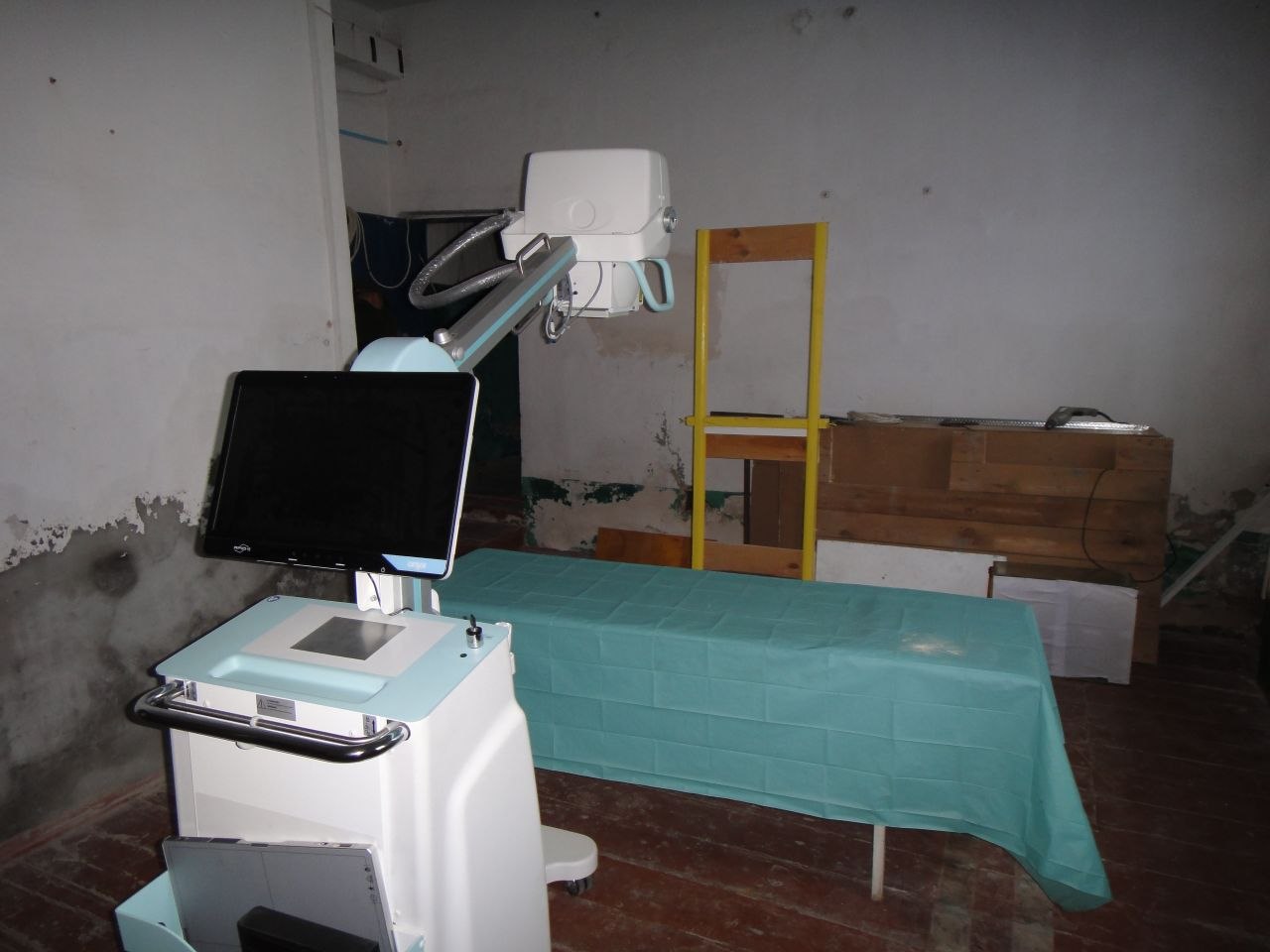
17. In breach of the Fire Safety Rules of Ukraine, approved by Ministry of Internal Affairs Order No. 1417 of 30 December 2014, the Medical Unit premises are not equipped with fire suppression or fire alarm systems.
Recommendations
1. Ensure compliance with the statutory living space allowance per convict of at least 4 m².
2. Discontinue the practice of assigning supervisory and monitoring duties over fellow inmates to convicts (‘orderlies’).
3. Ensure strict adherence to the mandatory 14-day quarantine period for newly arrived convicts in the QDD unit.
4. Bring the living equipment and facilities of the QDD unit and DIU/CTP into conformity with statutory standards.
5. Provide convicts with continuous access to drinking water.
6. Post up-to-date information regarding helplines, addresses of state bodies, human rights institutions, and free legal aid providers in areas accessible to convicts.
7. Review CCTV usage in living quarters, taking into account convicts’ right to privacy and individual risk assessments.
8. Ensure adequate ventilation, natural light, and toilet privacy in cell premises.
9. Equip DIU/CTP cells with functioning staff call buttons.
10. Guarantee confidentiality during medical examinations of convicts.
11. Ensure that convicts are issued copies of disciplinary decisions, informed of appeal procedures, and advised of their right to legal assistance.
12. Ensure proper execution and documentation of socio-educational and psychological work with convicts held in the DIU/CTP.
13. Cease posting information describing committed crimes outside the cells of life-sentenced prisoners.
14. Provide adequate natural lighting in living quarters and visual contact with the outside environment.
15. Restore proper operation of bath and laundry facilities, the disinfection chamber, and ventilation, ensuring sanitary treatment for new arrivals, barber services, and privacy during showers.
16. Ensure that special equipment carried by staff in direct contact with convicts is concealed as far as possible.
17. Intensify efforts to issue and renew passports and other required identity documents for convicts.
18. Ensure that short-term visits are conducted, as a rule, under open conditions, with closed visits permitted only on the basis of reasoned individual decisions.
19. Take steps to address staff shortages and achieve proper staffing levels across the institution.
20. Guarantee genuine internet access for convicts in the MSS, particularly to the websites of the Parliament Commissioner for Human Rights, prosecutor’s offices, and human rights organisations, alongside proper usage logging.
21. Conduct an audit into the actual employment of all convicts and ensure proper formalization of their labour according to the true nature of the employment relationship.
22. Ensure compliance with working hour limits, weekly rest rights, and statutory rules regarding night and weekend work.
23. Ensure proper record-keeping of work actually performed, remuneration calculations, and SSC payments for every employed convict.
24. Take measures to eliminate identified human rights violations and prevent torture or cruel, inhuman, or degrading treatment or punishment in Medical Unit No. 70 of the branch of the State Institution ‘Healthcare Centre of the State Criminal Executive Service of Ukraine’ in Zhytomyr Oblast.
25. Ensure oversight of proper medical record-keeping in accordance with the Healthcare Procedure and other relevant regulations.
26. Ensure that Form No. 003/o, ‘Inpatient Medical Record’, is maintained for all hospital inpatients in compliance with the Healthcare Procedure.
27. Ensure that signed informed consent for examinations and treatment is obtained from patients using the prescribed form.
28. Ensure access to opioid substitution therapy based on diagnoses of mental and behavioural disorders due to opioid use.
29. Ensure the restoration and proper fitting out of the isolation room for individuals with mental disorders upon completion of repairs, in accordance with point 8, Chapter 5, Section II of the Healthcare Procedure.
30. Provide prompt PCR testing for all individuals suspected of HCV infection and organise antiviral treatment for those with confirmed diagnoses.
31. Provide individual rehabilitation care for persons requiring it.
32. Ensure facility accessibility in accordance with Ukrainian State Building Norms DBN V.2.2-40:2018 ‘Inclusivity of Buildings and Structures. Main Provisions’.
33. Comply with point 37 of Cabinet of Ministers Resolution No. 285 of 2 March 2016 ‘On Approval of Licensing Conditions for Medical Practice’.
34. Ensure proper functioning of telemedicine facilities to enable doctors to request remote consultations.
35. Equip the Medical Unit with a dental X-ray machine and necessary gear for comprehensive dental assessment and care.
36. Renovate Medical Unit wards to eliminate mold, leaks, and other structural defects posing health hazards to patients.
37. Fit doors to sanitary facilities in the Medical Unit to respect convicts’ right to privacy under Rule 19.3 of the European Prison Rules.
38. Supply the Medical Unit with hospital clothing (hospital suit, gown, and slippers).
39. Bring infectious disease isolation rooms into compliance with DBN V.2.2-10:2022 ‘Healthcare Facilities’, equipping them with dedicated shower cubicles and sanitary conditions required for effective isolation and epidemic control.
40. Cease recording details of convicts’ criminal offences in Primary Record Form No. 025/o, ‘Outpatient Medical Record’, as it lacks statutory authority, is unrelated to medical care, and causes patient stigmatization.
41. Ensure fire extinguishers are placed in doctors’ offices and the X-ray room in accordance with regulations.
42. Rectify identified fire safety violations.
This material was prepared within the framework of the project ‘Seeking Justice for Survivors’, funded by the Ministry of Foreign Affairs of Denmark.