Monitoring visit to State Institution “Berdychiv Correctional Colony (No. 70)”

On 24 June 2022, a monitoring group consisting of an assistant to the People's Deputy of Ukraine Kostiantyn Kasai, a member of the public council under the Ministry of Justice of Ukraine Serhii Zuikov, an assistant to the People's Deputy of Ukraine Yaroslav Yurchyshyn, KHPG programme coordinator Andrii Didenko, as well as a journalist from the news agency “Poryad z vamy” (“Beside You”), Oleksa Yaroslavtsev, conducted a scheduled visit to the state institution “Berdychiv Correctional Colony (No. 70)”.
The previous visit by KHPG monitors is available via this link.
The primary objectives of the monitoring visit were to compare current indicators with those of previous visits, to compare the operations of penitentiary facilities with different levels of security, to analyse the institution’s performance during the war, and to identify humanitarian needs.
The head of the institution is Colonel of the Internal Service Oleksandr Pavlovych Dorobaliuk.
The monitoring group was accompanied by the First Deputy Head of the colony, Lieutenant Colonel of the Internal Service Vitalii Dmytrovych Dziubchyk.
The monitors had the opportunity to visit any premises and communicate with prisoners on an anonymous basis. Despite the fact that the institution is of maximum security level, in contrast to medium-security facilities, a large number of convicts expressed an intent to communicate, including under conditions of anonymity.
AID TO THE ARMED FORCES OF UKRAINE (ZSU)
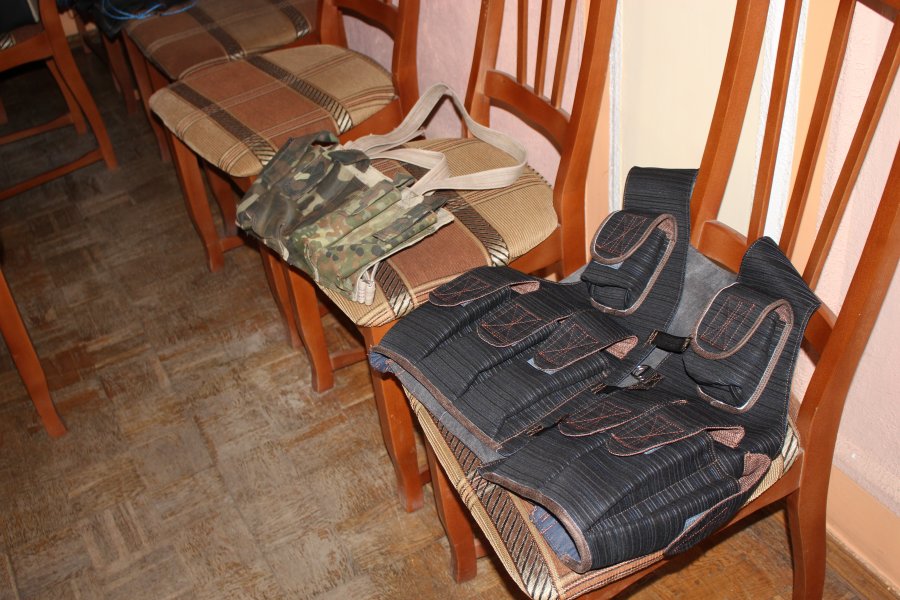
In the conditions of the military aggression of the Russian Federation against Ukraine, which has escalated into a full-scale war, the primary task and duty of the state is to provide for the defensive needs of Ukraine. Thus, the administration of State Institution “Berdychiv Correctional Colony (No. 70)”, together with the convicts serving sentences in the institution, has taken a number of measures since 24 February 2022 to meet the needs of the Armed Forces of Ukraine and the Territorial Defence forces, specifically by manufacturing and handing over to the defenders:
- wooden toilets – 3 units;
- anti-tank hedgehogs – 9 units;
- load-bearing vests – 260 units;
- warm knitted socks – 200 pairs;
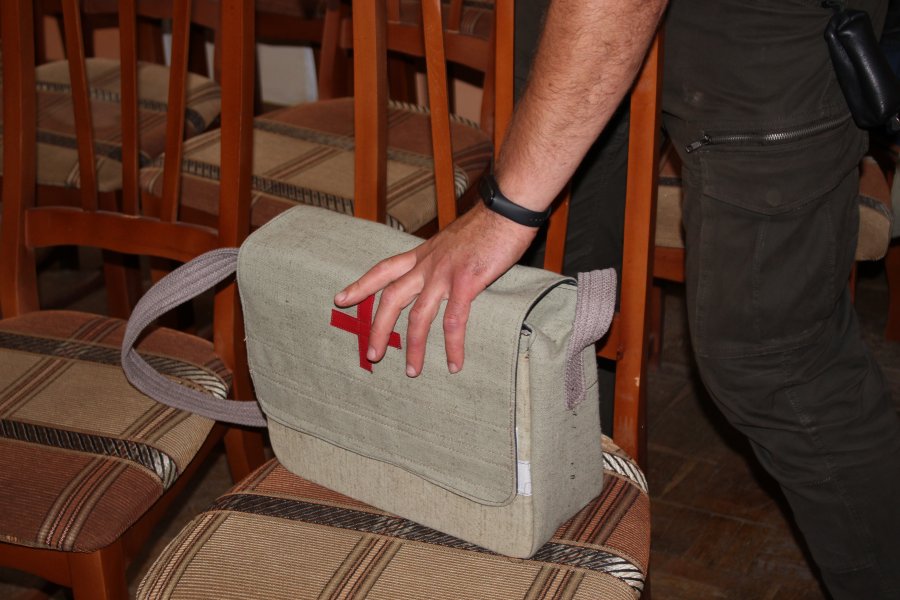
- medical bags – 15 units;
- duffel bags – 103 units;
- pouches for empty magazines – 15 units;
- tactical gloves – 13 pairs;
- “Britanka” uniform sets – 5 units.
HUMANITARIAN NEEDS
The institution's medical unit is in need of medicines, specifically: antihistamines (Suprastin, Diazolin, Loratadine, Cetrin, L-Cet); preparations for digestive disorders (antibiotics for intestinal infections, enzyme preparations, anti-ulcer drugs); NSAIDs; antihypertensive drugs; long-acting nitrates; antispasmodics for injections; sedative drops (Zelenin drops, valerian, Corvalol); and anaesthetics for conduction anaesthesia in dentistry.
The institution also requires humanitarian aid for the normal provision of its functions, namely:
- food products for convicts requiring a dietary regimen according to medical indications (butter, hard cheese, chicken eggs, milk, fruit juice, pumpkin porridge, dried fruits);
- bedding (primarily mattresses and blankets);
- clothing for convicts;
- footwear for convicts;
- construction materials;
- disinfectants;
- toilet soap;
- washing powder;
- dishwashing detergents.
GENERAL INFORMATION
This is a maximum-security colony for the detention of men convicted of premeditated, especially serious crimes, as well as men transferred from medium-security colonies for malicious violations of the detention regime, and convicts who committed crimes while serving their sentences.
Compared to the last visit, the number of convicts has increased by 23 persons; the ratio of staff to convicts is 1 staff member to 1 convict; the cost of maintaining one convict is 69 hryvnias 49 kopecks per day.
During the current year, 43 convicts have arrived at the institution; 2 convicts have died; 72 people have been employed; according to the administration, the average monthly wage is 3,600 hryvnias; the shop in the institution is not operational; 5 people have been in the DIZO/PKT (disciplinary isolator/cell-type facility); 2 people have been in the health care facility of the State Criminal-Executive Service (on the institution's premises); 22 convicts are registered as HIV-positive; 9 convicts are prone to suicide; 20 people are prone to self-harm; 5 people are prone to escape; 51 have been recognised as malicious violators of the detention regime.
In the institution, 11 people have disabilities: 9 persons in the third category, and 2 in the second.
In 2021, 25 people were released, including none on parole (Article 81 of the Criminal Code of Ukraine) and 2 under Article 82 of the CCU. In 2022, 16 people were released, including none on parole (Article 81 of the CCU) and none under Article 82 of the CCU. An ambulance was called 12 times in 2021, and 4 times in 2022.
In 2021, 5 cases of bodily injuries were recorded during the stay at the institution; in 2022, 2 cases of bodily injuries were recorded, both times during the stay at the institution; special means were applied to convicts 5 times in the current year.
Visits using video communication are not practised in the institution. There are 2 workstations with internet access for distance learning. During the current year, 88 people have used the internet. In 2021, there were 11 long-term visits, 5 of which were for those sentenced to life imprisonment; in 2022, there were 5 long-term visits, 2 of which concerned life-sentenced prisoners. In 2021, there were 125 short-term visits, including 41 visits with life-sentenced prisoners; in 2022, there were 24 short-term visits, including 10 concerning life-sentenced prisoners.
The living space standard per convict is more than 4 square metres. In the current year, 338 people were tested for SARS-CoV-2 (IgG, IgM), 97 convicts had recovered from SARS-CoV-2 (IgG, IgM), and 95 people were vaccinated.
On 24 February, as soon as the war began, the entrance was barricaded; the staff and convicts felt like a united whole (including the brigade of life-sentenced prisoners): they observed discipline and sewed high-quality bags, load-bearing vests, and other ammunition for the 95th Brigade. Staff members pooled money to buy a petrol generator, which was subsequently also handed over to the military.
They received stages from Bakhmut and overhauled the sewage system, including in the life-sentence sector.
Almost all convicts submitted petitions for release for service in the Armed Forces of Ukraine, but not a single convict was released.
DIZO/PKT/DPK
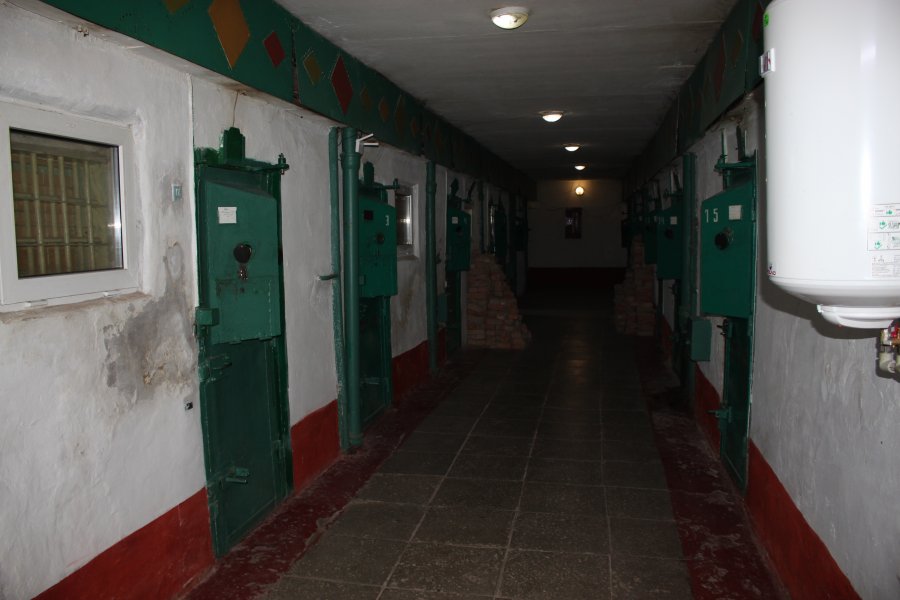
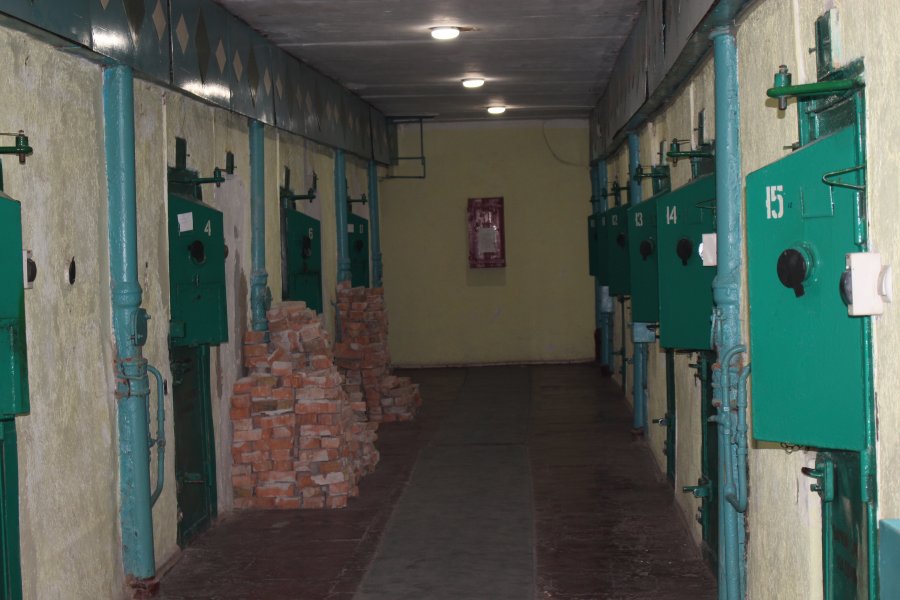
All solitary confinement cells have been reconstructed, both in the life-sentence sector and in the DIZO/PKT.
All cells of the DIZO, PKT, and DPK were inspected. The monitors separately noted that all beds are open.
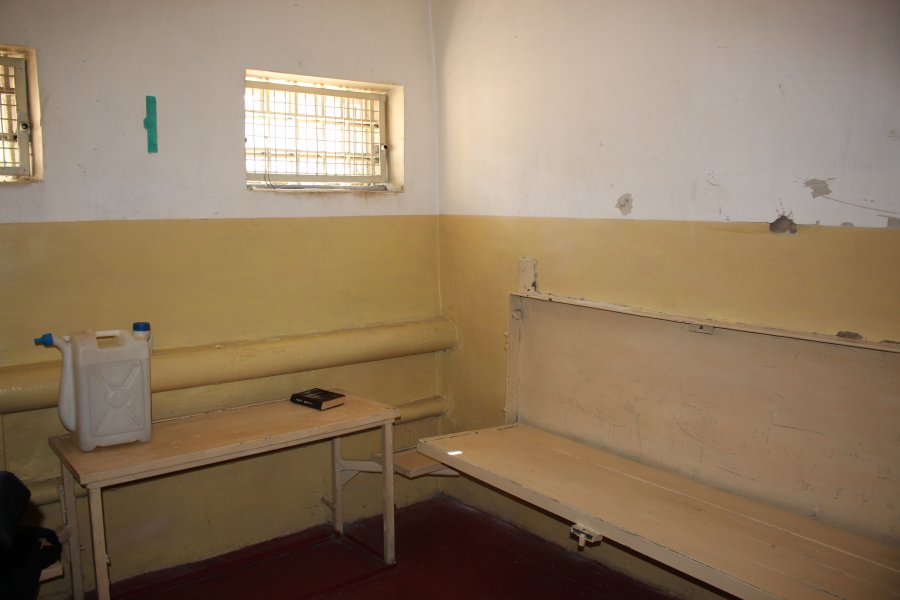
The toilet, although screened off, lacks a door.
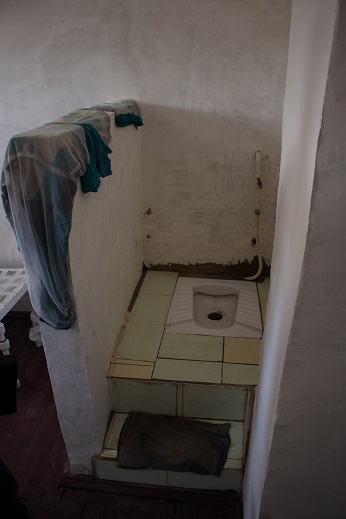
Dampness is felt in the premises.
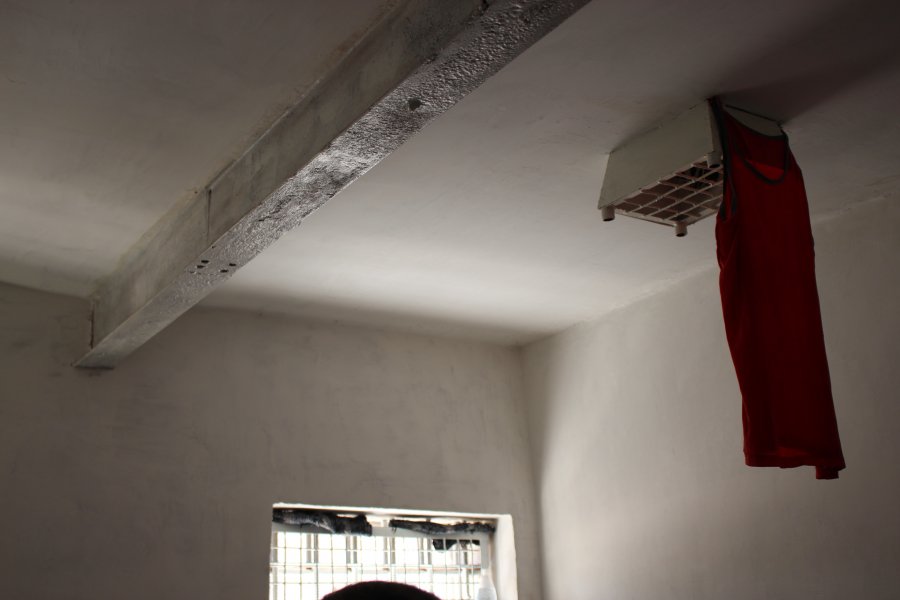
The interviewed convict received 14 days in the DIZO for consuming alcoholic beverages.
Another convict received 14 days in the DIZO but could not explain why. However, he considers the disciplinary punishment fair and has no intention of appealing it.
Another convict expressed a desire to communicate anonymously. Convict Ye. complained about his state of health. He complained of stomach pains and a lack of medication. At the same time, although he considers the disciplinary penalty unlawful, he has no intention of appealing it. The convict also expressed humanitarian needs for basic necessities.
Convict O. appealed to the monitors and asked for help. He is a native of Crimea and is serving a 15-year sentence. He has no relatives, and he does not know where to go after his release. He is ready to go to any rehabilitation centre. He expects his term to end in October of this year.
Convict P., who is in the DPK, has been there for about a year by his own account. He has no complaints and feels it is better for him to be in the cell than among the general population of convicts. He complained about the lack of basic necessities and expressed a desire to work for the needs of the Armed Forces of Ukraine.
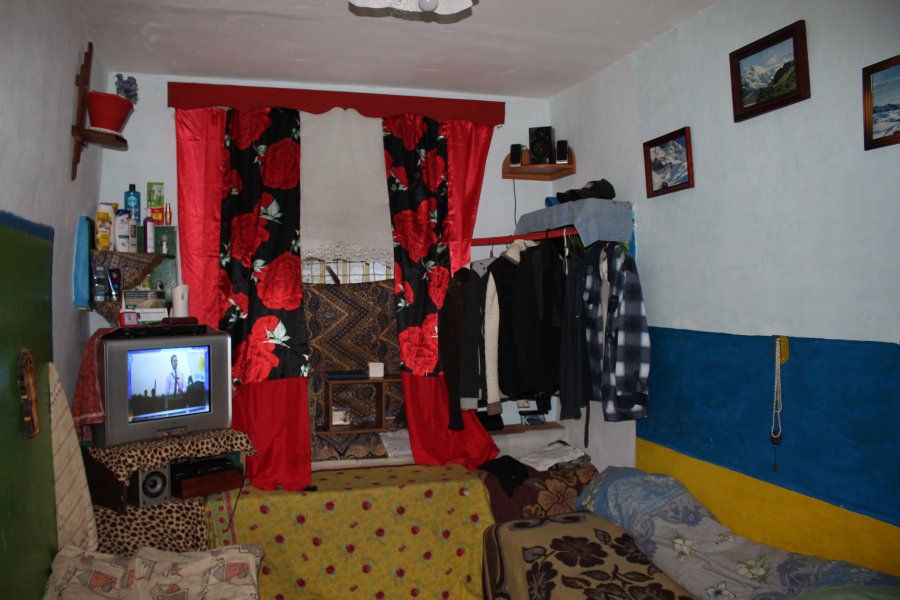

There were 10 people in the DPK.
While the monitors were visiting the prisoners in the DPK, one of the convicts complained that a tap was leaking in the cell. He had no other complaints; according to him, he had spent 46 years in places of detention.
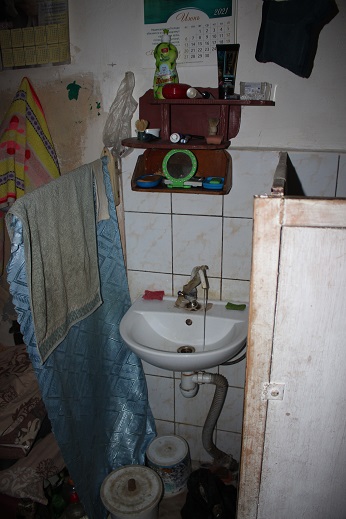
Complaints about medical services. Another prisoner fears complaining due to potential persecution by the administration. Convicts complain of dampness in the cells. A prisoner also complained of kidney pain. According to convict D., the medical unit does not provide medication.
A convict complained that he could not communicate with the prosecutor, to whom he had appealed repeatedly.
In the cells, there is an option to open and close the windows independently.
LIVING QUARTERS
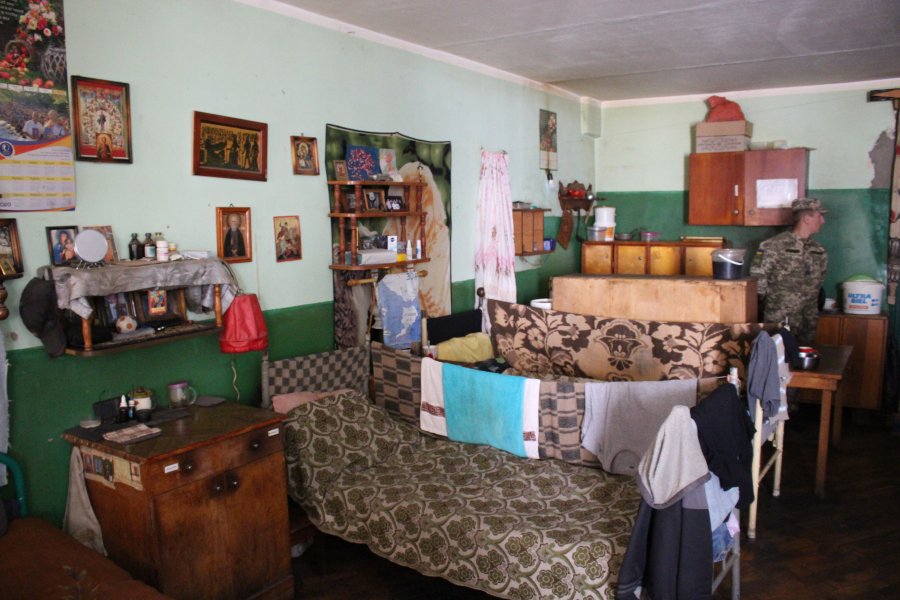
The dormitory in the resocialisation ward consists of separate, low-capacity rooms.
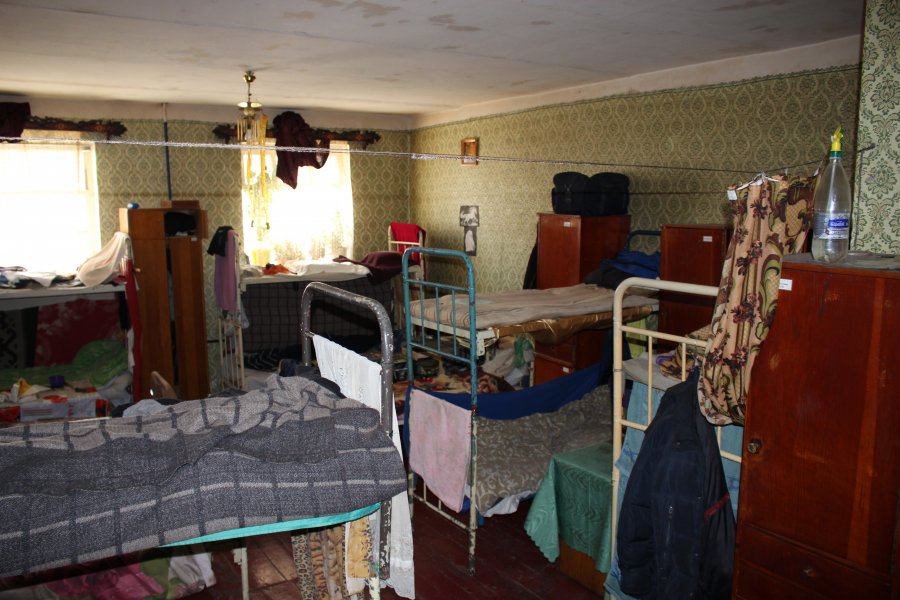
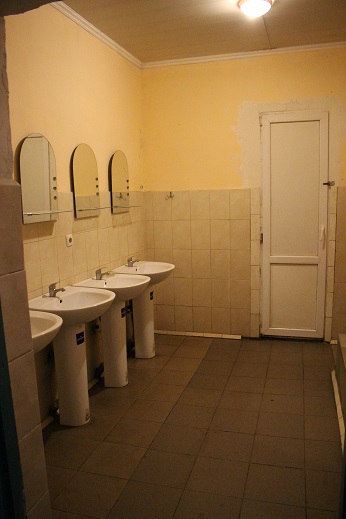
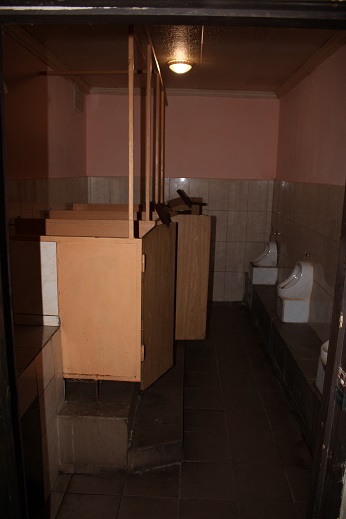
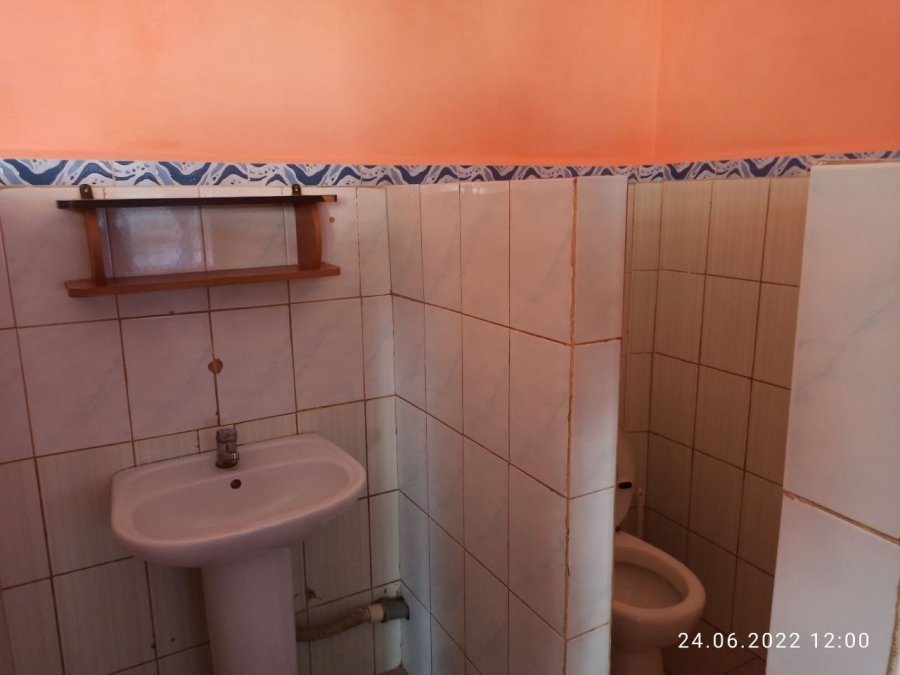
The bathrooms have been renovated.
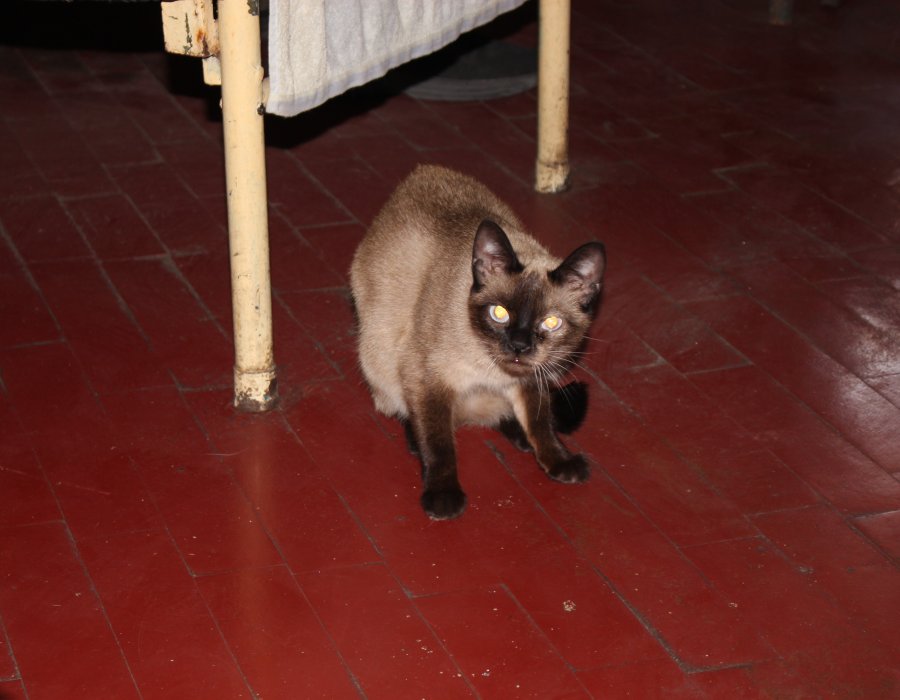
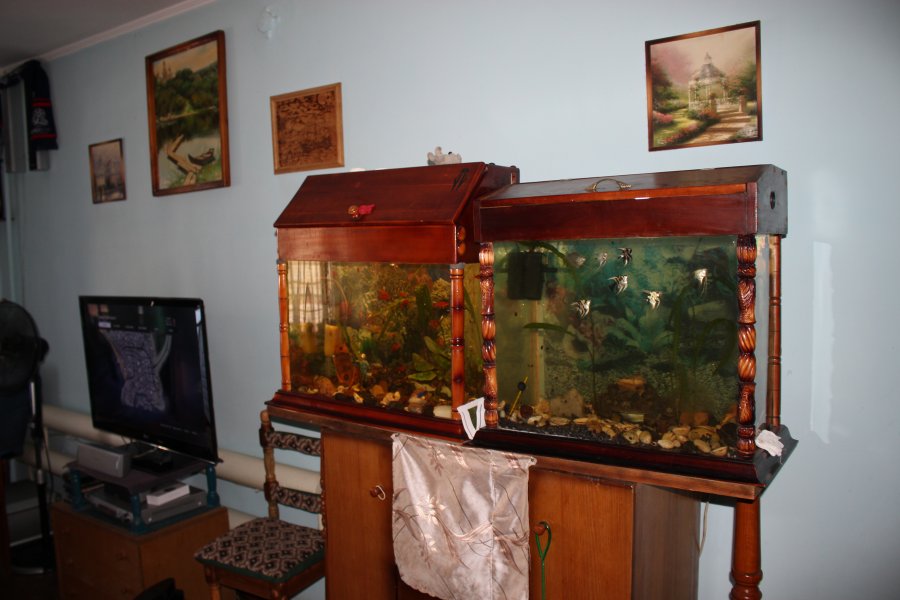
Even in places of confinement, there is space for holidays and pets.
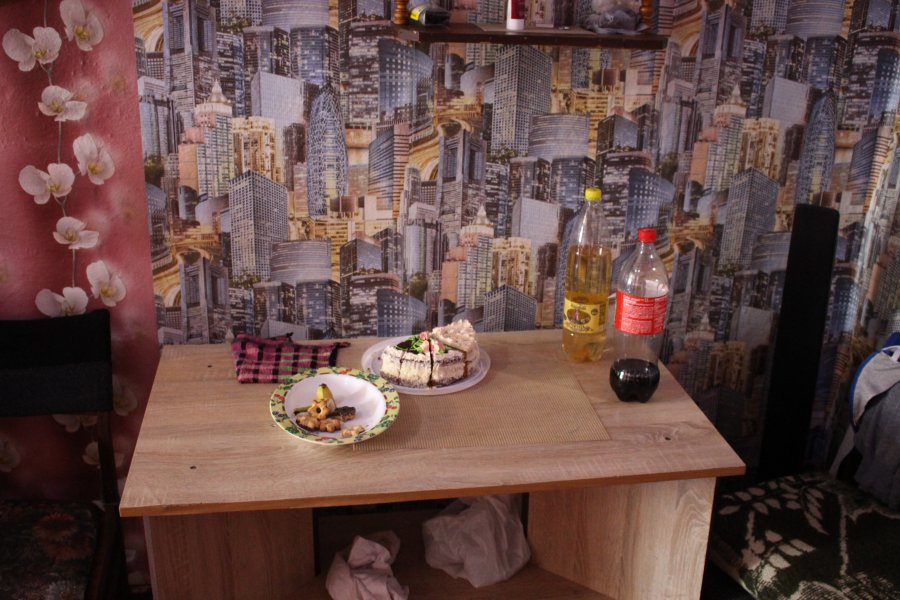

Renovated rest corners.
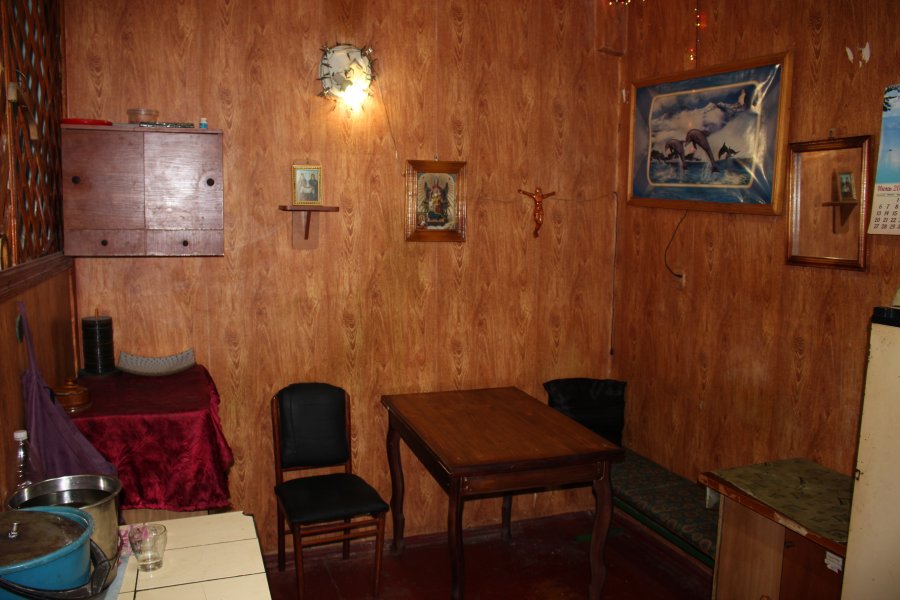
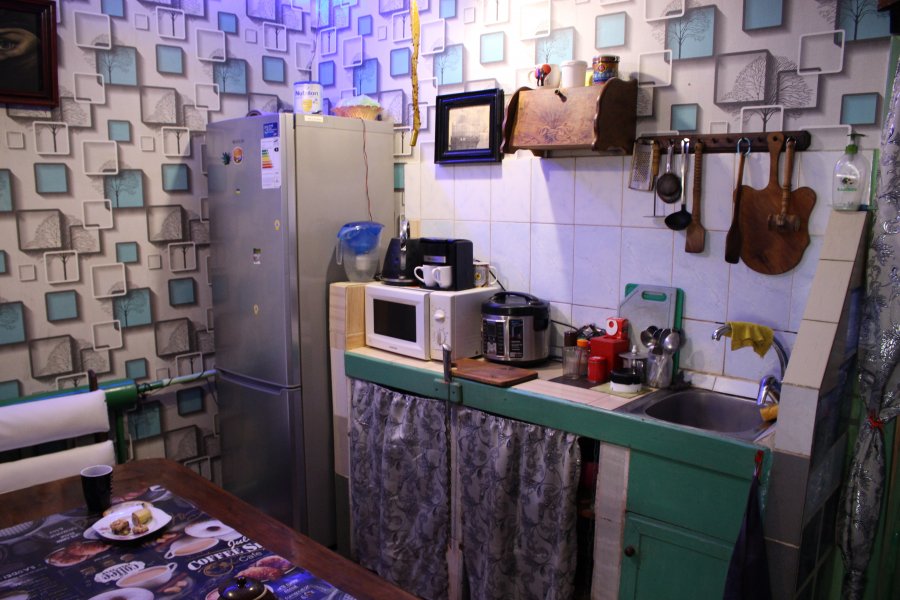
Meal arrangements are organised: multicookers and microwave ovens are available.

During shelling, all convicts went to the basement premises, even those who were in cells: the cells were opened, and the convicts were taken to safe locations.
Convict O., who is 61 years old, appealed to the monitors. He complained that he does not have a passport and lacks the funds to pay for the costs of issuing one. The institution's administration noted that there is a photocopy of the passport in the convict’s file, while the original, according to the convict, is at his home in the Kyiv region. Convict O. is worried that because the war is ongoing, his passport may be lost.
During conversations with the convicts, many reported that they had submitted petitions for a pardon to subsequently serve in the Armed Forces of Ukraine, but there was no reaction.
Some of them appealed to the country’s leadership publicly:
Convict O. complained that he is serving a 10-year sentence illegally. According to him, instead of defending the country and being useful in general, he is forced to spend time appealing his unlawful verdict, which is futile. The verdict long ago entered into legal force, and in our country, there is no procedure for reviewing criminal verdicts of convicts, including those serving life sentences, even in cases where the verdicts raise reasonable doubts as to their fairness. Stories of arbitrarily sentenced life prisoners are on our website “The Fight for Life”.
A newly arrived convict, K., who has 9 and a half years left to serve, also appealed to the monitors. He is in need of clothing, footwear, and basic necessities. The convict is from Bakhmut, has appealed to the President many times, has combat experience, and is worried about his relatives who remain in the combat zone.
MEDICAL UNIT
The head of medical unit No. 70 of the branch of the State Institution “Health Care Centre of the State Criminal-Executive Service of Ukraine” in the Zhytomyr region (hereinafter – the medical unit) is Volodymyr Stanislavovych Balytskyi.
During the visit, the monitoring group inspected the medical unit’s premises without hindrance, became acquainted with the conditions for organising medical care for prisoners, and studied the medical documentation.
On the day of the visit, there were 2 people undergoing treatment in the medical unit’s inpatient ward.
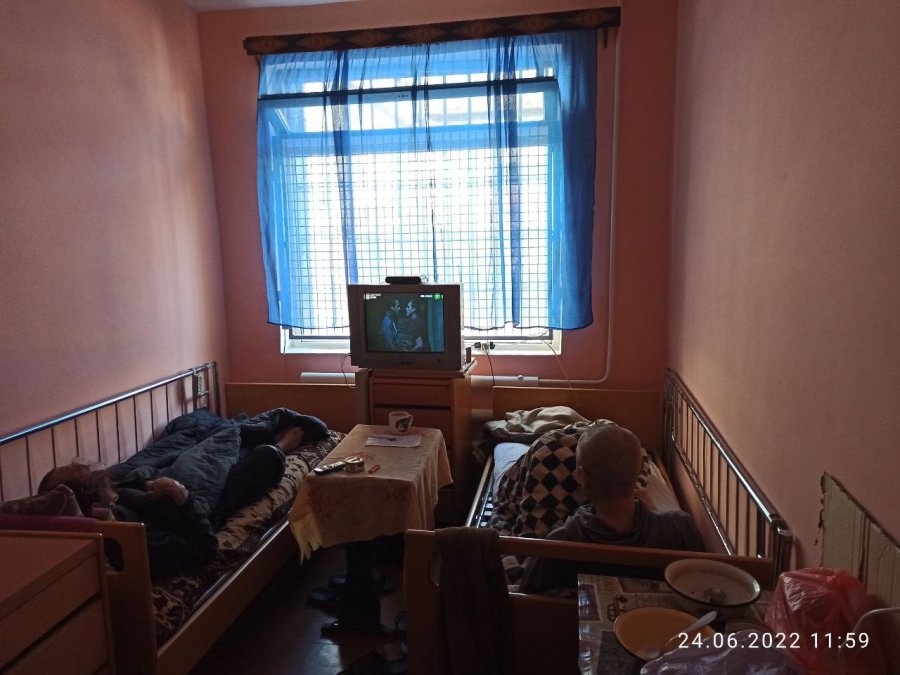
No complaints were received from convicts regarding unlawful actions by medical staff and institution employees, including torture, cruel, inhuman, or degrading treatment or punishment.
The bathroom requires repairs, though the sanitary rooms have been renovated.
An ambulance has been called 4 times to the institution in the current year.
During the current year, 8 people were treated in the inpatient medical unit and 473 on an outpatient basis; cases of tuberculosis were 0.
According to the logbook of bodily injuries, 2 such cases were recorded this year. During the study of the medical documentation, it was established that the outpatient medical cards (form 025/o) lack photographs of the existing bodily injuries, as provided for in clause 3 of section 1, chapter II of the Joint Order of the Ministry of Justice of Ukraine and the Ministry of Health of Ukraine dated 15 August 2014, No. 1348/5/572, “On approval of the Procedure for organising the provision of medical care to convicts sentenced to imprisonment”.
The medical unit’s inpatient facility has 1 ward for somatic patients, designed for 5 beds (at the time of the visit, the ward was undergoing renovations); the isolation ward has 2 rooms, designed for 3 people (for intestinal infections and for tuberculosis patients).
The medical unit includes: the head of the medical unit’s office, an X-ray room, an intervention room, a procedure room, a dental office, a psychiatrist’s office, and a medical examination room.
On the day of the visit, the following positions were filled in the medical unit: head of the medical unit – 1 position; general practitioner – 1 position; dentist – 0.5 position; radiologist – 0.5 position; psychiatrist – 0.5 position; senior paramedic – 1 position; nurse – 0.5 position; X-ray lab technician – 0.5 position; junior medical nurse – 0.5 position; paramedic – 4 positions; lab technician – 0.5 position.
According to the staffing table, the position of pharmacy assistant (0.5 position) remains vacant.
The position of infectious disease doctor is not provided for in the staffing table. A doctor is engaged from the Health Care Centre of the SCES in the Zhytomyr region once a month (part-time).
Upon arrival at the institution, a convict is asked during an interview whether they are drug-dependent. The medical unit is equipped with 10 bactericidal irradiators.
In violation of sub-clause 8 of clause 5, chapter 2 of the Procedure, there is no isolation ward in the inpatient facility for people with mental disorders for convicts who pose a danger to others.
Therefore, the absence of an isolation ward for people with mental disorders creates an unsafe environment among the convicts and puts the institution’s staff at risk.
Due to the lack of sufficient medical staff, the institution is unable to form a Medical-Consultative Commission (hereinafter – MCC) to conduct a medico-social examination of a patient for their subsequent referral to a medical-preventive institution to undergo an MSEK (Medical-Social Expert Commission). Therefore, to undergo the MCC, convicts are sent to a specialised hospital of the Health Care Centre of the SCES.
There are no conditions for maintaining people with disabilities, in particular, there are no ramps, handrails, or other equipment.
There is no opioid substitution therapy (OST).
There is no bathhouse in the medical unit’s inpatient ward.
In the general bathhouse, the room for the medical worker required for conducting examinations of convicts is not properly equipped, meaning medical examinations are conducted in the presence of other convicts.
LIFE-SENTENCED CONVICTS
In the life-sentence sector, there are 51 people in total serving sentences.
25 people are kept in multi-bed cells, and 26 people are in low-capacity cells.

In the work cell, those serving life sentences manufacture special equipment for soldiers of the Armed Forces of Ukraine for storing used magazines.
Convict R. appealed with an issue he cannot resolve. He is a native of Moldova and has been in places of detention for 25 years. He does not have a passport, and due to these circumstances, he cannot resolve legal issues: he cannot marry, he cannot handle property matters, etc.
We spoke with all the life-sentenced convicts who were held in 14 cells. One of the cells contained convicts who had been transferred from Bakhmut. They expressed no complaints against the administration or the National Guard. During the evacuation, many belongings were left behind, including funds in personal accounts.
There are humanitarian needs for clothing and basic necessities.
Convicts from Zaporizhzhia complain that representatives of the National Guard mocked them; they were taken to the toilet without having their handcuffs removed, everything was done “at a run”, and they were humiliated in their honour and dignity. There are no complaints against the administration of State Institution “Berdychiv Correctional Colony (No. 70)”. There are humanitarian needs for food and basic necessities.
Convict R. reported humanitarian needs. His relatives are in Kharkiv and cannot help. There are needs for clothing and basic necessities.
Convict O. appealed with humanitarian needs in the form of clothing, footwear, and basic necessities.
Convict S. noted that there is a war on now, so it is a sin to complain.
WORKSHOPS
The convicts work in workshops.
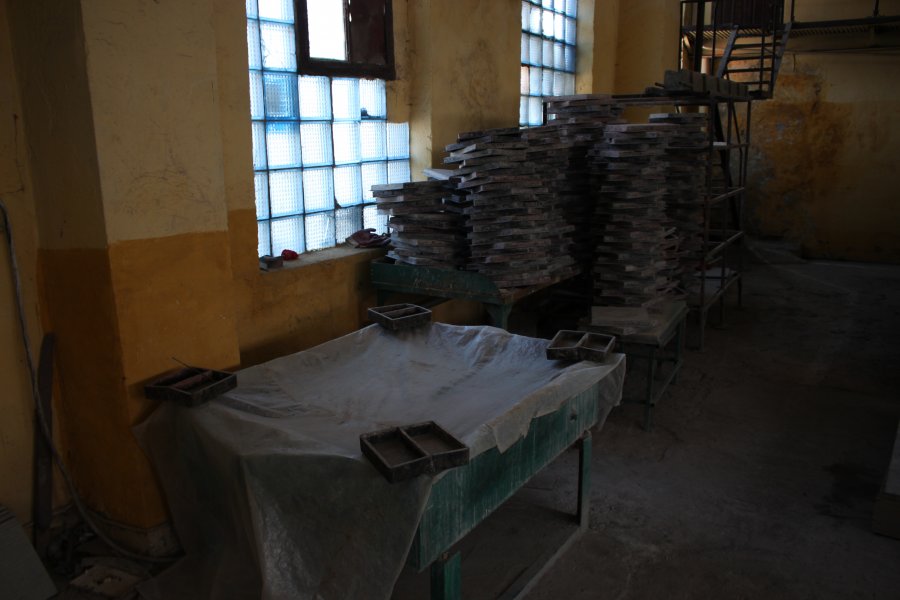
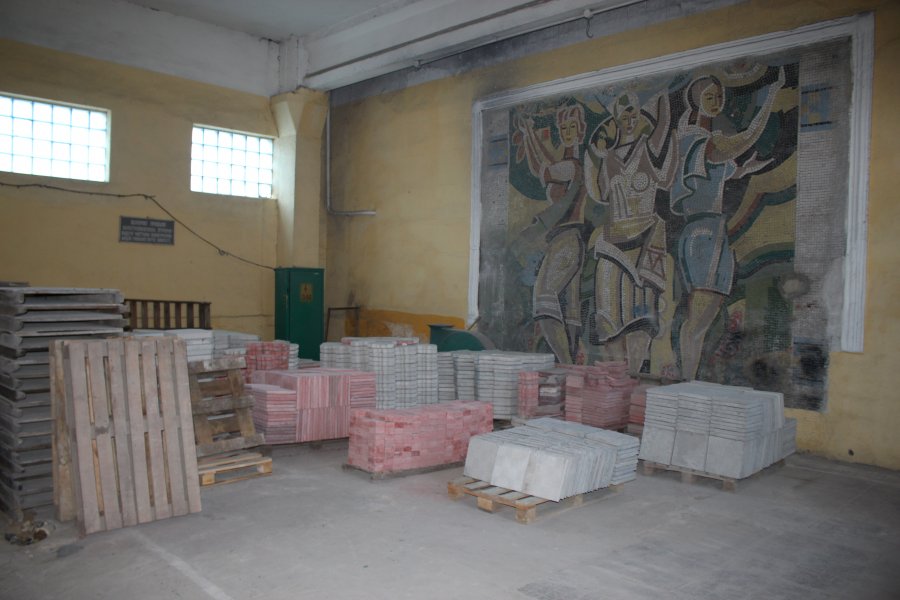
Doors and windows are manufactured.
They receive a salary depending on their output.
PRODUCTS FOR THE MILITARY OF THE ARMED FORCES OF UKRAINE
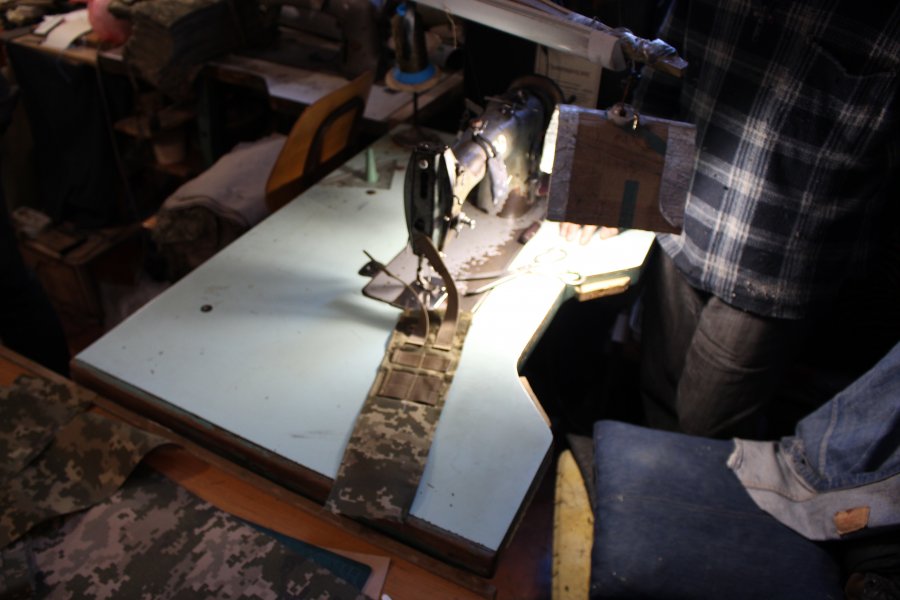
The convicts sew uniforms for soldiers of the Armed Forces of Ukraine.
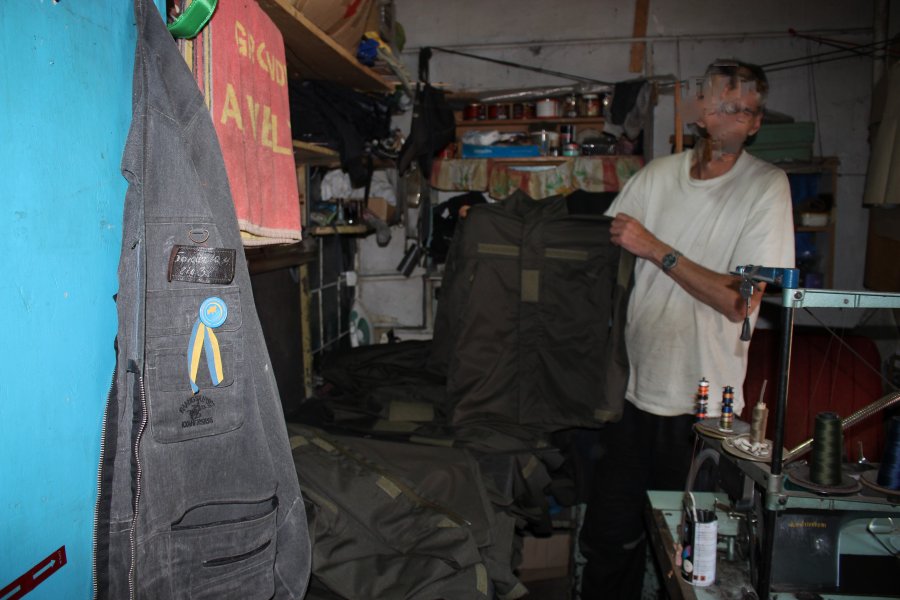
Using their own materials, they processed orders for the Territorial Defence and the Armed Forces of Ukraine. In the bakery, they baked pies, which were taken out and distributed to the military.
GREENHOUSES
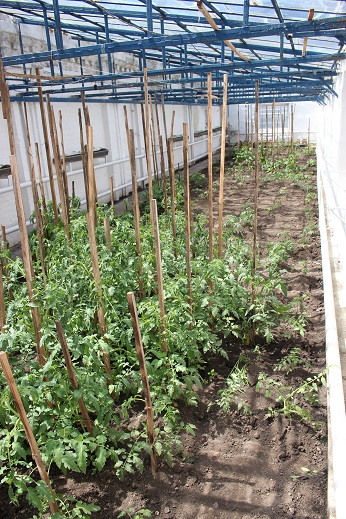
Cucumbers, tomatoes, and herbs are grown in the greenhouses for the needs of the institution.