Monitoring visit to the State Institution ‘Berdychiv Correctional Colony (No. 70)’
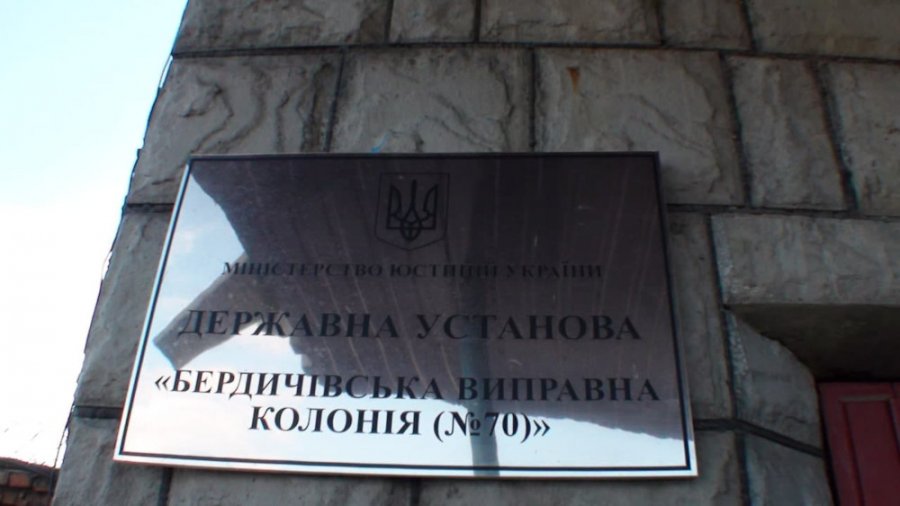
On 16 September 2021, a monitoring group consisting of members of the Public Council under the Ministry of Justice of Ukraine, Hanna Skrypka and Serhiy Zuikov, as well as journalists Andriy Didenko (Human Rights Information Bulletin of the Kharkiv Human Rights Protection Group), Oleh Tsvilyi, a journalist for the publication ‘Legal Ukraine’, correspondent Kateryna Stepanova, and cameraman Yevhen Zaitsev from Channel 4, visited the State Institution ‘Berdychiv Correctional Colony (No. 70)’.
General information
This is a maximum-security colony with a planned capacity of 760 persons, where men sentenced for intentional, particularly grave crimes serve their sentences, as well as men transferred from medium-security colonies for malicious violations of the detention regime and inmates who committed crimes while serving their sentences. In a separate sector, those sentenced to life imprisonment are held. The institution is located in the city of Berdychiv. The facility was built during the reign of Empress Catherine II and functioned as a transit prison. From 1939 to 1946, it served as NKVD Prison No. 2; from 1946 to 1953, it was an MVD transit prison; from 1954 to 1963, it served as camp unit No. 172; from 1963 to 1967, it was unit P/O YaYu-309/172; from 1967 to 1969, it was institution P/O YaYu-309/70; and from 1969 to 1999, it was institution YaYu-309/70.
Access to the colony territory was granted without delay. It was practically verified that the ‘Diia’ mobile application can be used in lieu of a passport during document checks.
Accompanied by the First Deputy Head of the institution, Vitaliy Dmytrovych Dziubchyk, we visited the high-security section for life-sentenced inmates, the quarantine section, the medical unit, the resocialization section, the canteen, the bathhouse, the utility area, the short-term and long-term visiting rooms, and finally, concluding the visit, we held a meeting with the Head of the colony, Oleksandr Pavlovych Dorobaliuk.
The total staff headcount of the institution is 330 people; the total number of inmates in 2020 was 213, and in 2021 it was 211. We did not receive an answer regarding the total number of inmates employed under a labour agreement (contract). The average monthly salary of inmates in the current year is 1,306–1,500 UAH. At the time of the visit, 2 persons were held in the disciplinary cell (DIZO) and 1 in the protective cell (OK).
There are 2 persons receiving treatment at the Health Centre of the State Criminal Executive Service, and 15 persons in Ministry of Health medical facilities. In 2021, 4 persons are serving sentences under Article 391 of the Criminal Code of Ukraine; no proceedings under Articles 391 and 255 of the Criminal Code of Ukraine were opened in the institution in 2020 or 2021. In 2020, 11 inmates were transferred to other institutions, and 11 were transferred in 2021.
There are 26 persons registered with a diagnosis of HIV/AIDS, none of whom receive substitution therapy; 7 persons are prone to suicide, and 4 are prone to escape; 49 inmates are designated as malicious violators of the detention regime; no persons were released on parole (Art. 81 of the Criminal Code of Ukraine) in 2020 or 2021, and 2 persons in 2020 and 2 persons in 2021 were released under Art. 82 of the Criminal Code of Ukraine.
In 2020, there were 26 ambulance calls, and 18 in 2021. In 2020 and 2021, no bodily injuries were recorded upon arrival, while during their stay at the institution, there were 2 incidents in 2020 and 2 incidents in 2021. Special equipment was used against inmates 6 times in 2020 and 4 times in 2021.
There are no online visits in the institution; there are 3 workstations with Internet access for distance learning. In 2020, 14 long-term visits took place, and 2 in 2021; in 2020, 3 persons used the Internet by signing a relevant contract using a colony tablet, and in 2021, 28 persons used it via the inmates’ own tablets.
Renovation work is underway in the colony, and a Wi-Fi zone has been set up for inmates to access the Internet. There are vocational training workshops for inmates, and employment is mandatory for those who have outstanding claims or alimony payments.
High-security section for life-sentenced inmates
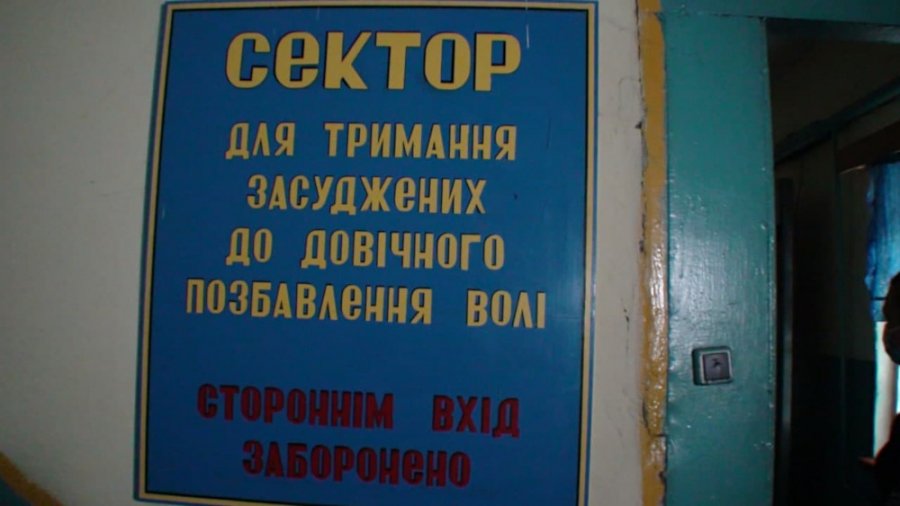
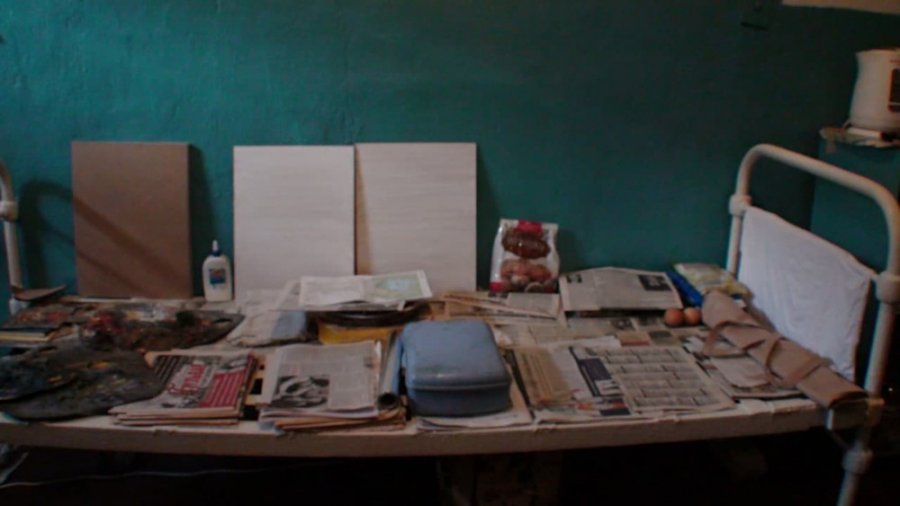
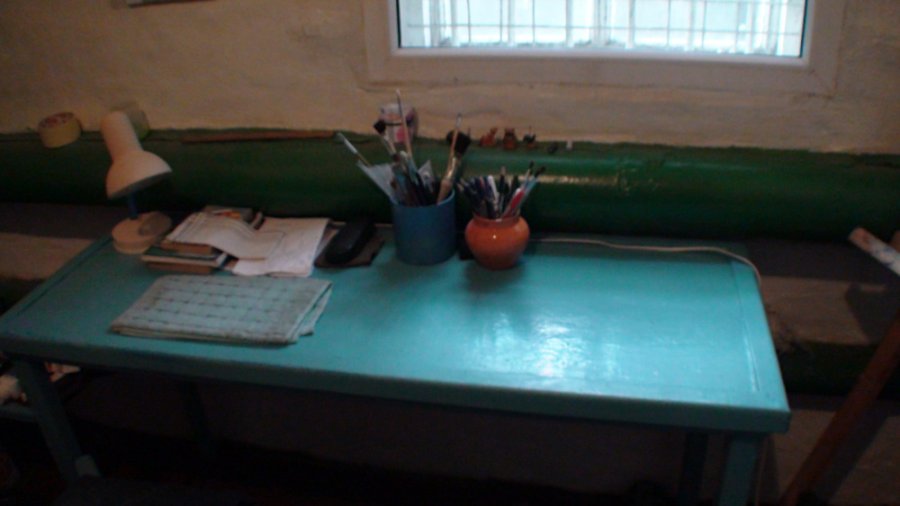
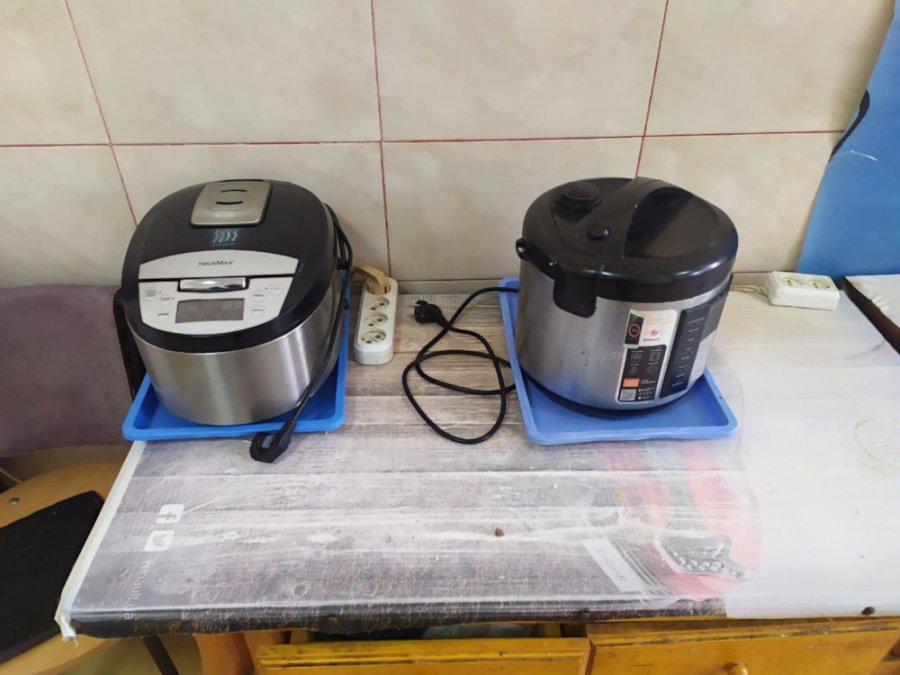
31 life-sentenced inmates are held in cells for 2 persons each. Inmates use tablets, which they are allowed to keep in their cells. Internet access for inmates is provided free of charge by the colony management, and Wi-Fi has been installed. Inmates are allowed to have multicookers and electric kettles. Some inmates engage in creative activities—drawing, embroidering, and crafting various items.
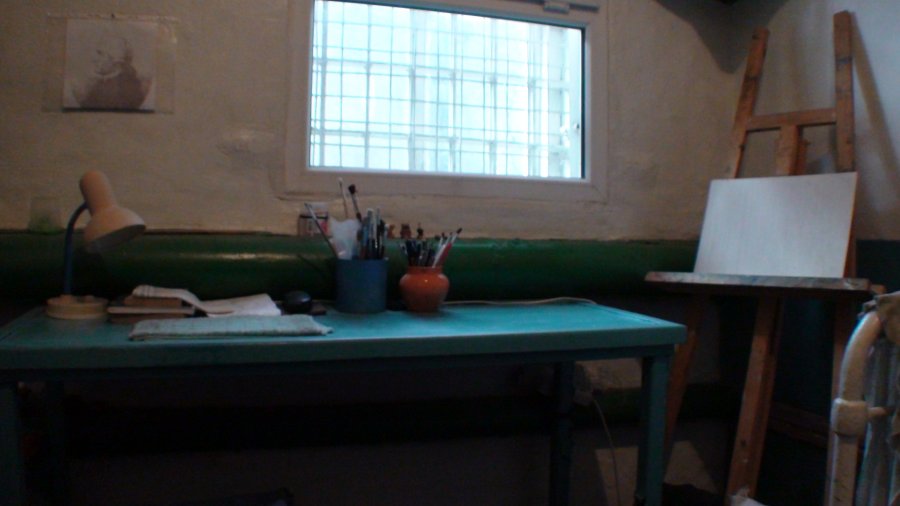
There is a workshop for life-sentenced inmates where various household items are manufactured. The sewage system in the workshop is leaking.
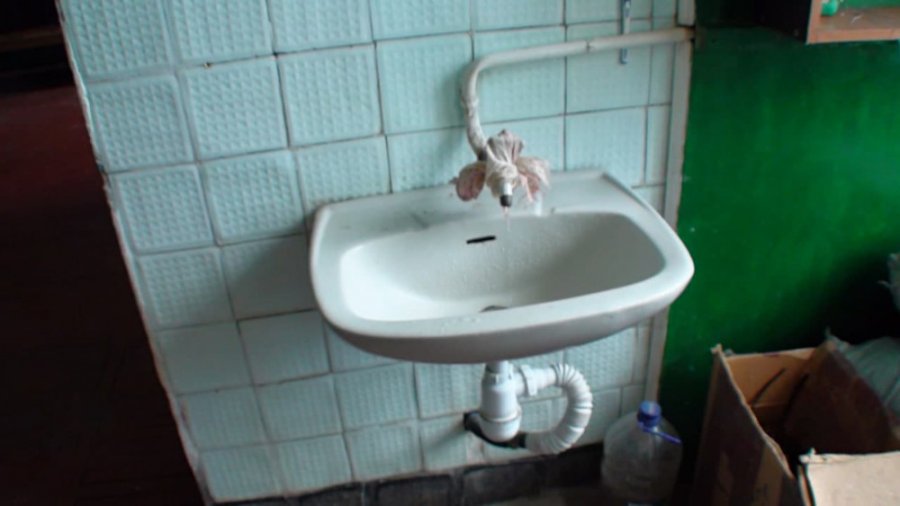
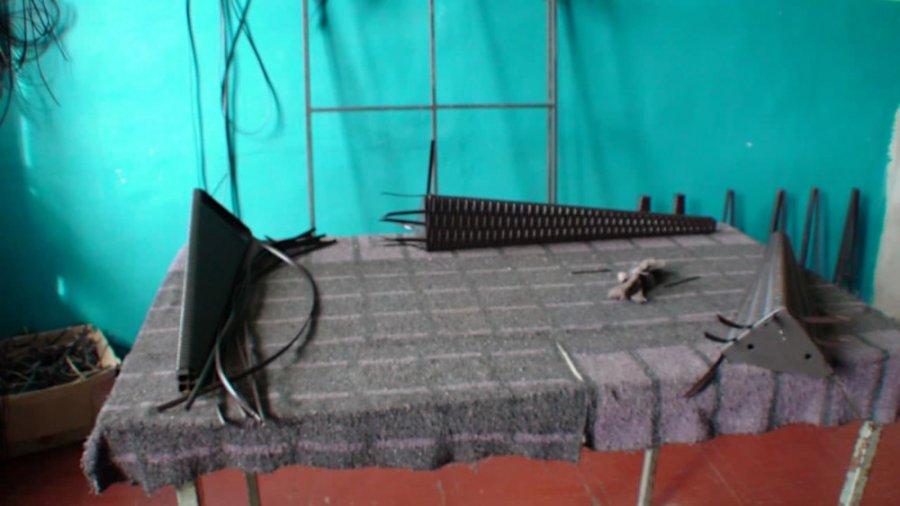
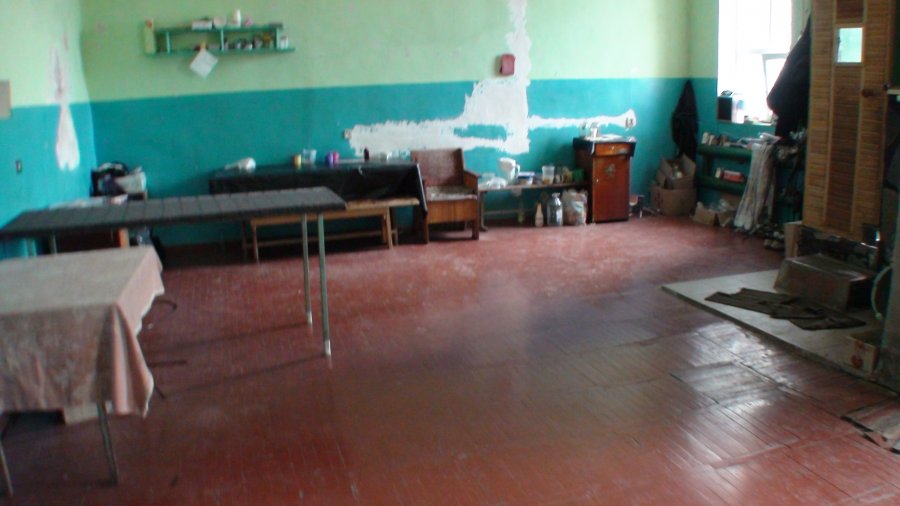
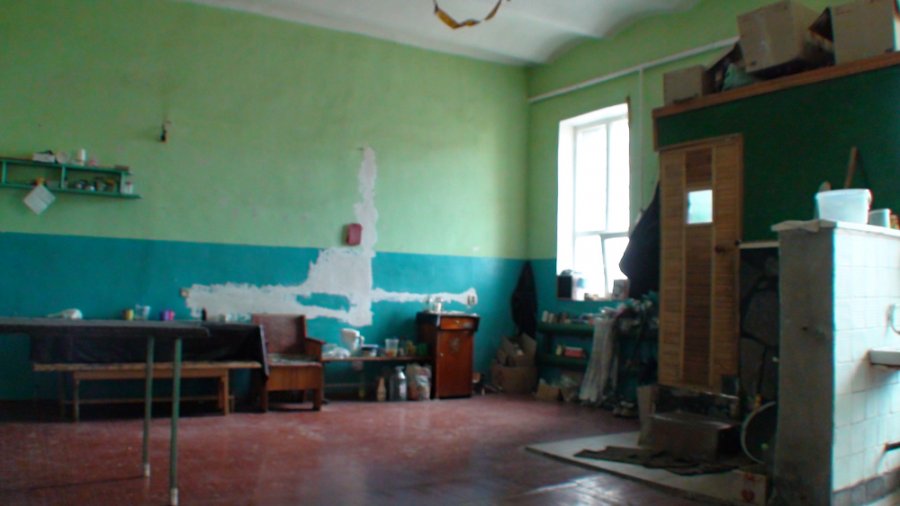
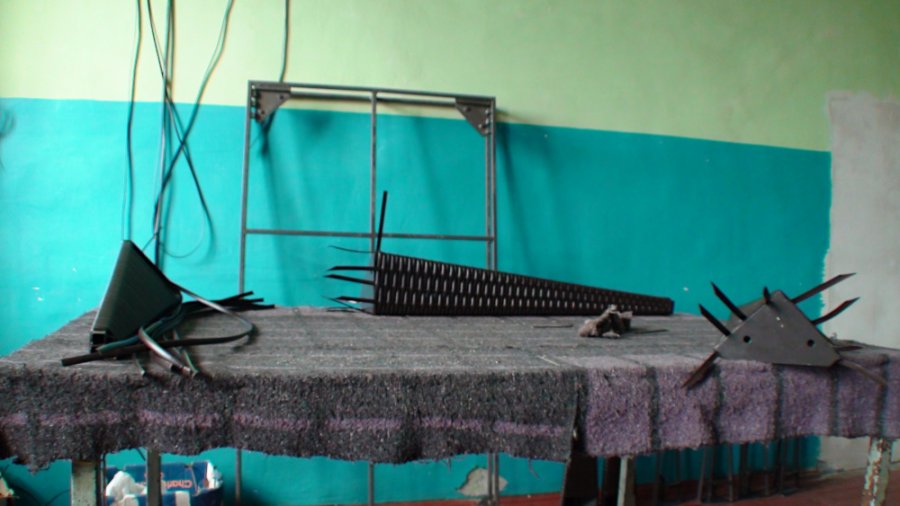
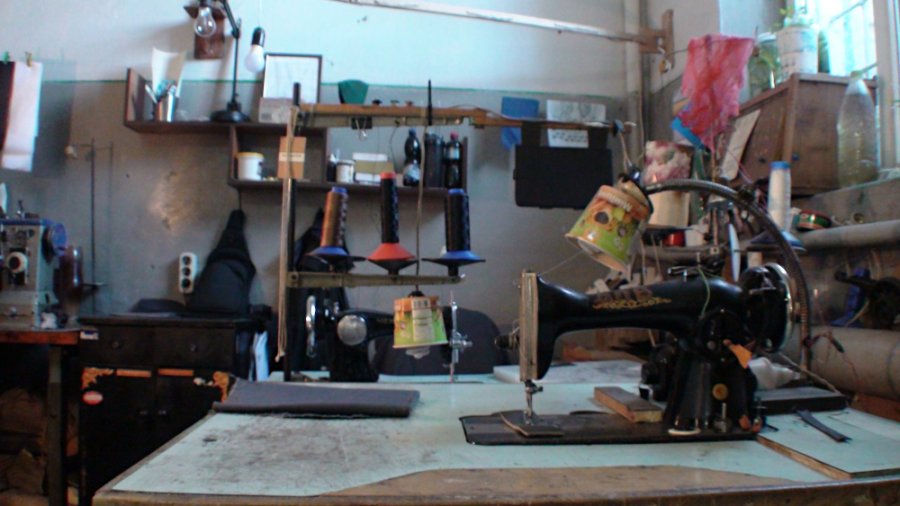
There is a sewing workshop:
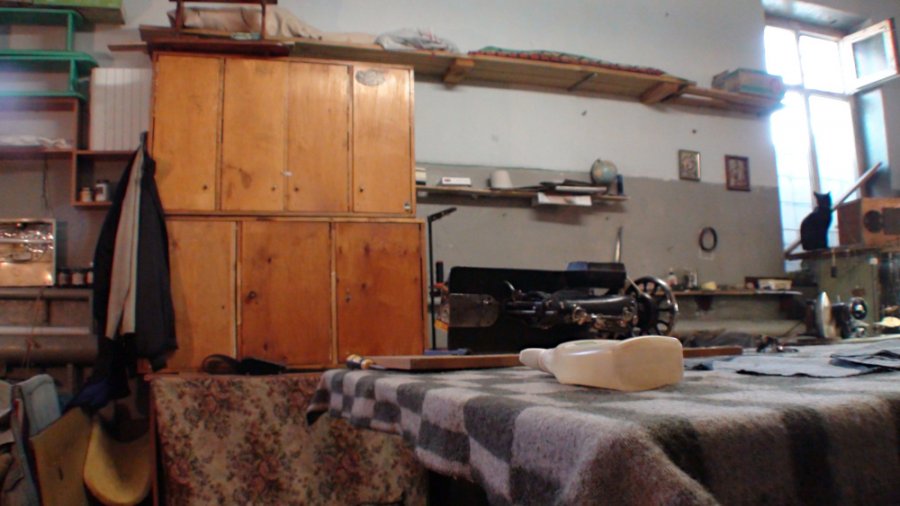
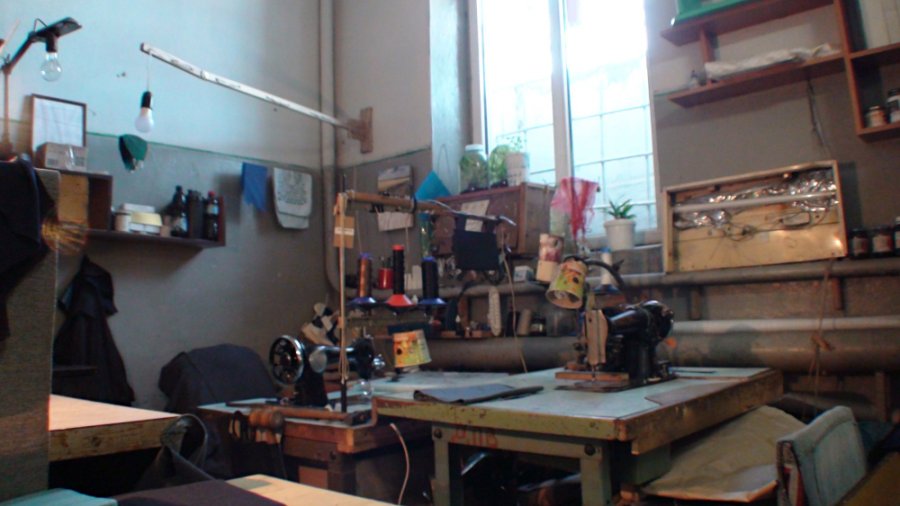
Multi-bed cells for life-sentenced individuals
16 life-sentenced individuals are held in multi-bed cells with a planned capacity of 24 places.
There is a special block containing common rooms that are opened after the ‘wake-up’ command and closed after the ‘lights out’ command.
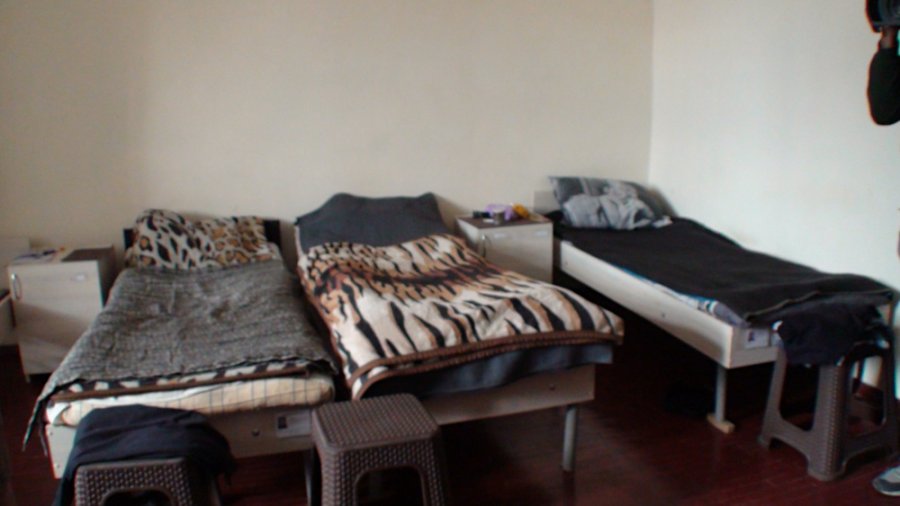
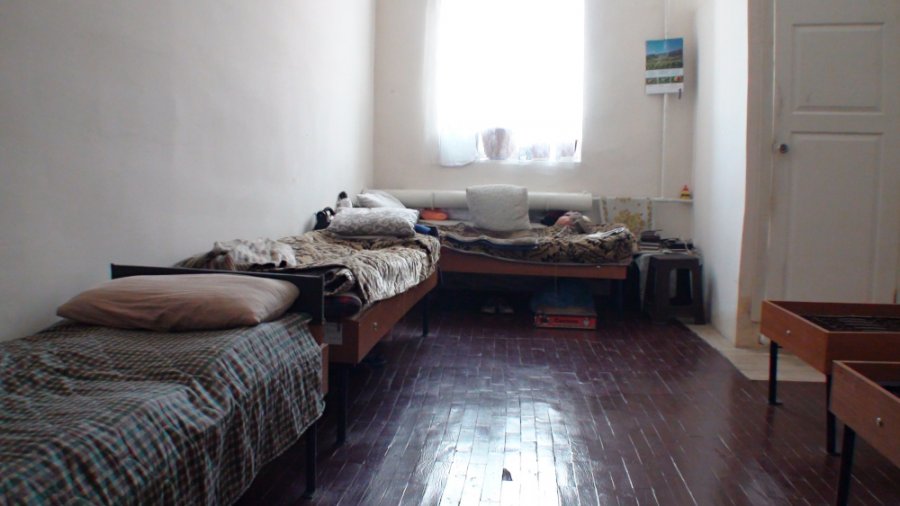
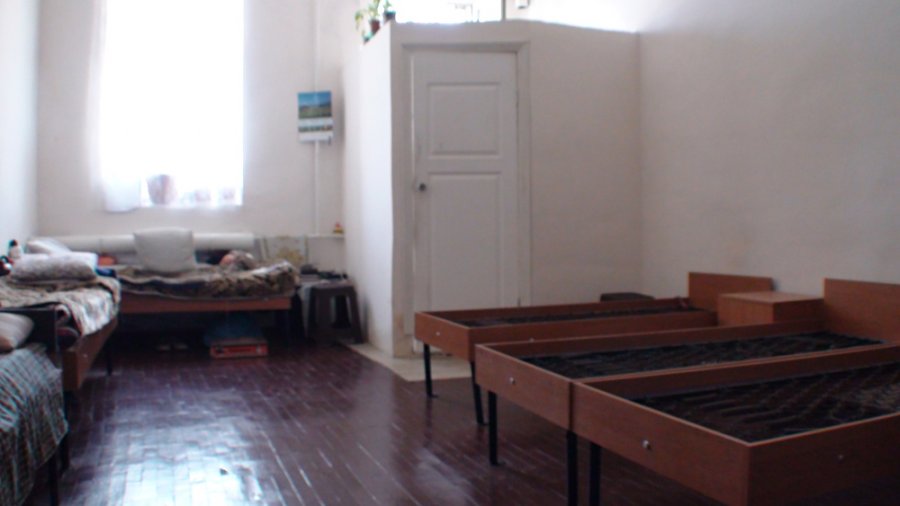
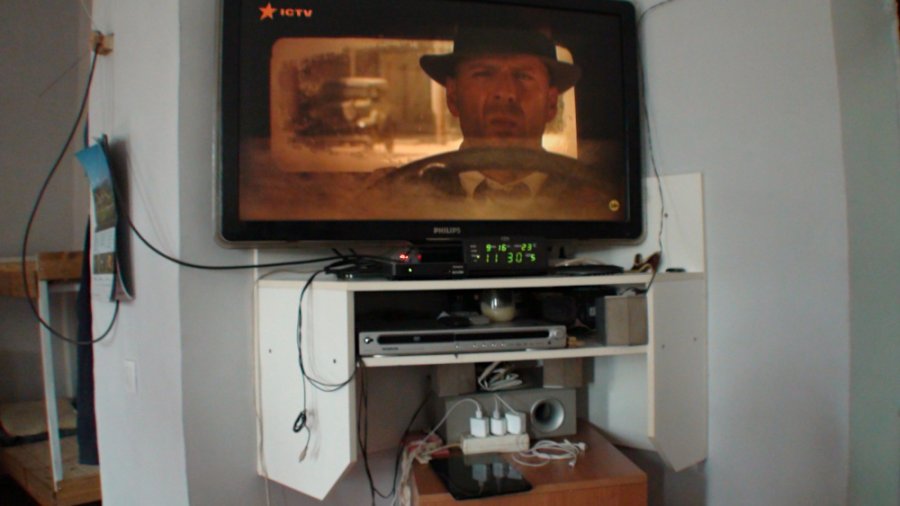
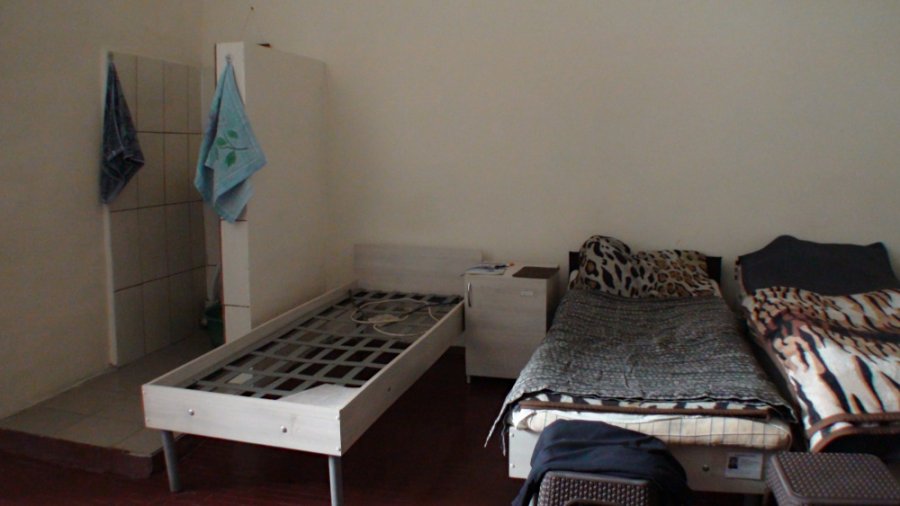
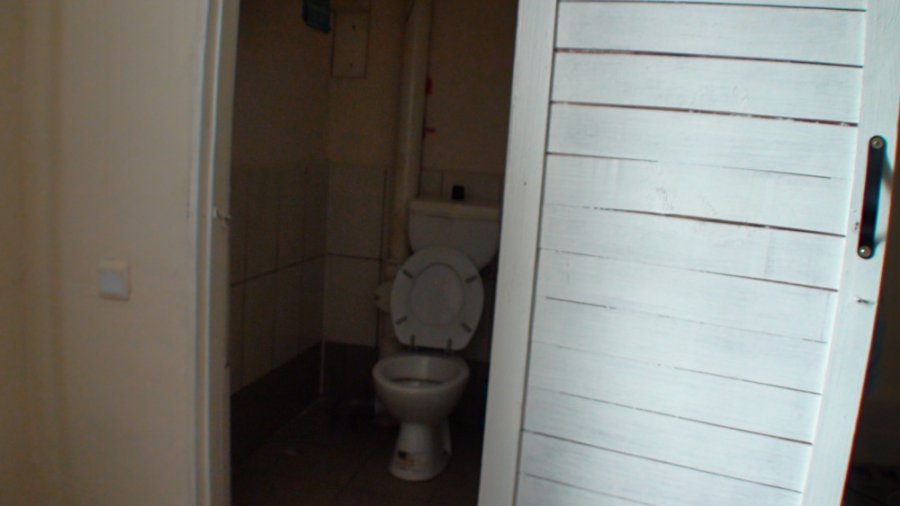
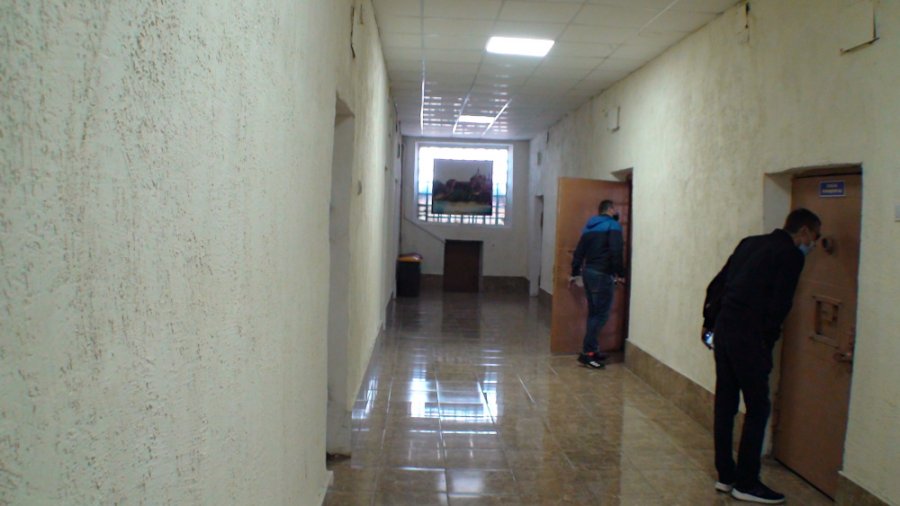
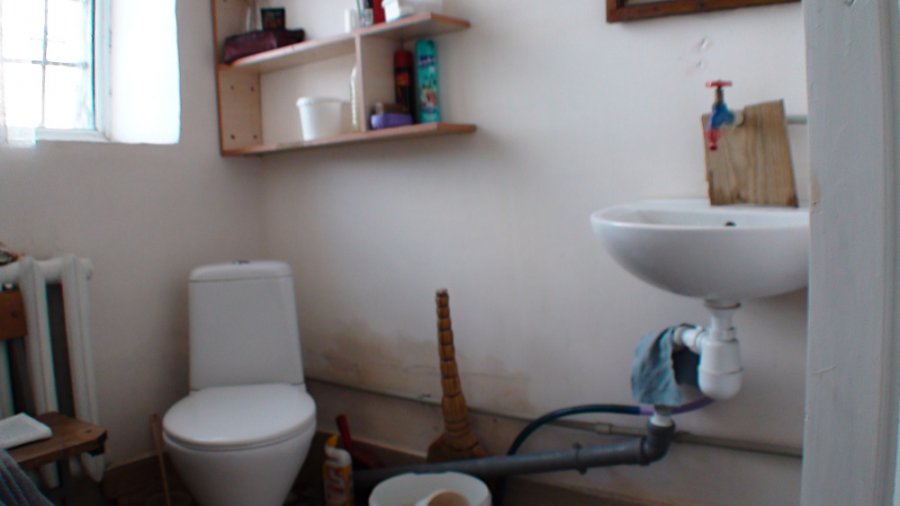
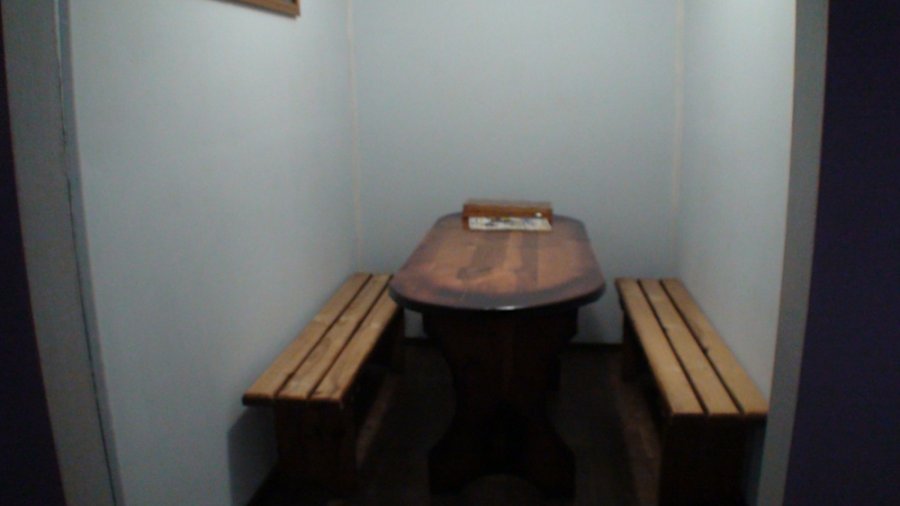
Life-sentenced inmates can move freely along the general corridor and stay in the lounge and dining area.
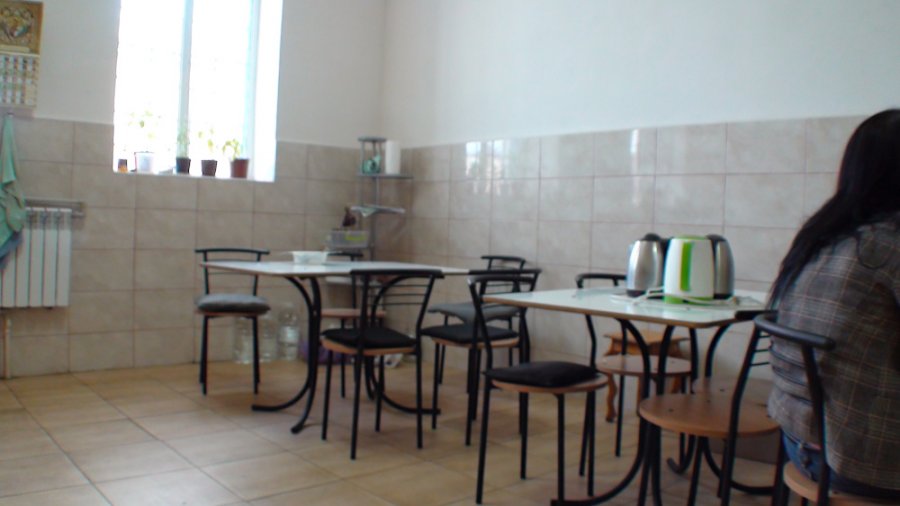
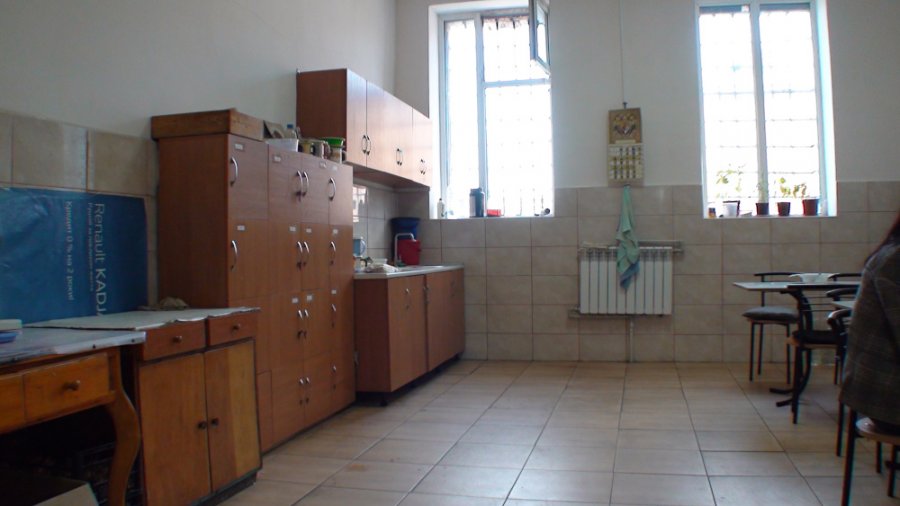
A relaxation room where meetings with priests of various denominations and faiths take place:
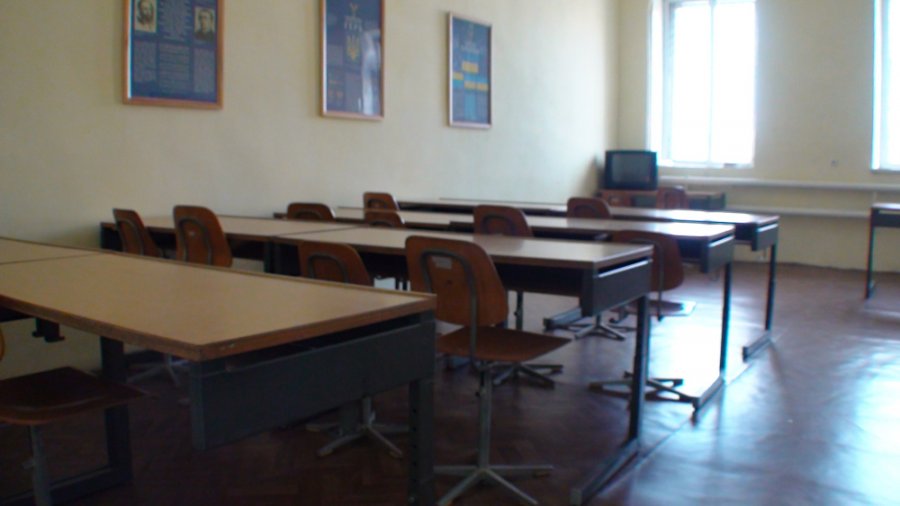
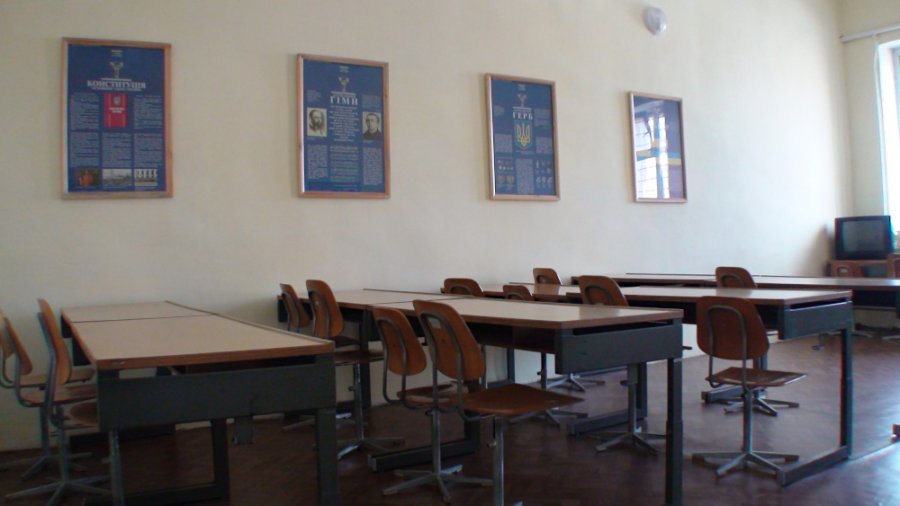
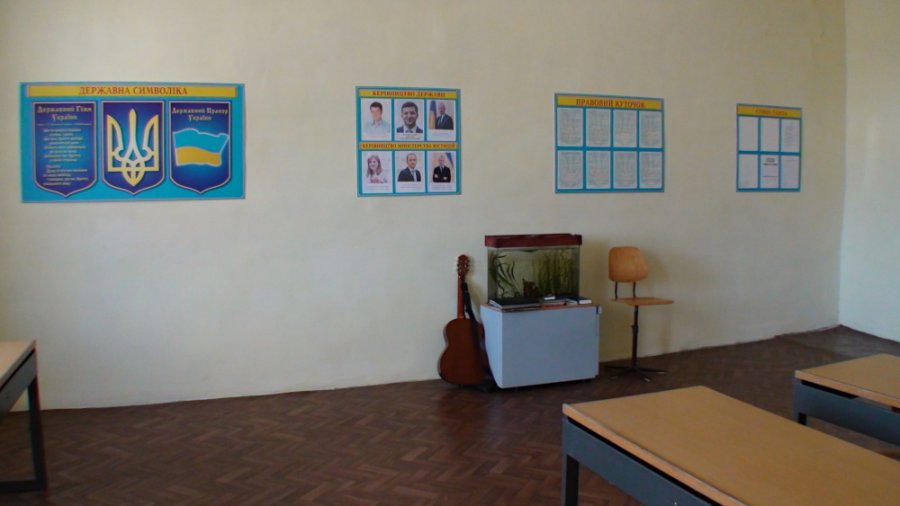
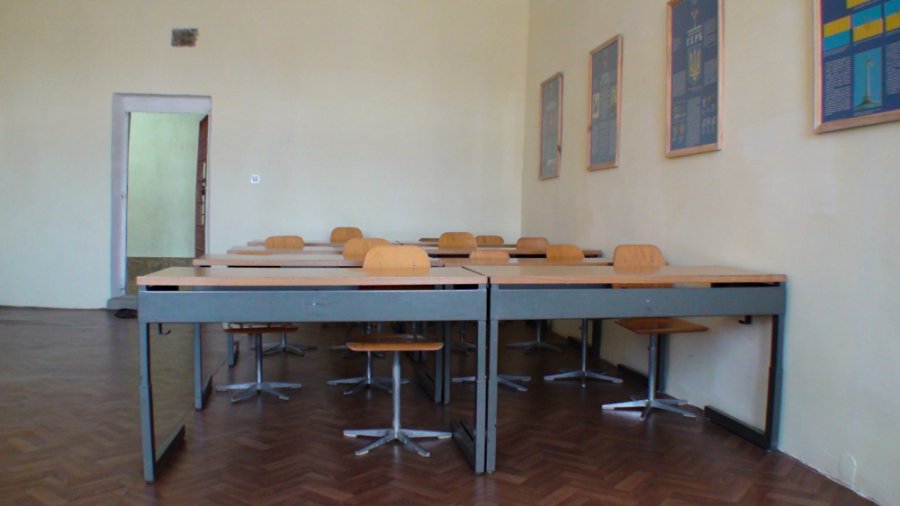
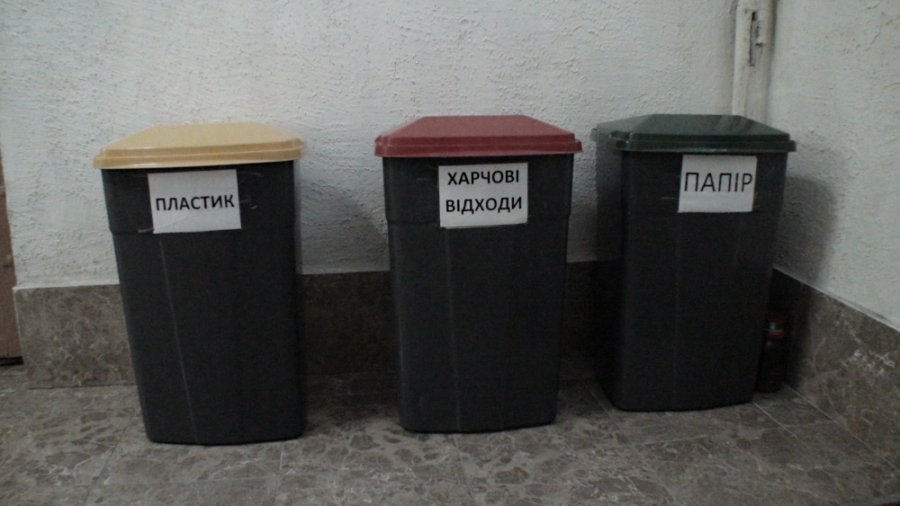
There are bins for waste sorting in the corridor, but they were empty at the time of the visit.
‘Fight for Life’ project
Channel 4 journalists recorded an interview with a life-sentenced inmate, Merabi Suslov. The case is supported by the ‘Fight for Life. Stories of Arbitrarily Convicted Persons’ project.
Quarantine section
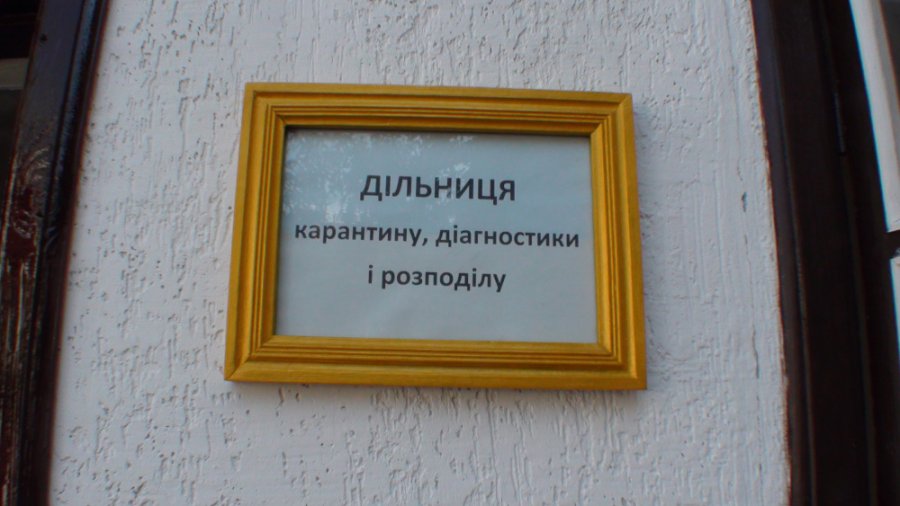
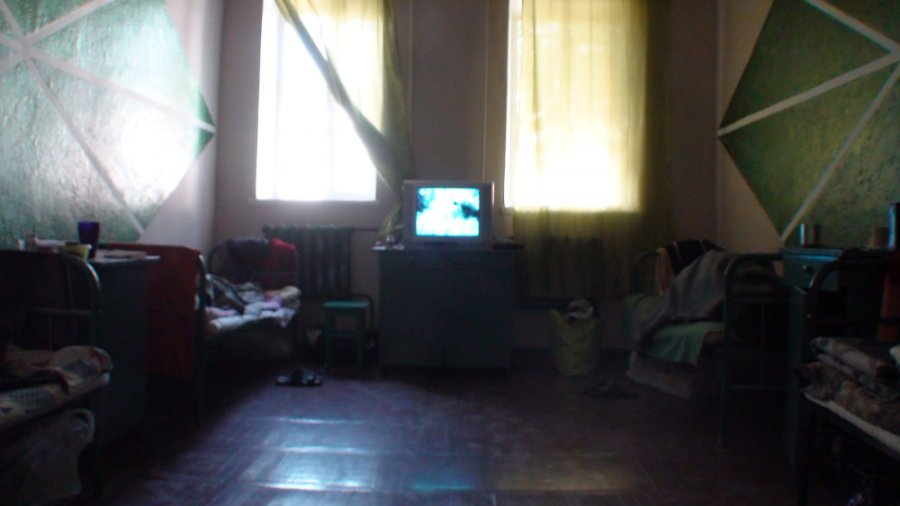
The quarantine and diagnostic section is equipped with sleeping quarters. The mattresses and pillows on the beds are in a dilapidated state and need replacement. There are no drinking water dispensers.
Rest rooms:
Medical unit
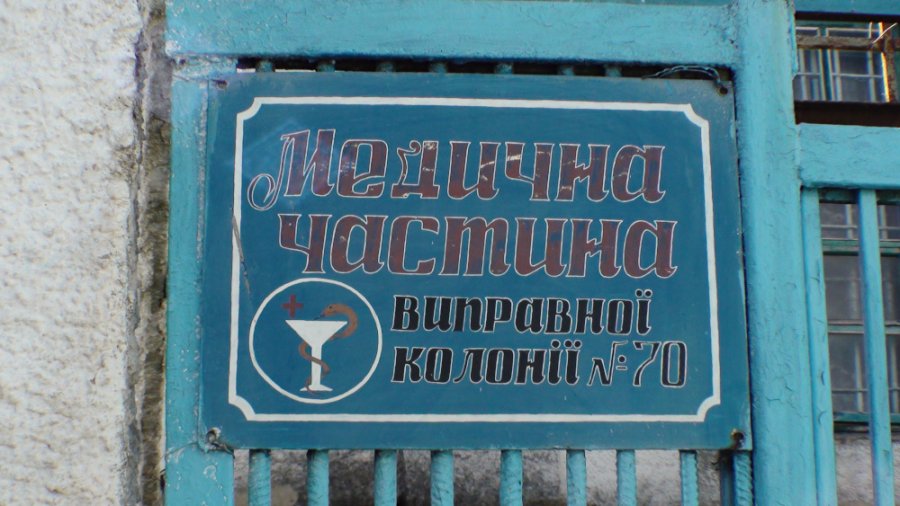
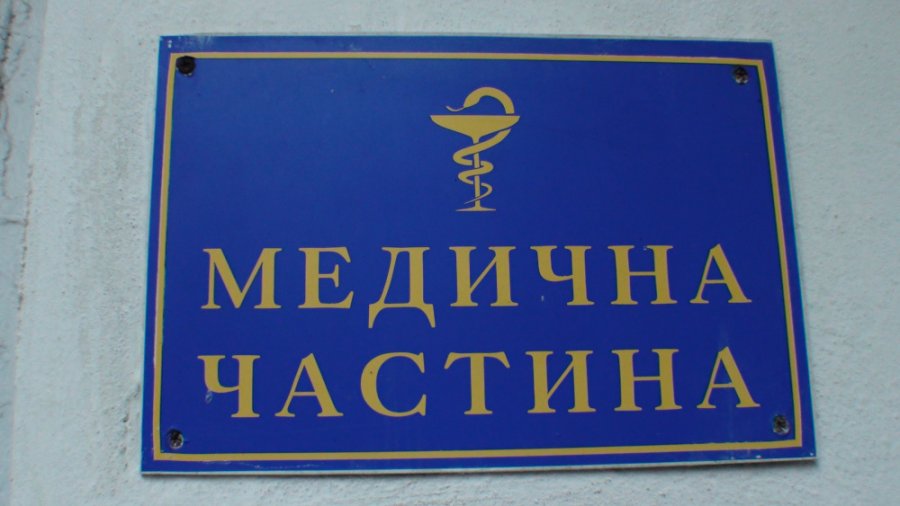
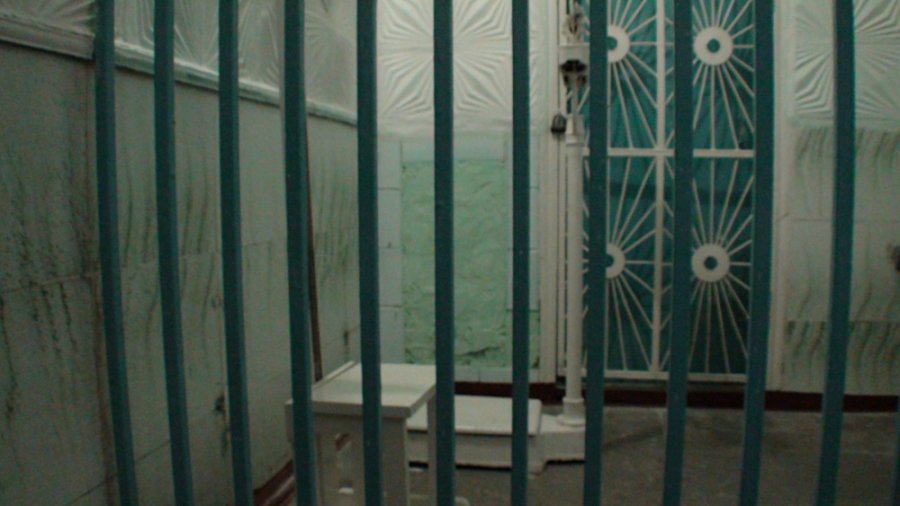
The medical unit is in a dilapidated state and requires major repairs and new equipment.
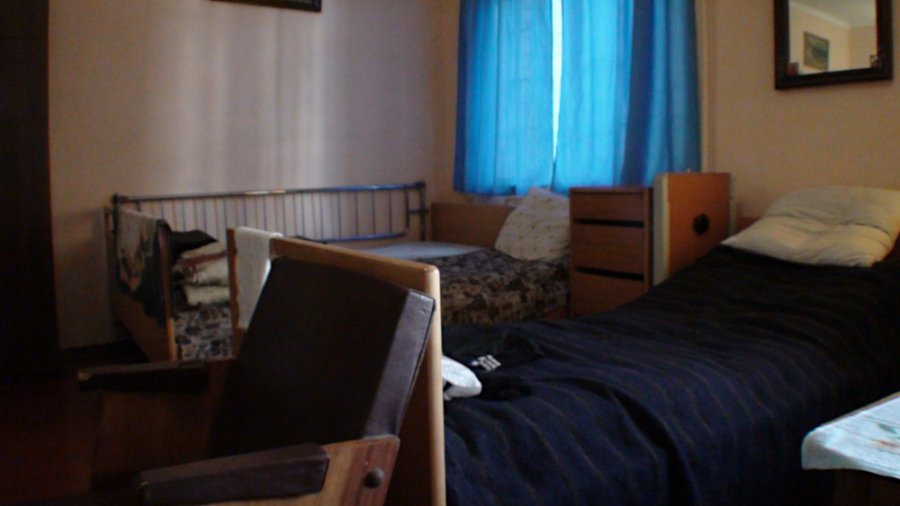
The wards are in satisfactory condition:
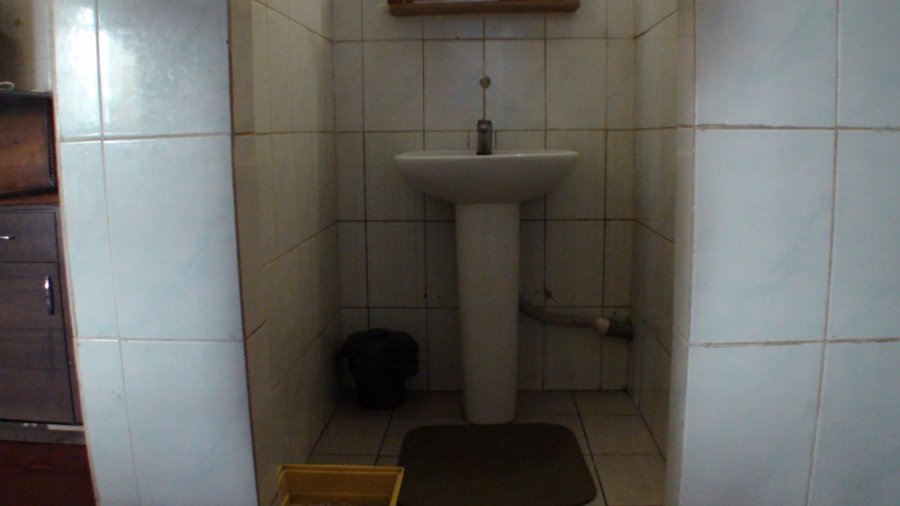
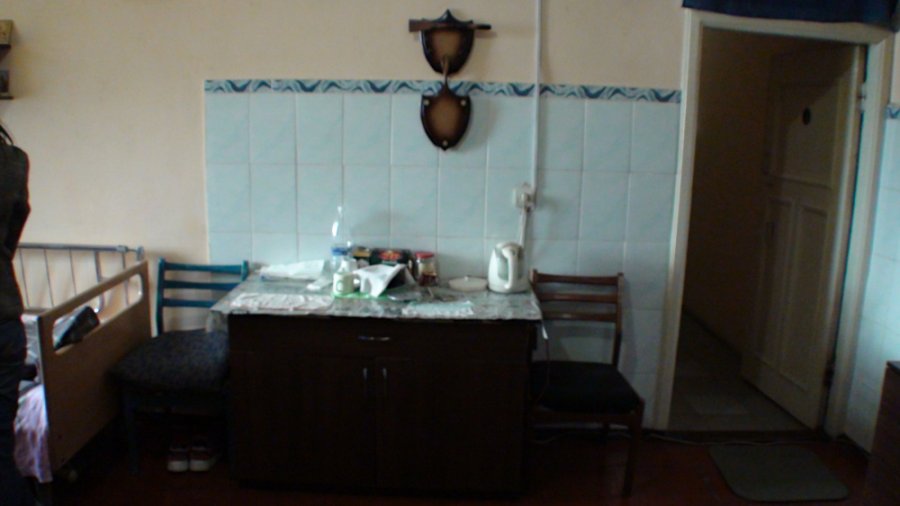
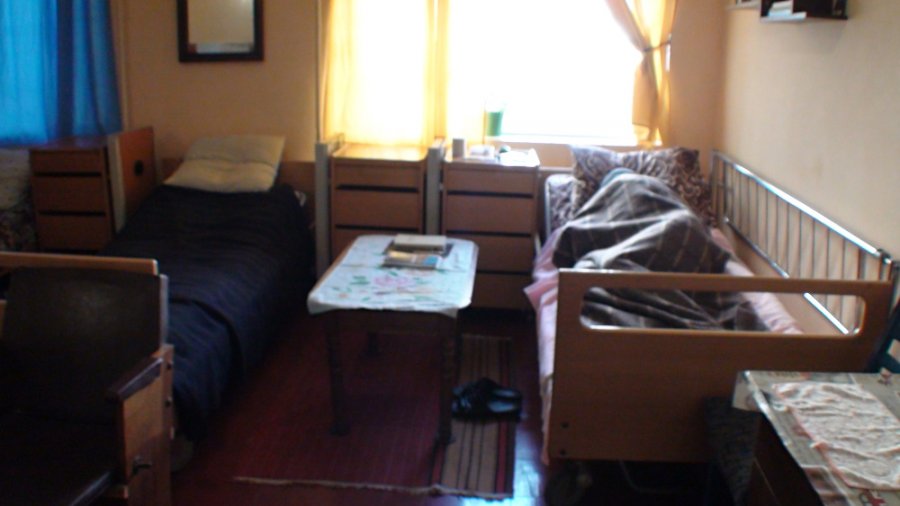
There is no fluorography machine; once a year, inmates undergo examinations using equipment from a civilian hospital, which is brought to the institution.
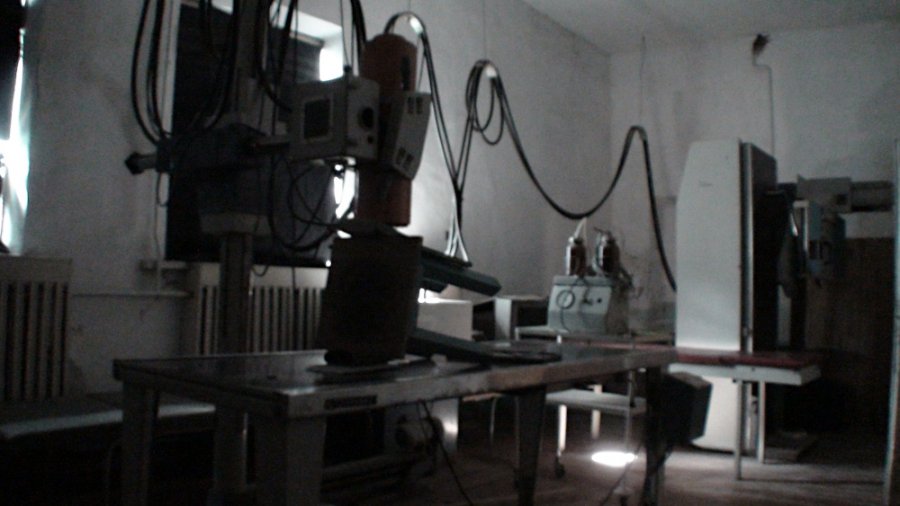
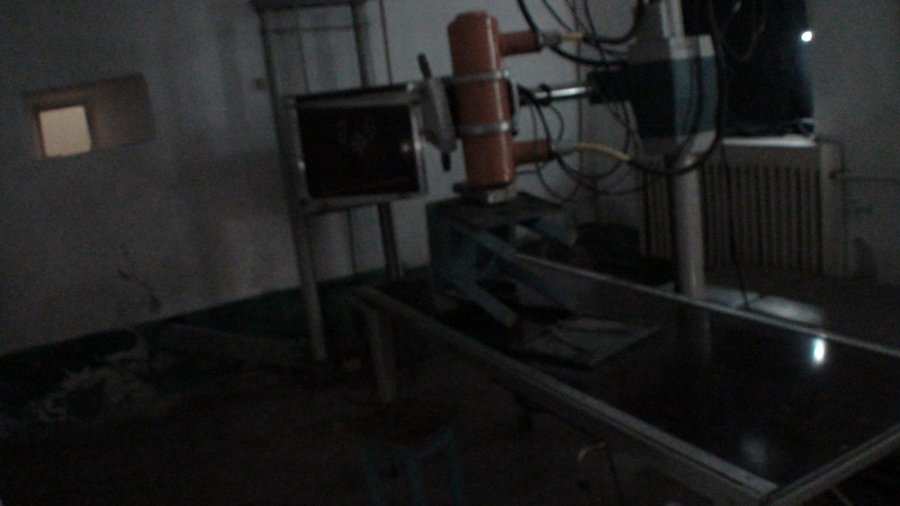
The X-ray machine is operational, but it is very old (40 years) and needs to be replaced.
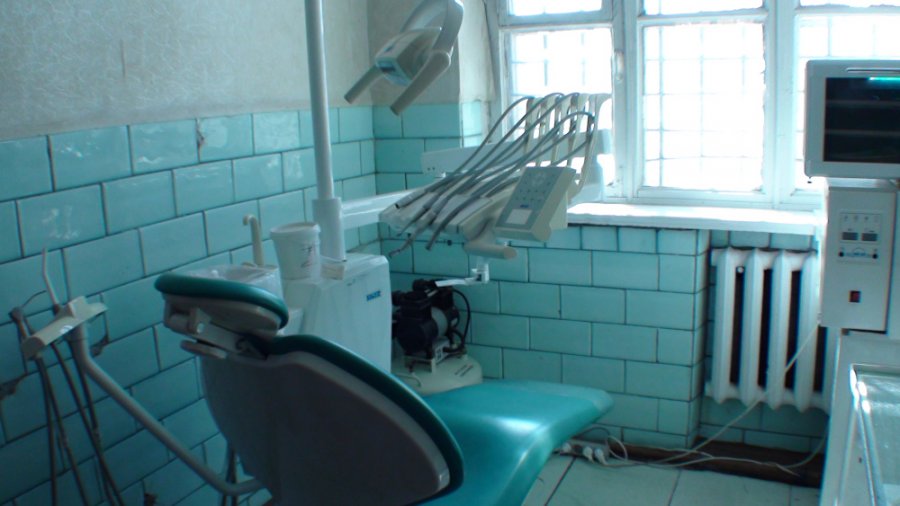
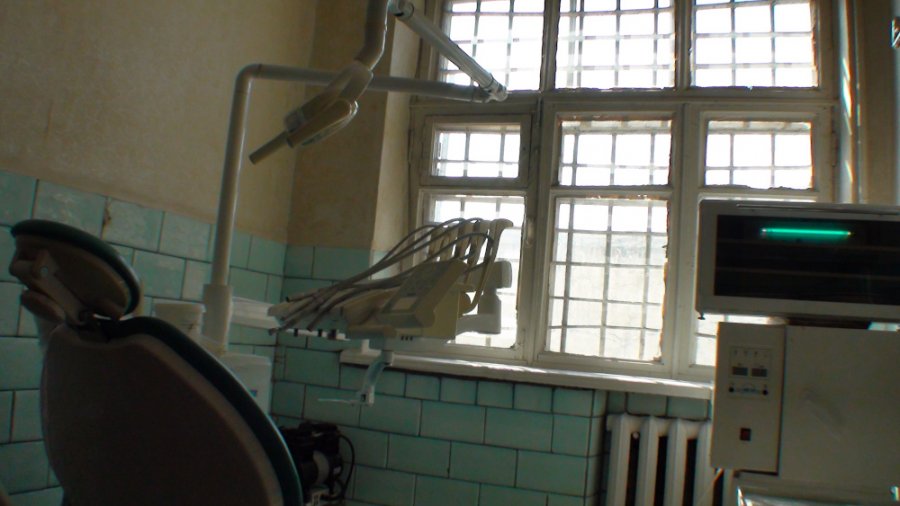
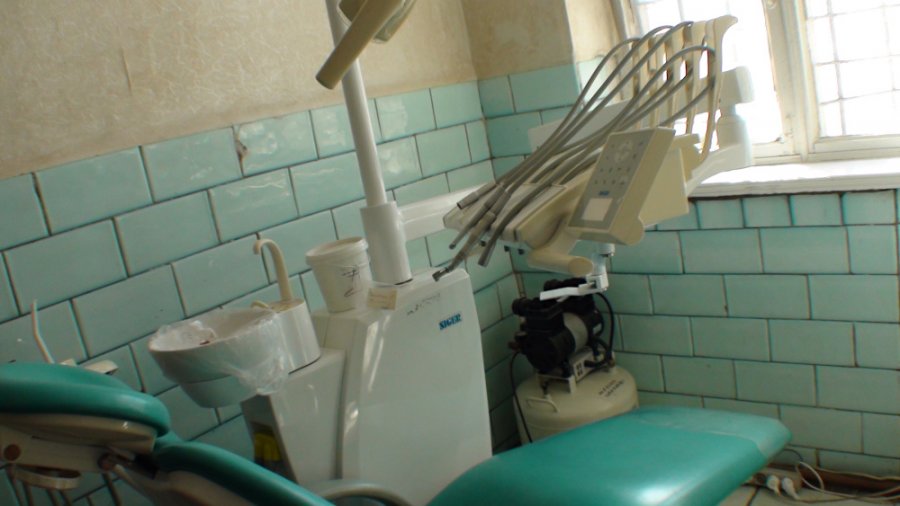
Dental office. A dentist is conducting appointments:
In the injury logbook, injuries are not properly documented, and there are no photographs of bodily injuries due to a lack of appropriate equipment.
Resocialization section
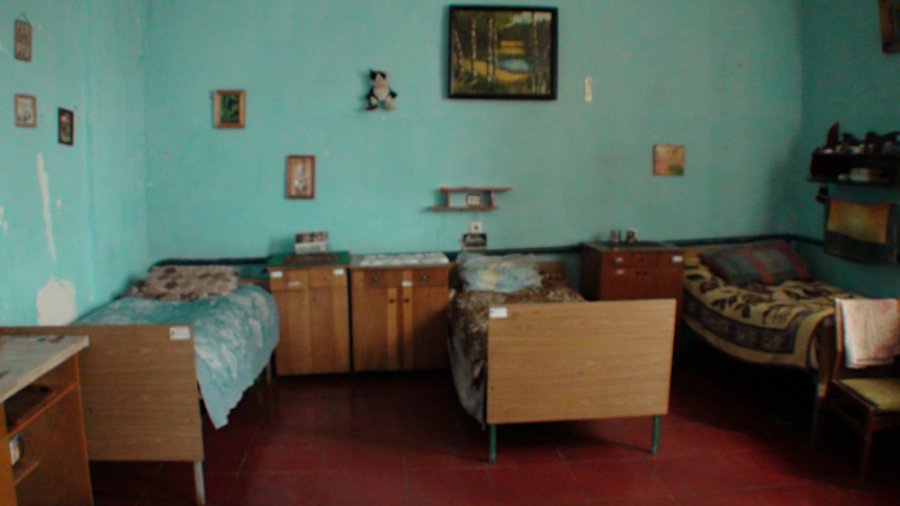
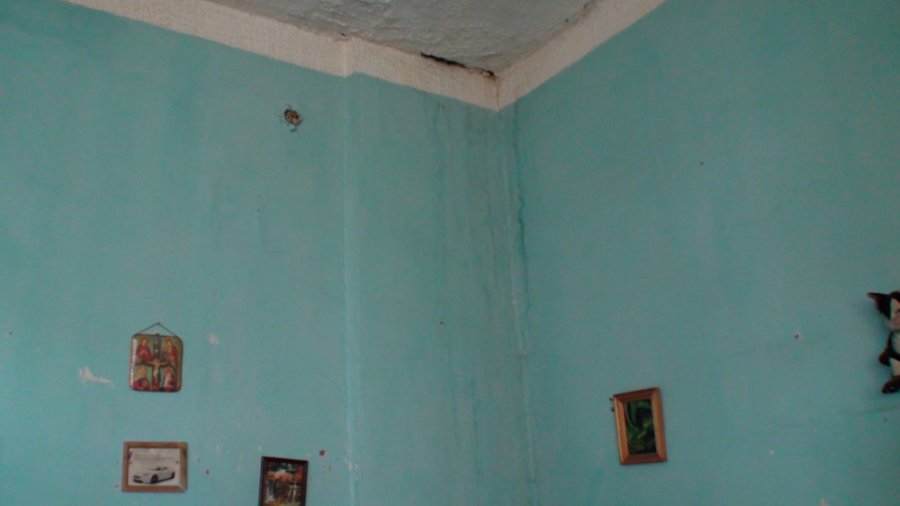
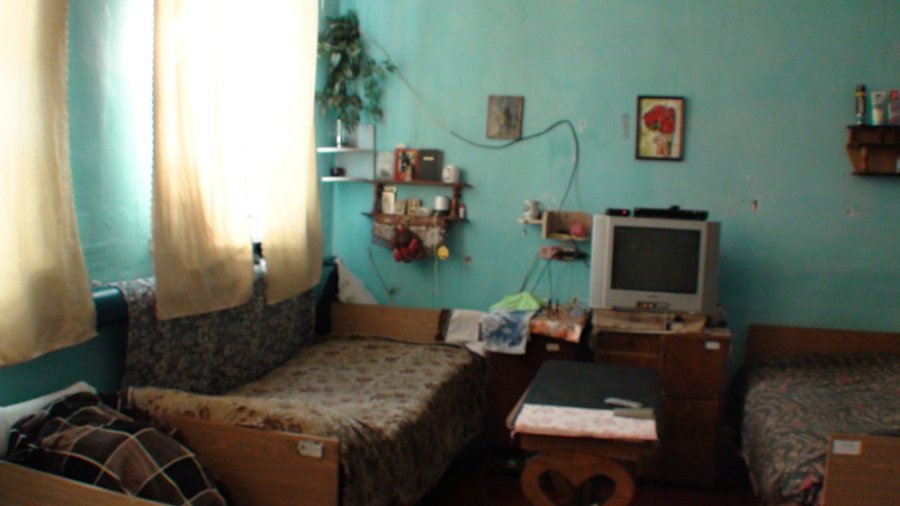
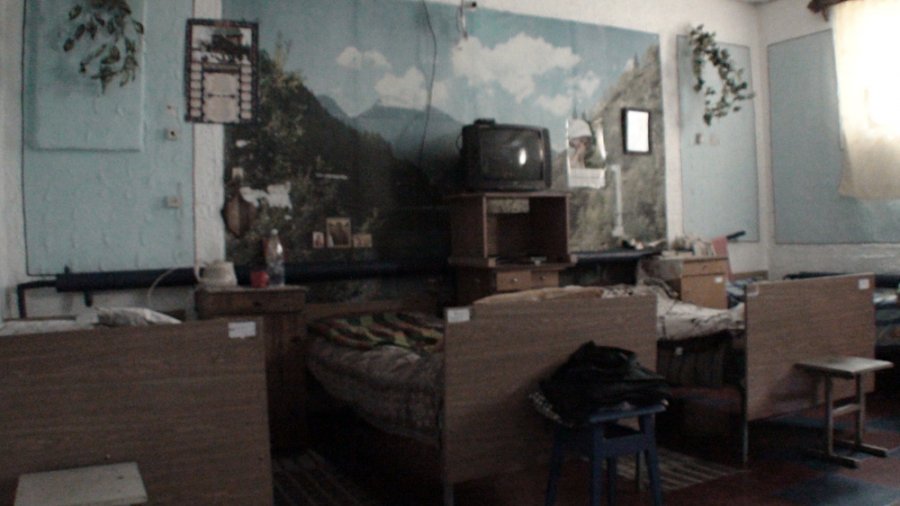
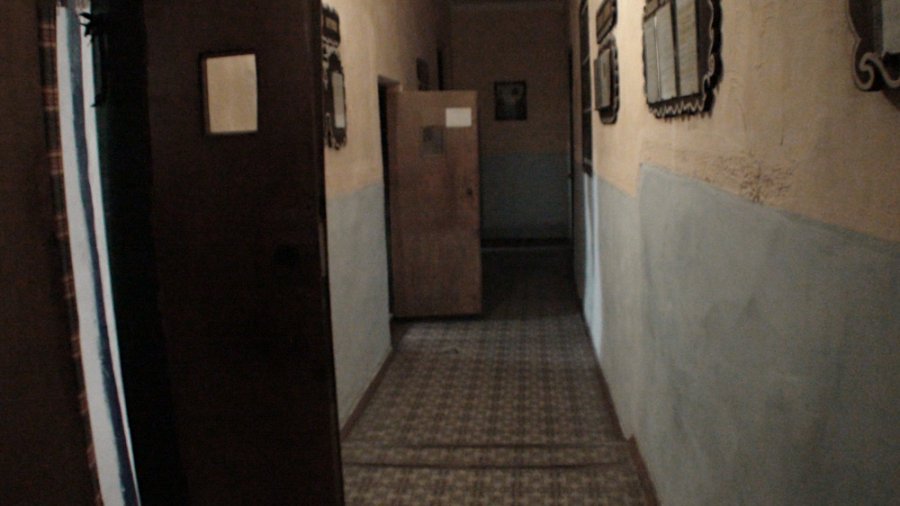
Two departments were inspected, and some premises require repairs.
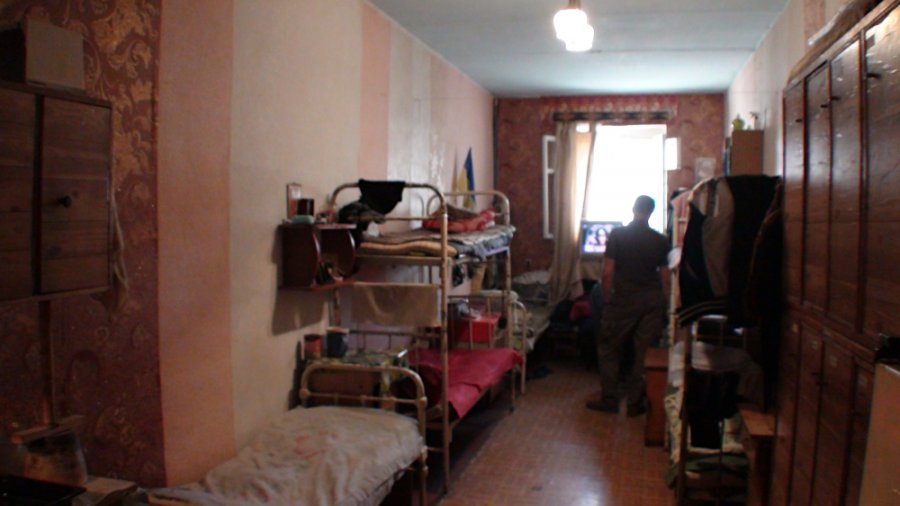
Cosmetic repairs have been carried out in the living quarters. Most bedrooms have single-level beds, but in some departments, monitors observed bunk beds, which violates the inmates’ right to privacy.
Bins for waste sorting have been installed.
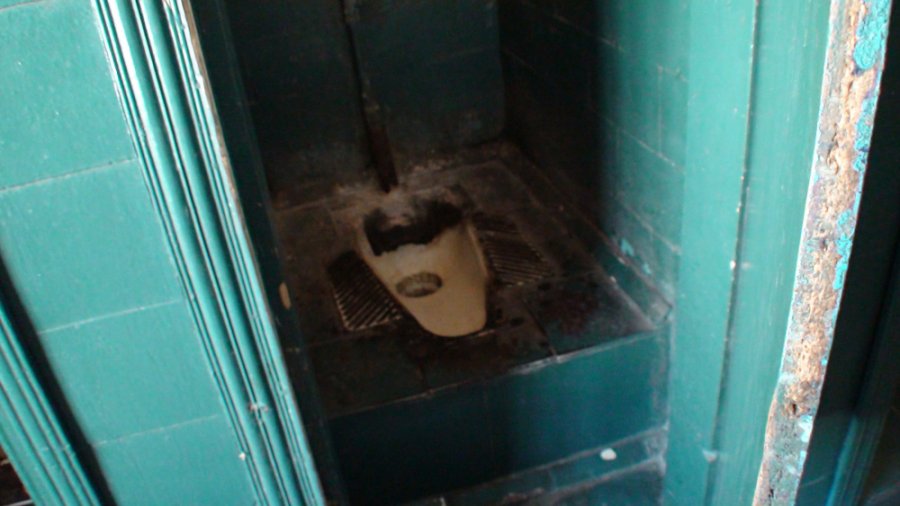
Toilets and washbasins in some departments are in a dilapidated state and require repairs. At the same time, the monitors note positively that renovations are being carried out and modern equipment is being installed.
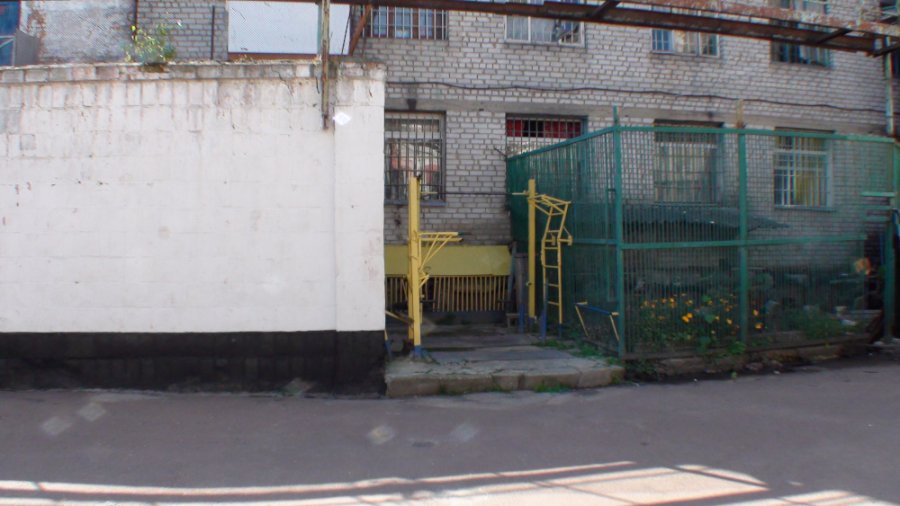
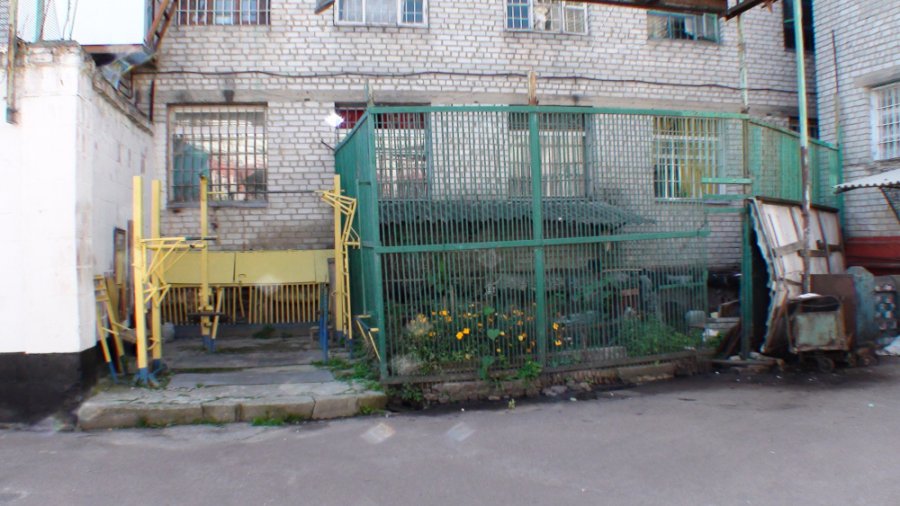
There is exercise equipment in the yard—a pull-up bar, parallel bars, and a sports ladder.
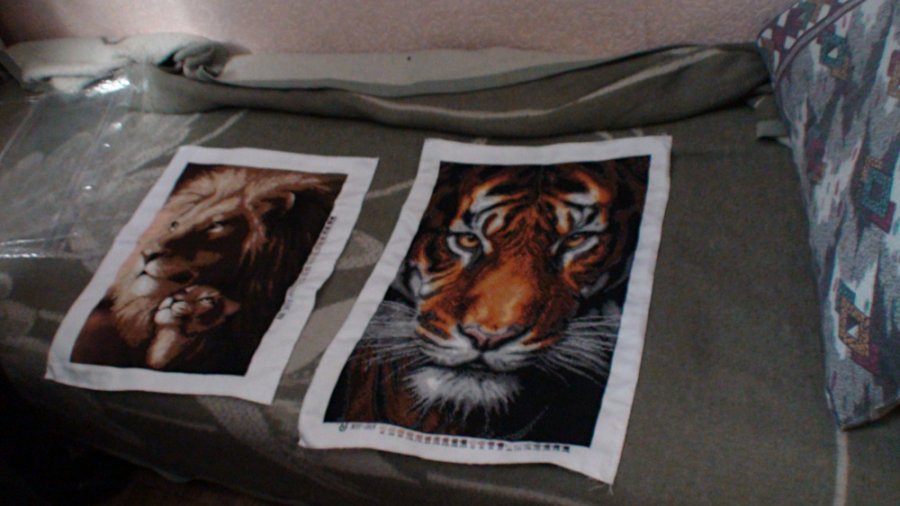
Some inmates make exclusive items, such as bead embroidery.
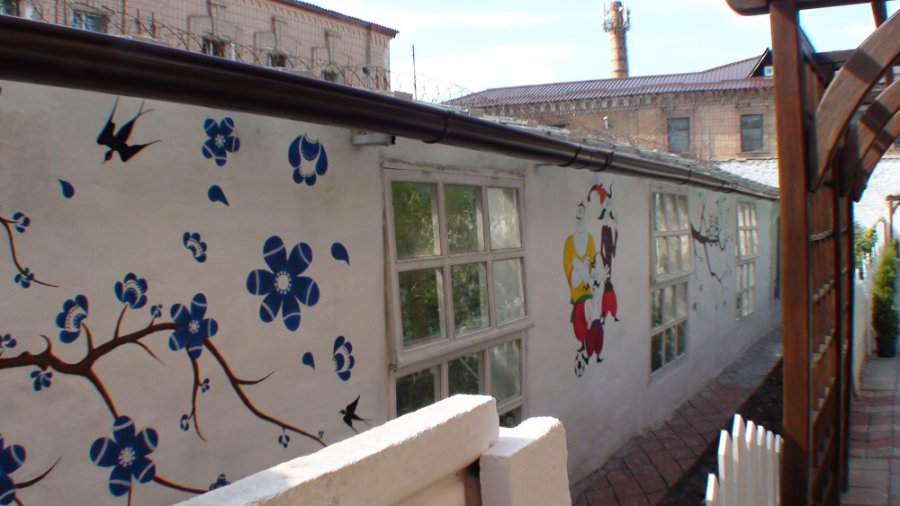
Utility area
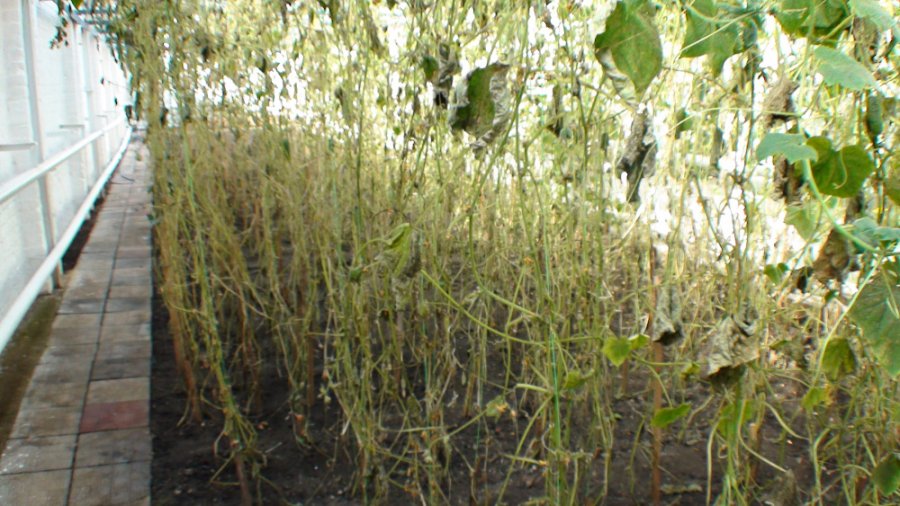
A small greenhouse operation, vegetable cultivation:
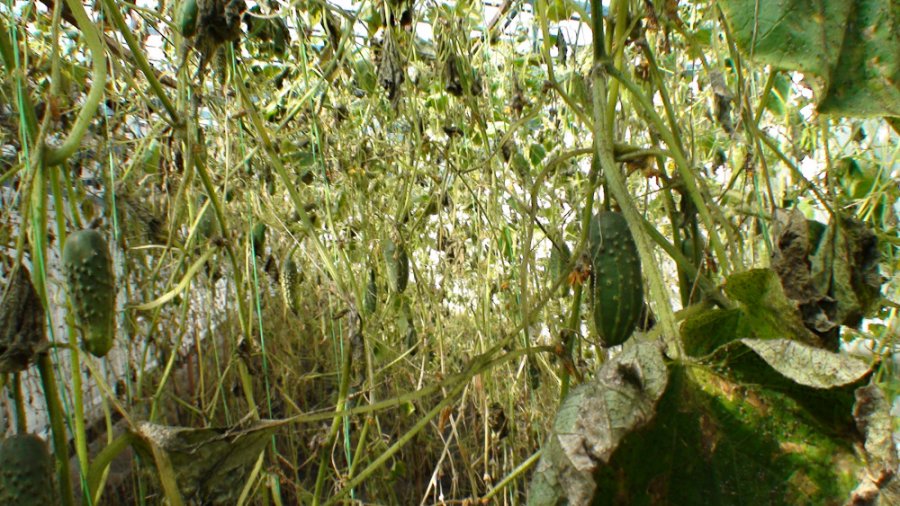
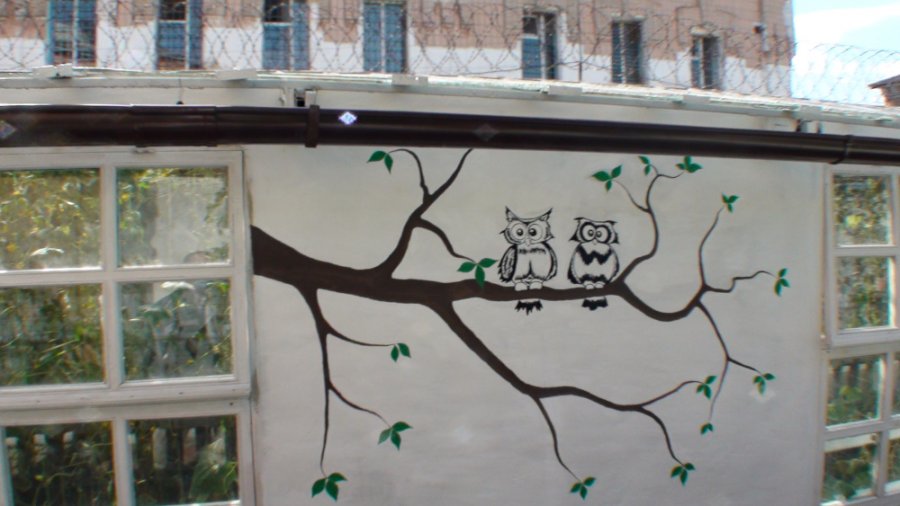
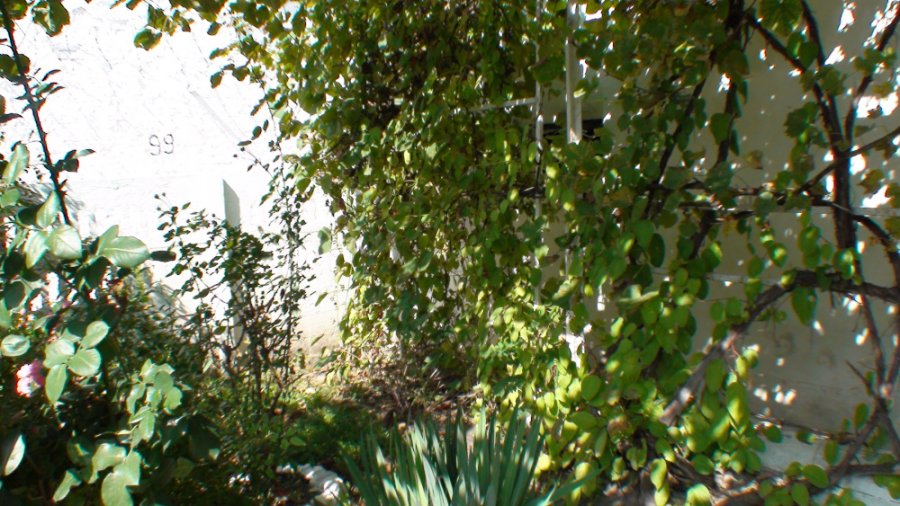
Canteen
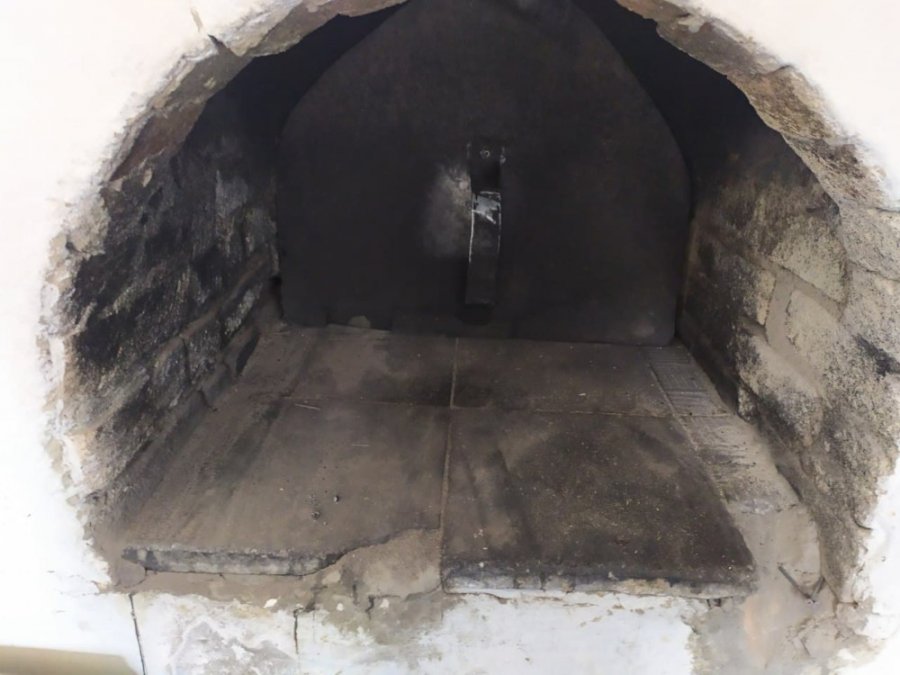
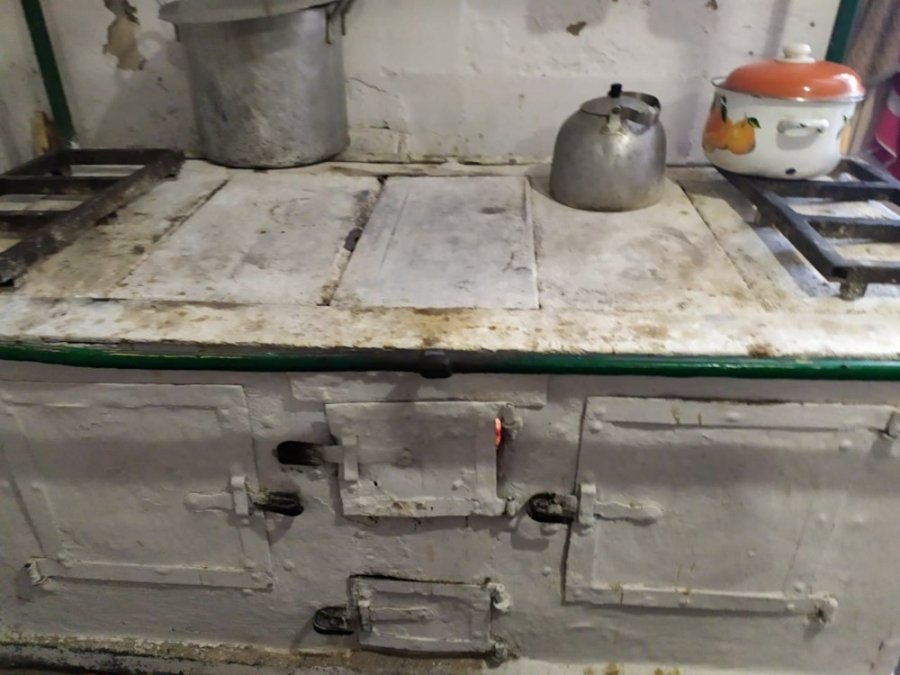
Food for inmates is prepared in a specially equipped area; there is a possibility to cook using wood in a furnace, which helps save gas and electricity.
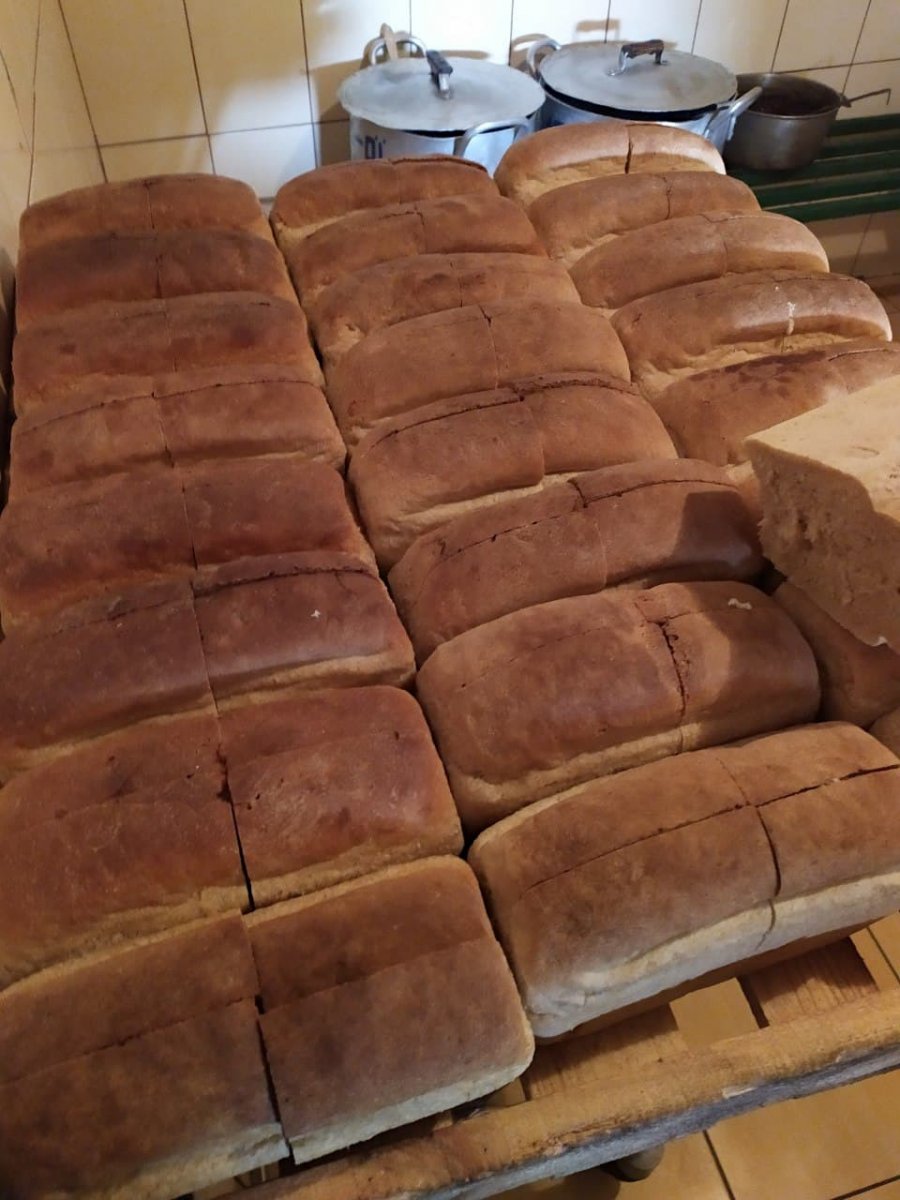
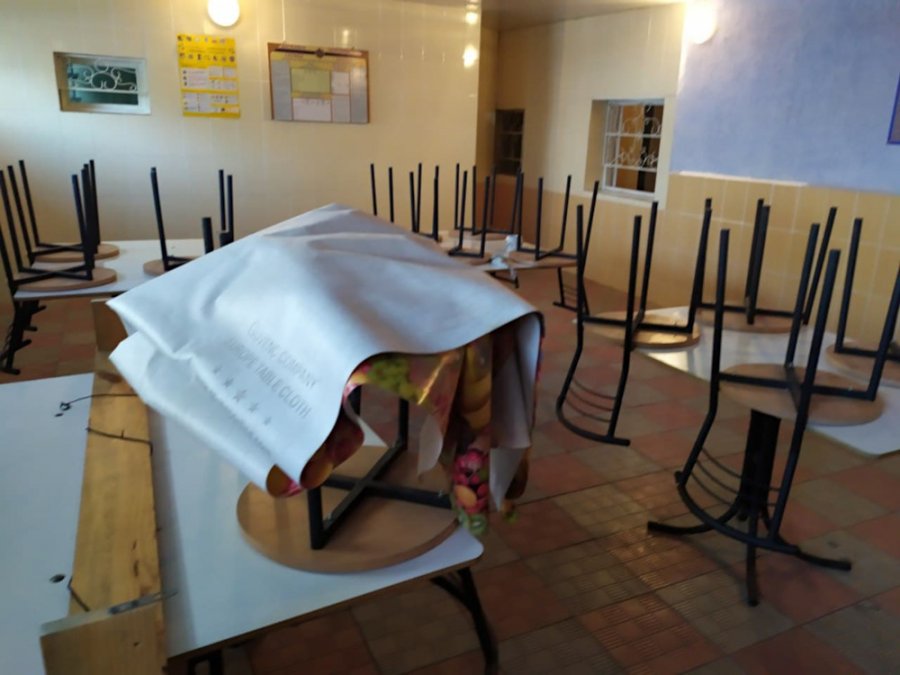
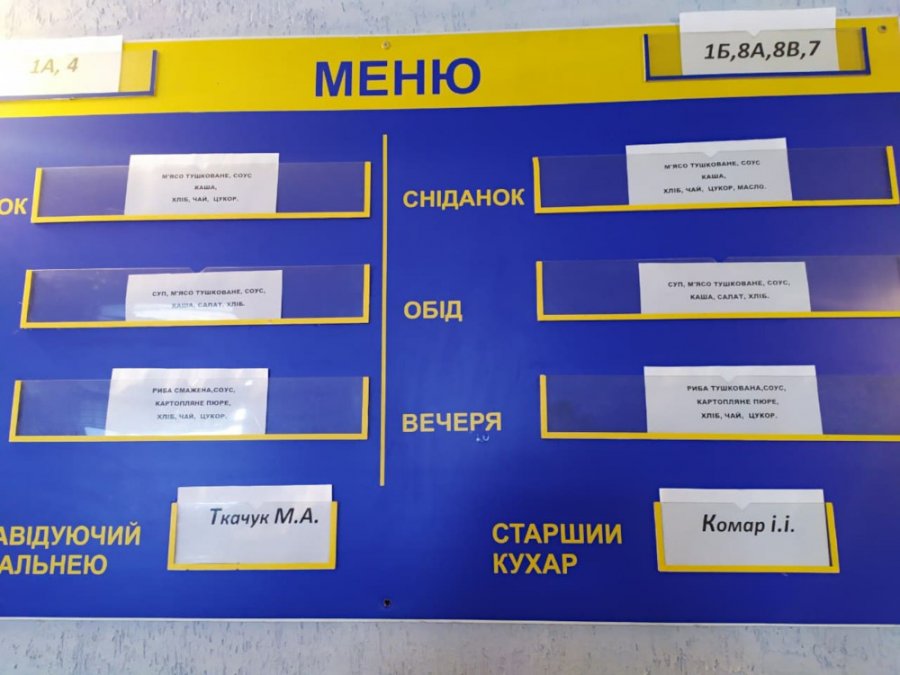
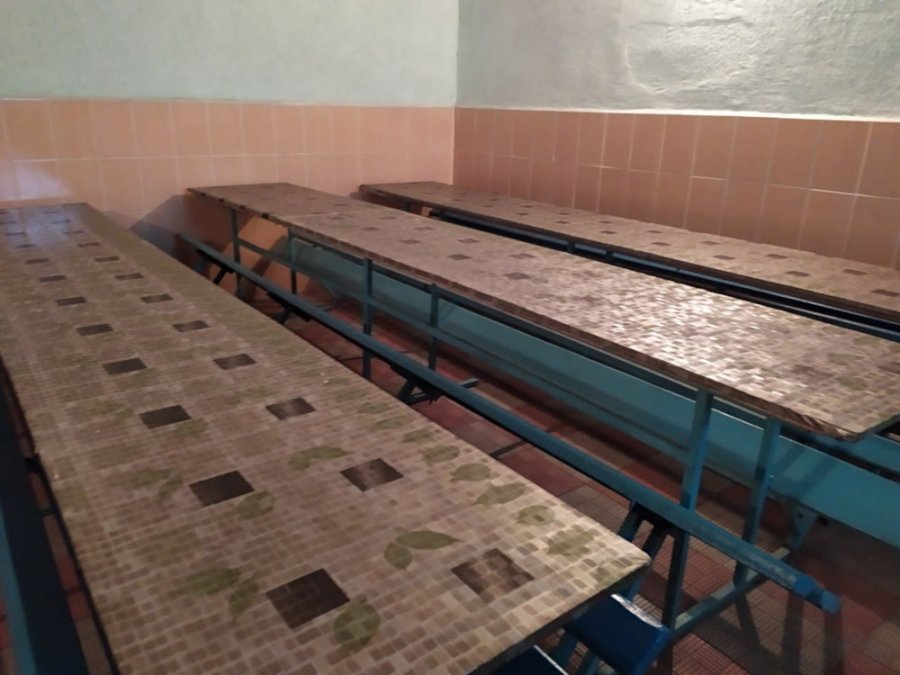
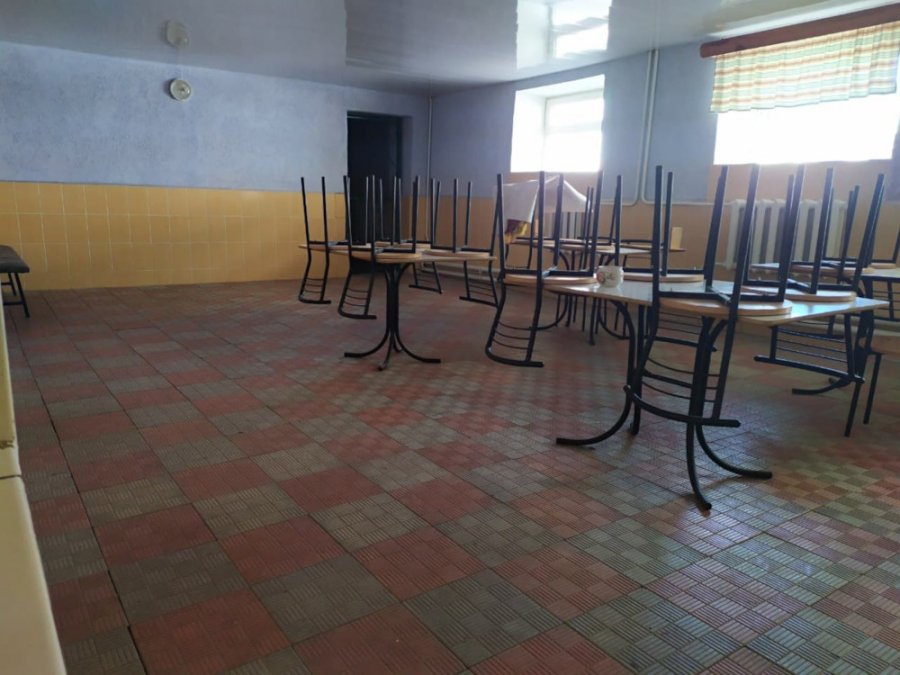
The canteen has been renovated, and the tables are clean and tidy.
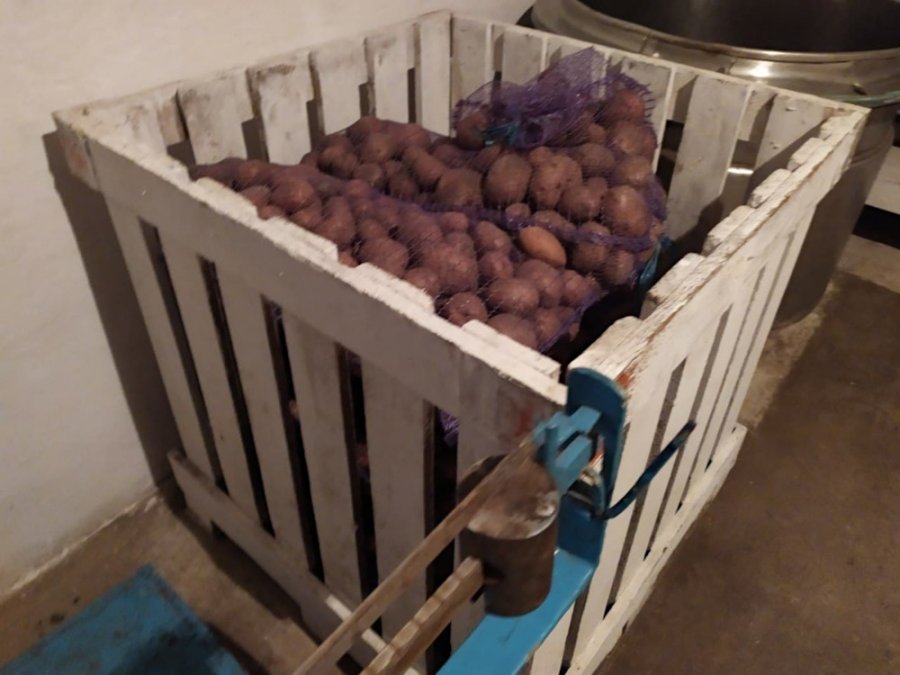
Vegetables and fruits are grown at the institution, and preserves are made.
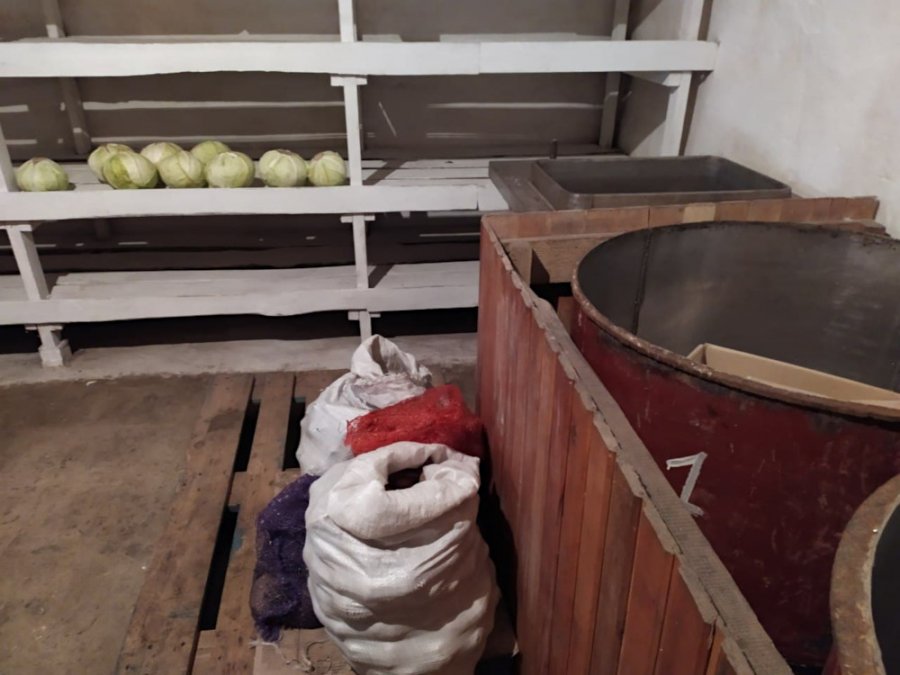
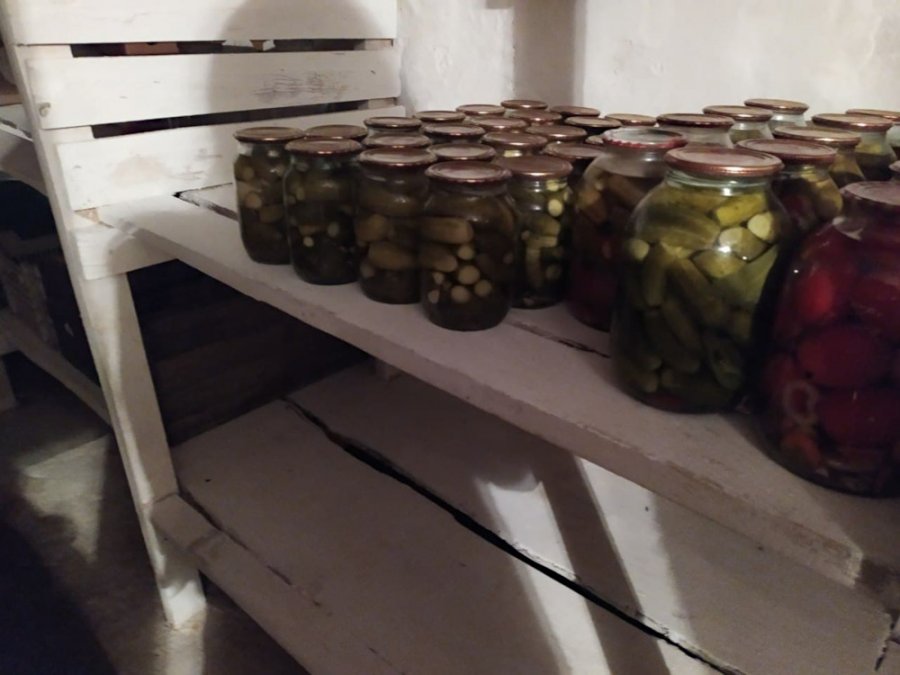
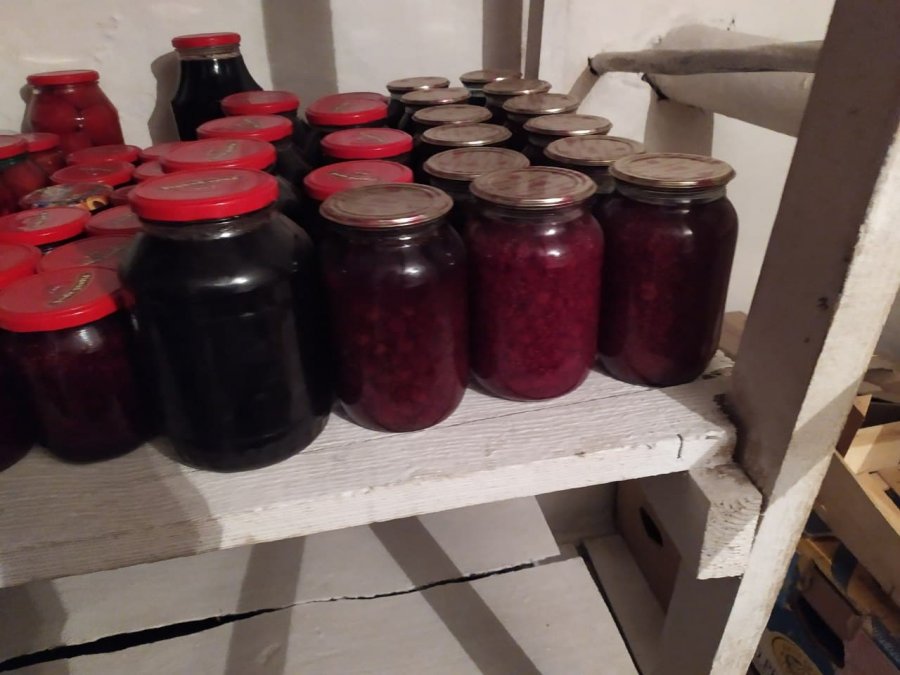
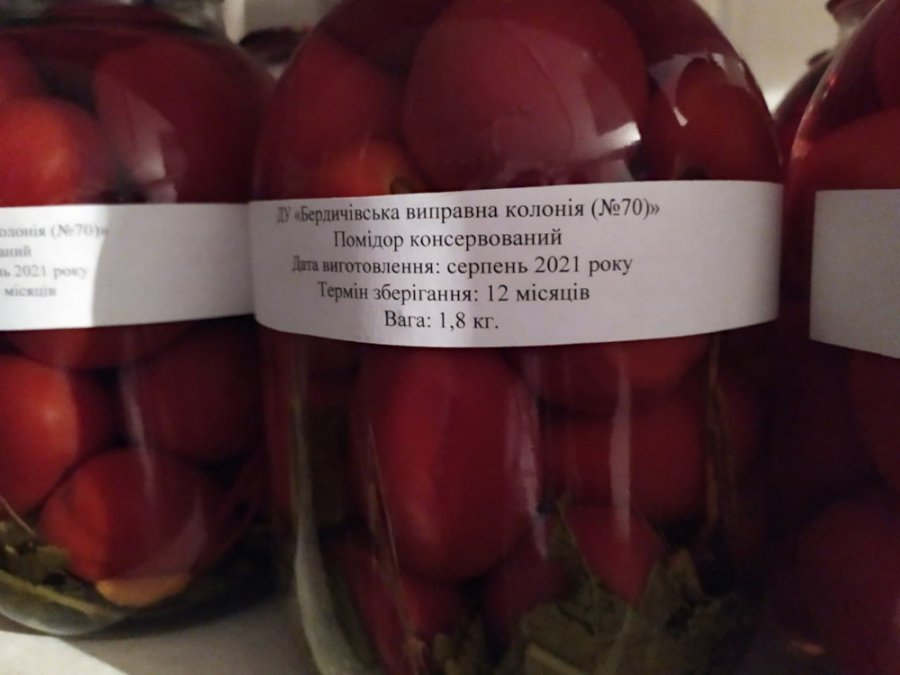
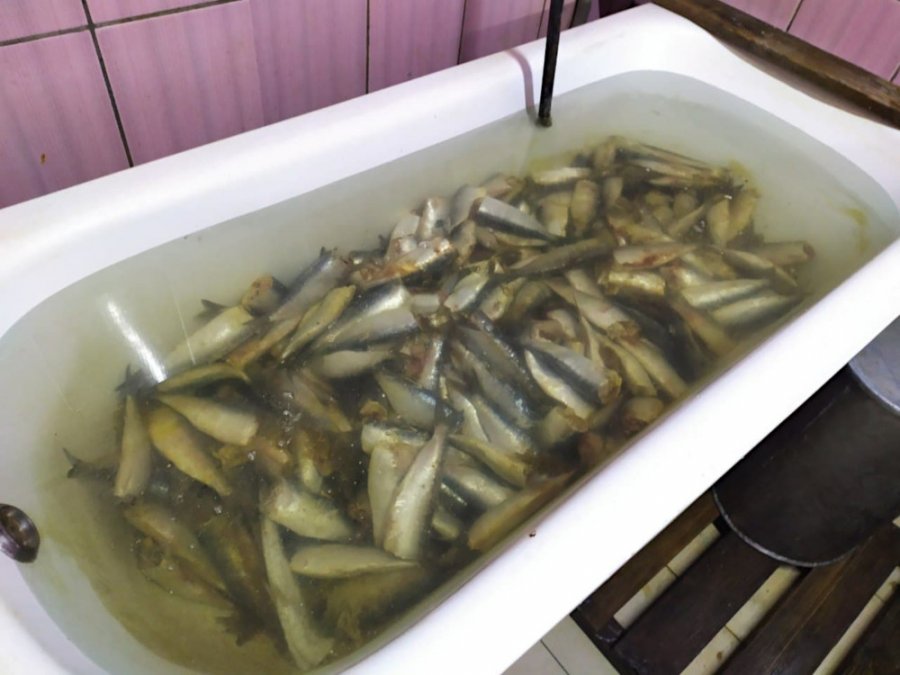
Fish processing unit:
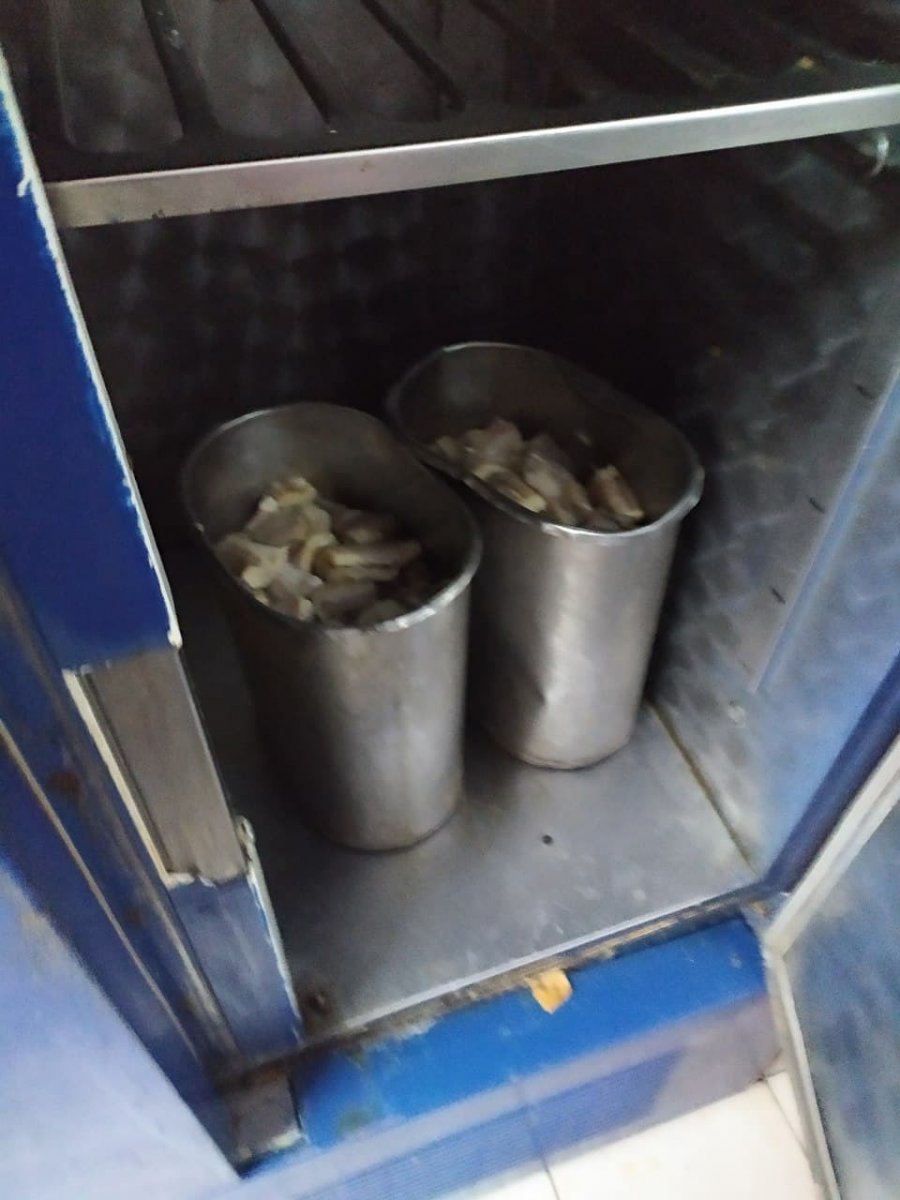
Bath and laundry complex
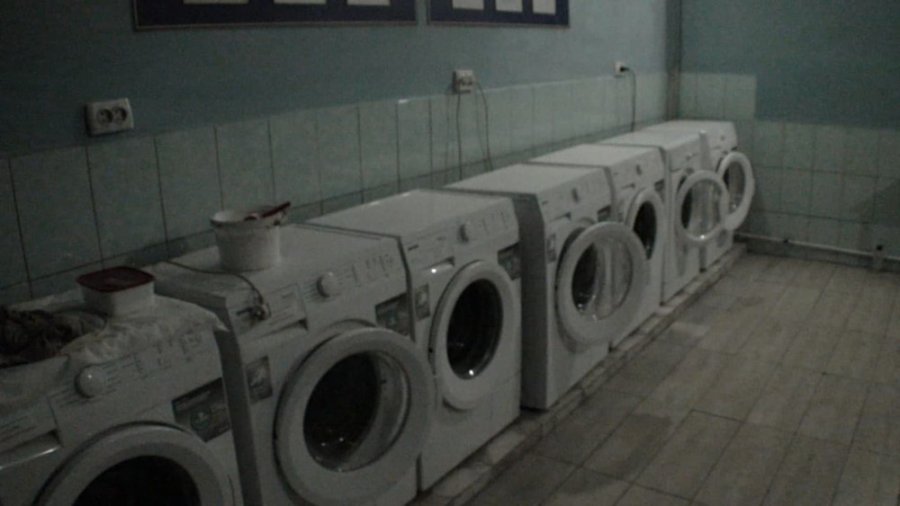
The bath and laundry complex has been renovated. The shower stalls are separated from one another by low partitions, and each cubicle has floor mats.
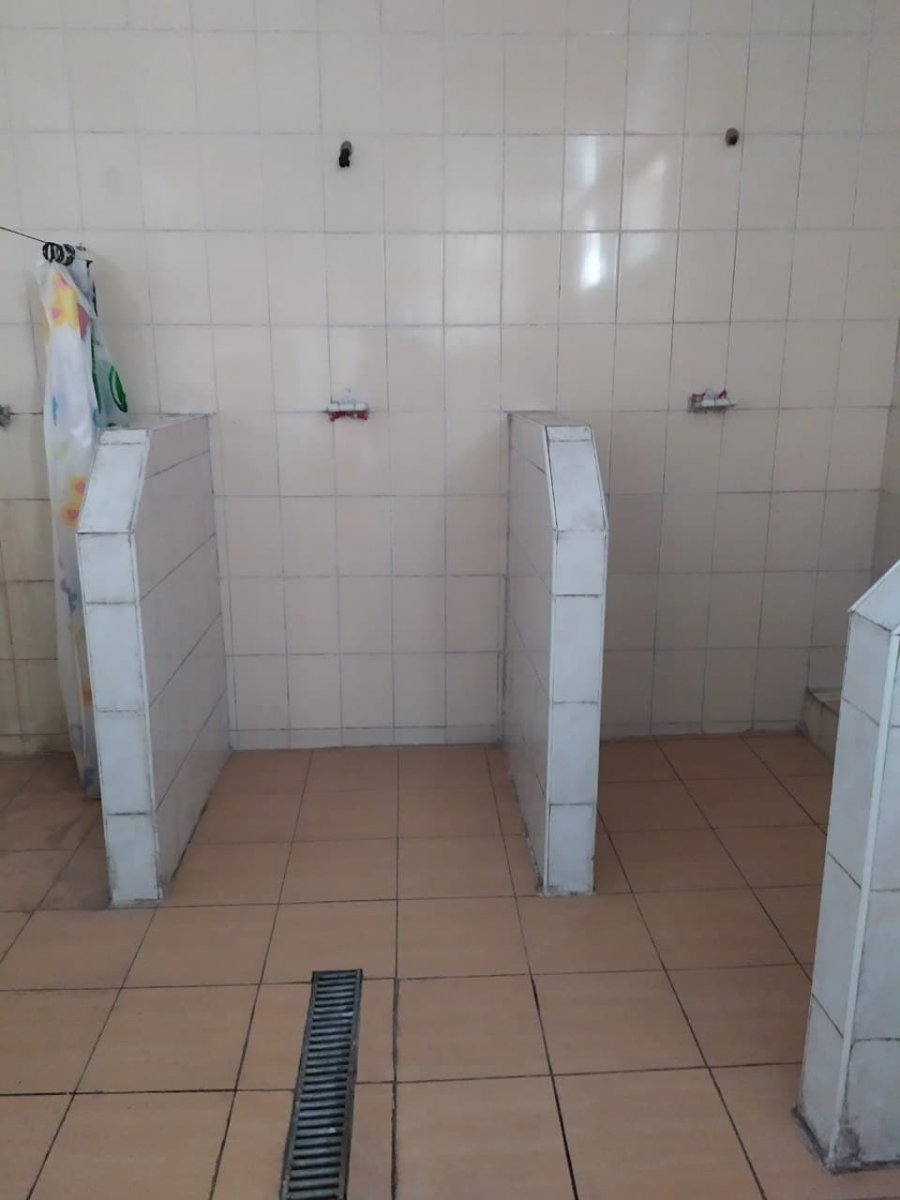
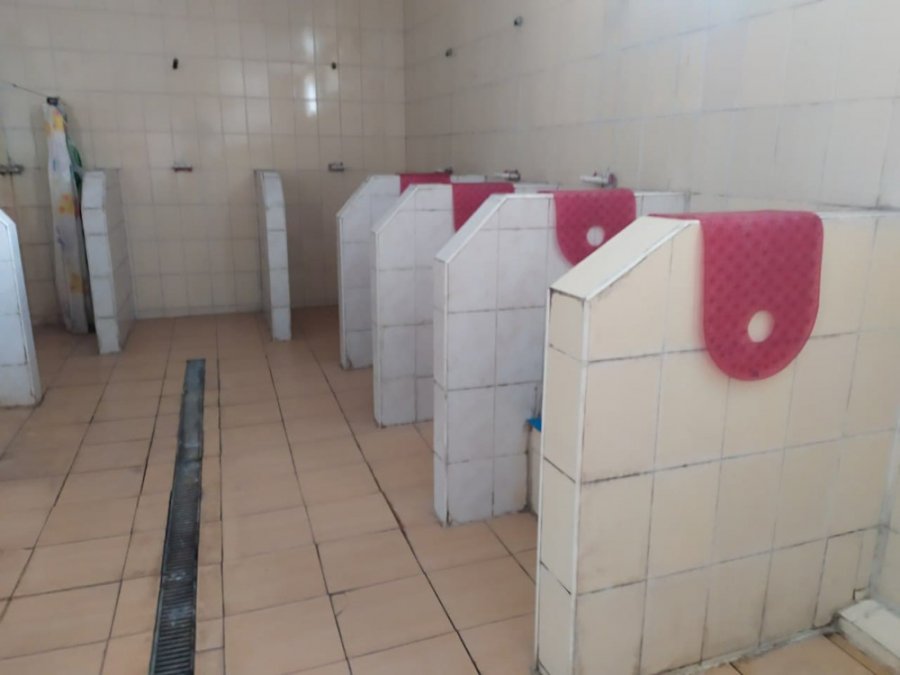
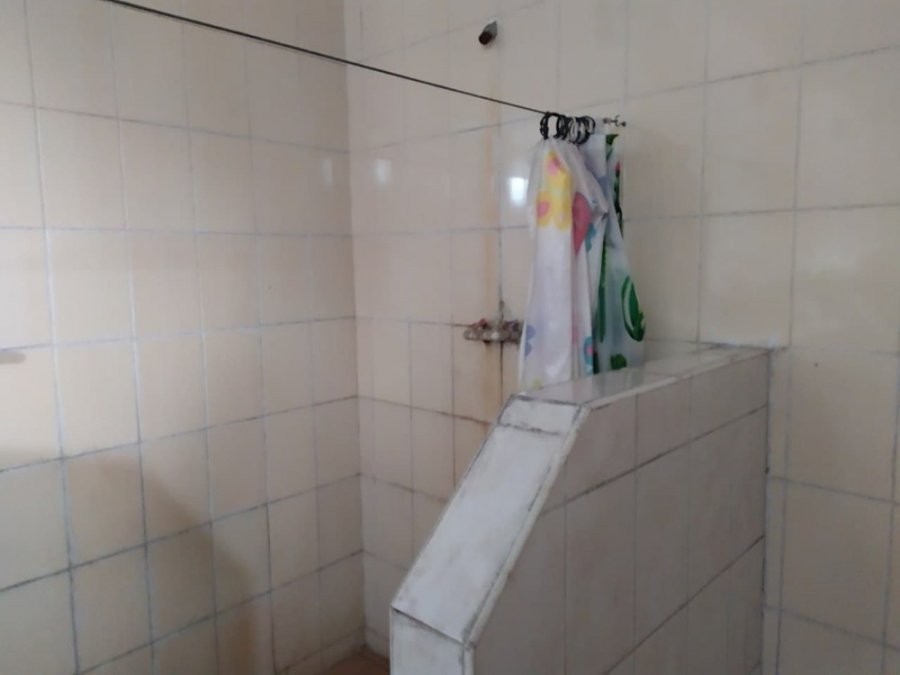
According to the schedule, inmates have the opportunity to bathe once a week.
The laundry is equipped with new washing machines.
Environment and visits
The colony is equipped with 3 workstations with Internet access.
The long-term visiting rooms are in proper condition, and renovation work is being carried out in some of them.
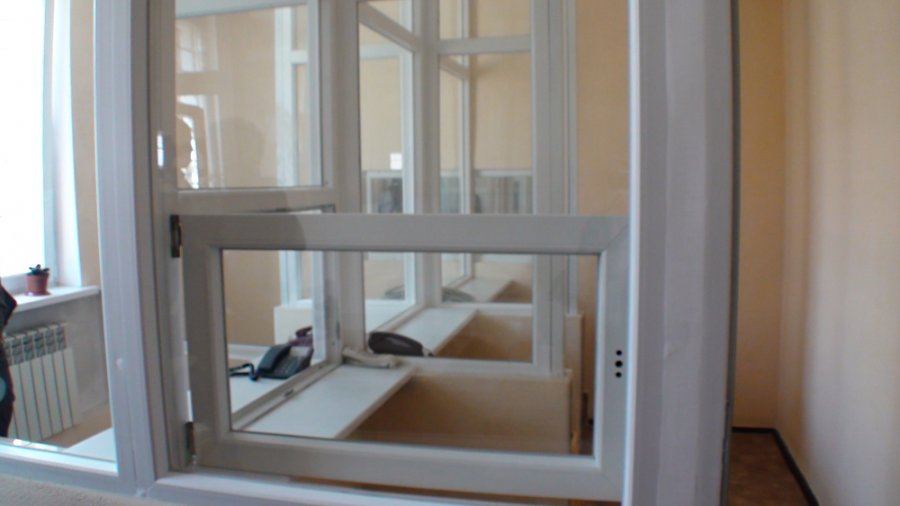
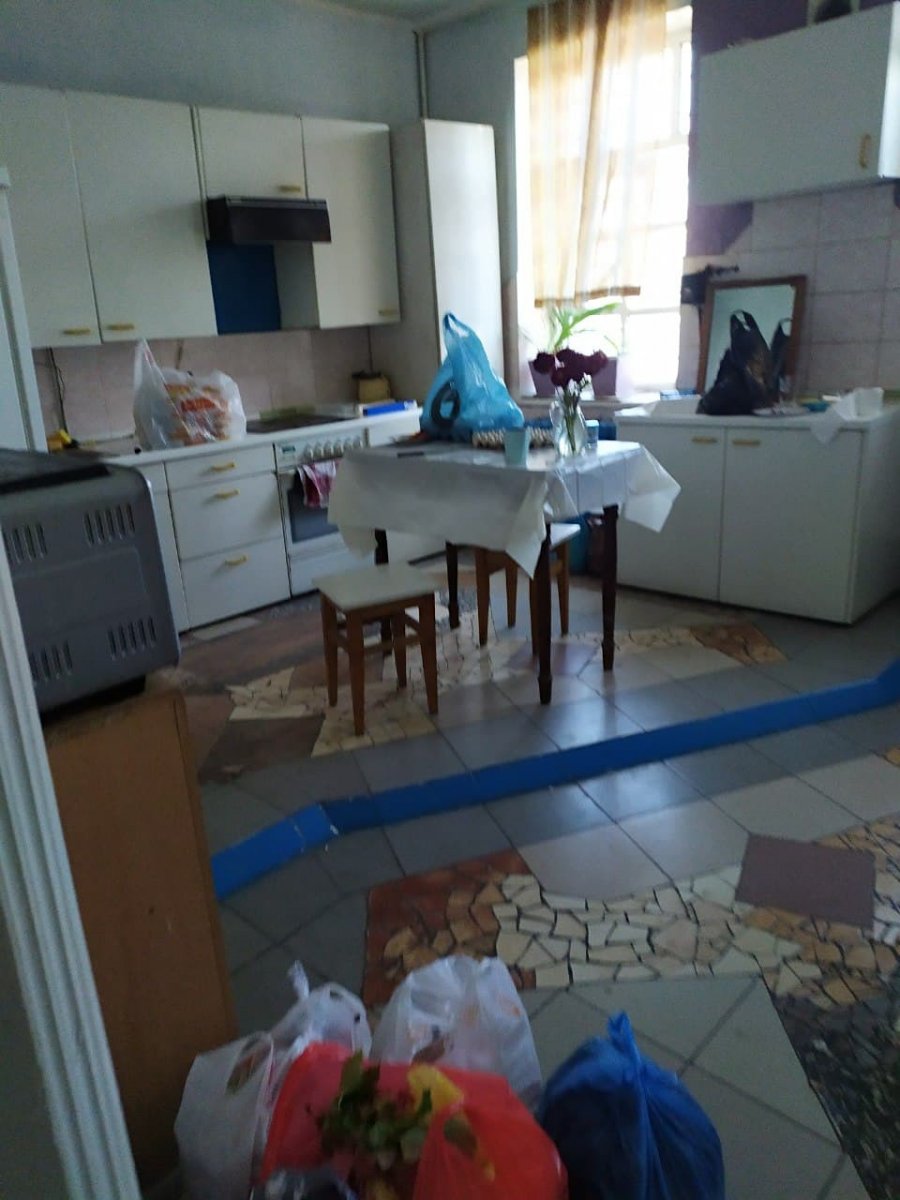
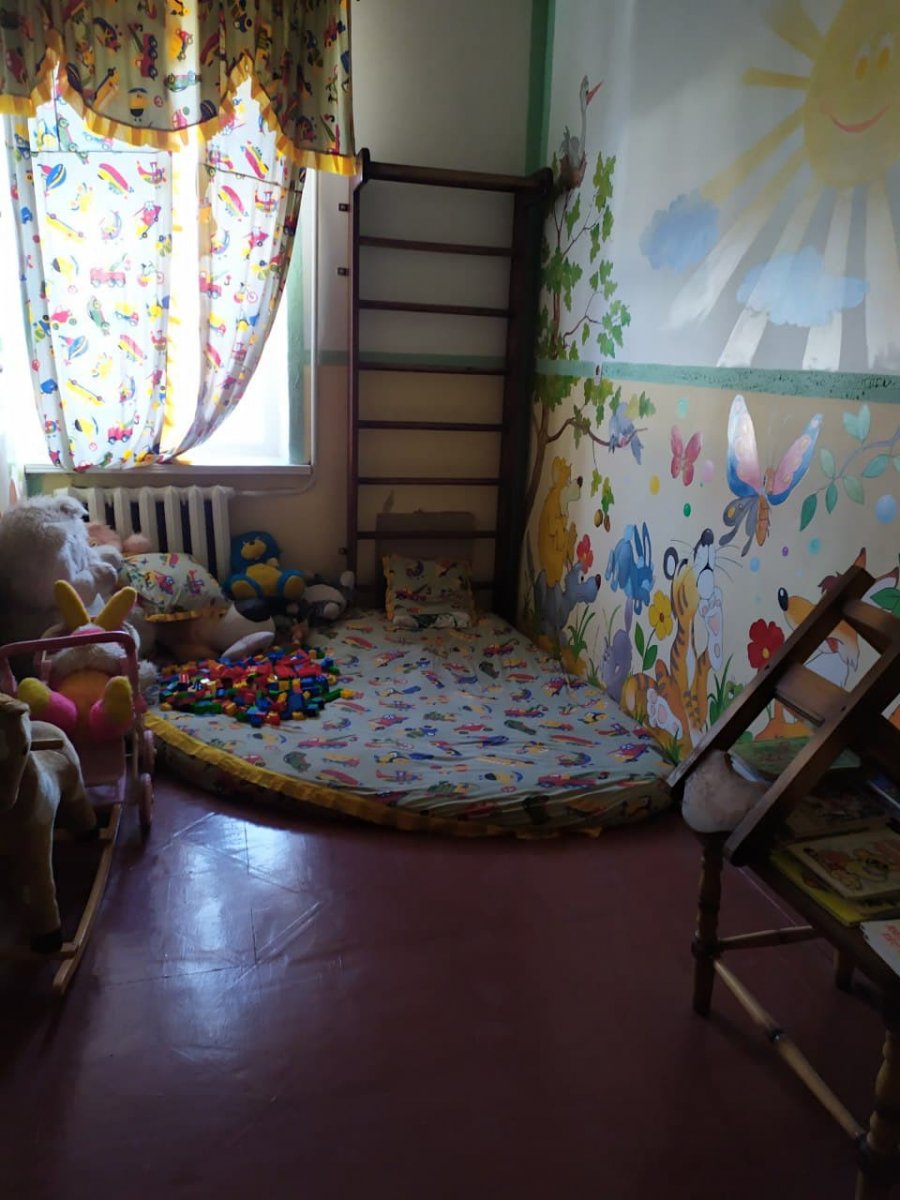
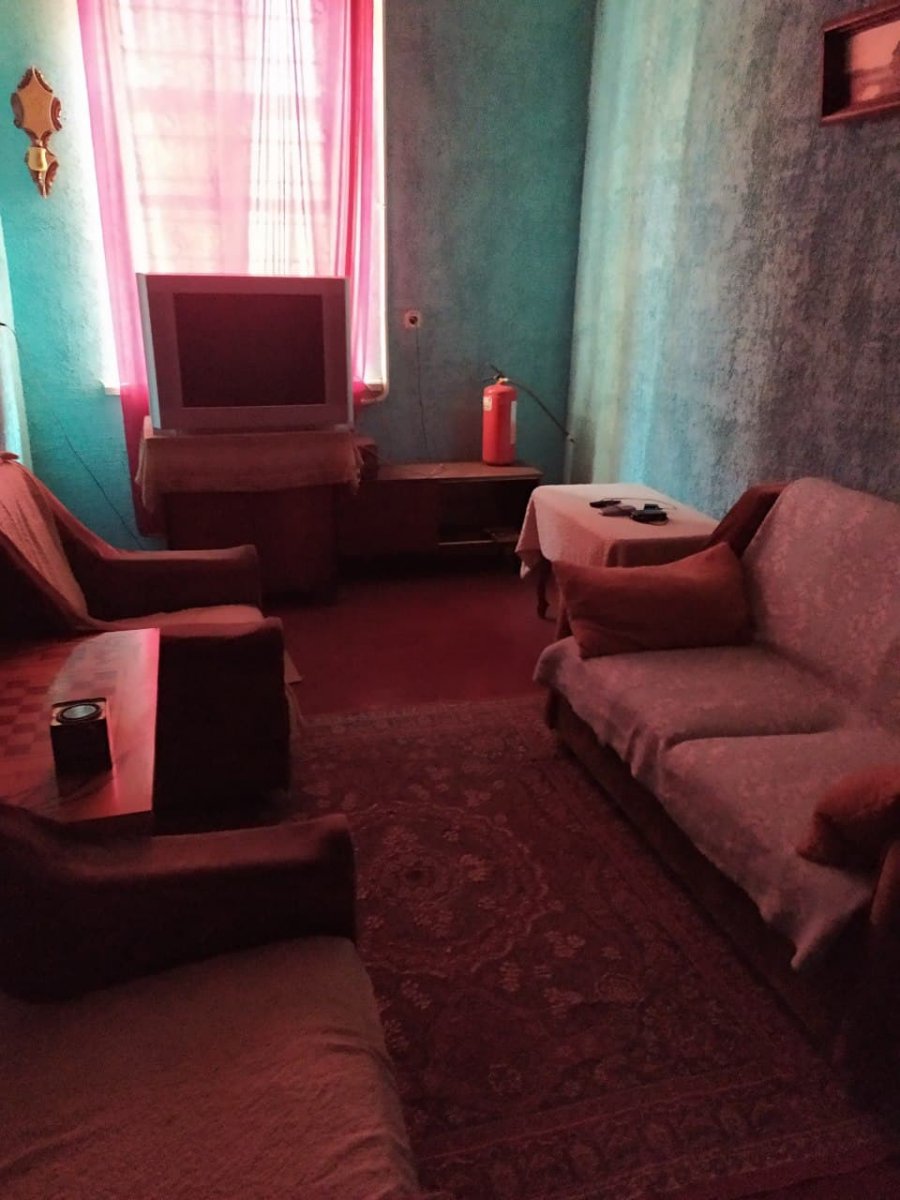
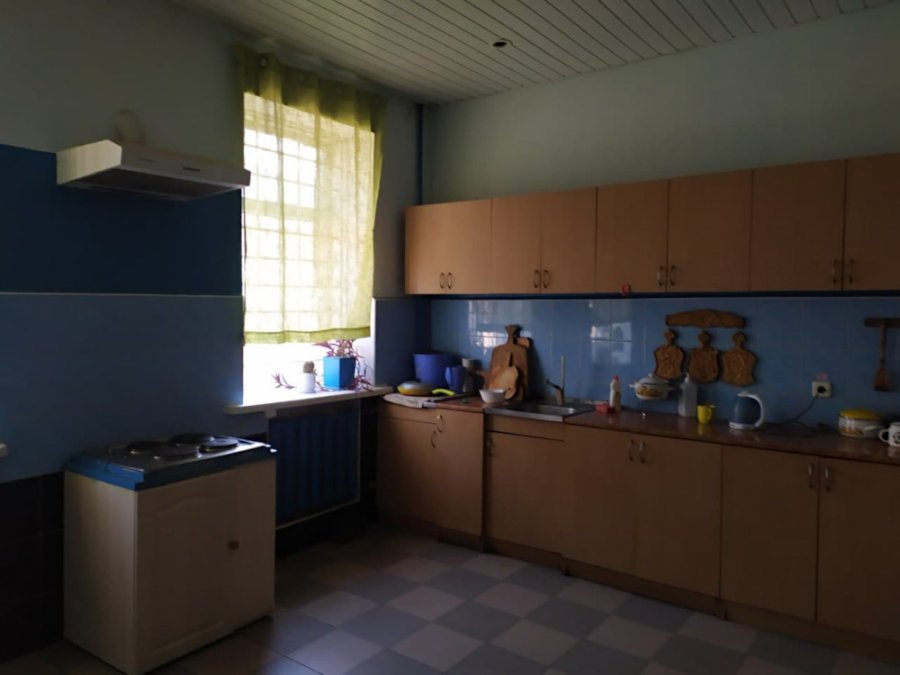
In 2020, 2 long-term visits and 85 short-term visits were held at the institution.
Remarks and proposals
Some premises require major repairs, especially in the medical unit.
Old medical equipment, in particular the X-ray machine, needs to be replaced with new equipment, and a fluorograph and other items must be purchased.
Photographic equipment is required to record and document bodily injuries.
Furthermore, the medical unit is not provided with direct telephone communication.
There are no containers for boiled drinking water.