Report on the results of the monitoring visit to Kropyvnytskyi Remand Prison
On 2 April 2026, in accordance with the Optional Protocol to the Convention against Torture and Other Cruel, Inhuman or Degrading Treatment or Punishment, taking into account the provisions of the United Nations Standard Minimum Rules for the Treatment of Prisoners (the Nelson Mandela Rules) and the case law of the European Court of Human Rights, and pursuant to Article 24 of the Penitentiary Code of Ukraine ‘Visiting correctional institutions’, a monitoring group from the Kharkiv Human Rights Protection Group and the NGO ‘Protection of Prisoners of Ukraine’ visited the State Institution ‘Kropyvnytskyi Remand Prison’ (remand prison / SIZO, the institution, the facility).
Another routine unannounced visit was carried out; the previous visit took place on 11 April 2025. All areas of the institution were inspected.
In preparing for the visit, the monitors used materials from appeals submitted by detainees, convicts, and their relatives, materials from previous visits, as well as the report of the monitors of the National Preventive Mechanism under the Commissioner for Human Rights of the Verkhovna Rada of Ukraine (NPM).
The visit was conducted as part of the project ‘Reducing the Suffering of Prisoners in the Context of War in Ukraine’, funded by the Danish Government in partnership with DIGNITY — Danish Institute Against Torture.
The visit was carried out by the following monitors:
- Andriy Didenko — assistant to the People’s Deputy of Ukraine Yaroslav Yurchyshyn, coordinator of programmes of the Kharkiv Human Rights Protection Group, an NPM monitor, a member of the NPM Coordinating Board, with experience in monitoring visits since 2014;
- Serhiy Zuikov — assistant to the People’s Deputy of Ukraine Kostiantyn Kasai, member of the Public Council under the Ministry of Justice of Ukraine, an NPM monitor, member of the non-governmental organisation ‘Protection of Prisoners of Ukraine’, with many years of experience in monitoring visits;
- Oleh Tsvilyi — member of the Public Council under the Ministry of Justice of Ukraine, head of the non-governmental organisation ‘Protection of Prisoners of Ukraine’, with extensive experience in monitoring visits, specialising in issues of torture and cruel and inhuman treatment.
During the monitoring visit to the remand prison, a number of systemic violations of the rights of detainees and convicts were identified, relating to inadequate conditions of detention, overcrowding in cells, non-compliance with living space requirements, the use of punishment cells that do not meet international standards, lack of proper privacy in sanitary facilities, inadequate lighting and ventilation in cells, violations of the right to safe and hygienic conditions, and the unsatisfactory state of the shelter.
The monitoring group also recorded violations in the organisation of medical care, sanitary and living provisions, the operation of the bathhouse and laundry, compliance with the right to privacy and confidentiality of medical information, provision of food, access to drinking water, and the conduct of visits, as well as violations of the right to work and social protection of detainees and convicts. Facts were established regarding the use of labour without proper registration of employment relations, without confirmation of remuneration and payment of the single contribution to compulsory state social insurance, which creates risks of violating the right to social insurance and pension coverage.
Specifically, violations of international standards on the treatment of prisoners, recommendations of the European Committee for the Prevention of Torture, and the requirements of national legislation in the fields of healthcare, conditions of detention, and ensuring the personal safety of detainees were identified.
General information
The institution performs the functions of a remand prison. Held in the facility are individuals accused of committing criminal offences and who, by court decision, have been remanded in custody as a preventive measure. The remand prison is located at 50-B Kuropyatnykova Street, Kropyvnytskyi, Kirovohrad oblast, 25009.
At the time of the visit, the head of the facility was Colonel of the Internal Service Roman Serhiyovych Chabanenko.
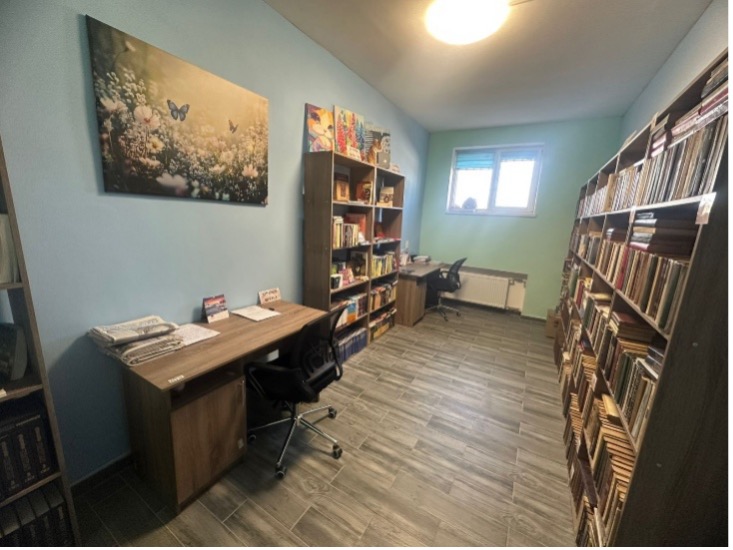
The remand prison consists of a duty station, a reception unit, a catering unit, cells for holding male, female, and juvenile pre-trial detainees, a maximum-security sector for holding life-sentenced convicts, transit cells, a facility maintenance sector, punishment cells, a medical unit, a bath and laundry complex, visitor rooms, a shop, a library, a parcel reception room, and administrative premises.
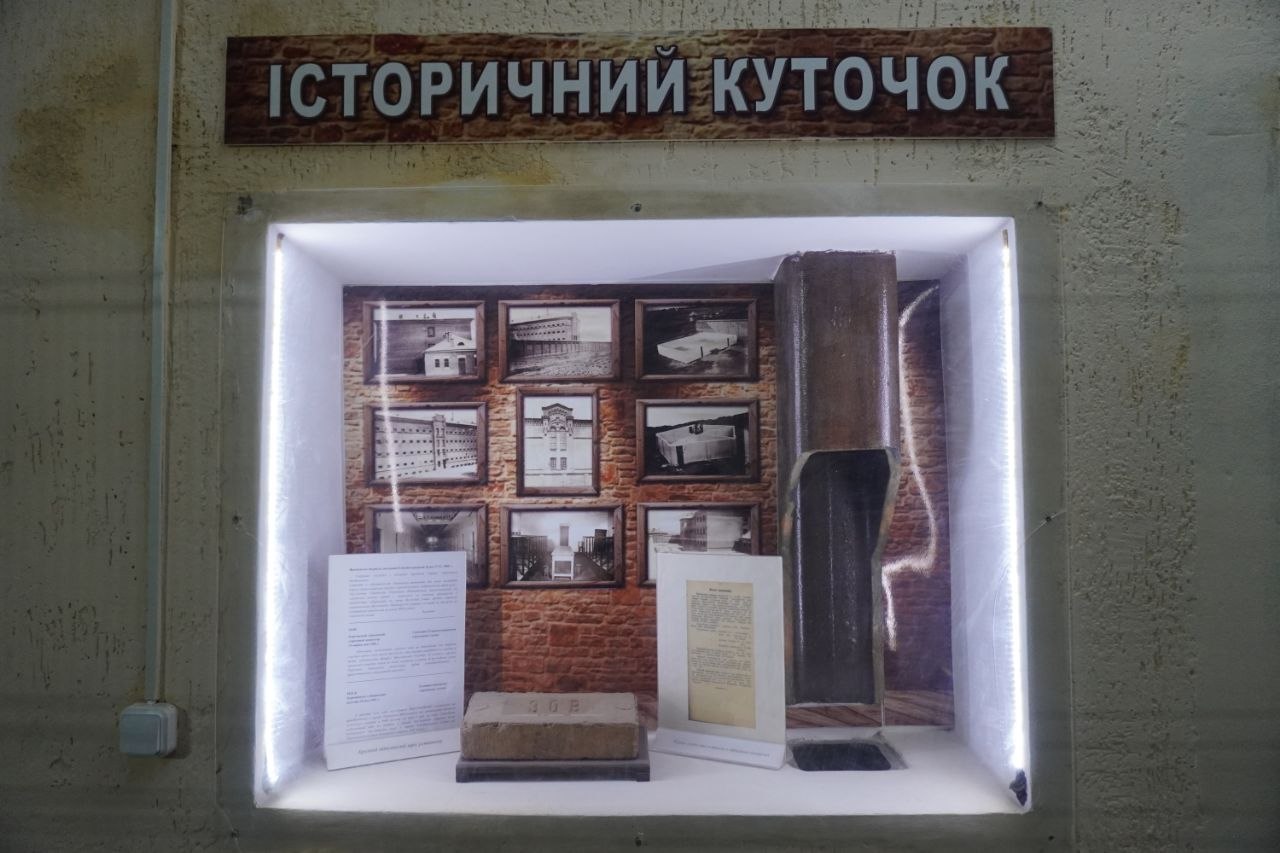
The State Institution ‘Kropyvnytskyi Remand Prison’ is one of the oldest penitentiary institutions in the Kirovohrad oblast. The history of the institution dates back to approximately 1907, when a prison facility was established in what is now the city of Kropyvnytskyi (then Yelysavethrad). During the Russian Empire, the institution functioned as a provincial prison. Later, during the Soviet period, the facility continued its activities within the prison system of the USSR and was used to hold pre-trial detainees as well as convicts. In 1964, the institution was officially reorganised as a remand prison. Since then, it has functioned as a pre-trial detention facility. Following the declaration of Ukraine’s independence, the institution became part of Ukraine’s prison and correctional system, and later fell under the structure of the State Penitentiary Service of Ukraine. Following the renaming of the city of Kirovohrad to Kropyvnytskyi in 2016, the institution received its current name — the State Institution ‘Kropyvnytskyi Remand Prison’.
According to the data of the institution’s administration, the authorised staff consists of 206 posts. The actual number is 175 employees. The total staff shortage across the institution is 31 posts, which constitutes 15.5% of the authorised staff. The staff shortage consists of: junior officers and lower ranks — 20 people; senior and middle-ranking officers — 9 people; and civilian employees — 2 people. At the same time, the following posts remain vacant: deputy head of the remand prison for social-educational and psychological work; operational officer of the operational department; inspector of the social-educational and psychological work department; and head of the department for monitoring the execution of court decisions.
The planned capacity of the facility is 824 people. There are 168 cells in the remand prison, of which 162 are active, 3 are under renovation, and 13 are mothballed. The institution holds 458 people, including: pre-trial detainees — 315; convicts whose sentences are under appeal or have not entered into force — 94; life-sentenced convicts — 18, of whom 2 sentences have not entered into force; convicts employed in facility maintenance work — 14; convicts in transit to their places of serving sentences — 13; extradited persons — 4; and foreign nationals — 6.
The institution employs 2 psychologists in the social-educational and psychological work department and 1 psychologist in the staff department. During 2026, 1,687 people arrived at the facility. In 2025, 9 people died, and in 2026 — 1 person. A total of 36 people are employed. In the medical unit, 3 people were receiving inpatient treatment. There are 37 people registered on the HIV/AIDS register.
The following were on the operational preventive register in the institution: 21 people prone to suicide (2 suicide cases were recorded in 2025 and 1 suicide case during the current year); 72 people prone to self-harm; 8 people prone to escape; and 2 persistent violators of the detention regime.
During 2025, 1 complaint was filed with the institution’s management regarding inadequate conditions of detention and 6 complaints regarding inadequate medical care. During 2026, 4 complaints regarding inadequate conditions of detention were received from the State Penitentiary Service authorities, and 6 complaints regarding inadequate conditions of detention and 4 complaints regarding inadequate medical care were submitted directly to the institution’s management.
Convicts have 26 tablets in their personal use, of which 14 tablets are with life-sentenced convicts and 12 tablets are with convicts of the facility maintenance unit.
During 2025, 53 cases of bodily injuries were recorded: 28 upon arrival at the institution and 25 during their stay in the facility. In the current year, 7 cases of bodily injuries have been recorded: 2 upon arrival and 5 during their stay in the institution.
The monitoring group interviewed about 210 detainees and convicts during cell visits, general conversations while providing advice, answering questions, surveying for human rights violations, and through individual discussions, including on an anonymous basis.
It is worth noting that the institution’s administration responds appropriately to the complaints of detainees and convicts regarding the actions or omissions of the administration and the inadequate provision of medical care. Furthermore, the administration does not conceal cases of human rights violations, which can be seen as signs of openness, transparency, and a proper, adequate response.
Positive experience
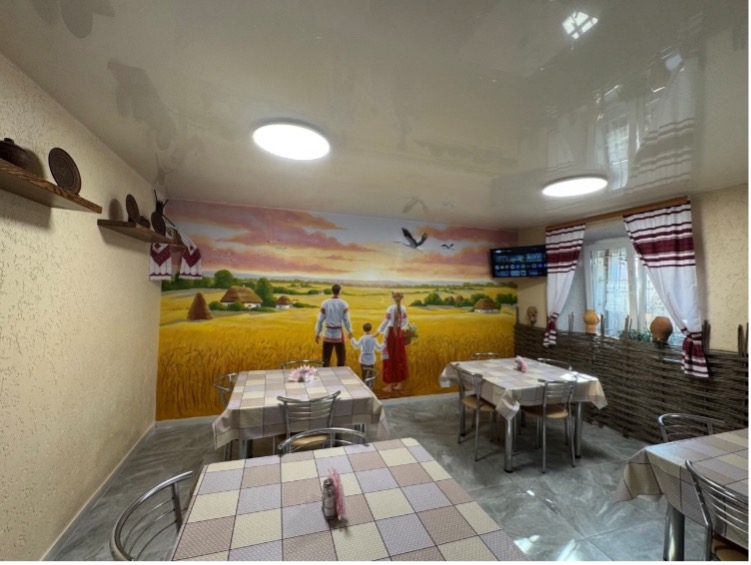
During the monitoring visit to the remand prison, certain positive changes were identified aimed at improving the conditions of detention for detainees and convicts, the working conditions of the staff, as well as modernising specific areas of the institution’s activities. In particular, renovation work is being carried out in cells and office premises, the material and living infrastructure is being updated, and modern technical solutions in the field of security and digitisation of processes are being implemented.
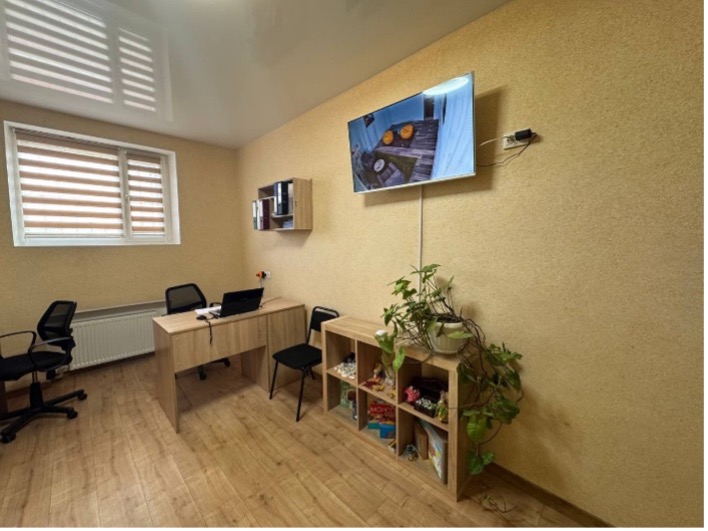
The creation of conditions for working with juveniles, in particular the equipping of the ‘Green Room’, the renovation of premises for psychological work, and the repairs of certain cell premises, deserves a positive assessment. In addition, the institution’s administration is taking measures to develop social-educational and resocialisation work, meet the educational needs of juveniles, and involve non-governmental and religious organisations in working with detainees and convicts.
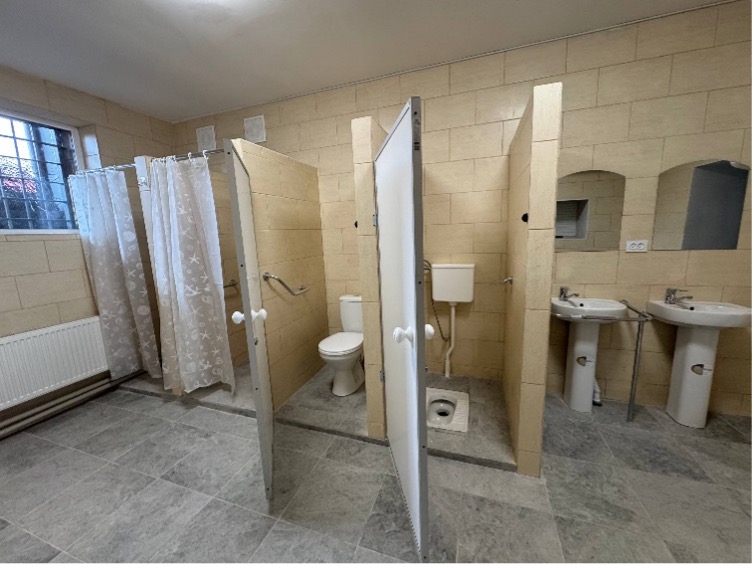
Of separate note is the renovation work in the reception unit, offices, and auxiliary premises, which contributes to improving sanitary and living conditions and the organisation of staff work. The renewal of certain cells after the events of 2019, which had not been used for a long time, is also a positive development.
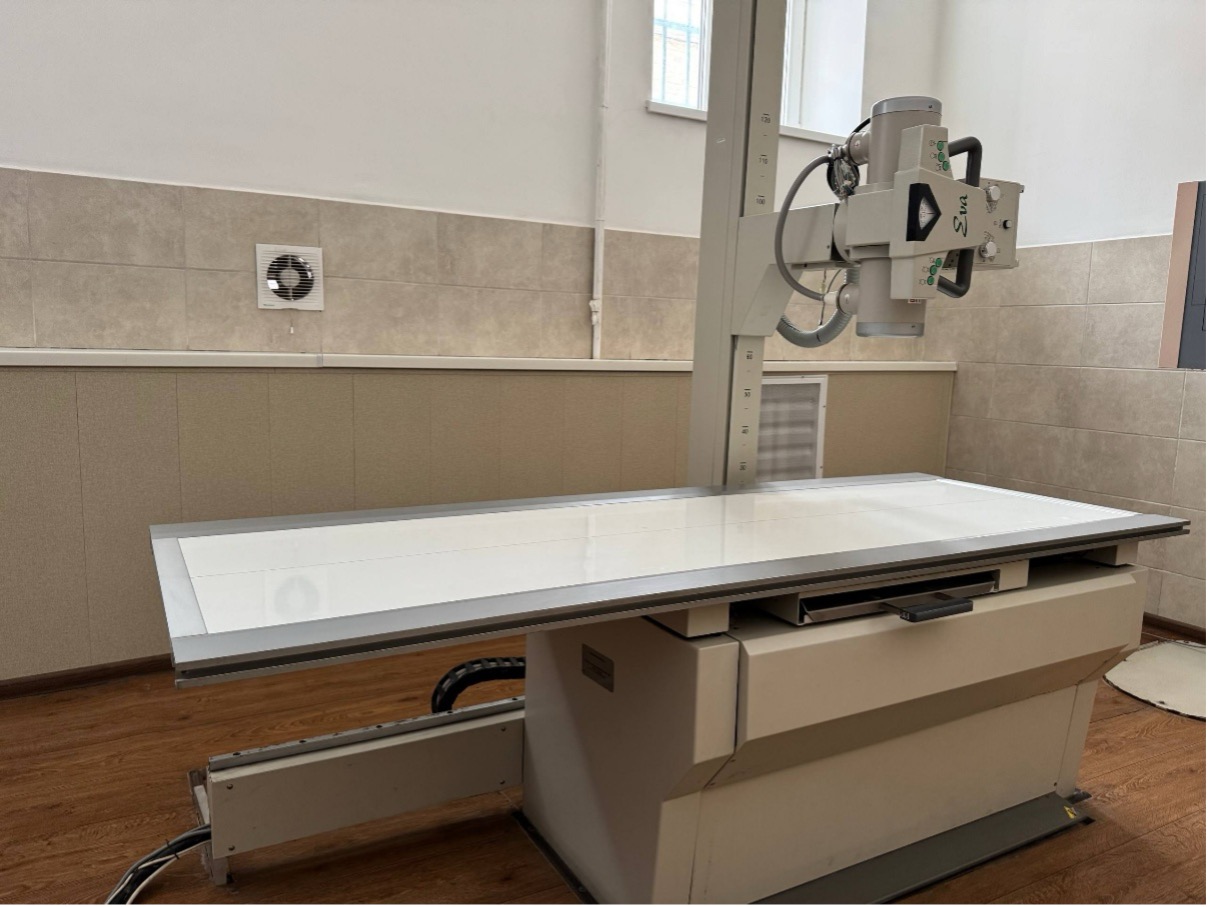
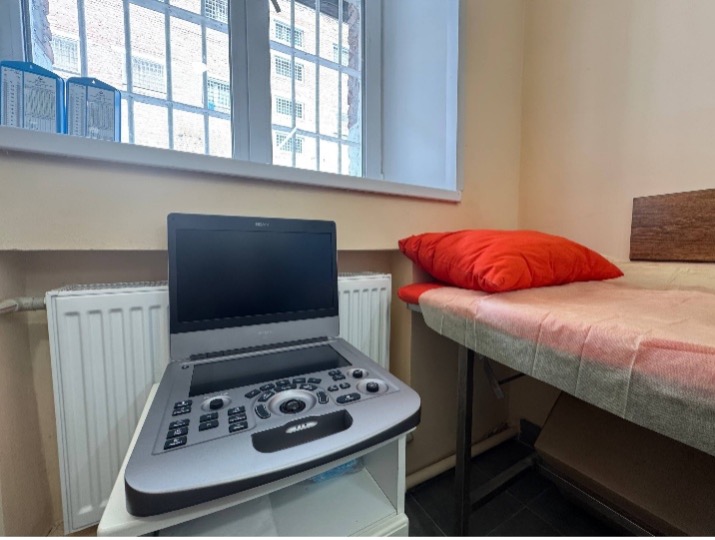
Positive changes were also recorded in the activities of the medical unit, where equipment is being updated, certain medical premises are being renovated, and the conditions for providing medical care are being improved. In particular, the possibilities of laboratory and instrumental diagnostics have been expanded, and conditions for the treatment of certain categories of patients have been improved.
Identified violations of national and international legislation
During the monitoring visit, violations of national legislation and non-compliance with international recommendations on the treatment of prisoners were identified, leading to violations of the rights of detainees and convicts:
1. During the monitoring visit to the institution, a number of systemic violations were recorded, including non-compliance with the legally established norms of living space prescribed for holding persons remanded in custody in cells, as well as other violations indicating inadequate conditions of detention for prisoners. Such conditions can be regarded as cruel, inhuman, or degrading treatment and punishment and may lead to new applications being filed against Ukraine with the European Court of Human Rights on the basis of a violation of Article 3 of the Convention for the Protection of Human Rights and Fundamental Freedoms.
Thus, in violation of Article 11 of the Law of Ukraine ‘On Pre-trial Detention’ and Rule 13 of the United Nations Standard Minimum Rules for the Treatment of Prisoners (the Nelson Mandela Rules), 3 people were held in cell No. 156, whereas, according to the act on measuring the area of the institution’s structural units, it is designed to hold only 2 people. According to the act, the cell area is 6.56 m². Consequently, the actual space per detainee was only 2.18 m², which does not meet the minimum standard of 2.5 m² established for persons remanded in custody.
Similar violations were identified in cells Nos. 157, 158, 159, 160, 161, 162, 186, 188, 191, 192, 193, 194, 195, 196, and 197. Furthermore, in violation of paragraph 1 of Chapter 2 of Section III of the Internal Regulations of Remand Prisons of the State Penitentiary Service of Ukraine, approved by Order of the Ministry of Justice of Ukraine No. 1769/5 dated 14 June 2019 (hereinafter referred to as the IRRP), it was established that in a number of cells, the actual number of sleeping berths exceeds that which is permissible to ensure the statutory norm of space per person. In particular, the violation was recorded in cells Nos. 156, 157, 158, 159, 160, 161, 162, 163, 186, 188, 189, 191, 192, 193, 194, 195, 196, and 197.
This violation creates opportunities for possible abuses by the institution’s administration and staff in the context of compliance with the norm of living space per person, and fails to provide adequate personal space to detainees in cells.
Paragraph 13 of the 7th General Report of the European Committee for the Prevention of Torture and Inhuman or Degrading Treatment or Punishment (hereinafter referred to as the CPT) states that the problem of overcrowded cells leads to unhygienic conditions, a constant lack of privacy, and overloading of medical services and the institution’s infrastructure. The CPT concludes that all too often the negative impact of overcrowding has resulted in inhuman or degrading conditions of detention for prisoners (CPT/Inf (97) 10).
In addition, in its report on the results of the visit to Ukraine in 2023, the CPT once again calls on the Ukrainian authorities to take measures to review existing legal norms regarding living space for persons remanded in custody, so as to guarantee at least 4 m² per person in multi-occupancy cells, excluding the area occupied by in-cell toilets (CPT/Inf (2024) 20, paragraph 38).
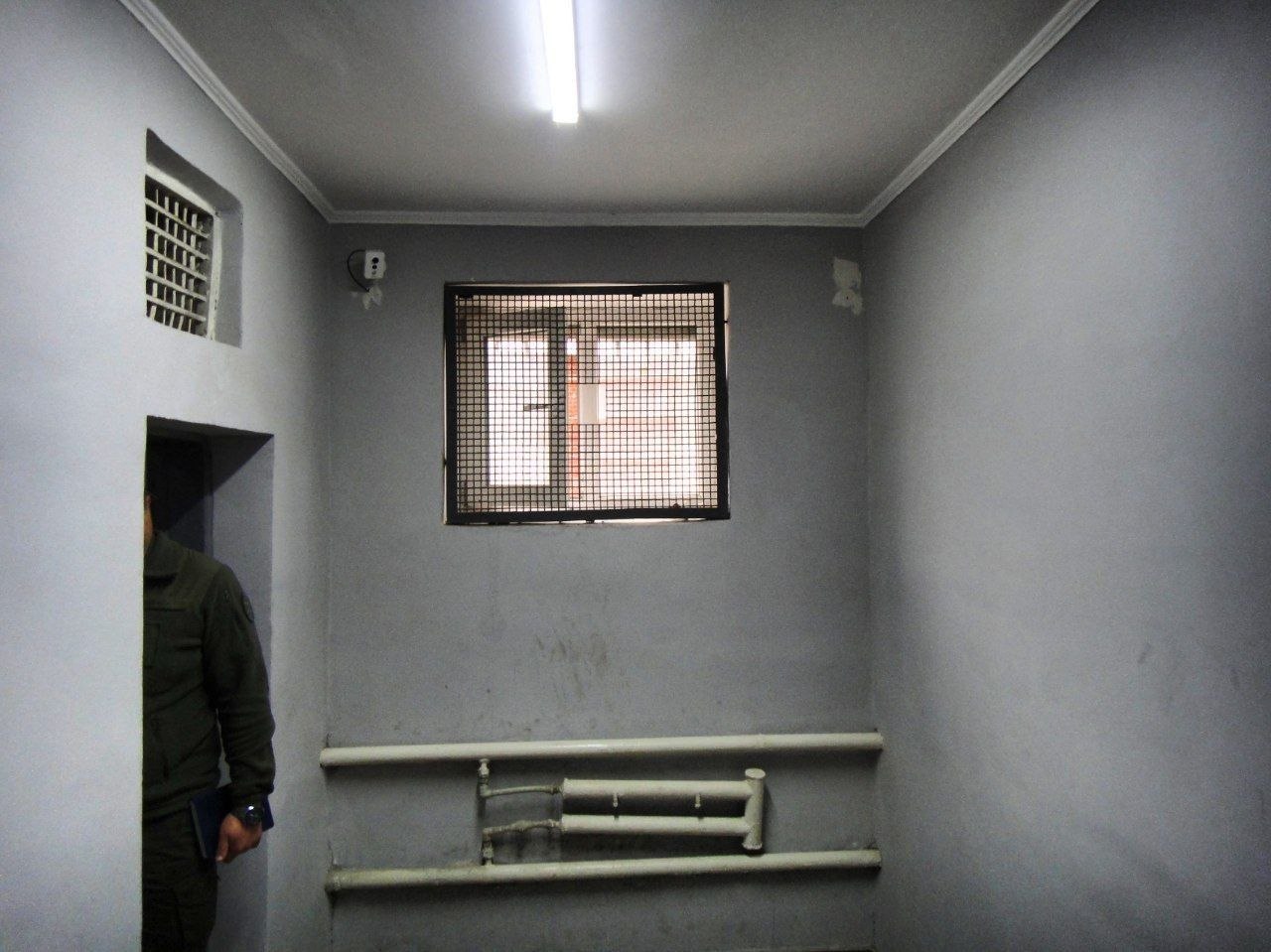
2. Paragraph 59 of the 21st General Report of the CPT states that any cell measuring less than 6 m² should not be used to hold prisoners (CPT/Inf (2011) 28). In its report on the results of the visit to Ukraine in 2012, the CPT notes that single cells should have a living space of at least 6 m² excluding the sanitary facility, and the distance between the walls should be at least 2 metres (CPT/Inf (2013) 23, paragraph 45). However, the monitoring group established the use of cells Nos. 308, 309, and 310 (punishment cells), the area of which, according to the act on measuring the area of structural units, is less than 6 m².
3. The arrangement of punishment cells Nos. 308, 309, and 310 does not ensure appropriate conditions of detention for detainees and convicts, taking into account their individual needs, which fails to comply with established requirements and international standards for the treatment of prisoners. Thus, due to the limited area of the punishment cell, which is 4.4 m² excluding the sanitary facility, the persons held there are deprived of the opportunity to move freely within the cell, which causes physical and psychological discomfort.
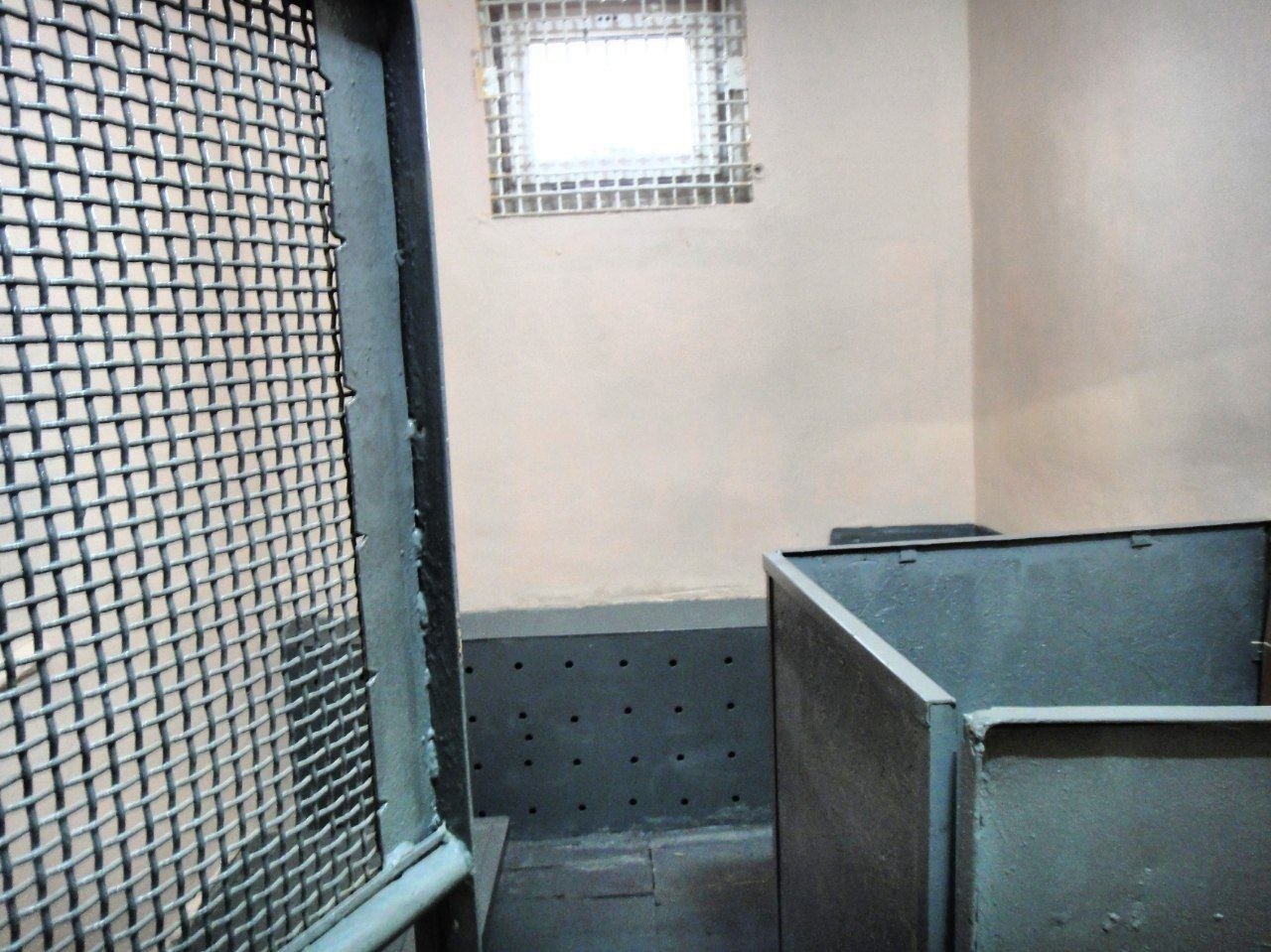
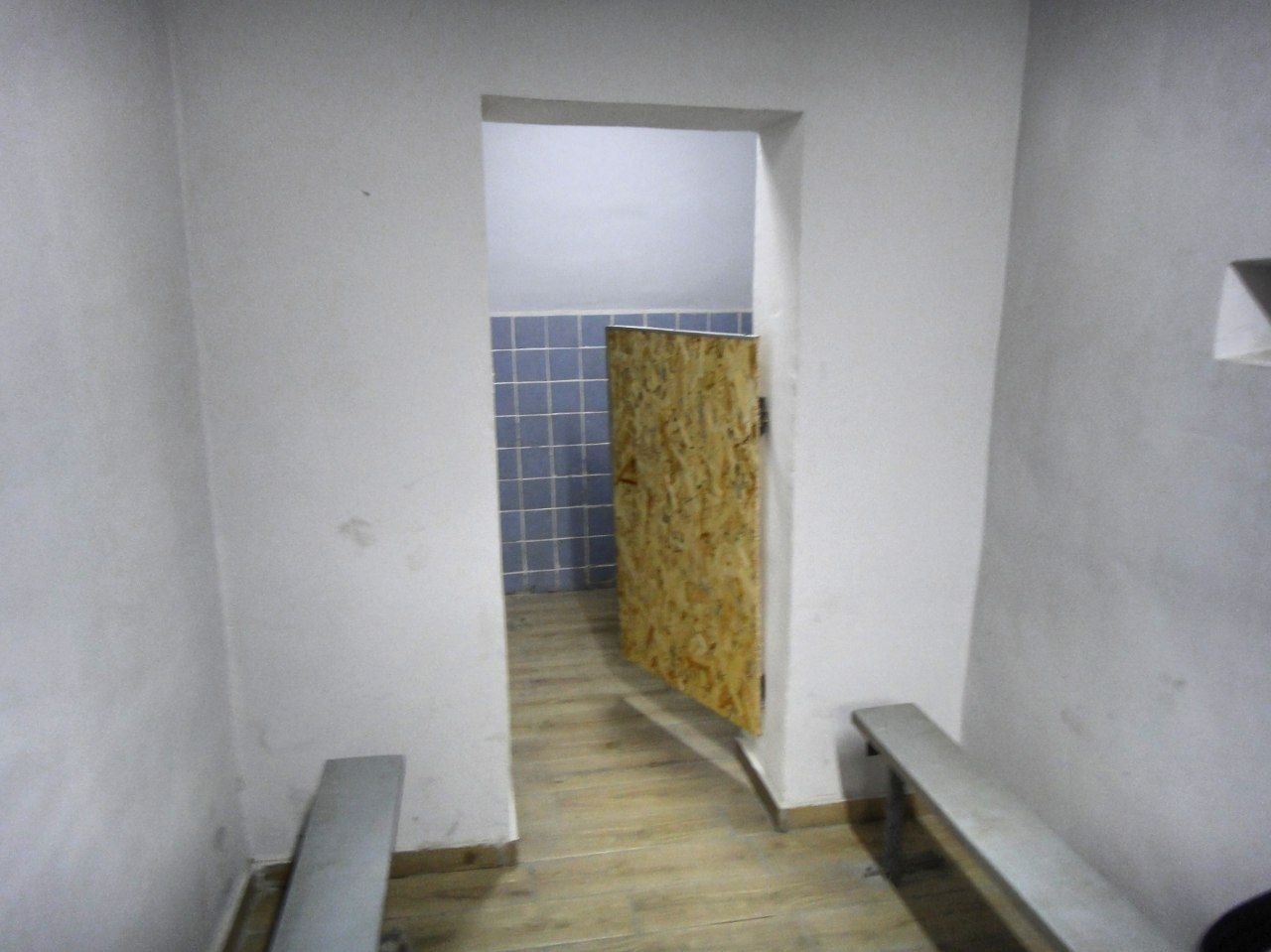
4. The toilets in the premises are not equipped with sufficient partitions to ensure privacy, which violates Rule 19.3 of the European Prison Rules and Rule 15 of the United Nations Standard Minimum Rules for the Treatment of Prisoners (the Nelson Mandela Rules).
5. The punishment cells are not equipped with staff call buttons, which makes prompt contact of convicts with the institution’s staff difficult. This violates point 4 of Section IV of the Procedure for the Use of Technical Means of Supervision and Control in Correctional and Reformatory Colonies of the State Penitentiary Service of Ukraine, approved by Order of the Ministry of Justice of Ukraine No. 2025/5 dated 26 June 2018 (hereinafter referred to as the Procedure for the Use of Technical Means), and Rule 18.2 (c) of the European Prison Rules.
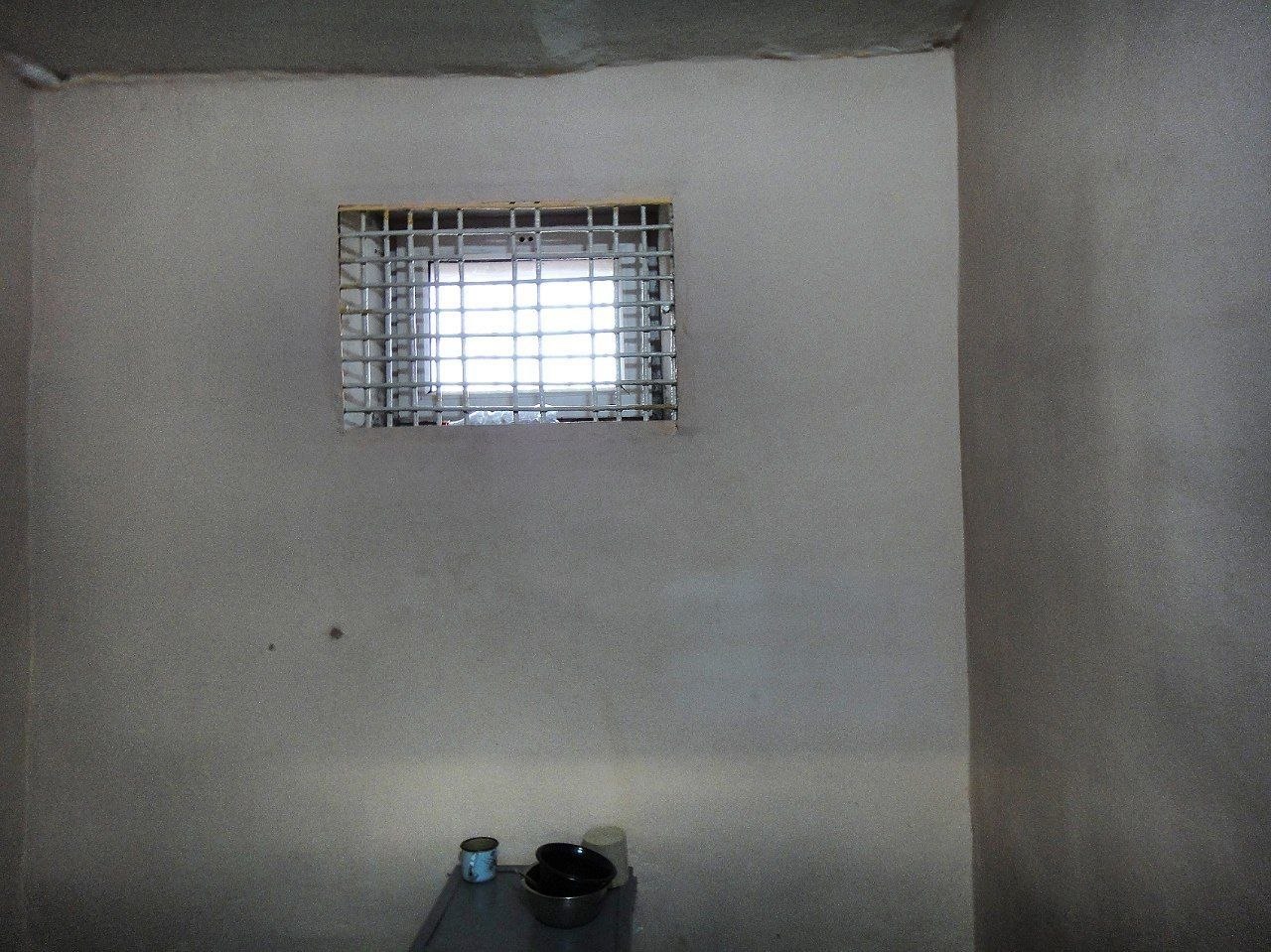
6. In the punishment cells, an appropriate level of natural light is not ensured, as the cell window is located at a significant height, is small in size, and has excessive grating, as a result of which natural light practically does not penetrate the room. This does not comply with the requirements of Rule 18.2 (a) of the European Prison Rules and Rule 14 (a) of the United Nations Standard Minimum Rules for the Treatment of Prisoners (the Nelson Mandela Rules).
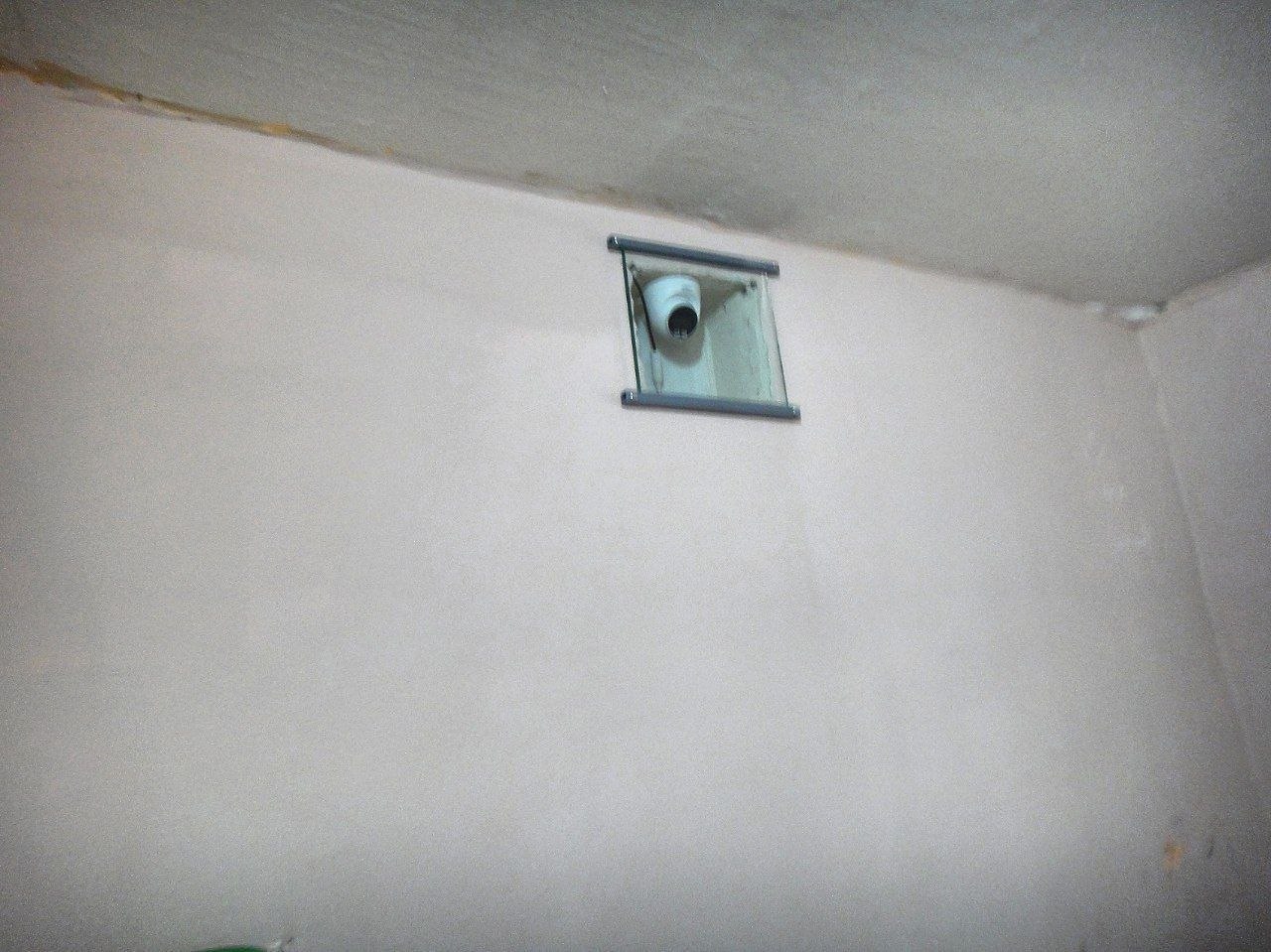
7. Paragraph 4 of Chapter 2 of Section III of the IRRP provides for the use of audiovisual, electronic, and other technical means to ensure security, prevent escapes, the commission of criminal offences, and violations of the established order of detention. During the inspection of punishment cells and cells Nos. 318, 322, and ward-cell No. 203, the monitoring group recorded the installation of video surveillance cameras. At the same time, the CPT’s report for 2012 states that video surveillance in living quarters constitutes a significant intrusion into the private lives of prisoners and makes the detention regime more repressive, especially in the event of its prolonged use (CPT/Inf (2013) 23, paragraph 52).
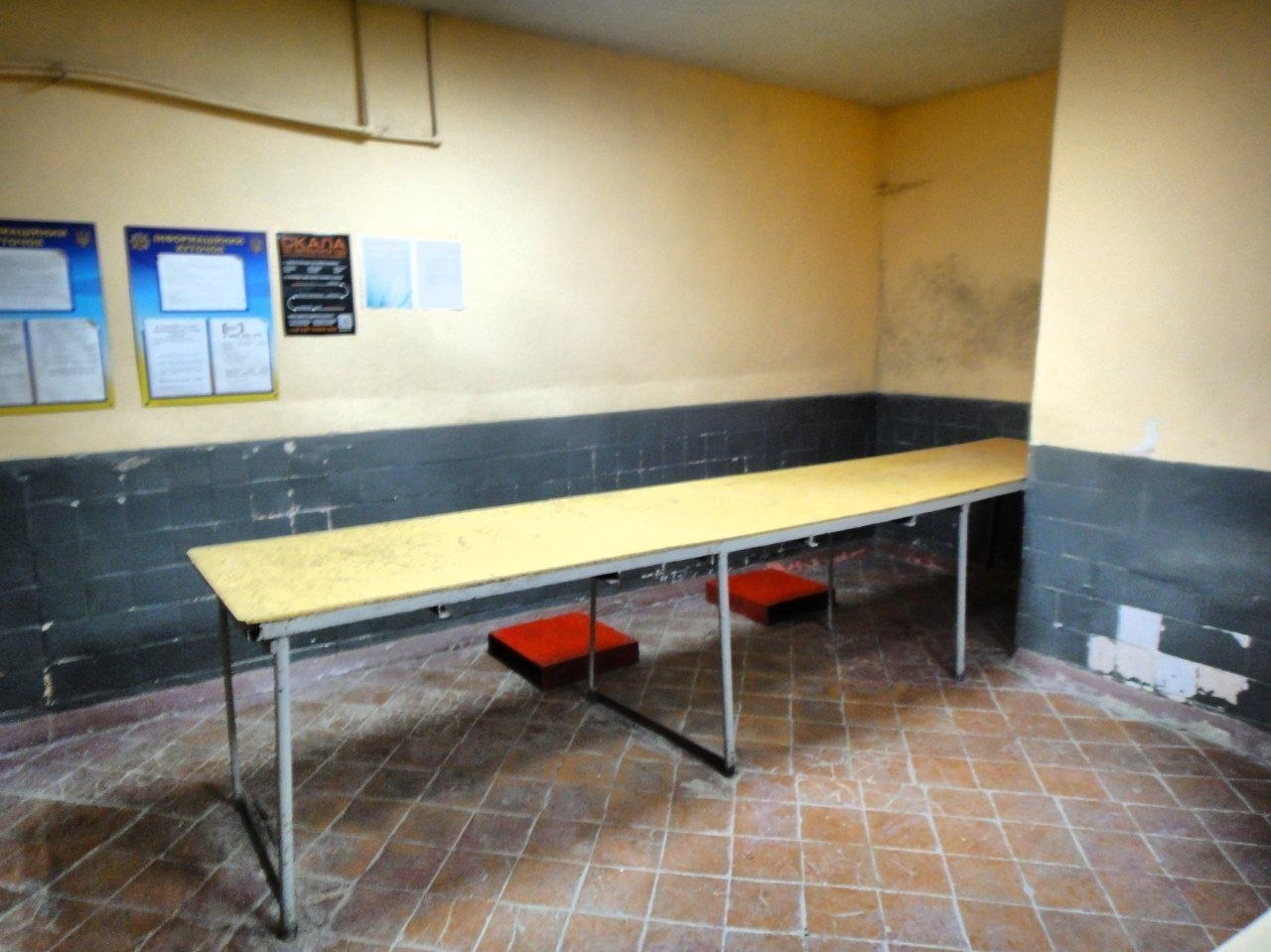
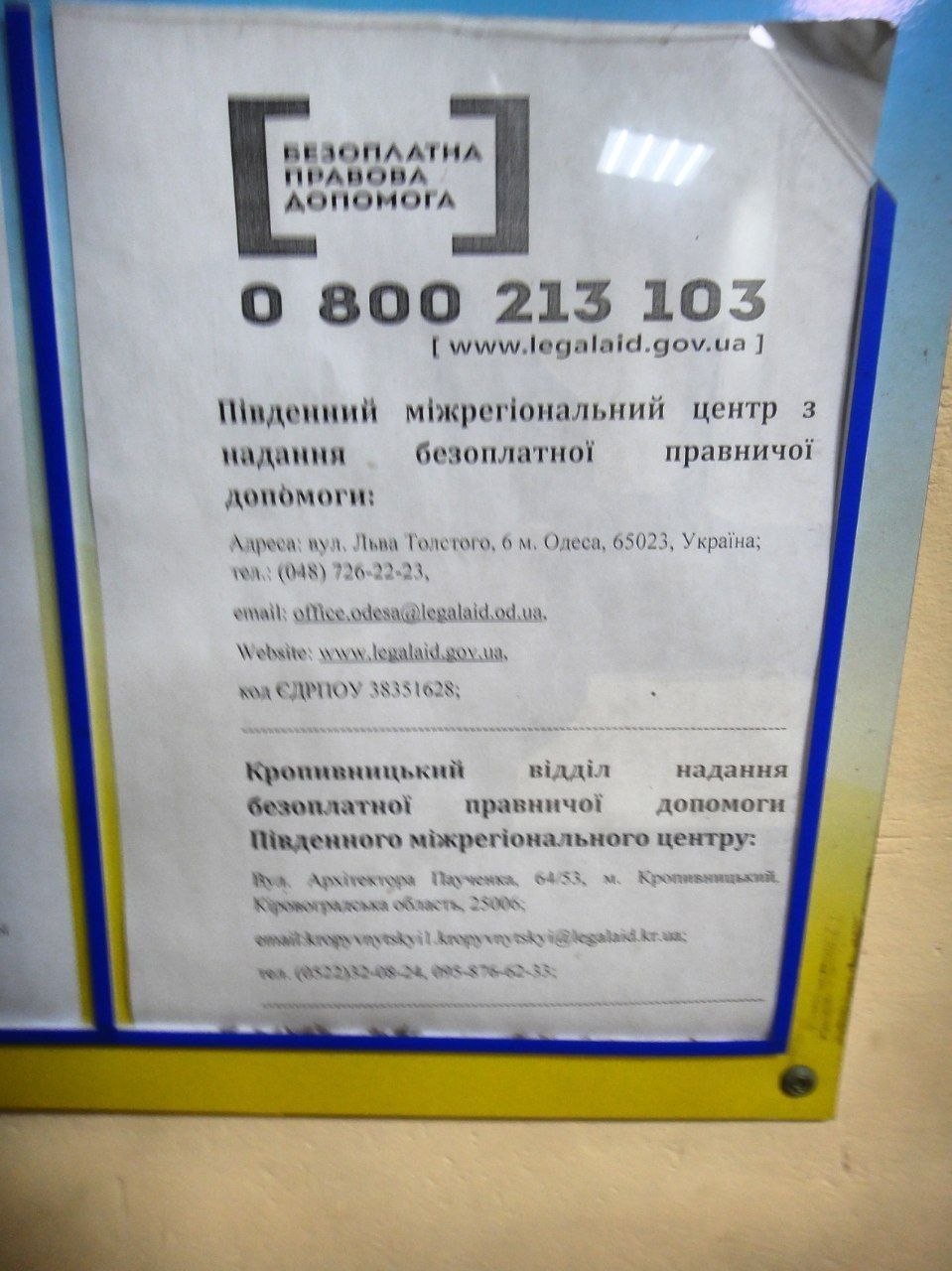
8. During the visit to the punishment cells, a lack of visual information was established indicating the telephone numbers of ‘hotlines’, as well as the postal and email addresses of the Ministry of Justice of Ukraine, the Commissioner for Human Rights of the Verkhovna Rada of Ukraine, the European Court of Human Rights, the State Bureau of Investigation, the Office of the Prosecutor General, the regional and district prosecutor’s offices, and the Department. Instead, only the email address and telephone number of the interregional administration, as well as the regional centre for the provision of free legal aid, were available. This contradicts the requirements of paragraph 14 of Chapter 2 of Section II of the IRRP. Similar violations were established in the premises for the temporary stay of persons remanded in custody, in the reception unit, as well as in the cells of the institution.
9. In violation of Article 8 of the Law of Ukraine ‘On Pre-trial Detention’ and Rule 17.2 of the European Prison Rules, the monitors established cases of violation of the requirements regarding the segregation of prisoners. Thus, during a selective check, the fact of holding individuals accused or suspected of committing serious crimes involving violence or those that caused bodily harm or death to the victim, as well as especially serious crimes, jointly with other persons remanded in custody, was established. Specifically, in cell No. 158, a person being prosecuted for committing a crime under Part 2 of Article 307 of the Criminal Code of Ukraine was held together with a person being prosecuted for committing a crime under Part 1 of Article 115 of the Criminal Code of Ukraine.
קрім того, встановлено, що в камерних приміщеннях №№121, 157 утримувалися особи, які раніше відбували покарання у місцях позбавлення волі, разом з особою або особами, які вперше притягуються до кримінальної відповідальності. Зазначене свідчить про недотримання адміністрацією установи вимог щодо забезпечення належного контролю за розміщенням ув’язнених, не відповідає принципам динамічної безпеки та призводить до порушення прав в’язнів на особисту безпеку, що суперечить національному законодавству та міжнародним стандартам, зокрема статті 3 Конвенції про захист прав людини і основоположних свобод.
11. During the visit to the reception unit, circumstances were established that may indicate a violation of the prisoners’ rights to humane treatment and respect for human dignity, guaranteed by part three of Article 1 of the Law of Ukraine ‘On Pre-trial Detention’.
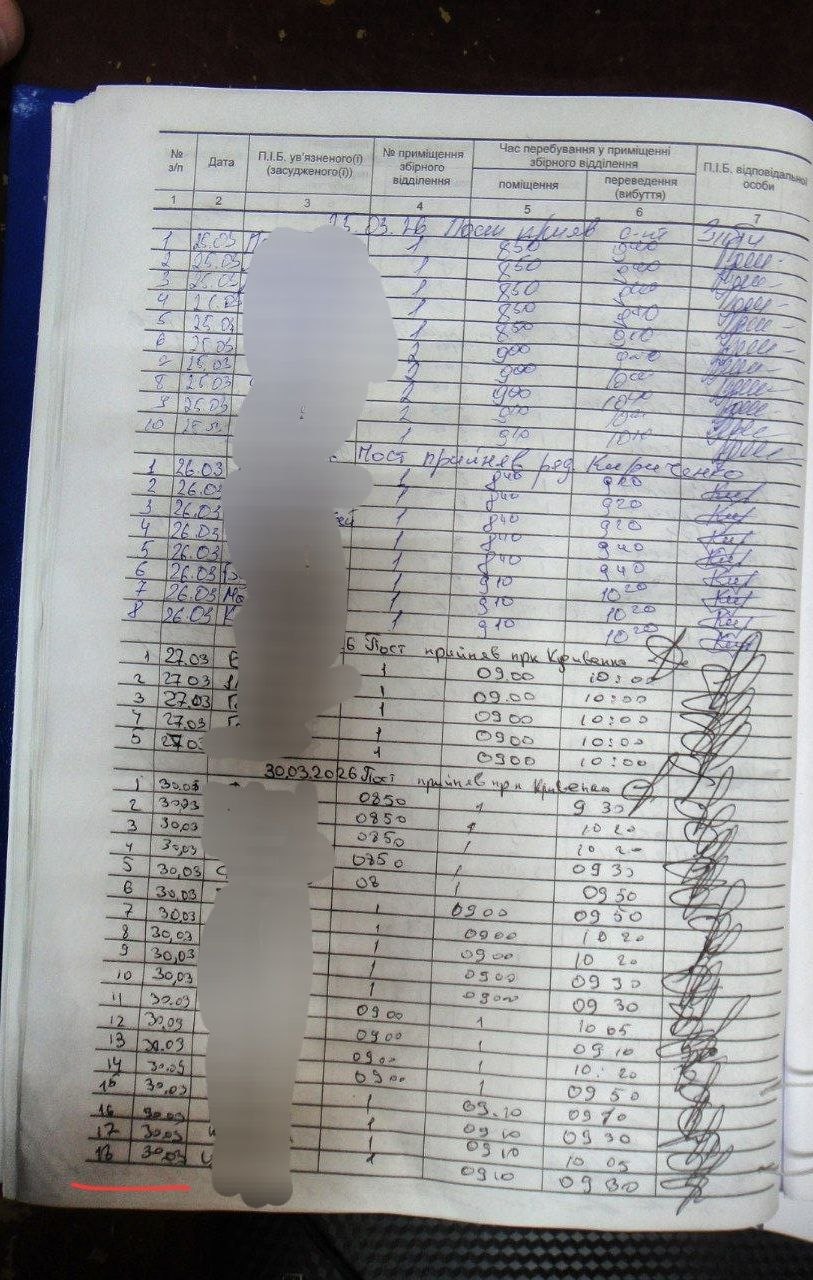
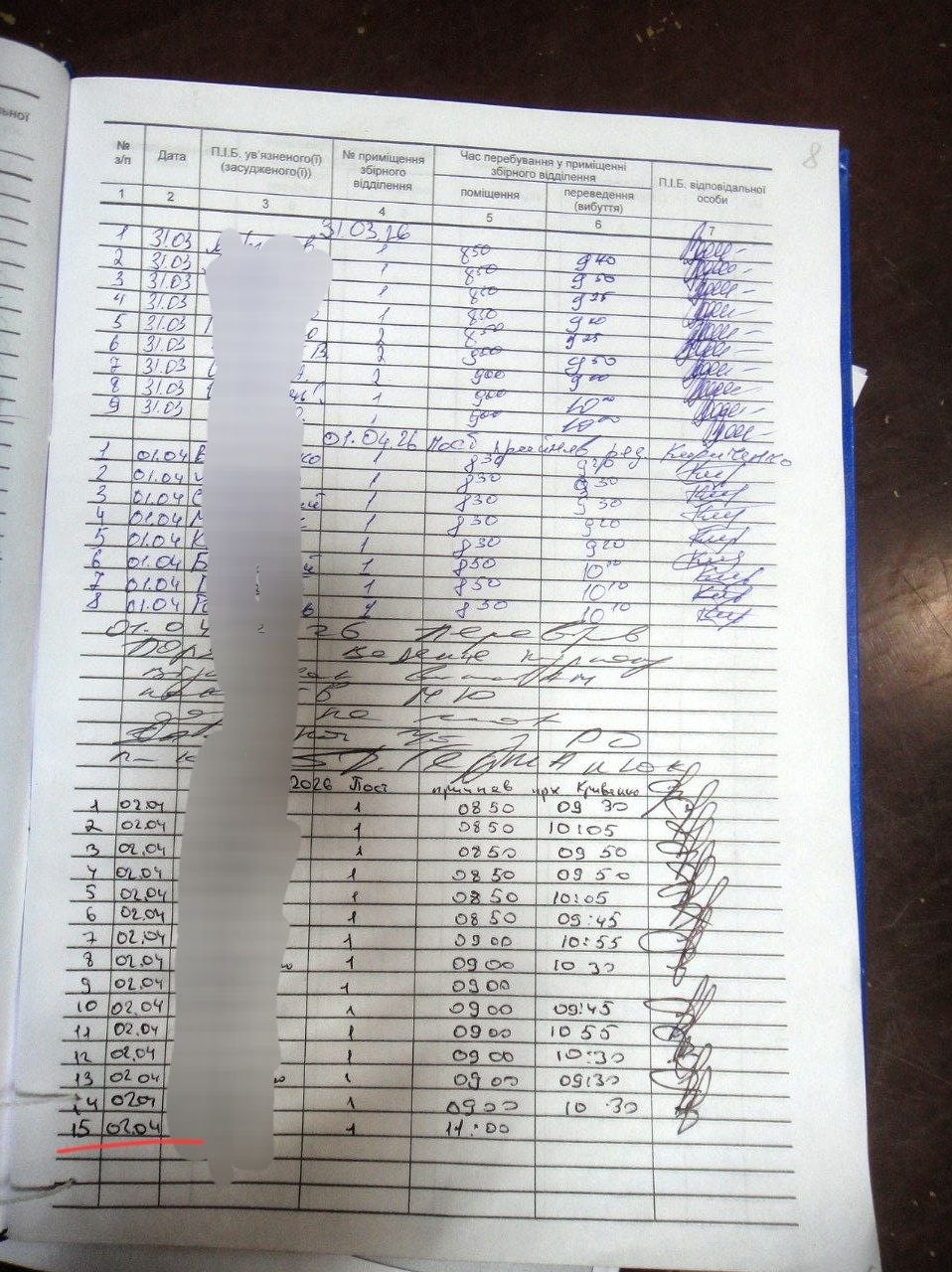
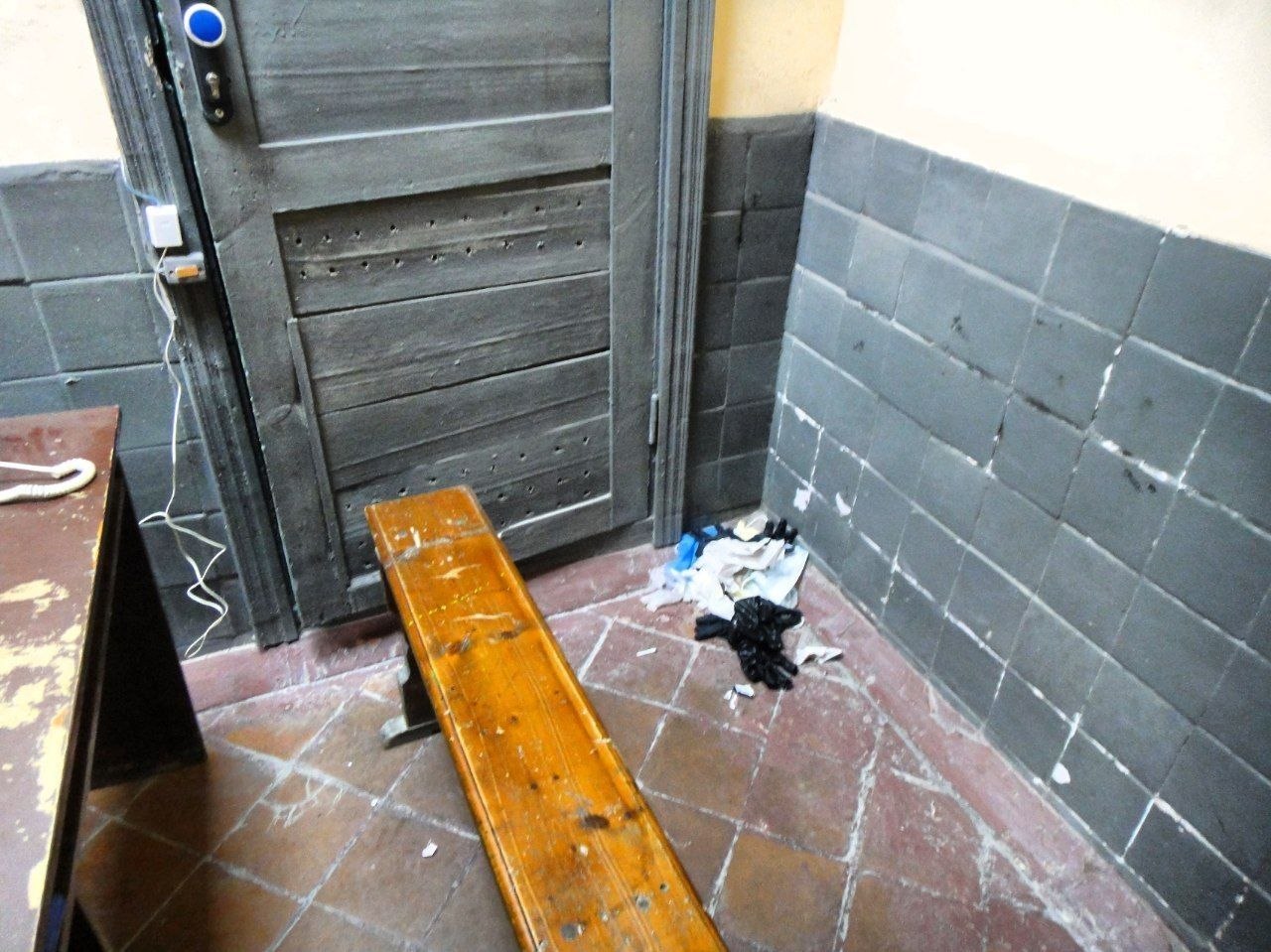
Specifically, the monitoring group established that the institution’s staff systematically places detainees in the temporary holding room No. 1 of the reception unit (which, according to a certificate provided by the institution’s administration, has an area of 12.4 m²) in numbers exceeding its established capacity — up to 18 people — for a period of up to two hours. Thus, the actual area per person was 0.68 m², which is significantly lower than the minimum norm of 2.5 m² established for persons remanded in custody.
These circumstances are confirmed by entries in the duty log of the reception unit. The room is not equipped with benches in numbers sufficient to accommodate all held persons, so most of them are forced to stand. In violation of the requirements of the Procedure for Provision, Accounting, and Operation of Furniture, Inventory, and Household Items and the Norms of their Provision and Operation in Correctional Institutions and Remand Prisons of the State Penitentiary Service of Ukraine, approved by Order of the Ministry of Justice of Ukraine No. 1118/5 dated 27 July 2012 (hereinafter referred to as the Provision Norms), the sanitary facility is not partitioned off and is located in the same room as the washbasin, which does not ensure an adequate level of privacy during use. Furthermore, contrary to the requirements of Rule 22.5 of the European Prison Rules and the Provision Norms, the room is not equipped with a drinking water tank.
Taken together, these circumstances lead to holding individuals in overcrowded conditions, which restricts the possibility of free movement, violates the right to privacy, and creates increased sanitary and hygienic risks to health. Such conditions show signs of ill-treatment and do not comply with the principles of humane treatment of persons remanded in custody.

11. Just as during the previous visit, the monitoring group established that the arrangement of the reception unit’s premises does not fully comply with the requirements of the Provision Norms, which leads to violations of the rights of convicts and persons remanded in custody. It was established that, due to the lack of an equipped doctor’s consulting room in the reception unit, the medical examination of newly arrived persons is conducted in the search room, i.e., in conditions that do not ensure an adequate level of privacy and confidentiality. This creates a risk of disclosure of confidential information about a person’s state of health to the institution’s staff and other persons among the detainees and convicts during the medical examination.
This is a violation of the requirements of paragraph 7 of Chapter 2 of Section X of the IRRP, Article 39-1 of the Law of Ukraine ‘Fundamentals of the Legislation of Ukraine on Healthcare’ concerning the right to medical confidentiality, as well as paragraph 9 of Section I of the Procedure for Organising the Provision of Medical Care to Persons Sentenced to Deprivation of Liberty, approved by Joint Order of the Ministry of Justice of Ukraine and the Ministry of Health of Ukraine No. 1348/5/572 dated 15 August 2014 (hereinafter referred to as the Procedure).
In addition, the lack of a quarantine cell and a cell for sick persons (an isolation cell) in the SIZO reception unit creates conditions for the spread of infectious diseases among detainees and convicts, increases the risk of epidemiological complications, and makes timely detection and isolation of sick persons impossible, posing a threat to both the held persons and the institution’s staff.
At the same time, it was established that only two rooms are available and actually used to hold persons arriving at and departing from the institution, which fails to ensure compliance with isolation requirements for different categories of persons. This is a violation of paragraph 10 of Chapter 2 of Section II of the IRRP and Article 8 of the Law of Ukraine ‘On Pre-trial Detention’.
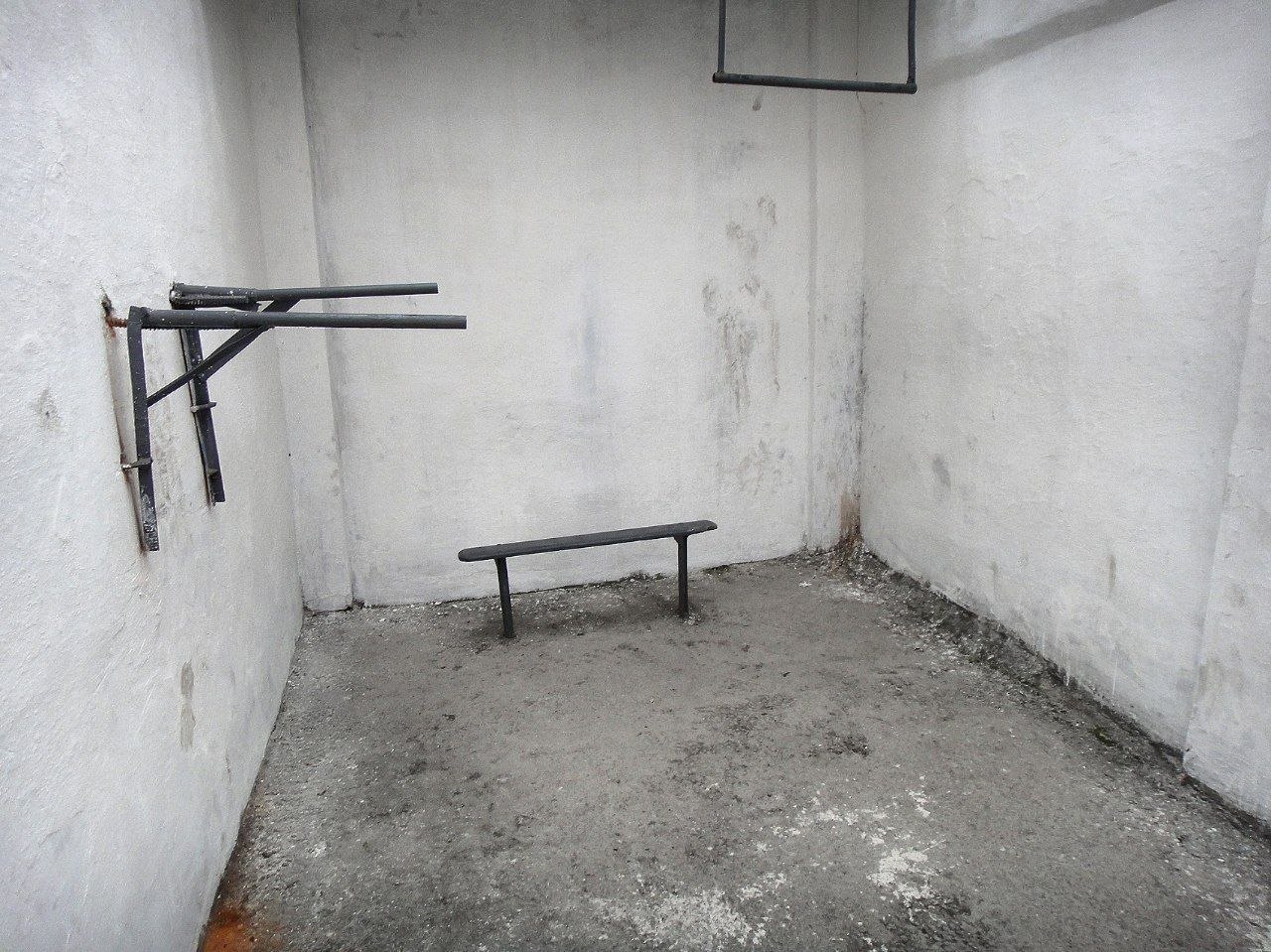
12. In violation of paragraph 3 of Chapter 2 of Section III of the IRRP, certain exercise yards of Block No. 1 are not equipped with sufficient shelter from atmospheric precipitation. At the same time, the CPT has repeatedly recommended reviewing the design and size of exercise yards, ‘from which at best there is a view of the sky’ (CPT/Inf (2014) 15, paragraphs 122 and 127).
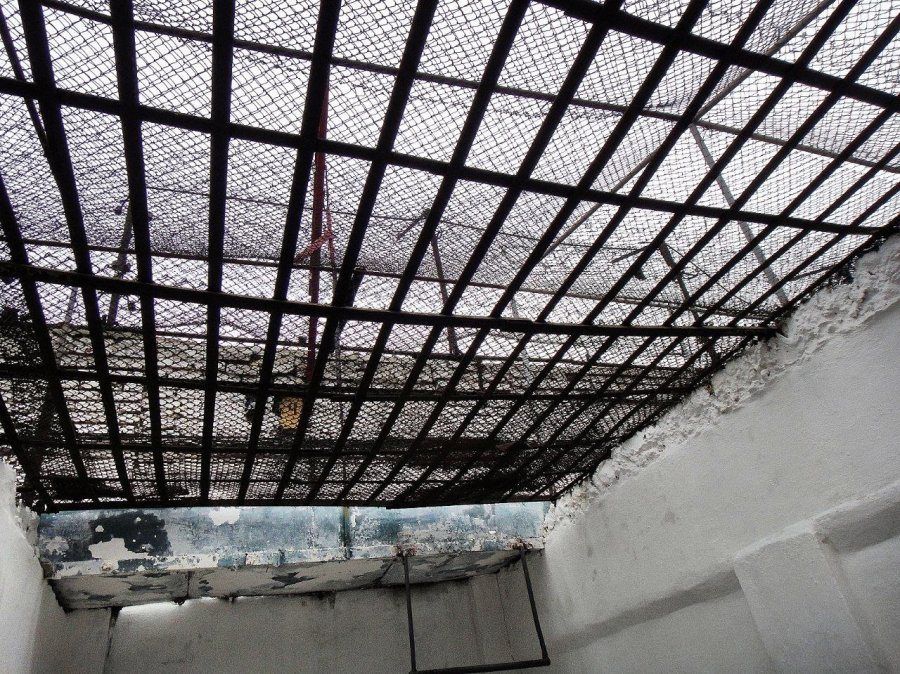
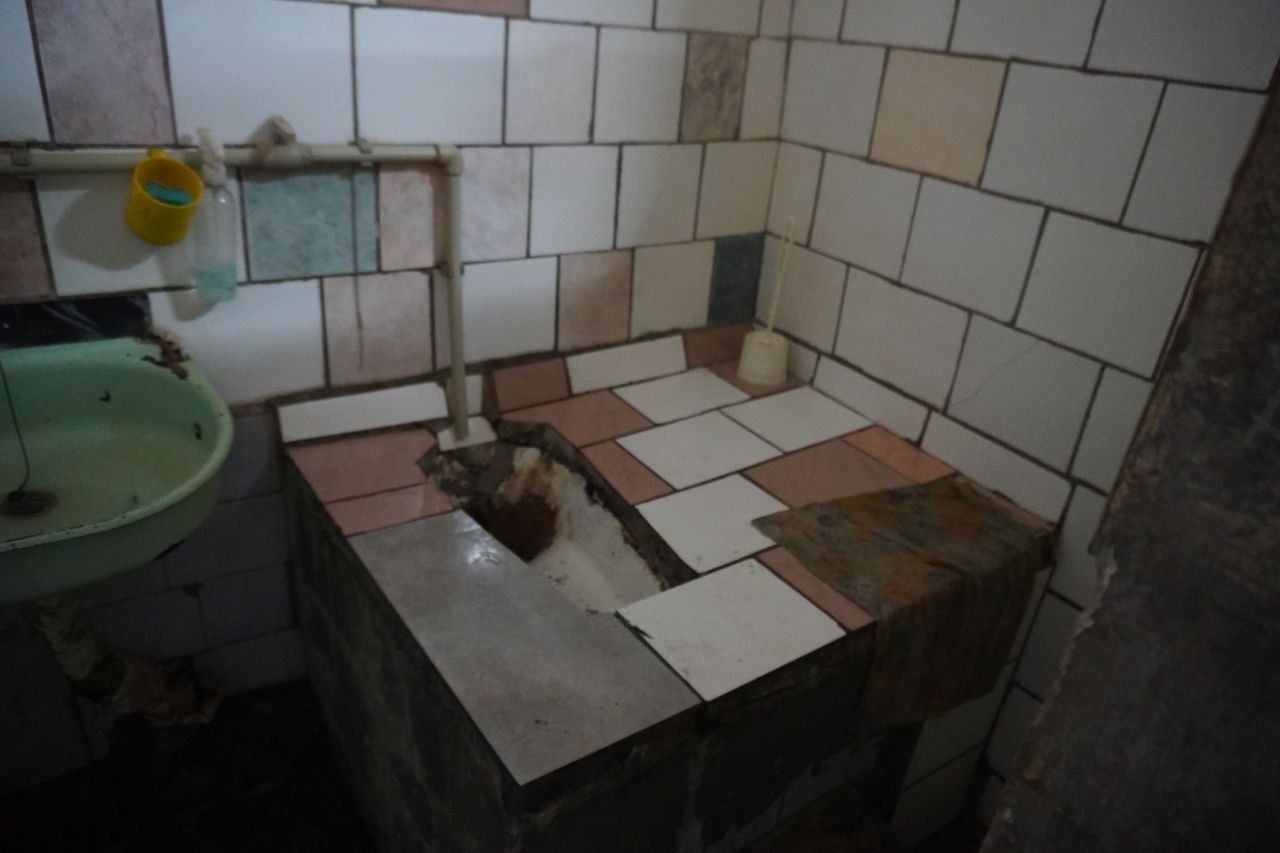
13. During the inspection of cells, violations of Rules 13, 14, 15, and 22.2 of the United Nations Standard Minimum Rules for the Treatment of Prisoners (the Nelson Mandela Rules) were revealed, as well as the requirements of Article 8 of the Convention for the Protection of Human Rights and Fundamental Freedoms, which guarantees the right to respect for private life. In particular, toilets in individual cells are not equipped with sufficient partitions or doors to ensure privacy, which violates Rule 19.3 of the European Prison Rules. Violations were recorded in cells Nos. 156, 157, 158, 159, 160, 161, 162, 163, 164, 191, 192, 193, 194, 195, 196, 197, 325, 333, 340, etc.
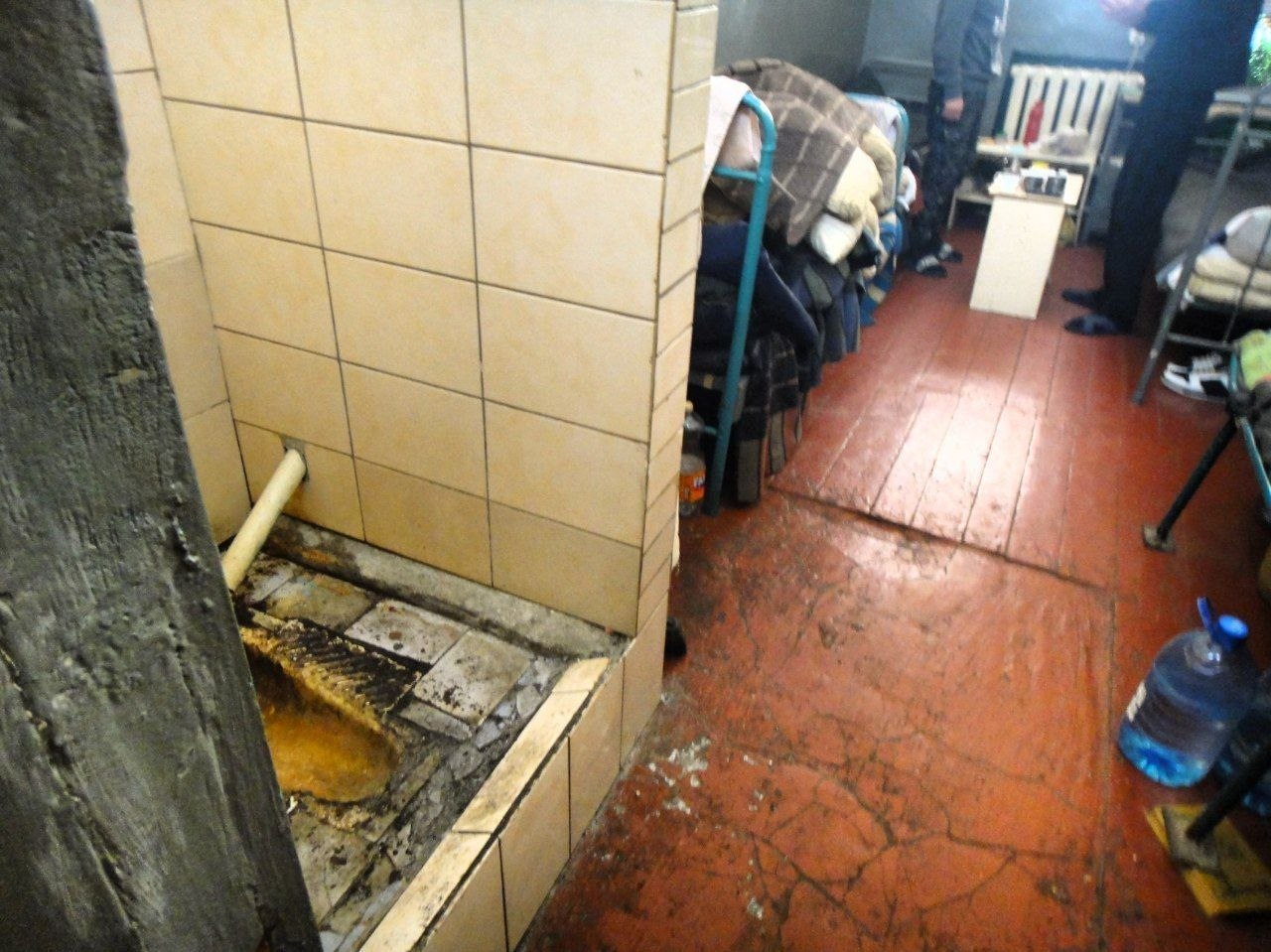
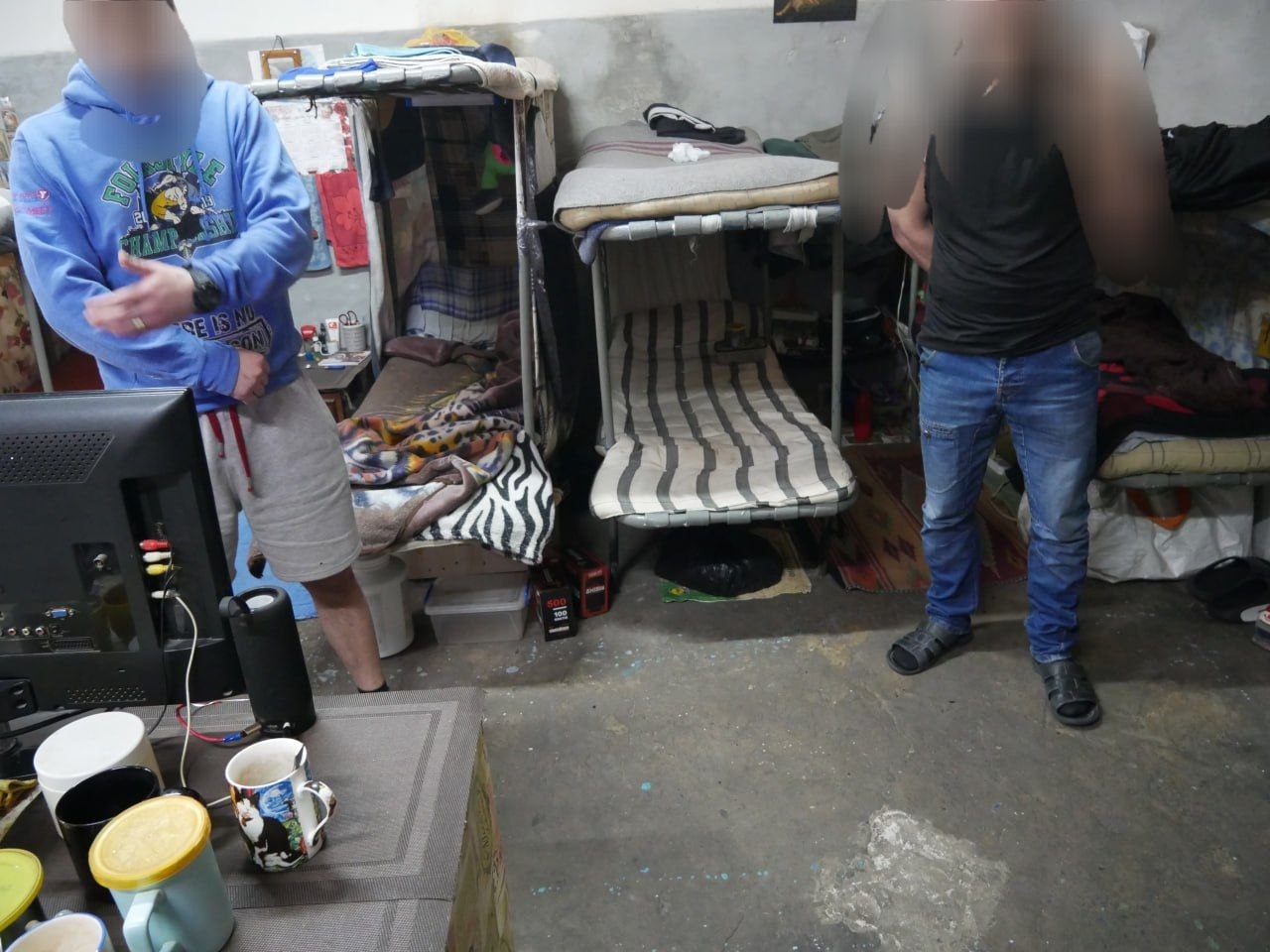
Contrary to Rule 18.1 of the European Prison Rules, in cells Nos. 320, 325, and 333, the beds are located right next to each other, which deprives the detainees of the necessary personal space.
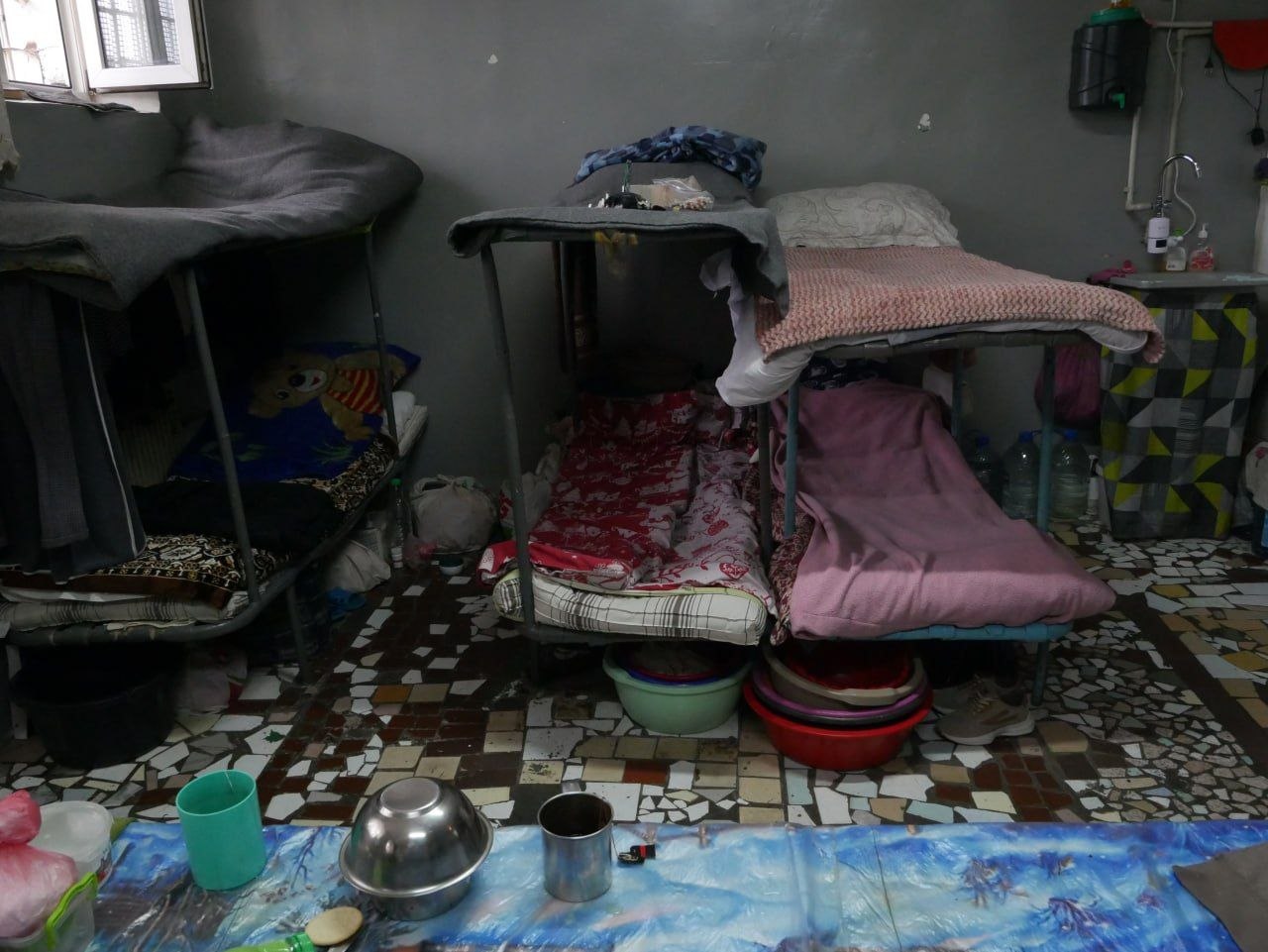
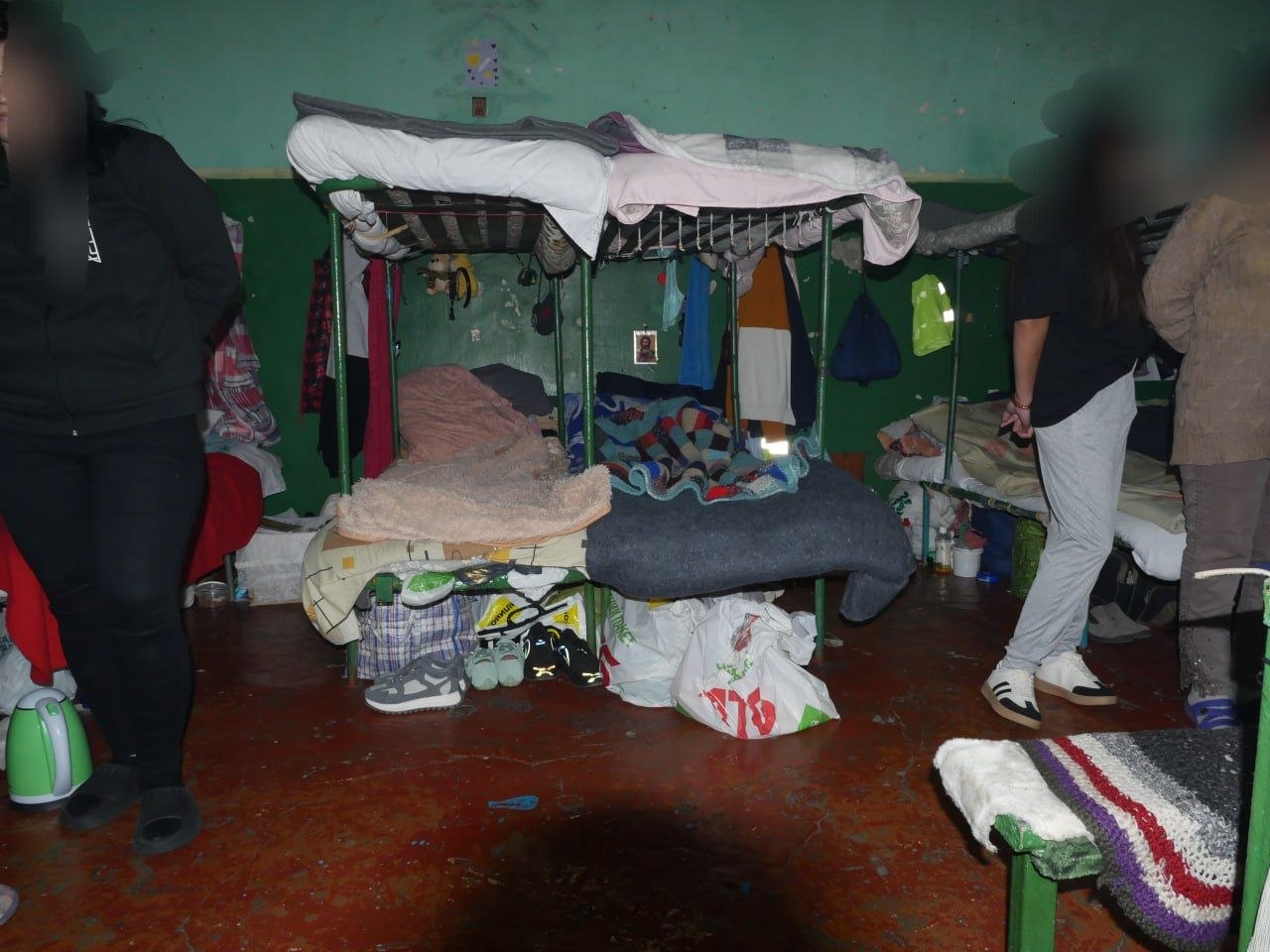
Due to the excessive grating and the small size of the windows, an appropriate level of natural light is not ensured in the cells.
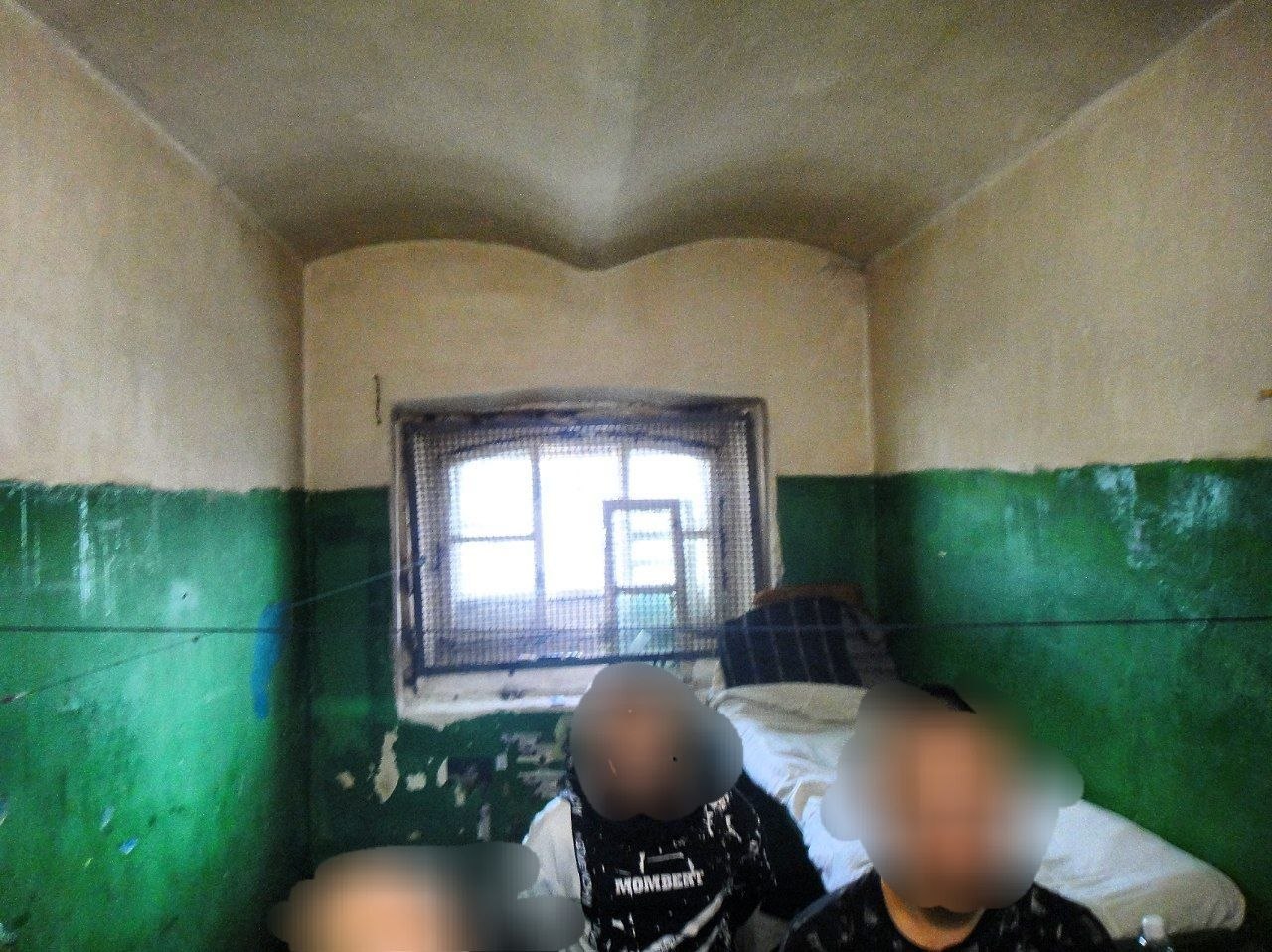
Furthermore, contrary to Rule 22.5 of the European Prison Rules, facts of non-filling of drinking water tanks were established, as a result of which detainees are forced to consume non-potable water from the centralised water supply.
14. Contrary to the requirements of Article 11 of the Law of Ukraine ‘On Pre-trial Detention’ and paragraph 1 of Chapter 4 of Section IX of the IRRP, detainees are not fully provided with adequate material and living conditions that comply with sanitation and hygiene rules.
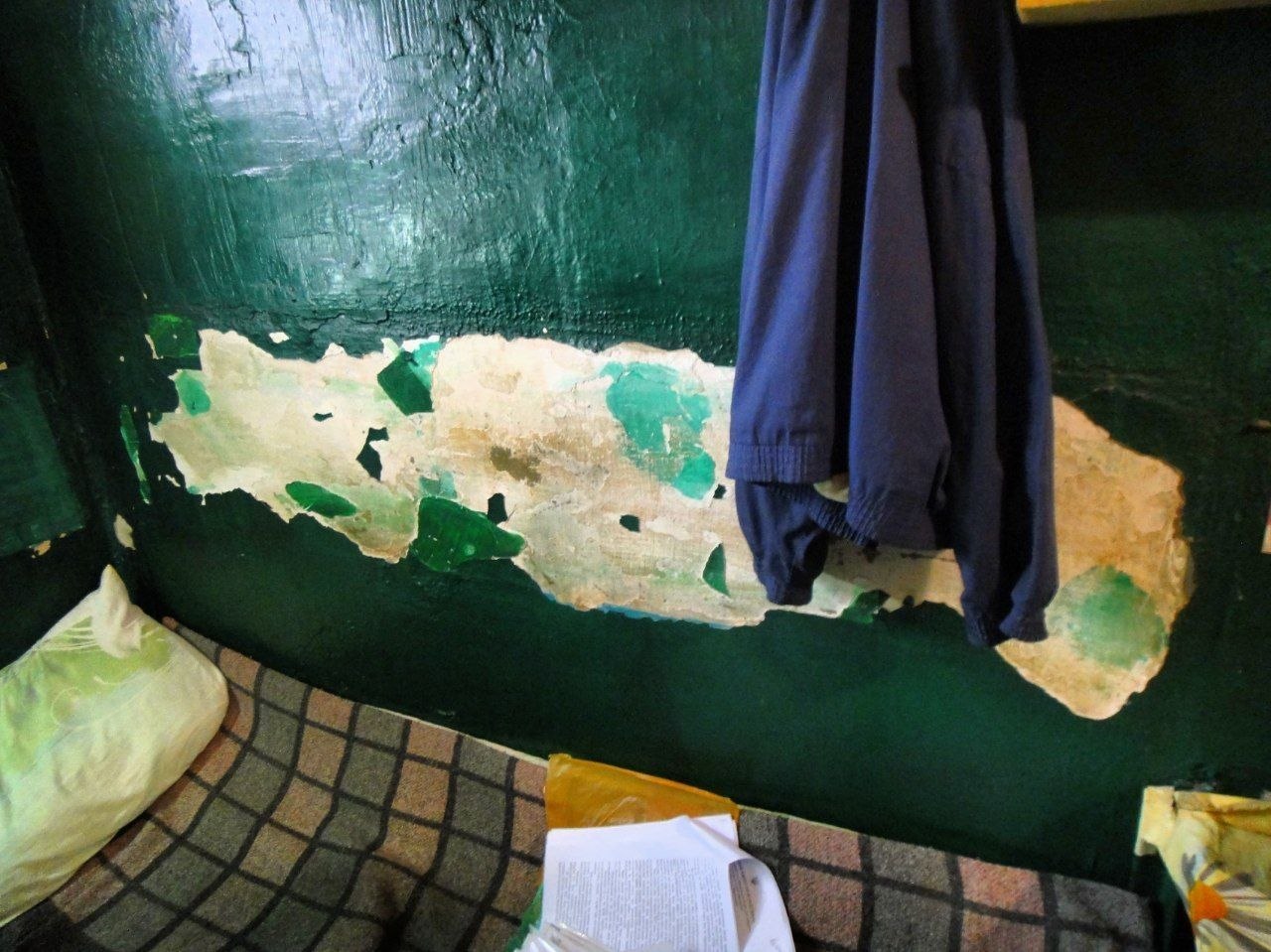
Individual cells require renovation with replacement of sanitary-technical equipment and the electrical network. In some cells, excessive dampness and mould are present on the walls due to water leaks.
At the same time, in the report to the Government of Ukraine on its visit in 2023, the CPT called on the Ukrainian authorities to take the necessary measures to improve the material conditions of detention, in particular: to reduce cell occupancy in such a way that there is at least 4 m² of living space per person remanded in custody, excluding the area occupied by in-cell toilets; to maintain all accommodation for convicts and remanded persons, including sanitary premises, in a proper state of repair and hygiene; to ensure regular and frequent disinfestation; to ensure sufficient access to natural light and ventilation in cells; and to fully equip internal sanitary premises with partitions, i.e., from floor to ceiling (CPT/Inf (2024) 20, paragraph 58).
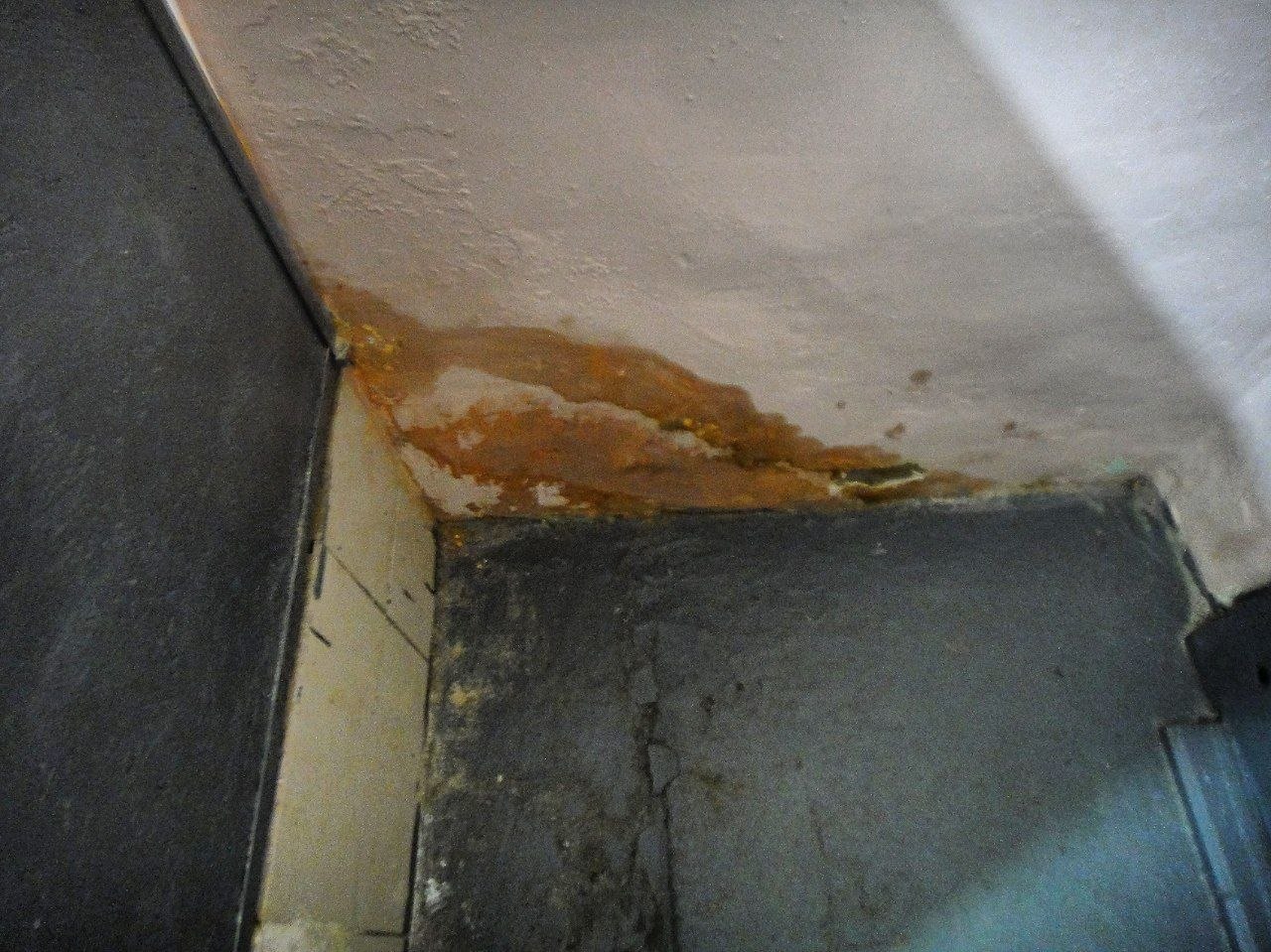
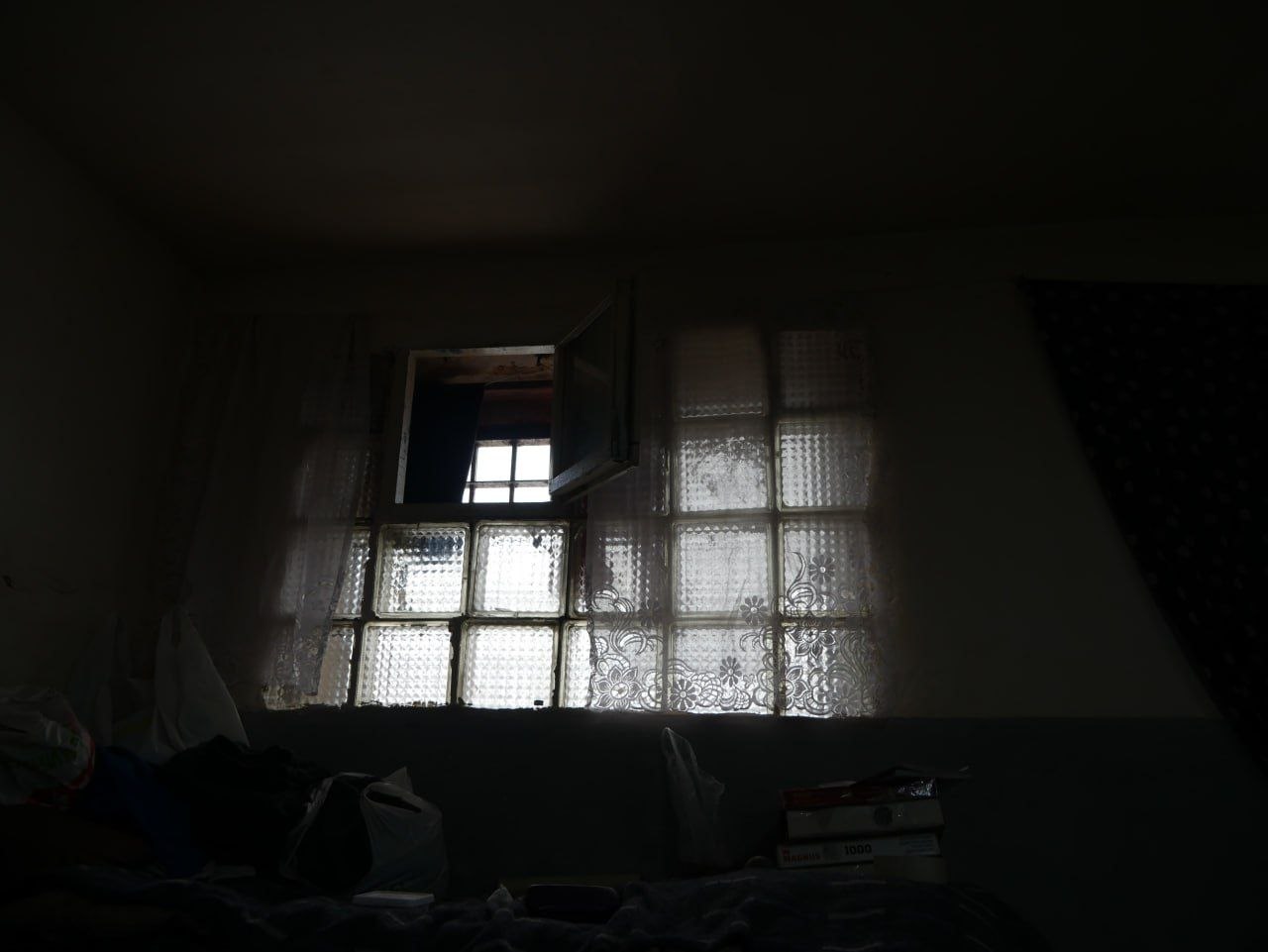
15. In cell No. 333, the monitoring group established the presence of windows that had been equipped with obscured glass made of glass blocks, as a result of which natural light practically does not penetrate the room. In its report on the results of the visit to Ukraine in 2020 under similar circumstances, the CPT had already drawn attention to this and recommended taking measures to review the design of windows in cells to allow prisoners to see outside the cell (CPT/Inf (2020) 40, paragraph 48).
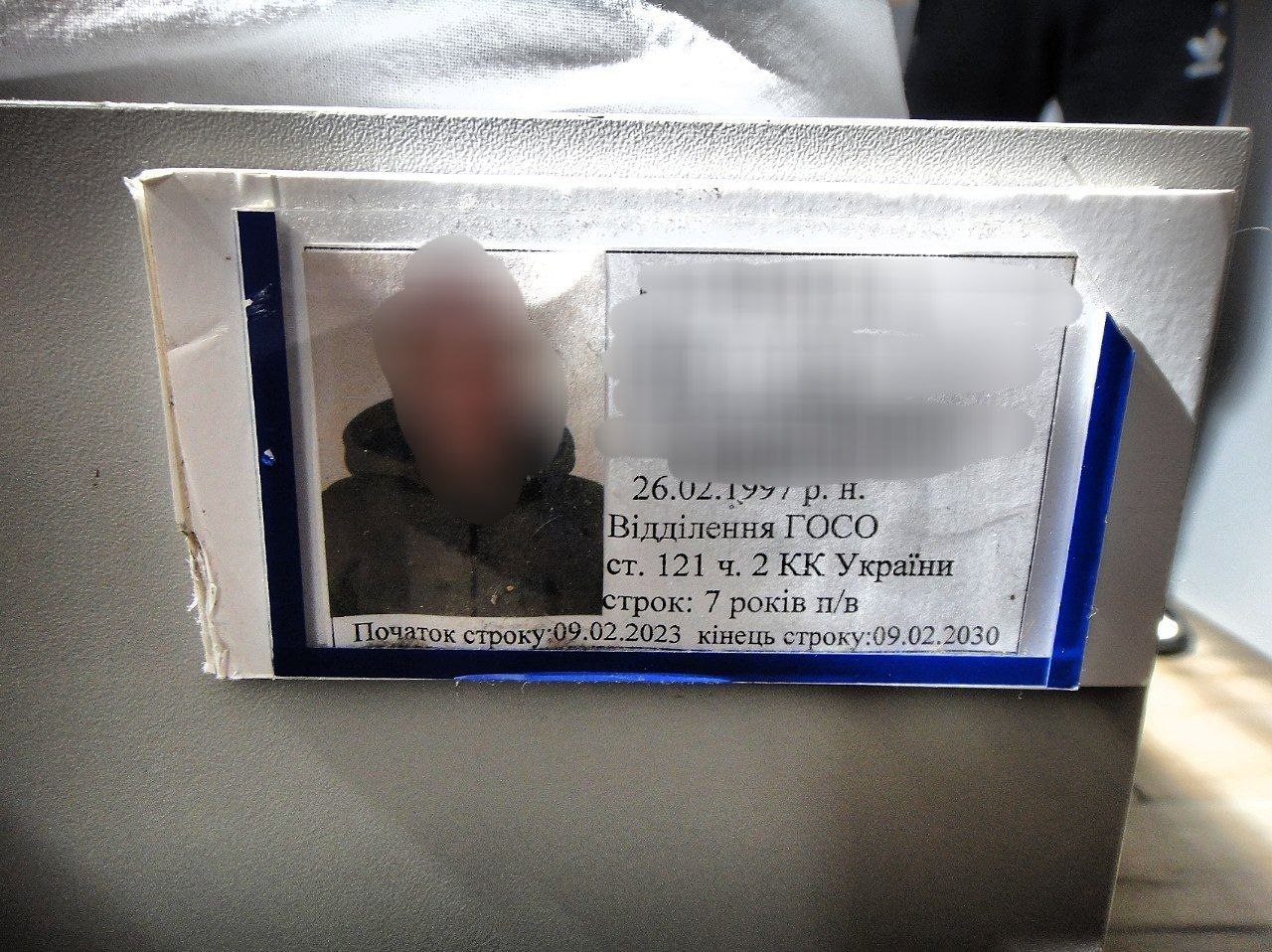
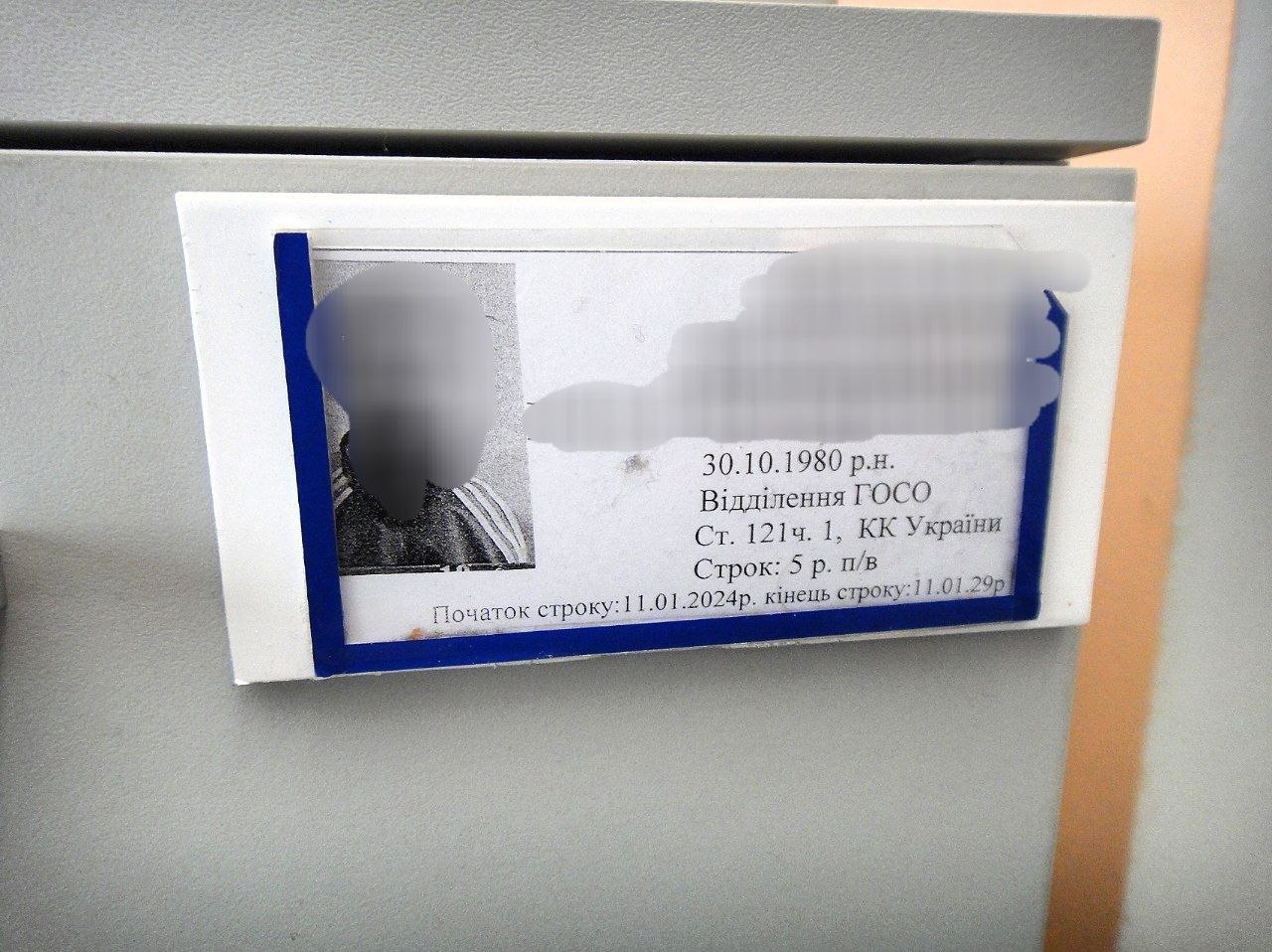
16. During the visit to the social and psychological service (SPS) unit for convicts left for facility maintenance work, the placement of name cards with a brief description of the crimes committed by the individuals occupying these beds was established in the dormitory room. In its report on the results of the visit to Ukraine in 2020 under similar circumstances, the CPT noted that this practice should be discontinued, as it serves no reasonable purpose and, besides stigmatisation, has the effect of deteriorating relations between prisoners and prison staff (CPT/Inf (2020) 40, paragraph 52).
17. According to paragraph 17 of Section V of the Regulations on the Organisation of Food Provision in the State Penitentiary Service of Ukraine in Peacetime, approved by Order of the Ministry of Justice of Ukraine No. 2160/5 dated 15 June 2021 (hereinafter referred to as the Regulations on the Organisation of Food Provision), daily samples of each dish of the ration must remain in the institution’s canteen every day. Samples are taken by the cook from the kettle in the presence of a healthcare worker of the healthcare facility in clean dishes with a lid, previously washed and boiled, before the food is distributed. Daily samples are stored in the canteen refrigerator at a temperature of +4 to +8°C and must be kept for 24 hours until the end of the corresponding meal the next day.
At the same time, the absence of samples of dinner dishes for 1 April 2026, as well as breakfast and lunch for 2 April 2026 under norm Nos. 1A, 4, 8B, 8V, 12, and 9 was established.
18. According to paragraph 7 of Section III of the Regulations on the Organisation of Food Provision, when transferring persons provided with food in institutions, such persons must be issued a dry food ration, in particular to convicts and detainees being transferred from one remand prison to another, from a remand prison to the place of serving a sentence, from one place of serving a sentence to another, as well as to persons released from serving a sentence travelling to their place of residence, and in cases where hot food preparation is impossible. According to paragraph 6 of Chapter 4 of Section IV of the IRRP, detainees and convicts must receive a food ration before departing to participate in criminal proceedings outside the remand prison.
However, based on the results of the analysis of official documentation and the survey of detainees by the monitoring group, it was established that in most cases, the distribution of food rations to persons departing from the institution is not actually carried out.
19. In violation of the requirements of paragraph 1 of Chapter 1 of Section VI of the IRRP, the institution’s administration has failed to ensure the functioning of a shop for detainees and convicts to purchase food products and basic necessities.
20. The monitoring group identified a number of violations in the organisation of bath and laundry services for convicts and persons remanded in custody.
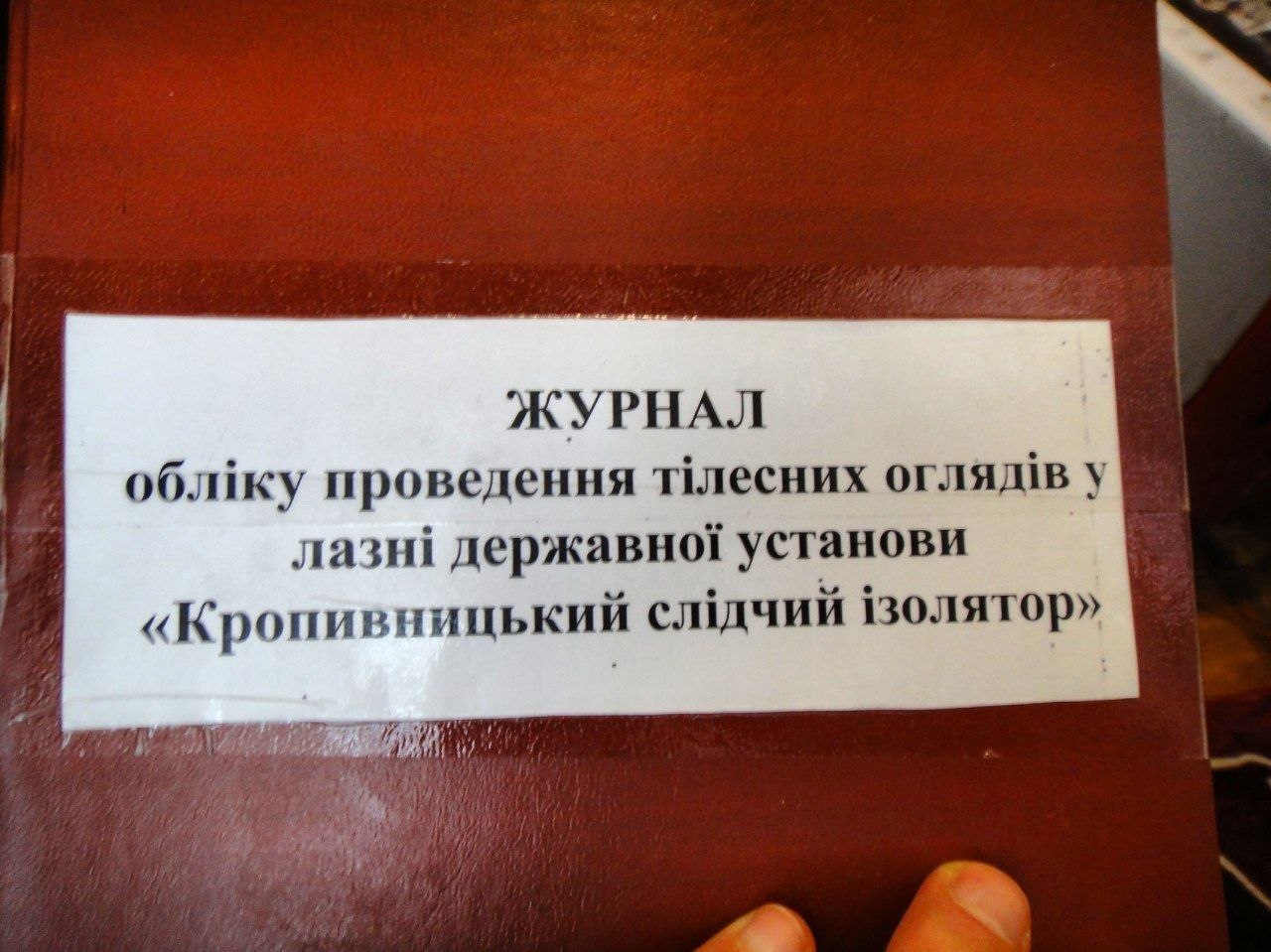
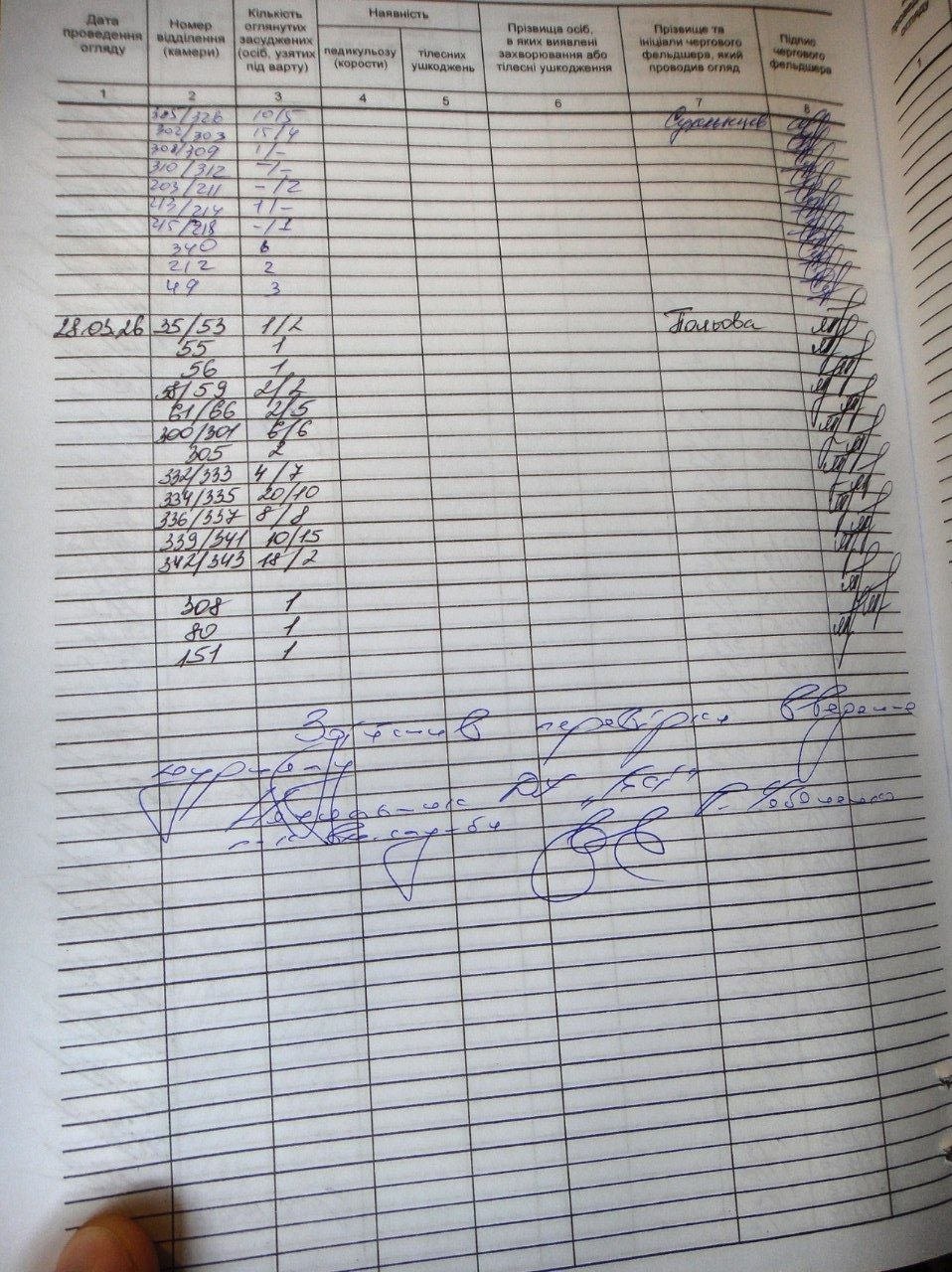
According to paragraph 3.11 of the Regulations on the Organisation of Bath and Laundry Services for Persons Held in Correctional Institutions and Remand Prisons, approved by Order of the Ministry of Justice of Ukraine No. 849/5 dated 8 June 2021 (hereinafter referred to as the Regulations on Bath and Laundry Services), in the changing rooms of the bathhouse, for the purpose of conducting physical examinations and providing medical assistance to convicts (persons remanded in custody), an area (corner) is equipped for a paramedic of the medical unit (paramedic post) of the State Institution ‘Center for Healthcare of the State Penitentiary Service of Ukraine’, which must be provided with a table, a chair, and a logbook of physical examinations in the bathhouse, maintained according to the form specified in Annex 6 to these Regulations. However, during the study of the physical examinations logbook in the bathhouse, it was established that the last entry by a medical worker as of 2 April 2026 was dated 28 March 2026. This indicates that supervision of compliance with order during the bathing of convicts and detainees in the bathhouse, as well as control over the cleaning, disinfection of premises, and the medical examination provided for in paragraphs 3.10 and 3.11 of the Regulations, are not actually provided by the duty medical worker.
21. In violation of paragraph 2.6.2 of Section II of the Regulations, the shower heads in the bathhouse are not equipped with hot and cold water taps, so detainees and convicts are unable to regulate the water temperature in the shower during bathing. In violation of the requirements of Rule 19.3 of the European Prison Rules, the right to privacy is not respected in the bathhouse due to the absence of curtains on the shower partitions. 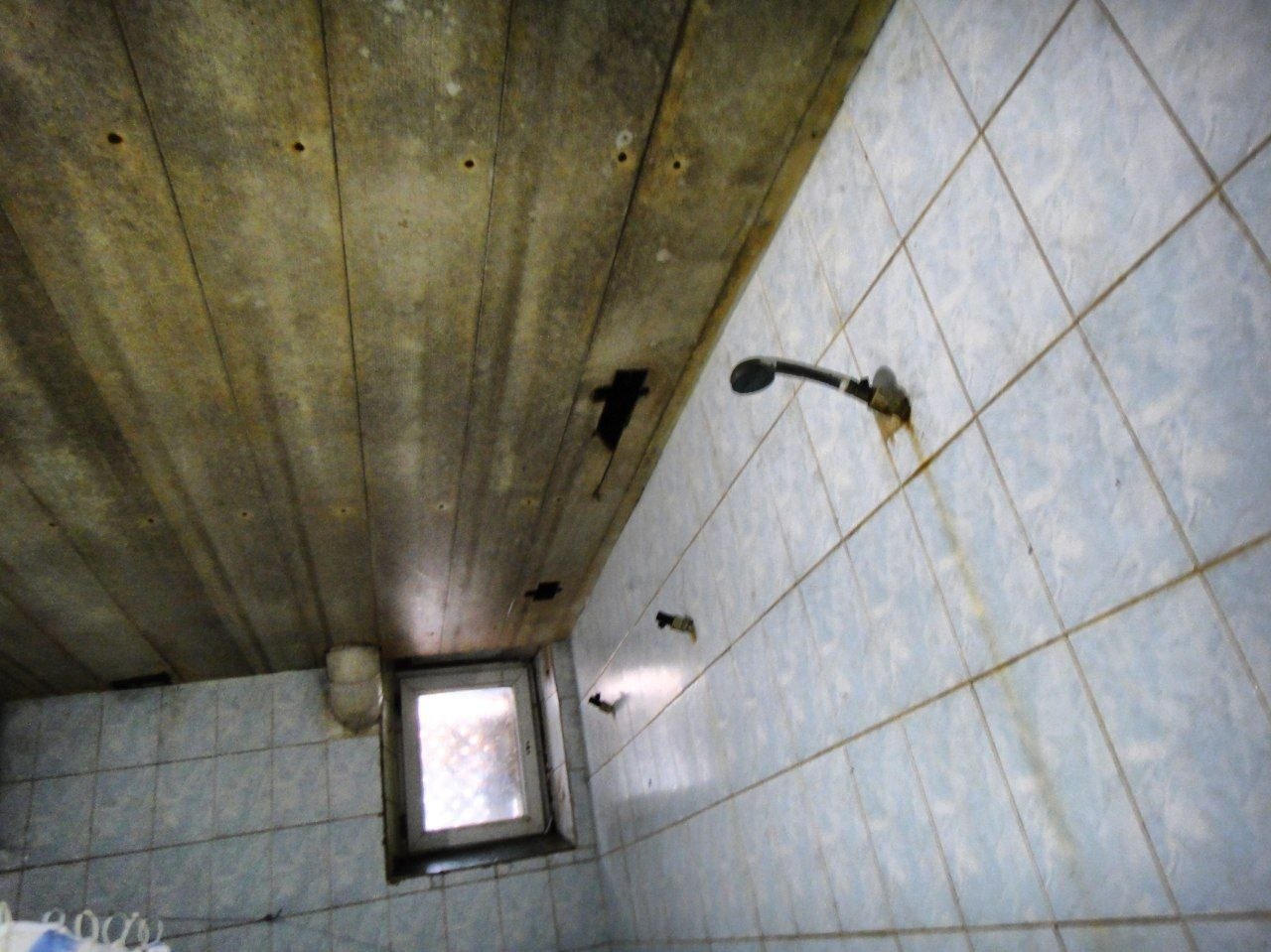
22. In violation of the requirements of paragraph 2.11 of Section II of the Regulations on the Organisation of Bath and Laundry Services, the forced supply and exhaust ventilation system in the bathhouse does not function properly and requires repair.
23. In violation of the requirements of Annex 3 to the Regulations on the Organisation of Bath and Laundry Services, there is no shower for workers and no staff room in the laundry, and the functioning of a separate barber shop room within the bathhouse structure is not provided.
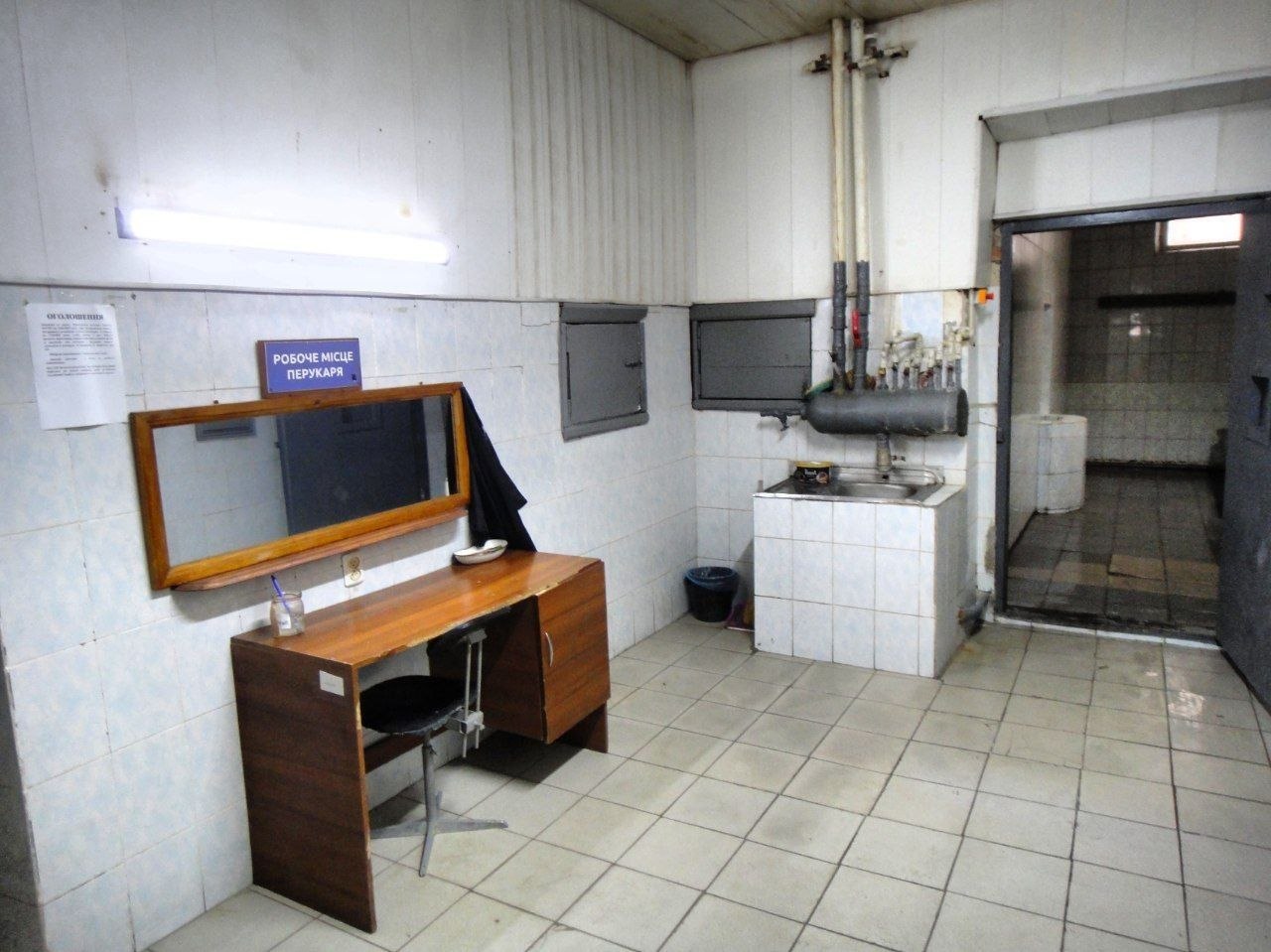
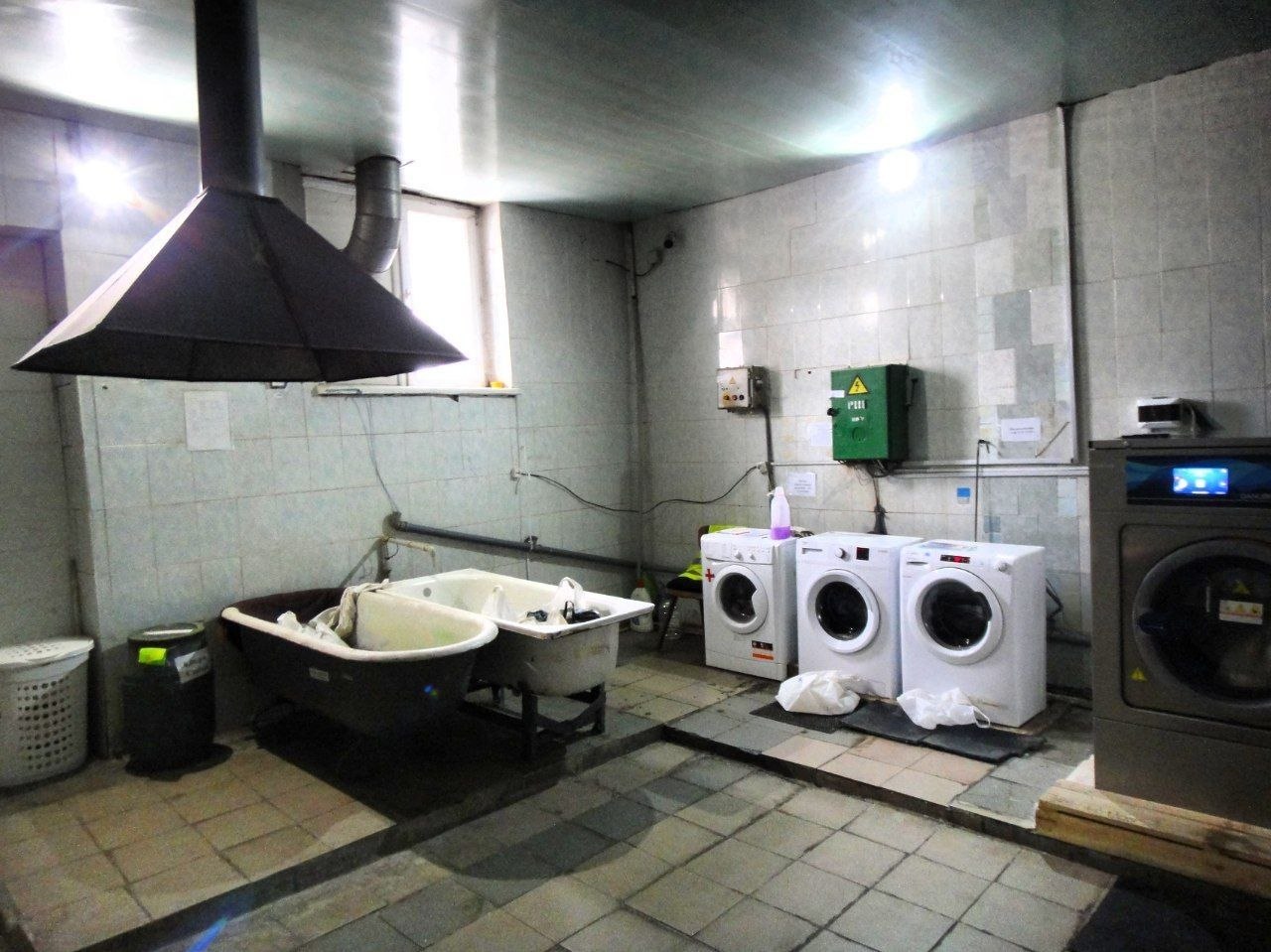
24. The monitoring group established that convicts and persons remanded in custody are only able to visit the bathhouse once a week. This violates the requirements of Rule 19.4 of the European Prison Rules and paragraph 3.1 of the Regulations on the Organisation of Bath and Laundry Services.
25. Cells Nos. 325 and 340, used to hold female detainees and convicts, are not equipped in accordance with the requirements of the Provision Norms; in particular, they are not equipped with a shower tray with a shower head on a flexible hose, and as a result, proper conditions for maintaining the personal hygiene of female detainees and convicts are not provided.
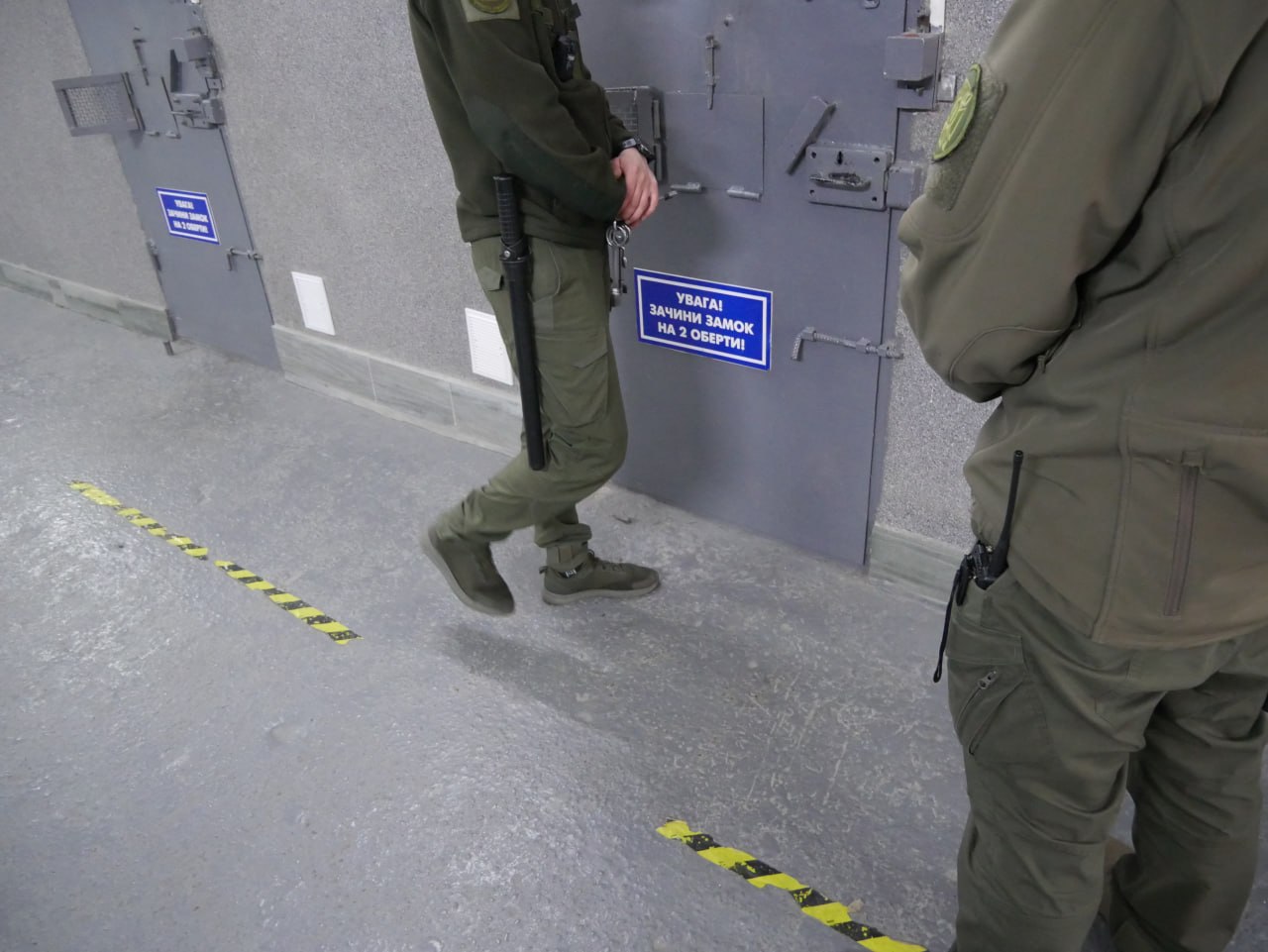
26. During the visit, the monitoring group recorded that the staff of the institution who are in direct contact with convicts openly carry special means, in particular rubber truncheons. At the same time, according to the eighth paragraph of point 8 of Chapter 1 of Section V of the IRRP, the carrying of special means by remand prison staff within the protected territory of the remand prison should, as far as possible, be concealed from view as much as possible.
At the same time, the CPT recommends that prison staff who work in direct contact with prisoners should not carry special equipment, such as rubber truncheons, handcuffs, and tear gas canisters, openly before prisoners. Such carrying hinders the establishment of normal relations between staff and prisoners (CPT/Inf (2011) 29, paragraph 85; CPT/Inf (2013) 23, paragraph 23; CPT/Inf (2014) 15, paragraph 166).
27. According to the information provided by the administration, from the beginning of 2026 up to 2 April 2026, in the State Institution ‘Kropyvnytskyi Remand Prison’, detainees and convicts were granted 142 short-term visits, 132 of which took place in a non-contact manner — through solid dividing glass using an intercom device.
At the same time, in the report to the Government of Ukraine on its visit in 2023, the European Committee for the Prevention of Torture emphasises that for all categories of convicts, open visits, for example at a table, should be the rule, and closed ones the exception, the use of which is permitted only on the basis of reasoned and justified decisions after an individual assessment of the potential risk of a specific convict. In this regard, the CPT calls on the Ukrainian authorities to review the procedure for conducting short-term visits in penitentiary institutions to ensure that they are, as a rule, conducted in open conditions (CPT/Inf (2024) 20, paragraph 99).
28. According to official records, as of 2 April 2026, the staff shortage in the institution amounts to 31 posts. At the same time, in its report on the 2023 visit to Ukraine, the CPT emphasises that ensuring a positive climate in a penitentiary institution requires a professional team of staff who must be present in sufficient numbers at any given time in places of detention. An insufficient number of staff can only increase the risk of violence and intimidation among convicts. The shortage of front-line staff also undermines the quality and level of activities offered to convicts and compromises the prospect of preparation for release and social rehabilitation.
In this regard, the CPT calls on the Ukrainian authorities to take decisive steps to substantially increase the number of staff in Ukrainian penitentiary institutions where understaffing is observed, with a view to strengthening the presence of security and supervision staff inside the institutions. Steps should also be taken to put an end to the 24-hour shift system for duty personnel (CPT/Inf (2024) 20, paragraph 93).
29. According to Article 3 of the Constitution of Ukraine, the human being, his or her life and health, honour and dignity, inviolability and security are recognised in Ukraine as the highest social value. The state is accountable to the individual for its activities, and the safeguarding of human rights and freedoms is the main duty of the state. Furthermore, Article 28 of the Constitution of Ukraine guarantees everyone the right to respect for their dignity and prohibits cruel, inhuman, or degrading treatment. According to Article 115 of the Penitentiary Code of Ukraine, persons remanded in custody, as well as convicts, must be provided with adequate material and living conditions that comply with sanitation and hygiene rules. In accordance with Article 8 of the Law of Ukraine ‘On Pre-trial Detention’, the administration of the remand prison is obliged to ensure appropriate conditions of detention and the safety of persons held in the institution.
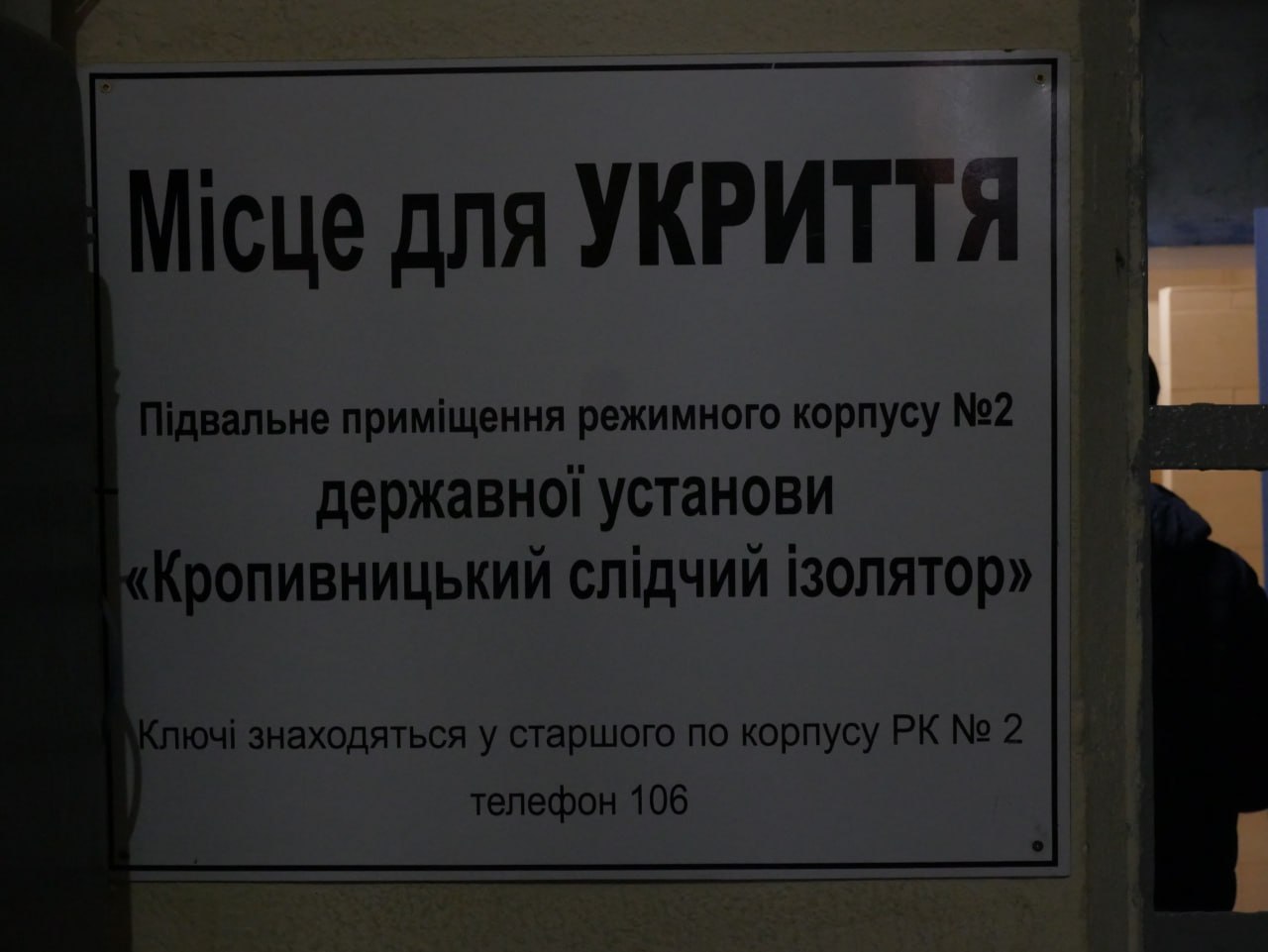
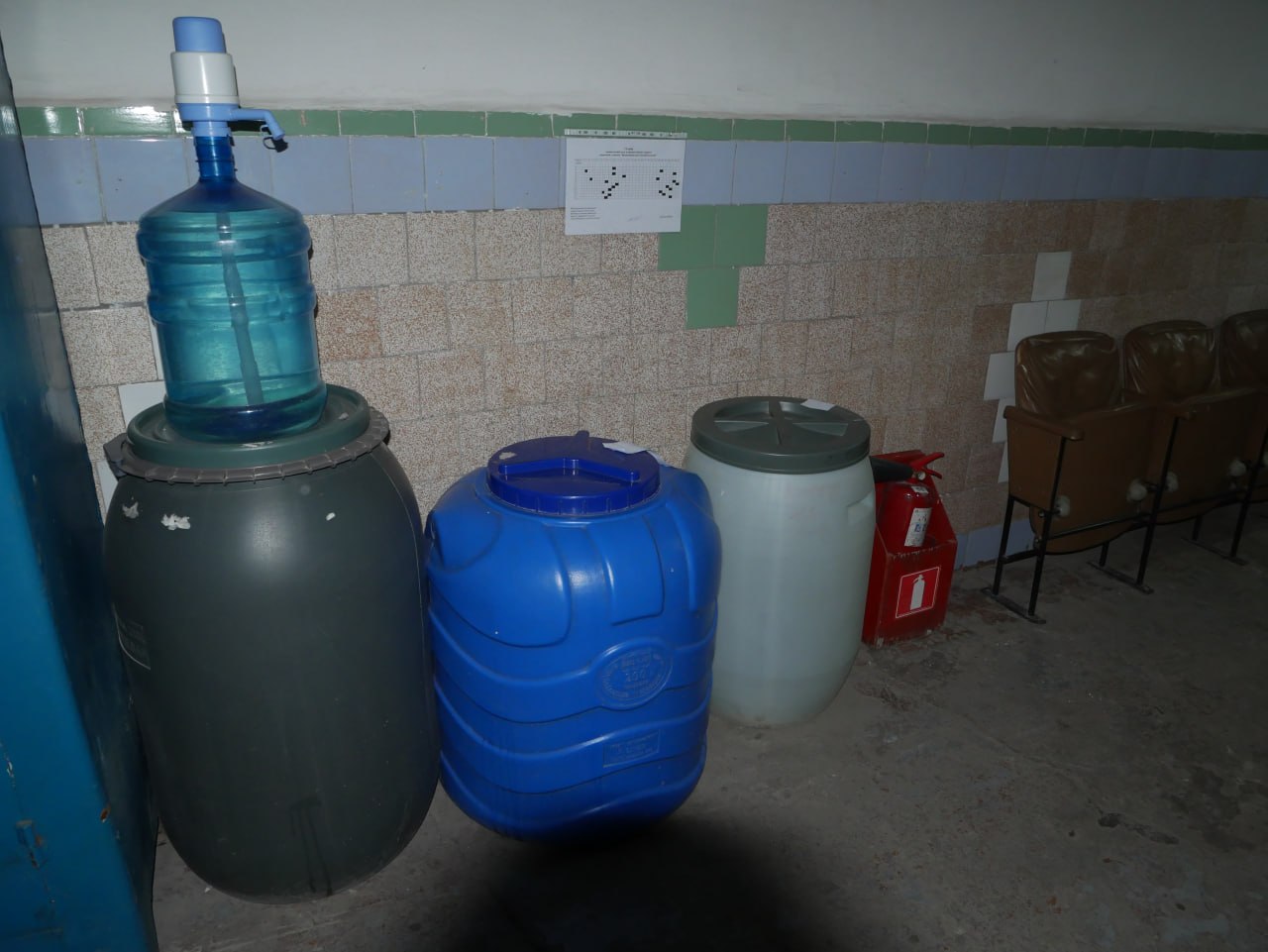
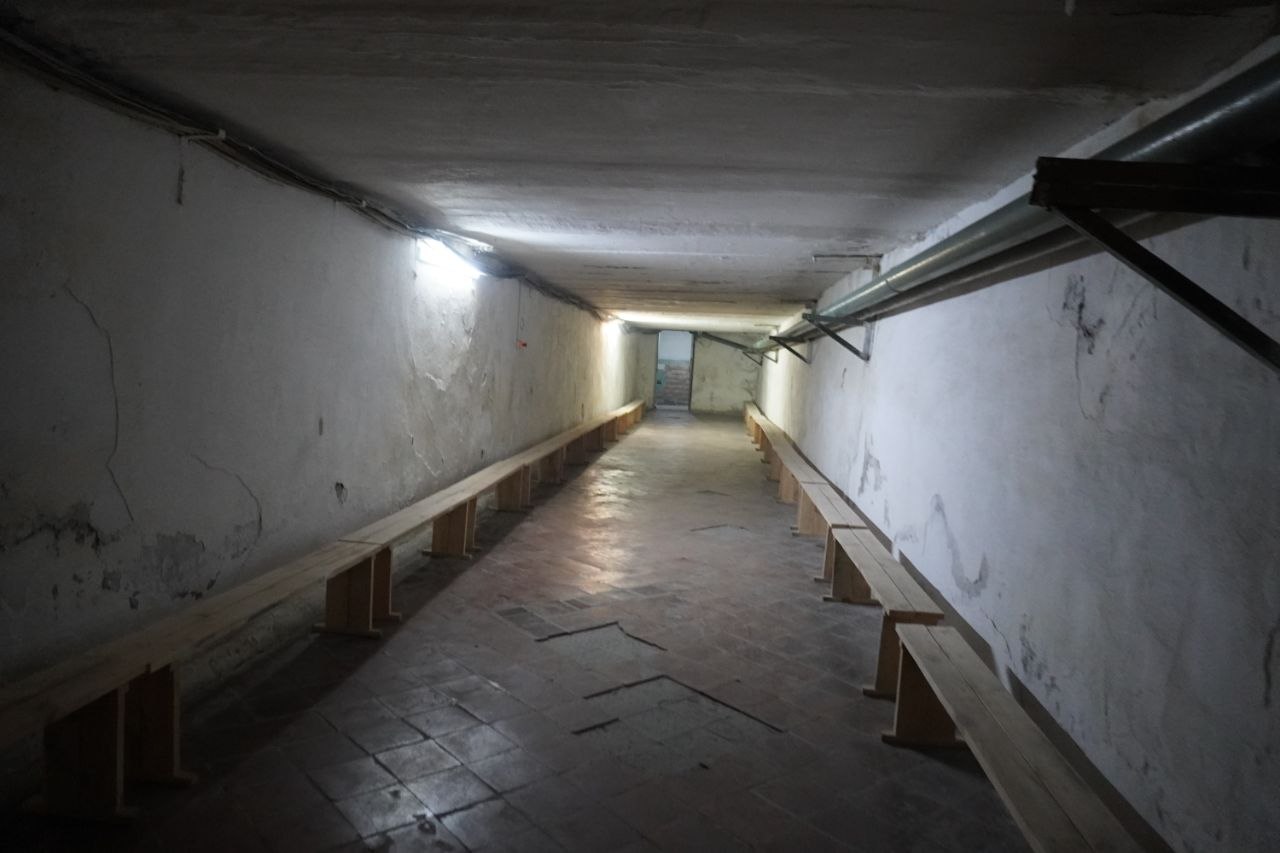
During the monitoring visit to the remand prison, the shelter located in the basement of Block No. 2 was inspected. Navigation to the shelter is organised in the institution, info signs and plaques are available, responsible persons have been designated, and the storage place for the keys has been determined. Benches for people to sit on are installed in the room, water supplies are present, and primary fire-fighting equipment is provided.
However, a number of shortcomings were established, indicating the shelter’s failure to comply with the requirements for the safe and long-term stay of people during air raid alerts or other emergencies. In the room, there are signs of constant dampness and water ingress; traces of leaks, cracks, dampness, and local patches of mould were found on the walls and ceiling. In some places, the floor is damaged as a result of the prolonged impact of moisture.
Of particular concern is the lack of a proper ventilation system. Natural air circulation is insufficient, and mechanical ventilation is either absent or does not function. Under conditions of simultaneous stay of a significant number of people, this creates a risk of fresh air deficit, moisture accumulation, and deterioration of sanitary and hygienic conditions, which can negatively affect the health of detainees and staff.
At the same time, it was established that the shelter has a second emergency exit, which generally complies with basic safety requirements regarding the possibility of evacuating people if one of the exits is blocked. Sewer connections and tanks with water supplies are also present in the premises.
According to paragraphs 7 and 8 of Section II of the Requirements for the Maintenance and Operation of Civil Protection Shelters, approved by Order of the Ministry of Internal Affairs of Ukraine No. 579 dated 9 July 2018, protective structures must be maintained in a condition suitable for readiness for use for their intended purpose, ensure proper sanitary and technical condition, and have functioning ventilation, water supply, and sewerage systems.
In addition, in accordance with the United Nations Standard Minimum Rules for the Treatment of Prisoners (the Nelson Mandela Rules), all premises used by prisoners must meet sanitary requirements, in particular regarding ventilation, access to air, lighting, and conditions that do not pose a threat to human health.
Thus, the actual state of the shelter in the remand prison indicates the need to carry out urgent renovation work, eliminate flooding and dampness, install proper ventilation, and bring the premises into compliance with the requirements of civil protection legislation and international standards for the treatment of prisoners.
30. A system of involving convicts and detainees in paid and unpaid labour operates in the institution, covering production workshops, a sewing section, facility maintenance, the catering unit, clothes repair, cleaning of premises, work in transporting food, dishwashing, and other household processes. Documents provided by the administration indicate an organised labour process with the maintenance of timesheets, logs of checks at workstations, logs of issuing knives and tools, shift assignment logbooks, as well as the conclusion of separate fixed-term employment contracts.
At the same time, the analysis indicates the existence of various forms of using the labour of detainees and convicts, including both officially registered labour with the conclusion of fixed-term employment contracts and the calculation of the single contribution to compulsory state social insurance, and the actual use of labour without proper registration of employment relations, without remuneration, without proper tracking of working hours, and without appropriate social guarantees.
A sewing section of the workshop operates on the territory of the institution, where detainees and convicts are involved in sewing products, assembling cut parts, and other auxiliary production processes. The provided fixed-term employment contract, concluded between the State Institution ‘Kropyvnytskyi Remand Prison’ and detainee Ch., indicates a formal registration of employment relations. The contract defines a working schedule from 08:00 to 16:30, days off, a piece-rate form of remuneration, and states that persons involved in work under a fixed-term employment contract are subject to compulsory state social insurance.
The terms of the contract also provide for the employer calculating the single contribution to compulsory state social insurance at a rate of 22% on the employee’s salary, which formally corresponds to the requirements of the legislation of Ukraine regarding compulsory state social insurance. The contract contains provisions on remuneration, working hours, provision of personal protective equipment, and compliance with occupational safety requirements.
However, the content of the provided contracts indicates a number of problematic aspects. The labour of detainees is organised within the custodial environment of the remand prison, where the administration simultaneously acts as the employer and the subject of control and coercion. The concluded contracts do not actually ensure the equality of the parties to the employment relationship, and certain provisions contain excessive subordination of the detainee to the institution’s administration. Furthermore, the nature of the piece-rate form of remuneration, in the absence of documents on actual rates, salary calculation, and payment of funds, makes it impossible to establish whether a guaranteed minimum wage level is indeed ensured for the individuals.
The timesheets indicate the systematic involvement of a significant number of people in work in workshops and facility maintenance. The timesheets include individuals working as assistant workers, kitchen staff, cleaners, barbers, laundry operators, clothes repairers, and other categories of staff. In some cases, individuals work practically a full working month.
An analysis of the provided materials indicates that some of the individuals are officially registered and accounted for in the timesheets. Such individuals include, in particular, Ch., for whom a fixed-term employment contract and timesheets were provided. Formally, her labour is registered in accordance with labour legislation, with the declared payment of the single social contribution (ESV).
At the same time, regarding a number of other individuals, documents confirming the official registration of employment relations, calculation of salaries, and payment of the single contribution to compulsory state social insurance are missing. During the monitoring visit, it was established that S. has been working for about a year, and S. — for about a year and six months. However, among the provided documents, there are no employment contracts, payroll statements, data on the opening of personal accounts, or confirmation of ESV payments for them. In the absence of such documents, it is impossible to confirm that their labour is properly registered and ensures the right to social protection and an insurance record.
Separate attention is drawn to the organisation of labour in the institution’s catering unit. The provided documents indicate the constant and systematic operation of the catering unit with the involvement of a significant number of detainees and convicts. The timesheets list cooks, assistant workers, and other persons who ensure the functioning of the canteen. At the same time, the actual volume of work in the catering unit significantly exceeds the number of officially registered individuals.
It was established that only five people work in accordance with contracts, while other individuals perform work without proper registration of employment relations. Detainee N. is listed in the timesheets as a cook and actually works in dishwashing and cleaning in the catering unit. The use of the labour of detainee P. was also established; according to the administration and in accordance with the log of knife issuance, he works in the dishwashing area. The knife issuance control log records that he regularly receives a knife to perform work in the catering unit. At the same time, documents confirming the official registration of employment relations, remuneration, and ESV payments for him are missing.
It was established that L. performs the functions of a dishwasher without pay. Also, about ten detainees are systematically involved in distributing food across the institution’s blocks free of charge. In fact, these individuals ensure the continuous functioning of the catering unit and the internal logistics of the institution, yet they do not hold the status of officially employed workers.
Detainee Sh. has been distributing food three times a day for about four months. Detainee D. works at the vegetable cutter from 08:00 to 18:00 and additionally carries food to the medical unit. Such circumstances indicate the continuous nature of performing work functions and the actual existence of employment relations, regardless of their documentation.
Particular attention is drawn to the situation of convict H., who works as a cook practically every day without days off. According to available information, he has been in custody for about a year and six months and actually ensures the continuous functioning of the catering unit. Such a work schedule shows signs of violating labour legislation regarding the right to rest, limitation of working hours, and the prohibition of systematic involvement in work without days off.
Chits for deploying detainees to work confirm that individual persons are taken out of cells at around 08:00 and return only at 19:20–19:30. Thus, the actual duration of their stay at workstations exceeds 11 hours per day. At the same time, there are no documents confirming overtime pay, the provision of rest time, or proper tracking of all actually worked hours. 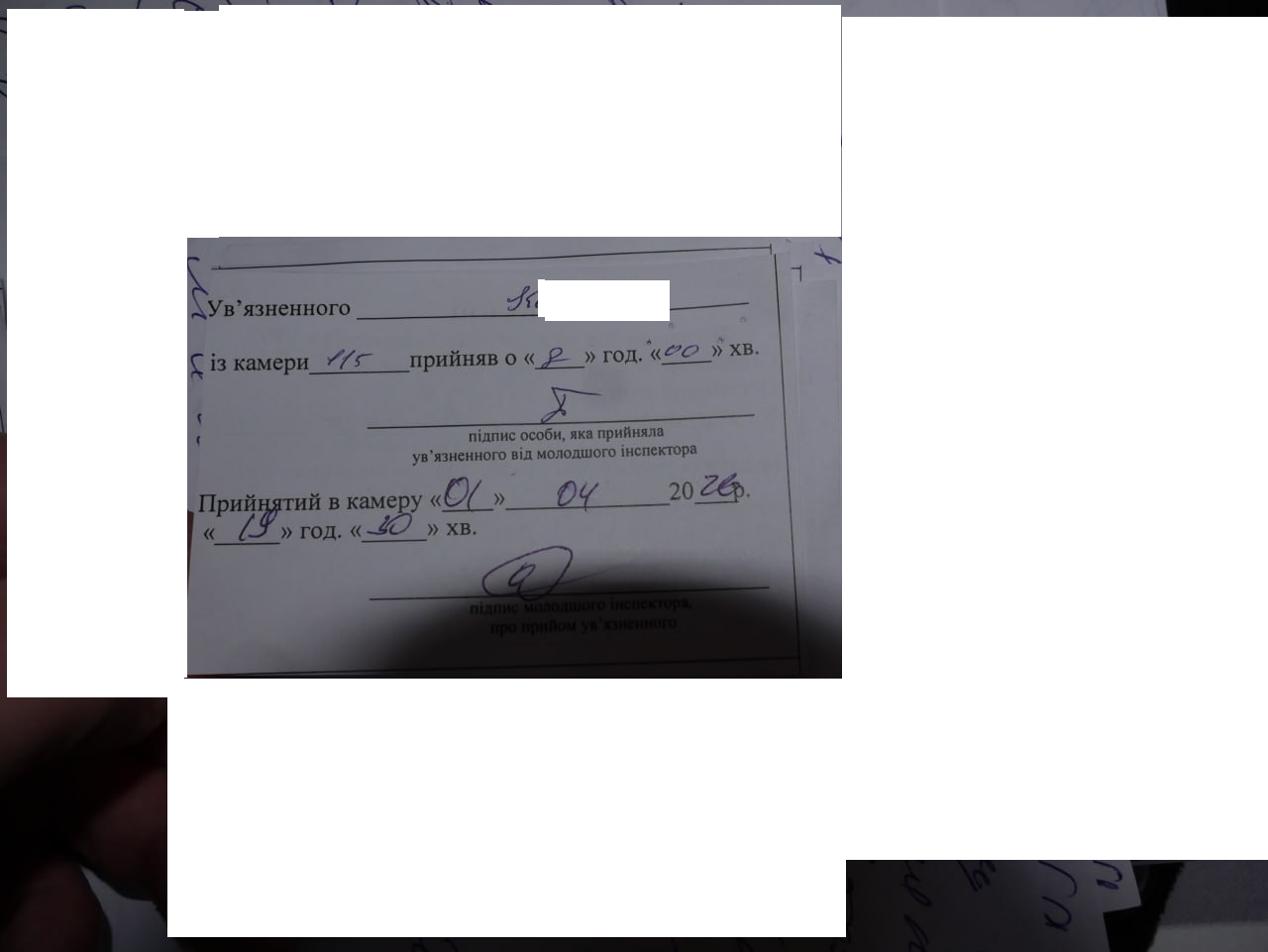
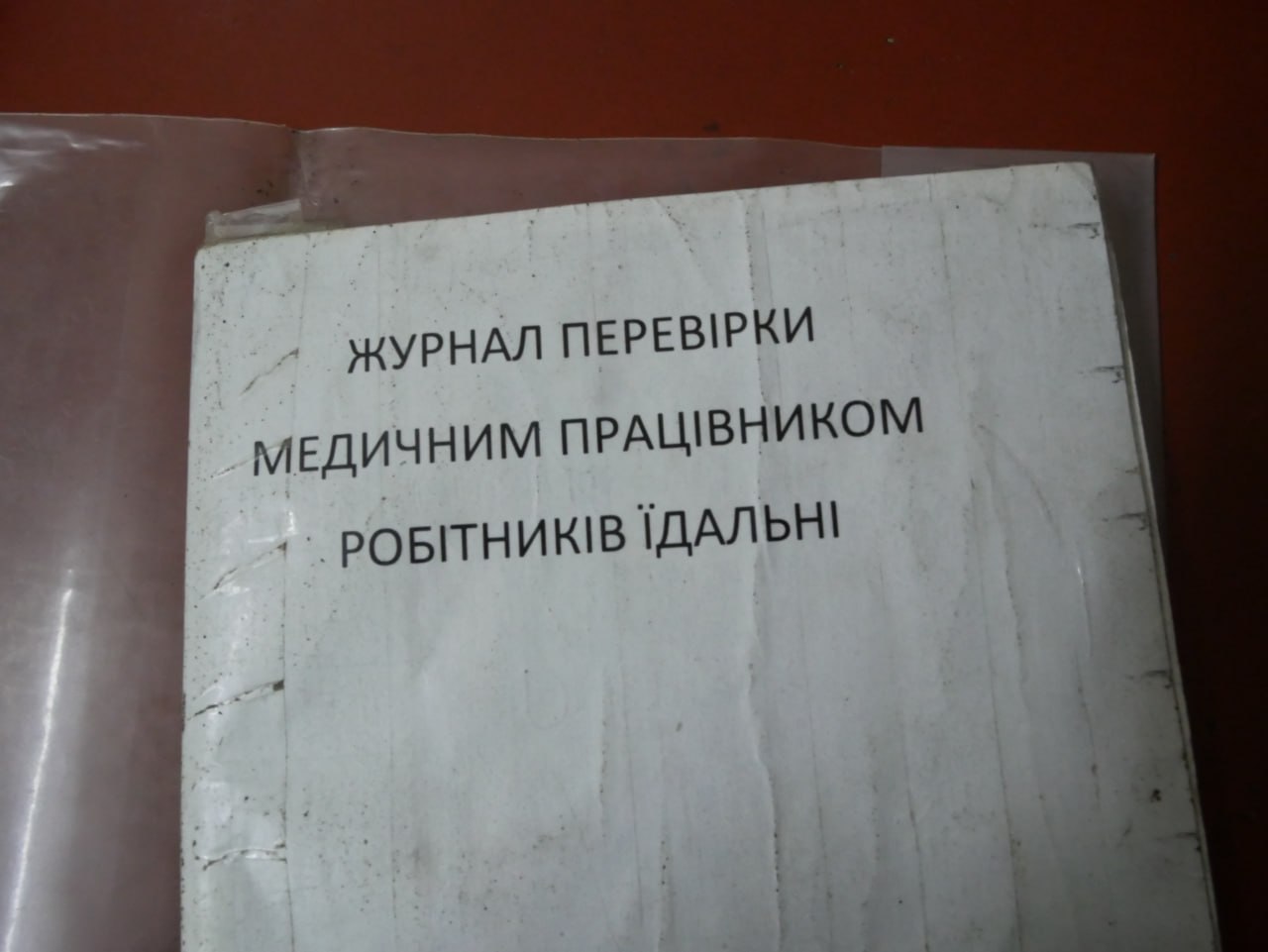
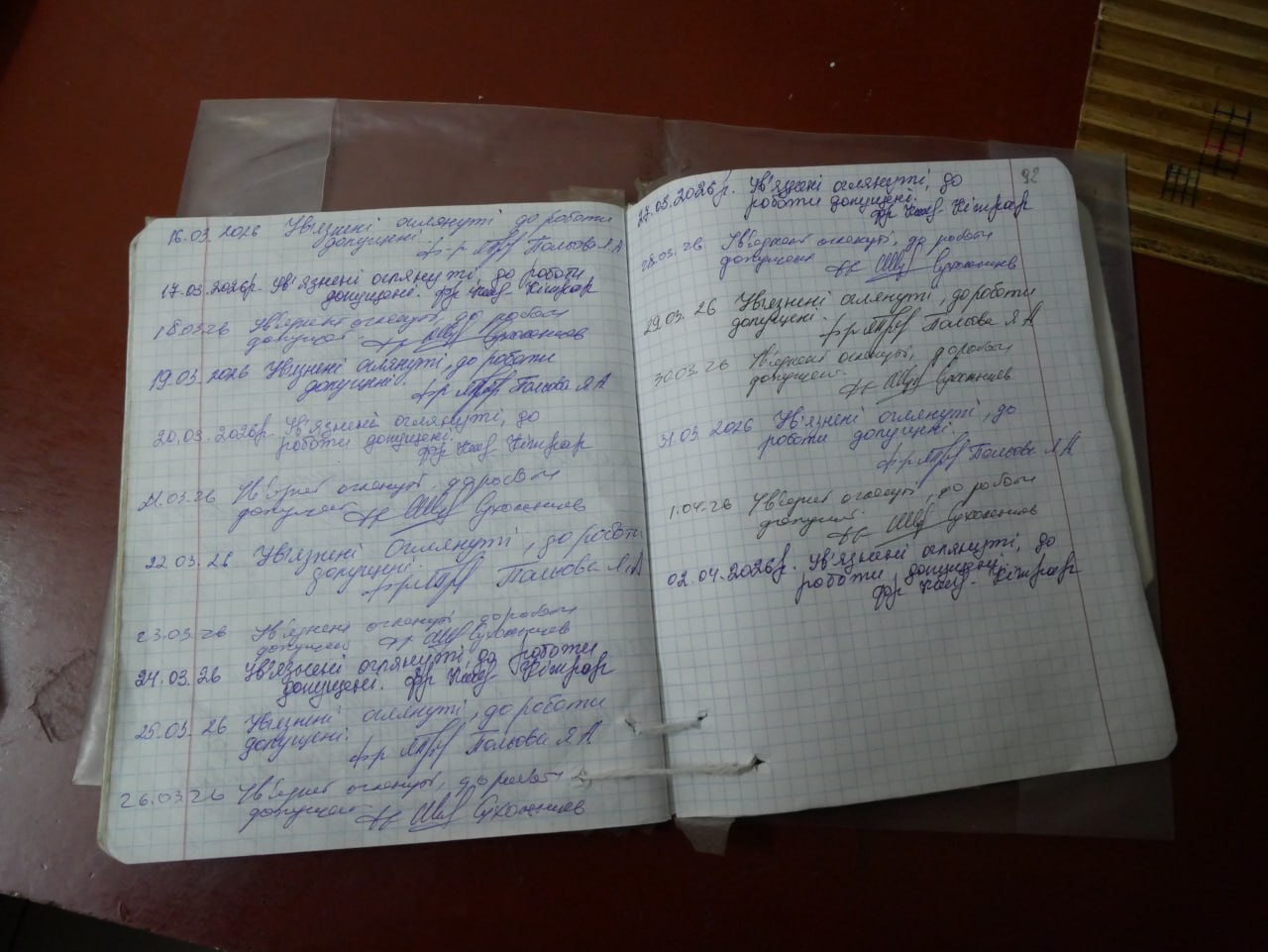
The logbook of checking detainees at their workstations in the food preparation kitchen indicates the constant presence of detainees in the catering unit and the systematic nature of their involvement in work. Separately, a violation in the field of sanitary control was established. The logbook of checking canteen workers by a medical worker is kept improperly. The entries indicate only general wordings about the admission of ‘detainees’ or ‘persons’ to work without specifying surnames, which makes it impossible to establish who exactly underwent a medical examination before being admitted to work in the catering unit. Such a manner of keeping documentation does not ensure proper sanitary-epidemiological control and creates risks for the health of detainees and the institution’s staff.
The provided documents also indicate the systematic use of sharp-edged and cutting implements by detainees and convicts in the catering unit. The knife issuance control log confirms that certain individuals receive knives daily, without any days off. This indicates the continuous nature of their work and the de facto assignment of specific production functions to them.
The analysis conducted provides grounds to believe that a dual system of labour organisation exists in the institution. Some individuals are formally registered under fixed-term employment contracts, with the declared payment of the single social contribution (ESV) and the maintenance of timesheets. Simultaneously, a significant number of detainees actually perform work functions without proper registration of employment relations, without confirmation of salary calculation, and without confirmation of payment of the single contribution to compulsory state social insurance.
In the absence of information on the calculation and payment of the ESV for a significant portion of individuals, it is impossible to confirm the accumulation of their insurance records and the realisation of their right to social protection. The actual use of labour without the registration of employment relations deprives detainees of the right to paid work, pension provisions, social insurance, appropriate working conditions, and the guarantees provided for by labour legislation.
The combination of established circumstances indicates the presence of systemic problems in the remand prison regarding the safeguarding of the right to work and social protection of detainees and convicts, particularly in terms of proper registration of employment relations, remuneration, compliance with working hours regulations, the right to rest, labour tracking, payment of the single contribution to compulsory state social insurance, and the provision of social insurance.
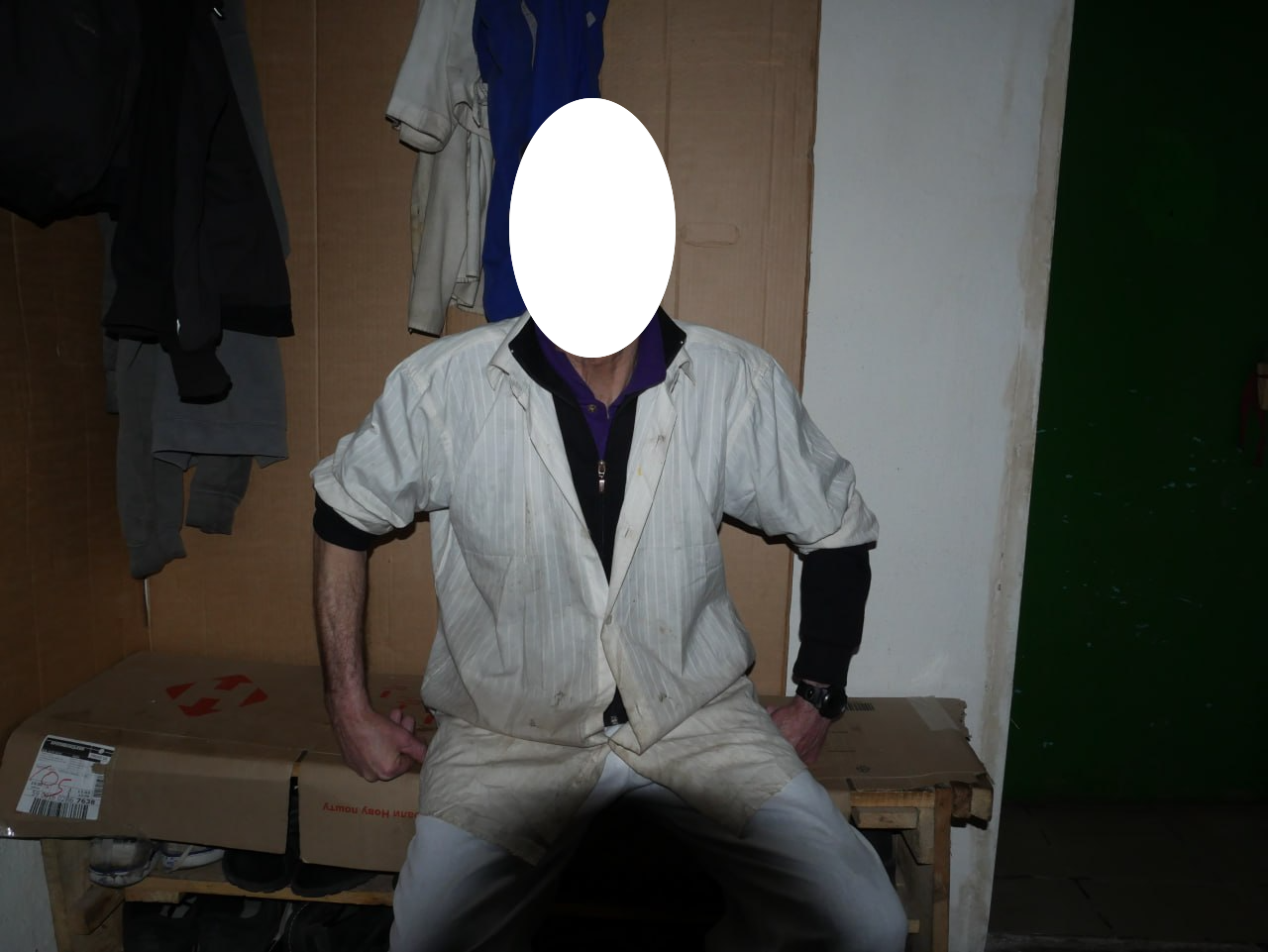
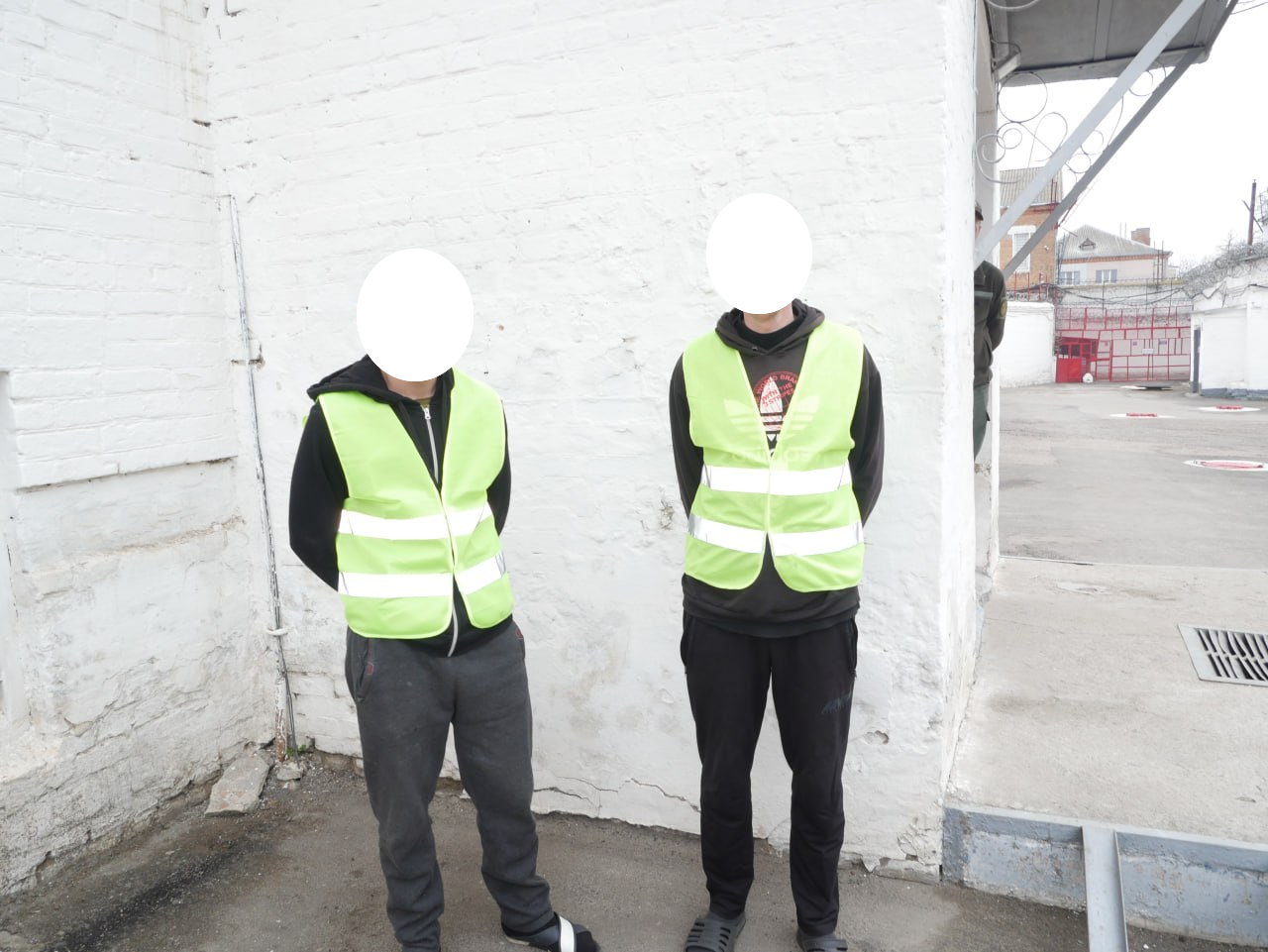
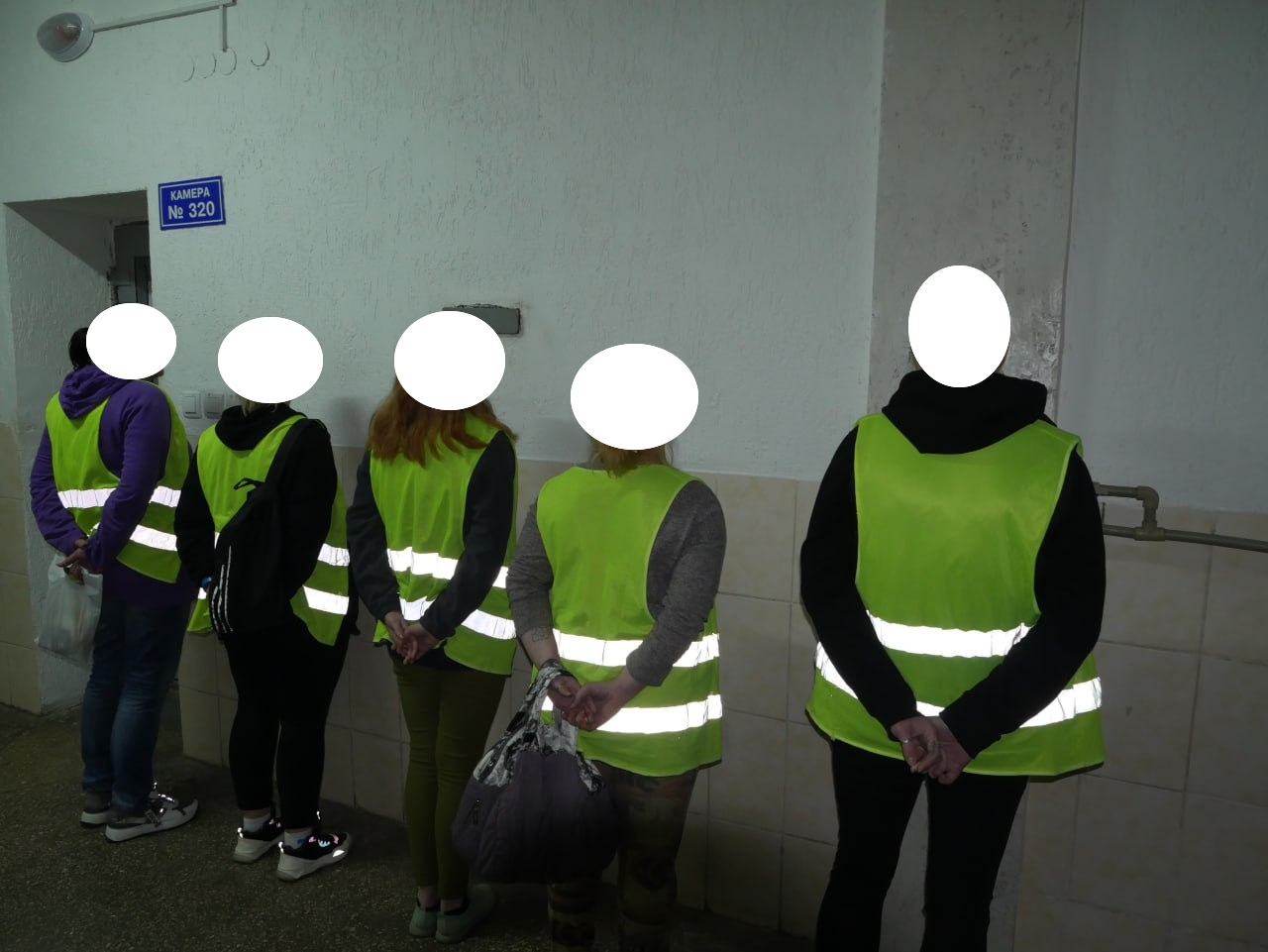
Kropyvnytskyi Municipal Medical Unit No. 14 of the Branch of the State Institution ‘Center for Healthcare of the State Penitentiary Service of Ukraine’ in Cherkasy and Kirovohrad Oblasts
The head of the Kropyvnytskyi Municipal Medical Unit No. 14 of the branch of the State Institution ‘Center for Healthcare of the State Penitentiary Service of Ukraine’ in Cherkasy and Kirovohrad Oblasts (hereinafter referred to as the medical unit) is Valeriy Fedorovych Livinchuk.
At the time of the visit, the post of clinical psychologist remains vacant — 0.5 of a post.
Three people were receiving inpatient treatment.
During the monitoring visit, the monitoring group carried out a review of medical documentation, inspected the premises of the medical unit, and conducted individual interviews (surveys) with convicts and persons remanded in custody, as a result of which shortcomings were identified in the organisation of medical care, leading to violations of the rights of the specified persons:
1. During the visit, the monitoring group established that the medical staff fails to ensure the proper recording and documentation of bodily injuries of persons deprived of their liberty.
According to paragraph 2.11 of Section II of the Procedure for Interaction of Healthcare Facilities of the State Penitentiary Service of Ukraine with Healthcare Facilities on the Provision of Medical Care to Persons Remanded in Custody, approved by Joint Order of the Ministry of Justice of Ukraine and the Ministry of Health of Ukraine No. 239/5/104 dated 10 February 2012 (hereinafter referred to as the Healthcare Facilities Interaction Procedure), in case of detecting bodily injuries on a person remanded in custody, the medical worker who detected such injuries shall compile a certificate in triplicate, in which the following details are specified in detail:
information (written statement, oral or written explanation of the convict, concerning the circumstances of receiving the bodily injuries: date, time, place of receipt, methods of inflicting the injuries, details of the person or persons who, in the convict’s opinion, inflicted them, as well as other information regarding the receipt of bodily injuries);
a comprehensive description of medical indicators characterising the health status of the convict, the nature of the injuries, their size and location;
the assumptions of the medical worker, taking into account the information provided by the convict, and medical indicators, as well as the justification of their correlation.
To the certificate, the medical worker attaches primary record form No. 511/o ‘Certificate of Recording Bodily Injuries’, approved by Order of the Ministry of Health of Ukraine No. 110 dated 14 February 2012, registered with the Ministry of Justice of Ukraine on 28 April 2012 under No. 661/20974, and photographs of the convict’s existing bodily injuries. Two copies of the certificate and its annexes are attached to the personal file materials and the outpatient medical card (Form No. 025/o), and the third copy is handed personally to the convict who underwent the examination.
Instead, facts of improper recording of bodily injuries were established. In particular, the absence of the corresponding certificate regarding detainee F., information about whose bodily injuries was entered by a medical worker in the logbook of facts of detecting bodily injuries on persons held in the remand prison on 19 February 2026, was revealed.
2. In violation of the requirements of the third paragraph of point 2.11 of Section II of the Healthcare Facilities Interaction Procedure and the Instructions for completing the primary record form No. 511/o ‘Certificate of Recording Bodily Injuries’, approved by Order of the Ministry of Health of Ukraine No. 186 dated 2 February 2024, medical workers do not ensure proper completion of certificates of recording bodily injuries, as well as the attached form No. 511/o.
In particular, in most cases, both in the certificate and in point 8 of Form No. 511/o, which provides for specifying the circumstances under which the bodily injuries were received, the relevant information is stated pro forma, without proper specification, for example: ‘by oneself’ or ‘prior to arrival at the institution’, which makes it impossible to identify the actual circumstances of the event.
The lack of proper recording of bodily injuries does not comply with paragraph 60 of the recommendations of the European Committee for the Prevention of Torture and Inhuman or Degrading Treatment or Punishment (hereinafter referred to as the CPT), which states that medical services in places of deprivation of liberty can contribute to the prevention of violence against detained persons by systematically recording bodily injuries and, if necessary, by informing the relevant authorities (CPT/Inf (93) 12-part).
3. In violation of the requirements of the Instructions for completing the primary record form No. 003-6/o ‘Informed Consent of a Patient to Diagnostics, Treatment, Operation, Anaesthesia, and to the Presence or Participation of Participants in the Educational Process’, approved by Order of the Ministry of Health of Ukraine No. 110 dated 14 February 2012, the lack of a signed informed voluntary consent to diagnostics and treatment for one patient in the medical unit inpatient department was established. This may indicate the absence of voluntary consent of the patient for the application of methods of diagnostics, prevention, and treatment, which is a violation of Article 43 of the Law of Ukraine ‘Fundamentals of the Legislation of Ukraine on Healthcare’ and paragraph 47 of the recommendations of the CPT (CPT/Inf (93) 12-part).
4. According to part six of Article 6 of the Law of Ukraine ‘On Psychiatric Care’, it is prohibited without the written consent of the person or without the written consent of their legal representative and the psychiatrist providing psychiatric care, to publicly demonstrate a person suffering from a mental disorder, to photograph them, or to make films, video recordings, sound recordings, or to listen to the person’s interviews with medical workers or other specialists when providing psychiatric care to them.
At the same time, in the ward for persons with mental disorders, the monitoring group recorded an installed video surveillance camera. Meanwhile, according to point 8 of Section VII of the Procedure for the Use of Technical Means of Supervision and Control in Correctional and Reformatory Colonies of the State Penitentiary Service of Ukraine, approved by Order of the Ministry of Justice of Ukraine No. 2025/5 dated 26 June 2018, registered with the Ministry of Justice of Ukraine on 2 July 2018 under No. 766/32218, it is prohibited to use video cameras and portable video recorders in premises (cells) where medical examinations (assessments) of detainees and convicts, or strip searches, are conducted.
This fact indicates that the staff of the institution obtain confidential information regarding the health status of detainees and convicts during medical examinations, manipulations, or procedures. In addition, this violates the requirements of Article 39-1 of the Law of Ukraine ‘Fundamentals of the Legislation of Ukraine on Healthcare’ concerning the right of individuals to medical confidentiality.
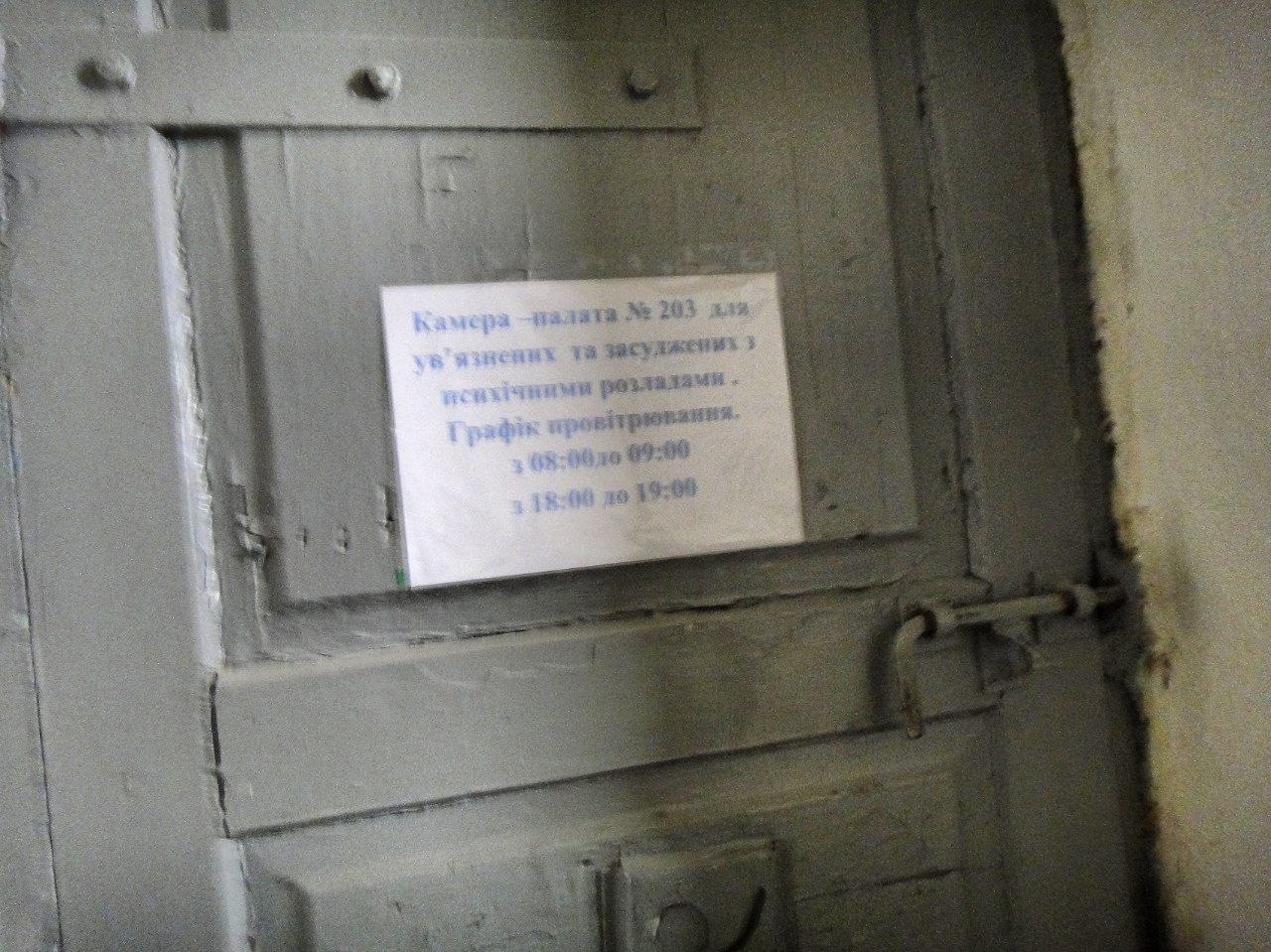
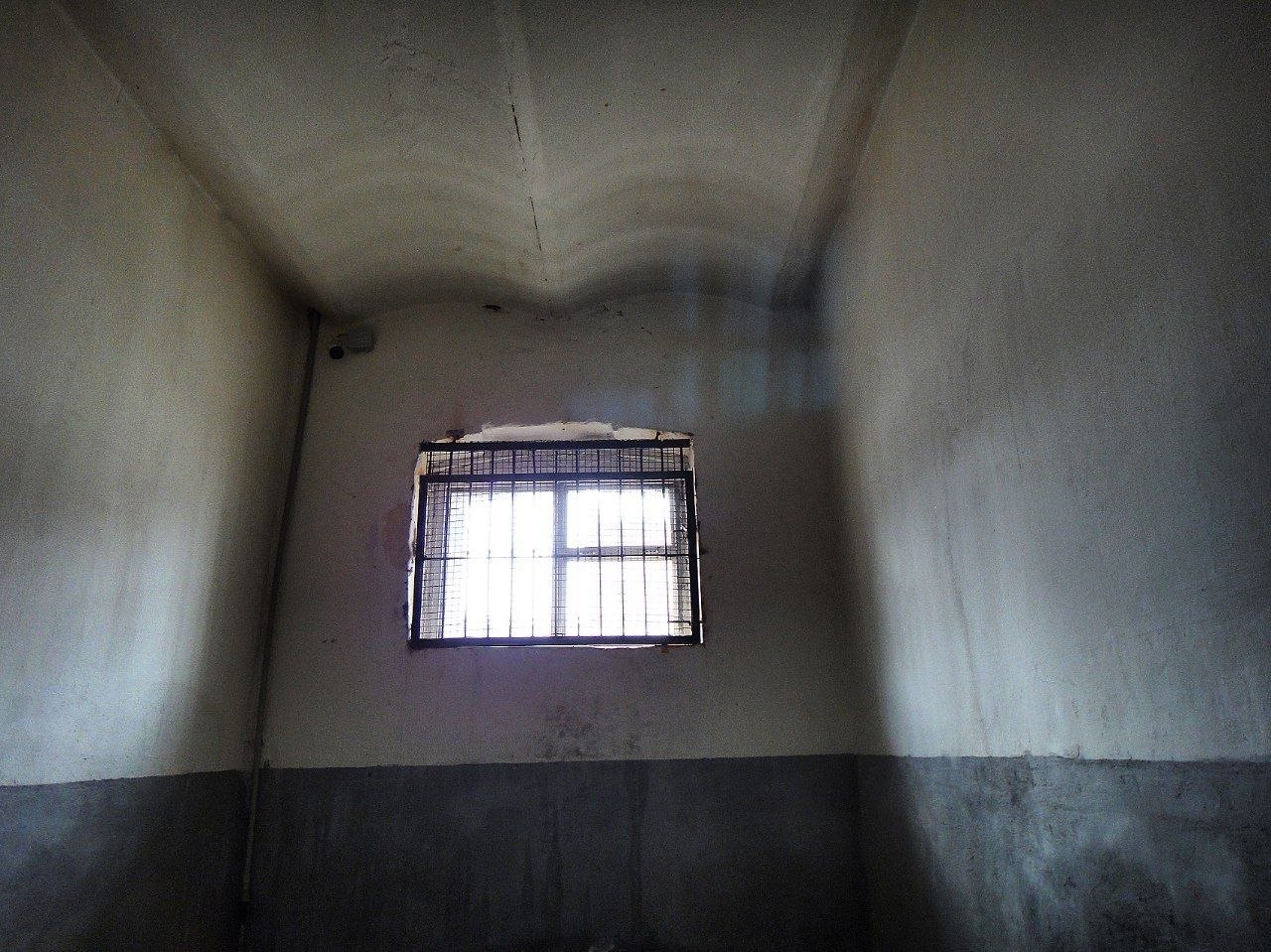
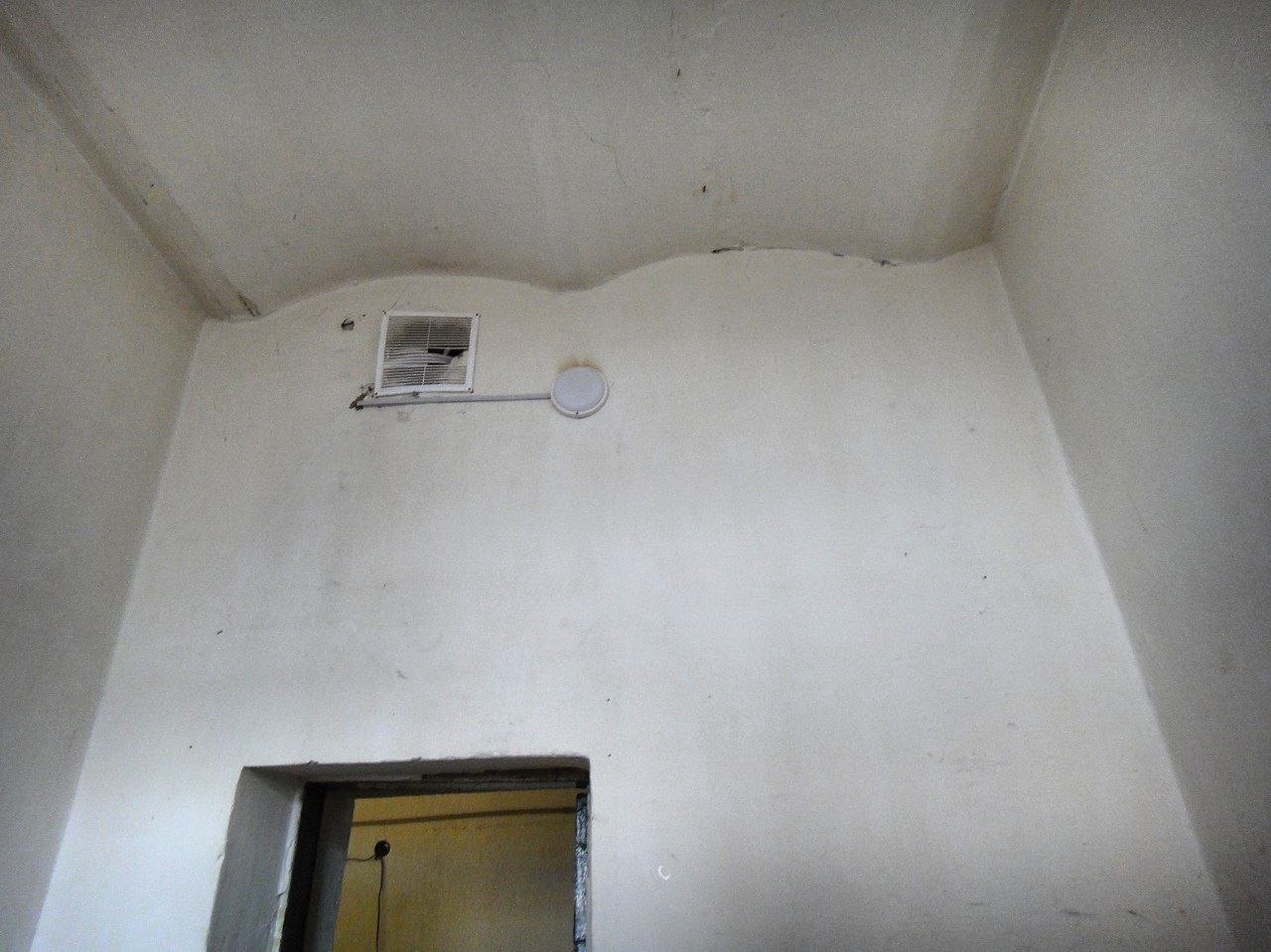
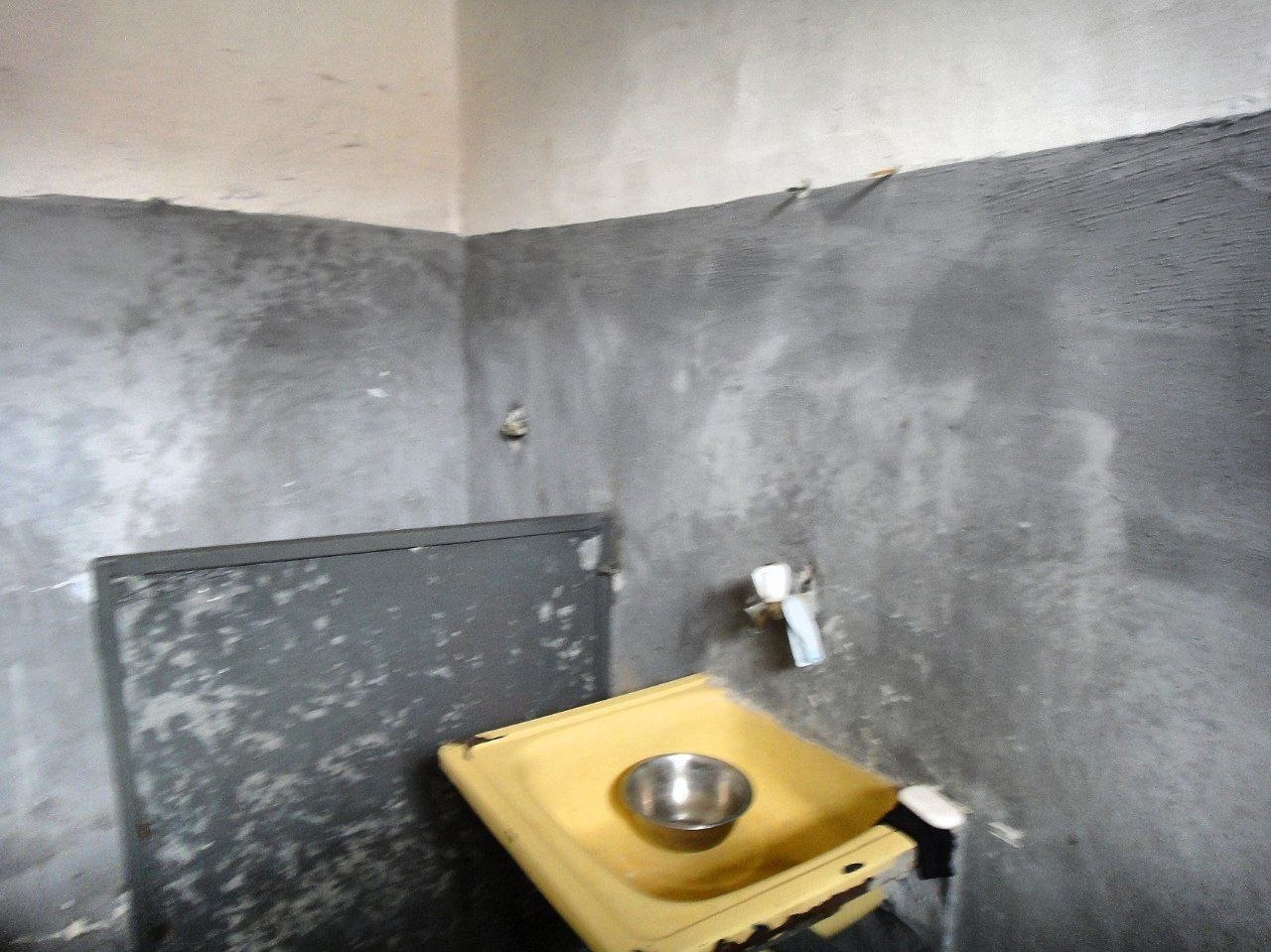
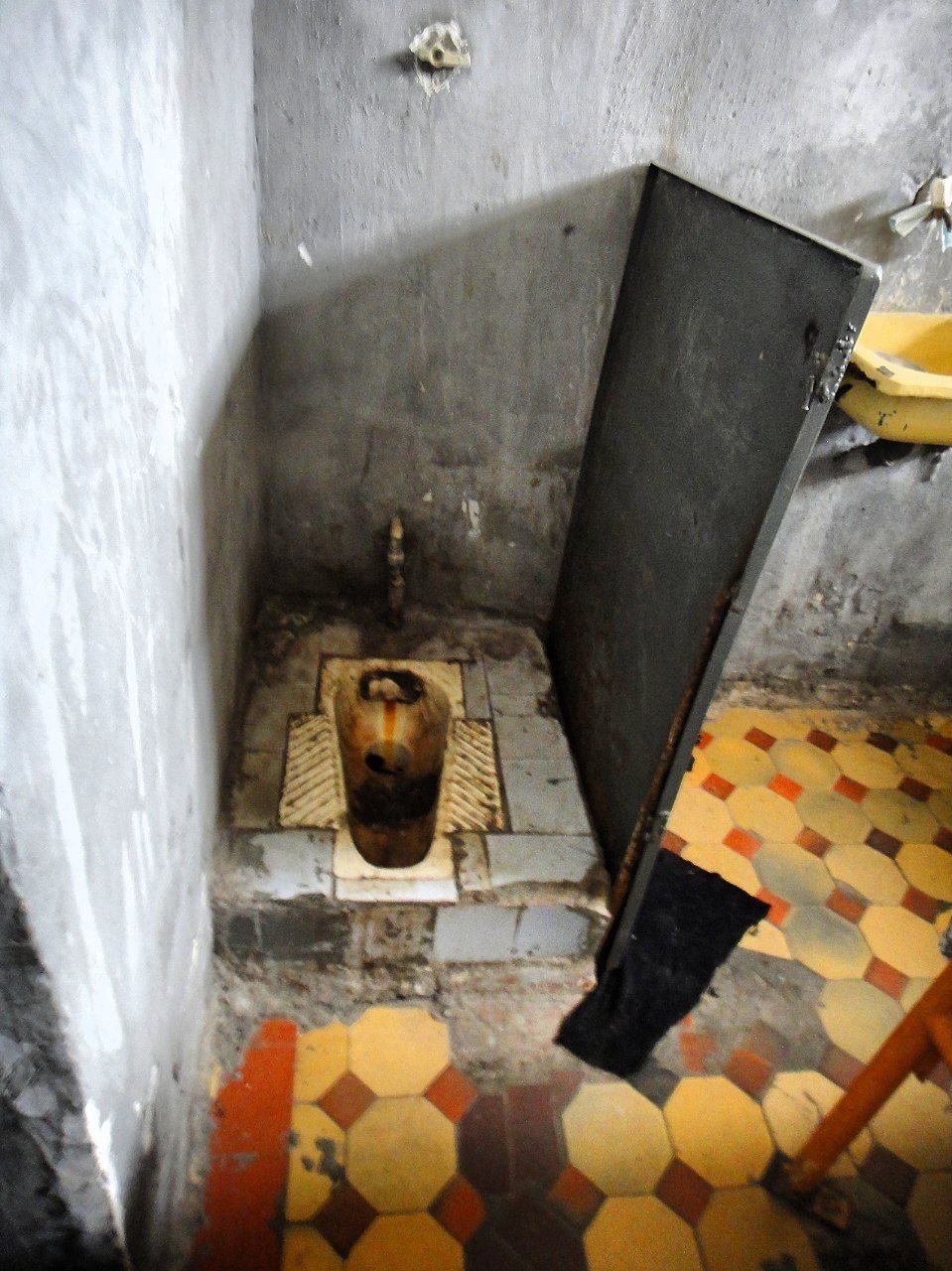
5. In violation of point 9 of the Rules for the Application of Physical Restraint and (or) Isolation in the Provision of Psychiatric Care to Persons Suffering from Mental Disorders, approved by Order of the Ministry of Health of Ukraine No. 240 dated 24 March 2016, registered with the Ministry of Justice of Ukraine on 15 April 2016 under No. 570/28700, the isolation ward for persons with mental disorders is not properly equipped, namely: mechanical ventilation is absent; the toilet is in an unhygienic state and is not equipped with partitions and doors sufficient to ensure privacy, violating the right to privacy; the window is located at a significant height and is small in size, as a result of which natural light practically does not penetrate the room.
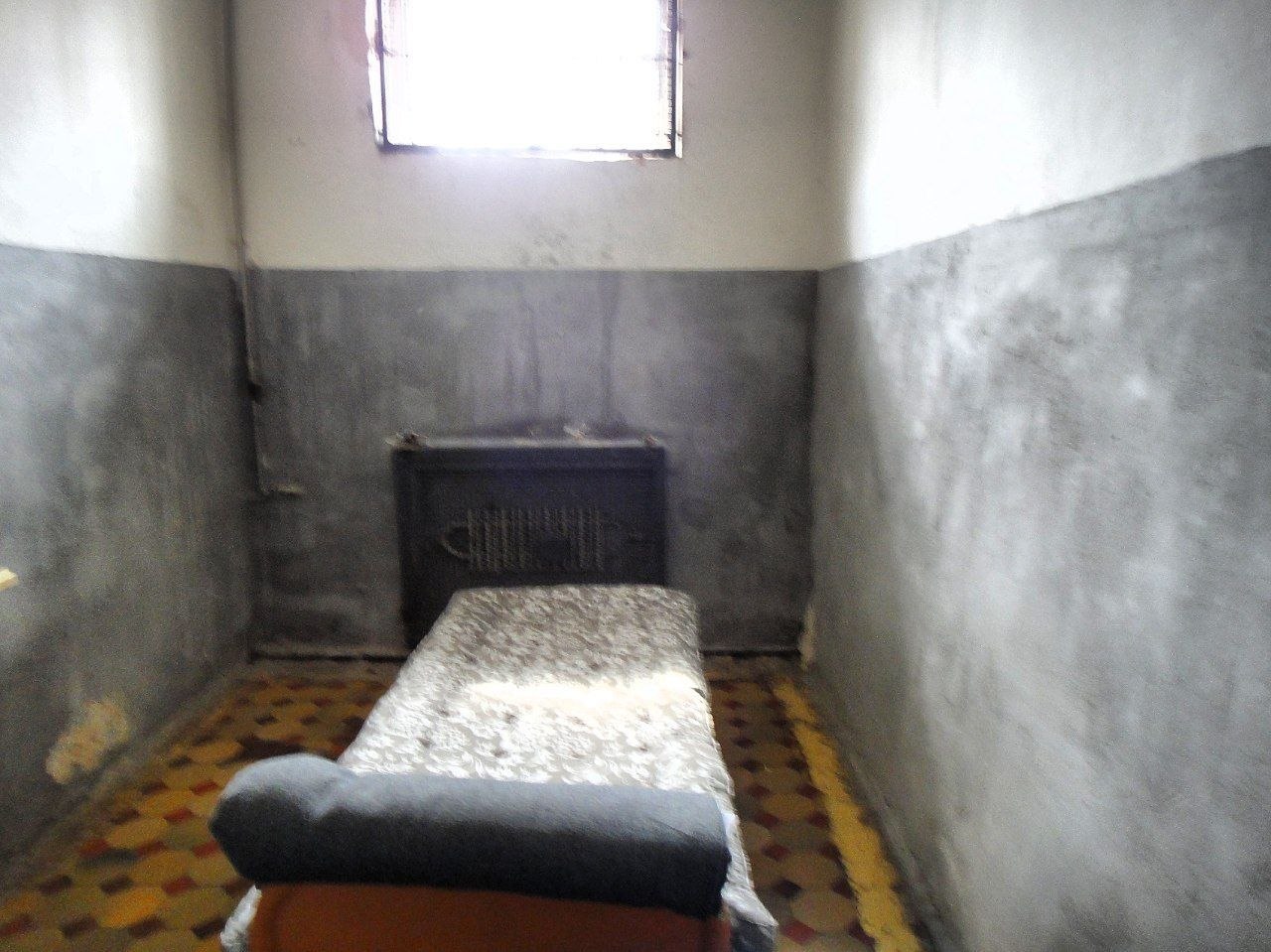
6. Dispensary observation is carried out for 3 persons with disabilities, all of whom have Group III disability. At the same time, in violation of the requirements of the Law of Ukraine ‘On Rehabilitation of Persons with Disabilities in Ukraine’, persons with disabilities do not receive proper diagnostic, treatment, and rehabilitation measures despite the availability of data confirming permanent impairment of body functions caused by diseases or consequences of injuries that result in limitations of normal life activities.
Specifically, during the examination of the medical documentation of convicts, it was established that 1 person with a disability lacks an individual rehabilitation programme (hereinafter referred to as the IRP). Furthermore, the IRP recommendations are not implemented, as a result of which she does not receive proper diagnostic, treatment, and rehabilitation measures despite the availability of data confirming permanent impairment of body functions caused by diseases and consequences of injuries that result in limitations of normal life activities.
7. In violation of the requirements of the State Building Codes of Ukraine V.2.2-40:2018 ‘Accessibility of Buildings and Structures. General Provisions’, no conditions for holding persons with disabilities have been created in the medical unit.
8. In violation of paragraph 37 of Resolution of the Cabinet of Ministers of Ukraine No. 285 dated 2 March 2016 ‘On Approval of Licensing Conditions for Conducting Business Activities in Medical Practice’, the medical unit lacks a certificate confirming free access to the buildings and premises of the medical institution for people with limited mobility, the acquisition of which is mandatory.
9. In violation of the requirements of the Standards of Medical Care for Viral Hepatitis C in Adults, approved by Order of the Ministry of Health of Ukraine No. 1178 dated 23 July 2025, not all individuals suspected of having viral Hepatitis C — 31 people as of 2 April 2026 — undergo the necessary PCR testing, as a result of which they do not receive proper treatment, which can lead to a deterioration of their health and the spread of this infectious disease among convicts and detainees.
10. During the visit, it was established that individuals suffering from tuberculosis are accommodated in ward-cells that are not designed for the isolation of persons with infectious diseases, and are located next to cells holding other detainees in the medical unit’s inpatient department. Such placement does not ensure proper isolation of patients and does not comply with infection control requirements, creating a real risk of the spread of tuberculosis infection among detainees and the institution’s staff, which violates the requirements of paragraph 2 of Section II of the ‘Infection Control Standard for Healthcare Facilities Providing Care to Tuberculosis Patients’, approved by Order of the Ministry of Health of Ukraine No. 287 dated 1 February 2019.
11. Isolation rooms for persons with infectious diseases do not comply with sanitary and hygienic standards and the requirements of the State Building Codes of Ukraine V.2.2-10:2022 ‘Healthcare Facilities. General Provisions’. Specifically, the wards intended for holding such patients are not equipped with a shower cubicle, which forces infectious patients to use shared sanitary facilities alongside other persons undergoing treatment in the medical unit’s inpatient department. The lack of proper conditions makes effective isolation of patients impossible, promotes the spread of infectious diseases, and poses a threat to the health of both convicts and medical staff.
12. In violation of the Procedure for Organising Medical Care at the Primary, Secondary (Specialised), and Tertiary (Highly Specialised) Levels Using Telemedicine, approved by Order of the Ministry of Health of Ukraine No. 681 dated 19 October 2015, the medical unit staff is deprived of the opportunity to make requests for telemedicine consultations and receive consultations to provide medical care to detainees and convicts due to technical reasons.
13. In violation of the requirements of the Equipment List for one workplace of a dentist and a dental technician, approved by Order of the Ministry of Health of Ukraine No. 158 dated 11 April 2005, the medical unit lacks a dental X-ray machine, which makes it impossible to conduct in-depth dental examinations of convicts and fails to ensure the timely provision of appropriate dental care. 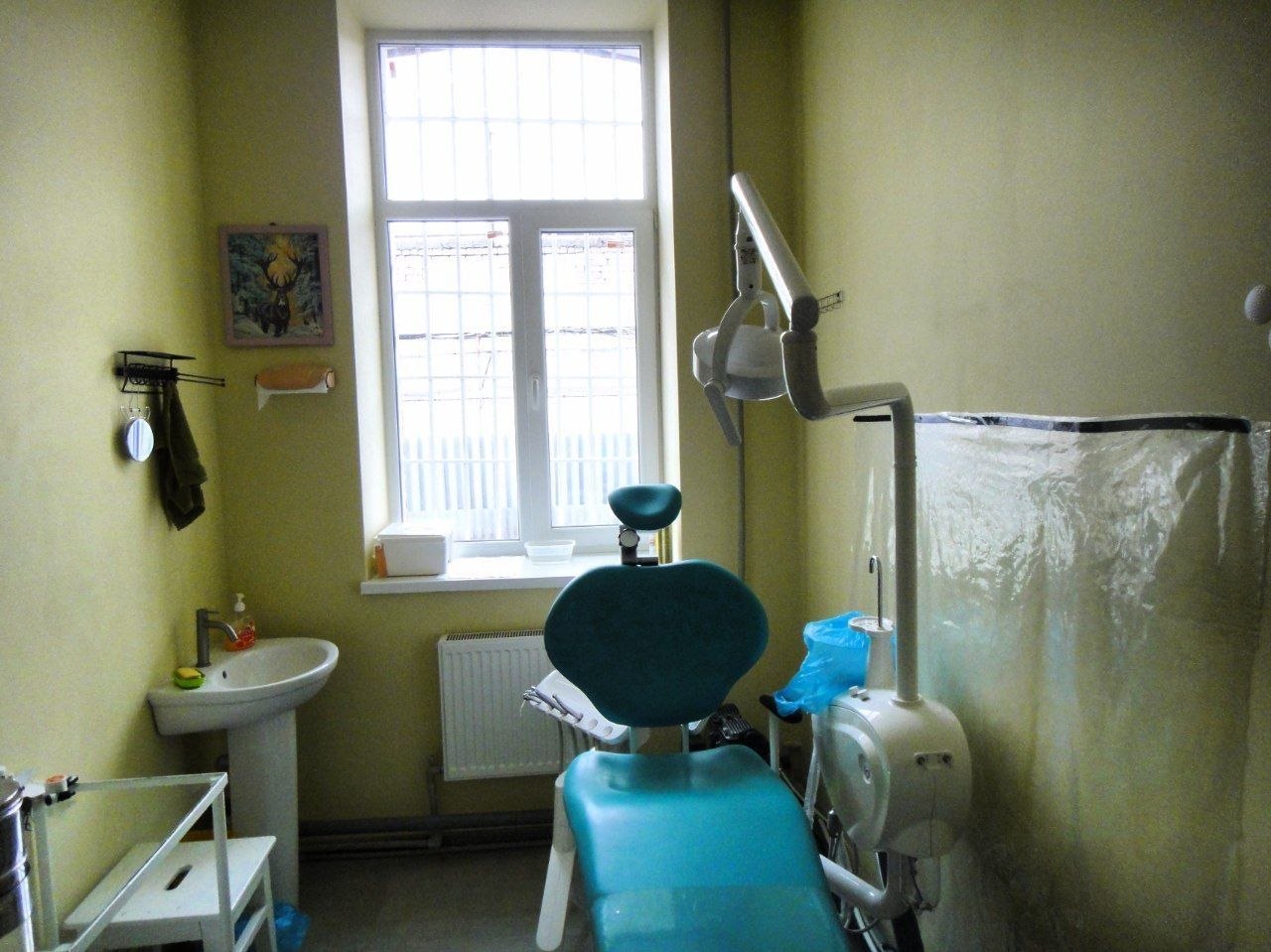
14. The monitoring group established that upon placing a detainee in a punishment cell, the practice of attaching a medical certificate containing health information is observed; according to its conclusion, the detainee can be held in a punishment cell based on their state of health. The established facts prove that the institution’s staff possess confidential information regarding the health status of detainees in the punishment cells. This violates the requirements of Article 39-1 of the Law of Ukraine ‘Fundamentals of the Legislation of Ukraine on Healthcare’ concerning the right of individuals to medical confidentiality.
At the same time, the CPT has repeatedly emphasised that the obligation of prison doctors to certify the fitness of convicts to undergo disciplinary punishment is unlikely to promote a positive doctor-patient relationship. In principle, medical personnel should never participate in any part of the decision-making process to apply any type of solitary confinement, except when this measure is applied for medical reasons. On the other hand, medical staff must be very attentive to the condition of convicts held in solitary confinement. Medical staff must be immediately informed of each such placement and must visit the convict immediately after placement, and then regularly, at least once a day, and provide them with prompt medical assistance and treatment if necessary. Medical staff must notify the institution’s administration if the health of the convict is seriously threatened by solitary confinement (CPT/Inf (2024) 20, paragraph 104).
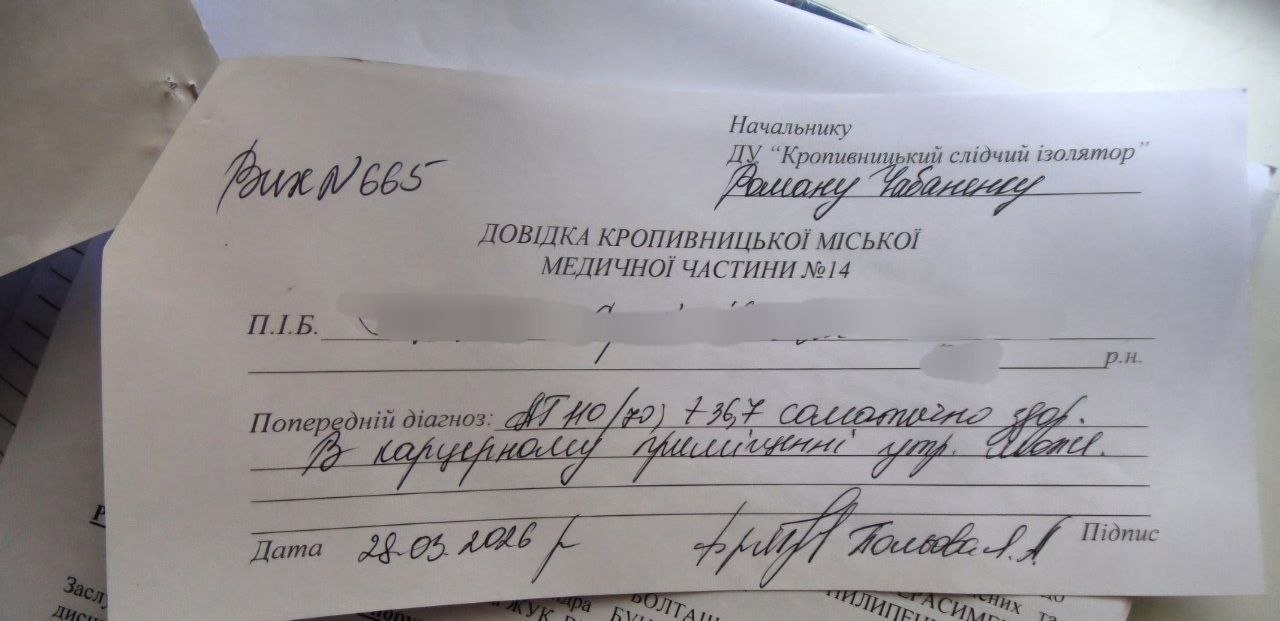
15. The medical unit lacks the medical drug naloxone, which makes it impossible to provide emergency medical care in cases of opiate overdose.
16. In the staff of the medical unit, the post of clinical psychologist is vacant, which complicates the timely and effective provision of mental healthcare to convicts. In its report on the results of the visit to Ukraine in 2023, the CPT recommends further strengthening the provision of psychological assistance in institutions, as well as developing the training and role of prison psychologists, especially in terms of therapeutic clinical work with convicts. In this context, efforts must be made to recruit clinically trained psychologists who should be part of the medical team and, in their work, should not combine two different roles, namely risk assessment and therapeutic clinical work (CPT/Inf (2024) 20, paragraph 85).
17. In violation of the Fire Safety Rules in Ukraine, approved by Order of the Ministry of Internal Affairs of Ukraine No. 1417 dated 30 December 2014, the medical unit premises are not equipped with fire-fighting and fire alarm systems, except for the pharmacy and the OST room.
Recommendations:
1. Ensure compliance with the statutory norms of living space for persons remanded in custody, and bring cell occupancy into compliance with national and international standards.
2. Cease the use of punishment cells Nos. 308, 309, and 310 until their area and conditions of detention are brought into compliance with international standards for the treatment of prisoners.
3. Ensure proper equipping of punishment cells, taking into account the minimum requirements regarding area, possibility of free movement, lighting, and ventilation.
4. Equip sanitary facilities with partitions and doors that ensure detainees' right to privacy.
5. Equip punishment cells with staff call buttons to ensure prompt contact of detainees with the institution’s staff.
6. Ensure an adequate level of natural light in punishment cells and regular cells by reviewing window design and removing excessive grating.
7. Review the practice of using video surveillance in living quarters and ensure compliance with the detainees' right to privacy.
8. Place in punishment cells, the reception unit, and regular cells visual information indicating the contacts of authorities to which detainees can appeal with complaints and statements.
9. Ensure compliance with requirements regarding the segregation of different categories of detainees and convicts.
10. Cease the practice of placing individuals in the reception unit premises in numbers exceeding the permissible capacity, and ensure proper conditions of stay in such premises.
11. Equip a separate doctor’s consulting room in the reception unit, ensure the confidentiality of medical examinations, and create quarantine rooms and isolation cells for sick persons.
12. Equip exercise yards with proper shelter from atmospheric precipitation and improve conditions for conducting walks.
13. Eliminate violations in cells regarding the privacy of toilets, bed arrangement, access to natural light, and the provision of drinking water.
14. Renovate cells, eliminate dampness, mould, and malfunctions in electrical networks and sanitary-technical equipment.
15. Review the design of windows in cell No. 333 to ensure access to natural light and the possibility of seeing the external space.
16. Cease the practice of placing name cards indicating information about committed crimes on convicts' beds.
17. Ensure proper selection and storage of daily samples of prepared dishes in accordance with established requirements.
18. Ensure the actual distribution of food rations to detainees and convicts departing from the institution or participating in court proceedings outside the remand prison.
19. Ensure the functioning of a shop for detainees and convicts to purchase food products and basic necessities.
20. Ensure proper medical control during the operation of the bathhouse and the maintenance of corresponding documentation.
21. Equip showers in the bathhouse with hot and cold water taps, and ensure privacy by installing curtains or partitions.
22. Repair and ensure proper functioning of the ventilation system in the bathhouse.
23. Equip a shower for workers, a staff room, and a separate barber shop room in the laundry.
24. Ensure the possibility of visiting the bathhouse by detainees and convicts in accordance with established standards.
25. Equip cells for holding women with shower trays and shower heads on a flexible hose.
26. Ensure that special means are carried in a concealed manner by the institution’s staff during contact with detainees and convicts.
27. Review the procedure for conducting short-term visits and ensure they are conducted predominantly in open conditions.
28. Take measures to fill vacant staff positions in the institution and ensure the proper presence of staff in places of detention.
29. Repair the shelter, eliminate dampness, flooding, and mould, and ensure the proper functioning of the ventilation system.
30. Ensure proper registration of employment relations with detainees and convicts, remuneration, record-keeping of working hours, payment of the single contribution to compulsory state social insurance, and compliance with the right to social protection.
31. Take measures aimed at eliminating identified human rights violations and preventing torture and other cruel, inhuman, or degrading treatment and punishment in Kropyvnytskyi Municipal Medical Unit No. 14 of the branch of the State Institution ‘Center for Healthcare of the State Penitentiary Service of Ukraine’ in Cherkasy and Kirovohrad Oblasts.
32. Ensure control over the proper maintenance of medical records in accordance with the Procedure for Interaction of Healthcare Facilities of the State Penitentiary Service of Ukraine with Healthcare Facilities on the Provision of Medical Care to Persons Remanded in Custody, approved by Joint Order of the Ministry of Justice of Ukraine and the Ministry of Health of Ukraine No. 239/5/104 dated 10 February 2012, the Procedure for Organising the Provision of Medical Care to Persons Sentenced to Deprivation of Liberty, approved by Joint Order of the Ministry of Justice of Ukraine and the Ministry of Health of Ukraine No. 1348/5/572 dated 15 August 2014, and other regulatory legal acts.
33. Ensure timely and proper recording of bodily injuries in convicts and detainees.
34. Ensure the staffing of the medical unit with specialist doctors in accordance with needs.
35. Ensure that patients' informed consent for examination and treatment is obtained in the prescribed form.
36. Ensure the equipping of isolation rooms in the medical unit for persons with infectious diseases in accordance with the established requirements of legislation.
37. Ensure compliance with requirements for the isolation of persons suffering from tuberculosis in accordance with the Standard.
38. Cease the practice of doctors certifying the health status of convicts and detainees upon their placement in the punishment cell.
39. Dismantle video surveillance cameras from the medical unit premises.
40. Ensure individual rehabilitation is conducted for individuals who require it.
41. Ensure the accessibility of the institution’s buildings in accordance with the State Building Codes of Ukraine V.2.2-40:2018 ‘Accessibility of Buildings and Structures. General Provisions’.
42. Fulfill the requirements of paragraph 37 of Resolution of the Cabinet of Ministers of Ukraine No. 285 dated 2 March 2016 ‘On Approval of Licensing Conditions for Conducting Business Activities in Medical Practice’.
43. Ensure that all persons with suspected HCV have access to PCR testing within the shortest possible timeframe, and organise the necessary antiviral treatment for persons with a confirmed diagnosis.
44. Ensure the proper operation of the telemedicine complex for doctors to make requests for telemedicine consultations.
45. Provide the medical unit with a dental X-ray machine and the necessary equipment to conduct full dental examination and treatment.
46. Ensure compliance with requirements for the isolation of persons suffering from tuberculosis in accordance with the Standard.
47. Provide the medical unit with the necessary supply of the medicinal drug naloxone with the aim of timely provision of emergency medical care in cases of opioid overdose, as well as organise proper storage, accounting, and accessibility of the specified drug for medical staff.
48. Equip the fire safety system in accordance with established requirements.