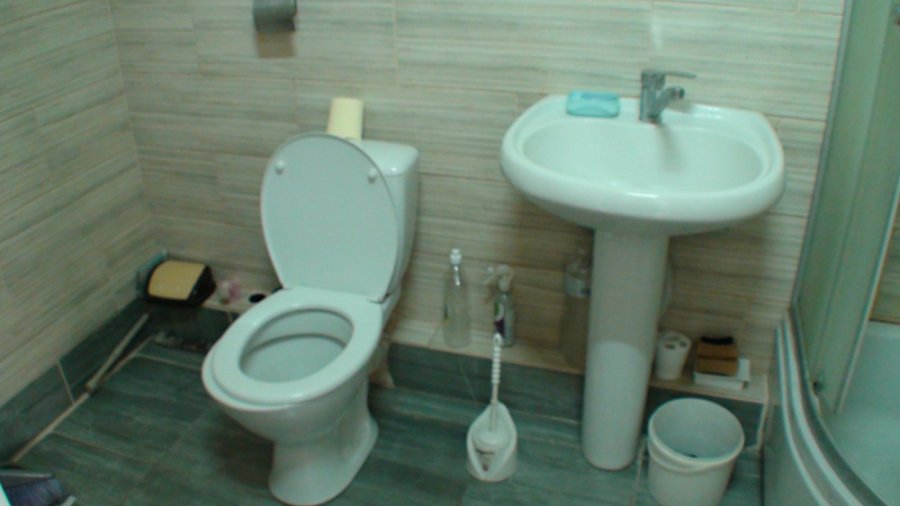
Monitoring visit to the State Institution “Kropyvnytskyi Pre-trial Detention Centre”
On 1 October 2021, a monitoring group consisting of Serhii Zuikov, a member of the Public Council under the Ministry of Justice of Ukraine, and Andrii Didenko, a journalist for the “Human Rights” bulletin of the Kharkiv Human Rights Protection Group, visited the State Institution “Kropyvnytskyi Pre-trial Detention Centre”.
The head of the facility is Lieutenant Colonel of the internal service Roman Serhiiovych Chabanenko.
Areas visited: medical unit, disciplinary cells, residential cells, and outdoor exercise yards.
General information
The staff complement of the facility is 206, with an actual strength of 174.
The facility has a human resources department with 1 psychologist, and a social and educational work department with 2 psychologists.
In 2020, the total number of prisoners in the facility was 454; in 2021, it was 436.
The cost of maintaining one prisoner per day is 51.63 hryvnias.
During 2019, 6 prisoners died in the medical unit of the facility and in Ministry of Health institutions, in 2020 there were 2 deaths, and in 2021 there were 5.
12 persons are employed under employment contracts.
In the current year, the average salary reaches 6,000 hryvnias.
2 people served disciplinary punishment, and 8 were held in solitary confinement.
In 2020, 61 cases of bodily injury were recorded upon arrival, and 27 cases during their stay in the facility; in 2021, there were 14 cases upon arrival and 14 during their stay.
In 2020, special means were used against prisoners 5 times, and in 2021, 13 times.
There are 3 workstations with access to the Internet.
In accordance with the established procedure, the cost of using the Internet is 200 hryvnias.
In 2020, there were 253 short-term visits, and in 2021, 183.
In 2020, 193 people used the Internet during the year by concluding a relevant agreement and purchasing a tablet, and 92 people did so in 2021.
The standard living space per prisoner is 2.5 square metres.
Since the beginning of 2021, 130 prisoners have been tested for SARS-CoV-2 (IgG, IgM); of the convicted persons, 93 have recovered from SARS-CoV-2 (IgG, IgM); 135 prisoners have been vaccinated.
11 prisoners are receiving treatment in a medical facility of the Health Care Centre of the State Criminal-Executive Service.
Under Article 391 of the Criminal Code of Ukraine, there were 8 criminal proceedings in 2020 and 1 in 2021.
Under Article 255 of the Criminal Code of Ukraine, there were 10 criminal proceedings.
In 2020, 354 people were transferred to other institutions, and 264 in 2021.
There are 27 registered cases of HIV/AIDS.
18 prisoners are prone to suicide, 34 are prone to self-harm, and 4 are prone to escape.
There are 22 malicious violators of the detention regime.
1 complaint was recorded from prisoners in 2020, and none in 2021.
In 2020, 10 people were released on parole (Article 81 of the Criminal Code of Ukraine), and 3 people in 2021.
An ambulance was called 5 times in 2020, and 3 times in 2021.
In the examination room, protective masks are provided free of charge, a disinfectant is available, temperature screening is conducted, and checks for prohibited items are carried out.
The monitors were accompanied by the Deputy Head for Social and Educational Work, Andrii Hryhorovych Stetsenko.
Medical unit
The entrance to the medical unit is equipped with a ramp.
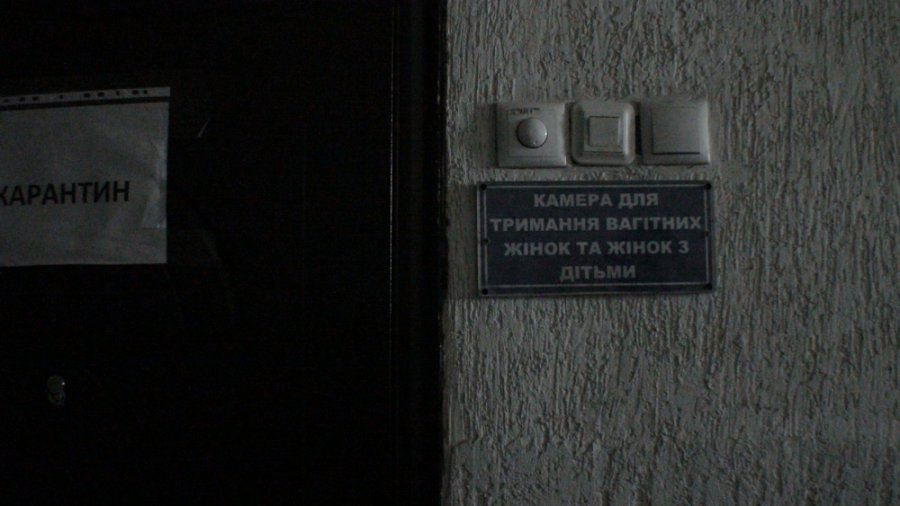
We inspected the cell for holding pregnant women and women with children, which features a special observation window, a baby stroller, and an equipped bathroom.
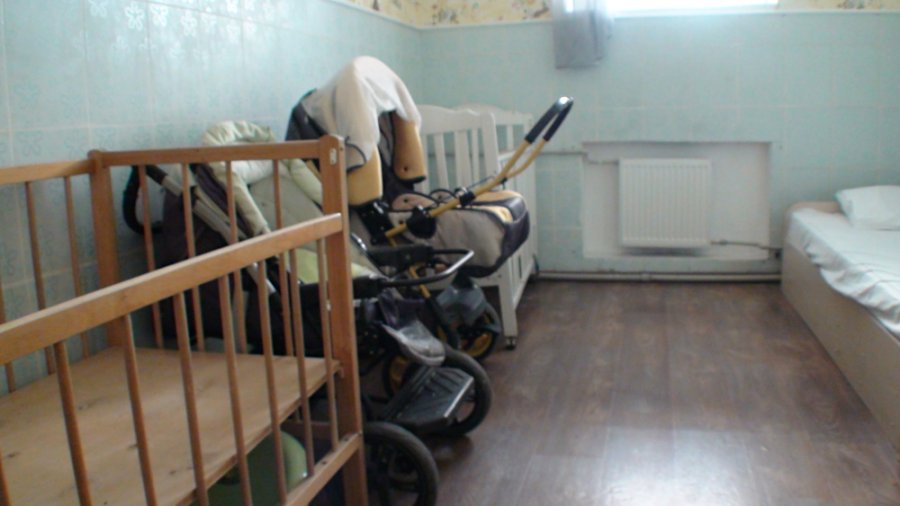
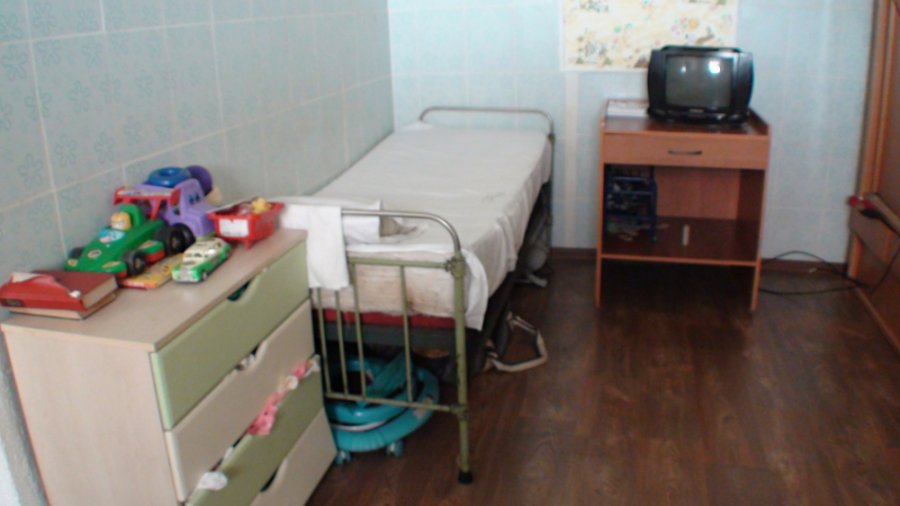
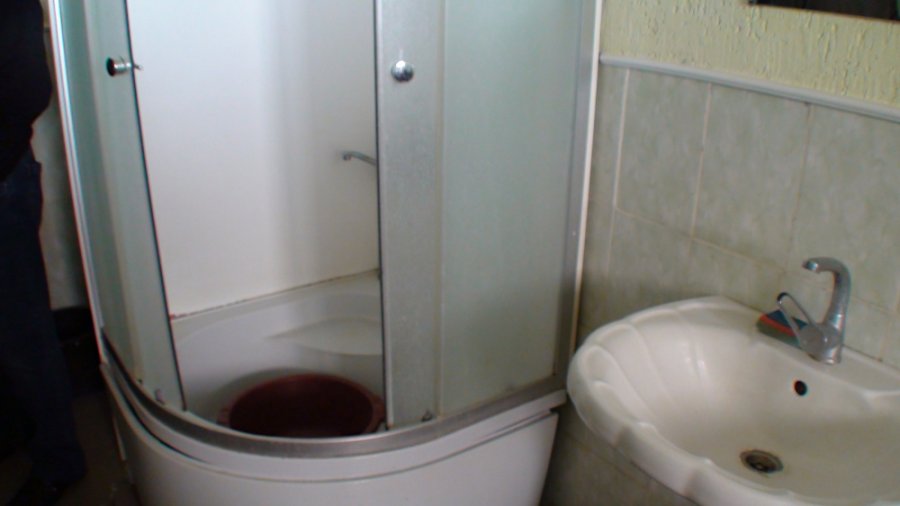
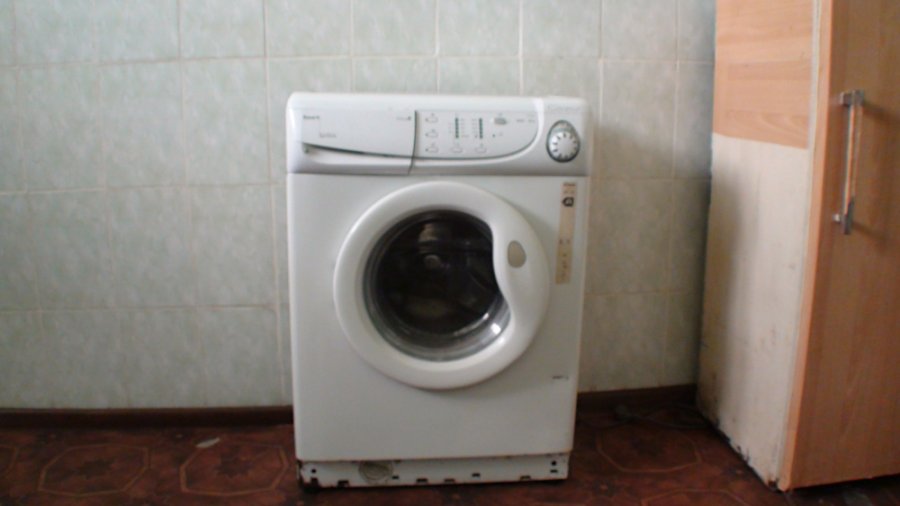
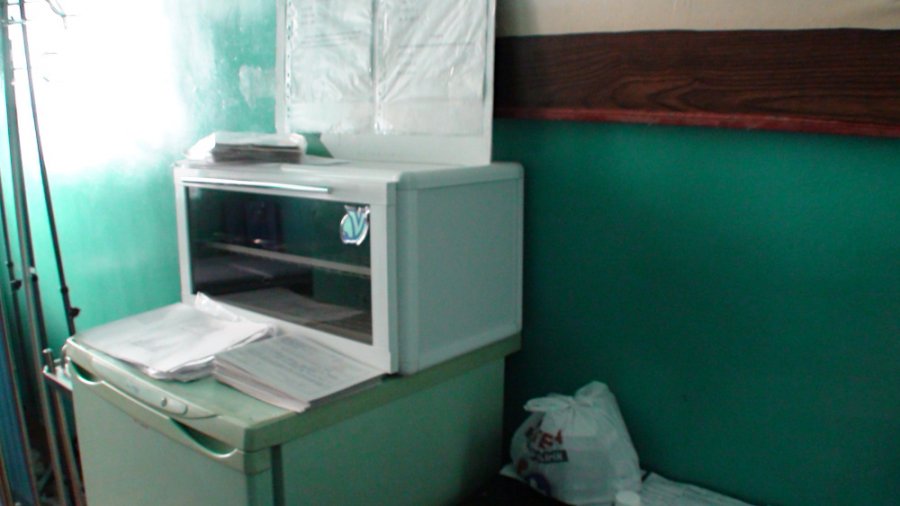
Disinfection is carried out in the wards of the medical unit.
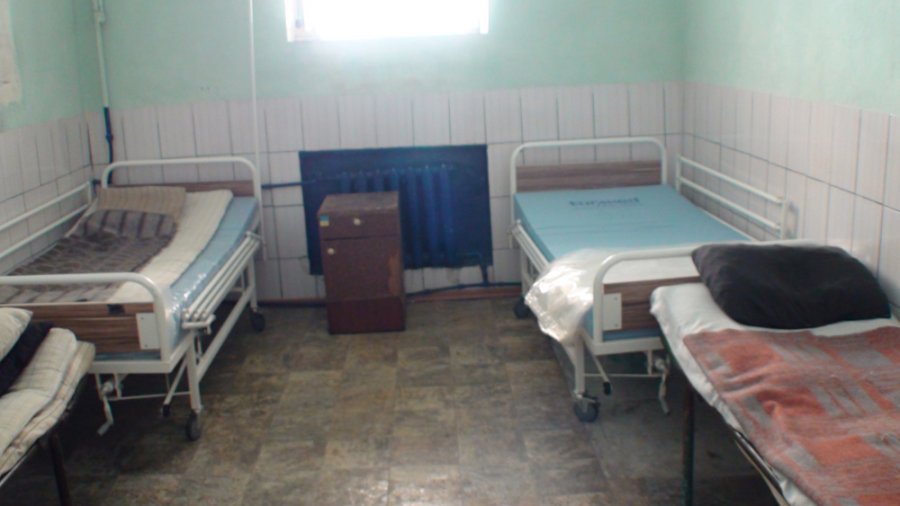
We inspected the wards, which require major repairs.
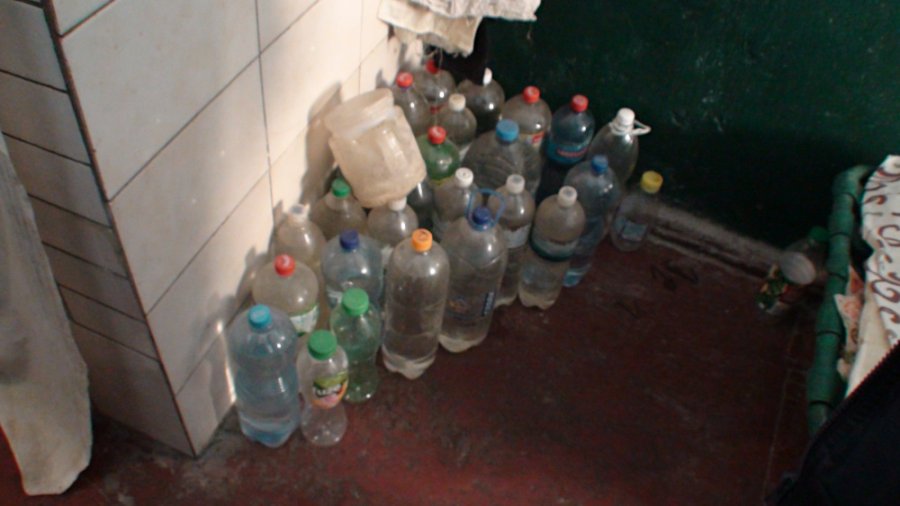
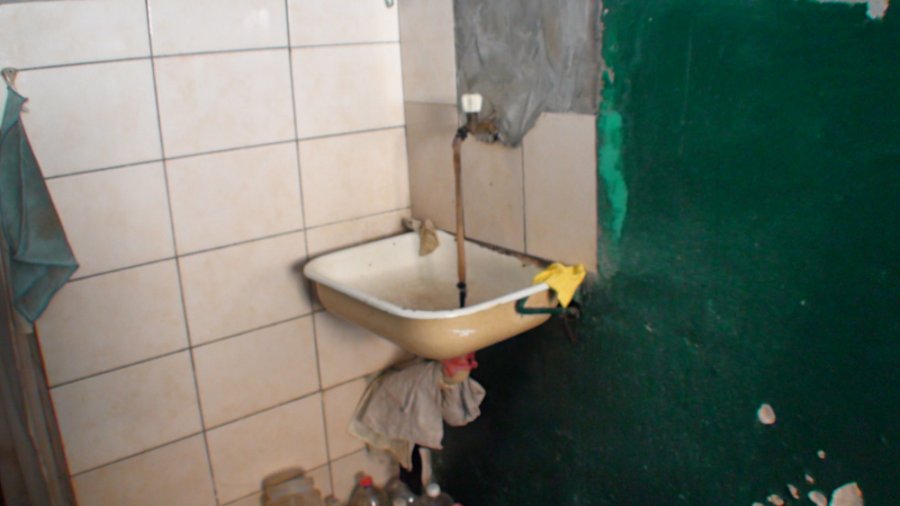
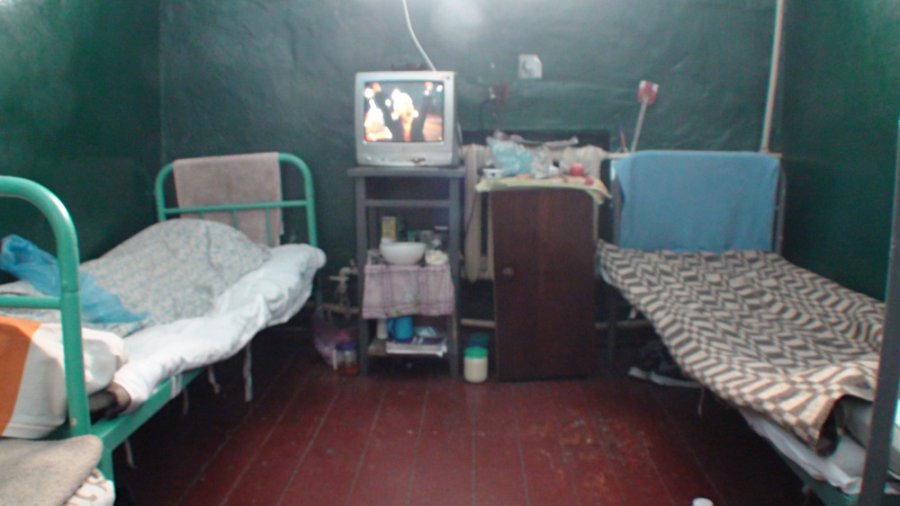
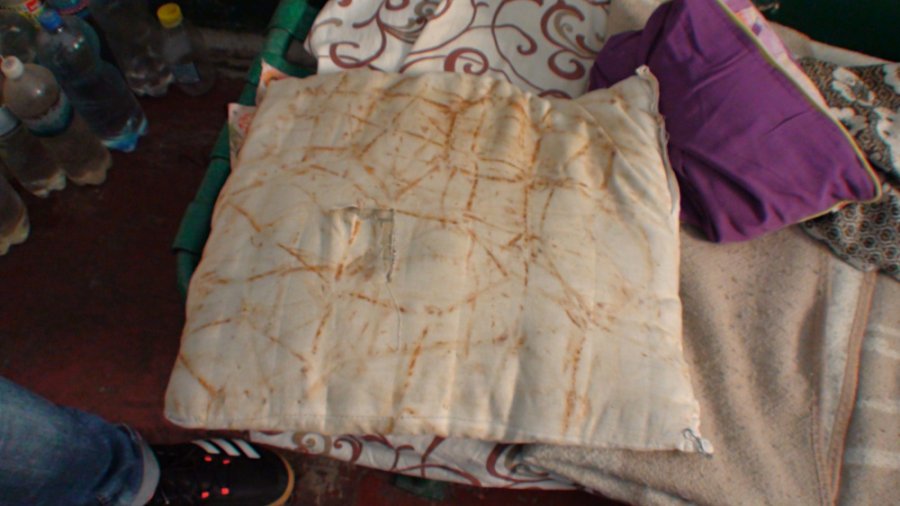
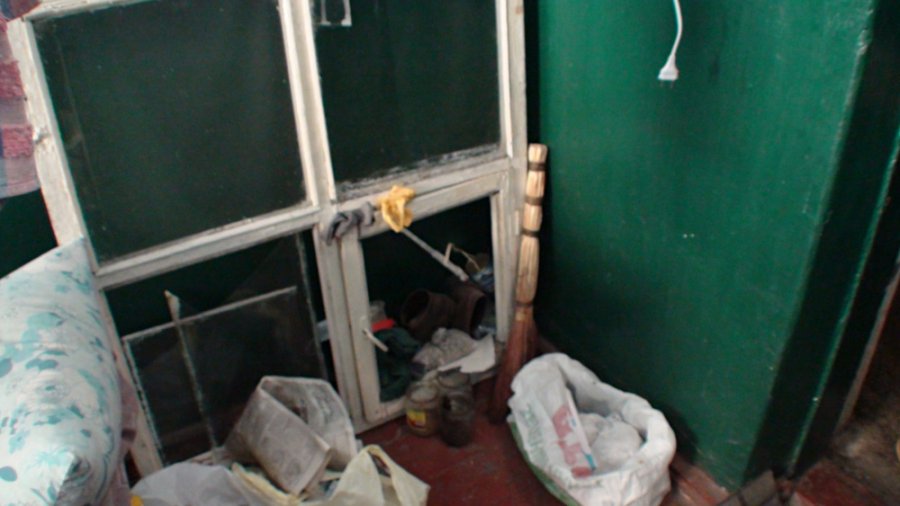
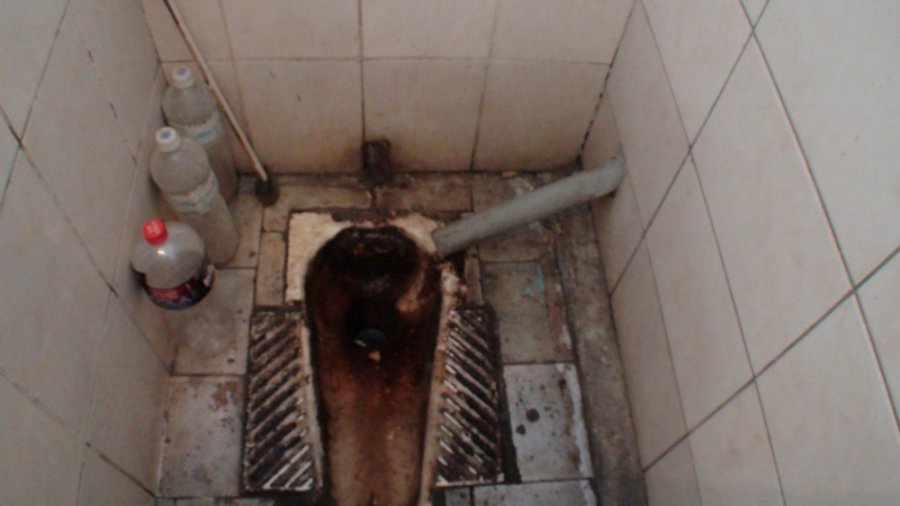
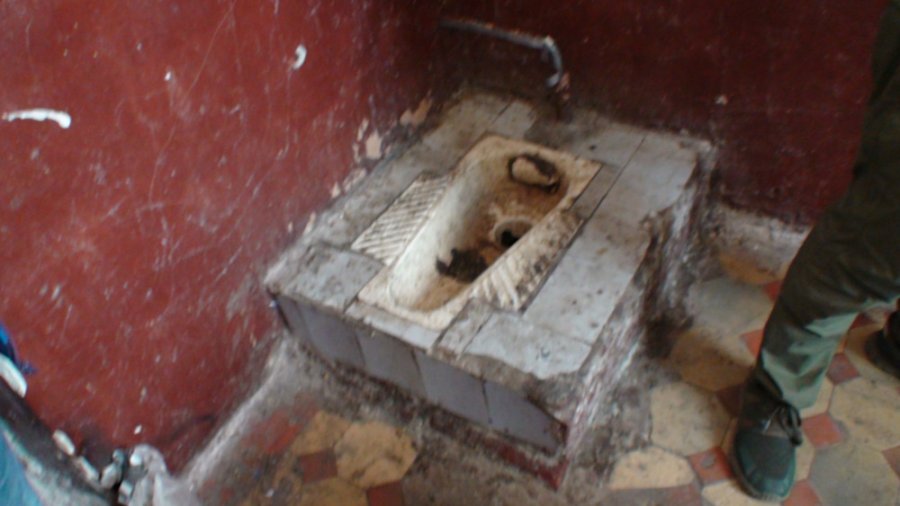
The Head of the Medical Unit, Valerii Fedorovych Levenchuk, behaved rudely and aggressively, speaking in a raised tone. When asked, “Is it permitted to have a bucket in the medical ward?”, he replied irritably that a bucket is not allowed, only plastic bottles are permitted, with which, in the opinion of the Head of the medical unit, one can wash themselves. “You would be better off asking about the funding of medicine,” he stated.
Indeed, it is noticeable to the naked eye that the medical unit requires financial support, and the premises require major repairs.
Cell for a mentally ill person. Prosecutorial action
The monitors noticed how loudly a woman was screaming and begging them to come in.
We entered the cell, which could hardly be called a ward.
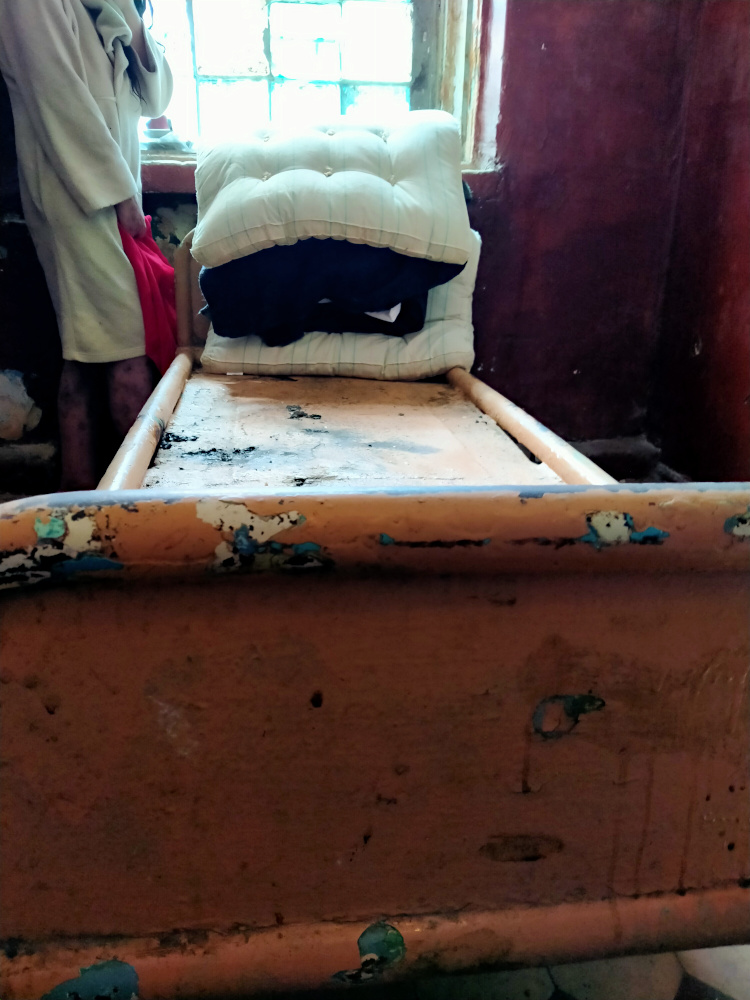
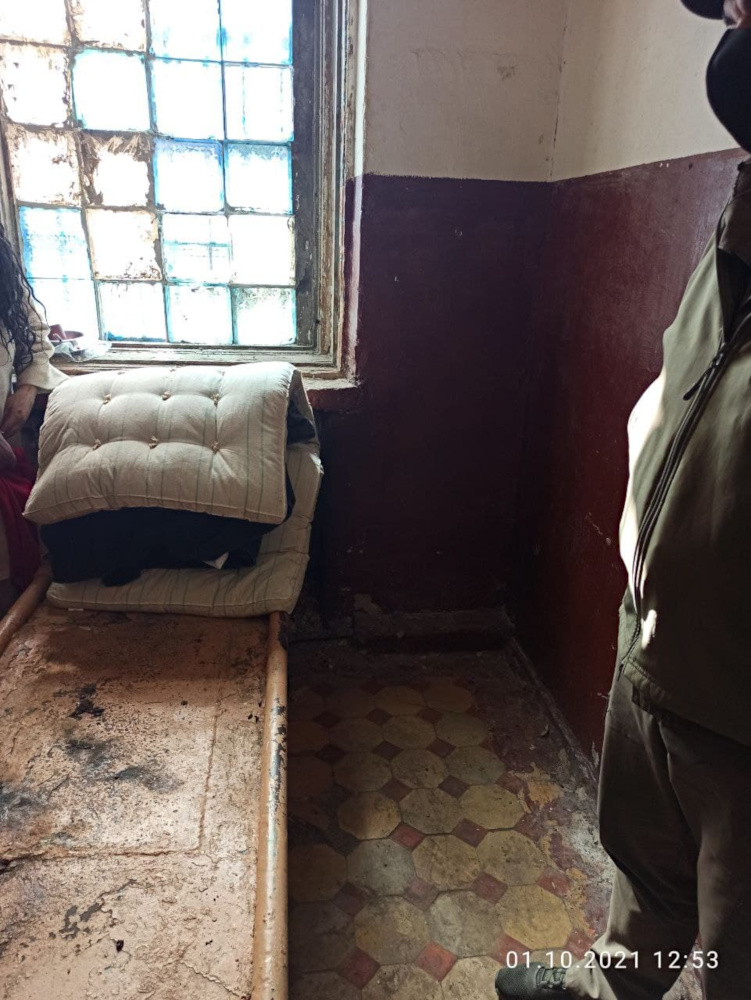
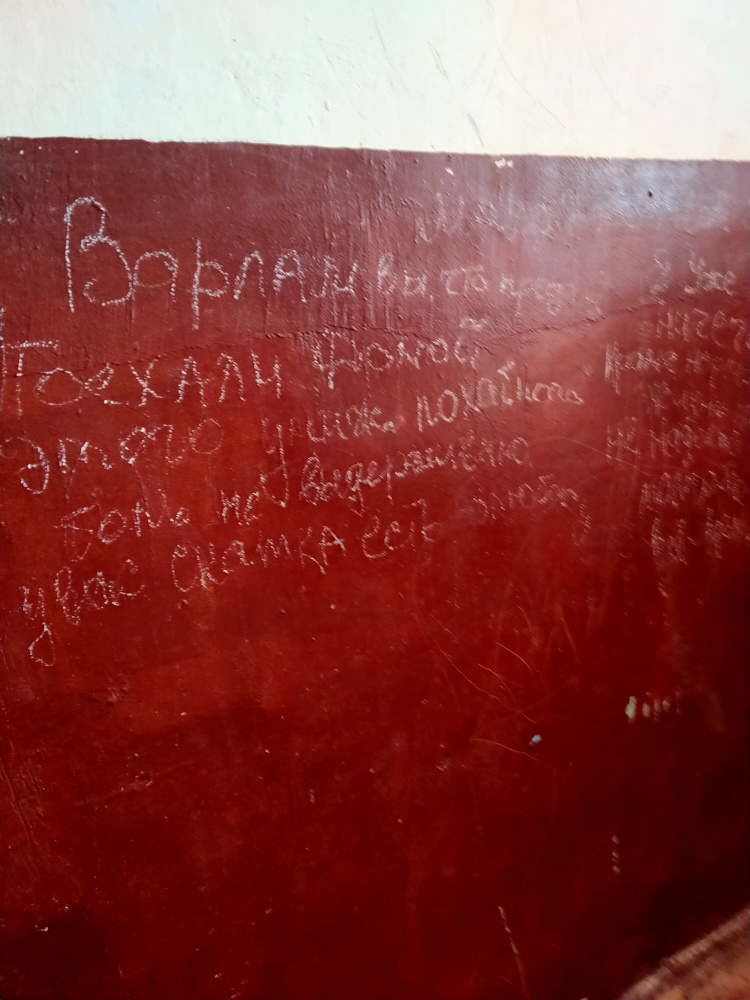
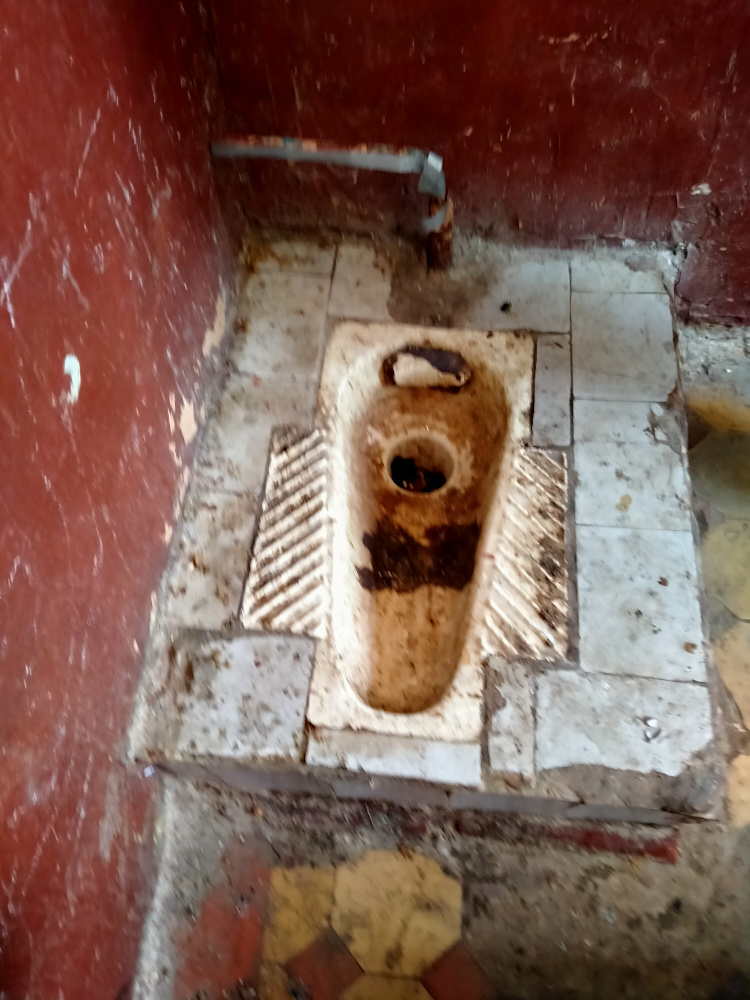
The Head of the medical unit explained why the person had been placed in this cell for an indefinite period without a corresponding decision from a competent authority: “Agitation after methadone, after taking opiates.” The woman was being held in inhumane conditions.
Materials were handed over to the Prosecutor's Office. Prosecutorial action followed immediately.
The Kirovohrad Regional Prosecutor's Office issued an instruction to eliminate violations of the requirements of the legislation of Ukraine and departmental regulatory acts of the Ministry of Justice of Ukraine, as well as the causes and conditions contributing to them, namely: “The Regional Prosecutor's Office conducted an inspection, during which a number of violations of the law were discovered that require immediate elimination and prevention in the future.”
The prosecutorial response stated, among other things: “The right to human dignity is a right that protects the dignity of any person, ensuring appropriate treatment by public authorities and other persons. This is one of the types of human rights and belongs to fundamental rights, as it is necessary for the normal existence and development of a person, and is both a general and a personal (or social) right.”
“The inspection conducted at the Municipal Medical Unit No. 14 of the branch of the State Institution ‘Health Care Centre of the State Criminal-Executive Service of Ukraine in the Kirovohrad Region’ established that the defendant L., diagnosed with residual psychosis due to opioid use, is being held in cell No. 203 in the medical unit. This person has been in a cell for more than 15 days that does not meet the elementary sanitary requirements or the regulatory requirements of the Ministry of Justice of Ukraine.
There is fungus, mould, and dust on the walls of the cell. There are cracks on the ceiling, black cobwebs in the corners, part of the window unit is missing, and the other part of the window unit has broken reinforced glass sections, through which air from the street freely enters the cell. As a result, the temperature in the cell is the same as the outdoor temperature.
In addition, pieces of the aforementioned glass are lying on the floor and on the bed, which allows the prisoner to commit self-harm or even cause bodily injury to medical staff or employees of the pre-trial detention centre.
Also, a metal rod about 20 cm long and about 2 cm in diameter protrudes from the floor near the bed, which could also be used to commit self-harm, or even suicide, given the mental state of L.
The cell is equipped with only one metal bed, on which there are torn remains of bed linen and a mattress; any other items provided for by the regulatory acts of the State Criminal-Executive Service are absent.
There is no heating in this cell at all (the radiator has been cut out), there is no washbasin, and water is supplied to the toilet bowl only from the corridor by the duty officer.
The prisoner has no shoes and is constantly standing barefoot on the cement floor, which could lead to her developing a number of new illnesses.
Thus, L. is being held in inhumane conditions, which humiliates her honour and dignity.
I would like to draw your attention to the fact that the inaction of the medical unit staff may be equated to torture and is grounds for holding them criminally liable, as well as for the prisoner to appeal to the European Court of Human Rights with a well-founded claim against the state of Ukraine for compensation for damage to health. In the event of such a claim being upheld and the state paying compensation to the prisoner, said funds may be recovered from the guilty parties through recourse proceedings.
Considering the above, guided by the requirements of Article 22 of the Law of Ukraine ‘On Pre-trial Detention’, Article 26 of the Law of Ukraine ‘On the Prosecutor's Office’,
I demand:
1. To immediately ensure the conditions of detention and treatment for prisoner L. in the Municipal Medical Unit No. 14 of the branch of the State Institution ‘Health Care Centre of the State Criminal-Executive Service of Ukraine’ in the Cherkasy and Kirovohrad regions, in accordance with the requirements of regulatory legal acts of the Ministry of Justice and the legislation of Ukraine.
2. To conduct an official investigation into the stated facts, identify the guilty persons, and resolve the issue of their disciplinary liability.
3. To inform the Regional Prosecutor's Office of the results of the review of the instruction and the measures taken within a 30-day period, providing copies of the official investigation report and the order on holding the guilty persons liable.
Deputy Head of the Kirovohrad Regional Prosecutor's Office O. Malenko.”
Prisoner L., who was in this cell, complained about the failure to provide medical assistance.
Treatment room
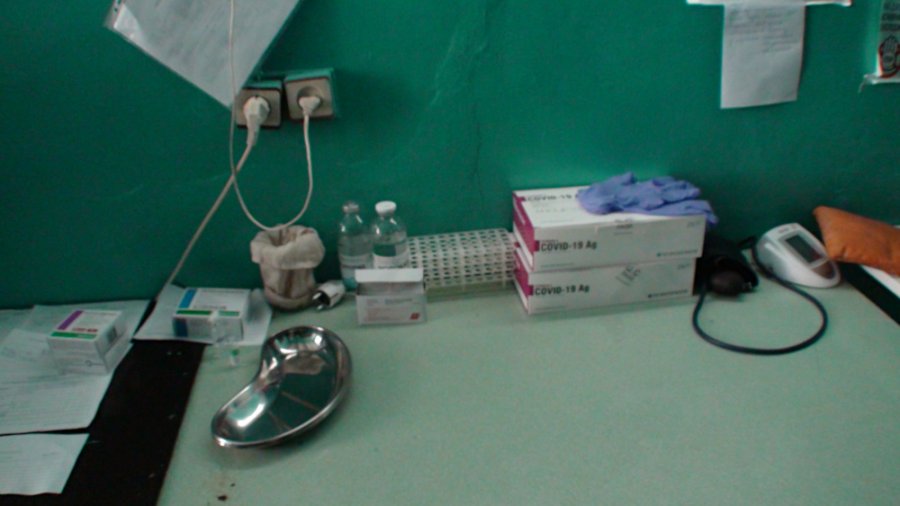
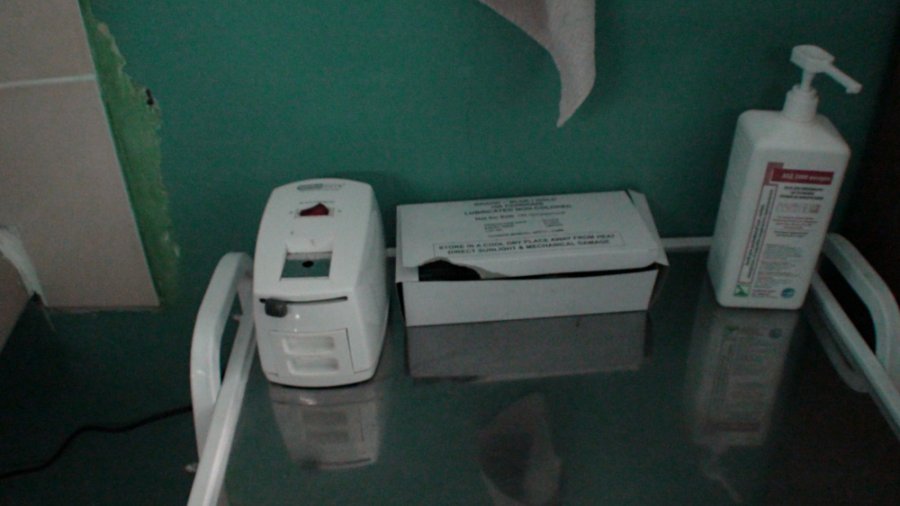
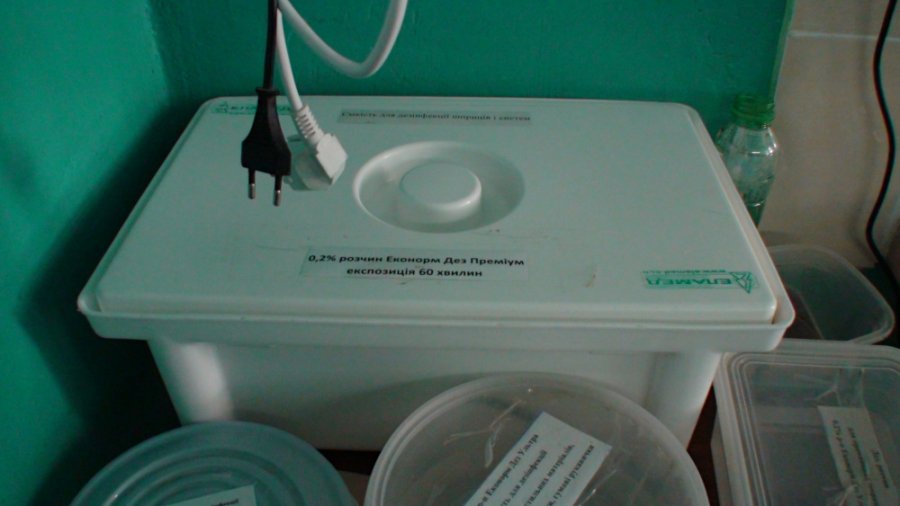
There is a dental office, a psychiatrist, and a phthisiatrist.
The medical unit needs a vehicle for transporting prisoners.
Outdoor exercise yards
The outdoor exercise yards are equipped with horizontal bars and parallel bars so that prisoners have the opportunity to engage in physical exercises.
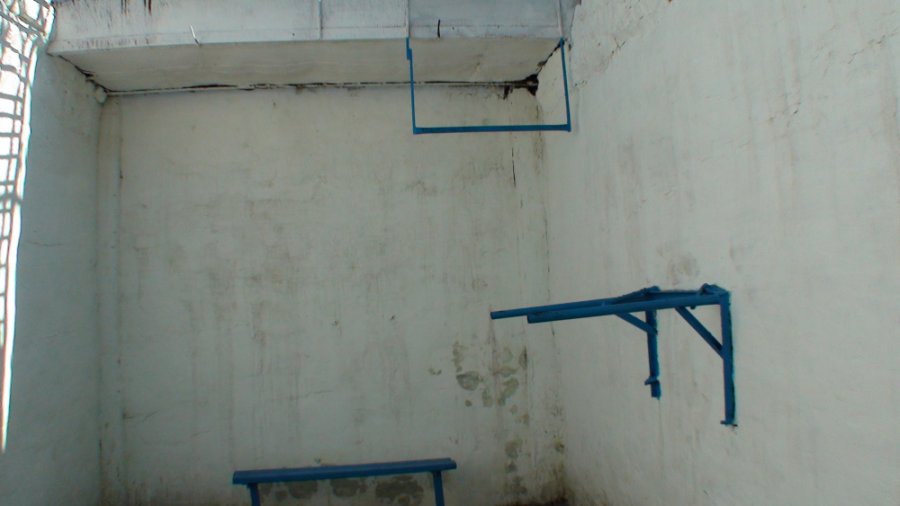
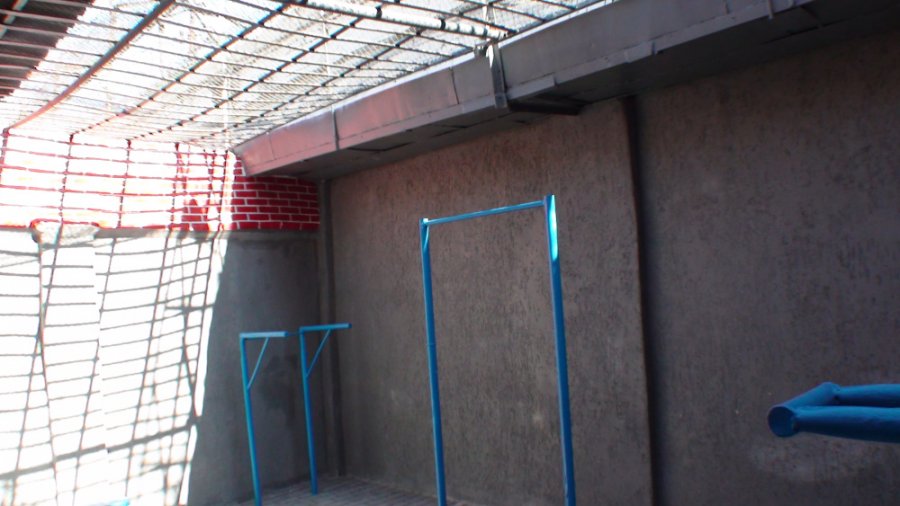
Exercise yard after major repairs
Cells for remand prisoners
The premises have been renovated and the walls painted.
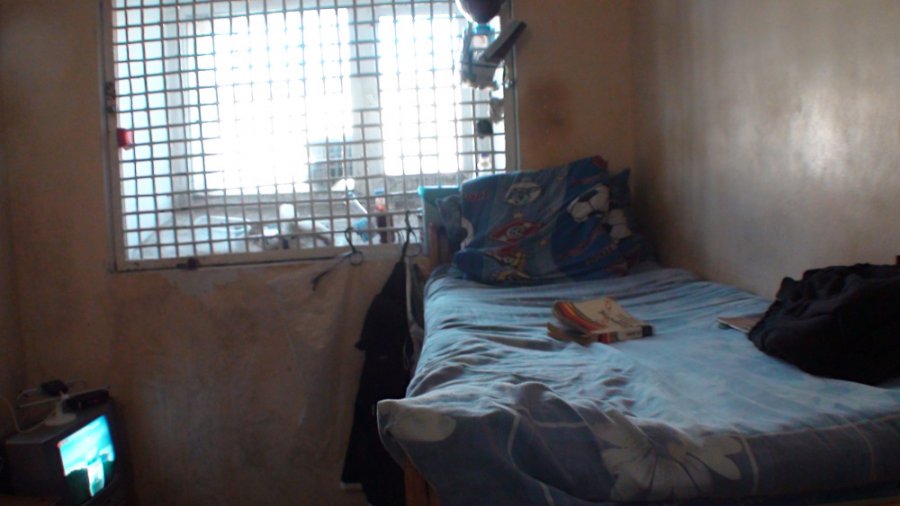
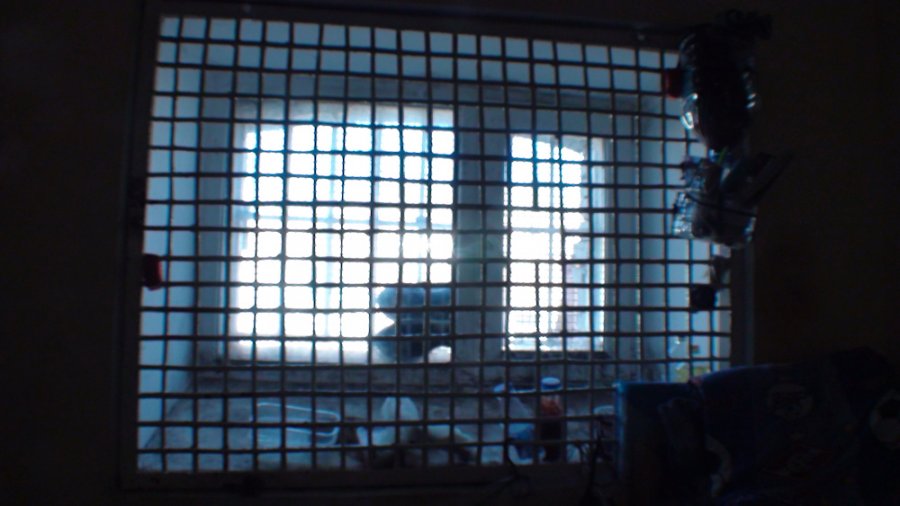
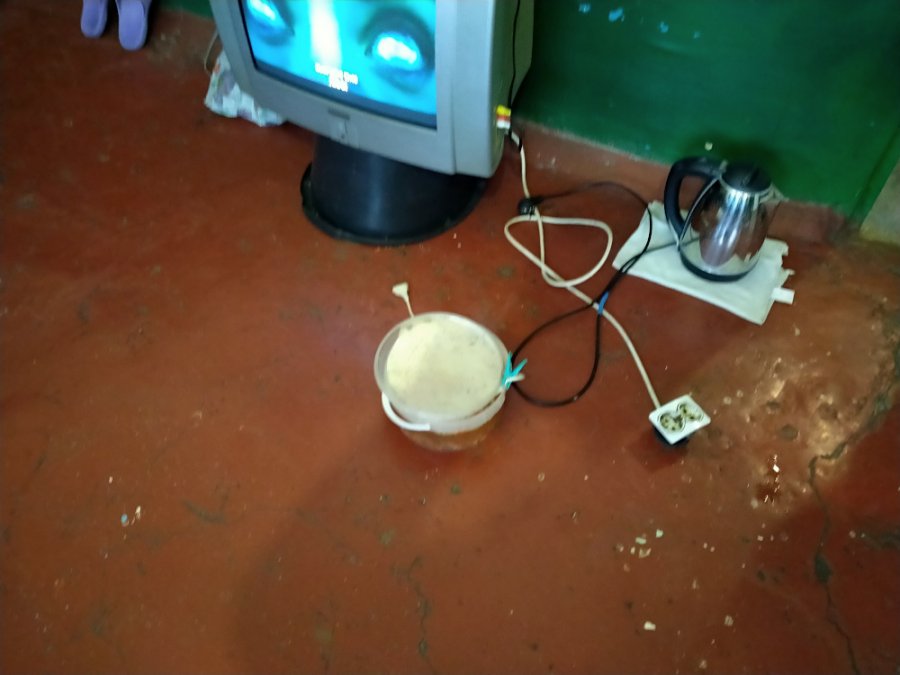
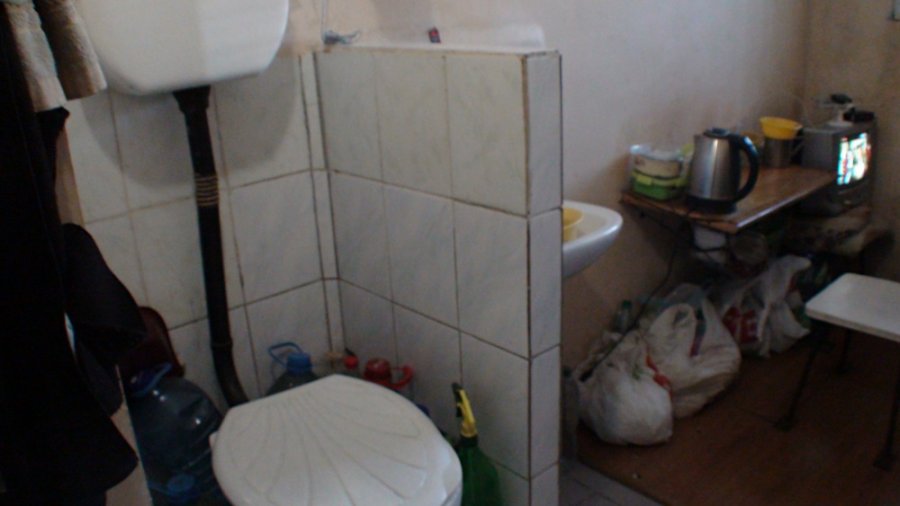
Two-person cell
There is a refrigerator. However, the toilet is not partitioned off.
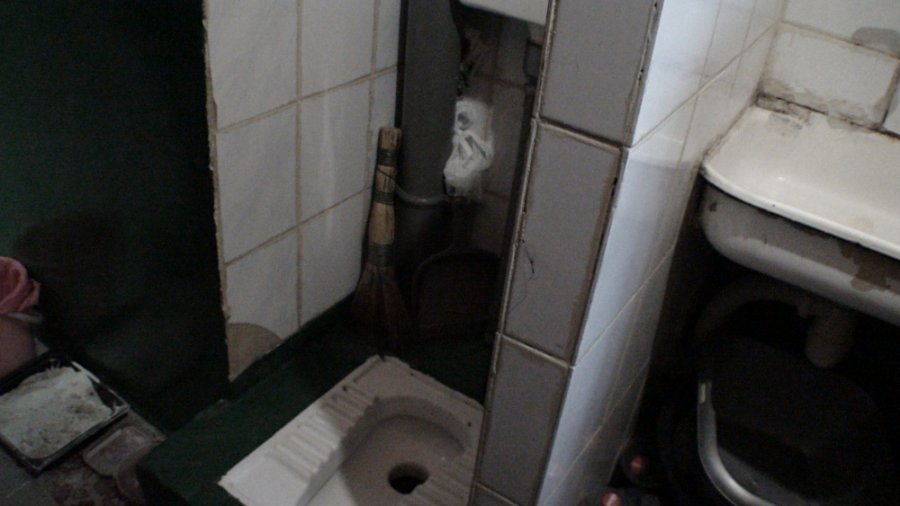
In the other cell, the toilet is also not partitioned off, and there is a problem with the sewage system in the old building. All cells are of the same type.
Some cells contain legal literature.
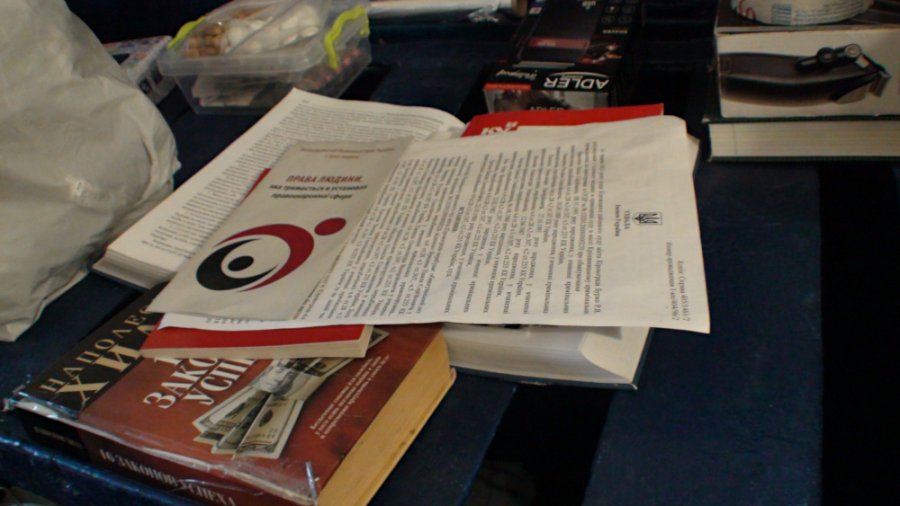
Multi-cookers are so far allowed only for convicted persons.

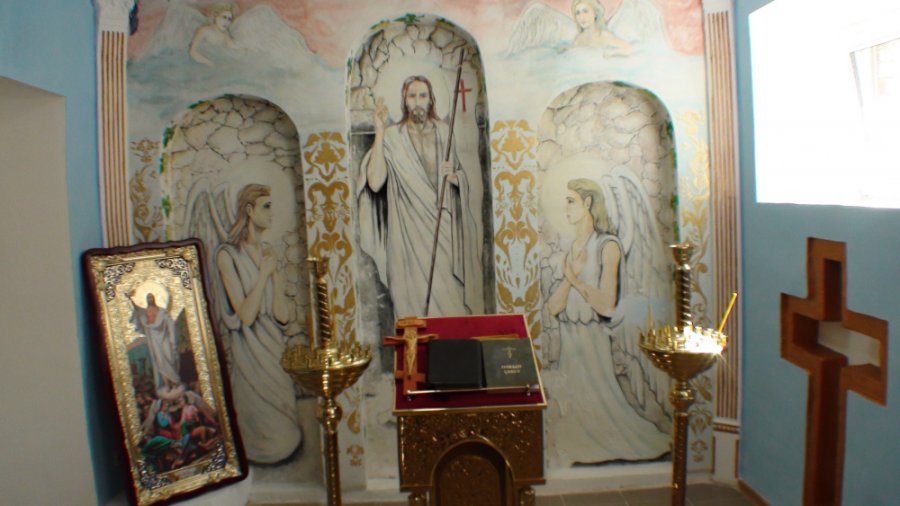
Orthodox prayer room
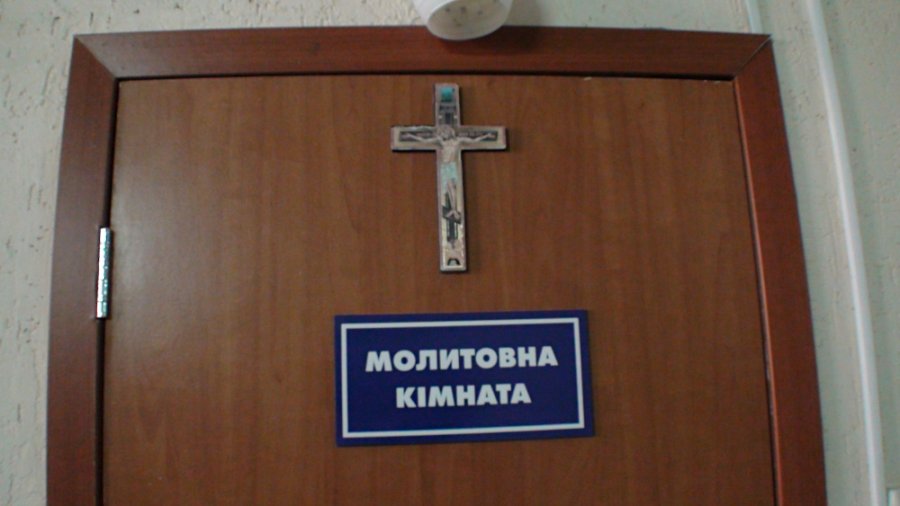
Room for other confessions
In the room of the corps department, where the officer responsible for the corps is located, prisoners' files are kept.
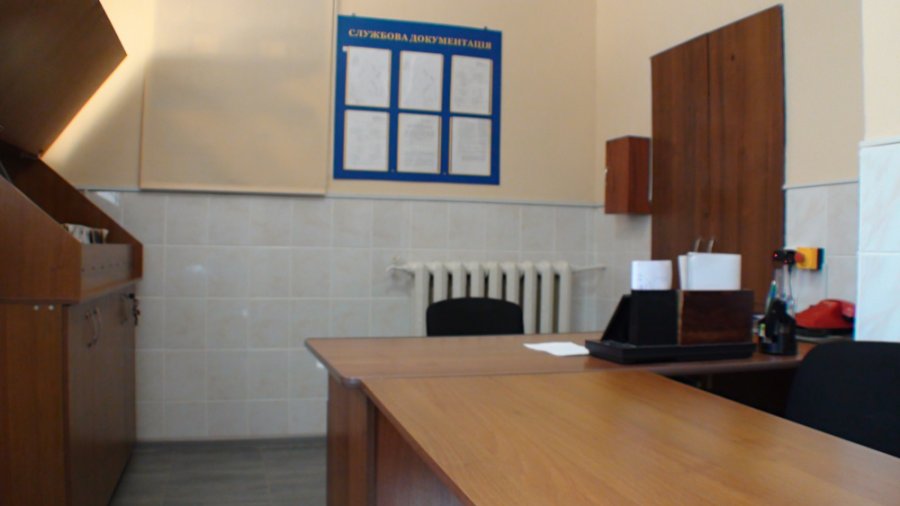
In the paramedic's room, initial examinations, injections, and vaccinations are carried out.
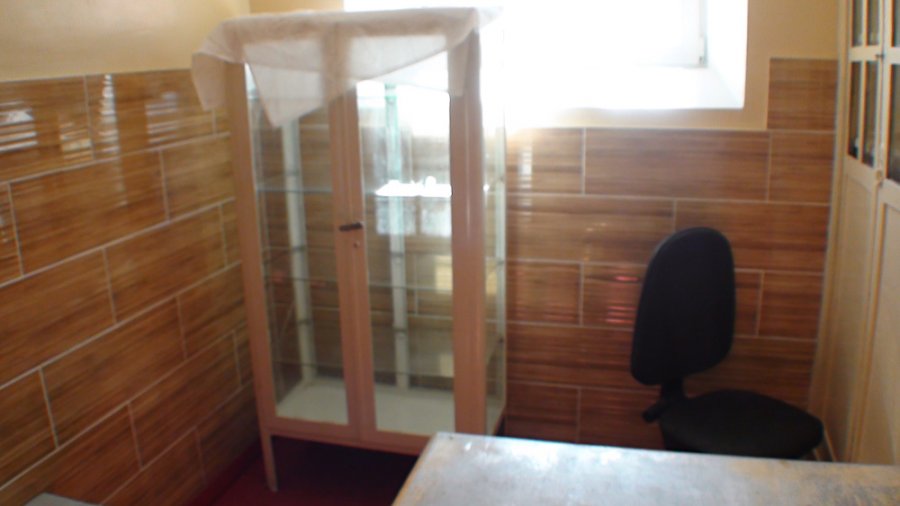
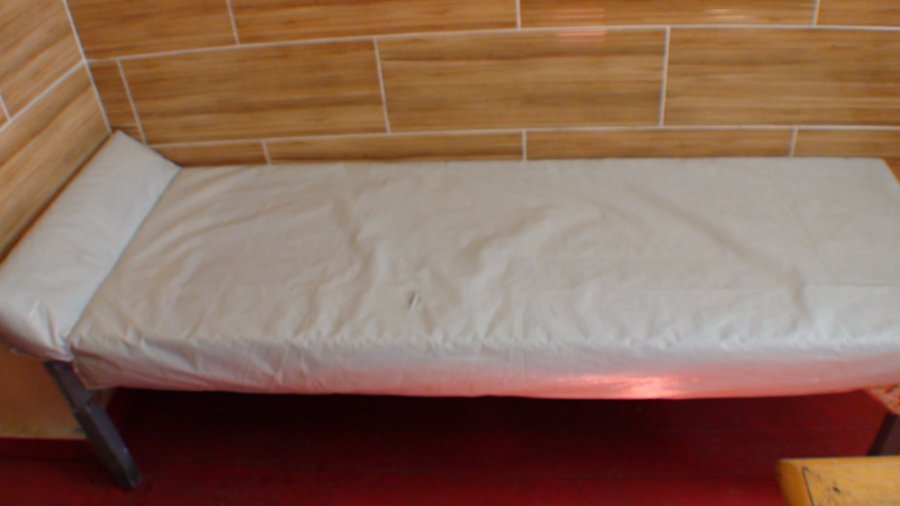
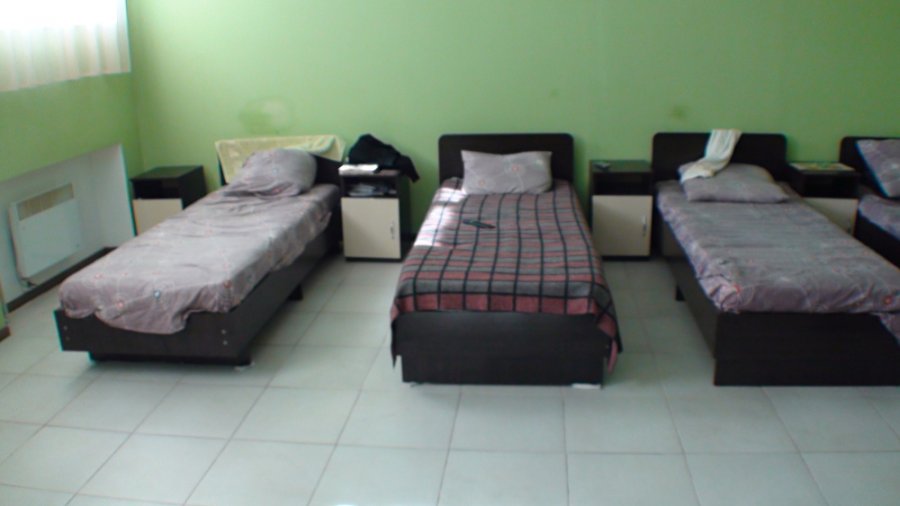
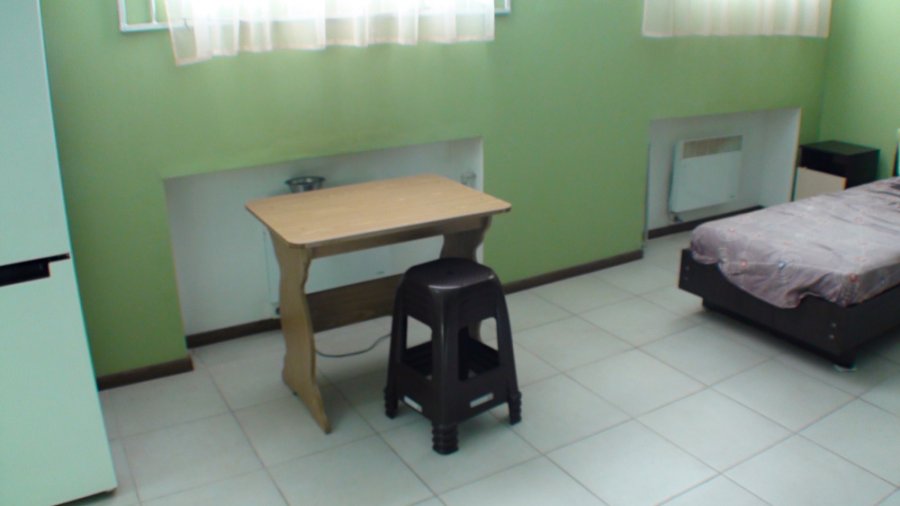
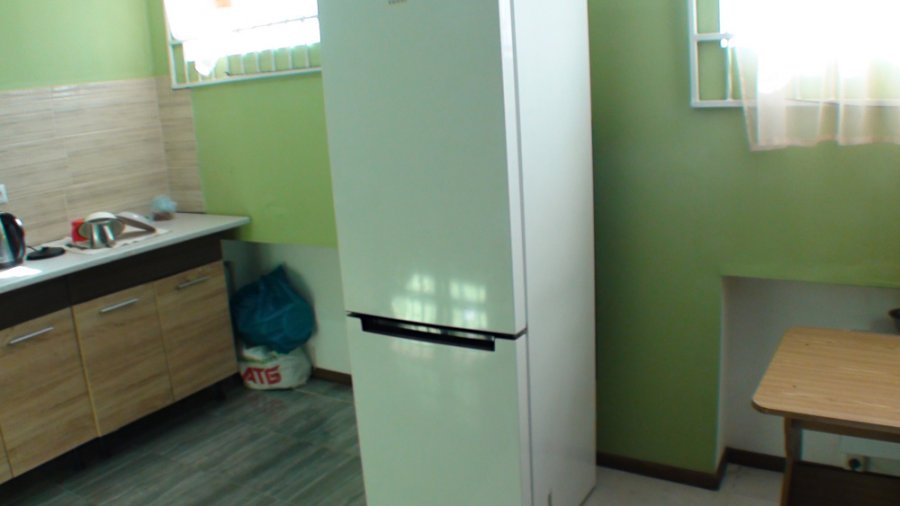
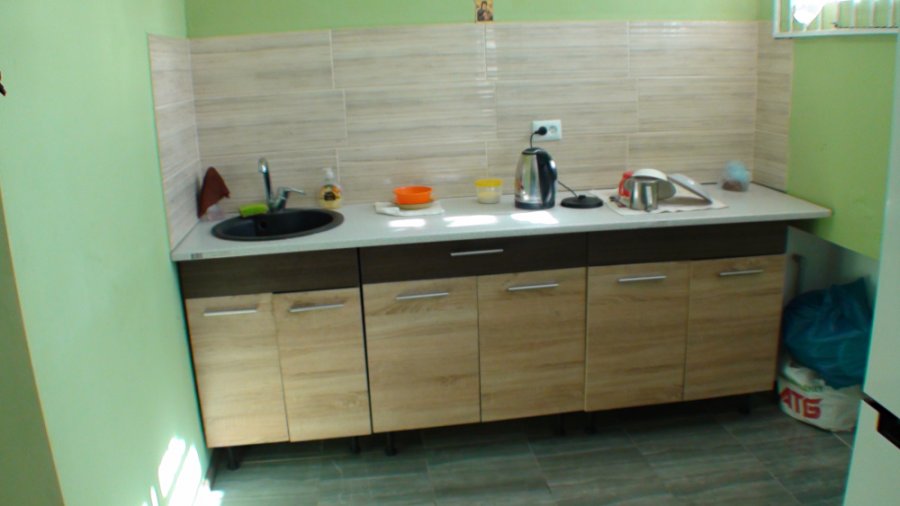
In the cell that has been renovated (funded by paid cells), there is a water heater, a washbasin, and bunk beds. The room is equipped with a shower.
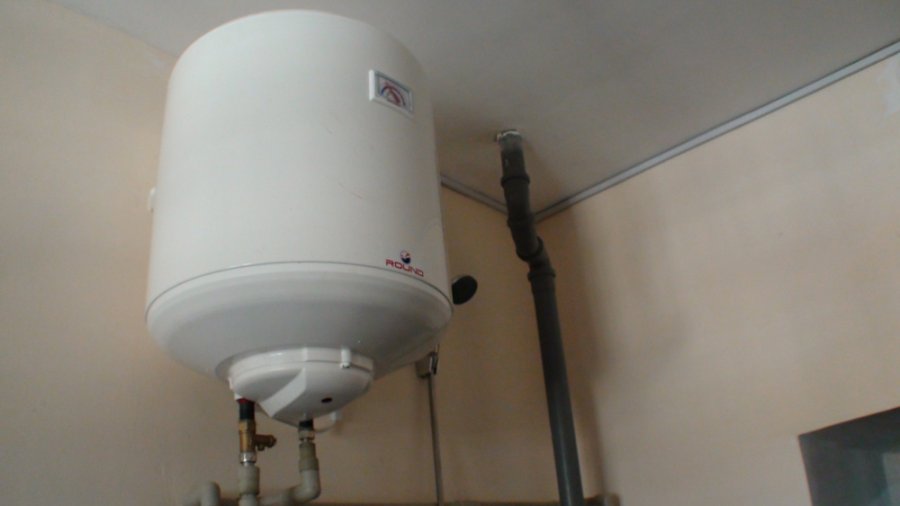
20 cells have been renovated using funds from the special fund and funds from the paid cells.
The new building has been renovated, and the walls have been repaired.
Disciplinary cells
This is a separate section. The disciplinary cells are opened from the duty unit. The beds are unhooked.
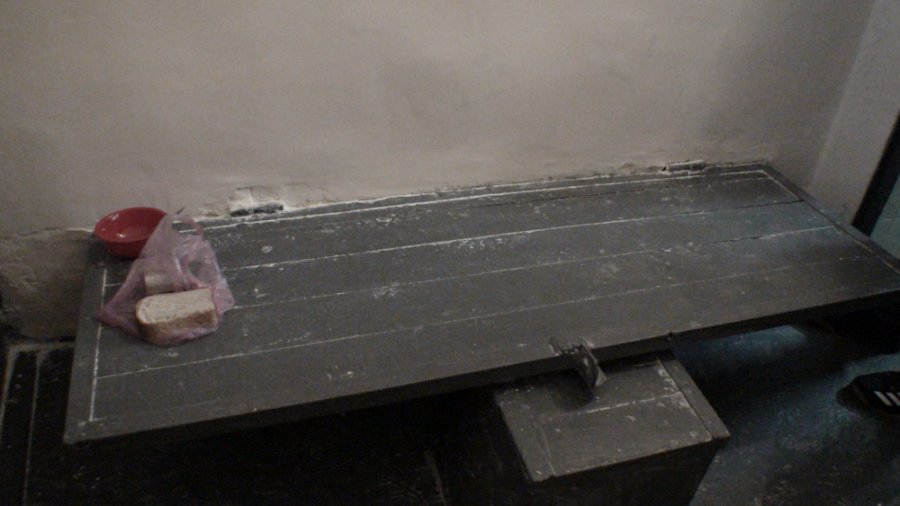
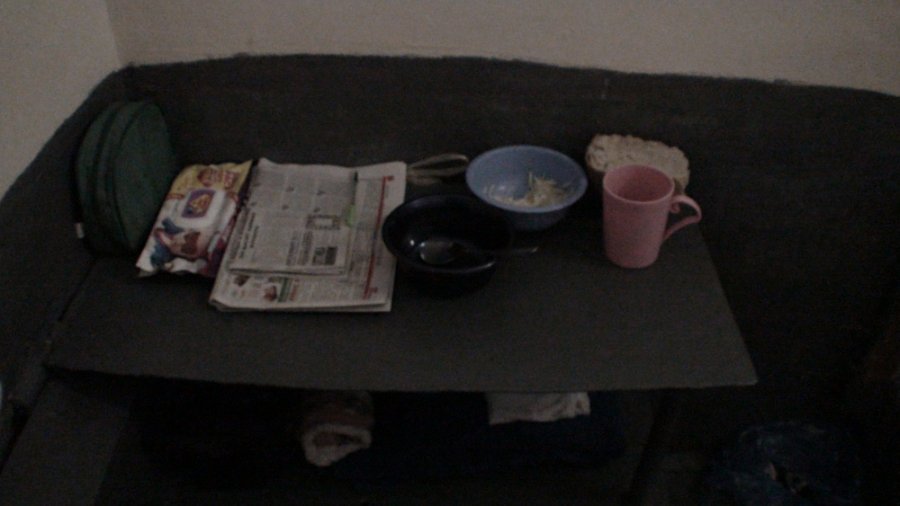
Single-occupancy disciplinary cell
The cell has been renovated. There are no items inside.
According to staff, the salary of junior inspectors is low, amounting to about 8,000 hryvnias. This is a major problem.
Paid cell