Report on the results of the monitoring visit to Poltava Penal Institution No. 23
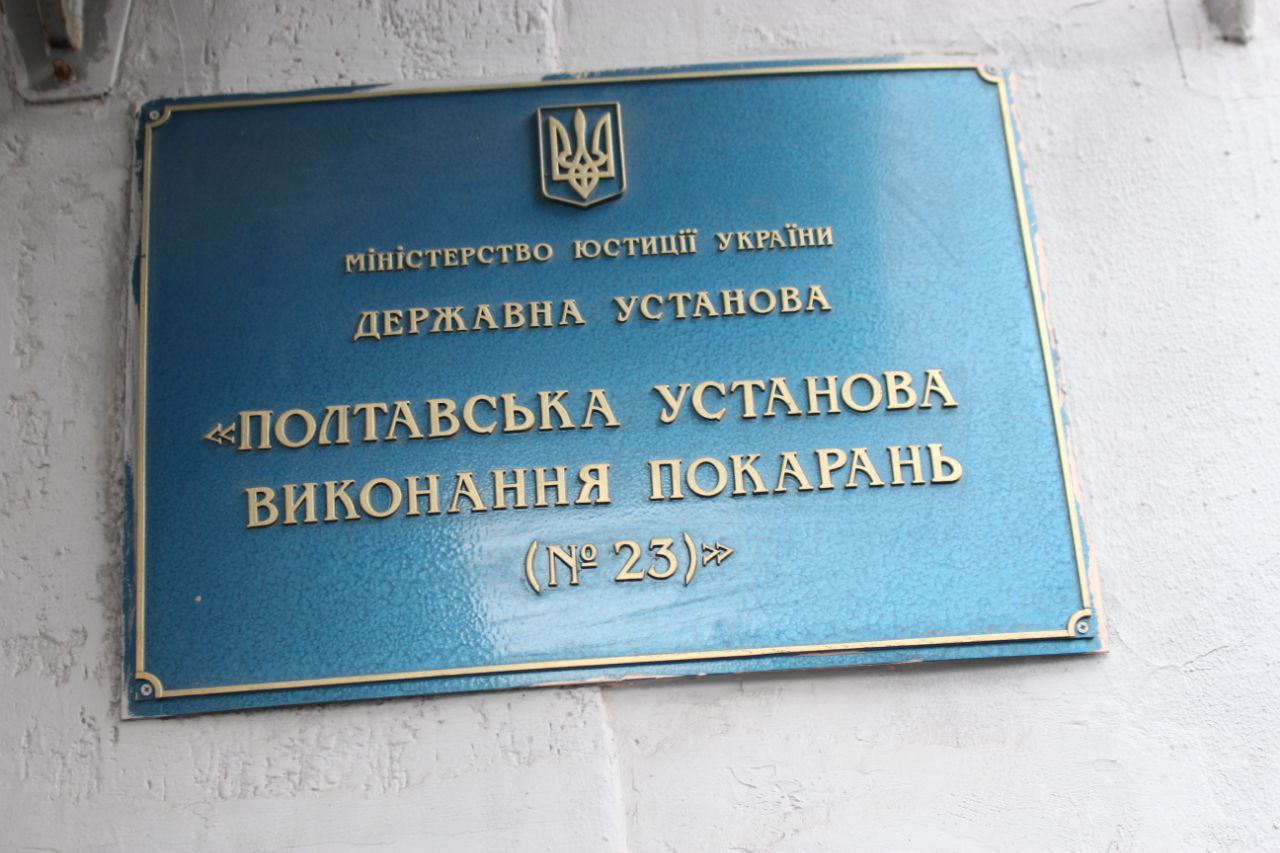
On 23 October 2025, in accordance with the Optional Protocol to the Convention against Torture and other Cruel, Inhuman or Degrading Treatment or Punishment, taking into account the provisions of the Standard Minimum Rules for the Treatment of Prisoners and the decisions of the European Court of Human Rights, and on the basis of Article 24 of the Criminal Executive Code of Ukraine ‘Visiting penal institutions’, a group of monitors from the Kharkiv Human Rights Protection Group and the NGO ‘Protection of Prisoners of Ukraine’ carried out a visit to the state institution ‘Poltava Penal Institution No. 23’ (PPI-23, the institution, the facility). A routine, unannounced visit was conducted.
The previous visit took place on 30 April 2025.
During the visit, all facilities of the institution were examined. While preparing for the visit, the monitors used materials from appeals by detainees and convicts, as well as their relatives, materials from previous visits, and the report of the monitors of the National Preventive Mechanism under the Ukrainian Parliament Commissioner for Human Rights (NPM).
The visit was conducted within the framework of the project ‘Reducing the Suffering of Prisoners in the Context of the War in Ukraine’, funded by the government of Denmark in partnership with DIGNITY (Danish Institute Against Torture).
The visit was carried out by the following monitors:
- Andriy Didenko — assistant to People's Deputy of Ukraine Yaroslav Yurchyshyn, programme coordinator of the Kharkiv Human Rights Protection Group, NPM monitor, member of the NPM coordination council, has experience in monitoring visits since 2014;
- Serhiy Zuikov — assistant to People's Deputy of Ukraine Kostyantyn Kasai, member of the public council under the Ministry of Justice of Ukraine, NPM monitor, member of the NGO ‘Protection of Prisoners of Ukraine’, has many years of experience in monitoring visits;
- Oleh Tsvilyi — member of the public council under the Ministry of Justice of Ukraine, head of the NGO ‘Protection of Prisoners of Ukraine’, has extensive experience in monitoring visits, specialises in issues of torture, cruel and inhuman treatment.
During the monitoring visit to PPI-23, certain positive developments were recorded, primarily the carrying out of large-scale repair works in the basement and corridor areas. The dismantling of outdated structures, the cleaning of premises from construction debris, the renovation of walls, and the replacement of utilities indicate the administration’s intention to modernise the institution’s infrastructure and, in the long term, improve the conditions of detention, including through the potential arrangement of safer shelters and technical zones.
Provided these works are properly completed and building and sanitary standards are observed, such changes may positively affect the level of safety and the material and living conditions for detainees and convicts.
At the same time, the results of the visit confirmed the existence of numerous and systemic violations of national legislation and international standards in the field of treatment of persons deprived of their liberty. Among the key problems are chronic overcrowding of cells and failure to comply with the minimum housing space standard, violation of the principles of separate detention for different categories of prisoners, and inadequate material and living conditions in the reception unit, cells, and exercise yards, including the lack of proper ventilation, natural lighting, isolation of bathrooms, access to drinking water, and proper bathing, laundry, and hairdressing services.
A shortage of safe shelters has been recorded: the main shelter is under repair, and the temporary premises do not meet civil defence requirements. The organisation of the work of convicts and detainees is accompanied by gross violations of labour rights: there is no accounting of working hours, labour contracts are formal in nature, wages are effectively not paid, and a significant part of the funds earned is fully withheld.
In the field of healthcare, improper documentation of bodily injuries, violations of the confidentiality of medical examinations, lack of conditions for persons with disabilities, insufficient infection control, problems with access to diagnostics and treatment, as well as non-compliance of the temperature regime, fire safety requirements, and material provision of the medical unit with legislative requirements were identified.
The combination of these factors creates real risks of inhuman or degrading treatment and may lead to new appeals to the European Court of Human Rights under Article 3 of the Convention.
General information
The institution performs the functions of a pre-trial detention centre. The facility holds individuals accused of committing criminal offences for whom a preventive measure in the form of detention has been chosen by a court decision.
The facility is located at the following address: 36014, Poltava region, Poltava, 91 Yuliana Matviychuka St.
The head of the institution is Lieutenant Colonel of the Internal Service Andriy Viktorovych Yehorov.
The institution is located in the central part of Poltava and is one of the oldest penitentiary institutions in the region. According to the state archive, the first mentions of the local correctional detention ward date back to 1872; after the October Revolution, it functioned as a House of Forced Labour. In the 1940s, Prisons No. 1 (limit of 360 persons) and No. 2 (limit of up to 275 persons) were in operation, where in a separate section, persons accused of ‘counter-revolutionary activity’ were held, with unified management for both institutions.
From the 1960s, infrastructure expansion was carried out: in 1964, educational and production workshops with an area of over 700 m² were built, and in 1982-1993, the third security block was constructed, which is now the main place for holding detainees and convicts. The area of the institution is about 1.2 hectares. As a legal entity, the institution was registered on 16 December 1994; the main type of activity is ‘activities in the field of justice and administration of justice’.
The facility consists of a duty unit, a reception unit, a canteen, cells for holding male, female, and juvenile detainees, a maximum-security sector for holding persons sentenced to life imprisonment, transit cells, a household maintenance section, disciplinary cells, a medical unit, a laundry and bath complex, visiting rooms, a shop, a library, a room for receiving parcels, and administrative premises.
According to the institution’s administration, the staff establishment is 213 positions, with an actual number of 189 positions. The total staff shortage in the institution is 24 employees. The planned capacity of the facility is 700 persons. The actual number of persons held in the institution is 491, of whom 431 are detainees and 60 are convicts.
There are 112 cell premises in the facility, and another 2 cell premises are under repair. There are 3 psychologists working in the institution. During 2025, 1,829 persons arrived at the facility. In 2024, 4 persons died, and in 2025, 4 persons died. 55 persons are employed. The following were on the operational-preventive register in the institution: prone to suicide — 21 persons, 1 suicide act was recorded in the current year; prone to self-harm — 23 persons; prone to escape — 1 person.
During 2024, 3 complaints regarding inadequate medical care were recorded; during 2025, 6 such complaints were recorded. Convicts have 8 tablets for their own use. During 2024, 142 cases of bodily injuries upon arrival and 35 cases during stay in the institution were recorded; in the current year — 115 cases of bodily injuries upon arrival and 44 cases during stay in the institution.
The group of monitors conducted interviews with about 189 persons among the detainees and convicts during the visit to the cells and general conversations, providing consultations, answering questions, and surveying regarding possible human rights violations, as well as individual conversations with convicts, including under conditions of anonymity.
It is worth noting that the institution's administration adequately reacts to complaints from detainees and convicts regarding the actions or inactions of the administration. Also, the administration does not hide cases of human rights violations, which may indicate openness and transparency of activity, as well as proper and adequate response.
Positive experience
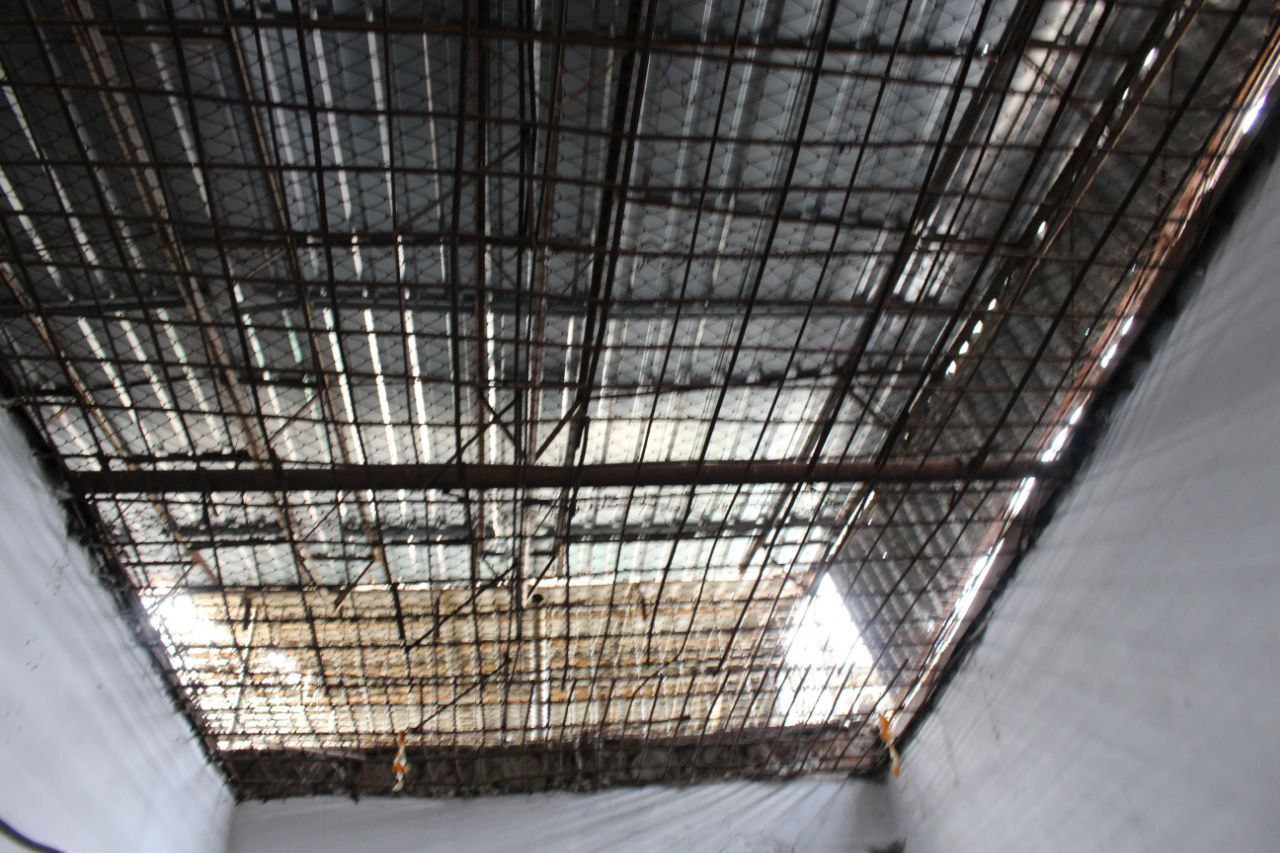
During the visit, the monitoring group noted the implementation of large-scale repair works in the institution, covering the basement and corridor premises. The dismantling of outdated structures, the cleaning of premises from construction debris, the renovation of walls, and the preparation of surfaces for subsequent construction stages were visually recorded.
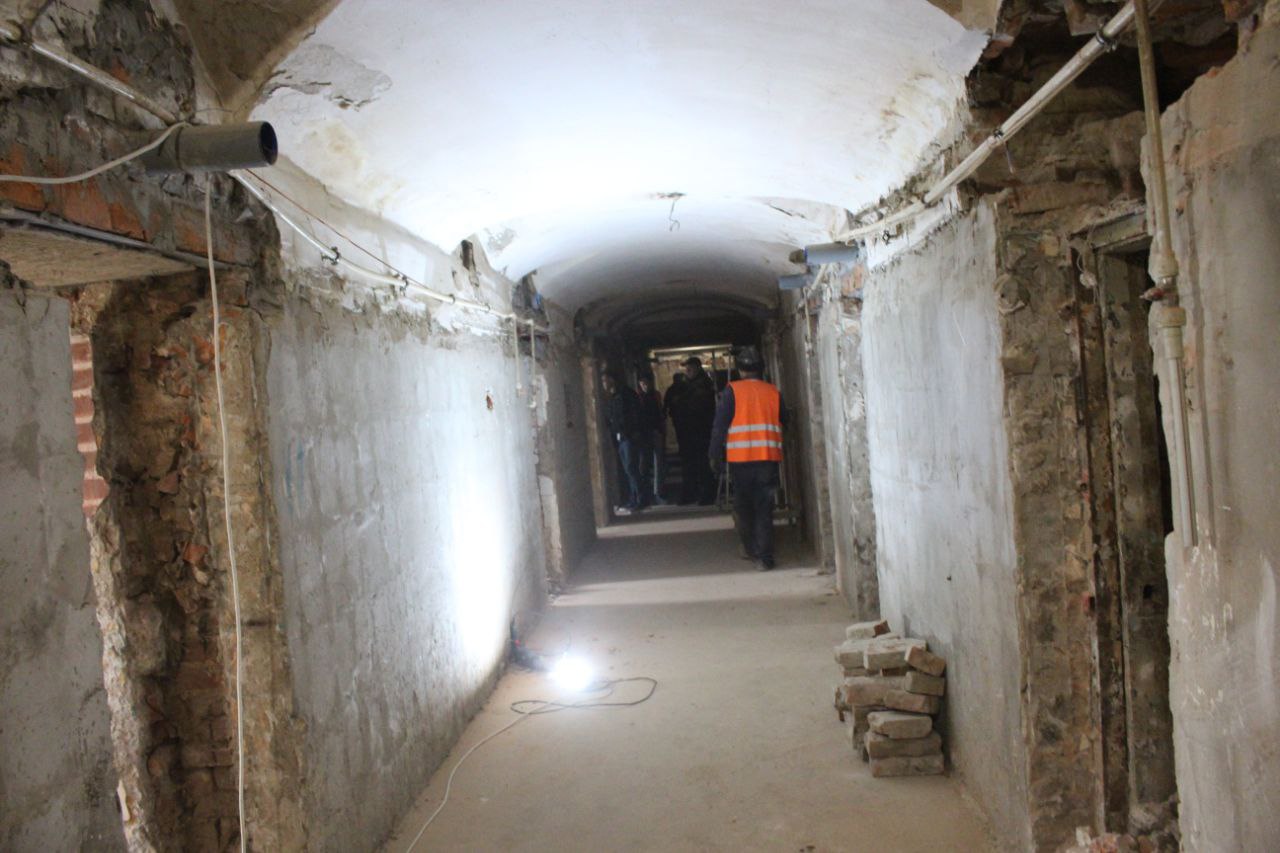
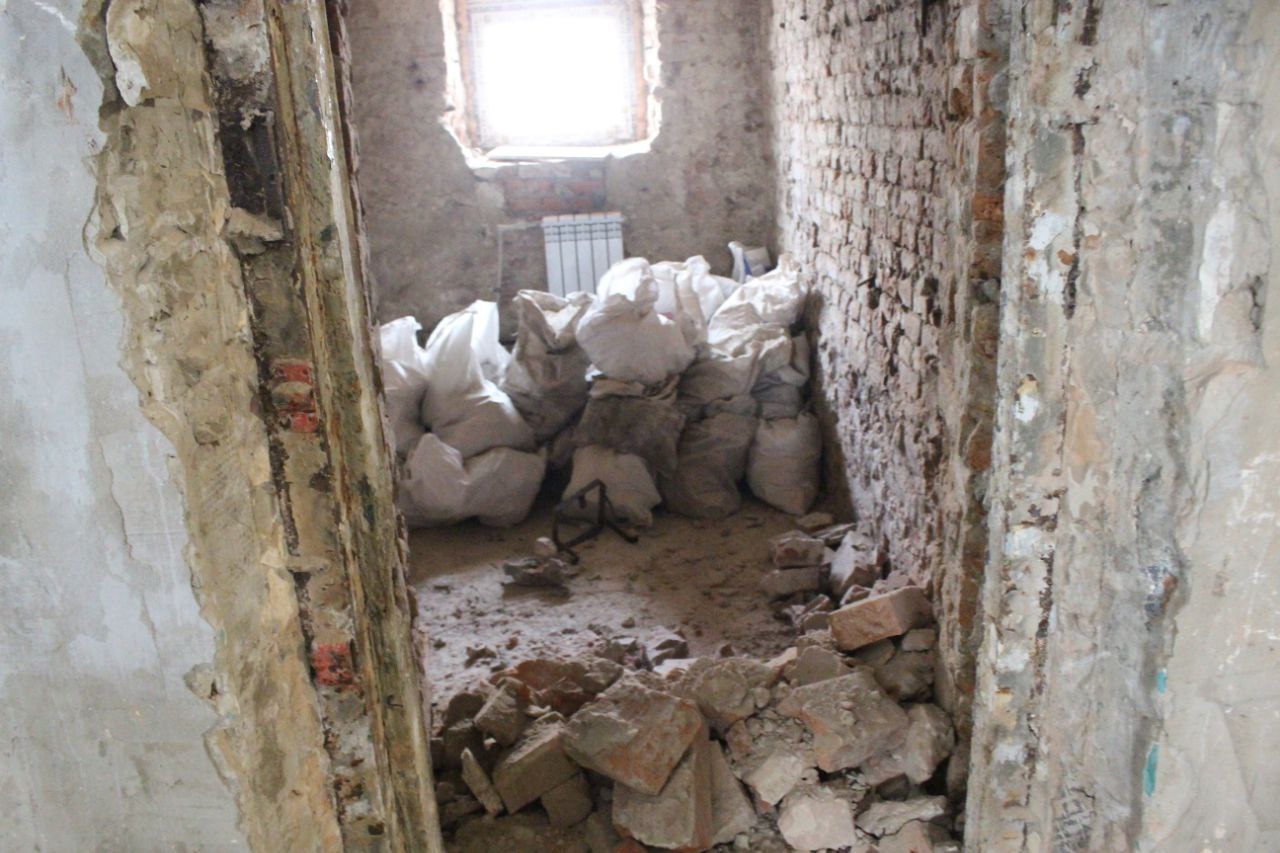
In some of the premises, new utilities have been installed or are being replaced, which indicates an intention to modernise the internal infrastructure. The nature of the repair works is systemic rather than sporadic, which gives grounds to speak about the implementation of a more large-scale building renovation plan.
Such works are an important prerequisite for improving the conditions of detention, as they are aimed at eliminating old damage, strengthening structures, and increasing the level of safety. At the same time, they create opportunities for further reconfiguration of the premises for new functional needs, in particular for setting up safer shelters or technical zones. The general dynamics of the repair processes indicate the administration’s desire to gradually update the material and technical state of the institution. In the event of proper completion of the works and compliance with building standards, such changes may positively affect the conditions of detention and the level of safety in the institution.
Violations of national and international legislation identified
In the course of the monitoring visit, violations of the requirements of national legislation and non-compliance with international recommendations in the field of the treatment of prisoners were identified, which lead to violations of the rights of detainees and convicts:
1. Just as during the previous visit, a number of systemic violations were recorded during the monitoring visit to the institution, among which is the non-compliance with the established legal standards for living space provided for the detention of persons taken into custody in cell premises, as well as other violations that indicate inadequate conditions of detention for prisoners.
Such conditions can be regarded as inhuman or degrading treatment and may lead to the filing of new applications against Ukraine to the European Court of Human Rights in connection with the violation of Article 3 of the Convention for the Protection of Human Rights and Fundamental Freedoms.
Thus, in violation of Article 11 of the Law of Ukraine ‘On Pre-trial Detention’ and Rule 13 of the Standard Minimum Rules for the Treatment of Prisoners (Nelson Mandela Rules), there were 6 persons in cell premise No. 151, whereas, according to the act of measuring the area of the premises of the institution’s structural sections, it is designed for holding only 4 persons (the area of the premise according to the act is 11.8 m²). Thus, the actual area per detainee was only 1.96 m², which does not meet the minimum standard of 2.5 m² determined for persons taken into custody.
Similar violations were identified in cell premises Nos. 126, 129, 134, 136, etc. Furthermore, in violation of Paragraph 1, Chapter 2, Section III of the Internal Regulations of Pre-trial Detention Centres of the State Criminal-Executive Service of Ukraine, approved by Order of the Ministry of Justice of Ukraine No. 1769/5 dated 14.06.2019 (hereinafter — IR PTDC), it was established that in a number of cell premises the actual number of beds exceeds the number permissible for ensuring the legislatively provided standard of space per person. In particular, violations were recorded in cells Nos. 126, 129, 132, 134, 136, 148, 151, etc.
The said violation creates conditions for possible abuse by the administration and personnel of the institution in the context of compliance with the living space standard per person and does not ensure proper personal space for the detained persons in the cell premises. In Paragraph 13 of the 7th General Report of the European Committee for the Prevention of Torture and Inhuman or Degrading Treatment or Punishment (hereinafter — the Committee), it is noted that the problem of overcrowded cell premises leads to unhygienic conditions, a constant lack of privacy, and overloading of medical services and the institution’s infrastructure, and the Committee concludes that quite often the negative impact of overcrowding results in inhuman or degrading conditions of detention for prisoners (CPT/Inf (97) 10).
Furthermore, in the report on the results of the visit to Ukraine in 2023, the Committee once again calls on the Ukrainian authorities to take measures, in accordance with the Committee’s long-standing recommendation, to review current legal standards regarding living space for persons taken into custody, with the aim of guaranteeing at least 4 m² per person in cells for several persons (excluding the area occupied by toilets in the cells) (CPT/Inf (2024) 20), Paragraph 38).
2. In violation of Article 8 of the Law of Ukraine ‘On Pre-trial Detention’ and Paragraph 17.2 of the European Prison Rules, the monitors established instances of violation of the requirements regarding separate detention of prisoners. Thus, during a random inspection, it was established that in the premise for the temporary stay of persons taken into custody in reception unit No. 3, a person who had previously served a sentence in places of deprivation of liberty was being held together with persons who are being held criminally liable for the first time.
In addition, facts were established of holding persons accused or suspected of committing serious crimes related to violence, or crimes that caused bodily injuries or death to the victim, as well as especially serious crimes, together with other persons who are in custody. For instance, in cell premise No. 51, a person being held criminally liable for committing a crime provided for by Part 1 of Article 309 of the Criminal Code of Ukraine was held together with a person being held criminally liable for committing a crime provided for by Part 1 of Article 115 of the Criminal Code of Ukraine.
This indicates systemic non-compliance by the institution’s administration with the requirements for ensuring proper control over the placement of prisoners, does not correspond to the principles of dynamic security, and leads to the violation of prisoners’ rights to personal safety, which contradicts national legislation and international standards, in particular Article 3 of the Convention for the Protection of Human Rights and Fundamental Freedoms.
3. During the visit to the premises of the reception unit, it was established that their layout does not fully comply with the requirements of the Standards for Provision with Furniture, Equipment and Household Items for Pre-trial Detention Centres, approved by Order of the Ministry of Justice of Ukraine No. 1118/5 dated 27.07.2012 (hereinafter — Standards of Provision), as well as Rules 13, 14, and 22.2 of the UN Standard Minimum Rules for the Treatment of Prisoners (Mandela Rules).
Thus, the following premises are missing in the reception unit: a room for the regime and security department; a photo laboratory; a treatment room; a hairdressing salon; a changing room; a disinfection chamber reception area; a shower; a dressing room; quarantine cells; cells for the sick (isolation cell); rooms for distributing food, storing food products, and washing tableware.
The absence of a quarantine cell and a cell for the sick (isolation cell) in the institution’s reception unit creates conditions for the spread of infectious diseases among new arrivals, increases the risk of epidemiological outbreaks, and complicates the timely detection and isolation of the sick, which can pose a threat both to the detained persons and to the facility’s personnel.
Natural light does not enter the premises for the temporary stay of persons taken into custody in reception unit Nos. 1 and 2 due to the absence of windows, which may create additional psychological pressure on detainees due to the absence of any, even visual, connection with the outside world. The supply-and-exhaust ventilation does not work in the premises. Contrary to the requirements of Rule 22.5 of the European Prison Rules and the Standards of Provision, the cell premises are not equipped with tanks for drinking water.
At the same time, the Committee, in its 11th General Report, notes that security measures should never involve depriving prisoners of natural light and fresh air, the right to which every prisoner has. Moreover, the absence of sunlight and fresh air creates conditions favourable for the spread of diseases, in particular tuberculosis (Paragraph 30, CPT/Inf (2001) 16). In the premise for the temporary stay of persons taken into custody No. 3 of the reception unit, the monitoring group established the presence of a window equipped with tinted (darkened) glass, due to which natural light practically does not penetrate the premise. In the report on the results of the visit to Ukraine in 2020, the Committee had already drawn attention to this and recommended taking measures to review the window design in cells in order to provide prisoners with the opportunity to see what is outside the cell (Paragraph 48, CPT/Inf (2020) 40).
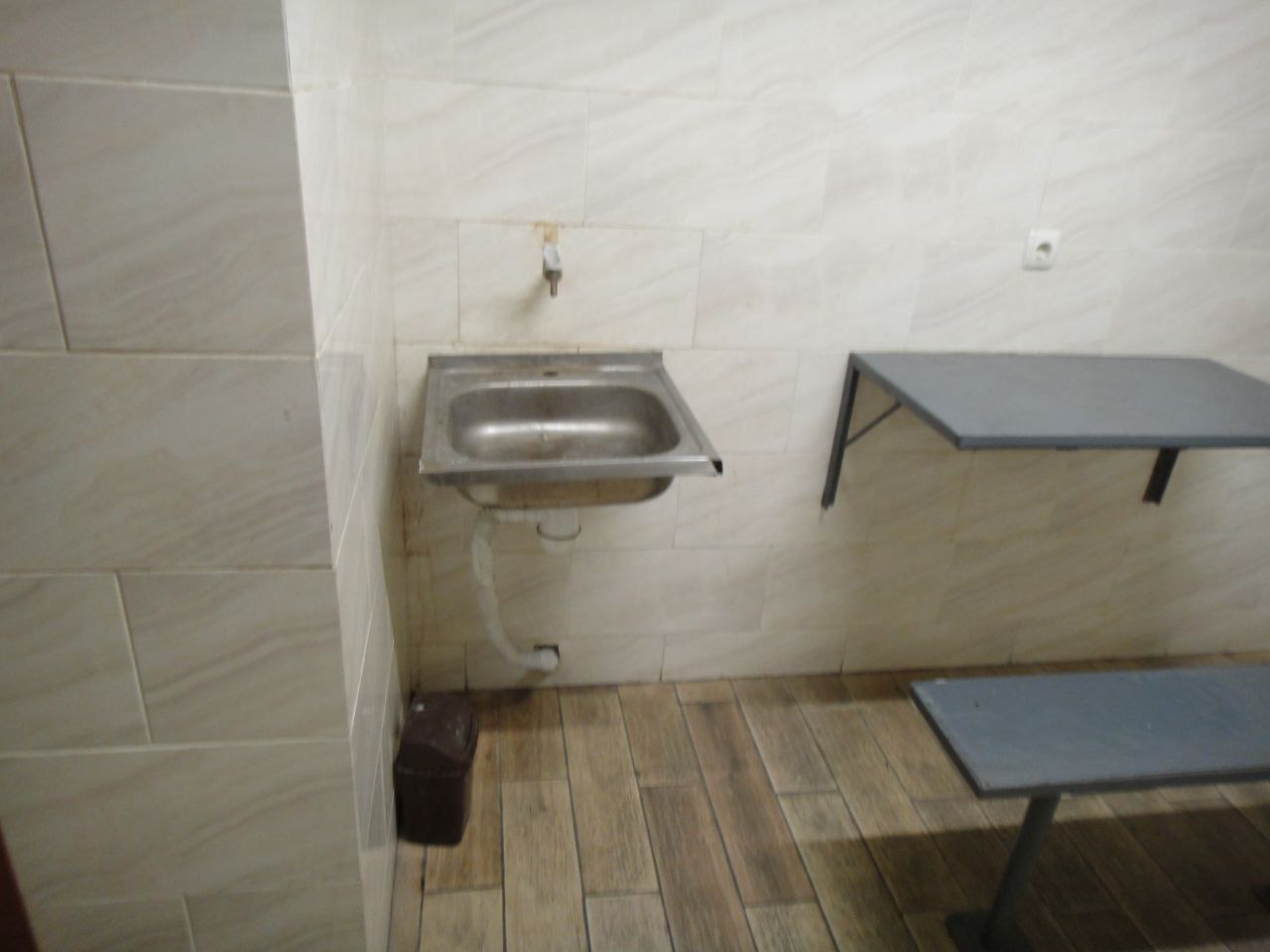
4. In the search room of the reception unit, the monitoring group recorded an installed video surveillance camera. At the same time, according to Paragraph 8, Section VII of the Procedure for the Use of Technical Means of Supervision and Control in Correctional and Educational Colonies of the State Criminal-Executive Service of Ukraine, approved by Order of the Ministry of Justice of Ukraine No. 2025/5 dated 26.06.2018 (hereinafter — Procedure for the Use of Technical Means of Supervision and Control), the use of video cameras and portable video recorders is prohibited in premises (cells) where medical examinations (checks) of convicts are conducted, personal searches with undressing, and in the wards of medical units.
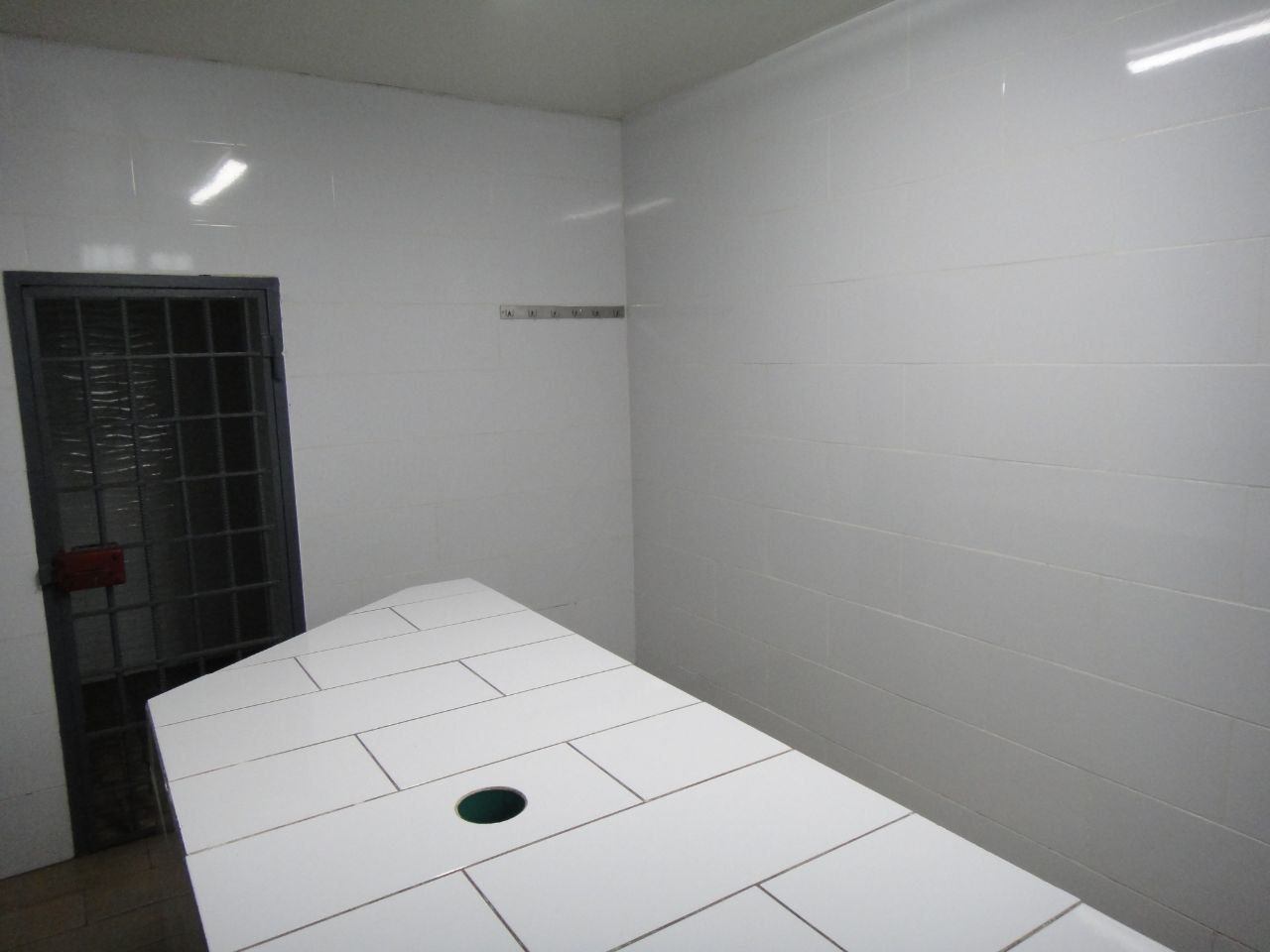
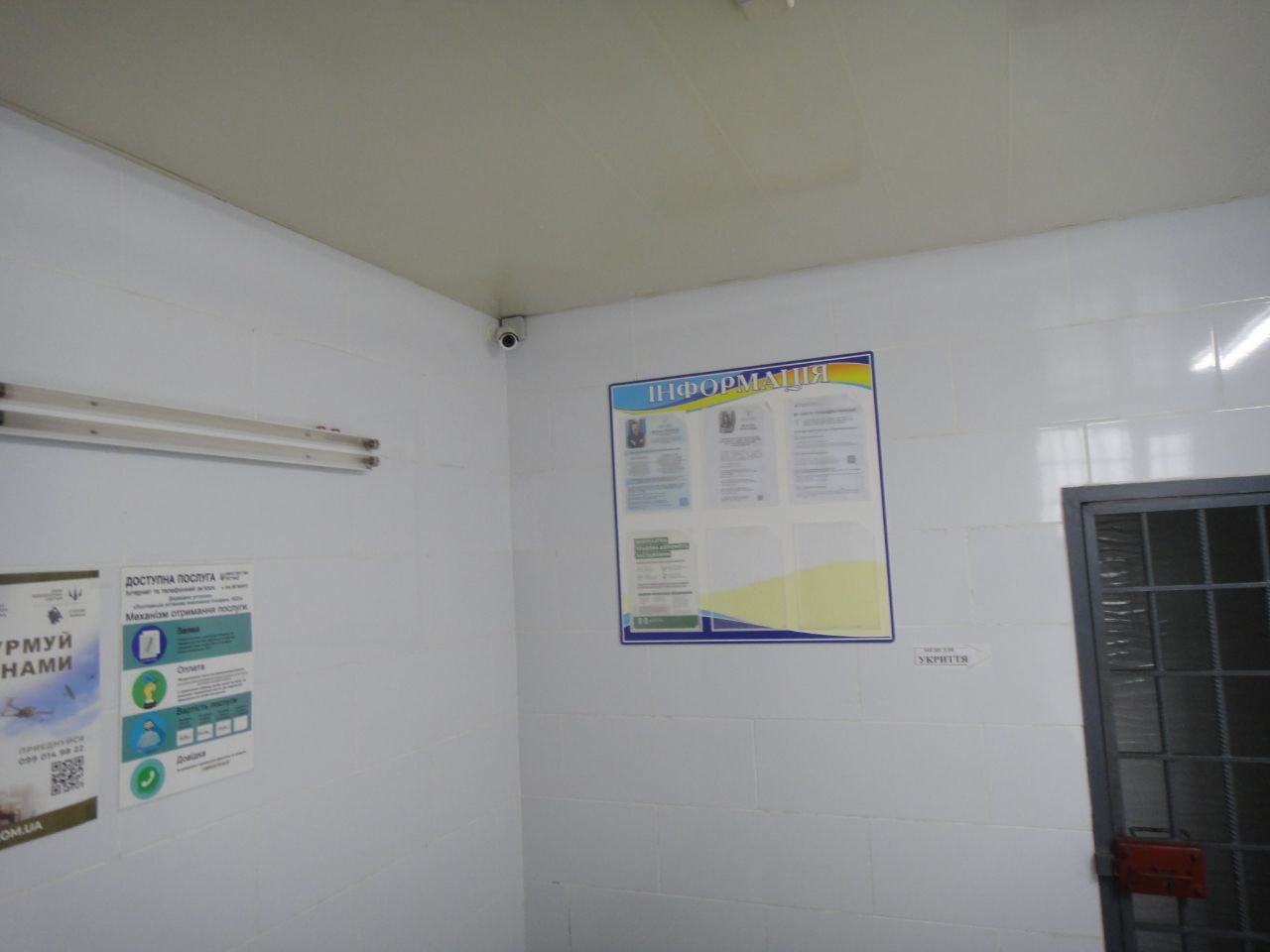
5. In the cell premises, violations of Rules 13, 14, 15, 17, 21, and 22.2 of the UN Standard Minimum Rules for the Treatment of Prisoners (Mandela Rules) were identified, as well as Article 8 of the Convention for the Protection of Human Rights and Fundamental Freedoms, which guarantees the right to respect for private life. In particular, the bathrooms in some cells are not equipped with sufficient partitions or doors that ensure the possibility of privacy, which violates Rule 19.3 of the European Prison Rules (cells Nos. 131, 132, 140, 143, 146, 147, 150, 151, disciplinary cells Nos. 2, 3, 5, etc.).
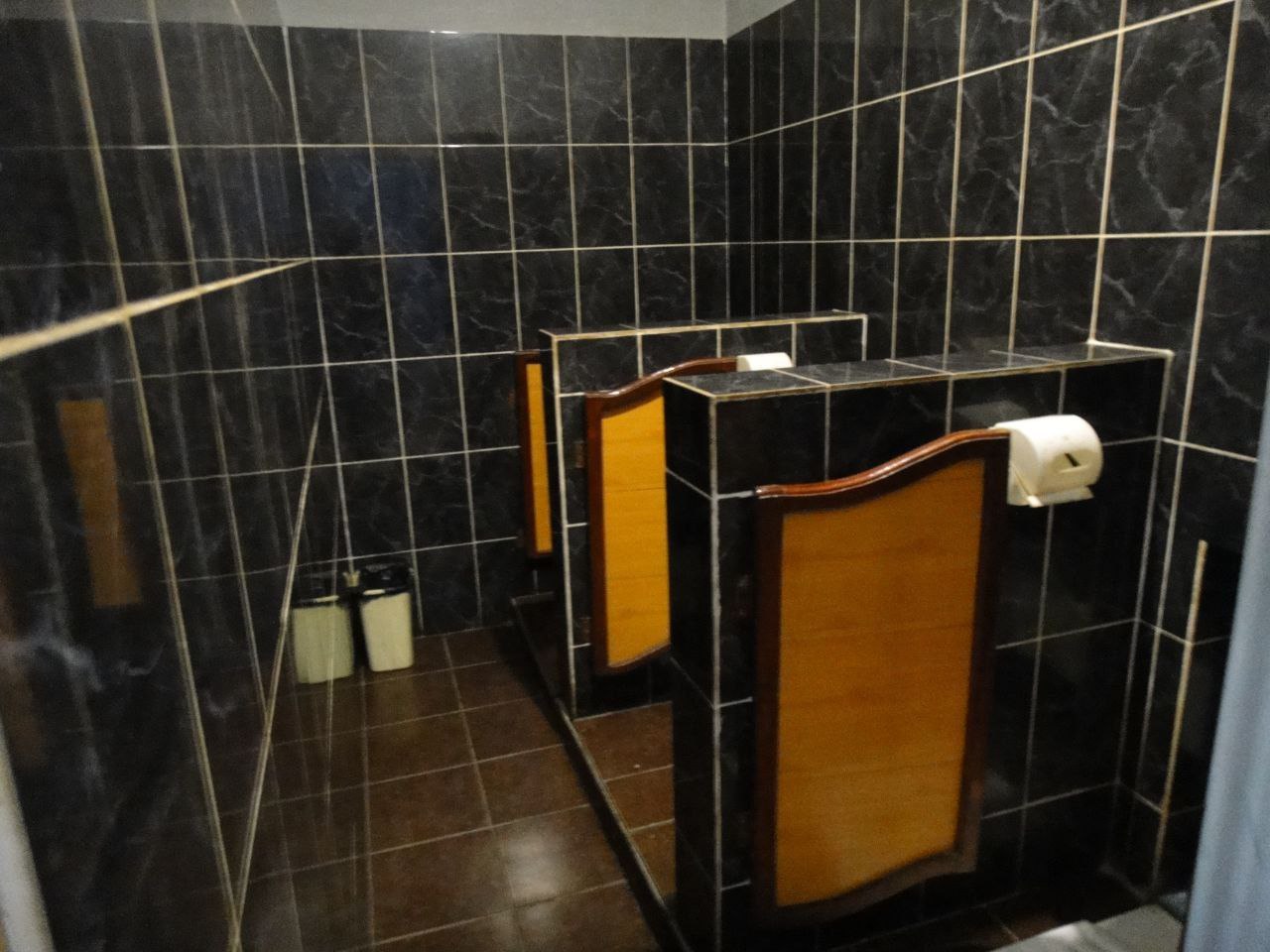
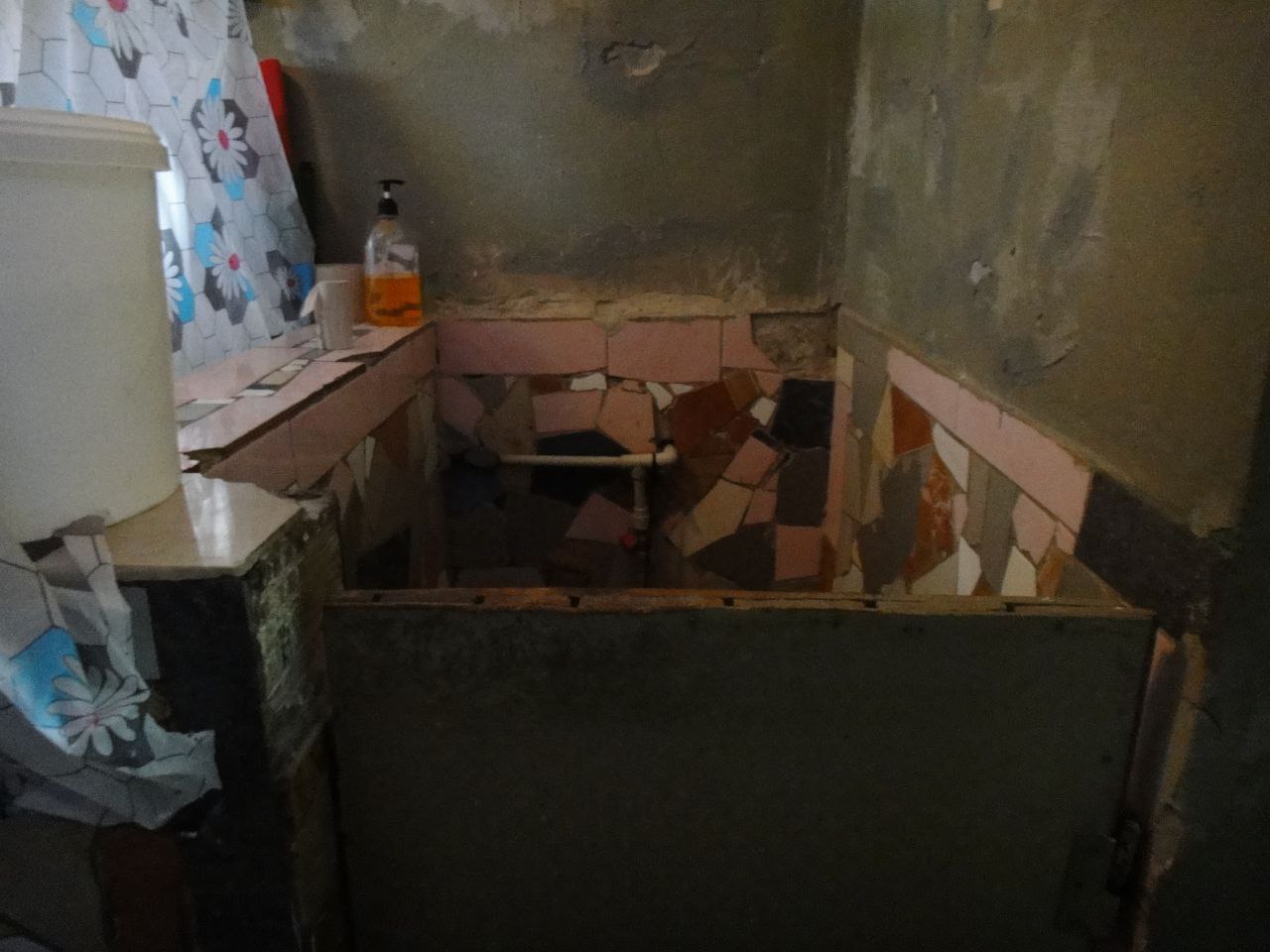
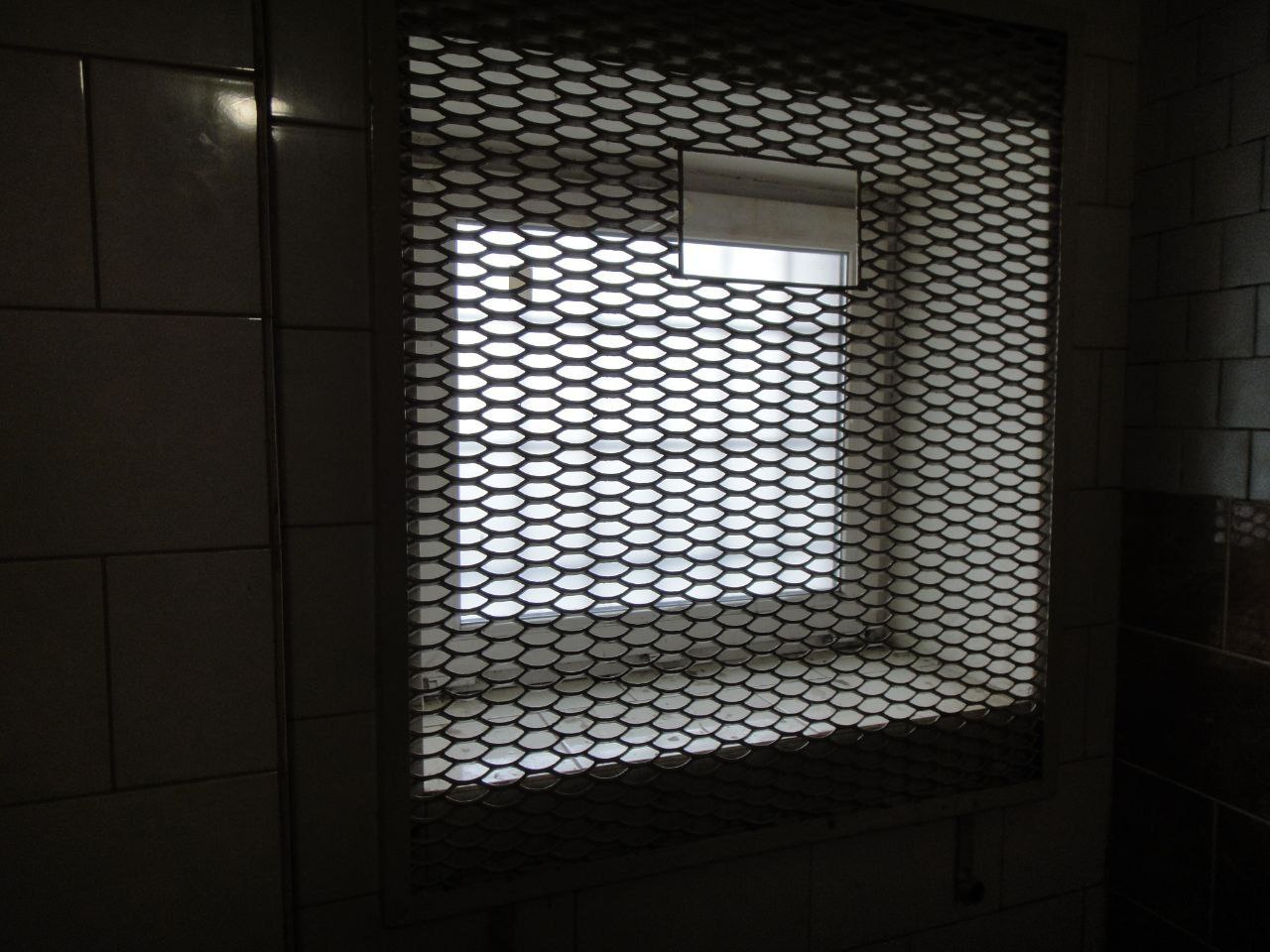
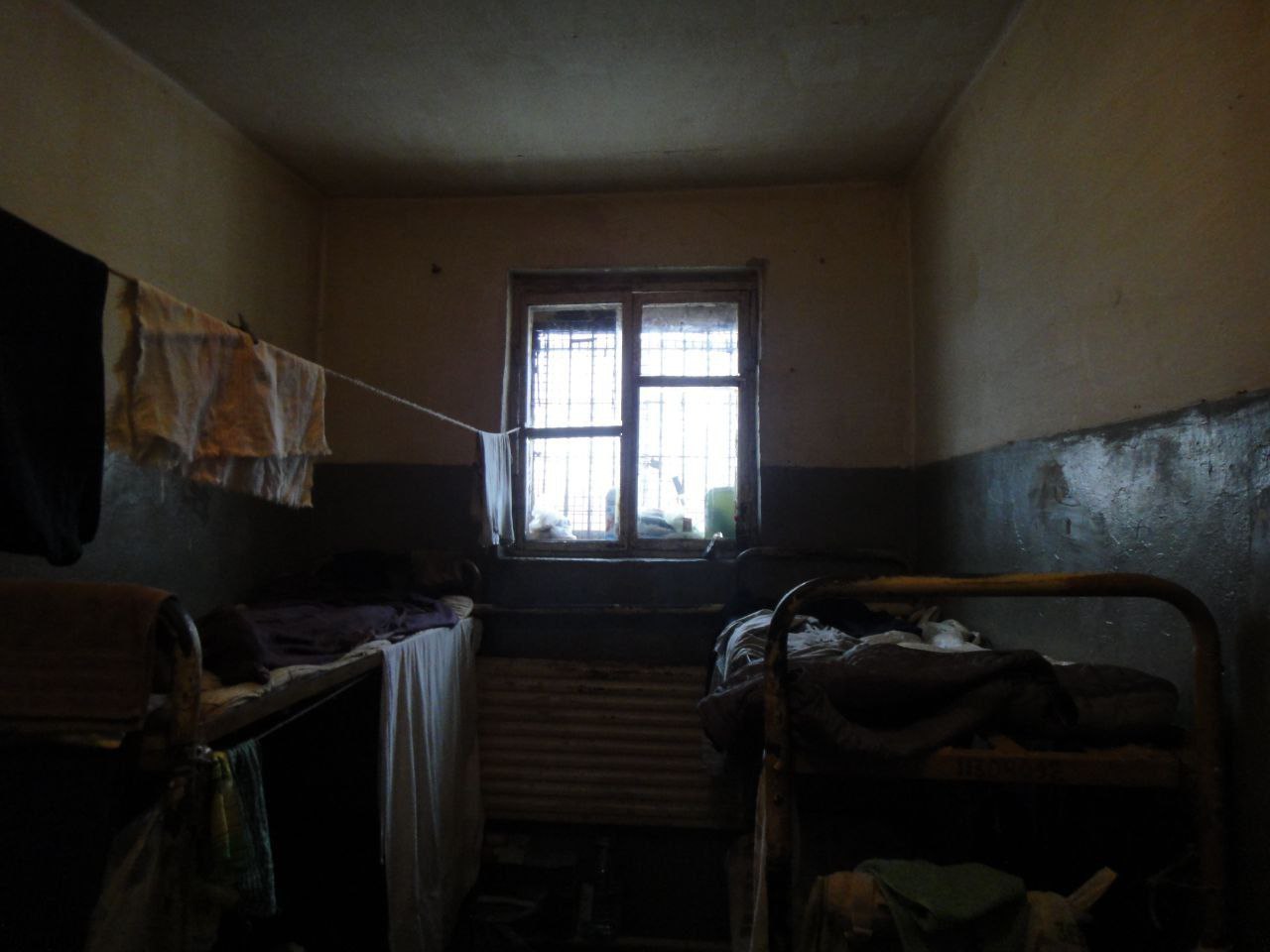
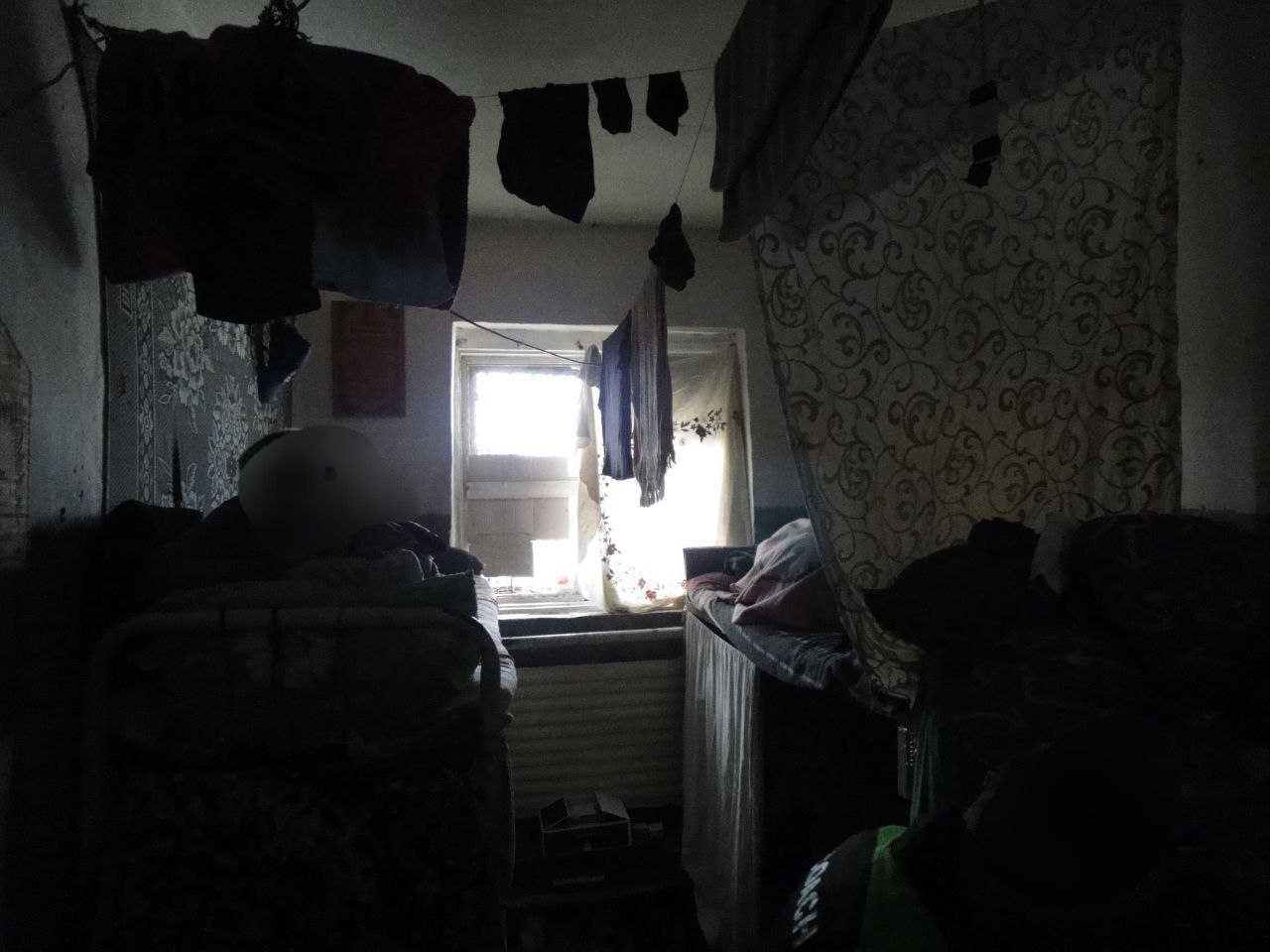
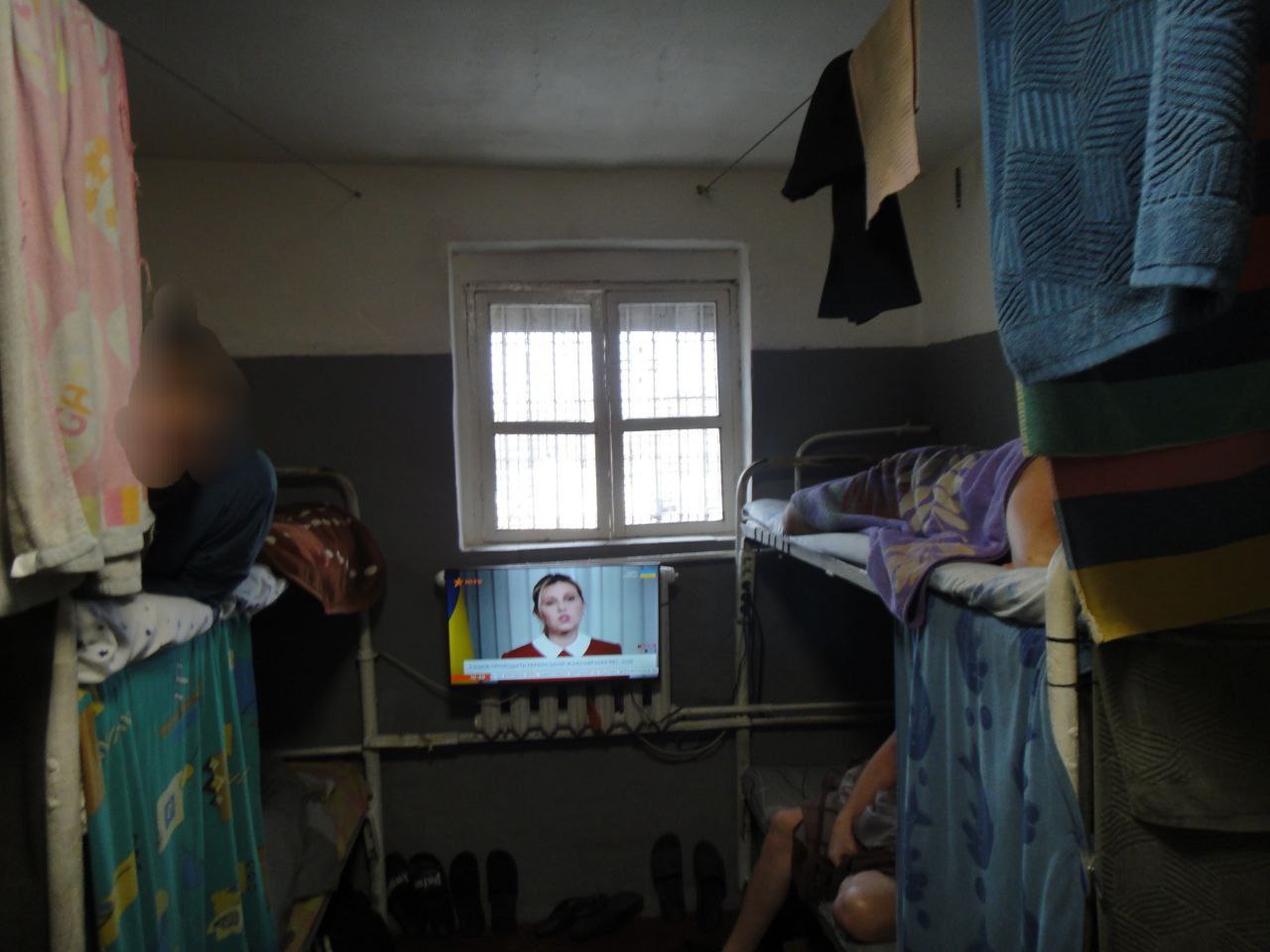
Contrary to Rule 18.1 of the European Prison Rules, in some cell premises (Nos. 148, 149, 150, quarantine cell No. 1, etc.), beds are located close to each other, which deprives detainees of personal space (photos 18, 19, 20, 21, 22, 23). Due to excessive barring of windows in the cell premises, a proper level of natural lighting is not ensured. Furthermore, contrary to Rule 22.5 of the European Prison Rules and the requirements of the Standards of Provision, the cell premises are not equipped with tanks for drinking water, or such tanks are not filled with water, due to which detainees are forced to consume technical water from the central water supply.
Contrary to the requirements of Article 11 of the Law of Ukraine ‘On Pre-trial Detention’ and Paragraph 1, Chapter 4, Section IX of the IR PTDC, detainees are not provided with proper material and living conditions that meet sanitary and hygiene rules. Specifically, in cell premises, detainees are forced to wash and dry clothes, which indicates the improper organisation of bath and laundry services. Some cells require repair, with the replacement of sanitary equipment and electrical wiring. The premises have an unpleasant smell and are unsanitary, and excessive dampness and mould are observed on the ceilings and walls of some cells due to water leakage; there is significant clutter with personal belongings, and bed linen and mattresses require replacement.
Disinfestation measures taken by the institution’s administration are insufficient, as evidenced by complaints from detainees about the presence of cockroaches in the cells. Furthermore, the radio installation in the cell premises is not functioning, which contradicts the requirements of Paragraph 2, Chapter 3, Section VIII of the IR PTDC. At the same time, in the report on the results of the visit to Ukraine in 2023, the Committee called on the Ukrainian authorities to take the necessary measures to improve the material conditions of detention, in particular to reduce the occupancy of cells in such a way that each person taken into custody has at least 4 m² of living space (excluding the area occupied by in-cell toilets), to maintain all places of accommodation for convicts and persons taken into custody, including sanitary facilities, in proper repair and hygienic condition, to ensure regular and frequent disinfestation, sufficient access to natural light and ventilation in cells, and to fully equip internal sanitary facilities with floor-to-ceiling partitions (Paragraph 58, CPT/Inf (2024) 20).
6. In violation of Paragraph 3, Chapter 2, Section III of the IR PTDC, some exercise yards are not equipped with sufficient shelter from atmospheric precipitation. At the same time, in exercise yards Nos. 10, 11, 12, 13, canopies have been installed that completely block access to natural light, which leads to persons being held in constant darkness or semi-darkness. At the same time, the Committee has repeatedly recommended reviewing the design and size of exercise yards, ‘from which, at best, there is a view of the sky’ (Paragraphs 122, 127, CPT/Inf (2014) 15).
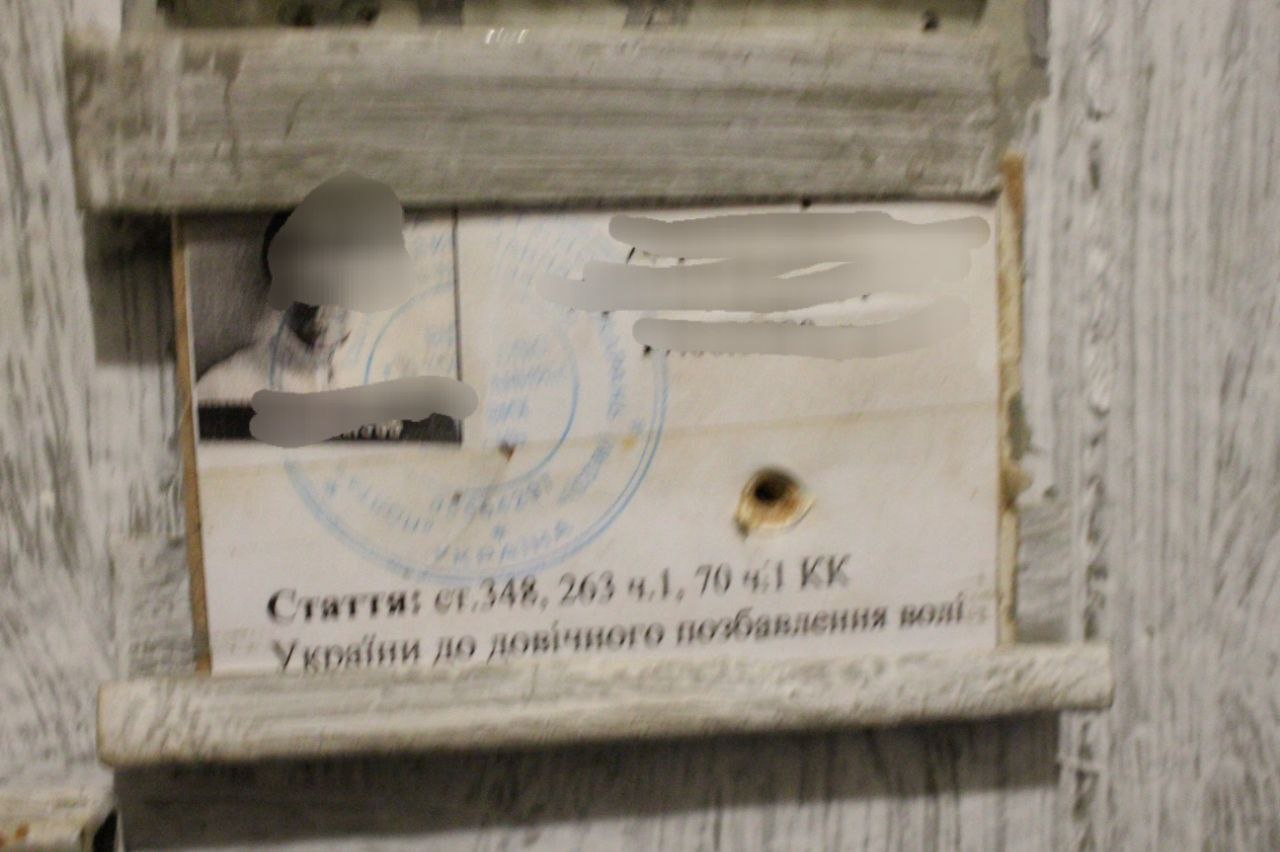
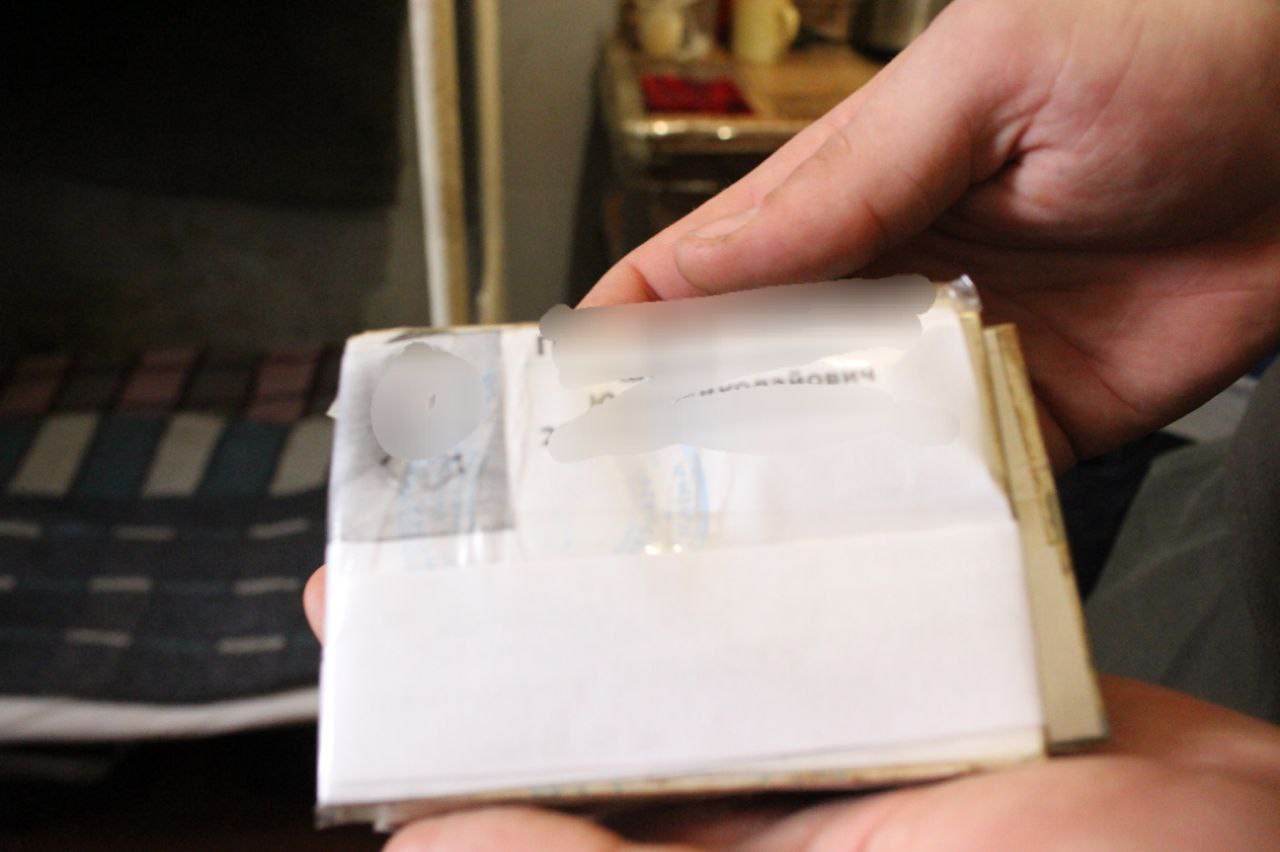
7. During the visit to the maximum-security sector, it was established that near the external doors of the cells for holding persons sentenced to life imprisonment, there were nominal cards with information containing a brief description of the crimes committed by the persons held in these cells. In its report on the results of the visit to Ukraine in 2020, the Committee emphasised the need to end such a practice, as it does not pursue any justifiable purpose and, in addition to its stigmatising effect, negatively affects the relationships between prisoners and the institution’s personnel (Paragraph 52, CPT/Inf (2020) 40). During the visit, the institution’s administration took measures and eliminated the mentioned violation.
8. In the maximum-security sector, the presence of a doctor’s office for outpatient reception of the sick has not been ensured, which contradicts the requirements of the Standards of Provision and creates obstacles to providing timely medical assistance to persons held there. Furthermore, there are no premises in the sector for performing religious rites, which violates the requirements of Paragraph 3, Chapter 5, Section VIII of the IR PTDC and the Standards of Provision.
9. The premises of the socio-psychological service (hereinafter — SPS) unit for convicts left for household maintenance work do not fully meet the requirements of the Standards of Provision. In particular, the following premises are missing: rooms for storing the exchange fund of bedding, personal property, and special clothing; a storeroom for temporary storage of dirty bedding, personal property, and special clothing; a utility room; a drying room; rooms for physical culture exercises; rooms for storing food products.
The lack of necessary premises leads to a violation of sanitary and hygienic standards. Thus, improper organisation of the storage of personal belongings complicates the maintenance of cleanliness and order in the premises where convicts are held, which worsens the general sanitary situation in the institution.
10. The institution’s administration has not fully ensured the right of convicts to access the Internet, and the procedure for granting such access only partially meets the established requirements. Specifically, on the territory of the SPS unit for convicts left for household maintenance work, there are no conditions for the realisation by convicts of the right to access the Internet, provided for by Part 7 of Article 110 of the Criminal Executive Code of Ukraine, through the use of tablets. The Wi-Fi access point on the unit's territory is not functioning.
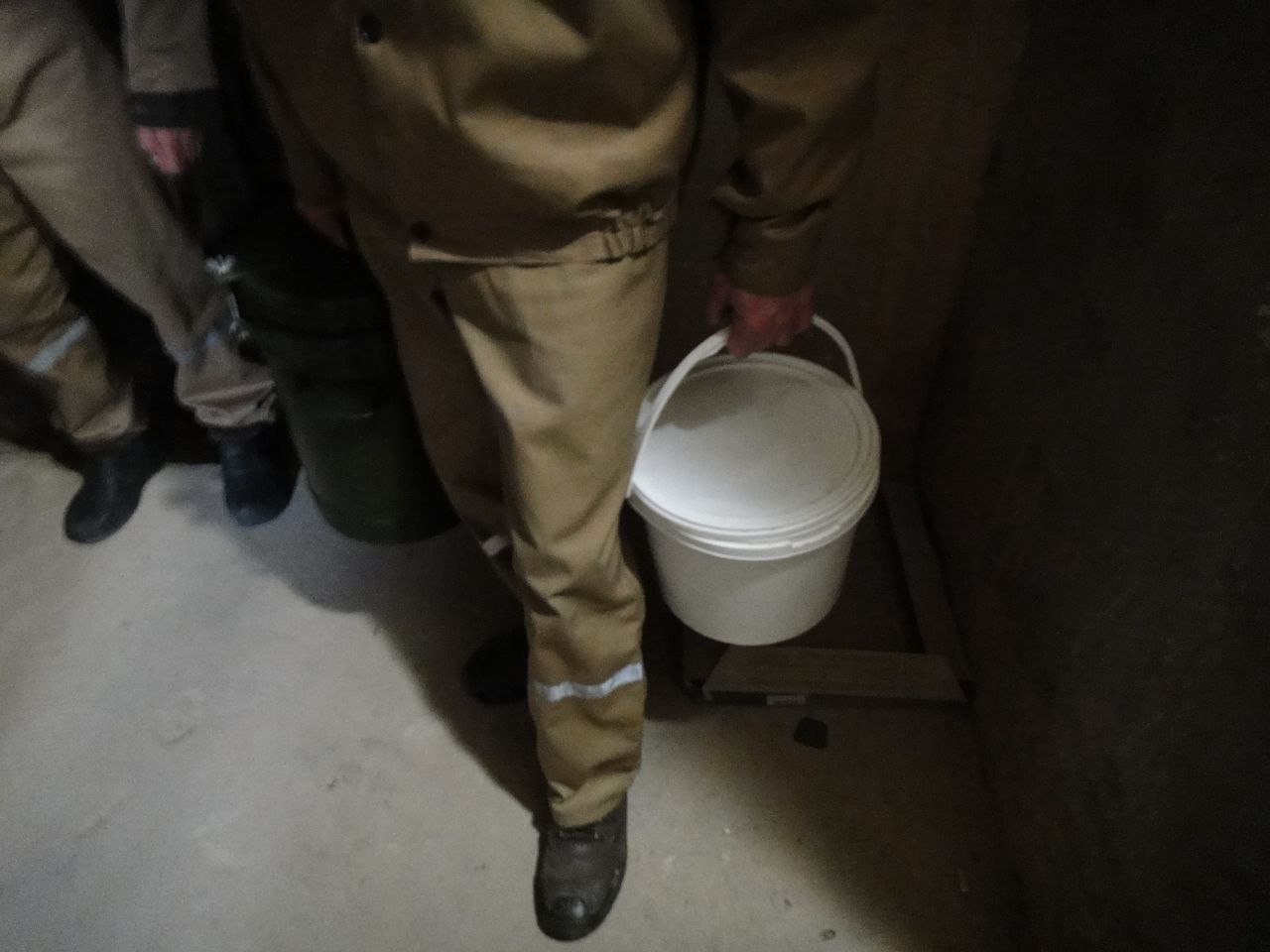
11. In violation of the requirements of Paragraph 14, Section V of the Regulations on the Organisation of Food Supply in the State Criminal-Executive Service of Ukraine for Peacetime, approved by Order of the Ministry of Justice of Ukraine No. 2160/5 dated 15.06.2021 (hereinafter — Regulations on the Organisation of Food Supply), food for detainees and convicts is delivered from the institution’s canteen in plastic buckets, and not in marked thermoses.
12. According to Paragraph 7, Section III of the Regulations on the Organisation of Food Supply, during the movement of persons who are provided with food in institutions, such persons are issued a set of dry products, in particular to convicts and detainees who are moved from one pre-trial detention centre to another, from a pre-trial detention centre to a place of serving a sentence, from one place of serving a sentence to another, as well as to persons released from serving a sentence who are travelling to their place of residence, and in cases where the preparation of hot food is impossible.
In accordance with Paragraph 6, Chapter 4, Section IV of the IR PTDC, detainees and convicts must receive a set of food products before being sent to participate in criminal proceedings outside the pre-trial detention centre. However, based on the results of the analysis of official documentation and interviews with detainees, the monitoring group established that in most cases, the issuance of food rations to persons departing from the institution is not actually carried out.
13. According to Paragraph 17, Section V of the Regulations on the Organisation of Food Supply, daily samples of each dish of the ration must remain in the institution’s canteen. Sampling is carried out by the cook from the pot in the presence of a medical worker of the healthcare facility in clean dishes with a lid (previously washed and boiled) before food distribution.
Daily samples are stored in the canteen refrigerator at a temperature from +4°C to +8°C and must be stored for a day until the end of the similar meal the next day. At the same time, in violation of these requirements, during an inspection of the canteen refrigerator, the monitoring group established the absence of samples of dinner dishes for 22.10.2025, as well as breakfast and lunch for 23.10.2025 according to standard No. 8B.
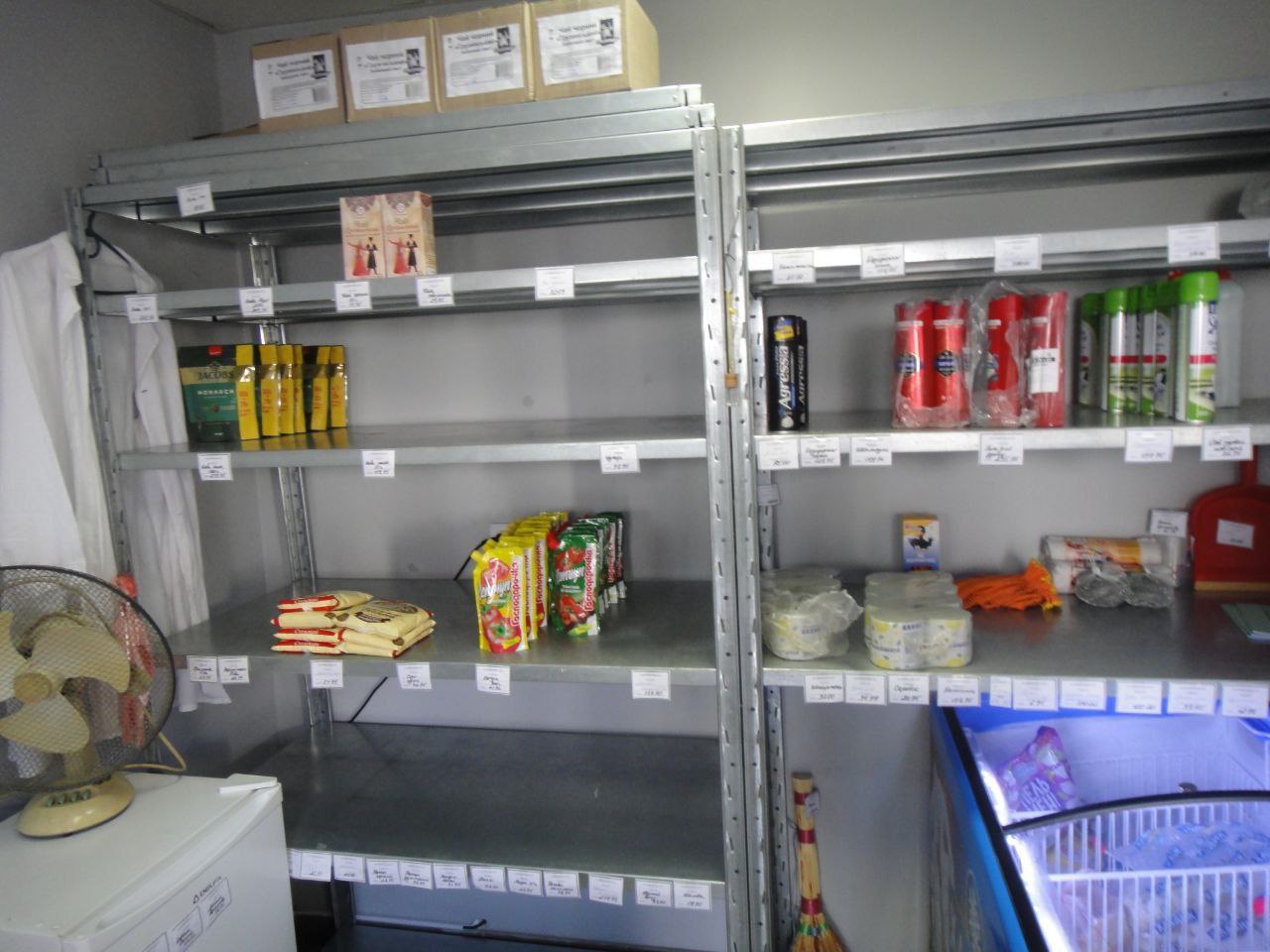
14. During the visit to the institution, complaints were received from detainees regarding the limited assortment of food products in the institution’s shop. Furthermore, the monitoring group established that there are no tobacco products in the institution’s shop, the availability of which is provided for by Appendix 5 to the IR PI (Penal Institutions).
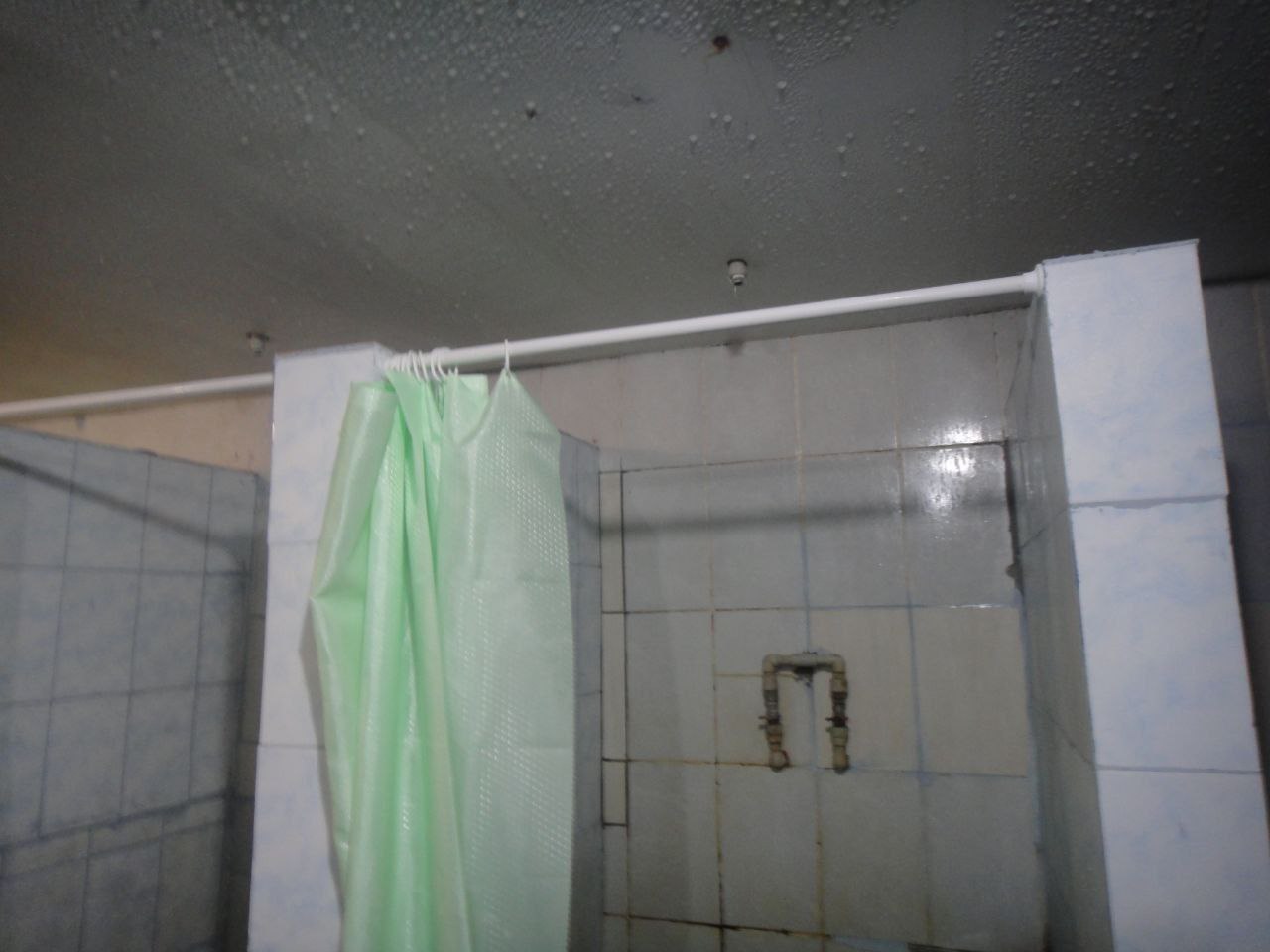
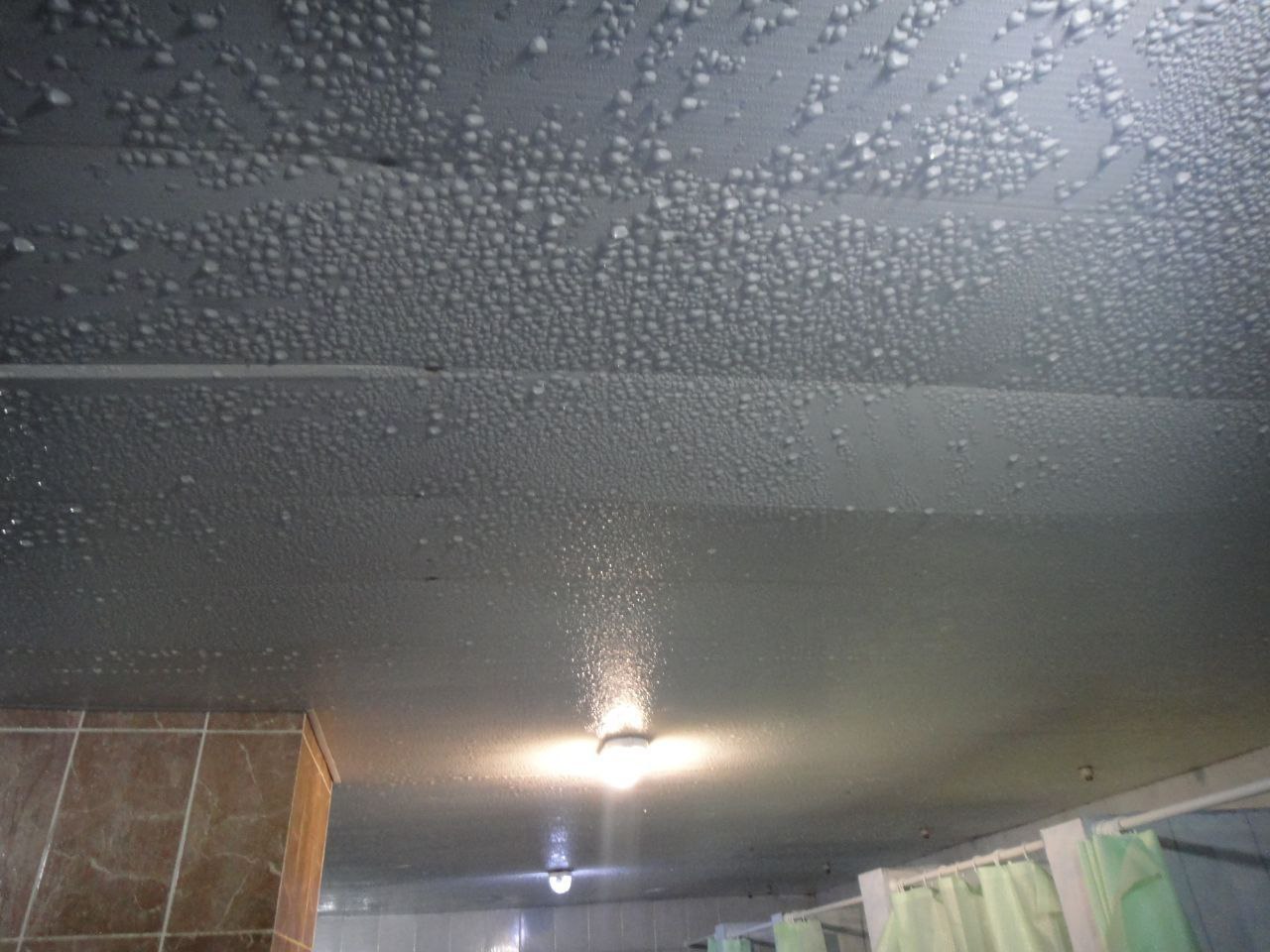
15. The monitoring group established a number of violations in the organisation of bath and laundry services for convicts and detainees. Thus, in violation of Paragraph 2.14, Section II of the Regulations on the Organisation of Bath and Laundry Services for Persons Held in Penal Institutions and Pre-trial Detention Centres, approved by Order of the Ministry of Justice of Ukraine No. 849/5 dated 08.06.2021 (hereinafter — Regulations), the institution has not ensured the provision of hairdressing services to convicts and detainees. In violation of the requirements of Paragraph 2.11, Section II of the Regulations, the forced supply-and-exhaust ventilation system does not work in the bath and laundry premises.
Supervision of compliance with the order during the washing of convicts and detainees in the bath, as well as control over the cleaning and disinfection of premises and the conducting of medical examinations, provided for by Paragraphs 3.10 and 3.11 of the Regulations, are not actually ensured by the duty medical worker. Cell premises Nos. 153, 154, 159, which are used for holding female detainees (convicts), are not equipped in accordance with the requirements of the Standards of Provision, in particular, they are not equipped with a tray with a shower head on a flexible hose, due to which proper conditions for maintaining the personal hygiene of female detainees (convicts) are not ensured.
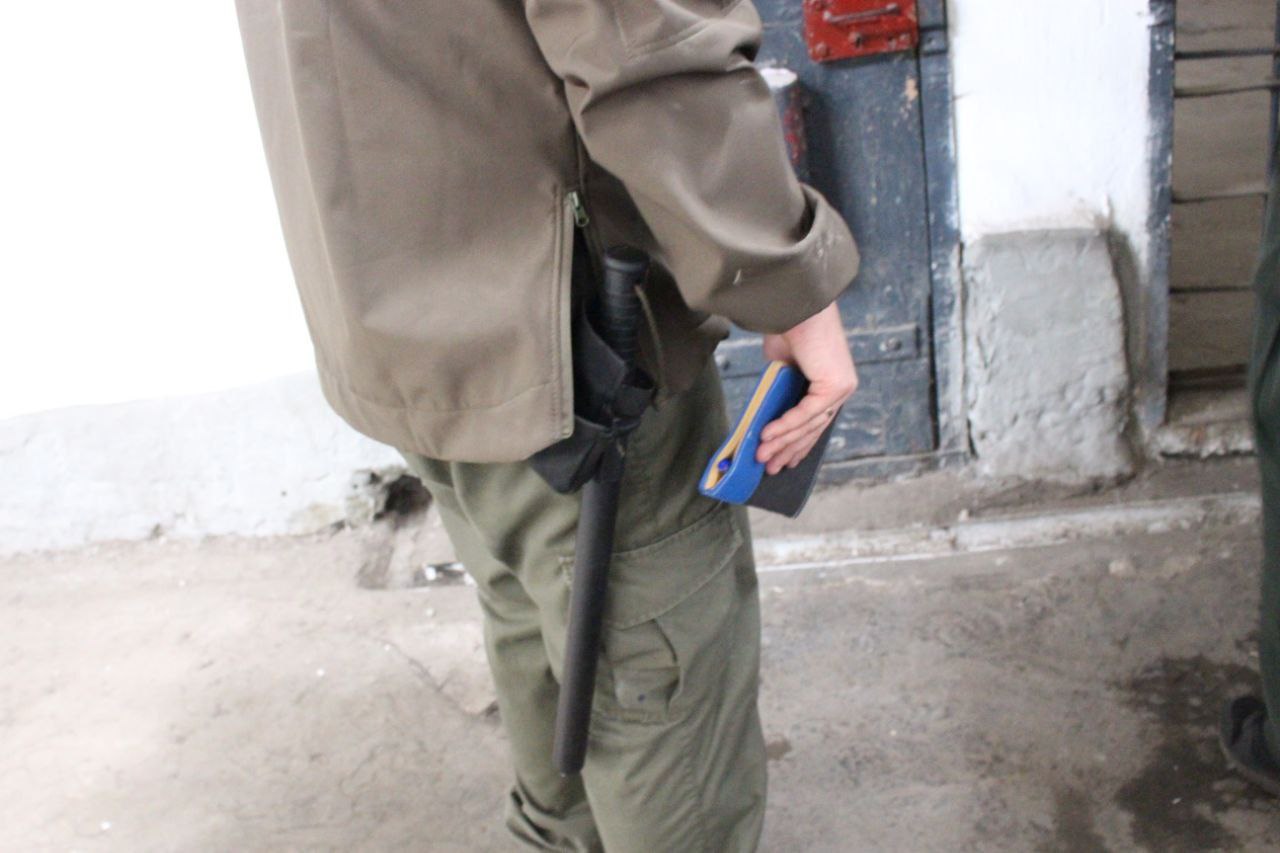
16. During the visit, the monitoring group recorded that the institution’s personnel who are in direct contact with convicts openly carry special means, in particular rubber truncheons. At the same time, according to the eighth paragraph of Paragraph 8, Chapter 1, Section V of the IR PTDC, the carrying of special means by PTDC personnel within the protected territory of the PTDC should be, if possible, maximally concealed from the surroundings.
Furthermore, the Committee recommends that penitentiary staff working in direct contact with prisoners should not carry special means (in particular, rubber truncheons, handcuffs, and canisters equipped with tear gas) openly in front of prisoners, as such carrying hinders the establishment of normal relations between staff and prisoners (Paragraph 85, CPT/Inf (2011) 29; Paragraph 23, CPT/Inf (2013) 23; Paragraph 166, CPT/Inf (2014) 15).
17. According to information provided by the administration, since the beginning of 2025 (as of 23.10.2025), 623 short-term visits have been granted to convicts in the State Institution ‘Poltava Penal Institution No. 23’, of which 607 took place in a non-contact manner — through a solid dividing glass using an intercom device. At the same time, in the Government of Ukraine’s report on the results of the 2023 visit, the European Committee for the Prevention of Torture emphasises that for all categories of convicts, open visits (e.g., at a table) should be the rule, and closed visits the exception, the use of which is permitted only on the basis of justified and reasoned decisions after an individual assessment of the specific convict’s potential risk.
In this regard, the Committee calls on the Ukrainian authorities to review the procedure for conducting short-term visits in penitentiary institutions with the aim of ensuring they are held, as a rule, in open conditions (Paragraph 99, CPT/Inf (2024) 20).
18. According to official documentation, the staff shortage in the institution as of 23.10.2025 is 24 positions. At the same time, in the Government of Ukraine’s report on the results of the 2023 visit, the Committee emphasises that ensuring a positive climate in a penitentiary institution requires the presence of a professional team of staff, who must be present in sufficient numbers at any moment in places of detention. An insufficient number of staff can only increase the risk of violence and intimidation between convicts.
The shortage of front-line staff also undermines the quality and level of measures offered to convicts and jeopardises the prospect of preparation for release and social rehabilitation. In this regard, the Committee calls on the Ukrainian authorities to take decisive measures to substantially increase the number of staff in penitentiary institutions of Ukraine where there is a low level of staffing, with the aim of strengthening the presence of security and supervision service personnel inside the institutions. Measures must also be taken to put an end to 24-hour shifts for serving personnel (Paragraph 93, CPT/Inf (2024) 20).
19. The monitoring group established that in PPI-23 there are several designated places for shelter, however, their actual state and possibility of use do not meet safety requirements and civil defence regulations. The institution’s administration reported that the main anti-radiation shelter (photo 48), which should be used for the protection of detainees and personnel, is in the process of repair. At the time of the visit, the shelter was unavailable for use because repair works were being carried out, which makes it impossible for people to stay in the premise during an air raid alert.
The administration did not provide confirmed deadlines for the completion of repairs, which creates risks for the safety of persons who are under the control of the state. Due to the unavailability of the main shelter, the administration uses the reception unit as a temporary shelter. The premise can partially ensure a basic level of protection against shrapnel and dangerous factors of an explosion, however, it does not meet the requirements for the civil defence shelter fund (there is insufficient capacity, ventilation, sanitary and hygienic conditions, and airtightness).
Movement of detainees to the reception unit in case of an air raid alert should be carried out by personnel, however, the actual capacity of the premise is insufficient for accommodating all persons, which creates a risk of overcrowding and violation of safe detention conditions. The administration noted that in case of acute need, an underground passage located on the territory of the institution or near it (depending on the specifics of the layout) can be used. This premise is not an official shelter, however, it can serve as a temporary way of reducing risks in case of the impossibility of using other options.
At the same time, such an approach cannot be considered a proper level of protection, as the underground passage does not have the status of a protective structure, is not equipped in accordance with the requirements of DBN V.2.2-5:2023, and does not ensure the minimum standards for prolonged stay of people. Thus, the current state of shelters in PPI-23 indicates the absence of a proper level of safety for detainees and convicts in the event of an air raid or missile threat.
Recorded: the main shelter is unavailable due to repairs; the temporary shelter in the form of the reception unit does not meet civil defence requirements; the underground passage can be used only as a forced backup option. This constitutes a risk of violation of Article 3 of the Convention for the Protection of Human Rights and Fundamental Freedoms regarding the state’s obligation to ensure the life and safety of persons under its control.
20. In PPI-23, convicts and detainees are involved in two main areas of work. Convicts usually perform household maintenance tasks, in particular working in the canteen, in the boiler room, carrying out cleaning and repair works, and also performing the functions of cooks, loaders, or locksmiths.

Instead, detainees are mainly involved in work in production workshops, performing mechanical assembly and locksmith operations. At the moment of the monitoring visit, 31 persons among the detainees were working in the workshops. The majority of both convicts and detainees work effectively at permanent workplaces, which in its essence creates labour legal relations, to which the norms of labour legislation should apply.
The organisation of work in the institution has a systemic nature of violations. The most problematic is the complete absence of recording the duration of working hours. In the institution, there is no log that would allow establishing when a person among the detainees started work and when they finished it; there are also no slips or other forms of accounting for the withdrawal of detainees from cells. The existing work rosters, which are drawn up weekly, only provide permission for the withdrawal of specific persons, but do not certify whether they actually worked, what type of work they performed, and how much time they spent at the workplace. Under such conditions, it is impossible to determine the length of the working day, assess compliance with labour legislation, or check the correctness of wage accrual, which creates high risks of hidden labour exploitation.
Labour contracts concluded by the administration with convicts and detainees are formal and do not contain essential terms of employment. They lack a clear list of duties, work schedule, tariff grade, qualification requirements, and specific conditions of payment. Cases of actual admission of persons to work without proper registration were identified. Thus, during the visit, a person was working in the canteen who was not entered in the medical examination log, the inventory issuance log, or the list of officially admitted workers, which indicates a violation of occupational safety requirements and sanitary standards.
According to doctor’s examination logs and logs for the issuance of cutting-and-piercing items, persons working in the canteen are involved in work without days off and public holidays, which violates their right to rest, guaranteed by Article 45 of the Constitution of Ukraine, as well as the requirements of Articles 50-52, 67 of the Labour Code of Ukraine and Article 118 of the Criminal Executive Code of Ukraine regarding the duration of working time and weekly continuous rest.
In this same canteen worked a convict, S., who had a concluded contract, however, the administration did not provide any confirmation of his having undergone induction or medical examination, and his entire salary was withheld, as a result of which the amount to be issued was 0 UAH. Similar problems were recorded in the production workshops. According to the provided data, piece-rate accruals for a significant number of detainees are repeated to the kopek, which contradicts the nature of piece-rate payment of labour, as usually each worker performs a different volume of work. Thus, for B., 5,098.49 UAH of accruals are indicated, for K. — 4,413.49 UAH, for T. — 5,098.49 UAH, and in all cases, the amount to be issued is 0 UAH.
In an analogous manner, the work of Sh. is paid, to whom 4,413.49 UAH was accrued, but all funds were fully written off to the deposit. At the same time, the administration could not confirm what exact work he performed on the days for which the accrual was made, as the accounting of performed work is not kept. A similar situation is observed with K., regarding whom it is impossible to verify the actual performance of work: during the visit, he was absent from the workshop, and in the work roster, only his surname is indicated without any details. For Ts., 5,089.49 UAH was accrued, which were also fully withheld, while the administration did not provide any confirmation of his real performance of work.
The repeatability of amounts for several workers indicates the possible formality of accruals, rather than a real piece-rate system of labour payment. Analysis of settlement and payment sheets for September 2025 demonstrates systemic violations of financial guarantees: for all workers, regardless of the type of work, duration of employment, or volume of output, the amount to be issued is 0 UAH, as all earnings are transferred to the deposit with the application of deductions in the amount of 25%, 50%, or 100%.
Such a procedure effectively deprives convicts and detainees of the possibility to use their own funds, which contradicts the right to remuneration for labour. The accrual of personal income tax and military levy also causes reservations in view of the special legal status of convicts and detainees and the criticism of such a practice by international institutions. The repeatability of amounts in piece-rate accruals and the absence of any balance to be issued confirm the unreliability of the labour payment system.
In the documentation, there is no information about the provision of leave, payment of temporary incapacity, or any other forms of social protection for workers. Workers are not provided with personal protective equipment, do not undergo documented inductions, and the assessment of professional risks is not carried out. The identified facts indicate that the work of convicts and detainees in PPI-23 is organised formally, without compliance with the requirements of labour legislation, without safety guarantees, without ensuring proper payment, and without the possibility to realise the right to social protection. The combination of these factors creates high risks of labour exploitation and systemic violation of human rights.
Poltava City Medical Unit No. 23 of the branch of the State Institution “Centre for Healthcare of the State Criminal-Executive Service of Ukraine” in Poltava region
The head of the Poltava City Medical Unit No. 23 of the branch of the State Institution “Centre for Healthcare of the State Criminal-Executive Service of Ukraine” in Poltava region is Yuliia Hryhorivna Babych.
In the staff of the medical unit, the position of neurologist remains vacant — 1 full-time equivalent. During the monitoring visit, violations of the requirements of national legislation and non-compliance with international recommendations in the field of the treatment of prisoners were identified, which lead to violations of the rights of detainees and convicts:
1. In violation of the requirements of Paragraph 3 of the Instruction on completing the form of primary accounting documentation No. 511/o “Certificate on the fixation of bodily injuries”, approved by Order of the Ministry of Health of Ukraine No. 186 dated 02.02.2024, two cases were established where copies of the certificate in form No. 511/o were not attached to the form of primary accounting documentation No. 025/o “Medical card of an outpatient patient”, but were stored separately.
2. During the study of medical documentation, it was established that photographs of existing bodily injuries are not added to the medical cards of the outpatient patient in form No. 025/o to the form of primary accounting documentation No. 511/o “Certificate on the fixation of bodily injuries”, approved by Order of the Ministry of Health of Ukraine No. 186 dated 02.02.2024, as provided for by Paragraph 2.11, Section II of the Procedure for Interaction of Healthcare Facilities of the SCES of Ukraine with Healthcare Facilities regarding the provision of medical assistance to persons taken into custody, approved by the joint order of the Ministry of Justice of Ukraine and the Ministry of Health of Ukraine No. 239/5/104 dated 10.02.2012 (hereinafter — Procedure for Interaction of Healthcare Facilities).
At the same time, the Committee in the report on the results of the visit to Ukraine in 2023 notes that any traumatic injuries discovered during a medical examination must be photographed in detail, and photographs together with body diagrams must be kept in the individual medical card of the person (Paragraph 82, CPT/Inf (2024) 20).
3. In violation of the requirements of Paragraph 2.11, Section II of the Procedure for Interaction of Healthcare Facilities and the Instruction on completing the form of primary accounting documentation No. 511/o “Certificate on the fixation of bodily injuries”, medical workers do not draw up certificates properly. In particular, in most cases, Item 8 of the form, which provides for the indication of the circumstances of receiving bodily injuries, is filled out formally, without specification, for example: “through one’s own negligence”, which makes it impossible to identify the actual circumstances of the event.
The absence of full documentation of the circumstances of injury and improper fixation of bodily injuries do not meet Paragraph 60 of the Committee’s recommendations (CPT/Inf (93) 12-part), which states that medical services in places of deprivation of liberty can contribute to the prevention of violence against persons held in custody by systematically recording bodily injuries, as well as, if necessary, by informing the relevant authorities.
4. The procedure for the admission of detainees and convicts to the institution does not fully meet the requirements of Paragraph 9, Chapter 2, Section II of the IR PTDC. During the visit to the premises of the reception unit and communication with detainees, it was established that the medical examination of new arrivals was conducted in conditions that do not ensure privacy and confidentiality, in particular in the presence of the institution’s personnel and/or representatives of other law enforcement agencies.
This indicates the receipt by employees of the institution and other persons of confidential information regarding the state of health of these persons during the medical examination. This violates the requirements of Paragraph 7, Chapter 2, Section X of the IR PTDC, Article 39-1 of the Law of Ukraine “Fundamentals of Ukrainian Legislation on Healthcare” regarding the right of persons to the secrecy of their state of health, as well as Paragraph 9, Section I of the Procedure for Organising the Provision of Medical Assistance to Convicts to Deprivation of Liberty, approved by the joint order of the Ministry of Justice of Ukraine and the Ministry of Health of Ukraine No. 1348/5/572 dated 15.08.2014.
5. Dispensary observation is carried out for 15 persons who have a disability, of which: Group I — 2 persons, Group II — 7 persons, Group III — 6 persons. At the same time, in violation of the requirements of the Law of Ukraine “On the Rehabilitation of Persons with Disabilities in Ukraine”, persons with disabilities do not receive proper diagnostic, treatment, and rehabilitation measures given the existence of information confirming a persistent impairment of bodily functions, caused by diseases and consequences of injuries, which cause restrictions on normal life activity.
During the study of medical documentation, it was established that not all persons with disabilities have an individual rehabilitation programme (hereinafter — IRP). Furthermore, the recommendations of the IRP are not fulfilled, due to which these persons do not receive proper diagnostic, treatment, and rehabilitation measures.
6. In violation of the requirements of the State Building Norms of Ukraine V.2.2-17:2006 “Buildings and structures. Accessibility of buildings and structures for low-mobility groups of the population”, proper conditions have not been created in the medical unit for holding persons with disabilities.
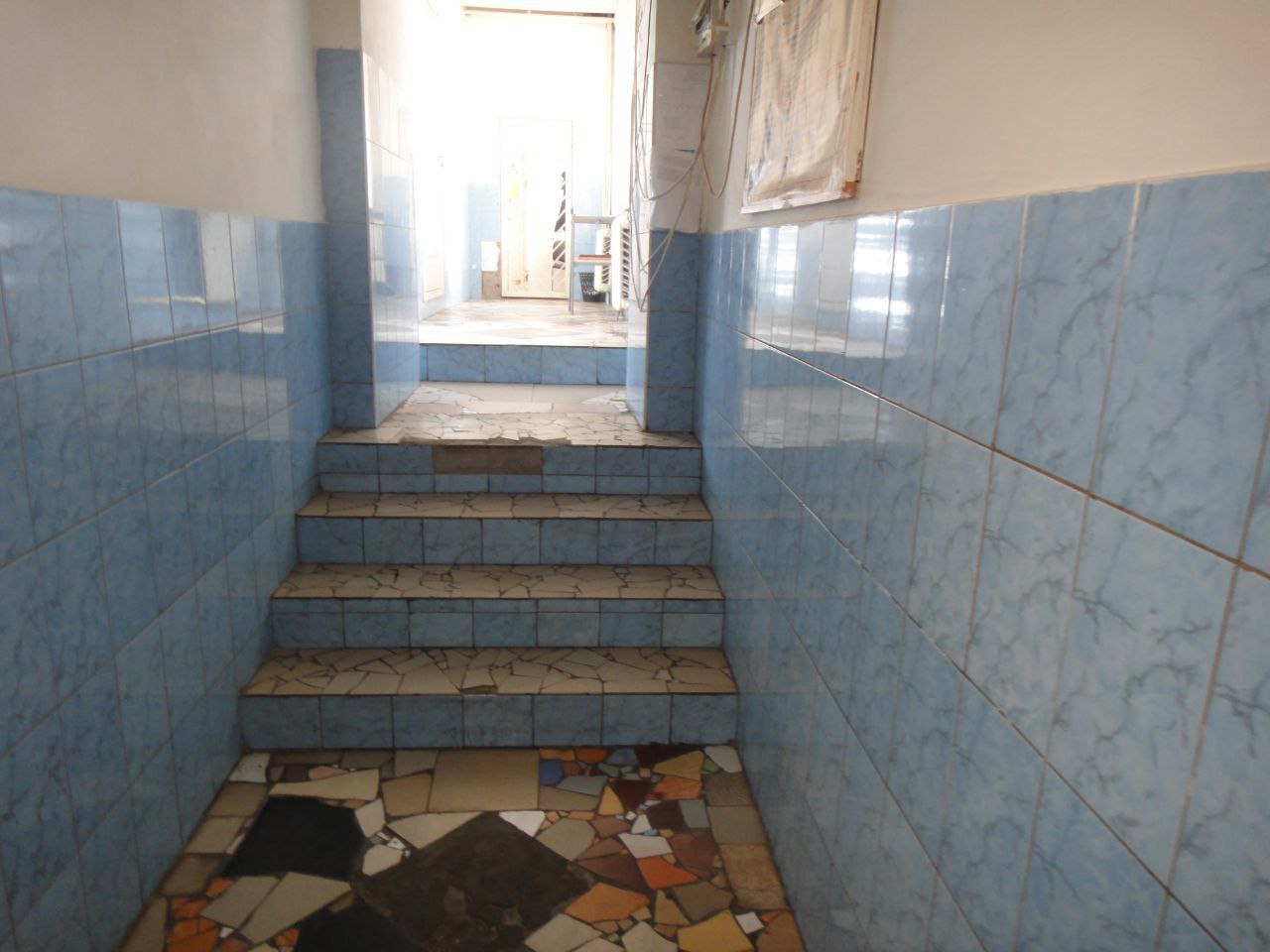
7. In violation of Paragraph 37 of the Resolution of the Cabinet of Ministers of Ukraine No. 285 dated 02.03.2016 “On approval of Licensing conditions for the conduct of economic activities in medical practice”, there is no conclusion in the medical unit that confirms free access to the buildings and premises of the medical institution for low-mobility groups of the population, the obtaining of which is mandatory.
8. In violation of the requirements of the Standards of Medical Care for Viral Hepatitis C in adults, approved by Order of the Ministry of Health of Ukraine No. 1178 dated 23.07.2025, not all persons suspected of viral hepatitis C undergo PCR testing, due to which they do not receive the necessary treatment, which may lead to a deterioration of their health state and the spread of the mentioned infectious disease among convicts.
9. In violation of the requirements of the Measures and means for preventing infection during the provision of care for patients, approved by Order of the Ministry of Health of Ukraine No. 1777 dated 03.08.2020, only one isolation ward for infectious patients is equipped in the medical unit, which makes it impossible to simultaneously place patients with dangerous infectious diseases separately from one another and from other convicts.
Furthermore, the isolation ward for persons with infectious diseases does not meet sanitary and hygienic standards and the requirements of the State Building Norms of Ukraine V.2.2-10:2022 “Healthcare facilities. General provisions”. Thus, the ward intended for holding such patients is not equipped with a shower cabin, which forces infectious patients to use common sanitary facilities together with other detained persons who are undergoing treatment in the hospital of the medical unit.
Furthermore, in the isolation ward, a socket is damaged, electrical wires are not properly insulated, which may lead to the electrocution of detainees or medical unit personnel and other negative consequences. The absence of proper conditions makes it impossible to effectively isolate patients, contributes to the spread of infectious diseases, and creates a threat to the health of both convicts and medical personnel.
10. In violation of the requirements of Paragraph 1, Section II of the Standard of Infection Control for Healthcare Facilities providing assistance to tuberculosis patients, approved by Order of the Ministry of Health of Ukraine No. 287 dated 01.02.2019, the requirements regarding the isolation of tuberculosis patients are not met in the medical unit: wards are used for placing more than one or two persons (ward-cells Nos. 161, 162 — 4 bed-places each); ward doors are not equipped with a sealed threshold and seals along the edges; there is no mechanical exhaust ventilation system, etc.
11. During the visit, the medical personnel reported that ward No. 164, in which two persons were simultaneously staying, is used as an isolation ward for persons with mental disorders. The layout of this premise does not meet the requirements of Paragraph 9 of the Rules for the Application of Physical Restraint and (or) Isolation in the Provision of Psychiatric Assistance to Persons Suffering from Mental Disorders, approved by Order of the Ministry of Health of Ukraine No. 240 dated 24.03.2016, registered with the Ministry of Justice of Ukraine on 15.04.2016 under No. 570/28700, as well as Paragraph 8.3.4 of the State Building Norms of Ukraine V.2.2-10:2022 “Healthcare facilities”.
In particular, the premise is designed for the stay of more than one person, which does not align with the principles of isolation; equipment elements have sharp corners, which creates potential danger for patients; there is no supply-and-exhaust ventilation and a tank with boiled drinking water.
12. In violation of the Procedure for Organizing Medical Assistance at the primary, secondary (specialized), tertiary (highly specialized) levels with the use of telemedicine, approved by Order of the Ministry of Health of Ukraine No. 681 dated 19.10.2015, the medical unit personnel are deprived of the possibility to make requests for telemedical consultation and receive consultations for providing medical assistance to detainees and convicts for technical reasons.
13. In violation of the requirements of the Equipment Schedule for a dentist’s and dental technician’s workstation, approved by Order of the Ministry of Health of Ukraine No. 158 dated 11.04.2005, the medical unit lacks a dental X-ray machine, which makes it impossible to conduct in-depth dental examinations of convicts and does not ensure the timely provision of appropriate dental care.
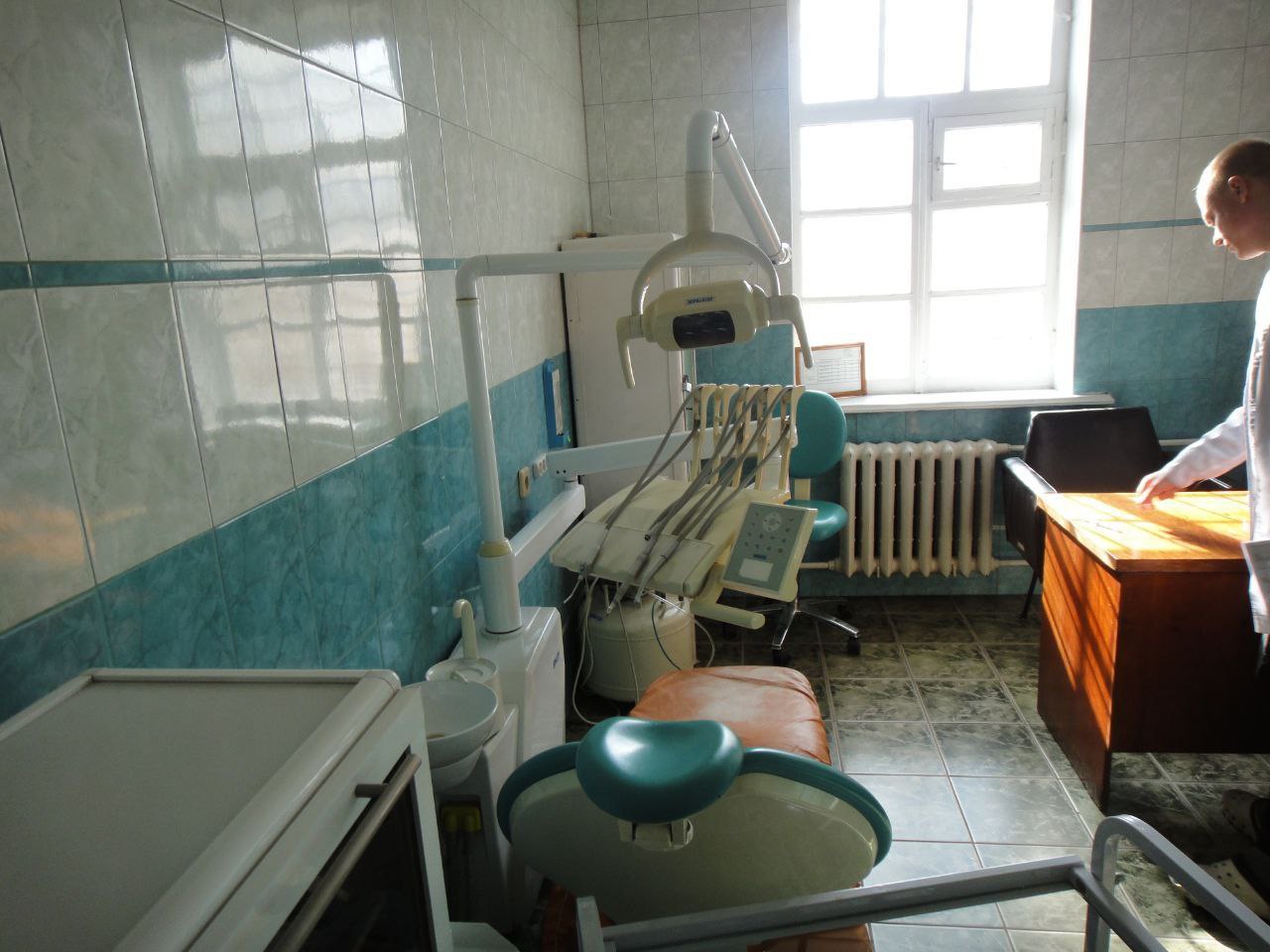
14. In violation of the requirements of the Standards for the provision of bedding, special clothing, and special footwear (inventory property) for convicts undergoing treatment in medical and prophylactic institutions, facilities with the rights of medical institutions, and medical units at penal institutions and pre-trial detention centres, approved by Order of the Ministry of Justice of Ukraine No. 280/5 dated 20.02.2012, convicts and detainees in the inpatient ward do not receive hospital property (hospital suit, robe, and slippers).
15. There is no hot water supply in the doctors' offices, and the workstations of medical personnel do not meet the requirements of current legislation and violate Article 19 of the Law of Ukraine ‘Fundamentals of Ukrainian Legislation on Healthcare’ and Article 13 of the Law of Ukraine ‘On Occupational Health and Safety’.
16. In the medical unit, in particular in the wards, the monitoring group recorded violations of the temperature regime. Thus, at the time of the inspection, the air temperature in some premises was +15°C, which does not meet the requirements of Section VI of the State Sanitary Norms and Rules, approved by Order of the Ministry of Health of Ukraine No. 259 dated 02.04.2013, and Paragraph 1, Section XXII of the Internal Regulations of Penal Institutions, according to which, in the cold season, the temperature in living quarters of penal institutions must be maintained at a level no lower than +18°C.
17. In violation of the requirements of the Fire Safety Rules in Ukraine, approved by Order of the Ministry of Internal Affairs of Ukraine No. 1417 dated 30.12.2014, the medical unit premises are not equipped with fire extinguishing and fire alarm systems (except for the pharmacy and the OST office).
Recommendations
1. Ensure the number of persons in cell premises is brought into compliance with the legislative requirements regarding minimum living space, dismantle redundant beds, and prevent the exceeding of cell capacity.
2. Cease the practice of joint detention of persons of different categories and ensure compliance with the requirements regarding the separate detention of prisoners in accordance with Article 8 of the Law of Ukraine ‘On Pre-trial Detention’ and international standards.
3. Provide the reception unit with all necessary premises provided for by the Standards of Provision, in particular, quarantine cells, isolation wards for the sick, a treatment room, a changing room, and other functional zones.
4. Ensure natural lighting and proper ventilation in all premises of the reception unit, replace tinted glass in windows, install tanks for drinking water, and organise their regular refilling.
5. Fit out bathrooms in cells with partitions or doors, ensure minimum personal space between beds, reduce excessive barring of windows, restore ventilation, and ensure regular disinfection, disinfestation, and repair works in cells.
6. Equip exercise yards with canopies that do not block access to natural light, and review the design of canopies in yards where they completely block lighting.
7. Remove video surveillance cameras in rooms where medical examinations or strip searches are conducted, and cement the refusal to practice placing cards with crime descriptions on cell doors.
8. Upgrade the premises of the socio-psychological service unit for convicts left for household maintenance, in accordance with the Standards of Provision, ensure proper sanitary and living conditions, and an orderly system for storing personal belongings.
9. Restore the operation of the Wi-Fi access point in the socio-psychological service unit and ensure the real possibility of using the Internet in accordance with Article 110 of the Criminal Executive Code of Ukraine.
10. Cease the delivery of food in plastic buckets, ensure the transport of dishes in marked thermoses, set up a systematic sampling and storage of daily samples, and ensure the issuance of dry rations to all persons departing from the institution.
11. Ensure the proper operation of ventilation in the bath and laundry facility, organise the provision of hairdressing services, ensure the participation of medical personnel in controlling the sanitary state, and equip shower places for women in accordance with established standards.
12. Prohibit the open display of special means by personnel in places where detainees are held and strengthen staff training on compliance with the principles of dynamic security.
13. Review the procedure for granting short-term visits, ensure priority for visits in open conditions, and apply non-contact visits exclusively in exceptional cases based on individual risk assessment.
14. Take measures to reduce staff shortages, in particular by attracting additional funding and conducting competitive selections, and abandon the practice of 24-hour shifts.
15. Complete the repair of the main shelter and ensure its compliance with civil defence requirements; until repair works are completed, define a temporary evacuation procedure and minimise risks of overcrowding in available premises; do not use the underground passage as the primary shelter.
16. Introduce recording of working hours for all convicts and detainees involved in work, with an indication of the time of commencement and completion of work, type of work, and the person responsible.
17. Bring labour contracts into compliance with the requirements of the Labour Code of Ukraine, ensure the inclusion of all essential terms of employment, and prohibit admission to work without medical examinations and inductions.
18. Ensure compliance with working time duration norms and the right to rest, cease the practice of continuous work without days off and public holidays.
19. Review the remuneration system, ensure convicts have real access to a portion of the funds earned, eliminate the practice of unjustified direction of 100% of earnings to the deposit, and ensure the transparency of deductions.
20. Ensure the real functioning of the piece-rate remuneration system in workshops, recording of the volume of work performed, conduct an audit of repeating accrual amounts, and eliminate identified violations.
21. Ensure the provision of social guarantees provided for by labour legislation, including leaves, payment of temporary incapacity, provision of personal protective equipment, conducting occupational health and safety inductions, and professional risk assessment.
22. Take measures aimed at eliminating identified human rights violations and preventing torture and other cruel, inhuman, or degrading treatment and punishment in the Poltava City Medical Unit No. 23 of the branch of the State Institution “Centre for Healthcare of the State Criminal-Executive Service of Ukraine” in the Poltava region.
23. Ensure control over proper maintenance of medical documentation in accordance with the Procedure for Interaction of Healthcare Facilities of the SCES of Ukraine with healthcare facilities regarding the provision of medical assistance to persons taken into custody, approved by the joint order of the Ministry of Justice of Ukraine and the Ministry of Health of Ukraine No. 239/5/104 dated 10.02.2012, the Procedure for Organising the Provision of Medical Assistance to Convicts to Deprivation of Liberty, approved by the joint order of the Ministry of Justice of Ukraine and the Ministry of Health of Ukraine No. 1348/5/572 dated 15.08.2014, and other regulatory legal acts.
24. Ensure staffing of the medical unit with specialist doctors in accordance with actual needs.
25. Ensure timely and proper documentation of bodily injuries in convicts and detainees.
26. Ensure medical examinations of new arrivals are conducted without the presence of non-medical personnel in order to comply with the right to medical confidentiality, preserve the dignity of detainees, and prevent interference with the independence of medical conclusions.
27. Ensure all persons with suspected viral hepatitis C have access to PCR testing in the shortest possible time and organise necessary antiviral treatment for persons with a confirmed diagnosis.
28. Fulfil the requirements of Paragraph 37 of the Resolution of the Cabinet of Ministers of Ukraine No. 285 dated 02.03.2016 “On approval of Licensing conditions for the conduct of economic activities in medical practice”.
29. Ensure the conduct of individual rehabilitation of persons who need it, in accordance with individual rehabilitation programmes.
30. Ensure the accessibility of the institution’s buildings in accordance with the requirements of the State Building Norms of Ukraine V.2.2-17:2006 “Buildings and structures. Accessibility of buildings and structures for low-mobility groups of the population”.
31. Ensure the proper operation of the telemedicine complex for doctors to make requests for telemedical consultation.
32. Ensure the equipment of the isolation ward for persons with mental and behavioural disorders in accordance with established requirements.
33. Equip isolation wards for patients with dangerous infectious diseases in order to prevent their spread among other detainees.
34. Ensure compliance with infection control measures in the medical unit.
35. Equip the medical unit with necessary diagnostic equipment.
36. Ensure compliance with requirements regarding the isolation of persons suffering from tuberculosis in accordance with established standards.
37. Ensure compliance with the established temperature regime in the wards of the medical unit by urgently bringing the air temperature into compliance with the requirements of the State Sanitary Norms and Rules and Paragraph 1, Section XXII of the Internal Regulations of Penal Institutions.
38. Equip the medical unit with hospital property (hospital suit, robe, and slippers).