Monitoring visit to the Poltava Penal Institution No. 23
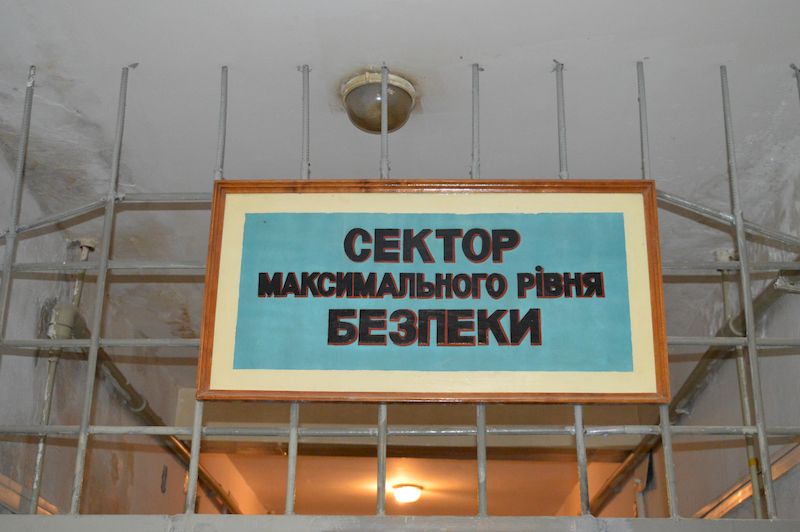
On 28 February, a group of monitors from the Kharkiv Human Rights Protection Group visited the Sector for Maximum Security Level (SMSL) in the Poltava Penal Institution (No. 23), which also serves as a pre-trial detention centre.
At the time of the visit, 17 men sentenced to life imprisonment were serving their sentences in the SMSL, three of whom had been evacuated from territory temporarily not under the control of the Ukrainian government.
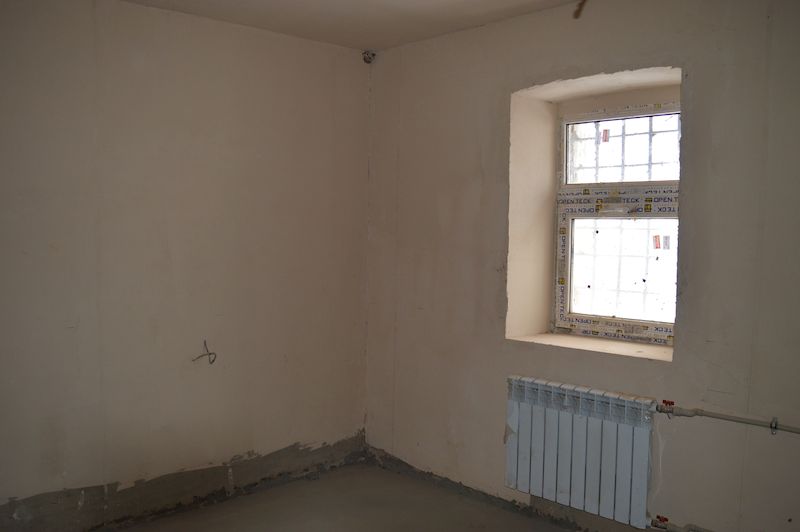
As reported by the institution’s administration, state budget funds were allocated last year for the repair of the SMSL, and capital reconstruction of the premises began. The monitoring group saw partially reconstructed premises: toilets are separated and equipped with doors; new radiators, a modern water supply system, and plastic windows have been installed in the cells. The sanitary ware has not yet been installed.
It is planned to equip cells with different layouts; two-person cells are divided into two rooms, conventionally a bedroom and a relaxation area. However, at the time of the visit, none of the cells were fit for living in. As the administration assured and the convicts later reported, repairs were progressing very actively until the New Year; after the New Year, due to funding problems, the repairs were suspended.
During the monitoring visit, it was possible to inspect only one cell where one convict was held, and to speak with three more convicts. None of those interviewed complained about the administration of the penal institution or the conditions of detention.
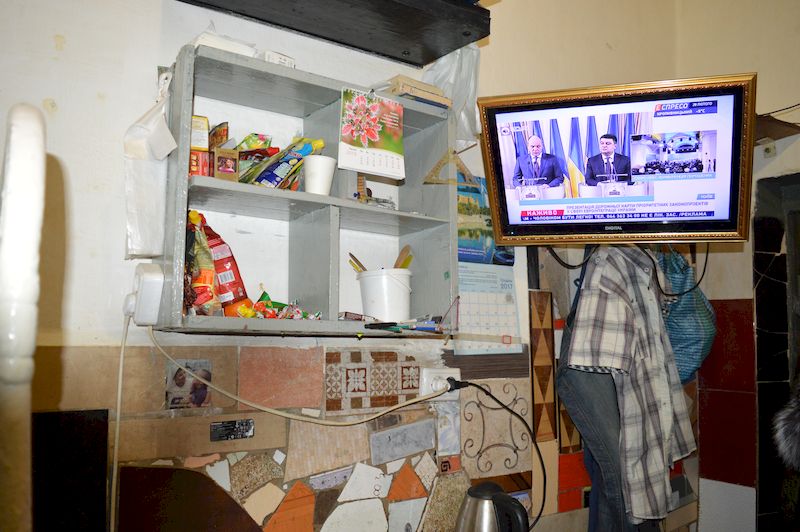
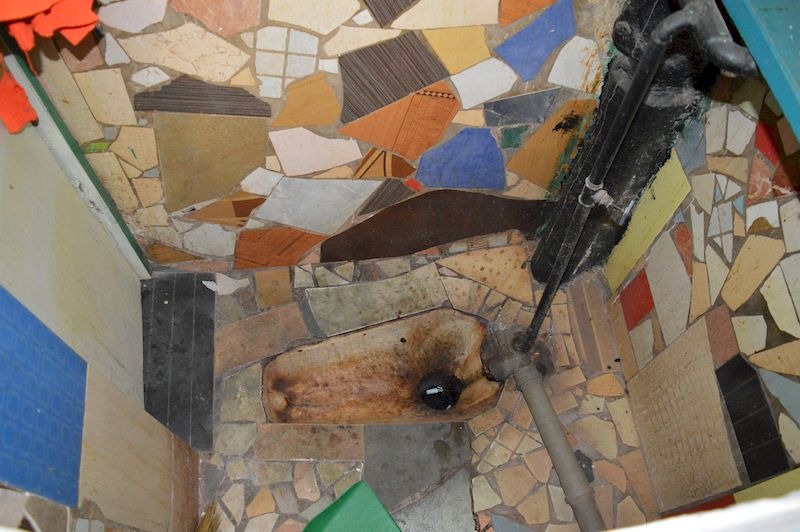
Living space standards per convict are being observed. The cell is warm, and there is a TV. The premises have natural light from the window. The toilet is separated by a low partition, however, the plumbing — a “squat toilet” — is old and rusted. In the inspected cell, the monitoring group noticed mould on the ceiling.
Other cells could not be inspected, as the administration of the institution reported that the convicts did not wish to communicate with members of the monitoring group or have their cells inspected.
Of the non-residential premises, the monitors were able to inspect the room where convicts have the opportunity to access the global “Internet” network, as well as make phone calls. The room is dark and lacks natural light, although it is warm.
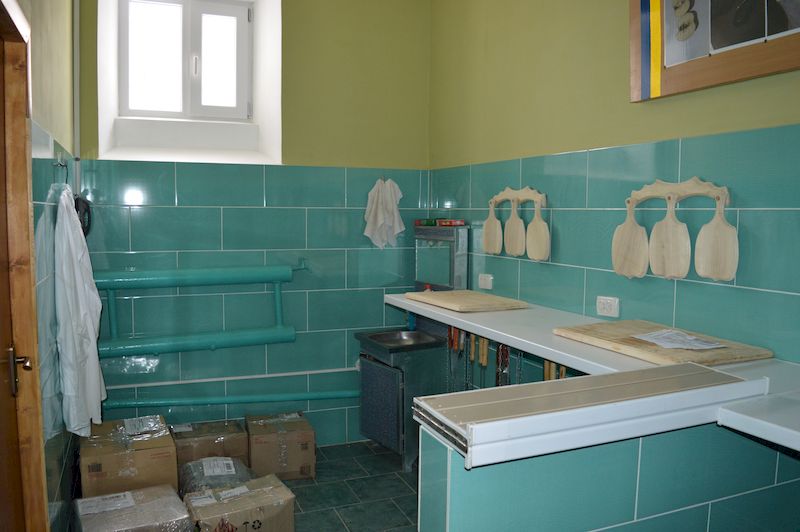
The monitoring group also notes that parcels and deliveries are delivered to the territory of the institution by the “Nova Poshta” postal service, whose vehicles are able to enter the territory. In addition, members of the group inspected the room for receiving parcels by convicts. The room is clean and equipped with everything necessary: a sink, detergents, knives, cutting boards, and even robes.

The interviewed convicts are generally satisfied with the conditions of detention and the administration’s attitude towards them; the only thing they complained about was the lack of an opportunity to work and receive a salary for it. We would like to note that such a problem is systemic for penal institutions: the lack of state orders, and as a consequence, funding, deprives convicts of the opportunity to realise their right to work.
The convicts held in the institution possess various specialties; the monitoring group had the opportunity to speak with a convict who produces decorative wooden items.
In a conversation without the presence of the administration, he complained about the lack of opportunity to engage in his favourite work. The administration of the institution promised that by the summer, the convicts would be given the opportunity to work in sewing production (in case they still receive the necessary equipment, as the room for it has already been allocated), however, the convicts have a desire to work in other areas, for example, woodworking or metalworking, etc.
In conclusion, from what the monitoring group was able to inspect, it can be said that currently, the conditions of detention are relatively satisfactory, however, all convicts are eagerly awaiting the completion of repairs and the fulfilment of promises on the part of the administration.