Report on the results of the monitoring visit to the Poltava Penitentiary Facility No. 23
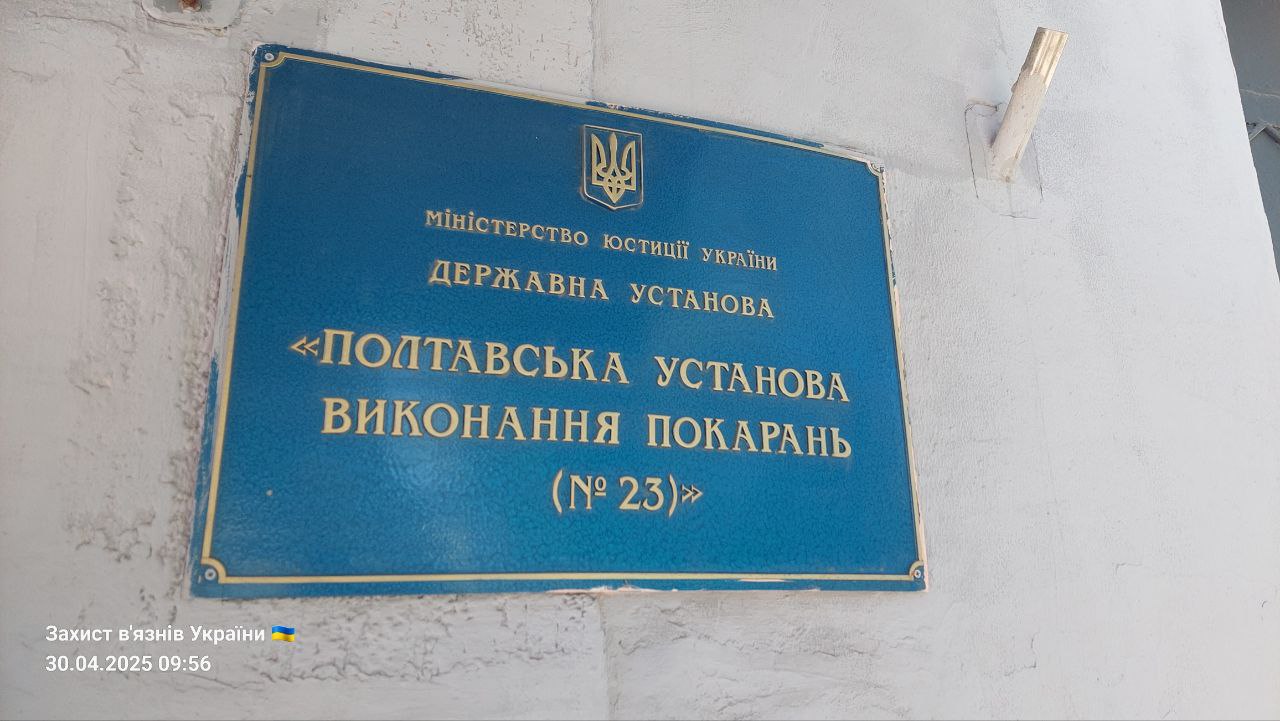
On 30 April 2025, in accordance with the Optional Protocol to the Convention against Torture and Other Cruel, Inhuman or Degrading Treatment or Punishment, taking into account the provisions of the Standard Minimum Rules for the Treatment of Prisoners and the decisions of the European Court of Human Rights, on the basis of Article 24 of the Criminal Executive Code of Ukraine — Visiting penitentiary facilities, a group of monitors from the Kharkiv Human Rights Protection Group and the NGO “Protection of Prisoners of Ukraine” carried out a repeat visit to the state institution “Poltava Penitentiary Facility No. 23” (PEF-23, the institution, the facility).
The previous visit took place on 28 February 2018. A planned visit was carried out without prior notice, and all facilities of the institution were examined.
During the preparation for the visit, the monitors used materials from appeals of prisoners/convicts and their relatives, materials from previous reports, as well as the report by monitors of the National Preventive Mechanism under the Commissioner for Human Rights of the Verkhovna Rada of Ukraine (NPM).
The visit was conducted as part of the project “Reducing the Suffering of Prisoners in the Context of the War in Ukraine”, funded by the government of Denmark in partnership with DIGNITY — Danish Institute Against Torture.
The visit was carried out by the following monitors:
- Andriy Didenko — assistant to the People’s Deputy of Ukraine Yaroslav Yurchyshyn, programme coordinator of the Kharkiv Human Rights Protection Group, experience in monitoring visits since 2014;
- Serhiy Zuikov — assistant to the People’s Deputy of Ukraine Kostiantyn Kasai, member of the public council under the Ministry of Justice of Ukraine, member of the NGO “Protection of Prisoners of Ukraine”, has many years of experience in monitoring visits;
- Oleh Tsvilyi — member of the public council under the Ministry of Justice of Ukraine, head of the NGO “Protection of Prisoners of Ukraine”, has extensive experience in monitoring visits, specialises in issues of torture and cruel, inhuman treatment.
During the visit, numerous and systemic violations of national and international legislation regarding the treatment of prisoners were recorded, primarily the overcrowding of cells and the failure to comply with minimum living space standards. In a number of cells, instead of the standard 2.5 m² per person, the actual area is only 2.32 m² or less, as a result of which one of the convicted persons is forced to sleep on the floor; a similar excess in bed capacity was found in premises No. 125, 129, 130, 132, 133, 136, 138, 148, 150, 152.
In solitary disciplinary cells measuring 4.3 m² with a distance between walls of less than two metres, requirements regarding movement, lighting, and ventilation are violated; there are no drinking water tanks, proper partitions in bathrooms, or benches, which creates unsanitary and inhumane conditions and contradicts Article 3 of the ECHR and the Internal Rules of Pre-trial Detention Centres. Furthermore, without any individual risk assessment, video surveillance has been applied universally (paragraph 52 of the CPT), the principle of separate detention of prisoners by legal status is systematically violated, and the intake ward lacks rooms for medical examinations, quarantine, and processing, which increases the threat of infections and calls into question sanitary and hygienic safety.
Separately, gross violations of the right to work, social protection, and medical care were identified. In the workshops and the utility sector, detainees and convicted persons work without any labour or civil-law contracts — effectively in the form of forced labour in violation of Article 16 of the Law “On Pre-trial Detention” and Article 43 of the Constitution of Ukraine; in the absence of time tracking, a transparent payment system (sometimes 100% of earnings are withheld), and without bonuses, incentives, medical examinations, or personal protective equipment, this contradicts the norms of national and international legislation.
General Information
The institution performs the functions of a pre-trial detention centre. The facility holds persons accused of committing criminal offences and for whom a preventive measure of detention has been selected by a court decision.
The facility is located at the address: 91 Yuliana Matviychuka Street, Poltava, Poltava Region, 36000.
The head of the facility is Colonel of the Internal Service Mykola Mykolayovych Cherevatyi.
The institution consists of a duty unit, an intake ward, a catering unit, cells for male, female, and juvenile remand prisoners, a maximum-security sector for life-sentenced convicts, transit cells, a utility service section, punishment cells, a medical unit, a bath and laundry complex, visitation rooms, a shop, a library, a parcel reception room, and administrative premises.
According to the institution’s administration, the authorised staff size of the facility consists of 213 positions. The actual number is 190 positions. The total staff shortage in the institution is 23 employees.
The planned capacity of the facility is 700 persons. The actual number of persons held in the institution is 493, of whom 429 are remand prisoners and 64 are convicts. The facility has 115 cell premises, and 47 cell premises are in the stage of reconstruction.
The institution employs 3 psychologists: 2 work with remand prisoners/convicts and 1 with staff members. During 2024, 840 persons arrived at the facility, and in 2025 — 1457.
In 2024, 4 persons died, and in 2025 — 229. 29 persons were employed: 4 according to labour contracts and 15 according to civil-law contracts.
There are 29 persons registered with HIV/AIDS. The operational-preventive register in the institution included: 11 persons prone to suicide, 20 persons prone to self-harm, and 1 person prone to escape.
During 2024-2025, no person submitted complaints regarding inappropriate conditions of detention or improper provision of medical care. 1 person has a disability. Convicts have 8 tablets for personal use.
During 2024, 124 cases of bodily injuries upon arrival and 29 cases during stay in the institution were recorded; during the current year, 42 cases of bodily injuries upon arrival and 12 cases during stay in the institution were recorded.
The monitoring group interviewed about 142 persons among the remand prisoners and convicts during visits to cells and general conversations, providing consultations, answering questions, surveying on the subject of human rights violations, and holding individual communications with persons, including on the condition of anonymity. It is worth noting that the administration of the institution reacts adequately to complaints from prisoners/convicts regarding the actions/inaction of the administration. Also, the administration does not conceal cases of human rights violations, which can be considered signs of openness and transparency, and proper, adequate reaction.
Positive Experience
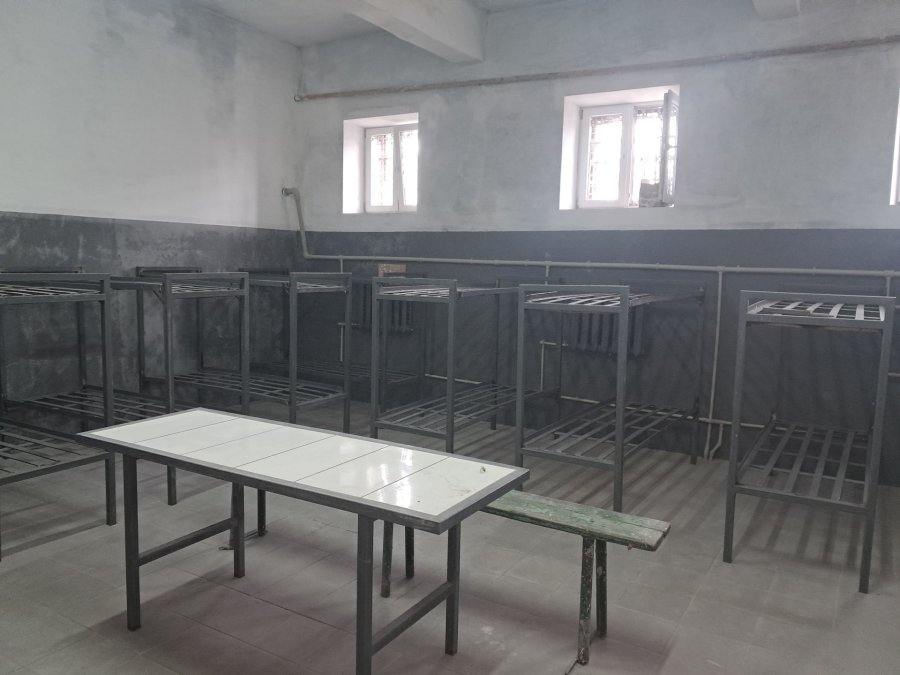
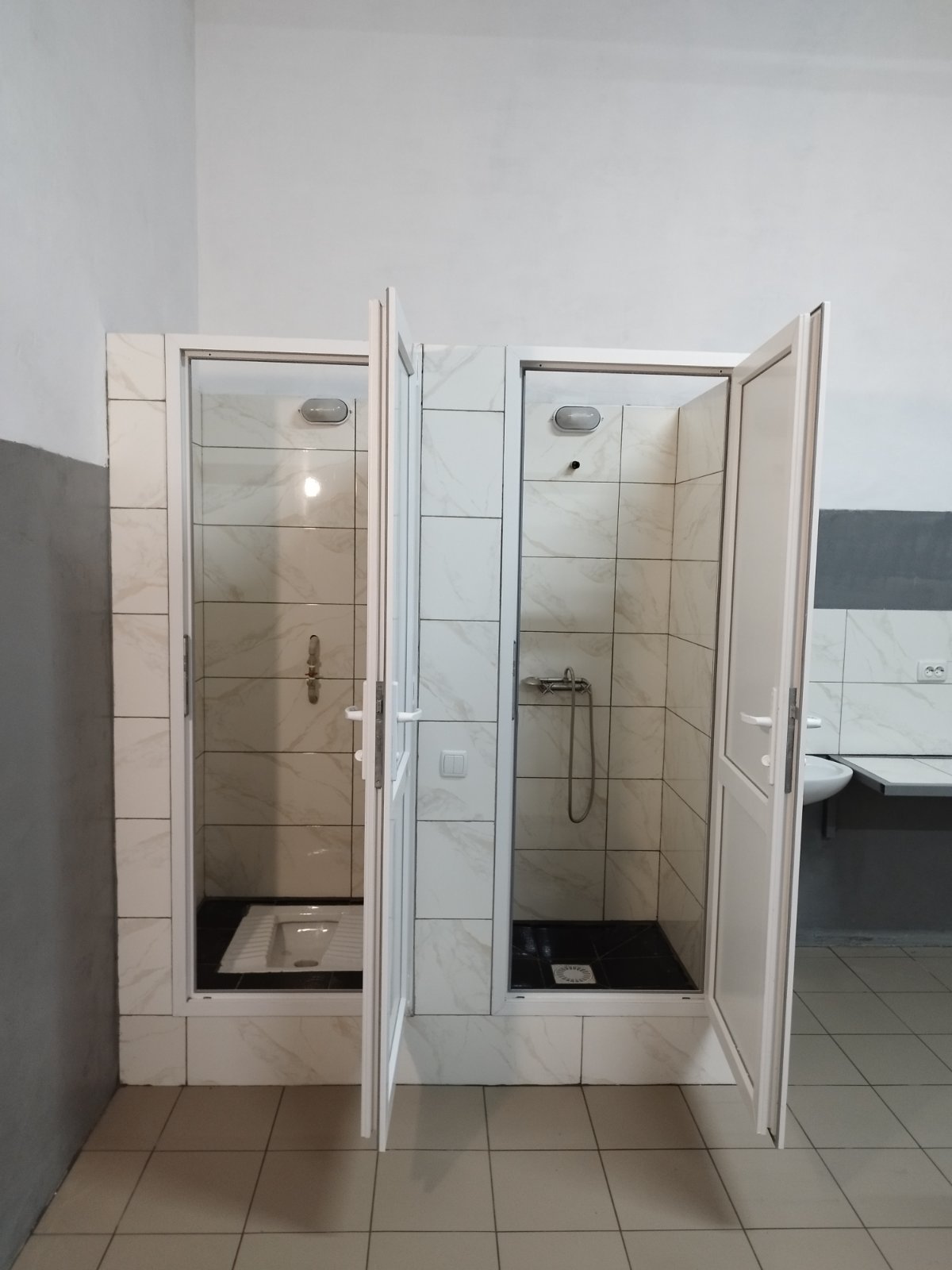
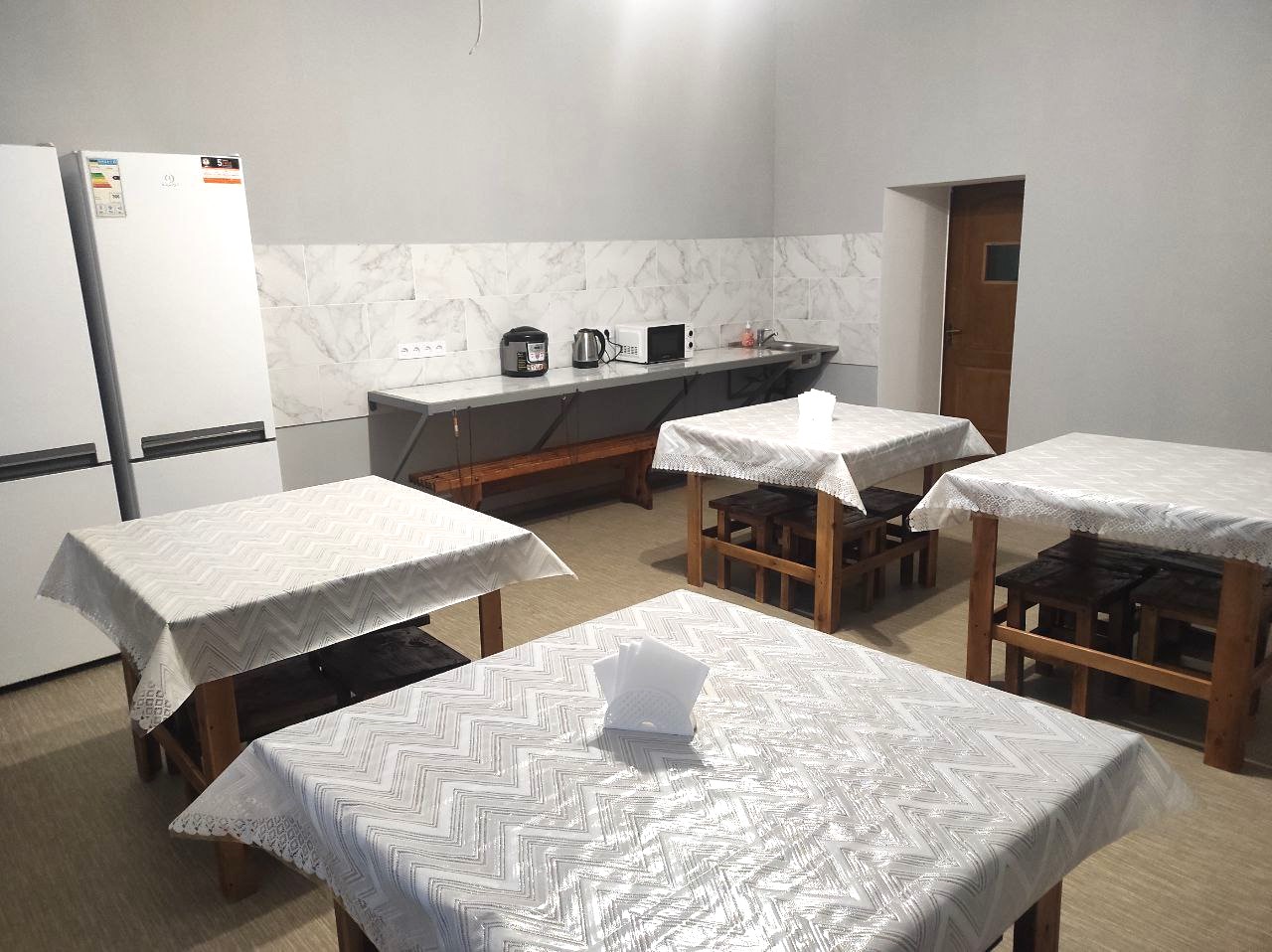
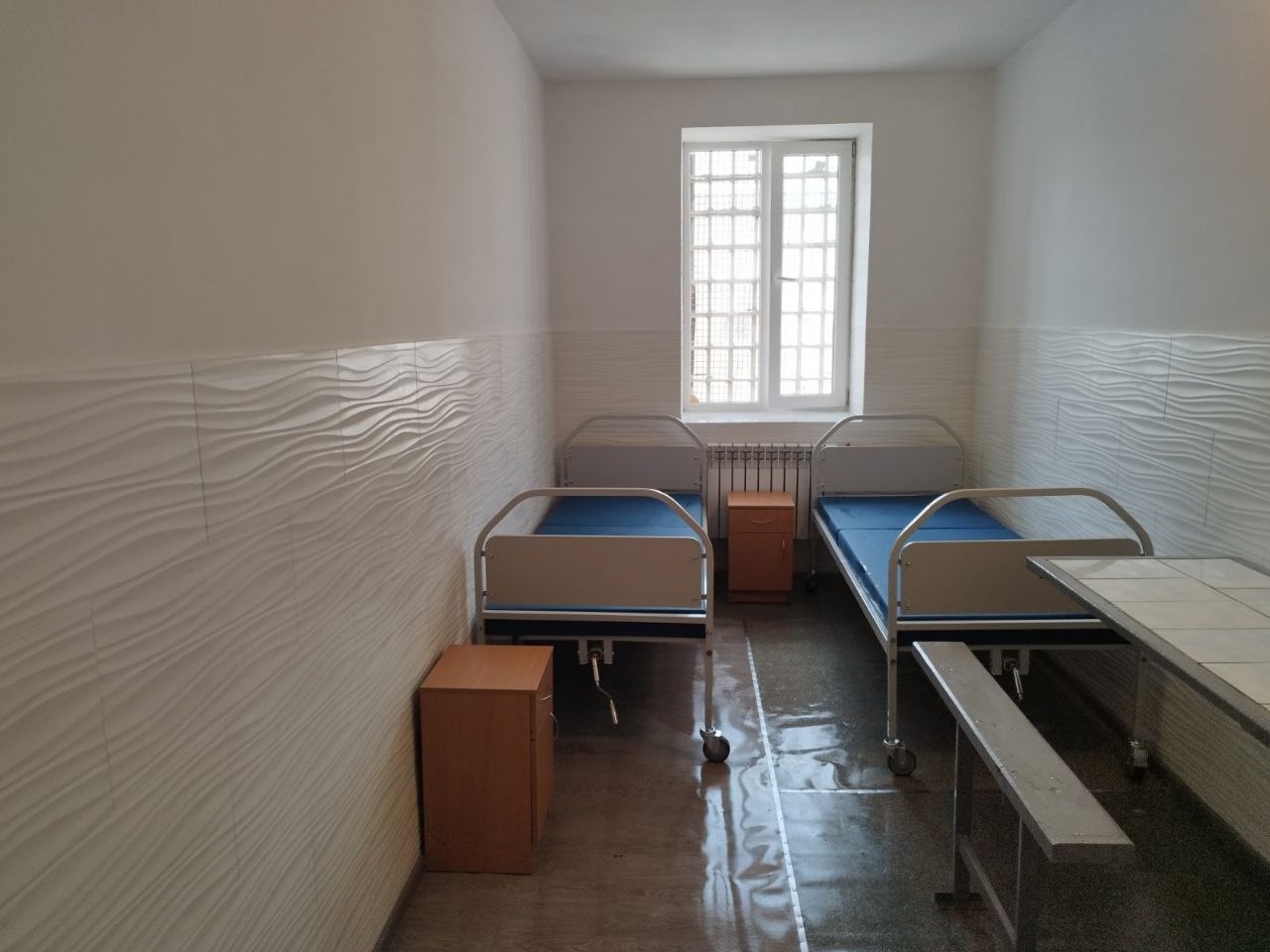
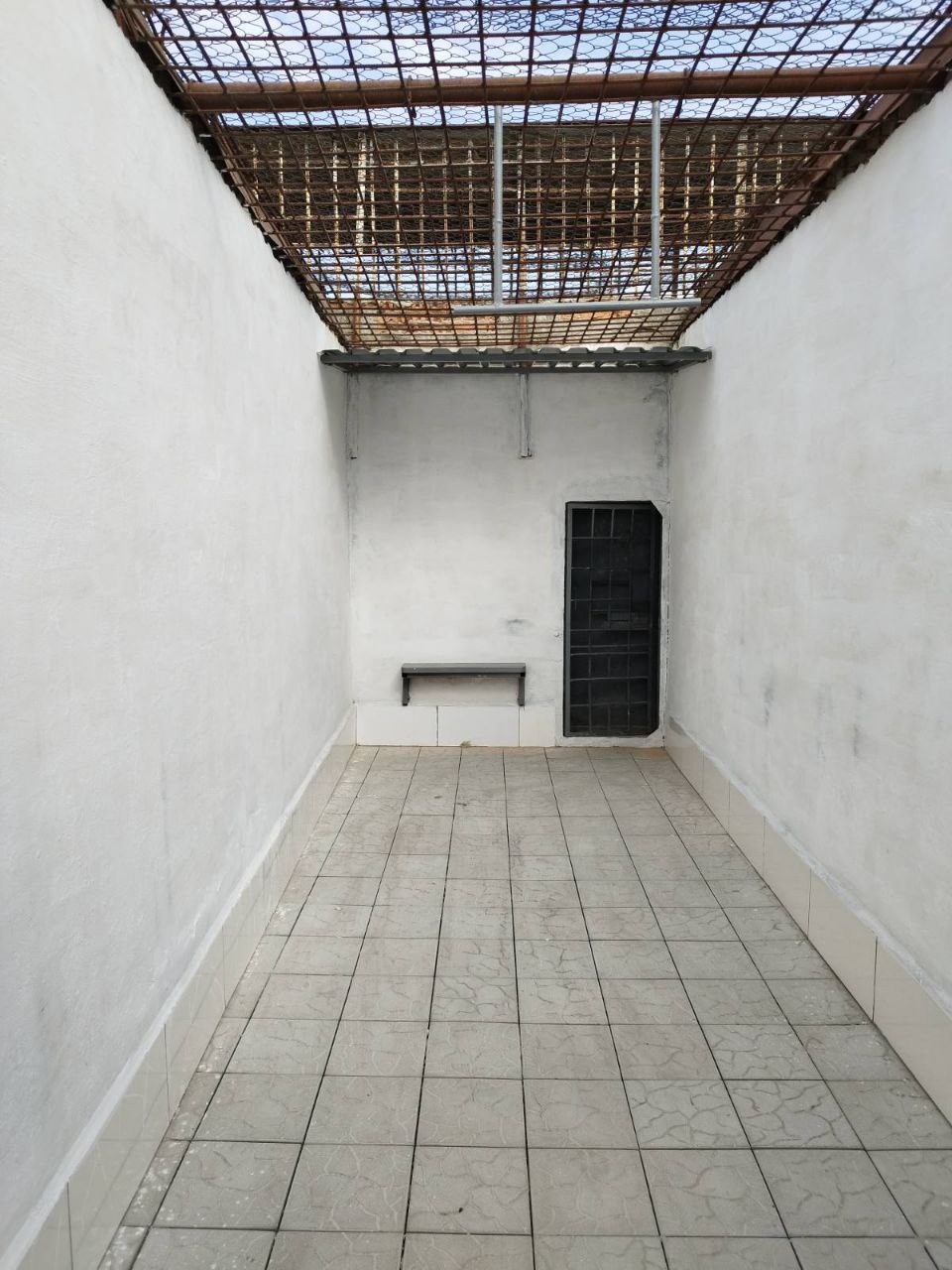
Repair works have been carried out in multi-bed cells, in the dining room of the utility service, in the cells-wards of the medical unit, and in the exercise yards.
Facts identified during the visit
In the course of the monitoring visit, violations of the requirements of national legislation and failure to comply with international recommendations in the field of treatment of prisoners were identified, which lead to violations of the rights of remand prisoners and convicted persons. In particular, the failure to comply with the legislative norms of area provided for the detention of persons taken into custody in cell premises. This may lead to the filing of new applications against Ukraine to the European Court of Human Rights on the basis of a violation of Article 3 of the Convention for the Protection of Human Rights and Fundamental Freedoms.
Thus, in violation of the second paragraph of Article 11 of the Law of Ukraine “On Pre-trial Detention” and paragraph 10 of the Standard Minimum Rules for the Treatment of Prisoners (Nelson Mandela Rules), 5 persons were in cell premise No. 125, whereas, according to the act of measuring the area of the premises of the institution’s structural sections, it is designed for the detention of only 4 persons.
Thus, the actual area per one remand prisoner was only 2.32 m², which does not meet the minimum norm of 2.5 m² established for persons taken into custody. As a result of the overcrowding of the cell and the presence of only four sleeping places, one of the remand prisoners was forced to sleep on the floor.
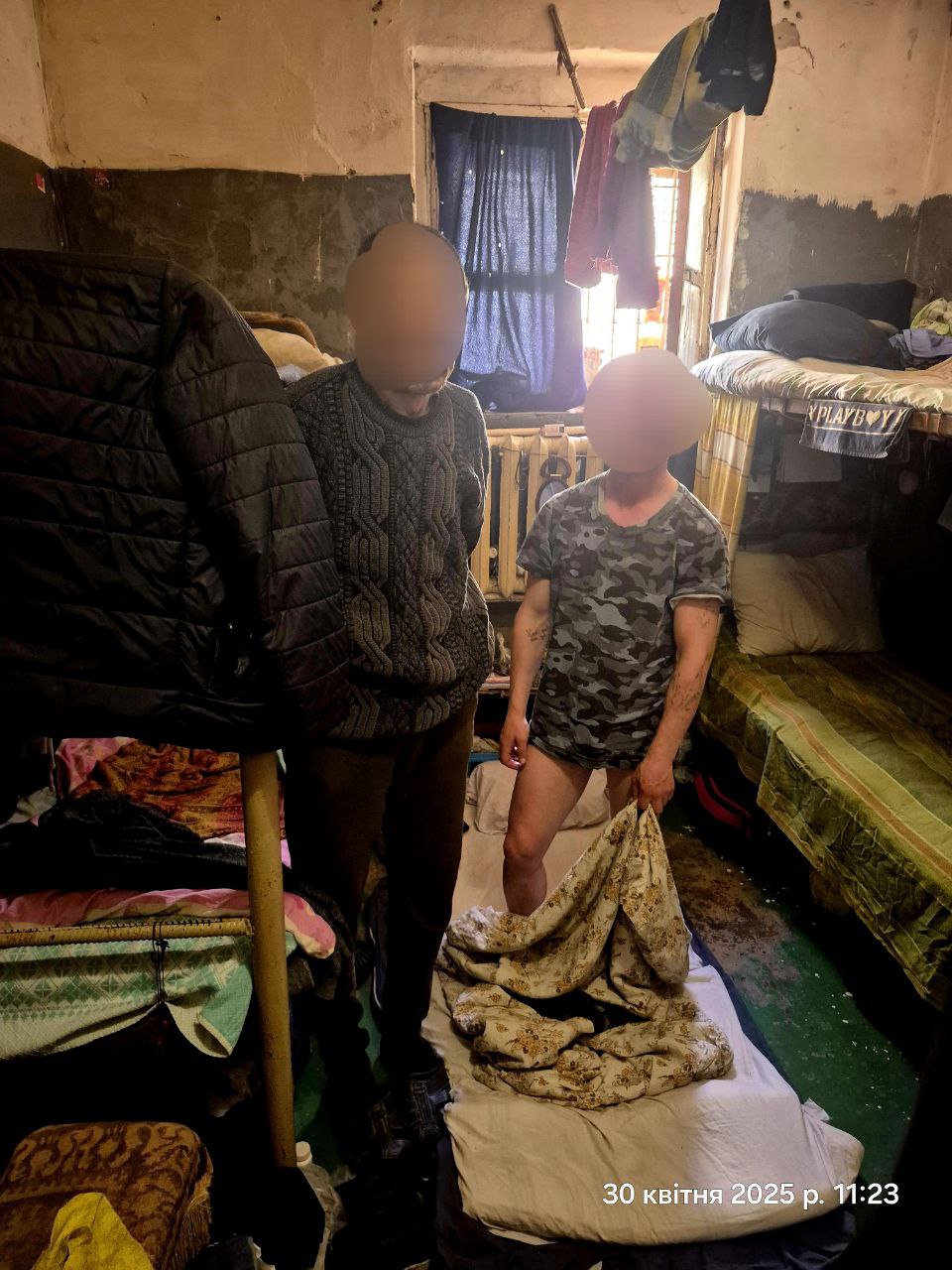
Similar violations were found in cell premises No. 129, 130, 132, 133, 136, 138, 148, and 150. Furthermore, in violation of paragraph 1 of Chapter 2 of Section III of the Internal Rules of Pre-trial Detention Centres of the State Criminal Executive Service of Ukraine, approved by the order of the Ministry of Justice of Ukraine dated 14.06.2019 No. 1769/5 (hereinafter — Internal Rules of SIZO), it was established that in a number of cell premises the actual availability of sleeping places exceeds the permissible limit for ensuring the legislatively provided norm of area per person.
Thus, in cell premises No. 129, 130, 131, 132, 133, and 135, which, according to the act of measuring living space, are designed for three places at the norm of 2.5 m² per person, there are four beds in each cell premise. Similar violations were found in cell premises No. 138, 150, and 152. This violation creates conditions for potential abuse by the administration and personnel of the institution in the context of compliance with the living space norm per person and does not ensure proper personal space for persons held in cell premises.
Paragraph 13 of the Seventh General Report of the European Committee for the Prevention of Torture and Inhuman or Degrading Treatment or Punishment (hereinafter — the Committee) notes that the problem with overcrowded cell premises leads to unhygienic conditions, a constant lack of privacy, and an overload of medical services and the institution’s infrastructure. The Committee concludes that quite often, the negative impact of overcrowding resulted in inhumane or degrading conditions of prisoner detention (CPT/Inf (97) 10).
In addition, the Committee, in its report on the results of the visit to Ukraine in 2023, once again calls on the Ukrainian authorities to take measures, in accordance with the Committee’s long-standing recommendation, to review existing legal norms regarding living space for persons taken into custody, to guarantee at least 4 m² per person in multi-occupancy cells (excluding the area occupied by in-cell toilets). (CPT/Inf (2024) 20, paragraph 38).
The equipment of certain cell premises of the institution does not meet the standards for the treatment of prisoners and the conditions of their detention according to their needs. Thus, paragraph 59 of the 21st General Report of the Committee notes that any cell smaller than 6 m² should no longer be used for the detention of prisoners (CPT/Inf (2011) 28).
In the report to the Government of Ukraine on the results of the visit to Ukraine in 2012, the Committee points out that any single cells must have a living space of not less than 6 m² (excluding the integrated toilet), and the distance between the walls must be at least 2 metres (paragraph 45, CPT/Inf (2013) 23).
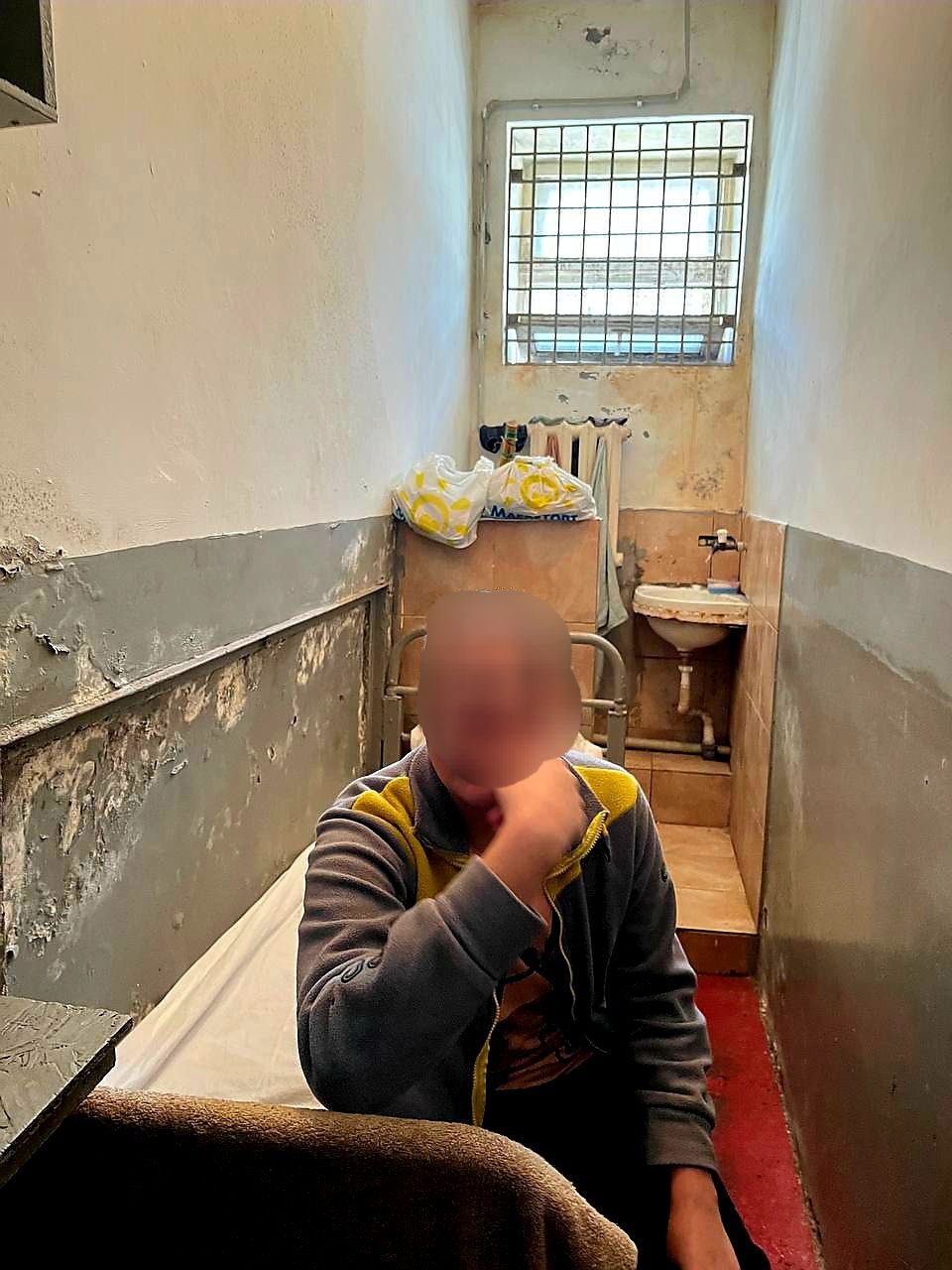
At the same time, the monitoring group identified a remand prisoner who was held in a single-occupancy cell for about 9 months. The cell does not meet the specified requirements: its area is only 4.31 m², and the distance between the walls is less than 2 metres. Due to the limited space, the prisoner was unable to move freely inside the cell, which causes physical discomfort.
The premises are not provided with an adequate level of natural lighting. Excessive humidity is observed on the walls and ceiling, which has led to significant damage to the finishing. Contrary to the requirements of Rule 22.5 of the European Prison Rules and the Standards for Provision with Furniture, Inventory, and Household Items of a Pre-trial Detention Centre, approved by the order of the Ministry of Justice of Ukraine dated 27 July 2012 No. 1118/5 (hereinafter — Provision Standards), the premise is not equipped with a drinking water tank, due to which the prisoner is forced to use technical water from the central water supply. There is no bench. The bathroom is not equipped with a door or sufficient partitions that would ensure the possibility of privacy, which is a violation of Rule 19.3 of the European Prison Rules.
Such conditions do not meet paragraphs 13, 14, and 15 of the UN Standard Minimum Rules for the Treatment of Prisoners and testify to the violation of the rights of prisoners to humane treatment and respect for their human dignity, provided for by Part 3 of Article 1 of the Law of Ukraine “On Pre-trial Detention”.
Furthermore, according to paragraph 53 of the 21st General Report of the Committee, solitary confinement can have an extremely devastating impact on the psychological, somatic, and social health of persons, and these consequences can arise immediately and intensify depending on the duration of such a regime and the degree of its uncertainty. In addition, it can create conditions for intentional ill-treatment of prisoners out of the sight of other prisoners and prison staff (CPT/Inf (2011) 28).
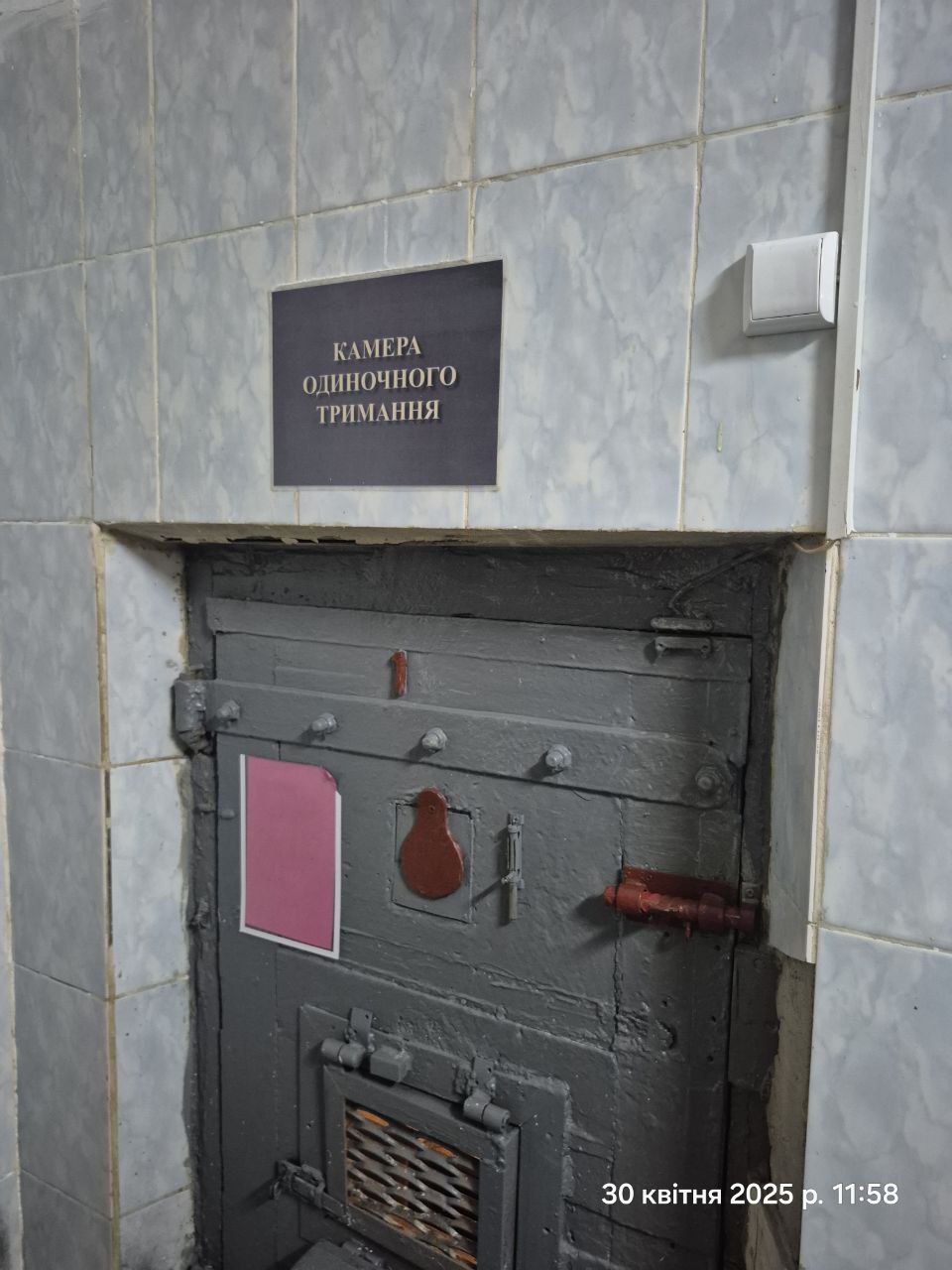
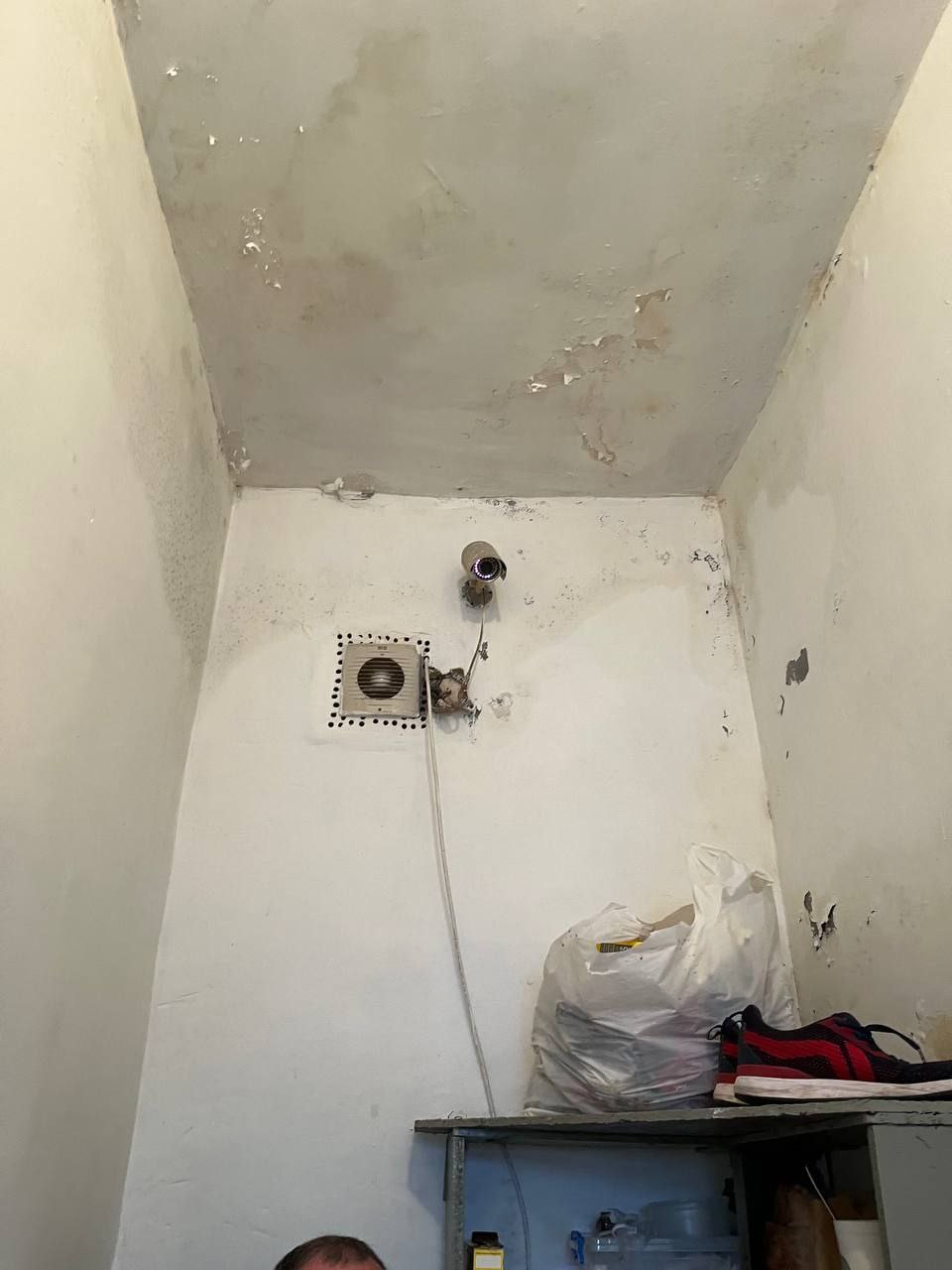
1. Paragraph 4 of Chapter 2 of Section III of the Internal Rules of SIZO defines that to prevent escapes and the commission of criminal offences, violations of the procedure for custody and serving sentences established by legislation, as well as to ensure the safety of remand prisoners, convicts, SIZO staff, and other persons on the territory of the SIZO, audiovisual, electronic, and other technical means are applied. Thus, during the inspection of the solitary confinement cell, a surveillance camera was recorded.
At the same time, in its report in 2012, the Committee criticised the excessive interference with privacy through the installation of video cameras in the living quarters of convicts: “The CPT agrees that video surveillance in cells can be a useful safeguard in specific cases, for example, when a person is considered to be of concern regarding the risk of self-harm or suicide, or if there are specific suspicions that a convict is carrying out certain actions in the cell that could jeopardise safety.
However, any decision to apply video surveillance to a specific convict must always be based on an individual assessment of real risks and must be reviewed frequently on a regular basis. Video surveillance is a serious intrusion into the private life of prisoners and makes the regime even more repressive, in particular, when applied over a long period of time. (CPT/Inf (2013) 23) paragraph 52).
2. In violation of Article 8 of the Law of Ukraine “On Pre-trial Detention” and paragraph 17.2 of the European Prison Rules, the monitors established cases of violation of the requirements regarding the separate detention of prisoners. Thus, during a selective check, it was established that in cell premises No. 115, 138, 155, and 307, persons who had previously served sentences in places of deprivation of liberty were held together with a person (or persons) being held criminally liable for the first time.
This indicates a systemic failure by the institution’s administration to comply with the requirements for ensuring proper control over the placement of prisoners, does not comply with the principles of dynamic security, and leads to a violation of the prisoners’ rights to personal safety, which contradicts national legislation and international standards, in particular Article 3 of the Convention for the Protection of Human Rights and Fundamental Freedoms.
3. During the visit to the premises of the intake ward, it was established that their equipment does not fully comply with the requirements of the Provision Standards. Thus, the intake ward lacks the following premises: a room for the regime and security department; a photo lab; a treatment room; a hairdresser; a changing room; a reception area for the disinfection chamber; a shower room; a room for undressing; quarantine cells; cells for sick persons (isolation cell); rooms for distributing food, storing food products, and washing tableware.
In turn, the absence of a quarantine cell and a cell for sick persons (isolation cell) in the institution’s intake ward creates conditions for the spread of infectious diseases among new arrivals, increases the risk of epidemiological outbreaks, and complicates the timely detection and isolation of sick persons, which can pose a threat both to the held persons and to the institution’s staff.
Natural light does not penetrate into cell premises No. 1 and 2 of the intake ward due to the absence of windows, which can create additional psychological pressure on prisoners due to the lack of any, even visual, connection with the outside world. There is no supply-and-exhaust ventilation. Contrary to the requirements of Rule 22.5 of the European Prison Rules and the Provision Standards, the cell premises are not equipped with drinking water tanks.
At the same time, the Committee in its 11th General Report notes that security measures should never involve depriving prisoners of natural light and fresh air, the right to which every prisoner has. Moreover, the lack of sunlight and fresh air creates conditions favourable for the spread of diseases — in particular, tuberculosis. (paragraph 30 (CPT/Inf (2001) 16).
In cell premise No. 3 of the intake ward, the monitoring group established the presence of a window equipped with tinted (darkened) glass, due to which natural light practically does not penetrate into the premise.
In its report on the results of the visit to Ukraine in 2020, the Committee already drew attention to this and recommended taking measures to review the design of windows in cells in order to allow prisoners to see what is outside the cell. (CPT/Inf (2020) 40) paragraph 48).
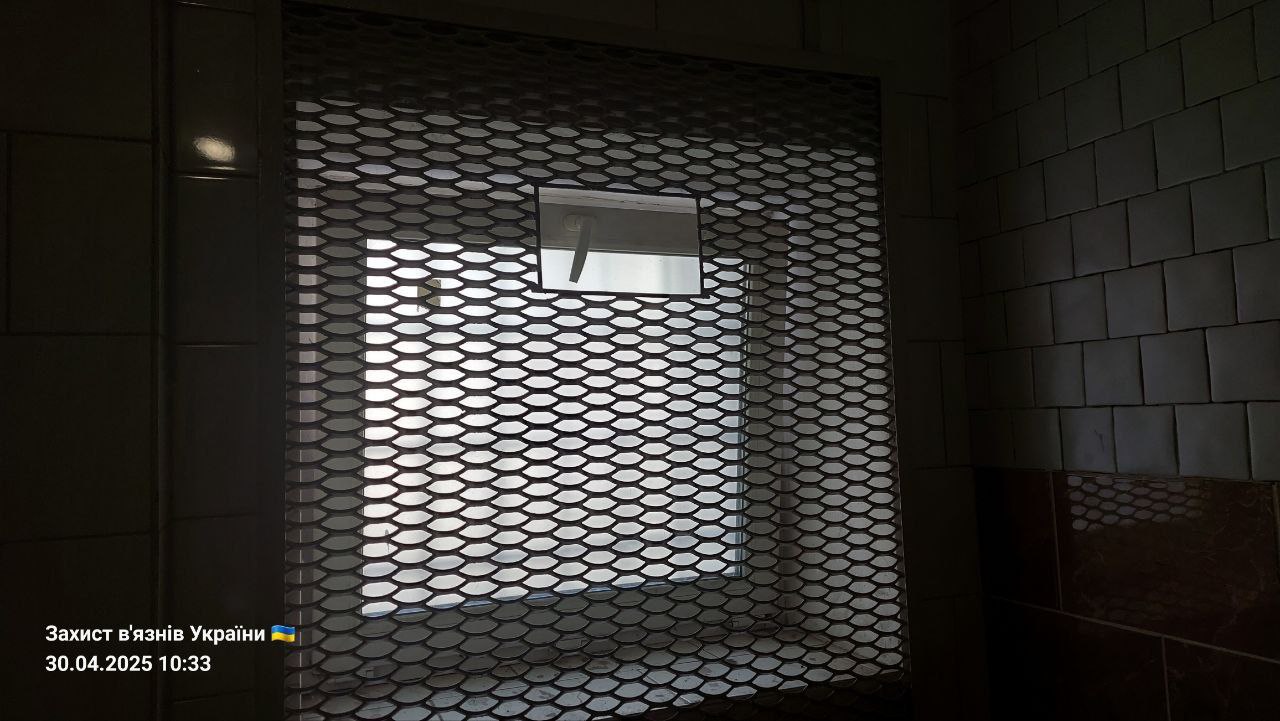
4. In cell premises, violations of Article 8 of the Convention for the Protection of Human Rights and Fundamental Freedoms, which guarantees the right to respect for private life, were identified. Thus, contrary to Rule 18.1 of the European Prison Rules, beds in separate cell premises are located close to each other, which does not provide prisoners with personal space (cells No. 148, 149, 150, 152, etc.).
Bathrooms in some cells are not equipped with sufficient partitions or doors that ensure the possibility of privacy, which violates the requirement of Rule 19.3 of the European Prison Rules (cells No. 125, 129, 130, 132, 133, 136, 138, 148, 150, 152, etc.).
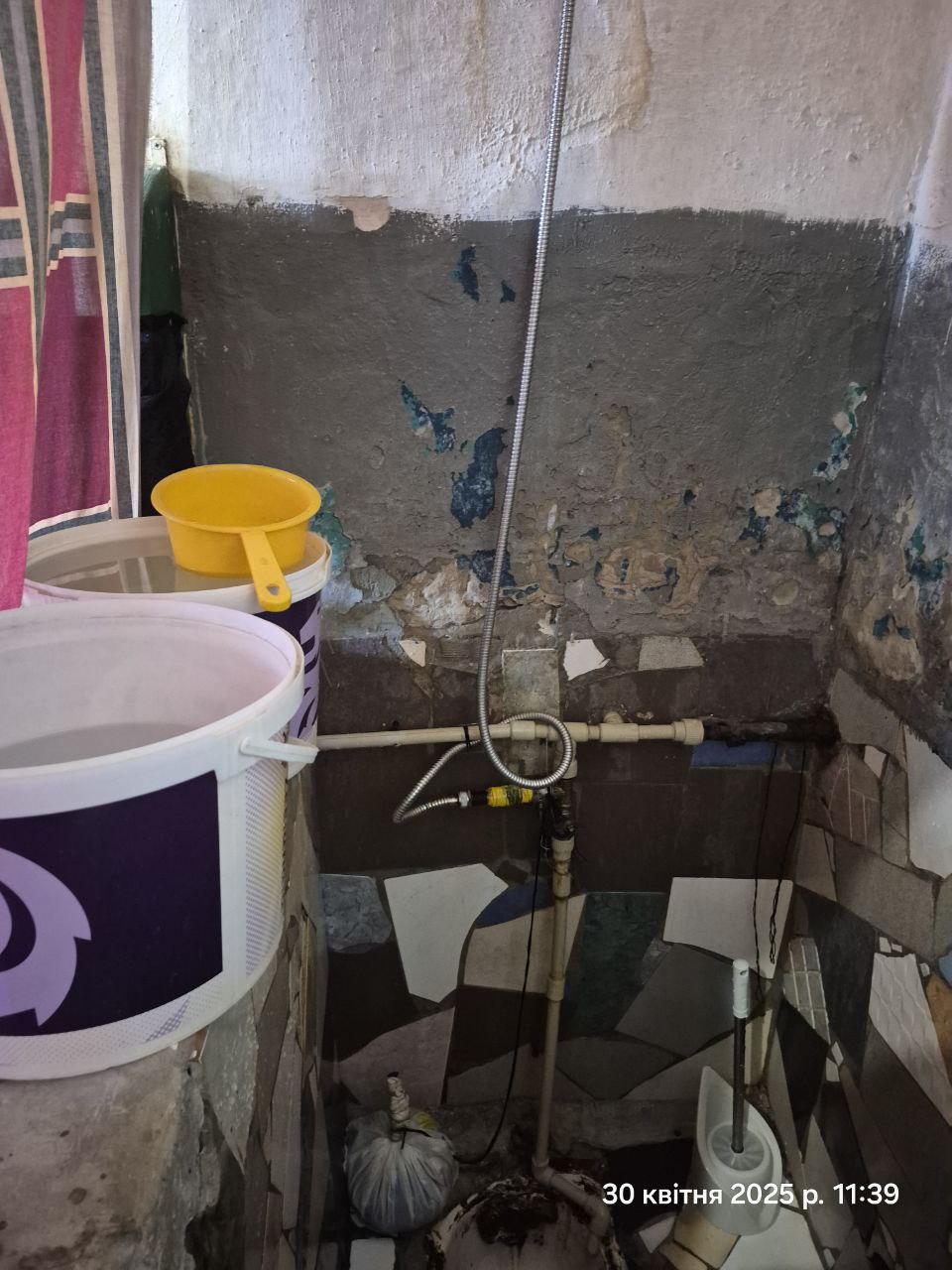
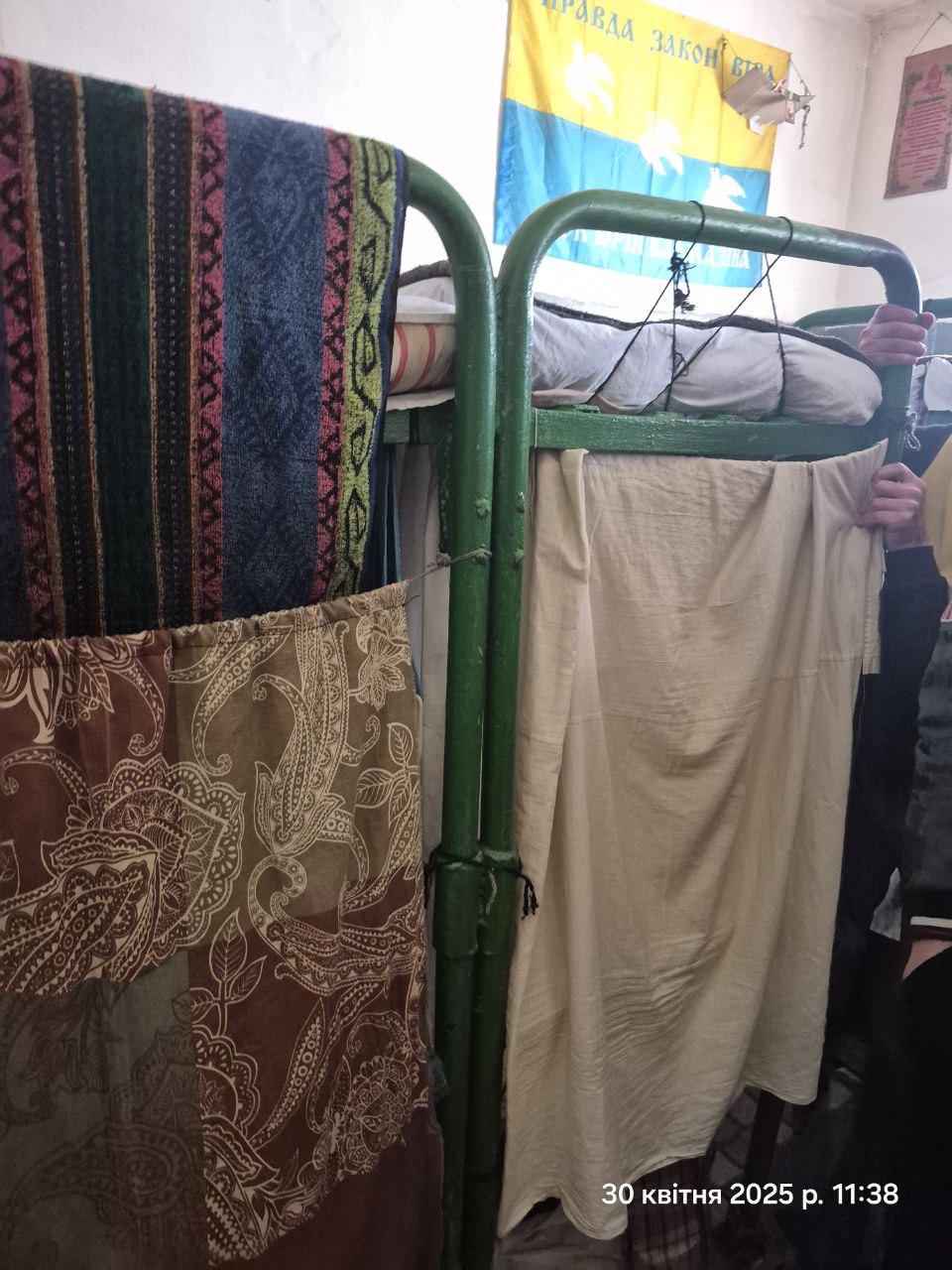
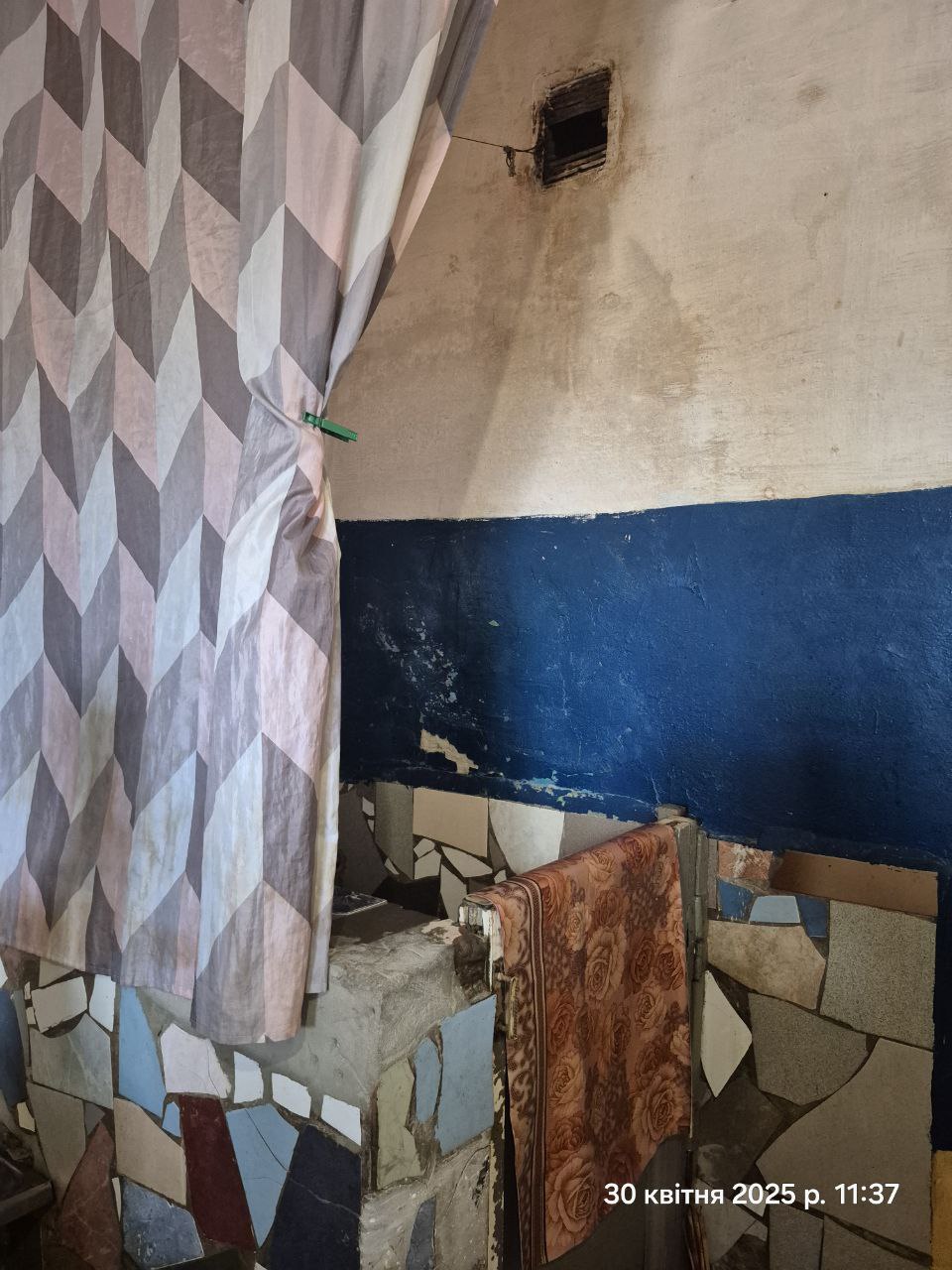
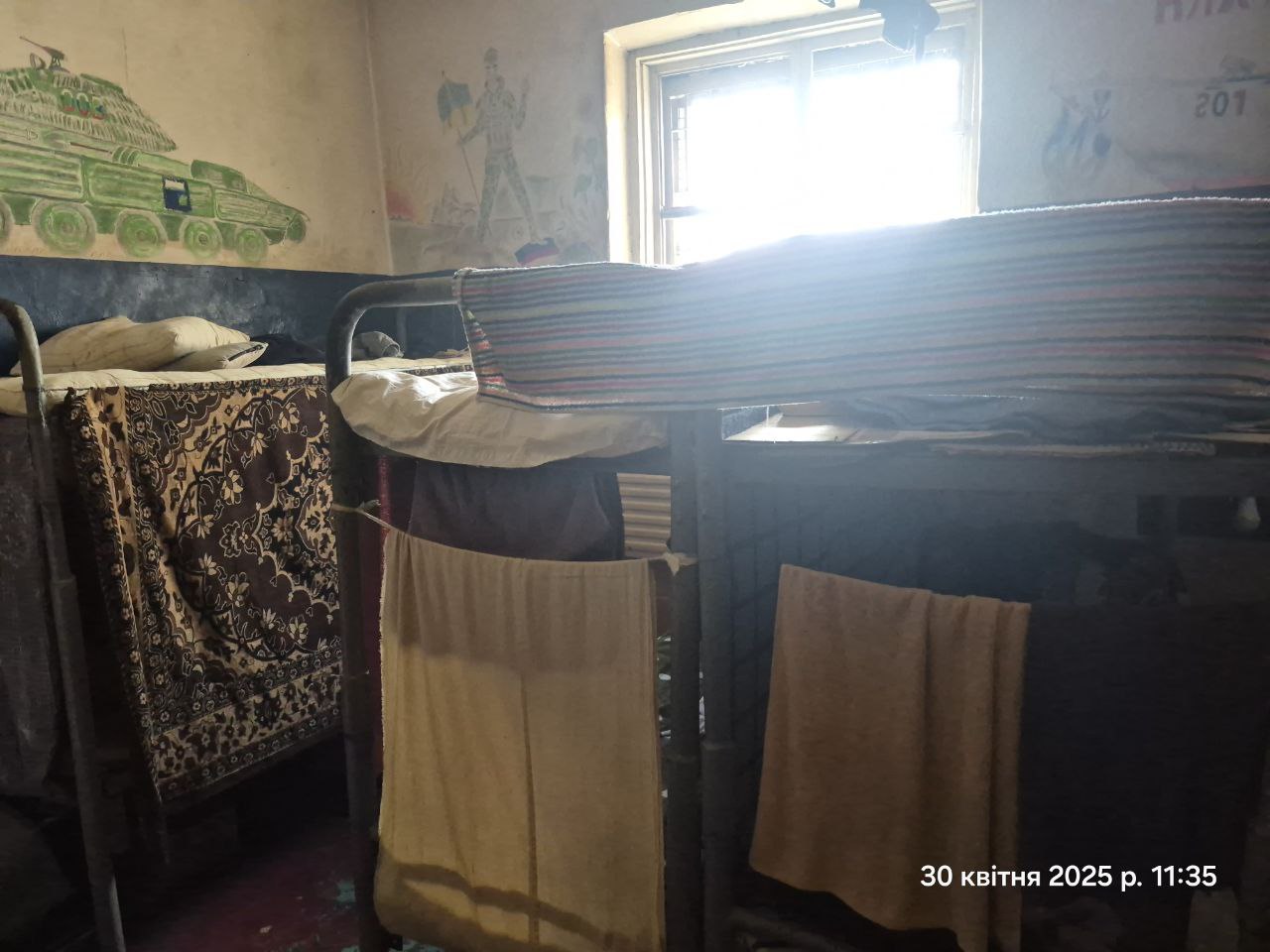
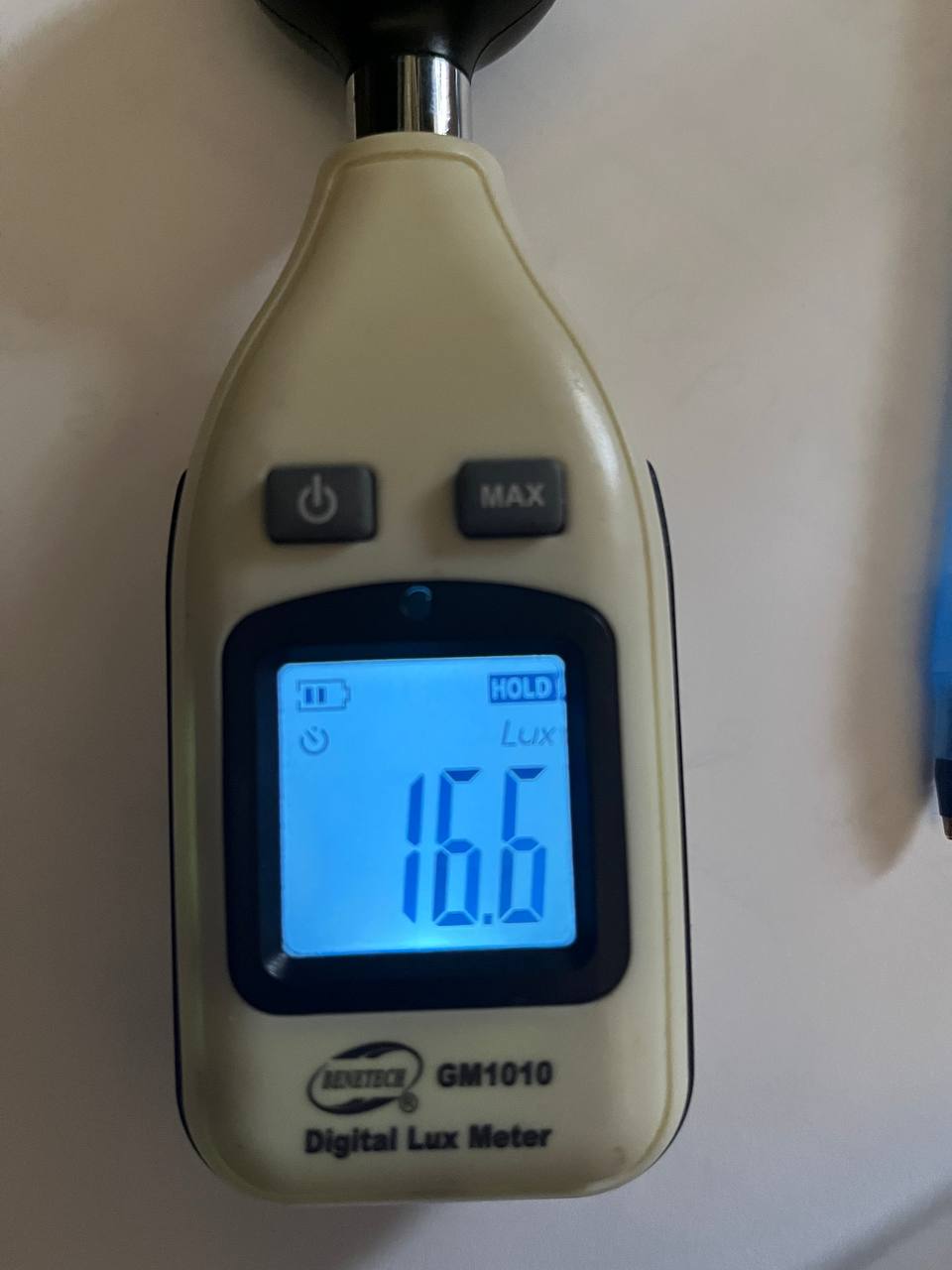
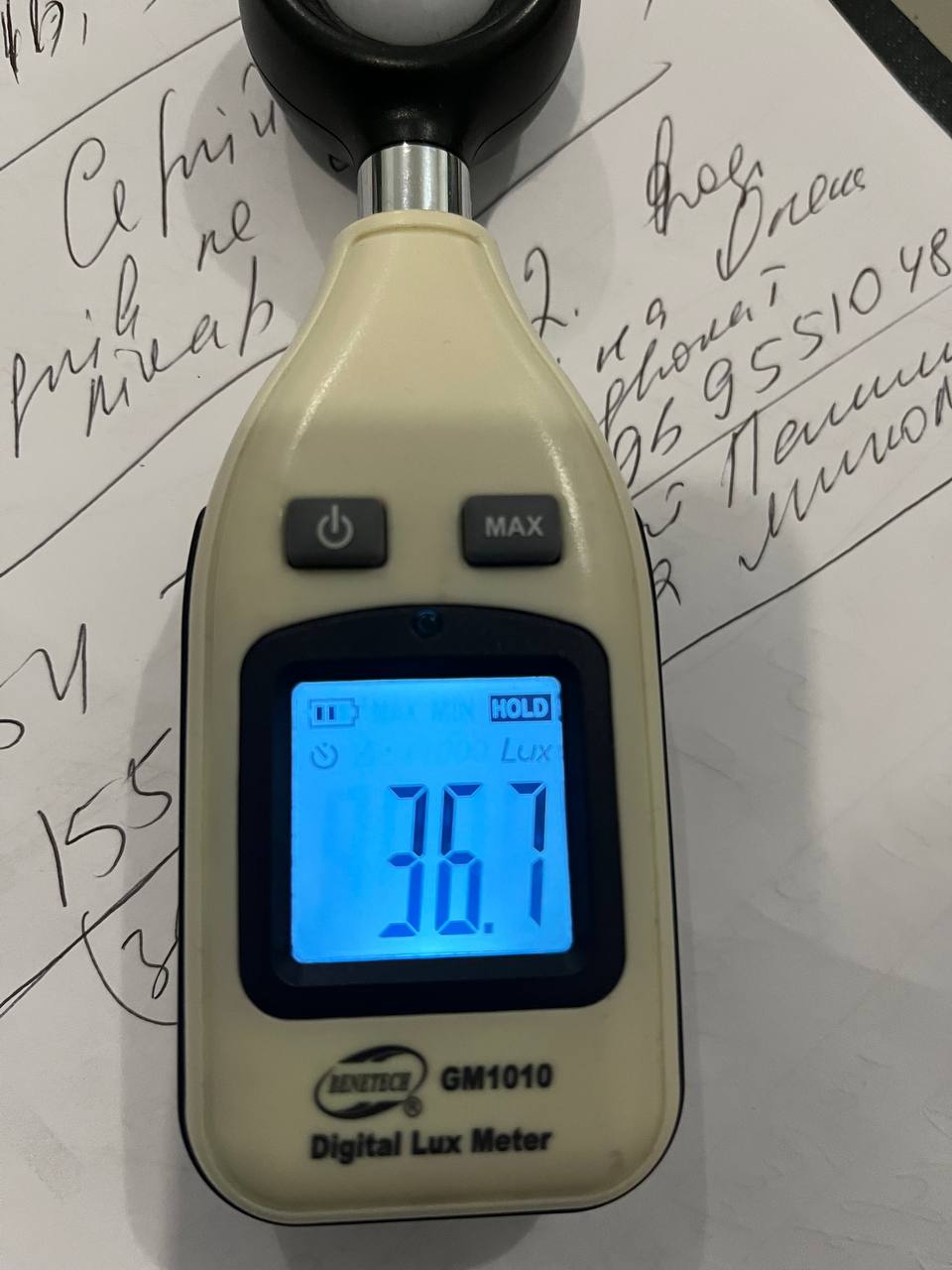
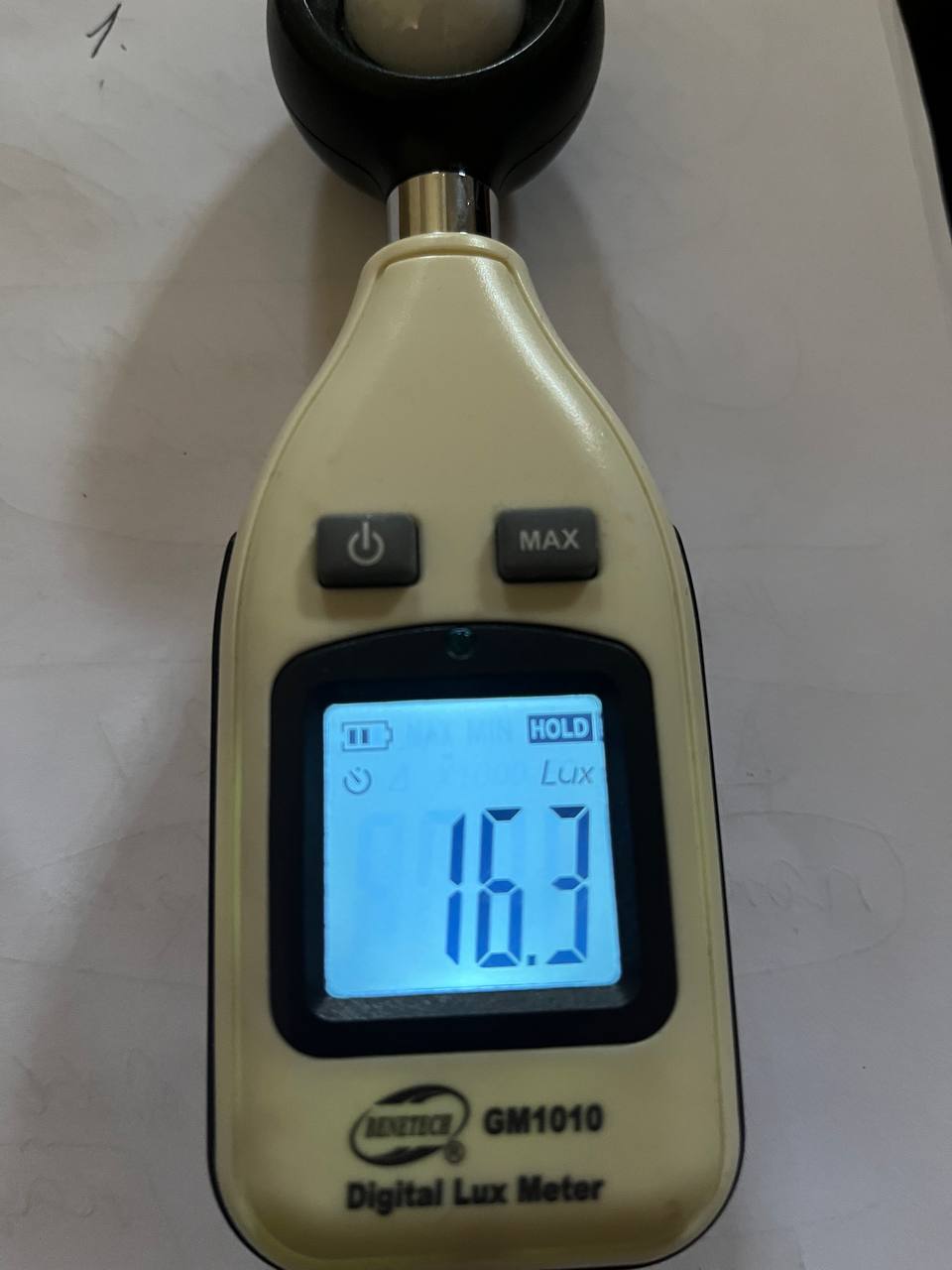
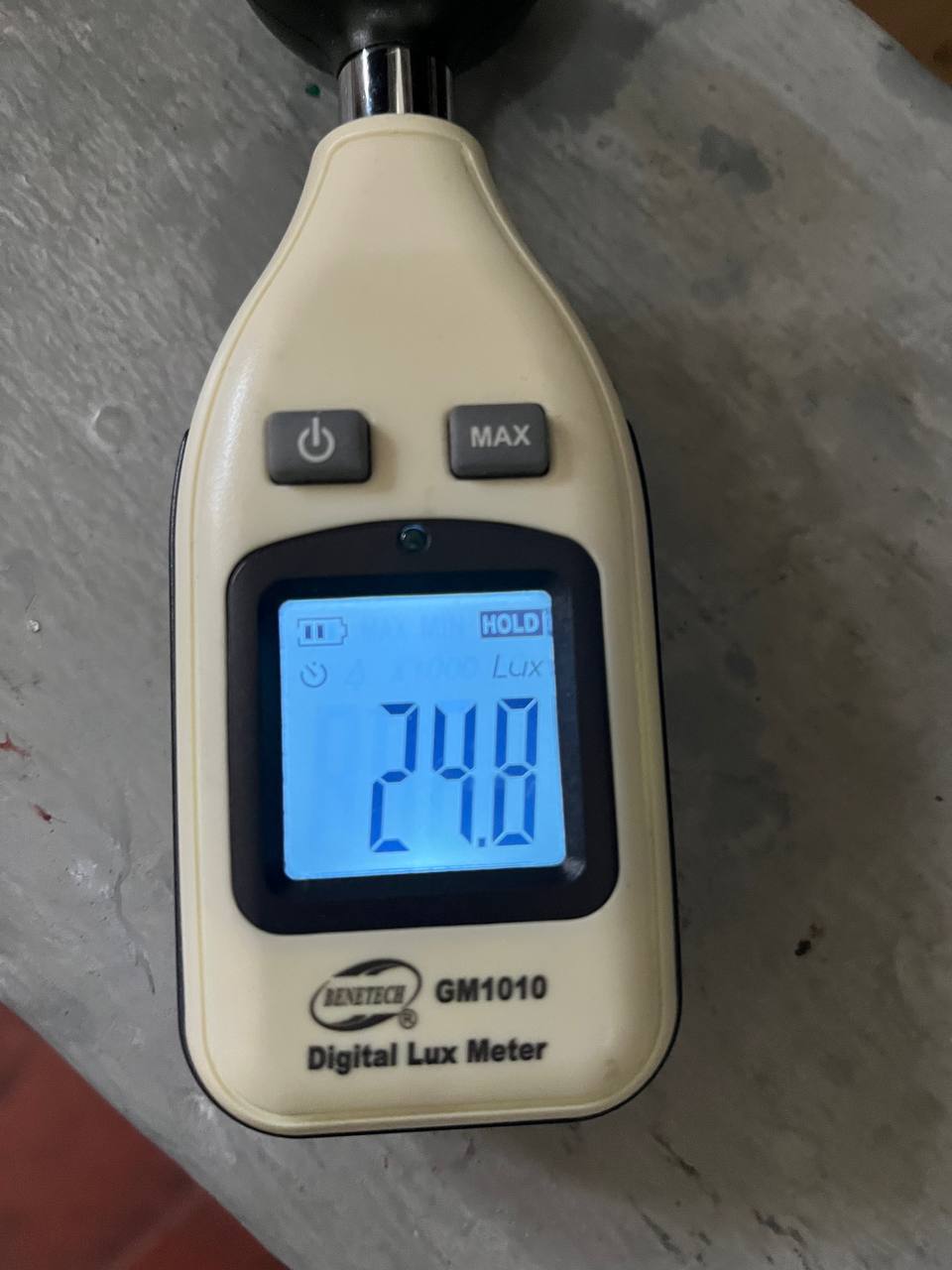
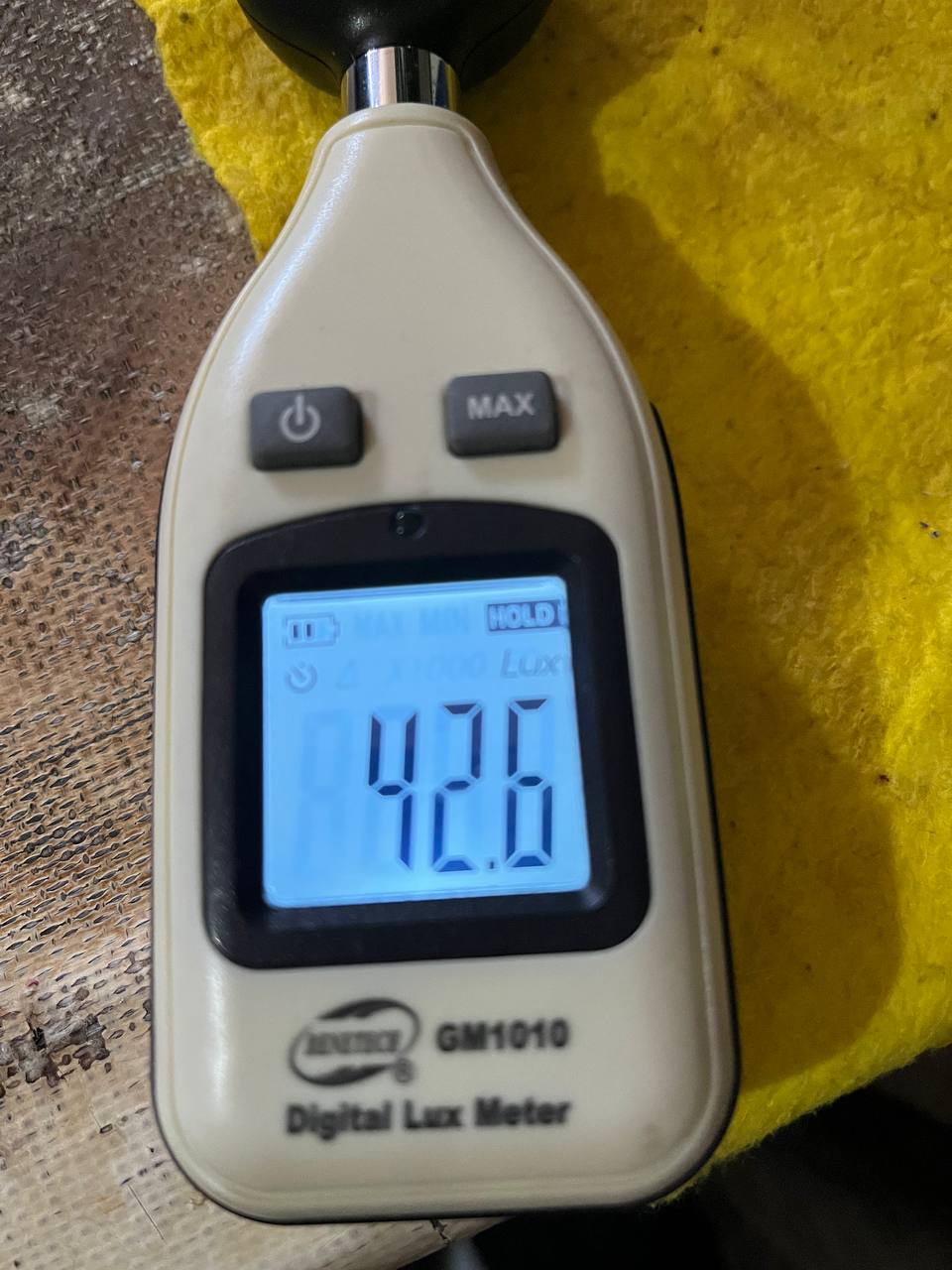
In addition, in violation of the requirements of Article 11 of the Law of Ukraine “On Pre-trial Detention”, prisoners are not provided with proper material and living conditions that meet the rules of sanitation and hygiene. In particular, a low level of natural and artificial lighting was recorded in the cells, which does not meet the requirements of DBN V.2.5-28:2018, where the minimum illumination of living quarters is set at 150 LUX.
Thus, in cell No. 133, 16.6 LUX of natural light was recorded, in cell No. 128 — 36.7 LUX of artificial light, in cell No. 152 — 16.3 LUX of artificial light, in cell No. 124 — 24.8 LUX of natural light, in cell No. 148 — 42.6 LUX of artificial light.
Most cell premises are not equipped with drinking water tanks; there is no proper ventilation. Prisoners are forced to wash and dry clothes directly in the cells, which indicates improper organisation of providing bath and laundry services in the institution.
During the monitoring visit, it was established that female prisoners are forced to use three-tier beds for sleeping, which contradicts the requirements of paragraph 18 of the European Prison Rules.
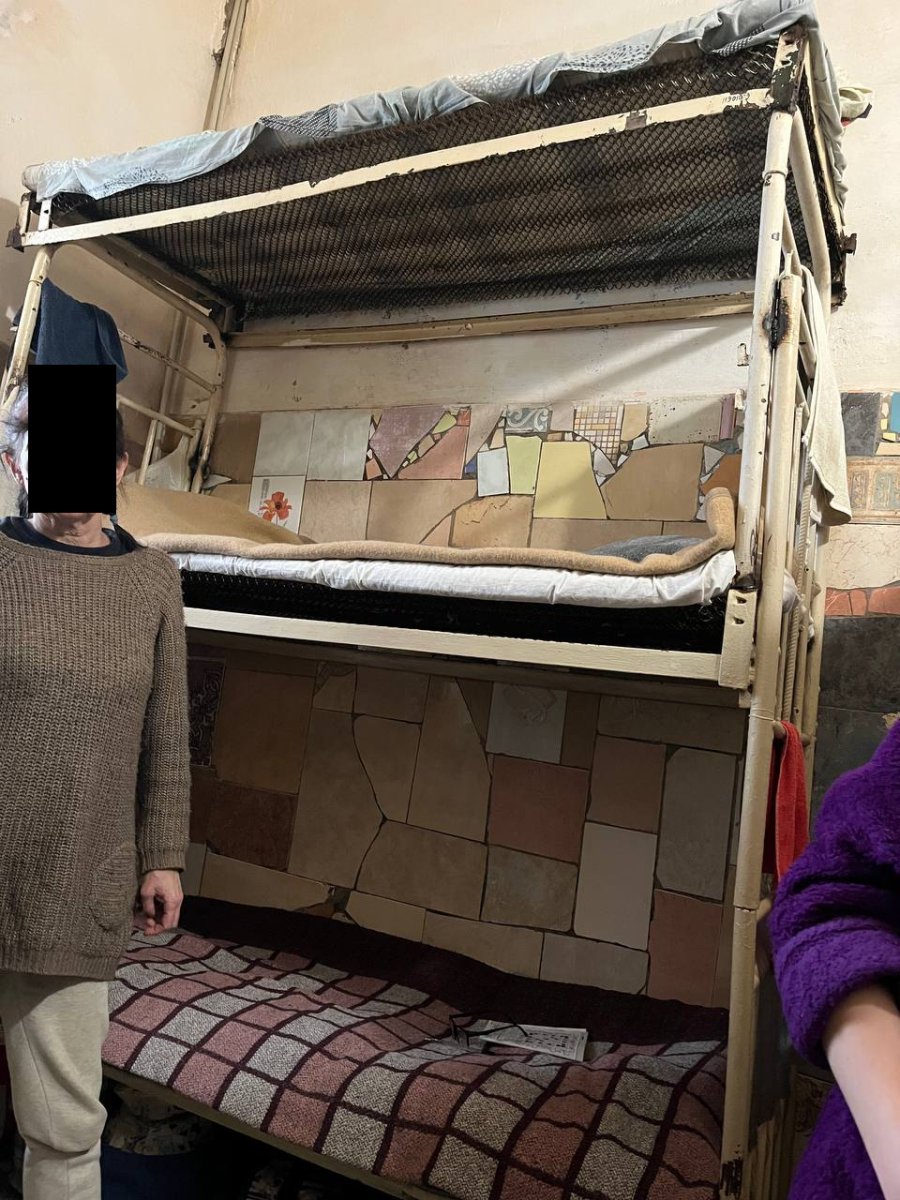
According to this paragraph, the placement of prisoners, in particular, the provision of sleeping places, must be carried out with respect for human dignity, with the provision of privacy, as well as in accordance with sanitary and hygienic requirements, taking into account climatic conditions, the area of the premise, lighting, etc.
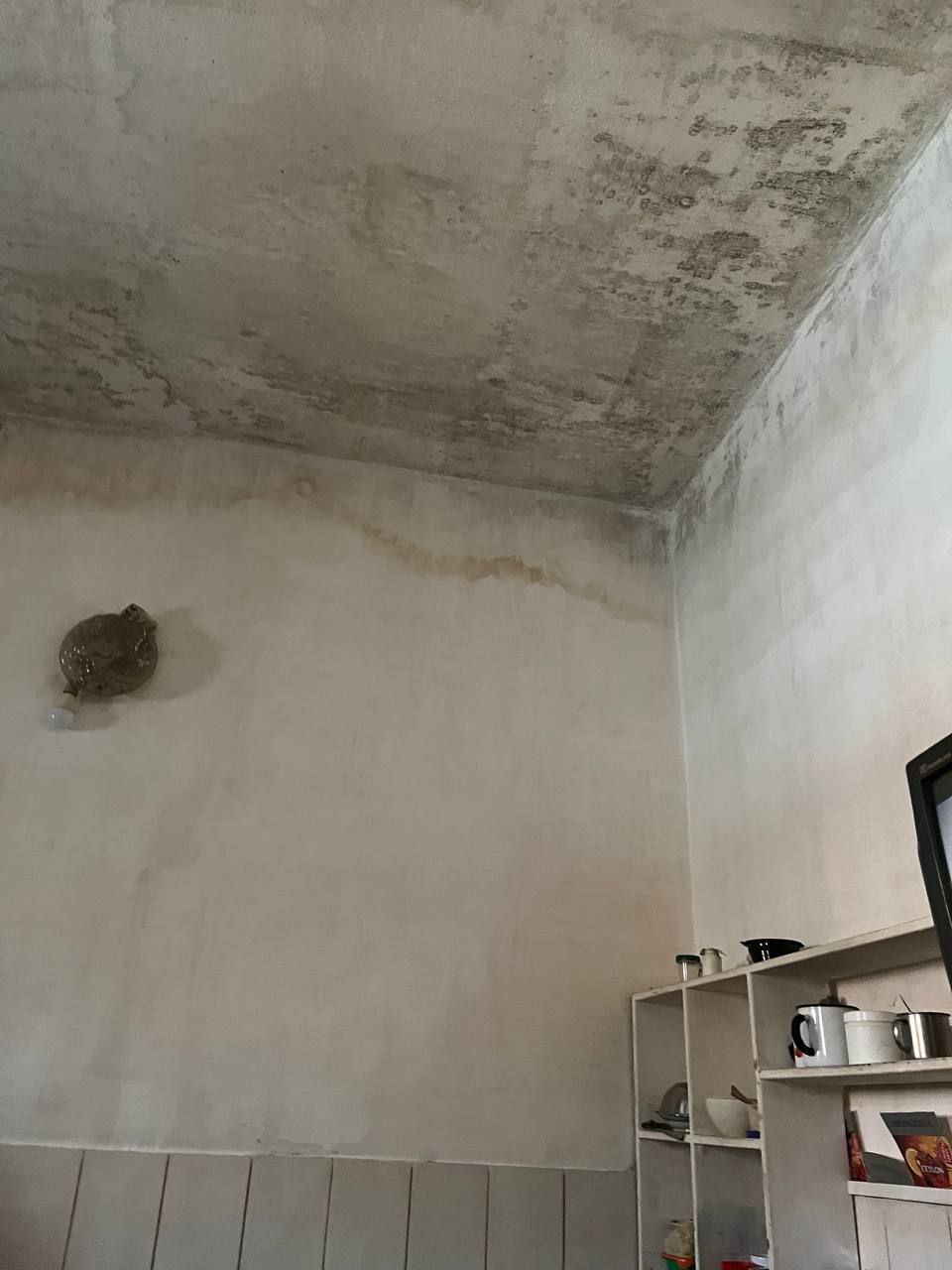
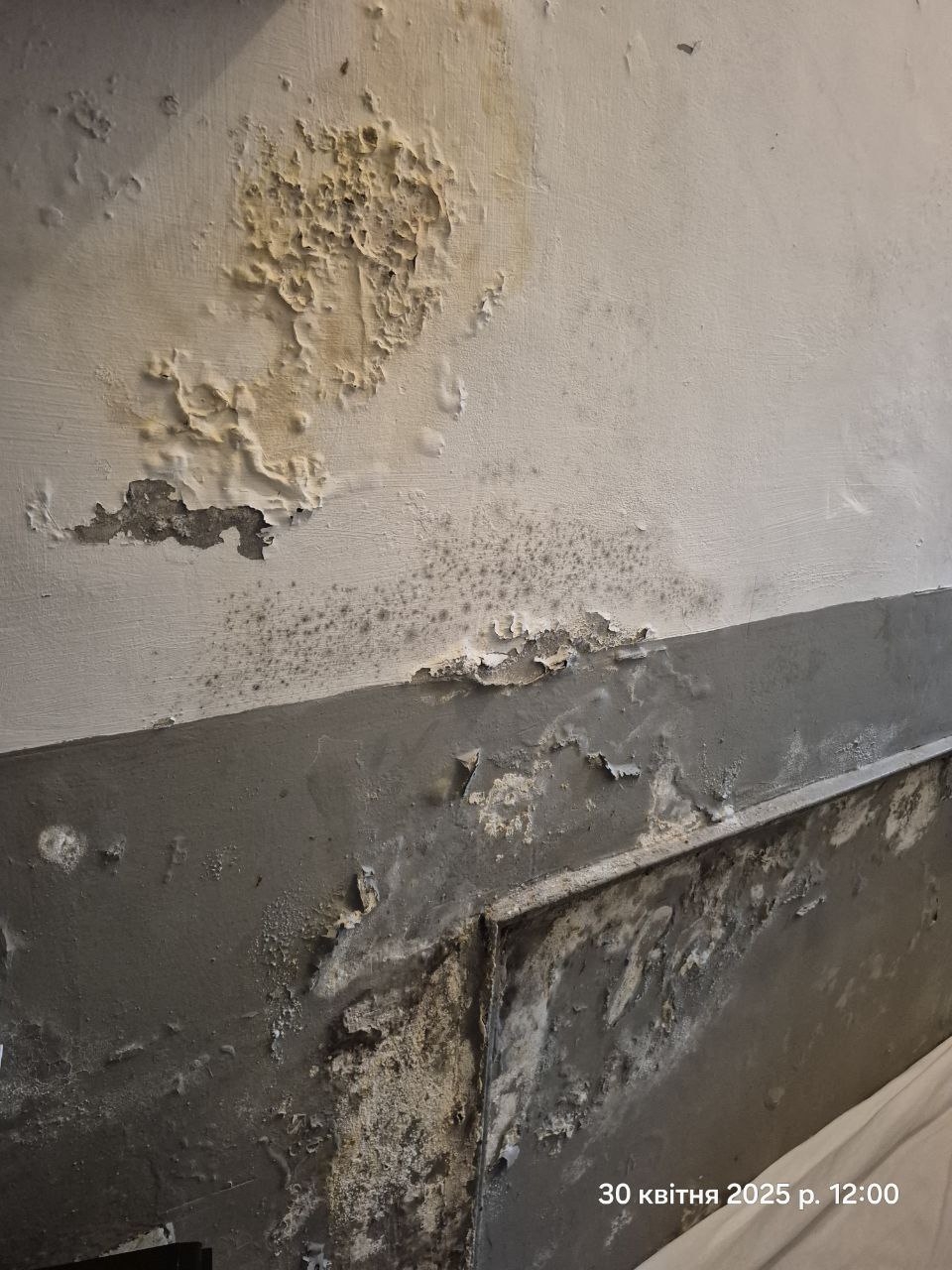
Separate cells require repair works, in particular, the replacement of sanitary equipment and elements of the electrical network. In a number of premises, excessive humidity is observed; the ceiling and walls are covered with mould due to water leakage.
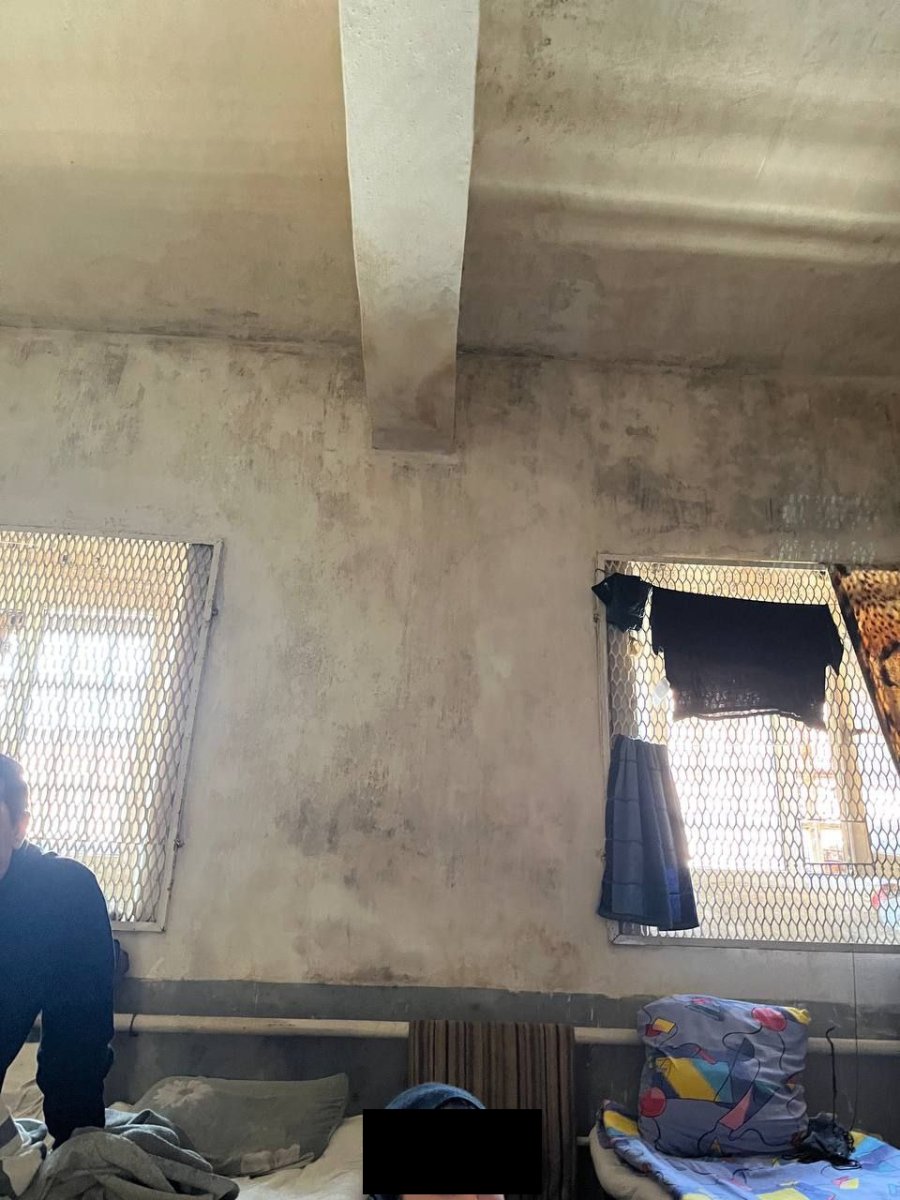
The cells are excessively cluttered with personal belongings.
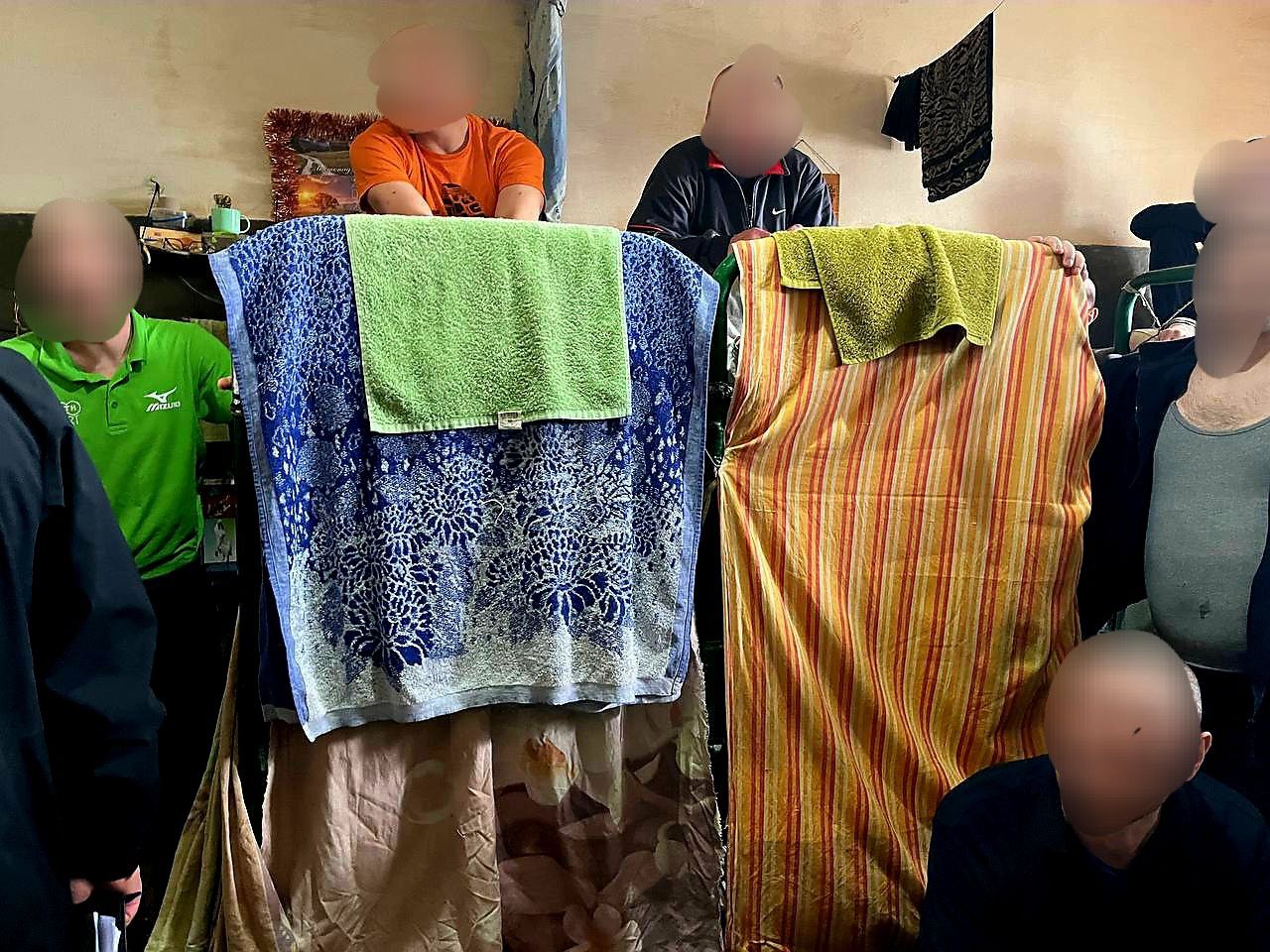
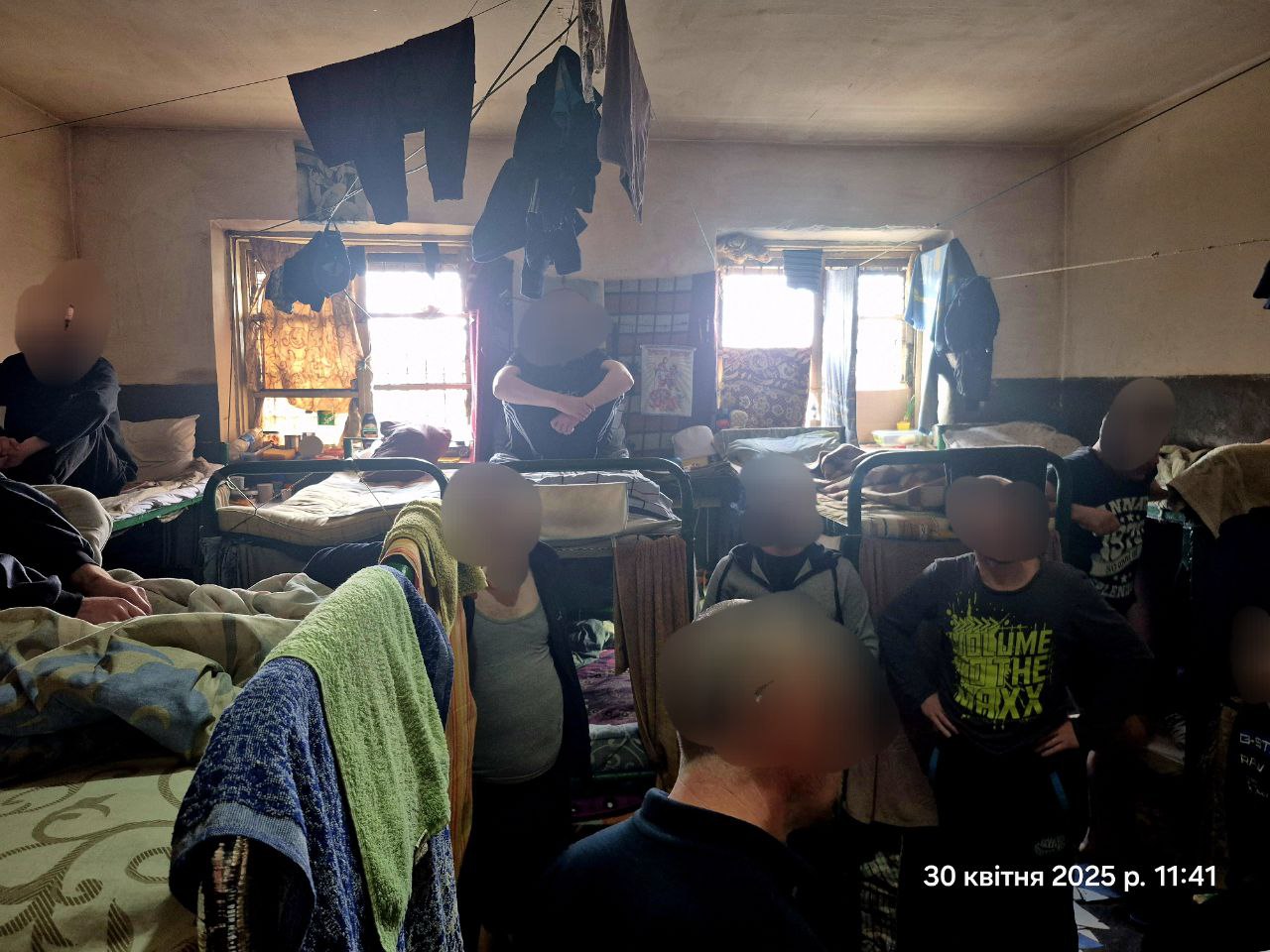
Bed linen and mattresses are worn out and need replacement.
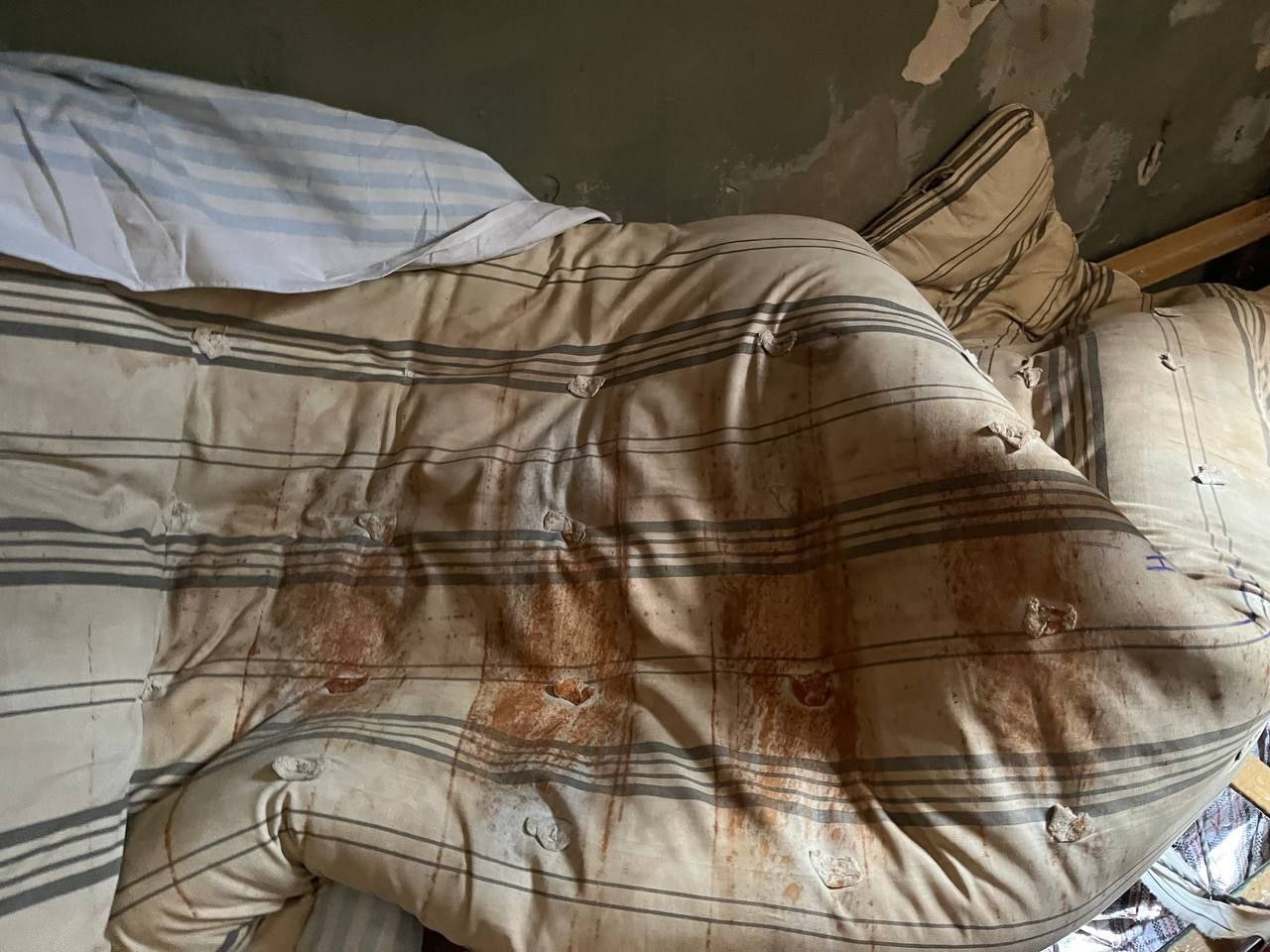
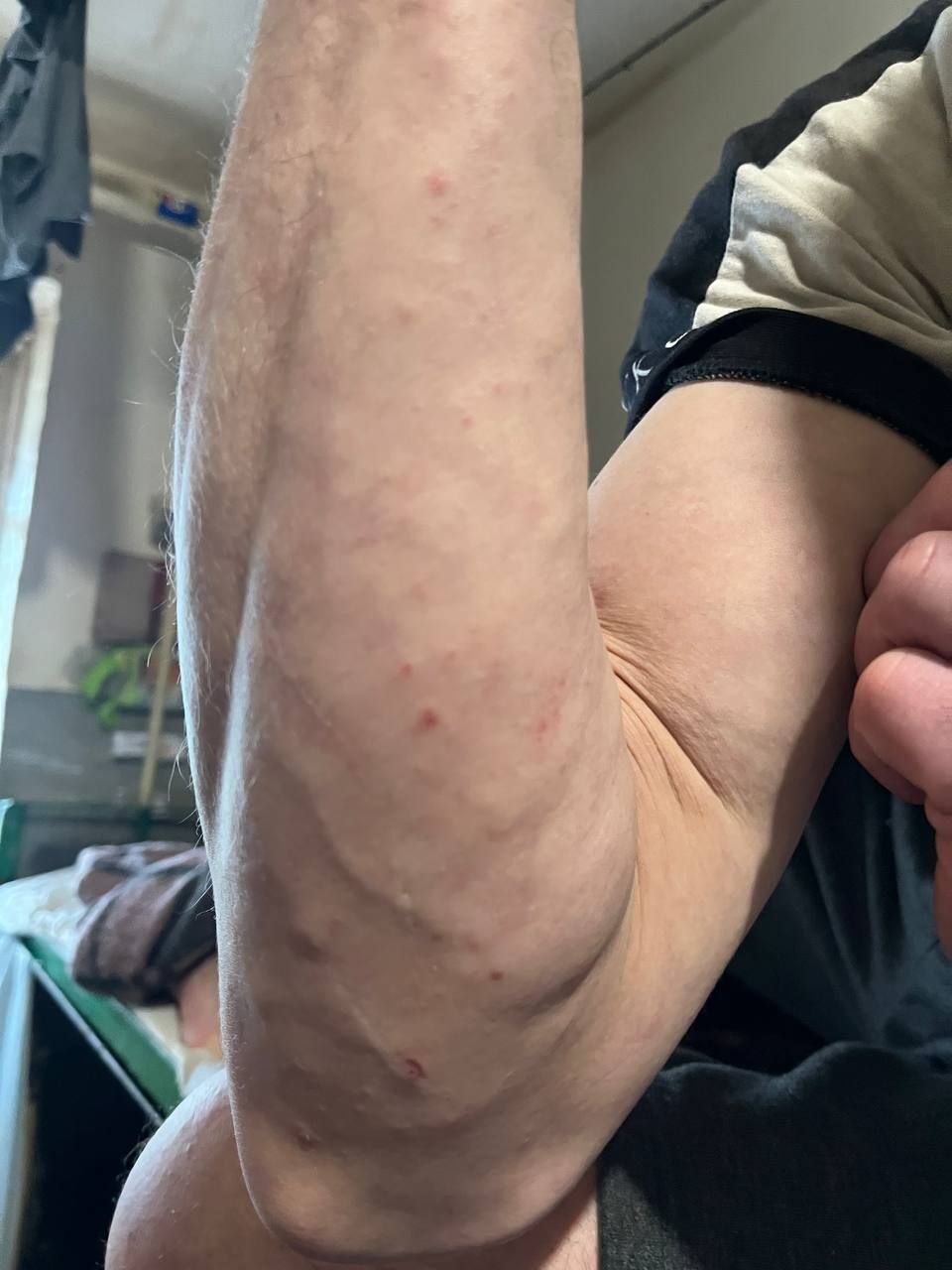
Disinsection measures taken by the institution’s administration are insufficient. Prisoners complained about the presence of bedbugs and cockroaches in the cells and showed traces of bites on their bodies.
At the same time, in the report to the Government of Ukraine on the results of the visit in 2023, the Committee called on the Ukrainian authorities to take the necessary measures to improve material conditions of detention, in particular, to reduce the occupancy of cells in such a way that each person taken into custody has at least 4 m² of living space (excluding the area occupied by in-cell toilets); to keep all places where convicts and persons taken into custody are placed, including sanitary premises, in a proper state of repair and hygiene, to regularly and frequently carry out disinsection; to ensure sufficient access to natural light and ventilation in the cells, and to fully equip internal sanitary premises with partitions (i.e., from floor to ceiling). (CPT/Inf (2024) 20) paragraph 58).
5. In violation of Paragraph 3 of Chapter 2 of Section III of the Internal Rules of SIZO, most exercise yards are not equipped with sufficient shelter from atmospheric precipitation.
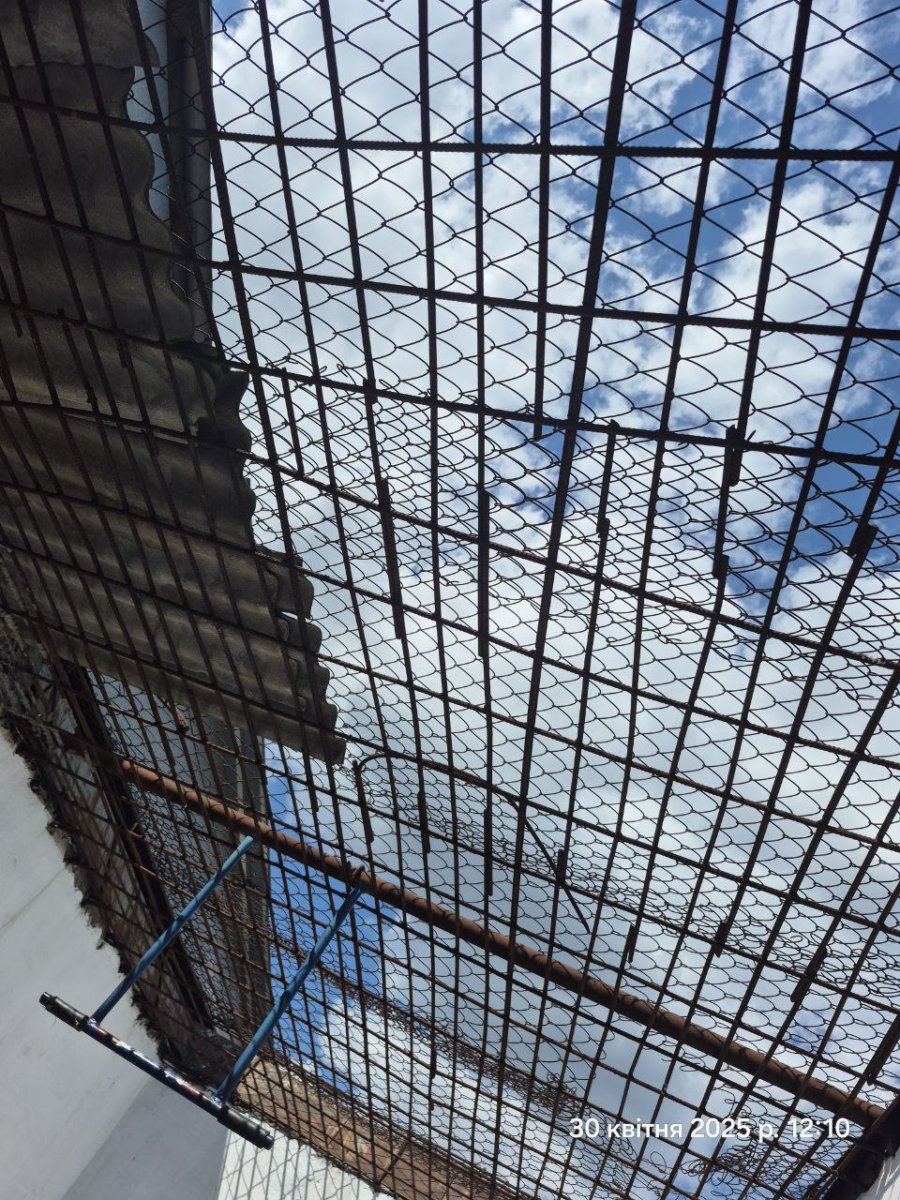
At the same time, in exercise yards No. 10, 11, 12, and 13, visors were installed that completely block access to natural light, which leads to keeping persons in constant darkness or semi-darkness.
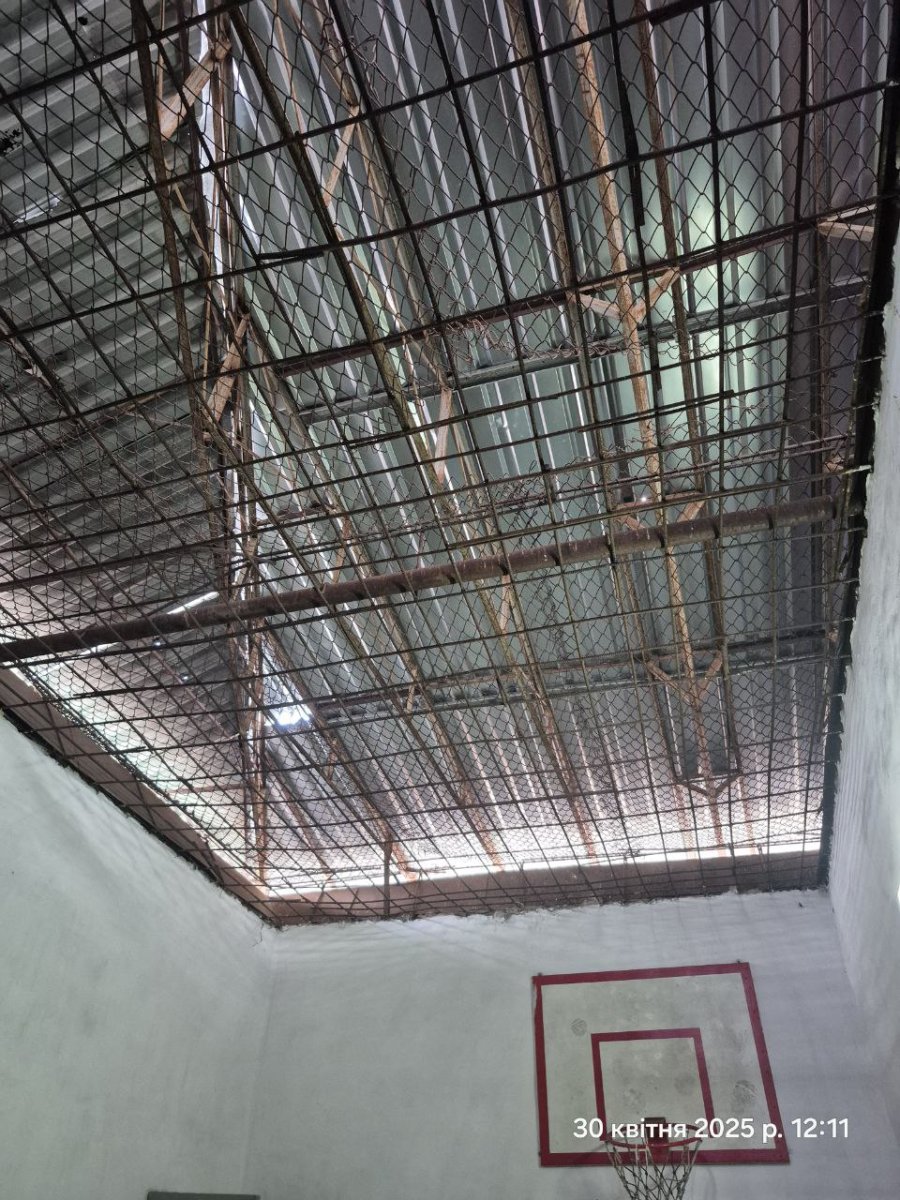
At the same time, the Committee has repeatedly recommended reviewing the design and size of exercise yards, from which, at best, a view of the sky is opened. (paragraph 122, paragraph 127 (CPT/Inf (2014) 15).
6. During the visit to the maximum-security sector, near the external doors of the cells for holding life-sentenced convicts, name cards were placed providing information with a short description of the crimes committed by the persons who are in the cells.
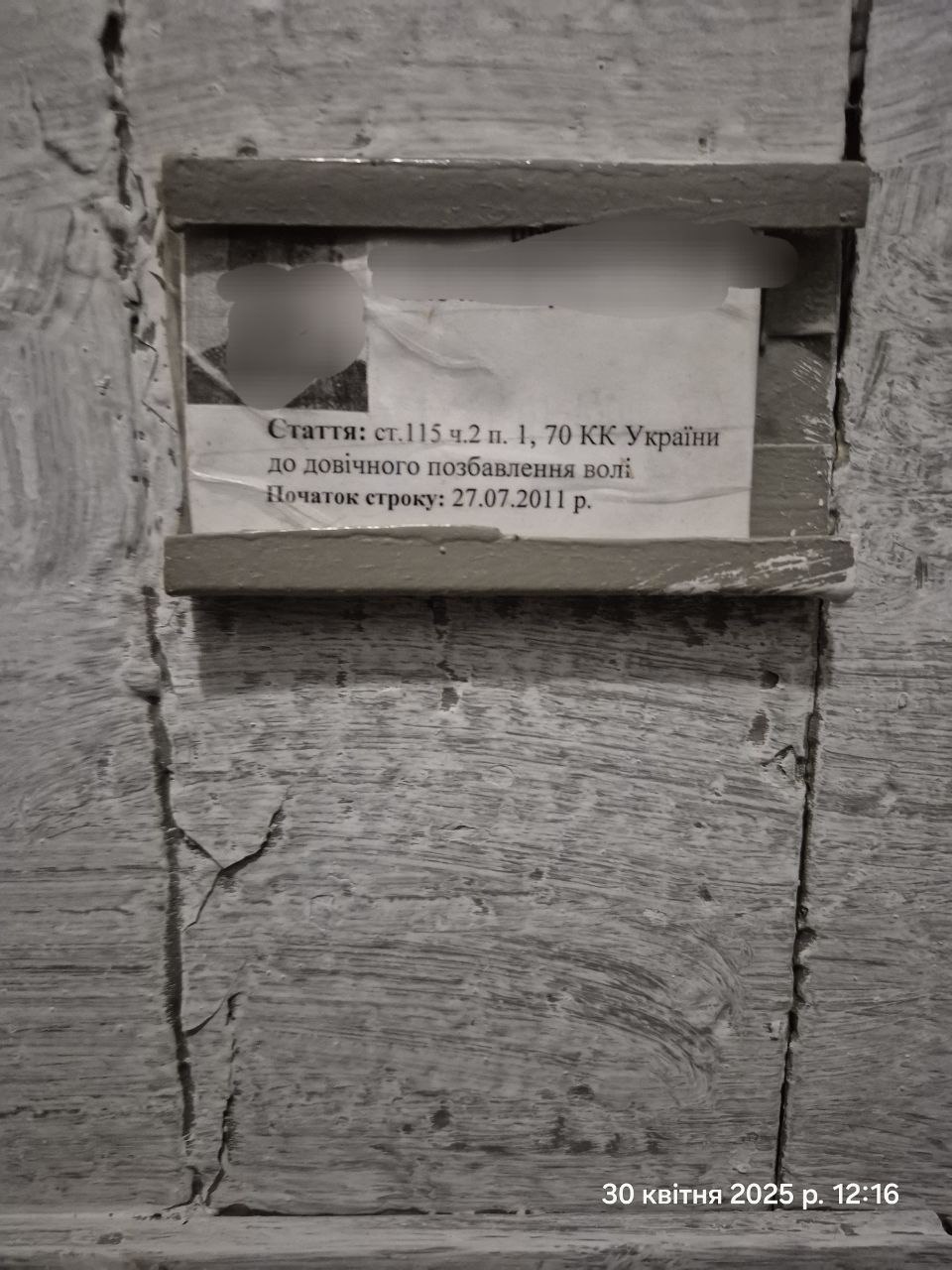
In its report on the results of the visit to Ukraine in 2020, the Committee noted that this practice should be stopped, as it serves no reasonable purpose and, apart from stigmatisation, has the effect of damaging relationships between prisoners and prison staff. (CPT/Inf (2020) 40) paragraph 52).
7. The premises of the department for convicts left for work on utility service do not fully meet the requirements of the Provision Standards. In particular, the following premises are missing: rooms for storing the exchange fund of bed linen, clothing, and special clothing; a storeroom for temporary storage of dirty bed linen, clothing, and special clothing; a utility room; a drying room; rooms for physical culture exercises; rooms for storing food products.
The absence of the specified premises leads to a violation of sanitary and hygienic norms. Due to which, food products can be stored at improper temperatures, in humid or dirty rooms, which contributes to their rapid spoilage, the growth of mould, and the reproduction of pathogenic bacteria, and improper organisation of the storage of personal belongings complicates the maintenance of cleanliness and order in the premises where convicts are held, which worsens the overall sanitary situation in the institution.
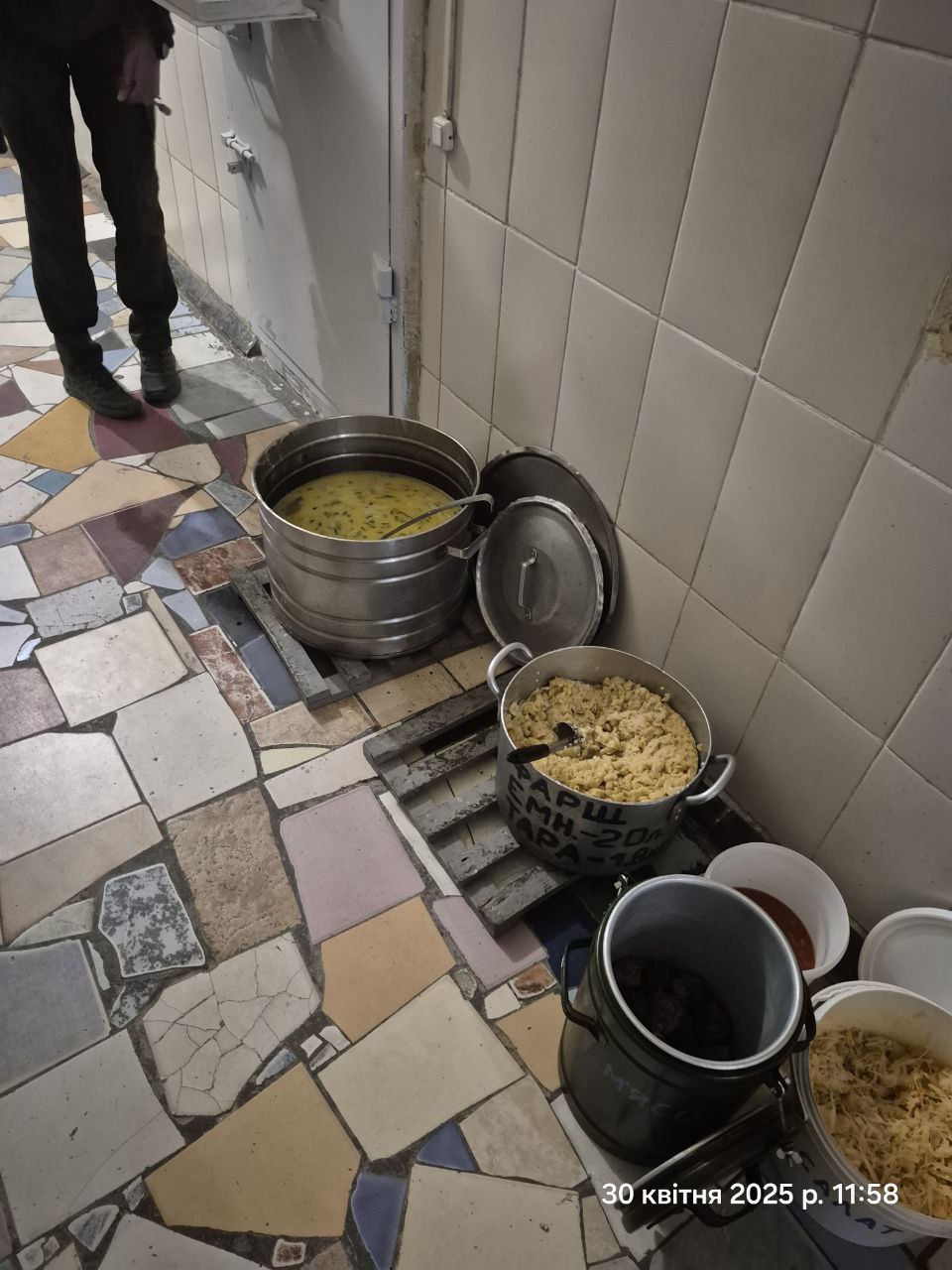
8. In violation of the requirements of paragraph 14 of Section V of the Regulations on the organisation of food provision in the State Criminal Executive Service of Ukraine for peacetime, approved by the order of the Ministry of Justice of Ukraine dated 15.06.2021 No. 2160/5 (hereinafter — Regulations on the organisation of food provision), food for prisoners and convicts from the institution’s canteen is delivered in metal pots and plastic buckets, not in marked thermoses.
9. The monitoring group established a number of violations in the organisation of bath and laundry services for convicts and remand prisoners. Thus, during communication with persons taken into custody and convicts, the monitoring group established that female persons taken into custody have the opportunity to shower only once a week.
This violates the requirements of paragraph 19.4 of the European Prison Rules and paragraph 3.2 of the Regulations on the organisation of bath and laundry services for persons held in penitentiary institutions and pre-trial detention centres, approved by the order of the Ministry of Justice of Ukraine No. 849/5 dated 08.06.2021 (hereinafter — Regulations).
In violation of the requirements of paragraph 2.11 of Section II of the Regulations, the forced supply-and-exhaust ventilation system does not work properly in the bathhouse, and there is excessive humidity in the bathhouse. In violation of the requirements of Rule 19.3 of the European Prison Rules, the right to privacy is not respected in the bathhouse due to the absence of curtains on the shower partitions.
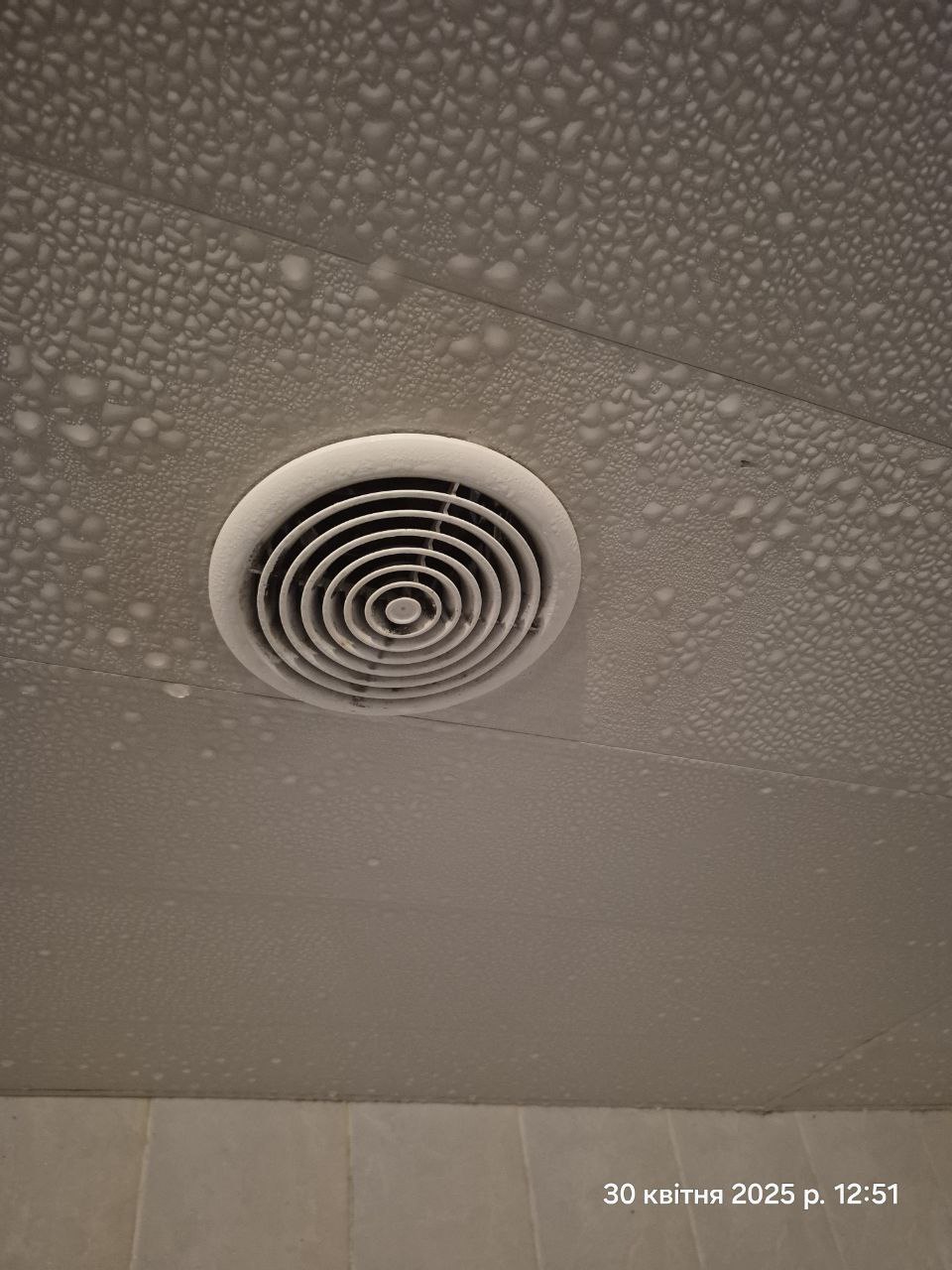
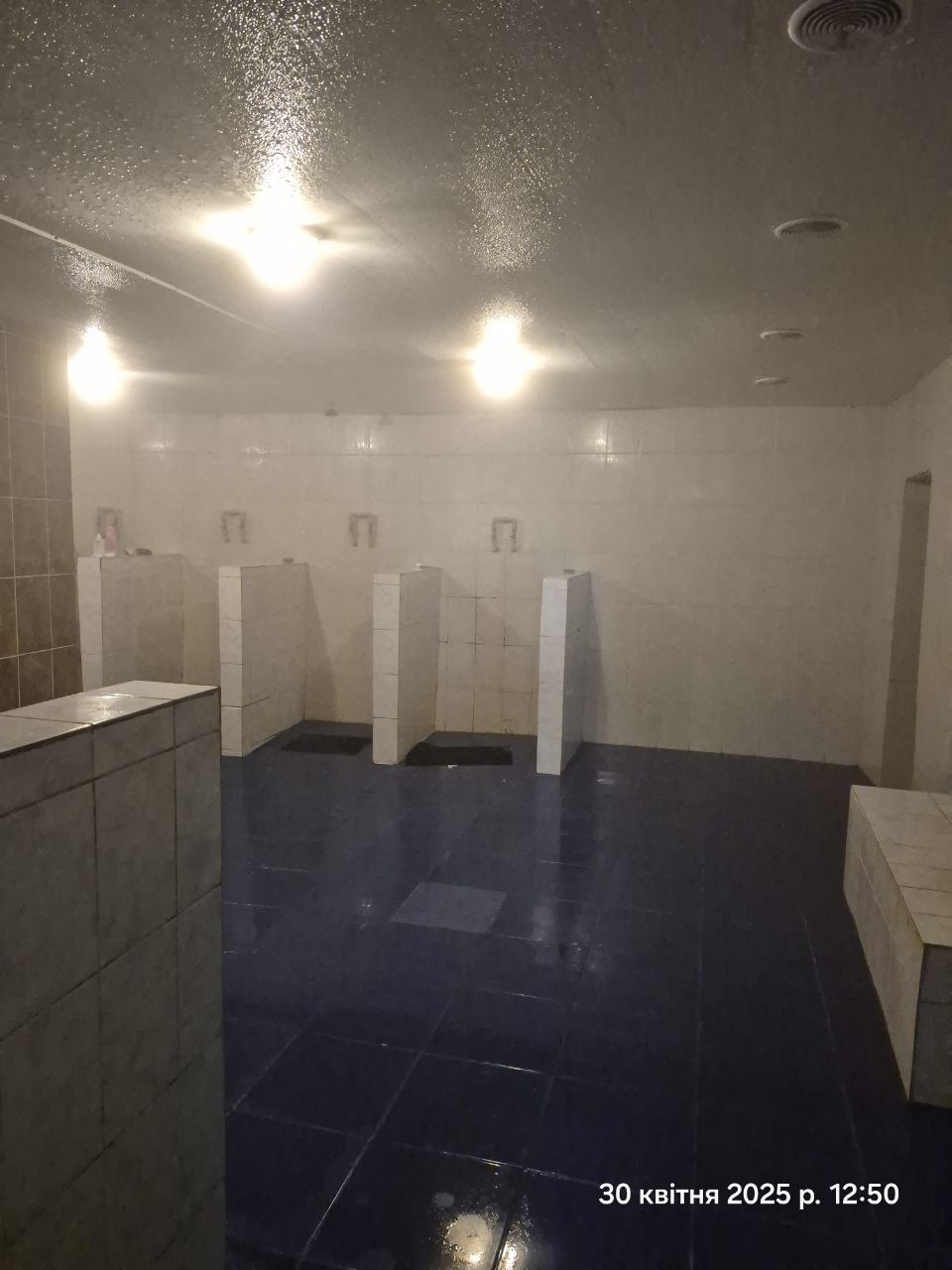
Supervision over compliance with the order during washing of convicts and remand prisoners in the bathhouse, as well as control over the cleaning and disinfection of premises and the conduct of medical examinations, provided for by paragraphs 3.10 and 3.11 of the Regulations, is effectively not ensured by the duty medical worker. In violation of paragraph 2.14 of Section II of the Regulations, the institution does not provide hairdressing services to convicts and remand prisoners.
10. During the visit, the monitoring group recorded that the institution’s personnel who are in direct contact with convicts openly carry special means, in particular rubber batons.
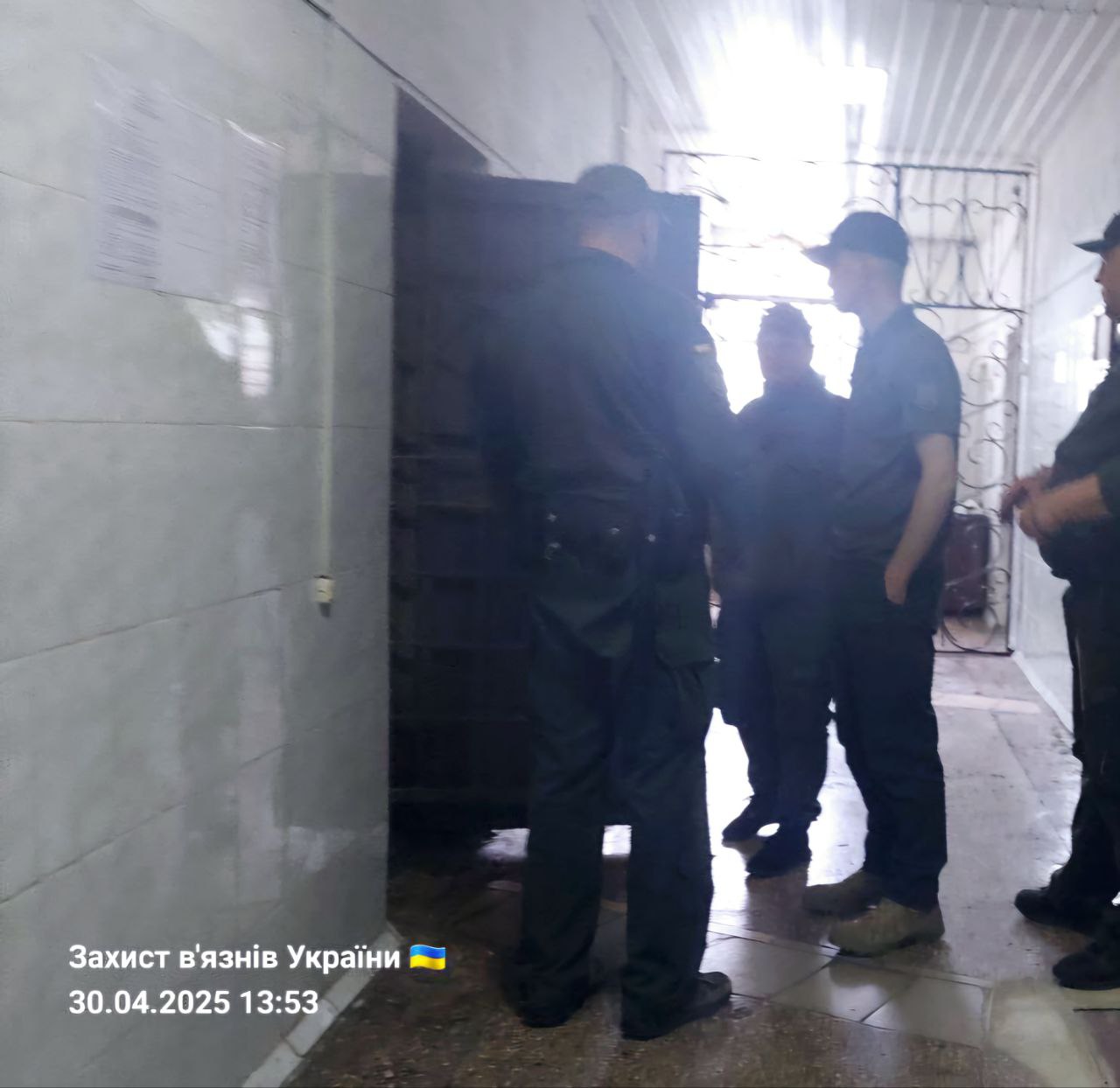
At the same time, according to the eighth paragraph of paragraph 8 of Chapter 1 of Section V of the Internal Rules of SIZO, the carrying of special means by SIZO personnel within the guarded territory of the SIZO must be, if possible, maximally hidden from surroundings.
At the same time, the Committee recommends that penitentiary staff working in direct contact with prisoners should not carry special means (such as rubber batons, handcuffs, and sprays equipped with tear gas) openly in front of prisoners. Such carrying hinders the establishment of normal relations between staff and prisoners. Paragraph 85 (CPT/Inf (2011) 29), paragraph 23 (CPT/Iinf (2013) 23), paragraph 166 (CPT/Inf (2014)).
11. According to official documentation, the staff shortage in the institution as of 30.04.2025 is 23 positions (10.8% of the total authorised staff size). At the same time, in the report to the Government of Ukraine on the results of the visit in 2023, the Committee emphasises that ensuring a positive climate in a penitentiary institution requires the presence of a professional team of staff, who must be present in sufficient numbers at any moment in time in places of detention. An insufficient number of staff can only increase the risk of violence and intimidation among convicts.
The shortage of staff working on the front line also undermines the quality and level of measures offered to convicts, and jeopardises the prospect of preparation for release and social rehabilitation. In connection with which, the Committee calls on the Ukrainian authorities to take decisive measures to substantially increase the number of staff in penitentiary institutions of Ukraine, where a low level of staffing is observed, with the aim of strengthening the presence of security and supervision service personnel inside the institutions. It is also necessary to take measures to put an end to the 24-hour shift of personnel on duty. (CPT/Inf (2024) 20) paragraph 93).
12. Production workshops are actively functioning in the institution, where both convicts and persons taken into custody are involved in labour. Production includes manual labour for sorting polyethylene, woodworking, and metalworking.
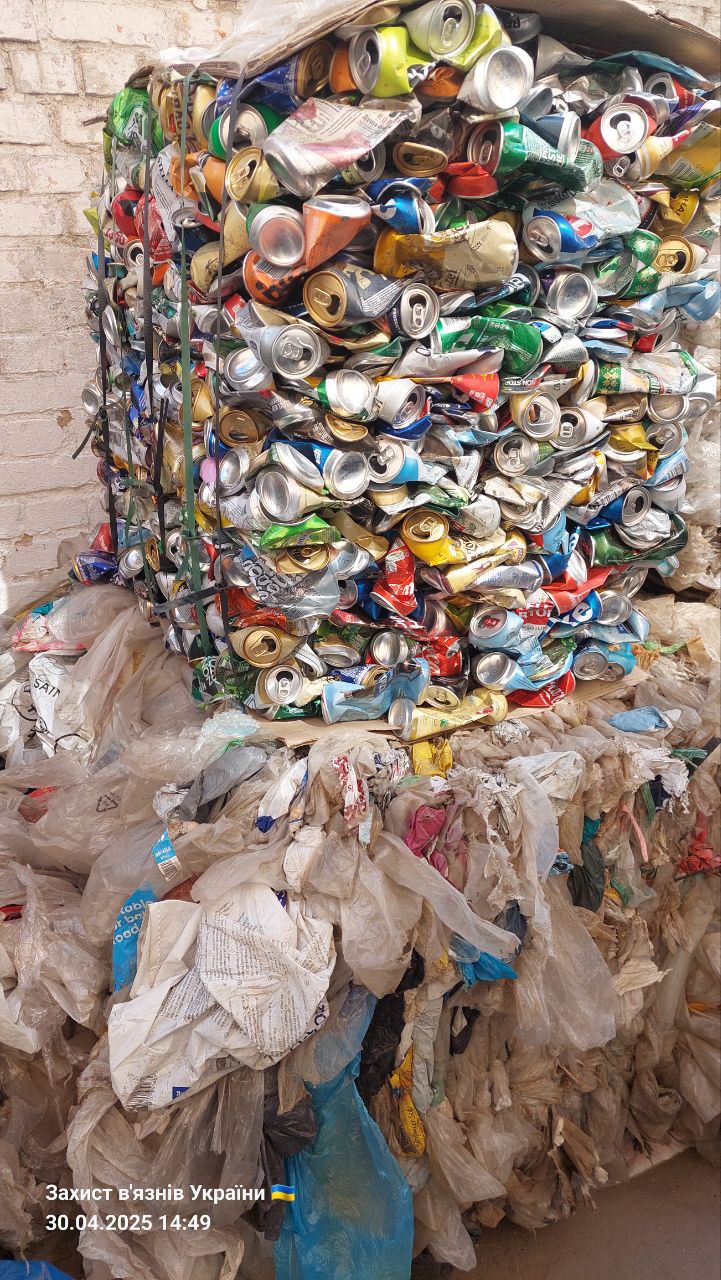
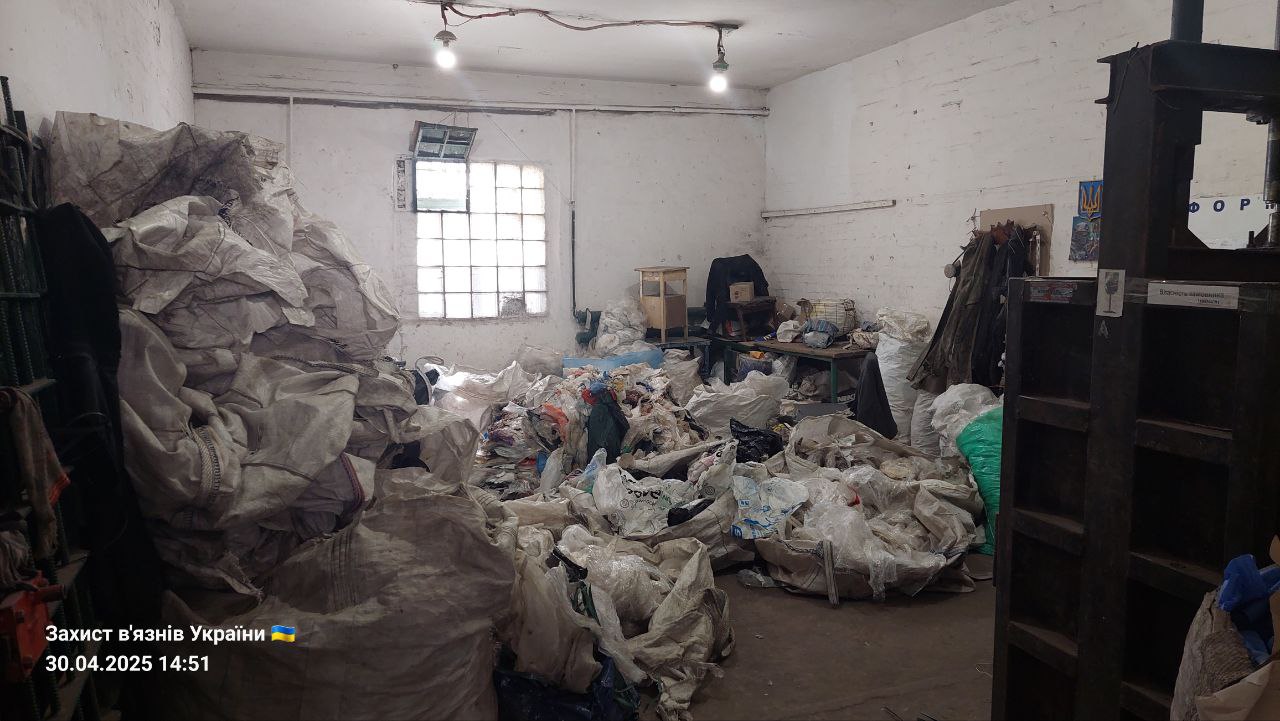
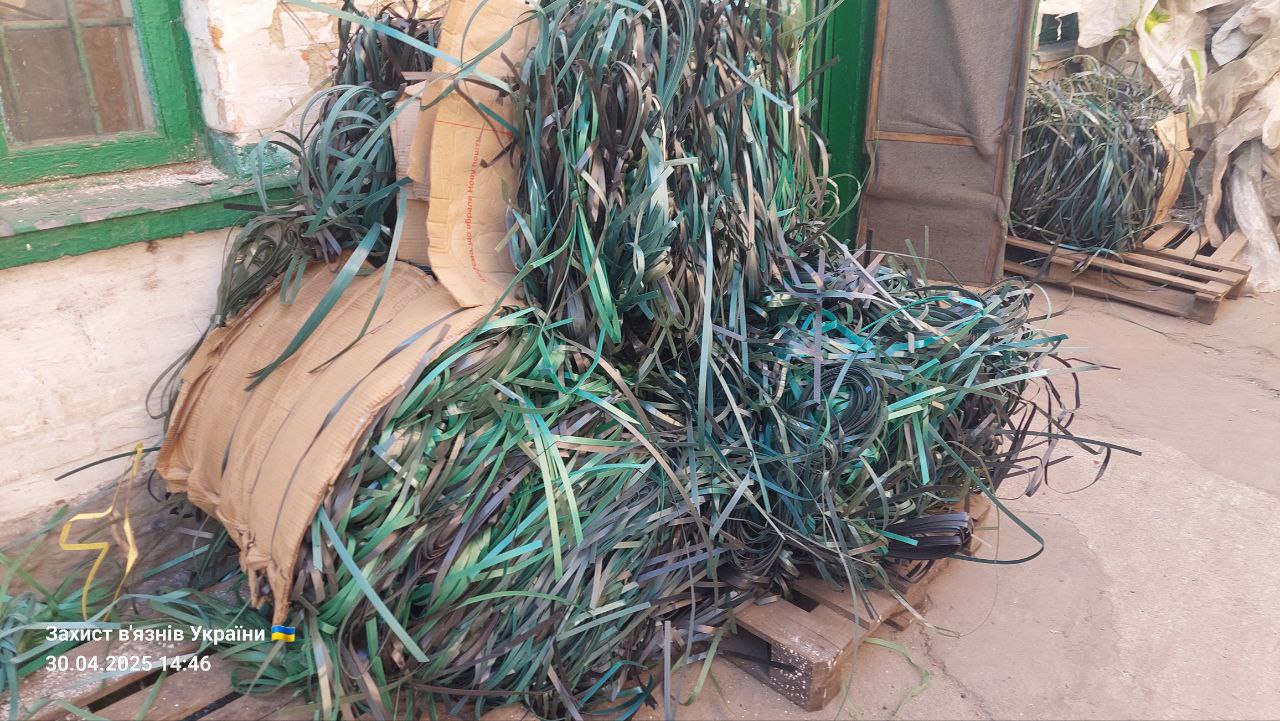
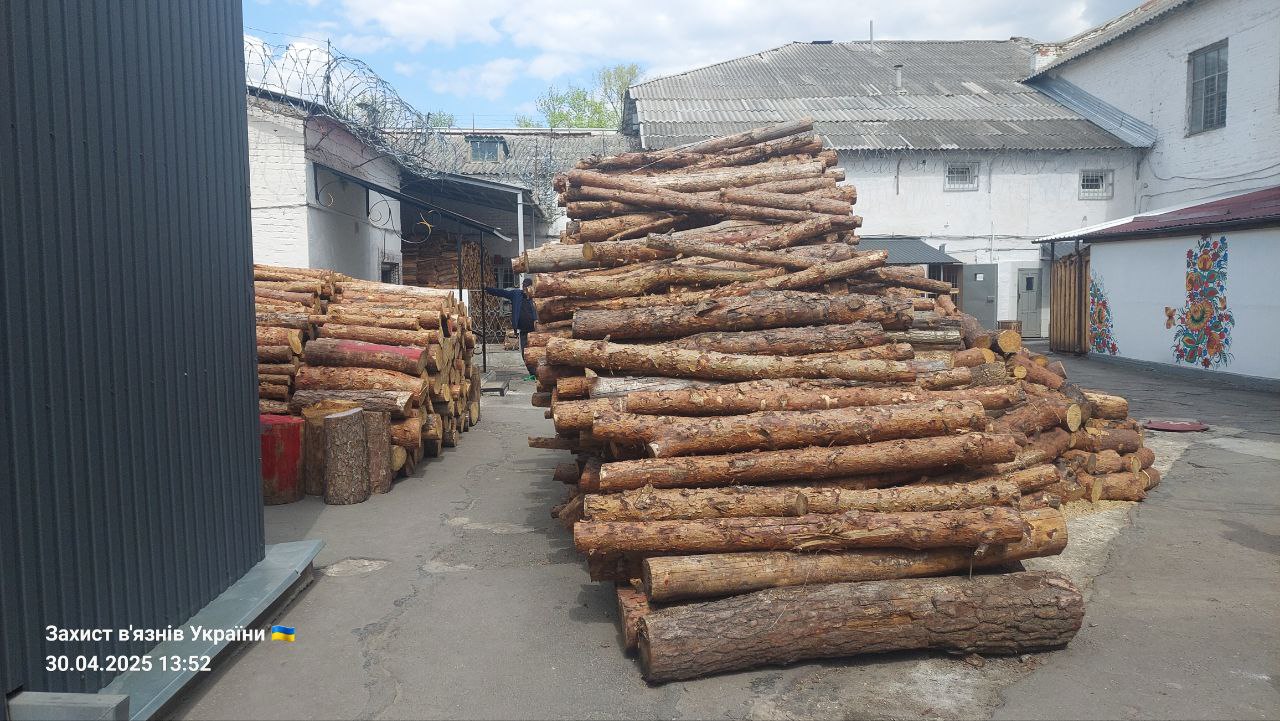
Work is carried out on order, which is confirmed by work orders and daily entries in attendance logs. In April 2025, at least 20 persons taken into custody were involved in work daily. However, not a single case of signing labour or civil-law contracts with this category of persons was recorded.
Also, convicts and remand prisoners work in the catering unit — cooks, kitchen workers, utility service — cleaning the territory, repair work, laundry, servicing the bathhouse, etc., auxiliary work — loaders, cleaners, bakers, employees for comprehensive maintenance.
Fixed-term labour contracts are concluded in accordance with Article 118 of the Criminal Executive Code of Ukraine with a part of the convicts. Persons taken into custody work without any legal registration. According to Article 16 of the Law of Ukraine “On Pre-trial Detention”, remand prisoners can be involved in work only with their consent and exclusively for the improvement of the place of detention. The actual involvement of persons in production without consent and without contracts violates this norm, which creates signs of forced labour.
Remand prisoners working in production do not have any legal protection (absence of contracts, time tracking, payment records). This contradicts Article 43 of the Constitution of Ukraine, which guarantees the right to work and its payment.
From some convicts who work in the workshops, 100% of the accrued income is deducted, which is a violation of Article 119 of the Criminal Executive Code of Ukraine and ILO Convention No. 29 on Forced Labour, which requires the provision of minimum remuneration even in cases of restriction of freedom.
In violation of Article 119 of the Criminal Executive Code of Ukraine, Article 52 of the Labour Code of Ukraine, and the Instruction on Working Conditions and Wages of Convicts to Restriction of Freedom or Deprivation of Freedom, approved by the order of the Ministry of Justice of Ukraine dated 07.03.2013 No. 396/5, the monitoring group, while studying the log of checking the presence of convicts at workplaces and in the course of confidential communication, established that the duration of the working day of convicts from the utility service in the canteen, with whom a labour contract for 0.5 rate is concluded, is longer than 8 hours and reaches 9-10 hours per day, that is, more than 40 hours per week, and the working week is six, and in some cases seven days.
In addition, remand prisoners are involved in work in the catering unit and bath-laundry complex for a full working day, which lasts 8 hours. At the same time, the involvement of remand prisoners in the specified work without payment for their labour contradicts the requirements of paragraph 1 and paragraph 6 of Chapter 1 of Section IX of the Internal Rules of SIZO and the requirements of the second part of Article 16 of the Law of Ukraine “On Pre-trial Detention”, where it is stated that “Persons taken into custody may be involved without payment for their labour only in work related to the creation of proper sanitary and living conditions and improvement of the place of pre-trial detention. Such persons are involved in such work in turn in time free from investigative actions and not more than two hours per day”.
Article 8 of the Criminal Executive Code of Ukraine provides that convicts have the right to paid labour in accordance with labour legislation. At the same time, it was established that the administration of the institution uses the labour of convicts in the positions of utility service workers in the canteen without its payment. Thus, according to the Time Tracking Sheet “Canteen”, the duration of the working day of 8 employees does not exceed 1 hour 45 minutes. At the same time, during communication with convicts, the monitoring group established that the duration of the working day of convicts from the utility service is 8 hours and sometimes reaches 10 hours per day, that is, more than 40 hours per week, and the working week is six, and in some cases seven days.
This contradicts Article 119 of the Criminal Executive Code of Ukraine, Article 52 of the Labour Code of Ukraine, and the Instruction on Working Conditions and Wages of Convicts to Restriction of Freedom or Deprivation of Freedom, approved by the order of the Ministry of Justice of Ukraine dated 07.03.2013 No. 396/5. According to paragraph 3.1 of the Instruction on Working Conditions and Wages of Convicts to Restriction of Freedom or Deprivation of Freedom, approved by the order of the Ministry of Justice of Ukraine dated 07.03.2013 No. 396/5 (hereinafter — Instruction on working conditions), labour is carried out on a voluntary basis on the basis of a civil-law contract or a labour contract, which is concluded between the convict and a private entrepreneur or a legal entity for whom the convicts perform work or provide services.
At the same time, it was established that the administration of the institution uses the labour of convicts in the positions of utility service workers in the canteen without its payment. Thus, during confidential communication, it was established that convict K. has been working without a labour contract for about two years, and convict P. is involved in work without labour payment in the catering unit for more than two months. In addition, in violation of Article 119 of the Criminal Executive Code of Ukraine, Article 52 of the Labour Code of Ukraine, and the Instruction on working conditions, the monitoring group established that the duration of the working day of convicts from the utility service in the canteen is longer than 8 hours and reaches 9-10 hours per day, that is, more than 40 hours per week, and the working week is six, and in some cases seven days.
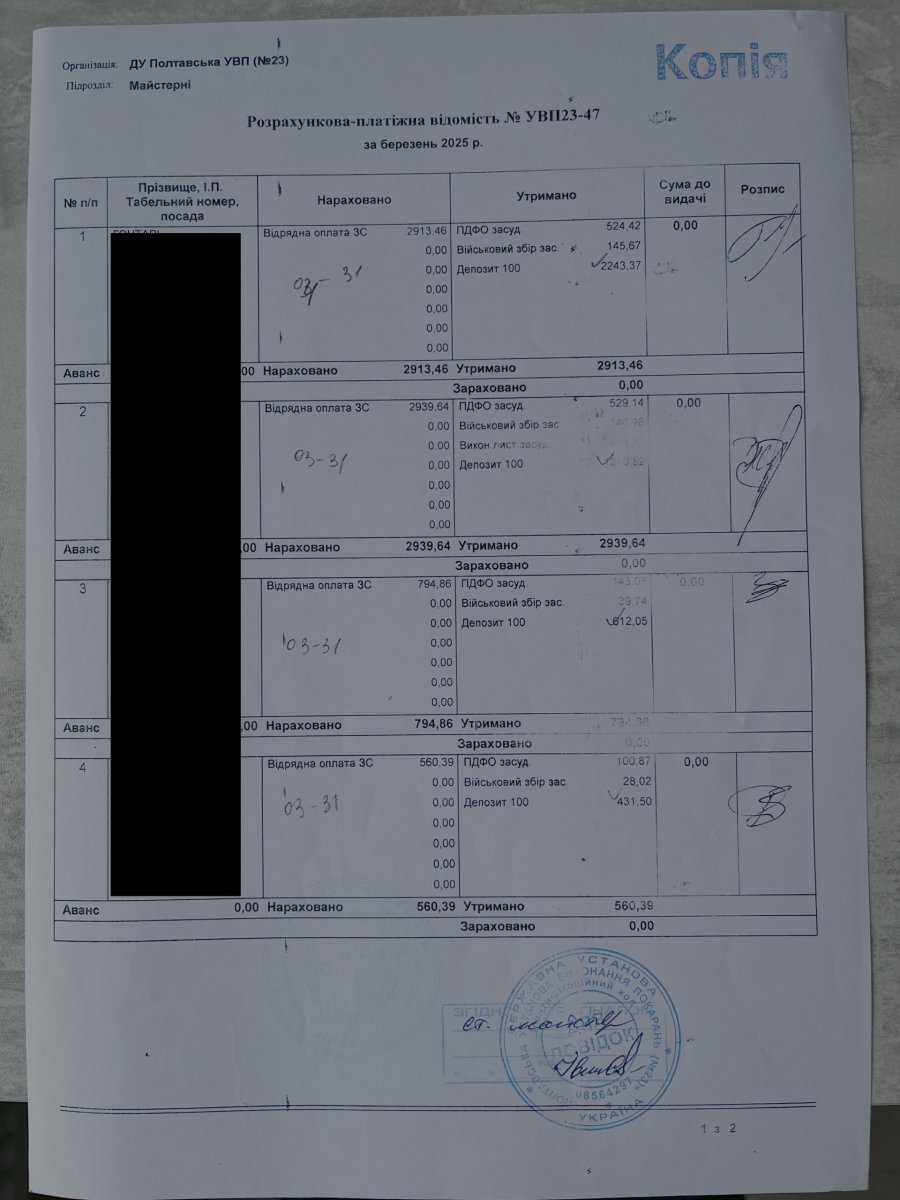
Involving remand prisoners in work without a contract and without payment can be considered a form of modern slavery or forced labour. There are no bonuses, additional payments, a collective agreement, or provisions on wages. This violates the principles of proper motivation and fair working conditions (ILO Convention No. 95). There are no logs or other reporting that would record working hours and the volume of work performed. This creates space for abuse and deprives persons of the opportunity to protect their labour rights.
Poltava City Medical Unit No. 23 of the branch of the State Institution “Centre for Healthcare of the State Criminal Executive Service of Ukraine” in the Poltava Region
The head of the Poltava City Medical Unit No. 23 of the branch of the State Institution “Centre for Healthcare of the State Criminal Executive Service of Ukraine” in the Poltava Region is Yuliia Hryhorivna Babych.
During the monitoring visit, violations of the requirements of national legislation and failure to comply with international recommendations in the field of treatment of prisoners were identified, which lead to violations of the rights of remand prisoners and convicted persons:
1. During the study of medical documentation, it was established that in the medical records of an outpatient patient 025/o to the form of primary accounting documentation No. 511/o “Certificate on the recording of bodily injuries” approved by the order of the Ministry of Health of Ukraine dated 02 February 2024 No. 186, photographs of existing bodily injuries are not attached, as provided for by paragraph 2.11 of Section II of the Procedure for interaction of healthcare institutions of the SCES of Ukraine with healthcare institutions on issues of providing medical assistance to persons taken into custody, approved by the joint order of the Ministry of Justice of Ukraine and the Ministry of Health of Ukraine dated 10.02.2012 No. 239/5/104 (hereinafter — Procedure for interaction of healthcare institutions).
At the same time, the Committee in its report on the results of the visit to Ukraine in 2023 notes that any traumatic injuries discovered during a medical examination should be photographed in detail, and the photographs, together with body diagrams, should be kept in the individual medical record of the person. (CPT/Inf (2024) 20) paragraph 82).
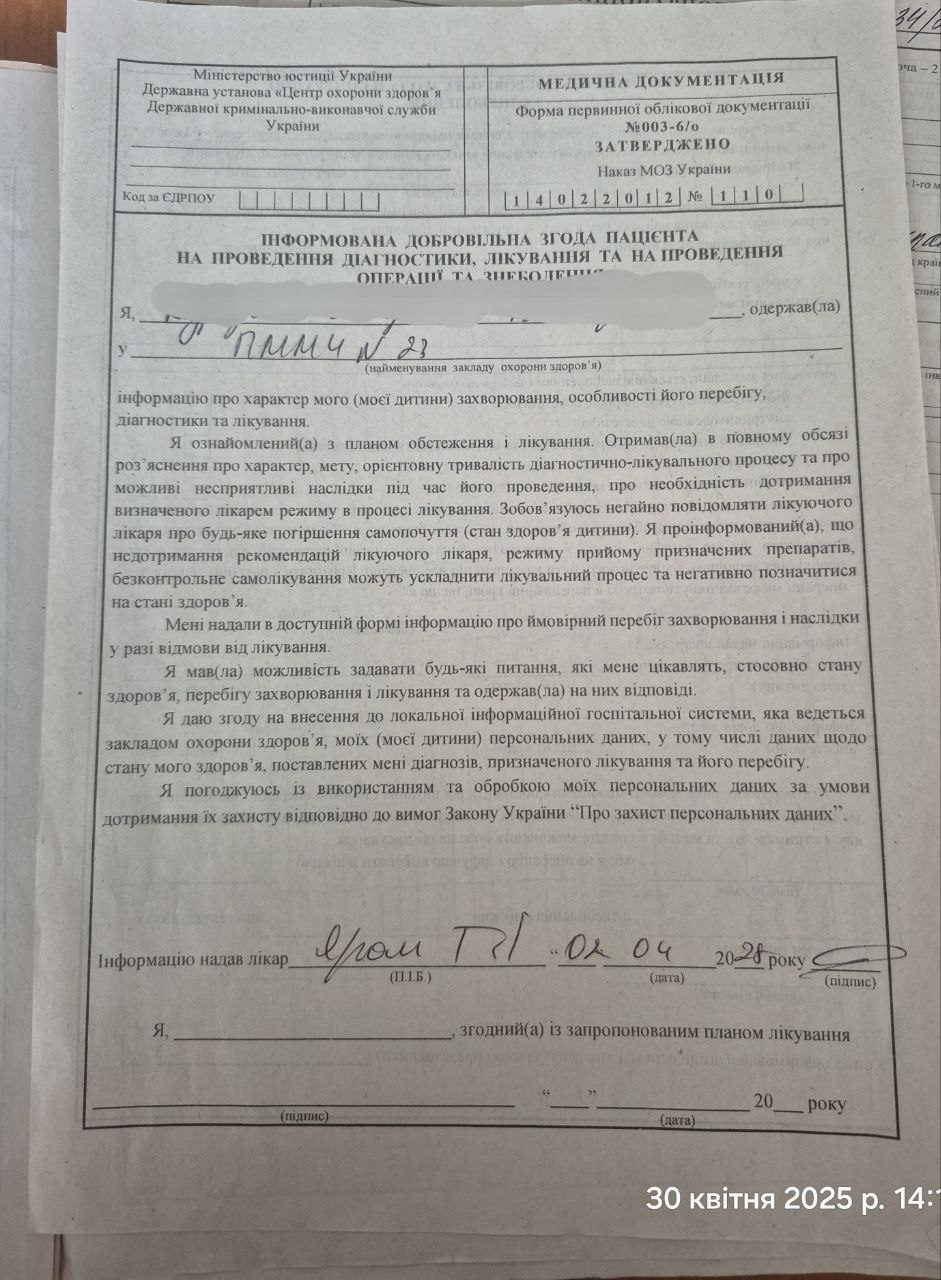
2. In violation of the requirements of the Instruction on filling out the form of primary accounting documentation No. 003-6/o “Informed voluntary consent of the patient to the conduct of diagnostics, treatment, and for the conduct of surgery and anaesthesia and for the presence or participation of participants in the educational process”, approved by the order of the Ministry of Health of Ukraine dated 14.02.2012 No. 110, the absence of signed informed voluntary consent for the conduct of diagnostics and treatment was established for two patients who were in the inpatient department of the medical unit.
This may indicate the absence of voluntary consent of the patient for the application of diagnostic, preventive, and treatment methods towards them, which is a violation of Article 43 of the Law of Ukraine “Fundamentals of Ukrainian Legislation on Healthcare” and paragraph 47 of the Committee’s recommendations (CPT/Inf(93) 12-part).
3. According to the sixth part of Article 6 of the Law of Ukraine “On Psychiatric Assistance”, it is prohibited without the written consent of the person or without the written consent of their legal representative and the psychiatrist providing psychiatric assistance, to publicly demonstrate a person suffering from a mental disorder, to photograph them or carry out filming, video recording, sound recording, and to listen to the interviews of the person with medical workers or other specialists when providing them with psychiatric assistance. At the same time, in the ward for persons with mental disorders, the monitoring group recorded an installed video surveillance camera.
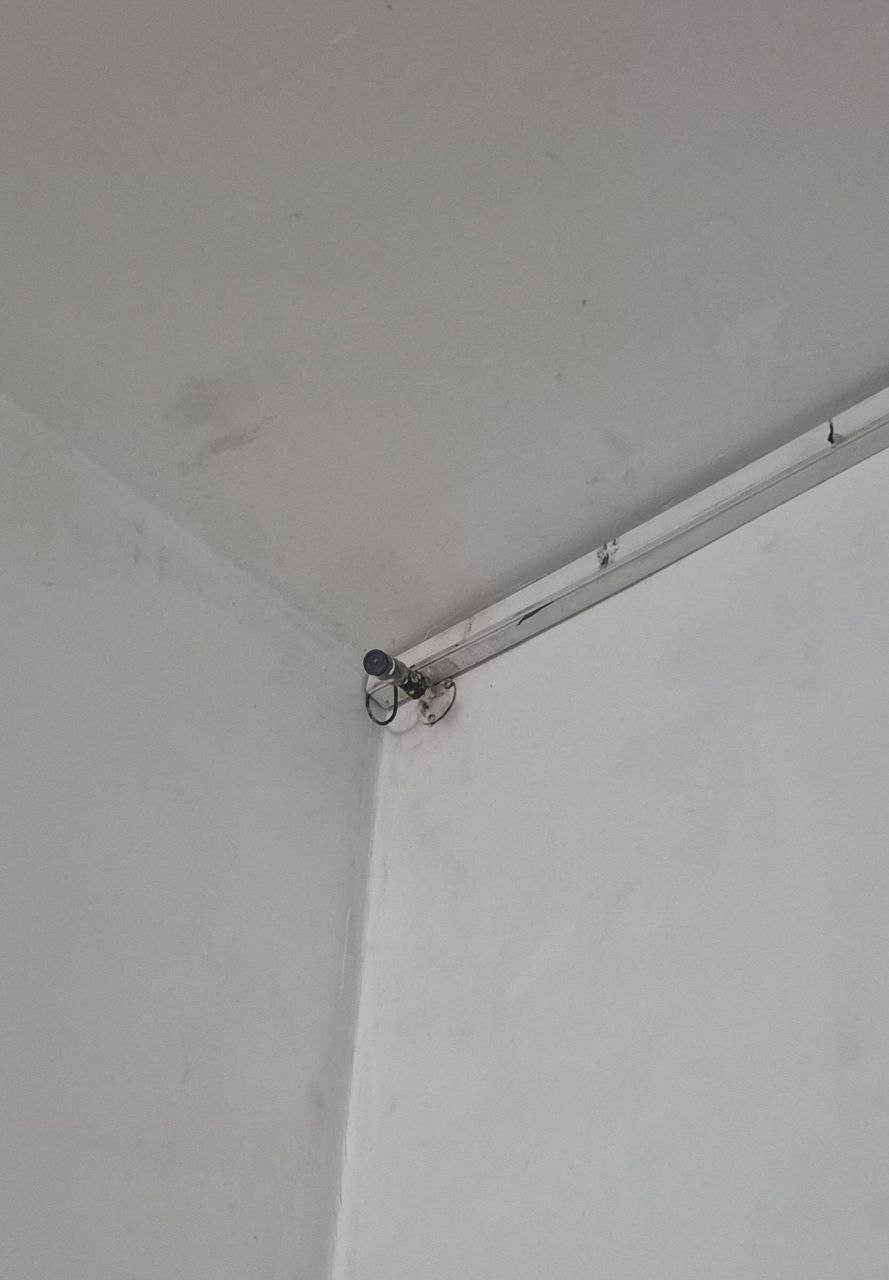
At the same time, according to paragraph 8 of Section VII of the Procedure for the use of technical means of supervision and control in correctional and educational colonies of the State Criminal Executive Service of Ukraine, approved by the Order of the Ministry of Justice of Ukraine dated 26 June 2018 No. 2025/5 (registered at the Ministry of Justice of Ukraine on 02 July 2018 under No. 766/32218), the use of video cameras and portable video recorders in premises (cells) where medical examinations (check-ups) of remand prisoners and convicts, or strip searches are conducted, is prohibited.
This fact indicates the receipt by the institution’s employees of confidential information regarding the state of health of remand prisoners and convicts in the course of medical examination, manipulations, or procedures. In addition, this violates the requirements of Article 39-1 of the Law of Ukraine “Fundamentals of Ukrainian Legislation on Healthcare” regarding the right of persons to secrecy about the state of health.
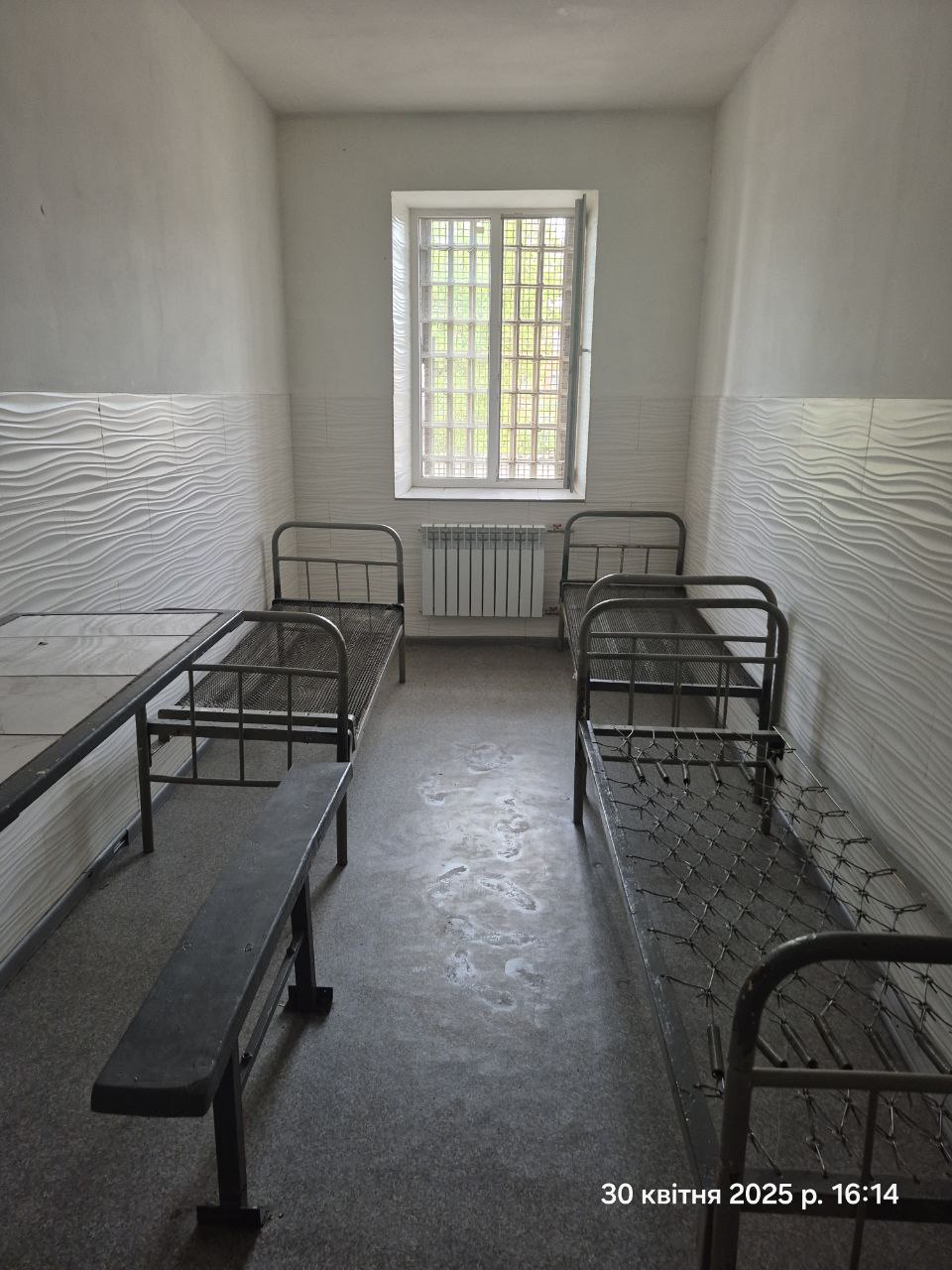
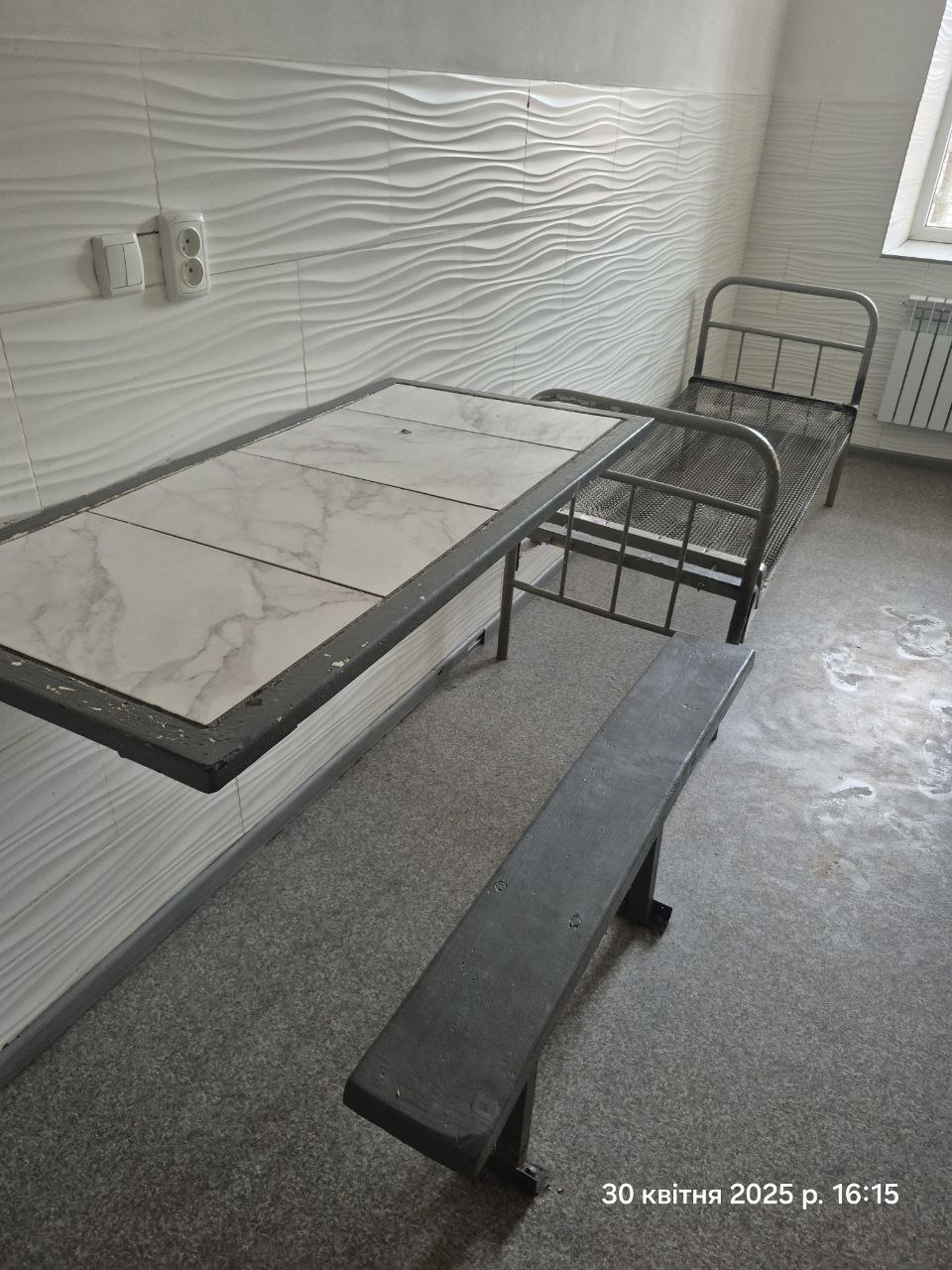
4. In violation of paragraph 9 of the Rules for the use of physical restraint and (or) isolation when providing psychiatric assistance to persons suffering from mental disorders, approved by the order of the Ministry of Health of Ukraine dated 24 March 2016 No. 240, registered at the Ministry of Justice of Ukraine on 15 April 2016 under No. 570/28700, paragraph 8.3.4 of the State Building Norms of Ukraine V.2.2-10:2022 “Healthcare institutions”, the isolation ward for persons with mental disorders does not meet the established requirements.
The premise is designed for the stay of more than one person (for 3 persons), which contradicts the principles of isolation. The equipment of the isolator has sharp corners, which poses a potential danger to patients. There is no supply-and-exhaust ventilation. There is no tank with boiled drinking water.
5. The monitoring group established that the psychiatrist conducts psychiatric examinations of patients without proper execution of written informed consent. In particular, contrary to the requirements of the Instruction on filling out the form of primary accounting documentation No. 003-7/o “Informed consent of a person to the conduct of a psychiatric examination”, approved by the order of the Ministry of Health of Ukraine dated 15 September 2016 No. 970, it was established that in medical documentation (in particular in the medical card of an outpatient patient of form No. 025/o and medical card of an inpatient patient of form No. 003/o), there is no informed consent signed by the patient to conduct a psychiatric examination.
6. Dispensary observation is carried out for 12 persons who have a disability. Of them: Group I — 1 person; Group II — 5 persons; Group III — 6 persons. At the same time, in violation of the requirements of the Law of Ukraine “On Rehabilitation of Persons with Disabilities in Ukraine”, persons with disabilities do not receive proper diagnostic, treatment, and rehabilitation measures in the presence of information confirming a persistent violation of bodily functions caused by diseases, consequences of injuries, that cause limitations in normal life activities.
Thus, during the study of the medical documentation of convicts, it was established that 8 persons who have a disability lack an individual rehabilitation programme (hereinafter — IRP). Furthermore, the recommendations of the IRP are not being fulfilled, due to which they do not receive proper diagnostic, treatment, and rehabilitation measures in the presence of information confirming a persistent violation of bodily functions caused by diseases and consequences of injuries, that cause limitations in normal life activities.
7. In violation of the requirements of the State Building Norms of Ukraine V.2.2-17:2006 “Buildings and structures. Accessibility of buildings and structures for persons with limited mobility”, conditions for holding people with disabilities have not been created in the medical unit.
8. In violation of paragraph 37 of the Resolution of the Cabinet of Ministers of Ukraine No. 285 dated 2 March 2016 “On approval of Licensing conditions for the conduct of economic activity in medical practice”, the medical unit lacks a conclusion confirming free access to the buildings and premises of the medical facility for persons with limited mobility, obtaining which is mandatory.
9. In violation of the requirements of the Standards of medical care for HCV in adults, approved by the order of the Ministry of Health of Ukraine dated 15.01.2021 No. 51, not all persons with suspected viral hepatitis C undergo PCR testing, due to which they do not receive the necessary treatment, which can lead to a deterioration of their health and the spread of the specified infectious disease among convicts.
10. In violation of the requirements of paragraph 1 of Section II of the Standard for infection control for healthcare institutions providing assistance to patients with tuberculosis, approved by the order of the Ministry of Health dated 01.02.2019 No. 287, the medical unit does not comply with the requirements for the isolation of persons with tuberculosis; the ward is used for more than one or two persons (1 ward-cell for 4 bed-places); the door to the ward is not equipped with a sealed threshold, seals along the edges; air recirculation using mechanical ventilation is not provided.
11. In violation of the Procedure for organising medical assistance at the primary, secondary (specialised), and tertiary (highly specialised) levels using telemedicine, approved by the order of the Ministry of Health of Ukraine dated 19.10.2015 No. 681, the personnel of the medical unit are deprived of the possibility to carry out requests for telemedicine consultation and receive consultation for providing medical assistance to remand prisoners and convicts due to technical reasons.
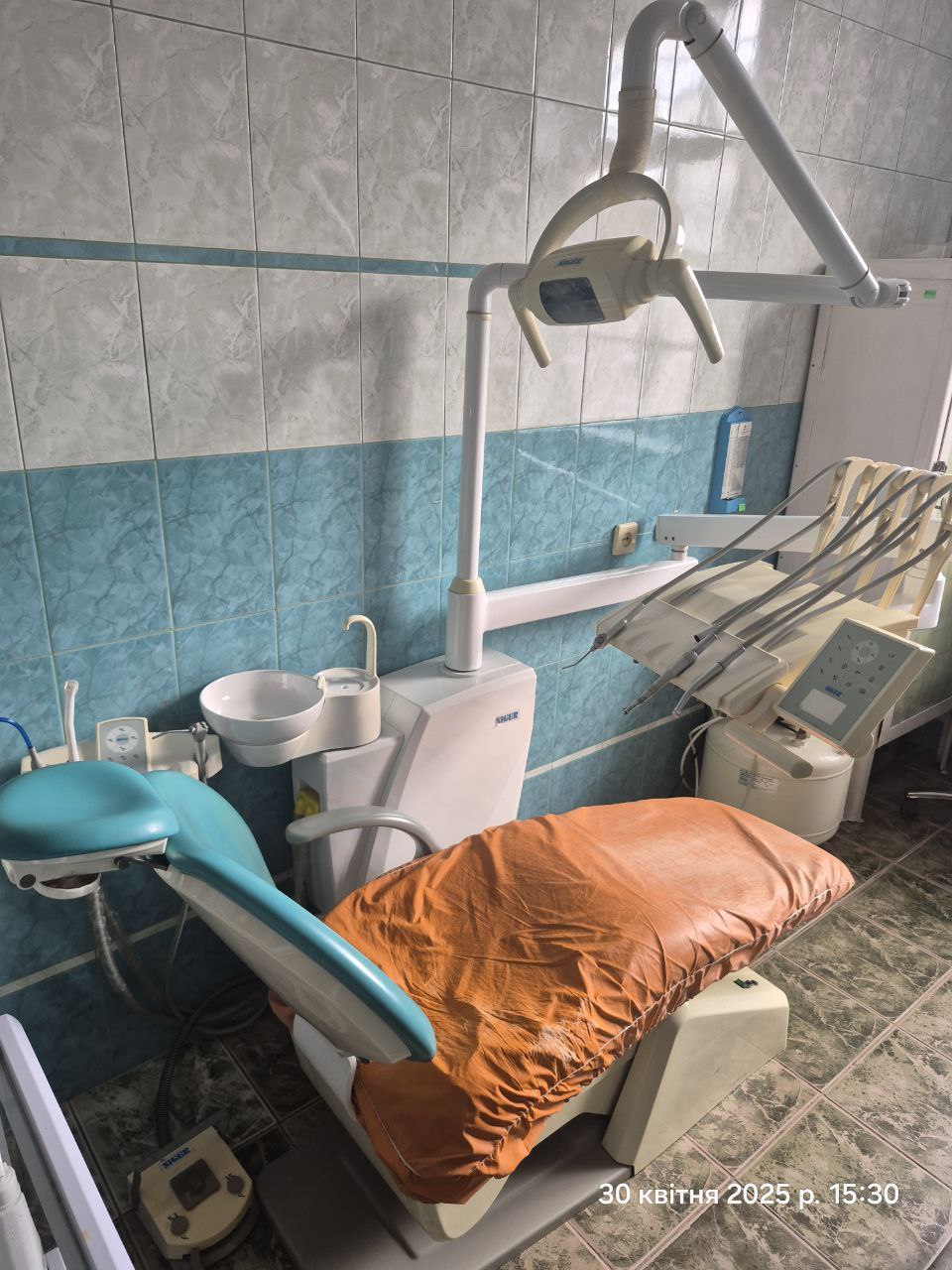
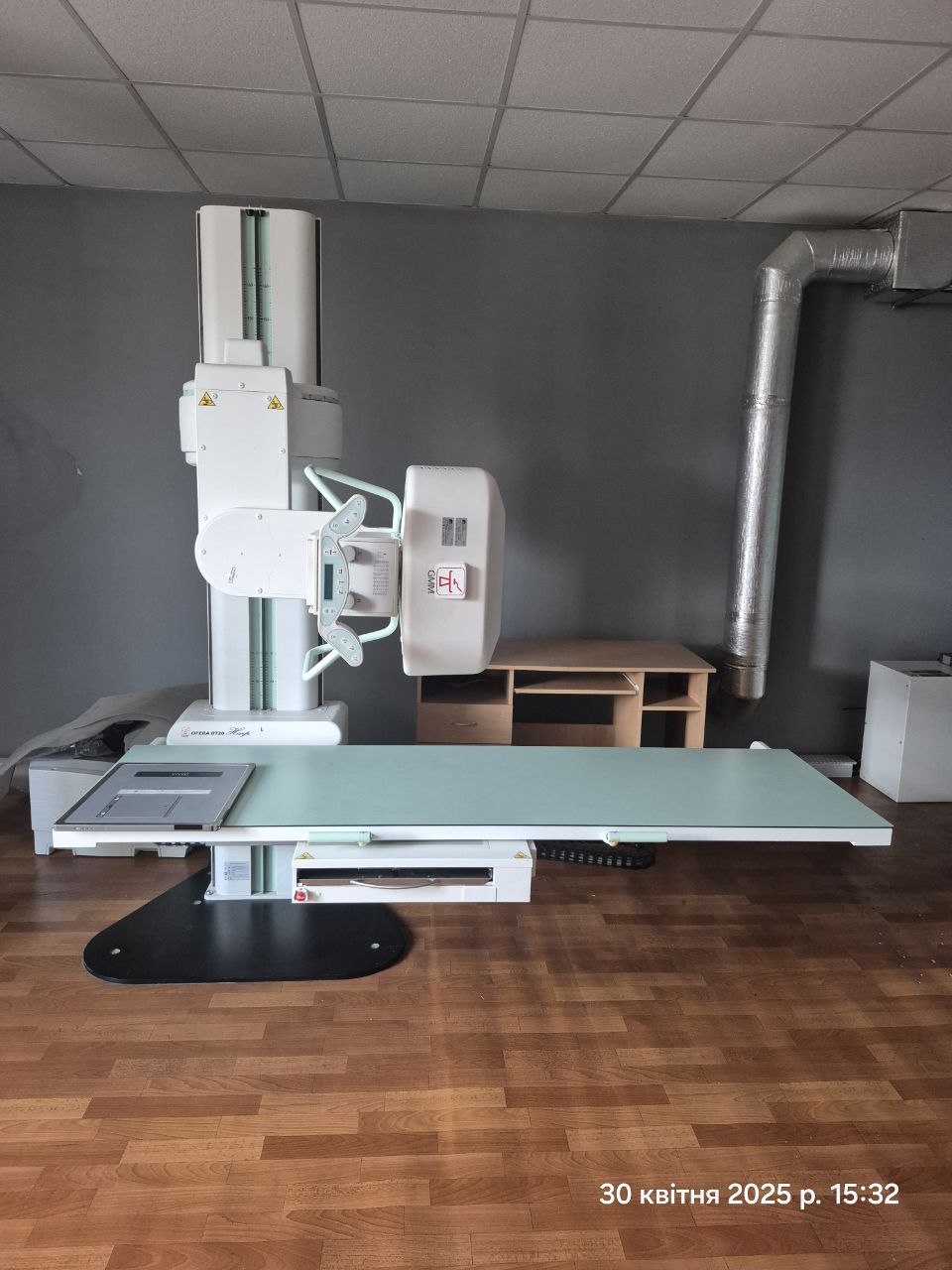
12. In violation of the requirements of the Equipment Table for one workplace of a dentist and dental technician, approved by the order of the Ministry of Health of Ukraine dated 11.04.2005 No. 158, the medical unit lacks a dental X-ray machine, which makes it impossible to conduct an in-depth dental examination of convicts and does not ensure the timely provision of proper dental care.
13. In violation of the requirements of the Norms of ownership of bed linen, special clothing, and special footwear (inventory property) for convicts undergoing treatment in medical-preventive institutions, institutions with the rights of medical ones, and in medical units at penitentiary institutions and pre-trial detention centres, approved by the order of the Ministry of Justice of Ukraine dated 20.02.2012 No. 280/5, convicts and remand prisoners in the inpatient department do not receive hospital property (suit, gown, and hospital shoes).
14. There is no hot water supply in doctors’ offices; the workplaces of medical workers do not meet the requirements of current legislation and violate Article 19 of the Law of Ukraine “Fundamentals of Ukrainian Legislation on Healthcare” and Article 13 of the Law of Ukraine “On Occupational Safety”.
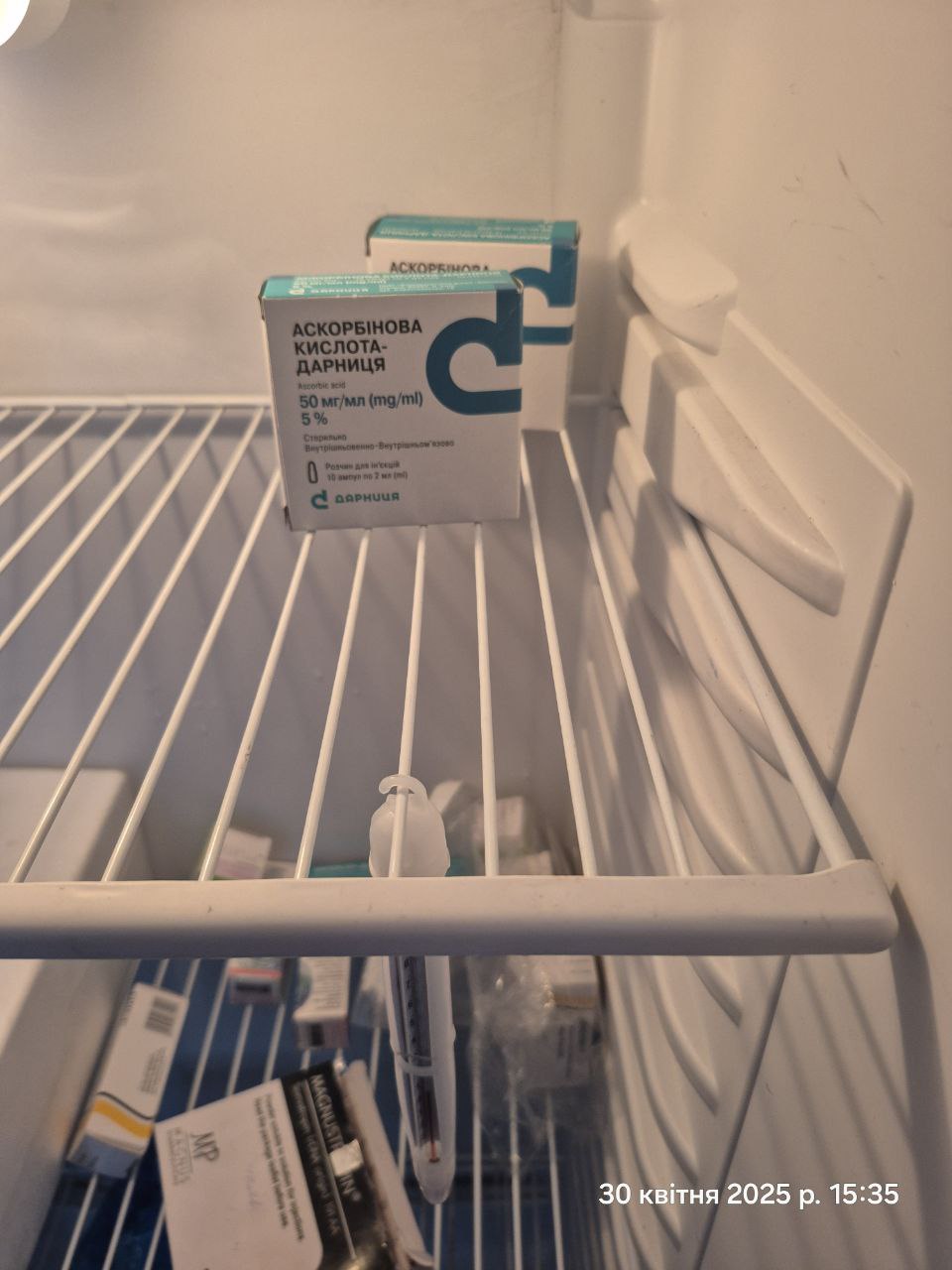
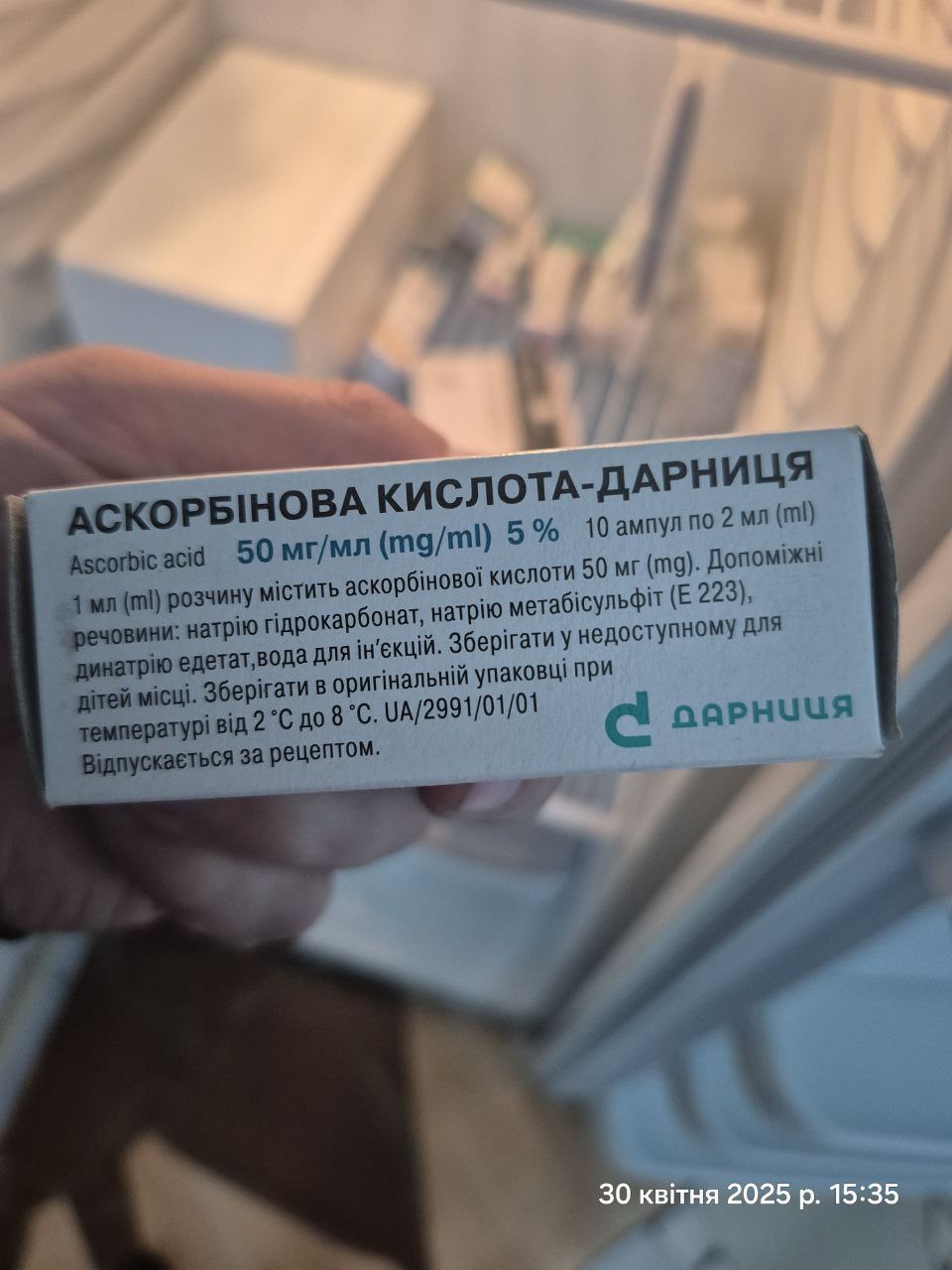
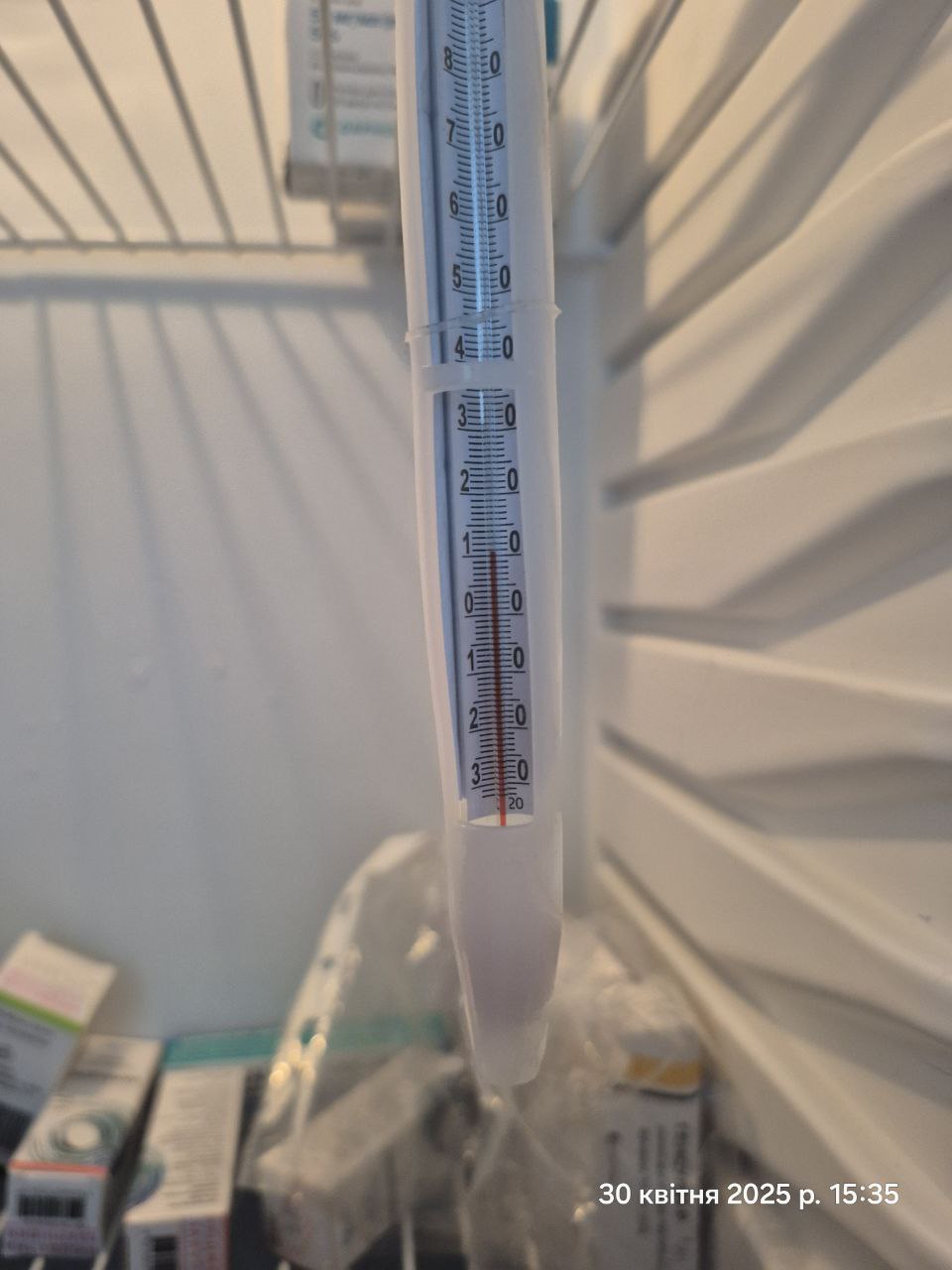
15. In violation of the requirements of the order of the Ministry of Health of Ukraine dated 16.12.2003 No. 584 “On approval of Rules for storage and quality control of medicinal products in medical-preventive institutions”, medicinal products are stored without taking into account the temperature regimes indicated by the manufacturers.
Thus, in the room for storing medicines in the refrigerator, the medicinal product “Ascorbic Acid” was recorded, the storage conditions of which cannot exceed a temperature higher than 8 °C. At the same time, the temperature in the refrigerator, according to the thermometer readings, reached 11 °C.
16. In violation of the Fire Safety Rules in Ukraine, approved by the Ministry of Internal Affairs of Ukraine dated 30.12.2014 No. 1417, the premises of the medical unit are not equipped with fire extinguishing and fire alarm systems (except for the OST office).
17. The premises of the doctors’ office and the X-ray room are not equipped with fire extinguishers, which is a violation of paragraph 3.6 of Chapter 3 of Section V of the Fire Safety Rules, as well as paragraph 10.18 of Chapter 10 of the State Sanitary Rules and Norms “Hygienic requirements for the arrangement and operation of X-ray rooms and the conduct of X-ray procedures”, approved by the order of the Ministry of Health of Ukraine dated 04.06.2007 No. 294, registered at the Ministry of Justice of Ukraine on 07.11.2007 under No. 1256/14523.
18. Production activity in PEF-23 is accompanied by a number of systemic violations of the labour and social rights of convicts and remand prisoners. Particularly acute is the problem of hidden exploitation of the labour of remand prisoners without any contracts, which directly contradicts national legislation and international norms.
Recommendations:
To the Ministry of Justice of Ukraine / SCES of Ukraine:
1. Ensure the alignment of detention conditions for persons in PEF-23 with national legislation and international standards, in particular regarding the minimum area of 2.5 m² per person (excluding bathrooms) in accordance with CPT recommendations.
2. At the earliest opportunity, stop the practice of holding persons in overcrowded cells, in particular in cells No. 125, 129-133, 136, 138, 148, 150, 152.
3. Review the approach to the arrangement of solitary cells, in particular to ensure an area of at least 6 m², natural light, privacy of the bathroom, and access to drinking water.
To the administration of the institution:
1. Immediately eliminate instances of sleeping on the floor due to a lack of beds.
2. Stop the violation of the regime of separate detention of prisoners, ensuring the separate placement of persons held accountable for the first time from those previously convicted.
3. Stop the practice of open carrying of special means by personnel in the presence of prisoners, ensuring compliance with the Internal Rules of SIZO and CPT recommendations regarding the minimisation of the repressive appearance of the regime.
4. Carry out urgent repairs of cells with damaged finishing, mould, and excessive humidity.
5. Replace worn-out bed linen, mattresses, and sanitary equipment.
6. Equip all cells with drinking water tanks, proper ventilation, and lighting according to DBN.
7. Render impossible the use of three-tier beds, which contradicts the European Prison Rules.
8. Create quarantine and isolation cells in the intake ward, ensuring compliance with sanitary requirements.
9. Ensure the functioning of bath and laundry services according to standards: regular provision of shower services, supervision by medical personnel, ventilation, and privacy of showers.
10. Provide hairdressing services and proper medical examination of new arrivals.
11. Immediately stop the practice of involving persons taken into custody in work without legal registration, contracts, time tracking, and payment. The labour of such persons must be carried out exclusively with voluntary consent and for the improvement of the institution (Article 16 of the Law of Ukraine “On Pre-trial Detention”).
12. Implement a system of concluding fixed-term labour contracts for convicts in accordance with the Criminal Executive Code of Ukraine, ensuring compliance with the provisions of ILO Conventions No. 29 and No. 95.
13. Avoid instances of deducting the entire accrued income, ensuring compliance with the principle of fair remuneration for labour.
14. Exclude unjustified and prolonged video surveillance in living cells without individual risk analysis.
15. Stop the public posting of personal information about the crimes of convicts (maximum-security sector), as something that contradicts the principles of dignity and does not serve correctional purposes.
16. Ensure the completion of the institution’s staff, taking into account the critical consequences of an insufficient number of personnel for security, medical support, supervision, and the implementation of resocialisation programmes.
17. Take measures aimed at eliminating the identified violations of human rights and preventing torture, other cruel, inhuman, or degrading treatment or punishment in City Medical Unit No. 23 of the branch of the State Institution “Centre for Healthcare of the State Criminal Executive Service of Ukraine” in the Poltava Region.
18. Ensure control over the proper maintenance of medical documentation in accordance with the Procedure for interaction of healthcare institutions of the SCES of Ukraine with healthcare institutions on issues of providing medical assistance to persons taken into custody, approved by the joint order of the Ministry of Justice of Ukraine and the Ministry of Health of Ukraine dated 10.02.2012 No. 239/5/104, the Procedure for organising the provision of medical assistance to convicts to deprivation of liberty, approved by the joint order of the Ministry of Justice of Ukraine and the Ministry of Health of Ukraine dated 15.08.2014 No. 1348/5/572, and other regulatory legal acts.
19. Ensure timely and proper recording of bodily injuries in convicts and remand prisoners.
20. Ensure proper medical assistance to persons suffering from viral hepatitis C.
21. Fulfill the requirements of paragraph 37 of the Resolution of the Cabinet of Ministers of Ukraine No. 285 dated 2 March 2016 “On approval of Licensing conditions for the conduct of economic activity in medical practice”.
22. Ensure the conduct of individual rehabilitation for persons who need it.
23. Ensure the accessibility of the institution’s buildings in accordance with the State Building Norms of Ukraine V.2.2-17:2006 “Buildings and structures. Accessibility of buildings and structures for persons with limited mobility”.
24. Ensure the proper operation of the telemedicine complex for doctors to carry out requests for telemedicine consultation.
25. Ensure measures are taken for the proper storage of medicinal products.
26. Ensure the equipment of the isolation ward for persons with mental and behavioural disorders in accordance with requirements.
27. Ensure the receipt of informed consent of patients for examination and treatment in the established form.
28. Ensure the provision of proper psychiatric medical assistance.
29. Ensure compliance with the requirements for the isolation of persons with tuberculosis in accordance with the Standard.
30. Dismantle video surveillance cameras from the premises of the medical unit.
31. Equip a fire protection system in accordance with established requirements.
32. Equip the X-ray room premises with a fire extinguisher.
33. Provide the hospital with hospital property (suit, gown, and hospital slippers).
34. Equip the medical unit with necessary diagnostic equipment, including a dental X-ray machine.