Report on the results of the monitoring visit to the Lviv Penitentiary Institution No. 19
On 16 March 2025, in accordance with the Optional Protocol to the Convention against Torture and Other Cruel, Inhuman or Degrading Treatment or Punishment, taking into account the provisions of the United Nations Standard Minimum Rules for the Treatment of Prisoners and the rulings of the European Court of Human Rights, and on the basis of Article 24 of the Criminal Executive Code of Ukraine — “Visiting penitentiary institutions”, a group of monitors from the Kharkiv Human Rights Protection Group and the NGO “Prisoners' Rights Protection of Ukraine” conducted a follow-up visit to the state institution “Lviv Penitentiary Institution No. 19” (hereinafter LUPI-19, the institution, the facility).
The previous visit took place on 9 February 2023. This was a planned visit conducted without prior notice.
While preparing for the visit, the monitors used materials from complaints filed by prisoners/convicts and their relatives, materials from previous reports, and the report of the monitors of the National Preventive Mechanism (NPM) under the Commissioner for Human Rights of the Verkhovna Rada of Ukraine. The visit was conducted within the framework of the project “Reducing the suffering of prisoners in the context of the war in Ukraine”, funded by the government of Denmark in partnership with DIGNITY — Danish Institute Against Torture. The visit was carried out by the following monitors:
- Andrii Didenko — assistant to the People's Deputy of Ukraine Yaroslav Yurchyshyn, programme coordinator of the Kharkiv Human Rights Protection Group, experienced in monitoring visits since 2014;
- Serhii Zuikov — assistant to the People's Deputy of Ukraine Kostiantyn Kasai, member of the public council under the Ministry of Justice of Ukraine, member of the non-governmental organisation “Prisoners' Rights Protection of Ukraine”, with many years of experience in monitoring visits;
- Oleh Tsvilyi — member of the public council under the Ministry of Justice of Ukraine, head of the non-governmental organisation “Prisoners' Rights Protection of Ukraine”, has extensive experience in monitoring visits, specialising in issues of torture and cruel, inhuman treatment.
The monitoring visit to LUPI-19 confirmed the existence of a number of problems in the sphere of respecting the rights of prisoners and convicts, in particular regarding material and living conditions, the organisation of labour, and the use of the “Cassandra” risk assessment subsystem.
The violations identified point to a need to strengthen control over compliance with national and international standards, to improve regulatory frameworks and practices within the institution, and to introduce clear mechanisms for informing, involving, and protecting the rights of convicts in all processes that affect them.
General information
The institution functions as a pre-trial detention centre. The facility holds persons who are accused of committing criminal offences and for whom the court has chosen pre-trial detention as a preventive measure.
LUPI-19 is located at the following address: 20 Horodotskoho Street, 79007 Lviv, Lviv region.
The head of the institution is Colonel of the Internal Service Vadym Anatoliiovych Kutovyi.
The facility consists of a duty unit, a reception ward, a catering unit, cells for male, female, and juvenile detainees, a high-security sector for those sentenced to life imprisonment, transit cells, a section for housekeeping services, disciplinary cells, a medical unit, a laundry and bathhouse complex, visiting rooms, a shop, a library, a parcel reception room, and administrative offices.
A multi-profile hospital, No. 19 of the Healthcare Centre of the State Criminal-Executive Service of Ukraine, is located on the territory of the institution.
According to the institution’s administration, the authorised staffing level of the facility consists of 320 positions. The actual number is 243.5 positions. The total staff shortage in the institution is 76.5 employees.
The planned capacity of the facility is 1,072 persons. The actual number of prisoners/convicts is 755 persons: 403 prisoners, 224 convicts, and 8 extradited persons.
There are 184 cell premises in the facility: 182 in operation and 2 undergoing renovation. One psychologist works at the institution.
During 2024, 11,413 people arrived at the institution, and in 2025 — 2,326. In 2024, 19 people died; in 2025, 4 have died.
Seventeen convicts are employed in housekeeping services: 14 according to employment contracts, and 3 according to civil law contracts (CLC).
There are 66 persons registered with HIV/AIDS. The number of persons on the operational-preventive register in the institution included: 46 individuals prone to suicide (1 case of suicide occurred during 2024), 12 individuals prone to self-harm, 2 individuals prone to escape, and 12 malicious violators of the detention regime.
During 2024–2025, no person submitted complaints regarding inadequate detention conditions or improper provision of medical care. Seven people have a disability, and 4 people are totally rejected.
Convicts have 26 tablets for their own use.
During 2024, 44 cases of bodily injuries were recorded: 8 cases upon arrival and 36 during the stay in the institution. During the current year, 9 cases have been recorded: 3 upon arrival and 6 cases during the stay in the institution.
The group of monitors conducted a survey of about 214 persons among the prisoners and convicts during visits to the cells and general conversation, providing consultations, answering questions, polling on the subject of human rights violations, and conducting individual interviews with individuals, including on terms of anonymity.
It is worth noting that the institution’s administration reacts adequately to complaints from prisoners regarding the actions/inaction of the administration. Furthermore, the administration does not conceal cases of human rights violations, which can be considered signs of openness and transparency, as well as proper, adequate response.
Positive experience
In 2024, the following works were carried out at LUPI-19: within the framework of the reform strategy, the renovation of cells was completed, including those for extradited persons; the walking yard for extradited persons was renovated; and a sports hall for prisoners (convicts) was equipped.
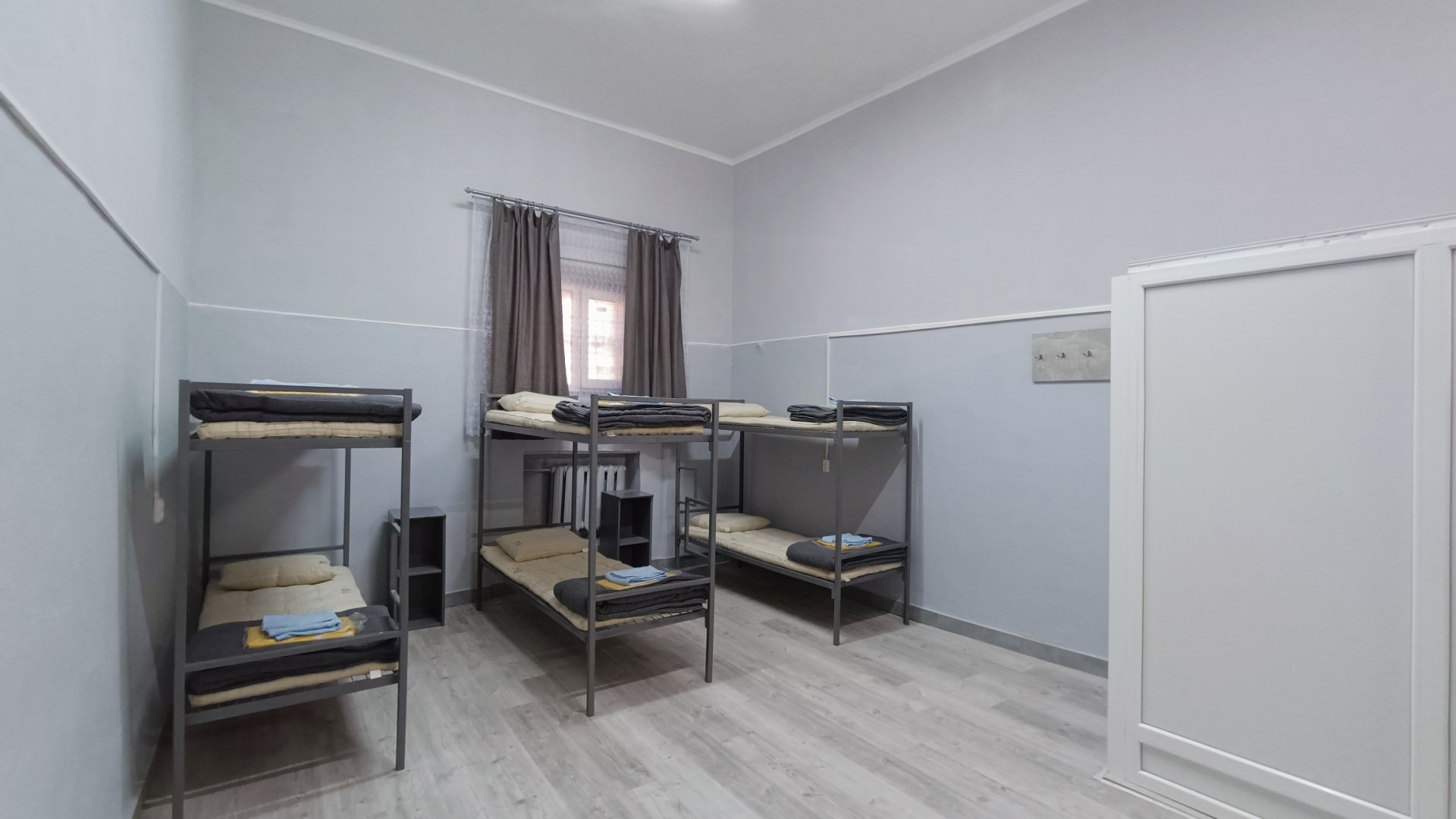
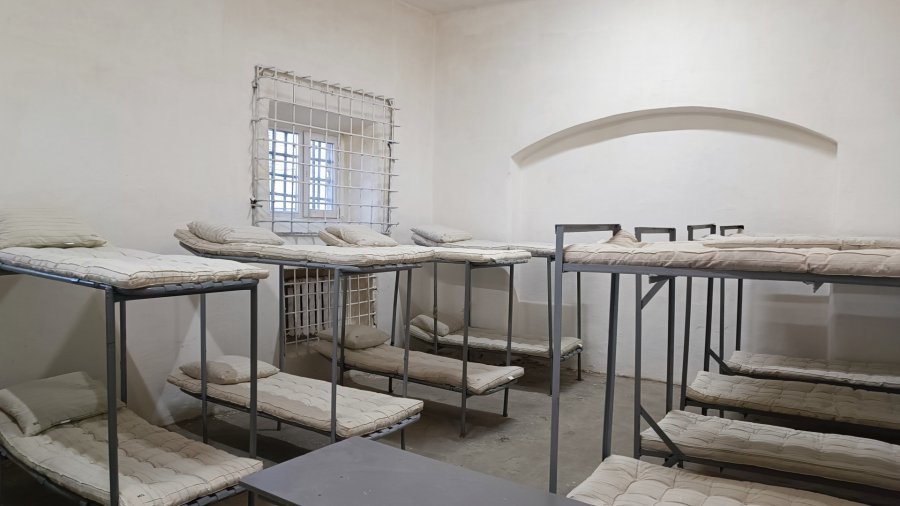
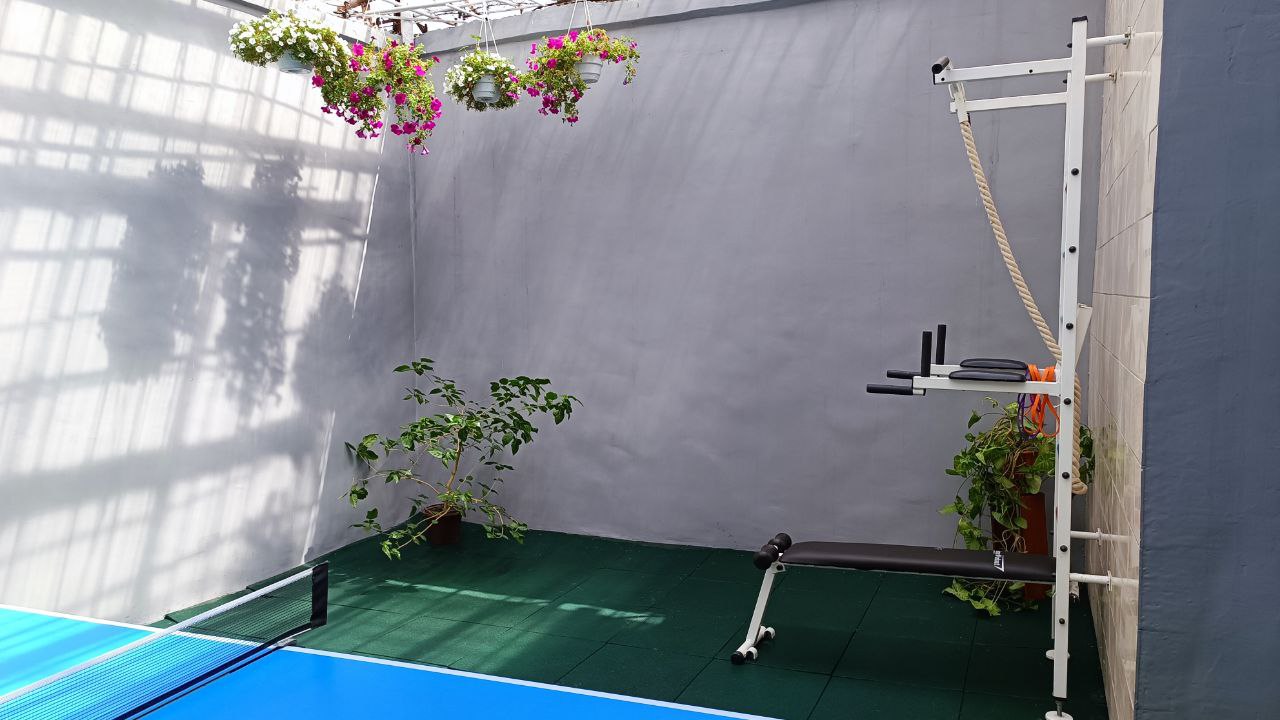
A social rehabilitation section has been established in the institution.
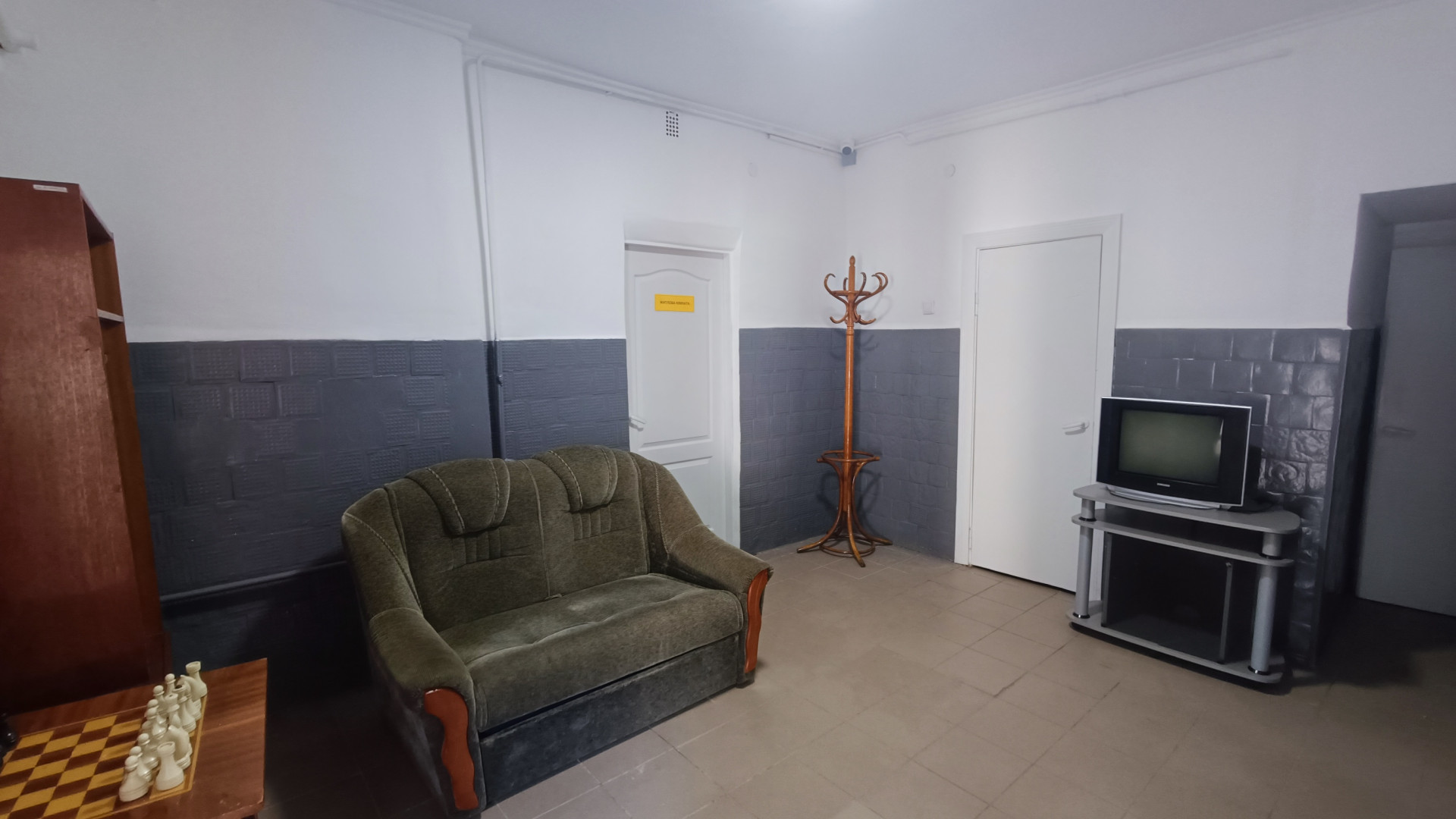
An internal post has been created where, at times defined by the daily schedule, the cell doors will be opened, and prisoners will be able to exit into the “Open Space” corridor.
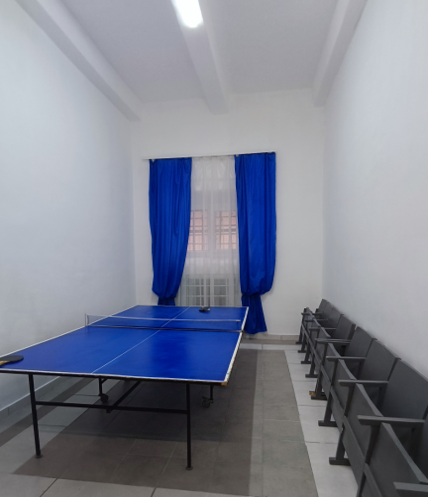
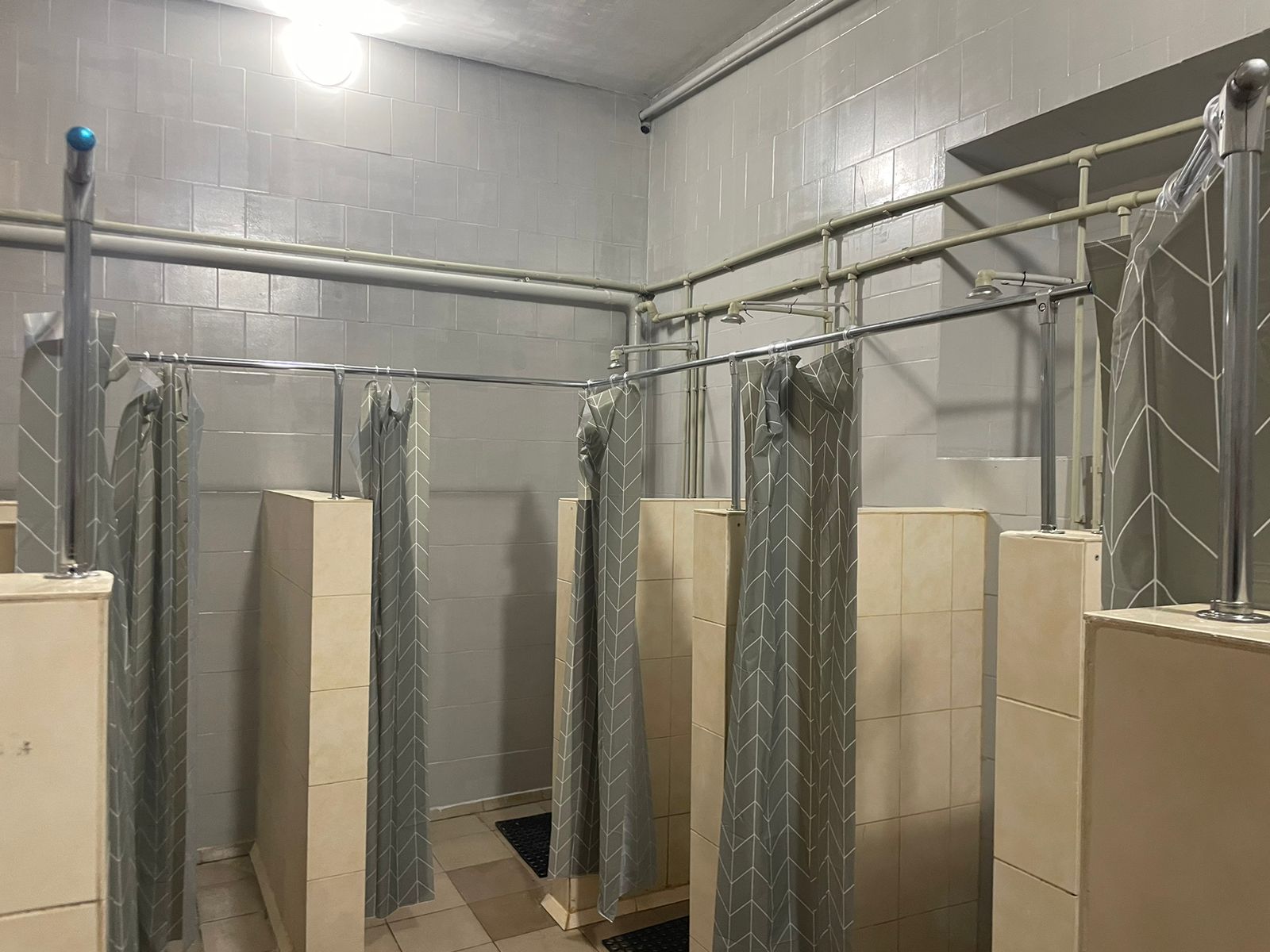
Renovation of 2 offices for investigative actions and the bathhouse of the first building unit have been completed.
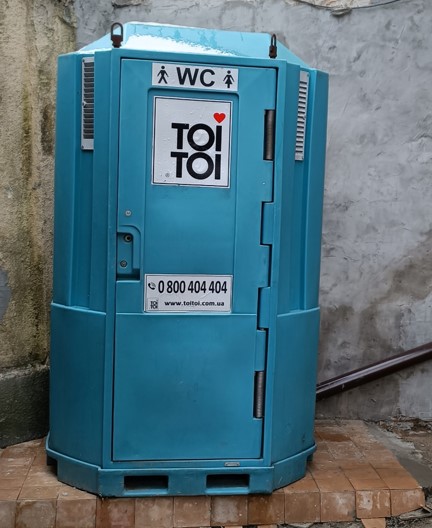
A portable toilet has been installed near the parcel reception room for the relatives of prisoners and convicts.
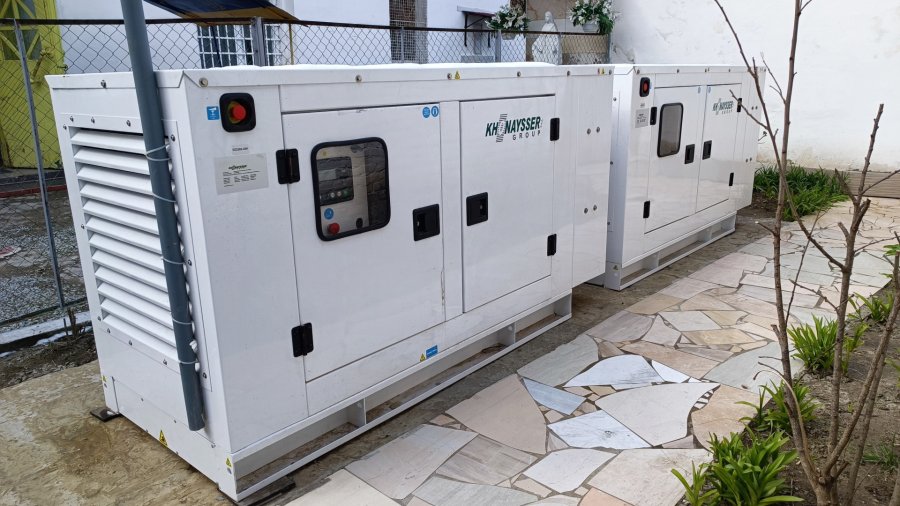
Two diesel generators have been installed near the multidisciplinary hospital.
Renovation works have begun in the premises where disinfection measures are carried out.
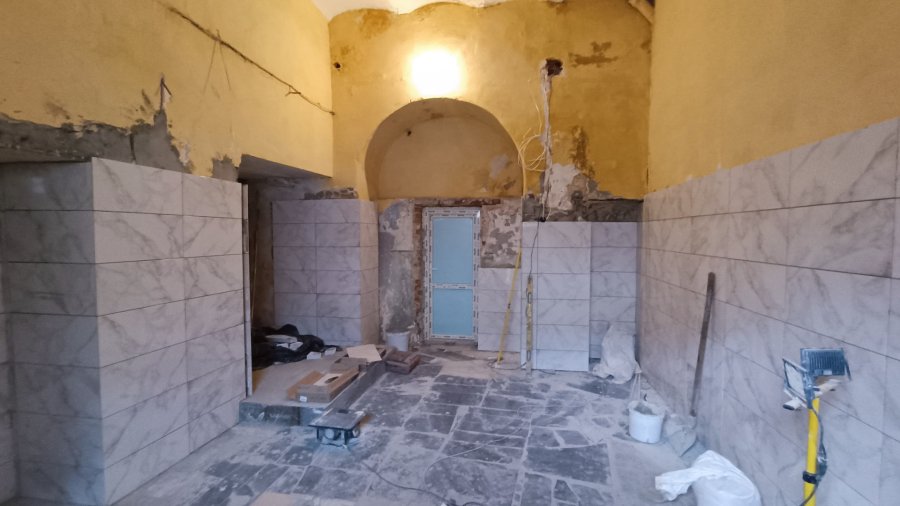
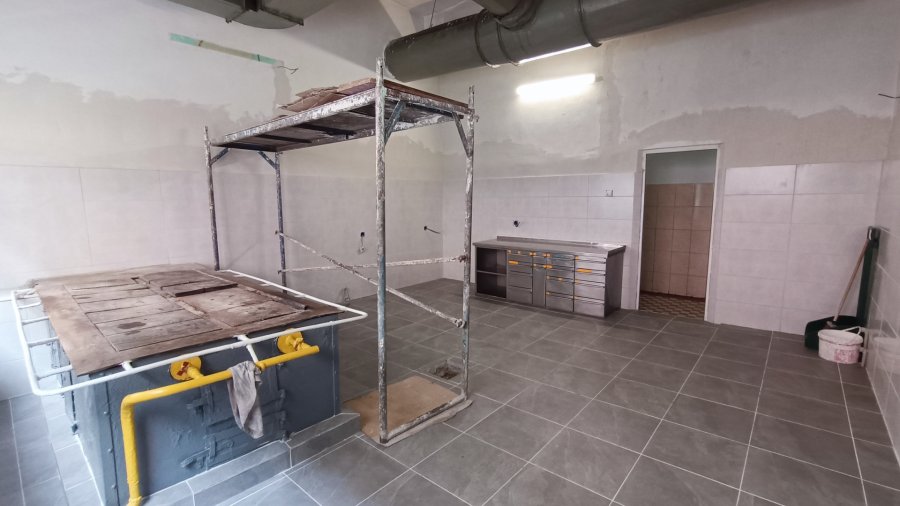
Renovation works have begun in the hot kitchen for preparing food for persons held in the institution’s hospital and in the premises for receiving prisoners (reception ward).
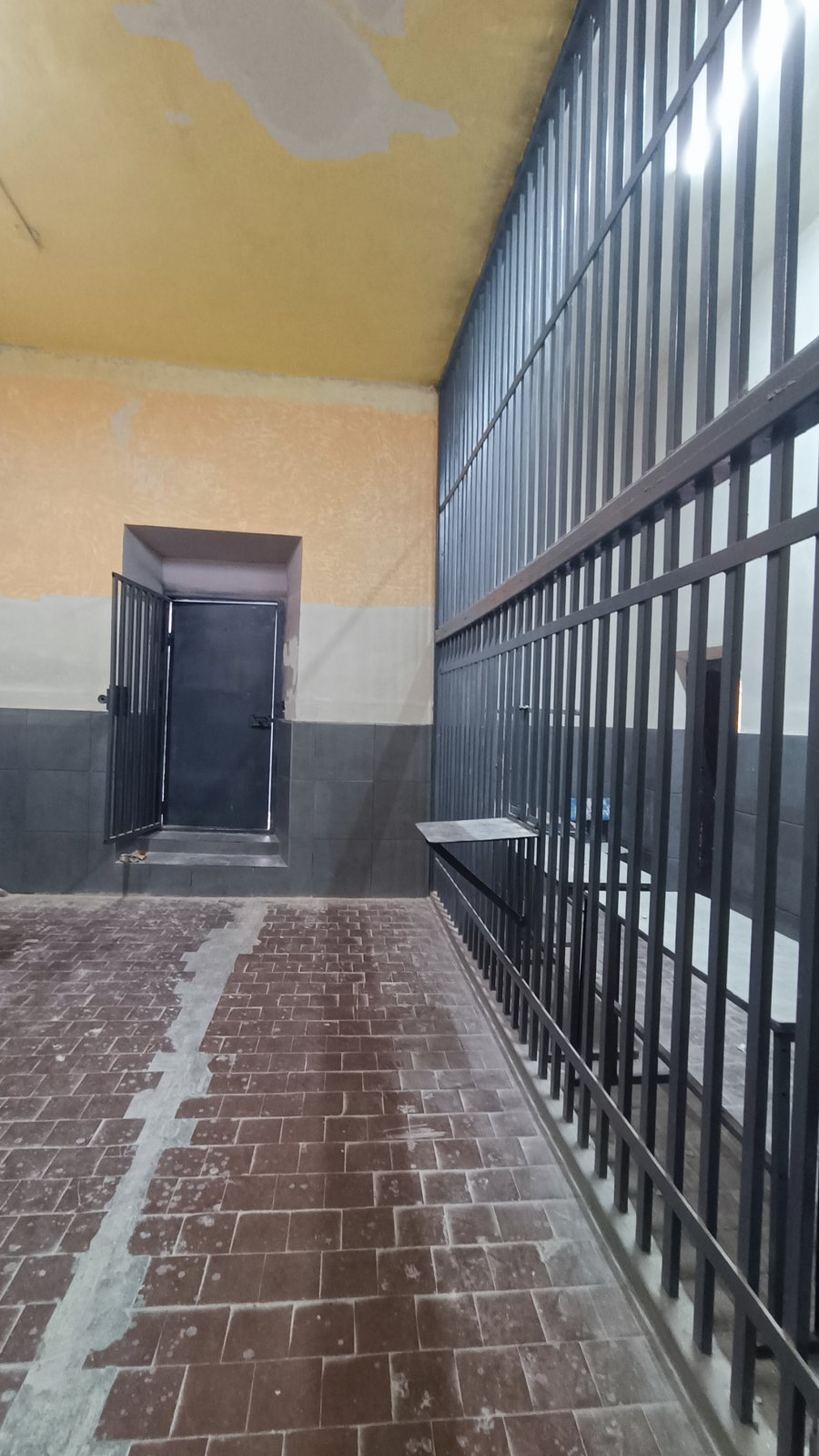
Facts identified during the visit
In the course of the monitoring visit, violations of national legislation requirements and non-compliance with international recommendations in the sphere of the treatment of prisoners were identified, which lead to violations of the rights of prisoners and convicted persons.
1. During the visit to cell premises Nos. 13, 14, 15, 16, 17, 18 of the institution’s regime building No. 1, it was established that these premises do not comply with Part 1 of Article 11 of the Law of Ukraine “On Pre-trial Detention”, the first paragraph of clause 1, Chapter 4, Section IX of the Internal Regulations of Pre-trial Detention Centres of the State Criminal-Executive Service of Ukraine, approved by the Order of the Ministry of Justice of Ukraine dated 14 June 2019, No. 1769/5 (hereinafter — IR SIZO), and also Rules 13, 14, 15, 17, and 21 of the UN Standard Minimum Rules for the Treatment of Prisoners (the Mandela Rules).
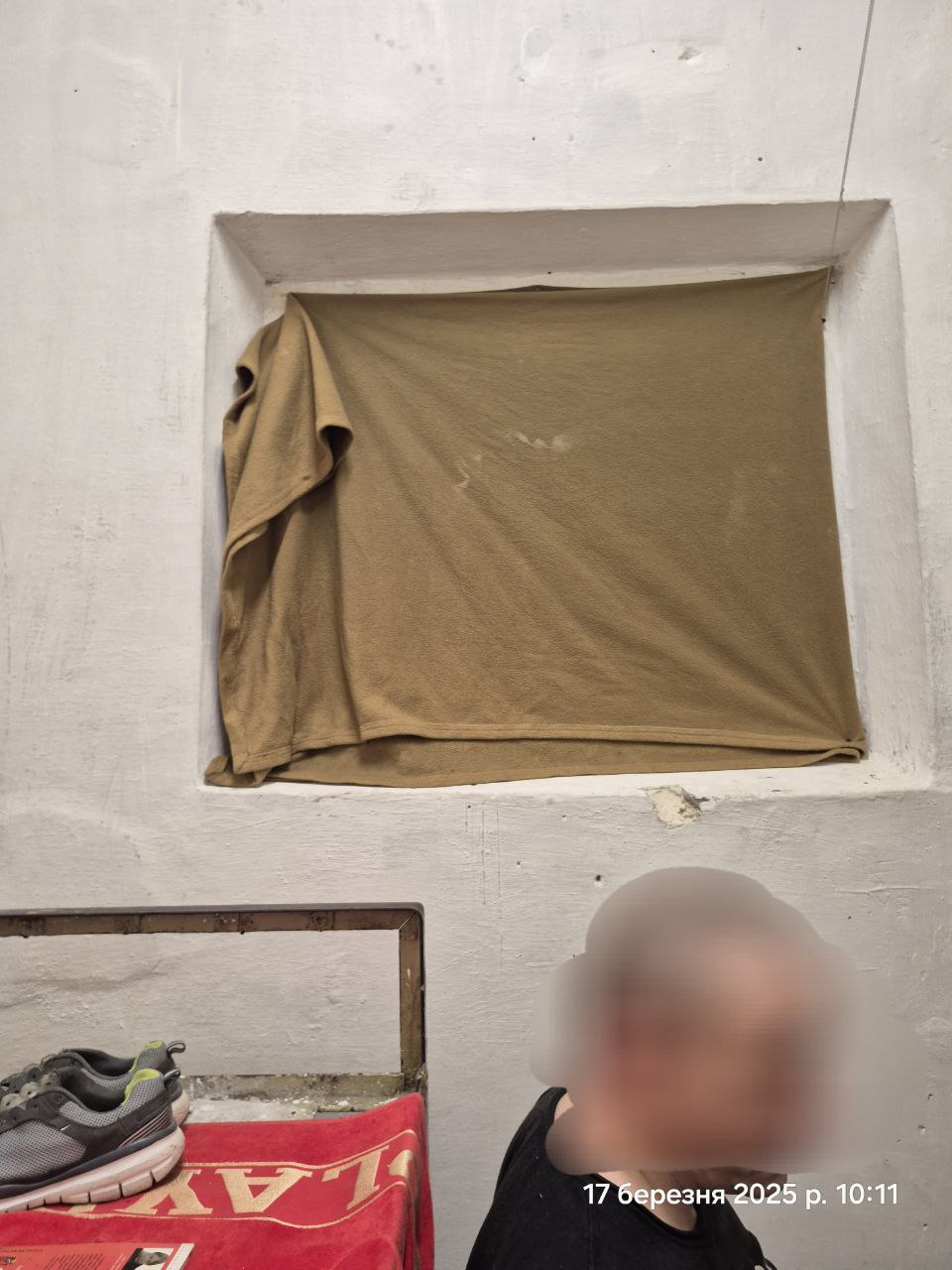
The aforementioned may lead to the filing of new applications against Ukraine to the European Court of Human Rights based on violations of Article 3 of the Convention for the Protection of Human Rights and Fundamental Freedoms. Thus, during the inspection of cell No. 13, the monitoring group established that the window faces a wall, meaning natural light does not penetrate the premises, which may create additional psychological pressure on prisoners due to the absence of any, even visual, connection with the outside world.
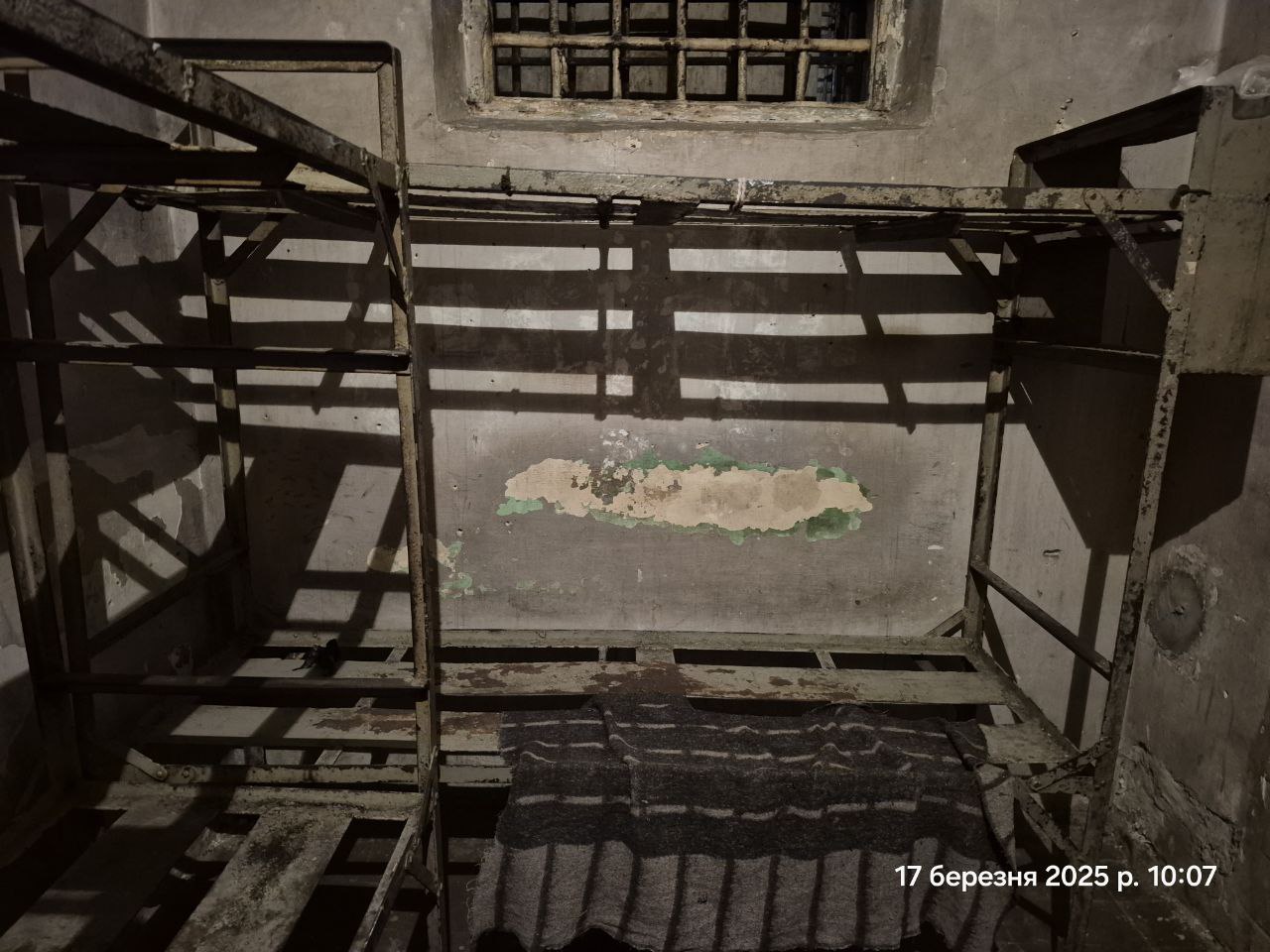
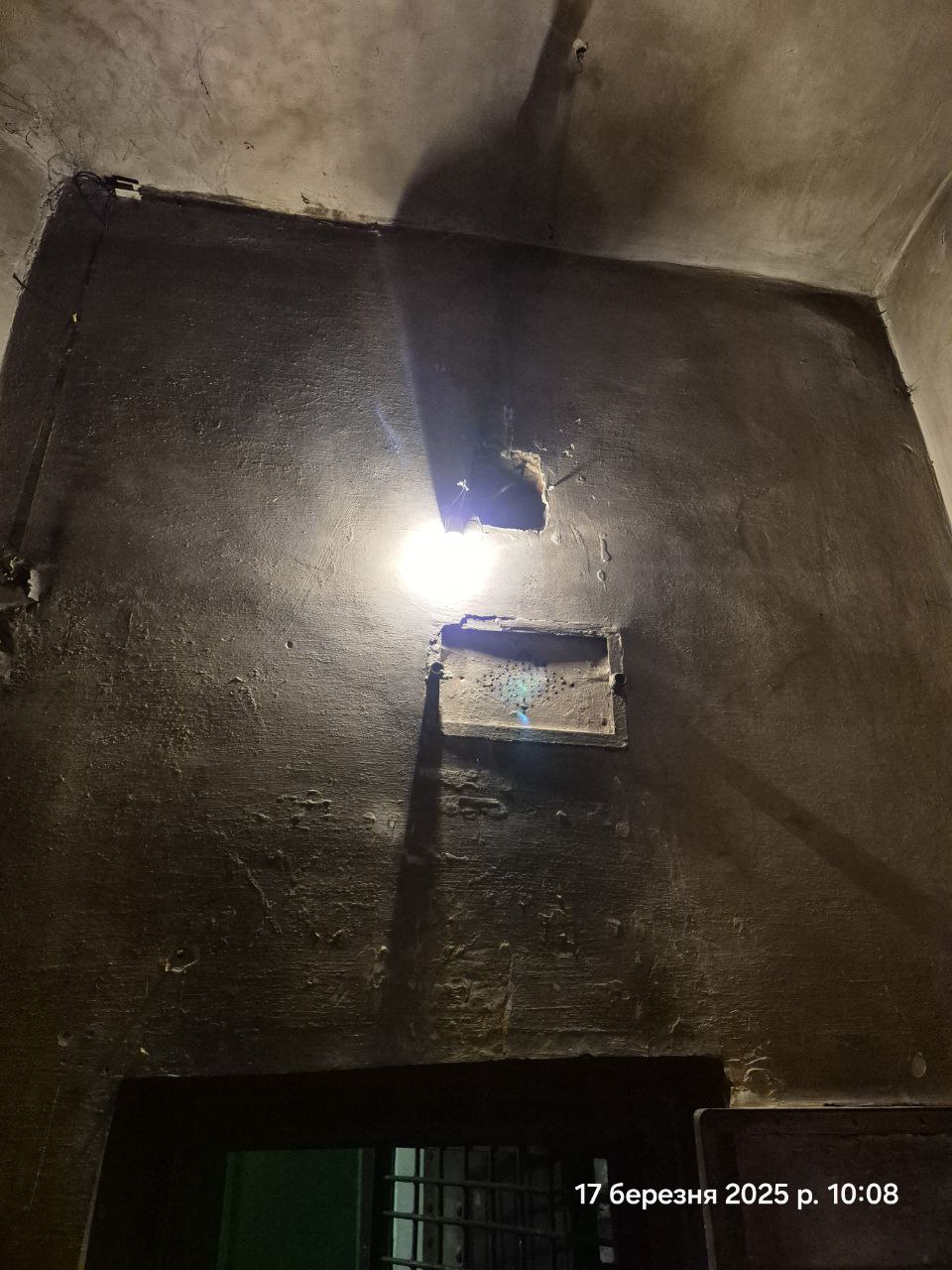
Due to the absence of glass in the window, there is a strong draught in the room, and the temperature is significantly lower than 18 °C, which contradicts clause 1 of Section XXII of the Internal Regulations of Penitentiary Institutions, approved by the Order of the Ministry of Justice of Ukraine dated 28 August 2018, No. 2823/5 (hereinafter — IR PI).
The bathroom in the cell is not equipped with a proper water flushing system, partitions, and doors that ensure privacy, which violates the requirement of Rule 19.3 of the European Prison Rules. The plumbing is rusty and needs replacement.
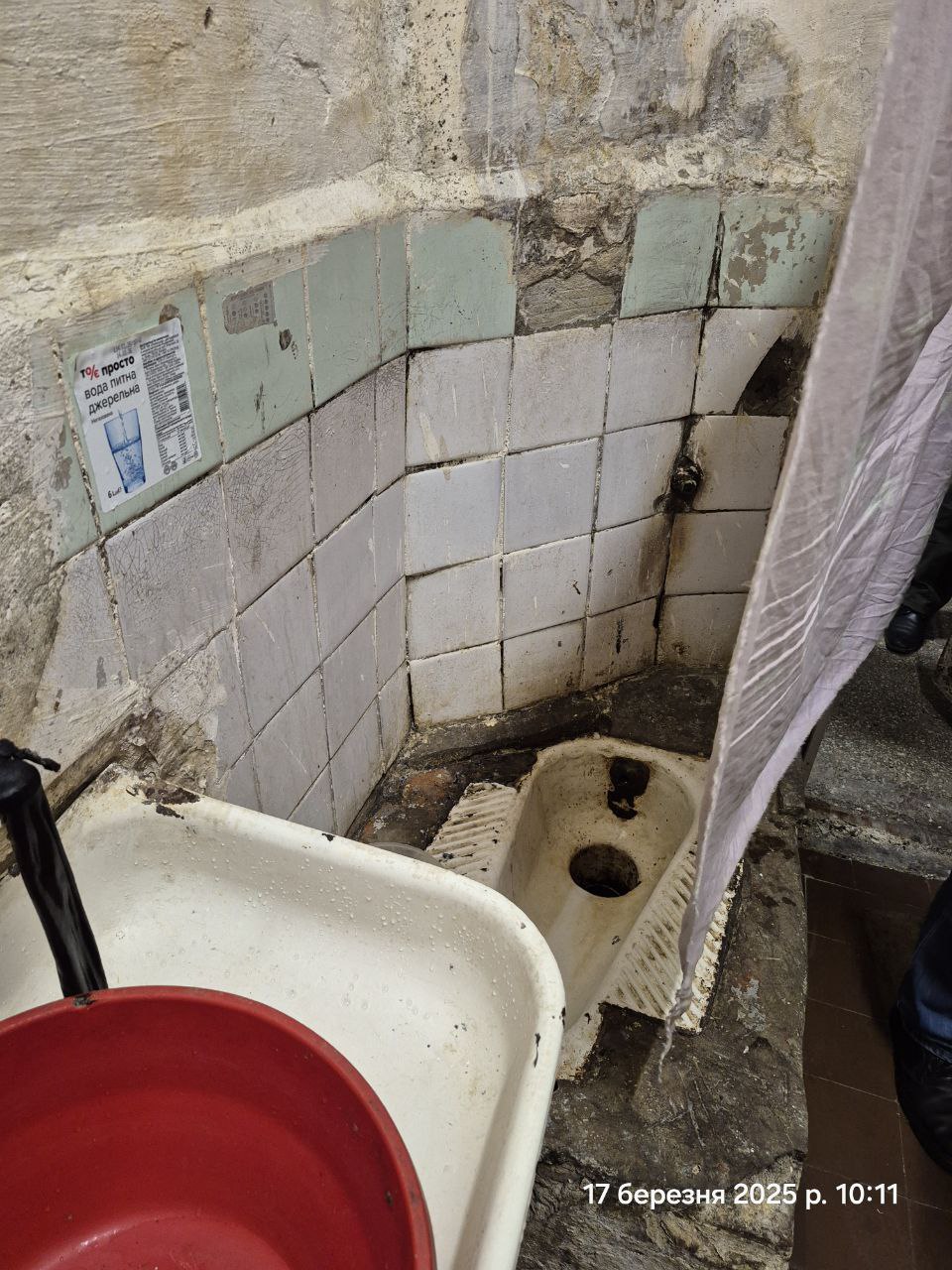
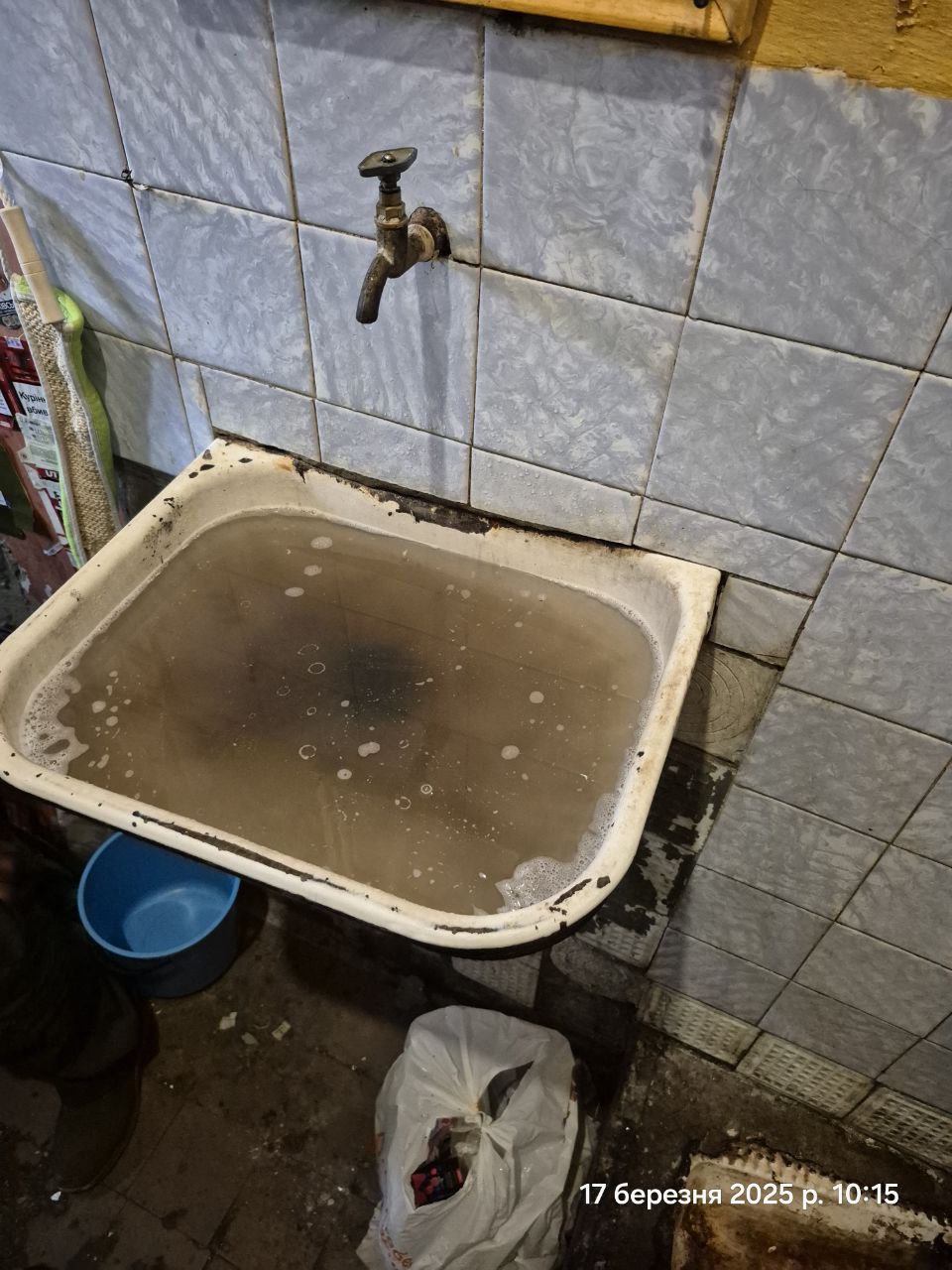
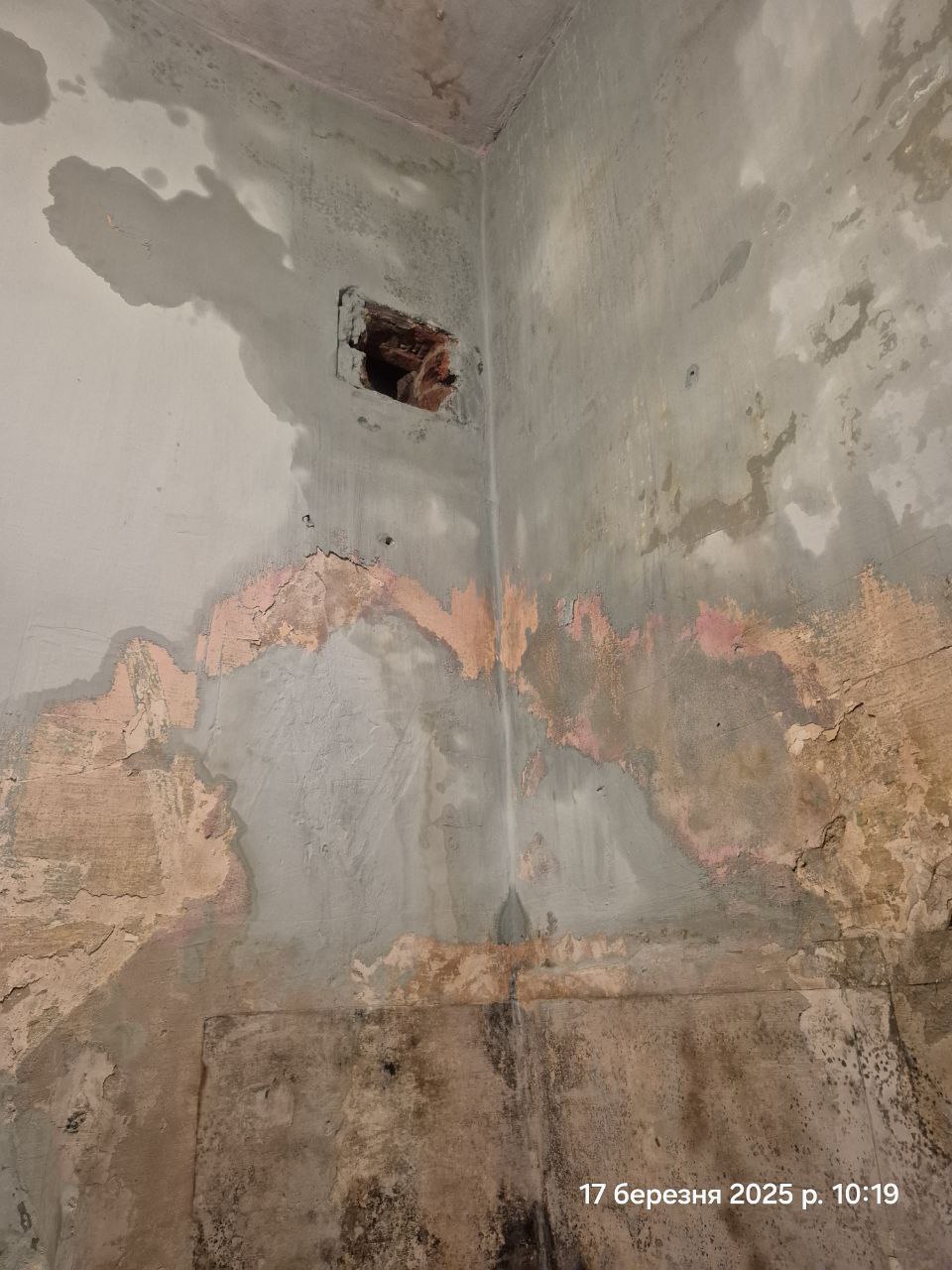
There is an unpleasant odour and unsanitary conditions in the room; excessive humidity is observed on the walls and ceiling, which has led to significant damage to their covering.
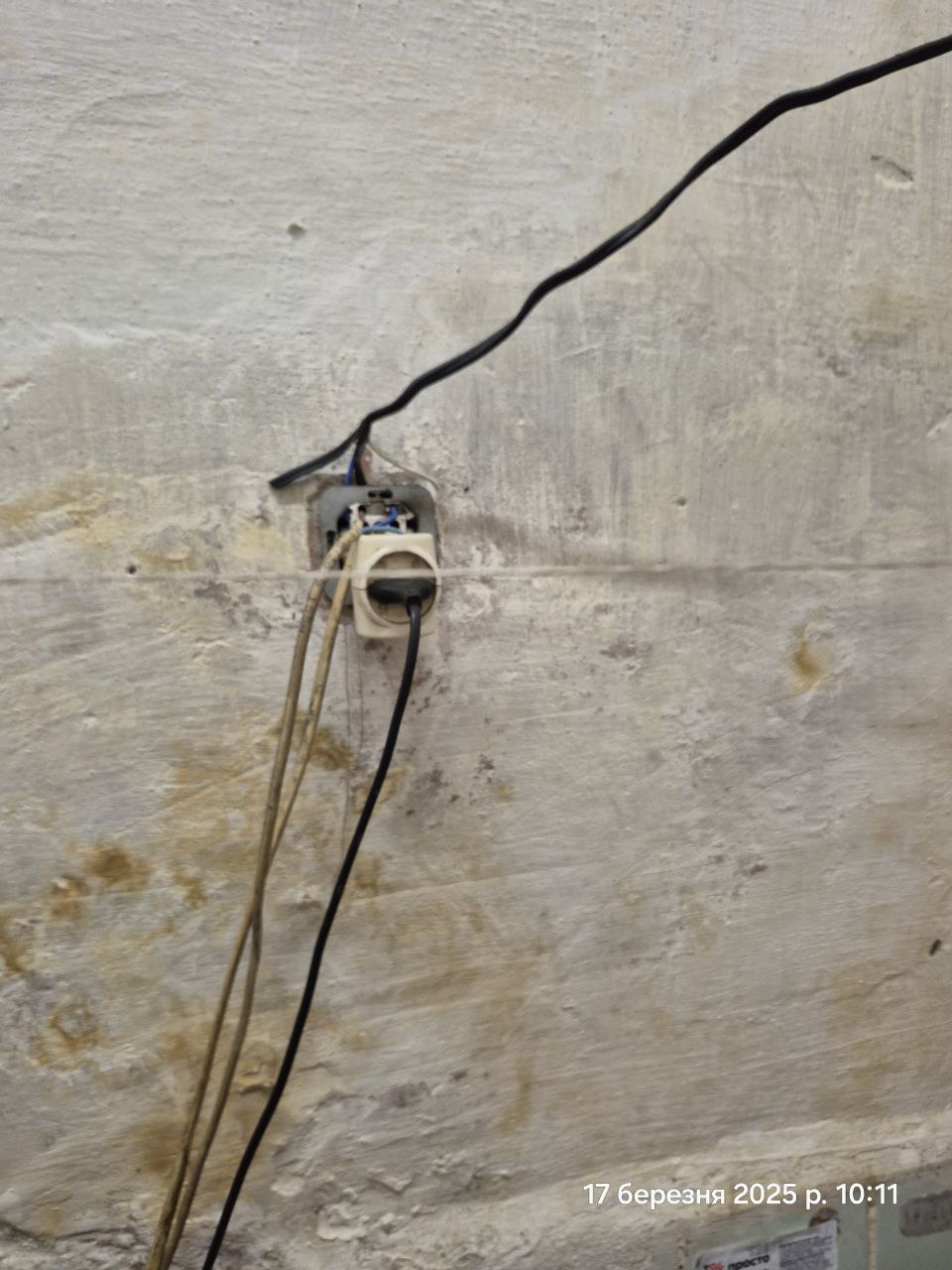
Contrary to the requirements of Rule 22.5 of the European Prison Rules and the Standards for the provision of furniture, inventory, and household items for a pre-trial detention centre, approved by the Order of the Ministry of Justice of Ukraine dated 27 July 2012, No. 1118/5 (hereinafter — Provision Standards), the cell premises are not equipped with a drinking water tank, as a result of which prisoners are forced to consume technical water from the central water supply. There are no tables or benches.
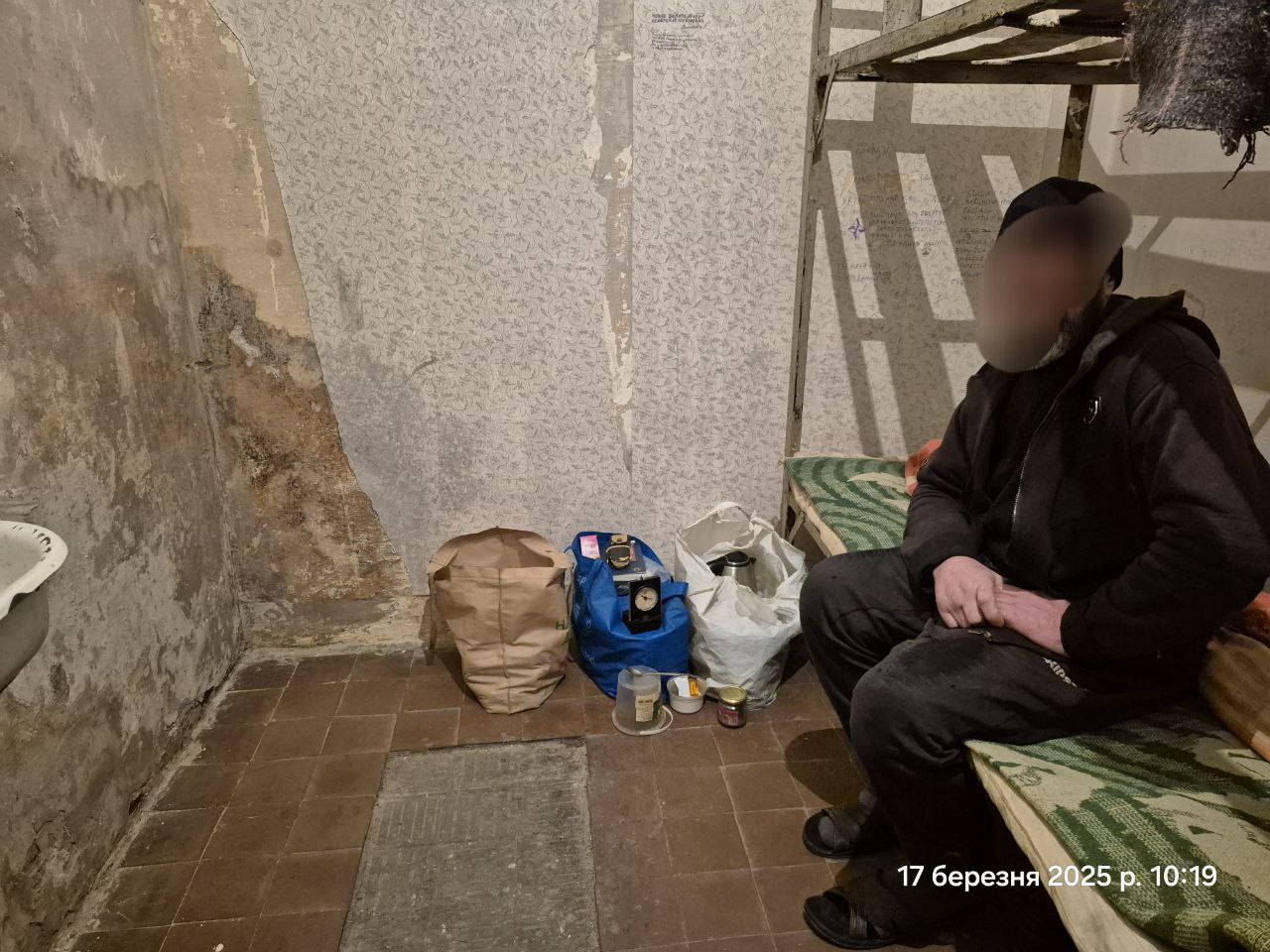
The level of artificial lighting in the cell premises is insufficient.
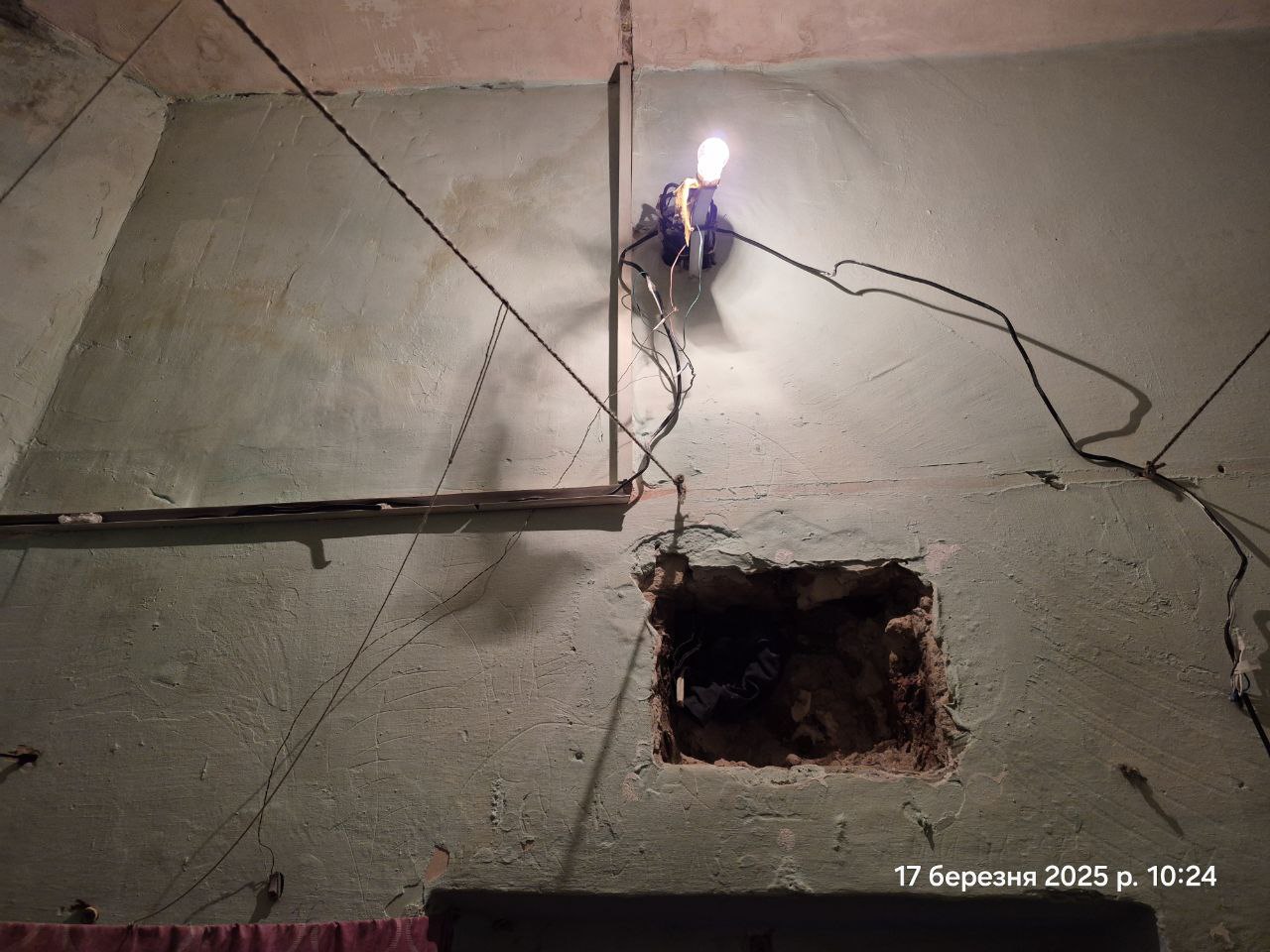
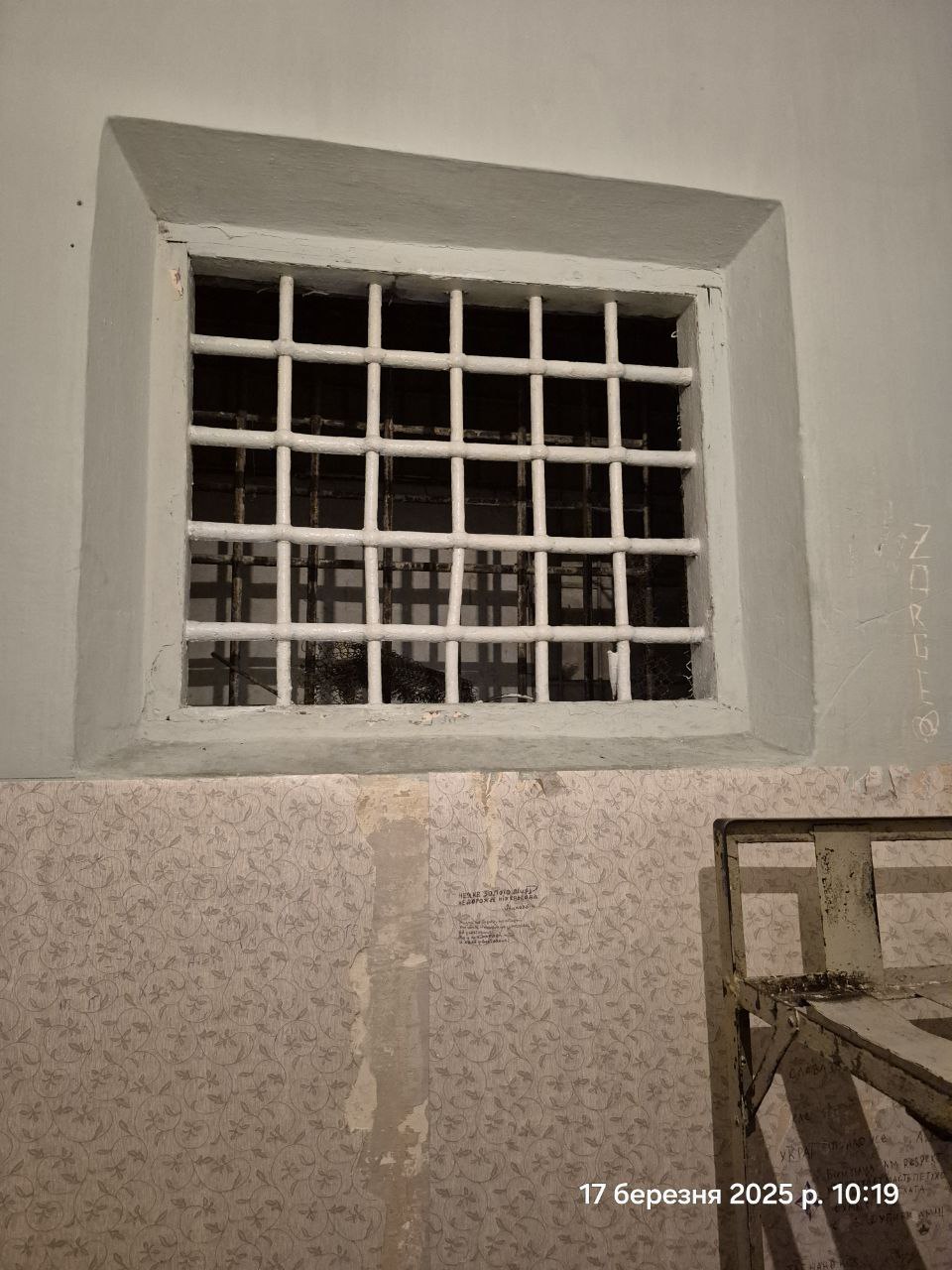
In accordance with Appendix Zh “Normative indicators of lighting for premises of residential buildings” of DBN V.2.5-28:2018 “Natural and artificial lighting”, approved by the Order of the Ministry of Regional Development, Construction, and Housing and Communal Services of Ukraine dated 3 October 2018, No. 264 (hereinafter — DBN V.2.5-28:2018), the illumination of work surfaces in sleeping and residential premises must be 150 LUX.
At the same time, only 9.4 LUX was recorded in cell No. 13, which is significantly lower than the established standards. Similar violations were identified in cell premises Nos. 14, 15, 16, 17, 18 of the institution’s regime building No. 1.
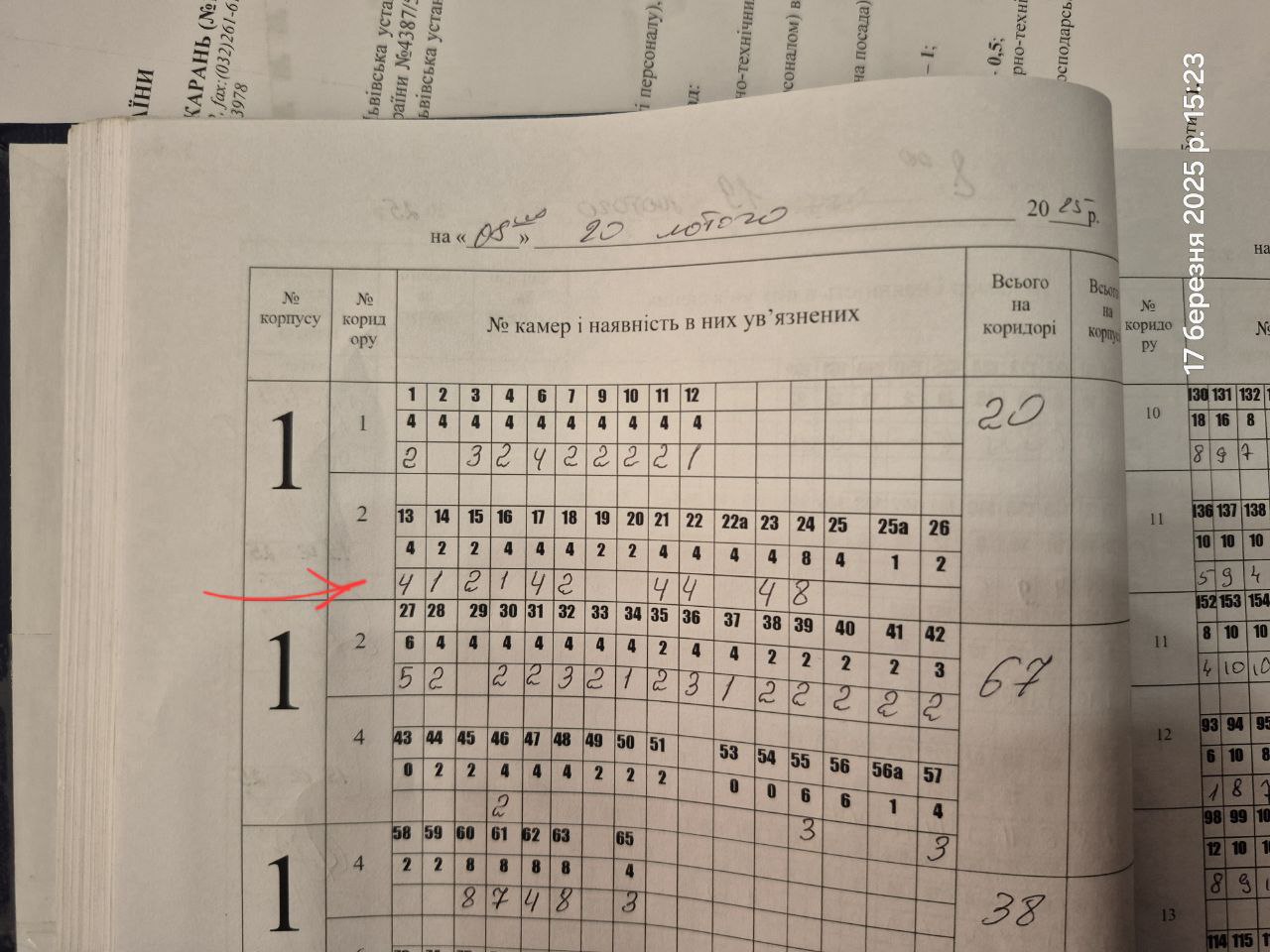
It must be noted that the institution’s administration denied placing prisoners or convicts in cell No. 13; however, these assertions do not correspond to reality, which is confirmed by entries in the Logbook of Quantity Checks of persons held in the State Institution “Lviv Penitentiary Institution No. 19”.
Thus, according to the records from 20 February 2025, there were 4 people in cell No. 13. At the same time, the area of this cell is 6.48 m². Therefore, the actual area per person taken into custody at the time of 4 people being there was 1.62 m², which contradicts the requirements of the second paragraph of Article 11 of the Law of Ukraine “On Pre-trial Detention”, which provides that the area standard in a cell for one person taken into custody cannot be less than 2.5 m².
At the same time, in the Report of the Government of Ukraine on the results of the 2023 visit, the European Committee for the Prevention of Torture or Inhuman or Degrading Treatment or Punishment (hereinafter — the Committee) called on the Ukrainian authorities to take necessary measures to improve material conditions of detention, in particular, to reduce the occupancy of cells so that there is at least 4 m² of living space per person taken into custody (excluding the area occupied by in-cell toilets); to keep all places where convicts and persons taken into custody are located, including sanitary facilities, in a proper state of repair and hygiene, and to carry out disinsection regularly and frequently; to ensure sufficient access to natural light and ventilation in cells, and to fully equip internal sanitary facilities with partitions (i.e., from floor to ceiling). (CPT/Inf (2024) 20, paragraph 58).
2. In paragraph 59 of the 21st General Report of the Committee, it is noted that any cell with an area of less than 6 m² should no longer be used to hold prisoners (CPT/Inf (2011) 28). In the Report of the Government of Ukraine on the results of the visit to Ukraine in 2012, the Committee emphasised that any single cells must have a living area of at least 6 m² (excluding the built-in toilet), and the distance between the walls of the cell must be at least 2 m (CPT/Inf (2013) 23, paragraph 45).
At the same time, the monitoring group established the use of cell No. 39, the area of which, according to the Act of measuring the area of premises of structural divisions, is 5.39 m² and which is designed for two prisoners, which does not correspond to the stated requirements. During the measurement of the area in cell No. 14, the monitoring group established that the distance between the walls is less than 2 m.
3. In violation of Part 1 of Article 115 of the Criminal Executive Code of Ukraine (CEC of Ukraine) and Rule 10 of the Standard Minimum Rules for the Treatment of Prisoners, it was established that in cells for persons in transit, the standard of living space per convict is less than 4 m². For example, in cell No. 160, where there are 18 beds and 14 convicts were being held, the area of the premises, according to the Act of living space measurement, is 27.52 m².
Thus, the actual area per convict was 1.96 m². Similar violations were identified in cell premises Nos. 161, 162. Furthermore, in violation of clause 1, Chapter 2, Section III of the IR SIZO, it was established that in a number of cell premises, the actual number of sleeping places exceeds the permissible number for ensuring the legislative standard of space per person. Thus, in cell No. 103, which, according to the Act of living space measurement, is designed for 8 places based on the standard of 2.5 m² per person, there are 10 beds.
Similar violations were established in cell premises Nos. 98, 134, 125, etc. The indicated violations create conditions for possible abuses by the administration and personnel of the institution in the context of compliance with the living space standard per person and do not ensure proper personal space for persons held in the cells.
In paragraph 13 of the 7th General Report of the Committee, it is noted that overcrowding of cell premises leads to unhygienic conditions, a constant lack of privacy, overloading of medical services and institution infrastructure, and often causes inhuman or degrading conditions for prisoners (CPT/Inf (97) 10).
4. In violation of Article 8 of the Law of Ukraine “On Pre-trial Detention” and Rule 17.2 of the European Prison Rules, monitors established cases of violation of the requirements regarding the separate detention of prisoners. Thus, in cell premises Nos. 60, 101, 106, 113, and 117, persons who had previously served sentences in places of deprivation of liberty were held together with a person/persons who were being held criminally liable for the first time.
The aforementioned indicates a systemic failure by the institution’s administration to comply with requirements regarding ensuring proper control over the placement of prisoners, does not correspond to the principles of dynamic security, and leads to a violation of the prisoners’ rights to personal safety, which contradicts national legislation and international standards, in particular, Article 3 of the Convention for the Protection of Human Rights and Fundamental Freedoms.
5. In the cell premises, a violation of Article 8 of the Convention for the Protection of Human Rights and Fundamental Freedoms, which guarantees the right to respect for private life, was identified. Thus, contrary to Rule 18.1 of the European Prison Rules, beds in separate cell premises are located close to each other, which does not provide prisoners with personal space (cells Nos. 160, 134, 124, etc.).
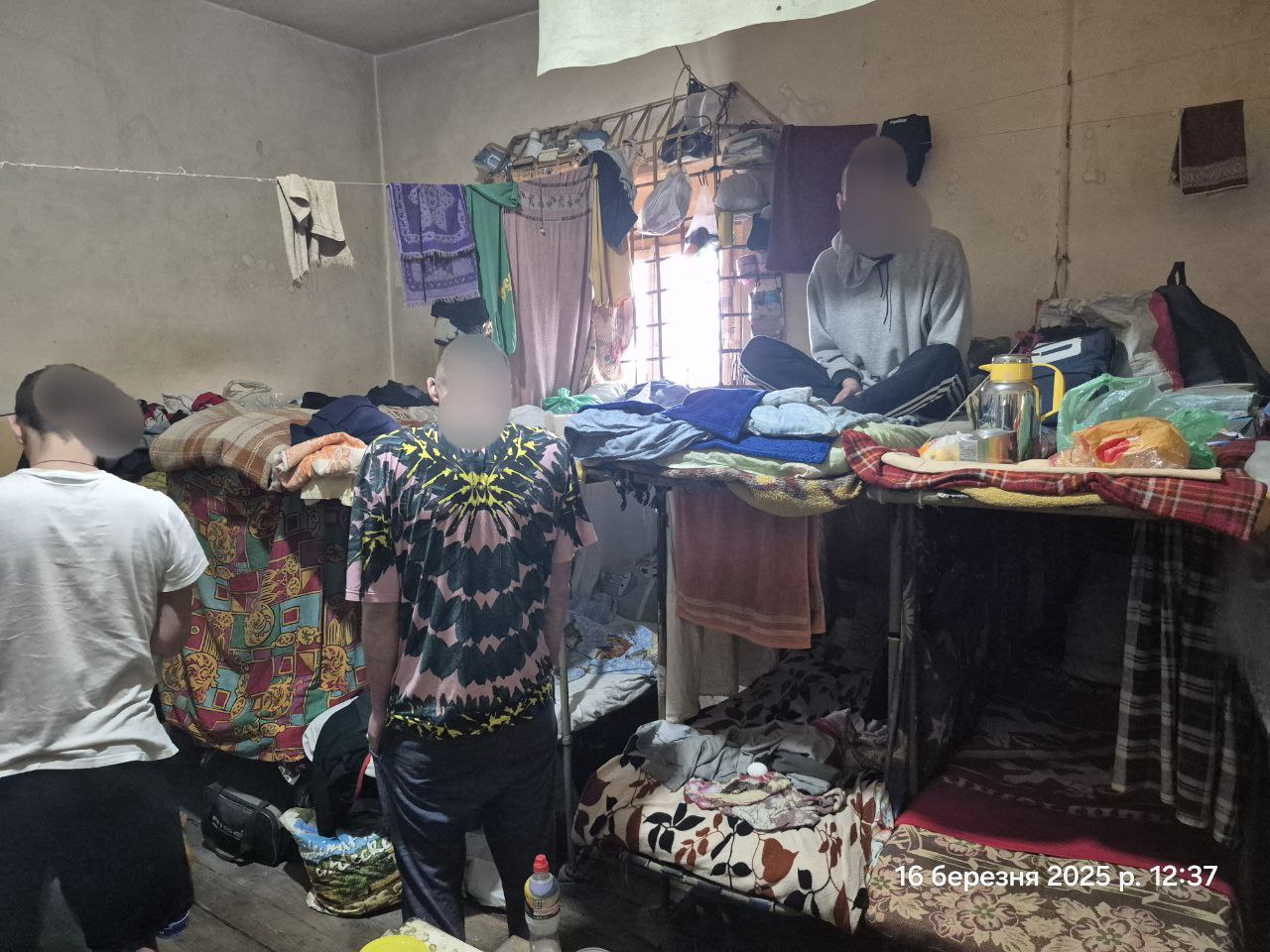
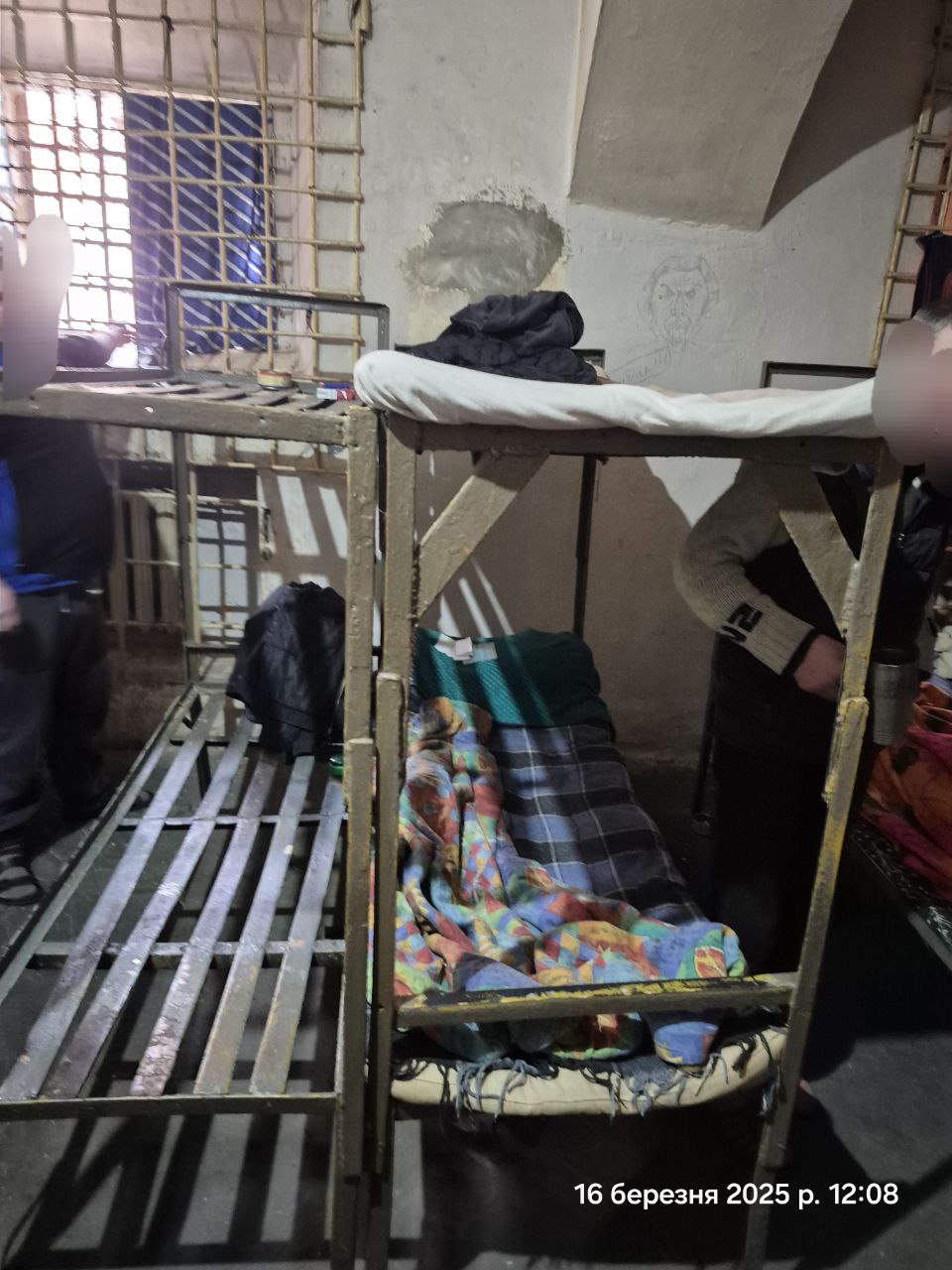
Bathrooms in some cells are not equipped with sufficient partitions or doors that ensure privacy, which violates the requirement of Rule 19.3 of the European Prison Rules (cells Nos. 13, 14, 15, 16, 17, 18, 134, 103, 98, 124, 125, 185, 189, etc.).
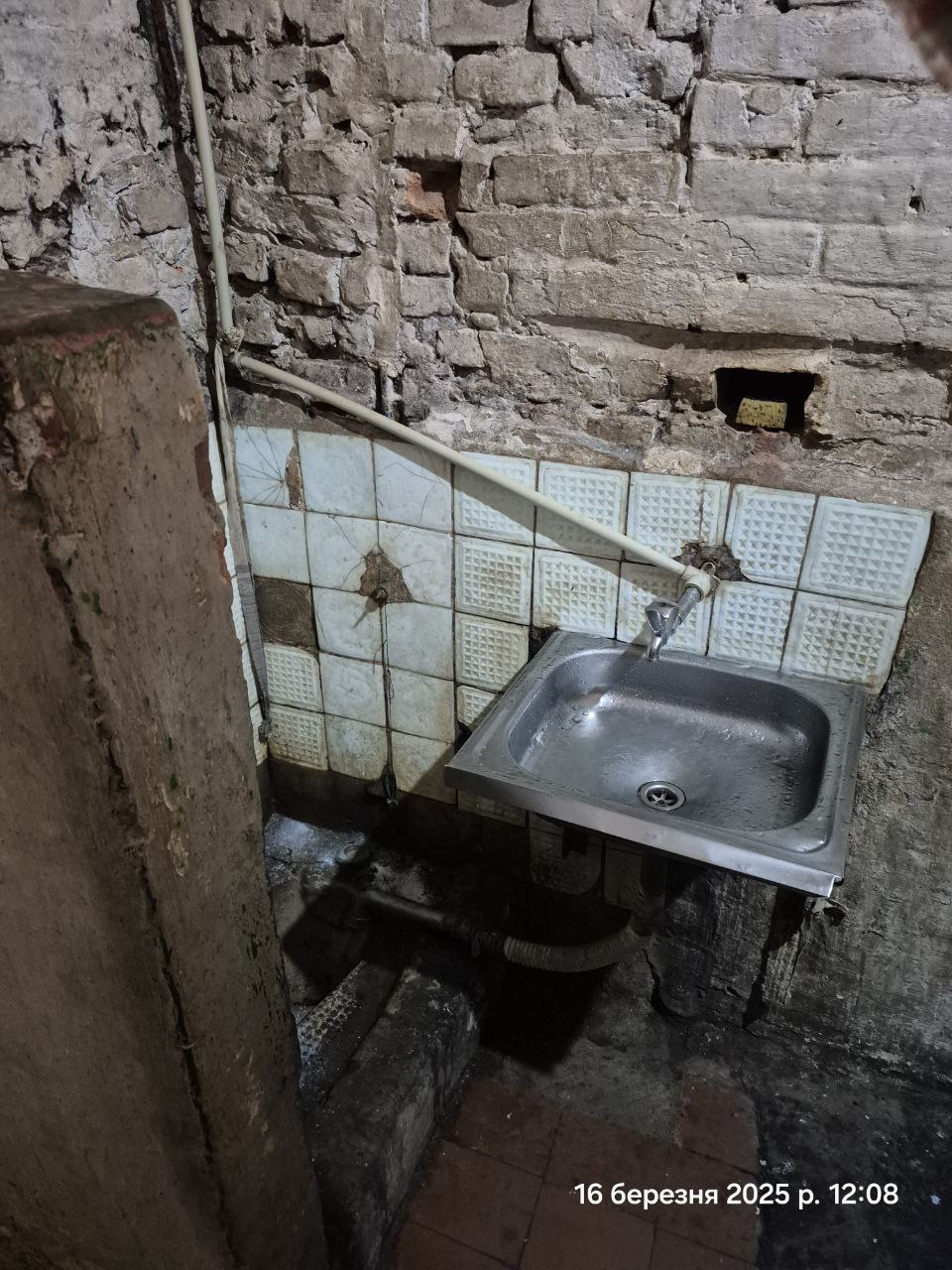
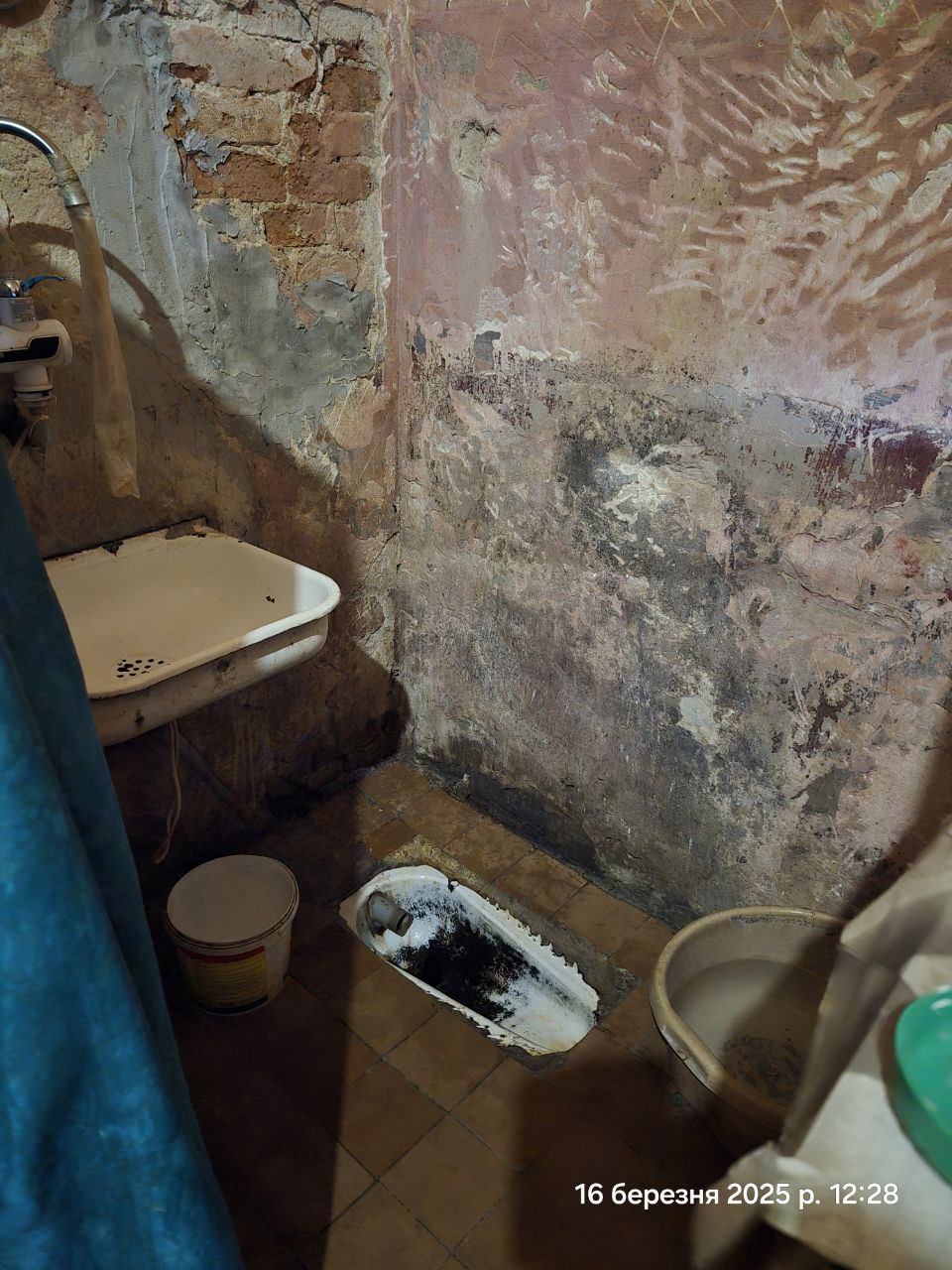
Furthermore, in violation of the requirements of Article 11 of the Law of Ukraine “On Pre-trial Detention”, prisoners are not provided with proper material and living conditions that meet sanitation and hygiene rules. Specifically, a low level of natural and artificial lighting was recorded in the cells, which does not meet the requirements of DBN V.2.5-28:2018, where the minimum lighting of residential premises is set at 150 LUX.
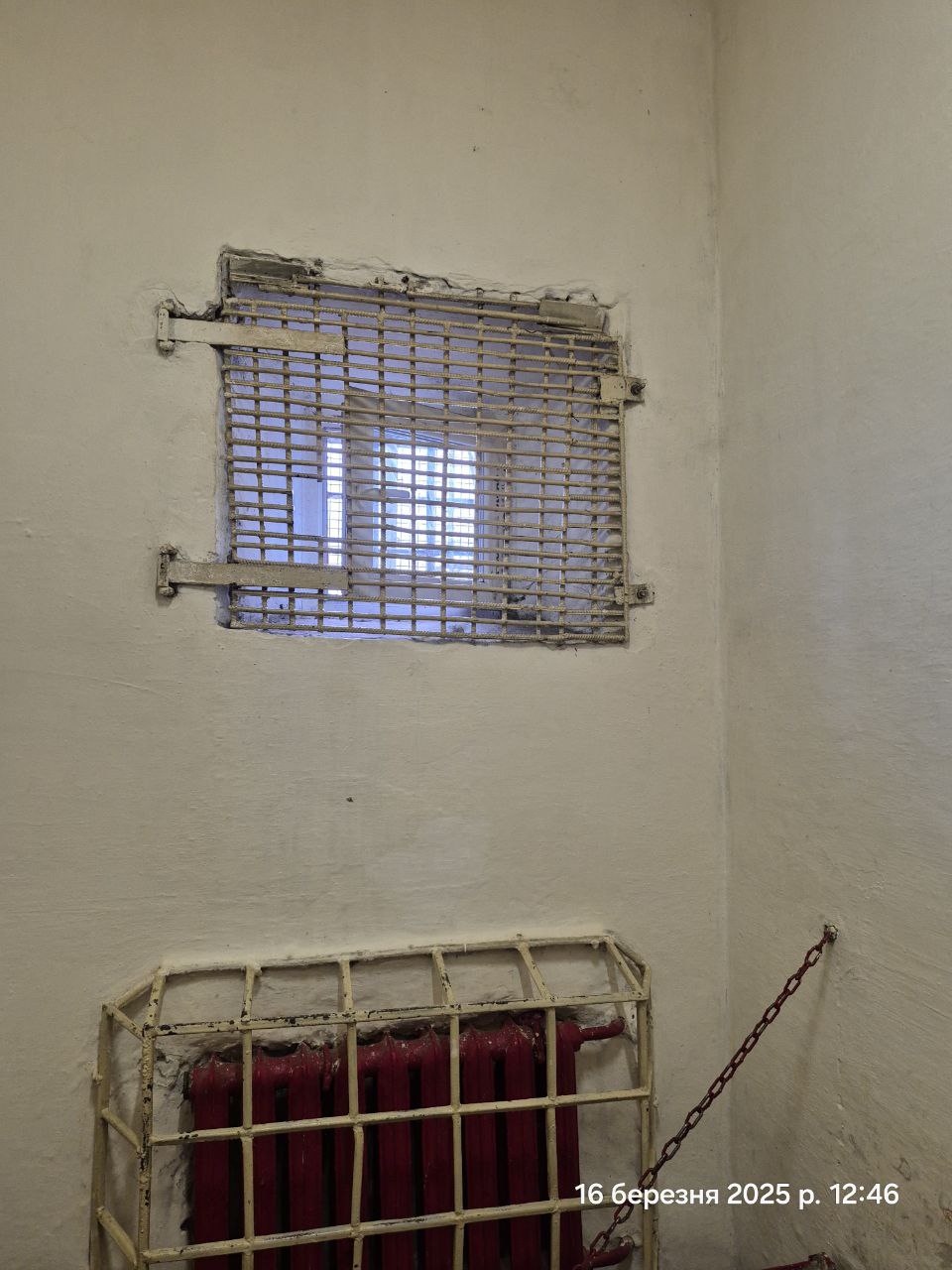
Most cell premises are not equipped with drinking water tanks; there is no ventilation. In the cell premises, prisoners are forced to wash and dry clothes, which indicates the improper organisation of laundry and bathing services in the institution. Certain cell premises require repair work with the replacement of sanitary equipment and electrical wiring.
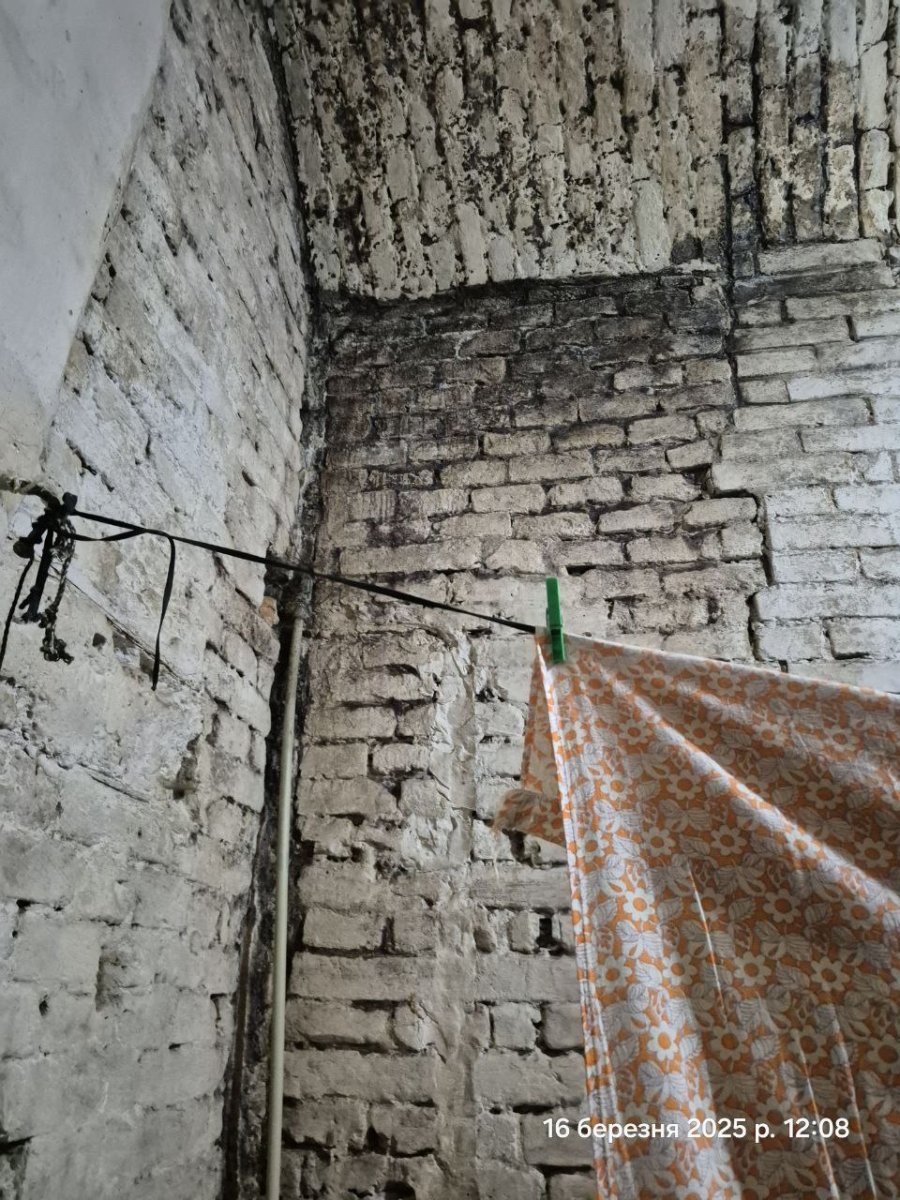
In some cells, excessive humidity is observed, the ceiling and walls are covered with mould due to water leakage, there is significant clutter with personal belongings, and bedding and mattresses need replacement.
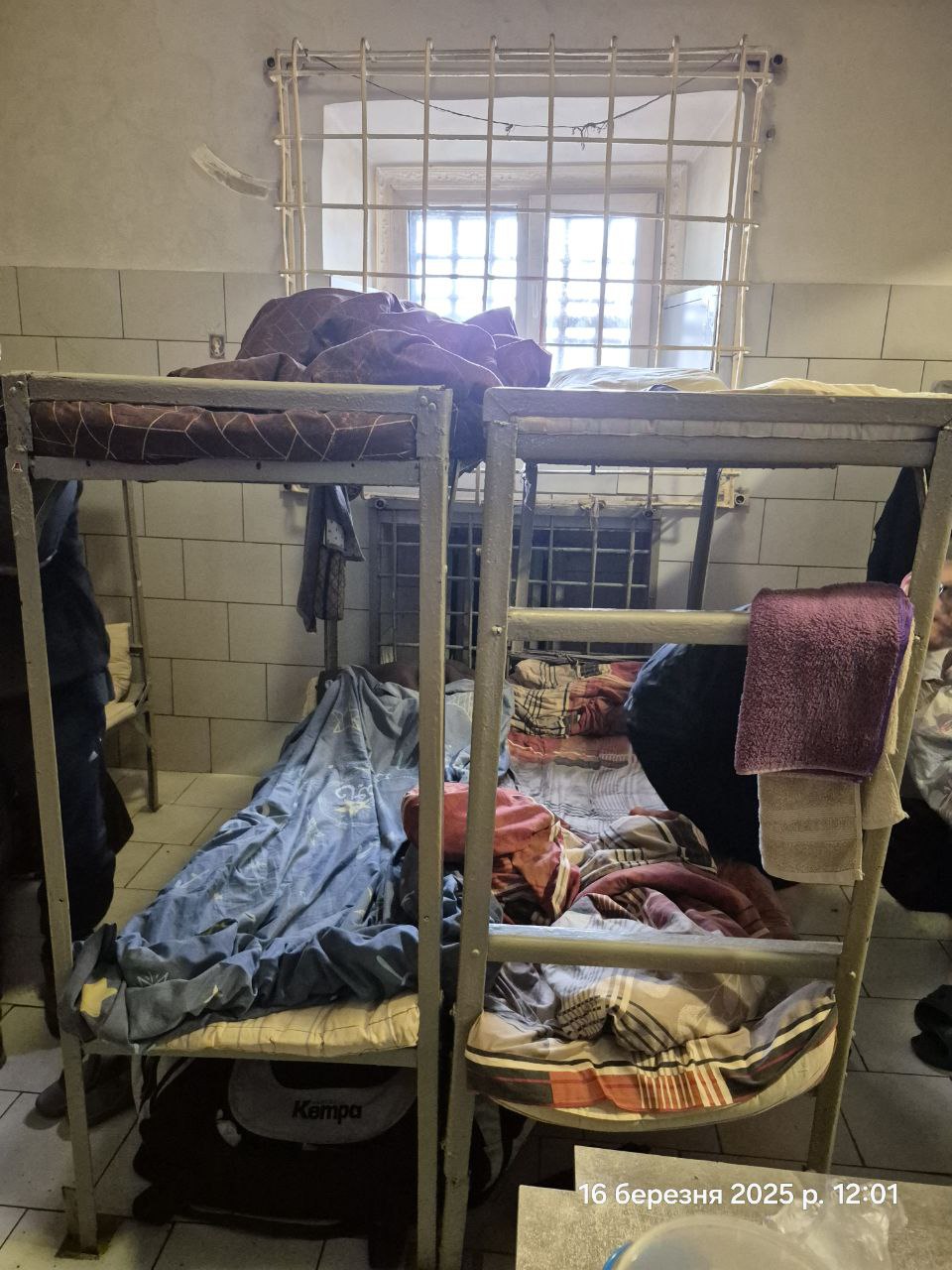
Disinsection measures taken by the institution’s administration are insufficient, as monitors recorded the presence of cockroaches in the cell premises.
6. During the visit to the high-security sector, near the external doors of the cells for the detention of persons sentenced to life imprisonment, it was established that personal cards were placed providing information with a brief description of the crimes committed by the persons located in the cells.
In its report on the results of the visit to Ukraine in 2020, the Committee stated that this practice should be stopped, as it serves no reasonable purpose and, in addition to stigmatisation, has the effect of worsening relations between prisoners and prison staff. (CPT/Inf (2020) 40, paragraph 52).
7. The monitoring group investigated the issue of compliance with the rights of persons for whom the competent authority of a foreign state has made a decision on extradition to Ukraine. During conversations with extradited persons, no complaints of improper, cruel, or degrading treatment were recorded.
Clause 4, Chapter 2, Section III of the IR SIZO determines that to prevent escapes and the commission of criminal offences, violations of the order of detention and sentence serving established by legislation, as well as to ensure the safety of prisoners, convicts, SIZO staff, and other persons on the SIZO territory, audiovisual, electronic, and other technical means are used.
During the inspection of cell No. 78, intended for holding extradited prisoners, the presence of an installed video surveillance camera was recorded.
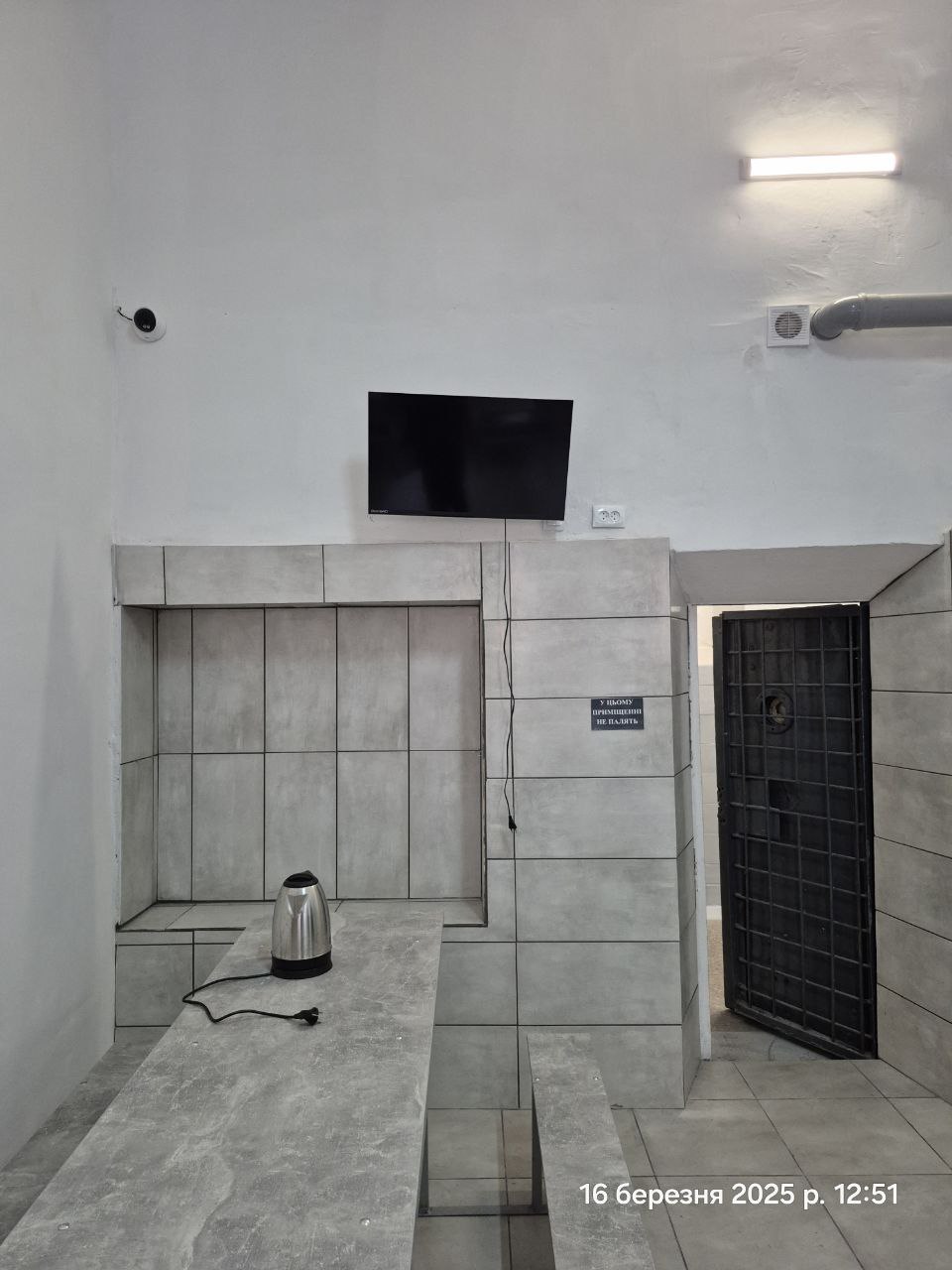
At the same time, in its 2012 report, the Committee criticised excessive interference in privacy through the installation of video cameras in the living quarters of convicts: “The Committee agrees that video surveillance in cells can be a useful safeguard in specific cases, for example, when a person is considered to be of concern regarding the risk of self-harm or suicide, or if there are specific suspicions that a convict is carrying out certain actions in the cell that could jeopardise safety.
However, any decision to apply video surveillance to a specific convict must always be based on an individual assessment of real risks and must be reviewed frequently on a regular basis. Video surveillance is a serious interference in the private life of prisoners and makes the regime even more repressive, in particular, when applied over a long period. (CPT/Inf (2013) 23, paragraph 52).
In violation of the requirements of Rule 22.5 of the European Prison Rules (EPR) and the Procedure for the provision, accounting, and operation of furniture, inventory, and household items and the norms of their provision and operation in penitentiary institutions and pre-trial detention centres of the State Criminal-Executive Service of Ukraine, approved by the Order of the Ministry of Justice of Ukraine dated 27 July 2012, No. 1118/5, registered in the Ministry of Justice of Ukraine on 30 July 2012 under No. 1274/21586 (hereinafter — Provision Standards), cell No. 74 is not equipped with a 15-litre drinking water tank with a water tap, lid, mug, and basin. In this regard, convicts are forced to consume technical water from the central water supply or buy drinking water at the institution’s shop.
Individual walking yards Nos. 7, 8, 9 do not have sufficient shelter from atmospheric precipitation.
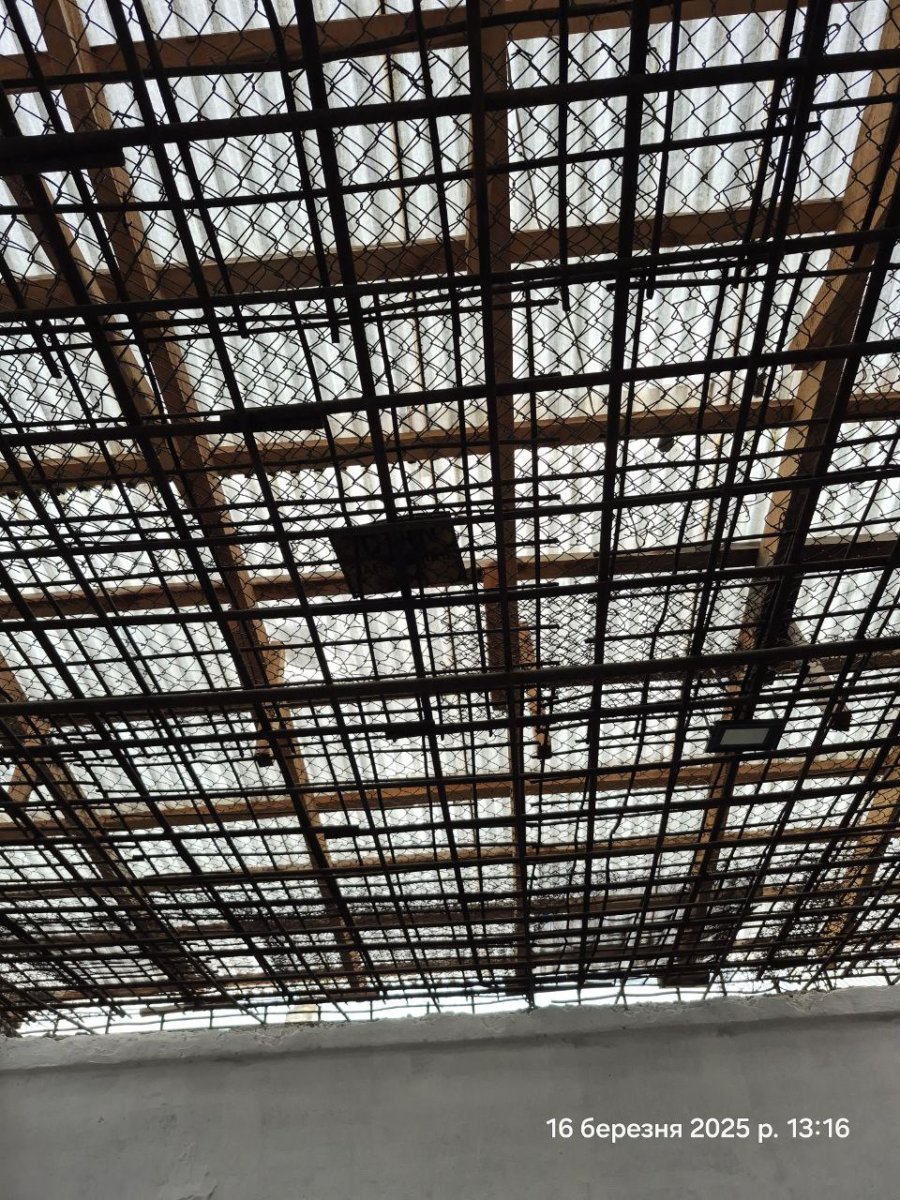
At the same time, the Committee has repeatedly recommended reviewing the design and size of walking yards “from which, at best, there is a view of the sky.” (paragraph 122, paragraph 127 (CPT/Inf (2014) 15).
Regarding physical activity and recreation outside the cells, prisoners are guaranteed the right to a daily walk in the fresh air lasting at least one hour. However, the institution’s staff did not offer any alternative types of out-of-cell activity. Prisoners expressed a desire to visit the gym.
In this context, the Committee in the 2023 report states that the situation with out-of-cell activities for persons taken into custody has not improved since the 2017 visit. As before, with the exception of a small number of those working, adult persons taken into custody (including women) in the visited institutions remain in cells for up to 23 hours a day, having limited access to activities outside the cell, apart from daily walks and, in individual cases, episodic visits to the gym. Walks last only one hour a day (sometimes a little longer for women) in small yards with a depressing design (high walls that limit the view).
Inside the cells, the main means of leisure are TV, books, and board games. The Committee expresses concern about the prolonged stay of persons in such conditions and calls on the authorities to develop activity programmes for those taken into custody, as well as to arrange more spacious walking yards with the possibility of physical exercise and a better view. (CPT/Inf (2024) 20, paragraph 58).
During the conversation, prisoners reported that not all of them, upon arrival at the institution or subsequently, were informed by the administration and staff about the existence of a shelter for protection from possible shelling and the procedure for actions in the event of an “Air Raid Alert” signal being announced.
Moreover, according to some of them, during an air raid, the institution’s staff did not offer to descend to the shelter. This indicates that certain prisoners remain unprotected in the cells during an air raid, which creates a real threat to their life and health in the conditions of the armed aggression of the Russian Federation against Ukraine.
The monitoring group investigated the issue regarding the shelter available in the institution, which is located in the basement area of a vegetable storage facility. It was established that the area of the shelter premises does not correspond to the number of persons held in the institution, which makes the safe accommodation of all persons in the event of an emergency impossible. This creates a threat to their life and health, which contradicts Article 3 of the Universal Declaration of Human Rights, Article 2 of the Convention for the Protection of Human Rights and Fundamental Freedoms, and Article 27 of the Constitution of Ukraine.
Thus, the indicated circumstances may significantly influence the process of decision-making by the competent authorities of foreign states regarding the issue of the extradition of persons suspected or accused of committing a crime to Ukraine.
8. The premises of the unit for convicts left to work in housekeeping services do not fully comply with the requirements of the Provision Standards. In particular, the following premises are missing: a room for religious rites; a utility room; a drying room; rooms for physical culture activities.
The absence of the indicated premises leads to the impossibility of ensuring proper conditions for holding convicts, provided for by legal and regulatory acts, in particular regarding compliance with their sanitary-hygienic, domestic, religious, and physical needs.
9. According to clause 17, Section V of the Regulation on the organisation of food provision in the State Criminal-Executive Service of Ukraine in peacetime, approved by the Order of the Ministry of Justice of Ukraine dated 15 June 2021, No. 2160/5, daily samples of each dish of the menu are left in the institution’s canteen.
Sampling is carried out by the cook from the cauldron in the presence of a medical worker of the healthcare facility into clean dishes with a lid (pre-washed and boiled) before the food is served. Daily samples are stored in the canteen refrigerator at a temperature from +4 to +8 °C. Samples of dishes from each meal are stored for a day until the end of the similar meal on the next day.
At the same time, the monitoring group, during the inspection of the canteen premises, established that daily samples were stored on a table in violation of the specified temperature regime.
10. The monitoring group established a number of violations in the organisation of laundry and bathing services for convicts and prisoners. In accordance with clause 3.19.1, Section III of the Regulation on the organisation of laundry and bathing services for persons held in penitentiary institutions and pre-trial detention centres, approved by the Order of the Ministry of Justice of Ukraine No. 849/5 dated 8 June 2021 (hereinafter — the Regulation), sanitary treatment involves washing convicts (persons taken into custody) in the bathhouse using soap and a washcloth, the mandatory replacement of bedding and underwear, and the carrying out of disinfection (destruction of pathogenic microorganisms) and disinsection (destruction of insects and mites that are carriers of infectious diseases) of personal clothing and bedding (pillows, mattresses, blankets) in a disinfection chamber.
However, as established by the monitoring group, the disinfection chamber in the institution is not working, which makes proper sanitary treatment of bedding and clothing impossible, increases the risk of the spread of infectious diseases among convicts and staff, and also contradicts established sanitary-hygienic standards.
In violation of clause 2.14, Section II of the Regulation, the provision of hairdressing services to convicts and prisoners is not ensured in the institution. In violation of the requirements of clause 2.11, Section II of the Regulation, in the premises of the laundry and bathhouse of regime building No. 1, the forced supply-exhaust ventilation system is not working. In violation of the requirements of Rule 19.3 of the European Prison Rules, in the bathhouse premises, the right to privacy is not observed due to the absence of curtains on individual shower partitions.
11. During the visit, the monitoring group recorded that the institution’s staff who are in direct contact with convicts openly wear special equipment, in particular rubber batons. At the same time, according to the eighth paragraph of clause 8, Chapter 1, Section V of the IR SIZO, the wearing of special equipment by SIZO staff within the protected territory of the SIZO should be, if possible, maximally concealed from the surroundings.
At the same time, the Committee recommends that penitentiary staff working in direct contact with prisoners should not wear special equipment (such as rubber batons, handcuffs, and canisters equipped with tear gas) openly in front of prisoners. Such wearing prevents the establishment of normal relations between staff and prisoners (para. 85 (CPT/Inf (2011) 29), para. 23 (CPT/Iinf (2013) 23), para. 166 (CPT/Inf (2014) 15)).
12. At the time of the visit, 17 convicts were involved in work at the institution: 14 under fixed-term employment contracts and 3 under civil law contracts (CLC).
Convicts perform work in the following areas: cleaning of premises and territory; washing laundry; work in the catering unit (washing, peeling vegetables); technical maintenance (locksmith, electrical, plumbing work); work in the boiler room; current repair of buildings. These functions correspond to the job duties of employees provided for by the institution’s staffing table, but instead of the proper employment of staff, these duties are performed by convicts.
The use of both fixed-term employment contracts and CLCs was revealed. The concluded employment contracts are of a formal nature: they do not specify working hours, the work regime, the frequency of payments; there is no definition of the place of work, specific duties, occupational safety conditions; there is no provision for bonuses, extra payments, sick leave, or annual leave. This contradicts the requirements of Articles 21, 24, 29, 91, 95, 97, 115 of the Labour Code of Ukraine.
It was also established that part of the work is performed without concluded contracts; in particular, facts of non-formalised labour in the catering unit and territory cleaning were recorded. This creates a risk of labour exploitation and violations of Article 43 of the Constitution of Ukraine, Articles 21, 24, 265 of the Labour Code of Ukraine, and Article 118 of the Criminal Executive Code of Ukraine.
An analysis of payroll records shows that even under the concluded contracts, payment is either not carried out at all, or was carried out in an amount lower than the minimum wage, and compensation payments, additional payments, and bonuses were not taken into account.
This violates Articles 43, 95, 97 of the Labour Code of Ukraine, as well as the provisions of ILO Conventions No. 29 and No. 105 regarding the prohibition of forced labour.
Convicts are not provided with personal protective equipment, do not undergo briefings, and medical supervision is not carried out. This is a violation of Articles 153, 154 of the Labour Code of Ukraine, as well as Article 8 of the Law of Ukraine “On Occupational Safety”. According to the staffing table, a portion of the positions (cook, laundry worker, cleaner) is vacant, yet the corresponding functions are performed by convicts.
The contracts do not contain mentions of the source of funding, which makes a transparent payment system impossible. Kitchen workers, who occupy critically important positions for the institution’s life support, do not have proper status or contracts, which is a disguised form of unpaid labour. Hidden labour relations (Article 24, 265 of the Labour Code of Ukraine, Article 43 of the Constitution of Ukraine).
13. During the monitoring visit to LUPI-19, representatives of the institution’s administration were interviewed, as well as 5 convicts serving sentences in the high-security sector (life-sentenced prisoners). The purpose of the interview was to study the practice of using the “Cassandra” risk assessment subsystem from the perspective of respecting the rights of convicts.
Facts established: absence of informed consent; none of the interviewed convicts knew what “Cassandra” was, was informed about the fact or purpose of the assessment, or signed any documents for consent to the processing of personal data.
Convicts were not present during the formation of assessment questionnaires, did not have access to the results, and did not receive explanations regarding the consequences of the assessment. Not a single person was informed about the possibility of submitting objections, correcting, or deleting the data entered into the system.
The institution’s administration confirmed that such a mechanism is not provided for at the level of internal instructions. The institution’s staff did not undergo special training regarding the application of “Cassandra” taking into account the legal guarantees of prisoners.
In violation of Article 32 of the Constitution of Ukraine, the individual's right to the protection of personal data has been violated. In violation of the Law of Ukraine “On the Protection of Personal Data”, there is no acquisition of consent, no access to information, and no possibility of making changes.
In violation of the Convention for the Protection of Human Rights and Fundamental Freedoms, Article 8, interference in private life takes place without a legal basis.
ECHR, Article 6 — the right to a fair procedure has been violated regarding the risk assessment without the possibility of appeal.
UN Standard Minimum Rules for the Treatment of Prisoners (the Mandela Rules), Rules 54-59 — the principles of information, transparency, and involvement have been violated.
GDPR Regulation (EU 2016/679) — gross violation of the principles of transparency, legality of data processing, absence of a mechanism for control over them.
The “Cassandra” subsystem at LUPI-19 is used without compliance with the basic rights of convicts: information, participation, access to data, and the possibility of appealing them are not ensured. The system effectively functions in a mode of automated classification of persons without a legal mechanism for verification, which creates risks of discrimination and arbitrary interference in human rights.
14. According to official documentation, the staff shortage in the institution as of 17 March 2025 is 76.5 staff units. At the same time, in the Report of the Government of Ukraine on the results of the 2023 visit, the Committee emphasises that ensuring a positive climate in a penitentiary institution requires the presence of a professional team of staff, who must be present in sufficient numbers at any moment in time in places of detention.
An insufficient number of staff can only increase the risk of violence and intimidation among convicts. The shortage of front-line staff also undermines the quality and level of measures offered to convicts and puts the prospect of preparation for release and social rehabilitation at risk. In connection with which, the Committee calls on the Ukrainian authorities to take decisive measures to significantly increase the number of staff in penitentiary institutions of Ukraine where a low level of staffing is observed, with the aim of strengthening the presence of security and supervision service staff inside the institutions.
Measures should also be taken to put an end to the 24-hour shifts for staff on duty. (CPT/Inf (2024) 20, paragraph 93).
Recommendations:
To the Ministry of Justice of Ukraine:
- Amend regulatory acts regulating the application of the “Cassandra” subsystem, providing for: written informed consent of convicts; the right of access to risk assessment questionnaires; a mechanism for submitting objections, making changes, and deleting data; and storage periods for information after the convict’s release.
- Develop and approve a model form of a fixed-term employment contract for convicts, taking into account the requirements of the Labour Code of Ukraine, the CEC of Ukraine, and ILO Conventions.
- Prohibit the use of civil law contracts for performing work that has signs of labour relations.
- Initiate amendments to the internal regulatory acts of the SCES (State Criminal-Executive Service) with the aim of: preventing the substitution of work by staff members with work by convicts; establishing the duty to record actual work in issuance (acceptance) logs in sections; ensuring the transparency of funding sources for the payment of convicts’ labour.
- Develop and approve minimum standards for shelter premises in penitentiary institutions in accordance with the number of persons held there.
- Ensure funding for the replacement of old, rusty plumbing systems, lighting, ventilation, and furniture in pre-trial detention centres and penitentiary institutions.
- Conduct an audit of the use of forced labour in SCES institutions together with the State Labour Service and the Prosecutor’s Office, with subsequent actions to stop the identified violations.
- Ensure the creation of a mechanism for independent control over the application of “Cassandra” in cooperation with non-governmental organisations.
To the administration of the SI “Lviv Penitentiary Institution No. 19”:
- Urgently carry out repairs in cell premises Nos. 13-18, 39, 98, 103, 134, 124, 125, 160-162, with the aim of ensuring proper living space, lighting, ventilation, and sanitation.
- Ensure the equipment of cells with bathrooms with partitions, drinking water tanks, and necessary furniture in accordance with the Provision Standards.
- Prevent placement in cells with an area of less than 6 m², as well as exceeding the number of persons above the standard (2.5 m²/person).
- Ensure separate detention of persons who have previously served sentences and those who are being held criminally liable for the first time (Article 8 of the Law of Ukraine “On Pre-trial Detention”).
- End the practice of placing information cards with data about crimes near the cells of life-sentenced prisoners.
- Equip walking yards with covering from precipitation and ensure access to physical exercise outside the cells.
- Ensure all prisoners have access to information about the location of shelters and the procedure for actions in the event of an alert, and develop an evacuation plan.
- Bring the organisation of catering into compliance with standards: storage of daily samples in a refrigerator at a temperature of +4...+8°C.
- Ensure the functioning of the disinfection chamber, the organisation of hairdressing services, and proper hygiene in accordance with the Ministry of Justice Regulation.
- Prevent the open demonstration of special equipment by staff in the presence of prisoners.
- Cease the use of convict labour without proper formalisation of labour relations, conclude exclusively employment contracts, specify all essential working conditions, provide briefings, medical check-ups, special clothing, and protective equipment, and ensure remuneration of labour in accordance with current legislation.
- Implement a system of keeping logs of the issuance of convicts to work in all production and service sections.
- Conduct an internal audit of personnel and ensure a reduction in staffing shortages to ensure the constant presence of staff at locations.
To the Office of the Commissioner for Human Rights of the Verkhovna Rada of Ukraine:
- Conduct a national audit of the practice of using the “Cassandra” subsystem regarding compliance with the rights of convicts.
- Propose the development of an independent supervisory mechanism for risk assessment with the involvement of human rights organisations.
- Initiate an audit of compliance with the labour rights of convicts in all penitentiary institutions.
- Send an appeal to the Ministry of Justice regarding the elimination of systemic violations of labour legislation and the prevention of hidden labour relations.
- Develop recommendations for penitentiary institutions regarding the provision of material and living conditions in accordance with CPT standards and the Mandela Rules.