Monitoring visit to the Lviv Multi-disciplinary Hospital No. 19 of the State Institution ‘Health Care Centre of the State Penitentiary Service of Ukraine’
Mould, exposed wiring, torn mattresses – members of the monitoring group were shocked by the state of the wards in the Lviv Inter-regional Multi-disciplinary Hospital.
On 21 December 2019, representatives of the Kharkiv Human Rights Protection Group carried out a monitoring visit to the Inter-regional Multi-disciplinary Hospital at the Lviv Pre-trial Detention Centre No. 19.
Official information: Convicts from correctional colonies in the Lviv, Volyn, Rivne, Zakarpattia, and Ternopil regions receive inpatient treatment at this medical facility. Furthermore, it is here that assistance is provided to prisoners suffering from oncological diseases from all institutions of the State Penitentiary Service of Ukraine. The hospital has 3 departments: therapeutic, oncological, and surgical. The hospital has a capacity of 120 patients; currently, there are 120 patients receiving inpatient treatment.
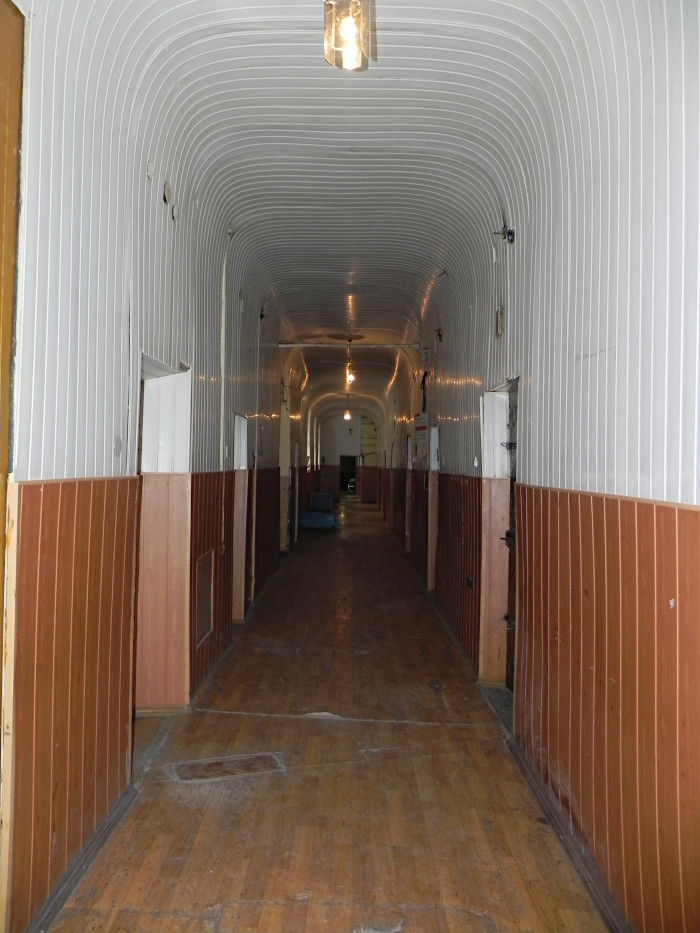
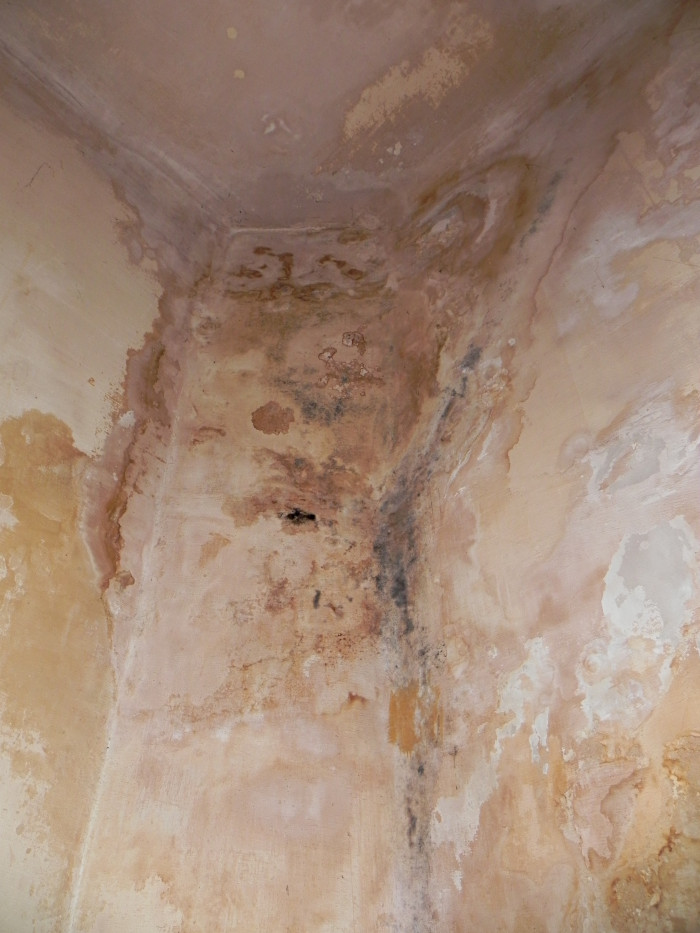
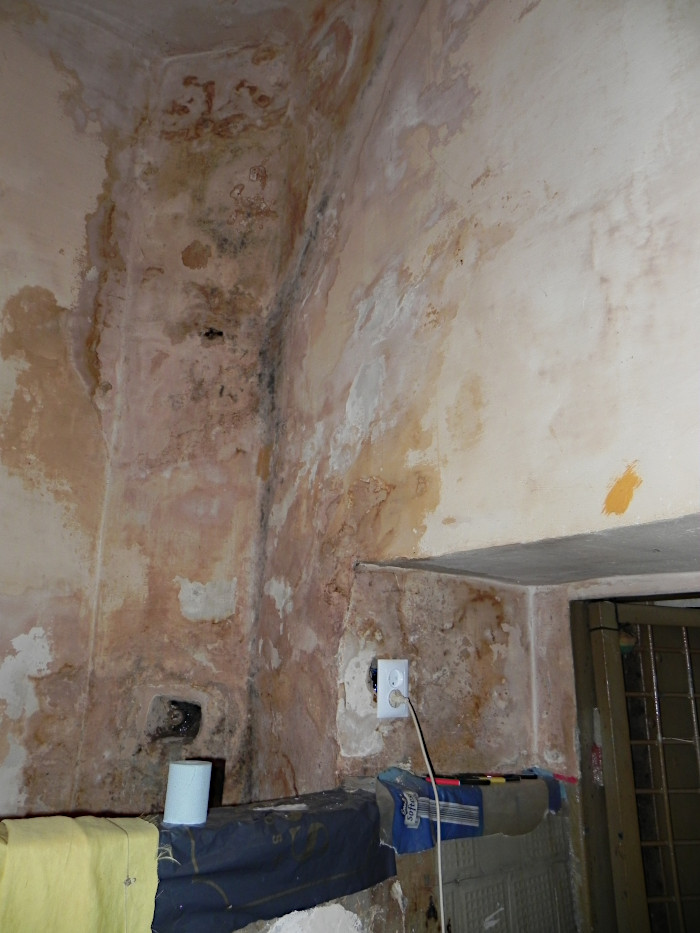
Former patients usually speak quite well of this hospital. Our surprise was all the greater when we saw the horrific sanitary and fire safety state of the premises where patients are kept. On the ceilings and walls of the cells, mould is ‘thriving in abundance’.
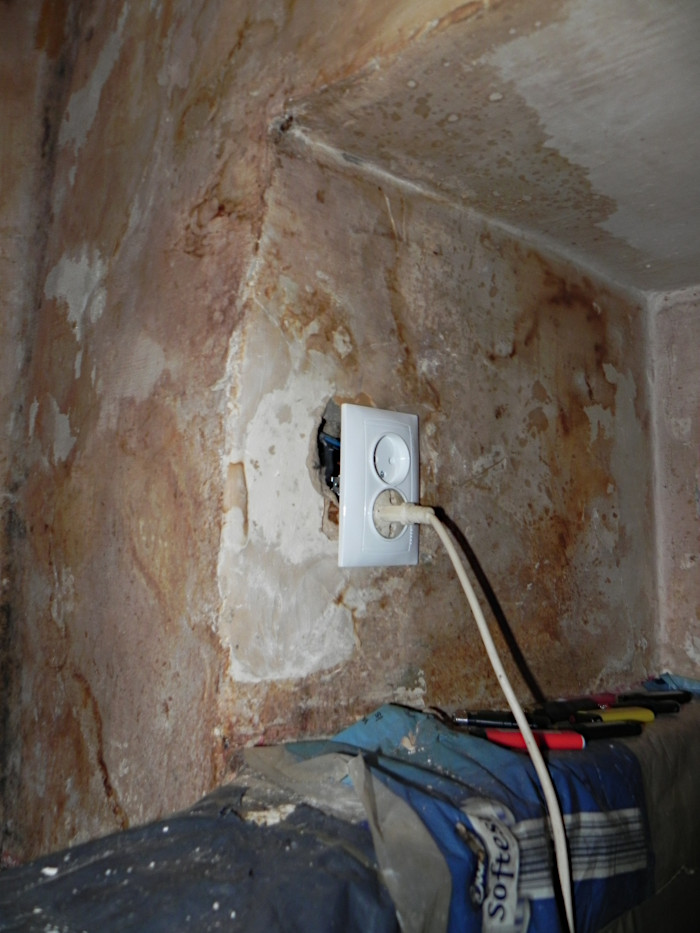
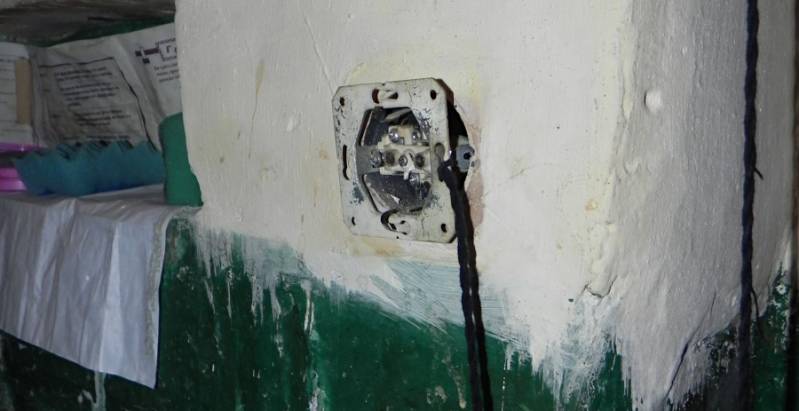
In some rooms, it is quite cold. In two wards, the windows are broken. To keep warm, patients turn on heaters. At the same time, the electrical wiring seems to have seen no repairs since the Second World War: sockets are barely holding on in the walls, and some makeshift wires are stretched right underfoot.
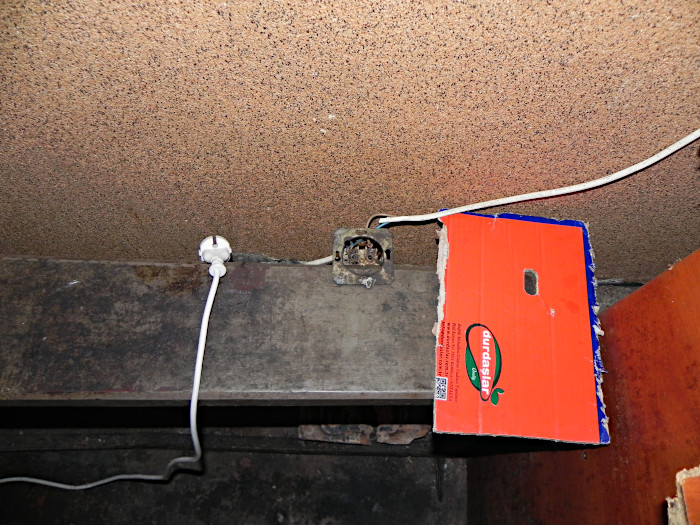
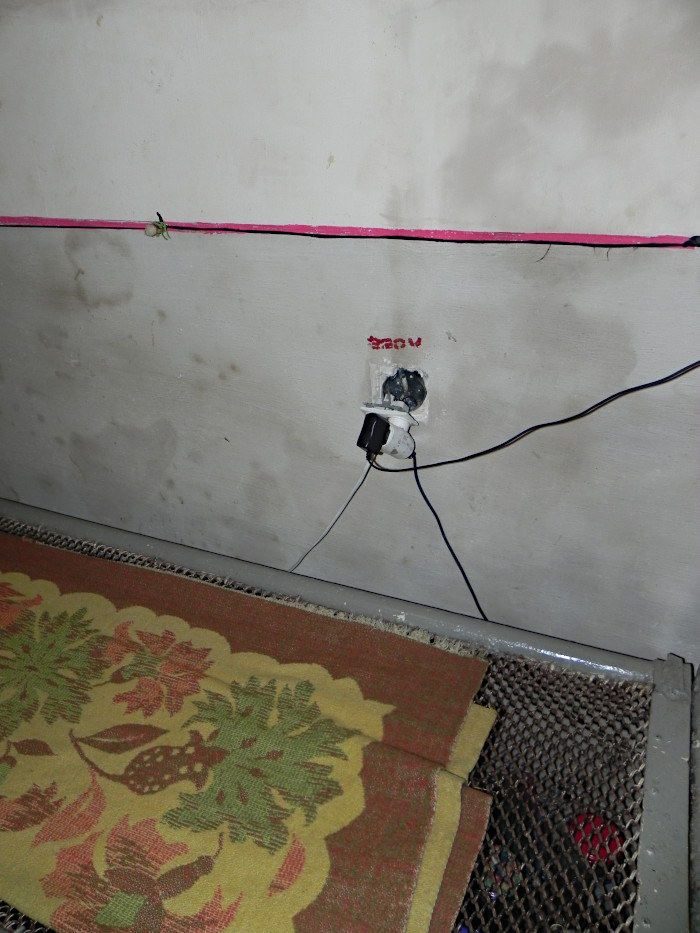
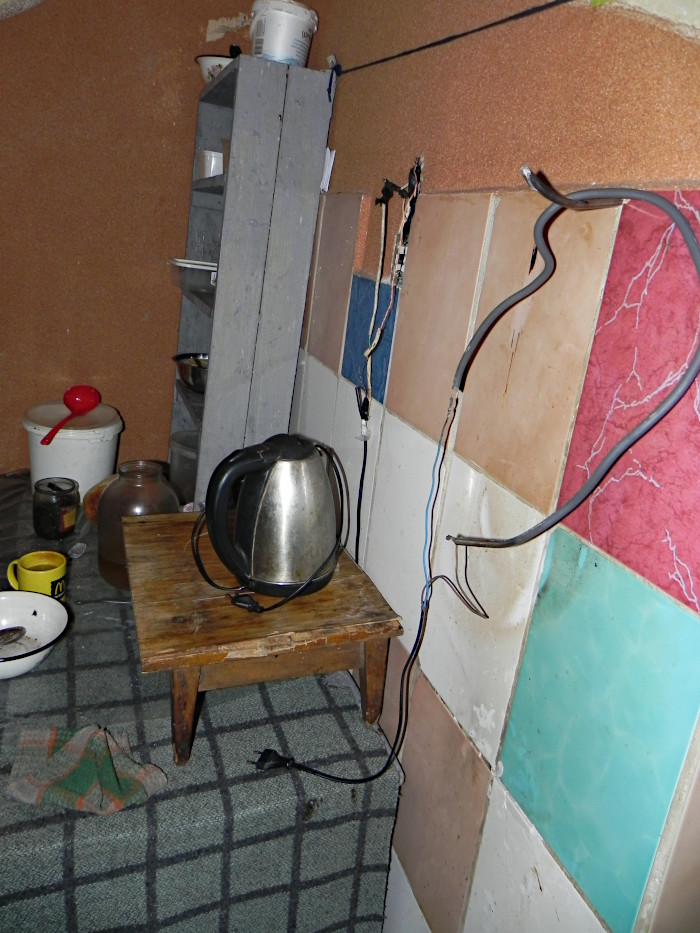
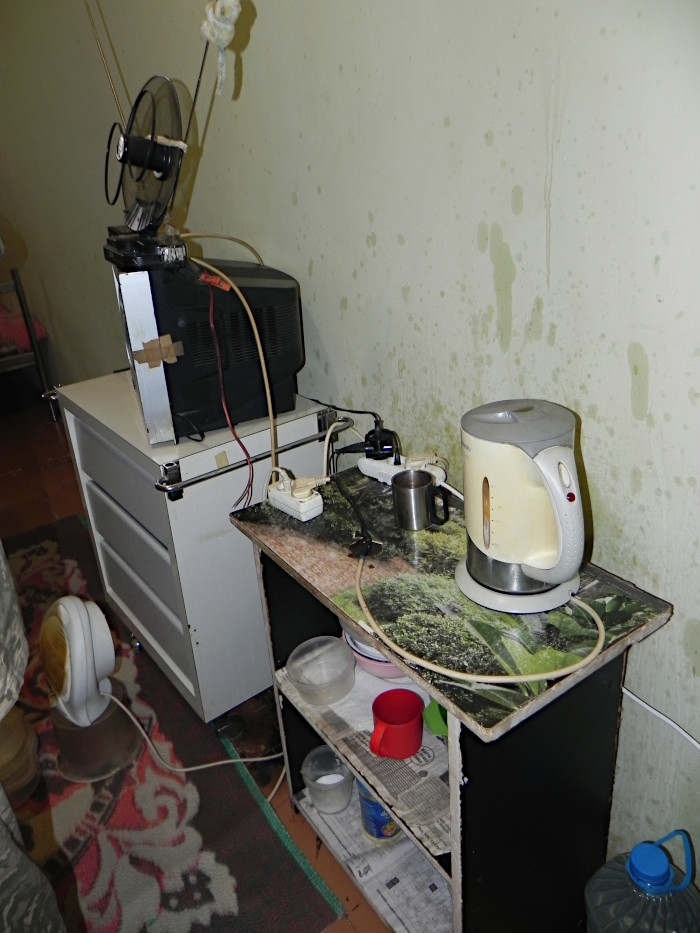
Beds and mattresses are old. Bed linen is frayed and, moreover, it seems that not all patients have it.
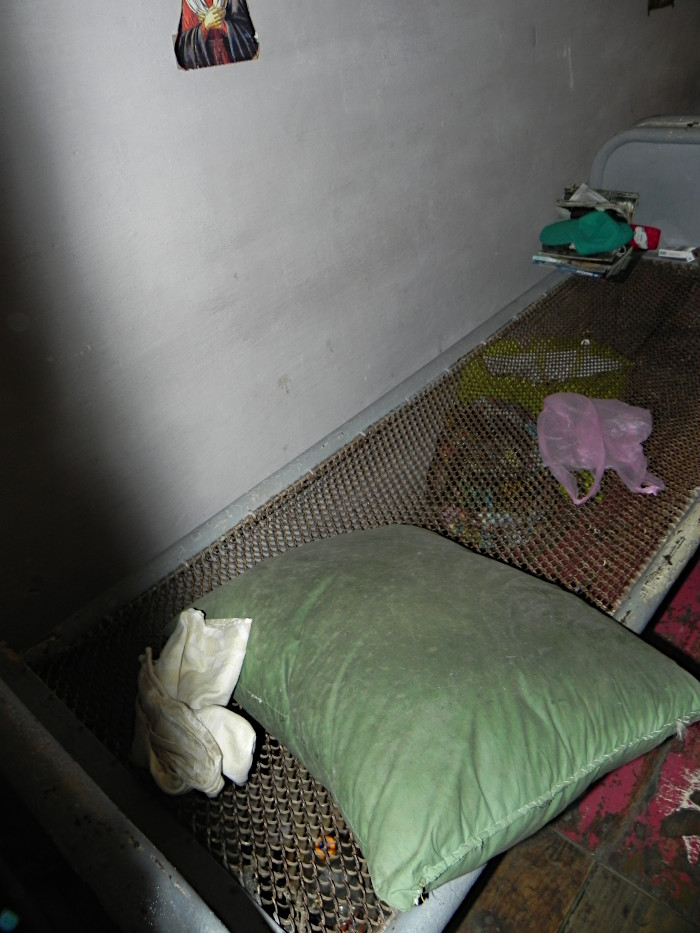
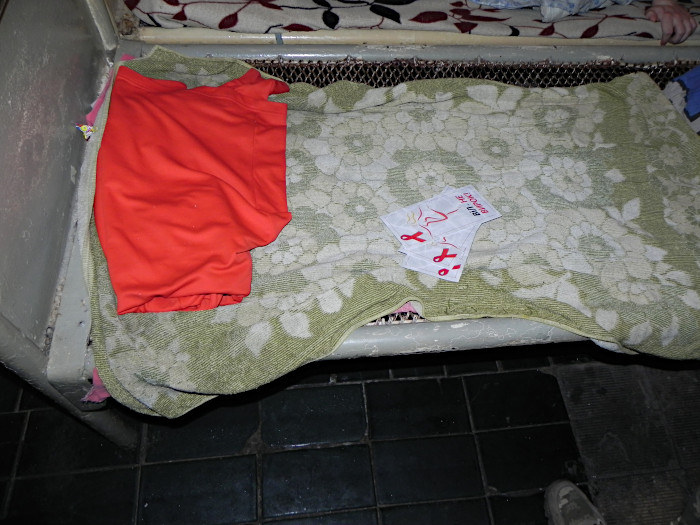
There is no normal drinking water in the wards. Patients admit that they draw it from the tap and let it settle in bottles. Most washbasins require repair.
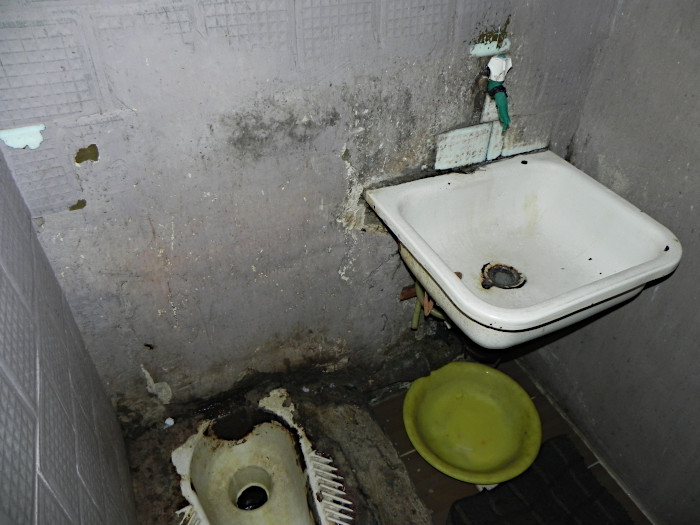
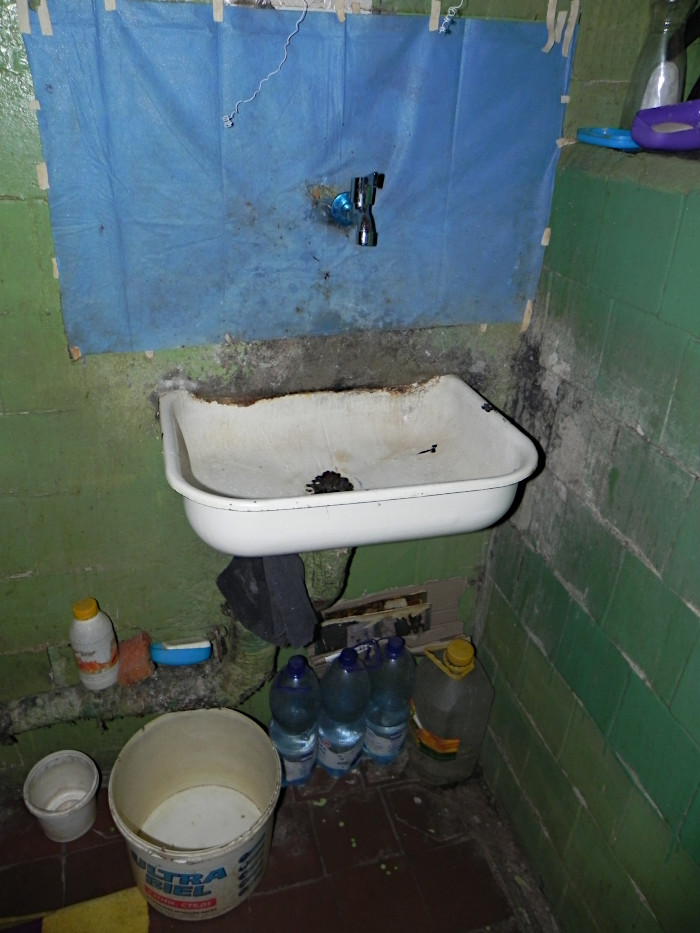
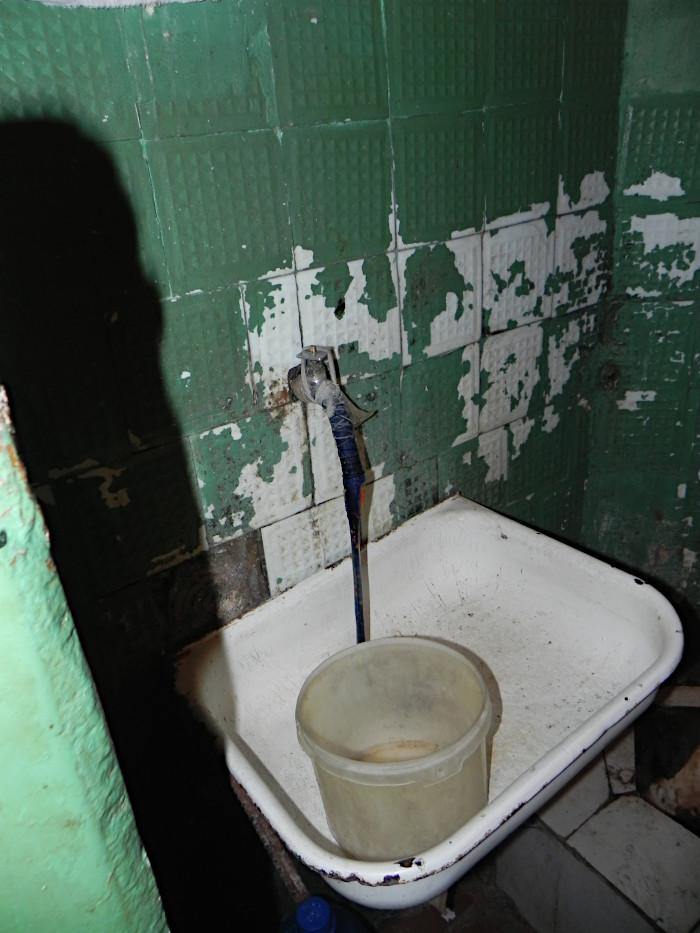
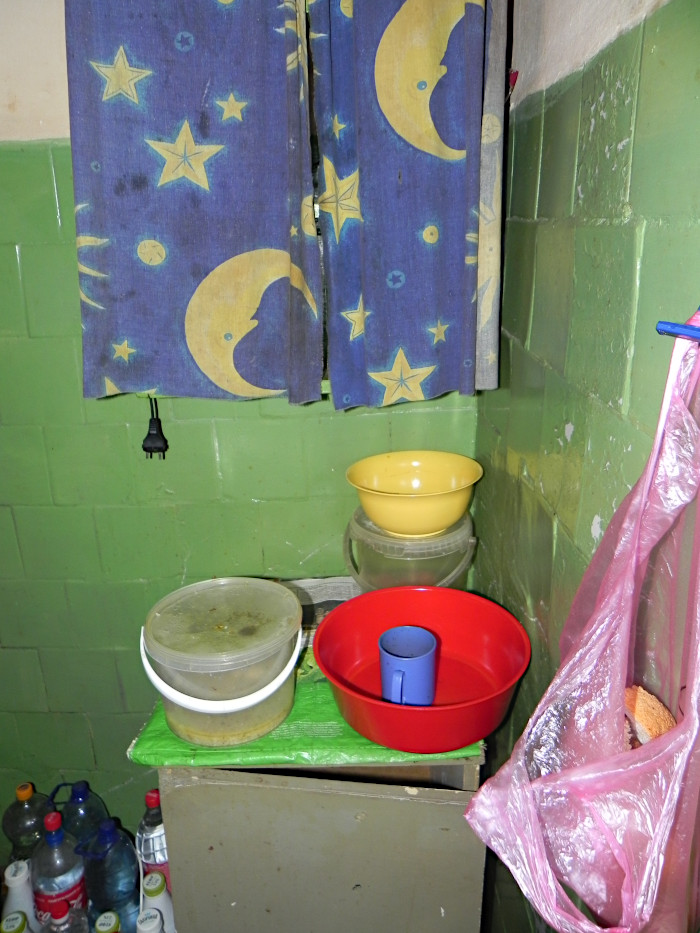
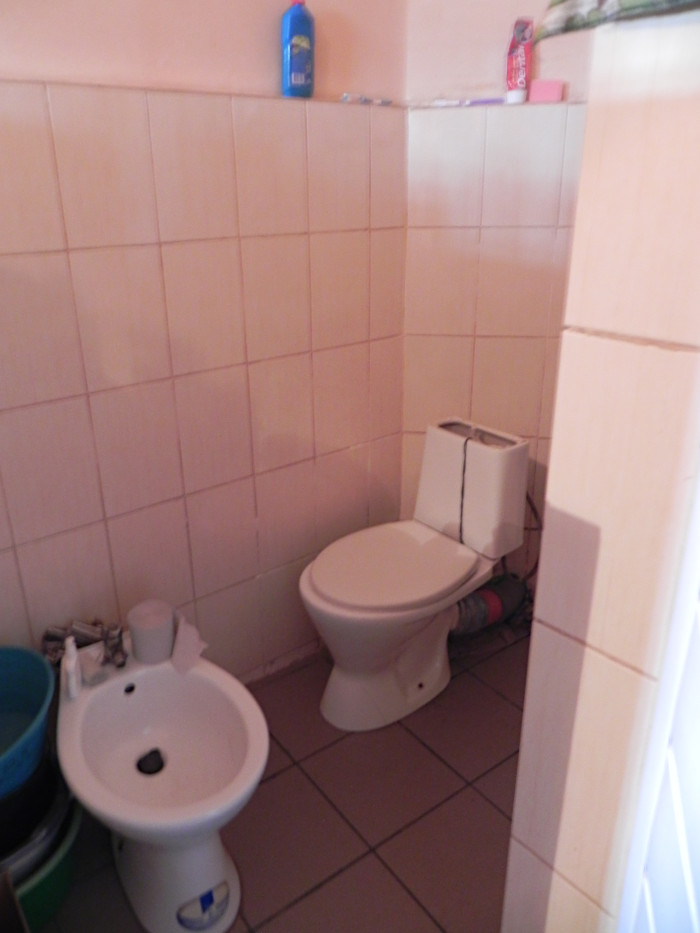
‘Hole-in-the-floor’ type toilets are often simply screened off with rags.
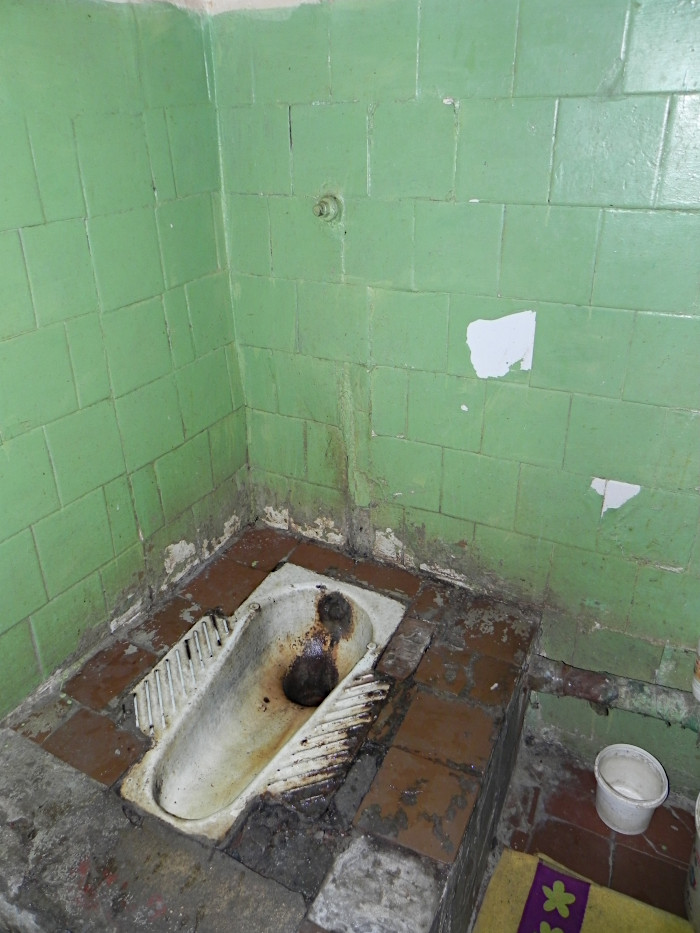
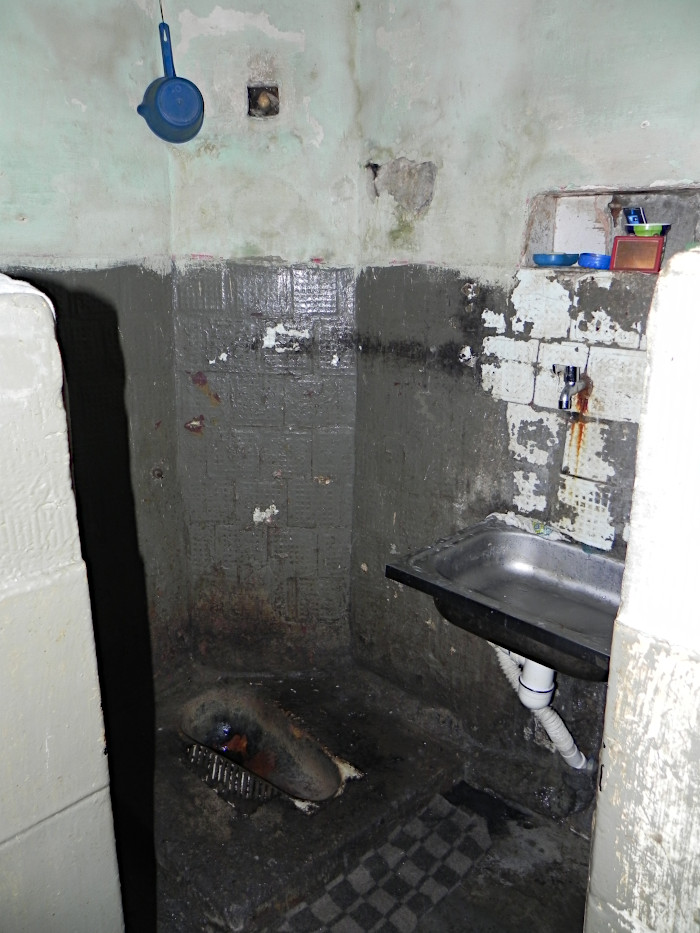
The condition of the wards where female patients are kept is more or less decent. At least there are proper toilets here.
The hospital administration assured us that there are plenty of medical supplies, but upon reviewing the log of medication transferred by the convicts’ relatives, it turned out that many different drugs are transferred from outside: glucose, plasters, Levomekol, lidocaine, Cerucal, ceftriaxone, etc.
Furthermore, despite having a licence, the hospital does not have strong painkillers for patients in the surgical and oncological departments. The strongest painkiller provided to patients is Kevair – a potent non-steroidal anti-inflammatory drug that is not recommended for use for longer than two consecutive days.
At the time of our visit, the fluorograph had been out of service for a week due to repairs.
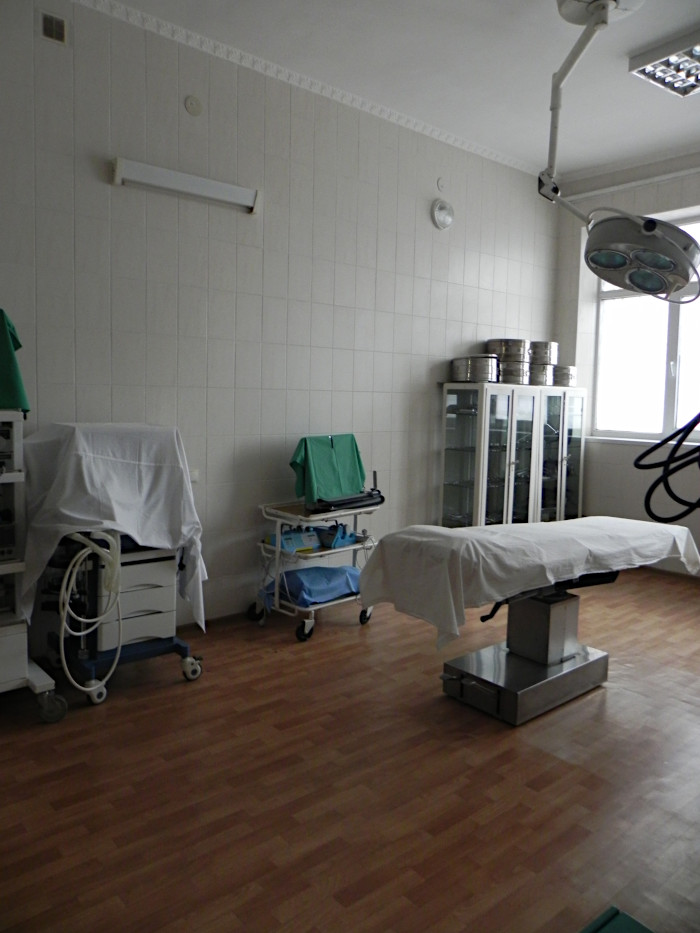
On a positive note: the operating theatres are renovated and well-equipped.
It should be noted that during our visit, the representatives of the administration of the Pre-trial Detention Centre No. 19 accompanying the monitoring group behaved somewhat aggressively and spoke in raised tones. They reproached the human rights activists for being obsessed with the rights of convicts and not respecting the rights of the State Penitentiary Service staff.
It is very difficult to give recommendations in such a state of affairs. The main thing is an immediate major overhaul of most wards, particularly the electrical wiring. After all, a disaster could occur.
The head of the hospital only recently assumed this position. We hope for positive changes.
EU Project ‘Fight against torture, ill-treatment and impunity in Ukraine’