Monitoring visit to Lviv Multidisciplinary Hospital No. 19 of the State Institution “Health Care Center of the State Criminal-Executive Service of Ukraine”
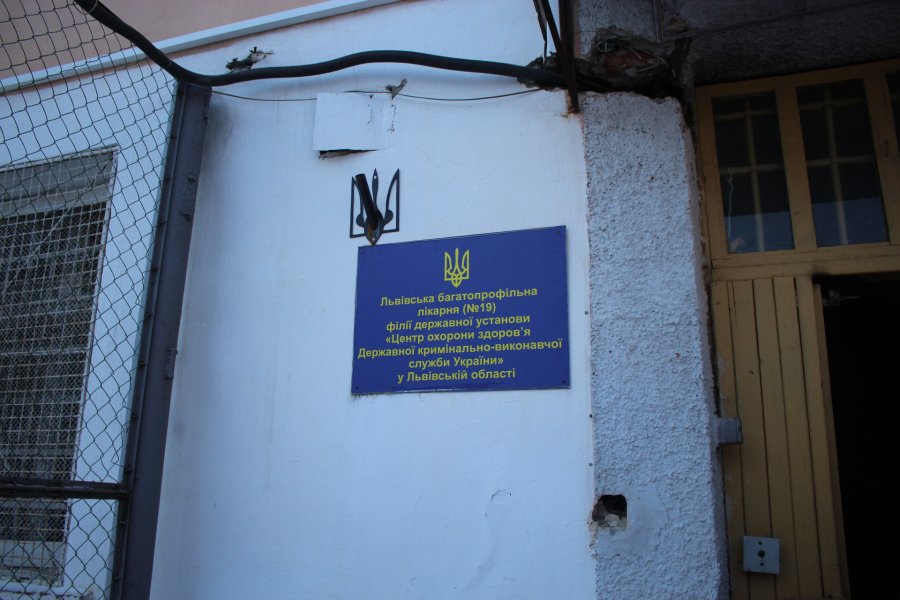
On 8 and 9 February 2023, a monitoring group consisting of an assistant to the People's Deputy of Ukraine Kostyantyn Kasay, member of the Public Council under the Ministry of Justice of Ukraine Serhiy Zuykov, assistant to the People's Deputy of Ukraine Yaroslav Yurchyshyn, KHPG program coordinator Andriy Didenko, and journalist of the “Poryad z vamy” (“Beside You”) Information Agency Oleksa Yaroslavtsev, conducted a follow-up preventive monitoring visit to Multidisciplinary Hospital No. 19, which is located on the premises of the State Institution “Lviv Institution for the Execution of Sentences No. 19”. The visit was carried out within the framework of a project by the Danish Institute Against Torture, DIGNITY. The objectives of the visit were to analyse the observance of human rights at Multidisciplinary Hospital No. 19 and to clarify the response measures taken regarding the human rights violations identified at this facility.
The previous visit took place on 21 December 2019.
The Head of Lviv Multidisciplinary Hospital No. 19 of the branch of the State Institution “Health Care Center of the State Criminal-Executive Service of Ukraine” in Lviv region is Olena Zenonivna Novak.

During the monitoring visit, twelve convicts approached the monitors, claiming that their rights were being violated in the hospital. The convicts personally wrote applications addressed to KHPG Director Yevhen Zakharov and granted the monitors permission to access their medical records.
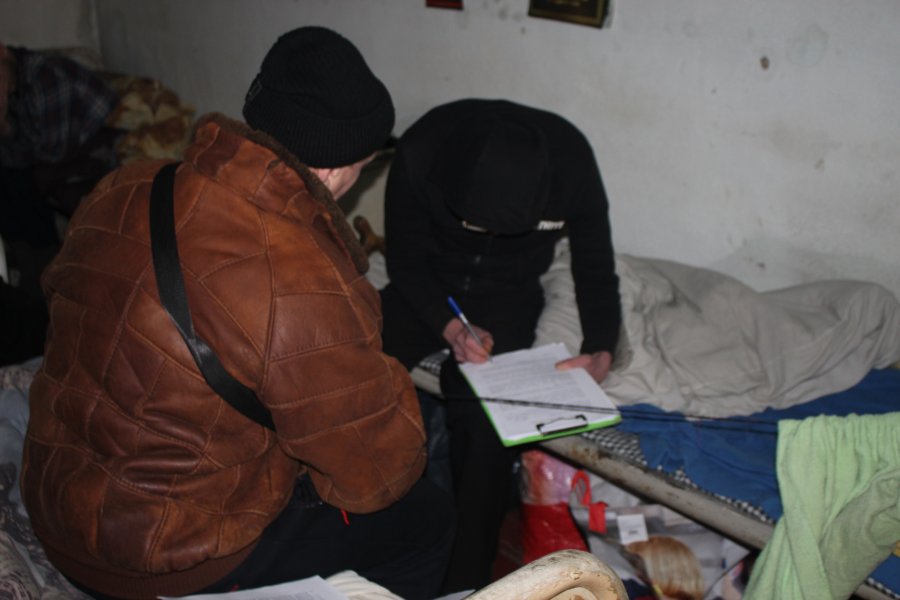
Based on the written applications, the monitors were able to review the patients’ medical records.
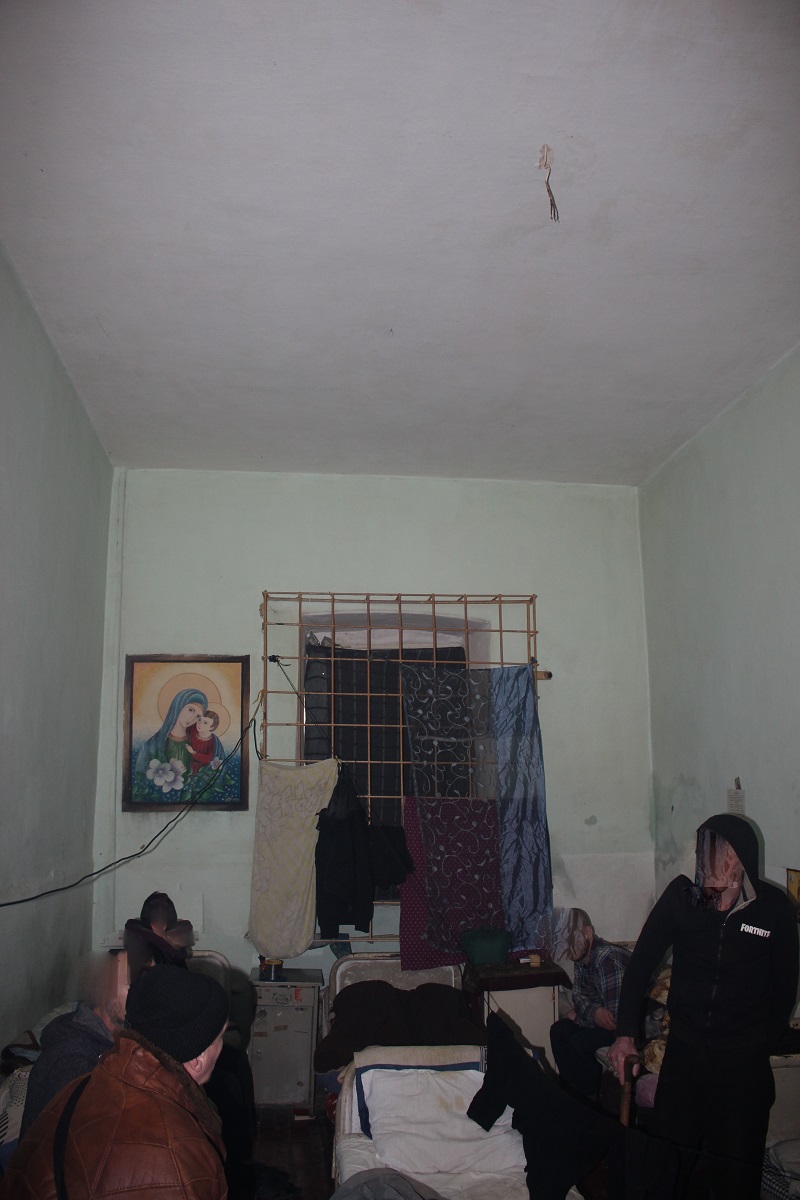
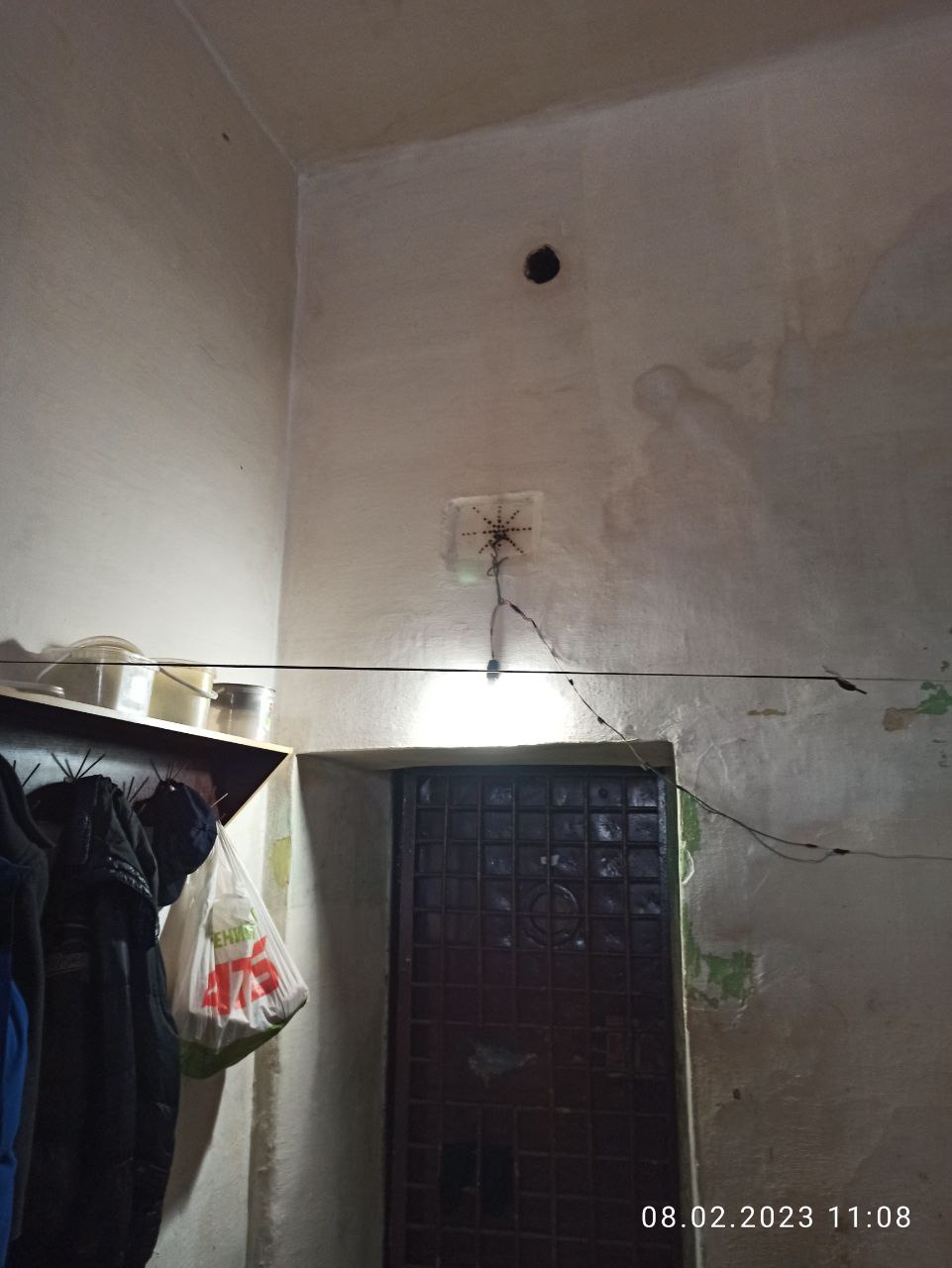
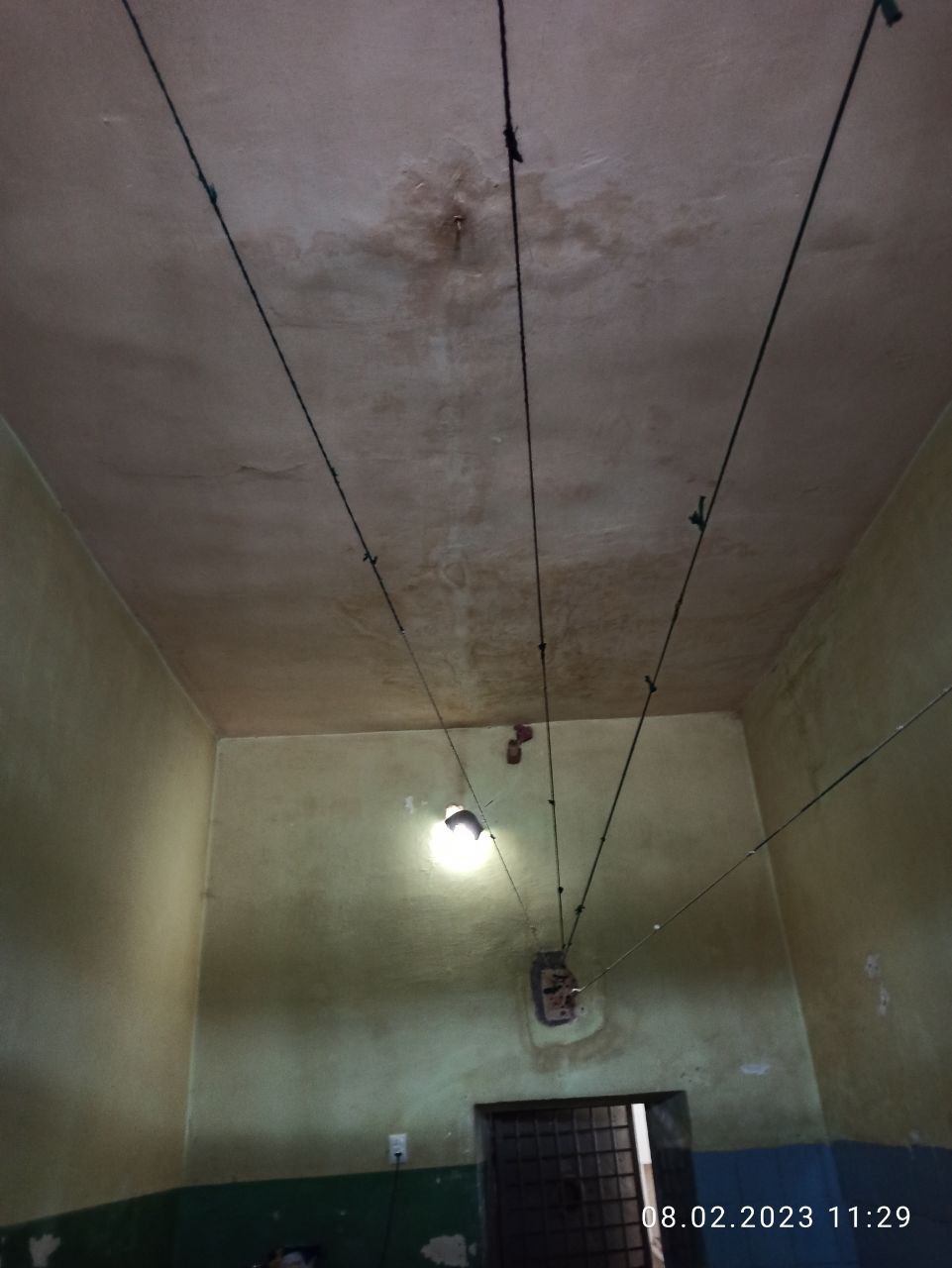
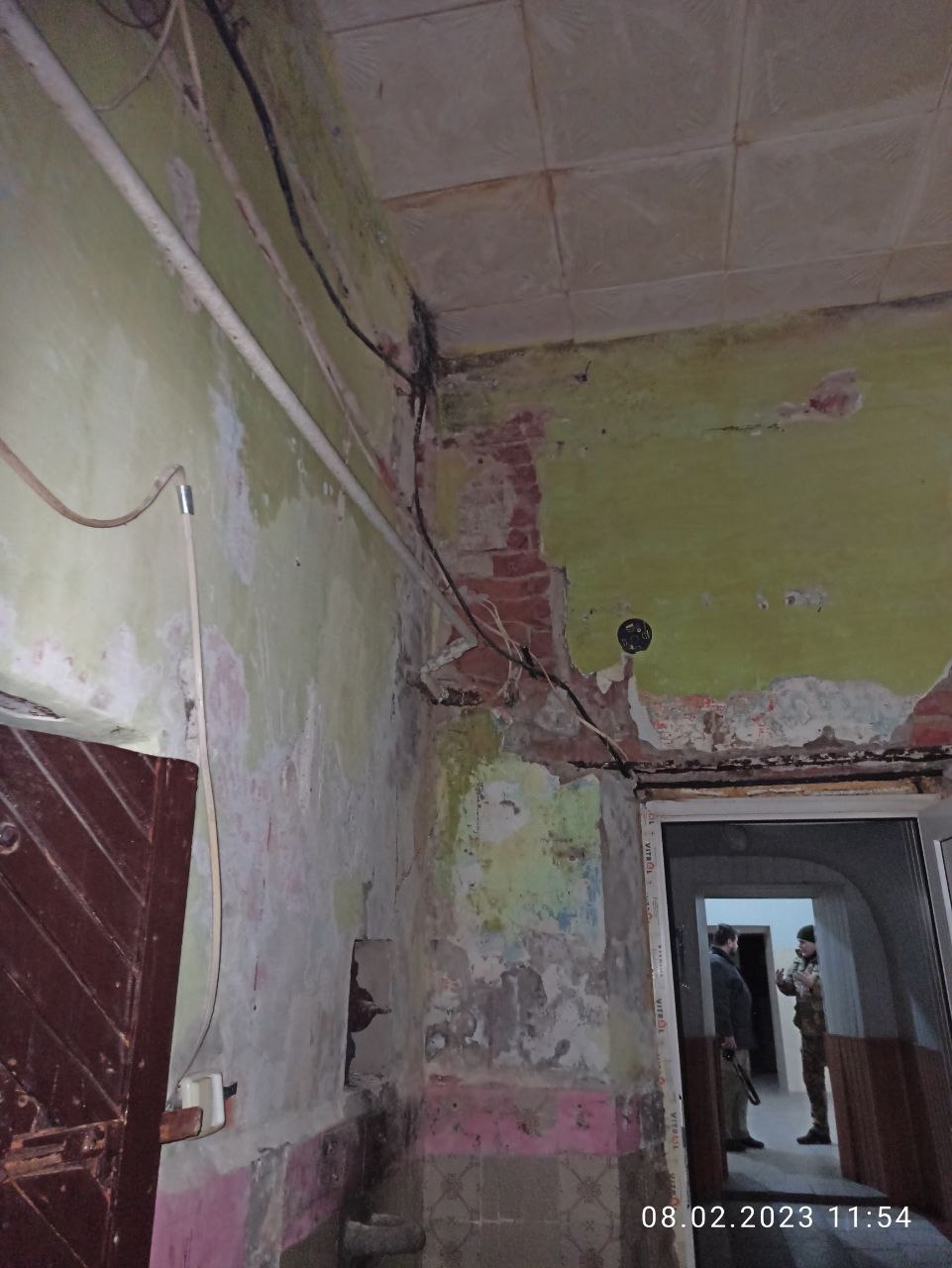
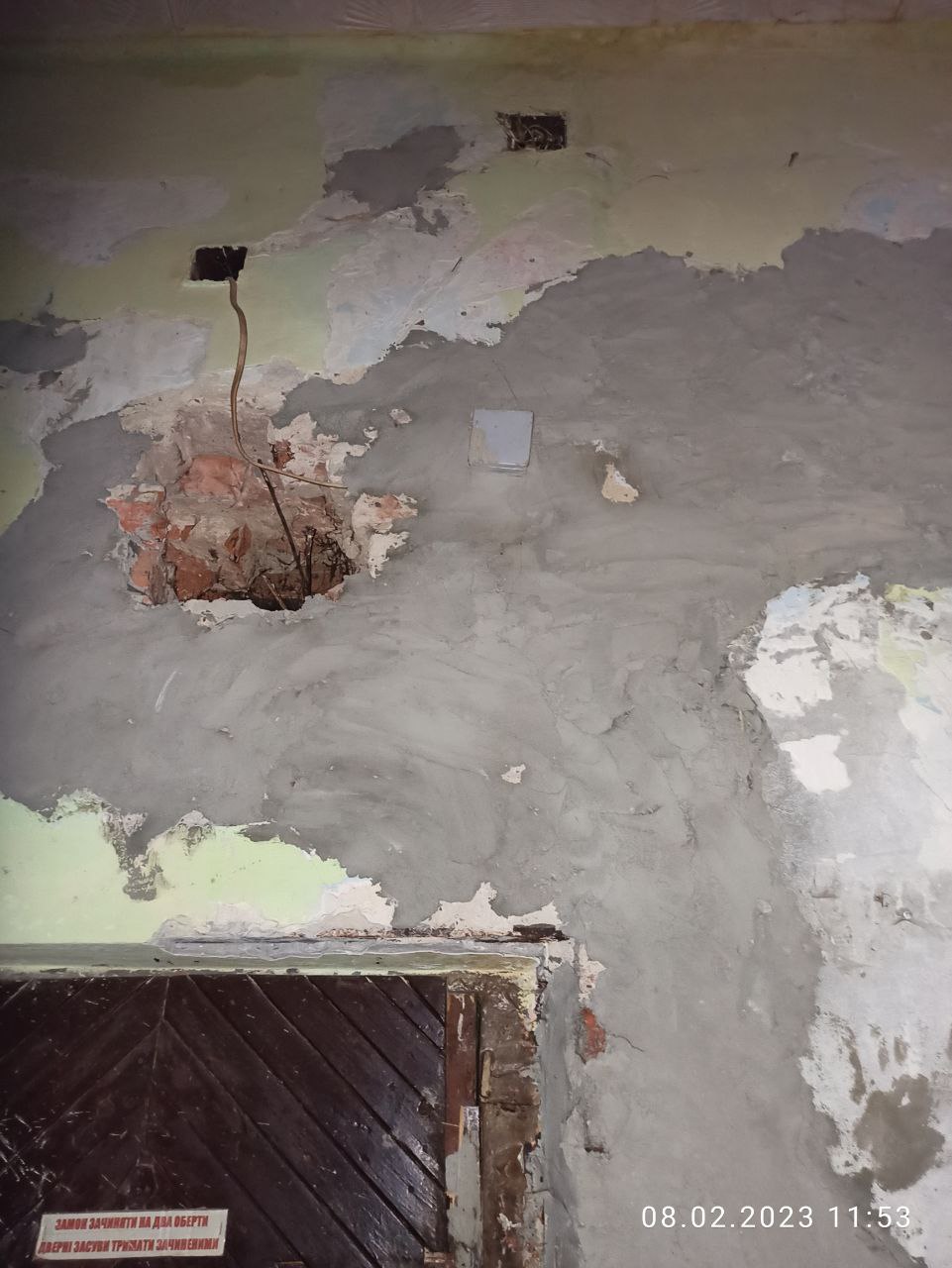
As early as 2019, monitors recorded and published human rights violations in a report. These included mould on the walls and ceiling, exposed wires, torn mattresses, and unsanitary conditions. During the two-day monitoring visit in February 2023, the situation had not changed in any way.
The monitors documented complaints regarding improper conditions of detention and the failure to provide medical care.
Lviv Multidisciplinary Hospital No. 19 of the branch of the Health Care Center of the State Criminal-Executive Service of Ukraine in Lviv region has 24 cells and is designed for 160 beds. It includes the following departments:
- A therapeutic department with 40 beds (including 10 for neuropsychiatric cases). The ward-cell contained convicts with various ailments: hand cuts, vision problems, heart disease, asthma, epilepsy, etc.;
- A surgical department with 40 beds;
- An oncological department with 30 beds. This department is intended to serve cancer patients from correctional colonies across all of Ukraine, but on the day of the visit, by decision of the Health Care Center of the State Criminal-Executive Service, the transfer of prisoners to the oncology department was temporarily suspended due to violations of detention conditions until such violations are rectified;
- A psychiatric department with 50 beds (based at Correctional Colony No. 40).
The actual number of personnel according to the hospital’s staffing table is as follows:
- Head of the hospital — 1.0 post;
- Head of department — 2.0 posts;
- Therapist — 2.0 posts;
- Cardiologist — 1.0 post;
- Neurologist — 0.5 post;
- Radiologist (X-ray) — 1.0 post;
- Head of laboratory — 1.0 post;
- Endoscopist — 0.5 post;
- Otolaryngologist — 0.5 post;
- Ophthalmologist — 0.5 post;
- Surgeon — 1.5 posts;
- Medical statistician — 1.0 post;
- Anaesthesiologist — 1.0 post;
- Obstetrician-gynaecologist — 0.5 post;
- Infectious disease specialist — 1.0 post;
- Ultrasound specialist — 0.5 post;
- Oncologist (surgeon) — 0.25 post;
- Head of pharmacy — 1.0 post;
- Pharmacist — 1.0 post;
- Laboratory assistant — 1.0 post;
- Operating theatre nurse — 1.0 post;
- Head nurse — 1.0 post;
- Senior nurse — 3.0 posts;
- Inpatient ward nurse — 11.0 posts;
- Nurse — 5.0 posts;
- Anaesthetic nurse — 1.0 post;
- Head housekeeper (ward sister) — 3.0 posts;
- Disinfector — 1.0 post.
Vacant posts:
- Head of department — 1.0 post;
- X-ray laboratory assistant — 1.0 post;
- Radiologist — 0.5 post.
Understaffed posts:
- Anaesthetic nurse — 1.0 post;
- Surgeon — 0.5 post;
- Anaesthesiologist — 0.5 post;
- Oncologist (surgeon) — 0.75 post;
- Laboratory assistant — 1.0 post;
- Operating theatre nurse — 1.0 post;
- Anaesthetic nurse — 1.0 post.
Psychiatric department:
Actual number of personnel according to the staffing table:
- Head of department — physician — 1.0 post;
- Medical assistant (feldsher) — 3.0 posts.
Vacant post: psychiatrist — 2.0 posts.
Understaffed post: medical assistant (feldsher) — 1.0 post.
Medical care for convicts is provided in accordance with the requirements of the “Procedure for Organising Medical Care for Persons Sentenced to Imprisonment”, approved by Order of the Ministry of Justice of Ukraine and the Ministry of Health of Ukraine dated 15 August 2014 No. 1348/5/572 (hereinafter — the Procedure).
On the day of the visit, 36 persons were undergoing treatment in the hospital.
Convict S. complained that he had practically lost his sight and was receiving no treatment at all; his vision was deteriorating rapidly, but the medical staff was doing nothing for him. The convict complained that the medical institutions he had been in, specifically the Stryzhavka Multidisciplinary Hospital, were unable to examine him properly. In this institution, they only took blood and urine samples, and no treatment was being provided.
Convict P. complained of heart problems. According to him, this was his second time being brought to this hospital. Last time, they administered IV drips and gave him pills. He had 1 year and 8 months remaining on his sentence.
Convict N. served his sentence in correctional colony No. 30, has liver problems, but cannot receive an examination due to a lack of funds.
Convict V., 68 years old. He suffers from dizziness and is unable to walk. He does not have a passport and arrived from correctional institution No. 30. This is not his first time in this hospital. He has 2 years and 4 months of his sentence remaining. The convict complained about the cold in the cell. He sleeps fully dressed and still cannot get warm. He was moved from another cell that had a wooden floor; in this cell (No. 185), he notes that instead of treatment, one could get even sicker.
In cell No. 184, there was convict P., who testified that he was being kept in a ward-cell with a suspected oncological disease. The window in the cell does not close, and the temperature in the cell at the time of the visit was measured at 9.4 degrees Celsius. The convict testified that the temperature is even lower at night. He is not receiving treatment, even though he has been in this cell for about a month.
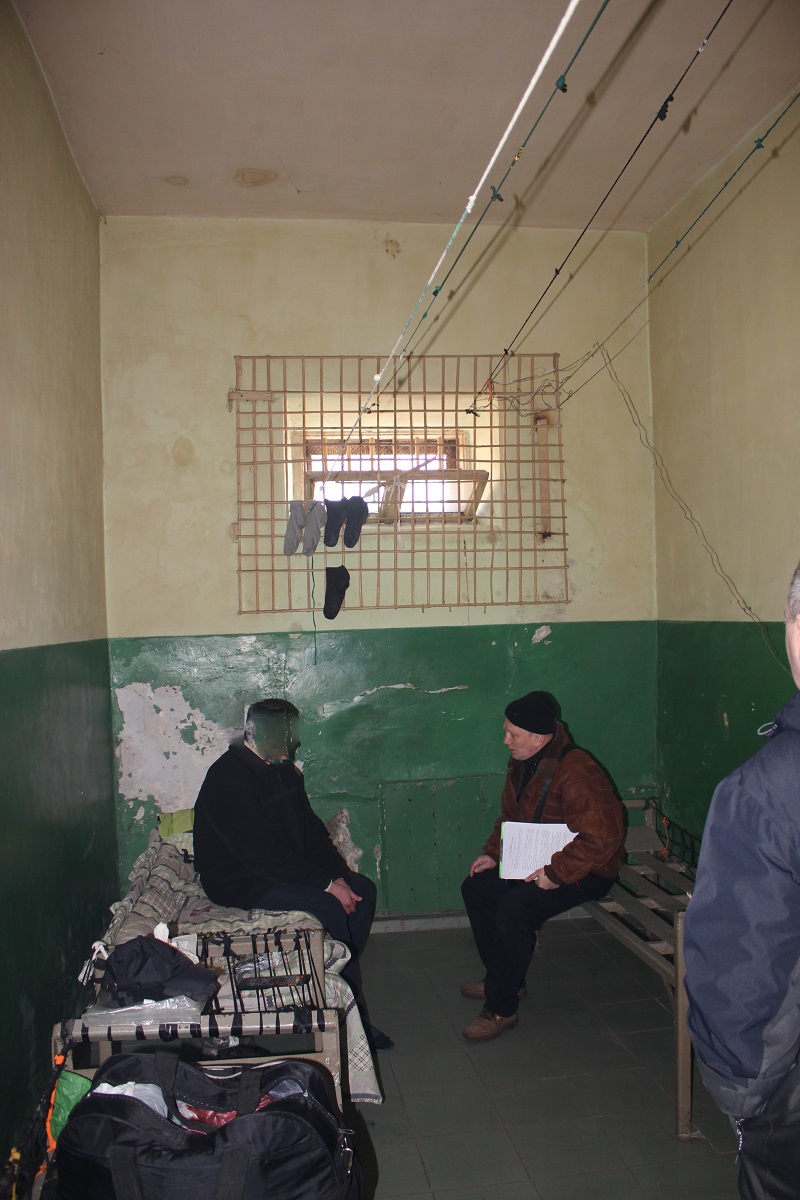
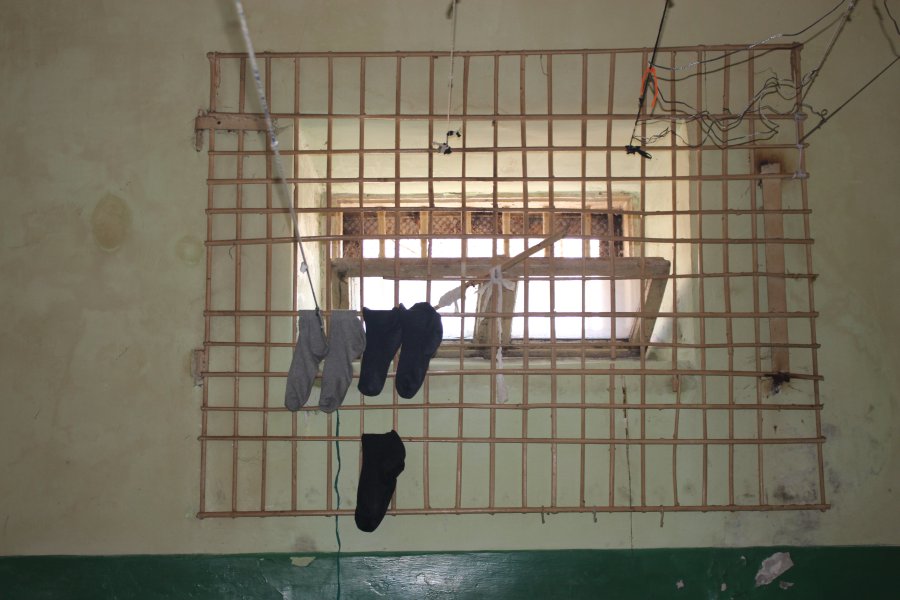
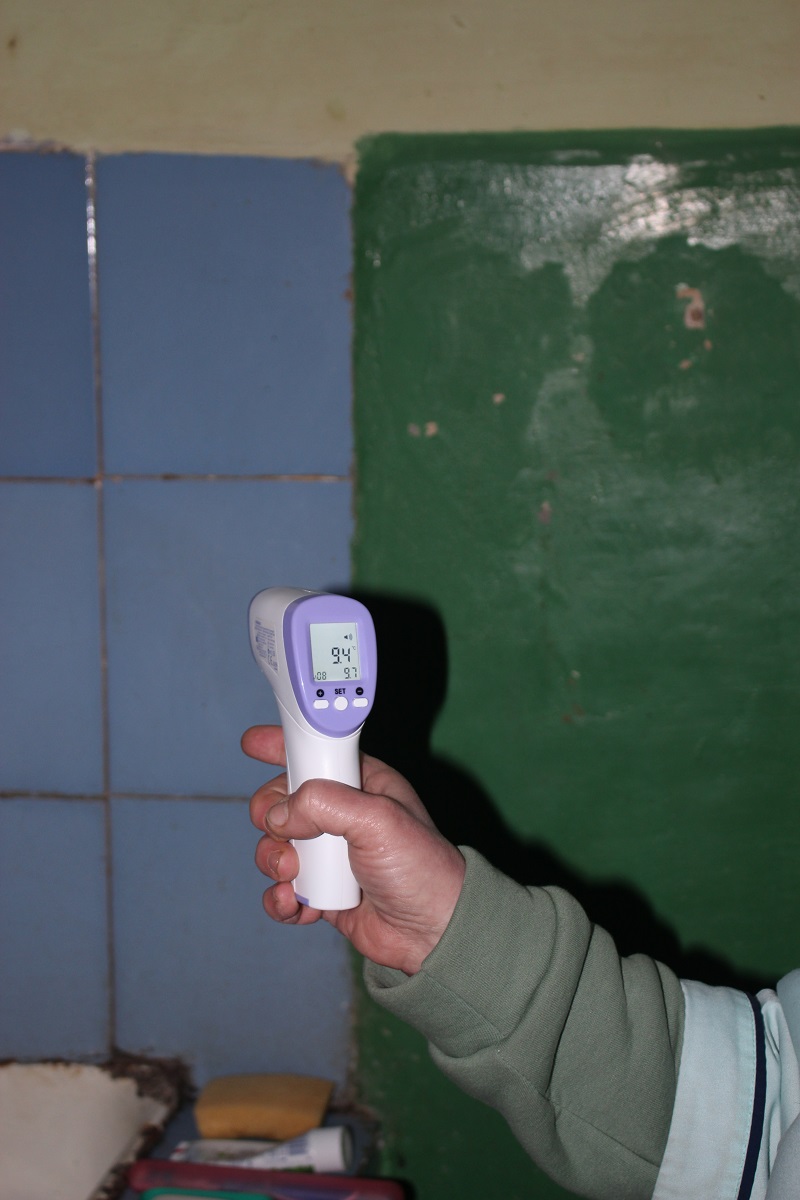
Such actions by the hospital administration can be regarded as a violation of Article 3 (torture) of the Convention for the Protection of Human Rights and Fundamental Freedoms.
Convict N. has suffered a stroke and a heart attack. The hospital does not have the necessary equipment for his treatment, and he does not know why he was brought there.
Convict R. has suffered from bronchial asthma for thirty years, has a disability group 3, and has problems with its renewal. The hospital lacks inhalers and other medical supplies that help him.
Convict B. has served 2 years and 5 months of his sentence, with 1 year and 7 months remaining; he is suffering from an open form of tuberculosis and served his sentence in correctional colony No. 30. He is staying alone in the ward-cell, cannot get warm, and is constantly lying on the bed fully dressed under a blanket, yet it is still cold.
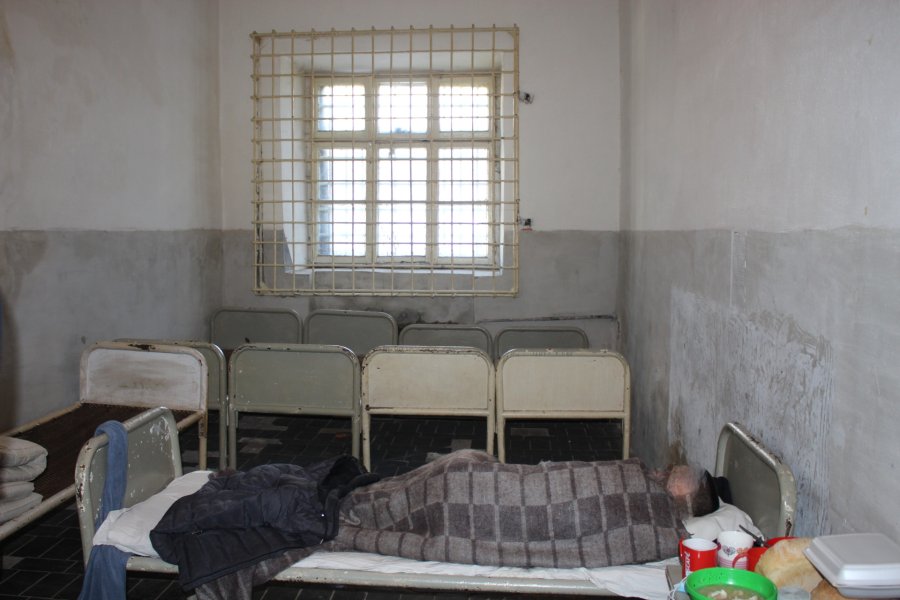
Convict N. suffers from an inguinal hernia and is waiting for surgery.
Convict N. complains of poor health, stating that he has hepatitis and HIV, but the medical facility does not confirm these data, and consequently, he is not receiving treatment, and his health condition is deteriorating.
During 2022, 551 people were hospitalised in the hospital, and 3 people were transferred to health care facilities of the Ministry of Health of Ukraine. In particular, materials were prepared and submitted to the court to resolve the issue of releasing 26 convicts from further serving their sentences due to health conditions, 10 of whom were released. 8 individuals were denied release, and 6 people died before the court made a decision. Furthermore, 141 surgical interventions were performed, 46 of which were for oncological diseases.
The hospital maintains 24-hour duty shifts for medical personnel to provide assistance to convicted persons.
There are two infectious disease isolation wards for patients with contagious forms of tuberculosis, and a sputum collection point equipped on the exercise yard.
The hospital premises are equipped with bactericidal irradiators.
On the day of the visit, there were 3 HIV-positive individuals in the hospital receiving ART.
During the monitoring visit, it was found that medical documentation is not maintained properly, which is a violation of national legislation and international recommendations in the field of prisoner treatment, which, in turn, leads to a violation of the rights of convicted persons.
During the review of medical documentation, the monitoring group discovered that the recording of bodily injuries is carried out improperly. Thus, according to the log of bodily injuries, 1 case of bodily injuries has been recorded in the current year. However, in the outpatient medical records form 025/o, there are no certificates of such an injury indicating the details (a written statement, an oral or written explanation from the convict regarding the circumstances of receiving the bodily injuries (date, time, place of occurrence, methods of infliction, information about the person(s) who, in the convict’s opinion, inflicted them, as well as other information regarding the receipt of the bodily injuries); a comprehensive description of the medical indicators characterising the convict’s state of health, the nature of the injuries, their size and location; the medical professional's assumptions based on the information provided by the convict and the medical indicators, as well as the justification for their correlation). Instead, separate from the inpatient file, there are primary bodily injury registration cards, approved by Order of the State Institution “Health Care Center of the State Criminal-Executive Service” dated 29.10.2022 No. 318-OD.
Furthermore, there are no attachments in the form of photographs of the existing bodily injuries, as required by clause 3 of Section 1 of Chapter II of the joint Order of the Ministry of Justice of Ukraine and the Ministry of Health of Ukraine dated 15.08.2014 No. 1348/5/572 “On Approval of the Procedure for Organising Medical Care for Persons Sentenced to Imprisonment”.
Control cards for dispensary supervision of HIV-infected persons (form No. 030-5/o) are not maintained, and in some cases, there is also a lack of information about medical examinations.
There is no cabinet for storing medication received from the prisoners’ relatives, which violates clause 23 of the General Provisions of the Procedure for Organising Medical Care for Persons Sentenced to Imprisonment, which states: “Medicinal products and medical devices received from the relatives of convicts or other persons are stored in the health care facilities of the State Criminal-Executive Service in separate cabinets and are kept on record, which is reflected in the record card of medicinal products, medical devices, technical and other rehabilitation means received from the relatives of the convict and other persons, in the form defined in Annex 2 to this Procedure, where the convict signs after the completion of the course of treatment.” In the surgical department, the medical staff stores medicine in an ordinary cardboard box marked: “Patients’ own medicine of the surgical department”.
In accordance with the requirements of clause 7 of Part 1 of the Resolution of the Cabinet of Ministers of Ukraine dated 29 December 2021 No. 1440 “Some Issues of Implementing the Programme of State Guarantees for Medical Services to the Population in 2022”, the National Health Service of Ukraine (NHSU) pays for medical services provided based on paper referrals for patients held in institutions for the execution of sentences and pre-trial detention centres of the State Criminal-Executive Service, until the health care facilities of the State Criminal-Executive Service are technically able to issue electronic referrals. However, due to the fact that the convicted persons have not concluded declarations with a primary care physician, they do not have the opportunity to receive the necessary medical services paid for by the NHSU, which leads to a violation of the requirements of paragraphs 4 and 5 of Article 4 of the Law of Ukraine “Fundamentals of Ukrainian Legislation on Healthcare”.
At the same time, there is a violation of the convicts’ right to palliative care. In accordance with the “Procedure for Providing Palliative Care”, approved by Order of the Ministry of Health of Ukraine dated 04.06.2020 No. 1308, palliative care is provided by health care institutions, regardless of their form of ownership and subordination. In violation of clause 2 of Section I and clause 4 of Section IV of the Order, the hospital lacks a department for providing palliative care in inpatient conditions. According to information provided by the hospital management, such care is provided in the wards of the oncology department.
In violation of clause 3.1 of Section 3 of the State Sanitary Rules and Norms “Hygienic Requirements for the Arrangement and Operation of X-ray Rooms and Conducting X-ray Procedures”, approved by Order of the Ministry of Health of Ukraine dated 04.06.2007 No. 294, wooden doors are installed in the X-ray room instead of radiation-protective doors, which makes proper protection from radiation impossible for persons present in the hospital premises during X-ray examinations.
Violations of the convicts’ right to proper sanitary and hygienic conditions in a health care facility were also recorded: in the wards of the departments, beds are placed close to each other, which violates the requirements of the State Building Norms of Ukraine V.2.2-10:2018 “Buildings and Structures. Health Care Institutions” and social distancing measures under quarantine restrictions, and also violates the convicted persons’ right to personal space.
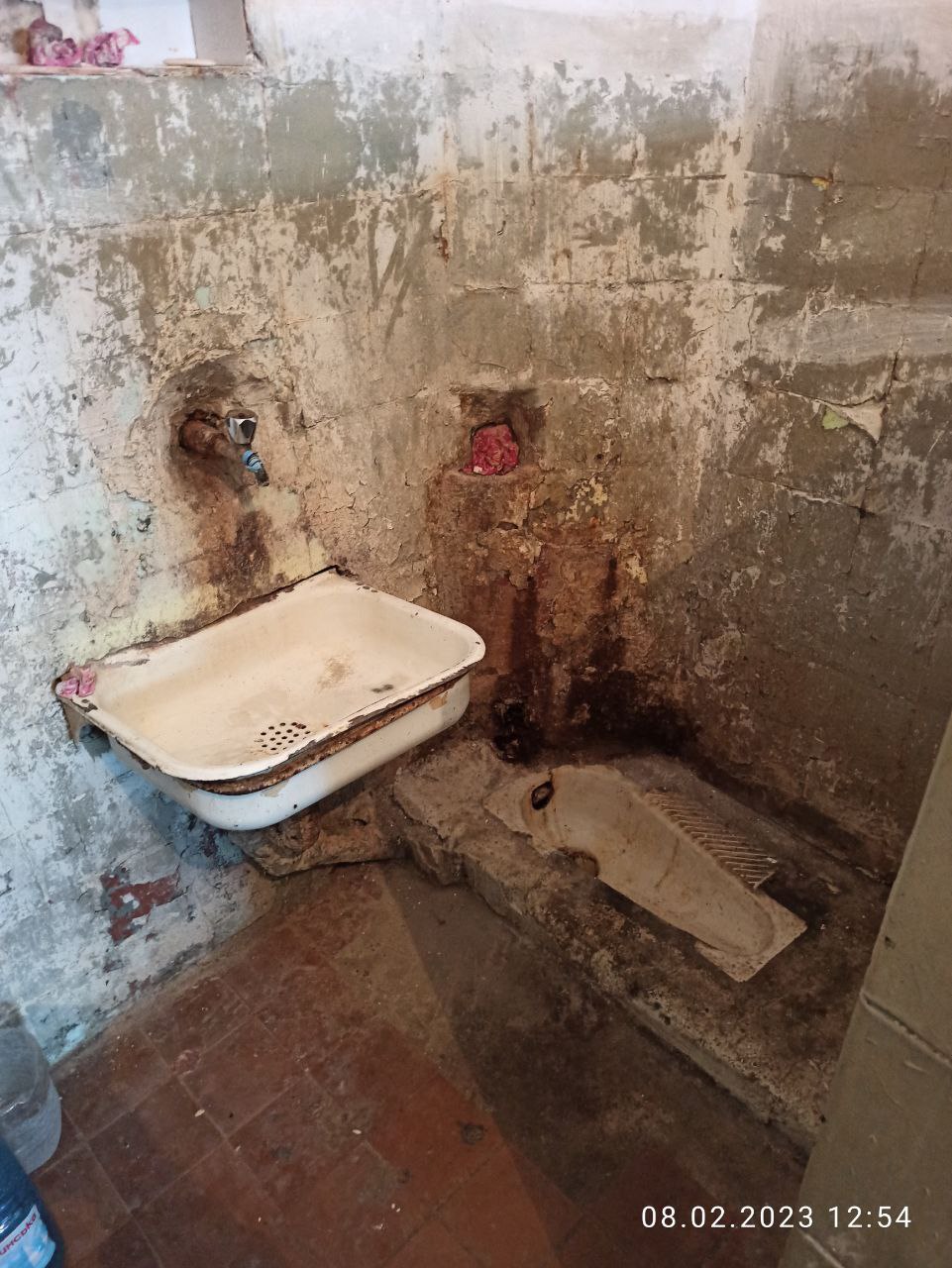
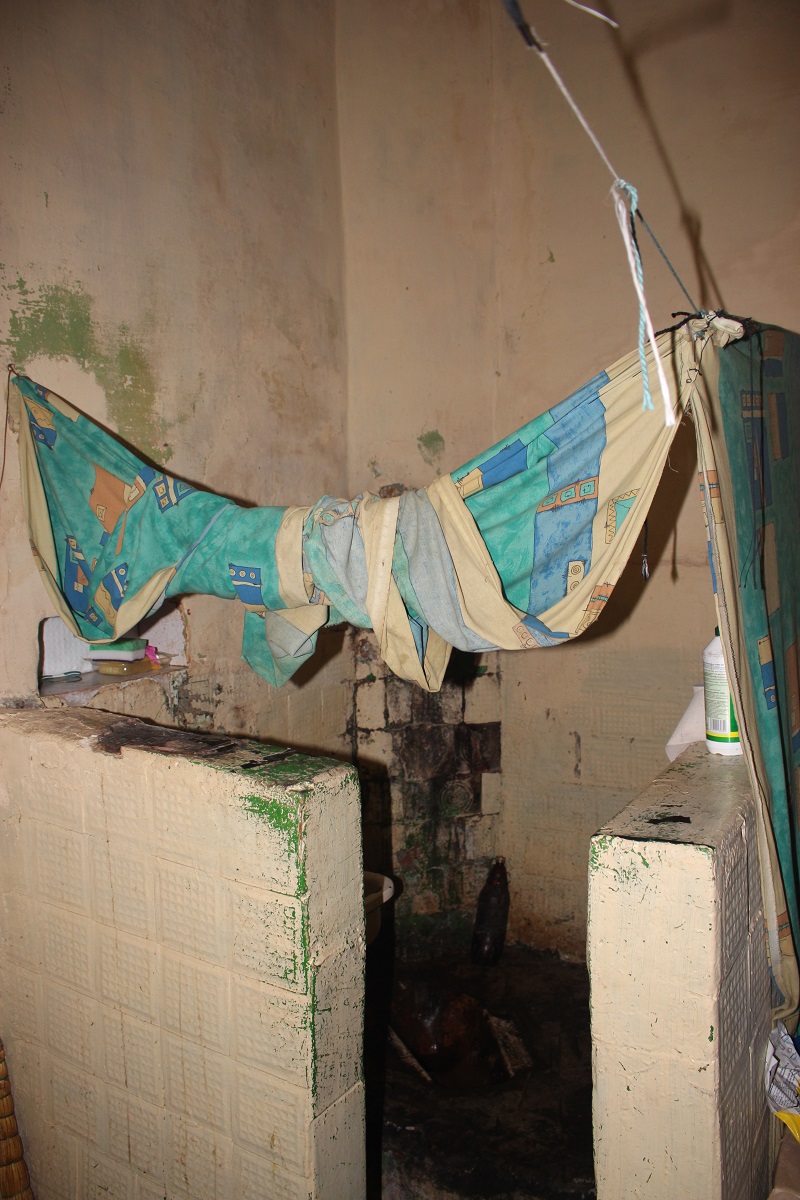
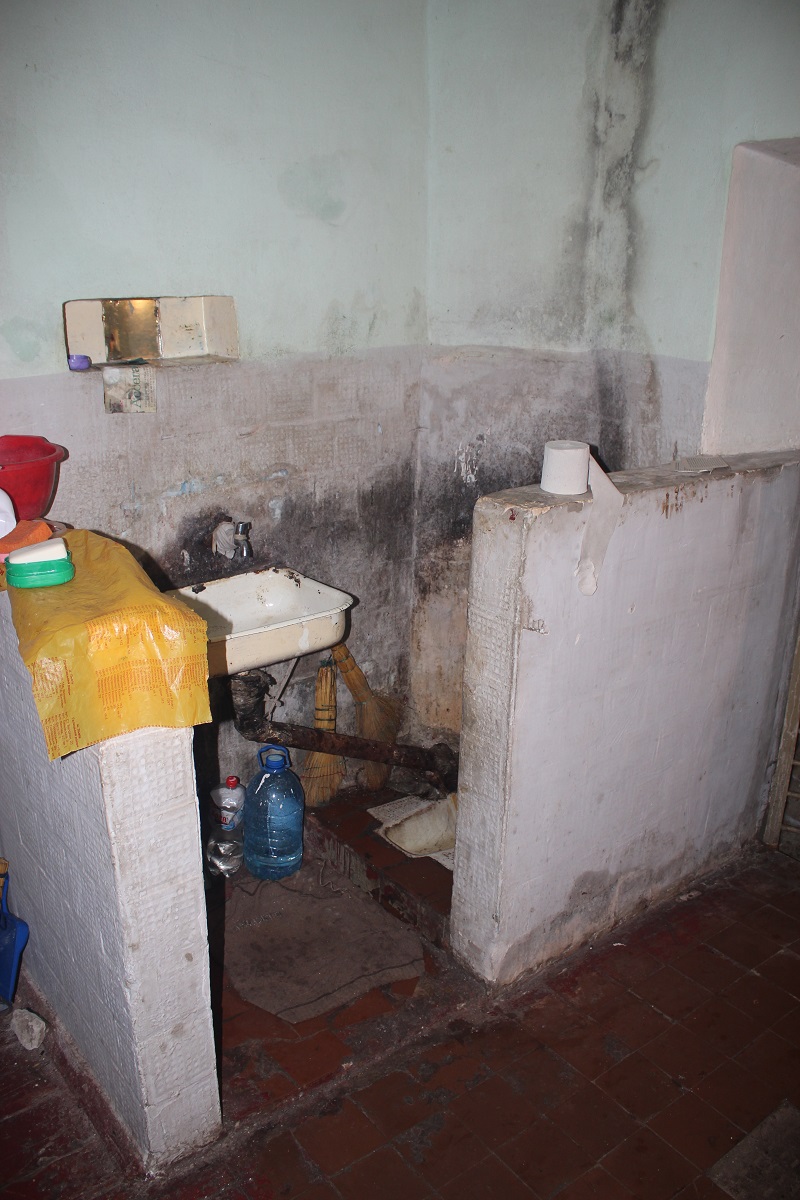
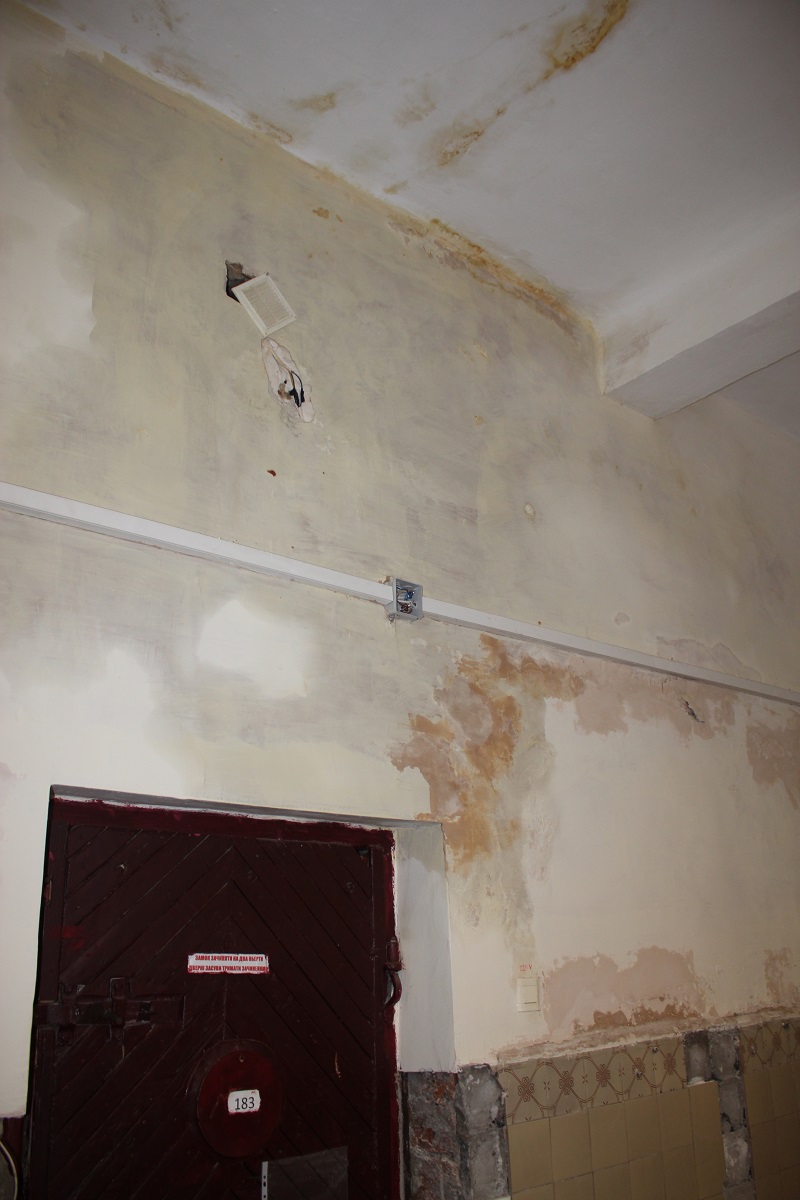
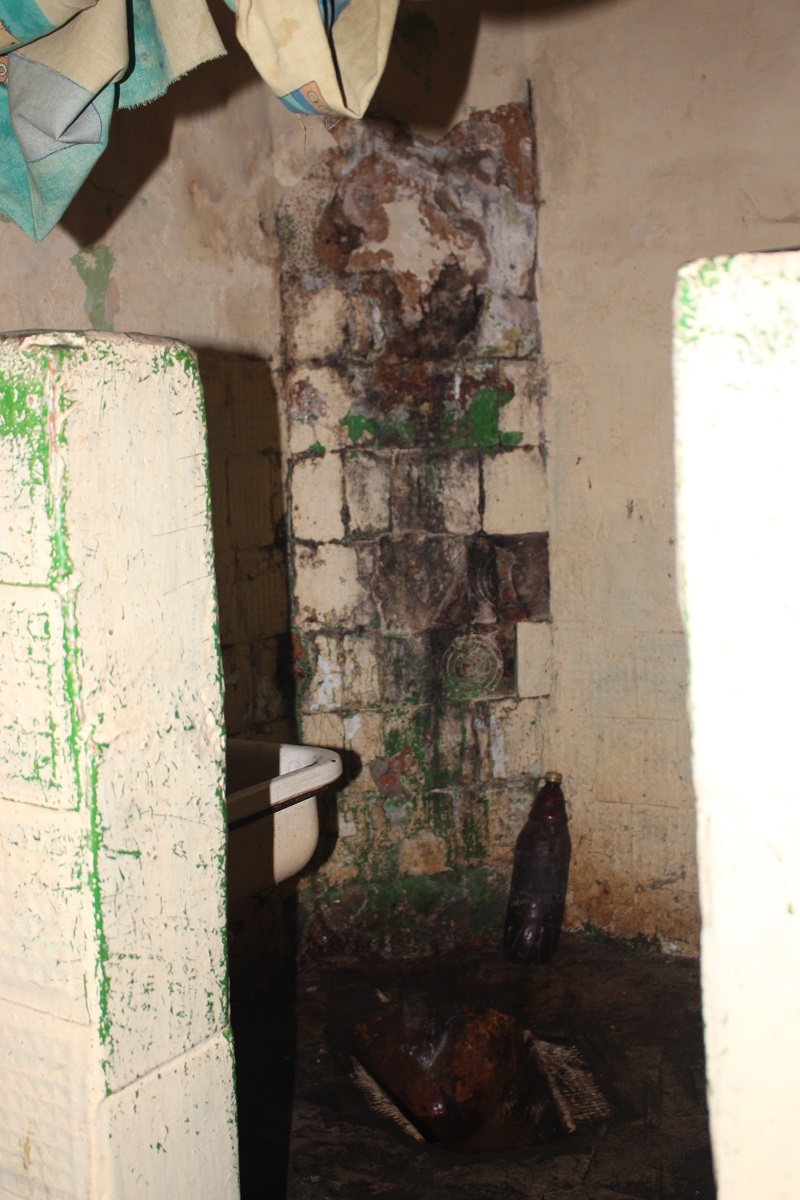
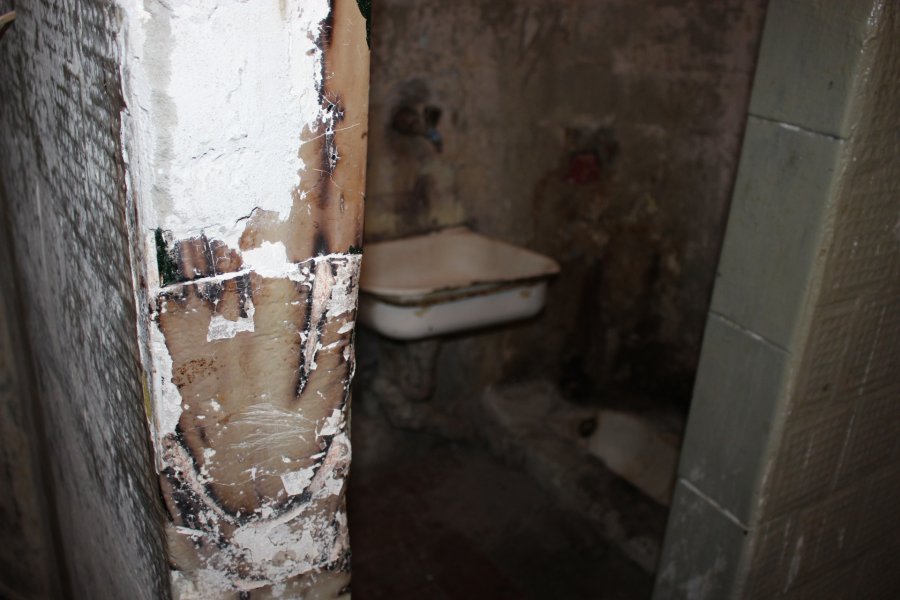
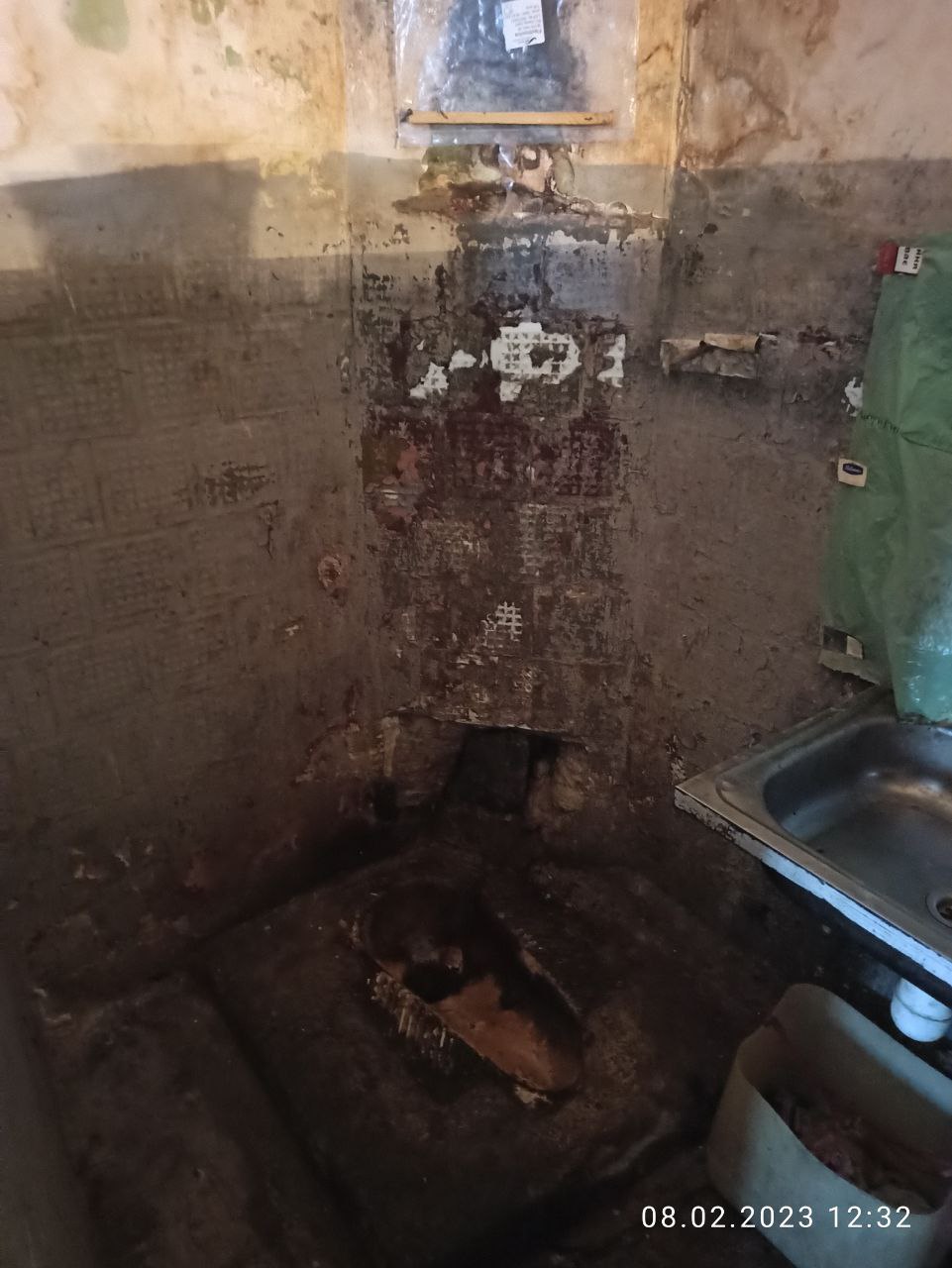
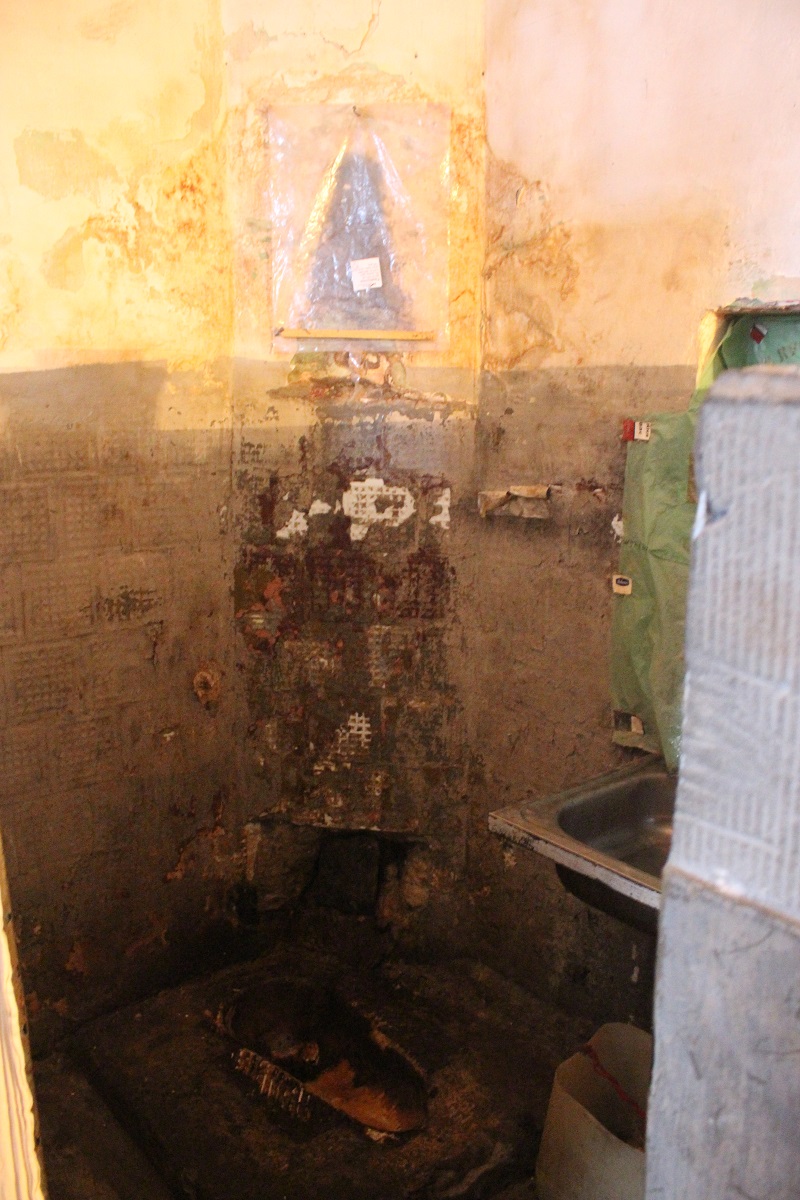
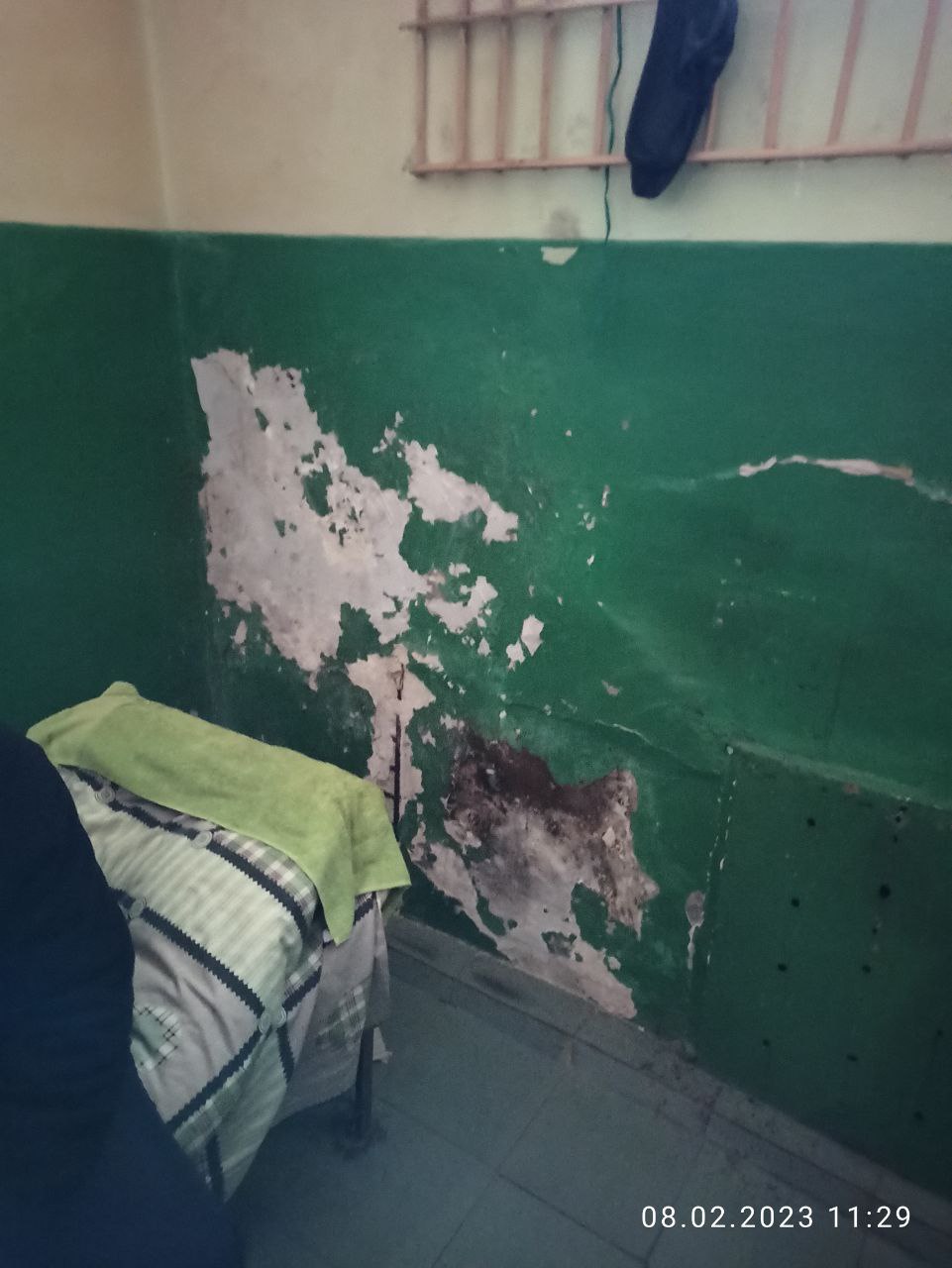
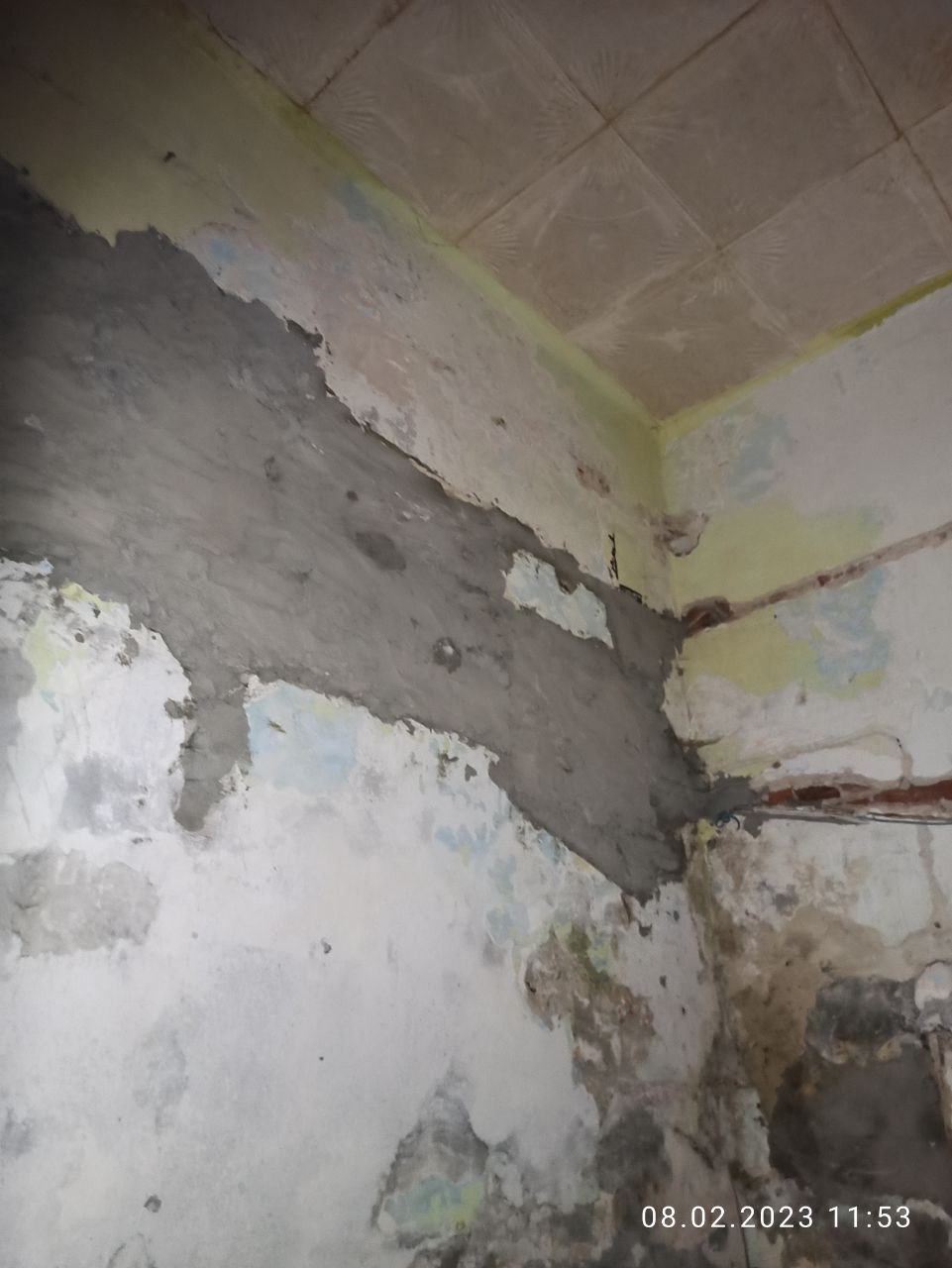
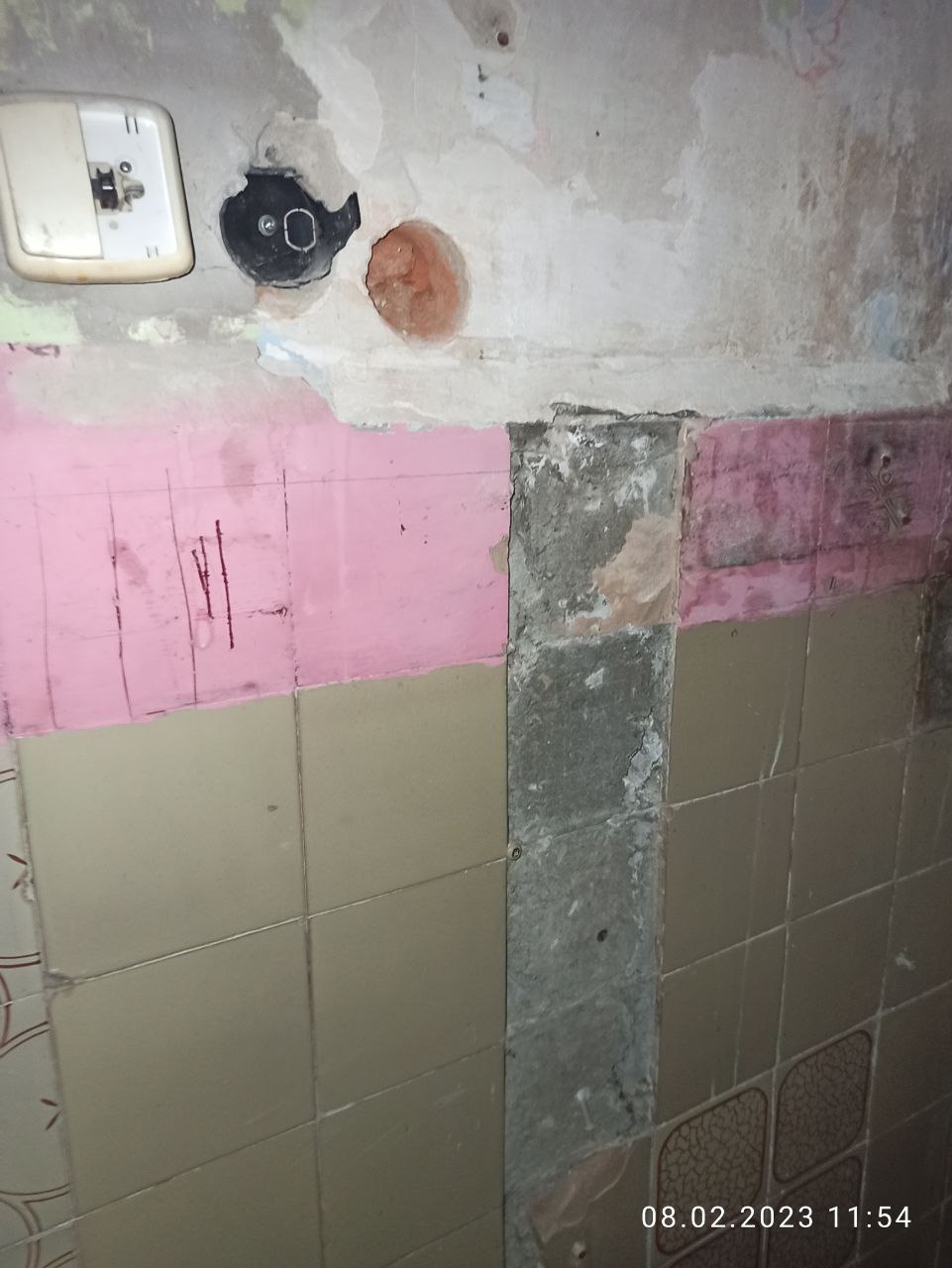
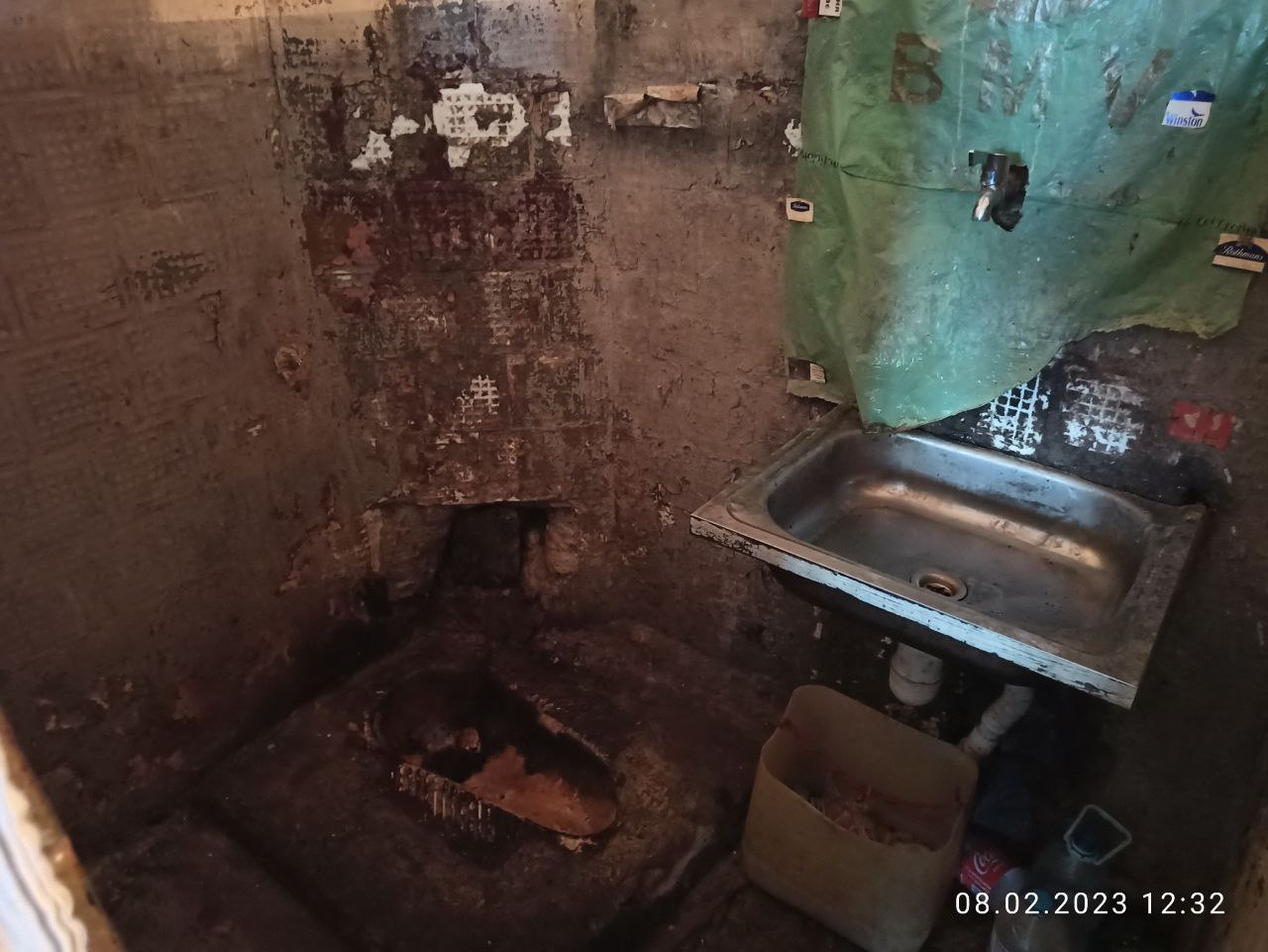
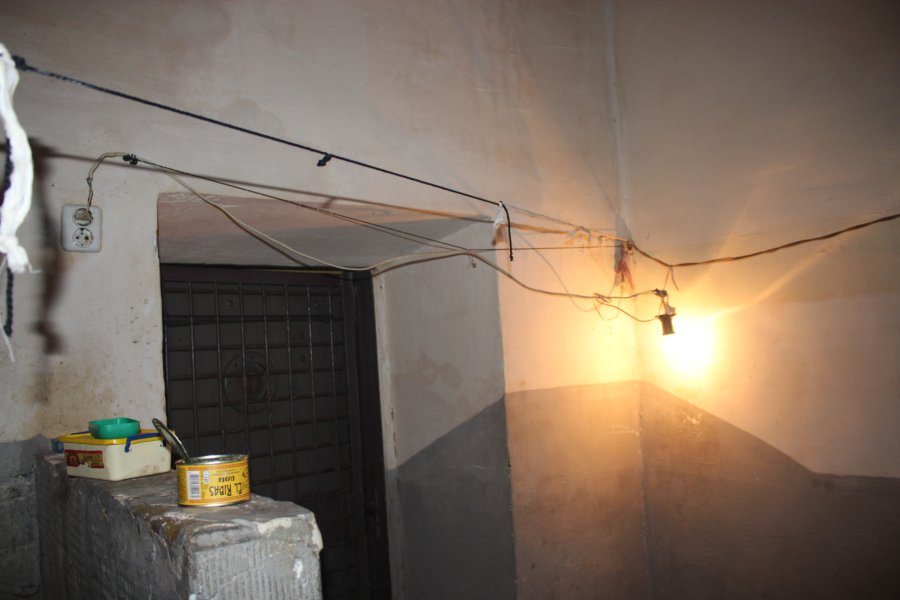
According to clause 5.7 of the lease agreement, the obligation of the lessee (the branch of the State Institution “Health Care Center of the State Criminal-Executive Service of Ukraine” in Lviv region) includes, in particular, the timely execution of current repairs of the leased property at its own expense. However, the branch of the State Institution “Health Care Center of the State Criminal-Executive Service of Ukraine” in Lviv region does not take sufficient measures to actually implement this clause, as the ward-cells are neglected, there is mould on the walls, and the premises require repairs with the replacement of sanitary-technical equipment and electrical wiring.
The hospital premises require immediate repair work: walls and ceilings have peeling paint in places, broken ceramic tiles on wall panels, and exposed electrical wires.


The hospital inpatient department, in violation of the requirements of the “Norms of ownership of bedding, special clothing and special footwear (inventory property) for prisoners undergoing treatment in medical and prophylactic institutions, institutions with the rights of medical facilities and in medical units at institutions for the execution of sentences and pre-trial detention centres”, approved by Order of the Ministry of Justice of Ukraine dated 20.02.2012 No. 280/5, is not provided with hospital property (suit, robe and hospital slippers) for persons undergoing treatment.

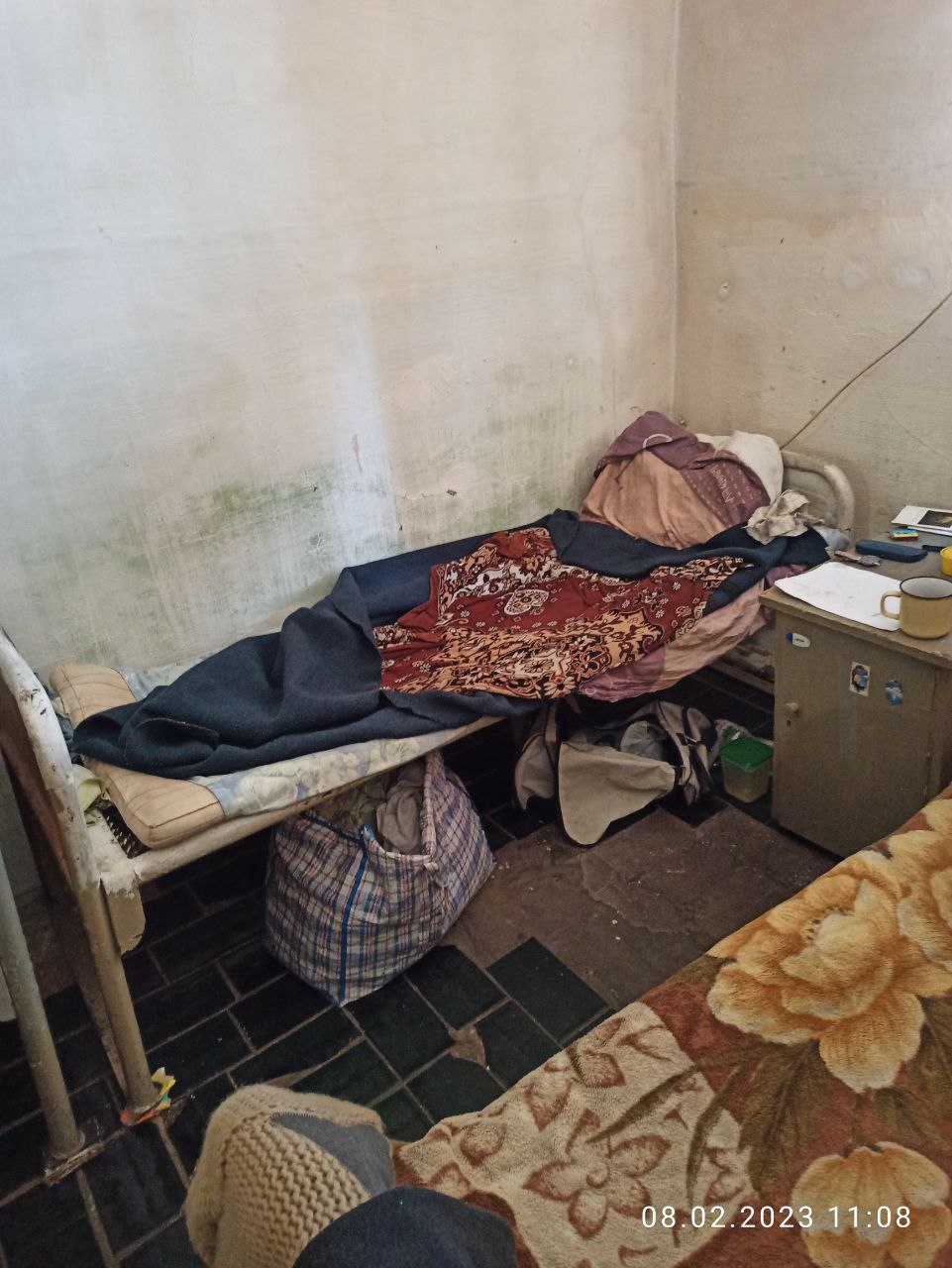
In connection with this, persons in the inpatient department are dressed in their daily clothes and do not have change-of-footwear, which does not ensure the proper sanitary state in the health care facility.
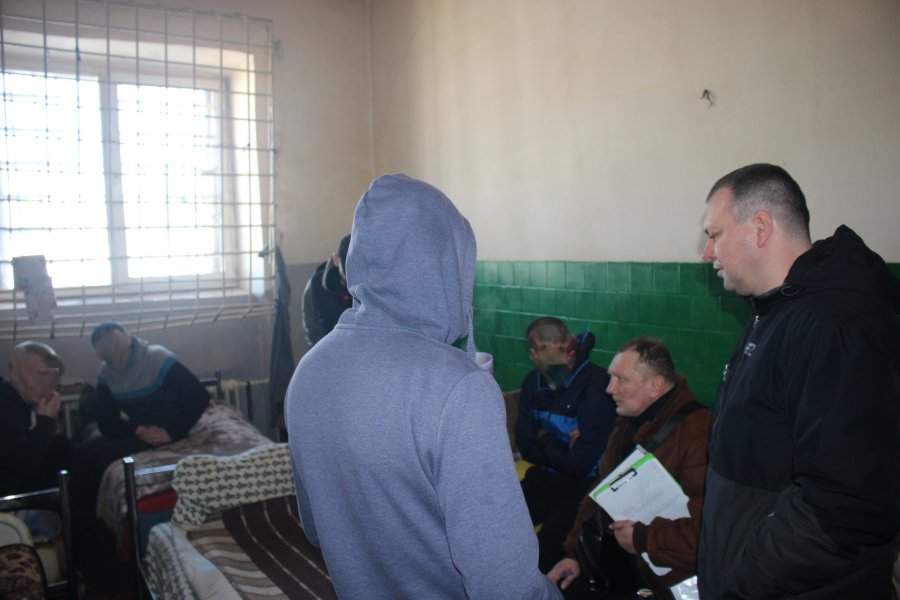
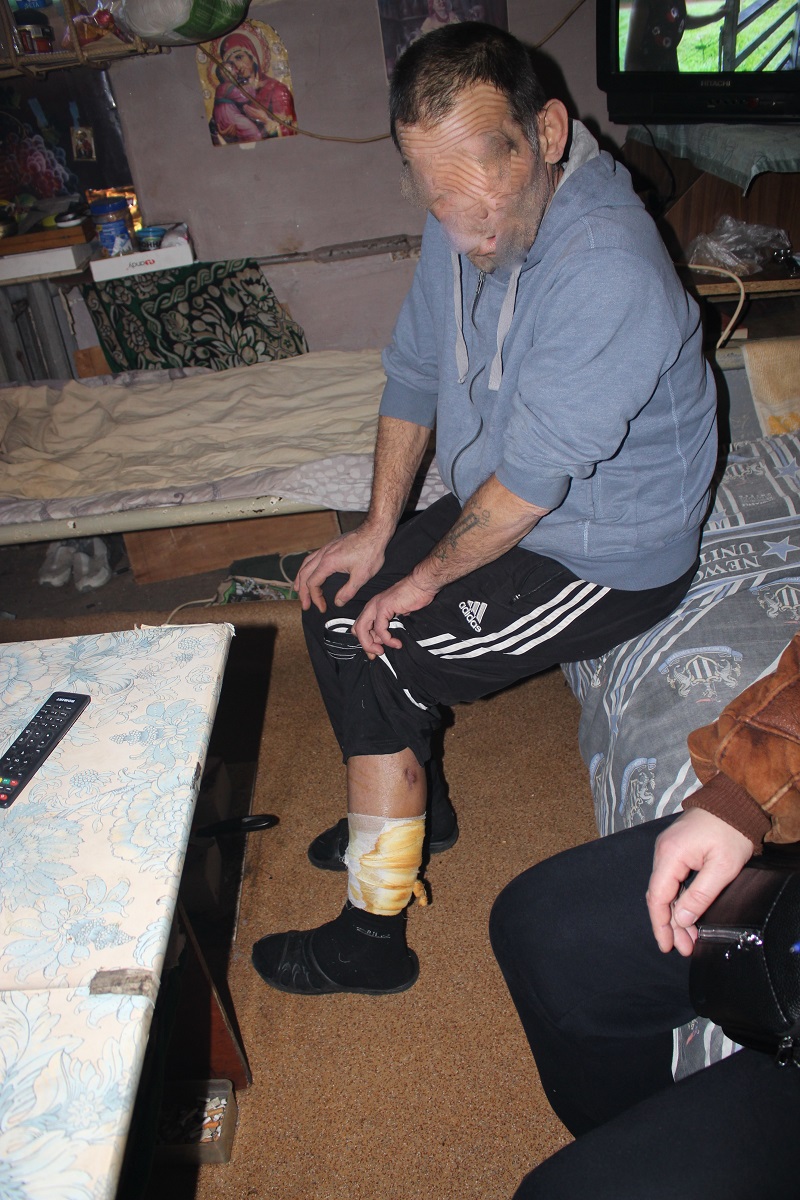
Violations of the rights of persons with disabilities (Article 9 of the UN Convention on the Rights of Persons with Disabilities) were also documented in the facility. In violation of the requirements of the State Building Norms of Ukraine V.2.2-17:2006 “Buildings and Structures. Accessibility of buildings and structures for low-mobility groups of the population”, the facility has not created conditions for accommodating persons with disabilities (no ramps, handrails, etc.). The operating block and intensive care ward are located on the second floor of the hospital; due to the lack of an elevator and internal ramps, access to these premises is difficult for persons recovering from surgical interventions or persons with limited physical capabilities.
During the monitoring visit, the monitors inspected the “Sterilisation Room” on the 1st floor of the hospital, where, according to the medical staff, household items were stored. Among the items present, they discovered decommissioned oxygen cylinders, mattresses that were not in use, and medical waste generated as a result of medical care for prisoners, which is handed over for disposal according to a contract.
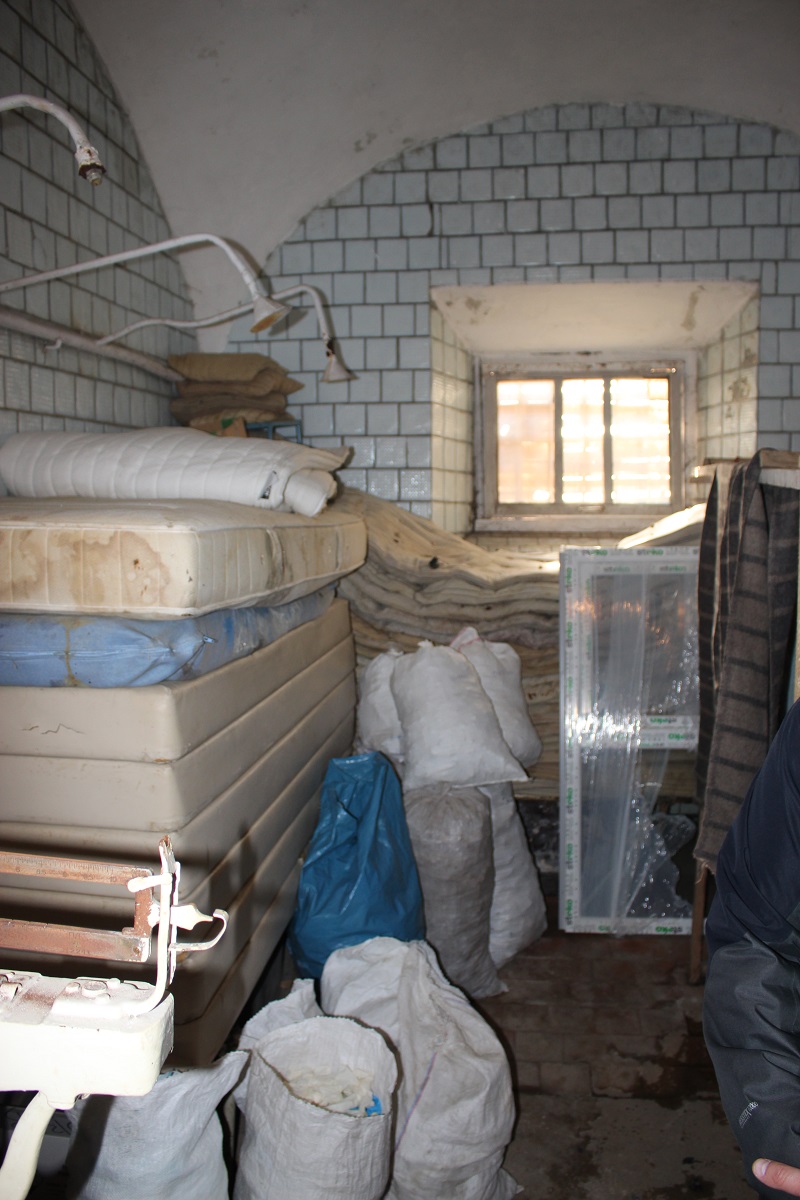
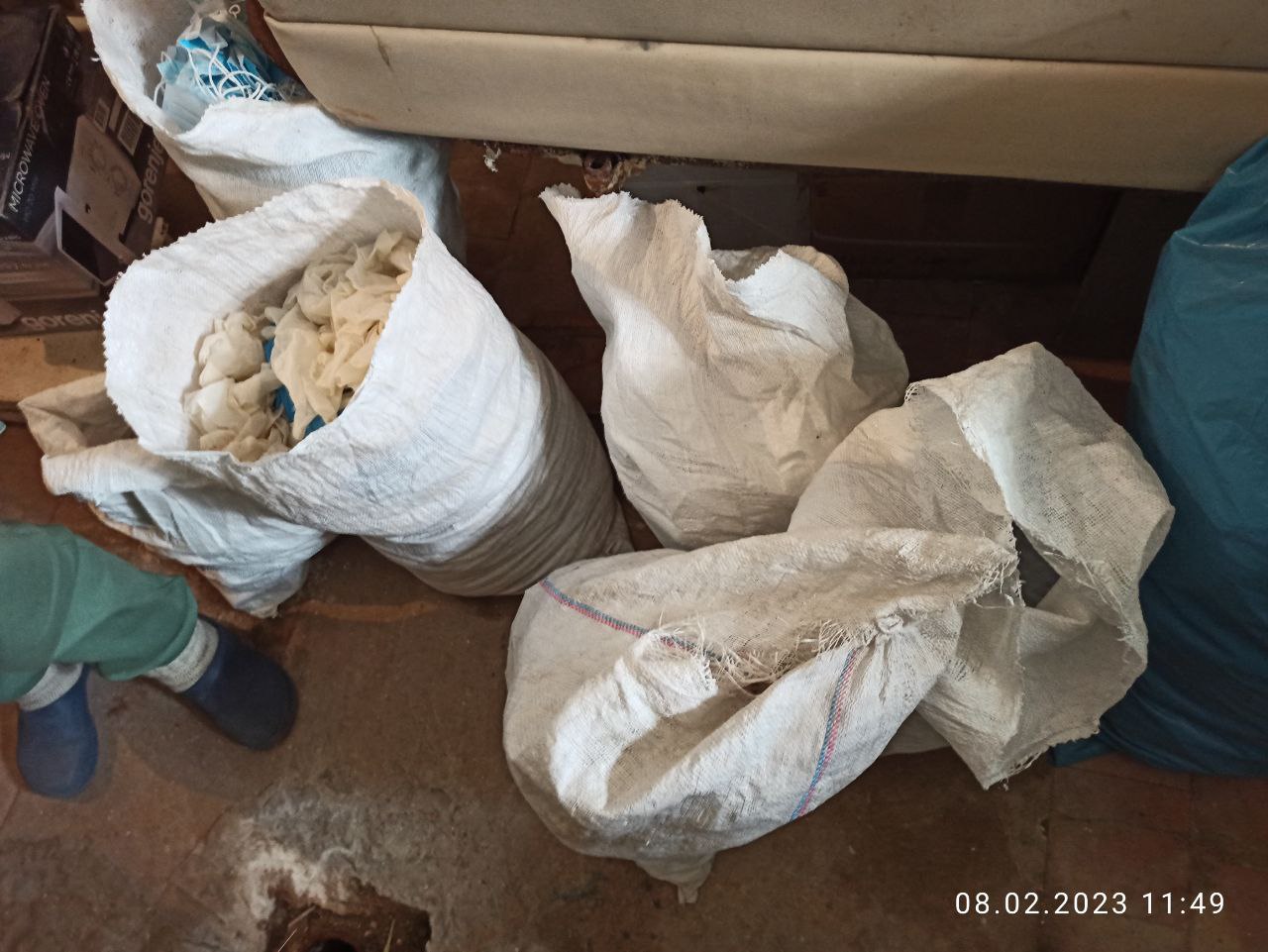
During the inspection, it was established that the hospital lacks a contract for the disposal of medical waste generated as a result of medical care for prisoners of Lviv Multidisciplinary Hospital No. 19 of the branch of the State Institution “Health Care Center of the State Criminal-Executive Service of Ukraine” in Lviv region.
Violation of the right to proper psychiatric care
Lviv Multidisciplinary Hospital No. 19 of the branch of the Health Care Center of the State Criminal-Executive Service of Ukraine in Lviv region includes a psychiatric department with 50 beds (based at Correctional Colony No. 40). On the day of the visit, there were 4 persons in the department.
The psychiatric department is not provided with physicians of the relevant specialty, which leads to a violation of the requirements of Article 25 of the Law of Ukraine “On Psychiatric Care”, due to which prisoners suffering from mental and neurological disorders do not receive the necessary medical assistance.
In violation of clause 8 of part 5 of Chapter 2 of the “Procedure for Organising Medical Care for Persons Sentenced to Imprisonment”, approved by the joint Order of the Ministry of Justice of Ukraine and the Ministry of Health of Ukraine dated 15.08.2014 No. 1348/5/572, there is no isolation ward in the inpatient department for persons with mental disorders for convicts who pose a danger to others.
Patients of the psychiatric department are kept in ordinary wards in inappropriate conditions, without proper care, security, or adequate treatment.
Thus, during the inspection of the wards by the monitoring group, a convicted woman, M., was found in one of the ward-cells, lying on the floor by the door.
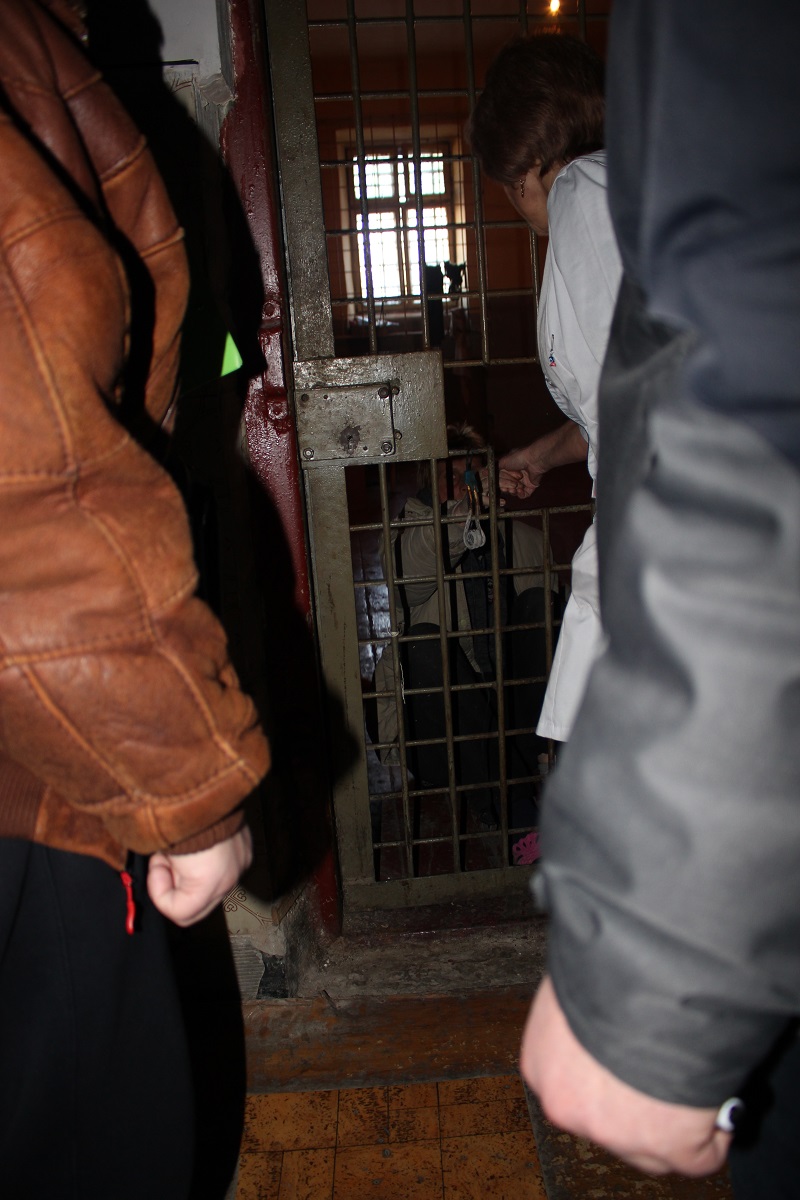
The patient was conscious, under the influence of strong medication, with a pronounced impairment of motor coordination, speech disorder, and in a depressed state. She could not get up on her own and reach the bed. When they managed to lift her, the monitors offered convict M. to lie down on the bed through the bars, to which she replied that she could not do it herself. Then the monitors suggested that the medical staff help the patient reach her bed. To this, the staff member of the pre-trial detention centre accompanying the monitoring group expressed a categorical “no”, explaining that the medical worker — a woman, in this case, the obstetrician-gynaecologist who was nearby — should not enter a ward where a mentally ill convict is located. He added that even he himself should not enter there for security reasons. This should only be done by male orderlies, of whom there are none in the department.
Eventually, the medical staff, together with the pre-trial detention centre staff, nevertheless decided to enter the ward to patient M. and place her on the bed.
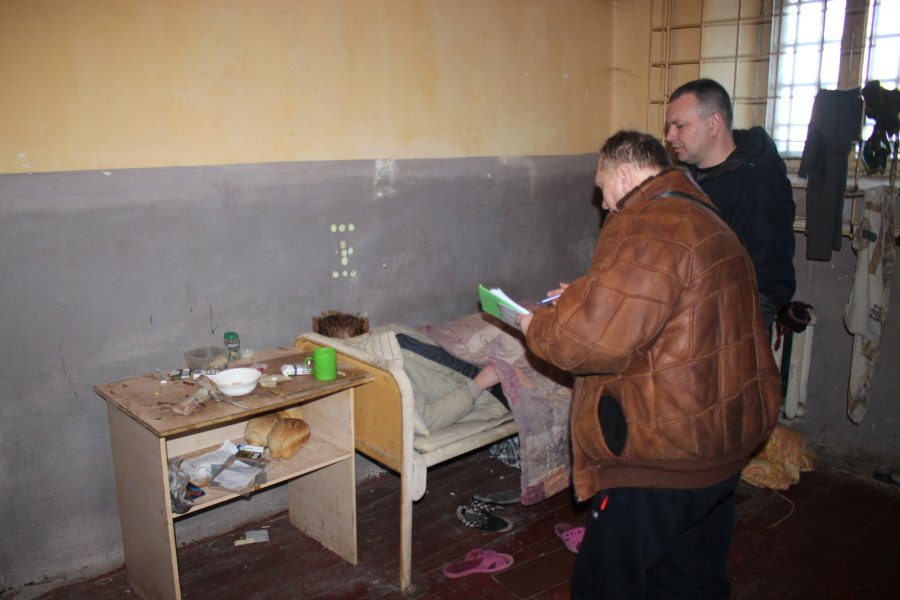
The monitors inspected the ward where the mentally ill prisoner was being held. The window in the ward was open, and the woman could not physically reach the window herself. It was cold. The bathroom was in a dilapidated state, there was no shower, and the floor and windows were wooden.
Thus, the psychiatric department of Lviv Multidisciplinary Hospital No. 19 of the branch of the Health Care Center of the State Criminal-Executive Service of Ukraine in Lviv region does not provide patients with proper quality of care, adequate treatment, or even safety.