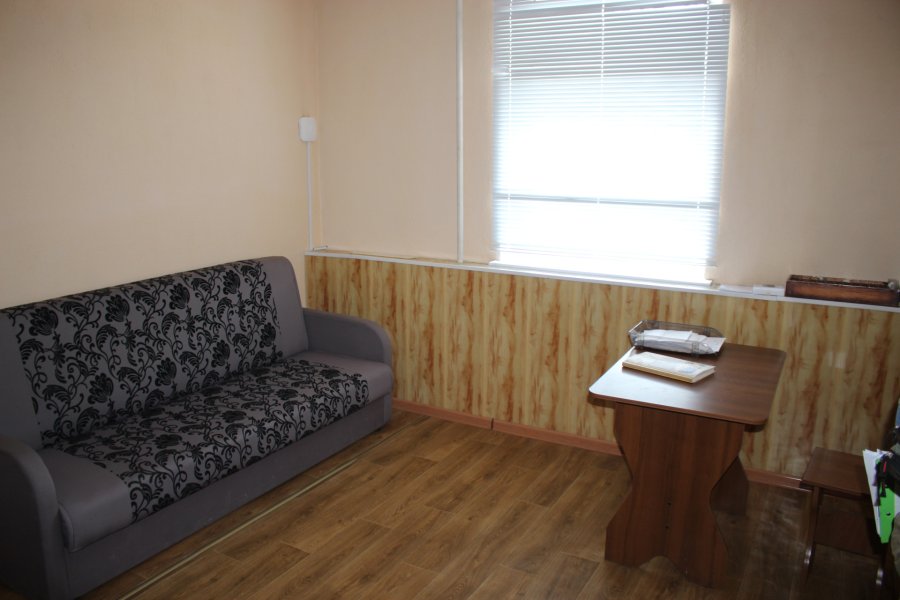
Monitoring visit to the state institution "Synelnykove Penal Colony (No. 94)"
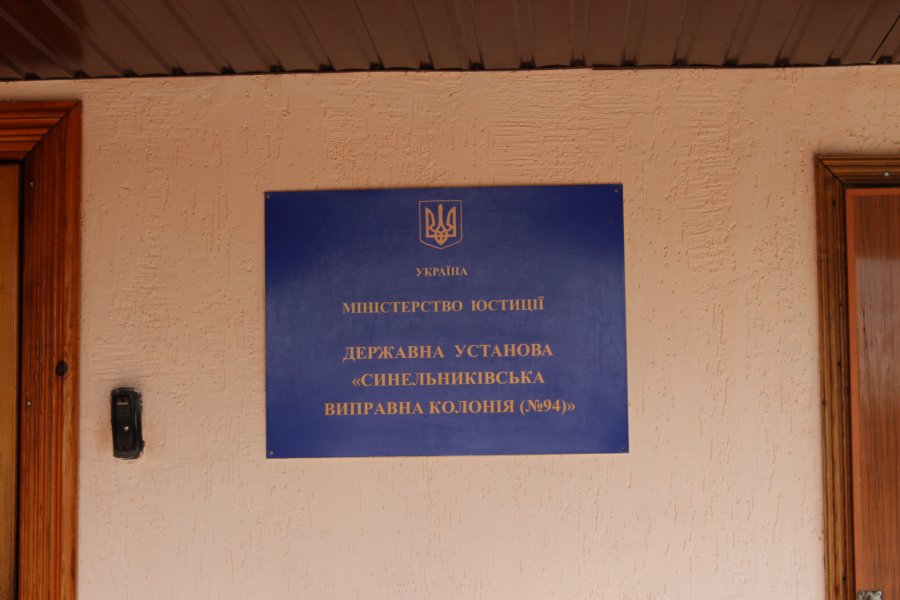
On 11 August 2022, a monitoring group consisting of an assistant to the People's Deputy of Ukraine Kostiantyn Kasai, a member of the Public Council under the Ministry of Justice of Ukraine Serhiy Zuikov, an assistant to the People's Deputy of Ukraine Yaroslav Yurchyshyn, the KHPG programme coordinator Andriy Didenko, as well as a journalist from the Information Agency “Poryad z vamy” (“By Your Side”) Oleksa Yaroslavtsev, carried out a routine visit to the state institution “Synelnykove Penal Colony No. 94”.
The report on the previous visit can be found via this link.
The main tasks of the monitoring visit were to analyse the facility's operations during the war and to determine its humanitarian needs.
The head of the facility is Volodymyr Oleksandrovych Yerofeyev.
The monitors entered the facility grounds without hindrance. The registration process took 4 minutes, and the monitors waited a further two minutes for their escort.
During the visit, they had access to almost all premises (certain problems arose in the medical unit) and were able to communicate with representatives of the administration and prisoners, including under conditions of anonymity.
The areas inspected included the DISO (disciplinary isolation unit), the PKT (cell-type room), living quarters, the medical unit, the laundry and bath complex, and the canteen and kitchen.
General Information
Synelnykove Penal Colony (No. 94) is a medium-security penal institution for holding prisoners who have previously served sentences in places of deprivation of liberty. The staff-to-prisoner ratio is 1 administrator per 2.7 prisoners. Since the beginning of the year, 143 prisoners have been released, 137 of them upon the expiration of their sentences, and 6 on parole. A request to replace the unserved portion of the sentence with a more lenient one was applied in relation to 2 prisoners.
The colony's management conducts a comprehensive inspection of all departments at least once a week, which is followed by a personal reception.
During the visit, the following were inspected: logs of individual work with prisoners in social-psychological service departments; logs of bodily injuries recorded upon arrival and during the service of sentences; logs of reports regarding violations of the established regime of detention and other offences by prisoners; the log of the use of special means, straitjackets, and physical force against prisoners; medical documentation; as well as records of issued shift tasks, logs of prisoners working in production, logs of hourly checks of prisoners' presence at their workplaces; orders for placing prisoners in the disciplinary isolation unit; the log of visits to the disciplinary isolation unit by the facility administration; the book for recording parcels and mail received at the facility's postal address; the log of prisoners' telephone conversations; and correspondence logs.
The management pays due attention to the safety of prisoners under martial law. In the event of an air raid alarm, the local sectors are opened, and prisoners are organised and moved to the shelter premises. There are several equipped premises designed to shelter people in case of danger from air and bomb strikes. The premises have reserves of drinking water, fire extinguishers, and boxes of sand. If necessary, the medical unit provides the required medication. The premises have two exits.
The administration also reported the resumption of long-term and short-term visits for prisoners, which had been prohibited immediately after the start of the full-scale war.
DISO/PKT
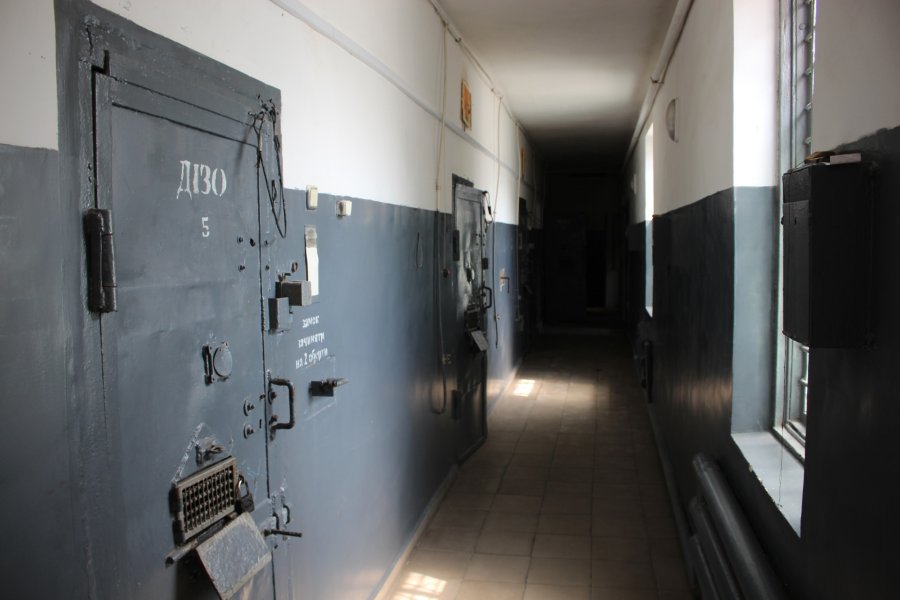
The PKT premises are not in use. The administration believes that the arsenal of disciplinary penalties allows them to avoid using this method of isolation.
There were 4 prisoners held in the DISO; one prisoner was there on general grounds. There are no prisoners in the PKT.
Repair work is being carried out in the DISO premises, financed from the facility's special fund.
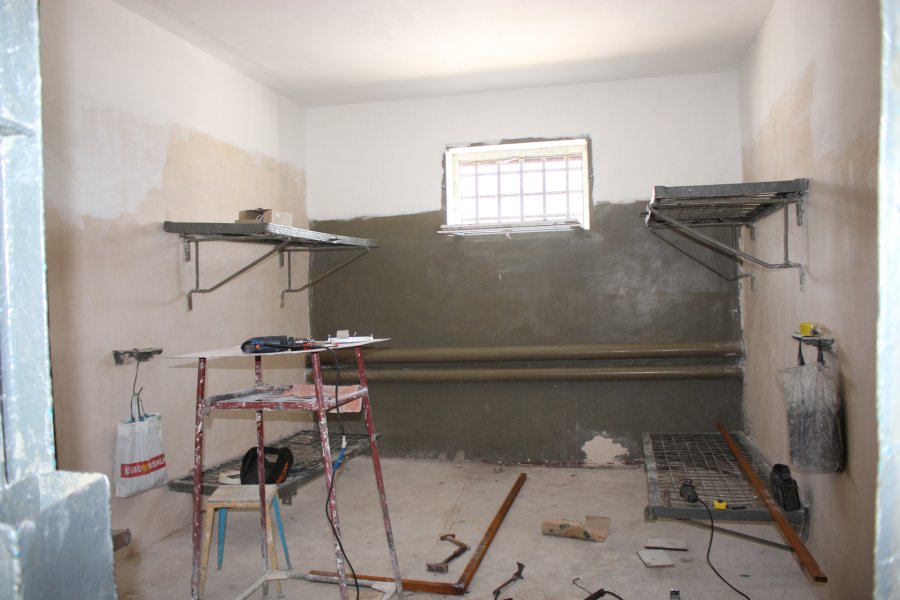
Beds in the DISO are not closed during the daytime.
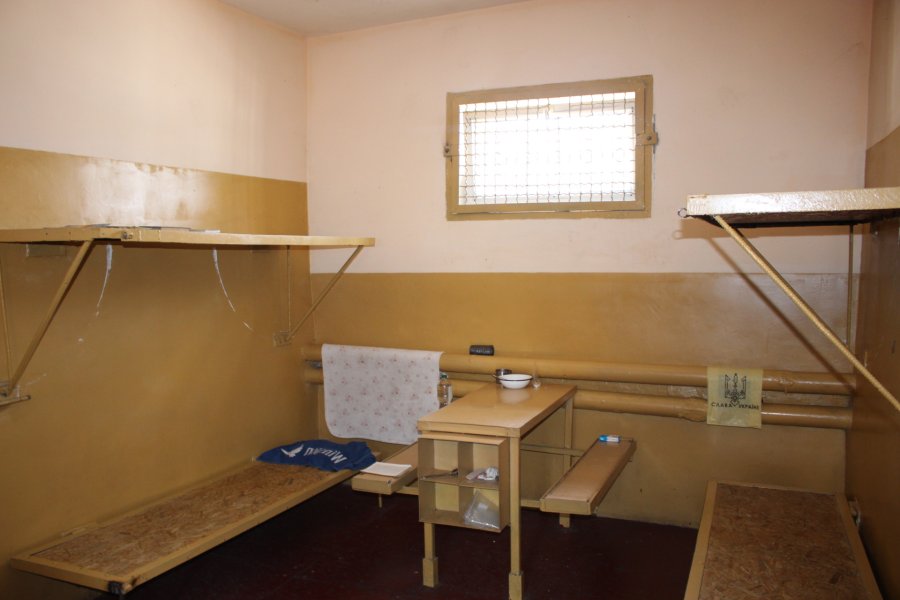
There are no drinking water tanks in the cells. The cells are large in size.
The monitors had the opportunity to review the orders for placement in the DISO.
Prisoner P. is serving a disciplinary penalty for failing to go to the canteen.
Prisoner D. is serving 10 days for violating localisation. In a personal conversation, he agreed with the penalty and has no intention of appealing it.
At the same time, the administration representative stated that placement in the DISO is an exceptional disciplinary measure, and the administration attempts to use it only in exceptional cases.
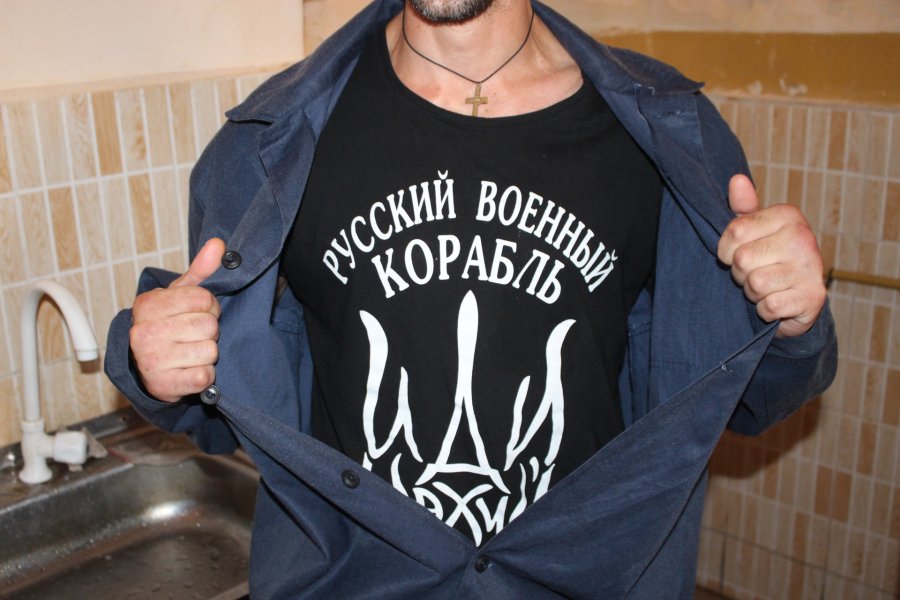
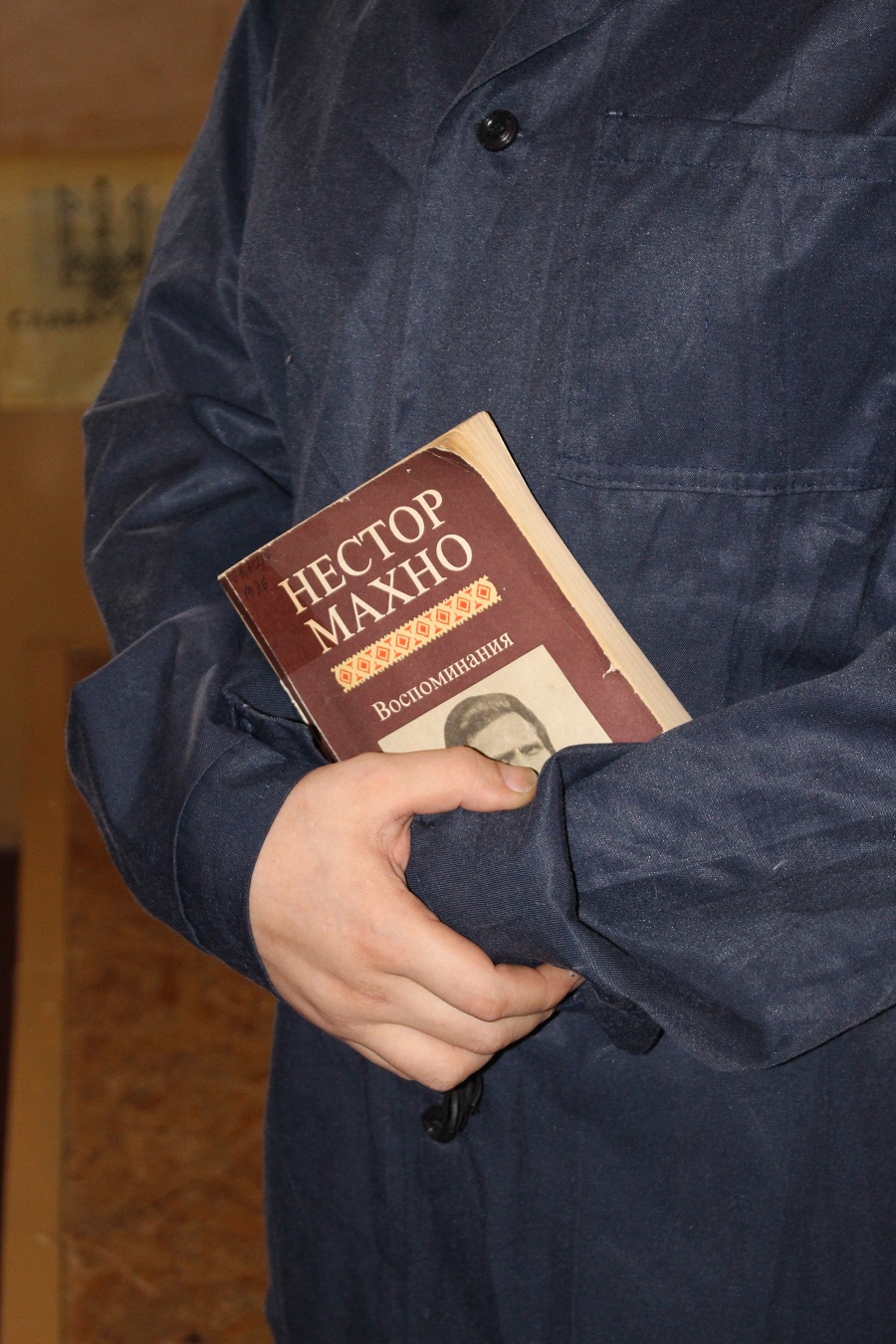
The prisoners are patriotic and emphasise that upon their release, they will join the Armed Forces of Ukraine.
Living Quarters
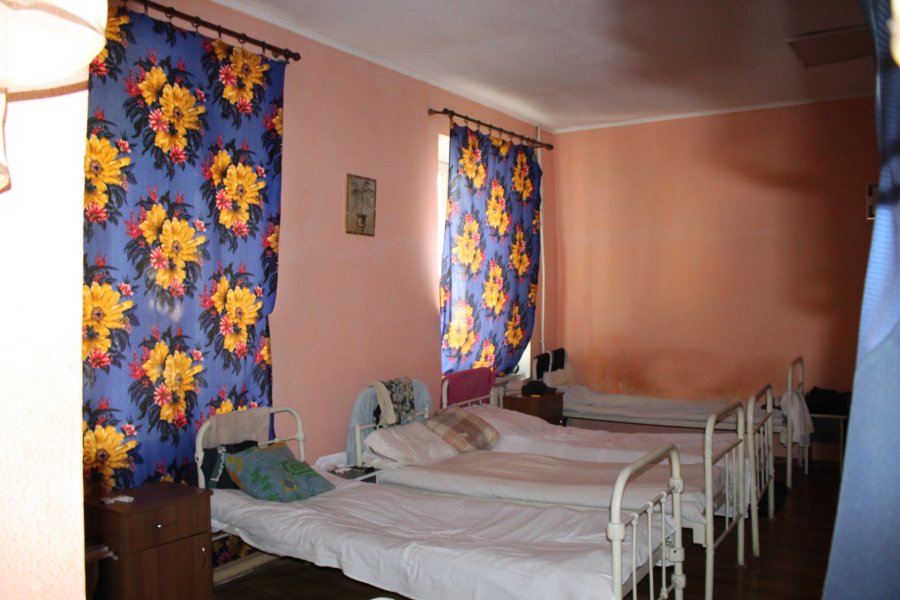
The premises are of a barrack type; there are also cubicle-style rooms.
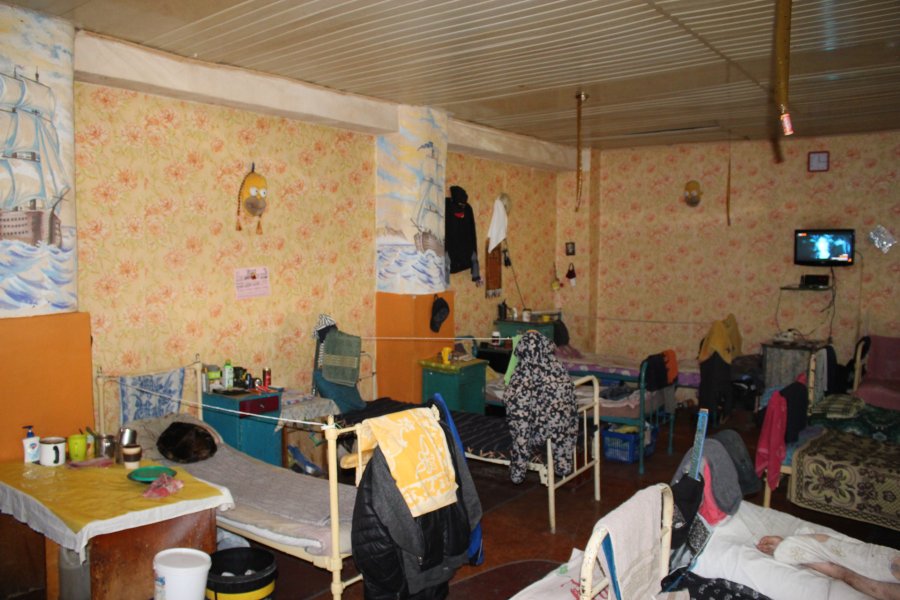
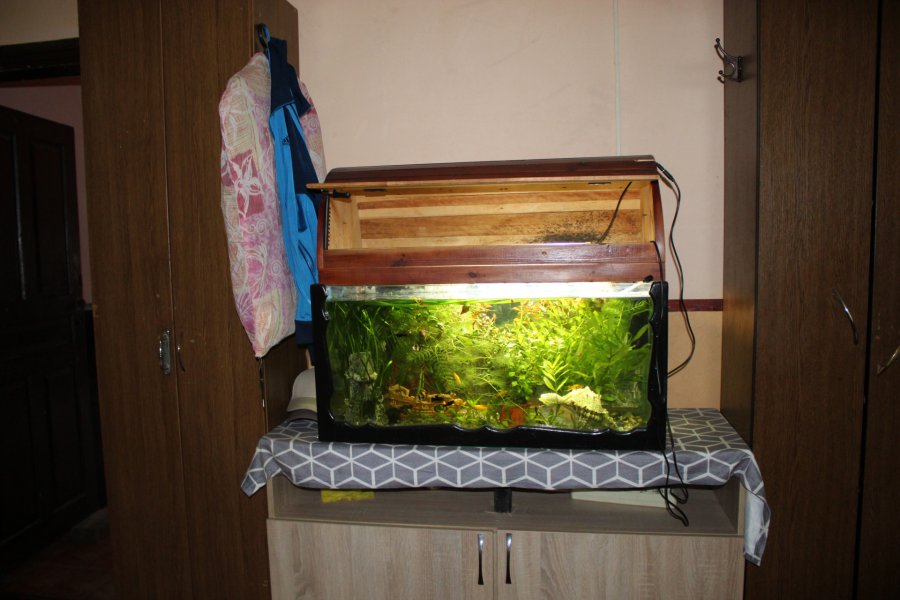
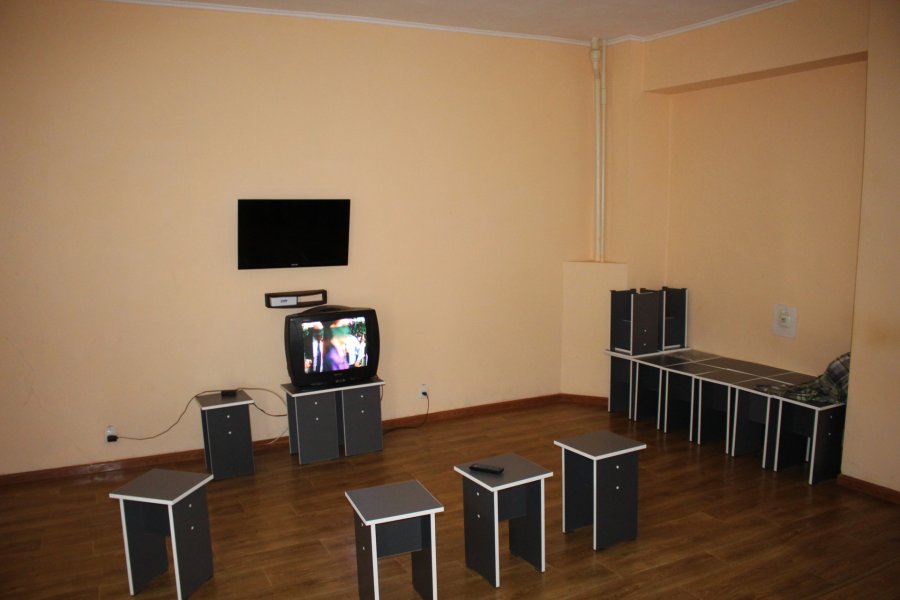
There are no bunk beds. Recreation room:
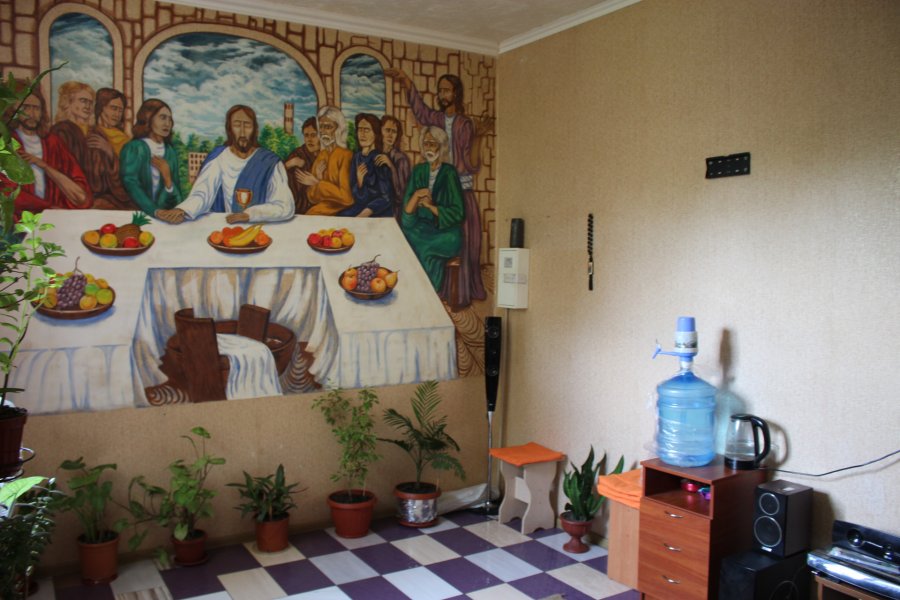
Dining room:
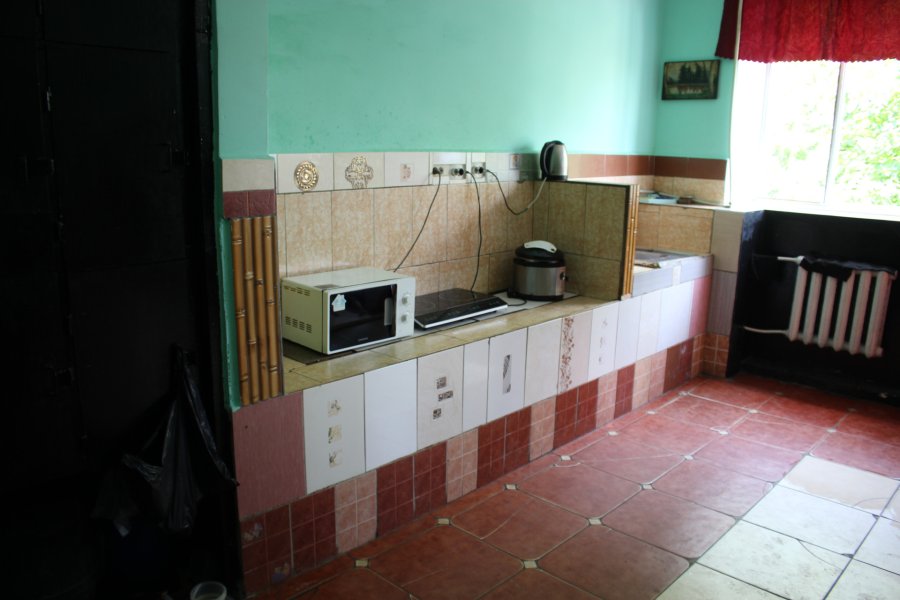
Bathroom:
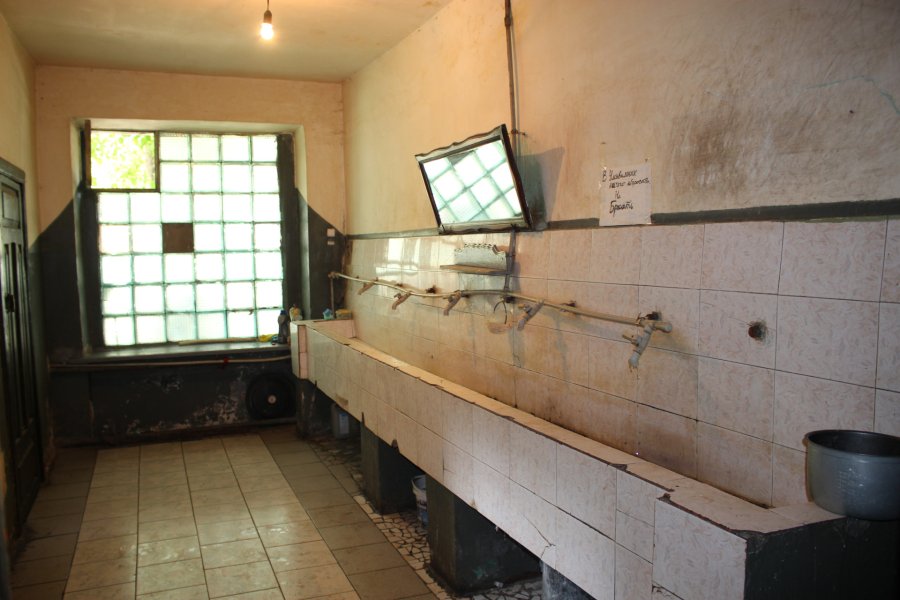
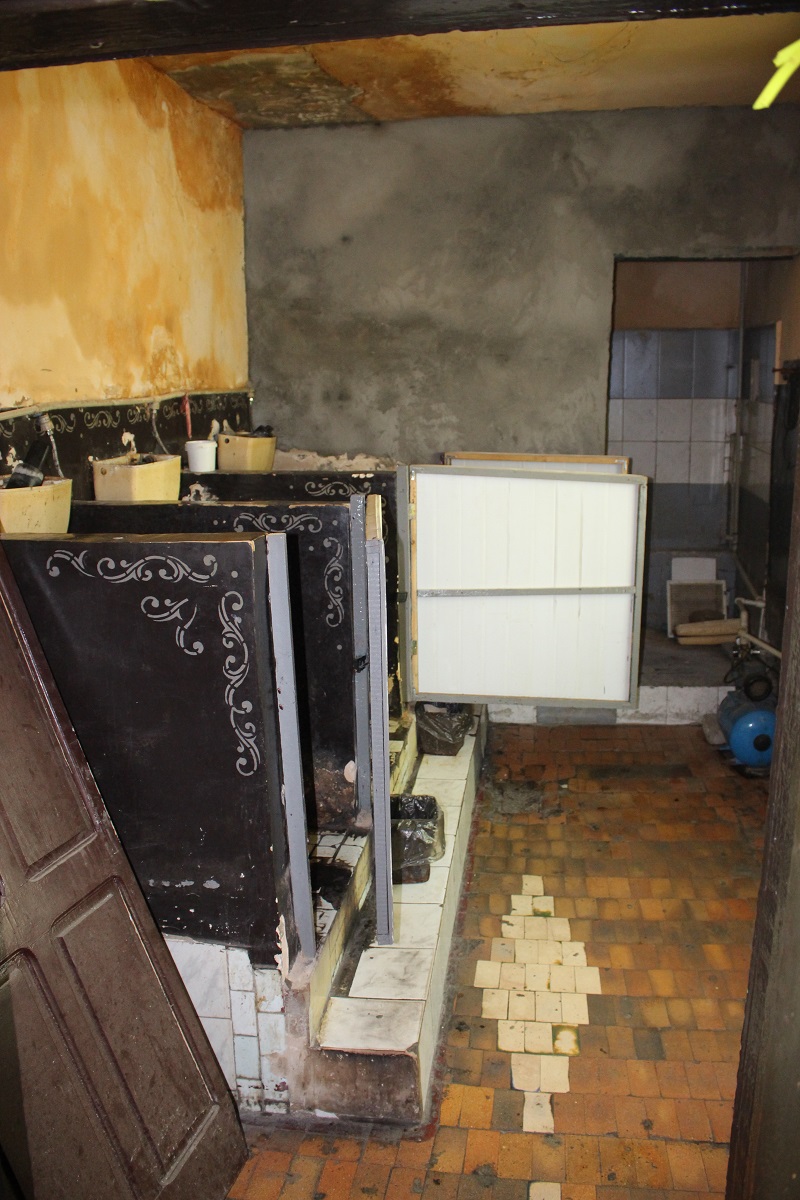
Repair work is underway. The updated living space is divided into sections. A section is designed for 3 people.
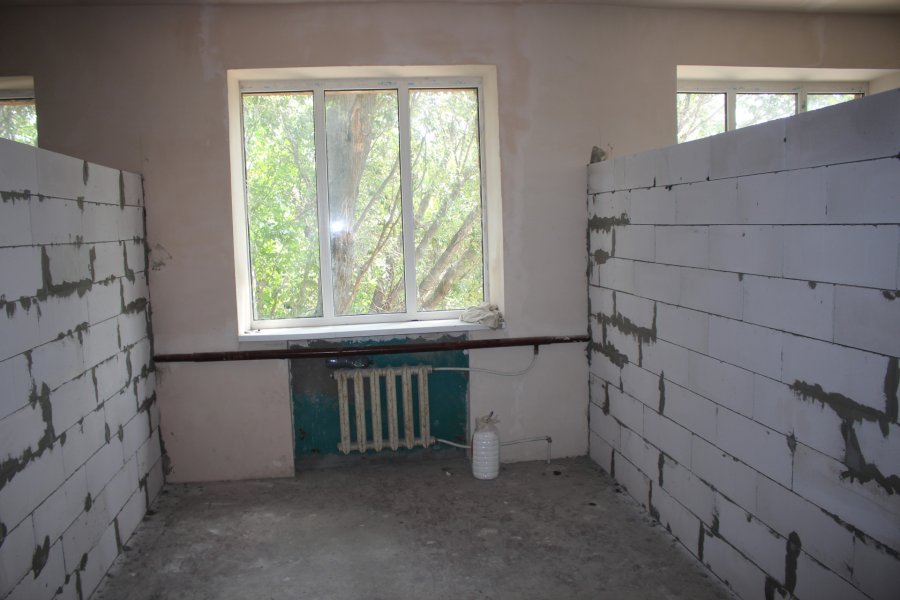
In the living quarters, there is internet with restricted access. During bedtime, access to the internet is switched off. Prisoners can use phones every day, provided they have funds in their personal accounts. In case of need, communication with relatives who are abroad takes place via video calls using the internet.
In a personal conversation, prisoner P. noted that he has no opportunity to use the internet due to a lack of finances.
Prisoner M. from Mariupol, who is to be released on 13.01.23, has no documents and does not know where to go, where to live, or where to work. According to him, it is impossible to renew his documents.
The prisoners also complain that they cannot serve in the Armed Forces of Ukraine; they have written applications for a pardon and wish to be useful to the state.
Medical Unit
The head of Medical Unit No. 94 of the branch of the state institution “Health Care Centre of the State Criminal-Executive Service of Ukraine” in the Dnipropetrovsk and Donetsk regions (hereinafter referred to as the medical unit) is Dmytro Volodymyrovych Bukreyev.
On the day of the visit, 7 people were in the medical unit's inpatient ward; however, inpatient medical cards No. 003/o had not been opened for these patients.
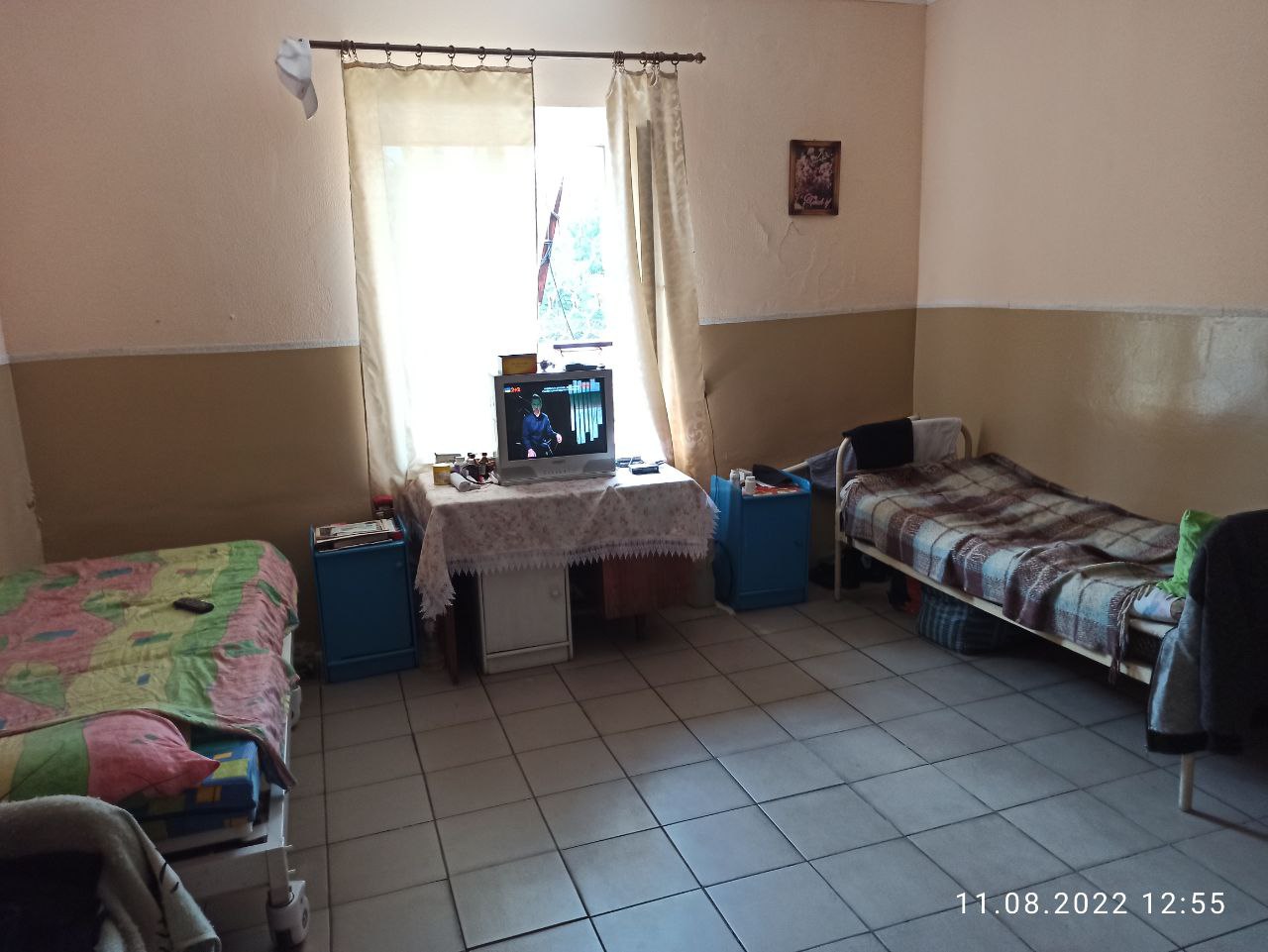
This year, one person died as a result of HIV infection. No one has been released due to illness (in accordance with Art. 84 of the Criminal Code of Ukraine).
There are 58 somatic patients and 13 people with disabilities on the dispensary register. Of these: 2 people are in Group 2, and 11 people are in Group 3.
At the same time, there are no conditions for holding persons with disabilities in the medical unit; specifically, there are no ramps, handrails, or other equipment.
For the purpose of detecting and preventing the spread of infectious and parasitic diseases, and identifying general somatic and mental illnesses among prisoners, a preventive medical examination is conducted once a year in the penal institution. According to medical unit staff, 402 people underwent a preventive medical examination this year. At the same time, the log of preventive examinations has only been kept for the last 2 months. According to medical staff, preventive examinations are conducted by an infectious disease specialist and a paramedic, which contradicts the Order of the Ministry of Justice of Ukraine and the Ministry of Health of Ukraine of 15.08.2014 No. 1348/5/572 “On Approval of the Procedure for Organizing the Provision of Medical Assistance to Prisoners”, which states that a general practitioner (or family doctor), psychiatrist, and dentist must participate in the preventive medical examination. Thus, in violation of Chapter 2 of the Procedure, the preventive medical examination at Synelnykove Penal Colony No. 94 is not being carried out in full.
The medical unit includes:
- an inpatient ward: 7 wards designed for 28 beds for patients with general somatic diseases, 3 wards for 8 beds for infectious patients, and one ward for two beds for patients with mental disorders.
- an outpatient department: the head of the medical unit's office, an infectious diseases office, an X-ray room, and a dental office.
According to the staffing schedule, 13 positions are approved. Of these, the positions of general practitioner (family doctor) and radiologist remain vacant.
The staffing schedule does not provide for the positions of psychiatrist or epidemiologist.
Despite the fact that the number of mentally ill persons in the institution on the register is 5, and another 60 prisoners are under the supervision of a psychiatrist, a psychiatrist is engaged from the Health Care Centre of the State Criminal-Executive Service, and they visit the institution only upon request (demand). Psychiatric assistance in the medical facility is provided inadequately.
Consequently, the absence of a psychiatrist indicates a lack of medical care for various mental illnesses while mentally ill persons are held at Synelnykove Penal Colony No. 94, which creates a dangerous environment among the prisoners and endangers the facility staff.
From the beginning of 2022 until the time of the monitoring visit, 541 people had been screened for HIV infection using rapid tests; among them, 4 people were newly diagnosed. There are 141 HIV-infected persons on the register (135 are receiving ART), 17 of whom are in the fourth stage of the disease. This year, 56 immunological examinations (CD-4) and 112 virological examinations (viral load) have been conducted.
The medical unit is equipped with functioning fluorography equipment; 1,180 examinations have been conducted this year.
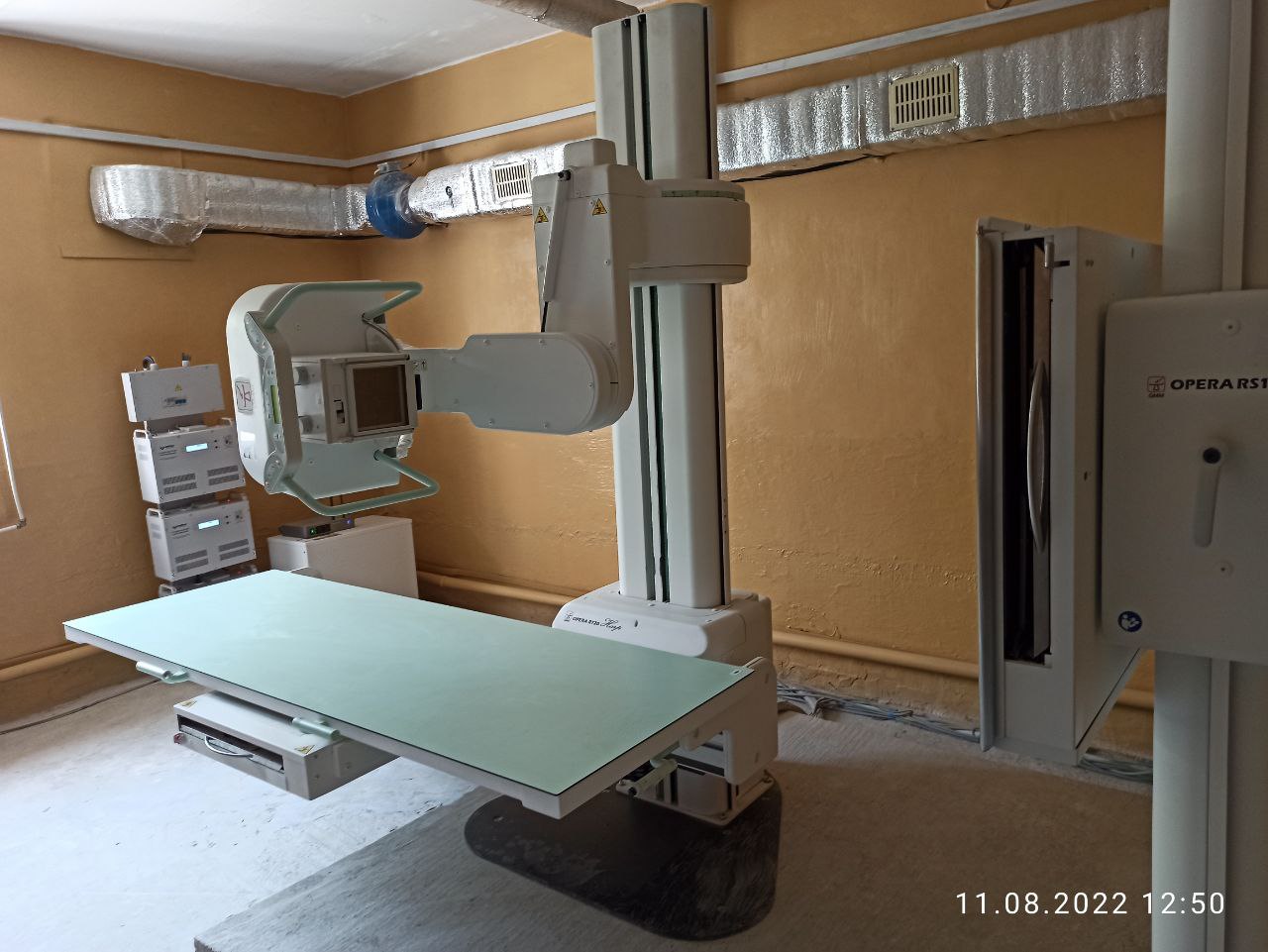
There are 54 people on the register who have recovered from tuberculosis.
Sputum microscopy analyses and GeneXpert analyses are sent for examination to the specialised Tuberculosis Hospital No. 89 of the Health Care Centre of the State Criminal-Executive Service (turnaround time is 1–2 days).
The medical unit lacks a properly equipped sputum collection point, which creates prerequisites for the spread of infectious disease among the held prisoners and also violates the order of the Ministry of Health of Ukraine of 01.02.2019 No. 287 “On Approval of the Standard of Infection Control for Health Care Facilities Providing Assistance to Patients with Tuberculosis”.
The monitors checked the log of detected bodily injuries, but there were no entries in it. At the same time, during the inspection of the book for recording requests from prisoners with bodily injuries to the medical unit, which is kept in the duty unit, 7 cases of bodily injuries among prisoners were recorded this year. Moreover, the outpatient medical records 025/o lack photographs of existing bodily injuries, as required by Clause 3, Section 1, Chapter II of the joint Order of the Ministry of Justice of Ukraine and the Ministry of Health of Ukraine of 15.08.2014 No. 1348/5/572 “On Approval of the Procedure for Organizing the Provision of Medical Assistance to Prisoners”.
The medical unit maintains round-the-clock duty of medical staff for the provision of emergency medical care and the supply of medicines to prisoners.
During the conversations, no complaints from prisoners regarding unlawful actions of medical staff and facility workers, specifically torture, or cruel, inhuman, or degrading treatment or punishment, were received.
Substitution maintenance therapy (SMT) is not provided in the institution.
The medical unit lacks the drug Naloxone and a log for its use, which makes it impossible to provide emergency medical care in case of an opioid overdose.
The institution uses a practice of providing medical services through bars, including the issuance of medication, injections, and communication.
The monitors were not admitted to the dental office.
While inspecting the first aid kit for injury treatment, the monitors discovered expired medicines.
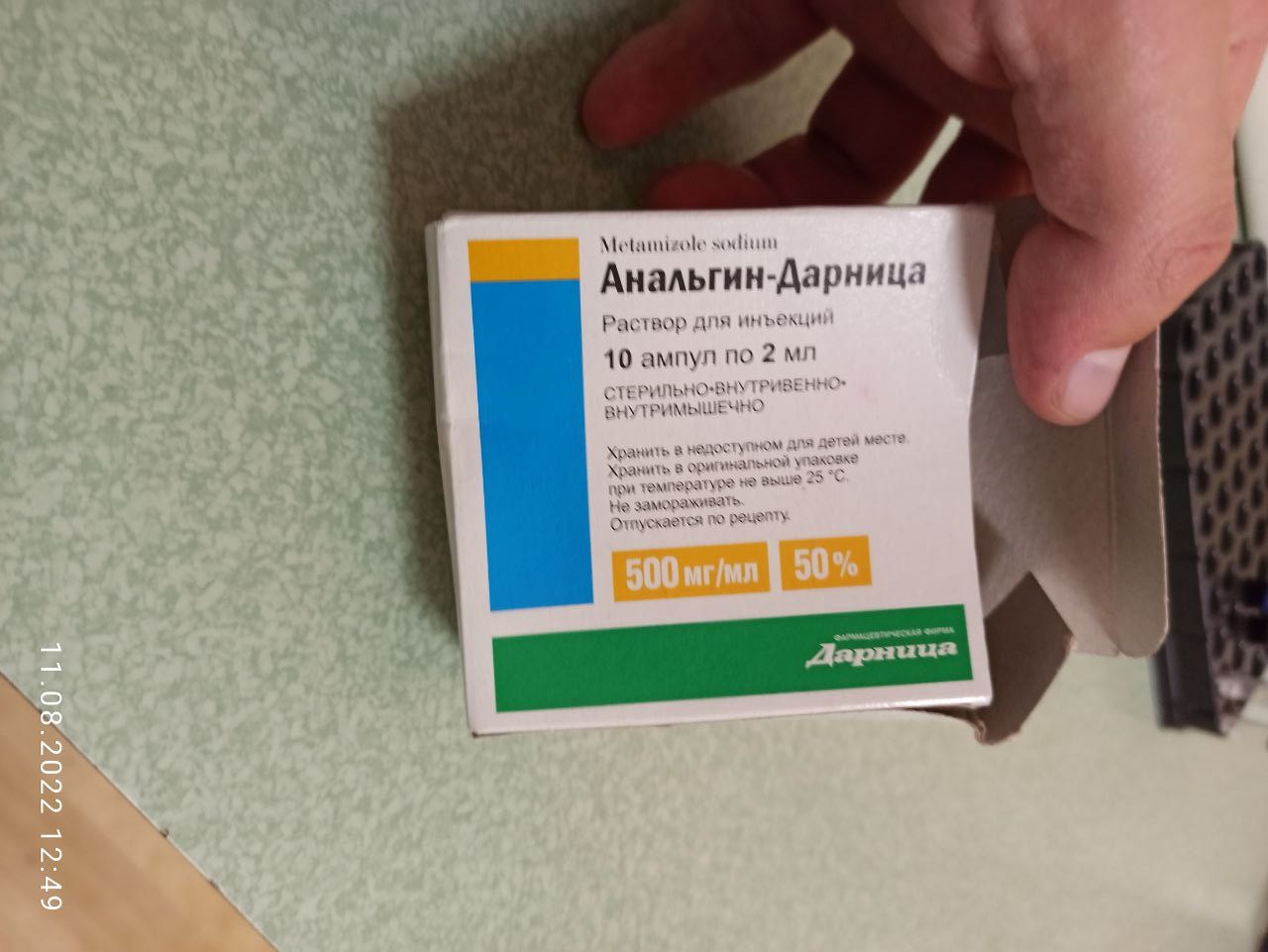
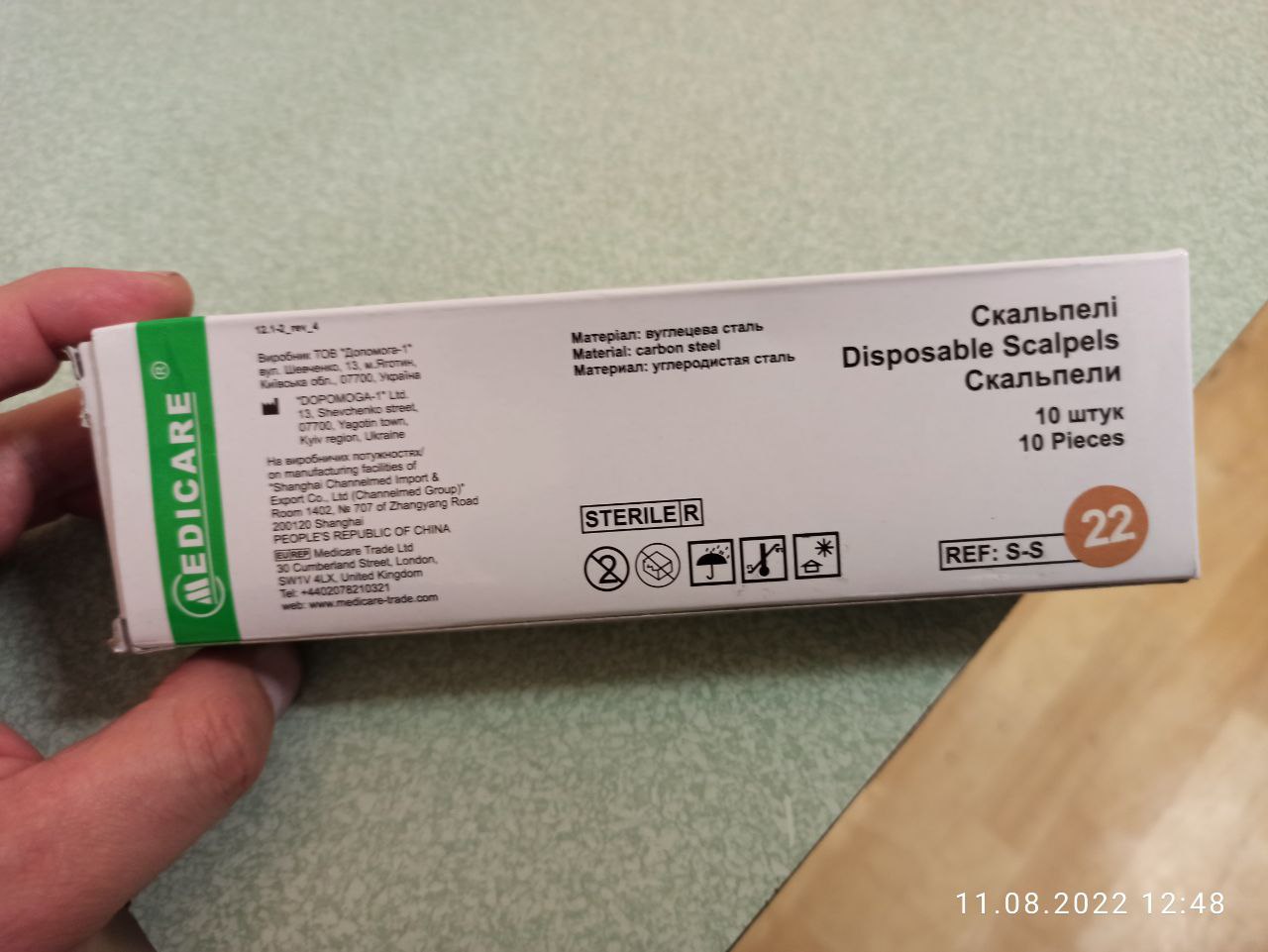
The institution employs the practice of involving duty orderlies in work in the medical unit.
This year, 114 people were tested for coronavirus, with 55 PCR tests conducted. This year, 68 people have had coronavirus.
Video surveillance cameras are installed in the lobby of the medical unit. However, the Procedure for the use of technical surveillance and control equipment in correctional and educational colonies of the State Criminal-Executive Service of Ukraine, approved by the Order of the Ministry of Justice of Ukraine dated 26 June 2018 No. 2025/5 (registered with the Ministry of Justice of Ukraine on 02 July 2018 under No. 766/32218), does not provide for the installation of video surveillance in medical unit premises.
Patients of the medical unit do not have access to boiled water, so they drink technical water from the tap, which has been allowed to settle beforehand.
In the general bathhouse, the premises for the medical worker required for conducting examinations of prisoners are inadequately equipped. The medical examination is conducted in the presence of other prisoners.
There is no doctor's office in the KDiR premises.
KDiR Sector
The sector houses individuals who lived in Berdyansk (Zaporizhzhia region) and the Luhansk region before their conviction. In personal conversations, they complained that they have no contact with their relatives. The prisoners also requested help in obtaining Ukrainian passports.
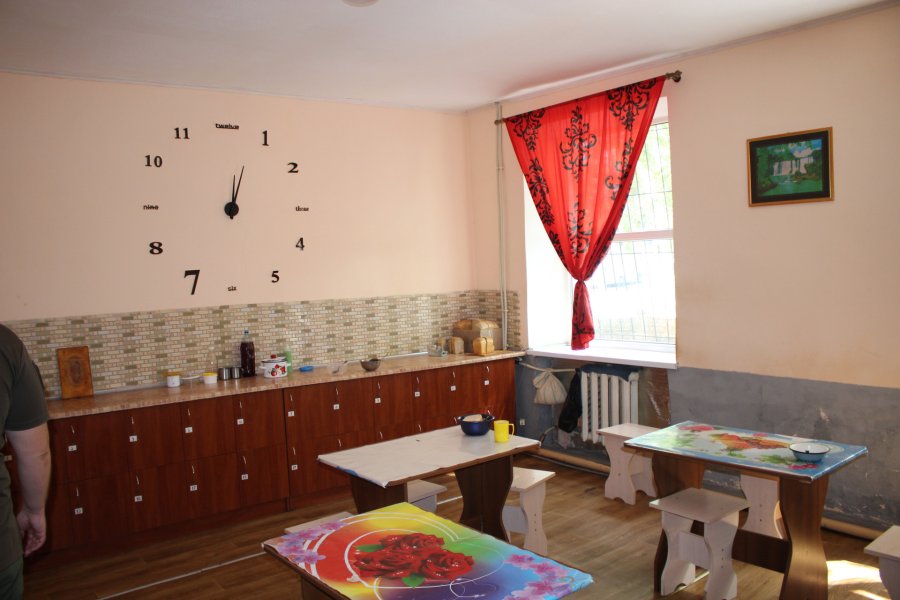
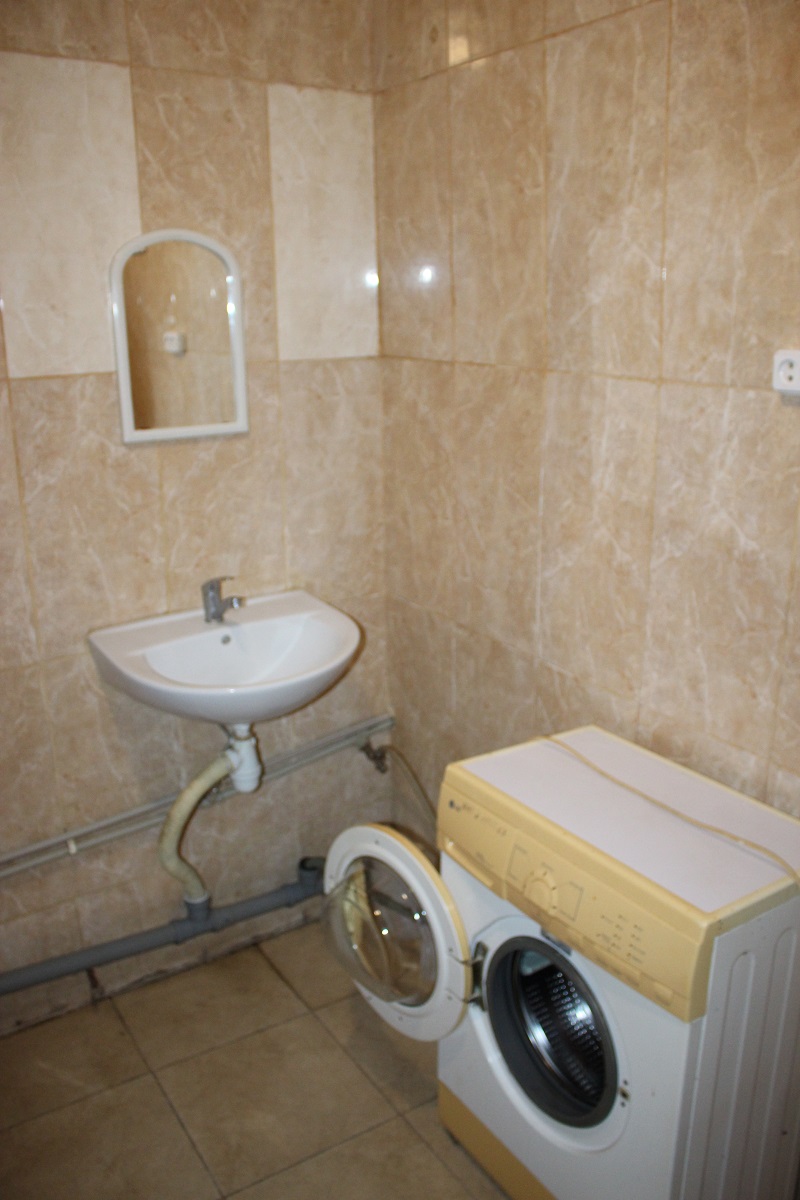
Prisoner R., a citizen of Russia, wishes to renounce his citizenship and adopt the citizenship of Ukraine.
Canteen
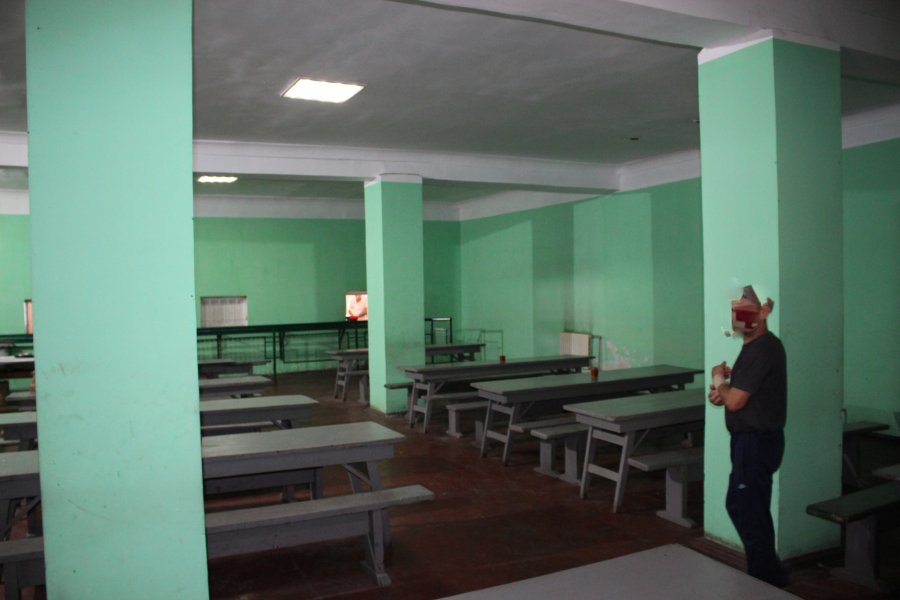
The canteen has several halls, each designed for 150 people.
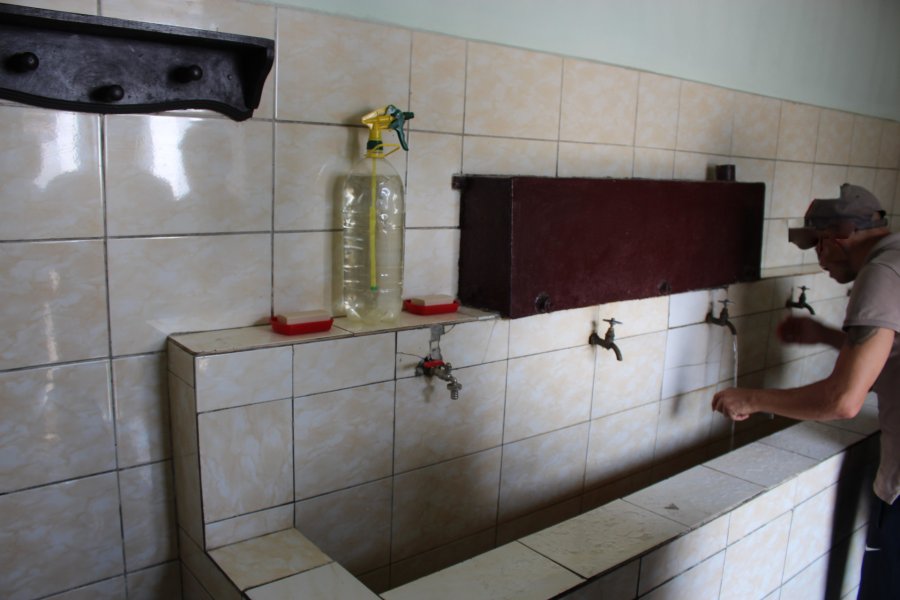
There is water in the taps. Soap is available, but there are no towels.
The first course is borscht, and the second is barley porridge with meat.
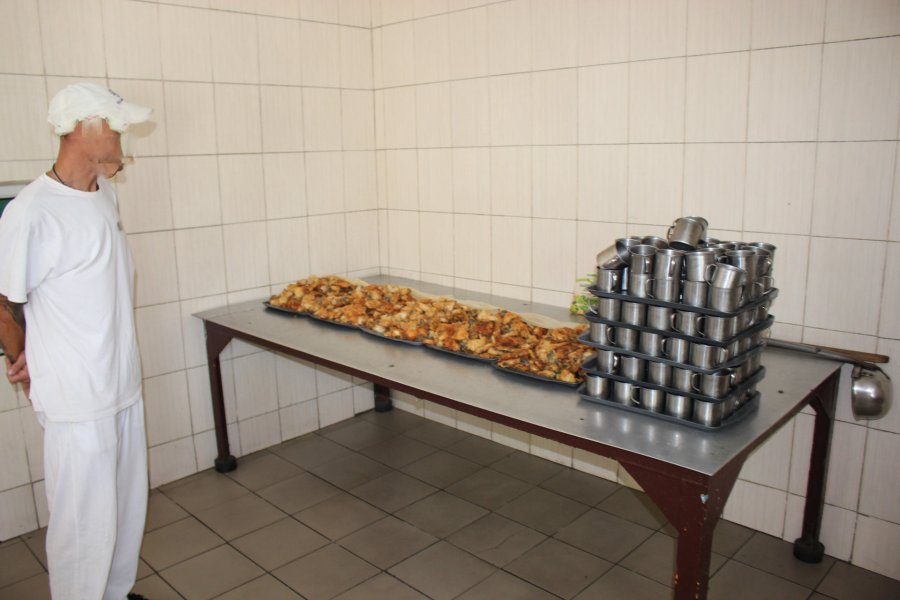
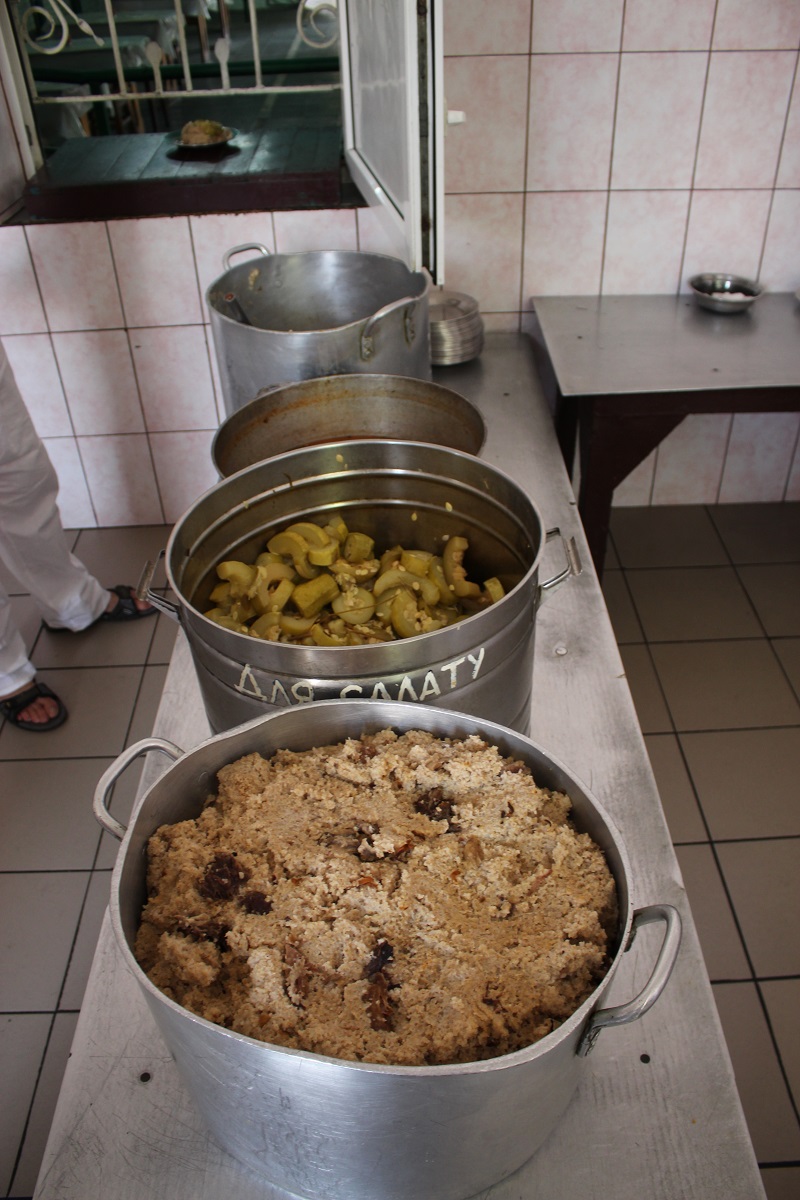
The organoleptic qualities of the food are satisfactory.
In the medical records of the persons working in the food unit, there is no sheet for medical examination and vaccination, in particular, regarding testing for hepatitis A, etc.
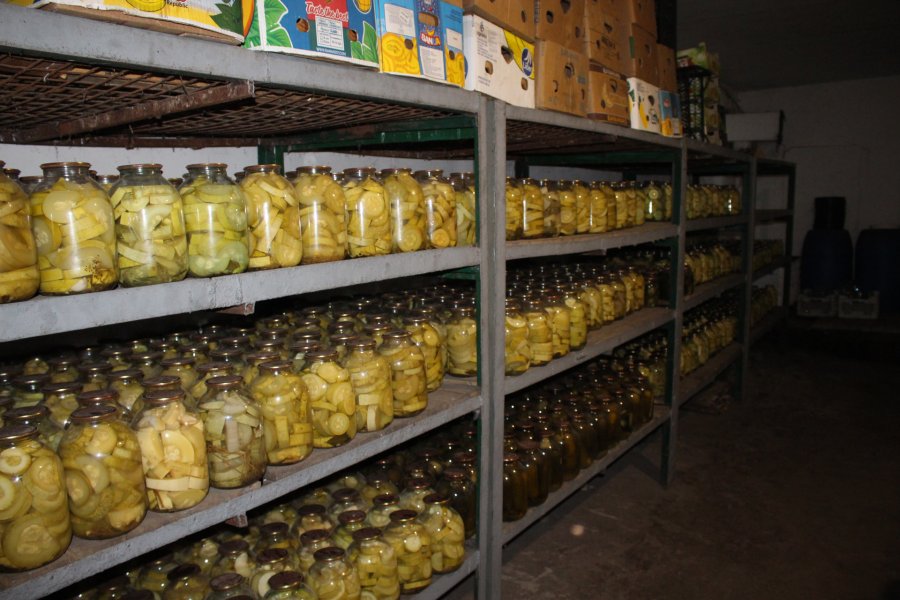
The hot kitchen area is tidy, there is no unpleasant odour, and they use their own preserves.
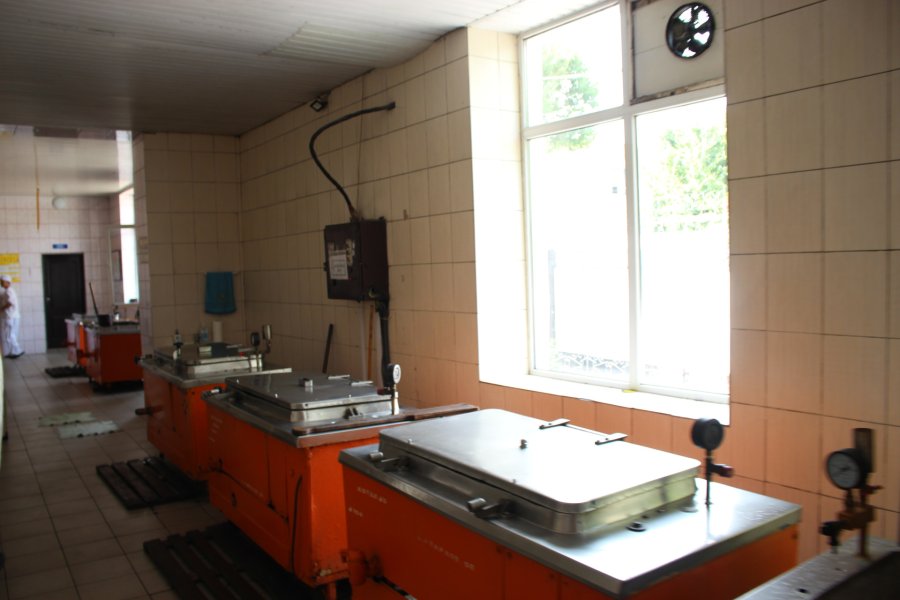
Fish is being defrosted in the fish processing area.
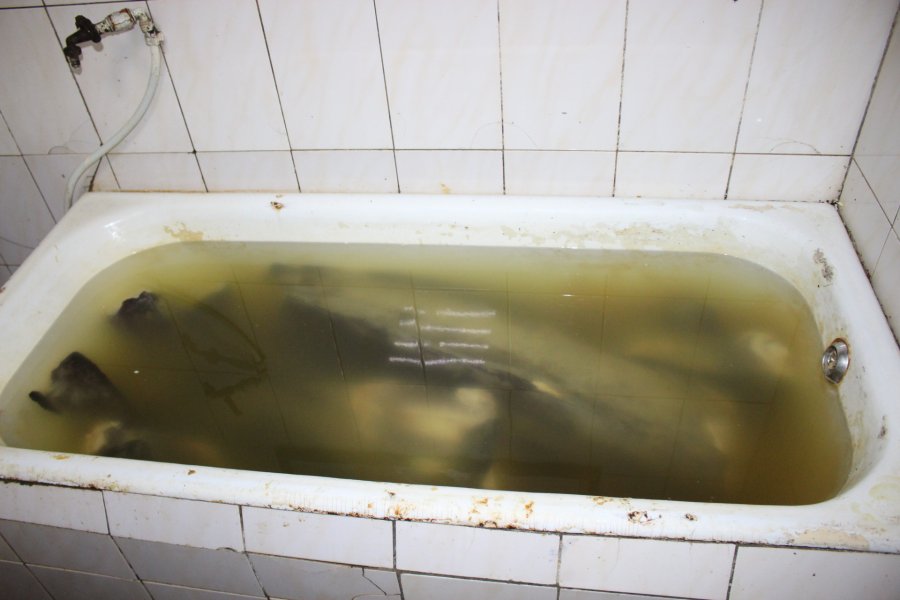
Freezers:
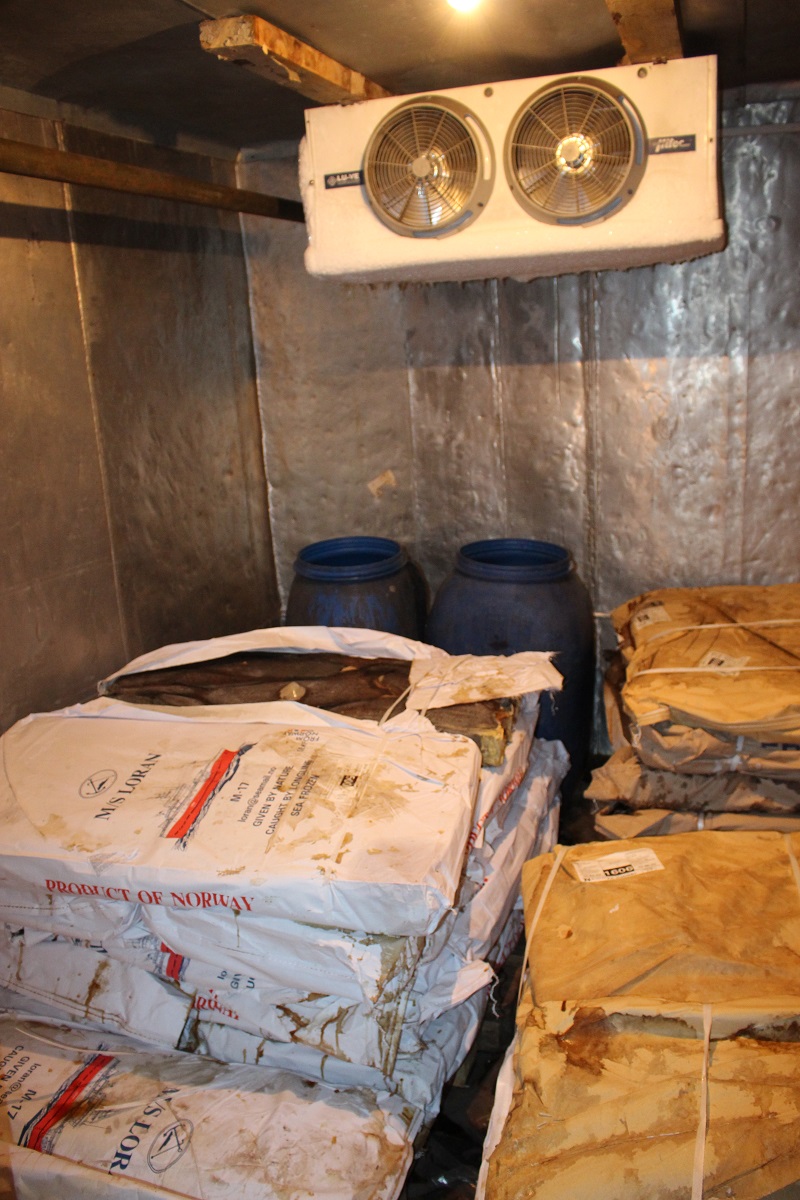
Vegetables and preserves are stored there.
Bread is baked on-site.
Persons working in the food unit have a wage rate and properly executed legal relationships. The water reserve consists of two twenty-ton tanks, and the stocks are replenished.
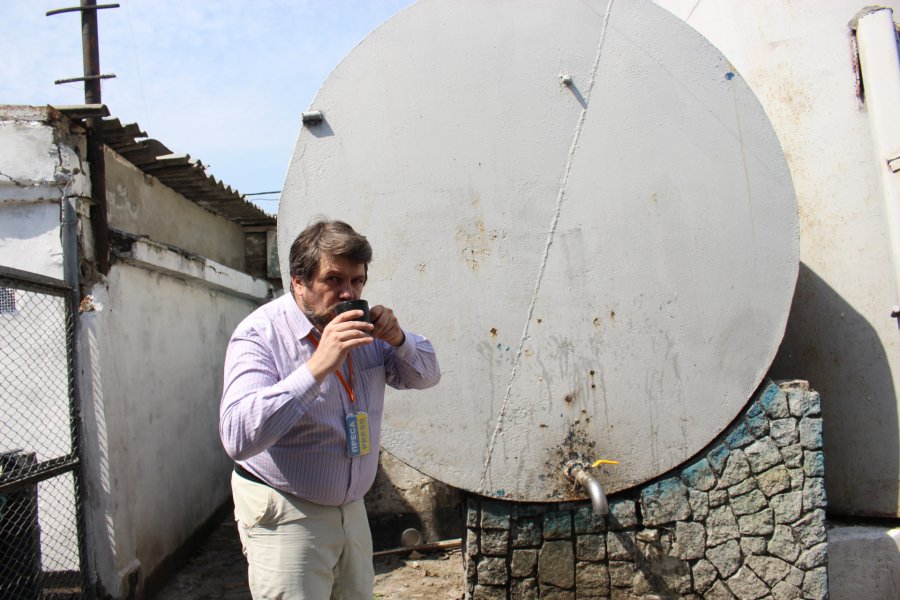
Water is supplied centrally.
A bathhouse has been equipped for prisoners working in the food unit.
Laundry and Bath Complex
A barbershop is in operation.
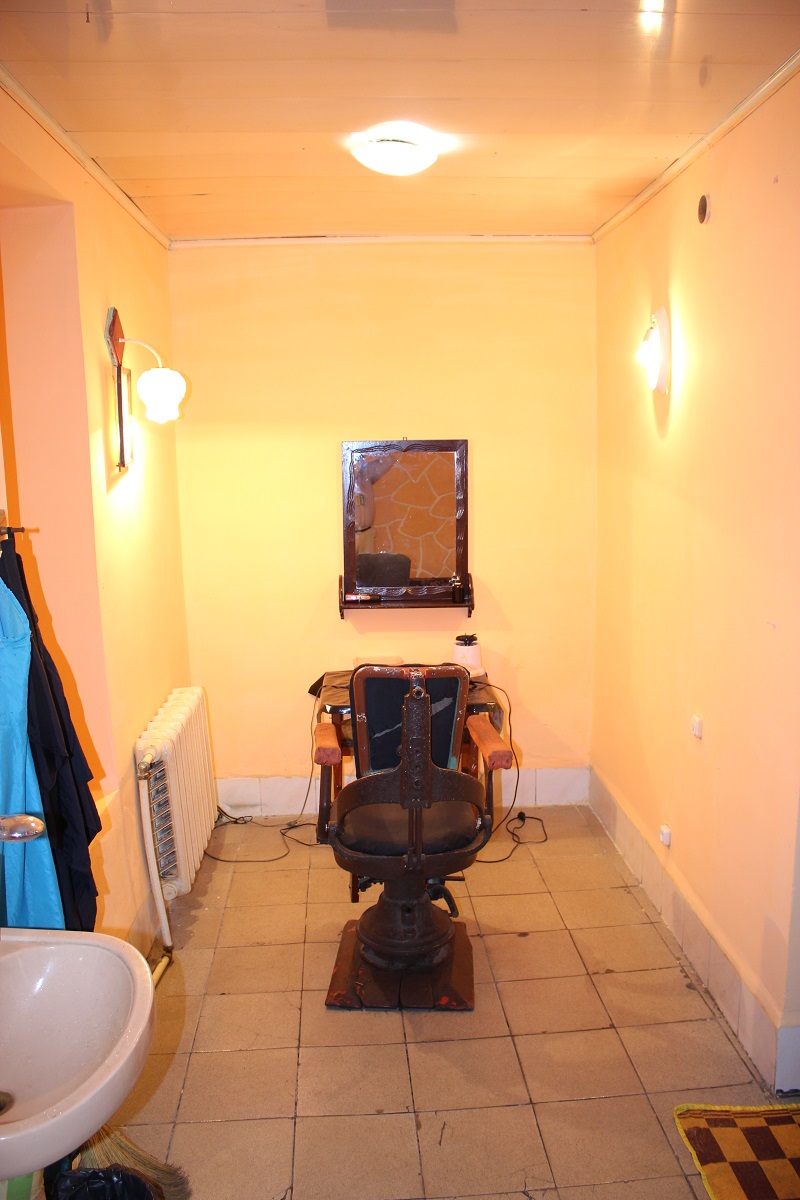
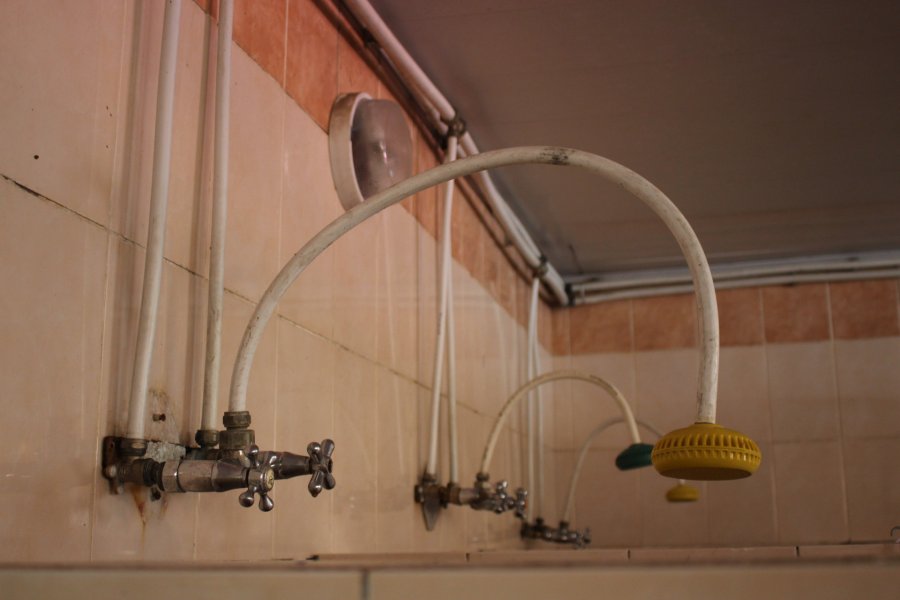
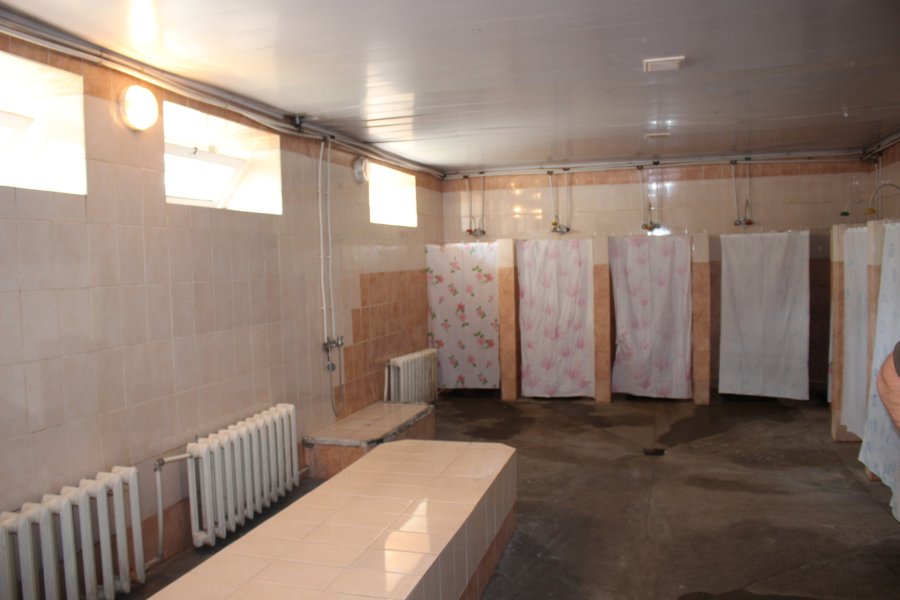
There are 18 shower stalls, and the water temperature can be adjusted independently.
The stalls close, so the right to privacy is not violated.
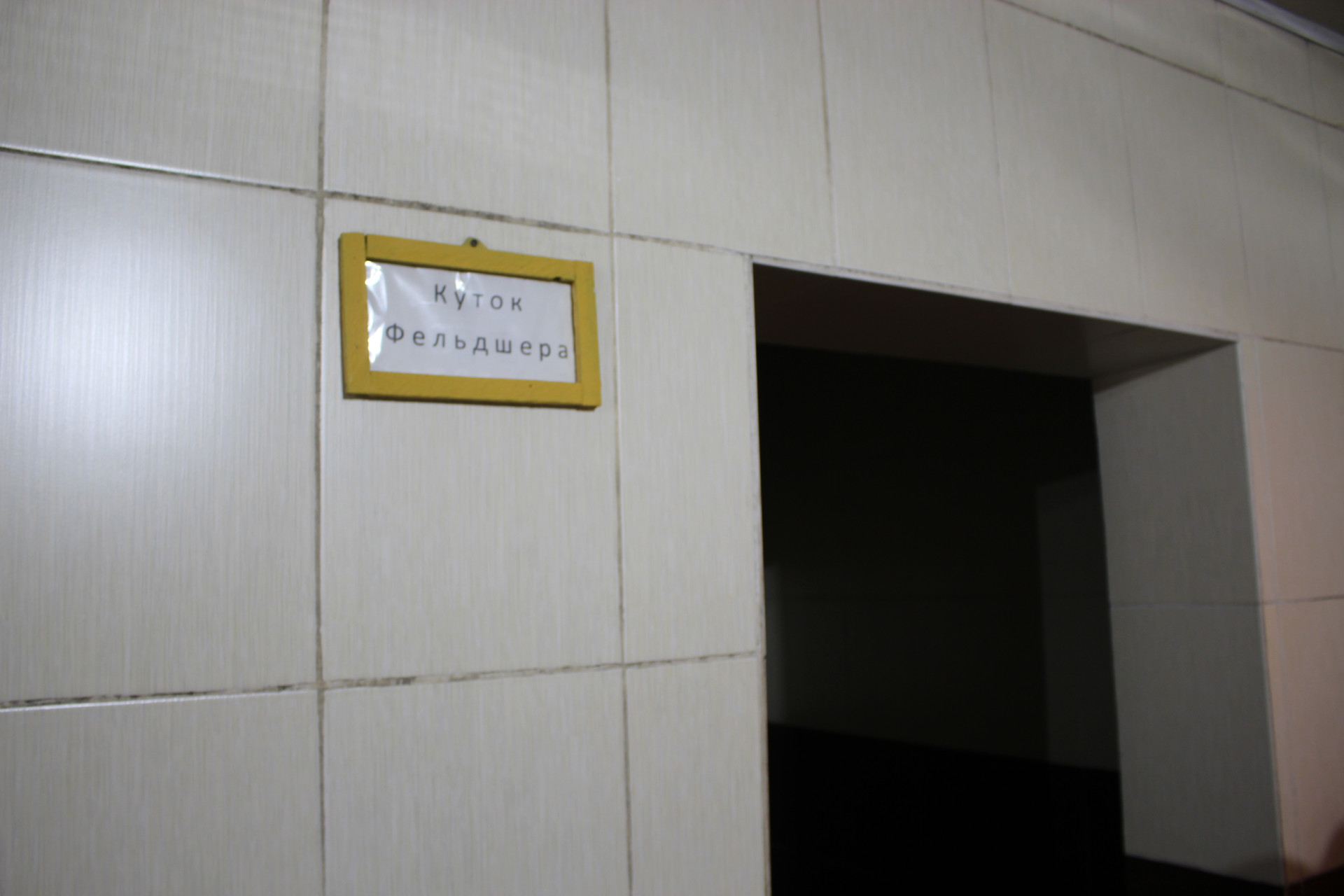
There is a paramedic's corner, but it is not partitioned.
Disinfection room:

There are places for drying laundry outside and indoors.
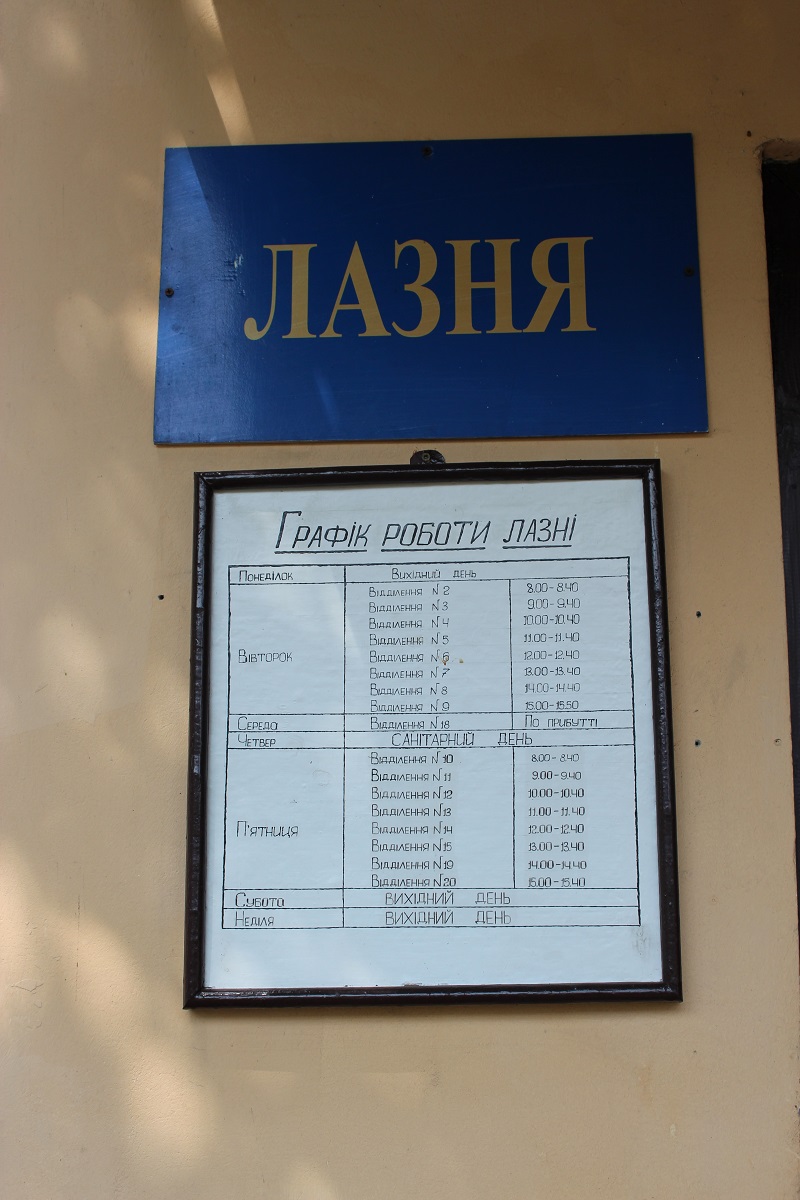
Bathhouse visiting schedule:
There are 4 washing machines in operation.
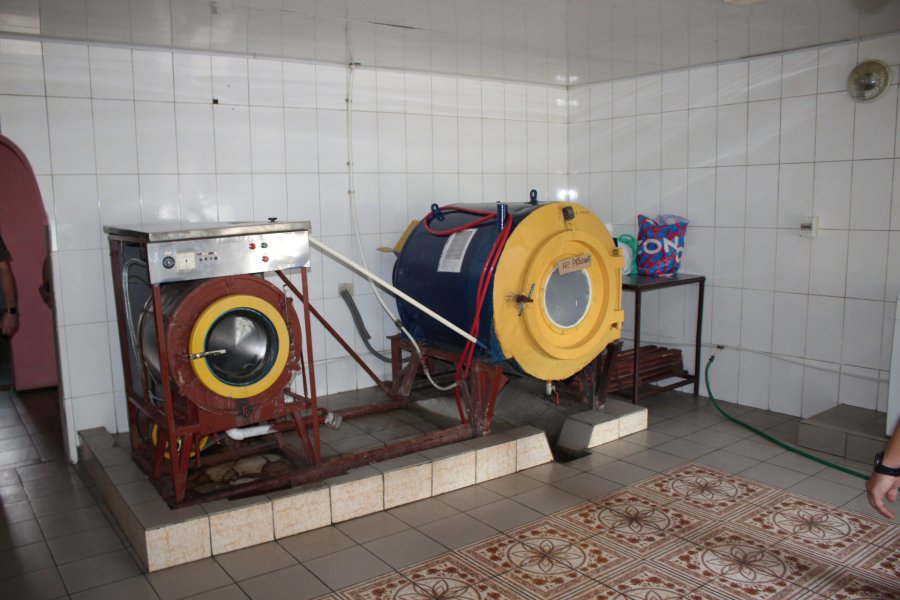
Repair work is ongoing.
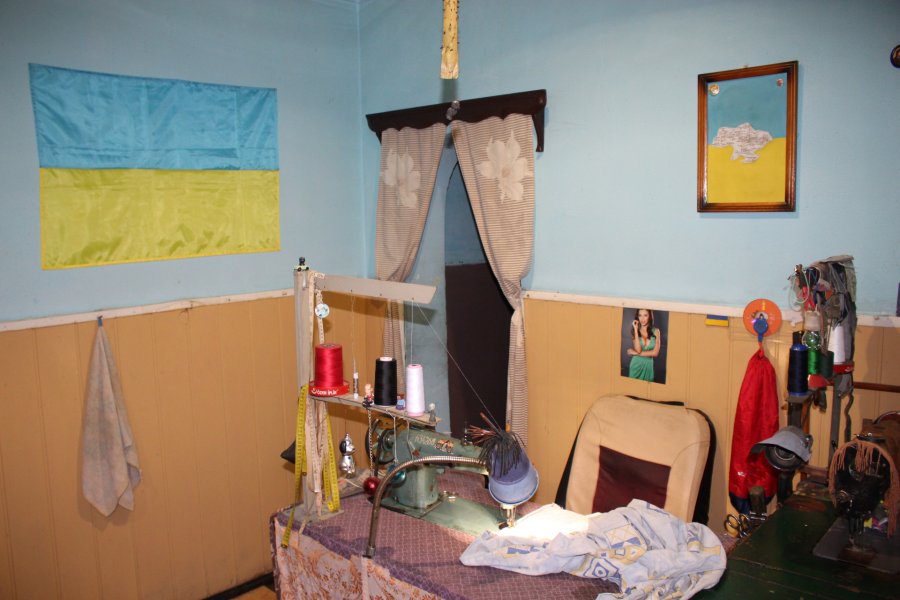
There is a workshop for the repair of clothing, footwear, and personal belongings of prisoners.
Industrial Zone
Production of polyethylene. At the production facility, granules are manufactured, and in the workshops, bags are made from these granules. Initially, secondary raw materials are processed at the production facility, from which first and second-grade granules are manufactured.
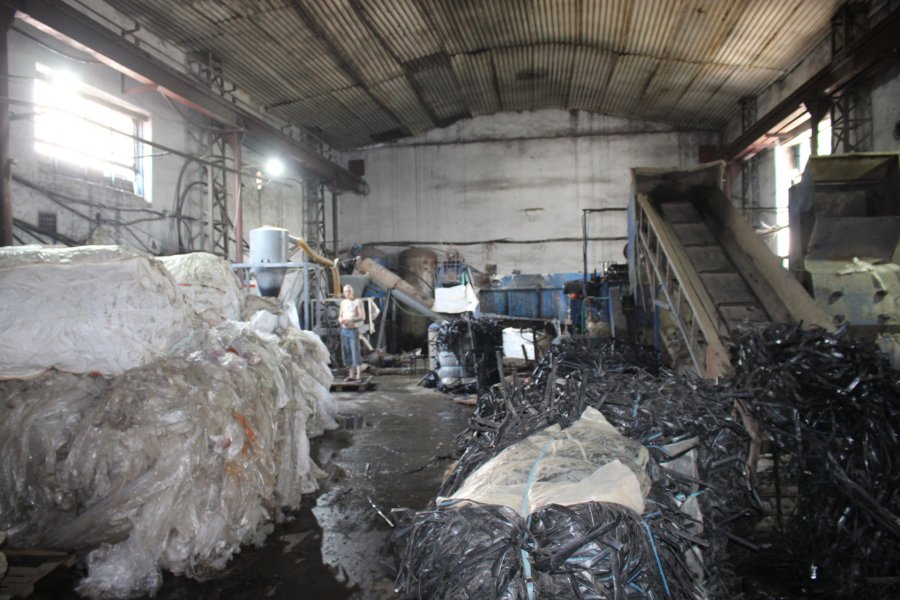
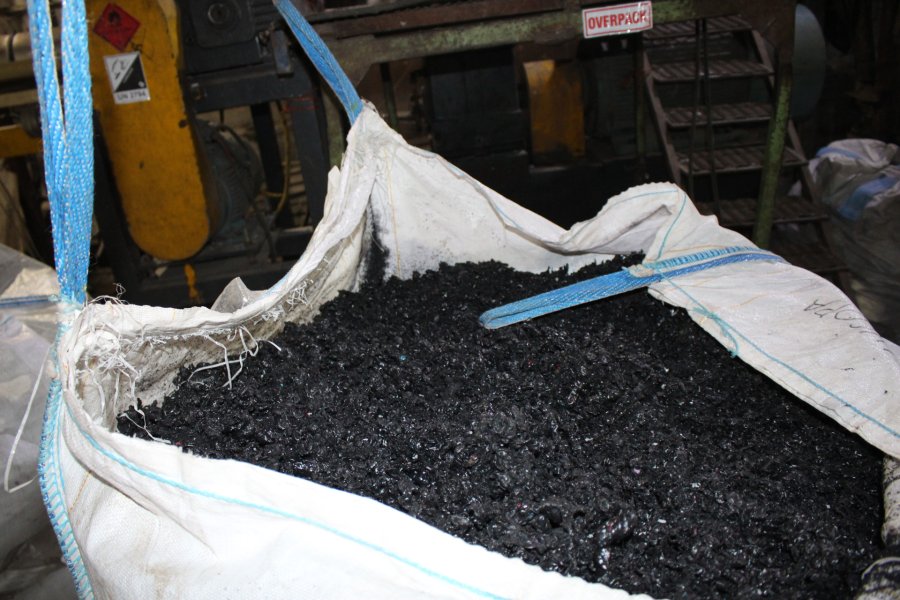
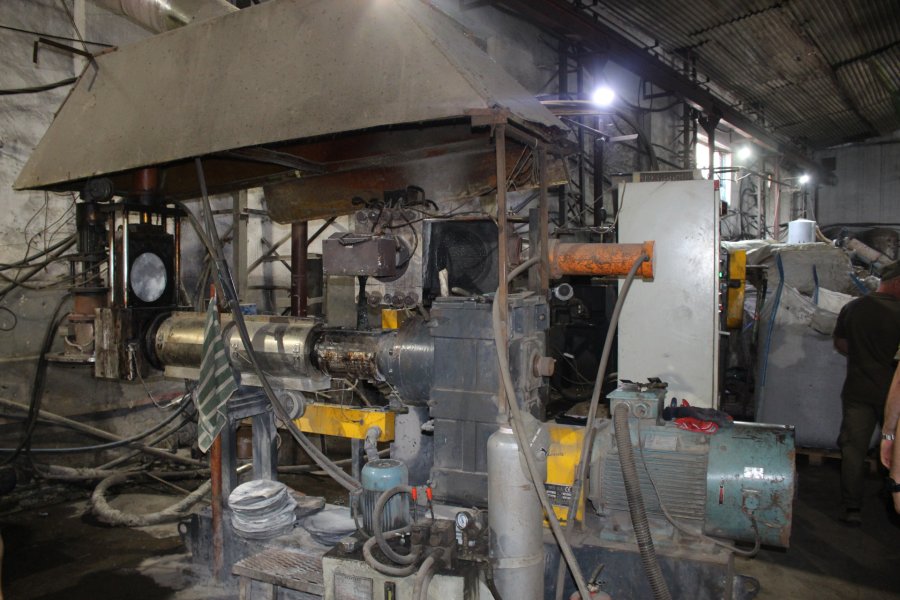
Then, a crushing process takes place, and from these granules (or from granules that are brought in), polyethylene products are manufactured — various packing bags.
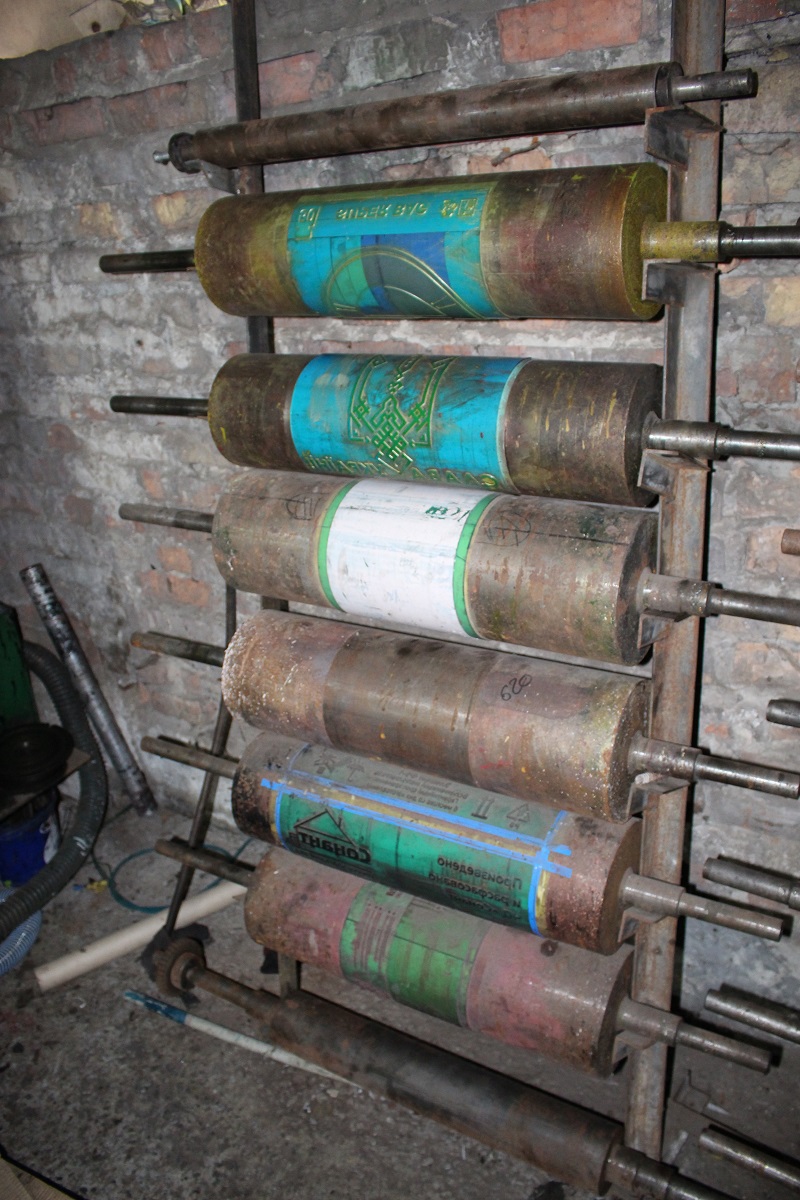
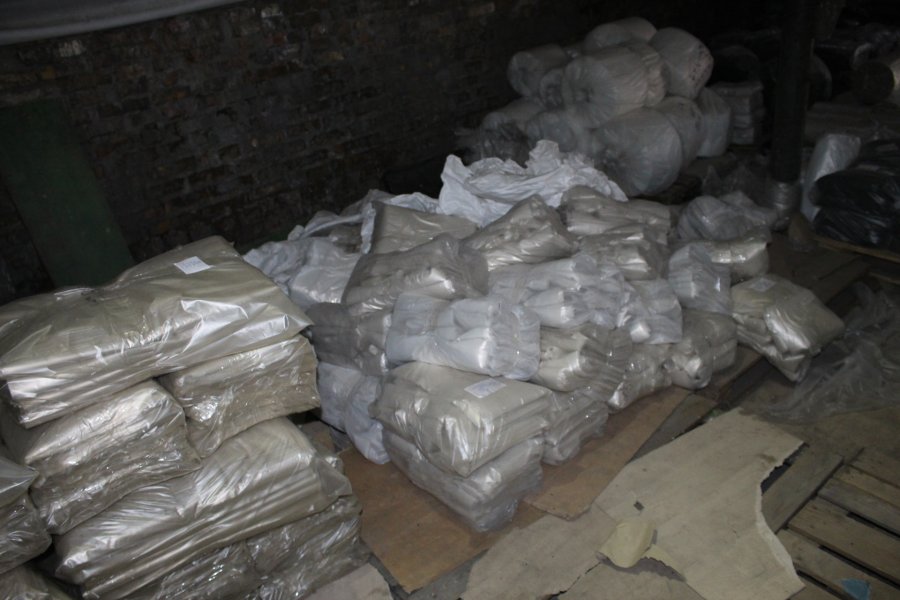
The bags are mainly used for household purposes.
There are no state orders.
Due to the war, production essentially stopped in March. It has now been resumed, but volumes are significantly reduced.
About 150 prisoners work in the workshops. All prisoners work under the supervision of civilian foremen.
Civil law contracts for one year are concluded with the prisoners. Requisitions for completed work are provided to the accounting department, taxes are deducted, and wages are paid.
There is a school.
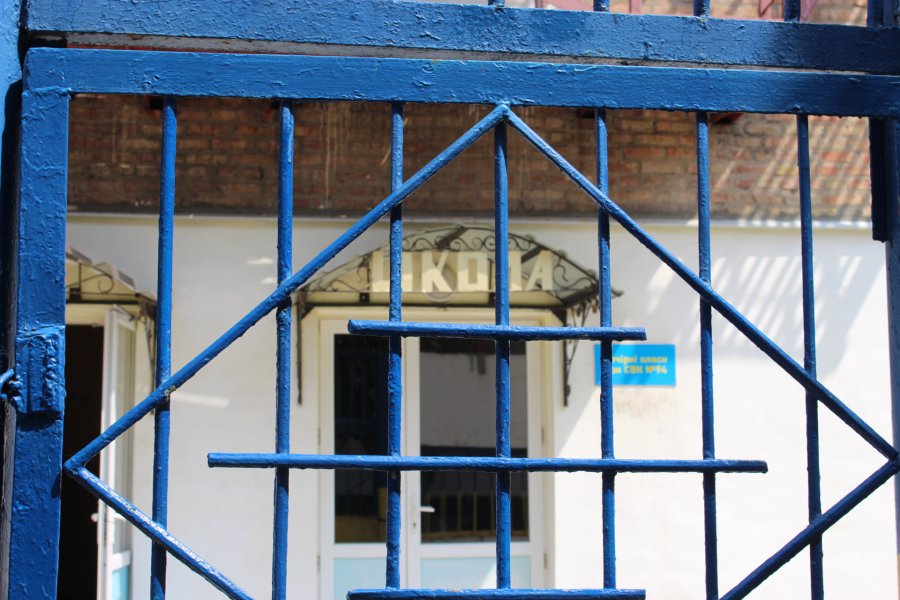
The institution has a vocational school where masons, electricians, and locksmiths are trained.
Room for telephone conversations: