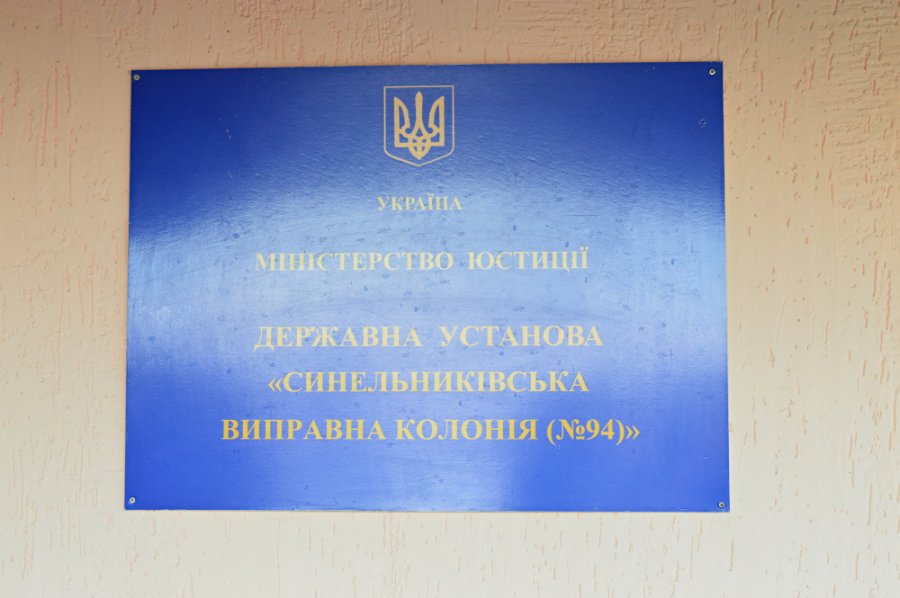
Monitoring visit to the State Institution "Synelnykove Correctional Colony No. 94"

1. General Information
On 12 November 2021, a monitoring group consisting of an assistant to a People’s Deputy of Ukraine, Maksym Revyakin, and two journalists – Hanna Ovdiienko and Pavlo Shvab – paid a monitoring visit to the State Institution "Synelnykove Correctional Colony No. 94." This is a medium-security institution for men who have been repeatedly sentenced. The colony was built on the site of a former mining settlement. The planned capacity of the institution is 1,295 people. On the day of the visit, 723 prisoners were serving their sentences in the institution. The institution actually employs 235 staff members, although the staffing table provides for 259.5 positions.
This year, 11 prisoners have been released from the institution on parole.
Funding for the institution from the general fund for improving detention conditions for prisoners in 2020 (KEKV 2210) was 64 times less than the requested amount, specifically amounting to 143,200 hryvnias, while the budget request for this expenditure item was nearly 9,000,000 hryvnias.
The monitors were admitted to the penal institution without hindrance – it took ten minutes. At the entrance to the colony, there were antiseptic agents for hand disinfection. The monitors underwent temperature screening, but it was carried out not by a medical professional, but by a sentry at the checkpoint.
2. Residential Units
There are nineteen functioning and mothballed residential units in the institution. For the sake of objective reporting on conditions in the institution, the monitors visited both renovated and unrenovated units. The monitors also visited one unit that is currently undergoing major renovations. The residential units visited were of the barracks type. In each of them, 40–50 prisoners were housed. The prisoners themselves did not complain about the detention conditions. Although in the sleeping rooms in the unrenovated unit, the beds were old and, furthermore, placed close to one another.
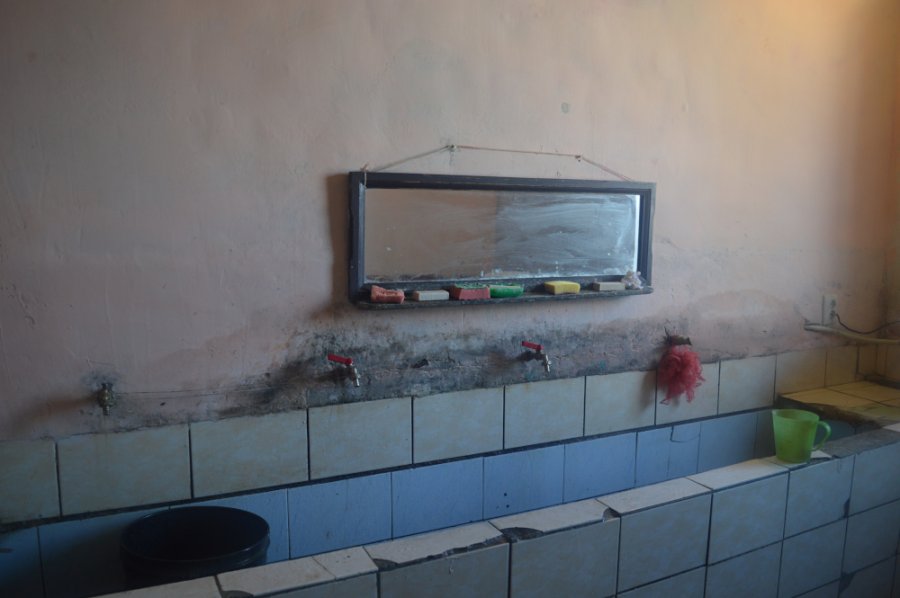
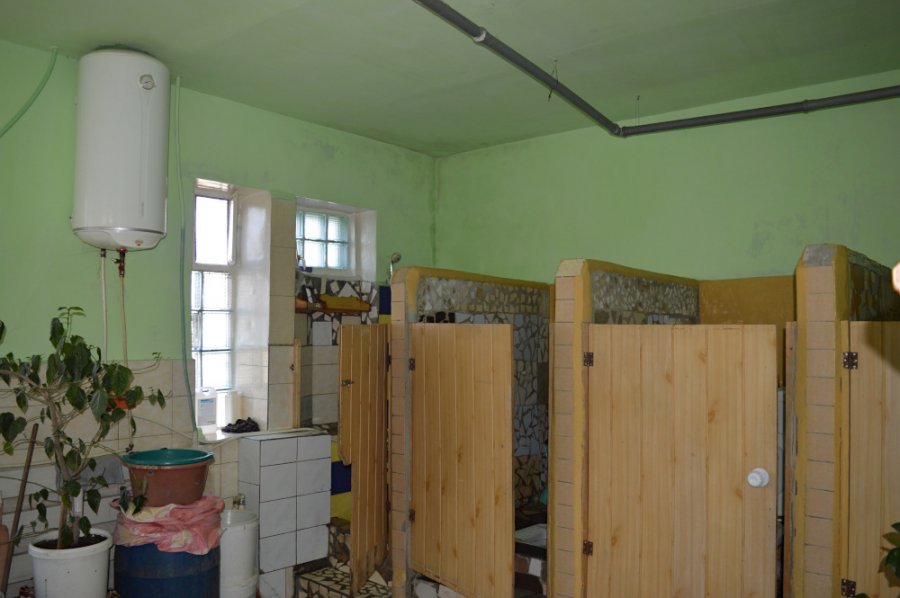
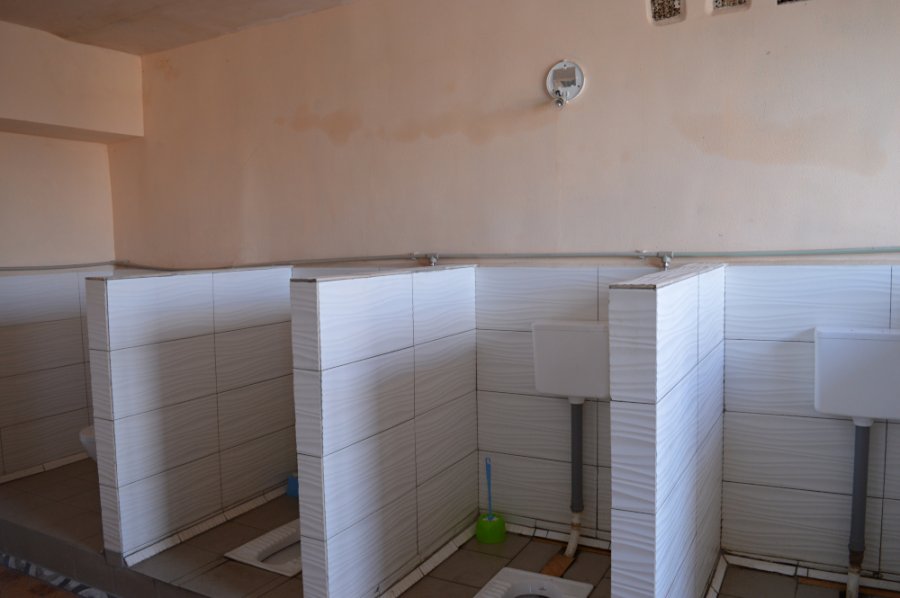
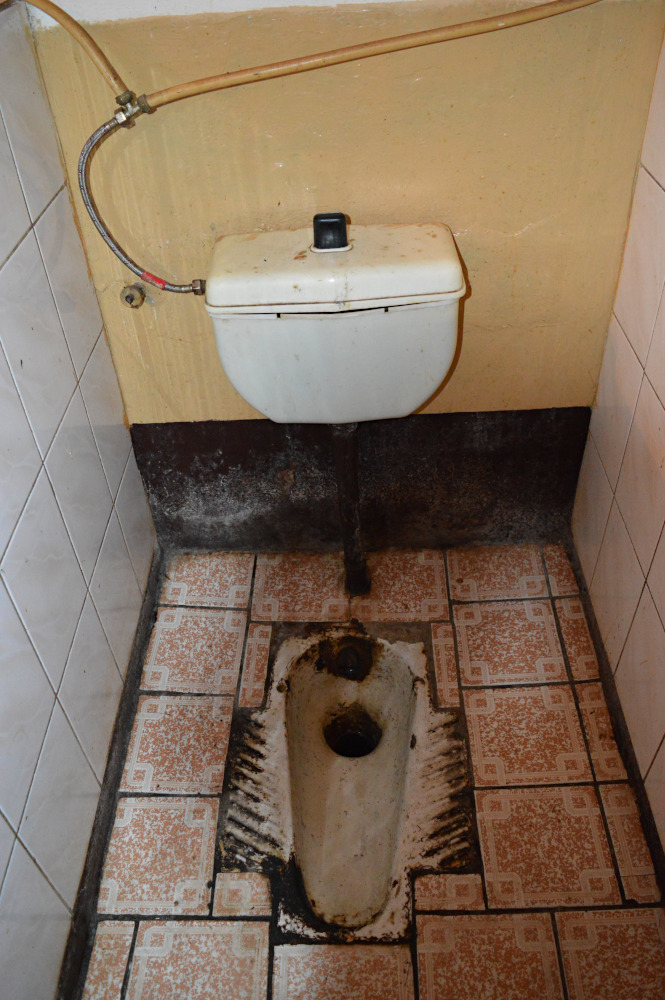
In the unrenovated units, the monitors noticed traces of past flooding on the walls and ceilings. In the sanitary rooms, the walls were also covered with mold. In the toilet rooms, there were wet walls due to excessive humidity. The toilet cubicles are partitioned from one another by low walls and have similar doors. The sewer holes in the toilets were plugged with self-made stoppers to eliminate a specific unpleasant smell.
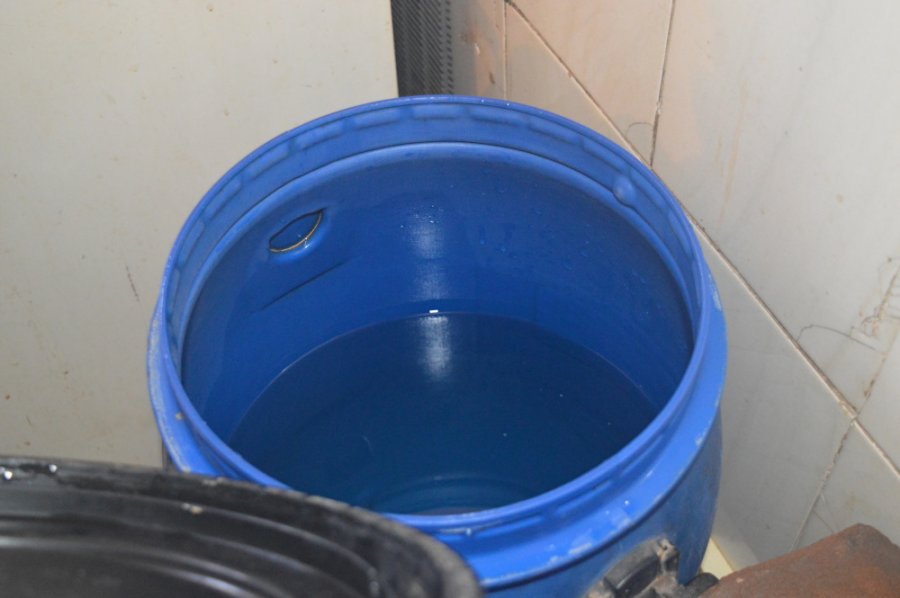
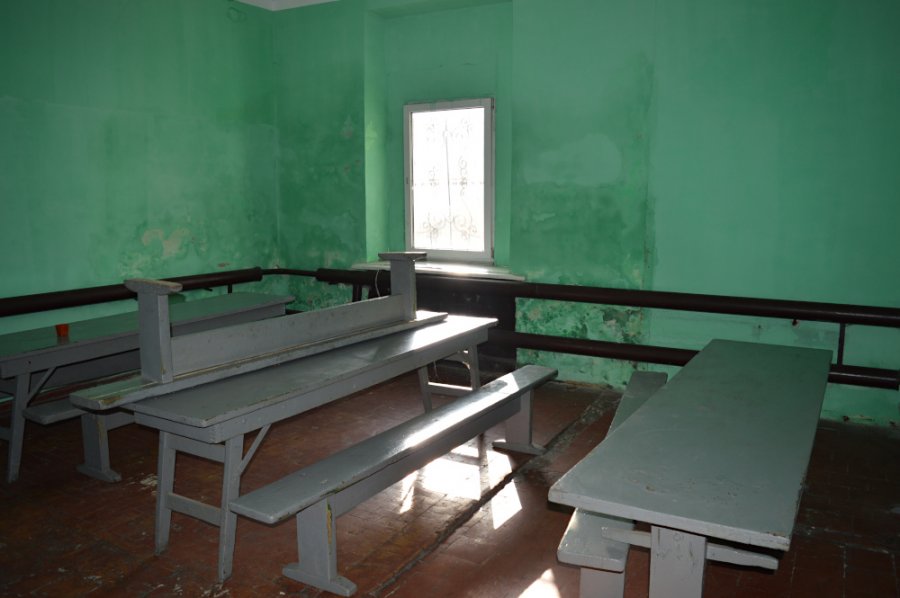
In some of the visited units, there was no drinking water in the dining rooms. The institution’s administration assured that it would urgently correct this deficiency.
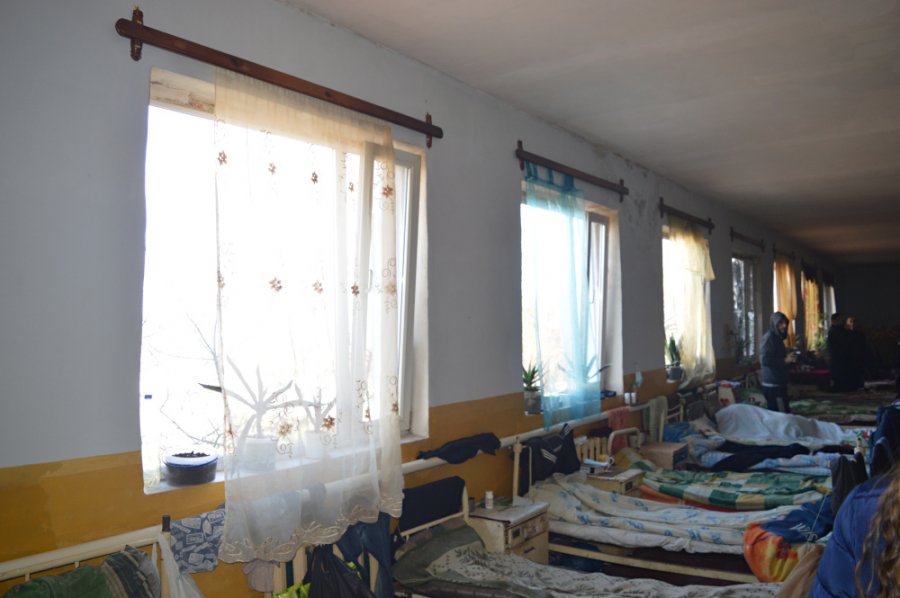
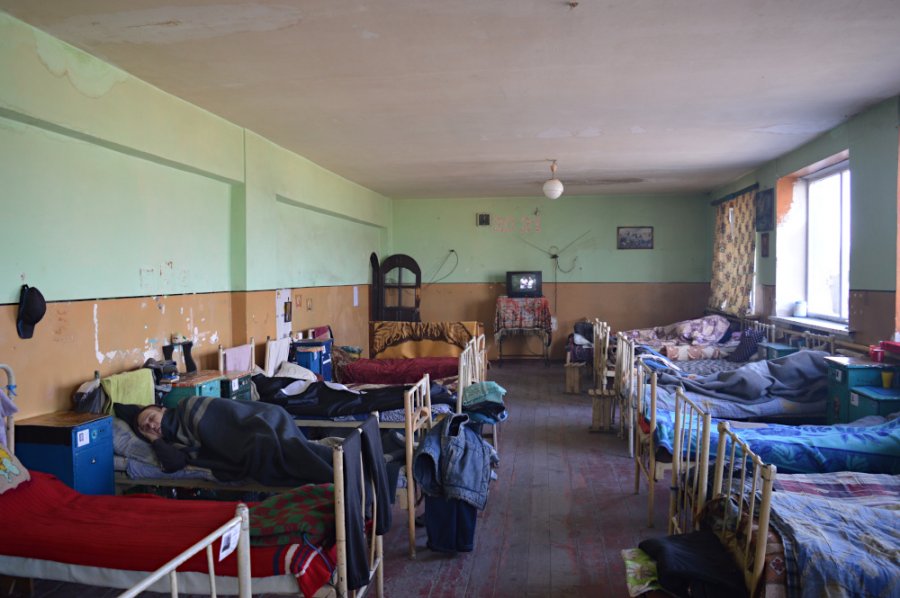
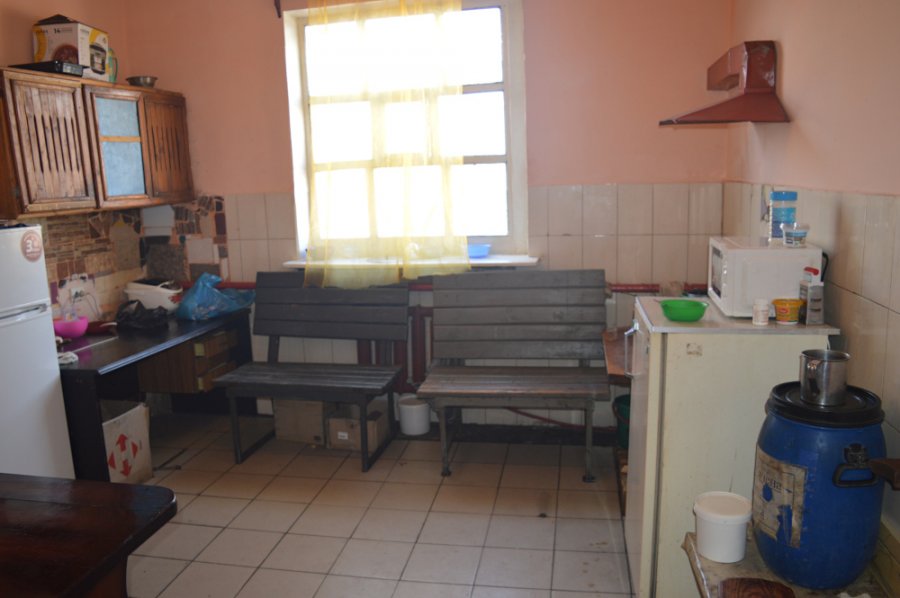
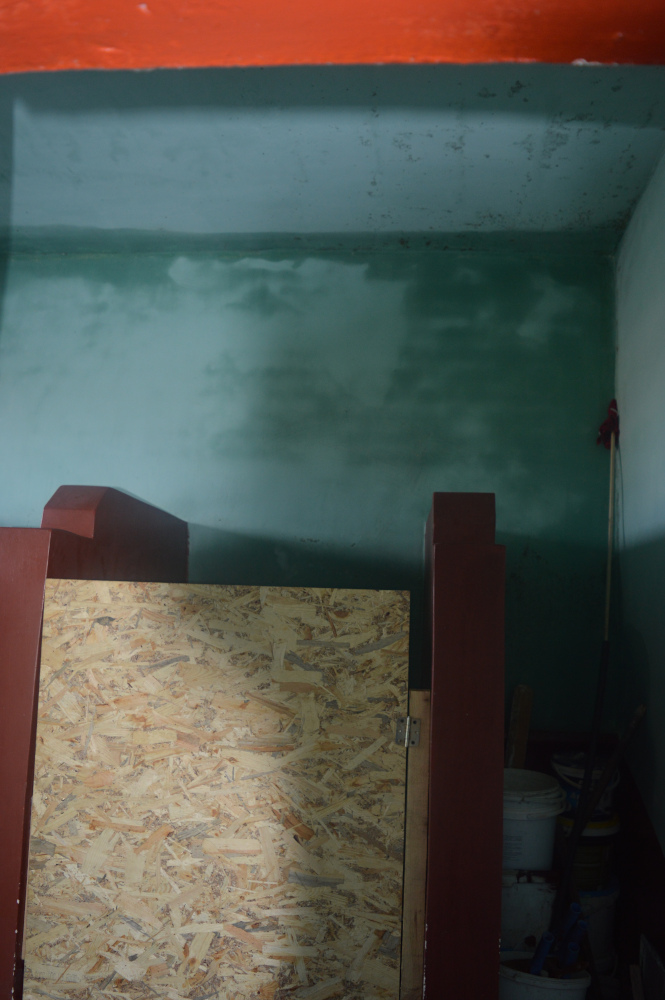
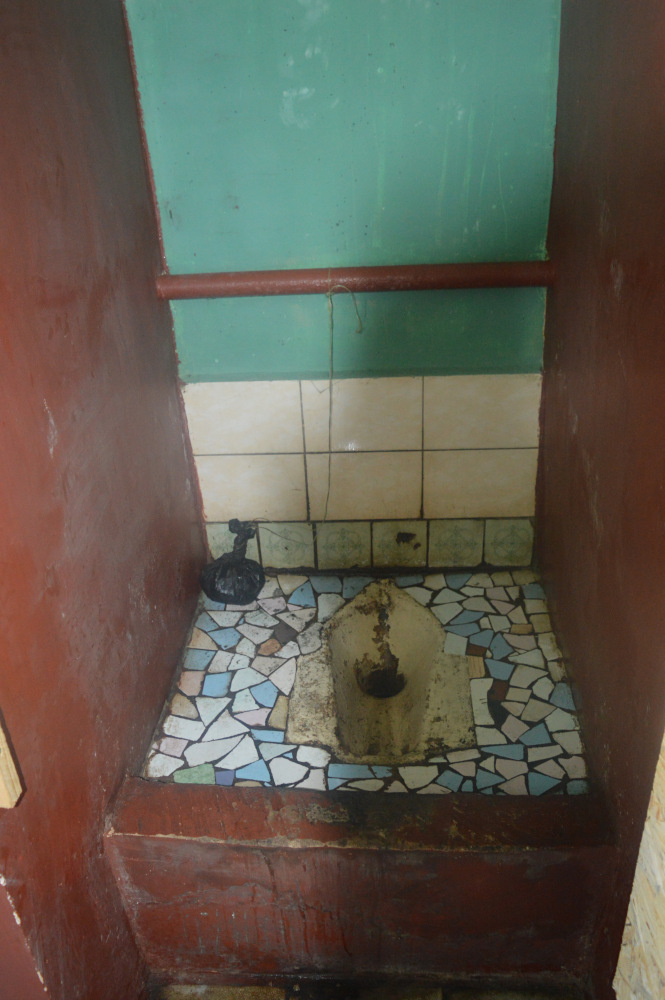
In the renovated units, cosmetic repairs have been carried out. However, old beds are still used in the sleeping rooms.
The dining rooms are equipped with new furniture. There is a microwave oven, a multicooker, and an electric kettle in the kitchen.
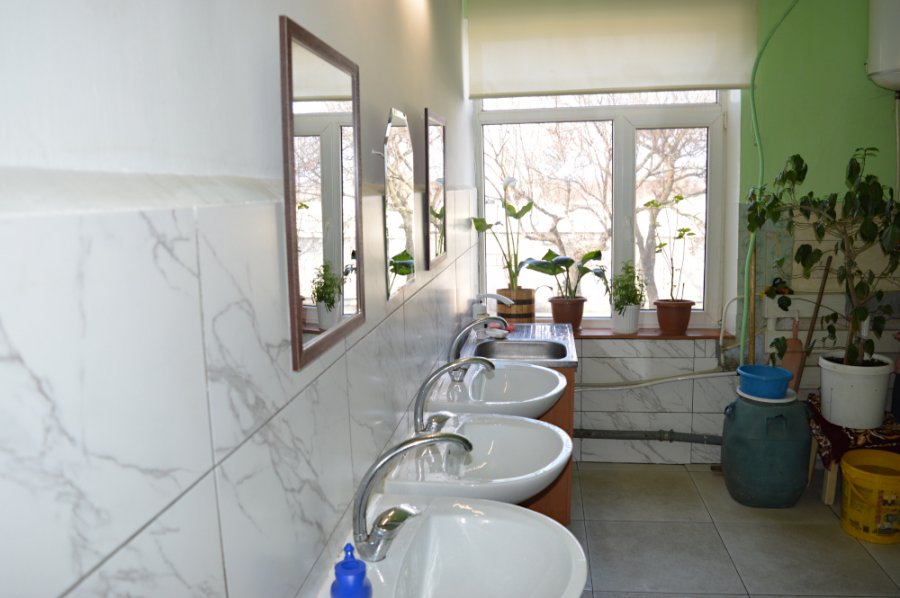
In the sanitary rooms, new plumbing and handbasins have been installed. A flow-type water heater is also installed. To allow prisoners to wash between bath days, boilers have been installed in the units, and there is a small shower. In some toilet rooms of the renovated unit, doors are missing.
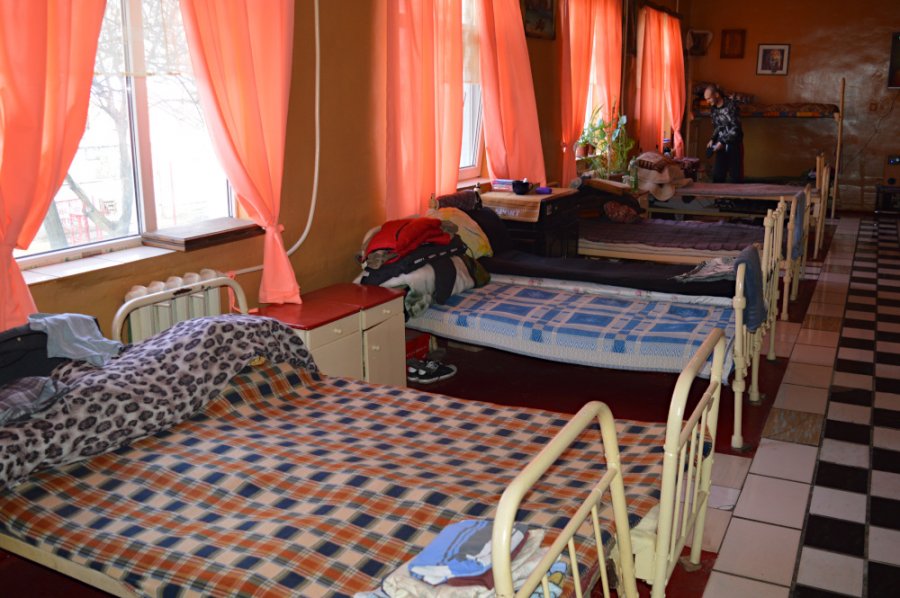
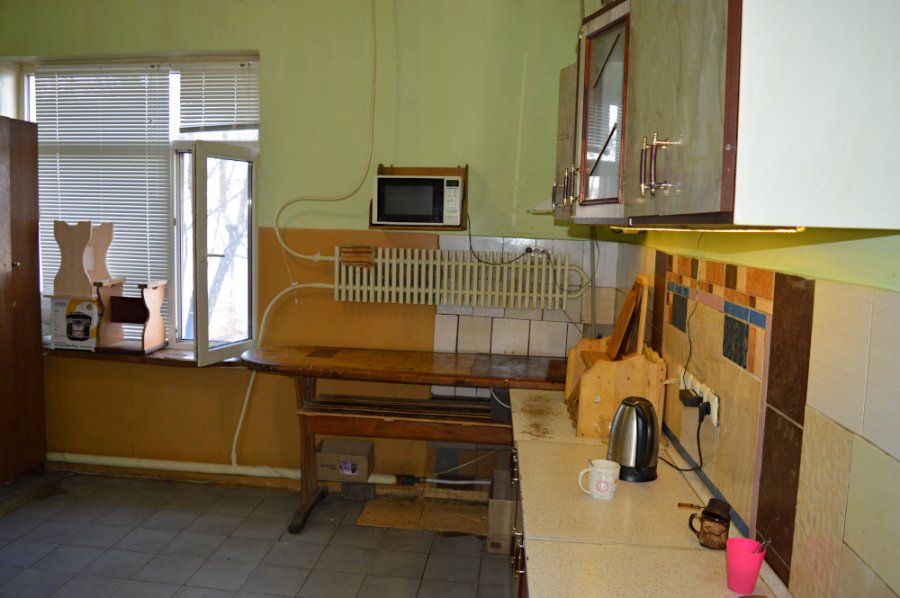
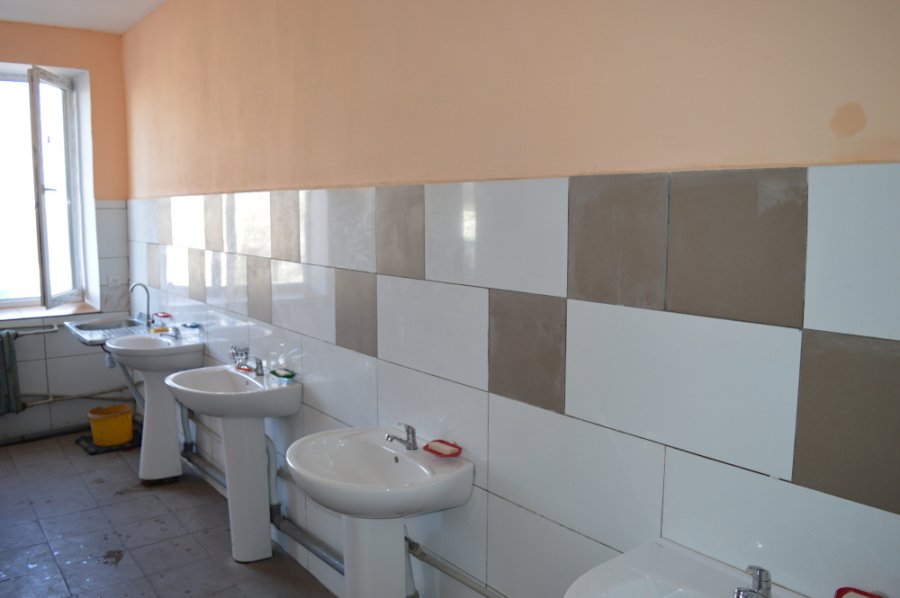
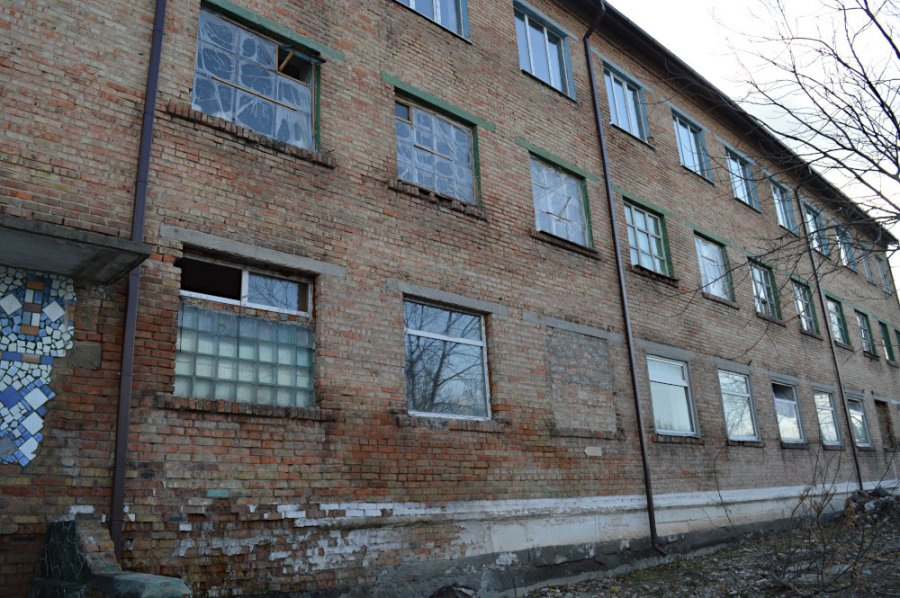
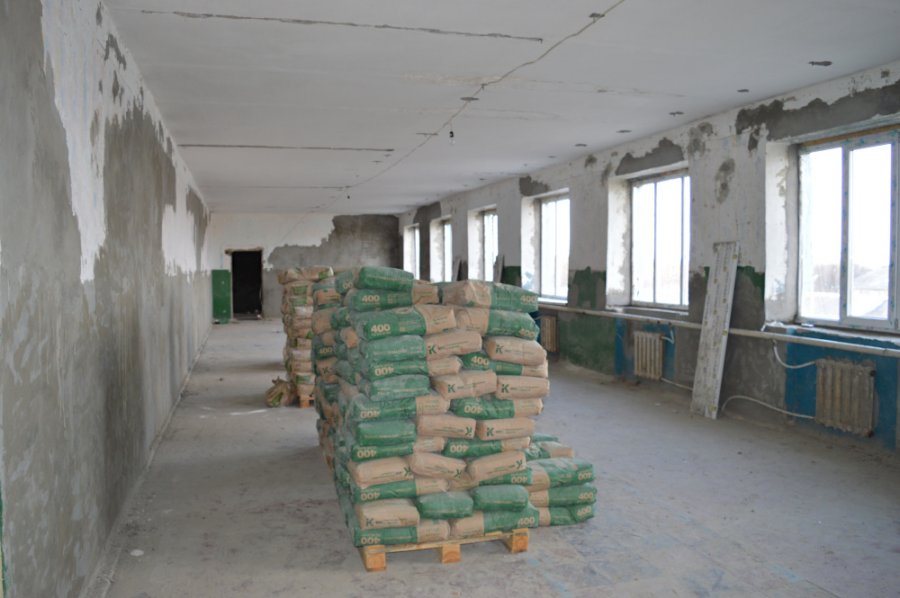
The monitors also visited a unit that is in a state of major renovation. The institution’s administration assured that the unit would be put into operation in the summer of 2022.
3. Industrial Zone
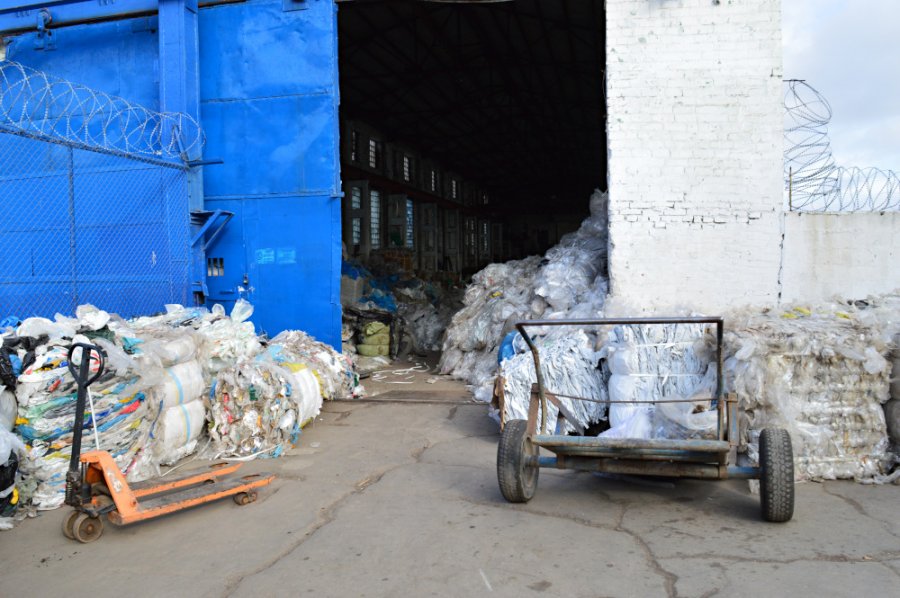
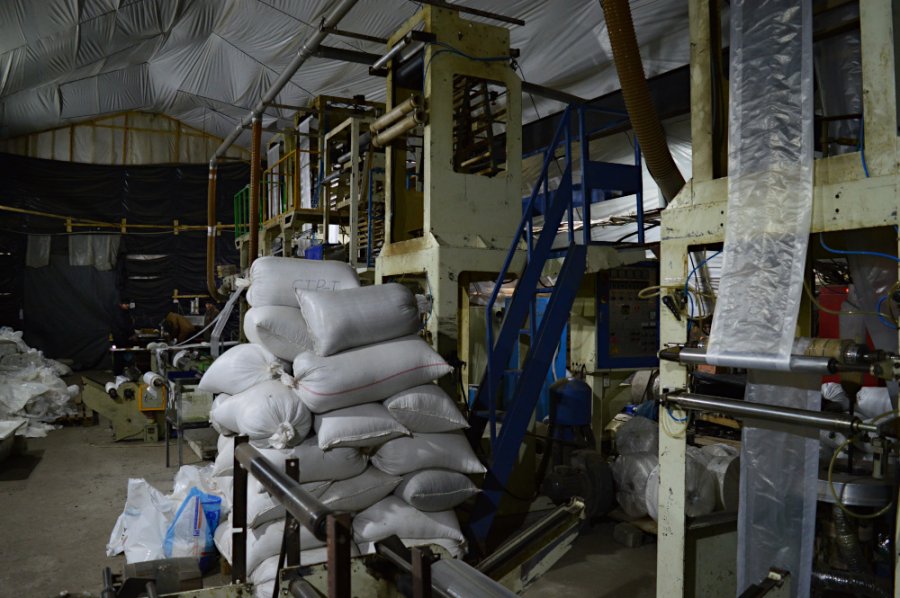
There is a production facility and a workshop operating in the institution. The production specializes in plastic recycling. At the time of the visit, 183 prisoners were working in the production facility, and 24 in the workshop. All prisoners work under civil law contracts. The monitors note that working under civil law contracts significantly limits the labor rights of prisoners. The monitors spoke with the prisoners, who reported that their average remuneration is about 800 hryvnias, which is confirmed by documentation. None of the prisoners could explain how the remuneration amounts are calculated and what the production quotas are.
4. Kitchen, Canteen
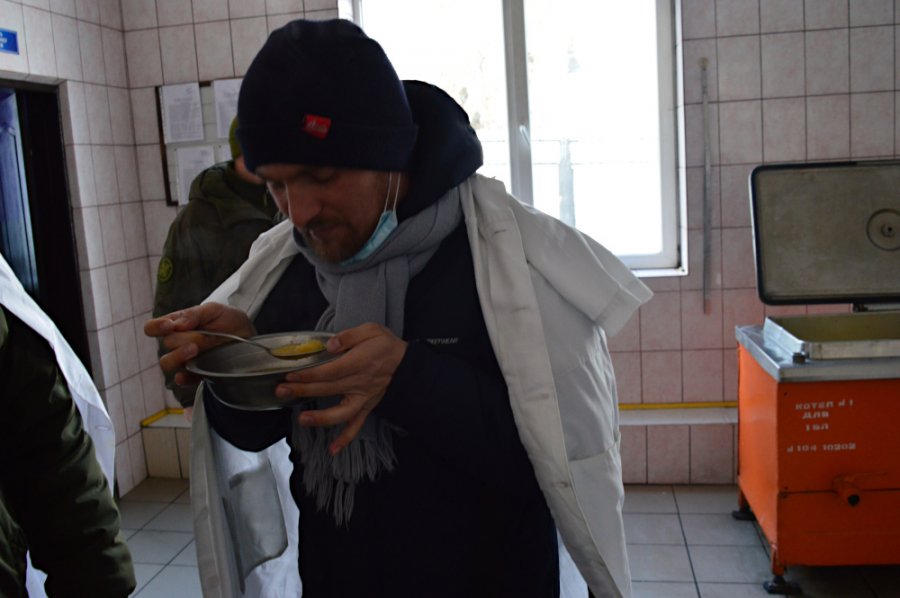
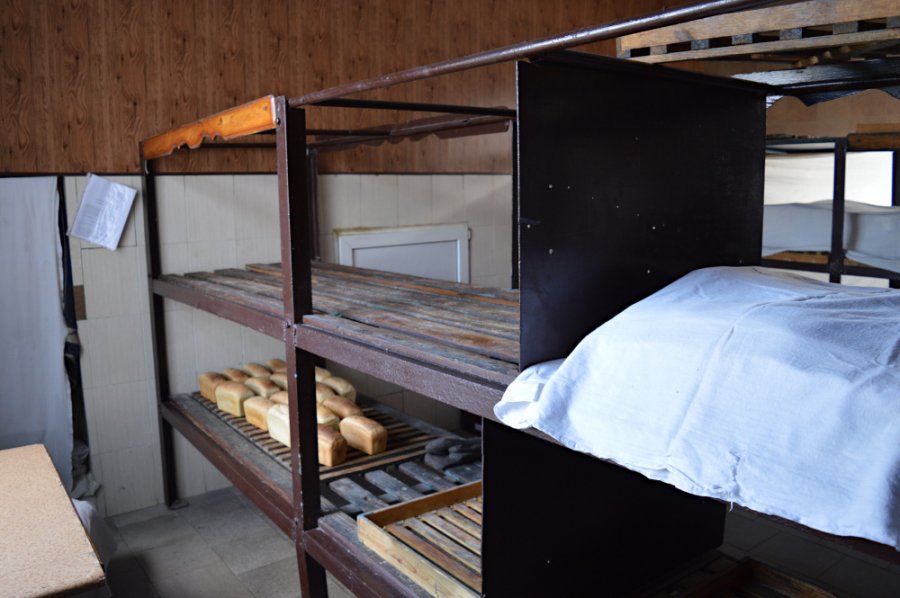
At the time of the visit, lunch was being prepared in the kitchen. The monitors tasted the dishes and noted their pleasant organoleptic qualities. For lunch, there were: salted tomato, corn soup, stewed meat with pearl barley and sauce, and bread.
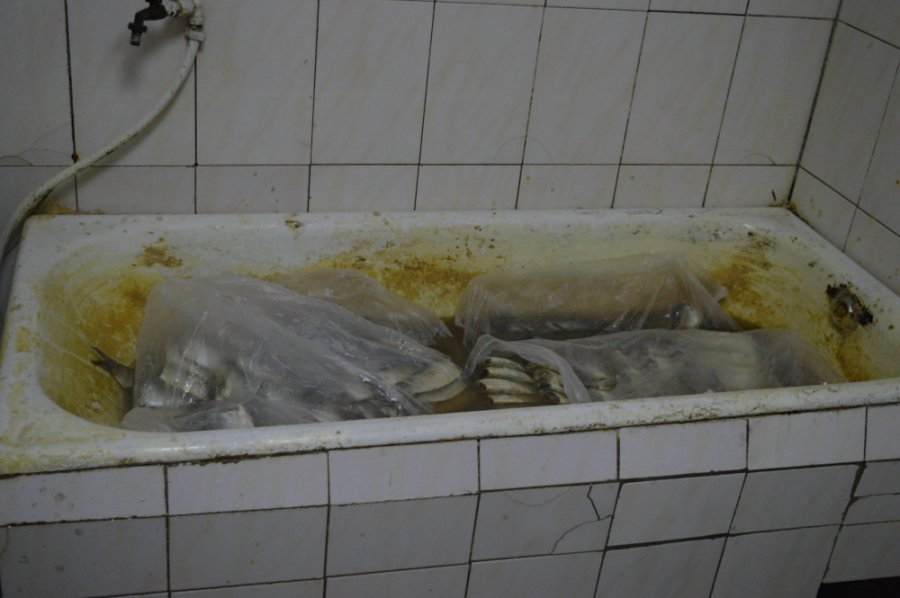
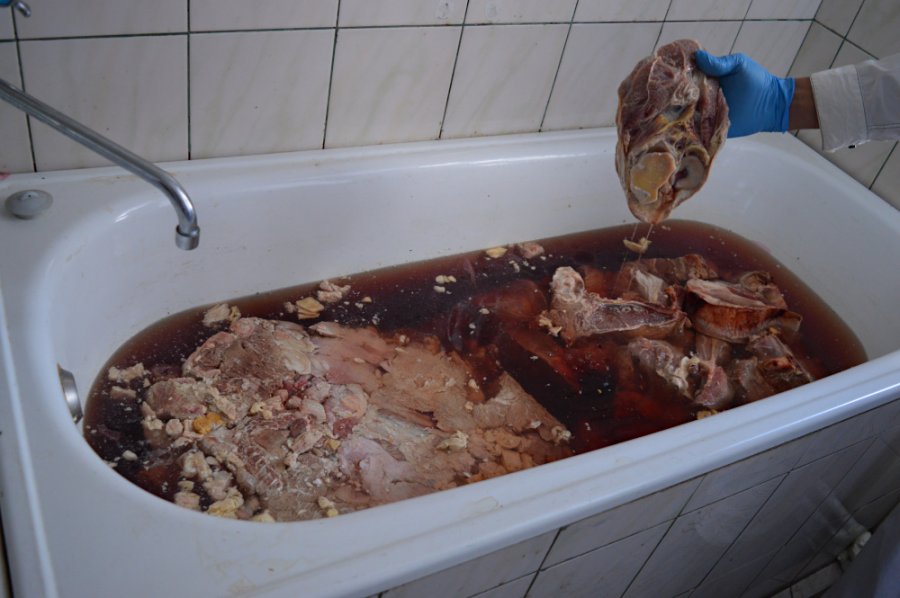
In the fish processing area, the monitors saw fish that was being defrosted in a bathtub covered in rust.
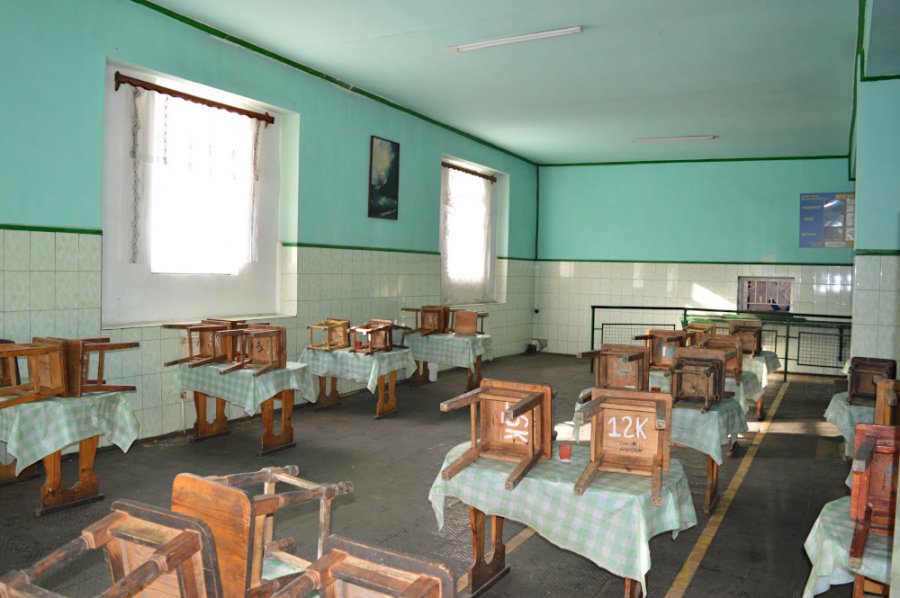
The canteen is located in several premises. There is a hand-washing system at the entrance to the canteen. The renovation in these premises is outdated, but the administration is conducting renovations on another premise, where the canteen is supposed to be relocated.

5. Medical Unit
The medical unit is almost fully staffed with doctors. Only the position of radiologist is vacant. According to the head of the medical unit, the institution is fully provided with medicines. Moreover, as a general practice, the institution does not accept packages containing medicinal products from relatives. Therefore, the institution does not maintain the relevant medical documentation, which should be present in every healthcare institution of the State Penitentiary Service of Ukraine in accordance with the joint order of the Ministry of Justice and the Ministry of Health of Ukraine No. 1348.
Since the beginning of the year, three prisoners have died in the institution. 30 cases of bodily injuries were recorded, most of which were cases of self-harm. 467 prisoners, which is nearly 65 percent, have various forms of hepatitis. 155 prisoners have HIV. Since the beginning of the year, 4 cases of hospitalization of prisoners in Ministry of Health hospitals have been recorded. Since the beginning of the pandemic, nine prisoners have recovered from coronavirus. The institution’s administration reported that 50 percent of prisoners are vaccinated against coronavirus disease. Since the beginning of the year, 17 prisoners have contracted tuberculosis.
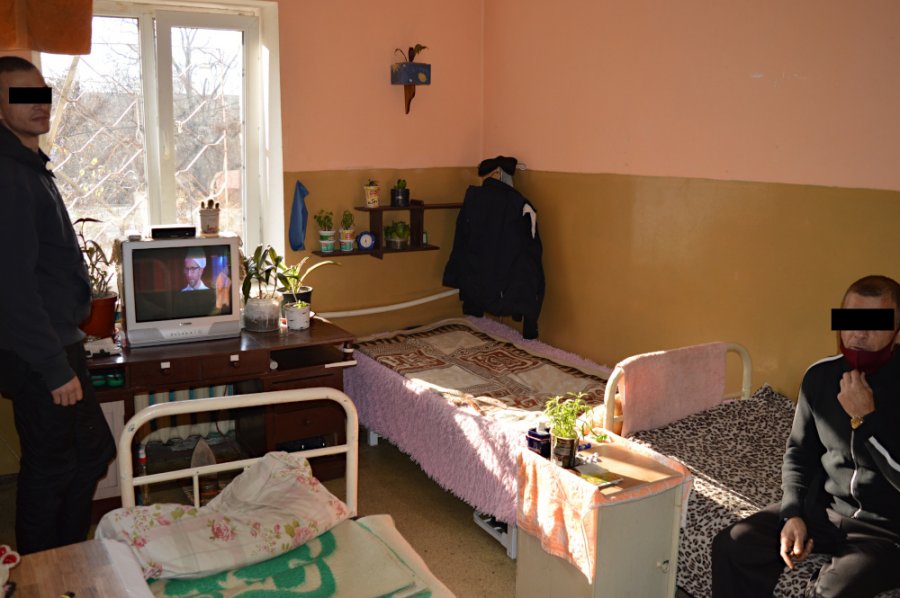
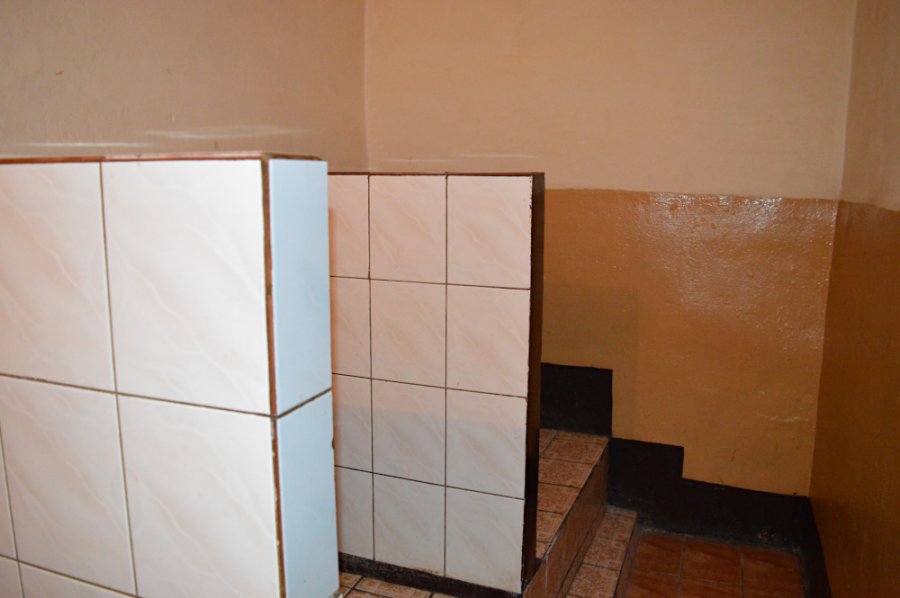
Cosmetic repairs have been carried out in the wards of the medical unit’s inpatient ward. Metal-plastic windows are installed. The wards are designed for 5–6 people. The sanitary unit is located in a separate room. Toilets are partitioned by walls, but doors are missing in them.
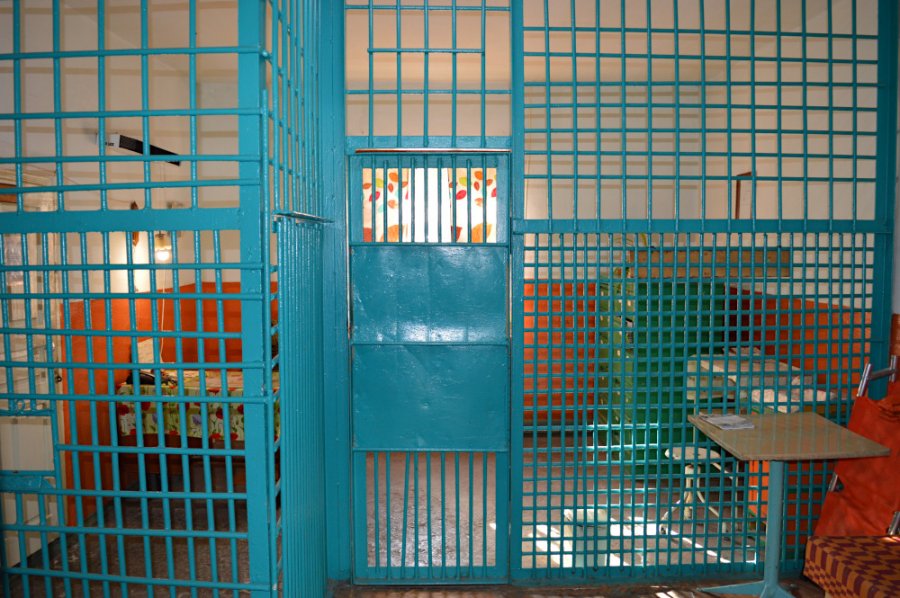
In the medical unit, the manipulation room is equipped with metal cages, which are not provided for by current criminal-executive legislation.
6. DIZO, PKT
On the day of the visit, four prisoners were in the institution’s Disciplinary Isolator (DIZO). In total, since the beginning of the year, disciplinary sanctions in the form of placement in DIZO have been applied 327 times, and in the form of placement in the Cell-Type Premise (PKT) – 2 times.
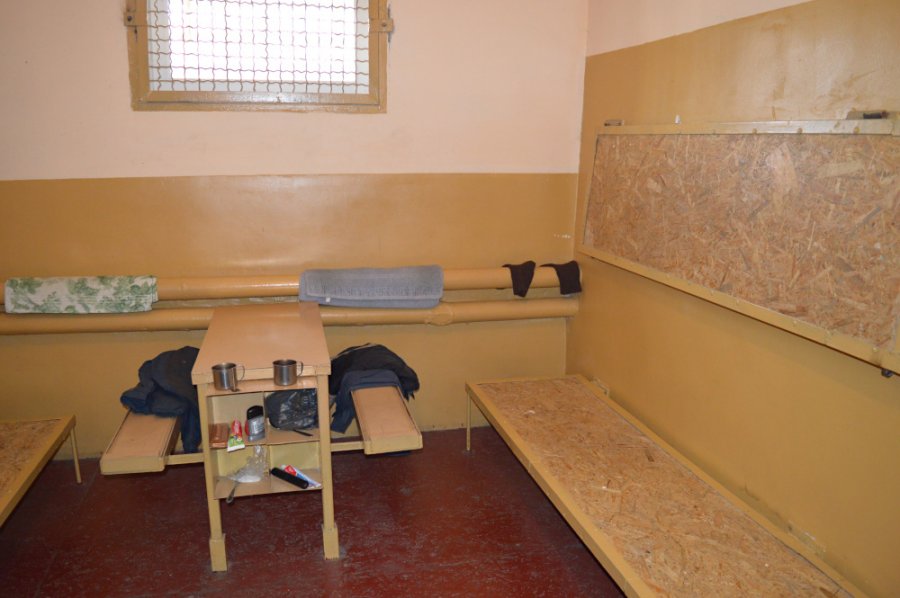
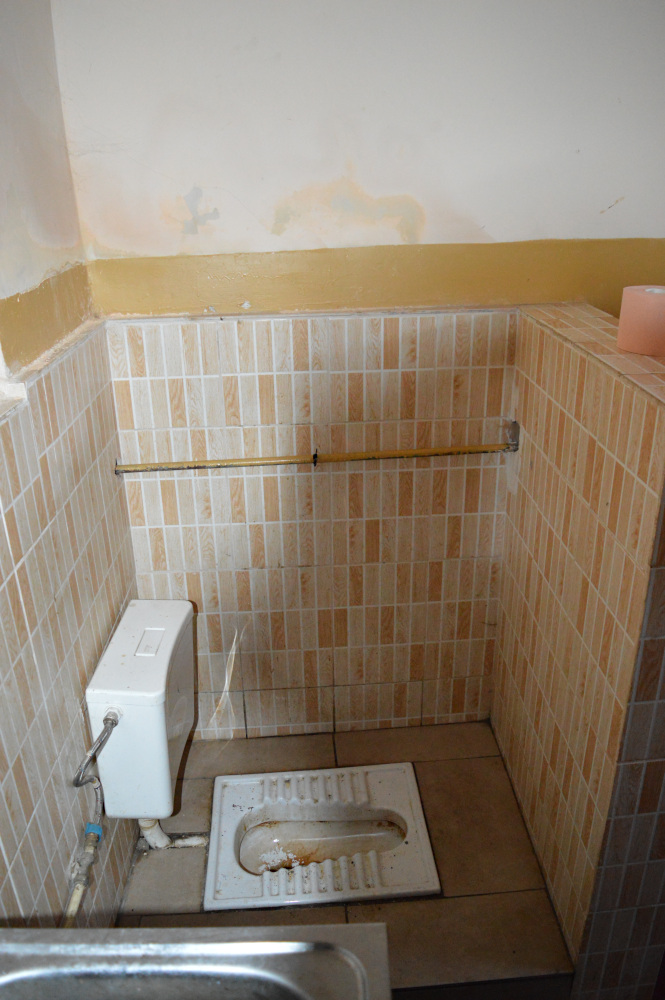
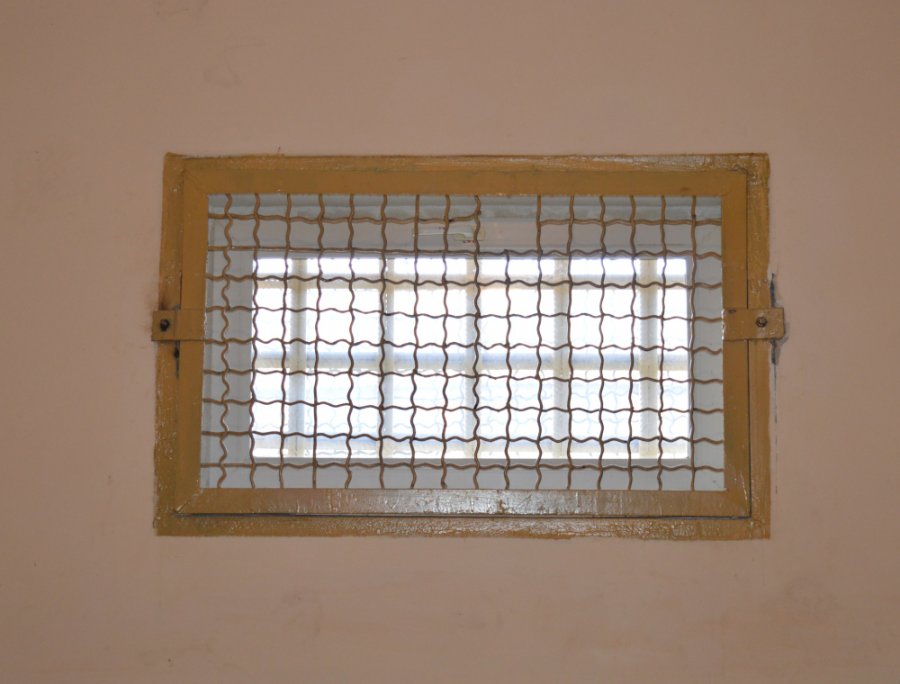
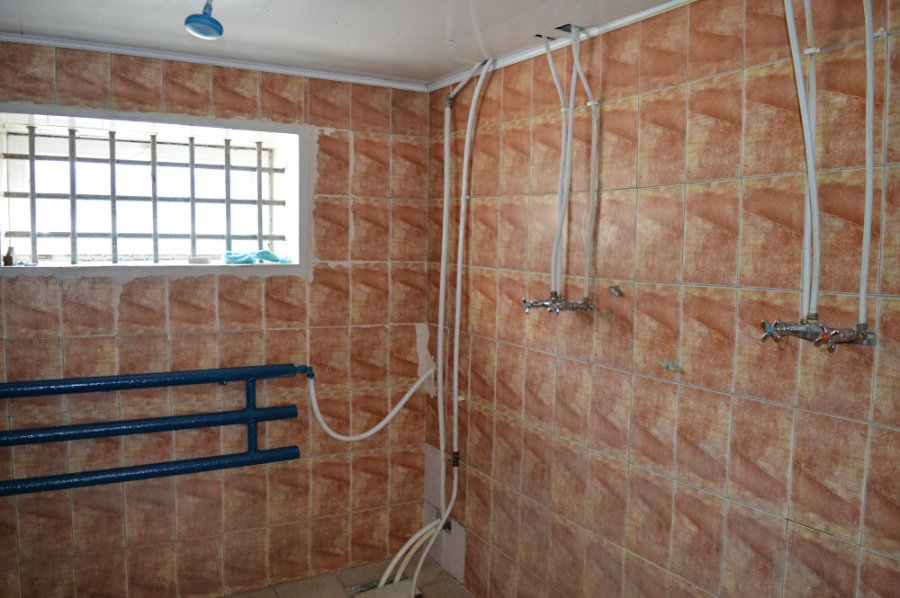
In some of the DIZO cells, cosmetic repairs have been carried out. There are handbasins in the cells. The toilet is partitioned by a wall, and doors are missing. The size of the windows is too small, and daylight enters the cells in insufficient measure. Prisoners can independently regulate the supply of fresh air into the cell. In the DIZO sector, there is a bathhouse equipped with two showers. There are mats in the bathhouse.
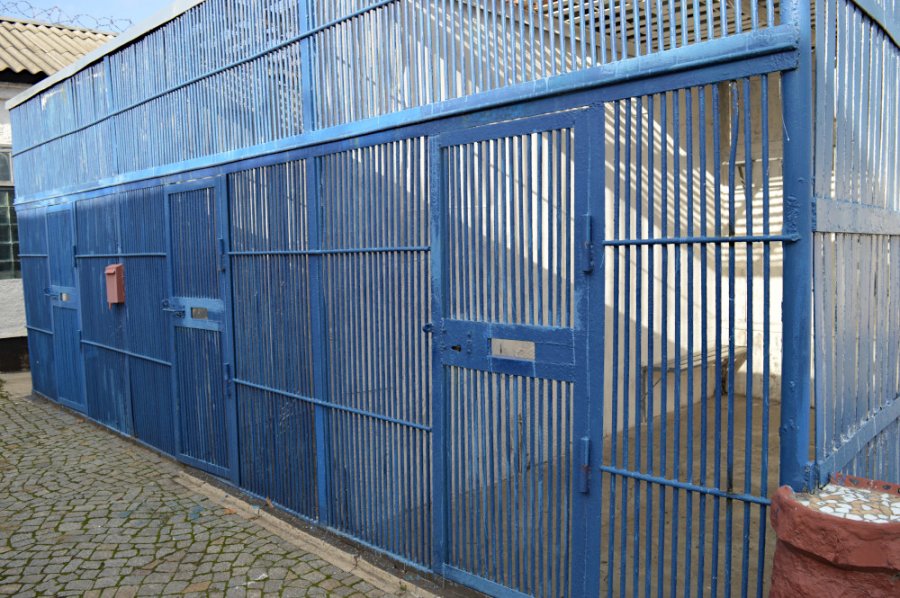
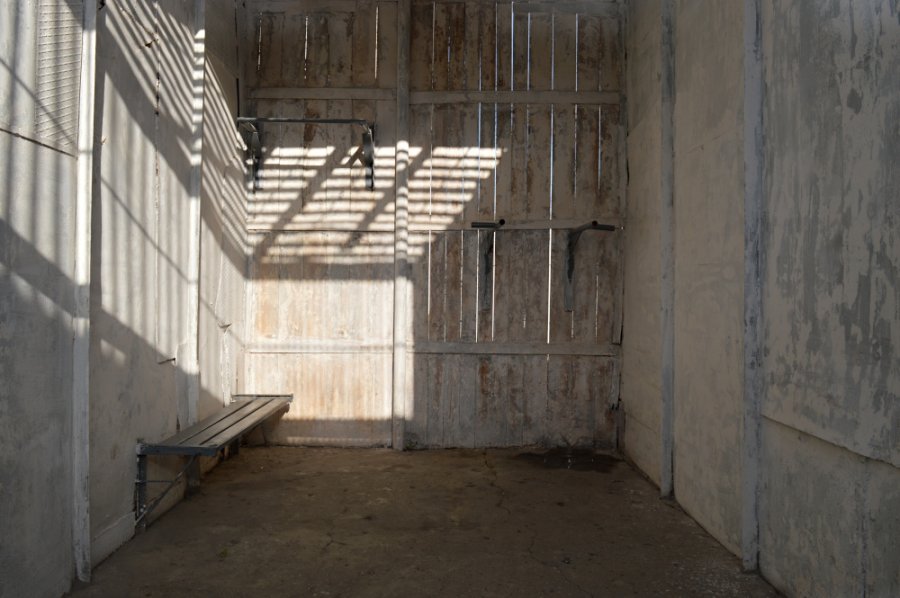
The exercise yards are outdated and require repair. They have sports equipment and minimal protection from atmospheric precipitation.