Monitoring visit to Vilnyansk Penal Institution No. 11
I. General information
On 29 October 2020, a monitoring visit was carried out by the Kharkiv Human Rights Protection Group monitoring group, consisting of the assistant to the People's Deputy Maksym Revyakin and journalists Pavlo Shvab and Ihor Sosonskyi, to the State Institution “Vilnyansk Penal Institution (No. 11)”.
This institution is located in the village of Kamiane, Vilnyansk district, at a distance of 15 kilometres from the district centre (the town of Vilnyansk).
The Vilnyansk Penal Institution performs the functions of a pre-trial detention centre; at the time of the visit, 270 people were in custody in the pre-trial detention section. Based at the institution is a sector for life-sentenced prisoners, where 96 people are held, and a service block for convicts imprisoned for the first time who work as service personnel for the institution. At the time of the visit, there were 21 such convicts.
The administrative staff of the institution consists of 141 people.
At the entrance to the checkpoint, there was no antiseptic agent, but upon entering the guarded zone, the monitors underwent temperature screening.
II. Service block
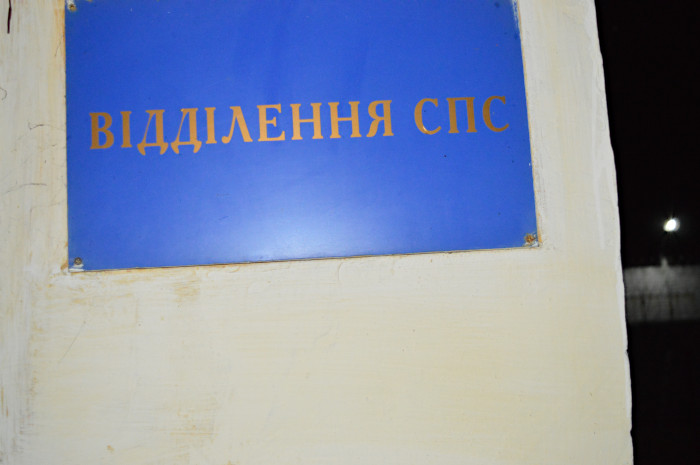
First, the monitors visited the SPS (social psychological service) unit for convicts imprisoned for the first time for a specific term. These convicts perform service functions.
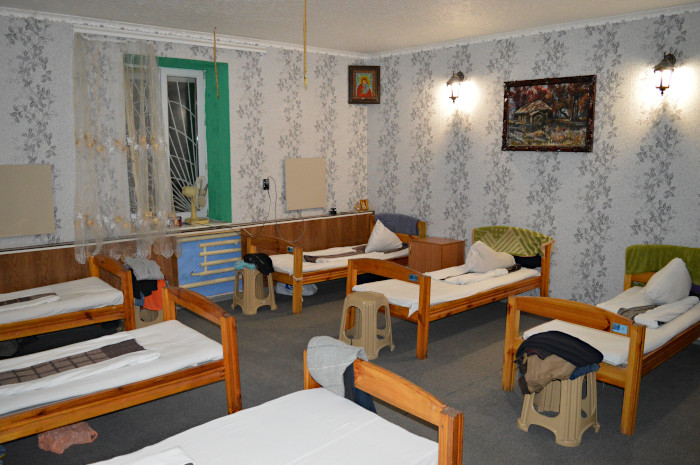
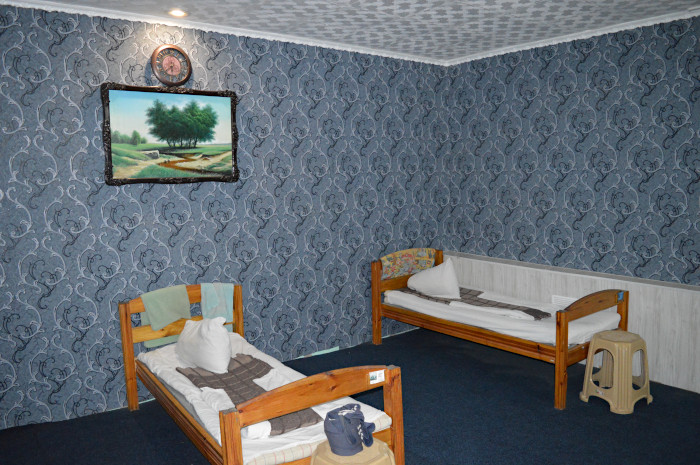
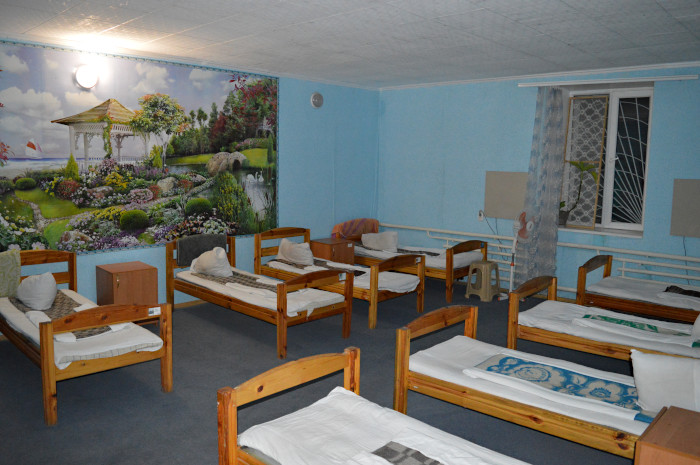
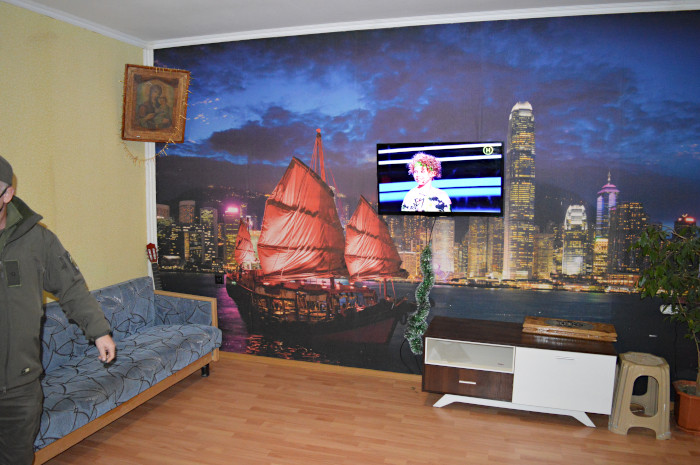
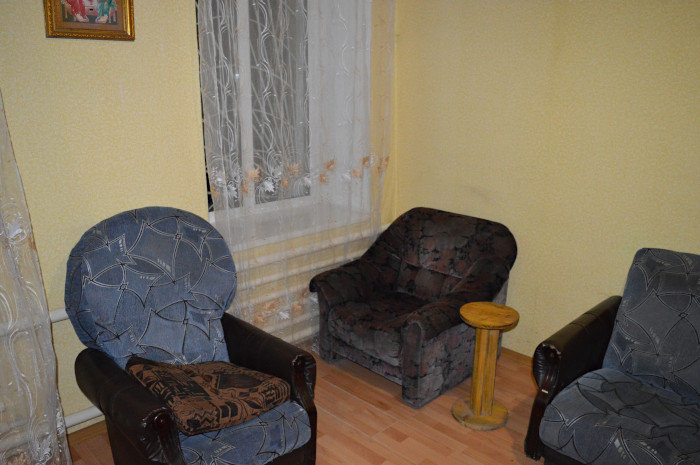
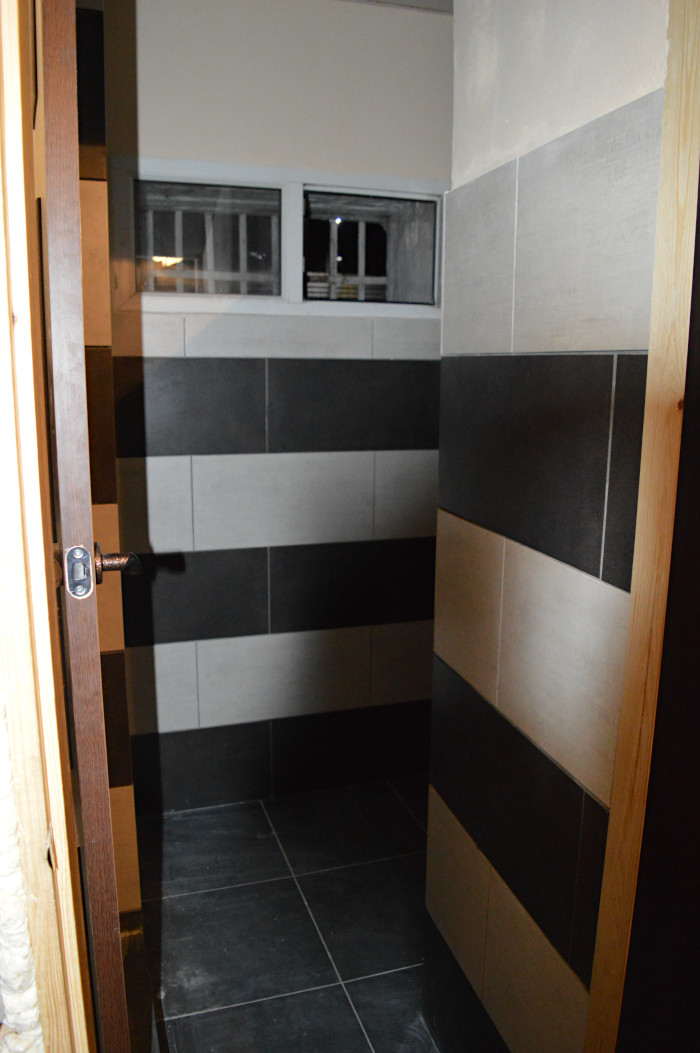
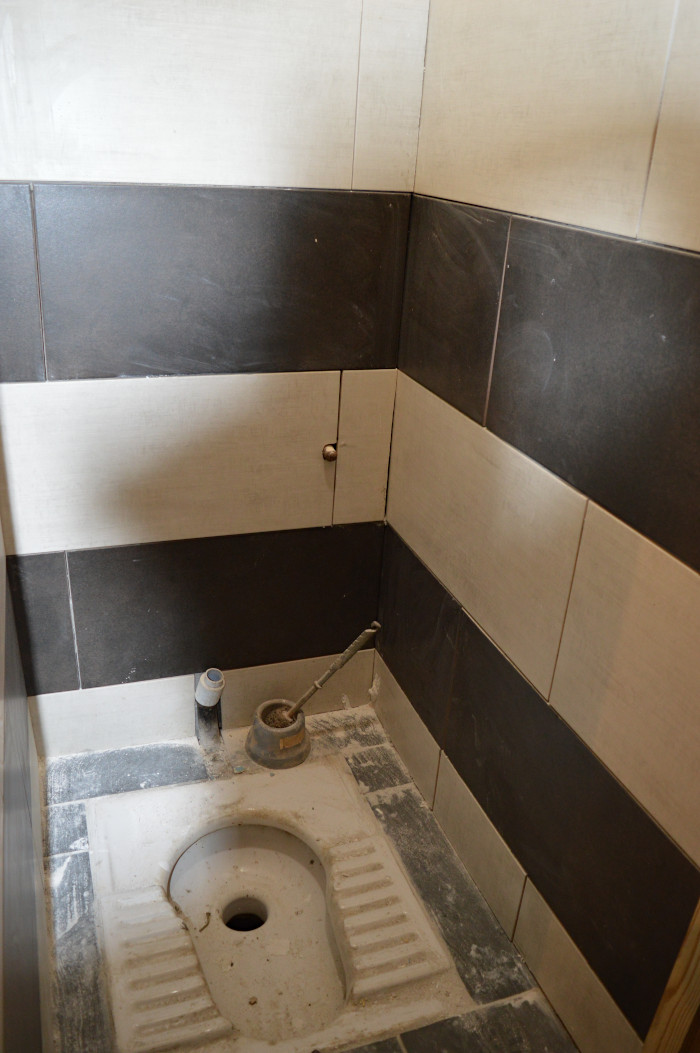
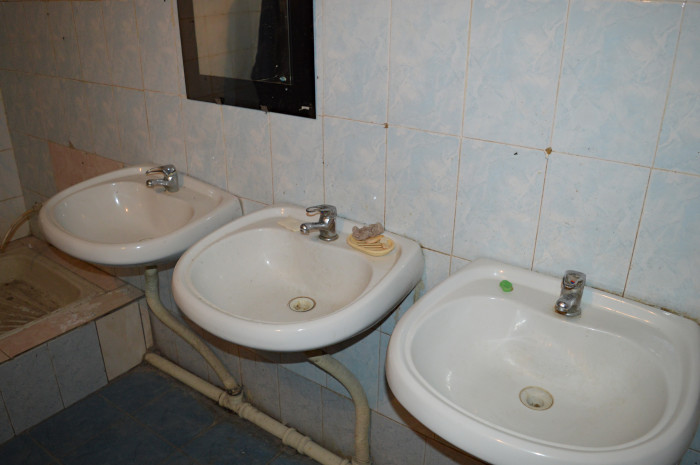
Living rooms in the block are recently renovated, clean, and neat. In some rooms, there is photographic wallpaper depicting Hong Kong and other large modern cities. The monitors positively note that the beds are positioned quite far from each other, which is at least double the standard residential space per convict. The recreation rooms are furnished; there is a television for leisure; the room is sufficiently tidy and lit. The sanitary facilities are renovated; there are washbasins. In the toilets, renovations and the installation of flush tanks were being finished. Washbasins and toilets are located in separate rooms. At the time of the visit, heating was absent.
III. Kitchen
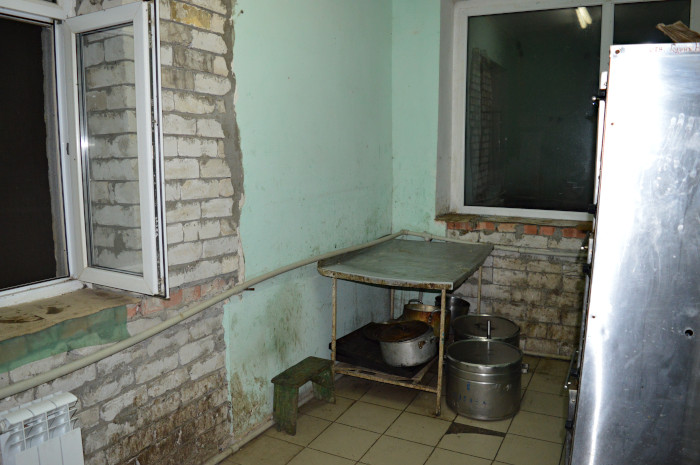
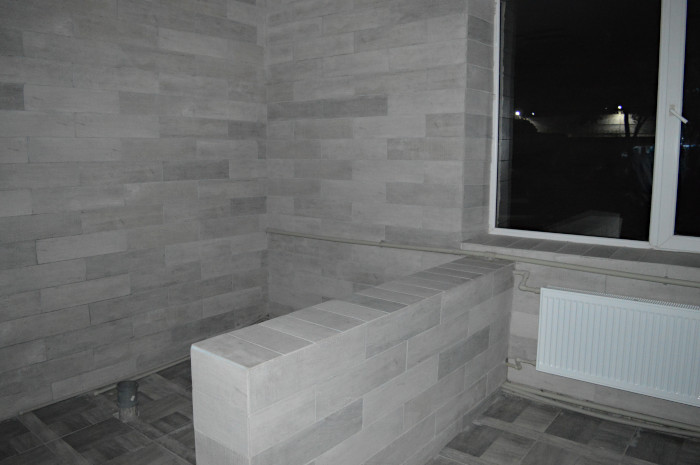
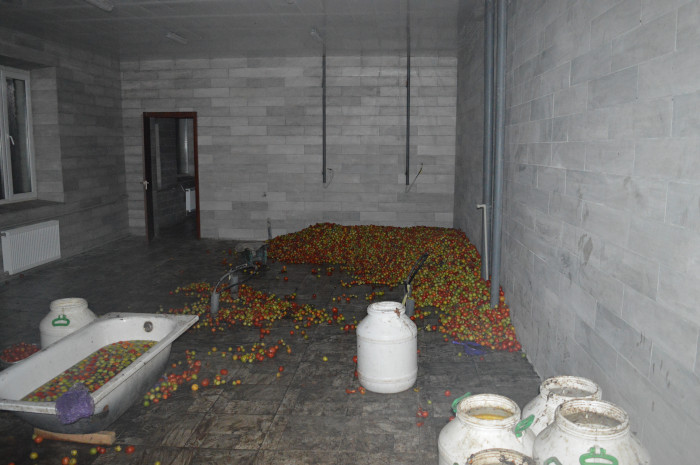
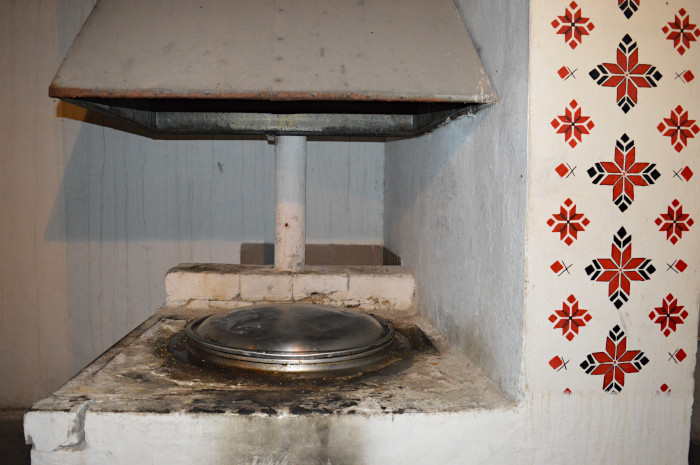
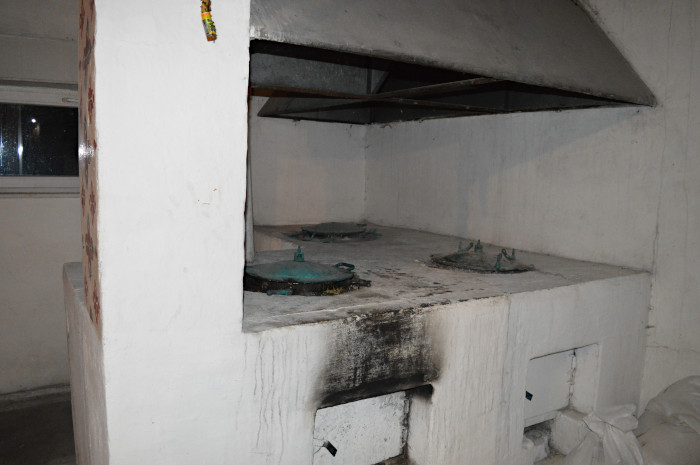
Next, the monitors visited the kitchen. In the canteen at the time of the visit, renovations were being conducted; in the middle of one of the newly renovated rooms, tomatoes were piled up, which were being prepared for canning. In the rooms being renovated, there was a smell of mould. During the renovation in the main kitchen, food for the detainees and convicts is prepared in the backup kitchen. The backup kitchen is equipped with solid fuel boilers.
IV. Medical unit
At the time of the visit, only a nurse was present in the medical unit. According to her, there is no inpatient facility in the institution, but there is an infectious disease specialist and a dentist; when necessary, an ambulance is called, and patients are hospitalised in a local hospital. She also noted that there is no shortage of epidemiological protective gear in the unit. It should be noted that the nurse did not have a full understanding of the situation in the medical unit.
V. Sector for life-sentenced persons
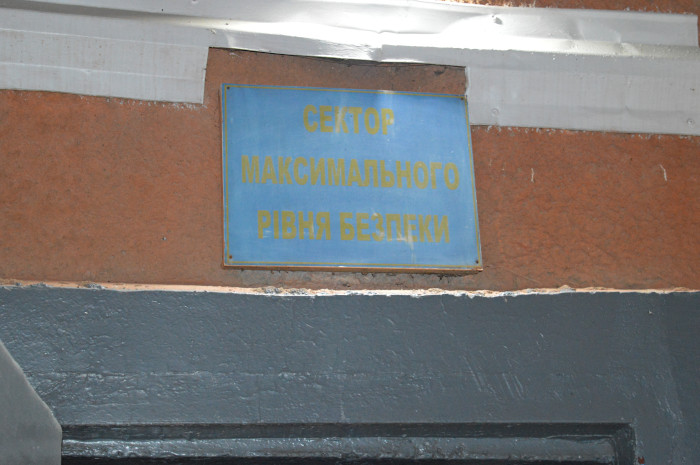
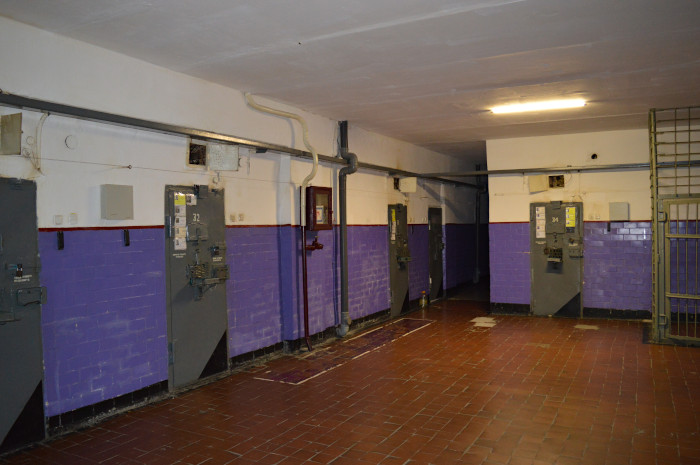
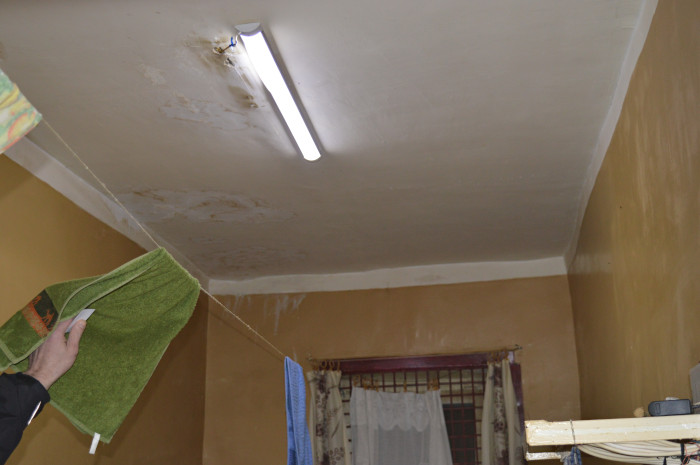
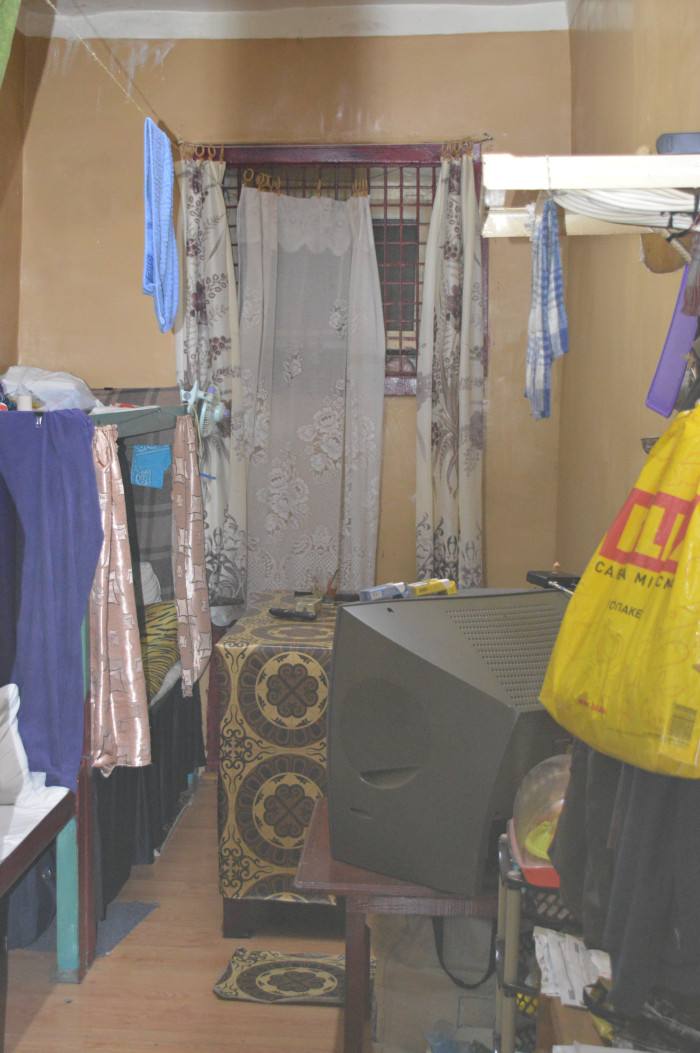
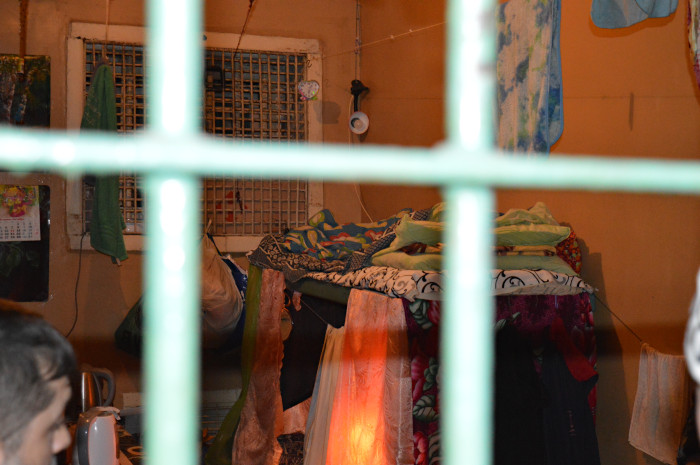
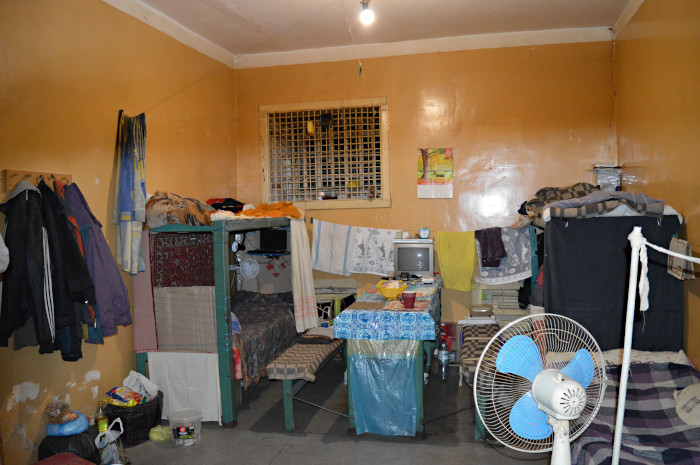
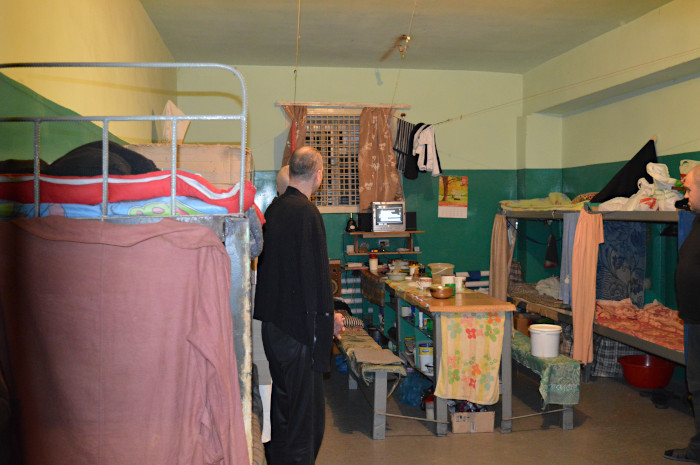
In this sector, convicts are held in cells of up to 8 people. Primarily, 4 life-sentenced prisoners are held in each cell. The monitors note that in some cells, the renovation is old and cosmetic. Furthermore, there is mould on the ceiling in some places. The monitors positively note the installation of double-glazed windows in the cells, which the convicts are able to open themselves to ventilate the cells.
In almost all cells, the monitors note the presence of bunk beds, with convicts sleeping on the second tier, which contradicts European prison standards. There are no drinking water tanks in the cells, but the monitors note that the convicts have the opportunity to boil tap water themselves using their own electric kettles, which are present in almost every cell.
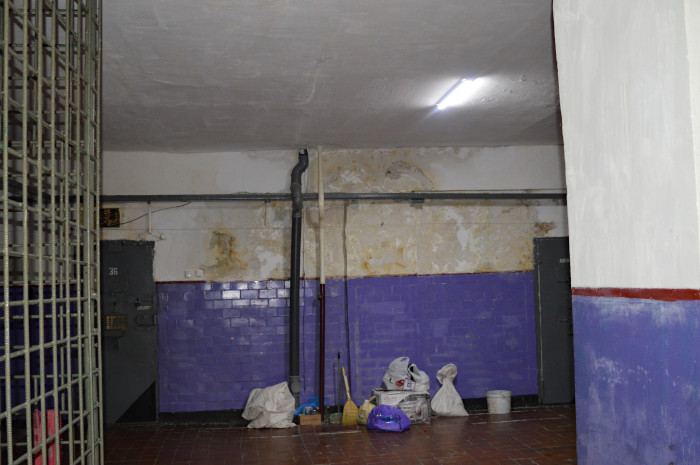
According to the administration, cells have been prepared for housing convicts in whom infectious diseases, including COVID-19, are detected. The monitors noticed significant fungal and mould damage in the sector’s premises, which is dangerous for the respiratory organs of the convicts who are in cells near such contamination. The monitors also note the unsatisfactory state of the toilets in the cells and the low walls that partition off the toilets, which does not provide a sufficient level of privacy.
Additionally, the monitors spoke with the individuals serving their sentences. They did not complain about the conditions of detention but had questions of a legal nature regarding parole for life-sentenced prisoners and the case of Petukhov v. Ukraine.
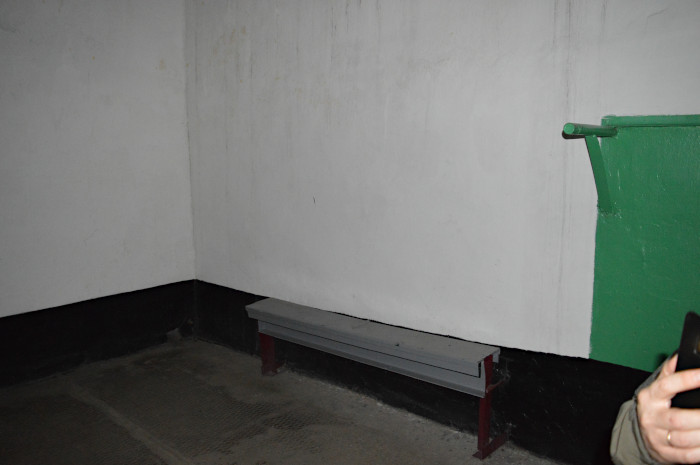
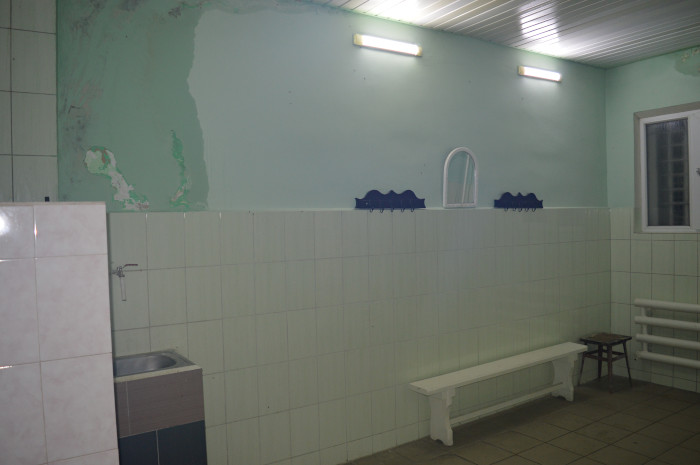
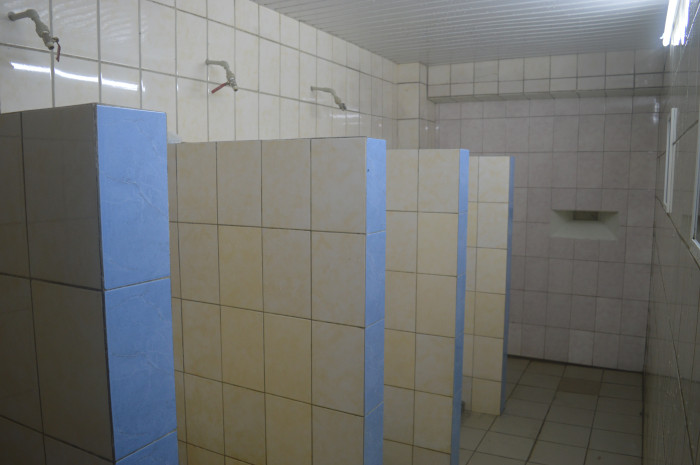
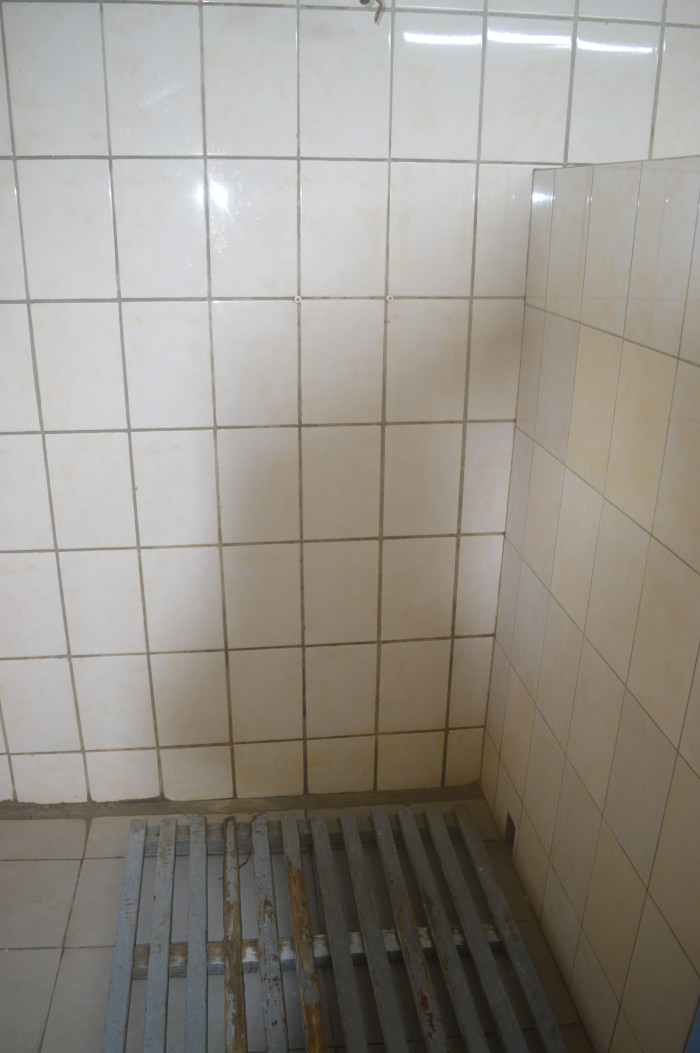
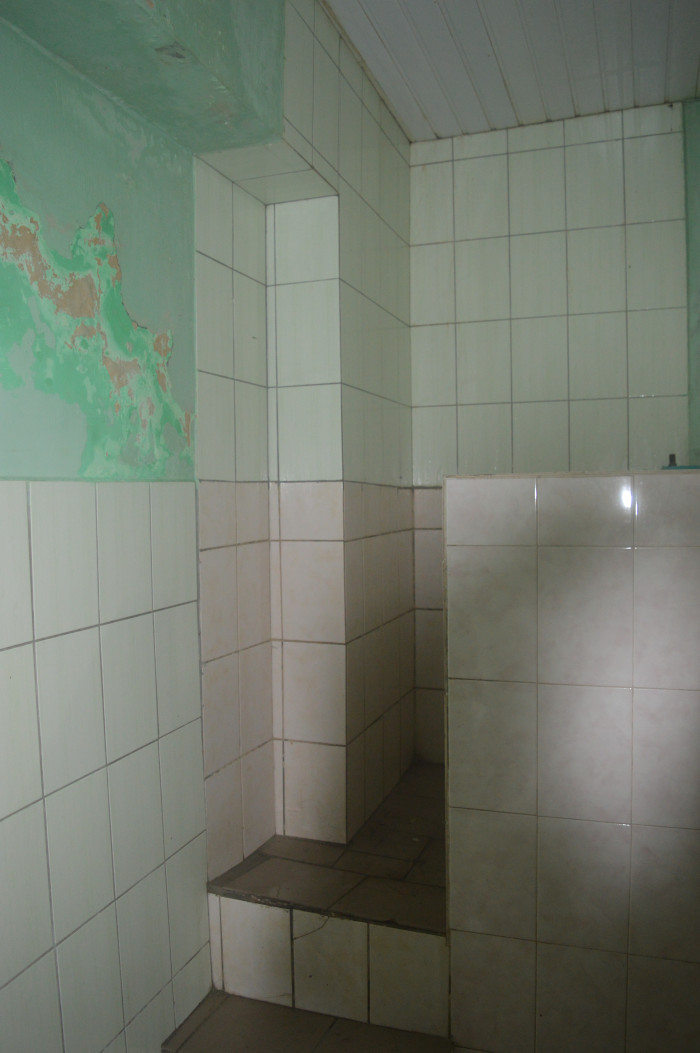
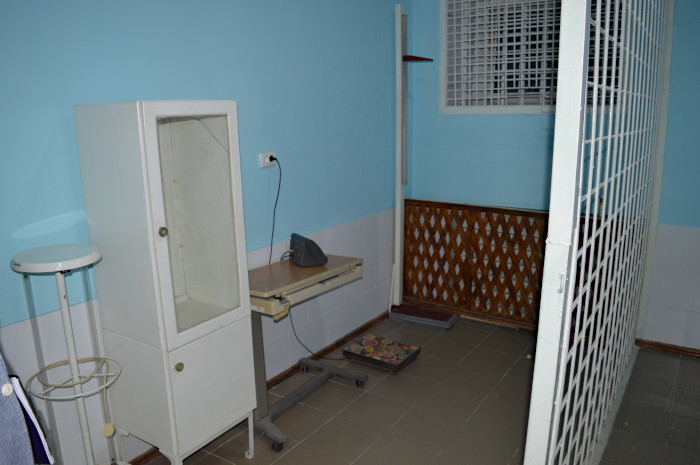
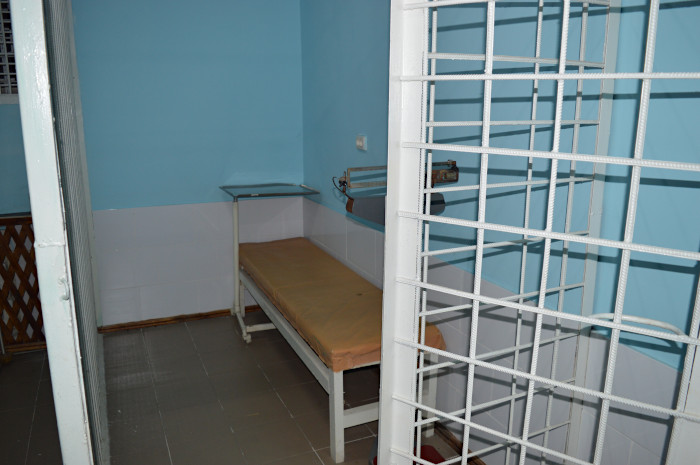
There are walking courtyards, 6 of which are small and 1 is large. They have been renovated and have sports equipment. Also in the sector, there is a procedure room with a recently completed renovation, where convicts are examined daily. Besides this, there is a separate bath in the sector with a cosmetic renovation, but there are traces of water damage and mould on the walls.
EU Project “Combating Torture, Ill-Treatment and Impunity in Ukraine”