Report on the results of the visit on 02.03.2017 to Vilniansk Penitentiary Institution No. 11
A KHPG monitoring group consisting of Vasyl Melnychuk, Dmytro Reva, Serhii Hryhorash and Oleksandr Pavlichenko visited Vilniansk Penitentiary Institution No. 11 on 2 March 2017, which houses a pre-trial detention centre building and a maximum-security building for men sentenced to life imprisonment.
The monitors first visited the maximum-security building, which houses 66 men sentenced to life imprisonment – a two-storey building where the cells with prisoners are located along a square perimeter on both floors. The building was prepared for the detention of life-sentenced prisoners in 2015; all premises were renovated, and all rooms with prisoners were equipped with video surveillance cameras. It is designed to house 114 prisoners; currently, 69 prisoners are held there, and on the day of the visit, 66 life-sentenced prisoners were in the building.
The cells in which the prisoners are held are in satisfactory condition. The sanitary area – toilet and washbasin – are lined with ceramic tiles, the cell walls are painted, and the floors are equipped with laminate or wood. Each cell had a television (in almost all cells it was turned on), and some cells had DVDs, electric kettles or immersion heaters. In 2014–2015, the sewage, electrical and water supply systems were replaced in the building, and metal-plastic windows were installed in every cell. There were no complaints from the prisoners regarding physical conditions (temperature, lighting, access to fresh air, water quality) – and the monitors met with all the life-sentenced prisoners who were in the facility.
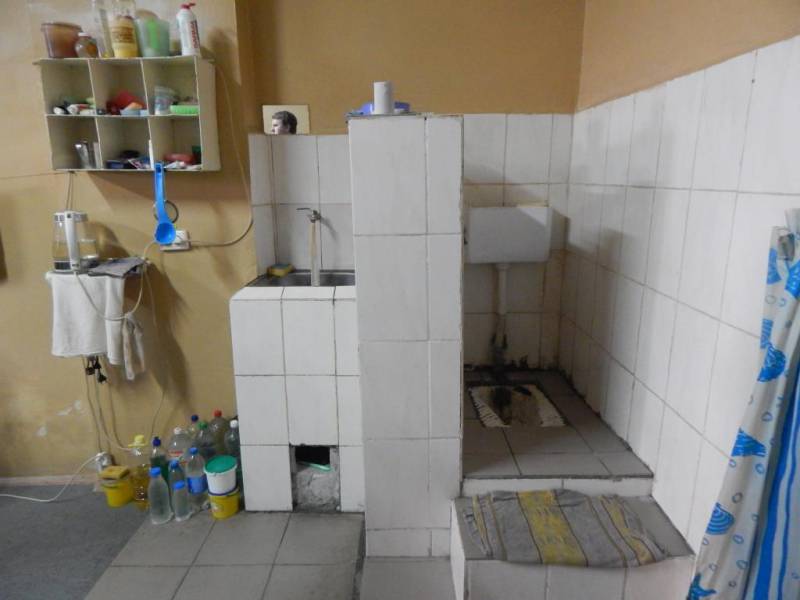
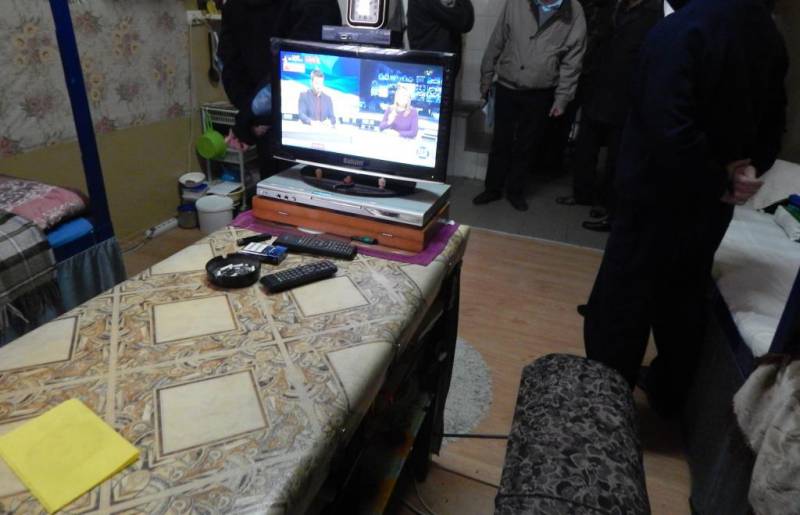
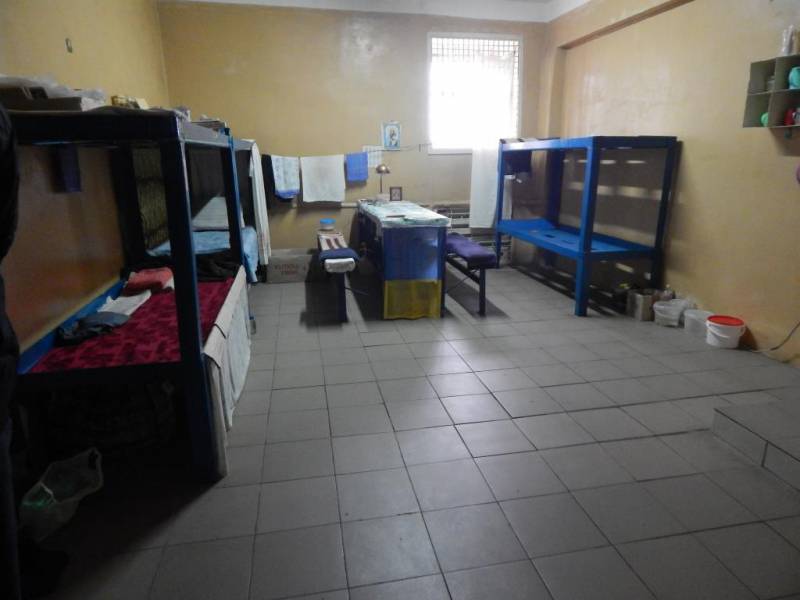
Prisoners are housed in cells in groups of one to six. Individual prisoners are held in single cells either on their own initiative or for security reasons. The dimensions of each of the cells are sufficient for the number of prisoners placed in them; rooms intended for 6–8 people often held 2–3 prisoners, meaning that each prisoner had over 10 sq. m of space.
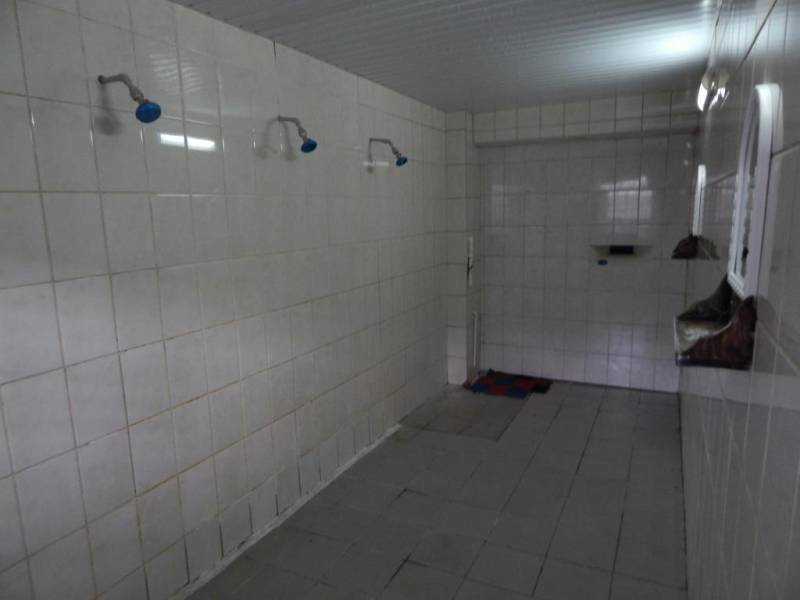
A shower room is currently being renovated in this building; it has already been fitted with ceramic tiles and mixers have been installed. Prisoners visit the shower once a week according to an established schedule.
Outdoor walks for prisoners in exercise yards take place once a day for one hour. The yards are equipped with a pull-up bar and parallel bars. A part of the exercise yard is protected by a roof from precipitation.
Prisoners who had previously served sentences in other penitentiary institutions designated for life-sentenced prisoners compared their conditions of confinement and spoke positively about the conditions in this colony.
Life-sentenced prisoners have the opportunity to communicate by phone with their relatives for 15 minutes daily upon request, in the presence of an administration representative. One of the grievances expressed by prisoners to the monitors was related to the time allotted for telephone communication – the prisoners did not agree with the 15-minute limit on their telephone talk time, in connection with which they appealed to the Ministry of Justice of Ukraine with a corresponding clarification, in response to which they received an official answer about the lawfulness of such a restriction.
In the colony, there is an opportunity to use Internet access using tablets equipped with special software for prisoners to access the Internet and video communication. However, this is only possible for those prisoners who have funds in their personal account and relatives who could deposit funds into their account. For the vast majority, the use of these tablets is unavailable due to the need to pay for them. Thus, after signing an agreement with a prisoner to provide Internet access services, the prisoner must pay a one-time connection fee of 15 hryvnias and pay a monthly subscription fee of 30 hryvnias for using the service. Out of 69 prisoners, only 3 people use the Internet service using these tablets. One prisoner noted that in his previous place of detention, he had the opportunity to communicate with relatives living in the Russian Federation via Skype, but in this facility, he does not have such an opportunity, which complicates his ability to maintain contact with his family. Indeed, this is one of the monitors' recommendations regarding the possibility of broader social contacts via modern means of communication within the existing legal framework.
In conversations with the monitors, the prisoners complained mainly about violations committed during the pre-trial investigation and trial of their criminal cases and unfair conviction. As an example, one of the prisoners admitted that he admits guilt – "I am guilty, but my crime is worth five years of imprisonment, but not life."
A separate issue raised by the prisoners was transferring them to serve their sentences in institutions located in the administrative units where their relatives reside. The prisoners received refusals to their applications in this regard to the State Penitentiary Service of Ukraine and the Ministry of Justice of Ukraine. They did not appeal such refusals to the court under the procedure of Articles 537, 529 of the Criminal Procedure Code of Ukraine, which was explained to them by the monitors, in particular the existing appeal mechanism and the mechanism for resolving the issue of their transfer to penitentiary institutions in other regions.
Prisoners expressed their negative assessment regarding the failure to provide them with free legal aid, which they needed in connection with this.
Individual prisoners expressed claims regarding the denial of necessary examinations or treatment; in this regard, the monitors offered them a consultation with a doctor who was part of the monitoring group, which allowed determining the validity of the prisoners' claims, and after reviewing the medical documentation of individual prisoners, also assessing the appropriateness and adequacy of medical care provided in this facility. Three prisoners were examined and received consultations.
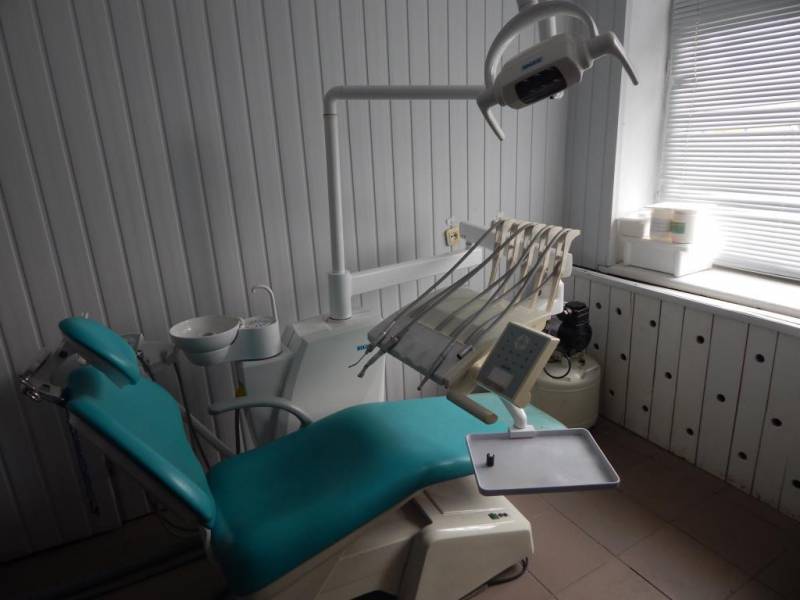
Medical unit of PI No. 11
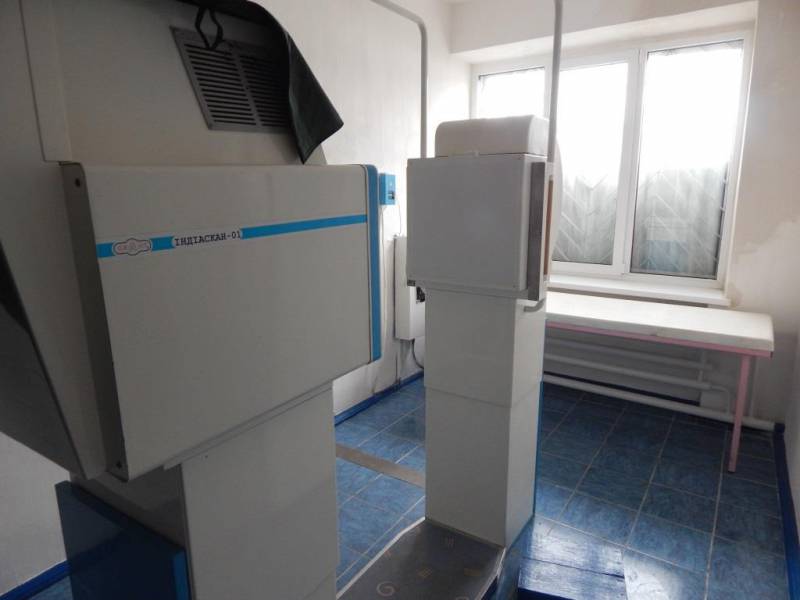
The medical unit of the institution is located in a separate room; it has a manipulation room, a dental office, an X-ray room, other rooms and a laboratory. The dental office is equipped with modern dental equipment and a unit for sterilising instruments. However, due to low wages and only half a position being allocated, a dentist does not work at the institution, and both the head of the colony and the prisoners spoke about this. They cannot find a specialist for this vacant position. Currently, prisoners can receive dental care only when they invite a doctor at their own expense, who is allowed into the colony upon the prisoner's request. On the day the KHPG monitors visited, such a "specially invited" dentist arrived at the colony to treat one of the life-sentenced prisoners.
A digital fluorograph is installed in the medical unit, which, together with the ability to conduct sputum tests in the medical unit laboratory, makes it possible to quickly detect tuberculosis.
The medical unit houses a laboratory where general blood tests, urine tests and sputum cultures are conducted.
Prisoners who remained in PI No. 11 to perform maintenance work
There are 18 such prisoners in the institution. They live in the socio-psychological service unit and perform work related to the maintenance of the institution (cooking, cleaning the territory, tilling vegetable gardens, etc.). The main incentive for work for this category of prisoners is parole, and, according to the head of the institution, there are practically no disciplinary violations among this category of prisoners, and they are released on parole.