Report on the results of the monitoring visit on 21.02.2017 to Vilniansk Correctional Colony No. 20
A monitoring group consisting of Vasyl Melnychuk, Hennadii Tokariev and Oleksandr Pavlichenko visited Vilniansk Correctional Colony No. 20 (CC No. 20) on 21 February 2017 with an unannounced monitoring visit.
As of the visit, 544 prisoners were serving sentences in CC No. 20, 153 of whom were working. Four prisoners were held in the DIZO, and 3 in the PKT. Four prisoners were in the medical unit of CC No. 20. There were twelve prisoners prone to suicide, fourteen prone to self-harm, and five prone to escape. There were five malicious violators. Thirteen people had been released during the current year. Two prisoners were recorded in the bodily injury log.
At the entrance, the monitors were met by the head of the colony, Oleksandr Anatoliiovych Kotenko, and the deputy head of the colony for social work and rehabilitation, Yurii Volodymyrovych Haponiuk.
DIZO, PKT of CC No. 20
The monitors first visited the DIZO-PKT regime section, where seven people were held, four of whom were in the DIZO section and 3 in the PKT section. The DIZO-PKT premises were in quite decent condition; the windows were glazed with double-glazed units, and the plumbing, although quite old, was in working, satisfactory condition. The toilets are separated by walls about 1.30 m high and doors of the same height. Due to the fact that water is supplied according to a schedule, prisoners are forced to cover the toilet opening with bags of water to avoid unpleasant odours.
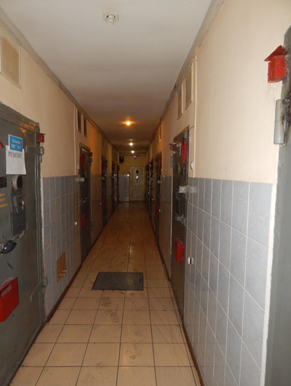
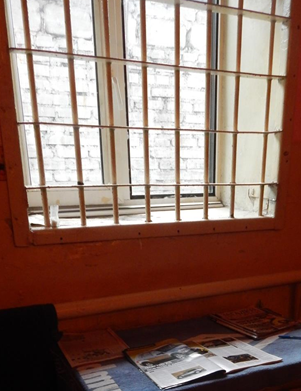
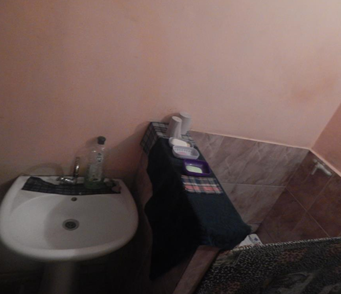
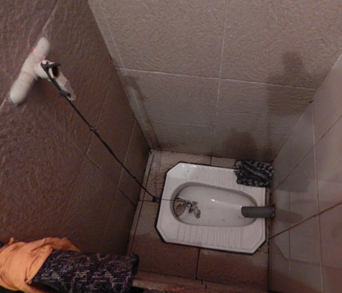
The temperature in the rooms was not high, but the prisoners who were there did not express any complaints; the temperature in these rooms during the night time allotted for rest, according to both the prisoners and the administration, is normal and reaches more than 20 degrees.
The monitors familiarised themselves with the materials of the persons placed in the DIZO-PKT and with the grounds for placement specified in the materials. Out of the 5 people who were in the DIZO, four received a penalty of 14 days in the disciplinary isolation cell for various reasons, and one person was in the DIZO, having been temporarily placed for 48 hours pending a decision by the head of the institution for a violation of the regime.
The reasons for placing prisoner P. in the DIZO were his refusal to move to the 15th detachment, which meant working for him in the industrial zone or as an auxiliary employee in other jobs (canteen, hospital, maintenance unit). In fact, he expressed his unwillingness to work in this way, for which he received a 14-day penalty.
Prisoner S. argued with an inspector and made offensive remarks towards the inspector who was searching the premises. In the presence of the monitors, a conversation took place between the head of the colony, Kotenko, and the prisoner, from which it was clear that in this situation, both a dialogue and a multi-faceted clarification of the circumstances of the conflict were taking place in order to overcome the conflict that had arisen between the prisoner and the administration representative. The head of the colony informed that the colony has a practice of reconciliation (mediation) of conflicts between colony staff and prisoners without the application of penalties, including the most severe ones.
Confidential communication was ensured with all prisoners, and it was evident that they could speak freely if they wished.
The issue of smoking in the cell caused concern; the prisoners did not admit to smoking, although the smell of fresh smoke was felt in the cell. One of the prisoners said that he does not smoke at all. Accordingly, he is forced to stay in a smoky room, since the second prisoner has no other opportunity to smoke.
There were three people in the PKT section. Prisoner O. was there for having a mobile phone found on him, which is prohibited for storage. When asked if he used the mobile communication system installed in the colony, the prisoner, who has been in the colony for a long time, indicated that he had never used this opportunity and did not even know that it existed. This is one of the shortcomings that the monitors pointed out to the colony administration.
In general, not all prisoners use phones to communicate with the outside world in accordance with the established rules, and those who do use them describe different procedures for exercising the right to such communication.
Another point that the monitors pointed out to the administration was the standard and long terms of the imposed penalty – 14 days.
Medical unit of CC No. 20
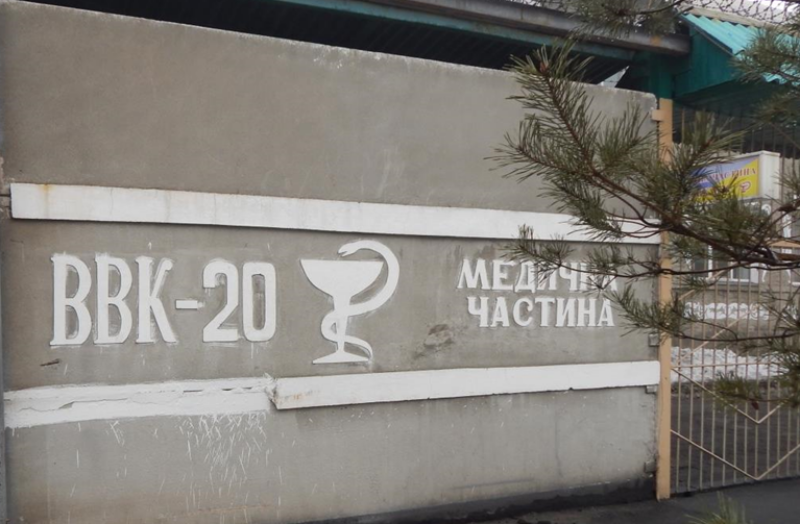
The monitors visited the medical unit of CC-20, where three doctors work out of the 5 required by the staffing schedule, two of them on a half-time basis. The infectious disease specialist vacancy is unfilled in the colony. Since the percentage of HIV/AIDS patients in the colony is low, there is no need for a staff infectious disease specialist. Consulting patients is carried out by an infectious disease specialist, whose visits to the colony are organised with the help of a specialised non-governmental organisation. The total number of HIV-positive prisoners is 14, 11 of whom are receiving antiretroviral therapy.
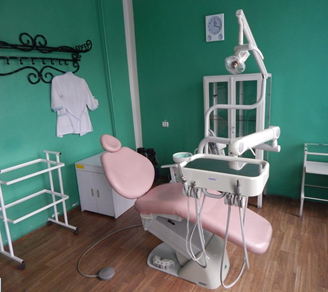
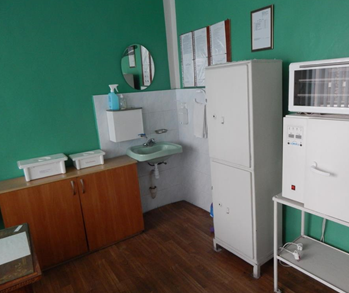
The visited manipulation room and dental office were in good condition and equipped with equipment for sterilising instruments. The dentist works on a half-time basis and is invited to the colony when several prisoners who need treatment gather. The administration assured that all prisoners who need it are provided with proper treatment, the colony is provided with medicines in sufficient quantity, and substitution therapy is not provided in the colony. The colony also has a laboratory where general blood tests, urine tests and sputum cultures are performed.
Interregional Hospital at CC No. 20
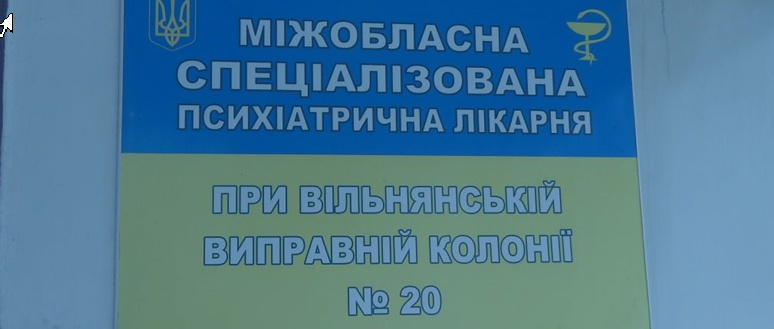
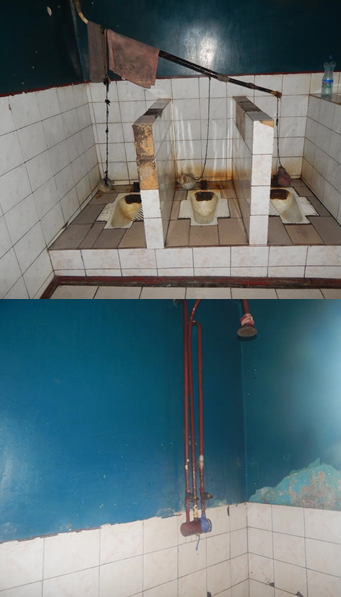
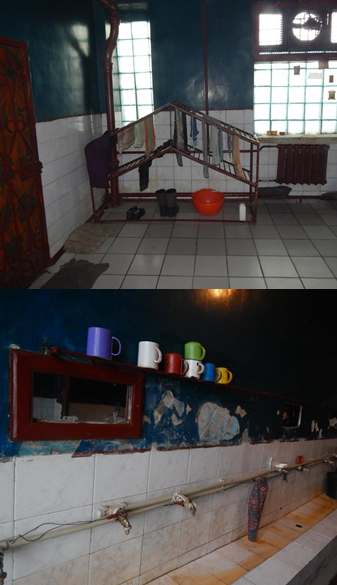
The Interregional Hospital (MOL), which specialises in the treatment of prisoners suffering from nervous and mental disorders, was visited. At the time of the visit, 56 people who arrived from various correctional facilities with different security regimes were in the hospital. The monitors inspected the cells in which such prisoners were held, the food distribution point, and the sanitary room, where there were a toilet, water taps, and a shower. Prisoners wash once a week, on Saturdays. The conditions of the sanitary room are poor.
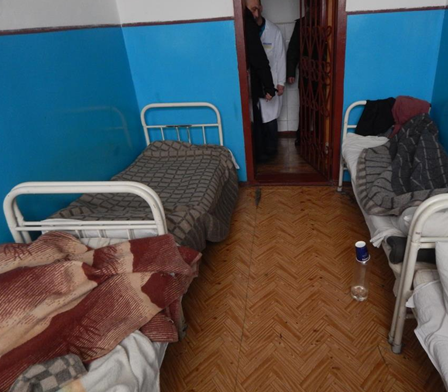
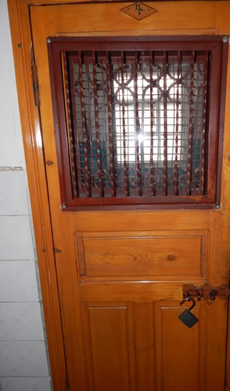
Prisoners undergoing treatment are held in cells behind wooden doors, the windows of which are equipped with metal bars. Several prisoners are held in these cells. The windows in such premises are large and closed with metal bars, which ensures sufficient lighting during the day.
Patients eat in a special room on the territory of the MOL. Food in the MOL is delivered from the general colony canteen in special thermoses.
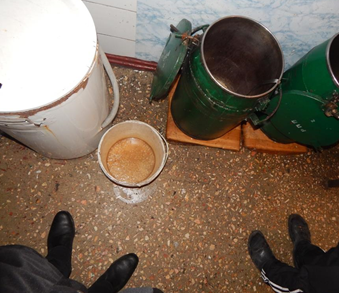
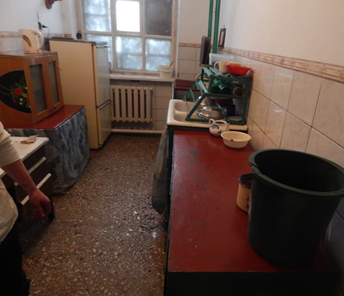
When communicating with the MOL administration, problems regarding the treatment of prisoners with psychological disorders who are transferred to the hospital from distant colonies were discussed, because the delivery of prisoners to the hospital can take up to two months.
Industrial zone of CC No. 20
120 prisoners are employed in production. There is a woodworking workshop where wooden cable reels and pallets are manufactured. Fuel briquettes are also manufactured.

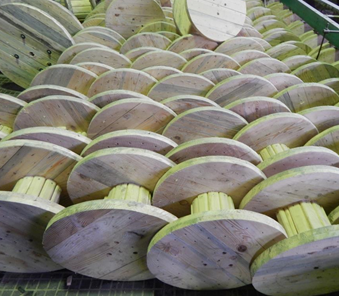
According to the company's management, the labour participation coefficient of prisoners whose labour is paid under the piecework payment system is 0.1 – 0.15 percent, because the prisoners do not complete their shift tasks. Accordingly, the level of prisoners' wages did not increase with the increase in the minimum wage level. Only prisoners on a time-based payment system receive a minimum-level wage (3200 UAH) - these are brigade leaders who, as a rule, are trusted persons of the colony administration.
It is cold in the workshop; the temperature does not differ much from the temperature outside, since the gates in the workshop are constantly open. In some places, the ceiling is leaking. Such conditions are considered harmful and require the creation of additional working conditions – additional breaks for warming up, special nutrition, the latter of which the prisoners do not receive.
Regarding production standards, the representatives of the colony administration were unable to answer from which specific regulatory acts the various time norms established for prisoners for manufacturing various wood products were taken, as provided by Part 1 of Art. 120 of the Penal Code of Ukraine.
On the territory of the colony, there is also a workshop for manufacturing furniture, equipped with relatively new machine tools. The workshop is equipped with forced ventilation, both for general ventilation of the premises and with local centrifuges for drawing in wood waste for each machine tool, but there is no heating in the premises. This workshop was not working at the time of the visit because there were no orders. The insufficient number of orders is one of the problems that the head of the colony noted. He said that thanks to "PROZORRO", the colony won several tenders for manufacturing, in particular, furniture for military units.

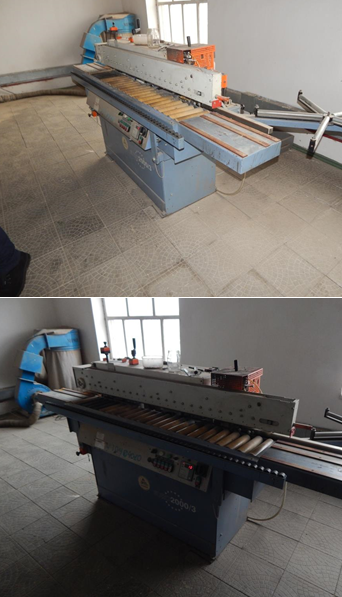
The colony also has a mothballed workshop for manufacturing agricultural implements (cutting and bending metal, etc.), but it is idle due to a lack of orders.
The head of the colony informed that the number of orders is insufficient to utilise the available production capacities and cited an example when the colony previously had more orders, in particular, for manufacturing furniture for kindergartens, as well as for equipping bus shelters.
In general, the problem of the colony's "economic survival" is very acute. On the one hand, there are high tariffs for utilities, and on the other hand, the state enterprises that exist at the colonies have to compete in the market with private business entities, some of which have much greater financial and material capabilities. In addition, colonies have to pay a large land tax; for example, for CC-20, the annual tax amount is more than 600 thousand UAH, and budget financing happens with delays, which creates debts for the institution.
Residential zone of CC No. 20.
We visited the residential zone of detachment 1. In the premises, prisoners live in rooms of 3–8 people and have the opportunity to furnish their room additionally, although most live in modest conditions. All rooms are neat; double-glazed windows are installed in them, and there is enough light; it is clean and tidy. For some reason, all the prisoners who were in this section were not in their rooms, but were all together in the recreation room.
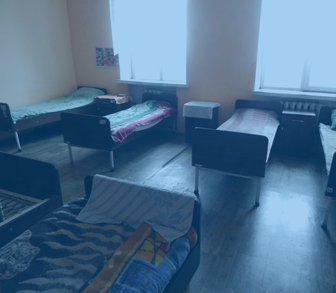
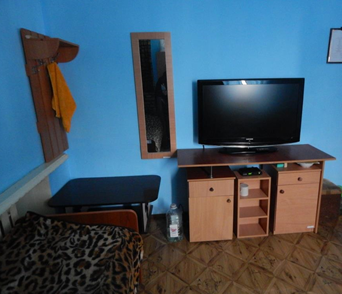
In the toilet and washrooms in the colony's residential zone, cold water is supplied only at certain times of the day. As a result, the toilets, which are flushed by "self-flush", are dirty, and there is an unpleasant odour in the room. The taps in the washroom were inoperable. In general, the monitors did not find any presence of water in the water pipes on the colony territory.
After the several-fold increase in utility tariffs, the issue of financing the colonies became even more acute; in such a situation, institutions are forced to save on the consumption of all utilities, which negatively affects the living conditions of prisoners and staff.
Heating is carried out autonomously using solid fuel, burning it in the evening and obtaining the maximum temperature, followed by its decrease until the next burning cycle. It is obvious that at the end of each cycle, the temperature drops below the standard level.
There is a wish for institutions to have more freedom in disposing of their own free funds without obtaining the consent of higher-level management.