Report on the results of the monitoring visit to the State Institution ‘Bakhmut Institution for the Execution of Punishments No. 6’
On 12 July 2019, a monitoring group consisting of Dmytro Reva, Maryna Davydova, and Oleksandr Kadiievskyi visited the Bakhmut Institution for the Execution of Punishments (BIEP) No. 6 with an unannounced monitoring visit.
This institution functions as a pre-trial detention centre (SIZO); it also holds 40 life-sentenced individuals and has a ward for the living quarters of the service staff.
Due to the specifics of the facility, the monitors had access only to individuals who have a court decision that has entered into force.
Household block
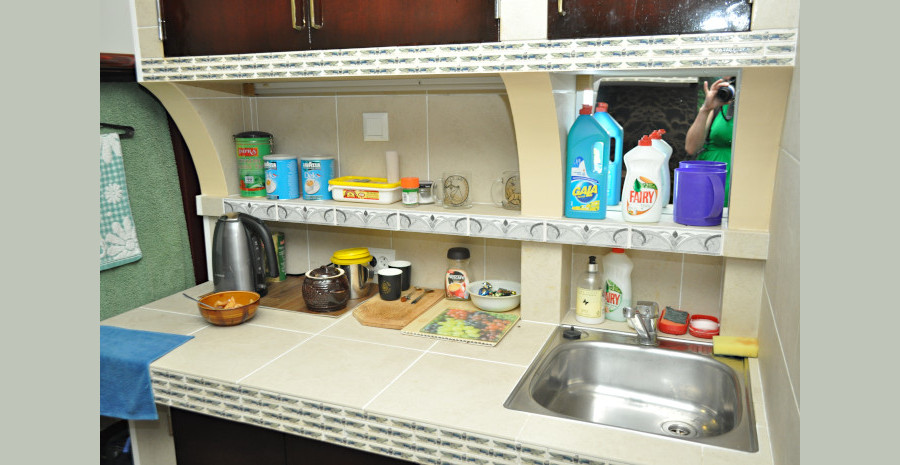
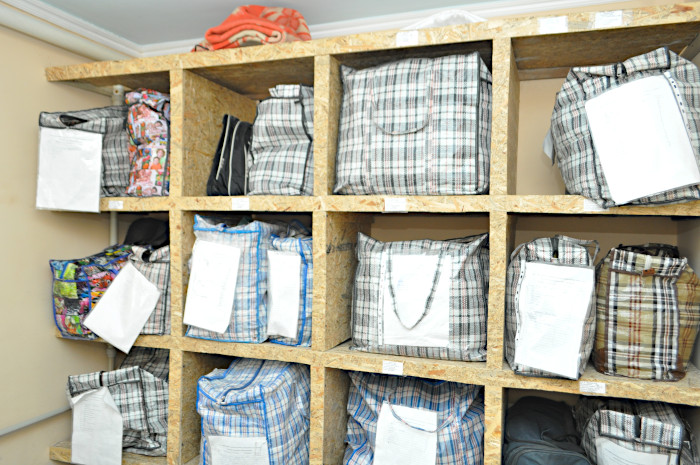
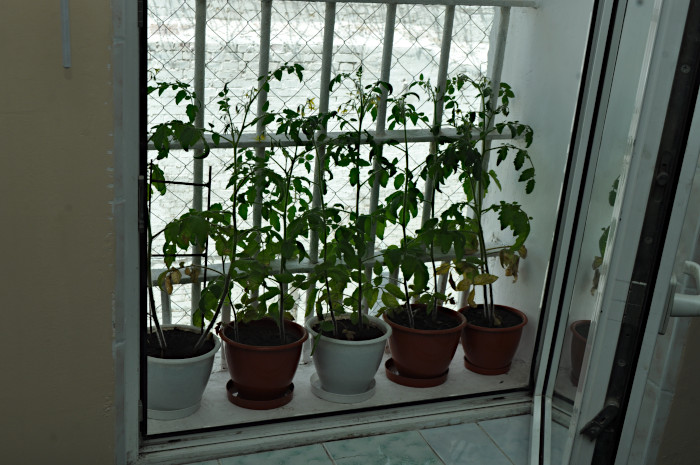
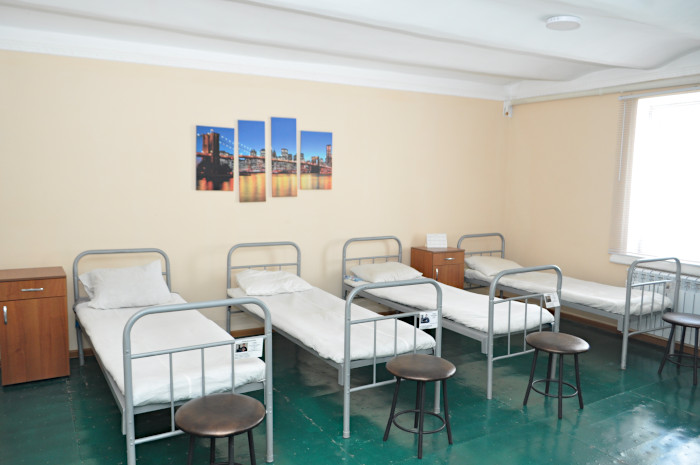
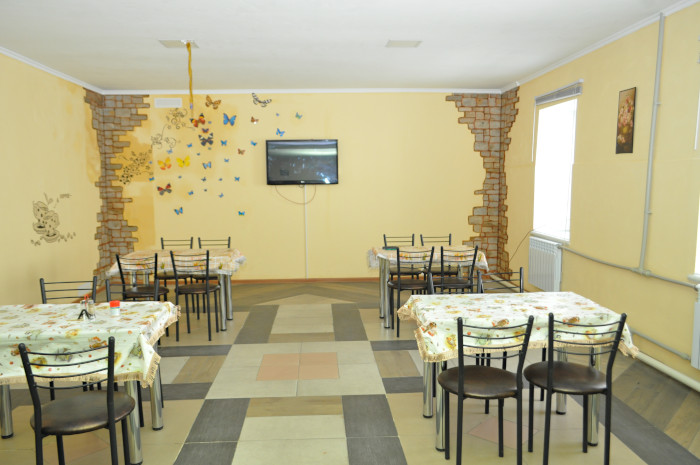
The rooms in which individuals involved in household work live are very clean. There are no foreign odours; it is obvious that they do not smoke in the premises. The bedding is neatly made, snow-white. In the kitchen, there is hot water, the necessary utensils, and a multicooker. The hygiene rooms are also clean, there are no foreign odours, the plumbing is new, there are shower cubicles, and hot water is available everywhere. On the windowsill, instead of flowers, tomato seedlings are growing; administration representatives say that they plant fresh vegetables wherever they can for the vitaminisation of the convicts.
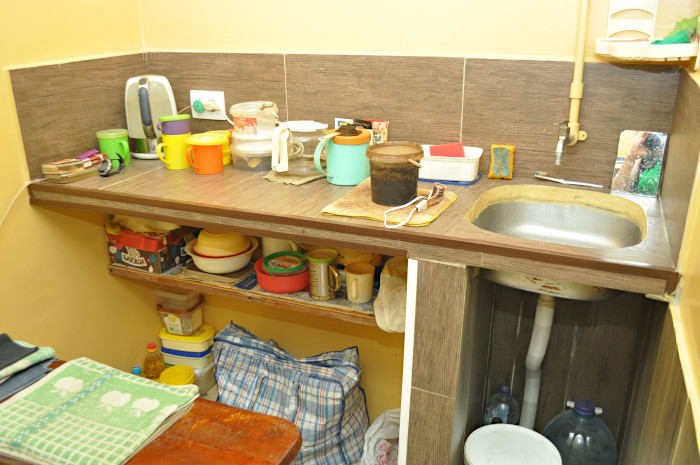
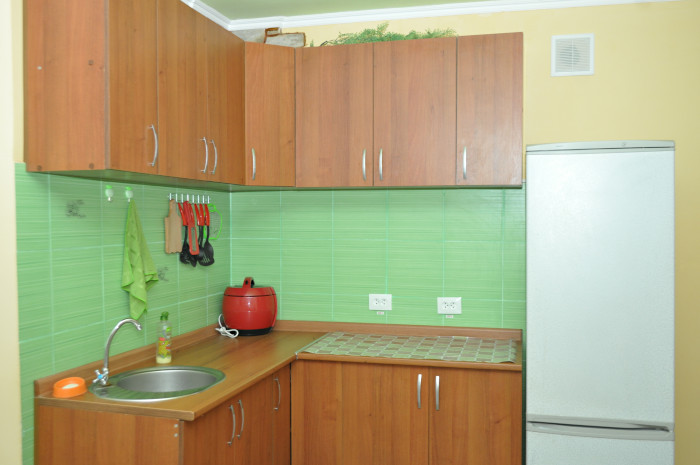
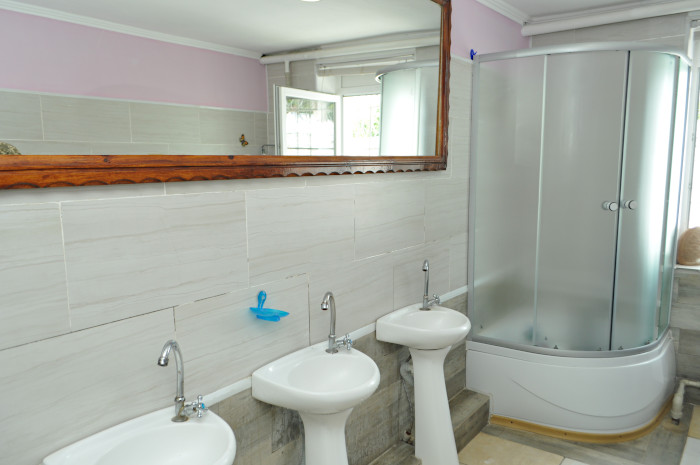
During the monitors’ visit to the block, the convicts living there were mainly at work; the orderlies did not express any complaints or suggestions.
Ward for life-sentenced individuals
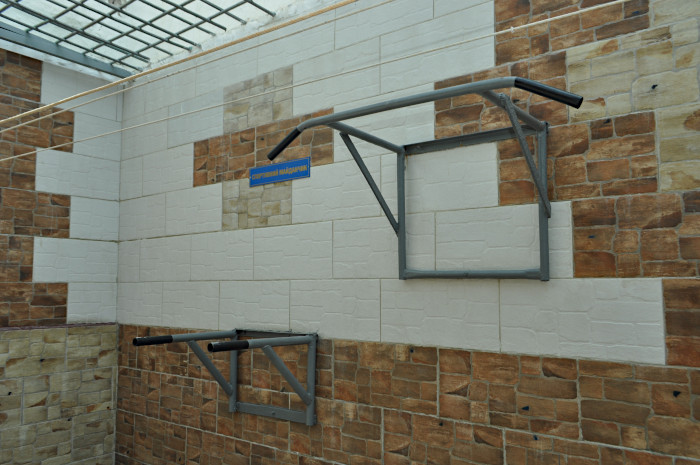
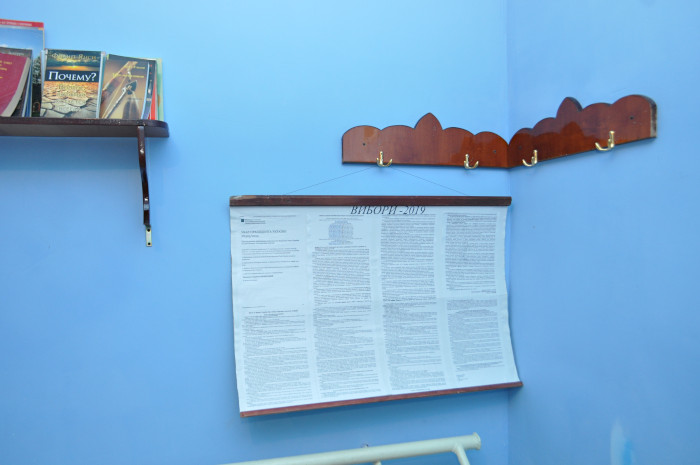
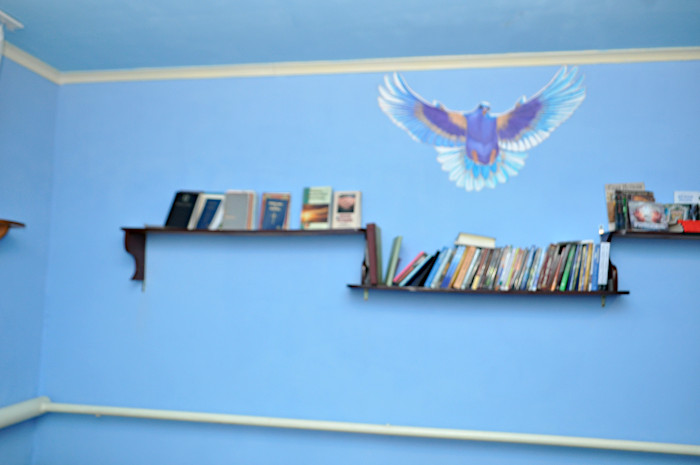
There are 40 people in the ward. As everywhere, there are exercise yards with sports equipment and a shower room. Also, on the floor of the maximum security sector, there is a sports hall where the convicts can work out after writing a corresponding request. There is a room for religious rites; at the time of the monitors’ visit, a priest was there with one of the inmates, and no guard was present during the sacrament.
In general, an attitude towards life-sentenced individuals that is not typical for other penal institutions is prevalent at the institution. They communicate with the inmates with respect, without shouting ‘face to the wall’, and calmly open the grate and let the monitors into the cell.
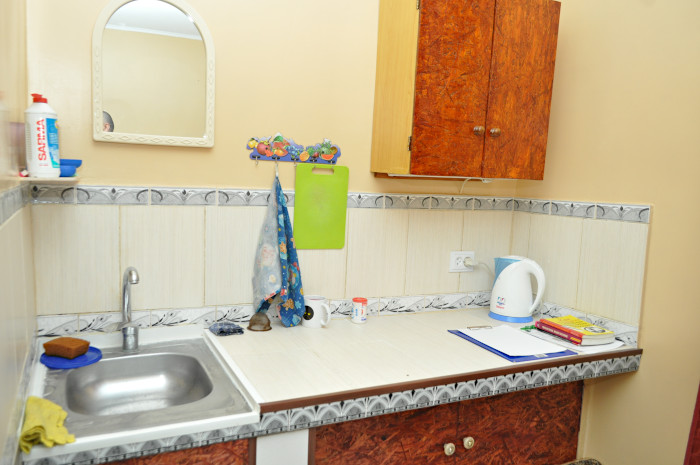
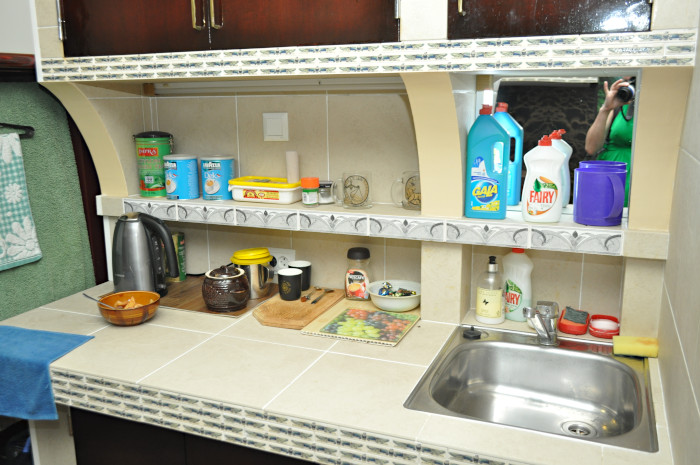
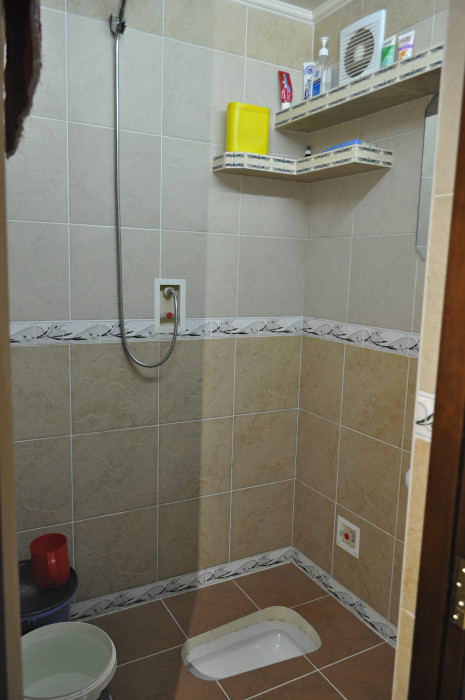
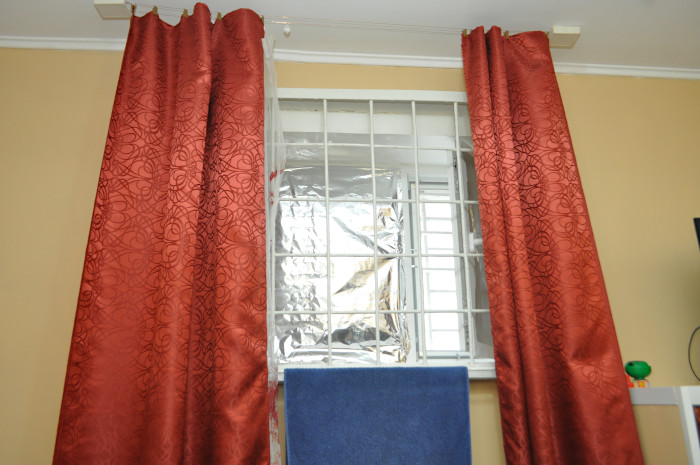
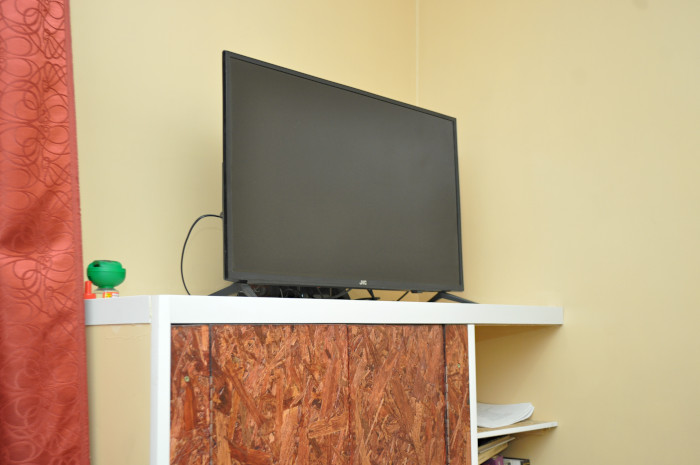
There are no unpleasant odours in the cells and in the corridor; the renovation in all premises is fresh and high-quality, the plumbing is good, and the windows are PVC and open from the inside for ventilation. Depending on the wealth of the inmates, the appliances and furniture in the cells vary, but the basic renovation—tiles, plumbing, windows—is the same everywhere. As the administration explained, they found the funds and opportunities not to leave the tidying up of the cells to the conscience and capability of the inmates, but helped with materials and labour, thanks to which decent repairs were successfully completed in all premises.
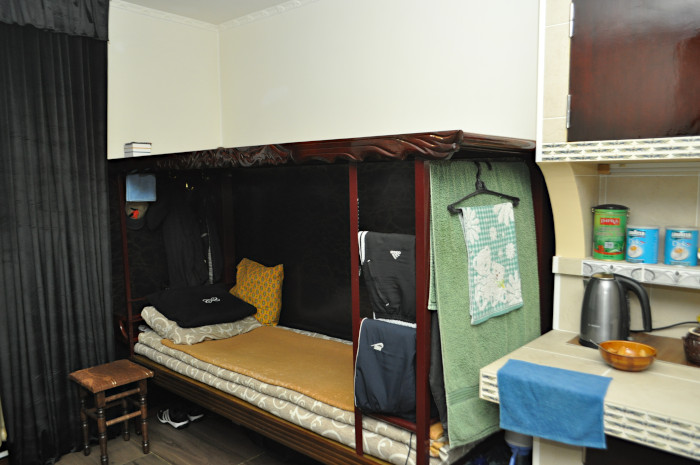
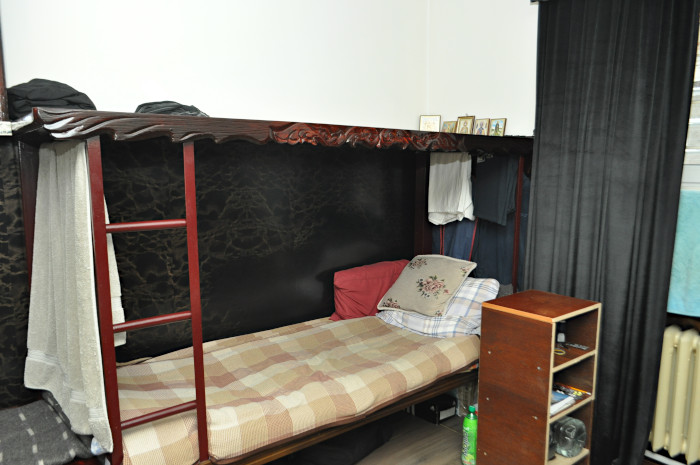
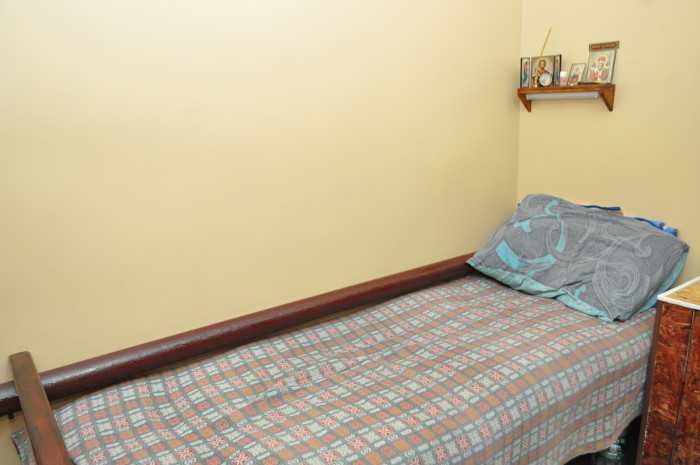
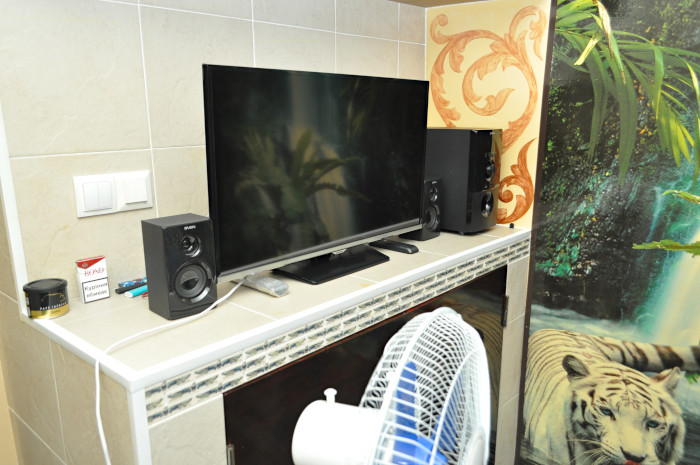
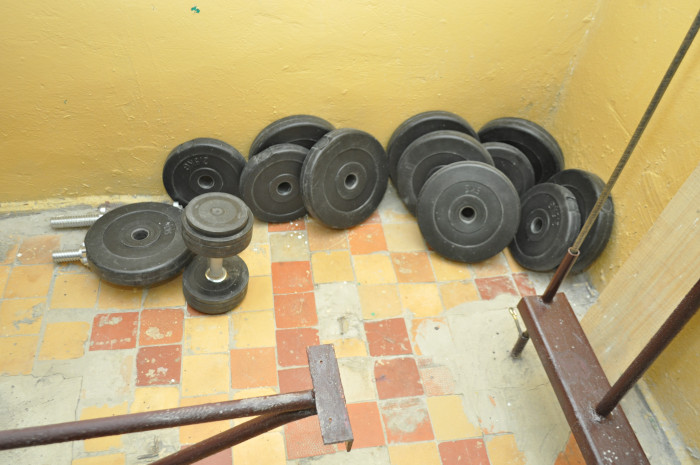
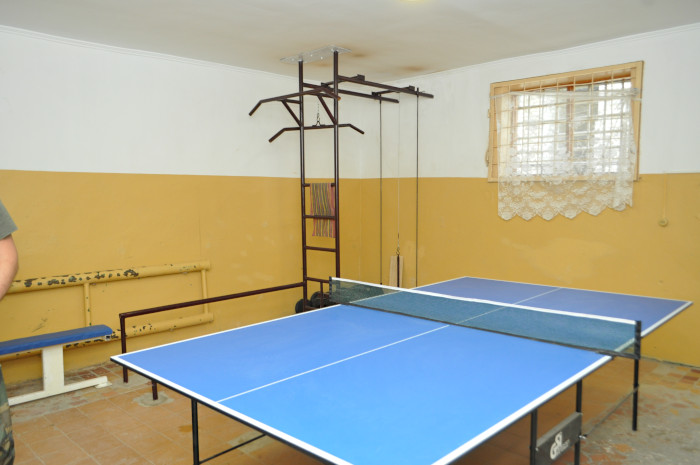
The inmates approve of the administration’s activities and have no complaints about their detention in this institution.

Medicine
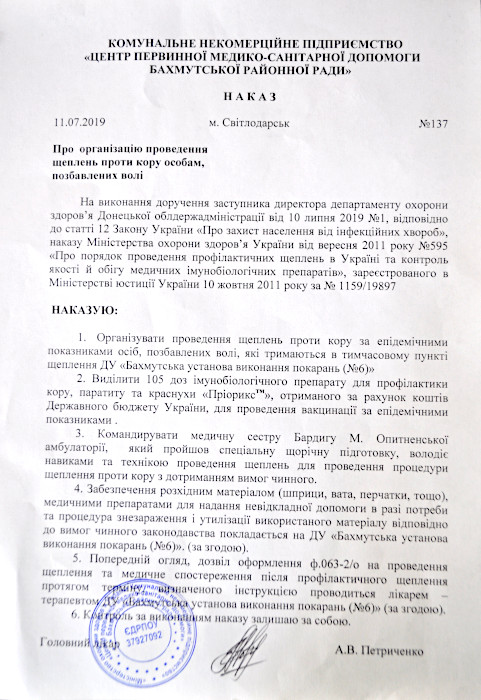
At the time of the monitors’ visit, 10 people had been hospitalised in the institution with a diagnosis of ‘measles’, so the monitors spoke with the medical chief outside the medical unit. On the eve of the visit, all contacted inmates, household staff, and life-sentenced prisoners were vaccinated against measles; there was enough vaccine. According to the medical chief, the institution is fully provided with preparations for antiretroviral therapy; those serving their sentences on the stage receive a monthly supply of medication, and all testing takes place on time. There is no drug treatment centre in the city of Bakhmut that could provide individuals in the SIZO with substitution therapy, so those who need it undergo detoxification after consultation with a narcologist.
The problems faced by medical workers coincide with those that exist throughout the country after the reform—there are no new orders, the issue of transport is not coordinated, and there are problems with junior medical personnel, and there are also no shifts.
EU project ‘Fight against torture, ill-treatment and impunity in Ukraine’