Monitoring visit to Bakhmut Penal Institution No. 6
On 10–11 January 2018, a monitoring group from the Kharkiv Human Rights Protection Group, consisting of V. B. Hlushchenko, V. I. Melnychuk, and H. V. Ovdiienko, visited the Bakhmut Penal Institution No. 6, in which a remand prison block and a maximum security block for housing men sentenced to life imprisonment are located.
The maximum security sector was set up in Penal Institution No. 6 three years ago. Unfortunately, no funds were allocated for its capital repair during its preparation and setup. The sector is designed for 50 inmates, who are to be housed in 20 cells. The area of the cells ranges from 9 to 20 square metres. The cells house, respectively, from two to four inmates. All cells are located on one floor. Currently, 43 individuals sentenced to life imprisonment are serving their sentences in the penal institution. In total, the sector is designed for 50 people. The institution's administration noted that inmates who served their sentences in the temporarily occupied territory arrive at the colony from time to time.
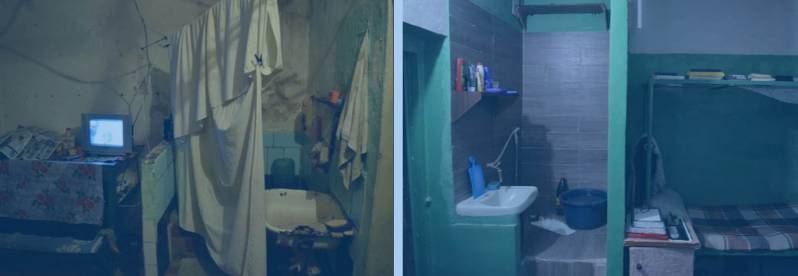
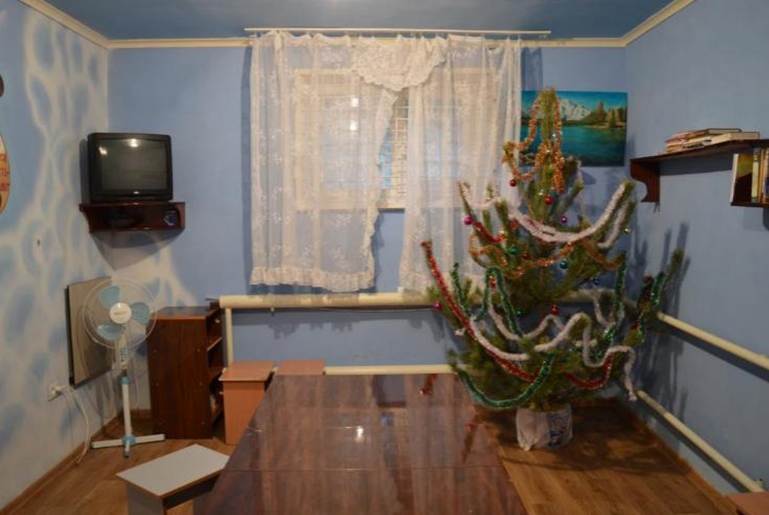
The cells in which the inmates serve their sentences have varying material and technical conditions: the majority of them require repairs. In cells where no repairs have been carried out, the sanitary unit is not separated from the main room. The walls are partially tiled with ceramic tiles (near the sanitary unit) and partially covered with paint. The windows have not been replaced; in one cell, the window is covered with film. The furniture looks old but does not require repair. Almost every cell has a television, and in most, it was switched on. Some of the cells are decorated for the New Year holidays.
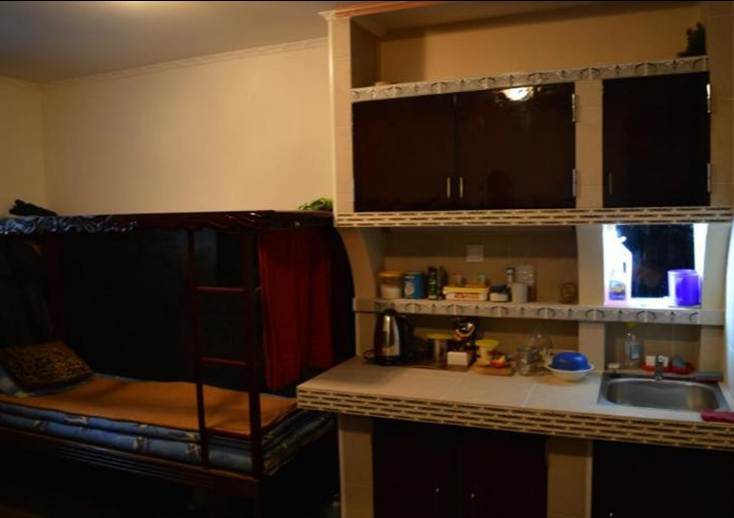
According to the penal institution’s administration, the repair and arrangement of cells are being carried out gradually. For example, recently the administration carried out capital repairs on five cells, and cosmetic repairs were performed in several more. In the renovated cells, the sanitary area has been separated by a drywall partition, the sanitary area has been tiled, and there is a shower. The floor is covered with laminate, the walls are painted, and the furniture is new, made of dark wood.
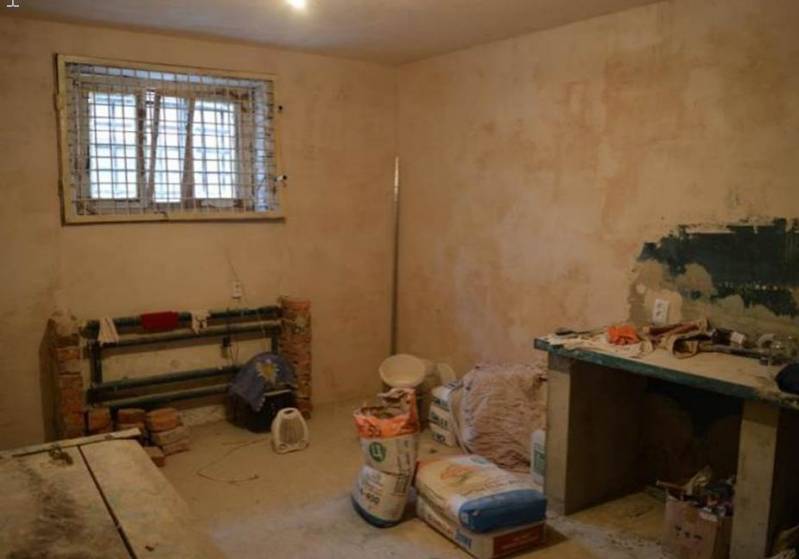
Repair work continues—on the day of the monitoring group's visit, some of the cells were vacant and construction work was being carried out in them.
The cells of the penal institution have sufficient artificial lighting, and there is an opportunity to open windows independently for ventilation. Repair work on replacing electrical networks, heating, water supply, and sewage systems was recently completed. Subjectively, it is warm in the absolute majority of the cells; only in one is it quite cool. The colony administration explains this by stating that the inmates in that cell keep the window open constantly.
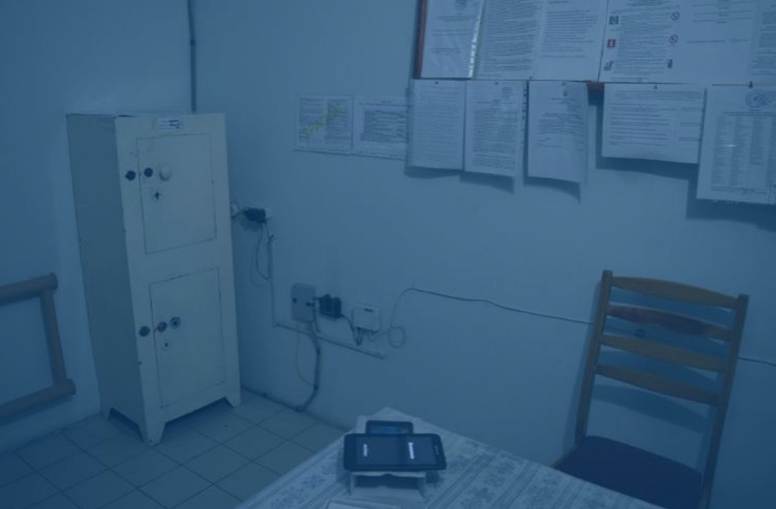
During communication, the inmates did not express complaints about the administration's actions. Upon written application, they have the opportunity to make daily telephone calls for a duration of no more than fifteen minutes. The administration has equipped a room for Internet access, where a special tablet is available, but none of the inmates use it. The minimum cost of using the network is 20 hryvnias per month.
Inmates have the opportunity to go for walks, which usually take place in the morning according to a schedule. Inmates who previously served sentences in other penal institutions compared the detention conditions and generally assessed the conditions in the Bakhmut Penal Institution positively.
In conversations with the monitors, the inmates complained about violations committed during the pre-trial investigation and trial of their criminal cases, as well as unfair conviction.
At the request of a religious organization and with their support, a room was set up in the maximum security sector for meetings between representatives of the religious organization and the inmates. Such meetings take place every week. During them, the inmates discuss important issues, drink tea, and read books. On holidays, representatives of religious organizations bring humanitarian aid to the inmates.
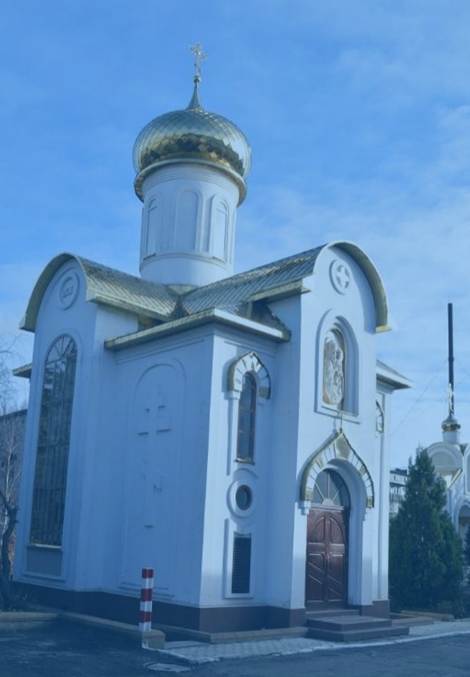
An Orthodox church functions on the territory of the institution, and services there are attended weekly by colony staff and inmates involved in domestic chores.