Monitoring visit to the Poltava Penal Colony No. 64
On 6 April 2018, a team of monitors from the Kharkiv Human Rights Protection Group visited the Poltava Penal Colony No. 64
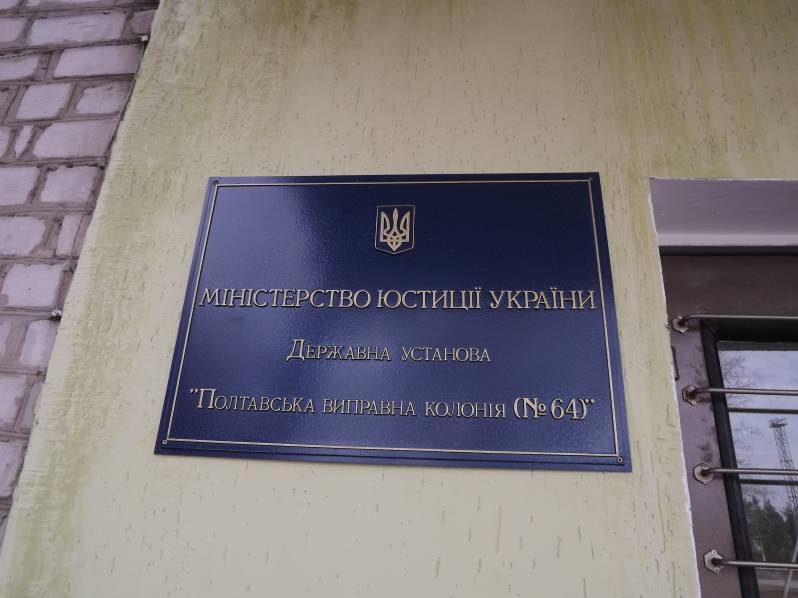
Poltava PC No. 64 is located at 6 Staro-Kotelvska St., on the outskirts of Poltava, in a forest area. This is a medium-security institution for men sentenced to imprisonment for the first time. On the day of the monitors’ visit to the colony, 625 convicts were serving their sentences there. The administration staff actually consisted of 176 people. In the current year, 2018, 61 convicts have been released from the colony.
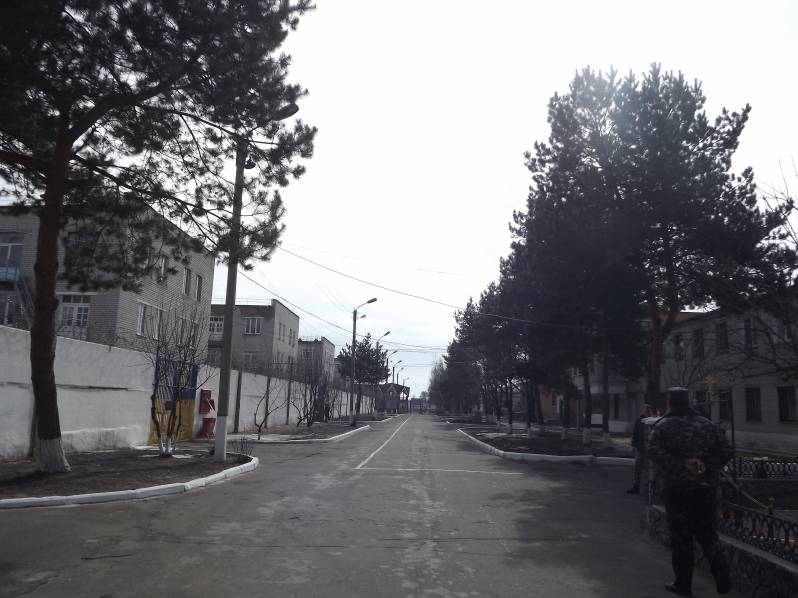
The first impression of the institution is that it is tidy, renovated, and welcoming. The colony administration did not place obstacles in the way of monitoring the institution, readily offered to open all premises, and did not hinder communication with the convicts. The convicts themselves were not afraid to speak in the presence of the colony staff.
Living area
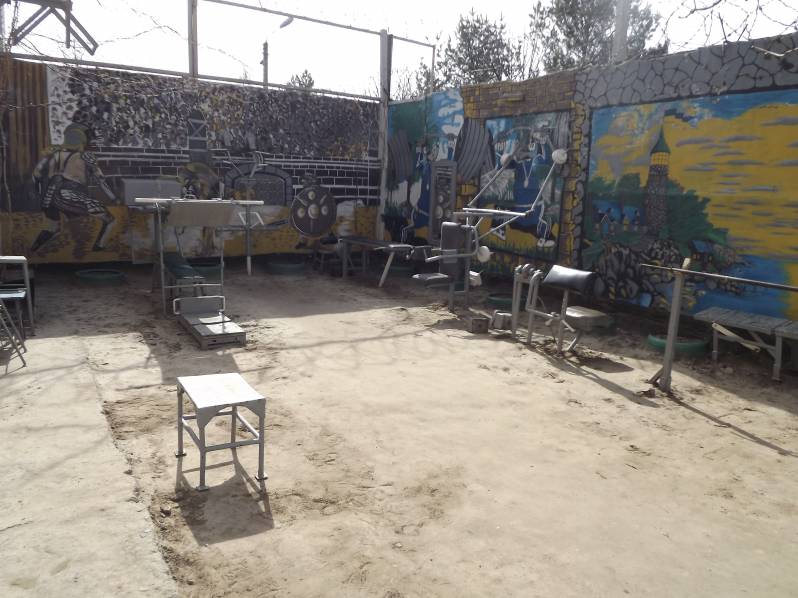
The living area of the colony consists of four local sectors, each of which, in turn, is divided into three departments. The buildings of all sectors are in approximately the same condition: three-storey concrete buildings, next to which are places for convict recreation equipped with sports equipment. Approximately three-quarters of the windows in the buildings have been replaced with metal-plastic ones. Externally, the buildings are painted and renovated, but in places, the concrete plaster has crumbled. According to the administration, due to an excessively long and damp winter, they have to restore the walls damaged by the elements every year.
Inside, the buildings are also renovated. Current repairs of the buildings are carried out every year, which makes it possible to avoid capital refurbishments. Funds for repairs are allocated sparingly, but thanks to the existence of production, the colony administration is able to pay for some repairs. Each department has a large living room, with an area of approximately 30–40 square metres, a room for educational work, a kitchen, a psychological relaxation room, and utility rooms.
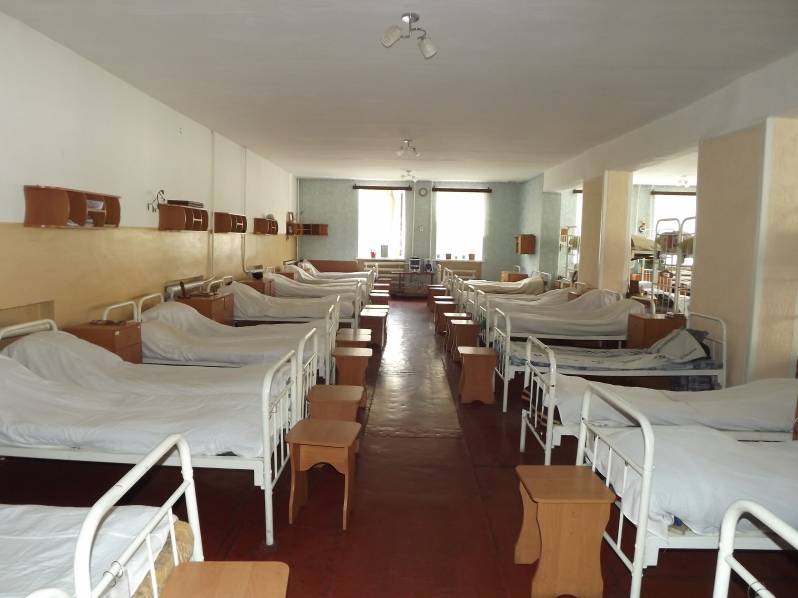
The living part of the department consists of a single large room, in which 60 to 70 people live. The beds in the room are placed at a sufficient distance from each other, but some of them (approximately 20–25 percent) are double-tier. The colony administration assures that every year the number of double-tier beds is decreasing, but they cannot give them up completely.
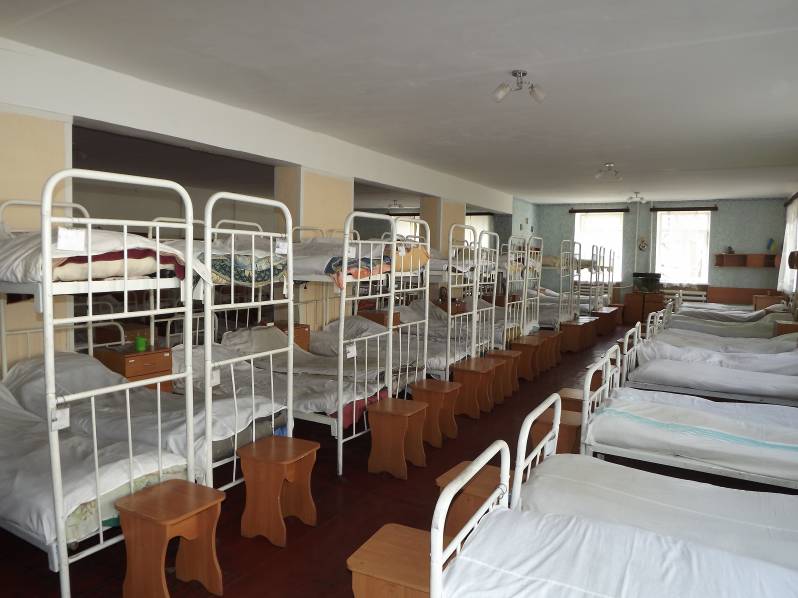
Recently, one of the neighbouring institutions was disbanded, and a large number of convicts were transferred to the Poltava PC. Nevertheless, the monitoring group notes that placing such a number of convicts in one room is a psychologically difficult aspect of serving their sentences and may lead to conflicts. Also, a complete abandonment of double-tier beds is important. In the living quarters, on the whole, it is cosy — there are curtains on the windows and shelves on the walls for the convicts’ personal belongings.
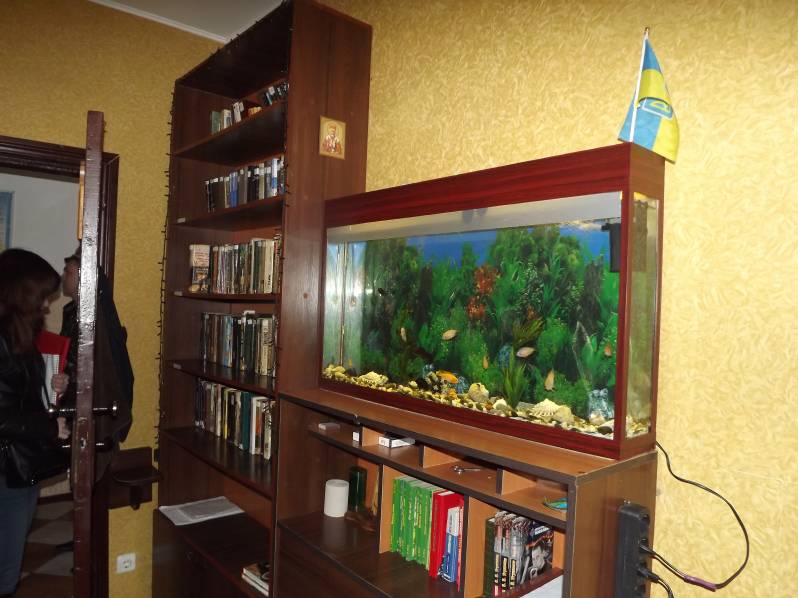
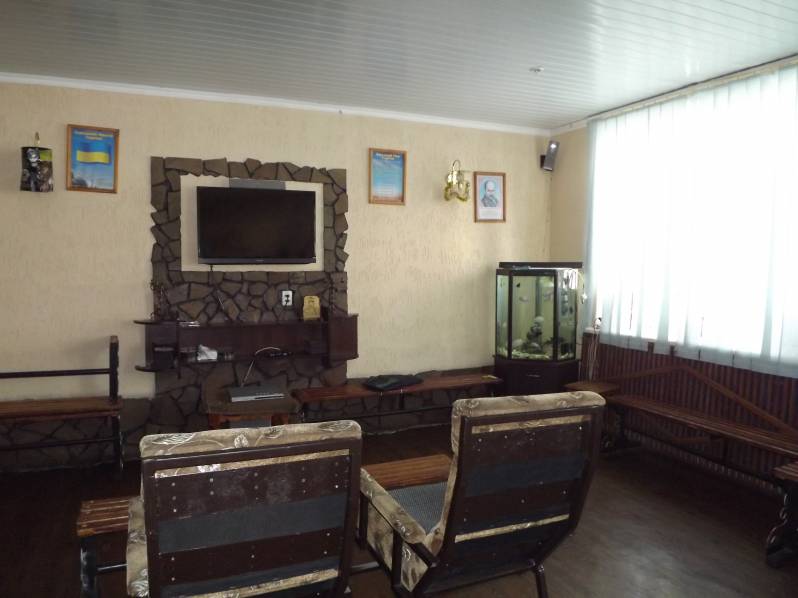
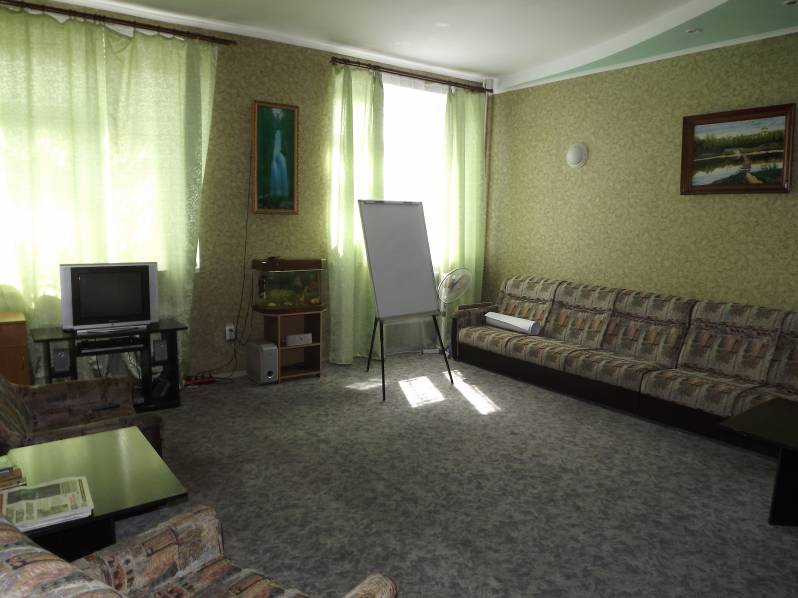
At the time of the visit to the colony, which was approximately 10:00–11:00 AM, most of the convicts were either in production or in the rooms for educational work. These rooms, like all other premises in the sectors, are freshly renovated. Before the visit, the convicts were watching TV. All the premises are quite bright and tidy. In addition, in the psychological relaxation rooms, convicts have the opportunity to be alone and read a book. On the shelves in the room, there is a lot of classic fiction. In some sectors, monitors also saw aquariums. There are soft sofas or armchairs, and tables.
table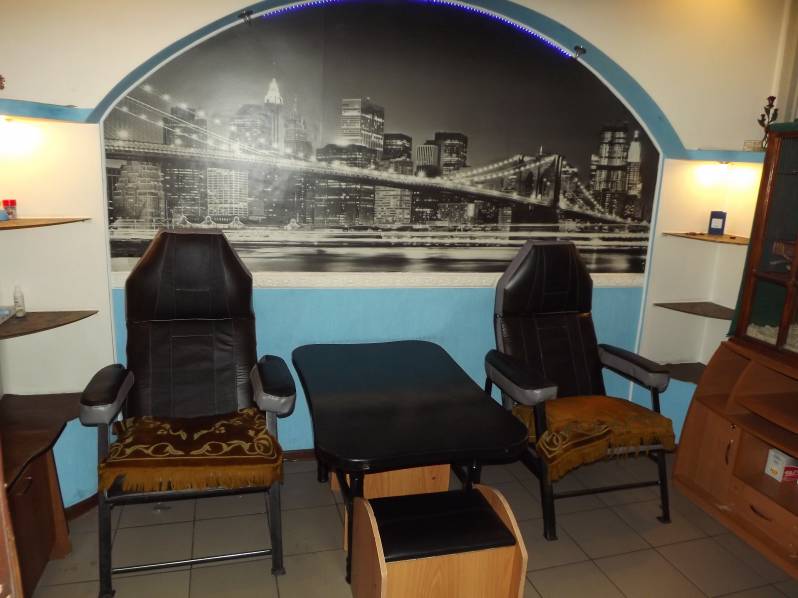
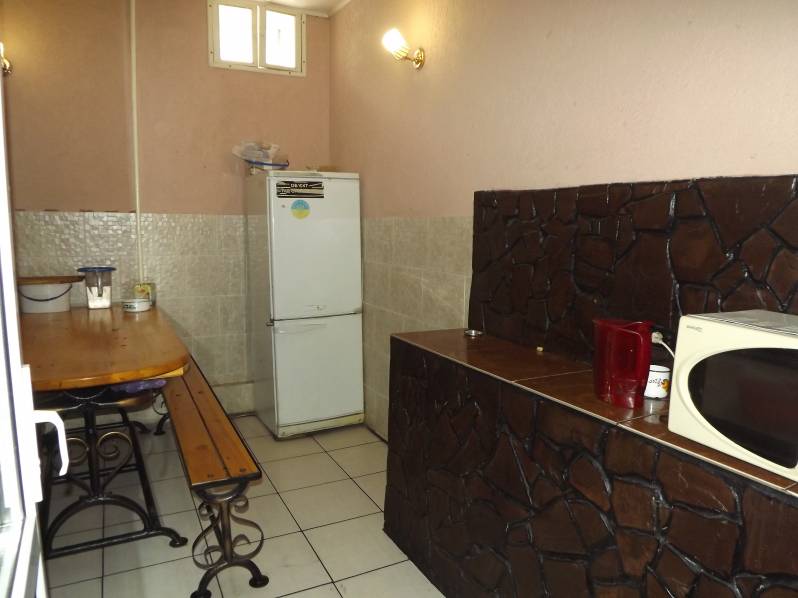
The department kitchens in the sectors are equipped with refrigerators, microwave ovens, and electric kettles. In one of the sectors, the convicts wanted to install bar tables and stools instead of ordinary tables. The administration met them halfway.
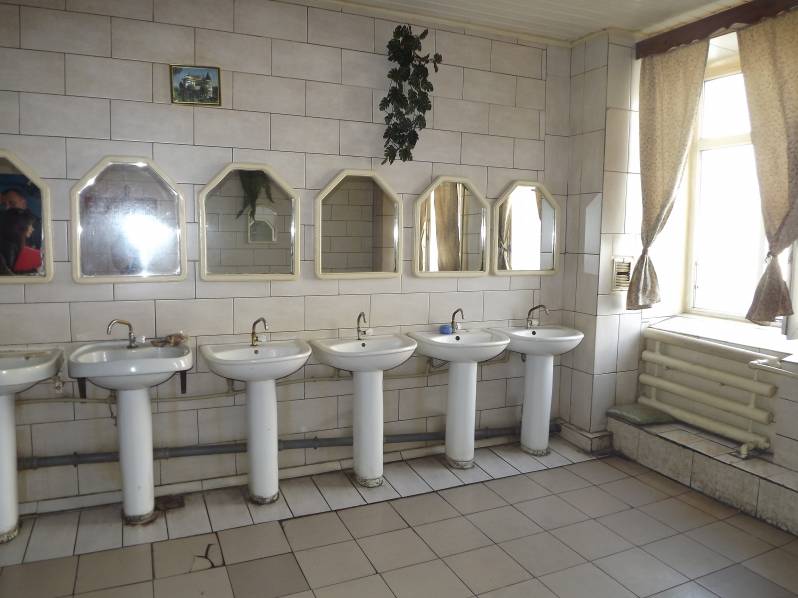
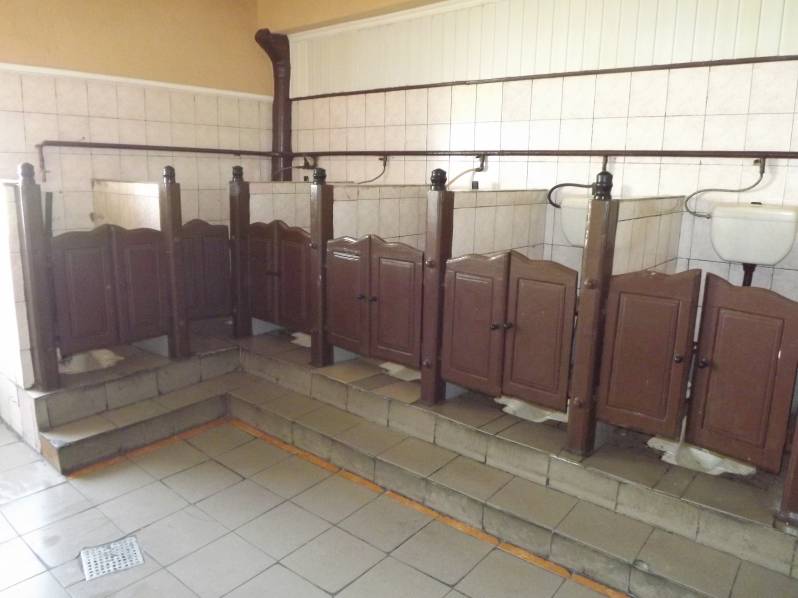
The sanitary equipment in the toilets is in good condition. The washbasins are new and clean. There is cold and hot water. There is no stench in the toilet room. The cubicles are separated from each other by sufficiently high partitions. The squat toilets are relatively new, and there is almost no rust on them. There are also two compact showers in the toilet.
DIS/PKT sector
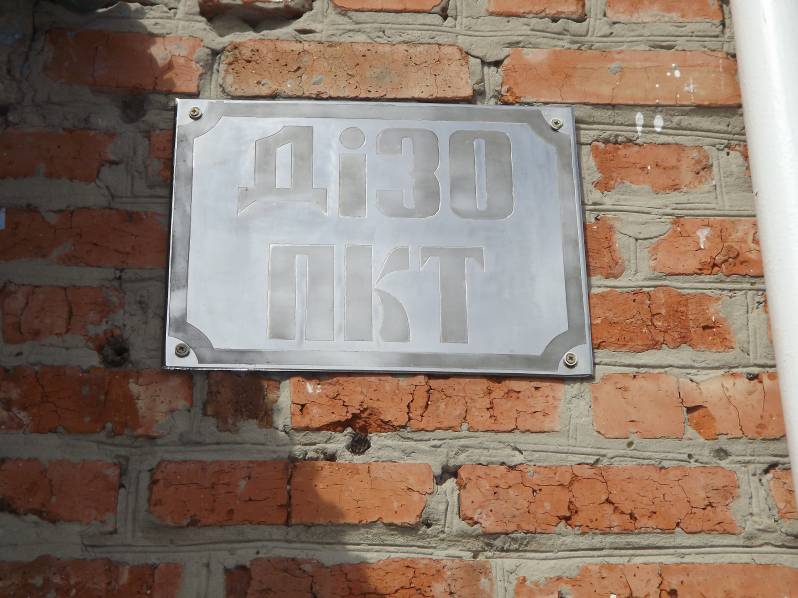
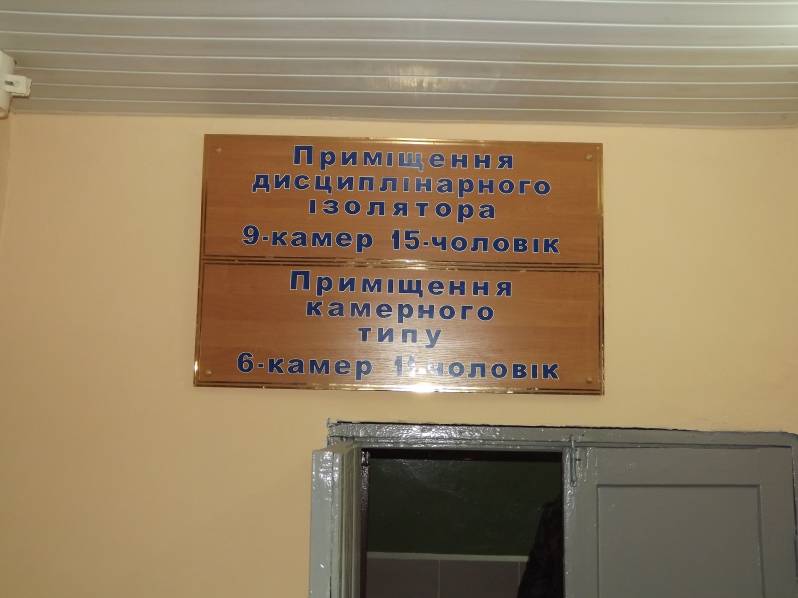
On the day of the monitors’ visit to the colony, 14 convicts were in the DIS (disciplinary isolation ward) sector, and 5 convicts were in the PKT (cell-type premise) section.
The monitors managed to communicate with all the convicts without hindrance. None of them expressed any complaints about the administration of the institution. Only one convict reported that he had been brought to disciplinary responsibility without justification, but he refused to explain in more detail and is not going to appeal the penalty.
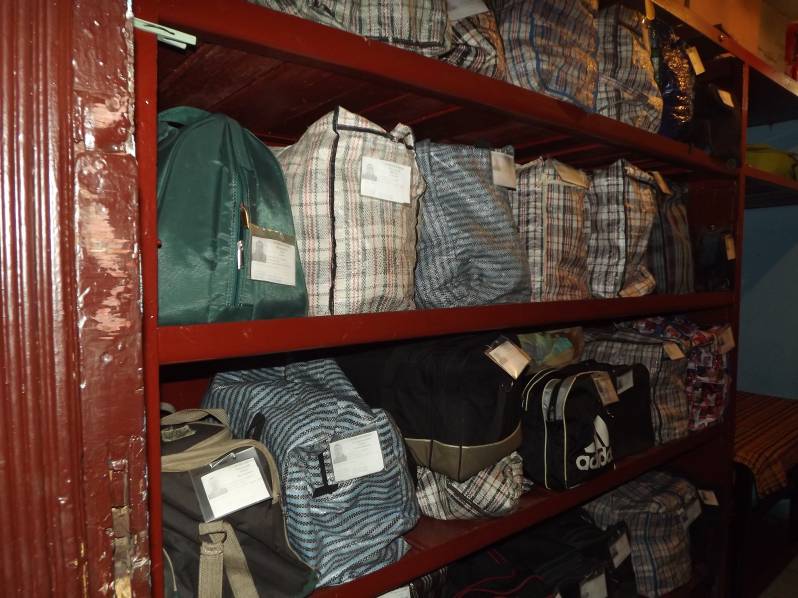
The DIS/PKT cells are in a satisfactory condition. Convicts have the opportunity to walk in inner courtyards, which are equipped with sports equipment and benches. However, due to the influence of rain, snow, and wind, the courtyards are in a semi-derelict state: the paint and plaster have peeled off. On the territory of the sector, there is also a separate place for convicts to eat, and a room for storing their personal belongings. The premises are dry, and there are no unpleasant odours. The convicts have the opportunity to open a window in the cell to ventilate the room.
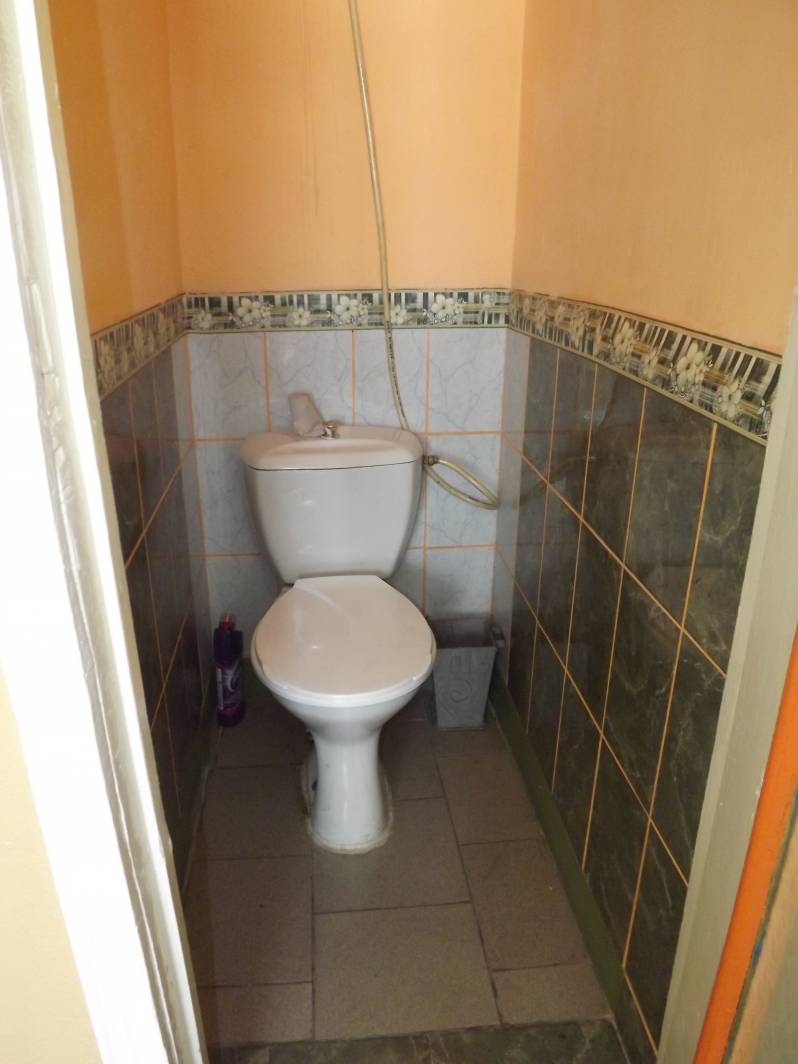
In addition, the monitoring group also inspected the DIS/PKT cells, which had already been renovated in accordance with European prison rules. The monitors noted that the cells are designed for 4 people, the toilet is separated by a high partition, has a door, and the toilet bowl is new. There is centralised water supply in the cell.
Medical unit
12 people work in the medical unit of the colony. It is staffed with all specialists, but some of them work part-time or part of the week. The colony administration only complains about the shortage of paramedics.
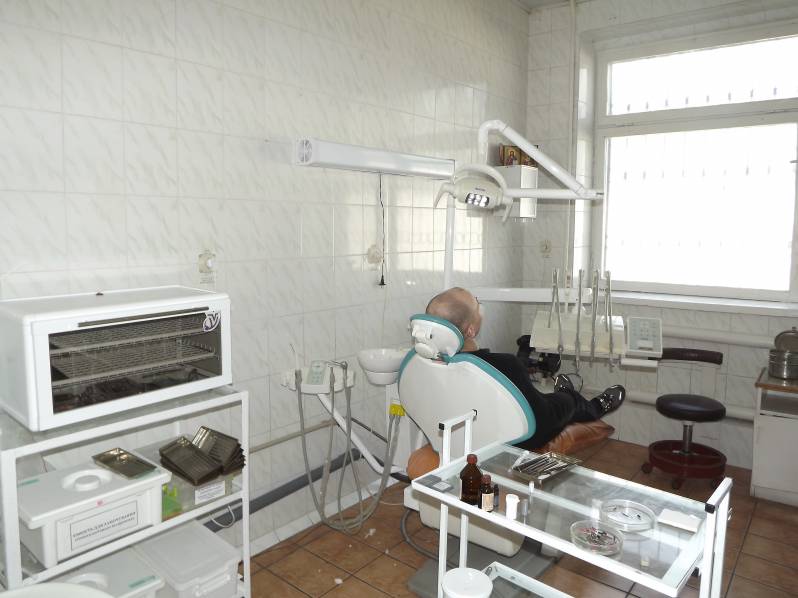
The colony has a dental office equipped according to modern standards, an X-ray room, and a treatment room.
Last year, funds were allocated for a special sterilisation lamp, but, unfortunately, that same year, such “open-type” lamps were banned by the Ministry of Health of Ukraine, so the new lamp will be written off. Furthermore, in 2016, a fluorograph was damaged by lightning during a thunderstorm. It requires 340,000 hryvnias to repair, which is not being allocated from the state budget. Therefore, a specially equipped vehicle from the city hospital arrives to examine the convicts. On the day of the monitors’ visit, such an examination of the convicts was taking place. During it, two patients with tuberculosis were identified and placed in an isolation ward.
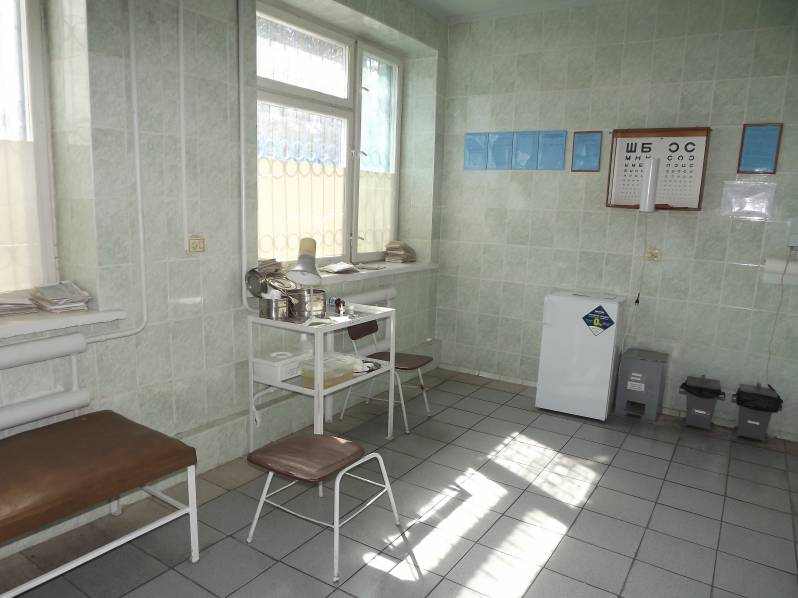
The monitors spoke with the convicts in the isolation ward. They expressed no complaints about the administration and did not complain about the quality of treatment. They had been in the isolation ward for two days. The administration promised that on Wednesday (i.e., 11 April), they would be transported to a specialised medical institution.
Besides these convicts, there were 10 more people in the stationary ward. Among them, there were no seriously ill people. The monitors had the opportunity to speak with a convict who had suffered a stroke. A few days ago, he was assigned a second disability group, and now his transfer to a specialised penal institution is being planned.
In general, the patients did not complain about the quality of treatment. In the refrigerators, the monitors saw a sufficient number of medicines of various spectrums of action. At the moment of the visit, in the dental office, a convict was just receiving treatment.
At the time of the visit, 13 convicts infected with HIV were serving sentences in Poltava PC No. 64; there were no patients with AIDS or syphilis. None of the convicts was receiving substitution therapy.
Food unit
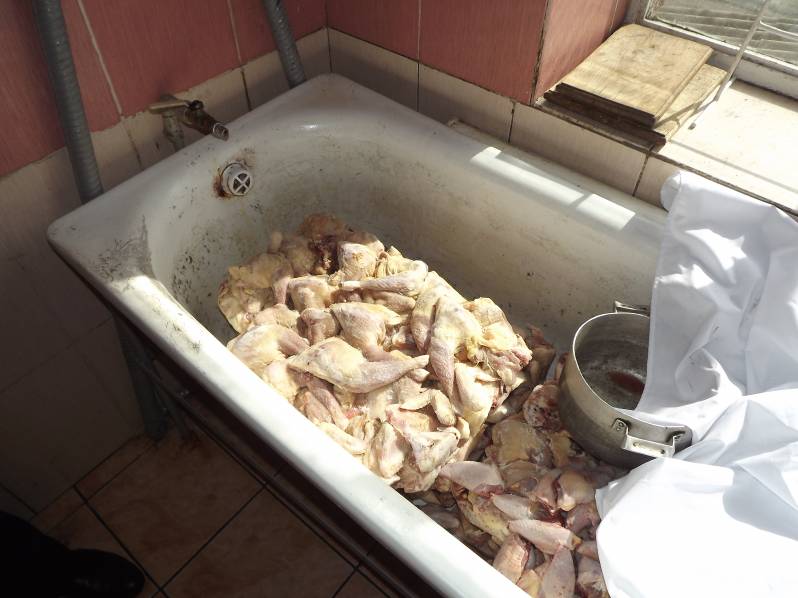
The colony’s food unit consists of a hot (cooking) kitchen and a cold kitchen. In a separate room, products are stored (pantry), there is a room for processing vegetables — at the time of the monitors’ visit, washed and peeled potatoes were lying there, and there are tubs for defrosting meat. In one of these tubs, chicken thighs were defrosting for dinner.
The colony is equipped with several refrigerators. Products are delivered there every day. 350 kilograms of bread are baked in the colony per day.
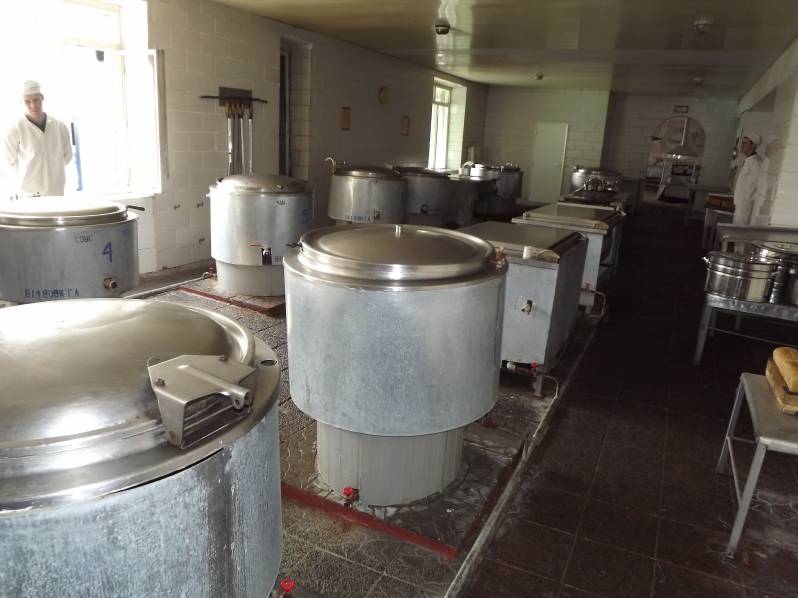
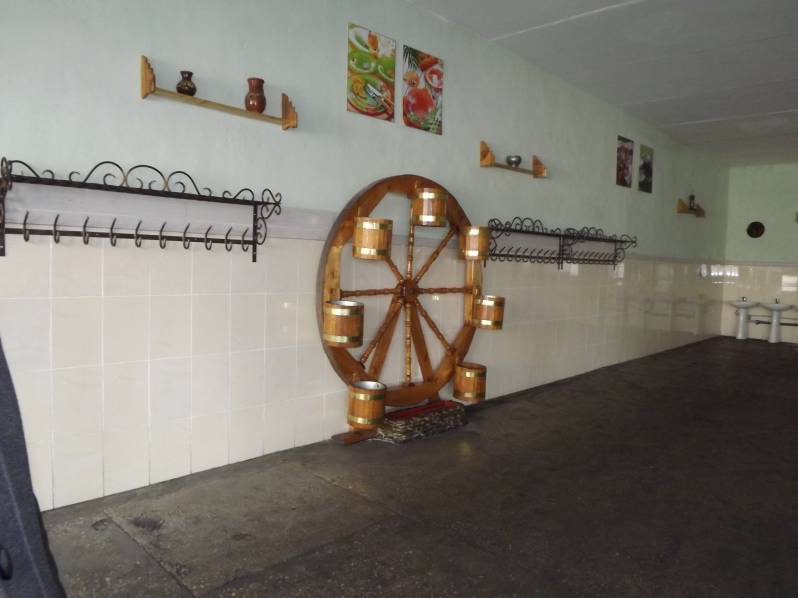
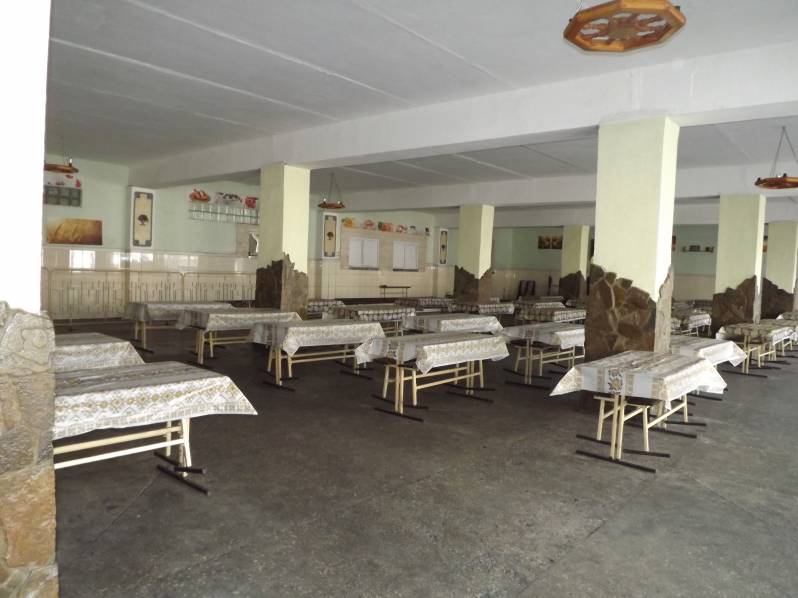
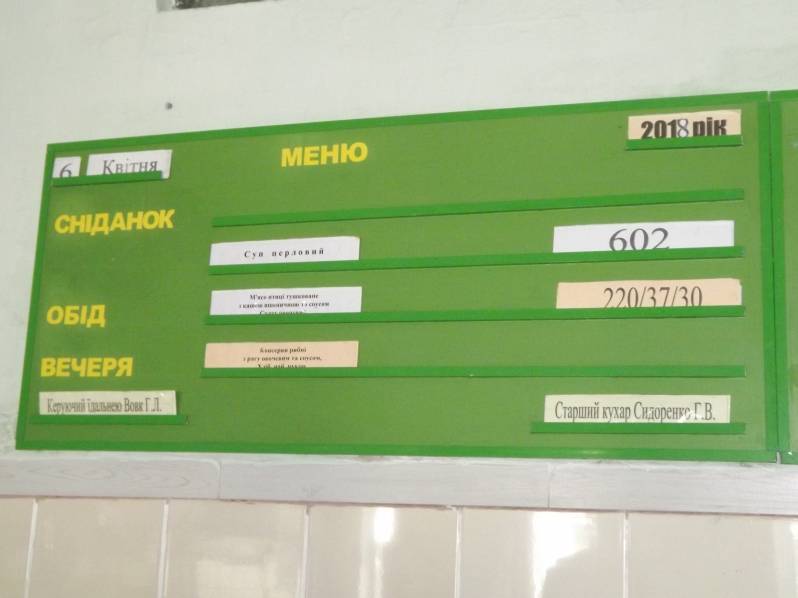
The convicts did not express complaints about the quality of food. The monitors had the opportunity to familiarise themselves with the menu and visited the canteen. The tables in the canteen are clean, and there is a separate area for hand washing with washbasins, soap, and a hand dryer.
Industrial zone
Until 2009, the Poltava PC had a contract with a neighbouring large enterprise. Thanks to this, it was possible to employ all convicts without exception and, in addition, to have income from state orders. But since 2009, state orders have gradually disappeared, and the neighbouring enterprise terminated the contract. Therefore, today only 211 of 625 convicts are working. They are engaged in one of three production areas: the welding workshop, the sewing workshop, or the charcoal processing workshop.
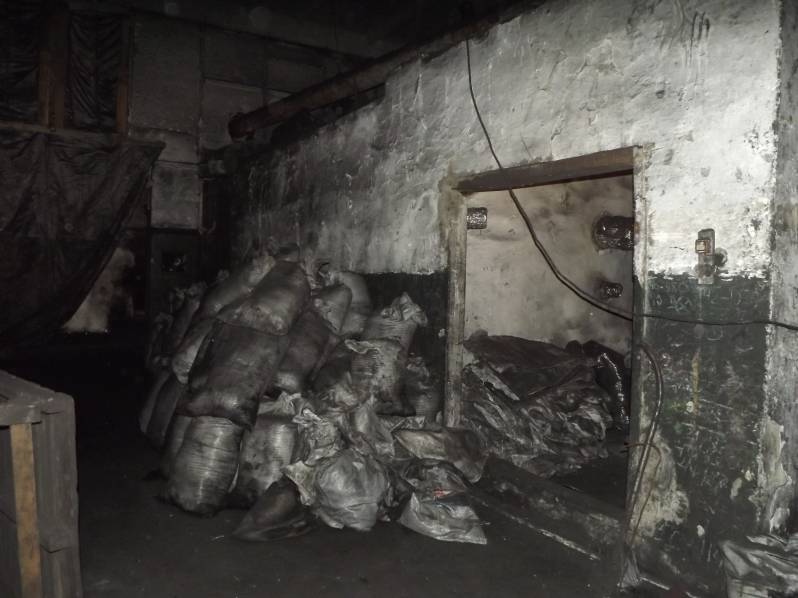
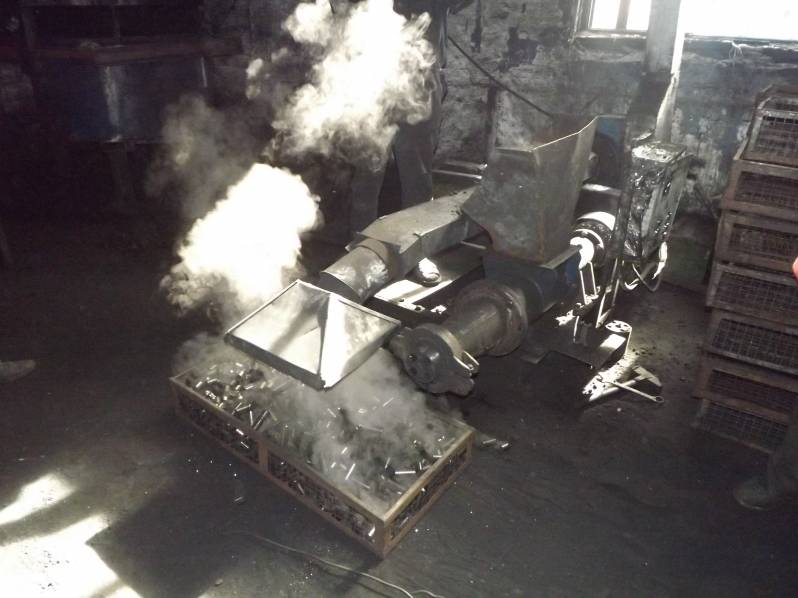
The monitoring group first visited the charcoal processing workshop. In the workshop, it is difficult to breathe due to insufficient ventilation. The floor, walls, and ceiling are covered with black dust from the coal. The convicts in the workshop are without special clothing. They are wearing their own tracksuits and provided masks. The convicts do not wear gloves, although they show them to the monitors upon request. The condition of the issued gloves suggests that it is impossible to work in them for long — they are thin and likely to wear out very quickly.
There are two welding workshops operating in the Poltava PC. The work there is no less difficult than in the coal processing workshop. There is a constant stench and clatter. The convicts work without special clothing or headphones.
The monitors visited the sewing workshop last. There is no clatter there, but there is a persistent and strong smell of glue. The forced ventilation in the room is not working at all. Staying in such conditions for a whole working day is difficult, if at all possible.
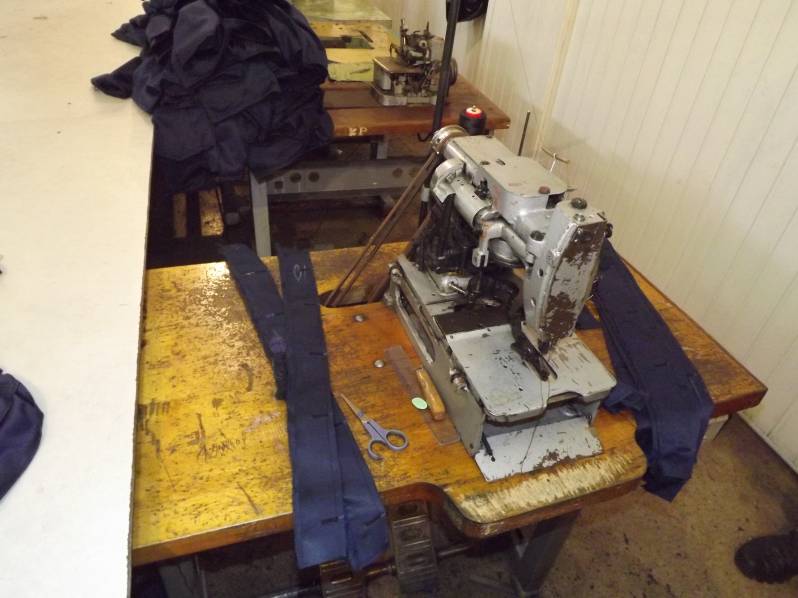
The convicts employed in the jobs indicate that they work from eight in the morning until four in the afternoon, that is, eight hours. Employment contracts have been concluded with all of them, but none of them stated the exact amount of wages. Only one of the convicts said that the salary is enough for three packs of cigarettes, which, probably, is equal to 150–200 hryvnias. Instead, the administration assured that the salary amount is not lower than 1400 hryvnias, and some convicts receive 3000–3200 hryvnias. The convicts also complained that sometimes there is no work at all, but this is connected to the lack of orders.
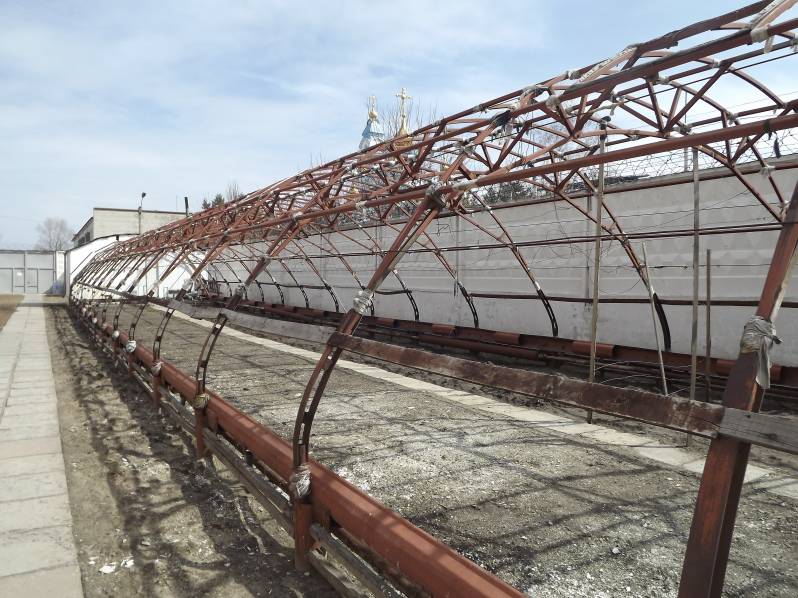
The colony has a small subsidiary farm — several dozen head of poultry, as well as vegetable gardens, a greenhouse, and orchards. On the day of the visit, the convicts were just preparing plastic film for covering the greenhouses. The colony administration indicated that the size of the subsidiary farm is insufficient to ensure the food supply for the convicts.
Leisure
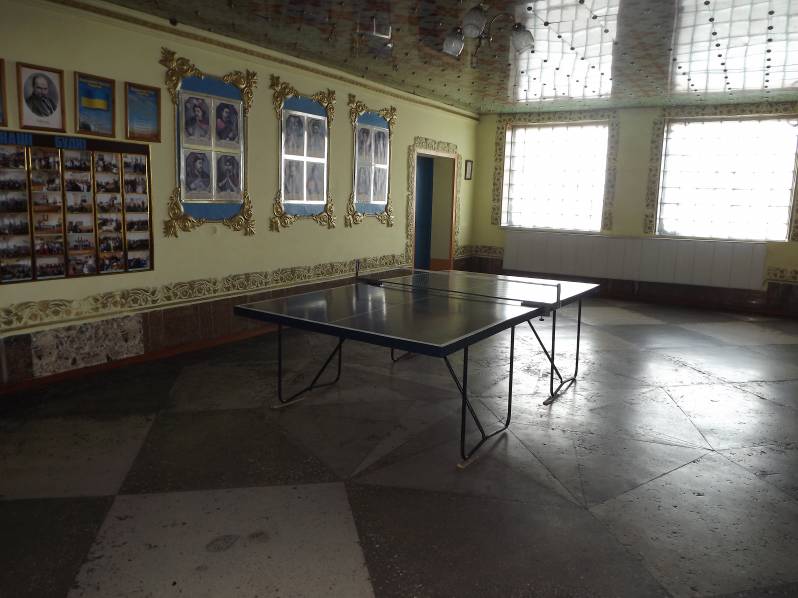
On the territory of the Poltava PC No. 64, there is an Orthodox church, and four other denominations also operate. Every week, workers from a local charitable organisation come to the convicts, who carry out various kinds of events with the convicts and socialise with them. Convicts have the opportunity to visit the library — there are more than 14 thousand books in the institution’s library. A club also functions, where festivities are held.
According to the established programme, convicts can socialise with a psychologist. The colony has a well-equipped room for psychological work with soft sofas and armchairs — the cosy interior encourages communication. Classes and trainings are regularly held there.
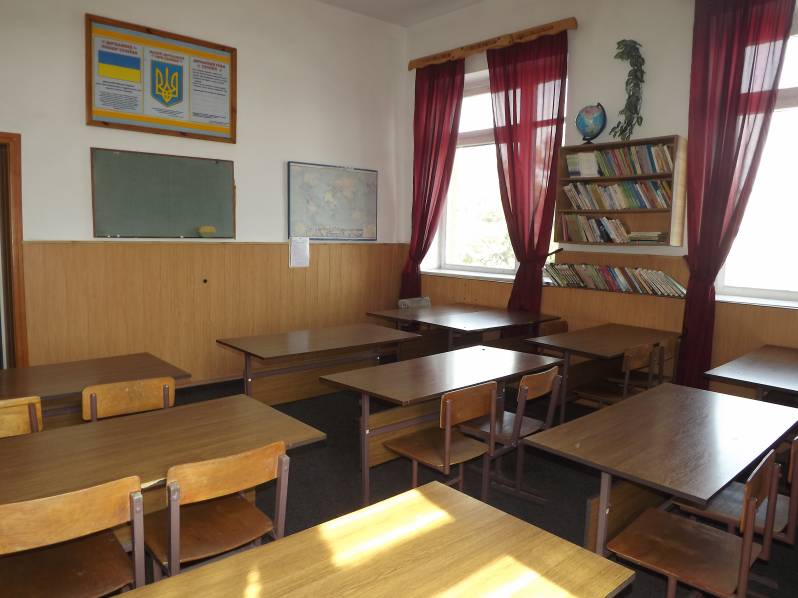
 A school operates in Poltava PC No. 64. Today, 84 people are studying there. The monitors had the opportunity to verify that teaching is indeed being carried out — there are notebooks and textbooks in the classrooms. The classrooms are renovated, with new furniture. According to the administration, one convict is studying via a distance learning scheme at a higher educational institution. More than one hundred convicts are studying at the vocational and technical school attached to the institution. About 10 different specialties can be obtained there. Welders trained by this institution are in demand in the labour market. Therefore, the convicts have a real opportunity to find employment in the future.
Also, a football field is equipped in the colony, where competitions are held. There is a tennis court, where competitions are also held.
Visits
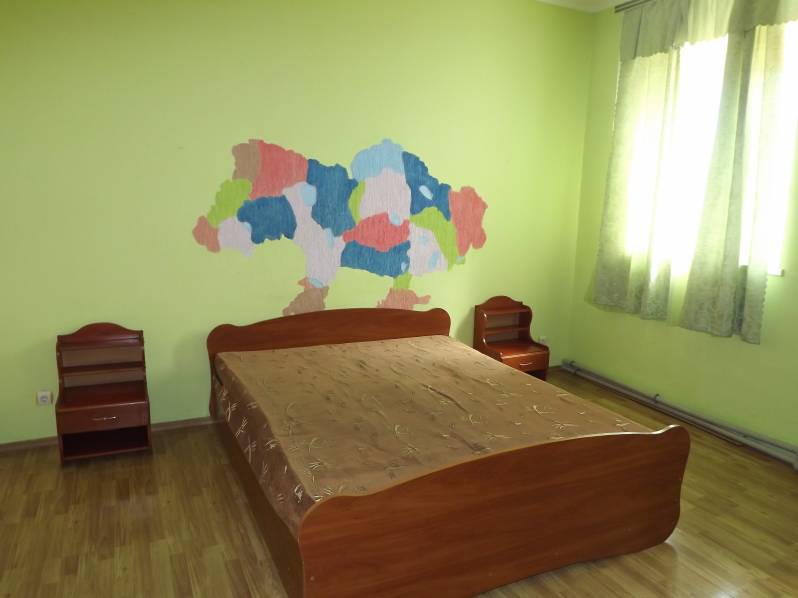
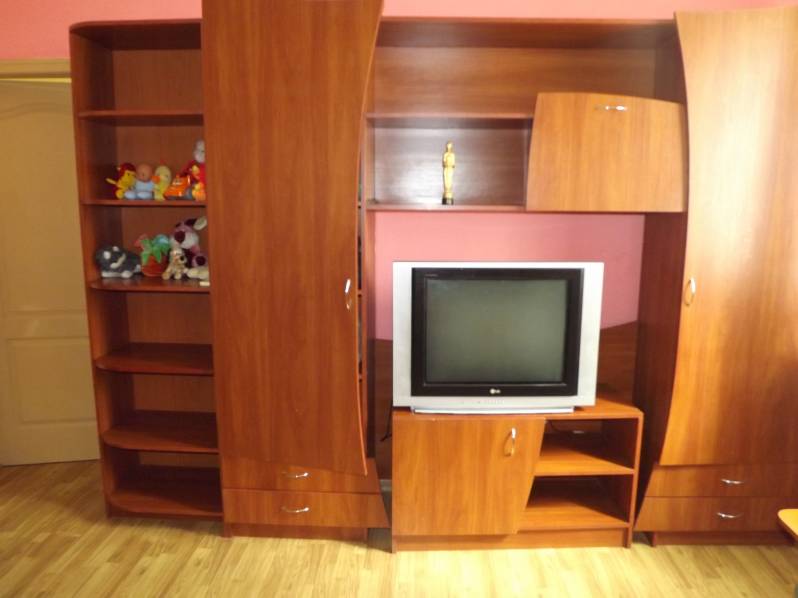
Close relatives of convicts can stay in rooms for long-term visits of varying comfort levels. The most comfortable rooms cost 150 hryvnias per person per night. They have two spacious rooms, a kitchen, and a separate bathroom. Such a room is well-renovated, equipped with air conditioning, and resembles a two-room apartment. Cheaper rooms are also renovated and equipped with modern furniture and appliances. The cheapest room costs 85 hryvnias per person per night and consists of one room without a bathroom. The kitchen for such rooms is located on the floor and is equipped with all necessary appliances. There is also a shower and a playroom for children.
Cubicles for short-term visits in the colony are in a satisfactory condition. They are separated from each other by tinted glass.